 WhatsApp
 Emergency:
  WhatsApp





Subscribe to our
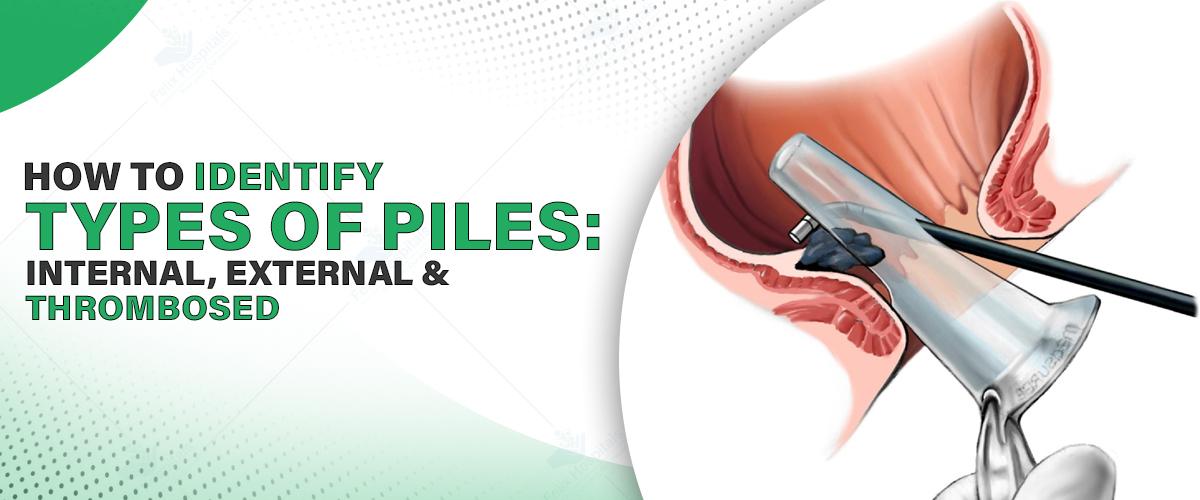
Piles, or hemorrhoids, are a common but rather painful condition that affects the majority of the population, particularly adults older than 30. They develop when the veins in and around the anus or the lower rectum become inflamed or swollen. Though they might not be fatal, they can greatly impair the quality of life unless they are treated at the right time. Familiarity with the various types of piles is the stepping stone for effective management of them.
In this detailed blog post, we will help you in determining the three most common types of piles: internal, external, and thrombosed. Each will have different symptoms and treatment procedures. Early identification can aid you in getting proper care at the right time. If you have symptoms, consulting the best hospital for piles treatments can help you get an expert diagnosis of the piles symptoms and treatment specific to your condition.
Consider scheduling a consultation with a specialist today by calling +91 9667064100 to receive expert advice on managing piles effectively.
Piles are inflamed veins found in the lower rectum or anus. They can be developed either internally (within the rectum) or externally (outside the skin near the anus). Piles are caused by several reasons, including prolonged sitting, straining while passing stool, constipation, pregnancy, or obesity. We can categorize them into three types on a broad level:
Internal Piles
External Piles
Thrombosed Piles
Let's study each of them separately.
Internal piles develop within the rectum and are not visible or palpable in the initial phases. As there are no pain-sensing nerves in this region, internal piles do not lead to pain unless they are large or prolapse.
Symptoms:
Bleeding in the rectum without pain either with or after a bowel movement
Discharge of mucus
Feeling of incomplete emptying
Prolapse: In severe cases, internal piles protrude outside the anus and bring about pain or aching resulting in prolapse.
Grade I: No prolapse, just bleeding
Grade II: Prolapse on defecation but spontaneously retraces
Grade III: Prolapse that needs to be manually reduced
Grade IV: Prolapsed piles which cannot be pushed inside
Diagnosis: We generally do an anoscope or proctoscopy to look at internal piles. If the bleeding is chronic, you may have to undergo additional tests such as a colonoscopy to exclude other pathology.
Lifestyle and dietary modifications
Medications and topical therapy
Minimally invasive treatments such as rubber band ligation or infrared coagulation
External piles exist beneath the skin in the area surrounding the anus and are usually visible as lumps. They have more pain-sensitive nerves, so they can be painful, particularly on sitting or passing stools.
Pain or tenderness around the anal area
Itching or irritation
Swelling or lumps that are painful to touch
Minor bleeding while passing stool
Diagnosis: External piles are often diagnosed by a physical examination. The physician can easily check the area to determine the size and severity of the hemorrhoids.
Over-the-counter creams or ointments
Painkillers
Sitz baths (warm water baths for buttocks and hips)
Surgical excision in severe situations
A thrombosed pile is an external pile where there is a blood clot within the hemorrhoidal vein. This creates a hard, tender lump around the anus and can necessitate urgent medical care.
Sharp and severe pain
Inflammation and swelling
Hard, bluish lump close to the opening in the anus
Possible bleeding if the skin is broken
Diagnosis: The thrombosed piles can usually be diagnosed with a visual inspection. Your physician will check the size of the clot and decide on treatment.
Cold compresses and analgesics to alleviate swelling
In certain situations, the physician might do a small procedure to drain the clot.
Surgery in case of recurring symptoms
Several risk factors could result in piles:
Chronic diarrhea or constipation
Straining during defecation
Prolonged sitting, particularly on the toilet
Low-fiber diet
Obesity
Pregnancy (because of enhanced pressure in pelvic veins)
Aging
Family history
Diagnosis typically starts with a physical examination and history taking. Other diagnostic methods are:
Digital rectal exam
Anoscopy or sigmoidoscopy
Colonoscopy (in the event of rectal bleeding or suspected other conditions)
Early diagnosis is important. If you have any of the above symptoms, it's best to seek consultation from the best piles surgery doctors in Noida for proper assessment and treatment.
Lifestyle modifications: Fiber diet, water intake, and avoiding straining
Medications: Analgesics, laxatives, anti-inflammatory ointments
Minimally invasive procedures: Rubber band ligation, sclerotherapy, infrared coagulation
Hemorrhoidectomy: Surgical excision of piles, typically for severe or frequent cases
Stapled hemorrhoidopexy: Staples are applied to excise or reposition piles
Thrombectomy: For thrombosed piles, surgical evacuation of the clot
Although piles are not always preventable, some preventive steps can significantly lower the risk:
Consume a high-fiber diet (whole grains, fruits, vegetables)
Drink adequate fluids
Avoid sitting for long periods
Stay physically active
Empty the bowel as soon as possible
Maintain healthy body weight
Don't neglect signs such as:
Chronic bleeding during defecation
Severe or sharp pain
Hard masses near the anus
Distinct bowel habit changes
Early treatment ensures a better prognosis. Experts at the best pile treatment hospital in Noida provide advanced diagnostic tools and comprehensive care for effective pile management.
Call now at +91 9667064100 and make your first move toward relief. Contact the best hospital in Noida and schedule your consultation today!
Piles are a manageable condition, especially when identified early and treated appropriately. Knowing the differences between internal, external, and thrombosed piles helps in recognizing the symptoms and seeking timely care. Whether you’re dealing with occasional discomfort or a more serious form of hemorrhoids, seeking professional medical advice can significantly improve your comfort and recovery.
Always give importance to your health and consult a specialist if you think you are suffering from piles. A proper diagnosis and treatment by skilled professionals at the top hospital in Noida can provide you with relief, confidence, and overall well-being.
Q1. Will piles resolve on their own without treatment?
Ans: Mild piles can be benefited by some simple lifestyle modifications such as a high-fiber diet and liquids. But more serious piles are usually treated by medicine or surgery.
Q2. Is bleeding the sole sign of piles?
Ans: No. Bleeding is a frequent symptom, but piles may also produce itching, pain, discomfort, swelling, or a lump in and around the anus, depending upon the severity and type.
Q3. Can I treat piles at home without consulting a doctor?
Ans: These may be treated at home with over-the-counter creams, S itz baths, and dietary adjustments. However, in case of continuous, increasing, or heavy bleeding, medical treatment is required.
Q4. Are piles and anal fissures the same?
Ans: No. Piles are inflamed veins, whereas anal fissures are minute tears in the skin around the anus. Though they are caused by and treated differently, piles and anal fissures can have the same symptoms, like pain and bleeding.
Q5. What is the quickest method to alleviate pain from thrombosed piles?
Ans: Using cold compresses, anti-inflammatory creams, and pain relievers are some ways it can give short-term relief. In other instances, a little surgery might be needed to have the blood clot removed for instant relief.
Know the symptoms of piles in females, including discomfort, bleeding, and swelling, along with causes and treatment options for relief.
Dr. Ritesh Kumar Agrawal is the Best Doctor for piles treatment in Noida at Felix Hospital. With years of specialized experience in proctology.
वल्वर कैंसर महिलाओं में होने वाला एक दुर्लभ लेकिन गंभीर कैंसर है, जो महिलाओं के जननांग के बाहरी हिस्से (वल्वा) को प्रभावित करता है। समय पर पहचान और इलाज से हम जीवन की गुणवत्ता को बनाए रख सकते है। अगर आपको भी अपने या अपने प्रियजन के अंदर कुछ बदलाव या लक्षण दिख रहे हैं तो समय रहते ग्रेटर नोएडा में सर्वश्रेष्ठ स्त्री रोग अस्पताल (Best Gynecology Hospitals in Greater Noida) से सलाह प्राप्त कर सकते है। इस ब्लॉग पोस्ट में हम जानेंगे कि वल्वर कैंसर क्या होता है?, इसके लक्षण, कारण, जांच और इलाज गाइनोकोलॉजिकल गाइडलाइन्स के अनुसार कैसे किए जाते हैं।
ज्यादा जानकारी के लिए हमें कॉल करें +91 9667064100.
वल्वर कैंसर (Vulvar cancer) महिलाओं के बाहरी जननांगों यानी वल्वा में विकसित एक दुर्लभ कैंसर है। यह कैंसर वल्वा की त्वचा या इसके नीचे की कोशिकाओं में असामान्य रूप से बढ़ता है। जिससे ट्यूमर होता है। यह कैंसर धीरे-धीरे होता है। अगर समय रहते पहचान न हो तो यह आसपास के अंगों में भी फैल जाता है।
वल्वा महिलाओं की प्रजनन प्रणाली का बाहरी हिस्सा है। जिसमें लैबिया माजोरा (बाहरी होंठ), लैबिया मिनोरा (भीतरी होंठ), क्लिटोरिस, वेस्तिब्यूल (योनि का प्रवेश द्वार), यूरिन मार्ग का द्वार (यूरेथ्रा ओपनिंग) ये मुख्य अंग शामिल होते हैं। वल्वा महिला के जननांगों की पहली सुरक्षा परत होती है। यह यौन स्वास्थ्य व यूरिन संबंधी कार्यों में मुख्य भूमिका निभाती है। यह कैंसर अक्सर वृद्ध महिलाओं में दिखता है। मगर कुछ मामलों में यह कम उम्र की महिलाओं को भी प्रभावित करता है। खासकर अगर एचपीवी (एचपीवी) संक्रमण मौजूद हो।
यह सबसे सामान्य प्रकार है लगभग 70%–90% मामलों में होता है। यह वल्वा की बाहरी त्वचा की परत की कोशिकाओं में होता है।
यह त्वचा के रंग बनाने वाली कोशिकाओं (मेलानोसाइट्स) से शुरू होता है। यह तेजी से फैलता है। अक्सर गहरे रंग के धब्बे या गांठ के रूप में प्रकट होता है।
यह बहुत धीरे बढ़ने वाला कैंसर है। वल्वा पर यह बहुत कम दिखता है। लेकिन स्किन कैंसर (skin cancer) के रूप में मौजूद होता है।
यह ग्रंथि कोशिकाओं से उत्पन्न होता है और दुर्लभ प्रकार में गिना जाता है। यह तब होता है जब ग्रंथियों की कोशिकाएं असामान्य रूप से बढ़ती हैं।
यह वल्वा के गहरे टिशू से उत्पन्न होता है और अत्यंत दुर्लभ होता है। यह सामान्यतः सॉफ्ट टिशू सारकोमा की श्रेणी में आता है।
वल्वर कैंसर का कोई एक निश्चित कारण नहीं होता, लेकिन कुछ मुख्य जोखिम कारक और संभावित कारण निम्न हैं:
ह्यूमन पैपिलोमावायरस (एचपीवी) एक आम यौन संचारित वायरस है। जो वल्वर कैंसर में पाया जाता है। विशेषकर एचपीवी-16 और एचपीवी-18 प्रकार कैंसरकारी होते हैं। जो लंबे समय तक एचपीवी संक्रमण रहने पर वल्वा की कोशिकाओं में कैंसरजनक बदलाव होता हैं।
वल्वर कैंसर वृद्ध महिलाओं में अधिक देखा जाता है। 60 वर्ष से अधिक आयु की महिलाओं में इसका जोखिम अधिक होता है। उम्र के साथ कोशिकाओं की मरम्मत की क्षमता कम होती है।
जिन महिलाओं की इम्यून सिस्टम कमजोर होता है। यानी एचआईवी/एड्स (HIV/AIDS) या ऑर्गन ट्रांसप्लांट लेने वाली महिलाओं में कैंसर से लड़ने की क्षमता घटती है। एचपीवी जैसे वायरस भी ऐसे शरीर में सक्रिय रहते हैं।
धूम्रपान करने वाली महिलाओं में एचपीवी संक्रमण के कैंसर में बदलने का खतरा अधिक होता है। निकोटिन व अन्य टॉक्सिन्स से शरीर की कोशिकाओं को नुकसान होता है।
प्री-कैंसर की इस स्थिति में वल्वा की कोशिकाएं असामान्य होती है। समय रहते वीआईएन का इलाज न होने यह वल्वर कैंसर में बदलता है। यह स्थिति विशेष रूप से एचपीवी पॉजिटिव महिलाओं में दिखती है।
यह एक दीर्घकालिक त्वचा रोग है, जो वल्वा की त्वचा को पतला, सफेद और खुजलीदार बनाता है। समय के साथ यह त्वचा कैंसर (skin cancer) की संभावना को बढ़ाता है। खासकर बुजुर्ग महिलाओं में होता है।
शुरुआती लक्षणों को अगर समय पर पहचान जाए तो इलाज संभव है। अक्सर महिलाएं इन लक्षणों को नजरअंदाज करती हैं, जो बाद में गंभीर रूप लेती है।
खुजली या जलनः
वल्वा में बार-बार या लंबे समय तक होने वाली खुजली एक प्रमुख संकेत है। यह साधारण इन्फेक्शन होता है। जब यह लगातार हो तो सावधानी जरूरी है।
दर्दः
पेशाब करते समय व चलने के दौरान दर्द महसूस होता है। यह दर्द कभी हल्का और कभी तेज होता है।
रक्तस्रावः
रजोनिवृत्ति के बाद प्राइवेट पार्ट से खून आना चिंताजनक संकेत है साथ ही इसमें बिना कारण के डिस्चार्ज या दाग-धब्बे भी दिखते हैं।
वल्वा में गांठ:
वल्वा की सतह पर कोई कठोर गांठ, मस्सा या न भरने वाला छाला दिखाई दे तो तुरंत जांच करानी चाहिए, ये घाव दर्दरहित भी होते हैं।
त्वचा में रंग का परिवर्तनः
वल्वा की त्वचा का रंग सफेद, गहरा या धब्बेदार हो जाता है। त्वचा मोटी, खुरदरी या पपड़ी जैसी होना भी कैंसर का संकेत है।
शुरुआती लक्षण बहुत हल्के होते हैं। इन्हें नजरअंदाज करना खतरा बढ़ाता है। 60 वर्ष से अधिक उम्र की महिलाओं और एचपीवी संक्रमित महिलाओं को सतर्कता बरतनी चाहिए, जिसके लिए उन्हें समय पर स्त्री रोग विशेषज्ञ से सलाह लेना आवश्यक है।
वल्वर कैंसर की पहचान और इलाज के लिए शुरुआती जांच जरूरी है।
शारीरिक जांचः
डॉक्टर मरीज के वल्वा क्षेत्र की जांच करते हैं और त्वचा की बनावट, रंग, गांठ, सूजन, घाव देखते हैं साथ ही लिंफ नोड्स में सूजन की जांच करते हैं, जिससे कैंसर के फैलाव का संकेत पता चलता है।
बायोप्सी:
बायोप्सी वल्वर कैंसर की जांच के लिए महत्वपूर्ण टेस्ट है। इसमें वल्वा के संदिग्ध भाग से छोटा सैंपल निकालकर प्रयोगशाला में जांच को भेजा जाता है, जिससे कैंसर के प्रकार और ग्रेड को समझने में मदद मिलती है।
कोलपोस्कोपीः
इस माइक्रोस्कोपिक जांच में वल्वा की कोशिकाओं को जूम कर देखते हैं। कोलपोस्कोपी बायोप्सी से पहले होने वाली सहायक जांच है।
इमेजिंग टेस्टः
अगर बायोप्सी में कैंसर की पुष्टि हो जाती तो यह जानना जरूरी होता है कि कैंसर कहां तक फैला है इसके लिए यह टेस्ट जरूरी होते हैं। एमआरआई में वल्वा और आसपास के ऊतकों की स्पष्ट तस्वीर मिलती है। सीटी स्कैन में शरीर में कैंसर के फैलाव, विशेषकर लिंफ नोड्स और पेट के अंगों में जानकारी देता है। पेट स्कैन में सक्रिय कैंसर कोशिकाओं का पता चलता है।
वल्वर कैंसर को उसके फैलाव और गंभीरता के आधार पर चार चरणों में वर्गीकृत किया जाता है।
स्टेज 1 में कैंसर केवल वल्वा तक सीमित रहता है। ट्यूमर का आकार दो सेंटीमीटर से छोटा होता है।
स्टेज 2 में कैंसर वल्वा से बाहर की त्वचा या ऊतकों में फैलता है। यह लिम्फ नोड्स तक नहीं पहुंचता।
स्टेज 3 में कैंसर जांघ के पास स्थित लिम्फ नोड्स में फैल जाता है।
स्टेज 4 में कैंसर यूरेटरी, मलाशय या शरीर के अन्य दूरस्थ अंगों जैसे फेफड़ों तक फैलता है।
इलाज का चयन ट्यूमर के आकार, स्थान, स्टेज और मरीज की शारीरिक स्थिति के आधार पर किया जाता है।
सर्जरीः
वल्वर कैंसर के इलाज के तरीकों में सर्जरी पहली और सबसे महत्वपूर्ण लाइन ऑफ ट्रीटमेंट होती है, इसमें ट्यूमर और उसके आसपास की स्वस्थ ऊतक को सुरक्षित अंतर के साथ हटाया जाता है। वल्वेक्टोमी में कैंसरग्रस्त भाग हटाया जाता है वहीं पूर्ण वल्वेक्टोमी में जब कैंसर फैला हो, तब पूरी वल्वा हटानी पड़ती है। लिम्फैडेनेक्टॉमी में लिम्फ नोड्स में कैंसर फैलने की संभावना हो तो यह जांच और उपचार आवश्यक होता है।
रेडियोथेरेपीः
रेडियोथेरेपी में उच्च ऊर्जा वाली किरणों से कैंसर कोशिकाओं को नष्ट किया जाता है। जब ट्यूमर पूरी तरह हटाना संभव न हो या ऑपरेशन के बाद बचे हुए कोशिकाओं को खत्म करने के लिए होता है। अगर लिम्फ नोड्स में कैंसर फैल गया हो तो रेडियोथेरेपी जरूरी होती है। रेडियोथेरेपी सर्जरी से पहले या बाद में दी जा सकती है।
कीमोथेरेपीः
कीमोथेरेपी में कैंसर कोशिकाओं को मारने के लिए दवाओं का इस्तेमाल किया जाता है। खासतौर से जब कैंसर एडवांस स्टेज में हो या पुनरावृत्ति की संभावना हो। इसमें कई बार रेडियोथेरेपी (Radiotherapy) के साथ कीमोथेरेपी को एक साथ दिया जाता है। इससे रेडिएशन का प्रभाव और अधिक बढ़ता है। कीमोथेरेपी के दुष्प्रभावों में बाल झड़ना, कमजोरी, मतली हो सकते हैं।
इम्यूनोथेरेपीः
नई रिसर्च आधारित इलाज जो उन्नत या मेटास्टेटिक वल्वर कैंसर के लिए उपयोगी हो सकते हैं। यह इलाज अभी क्लिनिकल ट्रायल या सीमित उपयोग में हैं, खासकर जब पारंपरिक इलाज बेअसर हो।
वल्वर कैंसर के इलाज की योजना मुख्य रूप से इस पर निर्भर करती है कि कैंसर किस चरण में है।
स्टेज 1: लो-रिस्क ट्यूमर और ट्रीटमेंटः
ट्यूमर छोटा होता है और वल्वा तक ही सीमित रहता है, लिम्फ नोड्स में फैलाव नहीं होता। यदि ट्यूमर की गहराई कम हो और किनारों में कैंसर न हो तो कोई अन्य उपचार आवश्यक नहीं। सेंटिनल लिम्फ नोड बायोप्सी किया जा सकता है यदि ट्यूमर 1 mm से गहरा हो।
स्टेज 2: सर्जरी के साथ या बिना रेडियोथेरेपीः
ट्यूमर वल्वा से आगे आसपास के ऊतकों (जैसे यूरीथ्रा, वेजाइना, एनस) में फैल चुका होता है, लेकिन लिम्फ नोड्स में नहीं गया होता। यदि ट्यूमर का साइज बड़ा है या मार्जिन क्लीन न हों तो रेडियोथेरेपी दी जाती है, इसमें लिम्फ नोड एसेसमेंट जरूरी है।
स्टेज 3-4: मल्टीमॉडल थेरेपीः
इसमें कैंसर लिम्फ नोड्स तक फैल चुका होता है। यह यूरीनरी ब्लैडर, मलाशय, या शरीर के दूरस्थ अंगों तक फैलता है।
अगर कैंसर वापस लौट आए या स्टेज 4 बी में स्थानीकृत हो और अन्य इलाज विफल हो जाए। पेल्विक एक्सेंटेरेशन एक बड़ी सर्जरी होती है। जिसमें वल्वा के साथ साथ मूत्राशय, यूटेरस, वेजाइना और/या मलाशय को भी हटाया जा सकता है। यह प्रक्रिया तब अपनाई जाती है जब रोगी शारीरिक रूप से सक्षम हो और कैंसर सिर्फ पेल्विक क्षेत्र तक सीमित हो।
वल्वर कैंसर का इलाज समाप्त होने के बाद भी ध्यान देना जरूरी होता है, क्योंकि यह रोग शरीर के साथ-साथ मानसिक और भावनात्मक स्तर पर भी गहरा असर डाल सकता है।
वल्वा की सर्जरी या रेडियोथेरेपी के बाद त्वचा में कठोरता, सूखापन या जलन हो सकती है। महिला की सेल्फ इमेज, आत्मविश्वास और यौन पहचान प्रभावित हो सकती है। निराशा, चिंता, डिप्रेशन जैसी समस्याएं आ सकती हैं। गाइनोकोलॉजिकल ऑन्कोलॉजी सोसाइटीज द्वारा निर्धारित समयबद्ध फॉलोअप बहुत जरूरी होता है। वल्वर कैंसर में पहले 2–3 वर्षों में रिकारेंस की संभावना अधिक रहती है।
गाइनेकोलॉजिकल ऑन्कोलॉजिस्ट मुख्य विशेषज्ञ जो स्त्री जननांग अंगों (जैसे वल्वा, गर्भाशय, अंडाशय) के कैंसर के निदान और इलाज में प्रशिक्षित होते हैं। यह सर्जरी, कीमोथेरेपी और इलाज की योजना यही डॉक्टर बनाते हैं। अगर गाइनेकोलॉजिकल ऑन्कोलॉजिस्ट उपलब्ध नहीं हो, तो यह विशेषज्ञ कैंसरग्रस्त ऊतक को शल्य क्रिया द्वारा निकालते हैं।
वल्वर कैंसर समय रहते निदान हो तो इलाज आसाना होता है। क्योंकि इससे शरीर का संवेदनशील हिस्से प्रभावित होता है। इसलिए शारीरिक, भावनात्मक समर्थन जरूरी होता है। गाइडलाइन आधारित उपचार से जीवन की गुणवत्ता में सुधार होता है। एचपीवी वैक्सीनेशन, धूम्रपान छोड़ना और वीआईएन जैसी प्री-कैंसर अवस्थाओं की निगरानी से इसे रोका जा सकता है। महिला को वल्वा संकोच नहीं, सजगता रखनी चाहिए। समय पर जांच, सही उपचार और जागरूकता वल्वर कैंसर से लड़ने का सबसे कारगर रास्ता होता है।

Cervical cancer is most common in women after breast cancer. Cervical cancer starts from the cervix, i.e., the cervix. The cervix is the lower part of the uterus that connects the vagina to the uterus.
Recent studies have explored a possible link between frequent mouthwash use and cancer risk.
Explore essential information about breast cancer, including its symptoms, causes, types, and treatments, to stay informed and proactive about your health.
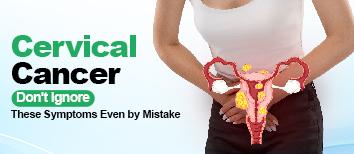
Recognize the early warning signs of cervical cancer. Learn about its symptoms, causes, and when to consult a gynecologist for timely diagnosis and treatment.
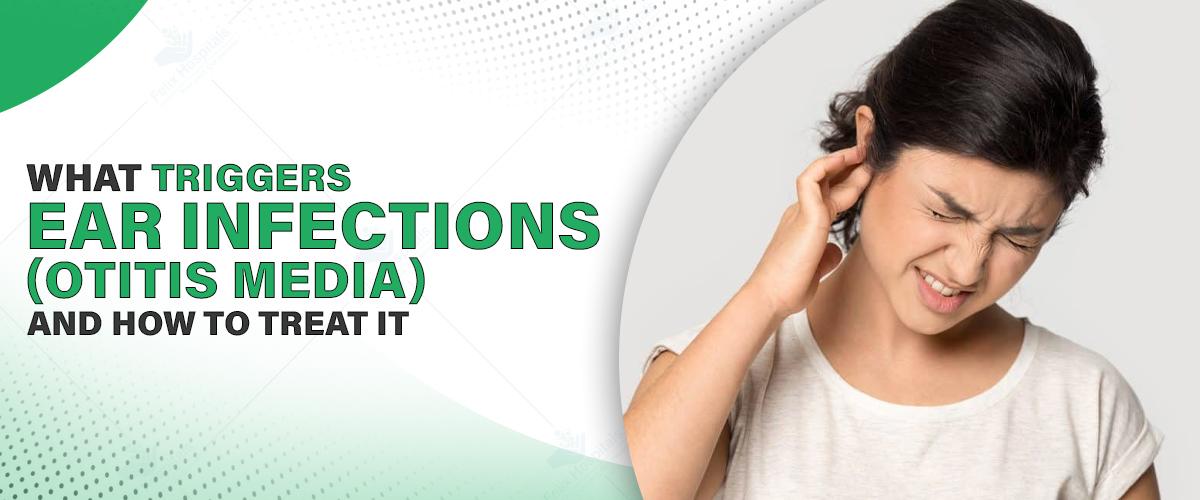
Ear infection or otitis media is one of the leading causes for individuals—children primarily—seeing physicians. The condition can result in pain, discomfort, and complications if not treated. It is important to know what causes ear infections, how to recognize the symptoms, and how to treat them to have healthy ears and prevent long-term complications.
In this post, we will discuss why (or "triggers") ear infections occur, what are the various types, who are the most prone to it, and the medications to manage or avoid them.
Protect Your Child's Hearing—Schedule an ENT Check-up in Noida. Call Now at +91 9667064100 or Book an Appointment Online at Felix Hospitals.
Otitis media is inflammation or infection of the middle ear—the air-filled space located behind the eardrum. Otitis media can be due to viruses or bacteria and is likely to arise as a secondary infection from other infections like cold, flu, or respiratory infection that move towards the middle ear.
Three prominent forms of otitis media exist:
Acute Otitis Media (AOM) – an acute infection that causes inflammation, accumulation of fluid, and pain.
Otitis Media with Effusion (OME) – fluid is trapped in the ear after the infection has cleared but no active evidence of infection.
Chronic Otitis Media – persistent or recurring ear infection, which can result in damage to the middle ear and eardrum.
Knowing what triggers ear infections enables it to be prevented or treated early. Here are the main culprits:
Cold, flu, and sinus infections can lead to obstruction and swelling of the Eustachian tubes—the tubes that link the middle ear to the back of the throat. When they are obstructed, fluid will build up in the middle ear, providing a setting where viruses or bacteria can multiply.
Seasonal or environmental allergies may also produce inflammation of the nasal passages and Eustachian tubes. Inflammation raises the risk of fluid accumulation and infection.
Children are especially susceptible to ear infection because their Eustachian tubes are shorter and more horizontal. This allows infections to travel more easily to the middle ear. Their immune systems also are not yet mature, so they are more likely to be infected in general.
Babies who sleep with bottles in their mouths or who use pacifiers all the time might have a higher risk of developing ear infections. It's easier for the fluid and the bacteria to travel into the ear canal when they are in this position.
Secondhand smoke and indoor air pollution will cause irritation to the respiratory tract and Eustachian tubes, which will raise the risk of infection. They are much more likely to have repeated infections in the ear if children smoke.
People with weakened immunity from chronic illness, drugs, or immune dysfunction are at higher risk of repeated bouts of ear infection.
Ear infections occur more frequently during the fall and winter months, mostly because of more colds and flu. Dry indoor air and temperature changes can also be contributing factors.
Early detection of symptoms will enable prompt diagnosis and treatment. The most frequent signs of ear infections are:
Ear pain (mild to severe)
Pulling or tugging on the ear (in children)
Difficulty hearing or reacting to sounds
Drainage of fluid from the ear
Irritability or fussiness in children
Difficulty sleeping
Loss of balance
Ear pressure or headache
In untreated or chronic infections, including ruptured eardrum or hearing loss, complications may arise. If you are facing some issue related to otitis media, simply go to the best ENT hospital near me for the best treatment.
Physicians generally diagnose ear infections using an otoscope, a device that enables them to peer into the ear canal and examine the eardrum for redness, swelling, or fluid. Other tests such as tympanometry or audiometry can be performed in some instances, particularly if fluid accumulation or hearing loss is suspected.
Treatment for Noida ear infection varies according to their type, severity, and patient age.
Doctors can order watchful waiting treatment for children older than two years for minor infections. Most ear infections will get better without the use of antibiotics.
When there are persistent or aggravating symptoms, ampicillin-type antibiotics may be used. One needs to finish the entire course in order not to have recurrence or antibiotic resistance.
Acetaminophen or ibuprofen, over-the-counter medications, can be prescribed to mitigate pain and fever. Always consult a physician at the best ENT hospital in Noida before administering medication to children.
Ear drops could be prescribed in certain situations to ease pain or cure outer ear infections that are part of otitis media.
It is a simple procedure in which an extremely small tube is inserted through the eardrum to drain fluid and reduce pressure. It is used when repeated infections occur or hearing is significantly impacted.
Recurring infections can be prevented by treating underlying conditions such as allergies, clearing allergens from the home, or sinus problems.
It cannot be prevented for all ear infection cases, but there are a number of habits which lower the risk:
Breastfeed children to enhance immunity and prevent the risk of infection.
Don't smoke in the house or around children and expose them to secondhand smoke.
Maintain hygiene like hand washing to avoid cold and flu.
Follow up with vaccination, particularly flu shot and pneumococcal vaccination.
Feed babies in an upright position and not while lying down.
Restrict use of a pacifier, particularly after 6 months.
Treating allergy and congestion in advance.
In case you have symptoms of otitis media, either in kids or yourself, getting the proper diagnosis and on-time treatment from a professional ENT doctor is of extreme importance.
The best ENT experts at Felix Hospital, Noida, offer:
Dr. Arvinder Pal Singh – Experienced in diagnosing and treating complex ear issues through patient-focused approaches.
Dr. Arjun Saini – An extremely experienced doctor in treating chronic and acute ear infections with the most recent ENT procedure and with care.
Felix Hospital Noida has the latest diagnostic equipment and offers complete ENT treatment for all age groups at a reasonable cost in Noida. Don't delay an ear infection—early treatment can avoid complications and lead to healthier ears.
Persistent earache, hearing loss, or frequent infection may be riskier than you imagine. Schedule a consultation with the finest ENT doctors at Felix Hospital, Noida.
Ear infections are a prevalent yet controllable illness, provided that they are diagnosed early and addressed adequately. Having knowledge of the causes of otitis media—either allergy, infection, or anatomy—empowers parents and adults to act beforehand. Should you or your child have signs of ear infections, do not delay in seeing an experienced, seasoned professional ENT specialist with comprehensive evaluation and tailored plan of treatment. Early action not only brings relief from pain but safeguards long-term ear health.
Q1. Can ear infections impact my child's speech development?
Ans: Yes, recurrent or untreated ear infections may cause temporary or permanent hearing impairment, which could result in slowed speech and language development in infants and toddlers.
Q2. How do I determine if the ear infection is bacterial or viral?
Ans: It is difficult to say without a proper check-up. Viral infections, though, generally get better within 48–72 hours, but bacterial infections get worse or stick around and generally need antibiotics. Only an ENT expert can make a diagnosis.
Q3. Can one fly with an ear infection?
Ans: Flying with an active ear infection can aggravate symptoms from pressure changes. It is best to consult an ENT specialist prior to flying if you have ear pain or congestion.
Q4. Why does my child develop ear infections following every cold?
Ans: Having repeated colds can lead to Eustachian tube dysfunction, particularly in children. The tube maintains middle ear pressure, and when it is blocked, it allows for an environment where infections will grow.
Q5. Do allergies increase the risk of ear infection?
Ans: Yes. Allergies can result in nasal congestion and fluid buildup, which can lead to Eustachian tube blockage and increase the risk of development of otitis media.
Q6. What are the outcomes of not treating chronic otitis media?
Ans: Untreated chronic infections can lead to hearing loss, perforated eardrums, or spread of infection to surrounding structures, like mastoid bones or the brain in extreme cases.
Q7. Do grown-ups get otitis media, too, or is otitis media a kids' disease?
Ans: Although more prevalent in kids, adults do get otitis media—particularly if they're smokers, they have allergies, sinus problems, or a poor immune system.

There has been a steep rise in hearing issues in the last 5 years. People who use earphones and headphones continuously for long duration are prone to become deaf.

Search the best hospital for your child in Noida the team of experienced pediatricians is dedicated to supporting parents and guiding children on their journey to a healthy life.
Felix Hospital in Noida is well known for its general practitioners who offer holistic treatment for different health issues, like the common cold and coughs.

Cold sores, also known as fever blisters, are small, fluid-filled blisters that typically appear on or around the lips.
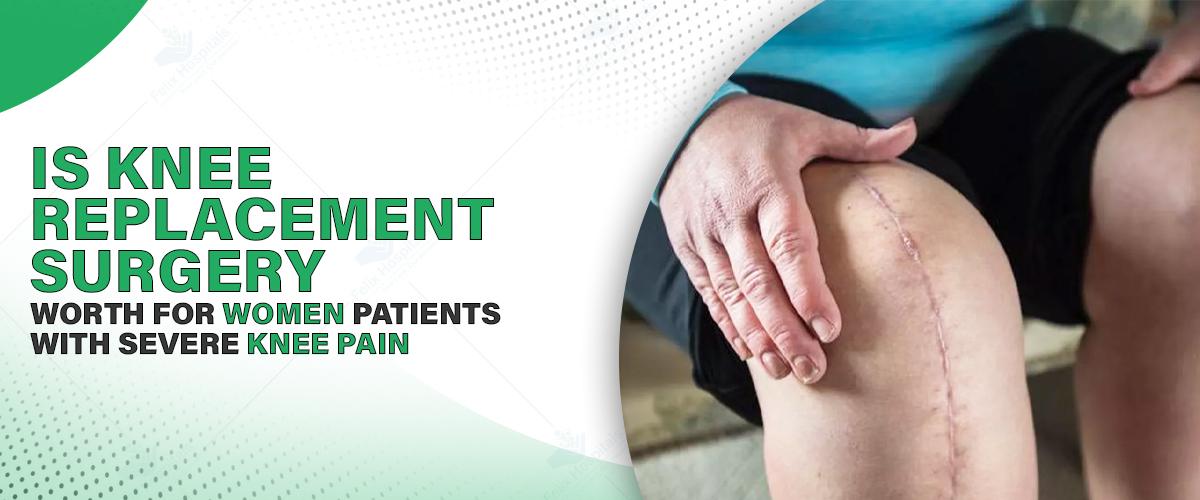
Millions of individuals across the globe have knee pain, which is a prevalent health issue. Injury, arthritis, excess weight, and degenerative joint conditions are just a few of the factors that may lead to it. Both genders can experience knee pain, but research and clinical experience indicate that women tend to experience knee problems more than men. This disparity is due to factors such as variations in hormones, body structure, and way of life.
For many women, knee pain begins as a trivial annoyance but can become an outright problem that makes it difficult to walk, climb stairs, or even remain stand for long periods. When symptoms are not relieved by conservative therapies like medication, physical therapy, and lifestyle changes, knee replacement surgery often becomes a viable and effective option.
This blog post discusses knee replacement surgery in a very detailed manner, focusing on the impact it leaves on women. It also provides advice on how to make an informed decision, specifically for those opting for knee replacement surgery in Noida.
Begin your path to a pain-free life. Schedule a personalized appointment today by calling +91 9667064100.
Replacement surgery for the knee, or knee arthroplasty, is a surgical procedure where the worn-out or broken portions of the knee joint are removed and replaced with man-made parts that are made of metal alloys, ceramics, or high-strength plastic. The reason for this surgery is to relieve pain, restore function, and improve the quality of life for individuals with severe joint disease or damage.
There are various types of knee replacement surgery:
Total Knee Replacement (TKR): Replaces the entire knee joint.
Partial Knee Replacement (PKR): Only the portion of the knee that is fractured is replaced.
Minimally Invasive Surgery: Smaller incisions and quicker recovery.
Advancements in medical technology have quickened recovery, shortened hospital stays, and enhanced surgical success—making knee replacement surgery cost in Noida more economical and accessible. Knee replacement surgery has revolutionized greatly over the years.
Knee issues are more common and severe in women than in men. This added susceptibility can be traced to several main causes:
Women tend to have a broader pelvis than men, which alters the alignment of the femur and tibia. The Q-angle, also known as the quadriceps angle, exerts more pressure on the knee joint, especially during physical activity. Misalignment issues will wear the cartilage down quicker, potentially resulting in conditions such as patellofemoral pain syndrome or osteoarthritis.
Hormonal changes, particularly estrogen, can weaken and stiffen ligaments. Women's joints can be looser at times, such as during their period, pregnancy, or menopause. This predisposes them to injuring their ligaments, such as rupturing their ACL, and accelerates the progression of knee worsening.
Some activities or jobs that women often do might make them more prone to repetitive stress or overuse injuries. In addition, women are more likely to seek a doctor than men, resulting in earlier diagnosis and treatment. The study also indicates how prevalent knee issues are.
Studies prove that women are more susceptible to developing osteoarthritis after 50 years of age. Hormonal changes after menopause can also accelerate joint destruction, which would make surgery a feasible means for long-term relief.
A woman suffering from constant and severe knee pain can transform her life with knee replacement surgery. The following are some of the most significant advantages:
Chronic knee pain can make it difficult to do simple things. Women can resume a more active lifestyle after knee replacement surgery, which can significantly reduce or eliminate pain from arthritis or trauma.
Most say they can do things they couldn't do due to pain, like walking, exercising, or enjoying activities. Improved joint function increases the independence of people.
Being pain-free from chronic pain and more mobile can contribute to your mental well-being, make you sociable, and make you feel healthier in general. Women tend to sleep better, require fewer medications, and are happier about their everyday lives.
Contemporary knee prosthetics last 15 to 20 years, sometimes even longer, under excellent care. This extended lifespan is due to advances in implant material and surgical techniques. As it lasts for a very long period, surgery is an effective long-term remedy.
Most manufacturers currently have gender-specific implants that are designed to fit and feel more like natural tissue, resulting in a better success rate and feel for females. They realize that male and female knees are not the same.
Knee replacement surgery has numerous advantages, but women must think seriously about the risks and duties involved with it. Key factors to consider are:
Recovery from knee replacement surgery takes time, effort, and commitment to physical therapy. It usually takes most patients 6 to 12 weeks to resume their daily lives, but it might take 6 months or more to recover completely.
There are certain complications associated with any major surgery, including
Infection
Blood clots
Nerve damage
How the body responds to anesthesia
Failure or loosening of an implant
Younger women will need to consider how long implants will last and if they will ever have to undergo surgery again in the future. Active individuals will have to learn new patterns of movement and avoid activities that put pressure on the new joint.
If you have to undergo surgery, you need to be strong in mind and have a budget plan. While deciding, you should consider aspects such as insurance coverage, hospital expenditure, and follow-up procedures.
The standard of medical treatment plays a significant role in the effectiveness of knee replacement surgery. If you or a loved one is planning to undergo knee replacement surgery, it is essential to choose the best knee replacement hospital in Noida for this procedure.
One should look for the following points before opting for surgery:
Experienced orthopedic surgeons: Identify hospitals with board-certified orthopedic surgeons with a high volume of knee replacement surgeries. Surgeons with a high volume of successful procedures are typically more skilled at tackling complex cases.
Surgical Facilities of the Future: Newer operating suites equipped with robotic-assisted surgery equipment, 3D imaging, and advanced navigation systems can make the procedure more precise and enhance patient outcomes.
The top hospitals provide comprehensive care services: Diagnosis, individualized treatment planning, physical therapy, dietary counseling, and pain control pre- and post-surgery.
Reputation and Accreditation: Ensure the hospital is accredited by prominent healthcare organizations and has favorable patient reviews and high success rates for joint replacement procedures.
Schedule an appointment with one of the top orthopedic surgeons in Noida to receive a comprehensive examination and a treatment plan made especially for you.
Knee replacement surgery can be a highly effective solution for women suffering from severe knee pain when non-surgical treatments fail. With the use of cutting-edge technologies such as robotic-assisted surgery, computer navigation, and advanced implant materials, the procedure has become safer, more precise, and recovery-friendly. Modern techniques focus on personalized treatment, improved implant alignment, reduced pain, and faster rehabilitation, helping women regain mobility and improve quality of life.
Key Points

Dr. Keshav Goel is an experienced Orthopedic and Joint Replacement Surgeon in Noida with over 10 years of clinical expertise. He has performed 2,000+ independent surgeries and specializes in computer-assisted joint replacement and arthroscopic surgeries of the knee, shoulder, and hip. Known for his skill in treating sports injuries, trauma, and joint disorders, he provides advanced and patient-focused orthopedic care.
For women with long-term and severe knee pain, knee replacement surgery can turn their lives around. It alleviates pain, restores joints to function, and allows you to resume being active. But don't do it impulsively. To make your best decision, you must be aware of the advantages and disadvantages, discuss your individual health requirements with a seasoned orthopedic surgeon, and balance the risks.
If you are considering undertaking this surgery in Noida, it is important that you have the best hospital with experienced surgeons and modernized facilities. A trustworthy medical support system can ease the journey and make the outcome much superior.
If you or someone you love is struggling with knee pain and considering surgery, now is the time to consult a professional. A pain-free future and full mobility are highly probable with the proper assistance and attention.
Q1. Does knee replacement surgery perform equally well for women as it does for men?
Ans: Yes, but typically women receive more pain relief and improved mobility post-surgery. Women-specific implants and surgical methods have enhanced women's success and satisfaction rates.
Q2. What impact do post-menopausal changes in hormones have on the outcomes of knee replacement surgery?
Ans: Women who have undergone menopause can have less dense bones and heal in different ways. Surgeons in the top-ranked hospitals consider these changes when selecting implants and managing patients photoporation, resulting in improved outcomes.
Q3. If I have other illnesses, such as diabetes or thyroid issues, can I still undergo knee replacement surgery?
Ans: Yes, but it's important to monitor other health issues. Both prior to and following the surgery, hospitals in Noida provide multidisciplinary care, including endocrinologists to ensure you have optimal health.
Q4. Is robotic-assisted knee replacement safer or more accurate for women?
Ans: Robotic surgery is more precise, particularly for women with uncommonly shaped joints. It assists in proper alignment, reducing the number of issues and extending the lifespan of implants.
Q5. For how many days do women in Noida usually remain hospitalized after undergoing knee replacement surgery?
Ans: The majority of women are hospitalized for three to five days, which depends on their health and the speed of recovery. All this can be reduced with improved recovery plans and less aggressive methods.
Q6. Will I be able to kneel, squat, or do yoga after knee replacement surgery?
Ans: High-flex implants can allow some individuals to squat and kneel, but this is not the case with all individuals. In three to six months, most women resume low-impact activities such as yoga, swimming, and cycling.
Q7. How do I make the choice between full knee replacement and partial knee replacement?
Ans: This varies depending on how severe the damage is to the joint. Partial replacements are not as invasive and might be a better option for younger women or patients with knee damage restricted to one area. Total replacements are ideal for individuals with more extensive arthritis. Depending on imaging and lifestyle considerations, your orthopedic surgeon will assist you in making the decision.
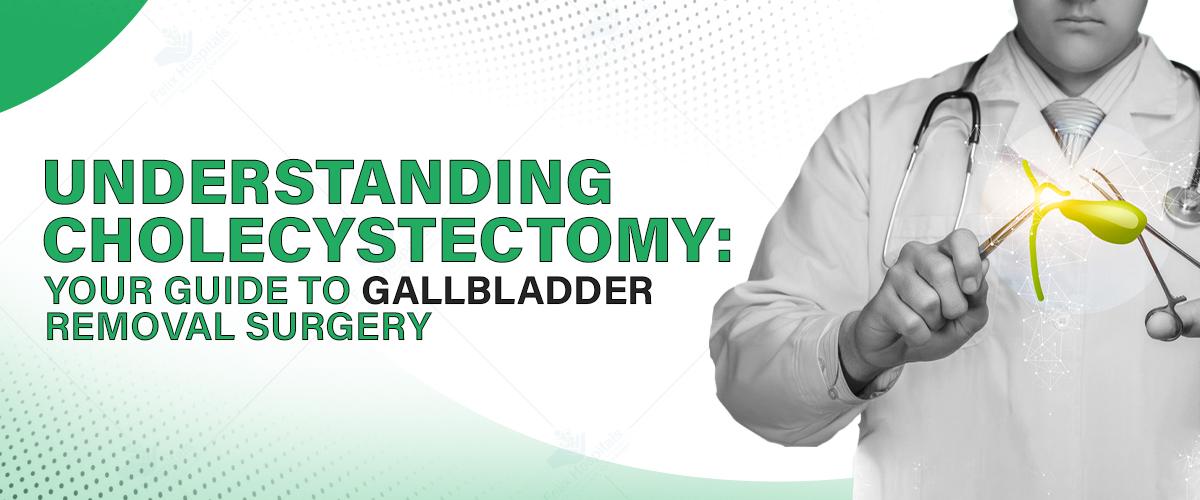
Gallbladder issues can be a source of major disruption to the day, like painful eating, nausea, or ongoing discomfort. If gallstones or something else are the underlying cause, a cholecystectomy can be the answer. This routine surgery takes out the gallbladder, a small sac under the liver that holds bile to assist with fat digestion. At the top hospital for gallbladder surgery, we aim to guide you through the process of a cholecystectomy, explaining its benefits and why it's a safe path to recovery. Let's explain it all so you'll know just what to anticipate.
The best hospital team walks you through prep with direct instructions, so you feel prepared to go in.
A cholecystectomy is an operation to remove the gallbladder, typically due to gallstones or illness such as cholecystitis (inflammation). The gallbladder is not necessary—you can digest food perfectly well without it, since bile directly drains from the liver into the intestines. If gallstones clog up the bile ducts and produce pain, infection, or issues, then the operation is warranted.
Not exactly! Cholecystectomy is straightforward and frequently minimally invasive, thanks to advances in technology. We perform the majority of them laparoscopically, using small incisions (less than half an inch) to minimize discomfort and speed up recovery. In exceptional instances, an open procedure with a larger incision is required, but this is less frequently necessary. Laparoscopic techniques, occasionally with the assistance of robotic devices, render the procedure easier, with the majority of patients being discharged the same day.
Preparing for the operation is simple but necessary. Here's how you'll prepare:
Stop Eating: The doctor might instruct you not to eat or drink anything the evening before, typically from midnight. A small amount of water with medication is fine, but nothing else for at least four hours before surgery.
Review Medications: Inform the doctor of all medicines and supplements you are on. Some, such as blood thinners or herbal supplements, may need to be stopped a few days before to reduce the risk of bleeding.
Pack Smart: The majority of patients go home the same day, but pack a toothbrush, comfortable clothes, or a favorite book in case you are admitted overnight.
A cholecystectomy is done under general anesthesia, so you’ll be asleep and pain-free. The best gallbladder surgeon in Greater Noida chooses one of two methods based on the condition:
This is the most popular method. The surgeon performs 3-4 small incisions in the abdomen, introducing a little camera (laparoscope) and instruments. Operating from behind a monitor, they delicately take out the gallbladder. An X-ray or ultrasound can check for errant stones in the bile ducts if necessary. The entire process is done in 1-2 hours, and the small scarring heals quickly.
Used less frequently, the procedure includes a 6-inch incision below the right ribs. The doctor elevates tissue to access the gallbladder, takes it out, and closes you up. The procedure also takes 1-2 hours, but it is only performed for complicated cases, such as scarring from previous operations. Recovery is slower, but the results are no less satisfactory.
After the anesthesia wears off, you will wake up in a recovery room. Here's what recovery is like:
Laparoscopic: The majority of patients eat, drink, and walk on their own within hours, going home the same day. It takes about a week to fully recover, and you can return to work or household chores in 1-2 weeks.
Open: You’ll stay in the hospital 2-3 days, with full recovery in 4-6 weeks. Gentle walking helps, but heavy lifting takes longer.
A cholecystectomy typically puts an end to gallstone pain for good. Because the gallbladder isn't essential, most individuals continue to digest normally afterward. A few experience loose stools initially, but this usually subsides. If you develop new symptoms—such as an upset stomach—talk to the doctor. They'll make adjustments to your diet or test for other reasons.
It's a healthy and normal life without a gallbladder. For a while, you might need to consume smaller, less fatty meals, but soon enough, you'll be enjoying butter naan or biryani with ease.
A cholecystectomy is more than just a surgical procedure; it's a key to a life free from pain. Gallstones don't have to dominate the days, and relief is at the best hospital, especially at an affordable cost in Greater Noida. Whether you are experiencing belly pain, nausea, or other gallstone symptoms, don't wait. Schedule an appointment today at the top hospital in Noida, and let us assist you in feeling your best. Your health is worth it!
Q1.Will I be on a special diet following gallbladder removal?
Ans: At first, you may need to maintain low-fat, small meals to assist your digestion in adapting. In due course of time, most individuals can resume a normal diet without any problem. Your physician or dietitian might offer special advice depending on how you recover.
Q2. Can gallstones recur after cholecystectomy?
No, once the gallbladder is removed, gallstones cannot return to that organ. However, stones can very rarely form in the bile ducts. Regular follow-ups can help monitor for any complications.
Q3. Is cholecystectomy safe for elderly patients or those with other health conditions?
Yes, it's safe for the elderly or those with diabetes or high blood pressure, as long as they are medically optimized before surgery. Minimally invasive techniques further diminish risks for these individuals.
Q4: How soon can I drive or resume physical activities?
The majority of patients can drive within 3–5 days following laparoscopic surgery, as long as they are not in potent pain medication. Some light activities are encouraged early on, but do not lift heavy objects for at least 2–4 weeks.
Q5 : What are the signs of a complication after surgery?
Monitor for fever, rising belly discomfort, vomiting that persists, or yellowing of the skin and eyes. Although unusual, these symptoms can be a sign of infection or bile duct problems and should be immediately reported to your physician.
Q6: Can I become pregnant following a cholecystectomy?
Absolutely. Removal of the gallbladder will not impact fertility. Some women experience relief from gallstone pain, which can become symptomatic during pregnancy, allowing them to have future pregnancies with greater ease.
Q7: Will I have noticeable scars from laparoscopic surgery?
The cuts made in laparoscopic surgery are minimal, typically smaller than half an inch. They close rapidly and most times fade away as time passes with little to no noticeable mark.
Single-Incision Laparoscopic Cholecystectomy is a minimally invasive gallbladder removal surgery done through one cut, offering quicker recovery and minimal scarring, with some surgical risks.
Expert gastroenterology care for better digestive health, offering advanced diagnosis and treatment for GERD, IBS, ulcers, and liver disorders.
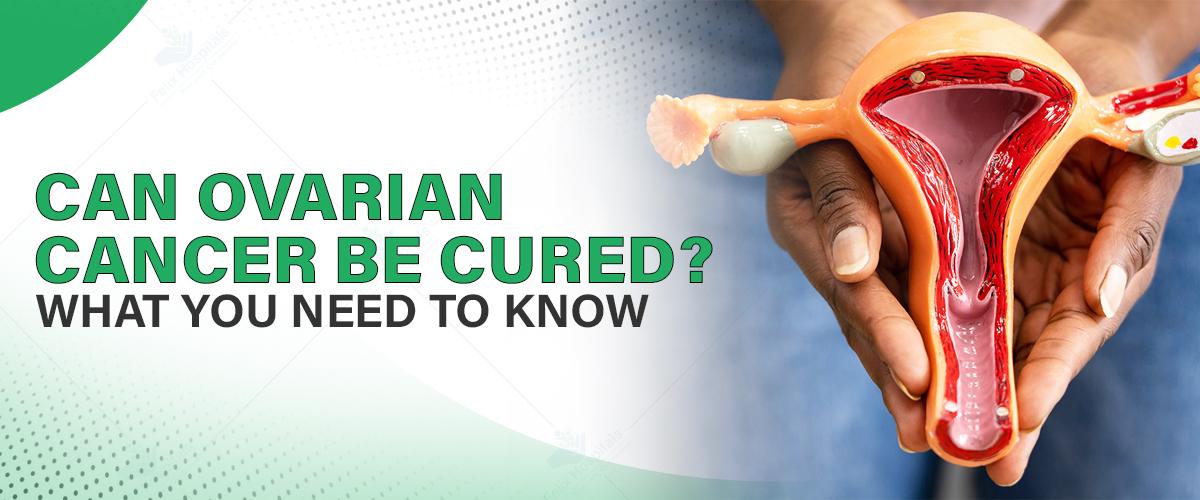
Ovarian cancer is cancer that starts in the ovaries — the female organs that release eggs and hormones such as estrogen and progesterone. It has been referred to as a "silent killer," as the initial symptoms are nonspecific or simply attributed to general maladies such as bloating or pain in the abdomen. This cancer is usually not found until it has already spread within the pelvis and the abdominal cavity, thus, early detection is of utmost importance. Timely follow-up, symptom awareness, and early physician consultation can do a lot to enhcavity ance outcomes.
At the best oncology hospital in Noida, we prioritize awareness and early detection to maximize survival opportunities for women affected by this disease. This guide gives you the vital information regarding ovarian cancer and how it can be well managed.
Call us at +91 9667064100 immediately and book your appointment in Noida for ovarian cancer treatment at the best hospital.
Ovarian cancer, as the name suggests, starts in the ovaries. Ovaries are small, almond-shaped organs that produce eggs and hormones such as estrogen and progesterone. In some cases, ovarian cancer can start in the Fallopian tubes. It has the same symptoms and is treated similarly, even if it comes from the Fallopian tube. No cause has yet been identified, but risk factors can predispose to ovarian cancer.
Signs and symptoms of ovarian cancer are normally nonspecific and may easily be mistaken for routine illnesses. Certain or recurring signs and symptoms, however, should never be ignored and must be assessed by a physician. Some of the described nonspecific red flags are:
Abdominal distension or bloating
Abdominal or pelvic pain
Difficulty in swallowing or rapid fullness
Frequent urge to urinate
Fatigue
Heartburn or indigestion
Changes in bowel movements
Should symptoms continue for more than a few weeks, seek the services from the best doctor for ovarian cancer in Noida for timely assessment and expert care.
There are certain factors that enhance the risk of ovarian cancer:
Age: Ovarian cancer occurs predominantly in women over 60 years of age.
Family History: A familial history of breast or ovarian cancer may raise risk.
Genetic Mutations: Mutations in BRCA1, BRCA2, or Lynch syndrome genes significantly raise the risk.
Reproductive History: Women Women who have never given birth or have given birth at an advanced age might be at greater risk.
Hormone Replacement Therapy: Long-term use of HRT can also increase the chance of developing ovarian cancer.
Obesity and Endometriosis: These conditions can also enhance the risk of ovarian cancer.
Knowledge of these risk factors can aid in prevention and early detection.
Diagnosis of ovarian cancer is a series of steps:
Pelvic Exam: An examination of the abdomen to identify any abnormality.
Imaging Tests: Ultrasound, CT scan, or MRI to examine the ovaries.
Blood Tests: Screening for the level of CA-125, a protein marker that exists in ovarian cancer.
Biopsy: Removal of tissue to test for cancer cells.
Genetic Testing: To determine inherited mutations that increase the risk.
Proper and timely diagnosis will guarantee effective planning of treatment.
Treatment for ovarian cancer depends on the stage and nature of cancer, and on the patient's overall health. Standard treatment modalities are:
Surgery: Initial treatment, with an intent to remove as much of the tumor as possible.
Total Abdominal Hysterectomy: Removal of uterus, ovaries, fallopian tubes, and the lymph nodes in the region.
Debulking Surgery: Removes as much observable tumor as possible, usually followed by chemotherapy.
Chemotherapy: Chemotherapy destroys cancer cells or prevents cancer cell growth with medication.
Intravenous Chemotherapy: Given intravenously into a vein.
Intraperitoneal Chemotherapy: Given within the abdominal space for more localized exposure.
Targeted Therapy: This therapy focuses on targeting very specific molecules that assist cancer cell growth.
PARP Inhibitors: Effective for cancer with BRCA Mutation.
Angiogenesis Inhibitors: Prevents growth of blood vessels feeding tumors.
Hormone Therapy: Blocks hormones from nourishing some forms of ovarian cancer.
Estrogen Receptor Modulators: Prevents estrogen from stimulating cancer cell growth.
Radiation Therapy: Uses high-energy beams to kill cancer cells. Although ovarian cancer patients rarely use this therapy, severe cases may incorporate it into their treatment plan.
Ovarian cancer is managed best by the team of gynecologic oncologists, surgeons, medical oncologists and other specialists who provide holistic care.
Although preventing ovarian cancer is not guaranteed, certain measures can help reduce the risk:
Oral Contraceptives: Prolonged use may reduce risk.
Pregnancy and Breastfeeding: Both are associated with a reduced risk.
Genetic Counselling: For those having a family history or known genetic mutations.
Regular Check-ups: Periodic gynecological check-ups for early identification.
Discussion about individual risk factors with a health care provider can help in decision-making about prevention and screening of ovarian cancer.
If you or someone you know is showing signs of ovarian cancer, don't delay.
Ovarian cancer is a malignant but treatable disease, particularly if it is diagnosed early and with the proper balance of experience and attention. Although a diagnosis may be frightening, advances in surgery, chemotherapy, and biologic therapy are raising hopes and improving survival rates for women. If you or a woman you know is at risk or has symptoms, don't delay seeking professional advice.
At our cutting-edge center in Noida, our gynecologic and oncology specialists strive to deliver personalized care with compassion and accuracy. Schedule a consultation today to regain control over your health at an affordable cost in Noida.
Q1. Is it possible for ovarian cancer to occur even after menopause?
Ans: Yes. Ovarian cancer is most commonly diagnosed in women over the age of 60 years, and again, most of them are postmenopausal. While hormone levels fall after menopause, with increasing age, the risk for ovarian cancer grows, so check-ups are essential.
Q2. If my CA-125 is normal, can I still have ovarian cancer?
Ans: Yes. Although CA-125 is a useful marker, it does not necessarily increase in early ovarian cancer. There are some women with cancer who have normal CA-125, and there are some who have increased CA-125 without cancer. For this reason, doctors perform the test in conjunction with imaging and other procedures.
Q3. In what way does ovarian cancer impact fertility, and are options available to preserve it?
Ans: Treatment for ovarian cancer and its impact on fertility—surgery and chemotherapy, for instance—can have effects on fertility. However, for young women diagnosed with ovarian cancer at an early stage, options may include cryopreservation of eggs or embryos before treatment and fertility-sparing procedures.
Q4. Is chemotherapy always required for the treatment of ovarian cancer?
Ans: No. Chemotherapy depends on stage, grade, and tumor type. In extremely early-stage or low-grade tumors, surgery alone might be enough. Your oncology team will determine the optimum approach based on a complete pathology report.
Q5. Can lifestyle factors affect ovarian cancer recurrence risk?
Ans: Yes. Although no change in lifestyle can promise prevention, maintaining a healthy weight, a nutritious diet, exercise, and no smoking potentially lower the risk for recurrence and overall health during recovery.
Q6. Are the symptoms of ovarian cancer different from those of usual disorders such as PCOS or IBS?
Ans: Yes. Although there is a degree of overlap in symptoms such as bloating or pain in the pelvis, ovarian cancer symptoms tend to be more persistent and progressive. Unlike PCOS or IBS, ovarian cancer symptoms typically do not fluctuate with menstrual cycles or dietary changes.
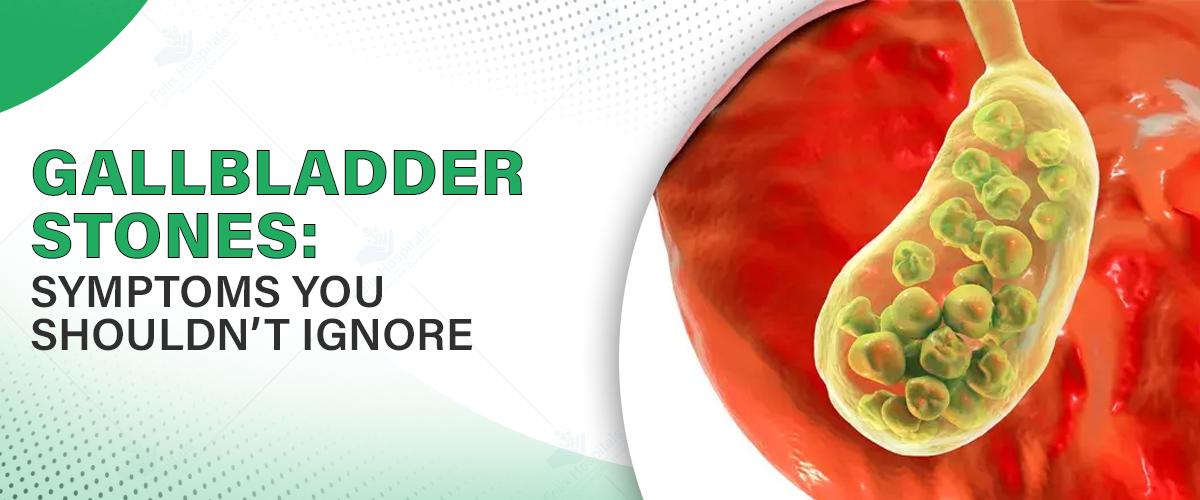
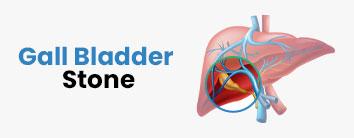
The gallbladder may be tiny, but it plays an important role in digesting your food. Hidden beneath your liver, this pear-shaped organ is responsible for storing bile, a liquid that assists in breaking down fat in your food. Pain or even serious health issues result when things go wrong, like when gallstones form. At the top gallbladder hospital in Greater Noida, we are here to guide you to catch the red flags early. Knowledge of symptoms of gallbladder stones is important, so let us explore what to do and why swift action is essential.
Gallstones do not always yell—but when they yell, we hear. Contact the top hospitals for early detection and customized treatment before symptoms worsen. Call us now at +(91) 9667064100 for expert consultation.
Gallstones are hard, pebble-sized growths that form in the gallbladder when the chemicals in bile, such as cholesterol or bilirubin, become imbalanced. They can be smaller than a grain of sand or larger than a golf ball. Some do nothing but harm, but others clog bile ducts, causing pain and trouble. Gallbladder problems don't remain localized—these can travel to adjacent organs such as the liver or pancreas if left untreated. Catching symptoms early is key to avoiding bigger problems.
Several factors raise your risk of gallstones:
Diet: Consuming excessive amounts of fatty or processed food can alter the balance, leading to the formation of stones.
Weight: Being overweight or losing weight too fast ups the odds.
Genetics: If your family has a history, you’re more likely to get them.
Health Conditions: Diabetes or liver issues can mess with bile production.
Lifestyle: Fasting or skipping meals may slow down bile flow, leading to a buildup.
In the best hospitals, they diagnosed gallstones in every age group, but they occur more in women, individuals above 40, and those with inactive lifestyles. Being aware of the causes is helpful, but identifying symptoms leads to getting help quickly.
Gallstones are not always problematic, but when they do cause problems, the symptoms won't be easy to ignore. Here's a close-up view of the symptoms you shouldn't ignore:
The traditional gallbladder symptom is pain on your upper right side, just below your ribcage. It may be a dull ache, a tight cramp, or a stabbing feeling. It usually hits after you eat heavy or greasy food, such as butter chicken or fried snacks, as the gallbladder finds it difficult to release bile. Pain may last for minutes or hours, sometimes waking you up at night. If the pain is severe or persistent, do not wait—this is a red flag.
Feeling queasy after meals, especially greasy ones, is common with gallstones. When bile can’t flow properly, digestion falters, leading to nausea or even vomiting. This isn’t just a bad stomach day—if nausea hits regularly with belly pain, your gallbladder might be signaling trouble.
Ever feel bloated, gassy, or too full after meals? Gallstones may hinder bile flow, and it becomes difficult to digest fat. This results in indigestion, belching, or a full stomach. If accompanied by pain or nausea, it's time for your gallbladder to be checked. Try a food diary to catch patterns—bring it up to your doctor for a better diagnosis.
A temperature with a stomachache isn't usual—it may be a sign of inflammation (cholecystitis) or infection from an obstructed bile duct. Chills may accompany this, so you might feel cold and ill. This combination requires immediate attention, since infections that go untreated can develop quickly into serious complications.
If your eyes or skin become yellow, it's a sign. Gallstones may cause bile ducts to become blocked, and when that happens, bilirubin (a pigment in bile) builds up in your blood. This jaundice is usually accompanied by itchy skin or tiredness. It's not only for show—it alerts you to a blockage that may require surgical correction. Don't wait to seek a specialist if this is the case.
Bile also colors your stool brown, so a blocked duct may cause stools to appear clay-colored or pale. Excess bilirubin, on the other hand, darkens urine to a deep amber color. These symptoms in combination are shouting gallbladder trouble—get them checked ASAP.
Gallstone pain does not always remain stationary. It may refer to your right shoulder blade or upper back as a muscle ache or knot. This "referred pain" occurs due to nerve pathways. If pain in the belly radiates like this, particularly after eating, your gallbladder could be the problem.
Small steps can reduce your risk:
Eat Regularly: Missed meals disrupt bile flow—maintain regular mealtimes.
Lose weight gradually: 1-2 pounds per week prevents stone development.
Select Fiber: Fruits, vegetables, and whole grains keep bile in check.
Exercise regularly: Regular exercise maintains a healthy weight and digestion.
Are you still unsure if it's simply gas or something more serious? Let's determine it and go to the best hospital in Noida.
Gallstones may creep up on you, but their symptoms—jaundice, nausea, and pain—cry out. Don't let them take your peace away. With the finest hospital's assistance, you can overcome gallstone problems head-on and return to living life in abundance. Early detection of these signs may spare you pain and concern—reserve an appointment today and prioritize your health!
Q1. Will gallbladder stones clear up by themselves?
Ans: Some small gallstones may not cause symptoms and could remain unnoticed for years. However, once they start blocking bile ducts or causing discomfort, they typically require medical attention. Stones rarely "go away" on their own once symptoms appear.
Q2. After eating, what causes a gallbladder attack?
Ans: Fatty or greasy food tends to precipitate gallbladder attacks. This is due to the contraction of the gallbladder to empty bile, and if a stone in the duct obstructs it, pain results, which is typically in the upper right abdomen or back. High-fat meals, such as fried foods or creamy meals, are frequent offenders.
Q3. Do stones always require removal of the gallbladder?
Ans: Not necessarily. If gallstones are not symptomatic, treatment may not be necessary right away. But if there is pain, inflammation, or obstruction, removal (usually by laparoscopic surgery) is the most effective and common therapy.
Q4. Are there symptoms other than abdominal pain caused by gallstones?
Ans: Yes. Gallstones may produce nausea, vomiting, bloating, indigestion, shoulder or back pain, and even fever or jaundice if there are any complications. These are very common symptoms of other digestive problems as well, so proper diagnosis is essential.
Q5. How are gallstones diagnosed?
Ans: Ultrasound is the most frequently used and reliable method to diagnose gallstones. Other tests, such as liver function tests, HIDA scans, or MRCPs, are done to identify blockage, infection, or associated complications.
Q6. Are untreated gallstones dangerous?
Ans: Although some gallstones are asymptomatic, symptomatic gallstones, if left untreated, can result in severe conditions such as cholecystitis (inflammation), pancreatitis, or infection of the bile ducts. In their worst forms, they may need emergency treatment.
Q7. Will lifestyle modifications actually prevent gallstones?
Ans: Yes. Being at a healthy weight, having balanced meals rich in fiber, avoiding quick weight loss, and exercising regularly can lower your risk of getting gallstones. Eating regular meals and drinking plenty of water also keep bile flowing normally.
Gallstones (Cholelithiasis) are hardened deposits in the gallbladder that cause pain, nausea, and bloating. They are diagnosed via ultrasound and treated with medication or surgery. Call +91 9667064100 for expert care.
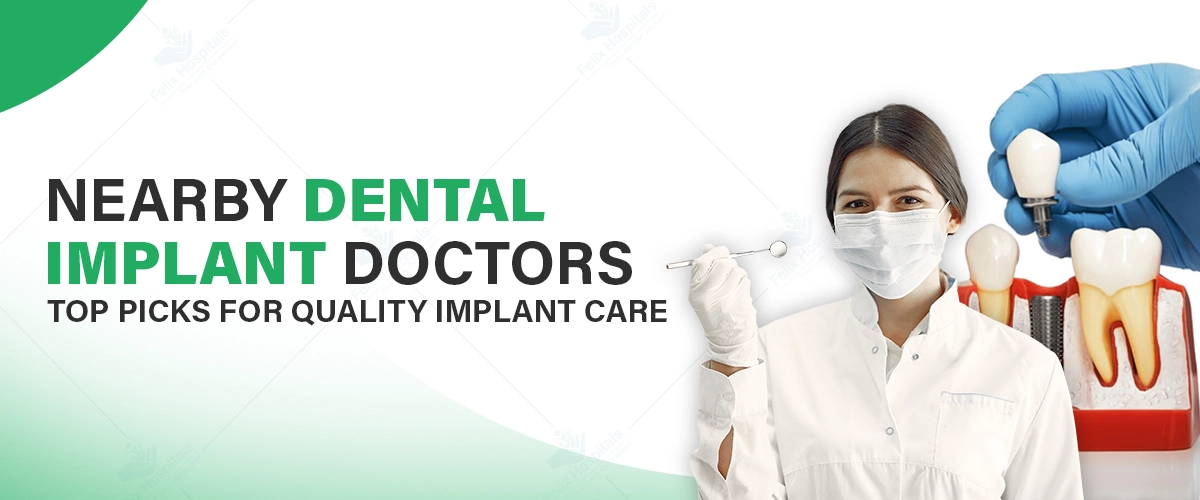
A sudden toothache or a chipped tooth can turn your day upside down, making you realize just how much a healthy smile matters. In Noida, where 1 in 5 people face dental issues like cavities or gum pain, finding a top dental hospital nearby for immediate care is a game-changer. Whether it’s an emergency or a long-overdue checkup, Noida’s dental facilities offer expert care with a human touch, helping 90% of patients feel relieved after prompt treatment. This guide walks you through why urgent dental care matters, what to look for in a great dental hospital, and how to find the best dental hospital in Noida today so you can get back to smiling with confidence.
Tooth pain can’t wait—neither should you. Call +91 9667064100 now or visit Felix Hospital, Noida, for same-day dental care from trusted experts near you.
Dental problems don’t wait for a convenient time. A throbbing tooth, a loose filling, or a knocked-out tooth—common for 15% of Noida residents—can escalate fast if ignored. Delaying treatment risks infections or tooth loss, affecting 25% of untreated cases. Immediate care stops pain in its tracks, with 85% of emergency visits resolving discomfort within hours. Beyond emergencies, regular checkups catch issues early, preventing costly fixes for 80% of patients. In Noida, where busy lives often push dental visits aside, top dental hospitals make same-day care easy, ensuring your smile stays bright and your health stays strong.
Not all dental hospitals are created equal, and finding one that feels right means knowing what to prioritize. Here’s what sets the best apart:
Skilled Dentists: Top hospitals employ specialists like endodontists or orthodontists with 10+ years of experience, delivering 95% success rates in complex treatments like root canals or implants.
Advanced Technology: From digital X-rays to pain-free lasers, cutting-edge tools, used in 70% of Noida’s best facilities, ensure precise, comfortable care.
Comprehensive Services: The best offer everything—cleanings, braces, implants, and emergency extractions—under one roof, meeting 90% of patient needs in a single visit.
Hygiene and Safety: Strict sterilization, followed by 80% of top hospitals, keeps you safe, especially post-COVID.
Patient-Centered Care: A warm staff and clear communication, valued by 85% of patients, make visits feel like a conversation, not a chore.
These qualities turn a dental hospital into a trusted partner, and Noida’s finest deliver them with heart.
Noida’s dental hospitals nearby are equipped to handle any oral health need, often with same-day solutions. Here’s what you can expect:
Emergency Care: For toothaches, broken teeth, or abscesses, 75% of top facilities offer immediate relief, often within an hour.
Preventive Care: Cleanings, fluoride treatments, and sealants, used by 80% of patients, keep cavities at bay.
Restorative Treatments: Fillings, crowns, and implants, needed by 20% of adults, restore damaged or missing teeth.
Cosmetic Dentistry: Whitening or veneers, popular with 15% of Noida residents, boost your smile’s glow.
Orthodontics: Braces or clear aligners, chosen by 10% of teens and adults, straighten teeth comfortably.
Specialized Procedures: Root canals, gum treatments, or wisdom tooth extractions, performed in 85% of top hospitals, save teeth and ease pain.
These services, backed by modern equipment, help 90% of patients leave with a healthier smile, often in one visit.
Finding a dental hospital that feels like the right fit is personal. These tips, trusted by 95% of Noida residents seeking care, can guide you:
Check Expertise: Look for hospitals with certified dentists and specialists, ensuring 90% reliability for treatments like implants or oral surgery. Online profiles often list qualifications.
Read Reviews: Patient feedback, available for 80% of Noida clinics on platforms like Practo, highlights care quality and staff warmth. Look for consistent 4+ star ratings.
Confirm Services: Ensure the hospital offers what you need—emergency care, cosmetics, or orthodontics. Most top facilities cover 85% of dental needs.
Visit or Call: A quick call to ask, “Do you offer same-day emergency care?” or a visit to check cleanliness, comforts 75% of patients. A welcoming vibe matters.
Check Accessibility: Choose a hospital near Noida’s key areas like Sector 18 or 137, with parking or metro access, vital for 70% of busy residents. Flexible hours help too.
These steps make it easier to find a hospital that feels like home, with 90% of patients feeling confident in their choice.
When dental pain strikes, acting fast brings relief. Here’s how to get care in Noida today:
Search Smart: Use “dental hospital near me open now” on Google or health apps to find top-rated clinics, with 80% offering online booking.
Call Ahead: Ask, “Can I get same-day treatment for a toothache?” Most hospitals, serving 75% of urgent cases, confirm slots quickly.
Check Reviews: Glance at patient ratings on Justdial or Practo for 70% of clinics to ensure trust and quality.
Prepare Details: Note your symptoms—pain level, swelling, or injury history—to help dentists, speed care for 85% of emergencies.
Bring Records: If you have prior X-rays or dental history, 60% of hospitals use them to tailor treatment fast.
These steps, paired with Noida’s robust dental network, get you relief in hours, not days.
Don’t let dental issues wait! Contact the best dental hospital in Noida today at +(91) 9667064100. Quick appointments, advanced treatments, and compassionate care—all just a call away.
A dental issue can feel like a storm, but Noida’s top dental hospitals are here to bring calm. Whether it’s a sudden ache or a long-overdue visit, immediate care can restore your smile and peace of mind, with 90% of patients feeling better after one appointment. Don’t let pain linger—search for a trusted dental hospital in Noida now, call for a same-day visit, or book online. With 80% of clinics offering flexible hours and expert care, your perfect smile is closer than you think. Take that first step today, and let Noida’s dental experts light up your day.
Q1. How do I know if my dental issue is an emergency or can wait?
Ans: If you're experiencing severe pain, swelling, a broken tooth, or signs of infection (like pus or fever), it’s a dental emergency. 75% of such cases need same-day attention to avoid complications.
Q2. Can I get dental X-rays or procedures done on the same day in Noida?
Ans: Yes. Around 80% of top dental hospitals in Noida offer on-site digital X-rays and perform procedures like fillings or extractions the same day—especially for urgent cases.
Q3. Are dental hospitals in Noida open on weekends or evenings?
Ans: Many top-rated clinics, especially in areas like Sector 18 or Sector 62, offer extended hours and weekend availability. About 70% accommodate after-work or weekend appointments for convenience.
Q4. Do dental hospitals near me in Noida treat kids and adults in the same facility?
Ans: Yes. Most reputed dental hospitals have pediatric dentists and general specialists, allowing families to receive care under one roof—ideal for 60% of families seeking all-age dental solutions.
Q5. Is it safe to visit a dental hospital in Noida post-COVID?
Ans: Absolutely. 80% of top dental hospitals follow strict sterilization, use PPE kits, and limit patient overlap to ensure safety. Many also offer pre-visit screening and contactless payments.
Q6. What should I do if I need a root canal or implant urgently?
Call ahead and explain your symptoms. Hospitals with endodontists or implantologists on-site (seen in 65% of top clinics) often handle complex treatments within 1–2 visits, depending on severity.
Q7. How much does emergency dental care typically cost in Noida?
Costs vary by treatment, but initial consultation fees range between ₹300–₹800. Most emergency procedures like extractions or fillings start around ₹1,000–₹2,500, with packages available at many clinics.
When it comes to maintaining good oral health, preventing cavities should be at the forefront of your dental care routine. C

Discover the latest cosmetic dentistry trends, from advanced teeth whitening to natural-looking veneers for a flawless smile.
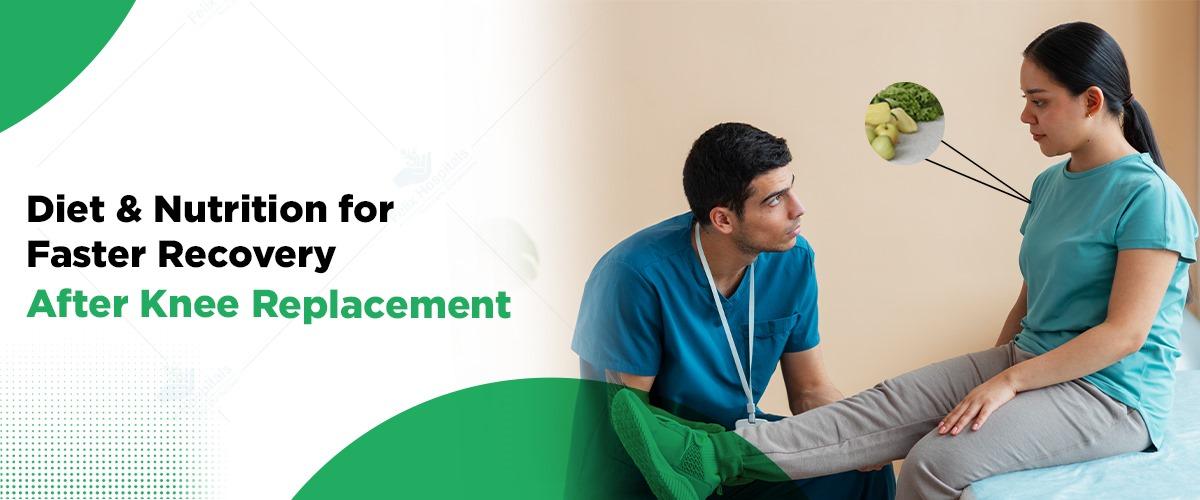
Although knee replacement surgery is a transformative step toward pain-free mobility, the process doesn't stop there. The actual work starts during recovery, and your diet has a major impact on how soon you recover. You may walk with confidence again after following a sensible diet that speeds up healing, reduces swelling, and rebuilds strength. This book examines the ideal foods, essential nutrients, and healthy practices to guarantee a quicker, more seamless recovery following knee replacement surgery, whether you're healing yourself or a loved one. You may make food a potent instrument for recovery and getting back on your feet with the correct nutrition diet services.
Our rehabilitation team at Felix Hospital offers holistic support, from physiotherapy to nutrition. Call us today at +91 9667064100.
Surgery is a major event for your body, triggering inflammation, tissue repair, and energy demands. A knee replacement—whether total or partial—requires your system to heal bones, muscles, and ligaments around the new joint. Poor nutrition can slow this process, leaving you with longer recovery times or complications like infections. On the flip side, a balanced diet rich in key nutrients supports tissue regeneration, fights swelling, and boosts energy, cutting weeks off your rehab. Studies show well-nourished patients often regain mobility faster, with fewer setbacks. So, what should you eat to make this happen?
To accelerate recovery, stock your plate with these necessities. Your plate is a toolbox.
Muscles and tissues cut during surgery are repaired by protein. Additionally, it strengthens the hamstrings and quadriceps, which are essential for knee stability. Daily protein intake should be between 0.7 and 1 gram per pound of body weight (for example, 100 to 140 grams for a 140-pound person).
Best Source: The best sources include fish (tuna, salmon), eggs, tofu, lentils, chickpeas, Greek yogurt, low-fat cottage cheese, and lean meats (chicken, turkey).
Tips: To maintain repair consistent, spread protein across meals. For example, have eggs for breakfast, beans for lunch, and fish for dinner.
Collagen, which is essential for the cartilage and ligaments surrounding your new knee, is produced with the help of vitamin C. Additionally, it has anti-inflammatory properties that can delay the healing process.
Best Sources Oranges, bell peppers, broccoli, guavas, kiwis, and strawberries are the best sources.
Ideas: For a daily increase of 75–90 mg, eat a citrus fruit or add peppers to salads (smokers need more).
Calcium and vitamin D are essential for the strength and stability of your knee implant because it is attached to bone. Additionally, vitamin D promotes muscle function and calcium absorption. Aim for 600–800 IU of vitamin D and 1000–1200 mg of calcium every day.
Best Sources: Sunlight, egg yolks, dairy products (milk, yogurt), fortified plant milks, sardines, kale, and almonds; if levels are low, supplements.
Advice: For a calcium-D combo, try a yogurt parfait with almonds.
Omega-3s reduce pain and stiffness after surgery by reducing edema. Additionally, they promote heart health while recovering.
Best Sources: The best sources are hemp seeds, walnuts, flaxseeds, chia seeds, and fatty fish (sardines, mackerel).
Advice: For a simple omega-3 boost, mix a tablespoon of crushed flax into porridge or smoothies.
Magnesium promotes bone health and muscular relaxation, while zinc fights infections and hastens wound healing. Aim for 310–420 mg of magnesium and 8–11 mg of zinc each day.
Best Sources: Magnesium is found in spinach, bananas, avocados, and dark chocolate; zinc is found in oysters, cattle, pumpkin seeds, and lentils.
Advice: For a snack that can help you recover, eat some pumpkin seeds or drink a banana smoothie.
Constipation may result from post-operative pain medication, and your new knee may be strained by more weight. Fiber controls appetite and facilitates easy digestion. Try to consume 25–30 grams every day.
Best Sources: Whole grains (quinoa, oats), fruits (pears, apples), vegetables (carrots, Brussels sprouts), and legumes are the best sources.
Advice: For a fiber rich diet start to the day, have oatmeal with berries on top.
Do you have any questions regarding how to combine these nutrients? This is a motivational menu for today:
Greek yogurt (protein, vitamin C, calcium, and omega-3s), sliced kiwi, chia seeds, and a handful of almonds make up breakfast.
A snack of apple slices with peanut butter (protein, fiber).
This lunch of grilled chicken salad with spinach, bell peppers, avocado, and quinoa drizzled with olive oil is high in protein, vitamin C, magnesium, and fiber.
Snack: Carrot sticks with hummus (fiber, zinc).
The meal will consist of roasted broccoli, sweet potatoes, and baked salmon (which is high in omega-3 fatty acids, fiber, and vitamin D).
Dessert: A square of dark chocolate and some strawberries (which are high in magnesium and vitamin C).
Try to keep things varied and adjust quantities to suit your preferences in order to please your taste buds.
Water is essential for healing, eliminating toxins, relieving constipation, and maintaining lubricated joints, according to the top nutritionist in Noida. Medication and surgery can cause dehydration, which slows healing. Aim for 8–10 cups (2–2.5 liters) each day, or more if you live in a hot area or are an active person.
Best Sources: The best sources include coconut water, herbal teas, plain water, and water that has been infused with mint and lemon.
Advice: To prevent bloating, sip throughout the day rather than all at once. Steer clear of sugary drinks as they increase inflammation.
Certain foods can hinder your growth:
Sweet Snacks: Cookies, drinks, and candy make your knee worse by increasing inflammation and weight.
Carbs that have been processed: White bread, chips, and pastries that are lacking in nutrients raise blood sugar levels, which hinders the healing process.
Excessive salt intake can worsen post-surgery swelling, which is frequently brought on by fast food or canned soups.
Alcohol: Slows the healing process, dehydrates, and interferes with medication. At least 6–8 weeks should be spent away from it.
Trans fats, which are found in fried foods and some baked goods, make inflammation worse. In order to identify "partially hydrogenated oils," check the labels.
To promote the quickest possible recovery for your body, choose fresh, complete meals.
Diet is effective, but it works best when combined with following behaviors:
Adhere to physical therapy: Your therapist's recommended mild activities help build stronger knee muscles, which complement protein consumption. Don't rush things; doing so could lead to failure.
Limit Weight: Excess weight puts stress on your just acquired joint. A diet high in fiber and nutrients aids in weight loss without causing your body to starve.
Get Enough Sleep: Rest is when healing occurs most effectively. To enhance tissue repair and energy levels, try to get 7 to 9 hours each night.
Reduce Inflammation: Mobility is accelerated by reducing swelling with ice packs, elevation, and omega-3 fatty acids.
Recuperation takes weeks to months, so be consistent. Even if your progress seems gradual, stick to your eating plan because it will strengthen you in the future.
Customize your diet because every body is different:
Low-glycemic meals, such as lentils and berries, can help diabetics balance their blood sugar levels, which promotes healing.
To improve iron absorption for tissue repair, vegetarians and vegans should eat foods high in vitamin C together with plant proteins such beans and tofu.
Allergies: Replace foods that cause allergies (such dairy and nuts) with safe substitutes like seeds or fortified oat milk.
Elderly People: To combat the typical post-surgery muscle loss, up your protein intake by a small amount (1–1.2 g/lb. body weight).
A dietitian can help you adjust your plan, particularly if you use medications that impact your ability to absorb nutrients or have long-term health issues.
Although whole meals are ideal, supplements may be useful if dietary intake is inadequate:
Multivitamin: Fills in deficiencies in zinc, vitamin C, or vitamin D; select one specific to your needs after surgery.
Although the evidence is conflicting, collagen peptides may aid in joint repair.
If you don't like fish, omega-3 capsules can be helpful; just make sure they're pure.
To prevent drug interactions with medications like blood thinners, always get your doctor's approval before taking supplements.
Phases of recovery cause dietary changes as well:
Weeks 1–2: To promote wound healing and minimize swelling, give protein and vitamin C top priority.
Weeks 3–6: To promote bone integration with the implant, add calcium and vitamin D.
Month 2 Onward: To maintain weight and energy for rehabilitation exercises, concentrate on fiber and well-balanced meals.
When your mobility is restricted, eat modest, regular meals to maintain a stable energy level without taxing your system.
Accelerate your recovery the right way. Get the best post-surgery diet plan tailored to your needs by consulting our expert dietitians. Schedule your consultation today by clicking here or call us at +(91) 9667064100.
Choosing the right diet after knee replacement isn’t just about eating—it’s about healing smarter. Protein rebuilds muscle, vitamin C knits tissues, and omega-3s tame inflammation, all working together to get you moving sooner. By swapping processed junk for nutrient-packed foods and staying hydrated, you’re not just recovering—you’re rebuilding a stronger, healthier you. Pair this with rest, therapy, and patience, and your new knee will carry you far. Start today with a colorful plate and a commitment to your body’s potential. Here’s to walking tall again, step by nourished step.
Q1. How soon after surgery should I start focusing on my recovery diet?
Ans: Immediately. Your body's healing mechanisms kick in right after surgery. Starting a recovery-focused diet on day one—rich in fluids, proteins, and anti-inflammatory foods—can promote quicker wound healing and reduce the risk of infection or muscle loss.
Q2. I’m experiencing constipation from pain meds—what can I eat to relieve it naturally?
Ans: Post-surgery constipation is common. Include high-fiber foods like oatmeal, chia seeds, prunes, apples with skin, and leafy greens. Pair these with plenty of water and probiotic-rich foods like yogurt or buttermilk to improve gut motility.
Q3. Is it okay to follow a weight loss diet while recovering from knee replacement?
Ans: Drastic dieting is not recommended during recovery, as your body needs ample nutrients for healing. However, you can adopt a nutrient-dense, calorie-conscious plan that naturally supports healthy weight without compromising recovery—think lean proteins, complex carbs, and healthy fats.
Q4. Can anti-inflammatory foods really reduce post-op swelling and pain?
Ans: Yes, foods rich in omega-3s (like flaxseeds, walnuts, fatty fish) and antioxidants (berries, turmeric, leafy greens) help modulate your body's inflammatory response. While they won't replace medication, they can complement your recovery and may reduce reliance on painkillers over time.
Q5. I don’t have much appetite after surgery—how do I ensure I’m still getting proper nutrition?
Ans: Focus on small, frequent meals that are protein-rich and easy to digest—like smoothies with Greek yogurt and chia seeds, soft-cooked eggs, or dal with rice. Even nutrient-dense soups and broths with vegetables and pulses can keep your intake up when you're not feeling hungry.

Knock knees, medically known as genu valgum, is a common condition in young children where the knees angle inward and touch one another when the legs are straightened.

Balanced diet is key to good health. Learn its definition, importance, and how it helps in maintaining energy, immunity, and overall well-being.
When people think about the negative effects of smoking, their lungs are typically the first thing that springs to mind. Smoking hurts your lungs as well as the health of your ears, nose, and throat (ENT). Due to the early exposure to smoke, these regions are particularly susceptible to its negative effects. Smoking puts your entire upper airway at risk, increasing your risk of developing chronic throat infections, sinus blockages, hearing loss, and even cancer.
This blog post will go over the negative consequences of smoking and how it affects your ENT health. Contact our ENT specialists today at Felix Hospital. Call us at +91 9667064100.
Every time you smoke, the smoke goes right into your throat and pharynx. Repeated exposure could lead to:
Chronic Laryngitis: Smoking makes the larynx more irritated, which leads to persistent inflammation. This results in dysphonia, a persistent cough, and difficulty swallowing or speaking.
Vocal Cord Polyps: Vocal cord polyps are non-cancerous growths on the vocal cords that can change the sound of your voice, making it hoarse or raspy. In serious cases, they could cause problems with breathing.
Increased Risk of Throat Cancer: Smoking is a major contributor to head and neck cancers, including laryngeal and pharyngeal cancers.
Regular smoking can cause significant changes to your voice, and if you smoke for an extended period of time, it might never get better. Stop smoking now and seek the best ENT treatment in Noida for professional care and recovery.
The nasal passageways and sinuses act as air filters. Smoking significantly impacts their functioning for the following reasons:
Destructive Cilia: These microscopic, hair-like structures aid in the removal of mucus and other substances. Tobacco smoke incapacitates or eradicates them, leading to mucus collection that persistently obstructs the nasal passages.
Chronic Sinusitis: Prolonged smoking exacerbates sinus inflammation, leading to headaches, facial pressure, nasal congestion, and recurrent sinus infections.
Diminished Smell: Smoking impairs your ability to smell, which can also impair your ability to taste, thereby reducing your overall quality of life.
Smoking can seriously harm your hearing system, which can lead to many problems:
Eustachian Tube Dysfunction: Eustachian tube helps in keeping stable air pressure in the middle ear. Smoking impairs this function, which leads to fluid retention and pressure buildup.
Recurrent Middle Ear and Mouth Infections: This condition is more common in smokers and secondhand smoke exposure, particularly in children.
Loss of Hearing: Smoking can cause hearing loss over time by damaging the inner ear and lowering the blood flow.
Ear infections caused by smoking may go unnoticed until significant harm occurs.
Smoking begins to ruin the mouth, which could have dire consequences:
Gum Disease: Gingivitis and periodontitis, two gum diseases that lead to tooth loss, are more common in smokers.
Cancer: Smoking is one of the primary causes of cancer in the mouth, tongue, lips, and throat.
Dry Mouth: Smoking causes less saliva production, which dries out the mouth, causing irritation and increasing the risk of cavities and infections.
Regular dental checkups are even more crucial for smokers because they have a harder time maintaining healthy mouths.
A side from being harmful, smoking also adds the following to recovery and healing.
Delayed healing: Smoking retards oxygenation and blood supply to tissues, thereby making body healing after surgical procedures such as sinus or tonsillectomies more complex.
Increased Infection Risk: Smokers have a higher risk of experiencing post-surgery complications as their immune systems are weakened.
Chronic Disease Compromise: Smokers with chronic pharyngitis or sinusitis are more likely to have a hard time recovering.
Giving up smoking before or after surgery can speed up recovery and drastically lower the risk of complications. Get personalized treatment at an affordable cost in Noida for healthy lungs
Get expert ENT care at one of Noida’s top hospitals. For consultations and personalized treatment, call us today at +(91) 9667064100.
The detrimental effects of smoking on the lungs are well known, but many people are unaware of the harm it causes to the ear, nose, and throat (ENT). Numerous ENT issues, including chronic sinusitis, persistent pharyngitis, hearing loss, and an increased risk of cancer, are brought on by smoking. More often than most people realize, these negative effects occur and frequently begin earlier.
Many of these symptoms will disappear if you quit smoking immediately. Within a few weeks to a few months of stopping, improvement may be seen in the sense of smell, hearing, vocal quality, and overall health of the throat, nose, and ears. Smoking is the main cause of ENT-related problems, and stopping it can help a lot with healing.
Felix Hospital's experienced ENT doctors in Noida can help you with smoking-related ENT disorders. We provide individualized support to help you safely and successfully stop smoking so you can be confident that you are improving.
Q1. Does passive smoking impact ENT health in children and adults?
Ans: Secondhand smoke has a tremendous effect on the throat, nose, and ear health. It can lead to repeated middle ear infections in children, resulting in fluid accumulation. Repeated exposure among adults can lead to pharyngeal pain, chronic sinusitis, and even hearing loss.
Q2. How rapidly will ENT symptoms resolve after smoking cessation?
Ans: Typically, improvement begins in two to four weeks. Improvement of some of the symptoms, such as xerostomia, congestion, and hoarseness, will probably commence. It might take several months, however, for faculties like clear speech or sense of smell to be completely restored, depending on the severity of the damage before that.
Q3. Will smoking make underlying illnesses like sleep apnea or allergies worse?
Ans: Yes, it does. Smoking aggravates more mucus production and irritates your nose, thus worsening the allergies. Smoking narrows the breathing tubes, making it harder to breathe through the nose at night.
Q4. What type of diagnostic tests would an ENT specialist prescribe to smokers with persistent ENT issues?
Ans: Based on your symptoms, an ENT specialist may prescribe the following:
Nasal endoscopy or laryngoscopy to look at inner structures.
Audiometric test
CT or MRI to exclude infection or structural damage
In case of suspicions regarding changes that can produce cancer, a biopsy is recommended.
Q5. Is surgery for ENT disorders more hazardous in smokers compared to non-smokers?
Ans: Yes. Smoking puts patients at increased risk of surgery complications like poor wound healing, increased infection risk, and impaired oxygen delivery to the body preoperatively and postoperatively. Most ENT surgeons strongly advise quitting smoking several weeks before surgery to minimize risks and optimize outcomes.

Smoking is incredibly damaging to the cardiovascular system. It immediately raises your heart rate and blood pressure, forcing your heart to work harder. This overexertion increases your risk of heart disease.
Neglected tropical diseases (NTD) will be eradicated from the root only through awareness. But this is possible only when people are aware of the illnesses and get treatment by reaching the hospital on time.

It all starts when you get to know that you are pregnant, you will be taking care of the little one. This news for first time parents brings lot of responsibility and excitement.
The cost of a Pulmonary Endarterectomy surgery depends on factors such as hospital facilities, surgeon fees, and post-operative care requirements.


Subscribe to our
© Copyright 2026. All Rights Reserved by Felix Healthcare Private Limited
Design and development by :


 +(91)9667064100
 Emergency : +(91)9667064100