 Emergency:
  WhatsApp


Subscribe to our
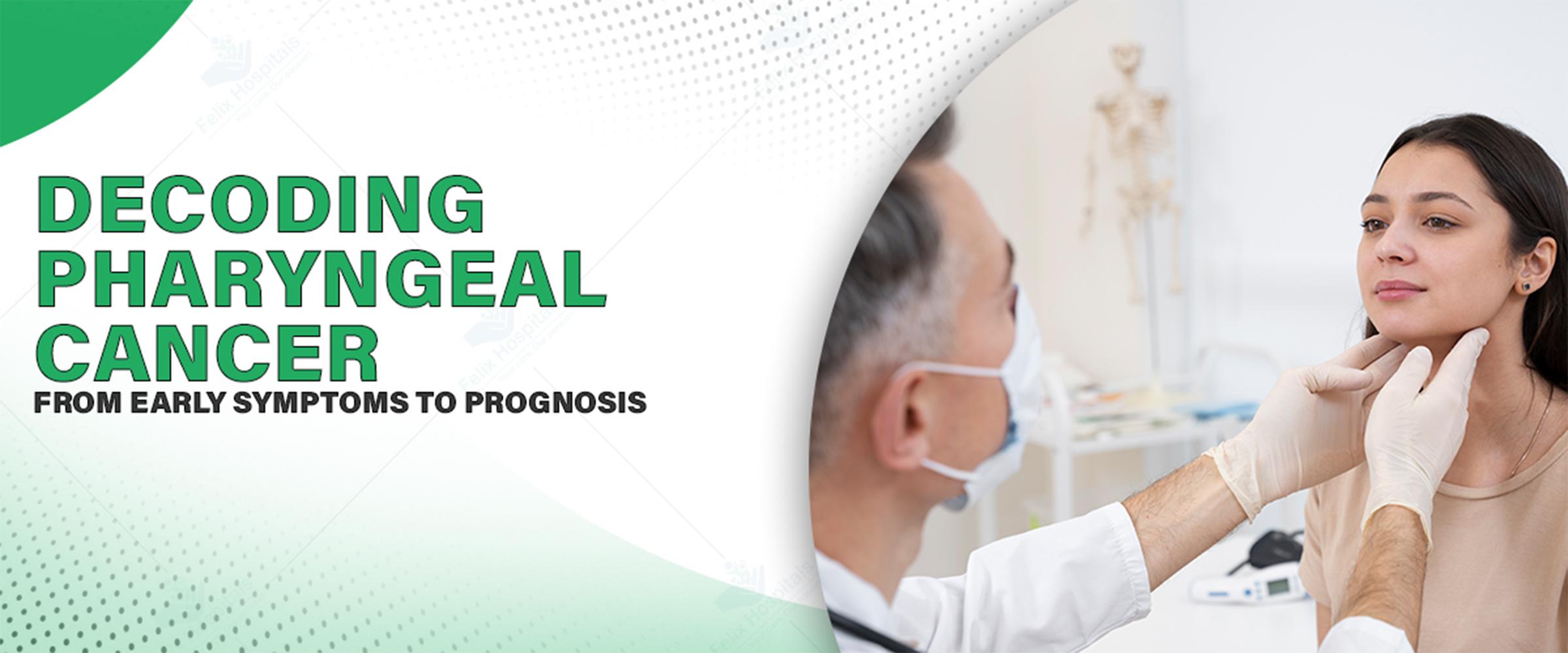
Oropharyngeal cancer can present with a range of symptoms and risk factors that are often overlooked until the disease progresses. It's critical to understand the factors that contribute to this condition, from its early symptoms, such as throat pain and difficulty swallowing, to its causes, which include alcohol consumption, tobacco use, and HPV infection. This blog goes into great detail about Physical examinations and imaging tests are frequently used in diagnosis, and immunotherapy, medication therapy, radiation therapy, and surgery are all possible forms of treatment. This will help you to find Best hospital for pharyngeal cancer treatment.
Are you worried that your sore throat might be serious? To get an evaluation from experts, call +91 9667064100.
Oropharyngeal cancer is in the oropharynx, which is the middle part of your throat (pharynx) where saliva is made. Saliva helps you digest food and keeps your mouth and throat wet. For oropharyngeal cancer, there are different ways to treat it, but the illness may come back after treatment. You might not be able to avoid getting oropharyngeal cancer, but you can lower your chances of getting it by getting vaccinated against the human papillomavirus (HPV), not smoking, and drinking alcohol in moderation.
Signs and Reasons
Some common signs of oropharyngeal cancer are:
Pharyngitis sore throat.
Dysphagia means pain or trouble eating.
Your mouth won't open all the way (trismus) or your tongue won't move
Loss of weight for no reason
Voice changes
Pain in the ears
A lump in your mouth or throat
Blood cough.
A white spot on your tongue or the inside of your mouth.
The most common cause is an infection with human papillomavirus (HPV). HPV makes proteins that mess up the genes that control the genes that decide how fast the cells that line your mouth and throat grow. When genes stop controlling cell growth, cells start to grow out of control and form tumors.
Some other reasons are:
Cigarettes, cigars, and chewing tobacco are all forms of tobacco that damage the cells that line your throat. When cells in your throat get hurt, they divide more than usual. This means that they make more copies of their DNA than normal. When cells have to grow more often to make up for damaged cells, they are more likely to make mistakes when copying their DNA. This makes it more likely that cells will turn cancerous.
Alcohol: Drinking drinks with alcohol may hurt cells in your throat, making it harder for them to fix DNA.
Being infected with HPV, especially HPV type 16, is the biggest risk factor. These are some other risk factors:
A history of having smoked cigarettes and other tobacco products.
Regularly drinking a lot of alcoholic drinks.
A history of cancer in the head and neck.
A Pharyngeal cancer specialist will ask you about your symptoms and medical background, such as whether you have had head and neck cancer or radiation therapy to those areas. They will ask you about your habits, such as whether you smoke or have ever smoked.
Your mouth, throat, and neck will be looked at, and lumps in your neck may be a sign of a mass.
In order to get cells, doctors may do an endoscopic biopsy. The Best hospital for pharyngeal cancer treatment can perform the following other tests:
Computed tomography (CT) scan: This type of scan can be used to find out how big a growth is and whether it has spread. They might do this scan along with positron emission tomography (PET) scans.
An MRI scan is a type of imaging test that makes clear pictures of your body, especially of soft parts like your tonsils and the base of your tongue. An MRI also helps doctors figure out how big a growth is.
To treat oropharyngeal cancer, ENT cancer doctor may use surgery, radiation therapy, chemotherapy, specific drug therapy, or immunotherapy. Their goal is to get rid of the cancer cells as completely as possible without making it hard for you to speak or swallow.
Cancers that are small and haven't spread can be treated with surgery to get rid of growth.
The doctor may use chemotherapy by itself or along with radiation treatment. When you can't have surgery, like when you have a tumor that is too big to remove with surgery, they may use combination treatment instead. This type of treatment can also be used to:
Cure cancer that has spread from your throat to other parts of your body.
Cut down on growth before surgery.
Kill any cancer cells that are still there after surgery.
Immunotherapy is the first choice for treating oropharyngeal cancer that has come back or spread. Immunotherapy helps your body's defenses find and kill cancer cells.
Most of the side effects of immunotherapy are mild. These are the most common side effects:
Weakness
Rashes
Vomiting
Treatment for pharyngeal cancer gives a better outcome if its caught in the earlier stages
A doctor will need to check on you regularly if you have oropharyngeal cancer so they can look for signs of new or second cancer close to your oropharynx. If you smoke and drink alcohol containing drinks, you're more likely to get a new or second cancer or for your oropharyngeal cancer to come back.
Best hospital for pharyngeal cancer treatment will also inform you that pharyngeal cancer sometimes comes back after treatment is complete. As with most types of cancer, people who get identified and treated before the disease spreads do better than those who don't. People with HPV are more likely to get better than people who don't have it.
Get help from an expert for throat cancers. Call +91 9667064100 to talk to an ENT cancer doctor right away.
Oropharyngeal cancer is a serious disease, but finding it early and using the right treatment can make a big difference in how well it works. To effectively manage this disease, you need to know what the symptoms are, what your risk factors are, and get screenings on time. Many patients can get good results from surgery, drug therapies, and immunotherapy. This is especially true for patients who visit Best hospital for pharyngeal cancer treatment. If you have symptoms that don't go away, like a sore throat, trouble swallowing, or changes in your voice, see a doctor right away.
Q1. What kinds of doctors help people with oropharyngeal cancer?
Ans: ENT cancer doctors, oncologists, and surgeons often work together to take care of and treat people with oropharyngeal cancer.
Q2. What is the best way to treat pharyngeal cancer?
Ans: On the stage, treatment may include surgery, chemotherapy, radiation, or immunotherapy, or a mix of these.
Q3. Does immunotherapy work for oropharyngeal cancer?
Ans: Yes, especially in cases that come back or are advanced where other treatments don't work as well.
Q4. Is it possible to treat oropharyngeal cancer that is caused by HPV?
Ans: Cancers caused by HPV usually respond better to treatment and have a better chance of survival.
Q5. Does Felix Hospital have cancer care that involves more than one type of doctor?
Ans: Yes, Felix Hospital provides coordinated care that includes ENT surgeons, oncologists, radiologists, and rehabilitation specialists.
Q6. Should people with pharyngeal cancer get regular screenings?
Ans: Screenings aren't common, but people who are at high risk (like smokers and people with HPV) should get regular checkups.
7. How long does it take to get better after treatment for pharyngeal cancer?
Ans: It can take anywhere from a few weeks to months to fully recover, depending on the type of treatment and the stage of the cancer.
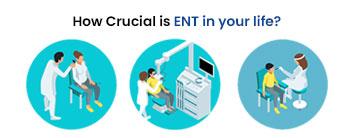
ENT health is essential for proper breathing, hearing, speech, and balance. Early detection and expert care ensure a better quality of life and prevent chronic complications.


Subscribe to our
© Copyright 2026. All Rights Reserved by Felix Healthcare Private Limited
Design and development by :


 +(91)9667064100
 Emergency : +(91)9667064100