 WhatsApp
 Emergency:
  WhatsApp









Subscribe to our
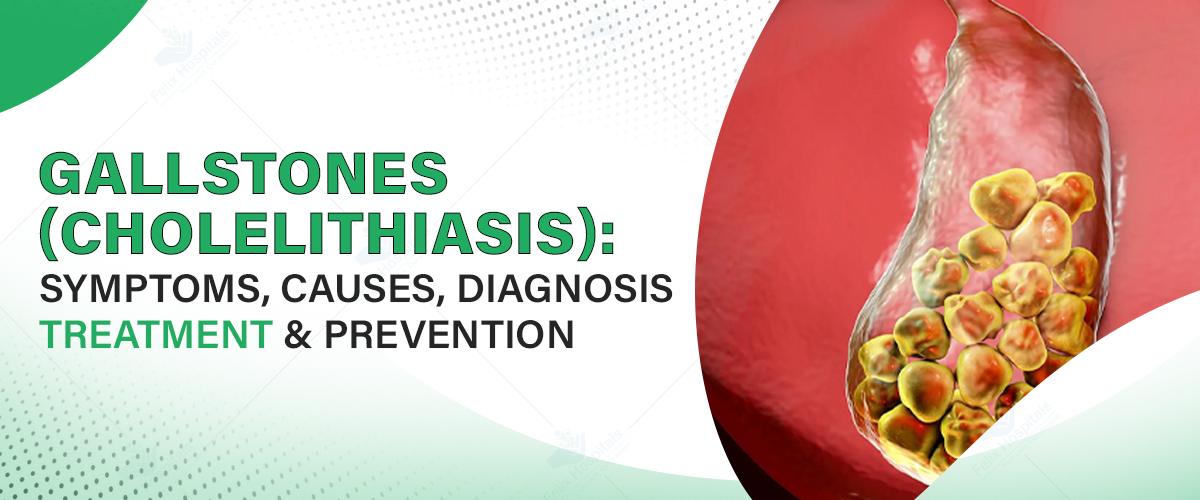
Gallstones are small, brittle pieces that develop in your gallbladder. The gallbladder is an organ, shaped like a pear, located beneath your liver. Even though the stones are typically silent and trouble-free, they can occasionally cause abrupt pain, indigestion, and, if left untreated, potentially fatal complications.
At the best gallbladder treatment hospital in Greater Noida, our goal is to give you the right information. This blog post guides you step by step through the facts about gallstones—from warning signs to surgical relief—so that you can take informed action for relief and prevention.
Do you want long-term relief from gallbladder issues? Call us now at +91 9667064100.
Gallstones are hardened deposits that form in the bile ducts or gallbladder from digestive fluids, mostly bile. The liver produces bile, which is stored in the gallbladder and helps break down lipids. Bile can form crystals when it has too much cholesterol or bilirubin and not enough bile salts. There is a high possibility that these crystals can turn into gallstones.
Cholesterol stones: The most prevalent kinds of gallstones are cholesterol stones, which are yellow-green in colour and mostly made of hardened cholesterol.
Pigment stones: Small, dark stones known as pigment stones are caused by an excess of bilirubin. They are often associated with liver disease or infections.
Most gallstones are harmless and don't cause any symptoms. These are called "silent" gallstones. When a stone blocks the bile ducts, it can cause a lot of pain and lead to serious problems, including infection or inflammation of the pancreas, liver, or gallbladder.
If you don't take action, these effects could be deadly. It's essential for your safety to be aware of the early warning signs and get medical help right away.
Millions of people around the world suffer from gallstones. They are most commonly seen in:
Women within the age range of 20 to 50 years
Overweighted people
People with a family history of gallstones
Gallstones are common, but less than 20% of people who have them show symptoms or need gallstone treatment.
Many gallstone sufferers become aware of their condition when symptoms start to show.
intense, abrupt pain in the middle or upper right abdomen
Pain that radiates to the back or right shoulder
Vomiting or feeling queasy
Chills or fever
Jaundice.
Dark-coloured urine or light-coloured poop
Contact a doctor immediately if you notice any of these symptoms, especially if they come with pain or fever.
Gallstone pain, which is also known as a gallbladder attack, usually:
Hits hard and all of a sudden
Happens after eating a meal high in fat
Occurs at night or when you are sleeping
Can come and go or last for a few hours
This pain, known as biliary colic, may indicate a blockage in the bile duct. Even if the pain subsides, it should not be ignored because it may return.
When the substances that produce bile are not present in balanced amounts, gallstones can develop. These consist of:
Bile with too much cholesterol can crystallize and become stones.
Increased bilirubin levels due to liver or blood condition
Low bile salts, which typically aid in the breakdown of cholesterol
Reduced gallbladder function, which results in bile accumulation and stone formation
Being aware of these causes aids in prompt treatment and prevention.
The warning indications of gallstones include:
40 years of age or older
Being female
Being overweight or someone losing weight rapidly
You are consuming a diet that is low in fibre and high in fat.
Pregnancy
Have a family history of gallstones
Have diabetes or liver disease
Inactive lifestyle
If any of these apply to you, see a doctor about prevention and early detection.
If you visit a laparoscopic surgeon in Greater Noida with symptoms of gallstones, the doctor may suggest some tests to confirm the diagnosis and plan the appropriate treatment.
The blood tests help in detecting:
Infections
Issues pertaining to the liver
Indications of bile duct enlargement or obstruction
To detect and measure the size or number of gallstones, we advise using the imaging techniques listed below:
Ultrasound: It is the most common and effective method.
CT Scan: It gives you detailed cross-sectional pictures
MRCP (Magnetic Resonance Cholangiopancreatography): An MRI-based imaging test that doesn't hurt and views bile ducts.
Endoscopic Ultrasound: An endoscope takes high-resolution pictures of the inside of the body.
ERCP (Endoscopic Retrograde Cholangiopancreatography): It serves as both a diagnostic and therapeutic procedure, capable of removing stones.
These tests help the specialist determine the location, size, and severity of gallstones, which helps them devise the best treatment plan. In Greater Noida, the cost of treatment for gallstones is affordable, so people can get the care they need quickly and effectively.
Gallstones can cause serious problems when they block the flow of bile. These problems include:
Cholecystitis: Infection and swelling of the gallbladder
Pancreatitis: Inflammation of the pancreas
Cholangitis: An infection in the bile duct
Liver Damage: The liver is damaged due to bile buildup
Sepsis: A life-threatening blood infection which spreads rapidly
Jaundice: A buildup of bile that turns the skin and eyes yellow
These situations are medical emergencies. If you or someone you know has a high fever, yellow skin or eyes, confusion, or severe stomach pain, you should get medical help right away.
If you are in pain, have an infection, or have a blocked bile duct, you should see a doctor.
Cholecystectomy, which is the surgical removal of the gallbladder, is the most common and the best treatment.
Laparoscopic cholecystectomy is a minimally invasive surgery using small cuts.
Laparoscopic cholecystectomy is the most preferred method of gallstone removal, with less pain, quicker recovery, and a short hospital stay.
After surgery, bile flows directly from the liver to the intestine, which lets digestion continue as usual.
A few important changes to your life can lower the risk of gallstone formation:
Keep your weight in check: Being overweight raises your risk.
Don't go on crash diets or quick weight loss: Losing weight too quickly can cause gallstone formation.
Eat a balanced diet: Include fiber-rich and low-cholesterol foods in your diet, along with whole grains, fruits, and vegetables that help keep bile moving.
Stay active: Moving around regularly supports healthy digestion and gallbladder function
Take care of long-term health problems, like diabetes, liver disease, and metabolic disorders.
Book an appointment with a specialist at the best hospital in Greater Noida today for expert diagnosis and treatment of gallstones.
Gallstones can worsen and cause serious issues if untreated, even if you have no symptoms.
The good news is? Most individuals fully recover when they receive the correct diagnosis and timely treatment. You can manage gallstones, and in many cases, you can prevent them from occurring.
Look for signs like persistent stomach pain after meals, bloating, jaundice, or fever. These could mean something more serious. Don't ignore pain that keeps coming back. Getting medical help early can make a big difference in keeping your health good for a long time.
1Q: Where does the pain from gallstones come from?
Ans: The pain from gallstones usually occurs on the upper right side of your belly, just below your ribs. It can also go up to your back or right shoulder.
2Q: Do women have different symptoms?
Ans: Yes, women are more likely to develop gallstones because of two important female hormones: estrogen and progesterone. Estrogen raises the cholesterol level in bile, and progesterone slows down the gallbladder emptying. The combination makes women more prone to gallstones, especially during pregnancy, while on birth control, or while taking hormone therapy.
3Q: Can I eat rice if I have gallstones?
Ans: Yes, but keep it simple and low in fat. Choose plain, boiled rice instead of fried or creamy rice. Pair it with veggies high in fibre and lean proteins. Stay away from oily extras that can set off an attack.
4Q: Will I pass gallstones naturally?
Ans: However, most gallstones are too large and hard to pass on their own. The small, sludge-like gallstones may pass on their own, but if you're in pain, don't wait. Usually, the only real answer is medical help (and sometimes surgery).
5Q: Do gallstones make you feel tired or dizzy?
Ans: Not directly. However, if a gallstone causes a serious blockage or infection, it can lead you to symptoms like tiredness, fever, nausea, and even sepsis. If you feel sick and have stomach pain, don't wait—get checked by doctor.
Gallbladder stone surgery, or cholecystectomy, is typically performed when gallstones lead to significant health issues.
Understand the factors that influence gallbladder stone surgery cost in Noida, including hospital charges, surgeon expertise, type of procedure, and post-operative care expenses.
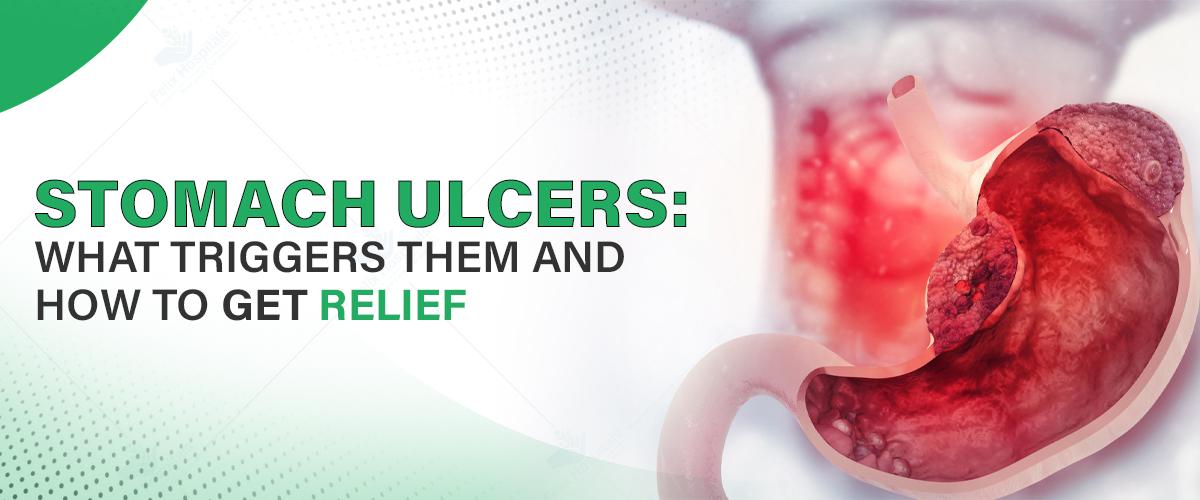
Stomach ulcers or gastric ulcers are fairly common, however they should be taken seriously. If left untreated, these painful sores can sometimes lead to severe complications, like bleeding. Therefore, it’s important to understand what triggers stomach ulcers and why it’s important to seek treatment from a specialist.
With the right treatment, your symptoms should start to go away within a few days or weeks. So if you've been experiencing persistent stomach pain along with indigestion and heartburn, it’s time you schedule an appointment with our specialist.
At Felix Hospital, our best stomach ulcer doctors in Noida will provide more accurate and timely diagnosis of a health condition that might need immediate medical intervention.
Our stomach produces acids that help us to digest the food we consume and kill harmful bacteria. But to protect our stomach from this acid, there’s a layer of mucus lining. Stomach ulcers or gastric ulcers are painful sores that develop when this protective mucus layer is damaged.
Each person’s symptoms may vary, as severity of the symptoms depend on severity of the ulcer. That said, some of the common symptoms associated with gastric ulcer includes:
● Dull or burning stomach pain
● Radiating pain from stomach to back or chest.
● Stomach pain that gets worse in between meals or at night
● Indigestion and heartburn
● Nausea or vomiting
● Loss of appetite
● Anemia
● Dark stools
● Unexpected weight loss
The two main triggers of stomach ulcers are as follows:
H pylori infection, a type of bacteria that lives on your stomach and intestinal lining is a primary cause and risk factor for gastric ulcers.
Regularly taking nonsteroidal anti-inflammatory drugs (NSAIDs): Over-the-counter NSAIDs like ibuprofen and aspirin when taken regularly can irritate your stomach lining and cause ulcers.
Several other risk factors that can increase chances of developing stomach ulcers include:
Smoking: Smoking can irritate your stomach lining and make it more likely that you develop a stomach ulcer related to H pylori infection.
Consumption of alcohol: Alcohol consumption can also irritate stomach lining. It can also cause your stomach to produce more acid.
Cancer treatments such as chemotherapy
For small and uncomplicated ulcers, medication is usually the first line of treatment. At our best stomach ulcer hospital in Noida, our doctor may prescribe medications based on your symptoms.
However, if your ulcer fails to heal with medication, and it starts bleeding or comes back repeatedly, you may require a stomach ulcer surgery.
The exact nature and approach of the surgery will depend on the diagnosis. For instance, in case of a bleeding ulcer, the patient may require emergency surgery to stop the bleeding, which usually involves locating and tying off the source of the bleeding.
You cannot prevent stomach ulcers by changing your lifestyle or diet. However, there are certain lifestyle modifications you can make. These include:
● Eating a healthy diet and incorporating more probiotic-rich foods, like yogurt.
● Quitting smoking and reducing alcohol consumption.
At Felix Hospital, the best laparoscopic hospital in Noida, our team of laparoscopic surgeons and best stomach ulcer doctors in Noida offer a multidisciplinary approach to address a wide range of GI symptoms, such as those caused by stomach ulcers.
Additionally, the team is well-equipped to evaluate and treat conditions related to lower GI that includes tumors, trauma, infectious diseases and more. They use advanced minimally invasive techniques, such as endoscopy and colonoscopy to examine and treat various gastroenterology diseases and treatments at our laparoscopy hospital in Noida.
To schedule an appointment with our best gastroenterologist or to know our stomach ulcer treatment cost in Noida, speak to our representative at: +(91) 9667064100.
Q: How are stomach ulcers diagnosed?
Ans: Stomach ulcers are often diagnosed through an endoscopy, where a long tube with a camera is inserted through the mouth into the stomach to visualize the ulcer. Other tests include blood tests, breath tests or stool tests to check for H. pylori infection.
Q: Can stomach ulcers lead to complications?
Ans: Yes, if left untreated, stomach ulcers can lead to serious complications such as bleeding, perforation (a hole through the wall of the stomach) and gastric obstruction (blockage in the stomach causing vomiting and weight loss). Therefore, it’s important to seek treatment from our best stomach ulcer doctors in Noida. To schedule a consultation or to know our stomach ulcer treatment cost in Noida, speak to our representative
Q: Can stomach ulcers become cancerous?
Ans: While most stomach ulcers are benign, a small percentage can become cancerous. This is why it’s important to get an ulcer evaluated and treated promptly. If you have an ulcer that doesn’t heal with treatment, your doctor may recommend a biopsy to rule out cancer.
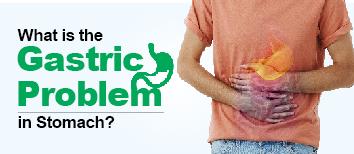
Gastric problems occur when excess acid or digestive disturbances affect the stomach lining, causing symptoms like bloating, acidity, and pain. Timely diagnosis ensures effective treatment.
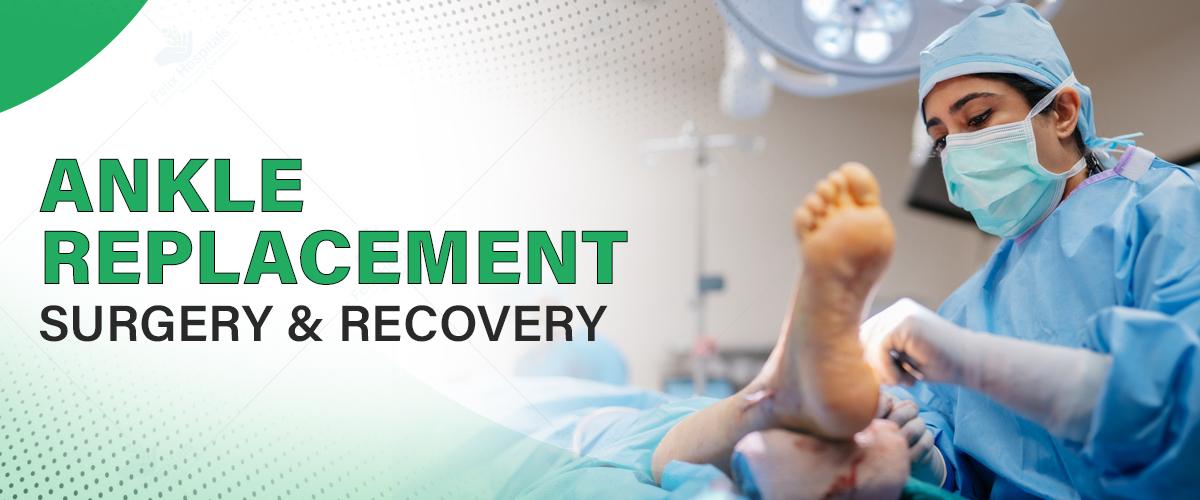
Your daily mobility and comfort could be significantly limited by ankle pain. Your quality of life could be affected by chronic ankle problems, whether due to general wear and tear, injury, or arthritis. Ankle replacement surgery could be the solution to restoring function and pain relief in those who have not responded to conservative management. We will inform you about how ankle replacements are performed, who can get them, recovery period, and where to find good care in Greater Noida and nearby areas in this blog.
Do you suffer from chronic ankle pain? To start your journey towards a pain-free life, consult an orthopedic specialist in Greater Noida today.
Total ankle arthroplasty, or total ankle replacement, consists of replacing portions of the damaged ankle joint with synthetic ones made from metal and the highest-quality plastic. The operation tries to maintain motion within the joint so that patients will be able to walk more naturally when they heal, whereas ankle fusion will join bones permanently.
Highly arthritic or traumatized ankles that limit motion and result in long-standing pain are encouraged to undergo this latest orthopedic therapy. Ankle replacement is an excellent quality-of-life improvement when the procedure is executed by qualified orthopedic specialists.
Candidates for ankle replacement usually suffer from the following conditions:
Rheumatoid arthritis or end-stage osteoarthritis of the ankle
PTSD following prior ligament trauma or fracture
Chronic pain and stiffness in spite of medication or physical therapy
Limited ankle function and range of motion that complicates activities of daily living
But not everybody is an ideal patient. It might be recommended that patients with ongoing infections, deformities, or unacceptable bone quality seek other options for treatment. A proper evaluation by an orthopedic surgeon should be done prior to getting into the treatment.
The process involved in ankle replacement may take two to three hours. The stages involved in the process are as follows:
Preparation: The patient is placed in a manner to gain the best possible access to the ankle joint under general or spinal anesthesia.
Removal of affected tissue: The tibia and talus bones and the weakened cartilage are resected by the surgeon.
Implantation: Press-fit techniques or selected bone cement is used to secure the artificial pieces into position.
Closure and dressing: The wound is closed and the ankle bandaged once the joint is satisfactorily realigned.
A stay in hospital following surgery takes most patients for two or three days.
Healing after an ankle replacement involves after-care treatment which is exhaustive and time demanding. Here's what to look out for:
Weeks 1–2: You can't put weight on your leg if it's in a splint or cast. Medication and elevation help to manage pain and swelling.
Weeks 3–6: Small movements can be made under supervision and a boot can be walked into, but a walker or crutches will still be needed.
Weeks 7–12: To regain strength, balance, and mobility, your therapy will be more intense. You'll start to stress your ankle more.
In three to six months, you can generally return to low-impact exercises and walk independently or with minimal assistance. Within one year, full recovery can occur based on age, health, and the number of times that physical therapy is conducted.
Stick rigidly to your rehabilitation program, avoiding physiotherapy sessions will hamper recovery.
To reduce swelling, elevate the leg.
Stop smoking because it is an obstacle to bone repair.
In case of healing, wear support shoes with the greatest cushioning and traction.
In follow-up checks, stay in touch with your orthopedic surgeon.
Ankle replacement is not free of risks as in any other operation. Some of such risks include:
Surgical site infection
Implant loosening or wear
Nerve or vascular injury
Implant failure is not common
Complications like these are few, however, if the operation is done by an experienced orthopedic surgeon in a state-of-the-art orthopedic center.
Choosing a hospital with an excellent orthopedic standing is important if you are considering undergoing ankle replacement surgery. Look for:
Board-certified orthopedic or joint replacement experts
State-of-the-art imaging and surgical centers in hospitals
Good patient reviews and pre- and post-operative treatment available
Physiotherapy departments manned by qualified rehabilitation professionals
With numerous multispecialty hospitals offering high-quality joint replacement surgery at affordable costs, Greater Noida is becoming an orthopedic treatment center of quality.
Consult a joint replacement expert today regarding your advanced ankle replacement.
Advanced Surgical Technology for Precision Ankle Replacement
Advances in technology have transformed ankle replacement from a traditional “one-size-fits-all” procedure into a highly personalized, minimally invasive, and outcome-optimized surgery. Here’s how the latest machines and tools are used throughout the surgical journey:
3D CT/MRI Reconstruction
Virtual Surgical Planning (VSP)
Benefits
Custom 3D-Printed Cutting Guides
How It Helps
Robotic Navigation Systems
Benefits
Especially useful in patients with significant bone loss or previous trauma.

Dr. Keshav Goel is an experienced Orthopedic and Joint Replacement Surgeon in Noida with over 10 years of clinical expertise. He has performed 2,000+ independent surgeries and specializes in computer-assisted joint replacement and arthroscopic surgeries of the knee, shoulder, and hip. Known for his skill in treating sports injuries, trauma, and joint disorders, he provides advanced and patient-focused orthopedic care.
For patients bearing excruciating pain in ankles and diminished motion, ankle replacement surgery has the potential to bring about a turning point in life. Efficient committed care, stringent recovery process, and proper procedure of surgery could assist the patient in getting the range of movement back and enjoying a better lifestyle. To get more information on your prospects and initiate the step towards increased mobility, consult a specialist orthopedic surgeon in case you're living in Greater Noida and are seeking cutting-edge therapy.
Q1. How long does ankle implant replacement last?
Ans: Most modern ankle implants last 10 to 15 years or more, depending on the patient's overall health and activity level. Survival of the implant may be maximized with regular follow-up visits and avoidance of high-impact activities.
Q2. Is ankle fusion worse than ankle replacement?
Ans: While fusion limits mobility, replacement of the ankle allows for maintenance of joint mobility. Your activity level, age, and degree of damage to your ankle will dictate what is best to be done.
Q3. How long do I have to wait before I can walk after ankle replacement surgery?
Ans: Four to six weeks post-surgery, patients begin walking with assistance. Ten to twelve weeks of physiotherapy later, weight-bearing and walking independently typically occurs.
Q4. Is ankle replacement surgery painful?
Ans: Painkillers post-recovery and anesthesia under surgery are used to manage pain. The majority of patients experience significant reduction in their pre-surgery pain after recovery.
Q5. What are the risks of undergoing an ankle replacement?
Ans: Infection, blood clotting, loosening of the implant, and nerve damage are risks associated with any surgery. Selecting an experienced surgeon reduces these risks.
Q6. Can I resume sports following an ankle replacement?
Ans: While high-impact sports are not advisable, most patients can go back to low-impact sports such as cycling, swimming, and walking once they have recovered completely.
Q7. What do I need to do to prepare for replacement ankle surgery?
Ans: Obey your doctor's advice, take care of current health conditions, and prepare your home for restricted movement. Pre-operative physiotherapy may also be advised.

Knock knees, medically known as genu valgum, is a common condition in young children where the knees angle inward and touch one another when the legs are straightened.
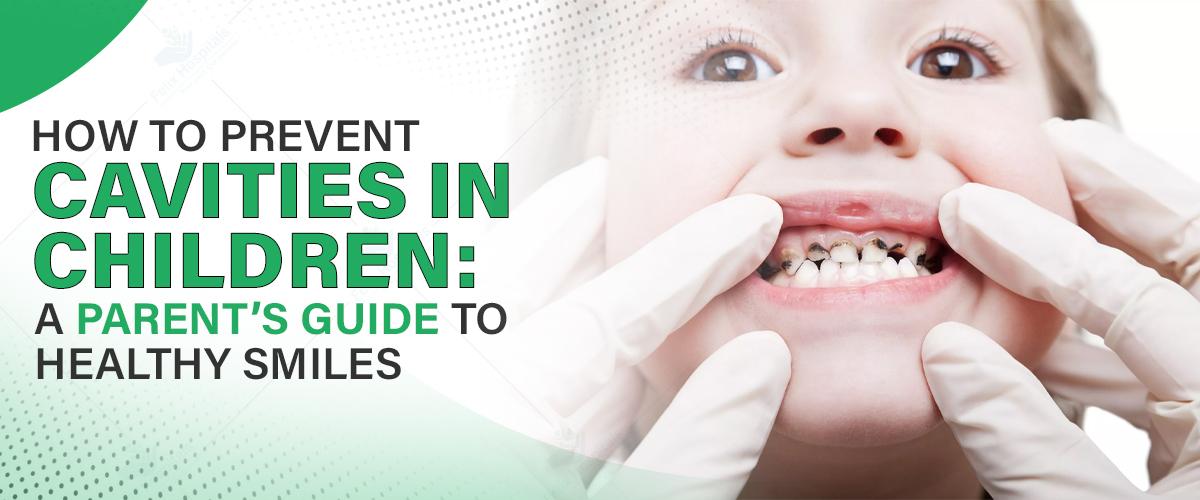
As a parent, one of the critical things to consider for your child is their health condition is teeth oral hygiene. Prevention of common issues like cavities requires some important factors to be considered and put into place. With excellent tooth brushing habits and appropriate direction, they can maintain both their teeth and a great sparkling smile. This article will guide you through simple yet effective ways to prevent cavities and keep your child's mouth healthy from day one.
For young children, maintaining good oral hygiene alongside regular visits to pediatric dentists every six months are essential in ensuring it remains cavity-free. It’s no doubt that the best dental hospitals in Noida have achieved great milestones because of their skilled doctors and state-of-the-art equipment.
A healthy smile is one of the best things you can give your child, now and in the future. Call us today at +91 9667064100.
A cavity develops when the outer part of a tooth, known as enamel, is worn away by acid resulting in a hole. The mouth contains bacteria which feed on leftover sugars and carbs, generating this acid. If proper dental care is not practiced alongside these bacteria and acids, they decompose the enamel loosening it much like rust does to metal causing tooth decay.
If a child’s tooth falls out too soon because of decay, it can cause misalignment of teeth and may require orthodontic treatment later on. For parents concerned about the cost of dental treatment in Noida, knowing that early prevention and timely care can help reduce expensive procedures in the future is reassuring.
Here is a complete list of step-by-step habits to protect your child’s teeth from birth to their teenage years:
1. Developing Habits of Brushing
2. Floss Once a Day
3. Limit Sugar and Sticky Snacks
Tooth decay is mostly caused by foods that are high in sugar, like sticky or chewy snacks.
Encourage your child to drink water all day to rinse away sugar and acids.
4. Ensure Regular Dental Checkups
5. Use fluoride to make teeth stronger
6. Use dental sealants
Choosing the right dental care provider for your child is crucial. The best dentists in Noida offer a child-friendly environment, a skilled pediatric team, and modern facilities, ensuring your little one’s safety, comfort, and the highest quality care every step of the way.
Experienced pediatric dentists: Experienced dentists give your children preventive care and make them feel comfortable.
Modern Technology: Cutting-edge diagnostic and treatment tools help find problems early and give gentle treatment.
Full range of services: From cleaning to emergency dental care everything should be under one roof.
Get started early. Visit the best dental care in Noida by clicking here.
Brushing and flossing aren't sufficient for avoiding cavities. It's also important to teach children habits that will last a lifetime. You are the most important person in your child's life when it comes to keeping their smile safe. You can help your child have strong teeth, minimal dental problems, and a confident smile by teaching them healthy habits, making smart food choices, and consulting trusted dental professionals.
Q: When should I take my child to the dentist for the first time?
Ans: It's best to take your child to the dentist within six months of their first tooth eruption.
Q: Are dental sealants safe for kids?
Ans: Yes, dental sealants are safe and add an extra layer of protection against cavities.
Q: Can sucking your thumb give you cavities?
Ans: Thumb sucking doesn't directly cause cavities, but prolonged sucking can change the alignment of teeth and can give rise to other dental issues.
Q: Is fluoride safe for kids?
Ans: Fluoride is safe and works well to stop tooth decay when used correctly.

Cosmetic dentistry is like a magic wand for your smile, blending art and science to make your teeth look and feel their best. It’s not just about fixing problems—it’s about creating a smile that feels like you, only bolder.

Discover top dental hospitals in Noida offering advanced treatments, expert dentists, and same-day care for all your dental needs.

Know when and why wisdom teeth removal is needed, the procedure steps, and quick recovery tips.
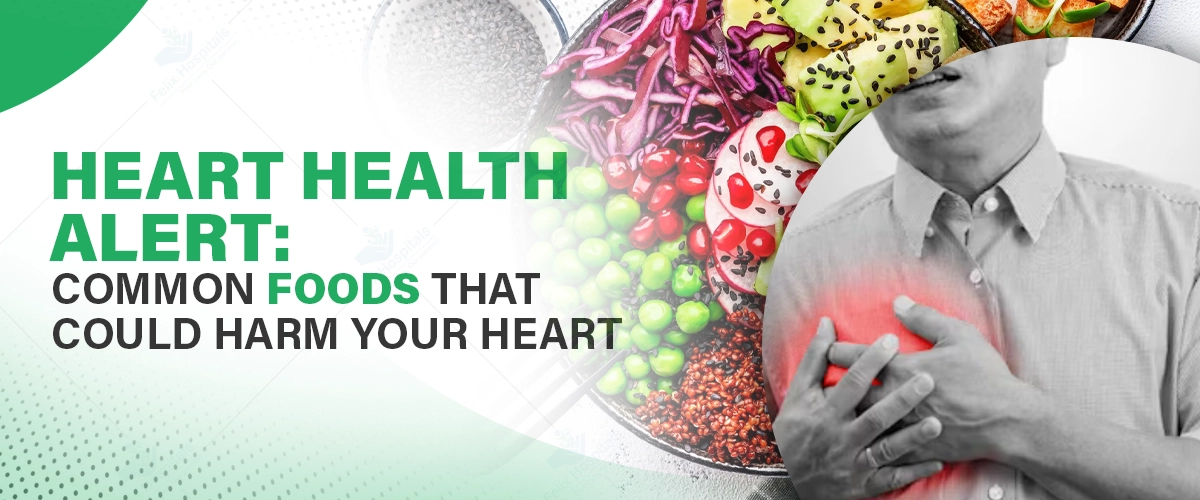
Your heart labors day and night to keep you alive, but the decisions you make on a daily basis—and particularly around the dinner table—nurture or destroy it. Most people believe that heart disease is caused by genetics. or lack of exercise, but cancer plays one of the largest roles in heart disease.
Salt, sugar, and unhealthy fats are usually the unsung heroes of high blood pressure, obesity, and clogged arteries. And behold, some of the most ubiquitous foods in our restaurants and even our own kitchens harm more than help.
Here's a closer inspection of the usual foods that quietly attack your heart health, and find smarter, heart-healthy alternatives with the best cardiology hospital in Noida.
If you are hypertensive, have high cholesterol, or have a family history of heart disease, it is never too early to change. Call us at +91 9667064100 today.
They're great movie-night snacks, but potato chips are filled with saturated fat, salt, and empty calories. They all contribute to weight gain, high blood pressure, and inflammation—not good for your heart.
Smart Alternative: Have whole-grain crackers with low-fat cheese or air-popped popcorn with a sprinkle of olive oil for a crunchy treat.
Packed with sugar, fat, and calories, ice cream is comforting but will ruin your cholesterol and triglyceride counts. These are what clog arteries and contribute to heart attack.
Smart Alternative: Have frozen yogurt, fruit sorbets, or low-fat, low-sugar frozen fruit bars instead.
Canned soups may provide fiber and nutrients, but most are packed with sodium—a major contributor to high blood pressure and heart disease. Cream soups contain even more artery-clogging fats.
Smart Alternative: Prepare homemade soup using low-sodium broth and fresh vegetables. If purchasing canned, read labels and choose the lowest salt and fat content.
Chicken is healthy—until it is fried. Frying adds nasty fat and salt, which are responsible for obesity, high blood cholesterol, and heart failure.
Smart Alternative: Bake skinless chicken with whole-wheat flour or oats for the crunch without damaging your heart.
Yogurt can be a nutritional superstar, but flavored yogurts have as much sugar as a dessert. Excessive sugar fuels inflammation, weight gain, and high blood pressure.
Smart Alternative: Choose plain, low-fat yogurt and sprinkle with fresh fruit, cinnamon, or honey.
Moderate drinking, while not so bad for you, leads to high blood pressure, arrhythmias, stroke, and heart failure. It's also responsible for weight gain and liver damage.
Smart Alternative: Don't drink unless you already do. If you do, keep it to 1 drink a day for women, 2 for men—and only with your doctor's approval.
Most restaurant and frozen pizzas are loaded with calories, saturated fat, and sodium. Insult added is processed meat such as sausage and pepperoni.
Smart Alternative: Opt for thin-crust whole-grain pizzas topped with veggies, low-fat cheese, and lean meats. Or make your own at home for complete control.
Hot dogs, salami, deli meats, and bacon are high in salt, preservatives, and unhealthy fats. They pose a risk for heart disease, stroke, and high cholesterol.
Smart Alternative: Substitute with lean fresh meat such as grilled turkey breast or chicken. Even healthier meat must be portioned.
Cookies, cakes, muffins, and pastries are usually made with white refined flour, added sugars, and trans fats, which raise triglycerides and LDL (bad) cholesterol.
Smart Alternative: Whole-wheat flour, less sugar, and plant oils instead of butter or shortening.
A single soda can exceed your daily sugar intake. Those who consume regular soda are more prone to obesity, high blood pressure, and cardiovascular disease. Diet sodas also affect metabolism and weight.
Smart Alternative: Have plain water, unsweetened tea, or lemon twist sparkling water instead.
Although not all red meat is evil, too much of it—particularly fatty cuts—results in excessive saturated fat intake. This increases LDL cholesterol and increases heart disease risk.
Smart Alternative: Select lean cuts such as sirloin or round, and grill with heart-healthy oils. Consume sparingly, several times a week.
Saturated fat yields over half of the calories found in bacon. It's also loaded with preservatives and sodium—a toxic combination for your arteries and blood pressure.
Smart Alternative: Swap plant bacon or roasted vegetables with a flavorful breakfast, without the cardiovascular cost.
Get expert care and heart health screenings from a cardiologist near you. Prevention is powerful—and it starts on your plate. Schedule your consultation today at Felix Hospitals.
At Felix Hospital, we realize that nutrition is the cornerstone of heart health. Our best cardiologist in Noida offers personalized dietary counseling and cardiac care to assist you in preventing and managing heart disease through a healthy diet.
Dr. Rahul Arora: An experienced cardiologist in the diet aspect of preventing complicated heart diseases, providing balanced treatment planning.
Dr. Virendra Singh: An experienced interventional cardiologist who promotes nutrition-driven lifestyle modificationcombined with medical treatment.
Dr. Nidhi Tikmani: Expert in lifestyle-conditioned heart diseases, providing end-to-end holistic care encompassing customized diet plans for improved heart results.
Whether you're coping with high cholesterol, hypertension, or simply want to eat healthier for your heart, our caring staff will be with you, from consult to long-term heart health.
It's not a question of never having your favorite foods again. It's a question of awareness, balance, and good choices. Reducing sodium, sugar, and saturated fat and filling up on fruits, vegetables, whole grains, and lean protein can significantly lower your risk of heart disease.
Your heart is worth too much to be left to chance—or poor eating habits. Pay attention to your body, read labels, and choose home-cooked, minimally processed foods whenever possible because health has no cost.
If you want to know about the cost of any cardiac issue, just contact us today and know more about the best expense in Noida.
Q: Can I still eat potato chips if I have high blood pressure, but only occasionally?
Ans: Yes, but keep an eye on serving size and frequency. One small occasional serving won't harm you, but keep the rest of your day's food low in saturated fat and sodium to remain within your heart-healthy limits.
Q: Is low-fat flavored yogurt so bad?
Ans: Yes, even low-fat flavored yogurts are loaded with ultra-high levels of added sugar that can cause inflammation and lead to heart disease. Always check the sugar content—plain yogurt with natural add-ins is a far better choice.
Q: I'm a vegetarian—do I still have to watch out for heart-harming foods?
Ans: Definitely. Most of the vegetarian items such as fried snacks, creamy sauces, processed cheese, and baked items carry high levels of sodium, sugar, and trans fats—pretty much as unhealthy for your heart as non-veg food.
Q: If I drink diet soda instead of regular soda, am I immune to heart disease?
Ans: Not precisely. Diet soda is not sweetened with sugar, but according to some research, it may still be behind altering metabolism and stroke risk and heart issues in the long run. Infused water or unsweet tea are good options.
Q: Are all canned soups bad for the heart, or are there heart-safe options?
Ans: All canned soups are not bad for you, but some of them have hidden sodium. Choose "low-sodium" or "no added salt" and purchase soups whose ingredients include whole foods like beans, vegetables, and lean meat.
Q: Can pizza ever be healthy if I prepare it at home?
Ans: Yes! Home pizza can be heart-healthy if you construct it on whole wheat, use less cheese, skip processed meats, and pile it high with vegetables. You are in charge of what goes into it, which makes a big difference.
Q: Do I need to give up red meat altogether to help my heart?
Ans: No, but in moderation. Opt for leaner cuts such as sirloin, take small servings (3-4 oz), and prepare with heart-healthy oils. Serve with plenty of vegetables to balance the dish and ensure heart health.
Over time, this restricted blood flow can lead to serious issues like coronary artery disease, heart attack, or heart failure.

Some everyday foods may quietly harm your heart by raising cholesterol, blood pressure, and clogging arteries.
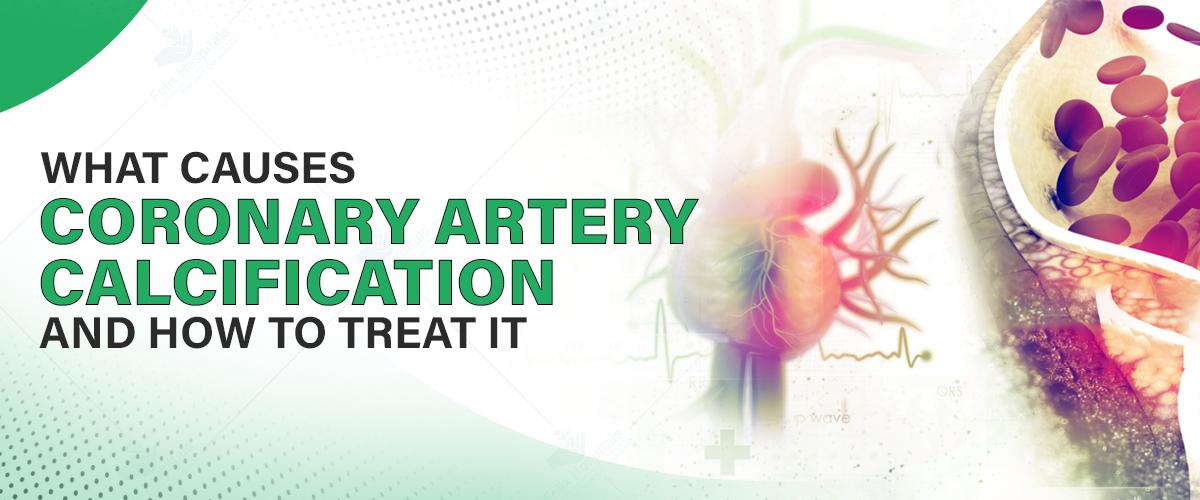
Coronary artery calcification (CAC) is a severe cardiovascular illness that signifies calcium buildup in the arteries that supply blood to your heart. It is a sign of underlying atherosclerosis—a disease in which plaque accumulates in the arteries—and can raise the risk of heart attack or other cardiovascular illness significantly.
Though it typically goes on asymptomatic, knowing the cause of why CAC happens and possibly how you can control it might motivate you to do something positive toward healthier hearts.
Do you have a family history of heart disease or high cholesterol? Don't wait for symptoms—visit a cardiologist in Noida today. Call us today at +91 9667064100.
Coronary artery calcification is the deposit of calcium within the walls of the coronary arteries. These arteries supply oxygen-rich blood to heart muscle. As the deposit of calcium takes place, the arteries become hardened and can limit the flow of blood, possibly resulting in chest pain (angina), shortness of breath, or a heart attack.
CAC is usually identified by imaging methods such as a coronary calcium scan, which employs CT technology to quantify the level of calcium in the arteries. The greater the calcium score, the greater the likelihood of future cardiovascular events.
A number of factors lead to the formation of coronary artery calcification:
As you age, your arteries become more susceptible to calcification. That is one of the reasons CAC is more common in people over 50.
Untreated high blood pressure places constant stress on the walls of arteries, which causes them to weaken and become more vulnerable to damage and calcium buildup over time.
High levels of LDL (bad cholesterol) may adhere to the walls of arteries and cause plaque formation. The plaque may, in the long run, calcify with the deposition of calcium, resulting in calcification.
Cigarette smoking introduces noxious toxins into the bloodstream, which harms blood vessels and causes atherosclerosis and calcium deposition.
Diabetic patients have increased levels of inflammation and dyslipidemia, both of which promote calcified plaque in coronary arteries.
Impaired renal function results in deranged calcium and phosphate metabolism, predisposing to vessel calcification.
Sedentary living has been associated with several risk factors such as obesity, high blood pressure, and unfavorable cholesterol profiles—all which predispose to arterial calcification.
Family history of heart disease can increase your level of risk even if you do not have any noticeable symptoms. Certain people are more likely to develop calcified arteries at an earlier age through genes.
In its early stages, coronary artery calcification can be without any sign. As the condition advances and blood supply becomes less, however, people experience:
Chest pain or sensation of tightness (angina)
Shortness of breath while exercising
Fatigue or dizziness
Palpitations or irregular heart rate
If they're present, particularly among those with recognized risk factors, a physician can have a coronary calcium scan ordered.
The most frequent test for CAC is a coronary calcium score on a low-dose CT scan. The scan measures the level of calcium in your coronary arteries and gives a score from 0 to 400 or higher:
Score 0 – No calcification (low risk)
Score 1–100 – Mild calcification (moderate risk)
Score 101–400 – Moderate to high calcification (increased risk)
Above 400 – Extensive calcification (high risk of heart disease)
It is a non-invasive test and usually suggested in intermediate risk factor patients.
Existing calcium deposits are irreversible but may be managed through preventing the deposits from continuing and reducing the chances of a heart attack or stroke.
The implementation of lifestyle heart health is most vital in the management of CAC:
Quit smoking immediately
Exercise daily (a minimum of 150 minutes/week)
Follow a Mediterranean-style diet heavy on fruits, vegetables, whole grains, and health fats
Eat less salt and processed food
Manage stress via meditation, yoga, or counseling
Doctors can prescribe drugs to manage risk factors:
Statins to reduce cholesterol
Medication for blood pressure in the form of ACE inhibitors or beta-blockers
Diabetes medication to maintain blood sugar levels
Aspirin in certain situations, to prevent blood clots (under medical supervision)
Regular follow-up and imaging permit monitoring of calcification progress and efficacy of treatment. Patients who fall under high-risk categories need to make regular trips to a cardiologist in Noida or the nearby city.
Where there is extensive blockage of arteries, intervention such as angioplasty or coronary artery bypass grafting (CABG) may be necessary. But these are typically reserved where the symptoms are progressing or blood flow is severely impeded.
At this point in time, there is no confirmed method to reverse calcium buildup within arteries. Yet early detection and aggressive control of risk factors will halt or considerably reduce the process in its track. Experimental researches are actively exploring vitamin K2 and other treatments, yet more needs to be done prior to them gaining widespread acceptance.
Have a coronary calcium scan at a quality cardiology Hospital in Noida to know your risk and take action before it's too late. Schedule your consultation today at Felix Hospitals.
Silent warning sign of coronary artery calcification is a hint that your heart may be in danger. Although the disease cannot be cured, it can be very effectively managed with early identification, lifestyle modification, and medication.
If you reside in Noida or around and fall in the medium- to high-risk group—because of family history, age, or common health issues—do take time out to visit a cardiologist and get a coronary calcium scan done. If you are smart, you may just avoid developing complications and have your cardiovascular health in hand for good.
Q: Young adults can also get coronary artery calcification?
Ans: Yes, although CAC is more common in older age, young adults—especially with genetic predisposition, poor lifestyle, or poorly managed chronic disease—can develop premature calcification too.
Q: Is a coronary calcium scan painful or hazardous?
Ans: No, it's a short, painless, non-invasive test. It's a low-dose CT scan with no dye or injection and a safe method to assess heart disease risk.
Q: Do all high calcium scores mean you’ll need surgery?
Ans: Not necessarily. A high calcium score indicates increased risk but doesn't always require surgery. Many patients manage CAC effectively with medications, diet, and lifestyle changes.
Q: Can vitamin supplements like Vitamin K2 or D3 help reduce CAC?
Ans: There is also new research on Vitamin K2 possibly preventing calcium accumulation, although these supplements must be taken under a physician's supervision since evidence is not yet conclusive.
Q: Does stress in any way directly cause coronary artery calcification?
Ans: Chronic stress increases blood pressure, inflammation, and unhealthy habits—all associated with the development of CAC. Stress management is a critical component of treatment.
Q: Are fatigue and shortness of breath always symptoms of CAC?
Ans: Not necessarily, but if there are such symptoms along with risk factors such as diabetes or hypertension, CAC must be taken into account and evaluated with proper diagnostic investigations.
Q: Is a zero calcium score an assurance that you're absolutely free from heart disease?
Ans: A zero score indicates a low immediate risk for coronary events but does not rule out soft (non-calcified) plaque or other cardiovascular disease. Further monitoring is still warranted.
The primary goal of the Treadmill Stress Test is to evaluate how well the heart responds to increased physical activity
Over time, this restricted blood flow can lead to serious issues like coronary artery disease, heart attack, or heart failure.
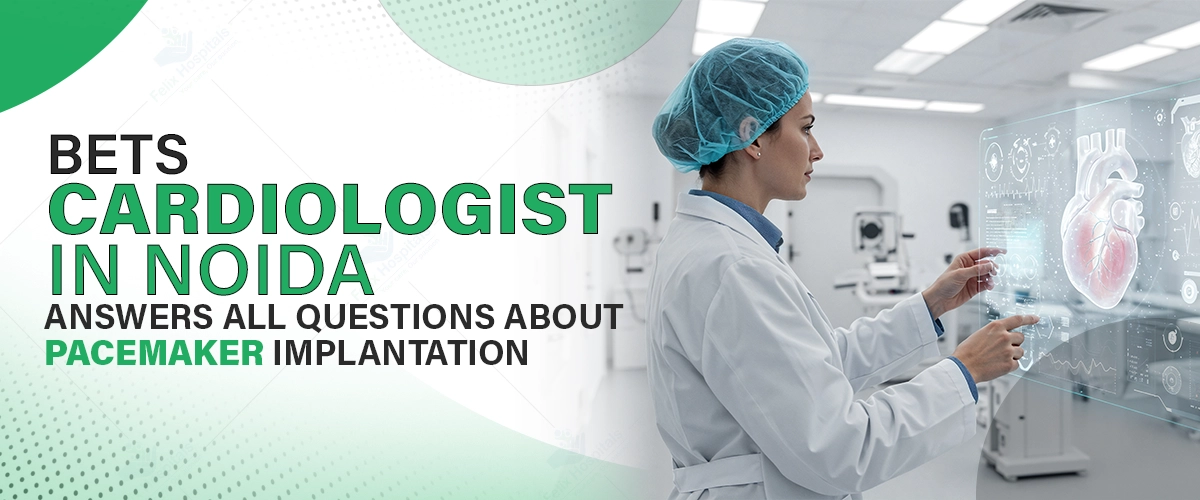
A pacemaker is a tiny life-saving gadget put in place through surgery to assist in stabilizing an abnormal heartbeat. It makes your heart beat normally and effectively, supplying oxygen and nutrients that your body requires. At the best cardiology hospital in Noida, it is asserted that pacemaker implantation is most commonly the first step towards a better, more balanced life.
In this in-depth blog, we discuss some of the most common questions regarding pacemaker implantation and why immediate treatment by a skilled cardiac team is imperative. We care about your heart health—learn how a pacemaker might transform your life.
Your heart health is our first priority. For expert advice on pacemaker implantation or an appointment, call +91 9667064100.
A pacemaker is a small medical device implanted under the skin, usually close to the collarbone, to assist the heart's electrical system. It regulates slow or irregular heart rhythms by sending electrical impulses to restore a normal rhythm.
A pacemaker is required if the heart beats too slowly (bradycardia) or irregularly (arrhythmias) and produces symptoms of:
Dizziness or fainting
Chronic fatigue
Shortness of breath
Indications for which a pacemaker may be required include heart block, sick sinus syndrome, or following certain cardiac procedures.
The pacemaker tracks the rhythm of the heart. If it finds something out of order, it sends out a tiny electrical stimulus to correct an errant heartbeat. It is not painful and is often not even perceived by the patient.
Pacemakers today are small—5×4 cm in length, and roughly 6–7 mm thick. Depending on how you're constructed, you should be able to feel a slight lump under your skin where it is implanted.
At Felix Hospital, pacemaker implantation under local anesthesia is done by qualified cardiologists. A small incision is inserted below the collarbone to install the device and attach it to your heart through leads (small wires). It is safe, fast, and minimally invasive.
The operation takes about 1 to 2 hours. The majority of patients are held under observation for a few hours and can be discharged the next day.
No. The heart remains pumping during the procedure. The pacemaker is made to assist and regulate the heartbeat without stopping it.
Complications are rare but may include:
Infection at the implant site
Bruising or bleeding
Allergic reactions
Lead displacement
Nerve or blood vessel damage
Our medical staff at Felix Hospital uses strict safety measures to eliminate all danger and provide a comfortable recovery.
The pacemaker's impulses are imperceptible to most patients. It functions discreetly in the background, keeping your heart beating in rhythm.
Recovery is generally rapid. Patients are back to light activities in a few days, but make sure to adhere to post-operative instructions from your cardiologist.
Pacemakers are of some types like:
Single-Chamber Pacemaker – attached to a single chamber of the heart
Dual-Chamber Pacemaker – attached to the atrium and ventricle
Biventricular Pacemaker (CRT) – for patients with heart failure
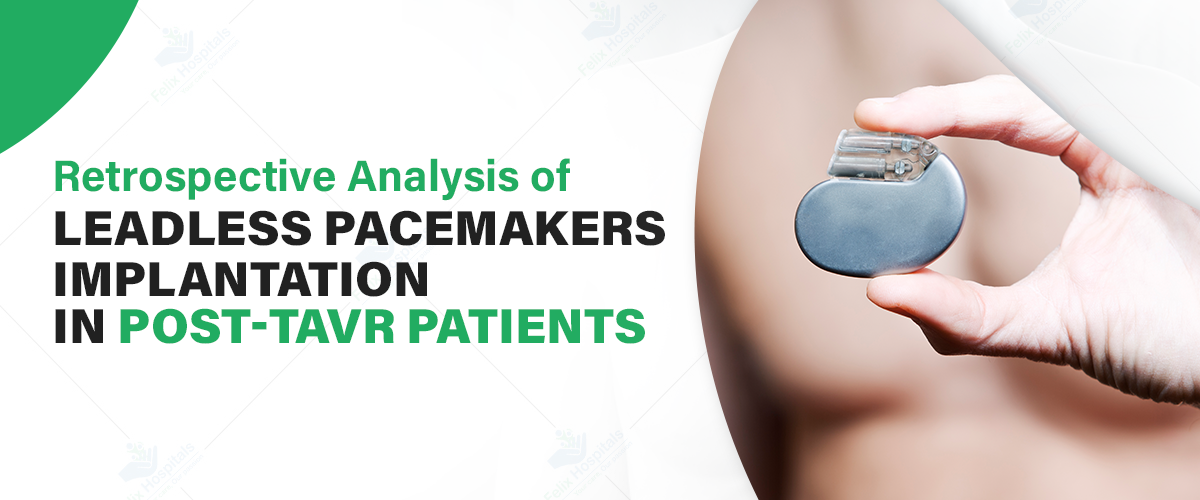
Leadless Pacemaker – a newer, more compact model implanted directly in the heart
Your cardiologist will decide what's best for your case.
Get medical help if you have:
Dizziness or syncope
Chest pain or palpitations
Pain or swelling at the site of insertion
Unusual muscle twitching
Repeating hiccups
These are potential signs of a malfunction or problem with the pacemaker.
If your pacemaker is beeping, call your cardiologist right away. It can signal a low battery, malfunction, or adjustment.
Pacemakers will last between 8 to 15 years, depending on use and the machine. When they require replacement, it's a straightforward procedure with only the generator replaced.
Have a pacemaker ID card
Inform all medical personnel prior to any procedure
Keep electronic devices a minimum of 6 inches away from the site of the implant
Carefully follow medication and lifestyle instructions
Avoid heavy lifting or heavy exercising at first
Avoid exposure to powerful magnetic or electrical fields
Avoid missing appointments for follow-up
Most likely, driving should be safe by a week or so after procedure, with approval from your cardiologist. Commercial air travel should be permitted but alert airport detection systems to device presence to eliminate interference.
The pacemaker surgery cost in Noida depends on device type, hospital, and doctor's proficiency. It costs between ₹2,50,000 and ₹5,00,000 at Felix Hospital. Our staff provides transparency and guidance with insurance or financing.
Felix Hospital is one of the best cardiac care units in Noida, providing the best heart treatments by skilled cardiologists in a patient-centric environment.
Our specialist cardiology team includes:
Dr. Rahul Arora: Expert in the diagnosis and treatment of complicated cases of heart diseases with utmost care and precision.
Dr. Virendra Singh: Veteran interventional cardiologist with a career spanning over three decades.
Dr. Nidhi Tikmani: Expert in lifestyle-related cardiac problems with an integrative approach.
From diagnosis to recovery post-surgery, our caring staff makes your path toward a healthier heart safe and easy. Arrange your appointment today by clicking on this link.
A pacemaker may be a life-altering device for an individual with abnormal heart rhythms. With early detection, professional advice, and a proper treatment plan, you will be leading an active, normal life again. At Felix Hospital, Noida, we strive to offer world-class cardiac care, customized for you.
Having symptoms of a slow or irregular heartbeat? Don't wait—book an appointment with Noida's top cardiologists.
Call us now at +91 9667064100 or check out our website for further information. Your heart deserves the best. Trust Felix Hospital—where technology and care meet.
Q. May I use a cell phone or microwave following pacemaker implantation?
Ans: Yes, cell phone and microwave oven use can be done safely. You simply need to keep cell phones away from pacemaker locations at least 6 inches and use the ear opposite from which you speak on a phone. Pacemakers are now well shielded, but caution is always best.
Q. Do I have to alter my lifestyle or diet following pacemaker implantation?
Ans: While a pacemaker controls your heartbeat, it won't cure heart disease. You will probably have to embrace a healthy heart lifestyle—cut down on salt, stop smoking, control stress, and exercise lightly (as recommended by your doctor) to avoid future complications.
Q. Is it safe to have an MRI or other imaging tests after pacemaker implantation?
Ans: Most pacemakers used today are MRI-compatible, although not all. Always notify your radiologist and physician of your device. Felix Hospital utilizes the newest MRI-compatible machinery with up-to-date imaging technology for secure diagnosis.
Q. How frequently do I need to come into the hospital for pacemaker follow-up?
Ans: After implantation, you will typically have your first follow-up in 1–2 weeks. Follow-up device checks are then typically every 3–6 months. Felix Hospital even offers remote pacemaker monitoring in some cases to minimize hospital visits.
Q. Can I live alone or travel alone with a pacemaker?
Ans: Definitely. After the procedure is complete, after you've recovered and gotten your cardiologist's clearance, you can be on your own. Carrying your pacemaker ID card and an emergency phone number +91 9667064100 with you if you are traveling, particularly abroad, is a good practice.
Q. What happens if the pacemaker battery dies too soon?
Ans: Pacemakers will alert you and your physician well before the battery runs down—usually months in advance. You'll have plenty of time to arrange for a replacement. Felix Hospital offers regular battery checks to avoid unexpected failure.
Q. Can I play sports or exercise with a pacemaker?
Ans: Yes, but cautiously. Walking, swimming, yoga, and gentle aerobic exercises are typically recommended. Avoid contact sports or heavy lifting to avoid displacement of lead. Your cardiologist at Felix Hospital will guide you with an individualized exercise program.
The primary goal of the Treadmill Stress Test is to evaluate how well the heart responds to increased physical activity

However, stress, sedentary lifestyle, chronic diseases such as diabetes and hypertension, and genetic factors place young individuals at risk of heart attack.

A pacemaker is a small electronic device implanted under the skin near the heart to regulate the heart’s rhythm.

Aging with dignity is the dream of the majority of the elderly people in Greater Noida, and having a sharp mind is one of them. Forgetting things is natural with age, but dementia is not an aspect of the aging process. It's a medical condition that can destroy memory, thinking, and behavior. The good news? There are certain preventive measures the aged can take to avert or postpone the development of dementia.
Here are some tips recommended by experts for elderly people residing in Greater Noida to maintain their brain health and remain alert:
Concerned about memory loss or becoming lost? Take control of your mental health—get a cognitive test at a hospital in Greater Noida today! Call +(91) 9667064100.
Dementia is an overall term for a group of brain diseases that cause the loss of memory, thinking, and other intellectual abilities. It is a progressive illness, and symptoms will get worse over time. Dementia can have a significant effect on everyday life. No cure is available for dementia, but medications are available to treat the symptoms and enhance the quality of life. Learn the following tips on treating dementia in elderly people:
Exercise regularly promotes circulation to the brain and prevents intellectual deterioration. People of advanced age should:
Take daily walks in a park or neighborhood
Practice some yoga or gentle stretching
Join a fitness club geared for seniors
Exercise prevents other illnesses such as high blood pressure and diabetes, which are also associated with a higher risk of dementia.
Nutrition for brain functioning. A healthy diet with a rich composition of fruits, vegetables, whole grains, lean protein foods, and healthy fats may help keep the brain working. Follow these:
The Mediterranean diet
An omega-3 rich diet (from fish, flaxseeds, walnuts)
Lower consumption of processed sweets and saturated fats
Fresh fruits and vegetables made available by local farmers' markets of Greater Noida simplify healthy eating.
Just like physical exercise makes the body stronger, mental exercise makes the brain stronger. Do:
Crossword puzzles or Sudoku
Reading books or newspapers
Learning new skills or hobbies
Playing strategy games such as chess or bridge
Community libraries and activity centers in Greater Noida usually provide classes and programs to assist mental stimulation among the elderly.
Uncontrolled diseases such as high blood pressure, diabetes, and high cholesterol can increase the risk of dementia. Regular checkups at the best hospital in Greater Noida need to be attended to control such conditions and slow down cognitive loss.
Adherence to medications and checking for medical conditions is crucial in protecting brain health in the long term.
Loneliness and isolation are key risk factors for dementia. Older citizens need to stay connected through:
Family visits
Community groups or clubs
Religious or spiritual activities
Volunteering
There are several older groups in Greater Noida that organize meetups, walks, and activities to help people socialize.
Sleep disturbance can damage memory and predispose to dementia. Older persons should aim for 7–8 hours of quality sleep nightly. To improve sleep:
Adopt a consistent sleep schedule
Avoid heavy meals or TV/screen time before bedtime
Practice relaxing pre-sleep routines
If these sleep problems continue, then maybe a visit to the best neurologist in Greater Noida is in order for another look.
Smoking and heavy booze consumption are both infamous causes of mental fogginess. Stopping smoking and drinking moderately (or abstaining from booze altogether) can be a huge cognitive and health booster.
Depression and anxiety worsen memory problems and accelerate mental decline. Seniors must:
Be open about their emotions
Speak with family and friends or licensed therapists
Practice mindfulness, meditation, or slow breathing
If depressive and anxious symptoms are persistent, professional intervention at a Greater Noida hospital can be helpful.
Head injuries, particularly in older adults, may put dementia at higher risk. Common safety measures include:
Installing handrails and anti-slip mats in the bathroom
Helmets when biking or for some activities
Walking sticks if necessary to avoid falling
Early diagnosis of cognitive impairment can result in improved management. Memory check-ups or cognitive tests at regular intervals can monitor changes. Hospitals in Greater Noida provide screening that can identify early signs of dementia and prescribe preventive measures.
Small steps make big differences. Begin a brain-healthy lifestyle today and see an expert if you experience early signs of memory lapse.
Even though there is no surefire way to avoid dementia, a good brain lifestyle can go a long way. Greater Noida's elderly citizens can adopt these easy yet powerful steps to preserve their memory, autonomy, and general well-being. Small daily activities such as remaining active, having a healthy diet, and staying socially engaged can make a huge difference in maintaining a clear mind. Memory loss or confusion must not be neglected. Consulting a professional at the Best Neurology Hospital in Greater Noida can ensure early intervention and optimal outcomes.
Q: Can daily walking actually reduce the risk of dementia in older people?
Ans: Yes, regular exercise such as everyday walking enhances blood flow to the brain and maintains cognitive function, particularly in older people.
Q: How does the Mediterranean diet help brain health?
Ans: The diet is high in antioxidants and omega-3 fatty acids that reduce brain inflammation and oxidative stress—both of which are associated with dementia.
Q: Do I need to continue learning new things as I get older?
Ans: Yes. Learning new skills or hobbies builds new neural pathways and improves memory, which slows down cognitive decline.
Q: How does social interaction affect prevention of dementia?
Ans: Challenging mental activity and stress reduction from normal social interaction are both significant in preserving cognitive function and reducing the risk of dementia.
Q: Can bad sleep actually increase my risk of dementia?
Ans: Yes, lack of sleep disrupts the brain's process of removing toxins and consolidating memories, possibly leading to problems later on.
Q: Why are cognitive tests even if there are no symptoms required?
Ans: Early detection gets early, subtle symptoms of declining mental function that may not be noticeable but would be helped earlier by treatment.
Q: Are brain games and puzzles beneficial or for fun only?
Ans: They're more than a diversion—games such as puzzles and memory games actively challenge your brain and enhance mental flexibility, which is good for long-term brain health.
Experiencing tingling in your hands or feet? It could signal a nerve-related issue. Consult our expert neurologists at Felix Hospitals to find the cause and get the right treatment today.

Balanced diet is key to good health. Learn its definition, importance, and how it helps in maintaining energy, immunity, and overall well-being.

Brain-boosting foods rich in antioxidants, omega-3s, and vitamins support memory, protect brain cells, and may help reduce the risk of dementia and Alzheimer’s disease.
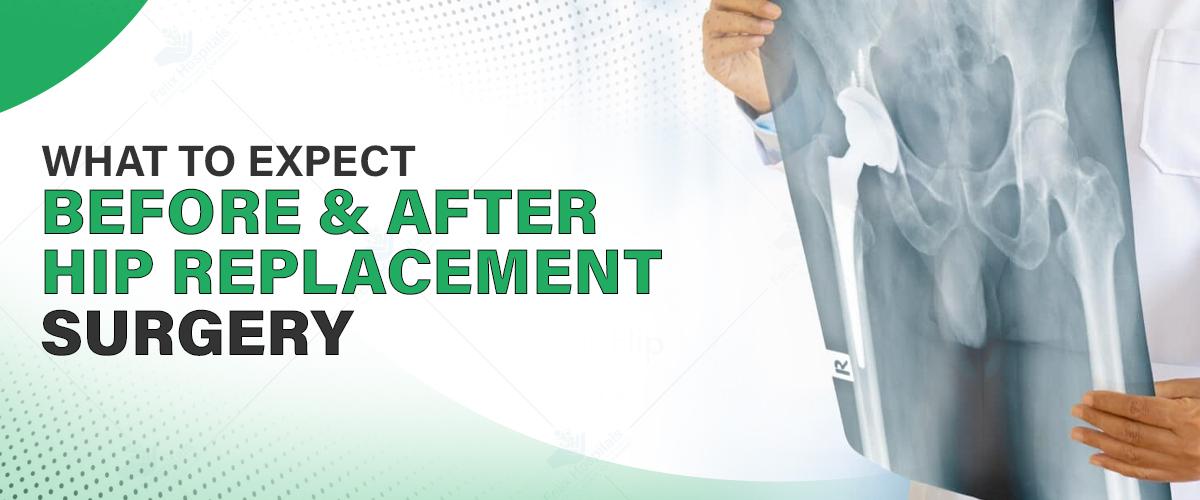
Joints aren’t built to last forever. For some people the hip, in particular, gets damaged due to age, arthritis, tumor, or an injury. So if you or someone close is dealing with nagging hip pain, and you’ve tried almost everything, from painkillers, exercise, and rest, then perhaps hip replacement surgical procedure becomes necessary.
Surgery usually enters the conversation when the pain starts affecting your daily life, to an extent it becomes difficult to walk around. That said, a hip replacement surgery is an effective and safe surgical procedure to replace a damaged hip joint with an artificial one.
Here’s what to expect before and after the hip replacement surgical procedure, so you can prepare yourself and your loved ones for the journey.
At Felix Hospital, the best hip replacement hospital in Noida, our hip replacement surgeons follow a personalized strategic approach towards each patient, thereby making their recovery process smooth and hassle-free. To schedule an appointment, contact us!
Looking for the best hip replacement surgery in Noida, and schedule an appointment with our team of best orthopaedic doctors in Noida. To schedule an appointment, contact us at: +(91) 9667064100.
Hip replacement is a surgical procedure that’s recommended to patients whose hip (total or partial) has been damaged. Such individuals may experience stiffness or pain while performing common daily activities like walking, getting in and out of a chair and restricted body movements, etc. During the surgery, a damaged hip joint is replaced with an artificial one. A modern artificial hip joint is designed to last for at least 15-20 years.
Adults of any age can be considered for a hip replacement surgery, although it is most commonly performed on elderly patients. Post hip replacement (hip revision) surgery, patients experience a significant reduction in pain and improved joint function.
Total hip replacement: In this type of surgery, our best doctor for Hip Replacement in Noida, will replace the entire hip with a prosthetic. Most of the hip replacement surgeries are total hip replacements.
Partial hip replacement: This type of replacement is not very common and it includes replacing only a part of the hip when there is an injury, fracture, or removal of a tumor.
Here are a few common reasons why someone might be advised to get a hip replacement surgical procedure:
Osteoarthritis
Rheumatoid arthritis
Fractures in the hip bone, especially in older adults
Reduced mobility and chronic pain
Before recommending surgery, our best doctor for hip replacement in Noida will start with the physical examination, where you’ll be asked about your pain, movement limitations, etc. This will be followed with imaging tests like an X-ray or MRI, which confirms if you require a hip replacement surgery.
Partial and Total Hip Replacement: During the Partial Hip Replacement Surgery (Hemiarthroplasty), only the ball or femoral head of the hip joint is removed and replaced. It does not replace the socket. The surgery is often performed to repair hip fractures in elderly patients. Whereas, during the Total Hip Replacement Surgery (Total Hip Arthroplasty), which is the second most common orthopedic surgery after total knee replacement, both the ball (femoral head) and the socket (acetabulum) of the hip joint are replaced with artificial components.
During the procedure, the ceramic or metal ball, called the hip implant, is attached to a metal stem. The stem is firmly fixed into the core of the thigh bone in one of the following ways:
Cemented: New parts of the hip joint are cemented with existing healthy bone.
Uncemented: Artificial parts are made of porous material that allows the patient’s
Hybrid: As the name suggests, this kind of replacement consists of cemented ball part and uncemented socket part of the joint.
Anterior, Posterior, and Lateral Approaches: These techniques refer to the surgical approach used to access the hip joint. The choice of approach is based on the surgeon’s preference and the joint’s anatomy.
Minimally Invasive Hip Replacement: As the name suggests, this technique uses smaller incisions and aims to reduce recovery time and postoperative pain.
Getting Ready Before Surgery
There’s a bit of planning involved before your hip replacement (hip revision) surgery. You might be asked to:
Stop certain medications
Do some basic blood and heart tests
Arrange help at home for the first few weeks
Remove furniture you could trip over
Right after surgery: You’ll likely stand or walk with help the same day or the next. A physiotherapist will show you simple movements. Pain is expected but usually well controlled.
Week 1 to Week 6: You’ll keep doing exercises daily, maybe with help. There’ll be some soreness, but most people notice the old pain is already reduced.
After 6 weeks: Many return to normal routines—walking unaided, going out, climbing stairs. You’ll still need to be careful with sudden twists or high-impact moves.
3 months onward: By now, most people are finally back to moving freely.
A modern hip replacement often lasts 15–20 years, sometimes longer. If you stay active, avoid high-impact sports, and attend follow-ups, your new joint should serve you well for a long time.
Conclusion
Hip replacement surgery is a major decision, usually made after trying other options. At Felix Hospital, our hip replacement surgeons excel at providing all the three types of hip replacement surgeries total hip replacement, hip revision, and partial hip replacement surgery. Besides, our hip replacement surgery cost is affordable. They follow a personalized strategic approach towards each patient, thereby making their recovery process smooth and hassle-free.
If you’re on the edge of that decision, don’t rush – but don’t fear it either. With a good doctor, a bit of preparation, and realistic expectations, the recovery might be easier and faster.
To schedule an appointment, contact us!
Q: Will I need a walker forever after the hip replacement surgery?
No, you’ll use a walker or crutches for a few weeks, but many switch to a stick and then walk independently within 6–8 weeks.
Q: Is hip replacement surgery risky?
All surgeries carry some risk, but complications like infection or blood clots are uncommon. Our hip replacement surgeons will take every precaution.
Q: Will I be able to drive again, after the hip replacement surgery?
Yes, usually within 4–6 weeks for driving. Longer trips may need a bit more time, depending on your progress.
Q: Will I set off metal detectors at airports?
Sometimes, yes. The hospital can give you a card explaining your implant. But it’s not a major issue.

Orthopedics is a specialized branch that takes care of your musculoskeletal problems related to joints, bones, muscles, spine, ligaments, and tissues.
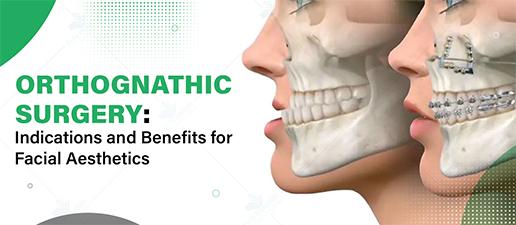
Orthognathic surgery corrects jaw alignment, improving both facial appearance and oral function.

Sciatica Nerve Pain can cause sharp, shooting pain that radiates from the lower back to the legs. It often results from a herniated disc or spinal issues pressing on the sciatic nerve.

Infertility is an extremely emotional and challenging experience for couples and patients who are attempting to become pregnant. However, thanks to progress in medical science, numerous highly effective treatments of infertility now allow parenthood. Greater Noida is now also a center of modern treatment of infertility with access to top-notch care and empathetic guidance.
If you are contemplating fertility treatment, this is an informative article of the most successful treatments in Greater Noida and how a visit to the best fertility hospital in Greater Noida can provide insight for your path.
Dreaming of being pregnant? Spend no time—meet with a fertility expert at a reputable hospital in Greater Noida and discuss your options for the best treatment today!
IVF is a highly successful and popular fertility treatment. IVF is the process of egg removal from a woman's ovaries, sperm fertilization in the laboratory, and transfer of the embryo to the uterus. IVF is particularly useful for individuals with:
Greater Noida has hospitals that provide state-of-the-art IVF laboratories equipped with the best technology to increase the success rate of implantation.
IUI is a less invasive and less costly approach than IVF. It consists of inserting sperm directly into a woman's uterus at the time of ovulation for fertilization. IUI is usually suggested for:
The best gynecologist in Greater Noida who offers fertility treatments can perform necessary tests and monitor ovulation cycles to follow up on optimal timing of IUI.
It is the medication to stimulate the ovaries and regularize or trigger ovulation. It is usually a first-line treatment for women with irregular menstrual cycles or PCOS. The most frequently used drugs are Clomiphene Citrate and Letrozole.
Hospitals in Greater Noida monitor hormone levels and follicular growth closely to attain best possible timing for pregnancy.
ICSI is normally performed along with IVF. One sperm is injected directly into an egg to allow fertilization, especially in severe male infertility. ICSI avoids problems such as:
Most fertility clinics in Greater Noida provide ICSI along with their IVF treatment, enhancing success for infertile couples with male infertility issues.
With modified lifestyle and preferences, most are choosing to bank their fertility for later use. Sperm or egg freezing is best suited for:
There are cryopreservation centers in a hospital in Greater Noida offering state-of-the-art freezing and storing equipment.
Where fertility problems cannot be addressed by using the gametes of the couple, there is the use of donor gametes. These are:
Safe and legally controlled donor procedures and commonly used by those couples who experience age-related diminished fertility or genetic illnesses.
Structural issues such as uterine fibroids, endometrial polyps, or obstructed fallopian tubes in certain situations can interfere with conception. Laparoscopy and hysteroscopy, being minimal invasive surgeries, can correct fertility.
These services are usually offered in multispecialty hospitals in Greater Noida with high-tech gynecological surgery centers.
Emotional health is strained by fertility treatments. Psychological counseling is provided by most fertility hospital in Greater Noida to guide couples through the process. Issues such as distress due to the treatment, relationship conflict, and coping with failed cycles are discussed respectfully. hospital visits for Greater Noida mental health care can really lower anxiety and make treatment work much better.
Take the First Step to Parenthood. Schedule your fertility evaluation today and get a personalized treatment plan that's right for you.
Modern fertility treatment provides hope to millions of infertile women and men. With the ability to acquire the best reproductive technology, tailored care, and professional medical advice, prospects of successful conception have significantly improved.
If you are considering proceeding with fertility options, a consultation with a fertility expert at a hospital in Greater Noida can be the first step towards realizing your dream to become parents. Early detection, early treatment, and customized treatments can work wonders.
Get the best male infertility treatment in Noida with expert specialists and advanced techniques for successful conception.
Q1. At what age is it apt to consider fertility treatment?
Ans: Fertility drops after the age of 30 in females. Most experts advise you to seek treatment if you are younger than age 35 and haven't become pregnant after one year of trying—or after 6 months if you are older than age 35.
Q2. Is IVF the only solution to infertility?
Ans: No. Depending on why you're infertile, you might be helped by IUI, ovulation stimulation, or lifestyle changes before IVF.
Q3. How many cycles of IVF are typically required?
Ans: It varies. Some get pregnant in one cycle; others will take 2–3. Success depends on age, quality of the egg, and overall health.
Q4. Is fertility treatment painful?
Ans: Most procedures are very low key and only cause mild discomfort. There is some temporary discomfort from some injections or egg collection steps.
Q5. Can men benefit from fertility treatment too?
Ans: Yes. Male infertility is responsible for almost half of all cases. They can be treated by therapies such as ICSI, lifestyle modification, or sperm retrieval methods.
Q6. Are fertility treatments safe?
Ans: Yes. Under controlled conditions with the care of professionals in licensed fertility units or Greater Noida hospital, treatment is comparatively safe with fewer side effects.
Q7. Does health insurance cover fertility treatment?
Ans: Some insurance providers cover some of the diagnostic procedures and medication, but the majority of the fertility treatments like IVF are typically paid out-of-pocket. Always check your terms of policy.
Turner Syndrome can impact fertility and reproductive health, causing challenges with ovarian function, hormone production, and pregnancy for affected women.

Learn effective ways to get rid of gynecomastia, from natural remedies to medical treatments. Discover tips for reducing breast tissue in men.

Subscribe to our
© Copyright 2026. All Rights Reserved by Felix Healthcare Private Limited
Design and development by :


 +(91)9667064100
 Emergency : +(91)9667064100