 WhatsApp
 Emergency:
  WhatsApp





Subscribe to our
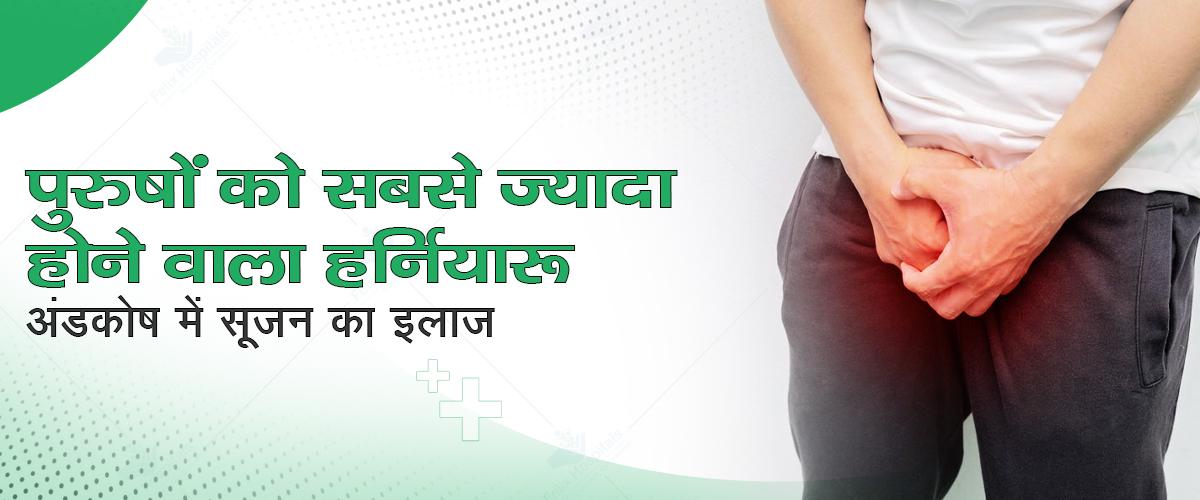
हर्निया बढ़कर अंडकोष की थैली (स्क्रोटम) तक पहुंच जाए तो वहां सूजन, दर्द और भारीपन महसूस होता है। जिसे स्क्रोटल हर्निया कहा जाता है। इलाज में देर करने पर हर्निया फंस सकता है। खून की आपूर्ति रुक जाती है और अंडकोष को स्थायी नुकसान पहुंचता है। यही कारण है कि समय पर सर्जरी बेहद जरूरी है। अगर पेट या अंडकोष में उभार या सूजन महसूस हो तो डॉक्टर से तुरंत परामर्श लें। समय पर इलाज से जटिलताओं से बचा जा सकता है।
अगर आप इस बीमारी की जांच या इलाज के लिए भरोसेमंद चिकित्सा सुविधा की तलाश कर रहे हैं, तो नोएडा में सर्वश्रेष्ठ लेप्रोस्कोपिक हॉस्पिटल का चयन करना बेहद जरूरी है, जहां अनुभवी जनरल सर्जन और अत्याधुनिक तकनीक के माध्यम से मरीज को बेहतर देखभाल मिल सके।
अभी अपॉइंटमेंट शेड्यूल करें हमें कॉल करें: +91 9667064100.
हर्निया के प्रकार और पुरुषों में प्रमुख कारण (Types of Hernia and Major Causes in Men)
लेप्रोस्कोपिक गाइडलाइन के तहत इलाज (Treatment under Laparoscopic Guidelines)
इलाज में देरी का नुकसान (Harmful Effects of Delaying Treatment)
रोगी के लिए सलाह और जीवनशैली परिवर्तन (Advice and Lifestyle Changes for the Patient)
हर्निया होने पर कब डॉक्टर से मिलें? (When should you see a Doctor if you have Hernia)
हर्निया के इलाज को लेकर पूछे जाने वाले सवाल (FAQs about the Treatment of Hernia)
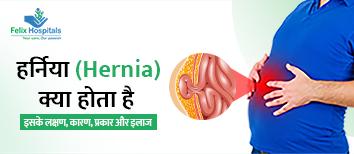
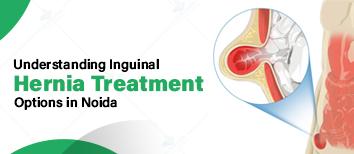
हर्निया (Hernia) तब होता है जब शरीर के अंदर का कोई अंग या ऊतक कमजोर मांसपेशियों या ऊतकों की दीवार से बाहर निकलता है। आमतौर पर पेट की मांसपेशियों की परतें आंतों या फैट को सही जगह पर रोकती हैं। अगर इनमें कमजोरी आए तो यह अंदरूनी अंग बाहर की तरफ उभरते हैं जिससे त्वचा के नीचे उभार दिखता है। यह उभार खड़े होने, खांसने या भारी सामान उठाने पर बढ़ता है और बैठने या लेटने पर कम होता है। पुरुषों में सबसे ज्यादा पाया जाने वाला हर्निया इंगुइनल हर्निया (Inguinal Hernia) है। जो जांघ के ऊपरी हिस्से और पेट के निचले हिस्से के जोड़ (ग्रोइन) में होता है। पुरुषों में जन्म से मौजूद एक नाजुक क्षेत्र (वंक्षण नलिका), जहां से अंडकोष की नसें गुजरती हैं। उम्र, भारी काम, खांसी या कब्ज से इस क्षेत्र पर दबाव बढ़ना। जिससे हर्निया का खतरा ज्यादा होता है।
जब इंगुइनल हर्निया (Inguinal Hernia) बड़ा होता है, तो यह अंडकोष की थैली तक पहुंचता है। ऐसे में आंत का हिस्सा अंडकोष की थैली में उतरता है। जिससे वहां सूजन, दर्द और भारीपन महसूस होता है इसे अंडकोषीय हर्निया कहते हैं। यह न सिर्फ दर्द और असुविधा देता है बल्कि इलाज में देरी से अंडकोष को भी नुकसान पहुंचाता है।
हर्निया कई प्रकार के होते हैं जिनमें इंगुइनल, फेमोरल, यूंबिलिकल और इंसिजनल हर्निया शामिल है।
-इंगुइनल हर्निया पुरुषों में सबसे होता है क्योंकि उनके शरीर में मौजूद इंगुइनल नलिका स्वाभाविक रूप से एक कमजोर क्षेत्र होती है। इस नलिका के जरिये शुक्राणु नली और खून की नसें अंडकोष तक पहुंचती हैं। मांसपेशियों की यही कमजोरी, उम्र के साथ बढ़कती है। फिर बार‑बार भारी वजन उठाने, लगातार खांसी या कब्ज जैसी स्थितियों से इस पर अतिरिक्त दबाव पड़ता है। यही कारण है कि पुरुषों में इंगुइनल हर्निया की संभावना अधिक होती है।
-अक्सर ऐसा भी होता है कि समय पर इलाज न हो तो हर्निया का हिस्सा बढ़कर अंडकोष की थैली तक पहुंचता है। जिससे अंडकोष में सूजन, दर्द या भारीपन महसूस होता है। इसे स्क्रोटल हर्निया कहा जाता है, जो इलाज में पर अंडकोष की नसों को नुकसान पहुंचाता है।
-इसके पीछे कई जोखिम कारक भी हैं। जिसमें अचानक या बार‑बार भारी सामान उठाना, लंबे समय तक पुरानी खांसी, छींक से पेट पर दबाव पड़ना, कब्ज के कारण (Causes of Constipation) मलत्याग के समय जोर लगाना, बढ़ती उम्र में मांसपेशियों की ताकत कम होना, मोटापा और परिवार में हर्निया का इतिहास होना भी कारण बनता है। इन सब कारणों से पेट की दीवार कमजोर होती है जिससे हर्निया होने की आशंका बढ़ती है।
हर्निया के लक्षण आमतौर पर बहुत साफ दिखाई देते हैं। सबसे सामान्य लक्षणों में पेट के निचले हिस्से या जांघ के पास उभार महसूस होना शामिल है। जो खड़े होने, खांसने या कुछ भारी उठाने पर होता है। इसके साथ हल्का दर्द या खिंचाव भी होता है जो दिनभर के कामकाज या शारीरिक गतिविधि से बढ़ता है। अगर हर्निया का हिस्सा अंडकोष की थैली तक पहुंच जाए, तो अंडकोष में सूजन और भारीपन महसूस होता है। जिससे असुविधा और दर्द बढ़ता हैं।
-कुछ संकेत ऐसे होते हैं। जिन पर तुरंत ध्यान देना जरूरी है। उदाहरण के लिए दर्द अचानक तेज होना, उभार का सख्त या लाल होना, उल्टी आना या पेट में बहुत ज्यादा दर्द महसूस होना सब इस की चेतावनी हैं कि हर्निया फंस गया है। उसमें खून की आपूर्ति रुक गई है। ऐसी स्थिति में तुरंत डॉक्टर से संपर्क करना चाहिए। देरी से अंडकोष या आंत को नुकसान पहुंचता है।
-हर्निया के निदान में सबसे पहला और अहम तरीका फिजिकल एग्जामिनेशन। डॉक्टर खड़े और लेटे दोनों पोजिशन में पेट और ग्रोइन के हिस्से को देख‑छूकर जांचते हैं। खांसने के दौरान उभार का व्यवहार नोट करते हैं। जरूरत पड़ने पर अल्ट्रासाउंड, सीटी स्कैन या एमआरआई की जाती है। यह विशेष रूप से दोबारा होने वाले हर्निया की जानकारी देते हैं। इससे हर्निया की पुष्टि होती है। साथ ही सर्जरी की योजना आसान होती है।
अंडकोष में सूजन के साथ होने वाले हर्निया का सबसे प्रभावी और स्थायी इलाज सर्जरी है। जो पारंपरिक (ओपन) सर्जरी और आधुनिक लेप्रोस्कोपिक सर्जरी से होती है।
पारंपरिक या ओपन सर्जरी में डॉक्टर पेट के निचले हिस्से में एक सीधा चीरा लगाकर हर्निया के थैले को ठीक करते हैं। उस जगह पर मेश लगाकर दीवार को मजबूत करते हैं। यह तरीका कई साल पुराना है। आज भी सरल मामलों में उपयोगी है। इसमें चीरा बड़ा होने की वजह से दर्द अपेक्षाकृत ज्यादा होता है। रिकवरी में समय लगता है।
आज के समय में लेप्रोस्कोपिक सर्जरी को ज्यादा सुरक्षित, आरामदायक और तेज मानते हैं। इस तकनीक में कुछ छोटे‑छोटे चीरे लगाए जाते हैं। जिनसे पतले उपकरण और एक कैमरा पेट के भीतर भेजते हैं। लेप्रोस्कोपिक सर्जरी की भी दो मुख्य तकनीकें हैं।
* टीईपी (पूरी तरह से एक्स्ट्रापेरिटोनियल मरम्मत), जिसमें पूरी तरह से पेट के बाहर से मरम्मत की जाती है।
* टीएपीपी (ट्रांसएब्डॉमिनल प्रीपेरिटोनियल रिपेयर), में पेट के पार जाकर मेश लगाई जाती है।
दोनों तरीकों के अपने बड़े फायदे हैं जैसे कम दर्द, जल्दी रिकवरी (अक्सर मरीज 1–2 दिन में घर जा सकता है।, कम निशान या दाग रहता है। खासकर कामकाजी उम्र के मरीजों के लिए लेप्रोस्कोपिक तकनीक उन्हें जल्दी फिर से रोजमर्रा की जिंदगी और कामकाज में लौटने का मौका देती है। यही वजह है कि आजकल ज्यादातर डॉक्टर हर्निया के मामलों में लेप्रोस्कोपिक सर्जरी को प्राथमिकता देते हैं।
लेप्रोस्कोपिक हर्निया सर्जरी से जुड़ी आधुनिक गाइडलाइन यह हैं कि किन मरीजों में यह तकनीक ज्यादा फायदेमंद होती है किस तरह इससे बेहतर नतीजे मिल सकेंगे।
सामान्यत: लेप्रोस्कोपी उन मरीजों के लिए विशेष उपयोगी है। जिनका हर्निया दोनों तरफ होता है। बार‑बार हो चुका होता है या जिन्हें जल्दी काम पर लौटना जरूरी होता है। मोटापे से पीड़ित मरीजों में भी लेप्रोस्कोपिक तकनीक से कम जटिलताओं और बेहतर रिकवरी के प्रमाण मिलते हैं।
लेप्रोस्कोपिक सर्जरी में दर्द कम होता है। अस्पताल में रुकने की अवधि छोटी रहती है। मरीज जल्दी सामान्य दिनचर्या में लौटता है। लंबे समय में भी इसके नतीजे पारंपरिक ओपन सर्जरी के बराबर या उससे बेहतर पाए गए हैं। खासकर तब जब सर्जरी अनुभवी सर्जन द्वारा की जाए।
पुराने रोगियों और रीकरेन्ट हर्निया के मामलों में लेप्रोस्कोपी की भूमिका अहम होती है। पहले की गई ओपन सर्जरी के बाद उस जगह पर फिर से चीरा लगाने से जटिलतां बढ़ती हैं। लेप्रोस्कोपिक तकनीक में नई जगह से पहुंचकर मरम्मत की जाती है। जिससे रिस्क कम होता है। मरीज को लंबे समय के लिए राहत मिलती है।
सर्जरी के बाद शुरुआती कुछ हफ्तों तक बहुत भारी सामान न उठाना। धीरे‑धीरे सामान्य गतिविधियों की ओर लौटना। सही डाइट लेना और दिए गए दर्दनिवारक या एंटीबायोटिक दवाएं समय से लेना जरूरी होता है। डॉक्टर द्वारा बताई गई फॉलोअप विज़ट को न छोड़ना भी बेहद जरूरी होता है। जिससे रिकवरी पूरी तरह से ट्रैक हो सके और कोई समस्या आने पर तुरंत समाधान हो सके।
हर्निया के इलाज में देरी बड़ी समस्या में बदल सकती है। अगर समय पर सर्जरी न कराई जाए, तो हर्निया धीरे‑धीरे और बढ़ सकता है जिससे दर्द और असुविधा भी बढ़ती जाती है।
सबसे बड़ा खतरा तब होता है जब हर्निया का हिस्सा पेट की दीवार में फंसता है जिसे कैद हर्निया कहते हैं। ऐसी स्थिति में आंत या ऊतक वापस पेट के भीतर नहीं जा पाते और वहां खून की आपूर्ति भी रुकती है।
जब हर्निया का हिस्सा पूरी तरह से फंसकर खून की सप्लाई से कटता है, तो इसे गला घोंटने वाला हर्निया कहा जाता है। यह एक इमरजेंसी होती है। जिसमें प्रभावित हिस्से के ऊतक मर सकते हैं। तुरंत सर्जरी न की जाए तो संक्रमण या पेट में जहर फैलने जैसी खतरनाक स्थिति बनती है। जो जानलेवा होती है।
हर्निया का हिस्सा अंडकोष की थैली तक पहुंच जाए और वहीं फंस जाए तो अंडकोष को भी स्थायी नुकसान पहुंचता है। इससे न सिर्फ दर्द और सूजन बढ़ती है बल्कि प्रजनन क्षमता पर असर पड़ता है इसलिए हर्निया को मामूली समझकर टालना खतरनाक होता है। समय पर इलाज से जटिलता से बच सकते हैं।
हर्निया से जुड़े किसी भी लक्षण को नजरअंदाज करने की बजाय परामर्श लेना जरूरी है। अगर डॉक्टर सर्जरी की सलाह दें तो उसे टालना नहीं चाहिए। क्योंकि जितनी देर होगी। जटिलता बढ़ने की संभावना उतनी ज्यादा होती है।
वजन को नियंत्रित रखना पेट की दीवार पर अतिरिक्त दबाव कम करता है। हर्निया के दोबारा होने की आशंका को घटाता है।
धूम्रपान छोड़ना न सिर्फ सर्जरी के बाद की रिकवरी को तेज करता है। बल्कि लंबे समय में शरीर की मांसपेशियों और ऊतकों को भी मजबूत रखता है।
कब्ज का इलाज (Constipation treatment) जरूर कराना चाहिए। जिससे मलत्याग के दौरान जोर लगाने की जरूरत न पड़े क्योंकि यह भी पेट पर अनचाहा दबाव डालता है।
भारी सामान उठाने से परहेज करना या इसे ठीक से उठाने की तकनीक सीखना। नियमित हल्की एक्सरसाइज करना। शरीर को फिट रखके के कदम हर्निया के जोखिम को काफी हद तक कम करते हैं। ऑपरेशन के बाद जल्ज रिकवरी होती है।
हर्निया को नजरअंदाज करना भविष्य में और गंभीर जटिलताएं पैदा करता है। समय रहते इसकी पहचान और सही इलाज बेहद जरूरी है। इस रोग की पहचान और इलाज में जनरल सर्जन या हर्निया स्पेशलिस्ट की अहम भूमिका होती है। वे शारीरिक जांच, अल्ट्रासाउंड, सीटी स्कैन या अन्य टेस्ट के जरिए हर्निया की स्थिति को समझते हैं और उसके हिसाब से दवा, लाइफस्टाइल सुधार या सर्जरी जैसी उपयुक्त चिकित्सा का निर्णय लेते हैं। अगर किसी व्यक्ति को पेट या ग्रोइन के हिस्से में बार‑बार उभार दिखे, खड़े होने या खांसने पर दर्द या खिंचाव महसूस हो, अंडकोष में सूजन हो, या उभार सख्त और दर्दनाक हो जाए तो तुरंत किसी अनुभवी सर्जन से संपर्क करें।
नोएडा में अच्छा सर्जन या हर्निया स्पेशलिस्ट (best hernia surgeon in Noida) चुनना इस प्रक्रिया का पहला और सबसे जरूरी कदम है, ताकि सही समय पर इलाज शुरू हो सके और रोग की प्रगति को रोका जा सके।
अभी अपॉइंटमेंट शेड्यूल करें और आज ही कॉल करें: +91 9667064100
अंत में यही कहना जरूरी है कि हर्निया भले पुरुषों में बहुत आम समस्या हो. लेकिन इसे हल्के में लेना सही नहीं है। समय पर पहचान और इलाज न हो तो यह धीरे‑धीरे गंभीर रूप लेता है। जिससे दर्द, अंडकोष को नुकसान और यहां तक कि जीवन को खतरा होता है। आज लेप्रोस्कोपिक सर्जरी जैसी आधुनिक तकनीकें मौजूद हैं। जो कम दर्द, तेज रिकवरी और बेहतर परिणाम के साथ हर्निया के इलाज को सुरक्षित बनाती हैं। सही समय पर विशेषज्ञ से परामर्श लेकर सर्जरी कराना चाहिए। जिससे जटिलताओं से बचा जा सके। रोजमर्रा की जिंदगी पहले जैसी सहज और स्वस्थ बनी रहे।
नोएडा में हर्निया के इलाज (hernia treatment) की कीमत रोग की अवस्था, जरूरी जांच (जैसे अल्ट्रासाउंड, सीटी स्कैन या अन्य लैब टेस्ट) और चुनी गई उपचार पद्धति पर निर्भर करती है। आमतौर पर शुरुआती जांच और दवाओं की लागत कुछ हजार रुपये से शुरू होती है, जबकि ओपन, लेप्रोस्कोपिक या मेष (mesh) रिपेयर जैसी आधुनिक तकनीकों के साथ यह लागत अधिक हो सकती है। सटीक जानकारी के लिए किसी अनुभवी जनरल सर्जन, हर्निया स्पेशलिस्ट या नोएडा के विश्वसनीय अस्पताल से संपर्क करें, ताकि आपकी स्थिति के अनुसार सबसे उपयुक्त और प्रभावी इलाज का अनुमान लिया जा सके।
प्रश्न 1: क्या हर हर्निया में अंडकोष में सूजन हो जाती है?
उत्तरः हर हर्निया में अंडकोष में सूजन नहीं होती है। यह तब होता है जब इंगुइनल हर्निया का हिस्सा बढ़कर अंडकोष की थैली (स्क्रोटम) तक पहुंच जाए तो इसे स्क्रोटल हर्निया कहते हैं। इस कारण दर्द, भारीपन और सूजन होती है।
प्रश्न 2: क्या हर्निया अपने आप ठीक हो सकता है?
उत्तरः हर्निया कभी अपने आप ठीक नहीं होता। समय के साथ बढ़ता है। कई बार फंसकर जानलेवा स्थिति पैदा करता है। इसलिए इसका स्थायी इलाज सर्जरी है।
प्रश्न 3: लेप्रोस्कोपिक सर्जरी कितनी सुरक्षित है?
उत्तरः लेप्रोस्कोपिक सर्जरी आधुनिक, सुरक्षित और प्रभावी तकनीक मानी जाती है। इसमें छोटे‑छोटे चीरे लगते हैं, दर्द कम होता है, रिकवरी तेज होती है। लंबे समय में भी अच्छे परिणाम मिलते हैं।
प्रश्न 4: हर्निया सर्जरी के बाद कितने दिन में सामान्य काम कर सकते हैं?
उत्तरः अधिकांश मरीज लेप्रोस्कोपिक सर्जरी के बाद 1–2 दिन में घर जा सकते हैं। हल्का काम कुछ ही दिनों में किया जा सकता है। सामान्य गतिविधियों में लौटने के लिए डॉक्टर आमतौर पर 4–6 हफ्ते का समय बताते हैं।
प्रश्न 5: क्या सर्जरी के बाद दोबारा हर्निया हो सकता है?
उत्तरः अगर जीवनशैली में भारी वजन उठाना। पुरानी खांसी या कब्ज जैसी समस्याएँ बनी रहें, तो रिस्क बढ़ता है।
प्रश्न 6: सर्जरी के बाद किन बातों का ध्यान रखना ज़रूरी है?
उत्तरः वजन नियंत्रित रखें। कब्ज का इलाज करें। धूम्रपान छोड़ें। डॉक्टर की बताई दवाइयां समय पर लें। फॉलोअप जरूर कराएं और कुछ हफ्तों तक बहुत भारी सामान न उठाएं।
Felix Hospitals is the leading hospital for hernia surgery in Noida and Delhi NCR.

जानें पुरुषों में बवासीर (Hemorrhoids) के लक्षण, कारण, सामान्य समस्याएँ, इलाज और बचाव के उपाय। समय पर पहचान और सही इलाज से आराम पाएं और स्वास्थ्य बनाए रखें।
बवासीर पाइल्स एक समस्या है जिसमें गुदा और मलाशय की नसों में सूजन होती है। अक्सर लोग सुनते हैं बाह्य बवासीर और आंतरिक बवासीर लेकिन असल में इनके बीच फर्क क्या है? लेप्रोस्कोपिक तकनीकों की नजर से इलाज में क्या बदलाव आए हैं? आज के दौर में लेप्रोस्कोपिक और लेजर तकनीकों ने सर्जरी को कम दर्दभरा, सुरक्षित और जल्दी असरदार बनाया है। इस ब्लॉग में हम बाह्य और आंतरिक बवासीर में फर्क समझेंगे।
अगर आप इस बीमारी की जांच या इलाज के लिए भरोसेमंद चिकित्सा सुविधा की तलाश कर रहे हैं, तो ग्रेटर नोएडा में सर्वश्रेष्ठ लेप्रोस्कोपिक अस्पताल का चयन करना बेहद जरूरी है, जहां अनुभवी जनरल सर्जन और अत्याधुनिक तकनीक के माध्यम से मरीज को बेहतर देखभाल मिल सके।
अभी अपॉइंटमेंट शेड्यूल करें – कॉल करें: +91 9667064100.
बवासीर में गुदा (एनस) या मलाशय (रेक्टम) के अंदर और आसपास की नसें सूज जाती है। बवासीर के बनने के कई कारण हैं जो मलाशय और गुदा की नसों पर दबाव बढ़ाती हैं जैसे कब्ज और मलत्याग के दौरान जोर लगाना, लंबे समय तक टॉयलेट पर बैठना, कम फाइबर युक्त आहार और पानी की कमी वाला भोजन करना, मोटापा के अलावा गर्भावस्था में बढ़ा हुआ दबाव है। बैठे रहने की जीवनशैली, शारीरिक श्रम की कमी भी कारण बनती है। नसों की कमजोरी के अलावा कई बार आनुवंशिक कारण भी होते हैं। उपरोक्त कारणों से नसें फूलती हैं, बवासीर के रूप में सामने आती हैं, आमतौर पर 45-65 वर्ष की आयु में सबसे ज्यादा मामले देखे जाते हैं। आजकल जीवनशैली के कारण युवा वर्ग में भी इसके मामले बढ़ रहे हैं।
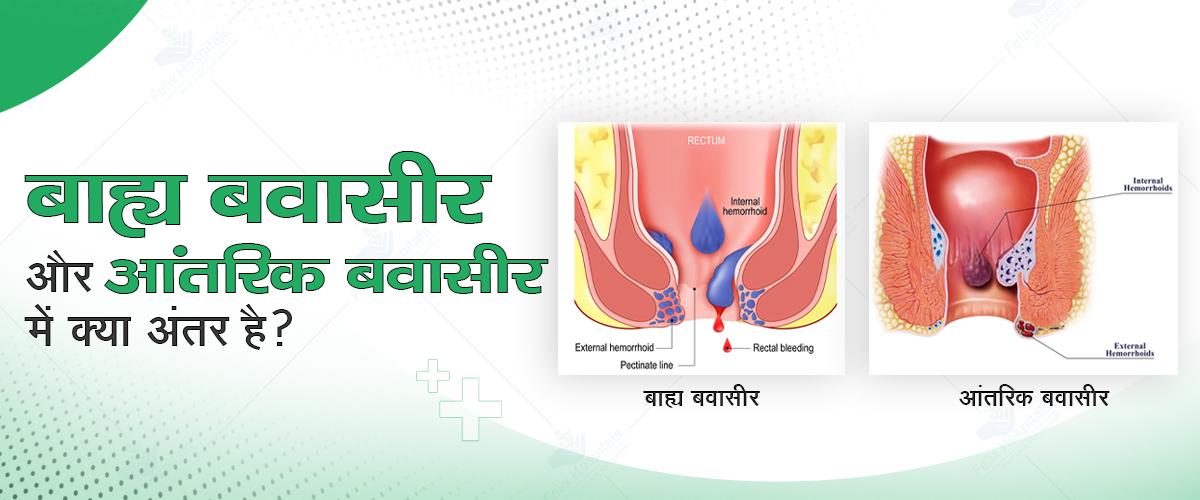
बाह्य बवासीर गुदा के बाहरी हिस्से की त्वचा के नीचे होती हैं इसमें खून के थक्के जम जाने पर अचानक तेज दर्द और गांठ बनती है। बाह्य बवासीर एनस के बाहर की नसों में सूजन के कारण होती है इसमें खुजली, दर्द, सूजन और थ्रोम्बोसिस (फोड़ा बनना) की संभावना रहती है। अक्सर छूने पर गांठ महसूस होती है, कभी‑कभी खून भी निकलता है।
आंतरिक बवासीर मलाशय (रेक्टम) के अंदर होती हैं। इसके मुख्य लक्षण खून आना या मल त्याग के समय मांस के मस्से बाहर आते हैं। आंतरिक बवासीर मलाशय (रेक्टम) के अंदर होती है आमतौर पर दर्द नहीं होता, लेकिन मलत्याग के समय खून आता है। जब स्थिति बिगड़ती है, तो मस्सा बाहर निकलता है। पर सामान्यतः छूने पर गांठ महसूस नहीं होती क्योंकि यह अंदर रहती है। इस हिस्से में दर्द महसूस कराने वाली नसें कम होती हैं।
सबसे बड़ा फर्क तो यही है कि बाह्य बवासीर गुदा के बाहर की नसों में बनती है। जबकि आंतरिक बवासीर मलाशय (रेक्टम) के अंदर की नसों में होती है। इसी वजह से बाह्य बवासीर में दर्द ज्यादा होता है जबकि आंतरिक बवासीर में अक्सर दर्द नहीं होता है।
बाह्य बवासीर में छूने पर बाहर गांठ साफ महसूस होती है। आंतरिक बवासीर में गांठ आमतौर पर महसूस नहीं होती सिर्फ आगे बढ़ने होने पर बाहर आती है। बाह्य बवासीर में खून कम आता है जबकि आंतरिक बवासीर का सबसे आम लक्षण मलत्याग के समय ताजा खून आना है।
दूसरा बड़ा अंतर यह है कि बाह्य बवासीर में मस्सा बाहर ही बना रहता है। आंतरिक बवासीर में आगे बढ़ने की संभावना रहती है। यानी मस्सा बाहर आकर कभी अपने आप लौटता है, कभी हाथ से अंदर करना पड़ता है गंभीर अवस्था में वापस नहीं जाता।
बाह्य बवासीर का दर्द अक्सर चलने‑फिरने बैठने या काम करने में भी परेशान करता है जबकि आंतरिक बवासीर में दर्द नहीं के बराबर होता है। जब तक कि उसमें घर्षण या थ्रोम्बोसिस न हो।
आंतरिक बवासीर को शुरुआत में लोग अक्सर नजरअंदाज करते हैं। क्योंकि दर्द नहीं होता। पर खून आता रहता है और धीरे‑धीरे समस्या बढ़ती है। बाह्य बवासीर में दर्द तुरंत ध्यान खींचता है। इसलिए मरीज जल्दी डॉक्टर के पास पहुंचता है।
बाह्य बवासीर में थ्रोम्बोसिस या ज्यादा दर्द होने पर सर्जरी की जरूरत पड़ती है। जबकि आंतरिक बवासीर के ग्रेड तृतीय-चतुर्थ में पीपीएच, लेजर या लेप्रोस्कोपिक तकनीक से इलाज किया जाता है।
बाह्य बवासीर में खुजली, जलन और सूजन ज्यादा होती है। जबकि आंतरिक बवासीर में मुख्य दिक्कत खून आना और आगे बढ़ने पर होता है।
बाह्य बवासीर अक्सर अचानक तेज दर्द देकर प्रकट होती है। पर आंतरिक बवासीर धीरे‑धीरे बढ़ती है और लक्षण बाद में दिखाई देते हैं।
बाह्य बवासीर में बाहर की नसें, दर्द ज्यादा, गांठ महसूस होती है, खुजली‑जलन, थ्रोम्बोसिस की संभावना, खून कम, मस्सा बाहर ही रहता है।
आंतरिक बवासीर में अंदर की नसें, दर्द कम, गांठ नहीं महसूस होती, खून ज्यादा, आगे बढ़ने का जोखिम, धीरे बढ़ती है।
बवासीर के इलाज में पारंपरिक पद्धतियों की तुलना में लेप्रोस्कोपिक और मिनिमली इनवेसिव तकनीकों का उपयोग तेजी से बढ़ा है। पहले पारंपरिक सर्जरी में बड़ी कटिंग, ज्यादा खून, ज्यादा दर्द और लंबे समय तक हॉस्पिटल में रुकना पड़ता था।
लेप्रोस्कोपिक गाइडलाइन्स और नई तकनीकें जैसे पीपीएच (प्रोलैप्स और बवासीर प्रक्रिया) और एलएचपी (लेजर हेमोराइडोप्लास्टी) ने इलाज को सरल और अनुकूल बनाया है।
इन तकनीकों के कई फायदे हैं। इसमें दर्द बहुत कम होता है। खून का बहाव कम होता है। रोगी जल्दी अपने सामान्य कामकाज पर लौटता है। रिकवरी तेज होती है। यही कारण है कि ग्रेड तृतीय-चतुर्थ आंतरिक बवासीर में मस्सा बाहर निकलकर वापस नहीं जाता है। वहां खासतौर पर पीपीएच और एलएचपी जैसी तकनीकें उपयोगी हैं।
बाह्य बवासीर में भी अगर थ्रोम्बोसिस हो जाए यानी नस में खून का थक्का जमकर अचानक दर्दनाक फोड़ा बन जाए। तब भी सर्जिकल विकल्प पर विचार किया जाता है। जिससे दर्द से राहत मिल सके और गांठ को हटाया जा सके।
लेप्रोस्कोपिक और लेजर‑आधारित इलाज ने बवासीर की सर्जरी को आसान, कम तकलीफदेह और जल्दी असरदार बनाया है। जिससे मरीज को न केवल शारीरिक राहत मिलती है। मानसिक तनाव भी कम होता है।
लेप्रोस्कोपिक हेमोरॉइडेक्टॉमी में पेट में छोटे‑छोटे चीरे लगाकर विशेष उपकरणों की मदद से बढ़ी हुई नसों को हटाया या बांधा जाता है। इसमें खून का बहाव बहुत कम होता है। मरीज जल्दी सामान्य दिनचर्या में लौटता है।
बवासीर से बचाव और इसे दोबारा होने से रोकने के लिए सबसे जरूरी है। अपनी जीवनशैली में कुछ आसान‑से बदलाव लाना चाहिए। छोटे‑छोटे कदम न सिर्फ बवासीर की तकलीफ को कम करते हैं, बल्कि इसके दोबारा होने की संभावना को भी घटाते हैं।
सबसे पहले, रोजाना खाने में हाई‑फाइबर डाइट जैसे फल, सब्जियां और साबुत अनाज शामिल करें, जिससे पेट साफ रहे और कब्ज न हो।
पर्याप्त मात्रा में पानी पीना भी बहुत जरूरी है, ताकि मल नरम रहे और जोर लगाने की ज़रूरत न पड़े ध्यान रखें।
टॉयलेट पर लंबे समय तक बैठे रहना आदत को बदलें, क्योंकि इससे गुदा की नसों पर दबाव बढ़ता है।
नियमित एक्सरसाइज करें। हल्की वॉक, योग या अन्य गतिविधियां भी पेट और पाचन तंत्र को स्वस्थ रखने में मदद करती हैं छोटे‑छोटे कदम न सिर्फ बवासीर की तकलीफ को कम करते हैं, बल्कि इसके दोबारा होने की संभावना को भी घटाते हैं।
बवासीर को जरअंदाज करना भविष्य में और गंभीर जटिलताएं पैदा करता है। समय रहते इसकी पहचान और सही इलाज बेहद जरूरी है। इस रोग की पहचान और इलाज में जनरल सर्जन या कोलोरेक्टल सर्जन की अहम भूमिका होती है। वह जांच, एंडोस्कोपी, अल्ट्रासाउंड या अन्य टेस्ट के ज़रिए रोग की स्थिति को समझते हैं और उसके हिसाब से दवा, लाइफस्टाइल सुधार या सर्जरी जैसी उपयुक्त चिकित्सा का निर्णय लेते हैं। अगर किसी व्यक्ति को मलत्याग के समय बार‑बार खून आना, गुदा के पास दर्द या सूजन, मस्से जैसी गांठ महसूस होना या बार‑बार कब्ज की समस्या दिखे तो तुरंत किसी अनुभवी सर्जन से संपर्क करें।
ग्रेटर नोएडा में अच्छे सर्जन या कोलोरेक्टल स्पेशलिस्ट (Best Piles Surgeon in Greater Noida) चुनना इस प्रक्रिया का पहला और सबसे जरूरी कदम है, ताकि सही समय पर इलाज शुरू हो सके और रोग की प्रगति को रोका जा सके।
अभी अपॉइंटमेंट शेड्यूल करें – कॉल करें: +91 9667064100.
बवासीर जीवनशैली, खान‑पान और आदतों से गहराई से जुड़ी है। अच्छी बात यह है कि आज लेप्रोस्कोपिक, लेजर और अन्य आधुनिक तकनीकों से इसका इलाज पहले की तुलना में कहीं ज्यादा आसान है। फिर भी सबसे जरूरी है समय पर पहचान, सही डॉक्टर से सलाह और जीवनशैली में बदलाव। हाई‑फाइबर डाइट, पर्याप्त पानी, नियमित व्यायाम और टॉयलेट पर कम समय बिताने जैसे कदम स्वस्थ जीवन का आधार बनते हैं। बवासीर को छुपाने के बजाय इसका सामना कर इलाज कराएं।
नोएडा में बवासीर के इलाज (piles treatment in noida) की कीमत रोग की अवस्था, जरूरी जांच (जैसे प्रोकोटोसकोपी, अल्ट्रासाउंड, या अन्य लैब टेस्ट) और चुनी गई उपचार पद्धति पर निर्भर करती है। आमतौर पर शुरुआती जांच और दवाओं की लागत कुछ हदार रुपये से शुरू होती है, जबकि लेजर, स्टेपल्ड या लेप्रोस्कोपिक सर्जरी जैसी आधुनिक तकनीकों के साथ यह लागत अधिक हो सकती है। सटीक जानकारी के लिए किसी अनुभवी जनरल सर्जन, कोलोरेक्टल स्पेशलिस्ट या नोएडा के विश्वसनीय अस्पताल से संपर्क करें, ताकि आपकी स्थिति के अनुसार सबसे उपयुक्त और प्रभावी इलाज का अनुमान लिया जा सके।
प्रश्न 1 : बाह्य और आंतरिक बवासीर में असली फर्क क्या है?
उत्तरः बाह्य बवासीर गुदा के बाहर की नसों में सूजन होती है। आंतरिक बवासीर मलाशय के अंदर होती है।
प्रश्न 2 : क्या आंतरिक बवासीर भी दर्द करती है?
उत्तरः मलाशय के अंदर दर्द महसूस कराने वाली नसें कम होती हैं। पर अगर आंतरिक बवासीर बढ़कर बाहर आ जा या उसमें घर्षण और थ्रोम्बोसिस हो जाए तब दर्द होता है।
प्रश्न 3 : क्या दोनों में से किसी में भी ऑपरेशन जरूरी होता है?
उत्तरः जीवनशैली में बदलाव, दवाओं और घरेलू उपायों से आराम मिलता है। बार‑बार खून आए, गांठ बहुत बढ़ जाए या दर्द असहनीय हो तब डॉक्टर सर्जरी की सलाह देते हैं।
प्रश्न 4 : क्या बाह्य बवासीर सिर्फ दर्द देती है या उसमें खून भी आता है?
उत्तरः बाह्य बवासीर में दर्द और सूजन ज्यादा होती है। अगर उसमें थ्रोम्बोसिस खून का थक्का बन जाए या चोट लग जाए, तब खून भी आता है। आंतरिक बवासीर में खून आने की संभावना ज्यादा रहती है।
प्रश्न 5 : क्या बवासीर का इलाज सिर्फ ऑपरेशन से ही होता है?
उत्तरः ऑपरेशन की जरूरत तभी पड़ती है जब समस्या पुरानी हो। बढ़ी हुई या दर्द व खून के कारण जीवन पर असर डालने लगे तो।
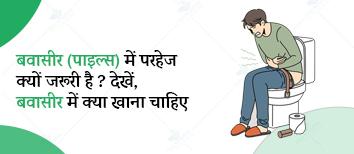
बवासीर एक सामान्य लेकिन असहज करने वाली समस्या हो सकती है। बवासीर दर्द, खुजल और मल त्याग के समय रक्तस्राव जैसे लक्षण पैदा कर सकती है।

बवासीर, जिसे पाइल्स या हेमोराइड्स के नाम से भी जाना जाता है, एक आम समस्या है, जो हर उम्र के लोगों को प्रभावित कर सकती है। इसमें मलाशय (रेक्टम) के आसपास या अंदर की नसों में सूजन हो जाती है, जिससे दर्द, खुजली और कभी-कभी रक्तस्राव जैसी परेशानियाँ होती हैं।
जानें पुरुषों में बवासीर (Hemorrhoids) के लक्षण, कारण, सामान्य समस्याएँ, इलाज और बचाव के उपाय। समय पर पहचान और सही इलाज से आराम पाएं और स्वास्थ्य बनाए रखें।
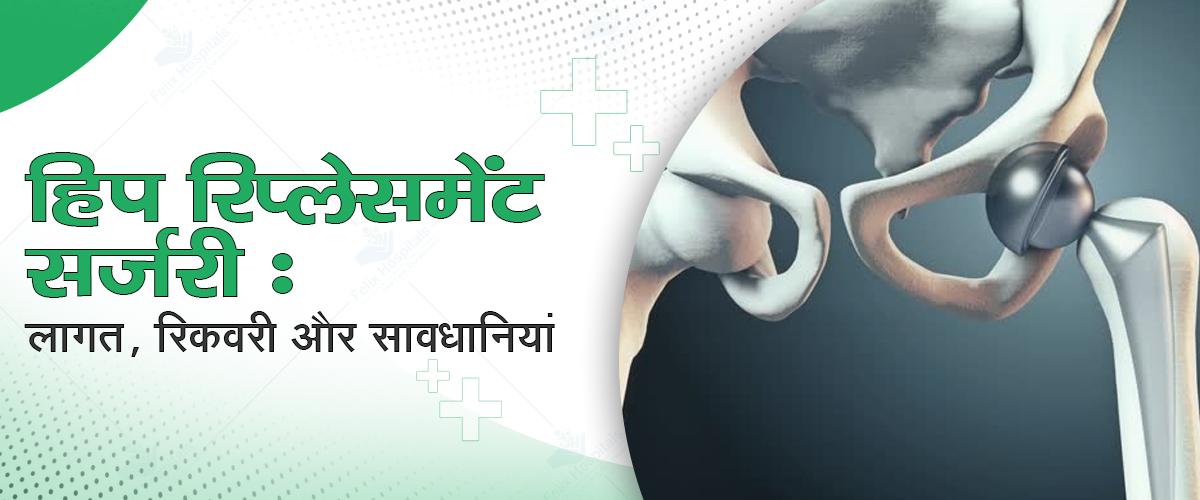
हिप रिप्लेसमेंट सर्जरी सिर्फ बुजुर्गों के लिए नहीं, बल्कि ऐसे कई मरीजों के लिए भी उम्मीद की किरण बनती है। यह ऑस्टियोआर्थराइटिस, रुमेटाइड आर्थराइटिस, चोट या जन्मजात कारणों से होता है। इस कारण असहनीय दर्द और चलने-फिरने की तकलीफ होती है। मगर समय पर सर्जरी से व्यक्ति का जीवन फिर से सक्रिय हो सकता है। आइये इस सर्जरी की लागत, रिकवरी और जरूरी सावधानियों के बारे में जानते हैं।
अगर आप इन समस्याओं का सही और सुरक्षित इलाज ढूंढ रहे हैं, तो ग्रेटर नोएडा में सर्वश्रेष्ठ आर्थोपेडिक अस्पताल का चुनाव करना बेहद जरूरी है। जहां विशेषज्ञ डॉक्टरों की देखरेख में आधुनिक जांच और इलाज की सुविधा उपलब्ध हो।
अभी अपॉइंटमेंट शेड्यूल करें – कॉल करें: +91 9667064100.
हिप रिप्लेसमेंट सर्जरी क्या है? (What is Hip Replacement Surgery?)
सर्जरी का प्रोसेस संक्षेप में (The Surgical Process in Brief)
जरूरी सावधानियां और लाइफस्टाइल एडजस्टमेंट (Necessary Precautions and Lifestyle Adjustments)
आर्थोपेडिक्स गाइडलाइन के अनुसार एक्सपर्ट टिप्स (Expert Tips as per Orthopedics Guidelines)
हिप रिप्लेसमेंट सर्जरी को लेकर पूछे जाने वाले सवाल (FAQs about Hip Replacement Surgery)
हिप रिप्लेसमेंट सर्जरी एक आर्थोपेडिक प्रक्रिया है, जिसमें खराब या घिसे हुए हिप जॉइंट (Hip Joint) को कृत्रिम इम्प्लांट (प्रोस्थेसिस) से बदला जाता है। जब दवा, फिजियोथैरेपी या जीवनशैली में बदलाव के बाद भी मरीज को तेज दर्द, अकड़न या चलने में दिक्कत होती है, तब यह सर्जरी की जाती है।
यह सर्जरी अक्सर ऑस्टियोआर्थराइटिस के कारण होती है, जिसमें उम्र के साथ कार्टिलेज घिस जाता है और हड्डियाँ आपस में रगड़ती हैं, जिससे दर्द होता है।
रुमेटॉइड आर्थराइटिस (Rheumatoid Arthritis) में इम्यून सिस्टम की गड़बड़ी से हड्डियों और कार्टिलेज को नुकसान होता है।
अवस्कुलर नेक्रोसिस में हिप जॉइंट को खून की सप्लाई रुकने से हड्डी कमजोर होकर ढहने लगती है।
एक्सीडेंट, फ्रैक्चर, या जन्मजात समस्याओं के कारण भी हिप जॉइंट डैमेज हो सकता है, जिसमें रिप्लेसमेंट जरूरी होता है।
भारत में हर साल 1 लाख से ज्यादा हिप रिप्लेसमेंट सर्जरी (Hip Replacement Surgery) होती हैं। यह संख्या लगातार बढ़ रही है — इसके पीछे वजह हैं लाइफस्टाइल से जुड़ी बीमारियाँ, बुजुर्गों की संख्या में बढ़ोतरी, सड़क हादसे और बेहतर सर्जिकल सुविधाएं।
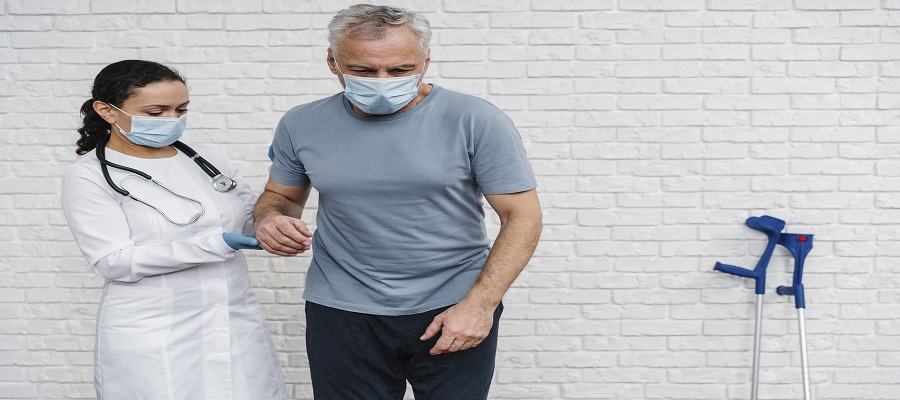
नोएडा में हिप रिप्लेसमेंट सर्जरी की लागत (Hip Replacement Surgery Cost in Noida) कई बातों पर निर्भर करती है। लागत को प्रभावित करने वाले फैक्टर्स निम्नलिखित हैं:
सेरैमिक, मेटल, हाई-फ्लेक्स, हाई-ड्यूराबिलिटी इम्प्लांट की कीमत अलग-अलग होती है। सेरैमिक इम्प्लांट महंगे होते हैं। मगर यह टिकाऊ होते हैं। भारतीय और इम्पोर्टेड इम्प्लांट के बीच भी लागत में बड़ा अंतर होता है।
सर्जन और एनेस्थीसिया (Anesthesia) टीम की फीस भी लागत को प्रभावित करती है। इसी तरह प्री-ऑपरेटिव जांचें यानी ब्लड टेस्ट, एमआरआई, एक्स-रे जांच से लागत बढ़ती है। दवाइयां, फिजियोथैरेपी, हॉस्पिटल में रहने की अवधि भी कुल खर्च को प्रभावित करते हैं।
कई स्वास्थ्य बीमा पॉलिसियां (Insurance Policies) हिप रिप्लेसमेंट को कवर करती हैं जिससे खर्च कम होता है। सरकारी योजनाएं जैसे सीजीएचएस, आयुष्मान भारत, राज्य की स्वास्थ्य बीमा योजनाएं के तहत योग्य मरीज को मुफ्त या काफी कम लागत में इलाज मिलता है। वहीं कुछ पब्लिक सेक्टर और कॉरपोरेट कंपनियां भी कर्मचारियों को यह कवर देती हैं।
इस प्रक्रिया के प्रकार, अस्पताल की सुविधाओं और डॉक्टर की विशेषज्ञता पर निर्भर करती है। सरकारी अस्पताल में 1–2 लाख के आसपास होता है। जबकि निजी मल्टी-स्पेशलिटी या कॉर्पोरेट अस्पताल में 2.5–6 लाख होता है। सटीक जानकारी के लिए किसी विश्वसनीय आर्थोपेडिक्स या अस्पताल से संपर्क करना उचित होगा।
हिप रिप्लेसमेंट एक नियोजित सर्जरी होती है। जो मरीज की पूरी जांच और तैयारी के बाद की जाती है।
इसमें मरीज का पूरा मेडिकल इतिहास और फिजिकल एग्जामिनेशन करते हैं। जरूरी जांचों में ब्लड टेस्ट, यूरिन टेस्ट, एक्स-रे या एमआरआई और ईसीजी शामिल हैं। अगर जरूरत हो तो कार्डियोलॉजिस्ट या फिजिशियन से फिटनेस क्लीयरेंस लेते हैं। मरीज को दवाइयों की जानकारी देना भी जरूरी है। खासकर अगर वह ब्लड थिनर या डायबिटीज की दवाइयां ले रहे हैं। इसमें डॉक्टर सर्जरी, रिकवरी और सावधानियों के बारे में बताते हैं। सर्जरी से पहले फिजियोथेरेपिस्ट से भी सलाह ली जाती है। जिससे ऑपरेशन के बाद की एक्सरसाइज पहले से सीखी जा सके।
हिप रिप्लेसमेंट सर्जरी 1.5 से 3 घंटे तक चलती है। समय मरीज की मेडिकल कंडीशन, सर्जन की तकनीक और इम्प्लांट के प्रकार पर निर्भर करता है। अगर दोनों हिप एक साथ बदले जाएं तो समय दोगुना लगता है।
हिप इम्प्लांट मुख्यत दो हिस्सों का बना होता है। पहला बॉल (फीमरल हेड) और दूसरा सॉकेट (जो पेल्विक बोन) का हिस्सा होता है। इम्प्लांट के मटेरियल में मेटल-ऑन-मेटल, सेरैमिक-ऑन-सेरैमिक, मेटल-ऑन-पॉलीथीलीन और सेरैमिक-ऑन-पॉलीथीलीन जैसे विकल्प होते हैं। इसमें मरीज की उम्र, लाइफस्टाइल और डॉक्टर की सलाह के अनुसार इम्प्लांट का चयन करते हैं। हालंकि अब हाई-फ्लेक्स और हाई-ड्यूराबिलिटी इम्प्लांट भी लोकप्रिय हैं, जो ज्यादा समय तक टिकते हैं।
सर्जरी के लिए आम तौर पर दो विकल्प होते हैं। पहला जनरल एनेस्थीसिया इसमें मरीज पूरी तरह बेहोश रहता है जबकि रीजनल एनेस्थीसिया (स्पाइनल या एपिड्यूरल) में शरीर के निचले हिस्से को सुन्न किया जाता है मरीज हल्की नींद में रहता है। दोनों का विकल्प डॉक्टर मरीज की उम्र, स्वास्थ्य स्थिति और सहायक बीमारियों के आधार पर चुनते हैं।
हिप रिप्लेसमेंट के बाद रिकवरी का मतलब सिर्फ नया जॉइंट लगना नहीं है, बल्कि मांसपेशियों को फिर से मजबूत बनाना और दोबारा चलने की आदत डालना भी उतना ही जरूरी हिस्सा है।
अस्पताल में मरीज को 4–7 दिन तक रहना पड़ता है। कुछ मामलों में कम उम्र, कम जटिलता 2–3 दिन तक हो सकती है। हॉस्पिटल में सर्जिकल टीम, फिजियोथैरेपिस्ट और नर्सिंग स्टाफ रिकवरी की शुरुआती देखभाल करते हैं।
फिजियोथैरेपी की शुरुआत सर्जरी के अगले दिन होती है। शुरुआत में खड़े होना, कुर्सी पर बैठना, वॉकर के सहारे कुछ कदम चलना बताया जाता है। धीरे-धीरे बैलेंस, ताकत और फ्लेक्सिबिलिटी कराई जाती हैं। फिजियोथैरेपी और नियमित चलने से रिकवरी जल्दी होती है।
वॉकर या क्रच की मदद से चलना चाहिए, कुछ सीढ़ियां चढ़ना व उतरना चाहिए, पैरों की हल्की एक्सरसाइज से सूजन कम होती है, ब्लड सर्कुलेशन बनता है।
घर में वॉकर से चलना चाहिए, फिजियोथैरेपी से जॉइंट की मूवमेंट बेहतर होती है, शुरूआत में ड्राइविंग, झुककर वजन उठाना या ज्यादा खड़े वहीं रहना चाहिए।
ज्यादातर लोग हिप रिप्लेसमेंट के बाद बिना सहारे के चल पाते हैं। इसके बावजूद, साइक्लिंग, स्विमिंग और लंबी वॉक जैसी हल्की एक्सरसाइज़ ज़रूरी होती है। वहीं, रनिंग और जंपिंग जैसे हाई-इम्पैक्ट खेलों से बचना चाहिए।
शुरुआती हफ्तों में दर्द और सूजन के लिए पेन किलर और एंटी-इंफ्लेमेटरी दवा डॉक्टर की सलाह पर लेवी चाहिए। ब्लड क्लॉट रोकने के लिए ब्लड थिनर या इंजेक्शन देते हैं। बावजूद डॉक्टर की सलाह पर दवाओं की खुराक में बदलाव करें।
हिप रिप्लेसमेंट सर्जरी की सफलता काफी हद तक आपकी जीवनशैली पर निर्भर करती है। इसलिए ज़रूरी है कि लोग अपनी दिनचर्या और आदतों में सही बदलाव करें।
बहुत ज्यादा झुककर काम करना या जमीन पर बैठने से बचें, बहुत लो सीट या बिना आर्मरेस्ट वाली कुर्सियों पर बैठने से बचें, सीढ़ियों पर जल्दी चढ़ने या उतरने से बचना चाहिए, पद्मासन जैसी मुद्रा में बैठना, दौड़ना, जंपिंग, फुटबॉल-बास्केटबॉल जैसे हाई-इम्पैक्ट स्पोर्ट्स खेल से बचना चाहिए। भारी वजन उठाना या अचानक मुड़ना और गीले फर्श या ऊबड़-खाबड़ रास्तों पर फिसलने से बचना चाहिए।
जितना हो सके हिप को 90 डिग्री से ज्यादा न मोड़ें। अचानक झटके या ट्विस्ट नहीं करें। इससे सर्जरी के बाद परेशानी हो सकती है।
ऑपरेशन साइट को साफ और सूखा रखना चाहिए, ड्रेसिंग निर्देशों का पालन करना चाहिए, शुरुआती हफ्तों में भीड़भाड़ वाली जगह पर जाने से बचना चाहिए, दांतों का इलाज व अन्य सर्जरी से पहले डॉक्टर को बताना चाहिए। कई बार एंटीबायोटिक प्रोफिलैक्सिस की जरूरत पड़ती है। इम्यून सिस्टम को मजबूत रखने के लिए पर्याप्त नींद, पौष्टिक आहार और पर्याप्त पानी पीना जरूरी है।
कैल्शियम, प्रोटीन और विटामिन डी से भरपूर भोजन हड्डियों और मांसपेशियों को मजबूत करता है। जंक फूड, बहुत ज्यादा मीठा और प्रोसेस्ड फूड खाने से बचना चाहिए, वजन पर नियंत्रण रखना चाहिए। कई बार ज्यादा वजन इम्प्लांट पर दबाव डालता है, इसलिए पर्याप्त पानी पिएं, कब्ज से बचें।
सर्जरी के 6 हफ्ते बाद, फिर 3 महीने, 6 महीने और हर साल फॉलोअप जरूरी है। एक्स-रे और जांच से इम्प्लांट की पोजिशन और हड्डी की निगरानी जरूरी है इसलिए किसी भी दर्द, सूजन या चाल में बदलाव महसूस होने पर डॉक्टर को बताएं।
हिप रिप्लेसमेंट की सफलता सही प्लानिंग, सर्जन की कुशलता और देखभाल पर निर्भर होती है।
अगर आप नोएडा में हैं तो ग्रेटर नोएडा में सर्वश्रेष्ठ हड्डी रोग विशेषज्ञ को दिखाने के लिए सही चुनाव भी आवश्यक है इसलिए सही हिप रिप्लेसमेंट करने वाला ऑर्थोपेडिक सर्जन चुनें। इसके लिए एनएबीएच जैसी मान्यता प्राप्त मल्टी-स्पेशियलिटी या सुपर-स्पेशियलिटी अस्पताल बेहतर हैं। मरीज के रिव्यू, इन्फेक्शन रेट और सर्जरी की सफलता दर देखनी चाहिए। जरूरत पड़े तो मेट्रो सिटी या नामचीन सेंटर पर भी विचार करें, फॉलोअप में आसानी के बारे में भी सोचें।
प्री-हैब ऑपरेशन से पहले कुछ हफ्तों तक हल्की फिजियोथैरेपी की सलाह दी जाती है जिससे मांसपेशियां मजबूत हों। सर्जरी के तुरंत बाद से फिजियोथेरेपिस्ट की सलाह पर व्यायाम शुरू करें। हर स्टेज पर एक्सरसाइज की तकनीक, सही मूवमेंट और वॉकर का उपयोग करना चाहिए लेकिन बिना सलाह के नए व्यायाम या स्ट्रेच नहीं करें।
ज्यादातर ब्रांडेड इम्प्लांट के साथ वारंटी कार्ड, बैच नंबर और सर्टिफिकेट मिलता है। इसे अस्पताल से जरूर लेना चाहिए। इससे भविष्य में इम्प्लांट बदलने या किसी दावे में सहूलियत होती है। इम्प्लांट रजिस्ट्रेशन से यह सुनिश्चित करें कि इसकी प्रामाणिक, मान्यता बेहतर है।
रोजाना हल्की वॉक, स्विमिंग, साइकलिंग जैसी लो-इम्पैक्ट ऐक्टिविटी करें। इससे जॉइंट स्वस्थ रहता है। मांसपेशियां मजबूत रहती हैं। बहुत भारी वजन उठाने, दौड़ने, जंपिंग या रग्बी-फुटबॉल से बचें। वजन नियंत्रित रखें। ज्यादा वजन इम्प्लांट पर अतिरिक्त दबाव डालता है साथ ही घर में फर्श पर फिसलन, ऊंची चौखट, लो सीट्स जैसी चीजों को सुधारें, जिससे गिरने की आशंका कम हो। फॉलोअप, नियमित एक्सरे और डॉक्टर की सलाह पर कराएं।
अभी अपॉइंटमेंट शेड्यूल करें – कॉल करें: +91 9667064100.
हिप रिप्लेसमेंट दर्द को कम करके, चाल को बेहतर बनाकर और आत्मविश्वास लौटाकर जीवन की गुणवत्ता में बड़ा बदलाव लाती है। सही जानकारी, प्रामाणिक सर्जन और सेंटर का चुनाव, सावधानियां, फिजियोथैरेपी और हेल्दी लाइफस्टाइल सर्जरी को सफल और टिकाऊ बनाते हैं। इसलिए क्टर और फिजियोथेरेपिस्ट की सलाह मानकर, नियमित फॉलोअप कराएं। लोग सुरक्षित दिनचर्या अपनाकर आप हिप रिप्लेसमेंट के बाद भी नॉर्मल, दर्द-मुक्त और खुशहाल जीवन जी सकते हैं।
प्रश्न 1: हिप रिप्लेसमेंट की लागत कितनी आती है?
उत्तर : सरकारी अस्पताल में 1–2 लाख के आसपास होता है। जबकि निजी मल्टी-स्पेशलिटी या कॉर्पोरेट अस्पताल में 2.5–6 लाख होता है।
प्रश्न 2: क्या हेल्थ इंश्योरेंस या सरकारी योजना से मदद मिलती है?
उत्तर: सीजीएचएस, ईसीएचएस, आयुष्मान भारत जैसी सरकारी योजनाओं में कवर मिलता है। वहीं निजी हेल्थ इंश्योरेंस में भी सर्जरी, इम्प्लांट और हॉस्पिटल खर्च का कवर करता है।
प्रश्न 3: सर्जरी के बाद हॉस्पिटल में कितने दिन रहना पड़ता है?
उत्तर: आमतौर पर 4–7 दिन का हॉस्पिटल स्टे होता है। कुछ मामलों में कम या ज्यादा हो सकता है।
प्रश्न 4: दोबारा चलना-फिरना कब तक संभव होता है?
उत्तर: सर्जरी के अगले दिन से फिजियोथेरेपी के जरिए वॉकिंग कराई जाती है। 3–6 महीने में बिना सहारे चलने लगते हैं। हल्की एक्टिविटी भी संभव होती है।
प्रश्न 5: किन सावधानियों का खास ध्यान रखना चाहिए?
उत्तर: ज्यादा झुकना। जमीन पर बैठना। लो सीट, क्रॉस-लेग बैठना। दौड़ना-जंपिंग। भारी वजन उठाने से बचना चाहिए।
प्रश्न 6: इम्प्लांट की उम्र कितनी होती है?
उत्तर: आधुनिक इम्प्लांट औसतन 15–20 साल या उससे ज्यादा चलते हैं। बशर्ते वजन नियंत्रित रखें और सावधानी बरतें।
Tuberculosis (TB) is primarily known as a respiratory infection caused by Mycobacterium tuberculosis, but it can affect various body parts, including bones and joints.
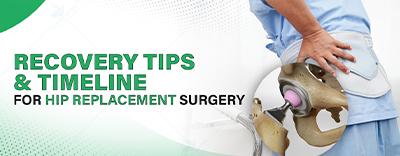
Learn about the recovery process after hip replacement surgery, including essential tips for a smoother healing journey and a general timeline of what to expect.
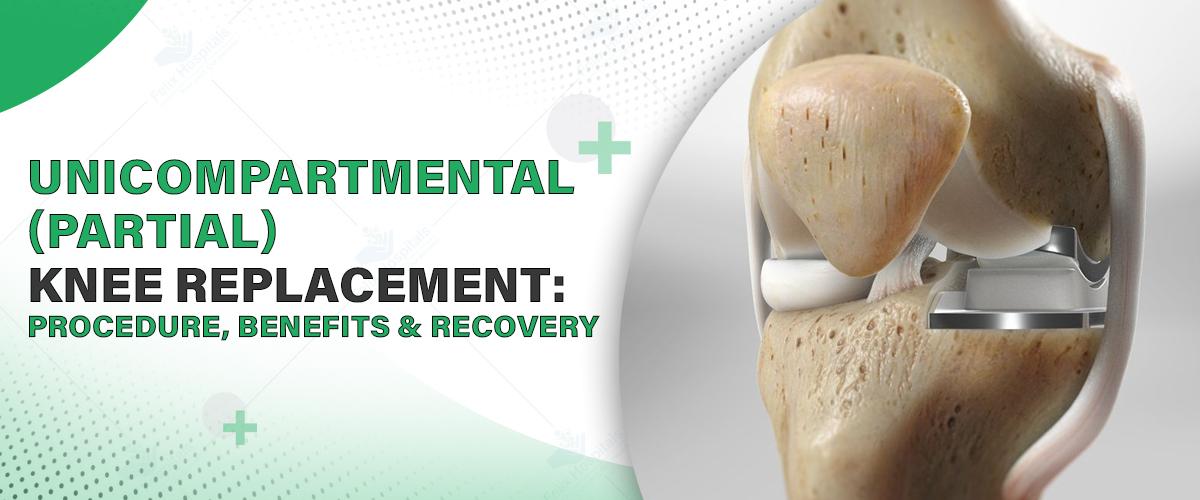
Knee discomfort from osteoarthritis makes it hard to move around and lowers the quality of life. Sometimes surgery is needed if non-surgical treatments like drugs, physiotherapy, or injections don't work. Some patients may be able to have unicompartmental (partial) knee surgery instead of total knee replacement.
In this blog post, we'll talk about unicompartmental knee replacement, how the surgery works, the benefits, and what you may expect throughout the recuperation period. We'll also talk about how much a partial knee replacement costs in Noida and how to find the best orthopedic facility in Noida for this procedure.
Thinking about getting a partial knee replacement? To discuss your options with our orthopedic specialists, schedule a consultation right now at +91 9667064100.
There are three parts to the knee joint:
The inside of the knee, or the medial compartment
The lateral compartment is the outside of the knee.
The patellofemoral compartment is the space between the kneecap and the thighbone.
Osteoarthritis tends to break down the cartilage that covers these bones, which makes them stiff and painful. A unicompartmental or partial knee replacement is a great option when arthritis only affects one component of the knee.
Partial knee replacement just replaces the damaged compartment with metal and plastic parts. The healthy bone, cartilage, and ligaments in the other compartments are not changed. This is different from total knee replacement, which resurfaces the whole knee. There are many benefits to this less invasive process.
Not everyone with osteoarthritis in the knee can get a unicompartmental knee replacement. The greatest prospects are individuals whose arthritis only affects one area of the knee and who have:
Stability of the ligaments is good.
A good range of motion
No serious knee deformity or stiffness
No arthritis that causes inflammation or damage to ligaments
Your orthopedic doctor will undertake a full evaluation, which will include a physical exam and imaging tests like X-rays or MRIs, to see if a partial knee replacement is right for you.
Getting Ready for Surgery
Before the surgery, you will talk with your orthopedic surgeon and anesthesiologist. You can choose between general anesthesia (which puts you to sleep), spinal anesthesia (which numbs you from the waist down), or peripheral nerve blocks (which numb specific areas).
Steps in Surgery
The treatment normally lasts one to two hours and includes the following:
Cutting and Looking: A tiny cut is made in the front of the knee. The doctor looks at all three compartments to make sure that the arthritis is localized in one place.
Bone Preparation: Using specific tools, the injured compartment's bad cartilage and a small piece of bone are cut out.
Implant Placement: The surgeon puts the implants on the well-prepared bone surfaces, usually with bone cement. In some circumstances, the implants are designed to fit tightly so that natural bone can grow onto them.
Putting in the Spacer: A plastic spacer is put between the metal pieces so they can move freely.
Closure: The cut is sewn or stapled shut.
After surgery, you are sent to the recovery room for observation. Depending on your condition, you may be sent home the same day or after one night in the hospital. Partial knee replacement has several benefits over total knee replacement. Most patients recognize the many benefits of partial knee replacement, such as:
Less harm to the tissue and a smaller cut: The surgery is less invasive than a full knee replacement.
Faster recovery: Patients feel less pain and swelling and get better faster.
Keeping healthy bones and ligaments: This makes the knee feel more natural and gives it better range of motion.
Lower risk of complications: There is usually less blood loss and a lower risk of infection and blood clots.
Shorter hospital stay: Most patients go home the same day or after a brief stay.
Because of these benefits, most people who get unicompartmental knee replacement are able to get back to their normal activities and even low-impact sports sooner.
After surgery, patients usually start putting weight on their knees right once, but they may need help from walkers or crutches at first. Pain management is vital, and doctors may suggest NSAIDs, opioids (given carefully), or local anesthetics to help you feel better.
After surgery, physical therapy starts right away to help the knee move more freely and make the muscles around it stronger. Your progress and needs will determine how the exercises are changed.
You will need to see your orthopedic surgeon often to check on the healing and effectiveness of the implant.
Most of the patients are able to go back to their normal daily activities, such walking without help, within 6 weeks. Swimming and cycling are examples of low-impact sports that are good for you. High-impact sports, on the other hand, may not be good for you.
Most people who are getting ready for unicompartmental knee replacement are worried about how much it would cost in Noida. The cost depends on the hospital, the surgeon's experience, the type of implant, and how long you stay there. The average cost might range from ₹1,50,000 to ₹3,00,000.
Partial knee replacement in Noida is usually cheaper than total knee replacement because the surgery is less intrusive and the hospital stay is shorter. Prices may be different for each patient based on their needs and the facilities used.
To receive exact quotes, it's best to go to the best orthopedic hospital in Noida. There, you may get personalized care and clear prices.
Choosing the right surgeon and hospital might have a huge impact on how well your operation goes. When searching for orthopedists in Noida, keep these things in mind:
Surgeon's experience and specialty in knee replacement, especially unicompartmental surgery.
Hospital amenities include state-of-the-art surgical tools and complete rehabilitation facilities.
Feedback from patients and success rates.
Talk openly about the risks, benefits, and costs of surgery.
Get Noida's best partial knee replacement. Faster healing, cutting-edge methods, and trusted care at +91 9667064100.
Unicompartmental (partial) knee replacement is a novel type of surgery for those with osteoarthritis that only affects one component of the knee. It has the benefits of a quicker recovery, less pain, and more natural knee movement than a total knee replacement. Still, a trained orthopedic surgeon needs to do a full evaluation to determine if this operation is right for you.
If you want to have knee replacement surgery, you should look into the cost of partial knee replacement in Noida and consult the best orthopedists in Noida. This will help you make a smart choice for your health and mobility.
Q1. Is it possible to do partial knee replacement on both knees at the same time?
Ans: Yes, in some cases, bilateral partial knee replacement can be done, but it depends on the patient's age, health, and the surgeon's opinion.
Q2. How long do partial knee implants usually last?
Ans: If you take care of them, today's partial knee implants can last 15 to 20 years or more.
Q3. Will I still need physiotherapy even if my pain goes away quickly?
Ans: Yes. You require physical therapy to get the most mobility and strength, even though the pain goes away sooner.
Q4. Are there age limits for partial knee replacement?
Ans: There isn't a set age limit, although most people are over 50 and have arthritis in one area and stable joints.
Q5. How long can I drive after having part of my knee replaced?
Ans: Most patients can drive again in 4 to 6 weeks; however, this depends on which knee was operated on and how quickly they heal.
Q6. Is a partial knee replacement a good idea for someone with rheumatoid arthritis?
Ans: No, usually not. Osteoarthritis is the greatest condition for a partial knee replacement since inflammatory arthritis usually affects the whole joint.

Bladder cancer is a serious and often aggressive condition that primarily affects older adults.

Knock knees occur when knees angle inward, creating a bow-legged appearance from the front. This condition is common in children during growth spurts.

Knock knees, medically known as genu valgum, is a common condition in young children where the knees angle inward and touch one another when the legs are straightened.
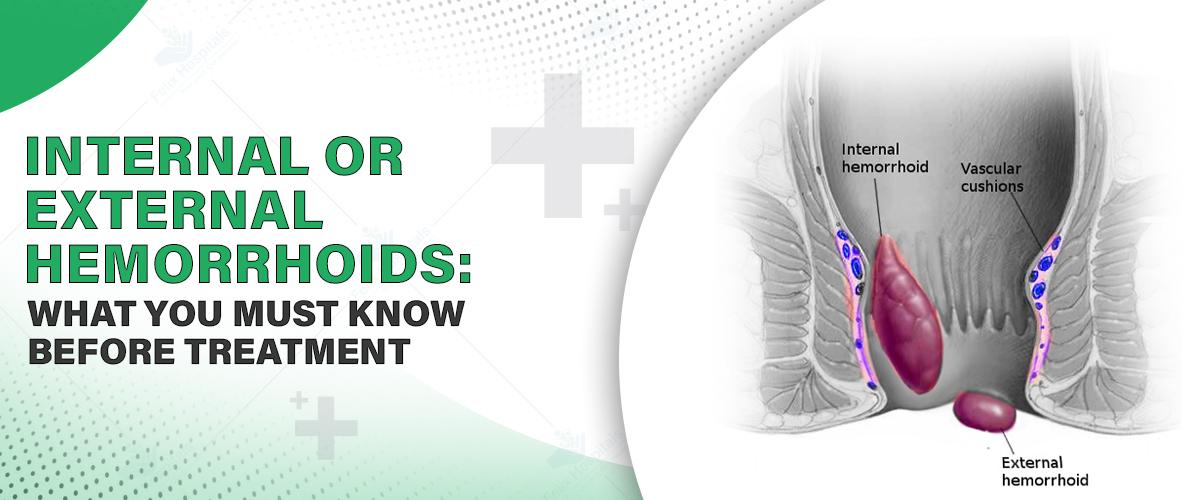
Hemorrhoids, better known as piles, are one of the most frequent but least spoken about conditions. They can be either inside the rectum (internal hemorrhoids) or below the skin around the anus (external hemorrhoids). While some people attempt to get along with the pain on their own, knowing what type of hemorrhoid you have and getting the proper treatment is key to long-term relief. Here in this blog, we will take you step by step through all you should know before commencing treatment—ranging from symptoms and causes to expense and professional care choices.
Get discreet, caring treatment for all kinds of hemorrhoids call at +91 9667064100.
Internal hemorrhoids develop within the rectum. They are usually painless but sometimes cause bleeding during bowel movements. External hemorrhoids, on the other hand, develop beneath the skin surrounding the anus and are usually painful, tender, and visibly swollen. Most individuals look for a hemorrhoids doctor near me without being aware of what kind they're dealing with. Accurate diagnosis is the key to proper treatment.
Hemorrhoids are caused by elevated pressure within the lower rectum, which may be caused by:
Chronic constipation or straining during defecation
Sedentary behavior for extended periods, particularly on the toilet
Being overweight
Low-fiber diet
Getting older and having weakened rectal tissues
The above-mentioned risk factors apply to both categories of hemorrhoids. Prevention and recuperation depend largely on lifestyle modification.
Internal Hemorrhoids usually manifest as painless bleeding from the rectum or a sensation of not having fully evacuated. You might see blood on the toilet paper or in stool.
External Hemorrhoids are more painful. They may result in swelling, soreness, itching, and stinging pain, particularly if a blood clot (thrombosis) develops.
If you notice any of these symptoms, it's time to look for an experienced Hemorrhoids doctor near me for a professional assessment.
Though simple hemorrhoids might disappear by themselves or with simple home treatment, medical care is needed if you have:
Bleeding that persists
Severe swelling or pain
Hemorrhoids that recur constantly
A prolapsed hemorrhoid that will not retract
A hemorrhoids specialist lady doctor in Noida can identify the severity and recommend the best course of treatment according to your ailment.
Diagnosis usually starts with an examination. In internal hemorrhoids, a physician might utilize an anoscope or do a digital rectal exam. In the case of unexplained bleeding or recurrent bleeding, further diagnostic tests such as sigmoidoscopy or colonoscopy might be advised.
Early diagnosis minimizes complications and hastens recovery. So if it persists, do not hesitate to search for an expert Hemorrhoids doctor near me.
Mild to moderate hemorrhoids usually respond to conservative care:
Dietary modifications: Increasing fiber-rich foods and fluid intake to make bowel movement easier
Sitz baths: Warm water baths that calm irritation
Topical medications: Ointments and creams that stop itching and swelling
Pain relievers: Over-the-counter drugs for temporary relief
These treatments are best suited for hemorrhoids in the early stages. But for frequent or severe cases, more specific approaches are usually necessary.
When home remedies fail, minimally invasive procedures follow:
Rubber band ligation: A rubber band is tied around the hemorrhoid, cutting off its blood supply so it falls off
Sclerotherapy: A chemical solution is injected to shrink the hemorrhoid
Infrared coagulation: Heat is used to reduce blood flow to the area
These are outpatient procedures, typically quick and low-risk.
Surgery is usually considered when hemorrhoids are large, prolapsed, or resistant to other treatments. Common surgical options include:
Hemorrhoidectomy: Removal of large or thrombosed hemorrhoids
Stapled hemorrhoidopexy: Applied primarily for internal hemorrhoids to reposition and cut off blood supply
Doppler-guided artery ligation: Ligs off hemorrhoidal arteries to decrease size and symptoms
For advanced surgical treatment, the top Laparoscopic hospital in Noida provides expert-led, minimally invasive procedures that enable quicker recovery and fewer post-operative pains.
The form of hemorrhoid you have largely defines the treatment:
Internal hemorrhoids can usually be treated with non-surgical procedures and ligation techniques
External hemorrhoids can be excised or drained, particularly if they are thrombosed
A professional Hemorrhoids doctor near me will assist you in knowing what is the most appropriate treatment for your case and symptoms.
Prevention is key to prevention of recurrence. Simply follow these easy steps:
Eat a high-fiber diet
Drink plenty of water
Don't delay bowel movements
Avoid sitting long on the toilet or straining
Exercise daily
Eat a healthy weight
These behaviors not only avoid hemorrhoids but also ensure overall gut health.
The Hemorrhoids cost in Noida varies based on the severity and type of treatment required. Here's a rough estimate:
Basic consultation and drugs: ₹1,000–₹3,000
Minimally invasive: ₹15,000–₹40,000
Surgical hemorrhoidectomy: ₹40,000–₹80,000+
Always see a medical practitioner to obtain a personalized quote and understand what is covered (e.g., consultation, procedure, follow-up).
Felix Hospital is the best Laparoscopic hospital in Noida, with newer technology for quick healing, minimal pain, and less chance of recurrence. With experienced surgeons and a full-fledged proctology unit, patients are treated with empathy and care by expert specialists customized to individual requirements.
Getting the proper care begins with a visit to a qualified Hemorrhoids specialist doctor in Noida who can properly diagnose your condition and suggest effective treatment. With all the alternatives on the market today, there is no reason to suffer quietly or put off care.
Whether you're new to discomfort or have a lingering problem, begin by looking for an expert Hemorrhoids physician near me—and take the first step toward enduring relief.
Are you trying to find a good hemorrhoid treatment in your area? Make an appointment at +91 9667064100 for comprehensive treatment of internal and external hemorrhoids!
Knowing the distinction between internal and external hemorrhoids is essential in deciding on an appropriate treatment. From dietary modifications to minimal invasive surgeries and laparoscopic surgery, plenty of options are there. If you happen to be around or in Noida, visit a reliable Hemorrhoids doctor near me or go to the top facilities to get timely, safe, and effective treatment.
Q1. Can hemorrhoids be brought on by stress?
Ans: Indeed, stress can have an indirect effect by impairing digestion and leading to straining or constipation.
Q2. Do hemorrhoids spread easily?
Ans: No, hemorrhoids cannot spread from one person to another and are not communicable.
Q3. Is prolonged sitting actually bad for you?
Ans: Indeed, extended periods of sitting, particularly while using the restroom, can aggravate or cause hemorrhoids by applying pressure to the rectal veins.
Q4. If I have hemorrhoids, can I still exercise?
Ans: Indeed, mild exercises like yoga or walking can help reduce symptoms and stop them from getting worse.
Q5. Is using over-the-counter creams on a daily basis safe?
Ans: OTC creams provide short-term relief, but without a doctor's prescription, they shouldn't be used for longer than seven days.
Q6. Can cancer result from hemorrhoids?
Ans: Although rectal bleeding should always be assessed, hemorrhoids by themselves do not cause cancer.
Q7. Do hemorrhoids become more prevalent as people age?
Ans: Indeed, the tissues surrounding the rectum deteriorate with age, raising the risk of hemorrhoids.
Q8. Do spicy foods make hemorrhoids worse?
Ans: Although they don't cause hemorrhoids, spicy foods can aggravate symptoms in certain people.
Internal hemorrhoids are swollen veins located inside the rectum, often caused by straining during bowel movements, chronic constipation, or pregnancy. Though usually painless, they may lead to symptoms like rectal bleeding, itching, and discomfort.

For those seeking specialized care, consulting the best piles surgeon in Noida can provide expert evaluation and tailored treatment options.
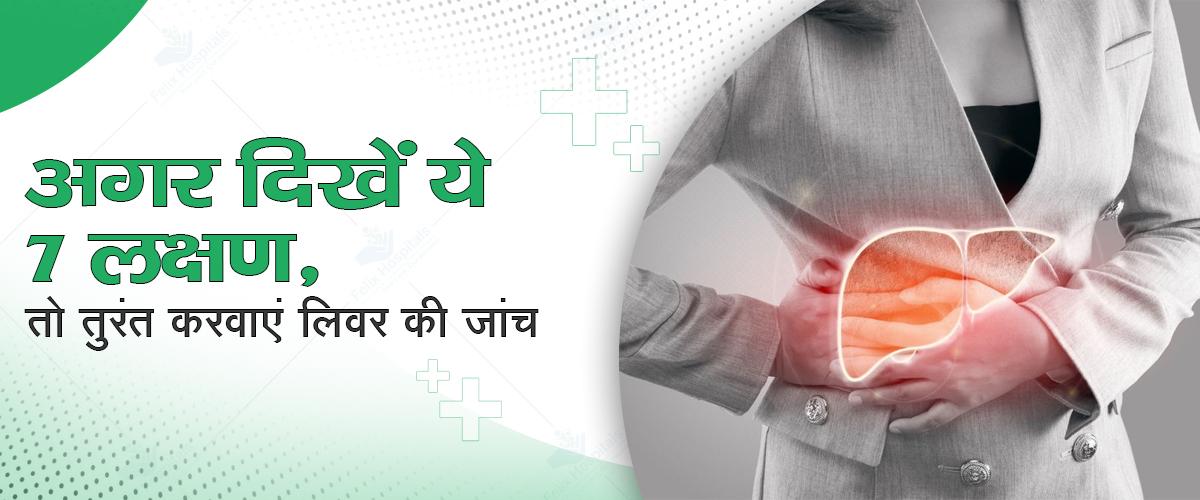
शरीर में कई ऐसे अंग हैं। जिनकी अहमियत तो हम जानते हैं। मगर उन पर तब तक ध्यान नहीं देते जब तक कोई बड़ी समस्या न हो जाए। लिवर भी ऐसा ही एक ‘साइलेंट हीरो’ है। जो बिना शोर किए हमारी सेहत की रक्षा करता है। यह शरीर का सबसे बड़ा आंतरिक अंग है। यह खाना पचाने, ऊर्जा बनाने, विषैले पदार्थों को बाहर निकालने, हार्मोन्स और कोलेस्ट्रॉल को नियंत्रित करने में मदद करता है। इस ब्लॉग में लिवर रोग के कारण के अलावा जांच और इलाज के बारे में जानेंगे।
अगर आप इस बीमारी की जांच या इलाज के लिए भरोसेमंद चिकित्सा सुविधा की तलाश कर रहे हैं, तो नोएडा में सर्वश्रेष्ठ गैस्ट्रोएंटेरोलॉजिस्ट हॉस्पिटल का चयन करना बेहद जरूरी है, जहां अनुभवी गैस्ट्रोएंटेरोलॉजिस्ट और अत्याधुनिक तकनीक के माध्यम से मरीज को बेहतर देखभाल मिल सके।
अभी अपॉइंटमेंट शेड्यूल करें – कॉल करें: +91 9667064100
7 लक्षण, जिन्हें नजरअंदाज करना हो सकता है खतरनाक (7 Symptoms, Ignoring Which can be Dangerous)
बचाव के तरीके और जीवनशैली बदलाव (Prevention Methods and Lifestyle Changes)
लिवर की जांच को लेकर पूछे जाने वाले सवाल (FAQs about Liver Tests)
गैस्ट्रोएंटरोलॉजी के मुताबिक लक्षणों की जल्द पहचान ही लिवर रोगों को गंभीर होने से रोकने की सबसे अहम कुंजी है इसलिए समय रहते गैस्ट्रोएंटरोलॉजिस्ट से सलाह जरूर लें।
लिवर शरीर से विषाक्त पदार्थ बाहर निकालता है, जब इसकी कार्यक्षमता घटती है तो शरीर में टॉक्सिन जमा होकर बार-बार थकान, आलस्य और कमजोरी महसूस कराता है।
यह लिवर रोग का सबसे प्रमुख लक्षण है। लिवर में बिलीरुबिन का स्तर असामान्य रूप से बढ़ने से त्वचा, आंखों और नाखूनों में पीलापन दिखता है। जॉन्डिस (Jaundice) दिखते ही तुरंत ब्लड टेस्ट और डॉक्टर की सलाह लें।
यह दर्द अक्सर सुस्त होता है। यह लिवर की सूजन, फैटी लिवर, हेपेटाइटिस (Hepatitis) या लिवर में गांठ बनने का संकेत होता है।
लिवर के खराब होने पर पित्त का प्रवाह और विषाक्त पदार्थों की प्रोसेसिंग प्रभावित होती है जिस कारण जी मिचलाना, उल्टी या अपच की समस्या बढ़ती हैं।
पित्त नलिकाओं में रुकावट से पित्त का प्रवाह बाधित होता है जिससे यूरिन गहरा पीला व भूरा होता है साथ ही मल का रंग हल्का या सफेद दिखता है, इसलिए जांच जरूरी है।
जब लिवर सुचारु रूप से काम नहीं करता है तो भोजन पचाने की प्रक्रिया प्रभावित होती है। इसलिए वजन घटने को हल्के में न लें, तुरंत जांच कराएं।
लिवर रोग खासकर कोलेस्टैसिस में रक्त में बाइल साल्ट बढ़ते हैं। जिससे त्वचा में तेज खुजली या लाल चकत्ते दिखते हैं।
अगर लिवर से जुड़ा कोई भी लक्षण लंबे समय तक बना रहे, तो इसे नजरअंदाज नहीं करें। समय रहते जांच और सही इलाज ही लिवर रोग को गंभीर होने से रोकता है। लिवर की सेहत के लिए सचेत रहें, नियमित चेकअप कराएं।
एलएफटी (लिवर फंक्शन टेस्ट) में लिवर के एंजाइम और बिलीरुबिन की मात्रा बताता है।
यूएसजी (अल्ट्रासाउंड पेट) जांच लिवर का आकार, बनावट, सूजन या गांठ देखने के लिए सहायक होती है।
फाइब्रोस्कैन में लिवर की कठोरता (फाइब्रोसिस/सिरोसिस) मापने के लिए आधुनिक और नॉन-इनवेसिव जांच तकनीक है।
एचबीवी और एचसीवी टेस्ट यानी (हेपेटाइटिस बी और सी) वायरल हेपाटाइटिस का पता लगाने के लिए होता है।
जरूरत पड़ने पर सीटी स्कैन, एमआरआई या बायोप्सी भी की जाती है।
त्वचा या आंखों में अचानक पीलापन दिखे, पेट में तेज दर्द या असामान्य सूजन हो, उल्टी में खून या काले रंग का मल आए, अचानक वजन कम हो या बेहद थकान महसूस हो, गहरे रंग का पेशाब, हल्का मल या खुजली लगातार रहे ऐसे मामलों में तुरंत गैस्ट्रोएंटरोलॉजिस्ट से सलाह लें। नोएडा में अच्छा गैस्ट्रोएंटेरोलॉजिस्ट चुनना इस प्रक्रिया का पहला और सबसे जरूरी कदम है, ताकि सही समय पर इलाज शुरू किया जा सके और रोग की प्रगति को नियंत्रित किया जा सके।
बिना डॉक्टर की सलाह के हर्बल दवा या पेनकिलर लिवर को नुकसान पहुंचाती हैं। इंटरनेट पर दिखे घरेलू नुस्खे या सप्लिमेंट भी लिवर रोगियों के लिए खतरनाक होते हैं। इसलिए केवल प्रमाणित डॉक्टर की सलाह पर इलाज और दवा लें।
लिवर को स्वस्थ रखने के लिए प्रभावी आदतें अपनाना बेहद जरूरी है। लिवर को लंबे समय तक स्वस्थ रखने की कुंजी में संतुलित जीवनशैली, सही खानपान, नियमित जांच और डॉक्टर की सलाह जरूरी होता है।
ज्यादा तला-भुना, प्रोसेस्ड और हाई शुगर फूड का सेवन कम करना चाहिए, हरी सब्जियां, फल, साबुत अनाज और प्रोटीन से भरपूर भोजन का सेवन करना चाहिए। इसके सेवन से संतुलित आहार से फैटी लिवर का खतरा कम होता है।
रोजाना कम से कम 30 मिनट तेज चलना चाहिए, योग, साइक्लिंग या हल्का कार्डियो करना चाहिए। इससे वजन कंट्रोल में रहता है और लिवर पर चर्बी नहीं जमती है।
शराब लिवर सिरोसिस (Liver Cirrhosis) और फैटी लिवर की वजह बनती है इसलिए इससे परहेज करना चाहिए। अगर शराब नहीं छोड़ पा रहे हैं तो डॉक्टर से सलाह लेनी चाहिए।
अगर परिवार में लिवर रोग का इतिहास है खासतौर से किसी को मोटापा, डायबिटीज या हेपाटाइटिस का रिस्क है तो साल में एक बार लिवर फंक्शन टेस्ट (एलएफटी), अल्ट्रासाउंड या अन्य जांचें जरूर कराना चाहिए।
अभी अपॉइंटमेंट शेड्यूल करें – कॉल करें: +91 9667064100
लिवर की बीमारी अक्सर बिना संकेत चुपचाप बढ़ती है। अधिकतर मरीज तब डॉक्टर के पास पहुंचते हैं जब बीमारी गंभीर हो जाती है। अगर थकान, पीलापन, पेट दर्द, बार-बार उल्टी, गहरे रंग का पेशाब, अचानक वजन घटना या त्वचा पर खारिश जैसे लक्षण दिखें तो इन्हें नजरअंदाज नहीं करना चाहिए। समय रहते जांच और सही इलाज न सिर्फ लिवर को बचा सकता है बल्कि भविष्य में होने वाली जटिलता से बच सकते हैं। लिवर की सुरक्षा आपके हाथ में होती है इसलिए देरी नहीं करें डॉक्टर की सलाह जरूर लें।
नोएडा में लिवर की बीमारी के इलाज की कीमत मरीज की बीमारी की स्थिति, कारण (जैसे फैटी लिवर, हेपेटाइटिस बी या सी, सिरोसिस), आवश्यक जांच (जैसे लिवर फंक्शन टेस्ट, अल्ट्रासाउंड, फाइब्रोस्कैन या एमआरआई) और चुने गए इलाज यानी दवाइयां, जीवनशैली में बदलाव, इंजेक्शन या जरूरत पड़ने पर लिवर ट्रांसप्लांट पर निर्भर करती है। इलाज की शुरुआती जांच, सर्जरी (जैसे ट्रांसप्लांट) में पर निर्भर करती है।
प्रश्न 1: लिवर की जांच कब करानी चाहिए?
उत्तरः अगर लगातार थकान, आंखोंव त्वचा में पीलापन, पेट दर्द, गहरे रंग का पेशाब, बार-बार उल्टी या अचानक वजन घटने जैसे लक्षण दिखें तो तुरंत जांच करानी चाहिए।
प्रश्न 2: लिवर फंक्शन टेस्ट (एलएफटी) क्या बताता है?
उत्तरः एलएफटी खून के जरिए लिवर के एंजाइम, प्रोटीन और बिलीरुबिन की मात्रा को मापता है। इससे लिवर की सेहत, सूजन, डैमेज या संक्रमण की स्थिति का पता लगाते हैं।
प्रश्न 3: क्या लिवर की हर बीमारी में पीलापन आना जरूरी है?
उत्तरः कई बार शुरुआती स्टेज में फैटी लिवर या हेपाटाइटिस में पीलापन (जॉन्डिस) नहीं आता है। इसलिए सिर्फ इस लक्षण पर निर्भर न रहें डॉक्टर की सलाह पर टेस्ट कराएं।
प्रश्न 4: क्या अल्ट्रासाउंड से भी लिवर की बीमारी पता चलती है?
उत्तरः अल्ट्रासाउंड से लिवर का आकार, बनावट, सूजन, गांठ या फैटी लिवर का अंदाजा लगाते हैं। कई बार डॉक्टर फाइब्रोस्कैन या एमआरआई की सलाह देते हैं। जिससे लिवर फाइब्रोसिस या सिरोसिस की जांची की जाती है।
प्रश्न 5: अगर लिवर टेस्ट में गड़बड़ी निकले तो क्या करें?
उत्तरः डॉक्टर से मिलकर कारण पता करें। जैसे हेपाटाइटिस संक्रमण, शराब का सेवन, दवाओं का असर या फैटी लिवर आदि क्या कारण है। फिक कारण पर आधारित इलाज और लाइफस्टाइल बदलाव करें।
प्रश्न 6: क्या घरेलू नुस्खों या हर्बल दवाओं से लिवर ठीक हो सकता है?
उत्तरः बिना डॉक्टरी सलाह के ली गई हर्बल या देसी दवाएं उल्टा लिवर को नुकसान पहुंचाती हैं। हमेशा गैस्ट्रोएंटरोलॉजिस्ट की सलाह से दवा लेनी चाहिए।
प्रश्न 7: लिवर को स्वस्थ रखने के लिए सबसे जरूरी बातें क्या हैं?
उत्तरः शराब से पूरी तरह से परहेज करना चाहिए। संतुलित आहार और नियमित व्यायाम करना चाहिए। समय-समय पर जांच जांच कराएं। बिना डॉक्टर की सलाह के दवा और सप्लिमेंट नहीं लेना चाहिए।

Identify the warning signs of fatty liver that need medical attention. Learn when to consult a doctor for timely diagnosis and treatment to prevent liver damage.
पेट में अल्सर एक आम लेकिन गंभीर समस्या है जो संक्रमण, अधिक एसिड या दवाओं के कारण होती है। इसके लक्षणों में पेट दर्द, जलन और अपच शामिल हैं। फ़ेलिक्स अस्पताल में इसका प्रभावी उपचार और परामर्श उपलब्ध है।

त्वचा संक्रमण के कई कारण हो सकते हैं, जो सूक्ष्मजीवों के त्वचा में प्रवेश करने से उत्पन्न होते हैं। ये संक्रमण तब होते हैं जब त्वचा की बाहरी सुरक्षा परत (एपिडर्मिस) क्षतिग्रस्त हो जाती है और बैक्टीरिया, वायरस, फंगस या परजीवी वहां से शरीर के अंदर प्रवेश कर
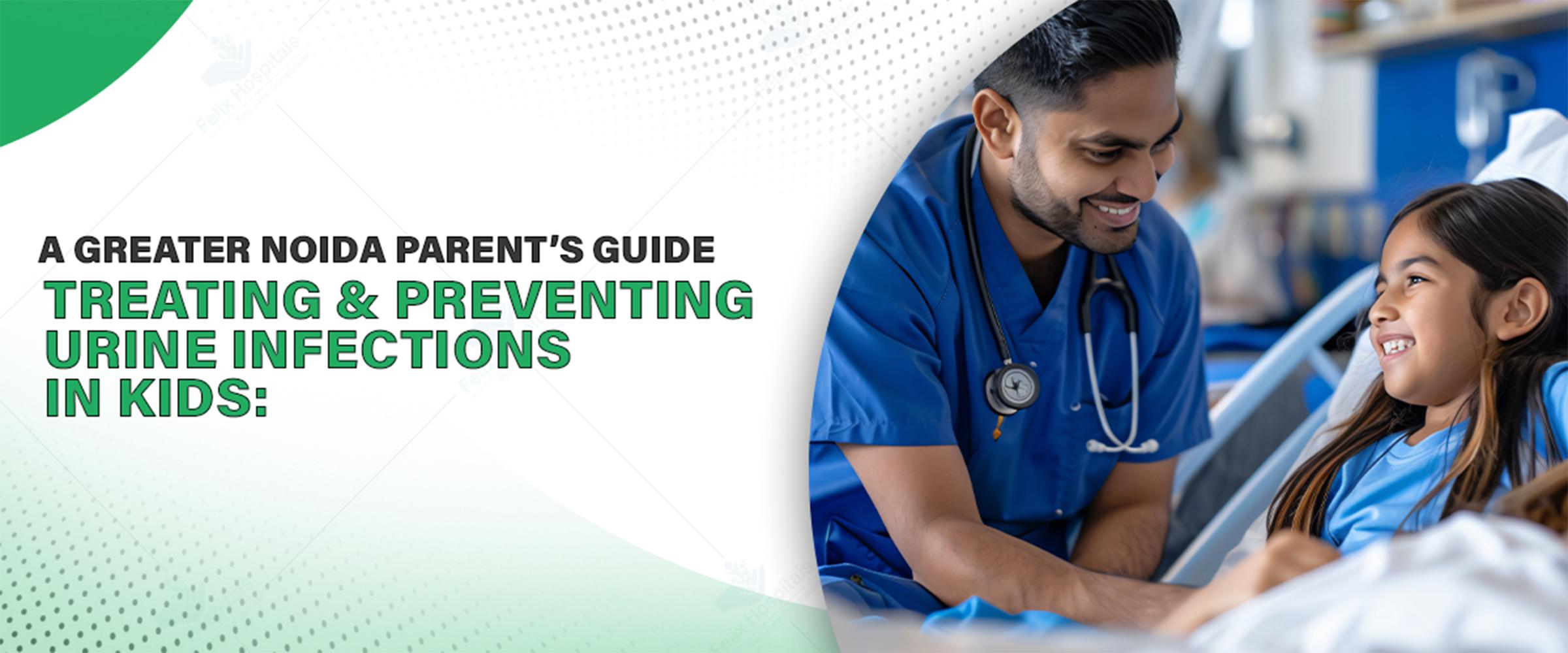
Urinary tract infections among children are more common than most parents realize. The infections, caused by bacteria penetrating the urinary system, can be painful, accompanied by fever, and even lead to more severe issues if not treated. For parents living in Greater Noida, where the hot and humid climate sometimes increases the risk of dehydration, awareness of symptoms and prevention of UTIs is especially important. Even after following these it your child gets UTI visit Felix Hospital, the Best Pediatric Hospitals in Greater Noida.
Don’t wait—schedule a pediatrician in Greater Noida today for a thorough diagnosis and nurturing, effective treatment. Call now: +91 9667064100.
If there is a suspicion of a urinary tract infection, early diagnosis is essential to prevent complications. This is how doctors usually approach it:
Collection of Urine Sample: A urine sample needs to be collected to determine the presence of the infection.
For older children, a midstream sample will be adequate.
For infants and toddlers, doctors will pass in a catheter to obtain a clean sample so as not to contaminate it.
Lab Testing: The urine is tested for bacteria, white blood cells, and nitrates, which indicate infection.
Additional Tests: With recurrent UTIs or complicated infection, other tests like kidney ultrasounds or a voiding cystourethrogram (VCUG) can be recommended.
Treatment must be started as soon as infection is confirmed. Usual treatment is as follows:
Antibiotics: In most cases, cefalexin, amoxicillin-clavulanate, or trimethoprim-sulfamethoxazole is given depending on the age of the child and sensitivity of the bacteria. Duration is typically 7 to 14 days, and it is important that the whole course is taken even if the symptoms resolve before completion.
Hydration: Get your child to drink lots of water to help eliminate the infection.
Hospital-Based IV Antibiotics: If the child is vomiting, extremely ill, or can't swallow medicine, intravenous antibiotics may be administered in a hospital if one wants quick recuperation.
Hygiene and Comfort: Take good hygiene and apply warmth with warm compresses for back or stomach pain while recuperating.
Educate children to wipe from front to back once they have done their business. In babies, diaper change more frequently and clean gently to prevent bacterial accumulation.
Ensure your child consumes plenty of water during the day. Drinking water during the hot climate of Greater Noida’s hospitals helps to flush out bacteria. Include water-rich fruits like watermelon and cucumber in their diet.
Children enjoy withholding urine when they're playing or at school. Remind them to take breaks every few hours to avoid bacterial buildup in the bladder.
Loose, comfortable, loose-weave underwear and cotton underwear keep the genital tract dry and avoid bacterial growth, particularly in the warm weather.
Adding yogurt or other probiotic foods may aid in keeping the gut and urinary tract bacteria healthy and lower the risk of infection.
If your child continues to develop recurrent Urinary Tract Infections (UTIs), some underlying cause like vesicoureteral reflux may be present. Further testing or preventive low-dose antibiotic may be advised by pediatricians.
Greater Noida hospitals have come a long way in offering best child specialists in Greater Noida with quality pediatric-specific care and are thus a trusted option for UTI in children. Here's why:
Child-Friendly Infrastructure: Most hospitals have pediatric-specific facilities, providing a less stressful setting for kids.
Advanced Diagnostic Facilities: From sterile urine collection to comprehensive imaging tests, Greater Noida's hospitals have top-notch diagnostic facilities.
Affordable Quality Care: Greater Noida is the only mega city that offers affordable yet quality medical care, hence being the first choice for families.
Convenient Location: Delhi NCR area, coupled with improved traffic, allows easy access to emergency care in times of need.
Select a child-friendly hospital in your vicinity in Greater Noida for state-of-the-art pediatric UTI management, customized care, and immediate attention.
UTIs can be disturbing for certain children and parents, but they are treatable and even avoidable with proper attention and care. For parents of Greater Noida, vigilance for signs, keeping the child well-hydrated, and good hygiene can go a long way in keeping urinary infections away.
If your child has any sign of a UTI, consult the Best Children Hospital in Noida. Quick treatment results in rapid recovery and avoids complications, making your little one healthy, energetic, and happy.
Felix Hospital — trusted kids hospital in Noida, delivering specialized pediatric care for newborns, infants, and children with compassion and excellence.
Q1. What causes UTIs in children?
Ans: UTIs in children are most often caused by bacteria from the gut that infect the urinary tract. It may be the result of poor hygiene, dehydration, or retention of urine.
Q2. How do I know whether my baby has a UTI?
Ans: Babies might not exhibit usual symptoms. Look for fever with no apparent reason, irritability, decrease in appetite, or pungent-smelling urine. A pediatrician can clarify through a urine test.
Q3. Are UTIs severe in children?
Ans: If left untreated, UTIs can become blood-borne and lead to more serious illness. Most UTIs do, however, resolve uneventfully with proper diagnosis and treatment.
Q4. Can my child attend school with a UTI?
Ans: Yes, as long as your child feels well enough and has started on antibiotic treatment. Ensure they have toilet breaks normally and drink water frequently.
Q5. How quickly do antibiotics treat a UTI?
Ans: Most often, the children will begin to feel better within 24–48 hours after antibiotics have begun, but it is extremely important to take the full course of antibiotics as prescribed by the physician.
Q6. Is recurrent UTI common in kids?
Ans: UTIs that occur on an occasional basis are okay, but recurring infections could indicate that something is wrong, like vesicoureteral reflux. Have additional testing done by your pediatrician if UTIs continue to recur.
Q7. Which foods prevent UTIs in children?
Ans: Foods that are rich in water, such as watermelon and cucumbers, and probiotic foods, such as yogurt, can contribute to urinary and gut health and help prevent UTIs.

Search the best hospital for your child in Noida the team of experienced pediatricians is dedicated to supporting parents and guiding children on their journey to a healthy life.

A Urinary Tract Infection (UTI) is a common infection that occurs when bacteria invade any part of the urinary system, including the kidneys, bladder, ureters, or urethra.
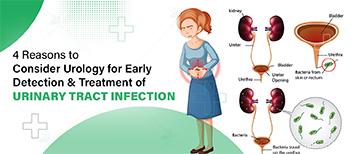
One of the best hospitals for urinary tract treatment in Noida offers comprehensive urology care, featuring expert urologists and advanced diagnostic and treatment facilities.
Exploring the Best IVF hospital in Noida for expert fertility treatments. Felix Hospital IVF is dedicated to helping couples achieve their dream of parenthood with advanced fertility treatments, latest technology, and compassionate care. Our expert team provides personalized solutions, ensuring the best possible outcomes on your journey to parenthood.
Comprehensive Fertility Treatments – IVF, ICSI, IUI, and egg donation tailored to individual needs.
Advanced Technology & Infrastructure – Cutting-edge equipment, including embryoscopes and vitrification systems.
Expert Medical Team – Skilled fertility specialists, embryologists, and compassionate support staff.
Personalized & Holistic Care – Individualized treatment plans, emotional counselling, and dedicated support.
With a wide range of cutting-edge fertility treatments, Felix Hospital fertility hospital in Noida are among the most advanced assisted reproductive technology and in vitro fertilizations (IVF) Hospital in the Noida. Treatment in Noida includes:
IVF is an advanced assisted reproductive technology. Felix Hospital has a best team of IVF doctors in Noida, who are experts in all fertility-related problems. Our IVF doctors in Noida will work with you to identify the main cause of your condition. We will help you understand your options and determine the best treatment to help you begin or expand your family.
Felix Hospital has a dedicated and experienced team that will support you throughout your fertility journey in a caring and attentive environment. Our team of experts, including fertility specialists in Noida, is ready to listen to you and is committed to working with you to develop the treatment plan best suited to your needs. Our fertility specialists in Noida are internationally recognized for their research, medical skills, and teaching expertise.
Many couples want to have a baby, but for some, the road is full of surprises. In some circumstances, modern science can help. One of the most promising ways is in vitro fertilization (IVF). If you've been trying to conceive but haven't been able to, learning about IVF could be the first step toward parenthood.
For the treatment to work, you need up-to-date medical technology and emotional support which you can find at Felix Hospital, known to be the best hospital for IVF treatment. They not only have the most up-to-date medical technology, but they also offer emotional support and help at every step. This This blog will discuss who may need IVF, explain how it works, and outline what to expect during the IVF process step by step.
Your journey to parenthood starts here—call us now at +91 9667064100.
IVF, or in vitro fertilization, is a type of assisted reproductive technology (ART) that involves fertilizing an egg with sperm in a lab, outside of the body. The embryo is then put into the woman's uterus, where it is hoped that it will implant and lead to pregnancy.
A lot of people suggest this procedure for couples who are having trouble getting pregnant and can't fix it with other treatments like changing their lifestyle, using drugs, or IUI (intrauterine insemination).
There are a number of reasons why doctors would recommend IVF:
Blocked Fallopian Tubes: Eggs can't get to the uterus on their own.
Male infertility is when a man has a low sperm count or motility.
Polycystic Ovary Syndrome (PCOS): It's hard to get pregnant naturally when your ovulation is irregular.
Endometriosis: Growth of tissue outside the uterus makes it hard for sperm to reach the egg.
Age: After age 35, the number and quality of eggs decrease.
Unexplained infertility: All tests come back normal, but you still can't become pregnant.
Genetic Conditions: To stop passing on genetic problems using preimplantation genetic testing.
Repeated IUI Failures: IVF has a better probability of working.
IVF becomes a personalized answer in any of these situations, giving hope and a better possibility of getting pregnant.
There are many steps and exact times involved in the IVF process. Here's a simple guide to the IVF process step-by-step:
Before starting, both parties have to have fertility testing, which include hormone profiles, semen analysis, ultrasound, and general health checks. This helps build a treatment plan just for you.
The woman gets hormone shots for 8 to 14 days to make her ovaries make more than one egg. Regular checks make sure the eggs are growing properly.
When the eggs are ready, a small surgery is done while the patient is asleep to get them. Ultrasound guides a tiny needle to the ovaries to get eggs. The eggs that were taken out are fertilized with sperm in a lab. This can be done by mixing the sperm and eggs together or by using ICSI (Intracytoplasmic Sperm Injection), which means that one sperm is inserted into each egg.
We keep an eye on the fertilized eggs for three to five days. Only the healthiest embryos make it to the blastocyst stage and are then considered for transfer.
One or more embryos are gently put into the uterus. Most of the time, this operation doesn't hurt and only takes a few minutes.
A blood test checks for pregnancy about 10 to 14 days after the embryo transfer. If all goes well, the embryo will attach to the lining of the uterus.
This step-by-step IVF process can take anywhere from 4 to 6 weeks, but it could take longer.
There are a lot of successful stories for an IVF but also there are a number of things that can affect how well IVF works:
Age of the woman (chances go down after 35)
Quality of sperm
Quality of eggs and embryos
Health of the uterus
Lifestyle and health problems that are already there
For women under 35, the success rates for IVF cycles are between 30 and 50 percent. As women get older, these percentages go down a little. Not only can choosing the best gynecology doctor in Noida make a big impact in your health, but it may also make a big difference in your well being and confidence.
IVF, like all medical procedures, has some minor risks it's better to know them before starting: Risks of miscarriage are high especially as you get older, ectopic pregnancy, stress on the mind and body. But these hazards can be controlled with the correct medical care and emotional support.
Getting pregnant through IVF requires more than just medical accuracy. Your mental and physical preparedness is also important:
Eat a diet that is balanced and full of nutrients.
Keep your BMI in a healthy range.
Don't drink or smoke.
Get enough sleep and lower your stress levels.
Take the medicines as directed.
Stay in touch with your doctor for support.
Your road to getting pregnant is as much about your feelings as it is about your health. Take it one step at a time and remember that aid is always there for you.
You need expert help, cutting-edge reproductive technology, and caring support that is specific to your path to get over fertility problems. Felix Hospital is a well-known place to get IVF treatment because it has some of the best gynecologists in Noida. Felix is more than just a great hospital; it's also a place where you can talk to the best fertility professionals ,have the latest technology, personalized care, and a thorough understanding of your emotional requirements.
Do you want to learn more? Schedule a call to get closer to your dream of being a parent. at +91 9667064100.
People often ask how much IVF treatment costs in Noida. The cost of IVF in Noida can range from ₹1,20,000 to ₹2,50,000, depending on the person's medical history, and the number of cycles needed. IVF is more than just a treatment; it's a chance. It gives couples who have been trying to become parents for a long time hope. IVF could be the answer you're seeking for, whether you're just starting to look into your options or have tried other reproductive treatments without success.
You can make better choices regarding your future if you understand the IVF process step by step.
Don't go through IVF alone if you're thinking about it.
Q1. Does IVF always result in pregnancy on the first try?
Ans: Not necessarily. Many variables such as age, quality of eggs, and other medical conditions—several attempts may be necessary.
Q2. Do IVF children develop differently from naturally conceived children?
Ans: No, IVF children will usually develop exactly like any other child with regards to physical and mental achievements.
Q3. Can I select the gender of the baby using IVF?
Ans: In India, sex selection is forbidden strictly by law under the PCPNDT Act. IVF cannot be employed for gender selection of a baby.
Q 4. Is IVF painful?
Ans: The procedure may be mildly painful with injections and egg retrieval but is well-tolerated with good care.
Q 5. How soon can I return to work after embryo transfer?
Ans: The majority of individuals return to normal activity in 24–48 hours, but it is advisable to have light rest according to your doctor's recommendation.
Q6. Can I freeze embryos for later use?
Ans: Yes, freezing embryos is routine and enables you to bank fertilized embryos for future IVF cycles or family planning.
Q7. Is IVF safe in women above 40 years of age?
Ans: Yes, but success rates decrease with age. Your physician can recommend the use of donor eggs to enhance success.
Facing trouble conceiving? This article highlights the main 5 causes of infertility in women, including hormonal imbalances, PCOS, endometriosis, blocked fallopian tubes, and age-related factors.

When the heart's main pumping chamber, the wall of the left ventricle, gets thicker because of too much labor, this is called left ventricular hypertrophy (LVH). Hypertension is the most common cause of LVH. This disorder makes it harder for the heart to pump oxygen-rich blood across the body. In the beginning, it may work as a compensatory response, but over time, persistent LVH impairs the heart's ability to work and leads to serious problems. Consult one of the best cardiology hospitals in Noida for expert care and timely treatment.
Get trusted care for your heart with just one call. Call our heart team at +91 9667064100 to remain ahead.
Medical experts put LVH into groups based on how the heart muscle changes shape:
Concentric LVH: The inside of the wall gets thicker, which makes the chamber smaller.
Eccentric LVH: The chamber expands outward, which could make the wall weaker.
Concentric Remodeling: The wall gets thicker, but the muscle mass doesn't develop much.
At first, the indications of Left Ventricular Hypertrophy may not be very clear, but they will get more obvious over time. Important signs are:
Chest Pain: This is a warning that the heart muscle isn't getting enough oxygen
Shortness of breath: Especially when working out or doing other things that require effort.
Tiredness: Even doing everyday things makes you tired.
Irregular heartbeat: Feeling like your heart is racing or fluttering.
Dizziness or fainting (syncope): It can happen when there isn't enough blood flow to the brain.
Finding these signs of Left Ventricular Hypertrophy early helps save the heart from getting worse.
The most common causes of Left Ventricular Hypertrophy are:
Hypertension: When the heart has to work harder because the blood pressure is high for a long time.
Heart Valve Disorders: When the mitral or aortic valves don't work right, the heart has to work harder.
Cardiomyopathy: It is a disorder of the heart muscle that changes its shape and function.
Aortic Coarctation : Congenital condition that makes the aorta smaller.
Diabetes: High blood sugar levels might be bad for your heart.
Renal artery stenosis: When the blood supply to the kidneys is limited, which might affect blood pressure.
To get effective treatment, knowing the causes of Left Ventricular Hypertrophy is essential.
There are some lifestyle and medical variables that make it more likely that you will get LVH:
Being overweight (BMI > 30)
Long-term kidney disease
Cigarette smoking
Diet high in salt
Living a sedentary existence
Obstructive sleep apnea
Arrhythmias: Heartbeats that aren't regular
Heart Failure: The heart doesn't pump blood well enough.
Stroke: This can happen when blood flow slows down or a clot forms.
Dementia: linked to long-term low blood flow to the brain
Regular heart screenings are usually the first step in finding out if someone has LVH. Cardiologists can follow up on problems with:
Echocardiogram: Shows the size, thickness, and function of the heart.
An electrocardiogram (ECG/EKG) shows changes in electrical activity.
Cardiac MRI: Gives detailed pictures of the structure.
Blood Tests: To find out if there are any other problems.
Nuclear Imaging (PYP Scan): Used to find cardiac amyloidosis.
Early detection of the symptoms of Left Ventricular Hypertrophy is the most important part of managing it well
To cure LVH, you need to control the cause of the problem. You might be told to make changes to your lifestyle and get medical help:
Changes to your way of life: A heart-healthy diet, frequent exercise, quitting smoking, and cutting back on salt should all be part of your daily life.
ACE inhibitors, ARBs, and beta-blockers are examples of antihypertensive drugs.
SGLT2 inhibitors, which are anti-diabetic drugs, can be good for the heart.
Valve Replacement: If there are difficulties with the valve that are making things worse.
ICD Placement: For deadly arrhythmias.
Bariatric surgery is a way to control weight and blood pressure.
The plan for managing a patient depends on their individual risk factors and medical history. Regular follow-ups help keep track of progress and change care as needed.
The prognosis for LVH depends on how early it is found and how well the underlying problems are addressed. Most people become better or even better with the right treatment.
But if LVH isn't addressed, it might lead to serious problems later on. Life expectancy changes depending on how much stress the heart is under and other factors.
Routine follow-up and sticking to lifestyle adjustments are vital for treating the illness and improving quality of life.
To deal with left ventricular hypertrophy, you need more than simply treatment. You need expert advice, cutting-edge technology, and care that is tailored to your needs. Felix Hospital has the Best Cardiologists in Noida, who are known for their ability to diagnose and treat complicated cardiac problems including LVH.
Felix is different from other hospitals not just because of its high-quality medical care, but also because it puts the needs of its patients first and focuses on their long-term heart health. It has state-of-the-art facilities, quick treatments, and 24/7 cardiac support.
Worried about signs of Left Ventricular Hypertrophy? To get an appointment with a specialist right now, call +91 9667064100.
Left Ventricular Hypertrophy is a heart ailment that can be managed, but it can also be quite dangerous. It is important to pay attention to the symptoms of Left Ventricular Hypertrophy, like chest pain, tiredness, or an irregular heartbeat, so that the condition can be diagnosed early.
Many patients can slow down or even stop the disease from getting worse if they get treatment on time. If you have high blood pressure or other health problems that put you at risk, getting specialist treatment can help keep your heart healthy and improve your quality of life.
Q1. Can a regular physical exam find Left Ventricular Hypertrophy?
Ans: A routine physical exam may not find LVH, but a heart murmur or irregular rhythm could lead to more tests, including an ECG or echocardiography.
Q2. Can making adjustments to your lifestyle alone make Left Ventricular Hypertrophy go away?
Ans: In the beginning, living a heart-healthy life may help make the ventricular wall thinner. But this depends on what caused the hypertrophy and how long it has been there.
Q3. Does having left ventricular hypertrophy effect how well you do in sports?
Ans: Yes, LVH can make it harder to recover and last longer in some circumstances since it slows down blood flow. But physiological alterations in the athlete's heart are distinct and usually not harmful.
Q 4. Is it possible to have LVH without having high blood pressure?
Ans: Yes, LVH can happen even in persons with normal blood pressure. It can be caused by valve problems, genetic factors, or certain cardiac illnesses.
Q5. People with LVH should get their hearts checked how often?
Ans: Patients should generally have follow-up appointments every 6 to 12 months, or as their cardiologist recommends, to keep an eye on how their hearts are working and change their treatment plans as needed.
Q6. Is it possible for LVH to be passed down via families?
Ans: Yes, some types of LVH, especially those linked to cardiomyopathies or rare genetic disorders, can run in families. Close relatives should be screened early for these types of LVH.
Q7. Do a lot of kids or teens have LVH?
Ans: LVH is not common, although it can happen in young people, especially if they have congenital heart abnormalities or inherited heart muscle illnesses. In these circumstances, a pediatric examination is quite important

Best heart hospital in Noida for bypass surgery at affordable prices with expert cardiac surgeons, advanced facilities, and quality patient care for better recovery.

If you're concerned about your child's heart health, be sure to inquire about the Heart Treatment cost in Noida for expert care and guidance.

In Noida hospitals, recognized for being among the best heart health hospitals in Noida, are at the forefront of offering critical care for heart-related issues.

A stent procedure can be life-saving for those with blocked arteries. This guide walks you through the stent experience—from the angioplasty process to post-procedure recovery and lifestyle changes.
For those dealing with obesity, losing weight is a battle at times. If lifestyle modification, diet regimens, and exercise routines do not produce sustainable results, something more might be needed. Among the most powerful and least invasive treatments currently being offered is Laparoscopic bariatric procedure. The surgery has changed the lives of countless individuals around the globe by enabling them to achieve healthy, sustainable weight loss while reducing recovery time.
In this post, we're going in-depth about what laparoscopic weight loss surgery entails, who it's for, and how it aids in the management of obesity-related diseases. Whether you're looking at getting the procedure or are just curious, here's all you should know. For expert consultation or to book an appointment, call +(91) 9667064100 and speak with our bariatric specialists today.
Laparoscopic obesity surgery is a form of bariatric surgery done through small cuts and a camera known as a laparoscope. In contrast to open surgery, this method reduces pain, hastens recovery, and decreases the risk of complications. The main aim is to change the digestive system in a manner that restricts food absorption and/or nutrient intake, eventually leading to considerable weight loss.
Laparoscopic bariatric procedure can be of a few different types, such as:
Sleeve Gastrectomy: Most of the stomach is excised, leaving a banana-shaped area. It suppresses hunger and food volume.
Gastric Bypass (Roux-en-Y): The stomach is separated into a small pouch and directly linked to the small intestine, skipping a big section of the digestive system.
Biliopancreatic Diversion with Duodenal Switch (BPD/DS): A blend of stomach reduction and intestinal bypass that limits consumption and absorption.
SIPS (Stomach Intestinal Pylorus Sparing Surgery): A less aggressive form of the duodenal switch designed to lower complications.
Obesity is more than just a matter of extra weight—it is typically associated with a range of serious health issues including:
Type 2 Diabetes
Hypertension (High Blood Pressure)
High Cholesterol
Joint Pain and Osteoarthritis
Non-Alcoholic Fatty Liver Disease (NAFLD)
Increased Risk of Certain Cancers
For those with a Body Mass Index (BMI) of 40 or higher—or 35 with existing obesity-related conditions—bariatric surgery is usually the best long-term option. When such conditions start interfering with your quality of life or placing you at risk for life-threatening complications, it's time to consider possibilities such as the laparoscopic bariatric operation.
Laparoscopic bariatric surgery includes placing surgical instruments and a scope within the abdominal space through small incisions. The surgery can make your stomach smaller, bypass part of the intestine, or both. This limits the amount of food you can consume and how many calories your body absorbs. The surgery also affects hunger and satiety hormones, which help control your appetite and metabolism.
Since it's minimally invasive, patients generally have:
Less post-op pain
Shorter hospital stays
Sooner recovery time
Less risk of infection and complications
Preparation and Evaluation Prior to Surgery
You will have a complete evaluation before you are approved, which includes:
Physical examination and medical history
Blood work and imaging
Psychological evaluation
Nutritional therapy
Smoking and alcohol cessation (if necessary)
Your medical team will also suggest a pre-operative short-term diet to minimize liver size and enhance the safety of the procedure.
After surgery, your life is affected in many different ways. Your diet will go through a variety of stages beginning with liquids, progressing to pureed foods, followed by soft solids, and finally back to normal meals. You will be instructed to take smaller meals to fit your smaller stomach. You will need to emphasize foods that are nutrient-dense and high in protein in order to facilitate healing and provide energy. Vitamins and mineral supplements prescribed by your doctor will also be instructed for you to take every day since your body can absorb fewer nutrients following surgery.
To avoid complications and ensure steady progress, you’ll need to stay away from sugary, fatty, or processed foods. Regular follow-ups with your healthcare provider will be essential to monitor your nutritional health, track weight loss progress, and manage any potential complications that may arise along the way.
When performed by the best doctor for laparoscopic surgery, this weight loss solution can offer incredible benefits:
1. Significant Weight Loss
Most patients lose 50–70% of their excess weight in 1–2 years following the operation.
2. Improvement or Resolution of Comorbidities
Conditions such as diabetes, hypertension, and sleep apnea usually improve or even remit.
3. Increased Mobility and Energy
Less weight equals less wear and tear on your joints and more energy for your daily life.
4. Psychological and Emotional Boost
Most patients experience enhanced self-esteem, confidence, and quality of life.
Similar to all surgeries, bariatric surgery is not without some risk. Possible complications may be: Bleeding or infection, Nutrient deficiencies, Gallstones from too-quick weight loss, bloating, gas, or diarrhea. With appropriate medical care and aftercare, most of these side effects are effectively manageable.
Most people lose 50–80% of their excess weight, depending on the procedure type. The average for:
Gastric sleeve: 50–70%
Gastric bypass: 60–75%
Duodenal switch: up to 80%
The weight loss process continues over 12–24 months after surgery, with ongoing support and checks to maintain success.
Follow-up regularly to monitor your progress and check for vitamin or mineral deficiencies. Patients are also recommended to:
Participate in nutritional counseling
Take supplements
Maintain moderate physical activity
Do not consume alcohol and smoke
Adhere to mental health support programs if necessary
These measures ensure that your transformation is not only physical but sustainable and holistic.
Patients who are fighting obesity can go to Felix hospital as it has the best Doctor for laparoscopic surgery. The hospital has a team of dedicated specialists, full care, state-of-the-art equipment, and individualized treatment plans that prioritize long-term health benefits. The patients enjoy the use of minimally invasive procedures that aid in quicker recovery and less complication. If you're considering weight loss surgery in a caring and high-tech setting, Felix is an excellent option.
If you've fought obesity and feel that you've tried every diet and exercise regimen with no long-term success, it might be time to explore surgery. Laparoscopic bariatric procedure is safe, effective, and customized to assist you not only in losing weight—but in gaining a healthier, richer life.
If you’re unsure where to begin, schedule a consultation with an experienced bariatric surgeon. With the right support and planning, your weight loss journey can move from frustration to success.
Q 1. Is laparoscopic obesity surgery more painful than open surgery?
Ans: Most patients experience less pain and faster recovery with laparoscopic techniques.
Q 2. When can I go back to work after having a laparoscopic bariatric procedure?
Ans: Most people return to light work in 1–2 weeks, depending on your occupation.
Q 3.What's the difference between gastric sleeve and gastric bypass laparoscopically?
Ans: Gastric sleeve takes out part of the stomach, bypass diverts the intestine—both done laparoscopically.
Q 4.Does scarring occur after laparoscopic bariatric surgery?
Ans: Scars are minimal—usually small incisions concealed close to the belly button or waistline.
Dr. Ritesh Agrawal is an experienced surgeon in noida specializing in both open and minimally invasive laparoscopic procedures.
Single-Incision Laparoscopic Cholecystectomy is a minimally invasive gallbladder removal surgery done through one cut, offering quicker recovery and minimal scarring, with some surgical risks.


Subscribe to our
© Copyright 2026. All Rights Reserved by Felix Healthcare Private Limited
Design and development by :


 +(91)9667064100
 Emergency : +(91)9667064100