 WhatsApp
 Emergency:
  WhatsApp






Subscribe to our
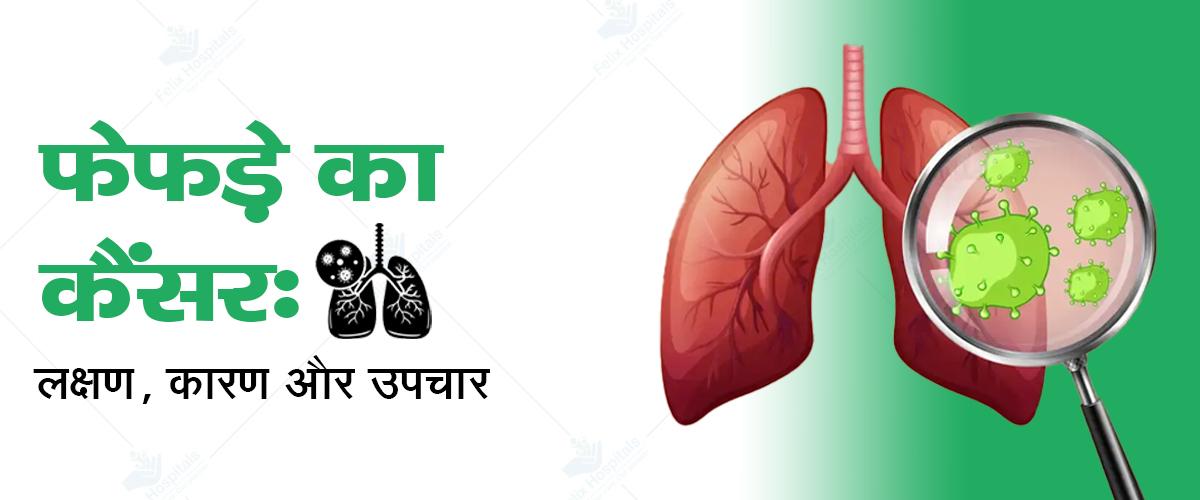
फेफड़े का कैंसर एक प्रकार का कैंसर है जो फेफड़ों में शुरू होता है। यह तब होता है जब फेफड़ों में कोशिकाएं असामान्य रूप से बढ़ने लगती हैं और अनियंत्रित रूप से विभाजित होती हैं। जो लोग धूम्रपान छोड़ चुके हैं, उनमें भी फेफड़ों के कैंसर का जोखिम अधिक होता है, हालांकि यह जोखिम समय के साथ कम हो सकता है। जिन लोगों को फेफड़ों की पुरानी बीमारियां, जैसे क्रॉनिक ब्रोंकाइटिस या एम्फिसेमा, होती हैं, उन्हें भी फेफड़ों के कैंसर का खतरा अधिक हो सकता है तो वह नोएडा के कैंसर हॉस्पिटल (Cancer Hospital in Noida) में जांच के लिए आ सकते है। जानिए इसके लक्षण से लेकर इलाज तक के बारे में विस्तार से।
ज्यादा जानकारी के लिए हमें कॉल करें +91 9667064100.
फेफड़े का कैंसर (fefdo ka cancer in hindi) एक प्रकार का कैंसर है जो फेफड़ों की कोशिकाओं में उत्पन्न होता है। यह तब होता है जब फेफड़ों की कोशिकाएं असामान्य रूप से बढ़ने और विभाजित होने लगती हैं, जिससे एक ट्यूमर बनता है। यह कैंसर शरीर के अन्य हिस्सों में भी फैल सकता है। फेफड़े का कैंसर का उपचार का कैंसर के प्रकार, उसके फैलाव, और रोगी की स्थिति पर निर्भर करता है।
फेफड़े के कैंसर के शुरुआती लक्षण:
सामान्य सांस लेने में परेशानी होना या दिक्कत महसूस करना।
गर्म या सूखी खांसी, जो लंबे समय तक बनी रह सकती है। इसमें खून भी आ सकता है।
फेफड़ों में कैंसर के कारण छाती में दर्द हो सकता है जो ठीक नहीं होता।
व्यक्ति को निम्न वायुश्वास की समस्या हो सकती है, जिससे वह ठीक से सांस नहीं ले पाता।
समान्य काम करने में असमर्थता या अधिक थकान महसूस होना।
खूनी उल्टियां या खूनी बलगम यह कैंसर के विकास का संकेत हो सकता है।
अनपेक्षित रूप से वजन कम होना।
फिटिंग, हाइड्रोथोरैक्स (छाती में पानी भरना), या अन्य फेफड़ों के समस्याएँ।
प्रत्येक प्रकार का कैंसर अलग-अलग तरीके से बढ़ता और फैलता है, और इसका इलाज भी अलग-अलग हो सकता है। इसलिए, सही प्रकार का पता लगाने और उचित उपचार योजना बनाने के लिए सही निदान बहुत महत्वपूर्ण है। फेफड़े का कैंसर मुख्य रूप से दो प्रकार का होता है, जिन्हें उनके कोशिका प्रकार के आधार पर वर्गीकृत किया जाता है:
लघु-कोशिका फेफड़ा कैंसर (Small Cell Lung Cancer, SCLC)
यह कैंसर तेजी से बढ़ता है और फैलता है। यह आमतौर पर धूम्रपान करने वालों में पाया जाता है। यह कैंसर तेजी से बढ़ता है और फैलता है। यह अधिकतर धूम्रपान करने वालों में पाया जाता है। लघु-कोशिका कार्सिनोमा यह सबसे सामान्य उपप्रकार है। संयुक्त लघु-कोशिका कार्सिनोमा में एससीएलसी के साथ अन्य प्रकार की कोशिकाएं भी शामिल होती हैं।
गैर-लघु-कोशिका फेफड़ा कैंसर (Non-Small Cell Lung Cancer, NSCLC)
गैर-लघु-कोशिका फेफड़ा कैंसर फेफड़े का सबसे सामान्य प्रकार का कैंसर है, जो सभी फेफड़े के कैंसर मामलों का लगभग 85% है। यह धीरे-धीरे बढ़ता है और फैलता है। यह फेफड़े के कैंसर का अधिक सामान्य प्रकार है और इसमें कई उपप्रकार शामिल होते हैं। मसलन स्क्वैमस सेल कार्सिनोमा यह फेफड़ों की आंतरिक परत में उत्पन्न होता है और धूम्रपान से जुड़ा होता है। एडेनोकार्सिनोमा यह आमतौर पर फेफड़ों के बाहरी हिस्से में उत्पन्न होता है और धूम्रपान न करने वालों में भी पाया जा सकता है। लार्ज सेल कार्सिनोमा यह किसी भी हिस्से में उत्पन्न हो सकता है और तेजी से बढ़ता है। एडेनोसक्वैमस कार्सिनोमा में एडेनोकार्सिनोमा और स्क्वैमस सेल कार्सिनोमा दोनों के गुण होते हैं। लार्ज सेल न्यूरोएंडोक्राइन कार्सिनोमा यह दुर्लभ और आक्रामक उपप्रकार है।
कार्सिनोइड ट्यूमर (Carcinoid Tumors)
यह फेफड़ों में उत्पन्न होने वाला एक दुर्लभ प्रकार का ट्यूमर है जो धीमी गति से बढ़ता है।
मेसोथेलियोमा (Mesothelioma)
यह फेफड़ों के बाहर की परत में उत्पन्न होने वाला एक दुर्लभ प्रकार का कैंसर है और आमतौर पर एस्बेस्टस के संपर्क में आने से होता है।
धूम्रपान (Smoking)
धूम्रपान फेफड़े के कैंसर का सबसे बड़ा जोखिम कारक है। सिगरेट, सिगार, और पाइप का धूम्रपान करने वाले लोगों में फेफड़े के कैंसर का खतरा सबसे अधिक होता है। तम्बाकू में कई हानिकारक रसायन होते हैं जो कैंसर का कारण बन सकते हैं। धूम्रपान न करने वालों के लिए भी धूम्रपान करने वालों के धुएं के संपर्क में आने से फेफड़े के कैंसर का खतरा बढ़ सकता है।
रेडॉन गैस (Radon gas)
रेडॉन एक प्राकृतिक रेडियोधर्मी गैस है जो यूरेनियम के विघटन से उत्पन्न होती है। यह मिट्टी और चट्टानों में पाई जाती है और घरों में भी प्रवेश कर सकती है। रेडॉन गैस के उच्च स्तर के संपर्क में आने से फेफड़े के कैंसर का खतरा बढ़ सकता है।
रासायनिक पदार्थों के संपर्क में आना (Exposure to chemicals)
एस्बेस्टस एक प्रमुख कार्सिनोजेन है और इसके संपर्क में आने से फेफड़े के कैंसर का जोखिम बढ़ सकता है। आर्सेनिक, क्रोमियम, निकल, और अन्य औद्योगिक रसायनों के संपर्क में आने से भी जोखिम बढ़ सकता है।
वायु प्रदूषण (Air pollution)
वाहनों और उद्योगों से निकलने वाले धुएं और कणों का लंबे समय तक संपर्क फेफड़े के कैंसर का कारण बन सकता है। कुछ घरेलू गतिविधियों और धूम्रपान से उत्पन्न धुएं का संपर्क भी जोखिम को बढ़ा सकता है।
आनुवांशिक कारक (Genetic factors)
अगर किसी के परिवार में फेफड़े के कैंसर का इतिहास है, तो उस व्यक्ति में भी फेफड़े के कैंसर का खतरा बढ़ सकता है। कुछ आनुवांशिक उत्परिवर्तन भी फेफड़े के कैंसर के जोखिम को बढ़ा सकते हैं।
फेफड़ों की पुरानी बीमारियां (Chronic lung diseases)
फेफड़ों की पुरानी सूजन भी कैंसर के जोखिम को बढ़ा सकती है। इसके अलावा एम्फिसेमा जो एक प्रकार की फेफड़ों की बीमारी है जो फेफड़ों की संरचना को नुकसान पहुंचाती है और कैंसर के जोखिम को बढ़ा सकती है।
रेडियोथेरेपी (Radiotherapy)
अगर किसी ने पहले छाती के क्षेत्र में रेडियोथेरेपी (radiotherapy) ली है, तो उससे भी फेफड़े के कैंसर का खतरा बढ़ सकता है।
संक्रमण और सूजन (Infections and inflammation)
कुछ वायरस संक्रमण, जैसे मानव पेपिलोमावायरस (एचपीवी) भी कैंसर के जोखिम को बढ़ा सकते हैं। लंबे समय तक फेफड़ों की सूजन भी कैंसर के विकास का कारण बन सकती है।
धूम्रपान छोड़ना (Quitting smoking)
धूम्रपान छोड़ना फेफड़े के कैंसर से बचाव का सबसे प्रभावी तरीका है। धूम्रपान छोड़ने के लिए मानसिक स्वास्थ्य विशेषज्ञ की सलाहा ले सकते हैं। वहींं नशा मुक्ति केंद्र में भी जाकर इलाज करा सकते हैं।
पैसिव स्मोकिंग से बचना (Avoiding passive smoking)
जहां तक संभव हो, धूम्रपान करने वालों के धुएं से दूर रहें। घर और कार्यस्थल को धूम्रपान-रहित बनाएं।
रेडॉन गैस का परीक्षण और नियंत्रण (Testing and Control of Radon Gas)
अपने घर में रेडॉन गैस का परीक्षण करवाएं। अगर रेडॉन स्तर उच्च है, तो विशेषज्ञ की मदद से रेडॉन को नियंत्रित करने के उपाय करें। घर में इस्तेमाल होने वाले रासायनों को सुरक्षित तरीके से स्टोर और उपयोग करें। कार्यस्थल पर रासायनिक पदार्थों के उपयोग के दौरान सुरक्षित कार्यप्रणालियों का पालन करें।
रासायनिक पदार्थों के संपर्क से बचना (Avoiding contact with chemicals)
काम करते समय उचित सुरक्षा उपकरणों का उपयोग करें, विशेष रूप से एस्बेस्टस, आर्सेनिक, क्रोमियम, और निकेल जैसी हानिकारक रसायनों के संपर्क में आने पर। जोखिम भरे उद्योगों में काम करने वाले लोगों को नियमित रूप से फेफड़े की जांच करवानी चाहिए।
वायु प्रदूषण से बचाव (Protection from air pollution)
अपने क्षेत्र की वायु गुणवत्ता की निगरानी करें। जब वायु प्रदूषण (air pollution) का स्तर अधिक हो, तो बाहर के गतिविधियों को सीमित करें और इनडोर एयर प्यूरिफायर का उपयोग करें।
स्वस्थ आहार और व्यायाम (Healthy diet and exercise)
पोषण युक्त आहार यानी कि फल, सब्जियों, और फाइबर से भरपूर आहार लें। नियमित व्यायाम से शारीरिक स्वास्थ्य और प्रतिरक्षा प्रणाली मजबूत होती है। शराब और अन्य नशीली पदार्थों से बचें या उनका सेवन सीमित करें। घर और कार्यस्थल को स्वच्छ और स्वस्थ बनाए रखें।
फेफड़ों की पुरानी बीमारियों का प्रबंधन (Management of chronic lung diseases)
फेफड़ों की पुरानी बीमारियों वाले लोगों को नियमित रूप से अपने डॉक्टर से जांच करवानी चाहिए। डॉक्टर द्वारा निर्देशित दवाओं का सही उपयोग करें। नियमित स्वास्थ्य जांच करवाएं, विशेषकर अगर आप उच्च जोखिम वाले समूह में आते हैं। उच्च जोखिम वाले व्यक्तियों के लिए लो-डोज सीटी स्कैन जैसी स्क्रीनिंग विधियाँ उपलब्ध है।
मुख्य रूप से यह निम्नलिखित इलाज लंग कैंसर (Treatments of Lung Cancer) के लिए किये जा सकते है :
सर्जरी (Surgery)
फेफड़ों की सर्जरी कैंसर के इलाज में एक मुख्य उपचार है, खासतौर पर जब कैंसर सिर्फ फेफड़ों में स्थित होता है और उसका प्रसार अन्य अंगों तक नहीं हुआ है। फेफड़ों की सर्जरी कई प्रकार की हो सकती हैं, जैसे की लोबेक्टोमी में वह हिस्सा फेफड़े का निकाला जाता है जिसमें कैंसर का प्रमुख केंद्र होता है। प्लेटिनेक्टमी में पूरा एक फेफड़ा हटा दिया जाता है, जहां कैंसर अधिक स्थान पकड़ चुका हो। वेजेक्टोमी में एक छोटी सी सर्जरी होती है जिसमें केवल कैंसर के प्रभावित भाग को हटाया जाता है, फेफड़े के बाकी हिस्से को संरक्षित रखते हुए। स्टेरिओटैक्टिक बायोप्सी में एक प्रकार का माइनर सर्जरी होता है जिसमें छोटे से चोटे कैंसर प्रभावित क्षेत्रों को निशाना बनाकर उन्हें हटाया जाता है। यदि आप फेफड़ों के कैंसर की सर्जरी के लिए सर्वश्रेष्ठ अस्पताल की तलाश में हैं, तो यह सुनिश्चित करना महत्वपूर्ण है कि अस्पताल के पास आवश्यक विशेषज्ञता और सुविधाएं हों।
कीमोथेरेपी (Chemotherapy)
कीमोथेरेपी फेफड़े के कैंसर के इलाज में एक महत्वपूर्ण भूमिका निभाती है और इसका उपयोग विभिन्न चरणों में किया जा सकता है। यह सर्जरी और रेडियोथेरेपी के साथ संयोजन में भी उपयोगी हो सकती है। सही कीमोथेरेपी (chemotherapy) योजना को निर्धारित करने के लिए विशेषज्ञ चिकित्सकों से परामर्श करना महत्वपूर्ण है, ताकि कैंसर के इलाज के साथ-साथ दुष्प्रभावों का भी सही तरीके से प्रबंधन किया जा सके।
रेडियोथेरेपी (Radiotherapy)
रेडियोथेरेपी (radiotherapy in hindi) एक उपचार है जिसमें उच्च-ऊर्जा रेडिएशन बीम का उपयोग किया जाता है फेफड़े के कैंसर को नष्ट करने के लिए। यह उपचार कैंसर कोशिकाओं को नुकसान पहुंचाने में मदद करता है और उन्हें मारता है। इस तरीके के उपचार में विशेषता से उपयुक्त उच्च-ऊर्जा रेडिएशन का उपयोग करके कैंसर कोशिकाओं को विनाश के लिए समर्थन प्रदान किया जाता है।
लक्षित चिकित्सा (Targeted Therapy)
लक्षित चिकित्सा एक प्रकार की चिकित्सा है जो विशिष्ट कैंसर कोशिकाओं को नष्ट करने के लिए विशेष धाराओं या लक्ष्यों पर ध्यान केंद्रित करती है। यह चिकित्सा कैंसर कोशिकाओं द्वारा उत्पन्न किए गए विशिष्ट मोलेक्यूलर परिवर्तनों का उपयोग करती है जो अन्य कोशिकाओं से भिन्न होते हैं।
इम्यूनोथेरेपी (Immunotherapy)
इम्यूनोथेरेपी (Immunotherapy in hindi) एक चिकित्सा प्रणाली है जो शरीर के इम्यून सिस्टम का उपयोग करती है कैंसर के खिलाफ लड़ाई में। इस उपचार का मुख्य उद्देश्य शरीर को कैंसर कोशिकाओं के खिलाफ जागरूक करना होता है ताकि वह स्वयं ही कैंसर को नष्ट कर सके।
चेकप्वाइंट इंहिबिटर्स (Checkpoint Inhibitors)
दवाएं उन मारकर्स को निषेधित करती हैं जो कैंसर कोशिकाओं को अपने आप को शरीर के इम्यून सिस्टम से छिपाने में मदद करते हैं। इस प्रकार की इम्यूनोथेरेपी का उपयोग अक्सर विशिष्ट कैंसरों जैसे कि मेलेनोमा और नैसोकार्सिनोमा में किया जाता है कार टी-सेल थेरेपी में रोगी के खून से लिया गया टी-सेल लैब में परिवर्तित किया जाता है जिसका उपयोग कैंसर कोशिकाओं को नष्ट करने के लिए किया जाता है।
क्लिनिकल ट्रायल्स (Clinical Trials)
क्लिनिकल ट्रायल्स वैज्ञानिक अध्ययन होते हैं जो नई दवाओं, उपचार या चिकित्सा प्रणालियों के प्रभाव, सुरक्षा और प्रभावीता को जांचने के लिए किए जाते हैं। ये अध्ययन चिकित्सा और वैज्ञानिक समुदाय के लिए महत्वपूर्ण होते हैं क्योंकि इनसे नए उपचारों की प्रमाणित सुरक्षा और प्रभावीता का पता चलता है।
पलियेटिव केयर (Palliative Care)
पैलिएटिव केयर एक चिकित्सा प्रक्रिया है जो गंभीर बीमारी से प्रभावित व्यक्तियों के जीवन गुणवत्ता को सुधारने के लिए समर्पित है। इसका मुख्य लक्ष्य मरीज के दर्द और अन्य दुखों को कम करना, मानसिक स्वास्थ्य का समर्थन करना, और उनकी जीवन की गुणवत्ता को बढ़ाना होता है।
रेडियोफ्रीक्वेंसी एब्लेशन (Radiofrequency Ablation)
रेडियोफ्रीक्वेंसी एब्लेशन एक प्रकार का चिकित्सा प्रक्रिया है जो कैंसर और अन्य अस्थायी रोगों के इलाज में उपयोग किया जाता है। इस प्रक्रिया में, उच्च-विकिरण धरों वाली इलेक्ट्रोमैग्नेटिक ऊर्जा का उपयोग कर रोगी के शरीर में रेडिओफ्रीक्वेंसी वैविधिक (RF) ऊर्जा को प्रवेश कराया जाता है।
फोटोडायनेमिक थेरेपी (Photodynamic Therapy)
फोटोडायनामिक थेरेपी एक चिकित्सा प्रक्रिया है जो कैंसर और कुछ त्वचा संबंधी रोगों के इलाज में उपयोग होती है। इस प्रक्रिया में, विशेष रंग के द्रव्यों को रोगी के शरीर में उत्तेजित किया जाता है, जिससे वे रेडिएशन या उच्च-विकिरण प्रकार की ऊर्जा से प्रभावित होते हैं। यह रंग प्रकाश संचारक कहलाते हैं। जब इन द्रव्यों को प्रकाश की उर्जा से उत्तेजित किया जाता है, तो वे कैंसर कोशिकाओं में विशेष रूप से इकट्ठा होते हैं। इसके बाद, उच्च-विकिरण या रेडिएशन की मदद से इन कोशिकाओं को नष्ट करने के लिए किया जाता है।
स्टेरोटैक्टिक बॉडी रेडियोथेरेपी (Stereotactic Body Radiotherapy, SBRT)
स्टेरियोटैक्टिक बॉडी रेडियोथेरेपी एक उच्च-विकिरण थेरेपी का एक प्रकार है जो कैंसर के इलाज में प्रयुक्त होता है। इस थेरेपी में, रेडिएशन या उच्च-विकिरण प्रकार की ऊर्जा को रोगी के शरीर में प्रवेश करने के लिए स्टेरियोटैक्टिक बॉडी फ्रेमवर्क (Stereotactic Body Frame) का उपयोग किया जाता है।
अगर जानकारी में किसी को फेफड़े से सम्बंधित बीमारी है तो डॉक्टर की सलाह के लिए आज ही फ़ोन करें - +91 9667064100.
फेफड़ों का कैंसर एक गंभीर रोग है जो फेफड़ों के अंदर या उनके आसपास विभिन्न स्थानों पर विकसित हो सकता है। यह कैंसर अक्सर तंबाकू के सेवन, जैसे कि धूम्रपान और गुटखा, और वातावरणीय कारकों के लंबित होता है। इसमें फेफड़ों के कोशिकाओं में अनियमित विकास होता है, जिससे ये कोशिकाएं अनियंत्रित ढंग से बढ़ती हैं और शरीर के अन्य हिस्सों में फैल सकती है अगर आपको ऐसे लक्षण का आभास हो रहा है तो नज़दीकी नोएडा के ऑन्कोलॉजिस्ट को ज़रूर दिखाए।
1.) प्रश्नः क्या फेफड़ों का कैंसर तंबाकू के सेवन से हो सकता है ?
उत्तरः हां तंबाकू के सेवन से फेफड़ों का कैंसर का खतरा बढ़ सकता है। धूम्रपान, गुटखा और अन्य तंबाकू उत्पादों में मौजूद केमिकल्स फेफड़ों के कोशिकाओं के विकास में हस्तक्षेप कर सकते हैं।
2.) प्रश्नः फेफड़ों के कैंसर के लक्षण क्या होते हैं ?
उत्तरः फेफड़ों के कैंसर के लक्षण में गहरी सांस लेने में दिक्कत, थकान, कमजोरी, गर्म या सूखी खांसी, छाती में दर्द, खूनी बलगम, और निम्न वायुश्वास शामिल हो सकते हैं।
3.) प्रश्नः फेफड़ों के कैंसर का निदान कैसे होता है ?
उत्तरः फेफड़ों के कैंसर का निदान प्रधानत: इमेजिंग टेस्ट्स (एक्स-रे, सीटी स्कैन, एमआरआई) और बायोप्सी (कोशिका नमूना लेना) के माध्यम से होता है।
4.) प्रश्नः फेफड़ों के कैंसर के इलाज में कौन-कौन से विकल्प हो सकते हैं ?
उत्तरः फेफड़ों के कैंसर के इलाज में रेडिएशन थेरेपी, केमोथेरेपी, सर्जरी, रेडियोफ्रीक्वेंसी एब्लेशन (आरएफए), फोटोडायनामिक थेरेपी (पीडीटी), और इम्यूनोथेरेपी जैसे विकल्प शामिल हो सकते हैं।
5.) प्रश्नः फेफड़ों के कैंसर के इलाज के बाद उपचार संबंधी जरूरी बातें ?
उत्तरः इलाज के बाद, रोगी को नियमित तौर पर चिकित्सकीय जांच, आहार और व्यायाम का ध्यान रखना, और उपचार के संबंधी सभी निर्देशों का पालन करना चाहिए।
6.) प्रश्नः क्या फेफड़ों के कैंसर के बाद रिकवरी संभव है ?
उत्तरः हां फेफड़ों के कैंसर के उपचार के बाद रिकवरी संभव है, लेकिन यह इलाज के प्रकार, कैंसर की गंभीरता और रोगी की स्थिति पर निर्भर करता है।
ब्रेस्ट कैंसर (Breast Cancer) के मुख्य लक्षण, इसके कारण और प्रभावी उपचार। समय पर पहचान और सही इलाज से रोग की गंभीरता को कम किया जा सकता है।
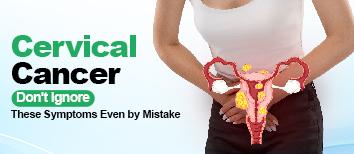
Recognize the early warning signs of cervical cancer. Learn about its symptoms, causes, and when to consult a gynecologist for timely diagnosis and treatment.

Explore essential information about breast cancer, including its symptoms, causes, types, and treatments, to stay informed and proactive about your health.
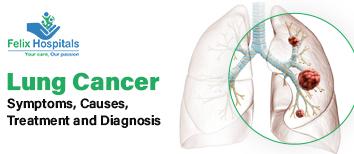
Lung cancer is a serious condition that starts in the lungs and can spread to other parts of the body.
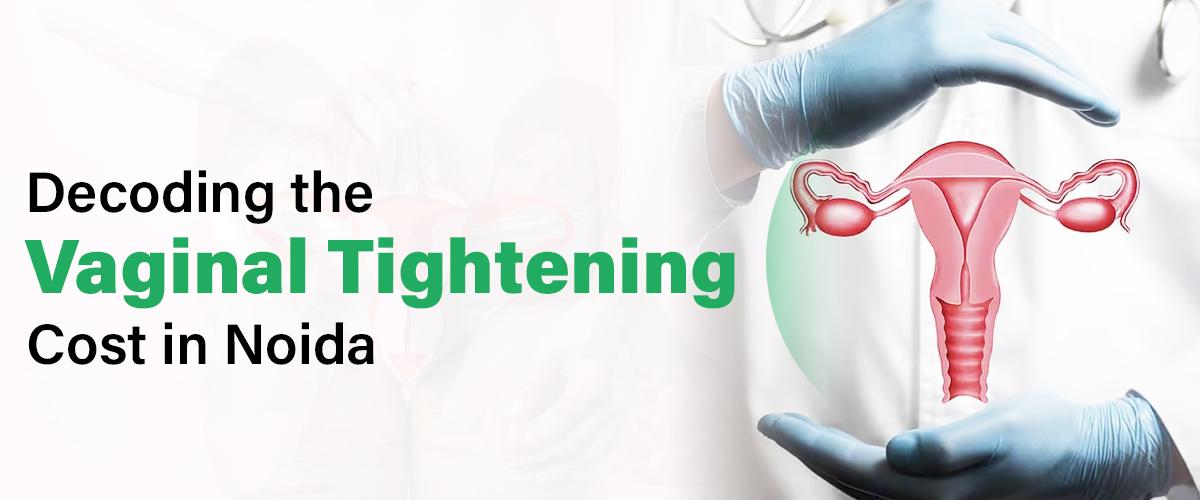
Vaginoplasty is a delicate procedure performed by experienced Plastic Surgeons for both cosmetic and medical reasons. It is typically recommended in cases of extreme vaginal laxity due to age or multiple vaginal deliveries. We estimated the cost of Vaginal Tightening in Noida, along with comparisons to other metro and tertiary states, factors affecting the surgery cost, and proper information about surgery.
For more details or to schedule a consultation, contact Felix Hospital at [email protected] or call +91 9667064100.
Table of Contents
The cost of Vaginal Rejuvenation surgery in Noida varies depending on several factors, including the type of surgery and hospital charges. For an accurate estimate of the costs involved, patients should consult directly with a surgeon or hospital. Here's a breakdown of the approximate cost of Vaginal Rejuvenation surgery in Noida:
Cost Estimate | Open Surgery | Laser Surgery |
| Starting Cost | ₹50,000 | ₹30,000 (5 to 6 sittings) |
| Average | ₹80,000 | ₹35,000 |
| Maximum: | ₹1,20,000 | ₹1,20,000 |
The cost of Vaginal Tightening can vary widely based on several factors. Here are some key elements that influence the overall expense:
Type of Procedure: Different types of vaginal rejuvenation procedures, such as laser treatments, radiofrequency treatments, or surgical options like labiaplasty and vaginoplasty, have varying costs.
Surgeon's Experience and Expertise: Highly experienced and reputable surgeons typically charge more for their services. Their expertise can ensure better results and minimize risks.
Hospital or Clinic Facilities: The quality and reputation of the hospital or clinic where the procedure is performed play a significant role in the cost. Premium facilities with advanced technology and high standards of care generally charge higher fees.
Location: The geographic location of the hospital or clinic also affects the cost. Major cities or metropolitan areas tend to have higher prices compared to smaller towns or rural areas.
Anesthesia and Medication: The type of anesthesia used (local or general) and the cost of medications prescribed during and after the procedure can add to the overall expense.
Pre-Operative Tests and Consultations: Before undergoing surgery, patients may need to undergo various tests and consultations, which can contribute to the total cost etc.
Understanding these factors can help patients make informed decisions and plan their finances accordingly.
Reducing the cost of Vaginal Tightening surgery while maintaining high standards of care is possible with some strategic planning. Here are some tips to help you manage and lower the expenses:
Compare Hospitals: Research and compare different hospitals in Noida to find the best balance between quality of care and cost. Look for hospitals with positive reviews, experienced surgeons, and transparent pricing.
Consider Timing: Scheduling the surgery during the off-season or during a hospital's promotional period may result in lower costs. Hospitals may offer discounts during certain times of the year.
Explore Financing Options: Many hospitals and clinics offer financing plans or payment installments to help make the procedure more affordable. Discuss financing options with the hospital’s financial counselor to find a plan that suits your budget.
Look for Package Deals: Some hospitals and clinics offer package deals that include the cost of pre-operative consultations, the surgery itself, and post-operative care. These packages can sometimes be more cost-effective than paying for each component separately etc.
By taking these steps, you can manage the cost of vaginal rejuvenation surgery without compromising on the quality of care.
We strive to offer competitive pricing and various payment options to make our services accessible. For more details call now on +91 9667064100.
When considering a vaginal tightening surgery, selecting the right plastic surgeon in Noida is essential for achieving natural-looking and satisfying results. At Felix Hospital, we prioritize your aesthetic goals with the expertise of our renowned plastic surgeons. Known for their precision and personalized approach, our surgeons combine years of experience with state-of-the-art facilities to ensure safety and excellence in every procedure. Felix Hospital is considered one of the best plastic surgery hospitals in Noida, known for treating both cosmetic and medical plastic surgery needs. Whether you desire subtle rejuvenation or a comprehensive transformation, our team at Felix Hospital is dedicated to delivering the highest standards of care. We ensure your comfort and confidence throughout your journey to a youthful appearance.
Undergoing Vaginal Tightening is a significant decision that requires careful consideration of costs and quality of care. Understanding the factors that influence the cost, such as the type of procedure, surgeon’s expertise, and hospital facilities, can help in making informed choices. Additionally, comparing hospitals, exploring financing options, and looking for package deals can make the procedure more affordable without compromising on quality.
1.) What is Vaginal Rejuvenation Cost in Noida?
The cost of Vaginal Tightening in Noida varies depending on factors such as the type of procedure (laser or open surgery), the hospital, and the surgeon's expertise. Generally, it ranges from approximately ₹30,000 to ₹50,000 for laser treatments (5 to 6 sittings) and ₹50,000 to ₹1,20,000 for open surgery.
2.) What is vaginal rejuvenation?
Vaginal Tightening refers to surgical or non-surgical procedures aimed at enhancing the appearance and function of the vaginal area. It can address issues like vaginal laxity, dryness, and discomfort, often caused by aging, childbirth, or hormonal changes.
3.) What is Vaginal Rejuvenation laser and open surgery?
Vaginal Rejuvenation Laser: This involves using laser technology to tighten and improve the appearance of the vaginal tissues. It's typically less invasive than open surgery and requires multiple sessions for optimal results.
Vaginal Rejuvenation Open Surgery: This involves surgical procedures like vaginoplasty or labiaplasty to reshape and tighten the vaginal area. It may be recommended for more significant vaginal laxity or other specific concerns.
4.) What are the benefits of Vaginal Rejuvenation?
Improved vaginal tightness: Enhances sexual satisfaction for both partners.
Increased vaginal lubrication: Alleviates discomfort associated with dryness.
Enhanced aesthetics: Improves the appearance of the vaginal area.
Boosted self-confidence: Addresses physical concerns, promoting overall well-being.
These procedures are tailored to individual needs and are best discussed with a qualified healthcare provider to determine the most suitable approach.

Heart diseases, also known as cardiac issues, are among the leading causes of death worldwide. These conditions can range from mild arrhythmias to severe heart attacks and require prompt and specialized care. The choice of a Best cardiac hospital in Noida plays a critical role in the treatment and management of these diseases. Whether it’s for routine check-ups, emergency care, or complex surgeries, selecting the right cardiac hospital ensures better outcomes and peace of mind.
If you need to Consult a Doctor regarding any issue, please visit the Felix Hospital, Noida. Call now +91 9667064100.
1. Accreditation and Certifications
Accreditation by recognized health organizations is a key indicator of a hospital’s commitment to maintaining high standards of care. Look for hospitals accredited by the Joint Commission International (JCI) or the National Accreditation Board for Hospitals & Healthcare Providers (NABH). These certifications ensure that the hospital adheres to stringent guidelines for patient care and safety.
2. Reputation and Patient Outcomes
A hospital’s reputation can be assessed through patient reviews, testimonials, and success rates of cardiac procedures. Hospitals with high patient satisfaction and positive outcomes typically provide reliable and effective cardiac care. Researching online reviews and asking for recommendations from healthcare professionals can provide valuable insights into the hospital’s reputation.
3. Experienced Cardiac Specialists
The expertise of the Cardiac specialists is crucial. Look for hospitals that have experienced cardiologists, cardiac surgeons, and a multidisciplinary team with a proven track record. Specialists with extensive experience in handling complex cardiac cases can significantly impact the success of the treatment.
4. Advanced Technology and Facilities
State-of-the-art technology and modern facilities enhance the hospital’s capability to diagnose and treat cardiac conditions effectively. Hospitals equipped with advanced diagnostic tools like 3D echocardiograms, cardiac MRI, and cutting-edge surgical equipment ensure precise and minimally invasive treatments.
5. Range of Cardiac Services Offered
A comprehensive range of cardiac services indicates that the hospital can handle various heart conditions. Services such as interventional cardiology, Cardiac surgery, electrophysiology, and rehabilitation programs are essential for comprehensive cardiac care. Ensure the hospital offers both non-invasive and invasive treatment options.
6. Emergency Cardiac Care Capabilities
Cardiac Emergencies require immediate and effective response. Hospitals with dedicated cardiac emergency units, 24/7 availability of specialists, and rapid response teams are better equipped to handle acute cardiac events like heart attacks. Check if the hospital has protocols in place for swift emergency care.

7. Patient-to-Staff Ratio
A lower patient-to-staff ratio ensures personalized and attentive care. Hospitals where staff can provide focused attention to each patient typically see better patient outcomes. Ensure that the hospital has sufficient nursing staff and support personnel for optimal care.
8. Infection Rates and Safety Measures
Infection control and patient safety are paramount. Hospitals with low infection rates and stringent safety protocols minimize the risk of complications. Check the hospital’s track record for hospital-acquired infections and the safety measures they implement to protect patients.
9. Insurance Coverage and Financial Considerations
Cost is a significant factor in choosing a Cardiac hospital. Ensure the hospital accepts your health insurance and offers transparent pricing for procedures. Discuss financial options, such as payment plans, to manage out-of-pocket expenses. Understanding the financial aspects helps in making informed decisions without compromising on care quality.
10. Location and Accessibility
Proximity to the hospital is crucial, especially in emergencies. A hospital located nearby can significantly reduce travel time during critical moments. Additionally, consider the accessibility of the hospital, including transportation options and parking facilities, to ensure convenient visits.
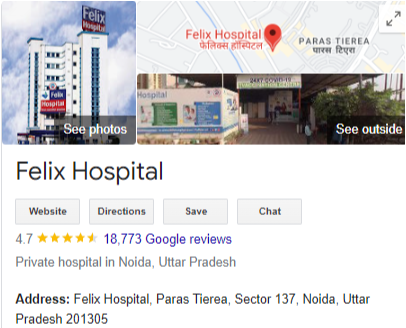
Dr. Rahul Arora: With over 13 years of experience, Dr. Arora is a dedicated and innovative Interventional Cardiologist known for exceptional patient care and advancing cardiology.
If you have any Cardiological concerns, Book an appointment today at Felix Hospital, Noida. Call now +91 9667064100.

If you're expecting, you've probably come across postpartum depression, but did you know that depression can also occur during pregnancy? Prenatal depression refers to depression occurring during pregnancy. Symptoms include persistent feelings of sadness, anxiety, fatigue, and changes in sleep and appetite patterns. In severe cases, prenatal depression can lead to self-harm or harm to the baby. Treatments typically involve therapy, seeking a psychiatrist hospital and, in some cases, medications.
Book your appointment now with our Psychiatrist experts at Felix hospital : Call +91 9667064100.
Depression before, during, and after pregnancy, often referred to as perinatal depression, encompasses a range of mood disorders that can affect women during pregnancy and up to a year after childbirth. Here’s a breakdown of how depression can manifest across these phases:
1. Before Pregnancy (Preconception):
Risk Factors: Women having a history of depression or anxiety disorders are at higher risk.
Impact: Pre-existing depression can affect a woman's decision to conceive and her overall mental health during pregnancy.
2. During Pregnancy (Antenatal Depression):
Symptoms: Similar to depression outside of pregnancy, including persistent sadness, anxiety, changes in sleep or appetite, and loss of interest in activities.
Risk Factors: Hormonal changes, stress, and personal or family history of mental health issues can contribute.
Impact: Antenatal depression can affect the health of the mother and potentially the baby, influencing prenatal care and bonding.
3. After Pregnancy (Postpartum Depression):
Symptoms: Begins within weeks or months of childbirth and may include severe mood swings, difficulty bonding with the baby, and thoughts of harming oneself or the baby.
Before Pregnancy (Preconception):: Hormonal changes, lack of support, sleep deprivation, and personal or family history of depression.
Impact: Postpartum depression can hinder a mother’s ability to care for herself and her baby, impacting breastfeeding, mother-child bonding, and overall family dynamics.
The signs and symptoms of depression during pregnancy are similar to those experienced outside of pregnancy. However, there are additional signs that may indicate depression during pregnancy:
Excessive worry about the baby's health
Feeling inadequate about becoming a parent
Not finding joy in activities that used to be enjoyable
Difficulty feeling reassured or comforted
Not following prenatal care instructions well
Using substances like cigarettes, alcohol, or drugs
Not gaining enough weight due to poor eating habits
Research suggests that depressive episodes can occur more often during the first and third trimesters of pregnancy.
Several factors contribute to experiencing depression during pregnancy.
Personal or Family History: Having a history of mood disorders, such as depression or anxiety, increases the likelihood of experiencing depression during pregnancy.
Hormonal Changes: Fluctuations in hormone levels, particularly estrogen and progesterone, can affect neurotransmitters in the brain, influencing mood regulation.
Physical Changes: Pregnancy brings significant physical changes like weight gain, discomfort, hormonal fluctuations, and sleep disturbances, which can contribute to feelings of sadness or anxiety.
Emotional Stress: Many expectant mothers experience stress related to financial concerns, changes in their relationship dynamics, or worries about their ability to care for a child.
Pregnancy Complications: Complications such as gestational diabetes, preeclampsia, or concerns about the baby's health can add emotional strain.
Lifestyle Adjustments: Adjusting to new roles and responsibilities as a parent-to-be can be overwhelming, especially for those who feel unprepared etc.
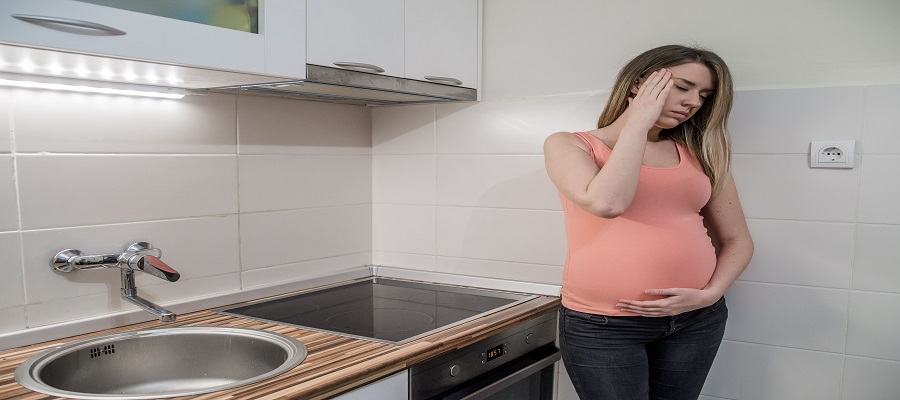
Treating depression during pregnancy is crucial because untreated depression can affect your ability to seek proper prenatal care, eat well, and take care of yourself. It also increases your risk of postpartum depression and may make bonding with your baby harder. Treatment options vary depending on how severe your depression is but may include therapy, medication, or a combination of both.
Managing depression during pregnancy involves several approaches to support mental health and well-being:
1. Seek Professional Help: Consult a healthcare provider or therapist who specializes in treating depression during pregnancy. They can provide guidance tailored to your needs.
2. Therapy: Engage in therapy sessions, such as cognitive-behavioral therapy (CBT), which can help you manage negative thoughts and develop coping strategies.
3. Medication: In some cases, antidepressant medication may be prescribed. Your doctor will discuss the benefits and risks to make an informed decision.
4. Support Network: Build a support system of family, friends, or support groups where you can share your feelings and receive emotional support.
5. Healthy Lifestyle: Maintain a balanced diet, engage in regular physical activity (if approved by your healthcare provider), and ensure adequate rest.
6. Avoid Substance Use: Refrain from using alcohol, smoking, or drugs, as they can worsen depression symptoms.
Early Recognition: Be aware of the signs of depression and seek help promptly if you notice symptoms.
Healthy Habits: Practice self-care, maintain a supportive environment, and address stressors proactively.
Treatment Outcomes: With appropriate treatment, many women experience significant improvement in their symptoms and can have a positive pregnancy and postpartum experience.
Continued Monitoring: Regular follow-ups with healthcare providers help monitor your progress and adjust treatment as needed.
Dr. Ashima Ranjan, DPM (Psychiatry), MBBS, is a highly regarded Psychiatrist and Neuropsychiatrist in Noida with 12 years of experience specializing in psychology and psychiatry.
Col (Dr) Jaideep Gambhir, MBBS, MD (Psychiatry), is a board-certified psychiatrist with 25+ years of experience. He specializes in adult psychiatric care, geriatric dementia, child and adolescent psychiatry, de-addiction, substance abuse disorders, and psychotherapy.
If you need to consult a doctor regarding any issue, please visit Felix Hospital. Call now +91 9667064100.
Managing depression during pregnancy is crucial for both maternal and fetal health. By seeking help early, engaging in therapy, considering medication under medical guidance, and maintaining a healthy lifestyle, you can effectively manage depression and promote a positive pregnancy experience. Remember, reaching out for support is a sign of strength, and your healthcare team at the best gynecology hospital in Noida is there to help you through this journey.
Q1): Is it normal to be very emotional at the end of pregnancy?
A: Yes, it is normal to be very emotional at the end of pregnancy. Hormonal changes, physical discomfort, anxiety about childbirth, and the anticipation of becoming a parent can all contribute to heightened emotions during this time.
Q2): Why does pregnancy feel so lonely?
A: Pregnancy can feel lonely due to several reasons, including physical discomfort that limits social activities, changes in relationships, lack of understanding or support from others, and the unique, personal nature of the pregnancy experience.
Q3): How does sadness affect the baby?
A: Sadness during pregnancy can lead to increased stress hormones in the mother, which may affect the baby’s development. Prolonged sadness or depression can lead to preterm birth, low birth weight, and developmental issues in the baby.
Q4): Does getting angry during pregnancy affect the baby?
A: Getting angry occasionally is not likely to harm the baby. However, chronic anger and stress can lead to increased levels of stress hormones, which might affect the baby's development and increase the risk of complications such as preterm birth.
Q5): Can my baby feel when I cry?
A: Babies in the womb can sense the mother's emotions to some extent. While they may not understand the emotion, changes in the mother's stress levels and hormonal balance can affect the baby's environment and development.
Q6): Can babies feel when mom is angry?
A: Babies can sense when their mother is angry due to the release of stress hormones like cortisol. This can affect the baby's heart rate and movement patterns. Chronic stress and anger can have more significant effects on the baby’s development.
Q7): What is the quick treatment for depression during pregnancy?
A: Quick treatment for depression during pregnancy includes talking to a healthcare provider to discuss treatment options. These may include therapy (such as cognitive-behavioral therapy), lifestyle changes (like regular exercise and a healthy pregnancy diet), and, in some cases, medications that are safe for use during pregnancy.
Q8): What are the causes of depression during pregnancy?
A: Depression during pregnancy can be caused by hormonal changes, a history of depression or mental health issues, stressful life events, lack of support, relationship issues, and concerns about pregnancy, childbirth, or parenting.
Q9): Why do pregnant women feel depressed?
A: Pregnant women may feel depressed due to hormonal fluctuations, physical changes and discomforts, emotional stress, anxiety about the future, changes in identity and roles, and lack of social support. Each woman's experience is unique, and multiple factors can contribute to feelings of depression during pregnancy.

We all feel down sometime or the other. Sometime there is no particular reason why are we feeling this way. And it is normal to feel low sometime

It all starts when you get to know that you are pregnant, you will be taking care of the little one. This news for first time parents brings lot of responsibility and excitement.

चिंता एक सामान्य मानसिक स्थिति है, लेकिन जब यह अत्यधिक बढ़ जाती है तो दैनिक जीवन को प्रभावित कर सकती है। इसके कारण, लक्षण, प्रकार और प्रभावी उपचार

Nobody likes to know that they smell bad. And people generally do not tell you if you smell bad.
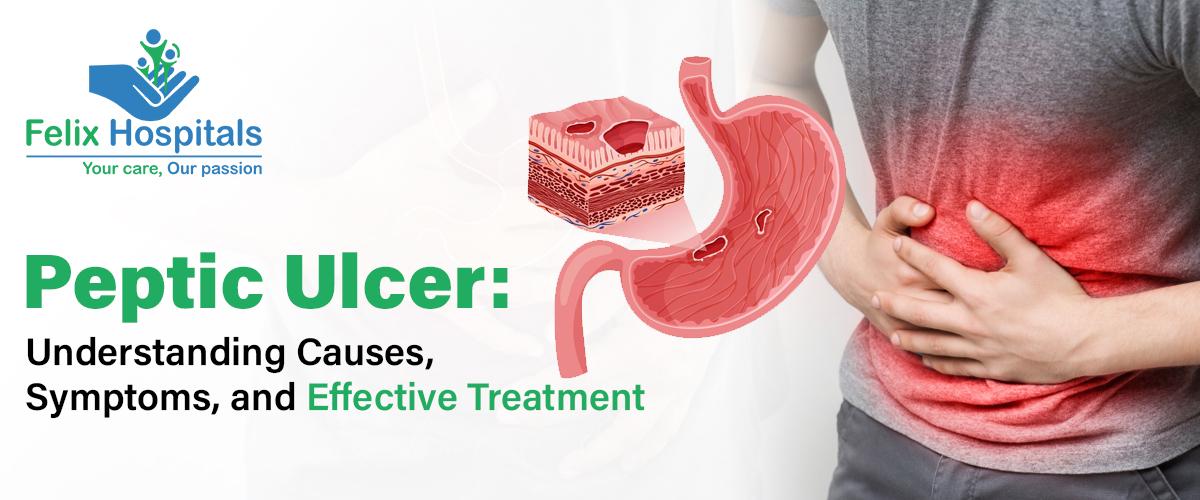
Peptic ulcers are a common gastrointestinal condition that can cause significant discomfort and, if left untreated, lead to serious complications. These sores or open wounds develop in the lining of the stomach or the first part of the small intestine, known as the duodenum. Understanding the causes, symptoms, and effective treatment options for peptic ulcers is crucial for maintaining good digestive health. Don't delay - For the best peptic ulcer treatment in Noida, choose Felix Hospital, renowned as the best gastroenterology hospital in the region to receive effective care and prevent complications.
Call us now at +91 9667064100 to book your appointment and receive personalized care and effective treatment.
Peptic ulcers are a type of open sore that forms in the lining of the stomach or the duodenum, the first part of the small intestine. These ulcers are typically caused by a combination of factors, including the presence of the bacterium Helicobacter pylori (H. pylori) and the use of certain medications, such as nonsteroidal anti-inflammatory drugs (NSAIDs).
The stomach and duodenum are normally protected by a thick, mucus-like layer that helps neutralize the acidic environment. However, when this protective barrier is compromised, the acidic stomach contents can damage the underlying tissue, leading to the formation of an ulcer.
There are two main types of peptic ulcers:
1. Gastric ulcers: These ulcers develop in the lining of the stomach.
2. Duodenal ulcers: These ulcers form in the first part of the small intestine, known as the duodenum.
The symptoms and treatment approaches for these two types of peptic ulcers may vary slightly, but the underlying causes and general management principles are similar.
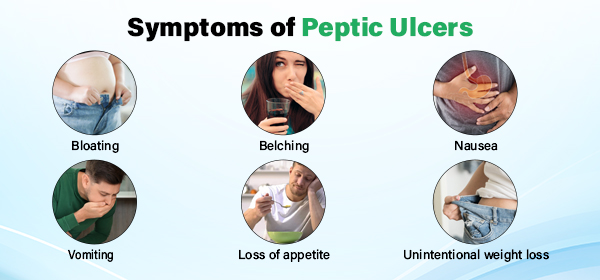
The most common symptom of a peptic ulcer is a burning or gnawing pain in the upper abdomen, which may occur between meals or during the night. This pain is often described as a dull ache or a feeling of hunger, and it may be relieved temporarily by eating or taking antacid medications.
Other common symptoms of peptic ulcers include:
• Bloating
• Belching
• Nausea
• Vomiting
• Loss of appetite
• Unintentional weight loss
In some cases, peptic ulcers can cause bleeding, which may lead to the presence of dark or tarry stools (melena) or vomiting of blood (hematemesis).It's important to note that the severity and duration of symptoms can vary from person to person, and some individuals may even have asymptomatic ulcers that are only discovered during routine medical examinations.
The primary cause of peptic ulcers is the bacterium Helicobacter pylori (H. pylori), which can damage the protective lining of the stomach or duodenum. This bacterium is believed to be responsible for up to 60-80% of all peptic ulcers. H. pylori is a spiral-shaped bacterium that can burrow into the stomach lining, where it produces enzymes and toxins that can irritate and inflame the tissue. Over time, this can lead to the development of an ulcer.
In addition to H. pylori, certain medications, particularly nonsteroidal anti-inflammatory drugs (NSAIDs), can also contribute to the development of peptic ulcers. NSAIDs, such as aspirin, ibuprofen, and naproxen, can irritate and damage the stomach lining, making it more susceptible to the formation of an ulcer.
Other factors that may increase the risk of developing peptic ulcers include:
• Excessive alcohol consumption
• Smoking
• Stress (although it is not a direct cause)
• Certain medical conditions, such as Zollinger-Ellison syndrome
It's important to note that the presence of H. pylori or the use of NSAIDs does not necessarily mean that an individual will develop a peptic ulcer. Other factors, such as the individual's immune response and the overall health of the digestive system, also play a role in the development of these ulcers.
In addition to the primary causes of peptic ulcers, such as Helicobacter pylori infection and the use of nonsteroidal anti-inflammatory drugs (NSAIDs), there are several risk factors that can increase the likelihood of developing these sores or open wounds in the lining of the stomach or duodenum.
Excessive Alcohol Consumption: Excessive alcohol use can irritate and damage the protective lining of the stomach and duodenum, making them more susceptible to the development of peptic ulcers.
Smoking: Smoking has been shown to increase the risk of peptic ulcers. The chemicals in cigarette smoke can compromise the protective mechanisms of the stomach and duodenum, leading to the formation of ulcers.
Stress: While stress is not a direct cause of peptic ulcers, it can exacerbate the symptoms and contribute to the development of these ulcers. Chronic stress can weaken the body's defenses and make the digestive system more vulnerable to the damaging effects of stomach acid.
Certain Medical Conditions: Certain medical conditions, such as Zollinger-Ellison syndrome, can lead to an overproduction of stomach acid, increasing the risk of peptic ulcers.
Age: The risk of developing peptic ulcers increases with age, with the highest incidence occurring in older adults.
Family History: Individuals with a family history of peptic ulcers may have a higher genetic predisposition to developing these sores.
It's important to note that the presence of these risk factors does not necessarily mean that an individual will develop a peptic ulcer. Other factors, such as
Individual's overall health
Immune response
Lifestyle habits, also play a role in the development of these ulcers.
By being aware of these risk factors and taking proactive measures to maintain good digestive health, individuals can significantly reduce their risk of developing peptic ulcers.
To diagnose a peptic ulcer, your healthcare provider may perform various tests, including:
1.Upper endoscopy: This procedure involves inserting a thin, flexible tube with a camera (endoscope) down the throat and into the upper digestive tract to examine the stomach and duodenum for the presence of an ulcer.
2.Biopsy: During an endoscopy, a small sample of tissue may be taken from the ulcer site for further analysis to determine the underlying cause, such as the presence of H. pylori.
3.Blood, breath, or stool tests: These tests can detect the presence of H. pylori antibodies or the bacteria itself, which can help confirm the cause of the peptic ulcer.
4.Imaging tests: In some cases, your healthcare provider may order imaging tests, such as an upper gastrointestinal (GI) series or a CT scan, to get a better view of the digestive tract and identify any abnormalities.
Accurate diagnosis is crucial for determining the appropriate treatment plan, as the underlying cause of the peptic ulcer will dictate the most effective course of action.
The treatment for peptic ulcers depends on the underlying cause of the condition. If H. pylori is present, a combination of antibiotics and acid-reducing medications is typically prescribed to eradicate the bacteria and allow the ulcer to heal.
1. Antibiotics: If H. pylori is identified as the cause of the peptic ulcer, a combination of two or more antibiotics, such as amoxicillin, clarithromycin, or metronidazole, may be prescribed. The goal of antibiotic therapy is to eliminate the H. pylori infection and prevent the recurrence of the ulcer.
2. Acid-reducing medications: Proton pump inhibitors (PPIs), such as omeprazole, esomeprazole, or pantoprazole, are commonly used to reduce the production of stomach acid and promote the healing of the ulcer. These medications work by blocking the proton pumps responsible for acid secretion in the stomach.
3. H2 receptor antagonists: In some cases, H2 receptor antagonists, such as ranitidine or famotidine, may be prescribed to block the production of stomach acid and aid in ulcer healing.
If the peptic ulcer is caused by the use of NSAIDs, the treatment approach may involve discontinuing the offending medication or switching to a different type of pain reliever. In some cases, the addition of a PPI or H2 receptor antagonist may be necessary to help the ulcer heal.
In severe cases, or if the ulcer does not respond to medical treatment, surgical intervention may be required. Surgical options may include:
Ulcer removal (partial gastrectomy)
Procedures to reduce acid production (vagotomy)
Procedures to strengthen the lower esophageal sphincter (fundoplication)
It's important to follow the prescribed treatment plan and complete the full course of medication to ensure the effective eradication of H. pylori and the healing of the peptic ulcer. Failure to do so may result in the recurrence of the ulcer or the development of antibiotic-resistant strains of H. pylori.
Experience Special care at Felix Hospital. Contact us at +91 9667064100 to schedule an appointment.
To prevent the development of peptic ulcers, it is essential to adopt healthy lifestyle habits and take proactive measures to maintain good digestive health. Here are some key strategies for preventing peptic ulcers:
1. Maintain good hygiene: Practice proper handwashing, especially before handling food and after using the restroom, to reduce the risk of H. pylori transmission.
2. Avoid excessive use of NSAIDs: If you require pain relief, opt for alternative medications or use NSAIDs sparingly and under the guidance of your healthcare provider.
3. Quit smoking and limit alcohol consumption: Smoking and excessive alcohol use can increase the risk of developing peptic ulcers and delay the healing process.
4. Manage stress: While stress is not a direct cause of peptic ulcers, it can exacerbate symptoms and contribute to the development of ulcers. Engage in stress-reducing activities, such as exercise, meditation, or relaxation techniques.
5. Seek prompt treatment for H. pylori infection: If you are diagnosed with an H. pylori infection, follow the prescribed treatment plan to eradicate the bacteria and prevent the recurrence of peptic ulcers.
6. Maintain a healthy diet: Consume a balanced diet rich in fruits, vegetables, and whole grains, which can help support digestive health. Avoid spicy, acidic, or fried foods that may irritate the stomach lining.
7. Stay hydrated: Drink plenty of water to support the production of protective mucus in the stomach and duodenum.
By implementing these preventive measures, you can significantly reduce your risk of developing peptic ulcers and maintain a healthy digestive system.
Dr. Jagatjot Singh Gill is a proficient and committed gastroenterologist with over 11+ years of extensive experience. His expertise lies in diagnosing, treating, and managing a wide range of gastrology conditions and disorders. Committed to improving patient well-being, he endeavours to deliver exceptional care and customized treatment strategies designed to address the specific needs of every patient.
Peptic ulcers are common gastrointestinal issues that can cause discomfort and lead to serious complications if untreated. Understanding their causes, symptoms, and treatments is vital for digestive health. The primary cause is the bacterium Helicobacter pylori, which damages the stomach or duodenum lining. Certain medications, like NSAIDs, can also contribute to ulcers. Symptoms include upper abdominal pain, bloating, belching, nausea, vomiting, and sometimes bleeding. Diagnosis via endoscopy and biopsy is essential for proper treatment, which typically involves antibiotics and acid-reducing medications. Preventive measures include good hygiene, avoiding NSAIDs, quitting smoking, managing stress, and a healthy diet. If you suspect a peptic ulcer, seek medical attention promptly for diagnosis and treatment. With proper care, most peptic ulcers can be effectively treated and prevented from recurring.
1) Are peptic ulcers painful?
Ans. Yes, peptic ulcers are typically very painful, causing a burning or gnawing sensation in the stomach. This pain often worsens when the stomach is empty and can be temporarily relieved by eating certain foods or taking antacids.
2) How would I know if I have a peptic ulcer?
Ans. You might have a peptic ulcer if you experience symptoms like persistent stomach pain, bloating, heartburn, nausea, or vomiting. To confirm, a doctor may recommend an endoscopy, barium swallow, or testing for H. pylori infection.
3) What foods should I avoid eating if I have a peptic ulcer?
Ans. If you have a peptic ulcer, avoid spicy foods, alcohol, caffeine, acidic foods like citrus and tomatoes, and fatty or fried foods. These can irritate the stomach lining and exacerbate ulcer symptoms, delaying healing.
4) Do peptic ulcers go away on their own?
Ans. Peptic ulcers usually do not go away on their own and require medical treatment to heal properly. Without treatment, they can worsen, leading to complications such as bleeding, perforation, and stomach obstruction.
5) Which is the best peptic ulcer treatment hospital in Noida?
Ans. Felix Hospital in Noida is highly recommended for peptic ulcer treatment. It offers specialized gastroenterology services, experienced medical professionals, and advanced diagnostic facilities, ensuring comprehensive care for patients with peptic ulcers.
Understand the factors that influence gastric balloon surgery cost in Noida, including hospital facilities, doctor expertise, and post-procedure care.
Gastric problems occur when excess acid or digestive disturbances affect the stomach lining, causing symptoms like bloating, acidity, and pain. Timely diagnosis ensures effective treatment.
Understand the factors that influence endoscopy procedure cost in Noida. Learn about the types, preparation, and benefits of choosing the best multi-speciality hospital in Noida for accurate diagnosis.
डायरिया, जिसे हिंदी में अतिसार या दस्त कहा जाता है, एक सामान्य स्वास्थ्य समस्या है जिसमें व्यक्ति को बार-बार पतला मल त्याग होता है। यह समस्या किसी भी आयु के लोगों को हो सकती है, लेकिन बच्चों और बुजुर्गों में यह अधिक सामान्य होती है। डायरिया सामान्यतः कुछ दिनों में ठीक हो जाती है, लेकिन गंभीर मामलों में यह गंभीर जटिलताओं का कारण बन सकती है। डायरिया की सबसे अधिक संभावना बच्चों और बुजुर्गों को होती है।
ज्यादा जानकारी के लिए हमें कॉल करें +91 9667064100.
डायरिया (अतिसार या दस्त) एक पाचन समस्या है जिसमें व्यक्ति को बार-बार पतला, पानी जैसा मल त्याग होता है। यह एक लक्षण है, न कि स्वयं एक रोग, और इसके कई संभावित कारण हो सकते हैं। डायरिया, जिसे हिंदी में दस्त या अतिसार कहा जाता है, एक सामान्य पाचन समस्या है जिसमें व्यक्ति को बार-बार पतला, पानी जैसा मल त्याग होता है। यह एक लक्षण है, न कि स्वयं एक रोग, और इसके कई संभावित कारण हो सकते हैं। डायरिया आमतौर पर कुछ दिनों में ठीक हो जाता है, लेकिन यदि यह लंबे समय तक बना रहे या गंभीर हो, तो डॉक्टर से परामर्श लेना आवश्यक है।
अगर ये डायरिया के लक्षण (Diarrhea Ke Lakshan) लंबे समय तक बने रहें या गंभीर हों, तो तुरंत डॉक्टर से परामर्श लेना आवश्यक है। विशेष रूप से बच्चों और बुजुर्गों में डायरिया के मामलों में विशेष ध्यान देने की आवश्यकता होती है क्योंकि ये समूह निर्जलीकरण के प्रति अधिक संवेदनशील होते हैं। डायरिया के निम्नलिखित लक्षण:
दिन में कई बार पानी जैसा या बहुत ही पतला मल त्याग होना।
पेट में अचानक से दर्द होना या ऐंठन महसूस होना।
उल्टी आना या मतली महसूस होना।
शरीर का तापमान बढ़ना और बुखार आना।
तेजी से वजन घट जाना, खासकर बच्चों में।
शरीर में ऊर्जा की कमी महसूस होना और थकावट रहना।
मल में खून या मवाद का दिखना, जो कि गंभीर संक्रमण या अन्य स्वास्थ्य समस्याओं का संकेत हो सकता है।
शरीर में पानी की कमी होना जिससे प्यास बढ़ जाती है। निर्जलीकरण के अन्य संकेतों में मुंह का सूखना, आंखों का धंसा हुआ दिखना, और पेशाब की कमी शामिल है।
अक्यूट डायरिया (Acute Diarrhea):
यह अचानक शुरू होता है और आमतौर पर एक या दो सप्ताह के भीतर ठीक हो जाता है। यह अक्सर संक्रमण (बैक्टीरिया, वायरस, या परजीवी) के कारण होता है।
क्रोनिक डायरिया (Chronic Diarrhea):
यह चार सप्ताह या उससे अधिक समय तक चलता है और इसके कारण आंतों के रोग, खाद्य असहिष्णुता, या अन्य अंतर्निहित स्वास्थ्य समस्याएं हो सकती हैं।
संक्रमण संबंधी डायरिया (Infectious Diarrhea):
यह बैक्टीरिया, वायरस, या परजीवी संक्रमण के कारण होता है। उदाहरण के लिए, ई.कोलाई, सैल्मोनेला, रोटावायरस, और जियार्डिया जैसी संक्रमण।
ऑस्मोटिक डायरिया (Osmotic Diarrhea):
यह तब होता है जब आंतों में असमर्थनीय पदार्थ होते हैं जो पानी को खींचते हैं। उदाहरण के लिए, लैक्टोज असहिष्णुता में, लैक्टोज को पचाने में असमर्थता के कारण ऑस्मोटिक डायरिया होता है।
स्रावी डायरिया (Secretory Diarrhea):
इसमें आंतों में अधिक पानी और लवण का स्राव होता है। यह आंतों की सूजन, संक्रमण, या हार्मोनल असंतुलन के कारण हो सकता है।
इन्फ्लेमेटरी डायरिया (Inflammatory Diarrhea):
यह आंतों की सूजन या घाव के कारण होता है। इन्फ्लेमेटरी बाउल डिजीज (IBD), जैसे कि क्रोहन रोग और अल्सरेटिव कोलाइटिस, इसका उदाहरण हैं।
मलासॉर्प्शन सिंड्रोम (Malabsorption Syndromes):
इसमें शरीर पोषक तत्वों को ठीक से अवशोषित नहीं कर पाता, जैसे कि सीलिएक रोग और क्रोनिक पैन्क्रियाटाइटिस।
ट्रैवलर डायरिया (Traveler's Diarrhea):
यह आमतौर पर दूषित भोजन या पानी के सेवन से होता है, खासकर यात्रा के दौरान।
मेडिकेशन-इंड्यूस्ड डायरिया (Medication-Induced Diarrhea):
यह कुछ दवाओं, जैसे एंटीबायोटिक्स, लैक्जेटिव्स, या कीमोथेरेपी दवाओं के सेवन से होता है।
फंक्शनल डायरिया (Functional Diarrhea):
इसमें डायरिया के कोई स्पष्ट शारीरिक कारण नहीं होते और यह अक्सर इर्रिटेबल बाउल सिंड्रोम (IBS) से जुड़ा होता है।
बैक्टीरिया संक्रमण :
ई.कोलाई (E. coli)
सैल्मोनेला (Salmonella)
शिगेला (Shigella)
कैम्पिलोबैक्टर (Campylobacter)
वायरस संक्रमण:
रोटावायरस (Rotavirus)
नोरोवायरस (Norovirus)
एंटरोवायरस (Enterovirus)
एडेनोवायरस (Adenovirus)
परजीवी संक्रमण:
जियार्डिया (Giardia)
एमीबा (Entamoeba histolytica)
क्रिप्टोस्पोरिडियम (Cryptosporidium)
दूषित भोजन और पानी :
अस्वच्छ या दूषित खाद्य और पेय पदार्थों का सेवन
खराब स्वच्छता और सफाई
खाद्य से एलर्जी :
दूध और दूध उत्पादों में मौजूद लैक्टोज को पचाने में असमर्थता
गेहूं, जौ और राई में मौजूद ग्लूटेन को पचाने में असमर्थता
दवाइयों के प्रभाव :
एंटीबायोटिक्स लेने से आंतों में बैक्टीरिया संतुलन बिगड़ सकता है
अधिक मात्रा में लैक्जेटिव्स का सेवन
कीमोथेरेपी के साइड इफेक्ट के रूप में
आंतों के विकार :
इर्रिटेबल बाउल सिंड्रोम (IBS) यह एक फंक्शनल आंत्र विकार जो आंतों की गति को प्रभावित करता है
इन्फ्लेमेटरी बाउल डिजीज (IBD) यह क्रोहन रोग (Crohn's disease) और अल्सरेटिव कोलाइटिस (Ulcerative colitis)
मलासॉर्प्शन सिंड्रोम (Malabsorption Syndromes) :
सीलिएक रोग यह ग्लूटेन असहिष्णुता के कारण आंतों में सूजन और पोषक तत्वों का अवशोषण कम होना है।
क्रोनिक पैन्क्रियाटाइटिस में अग्न्याशय की सूजन के कारण पाचन एंजाइमों की कमी होती है।
अन्य कारण :
तनाव और चिंता के कारण आंतों की गति बढ़ सकती है
अत्यधिक शराब पीने से
खाना बनाने और खाने से पहले और बाद में हाथ धोएं।
टॉयलेट के बाद हाथों को साबुन और पानी से अच्छी तरह से धोएं।
किसी बीमार व्यक्ति की देखभाल करने के बाद हाथ धोएं।
हमेशा स्वच्छ और फिल्टर किया हुआ पानी पीएं।
उबला हुआ पानी पीना भी सुरक्षित होता है।
पानी के स्रोत को स्वच्छ रखें और उसे दूषित होने से बचाएं।
ताजे और साफ-सुथरे फल और सब्जियों का सेवन करें।
खाना बनाने से पहले सभी खाद्य पदार्थों को अच्छी तरह से धो लें।
मांस और अंडे को अच्छी तरह से पकाएं।
सड़क किनारे के खाने से बचें:
बाहर के खाने से बचें, खासकर उन जगहों से जहां स्वच्छता का ध्यान नहीं रखा जाता।
दूषित खाद्य पदार्थों से बचें:
बासी और खराब हो चुके खाद्य पदार्थों का सेवन न करें।
यदि आपको किसी खाद्य पदार्थ से एलर्जी है, तो उसका सेवन न करें। जैसे लैक्टोज असहिष्णुता में दूध और दूध उत्पादों से बचें।
बच्चों को रोटावायरस संक्रमण से बचाने के लिए रोटावायरस वैक्सीन लगवाएं।
साफ कपड़े पहनें और साफ-सुथरे बिस्तर का उपयोग करें।
समय-समय पर अपने घर और आसपास की जगह की सफाई करें।
यात्रा के दौरान साफ और सुरक्षित पानी और भोजन का सेवन करें।
सड़क किनारे के खाने से बचें और बोतलबंद पानी पीएं।
प्रोबायोटिक्स सप्लीमेंट्स या खाद्य पदार्थ (जैसे दही) का सेवन करें, जो आंतों में अच्छे बैक्टीरिया को बढ़ावा देते हैं।
डायरिया के दौरान शरीर में पानी और इलेक्ट्रोलाइट्स की कमी को पूरा करने के लिए ORS का सेवन करें। यह पाउडर के रूप में मिलता है जिसे पानी में घोलकर पीया जाता है।
अधिक मात्रा में साफ पानी पिएं।
नारियल पानी, सुप, और इलेक्ट्रोलाइट्स युक्त पेय पदार्थों का सेवन करें।
पचने में आसान भोजन खाएं, जैसे कि केला, चावल, सेब का सॉस, और टोस्ट (BRAT डाइट)।
तला हुआ और मसालेदार खाना न खाएं।
अगर लैक्टोज असहिष्णुता हो तो दूध और दूध उत्पादों का सेवन न करें।
लोपेरामाइड (Imodium) जैसी दवाइयां डॉक्टर की सलाह पर ली जा सकती हैं, जो आंतों की गति को धीमा करती हैं।
यदि डायरिया बैक्टीरियल संक्रमण के कारण है, तो डॉक्टर एंटीबायोटिक्स लिख सकते हैं।
प्रोबायोटिक सप्लीमेंट्स या प्रोबायोटिक युक्त खाद्य पदार्थ (जैसे दही) आंतों में अच्छे बैक्टीरिया को बढ़ावा देने में मदद कर सकते हैं।
शरीर को ठीक होने के लिए पर्याप्त आराम दें।
व्यक्तिगत स्वच्छता का ध्यान रखें और हाथों को बार-बार धोएं।
यदि डायरिया के लक्षण गंभीर हैं, लंबे समय तक बने रहते हैं, या अन्य चिंताजनक लक्षण (जैसे खून या मवाद का मल में होना, तेज बुखार,अत्यधिक निर्जलीकरण) होते हैं, तो तुरंत डॉक्टर से संपर्क करें।
बच्चों और बुजुर्गों में डायरिया के मामलों में अधिक सावधानी बरतें और जल्दी चिकित्सा सहायता प्राप्त करें।
रोटावायरस जैसे संक्रमण से बचने के लिए बच्चों को टीका लगवाएं।
दूषित भोजन और पानी से बचें और साफ-सफाई का ध्यान रखें।
वयस्कों में डायरिया के मामलों का उपचार अक्सर गैस्ट्रोएंटेरोलॉजिस्ट, फिजीशियन, शिशु रोग या डॉक्टर द्वारा किया जाता है। डॉक्टर की सलाह के लिए आज ही फ़ोन करें - +91 9667064100.
सारांश में, डायरिया एक आम लेकिन गंभीर स्वास्थ्य समस्या हो सकती है, जिसे सही समय पर पहचान और उपचार से नियंत्रित किया जा सकता है। बच्चों और बुजुर्गों में डायरिया के मामलों में विशेष ध्यान देने की आवश्यकता होती है। सामान्य चिकित्सक, फिजीशियन, फैमिली डॉक्टर प्रारंभिक स्तर पर डायरिया का इलाज और आवश्यक सलाह दे सकते हैं। अगर डायरिया गंभीर है या बार-बार हो रहा है, तो आंत्र रोग विशेषज्ञ से परामर्श किया जाता है। ये डॉक्टर आंतों और पेट की बीमारियों में विशेषज्ञ होते हैं। बच्चों में डायरिया के इलाज के लिए बाल रोग विशेषज्ञ से परामर्श किया जाता है। यदि डायरिया का कारण किसी संक्रमण से संबंधित है, तो संक्रामक रोग विशेषज्ञ का परामर्श लिया जा सकता है। यदि डायरिया किसी खाद्य एलर्जी या इम्यून सिस्टम से संबंधित है, तो इम्यूनोलॉजिस्ट मदद कर सकते हैं। सामान्य रूप से, यदि डायरिया का मामला सामान्य है, तो सामान्य चिकित्सक पर्याप्त हो सकते हैं। लेकिन यदि समस्या गंभीर हो, लम्बे समय तक बनी रहे, या विशेष कारणों से हो, तो विशेषज्ञ डॉक्टर से परामर्श लेना उचित है।

Explore 25 fruits and vegetables that are excellent sources of Vitamin D. Including these nutrient-rich foods in your diet can support strong bones, boost immunity, and enhance overall well-being naturally.

Protein powder supplements are a rage now. They sure have benefits – they help the body to meet its daily protein needs. And that too, in a convenient way.

Balanced diet is key to good health. Learn its definition, importance, and how it helps in maintaining energy, immunity, and overall well-being.
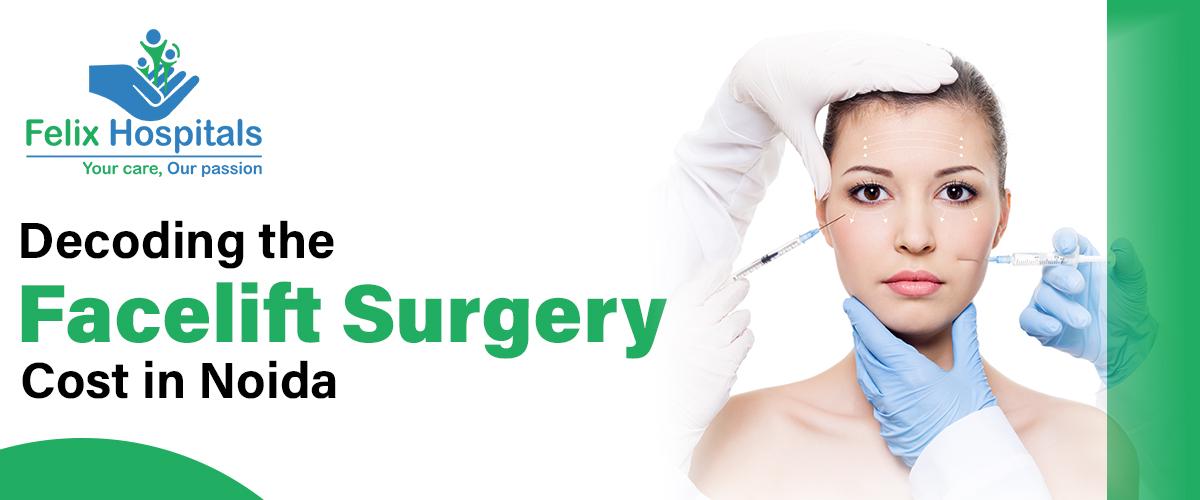
Facelift surgery, also known as rhytidectomy, is a cosmetic procedure that aims to improve the visible signs of aging in the face and neck. This surgical technique can help reduce wrinkles, tighten sagging skin, and restore a more youthful and refreshed appearance. In Noida, the cost of facelift surgery can vary depending on several factors. This guide will explore the nuances of facelift surgery, the associated costs in Noida, and why Felix Hospital is recognized as the best plastic surgery hospital in Noida.
Table of Contents
Considering facelift surgery in Noida? Contact us now at +91 9667064100 for affordable costs and procedure details!
Traditional Facelift (Full Facelift)
This is the most comprehensive facelift procedure.
It addresses the entire face, including the cheeks, jowls, and neck.
Incisions are made along the hairline, in front of the ear, and behind the ear.
Excess skin and fat are removed, and the underlying muscles are tightened.
This provides the most dramatic and long-lasting results, but also has a longer recovery time.
Mini Facelift (Limited Incision Facelift)
Also known as a short-scar or limited incision facelift.
Focuses on the lower face and neck area.
Smaller incisions are made, usually just in front of and behind the ears.
Results in a more subtle improvement compared to a full facelift.
Recovery time is generally shorter than a traditional facelift.
Mid-Facelift (Cheek Lift)
Targets the middle and upper areas of the face.
Addresses sagging in the cheeks and nasolabial folds (lines from the nose to the corners of the mouth).
Incisions are made inside the mouth or through the lower eyelids.
Provides a more youthful and refreshed appearance to the mid-face.
Neck Lift
Specifically targets the neck area to address sagging skin, muscle banding, and excess fat.
Incisions are made behind the ears and sometimes under the chin.
Can be performed alone or in combination with a facelift.
Helps restore a more defined, youthful neckline.
The choice of facelift procedure depends on the patient's specific concerns, age, skin elasticity, and desired results. A consultation with an experienced plastic surgeon will help determine the most appropriate facelift option.
The average cost of facelift surgery in Noida ranges from ₹3,00,000 to ₹5,00,000. This estimate includes the surgeon's fees, hospital charges, anesthesia costs, and pre- and post-operative care.
However, it's important to note that the actual cost can vary based on several factors, including the individual patient's needs, the complexity of the procedure, the surgeon's experience, and the reputation of the hospital.
Facelift surgery is a well-regarded cosmetic procedure known for its cost-effectiveness and relatively high success rate compared to other treatments. However, the total cost of facelift surgery can vary considerably due to various factors. Familiarizing yourself with these factors can assist you in effectively planning the financial aspects of your cosmetic journey.
Hospital Reputation and Location: The cost of facelift surgery can vary significantly depending on the hospital's Reputation and location. Hospitals in prime areas or those with advanced facilities may charge higher fees.
Surgeon's Experience: The expertise and experience of the surgeon performing the procedure can also impact the cost. Renowned surgeons or those with specialized training may charge higher fees.
Type of Facelift: There are different techniques for performing a facelift, such as a traditional facelift, mini-facelift, or endoscopic facelift. The cost may vary depending on the complexity of the procedure.
Additional Procedures: Some patients may opt for additional procedures, such as eyelid surgery (blepharoplasty) or brow lift, during the same surgical session. The cost of these combined procedures can increase the overall expense.
Anesthesia and Facility Fees: The cost of anesthesia and the hospital's facility fees can also contribute to the total cost of facelift surgery.
Compare Hospitals: Research and compare different hospitals in Noida to find the best balance between quality of care and cost.
Check Insurance Coverage: Some insurance policies may cover a portion of the facelift surgery cost. It is advisable to check with your insurance provider for details.
Consider Timing: Scheduling the surgery during the off-season or during a hospital's promotional period may result in lower costs.
Explore Financing Options: Many hospitals and clinics offer financing plans or payment installments to help make the procedure more affordable.
Before undergoing a facelift surgery, it is essential to prepare both physically and mentally. Your surgeon will provide specific instructions, but generally, you should:
Quit smoking at least 2 weeks before the procedure as smoking can impair healing.
Avoid taking certain medications like aspirin, anti-inflammatory drugs, and herbal supplements that can increase bleeding.
Arrange for someone to drive you home after the surgery and help you for the first 24-48 hours.
By following these guidelines and working closely with your surgeon, you can optimize your chances of a successful outcome and a smooth recovery.
A facelift, also known as rhytidectomy, is a surgical procedure that removes excess fat, tightens underlying muscles, and redrapes skin on the face and neck to give a more youthful appearance. The surgery typically takes 2-4 hours and is performed under general anesthesia or intravenous sedation.
During the procedure, your surgeon will make incisions along the hairline and in front of the ear, extending behind the earlobe to the lower scalp. The skin is then separated from the underlying fat and muscle, and excess fat is removed or redistributed. The muscles are tightened, and the skin is re-draped and trimmed to create a smoother, more youthful appearance.
After the desired changes are made, the incisions are closed with sutures or skin adhesives. A bandage may be placed around the face to minimize swelling and bruising.
After the surgery, you can expect some swelling, bruising, and discomfort, which can be managed with pain medication. Your surgeon will provide specific aftercare instructions, but generally, you should:
Keep your head elevated to reduce swelling.
Avoid strenuous activity for 2-3 weeks.
Attend follow-up appointments to monitor your progress.
It's important to follow your surgeon's instructions closely to ensure a smooth recovery and optimal results.
Facelift surgery is generally safe when performed by a qualified and experienced plastic surgeon. However, as with any surgical procedure, there are risks involved, such as infection, bleeding, and adverse reactions to anesthesia.
To minimize risks, it's crucial to choose a board-certified plastic surgeon with extensive experience in facelift surgery. They will carefully evaluate your medical history, discuss the potential risks and benefits, and take measures to ensure your safety throughout the procedure and recovery process.
A facelift can provide a more youthful and refreshed appearance by:
Youthful Appearance: It effectively reduces sagging skin and smooths out wrinkles, giving a more youthful and refreshed look.
Boost in Confidence: Many patients report increased self-confidence and improved self-esteem following successful surgery.
Long-lasting Results: While not permanent, results typically last for several years, providing sustained improvement in facial appearance.
Improved Facial Contours: It enhances facial contours by tightening underlying tissues and muscles, restoring a more defined jawline and neck.
Natural-looking Results: Skilled surgeons can achieve natural-looking results that enhance your overall facial harmony.
Reduction of Wrinkles: It diminishes deep creases and folds, particularly around the eyes, mouth, and forehead.
Rejuvenated Skin: Improves skin tone and texture, promoting a smoother and more even complexion.
Customizable Options: Procedures can be tailored to address specific concerns, whether it's targeting the lower face, neck, or both.
Enhanced Personal and Professional Relationships: Many patients experience positive social interactions and career benefits post-surgery.
Improved Quality of Life: Overall, facelift surgery can contribute to a more vibrant and active lifestyle, maintaining a youthful appearance as you age.
By addressing the signs of aging and restoring a more youthful look, a facelift can have a positive impact on both your physical appearance and emotional well-being.
Facelift surgery, while generally safe, carries potential risks and complications like any surgical procedure. Here are some detailed yet simple explanations of the risk factors:
Bleeding: During or after surgery, there can be bleeding under the skin that might require additional procedures to stop.
Infection: Though rare, surgery opens the possibility of infection. Antibiotics are often used to prevent this.
Nerve Injury: Temporary or permanent damage to facial nerves may cause numbness, weakness, or changes in sensation.
Scarring: While efforts are made to minimize scars, some scarring may occur along incision lines.
Hair Loss: Temporarily around the incision sites due to disruption of hair follicles.
Skin Changes: Skin might feel dry, tight, or appear uneven in texture temporarily.
Anesthesia Risks: Complications related to anesthesia, such as reactions or breathing problems.
Poor Healing: Factors like smoking, diabetes, or certain medications may impair healing.
Facial Asymmetry: In rare cases, there may be unevenness in facial appearance after surgery.
Long-term Results: While results are generally long-lasting, they are not permanent, and natural aging continues.
Discussing these risks with your plastic surgeon and following their pre and post-operative instructions can help minimize these potential complications.
When considering a facelift surgery, choosing the right plastic surgeon in Noida is crucial for achieving natural-looking and satisfying results. At Felix Hospital, we prioritize your aesthetic goals with the expertise of our acclaimed plastic surgeons in Noida. Renowned for their precision and personalized approach, our surgeons combine years of experience with advanced facilities to ensure safety and excellence in every procedure. Whether you seek subtle rejuvenation or a more comprehensive transformation, our team at Felix Hospital is committed to delivering the highest standards of care, ensuring your comfort and confidence throughout your journey to a youthful appearance.
Call +91 9667064100 today and begin your journey to a youthful transformation.
Facelift surgery can be a transformative procedure, helping individuals achieve a more youthful and rejuvenated appearance. While the cost of facelift surgery in Noida can be significant, it is essential to prioritize quality of care and choose a reputable hospital with experienced surgeons. By understanding the factors affecting the cost and exploring ways to reduce expenses, patients can make informed decisions and ensure they receive the best possible treatment for their aesthetic goals.
1.) How long do facelifts last?
Facelift results typically last around 7 to 10 years, although individual experiences may vary depending on factors like age, lifestyle, and skin care habits.
2.) What is the best age to have a facelift?
The ideal age for a facelift is usually between 40 to 60 years old, when significant aging signs appear but skin retains some elasticity for optimal results.
3.) How painful is a facelift?
Pain levels vary, but discomfort is managed with medication. Patients typically describe moderate discomfort during recovery, which improves steadily.
4.) Does skin age faster after facelift?
No, facelifts do not accelerate aging. Effective surgery and proper aftercare can lead to long-term rejuvenation and maintained youthful appearance.
5.) What is a 1-hour facelift?
A 1-hour facelift refers to a minimally invasive procedure targeting specific facial areas, offering quick recovery and less downtime compared to traditional facelifts.
6.) Can I massage my face after a facelift?
Gentle facial massage is often recommended after initial healing to improve circulation and aid in natural-looking results, following your surgeon's guidance.
7.) Which is the best facelift surgery hospital near me in Noida?
Research local hospitals or clinics with expertise in facelift surgery, considering reputation, surgeon credentials, patient reviews, and personalized consultation for the best choice.

Plastic surgery cost in Noida depends on the procedure type, surgeon expertise, hospital infrastructure, and post-surgery care.
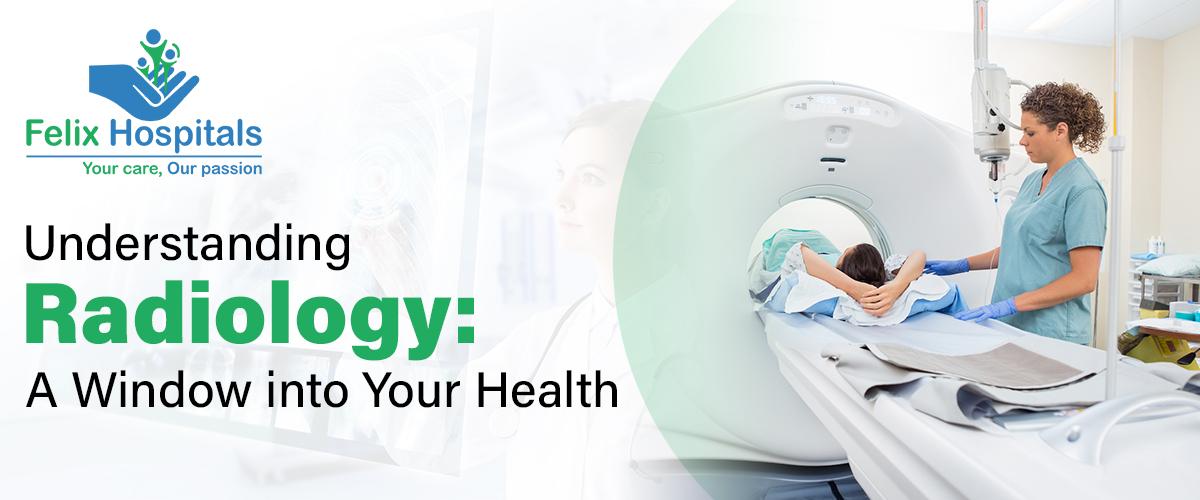
Radiology is a medical specialty that utilizes various imaging techniques to diagnose, monitor, and treat a wide range of health conditions. From X-rays to MRI scans, these advanced technologies provide healthcare professionals with a detailed view of the body's internal structures, allowing them to identify and address issues with precision.
At Felix Hospital, we understand the importance of radiology in modern healthcare. As the Best radiodiagnosis services hospital in Noida, we are committed to providing our patients with access to the latest diagnostic tools and the expertise of our highly skilled radiologists.
To explore Advanced radiology services at Felix Hospital call at: +91 9667064100 .
Table of Contents
Radiology plays a crucial role in various aspects of healthcare, from diagnosis and treatment planning to monitoring and follow-up care. Let's explore some of the ways in which radiology contributes to patient well-being:
Diagnosis
Radiology is often the first line of defense in the diagnostic process. By providing healthcare professionals with detailed images of the body's internal structures, radiology can help identify the underlying cause of a patient's symptoms, such as pain, swelling, or abnormal growths.
Treatment Planning
Radiology also plays a vital role in treatment planning. Imaging techniques like CT scans and MRI can help healthcare providers visualize the extent and location of a disease or injury, allowing them to develop targeted treatment strategies.
Monitoring and Follow-up
Radiology is not only essential for diagnosis and treatment planning but also for monitoring the progress of a patient's condition and evaluating the effectiveness of their treatment. Repeated imaging tests, such as X-rays or MRI Scans, can help healthcare providers track changes over time, identify any new developments, and make necessary adjustments to the treatment plan.
Minimally Invasive Procedures
Radiology has also revolutionized the field of minimally invasive procedures. Techniques like image-guided biopsies, angiography, and interventional radiology allow healthcare providers to diagnose and treat various conditions without the need for extensive surgical procedures.
Preventive Care
Radiology can also play a role in preventive healthcare. Screening tests, such as mammograms for breast cancer and lung cancer screenings, can help detect potential health issues at an early stage, when they are often more treatable. By identifying problems before they become more severe, radiology can contribute to improved health outcomes and reduced healthcare costs in the long run.
Radiology is a versatile field that supports the diagnosis and management of a wide range of medical conditions. Let's explore how radiology is applied in the context of some common health issues:
Cardiovascular Diseases
Radiology is essential in the diagnosis and management of cardiovascular diseases, such as coronary artery disease, heart attacks, and aortic aneurysms. Techniques like echocardiography, cardiac CT, and cardiac MRI can provide detailed information about the structure and function of the heart, helping healthcare providers identify and monitor these conditions.
Cancer
Radiology plays a crucial role in the detection, staging, and monitoring of various types of cancer. Imaging techniques like CT scans, MRI, and PET scans can help identify the location and extent of tumors, as well as detect any metastases or changes in the disease over time.
Neurological Disorders
Radiology is essential in the diagnosis and management of neurological conditions, such as brain tumors, stroke, Alzheimer's disease, and multiple sclerosis. Techniques like MRI and CT scans can provide detailed images of the brain and spinal cord, helping healthcare providers identify structural abnormalities and monitor the progression of these conditions.
Musculoskeletal Injuries
Radiology is widely used in the evaluation and management of musculoskeletal injuries, such as fractures, sprains, and joint problems. X-rays, MRI, and CT scans can help healthcare providers identify the location and severity of these injuries, as well as guide the appropriate treatment and rehabilitation strategies.
Pregnancy and Fetal Development
Radiology plays a crucial role in monitoring the health and development of the fetus during pregnancy. Techniques like ultrasound, fetal MRI, and prenatal genetic testing can help healthcare providers detect any congenital abnormalities, monitor fetal growth and development, and identify potential complications that may require specialized care.
Radiology encompasses a wide range of imaging techniques, each with its unique capabilities and applications. Let's take a closer look at some of the most commonly used modalities:
X-Rays
X-rays are the oldest and most widely used imaging technique in radiology. They use a small amount of radiation to create images of the body's internal structures, such as bones, organs, and tissues. X-rays are particularly useful for diagnosing fractures, identifying foreign objects, and detecting certain lung or heart conditions.
Computed Tomography (CT) Scans
CT scans, also known as CAT scans, use a series of X-rays to create detailed, three-dimensional images of the body. These scans can provide a comprehensive view of organs, blood vessels, and other structures, making them valuable for diagnosing a variety of conditions, including cancer, infections, and cardiovascular diseases.
Magnetic Resonance Imaging (MRI)
MRI utilizes powerful magnetic fields and radio waves to generate high-resolution images of the body's internal structures. Unlike X-rays or CT scans, MRI does not use ionizing radiation, making it a safer option for certain patients. MRI is particularly useful for imaging soft tissues, such as the brain, spinal cord, and joints, and is often used to diagnose neurological conditions, musculoskeletal injuries, and various types of cancer.
Ultrasound
Ultrasound, also known as sonography, uses high-frequency sound waves to create real-time images of the body's internal structures. This non-invasive technique is commonly used to examine the heart, blood vessels, and various organs, such as the liver, kidneys, and reproductive organs. Ultrasound is particularly useful for monitoring fetal development during pregnancy.
Nuclear Medicine Imaging
Nuclear medicine imaging techniques, such as positron emission tomography (PET) and single-photon emission computed tomography (SPECT), use small amounts of radioactive materials to create detailed images of the body's organs and tissues. These scans can provide valuable information about the function and metabolism of specific areas, making them useful for diagnosing and monitoring a range of conditions, including cancer, heart disease, and neurological disorders.
Radiology tests prices in Noida can vary depending on the facility, the specific test performed, and whether contrast agents are used. Some common radiology test prices in Noida include:
| X-ray: | ₹500 - ₹1,000 |
| Ultrasound: | ₹1,500 - ₹3,000 |
| CT Scan: | ₹5,000 - ₹10,000 |
| MRI: | ₹8,000 - ₹15,000 |
Prices may be higher or lower depending on the hospital or imaging center. Some facilities offer discounted packages for multiple tests. It's best to contact the radiology department directly for a personalized quote based on your specific needs and insurance coverage.
Benefits of Radiology
Radiology offers numerous benefits in healthcare:
Accurate and Rapid Diagnosis: Radiology techniques, such as X-rays and CT scans, can quickly and accurately identify a wide range of medical conditions, from fractures to lung infections, enabling prompt treatment.
Non-Invasive and Convenient: Many radiology procedures are non-invasive, making them patient-friendly and reducing discomfort or recovery time.
Versatile Applications: Radiology is used across various medical disciplines, from orthopedics to cardiology, providing comprehensive diagnostic capabilities.
Cost-Effectiveness: Compared to advanced imaging modalities, radiology tests are generally more affordable, making them accessible to a broader patient population.
While radiology is a powerful diagnostic tool, it also has some limitations:
Radiation Exposure: Certain radiology tests, such as X-rays and CT scans, involve the use of ionizing radiation, which can pose a potential health risk with repeated or high-dose exposures.
Limited Soft Tissue Contrast: X-rays are less effective than other imaging techniques, such as MRI or ultrasound, in differentiating between soft tissues, which can sometimes necessitate additional tests.
Environmental Impact: The production, use, and disposal of radiology equipment and materials can have a negative impact on the environment, which is an increasing concern in the medical community.
Radiology procedures are generally very safe when performed by qualified professionals using modern equipment and techniques. However, there are some important considerations:
Radiation exposure: Certain tests like X-rays and CT scans use ionizing radiation. The amount of radiation is carefully controlled to be as low as possible while still providing useful diagnostic information. The benefits of the test are weighed against the small risks of radiation exposure.
Contrast agents: Some tests require injecting a contrast dye to enhance the images. These are generally very safe but can occasionally cause allergic reactions or kidney problems in high-risk patients.
Pregnancy: Radiation exposure to the fetus is a concern during pregnancy. Many tests can be safely postponed until after delivery. Ultrasound and MRI are preferred when possible to avoid radiation.
Overall, the risks of radiology are very low compared to the benefits of accurate diagnosis and treatment. Radiologists follow strict safety protocols to minimize any potential harms.
Radiologists are essential members of the healthcare team, playing a crucial role in the diagnostic process. Their expertise in interpreting medical images, such as X-rays, CT scans, and MRI, helps healthcare providers identify and address a wide range of medical conditions.
Radiologists work closely with other healthcare professionals, including primary care physicians, specialists, and surgeons, to provide accurate and timely diagnoses. They also play a vital role in guiding treatment plans, monitoring patient progress, and ensuring the safe and effective use of radiology technologies.
At Felix Hospital, our team of best radiologists In Noida is dedicated to delivering exceptional patient care. They utilize the latest imaging technologies and techniques to provide accurate diagnoses, while also prioritizing patient safety and comfort throughout the process.
At Felix Hospital, we are committed to providing our patients with the highest quality of radiology services. Our advanced facilities are equipped with the latest imaging technologies, and our team of experienced radiologists and technicians are dedicated to delivering accurate and timely diagnoses.
Our radiology department is staffed by a team of highly skilled and experienced professionals who are dedicated to providing personalized attention to each and every patient. We take the time to listen to your concerns, answer your questions, and ensure that you feel informed and empowered throughout the entire process.
In addition to our exceptional patient care, we also pride ourselves on our commitment to transparency and affordability. We believe that high-quality healthcare should be accessible to everyone, which is why we offer competitive pricing for our radiology services, including CT angiography tests.
Contact us today at +91 9667064100 to schedule your appointment and take the first step towards better health.
Patients play a crucial role in the radiology process, and their experience and expectations are essential considerations.
Patients often appreciate the non-invasive nature of radiology tests and the convenience of their accessibility. However, they may have concerns about radiation exposure, particularly for recurrent or pediatric imaging.
Addressing these concerns and ensuring patient comfort and understanding throughout the process is a priority at Felix Hospital. We strive to provide a positive patient experience by:
Explaining the purpose and process of each radiology test
Addressing any questions or concerns patients may have
Ensuring a comfortable and welcoming environment
Delivering timely and accurate results to patients and their healthcare providers
Dr. Pulkit Soni is a highly experienced, best Radiologist in Noida, specializing in advanced medical imaging and Healthcare Artificial Intelligence. His expertise spans multiple modalities, including CT, MRI, Ultrasound, and Digital X-Rays. Dr. Soni combines cutting-edge technology with medical expertise to deliver accurate diagnoses and improve patient care.
What is the purpose of radiology?
Radiology uses medical imaging techniques like X-rays, CT scans, MRI, and ultrasound to diagnose and treat diseases. It allows doctors to see inside the body without surgery.
How safe are radiology procedures?
Modern radiology equipment and techniques minimize radiation exposure. Radiologists follow strict safety protocols to ensure the lowest possible dose. Risks are carefully weighed against the benefits of the procedure.
What should I expect during an MRI?
During an MRI, you lie on a table that slides into a large, cylindrical machine. The machine uses strong magnetic fields and radio waves to create detailed images. You must remain still and may receive an injection of contrast dye.
How long does it take to get radiology results?
The time varies depending on the type of exam and facility. Routine X-rays may be available the same day. CT, MRI, and other complex scans typically take 1-2 weeks for the radiologist to interpret and send the report to your doctor.
What is the difference between a radiologist and a radiology technologist?
Radiologists are medical doctors who specialize in interpreting medical images and guiding treatment. Radiology technologists operate the imaging equipment and assist patients, but do not interpret the images.
Can I get a second opinion on my radiology results?
Yes, getting a second opinion from a subspecialty radiologist can provide additional insight, especially for complex or unclear results. This is quick and easy with online second opinion services.
How do I prepare for a radiology exam?
Preparation depends on the type of exam. For some tests, you may need to fast, avoid certain medications, or drink a contrast solution. Your doctor or the radiology facility will provide specific instructions.
MRI (Magnetic Resonance Imaging) is an advanced diagnostic test used to detect problems related to the brain, spine, joints, and internal organs.

Unlike X-rays or CT scans, MRI uses powerful magnets and radio waves to generate images, making it particularly effective for visualizing soft tissues such as the brain, muscles, and internal organs.
Magnetic Resonance Imaging (MRI) plays a crucial role in detecting and diagnosing various brain disorders, including tumors, strokes, multiple sclerosis, and neurodegenerative diseases.
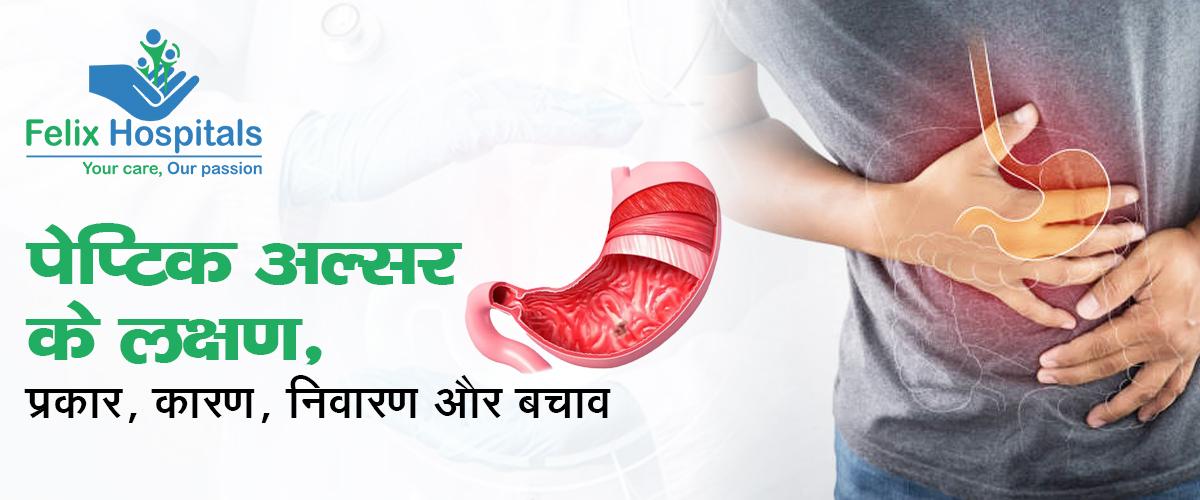
पेप्टिक अल्सर एक तरह का पेट का रोग है जिसमें पेट के अंदरी भाग में (जैसे कि पेट का ऊपरी हिस्सा, अल्सर) या आंतों में (अन्य विशेष रूप से ड्यूडेनम, अल्सर) अल्सर होते हैं। यह रोग विभिन्न कारणों से हो सकता है, जिसमें सबसे मुख्य हैं हेलिकोबैक्टर पाइलोरी इंफेक्शन और एसिडिटी की अधिकता है इसलिए इसे पेट का अल्सर (Pet ka Ulcer) भी कहते है।पेप्टिक अल्सर के लक्षण दिखने पर आप नोएडा के बेस्ट गेस्ट्रोएन्टेरोलॉजिस्ट(Best Gastroenterologist in Noida) के पास जा सकते है और मिलकर उसका सही समय में सही इलाज कर सकते है| साथ ही इस ब्लॉग में हम पेप्टिक अल्सर के कारण, प्रकार, लक्षण, निवारण और बचाव के बारे में विस्तार से जानकारी देंगे।
ज्यादा जानकारी के लिए हमें कॉल करें +91 9667064100.
पेप्टिक अल्सर एक प्रकार का रोग है जो आपके पाचन तंत्र की परत में अल्सर (खुले घाव) के उत्पन्न होने से होता है। यह आमतौर पर पेट के ऊपरी हिस्से (गैस्ट्रिक अल्सर) या ड्यूडेनम (आंत के पहले हिस्से) में पाया जाता है। इस प्रकार, पेप्टिक अल्सर एक पेट और आंतों की बीमारी है जो कि कुछ मुख्य कारणों (जैसे कि हेलिकोबैक्टर पाइलोरी इंफेक्शन और एसिडिटी) से हो सकती है। इसके लक्षणों में पेट में दर्द, जलन, उबकाई, और भारीपन शामिल हो सकते हैं। इसके उपचार में दवाइयाँ, आहार और जीवनशैली के बदलाव, और नियमित चिकित्सा निरीक्षण शामिल होते हैं। यदि आपको ऐसे लक्षण महसूस हों, तो डॉक्टर से परामर्श करना महत्वपूर्ण है।
गैस्ट्रिक अल्सर (Gastric Ulcer):
ये अल्सर पेट के ऊपरी हिस्से में होते हैं, अक्सर पेट के अधिक संकरीत क्षेत्र में। इनका मुख्य कारण होता है हेलिकोबैक्टर पाइलोरी बैक्टीरिया का संक्रमण या अधिक एसिडिटी। इन अल्सरों का मुख्य लक्षण पेट में दर्द, जलन, उबकाई, और भोजन के बाद या रात में दर्द होना होता है।
गैस्ट्रिक अल्सर के बारे में और जानें
मरीज को अल्सर के निम्न लक्षण महसूस हो सकते हैंः-
हेलिकोबैक्टर पाइलोरी (Helicobacter pylori) संक्रमण:
यह बैक्टीरिया पेट और छोटी आंत की दीवार पर अल्सर उत्पन्न कर सकता है। यह संक्रमण आमतौर पर दूषित पानी या भोजन के माध्यम से फैलता है।
नॉन-स्टेरॉयडल एंटी-इंफ्लेमेटरी ड्रग्स (NSAIDs):
जैसे कि एस्पिरिन, इबुप्रोफेन, और नैप्रोक्सेन का लंबे समय तक उपयोग करने से पेट की दीवार को नुकसान हो सकता है और अल्सर बनने का जोखिम बढ़ सकता है।
धूम्रपान:
धूम्रपान करने से पेट की दीवार को क्षति हो सकती है और हेलिकोबैक्टर पाइलोरी संक्रमण का जोखिम बढ़ सकता है।
अधिक शराब का सेवन:
अत्यधिक शराब पीने से पेट की दीवार को नुकसान हो सकता है और अल्सर बनने की संभावना बढ़ जाती है।
तनाव और चिंता:
हालांकि तनाव और चिंता सीधे अल्सर का कारण नहीं होते हैं, लेकिन वे अल्सर के लक्षणों को बदतर बना सकते हैं और उपचार की प्रक्रिया को धीमा कर सकते हैं।
अनुवांशिक प्रवृत्ति:
यदि परिवार में किसी को पेप्टिक अल्सर की समस्या है, तो इसके विकसित होने का जोखिम अधिक हो सकता है।
हेलिकोबैक्टर पाइलोरी संक्रमण से बचाव:
स्वच्छता का पालन करें, जैसे खाने से पहले और बाथरूम का उपयोग करने के बाद हाथ धोना। साफ पानी और स्वच्छ भोजन का सेवन करें।
NSAIDs का सुरक्षित उपयोग:
NSAIDs का उपयोग सीमित मात्रा में करें और बिना डॉक्टर की सलाह के इन्हें लंबे समय तक न लें। यदि आवश्यक हो तो डॉक्टर से अन्य दर्द निवारक दवाओं की सलाह लें।
धूम्रपान से बचें:
धूम्रपान छोड़ने के लिए सहायता प्राप्त करें। धूम्रपान छोड़ने से न केवल अल्सर का जोखिम कम होगा बल्कि समग्र स्वास्थ्य भी बेहतर होगा।
अत्यधिक शराब का सेवन न करें:
शराब का सेवन सीमित करें या इसे पूरी तरह से बंद कर दें। अत्यधिक शराब का सेवन पेट की दीवार को नुकसान पहुंचा सकता है।
स्वस्थ आहार:
मसालेदार, तला हुआ और अम्लीय भोजन कम मात्रा में खाएं। ताजे फल, सब्जियाँ, और साबुत अनाज का सेवन बढ़ाएं। ये पेट की दीवार की सुरक्षा में मदद कर सकते हैं।
तनाव प्रबंधन:
योग, ध्यान, और अन्य तनाव प्रबंधन तकनीकों का अभ्यास करें। पर्याप्त नींद लें और नियमित व्यायाम करें।
प्रोबायोटिक्स का सेवन:
प्रोबायोटिक्स, जैसे कि दही और अन्य किण्वित खाद्य पदार्थ, पेट की सेहत को बेहतर बना सकते हैं और हेलिकोबैक्टर पाइलोरी संक्रमण से लड़ने में मदद कर सकते हैं।
नियमित स्वास्थ्य जांच:
नियमित रूप से डॉक्टर से परामर्श लें, खासकर यदि पेट में कोई असहजता या दर्द महसूस हो। यदि अल्सर का इतिहास है तो डॉक्टर की सलाह के अनुसार नियमित जांच करवाएं।
दवाओं के माध्यम से उपचार :
यदि हेलिकोबैक्टर पाइलोरी संक्रमण पाया जाता है, तो एंटीबायोटिक्स का उपयोग किया जाता है। आमतौर पर 2 से 3 एंटीबायोटिक्स का संयोजन दिया जाता है जैसे कि एमोक्सिसिलिन, क्लेरिथ्रोमाइसिन, और मेट्रोनिडाज़ोल।
आहार और जीवनशैली में परिवर्तन :
धूम्रपान पेट की दीवार को नुकसान पहुंचाता है और हेलिकोबैक्टर पाइलोरी संक्रमण को बढ़ावा देता है। अत्यधिक शराब का सेवन पेट की दीवार को नुकसान पहुंचा सकता है। ताजे फल, सब्जियां, साबुत अनाज और कम वसा वाले डेयरी उत्पाद शामिल करें। ये भोजन पेट में एसिडिटी को बढ़ा सकते हैं। इससे पेट की एसिडिटी को नियंत्रित करने में मदद मिलती है। योग, ध्यान और अन्य तनाव प्रबंधन तकनीकों का अभ्यास करें।
NSAIDs का उपयोग सीमित करें :
अगर संभव हो तो NSAIDs का उपयोग बंद करें या सुरक्षित विकल्प अपनाएं। यदि NSAIDs का उपयोग आवश्यक है, तो इन्हें कम खुराक में और कम समय के लिए लें। डॉक्टर से सलाह लेकर, NSAIDs के साथ PPIs या एंटासिड्स का उपयोग करें।
यदि आप या आपका कोई प्रियजन पेट के अल्सर को अनुभव कर रहा है, तो आज ही फेलिक्स अस्पताल(Best gastroenterology hospital in Noida) से संपर्क करें- +91 9667064100।
डॉ. जगतजोत सिंह गिल 11+ वर्षों से अधिक के व्यापक अनुभव के साथ एक कुशल और प्रतिबद्ध गैस्ट्रोएंटेरोलॉजिस्ट हैं। उनकी विशेषज्ञता गैस्ट्रोलॉजी स्थितियों और विकारों की एक विस्तृत श्रृंखला के निदान, उपचार और प्रबंधन में निहित है। डॉ. गिल ने कई मामलों में सफल इलाज किए हैं और उन्होंने अपनी चिकित्सा करियर में गैस्ट्रोएंटेरोलॉजी के क्षेत्र में गहरी जानकारी और अनुभव प्राप्त किया है। उनकी निरंतर उन्नत चिकित्सा दक्षता और मरीजों के प्रति समर्पण ने उन्हें गैस्ट्रोएंटेरोलॉजी में एक विश्वसनीय नाम बनाया है।
पेप्टिक अल्सर से बचाव और इसके प्रबंधन के लिए स्वस्थ जीवनशैली अपनाना, संतुलित आहार लेना, तनाव कम करना, और नियमित चिकित्सा जांच महत्वपूर्ण है। उचित सावधानियाँ और उपचार न केवल अल्सर के जोखिम को कम कर सकते हैं बल्कि समग्र स्वास्थ्य को भी बेहतर बना सकते हैं। समय पर चिकित्सा सलाह और उपचार से पेप्टिक अल्सर की जटिलताओं से बचा जा सकता है और जीवन की गुणवत्ता को सुधार सकते हैं। पेप्टिक अल्सर एक सामान्य लेकिन गंभीर स्वास्थ्य समस्या है, जो पेट और छोटी आंत की दीवार पर घाव या अल्सर के रूप में प्रकट होती है। इसके मुख्य कारणों में हेलिकोबैक्टर पाइलोरी संक्रमण और नॉन-स्टेरॉयडल एंटी-इंफ्लेमेटरी ड्रग्स (NSAIDs) का लंबा उपयोग शामिल है। इसके अतिरिक्त, धूम्रपान, अत्यधिक शराब का सेवन, तनाव, और अनुचित आहार भी पेप्टिक अल्सर के विकास में योगदान कर सकते हैं।
प्रश्नः 1. पेप्टिक अल्सर क्या है ?
उत्तरः पेप्टिक अल्सर पेट या छोटी आंत की दीवार पर होने वाला एक घाव है, जो आमतौर पर हेलिकोबैक्टर पाइलोरी बैक्टीरिया संक्रमण या NSAIDs दवाओं के लंबे समय तक उपयोग के कारण होता है।
प्रश्नः 2. पेप्टिक अल्सर के मुख्य लक्षण क्या हैं ?
उत्तर: पेट में जलन या दर्द, जो खाना खाने के बाद या खाली पेट में बढ़ सकता है। अपच, मतली, उल्टी, और भूख कम लगना। वजन कम होना और काले रंग का मल (यदि आंतरिक रक्तस्राव हो)।
प्रश्नः 3. पेप्टिक अल्सर का मुख्य कारण क्या है ?
उत्तर: हेलिकोबैक्टर पाइलोरी संक्रमण इसका मुख्य कारण है। NSAIDs दवाओं का लंबे समय तक उपयोग। अत्यधिक धूम्रपान और शराब का सेवन। अत्यधिक तनाव और अनुचित आहार।
प्रश्नः 4. पेप्टिक अल्सर का निदान कैसे किया जाता है ?
उत्तर: चिकित्सीय इतिहास और लक्षणों की समीक्षा। एन्डोस्कोपी, जिसमें एक लचीली ट्यूब का उपयोग कर पेट और छोटी आंत की दीवार की जांच की जाती है। हेलिकोबैक्टर पाइलोरी के लिए रक्त, मल, या श्वास परीक्षण।
प्रश्नः 5. पेप्टिक अल्सर का उपचार कैसे किया जाता है ?
उत्तर: एंटीबायोटिक्स, यदि हेलिकोबैक्टर पाइलोरी संक्रमण है। प्रोटॉन पंप इनहिबिटर्स (PPIs) और H2 रिसेप्टर ब्लॉकर्स, जो पेट में एसिड की मात्रा को कम करते हैं। NSAIDs का उपयोग बंद करना या सुरक्षित विकल्प अपनाना। आहार और जीवनशैली में बदलाव, जैसे धूम्रपान और शराब का सेवन बंद करना।
प्रश्न 6 : पेट का अल्सर कितने दिनों में ठीक हो जाता है ?
उत्तर: पेट का अल्सर उपचार के दौरान आमतौर पर 2 से 6 सप्ताह में ठीक हो सकता है। उपचार में एंटीबायोटिक्स और प्रोटॉन पंप इनहिबिटर (PPIs) जैसी दवाओं का उपयोग शामिल होता है।
प्रश्न 7 : पेप्टिक अल्सर रोग में क्या खाना चाहिए ?
उत्तर: पेप्टिक अल्सर में खाने के लिए हल्का और संतुलित भोजन करना चाहिए, जिसमें शामिल हो:
- ताजे फल और सब्जियां
- साबुत अनाज
- लो-फैट डेयरी प्रोडक्ट्स
- कम मसालेदार भोजन
- हाइड्रेशन के लिए पर्याप्त पानी पिएं
प्रश्न 8 : पेप्टिक अल्सर ठीक होने में कितने दिन लगते हैं ?
उत्तर: पेप्टिक अल्सर के ठीक होने में 2 से 6 सप्ताह का समय लग सकता है, बशर्ते कि उचित उपचार और आहार का पालन किया जाए।
प्रश्न 9 : क्या दूध अल्सर के लिए अच्छा है ?
उत्तर: दूध अस्थायी रूप से राहत दे सकता है, लेकिन यह पेट में एसिड का उत्पादन बढ़ा सकता है, जिससे समस्या बढ़ सकती है। इसलिए, दूध को अल्सर के उपचार के रूप में नियमित रूप से नहीं लेना चाहिए।
प्रश्न 10 : मुझे कैसे पता चलेगा कि मेरा पेप्टिक अल्सर ठीक हो रहा है ?
उत्तर: पेप्टिक अल्सर ठीक होने के संकेतों में दर्द में कमी, भूख में सुधार, और सामान्य स्वास्थ्य में सुधार शामिल हैं। डॉक्टर द्वारा परीक्षण और फॉलो-अप के माध्यम से भी अल्सर की स्थिति की पुष्टि की जा सकती है।
प्रश्न 11 : क्या अल्सर से गैस होती है ?
उत्तर: हा, पेप्टिक अल्सर गैस, पेट में फूलना, और अपच का कारण बन सकता है।
एसजीपीटी और एसजीओटी लिवर एंजाइम हैं, जिनका बढ़ा स्तर लिवर की खराबी दर्शाता है। इसके कारणों में संक्रमण, शराब, दवाइयां और मोटापा शामिल हैं। निवारण में हेल्दी डाइट, व्यायाम और नियमित जांच जरूरी है।
पीलिया एक ऐसी स्थिति है जिसमें शरीर और आंखों का रंग पीला पड़ जाता है। यह मुख्य रूप से लीवर की खराबी या रक्त में बिलीरुबिन के बढ़ने के कारण होता है।
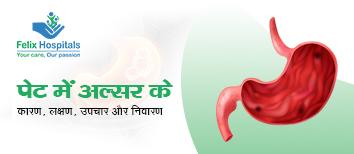
पेट में अल्सर एक आम लेकिन गंभीर समस्या है जो संक्रमण, अधिक एसिड या दवाओं के कारण होती है। इसके लक्षणों में पेट दर्द, जलन और अपच शामिल हैं। फ़ेलिक्स अस्पताल में इसका प्रभावी उपचार और परामर्श उपलब्ध है।
बदलती दिनचर्या, गलत खान-पान और तनाव के कारण आज गैस्ट्रिक की समस्या आम होती जा रही है। समय पर इलाज और संतुलित जीवनशैली से इस परेशानी से राहत मिल सकती है।


Subscribe to our
© Copyright 2026. All Rights Reserved by Felix Healthcare Private Limited
Design and development by :


 +(91)9667064100
 Emergency : +(91)9667064100