 WhatsApp
 Emergency:
  WhatsApp







Subscribe to our
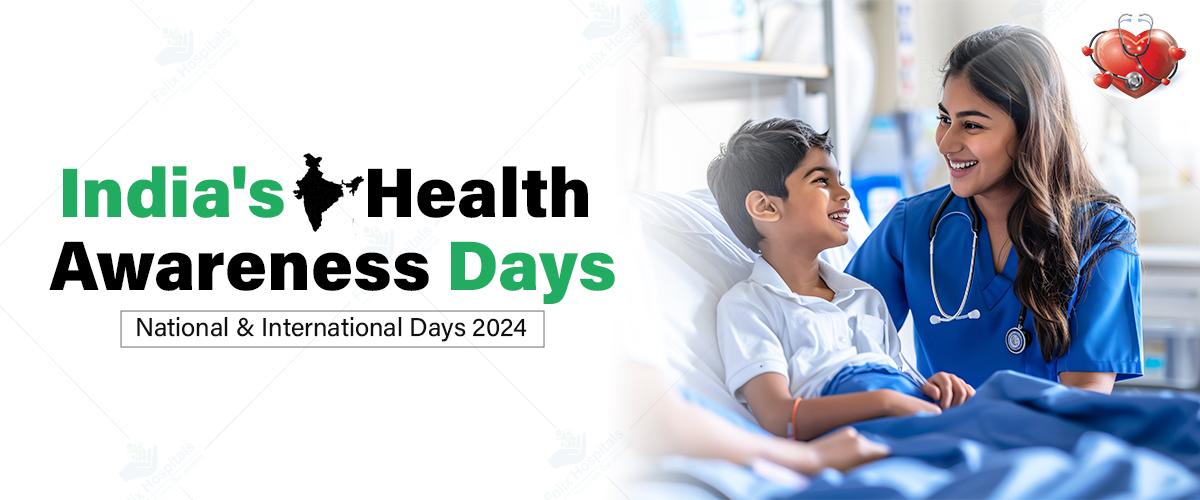
Health awareness is pivotal for fostering healthier lifestyles and preventing diseases. In India, numerous national and international health awareness days are observed throughout the year, aimed at educating the public on various health issues. Here’s a detailed list of these significant dates for 2024, covering both national and international observances from January to December.
For more health awareness information or to schedule a consultation, contact Felix Hospital on +91 9667064100.
January 1: Global Family Day
January 4: World Braille Day
January 12: National Youth Day (India)
January 29: World Leprosy Day (Last Sunday of January)
January 30: World Neglected Tropical Diseases Day
January 1-31: Cervical Health Awareness Month
February 4: World Cancer Day
February 9: National Toothache Day (India)
February 11: International Day of Women and Girls in Science
February 6-10: Pregnancy Awareness Week
February 12-18: STIs / Condom Week
February 12: International Epilepsy Day
February 15: Healthy Lifestyle Awareness Day
February 28: National Science Day (India)
February 29: Rare Disease Day
March 3: World Hearing Day
March 3: World Birth Defects Day
March 4: World Obesity Day
March 8: International Women’s Day
March 12: World Glaucoma Day
March 14: World Kidney Day
March 15: World Sleep Day
March 16: National Immunization Day (India)
March 20: World Oral Health Day
March 21: World Down Syndrome Day
March 22: World Water Day
March 24: World Tuberculosis Day
April 2: World Autism Awareness Day
April 7: World Health Day
April 11: World Parkinson’s Disease Day
April 17: World Haemophilia Day
April 22: Earth Day
April 25: World Malaria Day
April 28: World Day for Safety and Health at Work
May 1: International Labour Day
May 5: World Hand Hygiene Day
May 6: International No Diet Day
May 7: World Asthma Day
May 12: International Nurses Day
May 15: International Day of Families
May 17: World Hypertension Day
May 18: World AIDS Vaccine Day
May 28: International Day of Action for Women’s Health
May 31: World No Tobacco Day
June 2: National Cancer Survivors Day
June 5: World Environment Day
June 7: World Food Safety Day
June 8: World Brain Tumor Day
June 14: World Blood Donor Day
June 15: World Elder Abuse Awareness Day
June 18: Autistic Pride Day
June 21: International Day of Yoga
June 25: World Vitiligo Day
June 26: International Day Against Drug Abuse and Illicit Drug Trafficking
July 1: National Doctors’ Day (India)
July 11: World Population Day
July 28: World Hepatitis Day
August 12: International Youth Day
August 13: World Organ Donation Day
August 29: National Sports Day (India)
September 8: World Physiotherapy Day
September 9: International Foetal Alcohol Syndrome Day
September 10: World Suicide Prevention Day
September 10: International Gynaecological Health Day
September 15: World Lymphoma Awareness Day
September 17: World Patient Safety Day
September 21: World Alzheimer’s Day
September 21: International Day of Peace
September 25: World Pharmacist Day
September 26: World Environmental Health Day
September 26: World Contraception Day
September 28: World Rabies Day
September 29: World Retina Day
September 29: World Heart Day
October 5: World Meningitis Day
October 10: World Sight Day
October 10: World Mental Health Day
October 12: World Arthritis Day
October 12: World Hospice and Palliative Care Day
October 13: International Day for Natural Disaster Reduction
October 15: Global Handwashing Day
October 16: World Food Day
October 16: World Spine Day
October 16: World Restart A Heart Day
October 17: World Trauma Day
October 17: International Day for the Eradication of Poverty
October 20: World Osteoporosis Day
October 21: Global Iodine Deficiency Disorders Prevention Day
October 22: International Stuttering Awareness Day
October 24: World Polio Day
October 29: World Stroke Day
November 6: SADC Malaria Day
November 8: World Radiography Day
November 12: World Pneumonia Day
November 14: National Children’s Day (India)
November 14: World Quality Day
November 14: World Diabetes Day
November 17: World Prematurity Day
November 20: World COPD Day
November 21: World Pancreatic Cancer Day
November 25: International Day for the Elimination of Violence against Women
December 1: World AIDS Day
December 3: International Day of Persons with Disabilities
December 5: International Volunteer Day
December 10: International Human Rights Day
December 12: Universal Health Coverage Day
December 18: International Migrants Day
As we navigate through 2024, these health awareness days serve as crucial reminders of the importance of maintaining and promoting our health. Each day offers a unique opportunity to raise awareness, educate ourselves and others, and take actionable steps towards better health practices. By observing and participating in these national and international health awareness days, we not only enhance our own well-being but also contribute to a larger global movement towards healthier societies.
These designated days provide invaluable platforms for spreading knowledge on a wide range of health issues—from prevention and treatment of diseases to mental health support and environmental health awareness. They encourage us to reflect on the progress we’ve made, recognize the challenges we still face, and inspire collective action to address pressing health concerns.
Incorporating these observances into our lives can lead to positive changes, both personally and within our communities. It is through continuous education, proactive health measures, and community involvement that we can build a healthier future for everyone.
If you need more information so schedule your consultation at Felix hospital. Call now - +91 9667064100.
These national health awareness days provide an excellent opportunity to engage with the community, promote health education, and encourage preventive measures. By participating in these observances, we can collectively work towards a healthier India. Stay tuned to Felix Hospital for updates, events, and initiatives related to these health observances throughout the year.
1.) What is World Health Day?
World Health Day is a global health awareness day celebrated every year on April 7th. It marks the anniversary of the founding of the World Health Organization (WHO) in 1948. The day is dedicated to highlighting key health issues and promoting awareness about specific health themes set by WHO. Each year, a different theme is chosen to focus on pressing health concerns and to encourage global action for health improvements.
2.) How Many Awareness Days Are There?
The exact number of health awareness days varies each year and depends on both national and international observances. In the list provided for 2024, there are over 50 significant health awareness days, including both global and national observances. These days cover a wide range of health topics, from specific diseases and conditions to broader health issues like mental health and environmental health.
3.) Why is Health Awareness Important?
Health awareness is crucial for several reasons:
4.) Which Day is Important in India?
Several health awareness days are particularly important in India due to their relevance to the country’s health landscape. For example:
5.) Why are Health Days Celebrated?
Health days are celebrated to:
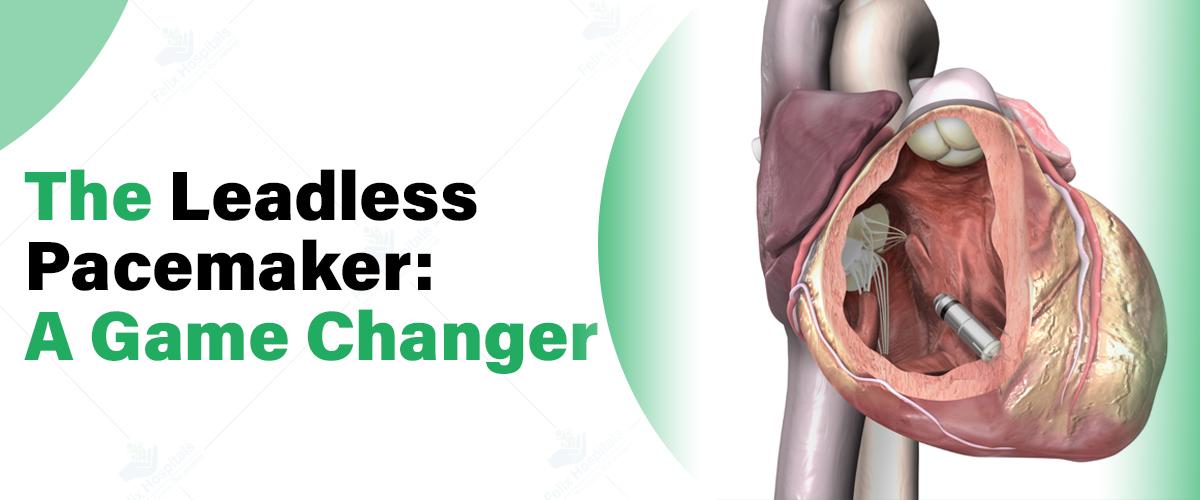
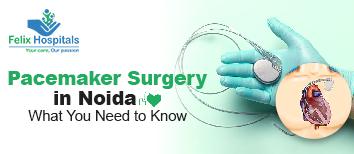
Medical advancements are continually reshaping patient care, with new technologies leading the way to better outcomes. One such innovation is the leadless pacemaker, a miniature device designed to regulate heartbeats without the traditional leads. This technology marks a significant milestone in cardiology, offering numerous benefits over conventional pacemakers. In this blog, we will explore what leadless pacemakers are, how they work, their advantages, and their impact on the future of cardiac care. For those considering this advanced treatment, it is crucial to seek services from the best pacemaker implantation hospital in Noida.
Consult with our experts at the best pacemaker implantation hospital in Noida to explore whether a leadless pacemaker is right for you. Call - +91 9667064100.
A leadless pacemaker is a self-contained device implanted directly into the heart, eliminating the need for leads used in traditional pacemakers. Leads are thin wires that connect the pacemaker to the heart, transmitting electrical impulses to regulate the heartbeat. While effective, these leads can lead to complications such as infections, lead displacement, and breakage. The leadless pacemaker avoids these issues by being directly placed in the heart's right ventricle, where it delivers electrical impulses to maintain a regular heart rhythm.
The leadless pacemaker is implanted through a minimally invasive procedure. A catheter is inserted into a vein in the leg and guided to the heart, where the device is deployed and anchored into the heart tissue. Once in place, the pacemaker continuously monitors the heart's electrical activity and delivers impulses as needed to maintain a regular rhythm.
These devices are powered by a tiny battery designed to last for many years, often comparable to or even longer than traditional pacemakers. The absence of leads significantly reduces the risk of complications, making the procedure safer and the device more reliable.
1. Reduced Complications
One of the primary advantages of the leadless pacemaker is the significant reduction in complications associated with traditional pacemakers. Leads can be a source of various problems, including infection, lead fracture, and displacement. By eliminating leads, the risk of these issues is minimized, leading to improved patient outcomes and reduced need for additional surgeries.
2. Minimally Invasive Procedure
The implantation of a leadless pacemaker is a minimally invasive procedure, typically performed under local anesthesia. This approach results in shorter hospital stays, quicker recovery times, and less discomfort for patients. The procedure is generally less complex and can often be completed in a shorter time compared to traditional pacemaker implantation.
3. Improved Aesthetics and Comfort
Traditional pacemakers require a pocket to be created under the skin to house the device, often leaving a visible bulge and potential for discomfort. The leadless pacemaker, being much smaller and self-contained, does not require such a pocket. This results in a more aesthetically pleasing outcome and greater comfort for the patient, as there is no bulky device under the skin.
4. Longevity and Reliability
Leadless pacemakers are designed to be highly durable and reliable. The elimination of leads reduces the potential points of failure, and the device's battery life is comparable to or exceeds that of traditional pacemakers. This means patients can enjoy the benefits of a reliable heart rhythm management device for many years without the need for frequent replacements.
The introduction of leadless pacemakers represents a significant advancement in cardiac care, offering numerous benefits to patients and healthcare providers alike. Their reduced complication rates, minimally invasive implantation procedure, and improved patient comfort make them a game changer in the field of cardiology.
1. Enhanced Patient Quality of Life
Patients with leadless pacemakers experience fewer complications and quicker recovery times, leading to an overall improvement in their quality of life. The absence of a visible pacemaker pocket and leads also contributes to better aesthetics and comfort, allowing patients to lead more active and fulfilling lives.
2. Cost-Effectiveness
While the initial cost of a leadless pacemaker may be higher than that of a traditional pacemaker, the reduced need for follow-up surgeries and hospitalizations due to complications can make them more cost-effective in the long run. This can lead to significant savings for both patients and healthcare systems.
3. Broader Accessibility
As the technology continues to evolve and become more widely adopted, leadless pacemakers are expected to become more accessible to a larger patient population. This can be particularly beneficial in regions with limited access to advanced cardiac care, as the simplified implantation procedure can be performed in a wider range of healthcare settings.
The development of leadless pacemakers is a testament to the rapid advancements in medical technology. Ongoing research and development efforts are focused on further improving these devices, including extending battery life, enhancing functionality, and expanding their use to a broader range of cardiac conditions.
Future iterations of leadless pacemakers may incorporate additional features such as remote monitoring capabilities, allowing healthcare providers to track device performance and patient health in real-time. This could lead to even more proactive and personalized care, further improving patient outcomes.
Dr. Rahul Arora: With a career spanning over 13 years, Dr. Arora is a highly respected Interventional Cardiologist known for his dedication to patient care and significant contributions to the field of cardiology. His expertise and commitment to advancing cardiac treatment practices have made him a leading figure in the specialty.
Our team at the best pacemaker implantation hospital in Noida is here to provide you with cutting-edge solutions and personalized care. Call - +91 9667064100.
The leadless pacemaker is a revolutionary innovation in the field of Cardiology, offering numerous advantages over traditional pacemakers. Its reduced complication rates, minimally invasive implantation procedure, improved aesthetics, and long-term reliability make it a game changer in cardiac care. As this technology continues to advance and become more widely adopted, it holds the promise of transforming the lives of countless patients, providing them with safer, more effective, and more comfortable heart rhythm management solutions.
If you are considering a pacemaker or have concerns about your heart health, consult with the best cardiologist in Noida to discuss whether a leadless pacemaker may be the right option for you. With ongoing advancements and increasing accessibility, the future of cardiac care looks brighter than ever.
1. What is a leadless pacemaker?
A leadless Pacemaker is a compact, self-contained device implanted directly into the heart without the need for external leads or wires. It is designed to regulate heartbeats by delivering electrical impulses directly to the heart's chambers, typically the right ventricle, to maintain a steady rhythm.
2. What is the difference between a pacemaker and a leadless pacemaker?
Traditional pacemakers consist of a pulse generator connected to the heart by leads or wires that deliver electrical impulses to regulate the heartbeat. In contrast, a leadless pacemaker is a small, battery-powered device implanted directly into the heart. It eliminates the need for external leads, reducing the risk of complications such as infection, lead displacement, or fracture.
3. What is the benefit of a leadless pacemaker?
The primary benefits of a leadless pacemaker include:
Reduced Risk of Complications: Without leads, there is a lower risk of infection, lead fracture, or displacement.
Minimally Invasive Procedure: The implantation process is less invasive, typically performed via a catheter inserted into a vein in the leg.
Improved Comfort and Aesthetics: The device is smaller and doesn’t require a pocket under the skin, making it more comfortable and less noticeable.
Long Battery Life: Leadless pacemakers are designed for long-term use with a battery life comparable to or longer than traditional pacemakers.
4. Who are candidates for a leadless pacemaker?
Candidates for a leadless pacemaker include individuals who:
Have a need for a pacemaker due to bradycardia (slow heart rate) or other arrhythmias.
Are at risk of complications with traditional pacemakers, such as those with a high risk of infection.
Prefer a less invasive option due to lifestyle or medical considerations.
Meet the criteria based on cardiac health assessments determined by their cardiologist.
5. What are the 4 types of pacemakers?
The four main types of pacemakers are:
Single-Chamber Pacemaker: Regulates one heart chamber, usually the right ventricle.
Dual-Chamber Pacemaker: Regulates two heart chambers, the right atrium and right ventricle, improving the coordination of the heartbeat.
Biventricular Pacemaker: Also known as a cardiac resynchronization therapy (CRT) device, it helps coordinate the contractions of both the left and right ventricles.
Leadless Pacemaker: A newer type of pacemaker that is implanted directly into the heart without external leads.
6. What is the cost of a leadless pacemaker in India?
The cost of a leadless pacemaker in India varies depending on the hospital and the specific model of the device. Generally, the price ranges from ₹8lakh to ₹12 lakh, which includes the device cost and the implantation procedure. Additional expenses for hospital stay and consultations may also apply.
7. What to avoid with a leadless pacemaker?
Patients with a leadless pacemaker should:
Avoid activities that involve heavy lifting or intense physical strain shortly after implantation.
Steer clear of strong electromagnetic fields, such as those from certain industrial equipment or MRI machines, unless the device is MRI-compatible.
Follow medical advice regarding travel and certain medical procedures to ensure the device remains effective and undamaged.
8. Which pacemaker is best for the heart?
The best type of pacemaker depends on individual patient needs and specific cardiac conditions. Generally, leadless pacemakers are beneficial for those who need a more minimally invasive option and have no additional requirements that necessitate traditional or biventricular pacemakers. A cardiologist will determine the most suitable pacemaker based on a comprehensive evaluation of the patient’s heart condition, lifestyle, and overall health.
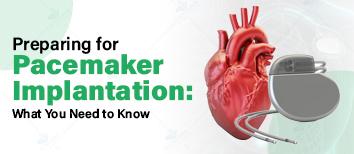
A Pacemaker is crucial for people with serious heart rhythm problems. Recognizing signs that you might need a pacemaker can lead to timely medical help and improve your daily life.
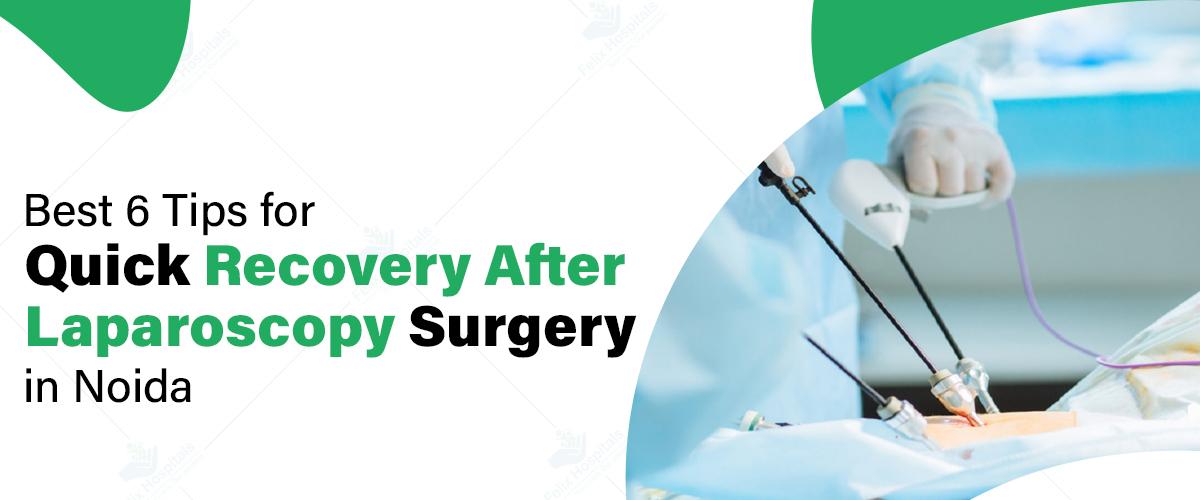
Recovery from laparoscopy surgery can be a demanding process, with the duration of healing varying from person to person. The recovery timeline is influenced by several factors, including the type of surgery performed, your overall health, the quality of your support system, and your commitment to the recovery process. The actions you take during your recovery period can significantly impact the speed and effectiveness of your healing.
For individuals who have recently undergone laparoscopy for diagnostic purposes, this blog provides essential recovery tips. For those considering the procedure, it offers insights into what laparoscopy entails and what to expect during the post-surgery recovery phase. If you are seeking expert care, consider consulting with a top Laparoscopy Surgery Hospital in Noida to ensure the highest standards of medical care and support throughout your recovery journey.
At Felix Hospital, we're ready to assist you for Laparoscopy Surgery. Secure your appointment today by calling +91 9667064100.
A Laparoscopy Surgery is a minimally invasive procedure performed by your surgeon to diagnose issues in your abdominal or pelvic area. The procedure utilizes a laparoscope, a thin, telescopic rod equipped with a video camera. This instrument is inserted through a small incision in the abdomen, typically measuring half an inch or less. In some cases, surgeons may make up to three additional incisions to insert other surgical tools, allowing them to thoroughly examine the internal organs and identify any problems.
The camera on the laparoscope transmits real-time images of the inside of the abdomen or pelvis to a monitor. These images enable the surgeon to precisely guide their hand movements during the procedure.
Healthcare providers may recommend a laparoscopy when other diagnostic tests fail to determine the cause of a condition. Additionally, laparoscopy can be used to collect tissue samples (biopsies) for further testing.
1. Wear Loose Clothes
After laparoscopy surgery, it is important to wear loose-fitting clothes to avoid irritating the surgical incisions. Tight clothing can cause discomfort and slow down the healing process. Opt for comfortable, breathable fabrics that allow your body to move freely without putting pressure on the surgical sites.
2. Attend Follow-Up Appointments
Follow-up appointments are crucial to monitor your recovery progress. These visits allow your surgeon to assess the healing of your incisions, check for any signs of infection, and address any concerns you may have. Regular follow-ups ensure that any potential complications are detected early and managed effectively.
3. Rest and Recuperate
Adequate rest is essential for your body to heal properly. Ensure you get plenty of sleep and avoid strenuous activities that could strain your incisions. While it may be tempting to resume your normal routine quickly, allowing your body the time it needs to recover will lead to a faster and more complete healing process.
4. Manage Pain Effectively
Pain management is a crucial aspect of post-operative care. Your doctor will prescribe pain medications to help manage discomfort. It is important to take these medications as directed and not to skip doses. If you experience severe pain or any side effects from the medication, consult your doctor immediately.
5. Eat Healthily
A nutritious diet plays a significant role in your recovery. Consuming a balanced diet rich in vitamins, minerals, and protein helps your body repair tissues and regain strength. Include plenty of fruits, vegetables, lean proteins, and whole grains in your meals. Staying hydrated is equally important, so drink plenty of water.
6. Slowly Reintroduce Activities
Gradually reintroducing physical activities is important for your recovery. Start with light activities such as short walks to improve blood circulation and prevent stiffness. Avoid heavy lifting or intense exercise until your doctor gives you the green light. Listening to your body and not pushing yourself too hard will prevent setbacks in your recovery.
Dr. Ritesh Agarwal, with over 15 years of distinguished experience, is highly skilled in General, Laparoscopic, Laser, Vascular, and Proctology Surgeries. His expertise encompasses a wide range of open and laparoscopic general surgeries, including laparoscopic cholecystectomy (gallbladder stone removal), hernia repair, laparotomy, and non-cancerous breast surgeries such as the treatment of breast lumps, breast pain, and nipple discharge. Dr. Agarwal's comprehensive knowledge and advanced surgical skills ensure optimal care and successful outcomes for his patients.

Book your Consultation with our expert Laparoscopy Surgeon. Call now with just a click on - +91 9667064100.
Recovering from Laparoscopy Surgery requires a combination of rest, proper care, and gradual reintroduction of activities. By following these six tips—wearing loose clothes, attending follow-up appointments, resting adequately, managing pain effectively, eating healthily, and slowly reintroducing activities—you can ensure a smooth and quick recovery. Always adhere to your doctor's advice and guidelines, and do not hesitate to reach out to your healthcare provider if you have any concerns during your recovery process. At Felix Hospital in Noida, our dedicated team is here to support you every step of the way, ensuring a successful and speedy recovery.
How to Speed Up Recovery from Laparoscopic Surgery?
How Many Days Rest After Laparoscopic Surgery?
How to Get Comfortable After a Laparoscopy?
How Do You Get Rid of Pain After Laparoscopy?
What Are the Don'ts After Laparoscopy?
How to Relieve Gas After Laparoscopic Surgery?
What Is the Best Food to Eat After Laparoscopic Surgery?
Is Walking Good After Laparoscopy?
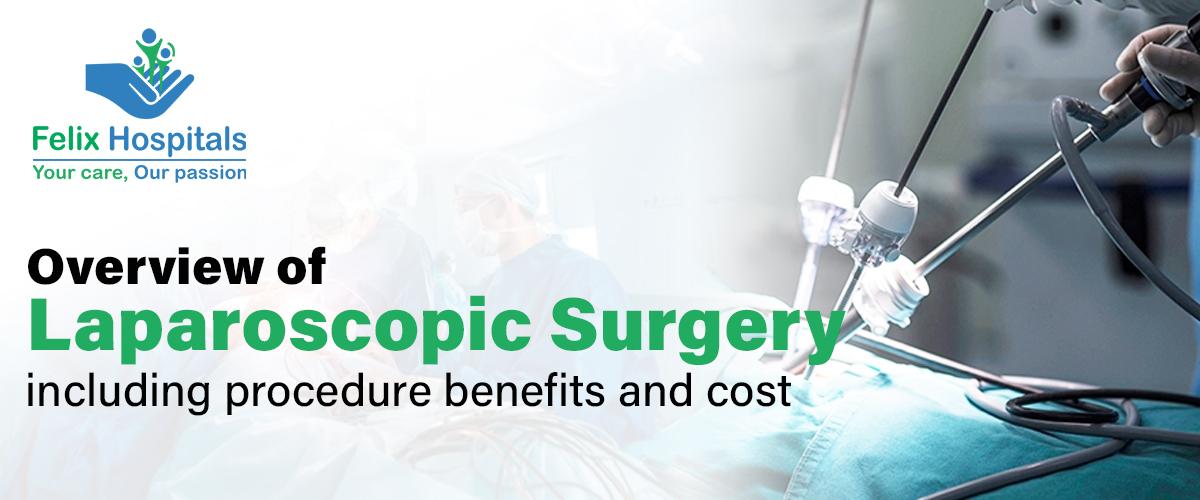
Laparoscopic surgery is a minimally invasive procedure with small cuts, offering quicker recovery, less pain, and minimal scarring.
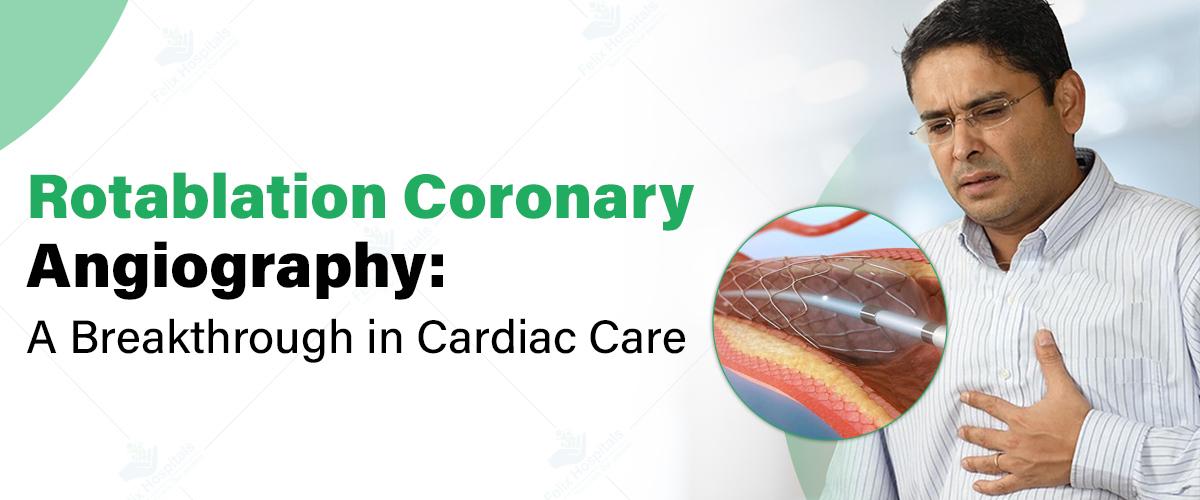
In the realm of cardiovascular medicine, rotablation coronary angiography stands out as an advanced technique for diagnosing and treating complex coronary artery disease. This blog will explore the intricacies of this procedure, its benefits, and what patients in Noida should know about accessing this specialized care.
Care for your heart! Call +91 9667064100 or click here to schedule your consultation with an expert cardiologist.
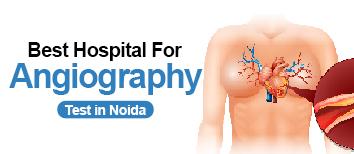
Before exploring rotablation, let's first understand what coronary angiography is. Coronary angiography is a diagnostic procedure that allows doctors to visualize the blood vessels that supply the heart muscle. During this procedure, a special dye is injected into the coronary arteries, and X-ray images are taken to identify any blockages or narrowing in these vital blood vessels.
Rotablation, also known as rotational atherectomy, is an advanced technique used in conjunction with coronary angiography to treat severely calcified or hardened plaque in the coronary arteries. This procedure uses a tiny, diamond-tipped burr that rotates at high speed to gently sand away hardened plaque, restoring blood flow to the heart.
Precision: The rotablator targets and removes plaque with high accuracy using a high-speed rotating burr. This allows for specific and effective treatment of obstructed areas within the arteries.
Minimally Invasive: Rotablation is performed through a small incision, typically in the wrist or groin, similar to standard angiography. This results in less pain, quicker recovery, and fewer complications compared to open-heart surgery.
Effective for Complex Cases: It is especially useful for treating heavily calcified arteries that are difficult to address with standard balloon angioplasty. Its technique allows for the effective removal of stubborn plaque buildup.
There are many top cardiologists in Noida who are well-versed in determining when rotablation coronary angiography is appropriate. They can evaluate your condition and decide if rotablation is the best treatment for your specific needs. A cardiologist might suggest rotablation coronary angiography in the following situations:
Creatinine levels play a crucial role in determining a patient's eligibility for coronary angiography, including rotablation procedures. Creatinine is a waste product produced by muscle metabolism and is typically filtered out of the blood by the kidneys. In the context of coronary Angiography, kidney function is particularly significant because the contrast dye used during the procedure is eliminated from the body through the kidneys. If the kidneys are not functioning optimally, as indicated by elevated creatinine levels, they may struggle to process and eliminate the contrast dye efficiently.
The decision to proceed with rotablation coronary angiography in patients with high creatinine levels is complex and highly individualized. While elevated creatinine does increase the risk of complications, it doesn't automatically disqualify a patient from the procedure. The decision depends on a careful balance of risks and benefits. In cases where the need for coronary intervention is urgent or critical, such as in acute coronary syndromes, the potential cardiac benefits may outweigh the risks to kidney function. Additionally, the use of rotablation itself doesn't significantly increase the risk compared to standard angiography, as the primary concern is the contrast dye used in both procedures.
In some cases, patients with high creatinine may still undergo the procedure if appropriate precautions are taken and if the potential benefits of the intervention are deemed to outweigh the risks to kidney function.
If your creatinine levels are elevated but coronary angiography is essential, your doctor may take several precautions to protect your kidney function, including:
It's crucial to discuss your kidney function and any concerns about creatinine levels with your cardiologist when considering coronary angiography. They can provide personalized advice based on your overall health status and the necessity of the procedure.
1. Preparation: Prior to the procedure, you will receive a local anesthetic to numb the area and may also be given a mild sedative to help you relax.
2. Access: A small incision is made, typically in your wrist or groin, through which a catheter will be inserted to reach your arteries.
3. Imaging: Contrast dye is introduced into your bloodstream, and X-ray images are captured to visualize and identify any blockages in your arteries.
4. Rotablation: If needed, a rotablator is carefully guided to the blocked area to remove hardened plaque from the artery walls.
5. Additional Treatment: Following rotablation, balloon angioplasty and stenting are often performed to ensure the artery remains open and blood flow is restored.
6. Recovery: After the procedure, you will need to lie flat for several hours to allow the incision site to heal properly and reduce the risk of complications.
Once the recovery period is complete, you may be monitored for a short time to ensure there are no immediate issues. Your doctor will provide you with specific aftercare instructions and schedule follow-up appointments to track your progress and ensure the success of the procedure.
Benefits:
It is essential to have a thorough discussion with your cardiologist to weigh these benefits and risks and to determine whether this procedure is appropriate for your specific condition.
The cost of coronary angiography, particularly when combined with rotablation, can vary widely in Noida. Several factors influence the overall expense:
While it's difficult to provide exact figures due to these variables, Coronary Angiography Cost in Noida typically ranges from ₹25,000 to ₹1,50,000 or more, depending on the factors mentioned above.
Remember, while cost is an important factor, it shouldn't be the only consideration when choosing where to have your procedure done. The expertise of the medical team and the quality of care should be primary considerations.
Dr. Rahul Arora, MBBS, MD, DM, is a distinguished Interventional Cardiologist with over 13 years of extensive experience in cardiology. Known for his dedication and innovation, Dr. Arora excels in rotablation coronary angiography, offering exceptional patient care. His strong academic background and commitment to advancing cardiology make him a standout expert in the field, dedicated to enhancing patient outcomes and advancing the practice of interventional cardiology.
Rotablation coronary Angiography represents a significant advancement in the treatment of complex coronary artery disease. For residents of Noida, access to this specialized care is available through several top coronary angiography Hospitals in Noida and skilled cardiologists in the area.
When considering this procedure, it's crucial to research your options thoroughly, considering factors such as hospital reputation, physician experience, and overall cost. By doing so, you can ensure you receive the highest quality care for your heart health needs.
Want to know more about Rotablation? Dial +91 9667064100 or click here for expert guidance!
Q.1.Is rotablation angioplasty safe?
Ans: Rotablation angioplasty is generally considered safe when performed by experienced specialists. It is minimally invasive, but as with any procedure, there are risks involved, including bleeding, infection, and rare complications like heart attack or stroke.
Q.2. What is the success rate of rotablation?
Ans. The success rate of rotablation angioplasty is high, with many patients experiencing significant improvement in blood flow and reduction in symptoms. Success rates can vary based on the complexity of the case and the patient's overall health.
Q.3. What are the side effects of rotablation?
Ans: Side effects of rotablation can include temporary discomfort, bleeding at the catheter insertion site, bruising, and, less commonly, allergic reactions to contrast dye or complications like heart attack or stroke.
Q.4.Is rotablation painful?
Ans: Rotablation is typically performed under local anesthesia and sedation, so patients usually experience minimal pain during the procedure. Some discomfort or soreness at the catheter insertion site may occur afterward, but it is generally manageable.
Q.5. Which type of angioplasty is best?
Ans: The best type of angioplasty depends on the patient's specific condition and the nature of the arterial blockages. Rotablation is ideal for heavily calcified arteries, while balloon angioplasty and stenting may be preferred for other cases.

Angiography is an important diagnostic test used to detect blockages or narrowing in blood vessels, especially in heart patients.
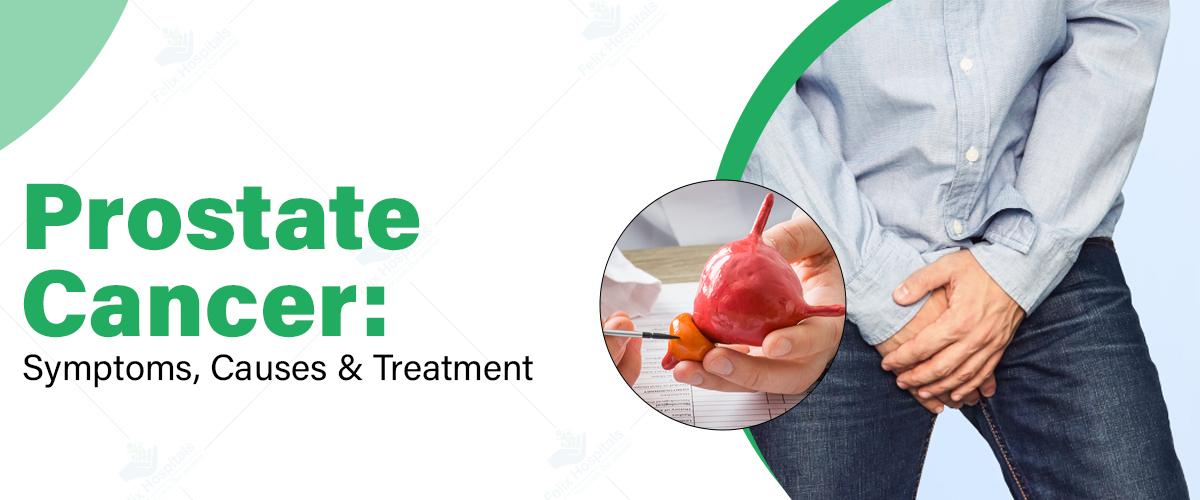
Prostate cancer is a type of cancer that originates in the prostate gland, a small, walnut-sized organ in men that produces seminal fluid essential for nourishing and transporting sperm. While many cases of prostate cancer progress slowly and remain confined to the prostate without causing major issues, some can spread rapidly to other parts of the body and become life-threatening. Early detection and treatment can lead to successful outcomes if the cancer is localized.
There are various cancer hospital in Noida, comprising a dedicated Uro-Oncology Unit specializing in treating urologic cancers, including those of the prostate, bladder, and testicles. These facilities offer advanced diagnostic and treatment options, ensuring comprehensive care tailored to individual patient needs.
For personalized prostate cancer care, call +91 9667064100 or click here to learn more about the advanced treatment options.
Prostate cancer often develops slowly and may not present noticeable symptoms in its early stages. It primarily affects the prostate gland, which is part of the male reproductive system responsible for producing a component of semen. As the disease progresses, it can impact various bodily functions and lead to symptoms that are worth noting.
Frequent Urination: Increased need to urinate, especially at night, can be an early indication of prostate issues.
Difficulty Urinating: Problems with starting or stopping urination, or experiencing a weak or interrupted urine stream, may signal a problem with the prostate.
Painful Urination or Ejaculation: Experiencing pain or discomfort during urination or ejaculation could be a sign of prostate problems.
Blood in Urine or Semen: Presence of blood in your urine or semen might indicate more advanced prostate cancer.
Persistent Pain: Ongoing pain in the lower back, hips, or pelvis that doesn't resolve could be related to prostate cancer.
If you have symptoms or concerns about your prostate health, it’s important to seek advice from a healthcare provider. There are numerous leading oncologists in Noida who can help you with the necessary tests and offer a diagnosis to determine the best treatment options for your condition.
Nearly all prostate cancers are adenocarcinomas. These cancers start in the gland cells of the prostate, which produce the fluid that is part of semen.
Other, rarer types of prostate cancer include:
Small Cell Carcinoma (Small Cell Neuroendocrine Carcinoma)
Other Neuroendocrine Tumors (such as Large Cell Carcinoma)
Transitional Cell Carcinoma
Sarcomas
If you're diagnosed with prostate cancer, it is most likely to be an adenocarcinoma. While some prostate cancers can grow and spread quickly, most grow slowly.
Prostate cancer is classified into different stages based on two main factors: the Gleason score and PSA levels. The Gleason score looks at how the cancer cells are arranged and how aggressive they are, while PSA levels measure the amount of a specific substance in the blood that can indicate cancer activity. Prostate cancer are is classified into the following stages:
Stage I: Cancer is confined to the prostate with a PSA level under 10 and Grade Group 1.
Stage II: Cancer is still localized to the prostate but is more advanced, subdivided into:
IIA: Cancer is in less than half of one side of the prostate; PSA is 10-20, Grade Group 1.
IIB: Cancer affects more than half of one side or both sides; PSA is under 20, Grade Group 2.
IIC: Cancer is in one or both sides with PSA under 20, Grade Group 3 or 4.
IIIA: Cancer may involve one or both sides of the prostate, with PSA at least 20, Grade Group 1-4.
IIIB: Cancer has spread to seminal vesicles or nearby areas; PSA and Grade Group vary.
IIIC: Cancer involves both sides of the prostate and nearby structures; PSA and Grade Group vary, with Grade Group 5.
IVA: Cancer has spread to nearby tissues and lymph nodes; PSA and Grade Group vary.
IVB: Cancer has spread to distant lymph nodes or other body parts.
Several factors can heighten the risk of developing prostate cancer. Understanding these risk factors can be crucial in taking proactive steps toward health management:
Age: The likelihood of prostate cancer increases as men get older, particularly after the age of 50.
Family History: A history of prostate cancer in the family or genetic mutations such as BRCA1 or BRCA2 can significantly raise risk.
Obesity: Individuals who are obese may experience more aggressive forms of cancer and a higher chance of recurrence.
Hereditary Conditions: Genetic syndromes like hereditary non-polyposis colorectal cancer (HNPCC) or Lynch Syndrome can also contribute to a higher risk of prostate cancer.
Diagnostic procedures for prostate cancer encompass several key tests:
Digital Rectal Exam (DRE): This involves a physical examination where a healthcare provider feels the prostate gland through the rectum to detect any abnormalities.
Prostate-Specific Antigen (PSA) Test: This blood test measures the levels of PSA, a protein produced by the prostate, to identify potential issues that could indicate the presence of cancer.
Additional Diagnostic Tools: To further evaluate and confirm the presence of cancer, doctors may use imaging techniques such as ultrasound and MRI, along with a biopsy to obtain tissue samples for analysis.
Once prostate cancer is confirmed, the Gleason score is used to assess the aggressiveness of the cancer. To determine the extent of the disease and whether it has spread, further staging tests such as bone scans, CT scans, and PET scans are employed. These comprehensive assessments help in planning the most effective treatment approach.
Treatment options for prostate cancer are tailored based on the cancer stage, extent, and patient history. Options include:
Surgery: Radical prostatectomy to remove the prostate gland and possibly surrounding tissues and lymph nodes.
Radiation Therapy: External Beam Radiation or Brachytherapy to destroy cancer cells and relieve symptoms.
Cryoablation or HIFU: Freezing or heating prostate tissue to eliminate cancer cells.
Hormone Therapy: Blocking testosterone production to slow cancer growth, using medications or surgery (orchiectomy).
Chemotherapy: Using drugs to target cancer cells, especially useful for metastatic cases.
Immunotherapy: Enhancing the immune system to target and destroy cancer cells.
Targeted Drug Therapy: Drugs aimed at specific cancer cell abnormalities.
Dr. Bhanwar Lal Barkesiya
Dr. Bhanwar Lal Barkesiya, a highly skilled Urologist with over 9 years of experience, specializes in prostate cancer treatment. His expertise includes advanced procedures such as Robotic-Assisted Laparoscopic Prostatectomy (using the Da Vinci Xi system) and Transurethral Resection of the Prostate (TURP). Dr. Barkesiya has performed numerous complex prostate surgeries and is adept at managing both routine and emergency urological cases, reflecting his commitment to exceptional patient care.
Dr. Sachin Khandelwal
Dr. Sachin Khandelwal, a Urologist with over 12 years of experience, specializes in the management of bladder issues, urinary tract infections (UTIs), bladder and kidney cancer, kidney blockage, and kidney stones. His expertise includes Renal Transplantation (both cadaveric and live-related), Endourology, and both Laparoscopic and Open Surgery.
Understanding prostate cancer is crucial for both prevention and effective management. From recognizing the importance of regular screenings and understanding risk factors to exploring the latest treatment options, knowledge empowers individuals to make informed decisions about their health. Remember, early detection is key, and staying informed can lead to better outcomes. Whether you’re seeking information for yourself or supporting a loved one, consulting an oncologist in Noida can provide expert guidance.
Felix Hospital provides comprehensive and advanced Prostate Surgery in Noida, ensuring safe procedures and faster patient recovery.
Got questions or need expert advice? Reach out today at +91 9667064100 for a personalized consultation!
Q1.) What is the main cause of prostate cancer?
A: The exact cause of prostate cancer is unknown, but risk factors include age, family history, and certain genetic mutations. Lifestyle factors like diet and obesity may also play a role.
Q2.) How serious is prostate cancer?
A: Prostate cancer can vary in seriousness. It ranges from slow-growing and manageable to aggressive forms that can spread rapidly. The seriousness depends on the cancer's stage, grade, and overall health of the patient.
Q3.) Is prostate cancer curable at stage 4?
A: At stage 4, prostate cancer has typically spread beyond the prostate to other parts of the body. While it is not usually curable, treatment can manage symptoms and prolong life, potentially achieving remission in some cases.
Q4.) Can prostate cancer spread to other body parts?
A: Yes, prostate cancer can spread to other parts of the body, including bones, lymph nodes, and other organs. This process is known as metastasis and often occurs in advanced stages of the disease.
Q5.) How do you prevent prostate cancer?
A: Preventing prostate cancer involves maintaining a healthy lifestyle, including a balanced diet rich in fruits and vegetables, regular exercise, and avoiding smoking. Regular screenings can also help detect issues early.
Q6.) What are the best foods for a healthy prostate gland?
A: Foods beneficial for prostate health include tomatoes (rich in lycopene), fatty fish (omega-3 fatty acids), broccoli, and green tea. A diet high in fruits, vegetables, and whole grains is also recommended.
Q7.) What is the survival rate of people suffering from prostate cancer?
A: The survival rate for prostate cancer varies by stage and other factors. The 5-year survival rate for localized prostate cancer is nearly 100%, while for advanced stages, it is lower but improving with new treatments.
ब्रेस्ट कैंसर (Breast Cancer) के मुख्य लक्षण, इसके कारण और प्रभावी उपचार। समय पर पहचान और सही इलाज से रोग की गंभीरता को कम किया जा सकता है।

Explore the cervical cancer vaccine cost in Noida, compare prices across hospitals, and understand how vaccination helps prevent HPV infection and cervical cancer.

Explore essential information about breast cancer, including its symptoms, causes, types, and treatments, to stay informed and proactive about your health.
Lung cancer is a serious condition that starts in the lungs and can spread to other parts of the body.
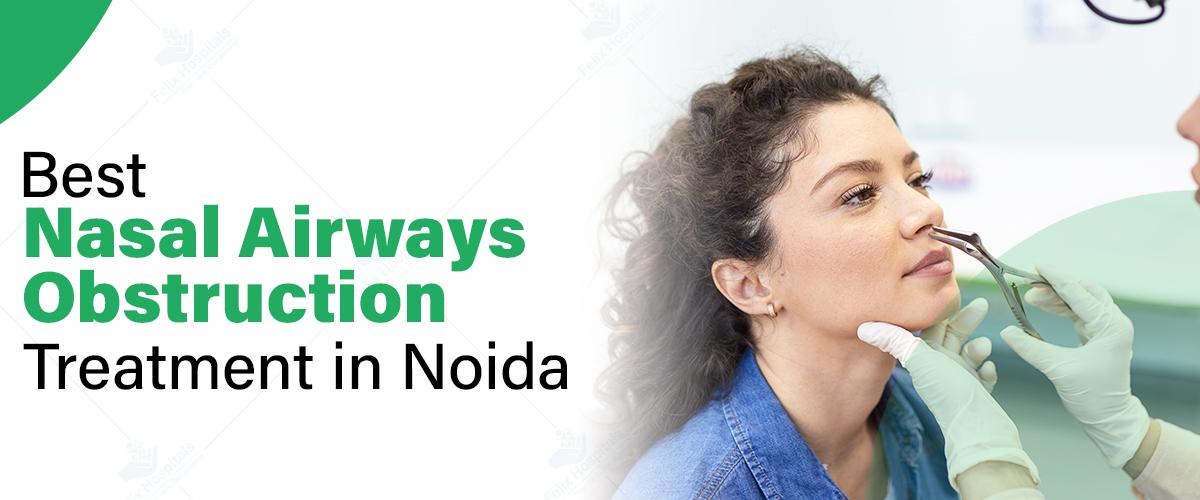
Nasal Airway Obstruction (NAO) is a common condition affecting millions globally, requiring a clear understanding of its symptoms and causes for effective treatment. There are numerous experienced nasal airway obstruction surgeons in Noida, providing advanced options customized to each patient. Whether managing allergies, structural issues such as a deviated septum, or chronic sinus problems, seeking specialized care ensures thorough assessment and personalized treatment plans at top-notch facilities in Noida.
Struggling with Nasal Airway Obstruction? Contact us now to book an appointment! Call Now - +91 9667064100.
Nasal Airway Obstruction (NAO) is a condition characterized by a blockage in the nasal passages, making it difficult for individuals to breathe through their noses. This obstruction can significantly impact daily activities, including speaking, eating, and sleeping. NAO can arise from various causes, including structural abnormalities, inflammation, and external factors, leading to a range of symptoms that can affect a person's quality of life.
The nasal passages play a crucial role in filtering, humidifying, and warming the air we breathe. When these passages are obstructed, it can lead to inadequate airflow, which may result in discomfort and other health issues.
The symptoms of NAO can differ from person to person and vary in severity. The most commonly seen symptoms of NAO include:
If you experience one or more of these symptoms, such as persistent nasal congestion, difficulty breathing through your nose, or frequent sinus infections, it is advisable to seek medical attention promptly. Untreated nasal airway obstruction (NAO) can potentially lead to more serious health issues over time, impacting your quality of life and overall well-being.
Several factors can contribute to the development of nasal airway obstruction, including:
Deviated Septum: The septum is the cartilage wall that separates the nostrils. A deviated septum occurs when this wall is displaced, leading to one nasal passage being narrower than the other.
Enlarged Turbinates: Turbinates are structures within the nose that help warm and humidify inhaled air. When they become swollen due to allergies or infections, they can obstruct airflow.
Nasal Polyps: These are non-cancerous growths that can develop in the nasal passages, contributing to obstruction.
Allergic Rhinitis: Allergies to pollen, dust, pet dander, and other environmental factors can cause inflammation in the nasal passages, leading to congestion and obstruction.
Sinusitis: Chronic sinus infections can result in swelling and blockage of the nasal passages.
Poor Air Quality: Exposure to pollutants, smoke, and irritants can lead to inflammation and swelling of the nasal tissues.
Hormonal Changes: Hormonal fluctuations, such as those experienced during pregnancy, can also contribute to nasal congestion.
Understanding the underlying causes of NAO is crucial for determining the most effective treatment options and achieving long-term relief. A comprehensive evaluation by a healthcare professional ensures tailored treatment strategies that can significantly improve nasal airflow and overall quality of life.
While nasal airway obstruction itself is not typically life-threatening, it can lead to several complications if left untreated. Chronic nasal obstruction can result in:
Obstructive Sleep Apnea: A serious condition where breathing repeatedly stops and starts during sleep, leading to poor sleep quality and increased risk of cardiovascular issues.
Sinus Infections: Prolonged obstruction can hinder sinus drainage, resulting in recurrent sinus infections and associated symptoms.
Reduced Quality of Life: Difficulty breathing can affect daily activities, leading to fatigue, irritability, and decreased productivity.
Increased Risk of Respiratory Issues: Chronic nasal obstruction may contribute to respiratory problems, including asthma exacerbations.
It is essential to address NAO to prevent these potential complications and improve overall health and well-being.
Treatment for nasal airway obstruction varies depending on the underlying cause and severity of the obstruction. Common treatment options include:
Nasal Corticosteroids: These anti-inflammatory medications can help reduce swelling in the nasal passages and improve airflow.
Antihistamines: Useful for treating allergic rhinitis, antihistamines can alleviate symptoms caused by allergies.
Decongestants: These medications can temporarily relieve nasal congestion but should be used with caution to avoid rebound congestion.
Septoplasty: A surgical procedure to correct a deviated septum, improving airflow through the nasal passages.
Turbinate Reduction: This procedure reduces the size of enlarged turbinates, allowing for better airflow.
Nasal Polypectomy: Removal of nasal polyps to alleviate obstruction.
VivAer Treatment: A non-invasive procedure that uses low-temperature radiofrequency energy to reshape the nasal passages, improving airflow without the need for incisions.
Avoiding Allergens: Identifying and minimizing exposure to allergens can help reduce symptoms.
Humidifiers: Using a humidifier can help keep nasal passages moist, reducing congestion.
Nasal Irrigation: Saline nasal sprays or irrigation can help clear mucus and allergens from the nasal passages.
Consulting with a healthcare professional is essential to determine the most appropriate treatment plan based on individual needs, ensuring comprehensive evaluation and personalized care. This approach not only addresses immediate symptoms but also aims to manage underlying causes effectively, promoting long-term nasal health and overall well-being.
Nasal airway obstruction treatment Cost in Noida can vary significantly, influenced by factors such as the specific treatment chosen, the reputation and facilities of the healthcare provider, and the expertise of medical professionals.
On average, costs may range from approximately 40,000 to 45,000 INR at the lower end, up to 80,000 to 90,000 INR at the higher end of the spectrum.
For an accurate estimate tailored to individual treatment requirements, it is recommended to consult with healthcare providers in Noida. This ensures a detailed assessment and transparent discussion about the costs involved, facilitating informed decision-making for patients seeking effective relief from nasal airway issues.
Several factors can influence the cost of NAO treatment in Noida, including:
Type of Treatment: Surgical procedures generally cost more than medication management or non-invasive treatments.
Healthcare Facility: The reputation and location of the hospital or clinic can significantly impact treatment costs.
Surgeon's Experience: Highly experienced surgeons may charge higher fees for their expertise.
Pre- and Post-Operative Care: Costs associated with consultations, follow-up visits, and any necessary diagnostic tests can add to the overall expense.
Insurance Coverage: Patients with health insurance may have different out-of-pocket expenses based on their plan's coverage for specific treatments.
Understanding these factors can help patients make informed decisions regarding their treatment options, empowering them to actively participate in their healthcare journey and achieve optimal nasal function and comfort.
Felix Hospital in Noida is a leading nasal airway obstruction surgery Hospital in Noida known for its comprehensive approach to treating nasal airway obstruction. Here are several reasons to consider Felix Hospital for NAO treatment:
Expert Medical Team: The hospital boasts a team of Experienced ENT Specialists and best nasal airway obstruction surgeon in Noida dedicated to providing personalized care.
Advanced Treatment Options: Felix Hospital offers a range of treatment options, including both surgical and non-surgical interventions, ensuring that patients receive the most suitable care for their condition.
Advanced Facilities: The hospital is equipped with modern technology and facilities, ensuring high standards of care and patient safety.
Patient-Centered Care: Felix Hospital prioritizes patient comfort and satisfaction, providing a supportive environment throughout the treatment process.
Comprehensive Follow-Up Care: The hospital emphasizes the importance of follow-up care to monitor recovery and address any ongoing concerns.
Choosing the right healthcare provider is crucial for effectively managing nasal airway obstruction, and Felix Hospital stands out as a reliable option in Noida, renowned for its specialized care and commitment to patient well-being.
Nasal airway obstruction is a common condition that can significantly impact an individual's quality of life. Understanding its symptoms, causes, and treatment options is essential for effective management. With various treatment modalities available, including medications, surgical interventions, and non-invasive procedures, individuals suffering from NAO can find relief and improve their overall well-being.
If you or someone you know is experiencing symptoms of nasal airway obstruction, it is crucial to seek medical advice. Early diagnosis and appropriate treatment can prevent complications and enhance the quality of life.
1: What is the main cause of nasal obstruction?
The main causes of nasal obstruction include allergies, sinus infections, nasal polyps, deviated septum, turbinate hypertrophy, and structural issues in the nose.
2: Can a nasal obstruction cause difficulty breathing?
Yes, nasal obstruction can lead to difficulty breathing through the nose, causing discomfort and sometimes forcing mouth breathing.
3: How do you treat a blocked nasal passage?
Treatment options for a blocked nasal passage include saline nasal sprays, decongestants, antihistamines for allergies, nasal corticosteroid sprays, and in some cases, surgery to correct structural issues.
4: Can nasal obstruction cause bad breath?
Yes, chronic nasal obstruction can contribute to bad breath (halitosis) due to stagnant mucus and bacteria buildup in the nose and throat.
5: How long does nasal obstruction last?
The duration of nasal obstruction depends on the underlying cause. It can last from a few days (such as with a common cold) to chronic conditions that may require ongoing management.
6: Can nasal obstruction be cured?
Nasal obstruction can often be managed effectively with appropriate treatment. In some cases, such as structural issues, surgery may be required for long-term relief.
7: How do you prevent nasal obstruction?
To prevent nasal obstruction, practice good hygiene, manage allergies effectively, avoid irritants like smoke and strong odors, use a humidifier in dry environments, and seek prompt treatment for sinus infections or nasal congestion.
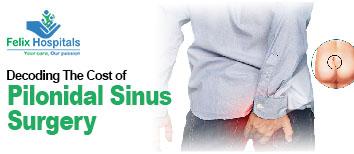
The sinus tract associated with Pilonidal Sinus usually extends in a downward direction between the buttocks.
The sinus tract associated with Pilonidal Sinus usually extends in a downward direction between the buttocks.

पिगमेंटेशन त्वचा के रंग में बदलाव को संदर्भित करता है। यह तब होता है जब त्वचा में मेलानिन नामक पिगमेंट की मात्रा में वृद्धि या कमी होती है। पिगमेंटेशन कई कारणों से हो सकता है, जैसे कि सूरज की रोशनी, हार्मोनल परिवर्तन, सूजन, त्वचा की चोट, और कुछ दवाएं। इसके उपचार में सूरज से बचाव, टॉपिकल क्रीम्स, लेज़र थेरेपी, और रासायनिक पील्स शामिल हो सकते जानिए पिगमेंटेशन के बारे में हिंदी में (Pigmentation in Hindi Meaning) साथ ही इसके लक्षण से लेकर इलाज तक के बारे में विस्तार से..
ज्यादा जानकारी के लिए हमें कॉल करें +91 9667064100.
पिगमेंटेशन त्वचा के रंग में होने वाले बदलाव को कहा जाता है, जो मेलानिन नामक पिगमेंट की मात्रा में वृद्धि या कमी के कारण होता है। मेलानिन त्वचा, बाल, और आंखों के रंग के लिए जिम्मेदार होता है। पिगमेंटेशन के कारण त्वचा के कुछ हिस्से गहरे या हल्के हो सकते हैं। त्वचा के कुछ हिस्सों का सामान्य से गहरा हो जाना। इसके लिए आपको ज़रूरी है की आप नोएडा में अच्छे त्वचा विशेषज्ञ (Best Skin Care Doctor in Noida) से अपनी जाँच करवाएँ।
पिगमेंटेशन क्या है (Pigmentation meaning in Hindi) यह जानने के साथ साथ यह जानना भी बेहद ज़रूरी है की इससे बचाव कैसे किया जा सकता है तो यह निम्नलिखित सुझाव से आप पिगमेंटेशन से बचाव कर सकते है:
पिगमेंटेशन का इलाज होना संभव है इसके लिए थोड़ा समय लग सकता है लेकिन यह ठीक हो सकता है। कुछ निम्नलिखित तरीके है जो अस्पताल में इस्तेमाल करते है :
पिगमेंटेशन का इलाज मुख्य रूप से त्वचा विशेषज्ञ (डर्मेटोलॉजिस्ट) द्वारा किया जाता है। त्वचा विशेषज्ञ की सलाह के लिए आज ही फ़ोन करें - +91 9667064100.
पिगमेंटेशन, त्वचा पर गहरे धब्बों या असमान रंग की समस्या, कई लोगों के लिए सौंदर्य और आत्मविश्वास की चिंता का कारण बन सकता है। इसके मुख्य कारणों में सूरज की किरणें, हार्मोनल बदलाव, और त्वचा की चोटें शामिल हैं। पिगमेंटेशन के इलाज के लिए विभिन्न उपाय और उपचार उपलब्ध हैं, जिनमें टॉपिकल क्रीम्स, केमिकल पील्स, लेजर थेरेपी, और घरेलू उपाय शामिल हैं। यदि पिगमेंटेशन की समस्या गंभीर है या घरेलू उपायों से ठीक नहीं हो रही है, तो आप नोएडा में सर्वोत्तम त्वचा अस्पताल (best skin care hospital in noida) या संबंधित चिकित्सा पेशेवर से परामर्श करना सबसे अच्छा है।
प्रश्न 1: पिगमेंटेशन क्या है?
उत्तर: पिगमेंटेशन त्वचा के कुछ हिस्सों में रंग परिवर्तन है, जैसे गहरे धब्बे या असमान रंग की त्वचा। यह अक्सर मेलास्मा, सन डैमेज, या हाइपरपिग्मेंटेशन के कारण होता है।
प्रश्न 2: पिगमेंटेशन के कारण क्या हो सकते हैं?
उत्तर: पिगमेंटेशन के कारणों में सूर्य की पराबैंगनी किरणें, हार्मोनल बदलाव (जैसे गर्भावस्था या ओवरियन डिसफंक्शन), त्वचा की चोटें, और आनुवंशिक कारक शामिल हैं।
प्रश्न 3: पिगमेंटेशन को कैसे रोका जा सकता है?
उत्तर: पिगमेंटेशन को रोकने के लिए सनस्क्रीन का नियमित उपयोग, संतुलित आहार, और त्वचा की अच्छी देखभाल करना महत्वपूर्ण है। धूप में बाहर निकलते समय उचित सुरक्षा उपाय अपनाना भी जरूरी है।
प्रश्न 4: क्या घरेलू उपचार पिगमेंटेशन में मदद कर सकते हैं?
उत्तर: हां, कुछ घरेलू उपचार जैसे एलोवेरा जेल, कच्चा आलू, और नींबू का रस त्वचा की रंगत को हल्का करने में मदद कर सकते हैं। हालांकि, इनका प्रभाव सीमित हो सकता है और गंभीर पिगमेंटेशन के लिए चिकित्सा सलाह जरूरी है।
प्रश्न 5: पिगमेंटेशन का इलाज किस तरह किया जाता है?
उत्तर: पिगमेंटेशन का इलाज टॉपिकल क्रीम्स, केमिकल पील्स, लेजर थेरेपी, और माइक्रोडर्माब्रेशन के माध्यम से किया जा सकता है। उपचार की विधि त्वचा की स्थिति और पिगमेंटेशन की गंभीरता पर निर्भर करती है।
प्रश्न 6: पिगमेंटेशन के इलाज में कितना समय लगता है?
उत्तर: पिगमेंटेशन के इलाज में समय लग सकता है, जो इलाज की विधि और त्वचा की स्थिति पर निर्भर करता है। कुछ उपचारों के परिणाम जल्दी दिखाई दे सकते हैं, जबकि अन्य को प्रभाव दिखाने में कुछ महीने लग सकते हैं।
प्रश्न 7: क्या पिगमेंटेशन पूरी तरह ठीक हो सकता है?
उत्तर: अधिकांश मामलों में, पिगमेंटेशन को सही उपचार और सावधानियों के साथ काफी हद तक हल्का किया जा सकता है। हालांकि, पूरी तरह ठीक होने की संभावना स्थिति की गंभीरता और उपचार की प्रतिक्रिया पर निर्भर करती है।
प्रश्न 8: क्या पिगमेंटेशन के लिए डॉक्टर से सलाह लेना जरूरी है?
उत्तर: हां, यदि पिगमेंटेशन गंभीर है या घरेलू उपायों से सुधार नहीं हो रहा है, तो त्वचा विशेषज्ञ से सलाह लेना महत्वपूर्ण है। वे आपकी त्वचा की स्थिति का मूल्यांकन कर सकते हैं और उचित उपचार की सिफारिश कर सकते हैं।

If your answer is yes, then, here are 6 easy steps to keep your skin look young and glowing.
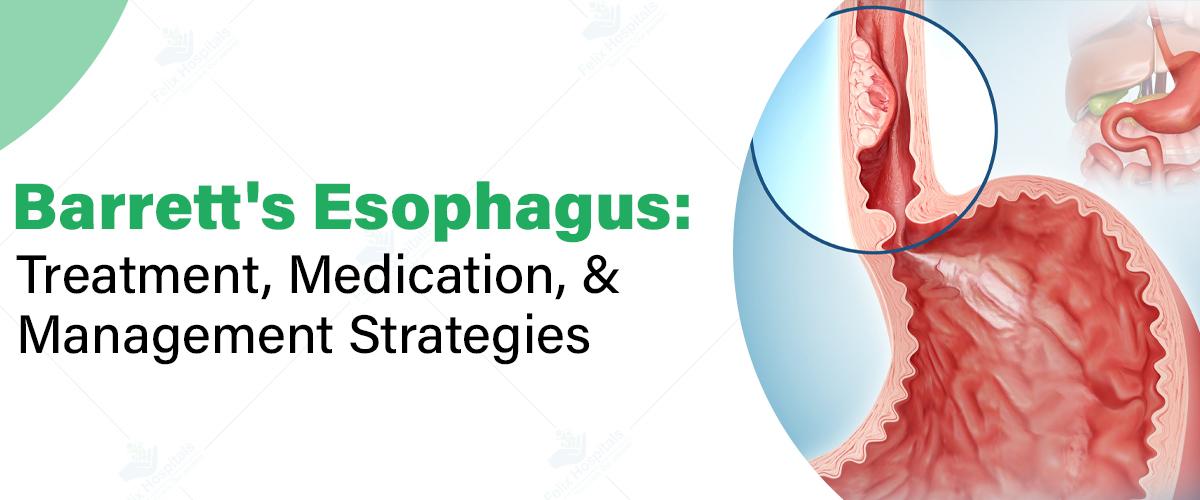
Barrett's esophagus (BE) is a condition that affects or erodes the lining of the esophagus, the tube that carries food and liquids from the mouth to the stomach. The condition, named after Norman Barrett, a British surgeon, is of significant concern because it can increase the likelihood of developing esophageal adenocarcinoma, a type of cancer, particularly in individuals who are at a greater risk.
According to a report published on cancerindia.org, esophageal cancer is the sixth most common cancer in terms of incidence and mortality in India. The report suggests that men are more likely to be diagnosed with esophageal cancer than women. Therefore, it is important to seek timely treatment for Barrett's esophagus by undergoing routine health examinations to prevent it from progressing to cancer.
So let’s dive deep to understand Barrett's esophagus symptoms, causes, treatment options, and why it is crucial to choose the best gastroenterologist hospital for Barrett's esophagus treatment and management.
Barrett's esophagus occurs when the normal squamous cells lining the esophagus are replaced with glandular cells similar to those lining the small intestine. This change, known as intestinal metaplasia, is thought to result from chronic gastroesophageal reflux disease (GERD). GERD is a condition in which stomach acid frequently flows back into the esophagus, thereby irritating its lining.
Usually people with Barrett's esophagus do not experience any noticeable symptoms. However, when symptoms do occur, they are often related to GERD, which may include:
Frequent heartburn that occurs after eating and gets more severe at night
Regurgitation or the sensation of acid backwashing into the throat or mouth, producing a sour or bitter taste
Difficulty swallowing
Occasional chest pain or heartburn
Vomiting blood
Although the exact cause of Barrett's esophagus is unknown, the primary cause of BE is said to be chronic acid reflux or GERD. Also, sometimes patients have no reflux symptoms, a condition termed as ‘silent reflux’.
It is believed that esophagus cells tend to become abnormal with chronic exposure to stomach acid that erodes the tissues and produces changes to the lining of the swallowing tube, causing Barrett's esophagus.
Some of the common factors that may increase the risk of developing Barrett's esophagus include:
Age: Although it can happen at any age, Barrett's esophagus is commonly diagnosed in individuals over 50
Gender: Men are more likely to develop the condition
Obesity: Individuals with excess body weight, especially around the abdomen, are at a greater risk of developing BE
Smoking: Tobacco smoking is a significant risk factor
Family History: A family history of Barrett's esophagus or esophageal cancer can increase the risk
Chronic heartburn: Acid reflux that causes heartburn and doesn't get better with medication is a risk factor
A gastroenterologist who is a specialist in gastrointestinal diseases, usually diagnoses Barrett’s esophagus. The most common method for diagnosing BE is endoscopy. During endoscopy, the throat of the patient is examined with an endoscope, a lighted tube with a tiny camera at the end, to look for any indications of abnormal esophageal tissue. While the normal esophagus tissue appears pale or glossy, in Barrett's esophagus, the tissue appears red or velvety.
In addition, if the doctor suspects cancer or if you have a family history of esophageal cancer, your esophagus will also be biopsied to confirm the diagnosis.
The treatment procedure for Barrett's esophagus depends on the severity of the abnormal cell growth in the esophagus and the overall health of the patient. That said, Barrett's esophagus treatment primarily aims to manage GERD symptoms, prevent any further damage to the esophagus, and monitor or treat precancerous or cancerous changes.
Lifestyle & Dietary Modifications: Lifestyle changes are often the first step in managing Barrett's esophagus symptoms and GERD. These changes can help reduce acid reflux and improve overall esophageal health. Key modifications include:
Dietary Changes: Avoiding foods and beverages that trigger reflux, such as fatty foods, spicy foods, chocolate, caffeine, and alcohol.
Eating Habits: Eating smaller, more frequent meals instead of large meals can help prevent reflux. Also, one should refrain from lying down for at least two hours after meals.
Weight Management: Maintaining a healthy weight lowers the risk of reflux.
Elevating the Head of the Bed: Raising the head of the bed by about 6-8 inches can help prevent acid from flowing back into the esophagus during sleep.
Quitting Smoking: Quitting smoking can significantly reduce reflux symptoms and improve overall esophageal health.
Medications play a crucial role in the treatment of Barrett's esophagus and the management of GERD symptoms. Barrett's esophagus medication commonly used for the treatment includes:
Proton Pump Inhibitors (PPIs): These medications help to reduce the amount of acid produced by the stomach. PPIs are often the first line of treatment for GERD and Barrett's esophagus.
H2 Receptor Blockers: These medications help to reduce stomach acid production and can be used in combination with PPIs for better symptom control.
Antacids: Over-the-counter antacids help to provide quick relief from occasional heartburn by neutralizing stomach acid.
Prokinetics: These medications help the stomach empty more quickly, reducing the likelihood of reflux.
For patients with Barrett's esophagus who have precancerous changes (dysplasia) or early-stage cancer, endoscopic therapies may be recommended. These procedures are less invasive than surgery and can effectively remove or destroy abnormal cells.
Common endoscopic treatments include:
Radiofrequency Ablation (RFA): This procedure uses heat to destroy abnormal cells in the esophagus. A catheter with a balloon is inserted into the esophagus, and radiofrequency energy is applied to the affected area.
Endoscopic Mucosal Resection (EMR): EMR involves the removal of abnormal tissue using an endoscope. It is often used for patients with visible lesions or nodules in the esophagus.
Cryotherapy: Although less commonly used, this treatment uses cold gas to freeze and destroy abnormal cells.
Photodynamic Therapy (PDT): PDT involves the use of a photosensitizing agent that makes abnormal cells more sensitive to light. A laser is then used to activate the agent and destroy the abnormal cells.
In severe cases where Barrett's esophagus has progressed to high-grade dysplasia or early-stage cancer, surgery may be necessary. The most common surgical procedure is an esophagectomy, which involves removing part or all of the esophagus and reconstructing it using tissue from another part of the digestive tract. This is a major surgery with significant risks and a long recovery period, but it can be life-saving for some patients.
Recurrence of Barrett's esophagus is possible after treatment. Therefore, management of Barrett's esophagus is crucial. It involves ongoing monitoring and treatment to prevent complications and to ensure the best possible outcomes. Here are the key aspects of managing this condition:
Regular Surveillance: This is essential for detecting changes in the esophagus early, allowing for timely intervention. This typically involves periodic endoscopic examinations with biopsies to monitor for dysplasia or cancer.
Medication Adherence: Adhering to prescribed medications is crucial for controlling GERD symptoms and preventing any further damage to the esophagus. Patients should work closely with their healthcare providers to find the most effective medication regimen and adjust it as needed.
Lifestyle Management: Continuing with lifestyle modifications is essential for long-term management of Barrett's esophagus. Patients should maintain healthy eating habits, avoid triggers, manage their weight, and refrain from smoking.
Managing GERD: Effective management of GERD is a cornerstone of Barrett's esophagus treatment. This may involve a combination of medications, lifestyle changes, and possibly surgery. Managing GERD helps reduce the risk of progression to dysplasia or cancer.
Individuals with Barrett’s esophagus often lead a normal life, as long as it doesn’t continue to progress or become precancerous or cancerous. That said, the prognosis depends on how early you seek treatment for the condition. You can prevent and even treat cancer if you catch it early.
At Felix Hospital, the best gastroenterologist hospital in Noida, we have an experienced team of doctors who excel in providing world class treatment for GERD as well as Barrett's esophagus with utmost compassion and care. Our diagnostic department is equipped with the latest technology and machines to conduct the tests required for the diagnosis of Barrett's esophagus. We have an excellent team of gastroenterologists who diagnose and treat this condition with utmost precision. At Felix Hospital, Noida, we offer tailored treatments for successful outcomes.
Dr. Jagatjot Singh Gill is a proficient and dedicated gastroenterologist with over 11 years of extensive experience. He is also a specialized hepatologist and interventional endoscopist, renowned for his expertise in diagnosing and treating complex gastrointestinal and liver disorders. Dr. Gill’s commitment to patient care and his proficiency in advanced endoscopic procedures have earned him a reputation for delivering exceptional medical care.
Dr. Amrit Yog Datley is a distinguished Gastroenterologist and Critical Care Specialist with over 8 years of extensive experience in various surgical fields. He excels in analyzing and diagnosing complex clinical situations related to liver diseases and other gastrointestinal disorders. Dr. Datley is renowned for his evidence-based management of liver diseases and gastrointestinal conditions, ensuring the highest standards of care for his patients.
For further queries on Barrett's Esophagus or to seek an appointment at Felix Hospital, the best hospital for GERD Surgery in Noida, contact us.
1) What is Barrett's esophagus?
Ans. Barrett's esophagus is a condition where the lining of the esophagus changes to a type of tissue similar to that found in the intestines. This change is typically due to chronic acid exposure from gastroesophageal reflux disease (GERD).
2) Can Barrett's esophagus be cured?
Ans. Barrett's esophagus cannot be completely cured, but the progression can be managed and monitored through lifestyle changes, medication, and, in some cases, surgical interventions.
3) Is Barrett's esophagus life-threatening?
Ans. Barrett's esophagus itself is not life-threatening. However, it increases the risk of developing esophageal adenocarcinoma, a type of cancer. Regular monitoring is essential to detect any precancerous changes early.
4) How long does it take for GERD to turn into Barrett's esophagus?
Ans. The progression from GERD to Barrett's esophagus can vary widely among individuals. It often takes several years of chronic acid reflux for Barrett's esophagus to develop.
5) Does vitamin D help Barrett's esophagus?
Ans. There is limited evidence suggesting that vitamin D might have protective effects against certain cancers, including esophageal cancer. However, there is no conclusive evidence that vitamin D specifically helps Barrett's esophagus. It's best to consult with a healthcare provider for personalized advice.
6) How to fix GERD permanently?
Ans. While GERD can often be managed effectively, it is challenging to cure permanently. Treatments include lifestyle modifications (dietary changes, weight loss), medications (antacids, H2 blockers, proton pump inhibitors), and, in severe cases, surgical procedures like fundoplication.
7) What is the best drink for Barrett's esophagus?
Ans. Water is the best drink for Barrett's esophagus. Other suitable beverages include herbal teas (not mint), non-citrus juices, and non-caffeinated, non-carbonated drinks.
8) What foods are good for Barrett's esophagus?
Ans. Foods that are generally good for Barrett's esophagus include:
- Non-citrus fruits (bananas, melons)
- Vegetables (broccoli, green beans, peas)
- Whole grains (oatmeal, whole grain bread)
- Lean proteins (chicken, turkey, fish)
- Low-fat dairy products
9) Is Barrett's esophagus cancerous?
Barrett's esophagus itself is not cancerous, but it is a precancerous condition that increases the risk of developing esophageal adenocarcinoma.
10) What is the difference between GERD and Barrett's esophagus?
GERD (gastroesophageal reflux disease) is a chronic condition where stomach acid frequently flows back into the esophagus, causing irritation. Barrett's esophagus is a condition that can develop after long-term GERD, where the lining of the esophagus changes to resemble the lining of the intestines.
Expert gastroenterology care for better digestive health, offering advanced diagnosis and treatment for GERD, IBS, ulcers, and liver disorders.
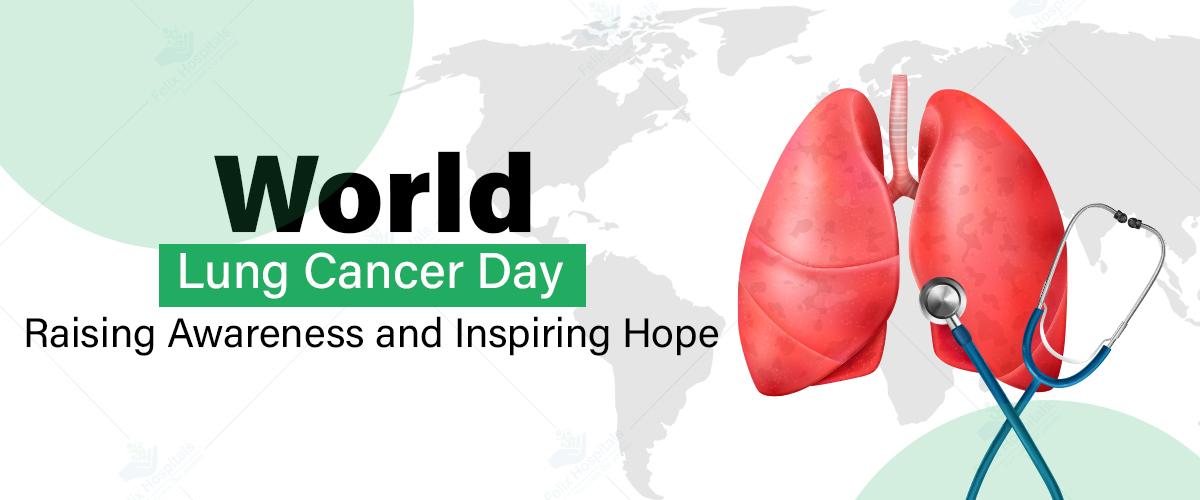
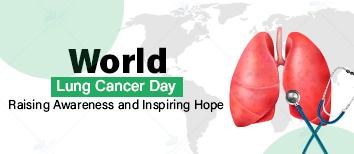
August 1st, 2024 marks another important observance of World Lung Cancer Day. This annual event serves as a powerful reminder of the ongoing battle against one of the most prevalent and deadly forms of cancer worldwide. As we come together to honor this day, it's crucial to reflect on its history, understand its importance, and explore the current landscape of lung cancer awareness, prevention, and treatment.
Join us this World Lung Cancer Day—call +91 9667064100 to book your diagnosis and take the first step toward better lung health.
World Lung Cancer Day was first established in 2012 through a collaborative effort between the Forum of International Respiratory Societies (FIRS) and the International Association for the Study of Lung Cancer (IASLC). The primary goal was to create a dedicated day to raise awareness about lung cancer and its impact on individuals, families, and communities around the globe.
The inception of this day came at a time when lung cancer was and still remains one of the leading causes of cancer-related deaths worldwide. Despite its prevalence, lung cancer often received less attention and funding compared to other types of cancer. The founders of World Lung Cancer Day recognized the urgent need to change this narrative and bring lung cancer to the forefront of public health discussions.
Since its establishment, World Lung Cancer Day has grown in significance and reach. Each year, healthcare organizations, advocacy groups, and individuals worldwide participate in various events and campaigns to mark the occasion. These efforts have contributed to increased awareness, improved early detection rates, and advancements in treatment options.
1. Raising Awareness
One of the primary objectives of World Lung Cancer Day is to educate the public about lung cancer, its risk factors, and the importance of early detection. By disseminating accurate information, we can dispel myths and misconceptions surrounding the disease. This increased awareness can lead to better prevention strategies and encourage individuals to seek medical attention for potential symptoms.
2. Promoting Early Detection
Early detection is crucial in improving lung cancer outcomes. World Lung Cancer Day serves as a platform to emphasize the importance of regular check-ups and screenings, especially for individuals at higher risk. By promoting early detection methods at the best cancer hospital in Noida such as low-dose CT scans, we can increase the chances of diagnosing lung cancer at more treatable stages. Recognizing stage 1 lung cancer symptoms early, such as persistent cough, chest pain, or unexplained weight loss, can significantly improve the prognosis and treatment options.
3. Advocating for Research and Funding
The day provides an opportunity to highlight the need for continued research and increased funding for lung cancer. By drawing attention to the disease, we can encourage policymakers, philanthropists, and the scientific community to invest more resources in developing innovative treatments and potential cures.
4. Supporting Patients and Survivors
World Lung Cancer Day is also about recognizing and supporting those affected by lung cancer. It's a time to celebrate survivors, honor those we've lost, and provide comfort and resources to patients and their families. The day fosters a sense of community and reminds those affected by lung cancer that they are not alone in their journey. Cancer hospitals in Noida offer specialized care, advanced treatment options, and a supportive environment to help patients navigate their diagnosis, providing both medical and emotional support throughout their journey.
5. Encouraging Smoking Cessation
While not all lung cancers are caused by smoking, it remains the leading risk factor. World Lung Cancer Day provides a platform to reinforce anti-smoking messages and support smoking cessation efforts. It's an opportunity to educate about the dangers of tobacco use and promote resources for those looking to quit.
As we observe World Lung Cancer Day in 2024, it's important to take stock of where we stand in the fight against this disease.
Global Impact
Lung cancer continues to be a significant global health concern. According to the World Health Organization, lung cancer remains one of the most common cancers worldwide, with millions of new cases diagnosed each year. While incidence rates have begun to stabilize or decline in some developed countries due to reduced smoking rates, they continue to rise in many developing nations.
Advancements in Treatment
The past decade has seen remarkable progress in lung cancer treatment. Targeted therapies and immunotherapies have revolutionized the way we approach lung cancer, offering new hope to patients with advanced disease. Precision medicine, which tailors treatment to the genetic profile of a patient's tumor, has become increasingly common, leading to more effective and less toxic treatments.
Screening and Early Detection
Low-dose CT screening for high-risk individuals has become more widely adopted, leading to earlier detection of lung cancers. This has contributed to improved survival rates, as cancers caught in earlier stages are generally more treatable. However, there's still work to be done in making these screenings more accessible and increasing participation rates.
Stigma and Misconceptions
Despite progress, lung cancer still carries a significant stigma, often associated with smoking. This can lead to delays in diagnosis and feelings of guilt or shame among patients. World Lung Cancer Day plays a crucial role in addressing these misconceptions and emphasizing that anyone with lungs can get lung cancer.
As we look to the future, several challenges and opportunities lie ahead in the fight against lung cancer, including:
1. Addressing Disparities
Significant disparities exist in lung cancer incidence, mortality, and access to care based on factors such as race, socioeconomic status, and geographic location. Addressing these disparities through targeted interventions and policy changes is crucial for improving overall outcomes.
2. Expanding Research
While we've made significant strides in understanding and treating lung cancer, there's still much to learn. Continued research into early detection methods, novel therapies, and strategies to overcome treatment resistance is essential.
3. Improving Access to Care
Ensuring that all lung cancer patients have access to high-quality care, including the latest treatments and clinical trials, remains a challenge. Efforts to improve healthcare access and reduce financial barriers to treatment are vital. In this context, cancer specialists in Noida play a crucial role by providing expert care and personalized treatment plans, helping to bridge gaps in access and ensuring that patients benefit from cutting-edge therapies and support. If you're looking for the best hospital for lung cancer surgery, it's important to choose a facility with a proven track record and specialized expertise.
4. Tackling New Risk Factors
While smoking rates have declined in many countries, other risk factors such as air pollution are gaining attention. Understanding and addressing these emerging risk factors will be crucial in preventing future cases of lung cancer.
5. Leveraging Technology
Advancements in artificial intelligence, telemedicine, and digital health tools offer new opportunities for improving lung cancer screening, diagnosis, and treatment. Integrating these technologies into lung cancer care could lead to more personalized and effective approaches.
There are many ways individuals and organizations can get involved in World Lung Cancer Day:
Educate Yourself and Others: Take time to learn about lung cancer and share this information with friends and family. Use social media to spread awareness using hashtags like #WorldLungCancerDay2024.
Attend or Organize Events: Many organizations host events on this day, from educational seminars to fundraising walks. Participate in these events or consider organizing one in your community.
Support Lung Cancer Organizations: Consider donating to or volunteering with organizations dedicated to lung cancer research, patient support, and advocacy.
Share Your Story: If you're a lung cancer survivor or have been affected by the disease, sharing your story can inspire others and raise awareness.
Advocate for Change: Reach out to your local representatives to advocate for policies that support lung cancer research, prevention, and patient care.
Quit Smoking or Support Others: If you smoke, consider using this day as motivation to quit. If you don't smoke, offer support to friends or family members who are trying to quit.
World Lung Cancer Day 2024 serves as a powerful reminder of the ongoing fight against lung cancer. It's a day to reflect on the progress we've made, honor those affected by the disease, and renew our commitment to a world where lung cancer no longer claims so many lives.
As we observe this day, let's remember that every action counts – whether it's educating ourselves, supporting research, or reaching out to someone affected by lung cancer. Together, we can work towards a future where lung cancer is detected early, treated effectively, and ultimately prevented.
By raising our voices on World Lung Cancer Day and beyond, we can inspire hope, drive change, and make a real difference in the lives of those affected by this devastating disease. Let's make August 1st, 2024, a day of action, awareness, and hope in the global fight against lung cancer.
For further queries and to learn more, call us at ++91 9667064100 or simply click here.
1.) How did I know I had lung cancer?
You might know you have lung cancer through symptoms like a persistent cough, chest pain, or shortness of breath. Diagnosis is typically confirmed with imaging tests such as CT scans and a biopsy.
2.) Can lung cancer be cured?
Lung cancer can sometimes be cured, especially if detected early. Treatment options like surgery, chemotherapy, radiation therapy, and targeted therapies offer the best chance for a cure, depending on the cancer's stage and type.
3.) Can lung cancer be removed?
Yes, lung cancer can be removed through surgery, particularly if it's detected in the early stages. The type of surgery depends on the cancer's location and stage, ranging from tumor resection to a full lobectomy.
4.) How does lung cancer affect your life?
Lung cancer can significantly impact your life by causing symptoms like difficulty breathing, chronic pain, and fatigue. It may also affect daily activities, mental health, and require extensive medical treatment and lifestyle adjustments.
5.) At what stage does lung cancer become fatal?
Lung cancer becomes increasingly severe and often fatal from stage 3 onward, particularly stage 4, where it has spread to other parts of the body. Early detection improves the chances of effective treatment and survival.
Lung cancer is a serious condition that starts in the lungs and can spread to other parts of the body.
Explore the cervical cancer vaccine cost in Noida, compare prices across hospitals, and understand how vaccination helps prevent HPV infection and cervical cancer.
Explore essential information about breast cancer, including its symptoms, causes, types, and treatments, to stay informed and proactive about your health.
ब्रेस्ट कैंसर (Breast Cancer) के मुख्य लक्षण, इसके कारण और प्रभावी उपचार। समय पर पहचान और सही इलाज से रोग की गंभीरता को कम किया जा सकता है।

Peptic ulcers can result from prolonged use of certain medications or from infection with the bacterium Helicobacter pylori (H. pylori), which necessitates treatment with antibiotics. Adhering to a specific Stomach ulcer diet can alleviate the pain and discomfort associated with these sores, which affect the lining of the stomach, esophagus, or small intestine.
Certain foods, such as berries and grapes, can aid in the repair of damaged tissue. Conversely, substances like alcohol and spicy foods may irritate the natural protective layer of the digestive tract and exacerbate ulcer symptoms. For more information on managing a peptic ulcer diet and maintaining your health, consult with the leading gastroenterology hospital in Noida.
Consult with our nutrition experts to create a personalized diet plan. Call now to book your Appointment on - +91 9667064100.
Peptic ulcers are open sores that form on the inner lining of the stomach and the upper part of the small intestine. The most common symptom associated with a peptic ulcer is stomach pain. Peptic ulcer disease is a condition marked by the development of these ulcers within the digestive tract lining. The term "peptic" relates to digestion and is derived from pepsin, the primary digestive enzyme produced by the stomach.

A Peptic ulcer diet is a specifically designed eating plan aimed at alleviating symptoms of peptic ulcers, preventing flare-ups, and reducing the risk of future ulcers. The objectives of this diet include:
- Correcting nutritional deficiencies that may exacerbate symptoms
- Providing the necessary proteins and nutrients essential for healing
- Avoiding foods that could irritate the ulcer
- Assisting in managing related conditions such as Crohn's disease, celiac disease, or bacterial infections
This diet should be adhered to alongside any additional treatment recommendations provided by your healthcare professional.
Recommended Foods:
- Berries (Strawberries, Blueberries, Raspberries): Packed with antioxidants, aiding in tissue repair.
- Apples, Pears, Bananas: High in fiber and gentle on the stomach, they help reduce acidity.
- Leafy Greens (Spinach, Kale): Rich in vitamins and minerals, supporting overall health.
- Carrots and Sweet Potatoes: High in beta-carotene, promoting healing and reducing inflammation.
- Oatmeal: A high-fiber option that is easy on the stomach.
- Brown Rice and Whole Wheat Bread: Provide sustained energy and are gentle on the digestive system.
- Chicken and Turkey: Low in fat and easy to digest.
- Fish (Salmon, Mackerel): Rich in omega-3 fatty acids, offering anti-inflammatory benefits.
- Legumes and Beans: Excellent sources of protein and fiber, supporting digestive health.
- Olive Oil and Avocado: Rich in monounsaturated fats, aiding digestion and reducing inflammation.
However, it is equally important to avoid certain foods that can exacerbate ulcer symptoms. Avoid alcohol, coffee (both regular and decaf), caffeinated foods and drinks, milk or cream, fatty meats, fried or high-fat foods, heavily spiced foods, salty foods, citrus fruits and juices, tomatoes and tomato products, and chocolate.
Before making any dietary changes, consult with your healthcare provider to ensure these recommendations are suitable for your specific health needs.
- Promotes Healing: Ensures intake of nutrients that support the regeneration of damaged tissues.
- Reduces Irritation: Minimizes exposure to foods that can exacerbate ulcer symptoms, promoting a healing environment.
- Supports Overall Health: A well-balanced diet improves overall health, making it easier for the body to recover from ulcers.
While medications can provide relief for peptic ulcer symptoms, they are not always sufficient on their own. A strict and carefully managed diet plays a crucial role in effectively managing and healing ulcers. Proper dietary choices can help reduce stomach acid, prevent irritation, and promote the healing of the ulcerated tissues.
Foods to Steer Clear Of:
1. Spicy Foods:
- Hot Peppers, Chilli Powder, and Spicy Sauces: Can increase stomach irritation and worsen symptoms.
2. Caffeinated and Carbonated Beverages:
- Coffee, Tea, Soda: Stimulates acid production, leading to discomfort and exacerbation of ulcer symptoms.
3. Alcohol:
- Beer, Wine, Spirits: Can erode the stomach lining and enhance acid production, worsening ulcers.
4. Acidic Foods:
- Citrus Fruits (Oranges, Lemons), Tomatoes, Vinegar: High acidity can irritate the ulcerated lining.
5. High-fat and Fried Foods:
- Fast Food, Chips, Fatty Meats: Difficult to digest, these foods increase acid production and can delay healing.
6. Chocolate:
- Contains caffeine and other stimulants that increase stomach acid production, leading to pain and discomfort.
- Increased Irritation: Can exacerbate the pain and inflammation associated with ulcers.
- Delayed Healing: Foods that boost acid production or are hard to digest can impede the healing process.
- Heightened Pain and Discomfort: Consumption of irritants can lead to severe pain and complications, affecting overall well-being.
By adhering to a diet that includes healing foods and avoids irritants, individuals with peptic ulcer disease can manage their symptoms more effectively, support healing, and enhance their quality of life. Always consult with a healthcare provider or a dietitian for personalized dietary advice tailored to your specific health needs.
Dr. Amrit Yog Datley is a distinguished Gastroenterologist and Critical Care Specialist with over 8 years of extensive expertise in various surgical fields. He specializes in analyzing and diagnosing clinical situations related to liver diseases and other gastrointestinal disorders, providing evidence-based management for these conditions. Dr. Datley's comprehensive approach ensures effective treatment and care for patients with liver and GI disorders.
Dr. Jagatjot Singh Gill is a proficient and committed gastroenterologist with over 11 years of extensive experience. He specializes as a Gastroenterologist, Hepatologist, and Interventional Endoscopist, providing comprehensive care and expertise in these fields. Committed to improving patient well-being, he endeavors to deliver exceptional care and customized treatment strategies designed to address the specific needs of every patient.
Ready to start your journey to relief? Discover our detailed peptic ulcer diet plan and take control of your health today! Call now - +91 9667064100.
Managing peptic ulcer disease effectively requires a careful approach to diet, alongside medical treatment. Peptic ulcers, caused by prolonged use of certain medications or infection with Helicobacter pylori, can lead to significant discomfort. Adopting an stomach ulcer-friendly diet plays a crucial role in alleviating symptoms, promoting healing, and preventing future flare-ups. By incorporating nutrient-rich foods like berries, leafy greens, and lean proteins, while avoiding irritants such as spicy foods, caffeine, and alcohol, individuals can create a conducive environment for healing and overall health improvement. Always consult with a healthcare professional or dietitian to develop a personalized dietary plan that addresses your specific needs and conditions. For expert guidance and comprehensive care, seek assistance from the leading gastroenterology hospital in Noida.
1) What Foods Are Good for Peptic Ulcers?
Ans. 1. Fruits and Vegetables
2. Whole Grains
3. Lean Proteins
4. Dairy Products
5. Healthy Fats
2) What Should You Avoid If You Have a Stomach Ulcer Diet?
Ans. 1. Spicy Foods
2. Caffeinated and Carbonated Beverages
3. Alcohol
4. Acidic Foods
5. High-fat and Fried Foods
3) What Drink Is Good for Ulcers?
Ans. - Water: Keeps you hydrated and helps maintain the protective lining of the stomach.
- Herbal Teas (Chamomile, Ginger): Soothing and can reduce inflammation.
- Non-citrus Juices (Apple, Pear): Gentle on the stomach and less likely to cause irritation.
4) Can We Drink Milk in an Ulcer?
Ans. Yes, But with Caution: Milk can temporarily buffer stomach acid but may later increase acid production. Opt for low-fat or non-fat milk.
5) What Fruit Is Good in a Peptic Ulcers Diet?
Ans. - Bananas: Naturally coat the stomach lining and reduce acidity.
- Apples and Pears: High in fiber, gentle on the stomach.
- Berries: Rich in antioxidants, promoting tissue repair.
6) Can an Ulcer Patient Eat Chicken?
Ans. Yes: Lean, skinless chicken is low in fat and easy to digest, making it a suitable protein source for ulcer patients.

Mothers think a lot, when it comes to giving right nutrition to her baby. And she also has many questions like


Subscribe to our
© Copyright 2026. All Rights Reserved by Felix Healthcare Private Limited
Design and development by :


 +(91)9667064100
 Emergency : +(91)9667064100