 WhatsApp
 Emergency:
  WhatsApp















Subscribe to our
Living with Chronic Obstructive Pulmonary Disease (COPD) presents numerous challenges, but with proper management and lifestyle adjustments, individuals can significantly improve their quality of life. One often overlooked aspect of COPD management is nutrition. A well-balanced diet tailored to the specific needs of COPD patients can play a crucial role in managing symptoms, boosting energy levels, and supporting overall health.
In this blog, we'll explore five essential diet tips for people with COPD. These recommendations are designed by the best pulmonary doctor for COPD to help you breathe easier, maintain a healthy weight, and strengthen your body's defenses against respiratory infections.
Looking for effective COPD management? Contact us at +91 9667064100 and take the first step towards better breathing today!
1. Prioritize Protein for Muscle Strength and Repair
For individuals with COPD, maintaining muscle mass is crucial. The respiratory muscles, which are responsible for breathing, can become weakened due to the extra effort required to breathe with compromised lungs. Additionally, many COPD patients experience unintended weight loss and muscle wasting, a condition known as Pulmonary cachexia.
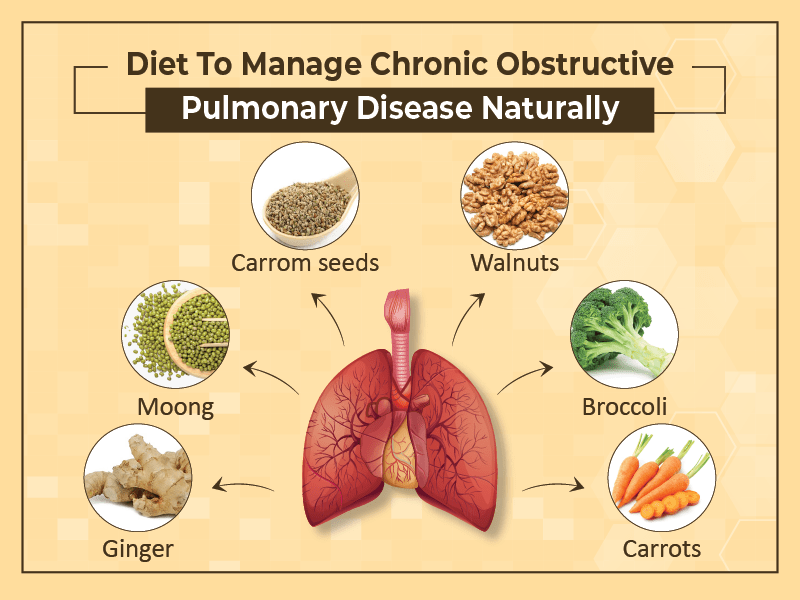
To combat these issues, it's essential to incorporate adequate protein into your diet. Protein is the building block of muscles and plays a vital role in tissue repair and immune function. Aim to include a source of lean protein in every meal.
Good protein sources include:
For those who struggle to eat large meals due to shortness of breath, try incorporating protein-rich snacks throughout the day. Greek yogurt with berries, a handful of almonds, or a hard-boiled egg can provide a quick protein boost without overwhelming your system.
It's important to note that while protein is crucial, excessive protein intake can increase carbon dioxide production, potentially making breathing more difficult. Consult with a registered dietitian to determine the right amount of protein for your individual needs.
2. Balance Carbohydrates for Energy Management
Carbohydrates are the body's primary source of energy, but for chronic obstructive pulmonary disease (COPD) patients, managing carbohydrate intake requires a delicate balance. Consuming too many carbohydrates, especially simple sugars, can lead to increased carbon dioxide production during metabolism. This can potentially worsen breathlessness in some individuals with COPD.

However, it's important not to eliminate carbohydrates entirely, as they are essential for energy production. The key is to focus on complex carbohydrates and practice portion control.
Tips for managing carbohydrate intake:
Choose whole grains over refined grains (e.g., brown rice instead of white rice, whole wheat bread instead of white bread)
3. Embrace Healthy Fats for Inflammation Reduction
Inflammation plays a significant role in chronic obstructive pulmonary disease (COPD) progression and symptom severity. While medication is often necessary to manage inflammation, dietary choices can also have an impact. Incorporating healthy fats, particularly omega-3 fatty acids, into your diet may help reduce inflammation and support overall lung health.

Beneficial sources of healthy fats include:
Omega-3 fatty acids have been shown to have anti-inflammatory properties. Some studies suggest that regular consumption of omega-3s may help improve lung function and reduce the risk of COPD exacerbations.
While incorporating healthy fats is important, it's crucial to maintain a balance. Fats are calorie-dense, so be mindful of portion sizes, especially if weight management is a concern. Additionally, some COPD patients find that high-fat meals can cause discomfort and make breathing more difficult. If you experience this, try spreading your fat intake throughout the day in smaller portions.
4. Stay Hydrated for Optimal Mucus Management
Proper hydration is crucial for everyone, but it's particularly important for individuals with COPD. Adequate fluid intake helps keep mucus thin and easier to expel, which is essential for maintaining clear airways and preventing infections.
Water is always the best choice for hydration, but other beverages can contribute to your daily fluid intake as well.
Hydration tips for COPD patients:
5. Focus on Nutrient-Dense Foods for Overall Health
COPD can increase the body's energy requirements, making it crucial to maximize the nutritional value of every meal. Focusing on nutrient-dense foods ensures that you're getting the most benefit from the calories you consume.
Nutrient-dense foods are rich in vitamins, minerals, and other beneficial compounds while being relatively low in calories. These foods can help support your immune system, promote healing, and provide the energy needed to manage COPD symptoms.

Some nutrient-dense foods to incorporate into your diet include:
Certain nutrients are particularly important for COPD patients:
Vitamin D: Many COPD patients have low vitamin D levels, which can impact lung function and increase the risk of exacerbations. Good sources include fatty fish, egg yolks, and fortified dairy products. Sun exposure also helps the body produce vitamin D.
Vitamin C: This antioxidant vitamin supports immune function and may help protect lung tissue from damage. Citrus fruits, strawberries, bell peppers, and broccoli are excellent sources.
Vitamin E: Another antioxidant that may help protect lung tissue. Found in nuts, seeds, and vegetable oils.
Magnesium: This mineral supports muscle and nerve function, including the muscles involved in breathing. Good sources include spinach, nuts, seeds, and whole grains.
While a balanced diet should provide most of the nutrients you need, some COPD patients may benefit from supplements. Always consult with your healthcare provider, ideally at the best pulmonary disease hospital, before starting any new supplement regimen, as some supplements can interact with medications or have unexpected effects on COPD symptoms.
Dr. Priyadarshi Jitendra Kumar
Dr. Priyadarshi Jitendra Kumar, MBBS, DNB, FSM, FCCP, brings over 20 years of specialized experience in treating Chronic Obstructive Pulmonary Disease (COPD). Renowned for his expertise in respiratory and sleep medicine, he excels in advanced diagnostic and therapeutic procedures, including flexible bronchoscopy and EBUS. His comprehensive approach and deep knowledge ensure effective management of COPD, tailored to each patient’s needs.
Dt. Pooja Yadav
Dt. Pooja Yadav, B.Sc, M.Sc-Nutrition, is a seasoned dietitian with over 8 years of experience in crafting effective diet plans for managing Chronic Obstructive Pulmonary Disease (COPD). As a Senior Dietitian at Felix Hospital, she specializes in creating personalized nutrition strategies that support respiratory health and improve overall well-being. Her expertise in dietetics ensures that each patient receives tailored dietary interventions to manage COPD effectively and enhance their quality of life.
Dt. Nida Zafar
Dt. Nida Zafar, B.Sc, M.Sc-Nutrition, is a dedicated dietician with 4 years of experience specializing in COPD diet management. She excels in providing personalized dietary counseling for both outpatient and inpatient settings, ensuring tailored nutrition plans that support effective COPD management. Her commitment to staying updated with the latest advancements and her focus on delivering exceptional patient outcomes make her a trusted expert in optimizing respiratory health through diet.
Proper nutrition is a powerful tool in managing COPD and improving overall quality of life. By prioritizing protein, balancing carbohydrates, embracing healthy fats, staying hydrated, and focusing on nutrient-dense foods, individuals with COPD can support their lung health and overall well-being. For optimal results, consider discussing your dietary needs with your healthcare team to complement your chronic obstructive pulmonary disease treatment.
Remember that everyone's nutritional needs are unique, and what works for one person may not be ideal for another. It's essential to work closely with your healthcare team, including a registered dietitian if possible, to develop a nutrition plan tailored to your specific needs and circumstances.
Have further queries about COPD care? Call us at +91 9667064100 or simply click here for expert answers and personalized assistance!
Sure, here are the rephrased questions along with brief answers:
1. What are the different stages of COPD?
COPD is classified into four stages: Stage 1 (mild), Stage 2 (moderate), Stage 3 (severe), and Stage 4 (very severe). Each stage reflects the progression of the disease and its impact on lung function and overall health.
2. What is the primary cause of COPD?
The main cause of COPD is long-term exposure to harmful substances, particularly cigarette smoke. Other factors include prolonged exposure to air pollutants, dust, and fumes.
3. Can COPD be cured?
COPD cannot be cured, but it can be managed effectively. Treatments focus on relieving symptoms, improving quality of life, and slowing disease progression through medications, lifestyle changes, and therapies.
4. What is the most effective treatment for COPD?
The most effective treatment for COPD usually involves a combination of medications (such as bronchodilators and steroids), lifestyle changes (like quitting smoking), and pulmonary rehabilitation to improve lung function and manage symptoms.
5. Is COPD a serious condition?
Yes, COPD is a serious condition. It progressively worsens over time and can significantly impact a person's quality of life, leading to severe breathing difficulties and complications if not properly managed.
6. What does the 6-minute walk test involve for COPD patients?
The 6-minute walk test measures how far a patient can walk in six minutes. It helps assess their exercise tolerance, lung function, and overall health, providing valuable information for managing COPD.
7. Which type of doctor can diagnose COPD?
A pulmonologist, a specialist in respiratory conditions, is typically the doctor who diagnoses COPD. However, general practitioners and internists can also diagnose and manage the disease.
8. How can a doctor determine if you have COPD?
A doctor can diagnose COPD through a combination of medical history, physical examination, and diagnostic tests like spirometry, which measures lung function, and imaging studies such as chest X-rays or CT scans.

A pulmonologist plays a crucial role in helping patients dealing with serious or chronic breathing difficulties.

When considering eye surgery, selecting the right specialist is of utmost importance. At the best ophthalmologist hospital in Noida, you can be assured of receiving exceptional care from experienced professionals who utilize advanced technology. Despite the summer season being an ideal time for many health procedures, numerous myths deter people from opting for eye surgeries during this period. Let’s debunk those myths and provide accurate information about the realities of undergoing eye surgery in the summer.
book an appointment with Best Eye Doctor In Noida. Call now at +91-9667064100.
Eye surgery, especially procedures like LASIK and Cataract Surgery, is a common and effective solution for many vision problems. However, many people hesitate to schedule these surgeries during the summer due to various myths and misconceptions. Let’s debunk popular myths and present facts about eye surgery during the summer to help you make an informed decision.
Myth 1: Summer Heat Increases the Risk of Infection
Fact: Modern eye surgery procedures are performed in sterile, controlled environments, minimizing the risk of infection regardless of the season. Surgeons follow strict protocols to ensure patient safety, and the risk of infection remains low throughout the year.
Myth 2: Sunlight Negatively Affects Healing
Fact: While it’s true that direct sunlight can cause discomfort and may delay healing, this risk is easily managed. Patients are advised to wear protective sunglasses and follow post-operative care instructions to shield their eyes from harmful UV rays. Proper eye protection can effectively mitigate any potential issues caused by sunlight.
Myth 3: Swimming is Completely Off-Limits After Surgery
Fact: Swimming should be avoided for a specific period after eye surgery, typically a few weeks, to prevent exposure to bacteria in water. However, this is a temporary restriction and is not exclusive to summer. Once your doctor gives the green light, you can resume swimming with appropriate eye protection.
Myth 4: Higher Temperatures Affect Surgical Outcomes
Fact: Surgical outcomes are not impacted by the weather. The controlled environments in which eye surgeries are performed ensure that external temperatures do not affect the procedure. Advanced surgical techniques and equipment function optimally regardless of the season.
Myth 5: Allergies Are Worse in Summer, Making Surgery Riskier
Fact: Allergies can indeed be more pronounced in certain seasons. However, preoperative evaluations take your overall health, including allergy status, into account. If you have seasonal allergies, your surgeon may prescribe medications to manage symptoms and ensure a smooth recovery process.
Myth 6: Dehydration from Heat Can Complicate Surgery
Fact: Proper hydration is important for overall health but does not specifically complicate eye surgery. Surgeons recommend staying hydrated and maintaining good overall health before any surgical procedure. Drinking adequate water and following a balanced diet are simple yet effective measures.
Myth 7: It's Harder to Schedule Surgeries in Summer Due to High Demand
Fact: While summer can be a busy time for elective surgeries, many clinics manage appointments efficiently to accommodate patients year-round. Planning ahead and scheduling your surgery in advance can ensure you get the desired date and time for your procedure.
Myth 8: Recovery Takes Longer in Summer
Fact: Recovery time from eye surgery is consistent throughout the year and depends on individual factors rather than the season. Following your surgeon's post-operative care instructions is crucial for a smooth and timely recovery, regardless of when the surgery is performed.
Myth 9: Post-Surgery Activities are Limited in Summer
Fact: While some activities like swimming or being in dusty environments should be avoided initially, most other summer activities can be enjoyed with proper care. Protective eyewear and following post-operative guidelines allow patients to enjoy their summer while recovering from eye surgery.
Myth 10: Eye Surgeries Are Less Effective in Summer
Fact: The effectiveness of eye surgeries like LASIK or cataract surgery is not influenced by the season. Success rates are consistently high throughout the year, thanks to advancements in surgical techniques and technology. The skill of the surgeon and adherence to post-operative care are the key factors influencing outcomes.
Choosing the right ophthalmologist is a crucial step in your eye surgery journey. If you're located in or near Noida, you're fortunate to have access to some of the best ophthalmologists in the region, including:
Dr. Mohmad Uzair Zakai
With over 10 years of experience in ophthalmology, Dr. Mohmad Uzair Zakai is highly skilled in both basic and advanced eye procedures. He excels in managing outpatient care and emergencies with precision. His expertise includes performing a wide range of ophthalmological investigations, such as slit lamp examinations, OCT imaging, and fundus fluorescein angiography. Dr. Zakai is proficient in treating conditions like glaucoma, diabetic retinopathy, and age-related macular degeneration. Additionally, he has successfully performed 4,800 cataract surgeries using various techniques, including phacoemulsification.
Dr. Deepanjali Arya
Dr. Deepanjali Arya is a seasoned ophthalmologist with over 9 years of experience. She specializes in diagnosing, treating, and surgically managing a variety of eye conditions. Driven by a commitment to improving eye health, Dr. Arya provides exceptional care and personalized treatment plans tailored to individual needs.
Take the Next Step Towards Clearer Vision—Connect with Our Specialists! Call Now - +91 9667064100.
Debunking these myths about Eye Surgery during the summer reveals that there is no reason to delay necessary procedures based on the season alone. The advanced medical facilities, controlled surgical environments, and professional care ensure that eye surgeries are safe and effective year-round. If you need eye surgery, consult with your ophthalmologist to schedule your procedure at a time that is convenient for you, without worrying about the myths surrounding summer surgeries. Enjoy clear vision and a great summer with the right information and care.
1. Can eye surgery be done in summer?
Yes, eye surgery can be performed in the summer. While some people worry about potential complications related to heat or outdoor activities, modern techniques and precautions ensure that summer does not significantly impact the safety or effectiveness of eye surgery. However, it’s essential to follow your surgeon’s advice and take necessary precautions to protect your eyes from excessive sun exposure and irritants.
2. Which season is good for eye operations?
Eye surgery can be performed safely in any season. The best time for eye surgery largely depends on individual circumstances and the specific procedure being performed. It’s more important to choose a time when you can follow post-operative care instructions and avoid activities that might strain your eyes, regardless of the season.
3. What is the fastest way to recover from eye surgery?
To recover quickly from eye surgery, follow these tips:
4. How many days rest are required after an eye operation?
The required rest period after eye surgery varies depending on the type of procedure and individual recovery rates. For procedures like LASIK or cataract surgery, most patients experience significant improvement within a few days, but it may take a few weeks to achieve full recovery. Always follow your surgeon’s specific recommendations regarding rest and activity restrictions.
5. Is eye surgery very painful?
Eye surgery is generally not very painful. Most procedures are performed under local anesthesia, which numbs the area around the eye. You may experience some discomfort, pressure, or mild pain during and after the surgery, but this is usually manageable with prescribed medications and should diminish over time.
6. How long does the eye hurt after surgery?
Mild discomfort or soreness in the eye can be expected after surgery, but it typically lasts for a few days to a week. If you experience severe or persistent pain, it’s important to contact your surgeon to rule out complications.
7. Is crying OK after eye surgery?
Light crying after eye surgery is generally acceptable, but excessive crying should be avoided as it may increase discomfort or affect the healing process. Follow your surgeon’s advice on how to manage tears and any other post-operative symptoms.
8. Who should not do eye surgery?
Certain individuals may not be suitable candidates for eye surgery, including:
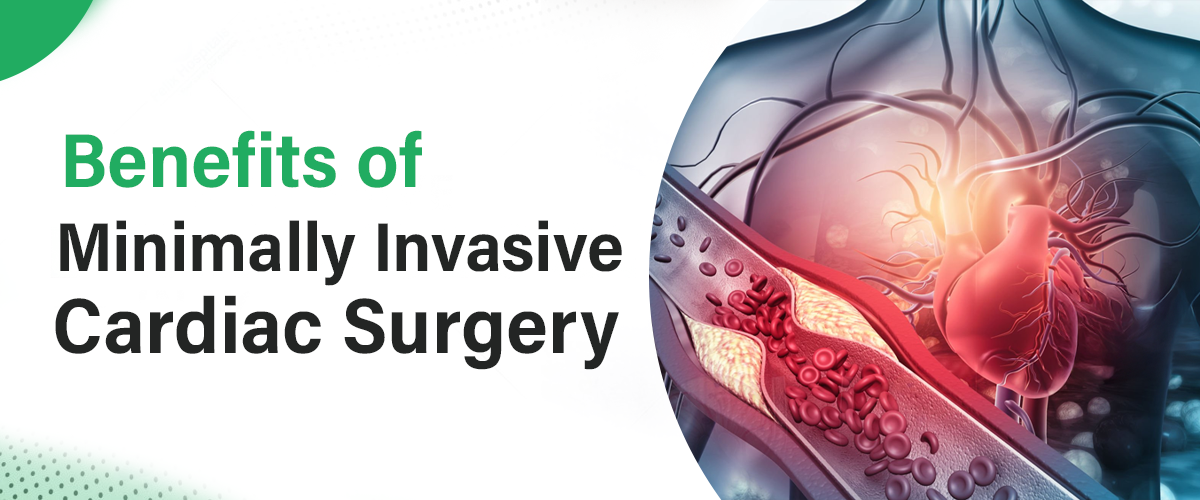
Minimally invasive cardiac surgery is a modern approach to treating heart conditions that aims to reduce the physical trauma associated with traditional open heart surgery. Instead of making a large incision, surgeons use smaller incisions and advanced tools, often guided by cameras, to perform the procedure. This technique is recommended because it typically results in less pain, reduced risk of infection, shorter recovery times, and minimal scarring. For many patients, these benefits translate into a quicker return to normal activities and an overall improved quality of life.
For top-notch minimally invasive cardiac surgery, click here or call +91 9667064100.
Minimally invasive cardiac surgery (MICS) represents a major leap forward in cardiac care, offering a less invasive alternative to conventional open-heart surgery. Unlike traditional methods that necessitate a large incision through the breastbone, MICS involves making several small incisions in the chest. Surgeons access the heart through these small openings, navigating through the spaces between the ribs.
This approach significantly reduces the trauma to the body and supports a quicker recovery. MICS can be used for a range of procedures, including valve repairs, coronary artery bypass grafting, and corrections of atrial septal defects, among others.
Minimally invasive cardiac surgery is generally preferred over traditional open-heart surgery for several key reasons. Traditional surgery requires a lengthy incision and considerable disruption of the chest wall, leading to prolonged recovery times and increased postoperative discomfort. On the other hand, MICS employs smaller incisions, resulting in less pain, minimal scarring, and a faster return to daily activities. Patients who undergo MICS often enjoy shorter hospital stays and experience fewer complications, such as infections and excessive bleeding. For those considering this approach, it's also worth noting that the minimally invasive cardiac surgery cost in Noida can be more affordable compared to traditional methods, offering an additional benefit.
Minimal Scarring
One of the most noticeable benefits of MICS is the minimal scarring it results in. Traditional open-heart surgery often leaves a prominent scar down the middle of the chest, which can be a significant concern for many individuals. In contrast, MICS involves smaller, strategically placed incisions that tend to heal with less noticeable scars, offering a more favorable cosmetic outcome.
Faster Recovery
Patients who opt for minimally invasive procedures often experience a quicker recovery compared to those undergoing open-heart surgery. The less invasive nature of MICS generally allows patients to resume normal activities within days to weeks, whereas traditional surgery typically requires several weeks or even months for a full recovery. This expedited recovery is due to the reduced trauma to the body and lower need for extensive pain management.
Reduced Discomfort and Pain
Minimally invasive cardiac surgery is associated with significantly lower levels of postoperative pain. By avoiding the need to cut through the breastbone, patients report less pain and require fewer pain medications. This reduction in discomfort not only enhances the immediate recovery experience but also contributes to a more positive overall healing process.
Lower Risk of Infection
The smaller incisions used in MICS result in a decreased risk of infection. With less exposure of the heart to external elements and a typically shorter hospital stay, the chances of postoperative infections are significantly lower. This is particularly advantageous for patients with pre-existing health conditions that could elevate their risk of complications. Choosing a reputable invasive cardiac surgery hospital can further ensure high standards of care and minimize infection risks.
Reduced Blood Loss
MICS usually involves less blood loss during the procedure, which can minimize the need for blood transfusions. The smaller incisions and less invasive techniques reduce the incidence of bleeding, a common concern in traditional open-heart surgeries. This aspect enhances patient safety and contributes to a faster recovery.
Lower Complication Rates
Overall, MICS is associated with fewer complications compared to traditional surgery. This includes reduced risks of bleeding, infection, and severe complications like stroke or heart attack. The minimally invasive approach creates a more controlled surgical environment, leading to improved outcomes and enhanced patient safety.
Dr. Rahul Arora
Dr. Rahul Arora, MBBS, MD, DM (Cardiology), is a distinguished Interventional Cardiologist with over 13 years of extensive experience. His expertise in Minimal Access Cardiac Surgery (MICS) highlights his innovative approach and dedication to advancing cardiology. With a strong academic foundation and a relentless commitment to enhancing patient outcomes, Dr. Arora stands out for his exceptional skills in delivering cutting-edge care through minimally invasive techniques.
Minimally invasive cardiac surgery presents several notable advantages compared to traditional open-heart procedures. It typically results in minimal scarring, faster recovery, reduced discomfort, lower infection risk, less blood loss, and fewer complications. As surgical techniques evolve, MICS is becoming an increasingly viable option for many patients requiring Heart Surgery. If you’re seeking minimally invasive cardiac care, there is available a range of best invasive cardiologists in Noida. It is advisable for individuals considering heart surgery to discuss the potential benefits of minimally invasive methods with their healthcare providers to determine the most suitable treatment approach for their specific needs.
Book your Consultation with our experts now! Click here or call +91 9667064100.
1. What heart conditions can be treated with minimally invasive surgery?
Minimally invasive surgery can address a variety of heart conditions, including valve repairs (such as for the mitral and aortic valves), coronary artery bypass grafting, and corrections of congenital heart defects like atrial septal defects.
2. Is minimally invasive cardiac surgery appropriate for everyone?
Not all patients are suitable candidates for minimally invasive surgery. The decision depends on factors such as the specific heart condition, the patient’s overall health, and the surgeon’s evaluation.
3. What is the typical recovery time after minimally invasive cardiac surgery?
Recovery times can vary, but many patients return to their regular activities within a few days to weeks after the procedure, which is notably faster compared to the recovery time needed after traditional open-heart surgery.
4. Are there risks involved with minimally invasive cardiac surgery?
While MICS generally involves fewer risks than traditional surgery, it is not without potential complications. These may include bleeding, infection, and, in rare cases, the need to convert to an open-heart procedure if complications arise during the surgery.
5. What is the cost of minimally invasive cardiac surgery in Noida?
The Cost of Minimally Invasive Cardiac Surgery in Noida can vary based on the complexity of the procedure and the hospital's facilities. On average, it ranges between ₹2,50,000 and ₹5,00,000. Consult local hospitals for precise estimates.
6. How long does minimally invasive cardiac surgery take?
Minimally invasive cardiac surgery typically takes 2 to 4 hours, depending on the procedure's complexity. The actual time can vary based on the individual’s condition and the specific surgical approach used.
7. What are the expected results of minimally invasive cardiac surgery?
Minimally invasive cardiac surgery generally leads to quicker recovery, less postoperative pain, minimal scarring, and a reduced risk of complications compared to traditional open-heart surgery. Most patients experience significant improvement in their heart health and quality of life.
Sudden cardiac arrest (SCA) is a medical emergency that occurs when the heart suddenly stops beating due to an electrical malfunction.
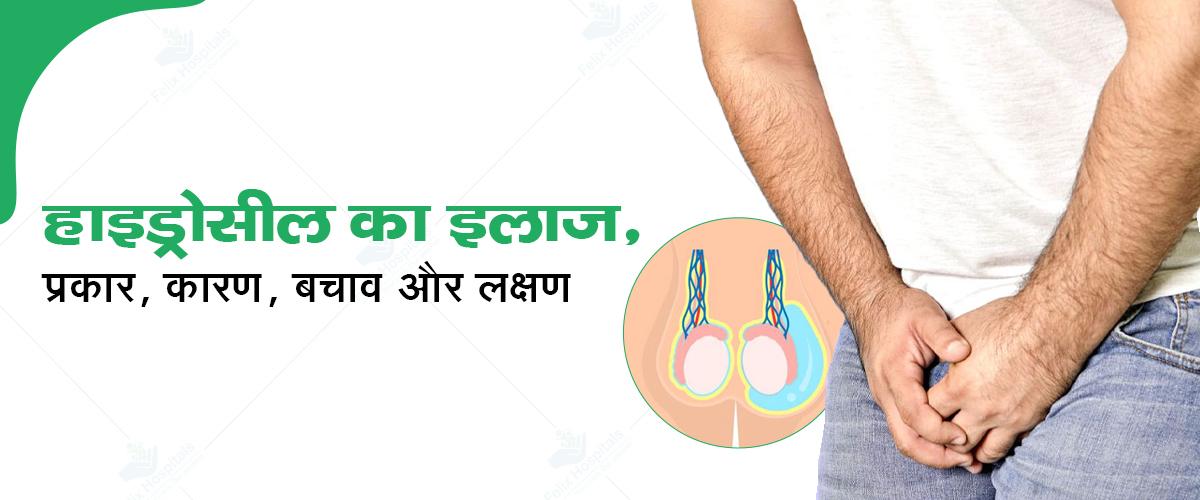
हाइड्रोसील एक चिकित्सा स्थिति है जिसमें अंडकोश (स्क्रोटम) में तरल पदार्थ का संचय हो जाता है, जिससे अंडकोश सूज जाता है। यह स्थिति सामान्यतः दर्दरहित होती है और पुरुषों, विशेषकर नवजात शिशुओं और वृद्ध पुरुषों में देखी जाती है। हाइड्रोसील का कारण अक्सर स्पष्ट नहीं होता, लेकिन यह कुछ स्थितियों जैसे कि चोट, संक्रमण, या सूजन के कारण हो सकता है। यदि आपको या किसी और को हाइड्रोसील (hydrocele in Hindi) या उसके लक्षण महसूस हो रहे हैं, तो तुरंत चिकित्सा सहायता प्राप्त करें। जानिए इसके लक्षण से लेकर इलाज तक के बारे में विस्तार से..
हाइड्रोसील आमतौर पर गंभीर नहीं होती, लेकिन यदि आपको कोई लक्षण महसूस हो, तो डॉक्टर से सलाह लेना आवश्यक है। जानकारी के लिए हमें कॉल करें +91 9667064100.
हाइड्रोसील एक चिकित्सा स्थिति है जिसमें अंडकोश (स्क्रोटम) में तरल पदार्थ का संचय हो जाता है। यह स्थिति अंडकोश के चारों ओर सूजन का कारण बनती है। हाइड्रोसील आमतौर पर दर्द रहित होती है और इसे गंभीर नहीं माना जाता, लेकिन यह असहज हो सकती है और कभी-कभी दर्द का कारण भी बन सकती है। यह स्थिति नवजात शिशुओं और वयस्क पुरुषों दोनों में हो सकती है। हाइड्रोसील को रोकने के लिए कोई निश्चित उपाय नहीं है, लेकिन नियमित चिकित्सा जांच और अंडकोश की स्व-परिक्षा से किसी भी असामान्यता का जल्द पता लगाया जा सकता है। हाइड्रोसील आमतौर पर गंभीर नहीं होती लेकिन फिर भी उसका मतलब जानना (Meaning of hydrocele in Hindi) और समझण बेहद ज़रूरी होता है , लेकिन यदि आपको कोई लक्षण महसूस हो, तो डॉक्टर से सलाह लेना आवश्यक है।
प्राइमरी (जन्मजात) हाइड्रोसील (Congenital Hydrocele): यह नवजात शिशुओं में पाया जाता है और जन्म के समय मौजूद होता है। यह तब होता है जब वृषण (टेस्टिकल) पेट की गुहा से अंडकोश में नीचे आते समय तरल पदार्थ से भरी एक थैली में आ जाता है और यह थैली पूरी तरह से बंद नहीं होती। इससे तरल पदार्थ अंडकोश में जमा हो जाता है। अधिकांश मामलों में, यह अपने आप एक साल के भीतर ठीक हो जाती है और कोई विशेष उपचार की आवश्यकता नहीं होती। यदि यह एक साल बाद भी बनी रहती है, तो सर्जरी की सलाह दी जा सकती है।
सेकंडरी (अर्जित) हाइड्रोसील (Acquired Hydrocele): यह प्रकार वयस्क पुरुषों में पाया जाता है। यह कई कारणों से हो सकता है, जैसे: अंडकोश की चोट या चोट लगने के कारण। अंडकोश में संक्रमण या सूजन (जैसे कि एपिडीडिमाइटिस या ऑर्काइटिस)। ट्यूमर या अन्य चिकित्सा स्थितियों के कारण। यदि हाइड्रोसील बहुत बड़ी हो जाती है, दर्द का कारण बनती है, या अन्य समस्याओं का संकेत देती है, तो सर्जिकल हस्तक्षेप की आवश्यकता हो सकती है। सामान्य उपचार विधियों में हाइड्रोसीलेक्टोमी यानी सर्जिकल रूप से हाइड्रोसील को निकालना है। एस्पिरेशन और स्क्लेरोथेरेपी यानी तरल पदार्थ को निकालने के बाद स्क्लेरोसेंट नामक रसायन का इंजेक्शन का उपयोग करना है।
बिना सर्जरी के इलाज (Treatment without Surgery in Hindi): नवजात शिशुओं में हाइड्रोसील आमतौर पर बिना किसी उपचार के एक साल के भीतर अपने आप ठीक हो जाती है। इस अवधि में डॉक्टर नियमित रूप से बच्चे की जांच करते रहते हैं। एस्पिरेशन में सुई की मदद से हाइड्रोसील से तरल पदार्थ को निकाल दिया जाता है। यह तरीका आमतौर पर अस्थायी राहत के लिए किया जाता है और तरल पदार्थ फिर से जमा हो सकता है। एस्पिरेशन के बाद, स्क्लेरोसेंट नामक रसायन को हाइड्रोसील की थैली में इंजेक्ट किया जाता है, जिससे थैली की दीवारें सिकुड़कर तरल पदार्थ का फिर से निर्माण नहीं कर पातीं। यह विधि भी एस्पिरेशन की तरह ही होती है, लेकिन थोड़ी अधिक प्रभावी हो सकती है।
सर्जिकल उपचार (Surgical Treatment of Hydrocele in Hindi): हाइड्रोसीलेक्टोमी सर्जरी का एक प्रमुख तरीका है जिसमें हाइड्रोसील की थैली को पूरी तरह से निकाल दिया जाता है। यह सबसे प्रभावी और स्थायी समाधान होता है। मरीज को सामान्य या क्षेत्रीय एनेस्थीसिया दिया जाता है। सर्जन अंडकोश में एक छोटा चीरा लगाता है और हाइड्रोसील की थैली को निकालता है। सर्जरी के बाद कुछ दिनों तक दर्द और सूजन हो सकती है, जिसे दवाओं और आराम से नियंत्रित किया जा सकता है।
उपचार के बाद देखभाल (Post Treatment Care of Hydrocele in Hindi): सर्जरी के बाद, मरीज को कुछ दिनों तक आराम करने और भारी गतिविधियों से बचने की सलाह दी जाती है। डॉक्टर द्वारा सुझाई गई दर्द निवारक दवाओं का सेवन करें। सर्जरी के स्थान को साफ और सूखा रखें। किसी भी असामान्य लक्षण जैसे कि बुखार, अत्यधिक सूजन या दर्द होने पर तुरंत डॉक्टर से संपर्क करें
डॉ. भंवर लाल बरकेसिया, एक यूरोलॉजिस्ट जिनका 9+ वर्षों का अनुभव है, बहुत कुशल और समर्पित हैं। वे सामान्य यूरोलॉजी, एंडोस्कोपिक यूरोलॉजी, कैंसर से संबंधित यूरोलॉजी, गुर्दे के प्रत्यारोपण, बांझपन, और महिला यूरोलॉजी में विशेषज्ञ हैं। उन्होंने कई प्रक्रियाएं सफलतापूर्वक की हैं, जैसे यूरेटर के पत्थर निकालना, प्रोस्टेट के पत्थर निकालना, गुर्दे से पत्थर निकालना, वेरिकोसील की सर्जरी, यूरेटर की मरम्मत, गुर्दे की सर्जरी, और महिला यूरोलॉजी सम्बन्धी सर्जरी।
डॉ. सचिन खंडेलवाल एक यूरोलॉजिस्ट हैं और उनका अनुभव 12 वर्षों से अधिक का है। उनकी विशेषज्ञता में मूत्राशय संबंधी समस्याएं, यूरिनरी ट्रैक्ट संक्रमण (यूटीआई), मूत्राशय और गुर्दे का कैंसर, गुर्दे में अवरोध और गुर्दे के पत्थर शामिल हैं। उनकी विशेषज्ञता में गुर्दे का प्रत्यारोपण (मृत व्यक्ति और जीवित देनेवाले से संबंधित), एंडोयूरोलॉजी, लेपरोस्कॉपिक और खुली सर्जरी शामिल है। मूत्रतंत्र से संबंधित किसी भी समस्या के लिए उनसे परामर्श लें।
हाइड्रोसील का इलाज आमतौर पर यूरोलॉजिस्ट द्वारा किया जाता है लेकिन कुछ मामलों में जनरल सर्जन भी हाइड्रोसील का उपचार कर सकते हैं। डॉक्टर की सलाह के लिए आज ही फ़ोन करें - +91 9667064100.
हाइड्रोसील एक आम लेकिन आमतौर पर गंभीर नहीं होने वाली स्थिति है। नवजात शिशुओं में यह अक्सर बिना उपचार के ठीक हो जाती है, जबकि वयस्कों में सर्जिकल हस्तक्षेप की आवश्यकता हो सकती है। उचित देखभाल, नियमित जांच, और विशेषज्ञ डॉक्टर से परामर्श करके हाइड्रोसील को प्रभावी ढंग से प्रबंधित किया जा सकता है। यदि आपको हाइड्रोसील के लक्षण महसूस हों, तो जल्दी से जल्दी नोएडा के यूरोलॉजिस्ट (Best Urologist in hindi) से चिकित्सकीय सलाह लेना महत्वपूर्ण है। हाइड्रोसील से बचाव के उपाय सीधे तौर पर इसके कारणों को संबोधित करते हैं। संक्रमण, चोट, और अन्य जोखिम कारकों से बचाव करके हाइड्रोसील के जोखिम को कम किया जा सकता है।
प्रश्न 1: हाइड्रोसील क्या है ?
उत्तर: हाइड्रोसील एक चिकित्सा स्थिति है जिसमें अंडकोश (स्क्रोटम) में तरल पदार्थ का संचय हो जाता है, जिससे अंडकोश सूज जाता है। यह स्थिति नवजात शिशुओं और वयस्क पुरुषों दोनों में हो सकती है।
प्रश्न 2: हाइड्रोसील के लक्षण क्या हैं ?
उत्तर: अंडकोश में सूजन, आमतौर पर दर्दरहित, लेकिन बड़े हाइड्रोसील से भारीपन या असहजता हो सकती है। सूजन का धीरे-धीरे बढ़ती जाती है।
प्रश्न 3: हाइड्रोसील का कारण क्या है ?
उत्तर: नवजात शिशुओं में वृषण के अवरोहण के दौरान पेट की गुहा से तरल पदार्थ का अंडकोश में आ जाना और वयस्कों में चोट, संक्रमण, सूजन, या ट्यूमर इसका कारण है।
प्रश्न 4: क्या हाइड्रोसील खतरनाक है ?
उत्तर: हाइड्रोसील आमतौर पर खतरनाक नहीं होती और ज्यादातर मामलों में गंभीर स्वास्थ्य समस्याओं का कारण नहीं बनती। हालांकि, यदि हाइड्रोसील बहुत बड़ी हो जाती है या दर्द का कारण बनती है, तो डॉक्टर से परामर्श करना महत्वपूर्ण है।
प्रश्न 5: क्या हाइड्रोसील को रोका जा सकता है?
उत्तर: हाइड्रोसील को पूरी तरह से रोकने का कोई निश्चित तरीका नहीं है। हालांकि, संक्रमण से बचाव, चोट से बचाव, और नियमित चिकित्सा जांच से हाइड्रोसील के जोखिम को कम किया जा सकता है।
प्रश्न 6: क्या हाइड्रोसील दोबारा हो सकता है ?
उत्तर: हाइड्रोसील का पुनरावृत्ति संभव है, खासकर अगर एस्पिरेशन या स्क्लेरोथेरेपी के बाद तरल पदार्थ फिर से जमा हो जाए। हाइड्रोसीलेक्टोमी के बाद पुनरावृत्ति की संभावना कम होती है।
प्रश्न 7: हाइड्रोसीलेक्टोमी क्या है ?
उत्तर: हाइड्रोसीलेक्टोमी एक सर्जिकल प्रक्रिया है जिसमें हाइड्रोसील की थैली को निकाल दिया जाता है। यह सबसे प्रभावी और स्थायी उपचार होता है।
प्रश्न 8: क्या हाइड्रोसील का इलाज जरूरी है ?
उत्तर: नवजात शिशुओं में हाइड्रोसील अक्सर अपने आप ठीक हो जाती है और इलाज की आवश्यकता नहीं होती। वयस्कों में, यदि हाइड्रोसील दर्द का कारण बनता है या असहजता उत्पन्न करता है, तो इलाज जरूरी हो सकता है।

यूरिन (मूत्र) में एपिथेलियल सैल्स आमतौर पर तब पाई जाती हैं जब एपिथेलियल सैल्स मूत्रमार्ग, ब्लैडर, यूरिटर्स या किडनी से बाहर निकलती हैं। यूरिन में एपिथेलियल सैल्स का एक सामान्य स्तर होना सामान्य है, लेकिन अगर इनकी मात्रा अधिक हो जाती है, तो यह संक्रमण, सूजन, या अन्य स्वास्थ्य समस्याओं का संकेत हो सकता है। डॉक्टर आपके यूरिन टेस्ट के परिणामों की जांच करेंगे और यदि आवश्यक हो तो आगे की जांच और उपचार की सलाह देंगे। यदि आपको यूरिन में किसी प्रकार के लक्षण महसूस हो रहे हैं, तो तुरंत तो तुरंत नोएडा के यूरोलॉजिस्ट (Best Urologist in Noida) से संपर्क करें और चिकित्सा सहायता प्राप्त करें। जानिए इसके लक्षण से लेकर इलाज तक के बारे में विस्तार से.
ज्यादा जानकारी के लिए हमें कॉल करें +91 9667064100.
यूरिन में एपिथेलियल सैल्स की उपस्थिति सामान्यत: तब होती है जब एपिथेलियल सैल्स (त्वचा और आंतरिक अंगों की सतह को ढंकने वाली कोशिकाएं) मूत्र मार्ग के विभिन्न हिस्सों से मूत्र के साथ निकलती हैं। स्क्वैमस एपिथेलियल सैल्स सबसे सामान्य प्रकार की कोशिकाएं होती हैं जो आमतौर पर मूत्रमार्ग (यूरीथ्रा) और वेजाइना से आती हैं। ये कोशिकाएं फ्लैट और बड़ी होती हैं। ट्रांजिशनल एपिथेलियल सैल्स कोशिकाएं ब्लैडर (मूत्राशय), यूरिटर्स (मूत्रवाहिनी), और किडनी के ऊपरी हिस्से से आती हैं। ये कोशिकाएं विभिन्न आकार और रूप में हो सकती हैं। रिनल ट्यूबुलर एपिथेलियल सैल्स कोशिकाएं किडनी (गुर्दे) से आती हैं और अगर ये बड़ी मात्रा में पाई जाती हैं, तो यह किडनी की किसी समस्या का संकेत हो सकता है।
यूरिन में एपिथेलियल सैल्स की सामान्य रेंज व्यक्ति की उम्र, लिंग, और स्वास्थ्य की स्थिति पर निर्भर करती है। आमतौर पर, यूरिन में एपिथेलियल सैल्स की सामान्य मात्रा को मापने के लिए माइक्रोस्कोपिक एक्सामिनेशन का उपयोग किया जाता है। स्क्वैमस एपिथेलियल सैल्स की सामान्य रेंज यूरिन सैंपल में स्क्वैमस एपिथेलियल सैल्स की मात्रा हल्की होती है, और आमतौर पर 0-5 सैल्स/हाई पावर फील्ड (एचपीएफ) होती है। अगर ये संख्या बढ़ जाती है, तो यह मूत्रमार्ग की सूजन या संक्रमण का संकेत हो सकता है। ट्रांजिशनल एपिथेलियल सैल्स में रेंज सामान्य रूप से 0-3 सैल्स/एचपीएफ होती है। अगर संख्या अधिक होती है, तो यह मूत्राशय की समस्या या सूजन का संकेत हो सकता है। रिनल ट्यूबुलर एपिथेलियल सैल्स की रेंज सामान्य यूरिन में रिनल ट्यूबुलर एपिथेलियल सैल्स की मात्रा बहुत कम होती है, लगभग 0-1 सैल्स/एचपीएफ होती है। अगर इनकी संख्या अधिक हो, तो यह किडनी की समस्याओं का संकेत हो सकता है, जैसे कि किडनी की सूजन या क्षति। विभिन्न प्रयोगशालाएं और मेडिकल सेंटर थोड़े भिन्न मानदंडों का उपयोग कर सकते हैं, इसलिए आपके द्वारा प्राप्त परिणामों को आपके स्वास्थ्य पेशेवर द्वारा सही ढंग से व्याखित करना महत्वपूर्ण है। सामान्य रेंज में थोड़े बहुत बदलाव हो सकते हैं, और ये किसी बीमारी या स्वास्थ्य स्थिति का संकेत नहीं देते हैं। अगर आपके यूरिन टेस्ट में एपिथेलियल सैल्स की मात्रा सामान्य से अधिक पाई जाती है, तो डॉक्टर से परामर्श करें ताकि किसी संभावित स्वास्थ्य समस्या की जांच की जा सके और उचित उपचार किया जा सके।
डॉ. भंवर लाल बरकेसिया के पास यूरोलॉजी में 9 वर्षों से अधिक का व्यापक अनुभव है। वह सामान्य यूरोलॉजी, एंडोस्कोपिक यूरोलॉजी, कैंसर से संबंधित यूरोलॉजी, गुर्दा प्रत्यारोपण, बांझपन और महिला यूरोलॉजी में विशेषज्ञता रखते हैं। उन्होंने कई जटिल प्रक्रियाओं जैसे यूरेटर से पत्थर निकालना, प्रोस्टेट की सर्जरी, गुर्दे की पथरी निकालना, वेरिकोसील की सर्जरी, यूरेटर की मरम्मत, गुर्दे की सर्जरी और महिला यूरोलॉजी से जुड़ी सर्जरी को सफलतापूर्वक अंजाम दिया है।
डॉ. सचिन खंडेलवाल भी एक कुशल यूरोलॉजिस्ट हैं, जिनका 12 वर्ष से अधिक का अनुभव है। उनकी विशेषज्ञता में मूत्राशय संबंधी समस्याएं, मूत्र मार्ग संक्रमण (यूटीआई), मूत्राशय और गुर्दे का कैंसर, गुर्दे में अवरोध और गुर्दे की पथरी शामिल हैं। वे गुर्दे के प्रत्यारोपण (मृत व्यक्ति और जीवित दाता से संबंधित), एंडोयूरोलॉजी, लेप्रोस्कोपिक और खुली सर्जरी में भी माहिर हैं। मूत्र संबंधी किसी भी समस्या के लिए, आप इन दोनों डॉक्टरों से परामर्श कर सकते हैं।
यूरिन में एपिथेलियल सैल्स पर डॉक्टर की सलाह के लिए आज ही फोन करें - +91 9667064100.
यूरिन में एपिथेलियल सैल्स की अधिक मात्रा का इलाज इसके कारण पर निर्भर करता है। उपचार का उद्देश्य संक्रमण, सूजन, या अन्य समस्याओं का निदान और समाधान करना है। यूरिन में एपिथेलियल सैल्स की उपस्थिति आमतौर पर चिंता का कारण नहीं होती है, लेकिन यदि इनकी मात्रा अधिक हो जाती है, तो यह किसी स्वास्थ्य समस्या का संकेत हो सकता है। सही निदान और उपचार के लिए नोएडा में यूरोलॉजिस्ट हॉस्पिटल(Best urologist Hospital in Noida) में डॉक्टर से परामर्श करना आवश्यक है। समय पर जांच और उचित उपचार से संक्रमण और अन्य समस्याओं को रोका जा सकता है।
प्रश्न 1: यूरिन में एपिथेलियल सैल्स का सामान्य स्तर क्या होना चाहिए ?
उत्तर: सामान्य यूरिन में एपिथेलियल सैल्स की मात्रा थोड़ी बहुत होती है। यह मात्रा व्यक्ति की उम्र, लिंग, और स्वास्थ्य पर निर्भर करती है। सामान्यतः, स्क्वैमस एपिथेलियल सैल्स की थोड़ी मात्रा यूरिन में पाई जाती है, जबकि ट्रांजिशनल और रिनल ट्यूबुलर एपिथेलियल सैल्स की मात्रा कम होती है।
प्रश्न 2: यूरिन में एपिथेलियल सैल्स का अधिक होना क्या दर्शाता है ?
उत्तर: यूरिन में एपिथेलियल सैल्स की अधिक मात्रा संक्रमण, सूजन, या अन्य स्वास्थ्य समस्याओं का संकेत हो सकती है, जैसे कि यूरिनरी ट्रैक्ट इंफेक्शन , किडनी की समस्याएं, मूत्राशय की समस्याएं, या पेल्विक इंफ्लेमेटरी डिजीज।
प्रश्न 3: यदि यूरिन में एपिथेलियल सैल्स की अधिक मात्रा है, तो क्या करना चाहिए ?
उत्तर: यदि यूरिन टेस्ट में एपिथेलियल सैल्स की अधिक मात्रा पाई जाती है, तो यह महत्वपूर्ण है कि आप अपने डॉक्टर से परामर्श करें। डॉक्टर आपकी स्थिति का मूल्यांकन करेंगे, कारण का पता लगाएंगे, और उचित इलाज की सलाह देंगे।
प्रश्न 4: यूरिन में एपिथेलियल सैल्स की अधिकता को कैसे नियंत्रित किया जा सकता है ?
उत्तर: उपचार के लिए आपके डॉक्टर द्वारा सुझाए गए उपायों का पालन करें। इसमें एंटीबायोटिक्स, सूजन-रोधी दवाएं, और दर्द निवारक दवाएं शामिल हो सकती हैं। जीवनशैली में बदलाव, जैसे कि अधिक पानी पीना, सही स्वच्छता बनाए रखना, और सुरक्षित यौन संबंध रखना भी मदद कर सकता है।
प्रश्न 5: क्या जीवनशैली में बदलाव से यूरिन में एपिथेलियल सैल्स की अधिकता को रोका जा सकता है?
उत्तर: हां, जीवनशैली में कुछ बदलाव जैसे कि अच्छी स्वच्छता बनाए रखना, पर्याप्त पानी पीना, और स्वस्थ आहार का सेवन यूरिनरी ट्रैक्ट की स्वास्थ्य को बनाए रखने में मदद कर सकते हैं और संक्रमण के जोखिम को कम कर सकते हैं।
प्रश्न 6: क्या मूत्र में एपिथेलियल सैल्स की उपस्थिति गर्भावस्था में सामान्य है ?
उत्तर: गर्भावस्था के दौरान यूरिन में एपिथेलियल सैल्स की थोड़ी बहुत मात्रा सामान्य हो सकती है। हालांकि, यदि मात्रा अधिक है या अन्य लक्षण जैसे दर्द या जलन महसूस हो रही है, तो डॉक्टर से परामर्श करना चाहिए।
प्रश्न 7: क्या कैथेटर उपयोग करने से यूरिन में एपिथेलियल सैल्स की अधिकता हो सकती है ?
उत्तर: हां, कैथेटर का उपयोग करने से यूरिन में एपिथेलियल सैल्स की मात्रा बढ़ सकती है, क्योंकि कैथेटर मूत्रमार्ग में प्रवेश करता है और संक्रमण का खतरा बढ़ सकता है। सही उपयोग और स्वच्छता बनाए रखना महत्वपूर्ण है।
प्रश्न 8: क्या यूरिन में एपिथेलियल सैल्स की अधिकता का कोई गंभीर परिणाम हो सकता है ?
उत्तर: यूरिन में एपिथेलियल सैल्स की अधिकता कभी-कभी गंभीर समस्याओं का संकेत हो सकती है, जैसे कि किडनी की बीमारियां या संक्रमण। उचित निदान और समय पर उपचार से गंभीर परिणामों को रोका जा सकता है।

बच्चों में कैंसर एक गंभीर चिकित्सा स्थिति है, लेकिन प्रारंभिक पहचान और सही उपचार से इसे ठीक किया जा सकता है। बच्चों में पाए जाने वाले प्रमुख कैंसर के प्रकारों के बारे में जानकारी पहले दी जा चुकी है। अब, बच्चों में कैंसर के सामान्य लक्षण, निदान, उपचार, और देखभाल के बारे में जानना महत्वपूर्ण है। बच्चों में कैंसर का इलाज समय पर और सही तरीके से किया जाए तो यह ठीक हो सकता है। जागरूकता और प्रारंभिक पहचान से इस समस्या से निपटना संभव है। यदि आपके या किसी और बच्चे के लक्षण महसूस हो रहे हैं, तो तुरंत नोएडा में ऑन्कोलॉजिस्ट (Oncologist in Noida) से चिकित्सा सहायता प्राप्त करें। जानिए इसके लक्षण से लेकर इलाज तक के बारे में विस्तार से…
ज्यादा जानकारी के लिए हमें कॉल करें +91 9667064100.
बचपन में होने वाले कैंसर (चाइल्डहुड कैंसर) कई प्रकार के होते हैं, जो बच्चों के शरीर के विभिन्न हिस्सों को प्रभावित कर सकते हैं। यह कैंसर बच्चों और किशोरों में होने वाले कैंसर के लिए संदर्भित है, और इनके लक्षण, उपचार और परिणाम वयस्कों के कैंसर से अलग हो सकते हैं। यहां कुछ प्रमुख प्रकार के बचपन के कैंसर और उनके सामान्य लक्षणों के बारे में जानकारी दी जा रही है:
ल्यूकेमिया (Leukemia): यह बच्चों में सबसे आम प्रकार का कैंसर है, जिसमें रक्त और अस्थि मज्जा प्रभावित होते हैं। ल्यूकेमिया के दो मुख्य प्रकार हैं। पहला एक्यूट लिम्फोब्लास्टिक ल्यूकेमिया और दूसरा एक्यूट मायेलॉइड ल्यूकेमिया। थकान, बुखार, हड्डियों और जोड़ों में दर्द, असामान्य रक्तस्राव, बार-बार संक्रमण, वजन घटाना इसके लक्षण हैं।
ब्रेन और स्पाइनल कॉर्ड ट्यूमर : यह तंत्रिका तंत्र के सबसे आम प्रकार के ट्यूमर हैं। इनमें भी कई प्रकार होते हैं, जिनमें से मेडुलोब्लास्टोमा और ग्लियोमा प्रमुख हैं। सिरदर्द, उल्टी, दृष्टि में समस्या, संतुलन और चलने में कठिनाई इसके लक्षण हैं।
न्यूरोब्लास्टोमा: यह कैंसर तंत्रिका ऊतकों में उत्पन्न होता है और अधिकतर एड्रिनल ग्रंथि के पास पाया जाता है। यह आमतौर पर पांच साल से कम उम्र के बच्चों में होता है। पेट में सूजन, हड्डियों में दर्द, त्वचा पर नीले-लाल धब्बे, पलकें गिरना इसके लक्षण हैं।
विल्म्स ट्यूमर: यह किडनी में होने वाला एक प्रकार का कैंसर है और अधिकतर तीन से चार साल की उम्र के बच्चों में पाया जाता है। पेट में सूजन, पेट में दर्द, बुखार, भूख में कमी, रक्त में परिवर्तन इसके लक्षण हैं।
लिम्फोमा: यह कैंसर लिम्फ प्रणाली को प्रभावित करता है। इसके दो मुख्य प्रकार हैं। पहला हॉजकिन लिम्फोमा और दूसरा नॉन-हॉजकिन लिम्फोमा। गर्दन, बगल, या कमर में सूजी हुई लिम्फ नोड्स, बुखार, रात को पसीना, वजन घटाना इसके लक्षण हैं।
रबडोमायोसारकोमा: यह कैंसर मांसपेशियों के ऊतकों में उत्पन्न होता है और अक्सर सिर, गर्दन, मूत्राशय, और प्रजनन अंगों में पाया जाता है। आंख की पुतली में सफेद धब्बा, आंख की रोशनी कम होना, आंखों का लाल होना या सूजना इसके लक्षण हैं।
रेटिनोब्लास्टोमा: यह आंखों के रेटिना में होने वाला एक प्रकार का कैंसर है, जो सामान्यतः छोटे बच्चों में पाया जाता है। आंख की पुतली में सफेद धब्बा, आंख की रोशनी कम होना, आंखों का लाल होना या सूजना इसके लक्षण है।
ऑस्टियोसारकोमा: यह हड्डियों का कैंसर है और यह किशोरों में अधिक आम है। यह अक्सर लंबी हड्डियों जैसे कि पैर और हाथों में पाया जाता है। हड्डियों में दर्द, सूजन, हड्डियों की कमजोरी इसके लक्षण हैं।
युविंग सारकोमा: यह भी एक प्रकार का हड्डी का कैंसर है, जो हड्डियों या आसपास के नरम ऊतकों में उत्पन्न होता है। हड्डियों या आसपास के ऊतकों में दर्द, सूजन, बुखार, थकान इसके लक्षण हैं।
असामान्य सूजन या गांठ: शरीर के किसी भी हिस्से में बिना कारण सूजन या गांठ होना।
लगातार बुखार: बिना किसी स्पष्ट कारण के लंबे समय तक बुखार बना रहना।
थकान और कमजोरी: बिना किसी कारण के अत्यधिक थकान और कमजोरी महसूस करना।
वजन कम होना: बिना किसी प्रयास के अचानक वजन कम होना।
रक्तस्राव और चोट: बार-बार नाक से खून आना, मसूड़ों से खून आना, या चोट लगने पर जल्दी खून जमना।
हड्डियों और जोड़ों में दर्द: हड्डियों और जोड़ों में लगातार दर्द रहना।
निगलने में कठिनाई: निगलने में कठिनाई या पेट में दर्द।
नेत्र संबंधी समस्याएं: आंखों में सफेद चमक, धुंधलापन, या दृष्टि में कमी।
अनुवांशिक (Genetic) : कुछ बच्चों में कैंसर का जोखिम उनके जीन में उत्परिवर्तन के कारण होता है, जो उन्हें उनके माता-पिता से मिलता है। उदाहरण के लिए, रेटिनोब्लास्टोमा का कारण RB1 जीन में उत्परिवर्तन हो सकता है।
सिंड्रोम और अनुवांशिक विकार: कुछ अनुवांशिक सिंड्रोम जैसे कि ली-फ्रामेनी सिंड्रोम, बेकविथ-विदेमान सिंड्रोम, और न्यूरोफाइब्रोमैटॉसिस ट्यूमर के विकास के जोखिम को बढ़ा सकते हैं।
पर्यावरणीय: गर्भावस्था के दौरान या जन्म के बाद कुछ रसायनों और कीटनाशकों के संपर्क में आना बच्चों में कैंसर के जोखिम को बढ़ा सकता है। हालांकि, बच्चों में कैंसर के अधिकतर मामलों में पर्यावरणीय कारकों की भूमिका स्पष्ट नहीं है।
रेडिएशन: गर्भावस्था के दौरान या बचपन में रेडिएशन के संपर्क में आना कैंसर के जोखिम को बढ़ा सकता है। जैसे कि, उच्च-खुराक रेडिएशन थेरपी से कैंसर का उपचार करने वाले बच्चों में दूसरे कैंसर का जोखिम बढ़ सकता है।
संक्रमण : कुछ वायरस बच्चों में कैंसर का जोखिम बढ़ा सकते हैं। उदाहरण के लिए, एपस्टीन-बार वायरस (ईबीवी) लिम्फोमा से जुड़ा हुआ है, और हेपेटाइटिस बी वायरस (एचबीवी) लिवर कैंसर से संबंधित हो सकता है।
जीवनशैली और अन्य कारक: परिवार में कैंसर के इतिहास से बच्चों में कैंसर का जोखिम बढ़ सकता है।
प्रतिरक्षा तंत्र की कमजोरी: एचआईवी/एड्स या प्रतिरक्षादमनकारी दवाओं के उपयोग के कारण प्रतिरक्षा तंत्र कमजोर हो सकता है, जिससे कैंसर का जोखिम बढ़ सकता है।
स्वाभाविक कारण: अधिकतर मामलों में, कैंसर किसी ज्ञात कारण के बिना ही जीन में उत्परिवर्तन के कारण होता है। ये स्वाभाविक म्यूटेशन विकास प्रक्रिया के दौरान हो सकते हैं और इनका कोई स्पष्ट कारण नहीं होता।
कीमोथेरपी : कीमोथेरपी दवाओं का उपयोग करके कैंसर कोशिकाओं को मारने या उनके विकास को रोकने का उपचार है। यह अक्सर रक्त, अस्थि मज्जा, लिम्फ नोड्स, और अन्य तेजी से बढ़ने वाले कैंसर के इलाज में इस्तेमाल होती है। इसके कारण बाल झड़ना, मतली, उल्टी, थकान, संक्रमण का जोखिम हो सकता है।
रेडिएशन थेरपी: उच्च-ऊर्जा रेडिएशन का उपयोग करके कैंसर कोशिकाओं को मारने का उपचार है। यह ठोस ट्यूमर और मस्तिष्क के कैंसर के इलाज में प्रभावी हो सकता है। त्वचा की समस्याएं, थकान, अंगों को क्षति इसके दुष्प्रभाव है।
सर्जरी : कैंसरयुक्त ट्यूमर या प्रभावित ऊतकों को शल्यक्रिया के माध्यम से निकालना। यह ठोस ट्यूमर के इलाज के लिए सबसे आम विधि है। दर्द, संक्रमण, अंगों की कार्यक्षमता में कमी इसके दुष्प्रभाव है।
स्टेम सेल ट्रांसप्लांट : अस्थि मज्जा को स्वस्थ स्टेम सेल्स से बदलने का उपचार है। यह अक्सर ल्यूकेमिया और अन्य रक्त कैंसर के मामलों में उपयोग होता है। संक्रमण, अंगों को क्षति, प्रतिरक्षा प्रणाली की समस्याएं इसके दुष्प्रभाव है।
इम्यूनोथेरपी : प्रतिरक्षा प्रणाली को कैंसर कोशिकाओं से लड़ने के लिए प्रोत्साहित करने वाला उपचार है। यह कुछ विशेष प्रकार के कैंसर में उपयोगी हो सकता है। थकान, बुखार, दाने इसके दुष्प्रभाव है।
टार्गेटेड थेरपी : यह कैंसर कोशिकाओं की विशिष्ट विशेषताओं को लक्षित करके उनका विकास रोकने का उपचार है। यह कुछ प्रकार के ल्यूकेमिया और अन्य ठोस ट्यूमर के लिए उपयोगी हो सकता है। त्वचा की समस्याएं, उच्च रक्तचाप, रक्त के थक्के इसके दुष्प्रभाव है।
पेलियेटिव केयर : यह उपचार कैंसर के लक्षणों और उपचार के दुष्प्रभावों को कम करने पर केंद्रित है। यह सभी चरणों में बच्चों की जीवन गुणवत्ता को बेहतर बनाने में मदद करता है। मानसिक और भावनात्मक समर्थन, जैसे काउंसलिंग और थेरेपी। यह बच्चे और उनके परिवार को मानसिक रूप से मजबूत बनाने में मदद करता है।
पोषण और आहार: कैंसर के इलाज के दौरान बच्चों के पोषण का ध्यान रखना महत्वपूर्ण है। यह उनकी प्रतिरक्षा प्रणाली को मजबूत करने और ऊर्जा बनाए रखने में मदद करता है।
फिजिकल थेरेपी: शारीरिक गतिविधियों और व्यायाम के माध्यम से बच्चों की शारीरिक शक्ति और कार्यक्षमता को बनाए रखना। यह कैंसर के इलाज के बाद बच्चों के पुनर्वास में मदद करता है।
स्वस्थ जीवनशैली: बच्चों को पौष्टिक और संतुलित आहार देना चाहिए, जिसमें फल, सब्जियां, अनाज और प्रोटीन शामिल हों। नियमित शारीरिक गतिविधि और खेलकूद बच्चों के लिए महत्वपूर्ण है। बच्चों को धूम्रपान और शराब से दूर रखें। गर्भावस्था के दौरान माताओं को भी इनसे बचना चाहिए।
पर्यावरणीय सुरक्षा: बच्चों को हानिकारक रसायनों और कीटनाशकों के संपर्क से बचाएं। अनावश्यक रेडिएशन के संपर्क से बचाएं और चिकित्सा संबंधी रेडिएशन का उपयोग केवल आवश्यक होने पर ही करें।
संक्रमण की रोकथाम: बच्चों का नियमित टीकाकरण सुनिश्चित करें। हेपेटाइटिस बी और HPV जैसे वायरस के खिलाफ टीकाकरण कुछ प्रकार के कैंसर के जोखिम को कम कर सकता है। बच्चों को व्यक्तिगत स्वच्छता का पालन करना सिखाएं और उन्हें बार-बार हाथ धोने की आदत डालें।
अनुवांशिक सलाह: यदि परिवार में कैंसर का इतिहास है, तो चिकित्सा विशेषज्ञ से सलाह लें। अनुवांशिक परीक्षण और परामर्श से कैंसर के जोखिम का आकलन किया जा सकता है। नियमित स्वास्थ्य परीक्षण और चिकित्सा जांच से किसी भी असामान्यता का प्रारंभिक चरण में पता चल सकता है। बच्चों में किसी भी असामान्य लक्षण या शारीरिक परिवर्तन पर ध्यान दें और समय पर डॉक्टर से सलाह लें।
जानकारी और जागरूकता: बच्चों और उनके माता-पिता को कैंसर के जोखिम कारकों और लक्षणों के बारे में शिक्षित करें। स्वास्थ्य शिविर और जागरूकता कार्यक्रमों में भाग लें। समुदाय और सहायता समूहों से जुड़ें जो कैंसर के खिलाफ लड़ाई में सहायता प्रदान करते हैं।
सही समय पर निदान और उपचार, बच्चों की जीवन प्रत्याशा और गुणवत्ता को बढ़ाने में महत्वपूर्ण भूमिका निभा सकते हैं। सलाह के लिए फ़ोन करें - +91 9667064100.
डॉ. मुक्ता बक्सी एक उच्च कुशल चिकित्सा ऑन्कोलॉजिस्ट और कैंसर रोग विशेषज्ञ हैं। उनका विविध विशेषताओं में 8 वर्षों से अधिक का अनुभव है, जिनमें शामिल हैं स्तन कैंसर, गर्भाशयीय कर्कटरोग, श्वसन कर्कटरोग, आंत्र कैंसररोग, तथा रक्त एवं लिम्फोइड कैंसररोग। वे हीमेटोपॉइएटिक स्टेम सेल प्रत्यारोपण में भी कुशल हैं।
बच्चों में कैंसर(Cancers in Children) के अधिकांश मामले अज्ञात कारणों से होते हैं, और इनके पीछे किसी एक कारण का पता लगाना मुश्किल होता है। अनुवांशिक और पर्यावरणीय कारक मिलकर बच्चों में कैंसर के विकास को प्रभावित कर सकते हैं। किसी भी संदिग्ध लक्षण या पारिवारिक इतिहास के मामले में चिकित्सकीय सलाह लेना महत्वपूर्ण है। प्रारंभिक पहचान और सही चिकित्सा से बच्चों में कैंसर का प्रभावी उपचार संभव है। बच्चों में कैंसर से पूर्णतः बचाव संभव नहीं है, लेकिन उपरोक्त निवारक उपायों से इसके जोखिम को कम किया जा सकता है। सबसे महत्वपूर्ण है कि बच्चों की स्वास्थ्य संबंधी किसी भी चिंता के मामले में तुरंत नोएडा के कैंसर हॉस्पिटल (Cancer Hospital in Noida) में चिकित्सकीय सलाह ली जाए। प्रारंभिक पहचान और सही समय पर इलाज बच्चों के जीवन की गुणवत्ता और उनके कैंसर के ठीक होने की संभावना को बढ़ा सकता है।
प्रश्न 1: बच्चों में कैंसर के सबसे सामान्य प्रकार कौन से हैं?
उत्तर: बच्चों में सबसे सामान्य कैंसर के प्रकार हैं: ल्यूकेमिया (विशेषकर एक्यूट लिम्फोब्लास्टिक ल्यूकेमिया, ब्रेन और स्पाइनल कॉर्ड ट्यूमर, न्यूरोब्लास्टोमा, विल्म्स ट्यूमर, लिम्फोमा (हॉजकिन और नॉन-हॉजकिन), रबडोमायोसारकोमा, रेटिनोब्लास्टोमा, ऑस्टियोसारकोमा, युविंग सारकोमा हैं।
प्रश्न 2: बच्चों में कैंसर के लक्षण क्या हैं?
उत्तर: बच्चों में कैंसर के लक्षण विभिन्न हो सकते हैं। जिनमें असामान्य सूजन या गांठ, लगातार बुखार, थकान और कमजोरी, वजन कम होना, बार-बार संक्रमण, हड्डियों और जोड़ों में दर्द, निगलने में कठिनाई, नेत्र संबंधी समस्याएं शामिल हैं।
प्रश्न 3: बच्चों में कैंसर का कारण क्या है?
उत्तर: बच्चों में कैंसर के अधिकांश कारण अज्ञात हैं, लेकिन कुछ संभावित कारण अनुवांशिक उत्परिवर्तन, पर्यावरणीय संपर्क (रसायन, कीटनाशक, रेडिएशन), वायरल संक्रमण, पारिवारिक इतिहास, प्रतिरक्षा तंत्र की कमजोरी हैं।
प्रश्न 4: बच्चों में कैंसर का निदान कैसे किया जाता है?
उत्तर: बच्चों में कैंसर का निदान विभिन्न तरीकों से किया जाता है, जिनमें शारीरिक परीक्षा, रक्त परीक्षण, इमेजिंग टेस्ट (एक्सरे, एमआरआइ, सीटी स्कैन), बायोप्सी, अस्थि मज्जा परीक्षण शामिल हैं।
प्रश्न 5: बच्चों में कैंसर का इलाज कैसे किया जाता है?
उत्तर: बच्चों में कैंसर के इलाज के विभिन्न तरीके हैं, जिनमें कीमोथेरपी, रेडिएशन थेरपी सर्जरी, स्टेम सेल ट्रांसप्लांट, इम्यूनोथेरपी, टार्गेटेड थेरपी सहायक उपचार जैसे कि पेलियेटिव केयर, मनोवैज्ञानिक समर्थन, पोषण और फिजिकल थेरेपी भी महत्वपूर्ण हैं।
प्रश्न 6: बच्चों में कैंसर से बचाव कैसे किया जा सकता है?
उत्तर: बच्चों में कैंसर से पूरी तरह से बचाव संभव नहीं है, लेकिन जोखिम कम करने के लिए स्वस्थ जीवनशैली (संतुलित आहार, शारीरिक गतिविधि), पर्यावरणीय सुरक्षा (रसायनों और रेडिएशन से बचाव), टीकाकरण, परिवारिक इतिहास की जानकारी और अनुवांशिक सलाह, नियमित स्वास्थ्य परीक्षण और लक्षणों पर ध्यान देकर कुछ कदम उठाए जा सकते हैं।
प्रश्न 7: बच्चों में कैंसर के इलाज के दुष्प्रभाव क्या हो सकते हैं?
उत्तर: कैंसर के इलाज के दुष्प्रभाव विभिन्न हो सकते हैं, जिनमें बाल झड़ना, मतली और उल्टी, थकान, संक्रमण का जोखिम, त्वचा की समस्याएं, अंगों को क्षति शामिल हैं।
प्रश्न 8: बच्चों में कैंसर के बाद पुनर्वास कैसे किया जाता है?
उत्तर: कैंसर के इलाज के बाद बच्चों का पुनर्वास महत्वपूर्ण है, जिसमें फिजिकल थेरेपी, मनोवैज्ञानिक समर्थन, पोषण और आहार पर ध्यान देना, नियमित स्वास्थ्य परीक्षण शामिल हैं।

ब्रेस्ट कैंसर (Breast Cancer) के मुख्य लक्षण, इसके कारण और प्रभावी उपचार। समय पर पहचान और सही इलाज से रोग की गंभीरता को कम किया जा सकता है।

Explore the cervical cancer vaccine cost in Noida, compare prices across hospitals, and understand how vaccination helps prevent HPV infection and cervical cancer.

Explore essential information about breast cancer, including its symptoms, causes, types, and treatments, to stay informed and proactive about your health.
Lung cancer is a serious condition that starts in the lungs and can spread to other parts of the body.

Pregnancy is a miraculous journey that brings about significant changes in a woman's body, both physically and emotionally. One of the most crucial aspects of ensuring a healthy pregnancy is maintaining a balanced and nutritious diet. A well-planned pregnancy diet chart not only supports the development of your baby but also helps you manage pregnancy-related symptoms and maintain your overall well-being. This comprehensive guide will walk you through a month-by-month pregnancy diet chart, offering practical advice and meal suggestions to help you make informed choices for yourself and your growing baby.
For a personalized pregnancy diet chart from the best dietitian, contact us at +91 9667064100 today!

Before we dive into the month-by-month breakdown, it's essential to understand why a healthy diet is crucial during pregnancy. A well-balanced diet:
Supports your baby's growth and development
Helps prevent birth defects
Reduces the risk of complications during pregnancy
Prepares your body for labor and delivery
Remember, you are not eating for two in terms of quantity, but rather in terms of quality. While your caloric needs increase only slightly during pregnancy, your nutritional requirements increase significantly. To ensure the best outcomes for you and your baby, it’s crucial to follow a well-balanced diet guided by experts. For comprehensive maternity care and personalized nutrition plans, consider the best maternity hospital in Noida, where experienced professionals can provide tailored support throughout your pregnancy journey.
During your pregnancy, it’s important to prioritize specific key nutrients to support both your health and your baby's development. These nutrients include:
Folic Acid: Essential for preventing neural tube defects.
Iron: Crucial for preventing anemia and supporting the baby's growth.
Calcium: Important for bone development.
Protein: Necessary for the baby's tissue and organ development.
Omega-3 Fatty Acids: Vital for brain and eye development.
With these nutritional priorities established, let us now examine a month-by-month diet chart crafted to promote a healthy and balanced pregnancy.
During the first month of pregnancy, you may not yet realize you are pregnant. However, if you’re trying to conceive or suspect you might be pregnant, it’s essential to focus on a healthy diet from the start.
Recommended Daily Intake: 400-800 mg
Food Sources: Leafy green vegetables, fortified cereals, legumes, citrus fruits
Breakfast: Whole grain toast with avocado and a boiled egg
Snack: Greek yogurt with berries
Lunch: Spinach salad with grilled chicken and quinoa
Snack: Apple slices with almond butter
Dinner: Baked salmon with roasted vegetables and brown rice
As your body begins to adapt to pregnancy, you might experience morning sickness. Focus on consuming small, frequent meals and staying hydrated.
Recommended Daily Intake: 27 mg of iron
Food Sources: Lean meats, poultry, fish, beans, fortified cereals (iron); whole grains, fruits, vegetables (B vitamins)
Breakfast: Oatmeal with sliced banana and a handful of nuts
Snack: Whole grain crackers with cheese
Lunch: Lentil soup with a side salad
Snack: Carrot sticks with hummus
Dinner: Chicken stir-fry with mixed vegetables and brown rice
Tip: For nausea, consider ginger tea or small portions of bland foods like crackers or toast.
As you approach the end of your first trimester, you might notice improved energy levels. This is a good time to focus on nutrient-dense foods.
Recommended Daily Intake: 1000 mg of calcium, 600 IU of Vitamin D
Food Sources: Dairy products, fortified plant-based milk, leafy greens, fatty fish
Breakfast: Whole grain cereal with milk and sliced strawberries
Snack: Hard-boiled egg and a piece of fruit
Lunch: Turkey and cheese sandwich on whole grain bread with cherry tomatoes
Snack: Smoothie made with spinach, banana, and yogurt
Dinner: Grilled tofu with steamed broccoli and sweet potato
Tip: If dairy isn’t suitable, opt for calcium-fortified plant-based alternatives.
Entering the second trimester, many women find their appetite increases. Emphasize whole foods and lean proteins during this period.
Recommended Daily Intake: 71 grams of protein
Food Sources: Lean meats, fish, eggs, legumes, nuts, seeds
Breakfast: Scrambled eggs with spinach and whole grain toast
Snack: Trail mix with nuts and dried fruit
Lunch: Grilled chicken salad with mixed greens and vinaigrette
Snack: Cottage cheese with pineapple chunks
Dinner: Baked cod with roasted asparagus and quinoa
Tip: Aim to include fish 2-3 times a week, selecting low-mercury options like salmon, trout, or light canned tuna.
As your baby grows rapidly, your nutritional needs increase accordingly.
Recommended Daily Intake: 27 mg of iron, 85 mg of Vitamin C
Food Sources: Lean red meat, poultry, fish, beans, fortified cereals (iron); citrus fruits, berries, bell peppers, broccoli (Vitamin C)
Breakfast: Fortified cereal with milk and sliced banana
Snack: Orange slices and a handful of almonds
Lunch: Bean and vegetable soup with a whole grain roll
Snack: Bell pepper strips with guacamole
Dinner: Lean beef stir-fry with mixed vegetables and brown rice
Tip: Combine iron-rich foods with Vitamin C sources to enhance iron absorption.
In the latter part of your second trimester, your baby’s bone development is rapid.
Recommended Daily Intake: 1000 mg of calcium, 600 IU of Vitamin D
Food Sources: Dairy products, fortified plant-based milk, leafy greens, fatty fish
Breakfast: Greek yogurt parfait with granola and mixed berries
Snack: Whole grain crackers with cheese
Lunch: Spinach and feta cheese quiche with a side salad
Snack: Milk-based smoothie with fruits
Dinner: Grilled salmon with steamed kale and roasted sweet potato
Tip: Spend some time in the sun (with proper sun protection) to help your body produce Vitamin D naturally.
As you enter the third trimester, you may feel hungrier as your baby grows quickly.
Recommended Daily Intake: 28 grams of fiber
Food Sources: Whole grains, fruits, vegetables, legumes
Breakfast: Whole grain pancakes with fresh fruit topping
Snack: Apple slices with peanut butter
Lunch: Whole grain pasta salad with mixed vegetables and chickpeas
Snack: Homemade trail mix with nuts, seeds, and dried fruit
Dinner: Vegetable and bean chili with brown rice
Tip: Stay hydrated and incorporate plenty of fiber-rich foods to help prevent constipation, which is common in late pregnancy.
Your baby is gaining weight rapidly, and you might experience heartburn or indigestion.
Recommended Daily Intake: Include healthy fats in each meal
Food Sources: Avocado, nuts, seeds, olive oil, fatty fish
Breakfast: Avocado toast on whole grain bread with a soft-boiled egg
Snack: Mixed nuts and dried fruit
Lunch: Tuna salad (made with Greek yogurt) on whole grain crackers with cucumber slices
Snack: Sliced pear with almond butter
Dinner: Grilled chicken with roasted vegetables and quinoa
Tip: Opt for smaller, more frequent meals to help manage heartburn and indigestion.
As you approach delivery, focus on nutrient-dense foods to prepare your body for labor and delivery.
Recommended Daily Intake: At least 8-10 glasses of water per day
Food Sources: Complex carbohydrates, lean proteins, fruits, vegetables
Breakfast: Oatmeal with chia seeds, sliced banana, and a dollop of Greek yogurt
Snack: Homemade energy balls (made with dates, nuts, and oats)
Lunch: Grilled chicken wrap with mixed greens and avocado
Snack: Vegetable sticks with hummus
Dinner: Baked fish with steamed broccoli and brown rice
Tip: Keep a water bottle handy to ensure proper hydration throughout the day.
As you focus on maintaining a healthy diet during pregnancy as per your pregnancy diet chart, it's also crucial to be aware of foods that should be avoided to ensure your well-being and your baby's health. Here are key items to steer clear of:
High-Mercury Fish: Avoid fish such as shark, swordfish, king mackerel, and tilefish, which have elevated mercury levels.
Raw or Undercooked Eggs: These may pose a risk of Salmonella infection.
Unpasteurized Dairy Products: These can contain harmful bacteria like Listeria.
Unwashed Fruits and Vegetables: Ensure all produce is thoroughly washed to remove potential contaminants.
Excessive Caffeine: Limit your intake to 200 mg per day to avoid potential risks.
Alcohol: No amount of alcohol is considered safe during pregnancy.
By avoiding these foods, you can help ensure a healthier pregnancy for both you and your baby.
Dt. Pooja Yadav, B.Sc, M.Sc in Nutrition, is a Senior Dietitian at Felix Hospital with over 8 years of experience. Renowned for her expertise in crafting personalized pregnancy diet charts, she excels in designing nutrition plans that support maternal health and wellness, including valuable normal delivery pregnancy tips. Her dedication to dietary interventions and personalized care contributes significantly to both patient well-being and the success of the organization.
Dt. Nida Zafar, B.Sc, M.Sc in Nutrition, is a skilled dietician with 4 years of experience specializing in pregnancy diet consultation. She excels in creating tailored nutrition plans for expectant mothers, addressing both dietary needs and health concerns throughout pregnancy. Dt. Nida Zafar offers expert nutrition diet services in Noida, ensuring optimal maternal and fetal health. Her commitment to continuous professional development provides the most up-to-date and effective dietary guidance.
Dr. Charu Yadav, MBBS, MS OBG, FMAS, DMAS, brings over 12 years of expertise in obstetrics and gynecology, specializing in high-risk pregnancies, including those with medical disorders and multiple or ectopic pregnancies. Her extensive experience includes managing pregnancy and childbirth, adolescent menstrual issues, infertility, menopause, and related complaints. Consult Dr. Yadav for personalized nutrition diet plans tailored to support a healthy pregnancy, ensuring both maternal and fetal well-being.
Dr. Sonia Kuruvilla, with over 17 years of experience in Obstetrics and Gynecology, is a highly accomplished physician renowned for her expertise in personalized care. Her extensive medical education and training enable her to offer specialized nutrition diet plans tailored to support a healthy pregnancy. Committed to patient well-being, Dr. Kuruvilla integrates the latest advancements in her practice to provide comprehensive, compassionate care, ensuring optimal outcomes for both mother and baby through well-balanced nutritional guidance.
In conclusion, focusing on a well-balanced pregnancy diet is essential for the health and development of both mother and baby. Proper nutrition supports fetal growth, reduces pregnancy-related discomfort, and prepares the body for labor and delivery. By prioritizing nutrient-dense foods and avoiding harmful items, you can contribute to a healthier pregnancy experience. For expert guidance and comprehensive care, consider visiting the best gynecologist hospital in Noida. By following the above dietary recommendations, you ensure that both your nutritional needs and those of your developing child are met, paving the way for a healthy and thriving pregnancy.
Transform your pregnancy with expert nutrition! Call +91 9667064100.
1. Which fruit is best in pregnancy?
Berries, such as strawberries and blueberries, are excellent choices during pregnancy. They are rich in antioxidants, vitamins, and fiber, which support overall health and fetal development. Additionally, bananas provide potassium and energy, which are beneficial for managing pregnancy-related symptoms.
2. What foods improve egg quality?
Foods rich in antioxidants, such as berries, nuts, and leafy greens, can enhance egg quality. Omega-3 fatty acids from fish, whole grains, and foods high in vitamins C and E also contribute to better egg health and reproductive function.
3. How much extra calories do I need during pregnancy?
Typically, you need an additional 300-350 calories per day during the second and third trimesters. This slight increase supports fetal growth and development, but focuses on nutrient-dense foods to meet these extra caloric needs effectively.
4. Are there specific foods that can help with pregnancy-related constipation?
Foods high in fiber, such as fruits (apples, pears), vegetables (broccoli, carrots), and whole grains (oats, brown rice), can help alleviate pregnancy-related constipation. Staying hydrated and including legumes like beans and lentils in your diet can also aid digestion.
5. Can I drink coffee or tea while pregnant?
Moderate caffeine consumption is generally safe during pregnancy. Limit your intake to 200 mg per day, equivalent to about one 12-ounce cup of coffee, to avoid potential risks such as increased heart rate or sleep disturbances.
6. Is it safe to consume dairy products during pregnancy?
Yes, consuming dairy products is safe and beneficial during pregnancy. They provide essential nutrients like calcium and protein. Ensure that dairy products are pasteurized to reduce the risk of infections and support overall maternal and fetal health.
7. What are the risks of not following a balanced diet during pregnancy?
An unbalanced diet can lead to nutritional deficiencies, which may result in complications like anemia, gestational diabetes, or poor fetal growth. It’s crucial to consume a variety of nutrient-dense foods to support both maternal health and the baby's development.

Mothers think a lot, when it comes to giving right nutrition to her baby. And she also has many questions like

Recognizing heart attack signs early is crucial because timely intervention can significantly reduce the risk of severe complications and improve outcomes. Early detection allows for prompt medical treatment, which can restore blood flow to the heart and minimize damage to the heart muscle. Therefore, being aware of the symptoms and acting quickly by seeking emergency medical help from the best heart attack surgeon in Noida can be life-saving and is essential for effective heart attack management. Understanding why a heart attack occurs is also important, as it can help in identifying risk factors and implementing preventive measures.
Recognize the signs and act quickly! Call +91 9667064100 or click here for immediate assistance.
A heart attack, or myocardial infarction, occurs when blood flow to a part of the heart is blocked, usually by a blood clot forming in a coronary artery that has been narrowed by plaque buildup. This blockage deprives the heart muscle of oxygen, leading to damage or death of the heart tissue. Several risk factors contribute to heart attacks, including high blood pressure, high cholesterol, smoking, obesity, diabetes, and a sedentary lifestyle. Stress and a family history of heart disease also play significant roles in increasing an individual’s risk.
Recognizing the warning signs of a heart attack is crucial for timely intervention. While chest pain is the most commonly associated symptom, heart attacks can present in various ways.
Chest discomfort is frequently described as pressure, squeezing, fullness, or pain in the center or left side of the chest. This sensation can last for several minutes or intermittently come and go. It’s important to recognize that this discomfort might not always be intense; sometimes it may feel like mild pressure or heaviness.
The discomfort associated with a Heart Attack often radiates to other parts of the body. Common areas include the shoulders, arms, back, neck, jaw, or stomach. Women, in particular, may experience less typical symptoms, such as pain or discomfort that radiates to different areas than those usually associated with heart attacks.
Shortness of breath can occur with or without accompanying chest discomfort. This symptom might feel like a sudden inability to catch one’s breath or a sense of breathlessness. It can be a crucial indicator of a heart attack, especially when it occurs suddenly or unexpectedly.
Experiencing cold sweats, feeling nauseous, or having lightheadedness are also possible warning signs of a heart attack. These symptoms may accompany chest discomfort or occur independently, signaling that immediate medical attention is needed.
Unusual or unexplained fatigue, particularly in the days or weeks leading up to a heart attack, can be an early warning sign. This fatigue might be accompanied by sleep disturbances and may be more pronounced in women.
Heart palpitations or an awareness of an irregular heartbeat can also indicate potential cardiac issues. These palpitations may be accompanied by other symptoms or occur on their own, warranting further investigation to rule out or address underlying heart conditions.
If you experience any symptoms indicative of a heart attack, such as chest pain, shortness of breath, or radiating discomfort, it's crucial to seek immediate medical attention. Visiting the best heart attack hospital in Noida will ensure that you receive the highest standard of care. These specialized facilities are equipped with advanced diagnostic tools, experienced cardiologists, and comprehensive treatment options to address heart attacks effectively. Prompt intervention can significantly improve outcomes and reduce the risk of severe complications.
Dr. Rahul Arora, MBBS, MD, DM (Cardiology), is a highly experienced Interventional Cardiologist with over 13 years of expertise in managing heart attacks. His extensive background in advanced interventional techniques allows him to provide swift and effective treatment during acute cardiac events. Dr. Arora excels in using cutting-edge technology for coronary interventions, including angioplasty and stenting, to restore blood flow and improve patient outcomes in critical situations.
Recognizing the warning signs of a heart attack is crucial for timely intervention and treatment. Symptoms such as chest discomfort, shortness of breath, pain radiating to other parts of the body, cold sweats, nausea, unexplained fatigue, and heart palpitations should not be ignored. These signs often indicate that the heart is not receiving enough oxygen and requires immediate medical attention. If you or someone you know exhibits any of these symptoms, especially if they persist or worsen, it is essential to seek emergency medical help without delay. Additionally, staying informed about heart health and understanding the Heart Attack Surgery Treatment Cost in Noida can help you make better decisions in critical situations and ensure the best possible care.
For further inquiries or assistance, simply click here or contact us at +91 9667064100.
1. How do you know you're having a heart attack?
Symptoms of a Heart Attack can include chest discomfort, pain radiating to the shoulders, arms, neck, or jaw, shortness of breath, nausea, cold sweats, and unexplained fatigue. Immediate medical evaluation is crucial if these symptoms occur.
2. What should I do if I experience heart attack symptoms?
Seek emergency medical help immediately by calling 911 or your local emergency number. While waiting for help, try to stay calm, rest, and chew aspirin if advised, but avoid self-medicating or driving yourself.
3. Are heart attack symptoms different for men and women?
Yes, symptoms can vary. While men often experience classic symptoms like chest pain and arm discomfort, women may have less typical signs such as nausea, shortness of breath, fatigue, and discomfort in the back or jaw.
4. Can heart attacks happen without any warning?
Yes, heart attacks can occur suddenly without any prior warning signs. However, many people experience subtle symptoms or warning signs in the days or weeks leading up to a heart attack.
5. How can I reduce my risk of a heart attack?
To reduce the risk, adopt a heart-healthy lifestyle: eat a balanced diet, exercise regularly, maintain a healthy weight, manage stress, avoid smoking, and control conditions like high blood pressure and diabetes.
6. Can we give water during a heart attack?
Drinking water during a heart attack is generally not recommended, as it may interfere with urgent medical treatment. Focus on seeking immediate medical help instead of drinking water or attempting self-care measures.
7. What is the first aid of a heart attack?
First aid for a heart attack includes calling emergency services immediately, having the person sit or lie down in a comfortable position, and administering aspirin if recommended by a healthcare provider. Avoid giving them food or drink.

Best heart hospital in Noida for bypass surgery at affordable prices with expert cardiac surgeons, advanced facilities, and quality patient care for better recovery.

हार्ट अटैक के मुख्य लक्षण, कारण और तुरंत किए जाने वाले उपचार के बारे में जानें। समय पर पहचान और सही इलाज से जीवन बचाया जा सकता है।

Lactose intolerance is a common digestive issue that affects millions of people worldwide. This condition occurs when the body is unable to properly digest lactose, a sugar found in milk and dairy products. While not life-threatening, lactose intolerance can cause significant discomfort and impact an individual's quality of life.
Let’s explore the ins and outs of lactose intolerance, from its causes and symptoms to diagnosis and treatment options. First, we need to understand exactly what lactose intolerance is and how it affects individuals.
Lactose intolerance is a digestive disorder characterized by the inability to digest lactose, the primary sugar found in milk and dairy products. This condition occurs when the small intestine doesn't produce enough of an enzyme called lactase, which is responsible for breaking down lactose into simpler sugars that can be absorbed by the body.
Lactose intolerance is caused by a deficiency in lactase, the enzyme responsible for breaking down lactose, a sugar found in milk and dairy products. Without sufficient lactase, lactose remains undigested in the intestines, leading to symptoms such as bloating, gas, and diarrhea. This deficiency can be:
1. Genetic: Primary lactose intolerance, the most common type, is often inherited and develops gradually over time.
2. Secondary: Resulting from illness or injury to the small intestine, which can affect lactase production. Conditions like celiac disease or gastroenteritis can lead to temporary or permanent lactose intolerance.
3. Congenital: Rarely, some infants are born with a complete absence of lactase, known as congenital lactose intolerance.
Symptoms of lactose intolerance generally manifest within 30 minutes to 2 hours after consuming foods or beverages that contain lactose. Common symptoms experienced by individuals may include:
The intensity of these symptoms can vary significantly among individuals, depending on their sensitivity to lactose and the quantity consumed. Some may experience mild discomfort, while others might face more severe reactions.
Lactose intolerance can be categorized into several types, each with distinct causes and characteristics:
1. Primary Lactose Intolerance:
Primary Lactose intolerance is the most common type of lactose intolerance that occurs when the body naturally reduces the production of lactase, the enzyme needed to digest lactose, after infancy. This reduction typically begins in childhood or early adulthood.
2. Secondary Lactose Intolerance:
This type of lactose intolerance arises from an underlying condition or injury that affects the small intestine’s ability to produce lactase. It is often temporary and resolves once the underlying condition is treated. It can occur in anyone, often following an illness or medical treatment affecting the digestive system.
3. Congenital Lactose Intolerance:
It is a rare form of lactose intolerance present from birth. It results from a genetic defect that causes a complete absence of lactase enzyme production. This form of lactose intolerance is extremely rare, and is usually diagnosed shortly after birth.
4. Developmental Lactose Intolerance:
This type is seen in premature infants whose small intestines are not fully developed and thus produce insufficient lactase. It typically resolves as the infant grows and their digestive system matures. This is mainly caused because of premature birth, leading to underdeveloped digestive enzymes.
Understanding these types can help in diagnosing and managing lactose intolerance effectively, ensuring appropriate treatment and dietary adjustments.
Diagnosing lactose intolerance typically involves a range of methods to ensure an accurate assessment. These methods include:
Medical History and Symptom Review:
The diagnosis often starts with a thorough review of your medical history and symptoms. Your doctor will ask detailed questions about the nature and timing of your symptoms in relation to dairy consumption. This helps identify patterns that suggest lactose intolerance.
Hydrogen Breath Test:
This non-invasive test measures the amount of hydrogen in your breath after you consume a lactose-containing drink. Elevated hydrogen levels indicate that lactose is not being properly digested, as undigested lactose ferments in the gut, producing hydrogen gas.
Lactose Tolerance Test:
This test involves consuming a liquid with high levels of lactose and then measuring the body's response through blood samples taken at intervals. A significant rise in blood glucose levels indicates that lactose is being properly digested, while little or no increase suggests lactose intolerance.
Stool Acidity Test:
Mainly used for infants and young children, this test examines stool samples for lactic acid and other organic acids. High levels of these acids can indicate that lactose is not being properly absorbed and is fermenting in the intestine.
Genetic Testing:
This test can identify specific genetic mutations associated with congenital lactose intolerance. It is useful for diagnosing rare cases where lactose intolerance is present from birth due to inherited genetic defects.
While there is no cure for lactose intolerance, several strategies can help manage the condition:
1. Dietary modifications:
- Reduce or eliminate lactose-containing foods
- Opt for lactose-free or low-lactose alternatives
- Consume dairy products in small amounts or with other foods
- Try fermented dairy products like yogurt or kefir, which may be better tolerated
2. Lactase enzyme supplements:
- Take over-the-counter lactase enzyme supplements before consuming dairy products
- These supplements help break down lactose, reducing symptoms
3. Nutritional planning:
- Ensure adequate calcium and vitamin D intake through non-dairy sources or supplements
- Consult a dietitian for a balanced diet plan
4. Gradual lactose introduction:
- Slowly reintroduce small amounts of dairy to help your body adjust and potentially increase tolerance
5. Read food labels:
- Be aware of hidden sources of lactose in processed foods, medications, and supplements
Adapting to a lactose-intolerant lifestyle may seem challenging at first, but with proper knowledge and planning, it becomes manageable. Here are some tips for living with lactose intolerance:
1. Explore dairy alternatives: Try plant-based milk alternatives like almond, soy, oat, or coconut milk.
2. Experiment with cooking: Learn to modify recipes using lactose-free ingredients or dairy substitutes.
3. Be prepared when dining out: Inform restaurant staff about your dietary restrictions and ask about lactose-free options.
4. Maintain bone health: Ensure adequate calcium and vitamin D intake through non-dairy sources or supplements.
5. Stay informed: Keep up-to-date with new products and research related to lactose intolerance.
Understanding the difference between lactose intolerance and a milk allergy is crucial for managing your health:
Type: Digestive issue
Cause: Results from a deficiency in the lactase enzyme needed to break down lactose in dairy products.
Symptoms: Typically mild to moderate, including bloating, gas, and diarrhea.
Management: Many individuals can tolerate small amounts of dairy or opt for lactose-free alternatives.
Type: Immune system reaction
Cause: Triggered by an allergic response to proteins found in milk, such as casein and whey.
Symptoms: Can be severe and include hives, swelling, difficulty breathing, and potentially life-threatening anaphylaxis.
Management: Requires complete avoidance of milk and dairy products to prevent allergic reactions.
Identifying which condition you have is key to proper management and treatment. For lactose intolerance, managing symptoms often involves dietary adjustments, such as consuming lactose-free products or using lactase supplements. On the other hand, a milk allergy necessitates a more stringent approach, requiring complete avoidance of milk and dairy products to prevent severe allergic reactions.
Dr. Jagatjot Singh Gill, D.M. in Gastroenterology, is a highly skilled gastroenterologist with over 11 years of experience. Specializing in diagnosing and managing gastrointestinal disorders, he has particular expertise in treating lactose intolerance. Dr. Gill is dedicated to enhancing patient well-being through personalized care and tailored treatment plans, ensuring effective management of lactose intolerance and other digestive conditions. His commitment to exceptional care makes him a trusted expert in his field.
Dr. Amrit Yog Datley, DrNB in Gastroenterology, is a distinguished gastroenterologist with over 8 years of extensive experience. He specializes in diagnosing and managing various gastrointestinal conditions, with a strong focus on treating lactose intolerance. Dedicated to providing excellent patient care, Dr. Datley employs advanced diagnostic techniques and personalized treatment plans to effectively address lactose intolerance and improve digestive health. His commitment to ongoing professional development ensures top-tier care for his patients.
Lactose intolerance is a common digestive condition that, while not dangerous, can significantly impact quality of life. Understanding the causes, symptoms, and management strategies is crucial for those affected. With proper diagnosis from the best gastroenterologist hospital in Noida, dietary adjustments, and the use of lactase supplements when needed, most people with lactose intolerance can effectively manage their symptoms and maintain a healthy, balanced diet.
By staying informed about the condition and exploring various lactose-free alternatives, individuals can enjoy a wide range of foods while avoiding discomfort. As research progresses, we anticipate even more effective management strategies and potential treatments in the future.
1. Can lactose intolerance develop suddenly?
Lactose intolerance typically develops gradually. However, secondary lactose intolerance can occur suddenly due to illness or injury affecting the small intestine, disrupting normal lactose digestion.
2. Is lactose intolerance the same as being dairy-free?
No, lactose intolerance is specifically the inability to digest lactose, not a general dairy intolerance. Some dairy products, like aged cheeses, have low lactose levels and might be tolerated by those with lactose intolerance.
3. Can you become tolerant to lactose again?
While lactose intolerance cannot be cured, some people may improve their tolerance by gradually introducing small amounts of dairy into their diet. This can help increase the ability to digest lactose over time.
4. Which fruit is good for lactose intolerance?
Fruits like bananas, berries, apples, and oranges are good for those with lactose intolerance. They are naturally lactose-free and provide essential vitamins and fiber without triggering symptoms related to dairy consumption.
5. What happens if you ignore lactose intolerance?
Ignoring lactose intolerance can lead to persistent digestive issues such as bloating, gas, diarrhea, and stomach cramps. Over time, these symptoms can affect quality of life and potentially lead to complications like nutrient deficiencies if not managed properly.
6. What are the 4 stages of lactose intolerance?
The four stages of lactose intolerance are:
Latent Stage: No noticeable symptoms, though the enzyme lactase production begins to decline.
Mild Stage: Symptoms such as bloating and gas occur after consuming small amounts of lactose.
Moderate Stage: Symptoms become more pronounced and frequent with moderate lactose intake, including diarrhea and abdominal pain.
Severe Stage: Persistent and severe symptoms occur even with minimal lactose intake, significantly impacting daily activities.
7. Which foods contain lactose?
Lactose is found primarily in dairy products like milk, cheese, yogurt, and ice cream. Processed foods may also contain lactose as an ingredient in items like baked goods, salad dressings, and certain medications, so it’s important to read labels carefully.

Asthma occurs due to inflammation and mucus in the lining of the airways. During an asthma attack, this inflammation causes a wheezing or whistling sound when you breathe, along with other symptoms. Bronchial asthma (or asthma) is a lung disease where the airways become narrow, swollen, and blocked by excess mucus. Medications can effectively treat these symptoms. In Noida, hospitals are equipped to treat asthma at all stages. Therefore, it is crucial to find the Best Pulmonologist Doctors in Noida for your future health needs.
Schedule an appointment with a Chest Physician today to take the first step towards better breathing and improved quality of life. Call Now - +91 9667064100.
Asthma is a chronic condition characterized by the narrowing and swelling of the airways, which may produce extra mucus. This condition can make breathing difficult and trigger coughing, a whistling sound (wheezing) when exhaling, and shortness of breath. For some individuals, asthma is a minor inconvenience, but for others, it can significantly interfere with daily activities and may even lead to life-threatening asthma attacks. Although asthma cannot be cured, its symptoms can be effectively managed with appropriate treatment. Given that asthma often changes over time, it is crucial to work closely with a healthcare provider to monitor symptoms and adjust treatment as necessary.
The common symptoms of asthma include:
These symptoms can range from mild to severe and may occur daily or intermittently. During an asthma attack, these symptoms can worsen significantly. Attacks may develop gradually or suddenly and can be life-threatening, particularly in individuals with severe asthma. Frequent asthma attacks may necessitate a change in treatment.
Asthma can develop at any age, though it is particularly common in children. Health experts have not identified a specific cause of asthma; instead, it is believed to result from a combination of genetic and environmental factors.
Asthma triggers can vary from person to person, with some individuals being more sensitive to specific triggers.
To diagnose asthma, healthcare providers typically review the patient's medical history, including information about any family history of allergies, eczema, and other lung diseases. The diagnosis process may include:
Asthma can be managed with various treatment options, which may include:
Asthma medications can be administered using metered-dose inhalers, nebulizers, or orally. It is essential to follow the healthcare provider's instructions for medication use. If you're seeking expert care, finding an asthma specialist near me can provide personalized treatment plans and help manage your asthma effectively.
While the exact cause of asthma remains unknown, several strategies can help prevent asthma attacks:
Developing an Asthma action plan with a healthcare provider is crucial for managing symptoms and knowing which treatments to use and when. Additionally, maintaining overall health can reduce the risk of asthma attacks.
The Cost of asthma treatment in Noida can vary depending on the severity of the condition and the type of healthcare facility. Consultation fees for general physicians range from ₹500 to ₹1,500 per visit, while pulmonologists may charge between ₹1,000 to ₹2,500. Diagnostic tests such as spirometry and chest X-rays can cost between ₹500 to ₹2,000. Medications, including inhalers and oral drugs, typically range from ₹200 to ₹1,500 per month, with advanced treatments like biologics costing significantly more. Hospitalization expenses can range from ₹3,000 to ₹15,000 per day, depending on the type of room and care required. To manage costs effectively, it's advisable to check insurance coverage and explore any available healthcare schemes.
Dr. Priyadarshi Jitendra Kumar boasts over 20 years of extensive experience in General Practice. His expertise spans the comprehensive management of Diabetes, Thyroid Disorders, Hypertension, and Infectious Diseases. With a profound commitment to patient care, Dr. Kumar ensures thorough and personalized treatment plans, addressing both chronic and acute health conditions with precision and compassion. His vast experience and dedication make him a trusted and respected figure in the medical community.
Your health is our priority. Act now for a healthier tomorrow! Call Now - +91 9667064100.
Asthma is a manageable condition with the right treatment and lifestyle adjustments. Regular communication with healthcare providers, adherence to prescribed treatments, and proactive management of triggers can help individuals lead healthy, active lives despite their asthma. If you are suffering from asthma, consider consulting the best pulmonology hospital today to effectively manage your condition.
What is asthma caused by?
Asthma is caused by inflammation and narrowing of the airways, which can be triggered by various factors including allergens (such as pollen, dust mites, mold, and pet dander), respiratory infections, physical activity, cold air, air pollutants, certain medications, stress, and strong emotions. Genetic factors and a family history of asthma or other allergies also play a significant role in its development.
What is stage 3 asthma?
Stage 3 asthma, also known as moderate persistent asthma, is characterized by daily symptoms and nighttime awakenings more than once a week but not nightly. Patients in this stage often require daily medication to control symptoms and prevent asthma attacks. Lung function tests may show reduced airflow, and there is an increased need for rescue inhalers.
Which treatment is best for asthma?
The best treatment for asthma typically involves a combination of long-term control medications and quick-relief (rescue) inhalers. Long-term control medications, such as inhaled corticosteroids, long-acting beta agonists, and leukotriene modifiers, help reduce inflammation and prevent symptoms. Quick-relief inhalers, such as short-acting beta agonists, provide immediate relief during an asthma attack. Biologic therapies may be used for severe asthma cases. It’s important to work with a healthcare provider to develop a personalized asthma action plan.
Is asthma a lung disease?
Yes, asthma is a chronic lung disease that affects the airways, causing them to become inflamed, narrow, and produce excess mucus, leading to breathing difficulties.
Is asthma permanent?
Asthma is a chronic condition, meaning it is long-term and can persist throughout a person's life. While it cannot be cured, it can be effectively managed with proper treatment and lifestyle changes. Some children may outgrow asthma, but it can return later in life.
What can I drink to stop asthma?
While there is no specific drink that can stop asthma, staying hydrated is important for overall health and may help thin mucus in the airways. Warm beverages like herbal teas or hot water with honey and lemon may provide temporary relief by soothing the throat. However, it’s crucial to follow prescribed asthma treatments and avoid known triggers.
How to relieve asthma?
To relieve asthma symptoms:
1. Use a quick-relief (rescue) inhaler as prescribed.
2. Practice deep breathing exercises to help open up the airways.
3. Stay calm and try to relax, as stress can worsen symptoms.
4. Sit upright to help keep the airways open.
5. Remove yourself from the trigger environment, if possible.
6. Follow your asthma action plan provided by your healthcare provider.
How to stop an asthmatic cough?
To stop an asthmatic cough:
1. Use your quick-relief (rescue) inhaler as directed.
2. Stay hydrated to help thin mucus.
3. Avoid known asthma triggers such as allergens, smoke, or cold air.
4. Use a humidifier to keep the air moist, which can soothe the airways.
5. Follow your long-term asthma management plan, including taking prescribed medications regularly.
6. Consult your healthcare provider for further advice and treatment adjustments if your cough persists.


Subscribe to our
© Copyright 2026. All Rights Reserved by Felix Healthcare Private Limited
Design and development by :


 +(91)9667064100
 Emergency : +(91)9667064100