 WhatsApp
 Emergency:
  WhatsApp






Subscribe to our

Cataracts, a prevalent eye condition marked by the clouding of the eye’s lens, can significantly impact vision. Despite their common occurrence, numerous myths about cataracts can cloud public understanding. If you are seeking accurate information and expert advice, consulting a qualified ophthalmologist in Noida is essential. This blog aims to debunk the nine most prevalent myths surrounding cataracts, offering a clearer perspective on this condition and its effective management.
Don’t let myths about Cataracts affect your vision. Schedule an eye exam with our experienced ophthalmologists to get an accurate diagnosis. Call Now at +91 9667064100.
Cataracts are a type of eye disorder in which the lens of the eye becomes opaque and patients find their vision is impaired. However, there are a number of common myths with regard to cataracts, which are discussed below. Below one will find nine most common misconceptions about cataracts, as well as clear explanations of this eye ailment and its treatment.
Myth 1: Cataracts are Privy to age.
Fact: Although, it is a well-known fact that the majority of people develop cataracts as they grow older, this, however, does not mean that aging causes cataracts. It is noteworthy that a vast number of people wear clear lenses at different periods of their existence. Acquired factors that cause cataracts in young people include inherited abnormality of the lens, injuries and diseases such as Wilson’s disease, diabetes, or glaucoma.
Myth 2: Cataracts lead to painful vision. The fact which is not uncommon between different myths is the painful vision part, but let us look at the second one in detail.
Fact: In most cases, cataracts will not produce pain. The usual signs are such as fuzzy vision, hazy sight, poor night vision, and from glare. In the case of pain alongside the vision changes, this might be a sign of a different eye condition and so a person needs an expert to find out the true cause.
Myth 3: The cataract condition [surgeries] will eventually translate to blindness.
Fact: Cataracts are not a cause of blindness as long as they have received adequate treatment. Cataract is one of the most successfully treated diseases since most of the patients surgically treated for this pathology regain healthy vision. If the diagnosis is made early and treatment by surgery is sought, there will be minimal loss of vision as a result of the disease.
Myth 4: Cataracts are a Disorder Which Affect Only the Elderly
Fact: Cataracts affect many people and are particularly common in elderly people, but it can develop to anyone irrespective of age. Congenital cataracts are inherited at birth, while traumatic cataracts could be as a consequence of an injury. Moreover, diseases such as diabetes make one prone to develop cataracts at a tender age hence the need to seek medical attention.
Myth 5: Cataract surgery is dangerous and complicated
Fact: The operation of removing the lens of the eye, and amending the state of cataracts is standard in healthcare and not very risky. It is mostly done on patients as outpatients; surgical procedures have been enhanced greatly, and hence the frequency of side effects and recovery time is negligible. Many patients can regain their vision in the initial days after the treatment.
Myth 6: Cataracts will clear by themselves. The truth of the matter is that, apart from aging, cataracts are at times caused by an injury to the eye or even diabetes and whatever the cause, they will not fade on their own.
Fact: They can never clear without some form of treatment, be it medical or otherwise. It is a slowly progressive condition, and the lens remains opaque until it is removed by surgery. There is no cure for cataracts, and the recommended method of treatment is surgery in which the clouded lens is removed and replaced by an artificial one.
Myth 7: Cataracts Are Contagious or Caused due to watching TV Most people have a wrong perception about many ailments, including cataracts, and they always believe that the ailment is caused by some reason that is actually unrelated to it.
Fact: The cataract clouding of the lens is not an infectious condition that one can pass through either by touching, talking or even through sexual contact. They are a result of alteration of the lens of the affected eye maybe as a result of aging, inheritance or other diseases but none of them is infectious in nature.
Myth 8: You can get rid of cataracts if you start wearing glasses.
Fact: Spectacles or contact lenses can reduce the effects of cataract and for a while enhance the clarity of vision. However, they do not cure cataracts as those of us with the latter type of lens implant will attest. The only sure method of treatment is operation where the cloudy lens is being replaced by a clear synthetic lens.
Myth 9; Cataract surgery equals perfect vision.
Fact: Although cataract surgery works wonders for most individuals as far as vision is concerned, the surgery does not guarantee Central Vision. Other elements of crowning include; previous eye conditions, the general health of the eye in question and the rate at which the particular eye heals. In most cases the sight is greatly enhanced, but then there are those few individuals who will still need to use glasses for some tasks.
Dr. Mohmad Uzair Zakai
With over 10 years in ophthalmology, Dr. Mohmad Uzair Zakai is adept at both routine and advanced eye care. He excels in managing outpatient and emergency cases, with expertise in slit lamp examinations, OCT imaging, and fundus fluorescein angiography.
Dr. Deepanjali Arya
Dr. Deepanjali Arya, with over 9 years of experience, specializes in diagnosing and treating various eye conditions. She offers personalized care and treatment plans tailored to enhance visual health and patient outcomes.
Contact Felix Eye Care for a comprehensive consultation and learn how modern treatments can improve your vision. Call Now - +91 9667064100.
Understanding the truth behind these common myths about cataracts is crucial for effectively managing and treating the condition. If you suspect you have cataracts or have concerns about your vision, it's important to consult a qualified eye care professional at the best eye care hospital in Noida for a comprehensive evaluation and personalized treatment plan. By staying informed and seeking expert advice, you can ensure the best possible care for your eye health.
1. What are cataracts, and how do they affect vision?
Cataracts are a common eye condition where the lens of the eye becomes cloudy, leading to blurred or diminished vision. They can develop gradually and cause symptoms such as difficulty seeing at night, increased sensitivity to glare, and a decrease in color vibrancy.
2. Are cataracts only a concern for older adults?
While cataracts are more common in older adults, they can also occur in younger individuals due to factors like genetics, trauma, or underlying medical conditions such as diabetes. Cataracts are not exclusive to the elderly.
3. How can I know if I have cataracts?
Common symptoms of cataracts include blurred vision, difficulty seeing in low light, increased sensitivity to glare, and frequent changes in prescription glasses. An eye exam by an ophthalmologist can diagnose cataracts and assess their severity.
4. Is cataract surgery safe and effective?
Yes, cataract surgery is a widely performed and safe procedure with a high success rate. It involves removing the cloudy lens and replacing it with an artificial lens. Most patients experience significant improvement in vision following the surgery.
5. Can cataracts be prevented?
While cataracts cannot be completely prevented, certain measures can reduce the risk, such as wearing sunglasses to protect the eyes from UV light, maintaining a healthy diet, and managing chronic conditions like diabetes.
6. Will wearing glasses or contact lenses cure cataracts?
Glasses or contact lenses can help manage the symptoms of cataracts temporarily but do not cure the condition. The only definitive treatment for cataracts is cataract surgery, which removes the cloudy lens and replaces it with a clear artificial lens.
7. How long does it take to recover from cataract surgery?
Recovery from cataract surgery is typically quick. Most patients can resume normal activities within a few days, though complete visual improvement may take several weeks to a few months. Following your surgeon’s aftercare instructions is crucial for optimal recovery.
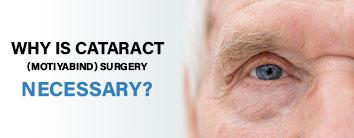
Cataract surgery is essential to restore clear vision and prevent permanent blindness. It removes the cloudy lens and replaces it with an artificial one, helping patients regain normal sight and quality of life.
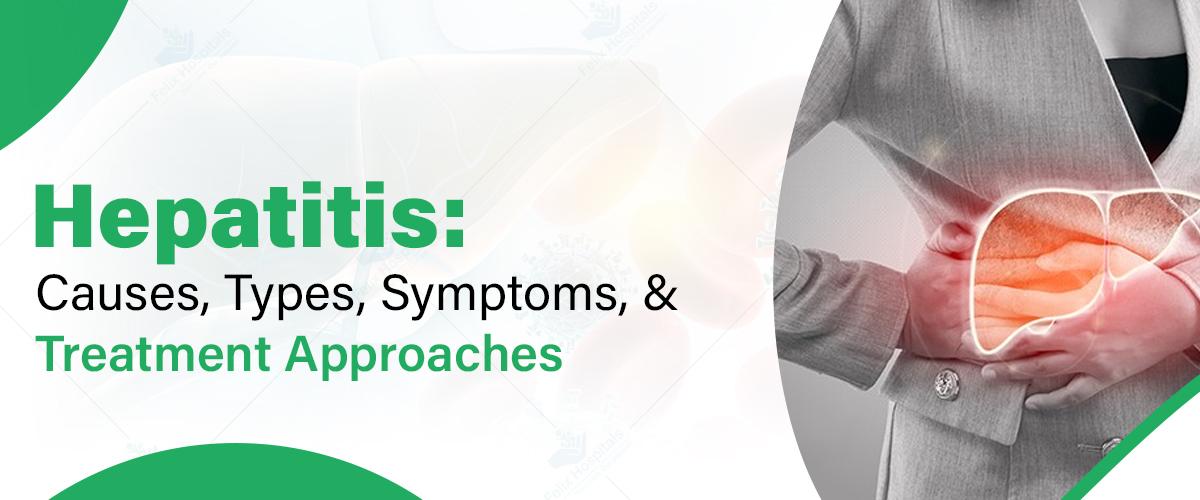
Hepatitis is a condition where the liver becomes inflamed, which can seriously impact your overall health. Understanding its different types, spotting the symptoms, and knowing the treatment options are key for preventing and managing it effectively. In this blog, we’ll cover the various forms of hepatitis, look at their symptoms, and discuss treatment methods, giving you the information you need to protect your liver health.
Call +91 9667064100 for expert guidance and personalized consultation on hepatitis. Your path to a healthier future starts here!
Hepatitis refers to inflammation of the liver, which can be caused by viral infections, alcohol consumption, certain medications, or autoimmune diseases. The liver plays a vital role in filtering toxins from the blood, producing bile for digestion, and storing nutrients. When the liver becomes inflamed, its ability to perform these functions can be compromised, leading to various health issues.
Hepatitis is a medical condition characterized by inflammation of the liver, which can disrupt its vital functions and lead to serious health complications. This inflammation may be caused by a variety of factors, including:
Viral infections (Hepatitis A, B, C, D, E)
Alcohol consumption
Autoimmune diseases
Nonalcoholic fatty liver disease (NAFLD)
Metabolic disorders
Exposure to toxins and chemicals
Genetic conditions
There are five main types of viral hepatitis, each caused by a different virus:
Hepatitis A is primarily transmitted through consuming contaminated food or water. It is an acute illness, that means it typically lasts for a short duration and does not lead to chronic infection.
It’s symptoms may include:
Fatigue
Nausea
Abdominal pain
Fever
Most individuals make a full recovery within a few weeks, and vaccination is also available and is an effective measure to help prevent the infection.
Hepatitis B is transmitted through contact with infectious body fluids, such as blood, semen, or vaginal secretions. This can occur through sexual contact, sharing needles, or from mother to child during childbirth.
Symptoms can range from mild to severe and may not appear until several months after exposure.
Common symptoms include:
Abdominal pain
Fatigue
Jaundice
Dark urine
While some individuals clear the virus naturally, others may develop chronic hepatitis B, which can lead to serious complications like cirrhosis or liver cancer. Vaccination is available and is highly recommended.
Hepatitis C is primarily spread through blood-to-blood contact, often through sharing needles or other drug paraphernalia. It can also be transmitted through sexual contact, though this is less common. Many people with hepatitis C do not experience symptoms until the disease has progressed.
Symptoms may include:
Fatigue
Jaundice
Dark urine
Joint pain
Chronic hepatitis C can lead to severe liver damage over time. Fortunately, antiviral medications can cure the infection in most cases.
Hepatitis D is a rare type of hepatitis that only affects people who are already infected with hepatitis B. It spreads through contact with contaminated blood. Having hepatitis D can make the liver damage from hepatitis B much worse. While there isn’t a specific treatment for hepatitis D right now, controlling hepatitis B can help manage the condition.
Hepatitis E is primarily transmitted through consuming contaminated water, particularly in areas with poor sanitation. It usually causes acute illness and is more severe in pregnant women. Symptoms are similar to those of hepatitis A, and most people recover without treatment.
The symptoms of hepatitis can vary depending on the type and severity of the disease. However some of the common symptoms across various types include:
Fatigue
Nausea and vomiting
Abdominal pain or discomfort
Jaundice
Dark urine
Pale stool
Joint pain
In many cases, especially with hepatitis B and C, individuals may not show any symptoms until significant liver damage has occurred.
The treatment for hepatitis varies based on the specific type of hepatitis and the severity of the infection. For each type, the approach is tailored to address the particular virus and how advanced the condition is, ensuring the most effective management and care.
There is no specific treatment for hepatitis A. Most cases resolve on their own with supportive care, including rest, hydration, and a healthy diet. However vaccination is the best preventive measure.
For acute hepatitis B, treatment may not be necessary, as most people recover naturally. However, chronic hepatitis B may require antiviral medications to manage the virus and prevent liver damage. Regular monitoring is essential to assess liver health.
Chronic hepatitis C is now highly treatable with direct-acting antiviral medications, which can cure the infection in most cases. Early diagnosis and treatment are crucial to prevent long-term liver damage.
Since hepatitis D only occurs in those with hepatitis B, managing hepatitis B is the primary treatment approach. There are no specific antiviral treatments for hepatitis D.
Most cases of hepatitis E resolve on their own without treatment. Supportive care is recommended, especially for those with severe symptoms. Vaccines are available in some countries but are not widely used.
For expert hepatitis treatment and guidance, call +919667064100 or click here. We're dedicated to supporting your journey to better well-being.
Preventing hepatitis involves several strategies including:
Vaccination: Vaccines are available for hepatitis A and B, providing effective protection against these infections.
Safe Practices: Avoid sharing needles and personal items like razors or toothbrushes. Practice safe sex to reduce the risk of hepatitis B and C.
Hygiene: Ensure good sanitation and hygiene practices, especially when traveling to areas with poor water quality.
Regular Check-ups: Regular liver function tests can help monitor liver health, especially for those at higher risk of hepatitis.
Dr. Jagatjot Singh Gill is an expert in hepatology, specializing in the treatment of chronic hepatitis and liver diseases. His advanced diagnostic and personalized treatment approaches, especially for hepatitis C and B, lead to improved patient outcomes.
Dr. Amrit Yog Datley is a specialist in liver disorders with a focus on innovative hepatitis treatments. His practice combines cutting-edge therapies with personalized care, supported by his involvement in clinical research.
Hepatitis is a serious condition that can lead to significant health complications if left untreated. Understanding the different types of hepatitis, their symptoms, and treatment options is essential for effective management and prevention. Vaccination, safe practices, and regular health check-ups can significantly reduce the risk of contracting hepatitis and promote overall liver health. For comprehensive care and expert management of hepatitis, consult the best gastroenterologist hospital in Noida, where specialized care can help in preventing and treating this condition effectively.
1) What is considered the most serious form of hepatitis?
Ans. Hepatitis C is often considered the most serious due to its potential to cause chronic liver disease and complications, including cirrhosis and liver cancer, especially if left untreated.
2) Which type of hepatitis is known to be incurable?
Ans. Hepatitis B is often referred to as incurable in its chronic form, although antiviral treatments can manage it and reduce complications. Hepatitis C, however, can be cured with antiviral medications.
3) What is the primary cause of hepatitis?
Ans. Hepatitis is primarily caused by viral infections (hepatitis A, B, C, D, and E), but it can also result from alcohol abuse, certain medications, toxins, and autoimmune diseases.
4) What is the name of the test used to diagnose hepatitis?
Ans. The test used to diagnose hepatitis is called a hepatitis panel or hepatitis test. It includes blood tests that detect specific antibodies or viral antigens.
5) Are hepatitis tests costly?
Ans. The cost of hepatitis tests can vary widely depending on location, healthcare provider, and insurance coverage. Generally, they are considered affordable and accessible compared to other diagnostic procedures.
6) Can hepatitis be transmitted through water?
Ans. Hepatitis A and E can be spread through contaminated water. Hepatitis B, C, and D are not transmitted through water but rather through blood and bodily fluids.
7) How long can the hepatitis B virus remain viable on surfaces?
Ans. The hepatitis B virus can remain viable on surfaces for at least seven days, which underscores the importance of proper sanitation and disinfection practices to prevent transmission.

Chronic Obstructive Pulmonary Disease (COPD) can make everyday tasks challenging, especially when it comes to maintaining a healthy diet. Proper nutrition plays a crucial role in managing COPD symptoms, improving overall health, and enhancing quality of life. A well-balanced diet can help strengthen your immune system, maintain healthy lung function, and manage weight effectively. In this blog, we'll explore eight COPD-friendly foods that can support your respiratory health and offer practical tips for incorporating them into your daily meals.
For expert care and guidance, the Best Pulmonary Hospital in Noida offers comprehensive treatment options tailored to your needs. Let's delve into these beneficial foods that can make a positive impact on your COPD management.
Ready to take charge of your COPD management? Discover how a tailored diet plan can make a difference. Contact us today +91 9667064100 to learn more about nutrition for COPD!
8 Foods to Eat When You Have COPD and Why They Are Beneficial
1. Leafy Greens
Why: Spinach, kale and collard green are examples of green leafy vegetables rich in antioxidants and vitamins such as vitamins A, C and K which play a vital role in combating inflammation and oxidative stress thus receiving criticism for worsened symptoms of this condition. Also, thin and delicate constituents such as fresh and green leaves are low in energy requirements hence preventing or reducing the chances of contracting these diseases through excessive calories intake.

For expert care and advice, consider visiting the Best COPD Hospital in Noida, where specialized treatment plans are tailored to help you manage this condition effectively.
2. Fatty Fish
Why: This is particularly true for Omega-3 fatty acids found in such fish as salmon, mackerel and sardines have high inflammatory value. Omega-3s can also be useful in lowering lung inflammation, which is helpful to COPD patients since they are at a higher risk for heart disease too.

3. Berries
Why: Other fruits such as blueberries, strawberries and raspberries are rich in antioxidant vitamin C, which help fight free radicals and support the immune system in case of this condition and promote good lung health.

4. Nuts and Seeds
Why: Almonds and walnuts; chia and flax seeds are examples of foods rich in healthy fats, protein, and fiber in the form of nuts and seeds respectively. These nutrients are anti-inflammatory, contribute toward protection of muscles and provide lasting energy, a benefit for the COPD patient often suffering from fatigue and muscle wasting.

If you're exploring options for managing this condition, understanding the Chronic Obstructive Pulmonary Disease Treatments Cost can help you plan effectively. Proper diet, alongside the right medical care, can make a significant difference in managing these symptoms.
5. Whole Grains
Why: Brown rice, quinoa and products made from whole wheat contain fiber and other nutrients, for instance B vitamins. Fiber is good for the digestive system and weight loss and therefore the management of COPD while B vitamins which assist in the formation of red blood cells needed for oxygenated blood are necessary for energy and lung function.

6. Lean Proteins
Why: Non fatty sources of protein include chicken, turkey, and tofu which are used to cater for amino acid requirements in muscles. This condition patients also need to preserve muscle mass; this is because muscle weakness has been found to limit the functional capacity of such patients and their respiratory effectiveness.

7. Sweet Potatoes
Why: Sweet potatoes are rich in Vitamin A and Vitamin C: which are very important to boost the immune system and reduce inflammation. These nutrients are important for the health of the lungs and for increasing the body's defenses and fighting off diseases and the effects of COPD.

For expert guidance and care, consider consulting the Best Pulmonologist in Noida to develop a comprehensive plan for managing this effectively.
8. Garlic
Why: Garlic also has allicin, which helps in reducing inflammation as well as in building the immune system. Eating garlic is beneficial for the reduction of inflammation, and boosting the immunity which are critical when one has COPD and wants to maintain good respiratory health.

A COPD friendly diet is important for several reasons as discussed before. It can assist in relieving symptoms, controlling life threats and managing overweight. This condition can be managed by following a proper diet plan that has a positive impact on the lung function, on inflammation and immunity to depress the difficulties that are faced by the patients. Further, a well balanced diet is also important for preventing malnutrition and loss of muscles which are concerns amongst COPD patients.
For personalized care, it's important to consult the Best Chronic Obstructive Pulmonary Disease Doctors who can guide you in creating a diet plan that supports your overall health and well-being.
Dt. Pooja Yadav
Dt. The current position holder is Pooja Yadav who holds B. Sc and M. Sc in Nutrition and still 8 years experienced Senior Dietitian at the Felix Hospital. Still, she is famous for creating a special pregnancy diet that does not harm the mother and her unborn child.
Dt. Nida Zafar
Dt. Nida Zafar has a degree of B. Sc and M. Sc in Nutrition she is a very hardworking dietician for 4 years she is specialized in pregnancy diet consultation. She offers tailor made diets which are required to be consumed by pregnant women depending on their health conditions.
Take the first step towards a healthier lifestyle with COPD. Schedule a consultation+91 9667064100 with our dieticians at Felix Hospital to get your customized diet plan today!
COPD is a chronic health condition and its management involves adopting complex measures and one of them is diet . By applying the below-mentioned COPD friendly foods into your diet, it will be helpful to strengthen your respiratory muscles and minimize inflammation thus improving your quality of life.
1. What is COPD?
Chronic Obstructive Pulmonary Disease (COPD) is a group of lung conditions that cause breathing difficulties and affect lung function over time.
2. How can diet impact COPD?
A balanced diet can reduce inflammation, improve lung function, and maintain a ji healthy weight, which are crucial for managing COPD.
3. Are there any foods to avoid with COPD?
Yes, it’s advisable to avoid foods high in sodium, saturated fats, and refined sugars, as they can exacerbate symptoms and lead to weight gain.
4. Can I eat dairy products if I have COPD?
Dairy products can sometimes increase mucus production. It’s best to monitor how they affect you personally and adjust your diet accordingly.
5. How important is hydration for COPD patients?
Staying hydrated is essential as it helps keep mucus thin and easier to expel, improving breathing comfort.
6. Can supplements help with COPD?
Supplements may be beneficial, but it’s important to consult with a healthcare provider before starting any new supplements to ensure they are appropriate for your condition.
7. Is it necessary to follow a special diet plan for COPD?
A tailored diet plan can be very helpful in managing symptoms and improving quality of life, and it’s often recommended by healthcare professionals.
8. How can I manage weight with COPD?
Focus on nutrient-dense, low-calorie foods and maintain a balanced diet. Consult with a dietician for a personalized plan.
9. Are there specific recipes that are good for COPD?
Yes, recipes that incorporate the recommended foods like leafy greens, fatty fish, and whole grains can be beneficial. Consulting with a dietician can provide you with recipes suited to your needs.
10. How can I get support for managing my COPD diet?
Seeking advice from a dietician, such as those at Felix Hospital, can provide you with personalized support and help you create an effective diet plan tailored to your needs.
Additionally, many COPD patients experience unintended weight loss and muscle wasting, a condition known as Pulmonary cachexia.

चिंता एक सामान्य मानसिक स्थिति है, लेकिन जब यह अत्यधिक बढ़ जाती है तो दैनिक जीवन को प्रभावित कर सकती है। इसके कारण, लक्षण, प्रकार और प्रभावी उपचार

We all feel down sometime or the other. Sometime there is no particular reason why are we feeling this way. And it is normal to feel low sometime
Gastric problems occur when excess acid or digestive disturbances affect the stomach lining, causing symptoms like bloating, acidity, and pain. Timely diagnosis ensures effective treatment.
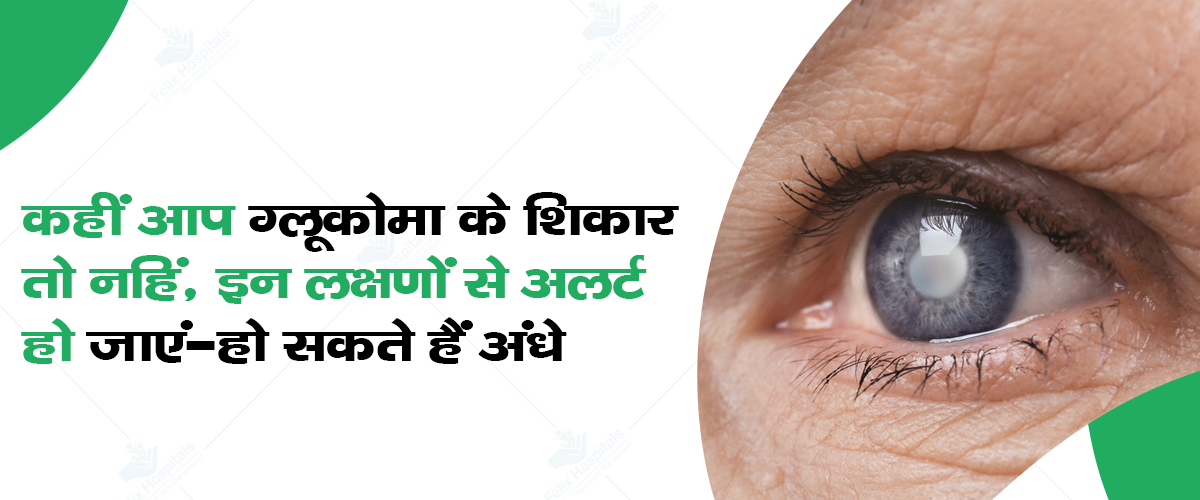
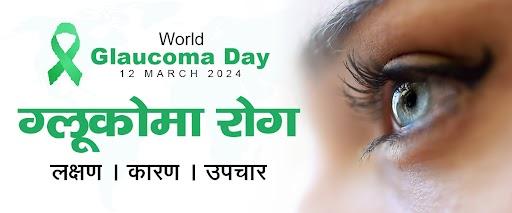
ग्लूकोमा एक जटिल और गंभीर आंखों की बीमारी है जो आंखों के ऑप्टिक नर्व को नुकसान पहुंचाने का कारण बनती है। यह स्थिति प्रायः आंखों के अंदर बढ़े हुए दबाव (इंट्राओकुलर प्रेशर) के कारण होती है। ग्लूकोमा की पहचान जल्दी नहीं होती है क्योंकि इसके शुरुआती चरणों में आमतौर पर कोई लक्षण नहीं होते हैं, लेकिन जब तक मरीज को लक्षण महसूस होते हैं, तब तक नुकसान स्थायी हो सकता है। जानिए इसके लक्षण से लेकर इलाज तक के बारे में विस्तार से…
ज्यादा जानकारी के लिए हमें कॉल करें +91 9667064100.
ग्लूकोमा के लक्षण (Symptoms of Glaucoma)
ग्लूकोमा के प्रकार (Types of Glaucoma)
ग्लूकोमा के कारण (Causes of Glaucoma)
ग्लूकोमा से बचाव (Prevention of Glaucoma)
ग्लूकोमा का इलाज (Treatment of Glaucoma)
ग्लूकोमा एक गंभीर आंखों की बीमारी है जिसमें ऑप्टिक नर्व को नुकसान पहुंचता है। ऑप्टिक नर्व वह नर्व होती है जो आंख से मस्तिष्क तक दृष्टि की जानकारी पहुंचाती है। ग्लूकोमा का मुख्य कारणं आंखों के अंदर बढ़ा हुआ दबाव (इंट्राओकुलर प्रेशर) है। यह दबाव आंख के अंदर बनने वाले और बाहर निकलने वाले तरल पदार्थ के असंतुलन के कारण होता है। ग्लूकोमा का समय पर निदान और उपचार दृष्टि हानि को रोकने में महत्वपूर्ण भूमिका निभा सकते हैं। नियमित आंखों की जांच और स्वस्थ जीवनशैली अपनाने से आप इस गंभीर बीमारी से बच सकते हैं। यह बीमारी धीरे-धीरे विकसित होती है और यदि समय पर उपचार नहीं किया जाता, तो इससे दृष्टि हानि हो सकती है। इसलिए समय रहते नोएडा में ग्लूकोमा हॉस्पिटल में (Glaucoma Hospital in Noida) अपने नेत्र की जाँच अवश्य करवाएं।
ग्लूकोमा के लक्षण आमतौर पर बीमारी के प्रकार और प्रगति के स्तर पर निर्भर करते हैं। शुरुआत में, इसके लक्षण स्पष्ट नहीं होते हैं और धीरे-धीरे प्रकट होते हैं। ग्लूकोमा की पहचान जल्दी नहीं होती है क्योंकि इसके शुरुआती चरणों में कोई स्पष्ट लक्षण नहीं होते हैं। इसलिए, नियमित आंखों की जांच और समय पर निदान अत्यंत महत्वपूर्ण हैं, खासकर उन लोगों के लिए जिन्हें ग्लूकोमा का उच्च जोखिम है। ग्लूकोमा के कुछ सामान्य लक्षण हिंदी में (Symptoms of Glaucoma in Hindi) निम्नलिखित हैं:
ओपन-एंगल ग्लूकोमा :
यह ग्लूकोमा का सबसे सामान्य प्रकार है और इसे "क्रोनिक ग्लूकोमा" भी कहा जाता है। शुरुआत में कोई लक्षण नहीं होते। धीरे-धीरे परिधीय दृष्टि का नुकसान होता है, और अगर समय पर इलाज नहीं किया जाए तो केंद्रीय दृष्टि भी प्रभावित हो सकती है। इसका कार आंख के अंदर तरल पदार्थ का धीरे-धीरे निर्माण और निष्कासन के बीच असंतुलन के कारण होता है, जिससे आंखों का अंदरूनी दबाव बढ़ जाता है।
एंगल-क्लोजर ग्लूकोमा :
इस प्रकार के ग्लूकोमा को एक्यूट या नैरो-एंगल ग्लूकोमा भी कहा जाता है। अचानक और गंभीर लक्षण जैसे आंखों में तेज दर्द, सिरदर्द, मतली, उल्टी, धुंधली दृष्टि, और इंद्रधनुषी रंगों का दिखाई देना इसके लक्षण हैं। आंख का ड्रेनेज एंगल अचानक बंद हो जाता है, जिससे तरल पदार्थ का बहाव बाधित हो जाता है और अंदरूनी दबाव तेजी से बढ़ जाता है। यह एक आपात स्थिति होती है और तुरंत चिकित्सा हस्तक्षेप की आवश्यकता होती है।
सामान्य-दबाव ग्लूकोमा :
इस प्रकार के ग्लूकोमा में आंख का अंदरूनी दबाव सामान्य होता है, लेकिन ऑप्टिक नर्व को नुकसान होता है। ओपन-एंगल ग्लूकोमा के समान, दृष्टि हानि धीरे-धीरे होती है। इसका सटीक कारण ज्ञात नहीं है, लेकिन यह माना जाता है कि ऑप्टिक नर्व का रक्त प्रवाह कम हो सकता है।
द्वितीयक ग्लूकोमा :
यह किसी अन्य बीमारी या स्थिति के कारण होता है। संबंधित बीमारी या स्थिति के लक्षणों के साथ दृष्टि हानि होती है। आंख में सूजन, मधुमेह, आंख की चोट, या अन्य बीमारियों के कारण हो सकता है।
जन्मजात ग्लूकोमा :
यह नवजात शिशुओं में जन्म से या कुछ समय बाद होता है। आंखों का बड़ा होना, अत्यधिक आंसू आना, प्रकाश के प्रति संवेदनशीलता और कॉर्नियल धुंधलापन इसके लक्षण हैं। आंख के ड्रेनेज सिस्टम के विकास में दोष इसका कारण है।
पिगमेंटरी ग्लूकोमा :
यह एक प्रकार का द्वितीयक ग्लूकोमा है। दृष्टि हानि, धुंधली दृष्टि, और इंद्रधनुषी रंगों का दिखाई देना इसके प्रमुख लक्षण हैं। पिगमेंट (रंग) का आंख के ड्रेनेज सिस्टम में अवरुद्ध होना इसका प्रमुख कारण है।
न्यूरोवास्कुलर ग्लूकोमा :
यह मधुमेह और अन्य रक्त वाहिका विकारों से संबंधित हो सकता है। दृष्टि हानि, आंखों में दर्द, और लाल आंखें इसके लक्षण हैं। आंखों में नए, असामान्य रक्त वाहिकाओं का विकास, जो ड्रेनेज एंगल को अवरुद्ध कर सकते हैं।
आंख का अंदरूनी दबाव बढ़ना : ग्लूकोमा का मुख्य कारण आंख का अंदरूनी दबाव (इंट्राओकुलर प्रेशर) बढ़ना है, जो आंख के अंदर बनने वाले और बाहर निकलने वाले तरल पदार्थ के असंतुलन के कारण होता है।
ड्रेनेज सिस्टम में अवरोध : आंख के ड्रेनेज चैनल में अवरोध होने के कारण तरल पदार्थ का बहाव बाधित हो सकता है, जिससे आंख का दबाव बढ़ जाता है।
आनुवंशिक कारक : ग्लूकोमा परिवार में आनुवंशिक हो सकता है। यदि आपके परिवार में किसी को ग्लूकोमा है, तो आपके ग्लूकोमा विकसित होने का जोखिम अधिक होता है।
उम्र : उम्र बढ़ने के साथ ग्लूकोमा का जोखिम बढ़ जाता है। 60 वर्ष से अधिक उम्र के लोगों में यह बीमारी अधिक सामान्य है।
मधुमेह : मधुमेह के मरीजों में ग्लूकोमा का जोखिम बढ़ जाता है, खासकर अगर उनका रक्त शर्करा स्तर नियंत्रण में नहीं है।
उच्च रक्तचाप : उच्च रक्तचाप भी ग्लूकोमा के विकास में एक भूमिका निभा सकता है।
आंख की चोटें : आंख की गंभीर चोटें या ऑपरेशन भी ग्लूकोमा के विकास का कारण बन सकते हैं।
नेत्र विकार : आंख की अन्य बीमारियां, जैसे कि रेटिनल डिटैचमेंट, आँख के ट्यूमर, या नेत्र सूजन, ग्लूकोमा के जोखिम को बढ़ा सकती हैं।
लंबे समय तक स्टेरॉयड का उपयोग : लंबे समय तक स्टेरॉयड दवाओं का उपयोग, विशेष रूप से आई ड्रॉप्स, ग्लूकोमा के विकास का जोखिम बढ़ा सकता है।
पतली कॉर्निया : कॉर्निया की मोटाई कम होने पर भी ग्लूकोमा का जोखिम बढ़ सकता है।
नसों में रक्त प्रवाह की समस्या : ऑप्टिक नर्व को रक्त प्रवाह कम होने से भी ग्लूकोमा का जोखिम बढ़ सकता है।
नियमित आंखों की जांच : नियमित जांच के माध्यम से ग्लूकोमा का प्रारंभिक चरण में ही पता लगाया जा सकता है। 40 वर्ष की उम्र के बाद हर 2-4 साल में, 55 वर्ष की उम्र के बाद हर 1-3 साल में, और 65 वर्ष की उम्र के बाद हर 1-2 साल में आंखों की जांच करानी चाहिए।
पारिवारिक इतिहास की जानकारी : यदि आपके परिवार में किसी को ग्लूकोमा है, तो आप अपने आंखों की नियमित जांच कराते रहें।
आंखों को चोट से बचाएं : खेलकूद, काम या किसी अन्य गतिविधि के दौरान आंखों को चोट से बचाने के लिए सुरक्षात्मक चश्मा पहनें।
स्वस्थ जीवनशैली अपनाएं: नियमित व्यायाम करने से आंखों का दबाव कम किया जा सकता है। संतुलित आहार और उचित पोषण आँखों के स्वास्थ्य के लिए महत्वपूर्ण हैं। धूम्रपान छोड़ने से ग्लूकोमा और अन्य नेत्र रोगों का जोखिम कम हो सकता है।
मधुमेह और उच्च रक्तचाप को नियंत्रित रखें : मधुमेह और उच्च रक्तचाप के स्तर को नियंत्रित रखें और नियमित जांच कराएं। डॉक्टर द्वारा निर्धारित दवाइयों का सही तरीके से उपयोग करें।
लंबे समय तक स्टेरॉयड का उपयोग न करें : अगर आपको स्टेरॉयड दवाइयों का उपयोग करना है, तो डॉक्टर की सलाह के बिना इनका लंबे समय तक उपयोग न करें।
आंखों की सुरक्षा : धूप में निकलते समय सनग्लास पहनें जो यूवी किरणों से सुरक्षा प्रदान करें। लंबे समय तक कंप्यूटर और मोबाइल का उपयोग करते समय बीच-बीच में आंखों को आराम दें।
आंखों की नियमित सफाई : आंखों को साफ और स्वच्छ रखें और किसी भी प्रकार के संक्रमण से बचें।
तनाव से बचें : योग, ध्यान और अन्य तनाव प्रबंधन तकनीकों का उपयोग करें जिससे आंखों का दबाव कम हो सकता है।
दवाइयांः लाटानोप्रोस्ट, बिमाटोप्रोस्ट और ट्रावोप्रोस्ट आंखों के अंदर के तरल पदार्थ के प्रवाह को बढ़ाते हैं और दबाव को कम करते हैं। बीटा ब्लॉकर्स जैसे कि टिमोलोल और बेटाक्सोलोल ये तरल पदार्थ के उत्पादन को कम करते हैं। कार्बोनिक एनहाइड्रेज इन्हिबिटर्स जैसे कि डॉरज़ोलामाइड औरब्रिनज़ोलामाइड ये तरल पदार्थ के उत्पादन को कम करते हैं। एल्पा-एगोनिस्ट्स जैसे कि ब्रिमोनिडाइन ये तरल पदार्थ के उत्पादन को कम करते हैं और बहाव को बढ़ाते हैं।
गोलियां:
गंभीर मामलों में या जब आई ड्रॉप्स पर्याप्त नहीं होतीं, तो डॉक्टर गोलियों की सलाह भी दे सकते हैं, जैसे कि एसीटाजोलामाइड और मिथाज़ोलामाइड आदि का सेवन डॉक्टर की सलाह करना चाहिए।
लेजर थेरेपी :
ओपन-एंगल ग्लूकोमा के लिए लेजर का उपयोग आंखों के ड्रेनेज चैनल्स को खोलने के लिए किया जाता है, जिससे तरल पदार्थ का प्रवाह बेहतर हो सके।
लेजर इरिडोटॉमी एंगल-क्लोजर ग्लूकोमा के लिए: एक छोटा छिद्र बनाकर आंख के अंदर के दबाव को कम किया जाता है।
सर्जरी : ट्राबेकुलेक्टॉमी सर्जरी में एक नया ड्रेनेज पाथवे बनाया जाता है, जिससे तरल पदार्थ बाहर निकल सके और दबाव कम हो सके।
ड्रेनेज इम्प्लांट : एक छोटा ट्यूब या वाल्व इम्प्लांट किया जाता है, जिससे तरल पदार्थ का बहाव नियंत्रित होता है।
माइक्रो-इनवेसिव ग्लूकोमा सर्जरी : यह नई तकनीक है जो पारंपरिक सर्जरी की तुलना में कम जटिल होती है और रिकवरी टाइम कम होता है। इसके कई प्रकार होते हैं, जैसे कि स्टेंट्स, माइक्रो-ट्यूब्स आदि।
जीवनशैली में बदलाव : नियमित व्यायाम करने से आंखों का दबाव कम हो सकता है। विटामिन और पोषक तत्वों से भरपूर आहार का सेवन करें। योग, ध्यान और अन्य तनाव प्रबंधन तकनीकों का उपयोग।
वैकल्पिक चिकित्सा : कुछ लोगों को हर्बल सप्लीमेंट्स और एक्यूपंक्चर से भी राहत मिलती है, लेकिन इनके उपयोग से पहले डॉक्टर की सलाह जरूरी है।
डॉ. मोहम्मद उज़ैर ज़काई ने नेत्रविज्ञान में एक दशक से अधिक का अनुभव प्राप्त किया है और वे बुनियादी और उन्नत नेत्र प्रक्रियाओं में माहिर हैं। आउट पेशेंट देखभाल और आपातकालीन प्रबंधन पर ध्यान केंद्रित करते हुए, वे विभिन्न नेत्रीय जांचों में दक्ष हैं, जिनमें स्लिट लैम्प परीक्षा, OCT इमेजिंग, और फंडस फ्लोरोसिन एंजियोग्राफी शामिल हैं।
डॉ. दीपांजलि आर्य एक सम्मानित नेत्र रोग विशेषज्ञ हैं जिनके पास 9 वर्षों से अधिक का अनुभव है। वे विभिन्न नेत्र स्थितियों का निदान, उपचार और शल्य चिकित्सा करने के लिए समर्पित हैं। डॉ. आर्य व्यक्तिगत उपचार योजनाओं के माध्यम से आंखों के स्वास्थ्य को सुधारने के प्रति प्रतिबद्ध हैं, जो प्रत्येक मरीज की विशेष आवश्यकताओं के अनुसार तैयार की जाती हैं।
ग्लूकोमा के इलाज के लिए नेत्र रोग विशेषज्ञ से जांच कराएं। डॉक्टर की सलाह के लिए आज ही फ़ोन करें - +91 9667064100.
ग्लूकोमा अक्सर शुरुआती चरणों में लक्षणहीन होता है, जिससे इसका समय पर निदान कठिन हो सकता है। नियमित नेत्र जांच और निगरानी महत्वपूर्ण हैं, विशेष रूप से उन लोगों के लिए जिनका ग्लूकोमा का जोखिम अधिक है। ग्लूकोमा को एक बार पहचान लेने के बाद, जीवन भर निगरानी और उपचार की आवश्यकता होती है। नियमित नेत्र जांच और डॉक्टर के निर्देशों का पालन करना महत्वपूर्ण है। ग्लूकोमा का समय पर निदान और उचित उपचार दृष्टि हानि को रोकने के लिए आवश्यक है। यदि आप नोएडा में है और आपको ग्लूकोमा के लक्षण या जोखिम कारक दिखाई देते हैं, तो तुरंत नोएडा में नेत्र रोग विशेषज्ञ (Glaucoma Specialist in Noida) से परामर्श करें।
प्रश्न 1: ग्लूकोमा का निदान कैसे किया जाता है ?
उत्तर: ग्लूकोमा का निदान नेत्र रोग विशेषज्ञ द्वारा किया जाता है, जिसमें टोनोमेट्री (आंख का दबाव मापना), ऑप्टिक नर्व का परीक्षण, विज़ुअल फील्ड टेस्ट, गोनियोस्कोपी, और पचिमेट्री (कॉर्निया की मोटाई मापना) शामिल हैं।
प्रश्न 2: ग्लूकोमा का इलाज कैसे किया जाता है ?
उत्तर: ग्लूकोमा का इलाज दवाइयों (आई ड्रॉप्स और गोलियां), लेजर थेरेपी, सर्जरी (ट्राबेकुलेक्टॉमी, ड्रेनेज इम्प्लांट्स), और माइक्रो-इनवेसिव ग्लूकोमा सर्जरी (MIGS) के माध्यम से किया जाता है। इलाज का उद्देश्य आंख के दबाव को कम करना और दृष्टि को बचाना है।
प्रश्न 3: क्या ग्लूकोमा का इलाज संभव है ?
उत्तर: ग्लूकोमा का इलाज संभव है, लेकिन इसे पूरी तरह से ठीक नहीं किया जा सकता। इलाज का मुख्य उद्देश्य आंख के दबाव को नियंत्रित करना और दृष्टि हानि को रोकना है।
प्रश्न 4: क्या ग्लूकोमा को रोका जा सकता है ?
उत्तर: ग्लूकोमा को पूरी तरह से रोका नहीं जा सकता, लेकिन नियमित नेत्र जांच, स्वस्थ जीवनशैली, और जोखिम कारकों का प्रबंधन करके इसके विकास को धीमा किया जा सकता है।
प्रश्न 5: ग्लूकोमा का इलाज कौन करता है ?
उत्तर: ग्लूकोमा का इलाज नेत्र रोग विशेषज्ञ (ओफ़थैल्मोलॉजिस्ट) करते हैं। जटिल मामलों में ग्लूकोमा विशेषज्ञ भी शामिल हो सकते हैं। प्राथमिक जांच और प्रबंधन के लिए नेत्र चिकित्सक (ऑप्टोमेट्रिस्ट) भी मदद कर सकते हैं।
प्रश्न 6: ग्लूकोमा के लिए कौन जोखिम में है ?
उत्तर: 60 वर्ष से अधिक उम्र के लोग, जिनके परिवार में ग्लूकोमा का इतिहास है, मधुमेह या उच्च रक्तचाप के मरीज, और जो लंबे समय तक स्टेरॉयड दवाइयों का उपयोग करते हैं, उन्हें ग्लूकोमा का अधिक जोखिम होता है।
प्रश्न 7: क्या ग्लूकोमा के कारण अंधापन हो सकता है ?
उत्तर: हां, यदि ग्लूकोमा का समय पर निदान और उपचार नहीं किया जाता, तो यह अंधेपन का कारण बन सकता है। यह दृष्टि हानि के प्रमुख कारणों में से एक है।
प्रश्न 8: ग्लूकोमा के दौरान आंखों की देखभाल कैसे की जाए ?
उत्तर: डॉक्टर की सलाह पर नियमित रूप से दवाइयां और आई ड्रॉप्स का उपयोग करें, नियमित नेत्र जांच कराएं और स्वस्थ जीवनशैली अपनाएं जिसमें संतुलित आहार, नियमित व्यायाम और तनाव प्रबंधन शामिल हैं।
Glaucoma remains a formidable threat to vision health, yet with early detection, proactive management, and adherence to treatment, individuals can mitigate its impact.
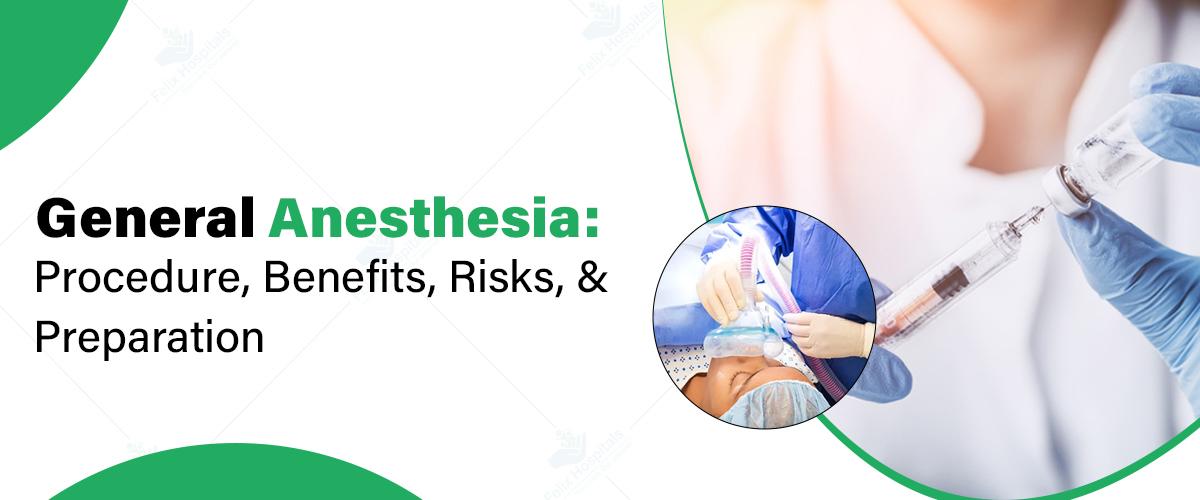
General anesthesia is a crucial medical procedure that allows patients to undergo complex surgeries and other medical treatments without feeling pain or being aware of their surroundings. In this blog post, we'll explore what general anesthesia is, how it works, its benefits and risks, and how to prepare for it.
Additionally, it will help you explore how a leading anesthesia treatment hospital in Noida can assist you with your concerns. Contact us at +91 9667064100 for expert anesthesia care tailored just for you!
General Anesthesia is a controlled state of unconsciousness induced by medications. It's different from local anesthesia, which numbs a specific area of the body, or regional anesthesia, which blocks sensation in a larger area. When you're under general anesthesia, you're completely unaware and don't feel pain, even during major surgeries.
The process of administering general anesthesia involves several key stages, which are carefully managed by general anesthesia surgeons to ensure both safety and effectiveness. These steps include:
Pre-anesthesia evaluation: Before your surgery, an anesthesiologist will review your medical history, current medications, and any allergies. They may also perform a physical exam to ensure you're fit for anesthesia.
Administering medications: On the day of your procedure, you'll typically receive anesthesia through an IV line. Sometimes, you might be asked to breathe in gasses through a mask.
Monitoring: Throughout the procedure, the anesthesiologist closely monitors your vital signs, including heart rate, blood pressure, breathing, and oxygen levels.
Maintaining anesthesia: The anesthesiologist adjusts the medications as needed to keep you unconscious and pain-free during the entire procedure.
Waking up: Once the surgery is complete, the anesthesiologist stops the anesthetic medications, allowing you to gradually regain consciousness.
Ready for a smooth surgery? Contact us at +91 9667064100 for expert anesthesia care tailored just for you!
General anesthesia provides a range of significant advantages.
These advantages include:
Complete unconsciousness: You won't be aware of the surgery or feel any pain during the procedure.
Immobility: It keeps you still during delicate surgeries where even small movements could be problematic.
Control of breathing: In some cases, the anesthesiologist can control your breathing, which is necessary for certain types of surgeries.
Amnesia: You won't remember the surgery or events immediately before and after.
Reduced stress response: General anesthesia can help minimize the body's stress response to surgery, which can be beneficial for recovery.
It’s important to note that administering general anesthesia is a critical procedure which requires specialized expertise. It is advisable to seek the assistance of the best anesthesia doctors in Noida to ensure both safety and a smooth experience.
While General Anesthesia is generally safe, it does carry some risks like:
Nausea and vomiting: These are common side effects that usually subside within a day or two.
Sore throat: If a breathing tube was used during surgery, you might experience throat discomfort for a short time.
Confusion or delirium: Especially in older adults, anesthesia can sometimes cause temporary confusion after waking up.
Allergic reactions: Though rare, some people may have allergic reactions to anesthetic drugs.
Awareness during surgery: Very rarely, a person might become partially aware during the procedure. This is extremely uncommon with modern anesthesia techniques.
Complications related to existing health conditions: People with certain health issues may be at higher risk for complications.
It's important to note that serious complications from general anesthesia are rare, especially in healthy individuals. Your anesthesiologist will assess your individual risk factors and take necessary precautions.
Proper preparation can help ensure a smoother experience with general anesthesia, allowing both the patient and the medical team to address any potential concerns and minimize risks. Here’s are a few things one should keep in mind to ensure a smoother recovery;
Follow instructions: Your healthcare team will provide specific guidelines about eating, drinking, and taking medications before surgery. It's crucial to follow these instructions carefully.
Inform your doctor about all medications: This includes prescription drugs, over-the-counter medications, and any herbal supplements or vitamins you take.
Discuss your medical history: Be sure to tell your doctor about any past reactions to anesthesia, as well as any health conditions you have.
Stop smoking: If you smoke, try to quit or at least cut down before surgery. Smoking can increase the risk of breathing problems during and after anesthesia.
Arrange for transportation: You won't be able to drive immediately after receiving general anesthesia, so make sure someone can take you home.
Fast as directed: Usually, you'll need to avoid eating and drinking for a certain period before surgery to prevent complications.
When you wake up from general anesthesia, you might feel groggy, confused, or cold. These feelings are normal and usually pass quickly. You'll be monitored in a recovery room until you're fully awake and stable.
It's common to experience some side effects like nausea, sore throat, or muscle aches. These typically resolve within a few days. Your healthcare team will provide instructions for managing any discomfort and guide you on when it's safe to resume normal activities.
Dr. Akshata Thakurdesai
Dr. Akshata Thakurdesai is a distinguished anesthesiologist in Noida renowned for her expertise and compassionate care. With years of experience and a commitment to patient safety, Dr. Thakurdesai ensures every procedure is managed with the utmost precision and care.
Also you can connect with Dr. Vivek Pushp for general anesthesia treatments.
General Anesthesia is a remarkable medical advancement that has made countless surgeries and procedures possible. While it does carry some risks, modern anesthesia techniques are very safe when administered by trained professionals. By understanding the process and properly preparing, you can help ensure a smoother experience if you ever need to undergo general anesthesia.
Have more questions about anesthesia? Get all your answers directly from the experts with just a simple Click!
1-Is general anesthesia safe?
Yes, general anesthesia is generally safe when administered by a skilled anesthesiologist. Risks are minimized through careful monitoring and individualized care, making it a standard practice for many surgeries.
2-How long does the effect of general anesthesia last?
The effects of general anesthesia typically last a few hours, but it varies depending on the specific drugs used and the patient’s metabolism. Full recovery can take a bit longer.
3-Can children receive general anesthesia?
Yes, children can safely receive general anesthesia. Pediatric anesthesiologists use specially tailored techniques and dosages to ensure safety and comfort for young patients.
4-Can you walk after general anesthesia?
Walking immediately after general anesthesia is not advisable due to lingering effects and potential dizziness. Patients usually need to rest and recover under supervision before resuming normal activities.
5-What happens if you vomit under anesthesia?
If vomiting occurs under anesthesia, the anesthesiologist will manage it promptly to prevent aspiration and ensure safety. They use medications and techniques to reduce the risk of complications.
6-Who should avoid general anesthesia?
Patients with certain medical conditions, like severe heart or lung disease, may need alternative anesthesia options. A thorough preoperative assessment helps determine the safest approach for each individual.
Anesthesia involves the administration of medications, known as anesthetics, to block sensation and pain during medical procedures.
Varicose veins are a common condition that affects many people, particularly as they age. While varicose veins are primarily a cosmetic concern, they can also lead to discomfort and more serious health issues if left untreated. This blog will provide a clear overview of varicose veins, including their causes, symptoms, and treatment options.
Looking for expert answers about varicose veins? Call +91 9667064100 to schedule your consultation now.
Varicose veins are veins that have become enlarged and twisted. They develop when veins swell and become overfilled with blood, often showing up as blue or dark purple. Typically found in the legs and feet, they result from increased pressure within the veins. The veins have valves that help control blood flow, but when these valves weaken or get damaged, blood can accumulate, causing the veins to bulge.
Varicose veins can present with a range of noticeable symptoms. These signs typically reflect the impact of the condition on your veins and overall leg health.
The most common symptoms of varicose veins include;
Recognizing these symptoms early and consulting with the Best Varicose Vein Hospital in Noida can help you manage and address your condition effectively and promptly.
Several factors can lead to the development of varicose veins including:
Genetics: If you have a family history of varicose veins, your risk of developing them is higher. Genetic predisposition plays a significant role in vein health and function.
Age: As we grow older, the veins’ valves can become weaker and less efficient. This weakening can lead to the enlargement and twisting characteristic of varicose veins.
Gender: Women are more prone to varicose veins, largely due to hormonal changes during pregnancy, menstruation, or menopause. These hormonal fluctuations can affect vein strength and blood flow.
Obesity: Carrying excess weight increases the pressure on your veins, making it harder for them to function properly. This additional pressure can contribute to the formation of varicose veins.
Sedentary Lifestyle: Spending long periods sitting or standing without movement can impede proper blood circulation. This stagnation in blood flow can lead to the development of varicose veins.
Although some individuals may choose to live with varicose veins, a variety of treatment options can effectively alleviate symptoms and enhance appearance. If you are seeking treatment for varicose veins, there are numerous skilled varicose veins treatment doctors in Noida who can assist you.
Here are some common treatments they may provide:
1. Lifestyle Changes
Making certain lifestyle adjustments can help manage the symptoms of varicose veins. This may include:
2. Minimally Invasive Procedures
For those seeking more immediate results, several minimally invasive procedures are available including:
3. Surgical Options
The surgical options for varicose veins include;
Vein Stripping: This traditional surgical procedure involves removing the affected vein through small incisions. It is usually performed under general anesthesia.
Ambulatory Phlebectomy: This technique involves removing varicose veins through tiny punctures in the skin, allowing for a quicker recovery.
To obtain an accurate estimate of Varicose Vein Removal Costs, it is best to consult a healthcare provider. They can help you discuss potential treatment options, and provide a detailed cost breakdown for the treatment.
Proper post-treatment care is crucial for achieving a successful recovery. Patients are generally advised to follow these guidelines:
Wear Compression Stockings: It is important to use compression stockings for the duration recommended by your healthcare provider. These stockings help support the healing process by improving circulation and reducing swelling.
Avoid Heavy Lifting and Strenuous Activities: For a few weeks following treatment, refrain from lifting heavy objects or engaging in intense physical activities.
Engage in Light Walking: Incorporating light walking into your daily routine can enhance circulation and contribute to a smoother recovery. However, be sure to follow any specific recommendations from your healthcare provider regarding the intensity and duration of walking.
Dr. Ritesh Agarwal
Meet Dr. Ritesh Agarwal, a leading specialist in varicose vein care. With extensive experience and a commitment to personalized treatment, he offers expert solutions to help you manage and improve your condition. Trust Dr. Agarwal for effective, compassionate care tailored to your needs.
Varicose Veins are a common condition that can cause discomfort and self-consciousness. Understanding the causes, symptoms, and treatment options is crucial for managing this condition effectively. Whether through lifestyle changes, minimally invasive procedures, or surgery, there are various ways to address varicose veins and improve quality of life. If you suspect you have varicose veins, consult a healthcare provider for personalized advice and treatment options.
Searching for top-notch care for your varicose veins? Reach out at +91 9667064100 or book your consultation online with ease.
1. How do varicose veins develop?
Varicose veins occur when the veins become enlarged and twisted due to weakened vein valves and walls. This causes blood to pool and the veins to bulge, often exacerbated by prolonged standing, pregnancy, or genetic factors.
2. What are the characteristics of Stage 1 varicose veins?
In Stage 1, varicose veins typically present as small, spider-like veins close to the surface of the skin. They may cause mild discomfort but usually do not involve the larger, more prominent veins seen in later stages.
3. Which exercises are beneficial for varicose veins?
Low-impact exercises such as walking, swimming, and cycling are beneficial for varicose veins. They help improve blood circulation and strengthen the muscles in the legs, reducing the risk of worsening vein issues.
4. Can turmeric aid in the treatment of varicose veins?
Turmeric has anti-inflammatory properties that might help alleviate symptoms related to varicose veins. While it may provide some relief, it is not a substitute for medical treatments or lifestyle changes recommended by a healthcare professional.
5. Is walking beneficial for varicose veins?
Yes, walking is highly beneficial for varicose veins. It promotes better blood circulation in the legs, helps reduce vein pressure, and supports overall vascular health, making it a simple yet effective exercise for managing symptoms.
6. What is the most effective non-surgical treatment for varicose veins?
For non-surgical treatment, options like sclerotherapy and laser therapy are highly effective. Sclerotherapy involves injecting a solution to close the vein, while laser therapy uses light to treat the veins, both offering substantial improvement without surgery.
7. Is massage therapy helpful for varicose veins?
Massage therapy can provide temporary relief from symptoms of varicose veins by improving circulation and reducing swelling. However, it is important to use gentle techniques and consult with a healthcare provider to ensure it complements other treatments.
A complete guide to understanding varicose vein surgery expenses in Noida, including treatment types, hospital charges, and recovery costs.

Air pollution is a major health risk for all ages, causing respiratory and eye issues. Face masks can reduce inhalation of harmful particles but don't protect the eyes. Studies show that high pollution levels increase eye discomfort, with symptoms occurring 3 to 4 times more often during pollution events. Protecting your eyes from pollution is essential to avoid discomfort and long-term damage.
Worried about your vision? For tips on protecting your eyes from air pollution, reach out to our experts at +91 9667064100.
Pollutants such as sulfur dioxide, nitrogen dioxide, and nitric acid can alter the composition of your tear film, making it more acidic. This can lead to a range of eye problems including redness, excessive tearing, burning sensations, and itchiness. If these symptoms are not addressed promptly, they may escalate into more serious conditions affecting the cornea and potentially impairing your vision.
1. Maintain a Healthy Diet: Incorporate foods rich in vitamins and antioxidants, such as carrots, which can help support eye health and combat oxidative stress.
2. Wear Sunglasses: When outdoors, protect your eyes from direct exposure to pollutants by wearing UV-blocking sunglasses. This can shield your eyes from harmful particles and reduce irritation.
3. Avoid Rubbing Your Eyes: If fine particulate matter gets into your eyes, resist the urge to rub them. Rubbing can exacerbate irritation and potentially lead to further issues.
4. Skip Contact Lenses During High Pollution: If you experience itchiness or discomfort, consider avoiding contact lenses to prevent additional irritation. Switch to glasses until your Eyes feel better.
5. Use Cool Compresses: Applying a cool compress to your eyes can help reduce inflammation and provide relief from irritation caused by pollution.
6. Keep Car Windows Closed: During peak traffic hours, avoid opening car windows to prevent polluted air from entering and affecting your eyes.
7. Practice Good Hygiene: Wash your hands frequently, especially after visiting public places, to reduce the risk of transferring pollutants to your eyes.
8. Install Air Purifiers: Use air purifiers or filtration systems at home to reduce the concentration of airborne pollutants and protect your eyes from related health issues.
9. Use Lubricating Eye Drops: If you wear contact lenses, use lubricating eye drops to keep your eyes moist and clean your lenses regularly with the appropriate solution. Protective eyewear can also be beneficial when pollution levels are high.
10. Stay Indoors During High Pollution: Limit outdoor activities when pollution levels are elevated. If you must go outside, wear protective masks, glasses, and sunglasses to minimize exposure to harmful particles.
11. Immediate Care for Pollutant Exposure: If pollutants come into contact with your eyes, rinse them with clean water immediately. Persistent dryness or soreness should be evaluated by an ophthalmologist to receive appropriate treatment and prevent further damage.
By following these guidelines, you can better protect your eyes from the adverse effects of pollution and maintain your overall eye health.
Dr. Deepanjali Arya
Dr. Deepanjali Arya is renowned for her expertise in ophthalmology, specializing in the diagnosis and treatment of complex eye infections. Her advanced skills in both medical and surgical eye care ensure comprehensive management of various ocular conditions.
Dr. Mohmad Uzair Zakai
Dr. Mohmad Uzair Zakai is a distinguished ophthalmologist with a focus on treating challenging eye infections. His proficiency in cutting-edge treatments and personalized care approaches has earned him a reputation for excellence in the field of eye health.
Protecting your eyes from air pollution is crucial for eye health. Measures like wearing protective eyewear, practicing good hygiene, and using air purifiers can reduce the risk of infections and discomfort. Regular eye check-ups and avoiding exposure to pollutants can further safeguard your vision. Staying informed and proactive about environmental hazards improves your quality of life and supports long-term eye health. If symptoms persist, consult a medical professional for proper care.
Struggling with an eye infection? Contact us at +91 9667064100 for expert guidance and the best treatment plans tailored to your needs.
1. Can air damage your eyes?
Yes, air can damage your eyes, especially if it’s dry, windy, or polluted. These conditions can cause dryness, irritation, and discomfort. Prolonged exposure might lead to more severe issues like conjunctivitis or corneal damage.
2. How can I protect my eyes from air?
To protect your eyes from harsh air, use protective eyewear like goggles, keep hydrated, and apply lubricating eye drops. Avoid prolonged exposure to windy or polluted environments, and consider using air purifiers indoors.
3. How to cure eye infection?
Treat eye infections with appropriate medications such as antibiotics or antivirals prescribed by a healthcare professional. Maintain good hygiene, avoid touching your eyes, and use clean towels to prevent spreading the infection.
4. Are eye infections serious?
Eye infections can be serious if not treated promptly. They can lead to complications such as vision problems or more severe conditions. Early diagnosis and treatment by a healthcare professional are crucial to prevent potential complications.
5. Does ice help eye infections?
Ice can help reduce swelling and provide relief from discomfort associated with eye infections, but it does not cure the infection itself. Proper medical treatment, such as antibiotics or antivirals, is necessary to address the underlying cause.
6. Is it safe to bathe eyes with salt water?
Bathing eyes with a saline solution is generally safe and can help rinse away irritants. However, it may not treat an infection effectively. It’s important to consult a healthcare provider for appropriate treatment options for eye infections.
7. What is the fastest way to cure an eye infection?
The fastest way to cure an eye infection is to see a healthcare professional for a precise diagnosis and receive the correct prescription for antibiotics or antivirals. Following medical advice and maintaining proper eye hygiene are crucial for quick recovery.
The right ophthalmologist is a crucial step in your eye surgery journey
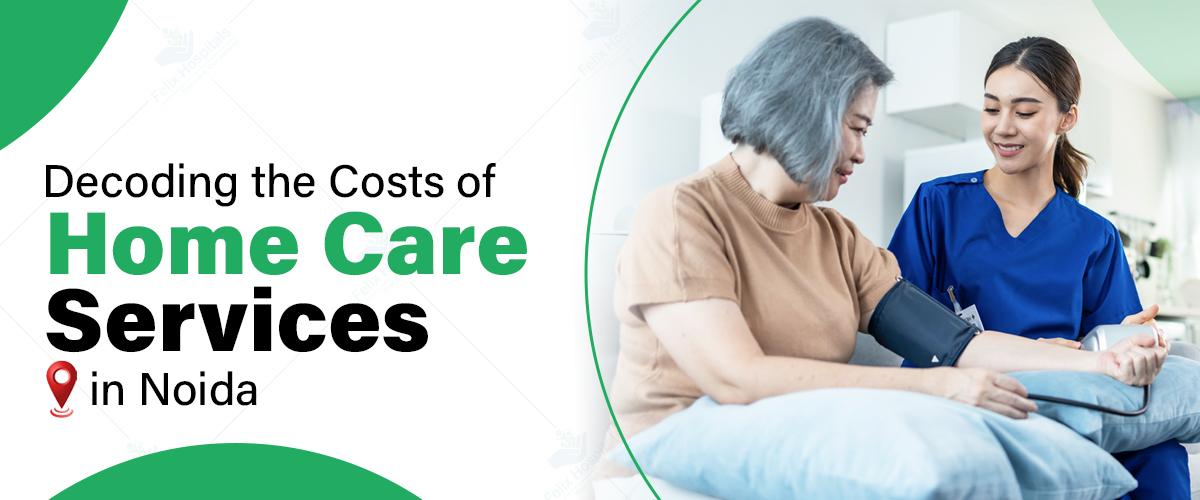
As the population ages and the preference for receiving care in the comfort of one's home increases, understanding the costs associated with home care becomes crucial. Home care provides essential support and medical services in a familiar and personalized setting, but it comes with its own set of financial considerations. This blog explores the various factors influencing home care costs, helping you make informed decisions.
Experience Compassionate Home Care in Noida Today! Call us on +91 9667064100.
The cost of home care services in Noida varies based on the type of service. Here's a breakdown of typical costs:
Availability: Often included in comprehensive care packages.
Note: Ensure there are no hidden charges or conditions before availing the service.
Basic tests typically cost between ₹300 and ₹800, while complex tests can go up to ₹5,000 or more. The home visit fee for sample collection usually ranges from ₹200 to ₹500.
Basic care costs around ₹15,000 to ₹25,000 per month, skilled nursing ranges from ₹30,000 to ₹50,000 per month, and 24/7 care can exceed ₹60,000 per month, depending on the level of care required.
Per session, physiotherapy services typically range from ₹500 to ₹1,500. Discounted rates are often available for ongoing treatment through package deals.
Wheelchair: Generally costs between ₹500 - ₹1,500 per month.
Hospital Bed: Rental fees range from ₹1,000 - ₹3,000 per month.
Oxygen Concentrator: Costs can vary from ₹5,000 to ₹15,000 per month.
These points give a clear overview of the costs associated with home care services in Noida, helping you to plan and budget accordingly.
At Felix Hospital, we pride ourselves on being the best home care provider in Noida, offering a range of services at affordable prices to ensure our patients receive the highest quality care in the comfort of their homes.
- Free Ambulance Service: We provide a free ambulance service to ensure that our patients receive prompt and safe transportation during emergencies. This service is available with terms and conditions applied to ensure optimal use and availability.
- Sample Collections: For your convenience, we offer free sample collection services for bills above ₹999*. However, if you are a PSU patient, collection charges will apply as per the policy. Our goal is to provide seamless and efficient services right at your doorstep.
- Home Nursing Services: Our home nursing services are designed to be both affordable and flexible. We offer services starting at just ₹299* for 1 to 4 hours within a 5 km radius. The cost is tailored to the specific needs of the patient, including the duration of the service and the type of procedure required, such as long dressing, SE insulin, or IM insulin administration.
- Physiotherapy Services: To support your recovery and rehabilitation, we offer physiotherapy sessions at home starting at ₹699* for one hour. The pricing is adjusted based on the type of therapy required, ensuring that you receive the most appropriate care for your condition. physiotherapy hospital in noida
- Medical Equipment on Rent: We understand the need for medical equipment in the comfort of your home. That’s why we offer a range of medical equipment on rent at affordable prices, starting from ₹99*. The cost will vary depending on the specific equipment required, ensuring you have access to the necessary tools for your recovery.
These services are part of our commitment to making quality healthcare accessible and affordable, providing you with the support you need right at your doorstep. These costs can vary depending on the complexity of the procedure and the specific hospital or service provider.
1. Type of Care Required
The cost of home care elderly depends on the type and intensity of care required. Basic personal care services, such as help with daily activities, tend to be less expensive than skilled nursing care or specialized medical services. For instance, around-the-clock care from a registered nurse will cost more than part-time assistance from a home health aide.
2. Duration and Frequency of Care
The total cost of home care is influenced by how often and how long services are needed. Care can be provided on a part-time or full-time basis, and costs will vary accordingly. Daily visits will generally be less expensive than 24/7 care, but the latter may be necessary for individuals with significant medical needs or those requiring constant supervision.
3. Location
Geographic location plays a significant role in determining cost of home care services. Rates for home care services in Noida can vary widely based on the cost of living in a particular area. Urban areas and regions with higher living costs typically have higher home care rates compared to rural areas.
4. Level of Expertise
The qualifications and experience of the care providers can affect costs. Highly skilled professionals, such as registered nurses or therapists with specialized training, generally command higher fees than those with less experience or training. This is particularly relevant for patients who require complex medical care or therapy.
5. Insurance and Payment Options
Cost of Home Care Services can be offset by various insurance options, including Medicare, Medicaid, and private insurance. Coverage can vary widely depending on the policy and the type of care needed. It is important to verify the specifics of your insurance coverage and understand what is included and excluded.
1. Assess Your Needs
Clearly defining the level and type of care required can help in obtaining accurate cost estimates. This assessment should include both medical and non-medical needs to ensure that the care plan is comprehensive and suitable.
2. Compare Providers
Different home care agencies offer varying levels of service and pricing. It is advisable to research and compare providers, checking their credentials, services, and costs. Requesting detailed cost breakdowns and understanding what is included in the pricing can prevent unexpected expenses.
3. Explore Financial Assistance
Investigate available financial assistance programs and benefits. Medicaid and certain veteran’s benefits can provide financial support for home care services. Additionally, some non-profit organizations offer grants or assistance programs for qualifying individuals.
4. Create a Budget
Developing a budget that accounts for both anticipated and potential additional costs can help manage home care expenses effectively. This should include regular service fees as well as any one-time costs or unexpected expenses that may arise.
5. Plan for Long-Term Care
Home care costs can add up over time, so planning for long-term care needs is essential. Consider long-term care insurance options that can help cover future expenses and provide peace of mind.
Need Reliable Home Care Services in Noida? Call us today at +91 9667064100.
Understanding the costs associated with home care is vital for making informed decisions about your care or that of a loved one. By considering the type of care required, the duration and frequency of services, location, and the qualifications of care providers, you can better manage and anticipate expenses. Additionally, exploring insurance options and financial assistance programs can help reduce the financial burden. Planning and budgeting effectively will ensure that home care remains a viable and comfortable option for those in need.
1. What types of home care services are offered?
Ans. Home care services can include medical care (such as skilled nursing, physical therapy, and wound care) and non-medical care (such as personal assistance with daily activities, companionship, and housekeeping). Services are tailored to meet the specific needs of each individual.
2. What factors influence the cost of home care services?
Ans. The cost of home care services depends on factors like the type and level of care required, the duration of services, the frequency of visits, and the geographic location. For a detailed cost estimate, contact Felix Hospital directly.
3. Can home care services be provided on weekends and holidays?
Ans. Yes, Felix Hospital offers home care services seven days a week, including weekends and holidays, to ensure continuous care and support for your loved ones.
4. How do I know if home care is suitable for my loved one?
Ans. A thorough assessment by a healthcare professional can determine if home care is appropriate based on the individual's medical condition, level of independence, and specific care needs. Felix Hospital can assist in evaluating these requirements.
5. What qualifications do Felix Homecare providers have?
Ans. Felix Homecare providers include licensed nurses, certified nursing assistants, and other trained professionals. Each team member is carefully selected and trained to deliver high-quality, compassionate care.
6. How do I get started with home care services from Felix Hospital?
Ans. To get started, contact Felix Hospital via phone or visit our website to request more information, schedule a consultation, or arrange for home care services.
7. What happens if there is a change in my loved one's condition during home care?
Ans. If there is a change in your loved one's condition, Felix Homecare providers will promptly assess the situation and adjust the care plan as needed. Our team communicates closely with family members and healthcare professionals to ensure appropriate adjustments are made.
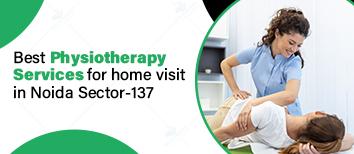
Get personalized care from experienced physiotherapists in the comfort of your home, tailored to meet your specific needs for faster recovery.
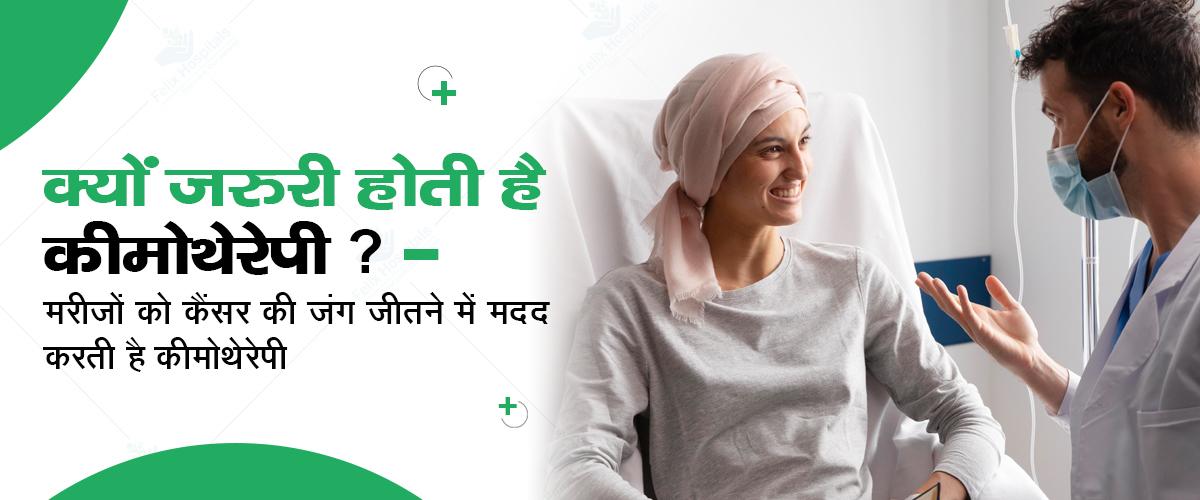
कीमोथेरेपी (Chemotherapy) एक प्रकार का इलाज है जो कैंसर के उपचार के लिए उपयोग किया जाता है। इसमें विशेष दवाओं का उपयोग किया जाता है जो कैंसर कोशिकाओं को मारने या उनकी वृद्धि को धीमा करने का काम करती हैं। कीमोथेरेपी के दौरान दी जाने वाली दवाएं रक्तप्रवाह में प्रवेश करती हैं और शरीर के विभिन्न हिस्सों में फैल जाती हैं, जिससे कैंसर कोशिकाओं पर प्रभावी होती हैं। कीमोथेरेपी के बाद रोगियों को विशेष देखभाल की आवश्यकता हो सकती है। डॉक्टर नियमित जांच और समर्थन प्रदान करते हैं ताकि दुष्प्रभावों का प्रबंधन किया जा सके और उपचार की प्रभावशीलता सुनिश्चित की जा सके इसके लिए आप नोएडा के कैंसर हॉस्पिटल (Cancer hospital in Noida) से संपर्क कर सकते है और साथ ही बहुत सी मुख्य बातें भी जान सकते है। जानिए इसके लक्षण से लेकर इलाज तक के बारे में विस्तार से..
ज्यादा जानकारी के लिए हमें कॉल करें +91 9667064100.
कीमोथेरेपी (chemotherapy in hindi meaning) एक चिकित्सा उपचार है जो मुख्य रूप से कैंसर के इलाज के लिए उपयोग किया जाता है। इसमें ऐसी दवाओं का उपयोग किया जाता है जो तेजी से बढ़ने वाली कैंसर कोशिकाओं को मारने या उनकी वृद्धि को धीमा करने में सक्षम होती हैं। कीमोथेरेपी की दवाएं पूरे शरीर में फैलती हैं, जिससे कैंसर का इलाज करने में मदद मिलती है, चाहे कैंसर शरीर के किसी भी हिस्से में हो। कीमोथेरेपी की दवाएं तेजी से बढ़ने वाली कोशिकाओं को निशाना बनाती हैं। चूंकि कैंसर कोशिकाएं तेजी से विभाजित होती हैं, कीमोथेरेपी उन्हें नष्ट करने में सक्षम होती है। हालांकि, यह दवाएं शरीर की कुछ स्वस्थ कोशिकाओं को भी प्रभावित कर सकती हैं, जिससे कुछ दुष्प्रभाव हो सकते हैं।
कीमोथेरेपी के विभिन्न प्रकार होते हैं, जो कैंसर के प्रकार, उसकी अवस्था, और उपचार के उद्देश्य पर निर्भर करते हैं। कीमोथेरेपी को मुख्य रूप से निम्नलिखित प्रकारों में वर्गीकृत किया जा सकता है:'
कीमोथेरेपी की प्रक्रिया (chemotherapy process in hindi ) मुख्य रूप से कैंसर कोशिकाओं को नष्ट करने या उनकी वृद्धि को धीमा करने के लिए काम करती है। इसकी दवाएं शरीर में फैलकर तेजी से विभाजित होने वाली कोशिकाओं को निशाना बनाती हैं। चूंकि कैंसर कोशिकाएं सामान्य कोशिकाओं की तुलना में बहुत तेजी से विभाजित होती हैं, कीमोथेरेपी इन्हें प्रभावित करती है। कीमोथेरेपी का उपयोग कैंसर के प्रकार, उसकी अवस्था, और मरीज के स्वास्थ्य की स्थिति के आधार पर किया जाता है। इसका उद्देश्य कैंसर कोशिकाओं को नष्ट करना, उनकी वृद्धि को नियंत्रित करना, और रोगी के जीवन को बेहतर बनाना होता है।
चूंकि कीमोथेरेपी दवाएं तेजी से विभाजित हो रही कोशिकाओं को निशाना बनाती हैं, यह कुछ स्वस्थ कोशिकाओं, जैसे बालों की जड़ों, पाचन तंत्र की परत, और रक्त बनाने वाली कोशिकाओं को भी प्रभावित कर सकती हैं। इसके कारण बालों का झड़ना, थकान, मतली, और अन्य दुष्प्रभाव हो सकते हैं। हालांकि, ये दुष्प्रभाव आमतौर पर उपचार के खत्म होने के बाद कम हो जाते हैं।
चूंकि कीमोथेरेपी तेजी से विभाजित होने वाली कोशिकाओं को निशाना बनाती है, यह कुछ स्वस्थ कोशिकाओं को भी प्रभावित कर सकती है, जिससे दुष्प्रभाव उत्पन्न होते हैं(Side Effects of Chemotherapy in Hindi)। इनमें से कुछ दुष्प्रभाव अस्थायी होते हैं, जबकि कुछ दीर्घकालिक हो सकते हैं:
कीमोथेरेपी का उद्देश्य कैंसर के उपचार के लिए विशिष्ट होता है और यह कई कारकों पर निर्भर करता है, जैसे कैंसर का प्रकार, उसकी अवस्था, और मरीज की सामान्य स्वास्थ्य स्थिति। कीमोथेरेपी के मुख्य उद्देश्य निम्नलिखित हो सकते हैं:
कीमोथेरेपी के बाद देखभाल बहुत महत्वपूर्ण होती है, क्योंकि इस उपचार के कारण शरीर में कई तरह के दुष्प्रभाव हो सकते हैं। सही देखभाल से इन दुष्प्रभावों को कम किया जा सकता है और रोगी की रिकवरी में मदद मिलती है। यहां कुछ मुख्य बिंदु दिए गए हैं, जो कीमोथेरेपी के बाद देखभाल के लिए महत्वपूर्ण हैं:
डॉ. चिन्मयी अग्रवाल एक अत्यंत योग्य चिकित्सा ऑन्कोलॉजिस्ट और कैंसर विशेषज्ञ हैं, जिनके पास 8 वर्षों से अधिक का अनुभव है। वे स्तन कैंसर, गर्भाशय के कैंसर, श्वसन के कैंसर, आंत्र कैंसर, और रक्त एवं लिम्फोइड कैंसर के उपचार में माहिर हैं। इसके अतिरिक्त, वे हीमेटोपॉइएटिक स्टेम सेल प्रत्यारोपण में भी विशेषज्ञता रखते हैं।
कैंसर के लिए ऑन्कोलॉजिस्ट, सर्जिकल ऑन्कोलॉजिस्ट, रेडिएशन ऑन्कोलॉजिस्ट प्रमुख डॉक्टर है। डॉक्टर की सलाह के लिए आज ही फ़ोन करें - +91 9667064100.
कीमोथेरेपी एक महत्वपूर्ण और प्रभावी उपचार (chemotherapy treatment in hindi) है, जिसका उपयोग विभिन्न प्रकार के कैंसर के इलाज के लिए किया जाता है। यह कैंसर कोशिकाओं को नष्ट करने, उनकी वृद्धि को नियंत्रित करने, और मरीज की जीवन गुणवत्ता को बेहतर बनाने में मदद करता है। हालांकि, कीमोथेरेपी के दौरान और बाद में कुछ दुष्प्रभाव हो सकते हैं, जिन्हें सावधानीपूर्वक प्रबंधन की आवश्यकता होती है। उचित देखभाल, संतुलित आहार, और डॉक्टर के निर्देशों का पालन करने से मरीज की रिकवरी को सुगम बनाया जा सकता है। कीमोथेरेपी के प्रभाव और परिणाम प्रत्येक मरीज के लिए भिन्न हो सकते हैं, इसलिए इसे व्यक्तिगत स्वास्थ्य और कैंसर की स्थिति के अनुसार अनुकूलित किया जाता है। नोएडा में ऑन्कोलॉजिस्ट डॉक्टर्स (Oncologist in Noida) के मार्गदर्शन में कीमोथेरेपी का सही तरीके से उपयोग कैंसर के खिलाफ लड़ाई में महत्वपूर्ण भूमिका निभा सकता है।
प्रश्न 1: क्या कीमोथेरेपी के बाद सामान्य जीवन जी सकते हैं ?
उत्तर: हां, अधिकांश मरीज कीमोथेरेपी के दौरान और बाद में सामान्य जीवन जी सकते हैं। हालांकि, कुछ दुष्प्रभावों के कारण उन्हें अपने काम, सामाजिक जीवन, और दैनिक गतिविधियों में परिवर्तन करने की आवश्यकता हो सकती है। डॉक्टर की सलाह के अनुसार जीवनशैली में बदलाव करना सहायक हो सकता है
प्रश्न 2: क्या कीमोथेरेपी के दौरान बाल झड़ना सामान्य है ?
उत्तर: हां, बालों का झड़ना कीमोथेरेपी का एक सामान्य दुष्प्रभाव है, लेकिन यह सभी मरीजों में नहीं होता। बालों का झड़ना आमतौर पर इलाज खत्म होने के कुछ हफ्तों बाद वापस आ जाता है।
प्रश्न 3: क्या कीमोथेरेपी के दौरान काम पर जा सकते हैं ?
उत्तर: कुछ लोग कीमोथेरेपी के दौरान काम पर जाना जारी रखते हैं, जबकि अन्य को इलाज के दौरान आराम की आवश्यकता हो सकती है। यह आपके व्यक्तिगत अनुभव और दुष्प्रभावों पर निर्भर करता है।
प्रश्न 4: क्या कीमोथेरेपी दर्दनाक होती है ?
उत्तर: कीमोथेरेपी खुद में दर्दनाक नहीं होती, लेकिन इसे देने के तरीकों में (जैसे इंट्रावीनस इंजेक्शन) हल्का दर्द या असुविधा हो सकती है। कुछ दवाएं दुष्प्रभाव के रूप में दर्द पैदा कर सकती हैं, जिसे डॉक्टर द्वारा प्रबंधित किया जा सकता है।
प्रश्न 5: कीमोथेरेपी के बाद क्या जीवनशैली में कोई बदलाव करना चाहिए ?
उत्तर: कीमोथेरेपी के बाद स्वस्थ आहार, नियमित व्यायाम, पर्याप्त नींद, और संक्रमण से बचाव के उपायों को अपनाना फायदेमंद हो सकता है। यह बदलाव आपकी रिकवरी को सुगम बनाते हैं।
प्रश्न 6: क्या कीमोथेरेपी के बाद दुष्प्रभाव स्थायी होते हैं ?
उत्तर: ज्यादातर दुष्प्रभाव अस्थायी होते हैं और इलाज समाप्त होने के बाद कुछ समय में ठीक हो जाते हैं। हालांकि, कुछ मामलों में, कीमोथेरेपी के दुष्प्रभाव दीर्घकालिक या स्थायी हो सकते हैं, जो आपके डॉक्टर से चर्चा करने योग्य है।
प्रश्न 7: क्या कीमोथेरेपी सभी प्रकार के कैंसर के लिए प्रभावी है ?
उत्तर: कीमोथेरेपी कुछ प्रकार के कैंसर के लिए बेहद प्रभावी होती है, जबकि अन्य प्रकार के कैंसर के लिए कम प्रभावी हो सकती है। इसका उपयोग अकेले या अन्य उपचारों के साथ मिलाकर किया जा सकता है, और इसका प्रभाव कैंसर के प्रकार, उसकी अवस्था, और मरीज के स्वास्थ्य पर निर्भर करता है।
प्रश्न 8: कीमोथेरेपी के दौरान किन चीजों से बचना चाहिए ?
उत्तर: कीमोथेरेपी के दौरान आपको संक्रमित व्यक्तियों से दूर रहना चाहिए, भीड़भाड़ वाले स्थानों से बचना चाहिए, कच्चे या अस्वास्थ्यकर भोजन से बचना चाहिए, और धूम्रपान या शराब का सेवन नहीं करना चाहिए।
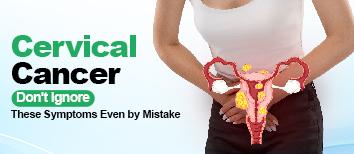
Recognize the early warning signs of cervical cancer. Learn about its symptoms, causes, and when to consult a gynecologist for timely diagnosis and treatment.

Explore essential information about breast cancer, including its symptoms, causes, types, and treatments, to stay informed and proactive about your health.
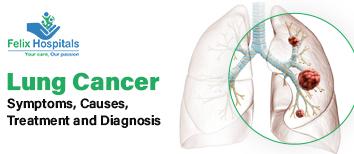
Lung cancer is a serious condition that starts in the lungs and can spread to other parts of the body.
ब्रेस्ट कैंसर (Breast Cancer) के मुख्य लक्षण, इसके कारण और प्रभावी उपचार। समय पर पहचान और सही इलाज से रोग की गंभीरता को कम किया जा सकता है।


Subscribe to our
© Copyright 2026. All Rights Reserved by Felix Healthcare Private Limited
Design and development by :


 +(91)9667064100
 Emergency : +(91)9667064100