 WhatsApp
 Emergency:
  WhatsApp











Subscribe to our

Dealing with a cold or persistent cough is something most of us have experienced multiple times in our lives. While these ailments are typically not severe, they can cause significant discomfort and disrupt our daily routines. Seeking timely and appropriate medical care is essential to manage symptoms effectively and prevent potential complications. Consulting the Best Hospital for General Physicians can provide you with comprehensive care and personalized treatment plans to help you recover quickly and comfortably.
Don't let cold and cough hold you back. Reach out to a trusted general physician today and take the first step towards better health and well-being. Contact us on +91 9667064100.
The Common Cold is a viral infection of the upper respiratory tract, primarily affecting the nose and throat. It is highly contagious and can be caused by various viruses, with rhinoviruses being the most common culprit. Symptoms often include:
Runny or Stuffy Nose
Sore Throat
Cough
Sneezing
Mild Fever
Body Aches
Coughing, while a common symptom of the cold, can also occur independently due to other factors such as:
Allergies
Bronchitis
Environmental Irritants (e.g., smoke, pollution)
Gastroesophageal Reflux Disease (GERD)
Though Colds and Coughs are usually self-limiting, neglecting proper care can lead to more serious conditions like sinus infections, pneumonia, or chronic bronchitis.
Your primary care doctor is usually the person you see for medical concerns and they can help with common issues, like cold and cough symptoms related to respiratory infections. Here's why it's an idea to consult them for your health needs;
1. Accurate Diagnosis
It's important to understand that not all cold and cough symptoms are identical in every case and a skilled general practitioner can offer guidance and support, in situations.
Identify the Root Cause: They needed to pinpoint the reason behind it—whether it was due, to viral outbreaks l bacterial infections allergens or any other factors causing the symptoms.
Assess Severity: Before consulting a doctor or seeking treatment it's important to evaluate the seriousness and duration of your symptoms.
Rule Out Complications: Avoiding Issues; To the best of your ability seek signs that could potentially lead to additional infections or other problems that require unique care.
2. Personalized Treatment Plans
After assessing the diagnosis findings a primary care physician can customize the treatment plan to suit your requirements.
Medication Prescriptions: Prescribing medications involves recommending drugs like antivirals for viral infections or antibiotics for bacterial diseases and may also include expectorants or decongestants to relieve symptoms such as coughs or congestion.
Dosage and Duration: Suggested Dosage and Duration Guidelines, It is advisable to recommend the quality and quantity of doses along with the recommended time intervals to maximize effectiveness while minimizing potential harm.
Consideration of Medical History: When deciding on treatments, for your condition consider your history and any allergies you may have to ensure they align with your current health status and minimize potential side effects.
3. Comprehensive Care and Monitoring
General practitioners offer care by:
Monitoring Progress: Ensuring Progress Tracking is important which means scheduling follow up appointments to assess recovery levels and adjust treatment plans as needed.
Providing Supportive Care: Recommendations for providing care involve suggesting interventions and adjustments, in clients everyday routines to aid in their recovery process.
Preventing Recurrences: How to avoid getting sick ? Share suggestions, for enhancing your system and staying healthy in the long run.
4. Access to Additional Healthcare Services
Referrals to Specialists: Physicians may recommend consulting with an ear nose throat specialist (ENT) a pulmonologist or an allergist based on the circumstances.
Diagnostic Tests: Diagnostic Tests. Ensure to request prescriptions, for ordering relevant lab tests like X rays or lung function tests to gain a deeper understanding of the patients health status.
Vaccinations: Prescribing and administering vaccinations, like the flu shot, is recommended to help manage the transmission of diseases.
Managing a cold and cough successfully requires a mix of interventions and supportive measures.
Make sure to get rest so your body can focus its energy on fighting off the virus.
To stay hydrated it's important to drink plenty of water and other fluids throughout the day.
Using lubricant on membranes helps to keep them moist.
Over the counter (OTCs) also known as nonprescription medications
Decongestants help to relieve congestion.
Antihistamines help stop sneezing and a runny nose caused by allergies that can be managed effectively.
Cough suppressants and expectorants can help alleviate symptoms associated with conditions like COP and asthma such as coughing and mucus expectoration in cases of bronchitis and emphysematous conditions.
When you have a headache or body pain and feel under the weather with the flu symptoms like fever and body aches. You can turn to medications such as paracetamol or ibuprofen to help ease your discomfort and get some relief.
Antivirals are typically prescribed for illnesses caused by viruses or for patients with compromised immune systems.
If the situation involves an infection then antibiotics are necessary.
Patients with asthma or those with bronchial conditions may use inhalers or nebulizers for treatment purposes.
It is important to follow the doctor's prescription when taking medication to avoid side effects or ineffectiveness.
Steam inhalation provides relief, for congestion and soothes irritation in the bronchial tubes.
Saltwater gargles can help calm irritation commonly linked to a throat and also ward off inflammation in the throat.
Using honey and warm liquids to treat or prevent a throat and manage coughs is recommended, but it's important to note that children under one year old should not consume honey in any form or preparation.
Using a humidifier can raise the humidity level to alleviate congestion and coughing caused by changing weather conditions.
Herbal teas containing ingredients such as ginger or chamomile can provide comfort and aid in the healing process with their soothing properties.
Eating a diet with fruits and veggies along with proteins can boost your immune system and keep you healthy.
Steer clear of irritants like smoke and dust to prevent discomfort caused by substances and materials that may be bothersome, to you.
Practicing hygiene is crucial in preventing the spread of infections, such, as washing your hands regularly and using tissues especially when they are unbleached or untreated.
To lower the chances of getting a cold or cough
Regularly washing your hands helps decrease the spread of germs, within the school environment thus lowering the likelihood of students falling ill with diseases.
Stay away from individuals who are sick to prevent getting infected.
Keeping yourself healthy is crucial – make sure to stay active with exercise and get enough sleep while eating a balanced diet to strengthen your immune system.
Make sure to keep up with getting your vaccinations such as flu shots and other important vaccines as they help safeguard you against common viruses.
Choosing the right healthcare provider ensures effective and compassionate care. Here’s how to find the best general physician Doctor in Noida:
1. Check Qualifications and Experience: Look for physicians with reputable medical degrees and substantial experience in treating respiratory conditions.
2. Read Patient Reviews: Feedback from other patients can provide insights into the physician's expertise and bedside manner.
3. Consider Accessibility: Choose a clinic or hospital that is conveniently located and offers flexible appointment scheduling.
4. Evaluate Facilities: Ensure that the healthcare facility is well-equipped with necessary diagnostic and treatment tools.
5. Personal Recommendations: Ask friends, family, or other healthcare professionals for trusted referrals.
Felix Hospital in Noida is well known for its general practitioners who offer holistic treatment for different health issues, like the common cold and coughs. With amenities and patient focused care services you can expect top notch healthcare customized to meet your requirements.
Dr. Anshumala Sinha, with over 20 years of expertise in internal medicine and diabetology, has practiced at prestigious hospitals in Delhi such as Sir Ganga Ram Hospital. Her background encompasses diabetes management, infectious disease care, preventive medicine, hypertension (high blood pressure), weight management, and trauma care.
Dr. Neelabh Pratap is a skilled General Physician with 6 years of experience in managing diabetes, hypertension, infectious diseases, geriatric care, and critical trauma care. He provides comprehensive healthcare, helping patients manage both acute and chronic gastrointestinal conditions, including diarrhea.
Cold and cough may seem like minor health issues, but they can significantly impact your quality of life if not addressed properly. Seeking timely medical attention from the Best General Physician in Noida ensures accurate diagnosis, effective treatment, and guidance on preventive care. With professional support and appropriate management, you can recover swiftly and reduce the risk of future illnesses. Additionally, understanding the common cold and cough treatment cost is essential for planning your healthcare needs and ensuring you receive the best care within your budget.
For expert consultation and care, contact Felix Hospital in Noida at +91 9667064100. Your health is our priority!

When a newborn needs specialized medical attention, they may be admitted to the Neonatal Intensive Care Unit (NICU). This specialized unit is designed to provide high-level care to premature or critically ill infants. For parents navigating this challenging time, understanding what to expect in the NICU and knowing about available resources can offer reassurance and guidance. If you're seeking the best care for your baby, finding the best neonatologist doctor in Noida can be a crucial step. This blog provides an overview of the NICU experience and highlights essential resources for families.
If you have concerns about your baby's health or need specialized care, contact the best neonatologist doctor in Noida today. Call us at +91 9667064100.
The NICU is a specialized hospital unit equipped to care for newborns who require advanced medical attention. This care may be necessary for various reasons, including prematurity, low birth weight, congenital conditions, or complications that arise shortly after birth. The NICU is designed to provide intensive monitoring and treatment to support the delicate needs of these newborns. For exceptional care and comprehensive support, a pediatrics & neonatology treatment hospital offers the specialized expertise required for managing such critical conditions.
1. Admission and Initial Assessment
When a baby is brought to the NIC (Neonatal Intensive Care Unit) they will be carefully assessed to understand their medical requirements effectively. This assessment is crucial in creating a customized care strategy for healthcare professionals. Additionally, parents might be offered a guided tour of the NIC unit to get acquainted with the surroundings and meet the healthcare providers.
2. Care and Monitoring
In the intensive care unit (NIC) unit babies are, under constant observation and receive ongoing attention and treatment which can involve:
3. Parental Involvement
In the NICUs where babies receive care treatment for their health conditions and complications at birth. Parents are actively involved in their baby's care to provide essential support and caregiving tasks despite the challenging and emotional environment present in such units:
The journey, through the NICUnicu can pose its challenges; however, there are resources accessible to assist families:
1. Support Groups and Counseling: Support groups and counseling are commonly provided by hospitals for parents with babies in the NICUs to share their stories and seek solace when needed. Individual therapy sessions could also be an option to assist parents in managing the challenges and feelings that come with having a child in the NICU.
2. Educational Materials: NICUs frequently offer resources on the health issues being addressed and the medical processes underway aiding parents in comprehending the situation and assisting in their baby's well-being.
3. Hospital Social Workers: Social workers in the intensive care unit (NIC) offer a range of services to support families such as helping with insurance coordination and connecting them with community resources while also providing emotional assistance.
4. Online Resources: Online sources such as websites and online communities cater to families with babies in the NICUs offering guidance and a supportive network to navigate through this challenging time of their journey, with premature or sick newborns.
5. Family Accommodations: Some hospitals provide options for families like lodging or rooms in the hospital to help parents stay close to their baby.
The time spent in the NICU nurturing unit (NICUNIC) elicits emotions and demands attention but it's comforting to know that many infants who receive specialized care there go on to flourish and enjoy a healthy life. As caretaker parents, it's vital to prioritize self-care too. Seek solace in the support available, reach out to your team for guidance and allow yourself time to adapt to this new normal. If you're in search of top-tier expertise think, about entrusting your pediatrics & neonatology treatment hospital specializing in pediatrics and neonatal medicine during this period.
For personalized support and expert care, visit our Pediatrics & neonatology treatment hospital. Contact us at +91 9667064100.
The NICU is a place of hope and specialized care, dedicated to supporting the most vulnerable newborns. Understanding what to expect and utilizing available resources can help parents navigate this challenging time with greater confidence and support. For families concerned about the Neonatology treatment cost in Noida, it's important to be informed about potential expenses and available financial support. By staying informed, involved, and connected, families can help ensure their baby receives the best possible care and support during their NICU journey.
1. What is the NICU and why might my baby need to go there?
ANS: The NICU is a specialized unit designed to provide advanced medical care to newborns who are premature, critically ill, or have specific health conditions. It offers intensive monitoring and treatment to support these vulnerable infants.
2. How long will my baby stay in the NICU?
ANS: The length of stay in the NICU varies depending on the baby’s condition and progress. It can range from a few days to several weeks or even months, based on individual needs.
3. Can I visit my baby in the NICU?
ANS: Yes, parents can visit their baby in the NICU, although there may be visiting hours and specific guidelines to ensure the safety and well-being of all patients.
4. What should I expect during my baby’s NICU stay?
ANS: Expect regular updates from the healthcare team, advanced monitoring and treatment for your baby, and opportunities to participate in care practices such as kangaroo care and feeding.
5. How can I support my baby while they are in the NICU?
ANS: Participate in care practices, ask questions, and engage in bonding activities like kangaroo care. Your involvement can positively impact your baby’s development.
6. What resources are available for families with a baby in the NICU?
ANS: Resources include support groups, educational materials, hospital social workers, online forums, and accommodations for families.
7. How can I manage the emotional impact of having a baby in the NICU?
ANS: Seek support from counseling services, join support groups, and stay connected with your healthcare team to help manage the stress and emotions associated with the NICU experience.
8. Are there financial resources available to help with NICU costs?
ANS: Some hospitals offer financial assistance programs, and social workers can help you navigate insurance coverage and other financial resources.
9. What is kangaroo care and why is it important?
ANS: Kangaroo care involves placing your baby skin-to-skin on your chest. It helps stabilize your baby’s heart rate and temperature and enhances bonding.
10. How can I find the best neonatologist doctor in Noida for my baby’s care?
ANS: To ensure your baby receives the best possible care, consider consulting with highly qualified neonatologists at Felix Hospital in Noida. Dr. Vishrut Singh, a pediatrician, is available from 8:00 AM to 3:00 PM, and Dr. Prabhat Kumar, another experienced pediatrician, is available from 8:00 AM to 1:30 PM. Both doctors are known for their expertise in neonatology and pediatric care, making Felix Hospital a reliable choice for your newborn’s health needs.

Hair loss can be an incredibly distressing experience, especially for women. Our hair is often closely tied to our identity, confidence, and sense of beauty. When it starts to thin or fall out, it can feel overwhelming. But you’re not alone—many women face hair loss at various stages of life, and there are effective treatments and prevention methods available. Whether you're looking for the Best Hospital for Hair Loss or seeking expert advice, understanding the reasons behind your hair loss is the first step toward finding the right solution. In this blog, we’ll explore why women experience hair loss, identify the symptoms, discuss the causes, and provide information on treatment and prevention options.
Contact us at Felix Hospital or call +91 9667064100 to consult with our expert dermatologists.
Female baldness is known to be caused by several factors including endogenous factors like hormonal imbalances and exogenous factors like diseases, diet among others, and hereditary factors. While balding is linear in the case of men, the fallout in women happens randomly and hence is much more difficult to pinpoint and treat. Knowing the root lead is the initial move towards finding the perfect remedy, which includes but is not limited to knowing the Thinning Hair Loss Treatment Cost of every possibility.
There are situations where hair loss in women does not follow a consistent pattern in any specific way. Below are a few signs to keep an eye out for:
Several factors can contribute to hair loss in women:
When dealing with hair loss it's essential to address the underlying reasons for it and select the right treatment approach, from the options available:
They often say that taking care of your hair and living a healthy lifestyle can help prevent most instances of hair loss. Here are a few suggestions:
Get Regular Check-ups: Make sure to schedule checkups with your doctor as it can help detect underlying issues that may contribute to hair loss in the long run.
At Felix Hospital we understand the challenges that come with experiencing hair loss, especially for women facing this issue. I want to highlight the expertise of our dermatology team, led by Kusum Gupta who specialize in addressing hair loss concerns. Our method involves examining the health of your hair and scalp to personalize a treatment plan tailored to your specific needs. Let's work together to help you feel confident and regain your hair back again.
Don’t wait to take control of your hair health!
Schedule an appointment with Felix Hospital today or call us at +91 9667064100 to get started on your journey to healthier hair.
Hair loss in women can be distressing, but with the right diagnosis, treatment, and prevention strategies, it’s possible to regain your hair and confidence. From hormonal imbalances to stress and medical conditions, understanding the root cause of your hair loss is key to finding the best solution. Hair Loss Specialists are available to guide you every step of the way.


Get personalized care from experienced physiotherapists in the comfort of your home, tailored to meet your specific needs for faster recovery.
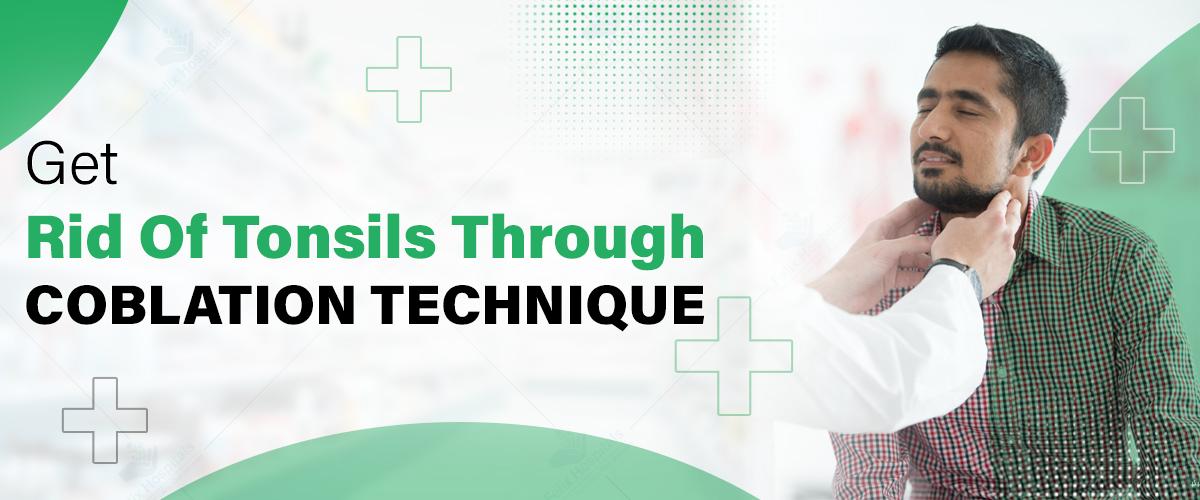
Tonsils are small, oval-shaped glands located at the back of the throat that help to fight infections by filtering out bacteria and viruses that enter through the mouth and nose. However, when tonsils become frequently infected or enlarged, they can cause significant discomfort and complications.
In such cases, the coblation technique might offer a modern and minimally invasive solution. Many facilities in Noida, including the Best tonsillitis treatment hospital in Noida, offer the coblation technique at an affordable cost, making it an accessible option for all.
Tired of recurring tonsil stones? Call +91 9667064100 to explore tailored treatment options straight from our ENT experts.
The coblation technique is a modern tonsil stones removal surgery procedure used for removing or shrinking tonsil tissue with precision and minimal discomfort. It uses radiofrequency energy to create a low-temperature plasma field that gently dissolves the tissue, rather than burning it. This approach reduces pain, minimizes bleeding, and speeds up recovery compared to traditional methods, making it a more comfortable and efficient option for those needing tonsil surgery.
The coblation technique uses radiofrequency energy to gently dissolve the tonsils instead of using heat to cut through tissue. Here’s a step-by-step overview of the coblation procedure, giving you a clear understanding of how it works;
1- Administering Anesthesia
First, your doctor will administer general anesthesia to ensure you are completely asleep and comfortable during the procedure.
2- Setting up device
Then the surgeon sets up a coblation device, which contains an electrode that will deliver radiofrequency energy to the tonsils.
3- Creating the Plasma Field
The radiofrequency energy then forms a plasma field around the tonsil tissue. This plasma field operates at a low temperature, making it gentle on the tissues.
4- Removing the Tissue
Using the coblation device, the surgeon carefully removes or reduces the tonsil tissue through the mouth. The device's precision ensures only the targeted tissue is affected.
5- Controlling Bleeding
The low temperature set up through coblation device helps control bleeding by sealing off blood vessels as the tissue is removed.
The procedure for coblation is speedy and effective, making it an excellent choice for addressing tonsil stones. Performed by a skilled Tonsil stones removal doctor, the technique can offer precise results and typically involves minimal recovery time.
Coblation is an effective technique used to treat various conditions related to the tonsils and throat. Here are some common conditions that can be treated using coblation technique:
Chronic Tonsillitis: This is when the tonsils, which are located at the back of your throat, stay swollen and inflamed for a long period of time which often causes a sore throat, bad breath, and trouble swallowing anything.
Enlarged Tonsils: This happens when the tonsils become larger than its normal size. This makes it hard to breathe or swallow, and might lead to frequent infections or snoring as well.
Recurrent Tonsil Stones: These are small, hard deposits of bacteria, dead cells, and other debris that form in the tonsils and keep coming back. They can cause bad breath and discomfort in the throat.
Tonsillar Hypertrophy: This is a condition where the tonsils are unusually large. It can cause breathing problems, difficulty swallowing, or frequent infections.
If you experience any of these conditions, it is advisable to seek medical treatment preferably from the best tonsil stones removal hospital as the experts there can assist you seeking the most appropriate treatment as per your condition.
The coblation technique has emerged as a highly effective method offering several notable benefits over traditional approaches. Here are some key advantages of the coblation technique:
Less Pain: Coblation often causes less post-operative pain compared to traditional methods because it is less invasive and causes less damage to surrounding tissues.
Quicker Recovery: Patients typically experience a faster recovery time since the procedure is less traumatic to the tissues.
Reduced Bleeding: This technique works at a lower temperature that seals blood vessels which further reduces bleeding and lowers the risk of complications.
Precision: Coblation allows for precise removal of tissue with minimal impact on adjacent areas, which helps in achieving better outcomes and reducing the risk of damage to nearby structures.
Dr. Arvinder Pal Singh
Dr. Arvinder Pal Singh is a renowned ENT specialist with extensive experience in treating tonsil-related issues. Known for his advanced surgical techniques and patient-centered care, he provides effective solutions for both chronic tonsillitis and tonsil stones.
Dr. Kunwar Parvez
Dr. Kunwar Parvez is a leading ENT physician specializing in the management of tonsil conditions. With a focus on innovative treatments and compassionate care, Dr. Parvez offers personalized approaches to tackle tonsil problems.
Coblation is often considered the Best Choice for Tonsil Treatment due to its precision, minimal invasiveness, and effective results. By using a low-temperature plasma field, coblation removes tonsil tissue with minimal damage to surrounding structures, leading to reduced pain and a quicker recovery. The technique's ability to seal blood vessels during the procedure helps in minimizing bleeding and complications. Overall, coblation offers a balance of effectiveness and patient comfort, making it a preferred option for treating various tonsil conditions.
Looking for relief from tonsil pain? Reach out to us at +91 9667064100 for effective solutions and compassionate care!
What is the principle of coblation?
Coblation uses radiofrequency energy and saline solution to create a plasma field that gently removes or ablates tissue. This method is less invasive than traditional techniques, causing minimal heat damage to surrounding tissues.
What is the difference between diathermy and coblation?
Diathermy uses high-frequency electrical currents to generate heat for tissue removal, while coblation employs a plasma field created by radiofrequency energy and saline, reducing heat damage and offering more precise tissue removal.
Is the coblation procedure painful?
The procedure itself is typically performed under local anesthesia, so most patients experience minimal pain during the process. Some discomfort or soreness may occur afterward, but this is usually manageable with over-the-counter pain relief.
How much does a coblation treatment cost?
Tonsil stones removal surgery cost can vary widely based on the procedure, location, and healthcare provider. It’s best to consult with your provider for an accurate estimate and check if your insurance covers the treatment.
How long does the coblation procedure take?
Coblation procedures generally take between 30 minutes to an hour, depending on the specific condition being treated and the area being addressed. The duration can vary based on individual circumstances.
Are there any risks or side effects associated with coblation?
Risks are minimal but can include infection, bleeding, or temporary discomfort. Most side effects are mild and short-lived. Always discuss potential risks with your healthcare provider before undergoing the procedure.
What is the recovery time like after a coblation procedure?
Recovery time is usually quick, with many patients resuming normal activities within a few days. Some minor discomfort or swelling may occur, but these symptoms generally resolve within a week or so.

Homeopathy, an alternative form of medicine, has been gaining increasing attention for its cost-effectiveness and long-term efficacy in treating various ailments. In primary health care, especially in cities like Noida, homeopathy serves as a reliable, holistic treatment option for those looking for a more natural, side-effect-free approach. The affordability and comprehensive care provided by homeopathy make it an attractive option for many patients.
Whether addressing chronic or acute conditions, the focus on treating the root cause of illnesses has contributed to its growing popularity. For those seeking the best homeopathy hospital in Noida, numerous clinics offer personalized care while maintaining transparency about treatment costs.
Experience Personalized Care: Book Your Appointment Now by Clicking Here for Effective Homeopathic Treatment! Call us at +91 9667064100.
When considering the cost of homeopathy treatments, several factors come into play. The cost of homeopathy can vary based on a few essential elements:
1. Complexity of the Condition: The severity of the illness being treated often influences the cost. Chronic conditions that require long-term treatment may lead to higher costs than acute conditions that can be resolved quickly.
2. Duration of Treatment: Homeopathic remedies tend to act slowly and are meant to offer long-term relief by addressing the root cause. This means that the duration of treatment is a key factor in determining the overall cost. Chronic conditions may require several months or even years of treatment, which can add to the expenses.
3. Frequency of Consultations: Frequent follow-up consultations with your homeopath may be needed to monitor progress and adjust remedies. These follow-ups can increase the total homeopathy treatment cost, depending on how many visits are required.
4. Customized Medications: Homeopathy relies heavily on individualized prescriptions, meaning the remedies prescribed are tailored to each patient. While most remedies are affordable, certain rare or specialized ones can be more costly.
5. Diagnostic Tests: While homeopathy primarily focuses on natural treatments, some cases may require diagnostic tests such as blood work, which can contribute to the overall cost of care.
Although homeopathy is already considered a cost-effective form of treatment, there are several ways to minimize the financial burden while receiving care:
1. Choose a Reputable Hospital: Opt for a well-established medical institution like Felix Hospital, where the quality of care and expertise of the homeopaths ensure faster recovery, reducing the long-term cost of homeopathy treatment.
2. Follow Treatment Plans Diligently: Adhering to your prescribed treatment plan can help speed up recovery, reducing the number of follow-up consultations needed, and thereby saving costs.
3. Ask About Affordable Medication Options: Some homeopathic remedies are more expensive than others. Ask your homeopath about less costly alternatives without compromising treatment efficacy.
4. Preventive Care: Homeopathy works best when combined with preventive measures like a healthy diet, regular exercise, and lifestyle changes, which can reduce the need for more frequent or intensive treatments.
5. Check Insurance Coverage: Some health insurance plans may cover alternative treatments like homeopathy. It’s important to verify with your provider whether homeopathic care is included in your policy.
Felix Hospital is a premier healthcare provider in Noida, offering comprehensive homeopathic care in a professional, patient-focused environment. Here’s why you should choose Felix Hospital for homeopathic treatment:
1. Expert Homeopaths: Our homeopathic doctors are highly qualified and experienced, ensuring precise diagnosis and effective treatments. They specialize in creating personalized treatment plans that cater to each patient's specific needs.
2. Holistic Approach: We offer a patient-centered, holistic approach to care, focusing not just on physical symptoms but also on emotional and psychological well-being.
3. Transparent Pricing: At Felix Hospital, we believe in complete transparency regarding the cost of care. We ensure that patients are well-informed about the cost of consultations, medications, and treatments upfront, with no hidden fees.
4. State-of-the-Art Facilities: Our hospital is equipped with advanced diagnostic and therapeutic technologies, ensuring a smooth and effective treatment process, whether you require homeopathy alone or in combination with other medical services.
5. Convenient Location: Located in Noida, Felix Hospital is easily accessible to patients from all across Delhi NCR, offering top-tier homeopathic care right in your neighborhood.
If you are searching for a homeopathic doctor near me Felix Hospital is here for you. We take pride in housing some of the most skilled homeopaths in the region. Our team of homeopathists is led by Dr. Rajni Katyal, a leading expert with years of experience in treating a wide range of acute and chronic conditions using homeopathy. With a patient-first approach, Dr. Rajni Katyal specializes in personalized treatment plans designed to address each patient's unique health challenges, ensuring long-term relief and well-being.
Discover the Benefits of Homeopathy: Schedule a Consultation by Calling on +91 9667064100 with Our Expert Homeopaths Today!
Q1. What conditions can be treated with homeopathy?
Ans: Homeopathy is effective for treating a variety of conditions, including asthma, allergies, skin issues, digestive problems, and mental health conditions such as anxiety and depression.
Q2. How long does homeopathic treatment take?
Ans: The duration of homeopathic treatment varies depending on the severity of the condition and the individual’s response to the remedies. Chronic conditions may require longer treatment periods.
Q3. Is homeopathy safe?
Ans: Yes, homeopathy is generally considered safe with minimal side effects because it uses highly diluted natural substances.
Q4. Are homeopathic remedies expensive?
Ans: Homeopathic remedies are typically affordable, though the total cost depends on the complexity of the condition and the duration of treatment.
Q5. Can homeopathy be combined with conventional medicine?
Ans: Yes, homeopathy can be used alongside conventional medicine, but it is essential to consult with both your homeopath and conventional doctor.
Q6. What makes homeopathy cost-effective?
Ans: Homeopathy is cost-effective because it focuses on long-term relief and addresses the root cause of illnesses, often reducing the need for expensive medications or surgeries.
Q7. How do I choose the right homeopath?
Ans: Look for experienced and qualified homeopaths with a good reputation. At Felix Hospital, our homeopaths are highly skilled and have a proven track record of successful treatments.
Q8. Does insurance cover homeopathy?
Ans: Some insurance plans do cover homeopathic treatment, so it’s advisable to check with your provider.
9. How do I schedule a consultation with a homeopath at Felix Hospital?
Ans: You can schedule a consultation by contacting Felix Hospital directly through our website or by calling our appointment desk.

Homeopathy has been around for over 200 years and is often surrounded by myths and confusion. Many people have heard various stories and ideas about it, but it can be tricky to know what’s true.

Celiac disease is a chronic autoimmune disorder that affects millions of people worldwide, yet it often goes undiagnosed or misunderstood. This condition is triggered by consuming gluten—a protein found in wheat, barley, and rye. For individuals with celiac disease, ingesting even small amounts of gluten can lead to severe health complications, including digestive issues and long-term intestinal damage. If you're seeking specialized care, a liver hospital in Noida can offer expert guidance in managing celiac disease and related liver health concerns. Let’s explore the symptoms, diagnosis, and management of celiac disease, with a focus on living a gluten-free lifestyle.
Concerned about celiac disease symptoms? Take the first step toward a diagnosis today! Call now at +91 9667064100.
Celiac disease is an autoimmune disorder in which the body’s immune system mistakenly attacks the small intestine when gluten is consumed. Over time, this immune response damages the villi—tiny, finger-like projections lining the small intestine that help absorb nutrients. When the villi become damaged, the body cannot absorb essential nutrients properly, leading to malnutrition and a host of related health issues.
Celiac disease can develop at any age and is often hereditary. People with a first-degree relative (parent, sibling, or child) with the condition have a higher risk of developing it.
The symptoms of celiac disease vary widely, making diagnosis challenging. Some people experience gastrointestinal symptoms, while others may have symptoms that seem unrelated to the digestive system. Below are some of the most common symptoms:
- Abdominal Pain and Bloating: These are often the most immediate and recognizable symptoms. After consuming gluten, individuals with celiac disease may experience cramping, bloating, and discomfort.
- Chronic Diarrhea or Constipation: Celiac disease can disrupt the normal digestion process, leading to persistent diarrhea or constipation. These issues are often mistakenly attributed to other gastrointestinal disorders like irritable bowel syndrome (IBS).
- Nausea and Vomiting: Some individuals may feel nauseous or vomit after eating gluten-containing foods.
- Fatigue: Persistent tiredness and fatigue are common, especially as the body becomes malnourished due to poor nutrient absorption.
- Weight Loss: Unintentional weight loss can occur as a result of malabsorption of nutrients.
- Iron-Deficiency Anemia: Since the body struggles to absorb iron, many individuals with celiac disease develop anemia, characterized by fatigue, pale skin, and shortness of breath.
- Skin Rash: A specific rash called dermatitis herpetiformis, characterized by itchy, blistering skin, can occur in some people with celiac disease.
- Bone and Joint Pain: Malnutrition can lead to weakened bones and joints, increasing the risk of fractures and arthritis.
- Neurological Symptoms: Some individuals experience headaches, depression, anxiety, or numbness and tingling in the hands and feet.
- Delayed Growth in Children: Children with celiac disease may have delayed growth and puberty due to malnutrition.
It’s important to note that some individuals with celiac disease are asymptomatic, meaning they do not show any outward signs of the condition. However, they can still experience long-term complications if the disease is left untreated.
Genetic factors combined with gluten consumption and other elements can lead to celiac disease, though the exact cause remains unknown.
Possible contributors include infant-feeding practices, gastrointestinal infections, and gut bacteria, but none of these have been definitively proven.
Celiac disease may become active after events like surgery, pregnancy, childbirth, viral infections, or severe emotional stress.
The immune system overreacts to gluten, causing damage to the villi (tiny, hairlike projections) in the small intestine.
Villi are responsible for absorbing vitamins, minerals, and nutrients. When damaged, they can't absorb sufficient nutrients, even with adequate food intake.
Diagnosing celiac disease can be complex, given the wide range of symptoms that mimic other conditions. However, medical professionals typically follow a standard set of tests to confirm the diagnosis.
The first step in diagnosing celiac disease usually involves blood tests to check for specific antibodies that indicate an immune reaction to gluten. The most common blood tests include:
- Tissue Transglutaminase Antibodies (tTG-IgA): This is the most common and reliable blood test for diagnosing celiac disease. Elevated levels of tTG-IgA antibodies indicate that the immune system is reacting to gluten.
- Deamidated Gliadin Peptide (DGP-IgA and IgG): These antibodies may be tested when other results are inconclusive, especially in individuals with IgA deficiency.
It is essential to continue consuming gluten before and during the testing process, as eliminating gluten beforehand can result in false-negative test results.
If blood tests suggest celiac disease, a doctor may recommend an endoscopy to confirm the diagnosis. During this procedure, a thin tube with a camera (endoscope) is passed through the mouth and into the small intestine. The doctor takes small tissue samples (biopsies) from the small intestine to examine under a microscope. Damage to the villi confirms celiac disease.
Genetic testing can be used to determine whether an individual carries the HLA-DQ2 or HLA-DQ8 genes, which are present in almost all people with celiac disease. However, the presence of these genes alone does not confirm celiac disease, as many people who carry the genes never develop the condition.
Currently, the only effective treatment for celiac disease is a lifelong gluten-free diet. Eliminating gluten from the diet allows the intestine to heal and prevents further damage. Below are some key tips for living gluten-free.
The first step to managing celiac disease is understanding which foods contain gluten. Gluten is found in:
- Wheat: This includes all varieties such as spelled, farro, and durum.
- Barley: Often found in malt products like malt vinegar and beer.
- Rye: Less common but still present in some breads and cereals.
Many processed foods, sauces, and condiments may contain hidden gluten, so it’s important to read labels carefully.
There are many naturally gluten-free foods, such as fruits, vegetables, meats, poultry, fish, dairy, and legumes. In addition, many gluten-free grains are available, including:
- Rice
- Quinoa
- Buckwheat
- Millet
- Corn
- Amaranth
Today, a wide range of gluten-free bread, pasta, and baked goods are available in grocery stores, making gluten-free living more accessible.
Even a small amount of gluten can trigger symptoms in people with celiac disease, so avoiding cross-contamination is crucial. This includes:
- Using separate cooking utensils, cutting boards, and toasters.
- Cleaning surfaces and hands thoroughly before preparing gluten-free meals.
- Ensuring that restaurant meals are prepared in a gluten-free kitchen.
Going gluten-free can sometimes result in a diet that lacks essential nutrients, especially fiber, iron, and B vitamins. It’s important to:
- Choose Whole Foods: Focus on naturally gluten-free whole foods like fruits, vegetables, lean proteins, and gluten-free grains.
- Supplement if Needed: Some individuals may need to take supplements, especially during the initial recovery period, to make up for nutrient deficiencies.
A registered dietitian with experience in celiac disease can help individuals transition to a gluten-free lifestyle, offering guidance on meal planning, reading labels, and avoiding cross-contamination.
Adopting a gluten-free diet can improve symptoms and prevent complications, but individuals with celiac disease must remain vigilant about their diet for life. Untreated or poorly managed celiac disease can lead to long-term health complications, including:
- Osteoporosis: Due to poor calcium absorption.
- Infertility and Miscarriage: In women, untreated celiac disease can affect reproductive health.
- Neurological Conditions: Uncontrolled celiac disease has been linked to conditions like migraines, seizures, and neuropathy.
- Increased Risk of Other Autoimmune Disorders: Including type 1 diabetes, multiple sclerosis, and autoimmune thyroid disease.
Dr. Jagatjot Singh Gill
With over 11 years of specialized experience, Dr. Jagatjot Singh Gill is a highly accomplished gastroenterologist known for his expertise in hepatology and interventional endoscopy. He is widely recognized for his ability to manage complex gastrointestinal and liver disorders, providing advanced care to his patients.
Dr. Amrit Yog Datley
Dr. Amrit Yog Datley brings over 8 years of experience as a respected gastroenterologist and critical care specialist. His expertise lies in diagnosing and treating challenging liver and gastrointestinal conditions, combining his extensive clinical knowledge with evidence-based practices to deliver optimal patient care.
Ready to take control of your health? Learn how a gluten-free lifestyle can improve your quality of life with celiac disease. Call Now at +91 9667064100.
Celiac disease is a serious autoimmune disorder that requires lifelong management through a strict gluten-free diet. While the condition can present a variety of symptoms and challenges, proper diagnosis and commitment to gluten-free living can greatly improve the quality of life. By understanding the symptoms, seeking early diagnosis, and making informed dietary choices, individuals with celiac disease can lead healthy, fulfilling lives.
Embracing a gluten-free lifestyle may seem daunting at first, but with the right support and resources, it becomes manageable. From reading food labels to preparing meals safely, the journey to gluten-free living is a vital step in ensuring long-term health and wellness for those affected by celiac disease.
1. What is celiac disease?
Ans: Celiac disease is an autoimmune disorder in which consuming gluten triggers an immune response that damages the small intestine, leading to malabsorption of nutrients.
2. What are the most common symptoms of celiac disease?
Ans: Common symptoms include abdominal pain, diarrhea, constipation, fatigue, weight loss, and iron-deficiency anemia. Some people may also experience skin rashes, joint pain, or neurological symptoms.
3. How is celiac disease diagnosed?
Ans: Diagnosis typically involves blood tests to detect specific antibodies and may include an endoscopy with a biopsy of the small intestine to confirm damage to the villi.
4. Is there a cure for celiac disease?
Ans: There is no cure for celiac disease, but it can be effectively managed by adopting a strict gluten-free diet to prevent symptoms and further complications.
5. What foods should I avoid if I have celiac disease?
Ans: You should avoid all foods containing wheat, barley, rye, and their derivatives. This includes most bread, pasta, cereals, and processed foods unless they are labeled gluten-free.
6. Can I still eat out if I have celiac disease?
Ans: Yes, but you need to be cautious. Many restaurants offer gluten-free options, but it’s important to ask about how meals are prepared to avoid cross-contamination.
7. What happens if I accidentally eat gluten?
Ans: If you accidentally consume gluten, you may experience symptoms like abdominal pain, bloating, or diarrhea. The severity of symptoms varies, but it's important to get back to your gluten-free diet as soon as possible.
8. Can children develop celiac disease?
Ans: Yes, celiac disease can develop at any age, including childhood. It’s important to monitor for symptoms like poor growth, abdominal pain, or fatigue in children.
9. What’s the difference between gluten sensitivity and celiac disease?
Ans: Gluten sensitivity presents symptoms similar to those of celiac disease. However, it does not trigger an autoimmune response or cause damage to the small intestine. While gluten sensitivity is managed by avoiding gluten, it does not necessitate as strict a dietary regimen as that required for celiac disease, managed by avoiding gluten, but it does not require as strict a diet.
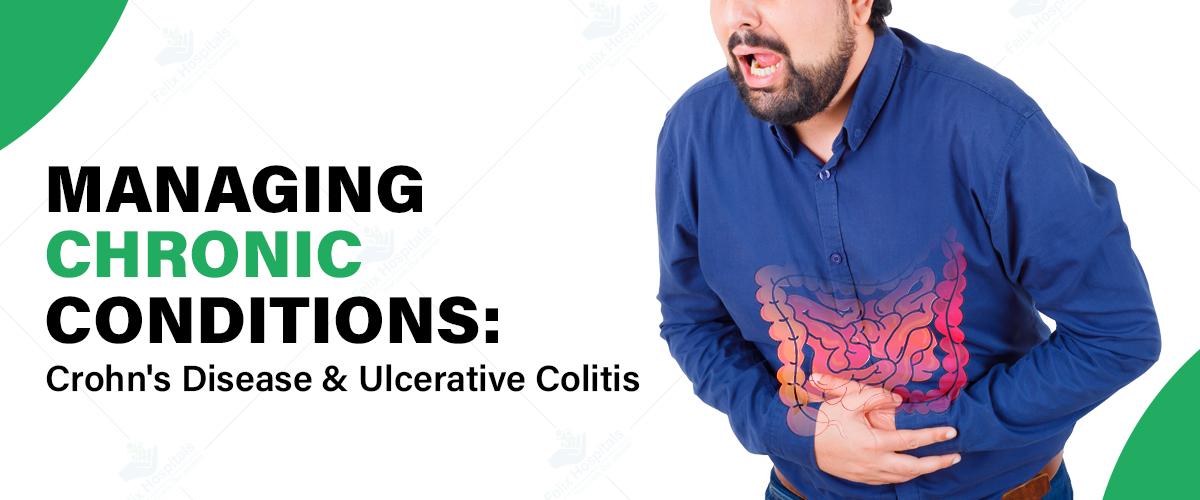
Chronic conditions like Crohn's disease and ulcerative colitis are serious health concerns that affect millions of people worldwide. Both conditions are forms of inflammatory bowel disease (IBD), which causes inflammation in the digestive tract. Though similar in some ways, Crohn's disease and ulcerative colitis differ in their symptoms, the areas they affect, and their treatment options. Understanding these conditions and the proper strategies for managing them is key to improving the quality of life for those affected.
This comprehensive guide will explore the symptoms, causes, diagnosis, and management strategies for both Crohn's disease and ulcerative colitis. By delving into the nuances of these conditions, you will better understand how to manage them effectively and maintain a high quality of life.
Get Expert Guidance and Support! Managing chronic conditions like Crohn's disease and ulcerative colitis can be challenging. Call us on +91 9667064100.
Both Crohn's disease and ulcerative colitis are types of IBD that lead to chronic inflammation in the gastrointestinal (GI) tract. However, they differ in terms of the areas affected and the depth of inflammation.
Crohn's disease can affect any part of the GI tract, from the mouth to the anus, although it most commonly impacts the end of the small intestine and the beginning of the colon. Unlike ulcerative colitis, Crohn's disease can affect multiple layers of the intestinal walls, leading to more severe complications.
Abdominal pain and cramping: This is often severe and persistent, particularly in the lower-right abdomen.
Diarrhea: Chronic diarrhea, often with blood or mucus, is a common symptom.
Weight loss and malnutrition: Due to the body’s inability to properly absorb nutrients.
Fatigue: Extreme tiredness is common, often due to anemia or malnutrition.
Fever: Low-grade fever may occur during active disease.
Complications associated with Crohn's disease include strictures (narrowing of the intestines due to scar tissue), fistulas (abnormal connections between different parts of the intestines or between the intestines and other organs), abscesses, and nutritional deficiencies.
Ulcerative colitis primarily affects the colon (large intestine) and rectum, causing inflammation and ulcers in the inner lining of the colon. The inflammation usually begins in the rectum and spreads upwards to the colon.
Frequent bowel movements: This is often urgent, and diarrhea is common, typically with blood or pus.
Abdominal pain: Cramping and discomfort, especially on the left side of the abdomen.
Rectal bleeding: Blood in the stool is a common symptom.
Weight loss: Particularly in severe cases, due to loss of appetite and malnutrition.
Fatigue and fever: These symptoms are common in periods of active disease.
In severe cases, ulcerative colitis can lead to complications such as toxic megacolon (a condition in which the colon rapidly expands), perforation of the colon, and an increased risk of colon cancer.
While the exact cause of Crohn's disease and ulcerative colitis remains unclear, researchers believe that a combination of factors contribute to the development of these conditions:
1. Genetic Predisposition: People with a family history of IBD are at higher risk of developing Crohn's disease or ulcerative colitis.
2. Immune System: Both diseases are believed to result from an abnormal immune response, where the immune system attacks healthy cells in the GI tract, mistaking them for foreign invaders.
3. Environmental Triggers: Diet, stress, smoking (specifically for Crohn’s disease), and certain medications may trigger or worsen symptoms.
4. Gut Microbiome: Imbalances in gut bacteria are thought to play a role in the development of IBD.
Diagnosing Crohn's disease and ulcerative colitis requires a combination of medical history, physical examinations, and diagnostic tests. Early diagnosis is key to managing chronic conditions effectively.
1. Colonoscopy and Endoscopy: A colonoscopy allows doctors to examine the inside of the colon and rectum and take tissue biopsies for analysis. Endoscopy is used to examine the upper GI tract.
2. Imaging Studies: Techniques like MRI, CT scans, and barium X-rays can help doctors visualize the extent of inflammation and identify complications like strictures or fistulas.
3. Blood Tests: Blood tests can detect anemia, inflammation, or markers of infection.
4. Stool Tests: These help rule out infections and check for inflammation markers such as calprotectin.
5. Capsule Endoscopy: A small, swallowable camera captures images of the small intestine, allowing for a closer look at inflammation in areas that may not be accessible through traditional endoscopy.
Both Crohn's disease and ulcerative colitis are chronic conditions that require lifelong management. Treatment is focused on reducing inflammation, managing symptoms, and achieving remission (a period during which the disease is inactive).
Making lifestyle adjustments is an important aspect of managing IBD. While no specific diet has been proven to cure Crohn's disease or ulcerative colitis, certain dietary modifications can help reduce symptoms and improve overall health.
1. Balanced Diet: It is important to maintain a well-balanced diet, with sufficient vitamins and minerals. Working with a dietitian can help identify trigger foods and develop a plan that meets nutritional needs.
2. Avoid Trigger Foods: Certain foods may trigger or worsen symptoms. Common triggers include spicy foods, high-fiber foods, dairy, and caffeine. Identifying and avoiding these can help manage symptoms.
3. Hydration: Staying hydrated is essential, especially during flare-ups when diarrhea is common. Drinking plenty of water can help replace fluids lost.
4. Small, Frequent Meals: Eating smaller, more frequent meals rather than large portions can ease digestive discomfort.
5. Probiotics and Supplements: Probiotics can promote gut health, and supplements may be recommended to address nutritional deficiencies.
Stress does not cause IBD, but it can exacerbate symptoms. Managing stress through relaxation techniques, yoga, mindfulness, or therapy can significantly improve the quality of life.
In cases where medication and lifestyle changes are insufficient to control the disease, surgery may be necessary:
For Crohn’s Disease: Surgery may involve removing damaged portions of the intestines, draining abscesses, or repairing fistulas. While surgery can alleviate symptoms, it is not a cure for Crohn’s disease, and the condition may return to other parts of the GI tract.
For Ulcerative Colitis: In severe cases, removing the colon and rectum (proctocolectomy) can cure the disease, but patients may need to adjust to a new way of passing waste through an ileostomy or internal pouch. For those seeking advanced care, visit the best hospital for ulcerative colitis treatment for expert guidance and management options.
Managing Crohn's disease and ulcerative colitis requires a holistic approach that includes both medical treatment and lifestyle modifications. Here are some tips to improve your quality of life:
1. Regular Medical Care: Work closely with your healthcare team to monitor your condition, adjust treatments, and prevent complications.
2. Emotional Support: Living with a chronic condition can be emotionally challenging. Consider joining support groups or talking to a mental health professional to manage stress and emotions.
3. Stay Informed: Educate yourself about your condition, potential triggers, and treatment options. Being informed will help you take control of your health.
4. Physical Activity: Exercise can help reduce stress, improve digestion, and boost overall health. However, it is important to choose activities that are appropriate for your energy levels.
5. Keep a Symptom Journal: Keeping track of symptoms, diet, and lifestyle changes can help you and your doctor identify patterns and triggers that affect your condition.
Dr. Jagatjot Singh Gill
Dr. Jagatjot Singh Gill is a highly skilled gastroenterologist with more than 11 years of experience in the field. His expertise spans hepatology and interventional endoscopy, where he is recognized for successfully managing complex gastrointestinal and liver conditions with precision and care.
Dr. Amrit Yog Datley
With over 8 years of experience, Dr. Amrit Yog Datley is a distinguished gastroenterologist and critical care specialist. He excels in diagnosing and treating intricate liver and gastrointestinal disorders, drawing on his deep clinical expertise and commitment to evidence-based medicine to provide exceptional patient care.
If you're living with Crohn's disease or ulcerative colitis, don't let it control your life. Visit Felix Hospitals and consult our expert Click Here now for more.
Managing chronic conditions like Crohn's disease and ulcerative colitis requires a holistic approach, including medication, lifestyle adjustments, and continuous support from healthcare professionals. Patients benefit from comprehensive care that focuses on the latest treatments and personalized management plans. By staying informed, following prescribed treatments, and making proactive choices, individuals with these conditions can lead fulfilling and active lives despite the challenges they may encounter. For those seeking the best hospital for stomach problems, it's crucial to find a facility that provides specialized care and cutting-edge treatment options.
1. What are Crohn's disease and ulcerative colitis?
Ans. Crohn's disease and ulcerative colitis are both types of inflammatory bowel disease (IBD). Crohn’s can affect any part of the gastrointestinal tract, while ulcerative colitis is limited to the colon and rectum.
2. What causes Crohn’s disease and ulcerative colitis?
Ans. The exact cause is unknown, but a combination of genetics, abnormal immune responses, environmental factors, and gut microbiome imbalances are thought to contribute to these conditions.
3. What are the common symptoms of Crohn’s disease and ulcerative colitis?
Ans. Symptoms for both conditions include abdominal pain, diarrhea (sometimes with blood), fatigue, weight loss, and urgency to pass stool. Crohn’s may also cause mouth sores and fistulas.
4. How are Crohn’s disease and ulcerative colitis diagnosed?
Ans. Diagnosis typically involves a combination of medical history, physical exams, colonoscopy, endoscopy, imaging studies (MRI, CT scans), and blood/stool tests to check for inflammation markers.
5. Can diet help manage symptoms of Crohn’s disease and ulcerative colitis?
Ans. While no specific diet can cure these conditions, dietary changes such as avoiding trigger foods, staying hydrated, and eating small, frequent meals can help manage symptoms and reduce flare-ups.
6. What treatment options are available for Crohn’s disease and ulcerative colitis?
Ans. Treatment options include anti-inflammatory drugs, immunosuppressants, biologics, lifestyle modifications, dietary changes, and in severe cases, surgery. Your treatment plan will depend on the severity of your condition.
7. Are Crohn’s disease and ulcerative colitis curable?
Ans. Both Crohn’s disease and ulcerative colitis are chronic conditions, meaning they are long-lasting and may not be curable. However, with proper treatment and management, patients can achieve remission and live a normal life.
8. How can stress affect Crohn's disease and ulcerative colitis?
Ans. Stress does not cause IBD but can worsen symptoms and trigger flare-ups. Managing stress through relaxation techniques, therapy, or exercise is important in managing the disease.

Concerns arise when children develop diseases for parents and healthcare providers alike. The field of pediatric rheumatology focuses specifically on addressing and managing the intricate conditions that impact the joints, muscles, and connective tissues of young individuals. Successful treatment necessitates a blend of medical knowledge and empathetic attention to guarantee favorable results, for these young patients.
If you suspect your child may have a rheumatic disease, reach out to us for a comprehensive evaluation and personalized treatment plan. Call now at +91 9667064100.
Diseases like rheumatism can affect children of all ages from infancy to years and are referred to as pediatric autoimmune disorders due to their inflammatory nature that can impact various body systems.
Juvenile Idiopathic Arthritis (also known as JIA) is a form of arthritis that impacts kids and is marked by joint inflammation that results in discomfort and limited movement of the joints affected by swelling and stiffness. If not properly controlled or managed well, JIA can affect the growth of children.
Systemic Lupus Erythematosus (commonly known as SLE) is an autoimmune condition that affects various parts of the body such as the skin and joints and can also impact organs like the kidneys and heart specifically in kids with signs with a butterfly-shaped rash on the face along, with joint discomfort and ongoing tiredness.
Kawasaki Disease mainly affects children under the age of five. Involves inflammation of blood vessels as a key feature of the condition. The signs and symptoms consist of fever along with skin rashes swelling in the hands and feet and redness, in the eyes. If left untreated Kawasaki Disease can lead to heart-related risks.
Scleroderma is a condition that results in the hardening and thickening of the skin and connective tissues while also potentially impacting internal organs and causing issues such as difficulty swallowing and joint discomfort.
Still's Disease is a type of JIA that includes symptoms, like fever and skin rashes alongside swelling and slow-healing skin eruptions often seen in this condition.

Detective work in spotting signs of pediatric rheumatic diseases in kids can be quite tricky since the symptoms tend to mix with those of other illnesses too often seen in children these days. Some telltale signs to keep an eye out for may include:
- Persistent Joint Pain and Swelling: Enduring discomfort and inflammation in the joints can restrict movement and impact tasks significantly.
- Fever and Rash: People with conditions such as Still's Disease often experience repeated episodes of fever. Develop unique skin rashes, as distinct symptoms.
- Fatigue and Weakness: Chronic inflammation may cause increased tiredness and lack of energy which can affect how well you perform in school and carry out your tasks.
- Growth Issues: Children affected by idiopathic arthritis (JIA) may experience challenges in growth and development leading to potential limitations, in weight gain and height compared to their peers.
- Painful Swallowing and Digestive Issues: Troublesome Swallowing and Digestive Troubles may arise due to health issues and scleroderma resulting in challenges, with swallowing and gastrointestinal concerns.
Diagnosis entails taking a comprehensive approach that includes:
- Blood Tests: Blood tests are used to identify signs of inflammation. Certain antibodies are linked to rheumatic conditions.
- Imaging Studies: Imaging tests such as X-rays, MRIs, and ultrasounds show irregularities and signs of inflammation.
- Joint Aspiration: Examining fluid through joint aspiration is a method used to detect infections or other factors contributing to joint issues.
Treatment plans are customized to address the needs of each child and might incorporate various approaches tailored to their requirements:
- Medications: Medications such as inflammatory drugs and disease-modifying antirheumatic drugs (DMARD), alongside biologics are used to manage inflammation and slow down the progression of the disease.
- Physical Therapy: Physical therapy involves a series of exercises aimed at enhancing mobility and strength while also improving muscle stability.
- Lifestyle Adjustments: Incorporating lifestyle changes, like receiving advice on nutrition and managing stress alongside making adjustments can help promote general well-being.
- Regular Monitoring: Continuous Checking, and evaluations to monitor the advancement of illnesses and adjust treatments accordingly as required.
Specialists in rheumatology play a crucial role in managing care for young patients with pediatric autoimmune disorders by providing personalized treatment plans and support to enhance both their physical well-being and emotional health to enhance their overall quality of life and health outcomes. Set up a meeting with Dr. Kiran Seth or our team specializing in rheumatology to go over your child's symptoms. Reach out to us at +91 9667064100 for information.
Schedule a consultation with Dr. Kiran Seth or our pediatric rheumatology team to discuss your child’s symptoms. Contact us at +91 9667064100.
Effectively managing conditions in children requires a holistic and compassionate approach. Early identification of the condition and the development of individualized treatment strategies are essential for managing symptoms and improving quality of life. If you have concerns about your child’s health or need specialized care, seeking advice from the best rheumatology hospital can provide a thorough assessment and a personalized treatment plan. With the right care and support, children with rheumatic conditions can lead fulfilling and active lives.
Q1. What does pediatric rheumatology involve?
Ans. Pediatric rheumatology involves the identification and management of conditions in children that impact their joints and muscles as well, as connective tissues.
Q2. What kinds of conditions are frequently seen in kids?
Ans. Some of the types are Juvenile Idiopathic Arthritis (also known as JIA) Systemic Lupus Erythematosus (abbreviated as SLE) Kawasaki Disease (KD) Scleroderma (SD) and Still’s Disease (SD).
Q3. How do doctors diagnose rheumatic diseases?
Ans. The process of diagnosis includes gathering medical history information from patients and conducting examinations along with blood tests and imaging scans to assess the condition thoroughly.
Q4. What are the options for treating diseases in children?
Ans. Treatment options may consist of medications like inflammatory drugs and biologics as well as disease-modifying antirheumatic drugs (DMARD) along with physical therapy sessions and lifestyle modifications, for management purposes while keeping a close eye on the progress through regular monitoring.
Q5. How do I recognize symptoms of conditions in my child?
Ans. Keep an eye out for discomfort in your joints or persistent swelling accompanied by feverish symptoms, like rashes and fatigue; also watch for any growth-related concerns or digestive issues that may arise.
Q6. What responsibilities do pediatric rheumatologists have?
Ans. Specialists in rheumatology focus on treating rheumatic disorders and provide specialized care tailored to each patient and their family's needs.
Q7. Are there adjustments to one way of life that could assist in the management of rheumatic conditions, in children?
Ans. Indeed! Making adjustments to your lifestyle like focusing on nutrition choices, managing stress effectively, and modifying your activities can all contribute to improving your overall health and well-being.
Q8. How crucial do you think early identification of diseases plays a role in their treatment?
Ans. Detecting an illness in its stages is essential for receiving prompt care that can enhance results and enhance the overall quality of life.
Q9. What are the expectations regarding the outcomes for kids, with conditions?
Ans. The outlook differs depending on the condition and how well one responds to treatment; however, lots of kids can enjoy a satisfying life, with appropriate care.

Gout is a form of arthritis caused by the buildup of uric acid crystals in the joints, leading to sudden and severe pain

Lupus is an autoimmune disorder that often affects women more than men. Recognizing its early signs—such as joint pain, fatigue, and skin rashes—can help in timely diagnosis and treatment, improving long-term health outcomes.


Subscribe to our
© Copyright 2026. All Rights Reserved by Felix Healthcare Private Limited
Design and development by :


 +(91)9667064100
 Emergency : +(91)9667064100