 WhatsApp
 Emergency:
  WhatsApp










Subscribe to our

Pacemakers have been an essential tool in cardiology, providing life-saving intervention for individuals with arrhythmias and other heart conditions. Traditionally, pacemakers involve a complex system with leads, a pulse generator, and extensive surgical implantation. However, the advent of wireless pacemakers has revolutionized the field, offering numerous advantages over conventional systems. This article explores why wireless pacemakers are considered a game changer for heart patients.
For those considering this innovative treatment, it's important to consult with the best Pacemaker Surgeon in Noida to ensure the highest level of expertise and care. The right surgeon can make a significant difference in the success of the procedure and the overall outcome for the patient.
Contact Felix Hospital today at 9667064100 for personalized care and cutting-edge solutions.
A wireless pacemaker, also known as a leadless pacemaker, is a small, self-contained device implanted directly into the heart via a minimally invasive procedure. Unlike traditional pacemakers, which require leads (wires) to connect the device to the heart, wireless pacemakers are entirely self-contained within the heart chamber. This innovative technology eliminates many of the complications associated with conventional pacemaker systems.
If you're considering Pacemaker Implantation Surgery treatment for heart rhythm disorders, choosing a specialized hospital with expertise in this cutting-edge technology is crucial for optimal outcomes.
1-Decreased chance of complications
Using pacemakers has an additional advantage when it comes to minimizing the risk of complications associated with traditional pacemakers that use leads connected through veins to the heart. These leads are prone to issues like fractures, infections or displacement. Unlike models, modern wireless pacemakers eliminate the need for leads altogether, reducing the likelihood of these complications and ensuring a safer and more efficient treatment for patients by minimizing variations in observation both within and between patients.
2. Minimally Invasive Procedure
Implantation of a pacemaker is considered to be less invasive compared to the traditional wired pacemaker method.The process involves inserting the device through a catheter accessed from the vein directly into the right ventricle of the heart.This approach results in reduced bruising for the patient and typically requires healing time; in some cases it can even be performed as an outpatient procedure.This invasive option is particularly beneficial for patients with underlying health conditions that make them unsuitable, for standard pacemaker surgery.
3. Enhanced Aesthetic and Comfort
The wireless pacemakers are significantly smaller than the ones and can be as small as a large vitamin capsule when it comes to size measurement. One major advantage is that this device is implanted directly onto the heart without requiring a pocket and leads; thus there is no visible swelling under the skin that is often a concern, with most pacemakers. Patients experience comfort as there are no leads or external components that could potentially cause discomfort or irritation.
4. Improved Battery Life
The extended lifespan of the battery in pacemakers is a significant advantage that sets them apart from the traditional ones. These compact devices boast a battery life of 10 to 12 years. Even longer without the need for frequent replacements compared to conventional pacemakers. Moreover the absence of leads allows the battery to consume power leading to a longer lasting battery. This benefit translates into surgical interventions, for patients reducing the chances of complications and easing the overall care burden.
5. Simplified Follow-Up Care
PACEMAKERS play a role in simplifying patient care tasks and are particularly helpful for follow up inquiries with patients. The absence of leads reduces the likelihood of complications that might require monitoring in the future. Moreover; many wireless pacemakers now come with monitoring capabilities that enable doctors to monitor the devices functionality and the patients heart rate without the need for physical check ups. This remote monitoring not only enhances patient comfort but also provides healthcare providers with continuous data to closely monitor and intervene in the patient's condition when necessary.
6. Broader Patient Eligibility
Traditional pacemakers may not work well for every patient those with anatomical issues or increased infection risks. Wireless pacemakers offer an invasive way to implant the device and are beneficial for patients who were unable to get a regular pacemaker due to lead removal concerns. The updated criteria are especially helpful for individuals over sixty years and those, with underlying health conditions that make invasive procedures risky.
It could be said that wireless pacemakers represent a progress in the field of cardiology technology. Through research and innovation upcoming versions of these devices might include functionalities like dual chamber pacing or improved integration with other cardiac monitoring tools. The possibilities offered by pacemakers have the potential to transform the management of different heart conditions enhancing patient care, reducing the invasiveness of procedures and increasing access to treatment, for patients worldwide.
At Felix Hospital, renowned cardiac specialists such as Dr. Rahul Arora, are at the forefront of adopting and implementing such innovative technologies in cardiac care. Their expertise in cardiac surgery and the use of cutting-edge devices like wireless pacemakers ensures that patients receive the highest standard of care, with an emphasis on safety, effectiveness, and patient satisfaction.
Ready to explore the benefits of wireless pacemakers? Schedule a consultation with our expert cardiac team Contact us on 9667064100.
Wireless pacemakers have indeed proven to be a game changer for heart patients. Their ability to reduce complication risks, provide a minimally invasive treatment option, enhance patient comfort, and simplify follow-up care has made them an increasingly popular choice among both patients and healthcare providers. As technology continues to advance, the role of wireless pacemakers in cardiology is expected to expand, offering even greater benefits to patients suffering from heart rhythm disorders.
When considering this advanced treatment, it's important to understand the Pacemaker Surgery Cost in Noida. The cost can vary depending on factors such as the type of pacemaker, the expertise of the medical team, and the facilities offered by the hospital.
What is a wireless pacemaker?
A wireless pacemaker, or leadless pacemaker, is a small, self-contained device implanted directly into the heart via a catheter. Unlike traditional pacemakers, it does not require leads (wires) to connect to the heart, making it a more advanced and less invasive option.
How does a wireless pacemaker differ from a traditional pacemaker?
Traditional pacemakers use leads to transmit electrical signals from a pulse generator to the heart. In contrast, wireless pacemakers are entirely self-contained and implanted directly into the heart chamber, eliminating the need for leads and reducing complications.
What are the benefits of using a wireless pacemaker?
Wireless pacemakers offer several advantages, including reduced risk of complications related to leads, a minimally invasive implantation procedure, enhanced comfort and aesthetics, longer battery life, simplified follow-up care, and broader patient eligibility.
Are there any risks associated with wireless pacemakers?
While wireless pacemakers significantly reduce the risks associated with traditional pacemakers, potential risks may include device malfunction or migration. However, overall complication rates are lower due to the absence of leads and the minimally invasive procedure.
How is a wireless pacemaker implanted?
The implantation of a wireless pacemaker involves inserting a catheter through the femoral vein and placing the device directly into the right ventricle of the heart. This procedure is less invasive than traditional pacemaker surgeries and often allows for quicker recovery.
How long does the battery of a wireless pacemaker last?
The battery of a wireless pacemaker can last between 10 to 12 years, which is generally longer than the batteries of traditional pacemakers. The absence of leads contributes to the longer battery life.
Can wireless pacemakers be monitored remotely?
Yes, many wireless pacemakers feature remote monitoring capabilities, allowing healthcare providers to track the device's performance and the patient's heart rate without requiring frequent physical check-ups.
Who are the leading specialists for wireless pacemakers at Felix Hospital?
At Felix Hospital, renowned cardiac specialists like Dr. Rahul Arora, are at the forefront of implementing and managing innovative technologies like wireless pacemakers. Their expertise ensures the highest standard of care for patients.
How can I schedule a consultation for a wireless pacemaker at Felix Hospital?
To explore the benefits of wireless pacemakers and receive expert advice, you can schedule a consultation with our cardiac specialists at Felix Hospital. Contact us today at 9667064100 to arrange an appointment and discuss your options.
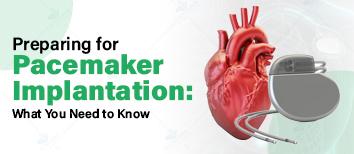
A Pacemaker is crucial for people with serious heart rhythm problems. Recognizing signs that you might need a pacemaker can lead to timely medical help and improve your daily life.
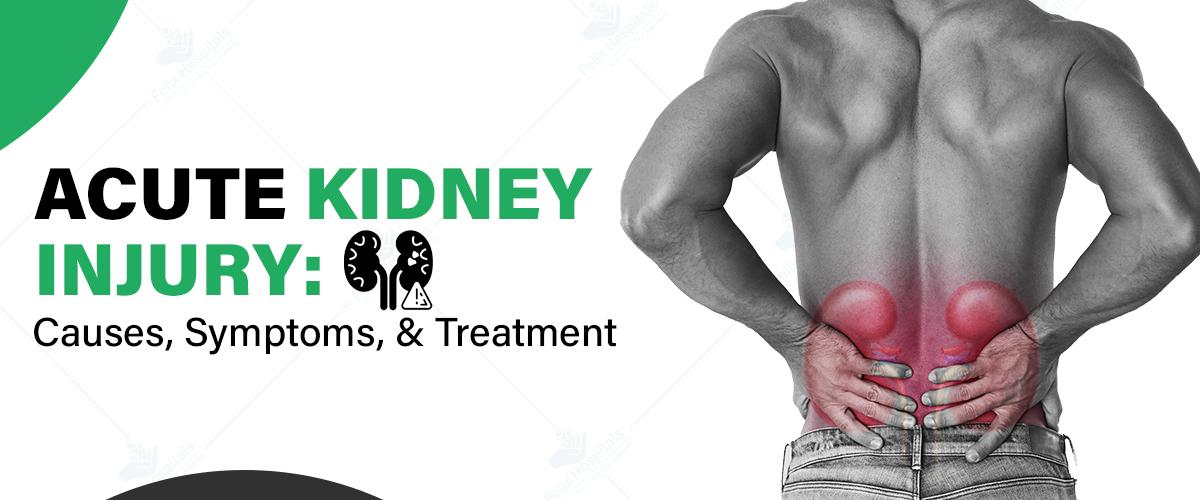
Acute kidney injury (AKI) is a critical condition that requires immediate medical attention due to its rapid onset and potential for life-threatening complications. If not treated in time, AKI can lead to permanent damage to the kidneys, resulting in long-term health problems. Understanding the causes, symptoms, diagnosis, and treatment options can help in the early detection and management of this condition. Seeking treatment from the best nephrology hospital ensures specialized care and increases the chances of a full recovery.
If you or a loved one is experiencing any symptoms of acute kidney injury, seek medical attention immediately by Calling +91 9667064100. Early intervention can save lives.
Acute kidney injury, formerly known as acute renal failure, occurs when the kidneys suddenly lose their ability to filter waste products from the blood. This leads to the accumulation of toxins, imbalance of electrolytes, and disruption in the body’s ability to regulate fluids. AKI develops rapidly, usually within a few hours to a few days, and can be a consequence of various underlying conditions or medications.
AKI is classified into three types based on the cause:
1. Prerenal AKI – Results from inadequate blood flow to the kidneys.
2. Intrinsic AKI – Results from direct damage to the kidney tissues.
3. Postrenal AKI – Results from obstruction in the urinary tract.
Although AKI can be reversible if treated promptly, the condition can progress to chronic kidney disease (CKD) or complete kidney failure if neglected.
The symptoms of acute kidney injury may vary depending on the underlying cause but can include:
Decreased urine output: A significant drop in the amount of urine produced can be an early indicator of AKI.
Swelling (edema): Fluid retention in the body, particularly in the legs, ankles, or around the eyes.
Fatigue: Feeling tired or weak due to the buildup of toxins in the bloodstream.
Shortness of breath: Difficulty breathing can result from fluid accumulation in the lungs.
Confusion or drowsiness: The buildup of waste products in the blood can affect brain function, leading to confusion or drowsiness.
Nausea and vomiting: The inability to excrete waste products can lead to gastrointestinal symptoms.
Irregular heartbeat: Electrolyte imbalances caused by AKI can lead to abnormal heart rhythms.
Chest pain or pressure: This can be a result of fluid building up around the heart (pericardial effusion).
Symptoms can often be subtle or mistaken for other conditions, making early diagnosis crucial.
Several factors can cause acute kidney injury, and these are generally categorized based on the location of the issue in relation to the kidneys.
Dehydration: Severe dehydration can decrease blood volume and reduce kidney perfusion.
Heart failure: When the heart is unable to pump sufficient blood, the kidneys may not receive enough blood to function correctly.
Liver failure: Conditions like cirrhosis can lead to decreased blood flow to the kidneys.
Severe infections (sepsis): Infections that spread throughout the body can cause a dangerous drop in blood pressure, reducing blood flow to the kidneys.
Glomerulonephritis: Inflammation of the kidney's filtering units can result in AKI.
Acute tubular necrosis (ATN): Damage to the kidney’s tubular cells due to toxins or ischemia (lack of oxygen) can cause AKI.
Nephrotoxic drugs: Medications such as certain antibiotics, chemotherapy agents, and nonsteroidal anti-inflammatory drugs (NSAIDs) can cause direct damage to the kidneys.
Kidney stones: Blockage of urine flow due to kidney stones can cause a buildup of waste products, leading to AKI.
Prostate enlargement: In men, an enlarged prostate can block urine flow.
Tumors: Cancerous growths in the bladder, colon, or prostate can obstruct the urinary tract.
Diagnosing AKI involves a combination of patient history, physical examination, and diagnostic tests. Some of the key diagnostic methods include:
1. Blood tests: Elevated levels of blood urea nitrogen (BUN) and creatinine indicate impaired kidney function.
2. Urine tests: Analysis of the urine may show protein, blood, or other abnormalities that can help identify the cause of AKI.
3. Imaging studies: Ultrasound or CT scans of the kidneys and urinary tract can reveal obstructions or other structural abnormalities.
4. Kidney biopsy: In some cases, a small sample of kidney tissue may be taken to determine the underlying cause of AKI.
Treatment for acute kidney injury focuses on addressing the underlying cause and preventing further damage to the kidneys. In many cases, AKI can be reversed if treated early.
For patients with prerenal AKI, restoring blood flow to the kidneys through intravenous (IV) fluids can help reverse the condition.
However, for patients with fluid overload, diuretics may be used to remove excess fluids from the body.
Diuretics: These help eliminate excess fluid from the body.
Antibiotics: If AKI is caused by an infection, antibiotics may be prescribed.
Medications to manage electrolyte imbalances: Drugs may be required to address high potassium or other electrolyte imbalances.
In severe cases of AKI where the kidneys are unable to filter waste products, dialysis may be needed to perform the function of the kidneys. This is usually a temporary measure until kidney function improves.
If AKI is caused by an obstruction in the urinary tract (e.g., kidney stones or tumors), surgical intervention may be necessary to remove the blockage.
Preventing AKI involves managing the risk factors that contribute to the condition. Some important preventive strategies include:
1. Staying hydrated: Drinking adequate water can prevent dehydration, a leading cause of prerenal AKI.
2. Managing chronic conditions: Proper management of conditions like diabetes, hypertension, and heart disease can reduce the risk of AKI.
3. Avoiding nephrotoxic medications: Be cautious with the use of medications that can harm the kidneys, especially NSAIDs, and consult a doctor before taking them.
4. Monitoring kidney function: Regular checkups and kidney function tests are crucial for those with chronic conditions or risk factors for AKI.
5. Infection control: Prompt treatment of infections can prevent the spread of sepsis, which can lead to AKI.
At Felix Hospital, the leading nephrology hospital, we have some of the most experienced nephrologists who specialize in the diagnosis and treatment of kidney disorders, including acute kidney injury.
Dr. Sameer Tawakley: With extensive experience in nephrology, Dr. Tawakley is renowned for his expertise in managing acute and chronic kidney diseases. His patient centered approach ensures that each individual receives personalized care.
If you are experiencing symptoms of acute kidney injury, schedule a consultation with our nephrology experts today.
Acute kidney injury is a serious medical condition that can have severe consequences if not diagnosed and treated early. Understanding the symptoms, causes, and treatment options is essential for preventing further kidney damage. Early intervention by experienced nephrologists can help restore kidney function and prevent long term complications.
Felix Hospital stands as the kidney failure hospital in noida, offering advanced nephrology care with expert doctors and state-of-the-art facilities for comprehensive kidney failure treatment in Noida.
1. What is the most common cause of acute kidney injury?
The most common cause of AKI is reduced blood flow to the kidneys, often due to dehydration, heart failure, or sepsis.
2. Can acute kidney injury be cured?
Yes, with early diagnosis and appropriate treatment, AKI can often be reversed. However, delayed treatment can lead to permanent kidney damage.
3. How is acute kidney injury different from chronic kidney disease?
AKI is a sudden loss of kidney function, while chronic kidney disease (CKD) is a gradual decline in kidney function over time.
4. What should I do if I experience symptoms of AKI?
Seek immediate medical attention if you notice symptoms like reduced urine output, swelling, or shortness of breath, as AKI can progress rapidly.
5. Can medications cause acute kidney injury?
Yes, certain medications, such as NSAIDs and some antibiotics, can cause AKI by directly damaging kidney tissues.
6. Is dialysis always required for acute kidney injury?
Dialysis is only required in severe cases of AKI where the kidneys cannot filter waste products effectively. In most cases, treatment focuses on addressing the underlying cause.
7. How can I prevent acute kidney injury?
Staying hydrated, managing chronic conditions, avoiding nephrotoxic medications, and seeking prompt treatment for infections can reduce the risk of AKI.
Obesity and excessive sugar consumption are widely recognized as major contributors to diabetes, heart disease, and high blood pressure.
Kidney dialysis is a life-saving treatment for patients suffering from chronic kidney disease or kidney failure. Understanding the dialysis cost in Noida helps patients and families plan treatment effectively. This article explains the factors affecting d

Expecting a baby is a hopeful journey that can also bring about unexpected hurdles along the way, for some moms to be. The majority of pregnancies proceed smoothly. However, some women might encounter high-risk situations necessitating observation and treatment. It's crucial to be aware of these challenges to safeguard the well-being of both the mother and child. This article aims to shed light on the ten common high-risk pregnancy complications discussing their implications and advising on when to consult a healthcare provider.
If you're concerned about your pregnancy, contact the best gynecologists at Felix Hospital. Call us at +91 9667064100 for immediate consultation.
Serious pregnancy complications are medical conditions that arise during pregnancy and can impact the health of the mother, the baby, or both. These issues can develop at any stage of pregnancy and, if not addressed promptly, may pose significant risks. Early detection and proper management are essential to preventing long-term health problems for both mother and child.
Preterm labor happens when contractions begin before the week of pregnancy and result in a premature delivery which can bring about health concerns for the infant including breathing problems and developmental hurdles as well as other issues to consider such as signs, like contractions occurring alongside discomfort in the back and unusual vaginal discharge.
During pregnancy, gestational diabetes is a form of diabetes that affects how the body handles sugar. This condition can result in issues such as a higher birth weight, premature birth, and respiratory distress syndrome in the baby. Managing gestational diabetes involves adjusting your diet, engaging in physical activity, and sometimes using insulin treatment. Following normal delivery tips can also play a crucial role in ensuring a healthy pregnancy and delivery for both the mother and the baby.
During pregnancy after 20 weeks, gestation preeclampsia may arise as an ailment involving elevated blood pressure and potential harm to vital organs like the liver or kidneys leading to dangerous outcomes if left untreated, symptoms may manifest as intense headaches along, with visual disturbances and swelling in the hands and face.
Placenta previa is a condition where the placenta covers the cervix either partially or completely and can lead to bleeding during childbirth necessitating a C-section for a safe delivery process. Individuals with this condition are typically advised to restrict physical exertions and may require bed rest.
An ectopic pregnancy occurs when a fertilized egg attaches itself in a location outside the uterus of the usual implantation site within the uterine lining, this often happens in the fallopian tube, which is a common scenario for such pregnancies to unfold in nature. What makes ectopic pregnancies particularly dangerous is that they cannot progress into a viable pregnancy and might result in serious internal bleeding if the fallopian tube were to rupture Symptoms typically include intense abdominal discomfort along with vaginal bleeding and shoulder pain. All indications are that immediate medical attention is required to address this critical situation.
Miscarriage is when a pregnancy ends before the week and it happens in 10 to 20 percent of pregnancies that are recognized and can occur due to genetic issues, such as infections and other reasons. Symptoms may include bleeding, pain in the abdomen, and passing of tissue, from the vagina.
Stillbirth happens when a baby passes away beyond the week of pregnancy due to factors such as problems with the placenta or congenital conditions like infections or diseases present from birth in the fetus itself. Regular prenatal checkups and keeping track of the baby's movements are important in identifying any concerns at an early stage to ensure better outcomes, for both mother and child.
Extreme morning sickness in pregnancy known as hyperemesis gravidarum causes nausea and vomiting unlike regular morning sickness and may result in dehydration and imbalances in electrolytes leading to hospitalization due to severe conditions, like weight loss.
Intrauterine growth restriction (abbreviated as IUG) describes a situation in which the baby is smaller than anticipated for its stage of development in the womb due to inadequate growth factors such as placental problems or maternal infections and high blood pressure issues during pregnancy leading to health risks for the baby both before and, after birth.
High levels of fluid that are abnormal could present dangers for both the mother's and the baby's health. There are risks associated with having too much amniotic fluid (polyhydramnios) as well as too little amniotic fluid (oligohydramnios) which can result in issues like premature labor or birth defects. Regular ultrasound examinations are essential, for keeping an eye on these situations and ensuring action when necessary.
If you are experiencing any pregnancy issues or require expert advice and support during this special time in your life. The best gynecologist hospital in Noida, Felix Hospital is ready to help you out! Dr. Charu Yadav, Dr. Sangeeta Sharma, and Dr. Sonia Kuruvilla form a part of our committed medical team that provides tailored and thorough care ensuring a smooth and healthy pregnancy journey, for both you and your little one.
For expert guidance, schedule your appointment today with Felix Hospital’s top gynecologists. Call us at +91 9667064100 to receive the best care for your pregnancy.
During pregnancy—a time in life—it's crucial to be informed about possible issues that could impact your well-being and that of your baby to promote a positive outcome for both of you. If you notice any signs of the conditions mentioned above in yourself or someone close to you it's important to consult a healthcare professional without delay. With attention and assistance, the Dangerous pregnancy conditions can be addressed successfully resulting in a safe birth and an exciting transition into parenthood.
1. What is the most common serious pregnancy complication?
Preterm labor is one of the most common serious complications, affecting approximately 1 in 10 pregnancies.
2. How can gestational diabetes affect my baby?
Gestational diabetes can lead to high birth weight, preterm birth, and an increased risk of developing type 2 diabetes later in life.
3. Can preeclampsia be prevented?
While there is no surefire way to prevent preeclampsia, regular prenatal care, a healthy diet, and managing Dangerous pregnancy conditions can reduce your risk.
4. Is placenta previa dangerous?
Placenta previa can be dangerous due to the risk of severe bleeding during delivery. It often requires careful monitoring and a planned C-section.
5. What are the signs of an ectopic pregnancy?
Signs of an ectopic pregnancy include sharp abdominal pain, vaginal bleeding, and shoulder pain, all of which require immediate medical attention.
6. How is a miscarriage different from a stillbirth?
A miscarriage occurs before the 20th week of pregnancy, while a stillbirth refers to the loss of a baby after the 20th week.
7. What causes hyperemesis gravidarum?
The exact cause is unknown, but it is believed to be linked to hormonal changes during pregnancy.
8. How is IUGR diagnosed?
IUGR is typically diagnosed through ultrasound measurements that track the baby’s growth.
9. What are the risks of polyhydramnios?
Polyhydramnios can increase the risk of preterm labor, placental abruption, and postpartum hemorrhage.
10. When should I contact a doctor about pregnancy complications?
You should contact a doctor immediately if you experience severe pain, heavy bleeding, or any sudden changes in your health during pregnancy.

Obesity and excessive sugar consumption are widely recognized as major contributors to diabetes, heart disease, and high blood pressure.
Kidney dialysis is a life-saving treatment for patients suffering from chronic kidney disease or kidney failure. Understanding the dialysis cost in Noida helps patients and families plan treatment effectively. This article explains the factors affecting d

Acute Kidney Injury: Causes, Symptoms, and Treatment explores the sudden deterioration of kidney function, which disrupts the body’s ability to filter waste and regulate fluids.

Magnetic Resonance Imaging (MRI) is a revolutionary technology that allows doctors to see inside your body in great detail without invasive procedures. Whether you're dealing with a health issue that requires a closer look or simply want to ensure everything is in check, an MRI can provide valuable insights. If you’re in Noida, it’s important to choose a reliable and efficient MRI center that offers both advanced technology and cost-effective solutions. This blog will walk you through what an MRI is, its different types, the costs involved, and why Felix Hospital is the best choice for MRI scans in Noida.
Book Your MRI at Noida’s Best Centre! Contact Felix Hospital at +91 9667064100 for appointments and inquiries.
MRI, or Magnetic Resonance Imaging, is a non-invasive medical imaging technique that produces detailed images of the organs and tissues inside your body. Unlike X-rays or CT scans, MRI uses powerful magnets and radio waves to generate images, making it particularly effective for visualizing soft tissues such as the brain, muscles, and internal organs. MRIs are essential tools in diagnosing a wide range of conditions, from brain tumors to torn ligaments.
1. Functional MRI (fMRI): Measures and maps brain activity by detecting changes in blood flow, providing insights into brain function and identifying regions involved in specific tasks.
2. Magnetic Resonance Angiography (MRA): Focuses on blood vessels, making it valuable for evaluating conditions such as aneurysms, blockages, and other vascular issues.
3. Breast MRI: Specifically designed to examine breast tissue, often used for women at high risk for breast cancer or those with dense breast tissue, providing a more detailed view than mammography alone.
4. Cardiac MRI: Concentrates on the heart and blood vessels, offering detailed images of cardiac structures, making it an essential tool for diagnosing heart conditions and assessing the function of the heart.
5. Musculoskeletal MRI: Used to evaluate joint abnormalities, bone disorders, and soft tissue injuries, making it crucial for diagnosing sports injuries and musculoskeletal conditions.
MRI is a versatile and powerful imaging technique that plays a critical role in modern medicine, providing clinicians with the detailed information needed for accurate diagnosis and treatment planning.
The cost of an MRI scan in Noida can vary widely depending on several factors, including the type of MRI and the facility where it's performed. Generally, the cost ranges is:
| Maximum Cost | ₹ 25000 |
| Minimum Cost | ₹ 3000 |
| Average Cost | ₹ 15000 |
The cost of an MRI scan can vary due to factors, which can influence the total expenses involved in your session and help you make informed decisions regarding your healthcare choices.
Type of MRI: Types of MRI scans differ in complexity and cost. The routine MRI is generally less expensive than MRIs that monitor brain activity or cardiac MRIs which provide detailed images of the heart but are more costly due to their advanced technology requirements.
Location: The position of the MRI facility plays a role in determining the cost variations with centers situated in urban hubs or large medical institutions often charging higher prices due to increased operational expenses and demand levels. Typically the cost of an MRI scan in Noida can be subject, to negotiation based on the rates and quality standards of the hospital and imaging center.
Technology Used: The Cost of an MRI can vary based on the type of machine and the technology incorporated in the imaging equipment used for the procedure. State of the art MRI machines tend to be more expensive due to their resolution images and quicker scan times compared to older models. These advanced machines offer enhanced image quality and efficient scanning. Come with a higher price tag.
Additional Services: Other services to consider when calculating the cost include factors such as sedation for patients before the scan and the use of contrast agents during the procedure. Both typically incur extra charges beyond the base MRI cost itself. This fee can also include expenses for specialist consultations or other diagnostic services that are provided in conjunction with the MRI scan.
Keeping the expenses of an MRI scan in check involves employing strategies, for balance Here are some suggestions to assist you in cutting costs without sacrificing quality:
Compare Prices: When looking at MRI scan costs it's important to note that prices can vary between facilities even for the same type of scan So it's an idea to begin by comparing prices at various centers to find the most affordable option while ensuring quality service.
Choose Off-Peak Times: Certain MRI facilities offer reduced rates during, off hours when there are fewer patients visiting the center. This option could help reduce expenses by scheduling your scan during these quieter times of the day.
Inquire About Packages: Many hospitals and imaging facilities offer bundled packages that include the cost of an MRI scan, consultation fees and associated procedures which can sometimes be more cost effective, than paying for each service.
Check Insurance Coverage: Be sure to review your health insurance policy to understand the coverage for MRI scans and any potential additional costs that may arise due to restrictions or limitations.
Felix Hospital, in Noida is widely recognized for its top notch MRI services that offer imaging for patients setting it apart from others in the area:
Advanced Technology: We also utilize state of the art MRI technology providing high quality images for physicians to analyze effectively and accurately diagnose patients in a timelier manner due to our system ensuring focused image capture.
Experienced Team: Our team of radiologists is highly experienced, in conducting MRI scans and proficient in analyzing the results accurately ensuring that patients receive precise diagnoses crucial for addressing diseases and planning appropriate treatment strategies..
Patient-Centric Care: At Felix Hospital we prioritize patient centered care by placing an emphasis on patients comfort and well being during their visit with us. There are no risks associated with MRI scans at our facility. We strive to enhance our patients' experiences by providing a welcoming reception upon their arrival, for the scan and maintaining a friendly environment throughout the entire MRI process.
Affordable Pricing: Reasonable Rates Available Here! Our MRI services come at prices ensuring top notch quality care for patients in Noida who seek affordable options without sacrificing excellence.
Get the Best MRI Services Today! Contact Felix Hospital at +91 9667064100 to book your MRI scan.
MRI scans are essential tools in modern medicine, providing detailed insights that help in accurate diagnosis and treatment planning. Understanding the types, costs, and factors affecting MRI pricing can help you make informed decisions. If you're in Noida, Felix Hospital stands out as the best choice for MRI services, offering advanced technology, skilled professionals, and patient-focused care at competitive prices.
What is the difference between MRI and CT scan?
MRI uses magnets and radio waves to create detailed images, while CT scans use X-rays. MRI is better for soft tissue imaging, whereas CT is often used for bone and joint issues.
Is an MRI scan safe?
Yes, MRI is a safe procedure that doesn’t use ionizing radiation, making it suitable for repeated use if necessary.
How long does an MRI scan take?
The duration of an MRI scan can vary, but typically it takes between 30 to 60 minutes.
Can I eat before an MRI scan?
It depends on the type of MRI. For some scans, especially those involving the abdomen, fasting may be required.
Will I need contrast dye for my MRI?
Contrast dye may be used to enhance the images for certain types of scans. Your doctor will decide if it's necessary.
Is MRI suitable for everyone?
Most people can safely undergo an MRI, but those with certain implants or devices, like pacemakers, may not be eligible.
What should I wear to an MRI scan?
Wear comfortable clothing without metal components. You may also be asked to change into a hospital gown.
How soon will I get my MRI results?
Results are typically available within 24 to 48 hours after the scan.
Can I drive after an MRI scan?
Yes, unless you’ve been given a sedative, in which case you’ll need someone to drive you home.
What makes Felix Hospital the best choice for MRI in Noida?
Felix Hospital offers the latest technology, experienced professionals, and a patient-centered approach, all at competitive prices.

MRI (Magnetic Resonance Imaging) is an advanced diagnostic test used to detect problems related to the brain, spine, joints, and internal organs.
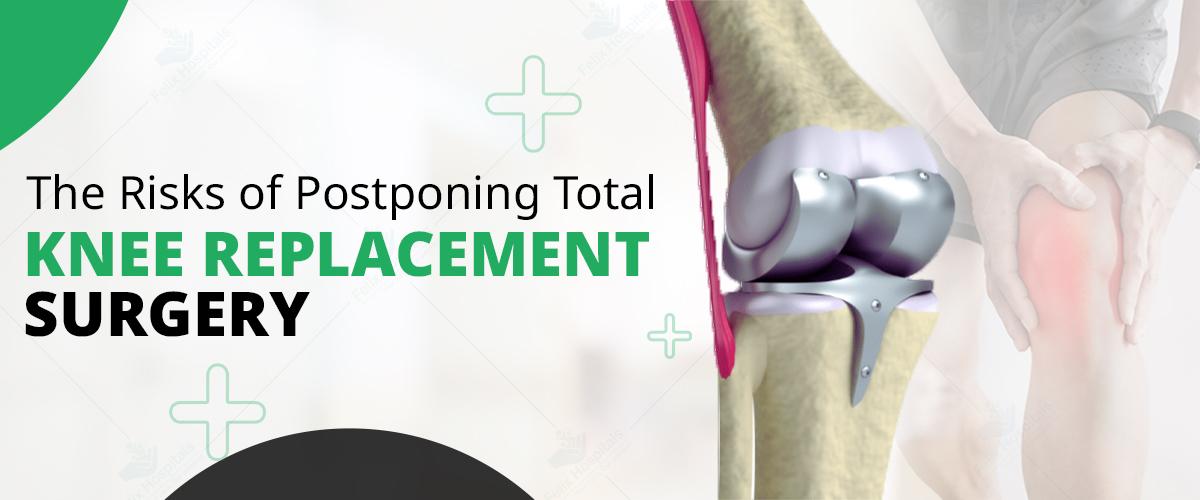
Knee pain and arthritis are increasingly common conditions, particularly among older adults. Total knee replacement (TKR) surgery is a widely accepted and effective solution for severe knee arthritis, offering substantial relief and improved quality of life. However, many patients may delay this surgery due to various reasons, such as fear, financial concerns, or the hope that non-surgical treatments might suffice. Postponing total knee replacement can have significant consequences. This blog delves into the risks associated with delaying knee replacement surgery and highlights why timely intervention is crucial.
If you are experiencing severe knee pain and are considering the timing of your total knee replacement surgery. Call Now at +91 9667064100.
Total knee replacement surgery involves removing damaged cartilage and bone from the knee joint and replacing it with an artificial joint made of metal, plastic, or ceramic. The goal of the surgery is to alleviate pain, improve mobility, and restore function. This procedure is usually recommended when conservative treatments such as physical therapy, medications, and injections have failed to provide adequate relief.
Several factors may contribute to the decision to postpone knee replacement surgery:
1. Fear of Surgery: Many patients are apprehensive about undergoing surgery, fearing complications or a long recovery period.
2. Financial Concerns: The cost of surgery, coupled with potential time off work, can be a significant barrier. At Felix Hospital, we are committed to providing affordable surgical options without compromising quality, making healthcare accessible for everyone in Noida.
3. Hope for Alternative Treatments: Some patients hold out hope that lifestyle changes, physical therapy, or medications will eventually relieve their symptoms without surgery.
4. Perception of Surgery as a Last Resort: Patients may view surgery as a final option and prefer to exhaust all other possibilities before considering it.
One of the most significant risks of postponing total knee replacement is the continued progression of joint damage. Osteoarthritis and other forms of arthritis can cause the cartilage in the knee joint to deteriorate over time. As the cartilage wears away, bone-on-bone contact can occur, leading to increased pain, inflammation, and further joint damage. Delaying surgery allows the condition to worsen, making the eventual surgery more complex and less effective.
Chronic knee pain can severely impact a patient's quality of life. Once simple activities, such as walking, climbing stairs, or even standing for short periods, can become increasingly difficult. The constant pain and reduced mobility can affect a person's ability to perform daily tasks, participate in social activities, and maintain independence. Postponing surgery prolongs this suffering and can lead to a significant decline in overall well-being.
As the knee joint becomes increasingly damaged, patients may experience a gradual loss of mobility and function. This can result in muscle weakening and atrophy, further complicating recovery after surgery. For individuals who delay surgery, the loss of mobility may become more pronounced, leading to a greater dependence on assistive devices or the need for extensive rehabilitation post-surgery.
Persistent knee pain and reduced mobility can contribute to the development of secondary health issues. For example, patients may adopt compensatory gait patterns to avoid pain, which can lead to additional strain on other joints, such as the hips and lower back. Additionally, a sedentary lifestyle due to knee pain can increase the risk of obesity, cardiovascular disease, and other health problems.
Delaying total knee replacement can lead to more complex surgical outcomes. As the knee joint deteriorates, the bone structure and surrounding tissues may become more challenging to work with. This can increase the risk of complications during surgery, such as infection or poor alignment of the prosthetic joint. Additionally, the surgical procedure may require more extensive interventions if the joint damage has progressed significantly.
Patients who postpone knee replacement surgery may experience longer and more complicated recovery periods. The advanced stage of joint damage can result in a more extensive surgical procedure and a more challenging rehabilitation process. This can extend the recovery time, delaying the return to normal activities and potentially leading to a longer period of disability.
Chronic pain and disability from a deteriorating knee joint can take a toll on a patient's mental and emotional health. Feelings of frustration, depression, and anxiety are common among individuals struggling with severe knee pain. The decision to postpone surgery can exacerbate these issues, as patients continue to face ongoing pain and limitations.
Prolonged knee pain and reduced physical activity can negatively affect overall health. Inactive individuals may experience weight gain, decreased cardiovascular fitness, and weakened muscles. These factors can contribute to a decline in overall health and make it even more challenging to recover from surgery when it eventually becomes necessary.
While the cost of total knee replacement surgery can be significant, delaying the procedure may lead to additional expenses in the long run. The need for ongoing pain management, physical therapy, and other treatments can add up over time. Furthermore, the potential for more complex surgery and extended recovery can increase healthcare costs and impact a patient’s financial situation.
Contact our clinic to schedule a consultation with one of our experienced surgeons. Click Here to schedule your appointment today!
Delaying total knee replacement surgery may seem like a viable option in the short term, but it can have significant long-term consequences. The risks associated with postponing surgery include progressive joint damage, increased pain, loss of mobility, secondary health issues, complicated surgical outcomes, longer recovery times, and negative impacts on mental and overall health. Timely intervention is crucial for managing knee pain effectively and improving quality of life.
If you are considering postponing your knee replacement surgery at the best orthopedic hospital in Noida, it is essential to discuss your concerns with a healthcare provider. They can guide you on the potential risks and benefits of delaying surgery and help you make an informed decision. Remember, addressing knee pain promptly can lead to better outcomes and a more comfortable, active life.
1. What are the main benefits of undergoing total knee replacement surgery?
Total knee replacement surgery can significantly reduce pain, improve mobility, and restore function in the knee joint. It can enhance overall quality of life and allow individuals to return to activities they enjoy.
2. How long is the recovery period after total knee replacement surgery?
The recovery period varies by individual, but most people can expect to start walking with assistance within a few days of surgery. Full recovery, including regaining strength and mobility, typically takes several months.
3. What are the risks associated with total knee replacement surgery?
Potential risks include infection, blood clots, implant failure, and complications related to anesthesia. Discuss these risks with your healthcare provider to understand how they apply to your situation.
4. How can I prepare for total knee replacement surgery?
Preparing for surgery involves physical therapy to strengthen the muscles around the knee, arranging for post-surgery support, and discussing pain management and rehabilitation plans with your healthcare provider.
5. Can lifestyle changes help delay the need for total knee replacement surgery?
While lifestyle changes such as weight management, physical therapy, and medication can help manage symptoms, they may not completely prevent the need for surgery if joint damage is severe.
6. What are the signs that it might be time to consider total knee replacement surgery?
Signs include severe, persistent pain not relieved by medication, significant loss of mobility, difficulty performing daily activities, and diminished quality of life.
7. Are there alternative treatments to total knee replacement surgery?
Alternatives may include medications, physical therapy, corticosteroid injections, and lifestyle modifications. These options may provide temporary relief but might not address severe joint damage.
8. How can I manage pain while waiting for surgery?
Pain management strategies include medication, physical therapy, heat/cold therapy, and using assistive devices. Consult with your healthcare provider for personalized pain management options.

Knock knees, medically known as genu valgum, is a common condition in young children where the knees angle inward and touch one another when the legs are straightened.
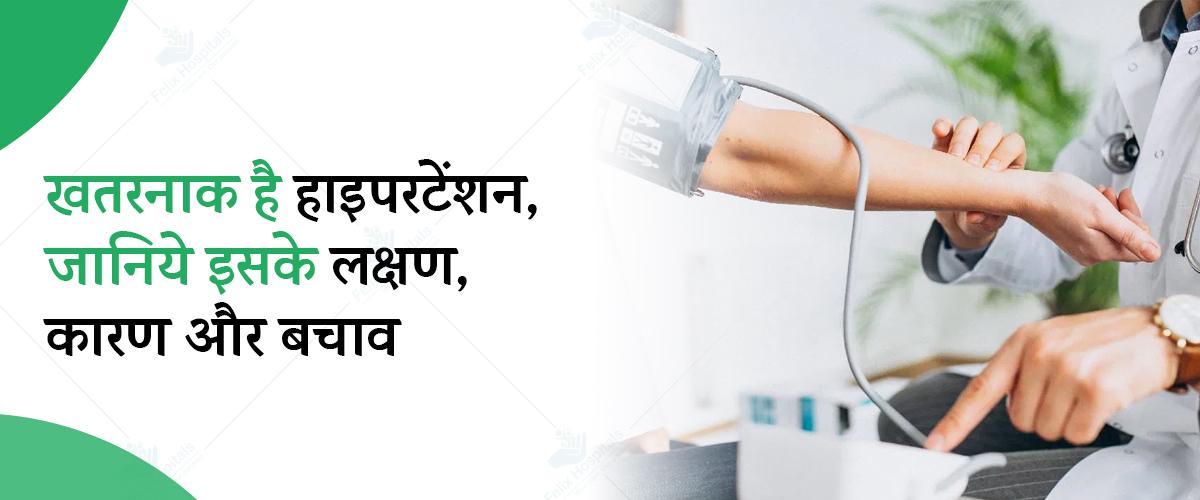
हाइपरटेंशन जिसे उच्च रक्तचाप भी कहा जाता है। हाइपरटेंशन एक ऐसी स्थिति है जिसमें आपके रक्त का दबाव आपकी धमनियों की दीवारों पर बहुत अधिक होता है, जिससे पूरे शरीर में रक्त पंप करने, हृदय को अधिक काम करना पड़ता है। यह एक गंभीर स्वास्थ्य समस्या है। यह समय के साथ हृदय रोग, स्ट्रोक, और अन्य स्वास्थ्य संबंधी समस्याओं का कारण बन सकता है। अगर आपको हाइपरटेंशन तो तुरंत अच्छी चिकित्सीय सहायता प्राप्त करें। जानिए इसके लक्षण से लेकर इलाज तक के बारे में विस्तार से..
ज्यादा जानकारी के लिए हमें कॉल करें +91 9667064100.
रक्तचाप वह दबाव है जो रक्त आपके धमनियों की दीवारों पर डालता है जब यह हृदय द्वारा पंप किया जाता है। यह दो मुख्य घटकों से मिलकर बनता है। सिस्टोलिक दबाव और डायस्टोलिक दबाव। सिस्टोलिक दबाव तब होता है जब आपका हृदय धड़कता है और रक्त को धमनियों में पंप करता है। इसे रक्तचाप की माप में पहला (ऊपरी) संख्या द्वारा दर्शाया जाता है। डायस्टोलिक दबाव तब होता है जब हृदय की मांसपेशियां आराम करती हैं और यह दो धड़कनों के बीच का समय होता है। अगर आपका रक्तचाप 120/80 mmHg है, तो 120 mmHg सिस्टोलिक दबाव है और 80 mmHg डायस्टोलिक दबाव है। सामान्य रक्तचाप को 120/80 mmHg माना जाता है। इससे अधिक या कम रक्तचाप स्वास्थ्य समस्याओं का संकेत हो सकता है।
रक्तचाप के लक्षण अलग-अलग हो सकते हैं, और यह इस बात पर निर्भर करता है कि रक्तचाप उच्च (हाइपरटेंशन) है या निम्न (हाइपोटेंशन)।
हाइपरटेंशन को अक्सर "साइलेंट किलर" कहा जाता है क्योंकि इसके लक्षण सामान्यतः स्पष्ट नहीं होते, लेकिन कुछ लोगों में निम्नलिखित लक्षण हो सकते हैं:
निम्न रक्तचाप या हाइपोटेंशन के लक्षण आमतौर पर तब प्रकट होते हैं जब रक्तचाप बहुत कम हो जाता है:
अगर आपको इन लक्षणों का अनुभव हो रहा है, तो यह महत्वपूर्ण है कि आप चिकित्सा सलाह लें और अपने रक्तचाप की नियमित जांच कराएं।
रक्तचाप के मुख्य रूप से दो प्रकार होते हैं:
उच्च रक्तचाप एक ऐसी स्थिति है जिसमें आपकी धमनियों में रक्त का दबाव सामान्य से अधिक होता है। अगर यह लंबे समय तक बना रहे, तो यह हृदय, मस्तिष्क, किडनी और आंखों को नुकसान पहुंचा सकता है।
यह सबसे सामान्य प्रकार है और इसका कोई स्पष्ट कारण नहीं होता। यह उम्र, जीवनशैली, आहार और आनुवंशिक कारकों से विकसित हो सकता है।
यह किसी अन्य अंतर्निहित चिकित्सा स्थिति, जैसे किडनी रोग, हार्मोनल विकार या कुछ दवाओं के सेवन के कारण होता है। इस प्रकार का हाइपरटेंशन अक्सर अचानक प्रकट होता है और प्राथमिक हाइपरटेंशन की तुलना में अधिक गंभीर होता है।
अलग अलग परिस्थितियों के कारण हो सकते हैं।
यह तब होता है जब आप अचानक बैठने या लेटने की स्थिति से खड़े होते हैं, जिससे चक्कर आना या बेहोशी हो सकती है। यह सामान्य रूप से वृद्ध व्यक्तियों में देखा जाता है।
यह लंबे समय तक खड़े रहने के बाद होता है और विशेष रूप से बच्चों और युवा वयस्कों में देखा जाता है।
यह तब होता है जब रक्तचाप इतना कम हो जाता है कि शरीर के महत्वपूर्ण अंगों को पर्याप्त रक्त की आपूर्ति नहीं होती। यह शॉक के कारण हो सकता है और जीवन के लिए खतरा बन सकता है।
इनके अलावा रक्तचाप के अन्य प्रकार भी हो सकते हैं, जैसे कि इमरजेंसी हाइपरटेंशन, जो अचानक और अत्यधिक रक्तचाप में वृद्धि होती है और इसे तुरंत चिकित्सा देखभाल की आवश्यकता होती है।
रक्तचाप के बढ़ने या घटने के कई कारण हो सकते हैं। ये कारण व्यक्ति की जीवनशैली, आहार, आनुवंशिकता, और अन्य स्वास्थ्य स्थितियों पर निर्भर करते हैं।
अनियमित खानपान:
अधिक नमक और फैट का सेवन और कम फल-सब्जियों का सेवन रक्तचाप को बढ़ा सकता है।
मोटापा:
अधिक वजन हृदय पर दबाव डालता है, जिससे रक्तचाप बढ़ सकता है।
शारीरिक निष्क्रियता:
नियमित व्यायाम की कमी से रक्तचाप बढ़ने का खतरा होता है।
धूम्रपान और शराब:
धूम्रपान और अत्यधिक शराब का सेवन रक्तचाप को बढ़ा सकता है।
तनाव:
लगातार तनाव में रहने से रक्तचाप में वृद्धि हो सकती है।
आनुवंशिकता:
अगर परिवार में उच्च रक्तचाप का अनुवांशिक इतिहास है, तो इसका खतरा अधिक हो सकता है।
पुरानी बीमारियां:
मधुमेह, किडनी की बीमारी और कुछ हार्मोनल विकार उच्च रक्तचाप के कारण हो सकते हैं।
उम्र:
उम्र बढ़ने के साथ रक्तचाप बढ़ने की संभावना अधिक होती है।
दवाइयां:
कुछ दवाइयों के साइड इफेक्ट के रूप में रक्तचाप बढ़ सकता है।
रक्तचाप के नियंत्रण के लिए इन कारणों की पहचान और उनका प्रबंधन महत्वपूर्ण है। यदि रक्तचाप से संबंधित कोई समस्या हो, तो डॉक्टर से परामर्श अवश्य करना चाहिए।
रक्तचाप को नियंत्रित और स्वस्थ रखने के लिए कुछ महत्वपूर्ण उपाय किए जा सकते हैं। इन उपायों को अपनाकर आप उच्च या निम्न रक्तचाप से बच सकते हैं:
स्वस्थ आहार:
कम नमक, संतृप्त वसा और चीनी का सेवन करें। फलों, सब्जियों, साबुत अनाज और कम वसा वाले डेयरी उत्पादों का सेवन बढ़ाएं। पोटेशियम से भरपूर आहार (जैसे केले, संतरे, पालक) लें, जो रक्तचाप को नियंत्रित करने में मदद करता है।
नियमित व्यायाम:
सप्ताह में कम से कम 150 मिनट की मध्यम-तीव्रता की शारीरिक गतिविधि (जैसे चलना, तैराकी, साइकलिंग) करें। नियमित व्यायाम से वजन नियंत्रित रहता है और दिल की सेहत में सुधार होता है।
वजन प्रबंधन:
स्वस्थ वजन बनाए रखें। अतिरिक्त वजन घटाने से रक्तचाप कम करने में मदद मिलती है।
धूम्रपान और शराब से बचें:
धूम्रपान छोड़ें और शराब का सेवन सीमित करें। धूम्रपान से धमनियां संकरी हो जाती हैं, जिससे रक्तचाप बढ़ सकता है।
तनाव प्रबंधन:
योग, ध्यान और गहरी सांस लेने के व्यायाम से तनाव को कम करें। समय-समय पर आराम करें और अपने मनपसंद कार्यों में शामिल हों।
नियमित जांच:
नियमित रूप से रक्तचाप की जांच कराएं, खासकर अगर आप जोखिम में हैं। अगर आपका रक्तचाप सामान्य से अधिक है, तो डॉक्टर के परामर्श के अनुसार दवा लें।
पर्याप्त पानी पिएं:
शरीर में पानी की कमी न होने दें।निर्जलीकरण से रक्तचाप कम हो सकता है। ज्यादा पसीना आने या गर्मी में अधिक मात्रा में पानी का सेवन करें।
संतुलित आहार लें:
भोजन में संतुलन बनाए रखें और आवश्यक पोषक तत्वों का सेवन करें। ज्यादा समय तक भूखे न रहें और छोटे-छोटे अंतराल पर भोजन करें।
कैफीन का सेवन करें:
कैफीन युक्त पेय जैसे चाय या कॉफी का सीमित मात्रा में सेवन करने से रक्तचाप को थोड़ा बढ़ाने में मदद मिल सकती है, लेकिन इसका अत्यधिक सेवन नहीं करना चाहिए।
धीरे-धीरे उठें:
लेटे या बैठे हुए स्थिति से धीरे-धीरे खड़े हों। अचानक उठने से चक्कर आ सकते हैं और रक्तचाप कम हो सकता है।
नमक का सेवन डॉक्टर की सलाह पर करें:
अगर आपका रक्तचाप सामान्य से कम है, तो डॉक्टर के परामर्श अनुसार अपने आहार में थोड़ा अधिक नमक शामिल कर सकते हैं।
सही मोजे पहनें:
सही मोजे पहनने से पैरों में खून जमा नहीं होता, जिससे रक्तचाप में कमी आती है।
इन उपायों को अपनाकर रक्तचाप को नियंत्रित रखा जा सकता है और इसके कारण होने वाली स्वास्थ्य समस्याओं से बचा जा सकता है।
रक्तचाप का इलाज इस बात पर निर्भर करता है कि रक्तचाप उच्च (हाइपरटेंशन) है या निम्न (हाइपोटेंशन)। यहाँ दोनों स्थितियों के लिए उपयुक्त उपचार दिए गए हैं:
जीवनशैली में बदलाव:
नमक का सेवन कम करें। फलों, सब्जियों, साबुत अनाज, और कम वसा वाले डेयरी उत्पादों का सेवन बढ़ाएं।
नियमित व्यायाम:
प्रतिदिन 30 मिनट मध्यम-तीव्रता वाली शारीरिक गतिविधि जैसे तेज चलना, साइक्लिंग या तैराकी करें।
वजन प्रबंधन:
स्वस्थ वजन बनाए रखें, क्योंकि वजन कम करने से रक्तचाप कम हो सकता है।
धूम्रपान और शराब से परहेज:
धूम्रपान छोड़ें और शराब का सेवन सीमित करें।
तनाव प्रबंधन:
योग, ध्यान और गहरी सांस लेने के अभ्यास करें।
दवाइयां:
डायूरेटिक्सः
जिनके शरीर से अतिरिक्त सोडियम और पानी निकालते हैं, जिससे रक्तचाप कम होता है।
बीटा-ब्लॉकर्स :
हृदय की धड़कन को धीमा करते हैं और रक्तचाप को कम करते हैं।
एस इनहिबिटर :
धमनियों को संकुचित होने से रोकते हैं।
कैल्शियम चैनल ब्लॉकर्स :
धमनियों को चौड़ा करते हैं और हृदय की धड़कन को धीमा करते हैं।
एंजियोटेंसिन II रिसेप्टर ब्लॉकर्स:
धमनियों को चौड़ा करने में मदद करते हैं।
जीवनशैली में सुधार:
निर्जलीकरण से बचने के लिए पानी का अधिक सेवन करें। डॉक्टर के परामर्श से आहार में नमक की मात्रा बढ़ाएं। सीमित मात्रा में कैफीन युक्त पेय (जैसे चाय, कॉफी) लें। धीरे-धीरे उठें: लेटने या बैठने से खड़े होते समय धीरे-धीरे उठें। छोटे और बार-बार भोजन: अर्थात छोटे अंतराल पर भोजन करें।
फ्लूड्रोकोर्टिसोन :
रक्त में सोडियम की मात्रा बढ़ाकर रक्तचाप को नियंत्रित करता है।
मिडोड्राइन :
धमनियों को संकुचित कर रक्तचाप बढ़ाता है।
सही मोजे पहने:
पैरों में रक्त के संचलन में सुधार के लिए संपीड़न मोजे पहनें।
यदि आपको रक्तचाप से संबंधित कोई समस्या हो तो डॉक्टर से परामर्श अवश्य करें। आपकी स्थिति के आधार पर सही इलाज और दवाइयों का निर्धारण किया जाएगा।
हाइपरटेंशन का इलाज मुख्य रूप से जनरल फिजिशियन या इंटर्नल मेडिसिन विशेषज्ञ करते हैं। फेलिक्स हॉस्पिटल में हाइपरटेंशन ट्रीटमेंट एक्सपर्ट डॉ. अंशुमाला सिन्हा, डॉ. सोनाक्षी सक्सेना, और डॉ. प्रियंका सिंह आदि हैं। ये डॉक्टर रक्तचाप की नियमित निगरानी, जीवनशैली में बदलाव, और आवश्यक दवाओं का प्रबंधन कर सकते हैं। अगर हाइपरटेंशन से हृदय संबंधी समस्याएं पैदा हो रही हों तो कार्डियोलॉजिस्ट उपचार में शामिल होते हैं। अगर हाइपरटेंशन किडनी की समस्याओं से संबंधित हो, तो नेफ्रोलॉजिस्ट इसका इलाज करते हैं। अगर हाइपरटेंशन का कारण हार्मोनल असंतुलन हो, तो एंडोक्रिनोलॉजिस्ट इसका इलाज कर सकते हैं।
हाइपरटेंशन का इलाज मुख्य रूप से जनरल फिजिशियन या इंटर्नल मेडिसिन विशेषज्ञ करते हैं। ये डॉक्टर रक्तचाप की नियमित निगरानी, जीवनशैली में बदलाव, और आवश्यक दवाओं का प्रबंधन कर सकते हैं। अगर हाइपरटेंशन से हृदय संबंधी समस्याएं पैदा हो रही हों तो कार्डियोलॉजिस्ट उपचार में शामिल होते हैं। अगर हाइपरटेंशन किडनी की समस्याओं से संबंधित हो, तो नेफ्रोलॉजिस्ट इसका इलाज करते हैं। अगर हाइपरटेंशन का कारण हार्मोनल असंतुलन हो, तो एंडोक्रिनोलॉजिस्ट इसका इलाज कर सकते हैं। डॉक्टर की सलाह के लिए आज ही फ़ोन करें - +91 9667064100.
हाइपरटेंशन एक प्रमुख सार्वजनिक स्वास्थ्य मुद्दा है, जो दुनिया भर में बड़ी संख्या में लोगों को प्रभावित करता है और विभिन्न जीवनशैली से जुड़ी बीमारियों के जोखिम को बढ़ाता है। हाइपरटेंशन के बारे में जागरूकता बढ़ाना और स्वास्थ्य शिक्षा प्रदान करना आवश्यक है, ताकि लोग इस स्थिति की पहचान और प्रबंधन के बारे में जान सकें और उचित कदम उठा सकें। हाइपरटेंशन का सही और समय पर प्रबंधन आपके स्वास्थ्य को बेहतर बना सकता है और दीर्घकालिक स्वास्थ्य समस्याओं के जोखिम को कम कर सकता है।
प्रश्न 1: हाइपरटेंशन का क्या कारण है ?
उत्तर: हाइपरटेंशन के कई कारण हो सकते हैं, जिनमें अनियमित खानपान, मोटापा, धूम्रपान, शराब का सेवन, तनाव और आनुवांशिक कारण शामिल हैं।
प्रश्न 2: हाइपरटेंशन की जांच कैसे की जाती है ?
उत्तर: हाइपरटेंशन की जांच करने के लिए एक साधारण ब्लड प्रेशर मापने वाला उपकरण इस्तेमाल किया जाता है। सामान्य रक्तचाप 120/80 mmHg होता है। अगर यह 140/90 mmHg या इससे अधिक हो, तो यह हाइपरटेंशन माना जाता है।
प्रश्न 3: हाइपरटेंशन का इलाज कैसे किया जाता है ?
उत्तर: हाइपरटेंशन का इलाज जीवनशैली में बदलाव और दवाओं के माध्यम से किया जा सकता है। इसमें नियमित व्यायाम, संतुलित आहार, कम नमक का सेवन, धूम्रपान और शराब से बचाव शामिल हैं। कुछ मामलों में डॉक्टर दवाएं भी लिख सकते हैं।
प्रश्न 4: क्या हाइपरटेंशन को रोका जा सकता है ?
उत्तर: हां, हाइपरटेंशन को स्वस्थ जीवनशैली अपनाकर रोका जा सकता है। इसमें सही आहार, नियमित व्यायाम, वजन नियंत्रित रखना, और तनाव को प्रबंधित करना शामिल है।
प्रश्न 5: हाइपरटेंशन के दीर्घकालिक प्रभाव क्या हैं ?
उत्तर: अगर हाइपरटेंशन का सही समय पर इलाज नहीं किया जाए, तो इससे हृदय रोग, किडनी की समस्याएं, स्ट्रोक और आंखों की समस्याएं हो सकती हैं।
प्रश्न 6: क्या हाइपरटेंशन एक जीवनभर की समस्या है ?
उत्तर: हाइपरटेंशन को नियंत्रित किया जा सकता है, लेकिन इसे पूरी तरह से ठीक करना मुश्किल हो सकता है। इसलिए, इसे जीवनभर प्रबंधित करना आवश्यक होता है।
प्रश्न 7: क्या हाइपरटेंशन के लिए नियमित जांच आवश्यक है ?
उत्तर: हां, अगर आपको हाइपरटेंशन है, तो आपके लिए नियमित रूप से ब्लड प्रेशर की जांच कराना जरूरी है ताकि इसे नियंत्रण में रखा जा सके।
प्रश्न 8 : हाइपरटेंशन के जोखिम को कैसे कम किया जा सकता है ?
उत्तर: जोखिम को कम करने के लिए धूम्रपान और शराब का सेवन छोड़ें, स्वस्थ आहार लें, नियमित व्यायाम करें, और तनाव को प्रबंधित करने की कोशिश करें।

Pregnancy is a remarkable period filled with anticipation and joy, but it also brings its set of challenges. One such challenge that many expectant mothers face is pelvic pain. Understanding the causes and effective relief techniques for pelvic pain can make this journey more comfortable. In this comprehensive guide, we will explore the various aspects of and provide relief techniques.
If you're experiencing pelvic pain and are unsure about its severity or need personalized guidance, don’t hesitate. Contact us now at +91 9667064100.
Pelvic pain during pregnancy is a common experience that many women encounter. It refers to discomfort or pain in the lower abdomen, hips, and buttocks. While some degree of pelvic pain is normal as your body adjusts to the changes of pregnancy, severe or persistent pain should be evaluated by a healthcare provider. Recognizing and managing pelvic pain is essential for maintaining overall well-being and comfort during pregnancy.
During pregnancy, the body produces more of the hormone relaxin, which helps to loosen ligaments and joints to prepare for childbirth. This increased flexibility can lead to instability and pain in the pelvic region.
The additional weight gained during pregnancy adds extra stress on the pelvic joints and muscles, which can contribute to discomfort and pain.
SPD occurs when the ligaments that normally keep the pelvic bones aligned become too relaxed and stretchy. This condition can lead to pain and instability in the pelvic area.
As the uterus expands, the ligaments supporting it stretch, which can cause sharp pains or dull aches in the lower abdomen. This type of pain is often felt on one side of the pelvis.
These "practice" contractions are your body’s way of preparing for labor. They can cause discomfort in the pelvic area as the muscles tighten and then relax.
Changes in posture due to the growing belly can affect the alignment of the pelvis and lower back, leading to pain and discomfort.
During pregnancy, blood flow to the pelvic area increases, which can cause pressure and pain in the pelvis.
As the body adjusts to the growing baby, the muscles supporting the pelvis can become strained, leading to pain and discomfort.
Women with a history of pelvic or back injuries may experience aggravated pain during pregnancy due to the added strain on the pelvic area.
Engage in prenatal yoga or swimming to strengthen the pelvic floor muscles and improve flexibility. Specific exercises like pelvic tilts and Kegel exercises can also help alleviate pain.
Maternity support belts or pelvic support garments can help stabilize the pelvic area and reduce discomfort. These garments are designed to support the growing belly and relieve pressure on the pelvis.
Avoid standing for long periods and use proper lifting techniques by bending at the knees instead of the waist. Sleep on your side with a pillow between your knees to maintain better alignment and reduce pain.
Applying a warm compress to sore areas can provide relief. Alternatively, some women find that cold packs help reduce inflammation and pain.
Prenatal massage can help relax tense muscles and improve circulation. Acupuncture has also shown promise in relieving pregnancy-related pelvic pain.
Always consult with your healthcare provider at the best gynecology hospital in Noida before taking any medication during pregnancy. They may recommend safe pain relief options if necessary.
Take frequent breaks throughout the day and practice relaxation techniques like deep breathing or meditation to manage stress and reduce pain.
Soaking in a warm bath can help ease pelvic pain and relax tense muscles. Ensure the water temperature is comfortable and not too hot.
Regular checkups with a gynecologist or physical therapist who specializes in pelvic pain can provide personalized advice and treatment options.
For personalized care and relief from pelvic pain during pregnancy, schedule an appointment by Clicking Here.
Pelvic pain during pregnancy can be a challenging experience, but understanding its causes and employing effective relief techniques can significantly improve your comfort and well-being. It's important to listen to your body and work closely with your healthcare provider to manage pain effectively. Remember, while pelvic pain can be distressing, it is often manageable with the right strategies and support. Stay patient, and take proactive steps to address your discomfort, knowing that your healthcare provider is there to support you throughout this special journey.
1. Is pelvic pain a common issue during pregnancy?
Yes, some degree of pelvic pain is common during pregnancy, but severe or persistent pain should be evaluated by a healthcare provider.
2. Can exercise help with pelvic pain?
Gentle exercises and prenatal yoga can strengthen pelvic floor muscles and improve flexibility, which may help alleviate pain.
3. When should I seek medical help for pelvic pain?
Consult your healthcare provider if the pain is severe, persistent, or accompanied by other concerning symptoms.
4. Are there any medications safe for relieving pelvic pain during pregnancy?
Always consult your healthcare provider before taking any medication. They can recommend safe options if necessary.
5. How can I manage pelvic pain while sleeping?
Sleeping on your side with a pillow between your knees can help maintain proper alignment and reduce discomfort.
6. Can dietary changes affect pelvic pain?
While diet alone may not directly impact pelvic pain, maintaining a balanced pregnancy diet supports overall health and may contribute to overall comfort.
7. What is Symphysis Pubis Dysfunction (SPD)?
SPD is a condition where the ligaments that keep the pelvic bones aligned become too relaxed, leading to pain and instability.
8. How long does pelvic pain typically last during pregnancy?
The duration of pelvic pain can vary for each individual and may persist throughout pregnancy. Consult your provider for personalized advice.
9. Can complementary therapies like acupuncture help with pelvic pain?
Some women find relief from pelvic pain through complementary therapies such as acupuncture. Consult with your healthcare provider to explore these options.

Communication is a fundamental aspect of human interaction, allowing us to connect, express, and understand one another. For individuals facing challenges with speech and language, effective communication can be a hurdle. Speech therapy offers a path to overcoming these obstacles, empowering individuals to express themselves more clearly and confidently. Whether for children, adults, or seniors, speech therapy can make a significant difference in improving communication skills. In this blog, we’ll explore some of the top speech therapy techniques that help empower expression.
Discover the Difference Speech Therapy Can Make! Contact us at +91 9667064100 for more information.
Speech therapy is a specialized field focused on diagnosing and treating speech, language, voice, and swallowing disorders. Speech-language pathologists (SLPs), commonly known as speech therapists, work with individuals of all ages to improve their communication abilities. Therapy is often customized to the individual's needs, whether it involves articulation (the physical production of speech sounds), language (understanding and using words), fluency (smooth flow of speech), or voice (pitch, volume, and tone).
1. Articulation Therapy
This therapy focuses on helping a person improve their ability to speak clearly and articulate sounds during speech production sessions It is particularly beneficial for individuals facing challenges with specific vowel sounds or speech impediments like lisps Therapists may use various methods such, as demonstrating the correct pronunciation of words segmenting words into smaller sounds and using hand gestures to guide children in producing accurate sounds
2. Language Intervention Activities
Language intervention involves activities aimed at improving language usage specifically focusing on usage and grammar proficiency along with understanding meanings accurately. Part of the techniques used in this approach may involve storytelling sessions. Engaging in activities such as acting or completing picture related exercises. While language therapy may seem enjoyable for kids, on the surface level it is essentially a method used to enhance their understanding and language abilities.
3. Fluency Shaping
Self help methods involve techniques such as fluency shaping that're beneficial for individuals dealing with stuttering issues. They focus on techniques to control speech pace, handle tension effectively and promote communication. These methods could involve practices, like breathing, gradual initiation of conversations and slowing down speaking speed. Fluency shaping helps individuals speak smoothly and effortlessly.
4. Voice Therapy
Voice therapy addresses issues that impact the quality of voice in terms of pitch and volume modulation for individuals experiencing conditions like vocal cord nodules or loss of voice due to illness or vocally demanding occupations. The therapy involves exercises and guidance on breathing techniques to help patients improve their vocal skills while also avoiding behaviors that could strain their vocal cords.
5. Augmentative and Alternative Communication or (AAC)
Augmentative and Alternative Communication (AAC) systems provide individuals facing challenges with speech and language the opportunity to communicate in various ways beyond traditional verbal methods. AAC tools can range from aids like picture boards and communication books to high tech devices that generate speech or even sign language. The primary goal of AAC is to empower individuals to express themselves in situations where spoken communication is limited or not feasible. Speech therapists play a role in assessing the most appropriate AAC solutions, for each individual or their families and providing guidance on how to utilize these tools effectively.
6. Oral-Motor Therapy
Oral motor therapy focuses exercises designed to strengthen the muscles involved in speech production such as the tongue,lips and jaw. This approach is particularly beneficial for individuals with dysarthria,a condition where muscle weakness in the speech mechanism impacts speech clarity. Examples of these exercises include blowing exercises chewing exercises and other activities that help enhance mouth and facial muscle strength resulting, in improved speech clarity.
7. Cognitive-Communication Therapy
Patients who have experienced brain injuries or neurological disorders that impact their speech often undergo communication therapy to improve their interpersonal communication skills by focusing specifically on mental processes, like memory retention, problem solving abilities and logical reasoning. Therapists work closely with individuals to enhance these functions and enhance their overall communication capabilities.
Engaging in this activity involves the participation of all family members and the caregiver as it is an effort rather than an individual endeavor. Family members and caregivers appreciate being guided through exercises by therapists, those designed for home practice. By incorporating interaction into life this method ensures that progress achieved during therapy sessions is integrated into other areas of life leading to genuine and enduring improvement.
Children facing speech development challenges do not often feel discouraged because a key component of speech therapy is perseverance and dedication to practice regularly with the guidance and encouragement of parents or teachers to achieve outcomes over time.
Ready to Enhance Your Communication Skills? Call us at +91 9667064100 or visit our clinic to learn more about our speech therapy services.
Speech therapy techniques offer powerful tools for empowering individuals to express themselves more clearly and confidently. Whether addressing articulation issues, enhancing language skills, or finding alternative communication methods, these techniques are tailored to meet each individual's unique needs. With the support of skilled speech therapists, family, and caregivers, individuals can overcome communication challenges and unlock their full potential for expression. Remember, effective communication is not just about speaking; it’s about being heard and understood. Speech therapy helps make that possible, one word at a time.
What is speech therapy, and who can benefit from it?
Speech therapy is a specialized treatment focused on improving communication skills. It helps individuals with speech, language, voice, and swallowing disorders. Children, adults, and seniors can all benefit from speech therapy, especially those facing challenges in expressing themselves clearly.
What are the main goals of speech therapy?
The primary goals of speech therapy are to enhance articulation, improve language skills, manage fluency, and address voice issues. The therapy is tailored to each individual's needs to help them communicate more effectively.
How does articulation therapy help improve speech clarity?
Articulation therapy focuses on helping individuals produce speech sounds more clearly. Techniques may include modeling correct sounds, breaking down words into smaller sounds, and using gestures to guide proper pronunciation.
Can speech therapy assist with stuttering?
Yes, fluency shaping techniques are designed to help individuals who stutter. These techniques include deep breathing, slowing down speech, and managing speech tension to facilitate more fluent communication.
What is the role of augmentative and alternative communication (AAC) in speech therapy?
AAC provides alternative means of communication for individuals with severe speech and language disabilities. This may include tools like picture boards, communication books, or speech-generating devices. AAC helps individuals express themselves when verbal communication is challenging.
How does cognitive-communication therapy aid individuals with neurological disorders?
Cognitive-communication therapy focuses on improving cognitive functions such as memory, attention, and problem-solving, which are essential for effective communication. This therapy is particularly beneficial for individuals with brain injuries, stroke, or neurological disorders.
How important is family involvement in speech therapy?
Family and caregiver involvement is crucial in speech therapy. They play a significant role in reinforcing the exercises and techniques learned during therapy sessions, ensuring continuous progress and lasting improvements in communication skills.
What should I expect during a speech therapy session at Felix Hospital?
At Felix Hospital, speech therapy sessions are personalized to each patient's needs. Under the guidance of experienced professionals like Dr. Arvinder Pal Singh and Dr. Kunwar Parwez, you can expect a comprehensive approach to improving communication skills through various targeted techniques.
How can I schedule a speech therapy session with Dr. Arvinder Pal Singh or Dr. Kunwar Parwez?
To schedule a speech therapy session with Dr. Arvinder Pal Singh or Dr. Kunwar Parwez at Felix Hospital, you can call +91 9667064100. The hospital's friendly staff will assist you in booking an appointment at a time that suits you.
How long does it typically take to see improvements in speech therapy?
The duration of speech therapy varies depending on the individual's needs and the severity of the communication challenges. Consistency and persistence are key, and with regular sessions guided by experts like Dr. Arvinder Pal Singh and Dr. Kunwar Parwez, many patients start seeing improvements within a few weeks to months.

Speech therapy apps and software offer interactive exercises and real-time feedback, making practice more engaging and effective.


Subscribe to our
© Copyright 2026. All Rights Reserved by Felix Healthcare Private Limited
Design and development by :


 +(91)9667064100
 Emergency : +(91)9667064100