 WhatsApp
 Emergency:
  WhatsApp











Subscribe to our

Radiology testing is a vital medical field that uses imaging technologies such as X-rays, CT scans, MRIs, and ultrasounds to diagnose and treat various conditions. While the technical aspect of radiology is paramount, communication plays a crucial role in the effective delivery of radiological services. The ability to communicate well with patients, other healthcare professionals, and the radiology team can significantly influence the accuracy of diagnoses, the quality of care, and the overall patient experience. Choosing the Best Radiology hospital in Noida ensures that you receive not only advanced imaging services but also the benefit of effective communication throughout your care journey.
Let’s explore the role of communication in radiology, its impact on patient outcomes, the challenges faced by radiology doctors, and strategies for improving communication skills within the field.
We believe in providing clear and compassionate communication throughout your healthcare journey. Book your appointment by Clicking Here.
Radiology, unlike other branches of medicine, often lacks direct and continuous patient contact. Radiologists are typically "behind the scenes," interpreting images and providing reports. However, communication in this field is essential at various levels—between the doctor and patients, radiology doctors and other healthcare professionals, and within radiology teams.
1. Communication Between Radiologists and Patients
Though radiology doctors may not always interact directly with patients, clear communication is still fundamental when it does occur. Patients who undergo radiological exams often feel anxious or apprehensive, especially if they are facing serious health issues. In such cases, doctors can play an important role in alleviating fears by explaining the imaging procedures, setting expectations, and providing a brief overview of what will happen during the exam.
Communication with patients should focus on:
Explaining the Procedure: Before a diagnostic imaging radiology test, the patient should be informed about the process, duration, and what they might experience (e.g., noise during an MRI, the sensation of a contrast dye injection). This reduces patient anxiety and prepares them mentally.
Informed Consent: Patients should be informed about any potential risks, such as radiation exposure, allergic reactions to contrast dyes, or possible discomfort during the procedure. Clear and transparent communication helps patients make informed decisions.
Delivering Results: Radiologists are often responsible for explaining results directly to patients in certain settings, especially in interventional radiology. How the results are delivered can significantly impact the patient’s emotional response. The tone, clarity, and empathy with which results are communicated can influence how patients cope with their diagnosis.
For patients undergoing interventional procedures such as biopsies or angiograms, direct communication from the radiology doctor becomes even more important. These procedures often involve complex explanations, and patients may need reassurance about risks, benefits, and expected outcomes.
2. Communication Between Radiologists and Other Healthcare Professionals
Perhaps the most critical aspect of communication in radiology is the collaboration between doctors and other healthcare professionals, such as referring physicians, surgeons, and specialists. Clear and timely communication between these professionals is essential for accurate diagnosis, treatment planning, and patient care.
Radiology Reports: One of the primary ways doctors communicate with referring physicians is through radiology reports. These reports must be clear, concise, and detailed to ensure that the referring physician can make informed decisions regarding the patient’s treatment. Miscommunication or ambiguity in radiology reports can lead to misdiagnoses or delayed treatments.
Multidisciplinary Collaboration: In cases of complex diseases such as cancer, heart conditions, or trauma, radiologists often collaborate with multiple specialists to formulate a treatment plan. In such scenarios, effective communication ensures that all members of the medical team are on the same page regarding the patient’s condition and the next steps.
Urgent Findings: If a radiology doctor discovers something urgent during an imaging urology test (e.g., a ruptured aneurysm or pulmonary embolism), immediate and clear communication with the treating physician is essential. Delay in relaying this information can have life-threatening consequences.
Interventional Radiology: In interventional radiology, the radiologist often works closely with surgeons and other specialists during procedures. Effective communication ensures that the procedure goes smoothly and that everyone involved understands their role in real-time.
3. Communication Within the Radiology Department
Radiology departments are composed of various professionals, including doctors, technologists, nurses, and administrative staff. Effective communication within the department is vital to ensure the smooth operation of imaging services.
Technologist-Radiologist Collaboration: Radiology technologists play a crucial role in capturing quality images. Clear instructions from doctors regarding specific imaging protocols, views required, and any special considerations help technologists perform their jobs effectively. Similarly, technologists should feel comfortable communicating concerns or difficulties in obtaining images.
Scheduling and Workflow: Radiology departments handle high volumes of patients daily. Effective communication among staff ensures smooth patient scheduling, minimizes delays, and prevents mismanagement of imaging appointments.
Training and Feedback: Continuous professional development is a cornerstone of healthcare, and radiology is no exception. Radiologists must provide constructive feedback to technologists and other team members regarding image quality and techniques. Conversely, technologists should also communicate any practical challenges or equipment issues to doctors.
Despite its importance, communication in radiology comes with several challenges:
Time Constraints: Radiology doctors often work under tight time constraints, reading numerous scans daily and providing reports within short turnaround times. These pressures can lead to rushed or unclear communication, both with colleagues and in reports.
Complex Terminology: Medical jargon can be difficult for non-medical staff, patients, and even some physicians to understand. Radiology reports, if filled with complex terms, can lead to confusion and misinterpretation by referring physicians.
Indirect Patient Contact: Radiologists usually don’t have the same level of patient interaction as other physicians. This limited interaction can sometimes create communication gaps between the doctors and the patient, leaving the latter feeling uninformed or unsure about their care.
Geographic Barriers: With the rise of teleradiology, many radiology doctors work remotely, providing services to hospitals and clinics that may be located far away. This geographic distance can create barriers to effective communication with on-site medical teams, as face-to-face discussions are replaced by phone calls or emails.
Addressing the challenges of communication in radiology requires a concerted effort from both individual practitioners and healthcare organizations. Effective communication strategies can enhance the clarity and understanding of radiology reports, thereby improving patient outcomes. With this, understanding the Cost of radiology tests is essential for patients, as clear communication about pricing and insurance coverage can alleviate financial concerns and encourage timely diagnostic services. Several strategies can help improve communication skills within the field:
1. Clear and Structured Radiology Reports: Radiologists should aim to make their reports as clear and structured as possible, avoiding unnecessary jargon. Using standardized templates can help ensure consistency and reduce ambiguity.
2. Encouraging Feedback and Collaboration: Open lines of communication between doctors, technologists, and other medical staff should be encouraged. Radiology doctors should provide constructive feedback to technologists about image quality and be open to receiving input regarding procedural challenges.
3. Utilizing Communication Technology: Hospitals can implement communication tools that allow for seamless information sharing between departments. Electronic health records (EHRs) and Picture Archiving and Communication Systems (PACS) can improve the flow of information between radiologists and referring physicians, ensuring timely access to imaging reports.
4. Enhancing Patient Interaction: When doctors do interact with patients, they should prioritize clear communication, explaining procedures in simple terms and ensuring that patients feel informed and reassured. For interventional radiology doctors, this is especially important.
5. Multidisciplinary Meetings: Regular multidisciplinary team meetings that involve doctors, surgeons, oncologists, and other specialists can foster better collaboration, especially in complex cases such as cancer or trauma care.
6. Training Programs: Healthcare organizations can offer communication training for radiology staff, focusing on skills such as report writing, patient interaction, and teamwork.
If you require radiology services, trust the team at Felix Hospital. Contact us now at +91 9667064100 to schedule your consultation.
Dr. Pulkit Soni is the best doctor for radiology tests, specializing in advanced medical imaging and healthcare artificial intelligence. With expertise across various modalities, including CT, MRI, ultrasound, and digital X-rays, Dr. Soni integrates cutting-edge technology with his medical knowledge to provide precise diagnoses and enhance patient care.
Communication in radiology is an integral component of effective medical care. From the interaction between radiologists and patients to the collaboration between Doctors and other healthcare professionals, clear and accurate communication is essential for accurate diagnoses, efficient treatment plans, and enhanced patient outcomes. While radiology may not involve as much direct patient contact as other medical specialties, the role of communication remains pivotal in ensuring that imaging findings are translated into effective medical care. By focusing on improving communication skills and addressing existing challenges, the radiology field can continue to provide high-quality, patient-centered care.
1. Why is communication important in radiology?
ANS: Communication is crucial in radiology because radiologists often work behind the scenes, interpreting images and providing reports. Clear communication ensures that referring doctors receive accurate information to help diagnose and treat patients effectively. It also helps alleviate patient anxiety by explaining procedures and results clearly.
2. How do radiologists communicate with patients?
ANS: Though radiologists typically don’t have direct patient contact during imaging, they do communicate with patients in some cases—such as during interventional procedures. They explain procedures, address concerns, and discuss results, particularly in more complex cases.
3. How do radiologists communicate with other doctors?
ANS: Radiologists communicate with other healthcare professionals mainly through detailed radiology reports. These reports summarize the findings from imaging studies and suggest possible diagnoses or next steps, helping the referring physician develop a treatment plan.
4. What happens if there is a miscommunication between a radiologist and a doctor?
ANS: Miscommunication can lead to misdiagnosis or delayed treatment. That's why clear, concise, and accurate radiology reports are critical. Misunderstandings can sometimes result in inappropriate or delayed care, potentially worsening the patient’s condition.
5. How can communication be improved in radiology departments?
ANS: Communication in radiology can be improved through the use of standardized reporting templates, feedback mechanisms between radiologists and technologists, and regular multidisciplinary meetings. Technology such as Electronic Health Records (EHRs) also helps facilitate better communication.
6. What role does communication play in interventional radiology?
ANS: In interventional radiology, the radiologist often communicates directly with the patient and the medical team during procedures. Clear communication is essential to ensure the patient understands the procedure and to coordinate the efforts of the healthcare team.
7. How does communication impact patient outcomes in radiology?
ANS: Effective communication improves patient outcomes by ensuring that all medical professionals involved in a patient’s care are on the same page regarding diagnosis and treatment. It also helps patients feel more informed and reassured, which can reduce anxiety and improve the overall healthcare experience.

Coughing up blood, or hemoptysis, can be alarming and may indicate a serious underlying medical condition. Early detection and appropriate care are essential, especially when dealing with respiratory issues. For those experiencing such symptoms, seeking care from the best hospital for pulmonology treatment in Noida ensures you receive timely and expert diagnosis and treatment. Understanding the causes, symptoms, and treatment options for hemoptysis is crucial for managing this condition effectively.
If you or a loved one is experiencing hemoptysis, seek medical attention immediately. Click Here to Book Your Appointment.
Hemoptysis refers to coughing up blood from the lungs or respiratory tract. This may range from blood-streaked sputum to larger amounts of blood. While it can be caused by minor conditions such as respiratory infections, it can also indicate more severe issues like lung cancer, tuberculosis, or pulmonary embolism. Understanding the underlying causes is vital to ensure appropriate treatment and prevent complications.
Several conditions can lead to hemoptysis, ranging from mild infections to life-threatening diseases. Common causes include:
1. Respiratory Infections: Bronchitis, pneumonia, and tuberculosis are some infections that can cause irritation and lead to coughing up blood.
2. Chronic Obstructive Pulmonary Disease (COPD): This long-term lung disease can damage blood vessels, leading to hemoptysis.
3. Lung Cancer: One of the more severe causes, hemoptysis can be an early sign of lung cancer.
4. Pulmonary Embolism: A blood clot in the lung can rupture blood vessels, causing blood to be coughed up.
5. Bronchiectasis: A condition where the airways become widened and scarred, leading to frequent infections and hemoptysis.
6. Trauma: Injury to the chest or respiratory system can also result in coughing up blood.
7. Pulmonary Edema: Accumulation of fluid in the lungs, often due to heart failure, can sometimes result in blood-streaked sputum.
8. Medications: Certain blood thinners or anticoagulants can increase the likelihood of hemoptysis.
The primary symptom of hemoptysis is the presence of blood when coughing. However, the amount and appearance of the blood can vary. Accompanying symptoms may include:
Shortness of breath
Chest pain or discomfort
Wheezing
Fever, especially if the cause is an infection
Rapid heart rate
Fatigue
If hemoptysis is accompanied by these signs, especially large amounts of blood, it is a medical emergency that requires immediate attention.
Diagnosing the cause of hemoptysis involves a thorough evaluation, which may include:
1. Medical History and Physical Examination: A detailed review of your medical history and physical exam will help in identifying any underlying conditions.
2. Chest X-ray: To check for infections, tumors, or other abnormalities in the lungs.
3. CT Scan: Provides a more detailed image of the lungs and can help detect blood clots, tumors, or other issues.
4. Bronchoscopy: A procedure where a thin tube with a camera is inserted into the lungs to visually examine the airways.
5. Sputum Tests: Analyzing the sputum (mucus) coughed up can help identify infections like tuberculosis.
6. Blood Tests: To check for infections, bleeding disorders, or other potential issues.
Treatment for hemoptysis depends on the underlying cause and the severity of the condition. Common treatments include:
1. Medications: Antibiotics for infections, bronchodilators for COPD, and other targeted medications depending on the cause.
2. Oxygen Therapy: For patients experiencing difficulty breathing, oxygen may be provided to stabilize their condition.
3. Bronchial Artery Embolization: This is a minimally invasive procedure to stop severe bleeding in the lungs.
4. Surgery: In cases of severe trauma, tumors, or life-threatening conditions, surgery may be required to stop bleeding or remove a tumor.
5. Hospitalization: Patients with significant bleeding may need to be hospitalized for close monitoring and treatment.
Understanding the Pulmonary Treatment cost associated with these interventions is important. Costs can vary based on the severity of the condition, the treatments required, and the hospital providing the care.
Preventing hemoptysis involves addressing the root causes and maintaining good lung health. Some preventive measures include:
1. Quit Smoking: Smoking is a significant risk factor for lung diseases, including cancer, COPD, and bronchitis, which can cause hemoptysis.
2. Vaccinations: Keeping up with vaccines like the flu and pneumonia vaccines can help prevent respiratory infections that lead to hemoptysis.
3. Manage Chronic Conditions: Proper management of chronic conditions like COPD, heart failure, and bronchiectasis can reduce the likelihood of hemoptysis.
4. Use Protective Gear: For those working in environments with harmful chemicals or pollutants, wearing protective equipment can help prevent lung damage.
The prognosis for hemoptysis depends on the underlying cause. For example:
Infections are often treatable with medication, and the prognosis is generally good.
Hemoptysis caused by lung cancer or pulmonary embolism requires more intensive treatment, and the outlook varies depending on how early the condition is diagnosed and treated.
Early detection and treatment are key to improving outcomes, which is why it’s essential to consult a pulmonologist as soon as symptoms occur.
Choosing the best pulmonologist in Noida is vital for effectively diagnosing and managing hemoptysis. At Felix Hospital, Dr. Priyadarshi Jitendra Kumar are renowned specialist with years of experience in treating respiratory conditions, including hemoptysis. With state-of-the-art facilities and personalized care, our team is dedicated to providing the best outcomes for our patients. Whether you're facing a mild issue or a serious concern, our expert pulmonologists are here to help.
Contact Felix Hospital today at +91 9667064100 to schedule a consultation with our top pulmonologists and receive expert care tailored to your needs.
Hemoptysis, or coughing up blood, is a serious symptom that should not be ignored. Whether it's caused by a simple infection or a more severe condition like lung cancer, early diagnosis and appropriate treatment are critical for a good outcome. If you're experiencing hemoptysis or other respiratory symptoms, don’t hesitate to consult a specialist at the Best pulmonology hospital in Noida. With the right care, you can manage the condition effectively and improve your quality of life.
1. What is hemoptysis?
ANS: Hemoptysis refers to coughing up blood from the lungs or respiratory tract, which may indicate an underlying medical condition.
2. Is hemoptysis always a sign of a serious condition?
ANS: Not necessarily. It can result from infections or minor issues, but it can also indicate severe conditions like lung cancer or pulmonary embolism. It’s essential to seek medical advice.
3. When should I see a doctor for hemoptysis?
ANS: You should see a doctor if you cough up blood, especially if it's accompanied by other symptoms like shortness of breath, chest pain, or a large amount of blood.
4. How is hemoptysis diagnosed?
ANS: Diagnosis typically involves medical history, a physical exam, chest X-rays, CT scans, bronchoscopy, and sputum or blood tests.
5. What are the most common causes of hemoptysis?
ANS: Respiratory infections, chronic obstructive pulmonary disease (COPD), lung cancer, pulmonary embolism, and bronchiectasis are among the most common causes.
6. Can hemoptysis be treated at home?
ANS: Minor cases caused by infections may improve with rest and prescribed medications, but more severe cases require medical intervention.
7. How can I prevent hemoptysis?
ANS: Preventive measures include quitting smoking, managing chronic conditions, staying vaccinated, and reducing exposure to lung irritants.

A pulmonologist plays a crucial role in helping patients dealing with serious or chronic breathing difficulties.

Peripheral Arterial Disease (PAD) is a condition that affects millions of people worldwide, including a growing number in India. Often overlooked and underdiagnosed, PAD can have serious implications for one’s health and quality of life. This blog aims to shed light on what PAD is, its symptoms, risks, and treatment options available at the best vascular surgery hospital. If you or someone you know might be at risk, understanding this condition is the first step toward better health.
If you're concerned about your Vascular health or experiencing symptoms that may suggest PAD, don't hesitate to consult a specialist by Calling +91 9667064100.
Peripheral artery disease (PAD) is a circulatory issue affecting the legs, characterized by the narrowing of the peripheral arteries that transport blood from the heart to various body parts. The most prevalent form is lower-extremity PAD, which results in reduced blood flow to the legs and feet. Upper-extremity PAD, affecting the arms, hands, and fingers, is less common, impacting around 10% of the population.
Both PAD and coronary artery disease stem from atherosclerosis, a condition marked by the accumulation of fatty plaque in the arteries, leading to their narrowing and blockage throughout the body. This can occur in the heart, brain, arms, legs, pelvis, kidneys, and other organs.
1. Early PAD May Not Present Noticeable Symptoms
In the initial stages of peripheral artery disease (PAD), symptoms are often subtle and may go undetected. Many people remain unaware of their condition until blood flow to the legs is significantly reduced. The hallmark symptom, claudication—characterized by muscle pain while walking a certain distance—might not be recognized if the individual doesn’t engage in long walks. Some may mistakenly attribute these early signs to aging or simple muscle fatigue.
A comprehensive evaluation by a vascular surgeon is essential for identifying PAD in its early stages, enabling timely intervention and effective management.
2. PAD Increases the Risk of Heart Disease
The presence of PAD notably elevates the risk of developing heart disease. Research indicates that 30 to 40% of patients with PAD also show signs of heart disease. Additionally, 10 to 15% may develop carotid artery disease, which raises the likelihood of stroke and paralysis. Consequently, individuals diagnosed with PAD face a heightened risk of heart attacks or strokes during their treatment journey.
3. Advanced PAD Can Result in Amputation
If left untreated, advanced PAD can progress to critical limb ischemia, where blood flow to the legs is severely compromised, leading to intense pain at rest, ulcers, or gangrene. At this stage, conservative treatments often fail, necessitating immediate or early interventional or surgical solutions. Many patients with advanced PAD may ultimately confront progressive gangrene, resulting in the need for amputation, either below or above the knee.
4. PAD Can Be Managed Conservatively
Most patients with early-stage PAD can be effectively treated using conservative methods. This typically includes medical interventions such as antiplatelet medications (like aspirin), statins, and Cilostazol, combined with lifestyle changes and structured walking exercises. Controlling risk factors—such as diabetes, hypertension, smoking cessation, and cholesterol levels—is crucial to prevent the condition from worsening.
Consulting a vascular surgeon is vital to determine whether your PAD can be managed conservatively. Currently, India lacks specialized vascular physicians, making it essential to see a trained vascular and endovascular surgeon for the most appropriate Vascular surgery and treatment strategy.
5. Advanced PAD Can Often Be Treated Non-Surgically
Recent innovations in minimally invasive endovascular techniques have transformed PAD treatment. These procedures, which utilize needle punctures along with low-profile balloons or stents, have demonstrated significant effectiveness. Over the last decade, advancements such as drug-coated balloons, atherectomy devices, and vascular mimetic stents have greatly improved the outcomes of endovascular treatments.
Now, over 70% of patients with advanced PAD or critical limb ischemia can undergo angioplasty, leading to quicker recovery and faster symptom relief. Our vascular and endovascular specialists are well-equipped to guide you through various treatment options, taking into account factors like age, existing health issues, blockage severity, and device availability.
When it comes to managing PAD, the expertise of a qualified vascular surgeon is essential. Dr. Ritesh Agrawal, a leading vascular surgeon at Felix Hospital, has extensive experience in diagnosing and treating PAD and its complications. With a focus on patient-centered care, Dr. Agrawal employs the latest techniques and technologies to provide tailored treatment plans that meet each patient’s unique needs. His commitment to ongoing education ensures that he remains at the forefront of advancements in vascular surgery.
Early diagnosis and intervention can lead to better outcomes and a healthier life with our best rheumatologist. Click Here for more information.
Understanding Peripheral Arterial Disease is crucial for early detection and effective management. With its rising prevalence, especially in India, awareness and education about PAD can save lives and limbs. By recognizing the signs and risks associated with PAD, you can take proactive steps toward safeguarding your vascular health. Don't hesitate to seek professional guidance to navigate your treatment options and improve your quality of life.
1. What are the main symptoms of PAD?
ANS: Common symptoms include leg pain during physical activities (claudication), leg weakness, coldness in the lower leg, numbness or weakness in the legs, and sores or wounds that do not heal.
2. How is PAD diagnosed?
ANS: PAD is diagnosed through a combination of physical examinations, symptom evaluation, and imaging tests such as ultrasound, angiography, or MRI.
3. What are the risk factors for developing PAD?
ANS: Key risk factors include smoking, diabetes, high blood pressure, high cholesterol, obesity, and a sedentary lifestyle.
4. Can PAD lead to serious complications?
ANS: Yes, untreated PAD can lead to critical limb ischemia, and limb amputation, and increases the risk of heart disease and stroke.
5. What lifestyle changes can help manage PAD?
ANS: Important lifestyle changes include quitting smoking, maintaining a healthy diet, engaging in regular exercise, and effectively managing blood sugar, blood pressure, and cholesterol levels.
6. Is vascular surgery always necessary for treating PAD?
ANS: Not necessarily. Many patients with early-stage PAD can be treated conservatively with medications and lifestyle changes, while advanced cases may benefit from minimally invasive procedures.
7. How does PAD differ from other types of arterial diseases?
ANS: PAD specifically affects the arteries in the legs and lower body, whereas other arterial diseases may affect the coronary arteries (heart) or carotid arteries (neck).
8. Can medications help manage PAD symptoms?
ANS: Yes, medications like antiplatelets, statins, and vasodilators can help manage symptoms and improve blood flow.
9. What should I do if I experience symptoms of PAD?
ANS: It’s important to consult a healthcare provider or a vascular specialist for an accurate diagnosis and appropriate treatment options if you experience symptoms indicative of PAD.

By working closely with experienced vascular surgeons and following their guidance, patients can achieve positive outcomes and enjoy a better quality of life.

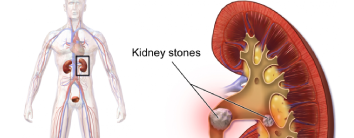
Kidney stones are small, hard deposits of minerals and salts that form inside the kidneys. They can cause excruciating pain and discomfort when passing through the urinary tract. Managing kidney stones effectively is crucial to prevent recurrence and avoid further health complications. Fortunately, with the right precautions and lifestyle modifications, it is possible to reduce the risk of developing kidney stones or manage existing ones.
If medical intervention becomes necessary, choosing the right Kidney Stones Treatment Surgery Hospital is essential for ensuring comprehensive care and successful outcomes. Let’s delve into various prevention strategies and precautions for managing kidney stones effectively.
Start implementing small lifestyle changes now to protect your kidneys and live a healthier life. Take Control of Your Kidney Health Today and call +91 9667064100!
Kidney Stones, also known as renal calculi, are formed when certain substances such as calcium, oxalate, uric acid, or cystine become concentrated in the urine and form crystals. These crystals can eventually grow into larger stones. There are several types of kidney stones, each with different causes:
1. Calcium Stones: The most common type, primarily composed of calcium oxalate or calcium phosphate.
2. Uric Acid Stones: Often associated with high levels of uric acid in the body, which may be linked to a diet high in purines (found in red meat and seafood).
3. Struvite Stones: Typically formed in response to a urinary tract infection.
4. Cystine Stones: Caused by a genetic disorder called cystinuria, which leads to the buildup of cystine in urine.
Kidney stones can vary in size, from a grain of sand to larger stones that can block the flow of urine, causing severe pain and discomfort.
Several factors can increase the likelihood of developing kidney stones. These include:
Dehydration: Not drinking enough water is one of the most significant risk factors. When the body is dehydrated, the urine becomes more concentrated, allowing minerals and salts to crystallize and form stones.
Diet: Consuming foods high in salt, oxalates, and animal protein increases the risk of kidney stones.
Obesity: Excess body weight can alter the chemical composition of urine, making it more conducive to stone formation.
Genetics: A family history of kidney stones increases the likelihood of developing them.
Medical Conditions: Certain conditions, such as hyperparathyroidism, gout, and recurrent urinary tract infections, can contribute to stone formation.
Medications: Some medications, including calcium-based antacids and certain diuretics, may promote kidney stone formation.
Kidney stones often go unnoticed until they start to move within the kidney or into the ureter, the tube connecting the kidney to the bladder. As the stone moves, symptoms may include:
Intense pain in the back or side, typically radiating to the lower abdomen or groin.
Blood in the urine (hematuria).
Nausea and vomiting.
Frequent urination or the urge to urinate.
Pain during urination.
Cloudy or foul-smelling urine.
Fever and chills if an infection is present.
The severity of symptoms can vary depending on the size and location of the stone.
If kidney stones are suspected, healthcare providers will perform various tests to confirm their presence and assess their size and location. Common diagnostic methods include:
Imaging Tests: CT scans, X-rays, or ultrasounds can help visualize the stone and determine its size and location.
Urine Testing: A 24-hour urine collection can identify abnormal levels of minerals and other substances that may contribute to stone formation.
Blood Tests: These tests help identify high levels of substances like calcium or uric acid that could lead to kidney stones.
While treatment options for kidney stones, including medication and surgery, are available, understanding the Kidney Stones Treatment Cost and focusing on prevention is always the best approach. Here are some essential precautions and lifestyle modifications to help prevent kidney stones:
1. Stay Hydrated
One of the most effective ways to prevent kidney stones is to drink plenty of fluids. Water helps dilute substances in the urine that lead to stone formation. Aim to drink at least 2-3 liters of water per day, especially if you live in a hot climate or engage in strenuous physical activity. Drinking lemon water is also beneficial, as the citrate in lemons can help prevent stone formation.
2. Limit Sodium Intake
Excessive salt in the diet can increase calcium levels in the urine, promoting the formation of calcium stones. Limit your intake of salty snacks, processed foods, canned soups, and fast foods, all of which are high in sodium. The recommended daily intake of sodium should be no more than 2,300 milligrams, and ideally less than 1,500 milligrams if you’re at risk of kidney stones.
3. Eat a Calcium-Rich Diet
Contrary to popular belief, reducing calcium intake does not necessarily lower the risk of kidney stones. Dietary calcium helps bind with oxalates in the digestive tract, preventing them from entering the urine and forming stones. Instead of cutting out calcium, ensure you're getting enough from natural sources like low-fat dairy products, leafy greens, and fortified foods.
4. Reduce Oxalate-Rich Foods
Oxalates are naturally occurring substances found in many foods, and they can contribute to the formation of kidney stones when combined with calcium. While it’s unnecessary to eliminate oxalate-rich foods, moderating your intake of foods such as spinach, nuts, rhubarb, and beets can help reduce the risk of stone formation.
5. Limit Animal Protein
A diet high in animal proteins, such as red meat, poultry, and seafood, can increase uric acid levels and lead to the formation of uric acid stones. Limiting your intake of animal proteins can help reduce the risk. Opt for plant-based protein sources, such as legumes, tofu, and quinoa, which are less likely to contribute to stone formation.
6. Avoid Sugary Drinks
Sugary beverages, especially those containing high-fructose corn syrup, can increase the risk of developing kidney stones. Avoid soda and sweetened drinks, and opt for water or natural fruit juices instead.
7. Maintain a Healthy Weight
Obesity is a significant risk factor for kidney stones. Losing excess weight through a balanced diet and regular exercise can lower your risk. Avoid crash diets or extreme weight loss methods, as they can increase the risk of stone formation.
8. Monitor Your Medications
If you’re taking medications that could increase your risk of kidney stones, such as diuretics or calcium-based antacids, consult your doctor about possible alternatives. Never stop taking prescribed medications without your healthcare provider’s guidance.
9. Manage Underlying Health Conditions
Certain medical conditions, such as hyperparathyroidism, gout, and recurrent urinary tract infections, can increase the risk of kidney stones. Proper management of these conditions through medication, diet, and lifestyle changes is crucial to preventing stone formation.
Despite the best preventive efforts, kidney stones may still occur. Fortunately, Treatment for Kidney Diseases is available, depending on the size and location of the stone:
1. Medication: For small stones, doctors may prescribe pain relievers and medications that help relax the muscles in the ureter, allowing the stone to pass more easily.
2. Extracorporeal Shock Wave Lithotripsy (ESWL): This non-invasive procedure uses shock waves to break up larger stones into smaller pieces that can pass through the urinary tract.
3. Ureteroscopy: In this procedure, a thin scope is inserted into the urethra and bladder to retrieve or break up stones in the ureter.
4. Percutaneous Nephrolithotomy: This minimally invasive surgery is used to remove larger stones that cannot be treated with other methods.
5. Surgery: In rare cases, open surgery may be necessary to remove very large stones or stones that cause severe damage to the kidneys.
Understanding the risk factors for kidney stones can help individuals take proactive steps to reduce their likelihood of developing the condition. Common risk factors include:
Dehydration: Not drinking enough water can increase the concentration of minerals and salts in the urine, leading to stone formation.
Diet: High intake of sodium, oxalates, and animal proteins increases the risk.
Obesity: Excess body weight can alter the chemical composition of urine.
Family History: A genetic predisposition to kidney stones increases risk.
Medical Conditions: Certain conditions, such as hyperparathyroidism and gout, contribute to the likelihood of stone formation.
Once a person has experienced kidney stones, they are at risk of recurrence. Adopting the following long-term prevention strategies can help minimize the chances of developing future stones:
Drink plenty of water daily.
Follow a low-sodium, balanced diet.
Monitor calcium and oxalate intake.
Maintain a healthy weight.
Work with a healthcare provider to manage any underlying health conditions.
Dr. Bhanwar Lal Barkesia – Renowned for his expertise in kidney stone management and advanced urological procedures. Dr. Barkesia ensures that each patient receives personalized care and the most effective treatment solutions.
Book an appointment with a kidney specialist today for a personalized prevention plan. Consult a Specialist for Personalized Kidney Care by Clicking Here.
Kidney stone management is largely focused on prevention. By adopting healthy lifestyle choices and following the precautions outlined in this blog, individuals can reduce their risk of developing kidney stones or experiencing a recurrence. While dietary changes, hydration, and monitoring risk factors play essential roles, it’s equally important to work with healthcare providers to manage underlying conditions and receive appropriate treatment when necessary.
Taking these steps can make a significant difference in kidney health, ensuring long-term well-being and a reduced risk of kidney stones. If you suspect you have kidney stones or are at risk, consult with a healthcare provider to create a personalized prevention and management plan.
Get reliable and advanced urinary bladder stone surgery in Noida at Felix Hospital for pain-free treatment and better urinary health.
Felix Hospital is the best kidney stone hospital in Noida, offering advanced, painless, and effective treatment with expert urologists and modern technology.
1. Can kidney stones be dissolved with medication?
ANS: In some cases, certain medications can help dissolve uric acid stones, but not all types of stones can be dissolved with medication.
2. How much water should I drink to prevent kidney stones?
ANS: Aim for at least 2-3 liters of water per day to help dilute urine and prevent the formation of stones.
3. Are all kidney stones painful?
ANS: Not all stones cause pain. Some may pass without causing symptoms, while larger stones can cause severe discomfort.
4. Can children get kidney stones?
ANS: Yes, although less common, children can develop kidney stones, especially if they have a family history or certain health conditions.
5. What are the early signs of kidney stones?
ANS: Early signs of kidney stones include mild discomfort in the lower back, changes in urination such as frequent urination or a burning sensation, and cloudy or foul-smelling urine. As the stone moves, pain may intensify.
6. Can kidney stones come back after treatment?
ANS: Yes, kidney stones can recur even after treatment. However, following preventive measures such as staying hydrated, adjusting your diet, and managing underlying health conditions can significantly reduce the chances of recurrence.
7. Do certain beverages increase the risk of kidney stones?
ANS: Yes, beverages high in sugar or fructose, such as soda or sugary juices, can increase the risk of kidney stones. It's best to limit these drinks and opt for water, herbal teas, or fresh fruit juices instead.
8. Can exercise help in preventing kidney stones?
ANS: Yes, regular physical activity can help maintain a healthy weight and improve overall kidney health. Exercise also reduces the risk of conditions like obesity and metabolic disorders, which are linked to kidney stones.

Pediatric surgery is a specialized field of medicine that focuses on the surgical treatment of children. It encompasses a wide range of procedures that address congenital defects, traumatic injuries, and other medical conditions requiring surgical intervention. Understanding the most common pediatric surgeries Overview, their indications, and what parents can expect can help ease concerns and ensure the best outcomes for children. Let’s explore several common pediatric surgeries, the preparation involved, recovery expectations, and the importance of skilled pediatric care.
Trust the skilled pediatric surgeons at Felix Hospital to provide the best care possible. Contact us today at +91 9667064100.
Pediatric surgery is a branch of surgery that deals with the surgical treatment of children, including newborns, infants, and adolescents. Pediatric surgeons are trained to perform a variety of surgical procedures that are specifically tailored to the unique anatomy and physiological needs of children. These surgeries can range from minor procedures to complex interventions and are often performed in specialized children's hospitals or pediatric surgical centers.
Indication: An appendectomy is performed to remove the appendix when a child is diagnosed with appendicitis, which is an inflammation of the appendix. This condition can lead to severe complications if not treated promptly.
Procedure: The surgery can be done as an open surgery or laparoscopically, which is less invasive. The surgeon makes a small incision in the abdomen to remove the appendix.
Recovery: Most children recover within a week or two and can return to normal activities after a few weeks, depending on the surgical approach.
Indication: Inguinal hernias and umbilical hernias are common in children. They occur when an internal organ protrudes through a weak spot in the abdominal muscles.
Procedure: Surgery involves pushing the herniated tissue back into place and repairing the weakened area of the abdominal wall.
Recovery: Recovery is usually quick, and children can often return home the same day. Activity restrictions may be advised for a few weeks.
Indication: These procedures are performed to remove the tonsils and/or adenoids, often due to recurrent infections, sleep apnea, or breathing difficulties.
Procedure: The surgery is typically performed under general anesthesia. The surgeon removes the tonsils and/or adenoids through the mouth.
Recovery: Children may experience sore throats and discomfort for a few days. A full recovery usually takes about one to two weeks.
Indication: Circumcision is the surgical removal of the foreskin from the penis and may be performed for religious, cultural, or medical reasons, such as recurrent infections.
Procedure: The procedure can be done shortly after birth or later in childhood. The surgeon removes the foreskin and closes the area with stitches.
Recovery: Recovery is generally quick, with most children returning to normal activities within a week.
Indication: A G-tube is placed in children who have difficulty eating and require long-term nutritional support due to conditions such as cerebral palsy or congenital disorders.
Procedure: The surgeon creates an opening in the abdominal wall and inserts a feeding tube directly into the stomach.
Recovery: Children typically stay in the hospital for a short period after the procedure. Parents receive training on how to care for the G-tube.
Indication: Congenital heart defects, such as atrial septal defects (ASD) or ventricular septal defects (VSD), may require surgical correction to improve heart function.
Procedure: The type of surgery varies depending on the specific defect. It may involve repairing or replacing heart valves or closing holes between heart chambers.
Recovery: Recovery can be longer for heart surgeries, requiring several days in the hospital and a gradual return to normal activities.
Indication: Conditions like scoliosis or spinal deformities may necessitate surgical intervention to correct curvature and improve spinal alignment.
Procedure: Surgery may involve placing rods or screws in the spine to correct the curvature.
Recovery: Children may need several weeks to months for full recovery, along with physical therapy to regain strength and flexibility.
Indication: Children born with a cleft lip or palate may require surgery to improve feeding, speech, and appearance.
Procedure: The surgeon repairs the cleft lip or palate, usually performed in stages as the child grows.'
Recovery: Recovery time varies, but most children can resume normal activities within a few weeks.
Preparation for surgery can be an anxious time for both children and parents, especially when searching for a pediatric surgery hospital near me that provides comprehensive support and care throughout the process. Here are some steps to help prepare for the most common pediatric surgical procedure:
1. Consultation with the Surgeon
Before surgery, parents should schedule a consultation with the pediatric surgeon to discuss the procedure, risks, benefits, and recovery expectations. This is also an excellent time to ask questions and clarify any concerns.
2. Preoperative Instructions
The healthcare team will provide specific preoperative instructions, which may include dietary restrictions, medications to avoid, and the need for preoperative tests, such as blood work or imaging studies.
3. Discussing Anesthesia
Understanding the type of anesthesia that will be used and what to expect during the procedure can help ease anxiety. Pediatric anesthesiologists are trained to provide safe and effective anesthesia for children.
4. Preparing the Child
Talk to your child about the upcoming surgery in a way that is age-appropriate. Use simple language to explain what will happen, and reassure them that they will be well cared for.
5. Packing for the Hospital
If an overnight stay is required, pack essential items, such as comfortable clothing, favorite toys, or books. Having familiar items can help comfort the child during their hospital stay.
The recovery process varies depending on the type of surgery performed and the child's individual needs. Here are some general guidelines for recovery:
1. Follow Postoperative Instructions
The healthcare team will provide specific instructions for postoperative care, including pain management, wound care, and activity restrictions. It is essential to follow these guidelines closely.
2. Pain Management
Pain is common after surgery, and pediatric surgeons will often prescribe medications to help manage discomfort. Parents should monitor their child’s pain levels and communicate with the healthcare team if the pain is not well controlled.
3. Nutrition and Hydration
After surgery, it’s important to ensure that the child stays hydrated and receives appropriate nutrition. Start with clear liquids and gradually progress to solid foods as tolerated.
4. Monitoring for Complications
Parents should be vigilant for signs of complications, such as fever, excessive bleeding, or unusual changes in behavior. If any concerning symptoms arise, contact the healthcare team immediately.
5. Follow-Up Appointments
Regular follow-up appointments with the pediatric surgeon are crucial to monitor the child’s recovery and ensure that healing is progressing as expected.
Most Common Pediatric Surgery is a vital aspect of healthcare for children facing various medical conditions. Skilled pediatric surgeons play an essential role in ensuring that children receive the appropriate surgical interventions to improve their quality of life. The combination of expertise, advanced technology, and a compassionate approach creates a supportive environment for both children and their families.
At Felix Hospital, we recognize how crucial healthy sleep is for your child’s growth and development. Our team of pediatric professionals is committed to offering expert care and guidance on sleep-related issues. If you’re looking for a pediatric doctor near me, our experienced specialists are ready to assist. Among our highly qualified team are:
Dr. Vishrut Singh – A distinguished pediatrician with a focus on sleep disorders and child development.
Dr. Niraj Kumar – Specializing in pediatric health, Dr. Niraj highlights the importance of healthy sleep habits for overall well-being.
Dr. Prabhat Kumar – A pediatric endocrinologist who concentrates on growth disorders and their effects on sleep.
Have questions about your child’s surgical needs or recovery? Reach out to our pediatric specialists by Clicking Here.
Pediatric surgeries can be life-changing for children, addressing medical conditions that may affect their growth, development, and overall well-being. Understanding the common procedures, preparation, and recovery can help parents feel more confident and informed throughout the surgical process. If your child requires surgery, consider the expertise available at Felix Hospital, where dedicated pediatric surgeons prioritize the health and well-being of your child.
Felix Hospital — Best pediatric surgery in Noida hospital in Noida, delivering specialized pediatric care for newborns, infants, and children with compassion and excellence.
1-What is pediatric surgery?
ANS: Pediatric surgery is a specialized field that focuses on the surgical treatment of children, including congenital defects, trauma, and other conditions.
2-How can I prepare my child for surgery?
ANS: Schedule a consultation with the surgeon, follow preoperative instructions, and discuss the procedure with your child in an age-appropriate manner.
3-What are the risks associated with pediatric surgery?
ANS: Risks vary depending on the procedure and the child's health status, but common risks include infection, bleeding, and complications from anesthesia.
4-How long does recovery take after pediatric surgery?
ANS: Recovery time varies by procedure; some children may recover within days, while others may take weeks to months.
5-What should I do if my child experiences complications after surgery?
ANS: Monitor your child for signs of complications, such as fever or unusual behavior, and contact the healthcare team if concerns arise.
6-Are there specific dietary restrictions before surgery?
ANS: Yes, preoperative dietary restrictions will be provided by the healthcare team, typically involving fasting for a certain period.
7-Can I stay with my child during surgery?
ANS: Generally, parents can accompany their child to the operating room until they are placed under anesthesia.
8-What is the role of a pediatric anesthesiologist?
ANS: A pediatric anesthesiologist specializes in providing anesthesia care for children, ensuring their safety and comfort during surgery.

During sleep, the body releases growth hormones, which are essential for a child's growth and development. Adequate sleep is vital for muscle development, tissue growth, and the overall physical health of a child.

Prostate cancer is among the most prevalent cancers affecting men globally. With early detection and a range of effective treatment options, the prognosis for prostate cancer can be quite positive. Patients need to receive the best care tailored to their individual needs, ensuring they have the best support throughout their journey. If you or a loved one is experiencing symptoms or has concerns regarding prostate health, don’t hesitate to seek expert guidance for the next steps in your care.
If you’re looking for specialized care, contact Felix Hospital today at +91 9667064100 to schedule a consultation with our experienced oncology team.
Prostate cancer is a type of cancer that occurs in the prostate gland, a small walnut-shaped gland responsible for producing seminal fluid, which nourishes and transports sperm. In prostate cancer, the cells within the prostate begin to grow uncontrollably, leading to the formation of tumors. While some forms of prostate cancer are slow-growing and may not require immediate treatment, others can be aggressive, spreading quickly to nearby tissues and beyond. This variability highlights the importance of early detection and tailored treatment strategies.
The precise cause of prostate cancer is not entirely understood, but several contributing factors have been identified:
In its early stages, prostate cancer often does not present noticeable symptoms. As the disease advances, however, a variety of symptoms may manifest, including:
Diagnosing prostate cancer typically involves several diagnostic steps to ensure accuracy:
The treatment approach for prostate cancer varies based on the stage of the disease, its aggressiveness, and the patient's overall health. Common treatment options include:
Several risk factors may increase the likelihood of developing prostate cancer:
While there is no foolproof method to prevent prostate cancer, adopting certain lifestyle changes may help reduce the risk:
At Felix Hospital, we are proud to have a dedicated team of oncologists who specialize in the treatment of prostate cancer. Our experts are committed to providing personalized care tailored to each patient’s needs, ensuring comprehensive support throughout the treatment journey. Among our skilled oncologists are:
Dr. Chinmayee Agrawal: An experienced oncologist with a focus on prostate cancer, providing specialized care and innovative treatment options.
Dr. Mukta Baxi: Specializing in advanced treatment options and patient care, Dr. works collaboratively with patients to develop individualized treatment plans.
If you have concerns about prostate cancer or need guidance on screening, schedule an appointment by Clicking Here with our knowledgeable oncology team.
Understanding Prostate Cancer is essential for early detection and effective treatment. By recognizing symptoms, knowing risk factors, and seeking regular check-ups, you can take proactive steps toward managing your prostate health. At Felix Hospital, we are dedicated to providing comprehensive care and support to those affected by prostate cancer.
1-What are the early signs of prostate cancer?
Early signs may include difficulty urinating, weak urine flow, and blood in urine or semen.
2-Who is at risk for prostate cancer?
Men over 50, those with a family history of prostate cancer, and African American men are at higher risk.
3-How is prostate cancer diagnosed?
Diagnosis typically involves a digital rectal exam, PSA test, and possibly a biopsy.
3-What treatment options are available?
Treatment options include active surveillance, surgery, radiation therapy, hormone therapy, and chemotherapy.
4-Can lifestyle changes help prevent prostate cancer?
Yes, a healthy diet, regular exercise, and routine screenings may help reduce the risk.
5-How often should men get screened for prostate cancer?
Men should discuss screening schedules with their healthcare provider, typically starting at age 50.
6-Is prostate cancer hereditary?
Yes, a family history of prostate cancer can increase the likelihood of developing the disease.
7-What is the survival rate for prostate cancer?
The survival rate varies depending on the stage and aggressiveness of cancer, but early detection significantly improves outcomes.

Prostate cancer is a common type of cancer in men that affects the prostate gland. Understanding its symptoms, causes, and treatment options can help in early detection and effective management.

Lung cancer is a serious condition that starts in the lungs and can spread to other parts of the body.

Recognize the early warning signs of cervical cancer. Learn about its symptoms, causes, and when to consult a gynecologist for timely diagnosis and treatment.
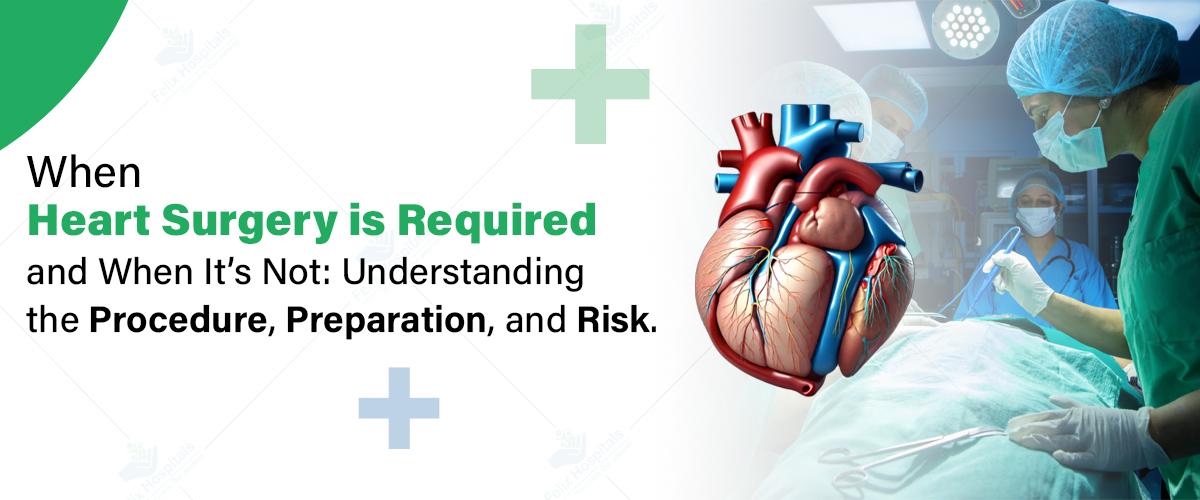
Heart surgery is a complex and critical medical procedure that can save lives, restore health, and improve quality of life. However, not every heart condition requires surgery. Sometimes, lifestyle changes, medications, or less invasive treatments may be enough to manage the condition. Let’s explore when heart surgery is necessary, the different types of heart surgeries, how to prepare for them, and the risks involved.
Book an appointment by Clicking Here with our renowned heart surgeons at Felix Hospital today and take the first step towards a healthier heart!
Heart surgery becomes necessary when less invasive treatments cannot effectively manage a condition that threatens the function of the heart. The decision to undergo surgery depends on several factors, including the severity of the heart condition, the overall health of the patient, and the potential benefits of surgery compared to other treatment options.
1. Coronary Artery Disease (CAD): When the arteries that supply blood to the heart become narrowed or blocked due to the buildup of plaque, it can result in chest pain (angina), heart attacks, and other serious complications. If lifestyle changes, medications, and other interventions like angioplasty don’t resolve the problem, coronary artery bypass graft (CABG) surgery may be required.
2. Heart Valve Disease: Heart valves regulate blood flow within the heart. Surgery may be needed to repair or replace the valve when it becomes damaged or diseased (due to infection, aging, or congenital conditions). Severe valve problems can lead to heart failure if not treated surgically.
3. Aortic Aneurysm: A weakened section of the aorta (the main artery in the body) can lead to an aortic aneurysm, which may rupture if left untreated. Surgery is often required to repair the aneurysm to prevent life-threatening internal bleeding.
4. Arrhythmias (Irregular Heartbeats): Certain arrhythmias, like atrial fibrillation, can often be managed with medications or procedures such as catheter ablation. However, in more severe cases, surgical interventions like the Maze procedure or the installation of a pacemaker may be required.
5. Congenital Heart Defects: Some people are born with structural heart problems that may need correction through surgery. Congenital heart defects like holes in the heart, malformed valves, or abnormal blood vessels can cause serious issues if not treated, sometimes requiring immediate surgery in newborns or infants.
6. Heart Failure: Advanced heart failure may require heart transplantation or surgery to implant a ventricular assist device (VAD) to help the heart pump blood effectively.
Not all heart conditions require surgery. Many heart problems can be managed through:
When surgery is necessary, several types of procedures may be recommended, depending on the specific heart condition:
1. Coronary Artery Bypass Graft (CABG) Surgery:
CABG is the most common type of heart surgery, performed to improve blood flow to the heart muscle. It involves taking a healthy artery or vein from another part of the body and using it to bypass the blocked or narrowed coronary artery.
2. Heart Valve Repair or Replacement:
Surgeons can either repair the damaged valve or replace it with a mechanical or biological valve. Valve repair is generally preferred because it preserves the patient's tissue, but sometimes replacement is necessary if the valve is too damaged.
3. Pacemaker or Implantable Cardioverter Defibrillator (ICD) Placement:
A pacemaker or ICD is implanted to help regulate abnormal heart rhythms. These devices monitor the heart's rhythm and deliver electrical impulses or shocks to maintain a normal rhythm.
4. Aortic Aneurysm Repair:
Surgery to repair an aortic aneurysm typically involves replacing the weakened section of the aorta with a synthetic graft. This prevents the aneurysm from rupturing and causing internal bleeding.
5. Maze Procedure:
The Maze procedure is used to treat atrial fibrillation by creating a pattern of scar tissue on the heart that disrupts the abnormal electrical signals causing the arrhythmia.
6. Heart Transplant:
For patients with end-stage heart failure, a heart transplant may be the only option. In this procedure, the patient’s diseased heart is replaced with a healthy donor heart.
Preparation for heart surgery involves both physical and mental readiness, and understanding the heart surgery cost in Noida is an essential part of planning for the procedure. Below are the key steps that patients should take before undergoing heart surgery:
1. Consultation and Evaluation:
Patients will undergo a thorough evaluation, including blood tests, imaging studies, and heart function tests like echocardiograms or stress tests. These help the surgical team assess the patient's health and create a personalized treatment plan.
2. Discuss Medications:
Inform your doctor of all medications you’re taking, including prescription drugs, over-the-counter medicines, and supplements. Certain medications may need to be stopped or adjusted before surgery to reduce any risks.
3. Lifestyle Adjustments:
Patients are often advised to make lifestyle changes, such as quitting smoking, following a heart-healthy diet, and engaging in regular exercise. These steps can help improve overall health and reduce surgery-related risks.
4. Mental Preparation:
The emotional aspect of surgery is significant. It's important to mentally prepare by discussing concerns with healthcare providers, seeking support from family or support groups, or considering counseling to manage any pre-surgery anxiety.
5. Post-Surgery Support:
Plan for the recovery phase by arranging transportation from the hospital, ensuring that you have someone available to assist at home, and becoming familiar with the expected recovery timeline and care needs.
Like any major surgery, heart surgery comes with risks. Understanding these risks is crucial for informed decision-making. The common risks associated with heart surgery include:
1. Infection: As with any surgery, there is a risk of infection at the incision site or in the heart itself.
2. Bleeding: Bleeding during or after surgery is a potential complication. Sometimes additional surgery may be needed to control the bleeding.
3. Blood Clots: Blood clots can form after surgery, which may lead to a stroke or heart attack if they travel to the brain or heart.
4. Arrhythmias: Abnormal heart rhythms can develop after surgery, requiring medication or further treatment.
5. Lung or Breathing Issues: Some patients may experience difficulty breathing or lung complications after heart surgery, particularly if they have pre-existing lung conditions.
6. Kidney Issues: Heart surgery can sometimes lead to temporary or permanent kidney damage, particularly in patients with pre-existing kidney problems.
7. Stroke: There is a small risk of stroke during or after heart surgery, especially in patients who have other risk factors such as high blood pressure or diabetes.
8. Heart Attack: In rare cases, a heart attack can occur during or after heart surgery due to reduced blood flow to the heart.
9. Death: While advances in surgical techniques have greatly improved the safety of heart surgery, there is still a small risk of death, especially in high-risk patients.
When it comes to heart surgery, the expertise and care of your surgeon are of utmost importance. At Felix Hospital, we are proud to have a team of highly skilled and Best heart surgeons in Noida who are dedicated to providing top-quality cardiac care. Meet our distinguished heart specialists:
Dr. Rahul Arora – Senior Cardiothoracic Surgeon
With years of experience in cardiothoracic surgery, Dr. Rahul Arora is known for his precision and expertise in performing complex heart surgeries, including coronary artery bypass grafting (CABG), valve repairs, and congenital heart defect corrections.
Contact Felix Hospital at +91 9667064100 to learn more about our advanced heart care services and how we can help you or your loved one.
Heart surgery is a life-saving procedure for many patients with serious heart conditions. However, not every heart issue requires surgery, and many can be managed with lifestyle changes, medications, or less invasive treatments. For those who do need surgery, understanding the procedure, how to prepare, and the potential risks is critical to achieving the best outcome.
As the Best heart surgery Hospital in Noida, we specialize in providing comprehensive heart care, from diagnosis to advanced surgical treatments. If you or a loved one is facing heart surgery, our team of experienced cardiologists and surgeons are here to guide you through every step of the process.
1. What are the most common types of heart surgeries?
The most common heart surgeries include coronary artery bypass graft (CABG) surgery, valve repair or replacement, and pacemaker or ICD implantation.
2. Can heart conditions be treated without surgery?
Yes, many heart conditions can be managed with medications, lifestyle changes, and minimally invasive procedures.
3. How long does recovery from heart surgery take?
Recovery times vary depending on the type of surgery, but it generally takes 6 to 12 weeks for most patients to recover.
4. What is the survival rate for heart surgery?
The survival rate depends on the patient’s overall health and the complexity of the surgery, but most heart surgeries have a high success rate.
5. Are there alternatives to open-heart surgery?
Yes, minimally invasive techniques like angioplasty and TAVR are alternatives to open-heart surgery for certain conditions.
6. What are the risks of heart surgery?
Risks include infection, bleeding, blood clots, arrhythmias, and stroke, though these are relatively rare with modern surgical techniques.
7. What lifestyle changes should I make before heart surgery?
Patients are often advised to quit smoking, eat a healthy diet, and exercise regularly before surgery.
8. How do I choose the right heart surgeon?
Choose a surgeon who specializes in the procedure you need, has extensive experience, and is part of a reputable medical facility.

Sleep is a vital component of a child's overall health and development. It plays a crucial role in physical growth, cognitive function, emotional well-being, and overall quality of life. Unfortunately, many children struggle to get the recommended amount of sleep, which can lead to various health issues, including behavioral problems, learning difficulties, and an increased risk of obesity and chronic health conditions. At the Best pediatric Treatment hospital, we recognize that sleep is essential not only for recovery but also for preventing health issues in the first place. Let’s explore the importance of healthy sleep habits in children and offer practical tips from pediatric professionals to ensure your child gets the restful sleep they need.
Schedule a Consultation by Clicking Here to get personalized guidance and support for healthier sleep practices. Your child’s well-being is just a call away!
1. Physical Growth and Development
During sleep, the body releases growth hormones, which are essential for a child's growth and development. Adequate sleep is vital for muscle development, tissue growth, and the overall physical health of a child.
2. Cognitive Function and Learning
Sleep is crucial for cognitive processes such as memory consolidation, attention, and problem-solving skills. Children who do not get enough sleep may struggle with concentration and may find it difficult to retain information learned during the day.
3. Emotional Well-Being
A good night's sleep helps regulate emotions. Well-rested children tend to be more resilient, better at managing stress, and less prone to anxiety and mood swings.
4. Behavioral Health
Studies have shown a strong link between sleep and behavior. Insufficient sleep can lead to increased irritability, hyperactivity, and difficulty controlling impulses.
The American Academy of Sleep Medicine provides guidelines for the recommended hours of sleep per night based on age:
Infants (4-12 months): 12-16 hours (including naps)
Toddlers (1-2 years): 11-14 hours (including naps)
Preschoolers (3-5 years): 10-13 hours (including naps)
School-Aged Children (6-13 years): 9-11 hours
Teenagers (14-17 years): 8-10 hours
Understanding these guidelines is crucial for parents to ensure their children meet their sleep needs.
1. Create a Consistent Sleep Schedule
Establishing a consistent bedtime and wake-up time is essential. This helps regulate the body's internal clock and can improve the quality of sleep. Aim to stick to this schedule even on weekends to maintain consistency.
2. Establish a Relaxing Bedtime Routine
A calming pre-sleep routine signals to the child that it’s time to wind down. This could include activities like reading a book, taking a warm bath, or practicing relaxation exercises. Aim for a routine that lasts 20-30 minutes to help your child transition into sleep.
3. Limit Screen Time Before Bed
Exposure to screens (TVs, tablets, smartphones) can interfere with the ability to fall asleep due to the blue light emitted by these devices. It's recommended to turn off screens at least one hour before bedtime. Instead, encourage quiet, relaxing activities that do not involve screens.
4. Create a Sleep-Friendly Environment
Ensure the child's sleep environment is conducive to rest. This means a cool, dark, and quiet room. Consider using blackout curtains, white noise machines, or soft bedding to enhance comfort. The bedroom should be a place associated with relaxation and sleep.
5. Monitor Food and Drink Intake
Be mindful of what your child eats and drinks in the hours leading up to bedtime. Avoid heavy meals, caffeine, and sugary snacks close to bedtime, as these can disrupt sleep. Encourage a light snack if needed, such as a small piece of fruit or a glass of warm milk.
6. Encourage Physical Activity During the Day
Regular physical activity can help children fall asleep faster and enjoy deeper sleep. Aim for at least 30 minutes of physical activity most days, but try to avoid vigorous exercise close to bedtime, as it may have a stimulating effect.
7. Be Mindful of Naps
While naps can be beneficial for younger children, excessive daytime sleep can interfere with nighttime sleep. Monitor nap lengths and timing, especially for older children. If your child has difficulty sleeping at night, consider reducing nap durations or eliminating them.
8. Address Sleep Disruptions
If your child frequently wakes up during the night or struggles to fall asleep, it may be worth investigating the root cause. Common issues include nightmares, sleep apnea, or anxiety. Consult a pediatrician or sleep specialist if you have concerns.
9. Model Healthy Sleep Habits
Children often emulate their parents’ behaviors. By prioritizing your sleep and demonstrating healthy habits, you can set a positive example for your child. Show them the importance of sleep by discussing your bedtime routine and sleep practices.
10. Be Patient and Supportive
Establishing healthy sleep habits may take time and patience. If your child struggles with sleep, offer reassurance and support. Encourage them to express any fears or concerns they may have about sleeping alone.
At Felix Hospital, we understand the importance of healthy sleep for your child’s growth and development. Our pediatric professionals are dedicated to providing expert care and guidance on sleep issues. If you’re searching for a Pediatric doctor near me, our experienced team is here to help. Among our highly qualified specialists are:
Dr. Vishrut Singh– A renowned pediatrician with expertise in sleep disorders and child development.
Dr. Niraj Kumar– Specializing in pediatric health, Dr. Niraj emphasizes the significance of healthy sleep habits for overall well-being.
Dr. Prabhat Kumar– A pediatric endocrinologist who focuses on growth disorders and their impact on sleep.
Concerned about your child's sleep habits? Schedule a consultation by calling +91 9667064100 with our pediatric specialists at Felix Hospital.
Healthy sleep habits are essential for children’s physical, cognitive, and emotional well-being. As parents, it’s crucial to create an environment that fosters good sleep practices and to prioritize sleep as an integral part of your child’s health. By implementing these tips and seeking support from pediatric professionals, you can help your child develop lifelong healthy sleep habits that promote optimal growth and development.
1. How much sleep does my child need?
The amount of sleep needed varies by age. Refer to the recommended guidelines for sleep duration based on your child’s age.
2. What can I do if my child resists bedtime?
Establishing a consistent bedtime routine and offering comfort can help ease bedtime resistance. Be patient and address any fears they may have.
3. Is it normal for children to wake up during the night?
Occasional awakenings are common in children, but if they become frequent, it may be worth discussing with a pediatrician.
4. What are some signs of sleep disorders in children?
Signs may include snoring, difficulty falling asleep, frequent nightmares, excessive daytime sleepiness, and difficulty concentrating.
5. Can diet affect my child’s sleep?
Yes, diet plays a role in sleep quality. Avoiding heavy meals and caffeine before bedtime can improve sleep.
6. What role does physical activity play in sleep?
Regular physical activity can help children fall asleep faster and enjoy deeper sleep.
7. Should I limit naps for my child?
Naps can be beneficial but should be monitored, especially for older children, to prevent interference with nighttime sleep.
8. How can I model healthy sleep habits for my child?
Prioritize your sleep, establish a bedtime routine, and discuss the importance of sleep with your child to set a positive example.

Every parent wants their child to become a successful, confident, and good human being. A child is like a sponge, which can take any shape and can absorb almost everything they see/learn.

10 Reasons why a child may not grow

Pregnancy is a time of significant change, both physically and emotionally, for expectant mothers. Along with the excitement of bringing a new life into the world, it can also be a time of concern, especially when unexpected symptoms such as vaginal bleeding or infections occur. Understanding what is normal and when to seek medical attention is essential for maintaining a healthy pregnancy. Let’s discuss vaginal bleeding and infections during pregnancy—common causes, potential complications, how to treat vaginal infections, and when to seek medical help.
Experiencing Unusual Symptoms During Pregnancy? Your health and your baby’s well-being are our top priorities. Contact Felix Hospital at +91 9667064100.
Vaginal bleeding during pregnancy can be alarming, but it is not always a sign of a serious problem. The cause and severity of the bleeding can vary, depending on the stage of pregnancy and individual factors. Bleeding during pregnancy is relatively common, particularly in the first trimester. However, it is important to distinguish between light spotting and more significant bleeding, as well as to understand the possible causes.
One of the earliest causes of bleeding during pregnancy is implantation bleeding. This occurs when the fertilized egg attaches itself to the uterine lining, causing light spotting or pinkish-brown discharge. Implantation bleeding usually happens around 6 to 12 days after conception and is often mistaken for a light period.
During pregnancy, hormonal changes can cause the cervix to become more sensitive and prone to bleeding, particularly after intercourse or a pelvic exam. This type of bleeding is usually light and short-lived, and it poses no risk to the pregnancy.
Subchorionic hemorrhage, or bleeding between the uterine wall and the sac surrounding the embryo, can occur in early pregnancy. While it can cause light to heavy bleeding, it is not always harmful. However, larger hemorrhages may increase the risk of miscarriage, and close monitoring by a healthcare provider is recommended.
Vaginal bleeding, especially heavy bleeding accompanied by cramping or pain, may indicate a miscarriage. Miscarriages are most common during the first trimester and often occur due to chromosomal abnormalities that prevent the embryo from developing properly. It’s essential to seek medical care if heavy bleeding occurs to determine the cause and receive appropriate care.
An ectopic pregnancy occurs when a fertilized egg implants outside the uterus, most often in the fallopian tube. Ectopic pregnancies are not viable and can be life-threatening if untreated, as the fallopian tube can rupture. Symptoms include vaginal bleeding, abdominal pain, dizziness, and shoulder pain. If you suspect an ectopic pregnancy, seek immediate medical attention.
Placenta previa occurs when the placenta partially or completely covers the cervix. It is a common cause of bleeding in the second or third trimester. Bleeding from placenta previa is usually painless but can be heavy. Women with placenta previa are often advised to avoid certain activities, such as sexual intercourse, and may require a cesarean delivery.
Placental abruption occurs when the placenta detaches from the uterine wall before delivery. This can cause heavy bleeding and abdominal pain. Placental abruption is a serious condition that can endanger both the mother and the baby and requires immediate medical attention.
Vaginal bleeding, along with regular contractions and changes in vaginal discharge, may be a sign of preterm labor, which occurs before 37 weeks of pregnancy. Preterm labor requires prompt medical intervention to reduce the risk of complications for the baby.
In some cases, vaginal bleeding can be a sign of cervical insufficiency, where the cervix begins to dilate too early in the pregnancy, leading to the risk of preterm birth or miscarriage. Cervical insufficiency may require treatment, such as a cervical cerclage (a procedure to close the cervix).
If you experience any form of vaginal bleeding during pregnancy, it’s important to notify your healthcare provider immediately. They will evaluate the cause of the bleeding through a series of diagnostic tests, such as:
Pelvic examination
Ultrasound
Blood tests
Depending on the severity and cause of the bleeding, treatment may range from rest and monitoring to more intensive interventions such as surgery or medication.
You should seek immediate medical care if you experience any of the following symptoms along with vaginal bleeding:
Heavy bleeding (similar to a menstrual period)
Severe abdominal pain or cramping
Dizziness or fainting
Fever or chills
Contractions before 37 weeks of pregnancy
These symptoms could indicate a serious complication that requires prompt medical attention to ensure the health and safety of both the mother and baby.
Vaginal infections are another common issue that can occur during pregnancy. While some infections are relatively harmless, others can lead to complications if left untreated. Identifying and addressing infections early is key to preventing potential risks to the mother and baby.
Yeast infections are caused by an overgrowth of the fungus Candida and are common during pregnancy due to hormonal changes that disrupt the vaginal environment. Symptoms of a yeast infection include itching, burning, and thick, white discharge. Yeast infections are generally not harmful to the baby, but they can cause discomfort for the mother. Antifungal treatments, such as topical creams, are commonly prescribed to manage yeast infections during pregnancy.
Bacterial vaginosis occurs when there is an imbalance of bacteria in the vagina. Symptoms include a thin, grayish discharge with a strong, fishy odor, as well as itching and irritation. BV has been linked to an increased risk of preterm labor and low birth weight, so prompt treatment with antibiotics is essential.
UTIs are common during pregnancy and can occur when bacteria enter the urinary tract. Symptoms include a burning sensation during urination, frequent urination, cloudy or foul-smelling urine, and lower abdominal pain. If left untreated, UTIs can lead to kidney infections and increase the risk of preterm labor. UTIs are typically treated with antibiotics that are safe for use during pregnancy.
Group B streptococcus is a type of bacteria that can be found in the vagina or rectum of some women. While it may not cause symptoms in the mother, it can be passed to the baby during childbirth, leading to serious infections such as sepsis, pneumonia, or meningitis. Pregnant women are usually tested for GBS in the third trimester, and those who test positive are given antibiotics during labor to reduce the risk of transmission to the baby.
Sexually transmitted infections, such as chlamydia, gonorrhea, syphilis, and herpes, can pose significant risks to both the mother and baby if left untreated. STIs can lead to preterm labor, low birth weight, and infections in the newborn. Regular screening and early treatment with antibiotics or antiviral medications are crucial to managing STIs during pregnancy.
Proper diagnosis and treatment are essential to managing vaginal infections during pregnancy. If you experience any symptoms of infection, such as unusual discharge, itching, burning, or pain, contact your healthcare provider for an evaluation. Diagnostic tests may include:
Vaginal swabs
Urine tests
Blood tests
Treatment will vary depending on the type of infection. Most infections can be safely treated with medications that are suitable for use during pregnancy.
To reduce the risk of vaginal infections during pregnancy, consider the following preventive measures:
Maintain good hygiene by washing the genital area with mild soap and water.
Wear breathable, cotton underwear and avoid tight-fitting clothing.
Avoid douching, as it can disrupt the natural balance of bacteria in the vagina.
Stay hydrated and maintain a healthy diet to support your immune system.
Practice safe sex by using condoms and getting regular STI screenings.
Experiencing pelvic pain during pregnancy? You don’t have to navigate it alone. At Felix Hospital, our renowned gynecologist — Dr. Sangeeta Sharma, Dr. Charu Yadav, and Dr. Sonia Kuruvilla—are dedicated to delivering personalized and effective care tailored specifically to your needs. As the best gynecologist hospital in Noida, we prioritize your health and well-being. Contact us today to schedule a consultation and receive the expert support you deserve throughout your pregnancy journey.
Concerned About Vaginal Bleeding or Infections During Pregnancy? Don't wait—book an appointment today by Clicking Here.
Vaginal bleeding and infections during pregnancy can be concerning, but understanding their causes and knowing when to seek medical attention can help ensure a healthy pregnancy. While some bleeding and infections are common and easily treatable, others may require more serious intervention. Always consult your healthcare provider if you experience any unusual symptoms, and follow their care recommendations.
1) Is vaginal bleeding during pregnancy always a sign of a miscarriage?
Ans. No, vaginal bleeding during pregnancy is not always a sign of miscarriage. Light spotting, especially in early pregnancy, can be due to causes such as implantation bleeding or cervical changes. However, if bleeding is heavy or accompanied by pain, it’s important to seek medical attention.
2) What should I do if I notice vaginal bleeding during pregnancy?
Ans. If you experience vaginal bleeding during pregnancy, contact your healthcare provider immediately. They will assess the cause and recommend appropriate steps based on the severity and other accompanying symptoms.
3) Can vaginal infections during pregnancy harm my baby?
Ans. Some infections, such as bacterial vaginosis or sexually transmitted infections (STIs), can pose risks to your baby if left untreated. It is important to treat infections promptly to avoid complications like preterm labor or transmission during childbirth.
4) How can I prevent vaginal infections during pregnancy?
Ans. To reduce the risk of vaginal infections, practice good hygiene, wear breathable underwear, avoid douching, and maintain a healthy lifestyle. Regular check-ups and STI screenings can also help in early detection and treatment.
5) What is the difference between spotting and heavy bleeding during pregnancy?
Ans. Spotting is light bleeding that may be pink, brown, or red, and it usually doesn't require medical intervention. Heavy bleeding is more intense, similar to a menstrual flow, and may be accompanied by pain or cramping, requiring immediate medical attention.
6) Are yeast infections common during pregnancy, and how are they treated?
Ans. Yes, yeast infections are common during pregnancy due to hormonal changes. They can be treated with antifungal creams or suppositories that are safe for pregnant women. Always consult your healthcare provider before starting any treatment.
7) Can I have sexual intercourse if I am experiencing vaginal bleeding during pregnancy?
Ans. If you experience vaginal bleeding, it’s important to consult your healthcare provider before engaging in sexual activity. In some cases, they may advise avoiding intercourse, depending on the cause of the bleeding.
8) When should I seek emergency care for vaginal bleeding during pregnancy?
Ans. You should seek emergency care if you experience heavy bleeding (similar to a menstrual period), severe cramping or pain, dizziness, fainting, or contractions before 37 weeks, as these could be signs of a serious complication.
9) Are infections during pregnancy treatable, and will treatment affect my baby?
Ans. Most vaginal infections during pregnancy are treatable with medications that are safe for both the mother and baby. Timely treatment is key to preventing complications and ensuring a healthy pregnancy.

Hearing loss affects millions of people worldwide, making it difficult for individuals to communicate, engage in social activities, and lead a quality life. For those with profound hearing loss, especially when conventional hearing aids offer little to no benefit, cochlear implants provide an innovative solution that can significantly improve hearing. If you're curious about how cochlear implants work, their benefits, and whether they could be the right option for you or a loved one, this guide will cover everything you need to know. When considering cochlear implants, finding the Best Hospital for Cochlear Implant Surgery is crucial for optimal outcomes and comprehensive care.
If you or a loved one is struggling with hearing loss, cochlear implants might be the answer. Contact us now at +91 9667064100.
A cochlear implant is a surgically implanted electronic device that provides a sense of sound to people who are profoundly deaf or severely hard of hearing. Unlike hearing aids, which amplify sound, cochlear implants bypass the damaged portions of the ear and directly stimulate the auditory nerve. The brain then interprets these signals as sound, enabling individuals to perceive noise, speech, and other auditory stimuli.
External Component: A microphone, speech processor, and transmitter worn outside the body.
Internal Component: A receiver and electrode array implanted under the skin behind the ear.
Together, these components work to capture sound, process it, and convert it into electrical signals that the brain interprets as meaningful sound.
The process of hearing through a cochlear implant differs from normal hearing, but it allows individuals to hear and understand speech to varying degrees. Here’s a step-by-step breakdown of how cochlear implants work:
Sound Capture: The external microphone on the cochlear implant picks up sound from the environment.
Sound Processing: The speech processor filters and arranges the sounds into meaningful sequences.
Transmission: The processed sounds are sent to the transmitter, which then sends the signals to the internal receiver implanted behind the ear.
Electrical Stimulation: The internal receiver sends the electrical signals through the electrode array placed in the cochlea, stimulating the auditory nerve.
Sound Perception: The auditory nerve sends the signals to the brain, where they are interpreted as sound.
Cochlear implants are typically recommended for individuals with severe to profound sensorineural hearing loss who cannot benefit from hearing aids. The eligibility for cochlear implants depends on several factors, including:
Degree of Hearing Loss: Candidates usually have moderate to severe hearing loss in both ears.
Limited Benefit from Hearing Aids: If traditional hearing aids do not provide sufficient improvement, a cochlear implant may be considered.
Age: Cochlear implants can be used in both adults and children. Early intervention in children often leads to better outcomes.
Healthy Cochlea: The cochlea must be in a condition that allows the electrode array to be inserted.
Medical Evaluation: A thorough assessment by an ENT (Ear, Nose, and Throat) specialist or audiologist is necessary to determine suitability.
Cochlear implants can be life-changing for individuals of all ages, including infants born with hearing loss and older adults experiencing age-related hearing deterioration. When considering this transformative procedure, it's important to understand the Cochlear Implant Surgery Cost, as it can vary depending on factors such as the hospital, surgeon, and additional services required.
Cochlear implants offer numerous benefits for individuals with severe hearing loss, including:
Improved Hearing Ability: Most people with cochlear implants can detect sounds, such as alarms, doorbells, and conversations, and even recognize speech without visual cues.
Enhanced Communication Skills: With consistent therapy and use, cochlear implant users can develop or regain the ability to communicate more effectively with others.
Better Quality of Life: Users often experience an improvement in social interactions, confidence, and independence.
Support for Language Development in Children: Children who receive cochlear implants at an early age can develop speech and language skills comparable to their hearing peers.
Increased Safety: Individuals with cochlear implants can better respond to auditory cues in their environment, such as car horns or emergency alarms, enhancing their safety.
The process of receiving a cochlear implant begins with a comprehensive evaluation, followed by surgery and a period of rehabilitation. Here’s what to expect:
1. Pre-Surgical Evaluation
Before surgery, a thorough assessment is conducted to determine if the candidate is suitable for a cochlear implant. This evaluation typically includes:
Audiological tests to assess hearing ability.
Medical imaging, such as an MRI or CT scan, to examine the inner ear.
Psychological evaluation to understand the candidate’s expectations and readiness for the procedure.
2. The Surgery
Cochlear implant surgery is generally performed under general anesthesia and takes approximately 2 to 4 hours. The surgeon makes a small incision behind the ear, then implants the receiver and places the electrode array into the cochlea.
3. Recovery and Activation
After surgery, there is typically a healing period of about 2 to 4 weeks before the external components of the cochlear implant are activated. During this time, the internal components heal and integrate into the body.
Once the device is activated, the audiologist will fine-tune the settings of the implant over several follow-up sessions to optimize the user's hearing experience.
While cochlear implants provide numerous benefits, it’s important to understand that they come with potential challenges and risks, such as:
Surgical Risks: As with any surgery, cochlear implantation carries risks such as infection, bleeding, and adverse reactions to anesthesia.
Adjustment Period: It can take several months to fully adjust to hearing with a cochlear implant, especially for those who have never heard sound before. Regular follow-up appointments and auditory rehabilitation are necessary to optimize hearing performance.
Unnatural Sound Perception: Initially, the sounds perceived through a cochlear implant may seem robotic or artificial. Over time, the brain learns to interpret these sounds more naturally.
Device Failure: There is a slight risk that the cochlear implant device may malfunction or stop working, requiring replacement surgery.
Exclusion from Certain Activities: Some activities, such as MRI scans or certain contact sports, may need to be avoided due to the implant.
Children born with severe hearing loss or who lose hearing early in life can benefit significantly from cochlear implants. Early intervention is key to helping children develop speech and language skills. Children as young as 12 months can be eligible for a cochlear implant.
With therapy and continuous use, children with cochlear implants can develop speech and understanding at a rate similar to their hearing peers, enabling them to attend mainstream schools and participate fully in social activities.
After the surgery and activation of the cochlear implant, auditory rehabilitation is essential for successful use. This process involves:
Speech Therapy: Helps the user, especially children, to learn or relearn how to recognize and interpret sounds.
Regular Audiology Appointments: The cochlear implant settings will need periodic adjustments as the brain becomes more accustomed to the new way of hearing.
Support Systems: Joining support groups or participating in cochlear implant programs can provide emotional and educational support.
The long-term success of cochlear implants largely depends on a commitment to rehabilitation and follow-up care. Continuous practice, coupled with therapy, can help users fully adapt to the device and improve their overall hearing experience.
Ready to explore the benefits of cochlear implants? Book your appointment today by Clicking Here.
Dr. Arvinder Pal Singh is a seasoned Cochlear Implant specialist with over 15 years of experience. His extensive expertise includes evaluating candidates for cochlear implants, performing the implantation procedure, and providing comprehensive post-surgical care.
Dr. Kunwar Parvez is a compassionate and skilled Cochlear Implant specialist with over 10 years of experience. He is recognized for his personalized care and commitment to enhancing the quality of life for individuals with severe hearing impairment.
Cochlear implants offer a powerful solution for those with profound hearing loss, providing them with the ability to hear and communicate more effectively. However, they are not suitable for everyone. If you or a loved one is considering cochlear implants, it's essential to consult with a Cochlear Implant Surgeon to determine the best course of action.
With proper assessment, surgery, and follow-up care, cochlear implants can dramatically improve the lives of individuals with hearing loss, offering them the gift of sound and a better quality of life. Whether for a child born with hearing loss or an adult facing hearing difficulties, cochlear implants represent a significant advancement in medical technology.
1. What is a cochlear implant, and how does it differ from a hearing aid?
ANS: A cochlear implant is a surgically implanted device that bypasses damaged parts of the ear and directly stimulates the auditory nerve. Unlike hearing aids, which amplify sound, cochlear implants convert sound into electrical signals that the brain interprets as sound.
2. Who is a candidate for cochlear implants?
ANS: Candidates typically include individuals with severe to profound sensorineural hearing loss who don’t benefit from hearing aids. Both adults and children as young as 12 months old can be eligible for cochlear implants.
3. How long does the surgery for cochlear implants take?
ANS: Cochlear implant surgery usually takes about 2 to 4 hours and is performed under general anesthesia. Most patients can go home the same day or the day after surgery.
4. What is the recovery process like after cochlear implant surgery?
ANS: After surgery, patients typically have a healing period of 2 to 4 weeks before the implant is activated. Full recovery can take several months as the brain adjusts to the new way of hearing.
5. Will I be able to hear immediately after the implant is activated?
ANS: No, it usually takes time for the brain to learn to interpret the electrical signals as sound. The process can take weeks or months, and regular follow-up appointments with your audiologist are essential for fine-tuning the implant.
6. Are cochlear implants covered by insurance?
ANS: Many health insurance plans, including Medicare and Medicaid, cover cochlear implants. It’s best to check with your provider to understand your coverage options.
7. Can children benefit from cochlear implants?
ANS: Yes, cochlear implants are highly beneficial for children with severe hearing loss. Early intervention can significantly improve language and communication skills, allowing them to integrate into mainstream education and social activities.
8. How long does a cochlear implant last?
ANS: The internal components of a cochlear implant are designed to last for many years, often a lifetime. However, the external parts, such as the speech processor, may need to be replaced or upgraded every few years.


Subscribe to our
© Copyright 2026. All Rights Reserved by Felix Healthcare Private Limited
Design and development by :


 +(91)9667064100
 Emergency : +(91)9667064100