Your Health, Our Priority

Request Call Back

Request an Appointment

CAPTCHA
Solve this simple math problem and enter the result. E.g. for 1+3, enter 4.
* By clicking on the above button you agree to receive updates on WhatsApp

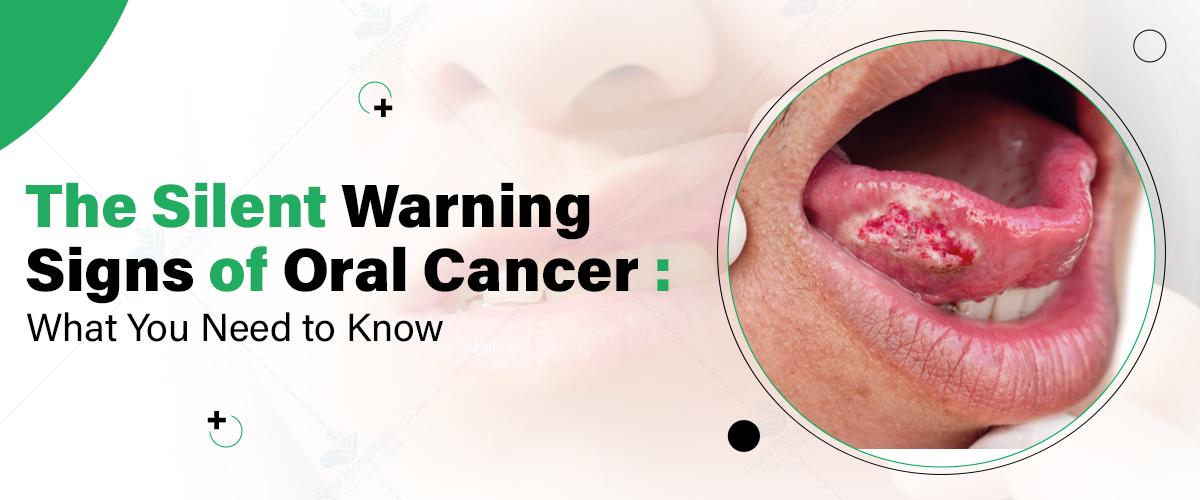
The Silent Warning Signs of Oral Cancer: What You Need to Know

Oral cancer, which includes cancers of the lips, tongue, cheeks, floor of the mouth, hard and soft palate, sinuses, and throat, can have serious implications for an individual’s health and quality of life. Early detection is crucial, as it significantly improves the prognosis and effectiveness of treatment. At the best cancer hospital, understanding the various symptoms of oral cancer can help in recognizing potential issues early on. Let’s delve into the various symptoms of oral cancer, their significance, and the importance of regular dental check-ups for early identification.


Don’t wait for symptoms to worsen! schedule a consultation with our experts at Felix Hospital today by Calling +91 9667064100.


Understanding Oral Cancer

Oral cancer is part of a group of cancers known as head and neck cancers. The most common type of oral cancer is squamous cell carcinoma, which arises from the squamous cells lining the mouth and throat. Oral cancer can develop due to several risk factors, including tobacco use, excessive alcohol consumption, prolonged sun exposure, and certain strains of the human papillomavirus (HPV).
Despite the alarming statistics associated with oral cancer, awareness of its symptoms can lead to early diagnosis and treatment.
 

Symptoms of Oral Cancer

Oral cancer can manifest in various ways, and many symptoms may be mistaken for other less serious conditions. Here are some of the most common symptoms to watch for:

1. Persistent Sores

One of the most common symptoms of oral cancer is the presence of sores or ulcers in the mouth that do not heal. These sores can be painful and may persist for more than two weeks.

What to Look For:

  • A sore that is often white, red, or discolored.

  • A sore that bleeds easily or does not heal properly.


2. Lumps or Thickening in the Oral Tissues

Individuals with oral cancer may notice lumps or thickened areas in the soft tissues of the mouth.

What to Look For:

  • Hard bumps or swollen areas on the gums, cheeks, or tongue.

  • Changes in texture or size of existing lumps.


3. White or Red Patches

The appearance of white patches (leukoplakia) or red patches (erythroplakia) in the mouth can be an early sign of oral cancer. These patches may occur on the gums, tongue, or lining of the mouth.

What to Look For:

  • White patches that cannot be scraped off easily.

  • Red patches that appear suddenly and are painful or tender.
     

4. Difficulty Swallowing or Chewing

Patients may experience difficulty when swallowing or chewing, often described as a sensation of something being stuck in the throat or mouth.

What to Look For:

  • Pain while swallowing or a feeling of obstruction.

  • Changes in the ability to chew food.
     

5. Persistent Mouth Pain

Persistent pain in the mouth that does not resolve over time can be an indicator of oral cancer.

What to Look For:

  • Pain that is localized to one area or is widespread.

  • Pain that may radiate to the ears or neck.


6. Changes in Voice or Speech

Changes in voice quality or difficulty in speaking clearly can occur if cancer affects the areas involved in vocalization.

What to Look For:

  • Hoarseness or a raspy voice.

  • Difficulty articulating words or slurred speech.


7. Unexplained Weight Loss

Significant and unexplained weight loss can be a symptom of various health conditions, including oral cancer.

What to Look For:

  • Sudden weight loss that cannot be attributed to dietary changes or increased physical activity.

  • Loss of appetite or avoidance of certain foods due to pain or discomfort.
     

8. Numbness or Loss of Sensation

A numb feeling or loss of sensation in the mouth or lips can be a sign that cancer is affecting nerve pathways.

What to Look For:

  • Tingling or numbness in the tongue, lips, or other areas of the mouth.

  • Changes in taste or inability to distinguish flavors.


9. Swelling in the Jaw or Neck

Swelling or lumps in the neck or jaw can indicate the spread of cancer or the presence of swollen lymph nodes.

What to Look For:

  • Noticeable swelling in the neck or jaw area.

  • Pain or discomfort in the swollen areas.


10. Bad Breath

Chronic bad breath, known as halitosis, can sometimes accompany oral cancer, especially if there are untreated sores or infections present.

What to Look For:

  • A persistent foul odor from the mouth.

  • Bad breath that does not improve with dental hygiene.


11. Changes in Teeth Alignment

Oral cancer can sometimes lead to changes in how teeth fit together, especially if it affects the jaw.

What to Look For:

  • Teeth that seem to shift or become misaligned.

  • Difficulty with dental appliances like dentures fitting properly.
     

Importance of Early Detection

Recognizing the symptoms of oral cancer early is crucial for improving outcomes. Regular dental check-ups are essential, as dentists are trained to identify early signs of oral cancer. If any symptoms are persistent or concerning, it’s vital to consult a healthcare professional promptly.

Risk Factors for Oral Cancer

While anyone can develop oral cancer, certain risk factors increase the likelihood. These include:

  1. Tobacco Use: Smoking and chewing tobacco significantly raise the risk of developing oral cancers.

  2. Excessive Alcohol Consumption: Heavy drinking is linked to various types of cancers, including oral cancer.

  3. HPV Infection: Certain strains of the human papillomavirus are known to increase the risk of developing oral cancer.

  4. Age: The risk of oral cancer increases with age, particularly in individuals over 40.

  5. Sun Exposure: Prolonged exposure to the sun can lead to lip cancers, particularly in individuals who spend a lot of time outdoors.


Diagnosis of Oral Cancer

If symptoms suggestive of oral cancer are present, a healthcare provider will conduct a thorough examination, including:

  1. Medical History: Understanding the patient's medical history, risk factors, and any previous cancers.

  2. Physical Examination: A complete oral exam to check for sores, lumps, or other abnormalities.

  3. Biopsy: If suspicious areas are found, a biopsy will be performed to test for cancer cells.

  4. Imaging Tests: X-rays, CT scans, or MRIs may be used to assess the extent of the cancer and any potential spread to nearby tissues or lymph nodes.


Treatment Options for Oral Cancer

Treatment for oral cancer depends on several factors, including the type and stage of cancer, overall health, and patient preferences. Common treatment options include:

1. Surgery

Surgical intervention may be necessary to remove cancerous tissue. Depending on the cancer's extent, surgery may involve:

  • Removing tumors or lesions.

  • Partial or total removal of the tongue, jaw, or other affected areas.

  • Reconstructive surgery to restore function and appearance.


2. Radiation Therapy

Radiation therapy uses high-energy rays to kill cancer cells or shrink tumors. It can be used as the primary treatment or as an adjunct to surgery.


3. Chemotherapy

Chemotherapy involves using drugs to kill cancer cells or stop them from dividing. It may be used before surgery (neoadjuvant therapy), after surgery (adjuvant therapy), or as the primary treatment.


4. Targeted Therapy

Targeted therapies focus on specific characteristics of cancer cells, such as specific mutations or proteins. These treatments may be suitable for some patients based on their cancer's genetic makeup.


5. Immunotherapy

Immunotherapy leverages the body's immune system to fight cancer. Treatments like checkpoint inhibitors are increasingly used for various cancers, including oral cancers associated with HPV.


Prevention of Oral Cancer

While not all cases of oral cancer can be prevented, certain lifestyle choices can significantly reduce the risk:

  • Avoid Tobacco: Quitting smoking or using tobacco products is one of the most effective ways to lower the risk of oral cancer.

  • Limit Alcohol Intake: Reducing alcohol consumption can decrease the risk.

  • Practice Good Oral Hygiene: Regular brushing and flossing, along with regular dental visits, can help maintain oral health.

  • Healthy Diet: A diet rich in fruits and vegetables can provide essential nutrients that may help reduce cancer risk.

  • Protect Against HPV: Vaccination against HPV can lower the risk of certain oral cancers associated with the virus.


Know Your Oncologist for Oral Cancer Treatment at Felix Hospital

At Felix Hospital, we have the best doctors specializing in oral cancer treatment, dedicated to providing personalized care for patients. Our approach involves understanding each patient’s unique needs and developing tailored treatment plans that incorporate the latest therapies for oral cancer. Our commitment to patient-centered care ensures that you receive the support and resources necessary for your journey to recovery.

Dr. Mukta Baxi: An accomplished oncologist with extensive experience in treating oral cancer and providing comprehensive cancer care.

Dr. Chinmayee Agrawal: A specialist in managing complex oral cancer cases, focusing on personalized treatment strategies to ensure the best outcomes for her patients.


Take charge of your health! Contact Felix Hospital to book your appointment by Clicking Here.


Conclusion

Oral cancer is a serious condition that can significantly affect an individual's health and well-being. Recognizing the symptoms early is vital for effective treatment and management. Regular dental check-ups and maintaining a healthy lifestyle can contribute to early detection and prevention. If you experience any persistent symptoms or changes in your oral health, consult a healthcare professional immediately. For comprehensive care and treatment, consider seeking help at the best hospital for oral cancer, where specialists can provide tailored support for your needs.


Frequently Asked Questions (FAQs)

1. What are the early signs of oral cancer?

Ans. Early signs of oral cancer may include persistent sores, lumps in the mouth, white or red patches, and unexplained weight loss.


2. How is oral cancer diagnosed?

Ans. Diagnosis typically involves a medical history review, physical examination, biopsy, and imaging tests.


3. Can oral cancer be prevented?

Ans. While not all cases can be prevented, avoiding tobacco and excessive alcohol, maintaining good oral hygiene, and getting vaccinated against HPV can help reduce risk.


4. What are the treatment options for oral cancer?

Ans. Treatment options may include surgery, radiation therapy, chemotherapy, targeted therapy, and immunotherapy.


5. Is oral cancer more common in certain age groups?

Ans. Oral cancer is more common in individuals over 40, particularly those with risk factors like tobacco and alcohol use.


6. What lifestyle changes can help reduce the risk of oral cancer?

Ans. Quitting smoking, limiting alcohol intake, eating a balanced diet rich in fruits and vegetables, and practicing good oral hygiene can help reduce the risk.


7. How does HPV contribute to oral cancer?

Ans. Certain strains of HPV, particularly HPV-16, have been linked to an increased risk of developing oral cancers.


8. What should I do if I notice symptoms of oral cancer?

Ans. If you notice any persistent symptoms, it is essential to consult a healthcare professional for evaluation and possible diagnosis.

Your Health, Our Priority

Request Call Back

Request an Appointment

CAPTCHA
Solve this simple math problem and enter the result. E.g. for 1+3, enter 4.
* By clicking on the above button you agree to receive updates on WhatsApp

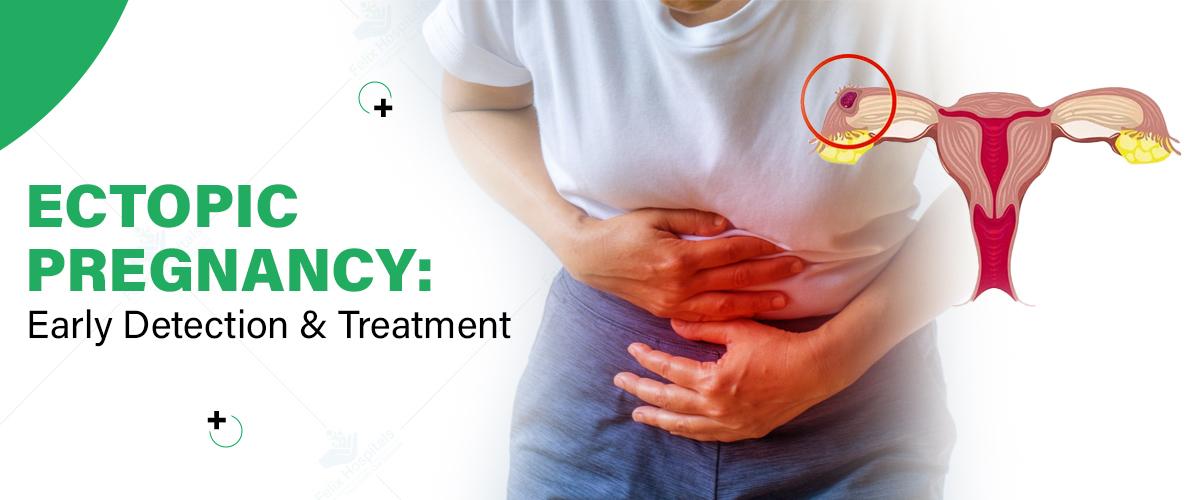
Ectopic Pregnancy: Early Detection and Treatment

Ectopic pregnancy is a serious medical condition that occurs when a fertilized egg implants outside the uterus, most commonly in one of the fallopian tubes. This condition can pose significant health risks to the mother and threaten future fertility. Understanding ectopic pregnancy, its symptoms, early detection methods, and treatment options is crucial for effective management and ensuring the best possible outcomes. For comprehensive care and expert guidance, seeking help from the best gynecologist hospital in Noida is essential.


Contact our team at +91 9667064100 today to schedule a consultation with our expert gynecologists.


What is Ectopic Pregnancy?

An ectopic pregnancy happens when a fertilized egg implants outside the uterus, with the fallopian tubes being the most common site. In rare cases, ectopic pregnancies can occur in other areas, such as the ovaries, cervix, or abdominal cavity. The developing embryo cannot survive outside the uterus, and as the pregnancy grows, it can lead to severe complications, including internal bleeding, if not treated promptly.


Causes of Ectopic Pregnancy

Several factors can increase the risk of ectopic pregnancy:
 

1. Previous Ectopic Pregnancies: A history of ectopic pregnancies significantly increases the likelihood of experiencing another.

2. Inflammation or Infection: Conditions such as pelvic inflammatory disease (PID), often caused by sexually transmitted infections, can damage the fallopian tubes and lead to scarring.

3. Surgery: Previous surgeries involving the fallopian tubes or pelvis can increase the risk of ectopic pregnancy.

4. Fertility Treatments: Certain assisted reproductive technologies may raise the chances of ectopic implantation.

5. Smoking: Tobacco use has been associated with a higher risk of ectopic pregnancy.

6. Endometriosis: This condition can affect the structure and function of the reproductive organs, increasing the likelihood of ectopic pregnancies.


Symptoms of Ectopic Pregnancy

Early detection of ectopic pregnancy is vital for effective treatment. Symptoms may vary but often include:

  • Abdominal Pain: This can range from mild to severe and may be localized to one side.

  • Vaginal Bleeding: Light spotting or heavier bleeding can occur, often mistaken for a normal period.

  • Shoulder Pain: This can happen due to internal bleeding, irritating the diaphragm.

  • Weakness or Dizziness: These symptoms may indicate internal bleeding and should be taken seriously.

  • Nausea and Vomiting: Some women may experience gastrointestinal symptoms.


Early Detection

Detecting an ectopic pregnancy early can be challenging, as the symptoms often resemble those of a normal pregnancy or early miscarriage.


Here are some methods used for early detection:


  • Home Pregnancy Test: A positive home pregnancy test can indicate pregnancy, but it is essential to follow up with a healthcare provider to rule out ectopic pregnancy if any symptoms arise.

  • Blood Tests: Serial blood tests measuring levels of human chorionic gonadotropin (hCG) can help determine the location of the pregnancy. In a healthy intrauterine pregnancy, hCG levels typically rise rapidly; in an ectopic pregnancy, they may rise more slowly or plateau.

  • Ultrasound: A transvaginal ultrasound can help visualize the location of the pregnancy. In cases of ectopic pregnancy, the ultrasound may show an empty uterus or identify the ectopic mass.

  • Physical Examination: A healthcare provider may perform a pelvic exam to check for tenderness, swelling, or masses in the pelvic area.

  • Laparoscopy: In some cases, a minimally invasive surgical procedure called laparoscopy may be necessary to directly visualize the reproductive organs and confirm the diagnosis.


Treatment Options for Ectopic Pregnancy

The treatment for ectopic pregnancy depends on various factors, including the location and size of the ectopic mass, the woman’s overall health, and whether she is experiencing any complications. The main treatment options include:


1. Expectant Management: In some cases, if the ectopic pregnancy is small and not causing symptoms, doctors may choose to monitor the situation. Close observation allows the ectopic tissue to resolve naturally, avoiding surgery or medication.


2. Medications: Methotrexate is a medication that can be used to treat ectopic pregnancy by stopping the growth of rapidly dividing cells. This option is typically considered when the ectopic mass is small, and the woman is stable. Methotrexate is administered as an injection and requires follow-up blood tests to ensure hCG levels are decreasing.


3. Surgery: If the ectopic pregnancy is causing significant symptoms or if there is a risk of rupture, surgical intervention may be necessary. There are two main surgical approaches:


  • Laparoscopy: A minimally invasive procedure where small incisions are made in the abdomen, allowing the surgeon to remove the ectopic tissue and, if necessary, the affected fallopian tube. This method typically leads to faster recovery and less pain.

  • Laparotomy: A more extensive surgical procedure that may be required in cases of severe internal bleeding or when the ectopic mass is large. It involves a larger incision in the abdomen.


Prevention of Ectopic Pregnancy

While it may not be possible to prevent ectopic pregnancy entirely, certain measures can reduce the risk:

  • Regular Gynecological Check-Ups: Routine visits to a healthcare provider can help identify and manage conditions like PID and endometriosis early.

  • Safe Sex Practices: Using protection during sexual intercourse can reduce the risk of sexually transmitted infections, which can lead to PID.

  • Smoking Cessation: Quitting smoking can improve overall reproductive health.

  • Seek Immediate Medical Attention: Women experiencing severe abdominal pain, unusual bleeding, or signs of shock should seek immediate medical care.


Know the Best Gynecologists for Ectopic Pregnancy Treatment

At Felix Hospital, we realize the value of early diagnosis and professional treatment for ectopic pregnancies. Our very dedicated team of gynecologists are specialist doctors with expertise in treating such risky conditions with care, concern, and individual attention. Find more about our experts:


Dr. Charu Yadav

Having lots of experience in gynecology and obstetrics, Dr. Yadav is well-versed in early detection and treatment of ectopic pregnancy for the safety and well-being of the patient. Her field of expertise lies in immediate effective treatment in case of an emergency.


Dr. Sangeeta Sharma

Dr. Sharma excels at being precise in detecting ectopic pregnancy and providing full care, both medical and surgical, and emotionally soothing patients during such a critical phase.


Dr. Sonia Kuruvilla

An expert in minimally invasive surgery, Dr. Kuruvilla handles ectopic pregnancy with caution to maintain fertility and minimize recovery time through laparoscopic intervention whenever feasible.


Dr. Swati Thakur

Dr. Thakur's soothing nature and listening abilities bring relief from the stress of ectopic pregnancy to women. Her emphasis on hormonal balance and diagnostic assessment helps in early diagnosis and safe treatment.


Dr. Pragati Jain

Dr. Jain provides empathetic care to women experiencing the ordeal of ectopic pregnancy. Her individualized practice makes patients feel cared for from diagnosis to recovery, and everything is explained in the process.


Dr. Archna Rathi

Dr. Rathi provides clinical expertise with compassionate care. She guides her patients through the complicated journey of ectopic pregnancy, providing both medical insight and emotional fortitude to carry them through treatment and healing.


We are here to give skilled, compassionate care to anyone experiencing an ectopic pregnancy—attentive to safety, comfort, and informed choice at every turn.


Visit our website to learn more about ectopic pregnancy by Clicking Here.


Conclusion

Ectopic pregnancy is a serious condition that requires prompt recognition and treatment to prevent severe complications. By understanding the causes, symptoms, and available treatment options, women can be better prepared to seek medical attention when necessary. Early detection can significantly improve outcomes and reduce the risk of long-term health issues. If you suspect you may have an ectopic pregnancy or have concerns about your reproductive health, don't hesitate to reach out to a healthcare provider for guidance and support.


FAQs


1. What is an ectopic pregnancy?
Ans: An ectopic pregnancy occurs when a fertilized egg implants outside the uterus, most commonly in the fallopian tubes.
 

2. What are the symptoms of ectopic pregnancy?
Ans: Common symptoms include abdominal pain, vaginal bleeding, shoulder pain, weakness or dizziness, and gastrointestinal discomfort.
 

3. How is ectopic pregnancy diagnosed?
Ans: Diagnosis can involve home pregnancy tests, blood tests to measure hCG levels, ultrasound examinations, and sometimes laparoscopy.
 

4. What are the treatment options for ectopic pregnancy?
Ans: Treatment options include expectant management, medications like methotrexate, and surgical intervention (laparoscopy or laparotomy).
 

5. Can ectopic pregnancy be prevented?
Ans: While not all ectopic pregnancies can be prevented, practicing safe sex, managing infections, and maintaining regular check-ups can help reduce the risk.
 

6. Is ectopic pregnancy dangerous?
Ans: Yes, ectopic pregnancy can be life-threatening if not treated promptly, as it can lead to internal bleeding and other complications.
 

7. Can I have a normal pregnancy after an ectopic pregnancy?
Ans: Many women can have healthy pregnancies following an ectopic pregnancy, but it is essential to discuss individual risks with a healthcare provider.
 

8. When should I seek medical help for a suspected ectopic pregnancy?
Ans: Seek medical attention immediately if you experience severe abdominal pain, unusual bleeding, or signs of shock.

Your Health, Our Priority

Request Call Back

Request an Appointment

CAPTCHA
Solve this simple math problem and enter the result. E.g. for 1+3, enter 4.
* By clicking on the above button you agree to receive updates on WhatsApp

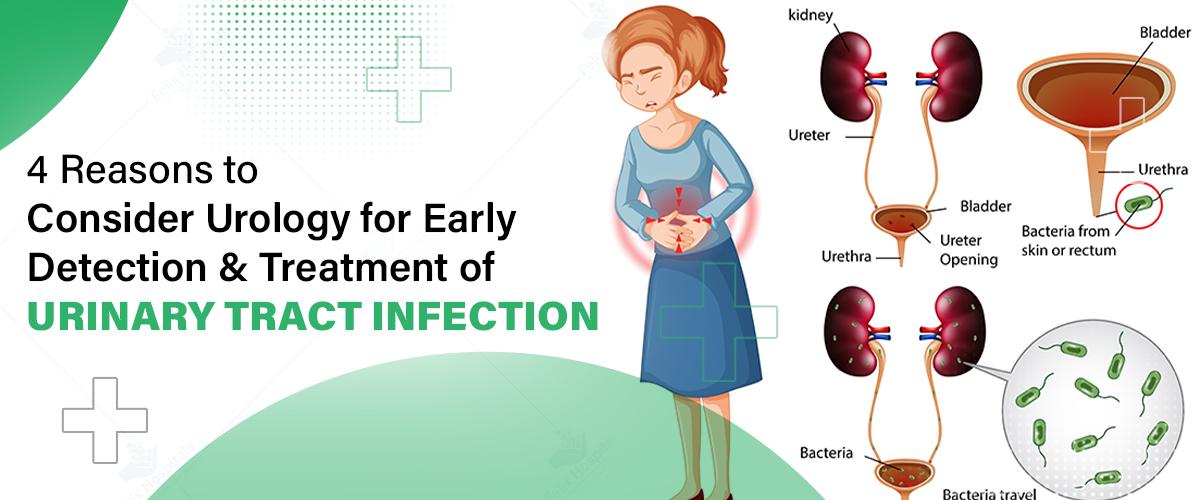
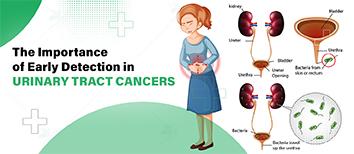
4 Reasons to Consider Urology for Early Detection & Treatment of Urinary tract infection

Urinary tract infections (UTIs) are among the most common infections affecting millions of people each year. They can cause significant discomfort, pain, and serious complications if left untreated. While many individuals may try to manage UTIs at home, consulting a urologist for early detection and treatment is essential for effective care. At the best urinary tract treatment hospital in Noida, expert urologists can provide the specialized attention needed to address these infections. Let’s explore four compelling reasons why urology should be your go-to specialty for managing UTIs.


Don't Wait for Discomfort! Early detection and treatment can help you regain your comfort and health. Schedule your appointment by Clicking Here!


Reasons to Consider Urology for Early Detection
 

1. Specialized Knowledge and Expertise


When you visit a urologist, you benefit from:
 

  • Comprehensive Evaluations: Urologists conduct thorough assessments to determine the underlying causes of your UTI. This includes reviewing your medical history, and symptoms, and performing necessary diagnostic tests.
     
  • Advanced Diagnostic Tools: Urologists have access to advanced diagnostic tools such as ultrasounds, CT scans, and cystoscopy, allowing for a more accurate diagnosis. This can help identify any anatomical abnormalities or complications that may contribute to recurrent UTIs.
     

2. Effective Treatment Plans

After diagnosing a UTI, urologists can create tailored treatment plans that suit your specific needs. They consider various factors such as the type of bacteria causing the infection, your overall health, and any previous medical history. This personalized approach can lead to more effective treatment and quicker recovery.
 

Key components of a urologist's treatment plan may include:
 

  • Antibiotic Therapy: Urologists prescribe the appropriate antibiotics based on culture and sensitivity tests. This ensures you receive the right medication to combat the specific bacteria causing your infection.
     
  • Management of Recurrent Infections: If you experience recurrent UTIs, urologists can explore preventive measures. These may include prophylactic antibiotics, lifestyle modifications, or addressing underlying medical conditions that predispose you to infections.


3. Prevention and Long-term Management

One of the critical roles of a urologist is to provide ongoing care and prevention strategies for UTIs. They focus on not just treating the current infection but also preventing future occurrences. This proactive approach can significantly improve your quality of life and reduce the risk of complications.


Urologists may recommend:
 

  • Lifestyle Modifications: Simple changes, such as increasing fluid intake, practicing good hygiene, and avoiding irritants like caffeine and alcohol, can help prevent UTIs. Urologists can provide personalized advice on making these adjustments.
     
  • Regular Follow-ups: After an initial UTI treatment, urologists often schedule follow-up appointments to monitor your condition. This ensures that any new symptoms are addressed promptly and that your treatment plan remains effective.


4. Identification of Underlying Conditions

Sometimes, recurrent UTIs may be a sign of underlying health issues that require attention. Urologists are trained to identify these conditions and provide appropriate interventions. By seeking urological care, you can address potential problems that may lead to chronic infections.


Potential underlying conditions that urologists may investigate include:
 

  • Kidney Stones: These can obstruct the urinary tract and create an environment conducive to infections. Urologists can provide treatment options, including lithotripsy or surgical removal.
     
  • Anatomical Abnormalities: Congenital abnormalities or structural issues within the urinary tract can predispose individuals to UTIs. Urologists can recommend surgical interventions if necessary.
     
  • Diabetes and Other Systemic Conditions: Chronic illnesses like diabetes can weaken the immune system, making you more susceptible to infections. Urologists can collaborate with other healthcare providers to manage these conditions effectively.


Best Urologist Doctor at Felix Hospital

At Felix Hospital, you’ll find the best doctor for urinary tract infection treatment. Our experienced urologists Dr. Bhanwar Lal Barkesia are dedicated to providing personalized care tailored to your needs, ensuring the best possible outcomes for your urinary health.


Take Charge of Your Health! Are you struggling with recurrent UTIs? Call us to learn more at +91 9667064100.


Conclusion

Urinary tract infections can significantly impact your daily life, and addressing them promptly is essential. While home remedies may provide temporary relief, consulting a urologist for early detection and treatment can lead to better outcomes. Their specialized knowledge, effective treatment plans, focus on prevention, and ability to identify underlying conditions make them invaluable in managing UTIs.


If you suspect you have a UTI or experience recurrent infections, don’t hesitate to seek urological care. Early intervention can prevent complications, improve your quality of life, and set you on the path to better urinary health and understanding the treatment cost of urinary tract infections can help you plan for necessary care without financial stress.

Felix Hospital offers advanced and reliable Urinary Tract Infection (UTI) treatment in Noida with expert urologists ensuring fast relief and complete recovery.


Frequently Asked Questions (FAQs)


1- What are the common symptoms of a urinary tract infection? 

ANS: Common symptoms of a UTI include a frequent urge to urinate, a burning sensation during urination, cloudy or strong-smelling urine, pelvic pain, and sometimes fever or chills.


2-How is a urinary tract infection diagnosed? 

ANS: UTIs are typically diagnosed through a urine sample, which is tested for bacteria, white blood cells, and other indicators of infection. In some cases, imaging tests or cystoscopy may be recommended.


3-What are the main causes of urinary tract infections? 

ANS: UTIs are usually caused by bacteria entering the urinary tract, commonly from the rectal area. Factors such as sexual activity, certain types of birth control, menopause, and urinary retention can increase the risk.


4-Can I treat a UTI at home? 

ANS: While some mild UTIs may improve with home remedies, it's essential to consult a healthcare professional for proper diagnosis and treatment to prevent complications.


5-What is the typical treatment for a urinary tract infection? 

ANS: UTIs are commonly treated with antibiotics. The specific antibiotic prescribed will depend on the type of bacteria causing the infection and its sensitivity to the medication.


6-How can I prevent recurrent urinary tract infections? 

ANS: Preventive measures include drinking plenty of water, urinating before and after sexual intercourse, wiping front to back after using the toilet, and avoiding irritants like caffeine and alcohol.


7-When should I see a urologist for a urinary tract infection?

ANS: You should consult a urologist if you experience recurrent UTIs, if symptoms worsen or persist despite treatment, or if you have underlying health conditions that may complicate your infection.
 

Your Health, Our Priority

Request Call Back

Request an Appointment

CAPTCHA
Solve this simple math problem and enter the result. E.g. for 1+3, enter 4.
* By clicking on the above button you agree to receive updates on WhatsApp

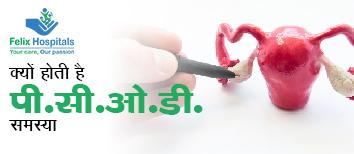
ओव्यूलेशन के इन 11 लक्षणों को ध्यान में रखना बेहद आवश्यक

ओव्यूलेशन (Ovulation) वह प्रक्रिया है जिसमें महिला के अंडाशय से एक पका हुआ अंडाणु (एग) हर माह निकलता है। यह प्रक्रिया मासिक चक्र के दौरान होती है और यह गर्भधारण (pregnancy) के लिए आवश्यक है ओव्यूलेशन आमतौर पर मासिक धर्म चक्र के मध्य में होता है, लगभग 12 से 16 दिन पहले अगला मासिक धर्म शुरू होता है। यदि आपका चक्र 28 दिनों का है, तो ओव्यूलेशन 14वें दिन के आसपास होता है। बहुत अधिक या बहुत कम वजन होना ओव्यूलेशन को प्रभावित कर सकता है जिसके चलते आपको अच्छे स्त्रीरोग हॉस्पिटल (best gynecologist hospital in noida) से संपर्क करना आवश्यक है। स्वस्थ वजन बनाए रखने से ओव्यूलेशन और मासिक चक्र नियमित रह सकते हैं। जानिए इसके लक्षण से लेकर इलाज तक के बारे में विस्तार से.


ज्यादा जानकारी के लिए हमें कॉल करें +91 9667064100.
 

ओव्यूलेशन क्या है? (What is Ovulation)

ओव्यूलेशन वह प्रक्रिया है जिसमें एक महिला के अंडाशय (ovary) से एक पका हुआ अंडाणु (egg) निकलता है। यह प्रक्रिया हर मासिक चक्र (menstrual cycle) के मध्य में होती है, सामान्यतः 12वें से 16वें दिन के बीच, जब महिला की मासिक चक्र की अवधि 28 दिन की होती है। ओव्यूलेशन के दौरान, अंडाणु को फैलोपियन ट्यूब (fallopian tube) के माध्यम से गर्भाशय (uterus) की ओर बढ़ने का मौका मिलता है। यह वह समय होता है जब महिला सबसे अधिक गर्भधारण करने की संभावना रखती है। यदि इस समय अंडाणु का निषेचन (fertilization) शुक्राणु (sperm) से होता है, तो गर्भावस्था की शुरुआत हो सकती है। यदि निषेचन नहीं होता है, तो अंडाणु और गर्भाशय की परत मासिक धर्म (menstruation) के रूप में शरीर से बाहर निकल जाती है।
 

ओव्यूलेशन के लक्षण (Symptoms of Ovulation)

1. योनि स्राव में बदलाव:

ओव्यूलेशन के समय योनि स्राव (cervical mucus) अधिक पतला, पारदर्शी और चिपचिपा हो जाता है। जो कच्चे अंडे के सफेद हिस्से जैसा होता है। यह शुक्राणु के लिए उपयुक्त वातावरण प्रदान करता है जिससे निषेचन की संभावना बढ़ती है।


2.गर्भाशय ग्रीवा की स्थिति में परिवर्तन:

ओव्यूलेशन के समय गर्भाशय ग्रीवा (cervix) अधिक नरम, ऊंची और खुली हुई हो सकती है।


3. हल्का पेट दर्द:

कुछ महिलाओं को ओव्यूलेशन के दौरान पेट के निचले हिस्से में हल्का दर्द या चुभन महसूस होती है, जिसे मित्तेलश्मेर्ज़ (Mittelschmerz) कहा जाता है। यह दर्द आमतौर पर एक ही तरफ होता है, जहां अंडाणु निकल रहा होता है।

ओव्यूलेशन

4.शरीर का बढ़ा हुआ तापमान:

ओव्यूलेशन के बाद शरीर का बेसल तापमान (basal body temperature) थोड़ी मात्रा में बढ़ जाता है। यह बढ़ोतरी हार्मोन प्रोजेस्टेरोन (progesterone) की वजह से होती है, और इसे मापने से ओव्यूलेशन के समय का पता लगाया जा सकता है।


5.हार्मोनल बदलाव:

टेस्टोस्टेरोन और एस्ट्रोजन जैसे हार्मोन सेक्स ड्राइव को प्रभावित कर सकते हैं। हार्मोनल बदलाव जैसे युवावस्था ओव्यूलेशन गर्भावस्था या रजोनिवृत्ति के दौरान (During menopause) यौन इच्छा बढ़ सकती है।


6.स्तनों में कोमलता:

हार्मोनल बदलावों के कारण स्तनों में कोमलता या सूजन महसूस हो सकती है।


7.स्वाद और गंध की संवेदनशीलता:

ओव्यूलेशन (ovulation) के समय कुछ महिलाओं को स्वाद और गंध के प्रति अधिक संवेदनशीलता हो सकती है।


8.हल्का खून आना:

कुछ महिलाओं को हल्का धब्बेदार रक्तस्राव (spotting) भी हो सकता है, जो ओव्यूलेशन का सामान्य लक्षण (symptoms of ovulation) है।


9.पेट की सूजन:

ओव्यूलेशन के समय कुछ महिलाओं को पेट में सूजन (Abdominal swelling in hindi) महसूस हो सकती है, जो हार्मोनल बदलावों का परिणाम होता है।


10.शरीर के तापमान में वृद्धि:

ओव्यूलेशन के समय शरीर का तापमान सामान्य से थोड़ा बढ़ जाता है। यह वृद्धि आमतौर पर 0.5 से 1 डिग्री फ़ारेनहाइट होती है। इसे ट्रैक करने के लिए महिलाएं बेसल बॉडी थर्मामीटर का उपयोग करती हैं।


11.गर्भाशय ग्रीवा में परिवर्तन:

ओव्यूलेशन से पहले और इसके दौरान गर्भाशय ग्रीवा का आकार पतला और चिपचिपा हो जाता है, जिसका उद्देश्य शुक्राणु (Sperm) को अंडे तक पहुंचाना होता है। यह कच्चे अंडे की सफेदी के समान दिखता है।


ओव्यूलेशन से जुडी सलाह के लिए जाने फेलिक्स हॉस्पिटल के अच्छे स्त्रीरोग विशेषज्ञ

ओव्यूलेशन के दौरान दर्द या असुविधा का सामना कर रही हैं? फेलिक्स हॉस्पिटल में हमारी अनुभवी स्त्रीरोग विशेषज्ञ—डॉ. संगीता शर्मा, डॉ. चारू यादव, और डॉ. सोनिया कुरुविला—आपकी ज़रूरतों के अनुसार व्यक्तिगत और प्रभावी देखभाल प्रदान करने के लिए समर्पित हैं। नोएडा के सर्वश्रेष्ठ स्त्रीरोग विशेषज्ञ अस्पताल के रूप में, हम आपकी सेहत और खुशहाली को प्राथमिकता देते हैं। आज ही संपर्क करें और ओव्यूलेशन से जुड़ी विशेषज्ञ सहायता प्राप्त करें।


फर्टिलिटी स्पेशलिस्ट, प्रसूति एवं स्त्री रोग विशेषज्ञ डॉक्टर की सलाह के लिए आज ही फ़ोन करें - +91 9667064100.


निष्कर्ष (Conclusion)

ओव्यूलेशन के दौरान शरीर में हार्मोनल और शारीरिक परिवर्तन (physical changes) होते हैं, जिनसे महिलाएं अपने उपजाऊ दिनों की पहचान कर सकती हैं। यह प्रक्रिया गर्भधारण की संभावना को अधिकतम करने के लिए महत्वपूर्ण होती है।ओव्यूलेशन की प्रक्रिया महिला की प्रजनन क्षमता के लिए महत्वपूर्ण होती है और इस पर बहुत से कारक प्रभाव डाल सकते हैं जैसे हार्मोनल स्वास्थ्य, जीवनशैली, तनाव और स्वास्थ्य की अन्य समस्याएं। इन हार्मोनल प्रक्रियाओं का तालमेल ओव्यूलेशन सुनिश्चित करता है। 


यदि इन हार्मोनल प्रक्रियाओं में कोई गड़बड़ी होती है, तो यह ओव्यूलेशन की प्रक्रिया (process of ovulation) को प्रभावित कर सकती है और गर्भधारण करने में कठिनाई हो सकती है इसके लिए आप गर्भावस्था प्लानिंग टिप्स (pregnancy planning tips) अपनाइये। इनमें से किसी भी विधि का उपयोग करने से पहले डॉक्टर या स्वास्थ्य विशेषज्ञ से सलाह लेना महत्वपूर्ण है, ताकि आपकी आवश्यकताओं और स्वास्थ्य की स्थिति के आधार पर उपयुक्त गर्भनिरोधक उपाय चुना जा सके। ओव्यूलेशन समस्याओं के इलाज के लिए सही उपचार का चयन व्यक्तिगत स्थिति और कारण पर निर्भर करता है।

Written and verified by:
Dr. Sonia Kuruvilla

Dr. Sonia Kuruvilla

MBBS, MS OBG | Exp: 17 Yr
Obstetrics & Gynecology

Dr. Sonia Kuruvilla is an experienced Obstetrician and Gynecologist with 17+ years of expertise in women’s healthcare. She provides compassionate and personalized care for pregnancy, gynecological disorders, and reproductive health. Recognized among the Best Gynecologists in Noida, she is known for delivering safe and high-quality women’s care.

Your Health, Our Priority

Request Call Back

Request an Appointment

CAPTCHA
Solve this simple math problem and enter the result. E.g. for 1+3, enter 4.
* By clicking on the above button you agree to receive updates on WhatsApp

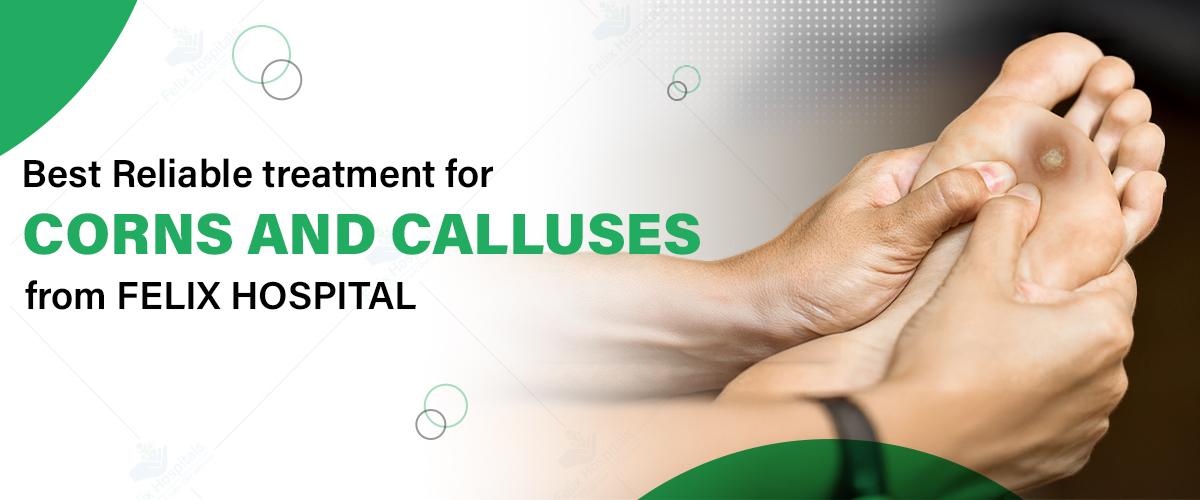
A perfect and the Best Reliable Treatment for Corn and Calluses

Corns and calluses are thickened areas of skin that develop due to repeated friction, pressure, or irritation. While both are similar, they tend to occur in different parts of the body and have slightly distinct characteristics. Corns are smaller and usually form on the tops and sides of toes, while calluses are larger, thicker, and develop on weight-bearing areas such as the soles of the feet or palms.


Though not typically a serious medical condition, corns and calluses can be uncomfortable, painful, and cosmetically undesirable. Luckily, numerous reliable treatment options exist to manage and remove them effectively. This guide will cover the causes, symptoms, diagnosis, and the best treatments for corns and calluses, ensuring long-term relief. If you’re looking for effective care, consider visiting the best hospital for corns and calluses in Noida for expert evaluation and personalized treatment plans tailored to your specific needs.


Don’t let corns and calluses affect your comfort! Call +91 9667064100 to book an appointment with our expert team at Felix Hospital today.


What Are Corns and Calluses?

Corns and calluses are the body’s natural response to pressure and friction. The skin thickens to protect itself from injury, but if the thickening continues, it can lead to painful and hardened patches of skin.


Corns are smaller and usually more painful, with a dense, hard center often surrounded by inflamed skin. They generally form on non-weight-bearing areas like the tops, sides, or between toes.


Calluses, on the other hand, are larger patches of thickened skin that are usually painless. They often form on the bottom of the feet, especially under the heels, or on the palms from repetitive motion.


Causes of Corns and Calluses


  • Ill-Fitting Footwear: Shoes that are too tight or too loose can cause constant rubbing and pressure, leading to the formation of corns and calluses.

  • High-Heeled Shoes: Women who wear high heels are more prone to developing corns due to the excess pressure on their toes.

  • Repetitive Movements: Activities like running, walking, or manual labor can lead to calluses, especially on the feet and hands.

  • Foot Deformities: Conditions such as hammertoes or bunions can cause abnormal pressure on certain areas of the foot, promoting the development of corns and calluses.

  • Occupational Factors: Jobs that require prolonged standing or walking, or those involving frequent use of hand tools, increase the risk of developing calluses.

  • Barefoot Walking: Walking barefoot on hard surfaces can result in calluses as the skin attempts to protect itself from repeated friction.


Symptoms of Corns and Calluses

Corns and calluses are easy to identify based on their appearance and the discomfort they cause. Symptoms include:
 

  • Thickened, hardened skin: The affected area becomes visibly thick and hard.

  • Pain and discomfort: Corns may cause sharp pain, particularly when pressure is applied. Calluses are usually painless but can cause discomfort over time.

  • Raised bumps: Corns tend to form in a conical shape, while calluses have a flatter, broader appearance.

  • Dry, flaky skin: The affected area often becomes dry, and cracks may develop.

  • Tenderness or swelling: If the thickened skin is irritated, it may become red and tender.


Diagnosis

A healthcare professional can easily diagnose corns and calluses through a physical examination. In some cases, they may ask about your lifestyle, footwear, and daily activities to pinpoint the cause.


In rare situations, additional tests might be needed to rule out other conditions, such as warts or cysts, that can mimic corns and calluses. Additionally, underlying foot deformities may require further investigation, such as X-rays, to understand pressure distribution on the foot.


Reliable Treatment Options for Corns and Calluses

Effective treatment for corns and calluses often involves a combination of professional medical intervention and home remedies. Below are the most reliable treatments for managing and removing corns and calluses:


1. At-Home Remedies

While mild corns and calluses can sometimes be treated at home, more severe cases may require professional care. Here are some home-based treatments that can help alleviate discomfort and reduce the size of the corn or callus:

  • Soaking the Feet: Soaking the affected area in warm, soapy water softens the skin, making it easier to remove dead skin cells. You can do this for 10 to 15 minutes daily.
    Exfoliation with a Pumice Stone: Gently rubbing a pumice stone over the corn or callus after soaking can help reduce thickness. Be careful not to remove too much skin, as this can lead to injury.

  • Moisturizing Creams: Applying moisturizing creams or lotions with urea, salicylic acid, or lactic acid can soften hard skin and make it easier to manage over time.
    Over-the-Counter Cushions and Pads: Specially designed corn or callus pads can help relieve pressure and prevent further irritation. These are available at most pharmacies.

  • Footwear Adjustments: Wearing shoes that fit properly and have enough space for your toes can help reduce pressure on the affected areas. Avoid high heels and tight shoes.


2. Medical Treatments

If home remedies don’t provide relief or if corns and calluses become painful, you may need professional treatment. Here are some of the most common medical interventions:

  • Debridement: A healthcare provider can safely remove the thickened skin using a scalpel. This procedure is typically painless and provides immediate relief.

  • Medicated Patches: These contain salicylic acid, which works by softening the thickened skin, allowing for easier removal. Be cautious when using medicated patches, as they can irritate surrounding healthy skin.

  • Orthotic Devices: Custom-made shoe inserts may be prescribed to correct abnormal foot mechanics that contribute to corns and calluses.

  • Cryotherapy: For stubborn corns, cryotherapy may be used. This involves freezing the area with liquid nitrogen to remove the hardened skin.

  • Laser Therapy: In severe cases, laser treatments can be used to reduce the size of corns and calluses and eliminate any underlying infection or inflammation.


3. Surgical Treatment

Surgical treatment is rarely needed for corns and calluses unless they are caused by an underlying deformity, such as bunions or hammertoes. In such cases, surgery may be recommended to correct the deformity, relieving pressure on the foot and preventing the recurrence of corns or calluses.


Prevention of Corn and Calluses

The key to preventing corns and calluses lies in reducing the friction and pressure that causes them. Here are some preventive measures to consider:

  • Wear Proper Footwear: Choose shoes that fit well and provide ample space for your toes. Avoid wearing tight or high-heeled shoes for long periods.

  • Use Cushions and Padding: Gel pads, moleskin, and corn pads can help prevent friction and pressure on vulnerable areas of the foot.

  • Moisturize Regularly: Keep the skin on your feet and hands well-moisturized to prevent dryness and cracking.
    Wear Gloves: If your job or hobbies involve repetitive hand movements, wear gloves to reduce friction on your hands.

  • Trim Nails Regularly: Keep your toenails trimmed to avoid putting extra pressure on your toes.

  • Manage Foot Deformities: If you have a foot deformity such as a bunion or hammertoe, consult with a podiatrist to manage the condition and prevent the formation of corns or calluses.


Discover Top Dermatologists at Felix Hospital

At Felix Hospital, we are proud to have some of the Best Corns Removal doctors, including Dr. Kusum Gupta, who bring their extensive expertise in treating a wide range of skin conditions. From acne and eczema to psoriasis and more complex concerns, their personalized treatment plans are designed to deliver effective, long-lasting results. With a focus on individual patient needs, they ensure that you receive the highest standard of care to maintain healthy and glowing skin.


Get professional help now by Clicking Here! Visit Felix Hospital for advanced treatment options and start your journey to healthier, pain-free feet.


Conclusion

Corns and calluses are common conditions that, while not usually serious, can cause significant discomfort if left untreated. Fortunately, there are several reliable treatment options available, ranging from simple home remedies to more advanced medical interventions. The cost of corns and calluses treatment in Noida can vary depending on the severity of the condition and the specific treatment method chosen. With proper care and prevention, you can avoid the recurrence of these skin conditions and maintain healthy, comfortable feet and hands. For effective evaluation and treatment options, consider consulting a qualified dermatologist who can provide tailored solutions to meet your needs.


Frequently Asked Questions (FAQs):
 

  • Can corns and calluses lead to infection?
    ANS: Yes, if not treated properly, corns and calluses can crack and allow bacteria to enter, which can lead to infection.
     

  • How can I prevent corns and calluses from forming again?
    ANS: Prevent them by wearing properly fitting shoes, using protective padding, moisturizing your skin regularly, and addressing any underlying foot deformities with a healthcare provider.
     

  • Are there any risks involved with using medicated corn pads?
    ANS: Medicated corn pads contain salicylic acid, which can cause irritation or damage to surrounding healthy skin if not used correctly. It’s best to consult a doctor before use.
     

  • What type of shoes should I wear to avoid corns and calluses?
    ANS: Wear well-fitted, comfortable shoes with enough room for your toes. Avoid high heels and shoes that are too tight or too loose.
     

  • Is surgery always necessary for corns and calluses?
    ANS: No, surgery is rarely needed unless a foot deformity is causing repeated pressure that results in corns or calluses. Most cases can be managed with conservative treatments.
     

  • How long after treatment will I notice relief from corns and calluses?
    ANS: Relief can be immediate after medical procedures like debridement, but for home treatments, it may take a few weeks with consistent care.
     

  • Can I use a razor or sharp object to remove corns and calluses?
    ANS: It’s not recommended to use sharp objects at home, as this can cause injury or infection. Always seek professional care for removal.
     

  • Do corns and calluses indicate a more serious health condition?
    ANS: Corns and calluses are typically not a sign of a serious health issue, but in some cases, they can be linked to foot deformities or improper gait, which might require further medical evaluation.
     

Your Health, Our Priority

Request Call Back

Request an Appointment

CAPTCHA
Solve this simple math problem and enter the result. E.g. for 1+3, enter 4.
* By clicking on the above button you agree to receive updates on WhatsApp

Managing Mumps: Symptoms, Treatment, Prevention, and Cost

Mumps is a contagious viral infection that primarily affects the salivary glands, causing swelling in the face and neck area. While vaccines have made mumps less common in many parts of the world, outbreaks can still occur, particularly in areas with low vaccination rates. Managing mumps effectively requires understanding the symptoms, treatment options, prevention methods, and the potential cost of care. This guide aims to provide the best information on mumps to help you identify and manage the condition better.


If you have mumps, it's important to seek timely medical care. Knowing how to manage mumps is crucial, but having access to the Best mumps treatment hospital for children can make all the difference in ensuring a swift and smooth recovery.


If you or a loved one is experiencing symptoms of mumps, don’t hesitate to contact us today at +91 9667064100 for professional care and advice at Felix Hospital.


What is Mumps?

Mumps is an infectious viral disease caused by the mumps virus. It typically affects the parotid glands, which are one of three sets of salivary glands located near your ears. The virus can cause painful swelling in these glands, leading to noticeable puffiness in the face. Mumps can also affect other parts of the body, including the brain, pancreas, and reproductive organs, though these complications are less common.


Mumps primarily spreads through respiratory droplets from coughing or sneezing, and it can also be transmitted by sharing utensils or touching surfaces contaminated with the virus. Once a person is infected, the virus has an incubation period of about two weeks before symptoms start to appear.


Symptoms of Mumps 

Symptoms of mumps can vary from person to person, but the most common and recognizable symptom is swelling in the parotid glands. Some people may have very mild symptoms or none at all, especially if they’ve been vaccinated. However, for those who do experience symptoms, they typically appear around 16-18 days after exposure to the virus.


Common symptoms of mumps include:
 

  • Swollen, painful salivary glands: Usually, the parotid glands on one or both sides of the face are swollen, causing a “chipmunk cheeks” appearance.
     
  • Fever: A mild to moderate fever often accompanies the swelling.
     
  • Headache: Many patients experience headaches, which can range from mild to severe.
     
  • Muscle aches: Muscle pain is another common symptom of mumps.
     
  • Fatigue: Feeling tired or lethargic is a frequent symptom.
     
  • Loss of appetite: Reduced appetite and difficulty eating due to pain in the jaw area are common during a mumps infection.
     
  • Pain while chewing or swallowing: This is often due to the swollen glands around the jaw and neck.


In some rare cases, mumps can lead to more severe complications, including:
 

  1. Meningitis: Inflammation of the membranes surrounding the brain and spinal cord.
     
  2. Orchitis: Inflammation of the testicles in males, which can lead to infertility if not treated.
     
  3. Oophoritis: Inflammation of the ovaries in females, although this is less common than orchitis.
     
  4. Pancreatitis: Inflammation of the pancreas, leading to abdominal pain.
     
  5. Hearing loss: Though rare, mumps can lead to permanent hearing loss.


Causes of Mumps 

Mumps is caused by the mumps virus, a member of the paramyxovirus family. It spreads from person to person through infected saliva, nasal secretions, and close contact with an infected individual. You can contract the virus by:
 

  • Breathing in droplets of saliva from someone who has mumps, especially if they sneeze or cough near you.
     
  • Sharing utensils or drinks with an infected person.
     
  • Touching surfaces contaminated with the virus and then touching your nose, mouth, or eyes.


The risk of contracting mumps increases if you are not vaccinated, travel to areas where mumps is prevalent, or spend time in close-contact settings, such as schools, colleges, or dormitories.


Diagnosis of Mumps 

Diagnosing mumps usually begins with a physical examination, where the doctor will look for the characteristic swollen parotid glands. The doctor may also ask about your symptoms and recent exposure to anyone with mumps. In addition to the physical exam, several diagnostic tests may be used to confirm the infection:

  • Viral culture: A sample of your saliva or throat swab may be collected to test for the mumps virus.
     
  • Blood tests: These can detect antibodies produced by the immune system in response to the mumps virus.
     
  • Urine or cerebrospinal fluid tests: In more severe cases, testing fluids like urine or cerebrospinal fluid can help diagnose complications such as meningitis or encephalitis.
     

Treatment of Mumps

There is no specific antiviral treatment for mumps. The infection is typically self-limiting, meaning it resolves on its own within a few weeks. However, treatment focuses on relieving symptoms and preventing complications. Common treatments include:
 

  • Pain relievers: Over-the-counter pain relievers like acetaminophen or ibuprofen can help reduce fever, headaches, and muscle pain.
     
  • Cold compresses: Applying a cold compress to swollen glands can help reduce pain and swelling.
     
  • Hydration: Drinking plenty of fluids is essential to prevent dehydration, especially when fever is present.
     
  • Rest: Adequate rest allows the body to recover faster from the infection.
     
  • Soft foods: Eating soft foods and avoiding acidic or spicy foods can make it easier to eat while the glands are swollen.

 
For more severe cases, especially those involving complications like meningitis or orchitis, hospitalization and more intensive care may be required. In such situations, antiviral or anti-inflammatory medications may be administered to manage symptoms.


Prevention of Mumps

Prevention is primarily achieved through vaccination. The mumps vaccine is part of the MMR (measles, mumps, and rubella) vaccine, which is typically given in two doses during childhood. The vaccine is highly effective, significantly reducing the risk of mumps infection.


Other preventive measures include:
 

  • Avoid contact with infected individuals: If someone in your household has mumps, keep your distance to avoid catching the virus.
     
  • Good hygiene practices: Wash your hands frequently with soap and water, and avoid touching your face.
     
  • Cover your mouth and nose when sneezing or coughing: This can help prevent the spread of the virus to others.
     
  • Disinfect surfaces: Regularly clean and disinfect surfaces that may be contaminated with the virus, especially in communal areas like bathrooms and kitchens.


Cost of Mumps Treatment

The Cost of mumps treatment in Noida depends on several factors, including the severity of the infection, the treatment required, and the healthcare facility chosen for care. Consultation with a pediatrician can help you understand the costs involved based on your specific needs.


Meet the Best pediatrician at Felix Hospital


At Felix Hospital in Noida, we take pride in our team of highly skilled pediatricians who specialize in treating a wide range of childhood infections, including mumps. Dr. Vishrut Singh, Dr. Prabhat Kumar, and Dr. Niraj Kumar are dedicated to providing compassionate, personalized care for every young patient, ensuring their health and well-being are prioritized.


With state-of-the-art medical facilities, our team is committed to delivering prompt and effective treatment for all pediatric conditions. If you're seeking the  best pediatric care in Noida for mumps or any other health concern, contact us today for expert guidance and treatment.


For expert medical care, contact Felix Hospital at +91 9667064100 or visit our website for more information. We are here to support your health and well-being.


Conclusion

Mumps is a viral infection that can lead to significant discomfort and potential complications, but with the right care and preventive measures, it is manageable. Understanding the symptoms, causes, and treatment options can help you take the necessary steps to protect yourself and others from the infection. If you experience any signs of mumps, it’s essential to consult a healthcare professional for diagnosis and treatment.


FAQs about Mumps

1. What are the first signs of mumps?
 Ans: The first signs usually include swelling of the salivary glands, fever, headache, and fatigue.
 

2. How long do mumps last?
Ans: Mumps typically lasts for about 7 to 10 days, though full recovery can take up to two weeks.
 

3. Can mumps be prevented?
Ans: Yes, mumps can be effectively prevented through vaccination (MMR vaccine) and practicing good hygiene.
 

4. Is mumps contagious?
Ans: Yes, mumps is highly contagious and can spread through coughing, sneezing, or sharing utensils.
 

5. Can adults get mumps?
Ans: Yes, adults can get mumps, especially if they haven’t been vaccinated or were only partially vaccinated.
 

6. Is there a cure for mumps?
Ans: There is no specific cure for mumps; treatment focuses on relieving symptoms and preventing complications.
 

7. What complications can arise from mumps?
Ans: Complications include meningitis, orchitis, oophoritis, pancreatitis, and, in rare cases, hearing loss.
 

8. When should I see a doctor for mumps?
Ans: You should see a doctor if you experience swollen glands, fever, and pain while chewing or swallowing.
 

9. Is the MMR vaccine safe?
Ans: Yes, the MMR vaccine is safe and effective in preventing mumps, measles, and rubella.
 

Your Health, Our Priority

Request Call Back

Request an Appointment

CAPTCHA
Solve this simple math problem and enter the result. E.g. for 1+3, enter 4.
* By clicking on the above button you agree to receive updates on WhatsApp

Tooth Sensitivity? Explore Our Effective Treatment Options!

Tooth sensitivity, a common dental concern affecting millions globally, can disrupt everyday activities such as eating, drinking, and speaking. This condition manifests as a sharp, sudden pain or discomfort when teeth come into contact with hot, cold, sweet, or acidic substances. For some, the pain may be temporary; for others, it can be a persistent issue requiring professional dental care. Understanding the causes, symptoms, and treatment options is crucial for finding effective relief if you're struggling with tooth sensitivity. At the best dental hospital in Noida, ensure personalized care and advanced treatment options to help you manage tooth sensitivity and maintain optimal oral health.


Schedule a consultation and take the first step toward lasting relief. Call Now at +91 9667064100.
 

What is Tooth Sensitivity?

Tooth sensitivity, also known as dentin hypersensitivity, occurs when the enamel (the protective outer layer of teeth) wears down or when the gums recede, exposing the inner layers of the tooth, including the dentin and nerve endings. When exposed to certain stimuli, such as cold or heat, these nerve endings send signals to the brain, resulting in sharp pain or discomfort.


Tooth sensitivity can affect one or more teeth and can range from mild discomfort to severe pain. It’s important to understand that tooth sensitivity is often a symptom of an underlying dental issue, so addressing it promptly is essential for preventing further complications.
 

Causes of Tooth Sensitivity

To effectively treat tooth sensitivity, it's important to identify the underlying cause. Here are the most common causes of tooth sensitivity:


1. Enamel Erosion

Enamel is the hard outer layer of your teeth that acts as a protective shield. However, enamel can wear down due to poor oral hygiene, acidic foods and beverages, or over-aggressive brushing. When enamel thins, the sensitive dentin layer underneath becomes exposed, leading to tooth sensitivity.


2. Gum Recession

Gum recession occurs when the gum tissue pulls back or recedes from the teeth, exposing the tooth roots. Since tooth root canal are not covered by enamel, they are more sensitive to external stimuli, resulting in discomfort or pain.


3. Tooth Decay (Cavities)

Cavities or tooth decay can create holes in the enamel, exposing the dentin and nerves. This exposure can lead to increased sensitivity when consuming hot, cold, or sweet foods and drinks.


4. Bruxism (Teeth Grinding)

Teeth grinding or clenching, also known as bruxism, can wear down the enamel over time, making teeth more vulnerable to sensitivity. Many people may not be aware that they grind their teeth, particularly at night, but it can cause serious dental damage.


5. Cracked or Damaged Teeth

A crack or fracture in a tooth can expose the dentin, leading to sensitivity. Additionally, cracked teeth can harbor bacteria, leading to infection and further tooth sensitivity.


6. Dental Procedures

Some dental treatments, such as teeth whitening, fillings, or crowns, may cause temporary sensitivity. This type of sensitivity usually subsides after a few days, but if it persists, it's important to consult with your dentist.
 

7. Acidic Foods and Beverages

Frequent consumption of acidic foods and drinks, such as citrus fruits, soda, and wine, can erode enamel over time, leading to increased tooth sensitivity.
 

Symptoms of Tooth Sensitivity

The primary symptom of tooth sensitivity is sharp, sudden pain or discomfort in response to certain triggers. Common symptoms include:


  • Pain when eating or drinking hot, cold, sweet, or acidic substances

  • Discomfort when brushing or flossing

  • Sensitivity to cold air or breathing through the mouth

  • Pain that is localized to one or more teeth


If you experience persistent tooth sensitivity, it's essential to consult a dentist to determine the cause and appropriate treatment.
 

Effective Treatment Options for Tooth Sensitivity

Fortunately, tooth sensitivity can be managed and treated through various methods, depending on its cause. Here are some of the most effective treatment options:


1. Desensitizing Toothpaste

One of the most common and accessible treatments for mild tooth sensitivity is using desensitizing toothpaste. These toothpastes contain compounds that help block pain signals from reaching the nerves in your teeth. Over time, regular use of desensitizing toothpaste can provide relief from sensitivity.
 

How it works: Desensitizing toothpastes contain active ingredients like potassium nitrate or strontium chloride, which help to block the pathways from the surface of the tooth to the nerve.
 

When to use: For best results, use desensitizing toothpaste twice daily in place of your regular toothpaste.
 

2. Fluoride Treatments

For more severe cases of sensitivity, professional fluoride treatments can help strengthen tooth enamel and reduce sensitivity. Fluoride is a mineral that helps to remineralizer the tooth surface, protecting against decay and sensitivity.
 

How it works: Fluoride treatments can be applied directly to the sensitive areas of your teeth in the form of varnish, foam, or gel. These treatments strengthen the enamel, making it more resistant to acid erosion and sensitivity.
 

When to use: Your dentist may recommend fluoride treatments during regular dental visits, or they may prescribe at-home fluoride trays.
 

3. Dental Sealants

Dental sealants are thin, protective coatings applied to the chewing surfaces of the teeth to prevent decay and minimize sensitivity. Sealants act as a barrier, protecting the exposed dentin and reducing sensitivity.
 

How it works: The sealant material is painted onto the surface of the tooth and hardens to form a protective layer over the sensitive areas, preventing external stimuli from reaching the nerves.
 

When to use: Sealants are commonly used on molars and premolars, especially in children, but they can also be beneficial for adults with sensitive teeth.
 

4. Gum Grafting

If gum recession is the cause of your tooth sensitivity, your dentist may recommend a gum graft. This surgical procedure involves taking gum tissue from another part of the mouth and grafting it onto the receding areas to cover exposed tooth roots.
 

How it works: The grafted tissue helps to protect the exposed roots and reduce sensitivity. The procedure also helps to restore the appearance of a healthy gum line.
 

When to use: Gum grafting is typically recommended for patients with significant gum recession or periodontal disease.
 

5. Root Canal Treatment

In cases where sensitivity is due to severe tooth decay or infection that has reached the pulp (the innermost part of the tooth), a root canal may be necessary. This procedure involves removing the infected or damaged pulp, cleaning the inside of the tooth, and sealing it to prevent further infection.
 

How it works: By removing the damaged tissue and nerve endings inside the tooth, root canal treatment eliminates the source of pain and sensitivity.


When to use: A root canal is often recommended as a last resort when other treatments have failed to provide relief.
 

6. Dental Bonding

Dental bonding involves applying a tooth-colored resin to the surface of sensitive teeth. This resin can cover exposed dentin, preventing external stimuli from triggering sensitivity.
 

How it works: The bonding material is applied to the sensitive areas, hardened with a special light, and shaped to blend with the natural tooth structure.
 

When to use: Dental bonding is ideal for patients with minor enamel erosion or exposed dentin that causes sensitivity.
 

7. Avoiding Acidic Foods and Beverages

Since acidic foods, drinks, and bad food for teeth can contribute to enamel erosion and tooth sensitivity, it’s important to limit their consumption. Foods like citrus fruits, tomatoes, and vinegar-based products, as well as beverages like soda and wine, can wear down your enamel over time.
 

How it helps: Reducing your intake of acidic substances can prevent further damage to your enamel and help reduce sensitivity.
 

When to implement: Incorporate this dietary change as part of your long-term oral health plan to prevent sensitivity.


Preventing Tooth Sensitivity

While treatment options are available, preventing tooth sensitivity in the first place is the best approach. Here are some preventive measures to keep your teeth healthy and sensitivity-free:

  • Practice proper oral hygiene by brushing twice daily with a soft-bristled toothbrush and fluoride toothpaste. Avoid brushing too hard, as this can wear down enamel and irritate gums.

  • Floss daily to remove food particles and plaque that can lead to tooth decay and gum recession.

  • Limit acidic foods and beverages to prevent enamel erosion.

  • Visit your dentist regularly for check-ups and professional cleanings.

  • Use mouthguards if you grind your teeth to protect enamel from wear.


Know Your Doctor at Felix Hospital


At Felix Hospital, we offer personalized dental care for tooth sensitivity and other oral health concerns. Our team of skilled dental professionals, including Dr.Aditi Narad, Dr.Shinja Dixit, and Dr. Aditi Sharma, specialize in providing comprehensive treatment options tailored to each patient’s unique needs. With our state-of-the-art facilities and commitment to patient care, we ensure that you receive the best treatment for tooth sensitivity.


Contact our dental specialists today by Clicking Here for personalized care plans that will help restore your oral health.


Conclusion: Finding Relief from Tooth Sensitivity

Tooth sensitivity can affect your daily comfort, but with expert care from the best dentist in Noida, you can find effective relief through treatments like desensitizing toothpaste, fluoride therapy, gum grafting, or root canal procedures to restore and protect your oral health.


FAQs on Tooth Sensitivity


Q.1. How long does tooth sensitivity last?

Ans: Tooth sensitivity can last anywhere from a few seconds to several minutes, depending on the cause and severity. Chronic sensitivity may require professional treatment.


Q.2. Can tooth sensitivity go away on its own?

Ans:In some cases, sensitivity can improve with proper oral hygiene and avoiding triggers. However, persistent sensitivity should be evaluated by a dentist.


Q.3. Is tooth sensitivity a sign of a cavity?

Ans:Tooth sensitivity can be a symptom of a cavity, especially if it is localized to one tooth. A dentist can determine whether decay is the cause of your sensitivity.


Q.4. How can I prevent tooth sensitivity?

Ans: Preventing tooth sensitivity involves proper oral hygiene, using fluoride toothpaste, avoiding acidic foods, and visiting the dentist regularly for cleanings and check-ups.


Q.5. What should I do if my tooth sensitivity worsens?

Ans: If your tooth sensitivity worsens or persists, it’s important to seek professional dental care. Your dentist can identify the underlying cause and recommend the appropriate treatment plan.


Q.6. Can stress cause tooth sensitivity?

Ans: Yes, stress can contribute to tooth sensitivity, especially if it leads to habits like teeth grinding (bruxism). Grinding can wear down the enamel, exposing the dentin and causing sensitivity.


Q.7. What is the best toothpaste for sensitive teeth?

Ans: Desensitizing toothpaste containing ingredients like potassium nitrate or stannous fluoride is often recommended for sensitive teeth. These ingredients help block pain signals and strengthen enamel.


Q.8. Should I avoid teeth whitening if I have sensitive teeth?

Ans: Teeth whitening can increase sensitivity, especially if you already have sensitive teeth. It’s best to consult your dentist before undergoing any whitening treatment to minimize discomfort.


Your Health, Our Priority

Request Call Back

Request an Appointment

CAPTCHA
Solve this simple math problem and enter the result. E.g. for 1+3, enter 4.
* By clicking on the above button you agree to receive updates on WhatsApp

Pancreatic Cancer: Causes, Symptoms, & Treatment

Pancreatic cancer is a serious and aggressive type of cancer that affects the pancreas, an essential organ responsible for aiding digestion and regulating blood sugar levels. This disease often goes undetected until it reaches an advanced stage, making it one of the most challenging cancers to treat. For patients seeking the best oncology hospital in Noida, it’s crucial to find specialized care that offers comprehensive diagnostics and personalized treatment plans to improve outcomes and quality of life.


If you or a loved one is experiencing symptoms related to pancreatic cancer, don't wait. Contact us at +91 9667064100.


What is Pancreatic Cancer?

Pancreatic cancer occurs when malignant (cancerous) cells form in the tissues of the pancreas. The pancreas is a gland located behind the stomach that plays a critical role in producing enzymes for digestion and hormones such as insulin to regulate blood sugar. There are two main types of pancreatic cancer:

  • Exocrine Tumors: These begin in the cells that produce digestive enzymes. The most common type is adenocarcinoma.

  • Endocrine Tumors: These develop in the hormone-producing cells, but they are rarer.

Pancreatic cancer often remains asymptomatic in its early stages, which is why it is frequently diagnosed in more advanced stages when treatment becomes more difficult.
 

Causes of Pancreatic Cancer

The exact cause of pancreatic cancer is not entirely understood, but several factors increase the risk of developing this condition, including:

  1. Genetic Mutations: Inherited gene mutations can increase the likelihood of pancreatic cancer.

  2. Smoking: Smokers are significantly more likely to develop pancreatic cancer than non-smokers.

  3. Chronic Pancreatitis: Long-term inflammation of the pancreas can lead to an increased risk of cancer.

  4. Diabetes: Individuals with diabetes, especially type 2 diabetes, are more likely to develop pancreatic cancer.

  5. Obesity: Being overweight or obese has been linked to a higher risk of many cancers, including pancreatic cancer.

  6. Family History: A family history of pancreatic cancer or other hereditary cancer syndromes increases the risk.


Although these factors can contribute to pancreatic cancer, many patients develop the disease without any known risk factors.


Symptoms of Pancreatic Cancer

In its early stages, pancreatic cancer often does not cause noticeable symptoms, which is why it can go undiagnosed until it becomes advanced. However, as the cancer progresses, the following symptoms may appear:

  1. Jaundice: Yellowing of the skin and eyes due to a buildup of bilirubin.

  2. Unexplained Weight Loss: Sudden, significant weight loss without any changes in diet or exercise.

  3. Abdominal Pain: Persistent pain in the upper abdomen that may radiate to the back.

  4. Loss of Appetite: A significant decrease in appetite.

  5. Dark Urine: Due to the buildup of bilirubin in the bloodstream.

  6. Pale or Greasy Stools: Indicate that the pancreas is not producing enough digestive enzymes.

  7. Fatigue: Feeling weak and tired due to the cancer’s impact on the body.

  8. Nausea and Vomiting: In more advanced stages, nausea and vomiting may occur as the tumor obstructs parts of the digestive tract.


Diagnosis of Pancreatic Cancer

Diagnosing pancreatic cancer involves a series of tests and evaluations. If a doctor suspects pancreatic cancer based on symptoms and medical history, the following diagnostic tools may be used:

  1. Imaging Tests: Tests such as CT scans, MRI, and PET scans help visualize the pancreas and detect tumors.

  2. Endoscopic Ultrasound (EUS): This test combines endoscopy and ultrasound to get detailed images of the pancreas.

  3. Biopsy: A tissue sample is taken from the pancreas to confirm the presence of cancer cells.

  4. Blood Tests: Blood tests, including tumor markers like CA 19-9, may be elevated in pancreatic cancer patients.


Early detection remains the key to improving survival rates, so it is essential to seek medical advice if you experience symptoms associated with pancreatic cancer.
 

Treatment for Pancreatic Cancer

Treatment options for pancreatic cancer depend on the stage of the cancer, the patient’s overall health, and whether the cancer has spread to other parts of the body. The most common treatments include:

  1. Surgery: For early-stage pancreatic cancer, surgery may be performed to remove the tumor. The Whipple procedure is the most common surgical treatment for tumors in the head of the pancreas.

  2. Chemotherapy: This uses drugs to kill cancer cells or stop them from growing. Chemotherapy is often used before or after surgery or as a primary treatment for advanced pancreatic cancer.

  3. Radiation Therapy: Radiation therapy uses high-energy rays to target and kill cancer cells. It is often used in combination with surgery and chemotherapy.

  4. Targeted Therapy: This involves drugs that specifically target cancer cells without harming normal cells.

  5. Immunotherapy: This treatment helps the body's immune system recognize and fight cancer cells.


For those looking for the best hospital for pancreatic cancer treatment, it is vital to choose a facility with experienced oncologists and access to advanced treatment technologies.


Prevention of Pancreatic Cancer

While there is no guaranteed way to prevent pancreatic cancer, taking steps to reduce risk factors can be beneficial. Here are some preventive measures:

  1. Quit Smoking: Smoking is a major risk factor for pancreatic cancer, so quitting can significantly reduce the risk.

  2. Maintain a Healthy Weight: Obesity is linked to an increased risk of pancreatic cancer. A balanced diet and regular exercise are essential.

  3. Limit Alcohol Consumption: Excessive alcohol use can lead to chronic pancreatitis, which is a risk factor for pancreatic cancer.

  4. Manage Diabetes: If you have diabetes, maintaining stable blood sugar levels can help reduce your risk.

  5. Healthy Diet: A diet rich in fruits, vegetables, and whole grains can help lower your risk for various types of cancer, including pancreatic cancer.


Know the Best Doctor for Pancreatic Cancer Treatment at Felix Hospital

For those seeking expert care for pancreatic cancer, Dr. Mukta Baxi and Dr. Chinmayee Agrawal, who are the leading oncologists at Felix Hospital, offer comprehensive and compassionate care for cancer patients. With vast experience in treating various types of cancers, including pancreatic cancer, our oncologists ensure each patient receives personalized treatment tailored to their needs.


If you or a loved one are experiencing symptoms related to pancreatic cancer, don’t hesitate. Consult a specialist by Clicking Here.


Conclusion

Pancreatic cancer is a severe condition that requires early detection and a comprehensive treatment approach for the best outcomes. Understanding the causes, symptoms, and available treatments is crucial for effective management. If you or someone you know is at risk or experiencing symptoms, it’s important to seek specialized care from healthcare professionals who are experienced in pancreatic cancer treatment.


FAQs

1)  What causes pancreatic cancer?
Ans. Pancreatic cancer is primarily caused by genetic mutations, smoking, chronic pancreatitis, diabetes, and obesity.


2) What are the early symptoms of pancreatic cancer?

Ans. Early symptoms may include jaundice, abdominal pain, unexplained weight loss, loss of appetite, and dark urine.


3) How is pancreatic cancer diagnosed?

Ans. Pancreatic cancer is diagnosed through imaging tests (CT, MRI, PET), biopsy, and blood tests, including tumor markers like CA 19-9.


4) What treatment options are available for pancreatic cancer?

Ans. Treatment may include surgery, chemotherapy, radiation therapy, targeted therapy, and immunotherapy.


5) Is pancreatic cancer preventable?

Ans. While there is no guaranteed way to prevent pancreatic cancer, lifestyle changes such as quitting smoking, maintaining a healthy weight, and managing diabetes can reduce the risk.

Your Health, Our Priority

Request Call Back

Request an Appointment

CAPTCHA
Solve this simple math problem and enter the result. E.g. for 1+3, enter 4.
* By clicking on the above button you agree to receive updates on WhatsApp
Need to Know: Choosing the Right Hospital for Your Critical Moments

In times of emergency or trauma, the hospital you choose can make a significant difference in the outcome of your care. When every second counts, knowing how to select the right facility is crucial. We aim to provide you with valuable insights into what to consider when choosing an Emergency and trauma hospital, ensuring you are well-prepared for critical moments.


Trust Felix Hospital for the best trauma care, specialized medical services, and compassionate support during your critical moments by Clicking Here


Understanding Emergency and Trauma Care

Emergency care refers to the immediate treatment provided for acute illnesses or injuries that require urgent attention. Trauma care, on the other hand, specifically addresses physical injuries caused by external forces, such as accidents or falls. The nature of emergencies and trauma cases often necessitates quick and effective medical responses, making it essential to choose a hospital equipped to handle these situations.


Factors to Consider When Choosing an Emergency Hospital

When selecting a hospital for emergency or trauma care, consider the following factors:
 

1. Location and Accessibility

The distance between your location and the hospital can impact the timeliness of care. In emergencies, every minute matters. Look for hospitals that are easily accessible from your home or workplace. Consider factors such as traffic patterns, road conditions, and available transportation options.


2. Accreditation and Certification

Ensure the hospital you choose is accredited by recognized health organizations, such as The Joint Commission or the National Accreditation Board for Hospitals & Healthcare Providers (NABH) in India. Accreditation indicates that the hospital meets high standards of care and safety.


3. Emergency Department Facilities

Investigate the capabilities of the hospital’s emergency department. A well-equipped emergency room should have:
 

  • Advanced diagnostic tools (CT scans, MRIs, X-rays)

  • Adequate staffing (emergency physicians, nurses, and specialists)

  • Access to critical care units and operating rooms


4. Trauma Center Designation

Trauma centers are categorized into different levels (Level I, II, III, IV) based on their capabilities. Level I trauma centers provide comprehensive care for all types of trauma, while Level IV centers focus on basic emergency services. Choose a hospital with the appropriate trauma center designation based on the severity of the potential emergency.


5. Specializations and Expertise

Consider the specialties offered by the hospital. If you or a family member has a specific medical condition, look for hospitals with specialized care, such as:
 

  • Cardiology

  • Neurology

  • Orthopedics

  • Pediatric emergency care


6. Patient Outcomes and Reviews

Research the hospital’s patient outcomes, such as recovery rates and patient satisfaction scores. Online reviews and testimonials can also provide insights into the quality of care and experiences of other patients.


7. Insurance Coverage and Costs

Verify whether the hospital accepts your insurance plan. Understanding the costs associated with emergency care, including copays and deductibles, is essential to avoid unexpected financial burdens.


8. Availability of Support Services

Emergencies can be stressful, not just for the patient but also for their family members. A hospital that offers support services, such as social work, counseling, and patient advocacy, can help ease the burden during critical moments.


How to Prepare for an Emergency

Preparation can help ensure you make informed decisions during emergencies. Here are some steps to consider:


1. Know Your Health Information

Keep a record of important health information, including allergies, medications, and pre-existing conditions. Share this information with family members and caregivers.


2. Research Nearby Hospitals

Familiarize yourself with nearby hospitals, their specializations, and emergency services. Visit their websites or contact them directly to gather information about their emergency departments.


3. Create a Family Emergency Plan

Discuss and develop a family emergency plan that includes:

  • How to access transportation to the hospital

  • Contact information for family members and healthcare providers

  • A list of Emergency and trauma treatment near me hospitals and their contact details


4. Consider Alternative Options

In some cases, urgent care centers may be appropriate for less severe emergencies. Familiarize yourself with these alternatives for quicker access to care when applicable.


The Role of Emergency Medical Services (EMS)

When facing a critical situation, the first step is often contacting emergency medical services (EMS). EMS providers can evaluate the situation and transport patients to the most suitable hospital based on the nature of the emergency. Familiarize yourself with the local EMS protocols and response times in your area.


Choosing the Right Hospital During a Critical Moment

In a life-threatening situation, making a quick decision about which hospital to choose can be overwhelming. Here are some tips to help you remain calm and focused:


1. Trust Your Instincts
If you are aware of a hospital’s capabilities and feel confident in its care, trust your instincts when making a decision.


2. Ask Questions
Don’t hesitate to ask questions about the hospital’s services, capabilities, and staff. Clear communication can provide peace of mind during critical moments.


3. Consider Proximity to Specialty Care
In case of specific emergencies, consider the proximity of hospitals to specialized care facilities, especially if you know that specialized treatment may be required.


Meet the Best Emergency Care Team

Our emergency and trauma care team, led by Dr. Salil Malik, is dedicated to providing high-quality medical services during your most critical moments. With our state-of-the-art facilities, experienced medical professionals, and compassionate staff, we ensure that you receive the best possible care when it matters most. Dr. Malik, as the Head of the Department of Emergency, brings years of expertise and leadership to our team, ensuring that every patient receives prompt, expert, and personalized care in life-threatening situations. we work closely with the best trauma surgeon in Noida, ensuring that you have access to top-notch surgical care when dealing with critical injuries.


When every second counts, you deserve the best. Don't wait for a crisis—know where to turn in your critical moments. Call us today at +91 9667064100.


Conclusion

Choosing the right hospital for emergency and trauma care is a critical decision that can impact patient outcomes. By considering factors such as location, accreditation, facilities, and patient reviews, you can make informed choices during critical moments. Always be prepared and knowledgeable about your options to ensure you receive timely and effective care. Remember, when emergencies arise, having a plan and the right information can make all the difference in your health and well-being.


FAQs
 

1. What is the difference between a Level I and Level II trauma center?  

ANS: Level I trauma centers provide the highest level of trauma care with a full range of specialists and advanced technology available 24/7. Level II centers can manage most trauma cases but may refer certain critical cases to a Level I center.
 

2. How can I find the nearest emergency hospital in case of an emergency?  

ANS: Use online resources like Google Maps or specific apps for emergency services. You can also call local emergency medical services (EMS) for recommendations based on your location and condition.


3. What should I do if I’m unsure whether my condition is an emergency?  

ANS: If you’re in doubt, it's always safer to seek medical attention. Contact your healthcare provider or visit an emergency room to ensure you receive timely care, even if it turns out not to be a critical issue.


4. Does Felix Hospital accept all types of insurance for emergency care?  

ANS: Yes, Felix Hospital works with a wide range of insurance providers. It’s advisable to contact our billing department to verify if your specific plan is accepted.


5. What qualifications should I look for in an emergency care hospital?  

ANS: Look for hospitals with accredited emergency departments, well-trained trauma specialists, and access to advanced diagnostic tools like CT scans and MRIs. Certifications from health organizations like NABH or The Joint Commission are also important indicators of quality.


6. Are pediatric emergency  in noida services available at Felix Hospital?  

ANS: Yes, Felix Hospital has a dedicated pediatric emergency in noida team trained to handle medical crises for children, ensuring specialized and compassionate care for younger patients.


7. Can family members accompany patients during emergency care?  

ANS: At Felix Hospital, we understand the importance of family support during emergencies. While some restrictions apply to ensure patient safety and privacy, we strive to keep family members informed and involved whenever possible.


8. What should I bring with me during a medical emergency?  

ANS: If possible, bring your identification, health insurance card, a list of current medications, and any relevant medical history. However, in critical situations, prioritizing getting to the hospital quickly is the most important step.

Your Health, Our Priority

Request Call Back

Request an Appointment

CAPTCHA
Solve this simple math problem and enter the result. E.g. for 1+3, enter 4.
* By clicking on the above button you agree to receive updates on WhatsApp

The Role of Nutrition in Urological Health: The Importance of Diet and Exercise

Urological health is essential for overall well-being, encompassing the proper functioning of the urinary system, which includes the kidneys, bladder, ureters, and urethra. Many factors influence urological health, but diet and exercise are particularly crucial. Good nutrition and regular physical activity can help prevent various urological conditions such as kidney stones, Urinary tract Infections (UTIs), benign prostatic hyperplasia (BPH), and even certain cancers like bladder and prostate cancer. Let’s explore the vital connection between diet, exercise, and urological health, emphasizing how nutrition and lifestyle choices play a significant role in maintaining a healthy urinary system. If you are seeking effective treatment for urological issues, look for the best kidney stone removal hospital in Noida .
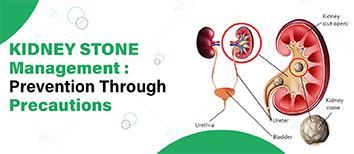
 

Contact us to learn more about our best treatment options for kidney stones and other urological conditions. Call now at +91 9667064100 .


Understanding Urological Health


Before delving into the role of nutrition and exercise, it's essential to understand urological health and how it impacts overall health.


The urinary system performs several critical functions, including filtering waste products from the blood, regulating fluid and electrolyte balance, and maintaining acid-base balance. Any disruption to the normal functioning of the urinary system can result in a range of problems, from mild infections to severe kidney damage or cancer.


Common urological conditions include:
 

Kidney Stones: Hard deposits of minerals and salts that form in the kidneys and can cause significant pain.


Urinary Tract Infections (UTIs): Infections that can occur in any part of the urinary system but are most commonly found in the bladder or urethra.


Benign Prostatic Hyperplasia (BPH): An enlarged prostate gland, often leading to urinary difficulties in men.


Prostate Cancer: A type of cancer that occurs in the prostate, often affecting older men.


Bladder Cancer: A form of cancer that starts in the bladder cells.


Each of these conditions can be influenced by factors like genetics, age, and environment, but diet and exercise are also key contributors to urological health.


The Role of Nutrition in Urological Health

Nutrition is one of the most controllable factors in maintaining urological health. A balanced diet provides essential nutrients that support kidney function, prevent infections, and reduce the risk of stone formation. Here’s how nutrition can specifically impact various aspects of the urinary system.


1. Kidney Health and Nutrition


The kidneys are responsible for filtering waste from the blood and balancing fluids in the body. Proper nutrition plays a crucial role in maintaining kidney function. Some dietary factors that can support kidney health include:


  • Hydration: Drinking plenty of water is one of the simplest yet most effective ways to maintain kidney health. Adequate hydration helps prevent kidney stones and UTIs by flushing out bacteria and excess minerals from the urinary tract. It also helps regulate blood pressure, which is closely related to kidney function.


  • Low Sodium Intake: High salt intake can strain the kidneys, leading to increased blood pressure and a higher risk of kidney disease. Limiting sodium to less than 2,300 mg per day can support kidney function and prevent hypertension-related kidney issues.


  • Potassium-rich foods: Potassium helps regulate fluid balance and supports healthy kidney function. Foods like bananas, oranges, spinach, and tomatoes are excellent sources of potassium.


  • Calcium and Oxalates: For those prone to kidney stones, balancing calcium and oxalate intake is important. Contrary to popular belief, calcium-rich foods are essential for preventing certain types of kidney stones, as they bind to oxalates in the digestive tract and prevent them from forming stones. Leafy greens, nuts, and seeds are rich in both calcium and oxalates, so moderation is key.


  • Protein: Excessive protein intake, especially from animal sources, can increase the production of waste products like urea, putting a strain on the kidneys. A moderate intake of lean proteins such as fish, chicken, and plant-based proteins like legumes and tofu is recommended.


2. Preventing Urinary Tract Infections (UTIs) Through Diet

UTIs are more common in women but can affect anyone. Diet plays a role in preventing UTIs by maintaining a healthy urinary tract environment.


Cranberries: Cranberry juice has long been touted as a preventive measure for UTIs. The compounds in cranberries, particularly proanthocyanidins, may prevent bacteria from adhering to the bladder wall, reducing the risk of infection.


Probiotics: Probiotic-rich foods like yogurt, kefir, and fermented vegetables help maintain healthy gut flora, which can prevent the overgrowth of harmful bacteria that cause UTIs. The healthy bacteria in probiotics can also balance the vaginal flora in women, further reducing the risk of infection.


Avoiding Excess Sugar: High sugar intake can promote the growth of bacteria in the urinary tract, increasing the likelihood of infection. Reducing sugary foods and beverages can help prevent UTIs.
 

3. Prostate Health and Diet


For men, maintaining prostate health is crucial, especially as they age. Certain dietary factors can reduce the risk of prostate problems such as benign prostatic hyperplasia (BPH) and prostate cancer.


Lycopene: This antioxidant, found in tomatoes, watermelon, and pink grapefruit, has been linked to a reduced risk of prostate cancer. Lycopene is better absorbed when tomatoes are cooked, so including tomato-based sauces and soups can be beneficial.


Zinc: Zinc is essential for prostate health. Foods rich in zinc, such as oysters, pumpkin seeds, and legumes, can support prostate function and reduce the risk of BPH.


Green Tea: Green tea contains compounds called catechins, which may help reduce the risk of prostate cancer. Drinking green tea regularly can provide a range of health benefits, including supporting urological health.


Healthy Fats: Omega-3 fatty acids, found in fish like salmon, walnuts, and flaxseeds, may reduce inflammation and support prostate health. Conversely, a high intake of saturated fats and trans fats can increase the risk of prostate problems.


4. Bladder Health and Nutrition
 

Maintaining top nutrition for bladder health is essential to avoid issues such as overactive bladder, bladder infections, and bladder cancer.


High-Fiber Foods: Fiber helps prevent constipation, which can put pressure on the bladder and lead to urinary problems. Whole grains, fruits, vegetables, and legumes are excellent sources of fiber.


Vitamin D: Some studies suggest that adequate vitamin D levels may reduce the risk of bladder cancer. Sunlight exposure and foods like fortified milk, fish, and eggs can provide this essential nutrient.


Avoiding Irritants: Certain foods and beverages, such as caffeine, alcohol, spicy foods, and artificial sweeteners, can irritate the bladder and exacerbate symptoms of an overactive bladder. Limiting or avoiding these irritants can help maintain bladder health.


The Role of Exercise in Urological Health

Exercise is not only beneficial for general health but also plays a specific role in maintaining urological health. Regular physical activity helps prevent various urological conditions and supports overall urinary system function.


1. Weight Management


Obesity is a significant risk factor for many urological conditions, including kidney disease, urinary incontinence, and BPH. Exercise helps with weight management, reducing the strain on the kidneys and bladder. Maintaining a healthy weight through regular physical activity can lower the risk of developing these conditions.


2. Pelvic Floor Exercises


Pelvic floor exercises, also known as Kegel exercises, strengthen the muscles that support the bladder and urinary tract. These exercises are particularly beneficial for individuals with urinary incontinence or overactive bladder. Strengthening the pelvic floor muscles can improve bladder control and reduce the frequency of accidents.


3. Improving Circulation


Exercise improves blood circulation, which is crucial for kidney function and overall urological health. Better circulation ensures that the kidneys receive adequate blood flow to filter waste and maintain electrolyte balance.


4. Reducing Inflammation


Regular exercise reduces inflammation throughout the body, including the urinary system. Inflammation is a contributing factor in many urological conditions, such as interstitial cystitis and prostatitis. By reducing inflammation, exercise can alleviate symptoms and promote healing.


5. Preventing Prostate Problems


Physical activity has been linked to a lower risk of prostate issues, including BPH and prostate cancer. Exercise helps regulate hormone levels, reduce inflammation, and improve immune function, all of which contribute to better prostate health.


Integrating Diet and Exercise for Optimal Urological Health


Combining a balanced diet with regular exercise can significantly enhance urological health. Here are some tips to help integrate these elements into your lifestyle:


  • Stay Hydrated: Drink plenty of water throughout the day to support kidney function and prevent UTIs.


  • Eat a Variety of Nutrient-Dense Foods: Incorporate fruits, vegetables, whole grains, lean proteins, and healthy fats into your diet to provide essential nutrients for urinary health.


  • Exercise Regularly: Aim for at least 30 minutes of moderate physical activity most days of the week. Include strength training and pelvic floor exercises to enhance urological health.


  • Monitor Your Weight: Maintain a healthy weight through a combination of diet and exercise to reduce the risk of urological conditions.


  • Limit Irritants: Avoid foods and beverages that can irritate the bladder, such as caffeine, alcohol, and spicy foods.


Best Urologist Doctors at Felix Hospital


At Felix Hospital, we are committed to ensuring the best urologist in Noida for the urological health of our patients. Our highly skilled urologists, Dr. Bhanwar Lal Barkesia, emphasize the importance of a holistic approach to urological care, which includes nutrition and lifestyle adjustments. With their vast experience and personalized care, they help guide patients on how proper nutrition and exercise can support optimal urinary health, prevent conditions like kidney stones, and enhance overall well-being. Trust Felix Hospital for expert advice on the role of nutrition in urological health and personalized treatment plans for lasting health benefits.


Schedule an appointment by Clicking Here with our expert urologists at Felix Hospital today.


Conclusion

Urological health is deeply influenced by lifestyle factors, with diet and exercise playing a central role in preventing and managing various conditions. By adopting a healthy diet rich in essential nutrients and staying physically active, you can support your urinary system and reduce the risk of urological diseases. Regular check-ups with healthcare providers, such as a urologist or dietitian, can further ensure that your urological health is in top condition. Maintaining a balanced lifestyle not only improves urological health but also enhances overall well-being.


Frequently Asked Questions (FAQs)

1.What are the most common urological conditions?
ANS: Common urological conditions include kidney stones, urinary tract infections (UTIs), benign prostatic hyperplasia (BPH), and cancers of the bladder and prostate.
 

2.How does diet affect kidney stone formation?

ANS: Diet plays a significant role in kidney stone formation. High sodium, oxalate-rich foods, and inadequate hydration can increase the risk of stones. A balanced diet with proper hydration helps prevent their formation.
 

3.What foods should I avoid if I have a history of kidney stones?

ANS: Avoid foods high in oxalates (such as spinach, beets, and nuts), excessive salt, and high-sugar beverages. Instead, focus on a balanced diet rich in fruits, vegetables, and whole grains.
 

4.How important is hydration for urological health?

ANS: Staying hydrated is crucial for urological health. It helps dilute urine, reducing the risk of kidney stones and UTIs. Aim for at least 8-10 glasses of water daily, or more if you're active or live in a hot climate.
 

5.Can certain exercises improve urological health?

ANS: Regular physical activity can enhance urological health by improving blood flow, reducing stress, and promoting a healthy weight. Activities such as walking, swimming, and yoga can be beneficial.
 

6.Is there a link between diet and urinary tract infections (UTIs)?

ANS: Yes, a poor diet lacking in essential nutrients may contribute to a weakened immune system, increasing the risk of UTIs. Consuming probiotics and staying hydrated can help maintain urinary health.
 

7.What role does weight management play in urological health?

ANS: Maintaining a healthy weight can reduce the risk of developing urological conditions, particularly BPH and urinary incontinence. A balanced diet and regular exercise are key components of effective weight management.
 

8.When should I seek medical advice for urological issues?

ANS: Consult a healthcare professional if you experience symptoms such as persistent pain, changes in urinary habits, blood in urine, or any other concerning signs. Early intervention can prevent complications and improve outcomes.


Subscribe to