 WhatsApp
 Emergency:
  WhatsApp





Subscribe to our
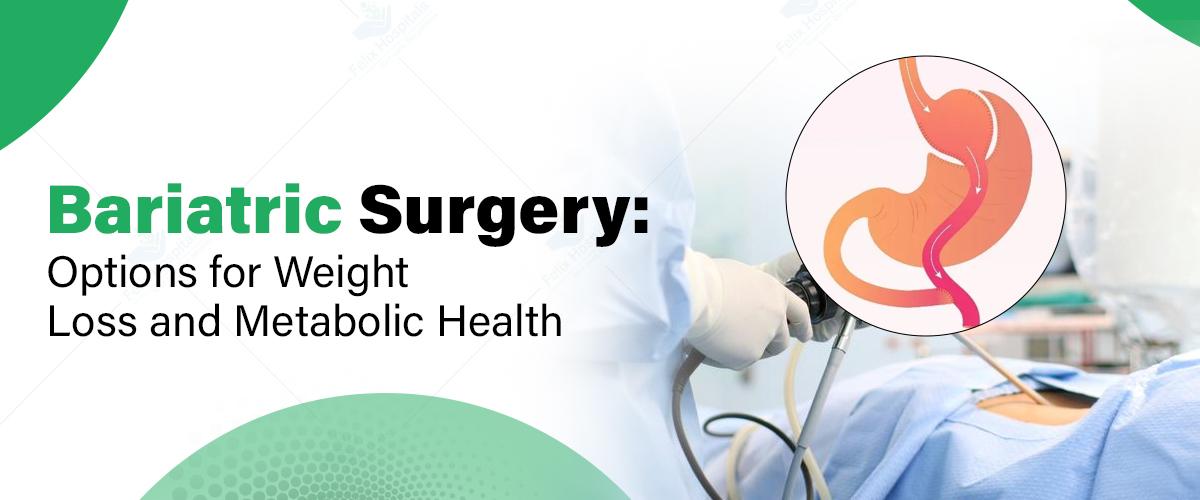
Obesity is one of the most prevalent health concerns globally, affecting millions of people across different age groups and demographics. Its repercussions are not limited to physical appearance; obesity is linked to serious health conditions like type 2 diabetes, heart disease, sleep apnea, and certain cancers. For individuals who have tried other weight loss methods without success, bariatric surgery offers an effective, long-term solution to achieve significant weight loss and improve overall metabolic health. Let’s explore the different types of bariatric surgery, how they work, their benefits, and considerations for those considering this transformative procedure.
Book your appointment now and regain control of your health and well-being! Don’t wait any longer! Call Now at +91 9667064100.
Bariatric surgery is a group of surgical procedures designed to help individuals with severe obesity lose weight by making changes to the digestive system. These changes can either restrict the amount of food the stomach can hold, reduce nutrient absorption, or both. Bariatric surgery not only promotes weight loss but also improves or resolves obesity-related conditions such as type 2 diabetes, hypertension, and metabolic syndrome.
There are several types of bariatric surgery, each with its method of facilitating weight loss and improving metabolic health. The most common procedures include:
1. Roux-en-Y Gastric Bypass (RYGB)
2. Sleeve Gastrectomy
3. Adjustable Gastric Banding (AGB)
4. Biliopancreatic Diversion with Duodenal Switch (BPD/DS)
Gastric bypass is considered the "gold standard" of bariatric surgery. In this procedure, the surgeon creates a small pouch at the top of the stomach and connects it directly to the small intestine. This new connection bypasses a large portion of the stomach and the first part of the small intestine (duodenum).
How it works:
The small stomach pouch reduces the amount of food you can eat.
Bypassing part of the small intestine reduces calorie and nutrient absorption.
Benefits:
Significant and sustained weight loss.
Improvement or resolution of comorbidities like diabetes and hypertension.
Risks and considerations:
May lead to nutrient deficiencies (iron, calcium, vitamin B12).
Dumping syndrome (rapid gastric emptying) is a possible side effect.
Sleeve gastrectomy, also known as gastric sleeve surgery, involves removing approximately 75-80% of the stomach, leaving a tube-shaped or "sleeve"-like stomach. This procedure does not involve bypassing any part of the intestine.
How it works:
The reduced stomach size limits food intake.
The removal of the part of the stomach that produces ghrelin, a hormone responsible for hunger, can reduce appetite.
Benefits:
Less complex than gastric bypass with a lower risk of nutrient deficiencies.
Effective in producing substantial weight loss.
Risks and considerations:
It is irreversible.
Post-surgery, patients may still experience acid reflux or heartburn.
This procedure involves placing an adjustable silicone band around the upper part of the stomach to create a small pouch. The band can be tightened or loosened by injecting or removing saline from a port placed under the skin.
How it works:
The small stomach pouch restricts food intake, leading to early satiety.
The band can be adjusted as needed to control weight loss.
Benefits:
Minimally invasive and reversible.
No changes to the digestive system.
Risks and considerations:
Weight loss is typically slower compared to other procedures.
There’s a risk of band slippage or erosion, which may require additional surgery.
This procedure is a more complex version of the sleeve gastrectomy. It involves removing a large portion of the stomach (similar to sleeve gastrectomy) and rerouting a significant section of the small intestine to limit food absorption.
How it works:
A combination of reduced stomach size and extensive bypass of the small intestine leads to both restriction and malabsorption of food.
Benefits:
Results in the most significant weight loss compared to other procedures.
Highly effective in improving metabolic health, particularly for patients with type 2 diabetes.
Risks and considerations:
Higher risk of nutrient deficiencies due to the extensive bypass.
Requires lifelong vitamin and mineral supplementation.
One of the significant advantages of bariatric surgery, aside from weight loss, is its positive effect on metabolic health. Obesity-related conditions like type 2 diabetes, hypertension, dyslipidemia, and obstructive sleep apnea are often improved or completely resolved following surgery.
Bariatric surgery, especially gastric bypass and sleeve gastrectomy, has shown remarkable success in improving and even resolving type 2 diabetes. In some cases, patients experience remission within days or weeks after surgery, even before significant weight loss occurs. This improvement is due to changes in gut hormones and improved insulin sensitivity.
Weight loss surgery helps to reduce blood pressure, lower cholesterol levels, and improve overall heart health. Many patients experience a reduction in cardiovascular disease risks, including heart attack and stroke, due to the reduction of obesity-related strain on the heart.
Obesity is a major risk factor for obstructive sleep apnea (OSA). Significant weight loss after bariatric surgery can alleviate or even eliminate the symptoms of OSA, reducing the need for continuous positive airway pressure (CPAP) therapy.
Carrying excess weight puts strain on the joints, leading to conditions like osteoarthritis. Bariatric surgery can relieve joint pain and improve mobility, allowing patients to engage in more physical activities, and further enhancing their health and quality of life.
Like all surgeries, bariatric surgery comes with risks. Understanding these risks is crucial for anyone considering this life-changing procedure.
All bariatric surgeries carry potential risks, including infection, bleeding, and blood clots. Additionally, anesthesia-related complications are possible, especially in patients with severe obesity.
Because many bariatric procedures alter the digestive system, patients may not absorb essential vitamins and minerals properly. Common deficiencies include vitamin B12, calcium, iron, and vitamin D. Patients must commit to lifelong supplementation and regular blood tests to monitor their nutrient levels.
Bariatric surgery is not a cure-all for obesity. Success requires long-term lifestyle changes, including adherence to a balanced diet, regular physical activity, and frequent follow-up appointments with healthcare providers. Emotional and psychological adjustments are also important, as patients often need to develop a new relationship with food and body image.
Although bariatric surgery leads to significant weight loss, there is a risk of regaining weight if the patient doesn’t follow dietary and lifestyle guidelines. Patients who fail to adopt healthy habits may experience weight regain, which can undo the benefits of surgery.
Bariatric surgery is not for everyone. It is usually recommended for individuals with a body mass index (BMI) of 40 or higher or for those with a BMI of 35 and above with obesity-related health conditions like diabetes or heart disease.
Before opting for surgery, candidates must undergo a thorough evaluation, including medical history, physical exams, and psychological assessments. The decision to proceed with surgery should be made after consulting with a qualified healthcare team that includes surgeons, nutritionists, and mental health professionals.
If you’re experiencing weight-related digestive issues, consider seeking specialized care at our gastroenterology hospital.
At Felix Hospital, our team of experienced bariatric surgeons and healthcare professionals is dedicated to guiding patients through every step of their weight loss journey. Understanding that bariatric surgery is not just about the procedure itself, but also about long-term lifestyle changes, we offer comprehensive nutrition diet services to support each patient's unique needs. Our specialists use the latest surgical techniques, combined with personalized care plans, to ensure the best outcomes for every patient.
Dr. Jagatjot Singh Gill
Dr. Gill is a leading expert in bariatric and metabolic surgery, with years of experience helping patients achieve life-changing weight loss. He specializes in Roux-en-Y gastric bypass and sleeve gastrectomy, providing tailored care based on each patient's unique needs.
Struggling with weight loss and its related health issues? Take the First Step Toward a Healthier You! Click Here for More.
Bariatric surgery offers a powerful tool for those struggling with obesity and related health conditions. With various options available, patients can find a procedure that best suits their individual needs. However, success depends on a commitment to lifestyle changes and a strong partnership with healthcare providers. At Felix Hospital, our team is here to support you on your journey to better health, helping you achieve lasting weight loss and improved metabolic wellness.
1. What is bariatric surgery?
Ans: Bariatric surgery is a group of procedures designed to help individuals with obesity lose weight by altering the digestive system to limit food intake or nutrient absorption.
2. Who is eligible for bariatric surgery?
Ans: Individuals with a body mass index (BMI) of 40 or higher, or those with a BMI of 35 and above with obesity-related health conditions such as diabetes or heart disease, may qualify for bariatric surgery.
3. What are the different types of bariatric surgery?
Ans: The most common types include Roux-en-Y gastric bypass, sleeve gastrectomy, adjustable gastric banding, and biliopancreatic diversion with duodenal switch.
4. How much weight can I expect to lose after bariatric surgery?
Ans: Patients typically lose between 50% and 80% of their excess weight, depending on the type of procedure and adherence to post-surgery lifestyle changes.
5. What are the risks associated with bariatric surgery?
Ans: As with any surgery, bariatric procedures carry risks such as infection, blood clots, and nutrient deficiencies. It’s important to follow medical advice for a successful recovery.
6.How long is the recovery time after bariatric surgery?
Ans: Recovery times vary by procedure, but most patients can return to normal activities within 4-6 weeks. Some minimally invasive surgeries have shorter recovery periods.
7. Will I need to follow a special diet after bariatric surgery?
Ans: Yes, bariatric surgery requires long-term dietary changes. You will need to follow a specific diet plan, including smaller meals, adequate hydration, and nutritional supplements to prevent deficiencies.
8. Can I regain weight after bariatric surgery?
Ans: While bariatric surgery helps with significant weight loss, patients may regain weight if they do not follow the recommended lifestyle changes, such as a healthy diet and regular physical activity.
Understand the factors that influence gastric balloon surgery cost in Noida, including hospital facilities, doctor expertise, and post-procedure care.
Expert gastroenterology care for better digestive health, offering advanced diagnosis and treatment for GERD, IBS, ulcers, and liver disorders.
Understand the factors that influence endoscopy procedure cost in Noida. Learn about the types, preparation, and benefits of choosing the best multi-speciality hospital in Noida for accurate diagnosis.

Appendix surgery, also known as appendectomy, is a common emergency procedure performed to treat appendicitis.
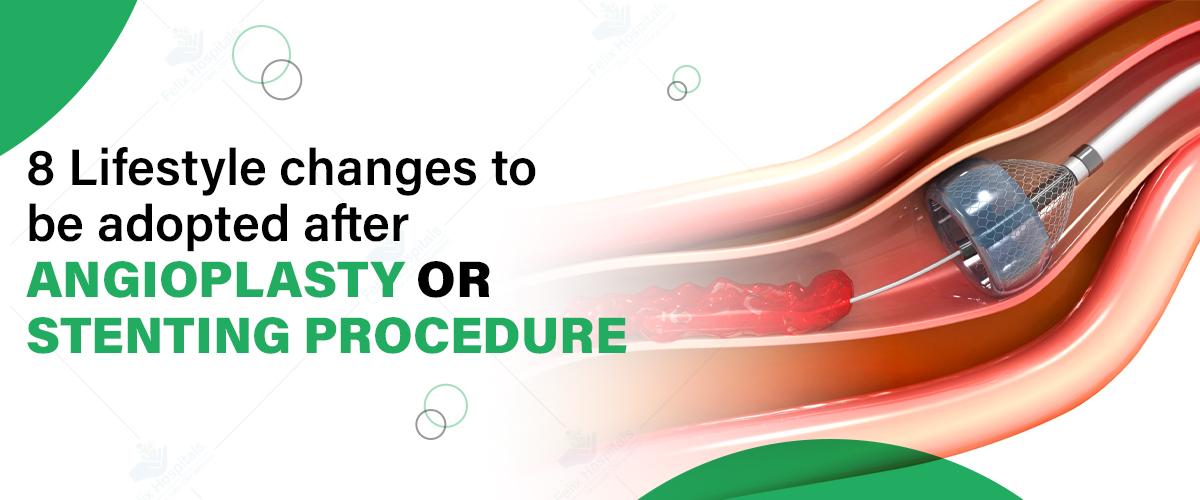
Angioplasty and stenting are common procedures performed to treat narrowed or blocked coronary arteries. They play a crucial role in restoring blood flow to the heart, ultimately reducing the risk of heart attacks and improving overall heart health. However, the journey doesn't end once the procedure is complete; significant lifestyle adjustments are necessary to ensure the long-term success of the treatment and to enhance overall well-being. Understanding the angioplasty surgery treatment cost and being proactive about heart health can significantly impact recovery and prevent further complications.
If you or a loved one has undergone angioplasty or stenting, it’s vital to take the next steps in your heart health journey. Schedule a consultation by Calling +91 9667064100.
Angioplasty is a minimally invasive surgical procedure used to open blocked or narrowed coronary arteries. During the procedure, a small balloon is inserted into the artery and inflated to widen it. In most cases, a stent (a small wire mesh tube) is placed in the artery to help keep it open and ensure proper blood flow.
This procedure is crucial for individuals suffering from coronary artery disease (CAD), as it helps alleviate symptoms such as chest pain (angina) and improves overall heart function. The goal of angioplasty surgery and stenting is to restore normal blood flow to the heart muscle, reducing the risk of serious heart conditions and enhancing the quality of life.
Recovering from angioplasty surgery or stenting involves making specific lifestyle changes to promote heart health. Here are eight essential changes to consider:
Importance: A balanced diet is foundational to promoting heart health. It not only helps in managing weight but also aids in controlling cholesterol and blood pressure levels, reducing the risk of future cardiovascular events.
Action: Aim to incorporate a variety of fruits, vegetables, whole grains, lean proteins, and healthy fats into your daily meals. Reduce saturated fats, trans fats, sodium, and cholesterol intake, as these can contribute to arterial blockages.
Focus on foods rich in omega-3 fatty acids, such as fatty fish (like salmon and mackerel), walnuts, and flaxseeds, which can help lower triglyceride levels and reduce inflammation. Additionally, consider adopting a Mediterranean diet, known for its heart-healthy benefits, emphasizing olive oil, nuts, legumes, and whole grains.
Importance: Physical activity plays a crucial role in strengthening the heart, improving circulation, and maintaining a healthy weight. Regular exercise can also enhance your overall mood and energy levels.
Action: Aim for at least 150 minutes of moderate aerobic activity each week, which can include activities like brisk walking, cycling, or swimming. Start slowly and gradually increase the intensity and duration as your body adjusts.
Consult with your healthcare provider about safe exercise options tailored to your recovery stage. Incorporating strength training exercises a couple of times a week can also help improve muscle tone and support heart health.
Importance: Chronic stress can negatively impact heart health, leading to increased blood pressure and heart rate, which can exacerbate cardiovascular issues.
Action: Adopt effective stress management techniques such as mindfulness, meditation, yoga, or deep-breathing exercises. These practices can help calm the mind and body, reducing stress levels. Engaging in hobbies, spending time with loved ones, or participating in community activities can also provide emotional relief and contribute to a healthier lifestyle. Consider journaling or seeking professional counseling if stress becomes overwhelming.
Importance: Smoking is one of the most significant risk factors for heart disease, contributing to atherosclerosis (hardening of the arteries). Similarly, excessive alcohol consumption can lead to high blood pressure, irregular heartbeats, and other health complications.
Action: If you smoke, seek support to quit, whether through counseling, support groups, or nicotine replacement therapies. Limit alcohol intake to moderate levels—defined as up to one drink per day for women and up to two drinks per day for men. Staying within these guidelines can help protect your heart and overall health.
Importance: Maintaining a healthy weight is essential for heart health, as excess weight puts additional strain on the cardiovascular system and can lead to complications like hypertension and diabetes.
Action: Work towards achieving and maintaining a healthy weight through a combination of balanced eating and regular physical activity. Regularly track your weight and body mass index (BMI) to stay on course. If you find it challenging to lose weight, consider seeking the guidance of a registered dietitian or a nutritionist who can provide personalized meal planning and strategies tailored to your needs.
Importance: Following your prescribed medication regimen is critical for preventing further blockages and effectively managing heart health. Missing doses or discontinuing medications can increase the risk of serious complications.
Action: Take medications as directed by your healthcare provider, and keep a medication schedule to ensure that doses are not missed. Utilize pill organizers or mobile apps to help track your medications. It's essential to communicate with your doctor about any side effects or concerns you may experience. Regularly reviewing your medications with your healthcare provider can also help optimize your treatment plan.
Importance: Regular follow-ups with your healthcare provider can help monitor your recovery and detect any potential issues early, ensuring that any concerns are addressed promptly.
Action: Schedule regular check-ups and necessary tests, such as blood pressure and cholesterol screenings, to ensure that your heart health remains stable. Discuss any new symptoms or changes in your health with your healthcare provider during these visits. Staying proactive about your health can make a significant difference in your recovery and long-term well-being.
Importance: Understanding your condition and treatment options empowers you to make informed decisions about your health. Being well-informed helps you recognize symptoms early and understand the importance of lifestyle changes.
Action: Stay updated on heart health information and research through reputable sources. Consider participating in support groups or educational programs that connect you with others who have undergone similar procedures. Engaging with healthcare professionals and seeking knowledge about your heart condition can foster a sense of control and encourage you to adhere to a heart-healthy lifestyle.
At Felix Hospital, we pride ourselves on having a team of highly qualified cardiologists dedicated to providing exceptional care. If you're looking for the best doctor for angioplasty surgery, consider consulting with our experienced cardiologists who specialize in heart health and recovery. Among them are Dr. Rahul Arora each committed to supporting your journey to better heart health after your angioplasty surgery or stenting procedure.
For personalized advice and guidance on managing your heart health after angioplasty, book an appointment with our expert cardiologists today by Clicking Here!
Living a heart-healthy lifestyle is crucial after undergoing angioplasty surgery or stenting. By adopting these eight lifestyle changes, you can improve your overall health and significantly reduce the risk of future heart-related issues. Remember that recovery is a journey, and staying proactive about your health will lead to a more fulfilling life. Moreover, understanding the angioplasty surgery treatment cost will enable you to make informed decisions regarding your healthcare options.
1-What is angioplasty, and how does it work?
ANS: Angioplasty is a procedure to open blocked or narrowed coronary arteries using a balloon and often a stent to maintain blood flow.
2-What are the typical recovery times after angioplasty?
ANS: Recovery times vary, but most people can return to normal activities within a week. Full recovery may take several weeks.
3-How can I prevent the recurrence of coronary artery disease?
ANS: By adopting a heart-healthy lifestyle, managing risk factors, and adhering to your treatment plan, you can reduce the risk of recurrence.
4-Is it necessary to change my diet after angioplasty?
ANS: Yes, a heart-healthy diet is crucial for recovery and long-term heart health.
5-What types of exercise are safe after angioplasty?
ANS: Low-impact exercises such as walking, cycling, and swimming are generally safe. Always consult your doctor before starting a new exercise regimen.
6-How often should I have check-ups after angioplasty?
ANS: Follow-up appointments should be scheduled regularly, usually at least once a year, or more frequently if advised by your doctor.
7-Can I still take over-the-counter medications after angioplasty?
ANS: Consult your doctor before taking any over-the-counter medications to ensure they do not interfere with your prescribed treatment.
8- What should I do if I experience symptoms after the procedure?
ANS: Contact your healthcare provider immediately if you experience chest pain, shortness of breath, or any unusual symptoms following your procedure.
A stent procedure can be life-saving for those with blocked arteries. This guide walks you through the stent experience—from the angioplasty process to post-procedure recovery and lifestyle changes.
Angioplasty is a common heart procedure used to open blocked arteries and restore proper blood flow.

As winter approaches, the air becomes crisp, and temperatures drop significantly. While many people look forward to the beauty of a snow-covered landscape and the joys of the holiday season, the cold weather can harm our eyes. Understanding how cold weather affects eye health and knowing how to care for your eyes during this season is crucial for maintaining optimal vision and comfort. At the best eye treatment hospital, we prioritize your eye health and provide expert guidance on how to protect your eyes during the winter months.
book an appointment with Best Eye Doctor In Noida. Call now at +91-9667064100.
1. Dry Eyes
One of the most common issues people face during the winter months is dry eyes. The cold air is often dry, and when combined with indoor heating, it can significantly reduce moisture levels in the air. This lack of humidity can lead to dry, irritated eyes.
Symptoms of Dry Eyes:
A scratchy or gritty sensation in the eyes
Redness and irritation
Blurred vision
Increased sensitivity to light
2. Increased Tear Production
In response to the dryness, some individuals may experience an overproduction of tears. This occurs because the eyes try to compensate for the lack of moisture. Unfortunately, these tears may evaporate quickly, leading to a cycle of discomfort.
3. Allergies
Winter may also bring an uptick in indoor allergens such as dust mites, pet dander, and mold spores. These allergens can exacerbate symptoms of eye allergies, leading to redness, itching, and watery eyes.
4. Snow Blindness
For those who live in areas that experience significant snowfall, snow blindness, or photokeratitis, can be a concern. This condition occurs when ultraviolet (UV) rays reflect off the snow and cause temporary damage to the cornea. Symptoms can include pain, redness, and temporary vision loss.
5. Contact Lens Discomfort
Individuals who wear contact lenses may experience increased discomfort during the winter. Dry air can lead to the lenses becoming dehydrated, causing them to feel less comfortable. Additionally, the increased risk of allergens can lead to irritation for contact lens wearers.
6. Other Weather-Related Issues
Extreme cold can lead to other weather-related issues affecting the eyes, such as:
• Windburn: Windy conditions can cause redness and irritation, much like sunburn on the skin.
• Frostbite: Although rare, frostbite can occur on the eyelids and surrounding areas if exposed to extremely low temperatures for prolonged periods.
To mitigate the effects of cold weather on your eyes, consider the following eye care tips:
1. Keep Your Eyes Moisturized
Use Artificial Tears:
To combat dryness, consider using preservative-free artificial tears. These drops can help lubricate your eyes and provide relief from dryness. It’s essential to choose a product that suits your needs; consult your eye care professional for recommendations.
Humidifiers:
Investing in a humidifier can be beneficial, especially if you spend long hours indoors. A humidifier helps maintain moisture levels in the air, which can alleviate dry eyes and improve comfort.
2. Protect Your Eyes from the Cold
Wear Sunglasses: When going outdoors, wear sunglasses with UV protection to shield your eyes from harmful rays, even in winter. Choose wraparound styles to minimize exposure to wind and snow glare.
Goggles for Snow Activities: If you’re engaging in activities like skiing or snowboarding, wear goggles that provide UV protection and a barrier against the wind. This can help prevent dry eyes and snow blindness.
3. Stay Hydrated
Keeping your body hydrated is crucial for maintaining moisture levels in your eyes. Drink plenty of water throughout the day, as this can help combat dry eye symptoms.
4. Maintain Good Indoor Air Quality
Regularly clean your living space to reduce allergens and dust. Ensure proper ventilation, and consider using air purifiers to help filter out harmful particles.
5. Take Breaks from Screens
With shorter days in winter, many people may find themselves spending more time indoors in front of screens. Remember to follow the 20-20-20 rule: every 20 minutes, take a 20-second break and look at something 20 feet away. This can help reduce eye strain caused by prolonged screen time.
6. Follow a Healthy Diet
A balanced diet rich in vitamins and nutrients can support overall eye health. Incorporate foods high in omega-3 fatty acids, antioxidants, and vitamins A, C, and E. Examples include:
• Leafy greens
• Fatty fish (like salmon)
• Nuts and seeds
• Carrots and sweet potatoes
7. Regular Eye Exams
Schedule regular eye exams, especially if you experience persistent discomfort or vision changes. An eye treatment professional can monitor your eye health and recommend appropriate treatments or products.
If you experience persistent discomfort or have specific concerns regarding your eye health during winter, consult the best doctor for eye treatment. They can provide personalized advice and treatment options tailored to your needs, ensuring that your eyes remain healthy and comfortable throughout the colder months. At Felix Hospital, we have skilled ophthalmologists dedicated to ensuring your eye health.
• Dr. Deepanjali Arya
• Dr. Mohmad Uzair Zakai
These experts can provide personalized care and treatment options tailored to your needs.
Our expert ophthalmologists at Felix Hospital are here to help you with personalized care and effective solutions. Call Now at +91 9667064100.
Cold weather can pose several challenges to eye health, but with proper care and preventative measures, you can maintain optimal vision and comfort throughout the winter months. By staying hydrated, protecting your eyes from the elements, and following a healthy lifestyle, you can combat the adverse effects of cold weather on your eyes. If you have concerns about your eye health or are experiencing symptoms, don’t hesitate to seek professional guidance. Additionally, understanding the eye treatment cost in Noida can help you make informed decisions regarding your eye treatment options.
1. What are the signs of dry eyes during winter?
Ans: Symptoms may include a scratchy sensation, redness, blurred vision, and increased light sensitivity.
2. Can snow cause eye problems?
Ans: Yes, snow can reflect UV rays, leading to snow blindness or photokeratitis.
3. How often should I use artificial tears in winter?
Ans: You can use artificial tears as needed, but consult your eye treatment professional for personalized advice.
4. What type of sunglasses should I wear in winter?
Ans: Look for sunglasses that offer 100% UV protection and wraparound styles to shield against wind and glare.
5.Do humidifiers help with dry eyes?
Ans: Yes, humidifiers can add moisture to the air and help alleviate dry eye symptoms.
6.Is it safe to wear contact lenses in winter?
Ans: Yes, but ensure you keep your eyes moisturized and consider using rewetting drops if necessary.
7. What foods are beneficial for eye health?
Ans: Foods rich in omega-3 fatty acids, antioxidants, and vitamins A, C, and E are beneficial for eye health.
8. How can I protect my eyes when skiing or snowboarding?
Ans: Wear UV-protective goggles that fit well and provide a barrier against wind and glare.
9. Why is it important to have regular eye exams?
Ans: Regular eye exams can help detect issues early, ensuring timely treatment and maintaining optimal eye health.
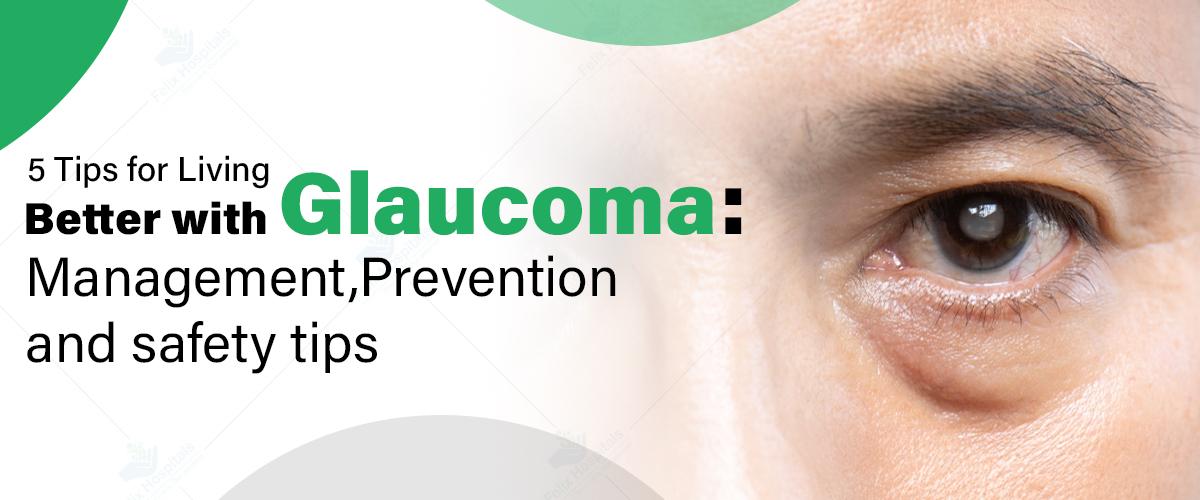
Glaucoma is a group of eye conditions that damage the optic nerve, often due to elevated intraocular pressure, and can lead to vision loss or blindness. With the right management and care, individuals can lead fulfilling lives despite their diagnosis. If you're looking for specialized care, a Glaucoma Eye Surgery Hospital can provide the expertise needed to manage this condition effectively.
If you or a loved one is dealing with glaucoma, it's essential to stay informed and proactive about your health. Here are five practical tips to help you live better with glaucoma.
Glaucoma refers to a series of eye diseases characterized by progressive damage to the optic nerve, which transmits visual information from the eye to the brain. This damage is often associated with increased pressure inside the eye, known as intraocular pressure (IOP). There are several types of glaucoma, including:
Primary Open-Angle Glaucoma: The most common form, where the eye’s drainage canals become clogged over time, leading to gradual vision loss.
Angle-Closure Glaucoma: A less common but more acute form where the iris bulges forward, blocking the drainage angle.
Normal-Tension Glaucoma: A type where optic nerve damage occurs despite normal eye pressure.
Congenital Glaucoma: A rare form that occurs in infants due to improper development of the eye's drainage system.
While the exact cause of glaucoma is not entirely understood, several risk factors can contribute to its development:
Increased Intraocular Pressure: Often due to an imbalance in the production and drainage of aqueous humor.
Age: Risk increases with age, particularly for those over 60.
Family History: A genetic predisposition can increase susceptibility.
Medical Conditions: Conditions like diabetes, hypertension, and eye injuries can raise the risk.
Use of Certain Medications: Long-term use of corticosteroids can contribute to elevated eye pressure.
Glaucoma may not present noticeable symptoms in its early stages. However, as the condition progresses, individuals may experience:
Gradual Loss of Peripheral Vision: Often described as "tunnel vision.
Blurred Vision: Difficulty focusing, especially in low light.
Seeing Halos Around Lights: A common symptom in angle-closure glaucoma.
Eye Pain: Particularly in acute cases, accompanied by nausea and vomiting.
Redness in the Eye: Irritation or inflammation may occur.
Managing glaucoma effectively requires a proactive approach and a commitment to maintaining eye health. While a diagnosis of glaucoma may seem daunting, there are practical steps you can take to improve your quality of life and reduce the impact of the condition. Here are five essential tips to help you live better with glaucoma:
Importance:
Routine check-ups with an eye specialist are crucial for individuals with glaucoma. Regular eye exams are essential for early detection and ongoing monitoring, which are vital for managing intraocular pressure (IOP) and preventing vision loss. Since glaucoma often progresses without noticeable symptoms, consistent eye care is the key to catching any changes in your condition early on.
Action:
To stay on top of your eye health, schedule comprehensive eye exams at least once a year. Your ophthalmologist may recommend more frequent visits based on your specific condition and treatment plan. During these visits, ensure that your doctor assesses your IOP, examines your optic nerve, and conducts visual field tests to monitor your peripheral vision. Keeping a detailed record of your eye health can help you and your doctor track any changes over time.
Importance:
Following your prescribed treatment regimen is crucial for controlling intraocular pressure and preserving your vision. Adherence to your treatment plan helps manage the condition effectively, minimizing the risk of progression and vision loss.
Action:
Take your medications as directed, whether they are eye drops, pills, or other treatments. To help you stay on track, consider setting reminders on your phone or using a pill organizer to keep track of your doses. If you experience any side effects or have concerns about your medications, do not hesitate to discuss these with your doctor. Open communication is key to finding the most effective treatment for your needs.
Importance:
Adopting a balanced diet and engaging in regular physical activity can significantly support overall eye health and help manage glaucoma. A healthy lifestyle can also improve your general well-being, making it easier to cope with the emotional and physical challenges of living with a chronic condition.
Action:
Incorporate a variety of foods rich in antioxidants into your diet, such as leafy greens, fish, nuts, fruits, and whole grains. These foods are not only beneficial for your eyes but also promote heart health and overall wellness. Additionally, aim to engage in moderate exercise, such as walking, swimming, or cycling, at least a few times a week. Regular physical activity has been shown to help lower eye pressure and enhance blood circulation, which can positively impact your vision.
Importance:
High levels of stress can exacerbate eye pressure and negatively affect your overall health. Therefore, finding effective ways to manage stress is essential for maintaining your well-being and supporting your eye health.
Action:
Explore various stress-reduction techniques that resonate with you, such as yoga, meditation, or deep-breathing exercises. Engaging in these activities can help you relax and reduce anxiety levels. Additionally, make time for hobbies or activities that bring you joy, whether it’s painting, gardening, or reading. Spending quality time with family and friends can also alleviate stress and provide essential emotional support.
Importance:
Shielding your eyes from injury is crucial, as trauma can worsen glaucoma and potentially lead to vision loss. Protecting your eyes is an essential aspect of managing the condition effectively.
Action:
When engaging in activities that pose a risk to your eyes, such as playing sports or doing home improvement projects, always wear protective eyewear. This can include goggles or safety glasses designed to shield your eyes from injury. Additionally, using sunglasses with UV protection can help safeguard your eyes from harmful rays when outdoors, as prolonged exposure to UV light may increase the risk of eye conditions.
By following these five tips, you can take charge of your health and live a fulfilling life despite your glaucoma diagnosis. Staying informed, adhering to treatment plans, and making positive lifestyle choices will not only help you manage the condition but also enhance your overall quality of life.
Diagnosing glaucoma typically involves several tests, including:
Comprehensive Eye Exam: A thorough evaluation of your vision and eye health.
Intraocular Pressure Measurement: A tonometry test measures the pressure inside your eyes.
Visual Field Test: Assesses peripheral vision to identify any loss.
Optic Nerve Examination: A dilated eye exam allows the doctor to inspect the optic nerve for signs of damage.
Treatment options for glaucoma may vary based on the type and severity of the condition:
Medications: Eye drops are commonly prescribed to lower intraocular pressure by reducing fluid production or improving drainage.
Laser Therapy: Procedures like laser trabeculoplasty can enhance drainage and lower pressure.
Surgery: In cases where medications and laser treatments are ineffective, surgical options may be considered to create a new drainage pathway.
While not all cases of glaucoma can be prevented, several proactive measures can reduce the risk:
Know Your Family History: Be aware of any family history of glaucoma and inform your eye doctor.
Healthy Lifestyle: Maintain a healthy diet and weight, and engage in regular exercise.
Avoid Eye Injuries: Take precautions during activities that may pose a risk to your eyes.
If you're seeking expert care for glaucoma, it's essential to consult skilled professionals. At Felix Hospital, you can find the Best Surgeon for Glaucoma Surgery:
Dr. Deepanjali Arya: An experienced ophthalmologist specializing in glaucoma management.
Dr. Mohmad Uzair Zakai: An expert in diagnosing and treating various eye conditions, including glaucoma.
Don’t leave your eye health to chance! Schedule an appointment with our specialized team today by Clicking Here.
Glaucoma is a serious condition that requires ongoing management and care. By adopting healthy lifestyle choices, adhering to treatment plans, and staying informed about the disease, individuals can significantly improve their quality of life. For those considering treatment, it’s also essential to be aware of the Glaucoma treatment cost in Noida, which can vary based on the type of treatment and the facility. Always consult with your healthcare provider to understand the best options available for your condition.
1-What is glaucoma, and how does it develop?
ANS: Glaucoma is a group of eye conditions leading to optic nerve damage, often due to high intraocular pressure.
2-Who is at risk for developing glaucoma?
ANS: Risk factors include age, family history, certain medical conditions, and long-term use of corticosteroids.
3-What are the primary symptoms of glaucoma?
ANS: Symptoms may include gradual vision loss, seeing halos around lights, blurred vision, and eye pain.
4- How is glaucoma diagnosed?
ANS: Diagnosis involves comprehensive eye exams, intraocular pressure measurements, visual field tests, and optic nerve examinations.
5-What treatments are available for glaucoma?
ANS: Treatments may include eye drops, laser therapy, and surgery to manage intraocular pressure.
6-Can lifestyle changes help manage glaucoma?
ANS: Yes, adopting a healthy diet, exercising regularly, and managing stress can support eye health.
7-Is glaucoma preventable?
ANS: While not all cases can be prevented, risk can be reduced through healthy habits and regular eye check-ups.
8-How often should I have my eyes examined if I have glaucoma?
ANS: Individuals with glaucoma should have regular eye exams as recommended by their ophthalmologist, usually at least once a year.
9-What is the cost of glaucoma treatment in Noida?
ANS: Treatment costs can vary widely based on the type of treatment, facility, and specific needs; consult your healthcare provider for detailed information.
By adhering to your treatment plan, making healthy lifestyle choices, and staying informed about your condition, you can effectively manage glaucoma and preserve your vision.

When it comes to our children's growth and development, it is natural for parents to be vigilant and observant. Growth disorders in children can manifest in various ways, and one such condition that can cause significant concern is gigantism. Gigantism is characterized by excessive growth and height significantly above average, primarily due to an overproduction of growth hormones during childhood. Understanding the early signs of gigantism is crucial for timely intervention and management. This blog will delve into the early signs of gigantism, what parents should look out for, and the importance of seeking medical advice.
Contact us today at Felix Hospital to schedule a consultation by calling +91 9667064100 with our pediatric endocrinologists. Your child's health is our top priority!
Gigantism occurs when there is an excess of growth hormone in the body during childhood, leading to abnormal growth patterns. This condition typically arises from tumors on the pituitary gland, which is responsible for hormone production. Unlike acromegaly, which occurs in adults after growth plates have closed, gigantism manifests while the child's growth plates are still open, resulting in an increased height and growth of various body parts.
Detecting growth disorders in children, including gigantism, early is essential for several reasons:
1.Timely Intervention: Early diagnosis allows for appropriate treatment options that can help manage growth and prevent complications.
2.Psychological Impact: Children experiencing abnormal growth patterns may face psychological issues, such as bullying or low self-esteem. Early recognition can facilitate supportive interventions.
3.Overall Health Monitoring: Growth disorders can be indicative of underlying health issues. Identifying growth anomalies can lead to comprehensive health assessments.
Recognizing the early signs of gigantism can be challenging, but certain symptoms may indicate excessive growth hormone levels. Here are some signs parents should be aware of:
1. Excessive Height Growth
One of the most noticeable signs of gigantism is a rapid increase in height compared to peers. If your child consistently surpasses growth percentiles, it may be time to consult a healthcare professional.
2. Large Hands and Feet
Children with gigantism may exhibit disproportionately large hands and feet. If your child's shoe size increases significantly or if they require larger clothing sizes earlier than expected, it could be a red flag.
3. Facial Changes
As the condition progresses, children may experience changes in facial features. This can include a prominent jaw, enlarged nose, and other noticeable changes in facial structure.
4. Joint Pain or Discomfort
Rapid growth can lead to joint pain and discomfort. If your child complains of joint pain that seems disproportionate to their activity level, it may warrant further investigation.
5. Delayed Developmental Milestones
While not always the case, some children with gigantism may experience delays in achieving developmental milestones, such as walking or talking.
6. Headaches
Frequent headaches can be a symptom of an underlying issue related to the pituitary gland. If your child reports persistent headaches, it's essential to discuss this with their pediatrician.
7. Vision Problems
Tumors on the pituitary gland can affect the optic nerve, leading to vision problems. If your child complains about vision changes or difficulties, it is crucial to seek medical advice.
8. Fatigue and Weakness
Children with excessive growth may also experience fatigue and weakness. If your child seems unusually tired or lacks energy, it may be worth investigating further.
9. Increased Appetite
An increased appetite can sometimes accompany excess growth hormone levels. If your child is constantly hungry and consuming more food than their peers, it may be a sign of a growth disorder.
If you notice any of the early signs of gigantism in your child, it is essential to take the following steps:
1. Consult a Pediatrician
The first step is to consult a healthcare professional. A pediatrician can conduct a thorough assessment and may refer you to a specialist, such as a pediatric endocrinologist.
2. Keep a Growth Journal
Maintaining a record of your child's growth patterns, including height, weight, and developmental milestones, can provide valuable information for healthcare providers.
3. Understand the Diagnostic Process
The diagnostic process for gigantism may involve various tests, including blood tests to measure growth hormone levels, MRI scans to assess the pituitary gland, and other imaging studies.
4. Discuss Treatment Options
If diagnosed with gigantism, treatment options may include medication to control growth hormone production, surgery to remove tumors, or radiation therapy. Discuss these options thoroughly with your healthcare team.
5. Provide Emotional Support
Children experiencing growth disorders may face emotional challenges. Offering emotional support and encouraging open communication can help your child cope with their condition.
When seeking diagnosis and treatment for growth disorders in children, finding a qualified pediatric endocrinologist is crucial. At Felix Hospital, we are proud to have a team of experienced specialists, including Dr. Vimal Gupta, the best endocrinologist in Noida who is dedicated to providing comprehensive care for children with growth disorders, including gigantism. Dr. Gupta brings a wealth of expertise and knowledge in pediatric endocrinology, ensuring that each patient receives tailored care that addresses their unique needs.
Learn more by Clicking Here about our comprehensive evaluation and treatment options by visiting our website or calling Felix Hospital.
Understanding the early signs of gigantism and other growth disorders in children is essential for parents. Early detection allows for timely intervention, which can significantly improve outcomes and quality of life for affected children. If you notice any concerning growth patterns or symptoms in your child, do not hesitate to seek medical advice. With the right support and care, children with gigantism can lead healthy and fulfilling lives.
1. What is gigantism?
Ans: Gigantism is a growth disorder characterized by excessive growth and height due to the overproduction of growth hormones in children.
2. What causes gigantism?
Ans: Gigantism is typically caused by tumors on the pituitary gland that leads to excess growth hormone production.
3. How is gigantism diagnosed?
Ans: Diagnosis may involve blood tests, MRI scans, and growth measurements to assess hormone levels and identify underlying issues.
4. What are the treatment options for gigantism?
Ans: Treatment options may include medication to reduce growth hormone production, surgery to remove tumors, and radiation therapy.
5. Can gigantism be prevented?
Ans: Since gigantism is often caused by genetic factors, it may not be preventable. However, early detection can lead to effective management.
6. What is the difference between gigantism and acromegaly?
Ans: Gigantism occurs in children before growth plates close, while acromegaly occurs in adults after growth plates have fused, leading to different symptoms.
7. How can parents support children with gigantism?
Ans: Providing emotional support, maintaining open communication, and encouraging a healthy lifestyle can help children cope with gigantism.
8. When should parents seek medical advice?
Ans: Parents should seek medical advice if they notice excessive growth, changes in appearance, or any concerning symptoms related to their child's growth.
Diabetes is a condition in which your body part pancreases cannot make enough insulin which results in an increase in your glucose level/blood sugar level.
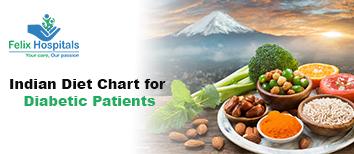
Manage diabetes effectively with a well-planned Indian vegetarian diet chart. Explore healthy meal options and tips for blood sugar control.
Sugar is an omnipresent part of our modern diet. It is found in everything from beverages and desserts to sauces and snacks. While it adds sweetness and flavor, excessive consumption of sugar can have detrimental effects on health.
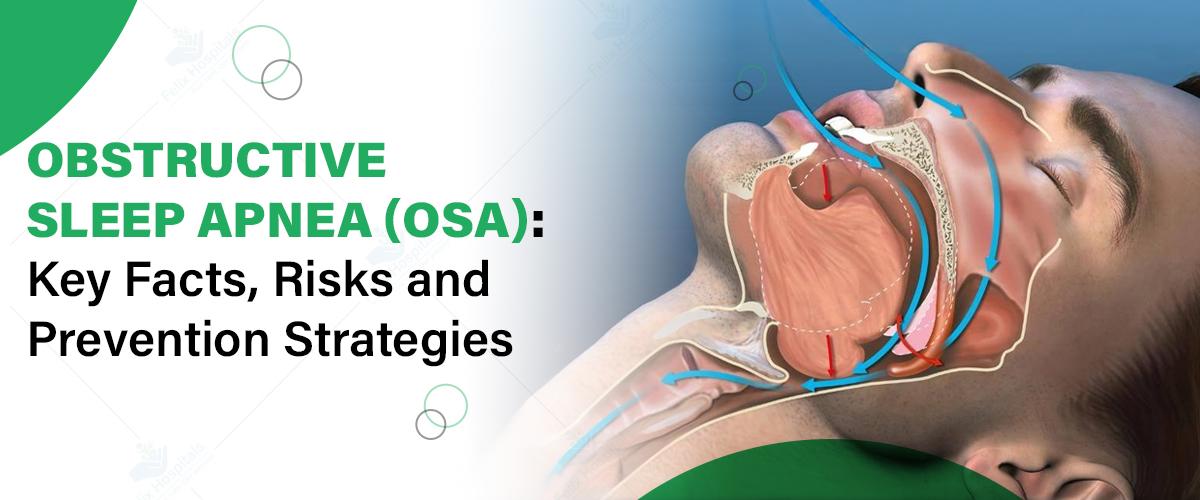
Obstructive Sleep Apnea (OSA) is a common but serious sleep disorder that affects millions of people worldwide. Characterized by repeated interruptions in breathing during sleep, OSA can lead to a variety of health complications if left untreated. Understanding the condition, its causes, symptoms, and treatment options is crucial for effective management and maintaining overall well-being. Diagnosis and treatment at the best ENT hospital in Noida can ensure the best care for OSA patients, addressing the root causes and offering advanced therapies to improve sleep quality and overall health. Let’s dive into everything you need to know about Obstructive Sleep Apnea, including its diagnosis, risk factors, and available therapies.
Schedule a consultation with our experienced sleep specialists today. Call now at +91 9667064100.
Obstructive Sleep Apnea occurs when the muscles in the throat relax excessively during sleep, causing the airway to become partially or fully blocked. This leads to repeated pauses in breathing (called apneas), often followed by a choking or gasping sound as the body tries to restart normal breathing. Each pause can last from a few seconds to more than a minute, significantly disrupting sleep and reducing oxygen levels in the blood.
Unlike Central Sleep Apnea (CSA), which involves a failure of the brain to signal muscles to breathe, OSA is primarily a mechanical issue involving the airway.
Several factors contribute to the development of OSA. Some of the most common causes include:
1. Excess Weight: Being overweight or obese is one of the most significant risk factors for OSA. Extra fat tissue around the neck can press on the airway and cause obstructions.
2. Anatomical Factors: The shape and size of a person's airway can predispose them to OSA. Individuals with a narrow throat, enlarged tonsils, or a large tongue may be more likely to develop the condition.
3. Age: OSA tends to be more common in older adults. As people age, muscle tone in the throat decreases, making it more likely for the airway to collapse during sleep.
4. Gender: Men are more likely to develop OSA than women. However, the risk for women increases after menopause.
5. Family History: Genetics can play a role in OSA. People with a family history of sleep apnea are more likely to develop the condition themselves.
6. Alcohol and Sedatives: These substances relax the muscles in the throat, increasing the likelihood of airway collapse during sleep.
7. Smoking: Smokers are more likely to develop OSA due to the inflammation and fluid retention in the upper airway caused by smoking.
8. Nasal Congestion: Chronic nasal congestion, whether from allergies or other causes, can make it harder to breathe through the nose, contributing to OSA.
OSA can manifest in a variety of ways, some of which may be easily noticeable, while others may go unnoticed without a proper diagnosis. Common symptoms of OSA include:
1. Loud Snoring: This is often one of the most recognizable symptoms of OSA. Snoring results from the vibration of tissues as air struggles to pass through a partially blocked airway.
2. Pauses in Breathing: Bed partners may notice that the individual stops breathing for short periods during sleep, often followed by a choking or gasping sound.
3. Excessive Daytime Sleepiness: Because OSA disrupts normal sleep cycles, individuals often feel fatigued during the day, despite spending a full night in bed.
4. Morning Headaches: OSA can lead to lower oxygen levels during the night, which may result in headaches upon waking.
5. Dry Mouth or Sore Throat: Breathing through the mouth due to a blocked airway can lead to dryness and discomfort.
6. Difficulty Concentrating: Lack of restful sleep can affect cognitive functions like concentration, memory, and decision-making.
7. Mood Changes: Individuals with OSA may experience irritability, depression, or anxiety due to chronic fatigue.
8. Restless Sleep: People with OSA often experience frequent awakenings during the night, although they may not remember them.
If left untreated, OSA can lead to a range of serious health problems. These include:
1. Cardiovascular Problems: OSA is closely linked to an increased risk of high blood pressure, heart attacks, strokes, and arrhythmias. Repeated drops in oxygen levels can put a strain on the cardiovascular system.
2. Diabetes: Sleep apnea has been associated with insulin resistance, which increases the risk of developing type 2 diabetes.
3. Daytime Fatigue: Chronic daytime sleepiness can impair concentration, reaction times, and overall performance, increasing the risk of accidents, especially while driving.
4. Metabolic Syndrome: OSA is associated with a cluster of conditions, including high blood pressure, abnormal cholesterol levels, and high blood sugar, all of which increase the risk of heart disease.
5. Liver Problems: People with OSA are more likely to have abnormal results on liver function tests, and their livers may show signs of scarring.
6. Impaired Immune Function: Poor sleep quality can weaken the immune system, making it harder for the body to fend off infections.
7. Mental Health Issues: The lack of quality sleep and chronic fatigue caused by OSA can contribute to the development or worsening of mental health conditions such as depression and anxiety.
Diagnosing OSA involves a thorough evaluation by a healthcare provider, often including a sleep specialist. Key diagnostic steps include:
1. Medical History: The doctor will ask about symptoms, medical history, and family history of sleep disorders.
2. Physical Examination: A physical exam may focus on the airway, looking for anatomical abnormalities like enlarged tonsils, a large tongue, or nasal obstructions.
3. Sleep Study (Polysomnography): The gold standard for diagnosing OSA is an overnight sleep study. This test monitors various physiological parameters during sleep, including brain activity, eye movements, heart rate, breathing patterns, oxygen levels, and limb movements. The results can help determine the severity of OSA and guide treatment decisions.
4. Home Sleep Apnea Testing: In some cases, a simpler version of a sleep study can be done at home using portable equipment to monitor breathing, oxygen levels, and heart rate.
The treatment of OSA depends on the severity of the condition and the underlying causes. Common treatment options include:
1. Continuous Positive Airway Pressure (CPAP)
CPAP therapy is the most common and effective treatment for moderate to severe OSA. It involves wearing a mask that delivers a constant stream of air pressure, keeping the airway open during sleep. Although it can take some time to get used to, CPAP is highly effective in reducing symptoms and improving quality of life.
2. Oral Appliances
For individuals with mild to moderate OSA, oral appliances may be recommended. These devices, worn in the mouth during sleep, help reposition the jaw and tongue to keep the airway open. They are often used when CPAP is not tolerated or preferred.
3. Lifestyle Changes
Certain lifestyle modifications can significantly reduce the severity of OSA:
Weight Loss: Losing excess weight can reduce fat deposits around the neck and improve airway function.
Exercise: Regular physical activity can help improve muscle tone and respiratory health.
Positional Therapy: Sleeping on your back can worsen OSA. Special devices or pillows can help keep individuals sleeping on their side, reducing airway blockages.
Avoiding Alcohol and Sedatives: Limiting the use of these substances can prevent excessive relaxation of the throat muscles.
4. Surgery
In some cases, surgery may be necessary to correct structural problems that contribute to OSA. Common surgical options include:
Uvulopalatopharyngoplasty (UPPP): This surgery involves removing excess tissue from the throat to widen the airway.
Genioglossus Advancement (GA): This procedure repositions the tongue muscle attachment to prevent airway obstruction.
Maxillomandibular Advancement (MMA): This involves moving the upper and lower jaw forward to enlarge the airway.
Tracheostomy: In severe cases, a tracheostomy may be performed to create an alternate airway through the neck.
5. Inspire Therapy (Upper Airway Stimulation)
Inspire therapy is a relatively new, FDA-approved treatment for moderate to severe OSA. It involves a surgically implanted device that stimulates the muscles of the airway to stay open during sleep. This option is typically recommended for patients who cannot tolerate CPAP.
While OSA may not always be preventable, certain measures can reduce the risk of developing the condition:
1. Maintain a Healthy Weight: Keeping a healthy weight through diet and exercise can reduce the risk of airway obstruction.
2. Sleep on Your Side: Sleeping on your back can exacerbate OSA, so side-sleeping is often recommended.
3. Avoid Alcohol and Sedatives: These substances relax throat muscles and can increase the risk of airway collapse.
4. Treat Allergies and Congestion: Managing chronic nasal congestion or allergies can help maintain a clear airway during sleep.
Struggling with sleep apnea? Get specialized and comprehensive care from our expert doctors at Felix Hospitals.
Dr. Priyadarshi Jitendra Kumar (Pulmonologist)
With over 20 years of experience, Dr. Priyadarshi is a leading pulmonologist specializing in respiratory emergencies, critical care, sleeping disorders, and interventional pulmonology. He has performed over 2,700 flexible bronchoscopies, 350 EBUS procedures, 200 medical thoracoscopies, and evaluated more than 300 sleep studies (Polysomnography). Consult Dr. Priyadarshi for expert management of sleep apnea, chest, and respiratory conditions.
Dr. Arvinder Pal Singh (ENT Specialist, MBBS, MS)
A highly experienced ENT specialist, Dr. Arvinder Pal Singh excels in diagnosing and treating Obstructive Sleep Apnea (OSA). His in-depth understanding of airway disorders ensures precise and effective care for patients struggling with sleep-related breathing issues.
Dr. Kunwar Parvez (ENT Specialist, MBBS, MS)
Renowned as one of the best ENT doctors in Noida, Dr. Kunwar Parvez offers advanced treatment solutions for OSA. His dedication to patient care and innovative techniques provide effective relief from sleep apnea and related symptoms.
Obstructive Sleep Apnea is a serious condition that can have far-reaching consequences if left untreated. However, with proper diagnosis and a range of effective treatments, individuals with OSA can manage their symptoms, improve their sleep quality, and reduce the risk of complications. If you or someone you know is experiencing symptoms of OSA, such as loud snoring, frequent awakenings, or daytime fatigue, consult a healthcare provider for a proper evaluation and treatment plan. For those concerned about the ENT treatment cost in Noida, it’s important to seek consultation to understand the affordable and effective options available for managing OSA.
Take control of your health and prevent the long-term complications of untreated sleep apnea. Click Here to start your journey to better sleep and a healthier life!
1. What is Obstructive Sleep Apnea (OSA)?
ANS: OSA is a sleep disorder in which the airway becomes partially or completely blocked during sleep, causing breathing interruptions that can last from a few seconds to over a minute.
2. What are the common symptoms of Obstructive Sleep Apnea?
ANS: Common symptoms include loud snoring, pauses in breathing during sleep, gasping or choking, daytime sleepiness, morning headaches, dry mouth, and difficulty concentrating.
3. How is Obstructive Sleep Apnea diagnosed?
ANS: OSA is diagnosed through a sleep study (polysomnography), which monitors your breathing, oxygen levels, heart rate, and other vital signs while you sleep. A home sleep apnea test (HSAT) may also be recommended in some cases.
4. Can lifestyle changes help manage OSA?
ANS: Yes, lifestyle changes such as losing weight, avoiding alcohol and sedatives, sleeping on your side, and maintaining a healthy sleep routine can help manage OSA, especially in mild cases.
5. What is the most common treatment for Obstructive Sleep Apnea?
ANS: The most common treatment for OSA is Continuous Positive Airway Pressure (CPAP) therapy, which delivers a steady stream of air to keep the airway open during sleep.
6. Is surgery necessary to treat Obstructive Sleep Apnea?
ANS: Surgery may be necessary in severe cases of OSA where other treatments are ineffective. Surgical options include Uvulopalatopharyngoplasty (UPPP) and Inspire therapy, among others.
7. What are the risks of untreated Obstructive Sleep Apnea?
ANS: Untreated OSA can lead to serious complications such as high blood pressure, heart disease, stroke, diabetes, and reduced quality of life due to chronic fatigue.
ENT health is essential for proper breathing, hearing, speech, and balance. Early detection and expert care ensure a better quality of life and prevent chronic complications.
Gum disease, also known as periodontal disease, is an inflammatory condition that affects the tissues surrounding the teeth.
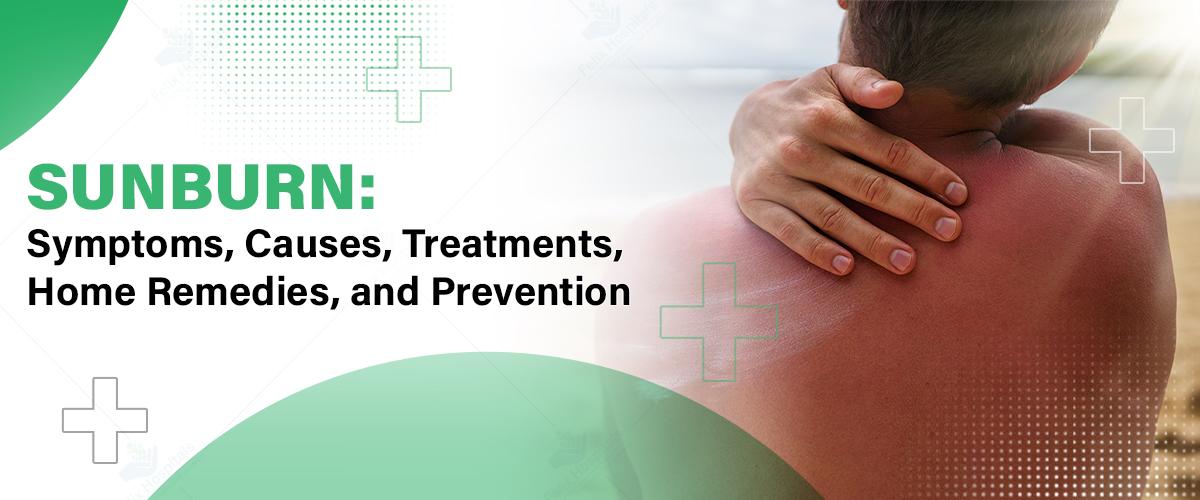
Sunburn is a common skin condition caused by excessive exposure to ultraviolet (UV) radiation, typically from the sun. It results in red, inflamed skin that can be painful and, in severe cases, may lead to long-term damage, including premature aging and an increased risk of skin cancer. Protecting your skin from harmful UV rays is crucial, especially during peak sun hours. If you’re dealing with sunburn, it's essential to understand the causes, symptoms, and treatments to prevent complications and promote healing with the best skin treatment hospital in Noida.
Book an appointment today by calling +91 9667064100 with the best skincare specialists at Felix Hospital to receive personalized care and professional advice.
Sunburn is the skin’s reaction to prolonged exposure to UV radiation, primarily from the sun. The skin absorbs UV rays, which damage the outer layer, causing redness, pain, and sometimes blisters. Repeated exposure can lead to more severe conditions, including skin cancer. While sunburn can affect anyone, people with lighter skin tones are generally more susceptible. For those who experience long-term skin damage due to sunburn, seeking treatment at a Skin Rejuvenation and Resurfacing Hospital can help restore and rejuvenate affected areas, promoting healthier skin.
Sunburn is caused by overexposure to ultraviolet (UV) radiation from the sun or artificial sources, like tanning beds. The following factors increase the risk:
Extended Sun Exposure: Spending long periods outdoors, especially between 10 AM and 4 PM, when UV rays are strongest, can lead to sunburn without proper protection.
Lack of Sun Protection: Not using sunscreen with at least SPF 30 or failing to wear protective clothing like hats and sunglasses can leave skin vulnerable to UV rays.
Tanning Beds: Artificial UV rays from tanning beds pose the same risk as natural sunlight and can cause sunburn.
High Altitudes and Reflection: UV exposure intensifies at higher altitudes and on reflective surfaces like water, snow, and sand, increasing the risk of sunburn.
Sunburn symptoms typically appear a few hours after exposure and can range in severity:
Redness and Inflammation: The skin becomes red, irritated, and tender to the touch.
Pain or Sensitivity: The affected area may feel sore and sensitive, especially when touched.
Blisters: Severe sunburns may cause fluid-filled blisters on the skin.
Peeling Skin: After a few days, the skin may peel as it begins to heal.
Fever and Chills: In extreme cases, sunburn may be accompanied by fever, chills, nausea, and headache, indicating sun poisoning.
Sunburn is generally diagnosed by a healthcare provider based on a visual examination of the skin and the patient’s history of sun exposure. No specific tests are needed, but severe cases may require medical attention to assess skin damage and guide treatment.
Treatment focuses on relieving symptoms and helping the skin heal:
Pain Relief: Over-the-counter pain medications like ibuprofen or aspirin can help reduce pain and swelling.
Hydration: Drinking plenty of fluids helps rehydrate the skin and the body.
Topical Creams: Aloe vera gel or hydrocortisone cream can soothe inflamed skin and reduce discomfort.
Cool Compresses: Applying a cold, damp cloth to the affected area can help soothe pain and reduce heat.
Avoid Further Exposure: Stay out of the sun until the skin heals completely to prevent further damage.
Several home remedies can help ease the discomfort of sunburn and speed up recovery:
Aloe Vera: Known for its soothing properties, aloe vera gel can provide relief and help repair damaged skin.
Cool Baths: Taking cool baths with oatmeal or baking soda can calm irritated skin.
Cucumber Slices: Applying cucumber to sunburned areas can reduce swelling and discomfort.
Coconut Oil: Once the skin has cooled, coconut oil can help moisturize and heal dry, peeling skin.
Stay Hydrated: Drinking extra water helps restore fluids lost due to sun exposure.
Preventing sunburn is easier than treating it. Here are some preventive measures:
Use Sunscreen: Apply broad-spectrum sunscreen with at least SPF 30, 15-30 minutes before going outside, and reapply every two hours or more frequently if swimming or sweating.
Wear Protective Clothing: Long-sleeved shirts, wide-brimmed hats, and sunglasses help shield the skin from harmful UV rays.
Seek Shade: Stay in the shade during peak sun hours, especially between 10 AM and 4 PM.
Avoid Tanning Beds: Artificial UV light from tanning beds is just as harmful as the sun’s rays.
At Felix Hospital, we have a team of the best skin care treatment surgeons dedicated to providing top-notch care for skin conditions like sunburn. Meet our Best skincare doctors:
Dr.Kusum Gupta: A renowned dermatologist with years of experience in treating a wide range of skin conditions, including sunburn and UV damage.
Dr.Saurabh Bhatia: A specialist in skincare treatments, Dr. Bhatia focuses on both prevention and healing of skin-related conditions caused by UV exposure.
Concerned about sunburn or other skin conditions? Schedule a consultation by Clicking Here.
Sunburn is more than just an uncomfortable skin condition—it can have long-term health implications if not properly treated or prevented. By understanding the symptoms, causes, and available treatments, you can better protect yourself from the harmful effects of UV radiation. If you experience severe sunburn or other skin issues and also want to know about the skin care treatment cost, consult a skin care expert at Felix Hospital for professional advice and care.
1. What is the best way to treat sunburn?
ANS: The best way to treat sunburn is by cooling the skin with cold compresses, applying aloe vera gel, and taking over-the-counter pain relievers. Staying hydrated and avoiding further sun exposure is also essential.
2. Can sunburn lead to long-term damage?
ANS: Yes, repeated sunburns can cause long-term damage, such as premature skin aging and an increased risk of skin cancer.
3. How soon do sunburn symptoms appear?
ANS: Sunburn symptoms typically appear within a few hours of sun exposure and worsen over the next 24 to 48 hours.
4. Can I prevent sunburn with sunscreen alone?
ANS: While sunscreen is essential for preventing sunburn, it's also important to wear protective clothing, seek shade, and avoid peak sun hours for complete protection.
5. Is it safe to use home remedies for sunburn?
ANS: Yes, many home remedies like aloe vera, cool baths, and cucumber slices can help soothe sunburn. However, for severe burns, consult a doctor.
6. When should I see a doctor for sunburn?
ANS: You should see a doctor if your sunburn is accompanied by blisters, fever, nausea, or severe pain, as these are signs of a more serious condition.
7. How long does sunburn take to heal?
ANS: Mild sunburn usually heals within three to five days. More severe burns may take up to two weeks or longer to fully heal.
8. Can sunburn increase the risk of skin cancer?
ANS: Yes, frequent sunburns, especially those with blistering, can increase your risk of developing skin cancer over time.

Certain skin disorders aren’t preventable, including genetic conditions and some skin problems due to other illnesses.
Understanding the types of skin rashes, their symptoms, causes, and treatment options is essential for anyone experiencing skin issues.
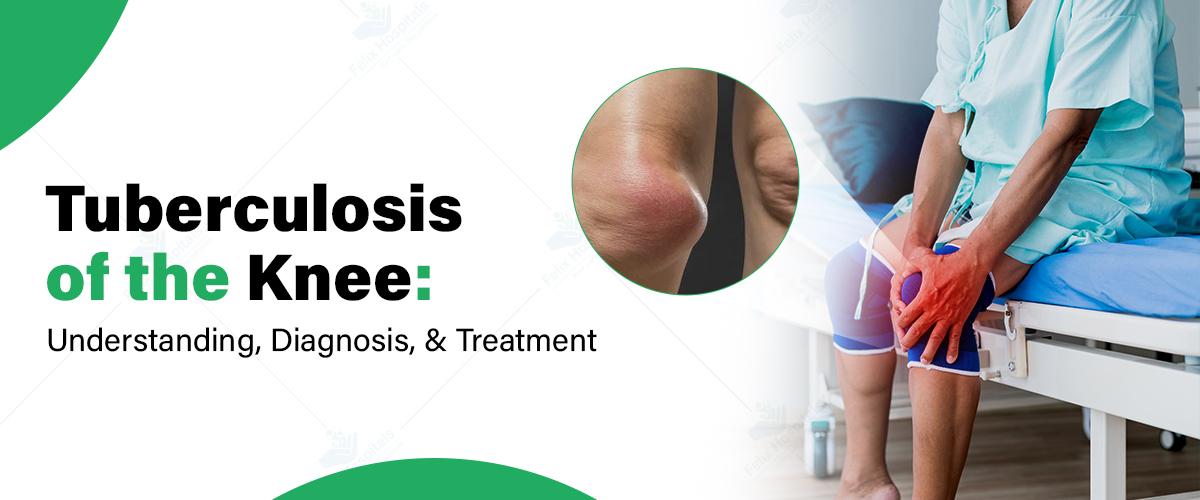
Tuberculosis (TB) is a contagious bacterial infection primarily known for affecting the lungs. However, it can also impact other parts of the body, including bones and joints. One notable manifestation is tuberculosis of the knee, a condition that poses significant health challenges and can lead to debilitating outcomes if not diagnosed and treated promptly. This blog aims to provide a comprehensive overview of tuberculosis of the knee, including its causes, symptoms, diagnosis, treatment options, and preventive measures, as well as highlighting the importance of seeking care at the best orthopedic hospital in Noida.
Stay informed about tuberculosis and its effects on your health. Your health journey starts here! Click Here to schedule your appointment.
TB is caused by the bacterium Mycobacterium tuberculosis, which is transmitted from person to person through the air when an infected individual coughs or sneezes. While pulmonary tuberculosis is the most common form, extrapulmonary TB can affect various organs, including the musculoskeletal system.
Epidemiology
Tuberculosis remains a global health concern, particularly in developing countries. According to the World Health Organization (WHO), millions of people are diagnosed with TB each year, and a substantial number suffer from extrapulmonary forms, including osteoarticular TB. The knee joint is one of the most commonly affected sites in the body outside the lungs.
Tuberculosis of the knee typically occurs when the TB bacteria spread from an existing infection in the lungs or another part of the body to the joint. This can happen through several mechanisms, including:
Hematogenous Spread: The bacteria can enter the bloodstream and infect the synovial tissue of the knee joint.
Direct Extension: TB can spread from adjacent infected bones or soft tissues directly into the knee joint.
Reactivation: A dormant TB infection may reactivate, leading to joint involvement.
Several risk factors increase the likelihood of developing tuberculosis of the knee, including:
Immunocompromised States: Individuals with weakened immune systems, such as those with HIV/AIDS, diabetes, or chronic kidney disease, are at higher risk.
Previous TB Infection: A history of pulmonary TB increases the risk of developing extrapulmonary TB.
Malnutrition: Poor nutritional status can impair immune function and increase susceptibility to infections.
Age: Young children and older adults are more susceptible to TB infections.
The symptoms of tuberculosis of the knee can be nonspecific, often mimicking other knee disorders. Early recognition is crucial for effective treatment. Common symptoms include:
Joint Pain: Persistent pain in the knee that may worsen with movement or weight-bearing activities.
Swelling: The knee may become swollen and tender due to inflammation and fluid accumulation in the joint.
Limited Range of Motion: Patients may experience stiffness and difficulty moving the knee joint.
Fever and Night Sweats: Systemic symptoms such as low-grade fever, night sweats, and fatigue may accompany localized symptoms.
Weight Loss: Unexplained weight loss may occur due to the chronic nature of the infection.
Sinus Tract Formation: In advanced cases, abscesses may form, leading to the development of sinuses that discharge pus.
Diagnosing tuberculosis of the knee involves a combination of clinical evaluation, imaging studies, and laboratory tests.
A thorough medical history and physical examination are essential. Physicians will assess the patient's symptoms, medical history, and any potential risk factors for TB.
X-rays: Initial imaging with X-rays may reveal joint effusion, bone lesions, or joint destruction.
MRI or CT Scans: Advanced imaging techniques provide detailed information about the joint and surrounding tissues, helping to assess the extent of the disease and detect any abscess formation.
Tuberculin Skin Test (TST): This test checks for previous exposure to the TB bacteria.
Interferon-Gamma Release Assays (IGRAs): Blood tests that measure the immune response to TB antigens can help in diagnosing latent TB infections.
Joint Aspiration: If there is significant joint swelling, a physician may perform an arthrocentesis to extract synovial fluid for analysis. The fluid can be examined for the presence of TB bacteria and inflammatory cells.
Biopsy: In some cases, a tissue biopsy may be necessary to confirm the diagnosis by identifying the bacteria.
Treating tuberculosis of the knee requires a comprehensive approach that typically involves both medical and surgical interventions.
The cornerstone of treatment for tuberculosis of the knee is a prolonged course of antitubercular medications. The standard regimen includes:
First-Line Antitubercular Drugs: The most commonly prescribed medications are isoniazid, rifampicin, ethambutol, and pyrazinamide. These drugs are usually administered for a duration of 6 to 12 months, depending on the severity of the disease and the patient's response to treatment.
Directly Observed Therapy (DOT): To enhance adherence to the treatment regimen, healthcare providers may implement DOT, where a healthcare worker supervises the patient taking their medications.
In cases where there is significant joint destruction, abscess formation, or failure to respond to medical therapy, surgical intervention may be necessary. Surgical options may include:
Debridement: Removal of infected tissue and drainage of abscesses to reduce bacterial load and improve joint function.
Joint Stabilization: In cases of joint instability due to bone loss, procedures such as arthrodesis (joint fusion) may be performed to provide stability.
Prosthetic Replacement: In advanced cases with severe joint damage, a knee replacement may be necessary.
Following treatment, a structured rehabilitation program is crucial to restoring knee function and mobility. Physical therapy may involve:
Strengthening Exercises: To improve muscle strength around the knee joint.
Range of Motion Exercises: To enhance flexibility and reduce stiffness.
Activity Modification: Educate patients about safe activities and lifestyle changes to prevent further joint damage.
Preventive measures are essential to reduce the risk of tuberculosis, particularly in high-risk populations. Key strategies include:
Vaccination: The Bacillus Calmette-Guérin (BCG) vaccine can provide some protection against TB, particularly in children.
Screening: Regular screening for TB, especially in individuals with known risk factors, can facilitate early detection and treatment.
Education: Raising awareness about the symptoms and risk factors of tuberculosis can empower individuals to seek timely medical attention.
Infection Control: Implementing infection control measures in healthcare settings to reduce the risk of transmission.
Living with tuberculosis of the knee can be challenging both physically and emotionally. Patients often face chronic pain, mobility limitations, and anxiety about their health. Individuals need to manage their condition actively to maintain knee health and improve their quality of life. Here are some tips for keeping your knees healthy while dealing with tuberculosis:
Seek Support: Engage with support groups or counseling services to address emotional and psychological challenges.
Follow-Up Care: Regular follow-up appointments with healthcare providers to monitor recovery and manage any complications.
Adopt a Healthy Lifestyle: Maintaining a balanced diet, engaging in regular physical activity, and avoiding smoking and excessive alcohol can improve overall health and support recovery.
At Felix Hospital, our expert orthopedic surgeons are here to provide top-notch care for your bone fracture needs:
An experienced orthopedic surgeon, Dr. Singh specializes in fracture management, sports injuries, and trauma care.
Dr. Goel is skilled in advanced techniques for managing complex fractures, offering both surgical and non-surgical solutions, along with rehabilitation strategies.
A dedicated orthopedic surgeon, Dr. Sahu has extensive experience in treating complex fractures and joint disorders, known for his precision and compassionate care.
Schedule a consultation with our healthcare specialists today to get a comprehensive evaluation and personalized treatment plan. Call Now at +91 9667064100.
Tuberculosis of the knee is a serious condition that requires timely diagnosis and appropriate treatment. Understanding the symptoms and risk factors is essential for early detection and effective management. With a combination of medical and surgical interventions, many patients can achieve successful outcomes and return to their daily activities. If you suspect you may have tuberculosis of the knee or experience persistent knee pain, it is crucial to consult a healthcare professional for evaluation and care. Awareness and proactive management can significantly improve the quality of life for those affected by this disease.
1. Can tuberculosis of the knee be prevented?
While not all cases can be prevented, vaccination and early detection through regular screening can reduce the risk.
2. How is tuberculosis of the knee treated?
Treatment typically involves a prolonged course of antitubercular medications and may include surgical intervention for severe cases.
3. What are the symptoms of tuberculosis of the knee?
Common symptoms include joint pain, swelling, limited range of motion, fever, night sweats, and unexplained weight loss.
4. Is tuberculosis of the knee contagious?
While the TB bacteria can spread through the air from infected individuals, tuberculosis of the knee itself is not contagious.
5. How long does treatment for tuberculosis of the knee take?
The duration of treatment can vary, but it typically lasts between 6 to 12 months, depending on the severity of the infection and the patient’s response.
6. What lifestyle changes can help during recovery?
Maintaining a balanced diet, engaging in regular physical activity, and avoiding smoking and excessive alcohol can support recovery and overall health.

Knock knees, medically known as genu valgum, is a common condition in young children where the knees angle inward and touch one another when the legs are straightened.
Knock knees, medically known as genu valgum, is a common condition in young children where the knees angle inward and touch one another when the legs are straightened.
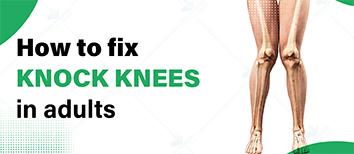
Knock knees occur when knees angle inward, creating a bow-legged appearance from the front. This condition is common in children during growth spurts.
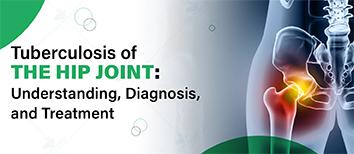
Tuberculosis (TB) is primarily known as a respiratory infection caused by Mycobacterium tuberculosis, but it can affect various body parts, including bones and joints.
Cardiovascular conditions are a leading cause of death worldwide, and two of the most dangerous heart-related emergencies are sudden cardiac arrest (SCA) and heart attacks. While both affect the heart, they are distinct conditions with different causes, symptoms, and treatments. Understanding these differences is crucial, as prompt treatment can be life-saving in both situations. If you're looking for heart care, the Best Cardiology Hospital is your trusted partner in managing and treating heart emergencies with precision and expertise.
Let’s dive into the differences between sudden cardiac arrest and heart attacks, explore their signs and symptoms, and understand what causes these potentially life-threatening events.
Learn more about the signs and symptoms, and find out how you can take proactive steps toward prevention. Contact us today at +91 9667064100.
A heart attack, medically known as a myocardial infarction, occurs when the blood flow to a section of the heart muscle becomes blocked. This blockage is often caused by a buildup of plaque (a mixture of fat, cholesterol, and other substances) in the coronary arteries, which supply blood to the heart. When the plaque ruptures, a blood clot forms, restricting or completely blocking the flow of oxygen-rich blood to the heart muscle. Without a sufficient blood supply, the heart muscle begins to die, leading to a heart attack.
The symptoms of a heart attack can vary from person to person, but common signs include:
1. Chest pain or discomfort: A common symptom is pain or discomfort in the center or left side of the chest, which may feel like pressure, squeezing, fullness, or pain. It can last for several minutes or come and go.
2. Discomfort in other areas of the upper body: Pain or discomfort may also spread to the shoulders, arms, back, neck, jaw, or stomach.
3. Shortness of breath: Difficulty breathing often accompanies chest pain and can happen before or during a heart attack.
4. Cold sweat: Excessive sweating, especially when not exerting yourself physically, can be a sign of a heart attack.
5. Fatigue: Feeling unusually tired without a clear cause may indicate a heart issue, especially in women.
6. Nausea, vomiting, or lightheadedness: Some individuals, particularly women, may experience these symptoms during a heart attack.
Heart attacks are primarily caused by coronary artery disease (CAD), a condition where the arteries that supply blood to the heart become narrow or blocked due to plaque buildup. Other contributing factors include:
Smoking
High cholesterol levels
High blood pressure
Obesity
Lack of physical activity
Diabetes
Unhealthy diet
Stress
Family history of heart disease
Sudden cardiac arrest (SCA) is a medical emergency that occurs when the heart suddenly stops beating due to an electrical malfunction. This leads to an immediate cessation of blood flow to the brain, lungs, and other vital organs. Without prompt intervention, sudden cardiac arrest can be fatal within minutes. Unlike a heart attack, SCA does not involve blocked arteries but is usually caused by electrical disturbances in the heart that disrupt its pumping action.
The symptoms of sudden cardiac arrest are abrupt and severe, often occurring without warning. Common signs include:
1. Sudden collapse: The most noticeable symptom is a sudden loss of consciousness and collapse, with no warning signs.
2. No pulse: Because the heart has stopped beating, there is no detectable pulse.
3. No breathing: Victims of sudden cardiac arrest stop breathing or have abnormal breathing (gasping or struggling for breath).
4. Loss of consciousness: The person becomes unresponsive immediately.
Sudden cardiac arrest is typically caused by electrical disturbances in the heart. The most common cause is a condition known as ventricular fibrillation, where the heart’s lower chambers quiver instead of pumping blood. Other causes include:
Coronary artery disease: SCA is often linked to coronary artery disease, where plaque buildup in the arteries can trigger electrical issues.
Heart attack: A heart attack can trigger sudden cardiac arrest by damaging the heart’s electrical system.
Arrhythmias: Abnormal heart rhythms, especially ventricular tachycardia and fibrillation, increase the risk of SCA.
Congenital heart conditions: Individuals born with certain heart defects are at higher risk for sudden cardiac arrest.
Heart failure: Weakening of the heart muscle due to chronic conditions can lead to SCA.
Hypertrophic cardiomyopathy: A condition where the heart muscle becomes abnormally thick, making it harder for the heart to pump blood and increasing the risk of SCA.
While both SCA and heart attacks are life-threatening emergencies involving the heart, they are distinctly different conditions:
1. Cause:
A heart attack is caused by a blocked artery that prevents blood flow to a part of the heart.
Sudden cardiac arrest is caused by an electrical malfunction in the heart that causes it to stop beating effectively.
2. Symptoms:
Heart attack symptoms often develop gradually over time, with warning signs such as chest pain, shortness of breath, and discomfort in other parts of the body.
Sudden cardiac arrest occurs without warning, and the person typically loses consciousness immediately.
3. Outcome:
A heart attack, if treated promptly, may leave the heart damaged but still functioning.
Sudden cardiac arrest is fatal unless immediate treatment is provided, such as CPR or defibrillation.
4. Connection:
A heart attack can sometimes lead to sudden cardiac arrest, especially if the heart’s electrical system is damaged during the attack.
Diagnosing a heart attack requires urgent medical attention. Common diagnostic tests include:
Electrocardiogram (ECG): Measures the heart’s electrical activity and can detect abnormalities caused by a heart attack.
Blood tests: Blood tests can detect markers such as troponins, which are released when the heart muscle is damaged.
Coronary angiography: This imaging test uses contrast dye and X-rays to visualize the coronary arteries and detect blockages.
In cases of sudden cardiac arrest, diagnosis occurs in the emergency room, as the focus is on reviving the patient. Key diagnostic tools include:
ECG: Used to detect abnormal heart rhythms.
Echocardiogram: Uses sound waves to create images of the heart to check for structural issues.
Blood tests: Help determine if any underlying conditions, such as heart attacks, triggered the event.
The treatment for a heart attack focuses on restoring blood flow to the heart. Common treatments include:
1. Medications: Blood thinners, clot-busting drugs, and pain relievers are often administered to break up clots and alleviate symptoms.
2. Angioplasty and stenting: A procedure where a balloon is inserted into the blocked artery to open it, often followed by placing a stent to keep the artery open.
3. Coronary artery bypass grafting (CABG): Surgery where blood vessels from other parts of the body are used to bypass blocked arteries.
Immediate treatment for SCA focuses on restoring a normal heart rhythm. The primary life-saving interventions include:
1. Cardiopulmonary resuscitation (CPR): Quick, hard chest compressions can help maintain blood flow to the brain and other organs until emergency help arrives.
2. Defibrillation: An automated external defibrillator (AED) delivers an electric shock to the heart to restore its normal rhythm.
3. Implantable cardioverter defibrillator (ICD): For people at high risk of SCA, an ICD can be implanted to monitor and correct abnormal heart rhythms.
Coronary artery disease
High blood pressure
Smoking
High cholesterol
Diabetes
Family history of heart disease
Obesity
Sedentary lifestyle
Prior history of heart attack
Arrhythmias
Congenital heart defects
Heart failure
Preventing heart attacks and sudden cardiac arrest often involves making healthy lifestyle changes. Key preventive measures include:
Healthy diet: A diet rich in fruits, vegetables, whole grains, and lean proteins can help manage cholesterol and blood pressure levels.
Regular exercise: Engaging in physical activity for at least 150 minutes a week improves heart health.
Quit smoking: Smoking is a major risk factor for heart disease and should be avoided.
Manage stress: Chronic stress can increase the risk of heart attacks and cardiac events.
Control underlying conditions: Properly managing diabetes, hypertension, and high cholesterol is crucial to reducing the risk of heart disease.
Dr. Rahul Arora, With their extensive experience and expertise in cardiology, these specialists are dedicated to providing top-notch heart care. From diagnosing complex cardiovascular conditions to delivering personalized treatment plans, they are committed to helping patients achieve optimal heart health. Trust our team of the Best cardiologists in Noida for compassionate care and cutting-edge solutions tailored to your needs.
Book your consultation by Clicking Here now to stay heart-healthy and prevent life-threatening conditions. Protect Your Heart Today!
Understanding the differences between sudden cardiac arrest and heart attack is essential for taking quick and appropriate action during a cardiac emergency. While both conditions can be life-threatening, recognizing the signs, seeking immediate medical care, and adopting heart-healthy lifestyle changes can greatly reduce the risk of these cardiovascular events. Additionally, being informed about the heart treatment cost in Noida allows patients to seek timely care without unnecessary delays, ensuring the best possible outcomes for heart-related emergencies.
1. What is the difference between a heart attack and sudden cardiac arrest?
ANS: A heart attack occurs when blood flow to the heart is blocked, while sudden cardiac arrest happens when the heart's electrical system malfunctions and the heart suddenly stops beating.
2. What are the warning signs of a heart attack?
ANS: Common symptoms include chest pain, discomfort in other areas like the arms or jaw, shortness of breath, cold sweat, fatigue, and nausea.
3. Can a heart attack lead to sudden cardiac arrest?
ANS: Yes, a heart attack can sometimes cause electrical disturbances in the heart, which can lead to sudden cardiac arrest, especially if the heart muscle is severely damaged.
4. What should I do if someone is experiencing sudden cardiac arrest?
ANS: Call emergency services immediately. Perform CPR and use an automated external defibrillator (AED) if available until professional help arrives.
5. Who is at higher risk for heart attacks and sudden cardiac arrest?
ANS: Individuals with coronary artery disease, high blood pressure, high cholesterol, diabetes, a family history of heart disease, or unhealthy lifestyle habits (such as smoking) are at greater risk.
6. How can I prevent heart attacks and sudden cardiac arrest?
ANS: Leading a healthy lifestyle—exercising regularly, eating a balanced diet, quitting smoking, managing stress, and controlling medical conditions like hypertension and diabetes—can significantly reduce the risk.
7. What are the treatment options for a heart attack?
ANS: Treatment options include medications, angioplasty, stenting, or coronary artery bypass surgery to restore blood flow to the heart.
8. Is sudden cardiac arrest always fatal?
ANS: Sudden cardiac arrest is fatal if not treated immediately, but quick action with CPR and defibrillation can save lives. Early recognition of symptoms and immediate treatment are critical.
Best heart hospital in Noida for bypass surgery at affordable prices with expert cardiac surgeons, advanced facilities, and quality patient care for better recovery.
Arrhythmia is a condition where the heart beats irregularly—too fast, too slow, or with an uneven rhythm. It can feel like a fluttering, racing, or skipped heartbeat.

Subscribe to our
© Copyright 2026. All Rights Reserved by Felix Healthcare Private Limited
Design and development by :


 +(91)9667064100
 Emergency : +(91)9667064100