 WhatsApp
 Emergency:
  WhatsApp

















Subscribe to our

Rheumatoid arthritis (RA) is a chronic inflammatory condition primarily affecting the joints, causing pain, swelling, and stiffness. While medications are essential for managing RA, dietary choices can also play a crucial role in alleviating symptoms and improving overall well-being. An Indian vegetarian diet is rich in anti-inflammatory foods that can help manage RA effectively. In this blog, we will explore an Indian diet plan for rheumatoid arthritis, focusing on the benefits of various vegetarian foods, their nutritional content, and how they can aid in managing this condition.
Take Control of Your RA Symptoms with a Personalized Diet Plan! Call us now at +91 9667064100.
Rheumatoid arthritis is an autoimmune disorder where the body's immune system mistakenly attacks the synovium, the lining of the membranes that surround the joints. This leads to inflammation, which can cause joint damage over time. The exact cause of RA is not fully understood, but genetics, environmental factors, and hormonal changes may play a role. Common symptoms include:
Joint pain and tenderness
Swelling in the joints
Stiffness, especially in the morning
Fatigue and weakness
Fever and weight loss
Managing these symptoms is crucial for improving the quality of life for individuals with RA. One effective way to do this is through diet, specifically by following a well-planned rheumatoid arthritis diet plan vegetarian that emphasizes foods with anti-inflammatory properties.
Diet can significantly influence inflammation levels in the body. Certain foods can exacerbate inflammation, while others can help reduce it. An Indian diet plan for rheumatoid arthritis focuses on whole, minimally processed foods rich in nutrients that support immune function and reduce inflammation. Here are some key components of a vegetarian diet that can be beneficial for individuals with RA:
Incorporating anti-inflammatory foods into your diet is essential for managing rheumatoid arthritis. Some of the best options include:
Fruits: Berries, cherries, oranges, and apples are rich in antioxidants and vitamins, which can help combat oxidative stress and inflammation.
Vegetables: Leafy greens like spinach, kale, and broccoli are packed with vitamins A, C, and K, along with other antioxidants that can support joint health.
Nuts and Seeds: Walnuts, almonds, chia seeds, and flaxseeds are excellent sources of omega-3 fatty acids, which have anti-inflammatory properties.
Whole grains such as brown rice, quinoa, and whole wheat are rich in fiber, which can help reduce inflammation and improve gut health. They provide essential nutrients and energy, making them a vital part of the Indian diet plan for rheumatoid arthritis.
Legumes like lentils, chickpeas, and beans are high in protein and fiber, making them excellent meat substitutes for vegetarians. They also contain various vitamins and minerals that can help support overall health.
Incorporating healthy fats into your diet is crucial for reducing inflammation. Use sources of healthy fats such as:
Olive oil: Rich in monounsaturated fats and antioxidants, olive oil can help reduce inflammation.
Avocados: Packed with healthy fats, avocados also provide vitamins E and C, which have anti-inflammatory effects.
Many Indian spices have anti-inflammatory properties. Turmeric, for example, contains curcumin, a compound known for its potent anti-inflammatory effects. Incorporating spices like ginger, garlic, and cinnamon can enhance the flavor of your meals while providing additional health benefits.
Creating a structured rheumatoid arthritis diet plan vegetarian can help individuals manage their symptoms effectively. Below is a sample diet plan that includes a variety of foods known for their anti-inflammatory properties:
Oats porridge topped with berries and a sprinkle of cinnamon
A glass of warm water with lemon and a teaspoon of turmeric
A small bowl of mixed fruits (papaya, apple, and pomegranate)
A handful of nuts (almonds and walnuts)
Quinoa salad with chickpeas, cucumber, tomatoes, and a dressing of olive oil and lemon juice
Spinach dal (lentil soup) made with turmeric and ginger
Brown rice or whole wheat roti
Vegetable sticks (carrots, cucumber) with hummus
A cup of herbal tea (ginger or chamomile)
Stir-fried vegetables (broccoli, bell peppers, and carrots) with tofu or paneer
A serving of khichdi (a mix of rice and lentils) with spices
A side of yogurt with a pinch of black salt
A glass of warm milk with a pinch of turmeric
This Indian diet plan for rheumatoid arthritis is rich in nutrients and includes foods that can help reduce inflammation while providing essential vitamins and minerals.
When following a rheumatoid arthritis diet plan vegetarian, consider the following tips to enhance its effectiveness:
1. Stay Hydrated: Drink plenty of water throughout the day to help flush out toxins and support joint health.
2. Limit Processed Foods: Avoid processed and refined foods, as they can increase inflammation and contribute to weight gain.
3. Moderate Sugar Intake: Reduce the consumption of sugary foods and beverages, which can exacerbate inflammation.
4. Mind Portion Sizes: Being mindful of portion sizes can help manage weight, which is essential for reducing stress on the joints.
5. Consult a Dietitian: Consider working with a registered dietitian who specializes in nutrition for arthritis. They can help create a personalized plan that meets your dietary needs and preferences.
For individuals seeking professional guidance and treatment for rheumatoid arthritis, it is essential to consult experts in the field. The best rheumatology hospital in India can provide comprehensive care, including nutritional advice and tailored treatment plans.
While diet plays a vital role in managing RA, it is important to consider other treatment options as well. These may include:
Medications: Disease-modifying antirheumatic drugs (DMARDs) and biologics can help reduce inflammation and slow the progression of the disease.
Physical Therapy: Engaging in physical therapy can help improve joint mobility and strength.
Exercise: Regular, low-impact exercises can help reduce stiffness and improve overall joint function.
Understanding the financial aspect of treatment is crucial. The cost of treatment for rheumatoid arthritis in Noida may vary depending on several factors, including the type of medication, frequency of doctor visits, and any additional therapies required. Consulting with healthcare providers can help estimate these costs and plan accordingly.
While rheumatoid arthritis cannot be completely prevented, certain lifestyle changes can help reduce the risk of flare-ups and manage symptoms:
1. Maintain a Healthy Weight: Excess weight can put additional stress on the joints. Adopting a balanced vegetarian diet can help in weight management.
2. Exercise Regularly: Engage in low-impact exercises such as walking, swimming, or yoga to keep joints flexible and maintain muscle strength.
3. Manage Stress: Stress can trigger RA flare-ups. Practice relaxation techniques like deep breathing, meditation, or yoga to manage stress effectively.
4. Get Adequate Sleep: Quality sleep is vital for overall health and can help reduce fatigue associated with RA.
5. Avoid Smoking and Limit Alcohol: Smoking can worsen RA symptoms, while excessive alcohol can interfere with medications.
It is crucial to seek advice from experts for those considering surgical options or advanced treatments. Dr. Kiran Seth, the best rheumatologist in Noida, is renowned for his expertise in minimally invasive procedures. Consulting with him can provide valuable insights into effective management strategies for rheumatoid arthritis. Additionally, for those managing rheumatoid arthritis, proper nutrition plays a vital role in controlling symptoms and promoting joint health. Dt. Pooja Yadav, a senior dietitian with extensive experience, works alongside the medical team at Felix Hospital to provide personalized dietary plans.
Expert Care for Rheumatoid Arthritis at Felix Hospital By Clicking Here visit our website to schedule an appointment!
Managing rheumatoid arthritis through diet is an effective approach that can complement medical treatments. An Indian vegetarian diet rich in anti-inflammatory foods can help alleviate symptoms and improve overall health. By following an Indian diet plan for rheumatoid arthritis, incorporating a variety of nutrient-dense foods, and making lifestyle changes, individuals can take charge of their health and well-being.
If you or a loved one is living with rheumatoid arthritis, consider reaching out to healthcare professionals who specialize in nutrition and diet services. They can help you explore the benefits of a personalized rheumatoid arthritis diet plan tailored to your specific needs. With the right support and dietary choices, it is possible to lead a fulfilling life despite the challenges posed by this condition.
1. Can diet alone cure rheumatoid arthritis?
Ans: While diet can significantly help manage symptoms and improve overall health, it is not a cure for rheumatoid arthritis. It should be combined with medical treatments as prescribed by a healthcare provider.
2. What are the best foods to include in a rheumatoid arthritis diet?
Ans: Foods rich in omega-3 fatty acids (like walnuts and flaxseeds), fruits, vegetables, whole grains, and healthy fats (like olive oil) are beneficial for reducing inflammation.
3. Are there any foods to avoid with rheumatoid arthritis?
Ans: It is advisable to limit processed foods, sugary items, and excessive saturated fats, as they can increase inflammation and worsen symptoms.
4. How long does it take to see improvements with dietary changes?
Ans: Individuals may begin to notice improvements in symptoms within a few weeks of making dietary changes. However, this can vary from person to person.
5. Can I still eat dairy if I have rheumatoid arthritis?
Ans: Some people with RA may find dairy products to exacerbate symptoms, while others may tolerate them well. It is important to listen to your body and consult with a dietitian for personalized advice.

To lose weight effectively, start by creating a calorie deficit—consuming fewer calories than you burn. A safe, steady weight loss usually requires a daily deficit of 500–1000 calories, helping you lose about 0.5 to 1 kilogram per week.

Manage diabetes effectively with a well-planned Indian vegetarian diet chart. Explore healthy meal options and tips for blood sugar control.

Do you find yourself constantly tired, breathless, or unable to cope with sudden physical activity?

Cataracts, or "Motiyabind" in Hindi, refer to the clouding of the eye's natural lens, leading to blurred vision. They are one of the most common eye conditions, especially among older adults. Cataracts develop slowly over time and can significantly impact your quality of life if not treated. The only effective treatment for cataracts is surgery, but deciding when to undergo this procedure is often a challenging decision. This blog will provide an in-depth discussion on cataracts, how they affect your vision, and when it is the right time for cataract surgery.
If you are considering surgery, it's essential to choose the best hospital for cataract surgery to ensure you receive top-quality care and the latest surgical techniques.
Are you struggling with blurry vision due to cataracts? Schedule a consultation with our skilled ophthalmologists at Felix Hospital today by Calling +91 9667064100.
The eye works like a camera, with the lens focusing light onto the retina to create a clear image. As we age, proteins in the lens begin to clump together, forming cloudy areas, which are what we know as cataracts. As cataracts progress, they scatter and block light, leading to vision issues. Cataracts are not painful, but their gradual development can cause significant discomfort in day-to-day activities, such as reading, driving, or even recognizing faces.
Nuclear Cataracts: Affect the center of the lens and are most common with aging.
Cortical Cataracts: Form in the outer edges of the lens and slowly spread toward the center.
Posterior Subcapsular Cataracts: Affect the back of the lens and tend to progress faster than other types.
Congenital Cataracts: Present from birth or form during childhood due to genetic factors or infections.
The early symptoms of cataracts can be subtle, which is why regular eye checkups are important. Some signs to watch out for include:
Blurry Vision: One of the most common symptoms, is where things appear fuzzy or unclear.
Increased Sensitivity to Light: Bright lights may cause discomfort or glare.
Halos Around Lights: You may notice halos or a ring of light around headlights or lamps.
Difficulty Seeing at Night: Cataracts can make night driving more difficult, as vision in low light worsens.
Fading or Yellowing of Colors: Colors may not seem as bright or vibrant as they once were.
Double Vision in One Eye: As cataracts develop, some people experience double vision in one eye.
Cataracts develop gradually, and in the early stages, they may not cause significant disruption to your daily life. Some people may live with cataracts for years without needing surgery, while others may experience a rapid decline in vision.
Stronger Eyeglasses: Prescription glasses may help improve your vision temporarily.
Brighter Lighting: Using brighter lights at home or work can help with reading and other activities.
Anti-Glare Sunglasses: Sunglasses with anti-glare coatings can help reduce glare in bright environments.
However, as cataracts progress, these measures may become ineffective, and surgery will eventually be required to restore clear vision.
While the decision to have cataract surgery should always be made in consultation with your eye doctor, several factors can help you determine the right time for surgery:
The most important factor in deciding the timing of cataract surgery is how much your vision problems are affecting your daily activities. If cataracts are making it difficult to read, drive, work, or enjoy hobbies like gardening or knitting, it may be time to consider surgery.
One of the key indicators that cataract surgery may be needed is difficulty driving, especially at night. If you find it hard to see road signs, experience glares from headlights, or feel unsafe behind the wheel, cataracts could be compromising your driving ability.
Eye doctors perform several tests to evaluate the severity of cataracts. A visual acuity test, for example, can help determine how much cataracts are affecting your vision. If you are struggling to see objects at a certain distance or your vision is not improving with glasses, surgery may be recommended.
Your overall health can also play a role in the timing of cataract surgery. If you have other eye conditions such as glaucoma, diabetic retinopathy, or macular degeneration, your doctor may recommend earlier intervention. Additionally, if you are facing any serious medical issues, you might want to avoid delaying cataract surgery for too long.
While cataracts don’t always need to be treated immediately, delaying surgery for too long can have consequences. As cataracts progress, they become denser and harder to remove, increasing the risk of complications during surgery. Advanced cataracts can also lead to other issues, such as inflammation, glaucoma, or even complete loss of vision.
Your personal preferences and lifestyle choices are also important considerations. For example, if you are an active person who enjoys outdoor activities or sports, cataracts can quickly become a hindrance. On the other hand, if your cataracts are not significantly affecting your quality of life, you may choose to wait until surgery becomes necessary.
There is no one-size-fits-all answer to this question, as the best time for cataract surgery depends on your unique circumstances. However, experts generally agree that cataract surgery should be performed when your vision loss begins to interfere with your ability to carry out everyday tasks.
You have difficulty seeing well enough to perform normal tasks like reading, driving, or recognizing faces.
Your vision problems are affecting your safety, such as causing falls or making it difficult to drive safely at night.
Your cataracts are interfering with the treatment of other eye conditions like diabetic retinopathy or Macular degeneration.
You have a job or hobby that requires clear vision and your cataracts are hindering your ability to perform.
In most cases, you do not need to rush into surgery the moment cataracts are diagnosed. Instead, work with your eye doctor to monitor your condition and determine when surgery is necessary. Cataract surgery can significantly improve your quality of life, but the timing should align with your personal and medical needs.
Cataract surgery is one of the most common and safest surgical procedures performed worldwide. The surgery typically takes about 30 minutes to an hour, and most patients can go home the same day.
During cataract surgery, the cloudy lens is removed and replaced with an artificial intraocular lens (IOL). The procedure can be performed using two primary techniques:
Phacoemulsification: The most common technique, where a small incision is made in the eye, and ultrasonic waves are used to break up the cloudy lens. The fragments are then suctioned out, and an IOL is inserted.
Extracapsular Cataract Extraction (ECCE): This method is used for more advanced cataracts. A larger incision is made, and the cloudy lens is removed in one piece. The IOL is then inserted.
Recovery from cataract surgery is usually quick, with most people returning to normal activities within a few days. You may experience mild discomfort, itching, or light sensitivity in the days following the procedure, but these symptoms typically resolve on their own.
Using prescribed eye drops to reduce inflammation and prevent infection.
Wearing protective eyewear to shield your eyes from bright lights or injury.
Avoid strenuous activities or heavy lifting for a few weeks.
Attending follow-up appointments to monitor your healing and ensure proper lens placement.
Most people experience improved vision within a few days of surgery, but full recovery can take a few weeks. After the procedure, you should be able to resume normal activities, including driving, reading, and engaging in hobbies that were previously hindered by cataracts.
At Felix Hospital, our team of the Best Doctors for cataract surgery specializes in the diagnosis and treatment of cataracts and other eye conditions.
Dr. Deepanjali Arya: With over 15 years of experience in ophthalmology, Dr. Arya is recognized for her proficiency in managing various eye conditions, including cataracts, dry eyes, and glaucoma.
Dr. Mohmad Uzair Zakai: Known as one of the best doctors for cataract treatment, Dr. Zakai has successfully performed numerous cataract surgeries, helping patients regain their vision and improve their quality of life.
Reach out to Felix Hospital by Clicking Here for an eye examination and find out how our advanced cataract treatment can improve your quality of life.
Deciding when to undergo cataract surgery is a personal choice based on how much cataracts impact your daily life. While it's safe to delay surgery in the early stages, it’s essential to monitor cataract progression and act when it starts to affect your vision or safety. Consulting an experienced ophthalmologist will help determine the right time for surgery. At Felix Hospital, our expert team offers top-quality cataract care using advanced techniques. If you’re concerned about your vision or wondering about the cost of cataract surgery, contact us today for personalized guidance and treatment options.
1. What are the common symptoms of cataracts?
ANS: Common symptoms of cataracts include blurry vision, increased sensitivity to light, halos around lights, difficulty seeing at night, fading colors, and double vision in one eye.
2. Can cataracts be treated without surgery?
ANS: In the early stages, cataracts may be managed with stronger eyeglasses, brighter lighting, and anti-glare sunglasses. However, surgery is the only effective long-term solution.
3. How do I know when it's time for cataract surgery?
ANS: You should consider surgery if your vision loss affects daily activities, such as reading or driving, or if your cataracts interfere with treating other eye conditions.
4. What is the cataract surgery procedure like?
ANS: Cataract surgery involves removing the cloudy lens and replacing it with an artificial intraocular lens (IOL). It usually takes about 30 minutes, and most patients can go home the same day.
5. How long is the recovery after cataract surgery?
ANS: Most people return to normal activities within a few days after surgery, although full recovery may take a few weeks. You may experience mild discomfort and light sensitivity during this time.
6. Are there any risks associated with cataract surgery?
ANS: Cataract surgery is generally safe, but like any surgery, it carries risks, including infection, bleeding, or retinal detachment. Discuss these risks with your ophthalmologist.
7. Will I need to wear glasses after cataract surgery?
ANS: Many patients find that their vision improves significantly after surgery, but some may still require glasses for reading or other specific tasks, depending on the type of IOL used.
8. How much does cataract surgery cost?
ANS: The cost of cataract surgery can vary based on the hospital, the type of lens used, and any additional services. It's best to consult with your healthcare provider for a detailed estimate.

Cataract surgery is essential to restore clear vision and prevent permanent blindness. It removes the cloudy lens and replaces it with an artificial one, helping patients regain normal sight and quality of life.
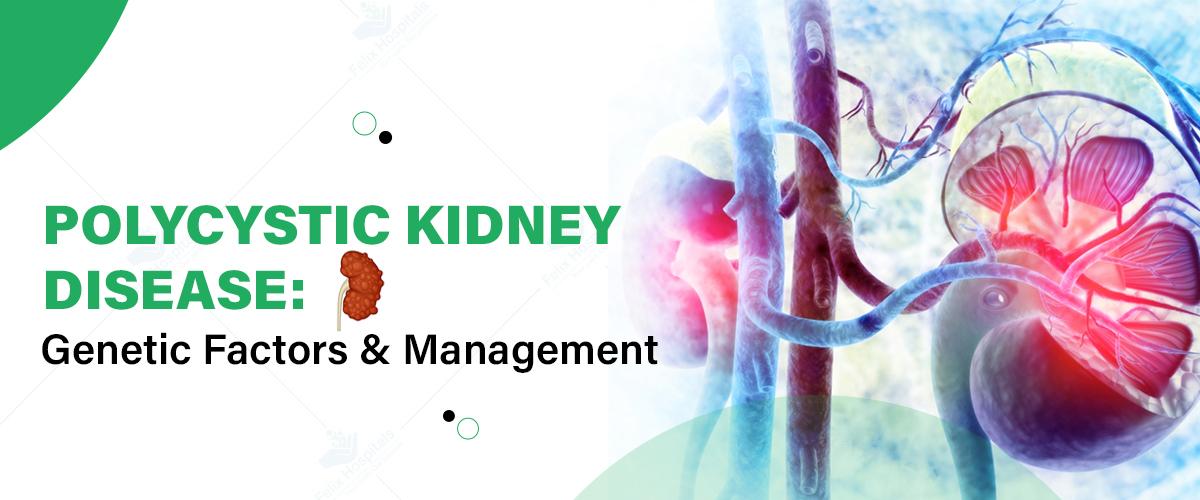
Polycystic kidney disease (PKD) is a genetic disorder marked by the formation of numerous cysts in the kidneys, leading to kidney dysfunction and various complications. As one of the most common inherited kidney diseases, PKD affects millions of individuals worldwide. Understanding its genetic factors and management strategies is essential for effective care. If you are experiencing symptoms related to PKD, it’s important to consult a nephrology hospital in Noida. Let’s explore the genetic factors contributing to PKD, its types, symptoms, complications, and current management approaches to help those affected lead healthier lives.
If you're experiencing symptoms of Polycystic Kidney Disease, don't delay—contact us to schedule an appointment at +91 9667064100.
Polycystic kidney disease is classified into two primary types:
1. Autosomal Dominant Polycystic Kidney Disease (ADPKD): This is the most common form, accounting for about 90% of PKD cases. It is typically diagnosed in adulthood, although cysts can begin to develop in childhood. ADPKD is caused by mutations in either the PKD1 or PKD2 gene, with PKD1 mutations usually leading to more severe disease progression.
2. Autosomal Recessive Polycystic Kidney Disease (ARPKD): This rarer form is often diagnosed in infancy or early childhood. It is caused by mutations in the PKHD1 gene, which leads to cyst formation in the kidneys and can also affect the liver. ARPKD is generally more severe than ADPKD and can significantly impact the quality of life of affected individuals.
Both types of PKD can lead to renal failure and require careful management to minimize complications and maintain kidney function.
Polycystic kidney disease is inherited in different patterns depending on its type:
The two main genes involved in ADPKD and ARPKD are:
PKD2 mutations typically lead to a milder form of the disease with a later onset compared to PKD1.
Genetic testing can be beneficial for individuals with a family history of PKD or those exhibiting symptoms. Testing can identify mutations in the PKD1, PKD2, or PKHD1 genes, allowing for accurate diagnosis and informed family planning. Genetic counseling is essential to help families understand the inheritance patterns, risks, and implications of PKD.
The symptoms of PKD can vary widely based on the type and severity of the disease. Common symptoms include:
PKD can lead to several complications, including:
Liver Cysts: Many individuals with PKD also develop cysts in the liver, which can lead to complications such as liver dysfunction.
Cardiovascular Issues: Hypertension and cardiovascular disease are common in individuals with PKD and can lead to serious health complications.
Early diagnosis and regular monitoring are crucial for managing PKD. Healthcare providers will typically perform the following:
Several medications can help manage the symptoms and complications of PKD:
Tolvaptan: This medication is a vasopressin receptor antagonist approved for the treatment of ADPKD. Tolvaptan has been shown to slow the progression of kidney function decline in certain patients.
For individuals who progress to end-stage renal disease, renal replacement therapy options include:
Due to the complexity of PKD, it is essential to address associated conditions, including:
Managing polycystic kidney disease requires a collaborative approach involving nephrologists, genetic counselors, dietitians, and other healthcare professionals. This multidisciplinary team can provide comprehensive care tailored to each patient’s unique needs, ensuring optimal management of PKD and its complications.
Educating patients and their families about PKD, its inheritance patterns, and management options is crucial. Knowledge empowers patients to make informed decisions about their health and actively participate in their care.
Support groups for individuals with PKD and their families can provide a valuable space for sharing experiences, resources, and emotional support. Connecting with others facing similar challenges can enhance coping strategies and improve mental well-being.
If you need expert care for polycystic kidney disease (PKD), look no further than Felix Hospital. Our team includes leading nephrologists:
Dr. Sameer Tawakley: An experienced specialist providing personalized care for kidney conditions.
With their expertise, you can expect accurate diagnosis and effective management of PKD, ensuring the best possible health outcomes.
Schedule a consultation with our expert nephrologists at Felix Hospital today to receive a thorough evaluation and personalized management plan by Clicking Here.
Polycystic kidney disease is a complex genetic disorder with significant implications for affected individuals and their families. Understanding the genetic factors that contribute to PKD is essential for early diagnosis and appropriate management. Through a combination of lifestyle modifications, medical interventions, and support from a multidisciplinary team, individuals with PKD can manage their condition effectively and maintain a better quality of life.
As research continues to advance in the field of genetics and kidney health, new therapies and management strategies are likely to emerge, providing hope for individuals living with PKD.
1. What is polycystic kidney disease (PKD)?
Ans: Polycystic kidney disease is a genetic disorder characterized by the formation of numerous cysts in the kidneys, leading to kidney dysfunction and other complications.
2. What are the main types of PKD?
Ans: The two primary types of PKD are Autosomal Dominant Polycystic Kidney Disease (ADPKD), which is more common and typically diagnosed in adulthood, and Autosomal Recessive Polycystic Kidney Disease (ARPKD), which is rarer and usually diagnosed in infancy or early childhood.
3. How is PKD inherited?
Ans: ADPKD follows an autosomal dominant inheritance pattern, meaning one copy of the mutated gene from an affected parent can cause the disorder. ARPKD follows an autosomal recessive pattern, requiring two copies of the mutated gene (one from each parent) for the disease to develop.
4. What are the symptoms of PKD?
Ans: Common symptoms of PKD include abdominal or flank pain, hematuria (blood in urine), high blood pressure, frequent urinary tract infections, kidney stones, and fatigue.
5. What complications can arise from PKD?
Ans: Complications can include chronic kidney disease (CKD), end-stage renal disease (ESRD), liver cysts, and cardiovascular issues due to hypertension.
6. How is PKD diagnosed?
Ans: Diagnosis is typically made through imaging tests such as ultrasounds or CT scans, along with genetic testing if there is a family history of the disease.
7. What treatment options are available for PKD?
Ans: Treatment options may include lifestyle modifications, medications to manage symptoms and hypertension, and, for advanced cases, dialysis or kidney transplantation.
8. Is there a cure for PKD?
Ans: Currently, there is no cure for PKD, but management strategies can help slow disease progression and improve quality of life. Research is ongoing for new treatments and therapies.
Obesity and excessive sugar consumption are widely recognized as major contributors to diabetes, heart disease, and high blood pressure.
Acute Kidney Injury: Causes, Symptoms, and Treatment explores the sudden deterioration of kidney function, which disrupts the body’s ability to filter waste and regulate fluids.

Congestive heart failure (CHF) is a chronic condition that affects millions of people worldwide, including a significant population in India. Heart failure occurs when the heart's ability to pump blood efficiently is compromised, leading to a buildup of fluid in the lungs, legs, and other organs. This article will explore the symptoms, stages, and causes of congestive heart failure, along with treatment options and associated costs. For those seeking effective care, choosing a specialized Congestive Heart Failure treatment Hospital can make a significant difference in managing this condition.
Contact Felix Hospital today to schedule a consultation with our experienced cardiologists. Your heart health is our priority. Call us at +91 9667064100.
Congestive heart failure (CHF) is a condition in which the heart muscles weaken and are unable to pump blood efficiently. This leads to inadequate circulation of blood and oxygen to vital organs, causing symptoms such as fatigue, shortness of breath, and fluid retention. CHF is often the result of underlying heart diseases such as coronary artery disease, high blood pressure, or heart attacks.
Left-sided heart failure: The left ventricle fails to pump blood effectively, causing blood to back up in the lungs.
Right-sided heart failure: The right ventricle fails, leading to fluid buildup in the legs, abdomen, and liver.
Heart failure is a progressive disease that worsens over time, making early detection and management crucial for improving the quality of life.
Congestive heart failure is classified into four stages based on the severity of symptoms and the heart’s ability to function:
Stage A: Pre-heart failure, where risk factors such as hypertension or diabetes are present, but there are no symptoms of heart failure.
Stage B: Structural heart disease is present, but the patient is still asymptomatic. This stage includes individuals with a previous heart attack or valve disease.
Stage C: The patient experiences symptoms such as shortness of breath, fatigue, and fluid retention due to structural heart disease.
Stage D: Advanced heart failure with severe symptoms despite optimal medical treatment, requiring advanced interventions such as heart transplant or palliative care.
The symptoms of congestive heart failure can vary depending on the stage of the disease. Common symptoms include:
Shortness of breath (dyspnea), especially during physical activities or while lying down
Fatigue and weakness
Swelling (edema) in the legs, ankles, and feet
Rapid or irregular heartbeat (palpitations)
Persistent cough or wheezing with white or pink-tinged phlegm
Increased need to urinate at night (nocturia)
Swelling of the abdomen due to fluid buildup (ascites)
Sudden weight gain from fluid retention
Decreased ability to exercise or engage in physical activities
Difficulty concentrating or mental confusion
If you experience any of these symptoms, it is essential to seek medical attention immediately.
Several factors can lead to congestive heart failure, including:
Coronary Artery Disease (CAD): The most common cause of CHF, CAD involves the narrowing or blockage of coronary arteries, reducing blood flow to the heart.
High Blood Pressure: Hypertension puts extra strain on the heart, weakening the muscles over time.
Heart Attack: A heart attack damages the heart muscle, reducing its ability to pump blood effectively.
Cardiomyopathy: Diseases of the heart muscle can cause it to become enlarged, thick, or rigid, impairing its function.
Valve Disease: Problems with the heart valves can lead to heart failure by disrupting the flow of blood within the heart.
Arrhythmias: Irregular heartbeats can reduce the heart's efficiency in pumping blood.
Diabetes: High blood sugar can damage blood vessels and increase the risk of heart failure.
Congenital Heart Defects: Some individuals are born with structural heart abnormalities that can lead to heart failure later in life.
Infections: Viral infections such as myocarditis can directly damage the heart muscle, leading to heart failure.
Diagnosing heart failure involves several steps, including a thorough medical history, physical examination, and various tests:
Electrocardiogram (ECG): Detects abnormal heart rhythms or evidence of a previous heart attack.
Echocardiogram: Uses sound waves to create images of the heart, showing its size, shape, and function.
Chest X-ray: Can reveal heart enlargement and fluid buildup in the lungs.
Blood Tests: To check for markers of heart failure, kidney function, and other health conditions.
Stress Test: Measures how well the heart works during physical exertion.
Coronary Angiography: A dye is injected into the coronary arteries to detect blockages or narrowing.
Early diagnosis is critical in managing heart failure effectively and preventing progression to advanced stages.
The treatment of congestive heart failure depends on the stage and severity of the condition. Common treatment approaches include:
ACE Inhibitors: Relax blood vessels and reduce blood pressure, making it easier for the heart to pump.
Beta-Blockers: Reduce heart rate and blood pressure, decreasing the heart's workload.
Diuretics: Help reduce fluid buildup in the body by increasing urine output.
Aldosterone Antagonists: Block the effects of hormones that cause salt and fluid retention.
Inotropes: Strengthen heart contractions in severe cases of heart failure.
Dietary Modifications: Reducing sodium intake and avoiding excessive fluid consumption can help manage fluid retention.
Exercise: Regular, moderate exercise can improve heart function and overall health.
Quitting Smoking: Smoking cessation is essential for reducing the risk of heart failure and other cardiovascular diseases.
Weight Management: Maintaining a healthy weight helps reduce the strain on the heart.
Coronary Bypass Surgery: This procedure restores blood flow to the heart by bypassing blocked coronary arteries.
Heart Valve Repair or Replacement: Damaged valves are either repaired or replaced to improve blood flow.
Implantable Cardioverter-Defibrillators (ICDs): These devices monitor heart rhythms and deliver shocks to correct dangerous arrhythmias.
Heart Transplant: In end-stage heart failure, a heart transplant may be necessary.
When considering these treatment options, it's essential to discuss the best Congestive Heart Failure treatment cost with your healthcare provider to ensure you receive the appropriate care within your budget.
Preventing heart failure involves managing risk factors and leading a heart-healthy lifestyle:
Control Blood Pressure: Keeping blood pressure within a healthy range is crucial to preventing heart damage.
Manage Diabetes: Proper diabetes management can reduce the risk of heart disease and heart failure.
Avoid Smoking: Smoking damages blood vessels and increases the risk of heart failure.
Exercise Regularly: Staying active helps maintain heart health and reduces the risk of obesity, hypertension, and other conditions.
Eat a Healthy Diet: A balanced diet rich in fruits, vegetables, whole grains, and lean proteins can lower the risk of heart disease.
At Felix Hospital, we take pride in our team of dedicated and the best doctors for Congestive Heart Failure, including congestive heart failure. Our cardiologists, Dr. Rahul Aroral is committed to providing personalized care and the latest treatment options to ensure the best possible outcomes for our patients. With their expertise and compassionate approach, we strive to deliver exceptional cardiac care tailored to meet each patient's unique needs.
Contact Felix Hospital today to book an appointment with the best cardiologists. Schedule a consultation by Clicking Here.
Congestive heart failure is a serious and progressive condition that requires timely diagnosis and intervention. With appropriate lifestyle changes, medication, and, in some cases, surgical treatments, patients with heart failure can manage their symptoms and improve their quality of life. Felix Hospital offers state-of-the-art cardiac care to ensure that you receive the best possible treatment for your heart health.
1-What is congestive heart failure (CHF)?
ANS: Congestive heart failure is a chronic condition where the heart cannot pump blood effectively, leading to fluid buildup in the lungs and other organs. This can result in symptoms such as shortness of breath, fatigue, and swelling.
2-What are the common symptoms of congestive heart failure?
ANS: Common symptoms include shortness of breath, fatigue, swelling in the legs and ankles, rapid or irregular heartbeat, persistent cough, and sudden weight gain due to fluid retention.
3-What are the main causes of congestive heart failure?
ANS: CHF can be caused by several factors, including coronary artery disease, high blood pressure, heart attacks, cardiomyopathy, valve disease, diabetes, and congenital heart defects.
4-How is congestive heart failure diagnosed?
ANS: Diagnosis typically involves a thorough medical history, physical examination, and tests such as electrocardiograms (ECG), echocardiograms, chest X-rays, and blood tests to assess heart function and identify underlying issues.
5-What are the stages of congestive heart failure?
ANS: CHF is classified into four stages:
Stage A: At risk but asymptomatic.
Stage B: Structural heart disease without symptoms.
Stage C: Symptoms present due to structural heart disease.
Stage D: Advanced heart failure with severe symptoms despite treatment.
6-What treatment options are available for congestive heart failure?
ANS: Treatment may include medications (such as ACE inhibitors, beta-blockers, and diuretics), lifestyle changes (like dietary modifications and exercise), and surgical options (such as valve repair, bypass surgery, or heart transplant).
7-Can lifestyle changes help manage congestive heart failure?
ANS: Yes, lifestyle changes such as reducing sodium intake, maintaining a healthy weight, quitting smoking, and engaging in regular physical activity can significantly improve heart health and manage CHF symptoms.
8-Is congestive heart failure a curable condition?
ANS: While CHF is generally not curable, it is manageable with appropriate treatments, lifestyle changes, and ongoing medical care. Many patients can lead fulfilling lives with effective management.
9-When should I seek medical attention for congestive heart failure symptoms?
ANS: You should seek medical attention if you experience worsening symptoms, such as increased shortness of breath, swelling, sudden weight gain, or severe fatigue. Early intervention is crucial for effective management.

Arrhythmia is a condition where the heart beats irregularly—too fast, too slow, or with an uneven rhythm. It can feel like a fluttering, racing, or skipped heartbeat.

Heart attack signs early is crucial because timely intervention can significantly reduce the risk of severe complications and improve outcomes.

डेंटल इम्प्लांट दांतों की कमी या क्षति को भरने के लिए एक आधुनिक और प्रभावी समाधान है। ये इम्प्लांट न केवल आपके चेहरे की आकृति को बहाल करते हैं बल्कि आपके दांतों की कार्यक्षमता को भी पुनर्स्थापित करते हैं डेंटल इम्प्लांट के लिए आप सर्वश्रेष्ठ दंत चिकित्सालय से परामर्श ले सकते है। इस ब्लॉग में हम डेंटल इम्प्लांट के विभिन्न पहलुओं पर चर्चा करेंगे, जिसमें इसकी प्रक्रिया, लाभ, चुनौतियां और देखभाल शामिल है।
ज्यादा जानकारी के लिए हमें कॉल करें +919667064100
विषय सूची(Table of Contents)
डेंटल इम्प्लांट एक चिकित्सा उपकरण है जो खोए हुए दांतों के स्थान पर लगाया जाता है। इसे एक प्रकार की कृत्रिम जड़ माना जा सकता है, जो आमतौर पर टाइटेनियम से बनी होती है। डेंटल इम्प्लांट का मुख्य उद्देश्य दांतों की कमी को भरना और दांतों की सुंदरता को बनाए रखना होता है । डेंटल इम्प्लांट एक प्रकार की कृत्रिम जड़ होती है, जो सामान्यत: टाइटेनियम से बनी होती है। इसे जबड़े की हड्डी में प्रत्यारोपित किया जाता है। इम्प्लांट का उद्देश्य दांत के खोए हुए हिस्से की जगह लेना है, जिससे एक स्थायी और प्राकृतिक दिखने वाला दांत तैयार किया जा सके।
डेंटल इम्प्लांट की प्रक्रिया आमतौर पर निम्नलिखित चरणों में होती है:
दंत चिकित्सक आपकी मौजूदा दंत स्थिति का आकलन करेंगे, जिसमें एक्स-रे और सीटी स्कैन शामिल हैं।
जबड़े की हड्डी में इम्प्लांट को प्रत्यारोपित किया जाता है। यह प्रक्रिया स्थानीय संज्ञाहरण के तहत की जाती है।
यह वह चरण है जब इम्प्लांट और जबड़े की हड्डी एक साथ मिलते हैं। यह प्रक्रिया कुछ महीनों तक चल सकती है।
एक बार जब इम्प्लांट सुरक्षित हो जाता है, तो दंत चिकित्सक दांत की कस्टम क्राउन तैयार करते हैं, जो इम्प्लांट पर स्थापित की जाती है।
इम्प्लांट्स दिखने और महसूस करने में प्राकृतिक दांतों के समान होते हैं।
इम्प्लांट से आपकी चबाने की क्षमता और बोलने की गुणवत्ता में सुधार होता है।
यदि सही देखभाल की जाए, तो डेंटल इम्प्लांट कई वर्षों तक चल सकते हैं।
कुछ लोगों को दांतों की कमी के कारण बोलने में कठिनाई होती है। इम्प्लांट्स इस समस्या को हल करते हैं, जिससे स्पष्टता और आत्मविश्वास में सुधार होता है।
डेंटल इम्प्लांट्स आपको कठिन और स्वस्थ खाद्य पदार्थों का सेवन करने की अनुमति देते हैं, जिससे आपके पोषण में सुधार होता है।
चूंकि इम्प्लांट्स कृत्रिम होते हैं, इसलिए इनमें दांतों की सड़न का खतरा नहीं होता। हालांकि, सही मौखिक स्वच्छता बनाए रखना महत्वपूर्ण है।
इम्प्लांट जबड़े की हड्डी को स्थिरता प्रदान करते हैं, जिससे हड्डी का नुकसान कम होता है।
डेंटल इम्प्लांट के लाभ बहुत हैं, लेकिन कुछ संभावित चुनौतियां भी होती हैं:
इम्प्लांट के स्थान पर संक्रमण हो सकता है, जिसे इम्प्लांटाइटिस कहा जाता है।
यदि आपकी जबड़े की हड्डी पर्याप्त मजबूत नहीं है, तो इम्प्लांट का लगाना कठिन हो सकता है। इसके लिए हड्डी ग्राफ्टिंग की आवश्यकता हो सकती है।
कुछ मरीजों को इम्प्लांट प्रक्रिया के बाद थोड़ी असुविधा हो सकती है, जो सामान्यत: थोड़े समय में ठीक हो जाती है।
डेंटल इम्प्लांट की देखभाल करना अत्यंत आवश्यक है ताकि उनकी आयु बढ़ सके:
नियमित रूप से अपने दांतों को ब्रश और फ्लॉस करें।
दंत चिकित्सक के पास नियमित रूप से जाना न भूलें, ताकि आपके इम्प्लांट की स्थिति का मूल्यांकन किया जा सके।
सख्त या चिपचिपे खाद्य पदार्थों से बचें जो इम्प्लांट को नुकसान पहुंचा सकते हैं।
डेंटल इम्प्लांट की लागत विभिन्न कारकों पर निर्भर करती है, जैसे स्थान, विशेषज्ञता और उपयोग की जाने वाली सामग्री। आमतौर पर यह एक सिंगल इम्प्लांट के लिए 30,000 से 60,000 रुपये तक हो सकती है। डेंटल इम्प्लांट की लागत कई निम्न कारकों पर निर्भर करती है, जैसे:
भौगोलिक स्थान के अनुसार कीमतों में भिन्नता होती है।
अगर आपके दंत चिकित्सक के पास अधिक अनुभव है, तो लागत अधिक हो सकती है।
यदि हड्डी ग्राफ्टिंग या अन्य प्रक्रियाओं की आवश्यकता है, तो लागत बढ़ सकती है।
सामान्य दंत चिकित्सक भी डेंटल इम्प्लांट की प्रक्रिया को कर सकते हैं, लेकिन उनके पास इसके लिए विशेष प्रशिक्षण और अनुभव होना चाहिए। फेलिक्स हॉस्पिटल्स जो की नोएडा का सर्वश्रेष्ठ डेंटल इम्प्लांट सर्विसेज (best dental implant services in Noida) के लिए जाना जाता है, वहां सर्वश्रेष्ठ डेंटिस्ट है डॉ. अदिति नारद, डॉ. शिंजा दीक्षित, डॉ. अदिति शर्मा आदि जो आपकी स्वस्थ मुस्कान के लिए उपस्थित है। वह मरीजों की मौखिक स्वास्थ्य की स्थिति का मूल्यांकन करते हैं और इम्प्लांट के लिए प्राथमिक देखभाल प्रदान करते हैं।
डेंटल इम्प्लांट में डॉक्टर की सलाह के लिए आज ही फ़ोन करें +91 9667064100.
डेंटल इम्प्लांट एक उत्कृष्ट विकल्प हैं यदि आप खोए हुए दांतों की जगह स्थायी और प्रभावी समाधान की तलाश कर रहे हैं। हालांकि प्रक्रिया की कुछ चुनौतियां हो सकती हैं, लेकिन उचित देखभाल और ध्यान देने पर, ये इम्प्लांट जीवन को बेहतर बना सकते हैं। यदि आप डेंटल इम्प्लांट पर विचार कर रहे हैं, तो अपने दंत चिकित्सक से परामर्श करें ताकि आप इस प्रक्रिया के सभी पहलुओं को समझ सकें और सबसे अच्छा निर्णय ले सकें।
प्रश्न 1: डेंटल इम्प्लांट की प्रक्रिया में कितना समय लगता है ?
उत्तर: पूरी प्रक्रिया में आमतौर पर 3 से 6 महीने लग सकते हैं। इसमें इम्प्लांट का प्रत्यारोपण, ओस्टियोक्टिनेशन (इम्प्लांट और हड्डी का एकीकृत होना) और फिर क्राउन लगाने का चरण शामिल होता है।
प्रश्न 2: क्या डेंटल इम्प्लांट्स दर्दनाक होते हैं ?
उत्तर: इम्प्लांट की प्रक्रिया के दौरान स्थानीय संवेदनाहारी का उपयोग किया जाता है, जिससे दर्द कम हो जाता है। बाद में कुछ असुविधा या हल्का दर्द हो सकता है, जो सामान्यतः दर्द निवारक दवाओं से नियंत्रित किया जा सकता है।
प्रश्न 3: क्या डेंटल इम्प्लांट्स सभी के लिए सुरक्षित हैं ?
उत्तर: आमतौर पर डेंटल इम्प्लांट्स सुरक्षित होते हैं, लेकिन कुछ स्वास्थ्य समस्याओं वाले लोगों, जैसे मधुमेह या हृदय रोग वाले मरीजों, को पहले अपने दंत चिकित्सक से परामर्श करना चाहिए।
प्रश्न 4: डेंटल इम्प्लांट के लिए कौन योग्य है ?
उत्तर: सामान्यतः, जो लोग स्वस्थ हैं और उनकी हड्डी की संरचना ठीक है, वे इम्प्लांट के लिए योग्य होते हैं। यदि हड्डी कमजोर है, तो पहले हड्डी ग्राफ्टिंग की आवश्यकता हो सकती है।
प्रश्न 5: डेंटल इम्प्लांट्स कितने समय तक चलते हैं ?
उत्तर: सही देखभाल और नियमित दंत चिकित्सा के साथ, डेंटल इम्प्लांट्स 10 से 15 साल तक या इससे भी अधिक समय तक चल सकते हैं।
प्रश्न 6: डेंटल इम्प्लांट्स की देखभाल कैसे करें ?
उत्तर: इम्प्लांट्स की देखभाल सामान्य दांतों की तरह ही करें। नियमित रूप से ब्रश करें, फ्लॉस करें और समय-समय पर दंत चिकित्सक से चेकअप करवाएं।
प्रश्न 7: डेंटल इम्प्लांट्स की लागत कितनी होती है ?
उत्तर: डेंटल इम्प्लांट की लागत विभिन्न कारकों पर निर्भर करती है, जैसे स्थान, विशेषज्ञता, और उपयोग की जाने वाली सामग्री। आमतौर पर, यह एक सिंगल इम्प्लांट के लिए 30,000 से 60,000 रुपये तक हो सकती है।
प्रश्न 8: क्या इम्प्लांट के बाद कोई आहार प्रतिबंध हैं ?
उत्तर: इम्प्लांट के बाद पहले कुछ हफ्तों में नरम आहार लेने की सलाह दी जाती है। इसके बाद, धीरे-धीरे सामान्य आहार में वापसी की जा सकती है।
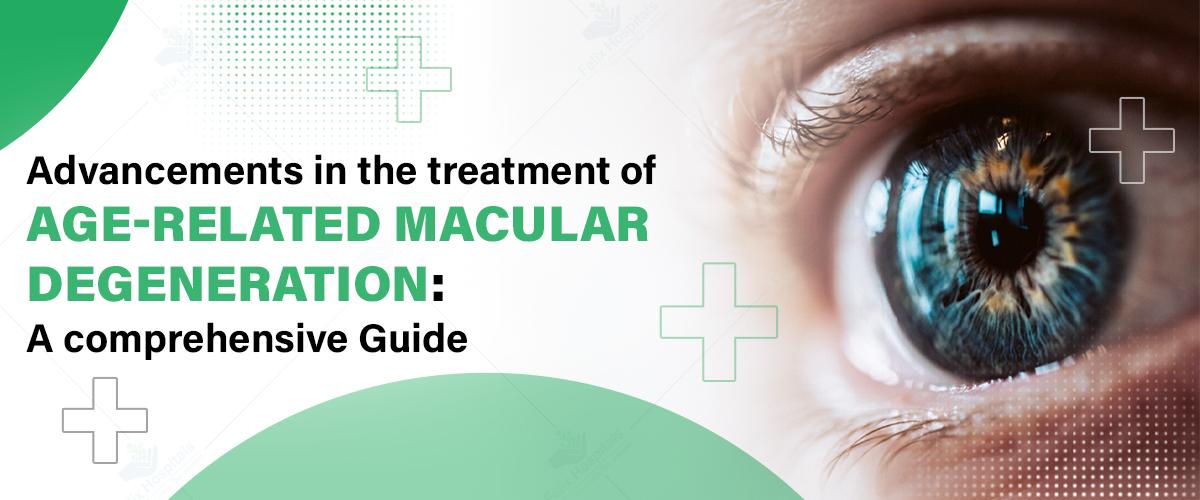
Cornea transplants, also called keratoplasties, are surgical procedures designed to replace damaged or diseased corneal tissue with healthy tissue from a donor. The cornea, a clear dome-shaped layer at the front of the eye, plays a vital role in focusing light onto the retina, essential for clear vision. When this layer becomes clouded or scarred due to injury, infection, or conditions like keratoconus, a cornea transplant may be necessary to restore vision. The Best Eye Hospital in Noida offers advanced treatment options for corneal conditions, ensuring patients receive the highest standard of care for their visual health.
Interested in cornea transplant surgery? Take the First Step Toward Clearer Vision. Contact us now at +91 9667064100.
The cornea consists of five layers:
Epithelium: The outermost layer that provides a barrier against dust, debris, and microorganisms.
Bowman’s Layer: A thin layer of collagen that provides additional protection.
Stroma: The thickest layer, made up of collagen fibers that maintain the cornea's shape and transparency.
Descemet’s Membrane: A thin layer of tissue that supports the endothelium.
Endothelium: The innermost layer responsible for maintaining the cornea’s clarity by regulating fluid levels.
Fuchs’ Endothelial Dystrophy: A genetic disorder affecting the endothelium, leading to swelling and clouding of the cornea.
Keratoconus: A condition where the cornea thins and bulges into a cone shape, distorting vision.
Corneal Scarring: Resulting from infections, injuries, or previous surgeries that affect corneal clarity.
Cornea transplants are typically recommended when other treatments have failed to restore vision, especially in patients experiencing severe cornea symptoms that indicate effective cornea treatment. Factors that may necessitate a transplant include:
Severe vision loss impacting daily activities.
Chronic pain or discomfort caused by corneal diseases.
Progressive deterioration of vision due to corneal disorders.
The cornea transplant procedure involves several steps, typically performed on an outpatient basis:
Before the surgery, patients undergo a thorough eye examination, including tests to assess overall eye health, corneal thickness, and refractive error. The surgeon will discuss the procedure, potential risks, and expected outcomes. Patients may need to stop certain medications or adjust their routine before surgery.
Cornea transplants are usually performed under local anesthesia with sedation, allowing the patient to remain awake but relaxed during the procedure. General anesthesia may be used in specific cases, especially for pediatric patients or those unable to cooperate during the surgery.
Donor Cornea Preparation: The surgeon receives a donor cornea from a tissue bank, where it is carefully evaluated for quality and compatibility.
Corneal Removal: The surgeon makes a small incision in the eye and removes the damaged cornea using specialized instruments. The size of the cut depends on the type of transplant being performed.
Donor Cornea Insertion: The healthy donor cornea is then placed into the eye, aligning it with the existing structures.
Securing the Graft: The surgeon uses sutures or a special glue to secure the donor cornea in place. The sutures may be temporary and can be removed at a later date, depending on healing.
Closing the Incision: The incision is carefully closed, and a protective shield may be placed over the eye to prevent injury during the initial healing phase.
There are two primary types of cornea transplant procedures:
Penetrating Keratoplasty (PK): This involves replacing the entire thickness of the cornea. It is typically used for severe scarring or disease affecting multiple layers of the cornea.
Endothelial Keratoplasty: This technique selectively replaces only the damaged endothelial layer and is often used for conditions like Fuchs’ dystrophy. There are two common methods for this:
Descemet Stripping Automated Endothelial Keratoplasty (DSAEK): The damaged endothelial layer is removed, and a thin layer of donor tissue is inserted.
Descemet Membrane Endothelial Keratoplasty (DMEK): This is a more advanced technique where only the Descemet membrane and endothelial cells are transplanted.
After the surgery, patients are monitored for a short period to ensure there are no immediate complications. Some common post-operative experiences may include:
Mild Discomfort: Some patients may experience mild pain or discomfort, which can usually be managed with prescribed pain relief medications.
Vision Fluctuations: It is normal for vision to fluctuate as the eye heals. Clear vision may take weeks to months to stabilize.
Eye Shield: Patients may be advised to wear a protective eye shield while sleeping to prevent accidental rubbing or pressure on the eye.
Regular follow-up appointments with the ophthalmologist are crucial to monitor healing and assess the success of the transplant. These appointments typically involve:
Visual Acuity Tests: Evaluating how well the patient can see and determining the need for glasses or additional treatments.
Slit Lamp Examination: A detailed examination of the eye to check the condition of the cornea and other eye structures.
Suture Removal: If sutures were used, they may need to be removed several months after surgery, depending on healing.
While cornea transplants are generally safe, complications can arise. Some potential issues include:
Rejection of Donor Tissue: The body may reject the donor cornea, leading to inflammation. Patients may experience symptoms such as redness, pain, or decreased vision. Immediate treatment with medications can often resolve rejection episodes.
Infection: As with any surgery, there is a risk of infection. Signs of infection include increased pain, swelling, or discharge from the eye.
Glaucoma: Increased pressure in the eye may occur, requiring monitoring and treatment.
Cataract Formation: Many patients may develop cataracts after a cornea transplant, which can impact vision and may require further surgery.
Patients will likely be prescribed medications, including:
Antibiotic Eye Drops: To prevent infection.
Corticosteroid Eye Drops: To reduce inflammation and minimize the risk of rejection.
It is essential to follow the prescribed medication regimen closely to promote healing and protect the transplant.
Post-transplant patients may need to make some lifestyle adjustments, such as:
Avoiding Eye Strain: Limiting screen time and taking breaks during visually demanding tasks can help reduce strain on the eyes.
Protective Eyewear: Wearing sunglasses outdoors can protect the eyes from UV exposure and minimize glare.
Avoiding Water Exposure: Patients should avoid swimming pools, hot tubs, and other sources of water for several weeks to reduce the risk of infection.
Long-term follow-up care with an ophthalmologist is critical. Regular eye exams allow for early detection and management of any complications or changes in vision.
Undergoing a cornea transplant can be emotionally challenging. Patients may experience a range of feelings from anxiety to excitement as they adjust to their new vision. Support from family, friends, or counseling services can help individuals navigate this emotional journey.
At the best hospital for cornea treatment, our expert ophthalmologists are committed to delivering top-notch care, specializing in corneal transplants and other advanced eye treatments.
Dr. Deepanjali Arya: With over 15 years of experience in ophthalmology, Dr. Arya excels in treating various corneal conditions, including Fuchs’ dystrophy, keratoconus, and corneal scarring.
Dr. Mohmad Uzair Zakai: Renowned for his skill in cornea transplantation, Dr. Zakai has successfully performed numerous corneal surgeries, restoring vision and enhancing the lives of countless patients.
If you're struggling with corneal disease and impaired vision, don't wait! Restore Your Vision with Expert Care by Clicking Here.
A cornea transplant can be a life-changing procedure for individuals suffering from severe vision impairment due to corneal disease. Understanding the procedure, recovery expectations, and long-term care requirements is essential for a successful outcome. Additionally, it’s important to consider the Cornea Transplant Surgery cost, as this can vary based on several factors, including the facility, surgeon’s fees, and post-operative care. With proper care and follow-up, many patients experience significant improvements in vision, allowing them to return to their daily activities with renewed confidence.
1. What is a cornea transplant, and why would someone need it?
ANS: A cornea transplant is a surgical procedure to replace a damaged or diseased cornea with healthy donor tissue. It's often needed for conditions such as keratoconus, corneal scarring, or Fuchs’ endothelial dystrophy when other treatments have failed to restore vision.
2. What are the different types of cornea transplants?
ANS: There are two main types: Penetrating Keratoplasty (PK), where the full thickness of the cornea is replaced, and Endothelial Keratoplasty (EK), which replaces only the inner layers (DSAEK or DMEK).
3. How long does recovery take after a cornea transplant?
ANS: Recovery varies but can take several weeks to months. While initial healing may occur within a few weeks, vision may take longer to stabilize, and full recovery can take up to a year.
4. Is the cornea transplant procedure painful?
ANS: Patients usually experience little to no pain during the surgery as it's performed under local or general anesthesia. Mild discomfort is normal in the first few days of recovery, but pain medications are typically prescribed to manage it.
5. What are the risks associated with cornea transplants?
ANS: Though cornea transplants are generally safe, risks include graft rejection, infection, glaucoma, cataract formation, and astigmatism. Rejection signs include pain, redness, or vision changes, and immediate medical attention is crucial in such cases.
6. How successful are cornea transplants?
ANS: Cornea transplants have a high success rate, with around 90% of surgeries resulting in improved vision. Success depends on factors like the underlying condition, post-operative care, and adherence to medications.
7. Can the body reject the donor cornea?
ANS: Yes, there is a possibility of graft rejection, where the body's immune system attacks the donor tissue. Symptoms like redness, pain, light sensitivity, or vision changes should be reported to your doctor immediately.
8. Will I need to take medications after the transplant?
ANS: Yes, post-operative care includes using antibiotics and corticosteroid eye drops to prevent infection and reduce the risk of graft rejection. These medications are critical to ensure proper healing.
9. What kind of long-term care is needed after a cornea transplant?
ANS: Long-term care includes regular eye exams to monitor the health of the cornea, taking prescribed medications, and avoiding activities that may strain the eyes. Wearing protective eyewear outdoors and avoiding water exposure (swimming) is also recommended to prevent infection.
The right ophthalmologist is a crucial step in your eye surgery journey

Air pollution is a major health risk for all ages, causing respiratory and eye issues.
Dry eyes, or Dry Eye Syndrome (DES), is a common condition that affects the tear production and quality in your eyes.

Keep your eyes healthy and safe from infections and discomfort with these expert recommendations.

Hair loss, also known as alopecia, affects millions of people worldwide. It can stem from genetics, aging, medical conditions, or lifestyle factors. While often seen as a cosmetic issue, hair loss can cause emotional distress, especially early in life. Common symptoms include thinning hair, bald patches, and excessive shedding. If you're experiencing hair loss, seeking expert advice is important. The best hair fall hospitals in Noida offer treatments such as medications, topical solutions, and advanced procedures like hair transplants. Early diagnosis and treatment can help manage the condition effectively and improve quality of life.
Don't hesitate to contact us if you're dealing with persistent Hair Loss or any dermatological concerns. Call us today at +91 9667064100.
Hair loss refers to the partial or complete loss of hair from the scalp or other body areas. While it's normal to shed between 50 to 100 hairs a day as part of the hair's natural growth cycle, excessive hair loss can indicate a more significant problem. Hair loss can be temporary or permanent and can affect both men and women.
There are different types of hair loss, including:
Understanding the causes of hair loss is crucial for determining the appropriate treatment. Some common factors include:
Genetics is one of the most significant contributors to hair loss, particularly in conditions like androgenetic alopecia. In men, this manifests as male pattern baldness, characterized by a receding hairline and bald spots. Women with hereditary hair loss may notice thinning hair across the top of their scalp.
Hormonal imbalances can lead to hair loss in both men and women. Women are particularly vulnerable during pregnancy, childbirth, menopause, and thyroid problems. Polycystic ovary syndrome (PCOS) is another condition that can trigger hair thinning in women.
Certain medical conditions can lead to hair loss, including:
Medications used to treat conditions such as cancer (chemotherapy), arthritis, depression, heart problems, and high blood pressure can lead to hair loss as a side effect.
Physical or emotional stress can trigger temporary hair loss, often seen in conditions like telogen effluvium. In such cases, hair loss usually resolves on its own once the stressor is removed.
Deficiencies in certain vitamins and minerals, including iron, zinc, and vitamins D and B12, can cause hair loss. A well-balanced diet is essential for maintaining healthy hair.
Frequent use of heat styling tools, chemical treatments, and tight hairstyles can lead to traction alopecia, which results from putting excessive tension on hair follicles.
The symptoms of hair loss can vary depending on the cause and type. Common signs include:
At Felix Hospital, our experienced dermatologists and specialists begin with a thorough examination to determine the cause of hair loss. The diagnostic process may include:
Scalp examination: A close look at the scalp to check for signs of infection or other issues.
Blood tests: To rule out conditions like thyroid disease or nutritional deficiencies.
Scalp biopsy: In some cases, a small piece of the scalp may be taken for further analysis under a microscope to diagnose disorders like alopecia areata.
Treating hair loss involves addressing the underlying cause and managing symptoms. Some of the treatment options available at Felix Hospital include:
The cost of hair loss treatment in Noida depends on the chosen method, with medications like minoxidil being relatively affordable, while surgical treatments like hair transplants can be more expensive. Consult a dermatologist at Felix Hospital to discuss the best treatment option suited to your needs and budget.
While not all hair loss can be prevented, there are steps you can take to minimize your risk:
Felix Hospital takes pride in its team of the best dermatologists in Noida at Felix Hospital, including Dr. Kusum Gupta, who are renowned for their expertise in treating a variety of skin conditions. Whether you're dealing with acne, eczema, psoriasis, or other skin concerns, they provide personalized care with a focus on effective and lasting results. Each treatment plan is tailored to your specific needs, ensuring you receive the best care possible for achieving and maintaining healthy, radiant skin.
If you’re experiencing Hair Loss or any skin-related concerns, don’t hesitate to contact Felix Hospital. Our dermatology team is here to help you Click Here for more information.
Hair loss can be a distressing condition, but with the right diagnosis and treatment plan, it's possible to manage and even reverse some types of hair loss. Whether it's due to genetics, hormonal changes, or other medical conditions, there are a variety of treatment options available to help you regain your hair and confidence. Consulting with an experienced dermatologist or hair loss specialist is the first step toward finding the solution that's right for you.
1. What causes hair loss?
Ans: Hair loss can be caused by genetics, hormonal changes, medical conditions, medications, stress, and nutritional deficiencies.
2. Is hair loss permanent?
Ans: Some types of hair loss, like androgenetic alopecia, are permanent, while others, such as telogen effluvium, may be temporary.
3. Can hair loss be treated without surgery?
Ans: Yes, non-surgical options like medications (Minoxidil, Finasteride), laser therapy, and lifestyle changes can help manage hair loss.
4. How is hair loss diagnosed?
Ans: Diagnosis involves reviewing your medical history, scalp examination, blood tests, and sometimes a scalp biopsy.
5. Are hair transplants effective?
Ans: Hair transplant surgery is effective for permanent hair loss and can provide natural-looking results.
6. Can stress cause hair loss?
Ans: Yes, physical or emotional stress can trigger temporary hair loss, such as in telogen effluvium.
7. Does diet affect hair loss?
Ans: Nutritional deficiencies, particularly in vitamins and minerals like iron and zinc, can contribute to hair loss.
8. How can I prevent hair loss?
Ans: Maintaining a healthy diet, avoiding harsh treatments, managing stress, and seeking medical advice for underlying conditions can help prevent hair loss.

To lose weight effectively, start by creating a calorie deficit—consuming fewer calories than you burn. A safe, steady weight loss usually requires a daily deficit of 500–1000 calories, helping you lose about 0.5 to 1 kilogram per week. Begin by estimating your Total Daily Energy Expenditure (TDEE) based on your Basal Metabolic Rate (BMR) and activity level, then reduce your intake accordingly. Choosing nutrient-dense foods, watching portions, and staying active are key to achieving sustainable results.
Our experts can help you develop a personalized meal plan for your lifestyle and goals. Start Your Journey Today by Calling +91 9667064100.
Calories are a unit of measurement for energy. When we talk about calories in food, we refer to the energy that our bodies receive from consuming that food. Our bodies need several calories each day to function properly, including maintaining bodily processes like breathing, digestion, and circulation. This baseline energy requirement is the Basal Metabolic Rate (BMR).
Your BMR is the number of calories your body needs to perform basic physiological functions at rest. It accounts for about 60-75% of your daily energy expenditure. Factors that influence your BMR include:
Age: BMR generally decreases with age.
Gender: Men typically have a higher BMR than women due to a greater proportion of muscle mass.
Body Composition: Muscle burns more calories than fat, so individuals with a higher muscle mass will have a higher BMR.
Genetics: Some people are naturally predisposed to have a faster or slower metabolism.
| Age Range | Gender | Weight (Kg) | Estimated BMR (kcal/day) |
|---|---|---|---|
18-30 | Male | 60 | 1,600 - 1,800 |
18-30 | Male | 75 | 1,900 - 2,100 |
18-30 | Female | 60 | 1,400 - 1,600 |
18-30 | Female | 75 | 1,600 - 1,800 |
31-50 | Male | 60 | 1,500 - 1,700 |
31-50 | Male | 75 | 1,800 - 2,000 |
31-50 | Female | 60 | 1,300 - 1,500 |
31-50 | Female | 75 | 1,500 - 1,700 |
51+ | Male | 60 | 1,400 - 1,600 |
51+ | Male | 75 | 1,600 - 1,800 |
51+ | Female | 60 | 1,200 - 1,400 |
51+ | Female | 75 | 1,400 - 1,600 |
To lose weight, you need to know not just your BMR but also your Total Daily Energy Expenditure (TDEE). TDEE accounts for all the calories you burn in a day, including physical activities, exercise, and non-exercise activities like walking and even fidgeting.
Determine your TDEE: Use the calculation above to find out how many calories in a day you burn each day.
Decide on your caloric deficit: If your TDEE is 2281 calories, you might aim to consume around 1781 to 1281 calories per day, depending on how aggressive you want your weight loss to be.
While it can be tempting to cut calories drastically to lose weight quickly, this approach is often unsustainable and may lead to muscle loss, nutritional deficiencies, and metabolic slowdown. Instead, aim for a moderate caloric deficit—generally, reducing your daily intake by 500-750 calories below your maintenance level is a good guideline, as this can help you lose about 0.5-1 kg (1-2 pounds) per week. This pace promotes healthier and more sustainable weight loss, ensuring you retain muscle and meet nutritional needs while shedding excess fat. For personalized guidance, consider utilizing nutrition diet services that can help you create a balanced eating plan tailored to your needs.
Your daily caloric needs may vary based on several factors:
Age: Younger individuals typically require more calories due to a higher metabolic rate.
Gender: Males generally need more calories than females due to differences in body composition.
Body Composition: Higher muscle mass increases calorie requirements.
Activity Level: More active individuals require more calories to support their activity levels.
Health Conditions: Certain medical conditions or medications may affect metabolism and caloric needs.
To effectively manage your caloric intake, consider the following tips:
Using a food diary or a calorie-tracking app can help you keep track of what you eat and ensure you stay within your daily caloric goals. Look for apps that allow you to scan barcodes for convenience and accuracy.
Become familiar with reading food labels to understand the caloric content and serving sizes of the foods you consume. This knowledge can help you make informed choices and control portion sizes.
Meal planning can help you manage your caloric intake more effectively. Preparing meals in advance allows you to control portions and avoid impulse eating.
Mindful eating involves paying attention to hunger cues, eating slowly, and savoring each bite. This practice can help prevent overeating and promote a healthier relationship with food.
In addition to tracking calories, implementing the following strategies can enhance your weight loss journey:
Choose whole, nutrient-dense foods that provide vitamins, minerals, and fiber while being lower in calories. These include fruits, vegetables, whole grains, lean proteins, and healthy fats.
Incorporating regular exercise into your routine can help increase your TDEE and contribute to a greater caloric deficit. Aim for at least 150 minutes of moderate-intensity aerobic activity per week, combined with strength training exercises.
Drinking enough water is essential for overall health and can help with weight management. Sometimes, our bodies confuse thirst with hunger, leading to unnecessary snacking.
Adequate sleep is crucial for weight loss, as lack of sleep can affect hormone levels that regulate hunger and appetite. Aim for 7-9 hours of quality sleep each night.
If you're struggling to lose weight or manage your caloric intake, seeking guidance from a healthcare professional can be invaluable. Consider consulting with the registered dietitians at Felix Hospital, Dt. Nida Zafar and Dr. Pooja Yadav. They can provide personalized dietary advice tailored to your individual needs, preferences, and health conditions, helping you achieve your health and wellness goals. Don’t hesitate to reach out for expert support on your journey to better nutrition!
If you're ready to take control of your weight loss journey, consider scheduling a consultation with our nutrition team at Felix Hospital.
Determining how many calories in a day you should eat to lose weight involves understanding your body’s energy requirements, creating a caloric deficit, and adopting healthy eating and lifestyle habits. By focusing on nutrient-dense foods, increasing physical activity, and monitoring your caloric intake, you can achieve sustainable weight loss and improve your overall health. Remember, the journey to weight loss is unique for everyone, and finding the right balance is key to long-term success.
1. How many calories should I eat to lose weight?
Ans. The number of calories you should consume to lose weight depends on your age, gender, weight, height, activity level, and weight loss goals. A general guideline is to create a deficit of 500 to 1000 calories per day.
2. Is it safe to eat fewer than 1200 calories a day?
Ans. For most adults, consuming fewer than 1200 calories a day is not recommended without medical supervision, as it can lead to nutritional deficiencies and other health issues.
3. Can I lose weight without counting calories?
Ans. Yes, it is possible to lose weight without counting calories by focusing on whole, nutrient-dense foods, practicing portion control, and maintaining an active lifestyle.
4. What are some healthy snacks for weight loss?
Ans. Healthy snacks for weight loss include fruits, vegetables with hummus, Greek yogurt, nuts, and whole-grain crackers. These options are nutrient-dense and can help satisfy cravings.
5. How long will it take to lose weight?
Ans. The time it takes to lose weight varies based on individual factors, including starting weight, caloric deficit, and adherence to a weight loss plan. A safe and sustainable rate of weight loss is typically 0.5 to 1 kg (1 to 2 pounds) per week.
6. What is the role of exercise in weight loss?
Ans. Exercise plays a crucial role in weight loss by increasing your Total Daily Energy Expenditure (TDEE) and helping you create a caloric deficit. It also helps build muscle, which can boost your metabolism and improve overall body composition.
7. How can I overcome weight loss plateaus?
Ans. Weight loss plateaus can be frustrating but are a normal part of the process. To overcome them, consider reassessing your caloric intake, increasing your physical activity, changing your workout routine, or consulting a healthcare professional for personalized advice.
8. Is it possible to lose weight without feeling hungry?
Ans. Yes, it is possible to lose weight without feeling hungry by focusing on high-volume, nutrient-dense foods that are low in calories. Incorporating plenty of fruits, vegetables, lean proteins, and whole grains can help you feel satisfied while still losing weight.

Balanced diet is key to good health. Learn its definition, importance, and how it helps in maintaining energy, immunity, and overall well-being.
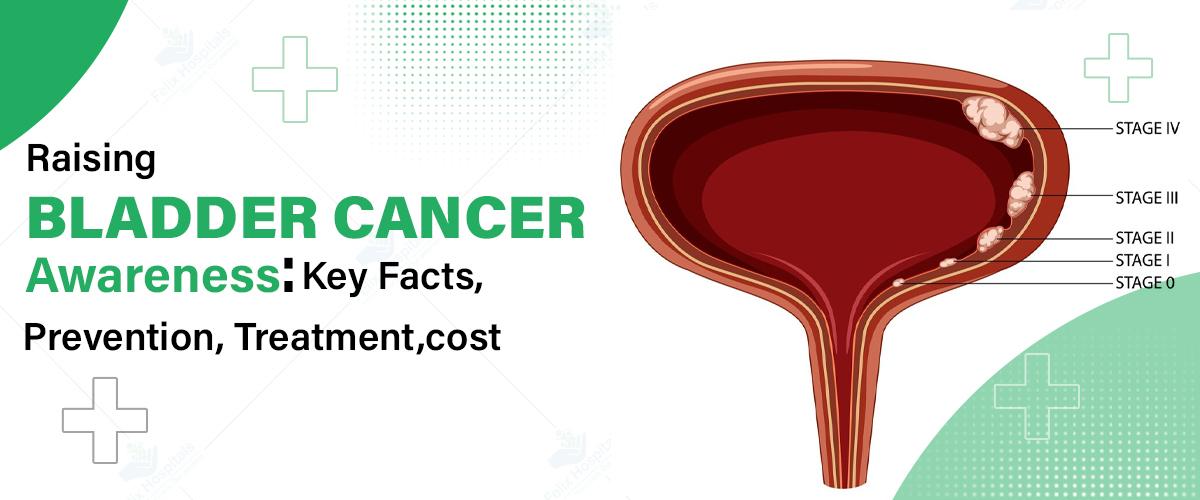
Bladder cancer is a significant health concern, affecting thousands of people every year. Raising awareness about this condition is essential for early detection and effective treatment. Finding the best hospital for bladder cancer treatment is crucial for those facing a diagnosis, as it can greatly influence outcomes. In this blog, we will explore key facts about bladder cancer, its causes, prevention strategies, treatment options—including the Cost of bladder Stone treatment—and the best specialists available, including those at Felix Hospital.
If you or a loved one are experiencing symptoms or have concerns about bladder cancer, don’t wait—schedule a consultation by calling +91 9667064100.
Bladder cancer occurs when abnormal cells in the bladder begin to grow uncontrollably. The bladder is a hollow organ that stores urine, and cancer can develop in the lining of this organ. There are several types of bladder cancer, with transitional cell carcinoma being the most common. Symptoms may include blood in urine, frequent urination, pain during urination, and lower back pain. Awareness of these symptoms can lead to early diagnosis, which is critical for effective treatment.
The exact cause of bladder Stone cancer is not fully understood, but several risk factors have been identified. These include:
Smoking: Tobacco use is the most significant risk factor for bladder cancer, with smokers being four times more likely to develop the disease than non-smokers.
Chemical Exposure: Certain chemicals used in dyes, rubber, and leather production can increase the risk. Workers in industries involving these chemicals should take precautions.
Chronic Bladder Infections: Long-term urinary tract infections or inflammation can lead to changes in the bladder lining, increasing cancer risk.
Age and Gender: Bladder cancer is more common in older adults, and men are at higher risk than women.
Family History: A family history of bladder cancer can elevate an individual's risk.
Understanding bladder cancer is vital for effective awareness and prevention. Here are some key facts:
Prevalence: Bladder cancer is the fourth most common cancer in men and the ninth most common in women.
Survival Rates: The five-year survival rate for bladder cancer can vary greatly, depending on the stage at diagnosis. Early-stage detection has a high survival rate, while advanced stages can be more challenging to treat.
Recurrence: Bladder cancer has a high recurrence rate, meaning patients may require ongoing monitoring and treatment even after initial successful therapy.
Symptoms: Early symptoms often include hematuria (blood in urine), increased urgency or frequency of urination, and pain during urination.
Risk Groups: Certain demographics, including older adults, smokers, and those exposed to certain chemicals, are at higher risk.
The treatment for bladder cancer can vary widely depending on the stage and type of cancer. Options may include:
Surgery: This may involve removing the tumor, part of the bladder, or in severe cases, the entire bladder.
Chemotherapy: This treatment uses drugs to kill cancer cells and may be administered before surgery (neoadjuvant) or after surgery (adjuvant).
Immunotherapy: This innovative approach helps the body’s immune system fight cancer.
Radiation Therapy: While not commonly used as a primary treatment, it may be effective for certain patients, especially those who cannot undergo surgery.
The Cost of bladder Cancer Treatment can vary significantly based on the type of treatment, hospital, and geographical location. For instance, surgery can range from approximately ₹11,00,000 to over ₹75,00,000, depending on complexity and facility. Chemotherapy and immunotherapy can also contribute to the overall cost, along with follow-up care and monitoring. Patients should consult with their healthcare provider and financial advisor to understand the costs involved and explore options for financial assistance if needed.
Preventive measures can significantly reduce the risk of developing bladder cancer. Here are some strategies:
Quit Smoking: Stopping tobacco use is one of the most effective ways to reduce your risk.
Stay Hydrated: Drinking plenty of water helps dilute harmful substances in the urine and flush them out more quickly.
Limit Chemical Exposure: If you work in an industry that exposes you to carcinogenic chemicals, make sure to use protective gear and follow safety guidelines.
Healthy Diet: A diet rich in fruits and vegetables may help lower cancer risk.
Regular Check-ups: Routine medical exams can help identify potential issues early.
When facing bladder cancer, finding the best urology doctor in Noida can make a significant difference in your treatment journey. At Felix Hospital, our urology specialists, including Dr. Bhanwar Lal Barkesia and Dr. Sachin Khandelwal, are experienced in diagnosing and treating bladder cancer. They utilize the latest technologies and treatment options to ensure that patients receive the highest standard of care. If you’re looking for expert guidance and support, our team is here to help.
Schedule a consultation with our Urology experts today to discuss your concerns and explore preventive and treatment options by Clicking Here.
Raising awareness about bladder cancer is essential for early detection, effective treatment, and prevention. By understanding the causes, symptoms, and treatment options—including the cost of bladder cancer treatment—individuals can make informed decisions about their health. If you’re seeking specialized care, remember that finding the best hospital for bladder cancer treatment can significantly impact your recovery. Stay informed, and don’t hesitate to seek help when needed.
1: What are the early signs of bladder cancer?
ANS: Early signs can include blood in the urine, frequent urination, pain during urination, and lower back pain. If you experience these symptoms, consult a healthcare professional.
2: Who is at risk for bladder cancer?
ANS: Individuals at higher risk include smokers, those exposed to certain chemicals, older adults, and individuals with a family history of bladder cancer.
3: How is bladder cancer diagnosed?
ANS: Diagnosis typically involves urine tests, cystoscopy (a procedure to view the bladder), and imaging tests such as CT scans.
4: Can bladder cancer be cured?
ANS: Bladder cancer can often be treated effectively, especially when caught early. However, the likelihood of recurrence is high, so ongoing monitoring is essential.
5: What is the cost of bladder cancer treatment?
ANS: The cost varies widely based on the type of treatment, ranging from $15,000 for surgery to much higher for comprehensive treatment plans. Consult with your healthcare provider for personalized estimates.
6: Are there support groups for bladder cancer patients?
ANS: Yes, various organizations and local groups offer support for bladder cancer patients and their families. These can provide emotional support, information, and resources.
7: How can I reduce my risk of bladder cancer?
ANS: You can reduce your risk by quitting smoking, staying hydrated, maintaining a healthy diet, and minimizing exposure to harmful chemicals.
8: Where can I find the best urology doctor in Noida?
ANS: Felix Hospital is home to some of the best urology doctors in Noida, specializing in the diagnosis and treatment of bladder cancer. Consult our specialists for expert care.

Gallbladder stone surgery, or cholecystectomy, is typically performed when gallstones lead to significant health issues.
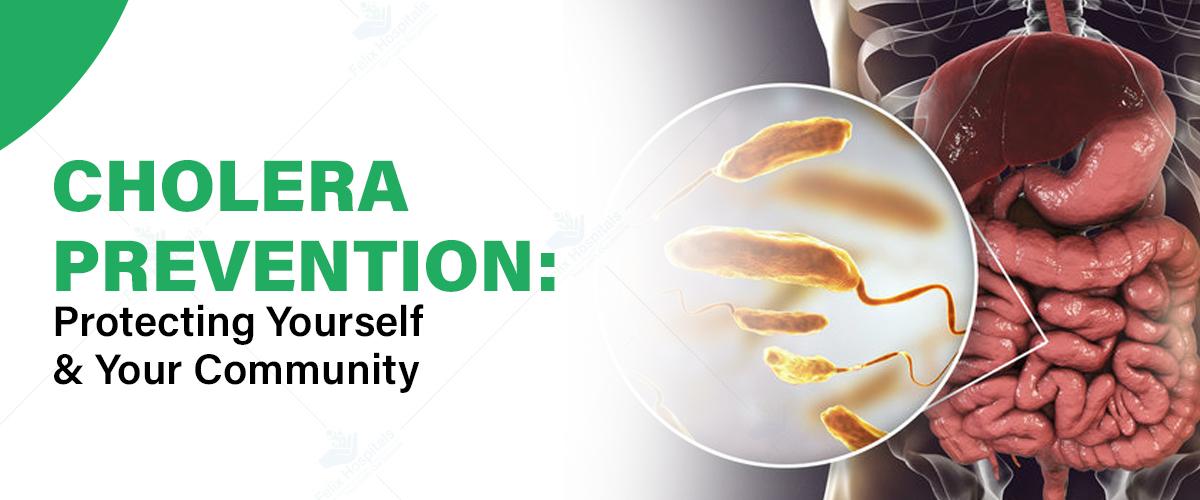
Cholera is a life-threatening disease that continues to pose a public health challenge in many parts of the world. While it may not be as widespread in developed countries, it remains a concern in areas with poor sanitation and access to clean water. At Felix Hospital, known as the best Cholera Hospital in Noida, our top specialists provide expert care in managing and preventing cholera and other gastrointestinal diseases. In this blog, we will take a deep dive into cholera—its causes, symptoms, and, most importantly, how it can be prevented to protect yourself and your community from its devastating effects.
Stay Protected Against Cholera! Contact us today at +91 9667064100.
Cholera is an acute diarrheal illness caused by the bacterium Vibrio cholerae. It is usually spread through contaminated water or food, and it can cause severe dehydration due to the rapid loss of fluids. Without immediate treatment, cholera can be fatal within hours, especially in children and the elderly. The disease is prevalent in areas where sanitation conditions are poor and clean water is scarce. Despite its severity, cholera can be easily prevented with proper hygiene practices, water treatment, and vaccination.
The primary cause of cholera is infection by the bacterium Vibrio cholerae, which thrives in contaminated water sources. The following factors contribute to the spread of cholera:
Contaminated Water and Food: Ingesting food or water contaminated with cholera bacteria is the most common way the disease spreads. In areas where the water supply is untreated or where sanitation is lacking, cholera outbreaks are more frequent.
Poor Sanitation: Lack of proper sanitation, especially in regions without access to clean toilets or waste disposal, facilitates the spread of cholera. Open defecation or improper sewage management can lead to water contamination.
Inadequate Personal Hygiene: People who do not regularly wash their hands after using the toilet or before handling food are more likely to contract cholera.
Raw or Undercooked Seafood: Shellfish and other seafood harvested from contaminated water can also harbor the bacteria that cause cholera.
Travel to Endemic Areas: Individuals traveling to areas where cholera is common may be at higher risk if they consume untreated water or contaminated food.
Cholera symptoms typically manifest within 2 to 5 days after exposure to the bacteria. While some infected individuals may show mild or no symptoms, those who develop severe cholera can experience life-threatening dehydration. Key symptoms of cholera include:
Severe Diarrhea: Watery diarrhea is the hallmark symptom of cholera. It is often described as a "rice-water" stool due to its appearance and consistency.
Vomiting: Infected individuals may experience frequent vomiting, contributing to the rapid loss of fluids.
Dehydration: Cholera-induced dehydration can progress rapidly, leading to symptoms such as dry mouth, thirst, sunken eyes, low blood pressure, and rapid heart rate.
Muscle Cramps: Severe loss of electrolytes can cause painful muscle cramps.
Shock: If left untreated, dehydration from cholera can lead to hypovolemic shock, which can be fatal without immediate medical intervention.
Preventing cholera is crucial, especially in areas with poor sanitation and limited access to clean water. By adopting effective prevention measures, individuals and communities can reduce the risk of cholera outbreaks. Below are some strategies for cholera prevention:
Access to clean and safe drinking water is the cornerstone of cholera prevention. In regions prone to cholera outbreaks, it is essential to treat water from natural sources to eliminate harmful bacteria. Some ways to ensure water safety include:
Boiling Water: Boiling water for at least one minute is one of the most effective ways to kill bacteria, including Vibrio cholerae. This method is simple, cost-effective, and can be done at home.
Water Purification Tablets: In situations where boiling is not possible, water purification tablets containing chlorine or iodine can be used to disinfect water.
Filtration Systems: Filters designed to remove bacteria and parasites from water can also be used to make contaminated water safe to drink.
Avoiding Contaminated Water Sources: Avoid drinking water from lakes, rivers, or wells that are not treated or purified. Even brushing teeth or washing food with contaminated water can lead to infection.
Proper sanitation and hygiene are critical to preventing the spread of cholera. Ensuring that waste is disposed of properly and maintaining clean surroundings can drastically reduce the risk of contamination. Key practices include:
Building and Maintaining Latrines: Communities should have access to proper toilets or latrines that are clean and well-maintained. Open defecation must be discouraged as it contaminates the environment and water sources.
Handwashing: Regular handwashing with soap and clean water is a simple yet highly effective way to prevent cholera. Hands should be washed before eating or handling food, after using the toilet, and after coming into contact with contaminated surfaces.
Safe Food Handling: Proper food hygiene is crucial for preventing cholera. Ensure that food is cooked thoroughly, especially seafood and that it is stored in clean containers. Avoid eating food from street vendors if you are unsure of the sanitation conditions.
Disinfection of Surfaces: In cholera-affected areas, it is essential to regularly disinfect surfaces that may come into contact with the bacteria. This includes kitchen counters, toilets, and communal areas.
Vaccines can provide an additional layer of protection, especially in areas where cholera is endemic or during outbreaks. Two oral cholera vaccines (OCV) are currently available and are recommended for people living in high-risk areas or for travelers to cholera-prone regions:
Shanchol: This vaccine protects for up to 5 years after two doses.
Dukoral: Dukoral is effective for 2 years after two doses and is recommended for travelers to cholera-endemic areas.
While vaccination is not a replacement for proper hygiene and sanitation practices, it can help reduce the spread of the disease during outbreaks.
Public health campaigns and community-driven initiatives play a vital role in cholera prevention. Governments and organizations must work together to:
Promote Awareness: Educating communities about the causes and symptoms of cholera is essential. Public awareness campaigns can teach people how to avoid contamination and when to seek medical help.
Establish Early Warning Systems: Governments can set up early warning systems to detect cholera outbreaks and respond quickly. Rapid response teams can then be deployed to affected areas to provide clean water, medical care, and sanitation supplies.
Improve Infrastructure: Long-term cholera prevention requires investment in infrastructure, such as building proper water supply systems, sewage treatment plants, and public toilets.
At Felix Hospital, we take pride in being the best gastro hospital in Noida, offering top-notch care for gastrointestinal diseases, including cholera. Dr. Jagatjot Singh Gill and Dr. Amrit Yog Datley, renowned gastroenterologists at Felix Hospitals, have extensive experience in treating cholera and other gastrointestinal infections. Dr. Gill and his team provide personalized care, utilizing the latest technologies and treatment methods to ensure the best outcomes for patients.
Take Control of Your Health Today! Book an appointment now by Clicking Here.
Cholera is a preventable disease, but it requires a collective effort from individuals, communities, and healthcare systems to eliminate its spread. By following proper hygiene practices, ensuring access to clean water, getting vaccinated, and working together to improve sanitation infrastructure, we can protect ourselves and our communities from cholera outbreaks.
At Felix Hospital, our dedicated team of specialists is committed to offering the best care for cholera prevention and treatment. Whether you need expert consultation or support from the best gastroenterologists in Noida, we are here to provide exceptional healthcare services tailored to your needs.
1. What is the most common cause of cholera?
Ans: Cholera is most commonly caused by consuming water or food contaminated with the bacterium Vibrio cholerae.
2. How can I protect myself from cholera when traveling to high-risk areas?
Ans: Avoid drinking untreated water, wash hands regularly, consume well-cooked food, and consider getting vaccinated before traveling.
3. Can cholera be treated at home?
Ans: Mild cases can be treated with oral rehydration solutions, but severe cases require immediate medical attention to prevent dehydration and shock.
4. Is cholera contagious from person to person?
Ans: Cholera is not typically spread through direct person-to-person contact but rather through contaminated water or food.
5. What should I do if I suspect I have cholera?
Ans: Seek medical help immediately. Early treatment with rehydration solutions and antibiotics can prevent complications.
6. How long does the cholera vaccine last?
Ans: Depending on the vaccine, protection can last between 2 to 5 years after the full dosage.
7. Can cholera be fatal?
Ans: Yes, cholera can be fatal if not treated promptly, especially due to severe dehydration.
8. What are the signs of dehydration in cholera?
Ans: Signs include extreme thirst, dry mouth, sunken eyes, rapid heartbeat, and low blood pressure.
9. Is there a cure for cholera?
Ans: Cholera can be effectively treated with rehydration solutions, and antibiotics may be used in severe cases.


Subscribe to our
© Copyright 2026. All Rights Reserved by Felix Healthcare Private Limited
Design and development by :


 +(91)9667064100
 Emergency : +(91)9667064100