 WhatsApp
 Emergency:
  WhatsApp










Subscribe to our

Maintaining a healthy heart is crucial for overall well-being and longevity. Heart disease remains one of the leading causes of death globally, but many risk factors are within your control. At Felix Hospital, recognized as the best cardiology hospital in Noida, we understand the importance of heart health and offer comprehensive care to keep your cardiovascular system functioning at its best.
Let’s explore essential heart health hacks that can help you enhance your cardiovascular health quickly and effectively. Whether you’re looking to make minor adjustments to your daily routine or seeking more significant lifestyle changes, these tips can make a substantial difference in your heart health. Trust our expert guidance to protect your heart and improve your overall wellness.
Don't wait until it's too late, Take Control of Your Heart Health Today! Call Now at +91 9667064100.
Before we dive into the heart health hacks, it’s essential to understand what heart health entails. The heart is a muscular organ responsible for pumping blood throughout the body, supplying oxygen and nutrients while removing waste products. Factors affecting heart health include diet, exercise, weight, stress levels, and medical conditions like hypertension and diabetes.
Nutrition: A balanced diet rich in fruits, vegetables, whole grains, lean proteins, and healthy fats is vital for heart health.
Physical Activity: Regular exercise strengthens the heart muscle, improves circulation, and helps maintain a healthy weight.
Stress Management: Chronic stress can lead to unhealthy habits and an increased risk of heart disease.
Sleep Quality: Poor sleep can contribute to various heart conditions, including hypertension and obesity.
Regular Check-ups: Monitoring your heart health through regular medical check-ups can help catch potential issues early.
One of the most impactful changes you can make for your heart is revamping your diet. Here are some simple hacks:
Embrace Heart-Healthy Fats: Opt for unsaturated fats found in olive oil, avocados, and nuts instead of saturated fats found in red meat and full-fat dairy. Omega-3 fatty acids from fish like salmon and mackerel are also excellent for heart health.
Increase Fiber Intake: Foods high in fiber, such as whole grains, fruits, vegetables, and legumes, help lower cholesterol levels and improve heart health. Aim for at least 25-30 grams of fiber per day.
Cut Back on Sugar: High sugar intake is linked to obesity and diabetes, both of which increase heart disease risk. Limit sugary drinks, sweets, and processed foods.
Watch Your Sodium: Reducing salt intake can help lower blood pressure. Aim for less than 2,300 mg of sodium per day, and consider 1,500 mg if you have hypertension.
Regular physical activity is vital for maintaining a healthy heart. Here are effective ways to incorporate exercise into your routine:
Start with Small Steps: Aim for at least 150 minutes of moderate aerobic activity or 75 minutes of vigorous activity each week. If that sounds daunting, start with short 10-15 minute walks and gradually increase the duration.
Strength Training: Incorporate strength training exercises at least twice a week. Building muscle mass helps boost metabolism and promotes better heart health.
Choose Activities You Enjoy: Whether it’s dancing, swimming, cycling, or hiking, find activities you love to make exercising feel less like a chore.
Chronic stress can negatively impact heart health. Here are quick ways to manage stress:
Practice Mindfulness: Techniques such as meditation, yoga, or deep-breathing exercises can help reduce stress levels and improve emotional well-being.
Establish Boundaries: Learn to say no to activities or commitments that overwhelm you. Setting healthy boundaries is essential for managing stress.
Engage in Hobbies: Spend time on activities you enjoy, whether it’s painting, gardening, or reading. Engaging in hobbies can provide a welcome distraction and reduce stress.
Quality sleep is essential for heart health. Here are tips to improve your sleep quality:
Establish a Routine: Go to bed and wake up at the same time every day, even on weekends, to regulate your body’s internal clock.
Create a Sleep-Friendly Environment: Ensure your bedroom is dark, quiet, and cool. Consider using blackout curtains or a white noise machine if necessary.
Limit Screen Time: Reduce exposure to screens at least an hour before bedtime. The blue light emitted by phones and computers can interfere with your sleep cycle.
Hydration plays a crucial role in maintaining overall health, including heart health. Here’s how to stay hydrated:
Drink Plenty of Water: Aim for at least 8-10 cups of water a day. Hydration helps maintain optimal blood flow and heart function.
Limit Dehydrating Beverages: Cut back on caffeine and alcohol, as they can lead to dehydration. If you consume these beverages, balance them with extra water.
Both tobacco and excessive alcohol consumption are detrimental to heart health. Here’s what you can do:
Quit Smoking: If you smoke, seek support to quit. Smoking damages blood vessels and contributes to heart disease.
Limit Alcohol Intake: If you drink alcohol, do so in moderation. This generally means up to one drink per day for women and two for men.
Regular health check-ups can catch potential issues early. Here are monitoring strategies:
Know Your Numbers: Keep track of your blood pressure, cholesterol levels, and blood sugar levels. Discuss any concerns with your healthcare provider.
Regular Screenings: Schedule regular screenings for blood pressure, cholesterol, and diabetes as recommended by your doctor.
Having a support network can greatly enhance your motivation to maintain heart health. Consider these tips:
Join a Community: Engage with friends or community groups focused on health and wellness. Sharing experiences can provide encouragement and motivation.
Involve Your Family: Encourage family members to adopt heart-healthy habits together. Cooking healthy meals or exercising as a family can be more enjoyable and effective.
Knowledge is power when it comes to heart health. Here’s how to stay informed:
Read Up on Heart Health: Books, reputable websites, and articles can provide valuable information about maintaining a healthy heart.
Attend Workshops: Look for local workshops or online webinars that focus on heart health and wellness.
Preventive care is essential for long-term heart health. Here’s how to prioritize it:
Schedule Annual Physicals: Regular check-ups allow your doctor to assess your overall health and detect potential issues early.
Discuss Family History: If heart disease runs in your family, let your doctor know so they can recommend appropriate screenings.
At Felix Hospital, your heart health is in the hands of the best cardiologists in Noida. Our experienced team is dedicated to providing exceptional care for all heart-related conditions, ensuring that every patient receives personalized and comprehensive treatment. With advanced diagnostic tools and the latest treatment options, our specialists are committed to helping you achieve optimal heart health.
Dr. Rahul Arora
Dr. Arora specializes in managing complex heart conditions like coronary artery disease, heart failure, and arrhythmias, offering expert diagnostic and treatment services.
Taking charge of your heart health doesn’t have to be overwhelming. By implementing these quick and effective heart health hacks, you can make significant strides toward a healthier heart and a longer life. Remember, small changes can lead to substantial improvements over time. Prioritize your heart health, and don’t hesitate to seek professional guidance when needed. If you’re concerned about costs, rest assured that the best heart attack treatment cost in Noida is accessible at Felix Hospital, where we offer high-quality care with a focus on affordability. Your heart will thank you!
1: What are the most common signs of heart disease?
ANS: Common signs include chest pain, shortness of breath, fatigue, and irregular heartbeat. If you experience any of these symptoms, consult a healthcare professional.
2: How often should I get my blood pressure checked?
ANS: It’s recommended to check blood pressure at least once a year, or more frequently if you have high blood pressure or other risk factors.
3: Can I reverse heart disease through lifestyle changes?
ANS: Yes, many individuals can significantly improve their heart health and even reverse some effects of heart disease through diet, exercise, and other lifestyle changes.
4: How much exercise is recommended for heart health?
ANS: Aim for at least 150 minutes of moderate aerobic exercise or 75 minutes of vigorous exercise each week, along with strength training twice a week.
5: What foods should I avoid for better heart health?
ANS: Limit saturated fats, trans fats, sodium, and added sugars. Foods like red meat, processed foods, and sugary snacks should be consumed in moderation.
6: How does stress affect heart health?
ANS: Chronic stress can lead to unhealthy coping mechanisms, such as overeating or smoking, and can also increase blood pressure, contributing to heart disease risk.
7: Is it necessary to take supplements for heart health?
ANS: While a balanced diet is best, some individuals may benefit from supplements like omega-3 fatty acids or vitamins D and E. Consult your healthcare provider before starting any supplements.
8: What is the best way to quit smoking?
ANS: Consider using a combination of methods such as behavioral therapy, nicotine replacement therapies, and support groups to increase your chances of successfully quitting.

Arrhythmia is a condition where the heart beats irregularly—too fast, too slow, or with an uneven rhythm. It can feel like a fluttering, racing, or skipped heartbeat.
हार्ट अटैक के मुख्य लक्षण, कारण और तुरंत किए जाने वाले उपचार के बारे में जानें। समय पर पहचान और सही इलाज से जीवन बचाया जा सकता है।
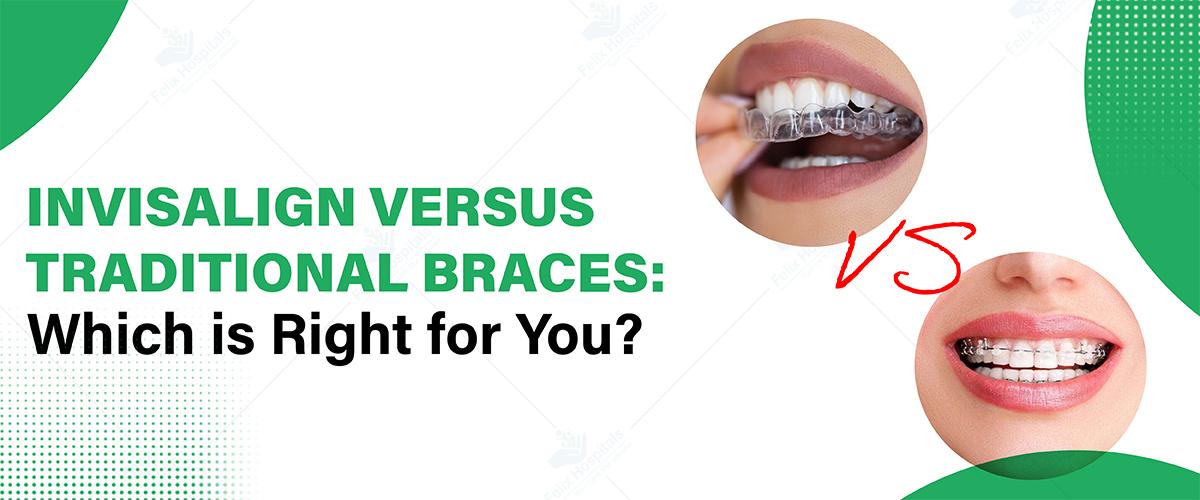
When it comes to orthodontic treatment, one of the most common questions people ask is whether they should choose Invisalign or traditional braces. Both options are highly effective at straightening teeth, but they differ in terms of appearance, treatment process, comfort, and cost. Choosing the right solution depends on a variety of factors, including your specific dental needs, lifestyle, and personal preferences.
Let’s dive into the differences between Invisalign and traditional braces, exploring the pros and cons of each treatment method with the best dental hospital in Noida. By the end, you should have a better understanding of which option is right for you.
Ready to achieve your perfect smile? Contact us today at +91 9667064100 to schedule a consultation and discover the best orthodontic solution for you!
Invisalign is an innovative orthodontic treatment that uses a series of clear, removable aligners to gradually straighten teeth. The aligners are made from a custom-molded, BPA-free plastic designed to fit snugly over your teeth. Unlike traditional braces, Invisalign aligners are nearly invisible, which makes them a popular choice for adults and teens looking for a more discreet way to straighten their teeth.
Traditional braces are the more well-known orthodontic treatment. They consist of metal brackets that are cemented to the teeth and connected by metal wires. These wires are adjusted periodically by your orthodontist to gradually move your teeth into the desired position. Traditional braces are highly effective and have been used for decades to correct a wide range of dental issues, from mild misalignment to severe malocclusions (bite problems).
Both Invisalign and traditional braces aim to correct tooth alignment, but they do so in different ways. Understanding how each method works is essential when deciding which treatment is right for you.
Invisalign aligners work by exerting gentle pressure on specific teeth, gradually moving them into the correct position over time. Here's how the process works:
Initial Consultation: Your orthodontist will evaluate your teeth, take X-rays and impressions, and create a digital 3D model of your mouth to design a personalized treatment plan.
Custom Aligners: Based on the 3D model, a series of aligners will be created. Each set of aligners is worn for about two weeks before moving on to the next set. These aligners will gradually shift your teeth.
Regular Checkups: Every 4-6 weeks, you'll visit your orthodontist to check on progress and receive new sets of aligners.
Completion: Once the treatment is complete, a retainer will be provided to maintain your newly straightened teeth.
Traditional braces rely on a system of brackets and wires to move teeth into their correct position:
Initial Consultation: Similar to Invisalign, your orthodontist will examine your teeth, take X-rays, and create a treatment plan.
Brackets and Wires: Metal brackets are cemented to each tooth, and a wire is threaded through them. The wire applies pressure to the teeth, gradually moving them into place. The orthodontist will periodically tighten or adjust the wires to continue the process.
Regular Adjustments: You’ll need to visit your orthodontist every 4-8 weeks for adjustments.
Completion: Once your teeth are properly aligned, the braces are removed, and you'll wear a retainer to keep your teeth in place.
One of the most significant differences between Invisalign and traditional braces is their appearance.
Invisalign: The clear aligners are virtually invisible, making Invisalign a popular choice for individuals who are concerned about their appearance during treatment. Many adults and teens prefer the discreet look of Invisalign because it allows them to straighten their teeth without drawing attention.
Traditional Braces: Metal braces are much more noticeable. Even though modern braces can sometimes be made from tooth-colored ceramic materials, they are still far more visible than Invisalign aligners.
Comfort is another critical factor in deciding between Invisalign and traditional braces.
Invisalign: The smooth plastic aligners of Invisalign are typically more comfortable than metal braces. They don't have any sharp edges that can irritate your cheeks and gums. However, there may still be some initial discomfort when switching to a new set of aligners as your teeth begin to shift.
Traditional Braces: Metal braces can irritate the inside of your mouth, particularly in the early stages of treatment. The brackets and wires can sometimes cause sores, and adjustments can make your teeth sore for a few days afterward.
Both Invisalign and traditional braces are effective at straightening teeth, but they have different capabilities when it comes to treating complex cases.
Invisalign: Invisalign is highly effective for treating mild to moderate alignment issues, such as gaps, overcrowded teeth, and minor bite problems. However, it may not be the best option for more severe orthodontic issues like complex malocclusions, rotated teeth, or teeth that need to be moved vertically.
Traditional Braces: Traditional braces are generally more versatile and can handle more severe or complex dental issues. Because the brackets and wires can apply more force to the teeth, they are better suited for treating complex malocclusions, rotated teeth, and significant bite issues.
Treatment time varies from patient to patient, depending on the complexity of the case, but there are general differences in the timeline between Invisalign and traditional braces.
Invisalign: On average, Invisalign treatment takes about 12-18 months. However, the aligners need to be worn for at least 20-22 hours per day to stay on schedule.
Traditional Braces: Traditional braces typically take 18-24 months to achieve the desired results. Complex cases may require longer treatment times. Because the braces are fixed to your teeth, they are always working, unlike Invisalign, which requires compliance.
The cost of orthodontic treatment is often a significant consideration for patients. The cost can vary based on the complexity of your case, your location, and your orthodontist's experience.
Invisalign: Invisalign is generally more expensive than traditional braces. The cost of Invisalign treatment can range from Rs3,500 to 8,000, depending on the length of treatment and the severity of the dental issues.
Traditional Braces: Traditional braces tend to be more affordable, with costs ranging from Rs 2,500 to 7,000. However, if you opt for ceramic braces (which are less noticeable), the price can increase.
Both Invisalign and traditional braces come with different levels of convenience when it comes to maintenance and lifestyle.
Invisalign: Invisalign aligners are removable, which makes eating and oral hygiene much easier compared to traditional braces.
You can take the aligners out to eat, brush, and floss, which means there are no dietary restrictions. However, because the aligners must be worn for 20-22 hours a day, it's essential to stay disciplined in wearing them.
Traditional Braces: With traditional braces, you have to avoid certain foods, such as sticky or hard foods, that can damage the brackets and wires. Additionally, oral hygiene can be more challenging, as brushing and flossing around the braces requires extra effort.
Both Invisalign and traditional braces require follow-up care after the treatment is complete to maintain your new smile.
Invisalign: After completing Invisalign treatment, you'll be given a retainer, which you’ll need to wear, especially at night, to prevent your teeth from shifting back to their original positions.
Traditional Braces: Similarly, after braces are removed, a retainer is necessary to maintain the results. You may be required to wear it full-time for a while, and then transition to wearing it only at night.
| Feature | Invisalign | Traditional Braces |
|---|---|---|
| Appearance | Virtually invisible | Very noticeable, even with ceramic options |
| Comfort | More comfortable due to the smooth plastic design | Can irritate the mouth with metal brackets and wires |
| Removability | Removable for eating, brushing, and flossing | Fixed to the teeth; cannot be removed during treatment |
| Office Visits | Fewer office visits required | Requires more frequent office visits for adjustments |
| Dietary Restrictions | No dietary restrictions | Dietary restrictions (avoid sticky, hard, or chewy foods) |
| Suitability | Best for mild to moderate dental issues | Can treat complex and severe dental issues |
| Compliance | Requires strict compliance (must be worn 20-22 hours/day) | No compliance issues (fixed to teeth) |
Choosing between Invisalign and traditional braces ultimately depends on your specific dental needs, budget, and personal preferences. Here are a few questions to ask yourself when making your decision:
How complex is your case?
If you have mild to moderate alignment issues, Invisalign may be the better option. However, if you have severe malocclusions or other complex dental problems, traditional braces may be more effective.
How important is appearance?
If you’re concerned about the visibility of braces and want a more discreet option, Invisalign is the clear choice. For those who don't mind the appearance of metal braces, traditional braces could be a good fit.
How disciplined are you?
Invisalign requires you to wear the aligners for most of the day. If you’re not confident in your ability to keep the aligners in for 20-22 hours a day, traditional braces might be more suitable since they are fixed.
What is your budget?
Invisalign tends to be more expensive than traditional braces. If cost is a significant factor, traditional braces may be the more budget-friendly option.
At Felix Hospital, our expert dental team is committed to providing exceptional orthodontic care, helping you make the best choice between Invisalign and traditional braces. Our skilled dentists, including Dr. Aditi Narad, Dr. Shinja Dixit, and Dr. Aditi Sharma, have extensive experience in guiding patients through their orthodontic journeys. Utilizing the latest advancements in dental technology, they offer personalized treatment plans to ensure you achieve the best possible results, whether you opt for Invisalign or traditional braces.
Consult with your orthodontist to discuss your unique situation and determine which treatment option is best for you by Clicking Here.
Both Invisalign and traditional braces are excellent options for straightening teeth and improving your smile. The right choice for you will depend on your specific orthodontic needs, lifestyle, and preferences. Invisalign offers a nearly invisible and comfortable way to straighten teeth but may not be suitable for more complex cases. Traditional braces, on the other hand, are highly effective for treating a wide range of orthodontic issues but are more noticeable and may require more maintenance.
1. Is Invisalign as effective as traditional braces?
Ans: Invisalign is effective for treating mild to moderate dental issues such as gaps, overcrowding, and minor bite problems. However, for more severe or complex cases like significant malocclusions or rotated teeth, traditional braces are typically more effective.
2. How long does treatment with Invisalign or traditional braces take?
Ans: Invisalign treatment usually lasts between 12-18 months, depending on the severity of the case. Traditional braces generally take 18-24 months but can vary depending on individual dental needs.
3. Are there any food restrictions with Invisalign or traditional braces?
Ans: With Invisalign, there are no food restrictions since the aligners are removable. With traditional braces, you need to avoid certain foods like sticky, hard, or chewy items that can damage the brackets or wires.
4. Which option is more comfortable: Invisalign or traditional braces?
Ans: Invisalign is generally more comfortable due to its smooth, plastic aligners. Traditional braces can cause discomfort or irritation in the mouth from the metal brackets and wires, especially after adjustments.
5. Can Invisalign treat all types of dental issues?
Ans: Invisalign is ideal for mild to moderate alignment issues. For complex cases involving severe bite problems or significant tooth rotation, traditional braces may be the better option.
6. Which is more affordable: Invisalign or traditional braces?
Ans: Traditional braces are typically more affordable, with costs ranging from Rs 2,500 to 7,000. Invisalign tends to be more expensive, with a price range between Rs 3,500 and 8,000, depending on the length and complexity of the treatment.
7. How often do I need to visit the orthodontist during treatment?
Ans: Invisalign requires fewer visits, usually every 4-6 weeks to check progress and receive new aligners. Traditional braces often require more frequent visits, typically every 4-8 weeks for adjustments and tightening.
Gum disease, also known as periodontal disease, is an inflammatory condition that affects the tissues surrounding the teeth.
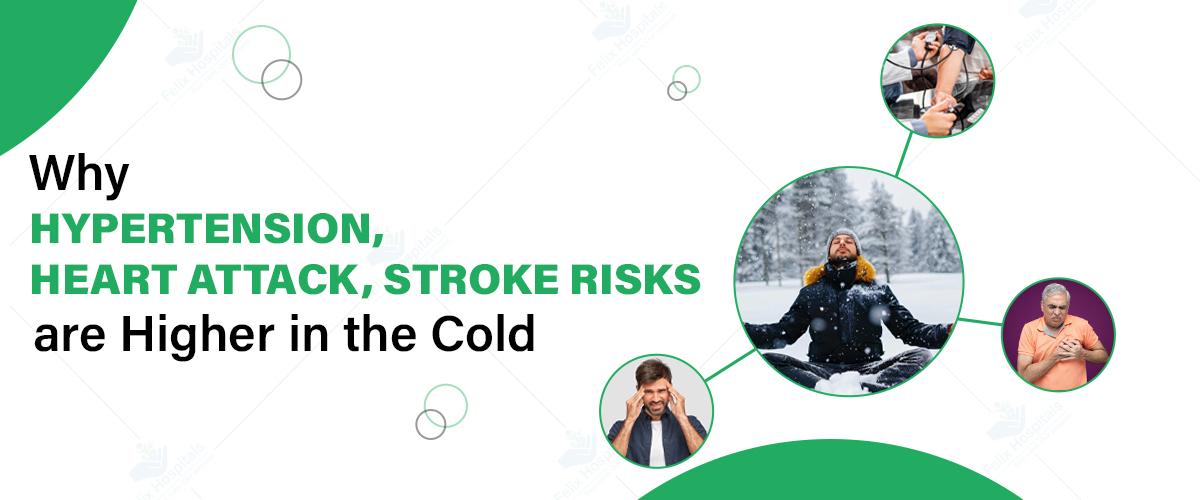
As winter sets in and temperatures drop, many people eagerly anticipate the holidays, snow days, and cozy nights by the fire. However, amidst the beauty of winter, there lurks a significant health risk that often goes unnoticed: the increased likelihood of hypertension, heart attacks, and strokes. The colder months can have a profound impact on our cardiovascular health, making it crucial to understand these risks for effective prevention and management. This is especially important when considering the need for specialized care, so identifying the best hospital for heart health is essential for anyone at risk during this season.
Consult with your healthcare provider at +91 9667064100 for personalized advice and strategies to stay heart-healthy during the winter months.
Cold weather affects the body in several ways that can increase cardiovascular risks. Understanding these mechanisms is vital for anyone concerned about heart health, especially those with pre-existing conditions such as hypertension or heart disease.
When exposed to cold temperatures, the body naturally responds by constricting blood vessels to maintain core body temperature. This vasoconstriction, while essential for preserving heat, can lead to an increase in blood pressure. As the blood vessels narrow, the heart must pump harder to circulate blood through these constricted pathways, leading to heightened strain on the cardiovascular system.
Cold weather can also lead to an increase in blood viscosity, or thickness. When temperatures drop, the body may produce more red blood cells to compensate for the reduced oxygen levels in cold air. Thicker blood is more difficult to pump and increases the risk of blood clots, which can lead to heart attacks and strokes.
During winter months, people often reduce their physical activity levels due to colder weather and shorter days. Physical inactivity is a known risk factor for hypertension, heart disease, and stroke. When people do exercise in winter, they may engage in more intense activity in a shorter period, which can place additional strain on the heart, particularly in those with pre-existing conditions.
The lack of sunlight during winter can lead to seasonal affective disorder (SAD), a type of depression that can affect motivation and energy levels. This can lead to a sedentary lifestyle and poor dietary choices, both of which are risk factors for hypertension and heart disease.
The holiday season, coupled with the challenges of cold weather, can lead to increased stress and anxiety. Stress triggers the release of hormones such as cortisol, which can elevate blood pressure and heart rate, further increasing the risk of cardiovascular events.
Hypertension
Hypertension, or high blood pressure, is often referred to as a silent killer because it typically has no noticeable symptoms. However, it poses a significant risk for heart disease and stroke. Cold weather can exacerbate hypertension through the mechanisms mentioned earlier. For individuals already diagnosed with hypertension, winter can present additional challenges, such as increased medication needs or the need for more frequent monitoring.
The risk of heart attacks rises significantly during the winter months. According to studies, heart attacks are more prevalent in colder temperatures, especially among individuals with pre-existing heart conditions. The added strain on the heart from increased blood pressure, combined with factors like stress and inactivity, creates a perfect storm for cardiac events.
Similar to heart attacks, the incidence of strokes also increases during the winter. The reasons are multi-faceted, including blood vessel constriction, increased blood viscosity, and the impact of cold temperatures on overall cardiovascular health. Ischemic strokes, caused by blood clots, are particularly linked to cold weather as the likelihood of clot formation rises.
While the risks associated with cold weather are concerning, there are several proactive steps individuals can take to protect their heart health during the winter months.
Layering clothing is key to maintaining body warmth. Ensure that you are well-dressed before going outside in cold temperatures. Protecting your extremities by wearing gloves, socks, and warm hats can help regulate your body temperature and reduce the strain on your cardiovascular system.
For those with hypertension, it’s crucial to monitor blood pressure regularly, especially during the winter months. Keeping track of your readings can help identify any significant changes, allowing for timely intervention. If necessary, consult your healthcare provider to adjust medications or treatment plans as needed.
While it can be tempting to stay indoors during winter, it's important to maintain physical activity. Consider indoor activities such as yoga, home workouts, or even taking brisk walks around your neighborhood when the weather permits. Staying active helps regulate blood pressure and maintain heart health.
A balanced diet rich in fruits, vegetables, whole grains, and lean proteins is essential for heart health. During the winter, comfort foods may be more tempting, but it’s important to prioritize nutrient-dense options that can help manage blood pressure and overall cardiovascular health. Reducing sodium intake and avoiding excessive alcohol consumption can also be beneficial.
Implement stress-reducing techniques such as meditation, deep breathing exercises, or engaging in hobbies that bring joy. It’s essential to find healthy ways to cope with the stress that often accompanies winter and the holiday season. Regular exercise is also an excellent way to manage stress levels.
Cold weather can be deceptive, leading many to forget about hydration. However, staying well-hydrated is essential for overall health, including heart health. Drink plenty of fluids, and remember that caffeine and alcohol can contribute to dehydration, so consume these in moderation.
If you have a history of heart disease, hypertension, or stroke, it’s crucial to consult with a healthcare provider before the winter season. They can offer personalized advice and adjustments to your treatment plan to help mitigate risks during colder months.
As winter approaches, prioritizing your heart health becomes increasingly important. If you have any concerns, consulting with a knowledgeable cardiologist is crucial. At Felix Hospital, our highly skilled team of cardiologists is committed to delivering exceptional care and tailored treatment plans. Among them, Dr. Rahul Arora stand out as some of the best cardiologists in Noida, specializing in the diagnosis and management of a wide range of heart conditions. Don’t hesitate to contact us for expert guidance on how to keep your heart healthy during the chilly months ahead.
If you or a loved one is at risk of heart disease, don’t wait for the warning signs—take charge of your heart health today by Clicking Here.
As winter approaches, it's vital to be aware of the potential risks that cold weather poses to your heart health. By understanding how hypertension, heart attacks, and strokes can be exacerbated during this time, you can take proactive steps to protect yourself. From dressing warmly and staying active to maintaining a healthy diet and managing stress, there are numerous ways to reduce your risk. Don't hesitate to seek medical advice if you're concerned about your cardiovascular health, especially if you have pre-existing conditions.
Why does cold weather affect blood pressure?
Cold weather causes blood vessels to constrict, increasing blood pressure as the heart has to work harder to pump blood.
Are heart attacks more common in winter?
Yes, studies show that heart attacks are more prevalent during colder months due to factors such as increased blood pressure and inactivity.
What can I do to stay active in the winter?
Indoor activities like yoga, gym workouts, or even brisk walking when weather permits can help maintain physical activity levels.
How can I manage stress during the winter?
Techniques such as meditation, deep breathing, and engaging in enjoyable hobbies can help reduce stress levels.
Should I adjust my diet in winter?
Yes, focusing on a balanced diet rich in nutrients while limiting sodium and processed foods can help maintain heart health during colder months.
How often should I monitor my blood pressure in winter?
Regular monitoring is recommended, especially if you have hypertension. Check with your healthcare provider for personalized advice.
Is dehydration a concern in winter?
Yes, cold weather can lead to dehydration. It's essential to drink plenty of fluids, even if you don't feel thirsty.
What should I do if I experience chest pain in winter?
Seek immediate medical attention if you experience chest pain, especially if it is accompanied by other symptoms of a heart attack.
Can stress lead to heart problems?
Yes, chronic stress can contribute to high blood pressure and increase the risk of heart disease and stroke. Finding healthy coping strategies is essential.
At Felix Hospital, our team of expert cardiologists is dedicated to providing the best care and personalized treatment plans. Dr. Rahul Arora is the best cardiologists in Noida

A dazzling white smile is a confidence booster for many, but lifestyle factors and aging can dim that sparkle over time. Teeth whitening has become a popular choice for restoring brilliance and tackling discoloration, with options ranging from home remedies to professional treatments. For those seeking a trusted, experienced dental hospital in Noida to explore safe and effective teeth-whitening options, this guide provides the insights needed to make informed decisions.
Book a consultation today with a qualified dentist in Noida for personalized teeth-whitening advice. Call us today at +91 9667064100.
Teeth whitening is a cosmetic dental procedure aimed at lightening teeth and removing stains or discoloration. This process typically involves using bleaching agents like hydrogen peroxide or carbamide peroxide, which penetrate the enamel and break down stains at a molecular level. With various methods available, including in-office procedures, at-home kits, and natural remedies, teeth whitening can effectively lift stains and enhance the brightness of your smile.
Several factors contribute to teeth discoloration, often making whitening a necessity. These include:
Teeth whitening offers several benefits, making it a popular choice for those seeking a radiant smile:
While effective, teeth whitening does have its drawbacks:
Potential for Overuse: Excessive whitening can weaken enamel and make teeth prone to damage or sensitivity.
To achieve safe and effective results, consider these essential tips:
Avoid Staining Foods Post-Treatment: For 24–48 hours after treatment, avoid dark-colored foods and beverages to prevent the re-staining of your teeth.
For those in Noida looking to enhance their smile with expert care, here are the top dental professionals for teeth whitening:
Schedule an appointment by Clicking Here with a top dentist in Noida to explore your teeth-whitening options and find the best fit for you.
Teeth whitening can transform your smile, enhancing both your appearance and self-confidence. However, the procedure requires careful consideration of the options, along with attention to safety guidelines to ensure effective results without harming the enamel. Consulting a skilled dentist is essential, especially for customized recommendations suited to your dental needs.
1. Can teeth whitening remove deep stains from tetracycline or antibiotics?
Ans: Deep stains caused by tetracycline or certain antibiotics may be difficult to remove with standard whitening methods. Dentists often recommend specialized treatments for these types of intrinsic stains.
2. Is teeth whitening safe for people with dental restorations?
Ans: Teeth whitening is generally safe, but it doesn’t affect crowns, fillings, or veneers. Your dentist can advise on alternative approaches for a uniformly white smile if you have restorations.
3. How long do professional teeth whitening results typically last?
Ans: Results from professional teeth whitening can last from a few months to a couple of years, depending on lifestyle habits and oral care.
4. Does teeth whitening affect the strength of my teeth?
Ans: Professional teeth whitening, when done correctly, should not harm the enamel. Overuse, however, can weaken enamel, so it’s essential to follow your dentist’s recommendations.
5. Can teeth whitening treat yellow teeth caused by aging?
Ans: Yes, teeth whitening is often effective for age-related yellowing, though results may vary based on the degree of staining and enamel thickness.
6. Is there a difference between teeth whitening and teeth bleaching?
Ans: Teeth whitening usually refers to restoring the natural color by removing stains, while bleaching often involves peroxide products that can lighten teeth beyond their natural shade.
7. Are there risks of teeth whitening during pregnancy?
Ans: While teeth whitening isn’t known to be harmful during pregnancy, most dentists recommend postponing it until after pregnancy due to a lack of research on its effects.
8. What’s the recommended age for teeth whitening?
Ans: Generally, dentists recommend waiting until 16–18 years old to ensure that all permanent teeth have fully developed and to avoid increased sensitivity in younger teeth.
Gum disease, also known as periodontal disease, is an inflammatory condition that affects the tissues surrounding the teeth.
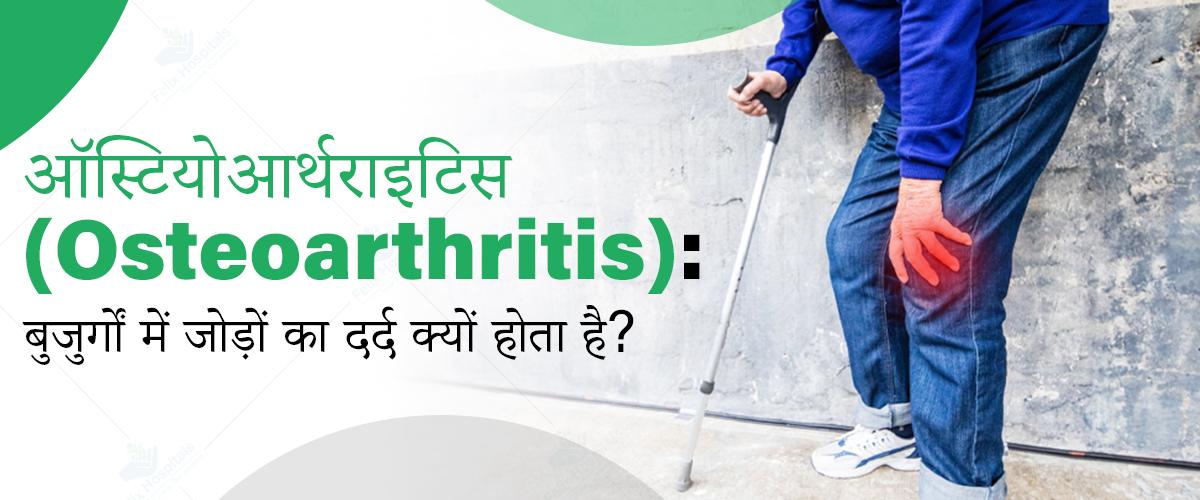
ऑस्टियोआर्थराइटिस (Osteoarthritis) जोड़ों से संबंधित दीर्घकालिक (क्रोनिक) बीमारी है, जो मुख्य रूप से उम्र बढ़ने के साथ होती है। इसे वियर एंड टियर आर्थराइटिस भी कहा जाता है, क्योंकि यह जोड़ों के कार्टिलेज (एक चिकनी परत जो हड्डियों के सिरों को कवर करती है) के धीरे-धीरे खराब होने के कारण होता है। जब यह कार्टिलेज खराब हो जाता है, तो हड्डियां आपस में रगड़ने लगती हैं, जिससे जोड़ों में दर्द सूजन, और जकड़न होती है। यदि आपको या किसी और को ऑस्टियोआर्थराइटिस के लक्षण महसूस हो रहे हैं, तो तुरंत नॉएडा के सर्वश्रेष्ठ रुमेटोलॉजी हॉस्पिटल्स (best rheumatology hospital in noida) में सहायता प्राप्त करें। जानिए इसके लक्षण से लेकर इलाज तक के बारे में विस्तार से..
ज्यादा जानकारी के लिए हमें कॉल करें +91 9667064100.
विषय सूची(Table of Contents)
ऑस्टियोआर्थराइटिस एक प्रकार का गठिया है, जिसमें जोड़ों के बीच मौजूद कार्टिलेज (गद्दीदार ऊतक) धीरे-धीरे टूटने लगता है। यह शरीर के जोड़ों में दर्द, सूजन और जकड़न का कारण बनता है। आमतौर पर यह स्थिति घुटनों, कूल्हों, हाथों और रीढ़ की हड्डी के जोड़ों को प्रभावित करती है। ऑस्टियोआर्थराइटिस बढ़ती उम्र के साथ अधिक सामान्य होती जाती है, लेकिन यह जोड़ों पर अधिक दबाव, चोट या अनुवांशिक कारणों से भी हो सकती है।.
बुजुर्गों में जोड़ों का दर्द एक सामान्य समस्या है, और इसके कई कारण हो सकते हैं। उम्र बढ़ने के साथ, शरीर में प्राकृतिक बदलाव होते हैं जो जोड़ों पर प्रभाव डालते हैं। ऑस्टियोआर्थराइटिस सबसे आम प्रकार का गठिया है जो बुजुर्गों में जोड़ों के दर्द का प्रमुख कारण है। उम्र के साथ कार्टिलेज (हड्डियों के सिरों को कवर करने वाली चिकनी परत) का कमजोर होना और धीरे-धीरे खराब होना इसकी वजह से होता है। रुमेटोइड आर्थराइटिस यह एक ऑटोइम्यून रोग है जिसमें प्रतिरक्षा प्रणाली अपने ही शरीर के ऊतकों पर हमला करती है, जिससे सूजन, दर्द और जोड़ नुकसान होता है। यह आमतौर पर बुजुर्गों में विकसित होता है और सामान्यत: हाथों और पैरों के छोटे जोड़ों को प्रभावित करता है। जबकि गठिया शरीर में यूरिक एसिड के उच्च स्तर के कारण होता है। यह आमतौर पर एक जोड़ में अचानक दर्द और सूजन का कारण बनता है। उम्र के साथ, जोड़ों में सूजन हो सकती है, जिससे दर्द और कठोरता होती है।
जोड़ों में दर्द:
यह ऑस्टियोआर्थराइटिस का सबसे सामान्य लक्षण है। जोड़ों में दर्द धीरे-धीरे बढ़ता है और गतिविधियों के साथ तेज हो जाता है।
जोड़ों की जकड़न:
खासकर सुबह या लंबे समय तक आराम करने के बाद जोड़ों में जकड़न महसूस होती है। यह कुछ मिनटों से लेकर एक घंटे तक रह सकती है।
जोड़ों में सूजन:
जोड़ों के आसपास सूजन आ सकती है, खासकर जब ऑस्टियोआर्थराइटिस गंभीर होता है।
जोड़ों में लचीलापन कम होना:
प्रभावित जोड़ों को हिलाने-डुलाने में कठिनाई होती है, जिससे सामान्य गतिविधियाँ करना मुश्किल हो सकता है।
जोड़ों से आवाज आना:
प्रभावित जोड़ों से खड़खड़ाहट या चरमराहट की आवाज आ सकती है, जिसे "क्रेपिटस" कहा जाता है। यह आवाज कार्टिलेज की टूट-फूट के कारण होती है।
जोड़ों का आकार बदलना:
समय के साथ, जोड़ों का आकार बदल सकता है, जिससे वे असामान्य दिख सकते हैं।
थकान:
दर्द और असुविधा के कारण व्यक्ति अधिक थकान महसूस कर सकता है।
मांसपेशियों में कमजोरी:
जोड़ों के आसपास की मांसपेशियाँ कमजोर हो सकती हैं, खासकर घुटनों के आसपास।
यह ऑस्टियोआर्थराइटिस का सबसे सामान्य प्रकार है और उम्र बढ़ने के साथ स्वाभाविक रूप से विकसित होता है। इसमें जोड़ों में कार्टिलेज का टूटना शुरू हो जाता है, जो उम्र के साथ घिसता रहता है। यह अधिकतर घुटनों, कूल्हों, हाथों और रीढ़ की हड्डी के जोड़ों को प्रभावित करता है। इसका कोई स्पष्ट कारण नहीं होता, लेकिन उम्र, वजन और रोज़मर्रा के काम इसका खतरा बढ़ा सकते हैं।
यह किसी चोट, बीमारी या अन्य चिकित्सीय स्थिति के कारण विकसित होता है। द्वितीयक ऑस्टियोआर्थराइटिस का कारण हो सकता है:
संयुक्त चोट (Joint Injury):
पुरानी चोटों या दुर्घटनाओं के कारण जोड़ों में नुकसान होने पर यह विकसित हो सकता है।
मोटापा (Obesity):
अत्यधिक वजन के कारण जोड़ों पर ज्यादा दबाव पड़ता है, जिससे कार्टिलेज जल्दी घिसता है।
जन्मजात विकृतियां (Congenital Abnormalities):
जन्म से ही अगर जोड़ों में असामान्यताएं हैं, तो यह ऑस्टियोआर्थराइटिस का कारण बन सकता है।
अन्य बीमारियां:
जैसे रूमेटॉयड आर्थराइटिस, गाउट, या मधुमेह जैसी स्थितियों से भी द्वितीयक ऑस्टियोआर्थराइटिस हो सकता है।
उम्र बढ़ना:
यह ऑस्टियोआर्थराइटिस का सबसे आम कारण है। उम्र बढ़ने के साथ जोड़ों का कार्टिलेज कमजोर हो जाता है, जिससे यह टूटने लगता है और जोड़ों में दर्द और सूजन होती है।
जोड़ों की चोट:
किसी पुराने चोट, दुर्घटना, या फ्रैक्चर के कारण जोड़ों में पहले से हुए नुकसान से ऑस्टियोआर्थराइटिस विकसित हो सकता है। खेल के दौरान लगी चोटें भी इसके जोखिम को बढ़ाती हैं।
मोटापा (Obesity):
अधिक वजन होने से घुटनों, कूल्हों और रीढ़ की हड्डी पर अधिक दबाव पड़ता है, जिससे कार्टिलेज जल्दी घिसता है और ऑस्टियोआर्थराइटिस का खतरा बढ़ता है।
अनुवांशिकता (Genetics):
यदि परिवार में किसी को ऑस्टियोआर्थराइटिस है, तो इसकी संभावना बढ़ जाती है। कुछ लोग जन्म से ही ऐसे जीन लेकर पैदा होते हैं जो उन्हें इस बीमारी के प्रति अधिक संवेदनशील बनाते हैं।
अत्यधिक जोड़ों का उपयोग (Overuse of Joints):
जिन लोगों का काम या गतिविधियां बार-बार जोड़ों पर दबाव डालती हैं, जैसे कि भारी वजन उठाने वाले या श्रमिक, उनमें ऑस्टियोआर्थराइटिस का खतरा अधिक होता है।
लिंग (Gender):
महिलाओं में ऑस्टियोआर्थराइटिस होने की संभावना पुरुषों की तुलना में अधिक होती है, खासकर 50 साल की उम्र के बाद।
जोड़ों की विकृतियां (Joint Deformities):
कुछ लोगों में जन्म से ही जोड़ों में विकृतियां होती हैं, जिससे उनके कार्टिलेज जल्दी घिस सकते हैं।
अन्य बीमारियां:
गठिया के अन्य रूप, जैसे रूमेटॉयड आर्थराइटिस, गाउट या मधुमेह जैसी स्थितियाँ भी ऑस्टियोआर्थराइटिस का कारण बन सकती हैं।
स्वस्थ वजन बनाए रखें:
शरीर का अतिरिक्त वजन घुटनों और कूल्हों जैसे वजन सहने वाले जोड़ों पर अधिक दबाव डालता है। वजन घटाने से ऑस्टियोआर्थराइटिस का खतरा कम हो सकता है और जोड़ों पर दबाव कम होता है।
नियमित व्यायाम करें:
हल्के और नियमित व्यायाम, जैसे तैराकी, चलना, साइकिल चलाना, या योग, जोड़ों की मजबूती और लचीलापन बनाए रखने में मदद करते हैं। यह जोड़ों के आसपास की मांसपेशियों को भी मजबूत बनाता है, जिससे जोड़ों पर दबाव कम होता है।
अत्यधिक जोड़ों का उपयोग न करें:
ऐसे काम या गतिविधियों से बचें, जिनसे लगातार या अत्यधिक जोड़ों पर दबाव पड़े। भारी वजन उठाने या एक ही तरह की दोहराई जाने वाली गतिविधियों से जोड़ों को नुकसान हो सकता है।
सही शारीरिक मुद्रा (Posture) बनाए रखें:
खड़े होने, बैठने और चलने के दौरान सही शारीरिक मुद्रा बनाए रखना महत्वपूर्ण है। इससे रीढ़ की हड्डी और जोड़ों पर अनावश्यक दबाव कम होता है।
जोड़ों की सुरक्षा करें:
यदि आपको किसी खेल या गतिविधि के दौरान चोट लगने का खतरा है, तो उचित सुरक्षा उपकरण पहनें। चोटें ऑस्टियोआर्थराइटिस के विकास को बढ़ावा दे सकती हैं।
स्वस्थ आहार लें:
विटामिन डी और कैल्शियम युक्त आहार हड्डियों को मजबूत बनाते हैं, जबकि ओमेगा-3 फैटी एसिड युक्त भोजन (जैसे मछली और नट्स) सूजन को कम करने में मदद कर सकते हैं। हड्डियों और जोड़ों को स्वस्थ रखने के लिए संतुलित आहार आवश्यक है।
जोड़ों का नियमित रूप से ख्याल रखें:
यदि किसी जोड़े में दर्द या सूजन हो, तो उसे नजरअंदाज न करें। समय पर उपचार कराने से ऑस्टियोआर्थराइटिस के जोखिम को कम किया जा सकता है।
चोटों से बचें:
जोड़ों की चोटें ऑस्टियोआर्थराइटिस का खतरा बढ़ा सकती हैं। इसलिए खेल या शारीरिक गतिविधियों के दौरान सुरक्षा उपाय अपनाएं और जोड़ों को सुरक्षित रखें।
तनाव और थकान से बचें:
अत्यधिक तनाव और थकान जोड़ों पर असर डाल सकते हैं, इसलिए तनाव को नियंत्रित करने के लिए आराम और मानसिक स्वास्थ्य का ध्यान रखें।
मधुमेह और अन्य बीमारियों का नियंत्रण:
मधुमेह और अन्य स्वास्थ्य समस्याओं को नियंत्रित रखना जरूरी है, क्योंकि ये बीमारियाँ भी ऑस्टियोआर्थराइटिस के खतरे को बढ़ा सकती हैं।
जीवनशैली में बदलाव:
अतिरिक्त वजन कम करने से घुटनों और कूल्हों पर दबाव कम होता है, जिससे दर्द और सूजन कम हो सकती है। तैराकी, योग, पैदल चलना और साइकिल चलाना जैसे कम प्रभाव वाले व्यायाम जोड़ों को मजबूत और लचीला बनाए रखते हैं। मांसपेशियों की ताकत बढ़ाने से जोड़ों पर कम दबाव पड़ता है। अत्यधिक शारीरिक श्रम या लंबे समय तक एक ही स्थिति में रहने से बचना चाहिए। जोड़ों को आराम देना और तनाव प्रबंधन करना भी महत्वपूर्ण है।
दवाइयां:
पैरासिटामोल या इबुप्रोफेन जैसी दर्द निवारक दवाएं दर्द और सूजन को कम करने में मदद करती हैं। नॉन-स्टेरॉयडल एंटी-इंफ्लेमेटरी (एनएसएआईडी) दवाएं सूजन और दर्द को कम करती हैं। इबुप्रोफेन और नेप्रोक्सेन इस श्रेणी में आते हैं। गंभीर सूजन और दर्द के लिए, डॉक्टर प्रभावित जोड़ों में स्टेरॉयड इंजेक्शन लगा सकते हैं। यह अस्थायी रूप से दर्द और सूजन को कम कर सकता है। हाइलूरोनिक एसिड इंजेक्शन जोड़ों के भीतर घिसी हुई कार्टिलेज को लुब्रिकेट करते हैं और दर्द को कम करने में मदद करते हैं, खासकर घुटनों में।
फिजियोथेरेपी:
फिजियोथेरेपिस्ट द्वारा दिए गए विशेष व्यायाम जोड़ों के आसपास की मांसपेशियों को मजबूत बनाते हैं और जोड़ों की कार्यक्षमता को बेहतर करते हैं। हॉट और कोल्ड थेरेपी से गर्मी और ठंड से जोड़ों में दर्द और सूजन कम की जा सकती है।
थेराप्यूटिक अल्ट्रासाउंड:
यह तकनीक गहरे ऊतकों में दर्द और सूजन को कम करने के लिए उपयोग की जाती है।
सहायक उपकरण (Assistive Devices):
ऑर्थोपेडिक उपकरण यानी की बैसाखी, वॉकर, घुटने के ब्रेस या ऑर्थोपेडिक जूते इस्तेमाल करके जोड़ों पर दबाव कम किया जा सकता है। पैर और हाथ के जोड़ों के लिए विशेष इन्सोल्स या स्प्लिंट्स भी मददगार होते हैं।
सर्जरी:
जब दवाएं और अन्य इलाज काम नहीं करते हैं, और स्थिति गंभीर हो जाती है, तो डॉक्टर सर्जरी की सलाह दे सकते हैं। आर्थ्रोस्कोपी में छोटे चीरे के माध्यम से क्षतिग्रस्त कार्टिलेज की मरम्मत की जाती है। यह प्रक्रिया कम गंभीर मामलों के लिए उपयुक्त होती है। जोड़ प्रत्यारोपण गंभीर स्थिति में, खासकर घुटनों और कूल्हों में, प्रभावित जोड़ को कृत्रिम जोड़ से बदलने के लिए सर्जरी की जाती है। ऑस्टियोटॉमी में हड्डियों की स्थिति को बदलकर जोड़ों पर दबाव कम किया जाता है।
आहार और पूरक आहार:
मछली या अलसी के बीज में पाए जाने वाले ओमेगा-3 फैटी एसिड सूजन को कम करने में मदद कर सकते हैं। हड्डियों को मजबूत रखने के लिए विटामिन डी और कैल्शियम युक्त भोजन या पूरक आहार फायदेमंद होते हैं।
वैकल्पिक चिकित्सा:
कुछ लोगों को दर्द से राहत के लिए एक्यूपंक्चर से फायदा मिलता है। मांसपेशियों की मसाज दर्द और जकड़न को कम करने में सहायक हो सकती है।
फेलिक्स हॉस्पिटल की रुमेटोलॉजी विशेषज्ञ डॉ. किरण सेठ जिनको 15 से भी अधिक सालों का अनुभव है वह हर प्रकार से आपके इलाज के लिए आपके साथ हैं। ऑस्टियोआर्थराइटिस के उपचार में विभिन्न विशेषज्ञता वाले डॉक्टर शामिल होते हैं, जो मिलकर मरीज की स्थिति का प्रबंधन करते हैं। खासकर आर्थोपेडिक सर्जन, रूमेटोलॉजिस्ट चिकित्सक गठिया और अन्य रूमेटिक बीमारियों के विशेषज्ञ होते हैं।
डॉक्टर की सलाह के लिए आज ही फ़ोन करें +91 9667064100.
ऑस्टियोआर्थराइटिस आमतौर पर उम्र बढ़ने, जोड़ों के अत्यधिक उपयोग या चोट के कारण होती है। यह स्थिति धीरे-धीरे विकसित होती है और हड्डियों के सिरों पर कार्टिलेज के क्षरण से होती है, जिससे जोड़ों में दर्द, सूजन, कठोरता, और गतिशीलता में कमी आती है। ऑस्टियोआर्थराइटिस को जीवनशैली में बदलाव, समय पर इलाज और सही देखभाल से प्रबंधित किया जा सकता है, ताकि व्यक्ति की जीवन की गुणवत्ता को बेहतर किया जा सके।
प्रश्न 1: ऑस्टियोआर्थराइटिस किस आयु वर्ग में अधिक होती है ?
उत्तर: ऑस्टियोआर्थराइटिस आमतौर पर 50 वर्ष से अधिक आयु के लोगों में अधिक होती है, लेकिन यह किसी भी आयु में हो सकती है, खासकर यदि जोड़ों पर अत्यधिक दबाव पड़ा हो या चोट लगी हो।
प्रश्न 2: क्या ऑस्टियोआर्थराइटिस का इलाज संभव है ?
उत्तर: स्वस्थ वजन बनाए रखना, नियमित व्यायाम करना, संतुलित आहार लेना, और जोड़ों की सही देखभाल करना ऑस्टियोआर्थराइटिस के जोखिम को कम करने में मदद कर सकता है।
प्रश्न 3: ऑस्टियोआर्थराइटिस किन जोड़ों को प्रभावित करती है ?
उत्तर: यह बीमारी मुख्य रूप से घुटनों, कूल्हों, हाथों, रीढ़ की हड्डी और कभी-कभी कंधों और पैरों के जोड़ों को प्रभावित करती है।
प्रश्न 4: क्या व्यायाम ऑस्टियोआर्थराइटिस में मददगार है ?
उत्तर: हां, नियमित व्यायाम जोड़ों को लचीला और मजबूत बनाए रखता है, जिससे दर्द और कठोरता कम हो सकती है। तैराकी, योग, और पैदल चलना जैसे हल्के व्यायाम फायदेमंद होते हैं।
प्रश्न 5: ऑस्टियोआर्थराइटिस के लिए कौन-कौन सी दवाएं ली जा सकती हैं ?
उत्तर: दर्द और सूजन को कम करने के लिए पैरासिटामोल, एनएसएआईडी (इबुप्रोफेन), स्टेरॉयड इंजेक्शन, और हाइलूरोनिक एसिड इंजेक्शन जैसी दवाओं का उपयोग किया जा सकता है।
प्रश्न 6: क्या ऑस्टियोआर्थराइटिस सर्जरी से ठीक हो सकती है ?
उत्तर: सर्जरी गंभीर मामलों में की जाती है, खासकर जब अन्य उपचार विफल हो जाते हैं। इसमें जोड़ प्रत्यारोपण जैसी सर्जरी शामिल होती है, जो मरीज की जीवन की गुणवत्ता में सुधार कर सकती है।
प्रश्न 7: ऑस्टियोआर्थराइटिस का निदान कैसे होता है ?
उत्तर: ऑस्टियोआर्थराइटिस का निदान शारीरिक जांच, एक्स-रे, एमआरआई और रक्त परीक्षण के जरिए किया जाता है। डॉक्टर मरीज के लक्षणों और चिकित्सा इतिहास के आधार पर इसका पता लगाते हैं।
प्रश्न 8: क्या ऑस्टियोआर्थराइटिस वंशानुगत हो सकती है ?
उत्तर: हां, ऑस्टियोआर्थराइटिस में आनुवंशिक घटक होते हैं, जिसका मतलब है कि जिनके परिवार में यह बीमारी होती है, उनमें इसके विकसित होने की संभावना अधिक होती है।

Pediatric rheumatology focuses on diagnosing and treating autoimmune and inflammatory disorders affecting children’s joints, muscles, and connective tissues.

Eating a balanced, nutrient-rich Arthritis diet plan can help manage inflammation and reduce symptoms of rheumatoid arthritis.
Gout is a form of arthritis caused by the buildup of uric acid crystals in the joints, leading to sudden and severe pain
सर्दियों के मौसम में दिल के दौरे का खतरा अधिक बढ़ जाता है और इसके पीछे कई कारण होते हैं। ठंड का असर खासतौर पर दिल और रक्तवाहिकाओं पर पड़ता है। इन कारणों से सर्दियों में विशेष सावधानी बरतने की आवश्यकता होती है, खासकर दिल की बीमारियों से पीड़ित लोगों के लिए। हार्ट अटैक के सामान्य लक्षणों में सीने में दर्द या भारीपन, सांस लेने में कठिनाई, ठंडे पसीने आना, चक्कर आना और कंधे, गर्दन या बाजू में दर्द शामिल होते हैं। अगर ये लक्षण दिखें, तो तुरंत सबसे अच्छा हार्ट अटैक अस्पताल से चिकित्सकीय सहायता लें।
ज्यादा जानकारी के लिए हमें कॉल करें +91 9667064100.
सर्दियों के मौसम में हार्ट अटैक का खतरा क्यों बढ़ता है ? (Why does the risk of heart attack increase in winter season)
सर्दियों के मौसम में हार्ट अटैक के लक्षण (Symptoms of heart attack in winter season)
सर्दियों के मौसम में हार्ट अटैक के कारण (Causes of heart attack in winter season)
सर्दियों के मौसम में हार्ट अटैक से बचाव (Heart attack prevention in winter season)
सर्दियों के मौसम में हार्ट अटैक का इलाज (Treatment of heart attack in winter season)
फेलिक्स हॉस्पिटल्स में हार्ट अटैक के विशेषज्ञ के बारे में जानें (Know the heart attack expert at felix hospitals)
निष्कर्ष (Conclusion)
सर्दियों के मौसम में हार्ट अटैक को लेकर अक्सर पूछे जाने वाले सवाल और जवाब ( Frequently asked questions and answers regarding heart attack in winter season)
रक्त वाहिकाओं का सिकुड़ना:
ठंड के मौसम में शरीर की रक्त वाहिकाएं सिकुड़ जाती हैं, जिससे रक्त का प्रवाह धीमा हो जाता है और रक्तचाप बढ़ जाता है। इससे दिल को अधिक मेहनत करनी पड़ती है, जो हार्ट अटैक का कारण बन सकता है।
रक्त का गाढ़ा होना:
सर्दियों में शरीर का तापमान गिरने पर खून गाढ़ा हो सकता है, जिससे थक्के बनने का खतरा बढ़ जाता है। अगर यह थक्का हृदय की धमनियों में फंस जाता है, तो दिल के दौरे हो सकता है।
बढ़ा हुआ रक्तचाप:
ठंड में ब्लड प्रेशर स्वाभाविक रूप से बढ़ जाता है क्योंकि दिल को शरीर को गर्म रखने के लिए अधिक प्रयास करना पड़ता है। यह भी हार्ट अटैक के जोखिम को बढ़ाता है।
कम शारीरिक गतिविधि:
सर्दियों में लोग आमतौर पर कम चलते-फिरते हैं, जिससे उनका शारीरिक स्वास्थ्य बिगड़ सकता है। यह दिल के लिए जोखिम भरा हो सकता है क्योंकि शारीरिक गतिविधि की कमी से कोलेस्ट्रॉल का स्तर बढ़ सकता है।
ठंड के कारण ऑक्सीजन की कमी:
ठंडे मौसम में शरीर को अतिरिक्त ऊर्जा की आवश्यकता होती है, जिससे ऑक्सीजन की मांग बढ़ जाती है। अगर शरीर को पर्याप्त ऑक्सीजन नहीं मिलती, तो दिल को अतिरिक्त दबाव सहना पड़ता है, जिससे दिल के दौरे का खतरा बढ़ जाता है।
सर्दियों में तनाव:
सर्दी के मौसम में तनाव और अवसाद भी बढ़ जाते हैं, जो हार्ट अटैक के जोखिम को बढ़ा सकते हैं। तनाव से रक्तचाप और हार्मोनल असंतुलन बढ़ सकता है, जो दिल पर बुरा असर डालता है।
सीने में दर्द या असहजता:
सीने के बीच या बाईं ओर भारीपन, दबाव या जलन जैसा महसूस होना। दर्द अक्सर कुछ मिनटों तक रहता है और फिर कम या अधिक हो सकता है। यह दिल के दौरे का प्रमुख लक्षण होता है।
बांह, गर्दन, या जबड़े में दर्द:
दर्द या असहजता सीने से कंधे, बाईं बांह, पीठ, गर्दन या जबड़े तक फैल सकती है। यह दर्द कभी-कभी बाईं ओर अधिक महसूस होता है।
सांस लेने में कठिनाई:
सामान्य से अधिक गहरी या कठिनाई से सांस लेना हार्ट अटैक का संकेत हो सकता है, खासकर जब इसे बिना किसी स्पष्ट कारण के अनुभव किया जाए।
ठंडे पसीने आना:
अचानक ठंडे पसीने का आना दिल के दौरे के चेतावनी संकेतों में से एक है, खासकर सर्दी के मौसम में जब शरीर पहले से ठंडे वातावरण में हो।
थकान या कमजोरी:
बिना किसी भारी शारीरिक गतिविधि के अत्यधिक थकान महसूस होना या कमजोरी महसूस होना यह खासकर महिलाओं में हार्ट अटैक का सामान्य लक्षण हो सकता है।
चक्कर आना या बेहोशी:
चक्कर आना, हल्का महसूस होना या बेहोश होने जैसा महसूस होना दिल के दौरे का एक संकेत हो सकता है, जो सर्दी में कम ऑक्सीजन के कारण और अधिक गंभीर हो सकता है।
जी मिचलाना या उल्टी आना:
हार्ट अटैक के दौरान कुछ लोगों को मिचली या उल्टी का अनुभव भी हो सकता है। यह लक्षण अक्सर अन्य पाचन समस्याओं की तरह लग सकता है लेकिन दिल की समस्या का संकेत हो सकता है।
पेट में दर्द या असहजता:
कुछ लोगों में दिल के दौरे के दौरान पेट में दर्द या जलन हो सकती है। इसे एसिडिटी या अपच समझने की गलती भी की जा सकती है।
रक्त वाहिकाओं का सिकुड़ना:
ठंड के मौसम में शरीर की रक्त वाहिकाएं सिकुड़ जाती हैं, जिससे रक्तचाप बढ़ जाता है। इससे दिल को शरीर में रक्त पंप करने के लिए अधिक मेहनत करनी पड़ती है, जो दिल पर अतिरिक्त दबाव डालता है और हार्ट अटैक का खतरा बढ़ जाता है।
रक्त का गाढ़ा होना:
सर्दियों में ठंड के कारण खून गाढ़ा हो जाता है, जिससे थक्के बनने का खतरा बढ़ जाता है। यह थक्के रक्त वाहिकाओं में अवरोध पैदा कर सकते हैं, जिससे दिल को रक्त प्रवाह बाधित हो जाता है और हार्ट अटैक हो सकता है।
ब्लड प्रेशर का बढ़ना:
ठंडे मौसम में शरीर को गर्म रखने के लिए रक्तचाप स्वाभाविक रूप से बढ़ जाता है। उच्च रक्तचाप हार्ट अटैक का प्रमुख जोखिम कारक होता है, क्योंकि इससे हृदय की धमनियों पर अधिक दबाव पड़ता है।
शारीरिक गतिविधियों में कमी:
सर्दियों में लोग सामान्यत कम शारीरिक गतिविधियां करते हैं, जिससे वजन बढ़ सकता है और मेटाबॉलिज्म धीमा हो जाता है। शारीरिक गतिविधियों की कमी से दिल की सेहत खराब होती है और हार्ट अटैक का खतरा बढ़ सकता है।
ऑक्सीजन की कमी:
ठंडे मौसम में शरीर की ऑक्सीजन की जरूरत बढ़ जाती है, लेकिन ठंड के कारण खून में ऑक्सीजन का स्तर कम हो सकता है। दिल को अधिक ऑक्सीजन की आवश्यकता होती है, और इसकी कमी से दिल पर अतिरिक्त दबाव पड़ता है, जिससे दिल के दौरे का खतरा बढ़ जाता है।
मानसिक तनाव और अवसाद:
सर्दियों में दिन छोटे होते हैं और सूरज की रोशनी कम मिलती है, जिससे कुछ लोगों में मानसिक तनाव और अवसाद (सीजनल अफेक्टिव डिसऑर्डर) बढ़ सकता है। तनाव और अवसाद हार्ट अटैक के जोखिम को बढ़ाने वाले कारकों में से एक होते हैं, क्योंकि ये ब्लड प्रेशर और दिल की धड़कन को प्रभावित करते हैं।
धूम्रपान और शराब का बढ़ा हुआ सेवन:
सर्दियों में कुछ लोग धूम्रपान और शराब का सेवन बढ़ा देते हैं ताकि उन्हें ठंड से राहत मिले। धूम्रपान और अत्यधिक शराब दिल के लिए हानिकारक होते हैं और इससे हार्ट अटैक का खतरा बढ़ जाता है।
अचानक तापमान परिवर्तन:
सर्दियों में ठंडे वातावरण से अचानक गर्म वातावरण में जाना या ठंडे पानी से नहाना दिल पर अचानक दबाव डाल सकता है। यह तापमान में अचानक बदलाव दिल को झटका दे सकता है और दिल के दौरे का कारण बन सकता है।
अधिक कैलोरी युक्त भोजन:
सर्दियों में लोग अधिक कैलोरी और वसायुक्त भोजन करना पसंद करते हैं, जिससे कोलेस्ट्रॉल का स्तर बढ़ सकता है। उच्च कोलेस्ट्रॉल से धमनियां संकरी हो जाती हैं, जो दिल के दौरे का खतरा बढ़ाता है।
तुरंत चिकित्सा सहायता प्राप्त करें:
अगर दिल के दौरे के लक्षण दिखाई दें (जैसे कि सीने में दर्द, सांस की कमी, ठंडे पसीने आना), तो तुरंत आपातकालीन चिकित्सा सेवा को बुलाएं। हार्ट अटैक का समय पर इलाज बहुत महत्वपूर्ण होता है, क्योंकि पहले 1 घंटे में इलाज मिलने से गंभीर नुकसान को रोका जा सकता है।
प्राथमिक उपचार :
हार्ट अटैक के दौरान एस्पिरिन की एक गोली (300mg) चबाकर खाई जा सकती है लेकिन अगर डॉक्टर ने इसे अनुमति दी हो तो। क्योंकि एस्पिरिन खून को पतला करने में मदद करती है और थक्के बनने से रोकती है। अगर मरीज के पास नाइट्रोग्लिसरीन है जो दिल की बीमारी के मरीजों को डॉक्टर द्वारा दी जाती है, तो इसे निर्देशानुसार लिया जा सकता है ताकि दिल की धमनियों को आराम मिल सके। इन प्राथमिक उपचारों के बाद जल्द से जल्द अस्पताल पहुंचने की कोशिश करें।
चिकित्सीय उपचार (Medical Treatment) :
खून में बने थक्के को घोलने के लिए थ्रोम्बोलिटिक दवाओं का इस्तेमाल किया जाता है, जो ब्लड फ्लो को पुनः सामान्य बनाने में मदद करती है। इसे क्लॉट-बस्टर दवा भी कहा जाता है।
एंजियोप्लास्टी और स्टेंटिंग:
अगर दिल के दौरे का कारण किसी धमनियों में रुकावट है, तो डॉक्टर एंजियोप्लास्टी कर सकते हैं। इस प्रक्रिया में धमनियों को चौड़ा करने के लिए एक छोटी सी ट्यूब (स्टेंट) डाली जाती है ताकि ब्लड फ्लो ठीक हो सके।
कोरोनरी आर्टरी बाईपास ग्राफ्ट (CABG):
यह सर्जरी उन मामलों में की जाती है जब धमनियों में रुकावट को हटाना मुश्किल होता है। इसमें डॉक्टर खून के प्रवाह को सुनिश्चित करने के लिए हृदय की बंद धमनियों को बाईपास कर देते हैं।
मेडिकल मैनेजमेंट:
एंटीप्लेटलेट दवाएं जैसे एस्पिरिन, क्लोपिडोग्रेल दी जाती हैं ताकि खून में थक्के बनने से रोका जा सके। बीटा-ब्लॉकर्स दिल की धड़कन को धीमा कर हृदय की ऑक्सीजन की जरूरत को कम करती हैं। कोलेस्ट्रॉल-घटाने वाली दवाएं जैसे स्टेटिन्स हृदय की धमनियों में कोलेस्ट्रॉल जमने को रोकती हैं।
पुनर्वास (Rehabilitation)
डॉक्टर की देखरेख में व्यायाम और पोषण से जुड़े कार्यक्रम, जिनका उद्देश्य हृदय की सेहत में सुधार करना और हार्ट अटैक की पुनरावृत्ति को रोकना होता है। दिल को स्वस्थ रखने के लिए संतुलित आहार, नियमित व्यायाम, तनाव प्रबंधन, धूम्रपान और शराब से परहेज करना चाहिए।
ठंड से बचाव:
मरीज को सर्दी में अतिरिक्त गर्म कपड़ों से ढक कर रखना चाहिए ताकि ठंड के प्रभाव से रक्त वाहिकाएं संकुचित न हों।
ठंडी हवा से बचें:
दिल के दौरे के दौरान ठंडी हवा दिल पर अतिरिक्त दबाव डाल सकती है, इसलिए मरीज को गर्म वातावरण में रखना चाहिए।
व्यायाम करते समय सावधानी:
हार्ट अटैक के बाद पुनर्वास के दौरान सर्दियों में बाहर व्यायाम करते समय सावधानी बरतनी चाहिए। ठंड में अचानक शारीरिक गतिविधि दिल पर दबाव डाल सकती है।
शारीरिक गतिविधि बनाए रखें:
सर्दियों में शारीरिक रूप से सक्रिय रहना बहुत महत्वपूर्ण है। नियमित व्यायाम करने से रक्त संचार में सुधार होता है और दिल को मजबूत बनाए रखने में मदद मिलती है। हल्की-फुल्की सैर, योग और स्ट्रेचिंग जैसी गतिविधियाँ फायदेमंद हो सकती हैं। हालांकि, अत्यधिक ठंड में बाहर व्यायाम करने से बचें और शरीर को ज्यादा ठंड में न डालें।
पर्याप्त गर्म कपड़े पहनें:
सर्दियों में शरीर को गर्म रखना बेहद जरूरी है। ठंडे मौसम में उचित गर्म कपड़े पहनें, जैसे ऊनी कपड़े, मोजे, और दस्ताने। सिर को टोपी से ढककर रखें, क्योंकि शरीर की अधिकांश गर्मी सिर से निकलती है। तापमान में अचानक गिरावट से बचने के लिए घर से बाहर निकलते समय हमेशा गर्म कपड़े पहनें।
धूम्रपान और शराब से बचें:
धूम्रपान और शराब का सेवन दिल के लिए बहुत हानिकारक हो सकता है, खासकर सर्दियों में। धूम्रपान से रक्त वाहिकाएं सिकुड़ जाती हैं और रक्तचाप बढ़ जाता है, जिससे दिल के दौरे का खतरा बढ़ जाता है। इसी तरह, शराब दिल की धड़कन को असामान्य कर सकती है, जिससे दिल पर अतिरिक्त दबाव पड़ता है।
संतुलित आहार लें:
सर्दियों में वसायुक्त और तैलीय भोजन से बचें, क्योंकि इससे कोलेस्ट्रॉल का स्तर बढ़ सकता है, जो दिल के लिए हानिकारक होता है। अधिक फल, सब्जियां और फाइबर युक्त आहार लें। ओमेगा-3 फैटी एसिड से भरपूर भोजन (जैसे मछली, अलसी के बीज) और अच्छे वसा का सेवन दिल के लिए लाभकारी होता है।
सर्दियों में रक्तचाप और कोलेस्ट्रॉल के स्तर को नियंत्रित रखना बहुत जरूरी है। अगर आप पहले से ही उच्च रक्तचाप या हृदय रोग से पीड़ित हैं, तो नियमित रूप से डॉक्टर से जांच कराएं और अपनी दवाएं समय पर लें। सर्दियों में अपने ब्लड प्रेशर पर नजर रखें।
ठंड से सीधे संपर्क से बचें:
बहुत ठंडे मौसम में बाहर जाने से बचें, खासकर तब जब हवा ठंडी हो। अगर बाहर जाना आवश्यक हो तो नाक और मुंह को स्कार्फ या मास्क से ढक लें, ताकि ठंडी हवा सीधे फेफड़ों में न जाए। ठंड में अचानक से ज्यादा मेहनत वाला काम न करें, क्योंकि इससे दिल पर जोर पड़ सकता है।
तनाव और अवसाद को नियंत्रित करें:
सर्दियों में मानसिक तनाव और अवसाद (सीजनल अफेक्टिव डिसऑर्डर) का सामना करना सामान्य हो सकता है। इसलिए मानसिक स्वास्थ्य का ध्यान रखें। योग, ध्यान, और अन्य रिलैक्सेशन तकनीकों का अभ्यास करें ताकि तनाव से बचा जा सके। परिवार और दोस्तों से बातचीत करना और सामाजिक गतिविधियों में शामिल रहना भी मानसिक स्वास्थ्य के लिए अच्छा होता है।
अधिक पानी पीएं:
सर्दियों में लोग अक्सर कम पानी पीते हैं, जिससे शरीर में डिहाइड्रेशन हो सकता है। शरीर को हाइड्रेटेड रखने से रक्तचाप नियंत्रित रहता है और रक्त का प्रवाह सुचारू रहता है। ठंड में भी पर्याप्त पानी पिएं, चाहे आपको प्यास न लगे।
ठंड में भारी शारीरिक कार्य करने से बचें :
सर्दियों में भारी वजन उठाने या बहुत ज्यादा मेहनत करने से बचें, क्योंकि ठंड में दिल पर दबाव अधिक होता है। अगर आपको कोई शारीरिक कार्य करना हो, तो पहले शरीर को गर्म करके ही काम शुरू करें।
दवाइयों और सलाह का पालन करें:
अगर आप पहले से दिल की बीमारी या उच्च रक्तचाप जैसी समस्याओं से जूझ रहे हैं, तो डॉक्टर द्वारा बताई गई दवाइयों और सलाह का पालन करें। सर्दियों में नियमित रूप से डॉक्टर की सलाह लें और कोई भी असामान्य लक्षण दिखने पर तुरंत चिकित्सा सहायता प्राप्त करें।
हार्ट अटैक के इलाज के लिए विभिन्न विशेषज्ञों की टीम आवश्यक होती है। फेलिक्स हॉस्पिटल्स के कार्डयोलॉजिस्ट्स जो सर्वोत्तम हृदय शल्यचिकित्सक, डॉ. राहुल अरोरा से मिलकर आप अपने हार्ट अटैक का इलाज जान सकते हैं। कार्डियोलॉजिस्ट, इंटरवेंशनल कार्डियोलॉजिस्ट, हार्ट सर्जन (कार्डियक सर्जन), इमरजेंसी मेडिसिन डॉक्टर, इंटेंसिविस्ट (आईसीयू डॉक्टर) के अलावा नर्स और पैरामेडिक्स देखभाल और उपचार में सहायता करते हैं।
फेलिक्स हॉस्पिटल में कार्डियोलॉजिस्ट डॉक्टर की सलाह के लिए आज ही फोन करें +91 9667064100.
सर्दियों के मौसम में दिल के दौरे का इलाज अन्य मौसमों में होने वाले हार्ट अटैक के इलाज से बहुत हद तक समान होता है, लेकिन ठंड के मौसम में कुछ अतिरिक्त सावधानियाँ बरतनी पड़ सकती हैं। हार्ट अटैक के दौरान समय पर और सही उपचार दिल के दौरे के गंभीर परिणामों को रोक सकता है। सर्दियों में दिल के दौरे के इलाज के लिए समय पर और उचित चिकित्सा सहायता अत्यधिक आवश्यक है। दिल के दौरे के बाद दी जाने वाली देखभाल और जीवनशैली में सुधार भविष्य में दिल के दौरे को रोकने में मदद कर सकते हैं।
प्रश्न 1: सर्दियों में हार्ट अटैक का खतरा क्यों बढ़ जाता है ?
उत्तर: र्दियों में ठंड के कारण रक्त वाहिकाएं सिकुड़ जाती हैं, जिससे रक्तचाप बढ़ता है और दिल पर अधिक दबाव पड़ता है। इसके अलावा ठंड से खून गाढ़ा हो जाता है, जिससे थक्के बनने का खतरा होता है, और ऑक्सीजन की कमी भी दिल के लिए हानिकारक हो सकती है।
प्रश्न 2: क्या ठंड में ज्यादा व्यायाम करने से दिल पर खतरा बढ़ सकता है ?
उत्तर: सर्दी में अत्यधिक और अचानक व्यायाम करने से दिल पर दबाव बढ़ सकता है। अगर आप पहले से हार्ट की बीमारी से पीड़ित हैं, तो अचानक भारी व्यायाम करने से बचें और किसी भी नए व्यायाम को शुरू करने से पहले डॉक्टर की सलाह लें।
प्रश्न 3: सर्दियों में ब्लड प्रेशर क्यों बढ़ता है ?
उत्तर: ठंडे मौसम में रक्त वाहिकाएं सिकुड़ जाती हैं, जिससे रक्त प्रवाह में बाधा उत्पन्न होती है और ब्लड प्रेशर बढ़ जाता है। उच्च रक्तचाप दिल की बीमारियों और हार्ट अटैक के खतरे को बढ़ा सकता है।
प्रश्न 4: क्या दिल के मरीजों को सर्दियों में बाहर जाने से बचना चाहिए ?
उत्तर: दिल के मरीजों को बहुत ठंडे मौसम में बाहर जाने से बचना चाहिए, खासकर अगर तापमान बहुत कम हो। अगर बाहर जाना आवश्यक हो, तो पूरी तरह से गर्म कपड़े पहनें और शरीर को गर्म रखने के उपाय करें। ठंड के समय अचानक शारीरिक गतिविधियां करने से भी बचें।
प्रश्न 5: क्या ठंडे पानी में नहाने से हार्ट अटैक का खतरा बढ़ सकता है ?
उत्तर: हां, ठंडे पानी में नहाने से शरीर में अचानक तापमान में गिरावट होती है, जिससे दिल पर अचानक दबाव पड़ सकता है और हार्ट अटैक का खतरा बढ़ सकता है। सर्दियों में गुनगुने पानी से नहाना बेहतर होता है, खासकर बुजुर्गों और दिल के मरीजों के लिए।
प्रश्न 6: क्या सर्दियों में डाइट में कुछ बदलाव करना चाहिए ?
उत्तर: हां, सर्दियों में ऐसा आहार लें जो शरीर को गर्म रखे और पोषक तत्वों से भरपूर हो। साबुत अनाज, फल, सब्जियां, ओमेगा-3 फैटी एसिड युक्त खाद्य पदार्थ और हरी पत्तेदार सब्जियाँ दिल के लिए फायदेमंद होती हैं। तैलीय और वसायुक्त भोजन से बचें।
प्रश्न 7: क्या विटामिन डी की कमी भी हार्ट अटैक के खतरे को बढ़ाती है ?
उत्तर: हां, सर्दियों में सूरज की रोशनी कम मिलने से विटामिन डी की कमी हो सकती है, जो दिल की सेहत को प्रभावित कर सकती है। विटामिन डी की कमी से उच्च रक्तचाप और हार्ट अटैक का खतरा बढ़ सकता है। इसलिए, विटामिन डी युक्त खाद्य पदार्थों का सेवन करें या डॉक्टर की सलाह पर सप्लीमेंट लें।
प्रश्न 8: ठंड में मानसिक तनाव और हार्ट अटैक का क्या संबंध है ?
उत्तर: सर्दियों में दिन छोटे और अंधेरे अधिक होने से कुछ लोगों में मानसिक तनाव और अवसाद बढ़ सकता है, जिससे ब्लड प्रेशर बढ़ता है और हार्ट अटैक का खतरा बढ़ सकता है। मानसिक तनाव को कम करने के लिए नियमित व्यायाम, ध्यान और दोस्तों या परिवार के साथ समय बिताना फायदेमंद हो सकता है।
हार्ट अटैक के मुख्य लक्षण, कारण और तुरंत किए जाने वाले उपचार के बारे में जानें। समय पर पहचान और सही इलाज से जीवन बचाया जा सकता है।
In today's fast-paced corporate world, stress has become an unavoidable part of daily life for many professionals. While some levels of stress can serve as a motivating factor, chronic stress can lead to severe implications for both mental and physical health. Among the various health concerns linked to prolonged stress, cardiovascular diseases—particularly heart disease—are among the most alarming. Understanding how corporate stress impacts heart health is vital for employees and employers alike, as it can help foster a healthier workplace culture. For those seeking guidance and treatment for stress-related heart issues, consulting the best hospital for heart health can provide the necessary support and resources for maintaining overall well-being.
Take Charge of Your Heart Health Today! Consult with healthcare professionals at the best hospital for heart health by Calling +91 9667064100.
Corporate stress is the pressure employees face in their professional environments, often arising from high workloads, tight deadlines, job insecurity, and interpersonal conflicts. This type of stress can trigger the body’s fight-or-flight response, releasing hormones like adrenaline and cortisol, which can be beneficial in short bursts. However, chronic exposure to stress can lead to negative health outcomes.
When you experience stress, your body enters a state of heightened alertness. The heart rate increases, blood vessels constrict, and blood pressure rises, all of which are designed to prepare you for immediate action. However, if stress persists over time, these physiological responses can lead to significant cardiovascular issues:
1. Increased Blood Pressure: Chronic stress can contribute to long-term hypertension, a leading risk factor for heart disease.
2. Inflammation: Stress triggers inflammation in the body, which can damage blood vessels and lead to atherosclerosis (the buildup of plaques in arteries).
3. Unhealthy Coping Mechanisms: Individuals under chronic stress may turn to unhealthy habits, such as smoking, excessive alcohol consumption, or poor dietary choices, which further exacerbate heart problems.
4. Impaired Heart Function: Long-term stress can lead to structural and functional changes in the heart, increasing the risk of heart attacks and heart failure.
The consequences of corporate stress on heart health are substantial. Some of the key risks include:
1. Heart Disease: Prolonged stress can significantly increase the likelihood of developing coronary artery disease, heart attacks, and arrhythmias.
2. Stroke: High stress levels can contribute to conditions that raise the risk of stroke, including hypertension and atherosclerosis.
3. Cardiovascular Events: Stress can trigger acute cardiovascular events, such as heart attacks, especially in individuals with existing heart conditions.
4. Mental Health Disorders: Stress often leads to anxiety and depression, both of which are linked to higher cardiovascular risk.
5. Reduced Quality of Life: The impact of chronic stress extends beyond physical health, affecting overall quality of life, productivity, and workplace morale.
Addressing corporate stress is essential for protecting heart health. Here are some effective treatment strategies:
Engaging with a mental health professional can help individuals develop coping mechanisms to manage stress. Cognitive-behavioral therapy (CBT) is particularly effective in addressing stress-related issues.
Organizations can implement stress management programs that provide employees with tools to cope with stress effectively. These may include workshops, seminars, and training sessions focused on mindfulness, time management, and relaxation techniques.
In some cases, healthcare providers may prescribe medications to manage anxiety or depression linked to stress. Antidepressants and anti-anxiety medications can help stabilize mood and reduce stress levels.
Encouraging a healthy lifestyle can significantly mitigate the effects of corporate stress on heart health. Recommendations include:
Regular Exercise: Engaging in physical activity releases endorphins, which can enhance mood and reduce stress. Aim for at least 150 minutes of moderate aerobic activity each week.
Balanced Diet: A heart-healthy diet rich in fruits, vegetables, whole grains, lean proteins, and healthy fats can improve overall well-being and heart health.
Adequate Sleep: Quality sleep is essential for stress management and heart health. Aim for 7-9 hours of uninterrupted sleep each night. Techniques such as meditation, yoga, and deep-breathing exercises can help individuals relax and manage stress effectively.
Mindfulness Practices: Techniques such as meditation, yoga, and deep-breathing exercises can help individuals relax and manage stress effectively.
Employers can play a significant role in mitigating stress by creating a supportive work environment. Implementing wellness programs that promote physical and mental health, such as fitness challenges, mental health days, and flexible work arrangements, can foster a healthier workplace culture.
Preventing corporate stress requires a proactive approach, both individually and organizationally. Here are some effective prevention tips:
Creating an open and transparent communication channel within the workplace allows employees to express their concerns and challenges. This can reduce feelings of isolation and help management address stressors effectively.
Encouraging employees to maintain a healthy work-life balance can reduce stress and improve job satisfaction. Flexible work hours, remote work options, and adequate time off can help employees recharge.
A supportive workplace culture can significantly impact employee well-being. Promoting teamwork, recognizing achievements, and encouraging camaraderie can create a more positive atmosphere.
EAPs provide employees with access to counseling services, financial advice, and stress management resources. These programs can help individuals address personal and professional challenges effectively.
Encouraging employees to have regular health screenings can help identify risk factors associated with stress and heart health. Early detection and intervention are key to preventing serious health issues.
Providing training and development opportunities can help employees feel valued and engaged in their work. This can lead to increased job satisfaction and reduced stress levels.
If you are experiencing stress-related heart health issues, consulting with the best heart specialist is crucial. At Felix Hospital, we prioritize your cardiovascular health and offer a range of services to address your needs. Our team of experienced cardiologists including Dr. Rahul Arora specialize in diagnosing and treating heart-related conditions linked to stress. Don't hesitate to reach out to us for personalized care and treatment plans that focus on your well-being.
Scheduling a consultation with a specialist at the best hospital for heart health to learn more by Clicking Here.
In conclusion, corporate stress significantly impacts heart health, increasing the risks of hypertension, heart attacks, and strokes. Understanding the connection between stress and cardiovascular health is essential for both employees and employers. By implementing effective treatment strategies, and preventive measures, and promoting a supportive work environment, we can mitigate the effects of stress and protect heart health. Remember, taking proactive steps to manage stress and prioritize your heart health is not only beneficial for your well-being but also enhances productivity and morale in the workplace.
1. What are the signs of stress affecting heart health?
Ans: Signs may include chest pain, shortness of breath, rapid heartbeat, anxiety, and fatigue.
2. How can I manage work-related stress?
Ans: Techniques include time management, physical activity, mindfulness practices, and seeking support from colleagues or professionals.
3. Are there specific diets that can help with stress management?
Ans: A balanced diet rich in fruits, vegetables, whole grains, and healthy fats can help manage stress and support heart health.
4. When should I consult a doctor about my stress?
Ans: If stress significantly impacts your daily life or leads to physical symptoms, it’s important to seek medical advice.
5. Can corporate wellness programs reduce stress levels?
Ans: Yes, effective wellness programs can create a supportive work environment and provide employees with tools to manage stress.
6. What lifestyle changes can reduce heart disease risk?
Ans: Regular exercise, a heart-healthy diet, adequate sleep, and stress management techniques can lower heart disease risk.
7. How does chronic stress lead to high blood pressure?
Ans: Chronic stress triggers the release of hormones that can constrict blood vessels and raise blood pressure over time.
8. Can relaxation techniques improve heart health?
Ans: Yes, techniques such as meditation, deep-breathing exercises, and yoga can reduce stress levels and improve heart health.
9. What role do employers play in managing employee stress?
Ans: Employers can foster a supportive work environment, promote work-life balance, and provide resources for stress management and health care.
Arrhythmia is a condition where the heart beats irregularly—too fast, too slow, or with an uneven rhythm. It can feel like a fluttering, racing, or skipped heartbeat.
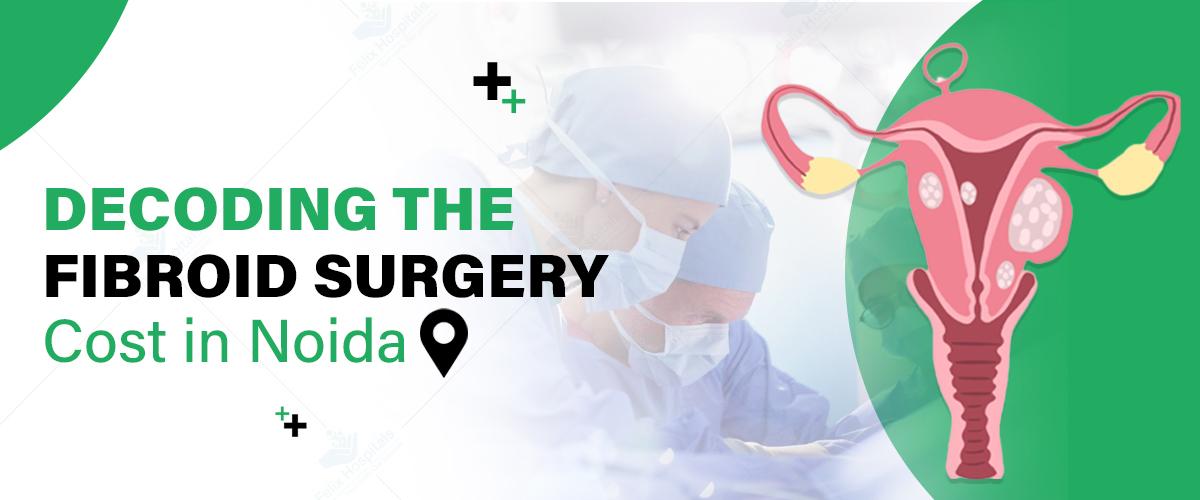
Fibroids, or non-cancerous growths in or around the uterus, can cause a variety of symptoms, including heavy menstrual bleeding, pelvic pain, and discomfort during intercourse. Surgical intervention may be recommended when fibroids start impacting the quality of life or health. Understanding the cost of fibroid surgery, the factors that influence it, and ways to manage it can help patients make informed decisions. This guide covers the cost of fibroid surgery in Noida, factors that may affect the price, tips for reducing costs, and why Felix Hospital is a trusted choice for gynecology care.
Call us at +91 9667064100 now for a quick cost estimate on Fibroid Surgery.
Fibroid surgery, also known as myomectomy or, in more severe cases, hysterectomy, is a procedure to remove fibroids from the uterus. The type of surgery recommended depends on the number, size, and location of the fibroids, as well as the patient’s health condition and reproductive goals. Common types of fibroid surgery include:
Myomectomy: Removes only the fibroids, preserving the uterus. This is ideal for women who wish to retain fertility.
Hysterectomy: Complete removal of the uterus, eliminating fibroids but also ending the ability to bear children.
Endometrial Ablation: A minimally invasive procedure that destroys the uterine lining to reduce bleeding caused by fibroids.
Each procedure has a different cost range and recovery time, with options varying based on individual needs and the surgeon’s expertise.
Here’s a detailed table outlining the approximate costs for fibroid surgery in Noida:
| Type of Fibroid Surgery | Cost Range (INR) | Details |
|---|---|---|
| Laparoscopic Myomectomy | ₹80,000 – ₹1,50,000 | Minimally invasive surgery with a shorter recovery time, is ideal for preserving the uterus and future fertility. |
| Open Myomectomy | ₹90,000 – ₹1,80,000 | Traditional surgery for removing fibroids is typically used for larger or multiple fibroids. |
| Hysterectomy | ₹1,20,000 – ₹3,00,000 | Complete removal of the uterus is recommended for severe cases or when childbearing is no longer a consideration. |
| Endometrial Ablation | ₹80,000 – ₹1,20,000 | Minimally invasive procedure to destroy the uterine lining, primarily used to reduce heavy menstrual bleeding caused by fibroids. |
| Robotic-Assisted Myomectomy | ₹2,50,000 – ₹3,50,000 | Advanced robotic technology offers precision, minimal scarring, and quicker recovery, which is typically more expensive than other options. |
This table provides a general estimate of the costs. Actual expenses may vary based on the hospital, surgeon expertise, insurance coverage, and additional services required.
Several factors influence the cost of fibroid surgery in Noida, including:
Type of Surgery: Less invasive surgeries like laparoscopic myomectomy may be costlier due to specialized equipment and shorter recovery time.
Surgeon’s Expertise: Highly experienced gynecologists and surgeons may charge higher fees, but their expertise ensures a safer procedure and better outcomes.
Hospital Facilities: Premium hospitals with advanced technology and comfortable amenities may charge more.
Pre-Surgery Tests and Diagnosis: Comprehensive diagnostic procedures, such as ultrasound, MRI, or blood tests, add to the overall cost but are essential for a tailored surgical approach.
Post-Operative Care: Depending on the complexity of the surgery, patients may need extended hospital stays or follow-up visits, increasing the cost.
Insurance Coverage: Some health insurance policies cover fibroid surgery, which can help reduce out-of-pocket expenses.
Managing the expenses associated with fibroid surgery is possible with a few strategic measures:
1. Review Insurance Plans: Check your health insurance policy to see if it covers fibroid surgery. Many policies cover a significant portion of surgery costs, reducing the financial burden.
2. Opt for Minimally Invasive Procedures: If suitable, minimally invasive procedures like laparoscopic myomectomy can reduce both hospital stay and overall costs.
3. Choose a Trustworthy Hospital with Transparent Pricing: A hospital that offers transparent pricing and quality care ensures patients only pay for necessary services.
4. Discuss Payment Options: Some hospitals provide payment plans or financing options that allow patients to manage costs over time.
5. Look for Government Schemes or Subsidies: Certain government health schemes may provide financial assistance for gynecological procedures, including fibroid surgeries.
Recognized Expertise: Felix Hospitals is celebrated as the best gynecologist hospital in Noida, offering exceptional and advanced gynecological care.
Skilled Professionals: Our team of highly experienced gynecologists and medical staff provides comprehensive and personalized management of fibroids and other gynecological conditions.
State-of-the-Art Facilities: We are equipped with cutting-edge diagnostic and surgical technologies, ensuring precise and effective treatments.
Affordable and Transparent Care: Felix Hospitals is committed to delivering high-quality care at the best and most affordable costs in Noida, with clear and upfront pricing.
Financial Accessibility: We strive to make fibroid removal surgery financially accessible by offering cost-effective options tailored to meet the needs of our patients.
This ensures both quality care and affordability for every patient.
Felix Hospital boasts a team of some of the best gynecology surgeons in Noida, who bring extensive experience in fibroid and related surgeries. Our expert team includes:
Dr. Charu Yadav: Dr. Yadav is known for her expertise in laparoscopic gynecological procedures and is committed to providing personalized care tailored to each patient’s needs.
Dr. Sonia Kuruvilla: With a wealth of experience in women’s health, Dr. Kuruvilla specializes in minimally invasive gynecological surgeries, helping patients achieve faster recovery.
Dr. Sangeeta Sharma A highly qualified and compassionate gynecologist, Dr. Sonia offers comprehensive fibroid treatment solutions, making Felix Hospital a trusted choice for women’s health.
Dr. Pragati Jain: At Felix Hospital Gamma 1 in Greater Noida, Dr. Jain is known for her expertise in gynecological care and fibroid management, ensuring exceptional support and treatment for her patients.
Dr. Archna Rathi: With extensive expertise in gynecological care, Dr. Rathi specializes in providing comprehensive and holistic treatment for fibroid surgery.
Choosing Felix Hospital means choosing expert care and support from some of the best gynecologists in Noida.
For further queries, simply click here or call +91 9667064100.
Fibroid surgery can be a life-changing decision for women experiencing symptoms that impact their daily lives. Understanding the cost factors, choosing the right type of procedure, and selecting a reputable hospital can make a significant difference in both recovery and financial impact. Felix Hospital, known as the Best Hospital for Fibroid Removal Surgery, with its skilled gynecology team, advanced treatment options, and patient-centered care, is committed to guiding patients through their fibroid management journey. With comprehensive support, personalized care, and a focus on comfort, Felix Hospital ensures patients feel confident and empowered in their healthcare decisions.
1. What are the symptoms that indicate I might need fibroid surgery?
Ans: If you’re experiencing heavy menstrual bleeding, pelvic pain, or frequent urination, it may be time to consult a gynecologist to see if fibroids are the cause and if surgery is necessary.
2. What is the recovery time after fibroid surgery?
Ans: Recovery can vary depending on the type of surgery. Laparoscopic procedures generally require 2-4 weeks of recovery, while open surgeries may need 6-8 weeks.
3. Will my insurance cover fibroid surgery?
Ans: Many insurance policies cover fibroid surgery, but it’s important to check with your insurance provider for specific coverage details.
4. Are there any non-surgical treatments for fibroids?
Ans: Yes, some medications and hormone therapies can help manage fibroid symptoms, though they may not permanently remove fibroids. Discussing options with your doctor is advisable.
5. Why should I choose Felix Hospital for my fibroid surgery?
Ans: Felix Hospital offers specialized gynecology care with experienced surgeons, advanced surgical options, and a patient-focused approach to ensure the best outcomes for fibroid treatment.

Plastic surgery cost in Noida depends on the procedure type, surgeon expertise, hospital infrastructure, and post-surgery care.
If you're experiencing discomfort and suspect you might have piles, also known as hemorrhoids, it's essential to seek medical attention promptly. Piles can cause significant pain and discomfort if left untreated, so knowing when to consult a healthcare provider is crucial. For effective management and treatment, visiting the best hospital for piles surgery can ensure you receive the best care possible.
If you are experiencing symptoms of piles, don’t hesitate to contact us at Felix Hospital. Call us now at +91 9667064100.
Piles, or hemorrhoids, are swollen blood vessels located in the rectal area. They can develop both inside the rectum (internal hemorrhoids) and outside the anal opening (external hemorrhoids). While they are common and can affect anyone, certain factors make men more susceptible to developing this condition.
Recognizing the symptoms of piles is crucial for early diagnosis and treatment. Hemorrhoids, commonly referred to as piles, can significantly impact the quality of life, but many individuals may hesitate to discuss their symptoms due to embarrassment. Understanding the signs can empower men to seek timely medical help, preventing complications and enhancing their overall well-being. Below are the most common symptoms associated with piles in males:
Pain and discomfort are hallmark symptoms of piles. Many men experience varying degrees of discomfort, particularly during bowel movements. This pain can manifest as a sharp, stabbing sensation, or a more generalized throbbing ache around the anal region. The intensity of the pain may increase with the size of the hemorrhoids or if they become thrombosed (filled with blood clots). Additionally, prolonged sitting, especially on hard surfaces, can exacerbate discomfort, leading to challenges in daily activities and work.
One of the most concerning symptoms of piles is rectal bleeding. Men may notice bright red blood on toilet paper, in the toilet bowl, or even on the surface of stools. This bleeding typically occurs when the swollen blood vessels are irritated during bowel movements, often due to straining or passing hard stools. While occasional bleeding can be a sign of hemorrhoids, it’s essential to consult a healthcare provider, as it can also indicate other serious conditions, such as colorectal cancer or anal fissures.
Piles can cause significant itching or irritation around the anal region. This discomfort is often caused by inflammation of the surrounding tissues and can lead to persistent scratching, which may worsen the condition. The itching can become quite intense, making it difficult for individuals to maintain their usual activities and concentrate. In some cases, the area may also become inflamed or develop a rash due to constant irritation, leading to further discomfort.
Another common symptom is swelling around the anus. Men may notice swollen lumps or protrusions, which are indicative of external hemorrhoids. These lumps can be painful to touch and may vary in size. In some cases, the swelling may even cause a feeling of fullness or pressure in the anal region, making it uncomfortable to sit or engage in physical activities. External hemorrhoids can sometimes become thrombosed, leading to increased pain and swelling, which requires immediate medical attention.
Some men with piles may experience a mucus discharge from the rectum. This mucus can irritate the surrounding skin and exacerbate itching and discomfort. The presence of mucus is often associated with inflammation of the hemorrhoids and can lead to further complications if not addressed. If mucus discharge persists or is accompanied by other symptoms, it’s essential to consult a healthcare provider to rule out any underlying conditions.
Persistent changes in bowel habits can also indicate the presence of piles. Men may experience chronic constipation or diarrhea, which can contribute to the formation and worsening of hemorrhoids. Straining during bowel movements due to constipation can lead to increased pressure on the blood vessels in the rectal area, exacerbating the symptoms of piles. On the other hand, diarrhea can irritate the anal region, leading to discomfort and inflammation. Any significant changes in bowel habits should prompt a consultation with a healthcare provider to identify the underlying cause and determine an appropriate treatment plan.
Understanding the causes of piles is essential for prevention and management. In men, the following factors can contribute to the development of piles:
1. Straining During Bowel Movements: Chronic constipation or diarrhea often leads to straining, increasing pressure on the blood vessels in the rectal area.
2. Sedentary Lifestyle: Lack of physical activity can contribute to poor circulation and increase the risk of piles.
3. Obesity: Excess weight puts additional pressure on the abdominal and pelvic regions, increasing the likelihood of hemorrhoids.
4. Heavy Lifting: Regularly lifting heavy objects can strain the rectal area and contribute to the formation of piles.
5. Poor Diet: A diet low in fiber can lead to constipation, exacerbating the risk of piles.
6. Aging: As men age, the tissues supporting the veins in the rectum can weaken, making them more prone to swelling.
7. Chronic Coughing or Sneezing: Conditions that cause frequent coughing or sneezing can increase pressure in the abdominal area, leading to piles.
Diagnosing piles typically involves the following steps:
1. Medical History Review: The doctor will ask about your symptoms, medical history, and lifestyle habits.
2. Physical Examination: A thorough examination of the anal and rectal area will help identify any swelling or abnormalities.
3. Digital Rectal Exam: In some cases, the doctor may perform a digital rectal exam to assess the internal hemorrhoids.
4. Anoscopy or Sigmoidoscopy: If necessary, a doctor may use specialized instruments to visualize the rectal area more clearly.
Early diagnosis is essential to managing symptoms effectively and preventing complications.
Treatment for piles can vary depending on the severity of the condition. Options include:
1. Home Remedies: Many cases can be managed with home treatments such as warm baths, increased fiber intake, and over-the-counter creams.
2. Medication: Topical treatments, pain relievers, and stool softeners can help alleviate symptoms.
3. Minimally Invasive Procedures: If home treatments are ineffective, options like rubber band ligation or sclerotherapy may be recommended.
4. Surgery: In severe cases, surgical intervention may be necessary. Common surgical procedures include hemorrhoidectomy.
Understanding the Treatment cost of piles in Noida is crucial for planning your healthcare budget. The cost can vary based on the type of treatment and the hospital's facilities. At Felix Hospital, we strive to provide transparent pricing and quality care to ensure that patients receive the best treatment for their needs.
Preventing piles involves lifestyle changes and awareness of risk factors. Consider the following strategies:
1. Increase Fiber Intake: A diet rich in fiber can help prevent constipation and reduce strain during bowel movements.
2. Stay Hydrated: Drinking plenty of water is essential for maintaining regular bowel movements.
3. Exercise Regularly: Staying active can promote good digestion and reduce the risk of obesity.
4. Avoid Straining: Practice proper bowel habits and avoid prolonged sitting on the toilet.
5. Maintain a Healthy Weight: Managing weight can help alleviate pressure on the rectal area.
For individuals seeking expert care, it’s important to consult with qualified specialists. At Felix Hospital, we are proud to have the best laparoscopic surgeon in Noida, Dr. Ritesh Agrawal, who specializes in minimally invasive procedures for piles treatment. His expertise and commitment to patient care ensure optimal outcomes.
If you are experiencing symptoms of piles or have questions about treatment options Click Here for More Details.
Piles can significantly affect a man's quality of life, but understanding the symptoms, causes, and treatment options can empower individuals to seek timely medical help. With appropriate lifestyle changes and professional medical care, piles can be managed effectively. Remember to consult healthcare professionals for a comprehensive diagnosis and treatment plan tailored to your needs.
1. What are the main symptoms of piles in males?
Ans: Common symptoms include pain during bowel movements, bleeding, itching, swelling around the anus, and mucus discharge.
2. How are piles diagnosed?
Ans: Diagnosis involves a review of medical history, a physical examination, and possibly additional tests like a digital rectal exam.
3. What causes piles in men?
Ans: Causes include straining during bowel movements, obesity, a sedentary lifestyle, and chronic coughing or sneezing.
4. Can piles be prevented?
Ans: Yes, piles can often be prevented through dietary changes, hydration, regular exercise, and avoiding straining during bowel movements.
5. What treatments are available for piles?
Ans: Treatment options include home remedies, medications, minimally invasive procedures, and surgical options for severe cases.
6. What is the treatment cost of piles in Noida?
Ans: The cost of treatment can vary; it's advisable to consult with Felix Hospital for detailed pricing.
7. Who is the best surgeon for piles treatment?
Ans: Dr. Ritesh Agrawal at Felix Hospital is recognized as the best laparoscopic surgeon in Noida for piles treatment.
8. Is surgery the only option for severe piles?
Ans: While surgery is often necessary for severe cases, many patients find relief with non-surgical treatments.
9. How long does recovery take after piles surgery?
Ans: Recovery times can vary; patients typically experience improvement within a few weeks, but complete healing may take longer.

Get fast and effective relief from piles with advanced surgical care at the best piles surgery hospital in Noida, offering expert doctors, modern techniques, and safe treatment options.

For those seeking specialized care, consulting the best piles surgeon in Noida can provide expert evaluation and tailored treatment options.
Sarcoidosis is a complex autoimmune disease that can have a profound effect on multiple organs in the body, particularly the lungs and lymph nodes. The condition occurs when clusters of inflammatory cells, called granulomas, form in various tissues, leading to a range of symptoms and complications. For those seeking effective management and treatment options, it is essential to consult a leading healthcare facility known for its expertise in treating sarcoidosis. Finding the best hospital for sarcoidosis treatment can make a significant difference in achieving optimal health outcomes and improving quality of life.
Take the first step towards a healthier future. Contact us today at +91 9667064100 to schedule a consultation!
Sarcoidosis is an inflammatory disease characterized by the formation of small clusters of inflammatory cells, known as granulomas, in different organs. While the exact cause of sarcoidosis remains unknown, it can affect anyone, although it is more prevalent in adults aged 20 to 40 and tends to affect women more than men. The condition may resolve on its own in some individuals, while others may experience chronic symptoms requiring long-term management.
Sarcoidosis manifests with a diverse array of symptoms that can vary widely depending on the organs affected by the disease. Some of the most common symptoms include:
Fatigue: Many individuals experience persistent tiredness that doesn’t seem to improve with rest, making daily activities challenging.
Shortness of Breath: This symptom can manifest as difficulty breathing, particularly during physical exertion, and may worsen over time.
Cough: Patients may develop a dry cough that can become chronic, contributing to discomfort and hindering daily life.
Skin Rashes: Various skin conditions, including erythema nodosum, can appear, presenting as red, tender lumps or lesions on the skin.
Joint Pain: Swelling, stiffness, and discomfort in the joints are common, potentially leading to reduced mobility and quality of life.
Fever and Night Sweats: Some individuals may experience unexplained fevers and excessive sweating at night, disrupting sleep patterns.
Weight Loss: Unintentional weight loss can occur without any changes in diet or physical activity, signaling potential underlying issues.
The exact etiology of sarcoidosis remains elusive, but several contributing factors have been identified:
Genetic Predisposition: A family history of sarcoidosis may increase the likelihood of developing the condition, suggesting a genetic component.
Environmental Factors: Exposure to certain environmental agents, such as dust, mold, chemicals, or other allergens, may trigger sarcoidosis in susceptible individuals.
Infections: While some infections have been associated with sarcoidosis, their role as definitive causes is still under investigation.
The diagnosis of sarcoidosis typically involves a comprehensive approach, including:
Medical History and Physical Examination: A thorough review of symptoms and medical history, coupled with a physical exam, is the first step.
Imaging Tests: Chest X-rays and CT scans are essential for visualizing potential granulomas in the lungs and assessing lung health.
Biopsy: To confirm the presence of granulomas, a tissue sample from the affected area may be obtained and examined microscopically.
Pulmonary Function Tests: These tests evaluate lung capacity and function, helping to determine the extent of pulmonary involvement.
The treatment of sarcoidosis varies significantly based on the severity of the disease and the organs involved. Common treatment options include:
Medications: Corticosteroids, such as prednisone, are frequently prescribed to reduce inflammation and manage symptoms. In more severe cases, other immunosuppressive drugs, such as methotrexate or azathioprine, may be utilized.
Symptom Management: Depending on the specific symptoms, additional treatments may be recommended to address pain, respiratory issues, or skin conditions, enhancing overall quality of life.
Understanding the cost of sarcoidosis disease treatment in Noida is vital for effective healthcare planning. At Felix Hospitals, we prioritize transparent pricing and strive to provide comprehensive care to ensure patients receive the best treatment possible.
While there is currently no known way to prevent sarcoidosis, adopting a healthy lifestyle may support overall well-being and help manage symptoms. Consider these preventive measures:
Regular Check-ups: Stay proactive about your health with routine medical check-ups, especially if you have a family history of sarcoidosis.
Healthy Lifestyle Choices: A balanced diet rich in fruits, vegetables, and whole grains, along with regular physical activity, can promote lung health and improve immune function. Avoiding smoking is crucial for maintaining respiratory health.
Stress Management: Incorporating stress-reducing practices into your daily routine, such as yoga, meditation, or deep-breathing exercises, can contribute to better overall health and may help mitigate symptoms.
When it comes to sarcoidosis treatment, expertise matters. At Felix Hospitals, we are proud to have the best sarcoidosis doctor in Noida, Dr. Priyadarshi Jitendra Kumar. With extensive experience in managing pulmonary diseases, Dr. Kumar is dedicated to providing compassionate care and effective treatment strategies for patients with sarcoidosis.'
Contact us today to schedule an appointment with Dr. Kumar and take control of your health!
Sarcoidosis is a complex condition that requires careful diagnosis and management. By understanding the causes, symptoms, and treatment options, you can take proactive steps toward better health. If you suspect you may have sarcoidosis or need specialized care, don't hesitate to reach out to the experts at Felix Hospitals.
1-What is sarcoidosis?
ANS: Sarcoidosis is an inflammatory disease characterized by the formation of granulomas in various organs.
2-What causes sarcoidosis?
ANS: The exact cause is unknown, but genetic predisposition, environmental factors, and infections may contribute.
What are the symptoms of sarcoidosis? Symptoms include fatigue, shortness of breath, cough, skin rashes, joint pain, fever, night sweats, and weight loss.
3-How is sarcoidosis diagnosed?
ANS: Diagnosis involves a medical history review, physical examination, imaging tests, biopsies, and pulmonary function tests.
4-What is the treatment for sarcoidosis?
ANS: Treatment often includes corticosteroids and medications to manage symptoms, depending on the severity of the disease.
5-Can sarcoidosis be prevented?
ANS: There is no known prevention method, but maintaining a healthy lifestyle and regular check-ups can support overall health.
6-Who is the best doctor for sarcoidosis treatment in Noida?
ANS: Dr. Priyadarshi Jitendra Kumar at Felix Hospitals is recognized as one of the best sarcoidosis doctors in Noida.
7-What is the cost of sarcoidosis treatment in Noida?
ANS: The cost of treatment varies based on the severity and required medications; it's best to consult Felix Hospitals for accurate pricing.
8-How can I manage sarcoidosis symptoms?
ANS: Follow your doctor’s recommendations, maintain a healthy lifestyle, and engage in stress-reducing activities to help manage symptoms.

A pulmonologist plays a crucial role in helping patients dealing with serious or chronic breathing difficulties.


Subscribe to our
© Copyright 2026. All Rights Reserved by Felix Healthcare Private Limited
Design and development by :


 +(91)9667064100
 Emergency : +(91)9667064100