 WhatsApp
 Emergency:
  WhatsApp















Subscribe to our


Get personalized care from experienced physiotherapists in the comfort of your home, tailored to meet your specific needs for faster recovery.
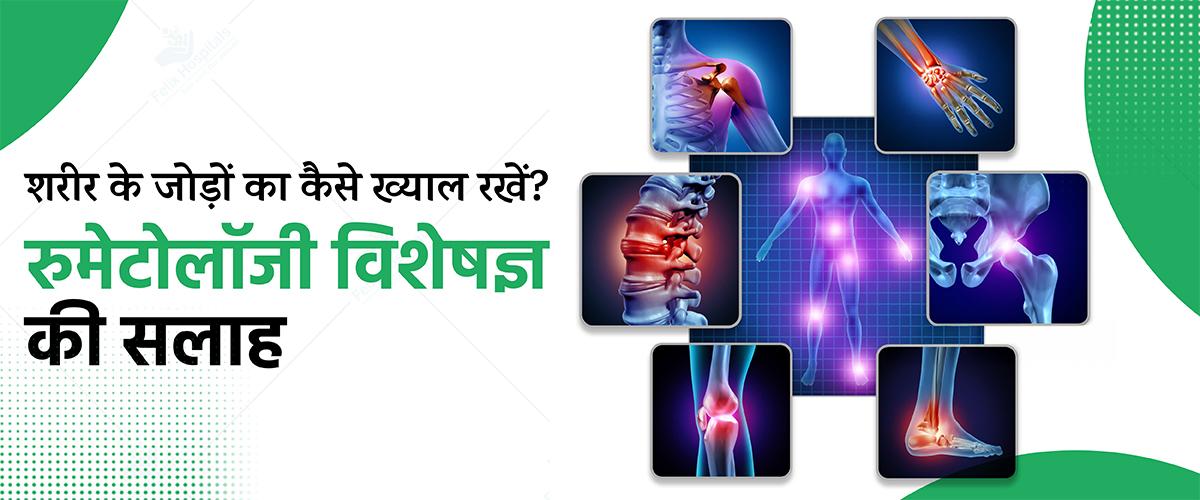
शरीर के जोड़ों में हड्डियों को जोड़ने वाली संरचनाएं होती हैं, जिनके कारण हमारा शरीर गतिशील रहता है। यह संतुलन के लिए बहुत आवश्यक होते हैं। जोड़ों में समस्या होने पर शारीरिक कार्य प्रभावित होता है, जिससे दर्द, अकड़न और अन्य समस्याएं उत्पन्न होती हैं समस्याओ के समाधान के लिए आप नोएडा के अच्छे रुमेटोलॉजी हॉस्पिटल (best rheumatology hospital in Noida) से सहायता प्राप्त कर सकते हैं। यहां हम जोड़ों की देखभाल के विभिन्न तरीकों पर ध्यान देंगे, जिनसे आप अपने जोड़ों को स्वस्थ रख सकते हैं।
अधिक जानकारी और विशेषज्ञ सलाह के लिए आज ही कॉल करें: +91 9667064100। अपने जोड़ों को स्वस्थ रखें!
शरीर के जोड़ों का स्वास्थ्य हमारे सामान्य जीवन में एक महत्वपूर्ण भूमिका निभाता है। हम हर दिन जोड़ों का उपयोग करते हैं, चाहे वह चलने, उठने-बैठने, दौड़ने या अन्य किसी शारीरिक गतिविधि में हो। जोड़ों की समस्याएं उम्र के साथ बढ़ सकती हैं, लेकिन सही देखभाल से इन्हें लंबे समय तक स्वस्थ रखा जा सकता है। आजकल की जीवनशैली, गलत खान-पान और शारीरिक गतिविधियों की कमी से जोड़ों से जुड़ी समस्याएं आम हो गई हैं।
1. दर्द:
जोड़ों में दर्द सबसे आम लक्षण होता है। यह दर्द हल्का या तेज़ हो सकता है और कभी-कभी यह लगातार बना रह सकता है। दर्द चलते समय, उठते-बैठते, या शारीरिक गतिविधि करते समय बढ़ सकता है।
2. सूजन:
अगर जोड़ों में सूजन हो रही है, तो यह किसी अंदरूनी समस्या का संकेत हो सकता है। सूजन से प्रभावित जोड़ों का आकार बढ़ सकता है और वे स्पर्श करने पर गर्म महसूस हो सकते हैं।
3. लालिमा:
जोड़ों के आसपास की त्वचा में लालिमा आ सकती है। यह अक्सर सूजन और आंतरिक सूजन के कारण होता है, जो हड्डियों के बीच के टिश्यू को प्रभावित करती है। लालिमा कई बार गंभीर समस्याओं का संकेत होती है।
4. जकड़न:
जोड़ों में जकड़न या कठोरता महसूस होना एक और सामान्य लक्षण है। यह सुबह के समय अधिक महसूस होता है या जब आप लंबे समय तक बिना हिले-डुले रहते हैं। यह लक्षण विशेषकर गठिया जैसी समस्याओं में देखा जाता है।
5. गतिशीलता में कमी:
जोड़ों की सामान्य गति में कमी आना एक संकेत हो सकता है कि जोड़ों में कोई समस्या है। यदि आप पहले जिस तरीके से हिल-डुल सकते थे, अब उतनी आसानी से नहीं कर पा रहे हैं, तो यह गंभीर स्थिति का संकेत हो सकता है।
1. आर्थराइटिस :
ऑस्टियोआर्थराइटिस तब होता है जब जोड़ों के बीच के कार्टिलेज (गद्दीदार ऊतक) का घिसाव हो जाता है, जिससे हड्डियां आपस में रगड़ने लगती हैं। रूमेटॉइड आर्थराइटिस एक ऑटोइम्यून रोग है, जिसमें शरीर की प्रतिरक्षा प्रणाली अपने ही जोड़ों पर हमला करती है, जिससे सूजन और दर्द होता है। गाउट यह एक प्रकार का आर्थराइटिस है जो शरीर में यूरिक एसिड के बढ़ने के कारण होता है, और यह बड़े पैर के अंगूठे सहित अन्य जोड़ों में अचानक दर्द का कारण बन सकता है।
2. चोट :
जब मांसपेशियों को हड्डियों से जोड़ने वाले टेंडन या लिगामेंट्स में खिंचाव आता है, तो यह जोड़ों में दर्द और अस्थिरता का कारण बनता है। हड्डी टूटने या फटने से संबंधित चोट भी जोड़ों के दर्द का कारण बन सकती है।
3. ओवरयूज़ या अत्यधिक उपयोग :
किसी जोड़ का अत्यधिक उपयोग, जैसे लंबे समय तक दौड़ना, भारी वजन उठाना, या बार-बार एक ही प्रकार का काम करना, जोड़ों में दर्द पैदा कर सकता है। टेंडोनाइटिस तब होता है जब किसी जोड़ के पास स्थित टेंडन में सूजन या जलन हो जाती है। बर्साइटिस तब होता है जब जोड़ों में बर्सा (द्रव से भरे छोटे थैले) में सूजन हो जाती है।
4. संक्रमण :
संक्रामक आर्थराइटिस यह एक गंभीर स्थिति है, जो तब होती है जब किसी बैक्टीरिया, वायरस या फंगस का संक्रमण जोड़ों में फैल जाता है, जिससे अचानक गंभीर दर्द और सूजन होती है। लाइम रोग एक बैक्टीरियल संक्रमण है जो कि संक्रमित किलनी के काटने से फैलता है और यह जोड़ों में दर्द, खासकर घुटनों में, का कारण बन सकता है।
5. ऑटोइम्यून बीमारियां :
रूमेटॉइड आर्थराइटिस के अलावा कई अन्य ऑटोइम्यून बीमारियां भी जोड़ों के दर्द का कारण बन सकती हैं। ल्यूपस यह एक ऑटोइम्यून बीमारी है जो शरीर के जोड़ों और अन्य अंगों पर हमला करती है। सोरियाटिक आर्थराइटिस सोरायसिस से ग्रस्त लोगों में यह स्थिति होती है, जिसमें जोड़ों में सूजन और दर्द होता है।
6. मोटापा :
अधिक वजन होने से शरीर के जोड़ों पर, विशेष रूप से घुटनों, कूल्हों, और रीढ़ की हड्डी पर अतिरिक्त दबाव पड़ता है। यह दबाव जोड़ों के कार्टिलेज को तेजी से घिसा सकता है, जिससे ऑस्टियोआर्थराइटिस और अन्य जोड़ों के दर्द की समस्या बढ़ सकती है।
स्वस्थ और संतुलित आहार जोड़ों की सेहत के लिए बेहद जरूरी है। सही पोषण जोड़ों के दर्द से बचाव में मदद कर सकता है। ओमेगा-3 फैटी एसिड यानी मछली (साल्मन, मैकरल) और अलसी के बीज जैसे ओमेगा-3 से भरपूर खाद्य पदार्थ सूजन को कम करने में मदद कर सकते हैं। विटामिन डी और कैल्शियम मजबूत हड्डियों और जोड़ों के लिए कैल्शियम और विटामिन डी आवश्यक हैं। दूध, दही, पनीर और धूप में रहना विटामिन डी का अच्छा स्रोत है। एंटीऑक्सीडेंट्स यानी ताजे फल, सब्जियां, और हरी पत्तेदार सब्जियों में मौजूद एंटीऑक्सीडेंट्स शरीर में सूजन को कम करने में सहायक होते हैं।
नियमित शारीरिक गतिविधियां और व्यायाम जोड़ों को मजबूत और लचीला बनाए रखते हैं। वजन उठाने वाले व्यायाम हड्डियों को मजबूत बनाते हैं और जोड़ों पर दबाव कम करते हैं। एरोबिक व्यायाम जैसे तैराकी, साइकिलिंग और वॉकिंग, हृदय स्वास्थ्य को बनाए रखते हैं और जोड़ों को सहारा देने वाली मांसपेशियों को मजबूत करते हैं। स्ट्रेचिंग और योग लचीलेपन को बनाए रखते हैं, जोड़ों की गति को सुधारते हैं, और उनमें जकड़न को कम करते हैं।
अधिक वजन होने से जोड़ों, खासकर घुटनों, कूल्हों और रीढ़ की हड्डी पर अतिरिक्त दबाव पड़ता है, जिससे जोड़ों में दर्द और घिसाव की समस्या उत्पन्न हो सकती है। संतुलित वजन बनाए रखने से जोड़ों पर कम दबाव पड़ता है, जिससे वे स्वस्थ और दर्द मुक्त रहते हैं।
गलत स्थिति में बैठने, खड़े रहने या सोने से भी जोड़ों पर अनावश्यक दबाव पड़ सकता है। काम करते समय और आराम करते समय सही मुद्रा बनाए रखें। कंप्यूटर पर काम करते समय सीधा बैठें और पैर जमीन पर रखें। हाई हील्स पहनने से बचें, क्योंकि यह कूल्हे, घुटने और पैरों के जोड़ों पर अतिरिक्त तनाव डाल सकता है।
शरीर को उचित रूप से हाइड्रेट रखना भी जोड़ों के स्वास्थ्य के लिए महत्वपूर्ण है। शरीर में उचित पानी की मात्रा होने से जोड़ों के आसपास की हड्डियों और कार्टिलेज को चिकनाई मिलती है, जिससे उनका घिसाव कम होता है।
धूम्रपान और अत्यधिक शराब का सेवन जोड़ों की सेहत पर बुरा प्रभाव डालता है। धूम्रपान शरीर की रक्त वाहिकाओं को संकुचित करता है, जिससे जोड़ों में रक्त की आपूर्ति प्रभावित होती है और उनके स्वस्थ्य बनाए रखने में कठिनाई होती है। शराब का सेवन मेटाबोलिक प्रक्रियाओं को प्रभावित करता है, जिससे जोड़ों के दर्द की संभावना बढ़ जाती है।
साधारण दर्द निवारक दवाएं जैसे पैरासिटामोल और इबुप्रोफेन जोड़ों के दर्द को अस्थायी रूप से कम कर सकती हैं। यदि सूजन भी हो, तो नॉन-स्टीरॉइडल एंटी-इंफ्लेमेटरी ड्रग्स जैसे नेप्रोक्सेन या डिक्लोफेनाक मददगार हो सकते हैं। गंभीर सूजन और दर्द के मामलों में डॉक्टर कभी-कभी स्टेरॉयड इंजेक्शन की सलाह दे सकते हैं, जिससे सूजन और दर्द में तुरंत राहत मिलती है। डीएमएआरडीएस रूमेटॉइड आर्थराइटिस जैसी बीमारियों के उपचार के लिए उपयोगी दवाओं का यह समूह जोड़ों की सूजन और क्षति को कम करने में मदद करता है।
फिजियोथेरेपी विशेषज्ञ की देखरेख में किया गया व्यायाम जोड़ों को लचीला और मजबूत बनाने में मदद करता है। यह दर्द को कम करने और रोजमर्रा की गतिविधियों में सुधार करने के लिए आवश्यक है।
हल्दी में पाया जाने वाला करक्यूमिन सूजन को कम करने के लिए जाना जाता है। इसे दूध में मिलाकर या भोजन में शामिल करके लिया जा सकता है। अदरक में एंटी-इंफ्लेमेटरी गुण होते हैं, जो दर्द और सूजन को कम करने में मदद करते हैं। मेथी के बीजों में सूजनरोधी गुण होते हैं। इसे पानी में भिगोकर सुबह खाने से राहत मिलती है।
शरीर का अतिरिक्त वजन जोड़ों पर दबाव डालता है, खासकर घुटनों, कूल्हों, और पीठ के जोड़ों पर। वजन कम करने से जोड़ों के दर्द में काफी राहत मिल सकती है।
जोड़ों के सपोर्ट करने वाले उपकरण जैसे कि घुटनों के लिए ब्रेसेस, कूल्हों के लिए वॉकर या छड़ी का उपयोग, जोड़ों पर दबाव को कम करके दर्द में आराम प्रदान करता है ओर्थोटिक्स पैरों के जोड़ों के दर्द के मामलों में ओर्थोटिक इनसोल्स का उपयोग किया जा सकता है, जो पैरों के जोड़ों को सहारा देने में मदद करते हैं।
ग्लूकोसामाइन और कोंड्रोइटिन सप्लीमेंट्स कार्टिलेज की मरम्मत और जोड़ों के दर्द में सुधार के लिए उपयोग किए जाते हैं। इन्हें लेने से पहले डॉक्टर से परामर्श करें। अवोकाडो सोया अनसैपोनिफिएबल्स ह प्राकृतिक सप्लीमेंट ऑस्टियोआर्थराइटिस के इलाज में सहायक हो सकता है।
योग में विभिन्न आसन और मुद्राएं जोड़ों को लचीला और मजबूत बनाने में मदद करती हैं। यह मानसिक शांति भी प्रदान करता है और तनाव को कम करने में सहायक होता है, जिससे दर्द कम हो सकता है। ध्यान करने से मानसिक तनाव और दर्द के प्रति संवेदनशीलता को कम किया जा सकता है, जो जोड़ों के दर्द के इलाज में सहायक हो सकता है।
जब दर्द अत्यधिक बढ़ जाता है और दवाओं या अन्य उपचार से कोई फायदा नहीं होता, तो सर्जिकल विकल्पों पर विचार किया जा सकता है। जोड़ों का प्रतिस्थापन गंभीर मामलों में जैसे ऑस्टियोआर्थराइटिस, डॉक्टर घुटने या कूल्हे के जोड़ों को बदलने की सर्जरी का सुझाव दे सकते हैं। आर्थ्रोस्कोपी प्रक्रिया में छोटी चीरे बनाकर जोड़ों के अंदरूनी हिस्सों की मरम्मत की जाती है, जो चोट या घिसाव से प्रभावित होते हैं।
रूमेटोलॉजी विशेषज्ञ युवा रोगियों की देखभाल में एक महत्वपूर्ण भूमिका निभाते हैं, विशेष रूप से बच्चों में ऑटोइम्यून विकारों के उपचार में। वे व्यक्तिगत उपचार योजनाएँ और समर्थन प्रदान करते हैं, जिससे बच्चों के शारीरिक और भावनात्मक स्वास्थ्य में सुधार होता है, और इसके परिणामस्वरूप उनके जीवन की गुणवत्ता और स्वास्थ्य परिणाम बेहतर होते हैं। यदि आप अपने बच्चे के लक्षणों पर चर्चा करने के लिए डॉ. किरण सेठ या हमारी रूमेटोलॉजी विशेषज्ञ टीम से परामर्श लेना चाहते हैं, तो आज ही हमसे संपर्क करें।
नोएडा के सर्वश्रेष्ठ रुमेटोलॉजी अस्पताल में अपॉइंटमेंट बुक करने के लिए यहां क्लिक करें और अपने जोड़ों की देखभाल की शुरुआत करें!
जोड़ों की देखभाल करना हमारी दिनचर्या का महत्वपूर्ण हिस्सा होना चाहिए। सही खान-पान, नियमित व्यायाम, तनाव प्रबंधन, और समय पर चिकित्सकीय सहायता लेने से हम अपने जोड़ों को लंबे समय तक स्वस्थ रख सकते हैं। यदि हम अपने जोड़ों का ख्याल सही तरीके से रखेंगे, तो हम बिना किसी बाधा के अपनी जिंदगी का आनंद उठा सकते हैं।
प्रश्न 1: जोड़ों का दर्द किस वजह से होता है ?
उत्तर: जोड़ों के दर्द के कई कारण हो सकते हैं, जिनमें सबसे सामान्य कारण गठिया (आर्थराइटिस), चोट, ऑस्टियोआर्थराइटिस, रूमेटॉइड आर्थराइटिस, गाउट, बर्साइटिस, और जोड़ों के अत्यधिक उपयोग से हुई सूजन शामिल हैं।
प्रश्न 2: जोड़ों के दर्द के लक्षण क्या होते हैं ?
उत्तर: जोड़ों में दर्द, सूजन, अकड़न, लालिमा, और जोड़ों की गतिविधि में कठिनाई होना सामान्य लक्षण हैं। सुबह के समय जोड़ों में कठोरता महसूस होना भी एक आम लक्षण है।
प्रश्न 3: क्या मौसम के कारण जोड़ों का दर्द बढ़ सकता है ?
उत्तर: हां, मौसम, खासकर ठंड या आर्द्र मौसम में, जोड़ों का दर्द बढ़ सकता है। मौसम में बदलाव से जोड़ों में कठोरता और दर्द अधिक महसूस हो सकता है।
प्रश्न 4: क्या घरेलू उपचार से जोड़ों के दर्द में राहत मिल सकती है ?
उत्तर: कुछ घरेलू उपचार जैसे गर्म या ठंडी सिकाई, अदरक, हल्दी, व्यायाम, और स्वस्थ आहार जोड़ों के दर्द में राहत दे सकते हैं। हालांकि, गंभीर दर्द या दीर्घकालिक समस्याओं के लिए डॉक्टर की सलाह लेना आवश्यक है।
प्रश्न 5: जोड़ों के दर्द से बचाव कैसे किया जा सकता है ?
उत्तर: जोड़ों के दर्द से बचाव के लिए नियमित व्यायाम, वजन नियंत्रण, संतुलित आहार, सही मुद्रा का पालन, और अत्यधिक जोड़ों के तनाव से बचना महत्वपूर्ण है। अपने शरीर को अधिक सक्रिय और लचीला रखने से जोड़ों को स्वस्थ रखा जा सकता है।
प्रश्न 6: क्या जोड़ों के दर्द के लिए व्यायाम फायदेमंद है ?
उत्तर: हां, नियमित और उचित व्यायाम जैसे स्ट्रेचिंग, स्विमिंग, योग, और हल्के वजन उठाने वाले व्यायाम जोड़ों की गतिशीलता और लचीलापन बनाए रखने में मदद कर सकते हैं। यह मांसपेशियों को मजबूत बनाता है और जोड़ों पर अतिरिक्त तनाव कम करता है।
प्रश्न 7: क्या दवाइयों से जोड़ों का दर्द ठीक हो सकता है ?
उत्तर: दवाइयां जैसे पेनकिलर, एनाल्जेसिक, स्टेरॉइड्स, और एंटी-इंफ्लेमेटरी दवाइयाँ दर्द और सूजन में राहत प्रदान कर सकती हैं। रूमेटॉइड आर्थराइटिस के लिए इम्यूनोमोड्यूलेटरी दवाइयाँ भी दी जाती हैं। हालांकि, दवाइयों का लंबे समय तक उपयोग डॉक्टर की निगरानी में ही किया जाना चाहिए।
प्रश्न 8: क्या जोड़ों का दर्द उम्र बढ़ने के साथ सामान्य है ?
उत्तर: उम्र बढ़ने के साथ जोड़ों का घिसना और ऑस्टियोआर्थराइटिस जैसी समस्याएं अधिक आम हो जाती हैं, लेकिन यह जरूरी नहीं है कि हर किसी को जोड़ों का दर्द हो। स्वस्थ जीवनशैली और सक्रिय रहने से इस दर्द को कम किया जा सकता है।
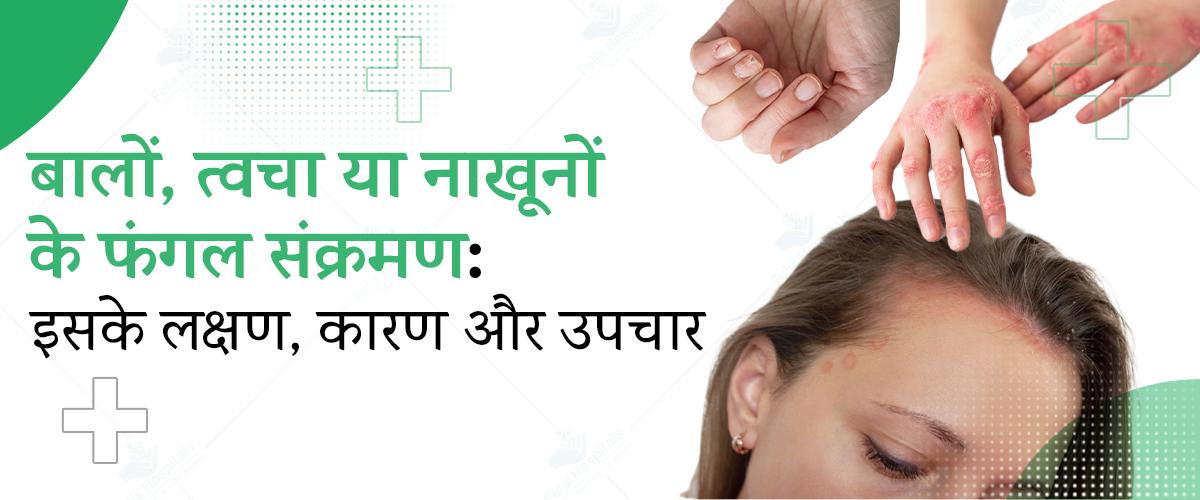
फंगल संक्रमण, जिसे आमतौर पर फंगस संक्रमण के रूप में जाना जाता है, एक स्वास्थ्य समस्या है जो दुनियाभर में लाखों लोगों को प्रभावित करती है। यह संक्रमण आमतौर पर त्वचा, बाल, या नाखूनों में होता है और अगर समय पर उपचार नहीं किया गया तो यह गंभीर समस्याएं पैदा कर सकता है। त्वचा के फंगल संक्रमण के मामले में न केवल शारीरिक स्वास्थ्य पर असर पड़ता है, बल्कि यह व्यक्ति की मानसिक स्थिति को भी प्रभावित कर सकता है। इस लेख में, हम फंगल संक्रमण के लक्षणों, कारणों, निदान, उपचार और बचाव के उपायों पर चर्चा करेंगे, ताकि आप इस समस्या को सही तरीके से समझ सकें और इससे बचने के लिए आवश्यक कदम उठा सकें।
क्या आप फंगल संक्रमण के लक्षणों से परेशान हैं? यदि हाँ, तो फ़ेलिक्स अस्पताल में हमारे विशेषज्ञ डर्मेटोलॉजिस्ट से संपर्क करें नोएडा में सर्वश्रेष्ठ त्वचाविज्ञान अस्पताल और अपनी समस्या का समाधान पाएं +91 9667064100।
फंगल इन्फेक्शन, जिसे फंगल इन्फेक्शन कहा जाता है, वास्तव में फंगस के संक्रमण के कारण होता है जो त्वचा, बाल, या नाखूनों को प्रभावित कर सकता है। फंगस एक प्रकार का सूक्ष्मजीव है जो नमी और गर्मी वाले वातावरण में तेजी से बढ़ता है। ये संक्रमण सामान्यत: पैरों, हाथों, और नाखूनों के आसपास होते हैं, लेकिन यह शरीर के अन्य हिस्सों में भी हो सकते हैं। यदि सही समय पर उपचार नहीं किया गया, तो यह संक्रमण गंभीर स्वास्थ्य समस्याओं का कारण बन सकता है।
नमी: फंगल संक्रमण के लिए आदर्श वातावरण वह है जहां नमी अधिक हो। जैसे बाथरूम, तैराकी पूल, या गीले कपड़े।
स्वच्छता की कमी: यदि व्यक्ति अपनी व्यक्तिगत स्वच्छता का ध्यान नहीं रखता है, तो वह फंगल संक्रमण का शिकार हो सकता है।
प्रतिरक्षा प्रणाली में कमी: कमजोर प्रतिरक्षा प्रणाली वाले लोग, जैसे कि डायबिटीज, एचआईवी, या अन्य रोगों से ग्रसित व्यक्ति, फंगल संक्रमण के प्रति अधिक संवेदनशील होते हैं।
संक्रामक संपर्क: संक्रमित व्यक्ति, वस्त्र, या सामान से संपर्क करने से भी संक्रमण फैल सकता है।
एंटीबायोटिक्स का उपयोग: अत्यधिक एंटीबायोटिक्स का सेवन बैक्टीरिया को खत्म कर सकता है, जिससे फंगस को बढ़ने का मौका मिलता है।
फंगल संक्रमण के लक्षण व्यक्ति की स्थिति के अनुसार भिन्न हो सकते हैं। आम लक्षणों में शामिल हैं:
खुजली: प्रभावित क्षेत्र में लगातार खुजली होना।
लालिमा: त्वचा में लालिमा और सूजन।
फफोले: जलन या फफोले होना।
फंगस के धब्बे: बालों, नाखूनों, या त्वचा पर सफेद या काले धब्बे।
नाखूनों का कमजोर होना: नाखूनों का रंग बदलना और कमजोर होना।
फंगल संक्रमण का निदान आमतौर पर चिकित्सीय जांच और प्रयोगशाला परीक्षणों के माध्यम से किया जाता है। डॉक्टर निम्नलिखित तरीकों का उपयोग कर सकते हैं:
शारीरिक जांच: डॉक्टर सबसे पहले प्रभावित क्षेत्र की शारीरिक जांच करते हैं।
स्किन स्क्रैपिंग: त्वचा से नमूना लेकर इसे प्रयोगशाला में परीक्षण किया जाता है।
क्लिनिकल टेस्ट: नाखून या त्वचा के नमूने को माइक्रोस्कोप से देख कर संक्रमण की पहचान की जाती है।
क्लिनिकल हिस्ट्री: डॉक्टर आपके चिकित्सा इतिहास और लक्षणों के आधार पर निदान करते हैं।
फंगल संक्रमण के उपचार में विभिन्न प्रकार के चिकित्सा विकल्प शामिल हैं। इनमें शामिल हैं:
स्थानीय उपचार: त्वचा पर लगाने वाली क्रीम, पाउडर, या लोशन।
मौखिक दवाएं: अधिक गंभीर मामलों में मौखिक एंटीफंगल दवाओं का उपयोग किया जा सकता है।
प्रभावित क्षेत्र को सूखा और साफ रखना महत्वपूर्ण है। सुनिश्चित करें कि यह जगह नमी से मुक्त हो।
रोगी त्वचा की देखभाल:विशेष साबुन और शैंपू का उपयोग करें जो फंगल संक्रमण को नियंत्रित करने में मदद करते हैं।
संक्रमण का अनुशासन:संक्रमित क्षेत्र को ढककर रखें और इसे दूसरों से दूर रखें।
फंगल संक्रमण से बचाव के लिए निम्नलिखित उपाय करें:
स्वच्छता बनाए रखें: नियमित रूप से स्नान करें और अपनी त्वचा को साफ रखें।
सूखे कपड़े पहनें: नमी को रोकने के लिए सूती कपड़े पहनें।
संक्रमित व्यक्तियों से बचें: संक्रमित व्यक्तियों के संपर्क से बचें।
जूते और चप्पल: सार्वजनिक स्थानों पर जूते या चप्पल पहनें।
सामग्री की सफाई: अपने सामान और कपड़ों को नियमित रूप से धोएं।
फेलिक्स अस्पताल में, हम आपको सर्वश्रेष्ठ डर्मेटोलॉजिस्ट की सेवाएं प्रदान करते हैं। डॉ. कुसुम गुप्ता और डॉ. शीतल यादव हमारे विशेषज्ञ त्वचा रोग विशेषज्ञ, फंगल संक्रमण के उपचार में विशेषज्ञता रखते हैं। वे आपको उचित निदान और व्यक्तिगत उपचार योजना प्रदान करते हैं ताकि आप जल्द ही स्वस्थ हो सकें।
यहां क्लिक करें और आज ही फ़ेलिक्स अस्पताल में हमारे विशेषज्ञों से संपर्क करें और अपनी त्वचा, बालों और नाखूनों के फंगल संक्रमण का सही उपचार पाएं!
फंगल संक्रमण एक सामान्य स्वास्थ्य समस्या है, लेकिन यदि इसे समय पर समझा और उपचार किया जाए, तो इसे आसानी से नियंत्रित किया जा सकता है। स्वच्छता, सावधानी, और उचित उपचार के साथ, आप इस समस्या से छुटकारा पा सकते हैं। फ़ेलिक्स अस्पताल में हमारे विशेषज्ञ आपकी मदद के लिए हमेशा तैयार हैं।
Q- फंगल संक्रमण क्या है?
ANS: फंगल संक्रमण एक प्रकार का संक्रमण है जो फंगस के कारण होता है और यह त्वचा, बाल, या नाखूनों को प्रभावित कर सकता है।
Q- फंगल संक्रमण के लक्षण क्या होते हैं?
ANS: फंगल संक्रमण के सामान्य लक्षणों में खुजली, लालिमा, फफोले, और नाखूनों का कमजोर होना शामिल हैं।
Q- फंगल संक्रमण का निदान कैसे किया जाता है?
ANS: निदान के लिए चिकित्सीय जांच, त्वचा के नमूने का परीक्षण, और शारीरिक निरीक्षण का उपयोग किया जाता है।
Q- फंगल संक्रमण के उपचार क्या हैं?
ANS: उपचार में एंटीफंगल दवाएं, स्वच्छता बनाए रखना, और प्रभावित क्षेत्र की देखभाल शामिल है।
Q- क्या फंगल संक्रमण संक्रामक है?
ANS: हाँ, फंगल संक्रमण संक्रमित व्यक्ति या वस्त्रों के संपर्क से फैल सकता है।
Q- फंगल संक्रमण से बचने के उपाय क्या हैं?
ANS: नियमित स्वच्छता, सूखे कपड़े पहनना, और संक्रमित व्यक्तियों से दूर रहना महत्वपूर्ण है।
Q- क्या मैं फंगल संक्रमण का इलाज घरेलू उपायों से कर सकता हूँ?
ANS: कुछ घरेलू उपाय फंगल संक्रमण को नियंत्रित कर सकते हैं, लेकिन डॉक्टर की सलाह लेना हमेशा बेहतर होता है।

Discover causes, treatments, and prevention tips for hair loss. Learn about different types and effective solutions to restore healthy hair
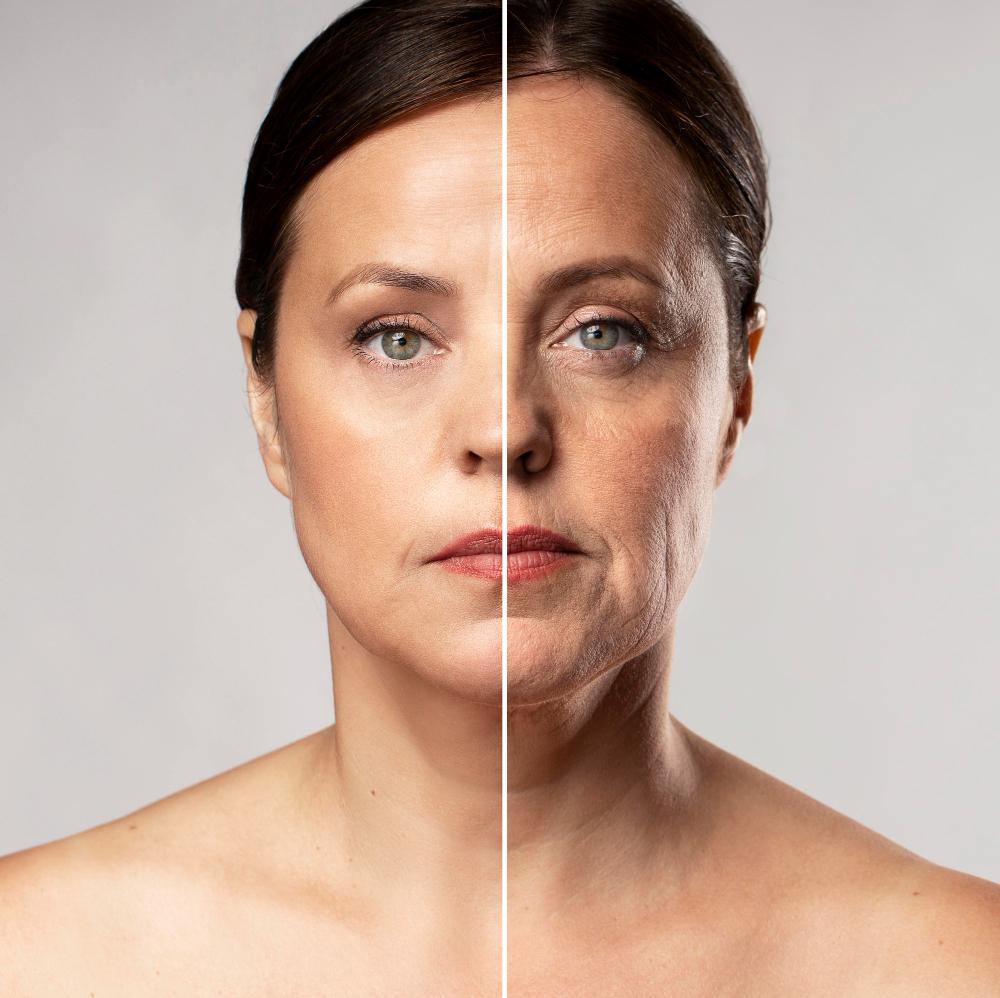
Certain skin disorders aren’t preventable, including genetic conditions and some skin problems due to other illnesses.

Migraines are not merely headaches; they are complex neurological conditions that can cause intense and often debilitating pain. These episodes impact millions worldwide, disrupting daily life, work, relationships, and overall well-being. Recognizing the profound effects migraines have on individuals, advanced treatments grounded in the latest scientific advancements are now available. When paired with essential lifestyle modifications, these innovative therapies enable patients to manage and even prevent migraine episodes, empowering them to reclaim control over their health and quality of life. For comprehensive and compassionate care, consider a leading neurology hospital in Noida to ensure the best treatment for your loved ones.
Felix Hospitals is here for you with the best Neurologist support during your critical moments. Call us today at +91 9667064100.
Explore effective treatments and lifestyle habits for lasting relief, and discover the path to an incredible life.
Preventive Medications: Highlight options like beta-blockers, antidepressants, and anticonvulsants used for preventing migraines.
Abortive Medications: Explain newer medications that stop migraines as they begin, such as triptans and CGRP (calcitonin gene-related peptide) inhibitors.
Gepants and Ditans: New drugs like ubrogepant (Ubrelvy) and lasmiditan (Reyvow) target migraine receptors and may have fewer side effects than older medications.
Describe wearable devices, such as Cefaly, gamma Core, and Nerivio, that use electrical or magnetic pulses to disrupt pain signals, offering relief without medication.
Explain how these devices work, what their benefits are, and who might be a good candidate for neuromodulation therapy.
Botox isn’t just for cosmetic purposes; it has shown effectiveness in treating chronic migraines. Explain how it works by blocking pain pathways, the frequency of injections needed, and potential benefits and side effects.
Discuss CGRP inhibitors like Aimovig, Ajovy, and Emgality, which specifically target the protein associated with migraine pain pathways. These are administered monthly or quarterly, reducing the frequency and severity of migraines for many patients.
Acupuncture: A traditional Chinese therapy where needles are placed at specific points to relieve tension and pain.
Herbal and Nutritional Supplements: Mention supplements like magnesium, riboflavin (Vitamin B2), and feverfew, which may help prevent migraines.
Mind-Body Therapies: Techniques like biofeedback and cognitive behavioral therapy (CBT) can help manage stress and reduce migraine frequency.
Emphasize the importance of regular meals and hydration to avoid blood sugar fluctuations and dehydration, common migraine triggers.
Recommend a diet low in processed foods, artificial additives, and known triggers like caffeine and alcohol.
Describe how irregular sleep patterns can trigger migraines. Offer tips for improving sleep hygiene, such as maintaining a consistent sleep schedule, limiting screen time before bed, and creating a calming bedtime routine.
Exercise releases endorphins and reduces stress, both of which can help reduce migraine frequency. Recommend low-impact activities like walking, swimming, or yoga that don't strain the body but encourage relaxation and mental clarity.
Stress is a common trigger for migraines. Describe stress-relieving practices like deep breathing exercises, mindfulness, and yoga.
Encourage taking regular breaks during work or busy days to help reset and relax, potentially avoiding a migraine.
Encourage keeping a migraine diary to track triggers, symptoms, treatments, and lifestyle changes. Over time, this can reveal patterns and aid in avoiding or managing future migraines effectively.
Explain the importance of collaborating with a healthcare provider to create an individualized treatment plan, especially for those with chronic migraines. Emphasize regular check-ins and adjustments based on the patient’s response.
Discuss how a combination of medication, alternative therapies, and lifestyle adjustments offers the best chance for managing migraines. Highlight that finding the right balance takes time and may require trial and error.
Encourage readers to be proactive with their health, not just focusing on treating symptoms but actively preventing migraine attacks through healthy choices, consistent routines, and medical guidance.

Dr. Sumit Sharma: Dr. Sharma specializes in managing complex neurological conditions, including brain and spinal disorders, migraines, epilepsy, and cognitive decline.
Dr. Anumeha Mishra: Dr. Anumeha Mishra has over 15 years of experience and is known for treating a wide range of difficult illnesses, including multiple sclerosis, epilepsy, stroke, Parkinson's disease, and migraines. She is available at Felix Hospitals, Sector-137, Noida.

Seeking specialized care at a trusted migraine hospital ensures accurate diagnosis and tailored treatment. Trust Felix Hospitals for expert neurologist support. Call +91 9667064100.
Finding relief from migraines can be a transformative experience, improving both physical and mental well-being. With innovative treatments and lifestyle adjustments, it’s possible to manage and even reduce the frequency of migraine attacks significantly. By working closely with healthcare providers and being proactive about lifestyle choices, migraine sufferers can regain control and enjoy a better quality of life. Trust Felix Hospitals to support you on your journey to effective migraine relief, with our team ready to guide you every step of the way.
Q. 1. What’s the difference between a regular headache and a migraine?
Ans. Migraines are more than just headaches; they’re neurological events that can cause intense, pulsing pain, usually on one side of the head, along with symptoms like nausea, vomiting, and sensitivity to light or sound. Unlike common headaches, migraines can last from hours to days and may include visual disturbances or aura before the pain begins.
Q. 2. How do CGRP inhibitors work for migraine prevention?
Ans. CGRP inhibitors, like Aimovig, Ajovy, and Emgality, work by blocking the activity of calcitonin gene-related peptide, a protein that transmits pain signals in the brain. These medications, given as monthly or quarterly injections, help reduce the frequency and severity of migraines by targeting the specific pathway involved in migraine pain.
Q. 3. Are neuromodulation devices effective, and who should consider them?
Ans. Neuromodulation devices like Cefaly, gammaCore, and Nerivio use gentle electrical or magnetic pulses to disrupt pain signals. They can be effective for individuals who prefer non-medication options or those who have found limited relief with traditional medications. Your healthcare provider can help determine if you’re a good candidate for these devices.
Q. 4. Can lifestyle changes actually reduce the number of migraines I experience?
Ans. Yes, lifestyle modifications can play a significant role in managing migraines. Regular exercise, consistent sleep, balanced meals, and stress-reducing practices like mindfulness or yoga can all reduce migraine frequency. Keeping a migraine diary can also help identify specific triggers to avoid.
Q. 5. Why is Botox used for chronic migraines, and how does it work?
Ans. Botox is FDA-approved for chronic migraines and works by blocking pain-transmitting chemicals around nerve endings. Regular injections, typically every 12 weeks, can help prevent migraines before they start. Botox is especially beneficial for people who experience migraines 15 or more days a month.
Q. 6. Are there any supplements or alternative therapies that help prevent migraines?
Ans. Yes, some patients find relief with supplements like magnesium, riboflavin (Vitamin B2), and feverfew, which may help reduce migraine frequency. Acupuncture and mind-body therapies, such as biofeedback and cognitive behavioral therapy (CBT), can also aid in managing migraine symptoms by promoting relaxation and stress reduction.
Q. 7. What are "Gepants" and "Ditans," and how are they different from traditional migraine medications?
Ans. Gepants (like ubrogepant) and Ditans (like lasmiditan) are newer classes of migraine medications that work by targeting specific migraine receptors without the vasoconstrictive side effects seen with triptans. They’re particularly useful for patients who can’t tolerate triptans or have cardiovascular concerns.
8. How can I work with my healthcare provider to create a migraine management plan?
Ans. Collaborating with your doctor allows for a personalized approach to treatment. This may involve trying various medications, combining therapies, and making lifestyle adjustments to see what works best. Regular check-ins ensure that your plan evolves as your needs change and that you receive support in managing your migraines effectively.
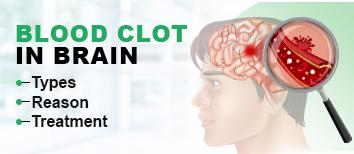
Blood clot in the brain is a serious condition causing sudden neurological symptoms and requires immediate medical treatment.
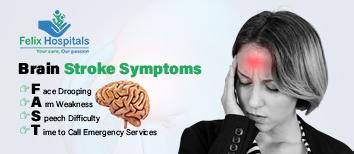
Recognizing the symptoms of a brain stroke is critical for getting prompt medical attention. The acronym F.A.S.T. is often used to remember the most common Brain stroke symptoms.

A concise guide explaining brain tumor surgery cost in Noida, including key factors, treatment options, and expert care.

Valvular heart disease (VHD) is a serious cardiovascular condition that affects millions of people globally. It occurs when one or more of the heart valves (aortic, mitral, pulmonary, or tricuspid) don’t function properly, which can lead to severe complications, including heart failure. Traditional treatments for VHD, such as open-heart surgery, have advanced over the decades, however, these procedures can be highly invasive and require extensive recovery time. For those, who seeking the best hospital for valvular heart disease, choosing a facility with advanced medical technology and experienced cardiologists is crucial. A hospital equipped with state-of-the-art diagnostic tools and offering minimally invasive treatments like transcatheter valve replacement or repair ensures a faster recovery and improved outcomes for patients dealing with VHD.
Book Your Appointment Today by Calling +91 9667064100 for Expert Cardiac Care!
Valvular heart disease refers to any condition in which one or more of the heart’s valves are damaged or dysfunctional. Common types include:
Aortic Stenosis: A narrowing of the aortic valve, often caused by calcium buildup.
Mitral Regurgitation: When the mitral valve does not close properly, causing blood to flow backward into the heart.
Tricuspid and Pulmonary Valve Disorders: Although less common, issues with these valves can lead to heart strain and other complications.
Symptoms of VHD can range from chest pain and shortness of breath to fatigue and arrhythmias. Accurate diagnosis typically requires an echocardiogram, an EKG, and sometimes more advanced imaging techniques such as CT or MRI scans.
Transcatheter interventions have grown in popularity, particularly for patients who are considered high-risk for open-heart surgery. These procedures are minimally invasive, involving catheter-based techniques rather than large incisions. Transcatheter treatments were initially developed for high-risk patients who could not undergo traditional surgery, but their effectiveness has since led to their use in a broader range of patients.
Reduced Recovery Time: Patients typically have shorter hospital stays and quicker overall recovery.
Lower Risk of Complications: Less bleeding and infection risks, especially for elderly or high-risk patients.
Less Invasive: No need for large incisions, as procedures are often done through a catheter inserted in the leg or arm.
The choice of transcatheter treatment depends on the type and severity of VHD, with specific approaches for each affected valve.
TAVR is one of the most popular and widely studied transcatheter treatments, specifically for severe aortic stenosis. This procedure allows a new valve to be inserted without removing the damaged one, which is particularly advantageous for high-risk patients. TAVR is performed through a catheter, typically inserted in the femoral artery, with imaging guidance.
Procedure: A balloon catheter expands a new valve at the location of the diseased valve.
Benefits: Reduced recovery time and no need for open-heart surgery, making it ideal for patients at risk from more invasive procedures.
Limitations: While effective, long-term durability and effectiveness are still under study compared to surgical valves.
The mitral valve is the heart's most complex valve, making treatment challenging. TMVR techniques, including the MitraClip device, allow repair by clipping the valve's leaflets together, reducing mitral regurgitation.
Procedure: A catheter is used to guide a clip or repair device into the mitral valve, reducing backflow without needing full valve replacement.
Benefits: Minimally invasive, often with immediate improvements in symptoms.
Limitations: TMVR might not be suitable for all forms of mitral regurgitation, and certain patients may still require open surgery.
Tricuspid valve diseases are often underdiagnosed but can lead to severe complications if untreated. Tricuspid regurgitation, where blood flows backward into the atrium, is the most common condition affecting this valve.
Procedures: Transcatheter tricuspid repair involves various techniques such as edge-to-edge repair or annuloplasty using catheter-based tools.
Benefits: Reduces symptoms and can improve quality of life.
Limitations: This is an evolving field, and there is limited long-term data on the effectiveness of these treatments.
Pulmonary valve disorders are relatively rare but can cause significant health issues. For patients with pulmonary valve disease, transcatheter pulmonary valve replacement offers a safe alternative to open surgery, especially in patients who have had prior heart surgeries.
Procedure: A catheter is used to replace the valve, often with a device made from biological tissue.
Benefits: Allows treatment without repeated surgeries for patients with congenital heart conditions.
Limitations: The procedure is technically complex and is often limited to specialized centers.
While transcatheter treatments are less invasive than traditional surgeries, they are not without risks:
Risk of Valve Malpositioning: The valve may not sit correctly, leading to blood flow issues.
Complications from Catheter Insertion: Vascular complications and bleeding can occur, particularly in elderly patients.
Long-term Durability: Although TAVR and other transcatheter procedures have proven effective in the short term, their long-term durability is still under review.
Research in transcatheter treatment technology is rapidly advancing, with promising innovations on the horizon:
New Valve Designs: Development of more durable and flexible valves for each specific type of valve disease.
Minimally Invasive Imaging Techniques: Enhanced imaging techniques help guide procedures more accurately, minimizing risks.
Artificial Intelligence: AI is playing an increasing role in diagnostic and procedural planning, making treatments safer and more effective.
Transcatheter treatments are generally more expensive than traditional surgeries due to specialized devices and advanced technology. However, as these treatments become more popular and widespread, costs are expected to decrease. For those considering valvular heart disease surgery cost, it is important to note that while transcatheter procedures may carry a higher initial expense, their benefits in terms of reduced recovery time and minimally invasive nature can make them a valuable option. Accessibility may also increase as more hospitals adopt transcatheter technology, making these life-saving treatments available to a broader population at potentially more affordable rates.
At Felix Hospital, our cardiac team is equipped with the latest technology in transcatheter treatments, providing effective and compassionate care to patients with valvular heart disease. Our specialists offer personalized evaluations to determine the most appropriate treatment options for each patient.
At Felix Hospital, our best doctors for valvular heart disease treatment, Dr. Rahul Arora specialize in diagnosing and treating heart conditions, including cardiac arrest and heart attacks. Rely on their expertise for top-tier cardiac care and advice to maintain a healthy heart. Consult Felix Hospital’s best cardiologists for your heart health today.
Get professional advice and personalized care from our specialists at Felix Hospital by Clicking Here.
Transcatheter treatments for Valvular heart disease are transforming the landscape of cardiovascular care, offering hope to patients who may not be candidates for traditional surgery. Although there are limitations and risks, the benefits and advancements in this field make transcatheter treatments a viable option for many people. With continued research and technological progress, these procedures are expected to become even safer, more effective, and widely available. At Felix Hospital, our commitment is to provide advanced and compassionate care to every patient, guiding them toward a healthier future with state-of-the-art treatments.
Q- What is the transcatheter treatment for valvular heart disease?
ANS: Transcatheter treatment is a minimally invasive procedure that uses catheter-based techniques to repair or replace heart valves without open-heart surgery.
Q- Who is a candidate for transcatheter valve replacement?
ANS: Patients who are high-risk or unable to undergo traditional surgery are ideal candidates, though it may also be an option for younger patients.
Q- How long does recovery take after a transcatheter procedure?
ANS: Recovery is typically faster than open-heart surgery, with most patients resuming normal activities within a few weeks.
Q- Are there risks associated with transcatheter valve treatments?
ANS: Yes, risks include bleeding, valve malposition, and infection, although these are generally less severe than open surgery risks.
Q- How do I know if I need a valve repair or replacement?
ANS: Your cardiologist will evaluate your heart’s condition and recommend repair or replacement based on the type and severity of the disease.
Q- Is transcatheter treatment covered by insurance?
ANS: Many insurance companies cover transcatheter treatments, but coverage varies by provider and patient eligibility.
Q- What is the success rate of transcatheter valve procedures?
ANS: Success rates are high, especially for TAVR procedures in severe aortic stenosis patients, though success varies by valve and patient condition.
Q- Where can I find experienced specialists for transcatheter valve treatment?
ANS: Felix Hospital offers skilled specialists and advanced equipment for transcatheter treatment, providing high-quality care and successful outcomes.

The primary goal of the Treadmill Stress Test is to evaluate how well the heart responds to increased physical activity

A stent procedure can be life-saving for those with blocked arteries. This guide walks you through the stent experience—from the angioplasty process to post-procedure recovery and lifestyle changes.
मोतियाबिंद (Cataract) एक सामान्य आंख की समस्या है, जो मुख्य रूप से उम्र बढ़ने के साथ होती है। यह स्थिति आंखों के लेंस के बादलाने के कारण होती है, जिससे दृष्टि में धुंधलापन आ जाता है। सही समय पर इसका उपचार न करने पर यह दृष्टिहीनता का कारण बन सकता है। नोएडा में मोतियाबिंद सर्जरी अस्पताल, फेलिक्स अस्पताल, में विशेषज्ञों की टीम आपके लिए बेहतरीन उपचार प्रदान करती है।
मोतियाबिंद एक ऐसी स्थिति है जिसमें आंख के लेंस में बादल आ जाता है। यह आमतौर पर उम्र के साथ होता है, लेकिन कुछ अन्य कारणों से भी हो सकता है। इसके लक्षणों में धुंधली दृष्टि, रात में देखने में कठिनाई, और रंगों का फीका होना शामिल हैं। जब मोतियाबिंद का प्रभाव बढ़ जाता है, तो दैनिक कार्यों में बाधा उत्पन्न हो सकती है, जैसे पढ़ना, लिखना, या गाड़ी चलाना।
मोतियाबिंद एक आम नेत्र रोग है, और यह कई प्रकारों में पाया जा सकता है। प्रत्येक प्रकार के अपने विशिष्ट कारण, लक्षण, और उपचार के तरीके होते हैं। आइए हम प्रमुख प्रकारों की विस्तार से चर्चा करें:
आकस्मिक मोतियाबिंद (Age-related Cataract): यह सबसे सामान्य प्रकार है, जो अक्सर उम्र बढ़ने के साथ विकसित होता है। जैसे-जैसे व्यक्ति की उम्र बढ़ती है, आंख के लेंस में प्रोटीन के अणु टूटने लगते हैं, जिससे लेंस में धुंधलापन आ जाता है। इस प्रकार के मोतियाबिंद का विकास धीरे-धीरे होता है और यह दृष्टि को प्रभावित करने में समय लेता है। आमतौर पर, शुरुआत में मरीज को हल्की धुंधली दृष्टि का अनुभव होता है, लेकिन जैसे-जैसे यह बढ़ता है, दृष्टि और अधिक प्रभावित होती जाती है।
जन्मजात मोतियाबिंद (Congenital Cataract): यह मोतियाबिंद नवजात बच्चों में होता है और इसका कारण आनुवंशिक हो सकता है। कुछ मामलों में, गर्भावस्था के दौरान मां को होने वाले संक्रमण, जैसे कि खसरा या जर्मन खसरा (Rubella), भी जन्मजात मोतियाबिंद का कारण बन सकते हैं। जन्मजात मोतियाबिंद का इलाज बहुत महत्वपूर्ण होता है, क्योंकि यदि इसे समय पर न किया जाए तो यह बच्चे की दृष्टि को स्थायी रूप से प्रभावित कर सकता है।
संबंधित मोतियाबिंद (Secondary Cataract): यह मोतियाबिंद अन्य स्वास्थ्य समस्याओं के कारण हो सकता है, जैसे मधुमेह, उच्च रक्तचाप, या लंबे समय तक स्टेरॉइड का उपयोग। मधुमेह के मरीजों में रक्त शर्करा के स्तर में उतार-चढ़ाव के कारण आंखों में मोतियाबिंद विकसित हो सकता है। इस प्रकार के मोतियाबिंद का इलाज अन्य स्वास्थ्य समस्याओं के प्रबंधन के साथ-साथ मोतियाबिंद के लिए भी किया जाना चाहिए।
ट्रॉमा संबंधी मोतियाबिंद (Traumatic Cataract): यह मोतियाबिंद आंख में चोट लगने के कारण विकसित होता है। जब आंख को गंभीर चोट लगती है, तो लेंस में टूट-फूट होती है, जिससे मोतियाबिंद का विकास हो सकता है। ट्रॉमा संबंधी मोतियाबिंद को पहचानने में जल्दी सहायता आवश्यक होती है, क्योंकि समय पर इलाज न होने पर दृष्टि स्थायी रूप से प्रभावित हो सकती है।
विपरीत मोतियाबिंद (Complicated Cataract): यह आमतौर पर आंखों के विकारों, जैसे कि रेटिनाइटिस पिगमेंटोसा, के कारण होता है। यह स्थिति मोतियाबिंद के साथ-साथ अन्य आंखों की समस्याओं को भी जन्म देती है। इस प्रकार का मोतियाबिंद अक्सर अधिक जटिल होता है और इसके उपचार के लिए विशेषज्ञ की सलाह जरूरी होती है।
मोतियाबिंद का उपचार इसके प्रकार और गंभीरता के आधार पर किया जाता है। प्रारंभिक चरणों में, दृष्टि सुधारने के लिए चश्मे का उपयोग किया जा सकता है। जब मोतियाबिंद का प्रभाव बढ़ता है और दृष्टि में धुंधलापन बढ़ता है, तो सर्जरी की आवश्यकता होती है। आइए देखते हैं मोतियाबिंद के उपचार के विभिन्न तरीके:
चश्मा: यदि मोतियाबिंद हल्का है, तो चिकित्सक चश्मा पहनने की सलाह दे सकते हैं। चश्मा पहनने से दृष्टि में सुधार हो सकता है और दैनिक गतिविधियाँ करना संभव हो सकता है।
विज़ुअल एड्स: कुछ मरीजों के लिए, दृष्टि में सुधार के लिए विशेष दृष्टि सहायता उपकरण भी उपलब्ध होते हैं, जैसे कि लुप्स और बड़े अक्षरों वाली किताबें।
जब मोतियाबिंद का प्रभाव बढ़ता है, तो सर्जरी आवश्यक होती है। इसके विभिन्न प्रकार हैं:
फैकोइमल्सीफिकेशन (Phacoemulsification): यह सबसे सामान्य मोतियाबिंद सर्जरी है, जिसमें लेजर का उपयोग करके मोतियाबिंद को तोड़ा जाता है। इसमें एक छोटी सी चीरा लगाई जाती है और लेंस को तोड़कर बाहर निकाला जाता है। इसके बाद कृत्रिम लेंस को स्थापित किया जाता है। इस प्रक्रिया का लाभ यह है कि यह तेजी से होती है और मरीज को सामान्य दृष्टि प्राप्त करने में मदद मिलती है।
यांत्रिक सर्जरी (Extracapsular Cataract Surgery): इस प्रकार की सर्जरी में मोतियाबिंद को एक बड़े चीरे के माध्यम से निकाला जाता है। यह प्रक्रिया तब की जाती है जब मोतियाबिंद बहुत अधिक विकसित हो चुका हो। इसमें भी कृत्रिम लेंस को स्थापित किया जाता है।
अन्य विधियां (Other Methods): कुछ मामलों में, जैसे कि जटिल मोतियाबिंद के मामलों में, विशेष तकनीकों का उपयोग किया जा सकता है। उदाहरण के लिए, सर्जिकल इंप्लांट्स का उपयोग किया जा सकता है, जो आंखों के अंदर लेंस को ठीक करने में मदद करते हैं।
मोतियाबिंद की सर्जरी आवश्यक होती है जब दृष्टि में इतना धुंधलापन हो जाता है कि यह दैनिक कार्यों को प्रभावित करता है। सर्जरी से दृष्टि को बहाल करने में मदद मिलती है और व्यक्ति को अपने सामान्य जीवन की ओर लौटने का अवसर मिलता है। यह सर्जरी आमतौर पर सुरक्षित होती है और इसके द्वारा दी जाने वाली दृष्टि सुधार की दर बहुत उच्च होती है।
फेलिक्स अस्पताल में मोतियाबिंद के विशेषज्ञों की एक कुशल टीम है, जिसमें शामिल हैं:
डॉ. दीपांजलि आर्या: मोतियाबिंद के उपचार में विशेषज्ञता रखने वाली एक अनुभवी नेत्र चिकित्सक हैं।
डॉ. मोहम्मद उजैर जकाई: वे आंखों की सर्जरी और मोतियाबिंद के उपचार में विशेष अनुभव रखते हैं।
इन डॉक्टरों की विशेषज्ञता आपके लिए सर्वश्रेष्ठ उपचार सुनिश्चित करती है। साथ ही मोतियाबिंद ऑपरेशन का खर्च कई कारकों पर निर्भर करता है, जैसे कि सर्जरी का प्रकार, अस्पताल की सुविधाएं, और मरीज की स्थिति। यह आमतौर पर स्वास्थ्य बीमा के अंतर्गत भी आ सकता है, इसलिए उचित सलाह के लिए अपने डॉक्टर से संपर्क करें।
मोतियाबिंद एक सामान्य आंख की समस्या है, लेकिन इसे उचित समय पर पहचानकर और उपचार करके इसे नियंत्रित किया जा सकता है। यदि आप या आपके जानने वाले किसी भी तरह की दृष्टि समस्याओं का सामना कर रहे हैं, तो फेलिक्स अस्पताल में विशेषज्ञों से परामर्श लेना न भूलें। उनकी विशेषज्ञता और अनुभवी टीम आपकी दृष्टि को पुनर्स्थापित करने में मदद करेगी।
Q- मोतियाबिंद के लक्षण क्या हैं?
ANS: धुंधली दृष्टि, रात में देखने में कठिनाई, और रंगों का फीका होना।
Q- क्या मोतियाबिंद का इलाज केवल सर्जरी से ही संभव है?
ANS: प्रारंभिक चरणों में चश्मे से सुधार किया जा सकता है, लेकिन गंभीर मामलों में सर्जरी आवश्यक होती है।
Q- मोतियाबिंद की सर्जरी कितनी सुरक्षित है?
ANS: मोतियाबिंद की सर्जरी आमतौर पर सुरक्षित होती है और दृष्टि सुधार की दर बहुत उच्च होती है।
Q- मोतियाबिंद का कारण क्या होता है?
ANS: यह आमतौर पर उम्र बढ़ने, आनुवंशिक कारणों, या अन्य स्वास्थ्य समस्याओं के कारण होता है।
Q- क्या जन्मजात मोतियाबिंद का उपचार संभव है?
ANS: हां, जन्मजात मोतियाबिंद का उपचार संभव है, लेकिन इसे जल्दी पहचानना आवश्यक है।
Q- सर्जरी के बाद ठीक होने में कितना समय लगता है?
ANS: आमतौर पर, सर्जरी के बाद ठीक होने में कुछ हफ्ते लग सकते हैं।
Q- क्या मैं सर्जरी के बाद सामान्य गतिविधियाँ कर सकता हूँ?
ANS: सर्जरी के बाद, डॉक्टर द्वारा दिए गए निर्देशों का पालन करते हुए सामान्य गतिविधियाँ की जा सकती हैं।
Cataract surgery is essential to restore clear vision and prevent permanent blindness. It removes the cloudy lens and replaces it with an artificial one, helping patients regain normal sight and quality of life.

As cataracts progress, they scatter and block light, leading to vision issues.
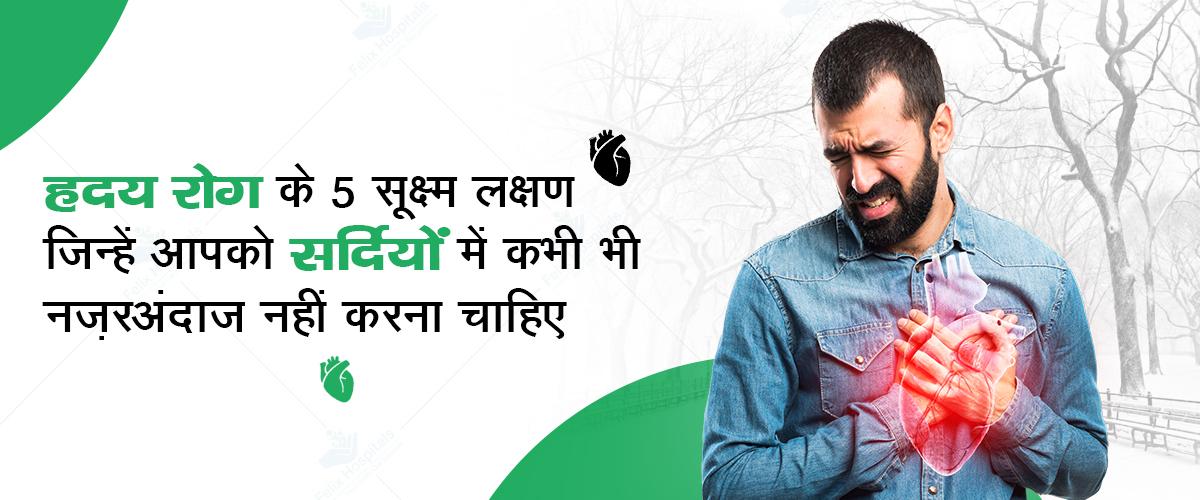
सर्दियों के मौसम में हृदय से संबंधित बीमारियों का खतरा बढ़ जाता है। ठंड के मौसम में शरीर की धमनियां सिकुड़ जाती हैं, जिससे रक्त संचार धीमा हो जाता है और हृदय पर अधिक दबाव पड़ता है। इस कारण से हृदय रोग के लक्षण अधिक गंभीर हो सकते हैं। हृदय रोग के बारे में जागरूकता और इसके सूक्ष्म लक्षणों को पहचानना अत्यंत महत्वपूर्ण है ताकि आप समय पर उचित इलाज प्राप्त कर सकें और अपनी सेहत का ख्याल रख सकें। आइए जानते हैं सर्दियों में हृदय रोग के सूक्ष्म लक्षण और उन्हें नज़रअंदाज न करने के कारण।
क्या आपको हृदय रोग से संबंधित कोई लक्षण महसूस हो रहा है? तुरंत फेलिक्स हॉस्पिटल के अनुभवी हृदय रोग विशेषज्ञों से परामर्श लें। हमें कॉल करें +91 9667064100।
हृदय रोग एक ऐसी स्थिति है जिसमें हृदय और रक्त वाहिनियों की कार्यक्षमता प्रभावित होती है। ह्रदय रोग किसके कारण होता है? इसके कई कारण हो सकते हैं जैसे उच्च रक्तचाप, उच्च कोलेस्ट्रॉल, धूम्रपान, मोटापा, और अनियमित जीवनशैली। सर्दियों में ठंड का असर भी हृदय रोग की स्थिति को बढ़ा सकता है। हृदय की धमनियों में जमा प्लाक (cholesterol) के कारण रक्त प्रवाह में बाधा उत्पन्न होती है, जिससे हृदय को पर्याप्त ऑक्सीजन और पोषण नहीं मिल पाता, जिससे दिल का दौरा पड़ने का खतरा बढ़ जाता है।
उच्च रक्तचाप (High Blood Pressure)
उच्च कोलेस्ट्रॉल (High Cholesterol)
धूम्रपान (Smoking)
शारीरिक निष्क्रियता (Physical Inactivity)
पारिवारिक इतिहास (Genetic Factors)
कई बार लोग हार्ट अटैक के चेतावनी संकेतों को पहचान नहीं पाते हैं, खासकर जब वे सूक्ष्म होते हैं। सर्दियों के मौसम में ठंड के कारण धमनियां संकुचित हो जाती हैं, जिससे रक्त प्रवाह में बाधा उत्पन्न होती है। इस दौरान छाती में हल्का दर्द, दबाव, जकड़न, या जलन महसूस हो सकती है। लोग अक्सर इसे गैस्ट्रिक समस्या या मामूली असुविधा समझ कर अनदेखा कर देते हैं, लेकिन यह दिल के दौरे का प्रारंभिक संकेत हो सकता है। अगर यह दर्द लंबे समय तक बना रहता है या अधिकतर शारीरिक गतिविधियों के दौरान महसूस होता है, तो यह संकेत हो सकता है कि आपके हृदय को पर्याप्त रक्त और ऑक्सीजन नहीं मिल रही है। इस स्थिति को नजरअंदाज करना गंभीर परिणामों का कारण बन सकता है, इसलिए छाती में हल्का दर्द होने पर तुरंत डॉक्टर से परामर्श लेना आवश्यक है।
सर्दियों में अत्यधिक थकान या कमजोरी महसूस होना भी एक सूक्ष्म लक्षण हो सकता है, जिसे लोग सामान्य ठंड या मौसम की वजह से होने वाली अस्थायी थकान समझ कर नजरअंदाज कर सकते हैं। लेकिन बिना किसी स्पष्ट कारण के लगातार थकान महसूस करना, विशेष रूप से सुबह या हल्की गतिविधियों के बाद, हृदय रोग का संकेत हो सकता है। इसका कारण यह है कि अगर हृदय सही ढंग से पंप नहीं कर पा रहा होता, तो शरीर के अंगों और मांसपेशियों को आवश्यक ऑक्सीजन और पोषण नहीं मिल पाता। इस कमी के कारण व्यक्ति को असामान्य थकान या कमजोरी महसूस हो सकती है। अगर यह लक्षण लंबे समय तक बना रहे या अन्य लक्षणों के साथ हो, तो इसे हल्के में न लें और जल्द से जल्द हृदय रोग विशेषज्ञ से परामर्श करें।
ठंड के मौसम में सांस लेने में थोड़ी तकलीफ महसूस होना आम बात हो सकती है, खासकर उन लोगों के लिए जिन्हें अस्थमा या अन्य श्वसन संबंधी समस्याएं होती हैं। हालांकि, अगर यह तकलीफ सर्दी-जुकाम की तुलना में ज्यादा गंभीर हो, तो इसे अनदेखा नहीं करना चाहिए। हृदय को रक्त पंप करने के लिए अधिक मेहनत करनी पड़ती है और अगर हृदय सही तरीके से कार्य नहीं कर रहा हो, तो शरीर के अन्य हिस्सों को पर्याप्त ऑक्सीजन नहीं मिल पाता, जिससे सांस फूलने की समस्या हो सकती है। यह स्थिति हार्ट फेलियर या गंभीर हृदय रोग का सूचक हो सकती है, खासकर जब यह सांस की कमी थोड़ी सी शारीरिक गतिविधि के बाद भी होती है। सर्दियों में इस लक्षण को नजरअंदाज करने से गंभीर जटिलताएं हो सकती हैं।
सर्दियों में पैरों या टखनों में सूजन अक्सर एक मामूली समस्या समझी जाती है, लेकिन यह हृदय रोग का सूक्ष्म संकेत भी हो सकता है। अगर आपके शरीर में रक्त प्रवाह सही ढंग से नहीं हो रहा है और हृदय की पंपिंग क्षमता कम हो गई है, तो शरीर में तरल पदार्थ जमा होने लगते हैं, जिससे पैरों, टखनों और यहां तक कि पेट में सूजन हो सकती है। यह स्थिति हार्ट फेलियर का प्रारंभिक संकेत हो सकता है। सूजन के साथ अगर अन्य लक्षण जैसे थकान, सांस की कमी या छाती में दर्द हो, तो इसे अनदेखा न करें। सर्दियों के दौरान सूजन को सामान्य ठंडा या बैठने से होने वाली तकलीफ मानना खतरनाक हो सकता है।
सर्दियों में अचानक चक्कर आना या हल्का सिर दर्द होना कई बार मौसम के प्रभाव या ब्लड प्रेशर में हल्की गिरावट की वजह से हो सकता है, लेकिन यह हृदय में किसी समस्या का भी संकेत हो सकता है। जब हृदय पर्याप्त रक्त को शरीर और मस्तिष्क तक पंप नहीं कर पाता, तो इसका प्रभाव आपके संतुलन और दिमाग पर पड़ सकता है, जिससे आपको चक्कर आ सकते हैं। सर्दियों में ठंड से रक्तचाप में गिरावट और हृदय की धमनियों के सिकुड़ने के कारण यह स्थिति और भी गंभीर हो सकती है। अगर यह लक्षण लगातार बने रहते हैं या अन्य लक्षणों के साथ होते हैं, तो यह हार्ट अटैक के चेतावनी संकेत हो सकते हैं।इस स्थिति में तुरंत डॉक्टर से परामर्श लें और आवश्यक जांच करवाएं।
फेलिक्स हॉस्पिटल में हृदय रोग विशेषज्ञ आपके दिल की सेहत का विशेष ध्यान रखते हैं। हमारे विशेषज्ञ, डॉ. राहुल अरोरा हृदय रोगों की सटीक पहचान और प्रभावी इलाज में विशेषज्ञ हैं। सर्दियों के मौसम में हृदय रोग से जुड़े किसी भी लक्षण को हल्के में न लें और फेलिक्स हॉस्पिटल के अनुभवी हृदय रोग विशेषज्ञों से परामर्श लें। सही समय पर इलाज से आपका हृदय स्वस्थ रह सकता है और जीवनशैली में सुधार किया जा सकता है।
क्या आप दिल की सेहत को लेकर चिंतित हैं? फेलिक्स हॉस्पिटल के अनुभवी हृदय रोग विशेषज्ञों से तुरंत परामर्श लें। यहां क्लिक करें और अभी अपॉइंटमेंट बुक करें।
हृदय रोग सर्दियों में और भी अधिक गंभीर हो सकता है क्योंकि ठंड में हृदय पर अधिक दबाव पड़ता है। हृदयरोग के लक्षण, प्रकार, कारण, इलाज के बारे में जानकारी रखना और किसी भी सूक्ष्म लक्षण को नज़रअंदाज न करना बहुत महत्वपूर्ण है। सर्दियों के मौसम में छाती में हल्का दर्द, सांस लेने में कठिनाई, या थकान जैसे लक्षण हार्ट अटैक के चेतावनी संकेत हो सकते हैं। इस प्रकार के लक्षण महसूस होने पर तुरंत विशेषज्ञ डॉक्टर से संपर्क करें। फेलिक्स हॉस्पिटल में हमारे विशेषज्ञ आपकी मदद के लिए हर समय तैयार हैं।
Q- क्या ठंड के मौसम में हृदय रोग का खतरा बढ़ जाता है?
ANS: हाँ, ठंड के मौसम में रक्त वाहिकाएं संकुचित हो जाती हैं, जिससे हृदय पर अधिक दबाव पड़ता है और हृदय रोग का खतरा बढ़ सकता है।
Q- क्या छाती में हल्का दर्द हार्ट अटैक का संकेत हो सकता है?
ANS: जी हां, छाती में हल्का दर्द या जलन हार्ट अटैक का प्रारंभिक संकेत हो सकता है। इसे हल्के में न लें और तुरंत डॉक्टर से परामर्श करें।
Q- सर्दियों में थकान क्यों बढ़ जाती है?
ANS: ठंड के कारण शरीर को अधिक ऊर्जा की आवश्यकता होती है, जिससे थकान महसूस हो सकती है। लेकिन अगर अत्यधिक थकान हो रही है तो यह हृदय रोग का संकेत हो सकता है।
Q- क्या सांस लेने में कठिनाई सर्दियों में सामान्य है?
ANS: हल्की सर्दी-जुकाम के कारण सांस लेने में तकलीफ हो सकती है, लेकिन अगर यह लगातार हो तो यह हृदय रोग का संकेत हो सकता है।
Q- क्या पैरों में सूजन हृदय रोग का लक्षण है?
ANS: हाँ, पैरों या टखनों में सूजन हार्ट फेलियर का संकेत हो सकता है, जब हृदय शरीर से अतिरिक्त तरल पदार्थ को ठीक से पंप नहीं कर पाता।
Q- हृदय रोग से बचाव के लिए क्या किया जा सकता है?
ANS: स्वस्थ आहार, नियमित व्यायाम, धूम्रपान से बचना और नियमित स्वास्थ्य जांच से हृदय रोग से बचाव किया जा सकता है।
Q- क्या परिवार में हृदय रोग का इतिहास होना एक जोखिम कारक है?
ANS: हाँ, अगर आपके परिवार में किसी को हृदय रोग है तो आपको भी इसका खतरा हो सकता है।
Q- क्या सर्दियों में हृदय रोग के मरीजों को अतिरिक्त सावधानी बरतनी चाहिए?
ANS: हाँ, हृदय रोग के मरीजों को ठंड से बचना चाहिए, गर्म कपड़े पहनने चाहिए और डॉक्टर के परामर्श पर नियमित दवाएं लेनी चाहिए।
Q- क्या हृदय रोग का इलाज संभव है?
ANS: हाँ, नियमित जांच, जीवनशैली में सुधार और सही समय पर उपचार से हृदय रोग का प्रबंधन किया जा सकता है।
Q- फेलिक्स हॉस्पिटल में हृदय रोग का इलाज कैसे किया जाता है?
ANS: फेलिक्स हॉस्पिटल में अनुभवी हृदय रोग विशेषज्ञ उन्नत तकनीकों और उपचार विधियों का उपयोग कर हृदय रोग का सटीक निदान और उपचार करते हैं।
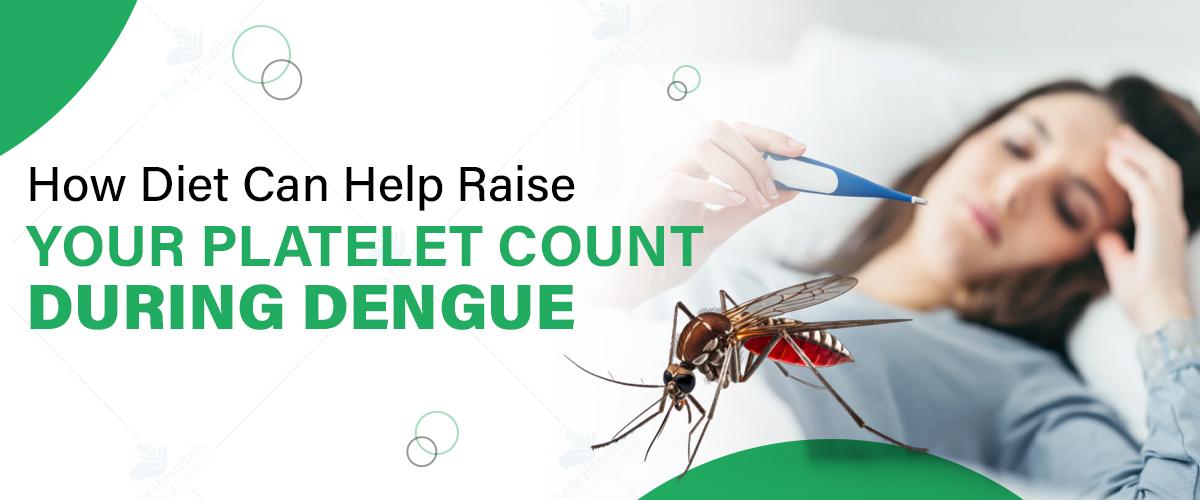
Dengue fever is a mosquito-borne viral infection caused by the Aedes mosquito, which significantly impacts platelet levels in the body. A sharp decline in platelet count, a condition known as thrombocytopenia, is one of the hallmarks of severe dengue cases and can lead to life-threatening complications. Managing platelet levels is critical to ensure a smooth recovery and to avoid complications such as internal bleeding. While medical treatment remains the cornerstone of dengue management, diet plays a vital supportive role in boosting platelet production, strengthening the immune system, and enhancing overall recovery. When dealing with dengue, it's crucial to seek care at the best hospital for dengue treatment where expert medical guidance is paired with comprehensive care plans.
Speak to your healthcare provider for personalized dietary advice and treatment options. Call us at +91 9667064100.
Dengue is a viral illness transmitted through the bite of an infected Aedes mosquito. It is prevalent in tropical and subtropical regions and is characterized by symptoms such as high fever, severe joint and muscle pain, skin rashes, and a drop in platelet count.
Transmission through Aedes mosquito bites.
The virus spreads in areas with stagnant water, which serves as breeding grounds for mosquitoes.
High fever.
Severe joint and muscle pain (often referred to as "breakbone fever").
Skin rashes.
Nausea and vomiting.
Low platelet count.
The dengue virus affects the bone marrow, which is responsible for producing platelets, reducing their output. Additionally, the immune system mistakenly destroys platelets, further exacerbating thrombocytopenia.
Increased likelihood of internal bleeding.
Delayed recovery and potential organ damage.
Medical Treatment Focus: While treatments include hydration therapy and symptom management, incorporating a nutrient-rich diet helps complement medical interventions and promotes faster recovery.
A balanced diet plays a critical role in:
Boosting Immunity: Strengthening the body’s defense mechanism against the virus.
Supporting Platelet Production: Providing nutrients essential for the production and survival of platelets.
Improving Recovery Speed: Enhancing energy levels and repairing tissue damage caused by the virus.
For personalized guidance, consider expert nutrition diet services to optimize your diet and overall health.
Papaya Leaf Extract or Juice: Known to significantly increase platelet count due to its enzyme content.
Pomegranate: Rich in iron, it combats fatigue and supports red blood cell production.
Kiwi: Contains vitamins C and E, which enhance platelet formation and immune function.
Leafy Greens (Spinach, Kale): Packed with vitamin K, essential for blood clotting and maintaining platelet health.
Eggs, Lean Chicken, and Fish: Provide high-quality proteins necessary for tissue repair and immune function.
Legumes and Beans: Excellent plant-based protein sources, ideal for vegetarians.
Beetroot and Carrots: Aid in red blood cell formation and boost hemoglobin levels.
Dark Chocolate: Rich in iron and antioxidants, it supports overall blood health.
Citrus Fruits (Oranges, Lemons): High in vitamin C, they improve immune response and iron absorption.
Almonds and Walnuts: Packed with vitamin E and omega-3 fatty acids, which are anti-inflammatory and boost cell repair.
Coconut Water: Prevents dehydration and replenishes lost electrolytes.
Fresh Soups and Broths: Easy to digest and nutrient-dense, helping maintain energy levels.
Giloy Juice: Known for boosting immunity and platelet count.
Turmeric Milk: Anti-inflammatory properties promote healing and reduce inflammation.
Spicy and Oily Foods: Can irritate the stomach and slow down digestion.
Caffeinated Drinks: Lead to dehydration and may affect recovery.
Alcohol and Processed Foods: Weaken the immune system and impair overall health.
Eat Small, Frequent Meals: To maintain steady energy levels and avoid overburdening the digestive system.
Stay Hydrated: Drink plenty of water, herbal teas, and coconut water to combat dehydration.
Focus on Easily Digestible Foods: Choose light and nutrient-rich meals like soups and steamed vegetables.
At Felix Hospital, our expert dieticians are dedicated to helping you achieve optimal health through personalized nutrition plans. Meet our team:
Dr. Pooja Yadav (Noida, Sector 137) – With 8+ years of experience, Dr. Yadav offers tailored nutrition advice for weight management, chronic conditions, and general wellness.
Dr. Nida Zafar (Noida, Sector 137) – Specializing in oncology, cardiology, diabetes, and more, Dr. Zafar provides customized counseling for patients in both OPD and IPD.
Dr. Shivani Ahlawat (Greater Noida, Gamma 1) – Dr. Ahlawat helps patients with weight management and nutrition for specific health conditions.
Take control of your recovery during dengue fever by adopting a platelet-boosting diet today by Clicking Here.
Dietary choices can significantly influence the recovery process during dengue fever by supporting platelet production, boosting immunity, and enhancing energy levels. While medical treatment is essential, incorporating foods like papaya leaf extract, pomegranate, and hydrating beverages into the diet can accelerate recovery and prevent complications. Avoid foods that may strain the digestive system or weaken immunity, and always consult a healthcare provider for a tailored approach to recovery. A holistic combination of medical care and a nutrient-rich diet is key to overcoming dengue fever effectively.
1. Can papaya leaf extract help in increasing platelet count during dengue?
Ans. Yes, papaya leaf extract has been shown to significantly boost platelet count due to its enzyme content, which promotes platelet production.
2. How can pomegranate help with dengue recovery?
Ans. Pomegranate is rich in iron, which helps combat fatigue and supports red blood cell production, boosting overall recovery.
3. What role does vitamin C play in dengue recovery?
Ans. Vitamin C, found in citrus fruits like oranges and lemons, enhances the immune system, aids in platelet formation, and improves iron absorption.
4. Is it safe to consume coconut water during dengue?
Ans. Yes, coconut water is highly hydrating and replenishes lost electrolytes, which helps combat dehydration during dengue.
5. Should I avoid spicy food during dengue recovery?
Ans. Yes, spicy and oily foods can irritate the stomach and slow down digestion, which could hinder the recovery process.
6. Can herbal remedies like giloy juice help in dengue recovery?
Ans. Yes, giloy juice is known for boosting immunity and platelet count, helping support recovery during dengue.
7. Are there any fruits to avoid during dengue fever?
Ans. While most fruits are beneficial, avoid overly acidic fruits that may irritate the stomach, especially if you're dealing with digestive issues.
8. Can I eat dark chocolate during dengue?
Ans. Yes, dark chocolate is rich in iron and antioxidants, making it a good choice for supporting blood health during dengue.
9. How often should I eat during dengue recovery?
Ans. It's best to eat small, frequent meals to maintain steady energy levels and avoid overburdening the digestive system.

To lose weight effectively, start by creating a calorie deficit—consuming fewer calories than you burn. A safe, steady weight loss usually requires a daily deficit of 500–1000 calories, helping you lose about 0.5 to 1 kilogram per week.

Manage diabetes effectively with a well-planned Indian vegetarian diet chart. Explore healthy meal options and tips for blood sugar control.

Do you find yourself constantly tired, breathless, or unable to cope with sudden physical activity?

Cataract surgery is one of the most common and successful eye surgeries, allowing patients to regain clear vision and improve their quality of life. As the eyes age, cataracts can form, causing blurry vision and sensitivity to light. If left untreated, cataracts can eventually lead to blindness. If you're experiencing symptoms of cataracts, it's essential to consult an eye specialist. Felix Hospitals is regarded as the best Cataract Surgery Hospital in Noida, offering state-of-the-art treatments and comprehensive care. In this guide, we’ll walk you through everything you need to know to prepare for cataract surgery and what to expect during the cataract surgery procedure.
Book your appointment with our expert ophthalmologists to discuss your cataract surgery options. Call now at +91 9667064100.
A cataract is a clouding of the lens in the eye, which affects vision. The lens, located behind the iris, focuses light onto the retina to create clear images. Over time, the proteins in the lens can clump together, forming cataracts. This clouding impairs vision, making daily tasks like reading, driving, and recognizing faces more difficult. Cataracts usually develop slowly, and people may not notice symptoms immediately. However, if left untreated, they can cause significant vision loss.
So, how do you know when it’s time for surgery? When cataracts start interfering with your day-to-day activities or your ability to enjoy life, surgery is often recommended. The timing depends on the individual's vision needs and the impact of the cataracts on their lifestyle. It is essential to seek advice from an experienced ophthalmologist to determine the right time for surgery.
For those concerned about the costs associated with cataract surgery, the Cataract Surgery cost in Noida varies based on the type of procedure, the hospital, and the surgeon’s experience. It’s important to compare the cost along with the quality of care when choosing a healthcare facility. Felix Hospitals offers affordable and top-notch cataract treatments to cater to a wide range of patients.
Once you and your ophthalmologist have decided that is the best option, it's time to prepare for the cataract surgery procedure. Preparing adequately for surgery is crucial to ensuring the best possible outcome. Here's what you need to know and do before the day of surgery.
Your doctor will conduct a detailed eye exam to assess the severity of your cataracts and the overall health of your eyes. They will measure your eye to determine the appropriate lens implant for you.
Your surgeon will review your medical history, including any medications or supplements you’re taking, to ensure that everything is aligned for the surgery. Certain medications might need to be stopped temporarily.
Cataract surgery involves replacing the clouded lens with an artificial intraocular lens (IOL). You’ll need to discuss the different types of IOLs available, such as monofocal, multifocal, or toric lenses, depending on your lifestyle and visual needs.
Some doctors may recommend fasting before surgery. Follow the instructions your doctor provides, which may include avoiding food or drinks several hours before the cataract surgery procedure.
Arrange for someone to drive you home after surgery, as you won’t be able to drive due to blurred vision or the effects of sedation.
Make sure you understand the post-operative care guidelines. This might include using prescribed eye drops, wearing protective eyewear, and avoiding strenuous activities.
Refrain from drinking alcohol or smoking for at least 24 hours before the surgery. Both can affect your recovery and surgical outcome.
On the day of surgery, avoid wearing makeup, lotion, or perfume, as these can interfere with the sterile environment needed for surgery.
If you're taking blood-thinning medications, your doctor might advise you to stop them temporarily to minimize the risk of bleeding during surgery.
Choosing the best Cataract surgeon in Noida is crucial. Felix Hospitals is home to some of the best Cataract surgeons in Noida, ensuring that patients receive personalized and effective treatment. Our team includes highly qualified and experienced ophthalmologists:
Dr. Deepanjali Arya: A renowned cataract surgeon with years of experience in handling various cataract surgeries, Dr. Arya has expertise in using the latest techniques for successful outcomes.
Dr. Mohamad Uzair Zakai: With a deep understanding of eye disorders and exceptional skills in cataract surgeries, Dr. Zakai has successfully treated hundreds of patients, helping them regain clear vision and improve their quality of life.
At Felix Hospitals, our team of ophthalmologists uses cutting-edge technology and a patient-centric approach to ensure a comfortable and successful surgery. We understand the importance of vision and are dedicated to providing the best possible care for our patients.
Click Here to schedule a consultation with one of our expert cataract surgeons and get started on the path to clearer vision.
Cataract surgery is a safe and effective procedure that can restore your vision and improve your quality of life. By preparing properly and choosing the right surgeon, you can ensure the best possible outcome. Felix Hospitals, the best Cataract Surgery Hospital in Noida, offers a team of experienced ophthalmologists who are dedicated to providing top-quality care. Whether you're looking for information on the Cataract Surgery cost or want to meet the best Cataract surgeon in Noida, Felix Hospitals is here to guide you every step of the way.
1-What is a cataract?
ANS: A cataract is a condition where the eye’s natural lens becomes cloudy, which prevents light from passing through the lens clearly. This clouding affects your vision, making it appear as if you're looking through a frosted or fogged-up window. Cataracts develop gradually over time and are commonly associated with aging.
2-When should I consider cataract surgery?
ANS: You should consider cataract surgery when your cataracts start to impair your daily life. This might include difficulty reading, driving (especially at night), or performing other activities that require clear vision. Many people delay cataract surgery until they notice a significant drop in vision, but if cataracts are hindering your quality of life or independence, it’s time to consult with an eye doctor.
3-Is cataract surgery painful?
ANS: Cataract surgery is generally a pain-free procedure. It’s usually performed under local anesthesia, which numbs the eye and ensures that you feel comfortable throughout the surgery. While some patients may experience slight pressure or discomfort during the operation, it's typically minimal.
4-How long does cataract surgery take?
ANS: Cataract surgery is a relatively quick procedure. It typically takes about 15 to 20 minutes to complete per eye, though the entire process, including pre-surgery preparation and post-surgery observation, may take a few hours. The surgeon removes the cloudy lens and replaces it with a clear artificial intraocular lens (IOL).
5-What is the recovery time after cataract surgery?
ANS: While you may notice an improvement in your vision within a few days after the surgery, full recovery can take anywhere from two to four weeks. During the initial recovery phase, you’ll need to avoid activities that could strain your eye, such as lifting heavy objects or bending over.
6-How much does cataract surgery cost in Noida?
ANS: The Cataract Surgery cost in Noida varies depending on the type of surgery performed and the type of intraocular lens (IOL) chosen. Standard cataract surgery with a monofocal lens is generally less expensive, while advanced procedures like laser-assisted cataract surgery or premium lenses (multifocal or toric lenses) can be more costly. On average, the cost of cataract surgery in Noida can range from INR 20,000 to INR 1,00,000 per eye, depending on the hospital, the surgeon’s experience, and the lens used.
7-Will I need glasses after cataract surgery?
ANS: Whether or not you'll need glasses after cataract surgery largely depends on the type of intraocular lens (IOL) that is implanted during the surgery. If you opt for a standard monofocal lens, you might still need reading glasses or corrective lenses for certain tasks.
8-Can both eyes be treated at the same time?
ANS: Cataract surgery is typically performed on one eye at a time to minimize risks and allow for proper healing before addressing the second eye. There is usually a gap of a few days to a few weeks between surgeries. This allows the first eye to heal and for the patient to adjust to the new vision before undergoing surgery on the other eye.

Discover 10 lesser-known facts about cataract surgery, including treatment options, recovery tips, and costs. Learn what you need to know before undergoing surgery.
Cataract surgery can be a life-changing procedure, restoring clarity and enhancing the quality of life for those affected by cataracts.
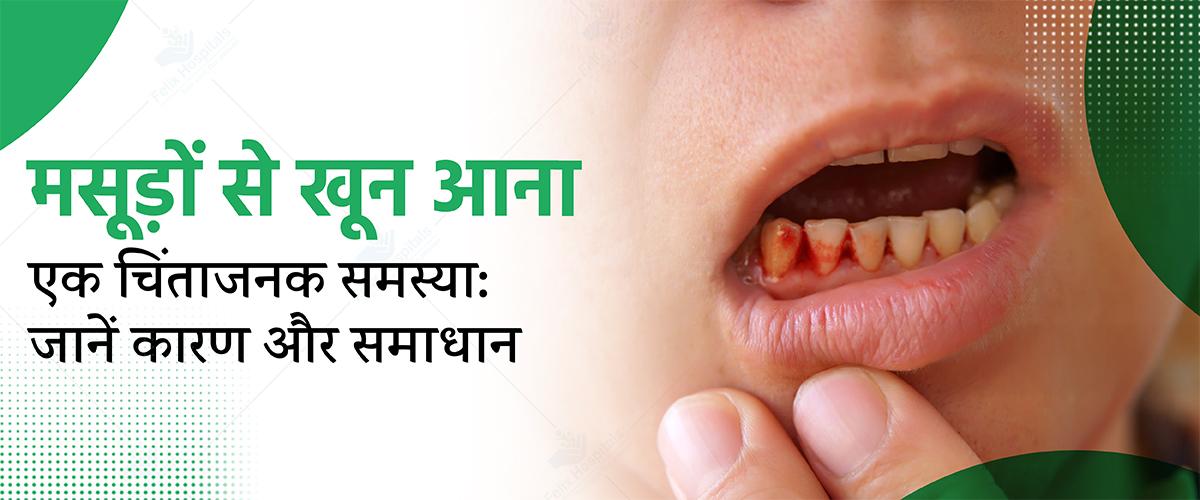
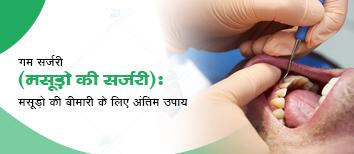
मसूड़ों की बीमारियाँ, जैसे कि पेरियोडोन्टल रोग (Periodontal Disease) या गम डिज़ीज़, एक आम समस्या है जो मसूड़ों के स्वास्थ्य को प्रभावित कर सकती है।


Subscribe to our
© Copyright 2026. All Rights Reserved by Felix Healthcare Private Limited
Design and development by :


 +(91)9667064100
 Emergency : +(91)9667064100