 WhatsApp
 Emergency:
  WhatsApp










Subscribe to our
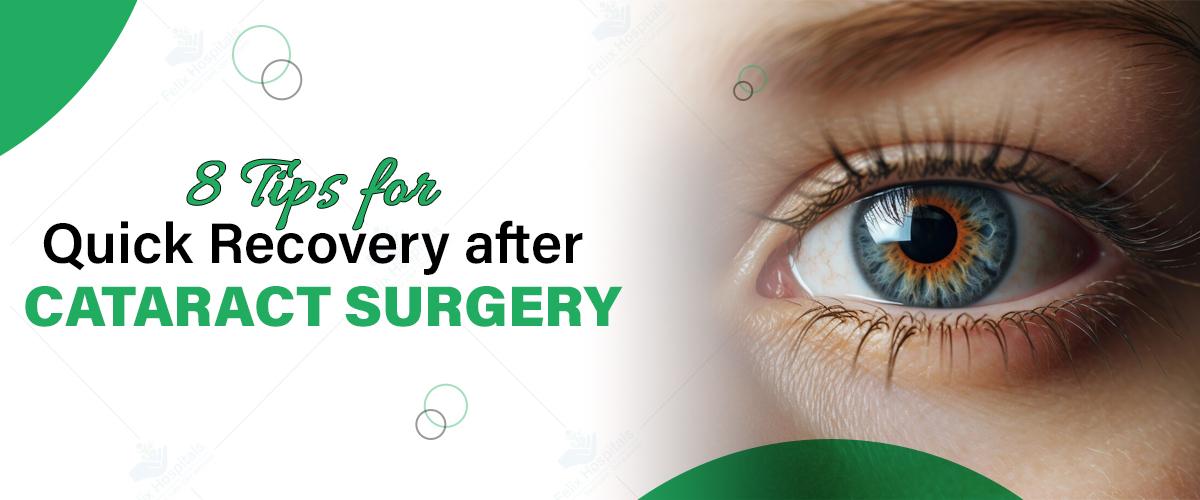
Cataract surgery is one of the most common and effective procedures to restore vision. However, ensuring a smooth recovery is crucial to achieving optimal results. With the guidance of the best ophthalmologist in Noida at Felix Hospital, you can be confident in receiving high-quality care before, during, and after your surgery. Here, we’ll provide essential tips for a speedy recovery and outline what to expect after Cataract surgery.
Schedule a consultation with the best ophthalmologist in Noida today and take the first step toward a successful cataract surgery and recovery. Call us at +91 9667064100.
A cataract occurs when the natural lens of the eye becomes cloudy, causing blurry vision, glare, and difficulties in seeing at night. Surgery becomes necessary when the cataract significantly interferes with your daily activities. The procedure involves removing the cloudy lens and replacing it with an artificial one. The cost of cataract surgery varies depending on the type of lens and other factors, but Felix Hospital provides affordable and effective solutions.
Undergoing cataract surgery is a significant step toward improving your vision, but the recovery process is just as crucial. Post-surgery care can impact the long-term success of the procedure and the speed of recovery. Below are detailed tips to help you recover quickly after cataract surgery, ensuring the best results possible.
Your doctor will provide you with detailed post-operative instructions, including medications and eye drops to use. These are essential for preventing infection and managing inflammation. It’s vital to follow the prescribed dosage and schedule for eye drops, which often include antibiotics and anti-inflammatory medication. Ignoring these instructions or failing to use the medications properly could delay healing and increase the risk of complications.
Tip: Set reminders to ensure you apply your eye drops at the correct intervals.
In the initial days after surgery, give your eyes ample rest to recover. This means avoiding activities that strain the eyes, such as reading, watching TV, or using your phone or computer for extended periods. Too much screen time can cause eye strain, which could slow down your healing process.
Tip: Engage in activities that don’t require intense eye focus, like listening to music or audiobooks, to help pass the time.
Your eyes will be sensitive to bright light and dust after surgery. Wearing sunglasses when you’re outside protects them from harmful UV rays and dust particles. In addition, your doctor may provide you with a protective eye shield to wear at night, which prevents accidental rubbing or pressure on the eye while sleeping.
Tip: Choose UV-protection sunglasses to ensure maximum protection while outdoors.
For at least two weeks after your cataract surgery, avoid any activities that involve heavy lifting, bending over, or vigorous physical exertion. These actions can increase the pressure inside your eye, which can disrupt the healing process and lead to complications such as bleeding or lens displacement.
Tip: Opt for light walking or gentle exercises, but avoid anything that increases physical strain, including sports or yoga.
Water and soap can introduce bacteria to your eyes, increasing the risk of infection. While bathing or washing your face, be extra cautious to prevent any water, shampoo, or soap from entering your eyes.
Tip: Use a washcloth to clean your face, carefully avoiding the operated eye area. You might also consider keeping your head tilted back when washing your hair or using a hand-held showerhead to direct water away from your eyes.
To prevent any unintentional damage to your eye while sleeping, make sure to sleep on your back or the opposite side of the operated eye. Your doctor will provide you with a protective eye shield, which should be worn while sleeping for at least a week after the surgery.
Tip: If you’re someone who often changes positions during sleep, consider adding extra pillows to keep yourself comfortable and in the proper position throughout the night.
Rubbing or pressing on the operated eye can lead to infection or even dislodge the new intraocular lens. Although it’s common for the eye to feel itchy or irritated after surgery, it’s important to resist the urge to rub it.
Tip: If you feel discomfort, apply the prescribed eye drops for relief instead of touching your eye.
Your post-surgery follow-up appointments with the best ophthalmologist in Noida are critical for tracking your recovery progress. During these visits, your doctor will check the healing of your eye, adjust medications if needed, and address any concerns you might have. These appointments could ensure the detection of potential complications.
Tip: Mark your calendar and prioritize attending these appointments to ensure that your recovery is on track.
At Felix Hospital, we pride ourselves on offering the best hospital for cataract surgery in Noida. Our experienced ophthalmologists, Dr. Deepanjali Arya and Dr. Mohmad Uzair Zakai use advanced technologies and personalized care to ensure the best outcomes for our patients. We prioritize your comfort, safety, and long-term vision health.
Need more information about cataract surgery? Click Here to connect with Felix Hospitals.
Cataract surgery is life-changing, and with the right post-operative care, you can expect a full recovery. By choosing Felix Hospital, you’re not only receiving the best treatment but also ensuring your eyes are in the hands of the best ophthalmologists in Noida. If you or your loved ones are considering cataract surgery, book a consultation today to restore your vision and quality of life.
1. How long does it take to recover from cataract surgery?
ANS: Recovery usually takes 4-6 weeks, but patients often experience significant improvement within a few days.
2. Can I use my phone after cataract surgery?
ANS: Limiting screen time during the first few days is best to reduce eye strain.
3. Is cataract surgery painful?
ANS: No, the surgery is performed under local anesthesia, and discomfort is minimal.
4. What activities should I avoid post-surgery?
ANS: Avoid strenuous activities, bending over, heavy lifting, and swimming for at least two weeks.
5. When can I drive after cataract surgery?
ANS: You can drive once your vision is clear and you feel comfortable, usually after a few days to a week.
6. Do cataracts come back after surgery?
ANS: No, cataracts do not return after the lens is replaced, though some patients may develop cloudiness of the lens capsule, which can be treated with a simple laser procedure.
7. How much does cataract surgery cost in Noida?
ANS: The cost of cataract surgery can vary based on the type of lens and the hospital’s services. Felix Hospital offers competitive pricing and high-quality care.
8. Will I need glasses after cataract surgery?
ANS: Many patients experience improved vision after surgery, but some may still need reading glasses.
9. How long do I need to wear the protective eye shield?
ANS: Typically, you'll need to wear the shield while sleeping for at least one week after surgery.
10. Can cataract surgery be done on both eyes at the same time?
ANS: Usually, cataract surgery is done one eye at a time, with a gap of a few weeks between procedures.
Cataract surgery is essential to restore clear vision and prevent permanent blindness. It removes the cloudy lens and replaces it with an artificial one, helping patients regain normal sight and quality of life.
As cataracts progress, they scatter and block light, leading to vision issues.

गाउट एक प्रकार का गठिया (arthritis) है, जो शरीर में यूरिक एसिड के स्तर के बढ़ने से होता है। यह स्थिति अचानक तीव्र दर्द, सूजन, और अन्य असुविधाओं का कारण बनती है, खासकर जोड़ों में। यदि आपको या किसी और को गाउट के लक्षण महसूस हो रहे हैं, तो तुरंत नोएडा के अच्छे रुमेटोलॉजी हॉस्पिटल (Best Rheumatology Hospital in Noida) से चिकित्सा सहायता प्राप्त करें। जानिए इसके लक्षण से लेकर इलाज तक के बारे में विस्तार से..
ज्यादा जानकारी के लिए हमें कॉल करें +91 9667064100.
गाउट (Gout) एक प्रकार का आर्थराइटिस (गठिया) है, जो शरीर में यूरिक एसिड के बढ़े हुए स्तर के कारण होता है। जब शरीर में यूरिक एसिड अधिक हो जाता है, तो यह क्रिस्टल्स के रूप में जमा हो जाता है, खासकर जोड़ों में, जिससे दर्द, सूजन, और लालिमा होती है। इसे आमतौर पर पैर के अंगूठे के जोड़ों में देखा जाता है, लेकिन यह शरीर के अन्य जोड़ों जैसे घुटनों, एड़ी, कलाई और कोहनी में भी हो सकता है। यदि सही समय पर उपचार न किया जाए, तो गाउट गंभीर हो सकता है और स्थायी रूप से जोड़ों को नुकसान पहुंचा सकता है।
अचानक और तीव्र दर्द:
गाउट के दौरे अक्सर अचानक शुरू होते हैं। दर्द बहुत तीव्र होता है। यह आमतौर पर रात में होता है। सबसे अधिक प्रभावित जोड़ों में पैर के अंगूठे का जोड़ा होता है, लेकिन यह अन्य जोड़ों जैसे घुटनों, एड़ी, कलाई, उंगलियों और कोहनी में भी हो सकता है।
जोड़ों में सूजन:
प्रभावित जोड़ों में सूजन हो जाती है, जो स्पर्श करने पर गर्म महसूस होती है।
लालिमा और संवेदनशीलता:
प्रभावित क्षेत्र में त्वचा लाल हो जाती है और यह इतना संवेदनशील हो सकता है कि हल्का स्पर्श भी दर्द का कारण बन सकता है।
गतिविधियों में कठिनाई:
जोड़ों में कठोरता महसूस हो सकती है, जिससे चलने-फिरने या सामान्य गतिविधियों में कठिनाई होती है।
गठानों का बनना (टॉफी):
लंबे समय तक अनियंत्रित गाउट होने पर यूरिक एसिड क्रिस्टल जमा होकर गठानें बना सकते हैं, जिन्हें टॉफी कहते हैं। यह त्वचा के नीचे जोड़ों के आसपास या कान के पास भी दिखाई दे सकती हैं।
गाउट के दौरे का पुनरावृत्ति:
गाउट के दौरे कभी-कभी कुछ दिनों से लेकर हफ्तों तक रह सकते हैं, और यह बार-बार हो सकते हैं अगर इलाज न किया जाए।
यह गाउट का प्रारंभिक चरण है जिसमें शरीर में यूरिक एसिड का स्तर बढ़ा हुआ होता है, लेकिन कोई स्पष्ट लक्षण दिखाई नहीं देते। इस चरण में व्यक्ति को जोड़ों में दर्द, सूजन या कोई अन्य परेशानी नहीं होती, लेकिन अगर यूरिक एसिड का स्तर अधिक समय तक बढ़ा रहे, तो गाउट का दौरा शुरू हो सकता है।
यह गाउट का चरण होता है जब यूरिक एसिड क्रिस्टल जोड़ों में जमा होकर अचानक तेज दर्द और सूजन का कारण बनते हैं। यह दर्द बहुत तीव्र हो सकता है और अक्सर रात में होता है। आमतौर पर एक ही जोड़ (जैसे पैर का अंगूठा) प्रभावित होता है, लेकिन अन्य जोड़ों में भी गाउट का असर हो सकता है। यह चरण कुछ दिनों से लेकर एक हफ्ते तक रह सकता है।
यह वह चरण है जब गाउट के दौरे के बीच की अवधि होती है। इस दौरान व्यक्ति को कोई लक्षण महसूस नहीं होते, और जोड़ों में दर्द या सूजन नहीं होती। हालांकि इस अवधि में भी शरीर में यूरिक एसिड का स्तर उच्च बना रहता है, और बिना इलाज के अगले दौरे की संभावना बनी रहती है।
यह गाउट का गंभीर चरण है, जो कई वर्षों तक बिना इलाज के रहने पर विकसित होता है। इसमें जोड़ों में लगातार सूजन, दर्द और कठोरता हो सकती है। टोफी नामक यूरिक एसिड के ठोस जमा गठानें त्वचा के नीचे, कानों, हाथों और पैरों में बन जाती हैं। यह अवस्था जोड़ों को स्थायी रूप से नुकसान पहुंचा सकती है और शरीर के विभिन्न हिस्सों में दर्द का कारण बन सकती है।
यह एक विशेष प्रकार का गाउट है जिसमें विशेष रूप से पैर के अंगूठे के जोड़ में सूजन और दर्द होता है।
जब शरीर में प्यूरीन की मात्रा अधिक होती है, तो इसका परिणाम यूरिक एसिड के अधिक उत्पादन के रूप में होता है। यह स्थिति गाउट का मुख्य कारण होती है। प्यूरीन युक्त खाद्य पदार्थ जैसे रेड मीट, समुद्री भोजन, शराब और कुछ प्रकार की बीयर यूरिक एसिड का स्तर बढ़ा सकते हैं।
गुर्दों के माध्यम से शरीर से बाहर निकलता है, लेकिन कभी-कभी गुर्दे इसे प्रभावी तरीके से बाहर नहीं निकाल पाते, जिससे इसका स्तर बढ़ जाता है। किडनी से संबंधित समस्याओं या कमजोर किडनी कार्यक्षमता की स्थिति में यूरिक एसिड का निष्कासन धीमा हो जाता है |
रेड मीट, सी-फूड, शेलफिश, और प्यूरीन-युक्त आहार जैसे बीयर और मीठे पेय पदार्थ (फ्रुक्टोज वाले) यूरिक एसिड के स्तर को बढ़ाते हैं। खासकर बीयर और शराब के अत्यधिक सेवन से शरीर में यूरिक एसिड का निर्माण बढ़ सकता है। वजन अधिक होने से शरीर में यूरिक एसिड का स्तर बढ़ सकता है और गाउट की संभावना बढ़ जाती है।
अगर परिवार में गाउट का इतिहास है, तो इसकी संभावना अधिक होती है। गाउट से पीड़ित व्यक्तियों के परिवार में इसे विकसित करने की प्रवृत्ति अधिक होती है।
मधुमेह के रोगियों में गाउट का खतरा अधिक होता है। उच्च रक्तचाप से पीड़ित व्यक्तियों में गाउट का जोखिम बढ़ जाता है। कमजोर किडनी कार्यक्षमता से यूरिक एसिड का उचित उत्सर्जन नहीं हो पाता, जिससे इसका स्तर बढ़ जाता है। हृदय रोग से पीड़ित व्यक्तियों में भी गाउट का खतरा बढ़ सकता है।
यूरिन वर्धक दवाओं से यूरिक एसिड का स्तर बढ़ सकता है, क्योंकि यह यूरिक एसिड को शरीर से बाहर निकालने की प्रक्रिया को धीमा कर देती हैं। कम मात्रा में एस्पिरिन लेने से यूरिक एसिड की मात्रा बढ़ सकती है। साइक्लोस्पोरिन दवाएं भी यूरिक एसिड के स्तर को प्रभावित कर सकती हैं।
शरीर में पानी की कमी से यूरिक एसिड की सांद्रता बढ़ जाती है, जिससे यह जोड़ों में क्रिस्टल के रूप में जमा हो सकता है। सर्जरी या गंभीर चोट भी गाउट के दौरे को ट्रिगर कर सकती है। अत्यधिक मानसिक और शारीरिक तनाव भी गाउट को प्रेरित कर सकता है जिसके चलते आपको गाउट के हॉस्पिटल (Gout Hospital) में खुद को दिखाना आवश्यक हो जाता है।
इबुप्रोफेन और नाप्रोक्सन जो दर्द और सूजन को कम करने में मदद करती हैं। कोलचिसीन यह एक विशेष दवा है जो गाउट के दौरे के दौरान दर्द को कम करने में सहायक होती है। इसे शुरुआत में लेने पर बेहतर प्रभाव मिलता है। यदि अन्य दवाएं प्रभावी नहीं होती हैं, तो प्रीडनिसोन जैसे कॉर्टिकोस्टेरॉइड्स भी इस्तेमाल किए जा सकते हैं। अलोप्यूरिनॉल शरीर में यूरिक एसिड के उत्पादन को कम करती है और इसे गाउट के दीर्घकालिक प्रबंधन के लिए उपयोग किया जाता है। फेबक्सोस्टैट भी यूरिक एसिड के स्तर को नियंत्रित करने में मदद करती है। प्रबेनिसिड यह गुर्दे को यूरिक एसिड को बाहर निकालने में मदद करती है।
प्यूरीन-युक्त खाद्य पदार्थ जैसे रेड मीट और समुद्री भोजन से बचें और फलों, सब्जियों और दूध उत्पादों का सेवन बढ़ाएं। पर्याप्त मात्रा में पानी पिएं ताकि यूरिक एसिड का स्तर कम रहे। स्वस्थ वजन बनाए रखें, क्योंकि अधिक वजन यूरिक एसिड के स्तर को बढ़ा सकता है।
चेरी गाउट के लक्षणों को कम करने में मदद कर सकती हैं। दालचीनी और अदरक सूजन और दर्द को कम करने में सहायक होती है।
डॉक्टर से नियमित रूप से यूरिक एसिड के स्तर की जांच कराएं और आवश्यकतानुसार दवाओं में बदलाव करें।
नियमित व्यायाम करें जैसे कि चलना, दौड़ना, या तैराकी, जिससे वजन को नियंत्रित करने और समग्र स्वास्थ्य को बनाए रखने में मदद मिलती है।
यदि अन्य दवाएं प्रभावी नहीं होती हैं, तो डॉक्टर स्टेरॉयड दवाएं भी प्रिस्क्राइब कर सकते हैं।
संतुलित आहार अपनाना :
रेड मीट, शेलफिश, और कुछ प्रकार के समुद्री भोजन का सेवन कम करें। हरी पत्तेदार सब्जियां, फल विशेषकर चेरी, जामुन और नींबू को आहार में शामिल करें। लो-फैट दूध और दही का सेवन फायदेमंद होता है। ओमेगा-3 फैटी एसिड जैसे सामन और अलसी के बीज शामिल करें।
पर्याप्त पानी पिएं :
दिन भर में कम से कम 8-10 गिलास पानी पिएं। यह यूरिक एसिड को बाहर निकालने में मदद करता है और गुर्दों की सेहत बनाए रखता है।
शराब और मीठे पेय से परहेज :
खासकर बीयर और अन्य शराबों का सेवन कम करें, क्योंकि ये यूरिक एसिड के स्तर को बढ़ाते हैं। मीठे सोडा और फलों के रस से भी बचें, जो यूरिक एसिड के स्तर को बढ़ा सकते हैं।
वजन प्रबंधन :
अतिरिक्त वजन कम करने से यूरिक एसिड के स्तर को कम करने में मदद मिलती है। हालांकि, तेजी से वजन घटाने से भी यूरिक एसिड का स्तर बढ़ सकता है, इसलिए इसे धीरे-धीरे करें।
नियमित व्यायाम :
नियमित रूप से व्यायाम करें जैसे चलना, दौड़ना, तैराकी या योग जो शरीर को स्वस्थ रखने और वजन को नियंत्रित करने में मदद करता है।
दवाओं का सही उपयोग :
यदि आप पहले से गाउट के दौरे से ग्रसित हैं, तो डॉक्टर द्वारा निर्धारित दवाओं का नियमित सेवन करें और सलाह के अनुसार उपचार करें।
स्वास्थ्य जांच :
स्वास्थ्य की नियमित जांच कराते रहें, विशेष रूप से गुर्दे और रक्तचाप की।
तनाव प्रबंधन :
ध्यान, योग, और गहरी सांस लेने की तकनीकें तनाव को प्रबंधित करने में मदद कर सकती हैं।
ऑर्थोपेडिक सर्जन गाउट से प्रभावित जोड़ों की स्थिति का प्रबंधन करने में मदद करते हैं, विशेष रूप से यदि जोड़ों में दर्द और सूजन गंभीर हो। फेलिक्स हॉस्पिटल्स की रुमेटोलॉजिस्ट डॉ. किरण सेठ है जो आर्थराइटिस और संबंधित बीमारियों, जैसे गाउट का विशेष अध्ययन और उपचार करती हैं। ये डॉक्टर गाउट के उपचार के लिए सर्वोत्तम रणनीतियों की योजना बनाने में मदद करते हैं।
सर्वश्रेष्ठ रुमेटोलॉजिस्ट की सलाह के लिए आज ही फ़ोन करें +91 9667064100.
गाउट एक प्रकार का गठिया है, जो शरीर में यूरिक एसिड के स्तर के बढ़ने से होता है। यह स्थिति अचानक तीव्र दर्द, सूजन और लालिमा का कारण बनती है, खासकर जोड़ों में, जैसे कि पैर की अंगुली, घुटने, और कलाई में। गाउट एक प्रबंधनीय स्थिति है, और यदि सही तरीके से इलाज किया जाए तो इसे नियंत्रित किया जा सकता है। समय पर पहचान और उपचार से भविष्य में गाउट के दौरे की संभावना को कम किया जा सकता है।
प्रश्न 1: गाउट के कारण क्या हैं ?
उत्तर: गाउट का मुख्य कारण शरीर में यूरिक एसिड का अत्यधिक निर्माण या इसके निष्कासन में समस्या है। इसके कारणों में आनुवंशिकता, उच्च प्यूरीन आहार, शराब का सेवन, और कुछ दवाओं का उपयोग शामिल हैं।
प्रश्न 2: गाउट का इलाज कैसे किया जाता है ?
उत्तर: गाउट का इलाज दर्द निवारक दवाओं, सूजन कम करने वाली दवाओं, और यूरिक एसिड के स्तर को नियंत्रित करने वाली दवाओं से किया जाता है। इसके अलावा, जीवनशैली में परिवर्तन और उचित आहार का पालन भी आवश्यक है।
प्रश्न 3: क्या गाउट के दौरे को रोका जा सकता है ?
उत्तर: हां, गाउट के दौरे को संतुलित आहार, नियमित व्यायाम, पर्याप्त पानी पीने, और शराब व मीठे पेय पदार्थों से बचने के माध्यम से रोका जा सकता है।
प्रश्न 4: गाउट के दौरे के दौरान क्या करें ?
उत्तर: गाउट के दौरे के दौरान प्रभावित जोड़ को आराम दें, बर्फ लगाएं, और डॉक्टर द्वारा सुझाई गई दवाएं लें। डॉक्टर से परामर्श करना भी महत्वपूर्ण है।
प्रश्न 5: गाउट और अन्य गठिया के प्रकारों में क्या अंतर है ?
उत्तर: गाउट एक विशेष प्रकार का गठिया है जो यूरिक एसिड के कारण होता है, जबकि अन्य प्रकारों जैसे ऑस्टियोआर्थराइटिस या रूमेटोइड आर्थराइटिस विभिन्न कारणों से होते हैं, जैसे जोड़ों की घिसावट या प्रतिरक्षा प्रणाली की समस्याएं।
प्रश्न 6: गाउट से पीड़ित व्यक्ति को क्या आहार लेना चाहिए ?
उत्तर: गाउट से पीड़ित व्यक्तियों को प्यूरीन-युक्त खाद्य पदार्थों (जैसे रेड मीट, शेलफिश) से बचना चाहिए और फलों, सब्जियों, लो-फैट डेयरी उत्पादों, और पानी का सेवन बढ़ाना चाहिए।
प्रश्न 7: क्या गाउट केवल पुरुषों को होता है ?
उत्तर: गाउट अधिकतर पुरुषों में पाया जाता है, लेकिन यह महिलाओं में भी हो सकता है, खासकर मेनोपॉज के बाद।
प्रश्न 8: गाउट का क्या कोई दीर्घकालिक प्रभाव होता है ?
उत्तर: यदि गाउट का उपचार नहीं किया जाता है, तो यह दीर्घकालिक प्रभाव डाल सकता है, जैसे कि जोड़ों में स्थायी क्षति, किडनी की समस्या और उच्च रक्तचाप।
Cataract surgery is one of the most common and successful surgeries performed globally. This procedure involves replacing a cloudy lens with a clear artificial one to restore vision. Although the surgery is quick and pain-free, patients often have concerns about recovery, including how long it will take for their eyes to settle fully and their vision to stabilize.
Recovery from cataract surgery varies depending on several factors, including individual health conditions and the complexity of the surgery. Let’s explore the typical recovery timeline, and factors that influence recovery, and provide tips for a faster and smoother recovery.
Our experienced eye specialists ensure that your cataract surgery and recovery are handled with utmost care and expertise. Call us now at +91 9667064100 .
Cataract surgery is a procedure where the eye's natural lens, which has become cloudy due to the formation of cataracts, is removed and replaced with a clear artificial lens. Cataracts develop when proteins in the lens break down, causing blurred vision, sensitivity to light, and difficulty seeing at night. Cataract surgery is often recommended when vision impairment begins to affect daily activities like driving, reading, or recognizing faces.
The surgery is typically performed as an outpatient procedure and takes around 20-30 minutes per eye. A small incision is made in the cornea to remove the clouded lens, which is then replaced with an intraocular lens (IOL). The success rate for cataract surgery is high, and most patients experience a significant improvement in their vision. The cost of cataract surgery depends on various factors, including the complexity of the procedure, the type of intraocular lens (IOL) chosen, and whether advanced laser technology is involved.
The recovery process after cataract surgery occurs in stages. While some patients may notice an improvement in their vision almost immediately, full recovery and stabilization of vision can take several weeks. Let’s break down the typical recovery timeline:
In the first 24-48 hours after surgery, patients may experience some discomfort, such as mild pain, itching, or a sensation that something is in the eye. Vision may be blurry, and you might experience sensitivity to light. This is completely normal as your eye is still adjusting to the new lens and healing from the procedure.
It is crucial to avoid rubbing your eyes or putting any pressure on them during this period. You may also be advised to wear an eye shield while sleeping to prevent accidental rubbing.
During the first week after cataract surgery, vision continues to improve. Many patients report clearer vision within a few days, though complete clarity may take longer. You may also notice improvements in color perception and contrast.
Your ophthalmologist will likely prescribe medicated eye drops to prevent infection and inflammation. It’s important to follow the doctor’s instructions closely during this period to promote healing.
You should avoid strenuous activities, heavy lifting, and bending over to prevent putting pressure on your eyes. Additionally, avoid exposure to dust, water, and direct sunlight.
By the second week, most of the discomfort should have subsided, and vision may have significantly improved. However, your eyes are still in the healing process, and it’s essential to continue following the aftercare instructions provided by your doctor.
Many patients can resume normal activities such as watching TV, reading, and even driving during this period. However, it is still advisable to avoid strenuous exercise and heavy lifting.
After a month, most patients’ vision will have stabilized, and they will have a clearer idea of the long-term results of the surgery. However, some patients may still experience fluctuations in vision as their eyes continue to adjust to the new lens.
In rare cases, some patients may experience dry eyes or light sensitivity beyond the first month. If you notice any significant discomfort, blurred vision, or unusual symptoms, it’s essential to consult your ophthalmologist immediately.
It can take up to three to six months for your eyes to fully settle after cataract surgery. By this time, your vision should be completely stabilized, and you should experience the full benefits of the surgery, including improved clarity and reduced glare or halos.
During this period, your doctor may recommend follow-up appointments to check the health of your eyes and ensure that no complications have arisen.
While the majority of patients experience a smooth recovery after cataract surgery, certain factors can influence the healing process:
Age: Older patients may take longer to heal due to age-related factors such as slower tissue regeneration.
Pre-existing Conditions: Patients with diabetes, glaucoma, or other eye conditions may have a longer recovery time or face complications.
Type of Intraocular Lens (IOL): Some patients opt for multifocal or toric lenses, which may require a longer adaptation period for the brain to adjust to the new vision.
Complications During Surgery: While rare, complications such as swelling, infection, or retinal detachment can prolong recovery.
To promote a smooth and quick recovery, consider the following tips:
Follow Your Doctor’s Instructions: Adhere to all post-operative care guidelines, including taking prescribed medications and attending follow-up appointments.
Rest Your Eyes: Limit activities that strain your eyes, such as reading, watching TV, or using digital devices.
Wear Sunglasses: Protect your eyes from UV rays and dust by wearing sunglasses whenever you go outside.
Avoid Strenuous Activities: Refrain from heavy lifting, intense exercise, and bending over for at least two weeks after surgery.
Keep Water and Soap Away: Be cautious when bathing or washing your face to prevent water and soap from entering your eyes.
Sleep in a Protective Position: Sleep on your back or the opposite side of the operated eye, and use the protective eye shield provided by your doctor.
Do Not Rub Your Eyes: Avoid rubbing or pressing on your eyes to prevent infection or lens displacement.
Attend Follow-up Appointments: Regular check-ups are essential to monitor your recovery and prevent complications.
Book your consultation now and regain your vision with confidence.
Felix Hospital is widely recognized for providing exceptional eye care services, including cataract surgery. Our best cataract surgeons nearby, including Dr. Deepanjali Arya and Dr. Mohmad Uzair Zakai, are dedicated to delivering personalized care tailored to each patient’s needs. We use cutting-edge technology to ensure precision and safety during surgery, and our post-operative care ensures a smooth recovery process.
With a focus on patient well-being and affordable pricing, Felix Hospital stands out as the best hospital for cataract surgery in Noida. Our comprehensive approach ensures that your vision is restored effectively, and we provide ongoing support throughout your recovery.
Take control of your eye health today by consulting with the best ophthalmologist in Noida at Felix Hospital by Clicking Here.
The recovery process after cataract surgery can vary from patient to patient, but with proper care and attention, most individuals can expect to see significant improvements within a few days to weeks. While full recovery and stabilization of vision may take up to three to six months, following your doctor’s advice and taking necessary precautions can help ensure a smooth and successful outcome.
At Felix Hospital, we are committed to helping you regain your vision and quality of life. Our ophthalmology team, led by the best ophthalmologists in Noida, provides comprehensive care to ensure your recovery is as comfortable and effective as possible.
1-Can I resume normal activities immediately after cataract surgery?
ANS: You can resume light activities within a few days, but strenuous activities should be avoided for at least two weeks.
2-Will I need glasses after cataract surgery?
ANS: Some patients may still need reading glasses or glasses for distance vision, depending on the type of IOL used.
3-Is cataract surgery painful?
ANS: Cataract surgery is generally not painful. Most patients experience mild discomfort, which can be managed with prescribed medications.
4-How often should I see my doctor after cataract surgery?
ANS: Follow-up appointments are typically scheduled within the first week, month, and several months after surgery to monitor healing.
5-Can cataracts come back after surgery?
ANS: Cataracts do not "come back," but some patients may develop a condition called posterior capsule opacification, which can be treated with a laser.
6-When can I drive after cataract surgery?
ANS: Most patients can resume driving a few days after surgery, depending on how quickly their vision stabilizes.
7-What are the risks of cataract surgery?
ANS: While cataract surgery is generally safe, risks include infection, swelling, and retinal detachment. These are rare and can be treated if detected early.
8-How much does cataract surgery cost?
ANS: The cost of cataract surgery varies depending on the type of lens and technology used. Felix Hospital offers affordable cataract surgery options.
9-How long does it take for my vision to stabilize after cataract surgery?
ANS: Most patients notice an improvement in their vision within a few days, but full stabilization can take up to 3-6 months.
10-Is cataract surgery covered by insurance?
ANS: Many insurance plans cover cataract surgery. It is advisable to check with your insurance provider for specific coverage details.
Cataract surgery is essential to restore clear vision and prevent permanent blindness. It removes the cloudy lens and replaces it with an artificial one, helping patients regain normal sight and quality of life.
A cataract is a condition where the eye’s natural lens becomes cloudy, leading to impaired vision.

Choosing the right hospital for pregnancy is one of the most important decisions expectant parents can make. The right facility can provide not only the best medical care but also a supportive environment that makes the journey of pregnancy and childbirth smoother and more comfortable. This guide aims to help you navigate the essential factors to consider when selecting the best pregnancy hospital in Noida, ensuring a positive experience for both mother and child.
Contact us today at +91 9667064100 to schedule a consultation and take the first step toward a safe and fulfilling pregnancy.
Pregnancy is a transformative period in a woman's life, requiring specialized care and support. The hospital you choose plays a pivotal role in:
Quality of Care: The standard of medical services, including prenatal check-ups, labor, and delivery procedures.
Safety: Ensuring that both mother and baby are safe throughout the pregnancy and delivery process.
Comfort: A supportive environment can significantly impact the emotional and physical well-being of the mother.
Postpartum Support: After delivery, the hospital’s ability to provide care for both mother and newborn is crucial for recovery and bonding.
When selecting the best gynecology hospital in Noida, it's vital to check for accreditation from recognized organizations. Accreditation ensures that the facility meets specific quality standards. Additionally, researching the hospital's reputation can provide insights into the experiences of other patients.
Research Reviews: Look for online reviews and testimonials from other parents who have delivered at the hospital.
Ask for Recommendations: Talk to friends, family, or your healthcare provider for personal recommendations.
Not all hospitals offer the same level of maternity care. Look for hospitals that specialize in obstetrics and gynecology.
Maternity Ward Facilities: Ensure that the hospital has a dedicated maternity ward equipped with modern amenities.
Neonatal Care: A good hospital should have a well-equipped neonatal intensive care unit (NICU) in case of complications during delivery.
The expertise of the medical staff is crucial for a safe and healthy pregnancy.
Qualified Obstetricians: Look for hospitals with experienced obstetricians who specialize in pregnancy and childbirth.
Support Staff: A supportive team of nurses and midwives is essential for providing care during labor and after delivery.
Best prenatal care is crucial for monitoring the health of both mother and baby throughout the pregnancy.
Regular Check-ups: Ensure the hospital offers a structured prenatal care program with regular check-ups and screenings.
Ultrasound and Diagnostic Facilities: Access to advanced imaging technologies helps in monitoring fetal development.
Expectant parents should discuss their preferences regarding delivery methods with their healthcare provider.
Vaginal Birth and C-Section: Ensure the hospital is equipped to handle both vaginal deliveries and cesarean sections if needed.
Birth Plans: Some hospitals allow personalized birth plans, including preferences for pain management, delivery positions, and post-delivery care.
The hospital environment can significantly impact your overall experience during pregnancy and childbirth.
Comfortable Rooms: Look for private or semi-private rooms that offer comfort and privacy during your stay.
Facilities for Partners: Check if the hospital allows partners to stay overnight or participate in prenatal classes.
Pregnancy can come with unexpected complications, making it essential to choose a hospital with robust emergency services.
24/7 Emergency Care: The hospital should have a dedicated emergency department staffed with specialists.
Availability of Blood Bank: A blood bank on-site can be crucial during emergencies.
The location of the hospital can affect how easily you can access care, especially in emergencies.
Proximity: Choose a hospital that is conveniently located to your home or workplace.
Transportation Options: Consider the availability of public transport or parking facilities for easier access.
Understanding the financial aspects of your hospital choice is essential for planning.
Insurance Coverage: Check if the hospital accepts your health insurance plan and what services are covered.
Payment Plans: Inquire about payment plans and financing options if necessary.
After delivery, support for the mother and newborn is critical for a healthy recovery and bonding.
Lactation Consultants: Some hospitals offer support from lactation consultants to help with breastfeeding.
Counseling Services: Access to mental health support can be beneficial for new mothers experiencing postpartum challenges.
Once you've selected a hospital, preparing for your visits can enhance your experience.
Schedule Appointments: Regular prenatal visits are essential; ensure you keep up with your schedule.
Ask Questions: Don’t hesitate to ask your healthcare provider any questions you may have regarding your pregnancy or delivery.
Gather Documentation: Keep all necessary documentation, including medical records and insurance information, ready for your visits.
When it comes to choosing the best hospital for pregnancy in India, Felix Hospital is a top choice in Noida. Our dedicated gynecologist—Dr. Sangeeta Sharma, Dr. Charu Yadav, Dr. Archana Rathi, Dr. Pragati Jain, and Dr. Sonia Kuruvilla—provide compassionate, personalized care tailored to your specific needs. As leading specialists in women’s health, they focus on your comfort and overall well-being throughout your pregnancy journey.
At Felix Hospital, we are committed to delivering the highest quality of care to ensure a healthy and positive experience. Click Here for more information.
Choosing the best hospital for pregnancy in India is a critical decision that can significantly impact your experience during this important life event. By considering the factors outlined in this guide, you can make an informed choice that ensures a safe and supportive environment for both mother and child. Remember, the journey of pregnancy is unique for each individual; finding a hospital that aligns with your preferences and needs is essential for a positive experience.
Contact us at +91 9667064100 to learn more about our maternity services and schedule your first prenatal appointment today!
1. What should I look for in a maternity hospital?
Ans. Look for accreditation, specialized maternity care, experienced healthcare professionals, and comfortable facilities.
2. How do I find the best hospital for pregnancy in India?
Ans. Research hospitals, read reviews, ask for recommendations, and consider factors like location and amenities.
3. What are the different delivery options available in hospitals?
Ans. Most hospitals offer vaginal delivery, cesarean section, and options for personalized birth plans.
4. How important is prenatal care during pregnancy?
Ans. Prenatal care is essential for monitoring the health of both mother and baby throughout the pregnancy.
5. What should I bring to the hospital for delivery?
Ans. Pack essentials like comfortable clothing, toiletries, and any necessary documents, including insurance information.
6. Can my partner stay with me during delivery?
Ans. Most hospitals allow partners to be present during delivery; check the specific policies of your chosen hospital.
7. What kind of postpartum care should I expect?
Ans. Expect support with breastfeeding, mental health services, and regular check-ups to monitor recovery.
8. What if I need emergency care during pregnancy?
Ans. Ensure that the hospital you choose has a robust emergency department that can handle pregnancy-related emergencies 24/7.
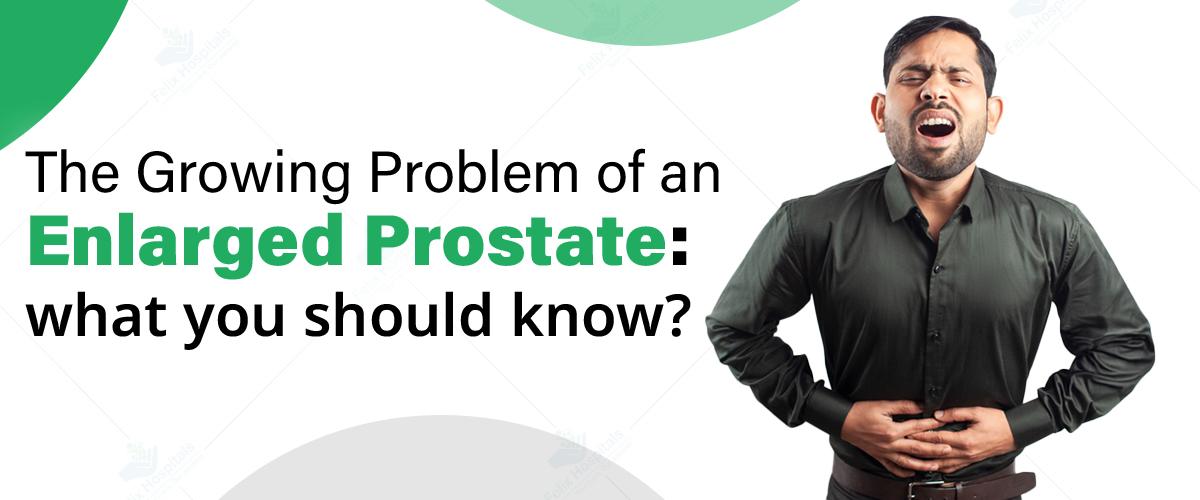
An enlarged prostate, clinically known as benign prostatic hyperplasia (BPH), is a prevalent condition among men, particularly as they age. This non-cancerous enlargement of the prostate gland can lead to a range of uncomfortable urinary symptoms that significantly impact daily life. Understanding this condition is essential for effective management and treatment. If you are looking for the best hospital for Enlarged Prostate (BPH) treatment, you will find comprehensive care tailored specifically for patients dealing with BPH at our facility.
Contact us today at +91 9667064100 to schedule a consultation and take the first step toward relief!
An enlarged prostate, medically known as benign prostatic hyperplasia (BPH), is a non-cancerous enlargement of the prostate gland that occurs as men age. The prostate is a small gland located below the bladder and surrounds the urethra, the tube that carries urine from the bladder. As the prostate enlarges, it can exert pressure on the urethra, leading to urinary difficulties. While BPH is not life-threatening, it can significantly impact a man's quality of life. Understanding this condition is crucial for effective management and treatment.
The exact cause of BPH is not completely understood, but several factors contribute to its development:
Age: The risk of developing BPH increases as men age, particularly after the age of 50. Hormonal changes that occur with aging are believed to play a significant role.
Hormonal Imbalances: Changes in hormone levels, specifically testosterone and estrogen, may contribute to prostate enlargement. As testosterone levels decline with age, the relative levels of estrogen may increase, promoting prostate growth.
Genetics: A family history of BPH may increase an individual's risk, indicating a potential genetic predisposition to the condition.
Lifestyle Factors: Obesity, lack of physical activity, and dietary habits may influence the risk of developing BPH. Some studies suggest that diets high in fat and low in fiber may be associated with a higher incidence of the condition.
Men with BPH may experience a range of symptoms due to the increased pressure on the urethra. Common symptoms include:
Frequent Urination: A need to urinate more often, especially at night (nocturia).
The urgency to Urinate: A sudden and strong urge to urinate that can lead to leakage if not addressed quickly.
Weak Urine Stream: A decrease in the force of urine flow, making it difficult to fully empty the bladder.
Difficulty Starting Urination: Hesitancy or difficulty initiating the flow of urine.
Dribbling: Leakage of urine after completing urination.
Inability to Empty the Bladder: A sensation of incomplete bladder emptying even after urination.
These symptoms can vary in severity and may worsen over time, leading to complications if left untreated.
To diagnose an enlarged prostate, healthcare providers typically follow a comprehensive approach, including:
Medical History Review: Discussing symptoms, medical history, and family history of prostate issues.
Physical Examination: A digital rectal exam (DRE) may be performed to assess the size and texture of the prostate.
Urine Tests: Testing urine for signs of infection or other abnormalities.
Blood Tests: A prostate-specific antigen (PSA) test may be conducted to evaluate the levels of PSA in the blood, which can indicate prostate issues.
Imaging Tests: Ultrasound or other imaging studies may be used to visualize the prostate and assess bladder function.
Urodynamic Testing: This may be conducted to evaluate how well the bladder and urethra are functioning.
Treatment for BPH may vary based on the severity of symptoms and their impact on quality of life. Options include:
Dietary Changes: Adopting a healthy diet rich in fruits, vegetables, and whole grains while reducing fat intake can help manage symptoms.
Physical Activity: Regular exercise can help maintain a healthy weight and may improve urinary function.
Several types of medications can be effective in managing BPH symptoms:
Alpha Blockers: These medications relax the muscles around the prostate and bladder neck, improving urine flow.
5-Alpha Reductase Inhibitors: These drugs help shrink the prostate by blocking the conversion of testosterone to dihydrotestosterone (DHT), a hormone that contributes to prostate growth.
Combination Therapy: In some cases, a combination of both medication types may be prescribed for more effective symptom relief.
For men with moderate to severe symptoms, minimally invasive procedures may be recommended:
Transurethral Resection of the Prostate (TURP): A common surgical procedure that removes excess prostate tissue to relieve pressure on the urethra.
Laser Therapy: Laser procedures can effectively reduce prostate size and improve urine flow with minimal side effects.
Prostatic Urethral Lift (Urolift): A newer procedure that uses implants to hold the prostate tissue away from the urethra.
In cases where other treatments are ineffective or symptoms are severe, surgical intervention may be necessary. The cost of prostate surgery in Noida can vary based on the type of procedure and the healthcare facility.
While it may not be possible to prevent BPH entirely, several lifestyle choices can help reduce the risk or manage symptoms:
Maintain a Healthy Weight: Obesity is linked to an increased risk of BPH, so a balanced diet and regular exercise are important.
Stay Hydrated: Drinking enough fluids is crucial, but try to limit fluid intake in the evening to reduce nighttime urination.
Limit Caffeine and Alcohol: These substances can irritate the bladder and exacerbate urinary symptoms.
Regular Check-Ups: Routine visits to a urologist can help monitor prostate health and address any concerns early on.
At Felix Hospitals, we pride ourselves on having some of the best doctors for Enlarged Prostate (BPH) treatment. One of our leading specialists is Dr. Bhanwar All Barkesiya, a highly skilled urologist with extensive experience in diagnosing and treating prostate conditions. Dr. Barkesiya is known for his patient-centered approach and commitment to utilizing the latest medical advancements to provide optimal care.
Felix Hospital provides comprehensive and advanced Prostate Surgery in Noida, ensuring safe procedures and faster patient recovery.
An enlarged prostate (BPH) is a common condition that affects many men as they age. While it can cause uncomfortable symptoms and impact quality of life, effective treatment options are available. Understanding the causes, symptoms, and potential treatments for BPH can empower men to seek help and improve their overall well-being. If you are experiencing symptoms of an enlarged prostate or have concerns about your prostate health, reach out to Felix Hospital, where we offer personalized care tailored to your needs.
1-What is an enlarged prostate (BPH)?
ANS: An enlarged prostate, or benign prostatic hyperplasia (BPH), is a non-cancerous enlargement of the prostate gland that occurs with aging, leading to urinary difficulties.
2-What are the common symptoms of BPH?
ANS: Symptoms include frequent urination, urgency to urinate, weak urine stream, difficulty starting urination, dribbling, and a sensation of incomplete bladder emptying.
3-How is BPH diagnosed?
ANS: Diagnosis typically involves a medical history review, physical examination, urine tests, blood tests (including PSA), imaging tests, and urodynamic testing.
4-What treatment options are available for BPH?
ANS: Treatment options include lifestyle modifications, medications, minimally invasive procedures, and surgical intervention.
5-What is the cost of prostate surgery in Noida?
ANS: The cost of prostate surgery can vary based on the type of procedure and healthcare facility. It's best to consult with your healthcare provider for specific pricing at Felix Hospital.
6-How can I prevent an enlarged prostate?
ANS: While it may not be entirely preventable, maintaining a healthy weight, staying hydrated, limiting caffeine and alcohol, and having regular check-ups can help manage risk factors associated with BPH.
If you suspect that you or your child may have enlarged adenoids, visiting a specialized facility like the adenoid swelling hospital in Noida can provide the necessary diagnosis and treatment.
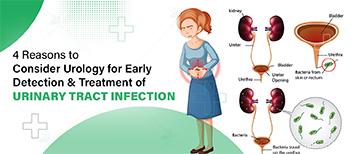
One of the best hospitals for urinary tract treatment in Noida offers comprehensive urology care, featuring expert urologists and advanced diagnostic and treatment facilities.

Urological health is vital for well-being, influenced by diet and exercise. Good nutrition and activity help prevent conditions like UTIs, kidney stones, and cancers.
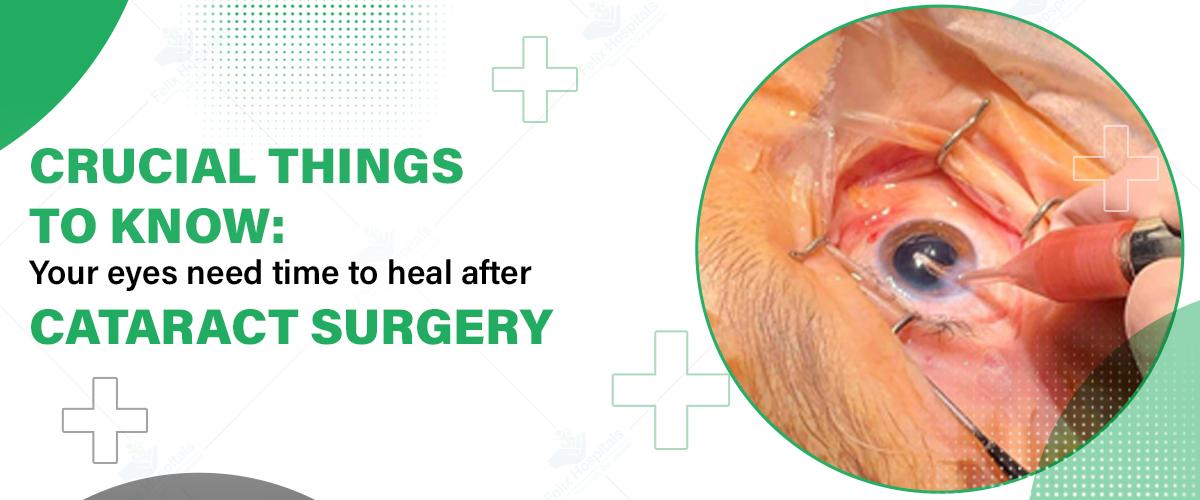
Cataract surgery is a common and effective procedure to restore clear vision, but the recovery process is just as important to ensure optimal results. At the best Hospital for cataract surgery, they provide expert care through the best ophthalmologist in Noida, ensuring that you receive the best post-operative instructions for a smooth recovery. Understanding the healing process is crucial to avoid complications and regain your vision.
Looking to know more about cataract surgery? Contact us today at +91 9667064100.
A cataract is a condition where the eye’s natural lens becomes cloudy, leading to impaired vision. It typically affects older adults, but it can also be caused by trauma or other medical conditions. Cataract surgery is performed when the vision loss begins to interfere with daily activities such as reading, driving, or recognizing faces. The cost of cataract surgery varies depending on the complexity of the procedure, the type of intraocular lens (IOL) used, and whether advanced laser technology is required. However, our priority is to provide accessible, high-quality care for everyone.
Proper recovery after cataract surgery is essential to ensure the best results. Although the surgery is generally safe and quick, post-operative care plays a crucial role in ensuring a smooth recovery and preventing complications. Here are important steps to keep in mind for a speedy recovery:
After your cataract surgery, your ophthalmologist will provide specific instructions to ensure optimal healing. These may include using prescribed eye drops to reduce inflammation and prevent infection. It's vital to follow these guidelines carefully. Any deviation from the doctor's instructions could lead to complications like infection or delayed healing. It's equally important to understand which activities to avoid and how to manage your eye care routine.
In the days following surgery, avoid activities that strain your eyes, such as reading, watching television, or spending long periods on mobile devices or computers. Allowing your eyes to rest reduces the chances of irritation and helps the healing process. If you feel discomfort or dryness, consult your doctor for proper care tips, but avoid rubbing your eyes.
To protect your eyes from unnecessary pressure, avoid lifting heavy objects or engaging in strenuous physical activity for at least two weeks after surgery. Increased pressure can interfere with the healing process and potentially cause issues with your lens implant. Light walking and stretching are typically safe but always check with your doctor for specific guidelines based on your case.
After surgery, your eyes are particularly vulnerable to infections. Be mindful of your hygiene while bathing and washing your face. Avoid letting water, soap, shampoo, or any chemical products come in contact with your eyes during the first few days post-surgery. Your doctor may recommend using a protective eye shield while sleeping to avoid accidental contact with your eyes.
After Cataract surgery, your eyes may become more sensitive to light, especially sunlight. Always wear sunglasses outdoors to shield your eyes from harmful UV rays and dust particles. This will help protect your eyes during the healing process and reduce discomfort caused by bright light. Choose a pair of sunglasses with 100% UV protection for maximum safety.
While it may seem harmless, applying makeup near your eyes can increase the risk of infection. Avoid using mascara, eyeliner, and eyeshadow for at least two weeks after surgery. Additionally, steer clear of other personal care products like face creams and lotions around the eyes during the initial healing phase.
Regular follow-up appointments with your ophthalmologist are crucial to ensure your eyes are healing as expected. These check-ups help monitor your recovery and detect any early signs of complications, such as infection or issues with the lens implant. Be sure to attend all scheduled appointments and communicate any concerns you may have about your healing process.
It is normal to experience mild discomfort, itching, or slight blurriness in the days following cataract surgery. Over-the-counter pain relief can help alleviate mild discomfort, but avoid taking any medications not approved by your doctor. If you experience significant pain, increased redness, or vision changes, contact your ophthalmologist immediately.
If you are searching for the best cataract surgeon near me so, At Felix Hospital, our team of the best ophthalmologists in Noida, including Dr. Deepanjali Arya and Dr. Mohmad Uzair Zakai, ensures that each cataract surgery is performed with precision and care. Recognized as one of the best hospitals for cataract surgery, we use state-of-the-art technology and follow a patient-centric approach. Our ophthalmologists provide continuous post-operative follow-up to ensure smooth recovery. With a strong focus on affordable, high-quality care, Felix Hospital is committed to delivering the best possible outcomes for all cataract patients.
Are you or a loved one struggling with cataracts? Book a consultation with the best ophthalmologist in Noida today by Clicking Here.
Healing after cataract surgery requires time and care, but with the right precautions, you can recover successfully and enjoy improved vision. Felix Hospital is here to guide you through the process, offering expert care and support at every stage. Take the first step towards better eye health by consulting with our ophthalmology team.
1-What is cataract surgery?
ANS: Cataract surgery is the removal of the cloudy lens in your eye, which is then replaced with an artificial lens to restore clear vision.
2-How long does cataract surgery take?
ANS: The procedure typically takes about 15-30 minutes, but you should expect to spend a few hours at the hospital for preparation and recovery.
3-Is cataract surgery painful?
ANS: No, cataract surgery is generally not painful. Local anesthesia is used to numb the eye, and most patients feel little to no discomfort.
4-How much does cataract surgery cost?
ANS: The cost of cataract surgery depends on several factors, including the type of lens used and whether laser technology is employed. At Felix Hospital, we offer affordable and transparent pricing.
5-How soon can I resume normal activities after cataract surgery?
ANS: You should be able to resume most daily activities within a few days, but avoid heavy lifting and strenuous exercise for at least two weeks.
6-Can both eyes be treated at the same time?
ANS: Generally, cataract surgery is performed on one eye at a time to ensure proper healing before operating on the other eye.
7-When will I notice an improvement in my vision?
ANS: Most patients notice significant improvement in vision within a few days after surgery, although it can take up to a month for complete recovery.
8-Do I still need glasses after cataract surgery?
ANS: It depends on the type of intraocular lens (IOL) used. Some patients may still need glasses for reading or other activities after surgery.
9-Is cataract surgery safe?
ANS: Yes, cataract surgery is one of the safest and most effective surgical procedures with a high success rate.
10-Why choose Felix Hospital for cataract surgery?
ANS: Felix Hospital offers comprehensive care, advanced technology, and a team of experienced ophthalmologists to ensure the best outcomes for cataract surgery
Cataract surgery is essential to restore clear vision and prevent permanent blindness. It removes the cloudy lens and replaces it with an artificial one, helping patients regain normal sight and quality of life.
As cataracts progress, they scatter and block light, leading to vision issues.

Discover 10 lesser-known facts about cataract surgery, including treatment options, recovery tips, and costs. Learn what you need to know before undergoing surgery.

Heart disease remains a leading cause of death globally, affecting millions of people each year. While chest pain is often considered the hallmark symptom, heart disease can manifest in many subtle ways that are easy to overlook. Recognizing these signs early is crucial for preventing more severe health complications, such as heart attacks or strokes. Let’s delve into seven subtle signs of heart disease that you should never ignore in 2024.
Book an appointment now and give your heart the care it deserves by Calling +91 9667064100.
Shortness of breath, or dyspnea, can be one of the earliest signs of heart disease. Often dismissed as a sign of aging or being out of shape, it can be a red flag for conditions like heart failure or coronary artery disease.
When the heart struggles to pump blood efficiently, fluid can build up in the lungs, leading to breathlessness. You may notice this symptom during physical activities, like walking or climbing stairs, or even while lying down.
Difficulty breathing during mild physical activity
Shortness of breath when lying flat
Frequent need to sit upright to breathe easier
If you experience these symptoms, it’s important to consult a healthcare professional for evaluation.
Everyone feels tired from time to time, but unexplained and persistent fatigue can indicate that your heart is struggling to pump enough blood to meet your body’s needs. This is particularly concerning if you notice extreme tiredness even after restful sleep or during everyday tasks.
Heart disease affects the flow of oxygenated blood, which can leave you feeling drained. Women, in particular, may experience fatigue as a prominent sign of heart disease, making it vital to pay attention to your energy levels.
Fatigue that worsens over time
Feeling excessively tired after light activity
Needing more rest than usual but still feeling fatigued
Swelling in the lower extremities, medically known as edema, can be another subtle indicator of heart disease. When your heart isn't functioning properly, blood circulation slows down, causing fluid to build up in the tissues.
This can result in noticeable swelling, particularly in the legs, ankles, and feet. Left untreated, this can be a sign of worsening heart failure.
Persistent swelling, especially in the legs or feet
Swollen limbs that leave an indentation when pressed
Increasing swelling throughout the day
An irregular heartbeat, or arrhythmia, can be more than just a fleeting concern. While occasional palpitations can occur from stress or caffeine, frequent or prolonged irregular heartbeats may signal a problem with your heart’s electrical system.
Arrhythmias can lead to blood clots, stroke, or heart failure if left untreated. It's important to note if you experience feelings of fluttering, racing, or a pounding heartbeat, particularly when at rest.
A racing or fluttering heartbeat
Dizziness or lightheadedness accompanying palpitations
Persistent irregular heartbeat, even during rest
Believe it or not, indigestion or nausea can sometimes be related to heart disease. Often mistaken for gastrointestinal issues, these symptoms can indicate a heart problem, especially in women.
During a heart attack, the pain isn't always confined to the chest. It can radiate to other areas, including the stomach, leading to nausea, bloating, or even vomiting.
Persistent or sudden indigestion unrelated to food
Nausea or vomiting, especially when combined with other heart symptoms
Discomfort in the upper abdomen or chest
While chest pain is the most recognized sign of heart disease, pain in the jaw, neck, or back can also be a warning sign, particularly for women. This discomfort might be mild or come and go, making it easy to overlook or attribute to something else.
These pains can occur during physical activity or stress, and they often improve with rest. However, if you're experiencing them without a clear cause, they could indicate an issue with your heart.
Unexplained pain in the jaw, neck, or back
Discomfort that radiates from the chest to these areas
Pain that worsens with activity and improves with rest
Sudden cold sweats or unexplained lightheadedness can be signs that your heart is under stress. These symptoms can occur when the heart is not pumping enough blood to supply oxygen to the brain and other organs.
While many people might dismiss these symptoms as signs of dehydration or anxiety, they can be early indicators of an impending heart attack or another serious heart condition.
Breaking out in a cold sweat without exertion
Feeling lightheaded or dizzy for no clear reason
Sudden nausea or clammy skin
Recognizing the signs of heart disease is only the first step. To prevent the progression of heart disease, it’s essential to undergo regular heart health screenings. Blood tests, electrocardiograms (ECG), stress tests, and other diagnostic tools can help catch heart disease in its early stages.
At Felix Hospital, we offer the best heart health evaluations tailored to your individual needs. Our cardiologists specialize in diagnosing and treating various heart conditions to help you lead a healthy, active life.
Understanding the risk factors for heart disease can help you take preventive measures. Some of the most common risk factors include:
Age: The risk of heart disease increases with age, particularly for those over 55.
Family History: A family history of heart disease can raise your risk.
High Blood Pressure: Uncontrolled hypertension damages the arteries, making them more susceptible to blockages.
High Cholesterol: Elevated cholesterol levels contribute to plaque buildup in the arteries.
Smoking: Smoking is a major contributor to cardiovascular disease.
Diabetes: People with diabetes are more prone to heart disease due to poor blood sugar control.
Obesity: Excess weight puts added strain on the heart and can lead to other risk factors like diabetes and high blood pressure.
Sedentary Lifestyle: Lack of physical activity is a significant risk factor for heart disease.
Poor Diet: A diet high in unhealthy fats, sugar, and sodium contributes to heart disease.
At Felix Hospital, you'll find the best cardiologists in Noida, committed to delivering outstanding care for heart disease patients. Our team includes:
Dr. Rahul Arora: A highly respected cardiologist with vast experience in managing a wide range of heart conditions.
Contact us today by Clicking Here for a consultation and take the first step toward a healthier, happier heart!
Heart disease doesn’t always announce itself with a dramatic heart attack. Often, it starts with subtle, easy-to-miss signs. By understanding these symptoms and seeking timely medical advice, you can take control of your heart health. Whether it's unexplained fatigue, shortness of breath, or irregular heartbeats, don’t ignore the warning signs.
At Felix Hospital, we prioritize your heart health. Our experienced cardiologists provide personalized care, from preventive screenings to advanced treatment options, ensuring you receive the best care possible. Take action today schedule a heart health screening and give your heart the care it deserves.
1-What are the most common subtle signs of heart disease in women?
ANS: Shortness of breath, fatigue, and jaw or back pain are common subtle signs in women.
2-Can fatigue be a symptom of heart disease?
ANS: Yes, persistent and unexplained fatigue can indicate that your heart isn’t pumping efficiently.
3-How is heart disease diagnosed?
ANS: Diagnosis involves physical exams, blood tests, ECGs, stress tests, and sometimes imaging studies like echocardiograms or angiograms.
4-Can heart disease be prevented?
ANS: Yes, adopting a healthy lifestyle—like regular exercise, a balanced diet, and avoiding smoking—can reduce the risk of heart disease.
5-Is chest pain always present with heart disease?
ANS: No, heart disease can manifest without chest pain. Symptoms like fatigue, breathlessness, or back pain may be present instead.
6- Why do women experience different symptoms than men?
ANS: Women’s heart disease symptoms are often more subtle and can involve areas like the jaw, neck, or back due to differences in how cardiovascular disease affects them.
7-What is the best way to manage heart disease?
ANS: Management includes lifestyle changes, medications, and, in some cases, surgical interventions. Regular check-ups are also important.
8- How often should I get screened for heart disease?
ANS: It depends on your risk factors. If you have a family history or other risk factors, you should be screened annually or as recommended by your doctor.
9-What is the cost of heart disease treatment at Felix Hospital?
ANS: The cost depends on the type of treatment required, but Felix Hospital offers affordable and comprehensive cardiac care.
Who is the best cardiologist at Felix Hospital?
ANS: Felix Hospital has a team of expert cardiologists dedicated to providing personalized and effective care for heart disease patients.

हार्ट अटैक के मुख्य लक्षण, कारण और तुरंत किए जाने वाले उपचार के बारे में जानें। समय पर पहचान और सही इलाज से जीवन बचाया जा सकता है।

Heart attack signs early is crucial because timely intervention can significantly reduce the risk of severe complications and improve outcomes.
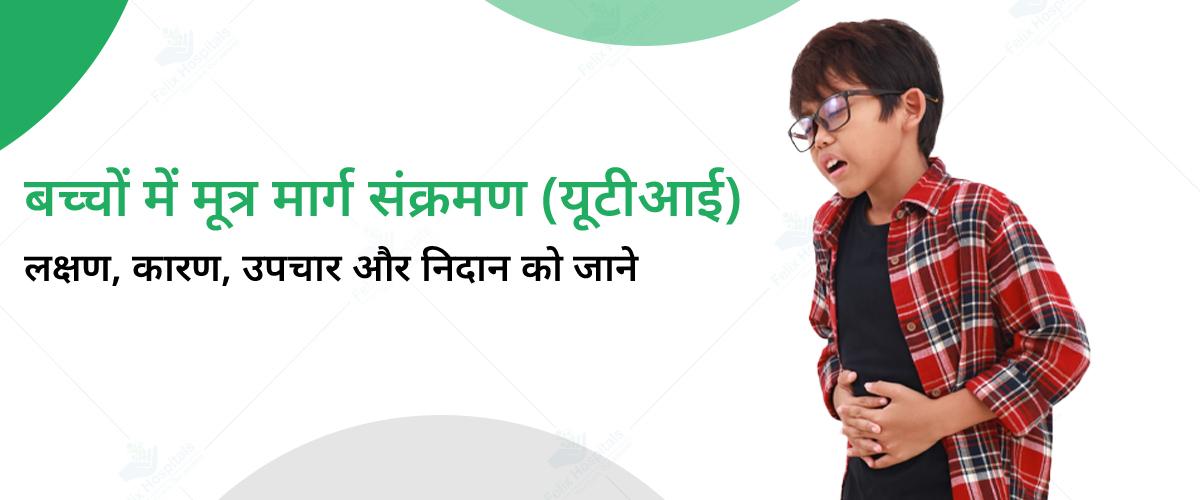
बच्चों में मूत्र मार्ग संक्रमण (यूटीआई) एक सामान्य लेकिन गंभीर स्वास्थ्य समस्या हो सकती है। यह संक्रमण तब होता है जब बैक्टीरिया मूत्र मार्ग में प्रवेश करते हैं और मूत्राशय या गुर्दे में संक्रमण पैदा करते हैं। यदि सही समय पर उपचार न किया जाए, तो यह संक्रमण गुर्दे को स्थायी रूप से क्षति पहुंचा सकता है। फेलिक्स हॉस्पिटल, जो बच्चों में मूत्र संक्रमण के लिए सर्वश्रेष्ठ अस्पताल के रूप में जाना जाता है, इस समस्या के समाधान के लिए उचित निदान और उपचार प्रदान करता है।
बच्चों में मूत्र संक्रमण के लिए सबसे अच्छा इलाज चाहिए? आज ही अपॉइंटमेंट बुक करने के लिए इस नंबर पर संपर्क करें +91 9667064100।
यूटीआई (मूत्र मार्ग संक्रमण) तब होता है जब बैक्टीरिया मूत्रमार्ग में प्रवेश करते हैं और संक्रमण उत्पन्न करते हैं। यह संक्रमण निचले मूत्र मार्ग (मूत्राशय) या ऊपरी मूत्र मार्ग (गुर्दे) में हो सकता है। बच्चों में यूटीआई विशेष रूप से चिंताजनक होता है क्योंकि वे कभी-कभी अपने लक्षणों को ठीक से व्यक्त नहीं कर पाते हैं।
बच्चों में मूत्र संक्रमण के इलाज की लागत अस्पताल, निदान की विधि, और संक्रमण की गंभीरता पर निर्भर करती है। बच्चों में मूत्र संक्रमण उपचार लागत के लिए फेलिक्स हॉस्पिटल में विशेषज्ञ से संपर्क करना एक उचित विकल्प हो सकता है।
फेलिक्स हॉस्पिटल में बच्चों की देखभाल के लिए विशेषज्ञ डॉक्टरों की टीम उपलब्ध है। डॉ. विश्रुत सिंह, डॉ. प्रभात कुमार, और डॉ. नीरज कुमार बच्चों में मूत्र मार्ग संक्रमण के निदान और उपचार में अनुभवी हैं। यह टीम बच्चों की समस्याओं को समझते हुए सर्वोत्तम चिकित्सा प्रदान करती है और परिवारों को सही सलाह देती है। फेलिक्स हॉस्पिटल में आने वाले बच्चों को व्यक्तिगत ध्यान और देखभाल दी जाती है, जिससे उनके स्वास्थ्य में तेजी से सुधार होता है। यदि आप बच्चों में मूत्र संक्रमण के लिए सर्वश्रेष्ठ डॉक्टर की तलाश कर रहे हैं, तो फेलिक्स हॉस्पिटल में अपॉइंटमेंट बुक करें।
क्या आपके बच्चे को यूटीआई के लक्षण हो रहे हैं? यहां क्लिक करें और आज ही बच्चों में मूत्र मार्ग संक्रमण का सर्वोत्तम उपचार प्राप्त करें!
बच्चों में मूत्र मार्ग संक्रमण एक गंभीर समस्या हो सकती है, लेकिन इसे सही समय पर पहचाना और उपचारित किया जा सकता है। माता-पिता को बच्चों के लक्षणों को नजरअंदाज नहीं करना चाहिए और उचित निदान और उपचार के लिए विशेषज्ञ डॉक्टर से संपर्क करना चाहिए। फेलिक्स हॉस्पिटल जैसे प्रतिष्ठित अस्पताल में बच्चों के यूटीआई का सटीक निदान और उपचार प्राप्त किया जा सकता है। यहां के विशेषज्ञ डॉक्टर और आधुनिक सुविधाएं आपके बच्चे की सेहत को सुधारने में मदद कर सकते हैं।
Q-बच्चों में मूत्र मार्ग संक्रमण (यूटीआई) क्या है?
A- मूत्र मार्ग संक्रमण (यूटीआई) एक संक्रमण है जो तब होता है जब बैक्टीरिया मूत्र मार्ग में प्रवेश करते हैं और मूत्राशय या गुर्दे में संक्रमण फैलाते हैं।
Q-बच्चों में यूटीआई के सामान्य लक्षण क्या हैं?
A- सामान्य लक्षणों में पेशाब के समय जलन, बुखार, बार-बार पेशाब आना, पेट दर्द, और पेशाब की दुर्गंध शामिल हैं।
Q-बच्चों में यूटीआई का मुख्य कारण क्या है?
A- यूटीआई का मुख्य कारण ई.कोलाई बैक्टीरिया है, जो मूत्रमार्ग में प्रवेश करके संक्रमण पैदा करता है।
Q-यूटीआई का निदान कैसे किया जाता है?
A- यूटीआई का निदान मूत्र परीक्षण, मूत्र कल्चर, और कभी-कभी अल्ट्रासाउंड या अन्य इमेजिंग परीक्षणों से किया जाता है।
Q-बच्चों में मूत्र मार्ग संक्रमण के उपचार में क्या शामिल है?
A- उपचार में एंटीबायोटिक्स, दर्द निवारक, और कभी-कभी जीवनशैली में बदलाव शामिल होते हैं।
Q-बच्चों में मूत्र संक्रमण की उपचार लागत क्या होती है?
A- उपचार की लागत अस्पताल, निदान, और संक्रमण की गंभीरता पर निर्भर करती है। फेलिक्स हॉस्पिटल में उचित और पारदर्शी उपचार लागत उपलब्ध होती है, जहां आप विशेषज्ञ डॉक्टरों से परामर्श कर सकते हैं।
Q-क्या बच्चों में यूटीआई को रोका जा सकता है?
A- हां, बच्चों में साफ-सफाई बनाए रखना, नियमित पानी पिलाना और बच्चों को समय पर बाथरूम जाने की आदत डालना मूत्र मार्ग संक्रमण की रोकथाम में मदद कर सकता है।
Q-फेलिक्स हॉस्पिटल में यूटीआई का इलाज क्यों कराया जाए?
A- फेलिक्स हॉस्पिटल में बच्चों के मूत्र मार्ग संक्रमण के उपचार के लिए विशेषज्ञ डॉक्टर, आधुनिक उपकरण और उत्कृष्ट देखभाल प्रदान की जाती है।
One of the best hospitals for urinary tract treatment in Noida offers comprehensive urology care, featuring expert urologists and advanced diagnostic and treatment facilities.

एनजाइना पेक्टोरिस, जिसे आमतौर पर सीने में दर्द के रूप में जाना जाता है, दिल से संबंधित एक गंभीर समस्या है। यह समस्या तब उत्पन्न होती है जब दिल को पर्याप्त ऑक्सीजन और खून नहीं मिलता है, जिससे दिल की मांसपेशियों में दर्द या बेचैनी होती है। यह दर्द मुख्य रूप से तब महसूस होता है जब दिल को सामान्य से अधिक काम करना पड़ता है, जैसे व्यायाम या भावनात्मक तनाव के दौरान। एनजाइना पेक्टोरिस के लक्षणों, कारणों और निदान को समझना आवश्यक है ताकि उचित उपचार समय पर किया जा सके। इस लेख में हम विस्तार से एनजाइना पेक्टोरिस के लक्षण, कारण, निदान और उपचार पर चर्चा करेंगे।
यदि आप इस स्थिति का सामना कर रहे हैं और एनजाइना पेक्टोरिस के लिए सर्वश्रेष्ठ अस्पताल की तलाश कर रहे हैं, तो नोएडा में आपके पास उत्तम विकल्प हो सकते हैं, जहाँ अत्याधुनिक चिकित्सा सेवाएं और विशेषज्ञ डॉक्टर मौजूद हैं।
एनजाइना पेक्टोरिस के उपचार के लिए अनुभवी और विश्वसनीय डॉक्टर की आवश्यकता है? आज ही अपॉइंटमेंट बुक करने के लिए कॉल करें +91 9667064100 पर।
एनजाइना पेक्टोरिस एक चिकित्सा स्थिति है जो तब होती है जब दिल की मांसपेशियों को पर्याप्त ऑक्सीजन युक्त रक्त नहीं मिलता। यह समस्या तब उत्पन्न होती है जब कोरोनरी धमनियों में अवरोध या संकीर्णता के कारण रक्त प्रवाह कम हो जाता है। एनजाइना पेक्टोरिस को दो मुख्य प्रकारों में विभाजित किया जा सकता है:
स्थिर एनजाइना (Stable Angina): यह तब होता है जब सीने में दर्द या बेचैनी शारीरिक परिश्रम या तनाव के दौरान उत्पन्न होती है और आराम करने पर ठीक हो जाती है।
अस्थिर एनजाइना (Unstable Angina): यह एक गंभीर स्थिति है जिसमें सीने का दर्द अचानक और बिना किसी शारीरिक गतिविधि के होता है, और यह संकेत हो सकता है कि आपको दिल का दौरा पड़ने का खतरा है।
एनजाइना पेक्टोरिस का मुख्य कारण कोरोनरी धमनियों में अवरोध होता है, जो एथेरोस्क्लेरोसिस (धमनियों में चर्बी जमा होना) के कारण होता है। इसके अलावा, कई और भी कारक हो सकते हैं जो एनजाइना पेक्टोरिस का कारण बन सकते हैं:
धूम्रपान: धूम्रपान दिल की धमनियों को संकीर्ण करता है और एनजाइना का खतरा बढ़ाता है।
उच्च रक्तचाप (Hypertension): उच्च रक्तचाप से दिल पर अधिक दबाव पड़ता है, जिससे एनजाइना का जोखिम बढ़ जाता है।
मोटापा: अधिक वजन या मोटापा दिल की धमनियों को अवरुद्ध करने का एक प्रमुख कारण है।
मधुमेह (Diabetes): मधुमेह से दिल की धमनियों में रुकावट का खतरा बढ़ जाता है।
तनाव और चिंता: लगातार तनाव और मानसिक दबाव से दिल पर नकारात्मक प्रभाव पड़ता है, जिससे एनजाइना पेक्टोरिस का खतरा बढ़ जाता है।
कोलेस्ट्रॉल का उच्च स्तर: उच्च कोलेस्ट्रॉल से धमनियों में पट्टिका जमा होती है, जिससे रक्त प्रवाह में बाधा उत्पन्न होती है।
अनुचित आहार और शारीरिक निष्क्रियता: असंतुलित आहार और शारीरिक निष्क्रियता से दिल पर दबाव बढ़ता है, जिससे एनजाइना पेक्टोरिस का खतरा बढ़ सकता है।
एनजाइना पेक्टोरिस के लक्षण आमतौर पर निम्नलिखित होते हैं:
सीने में दर्द या दबाव: दिल के बीचों-बीच भारीपन या दबाव जैसा महसूस होना।
हाथों, गर्दन, जबड़े या पीठ में दर्द: सीने का दर्द अन्य अंगों में भी फैल सकता है, जैसे कि बाएं हाथ, गर्दन, या पीठ।
सांस लेने में कठिनाई: हल्का व्यायाम या परिश्रम करने के बाद सांस लेने में दिक्कत हो सकती है।
थकान: सामान्य से अधिक थकान महसूस होना।
पसीना आना: अचानक अत्यधिक पसीना आना।
चक्कर आना: बेहोशी जैसा महसूस होना या हल्का चक्कर आना।
सीने में भारीपन या जलन: यह अक्सर हार्टबर्न या एसिड रिफ्लक्स की तरह भी महसूस हो सकता है।
एनजाइना पेक्टोरिस के निदान के लिए डॉक्टर कुछ विशेष परीक्षण करते हैं ताकि यह सुनिश्चित किया जा सके कि दर्द दिल से संबंधित है या नहीं। इन परीक्षणों में निम्नलिखित शामिल हैं:
इलेक्ट्रोकार्डियोग्राम (ECG): दिल की विद्युत गतिविधियों की जांच करता है।
इकोकार्डियोग्राम: यह दिल की धड़कनों और धमनियों की संरचना की जाँच करता है।
स्ट्रेस टेस्ट: शारीरिक गतिविधि के दौरान दिल की क्षमता को परखा जाता है।
कॉरोनरी एंजियोग्राफी: दिल की धमनियों में किसी भी अवरोध का पता लगाने के लिए किया जाने वाला विशेष परीक्षण।
ब्लड टेस्ट: ब्लड में ट्रोपोनिन और कोलेस्ट्रॉल का स्तर मापा जाता है।
एनजाइना पेक्टोरिस का इलाज इसके कारणों और गंभीरता पर निर्भर करता है। आम तौर पर, इसका उपचार दवाओं, जीवनशैली में बदलाव और गंभीर मामलों में सर्जिकल प्रक्रियाओं से किया जाता है। एनजाइना पेक्टोरिस उपचार की लागत विभिन्न कारकों पर निर्भर करती है, जैसे कि उपचार का प्रकार और अस्पताल की सुविधाएं। यहाँ कुछ प्रमुख उपचार विकल्प दिए गए हैं:
दवाएं: नाइट्रेट्स, बीटा-ब्लॉकर्स, कैल्शियम चैनल ब्लॉकर्स, एस्पिरिन, और स्टैटिन जैसी दवाएं एनजाइना के लक्षणों को कम करने और रक्त प्रवाह में सुधार करने में मदद करती हैं।
एंजियोप्लास्टी: संकीर्ण धमनियों को खोलने के लिए एक छोटी ट्यूब (स्टेंट) डाली जाती है।
कोरोनरी बाईपास सर्जरी: अवरुद्ध धमनियों को बाईपास करके रक्त प्रवाह को बहाल करने के लिए सर्जरी की जाती है।
जीवनशैली में बदलाव: स्वस्थ आहार, नियमित व्यायाम, और धूम्रपान से बचना एनजाइना के लक्षणों को नियंत्रित करने में मदद करता है।
एनजाइना पेक्टोरिस से बचाव के लिए कुछ आवश्यक कदम उठाए जा सकते हैं:
स्वस्थ आहार: हृदय-स्वस्थ आहार जिसमें फल, सब्जियां, साबुत अनाज, और मछली शामिल हो, खाएं।
नियमित व्यायाम: नियमित शारीरिक गतिविधि जैसे पैदल चलना, योग या साइकिलिंग करें।
धूम्रपान छोड़ें: तम्बाकू से दिल की बीमारियों का खतरा बढ़ता है, इसलिए धूम्रपान से बचें।
रक्तचाप और कोलेस्ट्रॉल का नियंत्रण: रक्तचाप और कोलेस्ट्रॉल के स्तर को नियंत्रित रखें।
तनाव प्रबंधन: तनाव को कम करने के लिए ध्यान, योग और अन्य मानसिक स्वास्थ्य प्रथाओं का पालन करें।
फेलिक्स हॉस्पिटल में एनजाइना पेक्टोरिस उपचार के लिए सर्वोत्तम डॉक्टर उपलब्ध हैं। यहाँ डॉ. राहुल अरोरा जैसे प्रसिद्ध चिकित्सक आपके उपचार में सहायता करते हैं। इन डॉक्टरों के पास एनजाइना पेक्टोरिस के उपचार के लिए व्यापक अनुभव और आधुनिक तकनीकों का ज्ञान है, जो आपकी स्थिति के लिए सर्वोत्तम उपचार प्रदान करते हैं।
यदि आपको सीने में दर्द या एनजाइना पेक्टोरिस के लक्षणों का अनुभव हो रहा है, तो देरी न करें। यहां क्लिक करें और अभी अपॉइंटमेंट बुक करें!
एनजाइना पेक्टोरिस एक गंभीर चिकित्सा स्थिति है जिसे नजरअंदाज नहीं किया जा सकता। यदि आपको सीने में दर्द, थकान, या अन्य लक्षण दिखाई देते हैं, तो समय पर निदान और उपचार करना महत्वपूर्ण है। फेलिक्स हॉस्पिटल में विशेषज्ञ डॉक्टर और अत्याधुनिक चिकित्सा सुविधाएं आपको एनजाइना पेक्टोरिस से निपटने मेंउपचार में सहायता मिलती है। जीवनशैली में बदलाव, उचित उपचार, और नियमित निगरानी से एनजाइना पेक्टोरिस को नियंत्रित किया जा सकता है। यदि आपको एनजाइना पेक्टोरिस के लक्षण महसूस होते हैं, तो फेलिक्स हॉस्पिटल में विशेषज्ञ डॉक्टरों से संपर्क करें, जहां उचित देखभाल और आधुनिक तकनीकों के साथ आपकी समस्या का निदान और उपचार किया जाएगा।
Q:एनजाइना पेक्टोरिस क्या है?
A:एनजाइना पेक्टोरिस सीने में दर्द या बेचैनी है, जो दिल की मांसपेशियों तक पर्याप्त रक्त और ऑक्सीजन नहीं पहुंचने के कारण होता है।
Q:एनजाइना पेक्टोरिस के कारण क्या होते हैं?
A: एनजाइना पेक्टोरिस का मुख्य कारण कोरोनरी धमनियों में रुकावट होती है, जो धमनियों में चर्बी जमा होने से होती है।
Q: एनजाइना पेक्टोरिस के लक्षण क्या होते हैं?
A: इसमें सीने में दर्द, सांस लेने में कठिनाई, थकान, पसीना आना, और चक्कर आना शामिल हो सकते हैं।
Q:एनजाइना पेक्टोरिस का निदान कैसे किया जाता है?
A:इसका निदान इलेक्ट्रोकार्डियोग्राम (ECG), इकोकार्डियोग्राम, स्ट्रेस टेस्ट, और कोरोनरी एंजियोग्राफी जैसी प्रक्रियाओं से किया जाता है।
एनजाइना पेक्टोरिस का उपचार कैसे होता है? इसका उपचार दवाओं, जीवनशैली में बदलाव, एंजियोप्लास्टी, या कोरोनरी बाईपास सर्जरी से किया जाता है।
Q:क्या एनजाइना पेक्टोरिस से बचा जा सकता है?
A:हाँ, स्वस्थ आहार, नियमित व्यायाम, धूम्रपान से बचाव, और तनाव प्रबंधन के माध्यम से एनजाइना पेक्टोरिस से बचाव संभव है।
Q:एनजाइना पेक्टोरिस उपचार की लागत कितनी होती है?
A: उपचार की लागत रोग की गंभीरता और चयनित उपचार पद्धति पर निर्भर करती है। फेलिक्स हॉस्पिटल में उचित दरों पर उच्च-गुणवत्ता का इलाज उपलब्ध है।


Subscribe to our
© Copyright 2026. All Rights Reserved by Felix Healthcare Private Limited
Design and development by :


 +(91)9667064100
 Emergency : +(91)9667064100