 WhatsApp
 Emergency:
  WhatsApp







Subscribe to our
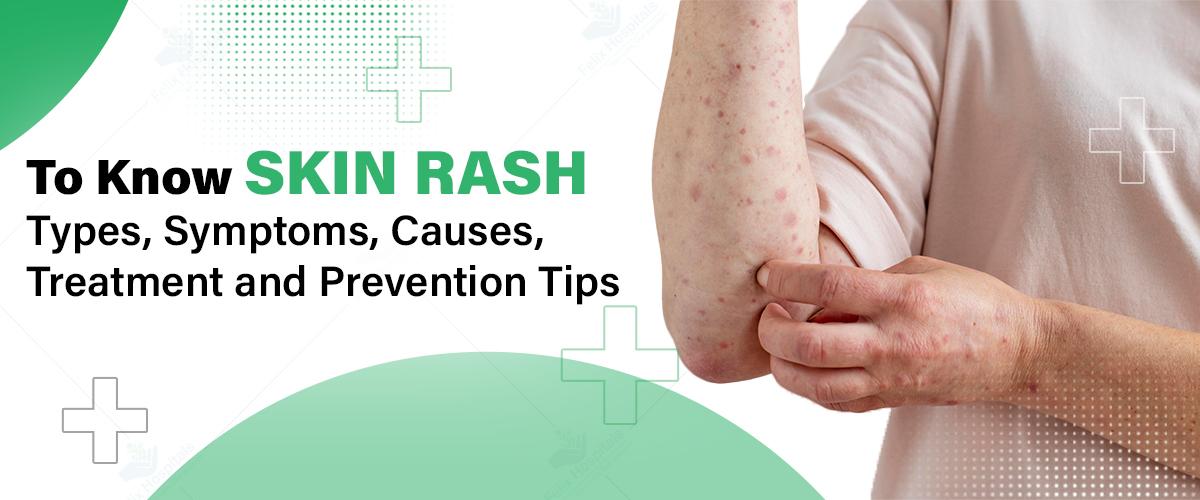
Skin rashes are a common dermatological issue that can affect individuals of all ages. They can appear suddenly and vary in appearance, location, and severity. While some rashes are mild and resolve on their own, others can be signs of underlying health conditions that require medical attention. Understanding the types of skin rashes, their symptoms, causes, and treatment options is essential for anyone experiencing skin issues. In this we aim to provide you with valuable insights into skin rashes, helping you identify and manage them effectively. For those seeking professional help, finding a reliable skin rashes treatment hospital can make a significant difference in diagnosis and care.
If you're dealing with a persistent skin rash or any dermatological concern, don’t hesitate to reach out. Contact Us today at +91 9667064100.
A skin rash is an area of skin that has become inflamed, irritated, or swollen, often resulting in changes in color, texture, and appearance. Rashes can occur for a variety of reasons and can affect any part of the body. They can be itchy, painful, or simply uncomfortable, depending on their type and underlying cause. Identifying the specific type of rash is crucial in determining the appropriate treatment.
There are numerous types of skin rashes, each with distinct characteristics. Here are some common types:
1. Eczema (Atopic Dermatitis): A chronic condition that leads to itchy, inflamed skin. It often appears in childhood and may persist into adulthood.
2. Psoriasis: An autoimmune condition that causes the rapid growth of skin cells, resulting in thick, red, scaly patches that can be itchy and painful.
3. Contact Dermatitis: A rash caused by direct contact with an irritant or allergen, leading to red, itchy skin. Common triggers include soaps, detergents, and certain plants.
4. Hives (Urticaria): Raised, itchy welts on the skin that can occur due to allergic reactions, stress, or certain medications.
5. Fungal Infections: Conditions like ringworm or candidiasis that cause red, itchy rashes due to fungal overgrowth.
6. Viral Rashes: Caused by viral infections such as chickenpox or measles, these rashes often accompany other systemic symptoms.
7. Bacterial Infections: Conditions like impetigo can lead to crusty, red rashes that may require antibiotics for treatment.
8. Seborrheic Dermatitis: A common skin condition that causes scaly patches, red skin, and stubborn dandruff, often found on the scalp and face.
The symptoms associated with skin rashes can vary significantly depending on the type and underlying cause. Common symptoms include:
Redness and inflammation
Itching or burning sensation
Dry, flaky, or scaly skin
Blisters or pustules
Crusting or oozing
Pain or tenderness in the affected area
Several factors can contribute to the development of skin rashes, including:
Allergies: Exposure to allergens such as pollen, pet dander, or certain foods can trigger allergic reactions that manifest as rashes.
Irritants: Chemicals found in soaps, detergents, and skincare products can irritate the skin, leading to contact dermatitis.
Infections: Bacterial, viral, or fungal infections can cause various types of rashes.
Chronic Conditions: Conditions such as eczema and psoriasis can result in recurrent rashes.
Environmental Factors: Changes in weather, humidity, and temperature can affect skin health, leading to rashes.
Stress: Psychological stress can exacerbate certain skin conditions, leading to flare-ups.
To diagnose a skin rash, a dermatologist will typically:
1. Conduct a Physical Examination: The doctor will inspect the rash and assess its characteristics, including its size, shape, color, and texture.
2. Review Medical History: Understanding your medical history, including any previous skin conditions and allergies, is essential for accurate diagnosis.
3. Perform Tests: In some cases, the dermatologist may recommend skin tests, blood tests, or allergy tests to determine the underlying cause of the rash.
The treatment for skin rashes depends on the type and cause. Common treatment options include:
Topical Treatments: Creams and ointments, such as corticosteroids or antihistamines, can reduce inflammation and relieve itching.
Oral Medications: Antihistamines or oral corticosteroids may be prescribed for severe rashes.
Antibiotics: If a bacterial infection is present, antibiotics may be necessary.
Antifungal Treatments: For fungal infections, antifungal creams or medications can help clear the rash.
Moisturizers: Regularly applying moisturizers can help soothe dry and irritated skin.
Lifestyle Modifications: Avoiding known triggers, such as allergens or irritants, can help manage and prevent rashes.
It's important to note that the cost of skin rashes in Noida depends on several factors, including the type of treatment required, the severity of the rash, and the healthcare facility chosen for treatment. Consulting with a dermatologist can provide clarity on the most effective treatment plan and associated costs.
Taking preventive measures can help reduce the risk of developing skin rashes:
Identify Triggers: Keep a diary of your skin reactions to identify specific allergens or irritants.
Use Gentle Products: Choose fragrance-free, hypoallergenic soaps and skincare products to minimize irritation.
Moisturize Regularly: Keeping the skin well-hydrated can prevent dryness and reduce the likelihood of rashes.
Wear Protective Clothing: If you have known allergies, wearing protective clothing can help avoid exposure.
Practice Good Hygiene: Regular bathing and handwashing can help prevent infections that lead to rashes.
We have a team of experienced skin rashes doctors, including Dr. Kusum Gupta, who specialize in diagnosing and treating a wide range of skin conditions. They are dedicated to providing personalized care and effective treatment plans to help you achieve healthy skin.
If you’re experiencing a skin rash or any skin-related concern, don’t hesitate to contact Felix Hospital. Our dermatology team is here to help you Click Here for more information.
Understanding skin rashes, their types, symptoms, causes, and treatment options is crucial for effective management. With the right knowledge and support, you can take control of your skin health and seek appropriate care when needed. If you have any concerns about a skin rash, consult a dermatologist to receive personalized advice and treatment tailored to your specific situation. Prioritize your skin health today for a brighter, healthier tomorrow.
1. What are the common causes of skin rashes?
ANS: Skin rashes can be caused by allergies, irritants, infections (bacterial, viral, or fungal), chronic conditions like eczema and psoriasis, environmental factors, and even stress.
2. How can I identify the type of rash I have?
ANS: Identifying a rash often involves looking at its appearance, location, and accompanying symptoms. A dermatologist can provide a more accurate diagnosis through a physical examination and possibly additional tests.
3. When should I seek medical attention for a skin rash?
ANS: You should seek medical attention if the rash is persistent, worsening, accompanied by fever, swelling, or pain, or if you experience difficulty breathing or other severe symptoms.
4. What treatments are available for skin rashes?
ANS: Treatments vary based on the type and cause of the rash but may include topical treatments, oral medications, antibiotics for infections, antifungal treatments, and lifestyle modifications.
5. Are there any preventive measures I can take to avoid skin rashes?
ANS: Yes, you can prevent skin rashes by identifying and avoiding triggers, using gentle and hypoallergenic products, moisturizing regularly, wearing protective clothing, and practicing good hygiene.
6. Can skin rashes be a sign of a more serious condition?
ANS: Yes, some skin rashes can indicate underlying health issues, so it's essential to consult a dermatologist for a thorough evaluation if you notice unusual or persistent rashes.
7. How can I choose the right dermatologist for my skin concerns?
ANS: Look for a dermatologist with experience in treating your specific condition, positive patient reviews, and one who offers a comprehensive approach to skin health. Consulting with a hospital or clinic with a strong dermatology department, like Felix Hospital, can also be beneficial.

Certain skin disorders aren’t preventable, including genetic conditions and some skin problems due to other illnesses.

Atopic dermatitis eczema is a chronic inflammatory skin disease that results in itchy, red, and scaly patches on the skin
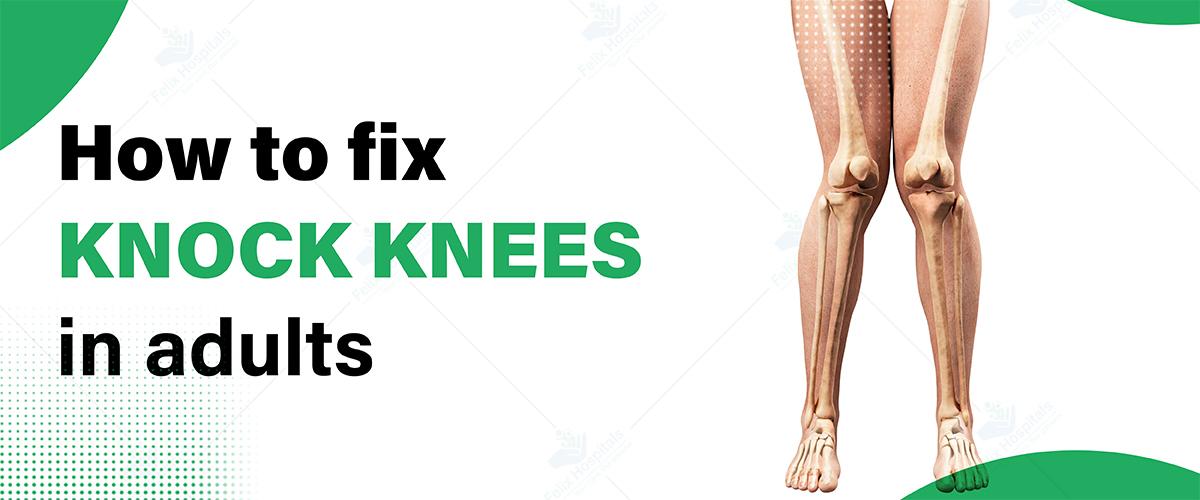
Knock knees, or "genu valgum," is a common condition where a person's knees touch while standing, resulting in a gap between the ankles. This alignment can be concerning for both aesthetic and functional reasons. Understanding knock knees involves recognizing its types, symptoms, causes, diagnosis methods, and treatment options. In this blog, we’ll delve into each of these aspects to provide a comprehensive overview.
For personalized advice on managing knock knees, call us at +91 9667064100 or Click here to schedule a consultation.
Knock knees occur when the knees angle inward, leading to the appearance of a bow-legged stance when viewed from the front. This condition can affect individuals of all ages but is particularly noticeable in children during their growth spurts.
The symptoms of knock knees in adults can vary in severity, often impacting daily activities and quality of life. Common signs include:
Knee Alignment Issues: A visible inward angling of the knees when standing with feet apart, resulting in a gap between the ankles.
Gait Abnormalities: Individuals may have an altered walking pattern, often leading to a waddling or uneven gait.
Pain and Discomfort: Persistent pain in the knees, hips, or lower back due to changes in leg alignment and biomechanics.
Swelling: Some adults experience swelling around the knees, particularly after physical activity.
Reduced Mobility: Difficulty with activities like running, jumping, or climbing stairs.
Fatigue: Increased leg fatigue after prolonged standing, walking, or physical exertion.
Incorporating knock knees exercises for adults can be beneficial in managing these symptoms, helping to strengthen muscles around the knees, hips, and core to support better alignment and mobility.
In adults, knock knees can result from several factors:
Genetic Factors: A family history of knock knees may increase susceptibility.
Nutritional Deficiencies: Long-term vitamin D or calcium deficiencies can weaken bones, affecting knee alignment.
Injuries: Past trauma to the knee or leg can lead to alignment issues, especially if the injury did not heal properly.
Obesity: Excess body weight puts additional stress on the knees, contributing to misalignment.
Arthritis: Conditions like osteoarthritis can alter the structure of the knee joint, leading to deformities.
Previous Growth Disorders: Certain childhood growth plate issues, if left untreated, may persist into adulthood.
Physical Examination: A healthcare provider will assess the knee alignment and joint stability while standing and walking.
Medical History: A review of family history, symptoms, past injuries, or other medical conditions.
Imaging Tests: X-rays or MRIs may be conducted to evaluate knee joint alignment, bone structure, and cartilage health.
Gait Analysis: Observing walking patterns to understand the extent to which knock knees affect mobility.
Blood Tests: If a nutritional deficiency or other health condition is suspected, blood tests may be ordered.

Fixing knock knees in adults involves several steps to improve knee alignment and reduce discomfort. Here’s a concise guide on how to address this condition effectively:
Consult a Healthcare Professional: Begin by visiting an orthopedic doctor or physical therapist. They can assess your condition, perform physical exams, and take X-rays to evaluate knee alignment.
Physical Therapy: Engaging in targeted knock knees exercises for adults can strengthen the muscles around the knees, hips, and core. Here are some effective exercises:
1) Squats: Stand with your feet shoulder-width apart and lower your body as if sitting in a chair. Keep your back straight and knees behind your toes.
2) Leg Raises: Lie on your side and lift the top leg while keeping it straight. This targets the hip abductors, which can improve alignment.
3) Side Leg Lifts: Stand and hold onto a sturdy surface for balance. Lift one leg to the side, keeping it straight, and lower it back down.
4) Bridges: Lie on your back with your knees bent. Lift your hips towards the ceiling, squeezing your glutes, and lower back down.
5) Calf Raises: Stand on the edge of a step and lift your heels, then lower them back down for improved calf strength.
Weight Management: Maintaining a healthy weight is crucial since excess weight can place additional strain on the knees. Incorporate a balanced diet and engage in low-impact activities like swimming, cycling, or walking to assist with weight management.
Surgical Options: In severe cases or when conservative treatments are ineffective, surgical interventions like osteotomy or knee replacement may be necessary.
Get advanced and better treatment from our experienced doctors:
Dr. Piyush Kumar Singh, Dr. Keshav Goel, and Dr. Binay Kumar Sahu at the best orthopedic hospital in Noida. With their expertise and dedication, you can trust that you are in good hands for your healthcare needs. Each doctor brings a wealth of knowledge and experience, ensuring you receive the highest quality of care tailored to your specific needs. Your health is our priority!
For personalized treatment options, call us at +91 9667064100 or click here to schedule an appointment.
Knock knees can be a source of discomfort and functional challenges for many individuals. Understanding the types, symptoms, causes, and treatment options is essential for effective management. Early diagnosis and appropriate intervention can lead to improved outcomes and quality of life. If you or someone you know is experiencing symptoms of knock knees, consulting with a healthcare professional at a super speciality hospital in Noida can provide clarity and guidance on the best course of action. Expert care ensures accurate diagnosis, personalized treatment, and better results.
Q1) What age group is most affected by knock knees?
Ans: Knock knees are most common in children aged 2 to 5 years but can occur at any age.
Q2) Can knock knees be prevented?
Ans: While some cases are natural during growth, maintaining a healthy diet and weight may help prevent severe misalignment.
Q3) Is surgery always necessary to knock knees?
Ans: No, surgery is typically reserved for severe cases or when conservative treatments fail.
Q4) How long does it take to correct knock knees?
Ans: The duration of correction depends on the severity and treatment method, ranging from weeks to several months.
Q5) Can adults develop knock knees?
Ans: Yes, adults can develop knock knees due to factors like obesity, arthritis, or past injuries.

Knock knees, medically known as genu valgum, is a common condition in young children where the knees angle inward and touch one another when the legs are straightened.
Knock knees, medically known as genu valgum, is a common condition in young children where the knees angle inward and touch one another when the legs are straightened.
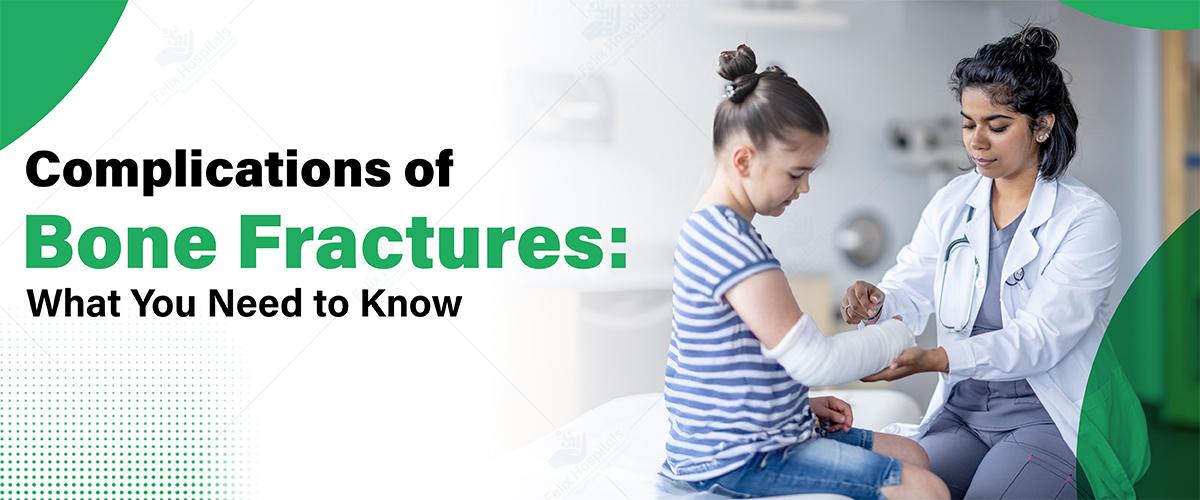
Bone fractures are common injuries that can occur due to various reasons, such as accidents, falls, sports injuries, or conditions that weaken the bones. While many fractures heal with proper care, some can lead to serious complications that affect the recovery process and overall health. Understanding these complications can help patients, caregivers, and healthcare professionals provide better management and care for individuals with fractures. Let’s explore the various complications associated with bone fractures, their causes, symptoms, diagnosis, treatment options, and preventive measures with the help of the Best Orthopedic Hospital in Noida.
Call Felix Hospital now at +91 9667064100 book your consultation and receive the best treatment options tailored to your needs.
A bone fracture occurs when there is a break in the continuity of the bone. Fractures can be classified into different types based on various factors:
Type of Fracture: Simple (closed) fractures, where the skin remains intact, and compound (open) fractures, where the broken bone pierces through the skin.
Location: Fractures can occur in any bone in the body, with common sites including the arms, legs, hips, and spine.
Severity: Fractures can range from hairline fractures to complete breaks.
While most fractures heal without complications, several potential issues can arise during the recovery process. Here are some of the most common complications associated with bone fractures:
Overview: Infections are more likely to occur with compound fractures, where the bone breaks through the skin, exposing it to bacteria.
Symptoms: Symptoms may include redness, swelling, warmth around the fracture site, fever, and discharge from the wound.
Treatment: Treatment often involves antibiotics to control the infection, and in some cases, surgical intervention may be required to clean the wound and remove any necrotic tissue.
Overview: Nonunion occurs when a fractured bone fails to heal properly, leaving the fracture site unconnected.
Causes: Factors contributing to nonunion include inadequate blood supply, infection, smoking, poor nutrition, and certain medical conditions.
Symptoms: Patients may experience persistent pain, swelling, and decreased function of the affected limb.
Treatment: Treatment options may include surgical intervention to stabilize the fracture, bone grafting to promote healing, or the use of electrical stimulation to enhance bone regeneration.
Overview: Malunion occurs when a fracture heals incorrectly, resulting in an improper alignment of the bone.
Symptoms: Symptoms may include deformity, pain, and functional limitations.
Treatment: Malunion may require surgical correction, which involves breaking the bone and properly aligning it for optimal healing.
Overview: Avascular necrosis (AVN) occurs when the blood supply to a bone is disrupted, leading to bone death. This complication is often associated with fractures of the femoral head in the hip joint.
Causes: AVN can be caused by trauma, long-term use of corticosteroids, excessive alcohol consumption, or certain medical conditions.
Symptoms: Patients may experience pain, stiffness, and reduced range of motion in the affected joint.
Treatment: Treatment options at the best orthopedic hospital in Noida include pain management, physical therapy, and in severe cases, surgical interventions such as joint replacement.
Overview: Compartment syndrome is a serious condition that occurs when swelling or bleeding within a compartment (a group of muscles, nerves, and blood vessels) increases pressure and restricts blood flow.
Causes: It is often associated with fractures, especially in the forearm and leg.
Symptoms: Symptoms may include severe pain, swelling, numbness, and decreased pulse in the affected limb.
Treatment: Compartment syndrome is a surgical emergency that requires fasciotomy (surgical release of the fascia) to relieve pressure and restore blood flow.
Overview: DVT is a condition where blood clots form in the deep veins, usually in the legs, which can occur after a fracture due to prolonged immobility.
Symptoms: Symptoms may include swelling, pain, warmth, and redness in the affected leg.
Risks: DVT can lead to serious complications, such as pulmonary embolism if the clot dislodges and travels to the lungs.
Prevention: Preventive measures may include early mobilization, physical therapy, and the use of anticoagulant medications.
Overview: Osteomyelitis is a bone infection that can occur after a fracture, especially in compound fractures.
Causes: It is typically caused by bacteria that enter the bone through the skin or from the bloodstream.
Symptoms: Symptoms may include severe pain, fever, swelling, and redness around the affected area.
Treatment: Treatment involves antibiotics and, in some cases, bone fracture surgery to remove infected tissue.
Overview: Post-traumatic arthritis can develop after a fracture, particularly in joints, and may lead to chronic pain and reduced mobility.
Causes: Damage to cartilage or joint surfaces during the fracture can increase the risk of developing arthritis.
Symptoms: Symptoms may include joint pain, stiffness, and swelling.
Treatment: Treatment options include pain management, physical therapy, and joint replacement in severe cases.
Overview: Fractures can cause nerve damage either directly through trauma or indirectly through swelling or pressure.
Symptoms: Symptoms of nerve damage may include numbness, tingling, weakness, or loss of function in the affected area.
Treatment: Treatment may involve physical therapy, medications, or surgical intervention to repair the damaged nerve.
Overview: The experience of a fracture and the subsequent recovery process can have psychological implications, leading to anxiety, depression, or post-traumatic stress disorder (PTSD).
Symptoms: Patients may experience mood swings, feelings of helplessness, or withdrawal from social activities.
Proper diagnosis of complications associated with bone fractures is essential for effective treatment. Healthcare providers may use various methods to evaluate the patient's condition:
A thorough physical examination can help identify signs of complications such as swelling, deformity, or decreased range of motion.
X-rays: X-rays are commonly used to assess the alignment of the fracture and check for signs of healing or complications such as nonunion or malunion.
MRI or CT Scans: These imaging techniques can provide detailed images of the bone and surrounding soft tissues, helping to identify complications like avascular necrosis or infections.
Blood tests may be ordered to check for signs of infection or to evaluate bone health and other underlying conditions.
The treatment of complications related to bone fractures varies depending on the specific issue. Here are some common treatment options:
Antibiotics: The prompt administration of antibiotics is crucial to control infections.
Surgical Intervention: In severe cases, bone fracture surgery may be necessary to drain abscesses or remove infected tissue.
Surgical Repair: Surgical techniques may include rebreaking the bone and realigning it or using plates, screws, or rods to stabilize the fracture site.
Bone Grafting: Bone grafting may be performed to encourage healing in cases of nonunion.
Medication: Pain management and anti-inflammatory medications may be prescribed.
Surgery: Procedures like core decompression or joint replacement may be necessary to manage severe cases.
Fasciotomy: This emergency procedure is performed to relieve pressure and restore blood flow to the affected area.
Anticoagulants: Blood-thinning medications may be prescribed to prevent the formation of blood clots.
Compression Devices: Compression stockings or devices can help improve blood circulation.
Rehabilitation is an essential component of recovery from fractures and their complications. The best orthopedic hospital in Noida provides Physical therapy that can help restore strength, flexibility, and function to the affected area.
While not all complications can be prevented, several measures can reduce the risk:
Prompt Medical Attention: Seek medical care immediately after a fracture to minimize complications.
Follow-Up Visits: Attend all follow-up appointments to monitor the healing process.
Healthy Diet: A balanced diet rich in calcium and vitamin D supports bone health.
Quit Smoking: Smoking cessation is crucial as smoking can impede healing and increase the risk of complications.
Engaging in regular exercise and strength training can improve bone density and reduce the risk of fractures.
Implementing fall prevention strategies, especially in older adults, can significantly reduce the risk of fractures. This may include maintaining a clutter-free environment, using assistive devices, and ensuring adequate lighting.
Know the best orthopedic surgeons at Felix Hospital for your bone fracture surgery and any other fracture complications:
An expert orthopedic surgeon with extensive experience in treating various bone fractures, Dr. Singh specializes in fracture management, sports injuries, and trauma care.
Dr. Keshav Goel
Dr. Keshav Goel is a skilled orthopedic specialist focusing on advanced techniques for managing complicated fractures. His expertise includes surgical repair, non-surgical management, and rehabilitation strategies that help patients regain mobility and strength.
Dr. Binay Kumar Sahu
A dedicated orthopedic surgeon, Dr. Binay Kumar Sahu has vast experience in dealing with complex bone fractures and joint disorders. He is known for his precision in fracture treatment and his commitment to providing compassionate care to his patients.
Click here to Schedule an appointment today and take the first step toward a swift and complication-free recovery.
Bone fractures are common injuries that can lead to various complications, affecting the recovery process and overall well-being of patients. Understanding these complications, their symptoms, and treatment options is crucial for patients and healthcare providers alike and visit the best orthopedic hospital in Noida. Prompt diagnosis, appropriate treatment, and preventive measures can help mitigate the risks associated with bone fractures. If you or someone you know has suffered a fracture, it's essential to work closely with healthcare professionals to ensure proper management and recovery. By taking proactive steps and being aware of potential complications, individuals can enhance their healing journey and promote better bone health in the long run.
1.What are the most common complications of bone fractures?
Ans: Some of the common complications include infections, nonunion (failure to heal), malunion (incorrect healing), avascular necrosis (bone death due to lack of blood supply), and compartment syndrome.
2.How do I know if my bone fracture is healing properly?
Ans: A healthcare professional will monitor your healing process through X-rays and physical examinations. Signs of proper healing include reduced pain, improved mobility, and normal alignment of the bone.
3.What is nonunion, and how is it treated?
Ans: Nonunion occurs when a fracture doesn’t heal properly. It may be treated with surgery to stabilize the bone, bone grafting, or electrical stimulation to promote healing.
4.Can I prevent complications from a bone fracture?
Ans: You can minimize the risk of complications by following your doctor’s advice, attending follow-up appointments, maintaining a healthy diet, avoiding smoking, and staying
active as recommended by your healthcare provider.
5.What should I do if I suspect I have an infection after a fracture?
Ans: If you notice symptoms such as fever, redness, swelling, or discharge from the fracture site, seek medical attention immediately. Infections need prompt treatment to prevent further complications.
6.How can physical therapy help after a bone fracture?
Ans: Physical therapy can aid in regaining strength, flexibility, and range of motion in the affected area. It also helps prevent stiffness and promotes overall healing.
7.What are the risks of surgery for bone fractures?
Ans: Although surgery is generally safe, risks include infection, blood clots, nerve damage, and improper bone healing. Your doctor will discuss these risks and determine the best approach for your case.
8.How long does it take for a bone fracture to heal?
Ans: The healing time for a bone fracture depends on factors like the severity of the fracture, the patient’s age, overall health, and the type of treatment received. Most fractures take several weeks to months to heal completely.

Frozen shoulder is a common condition in which the shoulder stiffens, reducing its mobility. It commonly affects people aged between 40 and 60 years, and it is more likely in women than in men.
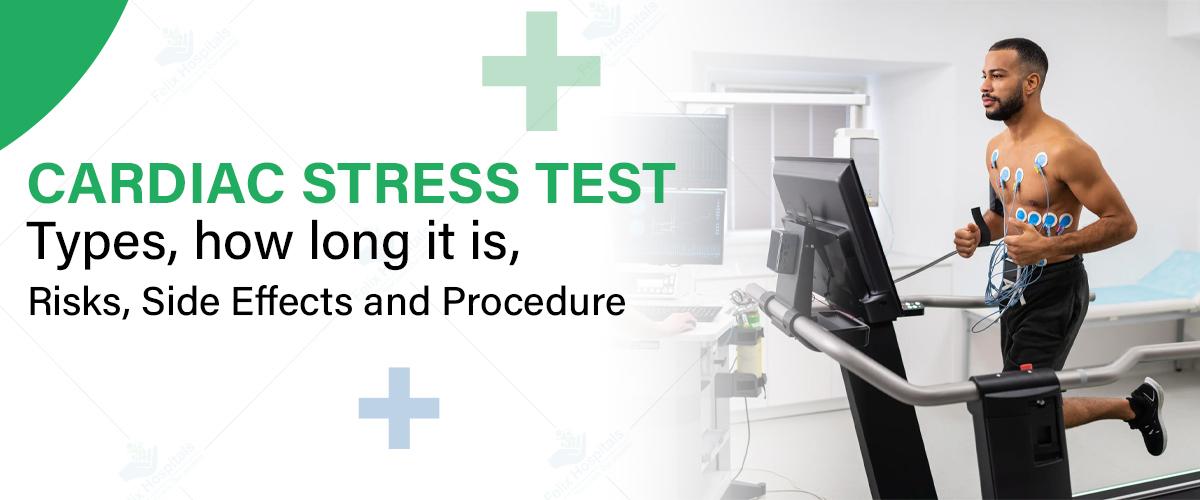
A cardiac stress test is a valuable diagnostic tool used to assess the heart's response to physical exertion or stress. It helps healthcare providers determine how well the heart functions during increased activity levels and can reveal underlying heart conditions that may not be evident at rest. This test is especially important for individuals with risk factors for heart disease and stress tests, those experiencing chest pain, or anyone undergoing preoperative evaluations. If you're seeking a Cardiac Stress Test hospital, it's crucial to choose a facility with experienced professionals who can guide you through the process. Let’s explore the different types of cardiac stress tests, how long they typically last, associated risks and side effects, the procedure itself, and the treatment costs involved.
If you’re experiencing symptoms such as chest pain, shortness of breath, or fatigue, don’t hesitate to reach out for professional help. Contact Felix Hospital at +91 9667064100.
A cardiac stress test measures how well your heart works under physical stress. It typically involves exercising on a treadmill or stationary bike while monitoring heart rate, blood pressure, and electrocardiogram (ECG) readings. The test can help identify issues such as coronary artery disease, arrhythmias, and other heart-related conditions. In some cases, if a patient is unable to exercise, medications may be administered to simulate the effects of exercise on the heart.
Cardiac stress tests come in various forms, each tailored to assess heart function and health under specific conditions. Understanding these different types can help you and your healthcare provider choose the most appropriate test for your situation. Here’s a more detailed look at each type:
Treadmill Stress Test: This is the most commonly performed cardiac stress test. During this test, patients walk on a treadmill, starting at a slow pace and gradually increasing the intensity. The treadmill’s incline and speed are adjusted based on a specific protocol, allowing the heart to be monitored continuously throughout the exercise. This test is particularly effective in evaluating exercise capacity and identifying any ischemic changes in the heart's electrical activity that may occur with increased physical exertion.
Exercise Bike Stress Test: Similar to the treadmill stress test, this procedure involves pedaling a stationary bike. The resistance on the bike is gradually increased, allowing healthcare professionals to monitor the heart's response to increased physical demand. This test can be more comfortable for patients who may have balance issues or difficulty walking, as it allows for a seated position while still providing valuable information about heart function.
Nuclear Stress Test: This advanced test provides detailed images of the heart’s blood flow. A small amount of radioactive material is injected into the bloodstream before and after the exercise phase. This allows doctors to visualize blood flow to the heart muscle using a special camera. By comparing images taken at rest and during stress, the test can help identify areas of the heart that may not be receiving adequate blood supply, indicating potential blockages in the coronary arteries.
Stress Echocardiogram: This test combines the principles of echocardiography with a stress test. It involves taking ultrasound images of the heart before and after exercise. The patient undergoes a treadmill or exercise bike test, and echocardiographic images are captured during different phases of the test. This dual approach provides real-time insight into the heart's structure and function under stress, helping identify abnormalities in heart motion, which can be indicative of coronary artery disease.
Pharmacologic Stress Test: For patients who are unable to exercise due to physical limitations or health conditions, a pharmacologic stress test may be utilized. In this test, medications are administered to stimulate the heart, mimicking the effects of exercise. These medications increase heart rate and induce a stress response while patients are monitored closely. Imaging techniques such as echocardiography or nuclear imaging can be used alongside this test to assess heart function.
The duration of a cardiac stress test varies depending on several factors, but the entire process typically takes between 30 to 60 minutes. This timeframe includes preparation, the actual test, and the recovery period.
Preparation: Before the test begins, you will be asked to change into a hospital gown and have electrodes placed on your chest to monitor your heart activity. This setup may take about 10 to 15 minutes. It’s essential to provide your medical history, including any medications you’re currently taking, as this can influence the test.
Exercise Portion: The actual exercise segment of the stress test may last anywhere from 5 to 15 minutes. The length can vary based on the type of test and your physical capacity. For instance, during a treadmill test, the goal is to reach a target heart rate based on your age and fitness level, and the duration will depend on how quickly you reach that target.
Recovery Phase: After completing the exercise component, you will enter a recovery phase. During this time, your heart rate, blood pressure, and ECG will continue to be monitored as your body returns to its resting state. This phase can last anywhere from 10 to 20 minutes, allowing healthcare professionals to ensure that your heart is stabilizing properly after exertion.
While cardiac stress tests are generally safe, there are some risk factors to consider:
Heart Conditions: Patients with known heart problems may have a higher risk during the test.
Respiratory Issues: Conditions such as asthma or chronic obstructive pulmonary disease (COPD) can complicate the test.
Blood Pressure Issues: Individuals with low or high blood pressure should inform their healthcare provider beforehand.
Medications: Certain medications may affect heart function and should be discussed with a physician before testing.
While side effects from a cardiac stress test are rare, some patients may experience:
Fatigue: Due to physical exertion, fatigue may occur during or after the test.
Chest Discomfort: Some patients may experience mild chest pain or discomfort during exercise.
Shortness of Breath: This can happen, particularly if the individual has pre-existing respiratory conditions.
Dizziness or Nausea: Some individuals may feel dizzy or nauseous, especially if they exert themselves significantly.
Here’s what you can expect during a cardiac stress test:
1. Preparation: You’ll be asked to change into a hospital gown and may need to refrain from eating, drinking, or smoking for a few hours before the test.
2. Baseline Measurements: Medical staff will record your baseline heart rate, blood pressure, and ECG readings before you start exercising.
3. Exercise Phase: You will begin exercising on a treadmill or stationary bike. The intensity will gradually increase, with staff monitoring your vital signs throughout.
4. Monitoring: During the test, medical professionals will continuously monitor your heart rate, blood pressure, and ECG to assess your heart’s response to stress.
5. Recovery Phase: After reaching your target heart rate or if you experience significant symptoms, the test will stop. You’ll be allowed to rest, and your heart will be monitored as it returns to its normal state.
6. Post-Test Evaluation: Once you’ve recovered, the medical team will analyze your test results and discuss them with you.
The cost of a cardiac stress test can vary significantly based on several factors, including the type of test performed, the facility where the test is conducted, and any additional services or imaging required. Generally, standard treadmill or exercise bike stress tests may be more affordable. In contrast, more specialized tests, such as nuclear stress tests or stress echocardiograms, involve advanced imaging and materials that can increase the overall cost. Additionally, patients can consider a healthy heart package that may bundle several cardiac assessments, including stress tests, at a reduced rate. Insurance coverage plays a crucial role in determining out-of-pocket expenses, with many plans covering a portion of the costs if the test is deemed medically necessary. Patients should consult their healthcare provider and insurance company to obtain a detailed estimate tailored to their situation.
At Felix Hospital, we pride ourselves on having some of the best Doctors for cardiac stress tests in Noida:
Dr. Rahul Arora: An experienced cardiologist specializing in various heart conditions, Dr. Arora is dedicated to providing comprehensive cardiac care.
Don’t leave your heart health to chance. Contact Felix Hospital today Click Here to schedule your cardiac stress test or consultation with our top cardiologists.
A cardiac stress test is an essential tool for assessing heart health and function. Understanding the types, duration, risks, side effects, and procedures involved can help you feel more prepared and informed. With the expertise of leading cardiologists at Felix Hospital, you can receive the highest quality care tailored to your needs. Consider a full heart checkup in Noida to comprehensively evaluate your heart health. Prioritize your heart health today and take the first step towards a healthier future.
1. What is a cardiac stress test?
ANS: A cardiac stress test evaluates how well your heart functions under physical stress. It typically involves exercise, like walking on a treadmill or pedaling a stationary bike, while monitoring heart rate, blood pressure, and ECG.
2. Who needs a cardiac stress test?
ANS: Cardiac stress tests are often recommended for individuals experiencing symptoms such as chest pain, shortness of breath, or abnormal heart rhythms. They may also be used for those with a history of heart disease and stress tests or to assess exercise capacity before starting a new exercise program.
3. How should I prepare for a cardiac stress test?
ANS: Preparation may include avoiding caffeine, smoking, and certain medications 24 hours before the test. You should wear comfortable clothing and shoes suitable for exercise. Your healthcare provider will give specific instructions tailored to your situation.
4. What should I expect during the test?
ANS: During the test, you'll be monitored closely as you exercise. You may feel some fatigue or shortness of breath, which is expected. The healthcare team will assess your heart's response to the exercise and may stop the test if necessary for your safety.
5. Are there any risks associated with a cardiac stress test?
ANS: While generally safe, potential risks include abnormal heart rhythms, chest pain, or, in rare cases, heart attack. Your healthcare provider will evaluate your medical history to minimize risks before the test.
6. What are the side effects of a cardiac stress test?
ANS: Some common side effects may include fatigue, lightheadedness, or muscle soreness after the exercise. Most patients recover quickly, and any discomfort usually subsides shortly after the test.
7. How long does it take to get results from a cardiac stress test?
ANS: Results can typically be discussed with your healthcare provider shortly after the test, but detailed analysis may take a few days. Your provider will explain the findings and recommend any necessary follow-up.
The primary goal of the Treadmill Stress Test is to evaluate how well the heart responds to increased physical activity
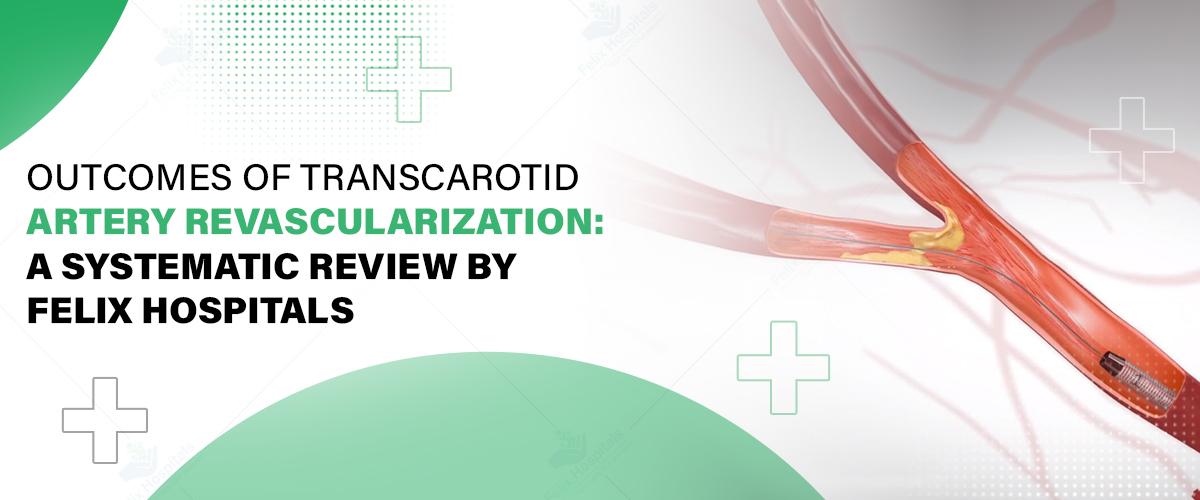
Transcarotid Artery Revascularization (TCAR) is a novel and increasingly popular procedure aimed at preventing strokes in patients with carotid artery disease. Carotid artery disease occurs when plaque builds up inside the carotid arteries, narrowing them and reducing blood flow to the brain, which increases the risk of ischemic stroke. Traditionally, carotid endarterectomy (CEA) has been the gold standard for treating carotid artery stenosis. However, TCAR has emerged as a less invasive alternative to CEA, offering certain advantages in select patient populations. For those seeking the Best Hospital for Carotid Artery Surgery, TCAR at Felix Hospitals stands out as a cutting-edge solution, combining advanced technology with exceptional patient care to ensure optimal outcomes.
Ready to Learn More About TCAR? Contact Felix Hospitals Now at +91 9667064100.
TCAR is a minimally invasive procedure designed to reduce the risk of stroke in patients with carotid artery disease. It combines aspects of open surgery and endovascular techniques, which allows for a more direct and safer route to reach and treat the carotid artery. TCAR involves placing a stent in the carotid artery to open up the narrowed passage and improve blood flow to the brain.
1. Incision and Access: A small incision is made just above the clavicle to access the common carotid artery. Unlike CEA, which requires a larger incision and involves direct removal of plaque, TCAR uses an endovascular approach.
2. Flow Reversal: A crucial feature of TCAR is the temporary reversal of blood flow in the carotid artery during the procedure. This protects the brain from any plaque debris dislodged during the stenting process by diverting the debris away from the brain and into a filter outside the body.
3. Stent Placement: After flow reversal is established, a stent is placed in the carotid artery to widen it, allowing for better blood flow to the brain and reducing stroke risk.
4. Completion and Recovery: The blood flow is returned to its normal direction after the stent is in place, and the patient is typically discharged within a day or two.
The primary goal of TCAR is to reduce the risk of stroke in patients with significant carotid artery stenosis. Multiple studies have demonstrated that TCAR has a low rate of perioperative stroke, which is one of the most critical metrics in assessing its success.
Low Stroke Rates: Clinical trials, including the pivotal ROADSTER studies, showed stroke rates of less than 1.4% in patients undergoing TCAR. These numbers are highly competitive with, and in some cases superior to, traditional CEA and Carotid Artery Stenting (CAS) methods.
Effective for High-Risk Patients: High-risk patients, such as those with advanced age, coronary artery disease, or prior neck surgery, have been shown to benefit significantly from TCAR. These patients are often considered poor candidates for CEA due to increased surgical risk. However, TCAR provides an effective stroke-preventing alternative with fewer complications.
The less invasive nature of TCAR reduces the likelihood of complications commonly associated with open surgery like CEA. The small incision and shorter procedure time result in fewer surgical risks, such as cranial nerve injury, hematoma, or infection.
Lower Risk of Cranial Nerve Injury: One of the complications associated with CEA is the potential for cranial nerve damage due to the extensive dissection around the neck area. This risk is significantly reduced in TCAR because of the minimally invasive nature of the procedure.
Minimal Incision Complications: TCAR’s smaller incision translates to a reduced risk of infection and other wound-related complications. The procedure is also associated with less postoperative pain and faster healing times.
TCAR has been shown to have comparable or better mortality rates when compared to CEA and CAS, particularly in high-risk patient populations. The ability to reverse blood flow during the procedure prevents debris from traveling to the brain, a critical aspect that reduces the risk of stroke and subsequent mortality during the operation.
One of the most significant advantages of TCAR is the shorter recovery time compared to CEA. Patients who undergo TCAR typically experience:
Shorter Hospital Stays: Most TCAR patients are discharged within one or two days post-procedure. This is in stark contrast to the longer recovery periods associated with CEA.
Quicker Return to Normal Activities: Patients usually return to their regular activities sooner after TCAR than after CEA, making it an attractive option for those seeking faster recovery.
While the short-term outcomes of TCAR are promising, it is important to evaluate its long-term success in preventing recurrent strokes and maintaining arterial patency.
Durability: Studies have indicated that TCAR offers durable protection against stroke in the long term, with low rates of restenosis (re-narrowing of the artery). Five-year follow-up data from ROADSTER trials suggest that the incidence of recurrent carotid artery stenosis is low, making TCAR a reliable choice for long-term stroke prevention.
Reintervention Rates: TCAR shows a low reintervention rate, meaning that patients rarely need repeat procedures to maintain carotid artery patency. This is comparable to, if not better than, the rates seen in patients undergoing CEA or traditional stenting.
Carotid endarterectomy is the conventional open surgical procedure for removing plaque buildup from the carotid artery. Although CEA remains the gold standard in some cases, TCAR offers several benefits:
Less Invasive: TCAR involves a much smaller incision compared to the larger neck incision needed for CEA. This results in lower complication rates related to wound healing and cranial nerve damage.
Shorter Recovery: The recovery period after TCAR is generally shorter, with patients returning to their normal lives faster than those who undergo CEA.
Fewer Surgical Risks: For patients who are at high risk for surgical complications due to comorbidities, TCAR provides a safer alternative. This is especially important for older patients or those with prior neck surgeries.
Carotid Artery Stenting (CAS) is another less invasive option that involves placing a stent in the carotid artery via a catheter inserted through the femoral artery in the groin. While CAS has been widely used, TCAR has several key advantages:
Direct Access: Unlike CAS, where the stent is delivered through the femoral artery, TCAR accesses the carotid artery directly through a small incision near the clavicle. This reduces the risk of complications associated with navigating the stent through the entire length of the body.
Flow Reversal: The temporary flow reversal technique in TCAR is a unique feature that protects the brain from stroke during the procedure by diverting debris away from the brain, which CAS does not offer.
Lower Stroke Risk: Some studies suggest that TCAR has a lower risk of perioperative stroke compared to CAS, making it a more appealing choice for stroke prevention.
The field of TCAR is continuously evolving, with ongoing research aimed at refining the technique and expanding its applicability to broader patient populations. Some areas of future development include:
Expanded Patient Eligibility: As the technology and experience with TCAR improve, it is expected that more patient groups, including those with more complex anatomy or comorbidities, will be eligible for the procedure.
Refinement in Devices: Continued innovation in stent technology and flow reversal devices will likely further reduce the already low risk of complications associated with TCAR.
Personalized Medicine: Advances in imaging and diagnostic techniques may allow for better patient selection, ensuring that those who are most likely to benefit from TCAR are accurately identified.
Dr. Ritesh Agrawal, the best doctor for carotid arteries at Felix Hospital, brings years of expertise in performing advanced procedures like Transcarotid Artery Revascularization (TCAR). With a strong commitment to patient care and a focus on stroke prevention, Dr. Agrawal ensures that each patient receives personalized, minimally invasive treatment for carotid artery disease, aimed at achieving the best possible outcomes.
Protect Your Brain, Prevent Stroke – Choose TCAR at Felix Hospitals Today! Book your Appointment by Clicking Here.
Transcarotid Artery Revascularization (TCAR) represents a major advancement in the treatment of carotid artery disease. By combining the benefits of both open surgery and minimally invasive techniques, TCAR provides a safer, more effective option for many patients at risk of stroke. The outcomes of TCAR, particularly in terms of stroke prevention, reduced complications, and faster recovery times, make it a highly attractive alternative to both CEA and traditional carotid artery stenting.
In the future, as the procedure continues to evolve, we can expect even greater improvements in patient outcomes, further cementing TCAR’s role as a critical tool in stroke prevention. For now, TCAR offers a well-established, effective solution that promises both short-term safety and long-term durability for patients with carotid artery stenosis.
Q.1. What is TransCarotid Artery Revascularization (TCAR)?
Ans: TCAR is a minimally invasive procedure used to treat carotid artery disease by placing a stent in the carotid artery, preventing strokes by improving blood flow to the brain.
Q.2. How does TCAR reduce the risk of stroke?
Ans: During TCAR, blood flow in the carotid artery is temporarily reversed to prevent plaque debris from reaching the brain while the stent is being placed, significantly lowering the risk of stroke.
Q.3. Who is a good candidate for TCAR?
Ans: TCAR is ideal for patients with carotid artery disease, especially those at high risk for traditional surgery due to factors like age, coronary artery disease, or prior neck surgeries.
Q.4. How does TCAR compare to carotid endarterectomy (CEA)?
Ans: Unlike CEA, which involves a larger incision and direct plaque removal, TCAR is less invasive, offers quicker recovery, and has fewer risks of complications, such as cranial nerve injury.
Q.5. Is TCAR safer than traditional carotid artery stenting (CAS)?
Ans: TCAR offers a safer approach by directly accessing the carotid artery through a small incision and using a flow reversal system to protect the brain from stroke during the procedure, a feature not available in CAS.
Q.6. What is the recovery time for TCAR?
Ans: Most patients undergoing TCAR can return home within 1 to 2 days and resume normal activities much sooner compared to those who undergo traditional carotid surgery.
Q.7. Are there long-term benefits to TCAR?
Ans: Yes, TCAR has shown excellent long-term outcomes with a low rate of restenosis (re-narrowing of the artery) and minimal need for reintervention, offering durable stroke prevention.
Q.8. How do I know if TCAR is the right option for me?
Ans: If you have Carotid Artery Disease, your doctor will evaluate your health history, anatomy, and risk factors to determine if TCAR is the best treatment option for you. Consult with our experts at Felix Hospitals to make an informed decision.
By working closely with experienced vascular surgeons and following their guidance, patients can achieve positive outcomes and enjoy a better quality of life.
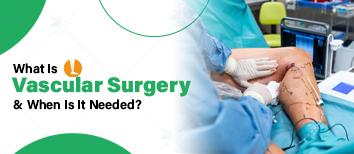
Vascular surgery involves surgical procedures designed to treat disorders of the vascular system.
The primary goal of the Treadmill Stress Test is to evaluate how well the heart responds to increased physical activity
Vascular surgery is an essential procedure to treat circulatory system issues, but its cost can be a concern for many patients. Understanding the factors that influence the cost, finding ways to reduce expenses, and choosing the right hospital for it.

Sugar is an omnipresent part of our modern diet. It is found in everything from beverages and desserts to sauces and snacks. While it adds sweetness and flavor, excessive consumption of sugar can have detrimental effects on health. Over the years, research has shown that high sugar intake is linked to various chronic diseases, including obesity, type 2 diabetes, cardiovascular diseases, and dental problems. Fortunately, there are many sugar alternatives and strategies to reduce sugar consumption without sacrificing taste now with the help of the best diabetes hospital in Noida. Let’s explore the impact of sugar on health and provide tips on how to cut down your sugar intake effectively.
Manage Your Diabetes with Confidence! Click here to schedule your consultation today and start your journey towards better health.
Sugar comes in many forms and names. The most common type is sucrose, a disaccharide made of glucose and fructose, which is found in table sugar. Additionally, sugar is present in natural forms such as fructose (found in fruits) and lactose (found in dairy products). These natural sugars are typically part of a healthy, balanced diet when consumed in moderation. However, the real concern arises from added sugars, which are sugars added during the processing of foods or sugars added by the consumer.
Some common names for added sugars include:
- High-fructose corn syrup (HFCS)
- Cane sugar
- Brown sugar
- Honey
- Agave nectar
- Maple syrup
- Molasses
Understanding how much sugar you are consuming requires carefully reading food labels and recognizing the various forms of sugar hidden in processed foods.
One of the most well-documented effects of excessive sugar consumption is its contribution to weight gain and obesity. Sugary foods and drinks are often high in calories but low in essential nutrients. These "empty calories" lead to an increase in caloric intake without providing the body with valuable vitamins, minerals, or fiber. Moreover, sugary drinks such as sodas, energy drinks, and fruit juices do not promote satiety, leading to overeating.
Fructose, in particular, has been shown to disrupt normal metabolic processes by promoting fat storage and increasing hunger. Unlike glucose, which is metabolized by all cells, fructose is primarily metabolized by the liver, where it is converted into fat. This contributes to the development of visceral fat, which is linked to obesity and increased risk of metabolic diseases.
A diet high in sugar can increase the risk of developing type 2 diabetes. Frequent consumption of sugary foods leads to elevated blood sugar levels, causing the pancreas to produce more insulin to regulate these levels. Over time, the body may become resistant to insulin, leading to high blood sugar levels and the development of type 2 diabetes.
Additionally, excessive fructose consumption is linked to insulin resistance, further exacerbating the risk of diabetes. Studies have shown that individuals who consume large amounts of sugar-sweetened beverages are more likely to develop type 2 diabetes compared to those who avoid sugary drinks.
High sugar intake is associated with an increased risk of heart disease. Diets high in added sugars can raise blood pressure, increase inflammation, and lead to weight gain, all of which are risk factors for cardiovascular diseases. Research has shown that consuming sugary drinks is associated with higher levels of triglycerides and LDL (bad) cholesterol, which contribute to the development of atherosclerosis, a condition where the arteries become clogged with fatty deposits, leading to heart attacks and strokes.
Furthermore, high fructose intake has been linked to increased fat accumulation around the heart and liver, which impairs their function and raises the risk of heart failure.
One of the earliest recognized consequences of sugar consumption is its effect on dental health. Sugary foods and beverages feed the harmful bacteria in the mouth, which produce acids that erode tooth enamel, leading to cavities and tooth decay. Over time, untreated cavities can cause infections, tooth loss, and gum disease. This is why it is crucial to minimize sugar consumption and maintain proper oral hygiene.
Fructose is primarily metabolized by the liver, where it is converted into fat. Consuming high amounts of fructose over time can lead to fat accumulation in the liver, causing non-alcoholic fatty liver disease (NAFLD). This condition can progress to more serious liver conditions, such as inflammation, fibrosis, and cirrhosis.
For individuals looking to cut down on sugar, several healthier alternatives provide sweetness without the negative effects of refined sugar. These alternatives can help reduce sugar consumption and support better health outcomes.
Stevia is a natural, zero-calorie sweetener derived from the leaves of the Stevia rebaudiana plant. It is significantly sweeter than sugar, so only a small amount is needed. Stevia does not raise blood sugar levels and may have antioxidant properties. It is a popular choice for those with diabetes or individuals looking to manage their weight.
Monk fruit sweetener, derived from the monk fruit plant, is another natural, zero-calorie sweetener. It contains compounds called mogrosides, which provide sweetness without raising blood sugar levels. It is a great option for people who are diabetic or sensitive to sugar.
While honey is still a source of sugar, it has a lower glycemic index than refined sugar, meaning it has a less pronounced impact on blood sugar levels. Honey also contains antioxidants and has been shown to have anti-inflammatory properties. However, it should still be consumed in moderation due to its high-calorie content.
Maple syrup is a natural sweetener that contains some vitamins and minerals, such as zinc and manganese. Like honey, it has a lower glycemic index than refined sugar but should be used sparingly due to its high sugar content.
Coconut sugar is derived from the sap of coconut palm trees. It has a lower glycemic index than regular sugar and contains trace amounts of nutrients such as potassium, calcium, and iron. However, it is still high in calories and should be used in moderation.
Aspartame is a low-calorie artificial sweetener commonly used in diet sodas and sugar-free products. While it is significantly sweeter than sugar, some studies suggest that artificial sweeteners like aspartame may lead to increased cravings for sweet foods, potentially hindering weight loss efforts.
Sucralose is a zero-calorie artificial sweetener that is often found in sugar-free products and baking mixes. It is heat-stable, making it suitable for cooking and baking. Although sucralose is considered safe by health authorities, some studies suggest that it may negatively affect gut bacteria.
Saccharin is one of the oldest artificial sweeteners and is used in many sugar-free products. While it is calorie-free, some individuals may experience a bitter aftertaste. Saccharin is much sweeter than sugar, so it is used in small amounts.
Reducing sugar intake can significantly improve overall health and well-being. Here are practical tips to help you cut down on sugar:
One of the best ways to reduce sugar intake is by becoming a savvy label reader. Many processed foods contain hidden sugars under various names. Look for terms such as "high-fructose corn syrup," "cane sugar," "maltose," "dextrose," and "sucrose." Opt for products with little to no added sugars.
Sugary drinks, such as sodas, fruit juices, and sweetened teas, are major contributors to excess sugar consumption. Replace these with healthier alternatives, such as water, herbal teas, or sparkling water infused with fresh fruit.
Reducing the frequency of consuming sweets, such as candies, cakes, and pastries, can have a significant impact on your sugar intake. Instead, opt for naturally sweet options like fresh fruit, which provide fiber and essential nutrients.
When you cook your meals at home, you have control over the ingredients, including how much sugar you add. Use herbs and spices like cinnamon or vanilla extract to enhance the flavor of foods without added sugar.
Many food items, such as yogurt, almond milk, and cereals, are available in unsweetened versions. Opt for these to avoid unnecessary sugar. You can always add fresh fruit or a small amount of natural sweeteners like honey or maple syrup if needed.
Avoid sugary snacks like candy bars and cookies. Instead, opt for healthier snacks, such as nuts, seeds, Greek yogurt, or fresh fruit. These provide essential nutrients and promote satiety.
If you’re used to consuming a lot of sugar, it can be challenging to cut back all at once. Start by gradually reducing the amount of sugar you add to your coffee, tea, or breakfast cereals. Over time, your taste buds will adjust, and you’ll likely find that you don't need as much sweetness to enjoy your food.
If you’re not ready to give up sugar entirely, try cutting your portion sizes. Instead of a large dessert, have a small serving and savor each bite. This can help you reduce your sugar intake while still enjoying your favorite treats in moderation.
- A diet based on whole, unprocessed foods, such as vegetables, fruits, lean proteins, and whole grains, naturally contains less sugar. Aim to fill your plate with nutrient-dense foods that provide long-lasting energy and satisfaction.
Dr. Vimal Gupta is a highly experienced and the best diabetologist in Noida at Felix Hospital, specializing in the diagnosis, treatment, and management of diabetes and related metabolic disorders. With years of expertise in the field, Dr. Gupta has a deep understanding of the complexities of diabetes and its impact on overall health.
Book a consultation with Dr. Vimal Gupta, our expert diabetologist at Felix Hospital, for a personalized treatment plan. Call us now at +91 9667064100.
Sugar is a major component of the modern diet, and excessive consumption can lead to numerous health problems, including obesity, type 2 diabetes, heart disease, and dental issues. By becoming more mindful of sugar intake, reading food labels carefully, and choosing healthier alternatives, individuals can significantly reduce their sugar consumption and improve their overall health. Making small changes, such as opting for natural sweeteners, reducing sugary drinks, and focusing on whole foods, can make a significant difference in the long run. Remember, moderation is key when it comes to sugar, and adopting a balanced approach can help you maintain a healthy lifestyle while still enjoying the occasional sweet treat.
For those managing diabetes, understanding sugar’s impact on blood glucose levels is essential, and working closely with a healthcare provider to tailor dietary changes can support better health outcomes. Additionally, considering the diabetes treatment cost in Noida can help individuals plan for their healthcare needs while focusing on long-term wellness. Remember, moderation is key when it comes to sugar, and adopting a balanced approach can help you maintain a healthy lifestyle while still enjoying the occasional sweet treat.
1. What is the relationship between sugar consumption and diabetes?
Excessive sugar intake can lead to weight gain and increased insulin resistance, both of which are risk factors for developing type 2 diabetes. Managing sugar consumption is crucial for individuals at risk or diagnosed with diabetes.
2. How can I reduce my sugar intake effectively?
You can reduce sugar intake by reading food labels carefully, opting for unsweetened products, cooking at home, and choosing whole foods over processed options. Gradually reducing sugar in your diet can also help.
3. What are some healthy alternatives to refined sugar?
Healthy alternatives to refined sugar include natural sweeteners like stevia, monk fruit sweetener, honey (in moderation), and maple syrup. These options can provide sweetness with fewer health risks.
4. How often should I have my blood sugar levels checked?
Individuals with diabetes should have their blood sugar levels checked regularly, as recommended by their healthcare provider. Typically, this is done at least once a day for those on insulin or more frequently if needed.

Manage diabetes effectively with a well-planned Indian vegetarian diet chart. Explore healthy meal options and tips for blood sugar control.
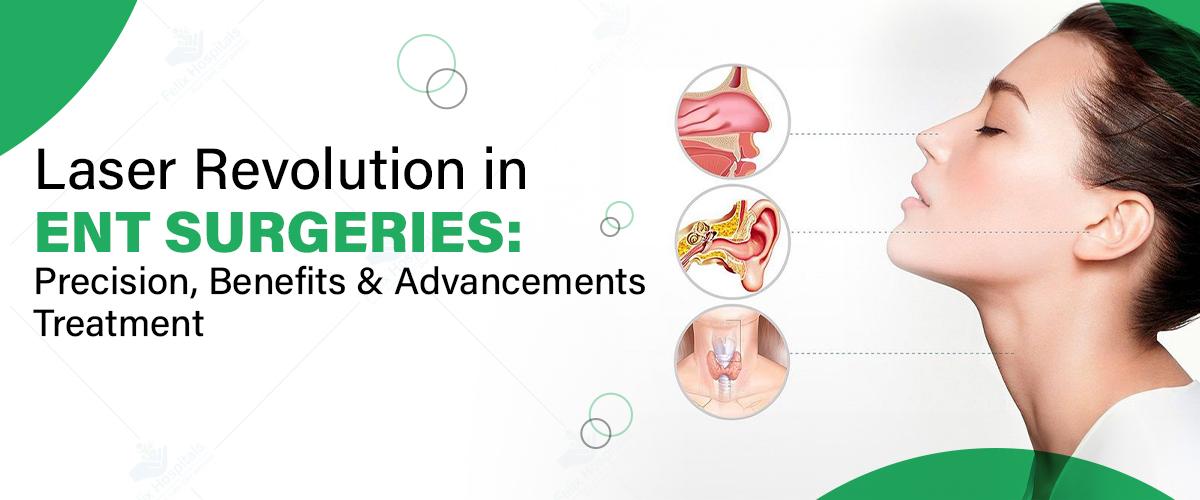
Laser technology is transforming ENT (Ear, Nose, and Throat) surgeries, offering patients precision, less pain, and faster recovery. Those experiencing airway obstructions or other ENT issues should seek the care of the Best ENT doctor in Noida and a hospital specializing in airway obstruction treatment. With advanced laser techniques, experts can treat complex ENT conditions safely and effectively, ensuring patients receive the highest quality care and achieve quicker, long-lasting results.
Get in touch with Felix Hospital today to consult with our Top ENT Specialists by calling +91 9667064100.
The laser revolution in ENT surgeries refers to the integration of laser technology in treating ENT conditions. Unlike traditional methods, laser surgeries use concentrated beams of light to cut, vaporize, or remove abnormal tissue with precision. These techniques are especially effective in treating airway obstructions, chronic sinusitis, tonsillectomies, ear disorders, and even certain throat cancers. Laser technology offers a minimally invasive alternative, reducing recovery time and enhancing precision.
Several conditions make laser-assisted ENT Surgery the preferred treatment choice:
1. Airway Obstructions: Conditions like sleep apnea, nasal polyps, or vocal cord lesions can block the airway, requiring precise intervention.
2. Chronic Sinusitis: Infections that don’t respond to medication can be treated with laser surgery.
3. Tonsillitis: Recurrent infections often call for tonsillectomy, where lasers are used for precision removal.
4. Ear Disorders: Problems such as otosclerosis (hardening of the ear bones) can be managed using laser techniques.
Laser technology allows for extremely precise incisions and removal of tissues, minimizing damage to surrounding healthy tissues. This precision is vital in areas such as the vocal cords, where traditional surgery can lead to voice complications. With lasers, surgeons can perform delicate operations with high control, resulting in quicker recovery, reduced bleeding, and less postoperative pain.
1. Minimally Invasive: Laser surgery requires smaller incisions, translating to less tissue trauma.
2. Reduced Bleeding: Lasers cauterize blood vessels as they cut, reducing the need for sutures and minimizing blood loss.
3. Faster Recovery: Patients experience shorter recovery times due to the procedure's precision and minimally invasive nature.
4. Decreased Risk of Infection: Smaller wounds and less tissue damage lower the risk of postoperative infections.
5. Shorter Hospital Stays: Patients can often return home the same day or after a short hospital stay.
Diagnosis for ENT disorders typically begins with a comprehensive clinical examination, followed by imaging tests such as CT scans, MRIs, or endoscopic evaluations. For conditions like airway obstructions or sinus issues, these diagnostic tools help ENT specialists evaluate the severity and determine whether laser surgery is appropriate.
Once diagnosed, treatment plans are developed based on the patient's condition. ENT surgeries utilizing laser technology are precise and cater to the patient's specific needs. For example, treating nasal polyps or enlarged tonsils with lasers leads to more effective results than traditional methods. When considering ENT surgery, ENT surgery cost for laser revolution is competitive, with Felix Hospital offering affordable packages without compromising quality care.
At Felix Hospital, we take pride in having some of the best doctors for laser revolution in ENT surgery. Dr. Arvinder Pal Singh and Dr. Kunwar Parvez are highly skilled ENT specialists, renowned for their expertise in laser-assisted surgeries. They bring years of experience and are committed to delivering the highest level of patient care using the latest in medical technology.
Book your consultation with the best doctors at Felix Hospital today and discover the benefits of the laser revolution in ENT treatments by clicking here or calling +(91)96670 64100.
The laser revolution in ENT surgeries has dramatically improved treatment outcomes, offering patients a minimally invasive, precise, and effective solution for various ENT disorders. Whether you are suffering from chronic sinusitis, airway obstructions, or ear disorders, laser-assisted surgery offers numerous benefits, including faster recovery, reduced bleeding, and decreased risk of complications. Felix Hospital, recognized as the Best ENT hospital in Noida, with its expert ENT specialists, ensures that you receive top-quality care tailored to your needs.
Q1. What conditions can be treated with laser-assisted ENT surgery?
A: Laser-assisted ENT surgery can treat a wide range of conditions, including chronic sinusitis, tonsillitis, nasal polyps, airway obstructions, and vocal cord lesions.
Q2. Is laser ENT surgery painful?
A: Due to its minimally invasive nature, laser ENT surgery results in less postoperative pain compared to traditional surgery. Recovery is generally faster and more comfortable for patients.
Q3. How long does recovery take after laser ENT surgery?
A: Recovery times vary depending on the procedure, but most patients experience quicker recovery with laser surgery, often returning to normal activities within a week or two.
Q4. What is the cost of ENT surgery with laser technology?
A: The cost of laser-assisted ENT surgery can vary depending on the specific condition and procedure. At Felix Hospital, we offer competitive pricing and comprehensive care.
Q5. Are there any risks or side effects associated with laser ENT surgery?
A: While laser ENT surgery is generally safe, as with any surgical procedure, there are potential risks. These may include temporary swelling, minor bleeding, or infection. However, laser surgery significantly reduces the likelihood of complications compared to traditional methods.
Q6. How do I know if I’m a candidate for laser-assisted ENT surgery?
A: Your ENT specialist will evaluate your condition through a physical exam and necessary diagnostic tests. Conditions like airway obstructions, nasal polyps, and vocal cord issues may be suitable for laser surgery, but the final decision will depend on your specific diagnosis and overall health.
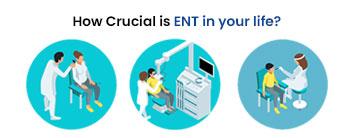
ENT health is essential for proper breathing, hearing, speech, and balance. Early detection and expert care ensure a better quality of life and prevent chronic complications.

Neglected tropical diseases (NTD) will be eradicated from the root only through awareness. But this is possible only when people are aware of the illnesses and get treatment by reaching the hospital on time.
ENT health is essential for proper breathing, hearing, speech, and balance. Early detection and expert care ensure a better quality of life and prevent chronic complications.
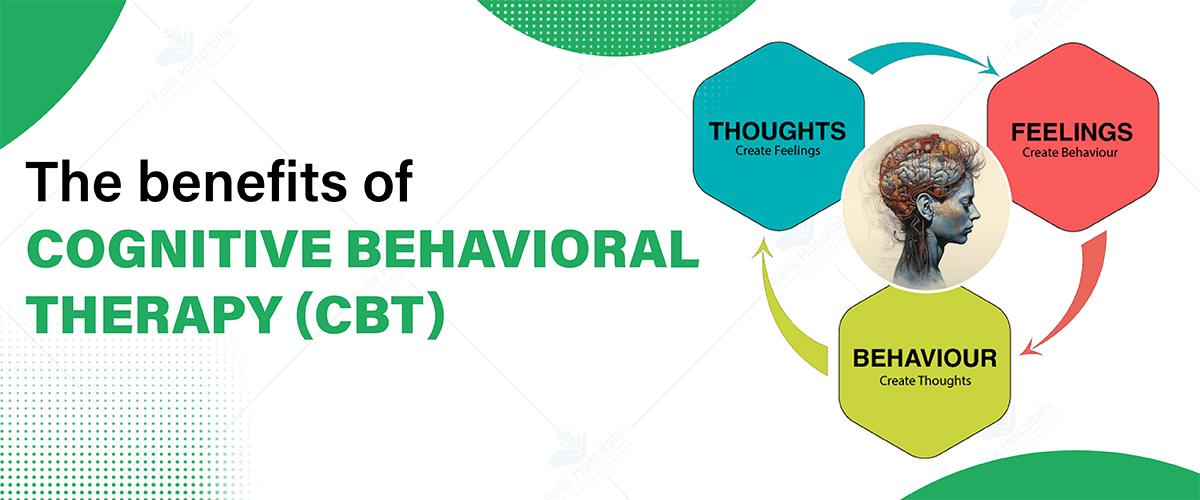
Cognitive Behavioral Therapy (CBT) is a widely recognized and effective form of psychotherapy that focuses on changing negative thought patterns and behaviors that contribute to emotional distress. Developed in the 1960s by Dr. Aaron Beck, CBT has become one of the most extensively researched and practiced therapeutic approaches in the field of mental health. It is used to treat a variety of psychological conditions, including anxiety, depression, obsessive-compulsive disorder (OCD), post-traumatic stress disorder (PTSD), and more with the help of cognitive behavioral therapy treatment in the best psychiatric hospital. Let’s explore the numerous benefits of CBT, its core principles, how it works, and why it has become a leading choice for both patients and therapists.
Ready to Transform Your Mental Health? Our dedicated team is here to guide you through your journey towards healing. Call now at +91 9667064100.
Before delving into the benefits of CBT, it’s important to understand its foundational principles. CBT is based on the cognitive model, which posits that our thoughts, feelings, and behaviors are interconnected. When an individual experiences negative emotions or psychological distress, it is often due to maladaptive thought patterns. CBT aims to identify and challenge these thoughts, leading to changes in feelings and behaviors.
Cognitive Restructuring involves identifying negative thought patterns (cognitive distortions) and replacing them with more rational and constructive thoughts. For example, someone who constantly thinks, “I always fail,” can be taught to recognize this as an unhelpful thought and replace it with, “I have succeeded in the past and can try again.”
Behavioral Activation: This principle encourages individuals to engage in activities they enjoy or find meaningful. This is particularly useful in treating depression, as it helps counteract the tendency to withdraw from activities.
Problem-Solving: CBT teaches individuals how to effectively address challenges in their lives. This includes breaking down problems into manageable steps and developing actionable solutions.
Exposure Therapy: In cases of anxiety and phobias, CBT may involve gradual exposure to feared situations or stimuli to help desensitize individuals and reduce anxiety responses.
CBT is effective in treating a wide range of mental health disorders, including:
Anxiety Disorders: CBT helps individuals identify and challenge anxious thoughts, leading to a reduction in anxiety symptoms.
Depression: By addressing negative thinking patterns, CBT can alleviate depressive symptoms and improve overall mood.
Obsessive-Compulsive Disorder (OCD): CBT, particularly exposure and response prevention (ERP), is considered the gold standard treatment for OCD.
Post-Traumatic Stress Disorder (PTSD): CBT helps individuals process traumatic experiences and reduce associated symptoms.
Eating Disorders: CBT can assist in changing unhealthy eating behaviors and attitudes toward food.
CBT is typically a structured and time-limited therapy, often lasting between 5 to 20 sessions. This structured format allows individuals to set specific goals and work towards systematically achieving them. The clear framework of CBT helps patients see their progress, providing a sense of accomplishment and motivation to continue.
One of the key benefits of CBT is that it empowers individuals by equipping them with practical skills to manage their thoughts and emotions. Patients learn to identify cognitive distortions, challenge negative beliefs, and develop coping strategies. This skill set is not only beneficial during therapy but can also be applied in everyday life, fostering resilience and self-efficacy.
Many studies indicate that CBT can lead to significant improvements in mental health within a relatively short period. Unlike some therapies that may take years to show results, CBT often leads to observable changes within a few sessions. Additionally, the skills learned in CBT can have lasting effects, helping individuals maintain their progress even after therapy has ended.
CBT primarily focuses on present thoughts and behaviors rather than delving extensively into past experiences. While understanding the past can be helpful, CBT encourages individuals to concentrate on how their current thoughts affect their emotions and actions. This focus on the present allows for quicker problem-solving and fosters a sense of control over one’s life.
CBT can be effectively combined with other treatment approaches, such as medication, mindfulness practices, or alternative therapies. For instance, individuals with severe depression may benefit from a combination of antidepressant medication and CBT. This integrative approach can enhance the overall effectiveness of treatment and provide a more comprehensive strategy for recovery.
CBT can be delivered in various formats, including individual therapy, group therapy, and online platforms. This flexibility makes it accessible to a wider audience, including those who may have difficulty attending in-person sessions. Online CBT programs have gained popularity, allowing individuals to engage in therapy from the comfort of their homes.
Research has shown that individuals who undergo CBT are less likely to experience relapse compared to those who do not receive treatment. By equipping individuals with coping skills and strategies to manage stress and negative emotions, CBT helps create a solid foundation for long-term mental health stability.
CBT teaches individuals to break down complex problems into smaller, more manageable parts. This skill is invaluable in navigating life’s challenges, whether related to personal relationships, work, or everyday stressors. Improved problem-solving abilities lead to a greater sense of competence and confidence.
Mental health and physical health are closely intertwined. By reducing symptoms of anxiety and depression, CBT can contribute to improved physical well-being. Individuals may experience benefits such as better sleep, enhanced immune function, and improved overall health when their mental health is optimized.
CBT provides practical tools that individuals can apply to everyday challenges. Whether it’s managing stress at work, improving relationships, or coping with loss, the skills learned in CBT can help individuals navigate difficult situations more effectively.
Cognitive Behavioral Therapy Treatment typically follows a structured process, including:
Assessment: The therapist conducts an initial assessment to understand the individual's concerns, symptoms, and treatment goals.
Identifying Thought Patterns: Patients learn to identify negative thought patterns and cognitive distortions that contribute to their emotional distress.
Challenging Thoughts: Patients work with the therapist to challenge and reframe negative thoughts, developing healthier perspectives.
Behavioral Interventions: The therapist may introduce behavioral strategies, such as exposure tasks or activity schedules, to encourage positive change.
Skill Development: Patients learn coping strategies, problem-solving skills, and relaxation techniques to manage stress and anxiety.
Monitoring Progress: Throughout the therapy process, patients and therapists monitor progress and adjust treatment strategies as needed.
Dr. Ashima Ranjan is a compassionate and skilled psychiatrist with extensive experience in treating a wide range of mental health disorders, including anxiety, depression, and mood disorders. She is the Best Doctor for cognitive behavioral therapy treatment in Noida at Felix Hospitals.
Dr. Jaideep Gambhir is a highly regarded psychologist with a strong background in counseling and therapeutic interventions. His expertise lies in helping individuals navigate complex emotional challenges and promoting mental health through evidence-based psychological techniques.
Take the First Step Towards a Brighter Tomorrow! Experience the benefits of CBT at Felix Hospital. Click Here for more information.
Cognitive Behavioral Therapy is a powerful tool for addressing a wide range of mental health concerns. Its focus on understanding and changing thought patterns, along with its structured and goal-oriented approach, makes it an effective treatment option for many individuals. By empowering patients with practical skills and strategies, CBT fosters resilience and promotes long-term mental well-being. If you or someone you know is struggling with mental health issues, consider exploring CBT as a valuable resource for healing and personal growth if you also want to know about the cognitive behavioral therapy treatment Cost so please contact our best doctors at Felix Hospitals.
1. What conditions can CBT treat?
Ans. CBT is effective for a variety of mental health conditions, including anxiety disorders, depression, OCD, PTSD, eating disorders, and more.
2. How long does CBT typically last?
Ans. CBT is often a short-term treatment, lasting between 5 to 20 sessions, depending on the individual’s needs and goals.
3. Is CBT suitable for children and adolescents?
Ans. Yes, CBT can be adapted for children and adolescents. Therapists often use age-appropriate techniques and language to engage younger clients.
4. Can CBT be done online?
Ans. Yes, many therapists offer online CBT sessions, making them accessible for individuals who may prefer or require remote therapy options.
5. How does CBT differ from other therapeutic approaches?
Ans. CBT focuses on the relationship between thoughts, emotions, and behaviors, emphasizing the present and practical skills development, whereas other therapies may explore past experiences or delve into emotions more deeply.
6. What if I don’t feel comfortable sharing my thoughts with a therapist?
Ans. Building a trusting relationship with your therapist takes time. It’s important to communicate openly with your therapist about your comfort level, and they can help guide the process.
7. Can I practice CBT techniques on my own?
Ans. While working with a trained therapist is recommended, individuals can learn and apply CBT techniques on their own, especially through self-help books or online resources.
8. What should I expect during a CBT session?
Ans. During a CBT session, you can expect to discuss your thoughts, feelings, and behaviors, learn new coping strategies, and engage in exercises designed to challenge negative thinking patterns.
If you or someone you know is struggling with mental health issues, consider seeking help from a qualified therapist trained in Cognitive Behavioral Therapy. The benefits of CBT can lead to improved emotional well-being and a more fulfilling life.

We all feel down sometime or the other. Sometime there is no particular reason why are we feeling this way. And it is normal to feel low sometime

It all starts when you get to know that you are pregnant, you will be taking care of the little one. This news for first time parents brings lot of responsibility and excitement.
चिंता एक सामान्य मानसिक स्थिति है, लेकिन जब यह अत्यधिक बढ़ जाती है तो दैनिक जीवन को प्रभावित कर सकती है। इसके कारण, लक्षण, प्रकार और प्रभावी उपचार

Chemotherapy is a cornerstone of cancer treatment, using powerful drugs to target and destroy cancer cells. While the term "chemotherapy" often conjures up images of side effects and hospital visits, it is essential to understand its various types, how they work, and their role in the broader context of cancer treatment. At the best cancer hospital in Noida, a comprehensive approach is taken to ensure that patients receive the most effective therapies available. Let’s delve into the different types of chemotherapy, their mechanisms of action, and the evolving landscape of cancer care.
Contact Felix Hospital today to schedule a consultation with our experienced oncologists. Call now on +91 9667064100.
Table of Contents
Chemotherapy is a systemic treatment that uses chemical agents to treat cancer. Unlike localized treatments like surgery or radiation, chemotherapy aims to target cancer cells throughout the body. It is often used in combination with other treatments, such as surgery and radiation therapy, to enhance effectiveness and improve patient outcomes.
Chemotherapy works primarily by interfering with the cancer cell's ability to grow and divide. Different classes of chemotherapy drugs work through various mechanisms, including:
1. Alkylating Agents: These drugs work by directly damaging DNA, preventing the cancer cell from dividing. They are effective in treating various cancers, including leukemia and lymphomas.
2. Antimetabolites: These mimic the building blocks of DNA and RNA, disrupting the synthesis of nucleic acids and inhibiting cell division. They are often used to treat cancers like breast, lung, and colorectal cancer.
3. Plant Alkaloids: Derived from plants, these drugs inhibit the formation of the mitotic spindle, preventing cells from dividing during the mitosis phase. They are commonly used in treating leukemia, lymphomas, and breast cancer.
4. Topoisomerase Inhibitors: These drugs interfere with the enzyme topoisomerase, which is essential for DNA replication. By inhibiting this enzyme, these drugs prevent cancer cells from dividing. They are often used in treating ovarian and lung cancers.
5. Hormonal Therapies: Some cancers rely on hormones for growth. Hormonal therapies block the body’s natural hormones or interfere with their action, effectively slowing or stopping the growth of hormone-dependent tumors, such as certain breast and prostate cancers.
6. Targeted Therapies: Unlike traditional chemotherapy, targeted therapies aim at specific molecular targets associated with cancer. These drugs work by interfering with the cancer cell's growth and spread, making them a more precise option for treatment.
Chemotherapy can be classified into various types based on the timing and purpose of treatment, the type of drugs used, and the administration methods. Here are the primary types:
Neoadjuvant chemotherapy is administered before the primary treatment, such as surgery. The primary goal is to shrink tumors, making them easier to remove surgically. Neoadjuvant therapy can also help determine how effective the chemotherapy is, allowing for adjustments in treatment plans based on the tumor's response.
Benefits:
- Reduces tumor size and facilitates surgical removal.
- Allows for a faster assessment of the tumor’s response to chemotherapy.
- May help in avoiding extensive surgeries.
Adjuvant chemotherapy follows the primary treatment, such as surgery or radiation. The goal is to eliminate any remaining cancer cells and reduce the risk of recurrence. It is particularly beneficial in cancers with a high chance of spreading after the initial treatment.
Benefits:
- Targets microscopic cancer cells that remain after surgery.
- Reduces the risk of cancer recurrence.
- Can improve overall survival rates in certain cancer types.
Palliative chemotherapy is aimed at relieving symptoms and improving the quality of life for patients with advanced or terminal cancer. The focus is not on curing the disease but on managing pain and other symptoms associated with cancer.
Benefits:
- Provides symptom relief, including pain and discomfort.
- Improves the quality of life for patients with advanced cancer.
- Allows patients to maintain a level of function and independence.
Combination chemotherapy involves using two or more chemotherapy drugs to treat cancer. This approach is often more effective than using a single drug because different drugs can target cancer cells in various ways, potentially increasing the overall response rate.
Benefits:
- Increases treatment effectiveness through multiple mechanisms of action.
- Reduces the likelihood of cancer cells developing resistance to a single drug.
- Tailor treatment based on individual patient needs and cancer types.
Maintenance chemotherapy is given after the initial treatment to help keep cancer at bay. It may involve lower doses of chemotherapy to control cancer growth and reduce the risk of recurrence.
Benefits:
- Helps to prolong remission and reduce cancer growth.
- Minimizes the risk of recurrence after successful initial treatment.
- Maybe less intensive than initial treatment regimens.
Chemotherapy can be administered in various ways, depending on the type of cancer, the drugs used, and the patient's condition. Common methods of administration include:
1. Intravenous (IV): Most chemotherapy drugs are administered through an IV, allowing for quick absorption into the bloodstream.
2. Oral: Some chemotherapy medications come in pill form, making them convenient for patients to take at home.
3. Injection: In some cases, chemotherapy may be injected directly into a muscle or under the skin.
4. Intrathecal: For cancers affecting the central nervous system, chemotherapy may be delivered directly into the cerebrospinal fluid through a spinal tap.
5. Regional Chemotherapy: This method delivers chemotherapy directly to the tumor or a specific body region, such as the liver or bladder, minimizing systemic exposure.
While chemotherapy is an effective cancer treatment, it can also cause various side effects. These side effects vary depending on the drugs used, the dosage, and individual patient factors. Common side effects include:
1. Nausea and Vomiting: Many chemotherapy drugs can irritate the stomach lining, leading to nausea and vomiting.
2. Fatigue: Chemotherapy can cause significant fatigue, affecting a patient’s energy levels and overall well-being.
3. Hair Loss: Some chemotherapy drugs can lead to hair loss, which can be distressing for many patients.
4. Increased Risk of Infection: Chemotherapy can weaken the immune system, making patients more susceptible to infections.
5. Anemia: Reduced red blood cell counts may lead to anemia, causing weakness and fatigue.
6. Changes in Appetite: Patients may experience changes in taste and smell, affecting their appetite and food preferences.
7. Mouth Sores: Some chemotherapy drugs can cause sores in the mouth, making it painful to eat or drink.
8. Diarrhea or Constipation: Changes in bowel habits can occur, depending on the specific drugs used.
Managing side effects is an essential part of chemotherapy treatment. Patients should communicate openly with their healthcare team about any side effects they experience. Common strategies include:
- Medications: Anti-nausea medications, pain relievers, and medications to manage other side effects can be prescribed.
- Dietary Changes: Eating small, frequent meals and avoiding strong odors can help manage nausea and changes in appetite.
- Hydration: Staying well-hydrated is crucial for managing side effects and maintaining overall health.
- Supportive Care: Access to support groups, counseling, and other resources can provide emotional support and practical advice.
Research in cancer treatment is ongoing, leading to significant advancements in chemotherapy and related therapies. Key developments include:
1. Personalized Medicine: Advances in genomics and molecular profiling allow for more personalized treatment plans based on the individual’s genetic makeup and the characteristics of the tumor.
2. Targeted Therapies: As mentioned earlier, targeted therapies offer a more precise approach to treating cancer, focusing on specific molecular targets rather than traditional broad-spectrum chemotherapy.
3. Immunotherapy: This emerging field harnesses the body’s immune system to fight cancer, often used in conjunction with chemotherapy to enhance treatment effectiveness.
4. Chemotherapy Regimens: Ongoing research aims to optimize chemotherapy regimens, determining the best combinations and schedules to improve outcomes while minimizing side effects.
The success of chemotherapy depends not only on the drugs used but also on the healthcare team that administers and monitors treatment. Key players include:
Oncologists: These specialists diagnose cancer and develop treatment plans, including chemotherapy regimens tailored to the patient’s specific needs.
Nurses: Oncology nurses play a vital role in administering chemotherapy, monitoring patients for side effects, and providing education and support throughout treatment.
Pharmacists: Oncological pharmacists ensure the safe and effective use of chemotherapy drugs, managing dosages and potential drug interactions.
Nutritionists: Dietitians help patients manage side effects through dietary interventions, ensuring they receive the necessary nutrients during treatment.
Social Workers and Counselors: Mental health professionals provide emotional support, counseling, and resources for patients and their families throughout the treatment journey.
At Felix Hospital, we have the best doctors for chemotherapy treatment dedicated to providing personalized care for cancer patients. Our approach involves understanding each patient’s unique needs and developing tailored treatment plans that incorporate chemotherapy and other therapies. Our commitment to patient-centered care ensures that you receive the support and resources necessary for your journey to recovery.
Dr. Mukta Baxi: An accomplished oncologist with extensive experience in chemotherapy and cancer care.
Dr. Chinmayee Agrawal: A specialist in managing complex cancer cases, focusing on personalized treatment strategies.
Want to understand more about the different types of chemotherapy and how they can help in your treatment journey? Book your appointment by Clicking Here.
Chemotherapy remains a critical component of cancer treatment, offering hope and improved outcomes for patients facing this challenging disease. Understanding the types of chemotherapy, how they work, and their potential side effects is essential for informed decision-making. As research continues to advance, the landscape of cancer care will undoubtedly evolve, providing patients with more effective and personalized treatment options.
If you or a loved one is facing a cancer diagnosis, it’s crucial to consult with an experienced oncologist who can guide you through the complexities of treatment, including chemotherapy. At Felix Hospital, we are committed to providing comprehensive cancer care tailored to your unique needs. We understand that one of the concerns you may have is the chemotherapy treatment cost. Your health and well-being are our top priorities, and we strive to make quality care accessible to all our patients.
1. What is chemotherapy, and how does it work?
Chemotherapy is a systemic treatment that uses powerful drugs to target and destroy cancer cells. It works by interfering with the cancer cell's ability to grow and divide, ultimately leading to their death.
2. What are the different types of chemotherapy?
The main types of chemotherapy include neoadjuvant, adjuvant, palliative, combination, and maintenance chemotherapy. Each type has a specific purpose in the treatment process.
3. What are the common side effects of chemotherapy?
Common side effects include nausea, vomiting, fatigue, hair loss, increased risk of infection, anemia, changes in appetite, and mouth sores. Side effects can vary based on the drugs used and individual patient factors.
4. How is chemotherapy administered?
Chemotherapy can be administered through various methods, including intravenous (IV), oral pills, injections, and regional chemotherapy. The method used depends on the type of cancer and the specific drugs being prescribed.
5. How long does chemotherapy treatment last?
The duration of chemotherapy varies based on the cancer type, treatment goals, and the specific drugs used. Typically, treatment is given in cycles, allowing time for recovery between doses.
6. Can chemotherapy be combined with other treatments?
Yes, chemotherapy is often used in combination with other treatments such as surgery and radiation therapy to enhance effectiveness and improve patient outcomes.
7. What should I do to manage side effects during chemotherapy?
It’s essential to communicate with your healthcare team about any side effects you experience. They can provide medications, dietary recommendations, and supportive care to help manage these effects effectively.
8. Where can I find support during my chemotherapy journey?
Many resources are available for support, including counseling services, support groups, and educational materials. At Felix Hospital, our dedicated healthcare team is here to provide support and guidance throughout your treatment journey.
Recognize the early warning signs of cervical cancer. Learn about its symptoms, causes, and when to consult a gynecologist for timely diagnosis and treatment.

Explore essential information about breast cancer, including its symptoms, causes, types, and treatments, to stay informed and proactive about your health.
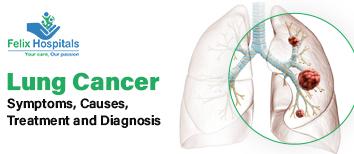
Lung cancer is a serious condition that starts in the lungs and can spread to other parts of the body.

Chemotherapy is a widely used cancer treatment that uses strong medications to destroy rapidly growing cancer cells.
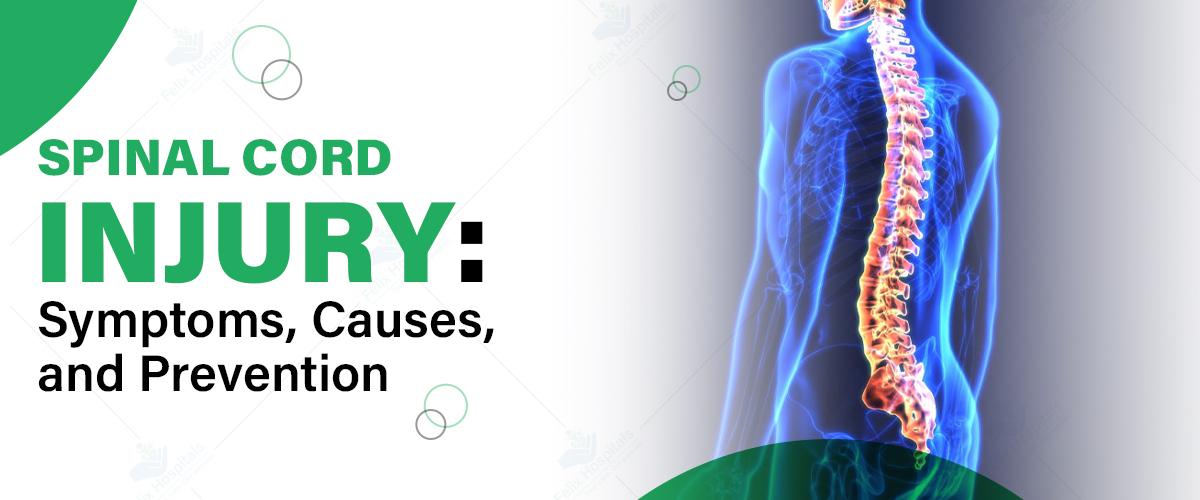
Spinal cord injuries (SCIs) can significantly impact an individual's mobility, sensation, and overall quality of life. These injuries result from trauma to the spinal cord, leading to varying degrees of impairment, depending on the severity and location of the injury. Understanding the symptoms, causes, and preventive measures is crucial for anyone at risk of SCIs. In this article, we provide essential insights into spinal cord injuries, helping individuals and families navigate the complexities associated with this condition. For those seeking comprehensive care, it's essential to choose the best spinal injury hospital that offers specialized services and expert medical support.
If you or a loved one is experiencing symptoms related to a spinal cord injury, don't hesitate to seek medical attention. Call now on +91 9667064100.
A spinal cord injury occurs when there is damage to the spinal cord, often resulting from trauma, disease, or degenerative conditions. This damage can disrupt the communication between the brain and the body, leading to loss of function, sensation, or mobility below the injury site. SCIs can be classified into two main categories: complete and incomplete. A complete spinal cord injury means there is a total loss of sensation and function below the injury site, while an incomplete injury allows for some preserved sensory or motor function.
Spinal cord injuries (SCIs) can arise from several causes, with varying degrees of severity:
1. Trauma: The most common cause of SCIs, trauma includes:
Car Accidents: High-impact collisions can lead to severe spinal injuries.
Falls: Particularly in older adults, falls can result in significant spinal damage.
Sports Injuries: Contact sports can pose a risk for injuries due to falls or collisions.
Violence: Gunshot wounds or stab injuries can severely impact the spinal cord.
2. Diseases: Certain medical conditions can also lead to SCIs:
Multiple Sclerosis: This autoimmune disease can damage the spinal cord over time.
Spinal Stenosis: Narrowing of the spinal canal can put pressure on the spinal cord.
Tumors: Both benign and malignant tumors can affect spinal cord function.
3. Degenerative Disorders: Age-related changes can contribute to spinal cord injuries:
Conditions like arthritis can lead to the degeneration of spinal discs and vertebrae, resulting in compression of the spinal cord.
The symptoms of spinal cord injuries can vary significantly based on the injury's severity and location, including:
Loss of Movement or Sensation: Inability to move limbs or lack of sensation in affected areas.
Numbness or Tingling: Unusual sensations in the extremities, indicating nerve involvement.
Difficulty Breathing: Injuries high in the spinal cord can affect respiratory function.
Loss of Bowel and Bladder Control: Involuntary loss of control can significantly impact daily life.
Changes in Sexual Function: A common issue following spinal cord injuries, affecting personal relationships.
Pain or Discomfort: Persistent pain in the neck or back can be a hallmark of spinal injury.
Diagnosing a spinal cord injury typically involves:
Medical History: A comprehensive discussion of symptoms, medical history, and circumstances of the injury.
Physical Examination: Detailed assessment of motor skills and sensory functions to evaluate damage.
Imaging Tests: MRI or CT scans provide detailed images of the spine, helping to identify the extent of injury and any underlying conditions.
The treatment approach for spinal cord injuries may include:
Emergency Care: Immediate stabilization of the spine to prevent further damage is critical.
Medications: Corticosteroids are often administered to reduce inflammation and minimize additional damage.
Rehabilitation: A comprehensive rehabilitation program involving physical and occupational therapy helps individuals regain function and adapt to changes.
Surgery: Surgical intervention may be necessary to relieve pressure on the spinal cord or stabilize the spine.
When considering treatment options, it’s also important to discuss the spinal cord injury treatment doctor in Noida with healthcare providers to ensure that financial planning aligns with the necessary medical care.
Preventive measures can significantly reduce the risk of spinal cord injuries, including:
1. Safety Measures:
Always wear seat belts in vehicles: Buckling up can dramatically reduce the risk of injury in the event of an accident.
Install safety features at home: Use grab bars in bathrooms, non-slip mats, and adequate lighting to prevent falls.
Ensure proper lifting techniques: Bend at the knees and keep your back straight when lifting heavy objects to prevent strain on your spine.
Maintain a healthy weight: Excess weight can put additional stress on your spine and increase the risk of injuries.
Use appropriate sports equipment: Ensure that any sports gear you use, like pads or back supports, is suitable for your activity.
2. Education:
Raising awareness about the risks associated with certain activities and promoting safe practices can help prevent injuries.
Some factors increase one's risk of developing a spinal cord injury. These include:
Baring these risk factors enables individuals and families to actively seek prevention and life style change.
For spinal cord injury, you need to see a neurosurgeon or an orthopedic spine specialist with expertise in complex spinal disorders. At Felix Hospital, we take pride in experienced neurologists who are committed to delivering the best care:

Dr. Sumit Sharma – An extremely precise and empathetic practitioner, Dr. Sharma is a consummate expert Best Neurosurgeon In Noida at neurological evaluation and customized treatment plan for spinal conditions.
Their expertise guarantees that each patient is offered complete evaluation, precise diagnosis, and optimal treatment customized to their rehabilitation process.
If you suspect you or someone you know has suffered a spinal cord injury, contact Felix Hospital by calling +91 9667064100 for a thorough evaluation and expert treatment options.
Spinal cord injuries can have profound effects on individuals and their families. Understanding the symptoms, causes, and preventive measures is vital in reducing the risk and managing the consequences of these injuries. By seeking appropriate medical care and implementing safety practices, we can work towards a healthier future and minimize the impact of spinal cord injuries.
Q. 1. What is the most common cause of spinal cord injury?
Ans. The most common cause of spinal cord injury is trauma from vehicle accidents, followed by falls, sports injuries, and acts of violence.
Q. 2. Can spinal cord injuries be cured?
Ans. Currently, there is no complete cure for spinal cord injuries. However, treatment can improve function and quality of life.
Q. 3. What should I do if I suspect a spinal cord injury?
Ans. Seek immediate medical attention. Do not move the person unless they are in immediate danger, as movement can worsen the injury.
Q. 4. How can I prevent spinal cord injuries?
Ans. Practice safety measures such as wearing seat belts, and helmets, and ensuring home safety. Educate yourself and others about the risks associated with certain activities.
Q. 5. Where can I find specialized care for spinal cord injuries?
Ans. Felix Hospital offers specialized care for spinal cord injuries, providing expert evaluation and comprehensive treatment options tailored to your needs.
Q. 6. What is the best treatment for spinal injury?
Ans. The best treatment for spinal injury varies based on severity and type but generally includes:
Emergency Care: Stabilizing the spine to prevent further damage.
Medication: Pain relievers and anti-inflammatory drugs to reduce swelling.
Surgery: Necessary for severe injuries to decompress the spinal cord or stabilize the spine.
Rehabilitation: Physical and occupational therapy to restore function and mobility.
Assistive Devices: Use of wheelchairs or braces to improve mobility.
Long-term Management: Ongoing care and support to enhance daily living and well-being.
Q. 7. What are the 4 types of spinal injuries?
Ans.
Complete Spinal Cord Injury: This type involves a total loss of sensory and motor function below the level of the injury. The spinal cord is completely severed or damaged.
Incomplete Spinal Cord Injury: In this type, some function remains below the injury site. Patients may retain partial sensation or movement in one or both legs or arms, depending on the level of injury.
Traumatic Spinal Injury: This type occurs due to external forces, such as a car accident, fall, or sports injury. It can lead to complete or incomplete injuries.
Non-Traumatic Spinal Injury: These injuries are caused by medical conditions, such as infections, tumors, or degenerative diseases, affecting the spinal cord.

Subscribe to our
© Copyright 2026. All Rights Reserved by Felix Healthcare Private Limited
Design and development by :


 +(91)9667064100
 Emergency : +(91)9667064100