 WhatsApp
 Emergency:
  WhatsApp











Subscribe to our

Varicose veins are more than just a cosmetic concern—they can cause discomfort, and pain, and lead to more serious health issues if left untreated. If you’ve noticed twisted, swollen veins on your legs or feel heaviness and aching after standing for long periods, Varicose Veins may be the culprit. Let’s delve into everything you need about varicose veins, from their causes and symptoms to treatment options and preventative measures. If you are considering treatment, visiting a varicose veins treatment hospital is often recommended for expert care and a personalized approach to managing the condition.
Concerned about the discomfort and appearance of Varicose Veins? Book your appointment by Clicking Here.
Varicose veins occur when veins become enlarged, dilated, and overfilled with blood. They typically appear as swollen, twisted veins that can be dark purple or blue, and are most commonly found in the legs and feet. Veins have valves that prevent blood from flowing backward, but when these valves fail or weaken, blood begins to pool in the veins, causing them to enlarge.
While varicose veins are often a cosmetic concern, they can also lead to symptoms like pain, discomfort, and even complications like ulcers or blood clots in severe cases.
Several factors contribute to the development of varicose veins. These include:
1. Age: As you age, your veins lose elasticity, causing the valves to weaken. This can lead to the pooling of blood and eventually varicose veins.
2. Gender: Women are more likely to develop varicose veins due to hormonal changes during pregnancy, menstruation, and menopause, which can relax vein walls.
3. Family History: Genetics plays a significant role. If varicose veins run in your family, you're more likely to develop them.
4. Obesity: Carrying extra weight puts added pressure on your veins, increasing the risk of varicose veins.
5. Occupation: Jobs that require long periods of standing or sitting, such as nursing, teaching, or office work, can contribute to the development of varicose veins because of the lack of circulation in the legs.
6. Pregnancy: The increased blood volume during pregnancy and pressure from the growing uterus can lead to varicose veins. Hormonal changes during pregnancy also play a role in weakening the walls of veins.
While some people may not experience any discomfort from varicose veins, others may experience a range of symptoms, including:
Aching or heavy legs, especially after prolonged standing or sitting
Swelling in the lower legs and ankles
Throbbing, cramping, or burning sensation in the legs
Skin discoloration around the affected veins
Itching or irritation over the veins
Development of ulcers near the ankles (in severe cases)
It’s important to seek medical advice if you notice any of these symptoms, as they can indicate underlying vascular issues.
If left untreated, varicose veins can lead to more serious health conditions, including:
1. Ulcers: Painful ulcers can form on the skin near varicose veins, usually around the ankles. This occurs due to long-term tissue fluid buildup, leading to skin breakdown and ulceration.
2. Blood Clots: Sometimes, veins deep within the legs become enlarged, which can lead to deep vein thrombosis (DVT). This is a serious condition where blood clots form, potentially traveling to the lungs and causing a life-threatening pulmonary embolism.
3. Bleeding: Varicose veins close to the surface of the skin may burst, leading to minor or significant bleeding.
A physical exam, including observing the veins while standing, is typically the first step in diagnosing varicose veins. Best Surgeon for varicose veins may also ask about any symptoms you are experiencing, such as pain or discomfort.
To further assess the condition of the veins and blood flow, a non-invasive test called a Doppler ultrasound is often used. This test allows the doctor to see how well the valves in your veins are functioning and to check for any evidence of blood clots.
There are several ways to treat varicose veins, ranging from lifestyle changes to medical procedures. The right treatment for you depends on the severity of your condition, your symptoms, and any other health factors.
Exercise: Regular physical activity helps improve circulation, reducing the risk of blood pooling in the legs. Walking, swimming, and cycling are all excellent options.
Weight Loss: Losing excess weight can reduce pressure on the veins.
Elevating Legs: Raising your legs when sitting or lying down can help improve blood flow and reduce swelling.
Compression Stockings: Wearing compression stockings can apply gentle pressure to the legs, helping the blood flow back toward the heart and reducing the likelihood of blood pooling in the veins.
Sclerotherapy: This involves injecting a solution directly into the vein, causing it to collapse and eventually disappear. It’s most effective for smaller varicose veins.
Laser Treatments: Surface lasers can be used to close off smaller varicose veins or spider veins. The heat from the laser causes the vein to scar and close.
Endovenous Ablation Therapy: This minimally invasive procedure involves using laser or radiofrequency energy to heat and close off the affected vein.
Vein Stripping and Ligation: This is a surgical procedure where the varicose vein is tied off and removed through small incisions. It's typically used for severe cases.
Phlebectomy: This procedure involves making tiny cuts in the skin to remove small varicose veins close to the surface. It’s often done alongside other treatments like vein stripping.
Endoscopic Vein Surgery: For severe cases, this procedure involves inserting a small camera into the leg to visualize and remove the varicose vein.
While you can't completely prevent varicose veins, there are steps you can take to reduce your risk or stop existing veins from worsening:
Stay Active: Regular movement helps promote blood circulation. If your job requires prolonged sitting or standing, take breaks to move around.
Maintain a Healthy Weight: Reducing excess body weight takes the strain off your veins.
Avoid High Heels and Tight Clothing: High heels and tight clothing can restrict blood flow. Opt for flat shoes and loose-fitting clothing when possible.
Elevate Your Legs: When resting, try to elevate your legs above heart level to improve circulation.
Quit Smoking: Smoking damages blood vessels and affects circulation, increasing the risk of varicose veins.
While varicose veins may not always be a cause for concern, it’s important to seek medical advice if you experience:
Severe pain or swelling in the legs
Discoloration of the skin or development of sores
A sudden increase in the number of varicose veins
A feeling of heaviness that interferes with daily activities
Any signs of infection, such as redness or warmth around a varicose vein
Your doctor can assess your condition and recommend the best course of action, whether it’s lifestyle changes, compression therapy, or medical intervention.
Living with varicose veins can be uncomfortable, but with proper care, it’s possible to manage the symptoms and prevent the condition from worsening. Many people with varicose veins lead normal, active lives by adopting healthy habits, such as staying active, managing weight, and wearing compression stockings.
If varicose veins are causing you significant discomfort or affecting your quality of life, medical treatments are available to help you feel better. The earlier you address the issue, the easier it is to manage.
Meet Dr. Ritesh Agrawal, the leading expert in varicose veins treatment at Felix Hospital. With extensive experience and a patient-centered approach, Dr. Agrawal is dedicated to providing the highest quality care for individuals dealing with varicose veins.
The Cost of Varicose Vein Treatment can vary depending on the location of the hospital, the complexity of the case, and the type of treatment required. At Felix Hospital, we offer comprehensive and affordable treatment plans tailored to each patient's needs.
Schedule a consultation with our vein specialists today to explore effective treatment options tailored just for you. Call today at +91 9667064100.
Varicose Veins can be more than a cosmetic nuisance—they can lead to pain, discomfort, and more serious health concerns if left untreated. Whether you're experiencing mild symptoms or more severe complications, there are a range of treatment options to improve your condition. With lifestyle changes, minimally invasive procedures, and the guidance of a healthcare professional, you can reduce the impact of varicose veins and maintain a more comfortable, active life. Don’t wait until varicose veins disrupt your daily activities—seek help today and take the first step toward healthier veins and improved well-being.
1. What exactly are varicose veins?
ANS: Varicose veins are swollen, twisted veins that typically appear on the legs and feet. They occur when the valves in the veins don’t function properly, causing blood to pool and veins to enlarge.
2. Are varicose veins dangerous?
ANS: While often considered a cosmetic issue, varicose veins can cause pain, and discomfort, and, in severe cases, lead to more serious complications such as ulcers, blood clots, and deep vein thrombosis (DVT).
3. What causes varicose veins?
ANS: Several factors contribute to varicose veins, including age, genetics, obesity, pregnancy, and jobs that require prolonged standing or sitting. Hormonal changes in women also play a significant role.
4. Can varicose veins be treated without surgery?
ANS: Yes, there are non-surgical treatments such as sclerotherapy, laser treatments, and endovenous ablation that can effectively manage varicose veins. Lifestyle changes like exercise and wearing compression stockings can also help.
5. How can I prevent varicose veins from getting worse?
ANS: To prevent varicose veins from worsening, maintain a healthy weight, stay active, avoid prolonged standing or sitting, wear compression stockings, and elevate your legs when resting.
6. Are varicose veins a sign of poor circulation?
ANS: Yes, varicose veins indicate that your veins are struggling to return blood from your legs to your heart, often due to weakened or damaged valves. However, they aren’t always a sign of overall poor circulation.
7. Do varicose veins only affect older people?
ANS: While age increases the risk, varicose veins can affect people of all ages. Factors like genetics, pregnancy, obesity, and prolonged standing or sitting can lead to varicose veins at a younger age.
8. Are there risks associated with varicose vein treatments?
ANS: Like any medical procedure, varicose vein treatments can have risks, including bruising, swelling, infection, or, in rare cases, blood clots. However, most treatments are safe and minimally invasive.
9. Will my varicose veins come back after treatment?
ANS: While treatment can effectively eliminate varicose veins, there is a possibility that new veins may form over time. Following your doctor’s advice on lifestyle changes can help prevent new varicose veins from developing.

By working closely with experienced vascular surgeons and following their guidance, patients can achieve positive outcomes and enjoy a better quality of life.
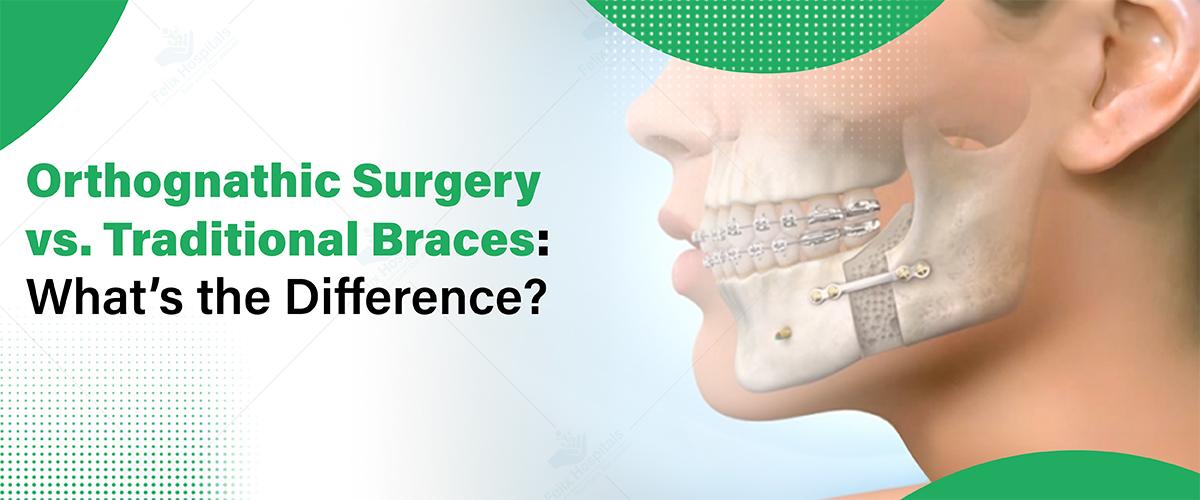
When it comes to correcting dental and facial irregularities, two common options often discussed are orthognathic surgery and traditional braces. Both methods aim to improve the alignment, function, and aesthetics of the teeth and jaws, but they serve different purposes and are suitable for different situations. In this blog, Let’s explore the key differences between orthognathic surgery and traditional braces, the conditions they address, the processes involved, and the factors to consider when making a decision.
For more information about the different orthodontic options available and to discuss your treatment possibilities, give us a call today at +91 9667064100!
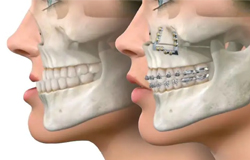
Orthognathic surgery, also known as jaw surgery, is a surgical procedure that corrects irregularities in the jawbone and realigns the jaws and teeth to improve function and appearance. This type of surgery is typically recommended for individuals with significant jaw discrepancies that cannot be adequately treated with braces alone.
Orthognathic surgery can address several conditions, including:
Jaw Misalignment: Issues such as overbite, underbite, or crossbite that result from mismatched jaw sizes.
Facial Imbalance: Asymmetry in facial features caused by jaw irregularities.
Sleep Apnea: Obstructive sleep apnea related to jaw positioning can sometimes be treated through surgical intervention.
Difficulty Chewing or Speaking: Problems with jaw alignment may lead to functional issues.
The process typically involves several steps:
Initial Consultation: A thorough assessment by an oral and maxillofacial surgeon, often accompanied by dental specialists.
Diagnostic Imaging: X-rays, CT scans, and dental impressions to plan the surgical approach.
Surgical Procedure: Performed under general anesthesia, the surgeon repositions the jaw and secures it with plates and screws.
Post-Operative Recovery: A recovery period involving rest and limited jaw movement, followed by orthodontic adjustments if necessary.
Traditional braces are orthodontic devices made of metal brackets, wires, and bands used to straighten teeth and correct bite issues over time. They apply continuous pressure to the teeth, gradually moving them into their desired positions.
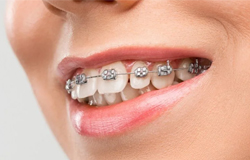
Traditional braces are effective for a variety of orthodontic issues, including:
Crowded Teeth: When teeth overlap or are too close together.
Gaps Between Teeth: Spaces that can affect both aesthetics and function.
Misaligned Teeth: Teeth that are crooked or not positioned properly.
Bite Issues: Conditions such as overbites, underbites, and crossbites can often be improved with braces.
The process of getting traditional braces typically includes:
Initial Consultation: Evaluation by an orthodontist to determine the best treatment plan.
Placement of Braces: Brackets are attached to the teeth, and wires are threaded through them.
Regular Adjustments: Patients return to the orthodontist every few weeks for adjustments to tighten the wires and monitor progress.
Removal of Braces: Once the teeth have shifted into the correct position, the braces are removed, followed by the use of retainers to maintain alignment.
| Criteria | Orthognathic Surgery | Traditional Braces |
|---|---|---|
| Purpose and Treatment Scope | Addresses skeletal issues and jaw alignment for severe cases; corrects underlying structural problems that braces cannot. | Focuses on dental alignment and minor bite adjustments for milder cases; does not involve surgery. |
| Duration of Treatment | Takes several months, including pre-surgical orthodontics, surgery, and post-op recovery; full healing can take up to a year or more. | Typically lasts 1-3 years, depending on case complexity; no surgery required. |
| Invasiveness | Involves surgery under anesthesia, with a significant recovery period; risks include infection and complications. | Non-invasive, no surgery; discomfort mainly from adjustments, minimal risks. |
| Cost Considerations | More expensive due to surgery; cost in India ranges from ₹15,00,000 to ₹30,00,000 or more. | More affordable; cost in India ranges from ₹2,50,000 to ₹5,00,000. Some insurance may cover parts of the treatment. |
| Post-Treatment Maintenance | May require follow-up orthodontics to fine-tune alignment and regular dental visits. | Retainers are prescribed after braces removal to maintain teeth position. |
Severity of the Condition: Consult with an orthodontist to assess whether your issues can be resolved with braces or if surgery is necessary.
Treatment Goals: Consider your aesthetic and functional goals. Orthognathic surgery may provide a more comprehensive solution for jaw-related issues.
Time Commitment: Evaluate how much time you are willing to invest in your treatment, considering the longer process for surgery.
Cost: Review your budget and insurance coverage to determine which option is financially viable for you.
Consultation with Specialists: Always seek advice from qualified dental professionals who can provide tailored recommendations based on your specific needs.
At Felix Hospitals, recognized as the best dental hospital in Noida, we take pride in offering exceptional dental care through our highly qualified specialists. Here are some of our top dentists:
With extensive experience in general dentistry, Dr. Aditi Narad focuses on providing personalized care to ensure optimal oral health for her patients. Her compassionate approach and dedication make her a trusted choice for dental treatments.
Specializing in cosmetic dentistry, Dr. Shinja Dixit is known for her meticulous attention to detail and innovative techniques. She is committed to enhancing her patients' smiles while prioritizing their comfort and satisfaction.
Dr. Aditi Sharma combines her expertise in restorative and preventive dentistry to deliver comprehensive dental solutions. Her patient-centered philosophy ensures that each individual receives tailored care for their unique dental needs.
If you are considering orthodontic treatment, contact us today to schedule a consultation with our expert orthodontists at +91 9667064100.
Both orthognathic surgery and traditional braces play crucial roles in orthodontics and dentistry, but they cater to different needs. Understanding the differences between these two treatment options is essential for making an informed decision regarding your dental health. If you have severe jaw misalignment or other complex issues, orthognathic surgery may be the right choice. However, for more straightforward dental alignment concerns, traditional braces can effectively meet your needs.
1. What is the main difference between orthognathic surgery and traditional braces?
- Orthognathic surgery corrects significant jaw and skeletal issues, while traditional braces focus on dental alignment and minor bite adjustments.
2. Who is a candidate for orthognathic surgery?
- Candidates typically include individuals with severe jaw misalignment, facial asymmetry, or functional issues like difficulty chewing or speaking that cannot be resolved with braces alone.
3. How long does each treatment option take?
- Traditional braces usually take 1 to 3 years, while orthognathic surgery involves several months for pre-surgical orthodontics, the surgery itself, and additional recovery time.
4. Is orthognathic surgery painful?
- While discomfort is expected post-surgery, pain management strategies are provided, and most patients find that the benefits outweigh the temporary discomfort.
5. Are there risks associated with orthognathic surgery?
- Yes, risks can include infection, complications from anesthesia, and issues related to healing. However, these risks are generally low with experienced surgeons.
6. What is the cost difference between the two treatments?
- Orthognathic surgery is generally more expensive, costing between ₹15,00,000 and ₹30,00,000, while traditional braces typically range from ₹2,25,000 to ₹5,25,000.
7. Will I need follow-up treatment after orthognathic surgery?
- Yes, many patients require additional orthodontic treatment after surgery to ensure teeth remain in the correct position.
8. Can insurance cover the costs of these treatments?
- Many insurance plans cover some costs for both braces and surgery, but coverage can vary significantly. It's best to check with your insurance provider.
9. How do I choose between these two options?
- Consult with dental professionals who can evaluate your specific needs, severity of your condition, treatment goals, and budget to determine the most suitable option.
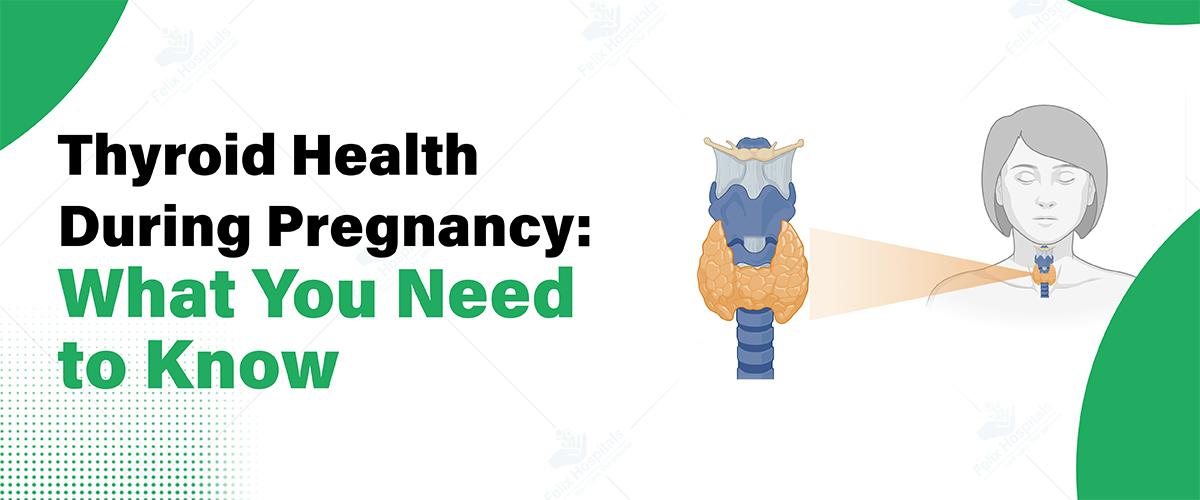
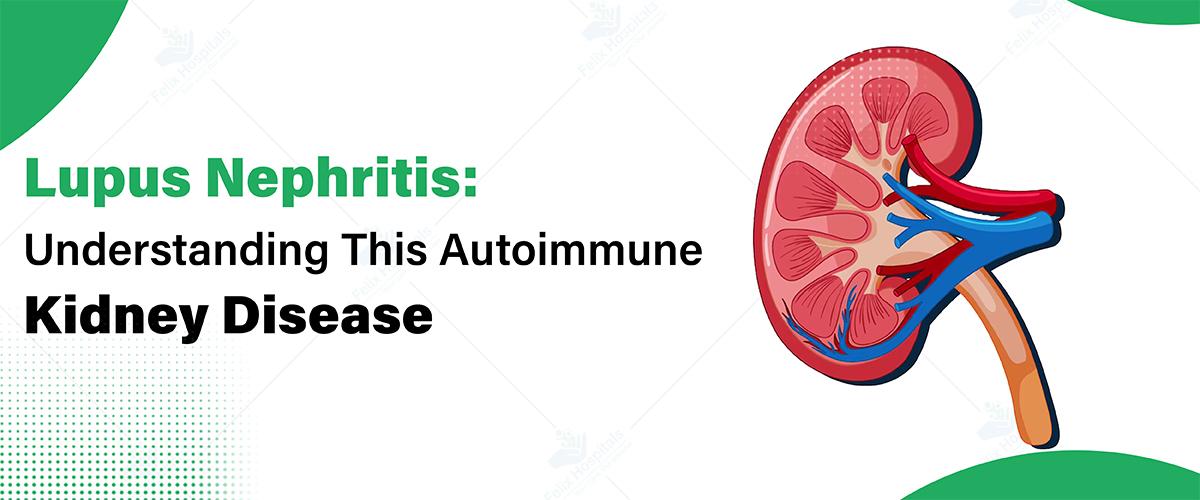
Lupus nephritis is a significant complication of systemic lupus erythematosus (SLE), an autoimmune disease that can impact various organs, particularly the kidneys. Understanding lupus nephritis, including its causes, symptoms, diagnosis, treatment, and management, is crucial for patients and their families. If you have questions or need expert guidance, don't hesitate to consult with the best hospital for kidney treatment in Noida.
Schedule Your Consultation Today with Dr. Kiran Seth for personalized care and expert guidance.
Lupus nephritis occurs when the immune system mistakenly attacks the kidneys, leading to inflammation and damage. This condition can result in impaired kidney function, proteinuria (excess protein in urine), and, in severe cases, kidney failure. Lupus nephritis is more common in women, particularly those of childbearing age, and often develops years after a lupus diagnosis.
The exact cause of lupus nephritis is not fully understood, but it is believed to result from a combination of genetic, environmental, and hormonal factors. Key contributors include:
1. Autoimmune Response: In lupus, the body produces autoantibodies that mistakenly attack healthy tissues, including the kidneys.
2. Genetics: A family history of lupus or other autoimmune diseases increases the risk of developing lupus nephritis.
3. Environmental Triggers: Factors such as infections, exposure to ultraviolet (UV) light, and certain medications may trigger lupus flares and contribute to kidney involvement.
4. Hormonal Factors: The higher prevalence of lupus nephritis in women suggests that hormonal changes may play a role in its development.
Symptoms of lupus nephritis can vary widely among individuals, and some may experience no symptoms at all. Common signs include:
Swelling: Puffiness in the face, hands, or feet due to fluid retention.
Foamy Urine: A sign of proteinuria, which occurs when the kidneys leak protein into the urine.
High Blood Pressure: Elevated blood pressure can result from kidney damage.
Changes in Urine Color: Dark or tea-colored urine may indicate blood in the urine (hematuria).
Fatigue: Persistent tiredness or weakness.
Joint Pain: General discomfort or pain, often associated with lupus flares.
It’s crucial for patients experiencing these symptoms to seek medical evaluation promptly, as early intervention can prevent further kidney damage.
Diagnosing lupus nephritis involves a comprehensive approach, including:
1. Medical History: A thorough history of symptoms, family history of autoimmune diseases, and previous lupus diagnosis.
2. Physical Examination: A healthcare provider may check for signs of kidney problems, such as swelling and high blood pressure.
3. Urinalysis: A routine urine test can detect protein, blood, and other abnormalities.
4. Blood Tests: Tests to measure kidney function (creatinine and blood urea nitrogen levels) and to detect specific autoantibodies associated with lupus.
5. Kidney Biopsy: A definitive diagnosis often requires a kidney biopsy, where a small tissue sample is taken from the kidney and examined under a microscope to assess the extent of damage and inflammation.
The treatment of lupus nephritis aims to reduce inflammation, preserve kidney function, and manage symptoms. Treatment strategies may include:
1. Immunosuppressive Medications: These drugs help suppress the immune system's overactive response. Common options include corticosteroids (like prednisone), azathioprine, mycophenolate mofetil, and cyclophosphamide.
2. Biologics: Newer medications, such as belimumab and rituximab, target specific components of the immune system to reduce lupus activity.
3. Antihypertensives: Medications to control high blood pressure, which is crucial in managing kidney health.
4. Dietary Changes: A renal-friendly diet, low in sodium and protein, may help manage symptoms and reduce the workload on the kidneys.
5. Lifestyle Modifications: Staying active, avoiding smoking, and managing stress can support overall health and well-being.
6. Regular Monitoring: Ongoing follow-up appointments to monitor kidney function, adjust treatment as necessary, and detect any complications early.
The prognosis for individuals with lupus nephritis varies widely depending on several factors, including the severity of kidney involvement, response to treatment, and adherence to medical recommendations. With early diagnosis and appropriate management, many patients can achieve stable kidney function and a good quality of life. However, some may experience persistent kidney issues or progress to end-stage renal disease, requiring dialysis or transplantation.
Managing lupus nephritis involves more than just medication. Patients are encouraged to:
- Educate Themselves: Understanding the disease, treatment options, and self-management strategies empowers patients to take charge of their health.
- Establish a Support System: Connecting with healthcare providers, support groups, and family members can provide emotional and practical support.
- Monitor Symptoms: Keeping track of symptoms and any changes in health can facilitate timely medical intervention.
- Prioritize Mental Health: Living with a chronic condition can be challenging; seeking counseling or therapy can help manage stress and anxiety.
For individuals seeking treatment for lupus nephritis, consulting experienced specialists at the best rheumatology hospital is essential. At Felix Hospital, Dr. Kiran Seth is a highly regarded rheumatologist with extensive expertise in managing autoimmune diseases. Her dedication to patient-centered care guarantees that each patient receives a thorough evaluation and personalized treatment plan, ensuring effective management of lupus nephritis and improved overall well-being.
Don’t let lupus nephritis affect your quality of life. Book an Appointment by call now at 9667064100.
Lupus nephritis is a complex autoimmune condition that requires careful management and a multidisciplinary approach. Understanding the disease, recognizing symptoms, and adhering to treatment can lead to better outcomes and improved quality of life. With advancements in medical research and treatment options, individuals with lupus nephritis can hope for a brighter future.
1. What is lupus nephritis?
- Lupus nephritis is an inflammation of the kidneys caused by systemic lupus erythematosus (SLE), leading to kidney damage and dysfunction.
2. What are the symptoms of lupus nephritis?
- Symptoms include swelling, foamy urine, high blood pressure, fatigue, and joint pain.
3. How is lupus nephritis diagnosed?
- Diagnosis involves a medical history review, physical examination, urinalysis, blood tests, and often a kidney biopsy.
4. What treatments are available for lupus nephritis?
- Treatments include immunosuppressive medications, biologics, antihypertensives, dietary changes, and regular monitoring.
5. What is the prognosis for lupus nephritis?
- Prognosis varies; many patients can achieve stable kidney function with early treatment, while others may experience complications.
6. Can lupus nephritis lead to kidney failure?
- Yes, if left untreated or not adequately managed, lupus nephritis can progress to end-stage renal disease.
7. How can lifestyle changes impact lupus nephritis?
- Healthy lifestyle choices, including a balanced diet, regular exercise, and stress management, can positively affect overall health and kidney function.
8. Why is a multidisciplinary approach important?
- A multidisciplinary approach ensures comprehensive care, addressing both autoimmune aspects and kidney health for better management of lupus nephritis.
Gout is a form of arthritis caused by the buildup of uric acid crystals in the joints, leading to sudden and severe pain

Lupus is an autoimmune disorder that often affects women more than men. Recognizing its early signs—such as joint pain, fatigue, and skin rashes—can help in timely diagnosis and treatment, improving long-term health outcomes.

Malaria remains one of the most prevalent and deadly diseases in the world, particularly affecting tropical and subtropical regions. Transmitted through the bite of infected mosquitoes, this parasitic infection poses a significant threat to public health. Early diagnosis and effective treatment can save lives, but awareness about its causes, symptoms, and preventive measures is essential in combating this condition. This blog explores all the key aspects of malaria and provides comprehensive information to help understand and address this serious health issue. For those seeking immediate assistance, finding a malaria test near me can be crucial in getting a timely diagnosis and care.
Protect Yourself and Your Loved Ones: Learn more about preventing malaria and get expert advice by scheduling a consultation at +91 9667064100 with a healthcare professional.
Malaria is a life-threatening disease caused by Plasmodium parasites. It is transmitted to humans through the bites of infected female Anopheles mosquitoes. Once in the bloodstream, the parasite infects liver cells, where it multiplies and spreads, leading to symptoms that can be mild or severe, depending on the species of Plasmodium. The most dangerous species, Plasmodium falciparum, can cause severe complications and even death if left untreated.
Malaria is primarily caused by the Plasmodium parasite, which is transmitted to humans through the bite of an infected Anopheles mosquito. The mosquito becomes infected when it feeds on the blood of a person with this condition. The parasite then completes part of its life cycle in the mosquito, and when the mosquito bites another human, the infection is passed on. Five species of Plasmodium cause malaria in humans, with Plasmodium falciparum being the most severe.
Key causes include:
Bites from infected mosquitoes
Blood transfusions from infected donors
Sharing needles with an infected person
Rarely, from mother to fetus during pregnancy
Symptoms of malaria usually appear 10 days to 4 weeks after infection but can manifest as early as 7 days or as late as several months. Common symptoms include:
High fever and chills
Sweating
Headache
Muscle pain and fatigue
Nausea and vomiting
Diarrhea
Anemia
Jaundice (yellowing of the skin and eyes)
Confusion or seizures
Breathing problems
Organ failure
Diagnosing malaria involves detecting the parasite in the blood. The following tests are used:
Blood Smear Microscopy: A laboratory technique where a drop of blood is examined under a microscope to detect the presence of Plasmodium parasites.
Rapid Diagnostic Tests (RDTs): These tests detect specific antigens malaria parasites produce and provide quick results.
Molecular Tests (PCR): More sensitive than microscopy, PCR (Polymerase Chain Reaction) detects the parasite’s DNA and is used in cases of low parasite levels or mixed infections.
Doctors may also recommend additional blood tests to assess organ function and other complications caused by malaria.
Treatment of this condition depends on the type of parasite and the severity of the infection. The most common treatment involves antimalarial medications. Some of the key treatment methods include:
Artemisinin-based combination therapies (ACTs): These are the most effective treatments for Plasmodium falciparum malaria.
Chloroquine: This medication is used for non-resistant strains of malaria.
Quinine and Doxycycline: In some cases, quinine is combined with antibiotics like doxycycline to treat severe malaria.
Hospitalization: Severe cases of this condition may require hospitalization, where intravenous fluids, medications, and supportive care are provided to manage complications.
For expert care, consulting with a top specialist in malaria treatment can ensure the best possible outcomes and tailored management of the disease.
Preventing malaria involves avoiding mosquito bites and using prophylactic medications if you live in or travel to areas where this condition is common. Key prevention methods include:
Insecticide-treated bed nets (ITNs): Sleeping under a mosquito net treated with insecticide helps prevent mosquito bites.
Insect Repellents: Use repellents that contain DEET to keep mosquitoes away.
Prophylactic Medications: If you are traveling to a malaria-endemic area, your doctor may prescribe antimalarial drugs like malaria, doxycycline, or mefloquine.
Environmental Measures: Reducing mosquito breeding grounds by draining stagnant water and using insecticides in high-risk areas can reduce the mosquito population.
At Felix Hospital, we have a team of highly skilled and experienced doctors who specialize in treating infectious diseases, including this condition. Our dedicated physicians, such as Dr. Anshumala Sinha, Dr. Neelabh Pratap, Dr. Priyanka Singh, and Dr. Sonakshi Saxena, are well-versed in diagnosing and managing malaria cases. With advanced diagnostic facilities and a compassionate staff, Felix Hospital is equipped to handle both mild and severe conditions cases, ensuring patients receive the best possible care.
Stay Proactive About Your Health: If you suspect you have malaria or need a diagnosis, find a reliable malaria test near me to get tested today. Click Here
This condition is a serious, life-threatening disease, but it is preventable and treatable. Timely diagnosis and appropriate treatment can prevent complications and save lives. Understanding the causes, symptoms, and preventive measures can help reduce the risk of infection. For those seeking the best care, the best malaria treatment hospital in Noida offers experienced medical professionals dedicated to providing comprehensive care for malaria and other infectious diseases, ensuring patients recover quickly and safely.
1. Can malaria recur after treatment?
Yes, some species of Plasmodium can remain dormant in the liver and cause relapses weeks or even months after the initial infection.
2. Is there a vaccine for malaria?
As of now, the RTS, S/AS01 (Mosquirix) vaccine has been approved for use in some malaria-endemic regions, providing partial protection against P. falciparum.
3. How can I protect myself from malaria when traveling?
When traveling to malaria-endemic areas, use insect repellent, sleep under treated bed nets, wear protective clothing, and take prescribed antimalarial medications.
4. Can malaria spread from person to person?
No, malaria is not spread from person to person like the flu. It is transmitted through the bite of an infected mosquito or, in rare cases, through blood transfusions or shared needles.
5. What should I do if I suspect I have malaria?
If you develop symptoms of malaria, especially after traveling to an area where the disease is prevalent, seek medical attention immediately. Early diagnosis and treatment are crucial.
6. How long does it take to recover from malaria?
Recovery time from malaria depends on the severity of the infection and the type of treatment. Mild cases typically resolve within a few weeks after treatment, while severe cases may require longer recovery times, particularly if there are complications.
7. Is malaria common in urban areas?
While malaria is more common in rural and tropical areas, it can also occur in urban regions, especially in areas where mosquitoes thrive due to stagnant water and poor sanitation. Preventive measures are important regardless of location in malaria-endemic regions.
8. Can children and pregnant women be treated for malaria?
Yes, children and pregnant women can be treated for malaria, but the choice of medication may differ to ensure safety. Special care is taken to choose antimalarial drugs that are safe for both the mother and the unborn child, and children require age-appropriate dosing.

Dengue is a mosquito-borne viral disease causing high fever, body pain, and rashes. It spreads through Aedes mosquitoes. Early treatment and mosquito control help prevent complications.

Psoriatic arthritis is a chronic autoimmune condition that affects both the skin and joints. It's commonly associated with psoriasis, a skin disorder characterized by red, scaly patches. While there is currently no cure for psoriatic arthritis, effective management strategies can significantly improve the quality of life for those affected. If you’re experiencing symptoms related to psoriatic arthritis, consulting with a specialized rheumatology hospital is crucial for receiving appropriate care and treatment.
Psoriatic arthritis can be a challenging condition. Consult with the best rheumatologist to Know more by Clicking Here.
Psoriatic arthritis primarily affects individuals with psoriasis or those with a family history of the condition. It is an inflammatory arthritis that causes joint pain, stiffness, and swelling, along with skin symptoms associated with psoriasis. Psoriasis manifests as patches of thickened, inflamed skin known as plaques. In addition to joint inflammation, psoriatic arthritis can also lead to changes in the fingernails and toenails, making them appear flaky, pitted, or discolored.
The condition is classified as an autoimmune disease, which means that the immune system mistakenly attacks healthy tissues in the body, leading to inflammation and pain. The symptoms of psoriatic arthritis and psoriasis typically fluctuate in cycles known as flares, where periods of active symptoms are followed by periods of remission. It is essential to seek medical attention if you notice new skin symptoms or experience joint pain, swelling, or stiffness.
While less than 1% of the general population develops psoriatic arthritis, the prevalence is notably higher among individuals with psoriasis. Studies suggest that approximately 30% of people living with psoriasis will eventually develop psoriatic arthritis during their lifetime. This link underscores the importance of monitoring skin conditions for potential joint-related complications.
Psoriatic arthritis can be classified into five distinct forms based on the specific joints affected and whether symptoms appear symmetrically or asymmetrically across the body:
1. Distal Interphalangeal Predominant Psoriatic Arthritis: This type primarily impacts the joints near the ends of the fingers and toes, often leading to nail abnormalities.
2. Symmetric Polyarthritis: In this form, the same joints on both sides of the body are affected, such as both knees or elbows. It is one of the most common types of psoriatic arthritis.
3. Asymmetric Oligoarticular Psoriatic Arthritis: This type affects two to four joints, but not necessarily the same joints on both sides of the body, making it less predictable.
4. Spondylitis: This involves inflammation in the spine, leading to discomfort and stiffness in the back and sometimes in the hips and shoulders.
5. Arthritis Mutilans: The rarest and most severe form, it can lead to significant bone loss and deformities in the hands and feet.
The symptoms of psoriatic arthritis can range from mild to severe and may include:
- Joint pain and stiffness, particularly in the morning or after periods of inactivity.
- Redness or swelling around affected joints.
- Tenderness at points where tendons and ligaments attach to bones.
- Swelling of fingers or toes, commonly referred to as "sausage fingers."
- Visible psoriasis patches, typically silver or gray, appear on the scalp, elbows, knees, and lower back.
- Nail symptoms, such as pitting, discoloration, or separation from the nail bed.
- Fatigue, which is often experienced alongside physical discomfort.
While the precise cause of psoriatic arthritis remains unclear, genetic factors may play a significant role. Approximately 40% of individuals with psoriatic arthritis report having a family member with the condition, suggesting a hereditary component.
Typically, psoriatic arthritis develops in adults aged 30 to 50, with many individuals experiencing psoriasis symptoms in their teenage years or early twenties. Other risk factors of psoriatic arthritis include:
- A personal history of psoriasis.
- Family history of autoimmune diseases.
- Obesity, which can exacerbate joint stress and inflammation.
Individuals with psoriatic arthritis are at an increased risk for various comorbid conditions, including:
- Hypertension (high blood pressure).
- High cholesterol levels.
- Obesity, which can further complicate joint health.
- Diabetes and metabolic syndrome.
- Depression and anxiety, often stemming from chronic pain and lifestyle limitations.
- Muscle weakness due to inactivity or joint discomfort.
Diagnosing psoriatic arthritis involves a comprehensive evaluation by a healthcare provider, typically including a physical examination and assessment of your symptoms. You may be referred to a rheumatologist, a specialist in autoimmune diseases and inflammatory conditions. While there is no specific test for psoriatic arthritis, doctors may use a combination of:
- Blood tests to rule out other potential conditions.
- Imaging studies, such as X-rays, MRIs, or ultrasounds, to evaluate joint damage or inflammation.
Treatment of psoriatic arthritis focuses on alleviating symptoms and enhancing quality of life. Treatment plans may include:
- Over-the-counter anti-inflammatory medications: Non-steroidal anti-inflammatory drugs (NSAIDs) can help reduce pain and swelling.
- Cold or heat therapy: Applying ice or heat to affected areas can provide relief during flares.
- Corticosteroids: These medications can help manage inflammation and suppress the immune response.
- Disease-modifying antirheumatic drugs (DMARDs): These can slow disease progression and prevent joint damage.
- Physical or occupational therapy: Therapists can provide exercises tailored to maintain joint function and mobility.
In rare instances, surgical intervention, such as joint replacement, may be necessary to restore function in severely damaged joints.
Due to the lack of definitive causes, complete prevention of psoriatic arthritis is not possible. However, certain lifestyle modifications may help lower your risk, including:
- Avoiding tobacco products, which can exacerbate inflammation.
- Following a balanced diet and maintaining a healthy weight.
- Engaging in low-impact exercise to keep joints flexible and strong.
- Wearing protective gear during activities that pose a risk of joint injury.
Living with psoriatic arthritis means managing a chronic condition. Patients should anticipate ongoing symptom management, as flares can occur intermittently. While effective treatments can help mitigate symptoms and reduce the frequency of flares, it’s essential to maintain regular check-ups with your healthcare provider to monitor your condition and adjust treatment as necessary.
If you are experiencing symptoms of psoriatic arthritis, don’t hesitate to consult with Dr. Kiran Seth, a highly experienced rheumatologist at Felix Hospital. With over 15 years of expertise in treating psoriatic arthritis and other autoimmune disorders, Dr. Seth and the exceptional rheumatology team at Felix Hospital are dedicated to helping you achieve effective symptom relief and a better quality of life.
Contact us today at +91 9667064100 to schedule an appointment and take the first step toward managing your condition.
Psoriatic arthritis can present significant challenges, but with a thorough understanding of its symptoms, causes, and available treatment options, individuals can effectively manage their condition. Early intervention and a tailored approach to treatment are crucial in reducing the frequency and severity of flares, ultimately improving quality of life. It's essential to stay informed about lifestyle changes that can help mitigate symptoms, as well as to seek support from healthcare providers and community resources. By prioritizing your health and staying proactive, you can navigate the complexities of psoriatic arthritis and lead a fulfilling life. Don’t hesitate to reach out for the help and support you need on your journey to better health.
1. What triggers psoriatic arthritis flares?
Triggers can vary for each person but may include stress, infections, injuries, certain medications, and weather changes. Keeping a journal of your symptoms can help identify personal triggers.
2. Can psoriatic arthritis affect other parts of the body?
Yes, psoriatic arthritis can impact various parts of the body, including the eyes (causing inflammation), the spine (leading to spondylitis), and the skin (causing psoriasis).
3. Is psoriatic arthritis hereditary?
While the exact cause is not fully understood, genetics play a significant role. Approximately 40% of individuals with psoriatic arthritis have a family member with the condition.
4. What lifestyle changes can help manage psoriatic arthritis?
Maintaining a healthy weight, engaging in regular low-impact exercise, avoiding smoking, and following a balanced diet rich in anti-inflammatory foods can help manage symptoms.
5. Can diet affect psoriatic arthritis symptoms?
Yes, some studies suggest that certain dietary changes—such as reducing processed foods and increasing omega-3 fatty acids—may help reduce inflammation and improve symptoms.
6. How is psoriatic arthritis diagnosed?
Diagnosis involves a physical examination, assessment of symptoms, and possibly imaging studies or blood tests to rule out other conditions. A referral to a rheumatologist may be necessary for specialized care.
7. Are there effective treatments for psoriatic arthritis?
Yes, treatments can include NSAIDs, corticosteroids, DMARDs, and biological therapies, tailored to each individual’s needs. Physical therapy may also be beneficial.
8. Can psoriatic arthritis lead to permanent joint damage?
If left untreated, psoriatic arthritis can cause joint damage over time. Early intervention and proper management are crucial to preventing long-term complications.
9. What should I do if I experience a flare-up?
During a flare-up, it’s essential to rest affected joints, apply heat or cold therapy, and consult your healthcare provider about adjusting your treatment plan.
Gout is a form of arthritis caused by the buildup of uric acid crystals in the joints, leading to sudden and severe pain
Lupus is an autoimmune disorder that often affects women more than men. Recognizing its early signs—such as joint pain, fatigue, and skin rashes—can help in timely diagnosis and treatment, improving long-term health outcomes.

Have your tonsils removed through surgery. A procedure known as tonsillectomy, Is quite common. Is often done to address issues like chronic infections or obstructive sleep apnea related to the tonsils themselves. It's important to understand the ins and outs of Tonsil surgery. What the tonsils are all about and how to get ready, for the procedure includes knowing the risks involved and what costs you might expect. This blog post aims to walk you through the details of tonsil surgery so that you can feel prepared and informed about what lies ahead.
For those considering tonsil surgery, it's important to choose the right facility. Felix Hospital is recognized as the Best Hospital for Tonsil Surgery, offering state-of-the-art care, experienced surgeons, and personalized treatment plans tailored to each patient’s needs.
Feel free to reach out to our team, for guidance and assistance as you navigate through your treatment process! Contact us today at +91 9667064100.
The tonsils are a pair of oval-shaped tissues situated at the rear of the throat and play a role in the body's defense against infections. They can cause issues, like difficulty breathing or intense throat discomfort when they are frequently infected or swollen. Tonsillectomy is the surgery performed to eliminate the tonsils and is commonly advised for those experiencing repeated tonsil infections or obstructive sleep apnea.
Before moving with tonsil surgery it is crucial to conduct a thorough diagnosis first as part of the standard procedure:
Proper preparation is vital for a smooth tonsillectomy experience:
1. Pre-Surgical Consultation: Schedule a meeting, with your surgeon to go over the operation details and any potential risks involved well as what to expect during recovery.
2. Medical History: Inform the physician about your own or your child's medical background including health issues and allergies to medications or anesthesia used in previous procedures.
3. Avoid Certain Medications: Consider refraining from taking medications before the surgery, such, as blood thinners to reduce the risk of excessive bleeding during the procedure.
4. Pre-Operative Instructions: Follow guidelines on when to stop eating and drinking before surgery, typically 8-12 hours prior.
5. Arrange Post-Operative Care: Ensure that there is someone to help you or your child after the operation for proper care, during the healing phase because support will be necessary.
6. Prepare for Recovery: Make sure you have plenty of food and cold drinks ready for your recovery, after surgery, and set up a cozy resting area at home.
Recovering post a tonsil removal surgery is a stage in the medical procedure that demands careful consideration to promote ideal healing and ease of recovery process ahead. Here is an elaborate insight, into what one can anticipate during the recuperation timeframe:
Maintaining follow-up appointments with your healthcare provider is crucial, for monitoring the healing process after surgery. During these visits, your doctor will examine the site address any worries you may have, and make sure that your recovery is going well. If you experience any symptoms or complications your healthcare provider will offer advice on how to handle them effectively.
By adhering to these tips, for recovery post tonsil surgery, you can contribute to making the healing process more efficient and quicker.
While tonsil surgery is generally safe, it does carry some risks, including:
The Tonsil Surgery treatment cost may differ depending on factors such as the hospital chosen and the fees charged by the surgeon as well, as any extra procedures needed for the treatment. The typical cost usually falls within the range of ₹30k to ₹60k. It's advisable to reach out to the hospital or healthcare provider for a quote and to verify whether your insurance provides coverage for this surgery.
For more information about tonsil surgery or to schedule a consultation with one of our experienced ENT specialists, Contact Us Today at +91 9667064100.
Getting your tonsils removed can bring a lot of relief to people dealing with recurring tonsillitis or sleep apnea issues that block the airways during sleep periods. To be well prepared for the surgery and weigh the risks and expenses involved thoroughly is crucial before deciding to go through with it. It's important to seek advice, from a trusted healthcare to get personalized care that suits your specific circumstances best.
1. What are the common reasons for needing a tonsillectomy?
ANS: Common reasons include chronic tonsillitis, obstructive sleep apnea, and enlarged tonsils causing breathing or swallowing difficulties.
2. How long does a tonsillectomy procedure take?
ANS: The procedure typically takes about 30 to 60 minutes.
3. Is tonsillectomy performed under general anesthesia?
ANS: Yes, tonsillectomy is usually performed under general anesthesia, meaning the patient will be asleep during the surgery.
4. What is the typical recovery time after a tonsillectomy?
ANS: Most patients recover within 1 to 2 weeks, though full recovery may take up to 2 weeks.
5. Can tonsillectomy be performed on children?
ANS: Yes, tonsillectomy is commonly performed on children, especially if they have recurrent tonsillitis or obstructive sleep apnea.
6. Are there any long-term effects after having a tonsillectomy?
ANS: Generally, there are no long-term effects, but some patients may experience changes in their immune response.
7. What are the signs of complications after tonsil surgery?
ANS: Signs include severe pain, excessive bleeding, high fever, or difficulty breathing.
8. Will I need to follow a special diet after the surgery?
ANS: Yes, a diet of soft foods and plenty of fluids is recommended to help with recovery and reduce irritation.

It uses radiofrequency energy to create a low-temperature plasma field that gently dissolves the tissue, rather than burning it.
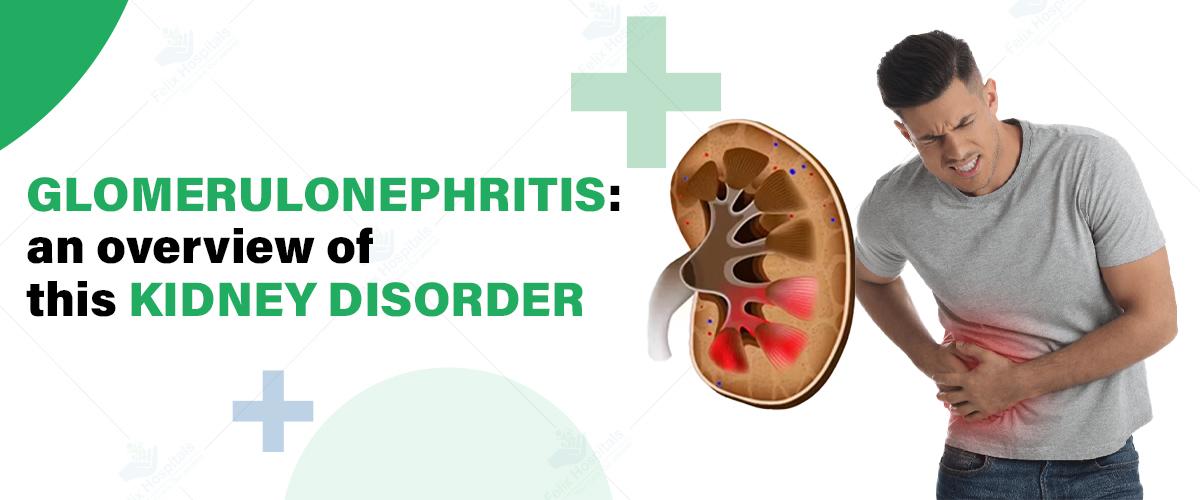
Glomerulonephritis (GN) refers to a range of kidney diseases characterized by inflammation of the glomeruli, the tiny filtering units of the kidneys that play a crucial role in blood filtration. When these glomeruli become inflamed, they lose their ability to properly filter waste and excess fluids from the blood, leading to various complications, including kidney dysfunction. GN can manifest as either an acute condition with a sudden onset or as a chronic disease that progresses over time, potentially leading to kidney failure.
Let’s explore the causes, types, symptoms, diagnostic methods, and treatment options associated with glomerulonephritis, providing an in-depth understanding of this kidney disorder.
What are the early warning signs of Glomerulonephritis? Call us at +91 9667064100 for more information about Glomerulonephritis.
Glomerulonephritis is a kidney condition that involves inflammation of the glomeruli. The kidneys play a critical role in maintaining the body’s overall health by filtering blood to remove waste products, excess fluid, and electrolytes, which are then excreted as urine. When inflamed glomeruli, they lose their filtering efficiency, allowing proteins and blood cells to leak into the urine and resulting in various degrees of kidney damage.
This disorder can arise as a primary condition, directly affecting the kidneys, or as part of a systemic disease, such as lupus or diabetes. While some cases of glomerulonephritis may resolve with appropriate treatment, others can progress to chronic kidney disease (CKD) or even kidney failure.
There are two main types of glomerulonephritis: acute and chronic. Both forms of GN have distinct causes, presentations, and prognoses.
Acute glomerulonephritis typically develops suddenly, often after an infection, such as strep throat or skin infections. The condition triggers an immune response that mistakenly targets the kidneys, causing inflammation of the glomeruli. Common symptoms of AGN include hematuria (blood in the urine), proteinuria (excess protein in the urine), swelling (edema), and high blood pressure. While some cases resolve with treatment, acute GN can sometimes lead to long-term kidney damage.
Chronic glomerulonephritis is a slower, more progressive form of the disease. It can develop over several years without noticeable symptoms until kidney damage is significant. Chronic GN may result from long-standing conditions, such as high blood pressure, diabetes, or autoimmune disorders like lupus. CGN can lead to irreversible kidney damage, which may eventually result in chronic kidney disease (CKD) or kidney failure, necessitating dialysis or a kidney transplant.
The causes of glomerulonephritis vary widely and can be categorized based on the underlying trigger, such as infections, immune system disorders, or genetic predisposition.
Poststreptococcal glomerulonephritis (PSGN): This is one of the most well-known causes of acute GN. It occurs after infections, particularly strep throat when the body’s immune system overreacts to the infection and mistakenly targets the kidneys.
Other infections: Viral infections like hepatitis B and C, HIV, and certain bacterial infections can also cause glomerulonephritis.
Lupus nephritis: In lupus, the immune system attacks the body’s tissues, including the kidneys. This can lead to inflammation of the glomeruli.
IgA nephropathy (Berger’s disease): This condition occurs when the antibody IgA builds up in the kidneys, causing inflammation and damage to the glomeruli.
Wegener’s granulomatosis and polyarteritis nodosa: These conditions involve inflammation of blood vessels, which can affect the blood supply to the kidneys, leading to glomerulonephritis.
Alport syndrome: This is a hereditary condition that affects the glomeruli and other tissues, such as the eyes and ears. It is caused by mutations in genes responsible for producing collagen in the kidneys, leading to kidney damage.
Diabetic nephropathy: In individuals with poorly controlled diabetes, high blood sugar levels can damage the blood vessels in the kidneys, leading to glomerulonephritis.
Hypertension (high blood pressure): Chronic high blood pressure can damage the delicate structures of the kidneys, leading to glomerulonephritis over time.
The symptoms of glomerulonephritis depend on whether the condition is acute or chronic. In some cases, symptoms may be mild or absent until the disease has advanced significantly. The most common symptoms include:
Hematuria (blood in the urine): The presence of blood in the urine can cause it to appear pink, red, or cola-colored. This is a key sign of glomerular damage.
Proteinuria (protein in the urine): Excessive protein leakage into the urine can result in foamy or frothy urine.
Edema (swelling): Fluid retention commonly leads to swelling in areas such as the face, hands, feet, and abdomen. This is particularly noticeable in the mornings.
Hypertension (high blood pressure): Damaged kidneys may struggle to regulate blood pressure, leading to elevated levels.
Decreased urine output: In severe cases, the kidneys may produce less urine, leading to reduced output.
Fatigue: As kidney function declines, waste products build up in the bloodstream, causing fatigue and general malaise.
Chronic glomerulonephritis may not present noticeable symptoms in its early stages, but as kidney damage worsens, symptoms such as high blood pressure, swelling, and proteinuria become more prominent.
Diagnosing glomerulonephritis involves a combination of medical history, physical examinations, and laboratory tests to assess kidney function and detect any underlying causes. Key diagnostic methods include:
Urinalysis: This is one of the first tests used to check for blood and protein in the urine, which are key indicators of glomerular damage.
24-hour urine collection: This test measures the amount of protein excreted in the urine over 24 hours to assess kidney function.
Serum creatinine and blood urea nitrogen (BUN): These tests measure the levels of waste products in the blood, indicating how well the kidneys are filtering blood.
Glomerular filtration rate (GFR): GFR is a measure of kidney function, with lower values indicating reduced filtration capacity.
A biopsy involves removing a small sample of kidney tissue for examination under a microscope. This can help identify the specific type and severity of glomerulonephritis.
Ultrasound or CT scans of the kidneys may be used to detect structural abnormalities or scarring.
Blood tests may also be used to check for the presence of specific antibodies associated with autoimmune diseases like lupus or IgA nephropathy.
The treatment of glomerulonephritis depends on its underlying cause, severity, and the patient’s overall health. The primary goals of treatment are to reduce inflammation, control symptoms, and prevent further kidney damage. Common treatment approaches include:
Corticosteroids: These drugs are commonly prescribed to reduce inflammation in cases of autoimmune-related glomerulonephritis, such as lupus nephritis.
Immunosuppressants: For more severe cases, immunosuppressive medications are used to prevent the immune system from attacking the kidneys.
Blood pressure medications: ACE inhibitors or angiotensin II receptor blockers (ARBs) are often used to lower blood pressure and reduce protein leakage in the urine.
Diuretics: These medications help reduce swelling by increasing urine output.
Antibiotics: In cases of post-streptococcal glomerulonephritis, antibiotics are used to treat the underlying infection.
This is a procedure in which the blood is filtered to remove harmful antibodies. It is commonly used in cases of severe GN caused by autoimmune disorders.
For individuals with advanced glomerulonephritis or kidney failure, dialysis may be required to remove waste products from the blood when the kidneys can no longer function adequately.
In cases where glomerulonephritis progresses to end-stage renal disease (ESRD), a kidney transplant may be the only viable long-term treatment option.
While not all forms of glomerulonephritis can be prevented, certain lifestyle changes can help reduce the risk of kidney damage and manage the condition more effectively. Some key recommendations include:
Control blood pressure: High blood pressure is a major contributor to kidney damage. Regular monitoring and managing hypertension with medication and lifestyle changes can help protect kidney function.
Maintain a healthy diet: A diet low in salt, processed foods, and excessive protein can help reduce the strain on the kidneys and prevent fluid retention.
Conditions: Proper management of conditions like- diabetes and lupus can significantly reduce the risk of glomerulonephritis.
Stay hydrated: Drinking enough water can help maintain kidney function by flushing out waste products and preventing infections.
Avoid nephrotoxic medications: Certain medications, such as nonsteroidal anti-inflammatory drugs (NSAIDs), can cause kidney damage when used excessively.
At Felix Hospital, we pride ourselves on providing exceptional care for patients with glomerulonephritis. Our team of expert nephrologists is dedicated to diagnosing and treating this complex condition. Here are some of the best doctors specializing in glomerulonephritis treatment at our hospital:
If you are experiencing symptoms of glomerulonephritis or have concerns about your kidney health, our expert team at Felix Hospital is here to help you. Don’t hesitate to reach out for a consultation with one of our specialists!
We are committed to helping you achieve the best possible outcomes through accurate and reliable diagnostics. Contact us at +91 9667064100.
Glomerulonephritis is a complex kidney disorder that can range from a mild, self-limiting condition to a life-threatening disease leading to kidney failure. Early detection, accurate diagnosis, and appropriate treatment are crucial in managing this condition and preventing long-term complications consult with the best hospital for Kidney Treatment. By understanding the causes, symptoms, and treatment options available for glomerulonephritis, patients and healthcare providers can work together to improve kidney health and overall well-being.
1. What is Glomerulonephritis?
Glomerulonephritis is a type of kidney disease where the glomeruli, small filtering units in the kidneys, become inflamed, affecting the kidney’s ability to filter blood and remove waste.
2. What causes Glomerulonephritis?
It can be caused by infections (like strep throat), autoimmune diseases (such as lupus), certain medications, or unknown factors. It can also occur as a result of other underlying health conditions.
3. What are the symptoms of Glomerulonephritis?
Symptoms may include blood in the urine (hematuria), foamy urine (due to protein), high blood pressure, swelling (edema), fatigue, and reduced urine output.
4. How is Glomerulonephritis diagnosed?
Diagnosis typically involves urine tests, blood tests, kidney function tests, and sometimes a kidney biopsy to determine the extent of kidney damage and the cause of inflammation.
5. Can Glomerulonephritis be treated?
Treatment depends on the underlying cause. Options include managing blood pressure, reducing inflammation with steroids or immunosuppressive drugs, treating infections, and dietary changes. In severe cases, dialysis or kidney transplantation may be required.
6. Is Glomerulonephritis curable?
In some cases, especially when caused by an infection, Glomerulonephritis can improve with treatment. However, chronic Glomerulonephritis may lead to long-term kidney damage and require ongoing management.
7. Can Glomerulonephritis lead to kidney failure?
Yes, if untreated or severe, Glomerulonephritis can lead to chronic kidney disease (CKD) or end-stage renal disease (ESRD), requiring dialysis or kidney transplantation.
8. What lifestyle changes can help manage Glomerulonephritis?
Patients are often advised to follow a low-sodium, low-protein diet, control their blood pressure, avoid smoking, and maintain a healthy weight to reduce the burden on their kidneys.
9. Who is at risk for Glomerulonephritis?
People with autoimmune diseases, recurrent infections, or a family history of kidney disease are at higher risk. Other risk factors include uncontrolled high blood pressure and diabetes.

Acute Kidney Injury: Causes, Symptoms, and Treatment explores the sudden deterioration of kidney function, which disrupts the body’s ability to filter waste and regulate fluids.

Kidney dialysis is a life-saving treatment for patients suffering from chronic kidney disease or kidney failure. Understanding the dialysis cost in Noida helps patients and families plan treatment effectively. This article explains the factors affecting d
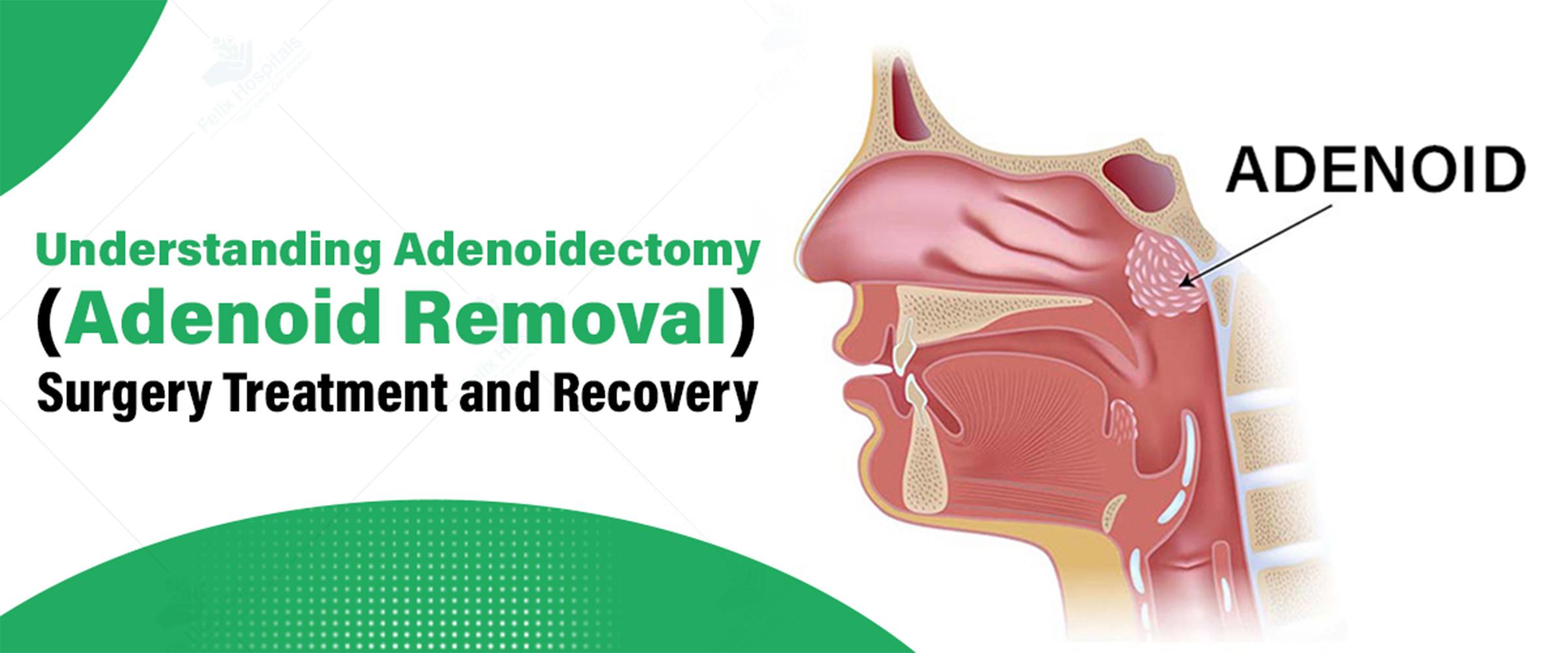
Adenoidectomy surgery is a well-established procedure designed to address issues related to enlarged adenoids, which are lymphatic tissues located at the back of the nasal cavity. When these adenoids become enlarged, they can lead to significant breathing difficulties and other health complications. This article provides a comprehensive overview of adenoidectomy, including its objectives, detection methods, treatment alternatives, and recovery process. It aims to give you a clear understanding of what to expect if this surgery is recommended. For those seeking the Best Hospital for adenoid removal surgery, this guide will help you make informed decisions about your care.
Contact us today at +91 9667064100 to schedule a consultation and learn more about your options.
Adrenalectomy is an operation designed to extract the adenoids situated at the rear of the throat above the palate ceiling level. This surgery is usually advised in cases where the adenoids are inflamed or infected causing problems such as sinus infections, obstructive sleep apnea, or challenges, in nasal breathing. While it is commonly carried out in children adults may also require this procedure at times.
Diagnosing adenoid problems usually requires an approach to ensure precise assessment and planning for treatment needs. Here's an in-depth exploration of how the diagnostic process unfolds:
Medical History: The doctor will start by going through the patient's medical background which involves talking about any signs like regular ear infections, persistent stuffy nose, or trouble breathing through the nose. Recognizing how often these signs occur and how severe they are aids, in evaluating if the adenoids might be part of the issue.
Physical Examination: During the check-up phase of the process comes a detailed examination of the body's condition by the doctor. The physician will inspect the throat and nasal passages using an endoscope—a slender tube equipped with a light and camera to provide a close look, at the adenoids for evaluation of their size and health status. This assessment aids in determining if the adenoids are enlarged and potentially blocking the airway or causing related symptoms.
Imaging Tests: To get a look at the adenoids and how they affect nearby structures in more detail imaging tests like X-rays or other diagnostic studies of imaging might be carried out. These examinations assist in seeing the level of enlargement and any related issues giving important details, for planning surgery.
Additional Tests: Additional Examinations Required; On occasions, additional examinations might be needed to assess the functionality of the adenoids or to pinpoint any underlying issues that could be impacting the patient well being. These tests may involve evaluating the adenoid's influence, on ear function or other connected aspects.
By utilizing a combination of these approaches in healthcare settings medical professionals can precisely assess the necessity, for adenoidectomy and create a customized treatment strategy that aligns with the patient's situation and requirements.
Adenosine is usually done as a day surgery while the patient is fully asleep, with anesthesia to keep them comfortable during the procedure which usually includes:
Removal of Adenoids: The Adenoid removal surgeon takes out the adenoids by going through the mouth of making cuts, outside the body to reduce scarring and target the troublesome tissue effectively.
Minimally Invasive Techniques: Modern approaches, to adenoid removal procedures frequently involve the use of tools that aim to minimize pain and speed up the recovery process effectively.
Post-Operative Care: After the surgery is done and dusted by the team is over with it they give you a bunch of instructions for post-operative care that you have to follow religiously if you want to get back on your feet quickly. This includes tips, on how to deal with pain eat the right foods, and not overdo physical activities to ensure a speedy recovery.
The time, after having adenoids removed usually includes the following elements:
Hospital Stay: After surgery, at the hospital, most patients can go home the same day; however in certain situations, they may need to stay overnight for observation to ensure their recovery is going well and to watch out for any possible issues that may arise.
Pain Management: Post-surgery pain can be alleviated through the use of prescribed medications and over-the-counter pain relievers, which play a role, in ensuring comfort and facilitating a faster healing process.
Diet: During the stages of recovery, it's best to opt for gentle foods and drink lots of liquids to avoid irritating the surgical area and promote healing.
Activity Restrictions: Following surgery guidelines is crucial for a recovery process and minimizing complications and ensuring proper healing at the surgical site includes refraining from intense activities as, per the surgeon's advice.
Follow-Up Appointments: Regular check-up visits with your healthcare provider are really important, for keeping track of how you're healing and dealing with any worries that come up along the way to make sure you're recovering as planned.
Schedule a Consultation today to discuss your concerns and explore treatment options. Click Here for more information.
Adenoidectomy is a crucial surgery that can provide significant relief for individuals dealing with issues related to enlarged adenoids. Understanding the diagnosis process, available treatment options, and what to expect during recovery can greatly assist in making informed decisions about your health or that of your child. For tailored guidance and professional medical attention, it is advisable to consult with a specialist who can determine the most appropriate treatment plan. Additionally, considering the adenoid removal surgery treatment cost is important for planning and managing expenses effectively.
1. What are the common symptoms that indicate a need for adenoidectomy?
Symptoms can include chronic nasal congestion, frequent sinus infections, difficulty breathing through the nose, snoring, and sleep apnea.
2. Is adenoidectomy a painful procedure?
While some discomfort is expected, pain can be managed with medications. Most patients experience minimal pain and recover quickly.
3. How long does it take to recover from adenoidectomy?
Recovery time can vary, but most patients feel better within one to two weeks. Following the surgeon’s post-operative care instructions can aid in a faster recovery.
4. Are there any risks associated with adenoidectomy?
As with any surgery, there are risks, including infection, bleeding, and reactions to anesthesia. However, complications are rare and the procedure is generally safe.
5. Can adenoidectomy be performed on adults?
Yes, while it is more common in children, adults may also undergo adenoidectomy if they experience significant symptoms or complications.
6. What should I do if I experience complications after the surgery?
Contact your healthcare provider immediately if you experience severe pain, excessive bleeding, high fever, or difficulty breathing.
7. Will adenoidectomy affect my child’s speech or swallowing?
Most children do not experience significant changes in speech or swallowing after the procedure. If concerns arise, consult with your healthcare provider for guidance.
8. How can I prepare my child for adenoidectomy?
Explain the procedure in simple terms, reassure them, and follow the pre-operative instructions provided by the healthcare team. It can also help to prepare a comfortable recovery area at home.
ENT health is essential for proper breathing, hearing, speech, and balance. Early detection and expert care ensure a better quality of life and prevent chronic complications.
If you suspect that you or your child may have enlarged adenoids, visiting a specialized facility like the adenoid swelling hospital in Noida can provide the necessary diagnosis and treatment.
The buildup of fluid in the lungs, known as pulmonary edema, is a serious health condition that can significantly impact breathing and overall respiratory function. It often stems from underlying health issues and requires immediate diagnosis and intervention to prevent complications and improve recovery outcomes. For individuals seeking specialized care, a Pulmonary Edema Hospital in Noida offers advanced treatment options and expert management of this condition, ensuring comprehensive care for patients in need.
Get in touch with Felix Hospital now to speak with our specialists and get treatment, for pulmonary edema issues Call +91 9667064100 to book a meeting.
When there's a build-up of fluid in the air sacs called alveoli in the lungs. Causing pulmonary edema. It hinders the exchange of oxygen and makes breathing challenging. This issue can be either sudden or long-lasting. Is frequently linked to underlying health issues like heart conditions or lung infections. The accumulation of fluid may bring about symptoms that vary from discomfort to intense breathing difficulties requiring prompt medical attention.
Various factors can lead to edema such, as different underlying reasons:
Heart Conditions: Congestive Heart Failure stands as a factor wherein the heart's decreased capacity to efficiently circulate blood results, in the accumulation of fluids in the lungs.
Lung Infections: Serious lung infections like pneumonia can lead to inflammation and the buildup of fluids, in the lungs.
Kidney Issues: The kidneys not working well or having kidney damage could cause the body to hold onto excess fluids and develop fluid buildup in the lungs, known as pulmonary edema.
Injury or Trauma: Injury or Trauma Impact on Chest or Lungs. Damage, to the chest or lungs may disturb the fluid equilibrium leading to pulmonary edema.
High Altitude: Ascending quickly to altitudes without allowing your body time to adjust properly can lead to a condition known as high altitude pulmonary edema (HAPE).
Toxic Exposure: Exposure to substances like toxins or chemicals and even inhaling smoke can harm the lungs by causing damage, to the lung tissues and leading to the accumulation of fluids in them.
The symptoms of pulmonary edema can vary based on the severity and underlying cause but typically include:
Shortness of Breath: Feeling out of breath can happen when you're lying down or being active.
Coughing: Persistent coughing may result in the production, of frothy or pinkish sputum.
Chest Pain: Feeling discomfort or pain, in the chest is often described as a sensation of pressure or tightness.
Swelling: Swelling in the legs, ankles, or abdomen due to fluid retention.
Rapid Breathing: The body breathes faster to make up for the drop, in oxygen levels a sign of breathing.
Fatigue: Feeling tired and weak is common when your body doesn't get oxygen and you have to work harder to breathe.
Detecting pulmonary edema requires both an assessment, by a healthcare provider and various medical tests:
Medical History and Physical Examination: Evaluation of symptoms and medical background along, with an examination conducted by a healthcare professional.
Chest X-ray: When a chest X-ray is taken it helps doctors see if there is buildup, in the lungs and how much swelling there is present.
CT Scan: Detailed imaging through a CT scan is used to assess lung structure and pinpoint reasons for edema formation, in the lungs.
Blood Tests: Blood tests are performed to evaluate the functioning of the heart and kidneys and to check oxygen levels using blood sample analysis.
Ultrasound: Ultrasound can be utilized at times to assess heart performance and identify heart-related factors contributing to swelling (edema).
Treating pulmonary edema involves targeting the root cause and easing symptoms with approaches available for consideration such as:
Medications: Medications such as diuretics to help decrease fluids in the body and vasodilators to relax blood vessels are commonly prescribed along with medications, for heart conditions or infections.
Oxygen Therapy: Using oxygen in oxygen therapy helps enhance the oxygen levels in the bloodstream and alleviates difficulties, with breathing.
Mechanical Ventilation: In serious situations of health concern assistance with breathing, through mechanical ventilation may become necessary.
Lifestyle Modifications: Making changes, to your lifestyle like adjusting your diet and limiting fluids can help manage health issues and decrease fluid retention.
Surgical Interventions: When pulmonary edema is caused by problems, in the body's system of functioning properly and effectively managing fluids and electrolytes it may require surgical procedures to treat the underlying issue.
To avoid edema it's important to control potential risk factors and prioritize your overall well-being:
Manage Chronic Conditions: Effectively handling long-term health conditions like heart disease and kidney problems can play a role, in causing edema.
Avoid High Altitudes: Gradually adjust to elevations to avoid developing high altitude pulmonary edema (HAPE).
Healthy Lifestyle: Embracing a wellness way of life by incorporating consistent physical activity routines and maintaining a well-rounded diet while steering clear of smoking or excessive drinking habits can contribute to overall health and well-being.
Regular Medical Check-ups: Regular Health Check-ups; Getting checkups to catch any health concerns early on and address them promptly.
At Felix Hospital, Dr. Priyadarshi Jitendra Kumar stands out as the Top Pulmonary Edema Treatment Doctor. With over 20 years of experience, Dr. Kumar offers unparalleled expertise in managing respiratory conditions and delivering compassionate, patient-centered care. His extensive knowledge and commitment to excellence make him a trusted choice for addressing pulmonary edema and improving patient outcomes.
Contact Felix Hospital today to schedule a consultation with Dr. Priyadarshi Jitendra Kumar or our team of pulmonary specialists. Call +91 9667064100 to book your appointment.
Pulmonary Edema is a serious condition that requires prompt and effective management. Understanding its causes, symptoms, and treatment options is crucial for addressing this health challenge and improving quality of life. Seeking care from an acute pulmonary edema hospital in Noida ensures access to specialized treatment and expert support for managing this condition effectively.
What is the primary cause of pulmonary edema?
The primary cause of pulmonary edema is often congestive heart failure, where the heart’s inability to pump blood efficiently leads to fluid accumulation in the lungs.
Can pulmonary edema be treated at home?
While some aspects of pulmonary edema management can be addressed at home, severe cases require medical intervention and monitoring by healthcare professionals.
How is pulmonary edema diagnosed?
Pulmonary edema is diagnosed through a combination of medical history, physical examination, chest X-rays, CT scans, blood tests, and sometimes echocardiography.
What are the most common symptoms of pulmonary edema?
Common symptoms include shortness of breath, coughing, chest pain, swelling in the legs or abdomen, rapid breathing, and fatigue.
Is pulmonary edema a life-threatening condition?
Pulmonary edema can be life-threatening if not treated promptly, particularly if it results from severe heart or lung conditions.
What medications are used to treat pulmonary edema?
Medications may include diuretics, vasodilators, and drugs to manage heart conditions or infections, depending on the underlying cause of the edema.
Can lifestyle changes help prevent pulmonary edema?
Yes, managing chronic conditions, maintaining a healthy lifestyle, and avoiding high altitudes can help prevent pulmonary edema.
How often should I see a doctor for pulmonary edema management?
Regular check-ups with your healthcare provider are important for monitoring and managing pulmonary edema, especially if you have chronic conditions contributing to the issue.

A pulmonologist plays a crucial role in helping patients dealing with serious or chronic breathing difficulties.

Additionally, many COPD patients experience unintended weight loss and muscle wasting, a condition known as Pulmonary cachexia.


Subscribe to our
© Copyright 2026. All Rights Reserved by Felix Healthcare Private Limited
Design and development by :


 +(91)9667064100
 Emergency : +(91)9667064100