 WhatsApp
 Emergency:
  WhatsApp










Subscribe to our
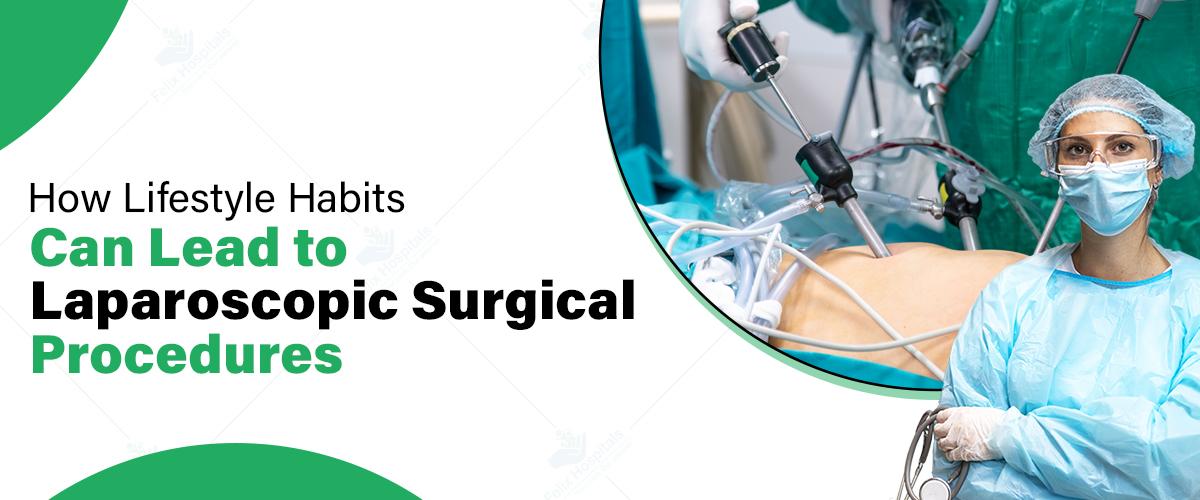
Laparoscopic surgery, a minimally invasive technique also known as keyhole surgery, has revolutionized the field of surgery by offering patients a less invasive option compared to traditional open surgery. This method involves making small incisions through which specialized instruments and a camera are inserted to perform the surgery. Despite its advantages, certain lifestyle habits can significantly increase the likelihood of needing laparoscopic procedures. Understanding the connection between lifestyle choices and the necessity for laparoscopic surgery can help individuals make informed decisions about their health and preventive measures. If you’re seeking top-quality care, consider visiting the best laparoscopic hospital in Noida for expert guidance and advanced treatment options.
Ready to Explore Minimally Invasive Surgical Options? Our team is ready to guide you through every step. Call Now - +919667064100.
Lifestyle habits play a crucial role in determining overall health and well-being. Poor lifestyle choices can lead to a range of health issues, some of which may require surgical intervention. Key lifestyle factors that can contribute to conditions necessitating Laparoscopic Surgery include:
Obesity: Excessive weight gain is strongly linked to several health conditions that may require laparoscopic surgery, such as gallbladder disease, hernias, and certain types of gastrointestinal disorders. Obesity can lead to increased abdominal pressure, which may contribute to the development of conditions that require surgical correction.
Poor Dietary Choices: Diets high in processed foods, unhealthy fats, and low in essential nutrients can lead to gastrointestinal problems like acid reflux or peptic ulcers. These conditions may sometimes require laparoscopic interventions for treatment.
Sedentary Lifestyle: Lack of regular physical activity can contribute to weight gain and obesity, which, as mentioned earlier, are linked to several conditions that may necessitate laparoscopic surgery. Additionally, a sedentary lifestyle can weaken abdominal muscles and increase the risk of developing hernias.
Excessive Physical Strain: Conversely, engaging in excessive physical activities or lifting heavy weights improperly can also lead to hernias or abdominal wall injuries, which may require surgical repair through laparoscopic techniques.
Respiratory and Circulatory Issues: Smoking is associated with a range of health issues, including chronic obstructive pulmonary disease (COPD) and poor circulation. These conditions can complicate surgical procedures and recovery. Additionally, smoking can exacerbate gastrointestinal problems that may require laparoscopic surgery, such as gallbladder inflammation or peptic ulcers.
Liver and Gastrointestinal Disorders: Excessive alcohol consumption can lead to liver disease and gastrointestinal problems, including inflammation of the pancreas (pancreatitis) and gastrointestinal bleeding. These conditions may necessitate laparoscopic interventions for management and treatment.
Gastrointestinal Issues: Chronic stress and poor mental health can contribute to gastrointestinal disorders such as irritable bowel syndrome (IBS) and ulcers. Persistent symptoms from these conditions may eventually require laparoscopic surgical procedures for relief.
Several laparoscopic procedures are commonly performed to address conditions exacerbated by poor lifestyle habits:
Laparoscopic Cholecystectomy: This procedure involves the removal of the gallbladder and is often performed in cases of gallstones or Gallbladder inflammation, conditions frequently associated with obesity and poor dietary habits.
Laparoscopic Hernia Repair: Hernias, which occur when internal organs protrude through weak spots in the abdominal wall, can result from obesity, excessive physical strain, or sedentary lifestyles.
Laparoscopic Appendectomy: The removal of the appendix, often performed due to appendicitis, can sometimes be related to dietary factors and inflammation.
Laparoscopic Bariatric Surgery: For individuals struggling with severe obesity, laparoscopic bariatric surgery (such as gastric bypass or sleeve gastrectomy) can be a treatment option to facilitate weight loss and improve overall health.
To reduce the risk of conditions requiring laparoscopic surgery, consider the following lifestyle modifications:
Adopt a Balanced Diet: Focus on a diet rich in fruits, vegetables, lean proteins, and whole grains while minimizing processed foods and unhealthy fats.
Engage in Regular Physical Activity: Incorporate both aerobic exercises and strength training into your routine to maintain a healthy weight and strengthen abdominal muscles.
Avoid Smoking and Limit Alcohol Intake: Cease smoking and limit alcohol consumption to reduce the risk of respiratory, circulatory, and gastrointestinal issues.
Manage Stress: Practice stress-reducing techniques such as mindfulness, meditation, and regular physical activity to support gastrointestinal and overall health.
Dr. Ritesh Agrawal is an experienced surgeon in Noida specializing in both open and minimally invasive laparoscopic procedures. His expertise encompasses a range of laparoscopic techniques, including cholecystectomy for gallbladder stone removal, hernia repairs, and abdominal surgeries. Beyond general laparoscopic surgeries, Dr. Ritesh is adept at performing non-cancerous breast surgeries, such as lump removal, treatment of breast pain, and management of nipple discharge. Additionally, he is proficient in advanced laser proctology procedures, offering effective solutions for conditions such as hemorrhoids, anal fissures, fistulas, pilonidal sinus, varicose veins, and circumcision.
Contact us now to learn more and book your appointment. Your health is our priority. Call Now - +91 9667064100.
Lifestyle habits have a profound impact on overall health and can significantly influence the likelihood of requiring Laparoscopic Surgical procedures. By adopting healthier lifestyle choices, individuals can mitigate the risk of developing conditions that necessitate surgery and enhance their overall well-being. If you have concerns about your health or the impact of your lifestyle habits, consulting with a healthcare provider can provide valuable guidance and support for making positive changes.
Laparoscopic surgery is used for diagnosing and treating various conditions within the abdomen and pelvis. Common procedures include gallbladder removal, hernia repair, appendectomy, and surgeries for endometriosis, ovarian cysts, and fibroids.
Laparoscopy is generally considered minimally invasive surgery, but the classification as major or minor depends on the specific procedure being performed. While less invasive than traditional surgery, it still involves significant medical intervention.
Laparoscopic surgery typically results in less pain compared to open surgery due to smaller incisions. However, patients may still experience discomfort, especially at the incision sites and in the shoulders due to the gas used during the procedure.
Laparoscopic incisions usually take about 1 to 3 weeks to heal. Full recovery may take a few weeks longer, depending on the complexity of the surgery and the individual’s overall health.
The five benefits of laparoscopic surgery include smaller incisions, reduced pain, shorter hospital stays, faster recovery times, and minimal scarring.
The risks of laparoscopy include infection, bleeding, injury to surrounding organs, reactions to anesthesia, and, in rare cases, complications related to the insertion of surgical instruments.
While laparoscopy is highly effective, it is not 100% successful in all cases. Success depends on the specific condition being treated, the surgeon’s expertise, and the patient’s overall health.
Most patients require a few days of rest after a laparoscopy, with a gradual return to normal activities over the next one to two weeks. The exact amount of rest needed can vary based on the individual and the procedure performed.
Laparoscopy is not typically used for reducing belly fat. It is a surgical technique used for specific medical conditions, not for cosmetic fat reduction. Procedures like liposuction are more appropriate for fat reduction.
The duration of a laparoscopy can vary, but most procedures take between 30 minutes to 2 hours, depending on the complexity of the surgery.
Yes, many women can conceive three months after a laparoscopy, especially if the procedure was done to treat a condition like endometriosis or to improve fertility. However, it’s important to follow your doctor’s advice regarding recovery and timing.
Laparoscopic surgery typically requires 2 to 4 small incisions (often referred to as "holes") through which the surgical instruments and camera are inserted. The exact number depends on the procedure being performed.
Laparoscopic surgery is a minimally invasive procedure with small cuts, offering quicker recovery, less pain, and minimal scarring.
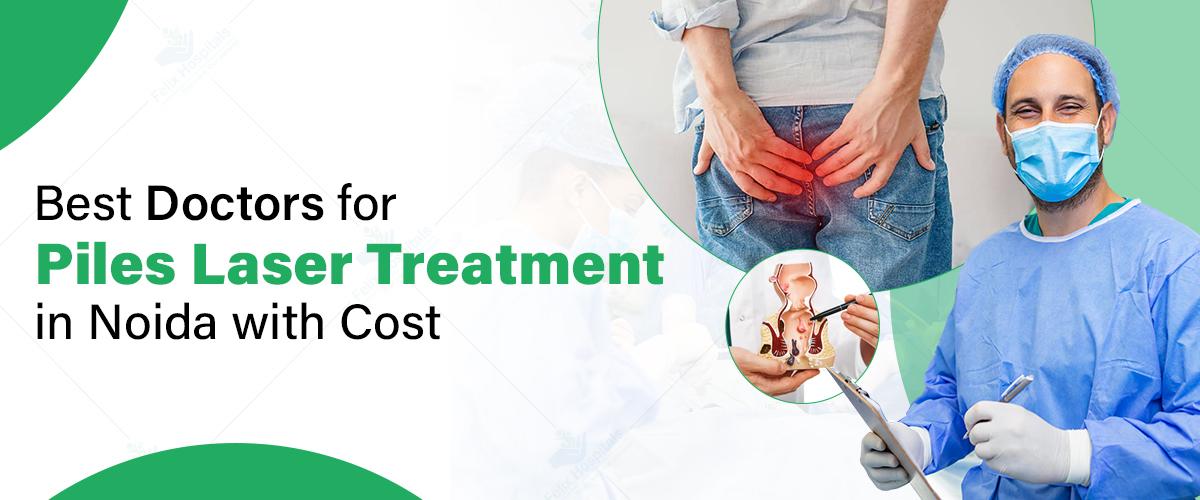
Piles, otherwise known as hemorrhoids, are swollen and inflamed veins in the lower rectum and around the anus that cause discomfort, itching, pain, or bleeding. People of all age groups can develop piles due to factors such as straining during bowel movements, chronic constipation, poor dietary habits, or prolonged sitting. Timely consultation with a qualified piles doctor in Noida helps in early diagnosis and effective management of the condition.
With growing awareness about accurate treatment and modern medical advancements, many patients are now opting for advanced piles care. Proper diagnosis allows doctors to suggest suitable treatment options, including medications, lifestyle changes, and minimally invasive procedures. In this blog, we discuss what piles are, the available treatment options, the cost of piles treatment in Noida, and why Felix Hospital is the right choice for reliable and comprehensive piles care.
Book your Appointment One click at +91 9667064100.
Piles are lumps of swollen and inflamed veins in the rectum and anus. They can be internal or external:
Causes of piles include chronic constipation, obesity, pregnancy, prolonged sitting and low fibre diet. Although piles are not life threatening they can be very uncomfortable and can lead to complications if left untreated.
The cost of piles treatment in Noida varies based on the type of procedure and the complexity of the case. Here's a general breakdown:
| Starting Cost | ₹ 35,000 |
| Average Cost | ₹ 40,000 |
| Maximum Cost | ₹ 50,000 |
These costs may vary depending on the hospital, the surgeon's experience, and additional factors like anesthesia and post-operative care.
At Felix Hospital, you can avail the services of Dr. Ritesh Agrawal, an experienced surgeon for open and Laparoscopic General Surgeries. Dr. Agrawal is trained to do laparoscopic cholecystectomy for gallbladder stone removal, hernia repairs and laparotomies. He has also done non cancerous breast surgeries like breast lump removal, breast pain treatment and nipple discharge management. His experience ensures you get the best of care especially for laser treatment of piles.
Felix Hospital is the best hospital for piles treatment in Noida for the following reasons:
Wanna know further tips to reduce Piles Operation Cost? Talk directly to the doctors at Felix Hospital and get the perfect estimate. Call +91 9667064100.
It is a very common complaint that can significantly affect daily life. Proper treatment and choosing the right doctor are essential for effective recovery. As one of the best hospitals in Noida, Felix Hospital offers expert surgeons, advanced facilities, and both simple and laser treatment options to ensure complete patient care.

For those seeking specialized care, consulting the best piles surgeon in Noida can provide expert evaluation and tailored treatment options.

Laser treatment for piles is a minimally invasive procedure that uses a focused beam of light (laser) to shrink or remove the swollen veins.
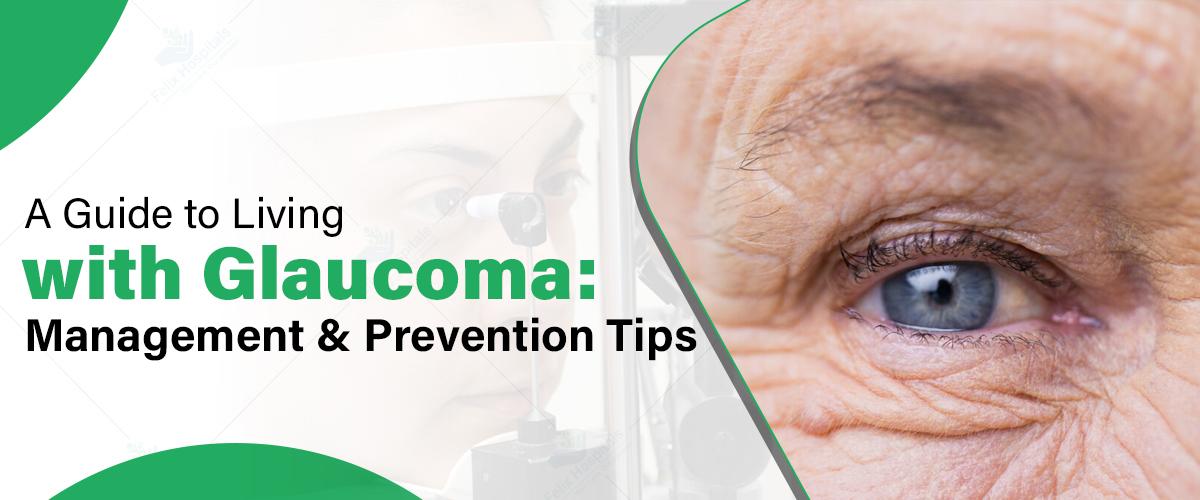
Glaucoma is often called the "silent thief of sight" due to its gradual and often unnoticeable progression. As one of the leading causes of blindness worldwide, glaucoma affects millions of people, particularly those over 60 years of age. However, with proper management and preventive measures, individuals with glaucoma can maintain their quality of life and preserve their vision. This guide aims to provide comprehensive information on living with glaucoma, including management strategies and prevention tips.
Concerned about Glaucoma? Schedule your consultation with our experts today at +91 9667064100.
Before discussing how to manage or prevent glaucoma, it's crucial to understand what glaucoma is. Glaucoma is a group of eye conditions that damage the optic nerve, which is vital for good vision. This damage is often caused by abnormally high pressure inside the eye. There are several types of glaucoma, with open-angle glaucoma being the most common.
Many people don't realize they have it until significant vision loss has occurred. This emphasizes the importance of regular eye check-ups, especially for those at higher risk.
1. Medication Adherence
The cornerstone of glaucoma management is usually medication, often in the form of eye drops. These medications work to lower intraocular pressure. It's crucial to:
2. Regular Eye Exams
Consistent follow-ups with your ophthalmologist are essential. These visits allow your doctor to:
3. Lifestyle Modifications
Certain lifestyle changes can support overall eye health including:
4. Stress Management
Stress can impact overall health, including eye health. Techniques such as meditation, deep breathing exercises, or yoga can help manage stress levels.
5. Protective Eyewear
Wearing sunglasses that block UV rays can protect your eyes from harmful sun exposure. Additionally, protective eyewear during sports or potentially hazardous activities can prevent eye injuries.
While some risk factors for glaucoma, such as age and family history, can't be changed, there are steps you can take to reduce your risk or slow the progression if you've been diagnosed. These steps include:
1. Regular Eye Exams
Early detection is key. The American Academy of Ophthalmology recommends comprehensive eye exams in:
Those with risk factors may need more frequent exams.
2. Know Your Family History
Glaucoma can run in families. If you have a family history of glaucoma, inform your eye doctor and consider more frequent check-ups.
3. Maintain a Healthy Weight
Obesity can increase the risk of diabetes and other systemic health problems, which in turn can increase the risk of glaucoma.
4. Control Blood Pressure
High blood pressure can increase the risk of glaucoma. Work with your doctor to keep your blood pressure in a healthy range.
5. Stay Hydrated
Proper hydration is important for maintaining healthy eye pressure. However, avoid drinking large amounts of water in a short time, as this can temporarily increase eye pressure.
6. Be Cautious with Eye Makeup
If you use eye makeup, be careful not to injure your eyes during application. Replace eye makeup regularly to prevent bacterial growth.
Vision Changes
Glaucoma often affects peripheral vision first. This can impact daily activities like driving or navigating crowded spaces. Some helpful strategies include:
Driving
If glaucoma affects your ability to drive safely, consider:
Reading and Computer Use
For those experiencing difficulty with reading or screen use:
Emotional Impact
Living with a chronic condition like glaucoma can be emotionally challenging. Do not hesitate to:
Staying Active
Physical activity is beneficial for overall health and can help manage glaucoma. However, certain high-intensity exercises may temporarily increase eye pressure. Consult your doctor about which activities are safe for you.
Dr. Deepanjali Arya
Dr. Deepanjali Arya is a leading ophthalmologist specializing in glaucoma. Her expertise in both medical and surgical glaucoma treatments ensures effective management of this condition.
Dr. Mohmad Uzair Zakai
Dr. Mohmad Uzair Zakai is a renowned ophthalmologist with a focus on glaucoma care. His advanced techniques and personalized approach make him a top choice for treating complex glaucoma cases.
Living with glaucoma requires vigilance and proactive management, but it doesn't have to significantly diminish your quality of life. By adhering to your treatment plan, making healthy lifestyle choices, and staying informed about your condition, you can effectively manage Glaucoma and preserve your vision. Remember, every individual's experience with glaucoma is unique. What works best for one person may not be ideal for another. Always consult with your eye care professional to develop a management plan tailored to your specific needs.
Unsure about your glaucoma risk? Get personalized guidance and expert care at one click or dial +91 9667064100.
1-At what age can glaucoma begin?
ANS: Glaucoma can develop at any age, but it is more common in people over 40. Risk increases with age, making regular eye exams important for early detection.
2-Is glaucoma considered a serious condition?
ANS: Yes, glaucoma is a serious condition as it can lead to irreversible vision loss if not managed properly. Early diagnosis and treatment are crucial to controlling the disease and preserving vision.
3-How can eye pressure be reduced quickly?
ANS: To quickly reduce eye pressure, follow your doctor’s prescribed treatment plan, which may include medication or eye drops. In emergencies, medical professionals might use more intensive methods or procedures to lower pressure.
4-When is the optimal time to use glaucoma eye drops?
ANS: The best time to use glaucoma eye drops is usually in the evening, just before bedtime, as this helps maintain consistent pressure control overnight. Always follow your doctor’s specific instructions for timing and dosage.
5-How long does glaucoma typically last?
ANS: Glaucoma is a chronic condition that usually lasts a lifetime. While it can be managed with treatment, it requires ongoing monitoring and medication to control eye pressure and prevent further vision loss.
6-Can glaucoma drops improve vision?
ANS: Glaucoma drops do not improve vision but are effective in stabilizing eye pressure to prevent further vision loss. They help manage the condition and preserve existing vision.
Glaucoma remains a formidable threat to vision health, yet with early detection, proactive management, and adherence to treatment, individuals can mitigate its impact.
By adhering to your treatment plan, making healthy lifestyle choices, and staying informed about your condition, you can effectively manage glaucoma and preserve your vision.
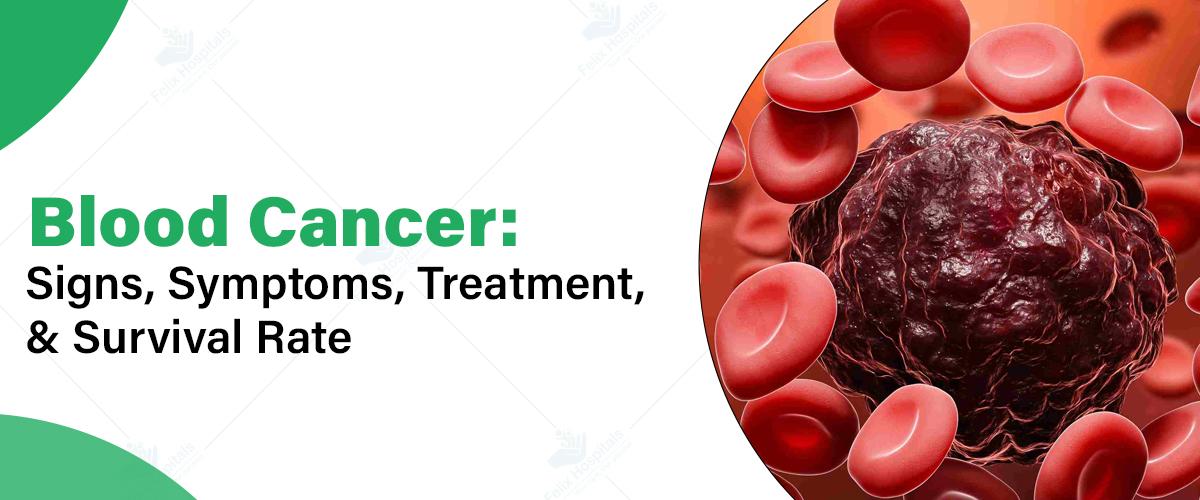
Blood cancer, also known as hematologic cancer, affects the blood, bone marrow, and lymphatic system. Unlike solid tumors, blood cancers involve malignant cells in the bloodstream and bone marrow, which can disrupt normal blood cell production and function. For those seeking expert care, the best oncology hospital can offer comprehensive treatment and support. This blog explores the signs, symptoms, treatment options, and survival rates associated with blood cancer, providing a comprehensive understanding of this serious condition.
If you suspect you may have symptoms of blood cancer or need a second opinion on your current treatment, contact Felix Hospital today to schedule a consultation at +91 9667064100.
Blood cancer refers to a range of cancers that affect the blood and bone marrow:
1. Leukemia: Leukemia is a condition characterized by the growth of certain cells, in the bone marrow and blood – specifically an excess of white blood cells that are overproduced.
2. Lymphoma: Lymphoma is a type of cancer that originates in the tissue which is a crucial part of the body's immune system and can lead to the development of tumors, in both the lymph nodes and other areas of the body too.
3. Myeloma: Myeloma is a form of cancer that starts in the plasma cells found in the bone marrow leading to the creation of proteins.
Many individuals, with blood cancer exhibit symptoms that they go through; these can vary based upon the specific type of cancer and how it progresses Symptoms commonly seen are:
- Fatigue and Weakness: Feeling tired and weak can be an issue that doesn't get better with rest often caused by anemia or a low count of red blood cells.
- Frequent Infections: Recurring infections or persistent illnesses could indicate a weakened system's inability to ward off diseases effectively.
- Unexplained Weight Loss: Unexplained Weight Loss refers to when weight is lost without a reason resulting in noticeable or significant changes in body mass.
- Swollen Lymph Nodes: Swollen lymph nodes refer to protrusions that can be noticeably big and prominent, in the neck area, underarms, or groin regions and may or may not be sensitive to touch.
- Bruising and Bleeding: Skin that bruises easily and shows a range of discolorations, like purple patches, and takes longer to heal, experiencing frequent nosebleeds and noticing blood while brushing teeth are signs to watch out for.
- Bone Pain: Bone pain can be caused by bone conditions and may result in increased discomfort in the lower back and hip area.
- Night Sweats and Fever: Experiencing night sweats and fever involves having fevers or excessive nighttime sweating for no apparent cause.
Diagnosing blood cancer typically requires a review of medical records along with physical examinations and various diagnostic procedures:
- Blood Tests: Blood tests, like the Complete Blood Count (CBC), are used to detect any levels of blood cells in the body.
- Bone Marrow Biopsy: During a bone marrow biopsy a sample of tissue from the bone marrow is taken to examine for the existence of cancer cells.
- Imaging Studies: Imaging tests, like CT scans or MRIs, are used to determine the extent of the illness and to assess any tumors or enlarged lymph nodes in the body.
- Genetic Testing: Genetic testing is conducted to identify any variations or abnormalities that can assist in determining the specific type of blood cancer and planning its subsequent treatment.
The treatment of blood cancer can differ depending on the type of cancer present and the stage it has progressed to as well as the patient's health conditions. Treatment options typically include:
- Chemotherapy: Chemotherapy involves the use of chemicals to destroy cancer cells or hinder their development commonly administered intravenously or orally.
- Radiation Therapy: Radiation therapy involves using energy electromagnetic radiation to target and treat cancer cells in specific areas of the body.
- Targeted Therapy: Targeted therapy focuses on molecules that can impact the growth of cancer cells and aims to tailor the treatment accordingly.
- Immunotherapy: Immunotherapy boosts the body's capacity to recognize cancer cells thereby strengthening the system's ability to combat them.
- Stem Cell Transplant: Stem cell transplantation involves replacing the bone marrow with healthy stem cells. These stem cells can be sourced from either the patient themselves or, from another individual (known specifically in this case as a transplant).
- Supportive Care: Supportive care packages encompass a range of therapies aimed at addressing symptoms or adverse effects such as discomfort, upset stomachs, or fatigue and comforting assistance.
The outlook for blood cancer varies based on numerous factors such as the type of cancer present and the stage at which it is detected in addition, to the overall health of the individual affected by the disease The likelihood of survival is typically expressed as a percentage representing the proportion of patients still living after a certain period following diagnosis (e.g., five years). Here is a basic summary:
- Leukemia: Survival rates for leukemia vary depending on the type of cancer cells. Either acute (CA) or chronic (CC). For example, the five-year survival rate for lymphoblastic leukemia (ALL) in children is approximately 90% whereas in adults it ranges between 40% to 50%.
- Lymphoma: Survival rates for lymphoma vary depending on the type of cancer and the stage it is in when diagnosed. Typically individuals diagnosed with Hodgkin's disease have a five-year survival rate of 85 to 90% while those with non-Hodgkin's disease have a survival rate ranging from 60 to 70%.
- Myeloma: Myeloma has a five-year survival rate of around 55%. This can vary based on individual characteristics and how well they respond to treatment.
At Felix Hospital, you can find two of the best oncologists committed to providing exceptional care for cancer patients: Dr. Mukta Baxi and Dr. Chinmayee Agrawal. Dr. Baxi, a distinguished surgical oncologist, specializes in a range of surgical interventions for various cancers, ensuring precise and effective treatment strategies. Dr. Chinmayee Agrawal, a highly skilled Medical Oncologist, and Hemato-Oncologist, brings over 8 years of experience in managing a broad spectrum of malignancies, including breast cancer, gynecological cancers, thoracic malignancies, gastrointestinal cancers, and hemato-lymphoid disorders.
For personalized cancer care and to explore the comprehensive treatment options available at Felix Hospital. Contact us on +91 9667064100.
Blood cancer is a serious and complex condition, but advancements in research and treatment have significantly improved outcomes and survival rates. Early diagnosis and a tailored treatment plan are crucial in managing blood cancer effectively. If you or someone you know is experiencing symptoms of blood cancer, consult a healthcare professional for a thorough evaluation and appropriate care.
Feel free to reach out if you have any questions or need further assistance. Your health and well-being are important, and getting the right information and treatment can make a significant difference.
Q1. What are the common signs of blood cancer?
Ans. Common signs include fatigue, frequent infections, unexplained weight loss, swollen lymph nodes, bruising, bone pain, and night sweats.
Q2. How is blood cancer diagnosed?
Ans. Diagnosis typically involves blood tests, bone marrow biopsy, imaging studies, and genetic testing.
Q3. What are the primary treatment options for blood cancer?
Ans. Treatment options include chemotherapy, radiation therapy, targeted therapy, immunotherapy, stem cell transplant, and supportive care.
Q4. What is the survival rate for leukemia?
Ans. The five-year survival rate for Acute Lymphoblastic Leukemia (ALL) is around 90% in children and 40-50% in adults.
Q5. How does the prognosis for lymphoma differ between Hodgkin’s and non-Hodgkin’s lymphoma?
Ans. The five-year survival rate for Hodgkin’s Lymphoma is about 85-90%, while for Non-Hodgkin’s Lymphoma, it ranges from 60-70%.
Q6. What is myeloma, and what is its survival rate?
Ans. Myeloma is a cancer of the plasma cells in the bone marrow. The five-year survival rate is approximately 55%.
Q7.How does Felix Hospital approach blood cancer treatment?
Ans. Felix Hospital offers personalized treatment plans with a team of expert oncologists, including Dr. Mukta Baxi and Dr. Chinmayee Agrawal, to provide comprehensive care for blood cancer patients.
Q8. What should I do if I suspect I have blood cancer?
Ans. Consult a healthcare professional for a thorough evaluation, including diagnostic tests and appropriate care.
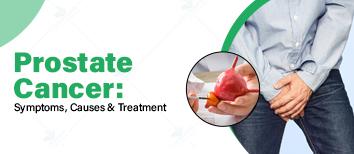
Prostate cancer is a common type of cancer in men that affects the prostate gland. Understanding its symptoms, causes, and treatment options can help in early detection and effective management.
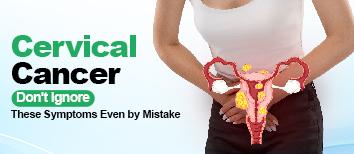
Recognize the early warning signs of cervical cancer. Learn about its symptoms, causes, and when to consult a gynecologist for timely diagnosis and treatment.
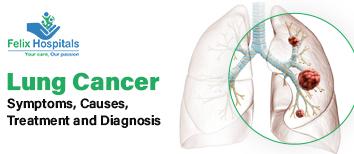
Lung cancer is a serious condition that starts in the lungs and can spread to other parts of the body.
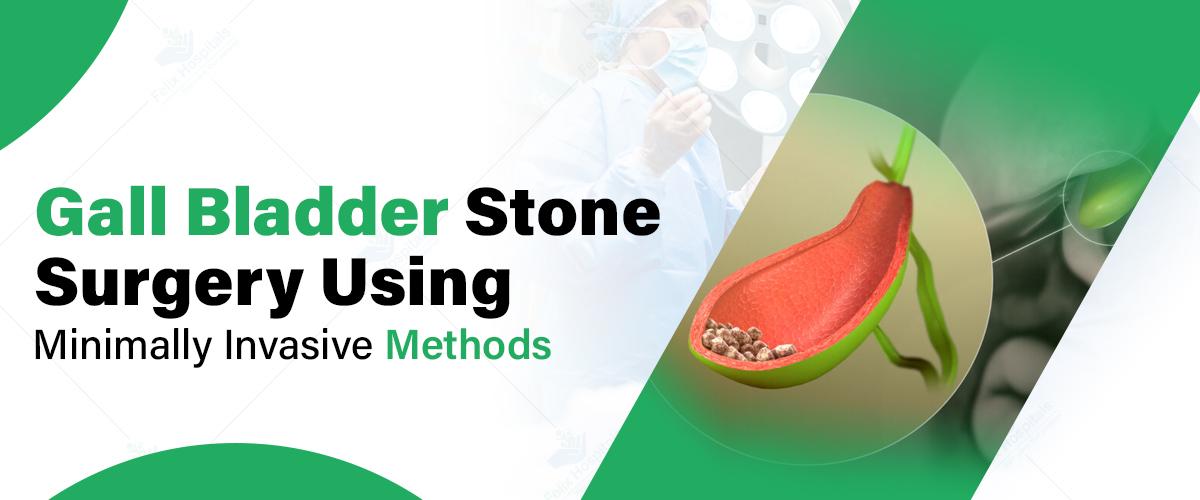
Gallbladder stone surgery using minimally invasive methods, commonly known as laparoscopic cholecystectomy, offers a modern approach to treat gallstones with reduced complications and a quicker recovery time compared to traditional open surgery. With advancements in technology, laparoscopic surgery offered by gallbladder stone surgery hospital has become the most preferred method for many patients, providing effective treatment for gallbladder stones with minimal discomfort.
Looking for a consultation from the comfort of your home? Discover our teleconsultation services by calling +91 9667064100 today!
Gallbladder stone surgery, or cholecystectomy, is typically performed when gallstones lead to significant health issues. Gallstones are small crystalline deposits that form in the gallbladder which sometimes can cause severe discomfort and complications which require surgical intervention to relieve symptoms and prevent further health problems.
Additionally gallbladder stone surgery is required to:
Minimally invasive techniques have improved the treatment of gallstones by offering a less traumatic alternative to traditional surgery. Procedures like laparoscopic cholecystectomy involve making small abdominal incisions through which a camera and specialized instruments are inserted and used to remove the gallbladder. This approach reduces tissue damage, postoperative pain, and recovery time compared to open surgery.
Additionally, advancements in non-surgical treatments, such as extracorporeal shock wave lithotripsy (ESWL) and endoscopic procedures, enable the fragmentation and removal of gallstones with minimal impact on the body. These new methods make patients more comfortable and help them get back to their normal activities faster.
When it comes to treating gallstones, patients now have access to several minimally invasive techniques offered by the best gallbladder stone surgeon which act as a less troublemaking alternative to traditional surgery. These advanced methods aim to alleviate symptoms, reduce recovery time, and improve overall patient comfort.
Here are some key minimally invasive methods for managing gallstones:
1-Laparoscopic Cholecystectomy: This is a surgery where doctors make small cuts in the abdomen and use a tiny camera and special tools to take out the gallbladder. It’s less invasive and usually has a quicker recovery than traditional surgery.
2-Endoscopic Retrograde Cholangiopancreatography (ERCP): This procedure involves using a flexible tube with a camera to look inside the bile ducts and remove any gallstones blocking them.
3-Percutaneous Gallbladder Drainage: This technique involves inserting a needle through the skin to drain away infected or swollen bile from the gallbladder, helping to relieve pain and infection.
4-Shock Wave Lithotripsy (SWL): This method uses powerful shock waves directed at gallstones to break them into smaller pieces so they can pass through the body more easily.
Minimally invasive methods for treating gallstones offer a variety of benefits compared to traditional surgical approaches. The advantages of these methods include:
Overall, minimally invasive surgery offers significant advantages in terms of comfort, recovery time, and cosmetic outcomes. Moreover, the Gallbladder stone removal surgery cost in Noida is reasonably priced, making it a popular choice for many patients suffering from gallstones.
Recovery after minimally invasive surgery for gallstones is typically faster and more comfortable than with traditional surgical methods. Patients often experience less post-operative pain, reduced scarring, and a quicker return to normal activities. Most individuals can resume light activities within a few days and return to full activities within a few weeks, depending on their overall health and specific procedure.
Dr. Ritesh Agarwal
Dr. Ritesh Agarwal specializes in minimally invasive surgery for gallstones, offering patients a modern approach to treatment that involves smaller incisions and less recovery time. With his skillful techniques, Dr. Agarwal provides effective and comfortable solutions for gallstone removal, prioritizing both precision and patient well-being.
Have questions? Get them answered by experts. Call +91 9667064100 or simply click here.
Gallbladder stone surgery using minimally invasive methods stands out as one of the best choice for patients due to its numerous benefits as compared to traditional methods. As a result, patients experience faster returns to their daily activities and overall improved outcomes, making minimally invasive surgery the optimal solution for managing gallbladder stones.
1-When is surgery required for removing gallstones?
ANS: Surgery is typically required when gallstones cause significant pain, recurrent inflammation, or complications such as pancreatitis or cholangitis. The decision is based on symptoms and potential risks.
2-How long does laparoscopic cholecystectomy take?
ANS: Laparoscopic cholecystectomy usually takes about 1 to 2 hours. The duration can vary depending on the complexity of the case and the patient’s anatomy.
3-Does a 1.5 cm gallstone need surgery?
ANS: A 1.5 cm gallstone might require surgery if it causes symptoms or complications. The size alone isn’t the sole factor; symptoms and overall health are crucial in the decision-making process.
4-Why remove the gallbladder instead of just the stones?
ANS: Removing the gallbladder prevents future stone formation and complications, as gallstones often recur if the gallbladder is left in place. It’s a more permanent solution for managing gallbladder disease.
5-Can gallstones regenerate after surgery treatment?
ANS: After gallbladder removal, gallstones cannot regenerate because the gallbladder, which produces and stores bile that can form stones, is gone. However, patients can still experience bile duct stones or other issues.
6-Can gallstones be treated without gallbladder removal?
ANS: Yes, gallstones can sometimes be managed with non-surgical methods like medication or shock wave therapy. However, these treatments might not be as effective or permanent as gallbladder removal.

Understand the factors that influence gallbladder stone surgery cost in Noida, including hospital charges, surgeon expertise, type of procedure, and post-operative care expenses.
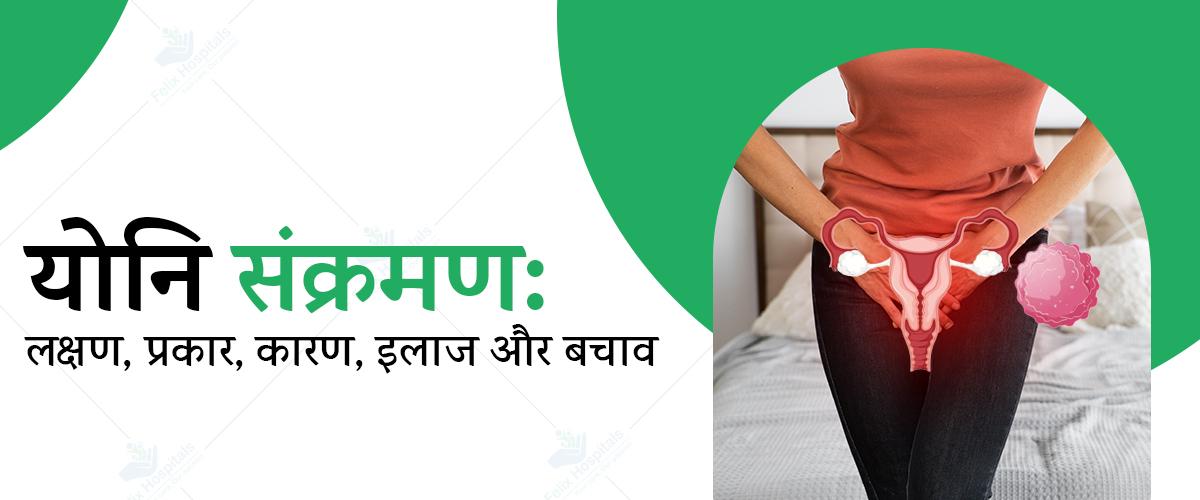
वजाइनल इंफेक्शन, जिसे योनि संक्रमण भी कहा जाता है, महिलाओं के स्वास्थ्य को प्रभावित करने वाली एक आम स्वास्थ्य समस्या है। यह इंफेक्शन या संक्रमण योनि के भीतर बैक्टीरिया, फंगस या वायरस के कारण हो सकता है और इसकी वजह से असहजता और स्वास्थ्य संबंधी समस्याएं हो सकती हैं। इसके लिए आपको समय रहते नोएडा के सर्वश्रेष्ठ स्त्री रोग विशेषज्ञ अस्पताल (Gynecology Hospital in Noida) से सलाह ले लेनी चाहिए जिससे आपको आने वाले समय में किसी भी प्रकार का कोई इन्फेक्शन न हो पाए।
योनि संक्रमण को नजरअंदाज न करें—अपनी प्रजनन क्षमता की सुरक्षा के लिए आज ही हमें +91 9667064100 पर कॉल करें और विशेषज्ञ सलाह और इलाज प्राप्त करें।
योनि संक्रमण, जिसे अंग्रेजी में "वजाइनल इंफेक्शन" कहा जाता है। महिलाओं में योनि क्षेत्र में होने वाली एक स्वास्थ्य संबंधी सामान्य समस्या है। यह संक्रमण विभिन्न प्रकार के बैक्टीरिया, फंगस (फंगस), वायरस या परजीवियों के कारण हो सकता है। यह संक्रमण तब होता है जब सामान्य रूप से पाए जाने वाले बैक्टीरियाओं की संख्या बढ़ जाती है। इससे बदबूदार, सफेद या धूसर रंग का स्राव हो सकता है।
सामान्यतः यह संक्रमण कैंडिडा नामक फंगस के कारण भी होता है। खुजली, जलन और सफेद रंग का गाढ़ा और बदबूदार स्राव निकलता है। यह एक परजीवी के कारण भी होता है और आमतौर पर यौन संचारित रोग के रूप में होता है। कुछ वायरल संक्रमण, जैसे कि हरपीस सिम्प्लेक्स वायरस भी योनि में संक्रमण का कारण बन सकते हैं। कुछ गंभीर या अनुपचारित योनि संक्रमण, जैसे कि क्लैमाइडिया और गोनोरिया यदि फैलोपियन ट्यूब (Fallopian tubes in hindi) में फैल जाते हैं, तो बांझपन (Infertility) का कारण बन सकते हैं। इसलिए, किसी भी संक्रमण का समय पर और सही उपचार जरूरी है।
खुजली और जलन:
योनि में लगातार खुजली और जलन महसूस होना।
असामान्य स्राव :
स्राव का रंग सफेद, पीला, हरा या धूसर हो सकता है। स्राव गाढ़ा, पतला, या गाढ़ा दूध जैसा हो सकता है। कभी-कभी स्राव में बदबू भी आ सकती है, जो मछली जैसी हो सकती है (विशेषकर बैक्टीरियल वेजिनोसिस में)।
योनि में सूजन और लालिमा:
योनि और उसके आस-पास की त्वचा लाल और सूजी हुई हो सकती है।
पेशाब के दौरान जलन:
पेशाब के समय जलन या दर्द होना।
यौन संबंध के दौरान दर्द:
यौन संबंध बनाते समय दर्द महसूस होना जिसे डिस्पेर्यूनिया (dyspareunia) कहा जाता है।
बदबू आना:
योनि से बदबूदार स्राव निकलना, जो संक्रमण का संकेत हो सकता है।
दर्द:
कभी-कभी योनि और उसके आस-पास के क्षेत्र में दर्द या असहजता महसूस हो सकती है।

बैक्टीरियल वेजिनोसिस :
यह संक्रमण तब होता है जब योनि में सामान्य रूप से पाए जाने वाले बैक्टीरिया की में असंतुलन होता है। विशेष रूप से, लैक्टोबैसिलस बैक्टीरिया (Lactobacillus bacteria) की संख्या कम हो जाती है और हानिकारक बैक्टीरिया की संख्या बढ़ जाती है। इस संक्रमण के कारण मछली जैसी बदबू, धूसर या सफेद स्राव, योनि में हल्की जलन या खुजली जैसे लक्षण दिखते हैं।
खमीर संक्रमण :
यह संक्रमण कैंडिडा (Candida Infection) नामक फंगस के कारण होता है, जो योनि में सामान्य रूप से भी पाया जा सकता है, लेकिन कुछ स्थितियों में इसका अत्यधिक विकास हो जाता है। गाढ़ा, सफेद, और पनीर जैसा स्राव, तीव्र खुजली, जलन, योनि में सूजन और लालिमा जैसे लक्षण हैं।
ट्राइकोमोनियासिस :
यह संक्रमण ट्राइकोमोनास वैजिनालिस नामक परजीवी के कारण होता है और यह यौन संचारित रोग के रूप में फैलता है। पीला-हरा, बदबूदार स्राव, योनि में खुजली (Vaginal itching), जलन, पेशाब के दौरान दर्द और यौन संबंध के दौरान दर्द लक्षण दिखते हैं।
वायरल संक्रमण :
विभिन्न वायरस जैसे कि हरपीस सिम्प्लेक्स वायरस और ह्यूमन पैपिलोमावायरस (एचपीवी) योनि में संक्रमण का कारण बन सकते हैं। इस कारण छाले, दर्द, खुजली, और योनि क्षेत्र में लालिमा। कुछ मामलों में, योनि से स्राव या ब्लीडिंग भी हो सकती है।
क्लैमाइडिया और गोनोरिया :
ये दोनों यौन संचारित रोग हैं जो क्लैमाइडिया ट्रैकोमेटिस और नीसेरिया गोनोरिया बैक्टीरिया के कारण होते हैं। इनका संक्रमण सामान्यतः बिना लक्षण के भी हो सकता है, लेकिन कभी-कभी योनि से असामान्य स्राव, पेशाब के दौरान दर्द और यौन संबंध के दौरान दर्द हो सकता है।
एट्रोफिक वेजिनाइटिस :
यह संक्रमण मेनोपॉज (रजोनिवृत्ति) के बाद एस्ट्रोजन हार्मोन के स्तर में कमी के कारण होता है। योनि में सूखापन, जलन, खुजली और यौन संबंध के दौरान दर्द, इसके लक्षण हैं।
बैक्टीरियल असंतुलन :
योनि में सामान्य रूप से कई प्रकार के बैक्टीरिया होते हैं, जिनमें से लैक्टोबेसिलस प्रमुख हैं। जब इन बैक्टीरिया का संतुलन बिगड़ता है, तो हानिकारक बैक्टीरिया की संख्या बढ़ जाती है, जिससे बैक्टीरियल वेजिनोसिस हो सकता है।
फंगल संक्रमण :
कैंडिडा नामक फंगस योनि में स्वाभाविक रूप से पाया जाता है। लेकिन जब इसका अत्यधिक विकास होता है, तो यह फंगल संक्रमण का कारण बन सकता है। इसका कारण एंटीबायोटिक्स का अत्यधिक उपयोग हो सकता है, जो योनि के सामान्य बैक्टीरियाओं को नष्ट कर सकता है। यह गर्भावस्था, डायबिटीज, या कमजोर प्रतिरक्षा प्रणाली, उच्च शर्करा युक्त आहार के कारण होता है।
यौन संचारित संक्रमण (एसटीआईएस) :
कुछ योनि संक्रमण (वजाइनल इंफेक्शन) जैसे कि ट्राइकोमोनियासिस, क्लैमाइडिया (Chlamydia) और गोनोरिया, यौन संपर्क के माध्यम से फैलते हैं। असुरक्षित यौन संबंध, एक से अधिक यौन साथी होना, और बिना कंडोम के यौन संबंध बनाना इन संक्रमणों का खतरा बढ़ा सकता है।
हार्मोनल परिवर्तन :
एस्ट्रोजन हार्मोन के स्तर में बदलाव, विशेष रूप से मेनोपॉज़ (रजोनिवृत्ति) के बाद, योनि के प्राकृतिक संतुलन को प्रभावित कर सकता है, जिससे एट्रोफिक वेजिनाइटिस जैसी समस्याएं उत्पन्न हो सकती हैं।
स्वच्छता और व्यक्तिगत आदतें :
अत्यधिक योनि की सफाई जैसे कि डाउचिंग, सुगंधित साबुन या अन्य रसायनयुक्त उत्पादों का उपयोग योनि के प्राकृतिक पीएच संतुलन को बिगाड़ सकता है, जिससे संक्रमण का खतरा बढ़ जाता है। गीले या तंग कपड़े पहनना, जो योनि क्षेत्र को अधिक समय तक नमी में रखता है, संक्रमण के जोखिम को बढ़ा सकता है।
कमजोर प्रतिरक्षा प्रणाली :
कमजोर प्रतिरक्षा प्रणाली वाले लोग, जैसे कि डायबिटीज या एचआईवी के रोगी (HIV patients), अधिक जोखिम में होते हैं, क्योंकि उनका शरीर संक्रमण से लड़ने में उतना सक्ष्म नहीं होता।
एलर्जी या संवेदनशीलता :
कुछ महिलाओं को कंडोम, लुब्रिकेंट या अन्य यौन सामग्री में पाए जाने वाले रसायनों से एलर्जी या संवेदनशीलता हो सकती है, जो योनि में जलन और संक्रमण का कारण बन सकती है।
पोषण की कमी:
विटामिन और खनिजों की कमी, विशेष रूप से विटामिन डी और विटामिन ए की कमी, योनि के स्वास्थ्य पर असर डाल सकती है, जिससे संक्रमण का खतरा बढ़ सकता है।
स्वच्छता का ध्यान रखें :
रोजाना गुनगुने पानी से योनि क्षेत्र की सफाई करें। इसके लिए माइल्ड साबुन या बिना सुगंध वाले उत्पादों का उपयोग करें। योनि को साफ करते समय आगे से पीछे की दिशा में पोंछें ताकि बैक्टीरिया को योनि में प्रवेश करने से रोका जा सके।
डाउचिंग से बचें :
डाउचिंग (योनि की अंदरूनी सफाई के लिए रसायनयुक्त उत्पादों का उपयोग) से योनि का प्राकृतिक पीएच संतुलन बिगड़ सकता है, जिससे संक्रमण का खतरा बढ़ जाता है।
सुगंधित उत्पादों से बचें :
सुगंधित साबुन, शावर जेल, योनि स्प्रे और सुगंधित सैनिटरी उत्पादों का उपयोग न करें, क्योंकि ये योनि की संवेदनशीलता को बढ़ा सकते हैं और संक्रमण का कारण बन सकते हैं।
साफ और सूखे कपड़े पहनें :
कॉटन के बने अंडरवियर पहनें जो सांस लेने योग्य होते हैं और नमी को सोखते हैं। तंग और नायलॉन के बने कपड़ों से बचें, क्योंकि ये नमी को फंसा सकते हैं और फंगस के विकास के लिए अनुकूल परिस्थितियां पैदा कर सकते हैं।
सुरक्षित यौन संबंध :
यौन संबंध बनाते समय कंडोम का उपयोग करें। यह यौन संचारित संक्रमण (STIs) के जोखिम को कम करता है। एक से अधिक यौन साथी से बचें और अपने साथी के स्वास्थ्य के प्रति सचेत रहें।
स्वस्थ आहार का सेवन :
प्रोबायोटिक्स, जैसे कि दही का सेवन करें, जो लैक्टोबेसिलस बैक्टीरिया की संख्या को बढ़ावा देता है और योनि के प्राकृतिक संतुलन को बनाए रखने में मदद करता है। शर्करा के अत्यधिक सेवन से बचें, क्योंकि यह खमीर संक्रमण के जोखिम को बढ़ा सकता है।
गीले कपड़े तुरंत बदलें :
स्विमिंग या व्यायाम के बाद गीले कपड़ों को तुरंत बदलें। गीले और पसीने से भरे कपड़े योनि संक्रमण का कारण बन सकते हैं।
एंटीबायोटिक्स का सावधानी से उपयोग :
डॉक्टर की सलाह के बिना एंटीबायोटिक्स का सेवन न करें। एंटीबायोटिक्स योनि के प्राकृतिक बैक्टीरिया को नष्ट कर सकते हैं, जिससे संक्रमण का खतरा बढ़ सकता है।
पेशाब के बाद सफाई :
पेशाब के बाद हमेशा योनि क्षेत्र को अच्छे से पोंछें और इसे सूखा रखें। नमी बैक्टीरिया और फंगस के विकास को बढ़ावा दे सकती है।
तनाव कम करें :
तनाव आपके शरीर की प्रतिरक्षा प्रणाली को कमजोर कर सकता है, जिससे संक्रमण का खतरा बढ़ सकता है। नियमित रूप से व्यायाम करें, ध्यान लगाएं, और पर्याप्त नींद लें।
संवेदनशीलता के लिए जागरूक रहें :
यदि आपको किसी उत्पाद, कपड़े या खाद्य पदार्थ से एलर्जी या संवेदनशीलता है, तो उनसे बचें। योनि में किसी भी प्रकार की जलन या खुजली होने पर तुरंत डॉक्टर से संपर्क करें।
बैक्टीरियल वेजिनोसिस :
डॉक्टर की सलाह द्वारा निर्धारित मेट्रोनिडाजोल या क्लिंडामाइसिन जैसी एंटीबायोटिक दवाओं का सेवन या उपयोग योनि में बैक्टीरियल संक्रमण को खत्म करने में मदद करता है। ये दवाएं मौखिक रूप में या क्रीम, जेल के रूप में योनि में लगाई जाती हैं। कभी-कभी डॉक्टर प्रोबायोटिक्स की सलाह देते हैं, जो योनि के स्वस्थ बैक्टीरिया को बहाल करने में मदद कर सकते हैं।
फंगल संक्रमण :
फंगल संक्रमण का इलाज आमतौर पर एंटिफंगल दवाओं से किया जाता है। ये दवाएं क्रीम, जेल, टैबलेट, या सपोसिटरी योनि में डाली जाने वाली गोली के रूप में उपलब्ध होती हैं। सामान्यत: क्लोट्रिमाज़ोल, माइकोनाज़ोल या फ्लुकोनाजोल का उपयोग किया जाता है। फ्लुकोनाजोल (Fluconazole) जैसी मौखिक एंटिफंगल दवा भी एक विकल्प है, खासकर अगर संक्रमण गंभीर या बार-बार हो रहा हो।
ट्राइकोमोनियासिस :
ट्राइकोमोनियासिस का इलाज मेट्रोनिडाजोल या टिनिडाजोल जैसी एंटीप्रोटोजोअल दवाओं से किया जाता है। ये दवाएं मौखिक रूप में ली जाती हैं। संक्रमण को फैलने से रोकने के लिए आपके यौन साथी का भी इलाज आवश्यक है।
वायरल संक्रमण :
हरपीस सिम्प्लेक्स वायरस संक्रमण के लिए एंटीवायरल दवाएं जैसे कि एसिक्लोविर, वलासिक्लोविर, फैम्सिक्लोविर का उपयोग किया जाता है। ये दवाएं संक्रमण के लक्षणों को कम करने और संक्रमण को फैलने से रोकने में मदद करती हैं, लेकिन इन्हें पूरी तरह खत्म नहीं कर सकतीं। एचपीवी (HPV) के लिए विशेष उपचार नहीं है, लेकिन संक्रमण के परिणामस्वरूप होने वाले वार्ट्स का इलाज किया जा सकता है। डॉक्टर योनि के वार्ट्स को हटाने के लिए क्रीम, लेजर थेरेपी या सर्जिकल प्रक्रियाओं का उपयोग कर सकते हैं।
क्लैमाइडिया और गोनोरिया :
क्लैमाइडिया और गोनोरिया का इलाज एज़िथ्रोमाइसिन (Azithromycin) या डॉक्सीसाइक्लिन जैसी एंटीबायोटिक दवाओं से किया जाता है। दोनों रोगों का इलाज यौन साथी के लिए भी आवश्यक होता है।
एट्रोफिक वेजिनाइटिस :
रजोनिवृत्ति के बाद एस्ट्रोजन के स्तर में कमी के कारण होने वाली सूजन और संक्रमण का इलाज एस्ट्रोजन क्रीम, टैबलेट या रिंग्स के उपयोग से किया जा सकता है। ये योनि के सूखापन को कम करने और संक्रमण के जोखिम को कम करने में मदद करते हैं।
घरेलू उपचार और स्व-देखभाल :
दही में मौजूद प्रोबायोटिक्स योनि के स्वस्थ बैक्टीरिया को बढ़ावा दे सकते हैं। कुछ महिलाएं खमीर संक्रमण के इलाज के लिए दही का उपयोग करती हैं, लेकिन इसे केवल डॉक्टर की सलाह (Doctor's advice) के बाद ही अपनाना चाहिए। सूखे और साफ कपड़े पहनना और गीले कपड़ों को तुरंत बदलना संक्रमण के फैलाव को रोक सकता है।
ओवर-द-काउंटर दवाएं :
हल्के संक्रमण के लिए, ओवर-द-काउंटर उपलब्ध एंटिफंगल क्रीम्स और सपोसिटरी का उपयोग किया जा सकता है। लेकिन यदि लक्षण गंभीर हैं या बार-बार हो रहे हैं, तो डॉक्टर से सलाह लेना जरूरी है।
नियमित जांच :
यदि आपको बार-बार योनि संक्रमण हो रहा है, तो नियमित रूप से डॉक्टर से जांच कराना महत्वपूर्ण है। वे आपकी स्थिति के आधार पर उचित उपचार योजना तैयार कर सकते हैं।
यदि आप योनि संक्रमण की समस्याओं का सामना कर रही हैं, तो हमारे अनुभवी स्त्री रोग विशेषज्ञों (Best Gynecologists) की टीम आपकी सहायता और देखभाल के लिए हमेशा तैयार है। हमारे विशेषज्ञ योनि संक्रमणों की पहचान और इलाज में निपुण हैं, और वे आपकी जरूरतों के अनुसार व्यक्तिगत और प्रभावी उपचार योजनाएं प्रदान करते हैं।
डॉ. चारु यादव
डॉ. सोनिया कुरुविला
यदि आप योनि संक्रमण से जूझ रही हैं या अपने स्वास्थ्य से संबंधित कोई भी प्रश्न हैं, तो आज ही हमारे विशेषज्ञों से परामर्श के लिए संपर्क करें। हम आपकी बेहतर सेहत और खुशहाल जीवन के सफर में आपका साथ देने के लिए यहां हैं।
समय पर इलाज आपको कई जटिलताओं से बचा सकता है। अधिक जानकारी और व्यक्तिगत देखभाल के लिए हमें +91 9667064100 पर संपर्क करें।
समय पर उपचार और उचित देखभाल से योनि संक्रमण को प्रभावी ढंग से नियंत्रित किया जा सकता है। योनि संक्रमण का सफल इलाज संभव है, लेकिन इसके लिए सही निदान और उपचार आवश्यक है। डॉक्टर द्वारा किए गए जांच जैसे कि योनि की जांच और लैब टेस्ट (lab test), संक्रमण के प्रकार को निर्धारित करने में मदद करते हैं। इसके आधार पर, डॉक्टर एंटीबायोटिक, एंटीफंगल या एंटी पैरासिटिक दवा देते हैं। इसलिए लक्षण दिखने पर सतर्क हो जाए।
Dr. Charu Yadav is an obstetrician and gynecologist with 12+ years of experience, specializing in high-risk and twin pregnancies, ectopic pregnancy, and menstrual disorders. Trained in laparoscopic surgery, she provides care for pregnancy, infertility, menopause, and gynae procedures. She is also recognized among the Best Gynecologists in Noida for her patient-focused treatment.
पीसीओडी (PCOD) की समस्या उन महिलाओं में अधिक देखने को मिल रही है, जो नाइट शिफ्ट में काम करती हैं। पूरी रात जागना देर रात खाना जैसी लाइफस्टाइल उनकी सेहत को भारी नुकसान पहुंचा रही है।

Sexually transmitted infection is one of the significant public health problems. And the bigger problem is people hide sexual dysfunction instead of discussing it.

Felix Hospital has proudly expanded its services to Greater Noida, continuing its legacy of providing top-notch medical care and compassionate service. With a patient-centered approach at its core, Felix Hospital offers healthcare services that meet global standards. From emergency care to specialized consultations, Felix Hospital delivers exceptional medical care to the local community, ensuring that patients receive the best possible treatment and support. Visit our new branch at NH-14, C-149, 5th Cross St, Block C, Gamma 1, Greater Noida, Uttar Pradesh 201308.
To learn more about our services or to schedule an appointment, contact us directly at +91 9667064100, 7835999333/666.

Felix Hospital is equipped to handle a wide range of medical conditions through its specialized departments, offering comprehensive care under one roof:
At Felix Hospital, our cardiology department offers specialized care for heart-related conditions. With advanced diagnostic tools and expert cardiologists, we provide treatments ranging from preventive heart care to complex procedures, ensuring that your heart health is in the best hands.
Our expert team, including Dr. Charu Yadav, Dr. Nidhi Vasade, and Dr. Sonia, offers a full spectrum of women's healthcare services, including postnatal care and specialized gynecological treatments, ensuring comprehensive wellness support for women at every stage of life.
We provide specialized pediatric care, focusing on the unique needs of children from infancy through adolescence, with expert attention for a variety of health issues from our dedicated team, including Dr. Neha Bidhuri and Dr. Vishrut.
From fractures to sports injuries, our orthopedic specialists, including Dr. Piyush Singh, Dr. Binay Sahu, Dr. Apoorva, and Dr. Keshav Goel, deliver advanced treatments for all musculoskeletal conditions, helping you recover quickly and regain mobility.
Our ENT department offers specialized care for conditions related to the ear, nose, and throat, ensuring that patients receive expert diagnosis and treatment for a wide range of issues.
We offer minimally invasive Laparoscopic Surgeries, led by experts like Dr. Kuldeep Nagar and Dr. Sudhhatam Jain, which reduce recovery time and enhance patient comfort.
Our chest specialists are trained to manage and treat a variety of respiratory and chest-related conditions, providing comprehensive care for patients with lung and respiratory issues.
Felix Hospital’s neurosciences department, with specialists like Dr. Sumit Sharma and Dr. Alok Kumar Dubey, excels in treating disorders of the brain, spine, and nervous system, providing advanced care for a range of neurological conditions.
Our gastroenterology team provides expert care for digestive system issues, offering treatments and procedures like endoscopy to address gastrointestinal conditions.
Our Eye Care Services include treatments for vision problems, cataract surgeries, and the management of other eye-related conditions, helping you see better and live healthier.
The nephrology department provides specialized care for kidney-related conditions, including chronic kidney disease, dialysis, and transplantation.
We offer advanced Urological Care for disorders affecting the urinary tract and the male reproductive system, ensuring patients receive timely and effective treatment.
From common skin issues to complex dermatological conditions, our dermatology experts provide comprehensive care and cosmetic dermatology services.
Our Physiotherapy team offers rehabilitation services to aid recovery from injuries, surgeries, and conditions affecting movement and function, helping patients regain strength and mobility.
Felix Hospital offers mental health services, including therapy, counseling, and treatment for mental health disorders, ensuring emotional and psychological well-being.
Our internal medicine specialists, including Dr. Apoorva, provide holistic care for adults dealing with complex or chronic health issues, ensuring a well-rounded treatment approach.
We offer complete dental services, from routine check-ups to advanced treatments, ensuring your oral health is always in top condition.
Felix Hospital also offers alternative medical treatments through homeopathy, providing a holistic approach to wellness.
Our nutritionists offer personalized dietary plans and nutritional counseling to help you maintain optimal health and manage specific conditions.
Our oncology department provides advanced cancer care, including treatments such as chemotherapy and radiotherapy, ensuring the best outcomes for cancer patients.
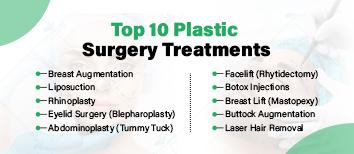
Felix Hospital provides both cosmetic and reconstructive surgeries, helping patients enhance their appearance or restore function after injury or illness.
Our specialists in audiology and speech therapy provide treatment for hearing impairments and speech disorders, ensuring improved communication and hearing abilities.
We provide expert anesthesia management for a wide range of surgical procedures, ensuring patient comfort and safety.
Our vascular surgeons treat conditions related to the arteries, veins, and blood circulation, helping to restore vascular health.
Felix Hospital’s rheumatology team specializes in diagnosing and treating autoimmune diseases and musculoskeletal disorders, providing relief and long-term care.
Felix Hospital is a healthcare center equipped to provide a wide range of medical services for your needs offering top-notch amenities such, as:
We offer convenient access to our services through several polyclinics in Noida and surrounding areas:
- Sector 75, Noida
- Sector 135, Noida
- New Ashok Nagar, Delhi
We are pleased to offer our medical room services in the following areas of Noida:
Our commitment is to provide accessible and quality healthcare services close to you.
As a patient-first hospital, we are committed to offering quality medical care that not only meets but exceeds your expectations. Here’s why Felix Hospital should be your preferred choice:
At Felix Hospital, we pride ourselves on our team of highly experienced and top-rated doctors. Our specialists bring decades of expertise to ensure you receive the best possible care for all your health needs.
Quality healthcare doesn’t have to be expensive. Felix Hospital offers affordable pricing, making high-standard medical care accessible to everyone without compromising on quality.
We believe in complete transparency with our patients. With no hidden costs, you are always aware of the services you're receiving and their prices, giving you peace of mind throughout your treatment journey.
We take pride in our highly skilled medical team and advanced facilities, which contribute to a zero percent complication rate. Your safety and well-being are our top priorities.
Our hospital is equipped with state-of-the-art medical technology, ensuring accurate diagnoses, advanced treatments, and successful outcomes for all patients.
Medical emergencies can happen anytime, and we are prepared. Felix Hospital is open 24x7, ensuring that help is available when you need it most, with prompt and efficient care.
We understand the financial stress that medical care can cause. That’s why we offer a no co-payment policy and accept all types of insurance, making healthcare easier and more affordable for our patients.
Felix Hospital is proud of its high success rate, thanks to our expert doctors and cutting-edge treatments. We also offer zero waiting times, so you get treated immediately, without unnecessary delays.
At Felix Hospital, you get value for every penny spent. From diagnostics to treatments and post-care, we ensure that you receive comprehensive, high-quality care under one roof.
We maintain a hygienic, infection-free environment to ensure patient safety and reduce the
Felix Hospital is committed to delivering exceptional healthcare with a personal touch, ensuring that every patient receives the care they deserve. Call now at +91 9667064100, 7835999333/666.
Felix Hospital stands as a beacon of advanced healthcare, offering a vast array of medical services backed by cutting-edge technology and a compassionate approach to patient care. Whether you're seeking emergency treatment, specialized consultations, or routine health services, Felix Hospital in Greater Noida is dedicated to meeting your medical needs with excellence. With our expert team of professionals, state-of-the-art facilities, and patient-focused mission, we ensure a healing experience that prioritizes your well-being at every step.
Felix Hospital – Where Excellence Meets Compassion in Healthcare
1. What services does Felix Hospital offer?
Ans. Felix Hospital provides a comprehensive range of services, including emergency care, diagnostics, pharmacy, radiodiagnosis, ICU care, and specialized medical departments.
2. Is Felix Hospital available 24/7 for patient care and emergencies?
Ans. Yes, Felix Hospital provides 24/7 healthcare services, including emergency care and round-the-clock support to ensure that patients receive immediate attention whenever needed. Our dedicated medical team is always on standby to handle any urgent medical situation.
3. What are the benefits of choosing Felix Hospital?
Ans. Our state-of-the-art facilities, advanced technology, extensive range of services, and patient-centered care are among the key benefits of choosing Felix Hospital.
4. How can I schedule an appointment at Felix Hospital?
Ans. Appointments can be scheduled through our website or by contacting our appointment desk directly.
5. What is the capacity of Felix Hospital?
Ans. Felix Hospital has a 350-bed capacity and is equipped with modern amenities to provide high-quality patient care.
6. Does Felix Hospital have specialized care for newborns?
Ans. Yes, our Level 3 NICU offers specialized care for premature and critically ill newborns with advanced equipment and dedicated staff.
7. Are there any additional services available at Felix Hospital?
Ans. We offer additional services such as home care, blood bank facilities, and a canteen for patient and visitor convenience.
8. How does Felix Hospital ensure infection control in its operation theaters?
Ans. Our operation theaters are equipped with HEPA filters, separate AHUs, laminar flow, and hermetically sealed doors to maintain a high standard of infection control.

Felix Healthcare Private Limiteds main goal is to provide top-notch healthcare services to individuals of their background.

Taking care of your eyes is like ensuring the windows to your world stay clear and bright. Just as you wouldn’t ignore a crack in your window that blurs your view, delaying cataract surgery can gradually affect your vision and impact your daily life. Timely cataract surgery is crucial for maintaining clear eyesight and overall well-being, allowing you to continue enjoying life's moments without unnecessary interruptions or complications.
Need Cataract Surgery? Trust the experts for the best results. Call +91 9667064100 or click here to book your consultation today!
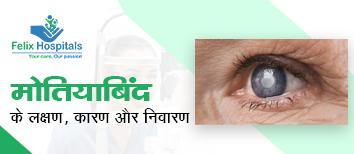
In a cataract operation, the surgeon replaces the cloudy lens in your eye with a clear artificial one. They make a tiny incision to take out the old lens and put in the new lens. The whole process is very quick as it just takes around 15 to 30 minutes, and it is usually done under local anesthesia, so you stay awake but don’t feel any pain. Most people start seeing better right after the surgery.
Cataract surgery is a crucial procedure for restoring vision in individuals with cataracts. When the surgery is delayed, the benefits of this effective treatment can be diminished. Timely intervention is essential not only to improve vision but also to prevent further complications. Few disadvantages of delayed cataract operation include:
Worsening Vision
As cataracts advance, they cause your vision to become increasingly cloudy, making everyday tasks like reading, driving, or recognizing faces much more challenging. This gradual decline can make it difficult to maintain your normal routines and enjoy activities you once found easy.
Increased Risk of Complications
Waiting too long for surgery can lead to additional problems, such as inflammation in the eye or the development of other serious conditions like glaucoma. These complications can make the eventual surgery more complicated and recovery more difficult.
Reduced Quality of Life
Poor vision due to cataracts can significantly impact your ability to perform daily activities, such as cooking, shopping, or even moving around safely. This decline in vision can affect your independence and overall enjoyment of life, leading to frustration and a decreased sense of well-being.
Complicated Surgery
The longer you wait, the harder it can be for the surgeon to remove the cataract and place the new lens. This increased difficulty can raise the risk of post-surgery issues, potentially extending your recovery time and affecting the final outcome of the surgery.
Higher Risk of Falls and Accidents
Impaired vision significantly increases the likelihood of falls and other accidents, particularly among older adults. Poor eyesight makes it harder to navigate your environment safely, which can lead to injuries and additional health problems that could otherwise be avoided with timely surgery.
Opting for timely cataract surgery is a wise decision that can greatly enhance your quality of life and prevent further complications. To ensure a positive outcome, it’s crucial to choose the best cataract surgeon as he can perform the procedure with precision and care, leading to optimal results and a smoother recovery.
The best time to have cataract surgery is when cataracts start to noticeably affect your daily life and vision. Here’s when you should consider scheduling the operation:
When it’s hard to see: If cataracts are making it difficult for you to read, drive, or recognize faces, it’s a good idea to think about surgery. When your vision problems are getting in the way of everyday tasks, it's time to see a specialist.
On recommendation by your doctor: If your eye doctor observes that the cataracts are worsening and impacting your vision, they might suggest it’s time for surgery.
Prevent complications: Taking care of cataracts before they become very severe can help avoid more serious problems and make the surgery easier. Plus, addressing cataracts early can help avoid the complexities that may increase the cataract surgery treatment cost.
Impact on your life: If your vision issues are affecting your quality of life like making it harder to move around safely, enjoy activities, or interact with others, it’s worth considering surgery to improve your situation.
The best time for cataract surgery is when cataracts begin to affect your daily life and vision. Regular eye exams and noticing how your vision impacts daily activities will help you choose the right time for the procedure.
Leading experts from top rated cataract surgery hospital can offer significant relief from cataracts and ensure optimal results from the surgery. Their experience and advanced techniques can contribute to successful outcomes and a smoother recovery process.
These specialists are well-regarded for their expertise in cataract surgery, providing personalized care and precision that can greatly enhance your vision and overall quality of life.
Find out the best time for your cataract surgery with our experts. Call +91 9667064100 today!
Getting cataract surgery done on time is really important for keeping your vision clear and maintaining a good quality of life. Treating cataracts early helps prevent your eyesight from getting worse and makes the surgery easier and recovery faster. Acting promptly helps you benefit from the latest treatments and protects your vision for the long term.
1-How long does cataract surgery take?
Cataract surgery typically takes about 15 to 30 minutes. The procedure is quick and usually performed on an outpatient basis, so you can go home the same day.
2-What is the recovery time after cataract surgery?
Recovery time after cataract surgery is usually short, with most people resuming normal activities within a few days. Full healing may take a few weeks, during which you might need to use prescribed eye drops.
3-Will I need glasses after cataract surgery?
You might need glasses after cataract surgery, especially for reading or close work. However, many people experience improved vision and might require only minimal correction, depending on the type of lens used.
4-How long does it take to see results after cataract surgery?
Most people notice improved vision within a day or two after cataract surgery. Complete visual clarity and stabilization might take a few weeks as the eye fully heals.
5-Which is the best hospital in Noida for cataract surgery?
One of the top hospitals for cataract surgery in Noida is Felix Hospital. It is known for its advanced technology, experienced specialists, and excellent patient care.
6-Can cataracts come back after surgery?
Cataracts do not come back after surgery, but some patients may experience a condition called posterior capsule opacification, where the capsule behind the lens becomes cloudy. This can be treated easily with a follow-up laser procedure.
7-Who is the best cataract surgeon in Noida?
Dr. Deepanjali Arya is highly regarded as one of the best cataract surgeons in Noida. She is known for his expertise, successful outcomes, and patient-focused care.
8-How do I choose the right lens for cataract surgery?
Choosing the right lens for cataract surgery depends on your vision needs and lifestyle. Options include standard lenses or advanced types like multifocal or toric lenses. Your surgeon will help you select the best option based on your specific requirements.

Cataract surgery is essential to restore clear vision and prevent permanent blindness. It removes the cloudy lens and replaces it with an artificial one, helping patients regain normal sight and quality of life.

Felix Healthcare Private Limited stands at the forefront of healthcare excellence in India. Established with the mission to provide top-tier medical services, Felix Healthcare has earned a reputation for offering a comprehensive range of healthcare solutions under one roof. The institution's commitment to quality patient care, advanced medical technology, and highly qualified professionals has made it a trusted name in the healthcare industry.
Ready to experience world-class healthcare? Book your appointment with Felix Healthcare today and let our experts take care of your health. Call Now at +91 9667064100.
Felix Healthcare Private Limiteds main goal is to provide top-notch healthcare services to individuals of their background. The organization is dedicated to delivering affordable care with compassion, for the patients and their loved ones at its core. Felix Healthcare is committed to enhancing healthcare results by embracing innovation, and research and upholding standards relentlessly.
Felix Healthcare stands out for its range of medical services; from regular health checkups to advanced treatments for challenging medical issues are provided by the facility in a variety of departments such as:
1. Cardiology: Felix Healthcare offers cardiology services with state-of-the-art technology to diagnose and treat heart conditions effectively. In delivering care to patients with heart issues the skilled cardiologists, at Felix Healthcare prioritize personalized treatment plans based on each patient's requirements.
2. Orthopedics: The orthopedic department at Felix Healthcare is manned by experts who offer both surgical and nonsurgical interventions, for issues related to bones, joints, and muscles. Whether it's replacements or rehabilitation services Felix Healthcare provides comprehensive orthopedic care solutions.
3. Gynecology and Obstetrics: The hospital provides a range of women's health services such as postnatal care, fertility treatments, and menopause management along with advanced gynecological surgeries. Their team is committed, to assisting women in every phase of life to maintain their reproductive and overall well-being.
4. Oncology: Felix Healthcare specializes in oncology services aimed at diagnosing and treating forms of cancer using advanced radiation therapy and chemotherapy treatments to ensure top-notch care for individuals battling cancer.
5. Neurology: Felix Healthcare specializes in the treatment of disorders such as epilepsy, stroke, Parkinson's disease, and multiple sclerosis. The hospital utilizes technology to provide accurate diagnosis and treatment options for patients, with these conditions.
6. Pediatrics and Neonatology: Felix Healthcare's pediatric unit is renowned for its notch medical services tailored to children's and infant's needs with skilled doctors specializing in pediatric care and neonatology services available on hand at the facility offering a range of healthcare options such as vaccinations and developmental check-ups while also providing treatment for common childhood ailments to guarantee the well being and security of the little ones, under their care.
7. Plastic and Reconstructive Surgery: Felix Healthcare provides a variety of reconstructive surgeries aimed at improving one's physical appearance and fixing deformities effectively and efficiently with the use of cutting-edge techniques by their experienced plastic surgery team, for natural results and quick recovery periods.
8. Psychiatry and Mental Health: Felix Healthcare understands the significance of well-being and offers a range of services for psychiatry and mental wellness needs with a dedicated team of psychiatrists and psychologists who focus on addressing conditions such as anxiety disorders and depression alongside other mental illnesses, like bipolar disorder.
Felix Healthcare proudly features a state-of-the-art center furnished with cutting-edge imaging and laboratory technology to offer a comprehensive spectrum of diagnostic services such as MRI scans and CT scans among others to efficiently identify health conditions and provide patients, with timely and precise treatments.
Felix Healthcare is known for its team of experienced and caring healthcare professionals who excel in their fields of expertise such as doctors and nurses who are dedicated to continuous learning and development to stay up-to-date with the latest medical advancements and practices.
At the Hospital Healthcare providers, from all disciplines work closely to provide comprehensive care that addresses all aspects of a patient well being leading to individualized treatment plans tailored to each patient's unique requirements.
Felix Healthcare remains at the forefront by embracing innovations in medical technology to enhance patient care effectively and efficiently The hospital's commitment to utilizing state-of-the-art equipment guarantees that patients access the most advanced treatments possible Robotic surgeries minimally invasive procedures and modern ICU amenities exemplify the institution's focus on leveraging technology, for better patient results.
Felix Healthcare prioritizes the well-being of patients above all else by adopting a patient-centric care strategy focused on communication and patient empowerment while respecting individual choices and beliefs. The hospital strives to offer a welcoming atmosphere for both patients and their loved ones throughout their healthcare journey, from the first meeting to ongoing support.
Felix Healthcare is committed to supporting the community by organizing health camps and free medical checkups as part of its social responsibility initiatives to make healthcare more accessible, to underprivileged individuals and educate the public about preventive health measures.
Felix Healthcare has received awards for its strong dedication to delivering top-notch medical care services. The hospital's accreditation by both international healthcare organizations showcases its commitment to maintaining the highest levels of quality and safety in healthcare practices. These achievements help establish its reputation as a healthcare provider, in the local area.
Felix Healthcare's impressive expansion is spearheaded by Dr. D.K. Gupta and Dr. Rashmi Gupta's visionary leadership and unwavering commitment that has turned the facility into a multi-specialty hospital in Noida. Its presence, in Noidas Sector 137 has enabled Felix Hospital to offer top-notch healthcare services in medical fields.
Felix Healthcare recently acquired Sanjeevani Hospital in Greater Noida as part of their commitment, to providing top-notch healthcare with compassion to a larger population base They are constantly raising the bar in patient care under their guidance.
As Felix Healthcare expands its services further the institution is set to stay influential in the healthcare industry. Plans involve adding medical specializations expanding facilities and incorporating digital health services. With a focus, on prioritizing patients Felix Healthcare is dedicated to meeting the changing healthcare requirements of the community.
Need specialized care for your loved ones? Felix Healthcare’s team of skilled doctors is here to provide personalized and compassionate medical services. Contact us now at +91 9667064100.
Felix Healthcare Private Limited is not a hospital but a healthcare establishment rooted in principles of excellence and empathy while promoting innovation as well. With a focus on well-being and utilizing cutting-edge technology for better care delivery and ongoing enhancement efforts to meet various healthcare requirements of patients. In its journey of growth and advancement over time Felix Healthcare stands as a symbol of optimism and recovery, for the individuals who rely on it for their well-being.
1-What services does Felix Healthcare Private Limited offer?
Felix Healthcare offers a wide range of services, including cardiology, orthopedics, gynecology and obstetrics, oncology, neurology, pediatrics, plastic surgery, and mental health care. We also provide advanced diagnostic services and laboratory facilities.
2-How do I book an appointment at Felix Healthcare?
You can book an appointment by calling our helpline at [+91 9667064100], visiting our official website https://www.felixhospital.com/, or coming to the hospital directly to schedule your consultation.
3-Is Felix Healthcare equipped with advanced medical technology?
Yes, Felix Healthcare is committed to providing cutting-edge healthcare. We utilize the latest technology for diagnostics, treatments, and surgeries, including robotic surgeries and minimally invasive procedures.
4-Does Felix Healthcare accept health insurance?
Yes, we accept most major health insurance plans. We recommend contacting our billing department or your insurance provider to confirm coverage for specific treatments.
5-Are there specialists available for pediatric and neonatal care?
Absolutely! Felix Healthcare has a team of experienced pediatricians and neonatologists who provide comprehensive care for newborns, infants, and children, including vaccinations, growth assessments, and treatment for childhood illnesses.
6-What are the visiting hours at Felix Healthcare?
Visiting hours vary by department and patient condition. For general information on visiting hours, please contact the hospital directly or check our website for the most updated information.
7-What mental health services are available at Felix Healthcare?
We offer a range of mental health services, including treatment for anxiety, depression, bipolar disorder, and more. Our team consists of expert psychiatrists and psychologists who provide compassionate and confidential care.
8-What measures does Felix Healthcare take for patient safety and hygiene?
Felix Healthcare follows strict infection control and hygiene protocols, including regular sanitization of facilities, use of protective gear by staff and patient isolation where necessary. We are fully committed to maintaining a safe environment for patients and visitors.
9-Does Felix Healthcare offer emergency care services?
Yes, Felix Healthcare provides 24/7 emergency care with specialized doctors available round-the-clock for critical situations. Our emergency department is equipped to handle medical emergencies of all types.
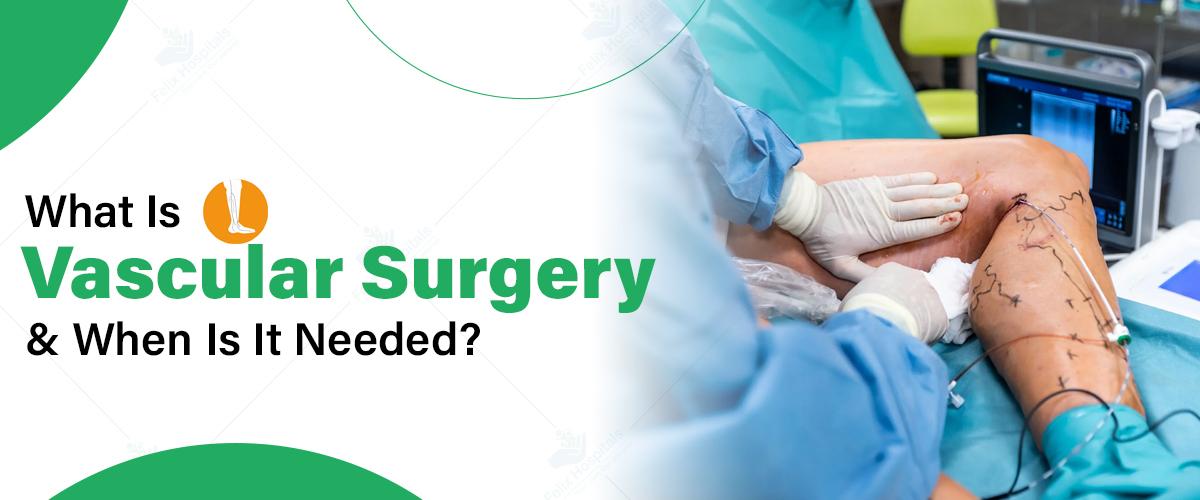
Vascular surgery is a specialized branch of surgery that focuses on the diagnosis, management, and treatment of diseases and conditions affecting the blood vessels, including arteries and veins. This field is crucial in addressing vascular conditions that may impact blood flow and, consequently, overall health. Understanding what vascular surgery entails and recognizing when it is needed can be pivotal for maintaining vascular health and preventing severe complications.
Need Expert Advice on Vascular Health? Contact Us Today to Schedule Your Vascular Surgery Consultation - +91 9667064100 .
Vascular Surgery involves surgical procedures designed to treat disorders of the vascular system. This includes the arteries, veins, and lymphatic system. The primary goal of vascular surgery is to restore normal blood flow to affected areas of the body. These procedures may be performed using open surgery techniques or minimally invasive methods, such as endovascular surgery.
1. Aneurysms: An aneurysm is an abnormal bulge in the wall of an artery caused by weakness in the arterial wall. Vascular surgery is often required to repair aneurysms, particularly if they are large or at risk of rupturing.
2. Peripheral Artery Disease (PAD): PAD occurs when the arteries that supply blood to the limbs become narrowed or blocked, leading to pain and impaired mobility. Surgical interventions may include angioplasty or bypass surgery to improve blood flow.
3. Carotid Artery Disease: This condition involves the narrowing of the carotid arteries, which supply blood to the brain. Surgery may be needed to prevent stroke by restoring adequate blood flow to the brain.
4. Varicose Veins: Varicose veins are swollen, twisted veins that can cause discomfort and aesthetic concerns. Surgical treatments, such as vein stripping or endovenous laser therapy, are available to alleviate symptoms and improve appearance.
5. Chronic Venous Insufficiency (CVI): CVI occurs when the veins in the legs cannot effectively return blood to the heart. Surgical options, including vein ablation or sclerotherapy, can help manage this condition.
6. Deep Vein Thrombosis (DVT): DVT is the formation of a blood clot in a deep vein, usually in the legs. In severe cases, surgical interventions such as thrombectomy may be necessary to remove the clot and restore normal blood flow.
The decision to proceed with vascular surgery is based on several factors, including the severity of the condition, the presence of symptoms, and the risk of complications. Vascular Surgery may be indicated in the following scenarios:
1. Significant Symptomatology: If a patient experiences severe symptoms, such as persistent pain, swelling, or ulcers in the affected area, and conservative treatments are ineffective, surgical intervention may be necessary.
2. High Risk of Complications: In cases where vascular conditions pose a significant risk of serious complications, such as stroke or limb loss, surgery may be recommended to mitigate these risks and prevent life-threatening outcomes.
3. Progressive Disease: If a vascular condition is progressing despite medical management and is expected to worsen over time, surgical options may be considered to address the underlying issue and improve long-term outcomes.
4. Failure of Non-Surgical Treatments: When non-invasive treatments, such as medication or lifestyle changes, fail to provide relief or control the condition, surgical options may be explored as a more effective solution.
5. Emergency Situations: In emergency situations, such as a ruptured aneurysm or severe clot, immediate surgical intervention may be required to address the life-threatening nature of the condition and stabilize the patient.
Your health is our priority. Let us help you take the next step toward better vascular health. Call Now for consultancy - +91 9667064100.
Vascular surgery plays a vital role in managing a range of vascular conditions that can impact overall health and quality of life. By understanding the conditions treated by vascular surgery and recognizing when surgical intervention is necessary, individuals can make informed decisions about their vascular health. If you or someone you know is experiencing symptoms or has concerns about vascular health, consulting a qualified Vascular Surgeon is essential for an accurate diagnosis and appropriate treatment plan.
By working closely with experienced vascular surgeons and following their guidance, patients can achieve positive outcomes and enjoy a better quality of life.
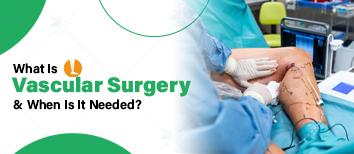
Vascular surgery involves surgical procedures designed to treat disorders of the vascular system.


Subscribe to our
© Copyright 2026. All Rights Reserved by Felix Healthcare Private Limited
Design and development by :


 +(91)9667064100
 Emergency : +(91)9667064100