 WhatsApp
 Emergency:
  WhatsApp









Subscribe to our

Living with gastroesophageal reflux disease, commonly known as GERD, can be a challenging experience. This chronic condition affects millions of people worldwide, impacting their quality of life and overall well-being. Let’s explore the causes of GERD, its symptoms, and discuss effective management strategies to help those affected lead more comfortable lives. But first, it is important to understand what this condition actually is and how it affects one’s life.
Receive the care you deserve from the leading gastroenterologist in Noida. Call +91 9667064100 now!
Gastroesophageal reflux disease (GERD) is a chronic digestive condition where stomach acid or bile frequently flows back into the esophagus, the tube that connects the mouth to the stomach. This backflow, known as acid reflux, irritates the lining of the esophagus and can lead to symptoms such as heartburn, regurgitation, and difficulty swallowing.
GERD can also cause complications if left untreated, including inflammation of the esophagus (esophagitis) and changes to the lining of the esophagus that can increase cancer risk. Effective management often involves lifestyle changes, medications, and, in some cases, surgical interventions.
GERD occurs when stomach contents frequently flow back (reflux) into the esophagus. This backwash of acid can irritate the lining of the esophagus, leading to various uncomfortable symptoms. But what exactly causes this condition? There could be a variety of factors that may result in GERD. These include,
1. Lower Esophageal Sphincter (LES) Dysfunction: The LES is a ring of muscle that acts as a valve between the esophagus and stomach. When this sphincter weakens or relaxes inappropriately, it allows stomach contents to flow back into the esophagus.
2. Hiatal Hernia: This condition occurs when the upper part of the stomach bulges through the diaphragm into the chest cavity. It can weaken the LES, making it easier for acid reflux to occur.
3. Obesity: Excess weight, especially around the abdomen, exerts additional pressure on the stomach. This increased pressure can cause stomach contents, including acid, to flow back into the esophagus, leading to GERD symptoms.
4. Pregnancy: During pregnancy, hormonal changes can relax the lower esophageal sphincter (LES), and additionally, the growing uterus exerts pressure on the stomach, further contributing to acid reflux.
5. Dietary Factors: Certain foods and beverages can trigger or exacerbate GERD symptoms by increasing stomach acid production or relaxing the LES. Spicy or fatty foods, citrus fruits, chocolate, and caffeinated beverages are common foods that can lead to heartburn and discomfort.
6. Smoking: Tobacco use can have an adverse effect on GERD by weakening the LES, making it easier for stomach acid to escape into the esophagus. Smoking also stimulates the production of stomach acid, which can further aggravate GERD symptoms.
Gastroesophageal reflux disease (GERD) presents in various ways, with individuals experiencing a range of symptoms. Some of the most common signs include:
1. Heartburn: This is often described as a burning sensation in the chest, typically occurring after meals or when lying flat. The discomfort can be intense and may worsen when bending over or after eating large or spicy meals.
2. Regurgitation: Individuals with GERD frequently experience the unpleasant sensation of stomach contents rising into the mouth or throat. This can leave a sour or bitter taste and might be accompanied by the sensation of food coming back up.
3. Difficulty Swallowing: Known medically as dysphagia, this symptom arises from the chronic inflammation and irritation of the esophagus. It can make swallowing difficult or painful and may feel as though food is stuck in the throat or chest.
4. Chest Pain: GERD can cause discomfort or pain in the chest that may be mistaken for cardiac issues. This pain can vary in intensity and is often associated with heartburn or other digestive symptoms.
5. Chronic Cough: A persistent cough, particularly at night, can be a result of GERD. Acid reflux may irritate the airways, leading to coughing as the body attempts to clear the throat or respond to the acid.
6. Hoarseness: The acid from GERD can affect the vocal cords, causing a hoarse or raspy voice. This symptom is particularly noticeable in the morning or after prolonged speaking.
7. Feeling of a Lump in the Throat: This sensation, known as globus, can be quite distressing. It often feels like something is lodged in the throat and is caused by irritation and inflammation from the acid reflux.
Understanding these symptoms can help in identifying GERD and seeking appropriate treatment to manage and alleviate the condition.
Gastroesophageal reflux disease (GERD) can be a challenging condition, but several strategies can help alleviate symptoms and enhance your overall well-being. Here are a few factors to consider for managing GERD effectively:
Identify and Avoid Triggers: Steer clear of foods and drinks known to aggravate GERD, such as spicy foods, citrus, and caffeine.
Opt for Smaller, Frequent Meals: Eating smaller portions more often can prevent overloading your stomach.
Avoid Lying Down After Meals: Give your body time to digest by waiting at least three hours before reclining.
Achieve a Healthy Weight: Losing excess weight can reduce pressure on the abdomen and alleviate symptoms.
Quit Smoking: Smoking can worsen GERD, so cessation can significantly improve your condition.
Elevate Your Head While Sleeping: Raise the head of your bed by 6-8 inches to help prevent nighttime reflux.
Wear Loose Clothing: Avoid tight-fitting clothes around the waist that can put pressure on your stomach.
Over-the-Counter Antacids: Useful for occasional relief from mild symptoms.
H2 Blockers: These reduce acid production and can provide longer-lasting relief.
Proton Pump Inhibitors (PPIs): For more severe cases, PPIs are effective in reducing stomach acid production.
Chewing Gum: Stimulates saliva production, which can help neutralize stomach acid.
Ginger and Chamomile Tea: Both have soothing properties that may help ease GERD symptoms.
Diluted Apple Cider Vinegar: Some find that it aids digestion, though it's important to use it sparingly.
Practice Relaxation Techniques: Activities like deep breathing and meditation can help reduce stress, which may contribute to GERD.
Exercise Regularly: Regular physical activity can help manage stress and support digestive health.
Consider Surgical Interventions: In severe cases that do not respond to other treatments, procedures such as fundoplication may be necessary. For optimal care and advanced surgical options, choose the best hospital for GERD surgery in Noida.
Acupuncture: Some studies suggest that acupuncture may offer relief from GERD symptoms.
Herbal Supplements: Supplements like slippery elm or marshmallow root might provide relief for certain individuals.
By implementing these strategies, you can effectively manage GERD and improve your quality of life. Always consult with a healthcare professional to tailor these recommendations to your specific needs and circumstances.
Dr. Jagatjot Singh Gill is renowned for his expertise in managing GERD and other gastrointestinal disorders. With a focus on personalized patient care and advanced diagnostic techniques, he offers comprehensive treatment plans tailored to individual needs.
Dr. Amrit Yog Datley is a leading expert in gastroenterology, with a particular focus on treating GERD. His approach combines cutting-edge therapies with a strong emphasis on individualized care, ensuring effective management and improved digestive health for his patients.
Recognizing the signs of GERD early and understanding its causes are crucial steps in managing this condition effectively. By being vigilant about symptoms and identifying triggers, individuals can take proactive measures to mitigate the impact of GERD on their daily lives. Early intervention and seeking effective treatment at the best gastroenterologist hospital in Noida reduces the risk of complications and improves overall quality of life.
Still have questions about managing GERD? Connect with our experts with just a click and get all your doubts cleared.
1. How long does GERD last with treatment?
Ans. With proper treatment, GERD symptoms can improve within a few weeks to months. Long-term management may be necessary to control the condition and prevent recurrence.
2. Can GERD be healed naturally?
Ans. GERD can often be managed with lifestyle and dietary changes, such as avoiding trigger foods and losing weight, but natural remedies alone may not fully eliminate the condition for everyone.
3. What foods should I avoid if I have GERD?
Ans. Avoid spicy foods, citrus fruits, tomatoes, caffeine, chocolate, fatty foods, and carbonated beverages, as these can trigger or worsen GERD symptoms.
4. When should I see a doctor about GERD?
Ans. Consult a doctor if you experience persistent or severe symptoms, such as frequent heartburn, difficulty swallowing, or if over-the-counter treatments aren’t effective.
5. Is there surgery for GERD?
Ans. Yes, surgery for GERD, such as fundoplication, may be considered for severe cases that don’t respond to medication or lifestyle changes. It helps to prevent acid reflux by strengthening the lower esophageal sphincter.
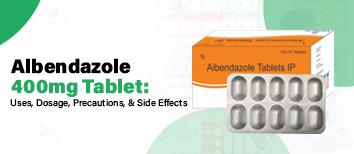
Albendazole 400 mg Tablet is an antiparasitic medicine used to treat worm infestations and related infections.

Physiotherapy is an essential practice in treating and preventing many forms of disorder or dysfunction based on the musculoskeletal system as caused by an injury, surgery or diseases. Among modern people, who cannot always find time for a visit to a physiotherapist, receiving treatment in the comfort of one’s home is highly appreciated. physiotherapy centre in noida are also available in the newly developing residential neighborhood of Noida Sector 137 to fulfill the resident’s needs without leaving their neighborhood.
Ready to experience expert Physiotherapy care in the comfort of your home? Call Now - +91 9667064100.
The following are benefits offered by home physiotherapy; It is appropriate for those patients who have mobility issues, the elderly, or those who prefer that they are treated at home. Here are some key benefits:
Here are some of the benefits that can be derived:
1. Convenience: The patient does not have to travel and the respective professionals can attend to him or her thus eliminating the whole process.
2. Personalized Care: Presenting the therapy this way also makes it easier for therapists to assess as well as potentially modify the particular patient’s treatment according to his home context.
3. Comfort: Sometimes, it expedites recovery because the patient is in familiar surroundings and there is less pressure.
4. Infection Control: These home visits eliminate the risks of encountering infectious diseases particularly when attending on the weak or immune-compromised patients.
Home physiotherapy services in Noida Sector 137 cater to a variety of conditions, including: Home physiotherapy services in Noida Sector 137 cater to a variety of conditions, including:
Post-Surgical Rehabilitation: Patients are being assisted to have strength and use their muscles to move in case they have been operated on.
Sports Injuries: Care and recovery procedures of accidents occasioned by sports exercises.
Chronic Pain: Treatments of diseases such as arthritis, lower back pain and joint stiffness.
Neurological Disorders: Rehabilitation for diseases like: stroke, Parkinson’s disease, and multiple sclerosis.
Pediatric Physiotherapy: Medical and therapeutic services to children with developmental or physical impairment.
When selecting a physiotherapy service for home visits, consider the following factors: When selecting a physiotherapy service for home visits, consider the following factors:
1. Qualifications and Experience: Check that the therapists are certified as well as confirm whether or not they have dealt with clients with a similar issue as yours in the past.
2. Reputation: It will also help to avoid centers with negative feedback or lower rate of patients’ satisfaction.
3. Range of Services: Select an organization that provides all the necessary services, starting with assessment to the subsequent rehabilitation.
4. Flexibility: Choose the services that allow you to make appointments and choose the time that is most convenient for you.
5. Cost: This is because one may get a high-quality service provider that offers their services at a higher price as compared to others when the services may not be of similar quality.
Our set-up of physiotherapy services for home visits sets Felix Hospital as the best physiotherapist for Noida Sector 137. Our staff comprises highly trained and professional physiotherapists who will be glad to offer specialist home visits. We know that for every patient the treatment is different, and approached individually to achieve the best result, as well as quality of life.
Here’s why Felix Hospital is the best option for your physiotherapy needs: Here’s why Felix Hospital is the best option for your physiotherapy needs:
1. Expert Physiotherapists: Our physiotherapists are not only well trained and qualified but also brings with them experiences having worked for several years in the treatment of various ailments. They have the passion of seeing you through the various therapies with efficiency and the least harm to the body.
2. Personalized Care: As you will soon find out, we do not treat everybody the same way at Felix Hospital. All our physiotherapists carry out an initial evaluation to design treatment programmes that will effectively cater for your conditions and get you back on your feet faster.
3. Convenience and Comfort: You do not have to travel to avail yourself of our outstanding physiotherapy services because we will be coming to your house. This is useful especially to those with mobility problems or too engaged to get around during lunch time.
4. State-of-the-Art Equipment: Our physiotherapists come well armed with the physiotherapy tools and equipment that will enable them offer the best home physiotherapy services.
5. Holistic Approach: To this effect, we practice holistic physiotherapy because we are obsessed with not only an individual’s physical condition, but their wellbeing. Our team counselling is on exercise regimes, dietary changes and pain control measures that will benefit one in the long-run.
6. Trusted by Patients: At Felix Hospital we have always made it our mission to be one of the best healthcare providers and this applies to our physiotherapy as well. They consult us for the quality of our services and for our desire to see them heal.
7. Affordable and Accessible: At home visit physiotherapy in Noida Sector 137, we provide quality services at rates that are very affordable so that everyone can access physiotherapy services in Noida Sector 137.
Choosing Felix Hospital for your physiotherapy needs ensures you receive expert care in the most convenient and comfortable setting—your home. Let us help you on your journey to recovery and improved health.
Dr. Zahid Khan is a skilled physiotherapist based in I.A. Surajpur, Greater Noida, with 6 years of dedicated experience in the field. He specializes in both pediatric and geriatric physiotherapy, offering tailored treatments that cater to the unique needs of children and the elderly.
Dr. Rinku Kumar is an experienced physiotherapist with over 7 years of expertise in the field. He is highly skilled in sports injuries and rehabilitation, musculoskeletal care, and cardiovascular rehabilitation. Additionally, Dr. Kumar is proficient in pediatric and geriatric physiotherapy, providing specialized care for patients across all age groups.
Schedule a consultation with our top physiotherapists and get started on your journey to better health right at your doorstep! Call Now - +91 9667064100.
Noida Sector 137 residents can access some of the premier Physiotherapy Services which are capable of making home visits. These services are very efficient and helpful in that they do not require the individual to travel for treatment. Whether you are undergoing a post surgical procedure, suffering from Arthritis & or musculoskeletal disorders or need rehabilitation for sports injury, physiotherapy in Noida Sector 137 can assist you.
Hence, there is no reason why you cannot access the right service and have a good and quick recovery with enhanced quality of life. Choose wisely and go for home physiotherapy services in Noida Sector 137 to avail the aforementioned benefits and take the first step of improving your health.
1. What types of conditions can be treated with home physiotherapy?
Home physiotherapy can treat a wide range of conditions including post-surgical rehabilitation, sports injuries, chronic pain (such as arthritis and back pain), neurological disorders (like stroke and Parkinson’s disease), and pediatric conditions.
2. Who is an ideal candidate for home physiotherapy services?
Home physiotherapy is ideal for individuals with mobility issues, elderly patients, those recovering from surgery or injury, and anyone who prefers the comfort and privacy of receiving care at home.
3. What should I expect during my first home physiotherapy session?
During your first session, the physiotherapist will conduct a thorough assessment of your condition, discuss your medical history, and develop a personalized treatment plan tailored to your specific needs.
4. How long does each physiotherapy session last?
Typically, a physiotherapy session lasts between 45 minutes to an hour, depending on the treatment plan and the patient’s needs.
5. Are home physiotherapy services as effective as in-clinic treatments?
Yes, home physiotherapy services can be just as effective as in-clinic treatments. The added comfort and personalized care at home can enhance the overall effectiveness of the therapy.
6. How do I prepare for a home physiotherapy session?
Ensure you have a clean and quiet space for the session. Wear comfortable clothing that allows easy movement. It’s also helpful to have any medical records or previous test results available for the physiotherapist to review.
7. What is the cost of home physiotherapy services in Noida Sector 137?
The cost varies depending on the duration of the session, the complexity of the condition, and the number of sessions required. It’s best to contact the service provider for detailed pricing.
8. Can I schedule physiotherapy sessions at a time that suits me?
Yes, home physiotherapy services often offer flexible scheduling to accommodate your availability and convenience.
9. How soon can I expect to see results from physiotherapy?
The timeline for seeing results varies depending on the condition being treated, the severity of the condition, and the frequency of the sessions. Many patients start noticing improvements after a few sessions.
10. Is it safe to receive physiotherapy at home during the COVID-19 pandemic?
Yes, home physiotherapy is generally safe, especially as it minimizes exposure to infections. Physiotherapists follow strict hygiene protocols to ensure the safety and well-being of patients during home visits.

If you are having any physical pain in your body due to factors like illness, injury, sudden stroke or aging, a physiotherapist can help you to overcome the pain through various therapies like electrotherapy, heat and cold packs, exercise etc.
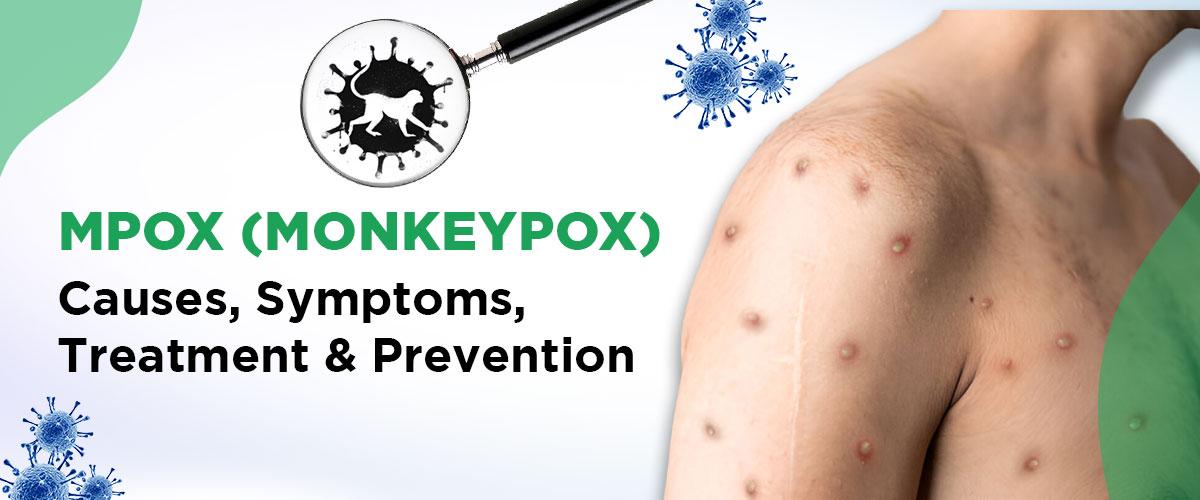
Craig, what the world has known in recent times as monkeypox, now referred to as Mpox, has emerged as a significant health concern due to its relationship with the more dangerous smallpox, despite being distinctly different in several ways. This viral zoonotic illness primarily affects Central and West African countries, but occasional cases have been reported globally, causing concern among public health practitioners.
Therefore, it is crucial to understand all aspects of Mpox, including its causes, symptoms, and methods of prevention. For those seeking medical attention, especially in such cases, it’s advisable to consult professionals at the Best General Physician Hospital in Noida to ensure proper diagnosis and care.
In case one develops symptoms similar to Mpox or if you have been in contact with the virus, it is advisable to visit the doctor. Call now at +91 9667064100.
Mpox is an extremely rare viral disease within the Orthopoxvirus group, the same family as smallpox originating from Africa. Mpx is less aggressive as compared to smallpox but clinically has similarities and therefore should be diagnosed and managed appropriately. The mode of transmission is zoonotic whereby the virus is transmitted from animals to humans although human to human transmission is obtained by contact with infected patients.
Mpox is an infectious disease, which is caused by the monkeypox virus and can be transmitted to humans by -
Transmission from Animals:
Signs and symptoms of Mpox start with flu-like symptoms, such as -
Flu-Like Symptoms:
Skin Lesions:
Lymphadenopathy:
If you're experiencing symptoms similar to Mpox or need dengue fever treatment, seeking timely medical attention is essential to ensure proper care and recovery.
Till present, there is no standard treatment available for this disease and it is referred to as Mpox. Though, use of smallpox vaccines, antiviral and vaccinia immune globulin (VIG) is available to contain the spread of the disease. No specific cure for the condition exists: management is palliative, and aims at the prevention of complications. From those recommendations, instructions for patients include, resting, drinking a lot of fluids, or using proper pain and viral fever treatment at Hospital in Noida. More severe cases however may call for hospitalization for a more intensive treatment.
To prevent Mpox, the following measures should be taken; The direct contact with animals considered to be carriers of the virus should be avoided, and good hygiene practices should be enhanced while safe food practices having stringent measures put in place. Hospital or other healthcare facility protocols should be observed in this context especially on issues related to standard infection control measures such as the PPE. Smallpox has been observed to have some relation to Mpox, and as a result, vaccination against smallpox may be used in people who are in high-risk groups.
1. Dr. Anshumala Sinha
Dr Sinha is qualified in internal medicine and diabetology with more than 20 years of practice; thus he has great prowess in treating various infectious diseases such as Mpox viral infections. This includes preventive health care measures alongside treatment that best suits the client.
2. Dr. Neelabh Pratap
Dr. Neelabh Pratap has worked for more than 6 years as a general physician, with specialization in Neuro infectious diseases, critical care management and trauma cases. This devotion has made him be among the leading names when it comes to handling viral diseases.
3. Dr. Sonakshi Saxena
Dr. Sonakshi Saxena has the experience of over 4+ years in the field of internal medicine and focuses on the importance of the patient. The fact that she handles fevers and infections makes her very important in the early diagnosis and management of Mpox.
Early detection and proper medical care can significantly reduce the severity of the disease and prevent complications. Call us on +91 9667064100.
Mpox is an extremely rare viral disease that should not be underestimated; appropriate attention and management are crucial to prevent its spread. Understanding this condition allows people to take preventive measures, as it’s important to recognize the causes, indicators, and methods of prevention. If you suspect you have been exposed to Mpox or are experiencing symptoms, consult with a healthcare provider immediately for guidance and care. Additionally, if you're dealing with similar concerns, such as chicken pox treatment, seeking prompt medical advice is essential to ensure proper management and recovery.
1. What is Mpox?
Mpox, or monkeypox, is a viral infection that is similar to smallpox but is generally less severe.
2. How is Mpox transmitted?
Mpox can be transmitted from animals to humans through direct contact and from human to human through respiratory droplets, bodily fluids, or contaminated objects.
3. What are the symptoms of Mpox?
Symptoms include fever, headache, muscle aches, fatigue, and a characteristic rash that progresses through several stages before healing.
4. Is there a vaccine for Mpox?
Smallpox vaccines can provide some protection against Mpox and may be recommended for those at high risk.
5. How long does Mpox last?
The illness typically lasts 2 to 4 weeks, with the rash taking time to progress through its stages.
6. Can Mpox be treated?
There is no specific treatment, but supportive care, including managing symptoms and preventing complications, is essential.
7. Who is at risk of Mpox?
Individuals in close contact with infected animals or people are at higher risk, as are those in regions where the virus is more common.
8. How can Mpox be prevented?
Prevention strategies include avoiding contact with potentially infected animals, practicing good hygiene, and using PPE in healthcare settings.
9. Is Mpox the same as smallpox?
No, while they are similar, Mpox is generally less severe than smallpox and is caused by a different virus.
10. What should I do if I think I have Mpox?
If you suspect you have Mpox, seek medical attention immediately for diagnosis and appropriate care.

Compare Measles and Chickenpox by their rashes, symptoms, and visual differences. Learn how to identify each and seek timely treatment.
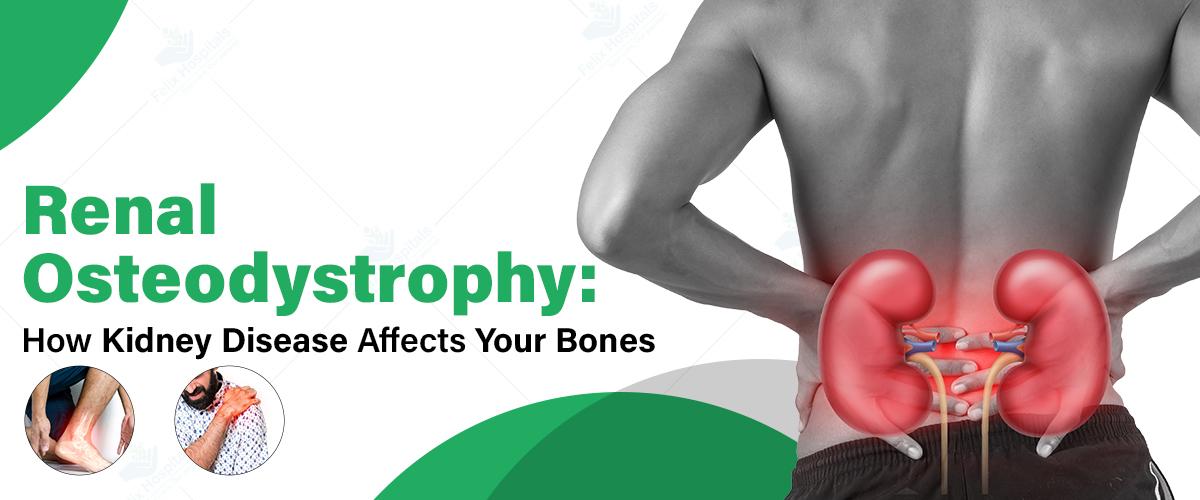
When we think about kidney disease, we often focus on its impact on renal function and overall health. However, one lesser-known but significant complication of chronic kidney disease (CKD) is its effect on bone health. This condition, known as renal osteodystrophy, can have far-reaching consequences for patients with kidney problems. Leading kidney hospital in Noida can offer insights into the complex relationship between kidney disease and bone health, and provide tailored treatment plans to effectively manage both conditions.
To learn about renal osteodystrophy straight from the experts, dial +91 9667064100 or simply click here!
Renal osteodystrophy is a bone disorder that occurs as a result of chronic kidney disease. It's a multifaceted condition that can lead to various bone abnormalities, including weakened bones, increased risk of fractures, and bone deformities. To truly grasp the impact of renal osteodystrophy, it's essential to understand how healthy kidneys contribute to maintaining strong bones.
Maintaining strong and healthy bones relies on the proper function of our kidneys. These vital organs play a key role in bone health through several crucial processes. These include:
Vitamin D Activation: Kidneys convert vitamin D into its active form, which is essential for absorbing calcium from the intestines.
Balancing Calcium and Phosphate: They regulate the levels of calcium and phosphate in the blood, which are critical for bone formation and strength.
Regulating Parathyroid Hormone: Kidneys also help manage the production of parathyroid hormone (PTH), which controls calcium levels in the body.
When kidney function declines, these processes are disrupted, leading to a condition known as renal osteodystrophy.
As chronic kidney disease progresses, several factors contribute to the development of renal osteodystrophy. These factors include:
Vitamin D Deficiency: Impaired kidney function reduces vitamin D activation, leading to lower calcium absorption and weakened bones.
Phosphate Retention: Failing kidneys cannot remove excess phosphate, which depletes calcium from bones and weakens them.
Secondary Hyperparathyroidism: Low calcium levels cause increased PTH production, leading to excessive bone breakdown.
Metabolic Acidosis: Acid buildup dissolves bone minerals, further weakening bones.
These factors collectively impact bone health, necessitating targeted treatment to manage renal osteodystrophy and improve quality of life.
The symptoms of renal osteodystrophy can be subtle and may overlap with other aspects of kidney disease. However, the common signs of renal osteodystrophy may include:
Bone pain
Muscle weakness
Increased risk of fractures
Joint pain
Bone deformities (in severe cases)
Renal osteodystrophy encompasses a range of bone disorders rather than a single condition, each with distinct features and underlying causes.
The primary types of renal osteodystrophy include:
Osteitis Fibrosa: Increased bone turnover due to high parathyroid hormone (PTH) levels leads to weakened bones from excessive remodeling.
Adynamic Bone Disease: Characterized by reduced bone turnover and suppressed PTH levels, resulting in insufficient bone formation and fragility.
Osteomalacia: Caused by inadequate bone mineralization, often from vitamin D deficiency, leading to soft and weakened bones.
Mixed Uremic Osteodystrophy: Combines high turnover and mineralization defects, causing both increased bone resorption and problems with mineral deposition.
Understanding these types helps tailor effective treatments and manage bone health in chronic kidney disease.
Diagnosing renal osteodystrophy generally requires a multifaceted approach that includes:
Blood Tests: These are conducted to evaluate levels of calcium, phosphate, parathyroid hormone (PTH), and vitamin D.
Bone Density Scans (DEXA Scans): These scans measure bone density to assess the extent of bone loss.
X-Rays: Imaging is used to identify any bone abnormalities that may be present.
In certain situations, a bone biopsy may be needed to provide a definitive diagnosis and to better understand the specific nature of the bone changes.
Managing renal osteodystrophy is an integral part of comprehensive kidney disease treatment. The goals are to correct mineral imbalances, prevent further bone damage, and reduce the symptoms.
Treatment strategies for renal osteodystrophy may include:
Dietary Modifications
Limiting phosphate intake through diet restrictions
Ensuring adequate calcium intake without overloading
Medications
Phosphate binders to reduce phosphate absorption from food
Vitamin D supplements or analogs to improve calcium absorption
Calcimimetics to help control PTH levels
Dialysis
For patients with end stage renal disease, dialysis helps remove excess phosphate and other waste products from the blood.
Kidney Transplantation
In some cases, a kidney transplant can significantly improve bone health by restoring normal kidney function.
While it's not possible to prevent all aspects of renal osteodystrophy, there are effective strategies to manage the condition and slow its progression:
Early Detection: Regular monitoring of kidney function and bone health in individuals with chronic kidney disease (CKD) is essential for timely intervention.
Lifestyle Changes: Engaging in weight-bearing exercises, as tolerated, and maintaining a balanced diet can significantly support bone health.
Smoking Cessation: Smoking can worsen bone issues, so quitting is highly recommended to improve overall bone health.
Medication Adherence: Sticking to prescribed treatment plans for both kidney disease and bone health is crucial for effective management.
Implementing these strategies can help manage renal osteodystrophy and enhance overall well-being.
Dr. Sameer Tawakley specializes in complex renal osteodystrophy with tailored treatment plans. He combines cutting-edge research with patient care for effective management.
By understanding how kidney function affects bone health, patients and healthcare providers can work together to reduce its impact. Early detection, comprehensive treatment, and ongoing management are essential for maintaining quality of life and preventing serious complications. At a leading kidney hospital in Noida, patients can benefit from advanced treatments and personalized care. Staying informed and actively engaged with your healthcare team through regular checkups is crucial for protecting both kidney and bone health.
For personalized guidance on treating renal osteodystrophy, contact us today at +91 9667064100!
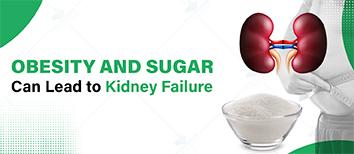
Obesity and excessive sugar consumption are widely recognized as major contributors to diabetes, heart disease, and high blood pressure.

Kidney dialysis is a life-saving treatment for patients suffering from chronic kidney disease or kidney failure. Understanding the dialysis cost in Noida helps patients and families plan treatment effectively. This article explains the factors affecting d

Are you struggling with constant back pain that affects your daily life? Back pain can result from poor posture, long sitting hours, slip disc, muscle strain, or spinal problems.

Orthopedics is a specialized branch that takes care of your musculoskeletal problems related to joints, bones, muscles, spine, ligaments, and tissues.

ल्यूपस (Lupus) एक ऑटोइम्यून रोग है, जिसमें व्यक्ति की इम्यून सिस्टम उसकी अपनी ही शरीर की स्वस्थ कोशिकाओं और ऊतकों पर हमला करती है। यह एक क्रॉनिक (दीर्घकालिक) स्थिति है, जो शरीर के विभिन्न अंगों और ऊतकों को प्रभावित कर सकती है, जैसे कि त्वचा, जोड़ों, गुर्दे, हृदय, फेफड़े, रक्त कोशिकाएं, और मस्तिष्क। यदि आपको या किसी और को ल्यूपस के लक्षण महसूस हो रहे हैं, तो तुरंत नोएडा के अच्छे रुमेटोलॉजी हॉस्पिटल (Best rheumatology hospital in Noida) से चिकित्सा सहायता प्राप्त करें। जानिए इसके लक्षण से लेकर इलाज तक के बारे में विस्तार से.
ल्यूपस का शुरुआती पहचान और सही इलाज अत्यंत महत्वपूर्ण है। ज्यादा जानकारी के लिए हमें कॉल करें +91 9667064100.
ल्यूपस एक ऑटोइम्यून रोग (autoimmune diseases) है, जिसमें शरीर की प्रतिरक्षा प्रणाली गलती से अपने ही ऊतकों और अंगों पर हमला करती है। सामान्यतः, इम्यून सिस्टम (Immune System) शरीर को बैक्टीरिया, वायरस और अन्य हानिकारक तत्वों से बचाने का काम करता है, लेकिन ल्यूपस के मामले में यह शरीर के स्वस्थ ऊतकों को दुश्मन के रूप में पहचानकर उन पर हमला करने लगता है। यह रोग शरीर के विभिन्न अंगों को प्रभावित कर सकता है, जैसे कि त्वचा, जोड़ों, गुर्दे, हृदय, फेफड़े, रक्त कोशिकाएं और मस्तिष्क। ल्यूपस के कारण (Causes of Lupus) होने वाली सूजन और ऊतकों की क्षति का स्तर हल्का से लेकर गंभीर तक हो सकता है। ल्यूपस के लक्षण व्यक्ति-व्यक्ति में भिन्न हो सकते हैं और समय के साथ बढ़ या घट सकते हैं। सबसे आम लक्षणों में थकान, जोड़ों में दर्द, त्वचा पर रैश, बुखार (Fever), और चेहरे पर तितली के आकार का लाल निशान शामिल हैं।
ल्यूपस के लक्षण व्यक्ति-व्यक्ति में अलग-अलग हो सकते हैं और समय के साथ बदल सकते हैं। इन लक्षणों का अनुभव करने पर डॉक्टर से परामर्श करना महत्वपूर्ण है, क्योंकि ल्यूपस के कारण होने वाली सूजन और क्षति का समय पर इलाज न होने पर यह गंभीर हो सकता है।
थकान: अत्यधिक थकान और कमजोरी महसूस होना।
जोड़ों में दर्द और सूजन: विशेष रूप से हाथ, कलाई, और घुटनों में दर्द और सूजन।
त्वचा पर रैश: चेहरे पर तितली के आकार का लाल निशान, जो गालों और नाक के पुल को कवर करता है।
बुखार: बिना किसी स्पष्ट कारण के बार-बार बुखार आना।
बालों का झड़ना: बालों का पतला होना या पैचेस में बालों का झड़ना।
सांस लेने में कठिनाई: फेफड़ों की सूजन के कारण सांस लेने में परेशानी।
छाती में दर्द: दिल या फेफड़ों की सूजन के कारण
मुंह और नाक में छाले: दर्दरहित छाले जो सामान्यतः जल्दी ठीक हो जाते हैं।
फोटोसेंसिटिविटी: सूरज की रोशनी के प्रति संवेदनशीलता, जिससे त्वचा पर रैश या अन्य समस्याएं हो सकती हैं।
गुर्दे की समस्याएं: गुर्दों में सूजन (नेफ्राइटिस), जो गुर्दे की क्षति का कारण बन सकती है।
सिरदर्द, चक्कर आना, और स्मृति की समस्याएं: मस्तिष्क में सूजन के कारण।
रक्त के लक्षण: एनीमिया, सफेद रक्त कोशिकाओं की संख्या में कमी, और रक्त के थक्के बनने की समस्या।

ल्यूपस के कई प्रकार होते हैं, जिनमें से प्रत्येक के अलग-अलग लक्षण और प्रभाव हो सकते हैं। प्रमुख प्रकार निम्नलिखित हैं:
सिस्टमेटिक ल्यूपस एरिथेमेटोसस (एसएलई):
यह ल्यूपस का सबसे आम और गंभीर प्रकार है। यह शरीर के विभिन्न अंगों और ऊतकों को प्रभावित कर सकता है, जैसे कि जोड़ों, त्वचा, गुर्दे, हृदय, फेफड़े, मस्तिष्क, और रक्त कोशिकाएं। इसके लक्षणों में थकान, बुखार, जोड़ों में दर्द और सूजन, त्वचा पर रैश, और अंगों की सूजन शामिल हो सकते हैं।
क्यूटेनियस ल्यूपस एरिथेमेटोसस:
यह प्रकार मुख्य रूप से त्वचा को प्रभावित करता है। त्वचा पर लाल या बैंगनी रैश, घाव, और धब्बे दिखाई देते हैं, जो आमतौर पर सूरज के संपर्क में आने पर बढ़ जाते हैं। इसमें डिस्कॉइड ल्यूपस भी शामिल है, जो त्वचा पर गोलाकार, उठे हुए और लाल धब्बों के रूप में प्रकट होता है।
ड्रग-इंड्यूस्ड ल्यूपस:
यह ल्यूपस का अस्थायी प्रकार है, जो कुछ दवाओं के सेवन के कारण होता है।
इसके लक्षण एसएलई के समान होते हैं, लेकिन आमतौर पर दवा बंद करने पर लक्षण गायब हो जाते हैं। इस प्रकार के ल्यूपस का कारण बनने वाली दवाओं में कुछ हाई ब्लड प्रेशर, एंटी-सीजर, और एंटी-टीबी दवाएँ शामिल हो सकती हैं।
नियोनेटल ल्यूपस:
यह दुर्लभ प्रकार नवजात शिशुओं में होता है, जिनकी माताओं को ल्यूपस या अन्य ऑटोइम्यून विकार होते हैं। नवजात शिशुओं में त्वचा रैश, यकृत की समस्याएं और कभी-कभी दिल की जन्मजात समस्याएं हो सकती हैं। यह स्थिति आमतौर पर अस्थायी होती है, और बच्चा कुछ महीनों के बाद ठीक हो जाता है। इन प्रकारों के आधार पर, ल्यूपस के इलाज और प्रबंधन में अंतर हो सकता है। किसी भी प्रकार के लक्षण महसूस होने पर चिकित्सा परामर्श आवश्यक होता है।
आनुवंशिक प्रवृत्ति:
यदि परिवार में किसी को ल्यूपस है, तो यह संभव है कि अन्य सदस्यों में भी इसका विकास हो सकता है। कुछ जीन ल्यूपस के प्रति संवेदनशीलता को बढ़ा सकते हैं, लेकिन एकल जीन के बजाय कई जीनों का संयोजन इसे उत्पन्न करने में भूमिका निभा सकता है।
पर्यावरणीय कारक:
सूर्य की रोशनी यानी सूर्य की अल्ट्रावायलेट (यूवी) किरणें ल्यूपस के लक्षणों को सक्रिय या बढ़ा सकती हैं, खासकर त्वचा पर रैश के रूप में। कुछ वायरस और बैक्टीरिया, जैसे कि एप्स्टीन-बार वायरस (ईबीवी), ल्यूपस के विकास को ट्रिगर कर सकते हैं।
दवाएं: कुछ दवाएं जैसे कि हाई ब्लड प्रेशर और एंटी-सीज़र दवाएं, ड्रग-इंड्यूस्ड ल्यूपस का कारण बन सकती हैं। ये दवाएं आमतौर पर अस्थायी लक्षण उत्पन्न करती हैं, जो दवा बंद करने पर गायब हो जाती हैं।
रासायनिक और औद्योगिक एक्सपोजर:
कुछ रासायनिक पदार्थ और धुएं ल्यूपस के जोखिम को बढ़ा सकते हैं।
हार्मोनल कारक:
ल्यूपस महिलाओं में अधिक सामान्य है, खासकर उन वर्षों में जब हार्मोनल बदलाव होते हैं, जैसे कि किशोरावस्था, गर्भावस्था, और रजोनिवृत्ति। इसका कारण यह माना जाता है कि एस्ट्रोजेन हार्मोन की उच्च मात्रा ल्यूपस के जोखिम को बढ़ा सकती है।
इम्यून सिस्टम की असामान्यता:
ल्यूपस एक ऑटोइम्यून बीमारी है, जिसमें इम्यून सिस्टम गलती से स्वस्थ ऊतकों और अंगों पर हमला करने लगता है। यह असामान्यता अक्सर आनुवंशिक और पर्यावरणीय कारकों के कारण उत्पन्न होती है।
लिंग और आयु:
ल्यूपस महिलाओं में पुरुषों की तुलना में अधिक होता है, और यह आमतौर पर 15 से 45 वर्ष की आयु के बीच शुरू होता है।
सूरज से बचाव:
सूरज की अल्ट्रावायलेट (यूवी) किरणें ल्यूपस के लक्षणों को सक्रिय कर सकती हैं, इसलिए बाहर जाने से पहले उच्च एसपीएफ वाली सनस्क्रीन लगाएं। लंबी आस्तीन के कपड़े, चौड़ी-चौड़ी टोपी, और धूप से बचने वाले चश्मे पहनें। सूर्य की तेज रोशनी के समय (सुबह 10 बजे से दोपहर 4 बजे तक) बाहर जाने से बचें।
स्वस्थ जीवनशैली:
फल, सब्जियां, साबुत अनाज, और प्रोटीन से भरपूर आहार लें। प्रोसेस्ड और फैटी फूड्स से बचें। हल्का व्यायाम जैसे योग, तैराकी, और चलना, शरीर की फिटनेस बनाए रखने और तनाव कम करने में मदद कर सकता है। तनाव ल्यूपस के लक्षणों को बढ़ा सकता है। ध्यान, योग, और अन्य रिलैक्सेशन तकनीकों का उपयोग करें।
संक्रमण से बचाव:
हाथ धोने और स्वच्छ रहने की आदत रखें, ताकि संक्रमण से बचा जा सके। फ्लू या अन्य वायरल संक्रमण से ग्रस्त लोगों से संपर्क से बचें।
दवाओं का सेवन ध्यान से करें:
कुछ दवाएं ल्यूपस के लक्षणों को बढ़ा सकती हैं। अगर कोई दवा ल्यूपस के लक्षण पैदा कर रही है, तो डॉक्टर से परामर्श करें। नियमित रूप से डॉक्टर से परामर्श करें और निर्धारित दवाओं का सही तरीके से सेवन करें। ल्यूपस के लक्षणों में कोई बदलाव महसूस होने पर तुरंत डॉक्टर को सूचित करें।
धूम्रपान और शराब से परहेज:
धूम्रपान और शराब का सेवन ल्यूपस के लक्षणों को खराब कर सकता है। इनसे बचें। ल्यूपस के साथ जीना कठिन हो सकता है। परिवार, दोस्तों, और सहायता समूहों से समर्थन प्राप्त करें, जो मानसिक और भावनात्मक रूप से मदद कर सकते हैं।
ल्यूपस का कोई स्थायी इलाज नहीं है, लेकिन इसके लक्षणों को नियंत्रित करने और रोग की प्रगति को धीमा करने के लिए कई प्रकार के उपचार उपलब्ध हैं।
ल्यूपस रोगियों का इलाज आमतौर पर एक रुमेटोलॉजिस्ट द्वारा किया जाता है, जो ऑटोइम्यून बीमारियों में विशेषग्यता रखते हैं। ये विशेषज्ञ ल्यूपस के लक्षणों को नियंत्रित करने, जटिलताओं को रोकने, और रोगी की समग्र स्वास्थ्य स्थिति को सुधारने के लिए व्यक्तिगत उपचार योजना तैयार करते हैं। इसके अलावा, मरीजों को त्वचा विशेषज्ञ, किडनी विशेषज्ञ, या हृदय रोग विशेषज्ञ की भी आवश्यकता हो सकती है, यदि ल्यूपस ने इन अंगों को प्रभावित किया हो।
ल्यूपस के इलाज का उद्देश्य सूजन को कम करना, अंगों को नुकसान से बचाना, और जीवन की गुणवत्ता को सुधारना है। ल्यूपस के उपचार में व्यक्तिगत देखभाल और उपचार योजना आवश्यक होती है, जो लक्षणों की गंभीरता और शरीर के किन हिस्सों को प्रभावित कर रहे हैं, इसके आधार पर निर्धारित की जाती है। उचित उपचार और जीवनशैली के साथ, ल्यूपस से प्रभावित व्यक्ति भी एक सामान्य और सक्रिय जीवन जी सकते हैं। निम्नलिखित उपचार विकल्प आमतौर पर उपयोग किए जाते हैं:
दवाएं:
एंटी-इंफ्लेमेटरी दवाएं (एनएसएआईडी) दवाएं जोड़ों में दर्द और सूजन को कम करने के लिए उपयोग की जाती हैं। जैसे कि इबुप्रोफेन या नेपरोक्सेन।
मलेरिया-रोधी दवाएं:
हाइड्रोक्सीक्लोरोक्वीन एक आम दवा है जो ल्यूपस के त्वचा और जोड़ों के लक्षणों को नियंत्रित करने में मदद करती है और रोग की दीर्घकालिक जटिलताओं को कम कर सकती है।
कॉर्टिकोस्टेरॉइड्स:
प्रेडनिसोन जैसी दवाएं सूजन को कम करने और इम्यून सिस्टम को दबाने में मदद करती हैं। इन्हें आमतौर पर तब उपयोग किया जाता है जब ल्यूपस के लक्षण गंभीर होते हैं। हालांकि, इन्हें दीर्घकालिक उपयोग से जुड़ी साइड इफेक्ट्स को ध्यान में रखते हुए सावधानी से उपयोग किया जाता है।
इम्यूनोसप्रेसेंट्स:
ये दवाएं इम्यून सिस्टम की गतिविधि को दबाने के लिए उपयोग की जाती हैं, जैसे कि मायकॉफ़ेनोलेट मोफेटिल, साइक्लोफॉस्फ़ेमाइड, और अजैथियोप्रिन। इन्हें गंभीर ल्यूपस के मामलों में इस्तेमाल किया जाता है, खासकर जब अंगों को नुकसान का जोखिम हो।
बायोलॉजिक्स:
बेलिमुमैब एक बायोलॉजिकल दवा है, जो इम्यून सिस्टम के कुछ हिस्सों को निशाना बनाकर ल्यूपस के लक्षणों को नियंत्रित करने में मदद करती है।
जीवनशैली में बदलाव:
पोषण युक्त आहार का सेवन करें, जिसमें फल, सब्जिया, साबुत अनाज, और प्रोटीन शामिल हों। प्रोसेस्ड और फैटी फूड्स से बचें। नियमित व्यायाम करने से थकान कम होती है और जोड़ों में कठोरता को रोका जा सकता है। योग, तैराकी, और हल्की वॉकिंग अच्छे विकल्प हो सकते हैं। ध्यान, योग, और रिलैक्सेशन तकनीकों का उपयोग करें ताकि तनाव कम हो और लक्षणों में सुधार हो सके।
धूम्रपान और शराब से परहेज:
ये ल्यूपस के लक्षणों को बढ़ा सकते हैं, इसलिए इनसे बचना महत्वपूर्ण है।
नियमित चिकित्सा देखभाल :
लक्षणों का नियमित मूल्यांकन और दवाओं का समुचित प्रबंधन आवश्यक होता है। कुछ दवाओं के साइड इफेक्ट्स हो सकते हैं, इसलिए डॉक्टर के साथ मिलकर दवा की निगरानी और समायोजन करना महत्वपूर्ण है।
डॉ. किरण सेठ के पास रुमेटोलॉजी और इम्यूनोलॉजी में 15 वर्षों से अधिक का अनुभव है। उनकी विशेषज्ञता इम्यूनोथेरापी में है, जिसमें RA, SLE, एन्किलोसिंग स्पॉन्डिलाइटिस और वास्कुलाइटिस के लिए विभिन्न जैविक उपचार शामिल हैं। वे हड्डी के मज्जा की आकृति और बायोप्सी, प्ल्यूरल टैपिंग, लंबर पंक्चर, और छोटे और बड़े जोड़ के लिए इन्ट्रा-आर्टिक्यूलर जॉइंट इन्जेक्शन जैसी प्रक्रियाओं में भी विशेषज्ञ हैं। डॉ. सेठ अस्थि अवसाद, सिस्टेमिक ल्यूपस एरिथेमेटोसस (SLE), गाउट, रिएक्टिव आर्थराइटिस, और प्रोग्रेसिव सिस्टेमिक स्क्लेरोसिस (PSS) के उपचार में दक्षता के साथ अपने मरीजों को बेहतर देखभाल प्रदान करती हैं।
अपने स्वास्थ्य के लिए सही जानकारी और इलाज पाने के लिए हमारे विशेषज्ञ डॉक्टर से तुरंत परामर्श करें। आज ही फ़ोन करें - +91 9667064100.
ल्यूपस एक जटिल और दीर्घकालिक ऑटोइम्यून बीमारी है, जिसमें शरीर की इम्यून सिस्टम गलती से अपने ही ऊतकों और अंगों पर हमला करती है। यह बीमारी विभिन्न अंगों को प्रभावित कर सकती है, जैसे कि त्वचा, जोड़ों, गुर्दे, हृदय, फेफड़े, और मस्तिष्क। ल्यूपस एक जटिल बीमारी है, लेकिन इसके प्रभावी प्रबंधन के साथ, रोगी सामान्य जीवन जी सकते हैं। उचित चिकित्सा देखभाल, जीवनशैली में बदलाव, और विशेषज्ञों के साथ नियमित संपर्क से ल्यूपस को बेहतर ढंग से नियंत्रित किया जा सकता है और जीवन की गुणवत्ता को बनाए रखा जा सकता है।
प्रश्न 1: ल्यूपस के प्रकार क्या हैं ?
उत्तर: मुख्य प्रकारों में सिस्टमेटिक ल्यूपस एरिथेमेटोसस, क्यूटेनियस ल्यूपस, ड्रग-इंड्यूस्ड ल्यूपस, और नियोनेटल ल्यूपस शामिल हैं।
प्रश्न 2: ल्यूपस का कारण क्या होता है ?
उत्तर: ल्यूपस का सटीक कारण पूरी तरह से ज्ञात नहीं है, लेकिन इसे आनुवंशिक, पर्यावरणीय, हार्मोनल, और इम्यून सिस्टम से संबंधित कारकों का संयोजन माना जाता है।
प्रश्न 3: ल्यूपस का इलाज कैसे किया जाता है ?
उत्तर: ल्यूपस का कोई स्थायी इलाज नहीं है, लेकिन लक्षणों को नियंत्रित करने के लिए दवाएं (जैसे कि एनएसएआईडी, कॉर्टिकोस्टेरॉइड्स, इम्यूनोसप्रेसेंट्स, और बायोलॉजिक्स), स्वस्थ जीवनशैली, और नियमित चिकित्सा देखभाल का उपयोग किया जाता है।
प्रश्न 4: क्या ल्यूपस के लक्षणों को नियंत्रित किया जा सकता है ?
उत्तर: हां, ल्यूपस के लक्षणों को सही उपचार, जीवनशैली में बदलाव, और नियमित चिकित्सा देखभाल के साथ नियंत्रित किया जा सकता है। सूर्य से बचाव, स्वस्थ आहार, नियमित व्यायाम, और तनाव प्रबंधन भी सहायक हो सकते हैं।
प्रश्न 5: ल्यूपस को पहचानने के लिए कौन से परीक्षण किए जाते हैं ?
उत्तर: ल्यूपस के निदान के लिए कई परीक्षण किए जा सकते हैं, जैसे कि रक्त परीक्षण (एएनए, एंटी-डीएसडीएनए, एंटी-स्मिथ एंटीबॉडी), यूरिन परीक्षण, और इमेजिंग परीक्षण (जैसे कि एक्स-रे और अल्ट्रासाउंड)। डॉक्टर आमतौर पर लक्षणों और परीक्षणों के आधार पर निदान करते हैं।
प्रश्न 6: क्या ल्यूपस संक्रामक है ?
उत्तर: नहीं, ल्यूपस संक्रामक नहीं है। यह एक ऑटोइम्यून बीमारी है जो व्यक्तिगत इम्यून सिस्टम की असामान्यता के कारण होती है और अन्य लोगों में नहीं फैलती है।
प्रश्न 7: ल्यूपस का प्रबंधन कैसे किया जा सकता है ?
उत्तर: ल्यूपस के प्रबंधन में नियमित चिकित्सा देखभाल, दवाओं का सही उपयोग, स्वस्थ जीवनशैली, और लक्षणों की निगरानी शामिल होती है। डॉक्टर से नियमित परामर्श और स्वास्थ्य की निगरानी आवश्यक होती है।
प्रश्न 8: क्या ल्यूपस के साथ एक सामान्य जीवन जीना संभव है ?
उत्तर: हां, सही उपचार और जीवनशैली में बदलाव के साथ, कई लोग ल्यूपस के साथ सामान्य और सक्रिय जीवन जी सकते हैं। इसके लिए नियमित चिकित्सा देखभाल और लक्षणों के प्रति सतर्कता आवश्यक होती है।
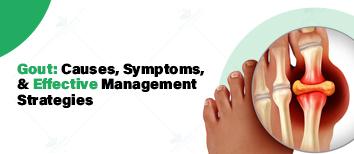
Gout is a form of arthritis caused by the buildup of uric acid crystals in the joints, leading to sudden and severe pain
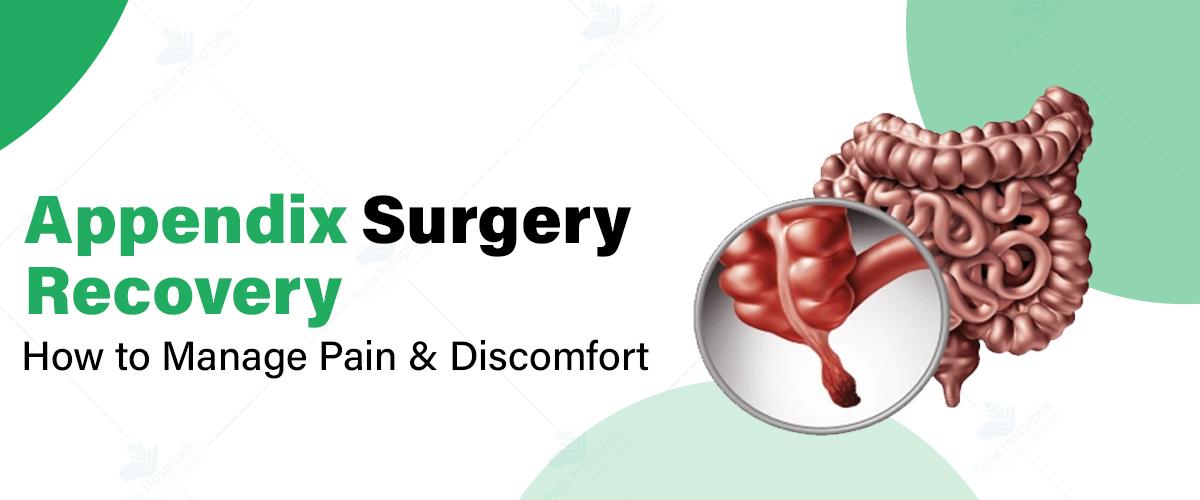
Appendicitis is a common medical condition that affects people worldwide. While the appendix itself is a small, finger-like pouch extending from the large intestine with no vital function, its inflammation can lead to severe pain and potentially life-threatening complications if left untreated. In this blog, we'll explore what appendectomy is, what are the medical treatment of appendicitis and provide valuable insights on how to manage pain and discomfort during the recovery process.
Need the best surgeon for your appendix recovery? Call us at +91 9667064100 or click here to connect with top experts today!
Appendicitis occurs when the appendix becomes inflamed and filled with pus. The condition often develops suddenly, causing intense abdominal pain that requires immediate medical attention. When diagnosed with appendicitis, doctors typically recommend an appendectomy. This is a surgical procedure performed to remove the appendix to prevent the risk of rupture and subsequent infection.
An appendectomy is a surgical procedure to remove the appendix, typically performed to treat appendicitis. The surgery can be done either through a larger incision in the lower right abdomen (open appendectomy) or using several small incisions with the aid of a camera and special instruments (laparoscopic appendectomy). Under general anesthesia, the surgeon detaches and removes appendix, then closes the incisions with sutures or staples. Recovery usually involves managing pain, following care instructions, and a brief hospital stay, with many patients resuming normal activities within a few weeks.
In some cases, patients may seek Appendicitis Treatment without surgery. Non-surgical methods, such as antibiotics and supportive care, can sometimes manage appendicitis, especially if the condition is diagnosed early or is less severe. However, this approach is generally considered when surgery poses a higher risk or is not feasible, and close medical supervision is essential to ensure the infection does not progress.
There are two main types of appendectomy procedures:
1. Open Appendectomy: This traditional method involves making a single, larger incision in the abdomen to access and remove the appendix.
2. Laparoscopic Appendectomy: A more advanced and minimally invasive approach, this procedure uses small incisions and a camera (laparoscope) to guide the surgeon in removing the appendix.
Recovery from an appendectomy varies depending on the type of surgery performed and individual factors. However, most patients can expect some level of pain and discomfort in the days following the procedure. Pain management typically involves prescription pain medications, and in some cases, appendicitis medication may be prescribed to address any residual inflammation. Let's explore the various aspects of the recovery process and how to manage them effectively.
In the hours immediately after your surgery, medical staff will closely monitor your condition. As the effects of anesthesia begin to diminish, you might experience:
To ensure your comfort, your healthcare team will administer pain relief and anti-nausea medications as necessary during this initial recovery phase.
Once discharged from the hospital, you'll need to continue managing your pain and discomfort at home. Here are some strategies to help you through this process:
1. Pain Medication
Follow your doctor's instructions regarding pain medication. This may include over-the-counter pain relievers or prescription painkillers. Take them as directed and don't wait for the pain to become severe before taking your next dose.
2. Rest and Sleep
Adequate rest is essential for recovery, though finding a comfortable sleeping position may be challenging. Here are some helpful tips to help you find ease:
3. Gentle Movement
While rest is important, some gentle movement can aid in recovery:
4. Breathing Exercises
Deep breathing exercises can help prevent lung complications and alleviate pain. To practice:
5. Dietary Considerations
Nutrition plays a crucial role in your recovery process, influencing both your comfort and overall healing. To support your recovery:
Gas Pain
Laparoscopic surgery patients often experience shoulder pain due to residual gas used during the procedure. To alleviate this:
Incision Care
Proper care of your incision site is crucial for preventing infection and promoting healing. Here are some tips to keep in mind:
While experiencing some pain and discomfort is normal after surgery, it's important to be vigilant for signs that could indicate complications. Contact your healthcare provider right away if you notice:
Promptly addressing these symptoms can help ensure your recovery proceeds smoothly.
Typically, patients recover fully from an appendectomy within 4 to 6 weeks, though each person's healing journey is unique. To support your recovery:
Dr. Ritesh Agarwal
Dr. Ritesh Agarwal, with 15 years of experience, is a distinguished expert in appendix surgery, skilled in both open and laparoscopic techniques. Practicing at Felix Hospital in Noida, he specializes in complex appendiceal procedures and is proficient in managing conditions such as gallbladder stones, hernias, and proctology issues like piles and fissures. Additionally, he is knowledgeable about appendicitis treatment without surgery, providing comprehensive care options tailored to individual patient needs. His extensive expertise in general, laparoscopic, and laser surgery ensures high-quality care and optimal patient outcomes.
Recovering from Appendix Surgery requires patience and proper care. By following your doctor's instructions and implementing these pain management strategies, you can ensure a smoother recovery process. Remember, each person's experience is unique, so don't hesitate to reach out to your healthcare provider with any concerns or questions during your recovery journey.
If you're experiencing symptoms of appendicitis or have concerns about your appendix health, consult with a qualified healthcare professional promptly. Early intervention, including the medical treatment of appendicitis if surgery is not immediately necessary, can prevent complications and ensure the best possible outcome for your health and well-being.
Feeling unsure about your appendix surgery recovery? Discover personalized support and expert tips by calling us at +91 9667064100 today!
1-What is an appendix?
The appendix is a small, tube-like organ attached to the large intestine. Its function is not fully understood, but it's thought to play a role in gut immunity and maintaining a balance of good bacteria.
2-Why might the appendix need to be removed?
The appendix may need to be removed if it becomes inflamed or infected, a condition known as appendicitis. Removal prevents complications such as rupture, which can lead to serious infections in the abdominal cavity.
3-Is an appendectomy considered a major surgery?
An appendectomy is generally considered a relatively minor surgical procedure. It involves removing the appendix and can often be performed laparoscopically, leading to quicker recovery times compared to more invasive surgeries.
4-What is the purpose of the appendix?
The appendix is believed to support gut immunity and house beneficial bacteria that aid in digestion. However, its exact function remains uncertain, as people can live healthy lives without it.
5-What are the five stages of appendicitis?
The stages of appendicitis include:
1) Initial inflammation (early appendicitis)
2) Increased swelling (acute appendicitis)
3) Formation of pus (suppurative appendicitis)
4) Formation of an abscess
5) Rupture of the appendix, which can lead to peritonitis.
6-How can you prevent an appendix from bursting?
To prevent an appendix from bursting, seek prompt medical attention if you experience symptoms of appendicitis, such as abdominal pain, nausea, and fever. Early treatment with antibiotics and possible surgery can prevent complications.
7-Which foods can aggravate appendicitis?
While no specific foods cause appendicitis, a diet high in processed foods and low in fiber may contribute to digestive issues. Maintaining a balanced diet with plenty of fruits, vegetables, and whole grains is beneficial for overall gut health.
8-Who is most at risk for appendicitis?
Appendicitis most commonly affects people between the ages of 10 and 30. Risk factors include a family history of the condition, genetic factors, and certain infections or digestive disorders.

Appendix surgery, also known as appendectomy, is a common emergency procedure performed to treat appendicitis.
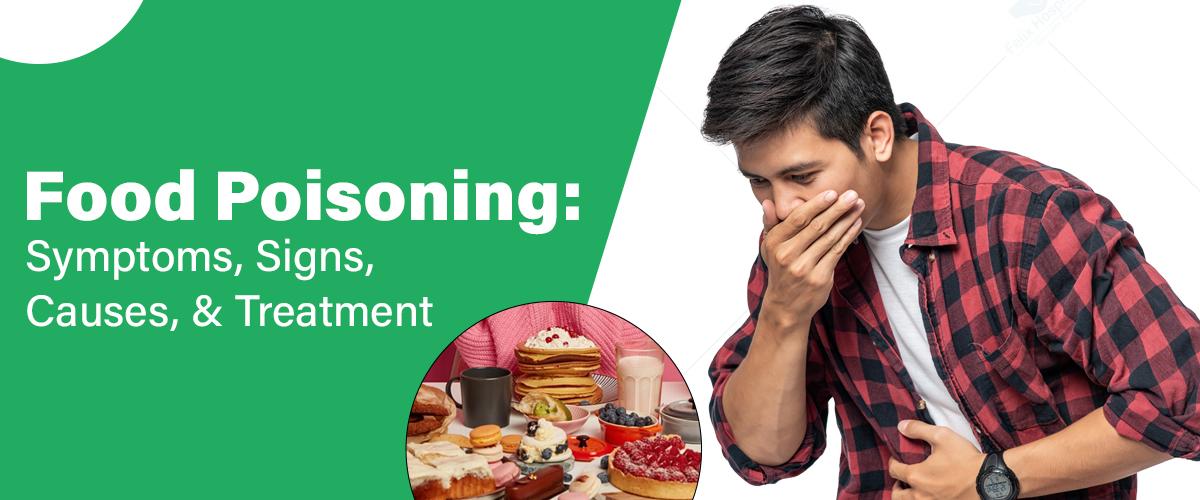
Food poisoning, also known as foodborne illness, arises from consuming food or beverages contaminated with harmful bacteria, viruses, parasites, or toxins. Symptoms typically include nausea, vomiting, diarrhea, abdominal pain, and sometimes fever. Recognizing food poisoning early is crucial because it can prevent severe complications and ensure timely treatment. Proper food handling and hygiene practices are key to preventing such illnesses and protecting overall health.
Feeling unwell from food poisoning? Call +91 9667064100 or simply click here for prompt treatment and support.
Food poisoning, or foodborne illness, occurs when you consume food or beverages contaminated with harmful bacteria, viruses, parasites, or toxins. These contaminants disrupt the digestive system, leading to a range of uncomfortable symptoms which may include nausea, vomiting, diarrhea, abdominal pain, and sometimes fever.
Food poisoning can manifest in various ways depending on the type of contaminant and the individual's overall health. Food poisoning symptoms can range from mild discomfort to severe distress.
Common signs to watch for include:
Symptoms may appear within hours of consuming contaminated food, but sometimes can take days to manifest. They typically last from a few hours to several days, depending on the severity of the infection. In rare cases, food poisoning can affect the nervous system, causing:
Food poisoning can stem from various sources, often involving factors that compromise food safety at different stages. Understanding these causes is essential for prevention and maintaining health. Here are the primary causes of food poisoning:
Contamination can occur during any phase of food handling, including:
Most instances of food poisoning are mild and typically resolve on their own within a few days. However, more severe cases or individuals at higher risk may require targeted treatment of food poisoning:
Although these treatments can manage symptoms, they do not speed up recovery. The body needs time to eliminate harmful substances and heal naturally.
Most food poisoning cases can be treated at home, but medical attention is needed in certain situations. Seek prompt medical care if you or someone you know experiences:
For Adults:
For Children:
Preventing food poisoning requires diligent attention to food safety and hygiene practices. By adopting simple yet effective measures, you can significantly reduce the risk of foodborne illnesses. Here are key strategies to keep in mind:
Special Considerations
Certain groups are more susceptible to severe food poisoning and should exercise heightened caution:
Members of these groups should follow stringent food safety practices and may need to avoid foods that pose a higher risk.
Long-term Effects of Food Poisoning
While most people recover fully from food poisoning, some may experience long-term health issues, such as:
These long-term effects are rare but highlight the importance of addressing food poisoning seriously and seeking medical attention when needed.
Dr. Jagatjot Singh Gill
Dr. Jagatjot Singh Gill, D.M. in Gastroenterology, is a highly skilled gastroenterologist with over 11 years of experience. He specializes in diagnosing and managing gastrointestinal disorders, including food poisoning. Dr. Gill offers personalized care and tailored treatment plans to effectively manage food poisoning and other digestive issues, ensuring comprehensive patient well-being.
Dr. Amrit Yog Datley
Dr. Amrit Yog Datley, DrNB in Gastroenterology, is a distinguished gastroenterologist with over 8 years of experience. He excels in diagnosing and managing various gastrointestinal conditions, including food poisoning. Dr. Datley uses advanced diagnostic techniques and customized treatment plans to effectively address food poisoning and enhance digestive health.
Food poisoning is a common yet serious condition that affects millions annually. By understanding its symptoms, causes, and treatment options, you can better safeguard your health and that of your loved ones. Adhering to proper food safety practices can significantly lower your risk of foodborne illness. If you experience severe or persistent symptoms, don’t hesitate to seek medical help. Prioritize your health and enjoy your meals with confidence!
Experiencing symptoms of food poisoning and need relief? Contact us at +91 9667064100 for expert treatment and guidance.
1.) What are the initial signs of food poisoning?
The first signs of food poisoning often include nausea, vomiting, and diarrhea. You might also experience abdominal pain, cramps, fever, or headache. These symptoms typically begin within hours of consuming contaminated food or beverages.
2.) How can I distinguish between food poisoning and a stomach bug?
Food poisoning usually results from eating contaminated food and often causes nausea, vomiting, and diarrhea shortly after eating. A stomach bug, or viral gastroenteritis, can have similar symptoms but may also include low-grade fever and muscle aches, and it generally spreads through person-to-person contact.
3.) How long does food poisoning typically last?
Food poisoning usually lasts from a few hours to several days, depending on the severity and type of contaminant. Most cases resolve on their own within 1 to 3 days, though symptoms can persist longer in severe cases.
4.) When can I resume eating normal food after food poisoning?
After experiencing food poisoning, it's advisable to start with bland, easy-to-digest foods once symptoms begin to improve. Typically, you can return to a normal diet within a few days, but ensure you’re fully recovered and consult a doctor if symptoms persist.
5.) How is food poisoning diagnosed?
Food poisoning is diagnosed based on symptoms, medical history, and sometimes stool tests. A healthcare provider may ask about recent food consumption and perform tests to identify the specific bacteria, virus, or toxin responsible for the illness.
6) Is it safe to eat roti during food poisoning?
Eating roti during food poisoning is generally safe if your symptoms have started to improve. Opt for plain, easily digestible foods and avoid spicy or oily dishes. Always consult with a healthcare provider if you're unsure about your diet during recovery.

The monsoon season, with its cooler temperatures and increased humidity, brings a welcome change from the intense heat of summer. However, it also presents unique challenges for skin care. The high humidity and frequent rain can impact the skin’s health, leading to various concerns such as increased oiliness, breakouts, and dullness. To ensure that your skin remains radiant and healthy throughout the monsoon, consider these essential monsoon skin care tips and tricks. For personalized advice and treatment, visit the best dermatology hospital in Noida to keep your skin in top condition throughout the rainy season.
During the monsoon, the skin tends to produce more oil due to increased humidity, leading to clogged pores and acne. To address this, maintaining a regular cleansing routine is crucial. For effective monsoon skincare for oily skin, opt for a gentle, oil-free cleanser that removes impurities and excess oil without stripping the skin of its natural moisture. Cleansing twice daily—morning and night—will help keep your skin fresh and clear.
Exfoliation helps remove dead skin cells, preventing clogged pores and promoting a brighter complexion. Use a mild exfoliant 2-3 times a week to slough off dead skin cells and reveal fresh skin underneath. Avoid harsh scrubs that can irritate the skin. Instead, choose exfoliants with gentle exfoliating agents such as salicylic acid or alpha hydroxy acids (AHAs).
Contrary to popular belief, even oily skin needs hydration. During the monsoon, opt for lightweight, non-comedogenic moisturizers that provide adequate hydration without making your skin greasy. Look for products containing hyaluronic acid or glycerin, which help retain moisture and keep your skin supple.
Even though the sun may seem less intense during the monsoon, UV rays can still penetrate through clouds and cause skin damage. Apply a broad-spectrum sunscreen with at least SPF 30 every day, even on cloudy or rainy days. This helps protect your skin from harmful UV rays and prevents premature aging.
Humidity can cause skin to feel sticky and sweaty, which may lead to fungal infections or rashes. To prevent this, keep your skin dry by using absorbent powders or blotting papers to control excess moisture. Wear breathable, moisture-wicking clothing to reduce sweat and keep your skin comfortable.
Drinking plenty of water is essential for maintaining healthy skin. Proper hydration helps flush out toxins and keeps your skin looking vibrant. Aim to drink at least 8-10 glasses of water daily. Additionally, consume hydrating foods such as cucumbers, watermelon, and oranges to support your skin’s moisture levels.
Heavy or oily makeup can exacerbate skin problems, particularly during the monsoon when the skin is more prone to oiliness and sweat. Opt for lightweight, water-based makeup products that allow your skin to breathe. Use mineral-based foundations or BB creams that offer a natural finish without clogging pores.
Antioxidants help protect the skin from environmental damage and promote a healthy complexion. Incorporate products containing vitamins C and E, green tea extract, or niacinamide into your monsoon skin care routine. These antioxidants help combat oxidative stress and support skin repair.
Frequent touching of the face can transfer bacteria and dirt from your hands to your skin, potentially leading to breakouts. Practice good hygiene by washing your hands regularly and avoid touching your face unnecessarily. This simple habit can significantly reduce the risk of skin infections and blemishes.
Incorporate natural remedies into your skin care routine to soothe and nourish your skin. Ingredients such as aloe vera, neem, and turmeric have anti-inflammatory and antibacterial properties that can help address common monsoon skin issues. Use natural masks or DIY treatments to provide extra care and maintain your skin’s health.
Keep a close watch on your skin’s condition throughout the monsoon. Changes in weather and humidity can impact your skin, especially for those following a monsoon skincare routine for combination skin. Be vigilant for any signs of irritation or issues, and adjust your skincare regimen as needed. If you notice persistent problems, consult a dermatologist in noida to ensure your skin remains balanced and healthy during the rainy season.
1.) Why is skin care important during the monsoon season?
Monsoon brings increased humidity and rainfall, which can lead to excess oil production, clogged pores, and skin issues such as acne and dullness. Proper skin care helps manage these conditions and keeps your skin healthy and radiant.
2.) How often should I cleanse my skin during the monsoon?
It is essential to cleanse your skin twice daily—morning and night. Use a gentle, oil-free cleanser to remove impurities and excess oil without stripping your skin of its natural moisture.
3.) Can I use the same moisturizer during the monsoon as I did in summer?
While you can use similar moisturizers, it's advisable to opt for lightweight, non-comedogenic options during the monsoon to avoid excess oiliness. Look for products containing hyaluronic acid or glycerin for effective hydration without greasiness.
4.) Is it necessary to use sunscreen even on cloudy or rainy days?
Yes, UV rays can penetrate through clouds and still cause skin damage. Apply a broad-spectrum sunscreen with at least SPF 30 every day, regardless of weather conditions, to protect your skin from harmful UV rays.
5.) How can I prevent fungal infections and rashes during the monsoon?
To prevent fungal infections and rashes, keep your skin dry by using absorbent powders or blotting papers to control excess moisture. Wear breathable, moisture-wicking clothing to reduce sweat and discomfort.
6.) What type of exfoliator should I use during the monsoon?
Use a mild exfoliant 2-3 times a week with gentle exfoliating agents such as salicylic acid or alpha hydroxy acids (AHAs). Avoid harsh scrubs that can irritate your skin.
7.) Are there any specific natural remedies that can help with monsoon skin issues?
Yes, natural remedies like aloe vera, neem, and turmeric have anti-inflammatory and antibacterial properties that can soothe and nourish your skin. Consider using natural masks or DIY treatments to address common monsoon skin issues.
8.) How can I manage oily skin during the monsoon?
For monsoon skincare for oily skin, use an oil-free cleanser, lightweight moisturizer, and avoid heavy or oily makeup. Incorporate products with salicylic acid or other oil-control ingredients into your routine.
9.) What should I do if I notice persistent skin problems during the monsoon?
If you experience persistent skin issues, adjust your skincare routine accordingly and consult a dermatologist for personalized advice and treatment. Persistent problems may require professional evaluation to ensure proper care.
10.) Can I use heavy makeup during the monsoon?
It's best to avoid heavy makeup during the monsoon as it can exacerbate skin problems. Opt for lightweight, water-based makeup products that allow your skin to breathe and reduce the risk of clogged pores.
11.) How can I incorporate antioxidants into my monsoon skincare routine?
Integrate products containing antioxidants such as vitamins C and E, green tea extract, or niacinamide into your skincare regimen. These antioxidants help protect the skin from environmental damage and promote a healthy complexion.
Dr. Kusum Gupta, with 9 years of dedicated experience in dermatology and cosmetology, is a leading specialist in the field. Her extensive expertise covers the management of skin, hair, nails, oral mucosa, and genitals, including complex conditions such as leprosy. Dr. Gupta is highly skilled in performing various skin surgeries, including Vitiligo Treatment, sebaceous cyst removal, biopsies, and scar revision.
The monsoon season can be challenging for skincare, but with the right approach, you can keep your skin glowing and healthy. By following these monsoon skincare essentials, you can effectively manage the effects of increased humidity and ensure your skin remains radiant throughout the rainy season. Embrace these strategies to enjoy vibrant, well-nourished skin all year round.
For personalized skin care advice and treatments tailored to your specific needs, consult with a dermatologist. Call us at +91 9667064100 to schedule an appointment and take the first step towards flawless skin this monsoon.

If your answer is yes, then, here are 6 easy steps to keep your skin look young and glowing.

Jaundice occurs when excess bilirubin in your blood turns your skin and the whites of your eyes yellow. Jaundice itself is not a disease, but it is often a sign of problems with your liver or gallbladder. A proper diet is essential for managing jaundice and maintaining a healthy liver. This blog post will help you find the best nutrition diet services in Noida and learn what to eat and avoid with jaundice.
Do you want a diet plan specifically tailored to you to aid in jaundice? Call us at +91 9667064100 for professional assistance!
Before we look into the dietary suggestions for jaundice, it is vital to comprehend what jaundice is and why it happens. Three main problems could cause jaundice:
1. Bilirubin is manufactured in larger quantities.
2. Liver problems that hinder bilirubin from being metabolized properly.
3. Blockage in the bile ducts that hinders bilirubin from being exported out of the liver.
Jaundice has the following common causes:
Jaundice may be a symptom of more severe illnesses, such as pancreatic cancer or cancer of the liver, in certain situations.
Individuals with jaundice should consume a balanced diet since it plays a significant role in how fast they recover. A proper diet can assist in:
1. Allowing the liver to function better and recover more rapidly
2. Reducing the workload of the liver
3. Providing the body with what it requires to remain healthy
4. Preventing issues from arising and recovering more quickly
A balanced diet for jaundice is important in maintaining health since it makes the liver function better, reduces stress on the liver, and overall makes you healthier. If you are interested in receiving personalized dietary information and complete care, you can consider visiting a local jaundice hospital. There, professionals can assist you in creating a personalized treatment schedule for optimal recovery.
What not to do in jaundice? Individuals recovering from jaundice must consume proper foods to recover fast and efficiently. Some of the best foods for jaundice patients to consume in order to recover fast are:
Antioxidants, vitamins, and minerals present in fruits and vegetables are beneficial for your liver and overall health. Some excellent choices are
These foods contain high fiber, which assists in digestion and elimination of toxins from the body. They contain antioxidants such as vitamin C and beta-carotene, which can assist in preventing liver cells from becoming damaged.
Whole grains are a beneficial source of fiber, complex carbohydrates, and essential nutrients. In contrast to refined grains, they are less difficult for the liver to digest. Some examples of whole grains include:
These grains provide you with sustained energy and maintain your blood sugar levels within a stable range, placing less strain on your liver.
Protein is vital for the health of the liver and overall body, especially as food for jaundice treatment. However, it is crucial to choose lean proteins so the liver does not have to labor as much. Lean proteins are best obtained from the following sources:
These protein sources are more easily metabolized by the liver and and provide the body with the amino acids necessary to repair and resist infection.
Seeds and nuts are great sources of protein, healthy fats, and antioxidants including walnuts, flaxseeds, chia seeds and pumpkin seeds. Almonds in moderate servings should be included in one's diet. Vitamin E protects liver cells, and omega-3 fatty acids fight inflammation.
Humans have been using some herbs and spices for ages in an attempt to have healthy livers. While scientific research can be mixed and matched, you can use the following herbs and spices:
These herbs and spices can help eliminate inflammation and fight free radicals so that the liver can work better. Nevertheless, before taking any herbal remedy, it is especially essential that you visit a doctor if you are on medication.
Individuals suffering from jaundice should drink plenty of water. It assists the liver in performing better and removing toxins from the body. Follow these simple tricks:
Drinking plenty of water may reduce the level of bilirubin in the blood and cause the body to purify itself.
If you have symptoms of jaundice, it's essential to know things to avoid during jaundice to recover sooner and more safely.
1. Alcohol
Don't take alcohol when suffering from jaundice because it will:
When you have jaundice, even a small amount of alcohol can be dangerous for you. Avoid alcohol altogether during your recovery, and take the best dietitian in Noida recommendation for how much alcohol to consume in the long run.
2. Fast food and processed foods
Fast food and highly processed foods usually contain:
These types of foods place additional strain on the liver and do not give you many nutrients. People who have jaundice must stay away from the following types of foods:
3. Red meat and fat-containing dairy products
If you do eat these foods, only eat a little bit of them, and when you can, choose leaner cuts of meat and low-fat dairy products.
If you do eat these foods, only eat a little bit of them, and when you can, choose leaner cuts of meat and low-fat dairy products.
4. Refined carbs
Refined carbs rapidly increase blood sugar levels, which add extra stress on the liver. These include:
Go for whole grains and natural sources of sweetness, such as fresh fruit, instead.
5. Excess salt
Certain sodium is beneficial to the body, but excess salt leads to water retention in the body and puts a greater burden on the liver. Avoid:
Use spices and herbs to season instead of salt. When possible, use low-sodium alternatives.
6. Caffeine
A few people with jaundice may be able to handle small doses of caffeine, but it's usually best to cut back or eliminate it entirely, at least initially. The following are some of them:
Caffeine may disturb your sleep and possibly even stress your liver. If you need to have caffeine, take it in moderation and only at your doctor's advice.
1. Eat smaller and more frequent meals: This can help your liver work less and keep digestion easier.
2. Prepare food the correct way: Avoid frying and instead go for steam, boil, or bake food to minimize fat.
3. Check the labels: Packaged food contains unknown sugars, fats, and sodium.
4. Make it a habit: Even after jaundice has subsided, continue with a healthy diet to keep your liver in excellent condition in the long term.
Have questions regarding your jaundice diet regimen? Dial us at +91 9667064100 for additional information and personalized guidance!
To cure jaundice, consume foods that are beneficial for your liver and do not consume foods that stress it. Always adhere to what your doctor instructs, take your medications on time, and attend all of your follow-up appointments. It is always good to consult your health care providers closely so that you can develop a personalized diet plan for jaundice because each individual's needs are different. You can go to one of the best gastroenterology hospital in Noida and get expert advice from someone who can help you develop an appropriate plan for your specific issue.
Q1. Is it safe for me to have herbal teas if I have jaundice?
Ans: Herbal teas such as ginger and peppermint can benefit your digestion. It is, however, advisable to seek consultation specific to you from your physician.
Q2. How does sugar impact the recovery from jaundice?
Ans: Consuming lots of sugar will exacerbate liver issues and lead to the accumulation of fat. To improve, you should reduce your intake of refined sugars and opt for natural sweeteners instead.
Q3. Are there some vitamins or supplements that are beneficial for jaundice?
Ans: Vitamin C and vitamin E can promote liver health, but consult your physician before taking any additional supplements.
Q4. Can stress influence the speed with which jaundice disappears?
Ans: Yes, stress can make your liver function less efficiently and damage your health in general. A balanced lifestyle and relaxation methods can restore your health by enabling you to cope with stress.
Q5. How frequently should I eat to manage my jaundice?
Ans: Having smaller, more frequent meals may keep your liver working less and digesting food more efficiently, which is beneficial for managing jaundice.
Q6. What dietary changes can I make to support my liver's detox process?
Ans: To assist your liver in detox, consume a balanced diet rich in antioxidants, fiber, and healthy fats. Avoid processed foods, excessive fats, and alcohol.

Mothers think a lot, when it comes to giving right nutrition to her baby. And she also has many questions like
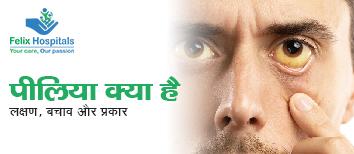
पीलिया एक ऐसी स्थिति है जिसमें शरीर और आंखों का रंग पीला पड़ जाता है। यह मुख्य रूप से लीवर की खराबी या रक्त में बिलीरुबिन के बढ़ने के कारण होता है।
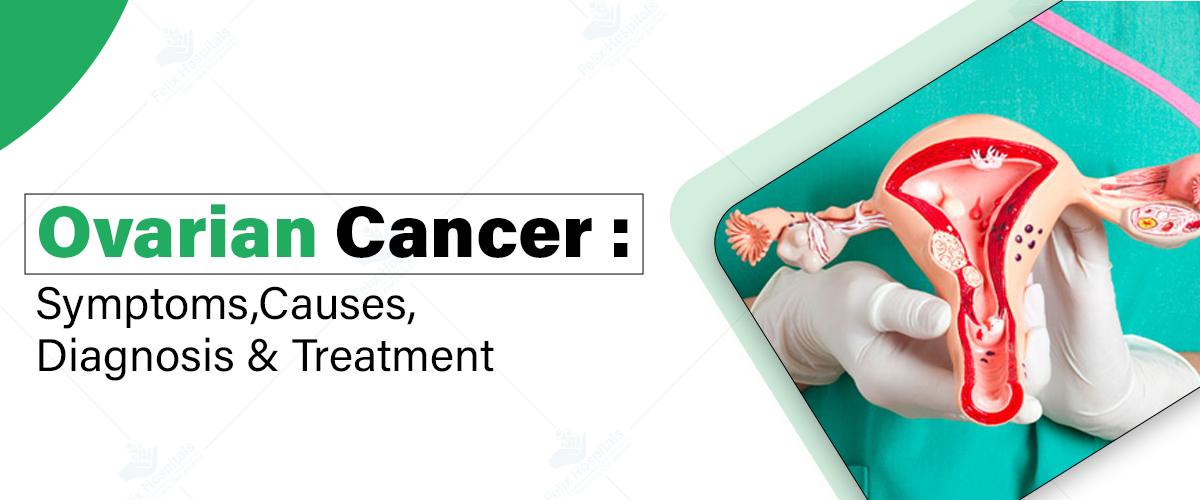
Ovarian cancer is one of the most serious and life-threatening gynecological cancers, affecting thousands of women worldwide each year. Despite significant advancements in medical research and treatment options, ovarian cancer remains a significant health concern due to its often silent and elusive nature, making early detection and diagnosis a critical challenge.
In this comprehensive blog post, we will explore the symptoms, causes, diagnostic procedures, and treatment options for ovarian cancer, giving you the insights needed to advocate effectively for your health or that of a loved one. For specialized care, a leading cancer hospital in Noida can provide the expert support you need.
Call +91 9667064100 to book personalized consultation with the best oncologist in Noida and take the first step towards a healthier future!
Ovarian cancer originates in the ovaries, which are small, almond-shaped organs located on either side of the uterus in a woman's reproductive system. The ovaries are responsible for producing eggs and the female hormones estrogen and progesterone.
When abnormal cells begin to grow and divide uncontrollably within the ovaries, they can form a mass or tumor. These cancerous cells can then spread (metastasize) to other parts of the body, making ovarian cancer a particularly dangerous and life-threatening condition.
One of the primary challenges with ovarian cancer is that it often presents with vague, non-specific symptoms, making it difficult to diagnose in the early stages.
Some of the most common symptoms of ovarian cancer include:
It's important to note that these symptoms can also be associated with a variety of other medical conditions, so it's crucial to consult with a healthcare professional for proper evaluation and diagnosis.
The exact causes of ovarian cancer are not fully understood, but researchers have identified several risk factors that may increase a woman's likelihood of developing the disease:
It's important to note that having one or more of these risk factors does not necessarily mean a woman will develop ovarian cancer, but it does highlight the importance of regular check-ups and vigilance regarding any concerning symptoms.
Early detection is crucial for the successful treatment of ovarian cancer, but the condition can be challenging to diagnose due to the lack of specific symptoms in the early stages. Healthcare providers typically use a combination of the following diagnostic procedures to identify ovarian cancer:
In some cases, a diagnosis may not be made until after surgery, when a pathologist can examine the removed tissue more closely.
The treatment plan for ovarian cancer depends on several factors, including the stage of the cancer, the type of tumor, the patient's overall health, and personal preferences.
Common treatment modalities include:
In addition to these traditional treatments, some patients may also explore complementary therapies, such as mind-body practices, nutritional support, or herbal remedies, to help manage symptoms and support overall well-being during the treatment process.
While there is no guaranteed way to prevent ovarian cancer, there are several steps women can take to potentially reduce their risk:
Early detection is crucial for improving outcomes in ovarian cancer. Women, especially those with a family history or other risk factors, should be vigilant about any changes in their bodies and report any persistent symptoms to their healthcare providers. Regular pelvic exams and routine screening tests, such as the CA-125 blood test, can also aid in the early detection of ovarian cancer.
Dr. Chinmayee Agrawal, MD, DM, is a highly experienced Medical Oncologist and Hemato-Oncologist with over 8 years of expertise in treating ovarian cancer and other malignancies. Her proficiency extends to breast cancer, gynecological cancers, and hematopoietic stem cell transplantation. Known for her meticulous care and compassionate approach, Dr. Agrawal is dedicated to achieving excellent patient outcomes and stays current with the latest advancements in oncology. Her commitment to both patient care and academic research makes her a trusted specialist in the field.
Dr. Mukta Baxi, MBBS, MS, is a distinguished surgeon with over 30 years of experience, specializing in the treatment of ovarian cancer. Her expertise includes Surgical Oncology, with a focus on gynecological malignancies such as ovarian cancer, as well as breast diseases and cancers. Known for her extensive surgical skills and compassionate care, Dr. Baxi is committed to providing exceptional outcomes and advancing patient care in oncology.
Ovarian cancer is a complex and challenging disease, but advancements in medical research and treatment have significantly improved outcomes for many patients. By understanding the symptoms, causes, and available diagnostic and treatment options, women can be better equipped to advocate for their health and take proactive steps to reduce their risk.
If you or a loved one has concerns about ovarian cancer, it is crucial to consult with an experienced healthcare provider. For personalized guidance and support, consider reaching out to the best hospital for ovarian cancer in Noida. With early detection and comprehensive, evidence-based treatment, many women with ovarian cancer can achieve positive outcomes and live fulfilling lives.
Got questions about ovarian cancer? Dial +91 9667064100 or simply click here for answers and expert guidance tailored to your needs!
1.) What are the early warning signs of ovarian cancer?
Early warning signs of ovarian cancer can include persistent abdominal bloating, pain, and pressure, changes in bowel habits, frequent urination, and difficulty eating or feeling full quickly. However, these symptoms are often vague and can be caused by other conditions.
2.) What is the survival rate of ovarian cancer?
The survival rate for ovarian cancer varies by stage. The 5-year survival rate is about 47% overall, but it can be higher if detected early. Advanced stages have lower survival rates. Early detection and effective treatment improve prognosis significantly.
3.) How can ovarian cancer start?
Ovarian cancer can start when abnormal cells in the ovaries grow uncontrollably. The exact cause is unknown, but risk factors include genetic mutations, family history of ovarian or breast cancer, hormonal factors, and certain lifestyle factors.
4.) Can you gain weight with ovarian cancer?
Yes, weight gain can occur with ovarian cancer, often due to fluid accumulation (ascites) or hormonal changes. Some patients may also experience weight changes due to altered appetite or side effects from treatment.
5.) What age is ovarian cancer most common?
Ovarian cancer is most common in women aged 55 to 64. It is rare in younger women but can occur at any age. The risk increases with age, particularly after menopause.
6.) Does ovarian cancer stop periods?
Ovarian cancer can affect menstrual cycles, potentially causing irregular periods or stopping them entirely, especially if the cancer is advanced or if the patient is postmenopausal. However, irregular periods can also result from other conditions.
7.) Can you get pregnant with ovarian cancer?
Pregnancy with ovarian cancer is possible but complicated. Treatment often involves surgery and chemotherapy, which can affect fertility. Women planning to become pregnant should discuss options with their healthcare provider before starting treatment.

Explore the cervical cancer vaccine cost in Noida, compare prices across hospitals, and understand how vaccination helps prevent HPV infection and cervical cancer.

Explore essential information about breast cancer, including its symptoms, causes, types, and treatments, to stay informed and proactive about your health.
Lung cancer is a serious condition that starts in the lungs and can spread to other parts of the body.


Subscribe to our
© Copyright 2026. All Rights Reserved by Felix Healthcare Private Limited
Design and development by :


 +(91)9667064100
 Emergency : +(91)9667064100