 WhatsApp
 Emergency:
  WhatsApp













Subscribe to our

Sexual health is a crucial aspect of overall well-being, yet it is often neglected or stigmatized. Female sexual problems can significantly affect a woman's quality of life, impacting physical health, emotional well-being, and intimate relationships. This blog aims to provide a comprehensive overview of common ladies sex problems, their causes, symptoms, and available treatments.
For more information, please contact Felix Hospital: +91 9667064100.
Female sexual problems, also known as female sexual dysfunction (FSD), encompass a range of issues that can interfere with a woman's ability to enjoy sexual activity. These ladies sex problems can occur at any stage of life and may be persistent or recurrent. Understanding these issues is the first step toward seeking effective treatment and improving sexual health.
Sexual Desire Disorders
Sexual desire disorders, also known as hypoactive sexual desire disorder (HSDD), involve a lack or absence of sexual fantasies and desire for sexual activity. This condition can cause significant distress and interpersonal difficulties.
Sexual Arousal Disorders
Sexual arousal disorders are characterized by an inability to achieve or maintain sufficient sexual excitement, which can interfere with sexual intercourse. This may include a lack of physical response, such as vaginal lubrication.
Orgasmic Disorders
Orgasmic disorders involve difficulty in achieving orgasm, despite sufficient sexual arousal and stimulation. This can be frustrating and may lead to decreased sexual satisfaction. In cases where infertility is a concern, these challenges can add further emotional strain to the process of conception and pregnancy planning.
Sexual Pain Disorders
Sexual pain disorders, such as dyspareunia (pain during intercourse) and vaginismus (involuntary muscle contractions preventing intercourse), can make sexual activity uncomfortable or even impossible.
Hormonal Changes: Hormonal imbalances, such as those occurring during menopause, pregnancy, or with certain medications, can affect sexual desire and function.
Medical Conditions: Conditions like diabetes, cardiovascular disease, neurological disorders, and chronic pain can impact women's sexual health.
Medications: Certain medications, including antidepressants and antihypertensives, can have side effects that affect sexual desire and performance.
Mental Health Issues: Depression, anxiety, and stress can significantly affect sexual desire and function.
Past Trauma: Experiences of sexual abuse or trauma can lead to sexual dysfunction.
Body Image Issues: Negative perceptions of one's body can impact sexual confidence and desire.
Communication Problems: Poor communication with a partner can lead to misunderstandings and decreased sexual satisfaction.
Conflict: Ongoing relationship conflicts can reduce sexual desire and intimacy.
Lack of Emotional Connection: A lack of emotional closeness can impact sexual desire and enjoyment.
If you're facing any of these issues, consider seeking relationship counselling in Noida to help improve communication, resolve conflicts, and rebuild emotional connections.
Symptoms of female sexual dysfunction can vary widely but generally include:
Lack of Sexual Desire: This symptom involves a persistent or recurrent lack of interest in sexual activity or sexual fantasies. Women experiencing this may have little to no desire to initiate sexual activity or respond to their partner's advances.
Difficulty Becoming Aroused: Women with difficulty becoming aroused may find it challenging to become physically aroused or maintain arousal during sexual activity. This can lead to insufficient lubrication, making sexual intercourse uncomfortable or painful.
Inability to Achieve Orgasm: Some women experience difficulty reaching orgasm, despite adequate sexual arousal and stimulation. This can cause frustration or dissatisfaction during sexual activity. Baby planning or conception attempts can also be affected by this.
Pain During Intercourse: Pain during intercourse, also known as dyspareunia, is characterized by pain or discomfort in the genital area before, during, or after sexual intercourse. This pain can be superficial or deep, and it may be sharp or burning in nature.
Distress or Interpersonal Difficulties: Women with sexual dysfunction may experience emotional distress related to their sexual difficulties. This distress can affect their self-esteem and interpersonal relationships, leading to feelings of inadequacy or frustration.
These symptoms can vary in severity and may occur singly or in combination. It's important for individuals experiencing these symptoms to seek medical or psychological help to address the underlying causes and improve women's sexual health and overall well-being.
1. Medical History:
A comprehensive medical history is essential in evaluating female sexual dysfunction. This includes a thorough review of the patient's medical, psychological, and sexual history. The healthcare provider will inquire about:
- Current and past medical conditions, such as diabetes, hypertension, or thyroid disorders.
- Medications the patient is currently taking, as some medications can affect sexual function.
- Surgical history, particularly surgeries involving the reproductive organs.
- History of any psychological or psychiatric conditions, including stress, anxiety, or depression.
- History of sexual activity, including sexual orientation and practices.
- Relationship history and dynamics, as well as any recent life stressors.
2. Physical Examination:
A physical examination is performed to identify any physical causes that may contribute to sexual dysfunction. This includes:
- Examination of the genital area to assess for signs of infection, inflammation, or anatomical abnormalities.
- Breast examination to check for signs of hormonal imbalance or breast pathology.
- Assessment of blood pressure, heart rate, and general physical health.
- Examination of secondary sexual characteristics, such as hair distribution and breast development.
3. Psychological Evaluation:
A psychological evaluation is crucial in understanding the mental health aspects related to sexual dysfunction. This evaluation includes:
- Assessment of mood disorders, such as anxiety or depression, which can affect sexual desire and arousal.
- Evaluation of stress levels and coping mechanisms, as stress can contribute to sexual difficulties.
- Assessment of self-esteem and body image concerns that may impact sexual confidence.
- Exploration of relationship dynamics, communication patterns, and any interpersonal issues that may affect sexual satisfaction.
4. Laboratory Tests:
Laboratory tests may be ordered to identify any underlying medical conditions or hormonal imbalances that could contribute to sexual dysfunction. These tests may include:
- Blood tests to measure hormone levels, such as testosterone, estrogen, and thyroid hormones.
- Tests for sexually transmitted infections (STIs) if there is a concern for infection.
- Screening for chronic conditions like diabetes or cardiovascular disease, which can affect sexual function.
- Assessment of other markers of general health, such as liver function tests or lipid profiles.
5. Specialized Tests:
In some cases, specialized tests may be recommended based on the findings of the initial evaluation. These tests may include:
- Pelvic ultrasound to assess the structure of the reproductive organs and detect any abnormalities.
- Vaginal pH testing to evaluate for signs of infection or inflammation.
- Nerve conduction studies to assess nerve function in the pelvic region, particularly in cases of pain during intercourse.
The evaluation process is comprehensive and aims to identify the specific causes contributing to female sexual dysfunction. Based on the findings, a personalized treatment plan can be developed to address the underlying issues and improve sexual health and well-being.
Here's a detailed description of the medical treatments, psychological treatments, and lifestyle changes used to address female sexual arousal disorder treatment:
1. Hormone Therapy:
Hormonal imbalances can significantly affect sexual desire, arousal, and overall sexual function in women. Depending on the specific hormone imbalance identified through testing, hormone therapy may be recommended:
- Estrogen Therapy: Estrogen therapy can help alleviate vaginal dryness, improve vaginal elasticity, and enhance sexual arousal.
- Testosterone Therapy: In cases where testosterone levels are low, testosterone therapy may be prescribed to enhance sexual desire and improve overall sexual satisfaction.
2. Medications:
There are medications available that can help treat specific aspects of female sexual dysfunction:
- Flibanserin (Addyi): Approved for the treatment of hypoactive sexual desire disorder (HSDD) in premenopausal women, Addyi works by increasing the levels of neurotransmitters in the brain that are involved in sexual desire.
- Bremelanotide (Vyleesi): Also approved for HSDD, Vyleesi is an injectable medication that activates melanocortin receptors, which are involved in sexual arousal.
3. Lubricants:
Over-the-counter lubricants can be very helpful in cases of vaginal dryness, which can lead to discomfort during intercourse and difficulty achieving orgasm. Lubricants can reduce friction and increase comfort:
- Water-based lubricants are typically recommended as they are compatible with condoms and do not disrupt vaginal pH.
1. Sex Therapy:
Sex therapy is a specialized form of counseling that focuses on addressing sexual concerns and improving sexual function. A qualified sex therapist can help:
- Explore and address emotional issues, relationship conflicts, and past experiences that may contribute to sexual dysfunction.
- Teach techniques to enhance intimacy, improve communication, and increase sexual satisfaction.
2. Cognitive-Behavioral Therapy (CBT):
CBT is a type of psychotherapy that focuses on changing negative thought patterns and behaviors. In the context of sexual dysfunction, CBT can:
- Identify and challenge negative beliefs about sex and one's body.
- Teach relaxation techniques and stress management strategies to reduce anxiety related to sexual performance.
- Help develop healthier attitudes and behaviors related to sex and intimacy.
3. Couples Therapy:
Sexual dysfunction can often strain relationships and create communication barriers. Couples therapy aims to:
- Improve communication and understanding between partners regarding sexual needs and desires.
- Address relationship conflicts and improve overall relationship satisfaction.
- Enhance intimacy and emotional connection, which can positively impact sexual satisfaction.
1. Regular Exercise:
Physical activity has numerous benefits for overall health and can positively impact sexual function:
- Improves cardiovascular health, which enhances blood flow to the genital area.
- Boosts mood and energy levels, reducing fatigue and increasing sexual desire.
- Promotes body confidence and self-esteem, which can enhance sexual satisfaction.
2. Healthy Diet:
A balanced diet is important for maintaining hormonal balance and overall health:
- Diets rich in fruits, vegetables, whole grains, and lean proteins support overall well-being and may improve sexual function.
- Avoiding excessive alcohol and caffeine consumption, which can negatively impact sexual arousal and performance.
3. Stress Management:
Chronic stress can significantly impact sexual desire and function. Techniques to manage stress include:
- Mindfulness and Meditation: Practices that promote relaxation and reduce anxiety can improve sexual responsiveness.
- Yoga: Combines physical postures, breathing exercises, and meditation to reduce stress and increase body awareness.
- Deep Breathing Exercises: Calms the mind and reduces physical tension, making it easier to relax and enjoy sexual experiences.
For female sexual problems, you can consult a gynecologist or a specialist in sexual medicine. Here are some recommended doctors at Felix Hospital who specialize in women's sexual health:
Dr. Charu Yadav is an expert doctor for women's health issues. She specializes in dealing with complicated pregnancies and performing minimally invasive surgeries. Dr. Yadav treats conditions related to pregnancy, periods, infertility, and menopause. She is skilled in advanced surgical procedures while focusing on comprehensive care for women.
Dr. Sangeeta Bhardwaj is an experienced gynecologist/obstetrician specializing in various women's health conditions, including fibroids, endometriosis, PCOS, high-risk pregnancies, and infertility. She offers personalized, advanced care.
Dr. Sonia Kuruvilla is a highly experienced obstetrician and gynecologist with over 17 years of expertise. She specializes in managing all aspects of pregnancy, childbirth, and postpartum care, including high-risk pregnancies. Dr. Kuruvilla also treats conditions related to the female reproductive system, provides family planning services, and addresses gynecological needs across all life stages, from adolescence to menopause and beyond.
Felix Hospital is based in Sector 137, Noida. For those residing in Sectors 75, 135, or nearby areas, Dr. Kuruvilla is also available for consultations at the Felix Hospital Polyclinics in Sectors 75 and 135 polyclinic.
Choosing Felix Hospital for the treatment of female sexual dysfunction offers several compelling reasons:
Specialized Care: Felix Hospital provides specialized care for female sexual dysfunction, offering comprehensive evaluations and personalized treatment plans tailored to each patient's unique needs.
Multidisciplinary Approach: Treatment at Felix Hospital involves a multidisciplinary team that collaborates to address both physical and psychological aspects of female sexual dysfunction. This approach ensures comprehensive care and improved treatment outcomes.
Advanced Diagnostic and Treatment Options: The hospital is equipped with state-of-the-art diagnostic facilities and offers advanced treatment options, including hormonal therapy, medications, psychotherapy, and surgical interventions when necessary.
Holistic Approach: In addition to medical treatments, Felix Hospital promotes a holistic approach to sexual health, emphasizing the importance of lifestyle changes, stress management techniques, and partner communication in improving sexual function and satisfaction.
Transparent and Comprehensive Services: Felix Hospital is committed to transparency in healthcare services, including clear communication about treatment options, costs, and expected outcomes. This ensures that patients are well-informed and confident in their care.
Overall, choosing Felix Hospital for the best gynecology hospital in Noida ensures that patients receive expert care from a dedicated team of professionals who are committed to improving sexual health and overall quality of life.
Contact us today at +91 9667064100 to schedule a consultation or learn more about our services.
Female sexual problems are complex and multifaceted, often requiring a combination of medical, psychological, and lifestyle interventions for effective treatment. At Felix Hospital, we are committed to providing comprehensive care and support for women experiencing sexual dysfunction. By addressing both the physical and emotional aspects of sexual health, we aim to help women achieve a fulfilling and satisfying sexual life.
If you are experiencing sexual problems, do not hesitate to seek help. Contact Felix Hospital for a consultation and take the first step towards improving your sexual health and overall well-being.
1. What are the common signs of female sexual dysfunction?
Ans. Symptoms of female sexual dysfunction include lack of sexual desire, difficulty becoming aroused, inability to achieve orgasm, pain during intercourse, and distress related to sexual activity.
2. Can hormonal changes affect a woman's sexual health?
Ans. Yes, hormonal changes, such as those occurring during menopause, pregnancy, or due to certain medications, can impact sexual desire, arousal, and overall sexual function.
3. What medical conditions can contribute to female sexual problems?
Ans. Conditions like diabetes, cardiovascular disease, neurological disorders, and chronic pain can affect women's sexual health by impacting hormone levels, blood flow, and nerve function.
4. How can psychological factors affect female sexual function?
Ans. Mental health issues like depression, anxiety, stress, and past trauma can significantly impact sexual desire, arousal, and satisfaction.
5. What are the treatment options for female sexual arousal disorder?
Ans. Treatment options include hormone therapy, medications like flibanserin and bremelanotide, lubricants for vaginal dryness, and psychological therapies such as sex therapy and cognitive-behavioral therapy (CBT).
6. Can lifestyle changes improve female sexual health?
Ans. Yes, regular exercise, a healthy diet, stress management techniques like mindfulness and yoga, and avoiding substances like alcohol and caffeine can all positively impact sexual function.
7. How can infertility affect sexual satisfaction and relationships?
Ans. Difficulty achieving pregnancy can lead to stress, anxiety, and decreased sexual desire, affecting both partners' satisfaction and intimacy.
8. What should I expect during a consultation for female sexual problems?
Ans. A consultation will involve a thorough medical history, physical examination, and possibly laboratory tests to identify any underlying causes contributing to sexual dysfunction.
9. What role does a partner play in treating female sexual problems?
Ans. Open communication, emotional support, and understanding from a partner can significantly improve treatment outcomes and overall sexual satisfaction.

Depression during pregnancy can impact both the mother’s mental well-being and the baby’s development. Early diagnosis, proper treatment, and emotional support are essential for a healthy pregnancy.
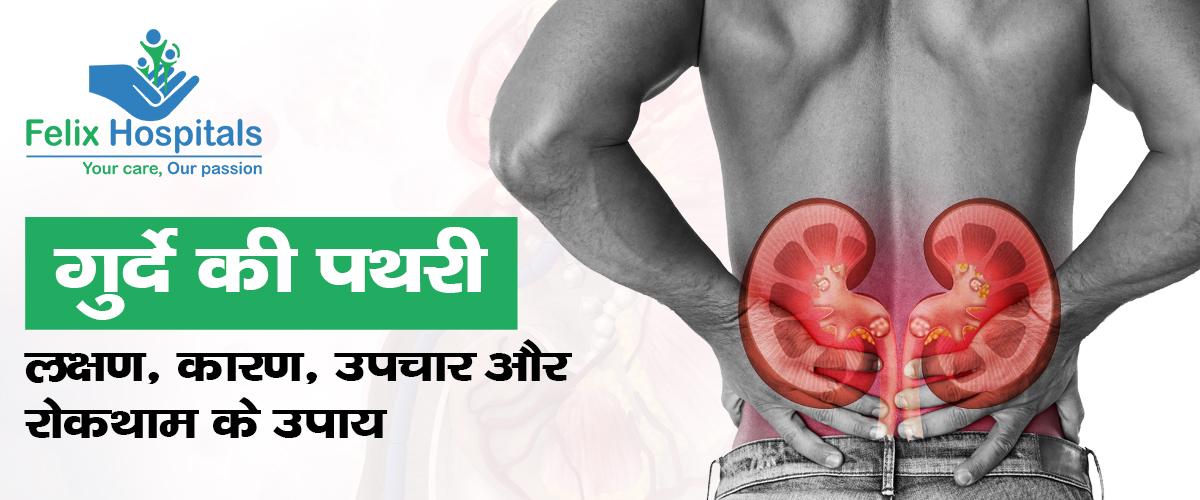
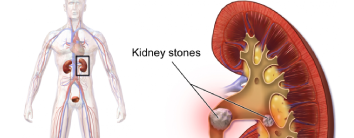
गुर्दे की पथरी खनिजों और अन्य पदार्थों से बने क्रिस्टल के समूह होते हैं, जो आपके मूत्र पथ में बनते हैं। ज़्यादातर पथरी पेशाब के माध्यम से स्वाभाविक रूप से बाहर निकल जाती है, लेकिन यह प्रक्रिया अत्यंत दर्दनाक हो सकती है। यदि पथरी अपने आप बाहर नहीं निकल पाती या मूत्र पथ में रुकावट उत्पन्न करती है, तो आपको पथरी को तोड़ने या निकालने के लिए चिकित्सा प्रक्रिया की आवश्यकता हो सकती है।
फेलिक्स हॉस्पिटल यूरोलॉजी का सबसे अनुभवी हॉस्पिटल (Best Urology Hospital in Noida) हैं। ज्यादा जानकारी के लिए हमें कॉल करें +91 9667064100.
किडनी स्टोन छोटे, कठोर खनिजों और लवणों का एक संग्रह होता है जो गुर्दे के अंदर बनता है। यह स्टोन तब बनते हैं जब यूरिन में कुछ पदार्थों की सांद्रता बढ़ जाती है और वे क्रिस्टल के रूप में जमने लगते हैं। समय के साथ, ये क्रिस्टल मिलकर एक ठोस पिंड का रूप ले लेते हैं। इन्हीं को गुर्दे की पथरी कहते हैं। किडनी स्टोन एक गंभीर लेकिन प्रबंधनीय समस्या है। गुर्दे की पथरी होने के लक्षण (Kidney Stone Symptoms in Hindi) को समझकर और सही समय पर उपचार करवाकर इससे बचा जा सकता है। स्वस्थ आहार और पर्याप्त पानी का सेवन गुर्दे की पथरी की संभावना को कम कर सकता है। किडनी स्टोन होना एक आम लेकिन बेहद दर्दनाक स्थिति है। समय पर ध्यान देने और सही पथरी का इलाज से इसे प्रबंधित और ठीक किया जा सकता है।
किडनी स्टोन के लक्षण तब प्रकट होते हैं जब ये स्टोन गुर्दे से मूत्रवाहिनी (यूरीटर) में चले जाते हैं। ये लक्षण आमतौर पर तब महसूस होते हैं जब स्टोन मूत्र प्रवाह को अवरुद्ध कर देते हैं। गुर्दे की पथरी के लक्षणों का अनुभव करते समय, खासकर जब दर्द अत्यधिक हो, पेशाब में खून आ रहा हो, या बुखार हो, तो तुरंत चिकित्सकीय सहायता लेनी चाहिए। यह सुनिश्चित करना महत्वपूर्ण है कि स्टोन के कारण किसी गंभीर जटिलता का विकास न हो। यहां गुर्दे की पथरी होने के लक्षण (Kidney Stone Ke Lakshan in Hindi) की सूची दी गई है।
किडनी स्टोन मुख्यतः चार प्रकार के होते हैं, जिनमें प्रत्येक प्रकार की रचना और कारण भिन्न होते हैं। किडनी स्टोन के विभिन्न प्रकारों को समझना उनके रोकथाम और उपचार में मददगार हो सकता है। सही जानकारी और समय पर उपचार से किडनी स्टोन की समस्या से निपटा जा सकता है। यदि गुर्दे की पथरी होने के लक्षण महसूस हों तो तुरंत डॉक्टर से संपर्क करें। यहां गुर्दे की पथरी के प्रकार और उनके बारे में जानकारी दी गई है:
किडनी स्टोन बनने के कई कारण(Kidney Stones Causes In Hindi) हो सकते हैं, जो व्यक्ति की जीवनशैली, आहार, आनुवंशिकता और अन्य स्वास्थ्य समस्याओं से संबंधित होते हैं। गुर्दे की पथरी के बनने के कई कारण होते हैं, और इनके जोखिम को कम करने के लिए सावधानीपूर्वक जीवनशैली और आहार को अपनाना महत्वपूर्ण है। पर्याप्त मात्रा में पानी पीना, संतुलित आहार लेना और नियमित रूप से स्वास्थ्य जांच करवाना किडनी स्टोन से बचाव के प्रमुख उपाय हैं। यदि आपको गुर्दे की पथरी के लक्षण महसूस हों, तो तुरंत डॉक्टर से संपर्क करें और उचित उपचार (Kidney Stone Treatment in Hindi) प्राप्त करें। यहां कुछ प्रमुख कारणों का विवरण दिया गया है:
Felix Hospital is the best kidney stone hospital in Noida, offering advanced, painless, and effective treatment with expert urologists and modern technology.
गुर्दे की पथरी से बचाव के लिए सही जीवनशैली और आहार का पालन करना महत्वपूर्ण है। पर्याप्त मात्रा में पानी पीना, संतुलित आहार लेना, नियमित व्यायाम करना और स्वास्थ्य जांच करवाना किडनी स्टोन के जोखिम को काफी हद तक कम कर सकते हैं। यदि आपको किसी प्रकार के गुर्दे की पथरी के लक्षण महसूस होते हैं, तो तुरंत डॉक्टर से संपर्क करें और उचित परामर्श लें। किडनी स्टोन से बचाव के लिए कुछ सरल और प्रभावी उपाय अपनाए जा सकते हैं। यहां किडनी स्टोन से बचाव के कुछ महत्वपूर्ण सुझाव दिए गए हैं:
यदि किडनी स्टोन का मामला जटिल हो जाता है या अगर बड़े पैमाने पर प्रकोप होता है, तो यूरोलॉजिस्ट विशेषज्ञ की सलाह ली जा सकती है। ज्यादा जानकारी के लिए हमें कॉल करें +91 9667064100.
डॉ. सचिन खंडेलवाल के पास 12+ वर्षों का अनुभव है और वे यूरोलॉजी के विशेषज्ञ हैं। उनका विशेषज्ञता क्षेत्र मूत्राशय की समस्याएं, मूत्र पथ संक्रमण (UTIs), मूत्राशय और गुर्दे का कैंसर, गुर्दे की रुकावट और गुर्दे की पथरी शामिल हैं। वे रीनल ट्रांसप्लांटेशन (कैडवरिक और लिवर से संबंधित), एंडोयूरोलॉजी, लैप्रोस्कोपिक और ओपन सर्जरी में भी विशेषज्ञता रखते हैं। मूत्र प्रणाली से संबंधित किसी भी समस्या के लिए उनसे सलाह लें।
डॉ. भंवर लाल बरकेसिया, 9+ वर्षों के अनुभव के साथ एक कुशल और समर्पित यूरोलॉजिस्ट (Urologist) हैं। वे विभिन्न प्रक्रियाओं जैसे URSL, TURBT, TURP, PCNL, PCN, DJ एक्सचेंज, यूरीथ्रोप्लास्टी, सिस्टोलिथोटोमी, लैप वैरिकोसीलेक्टॉमी और यूरीटेरोलिथोटोमी में विशेषज्ञ हैं। उन्होंने कई ओपन/लैप रेडिकल नेफरेक्टॉमी, एड्रेनलेक्टॉमी और ट्रांसप्लांट सर्जरी में सक्रिय योगदान दिया है। इसके अलावा, डॉ. बरकेसिया ने 50 से अधिक रोबोटिक (Da Vinci Xi) यूरोलॉजिकल प्रक्रियाओं में महत्वपूर्ण भूमिका निभाई है और सिमुलेटिव रोबोटिक ट्रेनिंग में दक्षता प्राप्त की है। उनकी व्यापक विशेषज्ञता सर्जिकल और यूरोलॉजिकल आपात स्थितियों को संभालने में भी परिलक्षित होती है
किडनी स्टोन एक गंभीर लेकिन प्रबंधनीय स्थिति है। इसके लक्षणों को पहचानकर और समय पर उचित उपचार (Kidney Stone Treatment in Hindi) प्राप्त करके इसे प्रभावी ढंग से नियंत्रित किया जा सकता है। पर्याप्त मात्रा में पानी पीना, संतुलित आहार लेना, और स्वस्थ जीवनशैली अपनाना किडनी स्टोन से बचाव के प्रमुख उपाय हैं। यदि आपको गुर्दे की पथरी के लक्षण महसूस हों, तो तुरंत चिकित्सक से परामर्श करें। समय पर ध्यान देने और सही उपचार से गुर्दे की पथरी की समस्याओं से बचा जा सकता है और जीवन की गुणवत्ता में सुधार किया जा सकता है।
Felix Hospital is the best kidney stone hospital in Noida, offering advanced, painless, and effective treatment with expert urologists and modern technology.
उत्तर: किडनी स्टोन, जिन्हें गुर्दे की पथरी भी कहा जाता है, छोटे, कठोर खनिजों और लवणों का एक संग्रह होता है जो गुर्दे के अंदर बनते हैं। ये तब होते हैं जब यूरिन में खनिजों और अन्य तत्वों की सांद्रता बढ़ जाती है और ये क्रिस्टल के रूप में जम जाते हैं।
उत्तर: किडनी स्टोन मुख्यतः चार प्रकार के होते हैं। कैल्शियम स्टोन से कैल्शियम ऑक्सलेट से बने होते हैं। यूरिक एसिड स्टोन अधिक प्रोटीन युक्त आहार से बनते हैं। स्ट्रुवाइट स्टोन यूरिन संक्रमण के कारण बनते हैं। सिस्टीन स्टोन वंशानुगत विकार सिस्टिनुरिया के कारण बनते हैं।
उत्तर: गुर्दे की पथरी होने के सामान्य लक्षण में पीठ या पेट के निचले हिस्से में तेज दर्द, पेशाब करते समय दर्द या जलन, पेशाब में खून आना, उल्टी और मतली, बार-बार पेशाब की इच्छा शामिल हैं।
उत्तर: गुर्दे की पथरी बनने के प्रमुख कारणों में कम पानी पीना, उच्च सोडियम, ऑक्सलेट और प्रोटीन युक्त आहार, आनुवंशिकता, कुछ स्वास्थ्य समस्याएं जैसे कि हायपरपैराथायरॉइडिज्म और मूत्र संक्रमण शामिल हैं।
उत्तर: किडनी स्टोन का निदान यूरिन में खनिज और अन्य तत्वों की मात्रा की जांच, रक्त में कैल्शियम, फॉस्फेट और यूरिक एसिड के स्तर की जांच एक्स-रे, सीटी स्कैन, या अल्ट्रासाउंड के माध्यम से स्टोन का आकार, स्थान और प्रकार का पता लगाकर किया जा सकता है। दवाएं स्टोन को टूटने और बाहर निकालने में मदद करती हैं। अधिक पानी पीना छोटे स्टोन यूरिन के साथ बाहर निकल सकते हैं।
उत्तर: किडनी स्टोन से बचाव के लिए पर्याप्त मात्रा में पानी पिएं, संतुलित आहार लें, जिसमें सोडियम, ऑक्सलेट और प्रोटीन की मात्रा नियंत्रित हो, नियमित शारीरिक गतिविधि करें. स्वस्थ वजन बनाए रखें, नियमित स्वास्थ्य जांच करवाएं।
उत्तर: हां, किडनी स्टोन का पुनरावृत्ति हो सकता है, खासकर यदि जीवनशैली और आहार में बदलाव नहीं किए जाते हैं। पर्याप्त पानी पीना, संतुलित आहार लेना और नियमित रूप से स्वास्थ्य जांच करवाना पुनरावृत्ति के जोखिम को कम करने में मदद कर सकता है।
उत्तर: नहीं, सभी किडनी स्टोन दर्दनाक नहीं होते। छोटे स्टोन बिना किसी गुर्दे की पथरी के लक्षण के गुर्दे से बाहर निकल सकते हैं। हालांकि, बड़े स्टोन मूत्रवाहिनी में फंस सकते हैं और दर्द का कारण बन सकते हैं।
Obesity and excessive sugar consumption are widely recognized as major contributors to diabetes, heart disease, and high blood pressure.
Kidney dialysis is a life-saving treatment for patients suffering from chronic kidney disease or kidney failure. Understanding the dialysis cost in Noida helps patients and families plan treatment effectively. This article explains the factors affecting d
Laparoscopic surgery, also known as minimally invasive surgery, is a modern surgical technique that has revolutionized the field of surgery. Unlike traditional open surgery, which involves large incisions, laparoscopic surgery uses small incisions and specialized instruments to perform operations. This technique offers numerous benefits, including reduced pain, shorter recovery times, and less scarring. If you're searching for "laparoscopic surgery Near me" or specifically in Noida, understanding the procedure, benefits, costs, and available services is essential.
Laparoscopic Surgery involves the use of a laparoscope, a thin, flexible tube with a camera and light at the end. The surgeon makes small incisions in the abdomen and inserts the laparoscope, which transmits images of the internal organs to a monitor. This allows the surgeon to perform the operation with precision, using specialized instruments inserted through other small incisions.
Reach out to us today at +91 9667064100.
Laparoscopic surgery is a modern, less invasive technique used for various medical procedures. Here's a simple explanation of some common types:
1. Cholecystectomy (Removal of the Gallbladder): This procedure removes the gallbladder, a small organ that helps with digestion. It's often done when someone has painful gallstones.
2. Appendectomy (Removal of the Appendix): This surgery removes the appendix, a small, tube-like organ attached to the large intestine. It's usually done when the appendix is inflamed or infected, a condition known as appendicitis.
3. Hernia Repair: This surgery fixes hernias, which are bulges of tissue that push through a weak spot in the abdominal wall. The procedure involves pushing the tissue back into place and strengthening the area to prevent future hernias.
4. Hysterectomy (Removal of the Uterus): This procedure removes the uterus, the organ where a baby grows during pregnancy. It can be done for various reasons, including uterine fibroids, endometriosis, or cancer.
5. Bariatric Surgery (Weight Loss Surgeries): These surgeries help people lose weight by making changes to their digestive system. One common type is gastric bypass, which reduces the size of the stomach so that the person feels full faster and eats less.
6. Colorectal Surgery (Surgery on the Colon and Rectum): This includes various procedures on the lower part of the digestive system, often to treat conditions like colon cancer, diverticulitis, or inflammatory bowel disease.
Laparoscopic surgery uses small incisions, a camera, and specialized tools, allowing for quicker recovery and less pain compared to traditional open surgery.
Laparoscopic surgery has several benefits compared to traditional open surgery:
Smaller Incisions: The cuts made during the surgery are much smaller, which leads to less noticeable scars and lowers the risk of wound infections.
Less Pain: Patients usually feel less pain after the surgery.
Faster Recovery: People often spend less time in the hospital and can get back to their regular activities more quickly.
Reduced Risk of Complications: There is a lower chance of problems like hernias and infections after the surgery.
Several reputable hospitals and clinics offering high-quality laparoscopic surgery services in Noida at home. If you're considering laparoscopic surgery in Noida, you'll find experienced surgeons and state-of-the-art facilities. These hospitals are equipped with advanced technology to ensure safe and effective treatments.
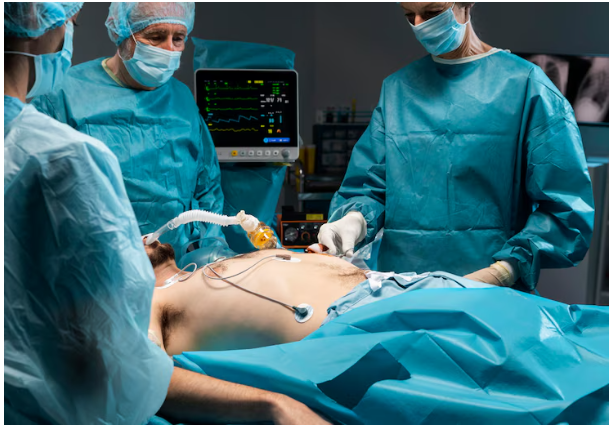
When selecting a hospital for laparoscopic surgery in Noida, consider the following factors:
Reputation and Experience: Choose a hospital with experienced surgeons and a strong reputation for successful outcomes.
Technology and Equipment: Ensure the hospital is equipped with the latest laparoscopic instruments and technology.
Patient Care: Look for a hospital that offers comprehensive care, including preoperative and postoperative support.
Accreditations: Check if the hospital is accredited and follows international standards of care.
The cost of laparoscopic surgery in Noida can vary based on several factors, including the type of procedure, the hospital, the surgeon's experience, and the patient's overall health. On average, Laparoscopic Surgery Treatment Costs in Noida range from INR 50,000 to INR 2,00,000. It is important to consult with your healthcare provider to get an accurate estimate based on your specific needs.
Several factors can influence the cost of laparoscopic surgery:
1. Type of Surgery: Complex procedures may cost more than simpler ones.
2. Hospital Fees: Different hospitals have varying charges for facilities and services.
3. Surgeon’s Fees: Experienced and renowned surgeons may charge higher fees.
4. Pre-Operative Tests: Costs for diagnostic tests and evaluations.
5. Post-Operative Care: Expenses related to recovery and follow-up visits.
While laparoscopic surgery can be expensive, there are ways to manage and reduce costs:
Insurance Coverage: Check if your health insurance covers laparoscopic surgery. This can significantly reduce out-of-pocket expenses.
Compare Hospitals: Research and compare the costs at different hospitals in Noida to find a facility that fits your budget.
Payment Plans: Some hospitals offer payment plans or financing options to make the cost more manageable.
Early Intervention: Addressing medical issues early can sometimes reduce the need for more complex and expensive procedures.
Felix Hospital in Noida is a leading healthcare facility known for its excellence in laparoscopic surgery. Here are some reasons why Felix Hospital is an excellent choice:
Experienced Surgeons: Felix Hospital has a team of highly skilled and Experienced laparoscopic surgeons who are experts in their field.
Advanced Technology: The hospital is equipped with the latest laparoscopic instruments and technology to ensure precise and safe procedures.
Comprehensive Care: From pre-operative assessments to post-operative recovery, Felix Hospital provides comprehensive care to ensure the best outcomes.
Patient-Centric Approach: The hospital focuses on patient comfort and satisfaction, offering personalized care tailored to each patient's needs.
Affordable Treatment: Felix Hospital strives to provide high-quality care at competitive prices, making laparoscopic surgery accessible to more patients.
We're ready to assist you for Laparoscopic Surgery. Book Your Appointment today by calling +91 9667064100.
Laparoscopic surgery is a highly effective and minimally invasive option for many medical conditions. If you're considering laparoscopic surgery in Noida, it’s essential to choose a reputable hospital with Experienced Surgeons and advanced facilities. Felix Hospital stands out as a top choice, offering expert care, advanced technology, and comprehensive services at competitive prices.
Whether you're dealing with a gallbladder issue, hernia, or any other condition requiring laparoscopic surgery, Felix Hospital is equipped to provide the best possible care. By understanding the costs, factors affecting pricing, and ways to reduce expenses, you can make an informed decision about your healthcare needs.
For more information or to book a consultation, contact Felix Hospital today and take the first step towards better health and wellness through expert laparoscopic surgery services.
1. What conditions can be treated with laparoscopic surgery?
Ans. Laparoscopic surgery can be used to treat a variety of conditions including gallbladder removal, appendectomy, hernia repair, gynecological surgeries (such as hysterectomy and endometriosis treatment), bariatric surgery for weight loss, and many types of abdominal and pelvic surgeries.
2. How long is the recovery period after laparoscopic surgery?
Ans. The recovery period after laparoscopic surgery is generally shorter than traditional open surgery. Most patients can return to normal activities within a week or two, although complete recovery might take several weeks depending on the complexity of the surgery.
3. What are the advantages of laparoscopic surgery compared to traditional open surgery?
Ans. The advantages of laparoscopic surgery include smaller incisions, reduced pain and scarring, shorter hospital stays, quicker recovery times, and lower risk of infection.
4. Are there any risks or complications associated with laparoscopic surgery?
Ans. While laparoscopic surgery is generally safe, potential risks and complications include infection, bleeding, injury to internal organs, and complications related to anesthesia. However, these risks are typically lower compared to open surgery.
5. What should a patient expect during the pre-operative preparation for laparoscopic surgery?
Ans. Pre-operative preparation may include fasting for a certain period before the surgery, avoiding certain medications, and undergoing pre-surgical tests such as blood work and imaging studies. Patients will also receive instructions on what to do on the day of surgery and post-operative care.
6. How does a surgeon determine if a patient is a good candidate for laparoscopic surgery?
Ans. The surgeon will evaluate the patient’s overall health, the specific condition being treated, and any previous surgeries or medical conditions that might complicate laparoscopic procedures. This evaluation often includes a physical examination and review of medical history.
7. What type of anesthesia is used during laparoscopic surgery?
Ans. Laparoscopic surgery is usually performed under general anesthesia, meaning the patient is completely asleep and unaware during the procedure. In some cases, regional anesthesia may be used, but this is less common.
8. How should a patient care for the incision sites after laparoscopic surgery?
Ans. Patients should keep the incision sites clean and dry, follow the surgeon’s instructions on wound care, avoid strenuous activities for a specified period, and watch for signs of infection such as redness, swelling, or discharge.
9. Can all surgeries be performed laparoscopically, or are there limitations?
Ans. Not all surgeries can be performed laparoscopically. Limitations include the size and location of the problem, the patient's overall health, and the presence of scar tissue from previous surgeries. In some cases, a laparoscopic procedure may need to be converted to an open surgery for safety reasons.
10. What is the typical hospital stay duration for patients undergoing laparoscopic surgery?
Ans. Many patients undergoing laparoscopic surgery can go home the same day or after an overnight stay. However, the duration of the hospital stay can vary depending on the type and complexity of the surgery and the patient’s overall health and recovery.
Dr. Ritesh Agrawal is an experienced surgeon in noida specializing in both open and minimally invasive laparoscopic procedures.
Laparoscopic nephrectomy is a minimally invasive surgery to remove a kidney using small incisions. It offers faster recovery, less pain, and reduced scarring, with some risks like bleeding or infection.
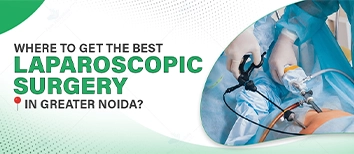
Find the best laparoscopic surgery in Greater Noida with expert surgeons, advanced technology, and fast recovery care.
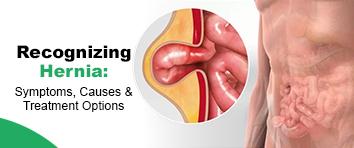
A hernia typically occurs due to a combination of muscle weakness and strain. This can happen from factors such as aging, injury, heavy lifting, chronic coughing, or conditions like pregnancy and obesity.
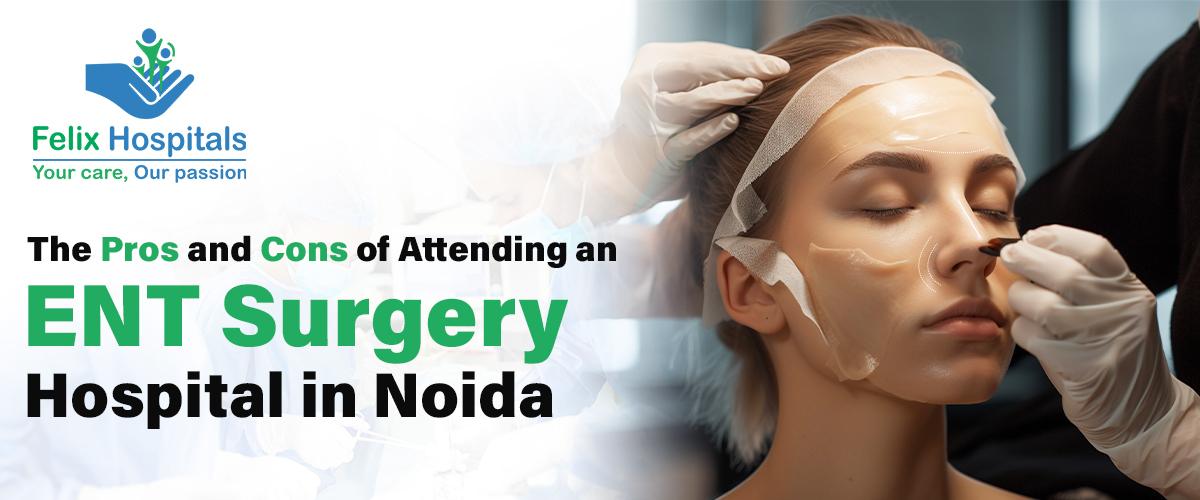
Noida, a thriving city adjacent to India’s capital, New Delhi, is home to numerous specialized hospitals, including those dedicated to Ear, Nose, and Throat (ENT) Surgeries. If you are considering undergoing ENT surgery, it is crucial to weigh the pros and cons of attending an ENT emergency hospital in Noida. This blog will provide a comprehensive overview to help you make an informed decision.
Reach out to us at +91 9667064100 or email us at [email protected].
Cutting-Edge Technology: ENT hospitals in Noida are equipped with the latest medical technology and diagnostic tools. These facilities ensure that patients receive accurate diagnoses and effective treatment plans.
Modern Infrastructure: Many ENT Surgery Hospitals boast state-of-the-art infrastructure, including advanced operation theaters, post-operative care units, and specialized equipment for minimally invasive surgeries.
Experienced Surgeons: ENT hospitals in Noida attract some of the Best ENT Specialists and surgeons in the country. Their expertise and experience ensure high-quality surgical outcomes and patient care.
Comprehensive Care Teams: In addition to surgeons, these hospitals employ a team of skilled audiologists, speech therapists, and nursing staff to provide holistic care.
Diverse Treatments: ENT surgery hospitals in Noida offer a wide range of services, including treatments for sinusitis, tonsillitis, hearing loss, and more complex surgeries like cochlear implants and skull base surgeries.
Comprehensive Diagnostics: These hospitals provide extensive diagnostic services such as audiometry, endoscopy, and imaging, facilitating accurate diagnoses and tailored treatment plans.
Affordable Options: Compared to private hospitals in metropolitan cities like Delhi or Mumbai, ENT Surgery Cost in Noida often provide more affordable treatment options without compromising on quality.
Insurance Coverage: Many hospitals in Noida accept various health insurance plans, making it easier for patients to manage their medical expenses.
Strategic Location: Noida’s proximity to Delhi makes it easily accessible for patients from different parts of India and even abroad. The city is well-connected by road, rail, and air, ensuring convenient travel.
Accommodation Facilities: There are numerous accommodation options available at ENT hospital near me, ranging from budget hotels to serviced apartments, providing convenience for out-of-town patients and their families.
Personalized Care: ENT hospitals in Noida focus on a patient-centered approach, ensuring that each patient receives personalized care tailored to their specific needs and conditions.
Post-Operative Support: These hospitals provide comprehensive post-operative care, including follow-up appointments, rehabilitation, and support services to ensure a smooth recovery process.
Reach out to us at +91 9667064100 or email us at [email protected].
High Patient Volume: Due to the reputation of Ent hospital near by, they often experience high patient volumes, leading to overcrowding in waiting areas and longer wait times for consultations and surgeries.
Scheduling Delays: The high demand for Specialized ENT Services can result in delays in scheduling surgeries or follow-up appointments, potentially causing inconvenience for patients.
Inconsistent Standards: While many hospitals offer high-quality care, the standards can vary from one facility to another. It is essential to research and choose a reputed hospital with consistently good reviews and patient outcomes.
Staff Turnover: Some hospitals may experience high staff turnover rates, affecting the continuity of care and patient satisfaction.
Niche Treatments: Certain highly specialized ENT treatments or surgeries may not be available in all hospitals. Patients requiring niche procedures might need to travel to larger metropolitan areas for treatment.
Advanced Equipment: While most hospitals are well-equipped, a few may lack the latest advanced equipment required for certain complex surgeries, limiting treatment options.
Diverse Patient Base: Patients from various linguistic and cultural backgrounds seek treatment in Noida, which can sometimes lead to communication barriers between patients and healthcare providers.
Need for Translators: In cases where language barriers exist, the availability of translators or multilingual staff can be limited, potentially affecting the quality of patient care and understanding of medical instructions.
Traffic Congestion: Noida, being an urban area, can experience significant traffic congestion, particularly during peak hours. This can be a challenge for patients traveling to and from the hospital.
Environmental Factors: Urban pollution and noise levels can impact patient comfort, particularly for those requiring extended stays for treatment or recovery.
Travel and Accommodation Costs: For patients traveling from other cities or countries, the cost of travel and accommodation in Noida can add to the overall treatment expenses.
Insurance Limitations: Not all health insurance plans cover treatments outside the patient’s home state or country, potentially leading to higher out-of-pocket expenses.
When deciding to attend an ENT emergency hospital in Noida, it is important to weigh these pros and cons based on your specific needs and circumstances. Here are a few tips to help you make an informed choice:
Research Thoroughly: Look for hospitals with a good reputation, experienced surgeons, and positive patient reviews. Verify the hospital’s accreditation and the qualifications of its medical staff.
Consult Multiple Sources: Seek opinions from multiple sources, including family, friends, and other patients who have undergone similar treatments. Online forums and healthcare review platforms can also provide valuable insights.
Consider Logistics: Factor in the logistics of travel, accommodation, and the duration of stay required for your treatment and recovery. Ensure you have a clear understanding of the hospital’s facilities and support services.
Verify Insurance Coverage: Check with your insurance provider about the coverage for treatments in Noida, including any limitations or additional costs you may need to bear.
Attending an ENT surgery hospital in Noida offers numerous benefits, including advanced medical facilities, skilled specialists, and ENT Surgery Cost in Noida-effective treatment options. However, it is essential to be aware of potential challenges such as overcrowding, varying quality of care, and logistical considerations. By conducting thorough research and planning, you can make an informed decision that best suits your healthcare needs.
Noida continues to emerge as a prominent hub for specialized medical treatments, and its ENT Surgery Hospitals exemplify this growth. With the right preparation and a clear understanding of the pros and cons, you can navigate your healthcare journey with confidence and achieve the best possible outcomes for your ENT health.
1. What is the typical recovery time for a tonsillectomy procedure?
Ans. The typical recovery time for a tonsillectomy procedure can range from 7 to 14 days, depending on the individual's healing process and the surgical technique used.
2. How do ENT surgeons treat chronic sinusitis cases?
Ans. ENT surgeons may treat chronic sinusitis cases through various methods, including medication, nasal saline rinses, and surgical procedures such as functional endoscopic sinus surgery (FESS) or balloon sinuplasty.
3. What are the potential risks and complications associated with ear tube insertion surgery?
Ans. Potential risks and complications of ear tube insertion surgery include infection, bleeding, ear drainage, scarring, tube displacement, and rare cases of hearing loss or facial nerve injury.
4. How does the cost of ENT surgeries in India compare to other countries?
Ans. The ENT Surgery Cost in Noida is generally lower compared to many other countries, especially Western nations, due to lower healthcare costs and medical tourism initiatives.
5. Are there any specialized ENT surgeries for voice disorders or vocal cord issues?
Ans. Yes, ENT surgeons perform specialized procedures for voice disorders and vocal cord issues, such as vocal cord injections, vocal cord surgery (e.g, thyroplasty), and laryngeal framework surgery.
6. What is the success rate of endoscopic sinus surgery in India?
Ans. The success rate of endoscopic sinus surgery in India is typically high, with various studies reporting success rates ranging from 70% to 90%, depending on the specific condition and surgical technique used.
7. How do ENT surgeons in India approach the treatment of sleep apnea cases?
Ans. ENT surgeons in India approach sleep apnea cases through various methods, including weight loss recommendations, continuous positive airway pressure (CPAP) therapy, and surgical procedures such as uvulopalato pharyngo plasty (UPPP) or maxillomandibular advancement surgery.
8. Are there any advanced techniques or technologies used in ENT surgeries in India?
Ans. Yes, ENT surgeries in India often involve advanced techniques and technologies, such as robotic-assisted surgery, image-guided surgery, and endoscopic approaches, depending on the specific procedure and hospital facilities.
9. What is the typical waiting time for elective ENT procedures in India?
Ans. The waiting time for elective ENT procedures in India can vary depending on the hospital and region, but it is generally shorter compared to many other countries, with wait times ranging from a few weeks to a few months.
10. Are there any specific ENT surgical procedures that are more affordable in India compared to other countries?
Ans. Some ENT surgical procedures that are generally more affordable in India compared to other countries include cochlear implant surgery, tonsillectomy, septoplasty, and certain types of head and neck cancer surgeries.
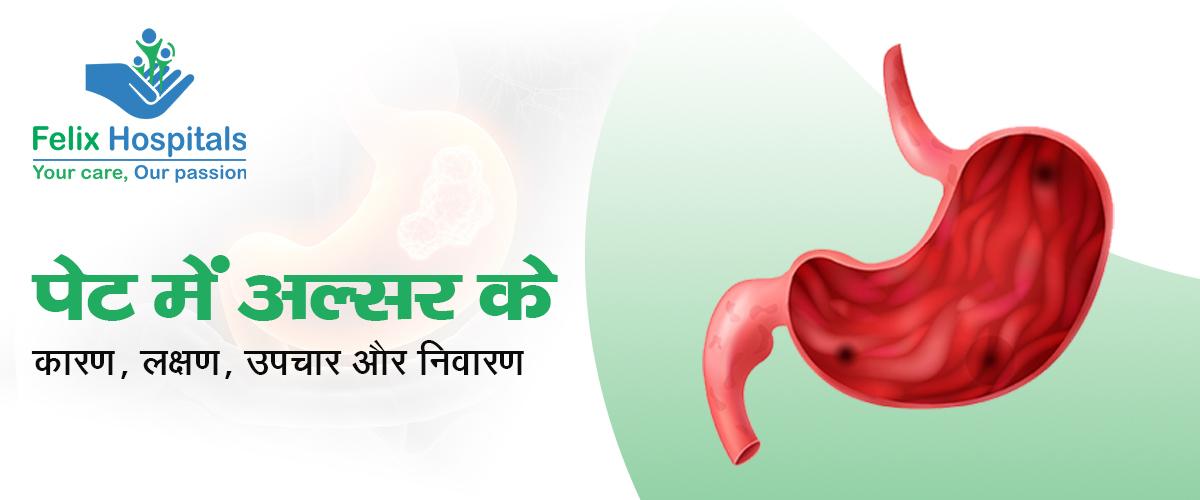
अल्सर एक गंभीर स्वास्थ्य समस्या हो सकती है, लेकिन सही समय पर पहचान और उपचार से इसे नियंत्रित किया जा सकता है। स्वस्थ जीवन शैली, संतुलित आहार और नियमित चिकित्सीय जांच से अल्सर की समस्या से बचा जा सकता है। अगर आपको अल्सर के लक्षण (Symptoms of ulcers) महसूस होते हैं, तो तुरंत डॉक्टर से परामर्श लें (Consult a doctor immediately) और उचित उपचार कराएं। अल्सर, बाल्यावस्था या बचपन सहित किसी भी उम्र में हो सकता है, लेकिन मध्यम आयु वर्ग के वयस्कों में सबसे आम है।
गैस्ट्रिक और पेट के अल्सर का इलाज करने वाले विशेषज्ञ को गैस्ट्रोएंटेरोलॉजिस्ट कहा जाता है और हमारे पास नोएडा के सबसे अच्छे गैस्ट्रोएंटेरोलॉजिस्ट (Best Gastroenterologist in Noida) है। हम अल्सर पर आपके किसी भी सवाल का जवाब देने में सक्षम है। ज्यादा जानकारी के लिए हमें कॉल करें +91 9667064100।
अल्सर (ulcer) एक प्रकार का घाव या छाला है जो शरीर की अंदरूनी सतहों पर बनता है। यह आमतौर पर पेट की अंदरूनी परत, छोटी आंत या ग्रासनली (इसोफेगस) में होता है। अल्सर तब बनता है जब पेट में बनने वाला अम्ल (एसिड) इन आंतरिक सतहों को नुकसान पहुंचाता है, जिससे छाले या घाव हो जाते हैं।अल्सर एक गंभीर स्वास्थ्य समस्या हो सकती है, लेकिन सही समय पर पहचान और उपचार से इसे नियंत्रित किया जा सकता है। स्वस्थ जीवनशैली, संतुलित आहार और नियमित चिकित्सा जांच से अल्सर की समस्या (Ulcer problem) से बचा जा सकता है। अगर आपको अल्सर के लक्षण महसूस होते हैं, तो तुरंत डॉक्टर से परामर्श लें, और उचित उपचार कराएं। अल्सर क्या होता है। यह जानने के साथ साथ यह जानना बहुत ज़रूरी की अल्सर के लक्षण, कारण क्या होते है, जानने के लिए आगे पढ़ें।
अल्सर के लक्षण व्यक्ति-व्यक्ति पर निर्भर कर सकते हैं और अल्सर की गंभीरता पर भी निर्भर करते हैं। अल्सर के लक्षण गंभीर हो सकते हैं और इन्हें नजरअंदाज नहीं करना चाहिए। यदि आप इनमें से कोई भी लक्षण महसूस करते हैं, तो तुरंत डॉक्टर से परामर्श लें और आवश्यक जांच और उपचार कराएं। सही समय पर पहचान और उपचार से अल्सर की समस्या को नियंत्रित किया जा सकता है और गंभीर परिणामों से बचा जा सकता है। सामान्यतः अल्सर के निम्नलिखित लक्षण देखे जा सकते हैं:
पेट में दर्द: पेट के ऊपरी हिस्से में जलन या दर्द, जिसे "एपिगैस्ट्रिक पेन" कहा जाता है। यह दर्द भोजन के बाद या खाली पेट में बढ़ सकता है।
अपच और गैस: बदहजमी और पेट में गैस बनना। पेट में भारीपन महसूस होना।
भूख में कमी: भूख न लगना या खाने में अरुचि होना। कम खाने के बावजूद पेट भरा हुआ महसूस होना।
वजन कम होना: अचानक वजन कम होना। खाने की इच्छा में कमी।
मतली और उल्टी: मतली आना या उल्टी होना। कभी-कभी खून की उल्टी होना।
काले या टेरी मल: मल का रंग काला या टेरी जैसा होना। यह आंतरिक रक्तस्राव का संकेत हो सकता है।
पेट फूलना: पेट में भारीपन या फूलने का अहसास होना।
डकार आना: बार-बार डकार आना।
खून की उल्टी: उल्टी में खून आना।
चक्कर आना या बेहोशी: खून की कमी या रक्तस्राव के कारण।
अत्यधिक कमजोरी: शरीर में खून की कमी के कारण।
अल्सर कई प्रकार के होते हैं, जो उनके स्थान और कारणों के आधार पर विभाजित किए जा सकते हैं। अल्सर के विभिन्न प्रकार उनके स्थान और कारणों के आधार पर भिन्न होते हैं। सही समय पर पहचान और उचित उपचार से इनका प्रभावी तरीके से उपचार किया जा सकता है। अगर अल्सर के लक्षण महसूस होते हैं, तो तुरंत डॉक्टर से परामर्श लें और आवश्यक जांच करवाएं। स्वस्थ जीवनशैली और संतुलित आहार से अल्सर की समस्या से बचा जा सकता है। यहां अल्सर के मुख्य प्रकार दिए गए हैं:
गैस्ट्रिक अल्सर (Gastric Ulcer in Hindi): गैस्ट्रिक अल्सर, जिसे पेट का अल्सर भी कहा जाता है, पेट की आंतरिक परत में होने वाला एक घाव या छाला है। यह तब होता है जब पेट की म्यूकस परत कमजोर हो जाती है और पेट के अम्ल द्वारा क्षतिग्रस्त हो जाती है। गैस्ट्रिक अल्सर एक गंभीर स्थिति हो सकती है, लेकिन उचित निदान, उपचार और जीवनशैली में सुधार से इसे ठीक किया जा सकता है। अगर आपको गैस्ट्रिक अल्सर के लक्षण (symptoms of gastric ulcer) महसूस होते हैं, तो तुरंत डॉक्टर से परामर्श लें और आवश्यक जांच और उपचार करवाएं। स्वस्थ जीवनशैली अपनाकर और सही समय पर चिकित्सा सहायता प्राप्त करके गैस्ट्रिक अल्सर के जोखिम को कम किया जा सकता है। चूंकि यह पेट की अंदरूनी परत में होता है अतः पेट में दर्द, जलन, मतली, भूख में कमी, वजन घटना इसके प्रमुख लक्षण हैं।
डुओडेनल अल्सर (Small intestine ulcer in hindi): यह छोटी आंत के पहले हिस्से (अर्थात डुओडेनम) में होता है। पेट में दर्द जो अक्सर खाली पेट में या रात में बढ़ता है, अपच, गैस, मतली इसके लक्षण हैं।
इसोफेगल अल्सर (Esophageal ulcer in hindi): यह ग्रासनली (अर्थात इसोफेगस) में होता है, जो गले से पेट तक भोजन ले जाता है। सीने में दर्द, निगलने में कठिनाई, खट्टी डकारें, खून की उल्टी इसके लक्षण हैं।
पेप्टिक अल्सर (Peptic ulcer in hindi): पेप्टिक अल्सर एक प्रकार का अल्सर है जो पेट की आंतरिक परत में होता है और यह पेट के अम्ल (हाइड्रोक्लोरिक एसिड) और पेप्टिक जूस द्वारा आंत को नुकसान पहुंचाने से बनता है। पेप्टिक अल्सर पेट के ऊतक (गैस्ट्रोइंटेस्टाइनल ट्रैक्ट) के किसी भी हिस्से में हो सकता है, जिसमें पेट, ड्यूडेनम (छोटी आंत का पहला हिस्सा), या इसोफेगस (गला) शामिल हैं। पेट, डुओडेनम, और इसोफेगस में हो सकता है। पेट में दर्द, जलन, अपच, भूख में कमी, वजन घटना, मतली, उल्टी इसके प्रमुख लक्षण हैं।
माउथ अल्सर (मुंह के छाले): यह मुंह की अंदरूनी परत, जीभ, गाल, होंठ आदि में होता है। मुंह में दर्द, जलन, सफेद या पीले छाले, खाने-पीने में कठिनाई, इसके प्रमुख लक्षण हैं।
अल्सर क्या होता है? यह जानने के साथ साथ यह जानना बहुत ज़रूरी है कि अल्सर के कारण क्या होते है? यह जानने के लिए आगे पढ़ें |
अल्सर के कई कारण हो सकते हैं, जो पेट और आंतों की आंतरिक परत को नुकसान पहुंचा सकते हैं। अल्सर के कई कारण हो सकते हैं और इसे समय पर पहचानकर और उचित उपचार के माध्यम से ठीक किया जा सकता है। स्वस्थ जीवनशैली, संतुलित आहार, धूम्रपान और शराब से परहेज, और दर्द निवारक दवाओं का सावधानीपूर्वक उपयोग अल्सर के जोखिम को कम कर सकता है। अगर आपको अल्सर के लक्षण महसूस होते हैं, तो तुरंत डॉक्टर से परामर्श लें और उचित जांच करवाएं। यहां कुछ प्रमुख कारण दिए गए हैं:
हेलिकोबैक्टर पाइलोरी (H. pylori) बैक्टीरिया
यह बैक्टीरिया पेट की म्यूकस परत को कमजोर करता है, जिससे पेट का अम्ल (एसिड) आंतरिक परत को नुकसान पहुंचा सकता है। यह सबसे आम कारणों में से एक है।
एनएसएआईडीएस (NSAIDs)
नॉन-स्टेरॉयडल एंटी-इंफ्लेमेटरी ड्रग्स, जैसे कि इबुप्रोफेन, एस्पिरिन और नेप्रोक्सेन का लंबे समय तक या अधिक मात्रा में सेवन करने से अल्सर हो सकता है। ये दवाएं पेट की सुरक्षा करने वाली म्यूकस परत को कमजोर करती हैं।
अत्यधिक अम्लीय भोजन और पेयः
अत्यधिक मसालेदार, खट्टे, या अम्लीय खाद्य पदार्थ और पेय पदार्थ पेट की आंतरिक परत को नुकसान पहुंचा सकते हैं।
धूम्रपान और शराबः
धूम्रपान और शराब पेट और आंतों की म्यूकस परत को कमजोर करते हैं, जिससे अल्सर होने की संभावना बढ़ जाती है। शराब पेट के अम्ल को बढ़ाती है और म्यूकस परत को नुकसान पहुंचाती है।
तनाव और मानसिक दबाव :
अत्यधिक तनाव और मानसिक दबाव पेट की म्यूकस परत को प्रभावित कर सकते हैं और अल्सर का कारण बन सकते हैं। हालांकि तनाव अकेले अल्सर का कारण नहीं है, यह स्थिति को बदतर बना सकता है।
अनियमित जीवनशैली और खान-पान :
अनियमित भोजन, असंतुलित आहार और भोजन छोड़ने से भी अल्सर होने का खतरा बढ़ सकता है। खाने का समय और गुणवत्ता भी महत्वपूर्ण है।
विरासत और आनुवांशिकी :
अगर परिवार में किसी को अल्सर की समस्या रही हो, तो उसकी विरासत में मिलने की संभावना बढ़ सकती है।
अन्य चिकित्सीय स्थितियां :
जैसे कि जोलिंगर-एलिसन सिंड्रोम, जो पेट में अत्यधिक एसिड उत्पादन का कारण बनता है, जिससे अल्सर हो सकता है।
कॉफी और चाय :
अत्यधिक मात्रा में कॉफी और चाय का सेवन पेट के अम्ल को बढ़ा सकता है, जिससे अल्सर हो सकता है।
अल्सर एक गंभीर स्वास्थ्य समस्या हो सकती है, लेकिन इसे रोकने और नियंत्रित करने के लिए कई कदम उठाए जा सकते हैं। अल्सर से बचाव के लिए स्वस्थ जीवनशैली, संतुलित आहार, तनाव प्रबंधन और नियमित चिकित्सा जांच महत्वपूर्ण हैं। इन उपायों को अपनाकर अल्सर के जोखिम को कम किया जा सकता है और पेट की समस्याओं से बचा जा सकता है। अगर आपको अल्सर के लक्षण महसूस होते हैं, तो तुरंत डॉक्टर से परामर्श लें और आवश्यक जांच और उपचार कराएं। यहां अल्सर से बचाव के कुछ प्रमुख उपाय दिए गए हैं:
स्वस्थ आहार का सेवन करें: संतुलित आहार मसलन फलों, सब्जियों, साबुत अनाज और प्रोटीन से भरपूर संतुलित आहार खाएं।
मसालेदार और अम्लीय भोजन से बचें: अत्यधिक मसालेदार, खट्टे और अम्लीय खाद्य पदार्थों से बचें।
दूध और डेयरी उत्पाद: ये पेट की अम्लीयता को कम कर सकते हैं और अल्सर से बचाव में मदद कर सकते हैं।
धूम्रपान और शराब से बचें: धूम्रपान पेट की म्यूकस परत को नुकसान पहुंचाता है, जिससे अल्सर का खतरा बढ़ता है।
शराब: अत्यधिक शराब का सेवन पेट के अम्ल को बढ़ा सकता है और म्यूकस परत को नुकसान पहुंचा सकता है।
दवाओं का सावधानीपूर्वक उपयोग करें: एनएसएआईडीएस (NSAIDs) का कम से कम उपयोग: दर्द निवारक दवाओं का अधिक या लंबे समय तक उपयोग न करें।
डॉक्टर की सलाह: अगर एनएसएआईडीएस का सेवन करना आवश्यक है, तो डॉक्टर की सलाह और दिशा-निर्देशों का पालन करें।
तनाव प्रबंधन : मेडिटेशन और योग: ध्यान, योग और अन्य रिलैक्सेशन तकनीकें तनाव को कम करने में मदद कर सकती हैं।
पर्याप्त नींद: रोजाना पर्याप्त और गुणवत्ता वाली नींद लें।
स्वच्छता बनाए रखें : स्वस्थ रहने के लिए स्वच्छता जरूरी है क्योंकि जहाँ स्वच्छता होती हैं वहाँ सूक्ष्मजीवों या रोगाणुओं के वृद्धि की सम्भवना कम होती है और यदि रोगाणु नहीं होंगे, तो हम भी रोगग्रस्त नहीं होंगे।
हेलिकोबैक्टर पाइलोरी (H. pylori) संक्रमण से बचाव: H. pylori बैक्टीरिया संक्रमण से बचने के लिए अच्छी स्वच्छता बनाए रखें, जैसे कि भोजन से पहले हाथ धोना और साफ पानी पीना।
नियमित व्यायाम करें: नियमित व्यायाम से पाचन तंत्र को स्वस्थ बनाए रखने में मदद मिलती है और तनाव कम होता है।
नियमित चिकित्सा जांच: डॉक्टर से परामर्श: समय-समय पर डॉक्टर से परामर्श लें और पेट की समस्याओं के लक्षण महसूस होने पर तुरंत चिकित्सा सहायता लें।
नियमित जांच: पेट की समस्याओं की नियमित जांच करवाएं, खासकर अगर परिवार में किसी को अल्सर हो।
भोजन के समय का ध्यान रखें: समय पर खाना खाएं और भोजन न छोड़ें। हल्का और पौष्टिक भोजन खाएं और रात को सोने से पहले भारी भोजन से बचें।
कैफीन का सेवन सीमित करें: कैफीन युक्त पेय पदार्थों का सीमित मात्रा में सेवन करें।
अल्सर की जाँच गैस्ट्रोएन्टेरोलॉजिस्ट करते है और फेलिक्स हॉस्पिटल के पास अनुभवी गैस्ट्रोएन्टेरोलॉजिस्ट हैं।
डॉ. संचित शर्मा गिल एक अनुभवी पेट और पाचन तंत्र के डॉक्टर हैं जिनके पास 11 साल से अधिक का अनुभव है। उन्हें विभिन्न पेट और आंत संबंधी समस्याओं का निदान और उपचार करने का अनुभव है। डॉ. संचित शर्मा एक अच्छे देखभाल प्रदान करने और प्रत्येक रोगी की विशेष आवश्यकताओं के अनुसार व्यक्तिगत उपचार योजनाएं बनाने में सक्षम हैं।
फेलिक्स हॉस्पिटल को अनुभवी गैस्ट्रोएंटेरोलॉजिस्ट हॉस्पिटल (best hospital for gastroenterology) में गिना जाता हैं। ज्यादा जानकारी के लिए हमें कॉल करें +91 9667064100.
अल्सर पेट, छोटी आंत या ग्रासनली की आंतरिक परत में घाव के रूप में होता है। इसके मुख्य कारण हैं हेलिकोबैक्टर पाइलोरी संक्रमण और दर्द निवारक दवाओं का अधिक उपयोग। इसके लक्षणों में पेट दर्द, जलन, मतली और भूख की कमी शामिल हैं। समय पर पहचान और उपचार से अल्सर नियंत्रित किया जा सकता है। ऐसे में नोएडा में लिवर विशेषज्ञ (Liver Specialist in Noida) से परामर्श लेना सही निदान और उपचार के लिए जरूरी है।
I am adding this for testing purpose, I will remove this.xsdfsdf
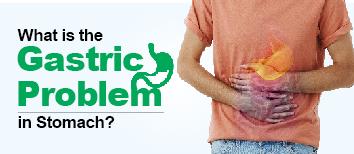
Gastric problems occur when excess acid or digestive disturbances affect the stomach lining, causing symptoms like bloating, acidity, and pain. Timely diagnosis ensures effective treatment.

एसजीपीटी और एसजीओटी लिवर एंजाइम हैं, जिनका बढ़ा स्तर लिवर की खराबी दर्शाता है। इसके कारणों में संक्रमण, शराब, दवाइयां और मोटापा शामिल हैं। निवारण में हेल्दी डाइट, व्यायाम और नियमित जांच जरूरी है।

Orthopedics is a specialized branch that takes care of your musculoskeletal problems related to joints, bones, muscles, spine, ligaments, and tissues.

Cataracts are like little cloudy spots that develop on the lens of your eye. The most usual kind happens as you get older. When you have them, your vision might get blurry, and you could see halos around lights. If they bother you enough, doctors might suggest taking out the cloudy lens and putting in a new, clear one called an intraocular lens (IOL). Basically, they recommend surgery when cataracts mess with your everyday activities.
Unlock your journey with Felix Hospital, Best hospital for Cataract Surgery in Noida. Reach out to us at [email protected] or call +91 9667064100.
A cataract is like a little cloud that forms on the lens of your eye, which is supposed to be clear. When you have cataracts, it's a bit like trying to see through a window that's been frosted over or fogged up. This cloudy vision can make things like reading, driving at night, or recognizing faces more challenging.
Cataracts usually develop slowly and might not bother your vision much at first. But over time, they can make it harder to see clearly.
In the beginning, using brighter lights and wearing glasses can help deal with cataracts. However, if your vision starts to affect your daily activities, you might need to consider cataract surgery. The good news is that cataract surgery is typically a safe and effective procedure.
Cataracts come in different types, depending on where and how they form in your eye.
Nuclear cataracts develop in the center of the lens and can make the middle look yellow or brown.
Cortical cataracts are shaped like wedges and grow around the edges of the center.
Posterior capsular cataracts form faster than the others and affect the back of the lens.
Congenital cataracts are rarer and happen either when you're born or during your first year.
Secondary cataracts are caused by things like diseases or certain medications. Diseases like glaucoma and diabetes can lead to them, and some medications, like prednisone, might also cause them.
Traumatic cataracts come after an eye injury, but they can take a while to develop.
Radiation cataracts can happen if you've had radiation treatment for cancer.
The main cause of cataracts is getting older. As you age, the proteins in your eye's lens start to break down, making it cloudy. This typically starts around age 40, but vision problems might not pop up until later.
Having family members with cataracts.
Having certain health issues like diabetes.
Having had an eye injury, surgery, or radiation treatment on your upper body.
Spending a lot of time in the sun without protecting your eyes with sunglasses.
Taking certain medications like corticosteroids, which could speed up cataract formation.
Smoking.
Age-related cataracts usually develop slowly, but in some cases, they can form more quickly, especially in younger people or those with diabetes. Doctors can't predict exactly how fast someone's cataracts will develop.
Are you Worried About The Cataract Surgery Cost in Noida? Learn More about cost here
Well, the most effective way to get rid of cataracts and get your clear vision back is through cataract surgery. During the surgery, the cloudy natural lens in your eye is taken out and replaced with a clear artificial lens called an intraocular lens (IOL). There are different types of IOLs, so you can discuss with your doctor which one suits you best.
The cool thing about an IOL is that it works just like your natural lens and can even fix any vision problems you might have, meaning you might not need glasses or contacts as much after the surgery.
Our eyes are a crucial part of our body that allow us to see the world in full color throughout our lives. Therefore, it's important to have the Best Motiyabind Operation Hospital in Noida to ensure the best care for your eyes.
Yep, it's actually one of the safest surgeries out there and super common in India Most people don't have any serious issues afterward. But like with any surgery, there are some risks to be aware of, like retinal detachment or infections. Your risk can be higher if you have certain eye conditions or medical problems, so it's smart to talk with Eye Specialists about your personal risks beforehand and how they'd handle any problems if they come up.
After the surgery, you might feel a bit of discomfort, but your doctor can give you something for the pain. It takes about four to eight weeks to fully recover, but you'll probably notice your vision getting better pretty quickly. Your doctor will let you know when it's okay to get back to your usual routine.
The Cataract/Motiyabind Operation Cost in Noida ranges from Rs. 17,000 to Rs. 35,000. Several factors influence this price variation. These include the doctor's consultation fee, the severity of the disease, and the brand and manufacturer of the lens used. Additionally, the cost is affected by diagnostic tests, the type of intraocular lens (IOL) chosen, and the technique and equipment used during the surgery. Post-operative care, follow-up consultations, and pre and post-surgery medications also play a significant role in determining the overall cost of the procedure.
When diagnosing cataracts, your doctor will give you a thorough eye exam to see if you have them and to see how well you can see. They'll use an eye chart to test your vision at different distances and a tonometry test to check the pressure in your eye.
For the tonometry test, they'll use a gentle puff of air to press against your eye and measure the pressure inside. They might also use eye drops to widen your pupils, which helps them see the back of your eye better to check for any damage to the optic nerve or retina.
Your doctor might also check how sensitive you are to glare and how well you can see different colors.
If you are suffering from Motiyabind, Felix Hospital is here for you. The Expert of Motiyabind surgery nearby. Call us at +91 9667064100.
Here's how you can lower your chances of getting cataracts:
Wear sunglasses when you're out in the sun to shield your eyes from harmful UVB rays.
Get regular checkups with your eye doctor.
Quit smoking if you're a smoker.
Eat plenty of fruits and veggies that are packed with antioxidants.
Keep your weight in a healthy range.
Stay on top of conditions like diabetes and other health issues.
Cataracts, those cloudy spots that develop on the lens of the eye, can really mess with your vision as you get older. They might start small, but over time, they can make everyday activities like reading or driving a real challenge. Thankfully, there's a solution: cataract surgery. It's a common and safe procedure where the cloudy lens is swapped out for a clear artificial one, restoring your vision. Plus, there are steps you can take to lower your risk of developing cataracts in the first place, like wearing sunglasses and staying on top of your health. So, if cataracts are clouding your vision, know that there's hope for clearer sight ahead.
What is the main cause of cataracts?
The main cause of cataracts is aging. As people get older, the proteins in the eye's lens start to break down and clump together, leading to clouding of the lens.
Why do people need cataract surgery?
People undergo cataract surgery to remove the cloudy lens and replace it with a clear artificial lens, improving their vision and quality of life.
What are the early signs of a cataract?
The early signs of a cataract include blurry vision, difficulty seeing at night, sensitivity to light, seeing halos around lights, fading or yellowing of colors, and frequent changes in prescription glasses or contact lenses.
How can cataracts be cured?
Cataracts can be cured through surgical removal of the cloudy lens and replacement with an artificial intraocular lens (IOL).
How painful is cataract surgery?
Cataract surgery is generally not painful. Patients are given local anesthesia to numb the eye and may also receive a sedative to help them relax. Most patients report only mild discomfort.
How serious is cataract surgery?
Cataract surgery is considered safe and routine, with a high success rate. However, as with any surgery, there are risks, including infection, bleeding, or retinal detachment, though these are rare.
How long does cataract surgery take?
Cataract surgery typically takes about 10 to 20 minutes per eye, but patients should expect to be at the surgical center for about 90 minutes to two hours for preparation and post-operative care.
What exactly is done in cataract surgery?
In cataract surgery, the cloudy lens of the eye is removed and replaced with a clear artificial intraocular lens (IOL). This is usually done using a procedure called phacoemulsification, where the lens is broken up with ultrasound waves and then suctioned out.
How much money is required for cataract surgery?
The cost of cataract surgery can vary widely depending on factors such as location, the surgeon's experience, the type of intraocular lens used, and whether it is performed in a public or private hospital. In India, it typically ranges from Rs. 17,000 to Rs. 35,000 per eye.
What is the cost of a lens for a cataract?
The cost of an intraocular lens (IOL) for cataract surgery can vary based on the type and brand of the lens. Standard monofocal lenses are generally less expensive, while premium lenses like multifocal or toric lenses can be more costly. Prices typically range from Rs. 5,000 to Rs. 30,000.
Is cataract surgery 100% successful?
While cataract surgery has a high success rate, it is not 100% successful for every patient. Most people experience significantly improved vision, but a small percentage may have complications or less-than-optimal results. However, the vast majority of cataract surgeries result in a successful outcome with improved vision.

Cataract surgery is essential to restore clear vision and prevent permanent blindness. It removes the cloudy lens and replaces it with an artificial one, helping patients regain normal sight and quality of life.

Immunotherapy represents a groundbreaking advancement in cancer treatment, utilizing the body's immune system to combat cancer cells. This innovative approach has demonstrated significant potential in treating various types of cancer, offering hope to many patients. In this, we will delve into the types of immunotherapy, the procedure, costs, side effects, and immunotherapy success rates, with a particular focus on its application in cancer treatment. We'll also highlight why Felix Hospital stands out as the best cancer hospital in Noida, with top cancer specialists dedicated to providing the highest quality care.
If you or a loved one is considering immunotherapy for cancer, call at 9667064100
Immunotherapy, also known as biological therapy, harnesses the power of the body’s immune system to fight cancer. Unlike traditional treatments like chemotherapy and radiation, which directly target cancer cells, immunotherapy empowers the immune system to identify and destroy cancer cells more effectively.
The human immune system is a remarkable defense network designed to protect the body from foreign invaders, including cancer cells. However, cancer cells can develop mechanisms to evade detection and attack by the immune system, allowing them to proliferate and spread unchecked. Immunotherapy aims to counteract these evasive strategies, boosting the immune system's ability to recognize and eradicate cancer cells.
Immunotherapy encompasses various approaches, each with its unique mechanism of action:
Monoclonal Antibodies: These are laboratory-engineered molecules that mimic the body's natural antibodies and can target specific proteins on cancer cells, marking them for destruction by the immune system.
Immune Checkpoint Inhibitors: These drugs work by blocking certain proteins that cancer cells use to evade the immune system, allowing the body's immune cells to recognize and attack the cancer more effectively.
Cancer Vaccines: These vaccines are designed to stimulate the immune system to recognize and attack cancer cells by introducing specific cancer-related molecules or antigens.
Adoptive Cell Transfer: In this approach, a patient's immune cells are extracted, genetically modified or stimulated to better recognize and attack cancer cells, and then infused back into the patient's body.
Cytokines: These are proteins that can stimulate the growth and activity of immune cells, helping to enhance the immune system's response against cancer cells.
The immunotherapy procedure varies depending on the type of treatment:
Checkpoint Inhibitors: Administered through an IV infusion.
CAR T-Cell Therapy: Involves extracting T-cells from the patient, modifying them in a lab, and infusing them back into the patient.
Cancer Vaccines: Usually injected into the skin.
Monoclonal Antibodies: Given through an IV infusion.
Cytokines: Administered via injection or infusion.
Oncolytic Virus Therapy: Injected directly into the tumor or given intravenously.
The success rate of immunotherapy can vary depending on the type of cancer, the stage of the disease, and the specific therapy used. In general, immunotherapy has shown promising results, with some patients experiencing long-term remission or even cure. However, it's important to note that not all patients respond equally to immunotherapy, and it may not be effective for everyone.
While immunotherapy is generally considered safer and better tolerated than traditional chemotherapy, it can still cause immunotherapy side effects. Common side effects may include fatigue, skin rashes, diarrhea, and flu-like symptoms. In some cases, immunotherapy can also lead to more severe side effects, such as inflammation of organs like the lungs, liver, or kidneys.
As research and clinical trials continue to advance, immunotherapy holds immense promise for the future of cancer treatment. Scientists are exploring new ways to enhance the efficacy of existing immunotherapies and develop novel approaches tailored to specific types of cancer. Additionally, combination therapies that integrate immunotherapy with other treatment modalities, such as chemotherapy or targeted therapies, are being investigated to maximize therapeutic benefits.
Immunotherapy has ushered in a paradigm shift in the fight against cancer, offering hope and improved outcomes for countless patients worldwide. By harnessing the remarkable power of the immune system, this revolutionary treatment approach has the potential to transform the way we understand and combat this formidable disease. As research continues to unravel the complexities of cancer and the immune system, immunotherapy stands at the forefront of a new era in cancer care, paving the way for a future where more lives can be saved and the burden of this disease can be alleviated.
Immunotherapy is generally considered an expensive treatment option, with costs varying based on the specific type of therapy, the duration of treatment, and the patient's location. In India, the cost of immunotherapy in India can range from a few lakhs to several lakhs of rupees, depending on the specific treatment regimen.
The approximate cost range for various immunotherapy treatments in India is as follows:
Monoclonal Antibodies: ₹1 lakh - ₹5 lakhs per cycle
Immune Checkpoint Inhibitors: ₹3 lakhs - ₹7 lakhs per cycle
Cancer Vaccines: ₹2 lakhs - ₹4 lakhs per cycle
Adoptive Cell Transfer: ₹5 lakhs - ₹10 lakhs or more
It's important to note that these costs can vary based on the hospital, location, and specific treatment plan.
Immunotherapy has shown remarkable success in treating various cancers, including melanoma, lung cancer, kidney cancer, and certain types of lymphoma Cancer and leukemia Cancer. It works by:
Enhancing the body's natural defenses to fight cancer.
Targeting specific cancer cells without harming normal cells.
Providing a long-lasting immune response to prevent cancer recurrence.
Type of Immunotherapy: The cost can vary significantly depending on the specific type of immunotherapy treatment being used, such as monoclonal antibodies, checkpoint inhibitors, immunotherapy injection, or adoptive cell transfer.
Brand and Manufacturer: Like other medications, the cost of immunotherapy drugs can vary based on the brand and the pharmaceutical company that manufactures them.
Duration of Treatment: Immunotherapy is often administered over an extended period, and the overall cost can accumulate rapidly if the treatment needs to be continued for a long duration.
Combination Therapies: In some cases, immunotherapy may be used in combination with other treatments like chemotherapy or targeted therapies, which can increase the overall cost of treatment.
Hospital and Location: The cost of immunotherapy can vary depending on the hospital or cancer treatment center where it is administered, as well as the geographic location and the associated cost of living.
Insurance Coverage: The extent of insurance coverage and the specific provisions of an individual's insurance plan can significantly impact the out-of-pocket costs for immunotherapy.
Clinical Trial Participation: Patients who participate in clinical trials for new immunotherapy treatments may have access to experimental therapies at a reduced cost or even free of charge.
Travel and Accommodation Expenses: For patients who need to travel long distances to receive immunotherapy treatment, the associated costs of travel and accommodation can add to the overall financial burden.
Supportive Care and Monitoring: Immunotherapy often requires additional supportive care, such as monitoring for side effects, management of adverse reactions, and other related medical services, which can contribute to the overall cost in immunotherapy cost in India.
Treatment Facility and Provider Expertise: Hospitals and cancer centers with specialized immunotherapy programs and highly experienced healthcare providers may command higher costs due to their expertise and advanced facilities.
It's important to note that the cost of immunotherapy can vary significantly based on individual circumstances, and it is advisable to discuss financial considerations with healthcare providers and insurance companies to understand the potential costs and available support options.
Felix Hospital is recognized as the best cancer hospital in Noida, offering state-of-the-art facilities and cutting-edge cancer treatments, including immunotherapy. Our team of cancer specialists in Noida is dedicated to providing personalized care tailored to each patient’s unique needs.
Here's why you should consider Felix Hospital for your immunotherapy treatment:
Expertise: Our oncologists are highly trained and experienced in administering various types of immunotherapy.
Advanced Technology: We utilize the latest medical technology to ensure the best possible outcomes.
Comprehensive Care: From diagnosis to treatment and follow-up, we provide holistic care to our patients.
Supportive Environment: We understand the emotional and physical challenges of cancer treatment and offer supportive services to help you through your journey.
Immunotherapy represents a beacon of hope in the fight against cancer, offering new possibilities for treatment and improving the quality of life for many patients. With a variety of immunotherapy types available, each with its unique procedure and potential benefits, patients have more options than ever before. While the cost of immunotherapy in India can be significant, institutions like Felix Hospital strive to provide affordable, high-quality care. If you or a loved one is considering immunotherapy for cancer, consult with our specialists at Felix Hospital to explore your options and embark on the path to better health.
For more information or to schedule a consultation, please contact Felix Hospital, the Cancer Specialist in Noida, where our team of dedicated cancer specialists is ready to assist you on your journey to recovery.
What is immunotherapy used to treat?
Answer: Immunotherapy is used to treat various types of cancers, including melanoma, lung cancer, kidney cancer, bladder cancer, and certain types of lymphoma and leukemia. It helps the immune system recognize and attack cancer cells more effectively.
Is stage 4 cancer 100% fatal?
Answer: No, stage 4 cancer is not 100% fatal. While it is advanced and challenging to treat, some patients respond well to treatments like immunotherapy, targeted therapy, or chemotherapy, and can achieve remission or significantly extended survival.
Which cancer is not curable?
Answer: While many cancers can be treated effectively, some, like pancreatic cancer, have a lower survival rate and are harder to cure, especially if diagnosed at an advanced stage. However, treatments can still improve quality of life and extend survival.
At what stage of cancer is immunotherapy used?
Answer: Immunotherapy can be used at various stages of cancer, but it is often employed in advanced or metastatic stages (stage 3 or 4) when the cancer has spread beyond the original site. It can also be used earlier in combination with other treatments.
How successful is immunotherapy for cancer?
Answer: The success of immunotherapy varies depending on the type of cancer and individual patient factors. Some cancers, like melanoma and certain types of lung cancer, respond very well, with significant improvements in survival rates. However, not all cancers respond to immunotherapy.
Which cancers does immunotherapy treat?
Answer: Immunotherapy treats a range of cancers, including melanoma, non-small cell lung cancer, kidney cancer, bladder cancer, head and neck cancers, and Hodgkin lymphoma, among others. Research is ongoing to expand its use to other cancer types.
Is immunotherapy stronger than chemotherapy?
Answer: Immunotherapy is not necessarily stronger than chemotherapy but works differently. While chemotherapy directly kills rapidly dividing cells, immunotherapy enhances the immune system's ability to fight cancer. The effectiveness varies depending on the cancer type and patient.
What is the cost of immunotherapy in India?
Answer: The cost of immunotherapy in India can range from INR 1,00,000 to INR 5,00,000 per cycle, depending on the specific treatment and hospital. The total cost can vary based on the number of cycles required and the type of immunotherapy used.
What type of cancer can be treated with immunotherapy?
Answer: Immunotherapy can treat various cancers, including melanoma, non-small cell lung cancer, kidney cancer, bladder cancer, Hodgkin lymphoma, and head and neck cancers. Its use is expanding as research continues.
What is the hardest cancer to cure?
Answer: Pancreatic cancer is often considered one of the hardest cancers to cure due to its late diagnosis and resistance to many treatments. Other challenging cancers include glioblastoma and certain types of metastatic cancers.
Recognize the early warning signs of cervical cancer. Learn about its symptoms, causes, and when to consult a gynecologist for timely diagnosis and treatment.

Explore essential information about breast cancer, including its symptoms, causes, types, and treatments, to stay informed and proactive about your health.
Lung cancer is a serious condition that starts in the lungs and can spread to other parts of the body.

Chemotherapy is a widely used cancer treatment that uses strong medications to destroy rapidly growing cancer cells.
Diabetes is a chronic condition that affects millions of people worldwide. With the prevalence of diabetes on the rise, many individuals are seeking natural treatments to manage their diabetes related condition effectively. While conventional treatments of diabetes such as medication and insulin therapy are essential, there is growing interest in natural approaches that can complement these treatments. Let’s explore the best natural treatments for managing diabetes, focusing on lifestyle changes, dietary modifications, herbal remedies, and other holistic approaches.
It's important to note that these natural treatments of diabetes are most effective in the early and managing stages. If you have severe symptoms or complications, please consult with your doctor for appropriate medical advice from your diabetes hospital.
Reach out to us at +91 9667064100 or email us at [email protected].
Diabetes is a condition where the body either does not produce enough insulin or cannot effectively use the insulin it produces. Insulin is a hormone that helps glucose from food get into your cells to be used for energy. There are two main types of diabetes:
Type 1 Diabetes: The body does not produce insulin. It is usually diagnosed in children and young adults.
Type 2 Diabetes: The body does not use insulin properly. It is the most common type of diabetes and is often associated with obesity and lifestyle factors.
One of the most effective ways to treat diabetes naturally is through dietary modifications. A balanced diet can help regulate blood sugar levels, improve insulin sensitivity, and prevent complications.
A healthy diet is crucial for managing diabetes naturally. Focus on whole foods that have a low glycemic index (GI) to help keep blood sugar levels stable. Here are some dietary guidelines:
Vegetables: Non-starchy vegetables like spinach, broccoli, and kale are low in carbs and high in fiber.
Fruits: Berries, apples, and citrus fruits are good choices due to their low GI and high fiber content.
Whole Grains: Foods like quinoa, brown rice, and oats are better options compared to refined grains.
Proteins: Lean meats, fish, tofu, and legumes provide essential nutrients without spiking blood sugar.
Healthy Fats: Avocados, nuts, seeds, and olive oil can help improve blood sugar control.
Incorporating these foods into your diet can help maintain stable blood sugar levels.
A balanced diet rich in fiber, lean proteins, and healthy fats is key. Incorporate foods that are known to help manage blood sugar levels:
Leafy Greens: Spinach, kale, and other greens are nutrient-dense and low in carbs.
Berries: Blueberries, strawberries, and raspberries have a low GI and are high in antioxidants.
Nuts and Seeds: Almonds, walnuts, chia seeds, and flax seeds provide healthy fats and protein.
Whole Grains: Choose whole grains over refined grains to improve blood sugar control.
Legumes: Beans, lentils, and chickpeas are high in fiber and protein, which can help regulate blood sugar levels.
Aim to include a variety of high-fiber foods in your daily meals.
Healthy fats can improve insulin sensitivity and provide long-lasting energy. Sources of healthy fats include:
Avocados
Nuts and seeds
Olive oil
Fatty fish (e.g., salmon, mackerel, sardines)
Replacing unhealthy fats (e.g., trans fats, saturated fats) with these healthier options can benefit overall health and is considered as the best natural treatment for sugar diabetes.
Protein helps regulate blood sugar levels by slowing down the absorption of carbohydrates. Good sources of protein include:
Lean meats (e.g., chicken, turkey)
Fish
Eggs
Dairy products (e.g., Greek yogurt, cottage cheese)
Plant-based proteins (e.g., tofu, tempeh, legumes)
You can also check - Top 5 High Protein Foods
Including adequate protein in each meal can help keep blood sugar levels stable.
Regular physical activity is another key component of natural treatment for sugar dIabetes. Exercise can help lower blood sugar levels, improve insulin sensitivity, and promote overall well-being.
1. Aerobic Exercise
Aerobic exercises, such as walking, running, swimming, and cycling, can help lower blood sugar levels and improve cardiovascular health. Aim for at least 150 minutes of moderate-intensity aerobic exercise per week.
2. Strength Training
Strength training exercises, such as weight lifting, resistance band exercises, and bodyweight exercises, can improve muscle mass and enhance insulin sensitivity. Incorporate strength training into your routine at least two days per week.
3. Flexibility and Balance Exercises
Flexibility and balance exercises, such as yoga and tai chi, can reduce stress, improve flexibility, and enhance overall physical function. These exercises can be particularly beneficial for older adults with diabetes.
Several herbal remedies and supplements have shown promise in managing diabetes naturally. It’s important to consult with a healthcare professional before starting any new supplements.
1. Cinnamon
Cinnamon has been shown to improve insulin sensitivity and lower blood sugar levels. Adding cinnamon to your diet can be a simple way to enhance diabetes management.
2. Fenugreek
Fenugreek seeds are rich in soluble fiber, which can help lower blood sugar levels. Soaking fenugreek seeds in water overnight and consuming them in the morning is a traditional remedy for diabetes.
3. Berberine
Berberine, a compound found in several plants, has been shown to lower blood sugar levels and improve insulin sensitivity. It is available as a supplement and can be considered as an effective natural treatment for diabetes.
4. Bitter Melon
Bitter melon is a vegetable that has been used in traditional medicine to treat diabetes. It contains compounds that can lower blood sugar levels and improve glucose tolerance.
5. Aloe Vera
Aloe vera gel has been shown to lower fasting blood sugar levels. Consuming aloe vera juice or supplements may help improve blood sugar control.
Chronic stress can negatively impact blood sugar levels and overall health. Implementing stress management techniques is an important aspect of natural treatment for sugar diabetes.
1. Mindfulness and Meditation
Practicing mindfulness and meditation can help reduce stress and improve mental well-being. Techniques such as deep breathing, guided imagery, and progressive muscle relaxation can be beneficial.
2. Yoga
Yoga combines physical postures, breathing exercises, and meditation, making it an effective way to reduce stress and improve overall health. Regular yoga practice can enhance insulin sensitivity and blood sugar control.
3. Adequate Sleep
Getting enough quality sleep is essential for managing stress and maintaining overall health. Aim for 7-9 hours of sleep per night and establish a regular sleep routine.
Staying hydrated is crucial for overall health and can help manage blood sugar levels. Drinking enough water helps the kidneys flush out excess sugar through urine. Aim to drink at least 8 glasses of water a day, and consider increasing your intake if you are physically active or live in a hot climate.
Sugary beverages, such as soda, fruit juice, and energy drinks, can cause rapid spikes in blood sugar levels. Opt for water, herbal teas, or other low-calorie beverages instead.
While natural treatments can be highly effective in managing diabetes, it’s important to regularly monitor blood sugar levels and maintain routine medical check-ups. Working closely with a healthcare professional ensures that your treatment plan is effective and that any necessary adjustments can be made.
Regular blood sugar monitoring helps you understand how different foods, activities, and stressors affect your blood sugar levels. Keeping a log of your readings can help you and your healthcare provider make informed decisions about your treatment plan.
Routine check-ups with your healthcare provider are essential for managing diabetes. These visits allow for the monitoring of your overall health, management of any complications, and adjustment of your treatment plan as needed.
Adopting a holistic approach to diabetes Treatment can provide comprehensive benefits. This includes focusing on mental, emotional, and social well-being in addition to physical health.
Having a strong support system can make diabetes treatment easier. This can include family, friends, support groups, or online communities. Sharing experiences and receiving encouragement can improve your emotional well-being and adherence to your management plan.
Staying informed about diabetes and its treatment can empower you to make better decisions about your health. Attend workshops, read credible sources, and engage with healthcare professionals to stay updated on the latest advancements in diabetes care.
Creating a balanced diet chart for diabetic patients, especially those who follow a vegetarian diet, is crucial. Here is a sample Diet Chart for Diabetic Patient Vegetarian:
Breakfast
- Option 1: Oatmeal with chia seeds, topped with fresh berries.
- Option 2: Whole grain toast with avocado and a sprinkle of chia seeds.
- Drink: Herbal tea or a glass of water.
Mid-Morning Snack
- Option 1: A handful of almonds.
- Option 2: A small apple or a pear.
Lunch
- Option 1: Quinoa salad with mixed vegetables, chickpeas, and a lemon-tahini dressing.
- Option 2: Lentil soup with a side of whole grain bread.
- Drink: Water or a glass of buttermilk.
Afternoon Snack
- Option 1: Carrot and cucumber sticks with hummus.
- Option 2: A small bowl of yogurt with a sprinkle of flaxseeds.
Dinner
- Option 1: Grilled vegetables with tofu or paneer.
- Option 2: Mixed vegetable curry with brown rice.
- Drink: Water or a light vegetable broth.
Evening Snack
- Option 1: A small bowl of mixed berries.
- Option 2: A handful of walnuts.
Book your consultation with us today with a Simple click Here or call us at +91 9667064100.
Treating diabetes naturally involves a multifaceted approach that includes dietary modifications, regular physical activity, herbal remedies, stress management, hydration, and regular medical check-ups. By adopting these natural treatments individuals with diabetes can improve their blood sugar control, enhance their overall health, and reduce the risk of complications. It’s important to remember that natural treatments of diabetes should complement, not replace, conventional medical treatments. Always consult with a healthcare professional before making significant changes to your diabetes treatment plan. With dedication and a holistic approach, managing diabetes naturally is not only possible but can lead to a healthier and more fulfilling life.
1. What drink lowers blood sugar?
Ans. Drinking water can help lower blood sugar levels by keeping you hydrated and aiding your kidneys in flushing out excess sugar through urine. Additionally, herbal teas like green tea and black tea, which contain antioxidants, can also help manage blood sugar levels.
2. How to manage type 2 diabetes without medication?
Ans. Managing type 2 diabetes without medication involves lifestyle changes such as eating a balanced diet rich in whole grains, fruits, and vegetables, exercising regularly, maintaining a healthy weight, and monitoring your blood sugar levels. Stress management and getting enough sleep are also crucial.
3. What three drinks should diabetics avoid?
Ans. Diabetics should avoid sugary drinks like soda, fruit juices with added sugar, and energy drinks. These beverages can cause rapid spikes in blood sugar levels.
4. Can I live a long life with diabetes?
Ans. Yes, with proper treatment and lifestyle changes, many people with diabetes live long, healthy lives. This includes regular monitoring of blood sugar levels, adhering to a healthy diet, exercising regularly, and following medical advice.
5. How does diabetes affect life?
Ans. Diabetes can affect life by requiring constant management of blood sugar levels, adhering to a strict diet, and regular medical check-ups. Complications can include cardiovascular disease, nerve damage, kidney damage, eye damage, and foot problems.
6. What is the main reason for diabetes?
Ans. The main reasons for diabetes can include genetic factors, obesity, lack of physical activity, poor diet, and age. Type 1 diabetes is often caused by an autoimmune reaction, whereas type 2 diabetes is primarily linked to lifestyle factors and genetics.
7. How to live a long life with diabetes?
Ans. Living a long life with diabetes involves regular exercise, eating a balanced diet, maintaining a healthy weight, monitoring blood sugar levels, taking medications as prescribed, and regularly consulting with healthcare providers. Avoiding smoking and limiting alcohol consumption are also important.
8. What are 5 symptoms of diabetes?
Ans. Five common symptoms of diabetes include frequent urination, excessive thirst, extreme hunger, unexplained weight loss, and fatigue. Other symptoms can include blurred vision, slow-healing sores, and frequent infections.
9. What are the best treatments for diabetes?
Ans. The best treatments for diabetes include lifestyle changes such as diet and exercise, medications (oral and injectable), insulin therapy, and regular monitoring of blood sugar levels. Newer treatments include continuous glucose monitors (CGMs) and insulin pumps.
10. How to reduce blood sugar naturally?
Ans. To reduce blood sugar naturally, you can:
- Eat a diet high in fiber and low in refined carbs and sugar.
- Exercise regularly.
- Stay hydrated by drinking plenty of water.
- Get adequate sleep.
- Manage stress through techniques like meditation or yoga.
Diabetes is a condition in which your body part pancreases cannot make enough insulin which results in an increase in your glucose level/blood sugar level.

Manage diabetes effectively with a well-planned Indian vegetarian diet chart. Explore healthy meal options and tips for blood sugar control.
Ankle replacement surgery, also known as ankle arthroplasty, is a procedure aimed at relieving pain and restoring function in patients with severe ankle arthritis or injury. This surgical intervention involves replacing the damaged parts of the ankle joint with artificial implants, much like hip or knee replacement surgeries. It's typically considered when other treatments, such as medications, physical therapy, and less invasive surgeries, have failed to provide relief.
Patients who undergo ankle replacement surgery often experience significant improvement in mobility and a reduction in pain, allowing them to return to their daily activities with greater ease. However, as with any major surgery, the cost can be a significant consideration for many individuals. In this blog, we will explore the various aspects of ankle replacement surgery, including the cost, factors affecting the cost, tips to reduce expenses, and why Felix Hospital is an excellent choice for this procedure.
Schedule your consultation today by simply clicking or calling us at +91 9667064100.
Table of Contents
The cost of ankle replacement surgery can vary widely depending on several factors, including the patient's location, the complexity of the procedure, and the healthcare facility chosen. On average, the cost of ankle replacement surgery ranges from ₹1,00,000 to ₹5,00,000 in India. This cost typically includes:
| Starting Cost | ₹ 1,00,000 |
| Average Cost | ₹ 2,50,000 |
| Maximum Cost | ₹ 5,00,000 |
Pre-operative Assessments: Diagnostic tests, consultations, and evaluations needed before the surgery.
Surgical Procedure: The actual cost of the surgery, including the surgeon's fees, anesthesia, and operating room charges.
Implants: The cost of the artificial implants used to replace the damaged ankle joint.
Hospital stay: Charges for the hospital stay, which usually lasts 2-4 days, depending on the patient's recovery.
Post-operative care: Follow-up visits, physical therapy, and any necessary medications or medical supplies.
Several factors can influence the overall cost of ankle replacement surgery:
1. Surgeon's Experience and Expertise: Highly experienced surgeons with specialized skills in ankle replacement surgery may charge higher fees, but their expertise can lead to better outcomes and reduced risk of complications.
2. Hospital or Clinic: The choice of healthcare facility can significantly impact the cost. High-end hospitals with advanced technology and amenities typically charge more than smaller clinics or public hospitals.
3. Geographic Location: The cost of medical procedures can vary depending on the city or region. Metropolitan areas with a higher cost of living often have higher medical expenses compared to smaller towns.
4. Type of Implants: The quality and brand of the artificial implants used in the surgery can affect the overall cost. Premium implants tend to be more expensive but may offer better durability and performance.
5. Pre-existing Conditions: Patients with underlying health conditions may require additional medical care, tests, or consultations, increasing the overall cost of the surgery.
6. Length of Hospital Stay: A longer hospital stay due to complications or slow recovery can add to the total cost of the procedure.
While ankle replacement surgery can be expensive, there are several strategies to help manage and potentially reduce the costs:
1. Choose the Right Hospital: Research and compare different hospitals and clinics to find one that offers quality care at a reasonable cost. Look for hospitals with a good reputation and experienced surgeons.
2. Insurance Coverage: Check if your health insurance plan covers ankle replacement surgery. Many insurance policies provide coverage for joint replacement surgeries, which can significantly reduce out-of-pocket expenses.
3. Opt for Generic Implants: If possible, discuss with your surgeon the option of using generic implants instead of premium brands. Generic implants can be more affordable while still providing effective results.
4. Plan Ahead: Schedule the surgery during a time when you can take advantage of lower healthcare costs, such as off-peak seasons or when hospitals offer special packages or discounts.
5. Post-operative Care at Home: If feasible, consider recovering at home with the help of home healthcare services instead of an extended hospital stay. This can help reduce hospital room charges and associated costs.
6. Government Programs and Schemes: Explore government healthcare schemes and programs that may offer financial assistance or subsidized rates for medical procedures, including ankle replacement surgery.
Felix Hospital is renowned for its commitment to providing high-quality medical care and ensuring patient satisfaction. Here are some compelling reasons to choose Felix Hospital for your ankle replacement surgery:
1. Experienced Surgeons: Felix Hospital boasts a team of highly skilled and best orthopedic surgeons in Noida who specialize in ankle replacement surgery. Their expertise ensures the best possible outcomes for patients.
2. State-of-the-Art Facilities: The hospital is equipped with advanced medical technology and state-of-the-art facilities, ensuring that patients receive the highest standard of care.
3. Comprehensive Care: Felix Hospital offers a holistic approach to patient care, including pre-operative assessments, surgical procedures, post-operative care, and rehabilitation. This comprehensive care plan ensures a smooth recovery and optimal results.
4. Patient-Centric Approach: At Felix Hospital, patients are at the heart of everything we do. Our compassionate and dedicated healthcare professionals prioritize patient comfort, safety, and well-being throughout the treatment process.
5. Transparent Pricing: Felix Hospital is committed to transparency in pricing, providing patients with clear and detailed information about the costs involved in ankle joint replacement surgery. There are no hidden charges, ensuring that patients can plan their finances effectively.
6. Affordable Packages: The hospital offers affordable packages for ankle replacement surgery, making it accessible to a broader range of patients without compromising on the quality of care.
7. Post-Surgery Support: Felix Hospital provides extensive post-surgery support, including physical therapy and follow-up consultations, to ensure a successful recovery and long-term well-being.
8. Accreditations and Recognitions: Felix Hospital is accredited by national and international healthcare organizations, reflecting its commitment to maintaining the highest standards of medical care.
Choosing Felix Hospital for your ankle replacement surgery ensures that you receive exceptional care from the best Nephrologist in Noida, within a supportive and patient-focused environment.
At Felix Hospital, we're ready to assist you with Ankle replacement surgery. Secure your appointment today by calling +91 9667064100.
Ankle replacement surgery is a viable option for those suffering from severe ankle pain and mobility issues. Understanding the costs and factors affecting these costs can help patients make informed decisions. Felix Hospital, known as the best orthopedic hospital in Noida, offers comprehensive and affordable care, making it an excellent choice for this procedure. With the right treatment and post-operative care, patients can look forward to a significant improvement in their quality of life. If you are considering ankle replacement surgery, contact Felix Hospital to learn more about how we can help you on your journey to recovery.
Felix Hospital is located in Sector 137, Noida. However, if you reside in the Ashok Nagar area, you can now visit our newly opened Felix Hospital polyclinic in ashok nagar to receive top-notch healthcare services and take care of your health.
1. How long does it take to recover from ankle surgery?
Recovery from ankle surgery typically takes about 6 to 12 weeks. However, complete recovery, including regaining full strength and mobility, may take several months depending on the individual and the complexity of the surgery.
2. How successful is ankle replacement surgery?
Ankle replacement surgery has a success rate of approximately 80-90%. Most patients experience significant pain relief and improved function, allowing them to return to their daily activities.
3. Are ankle replacements possible?
Yes, ankle replacements are possible. Ankle replacement surgery involves replacing the damaged parts of the ankle joint with artificial implants, similar to hip and knee replacements.
4. What is the average price of an ankle replacement?
Total cost of an ankle replacement surgery ranges from ₹1,00,000 to ₹5,00,000 in India. This cost can vary based on factors such as the surgeon's experience, hospital fees, and the type of implants used.
5. How much does ankle replacement cost in India?
In India, the cost of ankle replacement surgery typically ranges from ₹1,00,000 to ₹5,00,000. The exact cost can depend on various factors, including the hospital, surgeon, and type of implants used.
6. Is ankle replacement risky?
As with any major surgery, ankle replacement carries some risks, including infection, blood clots, and complications related to the implants. However, with modern surgical techniques and experienced surgeons, these risks are minimized.
7. Is ankle replacement a good option?
Ankle replacement is a good option for individuals with severe ankle arthritis or injury who have not found relief with other treatments. It can significantly reduce pain and improve mobility, enhancing the quality of life for many patients.
8. Is ankle surgery covered by insurance?
Yes, ankle surgery is typically covered by insurance, but the extent of coverage can vary depending on your insurance plan and the specific details of your policy. It's important to check with your insurance provider to understand the specifics of your coverage, including any deductibles, co-pays, and pre-authorization requirements.
9. Is ankle replacement worth it?
Ankle replacement can be worth it for many patients, particularly those suffering from severe pain and limited mobility due to arthritis or injury. The procedure can significantly improve quality of life by reducing pain and restoring function. However, it's crucial to discuss with your orthopedic surgeon to evaluate if it's the best option for your specific condition and lifestyle.
Orthopedics is a specialized branch that takes care of your musculoskeletal problems related to joints, bones, muscles, spine, ligaments, and tissues.


Subscribe to our
© Copyright 2026. All Rights Reserved by Felix Healthcare Private Limited
Design and development by :


 +(91)9667064100
 Emergency : +(91)9667064100