 WhatsApp
 Emergency:
  WhatsApp











Subscribe to our
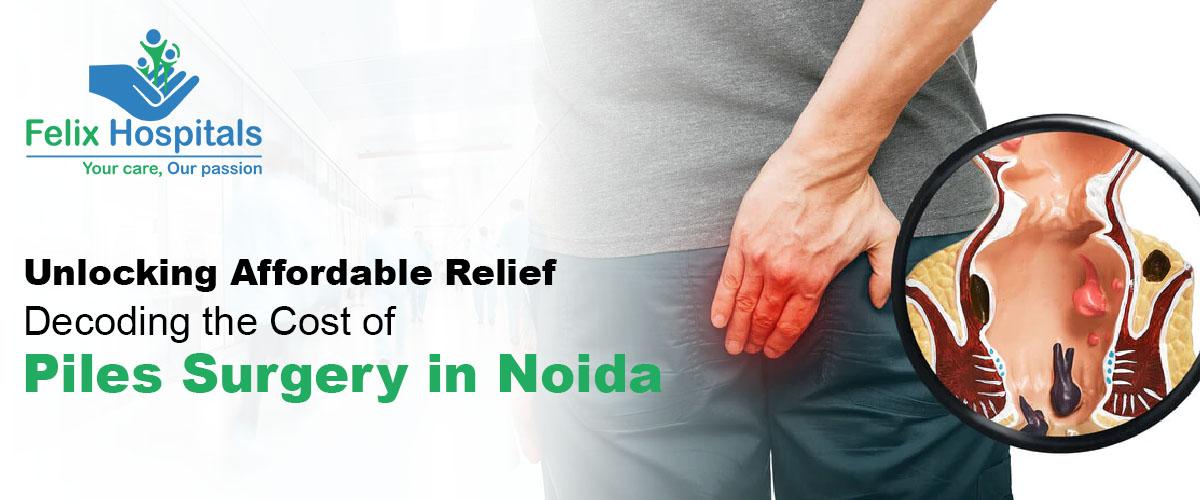
Piles or Haemorrhoids, are common and treatable conditions where blood vessels around the rectum become swollen, causing discomfort during bowel movements. Fortunately, seeking treatment can offer relief and can help you get back to enjoying life without discomfort.
Cost of Piles surgery in Noida depends on factors like severity and chosen procedure, However an estimate for the following is as follows;
| Minimum Cost | ₹ 30,000 |
| Maximum Cost | ₹ 55,000 |
| Average Cost | ₹ 42,500 |
Felix Hospital is the best place for piles surgery hospital in Noida, offering top-notch care at affordable costs. Our team of specialists is dedicated to providing effective treatment for piles, ensuring your comfort and well-being every step of the way. Trust Felix Hospital for the best piles surgery treatment in Noida without breaking the bank. Connect with us today at +91 9667064100.
Haemorrhoids, or piles, are swollen blood vessels in your bottom that can cause discomfort, itching, and sometimes bleeding when you poop. They're usually caused by things like straining during bowel movements, sitting for long periods, or pregnancy. They're common and can usually be managed with simple treatments.
There are several types of piles, and they are a common medical condition. Piles, also known as Haemorrhoids, are swollen veins in the rectum and anus that can cause discomfort, pain, and sometimes bleeding. The types of piles include:
Internal haemorrhoids: These are inside the rectum, usually not visible or felt, unless they prolapse (protrude) outside the anus during bowel movements.
External haemorrhoids: These are under the skin around the anus and can be felt as lumps or bulges. They can cause pain and discomfort, especially when sitting or during bowel movements.
Thrombosed haemorrhoids: This occurs when blood pools in an external haemorrhoid and forms a clot. It can cause severe pain and swelling.
Prolapsed haemorrhoids: When internal haemorrhoids enlarge and protrude outside the anus, they are referred to as prolapsed haemorrhoids. They may need to be pushed back inside manually.
If you're considering haemorrhoid surgery in Noida, treatment options can vary depending on the type of piles you have, ranging from straightforward lifestyle adjustments and over-the-counter solutions to medical interventions like rubber band ligation, sclerotherapy, or surgical procedures for severe cases. Consulting with a doctor is crucial to determine the most suitable treatment plan for your needs.
The symptoms of piles can vary depending on the individual and the severity of the condition. However, some of the most frequently encountered signs are listed below;
It's essential to consult a healthcare professional for proper diagnosis and management if you experience any of these symptoms.
Understanding these causes can help individuals take preventive measures and adopt lifestyle changes to reduce the risk of developing haemorrhoids.
Haemorrhoids are generally not dangerous, but they can cause discomfort and bleeding. In rare cases, complications like thrombosis or prolapse may occur. Seeking treatment can alleviate symptoms and prevent complications.
When you're dealing with really bad haemorrhoids that just won't get better with non-surgical treatments like creams or changes in diet, surgery might be suggested. This is especially true if you're experiencing ongoing bleeding, pain that doesn't let up even with medication, constant discomfort or itching in your bottom, haemorrhoids that stick out and won't go back in, or haemorrhoids that are swollen, painful, and inflamed due to blood clots.
If you're experiencing any of these issues, it's important to talk to a doctor before deciding on surgery. They can help you figure out the best course of action for your situation.
When considering how piles surgery is performed, it's crucial to recognize the two primary steps involved: diagnosis and tests, followed by treatment. These steps form the foundation of the surgical process, guiding healthcare professionals in determining the most appropriate course of action for managing and addressing the condition.
Physical Examination: Your doctor will perform a physical exam, including a digital rectal exam, to check for haemorrhoids and assess their severity. They may also inquire about your symptoms and medical history.
Visual Inspection: Sometimes, haemorrhoids can be diagnosed based on visual inspection of the anal area. Your doctor may use a special instrument called an anoscope to get a better view.
Proctoscopy or Sigmoidoscopy: In some cases, your doctor may recommend a proctoscopy or sigmoidoscopy, where a flexible tube with a camera is inserted into the rectum to examine the inside of the rectum and lower colon. This can help rule out other conditions that may be causing your symptoms.
Non-Surgical Options: Before considering surgery, your doctor will likely recommend non-surgical treatments such as dietary changes, fiber supplements, topical creams, and sitz baths to alleviate symptoms and promote healing. These methods are often effective for mild to moderate haemorrhoids.
Surgical Intervention: If non-surgical methods fail to provide relief or if you have severe piles, surgical removal of the haemorrhoids (haemorrhoidectomy) may be recommended. The type of surgery performed will depend on factors such as the size and location of the haemorrhoids, as well as your overall health. Common surgical options include traditional haemorrhoidectomy, stapled haemorrhoidopexy (PPH), and haemorrhoid energy therapy (HET). Your doctor will discuss the risks and benefits of each option and help you choose the most appropriate treatment for your situation.
If you're seeking haemorrhoid surgery in Noida, Felix Hospital stands out as the Best piles surgery hospital in Noida. From diagnosis to treatment and beyond, Felix Hospital offers unparalleled quality and compassionate support throughout the surgical journey.
When considering piles surgery cost in Noida, several factors come into play, influencing the overall expenses associated with the procedure. These factors include:
The cost of haemorrhoid surgery in Noida can vary significantly depending on these factors. However on an average, the cost typically ranges from ₹30,000 to ₹60,000, with the exact figure falling somewhere in between. It's essential for individuals considering haemorrhoid surgery in Noida to consult with healthcare providers and obtain detailed estimates tailored to their specific needs and circumstances.
If you're experiencing symptoms of haemorrhoids such as rectal bleeding, discomfort, itching, or swelling around the anus, it's advisable to consult with a doctor promptly, especially if these symptoms persist or worsen over time. Additionally, if you notice any changes in bowel habits or have concerns about your digestive health, seeking medical advice is essential. Early intervention and proper diagnosis by a healthcare professional can help determine the appropriate course of treatment, including the possibility of haemorrhoid surgery, if necessary.
For best haemorrhoid surgery in Noida, trust Felix Hospital's expertise and compassionate care. Our doctors are always there to ensure your comfort and well-being throughout the treatment process.
In conclusion, while the cost of piles surgery in Noida may vary depending on several factors such as the type of procedure, the severity of the condition, and the choice of medical facility, it's crucial not to compromise on quality and expertise when it comes to addressing haemorrhoidal concerns.
For individuals seeking effective treatment for piles surgery nearby in Noida, it’s worth considering top piles surgery hospital in Noida like Felix Hospital which ensures not only competitive pricing but also comprehensive care and support from experienced healthcare professionals. By weighing the costs against the benefits of effective treatment and long-term relief, individuals can make informed decisions to prioritize their health and well-being.
Reach out to Felix Hospital today through https://www.felixhospital.com/contact
1-What is piles surgery, and when is it recommended?
Piles surgery, also known as haemorrhoidectomy, is a surgical procedure to remove haemorrhoids (piles). It is recommended when conservative treatments such as dietary changes, medications, and lifestyle modifications fail to provide relief from symptoms like pain, bleeding, and itching.
2-How to find best hospital for piles surgery near me in Noida?
Felix Hospital in Noida specializes in advanced piles surgery. With advanced facilities, experienced surgeons, and compassionate care, it ensures optimal treatment outcomes. Trust Felix Hospital for comprehensive and effective solutions to your piles concerns.
3-What are the different types of piles surgeries available in Noida?
Some common types of piles surgeries available in Noida include traditional haemorrhoidectomy, stapled haemorrhoidopexy (PPH), and rubber band ligation. The choice of surgery depends on the severity and type of haemorrhoids.
4-What is the recovery time for piles surgery?
The recovery time for piles surgery varies depending on the type of surgery performed and individual healing factors. In general, most patients can expect a recovery period of 1 to 3 weeks.
5-Are there any risks or complications associated with piles surgery?
Yes, like any surgical procedure, piles surgery carries risks and potential complications such as infection, bleeding, urinary retention, and anal stenosis. However, these risks are relatively low with modern surgical techniques.
6-How long do the results of piles surgery last?
The results of piles surgery are usually long-lasting, especially when accompanied by dietary and lifestyle changes. However, recurrence of haemorrhoids is possible, especially if predisposing factors such as constipation persist.
7-How much does piles surgery cost in Noida?
Piles surgery costs in Noida typically range from ₹30,000 to ₹60,000, depending on factors like hospital and procedure complexity. It's advisable to consult with healthcare providers for accurate pricing details tailored to your specific needs.
8-Are there any dietary or lifestyle changes required after piles surgery?
Yes, patients are typically advised to follow a high-fiber diet, stay hydrated, avoid straining during bowel movements, and engage in regular physical activity to prevent constipation and promote healing after piles surgery.
9-Can I drive or go back to work after haemorrhoid surgery in Noida?
The ability to drive or return to work after piles surgery depends on individual recovery and the type of work involved. Most patients can resume light activities within a few days to a week after surgery, but strenuous activities may need to be avoided for a longer period.
10-How do I find a qualified and experienced surgeon for piles treatment in Noida?
Patients can find qualified and experienced surgeons for piles treatment in Noida by asking for referrals from their primary care physician, researching online reviews and hospital websites, and consulting with multiple surgeons to find the best fit for their needs.
Know the symptoms of piles in females, including discomfort, bleeding, and swelling, along with causes and treatment options for relief.

Get fast and effective relief from piles with advanced surgical care at the best piles surgery hospital in Noida, offering expert doctors, modern techniques, and safe treatment options.

Are you struggling with constant back pain that affects your daily life? Back pain can result from poor posture, long sitting hours, slip disc, muscle strain, or spinal problems.
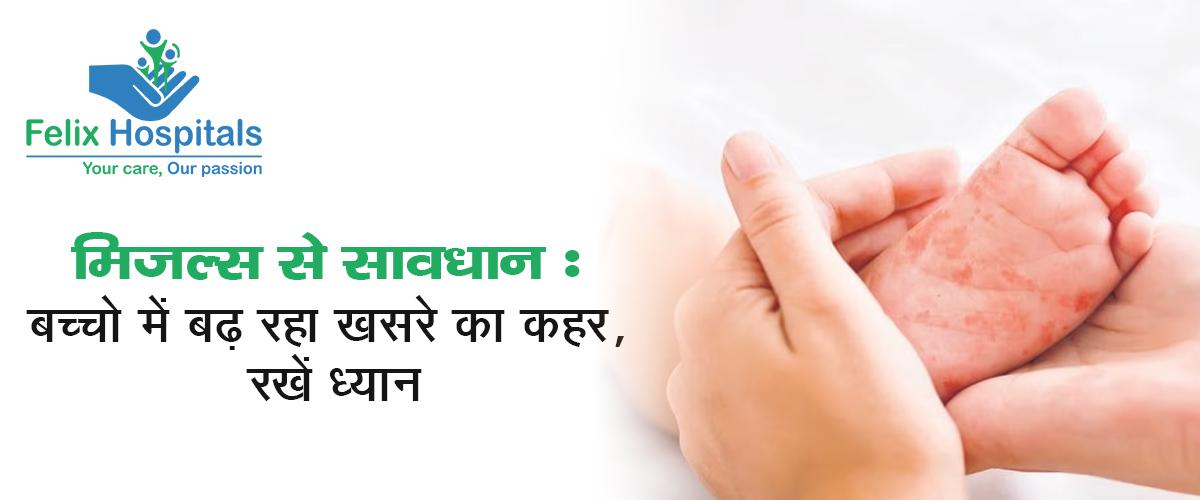
मिजल्स जिसे हिंदी में (measles in hindi) 'खसरा' के नाम से जाना जाता है। एक अत्यंत संक्रामक वायरल बीमारी है। यह रुबेला वायरस के कारण होता है, जो कि पैरामायक्सोविरिडे परिवार का सदस्य है। विश्व स्वास्थ्य संगठन (WHO) के अनुसार मिजल्स उन बीमारियों में से एक है जिसे नियंत्रित करने में बड़ी सफलता मिली है, परन्तु यह आज भी विश्व में कई जगहों पर एक गंभीर स्वास्थ्य समस्या बनी हुई है।
हम मिजल्स पर आपके किसी भी सवाल का जवाब देने में सक्ष्म है। अधिक जानकारी के लिए हमें कॉल करें +91 9667064100।
मिजल्स, जिसे हिंदी में खसरा (measles meaning in hindi)भी कहा जाता है, एक अत्यंत संक्रामक वायरल रोग है जो मुख्य रूप से बच्चों में होता है, हालांकि इससे वयस्क भी प्रभावित हो सकते हैं। मिजल्स बच्चों को अधिक प्रभावित करती है। विश्व स्वास्थ्य संगठन के अनुसार वैश्विक स्तर पर यह बच्चों की मृत्यु के प्रमुख कारणों में से एक है। छोटे बच्चों में प्रतिरक्षा प्रणाली पूरी तरह विकसित नहीं होती है, जिससे वे विभिन्न संक्रमणों के लिए अधिक संवेदनशील होते हैं। मिजल्स के खिलाफ टीकाकरण न होने से बच्चे इस बीमारी के लिए अत्यधिक जोखिम में आ जाते हैं। MMR वैक्सीन बच्चों को खसरा, मम्प्स और रुबेला से बचाती है। बच्चे अक्सर स्कूलों, डे केयर सेंटर्स या खेल के मैदानों में अन्य बच्चों के साथ मिलते हैं जहां यदि कोई संक्रमित व्यक्ति होता है तो संक्रमण फैलने की संभावना बढ़ जाती है। मिजल्स के लक्षण आमतौर पर संक्रमण के 10 से 14 दिनों के बाद दिखाई देते हैं। मिजल्स के कारण सूखी खांसी, नाक बहना, लाल, पानी वाली आंखें, थकान और अस्वस्थता का अनुभव, चेहरे और ऊपरी गर्दन में लाल चकत्ते जो बाद में पूरे शरीर में फैल जाते है।
वैज्ञानिक रूप से मिजल्स वायरस को आमतौर पर एक ही प्रकार में वर्गीकृत किया जाता है, लेकिन विश्व स्वास्थ्य संगठन (WHO) ने इस वायरस के विभिन्न जीनोटाइप्स की पहचान की है। ये जीनोटाइप भौगोलिक रूप से भिन्न हो सकते हैं और वायरस के फैलाव व इतिहास की ट्रैकिंग में मदद करते हैं। विभिन्न जीनोटाइप्स की भौगोलिक विविधता इसके प्रबंधन और नियंत्रण में महत्वपूर्ण भूमिका निभा सकती है। मिजल्स से बचाव के लिए टीकाकरण सबसे महत्वपूर्ण है और इसे सभी बच्चों के लिए अनिवार्य किया जाना चाहिए। साथ ही, उपयुक्त चिकित्सा देखभाल और समय पर उपचार से इसके गंभीर परिणामों को रोका जा सकता है।
मिजल्स(खसरा) के लक्षण आमतौर पर 10-12 दिनों के इनक्यूबेशन पीरियड के बाद प्रकट होते हैं। शुरुआती लक्षणों में बुखार, खांसी, नाक बहना, आंखों में लाली और संवेदनशीलता शामिल हैं। इनके बाद 'कोप्लिक के स्पॉट्स' नामक विशेष छोटे सफेद धब्बे मुंह के अंदर दिखाई देते हैं। इसके कुछ दिनों बाद, शरीर पर एक विशिष्ट लाल चकत्ते का निकलना शुरू होता है, जो सिर से शुरू होकर पैरों तक फैल जाता है।मिजल्स के लक्षण आमतौर पर संक्रमण के 10 से 12 दिनों के बाद दिखाई देते हैं और इसमें शामिल हैं।
मिजल्स(खसरा) एक विशेष प्रकार के वायरस, जिसे मोरबिली वायरस कहा जाता है, के कारण होता है। यह वायरस इंफ्लुएंजा वायरस के समान होता है और हवा के माध्यम से फैलता है, मुख्य रूप से जब एक संक्रमित व्यक्ति खांसता या छींकता है।वायरस युक्त बूंदें हवा में काफी समय तक सक्रिय रह सकती हैं। और यह वायरस दूषित सतहों पर भी कई घंटों तक जीवित रह सकता है।
मिजल्स की जटिलताओं में निमोनिया, दिमागी सूजन (एन्सेफलाइटिस), और मृत्यु शामिल हो सकती हैं। खासकर कमजोर प्रतिरक्षा वाले व्यक्तियों और बच्चों में। इसीलिए मिजल्स का समय पर निदान और उचित उपचार महत्वपूर्ण है।
मिजल्स(खसरा) एक वायरल रोग है जो कि मीज़ल्स-मम्प्स-रुबेला (MMR) वायरस के कारण होता है। यह बीमारी बेहद संक्रामक होती है और मुख्यतः बच्चों को प्रभावित करती है, हालांकि वयस्कों में भी इसके संक्रमण की संभावना रहती है। मिजल्स के संक्रमण का पता लगाने के लिए कुछ विशेष जांचें की जाती हैं जो कि निदान में मदद करती हैं। मिजल्स के मुख्य लक्षणों में उच्च बुखार, खांसी, नाक बहना, आंखों का लाल होना, और शरीर पर दाने निकलना शामिल हैं। इन लक्षणों के दिखाई देने पर तुरंत मेडिकल सलाह लेनी चाहिए।
यह टेस्ट मिजल्स के विशेष एंटीबॉडीज की मौजूदगी को मापता है। खून के नमूने से यह पता लगाया जाता है कि शरीर में IgM और IgG एंटीबॉडीज का स्तर क्या है, जो कि संक्रमण की पुष्टि करता है।
यह टेस्ट श्वसन पथ से लिए गए नमूनों की जांच करता है। यह टेस्ट वायरस की मौजूदगी को साबित करने में सबसे विश्वसनीय माना जाता है।
यह एक उन्नत तकनीक है जिसके द्वारा मिजल्स वायरस के जेनेटिक मटेरियल की पहचान की जाती है।यह टेस्ट शुरुआती चरण में ही संक्रमण का पता लगा सकता है। मिजल्स की जांच तब करानी चाहिए जब व्यक्ति में उपरोक्त लक्षण दिखाई देने लगें। विशेषकर अगर वह व्यक्ति हाल ही में मिजल्स से प्रभावित किसी क्षेत्र में गया हो या फिर उसका संपर्क संक्रमित व्यक्ति से हुआ हो। यदि व्यक्ति को पहले कभी MMR का टीका नहीं लगा हो तो भी जांच कराना उचित होता है।
मिजल्स (खसरा) एक अत्यंत संक्रामक वायरल रोग है, जिससे बचाव के लिए समझदारी और सावधानी अत्यंत आवश्यक हैं। मिजल्स वायरस से उत्पन्न होने वाली बीमारी है जो कि रुबेला वायरस के संक्रमण से फैलती है। इसके संक्रमण का मुख्य स्रोत संक्रमित व्यक्ति की खांसी या छींक होती है। मिजल्स की रोकथाम में वैक्सीनेशन सबसे महत्वपूर्ण कदम माना जाता है, और यह विश्व स्तर पर मिजल्स को खत्म करने की दिशा में उठाया गया एक प्रभावी कदम है।
मिजल्स की रोकथाम के लिए सबसे प्रभावी उपाय मीजल्स, मंप्स और रुबेला (MMR) वैक्सीन है। यह वैक्सीन बचपन में दो डोज़ में दी जाती है और यह मिजल्स से बचाव में काफी कारगर साबित हुई है। हालांकि, वैक्सीन के बावजूद, कई देशों में वैक्सीनेशन कवरेज कम होने की वजह से मिजल्स के प्रकोप होते रहते हैं। उपचार के लिए, मिजल्स का कोई विशेष उपचार नहीं है। उपचार मुख्य रूप से लक्षणों को कम करने और संक्रमण के दौरान शरीर को सहायता प्रदान करने पर केंद्रित होता है। हल्के मामलों में, आराम, हाइड्रेशन और बुखार को कम करने के लिए पैरासिटामोल या इबुप्रोफेन का सेवन किया जाता है। मिजल्स बच्चों में एक गंभीर बीमारी हो सकती है, लेकिन इससे बचाव संभव है। सही जानकारी और समय पर टीकाकरण के माध्यम से हम अपने बच्चों को इस खतरनाक बीमारी से बचा सकते हैं और उनके स्वस्थ भविष्य की दिशा में कदम बढ़ा सकते हैं।
मिजल्स से बचाव का सबसे प्रभावी तरीका है टीकाकरण। MMR (मीजल्स, मंप्स और रुबेला) वैक्सीन बच्चों को दो चरणों में दी जाती है। पहला डोज जन्म के 12 से 15 महीने के बीच और दूसरा डोज 4 से 6 वर्ष की उम्र में। यह वैक्सीन मिजल्स से बचाव में 97% तक प्रभावी है।
संक्रमित व्यक्ति के संपर्क में आने से बचें। यदि घर में कोई संक्रमित है, तो उसे अलग कमरे में रखना चाहिए और उसके संपर्क में आने वाले व्यक्ति को मास्क पहनना चाहिए।
नियमित रूप से हाथ धोना, सतहों को साफ करना, और व्यक्तिगत स्वच्छता बनाए रखना महत्वपूर्ण है, विशेषकर जब आप किसी संक्रमित व्यक्ति के निकट हों।
समुदायों में जागरूकता कार्यक्रम और शिक्षा प्रदान करना, जिसमें लोगों को मिजल्स के लक्षणों, उसके प्रसार के तरीकों और रोकथाम की जानकारी दी जाती है।
किसी भी लक्षण की पहचान होने पर तुरंत चिकित्सक से संपर्क करें। जल्दी उपचार और सही सलाह रोग के फैलाव को रोकने में मदद कर सकती है। समाज में बचाव के प्रयास विश्व स्वास्थ्य संगठन (WHO) और अन्य अंतर्राष्ट्रीय स्वास्थ्य संगठन सक्रिय रूप से मिजल्स के उन्मूलन के लिए कार्य कर रहे हैं।विकसित और विकासशील देशों में व्यापक टीकाकरण कार्यक्रमों के माध्यम से, साथ ही साथ जन जागरूकता कार्यक्रमों के जरिए, मिजल्स के प्रसार को रोकने की कोशिशें की जा रही हैं।
मिजल्स की रोकथाम के लिए सबसे प्रभावी उपाय मीज़ल्स-मम्प्स-रुबेला (MMR) वैक्सीन है। यह वैक्सीन बच्चों को 12 से 15 महीने की उम्र में पहली डोज और फिर 4 से 6 वर्ष की उम्र में दूसरी डोज के रूप में दी जाती है। MMR वैक्सीन मिजल्स के खिलाफ 97% तक प्रभावी है। मिजल्स का वायरस संक्रमित व्यक्ति के खांसने, छींकने या बातचीत के दौरान निकलने वाली बूंदों के माध्यम से फैलता है। यह वायरस हवा में कई घंटों तक सक्रिय रह सकता है, इसलिए किसी संक्रमित व्यक्ति के सम्पर्क में आये बिना भी व्यक्ति मिजल्स के संक्रमण का शिकार हो सकता है। अगर आप अपने आस पास जनरल फिजिशियन हॉस्पिटल (nearby general physician hospital) ढूंढ रहे है तो नॉएडा में आपको काफी रहत मिल सकती है |
फेलिक्स हॉस्पिटल आप के लिए हमेशा तैयार है मिजल्स से जुड़े किसी भी सवाल के लिए हमसे संपर्क करें : +91 9667064100 |
आज के समय में, जबकि हम अधिकतर बीमारियों के लिए उपचार और वैक्सीन विकसित कर चुके हैं, मिजल्स अभी भी विश्व स्तर पर एक चुनौती प्रस्तुत करता है। इसके नियंत्रण के लिए वैक्सीनेशन और जन जागरूकता आवश्यक हैं। इससे न केवल खसरा रोग का मुकाबला किया जा सकता है, बल्कि हम अन्य संक्रमणों के प्रति भी अधिक सचेत और तैयार हो सकते हैं। मिजल्स से बचाव संभव है और इसके लिए आवश्यक है कि सभी स्तरों पर सही कदम उठाए जाएं। टीकाकरण, संक्रमण के प्रसार को रोकने के उपाय, स्वच्छता का ध्यान रखना, और समुदायों में जागरूकता बढ़ाना, ये सभी कदम मिजल्स के खिलाफ लड़ाई में महत्वपूर्ण हैं। आइए हम सभी मिलकर मिजल्स के उन्मूलन की दिशा में काम करें और एक स्वस्थ समाज का निर्माण करें।
उत्तर: मिजल्स के प्रमुख लक्षणों में शामिल हैं उच्च बुखार, सूखी खांसी, नाक बहना, लाल आंखें, संवेदनशील त्वचा, और चेहरे से शुरू होकर पूरे शरीर में फैलने वाले चकत्ते। इसके अलावा, मुंह के अंदर मसूड़ों के पीछे कोपलिक के धब्बे भी एक महत्वपूर्ण लक्षण हैं।
उत्तर: मिजल्स हवा के माध्यम से फैलता है। जब संक्रमित व्यक्ति खांसता या छींकता है, तो वायरस युक्त बूंदें हवा में फैल जाती हैं और ये बूंदें दूसरों द्वारा श्वसन पथ में ली जा सकती हैं। यह वायरस दूषित सतहों पर भी कई घंटों तक जीवित रह सकता है।
उत्तर: मिजल्स के लिए कोई विशेष चिकित्सा उपचार नहीं है। उपचार मुख्यतः लक्षणों को नियंत्रित करने और रोगी के आराम में सुधार करने पर केंद्रित होता है। बुखार और दर्द के लिए पैरासिटामोल या इबुप्रोफेन का उपयोग किया जा सकता है, और बहुत सारा तरल पदार्थ पीना चाहिए।
उत्तर: मिजल्स से बचाव का सबसे प्रभावी तरीका MMR (मीजल्स-मम्प्स-रुबेला) वैक्सीन है। यह वैक्सीन बच्चों को 12 से 15 महीने की उम्र में पहली डोज और 4 से 6 वर्ष की उम्र में दूसरी डोज के रूप में दी जाती है।
उत्तर: मिजल्स की जटिलताएं गंभीर हो सकती हैं, विशेषकर कमजोर इम्यून सिस्टम वाले व्यक्तियों में। इनमें निमोनिया, एन्सेफलाइटिस (मस्तिष्क दिमागी सूजन) और मृत्यु शामिल हो सकती हैं। खासकर कमजोर प्रतिरक्षा वाले व्यक्तियों और बच्चों में। इसीलिए मिजल्स का समय पर निदान और उचित उपचार महत्वपूर्ण है।
Compare Measles and Chickenpox by their rashes, symptoms, and visual differences. Learn how to identify each and seek timely treatment.
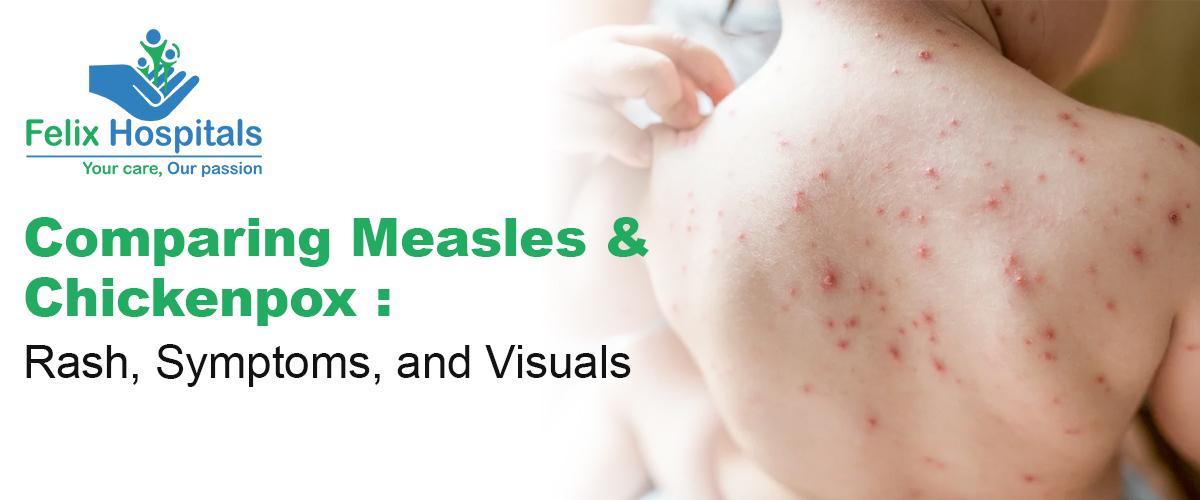
Measles and chickenpox are two sicknesses caused by viruses. They both make you have a rash, but they are not exactly the same. They have different symptoms and ways of spreading. Knowing these differences helps you seek appropriate medical assistance.
If you're unsure whether you have measles or chickenpox, don't worry - our experienced medical team at Felix Hospital can help. By recognizing the distinct symptoms and patterns of each illness, we can provide accurate diagnosis and tailored treatment plans.
Measles is a very contagious sickness caused by a virus. It mostly affects kids but can happen to anyone. It spreads when infected people cough or sneeze. Symptoms include high fever, cough, runny nose, red eyes, and a rash on the face and body. Measles can be dangerous, especially for young kids or those with weak immune systems. Getting vaccinated is the best way to avoid it.
Chickenpox is a sickness that many kids get. It's caused by a virus. When someone with chickenpox coughs, sneezes, or touches, others can get it too. Symptoms include an itchy rash, fever, headache, and feeling tired. It's important to get a vaccine to stop it from happening.
Measles and chickenpox are both viral infections that can make you sick, but they're caused by different viruses. Measles is caused by the measles virus, which is highly contagious and spreads through the air when an infected person coughs or sneezes. Chickenpox, on the other hand, is caused by the varicella-zoster virus, which is also contagious and spreads through respiratory droplets or by coming into contact with the fluid from chickenpox blisters.
One big difference between the two is how their rashes appear. In measles, the rash usually starts as flat red spots on the face and then spreads down to the rest of the body. The rash may also appear inside the mouth. In contrast, the chickenpox rash typically starts on the trunk (the body's middle part), then spreads to other areas, including the face, scalp, and limbs. The chickenpox rash begins as small, red spots that quickly develop into itchy, fluid-filled blisters.
Apart from the rash, the symptoms of measles and chickenpox can also differ. Measles symptoms often include a high fever, cough, runny nose, and red, watery eyes, along with the rash. Chickenpox symptoms may include fever, headache, tiredness, and loss of appetite, in addition to the rash.
The incubation period is the time between when someone gets infected with the virus and when they start showing symptoms.
For chickenpox, the incubation period is usually about 10 to 21 days. This means that after someone is exposed to the virus, it can take anywhere from 10 to 21 days before they start feeling sick. During this time, they might not even know they're infected because they won't have any symptoms yet.
Whereas, Measles has a slightly shorter incubation period, typically around 7 to 14 days. So if someone gets exposed to the measles virus, it can take about a week to two weeks before they start feeling unwell.
During the incubation period, even though someone might not feel sick, they can still spread the virus to other people. That's why it's important to be careful around someone who might have been exposed to these diseases, even if they seem healthy.
Measles and chickenpox have some similar symptoms, like fever and rash, but there are differences too. Here are some of the symptoms of measles and chickenpox listed underneath:
Measles and chickenpox are viral infections caused by different viruses.
Both diseases underscore the critical need for vaccination to safeguard our health, especially among vulnerable populations like children, who are often treated at child hospital in Noida.
Both measles and chickenpox show why vaccines are important. They not only stop you from getting sick but also protect you from these serious complications.
If someone thinks they have measles or chickenpox, it's important to see a doctor to get the right care.
Remember, it's important to seek medical advice if you or someone you know has measles or chickenpox to get the right care.
Vaccination is like a superhero shield against serious illnesses like chickenpox and measles. It's a special way to train your body to fight off these diseases if you ever come into contact with them. Here's why it's super important:
So, whether it's chickenpox or measles, vaccination is your superpower to stay healthy and keep those around you safe. Don't wait - talk to your doctor about getting vaccinated today!
If you or someone you know shows symptoms like fever, cough, runny nose, red eyes, and a rash spreading from the face downwards, or develops a fever, headache, tiredness, and an itchy rash with blisters, it's crucial to see a doctor. This is especially important for vulnerable groups like infants, pregnant women, those with weakened immune systems, or adults who may experience severe complications. Seek medical attention promptly if symptoms worsen or if there are signs of infection. If unsure about exposure to measles or chickenpox, consulting a healthcare provider is advisable for proper guidance on preventive measures.
In conclusion, while both measles and chickenpox are contagious viral infections, they present distinct sets of symptoms. Measles typically manifests with high fever, cough, runny nose, red eyes, and a rash starting on the face. On the other hand, chickenpox commonly includes symptoms such as fever, headache, tiredness, and an itchy rash starting on the body. Understanding these differences is crucial for prompt diagnosis and appropriate management. Vaccination remains the most effective preventive measure against both diseases, significantly reducing the risk of transmission and potential complications.
Q1: Can you catch measles or chickenpox even if you've had the vaccine?
ANS: Getting vaccinated lowers the chances of getting measles or chickenpox, but sometimes people can still get them, especially if the vaccine didn't fully protect them.
Q2:How long does it take to get better from measles or chickenpox?
ANS: It usually takes about a week or two to feel better from both measles and chickenpox if you rest and take care of yourself.
Q3: When can you spread measles or chickenpox to others?
ANS: With measles, you can spread it a few days before the rash shows up until several days after. For chickenpox, it's from a day or two before the rash until all the blisters have scabbed over.
Q4:Can adults get chickenpox if they never had it as a kid?
ANS: Yes, adults who never had chickenpox or got the vaccine can still catch it, and it's often worse for them than for kids.
Q5: Can you catch measles or chickenpox more than once?
ANS: It's uncommon because having them usually gives lifelong immunity, but sometimes people can get them again, though it's rare.
चिकन पॉक्स या माता एक संक्रामक वायरल बीमारी है। यह आमतौर पर खाज, बुखार और थकान के लक्षणों के साथ होती है। समय पर पहचान और सही उपचार से इसे नियंत्रित किया जा सकता है
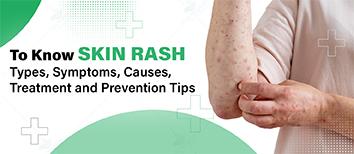
Understanding the types of skin rashes, their symptoms, causes, and treatment options is essential for anyone experiencing skin issues.
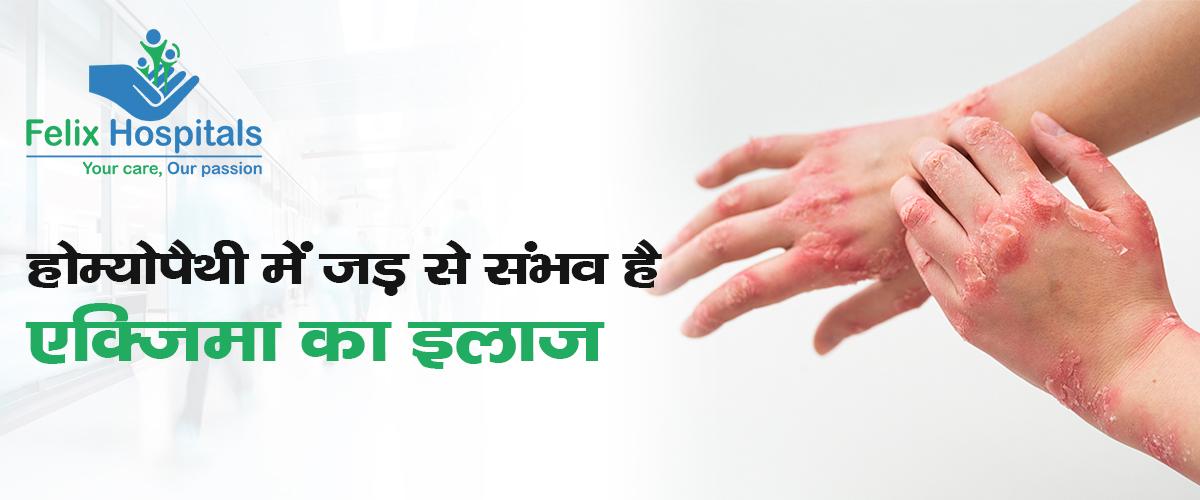
एक्जिमा एक त्वचा रोग है। यह बच्चों के साथ बड़ों दोनों को होता है। एक्जिमा को एटोपिक एक्जिमा के अलावा एटोपिक डर्मेटाइटिस एवं एलर्जिक एक्जिमा भी कहते हैं। अगर किसी को एक्जिमा होता है तो व्यक्ति की त्वचा नमी बरकरार नहीं रहती है। इससे व्यक्ति को जलन के साथ खुजली होती है।
अगर आप एक्जिमा के लक्षणों से काफी परेशान है तो बिना परेशान हुए फेलिक्स अस्पताल से संपर्क करें। जिससे आपको और परेशानी न हो। फेलिक्स अस्पताल में इलाज किफायती दाम पर किया जाता हैं। हम एक्जिमा पर आपके किसी भी सवाल का जवाब देने में सक्ष्म है। एक्जिमा की बीमारी ने अगर आपको परेशान कर रखा हैं तो इसके इलाज के लिए नोएडा में बेस्ट होम्योपैथिक डॉक्टर (Best homeopathic doctors in Noida) का करें चयन।
एक्जिमा एक ऐसी स्किन स्थिति है। जिस कारण त्वचा रूखी, उभरी और इंफ्लेम्ड होती है। त्वचा में खुजली और रेडनेस ज्यादा होती है। इस स्थिति को एटोपिक डर्मेटाइटिस (Atopic Dermatitis) कहते हैं। इस कारण स्किन बैरियर डैमेज होता है। अगर एक बार यह हो जाए तो लंबे समय तक रहता है। मगर यह एक व्यक्ति से दूसरे व्यक्ति को नहीं फैलता है।
इसे समय रहते लक्षणों के आधार एलोपैथिक (Allopathic) के अलावा होम्योपैथी में भी सही किया जा सकता है। कई ऐसे कारण है जिस वजह से यह कंडीशन उभरती है। जिनमें से एक सर्दी का मौसम है। तापमान घटने की वजह से एक्जिमा ज्यादा बढ़ता है। इसलिए इस कंडीशन से लोगों को त्वचा का खास ख्याल रखने को बोला जाता है।
एलोपैथिक में स्टेरॉयड से एक्जिमा की बीमारी से निजात तो पाया जा सकता हैं। मगर हो सकता है जितने दिन तक यह दवाई चलेगी उतनी देर तक ही फायदा हो। वहीं होम्योपैथिक दवाओं से एक्जिमा का इलाज (Treatment of eczema) होता हैं, तो इसका हमारे शरीर पर कोई नुकसान नहीं होता है। लगातार तीन माह तक होम्योपैथिक की दवाई लेने से इस बीमारी के खत्म होने की उम्मीद ज्यादा होती हैं।
एक्जिमा में आर्सेनिकम एल्बम की दवा से सूजे हुए और पीले सतह से राहत मिलती है। साथ में रूखी और परतदार चमड़ी से भी सुरक्षा होती है। एक्जिमा में कैल्केरिया कार्बोनिका विशेष रूप से सर्दियों के मौसम में लोगों को एक्जिमा के रोग से राहत में फायदेमंद साबित होती है। ग्रैफाइटिस की दवा उन्हें दी जाती है जिनकी पलकें लाल व सूजी होती हैं। ऐसे में उन्हें जल्दी आराम मिलता है। मेजेरियम दवा ज्यादा देर खुजली होने पर देते हैं। एक्जिमा के कारण त्वचा में सूजन और जलन होती है।
आमतौर पर शरीर के अदंर प्रतिरक्षा परिवर्तन के कारण यह बीमारी होती है। एक्जिमा ठीक हो सकता है लेकिन लगातार इम्यूनोलॉजिकल गड़बड़ी होम्योपैथी उपचार (eczema treatment in homeopathy) जैसी आंतरिक दवाओं द्वारा सही होता है। सभी होम्योपैथी को सुरक्षित और प्रभावी उपचार के तरीके के लिए जानते हैं। लाली, सूजन और खुजली वाली त्वचा की उपस्थिति में एक्जिमा पीड़ित मरीजों में मनोवैज्ञानिक और भावनात्मक तनाव को ट्रिगर करती है। जो एक गंभीर असुविधा का प्रमुख कारण बन सकती है।
होम्योपैथी में एक्जिमा को उपचार शुरुआती लक्षणों के आकलन के साथ होता है।
होम्योपैथी में प्रतिरक्षा प्रणाली की गड़बड़ी का इलाज किया जाता है। इससे बीमारी की जड़ से इलाज होता है।
ज्यादातर मामले में इसका प्रभाव लंबे समय तक चलता है दोबारा बीमारी होने की संभावना कम होती है।
अत्यधिक खुजली होने पर सल्फर जो एक प्राकृतिक होम्योपैथिक दवा है। इसे एक्जिमा के लिए सबसे प्रभावी उपचार में मानते है।
यह जलने की स्थित कम करती है। अत्यधिक खुजली से तत्काल सहायता करती है। यह एक्जिमा के मामले में भी फायदेमंद है।
ग्रेफाइट एक प्रभावी होम्योपैथिक दवा है, जो एक्जिमा का इलाज (eczema in homeopathy treatment) करती है।
यह आमतौर पर कान, खोपड़ी, उंगलियों या पैर की अंगुली के बीच होने वाले एक्जिमा को कम करती है।
घुटनों के जोड़ों और कोहनी में सूखा एक्जिमा होने पर सेपिया ऑफिसिनैलिस राहत प्रदान करती है।
लाइकोपोडियम क्लावैटम (Lycopodium clavatum) ज्यादा खुजली और रक्तस्राव से निजात के लिए फायदेमंद है।
ग्रैफाइटिस दवा का उपयोग इसलिए होता है जहां त्वचा अस्वस्थ दिखती है। चोट पर सूजन आने के साथ चिपचिपा और पानी निलकता है। कई बार त्वचा लगातार शुष्कता के साथ खुरदरी और कठोर होती जाती है। पैरों में सूजन के साथ जलन, चुभन महसूस होती है। तब उपरोक्त दवा का सेवन करने की सलाह डॉक्टर देते हैं।
मेजेरियम दवा का उपयोग दाने के साथ मोटी पपड़ी बनने से रोकने के लिए होता है।
कई बार व्यक्ति को बीमारी में ठंड के साथ ज्यादा खुजली महसूस होती है। इससे हड्डी भी प्रभावित होती है। उनमें सूजन आती है।
हेपर सल्फ दवा भी बीमारी के उपचार में उपयोगी साबित होती है। यह रक्तस्राव को कम करने में मदद करती है। घाव से गंध कम करती है।
डल्कामारा दवा भी पपड़ी के साथ घाव को भरने में मदद करती है। बरसात में जब खुजली बढ़ जाती है। (eczema in homeopathy treatment) हल्का सा खुजलाने पर खून निकलता है, तो दवा काम आती है।
सल्फर भी शुष्क त्वचा, पपड़ीदार कम करती है। त्वचा में खुजली और जलन जो खुजलाने से बढ़ती है। उसे कम करती है।
एक्जिमा के इलाज के लिए उपचार (eczema in homeopathy treatment) की सही खुराक और अवधि के लिए एक योग्य होम्योपैथिक चिकित्सक से परामर्श करना महत्वपूर्ण है। फेलिक्स अस्पताल एक्जिमा के लिए व्यापक देखभाल प्रदान करता है। अपॉइंटमेंट शेड्यूल करने या हमारी सेवाओं के बारे में अधिक जानने के लिए हमें कॉल करें। +91 9667064100 ।
अत्याधिक खुजली
छोटी-छोटी फुंसिया का उभरना
त्वचा पर बहुत ज्यादा जलन होना
चिड़चिड़ापन के साथ अवसाद होना
खुजलाने वाली जगह पर सफेद छल्ला बनना
ज्यादा देर तक खुजलाने से त्वचा पर लाल चकत्ते होना
शिशु के सिर की त्वचा में रूखापन, खुजली, ड्राई स्कैल्प की समस्या अधिक होती है।
त्वचा में पानी वाले बुलबुले और फोड़े फुंसी की समस्या ज्यादा दिखती है।
बच्चों को सही से सो नहीं पाने की शिकायत ज्यादा होती है।
इसके अलावा बच्चों को चिड़चिड़ापन और स्किन इंफेक्शन ज्यादा होता है।
घुटने और कोहनियों के पास की त्वचा में रैशेज और खुजली ज्यादा होती है।
पैर और हिप्स के पास की सिकुड़न वाली त्वचा में रैशेज अधिक होते हैं।
कलाई और गर्दन में रैशेज और ड्राई पैच बहुत ज्यादा होते हैं।
आंखों के आसपास की त्वचा ड्राई, सख्त, काली हो जाती है।
एक्जिमा वाले हिस्से की त्वचा में खुजली महसूस अधिक होती है।
आंख के पास की स्किन चेहरे की त्वचा की तुलना में अधिक मोटी और काली दिखने लगती है।
नवजात शिशुओं (Newborns) को शुरुआत के चार महीने तक अगर ब्रेस्टफीडिंग कराई जाए तो उनमें एक्जिमा की संभालना कम होती है।
एक्जिमा के डायग्नोसिस के लिए डॉक्टरों द्वारा जांच कराई जाती है। अगर त्वचा पर रैशेज गंभीर हैं और त्वचा रूखी तो पैच टेस्ट और एलर्जी स्किन टेस्ट (Patch test or allergy skin test), स्किन बायोप्सी (Skin biopsy), ब्लड टेस्ट (Blood Test) कराना चाहिए।
दर्द और खुजली से राहत दिलाने के लिए त्वचा को मॉइस्चराइज किया जाना चाहिए। जिससे उसका रूखापन नहीं बढ़ पाए।
एक्जिमा के लक्षणों को बढ़ने से रोकने कि लिए जरूरी प्रयास करना चाहिए। स्किन इंफेक्शन से बचाव करना चाहिए।
त्वचा की ऊपरी परत को मोटा बनने से रोकना चाहिए।
प्रतिदिन हल्के गुनगुने पानी से दस मिनट का स्नान करना चाहिए।
इस कारण स्किन को हाइड्रेटेड रखने में मदद मिलती है।
नहाने के बाद दस मिनट में ही त्वचा पर मॉश्चराइजर जरूर लगाना चाहिए। इस कारण त्वचा की नमी बरकरार रहने के अलावा स्किन ड्राई नहीं होती है।
त्वचा पर कोई भी क्रीम या लोशन लगाने से पहले इस बात का ख्याल रखे कि कि वह स्किन को सूट करता हो अन्यथा परेशानी बढ़ सकती है।
कुछ स्प्रे, लोशन, स्किन केयर प्रोडक्ट्स स्किन की इरिटेशन बढ़ाते है। ऐसे उत्पादों के इस्तेमाल से बचना चाहिए।
अनुवांशिक, वातवरण और पर्यावरणीय परिवर्तन के कारण बीमारी अधिक होती है।
अगर घर में माता और पिता या माता और पिता में से किसी एक को एक्जिमा है। तो यहां बच्चा भी प्रभावित होता है।
स्टेफिलोकोकस ऑरियस (Staphylococcus aureus) नामक बैक्टीरिया के कारण भी एक्जिमा होता है।
डैंड्रफ, पराग कण, घरेलू जानवरों के संपर्क में आने के अलावा धूल-मिट्टी के संपर्क में आने के कारण भी बीमारी होती है।
ठंडे, गर्म, नमीयुक्त और आर्द्रतायुक्त वातावरण के संपर्क में रहने से।
सोया उत्पाद, गेहूंं, नट्स, अंडे, मछली, सीसम के बीज का अधिक सेवन से बीमारी होती है।
ज्यादा देर तक कॉपर जैसी धातुओं के आभूषणों को पहनना।
तनाव भी एक्जिमा के लक्षण को बढ़ाता है।
नकली साबुन या डिटर्जंट के उपयोग के कारण होता है।
महिलाओं में हार्मोनल उतार और चढ़ाव के कारण भी बीमारी होती है।
मासिक धर्म और गर्भावस्था के दौरान (during pregnancy) एक्जिमा अधिक होता है
एटॉपिक डर्मेटाइटिस (Atopic dermatitis) :
यह एक्जिमा अक्सर बच्चों में देखा जाता है। व्यस्क होने पर एक्जिमा कम होता चला जाता है।
डिशिड्रोटिक एक्जिमा (Dyshidrotic eczema) :
इस एक्जिमा में हाथ के अलावा पैर में छोटे फफोले बनते हैं। अधिकतर यह महिलाओं में ज्यादा होता है।
न्यूरोडर्मेटाइटिस (Neurodermatitis) :
यह एक्जिमा एटॉपिक डर्मेटाइटिस (atopic dermatitis) के समान होता है। इस एक्जिमा में त्वचा पर उभरे हुए प्लेकयुक्त चकत्ता बनता हैं। इससे काफी जलन होती है।
न्यूमुलर एक्जिमा (Nummular eczema) :
इस एक्जिमा में त्वचा पर सिक्के के आकार के चकत्ता बनता हैं। एक्जिमा होने पर व्यक्ति को खुजली अधिक होती है।
कॉन्टेक्ट डर्मेटाइटिस (Contact dermatitis) :
यह एक्जिमा में किसी विशेष वस्तु को छूने से होता है। इस रोग में त्वचा पर खुजली होती है। वह लाल हो जाते हैं।
ज्यादा पसीने के अलावा अधिक गर्मी एक्जिमा के प्रकोप को बढ़ाती है। इसलिए गर्मी से बचना चाहिए और अपने घर को हमेशा ठंडा रखना चाहिए।
अत्यधिक तनाव से एक्जिमा का प्रकोप बढ़ जाता है। इसलिए तनाव से बचने के लिए व्यायाम के अलावा योग और मेडिटेशन करना चाहिए।
बीमारी होने पर त्वचा को खरोंचना नहीं चाहिए। खुजली वाली जगह को अगर दिकक्त है तो धीरे से मलना चाहिए।
हमेशा ही आरामदायक कपड़े पहनें। सूती कपड़े पहनने से गर्मी में अच्छी तरह से सांस लेने में आसानी होती है।
एलर्जी के संपर्क में नहीं आना चाहिए।
हमेशा गर्म पानी की बजाय गुनगुने पानी से नहाना चाहिए।
हमेशा नहाने को माइल्ड साबुन का उपयोग करना चाहिए। नहाते वक्त त्वचा को रगड़ने की बजाय थपथपाना चाहिए।
प्रतिदिन कम से कम आठ गिलास से अधिक पानी पीना चाहिए। इससे त्वचा में नमी बनी रहती है।
हमेशा ही माइल्ड मॉइश्चराइजर का इस्तेमाल करना चाहिए।
कई लोगों में आयु बढ़ने के साथ एक्जिमा के लक्षण कम होते जाते हैं। मगर कई लोगों को जिंदगी भर इन लक्षणों के साथ जीवन व्यतीत करना पड़ता है। वयस्क के लिए उपचार के कई तरीकें से एक्जिमा के लक्षणों का आसानी से निदान किया जाता सकता है। लेकिन लक्षण के हमेशा बढ़ने का खतरा बना रहेगा। एक्जिमा गंभीर होने पर इसका असर आंखों पर पड़ने लगता है। इस कारण मोतियाबिंद (cataracts) और पलकों के ऊपर की त्वचा का ज्यादा ड्राई होती जाती है। हर्पीज और मस्से जैसे स्किन इन्फेक्शन्स होते है। इसलिए लोगों से मेलजोल बढ़ाने में परेशानी होती है। कई बार ऐसे लोगों, दूसरे लोगों से हाथ मिलाने, गले लगाने के अलावा किसी को छूने से बचते हैं। देखने में आता है कि सामने वाला व्यक्ति से भी इस तरह किसी प्रकार का स्पर्श नहीं चाहता है। इसलिए लक्षण दिखने पर इसका समय पर इलाज कराना चाहिए।
अपॉइंटमेंट शेड्यूल करने या हमारी सेवाओं के बारे में अधिक जानने के लिए हमें कॉल करें। +91 9667064100 ।
Dr. Rajni Katyal is an experienced Homeopathy Specialist with 35+ years of expertise in treating acute and chronic conditions, including allergies, migraine, skin disorders, thyroid issues, joint pain, and digestive ailments through personalized holistic care.
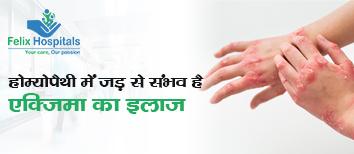
होम्योपैथी एक्जिमा का इलाज जड़ से करने में मदद करती है। यह शरीर की प्राकृतिक हीलिंग क्षमता को बढ़ाकर लंबे समय तक आराम और रिलीफ प्रदान करती है।

Contraception stands as a cornerstone of modern reproductive healthcare, offering individuals and couples the means to control their fertility and plan their families according to their own desires and circumstances.
These methods come in various forms, ranging from hormonal options like birth control pills to barrier methods such as condoms and intrauterine devices (IUDs).
Take Charge of Your Reproductive Health with Contraceptives. call now : +91 9667064100
In India, female sterilization predominates as the primary contraceptive method, especially in rural settings. Male sterilization, oral contraceptives, condoms, injectables, and intrauterine devices (IUDs) are also prevalent, with usage influenced by regional and socio-economic factors. Access to and acceptance of these methods vary, reflecting diverse cultural attitudes and levels of healthcare infrastructure across the country.
With the multitude of different methods of baby planning available, here are some commonly utilized approaches to contraception, Ranging from temporary contraceptive methods to permanent contraceptive methods.
Barrier methods create a physical barrier to prevent sperm from reaching the egg. They are easily accessible and offer protection against sexually transmitted infections (STIs).
Condoms: Condoms are one of the most widely used contraceptive methods. They create a physical barrier, preventing sperm from reaching the egg. They also offer protection against sexually transmitted infections (STIs), making them a dual-purpose method.
Diaphragms and Cervical Caps: These dome-shaped devices are inserted into the vagina to cover the cervix, blocking sperm from entering the uterus. They are less commonly used than condoms but can be effective when used correctly.
Hormonal methods use synthetic hormones to prevent ovulation, thicken cervical mucus, and/or thin the uterine lining to inhibit pregnancy.
Birth Control Pills: Oral contraceptives contain synthetic hormones that prevent ovulation, thicken cervical mucus to inhibit sperm movement, and thin the uterine lining. They are highly effective when taken consistently but require daily adherence.
Birth Control Patch: This thin, adhesive patch releases hormones similar to those in birth control pills. It's applied once a week for three weeks, followed by one week without a patch.
Birth Control Shot: The contraceptive injection contains a progestin hormone that prevents ovulation and thickens cervical mucus. It's administered every three months and offers long-lasting contraception.
Birth Control Implant: A small, flexible rod inserted under the skin of the upper arm releases progestin to prevent ovulation and thicken cervical mucus. It provides up to three years of contraception and is highly effective.
LARC methods offer long-term contraception with minimal user intervention.
Intrauterine Devices (IUDs): IUDs are T-shaped devices inserted into the uterus by a healthcare provider. They can be hormonal or non-hormonal and offer several years of contraceptive protection.
Birth Control Implant: As mentioned earlier, the birth control implant is a LARC method that provides long-term contraception with minimal user intervention.
Permanent methods involve surgical procedures to permanently prevent pregnancy.
Tubal Ligation: Also known as "getting your tubes tied," tubal ligation is a surgical procedure that permanently blocks or removes the fallopian tubes, preventing eggs from reaching the uterus.
Vasectomy: This surgical procedure for male sterilization involves cutting or sealing the vas deferens to prevent sperm from being ejaculated.
Natural contraceptive methods involve tracking menstrual cycles and observing fertility signs to determine fertile days and avoid unprotected intercourse.
Fertility Awareness Methods: These involve tracking menstrual cycles, monitoring basal body temperature, and observing changes in cervical mucus to identify fertile days and avoid unprotected intercourse.
Withdrawal (Pull-out Method): This method involves withdrawing the penis from the vagina before ejaculation to prevent sperm from entering the uterus. However, it's one of the least effective contraceptive methods and doesn't protect against STIs.
Contraceptives are essential tools for family planning, offering individuals and couples the ability to control their reproductive choices. Their effectiveness and reliability vary depending on the method used, ranging from hormonal pills to long-acting devices like IUDs. While contraceptives can greatly reduce the risk of unintended pregnancies when used correctly, factors such as user error and medical conditions can influence their reliability. Therefore, it's crucial for individuals to have access to accurate information and support to make informed decisions about their contraceptive choices.
Different methods of family planning including natural family planning methods have different benefits. Some of them are listed below.
Preventing Unintended Pregnancies: Family planning methods help individuals and couples avoid pregnancies when they're not ready, allowing them to plan and space pregnancies according to their preferences.
Empowerment of Women: Access to family planning gives women control over their reproductive health, enabling them to pursue education, employment, and other opportunities, leading to greater gender equality and socioeconomic development.
Healthier Outcomes: Family planning contributes to better maternal and child health by allowing women to delay pregnancies until they're physically and emotionally ready, reducing the risk of complications.
Economic Stability: By enabling families to plan the size of their families, family planning promotes education, economic stability, and better resource allocation, leading to improved living standards.
Reduced Abortion Rates: Effective natural family planning methods help reduce the need for abortion by preventing unintended pregnancies, promoting safe and legal reproductive healthcare practices.
Environmental Sustainability: Family planning contributes to environmental sustainability by stabilizing population growth, reducing strain on natural resources, and promoting a more sustainable use of resources for future generations.
Every contraceptive method may have associated side effects that vary from person to person.
Common side effects include nausea, headaches, changes in menstrual bleeding patterns, and breast tenderness.
Some methods, such as hormonal contraceptives, may also cause mood swings, weight changes, or decreased libido in some individuals.
Certain contraceptives may pose health risks, particularly for individuals with specific medical conditions.
For example, hormonal contraceptives may increase the risk of blood clots, particularly in individuals with a history of clotting disorders or smoking.
Intrauterine devices (IUDs) carry a risk of pelvic infection, particularly in the weeks following insertion.
Some contraceptive methods may have long-term implications for fertility or reproductive health.
For instance, certain hormonal contraceptives may take time to fully restore fertility after discontinuation.
In rare cases, tubal ligation or vasectomy, permanent contraceptive methods, may lead to regret or desire for reversal in the future.
Allergic reactions to contraceptive methods are rare but possible.
Individuals with known allergies to specific ingredients in contraceptives, such as latex or certain metals used in contraceptive devices, should consult healthcare providers for alternative options.
Some contraceptives may interact with other medications, potentially reducing their effectiveness or causing adverse reactions.
It's essential to inform healthcare providers about all medications and supplements being taken to ensure safe and appropriate contraceptive use
While rare, certain contraceptive methods, such as tubal ligation or IUDs, may slightly increase the risk of ectopic pregnancy.
Ectopic pregnancy occurs when a fertilized egg implants outside the uterus, typically in the fallopian tubes, and can be a medical emergency if not detected and treated promptly.
Changes in mood or emotional well-being may occur with some contraceptive methods, particularly those containing hormones.
Individuals experiencing significant psychological side effects should discuss alternative options with healthcare providers.
When it comes to family planning methods, choosing the right contraceptive method is a decision influenced by various factors. Below are some key factors to consider when selecting a contraceptive method that suits your circumstances and preferences.
Personal Preferences and Lifestyle: Consider sexual activity frequency, hormone-free preferences, and comfort with long-term contraceptive methods.
Medical History and Health Conditions: Account for existing health conditions or medications that may interact with contraceptives, consulting a healthcare provider for guidance.
Effectiveness: Assess contraceptive success rates and weigh pros and cons for preventing unintended pregnancies.
Cost and Accessibility: Evaluate affordability, availability, insurance coverage, and accessibility of contraceptive options.
Potential Side Effects: Understand side effects and long-term implications, assessing acceptable risk levels.
Future Fertility Plans: Consider alignment of chosen contraceptive method with long-term reproductive goals.
Partner Involvement: Discuss contraceptive options with partners, considering their preferences and concerns.
Cultural and Religious Beliefs: Account for cultural and religious beliefs influencing contraceptive choices.
Ease of Use: Evaluate ease of use and convenience, including administration frequency and maintenance requirements.
Backup Plan: Have a contingency plan for contraceptive failure or ineffectiveness, ready to adjust choices as needed.
In a world where contraception is crucial for reproductive health, misconceptions often overshadow the facts. Let's debunk some common myths:
1. Myth: Contraception leads to infertility.
Fact: Most methods don't affect fertility long-term.
2. Myth: Contraception is 100% effective.
Fact: No method is foolproof, though efficacy rates vary.
3. Myth: Contraception is solely a woman's responsibility.
Fact: Men have contraceptive options too.
4. Myth: Contraception causes weight gain.
Fact: Research suggests it's not a direct cause.
5. Myth: Contraception protects against STIs.
Fact: Most methods only prevent pregnancy.
6. Myth: Contraception isn't safe for adolescents.
Fact: It's generally safe and vital for preventing unintended pregnancies.
Dispelling these myths promotes informed choices, better reproductive health, and empowered lives. Consulting a healthcare provider, such as a gynecologist at a best hospital, can provide accurate information and support for making decisions about contraception.
Sexual health education, which includes information about contraception, is essential for empowering individuals to make informed decisions about their reproductive health. It equips them with knowledge about different contraception methods, their effectiveness, and how to use them correctly. This education fosters open communication, encourages responsible sexual behaviour, and reduces the risk of unintended pregnancies and sexually transmitted infections. Overall, incorporating contraception education into sexual health curricula is crucial for promoting healthier outcomes and relationships.
Protect Your Present, Secure Your Future with Contraceptives. ask a free question : +91 9667064100
Contraceptive methods differ in effectiveness and risks. Barrier methods such as condoms offer protection against STIs, while hormonal options regulate cycles but may have side effects. Intrauterine devices (IUDs) are highly effective but carry minimal risks. Sterilization is permanent, while fertility awareness requires careful tracking. Withdrawal is not very reliable, and emergency contraception can prevent pregnancy after unprotected sex. Consulting a healthcare provider is crucial for selecting the right method and accessing contraception services.
At Felix Hospital, our dedicated team provides personalized contraceptive counselling and a wide range of services to empower you in making informed decisions about your reproductive health. From education to support, we're committed to guiding you through every step, ensuring your well-being and satisfaction are our top priorities.
ANS - Natural contraceptive methods include fertility awareness methods such as tracking menstrual cycles, monitoring basal body temperature, and checking cervical mucus consistency.
ANS - Temporary contraceptive methods include barrier methods like condoms and diaphragms, hormonal methods like birth control pills and patches, as well as intrauterine devices (IUDs) and contraceptive injections.
ANS - Permanent contraceptive methods include sterilization procedures such as tubal ligation for women and vasectomy for men.
ANS - Contraceptive pills are generally safe and effective for preventing pregnancy. However, after discontinuing their use, fertility typically returns to normal within a few menstrual cycles.
ANS - The morality of contraceptive use varies depending on individual beliefs and cultural norms. Many people view contraceptives as a responsible way to plan and space pregnancies, promote reproductive autonomy, and improve overall well-being.
ANS - Emergency contraceptive pills, also known as the morning-after pill, are available at pharmacies, family planning clinics, and sometimes even without a prescription from healthcare providers.
ANS - Saheli is a non-hormonal contraceptive pill that is well-accepted due to its effectiveness, minimal side effects, and non-interference with natural hormonal processes. It provides a reliable option for contraception without the hormonal fluctuations associated with traditional birth control pills.
ANS - Today contraceptives are generally considered safe when used as directed. However, like any medication, it may have potential side effects or risks. It's essential to consult with a healthcare provider to determine if Today contraceptive is suitable for individual needs and circumstances.
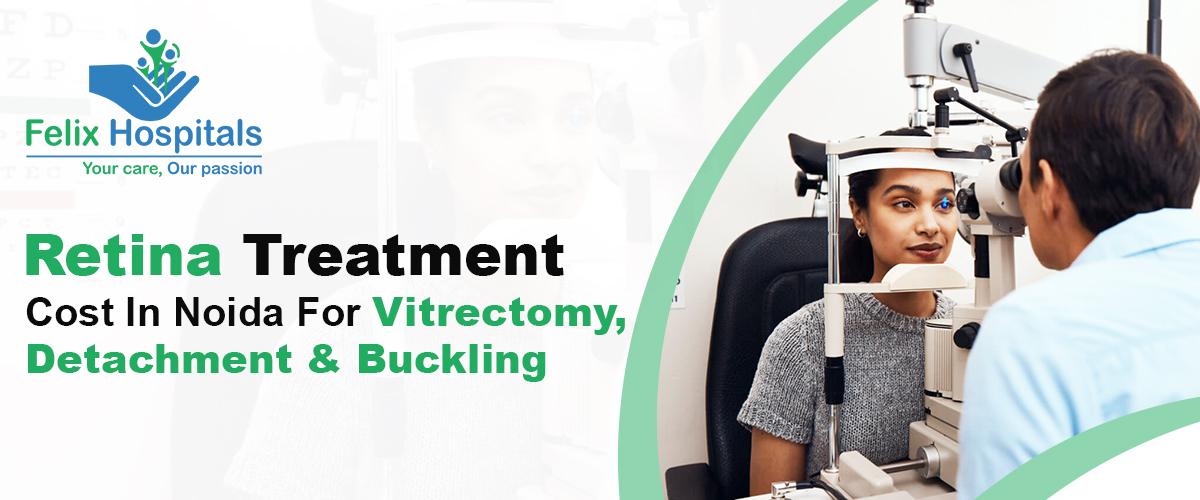
Vitrectomy is a surgery to remove vitreous humor, a gel-like substance between lens and retina. This surgery is performed to treat eye conditions affecting vitreous or retina, aiming to improve vision by removing obstructions or abnormalities in vitreous cavity.
At Felix Hospital, we specialize in performing advanced vitrectomy surgeries. As a leading vitrectomy treatment hospital in Noida, our team of highly skilled ophthalmic surgeons provides personalized care to ensure your comfort and well-being throughout the procedure. Trust in our expertise to address your vision concerns effectively.
Book an Appointment now at +91 9667064100.
There are several types of vitrectomy procedures, including:
The symptoms that may indicate the need for a vitrectomy can vary depending on the underlying condition but may include:
If you experience any of the above symptoms , it’s advisable to seek medical help. You can reach out to Felix hospital, one of the best vitrectomy treatment hospital in Noida, to experience optimum treatment and support.
Vitrectomy is typically recommended to address several eye conditions. Some common reasons for undergoing a vitrectomy include:
Several factors can increase the risk of developing conditions that may require a vitrectomy. Some common risk factors include:
Felix hospital offers advanced facilities and skilled professionals who can help you minimize or elevate these risks associated with vitrectomy if you’re seeking cataract surgery nearby you in Noida region.
To diagnose the condition and determine if a vitrectomy is necessary, an ophthalmologist will typically perform a comprehensive eye examination, which may include:
Vitrectomy is a surgical procedure performed under local or general anesthesia. The vitrectomy surgery cost in Noida typically ranges between a few thousands. During the surgery, the ophthalmologist makes small incisions in the sclera and uses specialized instruments to remove the vitreous gel and any other obstructions or abnormalities present in the vitreous cavity.
In some cases, additional procedures may be performed during the vitrectomy, such as:
The surgery typically takes 1-2 hours, and patients are usually discharged the same day or the following day, depending on their recovery.
The Retina treatment cost for vitrectomy can vary significantly depending on factors such as the location, the surgeon's expertise, the complexity of the procedure, and the patient's insurance coverage. The average cost of vitrectomy surgery in Noida, can range from ₹40,000 to ₹80,000 or more.
The prognosis for a vitrectomy largely depends on the underlying condition being treated and the severity of the issue. In many cases, vitrectomy can significantly improve or restore vision, particularly for conditions like macular holes or epiretinal membranes. However, some conditions, such as advanced diabetic retinopathy or severe retinal detachment, may have a more guarded prognosis, even after successful surgery.
If you or your loved ones are seeking for cataract surgery nearby , look no further than Felix hospital in Noida, as it offers you the top-notch treatment facilities with compassionate care.
Vitrectomy is a highly specialized surgical procedure, following this, patients typically experience improved vision and relief from symptoms associated with conditions such as retinal detachment, diabetic retinopathy, and macular holes.
If you're grappling with vision issues, Felix Hospital, an esteemed Eye Hospital in Noida, offers a haven for expert guidance. Entrust your concerns to our skilled ophthalmologists who can carefully assess and recommend the optimal path forward tailored just for you.
Reach out to us through https://www.felixhospital.com/contact
1. Is vitrectomy a painful procedure?
No, vitrectomy is typically not a painful procedure as it is performed under local or general anesthesia. However, some discomfort or mild pain may be experienced during the recovery period.
2. How much does a vitrectomy surgery cost in Noida?
The cost of vitrectomy can vary based on various factors. However, the average cost of vitrectomy surgery in Noida, can range from ₹40,000 to ₹80,000 or more.
3. How long does it take to recover from a vitrectomy?
Recovery time can vary, but most patients can resume normal activities within 2-4 weeks after the surgery.
4. Are there any risks or complications associated with vitrectomy?
Like any surgical procedure, vitrectomy carries some risks and potential complications, such as bleeding or infection. However, these risks are generally low when surgery is performed by an experienced ophthalmologist.
5. How can I find the best vitrectomy surgery near me in Noida?
To find the best vitrectomy surgery near you in Noida, consider researching reputable hospitals and ophthalmic centers. Felix Hospital stands out as a top choice, known for its expertise in vitrectomy surgeries and personalized care.
6. Is vitrectomy suitable for all ages?
Vitrectomy can be performed on patients of all ages, including children and older adults. However, the surgical approach may vary based on the patient's age and overall health condition.
Eye flu, also known as conjunctivitis, is a common eye infection causing redness, irritation, and watering. Learn its causes, symptoms, and effective treatments.
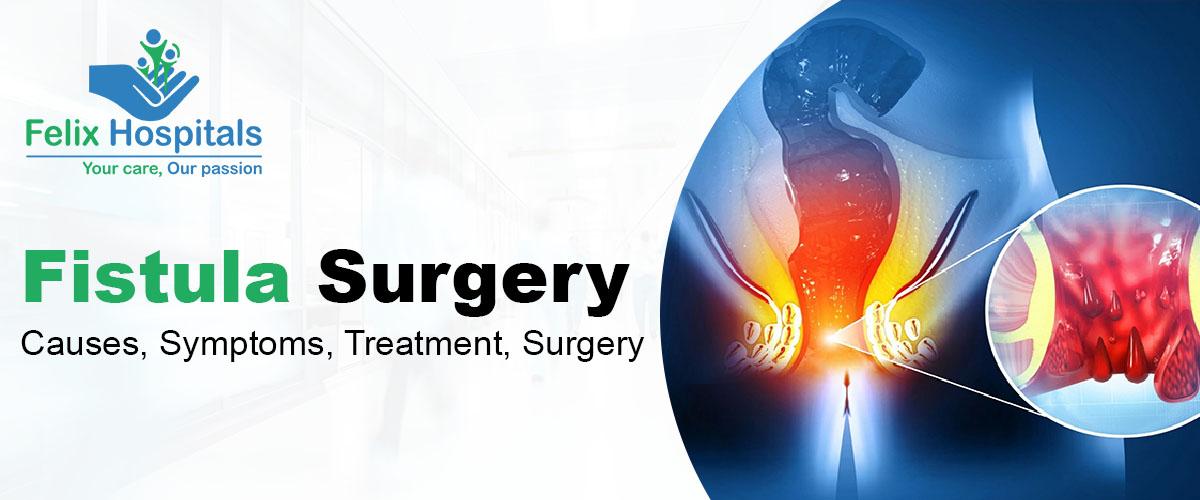
Fistulas are abnormal connections or passageways that form between two organs or vessels in the body. They can occur in various places, like between the intestines and the skin or between blood vessels. Their treatment is important because fistulas can cause serious complications, such as infection, pain, and difficulty in digestion or urination.
At Felix Hospital, we prioritize compassionate care for fistula treatment, offering advanced laser surgery in Noida for optimal patient outcomes.
Book your appointment now at +91 9667064100.
A fistula is like an abnormal tunnel that forms between two parts inside your body, like organs or blood vessels. It's not supposed to be there and can cause problems like pain or infections. So, getting it treated is important to help you feel better and stay healthy.
Fistulas themselves aren't visible from the outside because they're internal tunnels between organs or tissues. However, they can cause symptoms like swelling, redness, or drainage of pus or fluid from the skin surface where they connect. So, while you can't see the fistula itself, you might notice signs of its presence on the skin or experience other related symptoms.
When untreated fistulas can cause problems. They might lead to infections, pain, or trouble with bodily functions like digestion and urination. So, it's important to get them checked by any reputed healthcare provider like Felix Hospital in Noida, to prevent any complications.
Fistulas can be of different types depending on where they are in the body. These includes;
Anorectal Fistula:
An anorectal fistula is like a tiny tunnel that forms between the inside of the anus or rectum and the skin around the anus. It usually happens because of an abscess, which is a painful collection of pus in that area.
Arteriovenous Fistula:
An arteriovenous fistula is when an unusual link forms between an artery and a vein. People often get this through surgery, especially those needing dialysis because of kidney problems. Sometimes, it can happen without any surgery too.
Enterocutaneous Fistula:
An enterocutaneous fistula is like a pathway that connects the intestine to the skin on your body. With this condition, stuff from your intestines can come out through an opening in your skin.
Vesicovaginal and Rectovaginal Fistulas:
A vesicovaginal fistula is when there's a direct link between the bladder and the vagina, which can make you pee involuntarily.
On the other hand, a rectovaginal fistula connects the rectum to the vagina, causing stool to leak out. These problems often happen because of issues during childbirth, pelvic surgery, or radiation treatment.
Gastrointestinal Fistula:
A gastrointestinal fistula is like a bridge that forms between different parts of your digestive system. With this condition, there are abnormal connections between your stomach, small intestine, large intestine, or other organs in your belly.
Tracheoesophageal Fistula:
A tracheoesophageal fistula is like a small tunnel that joins the windpipe (trachea) to the food pipe (oesophagus). Sometimes, people are born with this condition, but it can also happen because of an injury or an illness.
The symptoms of fistulas can vary from person to person, depending on the type and location of the fistula, as well as individual health factors. However, there are some common signs that many people may experience. These symptoms may include;
Here are some common causes of fistulas explained:
If you have a fistula, you may be at risk for the following complications:
But no need to worry! With proper care and treatment, and advice from trusted healthcare providers like Felix Hospital in Noida, you can overcome these complications confidently.
Diagnosis and tests for fistula typically involve a combination of medical history review, physical examination, and imaging studies. Here's an overview:
1. Medical History Review: The doctor will ask about your symptoms, such as pain, drainage, swelling, and any previous treatments or surgeries related to the affected area.
2. Physical Examination: The doctor will perform a physical examination to assess the affected area for signs of a fistula, including swelling, redness, tenderness, and presence of drainage.
3. Imaging Studies:
4. Endoscopy: In cases of gastrointestinal or genitourinary fistulas, an endoscopy may be performed to directly visualize the internal structures and identify the fistula opening.
5. Blood Tests: Blood tests may be conducted to check for signs of infection or inflammation, such as elevated white blood cell count or C-reactive protein levels.
6. Biopsy: In some cases, a tissue biopsy may be necessary to rule out other conditions or confirm the diagnosis, especially if cancer is suspected.
If you're looking for the best laser fistula surgery hospital in Noida, consider a facility with expertise in diagnosing and treating fistulas. The specific tests you need will be based on the suspected location and cause of the fistula, as well as individual patient factors.
Treatment options for fistulas depend on several factors including the location, size, and underlying cause of the fistula. Common treatment options include:
Medications: Antibiotics can tackle infections, while drugs like immunosuppressants help with conditions like Crohn's disease, which can lead to fistulas.
Surgery: Often needed to close the fistula tract, surgery methods include cutting it open (fistulotomy), removing it (fistulectomy), or placing a seton to aid healing.
Biological Therapy: Drugs like infliximab or adalimumab may treat conditions like Crohn's, which can cause fistulas.
Laser Treatment: Sometimes used to close fistulas, especially in cases linked to conditions like Crohn's.
Stem Cell Therapy: Investigated for healing fistulas, particularly in conditions like Crohn's.
Choosing the right treatment depends on factors like how severe the fistula is and the patient's other health issues. Patients should collaborate closely with their healthcare providers to find the best plan for their situation. For those seeking the best laser fistula surgery hospital in Noida, Felix Hospital is a reputable option to consider.
The cost of fistula surgery treatment in Noida can vary depending on factors such as the hospital, surgeon's fees, anaesthesia charges, and post-operative care. On average, Laser fistula treatment Cost in Noida could range from INR 55,000 to INR 90,000 or more. It's advisable to consult with a healthcare provider or hospital directly for precise pricing information and to inquire about any potential financial assistance or insurance coverage.
The factors affecting the cost of fistula surgery may vary in different locations. However here are some of the factors that can affect the cost of fistula surgery treatment in Noida:
Hospital Reputation and Facilities: A renowned hospital with advanced facilities tends to charge higher fees due to the quality of care and amenities provided to patients.
Surgeon's Expertise and Experience: Surgeons with extensive experience and a successful track record may command higher fees for their specialized skills and proficiency in handling complex cases.
Type and Severity of Fistula: The severity of the fistula condition significantly impact the complexity of the surgical procedure, thereby influencing the cost.
Diagnostic Tests and Preoperative Evaluation: Comprehensive diagnostic tests and thorough preoperative evaluations are necessary to assess the patient's condition accurately, potentially increasing the overall cost of treatment.
Anaesthesia Charges: The type of anaesthesia administered and its duration during the surgery contribute to anaesthesia charges, which can vary based on patient requirements and preferences.
Postoperative Care: The provision of postoperative care, including medications, follow-up appointments, and any additional support needed during the recovery period, adds to the total cost of treatment.
Insurance Coverage: The extent of insurance coverage varies depending on the policy and provider, with some plans covering a portion of the medical expenses, thereby reducing the out-of-pocket costs for patients.
Location: Hospitals situated in bustling urban areas or regions with higher living costs often have higher overhead expenses, which may be reflected in the pricing of medical services.
If you're experiencing any of the following symptoms, it's crucial to consider consulting a doctor, especially if they persist or worsen over time. These signs may indicate the presence of a fistula that requires medical attention to prevent complications and ensure proper treatment.
In summary, fistula surgery serves as a ray of hope for individuals facing the difficulties associated with this condition. Thanks to expert surgical care, people can regain their quality of life, released from the physical and emotional hardships caused by fistulas. With ongoing advancements in medical technology and the dedication of compassionate healthcare providers, the path to healing and recovery unfolds, bringing renewed hope for a brighter and healthier tomorrow.
Felix Hospital, the premier Laser Fistula Surgery Hospital in Noida, delivers unparalleled treatment, blending expertise, technology, and compassionate care for optimal patient outcomes. Book your appointment now at +919667064100.
Connect with our experts through https://www.felixhospital.com/contact
1. What is fistula surgery?
Fistula surgery involves repairing abnormal connections between organs or tissues, commonly occurring in the rectum, anus, or vagina.
2. How long does fistula surgery take?
The duration of fistula surgery varies depending on the complexity of the fistula. It can range from 30 minutes to several hours.
3. Is fistula surgery painful?
While discomfort is common after surgery, pain is usually managed with medications. Most patients report improved comfort as they heal.
4. How much does laser fistula treatment cost in Noida?
The laser fistula treatment cost in Noida can vary depending on factors such as the hospital, surgeon's fees, anaesthesia, and any additional medical services required. It's best to contact hospitals directly for accurate pricing information.
5. How long is the recovery period after fistula surgery?
Recovery time varies but typically ranges from a few weeks to a couple of months. It depends on factors such as the type of surgery performed and individual healing capacity.
6. How can I find the best treatment for fistula surgery near me in Noida?
For the best fistula surgery treatment in Noida, consider Felix Hospital. Research their expertise, seek recommendations, evaluate facilities, and consult specialists for personalized care and successful outcomes.
7. What dietary restrictions should be followed after fistula surgery?
Patients are usually advised to follow a soft diet initially, gradually transitioning to a regular diet as tolerated. Adequate hydration is also important for healing.
8. Will I need to follow up with the surgeon after fistula surgery?
Yes, regular follow-up appointments are necessary to monitor healing, address any concerns, and ensure the success of the surgery.
9. Can fistula surgery affect bowel movements?
Initially, there may be changes in bowel movements as the body adjusts to the surgery. However, most patients eventually return to normal bowel habits.
10. What should I do if I experience complications after fistula surgery?
It's important to contact your surgeon immediately if you experience any unusual symptoms such as severe pain, fever, or excessive bleeding. Prompt medical attention can help address complications effectively.
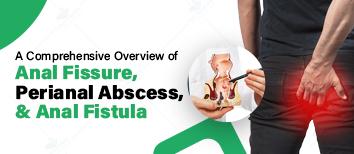
Anal fissures, perianal abscesses, and anal fistulas are common anorectal disorders that can significantly impact an individual's quality of life.
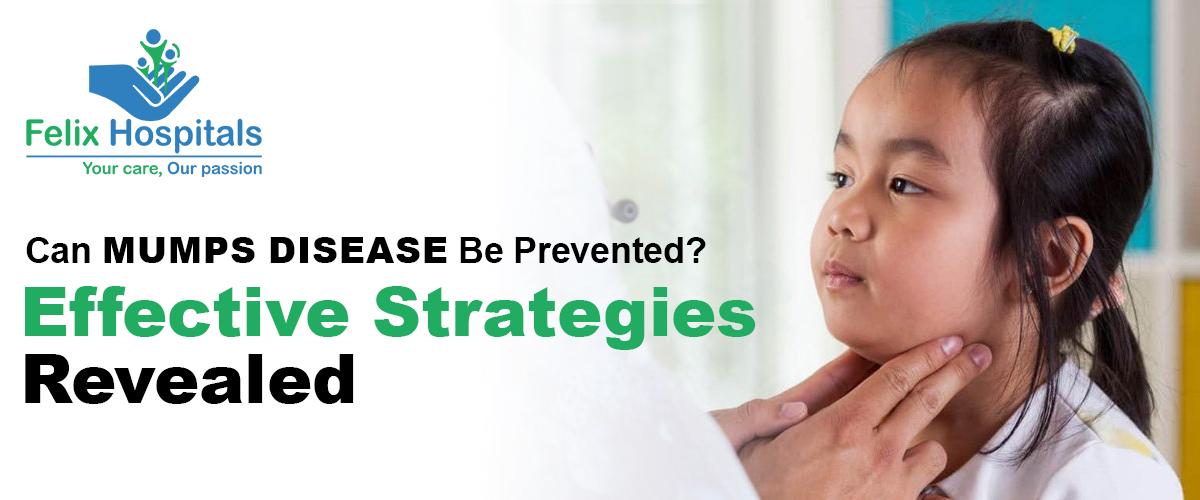
YES, Mumps Disease can be prevented. Mumps is a contagious viral infection that primarily affects the salivary glands, causing them to swell. It is caused by the mumps virus, which is spread through respiratory droplets or saliva from an infected person.
The main sign of mumps is swollen and tender glands near the ears, which can make the face look puffy like a hamster's. Sometimes, it can lead to other problems like swollen testicles in guys, swollen ovaries in girls.
Mumps is a contagious viral infection that primarily affects the salivary glands, causing them to swell. It is caused by the mumps virus, which is spread through respiratory droplets or saliva from an infected person and now A surge in the cases of mumps is being seen in several Indian states including Delhi NCR. Earlier this disease used to occur in children for which we went to children's hospital but now it is seen in adults also and even young adults are facing it According to government data, this year, the case tally has reached 15,637, as of March 2024. Mumps occurs worldwide, with 500,000 cases reported on average annually.
Mumps primarily affects children between the ages of 2 and 12, although adolescents and adults who haven't been vaccinated can also be affected. Even vaccinated individuals can catch the virus as their immunity weakens over time. This underscores the importance of vaccination as the best form of defense.
Your child's health is our mission , let's conquer mumps together. Reach out to us at +91 9667064100.
Mumps is mainly caused by a single virus, but sometimes it can lead to other problems like meningitis or inflammation of organs. This can make the symptoms of mumps different for each person. So, while mumps itself is one illness caused by a virus, the additional complications can make it more complicated.
Indeed, mumps is highly contagious due to its viral nature. If your child contracts mumps, they become contagious a few days before their glands swell and can remain so for up to five days after the swelling occurs. Consequently, it's crucial for your child to limit contact with others during this period. It's advisable for them to refrain from attending school or childcare. Remarkably, up to one-third of individuals with mumps exhibit no symptoms, yet they can still transmit the infection to others.
Mumps is a contagious viral infection that can show various symptoms of mumps in adults and kids, sometimes starting with mild signs or even no symptoms at all. It's important to recognize these mumps symptoms early for proper detection and treatment. The common symptoms of mumps include;
The incubation period for mumps, which is the time between exposure to the virus and the onset of symptoms, typically ranges from 12 to 25 days, with an average of around 16-18 days. However, it can vary from person to person. During this time, it’s not necessary to show any mumps symptoms in adults but can still spread the virus to others.
Mumps is primarily caused by the mumps virus, which belongs to the family Paramyxoviridae. The virus is highly contagious and spreads through respiratory droplets, such as when an infected person coughs or sneezes. The main causes of mumps include:
There are potential health risks associated with contracting mumps although, by taking precautions and seeking expert mumps treatment from hospitals like Felix, you can minimize or even totally tackle those risks. The potential health risks associated with mumps include;
Vaccination is the most effective way to prevent mumps and its potential health risks. If you suspect you have mumps or have been exposed to someone with mumps, visit Felix hospital in Noida to seek medical advice for proper diagnosis and management.
Diagnosis and testing for mumps typically involve a combination of clinical evaluation, medical history review, virus detection and certain laboratory tests. Here's a breakdown:
It's important to note that the diagnosis of mumps should be made by a healthcare professional, and testing should be performed in a clinical setting to ensure accurate results and appropriate management of the infection.
There is no specific antiviral medication to treat mumps, but there are measures to help manage symptoms and prevent complications:
Complications of mumps in adults, including orchitis, meningitis, or encephalitis, may occur in some cases. Treatment for these complications, particularly female treatment for mumps, may require additional medical interventions such as pain management, anti-inflammatory medications, or, in severe instances, hospitalization.
It's important to consult a healthcare professional for proper diagnosis and management of mumps, as well as to discuss any specific concerns or complications. Contact Felix Hospital to seek expert advice and proper treatment for mumps at +91 9667064100.
Treatment typically involves taking pain relievers and staying well-hydrated. It may also include resting in bed, especially during the initial days of the illness. According to the CDC, adults should refrain from going to work for five days after their glands start to swell. Similarly, children should stay home from school until their symptoms improve. Both adults and children with mumps should try to limit contact with other household members. Practicing good hygiene, like washing hands thoroughly, covering the mouth when coughing or sneezing, and regularly cleaning frequently touched surfaces, is crucial for preventing the spread of the disease.
For most people, recovery from mumps takes around 2 to 3 weeks. During the first week or so, the symptoms are usually most severe, including fever and swelling of the salivary glands. After this acute phase, symptoms gradually improve. However, some individuals may feel fatigued or weak for a bit longer.
Rest, hydration, and avoiding close contact with others are essential during this time to aid recovery and prevent spreading the virus. If symptoms persist or worsen, seeking medical advice is recommended.
Preventing mumps is crucial, and the best way to do it is by getting vaccinated with the MMR (measles, mumps, and rubella) vaccine. Usually, you get two doses: the first one when you're 12-15 months old, and the second one when you're 4-6 years old. Sometimes, during outbreaks or for certain high-risk groups, you might need a third dose.
The MMR vaccine is considered safe, with rare side effects such as rash, fever, or local pain. Severe allergic reactions are exceedingly rare and should be reported to healthcare providers promptly.
Mumps is generally not too serious and tends to get better on its own within a few weeks. People usually go back to their routine activities once they start feeling better. However, in some cases, mumps can lead to more severe problems like arthritis, deafness, encephalitis, meningitis, or inflammation of reproductive organs or glands.
Although these complications are rare, they can be quite serious. That's why it's crucial for anyone who thinks they might have mumps, especially pregnant individuals, to see a doctor as soon as possible. Getting medical help quickly can lower the chances of these serious issues happening and make sure you stay as healthy as possible. It's better to be safe and get checked out by a doctor if you're worried about mumps.
If you have symptoms of mumps like,
It's important to consult a doctor as soon as possible. Mumps can sometimes lead to complications, especially in adults, such as meningitis, encephalitis, or orchitis.
Moreover, if you suspect you have mumps, it's essential to consult a doctor at the general physician hospital to prevent transmitting the virus to others, given its high contagiousness. Your doctor can offer advice on symptom management and measures to curb the virus's spread.
In conclusion, even though we have vaccines for mumps, it's still a worrisome illness. Especially in adults, it can lead to serious problems. So, it's really important to get medical help quickly and follow guidelines to prevent spreading it. Recognizing symptoms early, seeing a doctor right away, and following public health advice are key to stopping mumps from spreading and lessening its effects on people and communities.
Mumps Got You Down? Get Back Up with Our Expert Guidance! Ask a Free Mumps Question . Reach out to us at +91 9667064100.
Mumps is a contagious viral infection that affects the salivary glands, causing swelling and pain around the jaw.
Mumps spreads through saliva or mucus from the mouth, nose, or throat of an infected person. This can happen when they cough, sneeze, or talk.
Symptoms include swelling and pain in the cheeks or jaw, fever, headache, muscle aches, tiredness, and loss of appetite.
The best way to prevent mumps is by getting vaccinated with the MMR vaccine, which protects against measles, mumps, and rubella.
If you have symptoms of mumps, see a doctor right away. They can confirm the diagnosis and recommend treatment.
There's no specific treatment for mumps, but getting plenty of rest, drinking fluids, and taking pain relievers can help ease symptoms.
Mumps usually last about 1-2 weeks, but the swelling in the glands can take longer to go down.
Mumps can lead to complications like meningitis, encephalitis, or hearing loss, especially in adults. That's why it's important to get vaccinated.
It's best to stay home until the swelling goes down and you're no longer contagious, usually about 5 days after symptoms start.
Follow guidelines from public health officials, make sure you and your family are vaccinated, and practice good hygiene like washing your hands frequently to prevent spreading the virus.
Mumps is caused by the mumps virus, which is highly contagious and spreads through respiratory droplets from coughing, sneezing, or sharing utensils with an infected person.
In adults, mumps usually lasts for a similar duration as in children, about 7 to 10 days on average.
Yes, there are no restrictions on eating eggs during mumps. However, it's essential to maintain a nutritious diet to support recovery.
Yes, mumps is a highly communicable viral infection, meaning it can easily spread from person to person through close contact or respiratory droplets.
It is rare, but it is possible to get mumps more than once. However, having mumps once usually provides lifelong immunity against future infections.
Most people recover from mumps within 7 to 10 days, although some may experience symptoms for up to 2 weeks.
Yes, there are no specific dietary restrictions for eating ice cream during mumps. However, it's essential to consume a balanced diet that includes plenty of fluids and nutrients to support recovery.
Yes, there are no specific dietary restrictions for eating chicken during mumps. It's essential to focus on maintaining a balanced diet to support overall health and recovery.
If you are looking for best hospital in Noida, Visit Felix Hospital or Call +(91)9667064100.
Take special care of the health of your kids, especially young children, amidst the changing seasons.

10 Reasons why a child may not grow
चिकन पॉक्स या माता एक संक्रामक वायरल बीमारी है। यह आमतौर पर खाज, बुखार और थकान के लक्षणों के साथ होती है। समय पर पहचान और सही उपचार से इसे नियंत्रित किया जा सकता है

Are you tired of living with constant knee pain and limited mobility? If so, Knee replacement surgery could be the solution you've been looking for. This surgical procedure involves replacing damaged knee joints with artificial implants, aiming to restore function and alleviate discomfort. Knee replacement surgery stands out as a highly successful orthopedic procedure, boasting a remarkable 90% of patients experiencing substantial enhancement in their quality of life.
Renowned hospitals like Felix Hospital specialize in advanced orthopedic care, offering state-of-the-art knee replacement procedures including double knee replacement surgery in Noida performed by experienced surgeons. We at Felix Hospital in Noida ensure patients receive top-quality care and support throughout their journey to recovery. Trust Felix Hospital to help you regain mobility and enjoy life to the fullest.
Unlock your next chapter of care-Dial +91 9667064100. to book your appointment today!
Knee replacement surgery also known as Knee Arthroplasty. Knee Arthroplasty is a medical procedure used to replace a damaged knee joint with an artificial joint made of metal and plastic components. This surgery is typically performed to alleviate chronic knee pain and restore mobility in individuals with severe arthritis or joint damage. It helps people with severe arthritis or joint damage by reducing pain and improving mobility. Although it has risks like infection, it's a life-changing procedure, giving many people a better quality of life.
Knee replacement surgery isn't usually the first option for people experiencing severe knee pain and stiffness during daily activities like climbing stairs, walking, or sitting down. It's typically considered as a last option when other treatments like medications, physical therapy, and injections haven't provided enough relief. Common reasons for knee replacement surgery include osteoarthritis, rheumatoid arthritis, and post-traumatic arthritis. By replacing damaged parts of the knee with artificial components, the procedure aims to help people move more freely and enjoy a better quality of life.
Total Knee Replacement: In Total Knee Replacement or simply TKR, the entire knee joint is replaced with artificial components. This procedure is commonly performed for severe arthritis or significant joint damage affecting the entire knee.
Partial Knee Replacement: In Partial Knee Replacement or simply PKR, only the damaged part of the knee joint is replaced with artificial components. This procedure is suitable for patients with localized arthritis or damage in one specific part of the knee, preserving healthy bone and tissue in the rest of the joint.
Knee replacement surgery becomes a necessity when various conditions cause severe damage to the knee joint, resulting in persistent pain and limited mobility. The most common causes include:
Osteoarthritis: The most prevalent form of arthritis, where the cartilage that cushions the ends of the bones wears down over time, leading to bone-on-bone friction and pain.
Rheumatoid Arthritis: An autoimmune disease that causes inflammation and can erode the cartilage and bones in the knee.
Post-Traumatic Arthritis: This can develop after a serious knee injury, leading to accelerated wear and tear of the knee joint.
Knee Deformities: Some people are born with knee problems that can lead to pain and difficulty in movement.
Other Conditions: Hemophiliacs, those with certain blood disorders, may experience bleeding into the joint and lead to severe joint pain and arthritis over time.
Arthritis is a common cause of knee replacement surgery so prevent your knees from developing arthritis and to ensure they stay fit for more years, take proactive steps in maintaining your knee health.
Understanding the underlying cause of knee pain is crucial to determining the appropriate treatment, whether it's knee replacement surgery or another approach tailored to the patient's condition If you are seeking the best knee joint replacement surgery hospital nearby in Noida, Felix Hospital is here for you with 24/7 availability.
Chronic Pain: Constant knee pain that doesn't respond to medication or rest.
Swelling and Inflammation: Persistent swelling and inflammation around the knee joint.
Stiffness: Reduced range of motion in the knee, making it difficult to bend or straighten the leg.
Difficulty in Walking: Inability to walk or bear weight on the knee, affecting mobility.
Instability: A feeling that the knee is giving out or buckling under pressure.
Non-Responsive to Non-Surgical Treatments: When other treatments like medications, injections, or physical therapy fail to provide relief.
Understanding and recognizing these symptoms is crucial as early intervention and proper diagnosis can help in managing the condition more effectively and possibly avoid the need for surgery in some cases.
Before knee replacement surgery, doctors check how healthy the patient is and how bad their knee joints are. They do this by taking pictures of the knees using machines like X-rays or MRIs. These pictures help the doctor see how damaged the knee is and plan the surgery. By looking inside the knee, doctors can find any problems, check nearby tissues, and decide where to put the new knee parts.
Doctors also look at the patient's medical history and what medicines they're taking. Sometimes, they tell patients to stop taking certain medicines like aspirin or blood thinners for a while before surgery. This is to make sure there's not too much bleeding during the operation and to help the surgery go well. Patients need to follow the doctor's instructions carefully about their medicines before surgery.
Doing these checks helps doctors make sure patients are ready for knee replacement surgery. This careful planning reduces risks, makes the surgery work better, and helps patients recover faster.
On the day of surgery, you'll arrive early at the hospital and change into a gown. The anesthesia team will discuss your options, and then you'll be taken to the operating room. After the surgery, you'll wake up in the recovery room and receive pain medication as needed. Eventually, you'll move to your hospital room to begin the recovery process, including physical therapy to regain strength and mobility in your knee.
The surgical procedure for knee replacement surgery involves several key steps to replace the damaged knee joint with an artificial implant. Here's an overview of what happens during the surgery:
Application of Anaesthesia:
The surgical procedure for knee replacement surgery begins with the application of anaesthesia. As per the medical condition of the patient, the anaesthesia team administers regional anaesthesia, such as a spinal or epidural block, which numbs the lower half of the body while allowing the patient to remain awake.
Incision and Exposure:
Following the administration of anaesthesia, the surgeon makes an incision over the knee joint, typically along the front or side of the knee. The soft tissues surrounding the knee, including muscles and ligaments, are gently moved aside to expose the knee joint.
Resection of Damaged Tissues:
Using specialized surgical instruments, the surgeon carefully removes the damaged bone and cartilage within the knee joint. This step is crucial for preparing the knee for the placement of the artificial components.
Implantation of Artificial Components:
After removing the damaged parts, doctors place new knee parts made of metal and plastic in the knee. These new parts act like the real ones, helping the knee work better and feel stable again.
Alignment and Closure:
The surgeon ensures proper alignment and positioning of the artificial components to optimize the function of the new knee joint. Once the implants are securely in place, the incision is closed with sutures or staples, and a sterile dressing is applied to protect the surgical site.
Throughout the procedure, the surgical team monitors the patient's vital signs and adjusts anaesthesia as needed to ensure their comfort and safety. After the surgery is complete, the patient is transferred to the recovery area for monitoring and post-operative care.
Recovery from knee replacement surgery requires patience and commitment. Taking due care during the recovery period from knee replacement surgery is crucial for several reasons. First and foremost, proper care helps minimize the risk of complications such as infection or blood clots, which can significantly delay recovery and even lead to serious health issues. Additionally, it allows for faster restoration of mobility and function.
Neglecting proper care may result in prolonged pain, stiffness, and limitations in daily activities, hindering the overall success of the surgery. Therefore, by taking these steps, you can optimize your recovery and regain mobility and function in your knee.
Proper Medication
Stay Committed to Physical Therapy
Take Nutritious Diet
Follow-up your Appointment
Rest up
Talk to Your Doctor
Knee replacement surgery, like any surgical procedure, carries potential risks and complications. While advancements in medical technology have made the procedure safer, patients and surgeons should be aware of the following potential risks:
Infection: Infection is a significant risk after knee replacement surgery. This can occur in the wound or deep around the artificial implants. Antibiotics are usually administered before and after surgery to help prevent infections.
Blood Clots: Blood clots in the legs (deep vein thrombosis) or lungs (pulmonary embolism) are a potential risk after knee replacement surgery. Measures such as blood thinners, compression stockings, and early mobilization are taken to prevent blood clots.
Implant Problems: While rare, the artificial knee joint may become loose, dislocated, or wear out over time, necessitating revision surgery. Poor positioning of the implants can also lead to issues with the knee's function.
Nerve Damage: Nerves around the knee can be damaged during surgery, leading to numbness, weakness, or pain. This can be temporary or permanent.
Allergic Reactions: Some patients may have allergic reactions to materials used in the artificial knee joint, such as metal alloys or polymers.
Chronic Swelling or Fluid Build-up: Some patients may experience chronic swelling or fluid accumulation around the knee joint, known as effusion, which can affect mobility and comfort.
Fracture: During surgery, bones around the knee can be inadvertently fractured. These fractures may require additional treatment or surgery to heal properly.
Nevertheless, Felix Hospital is a trusted expert in ensuring safe procedures like knee replacement surgery. Their skilled team, advanced techniques, and strict safety measures minimize any risks. You're in good hands at Felix Hospital for a smooth and worry-free recovery.
While the benefits of the knee replacement surgery are substantial, understanding the associated cost is essential for informed decision-making. Knee joint replacement surgery costs in Noida vary based on factors like procedure type, implant quality, hospital reputation, and additional services required. Patients should consult healthcare providers for specific cost estimates tailored to their needs. However, below chart provides a brief about knee replacement surgery cost in Noida;
| TYPE OF TREATMENT | AVERAGE COST | MINIMUM COST | MAXIMUM COST |
| Total Knee Replacement (TKR) | Rs.1,00,000 | Rs. 1,25,000 | Rs 1,50,000 |
Hospital Fees: The cost of the procedure often includes charges for the hospital stay, operating room use, and medical supplies.
Surgeon's Fees: Surgeon fees typically encompass the pre-operative consultation, surgical procedure, and post-operative care.
Implant Costs: The type and quality of the knee implant used can significantly impact the overall cost of the surgery.
Anaesthesia Fees: Charges for anaesthesia administration during surgery are an essential component of the total cost.
Rehabilitation Expenses: Post-operative rehabilitation, including physical therapy sessions, may add to the overall expenses.
Pre-operative Assessments: Diagnostic tests, consultations with specialists, and pre-operative evaluations contribute to the total cost.
Complications: Additional costs may arise if complications occur during or after the surgery, necessitating further medical interventions.
In simple terms, getting a double knee replacement surgery in Noida or a single knee replacement surgery treatment in Noida can be a great option if you're struggling with knee pain and difficulty moving around. The hospitals there have good equipment and doctors who know what they're doing. After the surgery, you can expect to feel a lot better and be able to move around more easily.
However, it's crucial to have an open discussion with your doctor to ensure that knee replacement surgery is the appropriate course of action for you, taking into consideration your overall health condition and individual needs. By consulting with your healthcare provider, you can make an informed decision about whether knee replacement surgery is the right choice to alleviate your knee discomfort and improve your quality of life.
If you are searching for the Knee joint Replacement Surgery Hospital in Noida , Felix Hospital in Noida is your trusted partner in providing top-notch support and care for knee replacement surgery. Felix Hospital presents an excellent choice for those seeking either double knee replacement surgery in Noida or single knee replacement treatment in Noida. Our highly skilled orthopedic surgeons and dedicated medical team are committed to ensuring a seamless and successful surgical experience tailored to your needs. From thorough pre-operative consultations to personalized post-operative rehabilitation programs, we prioritize your comfort, safety, and well-being every step of the way.
Reach out to us at +91 9667064100 to schedule a consultation and take the first step towards a pain-free life with our exceptional knee replacement surgery services.
We are here to help you regain mobility and improve your quality of life. Your journey to a healthier, happier you start here.
Q. What is knee replacement surgery?
ANS. Knee replacement surgery, also known as knee arthroplasty, is a surgical procedure to replace damaged or diseased parts of the knee joint with artificial implants to relieve pain and improve function.
Q. Who is a candidate for knee replacement surgery?
ANS. Candidates for knee replacement surgery typically have severe knee pain, stiffness, and limited mobility that does not improve with conservative treatments like medications, physical therapy, or injections.
Q. What are the types of knee replacement surgery?
ANS. There are several types of knee replacement surgeries, including total knee replacement (replacing the entire knee joint), partial knee replacement (replacing only part of the knee joint), and bilateral knee replacement (replacing both knees at the same time).
Q. How long does knee replacement surgery take?
ANS. Knee replacement surgery usually takes between 1 to 3 hours, depending on the complexity of the procedure and the patient's specific condition.
Q. What is the recovery time after knee replacement surgery?
ANS. Recovery time can vary, but most patients can expect to be in the hospital for a few days and require several weeks of rehabilitation and physical therapy to regain strength and mobility.
Q. What are the risks and complications associated with knee replacement surgery?
ANS. While knee replacement surgery is generally safe, like any surgery, it carries some risks, including infection, blood clots, implant failure, stiffness, and nerve or blood vessel damage.
Q. How long do knee replacements last?
ANS. With proper care and maintenance, modern knee replacements can last 15 to 20 years or more. However, the longevity of the implant depends on various factors, including the patient's activity level, weight, and overall health.
Q. What should I expect before, during, and after knee replacement surgery?
ANS. Before surgery, you will undergo a thorough evaluation, including imaging tests and medical history review. During the surgery, the damaged parts of the knee joint are replaced with artificial implants. After surgery, you will be closely monitored in the hospital and receive pain management, physical therapy, and instructions for home care and rehabilitation.
Q. Can I return to normal activities after knee replacement surgery?
ANS. Many patients can return to normal daily activities, including walking, climbing stairs, and low-impact exercises, after recovering from knee replacement surgery. However, high-impact activities and sports that put excessive strain on the knee joint should be avoided to prolong the life of the implant.
Q. Is knee replacement surgery covered by insurance?
ANS. Most insurance plans, including Medicare and private insurance, cover knee replacement surgery if it is deemed medically necessary. However, coverage can vary, so it is important to check with your insurance provider about specific coverage details and any out-of-pocket costs.


Subscribe to our
© Copyright 2026. All Rights Reserved by Felix Healthcare Private Limited
Design and development by :


 +(91)9667064100
 Emergency : +(91)9667064100