Your Health, Our Priority

Request Call Back

Request an Appointment

CAPTCHA
Solve this simple math problem and enter the result. E.g. for 1+3, enter 4.
* By clicking on the above button you agree to receive updates on WhatsApp

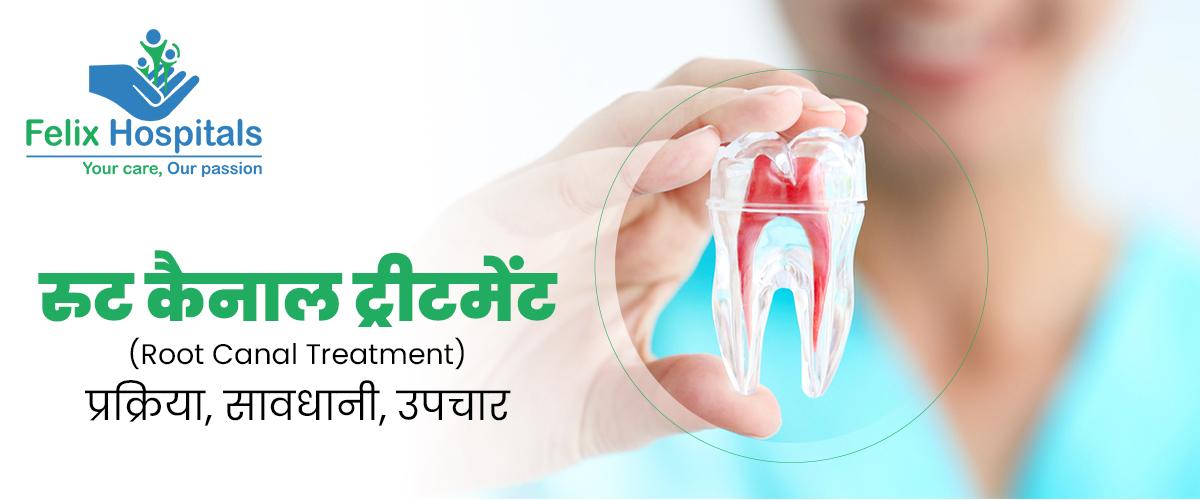
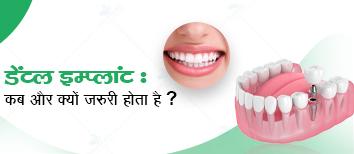
रूट कैनाल ट्रीटमेंट (Root Canal Treatment) : प्रक्रिया, सावधानी, उपचार

दांत में दर्द आम है। बच्चों से लेकर बूढ़े तक दांत में दर्द हो सकता  है। दांत में दर्द के कारण खाना, पीना, उठने-बैठने के साथ लेटना भी मुश्किल होता है। दांत के दर्द में लोग मेडिकल शॉप से दवा लेकर खाते थे। मगर जब दर्द अधिक होता है तो रूट कैनाल ट्रीटमेंट (Root Canal Treatment)की सलाह दी जाती है। 


फेलिक्स हॉस्पिटल के पास अनुभवी डेंटिस्ट डॉक्टरों की एक टीम है, जो आरसीटी द्वारा इलाज करती है। हम आरसीटी पर आपके किसी भी सवाल का जवाब देने में सक्षम है। एक्सपर्ट सुझाव के लिए कॉल करें- +91 9667064100


क्या है रूट कैनाल ट्रीटमेंट (आरसीटी) ? ( What is Root Canal Treatment (RCT) in Hindi )

रूट कैनाल ट्रीटमेंट (Root Canal Treatment) में डैमेज दांत को निकालने की बजाए उसे सही करते हैं। इलाज के दौरान डॉक्टर दांत की जड़ से वेंस और पल्प को हटाते है। फिर दांत की जड़ से साफ करने के बाद उसे सील कर देते हैं। अगर समय पर इंफ्केशन का इलाज नहीं किया जाए तो दांत के आस-पास के टिश्यू संक्रमित हो जाते हैं। जो बाद में दांत का फोड़ा बन जाता है। रूट कैनाल दांतों की जड़ की कैनाल की सफाई से संबंधित होता है। 


क्यों किया जाता है रूट कैनाल ट्रीटमेंट (आरसीटी)? ( Why is Root Canal Treatment (RCT) done ) : 

जब दांत का इंफेक्शन जबड़े की हड्डियों में फैल जाता तो मरीज की स्थिति गंभीर होती जाती है। अगर दांत में कैविटी हो गई तो दांत की पल्प में इन्फेक्शन होने का खतरा बढ़ जाता है। इस दौरान इन्फेक्शन को हटाने और रूट कैनाल को भरने के लिए रूट कैनाल ट्रीटमेंट करना आवश्यक हो जाता है। नॉएडा में रूट कैनाल ट्रीटमेंट (root canal treatment in noida) के लिए आपको बोहोत सी जगह मिल जाएंगी लेकिन कोशिश करें जब भी आप जांच करवाएँ अच्छे डॉ. से ही करवाएँ | 


एक्सपर्ट सुझाव के लिए कॉल करें- +91 9667064100


रूट कैनाल ट्रीटमेंट (आरसीटी) कैसे होता है ? ( How is RCT teeth Treatment (RCT) done in Hindi ) : 

रूट कैनाल ट्रीटमेंट (Root Canal Treatment) आरसीटी एक मल्टी स्टेज प्रकिया है। जिसमें डेंटिस्ट के पास कई बार जाने की जरूरत होती है।

  • इलाज से पहले डॉक्टर को वर्तमान मेडिकल कंडीशन के साथ पुरानी कंडीशन की सही जानकारी दे।
  • ट्रीटमेंट से पहले दांत का एक्सरे कराने की सलाह दी जाती है। पहले दांतों को सुन्न करने के लिए एनेस्थीसिया का उपयोग करते है।
  • प्रक्रिया में दांत को ड्राई रखने और लिप्स से दूर रखने के लिए एक कॉटन के रोल की शीट का इस्तेमाल करते हैं। यह कैनाल की सफाई और रूट को भरते समय लार से बचाव में मददगार होता है।
  • डेंटिस्ट दांत के पल्प तक पहुंचने के लिए दांत के सॉलिड टिश्यू के बीच रस्ता बनाने के लिए पानी के स्प्रे के साथ एक डिवाइस का इस्तेमाल करते हैं। जिससे  क्राउन का डैमेज हिस्सा बाहर निकल आता है। यह दांत के रूट की सभी रूट कैनाल तक पहुंचने में मददगार होता है।
  • यह इन्फेक्शन को गहराई से खत्म करने में मददगार है। आसान भाषा में समझे तो रूट कैनाल एक डेंटल प्रक्र‍िया होती है। इसका इस्‍तेमाल दांत के बीच होने वाले संक्रमण को सही करने में होता है।
  • चोट के कारण दांत को नुकसान होने पर सड़ने पर रूट कैनाल ट्रीटमेंट (Root Canal Treatment) करते है।
  • रूट कैनाल ट्रीटमेंट में कम से कम एक या दो स‍िट‍िंग लगती है। अगर ज्‍यादा दांत का उपचार होना है, तो अधिक समय लगता है। पहली स‍िट‍िंग में अधिकतम 40 म‍िनट लगते हैं।


रूट कैनाल ट्रीटमेंट (आरसीटी) के बाद कैपिंग है जरूरी (Capping is necessary after RCT dental treatment) :

रूट कैनाल ट्रीटमेंट (Root Canal Treatment) के बाद दांत की कैपिंग जरूरी है। अगर नेचुरल क्राउन को ज्यादा नुकसान नहीं पहुंचा तो डेंटिस्ट नुकसान वाले हिस्से को फिल करने के लिए सामने वाले दांत में दांत के रंग की फिलर वाली सामग्री डालते हैं। पीछे के दांतों में सिल्वर रंग की सामग्री डालते हैं।


रूट कैनाल के बाद बरती जाने वाली सावधानियां (Precautions to be taken after root canal) : 

-रूट कैनाल ट्रीटमेंट(Root Canal Treatment) के बाद ड्राईफ्रूट्स, खट्टा फल, ब‍िस्‍क‍िट, पान, सुपारी का सेवन नहीं करना चाहिए।
-रूट कैनाल ट्रीटमेंट के बाद दांत की सफाई का ध्‍यान रखे। मुंह को बैक्‍टीर‍िया मुक्‍त रखने के ल‍िए खाने के बाद कुल्‍ल जरूर करना चाहिए।
-रूट कैनाल ट्रीटमेंट के बाद दांत में दर्द, फोड़ा नजर आने पर डॉक्‍टर से संपर्क करना चाहिए। 
-रूट कैनाल ट्रीटमेंट (Root Canal Treatment) के बाद दांत में खाना फंसने से सूजन और दर्द होता है। जरूरी है कि डेंटल फ्लॉस का इस्‍तेमाल किया जाए। 
-रूट कैनाल ट्रीटमेंट के बाद दांत को बार-बार छूने से बचना चाहिए। क्योंकि ऐसा करने से कैप‍िंग न‍िकल जाती है। ऐसे में दर्द  होता है।
 

रूट कैनाल ट्रीटमेंट (आरसीटी) के साइड इफेक्टस  (Side effects of root canal treatment (RCT)) : 

- दांत में लबें समय तक हल्का दर्द होता है। यह दर्द वहां होता है। जहां इन्फेक्शन पहले जबड़े की हड्डी में था।
-आरसीटी के बाद इस्तेमाल की जाने वाली इंसेक्टिसाइड बहुत एंटागोनिस्ट होती है। इसलिए वह मरते नहीं है। लंबे समय तक निष्क्रिय हो जाते है। जो कुछ समय बाद दांत में पुनः इन्फेक्शन करने लगते है।
-ट्रीटमेंट के बाद दांत की नियमित सफाई करें। डेंटिस्ट से दांत का चेकअप करवाते रहना चाहिए।


क्या रूट कैनाल ट्रीटमेंट से कैंसर होता है ? (Does root canal treatment causes cancer) : 

रूट कैनाल दांत के इंफेक्शन को ठीक करवाने का उपचार है। इसके माध्यम से दांत और शरीर का वह इंफेक्शन ठीक होता है। इस कारण कैंसर नहीं होता है। रूट कैनाल के बारे में अफवाह है कि यह दर्दनाक होता है। मगर ऐसा नहीं है। एक्स रे के माध्यम से लोग दांत की तस्वीर को साफ तरह की देख पाते हैं।


समय पर दांत इंफेक्शन नहीं ठीक कराने से होने वाला नुकसान (Harm caused by not treating tooth infection on time) : 

  • अगर आप रूट कैनाल को बिना ठीक किए छोड़ते हैं। यह दांत में बहुत अधिक दर्द देता है। प्रभावित क्षेत्र में सूजन हो जाती है।
  • कुछ भी ठंडा या गर्म खाते पीते वक्त दर्द बढ़ता है। अगर व्यक्ति अपना ओरल हाइजीन बनाकर नहीं रखते हैं और इस समस्या को ऐसे ही छोड़ देते हैं, तो यह बैक्टीरिया, डायबिटीज, अल्जाइमर और स्ट्रोक का कारण बनते हैं।
  • यह प्रक्रिया पूरी तरह से सुरक्षित होती है। इसे करवाने से एक समस्या से निजात मिलता है। ना की दूसरी समस्या पैदा  होती है।
  • रूट कैनाल ट्रीटमेंट (Root Canal Treatment) से डरने और घबराने वाली बात नहीं है। जिस भी डेंटिस्ट के पास जाए, वह प्रोफेशनल हो। हमेशा डेंटिस्ट के पास जाने से नहीं बल्कि न जाने की बात से डरना चाहिए।
  • ओरल स्वास्थ्य को बेहतर रखना एक आवश्यकता है। जो स्वास्थ्य को प्रभावित करती है। इसलिए अपने दांतों में होने वाली समस्या से डरे। उनका समय पर उपचार करवाएं।
     

फेलिक्स हॉस्पिटल के पास अनुभवी डेंटिस्ट डॉक्टरों की एक टीम है, जो आरसीटी (Root Canal Treatment) द्वारा इलाज करती है। हम आरसीटी पर आपके किसी भी सवाल का जवाब देने में सक्ष्म है। एक्सपर्ट सुझाव के लिए कॉल करें +91 9667064100.


पायरिया से बचाव के लिए मसूड़ों की मालिश भी जरुरी (Gum massage is also necessary to prevent pyorrhea in hindi) : 

  1. दांतों में पायरिया से बचाव के लिए लगातार दांतों की सफाई और मसूड़ों की मालिश जरुरी होती है। अगर कई दिनों तक दांत की सफाई न की जाए तो तो दांत में दर्द, बदबू आने के बाद में पायरिया होने लगाता है।
  2. पायरिया होना दांत के लिए खतरनाक है। मसूड़ों से बार-बार खून आता है। पायरिया के लक्षण पर डॉक्टर से तुरंत संपर्क करें। खुद अपने स्तर पर कोई दवा का सेवन नहीं करना चाहिए।
  3. अगर लंबी बीमारी के बाद और अन्य कारणों से मुंह में बदबू आती है या शुगर अधिक रहने पर किसी को कोई गंभीर बीमारी होने पर और एसिडिटी अधिक रहने के कारण भी मुंह से बदबू आती है, तो सतर्क हो जाए।
  4. कई बार सामान्य कारणों में दांत में खाना फसने से बदबू आती है। कई बार लोग ध्यान नहीं देते। दांतों की सफाई के साथ अपनी जीभ साफ करना चाहिए। टंग क्लीनर से इसकी नियमित रुप से सफाई करना चाहिए।


दांतों और मसूड़ों को हेल्दी रखने के टिप्स (Tips to keep teeth and gums healthy in hindi) : 

  1. सेहतमंद रहने के लिए शारीरिक और मानसिक स्वास्थ्य के साथ ओरल हेल्थ का ध्यान रखना जरूरी है।
  2. दांत न सिर्फ सेहत को प्रभावित करते हैं। यह खूबसूरती को निखारने में मदद करते हैं।
  3. कई बार कुछ वजह से हमारे दांत और मसूड़े कई समस्याओं का शिकार हो जाते हैं। इसकी वजह से न सिर्फ परेशानी होती है। लोग खुलकर हंसने से भी कतराते हैं।
  4. दांत और मसूड़ों की देखभाल के लिए जरूरी बातों का ध्यान रखना चाहिए। संतुलित आहार को अपनी रूटीन का हिस्सा बनाना चाहिए।
  5. दांत के स्वास्थ्य के लिए कैल्शियम और फास्फोरस बेहद जरूरी हैं। डाइट में डेयरी प्रोडक्ट्स, पत्तेदार सब्जियां, नट्स शामिस करना चाहिए।
  6. चीनी युक्त और एसिडिक फूड्स से परहेज करना चाहिए क्योंकि यह दांतों की सड़न का कारण बनता है।
  7. छोटे कण दांतों के बीच फंस जाते हैं। दांतों के बीच फंसे कण सड़न का कारण बनता है। इसलिए अधिक मात्रा में पानी पीना चाहिए।
  8. पानी पीने से दांतों में सड़न का कारण बनने वाले फूड आर्टिकल्स, बैक्टीरिया और एसिड को दूर करना आसाना होता है।
  9. स्वस्थ दांत और मसूड़ों के लिए जरूरी है कि हाइजीन बनाए रखें। दिन में कम से कम दो बार अपने दांत को ब्रश करना चाहिए।
  10. नरम ब्रिसल वाले टूथब्रश का इस्तेमाल करना चाहिए। दांत के बीच और मसूड़ों से खाने के कणों को हटाने के लिए फ्लॉस करना नहीं भूलना चाहिए।
  11. दांत को हेल्दी बनाए रखने के लिए जरूरी है कि साफ-सफाई के साथ नियमित जांच कराएं। दांत की जांच करवाने से पहले से ही किसी समस्या का पता चलता है। जिससे इलाज में मदद होती है।
  12. फ्लोराइड मिनरल का इस्तेमाल करना चाहिए। यह दांतों के इनेमल को मजबूत करता है। दांत को डैमेज होने से बचाता है। टूथपेस्ट और माउथवॉश ऐसे चुनें जो फ्लोराइड युक्त हो। 


फेलिक्स सपोर्ट (Felix Support)


दांत में छेद या दांतों में ठंडा या गर्म पदार्थ के लगने पर आरसीटी से दांत को बचाया जाता है। इससे न सिर्फ दांत सुरक्षित होता हैं, बल्कि दर्द और पस की समस्या भी दूर होती है। अगर आपको भी दांतों में सूजन की समस्या है तो हम आपकी मदद के लिए तैयार हैं। फेलिक्स हॉस्पिटल के पास अनुभवी डेंटिस्ट डॉक्टरों की एक टीम है, जो आरसीटी द्वारा इलाज करती है। नोएडा में सर्वश्रेष्ठ अस्पताल, फेलिक्स हॉस्पिटल, में आपका स्वागत है। एक्सपर्ट सुझाव के लिए कॉल करें +91 9667064100.


निष्कर्ष  (conclusion) : 


दांत में दर्द होना एक आम समस्या है। लेकिन अधिक दर्द दांत के मसूड़ों में समस्या का संकेत है। यह दर्द आमतौर पर कभी भी हो सकता है। इस कारण रूट कैनाल उपचार के माध्यम से दांत का इलाज करने की जरूरत होती है। जब दांत की जड़ में संक्रमण की बात आती है, तो इसका इलाज जल्द से जल्द करना जरूरी होता है। अगर आप नॉएडा में रहते है और रूट  ट्रीटमेंट चाहते है तो नॉएडा के बेस्ट डेंटल हॉस्पिटल (dental hospital in Noida) में जाँच ज़रूर करवाएँ | रूट के संक्रमित होने पर रूट कैनाल उपचार एक बेहतर विकल्प है। रूट कैनाल ट्रीटमेंट (Root Canal Treatment) पल्प चैंबर को हटाकर उसे साफ करता है। बाद में दांत को सुरक्षित रखने के लिए दांत पर क्राउन को लगाते है। 


रूट कैनाल ट्रीटमेंट (आरसीटी) को लेकर अक्सर पूछे जाने वाले प्रश्न  
(Frequently Asked Questions about Root Canal Treatment [RCT]) : 


RCT क्या है?
उत्तरः RCT (Randomized Controlled Trial) एक विज्ञानिक अध्ययन होता है जिसमें दो या अधिक समूहों में से एक समूह को एक नए उपचार या इलाज का प्रभाव जांचने के लिए अन्य समूह के सामान्य उपचार से तुलना करने के लिए बिना किसी पूर्वाग्रह के चुनाव से उपचार दिया जाता है।


क्या रूट कैनाल ट्रीटमेंट प्रक्रिया पेनफुल होती है ?
उत्तरः रूट कैनाल ट्रीटमेंट (Root Canal Treatment) के दौरान व्‍यक्‍त‍ि को एंटीडोट और एनेस्‍थ‍िस‍िया दी जाती है। रूट कैनाल के दौरान दर्द नहीं होता है। रूट कैनाल ट्रीटमेंट (Root Canal Treatment) के बाद दर्द हो सकता है। ज‍िसे कंट्रोल करने के ल‍िए डॉक्‍टर द्वारा दवा दी जाती है। रूट कैनाल के दौरान गलत खाने से दर्द होता है।


क्या रूट कैनाल ट्रीटमेंट का कोई नुकसान होता है ?
उत्तरः रूट कैनाल ट्रीटमेंट से कोई बड़ा नुकसान नहीं होता है। मगर कई बार रूट कैनाल के दौरान संक्रमि‍त मशीन से संक्रमण हो जाता है। जिससे दर्द होता है। रूट कैनाल ट्रीटमेंट (Root Canal Treatment) के दौरान कुछ लोगों के दांत में संक्रमण के कारण फोड़ा भी बनता है। ठीक से रूट कैनाल नहीं करने के कारण दांत की जड़ में दरार आने की संभावना रहती है।


रूट कैनाल ट्रीटमेंट के बाद दर्द और सूजन से बचाव के लिए क्या करना चाहिए ? 
उत्तरः डॉक्‍टर की सलाह पर ही दवा का सेवन करना चाहिए।  रूट कैनाल ट्रीटमेंट (Root Canal Treatment) के बाद कुछ द‍िन केवल नरम चीजों का सेवन करना चाहिए। ध्‍यान से ब्रश करना चाहिए। रूट कैनाल वाले दांत को छूने से बचना चाहिए।  रूट कैनाल ट्रीटमेंट के बाद बर्फ या कोल्‍ड कंप्रेस का इस्‍तेमाल करना चाहिए। 


रूट कैनाल ट्रीटमेंट (Root Canal Treatment) कब करवाना चाहिए ?
उत्तरः जब दांत की नसें खराब हो गई हो। या जब संक्रमण के कारण दांत काला पड़ता है या खत्म हो जाता है। कई बार दांत घिसने के कारण दांत में सनसनाहट होती है। यह दर्द  फ्लोराइड टूथपेस्ट से बंद नहीं होता है।


रूट कैनाल उपचार की लागत कितनी है ?
उत्तरः रूट कैनाल ट्रीटमेंट का खर्च दांत और स्थिति के अनुसार बदल सकता है। भारत में, एक दांत का रूट कैनाल ट्रीटमेंट लगभग ₹2000 से ₹8000 या उससे भी अधिक तक हो सकता है।
 

रूट कैनाल उपचार के बाद दर्द कितने समय तक रहता है ?
उत्तरः आम तौर पर, रूट कैनाल ट्रीटमेंट के बाद कुछ घंटों या एक-दो दिन तक थोड़ा दर्द हो सकता है। अगर दर्द अधिक है या लंबे समय तक चलता है, तो आपको अपने डेंटिस्ट से संपर्क करना चाहिए।
 

Your Health, Our Priority

Request Call Back

Request an Appointment

CAPTCHA
Solve this simple math problem and enter the result. E.g. for 1+3, enter 4.
* By clicking on the above button you agree to receive updates on WhatsApp

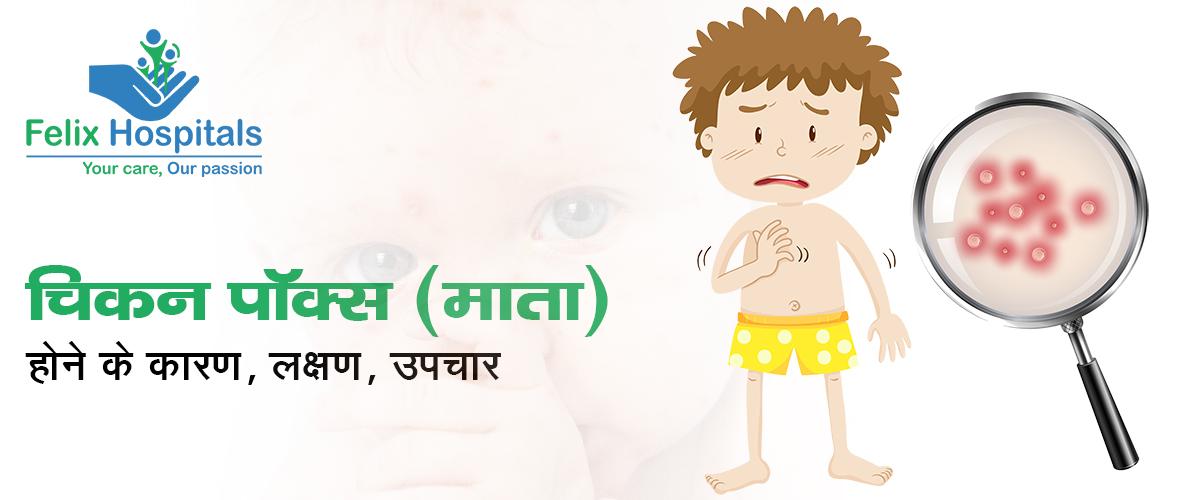
चिकन पॉक्स (माता) होने के कारण, लक्षण और उपचार

चिकन पॉक्स (chickenpox) छोटे बच्चों और वयस्क दोनों को होने की संभावना होती है। जब यह होता है तो रोगी बहुत घबरा जाते हैं। इलाज के लिए अनेक तरह के उपाय करते हैं। कई लोग तो झाड़ फूंक भी कराने लगते हैं।


अगर आपके परिवार में भी किसी को चिकन पॉक्स(chickenpox) की शिकायत है तो फेलिक्स हॉस्पिटल से संपर्क करने के साथ एक परामर्श की तारीख तय करें। हमें कॉल करें - +91 9667064100


क्या है चिकन पॉक्स? (What is chicken pox in hindi)

चिकन पॉक्स को चेचक भी कहते हैं। यह बीमारी दो तरह की होती है - छोटी माता और बड़ी माता या फिर इसे 'छोटी चेचक' और 'बड़ी चेचक' भी कहा जाता है।


चिकन पॉक्स (chickenpox in hindi) वेरीसेला जोस्टर नामक वायरस से होता है। विषाणु के शिकार लोगों के शरीर में फुंसियों जैसी चक्तियां होती हैं। यह संक्रमण हवा और खांसी के माध्यम से एक व्यक्ति से दूसरे व्यक्ति के शरीर तक पहुंचता है। एक बार जिस व्यक्ति को चिकन पॉक्स होता है तो उसका इम्यून सिस्टम (Immune System) उस वायरस के प्रति सचेत होता है। जीवन में कभी उसे दोबारा चिकन पॉक्स नहीं होता है।


कई बार वायरस (Virus) होने पर कुछ स्थिति में रीढ़ की हड्डी के नर्व टिश्यू में बसता है। आगे चलकर फिर से सक्रिय होता है। यह बाद में दाद जैसी दर्दनाक स्किन एलर्जी का कारण (Causes of skin allergies) बनता है। अधिकांश लोग बिना इलाज के चिकन पॉक्स से ठीक हो जाते हैं। यह ज्यादातर बच्चो में देखने को मिलता है, गंभीर मामले में इलाज की जरूरत होती है जिसके लिए हमे अच्छी सुविधा वाले बच्चो के हॉस्पिटल (Best Children's Hospital in Noida) में जाना चाहिए । 
 

चिकन पॉक्स के कारण (Chicken Pox ke Kaaran in Hindi)

चिकन पॉक्स (chickenpox) वैरिकाला-जोस्टर वायरस नाम के वायरस के संपर्क में आने से फैलता है। यह चिकन पॉक्स से पीड़ित व्यक्ति के छींकने या खांसने से फैलता है। संक्रमित व्यक्ति के फफोले से निकलने वाले तरल पदार्थ के संपर्क में आने से से  चिकन पॉक्स फैलता है। 1990 के मध्य तक चिकन पॉक्स एक आम संक्रमण था लेकिन वैरिकाला वैक्सीन (varicella vaccine) के आने से इसके मामलों में कमी आई है। चिकन पॉक्स  के खिलाफ वैक्सीनेशन एक सबसे अच्छा निवारक उपाय है। बच्चों को चिकन पॉक्स के मरीज से दूर रखना चाहिए। चिकन पॉक्स के रोगी को घर से कम से कम निकला चाहिए। इससे एक परिवार का संक्रमण दूसरे परिवार तक पहुंचने से रुकता है। मरीज के पास साफ-सफाई का ध्यान रखना चाहिए। जिससे संक्रमण बढ़ने नहीं पाए।


चिकन पॉक्स के लक्षण (Chicken Pox ke Lakshan in Hindi)

चिकन पॉक्स होने पर 10 से 21 दिन के बीच शरीर पर दाने दिखाई देते हैं। 


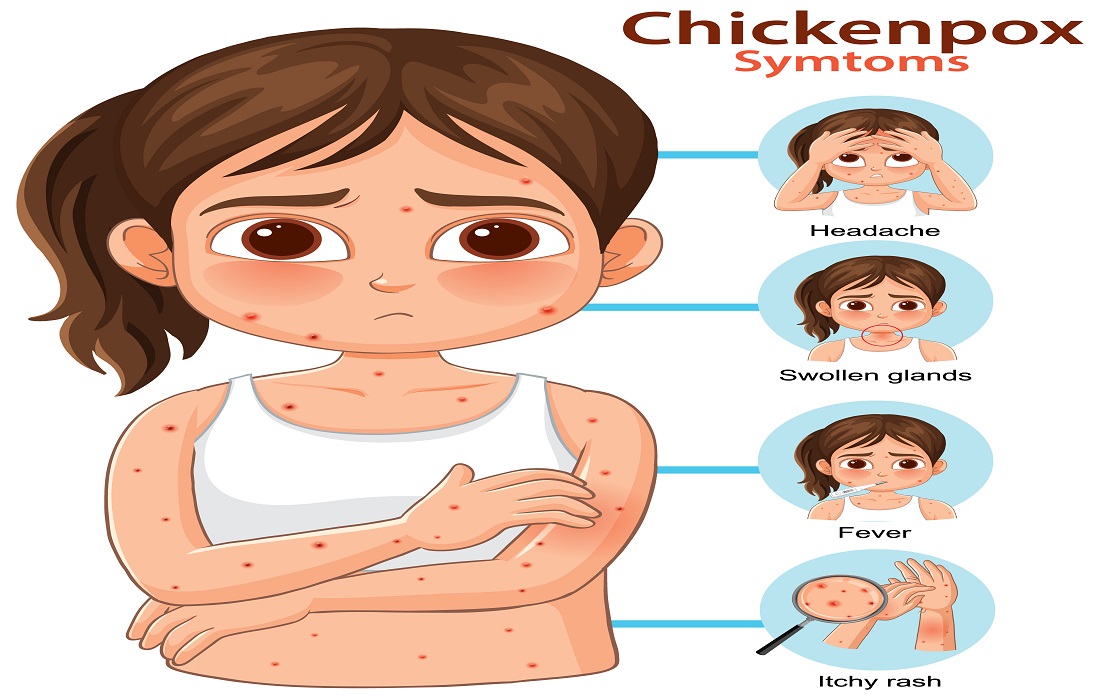
  • शुरूआत में बुखार, सिरदर्द, भूख नहीं लगना और थकान जैसे लक्षण दिखते हैं।

  • शुरुआती लक्षणों के दिखाई देने के दो दिन बाद चेहरे, छाती और पीठ पर लाल रंग के दाने दिखाई देते हैं। जो शरीर में फैलते हैं। 

  • यह चकत्ते पलक के पास, मुंह के अंदर, प्राइवेट पार्ट पर भी दिखते हैं। 

  • पहले चकत्ते उभरे होते हैं। मगर बिगड़ने पर मवाद से भरे फफोले में बदलते हैं। 

  • बाद में यही छाले खुलते हैं। सूखकर पपड़ी बनते हैं। 

  • ज्यादातर लोगों में चार से सात दिन तक ये लक्षण दिखते हैं।


chickenpox-in-hindi


यह लक्षण दिखने पर तुरंत डॉक्टर से करें संपर्क (If you see these symptoms, contact your doctor immediately)


  • बार-बार नींद आने पर।

  • 102 डिग्री या उससे अधिक बुखार रहने पर।  

  • चार दिन से अधिक समय तक बुखार रहने पर। 

  • तेज सिरदर्द के साथ भ्रम की स्थिति बनी रहने पर।

  • मस्तिष्क में सूजन पर उल्टी, सिरदर्द, गर्दन में अकड़न

  • नहाने और दवा लेने के बाद भी शरीर में खुजली रहने पर।

  • फेफड़ों में संक्रमण (Lung infections) होने पर सांस लेने में परेशानी और खांसी 

  • चकत्तों में तेज दर्द के साथ सूजन और मवाद से भरे फफोले बनने पर।


चिकन पॉक्स के प्रभावित करने वाले कारक (Factors Affecting Chicken Pox)

  • जिनके अंग प्रत्यारोपण हुए होते हैं।

  • जिनका कैंसर का इलाज चल रहा होता है। 

  • गर्भवती महिलाओं और नवजात शिशुओं (Newborns) को होता है।

  • कमजोर इम्यूनिटी वाले व्यक्तियों को अधिक होता है। 

  • संक्रमित व्यक्ति के परिवार के सदस्यों को अधिक होता है।

  • वे लोग जो गंभीर रूप से अस्थमा (Asthma) का शिकार होते हैं।

  • एचआईवी (HIV) व अन्य क्रॉनिक बीमारियों से ग्रसित को। 

  • वे बच्चे या वयस्क जिन्होंने वैरीसेला-जोस्टर वायरस का टीका नहीं लगवाया होता है

चिकन पॉक्स रोग के निदान (Diagnosis of Chicken Pox Disease)

हेल्दी बच्चों में चिकन पॉक्स के लक्षण (Symptoms of Chicken Pox) बहुत हल्के होते है। चिकन पॉक्स से होने वाले दाने को स्किन पर सामान्य होने में लगभग चार सप्ताह तक लगते हैं। फफोले या जो खरोंच के कारण फट गए हैं उनके निशान शरीर पर कई दिन तक रहते हैं। वैरीसेला-जोस्टर वायरस जब शरीर में प्रवेश करता है तब चिकन पॉक्स होता है। इस दौरान शरीर एंटी बॉडी का उत्पादन करता है। यह वायरस से लड़ने में मदद करने के साथ शरीर को हेल्दी बनाता है। जिन्हें बचपन में चिकन पॉक्स होता हैं उन्हें बाद में यह समस्या नहीं होती है।


चिकन पॉक्स का इलाज (Chicken Pox ka Ilaaj in Hindi)

ज्यादातर लोगों में चिकन पॉक्स के हल्के लक्षण देखने को मिलते हैं। वह बिना किसी इलाज के सही हो जाते हैं।  कुछ लोगों को उपचार की आवश्यकता होती है। चिकन पॉक्स एक वायरल संक्रमण है। जिसके इलाज में एंटी बायोटिक्स अप्रभावी होती है। कई डॉक्टर एंटी बायोटिक्स लेने की सलाह देते हैं। कई बार खरोंच के कारण त्वचा संक्रमित होती है। चिकन पॉक्स से पीड़ित व्यक्ति के जबतक पूरे शरीर पर दाने नहीं आते हैं। दो दिन पहले तक वह बहुत ज्यादा संक्रामक होता है। जिन लोगों को चिकन पॉक्स होता है, उन्हें बार-बार हाथ धोते रहना चाहिए। छीकंते या खांसते समय चेहरे को ढंकना चाहिए। स्कूल, ऑफिस और सार्वजनिक स्थान से दूरी बनाकर रखना चाहिए। डॉक्टर के परामर्श के बाद स्कूल या ऑफिस जाना चाहिए। कमजोर इम्यूनिटी वाले लोगों के संपर्क में आने से बचना चाहिए।


बुखार और दर्द पर एसिटामिनोफेन और दर्द निवारक दवाओं की सलाह दी जाती है। 16 वर्ष से कम उम्र के बच्चों को दर्द की दवाओं में एस्पिरिन शामिल करने से बचना चाहिए। डॉक्टर खुजली से राहत के लिए एंटीहिस्टामाइन या कैलेमाइन लोशन लिखते हैं। अगर आपके शरीर में दाने उभरने के साथ दानों में दर्द होता है। खुजली के साथ कमजोरी और बुखार है, तो फेलिक्स हॉस्पिटल से संपर्क करने के साथ हमारे फिजीशियन और चाइल्ड स्पेशलिस्ट (Child Specialist) के साथ एक परामर्श की तारीख तय करें।


चिकन पॉक्स की रोकथाम कैसे करें? (How to Prevent Chicken Pox in hindi)

चिकन पॉक्स से बचाव के लिए टीकाकरण जरूरी है। वायरस से दूरी बनाने के लिए वैरिकाला वैक्सीन की दो खुराक दी जाती है। 13 वर्ष से कम के उम्र के बच्चे को पहली डोज जन्म के 12-15 महीने के बीच और दूसरी डोज 4-6 वर्ष की उम्र में दी जाती है। 13 वर्ष से अधिक की उम्र के किशोर जिन्होंने अभी तक वैक्सीन नहीं लगवाई है। उन्हें दोनों खुराक के बीच चार से आठ  सप्ताह का अंतर रखना चाहिए। वे महिलाएं जो गर्भधारण की योजना (Planning a pregnancy) बना रही हैं। उन्हें गर्भधारण करने से 28 दिन पहले तक पहला टीका ले लेना चाहिए। अगर गर्भवती महिला चिकन पॉक्स(chickenpox) से संक्रमित व्यक्ति के संपर्क में होती है तो उसे तुरंत डॉक्टर से संपर्क करना चाहिए। 


तुरंत वैरिकाला-जोस्टर इम्युनोग्लोबुलिन का इंजेक्शन दिया जा सकता है। टीका संक्रमण को रोकने में प्रभावी है। टीका एकमात्र बचाव का तरीका नहीं है। कुछ लोग टीका लगने के बाद भी संक्रमित के संपर्क में आते हैं। उन्हें भी आमतौर पर हल्के लक्षणों का अनुभव होता है। अगर हल्का बुखार, शरीर पर लाल रंग के दाने या छाले होते हैं।


कब होता है एंटीवायरल दवा का उपयोग? (When is antiviral medicine used)

  • गर्भवती महिला के लिए। 

  • कमजोर इम्यूनिटी वाले लोगों के लिए। 

  • 5-12 वर्ष से अधिक आयु के स्वस्थ व्यक्तियों के लिए।

  • लंबे समय तक स्टेरॉयड थेरेपी (Steroid Therapy) कराने वाले लोगों के लिए।

  • लंबे समय से फेफड़े और त्वाच संबंधी समस्याओं से जूझ रहे लोगों के लिए।

  • वह एंटीवायरल दवा सबसे प्रभावी होती हैं जो दाने होने पर 24-72 घंटों के भीतर ली जाती हैं। 

जीवनशैली में बदलाव से मिलेगा आराम (Changes in lifestyle will provide relief in hindi)


  • खुजाकर फफोले को फोड़ें नहीं।

  • ज्यादा से ज्यादा आराम करना चाहिए।

  • खट्टा या नमकीन खाने से बचना चाहिए।  

  • बच्चों को खरोंच से रोकने के लिए हाथों पर मोजे लपेट लें।

  • दानों पर आराम के लिए ठंडा और नम कपड़ा रखना चाहिए। 

  • डिहाइड्रेशन (Dehydration) को रोकने के लिए तरल पदार्थ का सेवन करना चाहिए। 

  • मुंह के छाले से पीड़ित लोगों को नरम, ठंडे खाने का प्रयाग करना चाहिए। 

  • बेकिंग सोडा, कच्चे ओटमील के ठंडे पानी से खुजली में आराम मिलता है।

चिकन पॉक्स से होने वाली गंभीर परेशानी (Chicken Pox se Hone Wale Serious Problems in Hindi)

चिकन पॉक्स(chickenpox) एक प्रतिशत लोगों को गंभीर शिकायत होती है। वे लोग जिनकी इम्यूनिटी कमजोर होती है। उन्हें गंभीर परेशानियों को सामना करना पड़ता है। कई बार डिहाइड्रेशन, लिवर की समस्या, ब्लड, स्किन और टिश्यू का बैक्टीरियल संक्रमण, जगह-जगह खून के थक्के बनना, मस्तिष्क की मांसपेशियों का बिगड़ा समन्वय, निमोनिया (Pneumonia), इंसेफेलाइटिस, रीढ़ की हड्डी में सूजन की समस्या होती है। 
 

चिकन पॉक्स में आपको क्या खाना चाहिए।(Chicken pox me kya khana chahiye in Hindi)

  • ऑयली फूड और ट्रांसफूड का सेवन नहीं करें:- (Avoid oily and trans food during chicken pox)

च‍िकन पॉक्‍स के दौरान ट्रांसफैट के ल‍िए मना करते हैं। क्‍योंक‍ि इसे पचाना मुश्‍क‍िल है। ज्‍यादा ट्रांसफैट का सेवन करने से हार्ट ड‍िसीज का खतरा भी बढ़ता है। ट्रांस फैट का सेवन करने से च‍िकन पॉक्‍स को ठीक होने में समय लगता है। वह फैल भी सकता है। इसलिए ट्रांसफैट ज्‍यादातर फास्‍ट फूड में होता है। त्‍वचा में सूजन की समस्‍या बढ़ती है। फ्रैंच फ्राइज, पकौड़े, समोसा, कचौड़ी खाने से बचना चाहिए।


  • सोड‍ियम युक्‍त फूड अवॉइड करें:- (Avoid sodium during chicken pox)

मसालेदार या ज्‍यादा नमक वाले खाने को अवॉइड करना चाहिए। ज्‍यादा मसालेदार और नमक वाला खाने से मुंह में जलन होती है। च‍िकन पॉक्‍स मुंह में होता है इस कारण तेज दर्द होता है। इसलिए प‍िज्‍जा, बर्गर, च‍िकन, चाइनीज फूड्स (Chinese Foods) का सेवन नहीं करना चाह‍िए।


  • म‍िर्च वाला खाना न खाएं: (Avoid spicy food during chicken pox)

ज्‍यादा म‍िर्च खाने से च‍िकन पॉक्‍स बढ़ सकता है। अर्जीनाइन नाम के एम‍िनो एस‍िड का सेवन अवॉइड करना चाहिए। यह च‍िकन पॉक्‍स के वायरस को बढ़ाता है। म‍िर्च वाले खाने का सेवन ज्‍यादा करते हैं तो च‍िकन पॉक्‍स ठीक होने में समय लगेगा। लाल म‍िर्च, खड़े मसाले, पीनट बटर, ट्री नट्स को अवॉइड करना चाहिए।


  • खट्टे फल न खाएं:- (Avoid citrus fruits)

खट्टे फलों को च‍िकनपॉक्‍स के दौरान खाना अवॉइड करना बेहतर है। क्योंकि इन फलों का स्‍वाद खट्टा-मीठा होता है। नींबू, संतरा, ग्रेपफ्रूट, मौसंबी, आम आद‍ि में खट्टापन होता है। च‍िकन पॉक्‍स के दौरान इनका सेवन अवॉइड करना चाह‍िए। इस दौरान मुंह में छाले होते हैं तो फलों में मौजूद एसि‍ड, छालों के दर्द और जलन को बढ़ाता है। इसलिए इनका सेवन नहीं करना चाहिए।


  • ज्‍यादा गरम खाना अवॉइड करें (Avoid hot food during chicken pox) :

ज्यादा गरम खाना अवॉइड करना बेहतर है। इससे मुंह में छाले होते हैं व जलन पैदा करते हैं। च‍िकन पॉक्‍स में होने वाले दाग अंदर भी होते हैं तो गरम-गरम खाना नहीं खाना चाहिए। आइसक्रीम, म‍िल्‍क शेक, दही का सेवन करना चाह‍िए। मीट को अवॉइड करना चाह‍िए। कम फैट वाली चीजों का सेवन करना चाहिए। ऑयली और जंक फूड (Junk Food) अवॉइड करना चाहिए। ऐसी चीज का सेवन करें ज‍िसकी तासीर ठंडी मसलन नार‍ियल पानी, दही लस्सी आदि।


  • उचित डायट लें (Take proper diet):

चिकन पॉक्स होने पर शरीर में डिहाईड्रेशन हो जाता है। बीमार व्यक्ति को पानी पिलाते रहें। पानी को उबाल कर ठंडा करके सेवन करना चाहिए। नारियल पानी का भरपूर सेवन करें। शरीर को एनर्जी मिलने के साथ पानी की कमी दूर होगी। नारियल पानी में भरपूर विटामिन्स और मिनरल्स होते हैं जो शरीर के लिए उपयोगी होते हैं। शीतल स्वभाव शरीर की जलन में भी आराम पहुंचाने में मदद करता है। हल्का आहार जैसे फल और हल्का अनाज ही खाना चाहिए। धनिया और गाजर का सूप फायदेमंद होता है। धनिया एक बेहतरीन ऑर्गैनिक कंपाउंड है जिसमें औषधीय गुण शामिल है।


धनिया के पत्तों को गाजर के छोटे टुकड़े के साथ उबालकर इन्हें ग्राइंड करना चाहिए। फिर घर में मौजूद हर्ब्स डालकर इसका सेवन करें। केला, सेब व खरबूजे का सेवन करें। सूजी से बनी चीजें भी फायदेमंद हैं। उबली हुई सब्जियों का सेवन करना चाहिए। गाजर, शकरकंद, फलियां , आलू और गोभी खा सकते हैं। दही का सेवन त्वचा के लिए सही है। कैल्शियम (Calcium) और प्रोबायोटिक्स होता है।


निष्कर्ष:

चिकन पॉक्स (chickenpox) वैरिसेला-ज़ोस्टर वायरस के कारण होने वाली एक संक्रामक बीमारी है। वयस्कों और कमजोर प्रतिरक्षा प्रणाली वाले लोगों में यह काफी गंभीर हो सकता है। चिकन पॉक्स वैरिसेला ज़ोस्टर वायरस के कारण होने वाला एक बहुत संक्रामक संक्रमण होता है। चिकन पॉक्स का सबसे आम लक्षण तरल पदार्थ से भरे फफोले के साथ खुजलीदार लाल दाने होते है। चिकन पॉक्स  के अधिकांश मामले हल्के होते है। अपने आप ठीक हो जाते हैं। लेकिन चिकन पॉक्स (chickenpox) की गंभीर जटिलताओं में संक्रमित छाले, निमोनिया और मेनिनजाइटिस शामिल होता है। चिकन पॉक्स से खुद को बचाने के लिए टीकाकरण सबसे अच्छा तरीका है।


अगर आपके शरीर में दाने उभरने के साथ दानों में दर्द है। खुजली के साथ कमजोरी और बुखार है, तो आप नॉएडा के अच्छे हॉस्पिटल में जनरल फिजिशियन (Best General Physician Hospital In Noida) को दिखा सकते है आज ही फेलिक्स हॉस्पिटल से संपर्क करने के साथ हमारे फिजीशियन और चाइल्ड स्पेशलिस्ट के साथ एक परामर्श की तारीख तय करें। हमें कॉल करें - +91 9667064100

Written and verified by:
Dr. Sonakshi Saxena

Dr. Sonakshi Saxena

MBBS, MD | Exp: 7 Yr
General Medicine

Dr. Sonakshi Saxena is a dedicated internal medicine physician with 7+ years of experience in diagnosing and managing various medical conditions. She follows a patient-centric approach with personalized treatment plans and attentive care, and is recognized among the Best General Physicians in Noida.


Your Health, Our Priority

Request Call Back

Request an Appointment

CAPTCHA
Solve this simple math problem and enter the result. E.g. for 1+3, enter 4.
* By clicking on the above button you agree to receive updates on WhatsApp

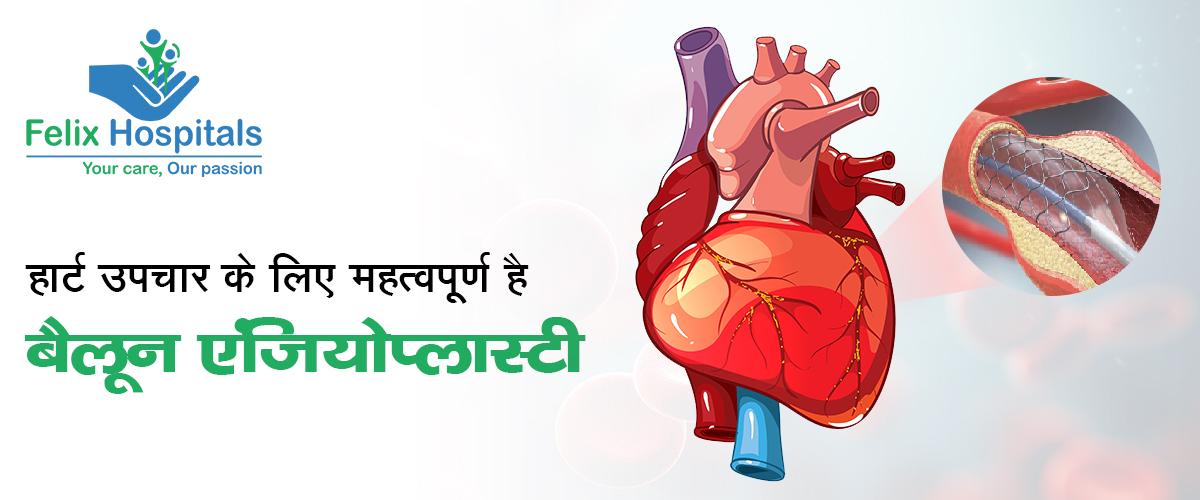
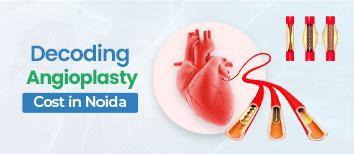
हार्ट उपचार के लिए महत्वपूर्ण है बैलून एंजियोप्लास्टी

आधुनिक चिकित्सा के क्षेत्र में बैलून एंजियोप्लास्टी (Balloon angioplasty) एक क्रांतिकारी प्रक्रिया है। जिसका उपयोग हृदय की धमनियों में रुकावट को दूर करने के लिए किया जाता है। (Balloon Angioplasty Surgery treatment in Noida) इस प्रक्रिया के द्वारा हृदय के मरीजों को बड़े और जटिल ऑप्रेशन से बचाया जा सकता है। उनकी जीवनशैली में सुधार हो सकता है।


अगर आपको छाती और सीने में दर्द रहने के साथ हफनी की समस्या बनी रहती है तो फेलिक्स हॉस्पिटल आपकी सहायता के लिए तैयार है। आज ही हमसे संपर्क करें और हमारी सेवाओं के बारे में अधिक जानें और देखें कि हम आपकी सर्वोत्तम देखभाल कैसे सुनिश्चित कर सकते हैं। फेलिक्स हॉस्पिटल से संपर्क करने के साथ  हमारे कॉर्डियोलॉजिस्ट के साथ एक परामर्श की तारीख तय करें। हमें कॉल करें +91 9667064100


बैलून एंजियोप्लास्टी क्या है ?(What is balloon angioplasty in Hindi) : 


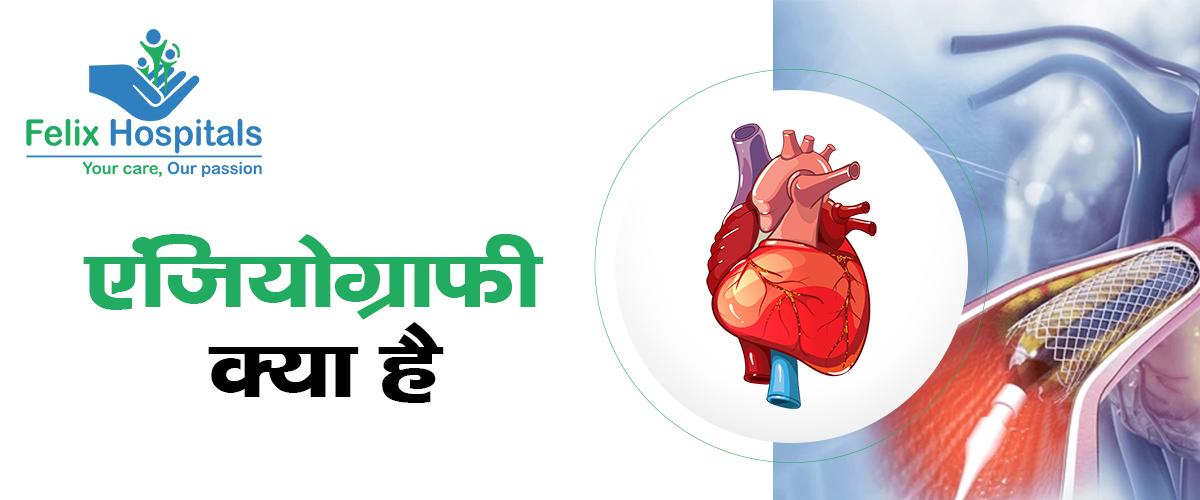
बैलून एंजियोप्लास्टी (Balloon angioplasty) जिसे पर्क्युटेनियस ट्रांसल्यूमिनल कोरोनरी एंजियोप्लास्टी (PTCA) भी कहा जाता है। एक मिनिमली इनवेसिव प्रक्रिया है। जिसमें एक छोटे बैलून को हृदय की धमनी में डाला जाता है और इसे फुलाया जाता है। इस प्रक्रिया का मुख्य उद्देश्य धमनी के संकुचित हिस्से को खोलना है, जिससे रक्त प्रवाह सामान्य रूप से हो सके।


बैलून एंजियोप्लास्टी प्रक्रिया कैसे की जाती है ? (How is the balloon angioplasty procedure performed in Hindi) : 
 

  • लोकल एनेस्थेसिया (Local Anesthesia) : मरीज को लोकल एनेस्थेसिया दिया जाता है। जिससे दर्द से राहत मिल सके।
  • कैथेटर डालना (Inserting a catheter) : एक लंबी, पतली ट्यूब (कैथेटर) को मरीज की धमनी में डाला जाता है। आमतौर पर यह कैथेटर जांघ की धमनी के माध्यम से दिल तक पहुंचाया जाता है।
  • बैलून का उपयोग (Use of balloon) : कैथेटर के माध्यम से एक छोटे बैलून वाली ट्यूब को संकुचित धमनी तक पहुंचाया जाता है और बैलून को फुलाया जाता है।


बैलून एंजियोप्लास्टी के लाभ (Benefits of Balloon Angioplasty in hindi) : 
 

  • त्वरित राहत प्रदान करना (Provide quick relief ): बैलून एंजियोप्लास्टी (Balloon angioplasty)  से मरीजों को तत्काल राहत मिलती है। इस प्रक्रिया के दौरान बैलून को संकीर्ण या अवरुद्ध धमनी में डाला जाता है। (Balloon Angioplasty Surgery treatment in Noida) फिर इसे फुलाया जाता है। यह बैलून धमनी की दीवारों पर जमा हुए प्लाक को दबाकर धमनी को विस्तारित करता है। जिससे रक्त प्रवाह में सुधार होता है।
     
  • कम इनवेसिव (Less invasive) :बैलून एंजियोप्लास्टी (Balloon angioplasty)  एक कम इनवेसिव प्रक्रिया है। जिसका मतलब है कि इसमें शरीर के अंदर कम से कम छेद किया जाता है। (angioplasty surgery treatment Cost in noida) यह विशेषता इसे सुरक्षित बनाती है और इसमें संभावित जटिलताओं की संख्या को कम करती है। इसके अलावा रोगी का रिकवरी समय भी कम होता है और अस्पताल में भर्ती की आवश्यकता भी कम होती है।
     
  • कम जटिलताएं (Fewer complications) : बैलून एंजियोप्लास्टी (Balloon angioplasty)  के दौरान जटिलताओं की संभावना कम होती है। खासकर जब इसे अनुभवी चिकित्सक द्वारा किया जाता है। यह प्रक्रिया धमनी की दीवारों को कम नुकसान पहुंचाती है। (coronary balloon angioplasty Surgery in Noida) क्योंकि यह नॉन-सर्जिकल है, इसलिए संक्रमण का खतरा भी कम होता है।
     
  • बेहतर गुणवत्ता (Better Quality) : बैलून एंजियोप्लास्टी (Balloon angioplasty)  के बाद अधिकांश रोगी अपने जीवन की गुणवत्ता में तुरंत सुधार महसूस करते हैं। रक्त प्रवाह में सुधार होने से उन्हें अधिक ऊर्जा मिलती है और वह अधिक सक्रिय जीवनशैली का आनंद ले सकते हैं। (angioplasty surgery treatment Cost in noida) इसके अलावा इससे हृदय की विफलता और अन्य हृदय संबंधी जटिलताओं के जोखिम को कम करने में मदद मिलती है।
     
  • लंबे समय तक परिणाम (Long Term Results) :बैलून एंजियोप्लास्टी (Balloon angioplasty)  एक अस्थायी समाधान प्रदान कर सकती है। कई मामलों में यह दीर्घकालिक परिणाम भी प्रदान करता है। खासकर जब इसे स्टेंटिंग के साथ मिलाकर किया जाता है। (Angioplasty Surgery treatment hospital in noida) जो धमनी को फिर से संकीर्ण होने से रोकता है। यह स्थिरता रोगी को अधिक विश्वास देती है और उन्हें अपने दैनिक कार्यों को बिना किसी चिंता के आगे बढ़ाने में सक्ष्म बनाती है।
     
  • उच्चतम संभावित परिणाम (individual treatment options) : बैलून एंजियोप्लास्टी (Balloon angioplasty)  के रोगी की विशेष चिकित्सा जरूरतों के अनुसार उपचार किया जा सकता है। यह धमनी के विशिष्ट हिस्से में होती है। जहां अवरोध है और इस प्रकार यह उच्चतम संभावित परिणाम प्रदान करती है।
     
  • व्यापक उपचार  (Wide reach) : बैलून एंजियोप्लास्टी (Balloon angioplasty)  की विशेषता यह है कि इसे लगभग किसी भी बड़ी धमनी में किया जा सकता है। जिसमें कोरोनरी आर्टरीज, पेरिफेरल आर्टरीज और कारोटिड आर्टरीज शामिल हैं। (Angioplasty Surgery treatment hospital in noida) इसके कारण यह विभिन्न प्रकार के धमनी रोगों के लिए एक व्यापक उपचार प्रदान करती है।
     
  • उन्नत तकनीकी  (Technological Advancement) : चिकित्सा तकनीकों में निरंतर उन्नति के साथ बैलून एंजियोप्लास्टी (Balloon angioplasty)  और भी प्रभावी और सुरक्षित हो गई है। नवीनतम तकनीकें जैसे कि ड्रग-एलुटिंग बैलून और बायोडिग्रेडेबल स्टेंट्स ने इस प्रक्रिया की सफलता दर को और बढ़ाया है।


बैलून एंजियोप्लास्टी (Balloon angioplasty)  से धमनियों में से प्लाक को सिकुड़ा कर या संकुचित करके उसकी बाधा को दूर किया जा सकता है, जिससे धमनियों में रक्त का प्रवाह सुधरता है। अगर आप बैलून एंजियोप्लास्टी कराना चाहते हैं तो फेलिक्स हॉस्पिटल आपकी सहायता के लिए तैयार है। (Angioplasty Surgery treatment hospital in noida) आज ही हमसे संपर्क करें और हमारी सेवाओं के बारे में अधिक जानें और देखें कि हम आपकी सर्वोत्तम देखभाल कैसे सुनिश्चित कर सकते हैं। फेलिक्स हॉस्पिटल से संपर्क करने के साथ हमारे कॉर्डियोलॉजिस्ट के साथ एक परामर्श की तारीख तय करें। हमें कॉल करें  +91 9667064100


बैलून एंजियोप्लास्टी के जोखिम (Risks of Balloon Angioplasty in hindi) :
 

  • प्रवेश स्थल पर खून बहना संभव है।
  • बैलून या स्टेंट के कारण धमनी क्षतिग्रस्त हो सकती है।
  • स्टेंट थ्रोम्बोसिस में कभी-कभी स्टेंट के आसपास खून का थक्का बन सकता है, जिससे और रुकावट हो सकती है। 


बैलून एंजियोप्लास्टी सर्जरी की लागत (Balloon Angioplasty Surgery Cost in hindi) 


बैलून एंजियोप्लास्टी (Balloon angioplasty)  एक महत्वपूर्ण चिकित्सीय प्रक्रिया है जिसे दिल की बीमारियों, विशेषकर कोरोनरी धमनी रोग के उपचार के लिए अपनाया जाता है। बैलून एंजियोप्लास्टी एक नॉन-सर्जिकल, कैथेटर-आधारित प्रक्रिया है जिसमें एक छोटा बैलून कैथेटर के माध्यम से धमनी में डाला जाता है और उस स्थान पर पहुंचाया जाता है जहां धमनी में रुकावट या संकुचन हुआ है। (Coronary balloon angioplasty Surgery in Noida) बैलून को फुलाकर धमनी की दीवारों को चौड़ा किया जाता है, जिससे रक्त प्रवाह सामान्य हो जाता है। भारत में बैलून एंजियोप्लास्टी की लागत विभिन्न कारकों पर निर्भर करती है। जैसे कि अस्पताल का स्थान डॉक्टर की विशेषज्ञता और उपयोग किए गए सामग्री की क्वालिटी। आमतौर पर इसकी लागत 50,000 से 2,00,000 तक हो सकती है, जिसमें स्टेंट्स की लागत, अस्पताल के चार्जेस और अन्य चिकित्सीय खर्च शामिल हैं।


कोरोनरी बैलून एंजियोप्लास्टी की प्रक्रिया (Coronary Balloon Angioplasty Procedure in hindi) : 


कोरोनरी धमनी रोग (CAD) दिल की धमनियों में प्लाक के निर्माण के कारण होता है, जो रक्त प्रवाह को कम कर देता है और दिल को पर्याप्त ऑक्सीजन युक्त रक्त प्राप्त नहीं हो पाता। (Best angioplasty surgery in Noida) इसके परिणामस्वरूप अंगीना (छाती में दर्द) और हार्ट अटैक का खतरा बढ़ जाता है। कोरोनरी बैलून एंजियोप्लास्टी एक नॉन-सर्जिकल प्रक्रिया है जो कैथेटर और बैलून के उपयोग से की जाती है। इस प्रक्रिया में पहले रोगी को सर्जरी से पहले भूखा रहने के निर्देश दिए जाते हैं। इसके अलावा एंजियोप्लास्टी से पहले एंजियोग्राफी की जाती है ताकि धमनियों की स्थिति का मूल्यांकन किया जा सके। एक लंबे पतले ट्यूब (कैथेटर) को आमतौर पर रोगी की जांघ की बड़ी धमनी के माध्यम से दिल तक पहुंचाया जाता है। इस कैथेटर के अंत में एक छोटा बैलून लगा होता है जिसे ब्लॉक हुई धमनी के स्थान पर रखा जाता है।  बैलून को फुलाकर धमनी की दीवार को चौड़ा किया जाता है, जिससे प्लाक की धमनी के खुले रहने की जांच की जाती है। भारत में कोरोनरी बैलून एंजियोप्लास्टी की लागत (Angioplasty Surgery treatment Cost) विभिन्न कारकों पर निर्भर करती है जैसे कि अस्पताल का स्थान, डॉक्टर की विशेषज्ञता, उपयोग किए गए मेडिकल उपकरण और स्टेंट का प्रकार। औसतन इसकी लागत 1,00,000 से 4,00,000 के बीच हो सकती है। कोरोनरी बैलून एंजियोप्लास्टी एक अत्याधुनिक चिकित्सा प्रक्रिया है जो कार्डियक रोगियों के लिए जीवन रक्षक सिद्ध हो सकती है।  इसके लाभों के साथ-साथ इसके जोखिमों की भी पूरी समझ होनी चाहिए, और उपचार का निर्णय लेने से पहले विशेषज्ञों की सलाह अनिवार्य है। बैलून एंजियोप्लास्टी एक प्रभावी उपचार है जिसने हजारों लोगों की जीवन शैली में सुधार किया है और उन्हें एक स्वस्थ जीवन जीने का मौका दिया है। (Best angioplasty surgery in Noida)  हालांकि, इसकी उचित योजना और तैयारी की आवश्यकता होती है, और रोगी को चिकित्सा विशेषज्ञों की सलाह का पालन करना चाहिए। उपचार की लागत के संदर्भ में भी, उचित बीमा कवरेज और वित्तीय योजना से इसे अधिक सुलभ बनाया जा सकता है।


कोरोनरी बैलून एंजियोप्लास्टी लाभ (Coronary Balloon Angioplasty Benefits in hindI) : 
 

  • इस प्रक्रिया से दिल की धमनियों में रक्त प्रवाह बढ़ता है, जिससे छाती का दर्द और अन्य संबंधित लक्षण कम होते हैं।
  • सुधरे हुए रक्त प्रवाह से दिल की मांसपेशियां बेहतर काम करती हैं, जिससे दिल की समग्र क्षमता बढ़ती है।
  • एंजियोप्लास्टी से धमनियों में अवरोध कम होता है, जिससे हृदयाघात का जोखिम भी कम हो जाता है।
     

निष्कर्ष (Conclusion) : 


बैलून एंजियोप्लास्टी (Balloon angioplasty)  एक प्रभावी और सुरक्षित प्रक्रिया है। जो हृदय रोगियों के जीवन की गुणवत्ता में सुधार कर सकती है। इस प्रक्रिया के माध्यम से कई रोगियों ने अपने हृदय के स्वास्थ्य में महत्वपूर्ण सुधार देखा है। उन्हें एक सक्रिय और स्वस्थ जीवनशैली की ओर लौटने में मदद मिली है। अगर आप या आपका कोई परिचित हृदय रोग से जूझ रहे हैं, तो चिकित्सक से संपर्क करके बैलून एंजियोप्लास्टी (Balloon angioplasty)  जैसी प्रक्रियाओं के बारे में जानकारी प्राप्त करना उचित होगा। इस प्रकार, बैलून एंजियोप्लास्टी हृदय रोगों के उपचार में एक क्रांतिकारी प्रगति प्रदान करती है। इसके अनेक फायदे न केवल रोगियों को बेहतर स्वास्थ्य और उन्नत जीवन गुणवत्ता प्रदान करते हैं, बल्कि यह चिकित्सा प्रथाओं को भी अधिक इफेक्टिव बनाते हैं।


बैलून एंजियोप्लास्टी (Balloon angioplasty) छाती में दर्द को कम कर सकती है जो कि दिल की मांसपेशियों तक अपर्याप्त रक्त प्रवाह के कारण होता है। अगर आप बैलून एंजियोप्लास्टी कराना चाहते हैं तो फेलिक्स हॉस्पिटल आपकी सहायता के लिए तैयार है। आज ही हमसे संपर्क करें और हमारी सेवाओं के बारे में अधिक जानें और देखें कि हम आपकी सर्वोत्तम देखभाल कैसे सुनिश्चित कर सकते हैं। (Best angioplasty surgery in Noida)  फेलिक्स हॉस्पिटल से संपर्क करने के साथ हमारे कॉर्डियोलॉजिस्ट के साथ एक परामर्श की तारीख तय करें। हमें कॉल करें  +91 9667064100


बैलून एंजियोप्लास्टी से जुड़े सवाल और जवाब (Questions and answers related to balloon angioplasty in hindi) : 
 

  • बैलून एंजियोप्लास्टी क्या है ?

उत्तर:  बैलून एंजियोप्लास्टी, जिसे पर्क्यूटेनियस ट्रांसल्यूमिनल कोरोनरी एंजियोप्लास्टी (PTCA) भी कहा जाता है। एक चिकित्सीय प्रक्रिया है जिसमें एक छोटे बैलून को कैथेटर के माध्यम से धमनी में डालकर फुलाया जाता है। यह बैलून धमनी की दीवारों पर दबाव डालता है और प्लाक को संकुचित कर धमनी के अवरुद्ध मार्ग को खोलता है। इससे रक्त प्रवाह में सुधार होता है और हृदय को अधिक ऑक्सीजन मिल पाती है।
 

  • बैलून एंजियोप्लास्टी की आवश्यकता क्यों पड़ती है ?

उत्तर:  यह प्रक्रिया मुख्यत तब आवश्यक होती है जब कोरोनरी धमनियों में प्लाक के निर्माण के कारण उनमें अवरोध उत्पन्न हो जाता है। जिससे दिल तक रक्त का प्रवाह कम हो जाता है। यह अवरोध अंगीना (छाती में दर्द) या हार्ट अटैक का कारण बन सकता है।
 

  • बैलून एंजियोप्लास्टी की प्रक्रिया कैसे की जाती है ?

उत्तर:  प्रक्रिया से पहले मरीज को स्थानीय एनेस्थीसिया दिया जाता है। एक लंबे, पतले ट्यूब जिसे कैथेटर कहा जाता है, को एक धमनी के माध्यम से ब्लॉकेज तक पहुंचाया जाता है। इस कैथेटर के अंत में एक छोटा बैलून लगा होता है, जिसे ब्लॉकेज स्थल पर पहुंचने पर फुलाया जाता है। बैलून के फुलाने से धमनी की दीवारें चौड़ी हो जाती हैं और प्लाक सिकुड़ जाता है, जिससे रक्त प्रवाह सुधर जाता है।
 

  • बैलून एंजियोप्लास्टी के जोखिम क्या हैं ?

उत्तर:  हर चिकित्सीय प्रक्रिया की तरह बैलून एंजियोप्लास्टी में भी कुछ जोखिम शामिल हैं, जैसे कि धमनी की चोट, रक्तस्राव, संक्रमण और कभी-कभी, प्रक्रिया के बाद धमनी में फिर से संकुचन (रेस्टेनोसिस) हो सकता है।
 

  • बैलून एंजियोप्लास्टी के बाद क्या उम्मीदें की जा सकती हैं ?

उत्तर: अधिकांश रोगी बैलून एंजियोप्लास्टी के बाद धमनियों में बेहतर रक्त प्रवाह का अनुभव करते हैं। जिससे छाती का दर्द कम होता है और दैनिक गतिविधियों के लिए अधिक ऊर्जा मिलती है। हालांकि, स्वस्थ जीवनशैली का पालन करना और नियमित चिकित्सकीय जांच जरूरी होती है।
 

  • बैलून एंजियोप्लास्टी की तुलना में अन्य उपचार क्या हैं ?

उत्तर:  बैलून एंजियोप्लास्टी के अलावा कोरोनरी आर्टरी बाईपास सर्जरी (CABG) एक अन्य प्रमुख उपचार है जिसमें धमनियों के ब्लॉकेज को बाईपास करने के लिए शल्य चिकित्सा की जाती है। मेडिकेशन थेरेपी भी इस स्थिति के लिए एक विकल्प है। जिसमें ब्लड थिनर्स और कोलेस्ट्रॉल कम करने वाली दवाएं शामिल हैं।


Your Health, Our Priority

Request Call Back

Request an Appointment

CAPTCHA
Solve this simple math problem and enter the result. E.g. for 1+3, enter 4.
* By clicking on the above button you agree to receive updates on WhatsApp

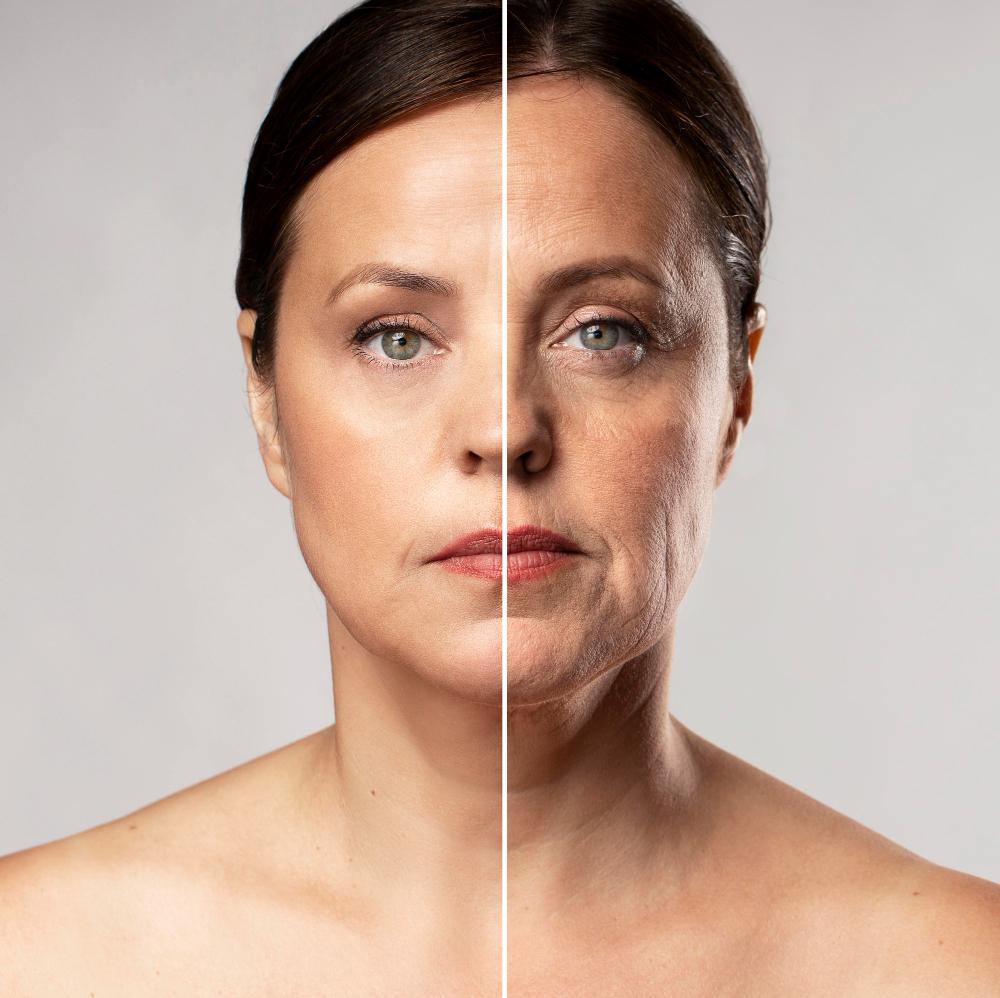
Homeopathy for Eczema: A Natural Path to Skin Health

Have you ever had red, itchy patches on your skin? It could be eczema, a common condition that makes your skin all red and inflamed. Sometimes it looks like dry, scaly spots, and in serious cases, it might even blister treatment or ooze. But don't worry, it's not catchy - you can't give it to someone else. Eczema often runs in families, and while we're not sure exactly why it happens, it's probably a mix of your genes and things around you. Things like certain stuff you're allergic to, stuff that irritates your skin, changes in the weather, or even when you're stressed can make it worse. There's no magic cure, but taking good care of your skin, avoiding things that make it angry, and sometimes using special creams or medicines from the doctor can help keep eczema under control.


At Felix Hospital, we offer personalized homeopathy treatments for eczema. Our expert homeopaths focus on the root causes to provide long-term relief. Choose Felix Hospital for natural, effective care and start your journey to healthier skin today. Contact us today at +91 9667064100.


What is Eczema?

Eczema is a skin condition that causes itchiness, dryness, redness, and swelling. It often appears as patches on the body, which can become crusty or ooze fluid. While uncomfortable, eczema is not contagious. It's a prevalent condition, and there are effective ways to manage it and alleviate symptoms. Many people find relief through treatment at homeopathy hospitals, which offer natural and holistic approaches to skin conditions.


Types of Eczema

There are several types of eczema, each with its own characteristics and triggers. The most common types include:


  • Atopic Dermatitis

  • Contact Dermatitis

  • Dyshidrotic Eczema

  • Nummular Eczema

  • Seborrheic Dermatitis

  • Stasis Dermatitis

These are the main types, but there can be variations and subtypes within each category. It's essential to consult with a healthcare professional for an accurate diagnosis and personalized treatment plan.


  • Atopic Dermatitis: This is the most common type of eczema. It often runs in families and can make your skin itchy, red, and swollen. People with this type of eczema might also have asthma or high fever.

  • Contact Dermatitis: This type happens when your skin touches something that irritates it, like certain soaps, plants like poison ivy, or even some metals like nickel in jewellery. Your skin might get red, itchy, or even blistered.

  • Dyshidrotic Eczema: This kind of eczema shows up as tiny, itchy blisters on the palms of your hands, sides of your fingers, and sometimes on your feet. It can be triggered by stress or exposure to certain metals.

  • Nummular Eczema: Nummular eczema causes coin-shaped patches of irritated skin that can be itchy and might ooze fluid. It's often triggered by dry skin, insect bites, or irritants like harsh soaps.

  • Seborrheic Dermatitis: This type of eczema mostly affects the scalp and face. It can cause redness, greasy scales, and dandruff-like flakes. Babies sometimes get this on their scalp, known as a "cradle cap."

  • Stasis Dermatitis: Stasis dermatitis usually happens in the lower legs of older adults who have circulation problems. It can cause redness, swelling, and itching due to poor blood flow.

Remember, eczema can be different for everyone, but understanding the type you have can help you manage it better and find the right treatments.
 

Symptoms of Eczema

There could be numerous types of symptoms for eczema depending on the condition of each patient, however following are some of the common symptoms of eczema;  

  • Itchy Skin: Eczema often makes your skin feel very itchy, like you want to scratch it all the time. It can be hard to resist scratching, but scratching can make it worse.

  • Dry, Red Skin: Your skin might look dry, red, and irritated, almost like a sunburn. It can be bumpy or rough in texture.

  • Swelling: Sometimes, the affected areas might swell a bit, making your skin look puffy.

  • Crusty or Oozing Patches: In some cases, eczema can cause patches of skin to become crusty or even ooze fluid. This can happen if you scratch too much or if the eczema is severe.

  • Rashes or Blisters: Eczema can cause rashes or tiny blisters to appear on your skin. These can be uncomfortable and may pop or break open if you scratch them.

  • Sensitive Skin: Your skin might feel more sensitive than usual, especially to things like soap, detergents, or certain fabrics.

Remember, eczema can vary from person to person, so not everyone will have all of these symptoms. If you're experiencing any of these signs, it's essential to talk to a doctor or dermatologist for proper diagnosis and treatment.


Causes of Eczema

Eczema often arises from a multitude of common triggers, including genetic predispositions, environmental factors, allergies, and skin irritants. Below are some of the common causes of Eczema; 

  • Genes and Family: Just like you inherit traits like eye colour or hair texture from your family, eczema can also run in families. If your parents or siblings have eczema, you might be more likely to get it too.

  • Skin Barrier Issues: Imagine your skin as a protective wall around your body. Sometimes, this wall can have weak spots, making it easier for things like irritants or allergens to get in and cause trouble. Eczema often happens when your skin's barrier isn't as strong as it should be.

  • Allergens: Some people's skin can get irritated by things like pollen, dust mites, pet dander, or certain foods. If your skin is sensitive to these allergens, it might react with eczema flare-ups.

  • Irritants: Your skin can also get upset by things it touches, like harsh soaps, detergents, or even wool clothing. These irritants can make your skin red, itchy, and irritated.

  • Weather Changes: Imagine your skin as a plant that needs just the right environment to thrive. Changes in weather, like dry air in winter or sweaty heat in summer, can make your skin unhappy and trigger eczema.

  • Stress: Just like your mind can feel stressed out, your skin can too! Stress can sometimes make eczema worse or trigger flare-ups.

  • Microbes: Sometimes, tiny organisms like bacteria or viruses can aggravate your skin and lead to eczema flare-ups. Keeping your skin clean and healthy can help keep these critters in check.

Eczema can be a mix of different factors, and what causes it for one person might not be the same for someone else. It's like a puzzle and finding the right pieces to manage your eczema is key! If you're unsure what's triggering your eczema, a doctor or dermatologist can help you figure it out.


Diagnosis and Tests

Eczema, or as some call it, atopic dermatitis, is like a puzzle for doctors to solve. They need to figure out if those itchy, red patches on your skin are indeed eczema and what might be causing them. Here's how they do it in a way that's easy to understand:

  • Telecalling Consultation with the Doctor: Your journey starts with a call with the doctor. They'll ask about your skin troubles, like how it looks, how it feels, and what makes it worse or better. They might also ask if anyone else in your family has similar issues. Think of it as sharing clues for solving a mystery.

  • Skin Check-Up: Next up, the doctor will give your skin a thorough check-up. They'll look closely at those red, itchy spots and see if they match the typical signs of eczema, like dryness, swelling, and maybe even little blisters.

  • Allergy Detective Work: Sometimes, certain things in the environment, like pollen or dust, can make eczema worse. To find out if you're allergic to any of these troublemakers, the doctor might suggest a couple of tests.

  • Patch Testing: Imagine little stickers with different allergens stuck on your back for a few days. These stickers don't hurt, promise! Afterward, the doctor checks to see if any of them caused your skin to react.

  • Skin Prick Testing: Ever heard of tiny pricks? Not the kind from your little brother, but a gentle poke on your skin with a tiny needle containing a drop of a suspected allergen. If your skin gets a little bump afterward, it might mean you're allergic to that substance.

  • Blood Tests: Sometimes, the doctor might want to take a peek at your blood to see if certain allergy-related substances, like IgE, are higher than normal. It's like giving them another piece of the puzzle.

  • Special Diet Mission: If the doctor suspects that certain foods are making your eczema worse, they might suggest trying an "elimination diet." This means temporarily saying bye-bye to suspected trigger foods, then slowly bringing them back to see if any cause a flare-up.

  • Skin Biopsy (Rarely): This one's like a last resort. If the doctor is still unsure about your skin's condition, they might take a tiny piece of skin for closer inspection under a microscope.

Once the doctor puts all the puzzle pieces together, they'll have a clearer picture of your eczema and how to treat it. Remember, if you ever notice any unusual changes on your skin, it's always best to team up with a doctor for some detective work!


Homeopathy: A Natural Solution for Eczema Relief

Dealing with eczema can be tough, right? Itchy, red, inflamed skin can really mess with your day. But guess what? There's a natural remedy that might help – it's called homeopathy.
Let’s break it down for you: Homeopathy is like giving your body a gentle nudge to find its balance again. Instead of just treating the surface symptoms, it dives deep to understand what's really causing the problem.
So, how does this relate to eczema? Well, eczema is like a troublemaker stealing the spotlight and making a mess of your skin's performance. Homeopathy tries to figure out why this troublemaker is causing so much chaos. It looks at your whole story – your history, your feelings, even your lifestyle – to find the perfect solution.
And the best part? Homeopathic remedies are super gentle. No harsh chemicals or nasty side effects – just working with your body's natural healing powers to bring you relief.
Even though you might not see instant improvements, lots of people with eczema in homeopathy treatment, find long-lasting relief through homeopathy. It shows that homeopathy could really work. By looking at the whole picture and not just the surface, homeopathy helps tackle all aspects of eczema.


The Principles of Homeopathy: A Brief Overview:

  • Law of Similars: This means "like cures like." So, if a substance can cause certain symptoms in a healthy person, it can help treat similar symptoms in a sick person when it's used in a very diluted form.

  • Individualization: Homeopathy treats the whole person, not just the illness. This means remedies are chosen based on the unique symptoms and overall health of each individual.

  • Minimum Dose: Homeopathic remedies are diluted a lot to make them safer and reduce any possible side effects. Even though they are highly diluted, they still work by triggering the body's natural healing processes.

  • Vital Force: Homeopathy believes in a special life energy that keeps us healthy. When this energy is out of balance, it causes illness. Homeopathic remedies aim to restore this balance and help the body heal itself.


When to see a doctor?

If you're grappling with eczema (also known as atopic dermatitis) and finding it challenging to manage, or if it's significantly impacting your quality of life, it's wise to seek medical assistance. Here are some instances where it's recommended to consult a doctor for eczema:

  • Severe Symptoms

  • Infection

  • Failure of Home Treatment

  • Continuous Symptoms

  • Impact on Daily Life

  • Underlying Health Conditions like asthma or allergies. 

If you're unsure about when to seek medical attention for your eczema, it's better to err on the side of caution and consult a healthcare professional. They can evaluate your condition, provide appropriate treatment, and offer guidance on effectively managing your eczema.
 

Conclusion

In conclusion, managing eczema can be a challenge, but seeking help from a doctor is crucial. The best hospital for eczema will provide tailored eczema treatment in homeopathy to suit your needs. Homeopathy offers a natural approach to relieve eczema symptoms and improve overall skin health. Whether it's conventional medicine or homeopathic treatment, finding the right solution can significantly enhance your quality of life. Take care of your skin and don't hesitate to seek the support you need to manage eczema effectively.


Felix Support 

Felix Hospital is dedicated to providing exceptional care for individuals suffering from eczema. Our experienced team of dermatologists and healthcare professionals offers a comprehensive range of treatments tailored to each patient's unique needs. Additionally, we place great emphasis on patient education, equipping individuals with the knowledge and tools necessary to manage their condition effectively. 
Our priority is your health and well-being, and we are committed to supporting you every step of the way on your journey towards relief from eczema.
 

If you are looking for best hospital in Noida, Visit Felix Hospital or Call +(91)9667064100.


Frequently Asked Questions (FAQs)


1. What is eczema?
ANS. Eczema is a chronic skin condition causing red, itchy patches on the skin, often linked to allergies.

2. How does homeopathy treat eczema?
ANS. Homeopathy treats eczema by using natural substances to stimulate the body's healing abilities, aiming to reduce symptoms like itching and inflammation.

3. Are homeopathic remedies safe for eczema?
ANS. Yes, they are safe when prescribed by a qualified practitioner and don't usually cause side effects.

4. How long until you see results in eczema treatment in homeopathy?
ANS. It varies, but some may notice improvement within weeks, while others may need months of treatment.

5. Can homeopathy cure eczema permanently?
ANS. It aims to reduce symptoms and strengthen the immune system, potentially leading to long-term relief.

6. Is homeopathy safe for children with eczema?
ANS. Yes, it's safe for children, but consult a homeopath for proper dosage.

7. Can you use homeopathy with conventional medicine for eczema?
ANS. Yes, it can complement conventional treatment, but inform your healthcare providers about all treatments you're using.

8. How do homeopathic remedies work?
ANS. Homeopathic remedies work by triggering the body's natural healing response, aiming to restore balance and alleviate symptoms.

Your Health, Our Priority

Request Call Back

Request an Appointment

CAPTCHA
Solve this simple math problem and enter the result. E.g. for 1+3, enter 4.
* By clicking on the above button you agree to receive updates on WhatsApp

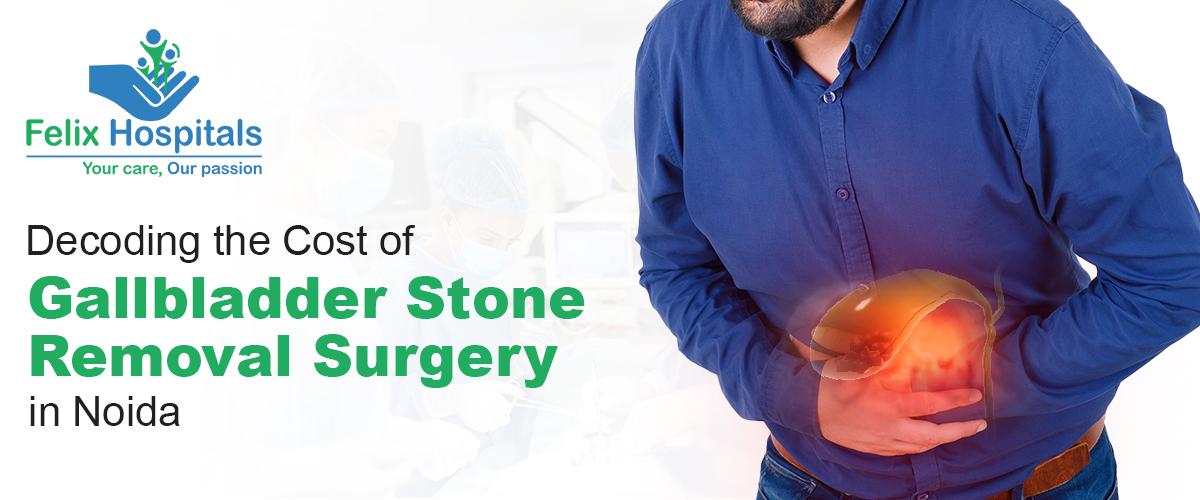
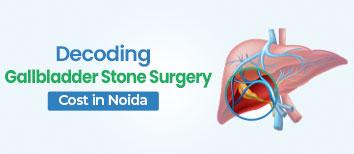
Decoding the Cost of Gall Bladder Stone Removal Surgery in Noida

Gallbladder stone surgery, also known as cholecystectomy, is a common procedure performed to remove gallstones from the gallbladder. These stones can cause pain, inflammation, and other complications.


Gallbladder Stone Removal Surgery Cost in Noida


The Gall Bladder Stone surgery treatment Cost in noida varies depending on factors such as the type of surgery and hospital charges. Patients should consult with a surgeon or hospital directly for an accurate estimate of the costs involved. Here's a breakdown of the approximate cost of gall bladder stone surgery in Noida; 


Minimum:  Approximately 50,000
Maximum: Approximately 90,000
Average:    Approximately 70,000


If you're looking for the best gall bladder surgery cost in Noida that won't break the bank, check out Felix Hospital in Noida. We are one of the best gall bladder stone surgery hospitals in Noida. Talk to our surgeons or staff for a clear idea of costs. We offer quality care at prices you can afford. Say goodbye to pain without draining your wallet. Explore our affordable options today! Reach out to us at +91 9667064100 or at [email protected].


Why is it Done?


Gallbladder stone removal surgery is done to fix problems caused by gallstones. These are small, hard deposits that can form in the gallbladder. When they cause pain, blockage, or other issues, surgery is needed to take out the gallbladder. This surgery helps stop the pain and prevents serious complications like infections or pancreatitis. It's done to make people feel better and keep them healthy.


About the Gallbladder


The gallbladder is a small organ that sits under the liver. Its job is to store and concentrate bile, which the liver makes. Bile helps our bodies digest fats by breaking them down into smaller pieces. When we eat foods high in fat, the gallbladder sends bile into the small intestine to help with digestion. If you're dealing with gallstones, it's important to get the right treatment. For top-notch Gall Bladder Stone Surgery treatment in Noida, Felix Hospital is a great choice for expert care.


About the Gallstones


Gallstones are little, hard deposits that form in the gallbladder. These stones can vary in size, from as small as a grain of sand to as big as a golf ball. They form when substances in bile — a fluid that helps digest fats — harden into stone-like pieces.


Types of Gallstones


Mainly, gallstones are of two types which are as follows;

  • Cholesterol Gallstones: These are the most common types of gallstones. They form when there's too much cholesterol in your bile. Bile is a fluid made by your liver to help with digestion. When there's too much cholesterol in the bile, it can crystallize and form stones.


  • Pigment Gallstones: These gallstones are made up of bilirubin, a substance produced when your body breaks down red blood cells. They are less common than cholesterol gallstones. They can be black or brown and are often smaller and more numerous than cholesterol stones.


Both types of gallstones can lead to issues such as pain, blockage of the bile ducts, and inflammation of the gallbladder. That's why it's crucial to address them if they cause symptoms. For effective treatment options, it's essential to choose the right healthcare provider. If you're in Noida and looking for expert care, consider Felix Hospital as your go-to Gall Bladder Stone surgery Hospital in Noida for comprehensive treatment and care.


Symptoms of Gallstones


1. Belly Pain:

  • Sharp pain in the upper abdomen, typically on the right side.

  • Pain may radiate to the back or right shoulder blade.

  • Pain often occurs after meals, especially fatty ones.

2. Nausea and Vomiting:

  • Feeling queasy or sick to your stomach.

  • Vomiting may occur, especially if the pain is severe.

3. Yellowing of the Skin (Jaundice):

  • Skin, whites of the eyes, and mucous membranes turn yellow.

  • Can be accompanied by dark urine and pale stools.

4. Indigestion and Bloating:

  • Feeling uncomfortably full or bloated after meals.

  • Gas and belching may also occur.

5. Fever and Chills:

  • Fever may develop if there's an infection in the gallbladder (cholecystitis).

  • Chills and sweating can accompany fever.

6. Change in Stool Colour:

  • Stools may become lighter in colour (grey or clay-coloured).

  • This is due to a decrease in bile flow caused by gallstone obstruction.

7. Heartburn and Acid Reflux:

  • Burning sensation in the chest (heartburn) or regurgitation of stomach acid into the throat (acid reflux).

  • These symptoms may mimic gastroesophageal reflux disease (GERD).

8. Generalized Itching:

  • Some people with gallstones may experience itching all over the body.

  • Itching is typically worse in areas with moist skin, such as the soles of the feet or palms of the hands.


Recognizing these symptoms early can lead to timely diagnosis and treatment of gallstones, helping to prevent complications and improve overall health. If you experience any of these symptoms, it's crucial to consult with a healthcare professional for proper evaluation and management. For those in Noida seeking quality care without breaking the bank, Felix Hospital offers the Best Gallstone surgery Cost in Noida, ensuring affordability without compromising on the quality of treatment.


Causes for Gallstones


Here are some of the most common causes of gallstones:

Too much Cholesterol: When there's an excess of cholesterol in your bile, it can lead to the formation of gallstones. It's like when you have too much sugar in your tea—it starts to clump together.


Bilirubin Buildup: Bilirubin is a yellowish pigment formed when your body breaks down red blood cells. If there's too much bilirubin, it can form gallstones.


Not Enough Bile Salts: Bile salts help break down fats in your digestive system. If there aren't enough bile salts to keep the cholesterol in check, it can lead to gallstone formation.


Obesity and Rapid Weight Loss: Being overweight or losing weight too quickly can upset the balance of cholesterol, bile salts, and other substances in your bile, increasing the risk of gallstones. If you're in Noida and looking for good healthcare that's also affordable, Felix Hospital provides the best Gallstone surgery Cost in Noida, without skimping on quality.


Genetics: Sometimes, gallstones can run in families. If your parents or close relatives have had gallstones, you might be more likely to get them too, sort of like inheriting traits such as eye colour or height.


Dietary Factors: Eating a diet high in fat and low in fiber can contribute to gallstone formation. It's like feeding ingredients for gallstones to grow.


Age and Gender: Gallstones are more common as you get older, especially if you're a woman. Women tend to have more issues with gallstones, possibly due to hormonal changes or the effects of pregnancy.


Certain Medical Conditions: Some medical conditions like diabetes or liver disease can increase the risk of gallstones. 


Remember, these are just some of the factors that can contribute to gallstones. Taking care of your diet, staying active, and keeping an eye on your overall health can help reduce your risk!


Diagnosis of Gallstones
 

Diagnosing gallstones involves several methods to identify the presence of these small, hardened deposits in the gallbladder. Here's how it's typically done;

  • Symptoms Evaluation: Doctors ask about symptoms like abdominal pain, nausea, vomiting, and bloating to suspect gallstones.

  • Physical Examination: Doctors may examine the abdomen for tenderness or swelling, but this alone doesn't confirm gallstones.

  • Blood Tests: Blood tests check for signs of inflammation, liver function, and presence of infection which can indicate gallstone complications.

  • Ultrasound: A painless test that uses sound waves to create images of the gallbladder. It's the most common way to detect gallstones.

  • CT scan or MRI: Sometimes, additional imaging tests like CT scan or MRI are used if ultrasound results are unclear or to check for complications.

  • Endoscopic Retrograde Cholangiopancreatography (ERCP): In this procedure, a thin tube with a camera is passed through the mouth and into the digestive tract to examine the bile ducts for gallstones. If you're in Noida and looking for accurate diagnosis followed by effective treatment, Felix Hospital provides both quality care and the best Gallstone surgery Cost in Noida.

  • HIDA Scan: This test involves injecting a radioactive substance into the bloodstream which is taken up by the liver and excreted into the bile. It helps to check for blockages or irregularities in the bile ducts.

  • Clinical History: Doctors consider the patient's medical history, risk factors, and family history of gallstones in the diagnosis.

  • Gallstone Complications: If complications like inflammation of the gallbladder (cholecystitis) or blockage of the bile duct occur, diagnosis may be more urgent and might involve additional tests.

  • Treatment Discussion: Based on the diagnosis, doctors discuss treatment options which may include medications, dietary changes, or surgery to remove the gallstones.
     

Treatment for gallstones

Treatment for gallstones varies depending on factors such as symptoms, size, and location of the stones. Here's how it's typically approached:

1. No Symptoms: 

Gallstones that don't cause symptoms usually don't require medical treatment. However, in certain situations, such as undergoing abdominal surgery for other conditions, doctors may consider removing the gallbladder if there's a high risk of complications.
 

2. Treatment Options Include:

  • Dietary Modifications: This involves limiting or eliminating fatty foods and dairy products from the diet.

  • Lithotripsy: In some cases, a special machine is used to generate soundwaves to break up gallstones. This treatment is more commonly used for kidney stones but may be considered for gallstones stuck inside the bile duct.

  • Medications: Certain medications can dissolve gallstones, but they're rarely used due to side effects and varying success rates.

  • Surgery: Surgical removal of the gallbladder or gallstones is often necessary for symptomatic cases.
     

Surgical Options:

  • Laparoscopic Cholecystectomy: Also known as 'keyhole' surgery, this minimally invasive procedure involves making small incisions through which instruments are inserted to remove the gallbladder.
     

  • Open Surgery (Laparotomy): In some cases, particularly if there's scarring from prior surgeries or a bleeding disorder, surgeons may opt for open surgery, which involves a wider abdominal incision to access and remove the gallbladder.


Around 80% of people with symptomatic gallstones ultimately require surgery to alleviate symptoms and prevent complications. In Noida, gallbladder stone surgery treatment offers various approaches tailored to individual circumstances and the recommendations of healthcare professionals.
 

Benefits of the Treatment
 

There are numerous benefits of Gallbladder Stone Surgery, these benefits include;
 

  • Relief from pain

  • Prevention of complications such as infection or blockage

  • Improvement in digestion

  • Resolution of symptoms like nausea and vomiting

  • Prevention of future gallstone formation

  • Restoration of normal bile flow

  • Reduction in the risk of pancreatitis

  • Elimination of the need for long-term medication management

  • Improvement in overall quality of life


How you prepare
 

Preparing for gallstone removal surgery involves several steps to ensure a smooth and successful procedure. Firstly, your doctor will provide detailed instructions, including dietary restrictions and medications to avoid prior to surgery. Additionally, you may undergo pre-operative tests such as blood work and imaging scans to assess your overall health and the condition of your gallbladder.


On the day of Gall Bladder Stone Surgery in Noida, you'll likely need to fast for a certain period before the procedure. Arrive at the hospital or surgical center on time and be prepared to discuss any last-minute concerns with your surgical team. Finally, make arrangements for your transportation to home after the surgery, as you may not be able to drive immediately afterward due to the effects of anaesthesia. By following these steps and communicating openly with your healthcare providers, you can help ensure a successful gallstone removal surgery and a smoother recovery process.


Cost of Gallbladder Surgery in Noida


If you're a patient seeking gallbladder stone treatment, understanding the financial aspects of the treatment is very crucial to manage your finances with an effective treatment on your side. The below table provides an insight to the approx. Gall bladder stone surgery treatment cost in Noida;
 

COSTLaparoscopic/robotic cholecystectomyOpen cholecystectomy
MINIMUM              45,000     50,000
MAXIMUM             75,000     80,000
AVERAGE             60,000     65,000


Factors affecting Cost of Gallbladder Surgery in Noida


The Gall bladder stone surgery treatment cost in Noida is influenced by various factors such as:
 

  • Choice of surgery method (laparoscopic or open)

  • Hospital amenities and services

  • Surgeon's fee, considering their experience and skill level.

  • Characteristics of the stones (type and size)

  • Patient's overall health condition

  • Diagnostic procedures such as blood tests, ultrasound, and CT scans

  • Anaesthesia expenses

  • Room accommodation charges

  • Cost of prescribed medications

By considering these individualized factors, healthcare providers can offer a comprehensive and personalized estimate for the gallbladder stone surgery, ensuring that patients receive the most appropriate care while also managing the associated costs effectively.


Conclusion


Gallstone surgery treatment plays a crucial role in alleviating the discomfort and potential complications associated with gallstones. Removal of gallstones is imperative as these small, hardened deposits can lead to severe pain, inflammation, and even blockage of the bile ducts, posing significant health risks. By undergoing gallstone surgery, patients can not only find relief from symptoms but also prevent potential complications such as gallbladder inflammation, infection, and pancreatitis, thus improving their overall quality of life and long-term health outcomes.


FELIX SUPPORT 
 

For the most prominent and budget-friendly gallstone surgery treatment in Noida, look no further than Felix, the best gall bladder stone surgery hospital in Noida. Our team of experienced surgeons utilizes advanced techniques and technology to ensure safe and effective removal of gallstones, with minimal discomfort and downtime for patients. At Felix Hospital, we prioritize patient care and satisfaction, offering personalized treatment plans tailored to individual needs. With a commitment to excellence and a reputation for delivering superior healthcare services at an affordable gall bladder stone surgery treatment in Noida, Felix Hospital stands as the best gall bladder stone surgery hospital in Noida, ensuring optimal outcomes and peace of mind for patients and their families.
Talk to our experts today at +91 9667064100 or at [email protected].


FAQs on Gallstones Removal 


1.  What are gallstones?

Gallstones are solid particles that form in the gallbladder, a small organ located beneath the liver. They can vary in size and composition, ranging from small pebbles to larger stones.

2.  How do gallstones form?

Gallstones form when substances like cholesterol, bile salts, and calcium in the bile harden into stones. Imbalances in these substances or changes in the gallbladder's ability to empty properly can lead to their formation.

3. What are the symptoms of gallstones?

Symptoms of gallstones can include abdominal pain, nausea, vomiting, bloating, and indigestion. In some cases, gallstones may cause more severe symptoms such as jaundice and fever.

4. How are gallstones diagnosed?

Gallstones are typically diagnosed through imaging tests such as ultrasound, CT scans, or MRIs. Blood tests may also be conducted to check for signs of inflammation or infection.

5. Can gallstones be treated without surgery?

In some cases, gallstones may be managed through lifestyle changes, medications, or procedures to dissolve the stones. However, if symptoms persist or complications arise, surgery may be necessary.

6. What is the procedure for gallstones removal?

The most common procedure for gallstone removal is laparoscopic cholecystectomy, where the gallbladder is surgically removed through small incisions in the abdomen.

7. How long does gallstone removal surgery take?

Laparoscopic cholecystectomy typically takes around 1 to 2 hours to perform, depending on the complexity of the case.

8.  What is the recovery time after gallstone removal surgery?

Recovery time varies from person to person but generally ranges from a few days to a couple of weeks. Most people can resume normal activities within a week after surgery.

9.  Are there any risks associated with gallstone removal surgery?

Like any surgical procedure, gallstone removal surgery carries some risks, including infection, bleeding, injury to surrounding organs, and rare complications such as bile duct injury or bile leakage.

10. How can I prevent gallstones?

  To help prevent gallstones, maintain a healthy weight, eat a balanced diet low in

cholesterol and saturated fats, exercise regularly, and avoid rapid weight loss or crash diets. Drinking plenty of water and consuming foods high in fiber may also help reduce the risk of gallstones formation.


Your Health, Our Priority

Request Call Back

Request an Appointment

CAPTCHA
Solve this simple math problem and enter the result. E.g. for 1+3, enter 4.
* By clicking on the above button you agree to receive updates on WhatsApp
Indian Vegetarian Diet Chart for Diabetic Patients

Diabetes is a chronic condition that requires careful management of blood sugar levels. One of the most crucial aspects of managing diabetes is maintaining a healthy diet. In India, where food plays a significant role in culture and daily life, it's essential for diabetic patients to have a diet plan tailored to their needs. Consulting experts at the Best Diabetes Hospital in Noida can further help patients design effective diet plans and treatment strategies.


In this blog, we'll explore the importance of meal planning for diabetic patients, discover the tips for designing an Indian diabetes-friendly diet, know about the foods to include and avoid, understand the role of diet plans in diabetes management, and provide an example of an ideal Indian diet chart for diabetic patients.


You can also reach out to Felix Hospital today to arrange a consultation with our team and begin the journey toward creating a tailored Indian food diet chart for diabetic patients, Contact us at +91 9667064100.


Why Meal Planning Matters for Diabetes? 

Meal planning is crucial for individuals with diabetes because it plays a key role in controlling blood sugar levels and managing weight. When someone has diabetes, their body struggles to regulate blood sugar properly. By carefully planning meals, they can help keep their blood sugar levels stable throughout the day.


One important aspect of meal planning for diabetics is maintaining consistent meal timing. Eating meals and snacks at regular intervals throughout the day can help prevent sudden spikes or drops in blood sugar levels.


Another essential component of meal planning for diabetics is portion control. Controlling portion sizes helps prevent overeating, which can lead to high blood sugar levels and weight gain. 


In addition to managing blood sugar levels, a well-planned diabetic diet can also improve overall health. By including a variety of nutrient-rich foods, individuals with diabetes can ensure they are getting essential vitamins, minerals, and antioxidants needed for optimal functioning of the body. This can help reduce the risk of other health problems, such as high blood pressure, high cholesterol, and inflammation, which are common in people with diabetes.


By following a well-planned diabetic diet that focuses on consistent meal timing, portion control, and nutrient-rich foods, individuals with diabetes can better regulate their blood sugar levels, manage their weight, and improve their overall health and well-being. If you are searching the best hospital for diabetes care to help you manage and treat diabetes effectively, consider visiting Felix Hospital.


Tips for Designing an Indian Diabetes-Friendly Diet:

Crafting a diabetes-friendly diet tailored to Indian cuisine presents unique challenges and opportunities. Discover simple ways to design a diabetes-friendly Indian diet with these helpful tips.


  • Emphasize whole grains: Prioritize whole wheat, oats, barley, and brown rice in your meals to stabilize blood sugar levels and enhance feelings of fullness. These grains provide essential Nutrients and Fiber crucial for a balanced vegetarian diet.

  • Load up on vegetables: Incorporate a variety of non-starchy vegetables such as spinach, broccoli, cauliflower, and bitter gourd into your meals. These veggies are low in calories and packed with Fibers, vitamins, and minerals, aiding in digestion and overall health.

  • Opt for plant-based proteins: Choose plant-based protein sources like tofu, legumes (such as lentils, chickpeas, and beans), and tempeh to meet your protein needs. These options are low in saturated fats and cholesterol, supporting muscle health and promoting satiety.

  • Minimize added sugars: Reduce your intake of sugary beverages, sweets, and desserts. Instead, sweeten foods naturally with fruits or use alternatives like stevia. This helps control blood sugar levels and lowers the risk of developing complications related to diabetes.

  • Watch portion sizes: Pay attention to portion sizes to avoid overeating and manage calorie intake effectively. Using smaller plates, measuring portions, and being mindful of serving sizes can assist in maintaining a healthy weight and blood sugar levels.


Foods to Include in an Indian Diabetic Diet:

Here are five foods that are beneficial to include in an Indian food diet chart for diabetic patient, along with details on their health benefits:


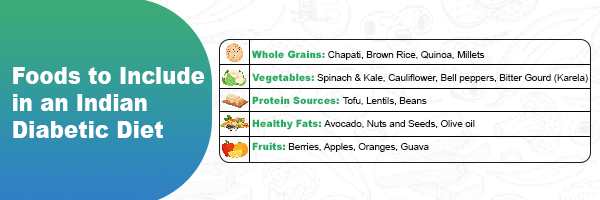
Foods to Include in an Indian Diabetic Diet


  • Whole Grains: You can include whole grains like chapati, brown rice, quinoa, and millets in your diabetic diet for stable blood sugar levels. Chapati provides fiber, brown rice offers vitamins and minerals, quinoa is high in protein, and millets are gluten-free and rich in nutrients. Incorporate these grains for a balanced and nutritious approach to managing diabetes


  • Vegetables: Include a variety of vegetables in your diabetic plan for optimal health and blood sugar control. Nutrient-rich options like spinach, kale, cauliflower, bell peppers, and bitter gourd offer vitamins, minerals, and fiber while being low in calories and carbohydrates. These vegetables support digestion and help stabilize blood sugar levels, providing essential nutrients for overall well-being.


  • Protein Sources: Incorporate diverse protein sources into your diabetic diet plan for stable blood sugar levels and overall health. Tofu, lentils, and beans offer essential nutrients like protein and fiber while helping regulate blood sugar levels effectively.


  • Healthy Fats: You can add healthy fats into your diabetic diet plan for heart health and overall well-being. Avocado, nuts, seeds, and olive oil provide essential nutrients like monounsaturated fats and antioxidants, which support improved insulin sensitivity and reduced inflammation.


  • Fruits:  A variety of fruits can also be included in your diabetic plan for sweetness without spiking blood sugar levels. Berries offer fiber and antioxidants, while apples provide soluble fiber for blood sugar regulation. Oranges offer vitamin C and hydration, and guava boasts fiber and essential nutrients. These fruits support stable blood sugar levels and overall health in your diabetic diet.


Including these foods in a vegetarian Indian diabetic diet can help individuals manage their blood sugar levels effectively while enjoying a variety of delicious and nutritious meals.
 

Foods to Avoid in an Indian Diabetic Diet:


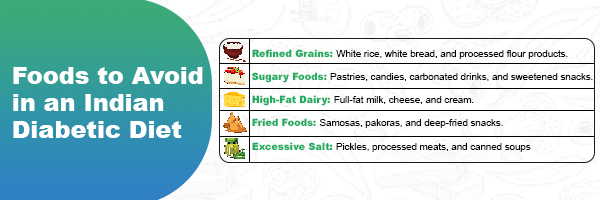
Foods to Avoid in an Indian Diabetic Diet


  • Refined Grains: In an Indian diabetic diet, steer clear of refined grains like white rice, white bread, and processed flour products. These foods can cause rapid spikes in blood sugar levels. Opt for whole grains for better blood sugar regulation and improved overall health.


  • Sugary Foods: Avoid sugary foods such as pastries, candies, carbonated drinks, and sweetened snacks in an Indian diabetic diet. These items can cause rapid increases in blood sugar levels, leading to complications. Opt for healthier alternatives to satisfy cravings while managing blood sugar effectively.


  • High-fat Dairy: Limit high-fat dairy products like full-fat milk, cheese, and cream in an Indian diabetic diet. These items are high in saturated fats, which can increase the risk of heart disease, a common complication of diabetes. Choose low-fat or fat-free dairy options to reduce saturated fat intake and support heart health while managing blood sugar levels effectively.


  • Fried Foods: Avoid fried foods such as samosas, pakoras, and deep-fried snacks in an Indian diabetic diet. These foods are typically high in unhealthy fats and calories, which can contribute to weight gain and insulin resistance. Instead, opt for healthier cooking methods like baking, grilling, or steaming to reduce fat intake and better manage blood sugar levels.


  • Excessive Salt: Reduce consumption of foods high in salt, such as pickles, processed meats, and canned soups, in an Indian diabetic diet. Excessive salt intake can elevate blood pressure, increasing the risk of heart disease, which is common among individuals with diabetes. Opt for fresh, whole foods and season meals with herbs and spices instead of salt to flavour your dishes while maintaining better blood sugar control and overall health.


What an Ideal Diet Plan Looks Like: 

Crafting an effective diabetic diet plan is crucial for managing the condition optimally. It emphasizes balanced meals, portion control, and mindful food choices to regulate blood sugar levels and enhance overall health. Here are some key characteristics of an ideal diabetic diet plan; 


  • Fit your personal needs.

  • Balance your meals.

  • Control portion sizes.

  • Include healthy, nutrient-rich foods.

  • Keep your blood sugar levels stable.

  • Support your overall health.
     

Example of an Ideal Indian Diabetic Diet:

While it's important for a diet plan to be customized based on an individual's personal and medical preferences, below is an example of a well-crafted Indian food diet chart for diabetic patients;


MEALTIMEFOOD INTAKE
Breakfast

8AM TO 9AM

A serving of vegetable upma accompanied by a beverage of choice

Mid-Morning Snack

11AM

A bowl of fresh seasonal fruits such as apples, guavas, or pears

Lunch

1PM TO 2PM

2 multigrain chapatis, 1 serving of brown rice, a bowl of vegetable curry, dal, salad, and raita
Tea Time3PMBlack or green tea paired with roasted chana or sprouts
Evening Snack7PMA serving of vegetable soup
Dinner8PM TO 9PM

2 chapatis, 1 serving of brown rice, a bowl of vegetable curry, dal, and salad

Bed Time Snack10PM

A glass of turmeric milk


Conclusion: Managing Diabetes Through Diet

A well-planned diet plays a crucial role in managing diabetes effectively. By focusing on whole, nutritious foods and avoiding processed and sugary items, diabetic patients can stabilize their blood sugar levels, maintain a healthy weight, and reduce the risk of complications. With careful meal planning and adherence to a balanced diet, individuals with diabetes can lead a fulfilling and healthy life. It's essential to consult with a healthcare professional or dietitian, especially those offering nutrition diet services, before making any substantial changes to your diet.


Felix Support

At Felix Hospital, Noida, we understand the importance of supporting you on your journey to better health, especially when it comes to managing diabetes. Our dedicated team is committed to providing personalized care and guidance every step of the way. With our expertise in healthcare and nutrition, we offer a tailored Indian vegetarian diet chart for diabetic patient vegetarians designed to meet your specific needs and preferences.


Take the first step towards a healthier lifestyle by contacting to best super speciality hospital in Noida, Felix Hospital today at +91 9667064100. Our team at Felix Hospital is ready to assist you in embracing a diabetic diet plan that empowers you to thrive. Remember, your health is our priority, and we are here to support you every step of the way.


Frequently Asked Questions (FAQs):


Q.1 What is an Indian diet chart for diabetic patients?

Ans. An Indian diet chart for diabetic patients typically includes a balanced combination of carbohydrates, proteins, fats, fiber, and essential nutrients tailored to help manage blood sugar levels. It emphasizes whole grains, vegetables, lean proteins, and healthy fats while limiting refined carbohydrates and sugary foods.


Q.2 How does an Indian diet chart help in managing diabetes?

Ans. An Indian diet chart helps in managing diabetes by regulating blood sugar levels through controlled carbohydrate intake, promoting weight management, improving insulin sensitivity, and reducing the risk of complications associated with diabetes such as heart disease and nerve damage.


Q3. What foods are typically included in an Indian vegetarian diet chart for diabetic patients?

Ans. Foods commonly included in an Indian vegetarian diet chart for diabetic patients are whole grains like brown rice, whole wheat, oats, lentils, legumes, vegetables such as bitter gourd, spinach, broccoli, lean protein sources like chicken, fish, tofu, healthy fats from nuts, seeds, and oils like olive oil.


Q4. Are there specific foods that diabetic patients should avoid in an Indian diet chart?

Ans. Diabetic patients should avoid or limit foods high in refined carbohydrates and sugars such as white rice, white bread, sugary drinks, sweets, fried foods, and excessive consumption of high-fat dairy products.


Q5. How can portion control be incorporated into an Indian diet chart for diabetes?

Ans. Managing diabetes through portion control is vital. In an Indian diet:
Limit grains like rice and bread to small servings, choosing whole grains when possible. Fill up on non-starchy veggies and stick to small fruit portions, opting for low-glycemic options. Choose lean proteins and use healthy fats in moderation. Use measuring tools to control portions and plan meals ahead for consistency. Stay hydrated with water, avoid sugary drinks, and include regular physical activity.

Your Health, Our Priority

Request Call Back

Request an Appointment

CAPTCHA
Solve this simple math problem and enter the result. E.g. for 1+3, enter 4.
* By clicking on the above button you agree to receive updates on WhatsApp

हार्ट की बीमारी में बड़े काम की है एंजियोग्राफी जांच(Angiography Test)

कोरोना काल के बाद हार्ट की बीमारी बढ़ गयी है। गैर संक्रामक बीमारी (एनसीडी) में कैंसर के बाद सबसे ज्यादा मौत हृदय की बीमारी से होती हैं। बीमारी से बचाव के लिए डॉक्टर जीवनशैली में बदलाव के साथ व्यायाम की सलाह देते हैं। लेकिन लक्षण दिखने हॉस्पिटल के डॉक्टर्स एंजियोग्राफी टेस्ट (Angiography test in Noida hospital) की भी सलाह देते है  


अगर आपको छाती और सीने में दर्द रहने के साथ हफनी की समस्या बनी रहती है तो फेलिक्स हॉस्पिटल से संपर्क करने के साथ हमारे कॉर्डियोलॉजिस्ट के साथ एक परामर्श की तारीख तय करें। हमें कॉल करें - +91 9667064100
 

एंजियोग्राफी क्या है (What is Angiography?) : 

एंजियोग्राफी (Angiography) एक प्रकार का टेस्ट है। जिसमे एक्स-रे तकनीक की मदद से मानव शरीर विभिन्न अंगों की जांच होती है। टेस्ट में शरीर के जिस हिस्से की जांच करनी होती है तो उसे एक्सरे के द्वारा देखते हैं। जिस दौरान उस हिस्से की ब्लड वेसेल्स में एक अपारदर्शी पदार्थ इंजेक्ट करते हैं। जिससे उस हिस्से के अंदर की चीज स्पष्ट दिखाई दे। 
 

कोरोनरी एं‍जियोग्राफी(Coronary Angiography) में दिल की रक्‍त वाहिकाओं को देखने के लिए एक्स-रे इमेजिंग का उपयोग करते हैं।  कोरोनेरी एं‍जियोग्राफी को समझने से पहले एं‍जियोग्राफी को समझना (meaning of Angiography in hindi) आवश्यक है। जब एक्सरे तकनीक से हार्ट की आर्टरीज में डाई को इंजेक्ट कराकर हार्ट के ब्लड फ्लो को जांचते है कि कोरोनरी आर्टरीज में कोई ब्लॉकेज है या नहीं तो इस टेस्ट को कोरोनरी एंजियोग्राफी कहा जाता हैं। टेस्ट को एंजिओग्राम भी कहा जाता हैं । कोरोनेरी एं‍जियोग्राफी को समझने से पहले एं‍जियोग्राफी(Angiography) को समझना जरूरी है। एंजियोग्राफी(Angiography) में रेडियोधर्मी तत्व या डाई का प्रयोग  करते हैं। इनकी मदद से रक्‍त वाहिनी नलिकाओं को एक्स-रे द्वारा साफ देख सकते हैं।


डिजिटल सबस्ट्रेक्शन एंजियोग्राफी तकनीक से कंप्यूटर, धमनियों की पीछे के दृश्य को गायब करता है जिससे चित्र और ज्यादा साफ दिखाई पड़ता है। तकनीक का प्रयोग रक्‍त वाहिकाओं में अवरोध होने की स्थिति में पर करते हैं। इसकी सहायता से हृदय की धमनी में किसी रुकावट का पता चलता है। एअवरोधित धमनियों का पता चलने के बाद डॉक्टर उन धमनियों को एंजियोप्लास्टी (Angioplasty) द्वारा खोलते हैं। उपचार के बाद रोगी के हृदय की बंद धमनियों में खून का प्रवाह सामान्‍य होता है। मरीज को आराम मिलता है। इससे हृदयाघात और हृदय संबंधित के उपचार में मदद होती है। जांच से पहले मरीज  कोएनेस्थीसिया देते है।फिर आवश्यक उपकरणों से एंजियोग्राफी जांच (Angiography test) होती है।


कितने प्रकार की होती है एंजियोग्राफी (Types Of Angiography)
 

  • कंप्यूटेड टोमोग्राफी एंजियोग्राफी (Computed Tomography Angiography): 

कंप्यूटेड टोमोग्राफी एंजियोग्राफी में रक्त वाहिकाओं की विस्तृत स्थिति जानने के लिए सीटी स्कैनर का उपयोग करते हैं। डॉक्टर एक्स-रे कैथेटर, कंप्यूटेड टोमोग्राफी, मैग्नेटिक रेजोनेंस इमेजिंग (एमआरआई) का उपयोग करता है।
 

  • कोरोनरी एंजियोग्राफी (Coronary Angiography): 

कोरोनरी एंजियोग्राफी में विशेष डाई का उपयोग करते हैं। इसमें देखने के लिए एक्स-रे करते है कि हृदय में मौजूद धमनियों से रक्त कैसे बह रहा होता है।


  • डिजिटल सबट्रेक्शन एंजियोग्राफी(Digital Subtraction Angiography): 

डिजिटल सबट्रेक्शन एंजियोग्राफी  एक फ्लोरोस्कोपी तकनीक होती है। इसमें हड्डी में स्पष्ट दृश्य प्राप्त करने के लिए इंटरवेंशनल रेडियोलॉजी का उपयोग करते हैं।


  • मैग्नेटिक रेजोनेंस एंजियोग्राफी(Magnetic Resonance Angiography): 

मैग्नेटिक रेजोनेंस एंजियोग्राफी में शरीर की रक्त वाहिकाओं का दृश्य लेने के लिए रेडियो तरंगों और कंप्यूटर की मदद से शरीर का स्कैन करते हैं।


  • पल्मोनरी एंजियोग्राम (Pulmonary angiogram): 

पल्मोनरी एंजियोग्राम में फेफड़ों की रक्त वाहिकाओं की जांच होती है। एक स्पष्ट दृश्य प्राप्त करने के लिए डाई का उपयोग करते हैं।


  • रेडियोन्यूक्लाइड एंजियोग्राम(Radionuclide Angiography): 

रेडियोन्यूक्लाइड एंजियोग्राम में न्यूक्लियर मेडिसिन प्रक्रिया होती है। जिसे ऊतकों की सही से जांच करने के लिए करते हैं।


  • रेनल एंजियोग्राम (Renal Angiography): 

रेनल एंजियोग्राम में यह एक तरह का इमेज टेस्टिंग होता है। इसमें किडनी की वेसल्स की जांच होती है।
 

क्या एंजियोग्राफी का कोई दुष्प्रभाव होता है (Side Effects of Angiography)


  • स्ट्रोक होना 

  • दिल का दौरा पड़ना

  • धमनियों को चोट 

  • अनियमित दिल की धड़कन होना

  • डाई या अन्य दवाओं के कारण एलर्जी

  • किडनी को नुकसान पहुंचना

  • लगातार खून बहना

  • संक्रमण होना
     

कैसे होती है एंजियोग्राफी (How is Angiography done) :

एंजियोग्राफी (Angiography) में शरीर के जिस हिस्से की जांच की जाती है उसे एक्सरे (X-rays)के द्वारा देखते है। यह टेस्ट यह बताता है की शरीर में ब्लड फ्लो और ब्लड सप्लाई हो पा रही या नहीं। टेस्ट में एक से दो घंटे का समय लगता है। टेस्ट के बाद पांच घंटे का आराम करना होता है। टेस्ट पूरा होने के बाद केथेटर ट्यूब को निकल लेते हैं। उस जगह रुई से दबाते है। जिससे खून न बहे। कई बार हिस्से को भरने के लिए टांके लगाए जाते हैं। पट्टी या ड्रेसिंग भी की जाती है। हृदय कैथीटेराइजेशन से दिल और रक्‍त वाहिनियों की स्थिति का पता लगाकर इलाज करते हैं। कोरोनरी एं‍जियोग्राफी (Coronary Angiography) प्रक्रिया दिल की स्थिति का पता लगाती है। जो हृदय की कैथेटर प्रक्रिया का सबसे आम प्रकार होती है। कोरोनेरी एं‍जियोग्राफी (Angiography) करने के लिए विशेष प्रकार की डाई रोगी के दिल की रक्‍त वाहिकाओं मेंडालते है। 


डाई को एक्स-रे मशीन की सहायता से देख सकते है। एक्स-रे मशीन तेजी से रोगी की रक्‍त वाहिकाओं के अंदर जाकर दृछवियों की श्रृंखला बनाती है। छवियों की इस सीरीज को एंजियोग्राम्स कहां जाता हैं। अगर जरूरत महसूस होती है तो डॉक्टर कोरोनेरी एं‍जियोग्राफी(Angiography) के दौरान ही एंजियोप्लास्टी (angioplasty) करते हैं। इसके लिए डॉक्‍टर रोगी के हाथ या कमर को सुन्न करने वाली दवा एनेसथीसिया देते है।कार्डियोलोजिस्ट (Cardiologist) कैथेटर नामक पतली खोखली ट्यूब को धमनी के माध्यम डालता है। यह हृदय की तरफ खिसकाता जाता है। फिर एक्स-रे फिल्म चिकित्सक को कैथेटर की सही स्थिति बनाने में मदद पहुंचती हैं। जब कैथेटर सही स्थान पर पहुंचता है तो डाई को कैथेटर में छोड़ देते हैं। अब एक्स-रे फिल्म धमनी के माध्यम से डाई की गतिविधि को देखकर खाका तैयार करती है। इसके बाद डाई रक्‍त प्रवाह में किसी रुकावट को उजागर कर दिखाती है। इसमें एक घंटा लगता है। 


एंजियोग्राफी के लिए कैसे तैयारी करें (how to Prepare for Angiography) :


  • एंजियोग्राफी (Angiography) अस्पताल के कैथीटेराइजेशन लैब में होती है। इसलिए अस्पताल पहुंचकर जांच करानी होती है।

  • एंजियोग्राफी (Angiography) टेस्ट में करीब दो घंटे लगता है। इस उसी हिसाब से तैयारी करनी चाहिए। जिससे जांच के समय पर अस्पताल पहुंचा जा सके।

  • एंजियोग्राफी (Angiography) जांच के लिए अस्पताल जाते समय अपने आभूषण यानी की ज्वेलरी घर पर ही रखकर जाएं। इससे जांच के दौरान परेशानी नहीं होती है।

  • एंजियोग्राफी (Angiography) से पहले डॉक्टर कुछ कुछ भी न खाने के साथ कुछ भी नहीं पीने की सलाह देते हैं। इसलिए बेहतर होगा की बिना खाए और पिए जांच के लिए घर से निकले। 

  • अगर किसी व्यक्ति की पुरानी बीमारी का इलाज चल रहा है तो डॉक्टर से एंजियोग्राफी जांच (Angiography test)कराने से पहले एक बार सलाह लेनी चाहिए।

  • अगर किसी मरीज को मधुमेह है, तो डॉक्टर से पूछना चाहिए कि कि क्या एंजियोग्राफी (Angiography) से पहले इंसुलिन और ओरल मेडिकेशन लेना चाहिए। बिना डॉक्टर की सलाह पर कोई भी दवा नहीं लेनी चाहिए।


हार्ट की बीमारी जानलेवा होती है। इसलिए इलाज और समय से जांच करवाना जरूरी है। एंजियोग्राफी (Angiography) के लिए आप  हमारे डॉक्टर की भी सलाह ले सकते हैं।  फेलिक्स हॉस्पिटल से संपर्क करने के साथ  हमारे कॉर्डियोलॉजिस्ट के साथ एक परामर्श की तारीख तय करें। हमें कॉल करें - +91 9667064100


हार्ट की बीमारी बचने के लिए समय पर जरूरी एंजियोग्राफी जांच है (To Avoid Heart Disease, Timely Angiography Test Is Necessary) :
 

बदलती जीवनशैली के कारण हृदय संबंधी बीमारियां तेजी बढ़ी है। कोरोना महामाही के बाद तो बुजुर्ग ही नहीं कम उम्र के लोग भी हार्ट अटैक की जद में आ रहे हैं। लिहाजा दिल से जुड़ी परेशानी के लिए की जाने वाली तरह-तरह की सर्जरी भी बढ़ती जा रही हैं। बदलती जीवनशैली के कारण हार्ट अटैक का खतरा बना रहता है। अगर बीपी, शुगर, कोलेस्ट्रॉल, मोटोपे का शिकार है  हार्ट की बीमारी होने का खतर बढ़ जाता है। अगर आपको छाती और सीने में दर्द रहने के साथ हफनी की समस्या बनी रहती है तो जांच जरूर करानी चाहिए। बदलती जीवनशैली में अनहेल्दी खाना और बहुत कम फिजिकल एक्टिविटी।  लोग हृदय संबंधी समस्या से परेशान हैं। कुछ लोग सीढ़ी चढ़ने, भारी सामान उठाने में परेशान होते हैं। सीने और छाती में भारीपन से नींद गायब हो रही है। बीपी, शुगर, कोलेस्ट्रॉल, मोटापे से कई लोगों को अधिकतर रात में हार्ट अटैक हो रहा है। 


एंजियोग्राफी टेस्ट की प्रक्रिया (Process of Angiography Test)  :

एंजियोग्राफी टेस्ट (Angiography test) की प्रक्रिया लोकल एनेस्थीसिया के माध्यम से बाह या जांघ को सुन्न करके होती है। फिर बाद बांह या जांघ के अंदर कैथेटर और तार डालकर उसकी धमनियों में आये अवरोधों को पता लगाते हैं। इससे अवरोध की स्थिति का पता चलता है कि अवरोध कितना बड़ा और उसकी स्थिति कैसी हैं। इस अवरोध को स्पष्ट रूप से देखने के लिए एक्सरे फिल्म बनाते है। बेहतर इमेज के लिए डाई इस्तेमाल करते है। एंजियोग्राफी (Angiography) के साथ सीधे मॉनीटर पर देखते हुए अवरोध को बैलून डालकर खोलते हैं। इस प्रक्रिया में लगभग छह से 12 घंटे भी लग सकते हैं। लेकिन आपको टेस्ट करवाने से पहले डॉक्टर द्वारा दिए गए दिशा निर्देशों को पालण करना होता है। 


वहीं  रेडियल एंजियोग्राफी (Angiography) में धमनी की एंजियोग्राफी बांह के पास से जांच करते है। इस तकनीक से न तो खून के रिसाव होता है और न  रोगी को लम्बे समय के लिये लेटना होता है। जांच के बाद रोगी मरीज जल्द अपने घर जाता है। अपने पैरों पर चलता है। इस जांच को करने से पहले मरीज को सलाह दी जाती है कि वह आठ घण्टे पहले कुछ भी नहीं खाए। बेहतर होता है की खाली पेट ही जांच के लिये हॉस्पिटल आए । जबकि इस जांच में एक्सरे किरण के प्रभाव से बचाने के लिये गर्भवती को यह परीक्षण न कराने की हिदायत दी जाती है। जिससे होने वाले बच्चे को नुकसान नहीं हो। 


कोरोनेरी एं‍जियोग्राफी क्यों की जाती है (Why Is Coronary Angiography Done) : 
 

  • एनजाइना (angina) पर करते है ।

  • एनजाइना गंभीर होने पर या एनजाइना  बार-बार होने पर करते है।

  • सीने में तीव्र दर्द करते है। 

  • दिल की सर्जरी होने पर करते है।

  • कोरोनरी धमनी रोग का जोखिम होने पर करते है।

  • दिल की विफलता करते है।

  • दिल का दौरा पड़ने पर करते है।


ह्रदय रोग से बचाव के किए इन बातों का रखे ध्यान (Keep These Things In Mind To Prevent Heart Disease) : 
 

  • कोलेस्ट्रॉल लेवल नियंत्रित रखें।

  • नियमित चेकअप कराए।

  • तनाव न लें।

  • चिंता न करें।

  • गुस्से को काबू में रखें।

  • ब्लड प्रेशर को नियंत्रित करें।

  • डायबिटीज को नियंत्रित रखें।

  • वजन को संतुलित रखें।
     

इन चीजों से बनाए दूरी (Keep Distance From These Things)


  • स्मोकिंग बिलकुल नहीं करें।

  • दौड़भाग नहीं करें। 

  • अधिक वजन न उठाएं। 

  • फास्टफूड और चिकनाई वाले खाने से परहेज करें।


ह्रदय रोगी है तो खानपान का रखे ध्यान (If You Are A Heart Patient Then Take Care Of Your Diet) : 
 

हार्ट पेशेंट को चिंता रहती है क्या खाएं और क्या नहीं। ह्रदय रोगियों को वसा युक्त पदार्थ यानी घी, तेल से दूरी बनाए रखनी चाहिए। सही खाने पीने से ही कोलेस्ट्रॉल नियंत्रित रहता है।  इसलिए कैलोरी, वसा, कोलेस्ट्रॉल, सोडियम लेने की मात्रा को ध्यान में रखकर सेवन करना चाहिए। दिल के मरीज डॉक्टर की सलाह लेकर अपना डाइट चार्ट भी जरूर बनवाएं।


निष्कर्ष (Conclusion) : 

आर्टरी और वींस में ब्लॉकेज से बचाव के लिए स्वस्थ्य जीवनशैली को अपना बहुत जरूरी होता है। कोरोना महामारी के बाद से उन लोगों के हार्ट में ब्लॉकेज की समस्या देखी है, जो स्वस्थ लाइफस्टाइल जीते हैं। वायरस से हार्ट में हुए ब्लड क्लॉट की वजह ऐसा होने के संभावना होती है। यह समस्या सभी उम्र के लोगों को होती है। कई बार ब्लॉकेज की वजह से हार्ट अटैक आता है। इसके केस भी काफी बढ़े हैं। इसलिए अच्छा खानपान के साथ एक्सरसाइज के लिए प्रतिदिन समय निकाले। तंबाकू युक्त खाद्य पदार्थों का सेवन बिलकुल भी नहीं करना चाहिए। अगर कोई भी ऐसा नहीं करेंगे तो इस हार्ट की बीमारी की संभावना कम होगी। अगर फिर भी आपको परेशानी बढ़ रही हो तो आप हमारी कार्डियोलॉजी टीम से हॉस्पिटल नॉएडा  में  (heart hospital in noida) मिल सकते हैं |


यदि आप नोएडा में सर्वश्रेष्ठ अस्पताल की तलाश में हैं, तो फेलिक्स अस्पताल जाएँ या +(91)9667064100 पर कॉल करें।

Your Health, Our Priority

Request Call Back

Request an Appointment

CAPTCHA
Solve this simple math problem and enter the result. E.g. for 1+3, enter 4.
* By clicking on the above button you agree to receive updates on WhatsApp

Felix Hospital's Swift Response to Cardiac Emergencies

Cardiac emergencies are critical situations involving the heart that require immediate medical attention. These emergencies can include heart attacks, cardiac arrest, and severe arrhythmias, all of which necessitate swift intervention to prevent serious complications or loss of life. Timely access to expert medical care at an emergency hospital is crucial in such cases, as every moment counts in preserving heart function and saving lives.


Felix Hospital specializes in fast and effective cardiac emergency care. For immediate help or information, contact us at +91 9667064100.


What to Know About Cardiac Emergencies?

When someone's heart is in trouble, it's called a cardiac emergency. This can happen because of things like heart attacks or when the heart suddenly stops beating. It's serious and needs quick help from doctors, including first aid for cardiac emergencies. Knowing the signs and getting help fast can make a big difference in saving lives. So, it's important to learn about these emergencies and know where to go for help if someone you know is having heart trouble. Remember, staying calm and acting fast can be the key to saving a life in a cardiac emergency. So, don't hesitate to call for help and start CPR if needed until medical professionals arrive. Every second counts!


Some Common Cardiac Emergencies:

Heart Attack (Myocardial Infarction) : A heart attack occurs when the blood flow to a part of the heart is blocked, usually by a blood clot. This interruption in blood flow deprives the heart muscle of oxygen, leading to tissue damage or death if not treated promptly.
Cardiac Arrest : Cardiac arrest is a sudden cessation of heart function, resulting in the stopping of blood flow to the body. It often leads to loss of consciousness and requires immediate intervention, including cardiopulmonary resuscitation (CPR) and defibrillation.
Arrhythmias : Arrhythmias are irregular heartbeats that can cause the heart to beat too fast (tachycardia), too slow (bradycardia), or erratically. Severe arrhythmias can impair the heart's ability to pump blood effectively, leading to cardiac arrest.
Recognizing mild cardiac emergency symptoms is crucial for prompt treatment and prevention of complications. Awareness of these signs prompts quick medical help, averting severe heart issues.
 

Signs and Symptoms of Cardiac Emergencies

Heart emergencies are serious problems that can happen to your heart. It's important to know the signs and symptoms so you can get help quickly. Here are some common ones to look out for:

  • Chest Discomfort
  • Shortness of Breath
  • Fatigue
  • Nausea or Indigestion
  • Dizziness or Light-headedness.
  • Pain or Discomfort in Other Areas
  • Sweating
  • Anxiety
     

Risk Factors for Cardiac Emergencies

Here are some common risk factors for cardiac incidents:

  • High Blood Pressure (Hypertension): Elevated blood pressure puts strain on the heart and arteries, increasing the risk of heart attack and stroke.
  • High Cholesterol: High levels of cholesterol in the blood can lead to the buildup of plaque in the arteries, restricting blood flow and increasing the risk of heart disease and heart attack.
  • Smoking: Tobacco use, whether smoking or chewing, damages blood vessels and can lead to atherosclerosis, increasing the risk of heart attack and other cardiovascular diseases.
  • Obesity: Being overweight or obese increases the risk of developing conditions such as high blood pressure, high cholesterol, and type 2 diabetes, all of which can contribute to heart disease.
  • Physical Inactivity: Lack of regular physical activity weakens the heart and cardiovascular system, increasing the risk of heart disease and other Cardiogenic crises.
  • Diabetes: Diabetes increases the risk of heart disease by affecting the body's ability to regulate blood sugar levels and increasing the likelihood of other risk factors such as high blood pressure and high cholesterol.
  • Family History: A family history of heart disease or cardiac emergencies can increase an individual's risk, suggesting a genetic predisposition to cardiovascular problems.
  • Age: As individuals age, the risk of heart disease and heart emergencies increases, particularly after the age of 65.
  • Poor Diet: Diets high in saturated fats, trans fats, cholesterol, and sodium can contribute to the development of heart disease and increase the risk of cardiac emergencies.

It's important for individuals to be aware of these risk factors and take steps to manage them through lifestyle changes, regular medical check-ups, and appropriate medical interventions when necessary.


Rapid Response: Key in Cardiac Care

In cardiac care, a rapid response can make all the difference between life and death. Understanding the importance of swift action in cardiac emergencies is crucial for ensuring the best possible outcomes for patients. When someone has a heart problem, acting fast is really important. 
Why Acting Fast Matters:
Saving Heart Tissue: During a heart problem like a heart attack, every second counts. Getting help quickly can stop more damage from happening to the heart.
Stopping Complications: Quick treatment can also prevent other problems that can come with heart issues, like heart failure or dangerous heart rhythms.
Saving Lives: If someone's heart stops beating (cardiac arrest), quick CPR and a shock from a defibrillator can bring them back to life. Every moment without help makes it harder to save them.
How to Act Fast:
Spotting Signs Early: Knowing the signs of a heart problem helps you act fast. Chest pain, trouble breathing, and feeling dizzy are some signs.
Calling for Help: Dialling emergency services right away gets help coming fast.
Hospital Readiness: Hospitals need to be ready too, with quick ways to check and treat heart problems.
Training Everyone: Teaching people how to do CPR and use a defibrillator can save lives in emergencies.


How to Do CPR When Someone's Heart Stops?

If someone's heart stops beating, CPR can help save their life. Here's how to do it:


Start CPR


  • Place the person on their back on a firm surface.
  • Kneel next to them and place the heel of one hand in the centre of their chest, between the nipples.
  • Put your other hand on top of the first and interlock your fingers.
  • Lean over the person and straighten your elbows.
  • Push hard and fast on the chest, aiming for about 100-120 compressions per minute.
  • Let the chest come all the way up between compressions.


Give Rescue Breaths (If trained):


  • After 30 compressions, tilt the person's head back and lift their chin.
  • Pinch their nose closed and make a complete seal over their mouth.
  • Give two rescue breaths, each lasting about one second, and watch for their chest to rise.


Continue CPR:


  • Keep doing cycles of 30 chest compressions and two rescue breaths until help arrives or the person starts breathing again.
  • If you get tired, switch with someone else, if possible, but don't stop compressions for more than a few seconds.
  • Remember, doing something is better than doing nothing. Even if you're not trained, doing chest compressions alone can still help until help arrives. Always remember to call emergency services first, then start CPR right away.


Treatment Options for Cardiac Emergencies


CPR (Cardiopulmonary Resuscitation):


    You press on the chest to keep blood moving and give breaths if you're trained.


 AED (Automated External Defibrillator):


    A machine that gives a little shock to help the heart find its rhythm again.


Medications:


    Doctors can give special medicines to help the heart work better.


Fixing Blocked Arteries:


    Procedures like angioplasty and stents can open up blocked blood vessels, letting blood flow freely.


Surgery:


    Sometimes, doctors do surgery to bypass blocked arteries or fix other heart problems.


Special Devices:


    Pacemakers and ICDs help keep the heart beating right and can prevent dangerous rhythms.


Lifestyle Changes:


    Making healthy choices like eating well and staying active can keep the heart strong and happy.


Heart Rehab:


    Programs to help people get better after a heart problem, with exercises and support.


Remember, these are just some of the ways we can help the heart in emergencies. And the best part? With quick action and caring hands, hearts have a great chance of bouncing back.


Recovery and Rehabilitation After a Cardiac Emergency


When your heart goes through a tough time, recovery and getting back to feeling good is key. Here's how to bounce back after a heart emergency:


  • Rest and Recovery: Adequate rest post-cardiac emergency allows the heart to heal and reduces strain, aiding in the restoration of normal function and preventing further complications.
  • Follow Doctor's Orders: Strict adherence to medical instructions, including medication regimen and lifestyle modifications, is crucial for optimizing cardiac recovery and minimizing the risk of recurrence.
  • Gradual Return to Activities: Gradually reintroducing physical activities under medical supervision helps rebuild cardiovascular endurance and strength while ensuring safety and minimizing the risk of complications.
  • Healthy Eating: Adopting a heart-healthy diet rich in fruits, vegetables, lean proteins, and whole grains supports cardiac rehabilitation by lowering cholesterol, blood pressure, and inflammation levels.
  • Stay Active: Engaging in regular, moderate exercise as advised by healthcare professionals enhances cardiovascular health, improves circulation, and aids in weight management, contributing to cardiac recovery.
  • Manage Stress: Implementing stress-management techniques such as deep breathing, meditation, and counselling reduces psychological strain, promotes relaxation, and supports heart health during recovery.
  • Quit Smoking: Ceasing smoking reduces the risk of further damage to the heart and blood vessels, improves oxygenation, and enhances overall cardiovascular health, crucial for post-cardiac emergency recovery.
  • Monitor Your Health: Regular monitoring of vital signs, medication adherence, and follow-up appointments facilitates early detection of complications, ensures treatment effectiveness, and supports ongoing cardiac recovery efforts.
  • Join a Support Group: Connecting with others who have experienced similar cardiac emergencies provides emotional support, encouragement, and practical advice, fostering resilience and motivation throughout the recovery journey.
  • Stay Positive: Maintaining a positive mindset fosters optimism, resilience, and determination, which are vital for overcoming challenges, adhering to treatment plans, and achieving long-term cardiac wellness after an emergency.

 
Remember, recovery is a journey, and everyone's path may look different. Be patient with yourself, listen to your body, and celebrate each milestone along the way. With time, dedication, and support, you can regain your strength and vitality after a cardiac emergency.


Conclusion

Being alert to the signs of cardiac emergencies and seeking help promptly can be lifesaving. Remember, acting fast could mean saving a life, possibly even your own. Stay vigilant and prioritize your heart health.
Felix Hospital, a trusted cardiology hospital, is a haven for those facing cardiac emergencies. We understand that cardiac emergencies can be daunting, which is why we prioritize compassionate care alongside clinical excellence, including first aid for cardiac emergencies. From the moment a cardiac emergency is identified, our streamlined protocols and compassionate approach kick into action, providing reassurance and support to patients and their families.
At Felix, you can count on us to be there in your time of need, providing the care and support you deserve. We are dedicated to ensuring that you receive the highest quality of care and attention, tailored to your individual needs. Our goal is to guide you through your cardiac emergency with compassion, expertise, and unwavering support.


Felix Hospital: Trusted Expertise in Cardiac Emergencies


Felix Hospital is renowned for its trusted expertise in managing Heart-related emergencies, including first aid for cardiac emergencies. With a highly skilled medical team and state-of-the-art facilities, we ensure prompt and accurate care for every patient. Our compassionate approach, rapid response protocol, and commitment to community outreach make us the go-to destination for cardiac care. Our team is not only focused on providing the best medical treatment but also on offering support and reassurance to patients and their families throughout their journey with us.
In essence, Felix Hospital is a trusted name in handling cardiac emergencies with precision and speed. Our advanced cardiac care units and efficient emergency response system prioritize swift and effective care. For immediate assistance or information on cardiac emergencies, reach out to Felix Hospital at +91 9667064100.


Rest assured, at Felix Hospital, your heart is in good hands.
 

FAQs; Your Guide to Rapid Treatment at Felix Hospital


Q: What are the common symptoms of a heart attack?
A: Common symptoms include chest pain or discomfort, shortness of breath, pain in the arm or jaw, nausea, lightheadedness, and cold sweats.

Q: What should I do if someone is having a heart attack?
A:  If someone exhibits signs of a heart attack, immediately call our emergency service +91 9667064100. If trained, administer CPR until medical assistance arrives and stay with the person to monitor their condition and provide comfort and reassurance until professional help takes over.

Q: How can I prevent heart disease?
A: Maintaining a healthy lifestyle is key. This includes a balanced diet, regular exercise, avoiding smoking, limiting alcohol consumption, and monitoring blood pressure and cholesterol levels.

Q: What's the difference between a heart attack and cardiac arrest?
A: A heart attack occurs due to blocked blood flow to the heart, while cardiac arrest is a sudden loss of heart function causing the heart to stop beating.

Q: Can stress affect heart health?
A: Yes, chronic stress can negatively impact heart health. Managing stress through relaxation techniques like meditation, deep breathing, and seeking professional help when needed is crucial.

Q: What are the early warning signs of heart disease?  
A: Early warning signs include fatigue, swelling in the legs or feet, irregular heartbeat, and chest pain or discomfort during physical activity.

Q: How does Felix Hospital handle cardiac emergencies?  
A: Felix Hospital provides comprehensive care for cardiac emergencies, offering immediate assessment, advanced treatments, and rehabilitation services tailored to each patient's needs. Contact our dedicated cardiac care unit for more information or assistance.

Your Health, Our Priority

Request Call Back

Request an Appointment

CAPTCHA
Solve this simple math problem and enter the result. E.g. for 1+3, enter 4.
* By clicking on the above button you agree to receive updates on WhatsApp
हर्निया (Hernia) क्या होता है इसके लक्षण, कारण, प्रकार और इलाज

मांसपेशियां कमजोर होने से मनुष्य को कई तरह की बीमारियां होती हैं। हर्निया उन्हीं में एक है।जब मांसपेशी या उत्तक में छेद होकर उसके अंदर का अंग व हिस्सा बाहर आता है तो उसे मेडिकल भाषा में हर्निया रोग (meaning of Hernia in Hindi) कह जाता हैं। सर्जरी हर्निया का एकमात्र इलाज है। जीवनशैली में बदलाव से हर्निया को कम किया जा सकता है। अगर आप हर्निया से परेशान है तो फेलिक्स हॉस्पिटल आपकी सहायता के किए तैयार है। फेलिक्स हॉस्पिटल के पास अनुभवी सर्जन डॉक्टरों की एक टीम है, जो हर्निया का इलाज करती है। हम हर्निया पर आपके किसी भी सवाल का जवाब देने में सक्षम है। एक्सपर्ट सुझाव के लिए कॉल करें +91 9667064100.


हर्निया क्या होता है? (What is Hernia Disease in Hindi):

हर्निया की समस्या तब होती है। जब पेट का कोई अंदरूनी अंग जैस कि पेट की मांसपेशी, टिश्यू और छोटी आंत पेट की कमजोर त्वचा में छेद करके बाहर आती हैं। हर्निया आमतौर पर नाभि के हिस्से के चारों तरफ कहीं भी होता है। जांघ के ऊपरी हिस्से व बीच पेट में और ग्रोइन क्षेत्रों में भी होता है। हर्निया कोई आपात स्थित नहीं है लेकिन अगर समय रहते इसका इलाज न किया जाए, तो इससे व्यक्ति की मौत भी हो जाती है। हर्निया अक्सर पेट के दाहिनी ओर और नाभि क्षेत्र में ऊभरता है। यह ज्यादा मेहनत, शरीर पर पड़ने वाला दबाव और गर्भावस्था के कारण होता है। बढ़ती उम्र के मरीजों को हर्निया की संभावना अधिक होती है। नवजात शिशुओं को हर्निया हो सकता है।


हर्निया के प्रकार (Types of Hernia in Hindi) : 

इनगुइनल हर्निया (Inguinal hernia)  : 
हर्निया के कुल मामलों में 75 प्रतिशत मामले इनगुइनल हर्निया (Inguinal Hernia) के हैं। इनगुइनल हर्निया महिलाओं की तुलना में पुरुषों को ज्यादा होता है। यह मेल बच्चों को भी होता है। यह हर्निया तब आकार लेता है जब आंत का एक हिस्सा इनगुइनल कैनाल, जो कि आंतरिक जांघ से होकर गुजरती है उसमें फैलता है।


इंसिजनल हर्निया (Incisional hernia) : 
इंसिजनल हर्निया तब होता है जब पूर्व में हुई किसी सर्जरी और ऑपरेशन के चीरे के कारण टिश्यू बाहर आता है। बाद में यही हर्निया का रूप धारण करता है। पूर्व में पेट की सर्जरी करा चुके लोगों को इसका खतरा ज्यादा रहता है।


फेमोरल हर्निया (Femoral hernia) :
यह ग्रोइन हर्निया है जो फेमोरल कैनाल में देखा जाता है। यह इनगुइनल कैनाल के ही नीचे चलता है। जब वसायुक्त ऊतक इनगुइनल कैनाल (inguinal canal) में प्रवेश करता है तो इसे फेमोरल हर्निया (Femoral Hernia) कहते हैं। फेमोरल हर्निया कमर या जांघ के पास एक उभार के रूप में देखा जाता है। फेमोरल हर्निया को फेमोरोसील भी कहते हैं।


अम्बिलिकल हर्निया (Umbilical hernia) : 
नाभि संबंधी हर्निया को अम्बिलिकल हर्निया (Umbilical Hernia) कह जाता है। यह तब होता है जब आंत का एक हिस्सा नाभि के पास पेट की दीवार में एक छेद के माध्यम से होकर जाता है। अधिकांश नाभि संबंधी वाला हर्निया जन्म से मौजूद होता है।


हायटल हर्निया (Hiatal hernia) : 
हायटल हर्निया 50 वर्ष अधिक आयु वर्ग के लोगों में देखने को मिलता है। हायटल हर्निया के कारण मरीज को ग्रेड का सामना करना पड़ता है जिसमें पेट की सामग्री आहार नली में रिसने लगती है और पेट में जलन होती है।


पेरिनियल हर्निया (Perineal hernia) : 
पेरिनियल हर्निया तब होता है जब ऊतक पेल्विक फ्लोर में एक छेद के माध्यम से पेट की गुहा में प्रवेश करता है। इस प्रकार के हर्निया के मामले अपेक्षाकृत दुर्लभ देखने को मिलता है।


हर्निया के कारण क्या हैं  (Causes of Hernia in Hindi) : 

  • कब्ज बना रहना

  • लगातार खांसी 

  • आनुवंशिकी कारण

  • बढ़ती हुई उम्र

  • ज्यादा भारी सामान उठाना

  • प्रेगनेंसी के दौरान (During pregnancy)

  • धूम्रपान व शराब का अधिक सेवन

  • पेट की आंतरिक चोट और पूर्व की सर्जरी

  • समय पहले बच्चे का जन्म होना या कम समय में जन्म होना


हर्निया रोग के लक्षण (Symptoms of Hernia in Hindi) : 

  • पेट में अचानक तेज दर्द होने लगना

  • जी मिचलाना

  • उल्टी होना

  • पेट में लाल और जामुनी रंग का उभारना

  • पेट में सूजन होना

  • लंबे समय खड़े रहने या वजन उठान के दौरान पेट पर दबाव पड़ने से दर्द होना


पुरुषों में हर्निया के लक्षण (Hernia symptoms in men in Hindi): 

  • गैस पास करने में परेशानी 

  • उभार जैसा दिखाई देना और महसूस करना

  • प्रभावित क्षेत्र में लगातार दर्द होना

  • दबाव महसूस करना 

  • अंडकोष के चारों ओर खिंचाव महसूस होना

  • भारी सामन उठाना, धक्का देना और तनाव जैसा महसूस करना आदि।


महिलाओं में हर्निया के लक्षण : 

महिलाओं में और हर्निया पुरुष हर्निया की तुलना में छोटा होता है। इसमें कोई उभार नहीं होता है। व्यायाम करने, खांसने, हंसने या शौच करने के लिए जोर लगाने से हर्निया का दर्द बढ़ता है। 

  • दर्द जो मामूली से दर्दनाक 

  • हर्निया के पास जलन

  • लगातार तेज दर्द होना

  • मतली और उल्टी होना 

  • गैस पास करने में परेशानी होना

  • सूजन के आसपास कोमलता

  • बुखार बने रहना 

  • दिल की धड़कन बढ़ना 

  • उभार के चारों ओर लाली होना


हर्निया रोग से नुकसान (Complications of Hernia in Hindi) :

  • हर्निया बढ़ता है। अधिक गंभीर लक्षणों को पैदा कर सकता है। हर्निया का बड़ा हुआ आकार आसपास के टिश्यू पर बहुत अधिक दबाव डालता है, जिससे सूजन और दर्द होती है। 

  • हर्निया का इलाज न कराने पर आंत का एक हिस्सा पेट की दीवार में फंस जाता है। इससे आंत बाधित होती है। इससे दर्द, मतली या कब्ज का कारण बनती है। 

  • अगर आंतों के फंसे हुए भाग को पर्याप्त रक्त प्रवाह नहीं मिलता है, तो न का जोखिम हो जाता है। आंत के टिश्यू संक्रमित होते हैं या मर जाते हैं। मरीज को तत्काल इलाज की आवश्यकता है।

  • मरीज को दर्द, उल्टी, बुखार और गैस पास करने या मल त्याग करने में परेशानी ज्यादा होती है। 


हर्निया रोग का परीक्षण  (Diagnosis of Hernia in Hindi) :


अल्ट्रासाउंड (Ultrasound) : 
अल्ट्रासाउंड शरीर के अंदर की संरचनाओं की छवि बनाने के लिए उच्च आवृत्ति वाली ध्वनि तरंगों का उपयोग करने में किया जाता है। इसमें पेट के अंदर मौजूद अतिरिक्त उभार या हर्निया को आसानी से देख सकते है।


सीटी स्कैन (CT Scan): 
हर्निया की पुष्टि के लिए सीटी स्कैन बेहद कारगर जांच प्रक्रिया है। सीटी स्कैन से पेट की एक छवि बनाने के लिए एक्स-रे को कंप्यूटर तकनीक से जोड़ते हैं।


एमआरआई (MRI) : 
एमआरआई (MRI) स्कैन पेट की आंतरिक छवि को बनाने के लिए चुंबकीय और रेडियो तरंगों के संयोजन का उपयोग करने में किया जाता है। इससे हर्निया की आकृति को आसानी से देखा जाता है। 


एक्स-रे (X-Ray)  : 
एक्स-रे कीसे हर्निया पहचान करने के लिए मरीज को डायट्रीजोएट मेग्लुमिन और डायट्रीजोएट सोडियम (गैस्ट्रोग्राफिन) के अलावा तरल बेरियम घोल युक्त तरल पदार्थ पीने को कहता है। तरल को पीने के बाद पाचन तंत्र की साथ इमेज एक्स-रे छवियों पर हाइलाइट होती दिखती है।


एंडोस्कोपी (Endoscopy) : 
एंडोस्कोपी से डॉक्टर मरीज के गले के नीचे, अन्नप्रणाली व पेट में एक ट्यूब से जुड़ा एक छोटा कैमरा डालता है। इसनमें पेट की एकदम साफ इमेज दिखती है।


हर्निया रोग का इलाज (Hernia Treatment in Hindi) : 
हर्निया का इलाज दो प्रकार की सर्जिकल प्रक्रियाओं की मदद से होता है। ओपन सर्जरी और लेप्रोस्कोपिक सर्जरी। ओपन सर्जरी में डॉक्टर चीरा लगाकर हर्निया का इलाज करते हैं। लेप्रोस्कोपिक प्रक्रिया में छोटे कट से इलाज होता है। 


ओपन सर्जरी (Open Surgery)  : 
ओपन सर्जरी से पहले मरीज को एनेस्थीसिया देते हैं। फिर सर्जन त्वचा में एक चीरा लगाकर हर्निया को वापस उसी जगह पर धकेलता है। सर्जिकल साइट को चीरे की ही मदद से बंद किया जाता है। अगर हर्निया बड़ा है तो सर्जन हर्निया की ओपनिंग को बंद करने के लिए लचीली जाली के एक टुकड़े का इस्तेमाल करता है। यह हर्निया को दोबारा आने से रोकने में मददगार है। ओपन सर्जरी के बाद मरीज को ठीक होने में कुछ समय लगता है। सर्जरी के बाद ठीक होने के लिए डॉक्टर का कहा माने।


लेप्रोस्कोपिक प्रक्रिया (Laparoscopic Procedure) :
हर्निया का लेप्रोस्कोपिक प्रक्रिया से इलाज करते समय थ्रीडी मेष का उपयोग होता है। यह एक एडवांस तकनीक है। जबकि सामान्य सर्जरी में सिंथेटिक जाली का उपयोग होता है।इसमें पॉलीमर जाल का इस्तेमाल किया जाता हैं। जो सर्जिकल प्रक्रिया बड़े आकार के हर्निया को ठीक करने के लिए इस्तेमाल होती है। सर्जरी के बाद हर्निया के दोबारा विकसित होने की संभावना बेहद कम हो जाती है। 


लेप्रोस्कोपिक सर्जरी प्रक्रिया से पहले रोगी के प्रभावित हिस्से को एनेस्थीसिया से सुन्न करते हैं। फिर छोटा कट लगाते हैं। कट के जरिये लेप्रोस्कोप को शरीर के अंदर डालते है। लेप्रोस्कोप एक पतली ट्यूब होती है जिसमें छोटा कैमरा लगाते हैं। कैमरे से सर्जन पेट की इमेज को एक स्क्रीन की मदद से देखता है और एक दूसरा चीरा लगाकर उपकरणों को शरीर के अंदर इंसर्ट कर हर्निया को उसकी मूल जगह पर धकेलता है। मरीज लेप्रोस्कोपिक सर्जरी का चयन इसलिए करते हैं क्योंकि सर्जरी के बाद हर्निया के दोबारा विकसित होने की संभावना कम होती है। सर्जरी के 48 घंटे के अंदर मरीज घर जा सकता है।


हमसे संपर्क करे : 

कुछ मामले में हर्निया के इलाज की जरूरत नहीं है। कई बार यह अपने आप ठीक होता है, लेकिन अगर यह अपने आप ठीक नहीं होता है तो डॉक्टर करते हैं। लेकिन कुछ मामलों में सर्जरी के दौरान सर्जन डॉक्टर हर्निया को बाहर निकाल देते हैं। हर्निया की सर्जरी को दो तरह से किया जाता है जिसमें ओपन सर्जरी और लेप्रोस्कोपिक सर्जरी शामिल हैं। फेलिक्स हॉस्पिटल के पास अनुभवी सर्जन डॉक्टरों की एक टीम है, जो हर्निया का इलाज करती है। ज्यादा जानकारी के लिए हमें कॉल करें +91 9667064100.


हर्निया सर्जरी के बाद रिकवरी (Recovery time of Hernia Surgery in Hindi) :

  • सर्जरी के बाद होने वाले दर्द को ठीक करने के लिए डॉक्टर दर्द निवारक दवाएं लिखता है। इन्हें समय पर लेते रहना चाहिए।

  • सर्जरी के बाद होने वाले की देखभाल के लिए सर्जन के निर्देशों का सावधानीपूर्वक पालन करना चाहिए। अगर घाव के आसपास संक्रमण है तोबुखार के अलावा लालिमा, स्त्राव या दर्द पर डॉक्टर से परामर्श ले।

  • हर्निया सर्जरी के बाद मरीज को कई हफ्तों तक सामान्य रूप से चलने-फिरने में परेशानी होती है। रिकवरी टाइम में मरीज को ज्यादा गतिविधियां और वजन वाले सामान को उठाने से बचना चाहिए।


हर्निया को रोकने के उपाय  (Hernia prevention in Hindi) : 

  • हर्निया को होने से नहीं रोका जा सकता है। क्योंकि कई बार हर्निया वंशानुगत स्थिति या पिछली सर्जरी से उभरता है। लेकिन हर्निया के जोखिमों को कम करने के लिए जीवनशैली में कुछ बदलाव करना जरूरी हैं।

  • धूम्रपान और शराब से दूर रहकर हर्निया के जोखिमों से बचा जा सकता है। 

  • लगातार होने वाली खांसी को नियंत्रित कर इसका जोखिमों कम किया जाता है।

  • वजन को हमेशा नियंत्रित रखें। यग हर्निया के जोखिम कम करता है। 

  • मल त्याग करते समय या पेशाब करते समय अधिक जोर बिल्कुल भी नहीं लगाएं।

  • कब्ज, हर्निया के कारण है। इसलिए पर्याप्त मात्रा में फाइबर युक्त खाद्य पदार्थ का सेवन करना चाहिए।

  • पेट की मांसपेशियों को मजबूत करने के लिए प्रतिदिन व्यायाम करें। इससे हर्निया के जोखिम को कम किया जा सकता है। 

  • भारी वजन उठाने से बचना चाहिए। अगर भारी वस्तु उठानी है तो घुटनों को मोड़ें न कि अपनी कमर या पीठ को। 

  • भारी वस्तुएं उठाते समय सांस रोकने से बचना चाहिए। 


हर्निया ऑपरेशन के बाद मरीज को किस प्रकार की परेशानियां हो सकती हैं।


  • पेशाब करने में दर्द होना

  • ब्लीडिंग होना

  • पेट में लगातार द्रव जमा होना

  • सांस लेने में कठिनाई होना

  • सर्जिकल साइट पर संक्रमण होना

  • पेट और पीठ में दर्द होना


हर्निया का ऑपरेशन कब करना चाहिए (When should Hernia Operation be done in Hindi) : 


  • दर्द और असुविधा (Pain And Discomfort) : 

जब हर्निया के क्षेत्र में दर्द होता है और यह मरीज की दिनचर्या को प्रभावित करता है, तो ऑपरेशन की आवश्यकता होती है।

  • हर्निया का बढ़ना (Hernia Enlargement) : 

जब हर्निया का आकार बढ़ता है। यह ठीक नहीं हो सकता है, तो ऑपरेशन कराना जरूरी होता है।

  • हर्निया जमना (Hernia Incarceration) : 

जब हर्निया जम जाता है, इसका अगर तत्काल इलाज नहीं किया जाए, तो यह ऑपरेशन की आवश्यकता पैदा कर सकता है।

  • आस्थाई उपायों की असफलता (Failure of Temporary Measures) : 

अगर अस्थायी उपाय जैसे कि ट्रस्स या मेडिकल मैनेजमेंट से सुरक्षित और सुधारित नहीं हो रहा है, तो ऑपरेशन कराना चाहिए।

  • संबंधित स्वास्थ्य समस्याएं (Related Health Problems) : 

अगर हर्निया के साथ किसी अन्य स्वास्थ्य समस्या की परेशानी है, तो चिकित्सक हर्निया का ऑपरेशन कराने को कहते हैं।


निष्कर्ष (conclusion) : 


हर्निया का प्रभावी ढंग से इलाज करने का एकमात्र तरीका सर्जिकल रिपेयर है। सर्जरी की आवश्यकता है या नहीं यह आपके हर्निया के आकार और आपके लक्षणों की गंभीरता पर निर्भर करता है। संभव जटिलताओं के लिए डॉक्टर आपके हर्निया की निगरानी करते हैं। कुछ मामलों में ट्रस पहनने से हर्निया के लक्षणों को कम करने में मदद मिलती है। लेकिन हमेशा यह सुनिश्चित करने के लिए अपने चिकित्सक को देखें कि ट्रस का उपयोग करने से पहले ठीक से फिट बैठता है या नहीं। अगर आपको हाइटल हर्निया है, तो ओवर-द-काउंटर (ओटीसी) और पेट के एसिड को कम करने वाली दवाएं आपकी परेशानी को दूर कर सकती हैं। इनमें एंटासिड, एच 2 रिसेप्टर ब्लॉकर्स और प्रोटॉन पंप इनहिबिटर शामिल हैं। लेकिन इलाज में देरी बिल्कुल भी नहीं करनी चाहिए। 


हर्निया की जांच करके डॉक्टर हर्निया के प्रकार और उसकी गंभीरता की पुष्टि करते हैं। उसके बाद, इलाज की प्रक्रिया शुरू करते हैं।हर्निया की पारंपरिक सर्जरी या ओपेन सर्जरी एक सामान्य और काफी अधिक करायी जाने वाली प्रक्रिया है, परंतु ऑपरेशन के बाद मरीज को अक्सर लंबे समय के लिए पूर्ण आराम करना पड़ता है। ऐसे में, न्यूनतम चीरे वाली लैप्रोस्कोपिक सर्जरी तकनीक बेहद मददगार साबित होती है।  

यदि आप नोएडा में सर्वश्रेष्ठ सुपर स्पेशलिटी अस्पताल की तलाश में हैं, तो सेक्टर 137 नोएडा में फेलिक्स अस्पताल पर जाएँ या +(91)9667064100 पर कॉल करें।


हर्निया पर अक्सर पूछें जाने वाले सवाल  (Frequently Asked Questions in Hindi) :  

Q: क्या ऑपरेशन के बिना ही हर्निया का इलाज संभव होता है ?

उत्तर: बिल्कुल भी नहीं, हर्निया का इलाज ऑपरेशन के बिना संभव नहीं है। हर्निया के इलाज के लिए कुछ गैर-सर्जिकल उपचार के विकल्प मौजूद हैं जिनमें दवा शामिल है। अगर कोई व्यक्ति ऑपरेशन नहीं करवाना चाहता और ऑपरेशन के लिए फिट नहीं है, तो वह एक कोर्सेट, बाइंडर या ट्रस पहनकर हर्निया के कारण होने वाले दर्द को कुछ समय के लिए कम ही कर सकता है। लेकिन यह स्थायी समाधान नहीं होता है। 

Q: हर्निया का स्थायी उपचार में क्या शामिस है ?

उत्तर: हर्निया के दर्द से छुटकारा पाने के लिए ऑपरेशन ही एकमात्र स्थाई उपचार है। हालांकि जब तक हर्निया दर्द या सूजन जैसे लक्षणों को प्रदर्शित नहीं करता है तब तक डॉक्टर सतर्क रहने और स्वास्थ्य पर ध्यान रखने की सलाह ही ज्यादातर देते हैं।

Q: ऑपरेशन के बाद रिकवर होने में कितना दिन का समय लग सकता है ?

उत्तर: लेप्रोस्कोपिक प्रक्रिया के बाद मरीज को कम से कम एक या दो दिन तक अस्पताल में रहना पड़ता है। सर्जरी के एक या दो सप्ताह के बाद मरीज दिनचर्या में होने वाली गतिविधियों को शुरू कर सकता है। अधिक गतिविधियों से बचना चाहिए। 

Q: मानव शरीर में हर्निया क्यों होता है ?

उत्तर: हर्निया मुख्यत: मांसपेशियों की कमजोरी और बाहरी दबाव की वृद्धि के कारण ही होकता है। जिससे शरीर के किसी भाग का अंश अपनी स्थिति से बाहर निकलकर बाहर आता है।

Q: हर्निया के इलाज के लिए लेप्रोस्कोपिक या ओपन सर्जरी में कौन बेहतर है ?

उत्तर: हर्निया के इलाज के लिए लेप्रोस्कोपिक सर्जरी बेहतर है। ओपन सर्जरी के मुकाबले इस प्रक्रिया में छोटा कट लगता है जिससे कम ब्लीडिंग होती है। ओपन सर्जरी की तुलना में लेप्रोस्कोपिक सर्जरी के बाद मरीज तेजी से रिकवरी होता है।

Your Health, Our Priority

Request Call Back

Request an Appointment

CAPTCHA
Solve this simple math problem and enter the result. E.g. for 1+3, enter 4.
* By clicking on the above button you agree to receive updates on WhatsApp
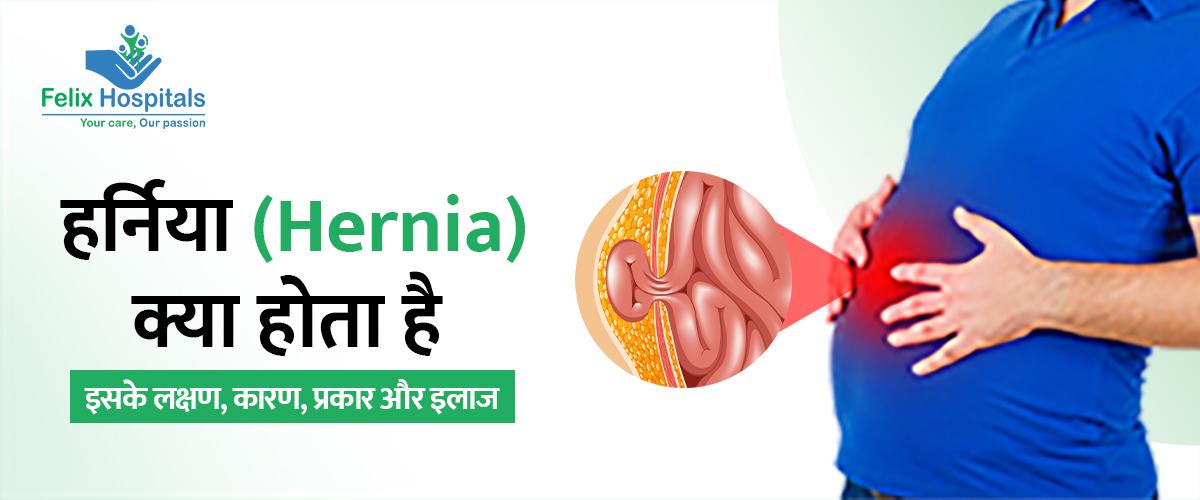
Pacemaker Surgery Cost in Noida: What You Need to Know

Pacemaker heart surgery in Noida: Cutting-edge treatment at Felix Hospital, ensuring optimal heart health and improved quality of life.

Pacemaker Surgery: What You Need to Know

Pacemaker surgery is like a special fix for heart problems when it doesn't beat right. It's a surgery where doctors carefully put a small but strong device called a pacemaker into the chest. This device helps keep the heart on track by sending tiny electric signals to make it beat steadily. It's helpful for people with slow heartbeats, known as bradycardia. At Felix Hospital we believe that pacemaker surgery isn't just about fixing hearts; it's about hope and strength in facing heart challenges. Our skilled doctors perform this specialized procedure with precision and care. For inquiries or to book an appointment, please contact us at +91 9667064100. Trust Felix Hospital to guide you towards a healthier heart and a brighter tomorrow.
 

Understanding Pacemaker Surgery: Procedure and Importance 

Pacemaker surgery is a procedure aimed at correcting irregular heart rhythms by implanting a small device, called a pacemaker, into the chest. This device monitors the heart's activity and sends small electrical signals to maintain a steady rhythm. Typically, patients are awake during the surgery and do not experience pain. The pacemaker is placed beneath the skin near the collarbone and connected to the heart using tiny wires. 
 

While this surgery can significantly improve the quality of life for individuals with heart rhythm issues, it's essential to recognize that it can also come with a hefty price tag that could range between 1,20,000 to 6,00,000 in Noida in hospitals like Felix. Cost of pacemaker surgery may include hospital fees, surgeon fees, pre and post-surgery checkups, and the cost of the pacemaker itself. Patients should discuss these aspects thoroughly with their healthcare provider to ensure they have a clear understanding of the procedure's implications. By embracing a holistic approach to healthcare decision-making, individuals can navigate the complexities of treatment options with confidence and clarity.
 

Pacemaker Surgery Cost in Noida: A Comprehensive Guide
 

Noida boasts excellent medical facilities equipped to perform pacemaker surgeries with expertise and precision. These hospitals are staffed with skilled doctors who specialize in this procedure, ensuring high-quality care. However, before making a decision, it's crucial to consider the associated costs. Pacemaker surgery cost may vary among different hospitals, so it's advisable to inquire about pricing specifics. Additionally, there are various types of pacemakers available, each potentially affecting the overall cost of pacemaker surgery differently. However below are some estimated values for the cost of pacemaker surgery in Noida, providing insights into the minimum, maximum, and average costs incurred;
 

MINIMUM COST₹1,20,000 TO ₹4,00,000
AVERAGE COST₹2,00,000 TO 4,00,000
MAXIMUM COST₹4,00,000 TO ₹6,00,000


Moreover, besides the Pacemaker Surgery Treatment Cost in Noida, researching patient reviews and testimonials can provide valuable insights into the overall experience and satisfaction levels of previous patients.
 

Factors Influencing Pacemaker Surgery Cost in Noida:
 

The pacemaker implantation cost can fluctuate due to several determinants, each contributing to the overall cost in its unique way:

  • Type of Pacemaker: The intricacy of the pacemaker model significantly influences the surgery's overall cost. Advanced pacemakers with additional features or capabilities may require more complex surgical procedures, leading to higher pacemaker implantation cost.

  • Hospital Fees: Each medical facility sets its charges for accommodation, equipment usage, and staff services. Factors such as the hospital's reputation, infrastructure, and amenities can impact these fees, contributing to variations in total expenses across different healthcare institutions.

  • Surgeon Charges: Experienced surgeons with specialized skills and expertise in cardiac procedures may command higher fees for their services. The surgeon's reputation, qualifications, and level of experience can influence the cost of the surgical procedure.

  • Preoperative Assessments: Diagnostic tests and consultations conducted before the surgery are essential for evaluating the patient's health status and determining the suitability for pacemaker implantation. These preoperative evaluations incur additional costs, including fees for medical tests, consultations with specialists, and imaging studies.

  • Postoperative Care: Following pacemaker surgery, patients require comprehensive postoperative care, including follow-up appointments, monitoring, and potential medication. The frequency and duration of postoperative care can vary depending on individual patient needs, contributing to additional expenses.

  • Device Brand: The choice of pacemaker brand can significantly impact the overall cost of the pacemaker surgery. Different manufacturers offer pacemakers with varying features, functionalities, and price points. Advanced pacemaker models with innovative technologies may come at a higher cost compared to standard devices.

  • Insurance Coverage: The extent of insurance coverage plays a crucial role in determining out-of-pocket expenses for pacemaker surgery. Patients with comprehensive health insurance plans may have certain costs covered, such as hospital fees, surgeon fees, and device costs, while others may require payment through deductibles, or out-of-pocket expenses.

  • Additional Complications: Despite careful surgical planning, unforeseen complications may arise during or after pacemaker surgery, necessitating additional medical interventions or procedures. These unexpected complications can lead to increased healthcare expenses.
     

 Cost Breakdown: Pacemaker Surgery Expenses in Noida


In Noida, the cost breakdown of pacemaker surgery typically includes the following components:

  • Hospital Fees 
  • Surgeon Fees
  • Device Costs
  • Preoperative Assessments
  • Postoperative Care
  • Ancillary Services

Understanding the cost breakdown of pacemaker surgery in Noida enables patients to make informed decisions about their healthcare expenses and ensures transparency in financial planning and management. By exploring various factors influencing pacemaker surgery cost patients can access high-quality cardiac care tailored to their needs and preferences.
 

Exploring Options: Where to Get Pacemaker Surgery in Noida
 

For individuals considering pacemaker surgery in Noida, several avenues can be explored to ensure informed decision-making and optimal healthcare outcomes:

  • Reputable Heart Hospitals: Hospitals renowned for their cardiac care, such as Felix Hospital, Max Super Specialty Hospital, and Fortis Hospital, are recommended options for pacemaker surgery. These institutions have experienced medical professionals proficient in performing pacemaker implantation procedures.

  • Physician Recommendations: Consulting with your primary care physician or cardiologist can provide valuable insights and recommendations regarding suitable hospitals or surgeons for pacemaker surgery

  • Online Research: Utilizing online resources, including hospital websites, patient testimonials, and healthcare directories, can provide valuable information about the quality of care provided by different hospitals and healthcare providers.

  • Accessibility Considerations: When choosing a hospital for pacemaker surgery, factors such as location, transportation accessibility, and proximity to residential areas should be taken into account. Opting for a hospital that is easily accessible ensures comfort for patients and their families throughout the treatment journey.

  • Financial Planning: Understanding the breakdown of pacemaker operation cost and exploring available payment options is essential for effective financial planning. Patients should inquire about the total cost of the surgical procedure to make informed decisions about their healthcare expenses.

  • Reputation Assessment: Best heart hospitals in Noida like Felix Hospital, Max Super Specialty Hospital, and Fortis Hospital, with a strong reputation for excellence in cardiac care, accreditation from recognized healthcare organizations, and positive patient testimonials are generally reliable choices for pacemaker surgery.
     

Pacemaker Surgery: Risks and Benefits for Patients in Noida:
 

Before undergoing pacemaker surgery in Noida, it's imperative to thoroughly understand the potential risks and benefits associated with the procedure:

Risks:

  • Infection: There is a risk of infection at the surgical site or around the implanted device, which may require antibiotics or additional medical interventions.

  • Bleeding: During or after surgery, there is a possibility of bleeding, which could lead to complications necessitating further treatment.

  • Allergic Reactions: Some individuals may experience allergic reactions to the materials used in the pacemaker or surgical components, requiring prompt medical attention.

  • Blood Clots: Blood clots may form around the device or in blood vessels, posing a risk of embolism or stroke.

  • Device Malfunction: Pacemaker malfunction, such as failure to deliver appropriate electrical signals or battery depletion, may necessitate device revision or replacement.

  • Nerve or Tissue Damage: Surgical manipulation around the heart and chest area carries a risk of nerve or tissue damage, leading to sensory or motor deficits.

Benefits:

  • Improved Heart Function: Pacemaker surgery aims to restore or regulate the heart's rhythm, improving overall cardiac function and efficiency.

  • Symptom Relief: Patients often experience relief from symptoms associated with irregular heartbeats, such as fatigue, dizziness, and shortness of breath.

  • Enhanced Independence: With improved cardiac function, individuals can regain independence and resume daily activities without limitations.

  • Lifesaving Intervention: Pacemaker surgery can be a lifesaving intervention for individuals with severe heart rhythm disturbances, preventing potentially fatal arrhythmias.

  • Tailored Treatment: Pacemakers can be programmed and customized to meet individual patient needs, providing personalized treatment and optimal outcomes.

  • Minimal Disruption: Pacemaker surgery is minimally invasive and typically requires only a short hospital stay, resulting in minimal disruption to daily life.

  • Long-Term Support: Pacemakers offer long-term support for managing heart rhythm disorders, providing continuous monitoring and adjustment as needed to ensure optimal performance.
        

Understanding both the risks and benefits of pacemaker surgery enables patients to make informed decisions about their healthcare and weigh the potential outcomes against the associated risks. It's essential to discuss any concerns or questions with healthcare providers to ensure a comprehensive understanding of the procedure and its implications.


Pacemaker Surgery: Insurance Coverage and Financial Assistance in Noida:


If concerns about the financial implications of pacemaker surgery in Noida weigh heavily on your mind, it's crucial not to hesitate in seeking clarification regarding insurance coverage and potential financial assistance programs. Hospitals such as Felix Hospital are equipped with dedicated financial counsellors who can provide invaluable guidance and support, helping you comprehend your options and formulate a feasible plan to ensure access to the necessary care without incurring overwhelming financial burden.
 

When discussing insurance coverage, it's essential to thoroughly review your policy to understand the extent of coverage for pacemaker surgery cost and associated expenses. By proactively engaging with hospital financial counsellors and exploring all available avenues for financial assistance, you can alleviate financial stress and focus on receiving the essential care you need for optimal health and well-being.
 

Finding the Right Healthcare Provider for Pacemaker Surgery in Noida:


When seeking the optimal healthcare provider for pacemaker surgery in Noida, several crucial considerations can guide your decision-making process:

  • Seek Recommendations: Begin your search by consulting your primary care physician or seeking advice from friends and family members who may have undergone similar procedures. 

  • Conduct Thorough Research: Explore hospital websites, review platforms, and healthcare directories to gather information about their facilities, services, and patient experiences.

  • Schedule Consultations: Arrange consultations with cardiac specialists and surgeons at potential hospitals to discuss your medical condition, treatment options, and surgical preferences. 

  • Financial Planning: Gain a comprehensive understanding of the cost of pacemaker surgery including hospital fees, surgeon fees, device costs, and ancillary expenses. 

  • Consider Reputation: Choose a hospital with a solid reputation and with accreditations, certifications, and favourable reviews that demonstrate their commitment to excellence in healthcare delivery.
     

Felix Hospital in Noida emerges as a prominent choice for pacemaker surgery, recognized for its experienced medical staff, state-of-the-art facilities, and commitment to patient-centred care. With a reputation for excellence and positive patient testimonials, Felix Hospital stands out as a trusted healthcare provider for individuals seeking pacemaker surgery in Noida.


The Future of Pacemaker Surgery in Noida: 
 

In Noida, pacemaker surgery is expected to continue evolving and improving in the future. As technology advances, we can expect to see more advanced and efficient pacemaker devices being used. Furthermore, advancements in surgical techniques and equipment will likely make pacemaker surgery safer and more precise. This means that patients undergoing pacemaker surgery in Noida can expect better outcomes and reduced risks associated with the procedure.
 

Additionally, with increasing awareness and access to healthcare services in Noida, more people will likely seek treatment for heart rhythm disorders. Overall, the future of pacemaker surgery in Noida looks promising, with advancements in technology, surgical techniques, and healthcare accessibility expected to improve outcomes and make this life-saving procedure more accessible to those in need.
 

Conclusion: 

Pacemaker surgery stands as a significant milestone in the realm of cardiac care, offering hopes and improved quality of life for individuals grappling with heart rhythm disorders. This transformative procedure not only addresses the immediate concerns of irregular heartbeats but also holds the potential to enhance overall cardiac function and vitality. Pacemaker surgery represents not just a medical intervention, but resilience and progress in the journey toward better heart health and improved quality of life for countless individuals across the globe. 
 

For those seeking top-notch care and expertise in pacemaker surgery, Felix Hospital stands as a trusted partner, dedicated to guiding patients toward optimal heart health and a brighter future. With a commitment to providing exceptional medical care, our hospital is dedicated to guiding patients towards optimal heart health and a brighter future.
 

For those in Noida seeking exemplary support for pacemaker surgery, Felix Hospital stands as your trusted ally. Our dedicated team of cardiac specialists, equipped with cutting-edge technology and unwavering expertise, is committed to providing personalized care tailored to your needs. From initial consultation to post-operative recovery, we prioritize your well-being every step of the way. Located in the heart of Noida, Felix Hospital offers convenient access to world-class healthcare facilities, ensuring a seamless and comfortable experience for you and your loved ones. For inquiries or appointments, please contact us at+91 9667064100. Trust Felix Hospital to be your partner in your journey towards improved heart health and a brighter tomorrow.


Pacemaker Surgery: Frequently Asked Questions

Below are some frequently asked questions (FAQs) to assist you:

 1. What is a pacemaker, and how does it work?

A pacemaker is a small device implanted under the skin near the collarbone to regulate the heartbeat. It works by sending electrical impulses to the heart muscle, ensuring it beats at a regular rhythm.
 

 2. Who needs a pacemaker, and what conditions does it treat?

Pacemakers are typically recommended for individuals with abnormal heart rhythms (arrhythmias), such as bradycardia (slow heartbeat) or heart block. These conditions can lead to symptoms like fainting, fatigue, and shortness of breath.
 

 3. What are the different types of pacemakers available?

There are various types of pacemakers, including single-chamber, dual-chamber, and biventricular pacemakers. Each type is designed to address specific heart rhythm abnormalities and may have different features and functionalities.
 

4. How is a pacemaker implanted, and what does the procedure involve?

Pacemaker implantation is performed under local anaesthesia. A small incision is made near the collarbone, and the pacemaker leads are threaded through blood vessels into the heart. The pacemaker device is then placed under the skin and connected to the leads.
 

5. What are the risks and potential complications associated with pacemaker surgery?

Risks and complications of pacemaker surgery may include infection, bleeding, lead displacement, allergic reactions, and device malfunction. However, these risks are relatively low, and complications can often be managed with prompt medical attention.
 

6. What should I expect during the recovery period after pacemaker surgery?

During the recovery period, you may experience some soreness and fatigue. It's essential to follow your doctor's instructions, which typically include avoiding heavy lifting and keeping the incision area clean and dry to prevent infection.
 

7. How long does a pacemaker typically last, and will I need additional surgeries in the future?

Pacemakers usually last 5 to 15 years, depending on battery life and device type. Eventually, the battery will need to be replaced through a minor surgical procedure called a pacemaker generator change.
 

8. Can I still participate in sports or physical activities with a pacemaker?

In general, individuals with pacemakers can participate in many sports and physical activities, but it's essential to consult with your doctor prior to getting engaged in any hustling activity. 

Subscribe to