 WhatsApp
 Emergency:
  WhatsApp












Subscribe to our
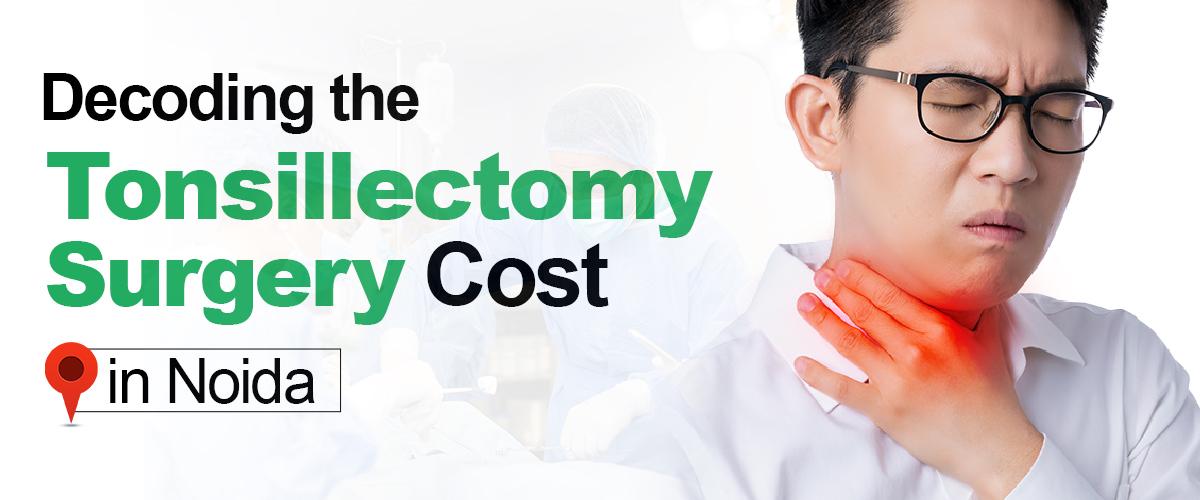
Are recurring throat problems affecting your quality of life? Tonsillectomy, a surgical procedure to remove the tonsils, could be the solution you're seeking. If persistent tonsillitis or related issues hinder your well-being, tonsillectomy can alleviate discomfort and enhance your overall health. By consulting with an experienced ENT specialist, you can delve into the advantages and potential risks of the procedure, empowering you to make an informed decision about your health. Take the initial step towards improved throat health!
Book your consultation with us today with a simple Click or call us at +91 9667064100.
India is globally recognized for providing cost-effective medical treatments, including tonsillectomy. Boasting advanced medical facilities and Skilled ENT Surgeons, Noida offers accessible healthcare options that can make a significant impact on your life. The cost of tonsillectomy Treatment in Noida is notably competitive compared to other regions in India, presenting an appealing option for patients seeking this procedure. Whether you're considering tonsil removal for chronic infections or other issues, you can access excellent medical care and positive outcomes without straining your financial resources.
Several variables contribute to the cost of tonsillectomy Treatment in Noida, including the type of procedure, case complexity, hospital amenities, surgeon's fees, and post-operative care. Here's a rough estimate:
| Starting Cost | ₹20,000 |
| Average Cost | ₹20,000-35,000 |
| Maximum Cost | ₹35,000-50,000 |
At Felix Hospital in Noida, we recognize the significance of delivering exceptional healthcare within your financial reach. Our team of proficient ENT specialists and dedicated staff are committed to providing top-tier care at an affordable cost for tonsillectomy surgery. Experience quality medical treatment without compromising on your budget.
Please bear in mind that the provided tonsillectomy Surgery cost are approximate and can vary based on factors like the hospital's specifics, surgeon's fees, location, and individual patient needs. For a more accurate cost estimation tailored to your unique situation, it's advisable to consult with a healthcare provider.
Keep in mind that these factors can vary from one situation to another, so it's important to consult with your healthcare provider or hospital for a precise Tonsillectomy surgery cost estimate.
Tonsillectomy, the surgical removal of tonsils, is commonly covered by health insurance due to its classification as a frequently needed procedure with medical necessity in specific situations.
If you're wondering about tonsillectomy surgery cost, rest assured that this procedure is recognized as a safe and effective remedy for various health issues. It is usually performed on an outpatient basis under general anesthesia.
Tonsillectomy is suggested for individuals dealing with chronic or recurring tonsillitis, a condition where tonsils become infected and inflamed, causing severe sore throat and difficulty swallowing. It's also recommended for those with sleep-disordered breathing or sleep apnea, which can impact sleep quality and overall health. Health insurance policies often account for the surgery's cost, but coverage specifics and limitations may vary depending on your insurance plan and related factors.
Tonsillectomy is a surgical procedure aimed at removing the tonsils, which are two small gland-like structures located at the back of the throat. Tonsils contain white blood cells that help in fighting infections. However, at times, the tonsils themselves can become infected.
Tonsillectomy is done for two main reasons:
Explore Tonsillectomy Excellence at Felix Hospital – the Best ENT Hospital in Noida. Our holistic approach and top-notch patient ratings set us apart. Call +91 9667064100 to book your consultation today!
Although more common in children, tonsillitis and the need for tonsillectomies can occur in people of any age. However, a single instance of tonsillitis usually doesn't warrant a tonsillectomy. The surgery is often considered for those frequently affected by tonsillitis or strep throat. If you've experienced at least seven cases of tonsillitis or strep within a year (or five cases each year for two consecutive years), discuss the possibility of tonsillectomy with your doctor.
Tonsillectomy can also address other medical issues, such as:
Before surgery, you must stop taking anti-inflammatory medications two weeks in advance, including aspirin, ibuprofen, and naproxen, as they can increase bleeding risk. Inform your doctor about any medications, herbs, or vitamins you're taking.
You'll also need to fast from midnight before the procedure to reduce the risk of nausea during anesthesia. Plan for your recovery at home, as you'll need someone to drive you home and assist you during the initial days. Most individuals take about a week off from work or school post-surgery.
Experience Top Tonsillectomy Care at Felix Hospital – the Best ENT Hospital in Noida. Our holistic approach and remarkable patient reviews make us your ideal choice. Call +91 9667064100 to learn about our competitive tonsillectomy surgery cost and book your consultation!
Various techniques exist for tonsil removal. One common method is "cold knife (steel) dissection," where a scalpel is used to excise the tonsils. Another approach involves cauterization, burning away tissues, or using ultrasonic vibration in some cases. The procedure typically takes around half an hour, and you'll be under general anesthesia.
Recovery may involve pain, particularly sore throat, and discomfort in the jaw, ears, or neck. Rest is crucial in the initial days, and staying hydrated with water or ice pops can help soothe the throat. Opt for soft foods like clear broth, and applesauce, and gradually introduce other soft options. Pain medication as prescribed can aid recovery. Inform your doctor if you experience bleeding or fever. Temporary snoring is normal, but if breathing troubles persist after two weeks, consult your doctor. Most individuals can resume school or work within two weeks.
Tonsillectomy offers relief from recurrent throat infections for many individuals, improving overall well-being.
Tonsillectomy, while generally safe, does come with potential risks. Although complications are uncommon, it's important to be aware of them:
Possible Risks:
Choose Felix Hospital for Unmatched Tonsillectomy Care. As the Leading ENT Hospital in Noida, our holistic approach and exceptional patient testimonials distinguish us. Dial +91 9667064100 to inquire about our affordable tonsillectomy surgery cost and secure your consultation!
The typical recovery period for tonsillectomy averages around two weeks. The duration of recovery depends on factors like the type of procedure, your body's healing ability, and the presence of any complications.
Stages of Tonsillectomy Recovery: 1-2 Days After Tonsillectomy:
3-5 Days After Tonsillectomy:
5-10 Days After Tonsillectomy:
Maintain hydration by drinking fluids. During the initial week, stick to soft, cool foods. Gradually reintroduce solid foods based on comfort, while avoiding hard and spicy options that may irritate the healing area. Suitable foods include water, tea, ice cream, smoothies, yogurt, pudding, applesauce, broth, mashed potatoes, and scrambled eggs.
Returning to Work or School: Allocate at least 10 days for recovery before resuming work or school. This time at home helps lower the risk of post-operative infections and colds.
When to Seek Medical Attention: Contact your healthcare provider if you experience:
Being aware of the potential risks and understanding the recovery stages can contribute to a smoother tonsillectomy experience. Always consult your healthcare provider for personalized guidance and care.
Felix Hospital offers comprehensive care and expertise when it comes to tonsillectomy procedures. With a focus on patient well-being and safety, our hospital provides various types of tonsillectomy procedures tailored to individual needs. Our skilled medical team ensures a seamless procedure, minimizing risks and complications. If you're seeking a reliable medical facility for tonsillectomy, Felix Hospital is your destination. For inquiries about costs, types of procedures, and any further information, feel free to contact us at 9667064100. Your health and comfort are our priority, and we're here to guide you through every step of the process.
Cervical cancer starts in the cells of the cervix, the lower end of the uterus. It is predominantly triggered by the Human Papillomavirus (HPV). In India, cervical cancer accounts for about 16.5% of all cancer cases, making it the second most prevalent cancer among women following breast cancer. Fortunately, cervical cancer is preventable through precautionary measures and vaccination. In fact, the currently available HPV vaccines targets to prevent common cancer-causing strains of HPV - HPV 16 and 18, in addition to others.
It's important to note that HPV can affect both men and women, particularly if either engages in unprotected sex with multiple partners. So even though the HPV vaccine is commonly associated with preventing cervical cancer in women, it actually protects against several types of cancers in both men and women. Therefore, boys also need to take the HPV vaccine.
Book an appointment for the HPV vaccine today to protect your loved ones against cervical cancer. For any concerns or questions contact us at: +91 9667064100.
Cervical cancer originates from the growth of cells in the cervix, the lower part of the uterus connected to the vagina. Most cases of cervical cancer are linked to various strains of the human papillomavirus (HPV), a common infection transmitted through sexual contact. In very few cases the body's immune system can combat HPV upon exposure, while in others the virus persists for an extended period, contributing to the development of cancerous cervical cells.
To minimize the risk of cervical cancer, individuals are advised to undergo screening tests and receive a vaccine designed to protect against HPV infection.
Cervical cancer in its early stages is asymptomatic and doesn't cause any symptoms until it spreads to other parts of the body. Thus, getting regular screenings, such as Pap smears and HPV tests, for early detection, and HPV vaccination for prevention is very important.
Some of the signs and symptoms of cervical cancer can include:
Abnormal vaginal bleeding after intercourse, between menstrual periods, or post-menopause.
Menstrual bleeding that becomes unusually heavier and lasts for an extended duration.
Watery, bloody vaginal discharge, often accompanied by a strong and unpleasant odor.
Pelvic pain or discomfort, including pain during sexual intercourse.
Like most cancer types, cervical cancer is highly treatable when diagnosed in the early stages. The initial treatment typically involves surgery to remove the cancer. Surgical intervention may sometimes be combined with chemotherapy and/or targeted therapy. Sometimes, radiation therapy, utilizing high energy beams, may also be employed, in combination with low-dose chemotherapy.
For comprehensive care, visit the best cervical cancer treatment center for expert guidance and treatment options.
But as they say, prevention is always the best cure!
The HPV vaccination is typically administered to boys and girls aged 9-14, but can be extended to age 45 in specific scenarios. It's important to remember that even vaccinated women should continue with Pap smear screenings.
The cost of Cervical Cancer Vaccine in Noida may vary, depending on the type of vaccine and the healthcare provider.
The three types of HPV vaccines available are as follows:
Bivalent Vaccine (Cervarix): Protects against HPV types 16 and 18
Quadrivalent Vaccine (Gardasil): Protects against HPV types 6, 11, 16 and 18
Nine-valent vaccine (Gardasil 9): Protects against HPV types 6, 11, 16, 18, 31, 33, 45, 52, and 58.
The cost of HPV vaccines typically falls within the following range:
| Type of HPV Vaccine | Minimum Cost | Maximum Cost |
|---|---|---|
| Bivalent Vaccine (Cervarix) | ₹2,000 per dose | ₹3,500 per dose |
| Quadrivalent Vaccine (Gardasil) | ₹3,500 per dose | ₹5,000 per dose |
| Nine-valent Vaccine (Gardasil 9) | ₹7,000 per dose | ₹10,000 per dose |
*Since the complete vaccination requires two to three doses, the total cost may range from ₹6,000 to ₹30,000, depending on the type of vaccine and the number of doses needed.
Type of Vaccine: The vaccine that offers broader protection (e.g., Gardasil 9) generally costs more.
Healthcare Provider: Private hospitals and clinics may charge higher prices compared to government or public health facilities.
Location: Geographical location and availability of the vaccine also impacts the cost.
Age Group: Younger individuals (under 15) may require only two doses, reducing overall cost.
Brand and Manufacturer: Most importantly, the vaccine brand affects pricing.
Government Programs: Government vaccination drives or initiatives offer subsidized or free vaccines.
Community Health Centers: Depending on the availability, the community centers often provide vaccines at a lower cost.
Health Insurance: Check if your policy covers the HPV vaccine.
Always consult a healthcare professional to confirm the best type of vaccine for your needs and ensure accurate cost estimates.
Felix Hospital, the best cancer hospital in Noida and Greater Noida, provides the most cost-effective and budget-friendly pricing for HPV vaccine to prevent cervical cancer.
We also provide cancer screenings and treatment for all types of cancer, including cervical cancer. We have a highly experienced team of best oncologists in Noida, that includes Surgical, Medical and Radiation Oncologists. They collaborate to provide personalized care to all our patients.
Felix Hospital also provide cancer counseling and cancer patient support to our patients and their families. We take pride in providing advanced medical procedures that meet international standards in terms of quality and precision.
At Felix Hospital, we provide comprehensive cancer care under the guidance of our highly skilled oncologists, including Dr. Mukta Baxi, Dr. Abhishek Shrivastava, and Dr. Vinita Kumari. Our dedicated team ensures precise diagnosis and personalized treatment plans tailored to each patient’s needs, taking into account their medical history and pre-existing conditions.
Cancer treatment requires a multidisciplinary approach. At Felix Hospital, experts from Medical Oncology, Surgical Oncology, and Radiation Oncology collaborate to offer a holistic treatment strategy. Our mission is to provide compassionate care and the latest advancements in cancer therapy to improve outcomes and quality of life.
If you or your loved one has been diagnosed with cervical cancer, or if you are looking for the best hospital in Noida, look no further and contact us at: +91 9667064100.
Cervical cancer is preventable, provided you get screened regularly and vaccinated against the HPV virus between 9 to 14 years. However, catch-up vaccination can be extended between 13 - 26 years to individuals who either haven't been vaccinated or haven't completed the full course. For detailed consultation and personalized care, you can speak to your healthcare provider or consult the top Oncologist in Noida for expert guidance on cervical cancer prevention and vaccination options.
Q1. What is HPV, and how does it relate to Cervical Cancer?
Ans. HPV, or human papillomavirus, constitutes a group of viruses transmitted through skin-to-skin sexual contact, encompassing anal, vaginal, and at times, oral sex. Notably, HPV transmission can occur even years after sexual activity has ceased. Specific strains of HPV are linked to cervical cancer.
Q2. How is the cervical cancer vaccination administered? Are there any side effects related to the vaccine?
Ans. The vaccination schedule spans 6 to 24 months, with two injections administered. Cervical cancer vaccines are generally safe, with minimal side effects such as pain, swelling, soreness, or redness at the injection site. Occasionally, dizziness or fainting may occur post-injection, but this risk can be mitigated by remaining seated for about 15 minutes afterward.
Q3. How does the Cervical Cancer vaccine function?
Ans. Cervical cancer vaccines operate similarly to other immunizations that shield against viral infections. They prompt the body to produce antibodies, which, upon future encounters with HPV, bind to the virus, preventing it from infecting cells.
Q4. How effective are HPV vaccines?
Ans. The efficacy of HPV vaccination is remarkably high, with the potential to prevent over 90% of HPV-related cancers. However, they offer maximum protection when administered pre-HPV exposure, ideally during adolescence.
Q5. Where can I get HPV vaccines?
Ans. At Felix Hospital, we provide screenings, HPV vaccines as well as treatment for cervical cancer at a budget-friendly cost.
Q6. Can I get the HPV vaccine if I am pregnant?
Ans. Although the HPV vaccine has not been found to cause harm to a woman or her fetus, it is recommended to wait until after delivery to start or continue with the series.
Q7. How long after receiving the HPV vaccine does it take for the vaccine to work?
Ans. The immune system takes one to two weeks to generate immunity to vaccines or infections. In the case of HPV vaccine, the first dose generates a primary immune response, so people will have some immunity, but protection can vary from one person to another. The last dose (given at least six months after the first dose) is important because it enhances the memory immune response.

Recognize the early warning signs of cervical cancer. Learn about its symptoms, causes, and when to consult a gynecologist for timely diagnosis and treatment.

Cervical cancer is most common in women after breast cancer. Cervical cancer starts from the cervix, i.e., the cervix. The cervix is the lower part of the uterus that connects the vagina to the uterus.

Chemotherapy is a widely used cancer treatment that uses strong medications to destroy rapidly growing cancer cells.
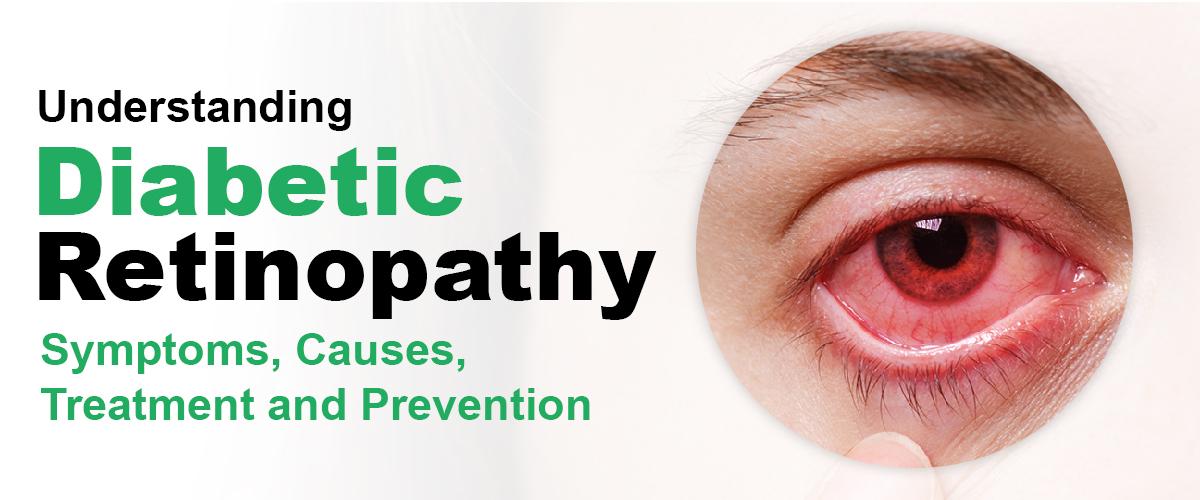
Diabetic retinopathy is a diabetes complication that affects the eyes. It's caused by damage to the blood vessels of the light-sensitive tissue at the back of the eye (retina). Diabetic retinopathy Symptoms may not be present initially, or they might only cause mild vision problems. However, if left untreated, it can lead to blindness.
Book Your Appointment One click at +91 9667064100
The condition can develop in anyone who has type 1 or type 2 diabetes. The longer you have diabetes and the less controlled your blood sugar is, the more likely you are to develop this eye complication. Effective treatment of diabetic retinopathy involves managing diabetes, regular eye exams, and interventions such as laser treatment, anti-VEGF injections, and vitrectomy, depending on the severity of the condition.
Diabetic retinopathy diagnosis and treatment involve addressing the effects of diabetes on the eyes. This condition is marked by the weakening of blood vessels in the retina, posing significant risks to vision. It manifests in two primary forms:
Nonproliferative Diabetic Retinopathy (NPDR): During its initial stages, individuals may encounter the presence of leaky blood vessels within the retina. This leakage can lead to the buildup of fluid, hemorrhages, or lipids in the retinal region. As the disease continues to progress, these blood vessels might eventually close, resulting in retinal ischemia or a reduction in blood flow to the affected area.
Proliferative Diabetic Retinopathy (PDR): As the disease advances, it prompts the development of abnormal blood vessels in response to the ischemic state. These irregular vessels are susceptible to leaking blood into the vitreous, the gel-like substance that fills the eye. Consequently, the surface of the retina can experience tractional alterations, potentially leading to the detachment of the retina and causing severe impairment of vision in the later stages.
Treatment of Diabetic retinopathy for the above conditions may involve thorough evaluations to determine the extent of the condition's impact on the eyes.
Explore Cutting-Edge Treatment of Diabetic Retinopathy at Felix Hospital. Our expert specialists and advanced facilities ensure top-notch care. Call +91 9667064100 to book an appointment today!
The retina, a specialized tissue positioned at the posterior of the eye, serves as a conduit for transmitting signals to the brain, much like the film in a camera. By converting incoming light rays into intricate electrical impulses, the retina establishes a vital line of communication with the brain. It's through these electrical signals that the phenomenon of vision is made possible.
Diabetes-related Retinopathy's Impact: The effects of diabetes-related retinopathy on the body can be significant. In the absence of proper treatment of Diabetic Retinopathy, this condition can potentially culminate in the loss of vision, diminished visual acuity, or even complete blindness. The underlying mechanism stems from the impairment inflicted upon the blood vessels located within the retina. This damage disrupts the effective transmission of visual data, thereby jeopardizing the integrity of vision over time.
Broad Spectrum Susceptibility: The scope of those susceptible to diabetic retinopathy symptoms is extensive. This encompasses a diverse group of individuals who contend with diabetes, spanning:
Gestational diabetes
Type 1 diabetes
Type 2 diabetes This eye-related concern does not discriminate among diabetes subtypes, underscoring the importance of vigilance and proactive management across the board.
For individuals diagnosed with diabetes, several pivotal risk factors can exacerbate the likelihood of developing diabetes-related retinopathy. These include:
Hypertension (elevated blood pressure)
Inadequate control of blood sugar levels
Hyperlipidemia (elevated blood lipid levels)
Duration of time living with diabetes-related retinopathy
Experience Advanced treatment for Diabetic Retinopathy at Felix Hospital. Our expert medical professionals and cutting-edge technology ensure top-notch treatment. Call +91 9667064100 to book your consultation today!
Diabetes can trigger various ocular conditions, such as cataracts, glaucoma, and diabetes-related retinopathy. The latter term refers to the damage inflicted on the blood vessels within the retina. This damage can lead to compromised blood circulation (ischemia), inflammation, and if left untreated, it can ultimately lead to legal blindness.
In the early stages, diabetic retinopathy symptoms may not be discernible. Vision changes might go unnoticed until the condition has advanced significantly. Some individuals may experience symptoms intermittently.
Blurred or distorted vision.
New onset of color blindness or faded color perception.
Impaired night vision (night blindness).
Occurrence of small dark spots (eye floaters) or streaks in the visual field.
Challenges in reading or seeing distant objects.
Crucial Awareness and Timely Treatment:
Gaining insight into the potential effects of diabetes-related retinopathy is vital for seeking early intervention. Regular eye check-ups, along with an understanding of the diabetic retinopathy symptoms, are of paramount importance. Embracing treatment modalities specific to diabetic retinopathy can significantly mitigate its impact, ensuring both visual health and overall well-being.
Discover Unparalleled Treatment for Diabetic Retinopathy at Felix Hospital. Our renowned team and state-of-the-art facilities guarantee exceptional care. Learn about Diabetic Retinopathy symptoms and dial +91 9667064100 to schedule an appointment now!
Diabetic retinopathy diagnosis: An eye doctor (ophthalmologist) can provide accurate diabetic retinopathy diagnosis during a simple exam.
Visual Acuity: This evaluation gauges the clarity of your vision, assessing how well you can see.
Intraocular Pressure Check: An assessment of intraocular pressure is conducted to rule out any indicators of glaucoma.
Eye Muscle Function: The functionality of your eye muscles is scrutinized, determining the extent of your eye movement.
Peripheral Vision Examination: Peripheral vision, which involves sight from the sides of your eyes, is also evaluated.
Pupil Response Analysis: This examination delves into how your pupils respond to light stimuli.
In the assessment of diabetic retinopathy diagnosis, the process delves into various facets of your visual health. Following these initial assessments, your eye doctor administers drops into your eyes to dilate your pupils. This step widens the pupils' centers, enabling more comprehensive examination.
Specifics Under the Microscope: During this in-depth examination, the physician focuses on:
Identifying abnormal blood vessels.
Detecting bleeding within the central eye region.
Observing the growth of new blood vessels.
Noting any instances of retina swelling.
Utilizing Fluorescein Angiography to map vascular patterns.
Leading the Way in Treatment for Diabetic Retinopathy: Felix Hospital. Receive unparalleled care from our skilled team and advanced facilities. Learn about Diabetic Retinopathy symptoms and dial 9667064100 to arrange a consultation at your convenience.
Fluorescein Angiography: A Detailed Insight: After pupil dilation, a dye is introduced into a vein in your arm. This dye circulates through the blood vessels of your eyes, and images are captured to pinpoint closed, broken, or leaking blood vessels.
Cross-sectional Clarity with Optical Coherence Tomography (OCT): The Diabetic retinopathy diagnosis involving this process extends to Optical Coherence Tomography (OCT), offering cross-sectional images of your retina. These images depict the retina's thickness, aiding in gauging potential fluid leakage into retinal tissue. OCT exams serve as valuable tools to monitor treatment progress over time.
The diabetic retinopathy diagnosis process encompasses these comprehensive evaluations, aiming to provide a thorough understanding of your ocular health and guide subsequent treatment decisions.
When it comes to managing diabetic retinopathy, the approach to the treatment of diabetic retinopathy is influenced by the specific type and severity of the condition. The main goal is to slow down or halt its progression, safeguarding your eyesight.
Your healthcare provider takes multiple factors into account while devising a plan for the treatment of Diabetic Retinopathy, including:
Your age.
Medical history.
The extent of retinal damage.
Visual acuity.
HgbA1c levels (a measure of blood sugar control).
In the initial stages of the disease, your healthcare provider may not give any treatment for Diabetic retinopathy. However, might adopt a wait-and-see strategy, particularly if your vision is still good. During this period, you'll have regular eye check-ups, but immediate treatment may not be necessary. Depending on your situation, you might require eye exams every two to four months.
In cases of mild or moderate nonproliferative diabetic retinopathy, immediate treatment for diabetic retinopathy might not be necessary. Nonetheless, your eye specialist will carefully observe your eye health to ascertain the appropriate timing for potential treatment.
Collaborate closely with your diabetes doctor, often referred to as an endocrinologist, to explore avenues for enhancing your treatment of diabetes-retinopathy. Effective blood sugar control can typically decelerate the progression of diabetic retinopathy when it falls under the mild to moderate category.
When faced with proliferative diabetic retinopathy or macular edema, swift intervention is paramount. The specific issues affecting your retina will dictate the course of action, and treatment options encompass:
Injection of Medications into the Eye: Medications known as vascular endothelial growth factor inhibitors are injected into the eye's vitreous. These injections curb the growth of new blood vessels and reduce fluid accumulation. Notable medications for treating diabetic macular edema include faricimab-svoa (Vabysmo), ranibizumab (Lucentis), aflibercept (Eylea), and off-label use of bevacizumab (Avastin).
Photocoagulation - Laser Treatment: This approach, also termed focal laser treatment, can halt or slow blood and fluid leakage within the eye. Abnormal blood vessel leaks are treated with laser burns. Photocoagulation is usually done in one session at your doctor's office or eye clinic. While it may not fully restore vision, it often reduces the worsening of macular edema.
Your Destination for Treatment of Diabetic Retinopathy – Felix Hospital. Count on us for exceptional care, backed by our expert team and state-of-the-art resources. Get insights into Diabetic Retinopathy symptoms and reach out at +91 9667064100 to schedule an appointment.
Panretinal Photocoagulation - Scatter Laser Treatment: Employed to shrink abnormal blood vessels, this laser treatment involves treating the retina areas away from the macula with scattered laser burns. The burns prompt the abnormal vessels to shrink and scar. This procedure typically occurs over multiple sessions, potentially leading to temporary blurriness and minor vision loss.
Vitrectomy: A tiny incision is made in the eye to extract blood and scar tissue from the middle (vitreous) that's pulling on the retina. Performed in a surgery center or hospital under local or general anesthesia, this procedure helps alleviate retinal strain.
It's essential to grasp that while treatment for Diabetic retinopathy can effectively slow or halt diabetic retinopathy's progression, it's not an ultimate cure. Due to diabetes being a chronic condition, the potential for future retinal damage and vision loss remains.
After undergoing treatment for diabetic retinopathy, maintaining regular eye exams becomes a crucial priority. Consistent monitoring and the potential need for additional treatment in the long term are vital to ensure ongoing eye health.
For individuals with diabetes, minimizing the risk of diabetes-related retinopathy involves several steps:
Avoiding smoking.
Keeping blood sugar levels under control.
Engaging in regular exercise.
Undergoing yearly eye exams.
Maintaining healthy blood pressure levels.
Adhering to prescribed medications.
Outlook for People with Diabetes-related Retinopathy: With prompt treatment, it's possible to prevent vision loss and delay the progression of diabetes-related retinopathy. Following treatment for diabetic retinopathy, managing diabetes and maintaining stable blood sugar levels are key factors for a positive outcome.
Uncontrolled diabetes heightens the risk of encountering eye problems akin to diabetes-related retinopathy. Some of these conditions encompass:
Glaucoma.
Macular edema.
Retinal detachment.
If you have diabetes, it’s important to have an eye exam at least once per year. Pregnant women who have diabetes should schedule an eye exam during their first trimester.
Between eye appointments, call your healthcare provider if you notice:
Black spots in your vision.
Blurred vision.
Flashes of light.
Holes in your vision.
Anyone who has diabetes has a risk of developing diabetes-related retinopathy. This serious eye condition needs immediate treatment. Without intervention, it can lead to vision loss and even blindness. However timely treatment can prevent vision loss and stop disease progression. The best way to avoid the disease is by managing your diabetes and controlling your blood sugar. Schedule an appointment with a healthcare provider if you notice any new vision changes.
Felix Hospital stands as a beacon of hope and advanced medical expertise for those grappling with diabetic retinopathy. With an unwavering commitment to providing unparalleled treatment and care, coupled with a team of renowned specialists and cutting-edge facilities, Felix Hospital has emerged as a leader in combating this sight-threatening condition. By offering a comprehensive approach that encompasses the understanding of diabetic retinopathy symptoms, early detection, and state-of-the-art treatment options, the hospital has successfully transformed the lives of countless individuals. If you or your loved ones are seeking top-tier care and innovative solutions for diabetic retinopathy, Felix Hospital remains the ultimate destination where medical excellence and compassionate patient care converge.

Cataract surgery is essential to restore clear vision and prevent permanent blindness. It removes the cloudy lens and replaces it with an artificial one, helping patients regain normal sight and quality of life.
Diabetes is a condition in which your body part pancreases cannot make enough insulin which results in an increase in your glucose level/blood sugar level.
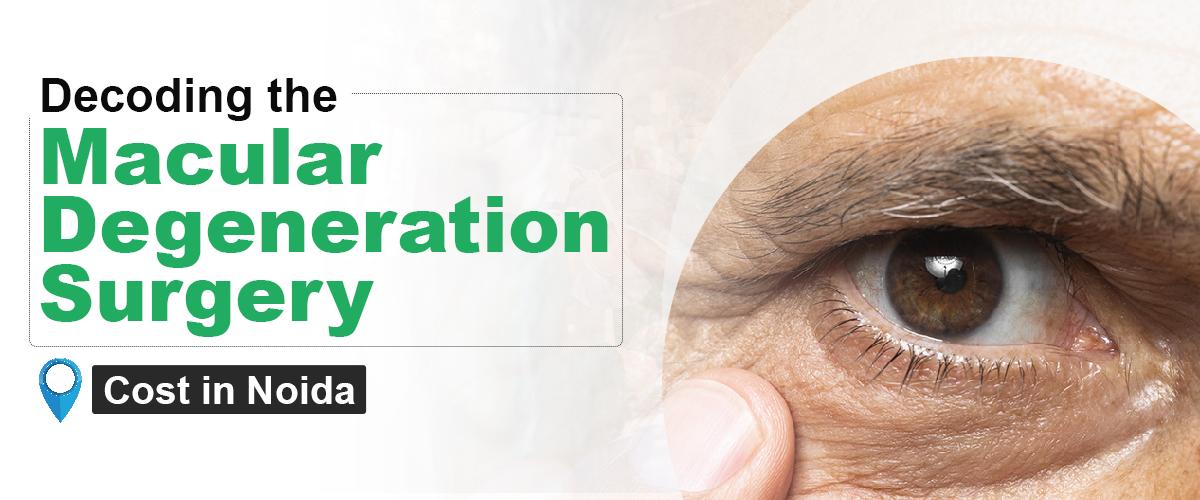
When it comes to your vision, finding the right macular degeneration treatment is paramount. If you're considering treatments to address this eye condition, Noida offers a range of options to explore. From lifestyle adjustments to advanced medical interventions, macular degeneration treatment aims to preserve and enhance your eyesight. By partnering with experienced retina specialists, you can navigate the available treatments, understand potential outcomes, and make informed decisions about your eye health. Embark on a journey toward clearer vision and improved quality of life.
Macular degeneration surgery cost in Noida at Felix Hospital is not only affordable but is also recognized for its modern medical facilities and expert retina specialists, making it a sought-after destination for macular degeneration treatment. The cost of macular degeneration treatment in Noida is competitive, ensuring that you receive top-notch care without straining your finances. Whether you require injections, laser therapy, or other interventions, Noida provides access to quality treatments that can significantly impact your vision and overall well-being.
Book your consultation with us today with a simple click or call us at +91 9667064100
The cost of macular degeneration treatment can vary based on factors such as the specific procedure, the complexity of your case, hospital amenities, specialist fees, and post-treatment care. Here's an estimated cost breakdown:
| Starting Cost | ₹2,60,000 |
| Average Cost | ₹5,00,000 and 7,00,000 |
| Maximum Cost | ₹10,00,000 |
Explore cost-effective solutions for macular degeneration surgery cost in Noida at Felix Hospital in Noida. We understand the importance of providing exceptional retinal care while ensuring affordability. Our team of skilled retina specialists and dedicated staff is committed to delivering outstanding treatment that meets your budgetary needs. Embark on your journey toward a clearer vision with confidence, knowing that you're receiving the best care possible.
Discover the possibilities of advanced macular degeneration Surgery cost in Noida at Felix Hospital. Dial +91 9667064100 to explore a brighter and clearer vision ahead!
Anti-VEGF Injections: These injections, which target abnormal blood vessel growth in the retina, are a standard treatment for macular degeneration. The cost for Macular degeneration Surgery per injection can range from approximately INR 35,000 to 70,000.
Laser Photocoagulation: Laser therapy is employed to seal leaking blood vessels in the retina, managing macular degeneration. The Macular degeneration surgery cost for laser photocoagulation starts from around INR 20,000.
Photodynamic Therapy (PDT): PDT involves injecting a light-activated drug followed by laser treatment to eliminate abnormal blood vessels. The macular degeneration surgery cost for PDT treatment begins at approximately INR 40,000.
Implantable Miniature Telescope (IMT): In certain cases, IMT surgery can enhance central vision for individuals with macular degeneration. The cost for macular degeneration surgery involving IMT starts from approximately INR 300,000.
Nutritional Supplements: Certain vitamins and minerals in supplement form can support macular health. Costs for macular degeneration treatment involving supplements vary and can start from around INR 1,500 per month.
Gene Therapy: Experimental gene therapies aiming to halt disease progression are being explored. The cost for macular degeneration surgery involving gene therapy treatments can vary widely based on factors like research phase and availability.
Low Vision Aids: Devices like magnifiers and telescopic lenses can aid individuals with advanced macular degeneration. Costs vary depending on the specific aid and customization.
It's important to note that these costs are approximate and can vary based on factors such as the specific medical facility, specialist fees, geographic location, and individual patient requirements, including the cost for macular degeneration surgery. For a precise cost estimate tailored to your unique situation, it is recommended to consult with an experienced ophthalmologist or retinal specialist. Empower yourself with knowledge and expert guidance as you embark on a journey to preserve and enhance your visual health.
Unveil a clearer vision with our cutting-edge macular degeneration treatment. Contact us at +91 9667064100 to embark on your journey towards improved eyesight, courtesy of Felix Hospital.
The cost of macular degeneration surgery can vary widely based on several factors. It's important to consider these factors when estimating the overall cost of treatment:
Type of Treatment: Different treatment modalities are available for macular degeneration, including anti-VEGF injections, laser therapy, photodynamic therapy (PDT), surgical interventions, gene therapy, and more. The specific treatment chosen will significantly impact the overall cost.
Treatment Frequency: Some treatments, such as anti-VEGF injections, may require regular sessions over an extended period. The frequency of treatment sessions can influence the total cost.
Severity and Stage of Macular Degeneration: The stage and severity of macular degeneration can determine the complexity of the treatment required and may impact the overall cost.
Choice of Medical Facility: The reputation, location, and facilities of the medical facility where the treatment is performed can influence the cost. Leading hospitals and specialized eye clinics may have higher charges.
Specialist's Fees: The experience, expertise, and reputation of the ophthalmologist or retinal specialist performing the treatment can affect the cost. Highly skilled specialists may charge higher fees.
Geographic Location: The cost of healthcare services can vary significantly based on the city or region where the treatment is sought. Larger metropolitan areas might have higher costs compared to smaller towns.
Hospitalization and Ancillary Services: If the treatment requires hospitalization or additional services such as anesthesia, operating room facilities, or diagnostic tests, these factors can contribute to the overall cost.
Diagnostic and Imaging Tests: Some treatments may require diagnostic tests such as OCT (optical coherence tomography) scans or fluorescein angiography. These tests can add to the overall cost.
Medications and Supplies: The cost of medications, surgical supplies, and other consumables necessary for the treatment can impact the final expenses.
Follow-Up Care: Post-treatment follow-up visits and ongoing monitoring are essential for the management of macular degeneration. The frequency and duration of these visits can influence the overall cost for Macular degeneration Surgery.
Insurance Coverage: The extent of insurance coverage, whether through private insurance or government health schemes, can affect the out-of-pocket expenses for the patient.
Research and Clinical Trials: Participation in clinical trials or experimental treatments may have varying costs depending on the research phase and availability.
Patient-Specific Factors: Individual patient factors, such as age, overall health, and the presence of other medical conditions, can impact the treatment approach and cost.
It's advisable to have a detailed consultation with a qualified ophthalmologist or retinal specialist to understand the specific factors that will influence the cost of macular degeneration treatment in your case. This will help you make an informed decision and plan for the financial aspects of your treatment journey.
Your path to enhanced vision begins with our comprehensive macular degeneration treatment. Connect with us at +91 9667064100 and witness the potential benefits, proudly offered by Felix Hospital.
In India, the cost of macular degeneration treatment under health insurance plans can vary based on the specific insurance policy and the terms and conditions set by the insurance provider. Here are some points to consider:
Health Insurance Coverage: Macular degeneration treatment is typically covered under major medical health insurance plans rather than vision health insurance plans. Health insurance policies in India generally provide coverage for medical treatments, including those related to eye diseases like macular degeneration.
Policy Inclusions and Exclusions: The coverage for macular degeneration treatment will depend on the specific inclusions and exclusions mentioned in the health insurance policy. It's important to review the policy document carefully to understand what treatments and conditions are covered.
Pre-Existing Conditions: Some health insurance policies may have a waiting period for pre-existing conditions, including macular degeneration. This means that treatment for macular degeneration may be covered only after a certain waiting period has elapsed since the policy's commencement.
Network Hospitals: Health insurance plans often have a network of empaneled hospitals and healthcare providers. It's advisable to receive treatment at a network hospital to avail of cashless services. Check if the hospitals where you plan to receive treatment for macular degeneration are part of the insurance provider's network.
Claim Process: If you receive treatment for macular degeneration at a non-network hospital, you may need to follow the reimbursement claim process. This involves submitting the necessary documents and bills to the insurance company for reimbursement.
Sub-limits and Sum Insured: Some health insurance policies may have sub-limits on specific treatments, including eye-related treatments. Additionally, the total sum insured (coverage limit) of your policy will also determine the extent of coverage available for macular degeneration treatment.
Policy Renewal: Make sure to keep your health insurance policy active and renew it on time to ensure continued coverage for macular degeneration treatment and other medical needs.
Elevate your visual experience through our specialized macular degeneration treatment, and gain insight into the potential cost for macular degeneration surgery. Reach us at +91 9667064100 to learn more and embrace a brighter future with Felix Hospital.
Age-Related Macular Degeneration (AMD) is a progressive eye disease affecting the macula, the central region of the retina. It leads to the loss of central vision while peripheral vision remains unaffected. Typically occurring in individuals aged 50 and above, AMD is a significant cause of vision impairment among the elderly.
There are two main types of AMD: dry and wet
Dry AMD (Atrophic AMD):
Dry AMD is the more common form of macular degeneration, accounting for approximately 90% of cases. It occurs when small, yellowish deposits called drusen accumulate under the macula, the central part of the retina responsible for sharp central vision. As drusen build up, they can lead to thinning and deterioration of the macular tissue. This process gradually impairs central vision, making it challenging to read, recognize faces, or see fine details. The progression of dry AMD is typically slower than wet AMD, and while it may cause vision loss, many individuals retain some level of central vision.
Wet AMD (Neovascular AMD):
Wet AMD is a more aggressive and severe form of the disease, although it accounts for a smaller percentage of cases. It occurs when abnormal blood vessels begin to grow beneath the macula. These new blood vessels are fragile and can leak blood and fluid, leading to sudden and significant damage to the macula. This can result in rapid and severe central vision loss. People with wet AMD may experience distorted vision, where straight lines appear wavy or crooked. Immediate medical intervention is crucial for wet AMD to prevent further damage and preserve vision.
Reduced Low-Light Vision: People with AMD often require brighter lighting for reading or close tasks due to decreased light sensitivity.
Blurred Vision: The gradual blurring of central vision, which can affect tasks like recognizing faces or reading.
Visual Distortion: Straight lines may appear wavy or distorted, leading to difficulties in perceiving the environment accurately.
Dark or Blurry Spots: Patients may experience dark spots or whiteouts in the central field of vision, impacting visual clarity.
Change in Color Perception: Altered color perception can occur, affecting the ability to discern colors accurately.
Anti-Angiogenic Drugs: These drugs are injected into the eyes to inhibit the growth of abnormal blood vessels that characterize wet AMD. They help prevent vessel leakage and further damage.
Laser Therapy: High-energy laser light can be used to destroy abnormal blood vessels, particularly in cases of wet AMD.
Photodynamic Laser Therapy: This two-step treatment involves injecting a light-sensitive drug that targets abnormal blood vessels. A laser is then directed to activate the drug, causing damage to the abnormal vessels.
Submacular Surgery: Surgical removal of abnormal blood vessels or scar tissue from beneath the macula can help preserve vision.
Retinal Translocation: In this procedure, the macular center is rotated away from abnormal vessels, and laser treatment is applied without harming the macula.
Low Vision Aids: Magnifying lenses, glasses, or other optical devices can enhance visual acuity and assist with daily tasks.
Nutritional Supplements: Vitamin and mineral supplements, such as those recommended by the AREDS and AREDS2 studies, can slow the progression of dry AMD and reduce the risk of severe vision loss.
Monitor Symptoms: Regularly assess changes in vision, including blurred or distorted vision, and promptly seek medical attention for sudden vision changes or significant deterioration.
Consult an Eye Specialist: If symptoms suggest AMD, consult an ophthalmologist for a comprehensive eye examination.
Testing and Referral: If AMD is suspected, the ophthalmologist may conduct tests such as Amsler grid tests, dilated eye exams, or OCT scans to confirm the diagnosis and recommend appropriate treatment.
Effectiveness Varies: Treatment outcomes can differ based on factors like the type and stage of AMD, as well as an individual's overall health.
Regular Eye Exams: Periodic eye check-ups are essential to monitor AMD progression and adjust treatment plans accordingly.
Multifaceted Approach: Combining different treatment modalities may be necessary to address the complexity of AMD and optimize visual outcomes.
Healthy Lifestyle Choices: Maintaining a healthy weight, managing blood pressure and cholesterol, and avoiding smoking can help reduce the risk of AMD.
Nutrition: Consuming a diet rich in antioxidants, vitamins, and minerals can support eye health and potentially delay the onset or progression of AMD.
Sun Protection: Wearing sunglasses with UV protection and a wide-brimmed hat when outdoors can help shield the eyes from harmful ultraviolet rays.
Expert Ophthalmologists: Skilled specialists in macular degeneration treatment.
Cutting-Edge Technology: Advanced tools like OCT and anti-VEGF therapies.
Customized Approach: Tailored treatment plans for individual needs.
Multidisciplinary Team: Collaboration with retina surgeons, nutritionists, and more.
Innovation: Dedicated to staying updated with the latest advancements.
Patient-Centric Care: Focus on your comfort, understanding, and well-being.
Proven Success: Positive outcomes and patient testimonials.
Convenient Location: Easily accessible for stress-free treatment.
Affordable Pricing: Quality care without compromising on value.
Embark on a Journey of Vision Restoration with Macular Degeneration Treatment at Felix Hospital. Our dedicated team of ophthalmologists strives to slow disease progression and alleviate symptoms, providing you with an improved quality of life. While initial improvements may be observed, it's essential to recognize that optimal results may develop gradually. The long-lasting positive impact on your vision and well-being is truly priceless. To learn more about our comprehensive macular degeneration treatment and its potential benefits, reach out to us at +91 9667064100. Embrace the prospect of a clearer and brighter visual horizon!
Cataract surgery is essential to restore clear vision and prevent permanent blindness. It removes the cloudy lens and replaces it with an artificial one, helping patients regain normal sight and quality of life.

Eye flu, also known as conjunctivitis, is a common eye infection causing redness, irritation, and watering. Learn its causes, symptoms, and effective treatments.

HPV टीका विभिन्न प्रकार के कैंसर, जैसे कि सर्वाइकल, एनल, और ओरोफैरिंजियल कैंसर, से बचाने में एक केंद्रीय भूमिका निभाता है। इसके अलावा, यह स्त्रीओं की बाँझपन से जुड़े कुछ विशिष्ट वायरस स्ट्रेन्स के खिलाफ एक सुरक्षात्मक ढाल के रूप में कार्य करता है।
सरकार ने हाल ही में 9 से 14 साल की लड़कियों के लिए मुफ्त सर्वाइकल कैंसर वैक्सीन प्रदान करने का ऐलान किया है, यह एक अग्रणी पहल है जो एक महत्वपूर्ण संकट के समय किया गया है। सर्वाइकल कैंसर, जो विश्वभर में 4 वीं सबसे अधिक मौत का कारण है, इसके प्रति पूर्वनिर्णय और महत्व को प्रमोट करता है। यह कदम केवल एक चिंताजनक वैश्विक स्वास्थ्य सांख्यिकी का सामना करने के लिए ही नहीं है, बल्कि इससे सरकार का एक सक्रिय स्थान भी दिखता है जिससे इस भयानक स्वास्थ्य चुनौती के प्रभाव को कम करने का प्रयास किया जा रहा है। युवा लड़कियों के लिए टीकाकरण को प्राथमिकता देने से यह पहल दिखाती है कि यह पूर्वनिर्णय करने और सर्वाइकल कैंसर के बोझ को कम करने के लिए एक समर्पिता है।
एक्सपर्ट सुझाव के लिए कॉल करें +91 9667064100.
सर्विकल कैंसर उत्पन्न होता है जब सर्वांगीण भाग से जुड़े सेल्स की विकास में परिवर्तन होता है। सर्विक्स का निचला हिस्सा, जो यौनांग से जुड़ा होता है, की कोशिकाओं की बढ़ती हुई संख्या से ज्यादातर सर्विकल कैंसर के विभिन्न स्ट्रेन्स के साथ जुड़े होते हैं।
सर्विकल कैंसर के जोखिम को कम करने के लिए व्यक्तियों को स्क्रीनिंग टेस्ट करने और एक टीका प्राप्त करने की सलाह दी जाती है। जब सर्विकल कैंसर का निदान होता है, तो प्रारंभिक उपचार सामान्यत: कैंसर (cancer) को हटाने के लिए सर्जरी को शामिल करता है। और उपचार के और विकल्पों में कैंसर सेल्स को नष्ट करने के लिए दवाएँ, जैसे कि कीमोथेरेपी और लक्षित थेरेपी, शामिल हो सकती हैं। परमाणु किरण चिकित्सा, शक्तिशाली ऊर्जा तीर्थकों का उपयोग करती है, कभी-कभी कम खुराक कीमोथेरेपी (chemotherapy) के साथ संयुक्त रूप से भी की जा सकती है।
सर्विकल कैंसर को पहली बार में प्रदर्शित होने में कई समय तक स्पष्ट लक्षण नहीं हो सकते हैं। हालांकि, कैंसर बढ़ता है, तो व्यक्तियों को इस प्रकार के संकेत महसूस हो सकते हैं:
यौन संबंध के बाद, मासिक धर्म के बीच या पोस्ट-मेनोपॉज के बाद यौन रक्तस्राव।
मासिक धर्म का असामान्य भारी होना और एक बड़े अवधि तक रहना।
पानी, रक्तयुक्त यौन स्राव, जिसे अक्सर सुगंधहीन और अप्रिय गंध के साथ मिलता है।
पेल्विक दर्द या असहजता, जिसमें यौन संबंध के दौरान दर्द शामिल है।
सर्विकल कैंसर का आरंभ होता है जब सेल्स के स्वस्थ डीएनए में परिवर्तन होता है। डीएनए, जो किसी सेल के लिए निर्देश है, उसकी गतिविधियों को मार्गदर्शन करता है। इन परिवर्तनों से सेल्स को शीघ्र संख्या में वृद्धि करने की अनुमति मिलती है, जिससे वे अपने स्वाभाविक जीवन चक्र के हिस्सा के रूप में बने रहते हैं, जिससे अत्यधिक सेल्स होती हैं। ये सेल्स एक ट्यूमर कहला सकती हैं, जो स्वस्थ शरीर ऊतकों को घात करने और नष्ट करने की क्षमता होती हैं। समय के साथ, इन सेल्स किसी अन्य शरीर के क्षेत्रों में हट सकती हैं और फैल सकती हैं।
सर्विकल कैंसर का प्रमुख कारण ह्यूमन पैपिलोमावायरस (एचपीवी) है, जो यौन संपर्क के माध्यम से होने वाला एक सामान्य वायरस है। जबकि बहुत लोगों के लिए यह वायरस कभी समस्याएँ नहीं पैदा करता, यह सामान्यत: अपने आप ही ग़या जाता है। कुछ लोगों के लिए, हालांकि, यह वायरस सेल्स में परिवर्तन कर सकता है जो कैंसर की ओर बढ़ सकते हैं।
सर्विकल कैंसर कई प्रकार में प्रकट होता है, जिसे सेल जिसमें कैंसर उत्पन्न होता है के प्रकार के आधार पर वर्गीकृत किया जाता है। सर्विकल कैंसर के प्रमुख प्रकार हैं:
स्क्वेमस सेल कार्सिनोमा (Squamous cell carcinoma): यह सर्विक्स के बाह्य हिस्से की पतली, चिपचिपी सेल्स में उत्पन्न होता है, जिसे स्क्वेमस सेल्स कहा जाता है। अधिकांश सर्विकल कैंसर स्क्वेमस सेल कार्सिनोमा होता है।
एडेनोकार्सिनोमा (Adenocarcinoma): इस प्रकार का सर्विकल कैंसर सीरेविकल कैनाल की स्तंभाकार ग्रंथि सेल्स में उत्पन्न होता है।
कभी-कभी, सर्विकल कैंसर में दोनों प्रकार की सेल्स शामिल हो सकती हैं। बहुत शानदार रूप से, कैंसर अन्य सर्विकल सेल्स में विकसित हो सकता है।
सर्विकल कैंसर के जोखिम कारक निम्नलिखित हो सकते हैं:
तंबाकू सिगरेट पीना: तंबाकू की धूम्रपान करना सर्विकल कैंसर Cervical Cancer के जोखिम को बढ़ाता है। जब व्यक्ति धूम्रपान करते समय एचपीवी संक्रमण होता है, तो इस संक्रमण का समय अधिक होता है और यह कभी स्वतंत्र रूप से नहीं गया जाता है। एचपीवी सर्विकल कैंसर का प्रमुख कारण है।
एक से अधिक यौन संबंध:आपके और आपके पार्टनर के बीच यौन संबंधों की अधिक संख्या, ज्यादातर एचपीवी प्राप्त करने के आपके चांस को बढ़ाती है।
यौन गतिविधि की प्रारंभिकता: शीघ्र आयु में सेक्स करने से आपके एचपीवी के खतरे को बढ़ावा हो सकता है।
अन्य यौन संचारित संक्रमण: अन्य यौन संचारित संक्रमण, जिसे सीटीआई, गोनोरिया, सिफिलिस, और एचआईवी/एड्स भी कहा जाता है, एचपीवी के जोखिम को बढ़ा सकते हैं।
कमजोर इम्यून सिस्टम: यदि आपकी इम्यून सिस्टम (Immune System) किसी अन्य स्वास्थ्य स्थिति के कारण कमजोर है और आपको एचपीवी है, तो आपको सर्विकल कैंसर के विकसित होने का जोखिम अधिक हो सकता है।
गर्भपात रोकथाम दवा का संपर्क: यदि आपके माता-पिता ने गर्भपात रोकथाम दवा कहलाई जाने वाली एक दवा का सम्पर्क किया है, जिसे डाइएथिलस्टिल्बेस्ट्रॉल (डीईएस) भी कहा जाता है, तो आपका सर्विकल कैंसर के जोखिम बढ़ सकता है। इस दवा का उपयोग गर्भपात रोकने के लिए 1950 के दशक में किया जाता था। यह स्पष्ट सेल एडेनोकार्सिनोमा कहलाते हैं के एक प्रकार से जुड़ा है।
सर्विकल कैंसर के जोखिम को कम करने के लिए निम्नलिखित प्रतिबंधी उपायों का विचार करना चाहिए:
HPV टीका: अपने डॉक्टर से संपर्क करें और सर्विकल कैंसर और अन्य एचपीवी संबंधित कैंसरों के जोखिम को कम करने के लिए HPV टीका प्राप्त करने के लिए सावधानीपूर्वक जांच करें।
नियमित पैप टेस्ट: प्रारंभिक स्थितियों को पहचानने के लिए नियमित पैप टेस्ट महत्वपूर्ण है, जिससे सर्विकल कैंसर को रोकने के लिए निगरानी या उपचार की जा सकती है। 21 वर्ष की आयु से नियमित पैप टेस्ट करें और उसे नियमित अंतरालों पर दोहराएं।
सुरक्षित यौन आचरण: सुरक्षित यौन आचरण का पालन करें, जैसे कि नियमित रूप से कंडोम का उपयोग करना और यौन साथीयों की संख्या को कम करना, सेक्सविद्रोह की रोकथाम के लिए।
तंबाकू से बचें:धूम्रपान से बचें, और यदि आप वर्तमान में धूम्रपान कर रहे हैं, उसे छोड़ने के लिए स्वास्थ्य पेशेवर से परामर्श करें।
पौष्टिक आहार अपनाएं: फलों और सब्जियों को पर्णतु, सब्जियों, और पौधों जैसे पौष्टिक आहार को अपनाएं। हाई-कैलोरी भोजनों को छोटा और स्वल्प से चिकना करने के लिए अपने आहार को बनाएं।
मध्यम शराब की मात्रा: यदि आप शराब पीना चुनते हैं, तो मध्यम या पूर्णतः इससे बचें। अधिक शराब का सेवन विभिन्न प्रकार के कैंसर, जैसे कि स्तन, कोलन, फेफड़ा, किडनी, और जिगर को बढ़ा सकता है।
एक्सपर्ट सुझाव के लिए कॉल करें +91 9667064100.
Cervical cancer is most common in women after breast cancer. Cervical cancer starts from the cervix, i.e., the cervix. The cervix is the lower part of the uterus that connects the vagina to the uterus.

सर्वाइकल कैंसर महिलाओं में होने वाला एक गंभीर रोग है। इसके प्रकार, लक्षण, जोखिम कारक और निवारण को जानकर समय पर उपचार संभव है।

अंडाशय कैंसर महिलाओं में होने वाला एक गंभीर रोग है, जो अक्सर देर से पहचान में आता है। जानिए इसके कारण, लक्षण और इलाज के प्रभावी तरीके।
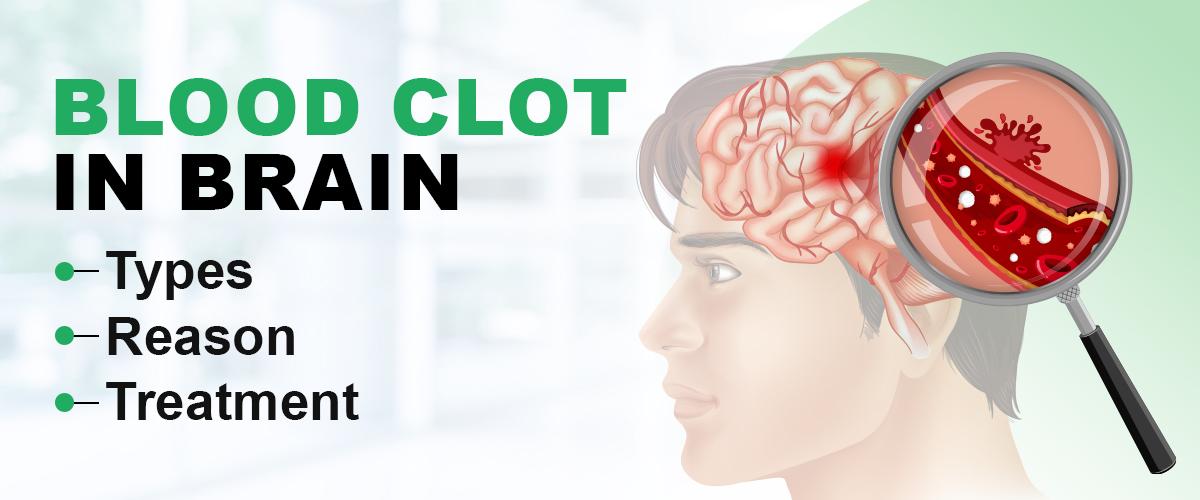
Experiencing a blood clot in brain is scary and life-changing for many people every year. It can happen suddenly, leaving you feeling scared and helpless. But it's important to know that getting medical help right away can make a big difference. In this article, we'll talk about what causes of blood clot in brain, their symptoms, how doctors diagnose them, and the different treatments available.
Book Your Appointment One click at +91 9667064100
A blood clot in brain, also known as a stroke, is a serious emergency that can cause severe brain damage or even death. It happens when blood cells stick together and block a blood vessel in the brain. This stops oxygen and nutrients from getting to the brain, which can harm or kill brain cells. Let's go through the types, reasons, signs, diagnosis, and treatments for blood clots in the brain in simpler terms. When a blood vessel in the brain ruptures and becomes filled with blood, it creates a blockage in an artery, leading to a blood clot. This blockage can result in the brain being deprived of oxygen, causing damage to brain cells and potentially leading to death.
For those seeking top neurological care, Felix Hospital is widely regarded as the best neurology hospital in Noida, known for treating complex brain conditions like blood clots.
While some individuals may experience mild episodes of this occurrence without noticeable symptoms, others may develop severe complications such as seizures or fatality. However, even before these complications arise, there are warning signs to watch for. Recognizing these symptoms (symptoms for blood clot in head) is crucial, prompting timely treatment for blood clots in the brain.
Blood clots typically form as a natural response to injury, aiming to stop blood loss. However, when a blood clot obstructs blood flow within blood vessels, it poses significant danger. Two primary types of blood clots exist thrombosis and embolism.
The price for thrombectomy surgery (the removal of a blood clot) in India varies from Rs. 100,000 to Rs. 2,50,000. However, this cost range is somewhat arbitrary and contingent on a variety of factors, encompassing both patient-specific and treatment-related considerations.
Patient-specific factors that may influence the cost of thrombectomy surgery include the cause and nature of the blockage, the specific blood vessel affected, and the overall health condition of the patient. Conversely, treatment-related factors affecting the cost encompass the type of surgical procedure undertaken, the anesthesia administered, and the professional fees charged by the surgeon, among others.
For a more precise estimate of the cost tailored to your individual circumstances, it is advisable to schedule a complimentary consultation with top vascular surgeons in your vicinity. This consultation can facilitate a comprehensive evaluation and diagnosis, enabling you to obtain a more accurate understanding of the anticipated expenses associated with the surgery.
For inquiries about the cost of brain clot surgery at Felix Hospital, Call Now at +91 9667064100.
Ischemic stroke, the most prevalent type, constitutes a significant majority of all strokes. It manifests in two forms: thrombotic and embolic. Thrombotic stroke arises when a blood clot, or thrombus, obstructs a brain artery, impeding blood flow. Embolic stroke occurs when plaque or thrombus fragments relocate from their origin, obstructing a downstream artery—a situation termed an embolus. The extent of brain damage hinges on the precise location of the blockage within the artery.
Typically, the carotid or vertebral arteries remain partially unobstructed, allowing a small blood flow to reach the brain. However, this diminished flow deprives brain cells of nutrients, precipitating cellular dysfunction and stroke symptoms. Within a stroke, a core area experiences near-complete blood deprivation, resulting in cell death within minutes. Conversely, the ischemic penumbra, a broader region surrounding the core, harbors impaired yet viable cells—referred to as idling cells—which can persist for approximately three hours.
Ischemic stroke is addressed by removing the obstruction and reinstating cerebral blood flow. An FDA-approved medication, tissue plasminogen activator (tPA), is a primary treatment, administered within a three-hour window from symptom onset for optimal efficacy. Unfortunately, merely 3 to 5 percent of stroke patients reach hospitals in time for this therapy. While tPA poses a risk of increased intracranial hemorrhage, it is ineffective for hemorrhagic stroke. For patients beyond the three-hour window, intrarterial thrombolysis or surgical interventions like carotid endarterectomy may be considered.
Hemorrhagic stroke, stemming from causes like hypertension or aneurysm rupture, is characterized by bleeding directly into brain tissue (intracerebral hemorrhage) or surrounding cerebrospinal fluid spaces (subarachnoid hemorrhage). Both scenarios are grave and necessitate prompt medical intervention.
Surgical interventions are often requisite to alleviate intracranial pressure arising from bleeding. For hemorrhagic stroke resulting from aneurysm or vascular malformation, surgery may seal off defective vessels and redirect blood flow to unaffected regions. Endovascular treatment involves inserting a catheter into a major artery and deploying platinum coils (stents) to support and stabilize damaged blood vessels, minimizing the risk of additional strokes.
Recovery and rehabilitation, including physical, speech, and occupational therapy, are integral aspects of stroke management. Undamaged brain regions may assume lost functions, facilitating recovery.
A TIA is a temporary cerebrovascular event that leaves no lasting damage. It results from a transient arterial blockage to the brain, causing stroke-like symptoms (symptoms for blood clot in head) that dissipate before permanent harm occurs.
While TIA symptoms mirror stroke, they quickly resolve. Recognizing these symptoms (symptoms for blood clot in head) and seeking immediate medical attention is paramount, as TIA may precede a major stroke. Although there is no direct treatment for TIA (treatment for blood clots in the brain), identifying and addressing its underlying cause can prevent subsequent attacks. About 30 percent of major stroke sufferers experience prior TIAs, underscoring the urgency of timely medical intervention to avert further complications. Treatment for blood clots in the brain focuses on managing conditions like carotid artery disease or cardiac issues to mitigate stroke risk.
Persistent and severe headaches: Even at rest, persistent head pain can persist, accompanied by pressure sensations. Additionally, numbness around the face and body may indicate a potential blood clot.
Speech difficulties: Oxygen deprivation in the brain can impair speech, leading to slowed or slurred speech patterns.
Blurred vision: Early symptoms (symptoms for blood clot in head) may include blurry or hazy vision due to brain oxygen deprivation.
Uncontrollable motor functions: Damage to the brain can result in involuntary shaking or tremors, which may worsen as the clot progresses.
Seizures: As the clot enlarges, it can trigger seizures, varying in duration and severity.
Dizziness and fainting: Oxygen deprivation may cause lightheadedness or even loss of consciousness.
Paralysis: With clot enlargement, paralysis may occur, depending on its location, potentially leading to acute paralysis in specific body areas.
If you are looking out for the best doctor for brain or brain clot treatment in Noida, contact our top-rated neurologists. Felix Hospitals has the best brain surgeon in Noida. Felix Hospital has the famous neurosurgeon.
Various factors contribute to blood clot formation (or causes of blood clot in brain), including:
Obesity: Obesity is one of the causes of blood clot in brain. High body mass index increases the risk due to heightened clotting tendencies in fat cells.
Smoking: Tobacco use damages blood vessels, reduces nitrogen oxide levels, and raises the risk of thrombosis and embolism.
Birth control pills: Hormonal contraceptives can elevate the risk by affecting estrogen levels and is one of the causes of blood clot in brain.
Brain Trauma: Head injuries may lead to bleeding in the brain, potentially causing clots.
Atherosclerosis: Hardening of arteries due to plaque deposition can disrupt blood flow, prompting clot formation at damaged sites is also one of the causes of blood clot in brain.
Blood tests: Physicians conduct blood tests to detect specific markers indicating brain clotting, such as the presence of proteins signaling brain bleeding.
Ultrasound: Employed to assess brain size and shape, ultrasound scans offer insights into clot location and origin.
CT scan: Utilized for precise identification of brain clots, CT scans provide detailed information on clot characteristics, surpassing other imaging methods in accuracy.
Magnetic resonance angiography (MRA): By capturing images of blood vessels, MRAs pinpoint blockages or irregularities, examining brain blood flow and identifying clot sources.
V/Q scans: Assessing blood oxygen levels, these scans gauge arterial and venous blood flow, highlighting potential blockages or clot formations within blood vessels.
For premier neurological care, look no further than our esteemed team of neurologists at Felix Hospitals. Situated in Noida, our facility boasts the finest brain surgeons in the region and best brain clot treatment in Noida. With renowned expertise and a commitment to excellence, Felix Hospital is your destination for top-tier neurological care.
Treating arterial clots typically involves a combination of medications such as aspirin and clopidogrel (oral antiplatelet agents), intravenous antiplatelet agents, heparin (a blood thinner and anticoagulant), and clot busters (thrombolytic agents). In addition to medication, specialized interventional catheters may be employed to extract or compress arterial clots.
Taking an adult-strength aspirin tablet (325 mg) at the onset of heart attack symptoms can enhance survival rates by 20%. As a result, healthcare professionals often administer aspirin to patients showing signs of a heart attack, helping to mitigate further damage to the heart muscle prior to emergency medical services' arrival. The Clopidogrel in Unstable Angina to Prevent Recurrent Events (CURE) Trial demonstrated that clopidogrel, another oral antiplatelet agent used in conjunction with aspirin, further reduces the risk of death in specific types of heart attacks. Intravenous antiplatelet agents may also be utilized to manage impending or evolving heart attacks alongside aspirin and clopidogrel. While this triple antiplatelet therapy is highly effective, it may increase the risk of bruising, with major bleeding complications being rare occurrences, such as stomach ulcer bleeding.
Intravenous (IV) heparin, given continuously, is the conventional anticoagulant used to prevent blood clot enlargement. Adjusting heparin dosage to achieve optimal efficacy necessitates frequent blood tests, measuring the activated partial thromboplastin time (aPTT). In treating heart attack patients, the heparin dose is tailored to achieve a target aPTT ranging from 50 to 70 seconds.
Low molecular weight heparin (LMWH) represents a significant advancement over conventional heparin. Administered via injection once or twice daily based on the patient's weight, LMWH typically requires no dose adjustments and minimal or no blood test monitoring. Enoxaparin and dalteparin, both FDA-approved, are the two agents used for treating specific types of established or impending heart attacks. Like conventional heparin, they may lead to unintended bleeding as a side effect.
Warfarin, also known by its brand name Coumadin, acts as an oral anticoagulant by disrupting the body's natural vitamin K-clotting system. It serves as a cornerstone in the long-term treatment of deep vein thrombosis (DVT) and pulmonary embolism (PE), playing a crucial role in stroke prevention for individuals with atrial fibrillation, as well as preventing clotting in patients with mechanical heart valves.
Managing warfarin therapy presents significant challenges in ensuring both safety and efficacy, necessitating close collaboration between patients and healthcare providers. Patients must navigate a delicate balance: insufficient warfarin dosage can result in severe clotting events, while excessive dosage can lead to life-threatening bleeding episodes. Unlike many other medications, warfarin cannot be prescribed in fixed or weight-adjusted doses. Instead, dosage adjustments rely on laboratory blood tests measuring prothrombin time (PT), standardized as the International Normalized Ratio (INR). A healthy individual not taking warfarin typically has an INR of 1.0, with higher INR values indicating increased anticoagulation intensity. For patients with DVT or PE, the target INR usually ranges from 2.0 to 3.0, while some may require more intensive anticoagulation with target INR levels as high as 4.0.
Warfarin therapy is further complicated by numerous drug-drug and drug-food interactions that impact INR levels. Therefore, regular monitoring of INR is essential to ensure optimal dosing. Initially, INR levels are checked several times per week, gradually transitioning to monthly monitoring once a stable INR and warfarin dose are achieved. Increased monitoring becomes necessary when starting or discontinuing other medications, including over-the-counter drugs, vitamins, and herbal supplements. Certain medications, such as amiodarone and certain antibiotics, can significantly augment warfarin's anticoagulant effect, leading to elevated INR levels. Additionally, dietary changes, such as fluctuations in vitamin K-containing foods, and alcohol consumption can influence INR levels and increase the risk of bleeding, even in the absence of marked INR elevation. Sometimes, INR fluctuations may occur without identifiable reasons, further underscoring the need for vigilant monitoring during warfarin therapy.
These clot-dissolving medications can break down arterial clots but carry a higher risk of serious bleeding compared to antiplatelet agents or anticoagulants. Thrombolytics cannot distinguish between harmful clots causing a heart attack and beneficial clots sealing a stomach ulcer or fragile brain artery. Therefore, while they contribute to a roughly 20% improvement in heart attack survival, they also raise the risk of brain hemorrhage by approximately 1%.
Mechanical Thrombectomy: This surgical procedure involves using a mesh-equipped device to extract the clot from the brain's main artery, restoring blood flow.
Surgical removal: In serious instances, surgical intervention may be required to address a blood clot in brain by either extracting the clot or repairing the injured blood vessels. The primary surgical approach for managing such clots is known as thrombectomy, wherein a catheter is utilized to extract the clot from the affected blood vessel.
Burr hole drainage: A small hole is made in the skull to drain the clot, alleviating pressure.
Craniotomy: Involves cutting a portion of the skull to remove and reposition the clot.
Stents: These small tubes are placed in brain blood vessels to maintain their openness, facilitating proper blood flow.
Vena Cava Filters: Placed in the inferior vena cava, these filters intercept blood clots before they reach critical organs like the heart or lungs, often inserted using minimally invasive techniques.
Rehabilitation is essential post-treatment to aid patients in recovering lost abilities and averting future strokes. This may encompass various therapies such as physical therapy, speech therapy, occupational therapy, and other interventions aimed at restoring strength, mobility, and cognitive function.
If you are looking for best super speciality hospital in Noida, Visit Felix Hospital in Sector 137 Noida or Call +(91)9667064100.
A blood clot in the brain is a medical emergency that requires immediate attention. Early recognition of symptoms, timely diagnosis, advanced treatment, and expert medical care play a crucial role in improving survival and recovery. With modern technology and experienced specialists, effective treatment and better outcomes are now possible when care is not delayed.
Q.1 What is a blood clot in the brain?
Ans. It is a blockage of blood flow in the brain caused by a clot, which can lead to stroke or brain damage.
Q.2. Why is a brain blood clot dangerous?
Ans. It can deprive brain cells of oxygen, leading to permanent damage or life-threatening complications.
Q.3. How is a brain blood clot treated?
Ans. Treatment includes medications, clot removal procedures, or surgery depending on severity.
Q.4. What is the cost of treatment for a brain blood clot?
Ans. Costs depend on treatment type, hospital facilities, and patient condition.
Q.5. How much time does recovery take?
Ans. Recovery varies from weeks to months based on early treatment and severity.
Q.6. What are the risks if left untreated?
Ans. Delayed treatment can result in paralysis, brain damage, or death.

A concise guide explaining brain tumor surgery cost in Noida, including key factors, treatment options, and expert care.

Recognizing the symptoms of a brain stroke is critical for getting prompt medical attention. The acronym F.A.S.T. is often used to remember the most common Brain stroke symptoms.

Advanced neurosurgery improves treatment for brain and spine disorders with better outcomes.

The HPV vaccine (cervical cancer vaccine) plays a pivotal role in averting various cancer types, such as cervical, anal, and oropharyngeal cancers. Additionally, it serves as a protective shield against specific virus strains associated with women's infertility.
As the industry and fans grapple with this loss, it highlights the importance of addressing cervical cancer, which is the 4th leading cause of death worldwide. In the wake of this devastating news, the government's groundbreaking initiative to provide free Cervical Cancer Vaccines for girls aged 9 to 14 takes on added significance. This proactive step underscores the urgency of preventive measures and reflects the government's commitment to reducing the impact of this formidable health challenge and promoting a healthier future for the nation.
Book Your Appointment One click at +91 9667064100
Cervical cancer originates from the growth of cells in the cervix, the lower part of the uterus connected to the vagina. Most cases of cervical cancer are linked to various strains of the human papillomavirus (HPV Vaccine), a common infection transmitted through sexual contact. While the body's immune system can often combat HPV Vaccine (cervical cancer vaccine) upon exposure, in a small percentage of individuals, the virus persists for an extended period, contributing to the development of cancerous cervical cells.
To minimize the risk of cervical cancer, individuals are advised to undergo screening tests and receive a cervical cancer vaccine designed to protect against HPV infection. Knowing the cervical vaccine cost can help individuals plan for this important preventive measure.
In cases where cervical cancer is diagnosed, initial treatment typically involves surgery to remove the cancer. Additional treatment options may include medications to eliminate cancer cells, such as chemotherapy and targeted therapy. Radiation therapy, utilizing potent energy beams, may also be employed, sometimes in combination with low-dose chemotherapy.
Symptoms Cervical cancer may not initially exhibit noticeable symptoms. However, as the cancer progresses, individuals might experience signs such as:
Vaginal bleeding after intercourse, between menstrual periods, or post-menopause.
Menstrual bleeding that becomes unusually heavier and lasts for an extended duration.
Watery, bloody vaginal discharge, often accompanied by a strong and unpleasant odor.
Pelvic pain or discomfort, including pain during sexual intercourse.
Cervical cancer initiates when the DNA of healthy cells in the cervix undergoes alterations. DNA, functioning as a cell's instructional manual, directs its activities. These alterations prompt rapid cell multiplication, enabling them to persist beyond their natural life cycle, resulting in an excess of cells. This surplus might form a mass known as a tumor, capable of infiltrating and damaging surrounding healthy tissues. Over time, these cells can detach and metastasize to other areas of the body.
The predominant cause of cervical cancer is the Human Papillomavirus (HPV Vaccine), a common virus transmitted through sexual contact. While many individuals naturally clear the virus without complications, some may experience changes in cells that elevate the risk of cancer.
Cervical cancer manifests in various types, primarily categorized based on the cell where the cancer originates. Squamous cell carcinoma, the most prevalent type, originates in thin, flat squamous cells lining the cervix's outer part. Adenocarcinoma, on the other hand, begins in column-shaped gland cells lining the cervical canal. Occasionally, both cell types may be involved, and more rarely, cancer may develop in other cervical cells.
Risk factors associated with cervical cancer comprise:
Tobacco Smoking: Engaging in tobacco smoking elevates the likelihood of cervical cancer. In individuals who smoke and contract HPV infections, these infections tend to persist for longer durations and are less likely to resolve. Notably, HPV is a primary contributor to most cervical cancers.
Multiple Sexual Partners: An increased number of sexual partners, both for you and your partner, heightens the probability of acquiring HPV. The more extensive the sexual network, the greater the potential for HPV transmission.
Early Initiation of Sexual Activity: Commencing sexual activity at a young age enhances the risk of contracting HPV. Early sexual engagement contributes to an increased vulnerability to the virus.
Sexually Transmitted Infections (STIs): The presence of additional STIs amplifies the risk of HPV infection, consequently heightening the risk of developing cervical cancer. STIs such as herpes, chlamydia, gonorrhea, syphilis, and HIV/AIDS are known to increase this risk.
Weakened Immune System: Individuals with compromised immune systems due to other health conditions face an augmented likelihood of developing cervical cancer when infected with HPV.
Exposure to Miscarriage Prevention Medicine: Exposure to diethylstilbestrol (DES), a medication utilized in the 1950s to prevent miscarriages, heightens the risk of cervical cancer. This substance is specifically linked to a subtype of cervical cancer known as clear cell adenocarcinoma.
Understanding these risk factors is crucial for implementing preventive measures and promoting early detection in cervical cancer screenings.
To mitigate the risk of cervical cancer, individuals are advised to consider preventive measures:
HPV Vaccination: Inquire with your doctor about receiving the HPV vaccine (cervical cancer vaccine) to reduce the risk of cervical cancer and other HPV-related cancers.
Routine Pap Tests: Regular Pap tests are crucial for detecting precancerous conditions early, allowing for monitoring or treatment to prevent cervical cancer. Initiate routine Pap tests at age 21 and repeat them periodically.
Safe Sex Practices: Employ safe sex practices, such as using condoms consistently and limiting the number of sexual partners, to reduce the risk of sexually transmitted infections.
Tobacco Avoidance: Steer clear of smoking, and if you currently smoke, consult with a healthcare professional for guidance on quitting.
Adopting a nutritious diet: Prioritize fruits and vegetables: Build your diet around fruits, vegetables, and plant-based foods like whole grains and beans. Opt for lighter and leaner choices, minimizing the intake of high-calorie foods. Restrict the consumption of refined sugars and fats from animal sources.
Moderate alcohol consumption: If you choose to drink alcohol, do so in moderation or consider abstaining altogether. Excessive alcohol intake elevates the risk of various cancers, including those affecting the breast, colon, lung, kidney, and liver.
For more comprehensive care, consider consulting with the best cancer hospital. Additionally, if you are seeking specialized treatment for cervical cancer, find out more about the best hospital for cervical cancer treatment. To know more about this, please schedule a meeting by contacting us at +91 9667064100.
Cervical cancer is most common in women after breast cancer. Cervical cancer starts from the cervix, i.e., the cervix. The cervix is the lower part of the uterus that connects the vagina to the uterus.
Lung cancer is a serious condition that starts in the lungs and can spread to other parts of the body.

Explore essential information about breast cancer, including its symptoms, causes, types, and treatments, to stay informed and proactive about your health.

Explore the cervical cancer vaccine cost in Noida, compare prices across hospitals, and understand how vaccination helps prevent HPV infection and cervical cancer.

Let us understand- what is MCh Blood test. MCH, or Mean Corpuscular Hemoglobin, is a measure indicating the average hemoglobin quantity within each red blood cell, responsible for transporting oxygen from the lungs to the cells through the bloodstream. Deviations in MCH levels, identified through blood testing, may signify various issues, ranging from nutrient deficiencies to chronic diseases.
Conducted as part of a Comprehensive Blood Count (CBC), the MCH blood test assesses blood composition, including hematocrit, white blood cells (WBC), platelets, hemoglobin, and red blood cells (RBC). This test offers an overview of overall health. MCH is derived from the hemoglobin value (Hgb) and the RBC count, calculated by dividing Hgb by RCB. The normal MCH range is between 26 and 33 picograms (pg) of hemoglobin per RBC.
Your doctor may discuss MCH levels and what is MCh blood Test when explaining certain blood test results. MCH stands for "mean corpuscular hemoglobin," indicating the average amount of hemoglobin, a protein that transports oxygen, in each red blood cell.
MCH (Mean Corpuscular Hemoglobin) levels gauge the average amount of hemoglobin in each red blood cell, while MCHC blood test (Mean Corpuscular Hemoglobin Concentration) levels measure the average weight of hemoglobin relative to the volume of red blood cells. Both serve as indicators of the health of hemoglobin in the bloodstream. Hemoglobin, a crucial blood protein, facilitates the transport of oxygen to the body's cells and tissues through red blood cells. MCH measures the quantity of hemoglobin in a red blood cell, while the MCHC blood test value signifies the amount of hemoglobin per unit volume.
This blog will delve into the meaning of MCHC in blood tests, elucidate the causes of high MCHC, and unravel the implications of low MCHC levels.
Physicians frequently request a complete blood count (CBC) test to determine an individual's MCH levels. In adults, typically MCH blood test normal range varies from approximately 27 to 31 picograms (pg) per cell, although variations can occur depending on the testing machine and 32 to 36 grams per deciliter (g/dL), or 320 to 360 grams per liter (g/L) for MCHC blood test.
For young children, the reference values differ. Low MCH is indicated by concentrations at or below 27 pg per cell, while high MCH levels are defined by concentrations at 34 pg per cell or higher.
In summary, the answer to what is MCh blood test is that the MCH blood test is a fundamental tool gauging hemoglobin levels in red blood cells, vital for diagnosing and monitoring specific anemias and blood disorders. Typically conducted as part of a complete blood count (CBC), this test aids in identifying underlying health concerns. While comprehending MCH results provides valuable insights into overall health, it's essential to acknowledge that additional testing may be required for a comprehensive understanding of blood health. Overall, the MCH blood test and MCH blood test normal range remains a valuable asset for preserving and enhancing overall health and well-being.
The MCH blood test involves a straightforward process where a small blood sample is taken from a vein in your arm. This sample is usually collected with a needle connected to a syringe or a vacuum tube. The blood is then sent to a laboratory for analysis, where the hemoglobin levels in each red blood cell are measured. Results are typically available within a few days, and your healthcare provider will interpret the results, explaining whether further testing or treatment is necessary.
Additionally, there are now mobile phlebotomy services available for blood draws in the comfort of your home or office. This option is convenient for those who find it challenging to visit a healthcare provider's office or prefer the ease of having blood drawn at home. Services like Speedy Sticks offer mobile blood draw services, and Mobile Labs provide on-site laboratory testing and diagnostics.
A comprehensive blood count test, commonly known as CBC test, aims to provide physicians with a broad understanding of an individual's overall health. This test is valuable for screening multiple health aspects simultaneously, aiding in the diagnosis of conditions like bleeding disorders, infections, and anemia.
CBC tests analyze the three main types of blood cells, offering counts for white cells, red cells, and platelets. A CBC assesses the diverse cellular components constituting your blood, encompassing:
You might undergo a CBC during your annual check-up or as a diagnostic measure for a specific ailment. If you exhibit symptoms indicative of a condition impacting your blood cell count, your doctor may recommend this test.
For the CBC procedure, a nurse inserts a needle into a vein in your arm. The needle is connected to a test tube, collecting the blood, which is later analyzed in a laboratory.
The mean corpuscular hemoglobin (MCH) test is a component of a complete blood count (CBC), a standard blood test used for diagnosing and monitoring various health conditions. A CBC may be conducted during routine health check-ups or when assessing specific health concerns.
Anemia, a prevalent health issue with diverse causes, often prompts a CBC, including an evaluation of MCH. If you exhibit signs or symptoms of anemia, your doctor may order a CBC to confirm the diagnosis and identify the underlying cause.
Causes of Decreased MCH Levels
Several potential factors can contribute to low MCH levels, including:
Abnormal MCH results in blood tests can be a symptom of anemia. Frequently, an insufficient supply of iron leads to anemia, resulting in a low MCH. Iron is essential for the production of hemoglobin in your body.
Pregnancy, blood loss, and weight loss surgery can contribute to a decrease in iron levels, resulting in iron-deficiency anemia or low levels of hemoglobin and MCH..
If you experience iron deficiency anemia, you may notice symptoms such as:
Elevated MCH levels often indicate the presence of macrocytic anemia, where blood cells are larger than normal. This condition can arise due to insufficient levels of vitamin B12 or folic acid in the body.
Additionally, high MCH scores may be linked to the following factors:
Individuals facing increased MCH levels due to macrocytic anemia may exhibit symptoms that follow a specific pattern. While symptoms may not be immediately noticeable, they can gradually intensify over time. Signs of elevated MCH include:
Moreover, those with macrocytic anemia might encounter digestive issues, including loss of appetite, weight loss, and regular diarrhea. It is advisable for individuals experiencing any of these symptoms to consult their doctor promptly.
The approach to addressing unbalanced MCH levels varies for each case.
Dietary Modifications
Doctors may suggest incorporating more iron and vitamin B6 into the diet. Boosting MCH levels can be facilitated by consuming vitamin C and fiber, along with foods rich in iron.
Iron-rich foods include:
For individuals dealing with high MCH levels, incorporating more vitamin B12 and folic acid into the diet is beneficial. While obtaining these nutrients from a diverse and balanced diet is ideal, supplements may also be considered to maintain appropriate levels.
Supplements, such as those containing iron, vitamin B12, vitamin C, and folic acid, can aid in increasing MCH levels when lacking in the diet. However, individuals with MCH imbalances should always consult their doctors before introducing supplements or making significant dietary changes.
Treatment for either low or high MCH levels depends on the root cause. Here's a summary:
Low MCH:
High MCH:
For the best 24-Hour Blood Bank Facility, reach out to Felix Hospitals – Your Lifesaver, Anytime!"
Iron-Enriched Diet
Vitamin B6 Boost
Folate-Enriched Choices
Vitamin B12 Inclusion
Hydration Maintenance
Copper-Rich Selections
Regular Exercise Routine
Incorporating these natural strategies into your lifestyle can significantly boost MCH levels, promoting overall health and enhancing vitality. Remember, investing in your well-being today ensures a healthier and happier life tomorrow.
To your sheer delight, Felix Hospital provides you with the most reasonable and budget-friendly blood test.
In conclusion, here is the answer for what is MCh blood test. The MCH blood test normal range is determined by dividing the total hemoglobin amount by the number of red blood cells in the blood sample. This calculation offers insights into the average hemoglobin content in each red blood cell. The MCH blood test (MCH blood test normal range ) is valuable for diagnosing and monitoring various types of anemia and other blood disorders. Metropolis Labs, a renowned diagnostic and pathology service provider in India, offers a range of tests, including the MCH blood test, to evaluate different facets of an individual's health.
If you are looking for best hospital in Noida, Visit Felix Hospital or Call +(91)9667064100.

Angiography is an important diagnostic test used to detect blockages or narrowing in blood vessels, especially in heart patients.

इस लेख में, हम लिम्फोसाइट्स (lymphocytes in Hindi meaning) का अर्थ, उनके उच्च और निम्न स्तर, कारण, लक्षण, जांच, और उपचार से संबंधित जानकारी प्राप्त करेंगे।
लोग अक्सर कमजोर इम्यूनिटी के कारण बीमार पड़ जाते हैं। ये श्वेत रक्त कोशिकाएं हमें बीमारियों से लड़ने और स्वस्थ होने में मदद करती हैं। इन्हीं श्वेत रक्त कोशिकाओं का एक प्रकार होता है, जिसे लिम्फोसाइट्स (lymphocyte Hindi meaning) कहा जाता है।
इसलिए, इन कोशिकाओं की सही मात्रा में होना अत्यंत महत्वपूर्ण है। डॉक्टर द्वारा नियमित रक्त परीक्षण के दौरान लिम्फोसाइट्स का परीक्षण किया जा सकता है। इन कोशिकाओं का स्तर हर स्थिति में थोड़ा भिन्न हो सकता है।
लिम्फोसाइटोसिस का सही इलाज पाएं — आज ही अनुभवी डॉक्टर से संपर्क करें।
लिम्फोसाइट्स वे व्हाइट ब्लड सेल्स हैं जो हमारे शरीर में मिलते हैं और संक्रमण और बीमारियों से बचाव में महत्वपूर्ण भूमिका निभाते हैं। इन्हें हमारे इम्यून सिस्टम के सैनिक कहा जाता है, जो निरंतर हानिकारक आक्रमणकारियों जैसे कि बैक्टीरिया, वायरस, और अन्य पैथोजन्स को पहचाने में लगे रहते हैं।
लिम्फोसाइट्स (lymphocytes in hindi meaning) अलग-अलग भागों में बनते हैं, जैसे कि बोन मैरो और थाइमस ग्रंथि, और ये पूरे रक्त परिसंचरण और लिम्फेटिक सिस्टम में बटते हैं। जब इन्हें किसी बाहरी पदार्थ से नाकाबूंद करना पड़ता है, तो ये मिलकर उसे पहचानने और समाप्त करने में मदद करते हैं, जिससे हमारा शरीर का रक्षा प्रणाली मजबूत होता है।
एक्सपर्ट सुझाव के लिए कॉल करें +91 9667064100
लिम्फोसाइट्स वे कोशिकाएं हैं जो हमारे शरीर में होती हैं और हमें बीमारियों से बचाने में मदद करती हैं। इन्हें दो प्रकारों में बाँटा गया है - टी लिम्फोसाइट्स (lymphocyte hindi meaning) और बी लिम्फोसाइट्स।
1. टी लिम्फोसाइट्स: ये कोशिकाएं हमारे शरीर में बीमारियों के खिलाफ लड़ने और उन्हें मिटाने में मदद करती हैं। ये शरीर में बनती हैं और जब कोई बीमारी हमारे शरीर में प्रवेश करती है, तो ये उसे पहचानकर मिटाने में मदद करती हैं। इनका जीवनकाल लम्बा होता है।
2. बी लिम्फोसाइट्स: ये भी हमारे शरीर को बीमारियों से बचाने में मदद करती हैं। ये शरीर में बनती हैं और जब कोई बीमारी हमारे शरीर में प्रवेश करती है, तो ये उसे मिटाने में मदद करती हैं। इन्हें हमारे शरीर में रहने वाली दुष्प्रभावित कोशिकाएं पहचानने की क्षमता होती है।
ये सेल्स हमारे बॉडी में इम्यूनिटी (सुरक्षा) बनाने में मदद करते हैं। इनका मुख्य काम होता है कि जब भी कोई बीमारी वाला वायरस या बैक्टीरिया आता है, तो ये उसको पहचान कर उसका मुकाबला करते हैं। इनकी एक महत्वपूर्ण बात ये है कि वे अपने पास्ट में हुई लड़ाइयों को याद रखकर भविष्य में भी त्वरित और प्रभावी तरीके से जवाब दे सकते हैं।
1. बीमारियों को पहचानना: ये सेल्स किसी भी हानिकारक वायरस या बैक्टीरिया को पहचानने में मदद करते हैं।
2. इम्यूनिटी बनाए रखना: इनका काम है हमें पहले से ही सिखा हुआ वायरस या बैक्टीरिया को याद रखकर भविष्य में उनके हमले के लिए तैयार रहना।
3. एंटीबॉडीज बनाए: कुछ लिम्फोसाइट्स, जिन्हें हम बी-सेल्स भी कहते हैं, वे एंटीबॉडीज बनाते हैं। ये एंटीबॉडीज हमारे बॉडी को हमले करने वाले किसी भी हानिकारक तत्व से बचाते हैं।
4. सीधा हमला: कुछ और लिम्फोसाइट्स, जो टी-सेल्स कहलाते हैं, सीधे संक्रमित सेल्स पर हमला करते हैं, जिससे वो और आगे नहीं बढ़ सकते।
लिम्फोसाइट्स गिनती वह प्रक्रिया है जिसमें हम रक्त परीक्षण के बाद अपनी गिनती की सीमा को जानते हैं। इसके लिए हमें डॉक्टर से संपर्क करना चाहिए, ताकि हमें अपने परिणामों का सही समझ मिल सके। क्योंकि यह प्रयोगशाला विभिन्न तरीकों से कोशिकाओं की गिनती करती है, इसलिए परिणाम भिन्न हो सकते हैं।
लिम्फोसाइट (lymphocytes in Hindi meaning) गिनती का मतलब है कि हमारे रक्त में कितने लिम्फोसाइट्स हैं। यह गिनती वयस्कों के लिए और बच्चों के लिए भी अलग-अलग होती है। वयस्कों के लिए सामान्यतः रक्त के प्रति माइक्रोलीटर 1000 से 4800 लिम्फोसाइट्स तक की सीमा होती है, जबकि बच्चों में यह 3000 से 9500 प्रति माइक्रोलीटर रक्त के बीच होता है।
लिम्फोसाइट्स वे शरीर के कारगर होते हैं जो कैंसर, प्रतिरक्षा और ऑटोइम्यूनिटी में महत्वपूर्ण भूमिका निभाते हैं। इन शरीररक्षकों की संख्या को तीन कारकों - कोर्टिसोल, एस्ट्रोजन, और टीएसएच के साथ जोड़ा जा सकता है। यहां लिम्फोसाइट्स की संख्या का सामान्य मापन है:
1. सामान्य लिम्फोसाइट्स स्तर
व्यक्ति की आयु, वंश, लिंग, ऊँचाई, और जीवनशैली पर निर्भर करता है कि लिम्फोसाइट्स की सामान्य संख्या कितनी होनी चाहिए। उदाहरण के लिए:
2. उच्च लिम्फोसाइट्स स्तर
वयस्कों में, अगर प्रति 1 माइक्रोलीटर रक्त में लिम्फोसाइट्स (lymphocyte hindi meaning) 4,800 से अधिक हैं, तो इसे उच्च लिम्फोसाइट्स स्तर माना जाता है। इसे लिम्फोसाइटोसिस भी कहा जाता है, जो आमतौर पर किसी संक्रमण या अंदरूनी बीमारी का संकेत हो सकता है। यह उच्च स्तर शरीर को बीमारियों से बचाने का प्रयास हो सकता है।
3. निम्न लिम्फोसाइट्स स्तर
वयस्कों में, अगर प्रति 1 माइक्रोलीटर रक्त में लिम्फोसाइट्स 1,000 से कम हैं, तो इसे निम्न लिम्फोसाइट्स स्तर माना जाता है।
जब लिम्फोसाइट की संख्या बढ़ जाती है, तो आपको इन लक्षणों का सामना हो सकता है। जैसे:
1. लसीका ग्रंथि में सूजन: आपकी लसीका ग्रंथि में सूजन हो सकती है।
2. रात में ज्यादा पसीना: आपको रात में ज्यादा पसीना आ सकता है।
3. बुखार (Fever): बुखार हो सकता है।
4. पेट में दर्द (Stomach ache) : आपके पेट में दर्द हो सकता है।
5. भूख की कमी: खाने के लिए भूख नहीं लगती है।
6. सांस लेने में दिक्कत: कभी-कभी आपको सांस लेने में भी दिक्कत हो सकती है।
रक्त में लिम्फोसाइट(meaning of lymphocytes in hindi) की कमी को लिम्फोपीनिया या लिम्फोसाइटोपेनिया भी कहा जाता है। यह स्थिति जन्मजात भी हो सकती है या समय के साथ विकसित हो सकती है। इसके लक्षण नीचे दिए गए हैं:
1. बुखार, बहती नाक और खांसी जैसे लक्षण: संक्रमण के लक्षण हो सकते हैं जैसे बुखार, बहती नाक, और खांसी।
2. त्वचा पर दाने या जलन: त्वचा पर दाने हो सकते हैं या जलन हो सकती है।
3. जोड़ों में सूजन और दर्द: जोड़ों में सूजन और दर्द रह सकता है।
4. लसीका पर्व में सूजन: लसीका पर्व में सूजन हो सकती है।
5. काफी लोगों को मुंह में छाले होते हैं: प्लीहा में भी सूजन आ सकती है।
6. पीलिया (Jaundice): यह एक प्रकार का रक्त की कमी है जिससे त्वचा और आँखों का पीलापन हो सकता है।
लिम्फोसाइट स्तर बढ़ने से, टीएसएच और थायरॉयड की स्थिति में बदलाव हो सकता है। लिम्फोसाइट्स (meaning of lymphocytes in hindi) ज्यादा होने के कारण हो सकता है:
1. संक्रमण: यह बहुत आम है, खासकर उन लोगों में जिन्हें हाल ही में संक्रमण हुआ हो, विशेषकर विषाणु संक्रमण।
2. एपस्टीन-बार विषाणु: यह मोनोन्यूक्लिओसिस बीमारी का कारण हो सकता है।
3. साइटोमेगालोवायरस: जो एक प्रकार का दाद वायरस है।
4. काली खांसी: जो संक्रामक श्वसन है, जिसमें विशिष्ट प्रकार की खांसी होती है।
5. एडेनोवायरस: जो श्वसन प्रणाली से जुड़े संक्रमण के लक्षण पैदा करता है।
6. हेपेटाइटिस: जिससे जिगर में सूजन हो सकती है।
7. चिकनपॉक्स: जो त्वचा पर छाले पैदा कर सकता है।
8. कण्ठमाला: जिसमें पेरोटिड लाल ग्रंथियां सूज सकती हैं।
9. खसरा: एक संक्रमण बीमारी है जो रुवी जीवाणु से हो सकती है।
10. एचआईवी: यह भी एक संक्रमण है जो शरीर की प्रतिरक्षा को कमजोर कर सकता है।
1. दीर्घकालिक लिम्फोसाइटिक ल्यूकेमिया (एक प्रकार का रक्त कैंसर)
2. नॉन-हॉजकिन लिंफोमा (लसीका तंत्र में विकसित होनेवाला एक रक्त कैंसर का समूह)
3. तीव्र लसीका ब्लास्टिक ल्यूकेमिया (कैंसर जो रक्त और अस्थि-मज्जा को प्रभावित करता है)
4. बड़े दानेदार लिम्फोसाइटिक ल्यूकेमिया (दुर्लभ प्रकार का कैंसर जो सफेद रक्त कोशिकाओं को प्रभावित करता है)
इसके अलावा, लिम्फोसाइट्स (meaning of lymphocytes in hindi) के उच्च स्तर से जुड़ी कुछ चिकित्सा स्थितियों में जो लंबे समय तक सूजन बनी रहती है, उनमें भी देखा जा सकता है, जैसे:
1. संधिशोथ
2. किसी नई दवा की प्रतिकूल प्रतिक्रिया
3. आघात जैसी गंभीर चिकित्सा बीमारी
4. तिल्ली हटाने के बाद
5. धूम्रपान
6. किसी चिकित्सा आपात स्थिति से संबंधित तनाव
7. स्व-प्रतिरक्षी रोग
लिम्फोसाइट्स (lymphocytes in hindi meaning) की कमी के कारण, आपकी टीएसएच स्तर जो थायराइड गतिविधि को नियंत्रित करता है, बिगड़ सकता है। लिम्फोसाइट्स कम होने के कई कारण हो सकते हैं। सबसे सामान्य कारण हैं संक्रमण, दवाएं, और पोषण संबंधी कमियां।
संक्रमण - विभिन्न प्रकार के जीवाणु, विषाणु, परजीवी और कवक संक्रमण लिम्फोसाइट्स की कमी का कारण बन सकते हैं। उदाहरण के लिए:
1. एचआईवी और एड्स
2. श्लैष्मिक ज्वर (जिसमें खांसी और बुखार होता है)
3. कोविड-19
4. जिगर में सूजन
5. मलेरिया (Malayria) (मच्छर से होने वाला विषमज्वर)
6. खसरा
7. न्यूमोनिया pneumonia (फेफड़ों की सूजन और संक्रमण)
8. क्षय रोग (Tuberculosis)
कुपोषण - आहार में पोषक तत्वों की कमी, जैसे प्रोभूजिन, विटामिन बी-१२, फोलिक एसिड, आदि, भी लिम्फोसाइट्स की कमी का कारण बन सकती है।
वंशानुगत बीमारियाएं - वह बीमारियां जो किसी के जीवन में उनके माता-पिता से आनुवंशिक रूप से मिलती हैं, वे बहुत नीचे दी गई हैं:
1. गतिभंग रक्त वाहिनी विस्तार (एटैक्सिया-टेलैंगिएक्टेसिया): यह एक बहुत दुर्लभ आनुवंशिक रोग है जो तंत्रिका तंत्र, प्रतिरक्षा प्रणाली, और कई अन्य शरीर के प्रणालियों को प्रभावित कर सकता है।
2. रोगक्षम-अपर्याप्तता: यह एक बीमारी है जिसमें शरीर की प्रतिरक्षा प्रणाली कमजोर होती है, जिससे बीमारियों के खिलाफ सामान्य प्रतिरक्षा कमजोर हो जाती है।
3. डि जॉर्ज सिंड्रोम: यह एक आनुवंशिक रोग है जिसमें क्रोमोसोम २२ का एक हिस्सा अनुपस्थित होता है।
4. गंभीर संयुक्त रोगक्षम-अपर्याप्तता बहुरोग: यह एक बहुरोग है जिसमें बच्चे की पूरी तरह से ठीक प्रकार से बनने में मुश्किलें होती हैं।
5. विस्कॉट-एल्ड्रिच सिंड्रोम: यह एक दुर्लभ आनुवंशिक विकार है जिसमें रक्त के थक्के बनाने की क्षमता कम हो जाती है।
स्व-प्रतिरक्षित रोग - यह होता है जब हमारी प्रतिरक्षा प्रणाली हमारे ही स्वस्थ कोशिकाओं पर हमला करती है, जिसमें लिम्फोसाइट्स भी शामिल होते हैं। उदाहरण के रूप में:
1. ल्यूपस (सिस्तमिक लुपस एरिथेमेटोसस): इसमें त्वचा पर चकत्ते, जोड़ों में दर्द, बुखार, और अंग क्षति होती है।
2. सारकॉइडोसिस: इसमें फेफड़ों, लसीकापर्व, त्वचा, आंखों और शरीर के अन्य हिस्सों में गांठ बनते हैं।
3. मायास्थेनिया ग्रेविस: इससे नर स्नायु प्रणाली के ग्रसित होने से मांसपेशियों में कमजोरी होती है।
4. रियुमेटोइड गठिया: इसमें प्रतिरक्षा प्रणाली हाथ-पैर या पीठ के जोड़ों को अस्तर करने वाले ऊतक को निशाना बनाती है।
दवा और उपचार के दुष्प्रभाव - कुछ रोगों के इलाज में काम आने वाली दवाएं, जैसे कि कैंसर रोग या स्व-प्रतिरक्षित रोग के इलाज के लिए कुछ दवाएं, लिम्फोसाइट्स को कम कर सकती हैं। जैसे:
1. अस्थि-मज्जा प्रत्यारोपण
2. इम्यूनो दमनकारी दवाएं (जैसे कि कॉर्टिकोस्टेरॉइड)
3. विकिरण चिकित्सा
4. रसायन चिकित्सा
लिम्फोसाइट्स (lymphocytes in hindi meaning) के इलाज के लिए, यदि आपके शरीर किसी रोगाणु के साथ लड़ रहा है और श्वेत रक्त कोशिकाएं बना रहा है, तो आपको इसके लिए कोई विशेष उपचार की आवश्यकता नहीं होती है। समय के साथ, प्रतिरक्षा प्रणाली इस स्थिति को सुधारती है। यदि सफेद रक्त कोशिकाओं में बढ़ोतरी किसी गंभीर बीमारी की ओर संकेत कर रही है, तो चिकित्सक आपको उच्च लिम्फोसाइट स्तर के कारणों और उपचार के विकल्पों के बारे में बताएंगे।
उच्च लिम्फोसाइट्स (lymphocytes normal range in hindi) के इलाज में, लिम्फोसाइट्स के उच्च स्तर को नियंत्रित करने के लिए कई उपाय हो सकते हैं:
1. संक्रमणों का समाधान - उच्च लिम्फोसाइट स्तर के कारण होने वाले संक्रमणों के इलाज के लिए विशेष एंटीबायोटिक या एंटीवायरल दवाएं की जा सकती हैं।
2. ऑटोइम्यून स्थितियों का प्रबंधन - ऑटोइम्यून विकारों के लिए दवाओं का प्रबंधन किया जा सकता है, जो लिम्फोसाइट्स की अत्यधिक गिनती को कम कर सकती हैं।
3. तनाव कम करना - योग, ध्यान और व्यायाम जैसी तकनीकें तनाव को कम करके लिम्फोसाइट्स की अत्यधिक गिनती को नियंत्रित करने में मदद कर सकती हैं।
4. दवा समायोजन - कुछ दवाओं के कारण गिनती बढ़ जाने पर, डॉक्टर खुराक को समायोजित कर सकते हैं या विकल्प प्रस्तुत कर सकते हैं।
जब कोई व्यक्ति किसी अन्य बीमारी के निदान के दौरान अचानक अधिक या कम लिम्फोसाइट्स (meaning of lymphocytes in Hindi) की गिनती पाता है, तो उसे डॉक्टर के पास जाना चाहिए। डॉक्टर से परीक्षण के परिणामों की चर्चा करना बहुत महत्वपूर्ण है। उच्च या निम्न लिम्फोसाइट गिनती से रोग के स्रोत का पता लगा जा सकता है।
अक्सर कई हफ्तों के दौरान लगातार परीक्षण से यह पता चलता है कि लिम्फोसाइटोसिस कम हो गया है। यदि लिम्फोसाइटोसिस बनी रहती है, तो विशेष रक्त परीक्षण फायदेमंद हो सकते हैं।
यदि समस्या बिगड़ती है या कारण स्पष्ट नहीं है, तो डॉक्टर हेमेटोलॉजिस्ट, जो रक्त विकारों पर ध्यान केंद्रित करता है, को देखने की सलाह दे सकता है। NCBI के एक लेख में कहा गया है कि लिम्फोसाइटों (meaning of lymphocytes in Hindi) की उच्च संख्या (ALC 30000 कोशिकाओं/माइक्रोलीटर से अधिक) या जो तेजी से बढ़ रही है, उन्हें हेमेटोलॉजिस्ट से परामर्श की आवश्यकता होती है।
यदि आप नोएडा में सर्वश्रेष्ठ अस्पताल की तलाश में हैं, तो फेलिक्स अस्पताल जाएँ या +(91)9667064100 पर कॉल करें।,
For those experiencing such symptoms, seeking care from the best hospital for pulmonology treatment in Noida ensures you receive timely and expert diagnosis and treatment.
Blood cancer affects the production and function of blood cells. Early detection, accurate diagnosis, and advanced treatments significantly improve survival rates and patient outcomes in Noida and beyond.
Are you feeling pain because of a small tear near your back passage, also known as an anal fissure? If so, it's important to find the right treatment. In Noida, there are many options to think about. From making lifestyle changes to having a special kind of surgery, the goal is to make the pain better and help you feel well. Experienced doctors who specialize in this area can help you figure out the best treatment, what might happen, and let you make choices about your health.
Start a journey to feel better and more comfortable. Noida has good hospitals and doctors who are skilled at fixing this problem. Anal Fissure Surgery Cost in Noida is fair, so you can get good care without spending too much. Whether you need a simple treatment or something more involved, Noida has good options that are affordable and can really help you feel better.
Remember, the cost of fissure surgery might be different based on things like the kind of treatment, how complicated your case is, what the hospital is like, the fees for the specialist doctor, and how you're taken care of after the surgery.
Book your consultation with us today with a simple click or call us at +91 9667064100
| Starting Cost | ₹35,000 |
| Average Cost | ₹45,500 |
| Maximum Cost | ₹50,000 |
Looking for affordable anal fissure surgery cost (or Fissure Operation Cost) in Noida. Consult Felix Hospital's top specialists We prioritize exceptional care while ensuring affordability. Our experienced specialists and super specialists doctors and dedicated staff are committed to delivering outstanding treatment that aligns with your budget. Begin your path to relief with confidence, knowing you're receiving top-notch care tailored to your needs.
An anal fissure refers to a small tear in the lining of the anal canal, commonly stemming from constipation, straining during bowel movements, or chronic diarrhea. Individuals often experience intense, sharp pain during bowel movements, accompanied by the passage of bright red blood. If left untreated, fissures can become chronic. These tears are prevalent and can affect both men and women of all ages.
In most cases, surgical intervention is unnecessary for anal fissures. Upon diagnosis, our team collaborates to create a tailored treatment plan. Warm baths can provide relief and enhance blood circulation. Medications, including fiber therapy, aim to modify stool consistency and facilitate fissure healing. Should these measures prove insufficient, sphincter relaxants may be prescribed. Surgical options are reserved for cases where other approaches fail.
While rare, an anal fissure may signal an underlying disorder such as inflammatory bowel disease (IBD), sexually transmitted disease (STD), or cancer. If the diagnosis remains unclear, additional tests like an exam under anesthesia or colonoscopy may be required to rule out other conditions.
Surgical treatment is typically reserved for acute anal fissures that continue to show symptoms after 4-6 weeks of medical therapy and for chronic anal fissures. The different types of anal fissure surgery cost (or Fissure Operation Cost) in Noida are as follows:
For surgical treatment of an anal fissure, administering an enema on the morning of the procedure is adequate bowel preparation. In cases where the fissure causes too much pain, the enema may be omitted.
Botulinum toxin (BOTOX®) can be employed to address both acute and chronic anal fissures. It is injected directly into the internal anal sphincter, essentially performing a chemical sphincterotomy. The effects last approximately 3 months until nerve endings regenerate. This period may allow acute fissures (and sometimes chronic fissures) to heal and symptoms to subside, with success rates around 50%.
Lateral internal sphincterotomy is the current preferred surgical procedure for anal fissures. It can be performed with the patient under general or spinal anesthesia. When dealing with a chronic anal fissure, the surgeon may choose to perform a fissurectomy alongside the lateral sphincterotomy.
In cases where long-standing chronic fissures do not heal despite an adequate sphincterotomy, an advancement flap may be necessary to cover the mucosal defect. This procedure can be conducted either concurrently with the sphincterotomy if the surgeon anticipates the fissure not healing or as a subsequent procedure if healing does not occur.
Pain from the fissure begins to diminish almost immediately. The only postoperative restrictions stem from the anesthesia, and many patients can resume normal activities the following day.
Choosing the right anal fissure treatment cost involves considering severity, medical guidance, and personal choices. Expert consultation will help determine the best approach, while cost of fissure surgery estimates vary by location and facility. For personalized anal fissure surgery cost (or Fissure Operation Cost) details, contact Felix Hospital at +91 9667064100, and start your path to relief and well-being.
Your health insurance policy can alleviate the financial burden of treating an illness like a fissure. Covered fissure treatment cost/cost of fissure surgery includes:
If experiencing pain during bowel movements or noticing blood on stools or toilet paper after bowel movements, seeking prompt medical attention is crucial.
The diagnosis of anal fissures typically involves a combination of medical history, physical examination, and sometimes additional diagnostic procedures. Here's how anal fissures are diagnosed:
Medical History:
Physical Examination:
Digital Rectal Examination (DRE):
Anoscopy:
Colonoscopy
Biopsy
It's essential to consult with a healthcare professional for a proper diagnosis and treatment plan tailored to your specific situation. If you suspect you have an anal fissure or are experiencing symptoms, seek medical attention promptly for an accurate diagnosis and appropriate care.
Medical Evaluation:
Physical Examination:
Diagnostic Tests:
Discussion of Treatment Options:
Fasting:
Medication Adjustment:
Hygiene Practices:
Pain Management:
Dietary Recommendations:
Hygiene Instructions:
Activity Restrictions:
Follow-up Appointments:
Stool Softeners or Fiber Supplements:
It's essential to follow your healthcare provider's instructions carefully and attend all follow-up appointments to ensure a smooth recovery and optimal healing. Individual preparations may vary based on the specific surgical procedure and the patient's overall health. Always consult with your healthcare provider for personalized advice.
Pain Management:
Hygiene Practices:
Dietary Adjustments:
Stool Softeners or Fiber Supplements:
Activity Restrictions:
Follow-up Appointments:
Return to Work and Normal Activities:
Resuming Sexual Activity:
Monitoring for Complications:
Long-Term Preventive Measures:
Psychological Support:
Understanding these risk factors aids in identifying individuals who may be more susceptible to anal fistulas and enables proactive measures for prevention and management. Need to know the precise cost for anal fisure surgery?
Choosing Felix Hospital for Anal Fissure Treatment means opting for a comprehensive healthcare experience. Our features include skilled surgeons, advanced facilities, a holistic approach to care, a range of multi and supers specialty services, accreditation for safety and quality, a highly competent medical team, positive patient feedback, a convenient location, cost-effective fissure treatment, complimentary pick and drop services, and state-of-the-art amenities. We also accept both private and government health insurance.
Felix Hospital, we transform the management of anal fissures into a manageable condition through contemporary treatments. Despite the potential challenges in diagnosis, treatment, and recovery, our diverse treatment options cater to individuals of all ages and varying severity levels. Post-treatment, our healthcare providers offer crucial advice on diet, hygiene, and exercises to ensure prompt healing. Your journey to recovery is our priority.
Book an Online Appointment: https://www.felixhospital.com/contact
Anal fissures, perianal abscesses, and anal fistulas are common anorectal disorders that can significantly impact an individual's quality of life.

फिशर के कारण, लक्षण और उपाय" एक संक्षिप्त मार्गदर्शिका है जो फिशर (गुदा裂) के विषय में जानकारी प्रदान करती है। इसमें फिशर के प्रमुख कारण, जैसे कब्ज, जन्म, या अन्य स्वास्थ्य समस्याएं


Subscribe to our
© Copyright 2026. All Rights Reserved by Felix Healthcare Private Limited
Design and development by :


 +(91)9667064100
 Emergency : +(91)9667064100