 WhatsApp
 Emergency:
  WhatsApp
















Subscribe to our

Eye flu, medically known as conjunctivitis, is a common eye condition that affects people of all ages. It is characterized by inflammation of the conjunctiva, the thin, transparent layer covering the white part of the eyes and the inner surface of the eyelids. Eye flu can be caused by viral or bacterial infections, allergies, or exposure to environmental irritants.
If symptoms worsen or do not improve, consulting the Best Ophthalmologist in Noida is highly recommended. With proper care, timely diagnosis, and treatment from an eye specialist, most cases of eye flu resolve without complications.
book an appointment with Best Eye Doctor In Noida. Call now at +91-9667064100.
Table of Contents
There are several types of flu in the eyes, each with different causes and characteristics:
Viral Conjunctivitis
Viral conjunctivitis is the most common type of flu in eyes and is primarily caused by viruses, such as adenoviruses, that are also responsible for the common cold or flu. Flu in eyes is highly contagious and can spread easily through respiratory droplets or by touching surfaces contaminated with the virus. Viral conjunctivitis typically affects both eyes and can cause redness, irritation, watery discharge, and light sensitivity.
Bacterial Conjunctivitis
Bacterial conjunctivitis is caused by bacterial infections, such as Staphylococcus aureus or Streptococcus pneumoniae. It can occur due to poor hand hygiene, sharing contaminated items, or touching the eyes with unwashed hands. Bacterial conjunctivitis can cause more severe symptoms than viral conjunctivitis, including a thick, yellow or greenish discharge and crusting of the eyelids.
Allergic Conjunctivitis
Allergic conjunctivitis is not caused by an infection but results from an allergic reaction to allergens such as pollen, pet dander, dust mites, or certain eye drops. This type of flu in eyes is not contagious and typically affects both eyes. Allergic conjunctivitis can cause itching, redness, tearing, and swelling of the eyelids.
Chemical Conjunctivitis
Chemical conjunctivitis occurs when the conjunctiva comes into contact with irritants or chemicals, such as smoke, fumes, chlorine in swimming pools, or harsh cleaning products. This type of flu in eyes is not infectious but can cause redness, irritation, and discomfort in the eyes.

Eye flu, commonly known as conjunctivitis, is a condition characterized by the inflammation of the conjunctiva, the thin, transparent layer covering the white part of the eyes and the inner surface of the eyelids. Eye flu causes include various factors, leading to discomfort, redness, and irritation of the eyes. Understanding the eye flu causes is crucial in preventing its spread and ensuring timely treatment. In this article, we will explore the primary eye flu reasons and the factors that contribute to its development.
Viral Infections
Viral Infections is one of the most common eye flu causes. The primary eye flu reason for viral conjunctivitis is usually triggered by adenoviruses, which are the same viruses responsible for the common cold and upper respiratory infections. Viral conjunctivitis can spread easily through contact with respiratory droplets from an infected person or by touching surfaces contaminated with the virus and then touching the eyes. This type of flu in eyes is highly contagious and tends to affect both eyes simultaneously.
Bacterial Infections
Bacterial conjunctivitis is another prevalent cause of eye flu. Bacteria such as Staphylococcus aureus, Streptococcus pneumoniae, and Haemophilus influenzae are often responsible for this form of conjunctivitis. Bacterial eye infections can occur when these bacteria enter the eye through various means, such as poor hand hygiene, sharing contaminated items like towels or eye makeup, or touching the eyes with dirty hands. Bacterial conjunctivitis can affect one or both eyes and may cause more severe symptoms than viral conjunctivitis.
Allergies
Allergic conjunctivitis is a non-infectious form of eye flu caused by an allergic reaction to allergens such as pollen, pet dander, dust mites, mold spores, or certain eye drops. The main eye flu reason for this type of allergy is given here: When the conjunctiva comes into contact with an allergen, the immune system releases histamines, leading to inflammation, redness, and itching of the eyes. Unlike viral and bacterial conjunctivitis, allergic conjunctivitis is not contagious and typically affects both eyes.
Environmental Irritants
Certain environmental factors can trigger eye flu-like symptoms due to irritation of the conjunctiva. Exposure to smoke, air pollution, chlorine in swimming pools, and harsh chemicals can lead to temporary conjunctivitis and discomfort. These irritants can cause the eyes to become red, itchy, and watery, but they are not infectious and do not spread from person to person.
Contact Lens Wear
Contact lens wearers may also be prone to developing eye flu, especially if they do not follow proper hygiene practices. Contaminated contact lenses or lens cases can introduce harmful bacteria or viruses to the eyes, causing conjunctivitis. It is crucial for contact lens wearers to adhere to strict hygiene routines, including proper lens cleaning, disinfection, and regular replacement to minimize the risk of eye infections.
Newborn Conjunctivitis
The main eye flu reason behind Newborn conjunctivitis is often due to an infection acquired during delivery. This condition, called neonatal conjunctivitis or ophthalmia neonatorum, requires prompt medical attention to prevent complications and protect the baby's vision.
For more information on the Eye flu causes, symptoms and treatment or to schedule an appointment, call us today at +91 9667064100.
Flu in eyes can present with various symptoms, which may vary depending on the cause. Some common symptoms include:
Redness and Irritation
One of the primary symptoms of flu in the eyes is redness and irritation of the eyes. The conjunctiva becomes inflamed, causing the blood vessels in the eyes to dilate, giving the eyes a pink or red appearance. The eyes may feel scratchy, itchy, or like there is something foreign in them. This redness and irritation are often more noticeable in the mornings or after periods of rest.
Watery Eyes
Excessive tear production, leading to watery or teary eyes, is another common symptom of flu in eyes. The main eye flu reason for watery eyes is the inflammation of the conjunctiva that can stimulate the tear glands, causing an overflow of tears. Watery eyes can lead to discomfort and blurred vision, making it challenging to perform daily activities.
Sensitivity to Light
People with flu in eyes may experience photophobia, a condition where the eyes become sensitive to light. Exposure to bright lights or sunlight can cause discomfort and pain in the eyes, leading individuals to squint or shield their eyes from light sources.
Discharge from the Eyes
A thick, sticky discharge from the eyes, especially upon waking up, is a characteristic symptom of bacterial conjunctivitis. This discharge is often yellow or greenish in color and can cause the eyelids to stick together. Viral conjunctivitis may also cause a watery or clear discharge from the eyes.
Gritty Sensation
Some individuals with flu in eyes may experience a gritty or sandy sensation in their eyes, as if there is debris present. This feeling of grittiness is often associated with the inflammation of the conjunctiva and can be bothersome.
Crusting of Eyelids
In cases of bacterial conjunctivitis, the discharge from the eyes may dry and harden overnight, leading to the formation of crusts around the eyelids. Upon waking up, individuals may find it difficult to open their eyes due to the presence of these crusts.
Your search for the best eye flu treatment ends here at Felix hospital, to schedule an appointment, call us today at +91 9667064100.
Swelling of Eyelids
Swelling of the eyelids is a possible symptom of eye flu, especially when caused by allergies. Allergic conjunctivitis can lead to eyelid edema, making the eyes appear puffy and swollen.
Discomfort While Blinking
People with eye flu may experience discomfort or pain while blinking due to the inflammation of the conjunctiva. Blinking can exacerbate the irritation and cause further discomfort.
Eye Discharge Contagiousness
The contagiousness of flu in the eyes depends on its underlying cause. Viral and bacterial conjunctivitis are highly contagious and can spread from person to person through direct contact or exposure to respiratory droplets. Allergic conjunctivitis, on the other hand, is not contagious and does not spread from person to person.
Diagnosing eye flu, also known as conjunctivitis, involves a comprehensive eye examination and a thorough assessment of the patient's symptoms and medical history. Since eye flu can be caused by various factors, including viral or bacterial infections, allergies, or exposure to environmental irritants, determining the underlying cause is crucial for effective treatment. In this article, we will explore the diagnostic process for eye flu and the tests that may be performed to identify the specific type of conjunctivitis.
Eye Examination:
The first step in diagnosing eye flu is a detailed eye examination conducted by an eye care professional, such as an optometrist or ophthalmologist. During the examination, the doctor will:
Check Visual Acuity: Assess the patient's visual acuity to determine if there are any changes in vision.
Inspect the Conjunctiva: Examine the conjunctiva for signs of inflammation, redness, or swelling.
Observe the Eyelids: Check for any crusting, swelling, or discharge on the eyelids.
Evaluate the Cornea: Inspect the cornea for any abnormalities or signs of infection.
Measure Pupil Reactions: Assess the pupils' responses to light to ensure they are functioning properly.
Medical History
The eye care professional will also take a detailed medical history, including information about:
Symptoms: The patient will be asked about their symptoms, including the onset, duration, and severity of eye discomfort, redness, itching, or discharge.
Recent Illness: Information about any recent illnesses or exposure to infectious individuals may be relevant in identifying viral or bacterial causes.
Allergies: Allergies to specific substances, such as pollen or pet dander, will be noted to assess the possibility of allergic conjunctivitis.
Contact Lens Use: If the patient wears contact lenses, the eye care professional will inquire about lens hygiene and frequency of use.
Don’t worry about the eye flu troubles, seek expert care here at Felix hospital, to schedule an appointment, call us today at +91 9667064100.
Additional Tests
Depending on the examination findings and medical history, the eye care professional may conduct additional tests to confirm the diagnosis and identify the specific type of conjunctivitis:
Eye Swab: In cases where bacterial conjunctivitis is suspected, a swab of the eye discharge may be taken to identify the causative bacteria and determine the most appropriate antibiotic treatment.
Allergy Testing: If allergic conjunctivitis is suspected, allergy testing may be performed to identify the specific allergens triggering the reaction.
Fluorescein Staining: This test involves placing a special dye called fluorescein on the eye's surface to detect corneal abrasions or other injuries that may cause similar symptoms to eye flu.
Tear Film Evaluation: Tear film tests may be conducted to assess tear production and the stability of the tear film, which can help diagnose dry eye-related conjunctivitis.
Eye flu treatment depends on the cause and severity of the condition. Here are some treatment options:
Redness and Irritation
One of the primary symptoms of eye flu is redness and irritation of the eyes. The conjunctiva becomes inflamed, causing the blood vessels in the eyes to dilate, giving the eyes a pink or red appearance. The eyes may feel scratchy, itchy, or like there is something foreign in them. This redness and irritation are often more noticeable in the mornings or after periods of rest.
Watery Eyes
Excessive tear production, leading to watery or teary eyes, is another common symptom of eye flu. The inflammation of the conjunctiva can stimulate the tear glands, causing an overflow of tears. Watery eyes can lead to discomfort and blurred vision, making it challenging to perform daily activities.
Sensitivity to Light
People with eye flu may experience photophobia, a condition where the eyes become sensitive to light. Exposure to bright lights or sunlight can cause discomfort and pain in the eyes, leading individuals to squint or shield their eyes from light sources.
Discharge from the Eyes
A thick, sticky discharge from the eyes, especially upon waking up, is a characteristic symptom of bacterial conjunctivitis. This discharge is often yellow or greenish in color and can cause the eyelids to stick together. Viral conjunctivitis may also cause a watery or clear discharge from the eyes.
Don’t worry about the eye flu troubles, seek expert care and eye flu treatment at Felix hospital, to schedule an appointment, call us today at +91 9667064100.
Gritty Sensation
Some individuals with eye flu may experience a gritty or sandy sensation in their eyes, as if there is debris present. This feeling of grittiness is often associated with the inflammation of the conjunctiva and can be bothersome.
Crusting of Eyelids
In cases of bacterial conjunctivitis, the discharge from the eyes may dry and harden overnight, leading to the formation of crusts around the eyelids. Upon waking up, individuals may find it difficult to open their eyes due to the presence of these crusts.
Swelling of Eyelids
Swelling of the eyelids is a possible symptom of eye flu, especially when caused by allergies. Allergic conjunctivitis can lead to eyelid edema, making the eyes appear puffy and swollen.
Discomfort While Blinking
People with eye flu may experience discomfort or pain while blinking due to the inflammation of the conjunctiva. Blinking can exacerbate the irritation and cause further discomfort.
Eye Discharge Contagiousness
The contagiousness of eye flu depends on its underlying cause. Viral and bacterial conjunctivitis are highly contagious and can spread from person to person through direct contact or exposure to respiratory droplets. Allergic conjunctivitis, on the other hand, is not contagious and does not spread from person to person.
The duration of eye flu is influenced by the specific type of conjunctivitis and its underlying cause:
Viral Conjunctivitis: Viral conjunctivitis is the most common type of eye flu and is primarily caused by viruses, such as adenoviruses. It is highly contagious and can spread easily through respiratory droplets or by touching surfaces contaminated with the virus. The duration of viral conjunctivitis can range from a few days to two weeks. In most cases, the symptoms gradually improve over time without the need for specific medical treatment. However, proper care, such as applying warm compresses and using lubricating eye drops, can help alleviate discomfort during the healing process.
Bacterial Conjunctivitis: Bacterial conjunctivitis is caused by bacterial infections, such as Staphylococcus aureus or Streptococcus pneumoniae. It can lead to more severe symptoms than viral conjunctivitis, including a thick, yellow or greenish discharge and crusting of the eyelids. With appropriate antibiotic treatment, bacterial conjunctivitis usually improves within a few days. Completing the full course of prescribed antibiotics is essential to ensure the complete eradication of the infection and prevent recurrence.
Allergic Conjunctivitis: Allergic conjunctivitis is not caused by an infection but results from an allergic reaction to allergens such as pollen, pet dander, or dust mites. The duration of allergic conjunctivitis can vary depending on the individual's exposure to allergens and the effectiveness of allergy management. Avoiding allergens and using antihistamine eye drops or oral medications can help relieve symptoms and shorten the duration of the condition.
Chemical Conjunctivitis: Chemical conjunctivitis occurs when the conjunctiva comes into contact with irritants or chemicals. The duration of chemical conjunctivitis depends on the severity of the irritation and the type of irritant involved. Flushing the eyes with clean water and avoiding further exposure to the irritant can aid in the healing process.
The overall health and immune response of the affected individual can also influence the duration of eye flu. People with a strong immune system may recover more quickly than those with weakened immune systems or underlying health conditions.
To promote a speedy recovery from eye flu, consider the following tips:
Avoid Touching or Rubbing the Eyes
Resist the temptation to touch or rub your eyes, as this can aggravate the inflammation and potentially introduce more bacteria or viruses to the eyes. Rubbing the eyes can also cause further irritation and delay the healing process.
Properly Dispose of Eye Discharge
If your eye flu is accompanied by discharge, it is essential to properly dispose of any tissues or other disposable items used for eye care. Avoid letting the discharge come into contact with your hands or any surfaces to prevent the spread of infection.
Follow the Eye Flu Treatment Plan
If you have been prescribed medications, such as antibiotic eye drops or ointments, for bacterial conjunctivitis, it is crucial to follow the treatment plan as directed by your healthcare professional. Complete the full course of medication, even if your symptoms improve, to ensure that the infection is fully cleared.
Use Lubricating Eye Drops
Over-the-counter lubricating eye drops can help alleviate dryness and discomfort associated with eye flu. These drops provide moisture to the eyes and can be used as needed throughout the day to keep the eyes comfortable.
Avoid Wearing Contact Lenses
If you are a contact lens wearer, refrain from wearing your lenses until your eyes have fully recovered. Contact lenses can worsen the condition and increase the risk of complications. Stick to wearing glasses during the healing process.
Practice Good Hygiene
Maintain good hand hygiene by washing your hands frequently with soap and water, especially after touching your eyes or handling eye care products. Avoid sharing towels, pillowcases, or makeup with others to prevent the spread of infection.
Rest Your Eyes
Give your eyes ample rest to aid in the healing process. Avoid straining your eyes by looking at screens for extended periods or engaging in activities that require intense visual focus.
Avoid Irritants
If your eye flu is triggered by environmental factors, such as smoke, pollutants, or chlorine in swimming pools, it is essential to avoid these irritants until your eyes have fully healed. Irritants can prolong the recovery process and cause further discomfort.
Eat a Healthy Diet
A balanced and nutritious diet can support your body's immune system and aid in the healing process. Include foods rich in vitamins and antioxidants, such as fruits, vegetables, and nuts, in your diet to promote overall eye health.
Keep Your Hands Away from Your Face
To prevent the spread of infection and minimize the risk of re-infection, avoid touching your face, especially your eyes, with unwashed hands.
Monitor Your Symptoms
Keep a close eye on your symptoms and contact your healthcare professional if they worsen or if you experience sudden vision changes or severe pain.
Eye flu, or conjunctivitis, is a prevalent eye condition that can be caused by viral or bacterial infections, allergies, or environmental irritants. Knowing the causes, symptoms, and treatment options can help individuals take preventive measures and seek timely medical attention when needed. By maintaining good hygiene practices and being mindful of environmental factors, you can reduce the risk of eye flu and enjoy clear and comfortable vision. If you are looking for best super speciality hospital in Noida, Visit Felix Hospital in Sector 137 Noida or Call +(91)9667064100.

The best hospital for eye flu treatment, where skilled specialists provide personalized and comprehensive eye care.

Eye flu, also known as viral conjunctivitis, is a common and highly contagious eye infection caused by viruses, typically adenovirus. It spreads through contact with contaminated surfaces, hands, or respiratory droplets.
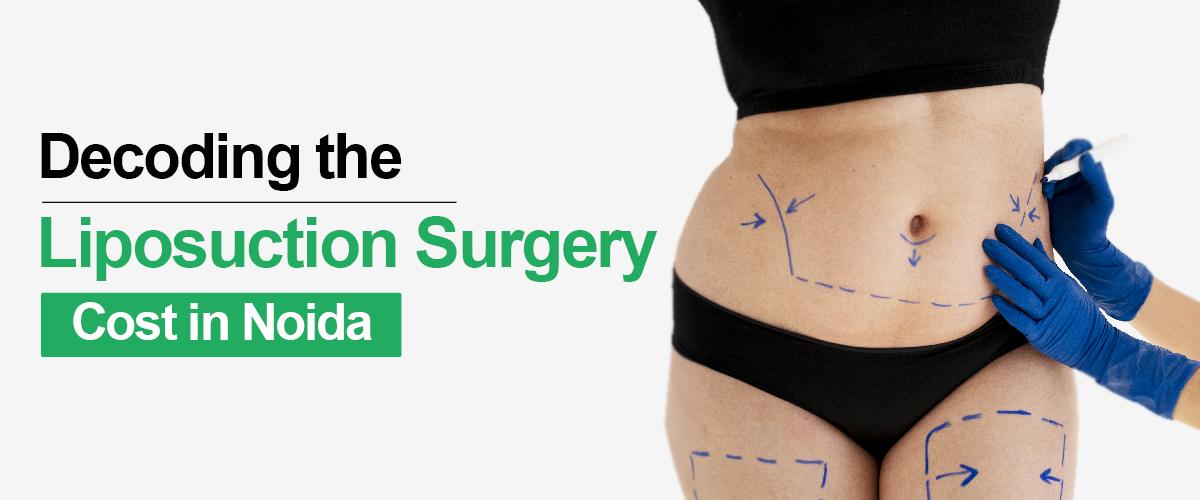
Are you seeking a solution to stubborn fat deposits that are affecting your body shape and self-confidence? Liposuction surgery may be the answer you need. When diet and exercise fail to eliminate localized fat, liposuction can remove targeted fat and sculpt your desired contours. By consulting with a skilled cosmetic surgeon, you can explore your options, understand the procedure's benefits and risks, and make an informed decision about enhancing your appearance. Take the first step towards a more confident you!
Book Your Appointment One click at +91 9667064100
Table of Contents
India is a leading destination for affordable and high-quality cosmetic procedures, including liposuction. With state-of-the-art medical facilities and renowned cosmetic surgeons, India offers cost-effective healthcare options that can transform your appearance. The liposuction Surgery cost in India is significantly lower compared to other countries, making it an attractive choice for patients seeking body contouring. Whether you need liposuction for the abdomen, thighs, arms, or other areas, you can access exceptional care and excellent results without exceeding your budget.
Several factors influence the Liposuction surgery cost in Noida, including the target areas, amount of fat to be removed, hospital facilities, surgeon's fees, and post-operative care. Here is a rough estimate of the cost:
| Starting Cost | ₹ 40,000 |
| Average Cost | ₹ 60,000-80,000 |
| Maximum Cost | ₹ 1,00,000 or more |
Discover affordable solutions for liposuction costs at Felix Hospital in Noida! We understand the importance of providing quality cosmetic care within your budget. Our team of experienced cosmetic surgeons and dedicated staff are committed to delivering exceptional results at an affordable cost.
Abdominal Liposuction: This procedure targets excess fat in the abdominal area, helping achieve a flatter and more defined stomach. Abdominal liposuction is effective for removing stubborn fat deposits that do not respond to diet and exercise. Abdominal Liposuction Cost: Starting from approximately INR 60,000.
Thigh Liposuction: This treatment focuses on reducing fat in the thighs to achieve a toned and contoured appearance. The thigh liposuction can address inner and outer thigh fat to improve overall leg shape. The cost of Liposuction surgery for Thigh Costs: Starting from approximately INR 50,000.
Arm Liposuction: Arm liposuction targets unwanted fat in the upper arms, providing a slimmer and more sculpted arm contour. This procedure can enhance arm appearance and boost self-confidence. The cost of liposuction surgery for Arm: Starting from approximately INR 40,000.
Love Handle Liposuction: Also known as flank liposuction, this procedure targets fat deposits on the sides and back of the waist. Love handle liposuction can create a smoother and more proportional midsection. The cost of Liposuction surgery for Love Handle ranges: Starting from approximately INR 45,000.
Chin and Neck Liposuction: This treatment addresses excess fat under the chin and in the neck area, improving the facial profile and defining the jawline. The cost of Liposuction Surgery for the Chin and Neck: Starting from approximately INR 35,000.
Please note that the provided costs are approximate and can vary depending on various factors such as the specific clinic, surgeon's fees, location, and individual patient requirements. It is advisable to consult with a cosmetic surgeon for a more accurate cost estimate based on your specific circumstances.
Unlock the Path to a Sculpted You: Affordable Cost for Liposuction Surgery at Felix Hospital. Experience Expert Care and Transformative Results. Call +91 9667064100 to Book Your Consultation Today!
The cost of liposuction surgery can vary based on several factors, including:
Target Areas: Liposuction cost may differ depending on the specific areas being treated, such as the abdomen, thighs, arms, love handles, or chin and neck.
Amount of Fat to Remove: The volume of fat to be removed can impact the cost, as more extensive procedures may require additional time and resources.
Technique Used: Different liposuction techniques, such as traditional liposuction, laser-assisted liposuction, or ultrasound-assisted liposuction, can affect the overall cost.
Surgeon's Experience: The expertise and reputation of the cosmetic surgeon performing liposuction can influence the cost.
Anesthesia and Medications: The cost of liposuction surgery involving anesthesia and any medications used during the procedure will contribute to the total cost.
Hospital Facilities: The choice of a hospital or clinic with advanced equipment and amenities may affect the overall cost.
The complexity of the Case: Cases with multiple areas to treat or more challenging anatomies may require specialized approaches, impacting the cost.
Post-operative Care: Expenses related to follow-up visits, medications, and any necessary post-operative care will be factored into the overall cost.
Recovery and Compression Garments: Additional costs may include compression garments needed during the recovery period.
Consult with our experienced cosmetic surgeons at Felix Hospital to get a detailed estimate for liposuction based on your unique requirements. Our focus on quality care and affordable solutions ensures optimal results at competitive prices. For knowing the cost for liposuction surgery and appointment bookings, call us today at +91 9667064100
Health insurance typically does not cover liposuction, as it falls under elective cosmetic procedures. However, certain scenarios may qualify for coverage under specific health insurance policies.
Although liposuction and cosmetic procedures in India are relatively affordable compared to other countries, insurance companies generally exclude them due to their cosmetic nature.
Coverage for liposuction depends on the insurance provider and how the procedure is categorized:
Cosmetic Surgery: Liposuction performed for aesthetic purposes is not covered by health insurance.
Reconstructive Surgery: In some cases, liposuction may be covered if it serves a reconstructive purpose, such as removing a breast lump.
Life-Saving Surgery: Liposuction is rarely considered a life-saving procedure, so medical expenses are typically not covered by health insurance.
Exceptions may occur in specific situations, such as:
Removal of lipomas
Treating lipedema-related fat deposits
Gynecomastia treatment
Lymphedema treatment
Lipodystrophy syndrome affects body parts
Fat removal in cases of morbid obesity
Fat transfer to injured or burned areas
It's essential to review your insurance policy to understand the scope of coverage for liposuction. Some insurance plans may offer coverage for certain cosmetic procedures, so explore available options for your specific needs.
Liposuction is a popular cosmetic procedure that aims to contour and reshape the body by removing stubborn fat deposits from specific areas. It is one of the most sought-after cosmetic surgeries worldwide, helping individuals achieve a more proportionate and defined physique.
During liposuction, a skilled cosmetic surgeon uses a specialized suction technique to target and extract excess fat from areas such as the abdomen, thighs, arms, hips, buttocks, and neck. The procedure involves making small incisions through which a thin tube, called a cannula, is inserted to suction out the unwanted fat.
Liposuction is not a weight-loss solution but rather a body sculpting procedure, ideal for individuals who have struggled to eliminate localized fat through diet and exercise alone. It provides patients with enhanced body contours, improved self-confidence, and a more aesthetically pleasing appearance.
Liposuction is a versatile cosmetic surgery that offers various techniques to effectively remove unwanted fat from specific areas of the body. Different liposuction methods cater to individual needs and yield distinct outcomes. Here are the primary types of liposuction procedures:
Tumescent Liposuction: This is the most common and widely used type of liposuction. It involves injecting a substantial amount of medicated solution into the targeted areas before the fat removal process. The solution consists of a local anesthetic (lidocaine), a drug to contract blood vessels (epinephrine), and an intravenous salt solution. Lidocaine numbs the area during and after surgery, while epinephrine minimizes blood loss, bruising, and swelling. The solution facilitates easier fat removal. Tumescent liposuction typically takes longer than other techniques.
Super-Wet Technique: Similar to tumescent liposuction, but with a reduced amount of fluid injection equal to the amount of fat to be removed. This technique requires sedation or general anesthesia and takes less time than tumescent liposuction.
Ultrasound-Assisted Liposuction (UAL): UAL employs ultrasonic vibrations to liquefy fat cells, making them easier to vacuum out. UAL can be external (above the skin's surface with a special emitter) or internal (below the skin with a heated cannula). It is useful for fibrous areas of the body and can be combined with tumescent liposuction for precision. UAL procedures typically take longer than super-wet liposuction.
Laser-Assisted Liposuction (LAL): LAL utilizes laser energy to liquefy fat cells, which can then be vacuumed out or allowed to drain through small tubes. LAL is preferred for confined areas like the chin, jowls, and face. Additionally, the laser stimulates collagen production, potentially reducing skin sag after liposuction
Embrace Confidence with Liposuction: Unbeatable Cost for Liposuction Surgery at Felix Hospital. Achieve a Toned Body and Enhanced Self-Image. Call +91 9667064100 to Explore Your Liposuction Options.
Specialized instruments called cannulas and a liposuction machine are used for the surgery.
The surgical team prepares the targeted areas of the body for treatment.
Anesthesia options include local anesthesia for numbing the treatment areas or general anesthesia for inducing sleep and pain relief.
Tumescent fluid, a medicated solution, is injected into the treatment areas before fat removal.
The fluid consists of lidocaine for pain relief, epinephrine to reduce blood loss and swelling, and an IV salt solution for easier fat removal.
The dislodged fat is suctioned out through a suction tube using a vacuum pump or a large syringe.
Multiple small skin punctures may be required for treating larger areas.
The surgeon may use different angles of approach to achieve optimal contouring.
Small drainage tubes may be inserted to remove blood and fluid after the fat removal.
In cases of significant fluid or blood loss, fluid replacement through intravenous administration or a blood transfusion may be needed.
A compression garment will be provided and should be worn as instructed by the surgeon to aid healing and maintain shape.
Cosmetic enhancements, such as addressing "love handles" and reducing fat bulges.
Improvement of sexual function by reducing abnormal fat deposits on the inner thighs, allowing easier access to the vagina.
Body shaping for individuals with fatty bulges or irregularities that are resistant to diet and exercise.
Liposuction is not a substitute for exercise and diet or a cure for general obesity.
It is best suited for removing isolated fat deposits at specific points in time.
Liposuction is not recommended for treating cellulite or excess skin.
Avoid liposuction in areas of the body, such as the fat on the sides of the breasts, that may be prone to cancer.
Alternatives to liposuction include abdominoplasty (tummy tuck surgery), lipoma removal, breast reduction, or a combination of plastic surgery approaches.
Discuss the best options for individual needs and desired outcomes with a doctor.
You will undergo a patient consultation, which includes a thorough medical history, physical examination, and psychological evaluation.
Consider bringing a companion, like your spouse, to the consultation to help recall the details discussed with your doctor.
Feel free to ask questions and ensure you fully comprehend the pre-operative preparations, liposuction procedure, and post-operative care.
Understand that liposuction can enhance your appearance and self-confidence, but it may not achieve your ideal body shape.
Prior to the surgery day, you may need to provide blood and urine samples to rule out potential complications.
If not hospitalized, arrange for a ride home after the surgery.
Liposuction may or may not require a hospital stay, depending on the extent and location of the surgery.
The procedure can be performed in an office-based facility, outpatient surgery center, or hospital.
Following the surgery, bandages and a compression garment are applied to apply pressure, control bleeding, and maintain shape.
The bandages are typically kept in place for at least 2 weeks, and the compression garment may need to be worn for several weeks.
Swelling, bruising, numbness, and pain may occur but can be managed with prescribed medications.
Stitches are usually removed within 5 to 10 days, and antibiotics may be prescribed to prevent infection.
Sensations such as numbness or tingling and mild pain may persist for several weeks after the surgery.
Early walking is encouraged to prevent blood clots in the legs, while strenuous exercise should be avoided for about a month.
Improvement in how you feel typically occurs within 1 to 2 weeks, and you may return to work in a few days.
Bruising and swelling usually subside within 3 weeks, though some residual swelling may persist for several months.
Your surgeon may check on your healing progress by making periodic calls, and a follow-up visit will be scheduled to assess your recovery.
Liposuction carries certain risks, which may include:
Shock, which may occur when there is insufficient fluid replacement during the surgery.
Fluid overload, which can result from the procedure.
Infections, such as strep or staph infections.
Bleeding and the potential formation of blood clots.
Tiny globules of fat enter the bloodstream, leading to a fat embolism that blocks blood flow to tissues.
Nerve, skin, tissue, or organ damage, or burns caused by the heat or instruments used during liposuction.
Asymmetrical fat removal, which may result in an uneven appearance.
Dents or dimples in the skin, or contouring problems in the treated area.
Drug reactions or lidocaine overdose, as lidocaine is used in the procedure to provide anesthesia.
Scarring or irregularities in the skin, especially in older individuals, may manifest as asymmetric or "baggy" skin.
At Felix Hospital, we offer top-notch liposuction services with a focus on patient satisfaction and optimal outcomes. Here's why you should consider us for your liposuction procedure:
Expert Surgeons: Our team of experienced surgeons specializes in liposuction and is well-versed in the latest techniques and advancements in the field.
Comprehensive Consultations: We conduct thorough consultations to understand your unique needs and concerns. This enables us to create a personalized treatment plan tailored to your specific goals.
Advanced Techniques: We utilize advanced liposuction techniques to ensure safe and effective fat removal, resulting in natural-looking and smooth contours.
Minimally Invasive Approach: Our minimally invasive liposuction procedures promote faster recovery, minimal scarring, and reduced post-operative discomfort.
Dedicated Care: We provide dedicated care and support throughout your recovery journey, ensuring a smooth healing process and addressing any post-operative concerns.
Transparent Pricing: At Felix Hospital, we maintain transparency in our pricing, offering competitive rates for high-quality liposuction services.
Affordable Care: Experience the benefits of high-quality liposuction at an affordable cost, making it accessible to more individuals seeking body contouring solutions.
Transform your body and boost your self-confidence with liposuction at Felix Hospital. Our skilled surgeons will help you achieve your desired body shape by effectively removing unwanted fat deposits. While you'll notice immediate improvements, remember that minor swelling and surgical marks may take some time to fade. Rest assured, the long-lasting results will be well worth it. For information on liposuction costs and to embark on your journey to a more contoured you, contact us at +91 9667064100.
Call Now at +91 9667064100 or email us at [email protected].

Plastic surgery cost in Noida depends on the procedure type, surgeon expertise, hospital infrastructure, and post-surgery care.
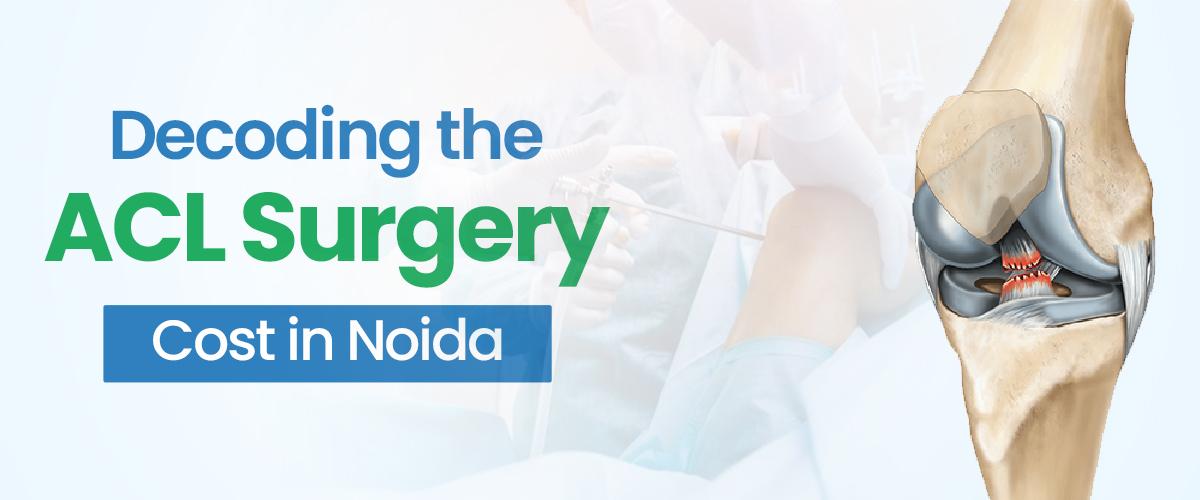
Are you suffering from a torn ACL (Anterior Cruciate Ligament) and finding it difficult to perform everyday activities? ACL surgery could be the solution you need to restore stability to your knee and regain your active lifestyle. When conservative treatments fail to provide the desired results for ACL injuries, surgery becomes a viable option. By consulting with a skilled orthopedic surgeon, you can explore your options, understand the benefits and potential risks, and make an informed decision about your knee health. Take the first step towards recovery and get back on your feet!
Book Your Appointment One click at +91 9667064100
India is renowned for its affordable and high-quality medical procedures, including ACL surgery. With advanced medical facilities and experienced orthopedic surgeons, India offers cost-effective healthcare options that can transform your life. The ACL surgery cost in India varies based on factors such as the location, hospital, and complexity of the procedure. Generally, the cost of ACL surgery in India can range from Rs. 1,39,980 to Rs. 1,99,983 or more.
Whether you choose Noida or other cities in India, you can access exceptional care and excellent outcomes without straining your finances. Our team of experienced orthopedic surgeons and dedicated staff are committed to delivering quality healthcare at an affordable cost, ensuring you receive the best possible treatment for your ACL injury.
Several factors influence the cost of ACL surgery in Noida, including the type of surgery, complexity of the case, hospital facilities, surgeon's fees, and post-operative care. Here is a rough estimate of the cost:
| Starting Cost | ₹ 1,39,980 |
| Average Cost | ₹ 1,60,000 |
| Maximum Cost | ₹ 1,99,983 |
Discover affordable solutions for ACL surgery cost in Noida at our Felix Hospital! We understand the importance of providing quality healthcare within your budget. Our team of experienced orthopedic surgeons and dedicated staff are committed to delivering exceptional care at an affordable cost. Contact us today at +91 9667064100 to learn more about your options and schedule a consultation.
There are different types of ACL (Anterior Cruciate Ligament) surgeries that can be performed based on the specific needs and condition of the patient. The cost can vary depending on the type of surgery and other factors such as the location, hospital facilities, surgeon's fees, and post-operative care. Here are some common types of ACL surgeries and their estimated cost:
Arthroscopic ACL Reconstruction: This is the most common type of ACL surgery where the torn ligament is replaced with a graft. The graft can be obtained from the patient's own tissue (autograft) or a donor's tissue (allograft). The estimated cost for ACL surgery arthroscopy reconstruction in Noida can range from approximately Rs. 1,50,000 to Rs. 2,50,000.
Double Bundle ACL Reconstruction: In this type of ACL surgery, two grafts are used to reconstruct the torn ligament, aiming to replicate the natural anatomy of the ACL more closely. The estimated cost for ACL Surgery a double bundle ACL reconstruction in Noida can range from approximately Rs. 1,80,000 to Rs. 3,00,000.
Revision ACL Reconstruction: This type of ACL surgery is performed when a previous ACL reconstruction has failed or if there is a re-tear of the ligament. It involves repairing or replacing the failed graft. The estimated cost for ACL surgery revision reconstruction in Noida can range from approximately Rs. 2,00,000 to Rs. 3,50,000 or more, depending on the complexity of the case.
It's important to note that these cost estimates are approximate and can vary based on individual factors and specific hospital pricing. It is recommended to consult with a healthcare provider or orthopedic surgeon to get an accurate cost estimate based on your unique situation.
Several factors can influence the overall cost and outcome of ACL (Anterior Cruciate Ligament) surgery. These factors can vary from patient to patient and can impact the complexity of the procedure, the recovery process, and the overall success of the surgery. Here are some key factors that can affect ACL surgery:
Type of Surgery: The type of ACL surgery performed, such as arthroscopic ACL reconstruction, double-bundle ACL reconstruction, or revision ACL reconstruction, can affect the cost for ACL surgery and complexity of the procedure.
Choice of Graft: The choice of graft used to replace the torn ACL can impact the cost and outcome of the surgery. Graft options include autografts (using the patient's own tissue, such as the patellar tendon or hamstring tendon) or allografts (using donor tissue).
Surgeon's Experience and Reputation: The experience, expertise, and reputation of the orthopedic surgeon performing ACL surgery can play a role in the cost and success of the procedure. Highly skilled and renowned surgeons may charge higher fees.
Hospital Facilities and Location: The choice of hospital and its facilities can affect the overall cost of ACL surgery. Hospitals with advanced technology, state-of-the-art equipment, and specialized orthopedic units may have higher associated cost.
Diagnostic Tests and Preoperative Evaluations: Prior to ACL surgery, diagnostic tests such as MRI scans, X-rays, and preoperative evaluations may be required. The cost of these tests can add to the overall expenses of the surgery.
Anesthesia and Operating Room Charges: Anesthesia fees and charges for the operating room and associated equipment are factors that contribute to the overall cost of ACL surgery.
Postoperative Rehabilitation and Physical Therapy: Rehabilitation and physical therapy after ACL surgery are crucial for recovery and optimal outcomes. The duration and intensity of rehabilitation programs can vary, impacting the overall cost.
Geographic Location: The cost of ACL surgery can vary depending on the geographic location, as different regions and countries may have different healthcare pricing structures.
It's important to discuss these factors with your healthcare provider or orthopedic surgeon to get a comprehensive understanding of the cost, risks, and benefits associated with ACL surgery in your specific case.
To determine the specific cost of ACL surgery for your case, it is important to consult with a healthcare provider or hospital. They can provide you with a detailed breakdown of the factors influencing the cost based on your specific situation. By discussing your options and booking a consultation, you can find affordable solutions for ACL surgery cost in Noida. Contact our hospital at +91 9667064100 to learn more and explore your treatment options.
Insurance coverage for ACL (Anterior Cruciate Ligament) surgery is commonly available because it is considered a medically necessary procedure to restore knee stability and functionality. ACL injuries often result from sports-related activities or accidents and can significantly impact a person's ability to engage in physical activities.
Left untreated, an ACL injury can lead to chronic pain, instability, and limitations in daily life. ACL surgery is typically the most effective treatment option for repairing or reconstructing the torn ligament, enabling individuals to regain normal knee function and return to their regular activities, including sports.
Insurance companies generally provide coverage for ACL surgery due to its recognized medical necessity and established efficacy. However, coverage specifics can vary based on individual insurance plans, medical history, and specific policy provisions. To determine the extent of your coverage and any out-of-pocket expenses you may incur, it is advisable to contact your insurance provider and review your policy's terms and conditions.
By clarifying your insurance coverage, you can better understand the financial implications of ACL surgery and make informed decisions regarding your treatment options.
ACL surgery, short for Anterior Cruciate Ligament surgery, is a surgical procedure performed to repair or reconstruct a torn ACL in the knee. The ACL is one of the major ligaments that provide stability to the knee joint, preventing excessive forward movement and rotation of the tibia (shinbone) in relation to the femur (thighbone).
ACL injuries commonly occur during sports activities, particularly those involving sudden stops, changes in direction, or direct impact to the knee. When the ACL is torn, it can result in knee instability, pain, swelling, and limited mobility.
ACL surgery aims to restore the stability and function of the knee by repairing or reconstructing the damaged ligament. The surgical approach may involve either arthroscopic surgery or an open surgical technique, depending on the individual case and the surgeon's preference.
During arthroscopic ACL surgery, small incisions are made, and a tiny camera (arthroscope) is inserted to visualize the knee structures. The torn ACL is then either repaired or replaced using a graft, which can be sourced from the patient's own tissue (autograft) or a donor's tissue (allograft). Common graft options include the patellar tendon, hamstring tendon, or quadriceps tendon.
The surgeon secures the graft in place using screws, sutures, or other fixation devices, allowing the new ligament to integrate and heal over time. Rehabilitation and physical therapy are essential components of ACL surgery recovery to regain strength, stability, and range of motion in the knee.
ACL surgery is typically recommended for individuals who experience significant instability or those who engage in activities that require knee stability, such as sports or physically demanding occupations. The specific surgical approach and technique may vary based on the patient's age, activity level, and the extent of the ACL injury.
It is important to consult with an orthopedic surgeon or a healthcare professional to determine if ACL surgery is the appropriate treatment option for your individual case and to understand the procedure's potential risks and benefits.
There are several different procedures that can be performed during ACL (Anterior Cruciate Ligament) surgery based on the specific needs of the patient. The choice of procedure depends on factors such as the extent of the ACL injury, the surgeon's expertise, and the patient's goals. Here are some common procedures:
ACL Repair: In some cases, when the ACL tear is located at the mid-substance and the tissue quality is good, it may be possible to repair the torn ACL. During this procedure, the torn ends of the ACL are reconnected and secured using sutures or other fixation techniques. ACL repair is typically performed for partial tears or certain specific cases.
ACL Reconstruction: This is the most common procedure for ACL surgery. ACL reconstruction involves creating a new ACL using a graft. The graft can be sourced from the patient's own tissue (autograft) or a donor's tissue (allograft). Common autograft options include the patellar tendon, hamstring tendon, or quadriceps tendon. Allograft options include using donated tissue from a cadaver. The graft is secured in place with screws, sutures, or other fixation devices.
Single Bundle ACL Reconstruction: In this procedure, a single graft is used to reconstruct the torn ACL. The graft is positioned to mimic the original location and function of the ACL. Single bundle ACL reconstruction is the traditional and most commonly performed technique.
Double Bundle ACL Reconstruction: This procedure involves using two grafts to create two separate bundles that replicate the anatomy of the native ACL more closely. The double bundle technique aims to provide improved stability and rotational control of the knee joint. It is often used for athletes or individuals with higher demands on knee stability.
Revision ACL Reconstruction: This procedure is performed when a previous ACL surgery has failed or if there is a re-tear of the reconstructed ACL. Revision ACL reconstruction involves removing the failed graft and replacing it with a new graft to restore stability to the knee.
The choice of procedure depends on various factors, including the patient's age, activity level, associated injuries, and the surgeon's recommendation. It is important to consult with an orthopedic surgeon to determine the most suitable procedure for your specific condition and goals.
Preparing for ACL (Anterior Cruciate Ligament) surgery requires careful planning and preparation to ensure a smooth and successful procedure. Here are some important steps to take when preparing for ACL surgery:
Consult with Orthopedic Surgeon: Schedule a consultation with orthopedic surgeon in a reputed <!--br {mso-data-placement:same-cell;}--> orthopedic hospital to discuss the details of the surgery, including the specific procedure, expected outcomes, potential risks, and post-operative care. This is an opportunity to ask any questions you may have and address any concerns.
Pre-operative Evaluations: Your surgeon may request pre-operative evaluations such as blood tests, X-rays, MRI scans, or other imaging tests to assess the condition of your knee and surrounding structures. These evaluations provide important information that guides the surgical planning process.
Medications and Supplements: Inform your surgeon about any medications or supplements you are currently taking, as some may need to be adjusted or temporarily stopped before surgery to reduce the risk of complications.
Lifestyle Adjustments: Make necessary lifestyle adjustments leading up to the surgery. This may include modifying activities that can exacerbate your knee pain or injury, maintaining a healthy diet, and engaging in exercises recommended by your surgeon or physical therapist to strengthen the surrounding muscles.
Preparing Your Home: Before the surgery, make your home recovery-friendly by creating a comfortable and safe environment. Set up essential items, such as crutches, ice packs, and pillows, at convenient locations. Consider arranging assistance from family members or friends during the initial days after surgery.
Pre-operative Fasting: Follow your surgeon's instructions regarding fasting before the surgery. Typically, you will be advised to avoid eating or drinking for a specific period before the scheduled surgery time.
Arrange Transportation: Arrange for transportation to and from the hospital or surgical center on the day of the surgery, as you will not be able to drive yourself after the procedure.
Follow Pre-operative Instructions: Adhere to any specific pre-operative instructions provided by your surgeon, such as guidelines for taking medications, showering, or wearing comfortable clothing on the day of the surgery.
Mental and Emotional Preparation: Prepare yourself mentally and emotionally for the surgery. Understand the recovery process and set realistic expectations. Engage in stress-reducing activities, such as deep breathing exercises or meditation, to help manage anxiety or nervousness.
Support System: Seek support from family and friends to assist you during the recovery period. They can provide emotional support, help with household chores, and accompany you to follow-up appointments.
Remember to follow all pre-operative instructions provided by your surgeon closely. By adequately preparing for ACL surgery, you can optimize your chances of a successful procedure and smoother recovery.
During ACL (Anterior Cruciate Ligament) surgery, several steps are typically involved to repair or reconstruct the torn ACL and restore stability to the knee. The specific details of the procedure may vary based on the surgeon's technique and the patient's individual case. Here is a general overview of what happens during ACL surgery:
Anesthesia: Before the surgery begins, you will be given anesthesia to ensure that you are comfortable and pain-free throughout the procedure. The anesthesia options may include general anesthesia, where you are completely unconscious, or regional anesthesia, such as a nerve block, which numbs the lower part of your body.
Incisions and Arthroscopy: The surgeon will make small incisions around the knee to access the joint. Through one of the incisions, an arthroscope, a small, flexible camera, will be inserted into the joint. The arthroscope provides a clear view of the structures within the knee on a monitor, allowing the surgeon to perform the procedure with precision.
Torn ACL Evaluation: The surgeon will assess the torn ACL and evaluate any associated damage to other structures in the knee, such as meniscus tears or cartilage injuries. The decision to repair or reconstruct the ACL will depend on the extent and location of the tear, as well as the patient's specific needs.
ACL Repair or Reconstruction: If the torn ACL is deemed suitable for repair, the surgeon will suture the torn ends of the ligament back together. This is typically performed in cases where the tear is located at the mid-substance and the tissue quality is good.
Alternatively, if ACL reconstruction is needed, the torn ACL will be replaced with a graft. The graft can be harvested from the patient's own tissue (autograft) or sourced from a donor (allograft). Common autograft options include the patellar tendon, hamstring tendon, or quadriceps tendon.
Graft Placement: The surgeon will prepare the bone tunnels in the tibia (shinbone) and femur (thigh bone) to position the graft. The graft is threaded through the tunnels and secured in place using screws, sutures, or other fixation devices. This creates a new ACL that will gradually integrate and heal over time.
Wound Closure: Once the graft is in place, the surgeon will close the incisions using sutures or surgical staples. Sterile dressings and a bandage will be applied to protect the incision sites.
Post-operative Care: After the surgery, you will be taken to a recovery area to wake up from anesthesia. Pain management techniques, such as medications or nerve blocks, will be used to keep you comfortable. Physical therapy and rehabilitation will be initiated to promote healing, restore knee function, and strengthen the surrounding muscles.
The duration of ACL surgery can vary, but it typically takes around one to two hours to complete. The surgeon will provide specific post-operative instructions regarding wound care, weight-bearing restrictions, and rehabilitation protocols to aid in the recovery process.
It's important to consult with your orthopedic surgeon for a detailed explanation of the procedure and to address any questions or concerns you may have specific to your individual case.
Like any surgical procedure, ACL (Anterior Cruciate Ligament) surgery carries some potential risks and complications, although they are relatively rare. It's important to be aware of these potential complications and discuss them with your orthopedic surgeon before undergoing ACL surgery. Some possible complications include:
Infection: Infections can occur at the surgical site. Signs of infection may include increased pain, redness, swelling, warmth, or drainage from the incision. Prompt medical attention is necessary if an infection is suspected.
Bleeding or Hematoma: Excessive bleeding during or after surgery can result in the formation of a hematoma, which is a localized collection of blood. Large hematomas may require drainage.
Deep Vein Thrombosis (DVT): DVT is the formation of a blood clot in a deep vein, usually in the leg. It can lead to serious complications if the clot dislodges and travels to the lungs (pulmonary embolism). Preventive measures, such as blood thinners, compression stockings, and early mobilization, are commonly used to minimize the risk of DVT.
Nerve or Blood Vessel Injury: During surgery, there is a slight risk of injury to nearby nerves or blood vessels. These injuries can cause numbness, tingling, weakness, or vascular complications. However, such injuries are rare in skilled hands.
Stiffness and Range of Motion Issues: Some patients may experience stiffness in the knee joint or have difficulty regaining their full range of motion after ACL surgery. Rehabilitation and physical therapy are crucial for minimizing stiffness and improving knee function.
Graft Failure or Re-rupture: In some cases, the graft used to reconstruct the ACL may fail or re-tear. This can occur due to various reasons, such as improper graft placement, excessive stress on the knee, or inadequate rehabilitation. Revision surgery may be necessary to address graft failure or re-rupture.
Persistent Pain or Instability: Despite successful surgery, some patients may continue to experience persistent pain or knee instability. This can be due to various factors, such as underlying joint damage, improper rehabilitation, or associated injuries that were not addressed during the initial surgery.
It's important to discuss these potential complications with your orthopedic surgeon and adhere to post-operative care instructions to minimize the risk of complications. Your surgeon will provide guidance on managing and monitoring any potential issues during the recovery process.
In conclusion, ACL (Anterior Cruciate Ligament) surgery is a common and effective procedure for repairing or reconstructing a torn ACL in the knee. While complications are relatively rare, it's essential to be aware of potential risks and discuss them with your orthopedic surgeon. Complications may include infection, bleeding, deep vein thrombosis, nerve or blood vessel injury, stiffness, graft failure, or persistent pain or instability.
It's crucial to consult with an experienced orthopedic surgeon who can assess your specific case, discuss the potential risks and benefits, and provide personalized guidance throughout the treatment process. By understanding the potential complications and taking appropriate precautions, you can make informed decisions and work towards a successful recovery after ACL surgery.
Call Now at +91 9667064100 or email us at [email protected].
Book an Online Appointment: https://www.felixhospital.com/contact

Orthopedics is a specialized branch that takes care of your musculoskeletal problems related to joints, bones, muscles, spine, ligaments, and tissues.
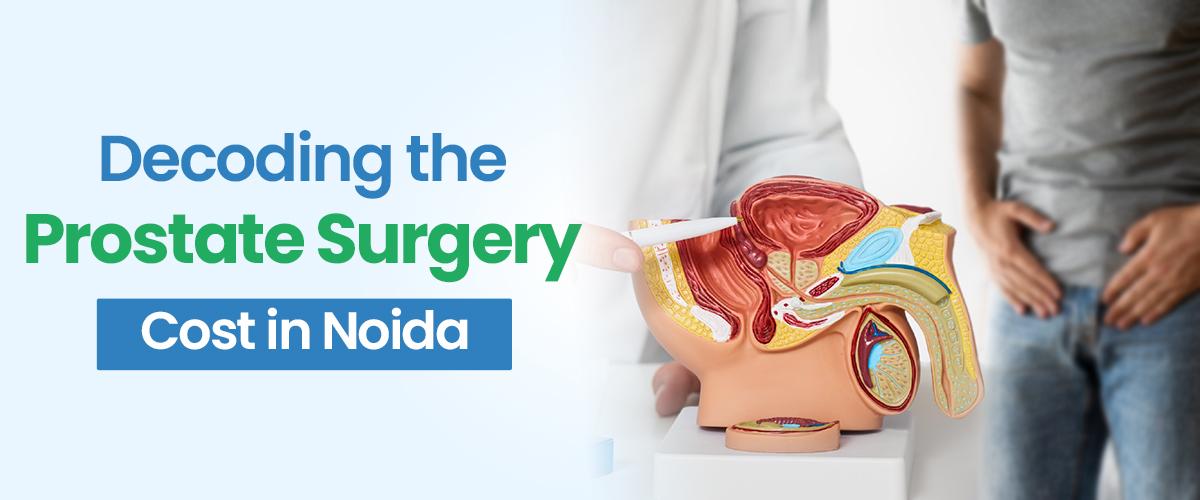
Are you facing prostate-related health issues that are impacting your daily life? Prostate surgery could be the solution you need. When other treatment options fail to provide the desired results for conditions such as prostate enlargement or prostate cancer, surgery becomes a viable option. By consulting with a skilled urologist, you can assess your options, understand the benefits and potential risks, and make an informed decision about your prostate health. Take the first step towards improving your quality of life and regaining control over your health!
If you’re searching for the prostate surgery cost in Noida, this guide will help you understand the pricing, available treatments, and how Felix Hospital ensures safe and affordable care.
Book Your Appointment One click at +91 9667064100
Table of Contents
India is renowned for its affordable and high-quality medical procedures, including prostate surgery. With advanced medical facilities and experienced urologists, India offers cost-effective healthcare options that can transform your life. The cost of prostate surgery in India varies based on factors such as the location, hospital, and complexity of the procedure. Generally, the cost of prostate surgery in India can range from Rs. 2,00,000 to Rs. 4,00,000 or more.
Discover Affordable Solutions for Prostate Surgery Costs in Noida, India!
Whether you choose Noida or other cities in India, you can access exceptional care and excellent outcomes without straining your finances. Our team of experienced urologists and dedicated staff are committed to delivering quality healthcare at an affordable cost, ensuring you receive the best possible treatment for your prostate condition.
Several factors influence the cost of prostate surgery in Noida, including the type of surgery, complexity of the case, hospital facilities, surgeon's fees, and post-operative care. Here is a rough estimate of the cost:
| Starting Cost | ₹ 2,00,000 |
| Average Cost | ₹ 3,00,000 |
| Maximum Cost | ₹ 5,00,000 |
Discover affordable solutions for prostate surgery cost in Noida at our esteemed hospital! We understand the importance of providing quality healthcare within your budget. Our team of experienced urologists and dedicated staff are committed to delivering exceptional care at an affordable cost. Contact us today at+91 9667064100 to learn more about your options and schedule a consultation.
When it comes to prostate-related health issues, various surgical procedures are available to address different conditions. Understanding the different types of prostate surgery can help you make an informed decision about the most suitable option for your specific needs. Consulting with a skilled urologist is crucial to assess your condition, discuss the benefits and potential risks, and determine the optimal course of treatment. Take the first step towards improving your prostate health and reclaiming your well-being!
Robotic-Assisted Prostatectomy: This minimally invasive procedure utilizes robotic technology to assist the surgeon in removing the prostate gland. The cost for prostrate surgery for robotic-assisted prostatectomy in Noida can range from Rs. 4,00,000 to Rs. 6,00,000 or more, depending on various factors.
It's important to note that these are rough cost estimates and the actual cost may vary based on factors such as the complexity of the case, hospital facilities, surgeon's fees, and post-operative care. It's recommended to consult with a healthcare provider or hospital in Noida to get a more accurate cost estimate for your specific prostate surgery procedure.
Find effective prostate surgery cost options in Noida that fit your budget. Contact Felix hospital at +91 9667064100 to explore affordable solutions and schedule a consultation.
It's important to consult with a healthcare provider or hospital to get a detailed breakdown of the factors influencing the cost for prostate surgery for cancer is based on your specific situation. They can provide you with a more accurate estimate and guide you through the treatment process.
Looking for affordable prostate surgery cost in Noida? Our hospital offers quality healthcare at competitive prices. Call us at +91 9667064100 to discuss your options and book a consultation.
Prostate cancer treatment is generally covered under health insurance policies. However, it is essential to review the specific terms and conditions of your insurance plan to understand the extent of coverage for prostate cancer treatment. While most standard-approved treatments for prostate cancer are covered, certain emerging or experimental treatments may not be automatically covered by insurance. It is advisable to consult with your insurance provider or review your policy documentation to determine the specific coverage for prostate cancer treatment.
Explore budget-friendly options for prostate surgery cost in Noida at our reputable hospital. We prioritize delivering high-quality care at an affordable price. Contact us at +91 9667064100 for more information and to schedule a consultation.
Prostate surgery, also known as prostatectomy, is a surgical procedure performed to remove all or part of the prostate gland. The prostate gland is a small walnut-sized gland located below the bladder and in front of the rectum in males. It plays a role in the production of semen.
The specific type of prostate surgery performed depends on the underlying condition and individual patient factors. Common types of prostate surgery include radical prostatectomy, robotic-assisted prostatectomy, laparoscopic prostatectomy, and transurethral resection of the prostate (TURP).
It is important to consult with a urologist or healthcare professional to evaluate the specific condition and determine the most appropriate treatment approach, which may or may not involve prostate surgery.
Affordable prostate surgery cost in Noida is within your reach. Discover our hospital's commitment to providing quality healthcare that suits your budget. Call +91 9667064100 to learn more about your options and schedule a consultation..
.
Prostate surgery, also known as prostatectomy, encompasses various surgical procedures performed to address conditions related to the prostate gland. These procedures are designed to treat prostate cancer, benign prostatic hyperplasia (BPH), prostatitis, and urinary retention. Each procedure aims to alleviate symptoms, remove cancerous or enlarged prostate tissue, and restore normal urinary function.
These surgical procedures require careful evaluation and discussion with a urologist or healthcare professional to determine the most suitable approach based on the patient's condition, cancer stage, overall health, and other factors. The choice of procedure will depend on various factors, including the surgeon's expertise, patient preferences, and available resources.
Don't let financial concerns hold you back. Discover competitive prostate surgery cost in Noida at our esteemed hospital. Contact us at +91 9667064100 to explore affordable solutions and schedule a consultation tailored to your needs.
Preparing for prostate surgery is an important step to ensure a smooth procedure and optimal recovery. Here are some general guidelines on how to prepare for prostate surgery:
Follow Instructions: It is crucial to closely follow all the instructions provided by your healthcare team. This includes adhering to fasting guidelines, taking any prescribed medications as directed, and notifying your surgeon of any changes in your health leading up to the surgery.
During prostate surgery, the specific procedures may vary depending on the type of surgery being performed. Here is a general overview of what happens during prostate surgery:
Yes, like any surgical procedure, prostate surgery carries certain risks. These risks can vary depending on the type of surgery performed, the individual patient's health condition, and other factors. Some potential risks and complications associated with prostate surgery may include:
It is important to discuss the specific risks and potential complications of prostate surgery with your urologist or surgeon. They can provide a detailed assessment of your individual risk profile based on your medical history, overall health, and the specific surgical technique being used.
Felix Hospital is a leading urology hospital in Noida, known for advanced technology and compassionate care.
Here’s why thousands of patients trust us:
Experience high-quality care at Felix Hospital. Contact us at 9667064100 for a consultation or to learn more about our prostate surgery services.
Discover the life-changing benefits of prostate surgery at Felix Hospital. With our experienced surgeons, personalized treatment plans, and commitment to minimally invasive techniques, we strive to provide the best possible care for our patients. Our dedicated healthcare team will support you throughout the recovery process, ensuring a smooth and successful outcome. Experience high-quality prostate surgery at an affordable cost. Contact Felix Hospital today at +91 9667064100 to take the first step towards improving your prostate health and overall well-being.
Felix Hospital provides comprehensive and advanced Prostate Surgery in Noida, ensuring safe procedures and faster patient recovery.
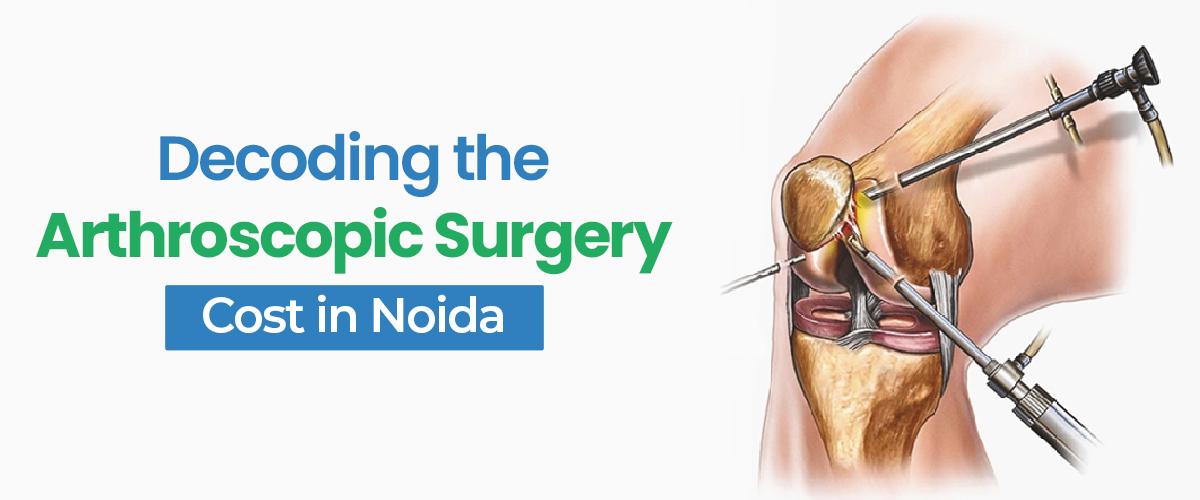
Are you experiencing persistent joint pain and discomfort that is affecting your daily life? Arthroscopy, a minimally invasive surgical procedure, maybe the solution you need. When conservative treatments fail to provide relief from conditions like joint injuries, cartilage damage, or inflammation, arthroscopy can offer significant benefits and improve your overall well-being. By consulting with a skilled orthopedic surgeon, you can explore your options, understand the advantages and potential risks, and make an informed decision about your joint health. Take the first step towards regaining your mobility and living a pain-free life!
Book Your Appointment One click at +91 9667064100.
Table of Contents
India is renowned for providing affordable and high-quality medical procedures, including arthroscopy. With state-of-the-art medical facilities and experienced orthopedic surgeons, India offers cost-effective healthcare options that can transform your life. The cost of arthroscopy surgery in India varies depending on factors such as the location, hospital, and complexity of the procedure. Generally, the arthroscopy surgery cost in India can be anywhere from Rs. 80,000 to Rs. 1,70,000 or more.
Discover affordable solutions for arthroscopy surgery costs in Noida, India! Whether you choose Noida or other cities, you can access exceptional care and excellent outcomes without straining your finances. Our team of experienced orthopedic surgeons and dedicated staff are committed to delivering quality healthcare at an affordable cost, ensuring you receive the best possible treatment for your joint condition.
Several factors influence the arthroscopy surgery cost in Noida, including the type of joint, the complexity of the case, hospital facilities, surgeon's fees, and post-operative care. Here is a rough estimate of the cost:
| Starting Cost | ₹80,000 |
| Average Cost | ₹ 1,00,000-1,50,000 |
| Maximum Cost | ₹ 1,70,000 or more |
Discover affordable solutions for arthroscopy surgery costs in Noida at Felix Hospital! We understand the importance of providing quality healthcare within your budget.
Our team of experienced orthopedic surgeons and dedicated staff are committed to delivering exceptional care at an affordable cost, Call us today at +91 9667064100.
The cost of arthroscopy surgery in Noida can vary based on the type of joint being treated. Here is a general estimate of the cost of arthroscopy surgery for different types of procedures in Noida:
Minimum cost: Starting from around Rs. 80,000
Average cost: Typically in the range of Rs. 1,00,000 to Rs. 1,50,000
Maximum cost: Up to Rs. 1,70,000 or more
Minimum cost: Starting from around Rs. 80,000
Average cost: Typically in the range of Rs. 1,00,000 to Rs. 1,50,000
Maximum cost: Up to Rs. 1,70,000 or more
Minimum cost: Starting from around Rs. 80,000
Average cost: Typically in the range of Rs. 1,00,000 to Rs. 1,50,000
Maximum cost: Up to Rs. 1,70,000 or more
Minimum cost: Starting from around Rs. 80,000
Average cost: Typically in the range of Rs. 1,00,000 to Rs. 1,50,000
Maximum cost: Up to Rs. 1,70,000 or more
It's important to note that these are rough estimates and the actual cost may vary based on factors such as the complexity of the case, hospital facilities, surgeon's fees, and post-operative care. It's recommended to consult with a healthcare provider or hospital in Noida to get a more accurate cost estimate for your specific arthroscopy surgery cost procedure.
The cost for arthroscopy surgery can be influenced by several factors. Here are some key factors that can affect the cost for arthroscopy surgery:
Type of Joint: The joint being treated can impact the cost. Arthroscopy procedures can be performed on various joints, such as the knee, shoulder, hip, ankle, or wrist. The complexity and equipment required for each joint may vary, leading to differences in cost.
Hospital Facilities: The quality and facilities of the hospital where the arthroscopy is performed can affect the cost. Hospitals with advanced technology, state-of-the-art equipment, and specialized orthopedic departments may charge higher fees.
Surgeon's Expertise and Reputation: The experience and reputation of the orthopedic surgeon performing the arthroscopy can influence the cost. Highly skilled and renowned surgeons may have higher fees compared to less experienced or less well-known surgeons.
The complexity of the arthroscopy procedure can impact the cost. Some cases may require more extensive repairs, reconstruction, or removal of damaged tissue, which can increase the overall cost.
Diagnostic Imaging: Prior to arthroscopy, diagnostic imaging such as MRI or X-rays may be necessary to assess the condition of the joint. The cost of these imaging tests can add to the overall expense of the arthroscopy Procedure.
Anesthesia and Operating Room Fees: The use of anesthesia during the arthroscopy and the associated operating room fees are additional factors that contribute to the overall cost. The type of anesthesia used and the duration of the procedure can affect these fees.
Post-operative Care: The cost for arthroscopy surgery for post-operative care, including follow-up visits, physical therapy, and medications, should be considered. The duration and intensity of post-operative care can vary depending on the individual case, which can impact the overall cost.
It's important to consult with a healthcare provider or an orthopedic hospital in Noida to get a detailed breakdown of the factors influencing the cost for arthroscopy surgery based on your specific situation call us today at +91 9667064100.
The cost for arthroscopy surgery may be covered under a health insurance policy or mediclaim policy, depending on the specific terms and conditions of the policy. Typically, health insurance policies cover the cost of arthroscopy surgery when it is deemed medically necessary. However, the extent of coverage may vary depending on the policy terms and the nature of the medical condition.
Before undergoing arthroscopy surgery, it is important to check with your health insurance provider regarding coverage details. This may include the extent of coverage, any applicable deductibles, copayments, or coinsurance amounts, and any exclusions or limitations on coverage for pre-existing conditions or certain procedures. It is also important to obtain pre-authorization from the insurance provider to ensure that the procedure is covered under the policy.
Felix Hospital provides a seamless surgical experience to all patients. At Felix Hospital, we offer a cashless payment service for arthroscopy surgery. Our main objective is to reduce the financial burden on patients. We have a dedicated insurance team to help patients utilize their health insurance or mediclaim policy. You can avail of the cashless service at Felix Hospital by following these steps:
Submit your insurance-related documents and all other required documents, and we will verify them with the respective insurance provider.
We offer the option of cashless payment and zero-cost EMI to pay for arthroscopy surgery.
Our team shares your preferred mode of payment and your documents with the insurer.
Once the claim amount is sanctioned, you will be admitted to the hospital, and our care coordinator will take care of all the hospital-related formalities during the treatment.
Arthroscopy procedures can be performed on various joints in the body. The specific type of arthroscopy procedure depends on the joint being treated and the condition being addressed. Here are some common types of arthroscopy procedures:
Knee Arthroscopy: Knee arthroscopy is one of the most common types of arthroscopy. It is performed to diagnose and treat conditions such as meniscus tears, ligament injuries (such as ACL or PCL tears), cartilage damage, and loose bodies in the knee joint.
Shoulder Arthroscopy: Shoulder arthroscopy is used to examine and treat conditions affecting the shoulder joint. It can address problems such as rotator cuff tears, shoulder impingement, labral tears, shoulder instability, and arthritis.
Hip Arthroscopy: Hip arthroscopy involves the examination and treatment of conditions within the hip joint. It is commonly used for conditions such as femoroacetabular impingement (FAI), labral tears, loose bodies, and hip joint inflammation.
Ankle Arthroscopy: Ankle arthroscopy is performed to diagnose and treat conditions affecting the ankle joint. It can address issues such as ankle impingement, cartilage damage, ligament injuries (such as ankle sprains), and synovitis.
Wrist Arthroscopy: Wrist arthroscopy is used to evaluate and treat problems within the wrist joint. It can be employed for conditions like wrist fractures, ligament tears (such as scapholunate ligament tears), ganglion cysts, and cartilage injuries.
Elbow Arthroscopy: Elbow arthroscopy involves the examination and treatment of conditions within the elbow joint. It can be used for conditions such as tennis elbow (lateral epicondylitis), golfer's elbow (medial epicondylitis), loose bodies, and arthritis.
It's important to note that these are just a few examples, and arthroscopy can be performed on other joints as well, depending on the individual's specific condition. The choice of arthroscopy procedure is determined by the joint being treated and the underlying problem identified through diagnostic imaging and examination. The orthopedic surgeon will determine the most appropriate type of arthroscopy procedure for each individual case.
Experienced surgeons specializing in arthroscopy
Personalized treatment plans using advanced techniques
Minimally invasive surgery for faster recovery
Dedicated care during the recovery period
Transparent pricing for affordable healthcare
Experience high-quality care and exceptional outcomes at Felix Hospital. Contact us today at +91 9667064100 for your arthroscopy needs.
Discover the life-changing benefits of arthroscopy at Felix Hospital. Our experienced surgeons specialize in minimally invasive procedures, ensuring faster recovery and exceptional outcomes. With personalized treatment plans and dedicated care throughout your recovery, we are committed to improving your joint health and quality of life. Experience high-quality care at an affordable cost.
Contact Felix Hospital today for your arthroscopy needs at +91 9667064100.
Orthopedics is a specialized branch that takes care of your musculoskeletal problems related to joints, bones, muscles, spine, ligaments, and tissues.

Vitamin D is a crucial nutrient for vegetarians, as they may have limited dietary sources of this vitamin. However, there are several options available to obtain vitamin D in vegetarian food. While fatty fish and fortified dairy products are not suitable for vegetarians, there are alternative ways to ensure sufficient intake of this essential vitamin.
For example, mushrooms, particularly shiitake and maitake varieties, can naturally produce vitamin D when exposed to sunlight or UV light, making them an excellent choice for vegetarians seeking vitamin D in vegetarian foods. Additionally, fortified plant-based milk, breakfast cereals, and tofu are commonly vitamin D-rich foods, providing vegetarians with viable sources to meet their nutritional needs. It is also worth considering vitamin D supplements to ensure optimal vitamin D levels in the absence of sufficient dietary sources.
Book Your Appointment One click at +91 9667064100
Furthermore, maintaining adequate vitamin D levels is essential for vegetarians, as they may have fewer options available compared to non-vegetarians. Vitamin D plays a critical role in supporting bone health, immune function, mood regulation, and reducing the risk of chronic Vitamin D-diseases such as cardiovascular diseases, diabetes, and certain types of cancers. To ensure a well-rounded intake of vitamin D in vegetarian food, incorporating a variety of fortified vegetarian foods, including mushrooms, is crucial. Moreover, consulting with a healthcare professional and considering vitamin D supplementation can provide additional support in meeting the recommended daily intake. By emphasizing the inclusion of vitamin D-rich vegetarian foods and exploring appropriate supplementation options, vegetarians can optimize their vitamin D status and promote overall health and well-being.
Vitamin D deficiency, often referred to as the "silent epidemic" or Vitamin D disease, is a prevalent condition caused by insufficient levels of vitamin D in the body. This essential nutrient plays a critical role in multiple bodily functions, including maintaining strong bones, supporting the immune system, and regulating muscle function. Insufficient vitamin D has been linked to various Vitamin D Diseases, such as osteoporosis, rickets, a weakened immune system, and mood disorders. To ensure adequate levels, it is crucial to get regular exposure to sunlight and consumes vitamin D-rich foods. If you suspect a vitamin D deficiency, consulting a healthcare professional is recommended for an accurate diagnosis and expert guidance on supplementation, if necessary.
Take control of your Vitamin D levels with cost-effective testing at Felix Hospital. Our transparent Vitamin D test cost allows you to make informed decisions about your health without financial stress.
Maintaining sufficient vitamin D and undergoing regular Vitamin D test levels cannot be overstated. A deficiency in this vitamin has been linked to an increased risk of various health issues, including osteoporosis, autoimmune diseases, certain cancers, and cardiovascular disease. Furthermore, low vitamin D levels have been associated with a higher prevalence of depression and impaired cognitive function. Vitamin D test cost worrying you? Get affordable vitamin D test at Felix Hospital.
While sunlight is a primary source of vitamin D & is considered the Vitamin D best source. The daily recommendations can vary based on factors such as age, geographical location, skin type, and sun exposure. In general, experts recommend an intake of 600 to 800 International Units (IU) of vitamin D per day for most adults. However, individuals with limited sunlight exposure, darker skin tones, or specific medical conditions may require higher doses or supplementation.
Unlock the value of your health with affordable Vitamin D testing at Felix Hospital. Our competitive Vitamin D test cost ensures you can prioritize your well-being without compromising your budget. To know more about the Vitamin D best sources reach out to us now!
It's important to note that Vitamin D best sources include sunlight and dietary sources, however, it can be challenging to meet optimal levels through diet alone. Therefore, if you suspect a deficiency or have concerns about your vitamin D status, consulting with a healthcare professional is recommended. Get your vitamin D tested with Felix Hospital, don't worry about the Vitamin D test cost as its affordable at Felix Hospital.
In summary, maintaining adequate vitamin D levels is crucial for overall health and well-being and to prevent Vitamin D diseases. From supporting bone health to boosting the immune system and regulating inflammation, vitamin D plays a multifaceted role in our bodies. Be proactive in ensuring sufficient vitamin D intake through sunlight exposure, Vitamin D best source, and supplementation if necessary.
Take control of your Vitamin D levels with cost-effective testing at Felix Hospital. Our transparent Vitamin D test cost allows you to make informed decisions about your health without financial stress. Take charge of your health and book an appointment today by calling +91 9667064100!
One of the most effective and natural ways to boost your vitamin D levels is by spending time outdoors in the sunlight. When your skin is exposed to sunlight, it triggers a chemical reaction that enables your body to produce vitamin D. Here are some key points to keep in mind when getting sun exposure:
Discover a brighter, healthier you at Felix Hospital. Our experienced doctors and state-of-the-art facilities offer exceptional care for vitamin D deficiency. Say goodbye to Vitamin D diseases osteoporosis and fractures and symptoms of deficiency like bone pain, fatigue, and muscle weakness as we provide personalized treatment options. Get deatiled information on Vitamin D rich foods Take the first step towards optimal health and call +91 9667064100 to book your appointment!
Including foods that are naturally high in vitamin D in your diet can be an effective way to boost your vitamin D levels. Here are some key points to consider when incorporating vitamin D-rich foods into your daily meals:
If you have limited sun exposure or find it challenging to obtain sufficient vitamin D from dietary sources alone, vitamin D supplements can provide a practical solution. Here are some key points to consider when incorporating vitamin D supplements into your routine:
In addition to supplements, incorporating fortified foods into your diet can help increase your vitamin D intake. Here are some key points to consider when choosing and incorporating fortified foods:
Unleash your potential with Felix Hospital's specialized care for vitamin D disease due to its deficiency. Our skilled doctors and advanced facilities ensure superior treatment for symptoms like bone pain, fatigue, and muscle weakness. Regain your vitality and experience a life full of energy and well-being. Call +91 9667064100 and embark on your journey towards better health today!
Maintaining a well-balanced diet is crucial to optimize vitamin D absorption and utilization in your body. Here are some key points to consider when optimizing your diet for vitamin D
Regularly checking your vitamin D levels through blood tests is important to assess and maintain optimal levels. Here's why it is essential and what you should consider:
Conclusion:
In conclusion, maintaining optimal levels of Vitamin D is essential for overall health and preventing vitamin D diseases, and promoting well-being. If you're looking to boost your Vitamin D levels naturally, there are several methods you can incorporate into your routine, such as getting regular sunlight exposure, consuming Vitamin D-rich foods, and considering supplementation under medical guidance. At Felix Hospital, we understand the importance of Vitamin D in supporting your health and guide you to have good source of Vitamin D. Our knowledgeable healthcare professionals can provide expert guidance and recommendations and provide information on vitamin D in vegetarian food sources tailored to your specific needs. Take a step towards boosting your Vitamin D levels and optimizing your health by reaching out to Felix Hospital today.
If you are looking for best super speciality hospital in Noida, Visit Felix Hospital in Sector 137 Noida or Call +(91)9667064100.

Mothers think a lot, when it comes to giving right nutrition to her baby. And she also has many questions like

Pregnancy and childbirth are transformative experiences, but they can take a toll on a woman's body. Back pain is a common issue during and after pregnancy, often attributed to weight gain, hormonal changes, and restricted movement. After a C-section, the impact on the spine can further contribute to back pain. It's important to consult with a gynecologist for personalized advice and treatment options.
Back pain after cesarean delivery requires special care and attention. It can arise shortly after delivery and persist for days, weeks, or even months. In this article, we will explore the common C-section back pain and provide tips for alleviating the discomfort.
Back Pain After Caesarean Delivery or C-section Back pain can be a challenging condition to manage, especially during the recovery period after surgery. While discomfort from the incisions is expected, back pain adds an additional layer of discomfort. There isn't a singular cause for post-pregnancy back pain, as various factors can contribute to its onset. If you are pregnant and considering delivery at a private hospital, it's a good idea to research and understand the pregnancy delivery package costs well in advance. Before your due date, gather information on the costs associated with both normal vaginal delivery and cesarean section (C-section).
(This May Interest You: Irritable Bowel Syndrome (IBS): Symptoms, Causes, and Treatments)
Hormonal changes: During pregnancy, the release of the hormone relaxing softens and widens the cervix, preparing the body for delivery. This hormone affects the ligaments in the pelvis, making them more flexible. However, these relaxed ligaments can become strained easily, causing lower or mid-back pain. The joints, muscles, and ligaments gradually strengthen over a few months after delivery.
Lifting and carrying the baby: After a C-section back pain can be exacerbated by the strain of lifting and carrying the baby's weight. Improper posture while lifting can impact the neck leading to discomfort and severe back pain after C-section. It is recommended to maintain a straight back and use the strength of your legs while lifting the baby, rather than bending over and straining your back. Ensure that the crib, seat, or other baby items are placed at an optimal height for the mother to use comfortably.
Weight gain: During pregnancy, the additional weight of the baby can contribute to severe back pain after a C-section. Carrying the extra weight in the abdominal region shifts the body's balance, putting stress on the spine. Maintaining a healthy posture can help adjust the imbalance caused by pregnancy-related weight gain.
Breastfeeding: While breastfeeding is a beautiful experience, poor posture during breastfeeding, such as slouching shoulders or a strained neck, can lead to severe back pain after a C-section. To alleviate this, keep your shoulders relaxed and consider using a pillow underneath your elbow to support your arm while nursing. Additionally, incorporating proper nutrition tips for breastfeeding mothers can enhance your overall health and well-being during this period.
Impact of anesthesia: The administration of epidural or spinal anesthesia during a C-section can sometimes trigger severe back pain after a C-section that may last for days or weeks after delivery. Injecting an epidural or spinal block may cause muscle spasms near the spinal cord, leading to discomfort that persists for weeks or even months.
Please note that it's essential to consult with your healthcare provider for a proper diagnosis and guidance on managing back pain after a C-section. Call +91 9667064100 to book your consultation at Felix Hospital today.
Practice good posture: Maintaining proper posture is essential for reducing post-C-section back pain. When sitting, ensure that your back is straight and well-supported, using a chair with good lumbar support if necessary. When standing, distribute your weight evenly on both feet, avoiding excessive leaning or slouching. When walking, keep your head held high and your shoulders relaxed, avoiding any hunching or forward tilting of the pelvis. By practicing good posture, you can alleviate strain on your back and promote optimal alignment of the spine.
Use proper lifting techniques: Lifting heavy objects, including your baby, can strain your back if not done correctly. To protect your back, always remember to bend your knees and squat down instead of bending over from your waist. Keep your back straight while lifting, using the strength of your legs and hips to power the movement. Avoid twisting your body while lifting and instead pivot your feet to change direction. By using proper lifting techniques, you can minimize the stress on your back and reduce the risk of injury or further discomfort.
Engage in gentle exercises: After a C-section, it's important to gradually reintroduce physical activity to promote healing and strengthen your core muscles, which can provide support for your back. Start with gentle exercises, such as walking, to increase blood circulation and promote healing. Pelvic floor exercises, also known as Kegel exercises, can help strengthen the pelvic floor muscles, which indirectly support the lower back. It's important to consult with your healthcare provider or a physical therapist for guidance on appropriate exercises and when it is safe to start.
Apply heat or cold therapy: Heat or cold therapy can help alleviate severe back pain after a C-section. Applying a heating pad or warm compress to the affected area can help relax muscles, increase blood flow, and reduce muscle tension. Alternatively, using an ice pack or cold compress can help reduce inflammation and numb the area to provide pain relief. Be sure to follow the recommended guidelines for heat or cold therapy, such as using a towel as a barrier between the skin and the heat or cold source, and limiting application time to avoid skin damage.
Take pain medication as prescribed: Your healthcare provider may prescribe pain medication to manage discomfort after a C-section. It's important to follow their instructions and take the medication as prescribed. Pain medication can help relieve pain and allow you to move more comfortably, which can aid in the recovery process. If you have any concerns or questions about the medication, consult with your healthcare provider.
Get sufficient rest: Rest and sleep are essential for your body's healing process after a C-section. Make sure you prioritize getting enough rest to allow your body to recover. Adequate sleep promotes tissue repair and reduces muscle tension, which can help alleviate back pain. It's important to create a comfortable and supportive environment for restful sleep. Invest in a high-quality mattress that provides proper support to your body, particularly your back. Use pillows to support your body in a comfortable position that reduces strain on your back.
Seek physical therapy: Consulting a physical therapist who specializes in postpartum care can be beneficial in relieving back pain after a C-section. A physical therapist can assess your condition, provide targeted exercises and techniques, and guide you through a tailored rehabilitation program. They can help you strengthen your core muscles, improve posture, and address any muscular imbalances that contribute to back pain. Physical therapy can play a crucial role in your recovery and help you regain strength and mobility in a safe and effective manner.
Practice gentle stretching: Gentle stretching exercises can help improve flexibility, reduce muscle tension, and alleviate back pain. Focus on stretches that target your back and abdominal muscles, such as cat-cow stretch, child's pose, and gentle twists. It's important to perform these stretches with proper technique and within a comfortable range of motion. Avoid any stretches that cause pain or discomfort. Engaging in regular gentle stretching can enhance your overall flexibility, promote relaxation, and provide relief for back pain.
Use supportive devices: Supportive devices, such as a supportive belt or abdominal binder, can provide additional support to your abdominal muscles and back. These devices help distribute the weight of your abdomen more evenly, reduce strain on your back, and provide stability to the weakened abdominal muscles after a C-section. They can also remind you to maintain proper posture while sitting or standing. It's important to consult with your healthcare provider or a physical therapist to determine if using a supportive device is appropriate for you and to receive guidance on the proper fit and usage.
Seek professional guidance: Consulting with your healthcare provider or a healthcare professional specializing in postpartum care is crucial for personalized advice and recommendations to reduce back pain after a C-section. They can assess your specific condition, take into account any individual factors or complications, and provide guidance on suitable treatment options. They may suggest specific exercises, and modifications to daily activities, or recommend other therapies that can help alleviate back pain. By seeking professional guidance, you can receive expert care tailored to your unique needs, ensuring that you take the necessary steps to reduce back pain effectively and safely.
(This May Interest You: Decoding the Inguinal Hernia Surgery Cost in Noida)
It is important to seek medical help if you experience back pain after a C-section that is severe, persistent, or worsening over time. Additionally, if you notice any of the following symptoms along with back pain, it is advisable to consult with your healthcare provider:
Fever: If you develop a fever, it may indicate an infection, such as an incisional infection or a urinary tract infection.
Increased swelling, redness, or discharge from the incision site: These could be signs of an infection or other complications related to the C-section incision.
Difficulty in moving or walking: If you find it challenging to move or walk due to severe pain or weakness in your legs, it may indicate a more serious condition that requires medical attention.
Numbness or tingling: If you experience numbness, tingling, or weakness in your back, legs, or pelvic region, it could be a sign of nerve involvement that needs evaluation.
Loss of bladder or bowel control: If you have trouble controlling your bladder or bowel movements, it may indicate a potential nerve or spinal cord issue, requiring immediate medical attention.
Excessive bleeding or unusual discharge: If you experience heavy bleeding or notice any unusual discharge from your vagina, it is important to consult with your healthcare provider.
Difficulty breathing or chest pain: If you develop difficulty breathing, chest pain, or any symptoms of heart or lung problems, it is crucial to seek immediate medical attention.
It's always better to err on the side of caution and consult with your healthcare provider for any concerns or questions about back pain after a C-section. They can evaluate your condition, provide a proper diagnosis, and offer appropriate treatment options to alleviate your symptoms and ensure a smooth recovery.
(This May Interest You: Nutrition Guide for Aging Adults: Balanced Dietary Tips)
If you are looking for best hospital in Noida, Visit Felix Hospital or Call +(91)9667064100. Felix Hospital is a trusted gynecology hospital known for its quality services, experienced healthcare professionals, state-of-the-art facilities, comprehensive medical services, patient-centric approach, commitment to ethical practices, and positive patient reviews.
In conclusion, back pain after a C-section is a common concern many women experience during recovery. However, there are effective remedies available to alleviate this discomfort, such as practicing good posture, engaging in gentle exercises, using supportive devices, and seeking professional guidance. It is important to monitor your symptoms and seek medical help if the pain is severe, persistent, or accompanied by concerning symptoms like fever, swelling, or difficulty in movement. When choosing a hospital for your healthcare needs, consider factors like the quality of services, experienced healthcare professionals, state-of-the-art facilities, patient-centric approach, and positive patient reviews.
Felix Hospital stands out as a reliable option, offering high-quality care, experienced professionals, comprehensive medical services, and a commitment to ethical practices. There is a significant difference between a C-section delivery and a normal vaginal delivery. After a normal delivery, recovery is typically faster. However, after a C-section delivery, the recovery process can be more prolonged. Additionally, there is a possibility of experiencing persistent pain or discomfort that can lead to various concerns. It is advisable to familiarize yourself with normal delivery pregnancy tips well before your due date.

Discover 11 expert tips to prepare for labour and delivery.


Are you experiencing discomfort or dissatisfaction with the appearance of your hymen? Hymenoplasty, a surgical procedure aimed at reshaping or reconstructing the hymen, may be the solution you are seeking. Whether you desire to restore your hymen for cultural, personal, or medical reasons, hymenoplasty can give you the confidence and peace of mind you deserve. By consulting with a skilled gynecologist specialized in hymen reconstruction, you can explore the options available to you, understand the procedure's benefits and potential risks, and make an informed decision about your well-being. Take the first step towards reclaiming your self-assurance and embracing a more satisfying future.
Book Your Appointment One click at +91 9667064100.
Table of Contents
India is renowned for its affordable yet high-quality medical procedures, including hymenoplasty. With state-of-the-art medical facilities and experienced gynecological surgeons, India offers cost-effective healthcare options that can help you achieve your desired outcome. The cost of hymenoplasty in India is significantly lower compared to other countries, making it an appealing choice for patients seeking this procedure. Whether you require a minor hymen reshaping or a complete hymen reconstruction, you can access exceptional care and excellent results without straining your finances.
Several factors influence the cost of hymenoplasty in Noida, including the complexity of the procedure, the surgeon's fees, hospital facilities, and post-operative care. Here is a rough estimate of the cost:
| Starting Cost | ₹25,000 |
| Average Cost | ₹ 35,000-45,000 |
| Maximum Cost | ₹ 50,000 or more |
At Felix Hospital in Noida, we strive to provide affordable solutions for hymenoplasty surgery costs. We understand the significance of delivering quality healthcare within your budget. Our team of skilled gynecologists and compassionate staff are dedicated to providing exceptional care at an affordable cost. Take the first step towards reclaiming your confidence and achieving your desired results.
Hymenoplasty, or hymenoplasty, is a surgical procedure that offers various techniques to reshape or reconstruct the hymen. The cost of hymenoplasty in Noida can vary depending on the specific technique chosen and other factors such as the surgeon's fees, hospital facilities, and post-operative care. Here is an overview of the costs for different types of hymenoplasty procedures:
Simple Hymenoplasty: This procedure involves repairing a torn hymen using sutures. Simple hymenoplasty typically costs approximately INR 30,000 to INR 50,000.
Complete Hymen Reconstruction: This technique involves recreating the hymen using vaginal tissue. The cost for complete hymen reconstruction ranges from approximately INR 40,000 to INR 70,000.
Combination Procedures: In some cases, additional procedures such as labiaplasty or vaginal tightening may be performed alongside hymenoplasty. The cost for combination procedures can start from around INR 60,000 and go up depending on the complexity of the procedures.
It is important to note that these cost estimates are approximate and can vary based on individual factors. To obtain an accurate cost estimate for hymenoplasty in Noida, it is recommended to consult with a skilled gynecologist who can assess your specific needs and provide you with a tailored treatment plan and cost breakdown.
At Felix Hospital in Noida, we understand the significance of providing quality healthcare within your budget. Our team of experienced gynecologists and dedicated staff are committed to delivering exceptional care at an affordable cost. Consult with us to explore your options and embark on your journey toward reclaiming your confidence and well-being.
Are you considering hymenoplasty and wondering about the factors that can affect its cost? The cost of hymenoplasty can be influenced by several factors, including:
Technique Used: Different techniques are available for hymenoplasty, such as simple hymen repair or complete hymen reconstruction. The complexity of the chosen technique can impact the cost.
Surgeon's Fees: The expertise and experience of the surgeon performing the hymenoplasty can affect the cost. Highly skilled and renowned surgeons may charge higher fees.
Hospital Facilities: The choice of hospital can influence the cost, as hospitals with advanced infrastructure, technology, and amenities may have higher charges.
Anesthesia and Medications: The cost of anesthesia during the surgery and any medications prescribed before, during, or after the procedure can contribute to the overall cost.
Diagnostic Tests and Imaging: Pre-operative diagnostic tests, such as blood tests or vaginal examinations, may be required to assess the condition and plan the surgery. These tests can add to the overall cost.
Duration of Hospital Stay: The length of hospital stay following hymenoplasty can impact the cost. Longer stays involve additional charges for room, board, nursing care, and other services.
Post-operative Care: The cost of follow-up visits, medications, and any required post-operative care, such as wound dressings or pain management, can contribute to the overall cost.
It is important to note that the cost estimates provided are approximate and can vary based on individual factors. To obtain an accurate cost estimate for hymenoplasty, it is recommended to consult with a skilled gynecologist who can assess your specific needs and provide you with a tailored treatment plan and cost breakdown.
At Felix Hospital, we understand the significance of providing quality healthcare within your budget. Our team of experienced gynecologists and dedicated staff are committed to delivering exceptional care at an affordable cost. Contact us at +91 9667064100 to learn more about hymenoplasty costs and to schedule an appointment.
Hymenoplasty surgery, a cosmetic procedure to reconstruct the hymen, is generally not covered by health insurance or mediclaim policies in India. Insurance companies typically consider hymenoplasty as an elective or cosmetic procedure, which falls outside the scope of their coverage. However, there may be rare cases where insurance could cover the cost if the surgery is deemed medically necessary due to certain circumstances, such as a damaged hymen caused by sexual assault or injury. It is essential to review the specific terms and conditions of your insurance policy and consult with your insurance provider to understand the coverage options available for hymenoplasty surgery.
Hymenoplasty is a surgical procedure that reconstructs or repairs the hymen, a thin membrane at the opening of the vagina, often sought for cultural or personal reasons. Hymenoplasty is considered for various reasons, including cultural, religious, or personal beliefs and expectations. It is often sought by individuals who wish to restore the hymen for cultural or traditional reasons, such as preserving virginity or adhering to societal norms. Some individuals may choose hymenoplasty to address emotional or psychological concerns, regain a sense of identity, or alleviate anxiety related to sexual experiences or societal pressures.
It's important to note that hymenoplasty is a personal decision and not medically necessary. Each individual's motivations and circumstances may vary, and it is essential to have open discussions with a qualified healthcare professional to understand the procedure, its limitations, and any potential risks involved. Consulting with a skilled gynecologist or plastic surgeon can provide valuable insights and guidance for those considering hymenoplasty.
Hymenoplasty can be categorized into different types based on the surgical techniques used. These types include:
Simple Suturing: In this technique, the existing hymenal tissue is stitched together to restore its appearance and integrity.
Flap Technique: This method involves creating a flap of vaginal tissue to reconstruct the hymen. The flap is then sutured in place to recreate the hymenal structure.
Alloplant Technique: Synthetic or biological materials, known as alloplants, are used in this technique to create a new hymen. These materials are surgically implanted and provide a reconstructed hymen.
Combination Technique: This approach combines elements of both suturing and flap techniques to reconstruct the hymen using a combination of existing tissue and additional vaginal tissue.
The choice of hymenoplasty technique depends on factors such as the individual's anatomy, desired outcome, and the surgeon's expertise. It is important to consult with a qualified surgeon to determine the most suitable approach for an individual's specific needs.
Consultation: Schedule a consultation with a qualified gynecologist or plastic surgeon who specializes in hymenoplasty. During the consultation, discuss your expectations, motivations, and any concerns you may have. The surgeon will evaluate your medical history and conduct a physical examination to determine if you are a suitable candidate for the procedure.
Understand the Procedure: Gain a clear understanding of the hymenoplasty procedure, including its benefits, limitations, and potential risks. Ask your surgeon any questions you may have and ensure that you have realistic expectations regarding the outcomes.
Medical Evaluation: Your surgeon may request certain medical tests or evaluations to assess your overall health and determine if there are any underlying conditions that may impact the surgery or recovery process. Follow their instructions regarding any pre-operative testing or examinations.
Lifestyle Adjustments: Your surgeon may provide specific instructions regarding lifestyle adjustments before the surgery. This may include avoiding medications or supplements that can interfere with the procedure, quitting smoking, and adjusting your diet or exercise routine.
Emotional Preparation: Hymenoplasty can have emotional implications, so it is important to prepare yourself mentally and emotionally. Reflect on your motivations for the procedure, address any concerns or anxieties, and ensure that you have a support system in place.
Follow Pre-operative Instructions: Your surgeon will provide you with specific pre-operative instructions that you should follow diligently. This may include fasting prior to the surgery, abstaining from certain medications, and arranging for someone to accompany you to and from the surgical facility.
Plan for Recovery: Hymenoplasty is typically an outpatient procedure with a relatively short recovery period. However, it is still important to plan for some downtime following the surgery. Arrange for someone to assist you during the initial recovery phase, stock up on necessary supplies, and ensure that you have a comfortable and supportive environment for healing.
It is crucial to closely follow the guidance and recommendations of your surgeon throughout the preparation process to optimize your safety and enhance the success of the hymenoplasty procedure.
Anesthesia Administration: The procedure begins with the administration of anesthesia, either local or general, based on the doctor's recommendation. General anesthesia ensures the patient is unconscious throughout the procedure, while local anesthesia numbs the area being operated.
Accessing the Remaining Hymen Parts: The doctor carefully accesses the remaining parts of the hymen and removes any existing scar tissue.
Stitching the Remnants: Using dissolvable sutures, the doctor stitches back the remnants of the hymen. In cases where complete stitching is not possible, a small flap of vaginal lining or synthetic material may be used to create a structure resembling the hymen. This reconstructed layer may bleed during intercourse.
Recovery and Discharge: After the surgery, patients are moved to the recovery room for monitoring. Most patients are discharged within a few hours, accompanied by post-surgery care instructions provided by the doctor.
Hymenoplasty is a safe and scar-free procedure performed by experienced cosmetic gynecologists to ensure precise results and patient satisfaction.
To undergo a reliable and effective hymenoplasty, consult with the best gynecology hospital near me near you. Call us today to schedule a consultation - +91 9667064100.
Hymenoplasty involves the creation of a new tissue membrane or the reconstruction of torn tags to restore the appearance of the hymen. The procedure typically includes the following steps:
Formation of a Thin Layer: A thin layer of tissue is carefully extracted from the vaginal opening and delicately stitched at the site of the hymen.
Vascularization and Bleeding: Over time, the grafted tissue becomes vascularized, meaning it develops a blood supply. During the first intercourse after the surgery, this tissue layer may bleed, simulating the appearance and function of the original hymen.
For a successful hymenoplasty procedure and the best possible results, it is advisable to consult with a trusted healthcare professional.
After undergoing hymenoplasty, it is important to follow proper post-operative care to ensure a smooth recovery. Here are some general guidelines for recovery:
Rest and Avoid Strenuous Activities: It is essential to get plenty of rest in the initial days after surgery. Avoid engaging in strenuous activities, heavy lifting, or intense exercise for at least a few weeks to allow the body to heal.
Pain Management: Mild discomfort or pain may be experienced after the procedure. Your doctor may prescribe pain medication to manage any discomfort. Follow the prescribed dosage and consult your doctor if the pain persists or worsens.
Proper Hygiene: Maintain good hygiene by keeping the vaginal area clean. Follow your doctor's instructions on bathing or showering after the surgery. Avoid using harsh soaps or perfumed products in the genital area.
Avoid Sexual Intercourse: It is recommended to abstain from sexual intercourse for the recommended duration as advised by your doctor. Engaging in sexual activity too soon after the surgery can disrupt the healing process.
Follow-up Appointments: Attend all scheduled follow-up appointments with your doctor. These visits are important for your doctor to assess your healing progress and address any concerns or questions you may have.
Healthy Lifestyle: Adopt a healthy lifestyle by eating nutritious meals, staying hydrated, and avoiding smoking or alcohol consumption, as these factors can affect the healing process.
Emotional Support: It is common to have emotional or psychological feelings after the surgery. Seek emotional support from trusted friends, family, or counseling services if needed.
Remember, individual recovery experiences may vary, and it is important to follow your doctor's specific instructions for a successful recovery. If you have any concerns or experience unusual symptoms during the recovery period, contact your healthcare provider for guidance and support.
Like any surgical procedure, hymenoplasty carries certain risks and potential complications. While complications are generally rare, it is important to be aware of them. Some possible complications of hymenoplasty surgery include:
Infection: There is a risk of developing an infection at the surgical site. This can usually be prevented by following proper hygiene practices and taking prescribed antibiotics, if necessary.
Bleeding: Excessive bleeding during or after the surgery may occur, although it is uncommon. Your surgeon will take precautions to minimize bleeding during the procedure and provide instructions on managing any post-operative bleeding.
Pain and Discomfort: Mild to moderate pain or discomfort is common after hymenoplasty. This can usually be managed with pain medication prescribed by your doctor.
Scarring: Hymenoplasty aims to minimize visible scarring, but in some cases, scarring may occur. Most scars from hymenoplasty are small and discreet, but individual healing and scarring patterns can vary.
Allergic Reaction: There is a small risk of experiencing an allergic reaction to medications, anesthesia, or materials used during the surgery. Inform your surgeon about any known allergies beforehand.
Unsatisfactory Results: While most women achieve the desired outcome from hymenoplasty, there is a possibility that the reconstructed hymen may not provide the exact appearance or function desired. Discuss your expectations and potential outcomes with your surgeon beforehand.
It is important to choose a skilled and experienced surgeon for your hymenoplasty procedure to minimize the risk of complications. Your surgeon will provide you with pre-operative and post-operative instructions to follow, which can help reduce the likelihood of complications and promote a successful recovery. Be sure to communicate openly with your healthcare provider, ask questions, and address any concerns you may have throughout the process.
Skilled surgeons with extensive experience in hymenoplasty
Thorough consultations to determine the best approach for your specific needs
Personalized treatment plans using advanced techniques for optimal results
Minimally invasive procedures for faster recovery and minimal scarring
Dedicated care and support throughout the healing process
Transparent and competitive pricing for affordable access to high-quality care
Choose Felix Hospital for hymenoplasty surgery and benefit from the expertise of our skilled surgeons, personalized care, and a commitment to your well-being. Contact us today to begin your transformative journey.
Explore the transformative advantages of hymenoplasty surgery at Felix Hospital. Our expert surgeons offer a solution for restoring confidence and addressing personal concerns. By reconstructing the hymen, we aim to provide a sense of empowerment and enhanced well-being. While immediate results are noticeable, it's important to understand that the healing process may take time, with swelling gradually subsiding and surgical scars fading over several months. Rest assured, the long-lasting benefits make the journey worthwhile. For inquiries about hymenoplasty surgery and related costs, please reach out to us at +91 9667064100.
Plastic surgery cost in Noida depends on the procedure type, surgeon expertise, hospital infrastructure, and post-surgery care.

A complete guide to understanding varicose vein surgery expenses in Noida, including treatment types, hospital charges, and recovery costs.
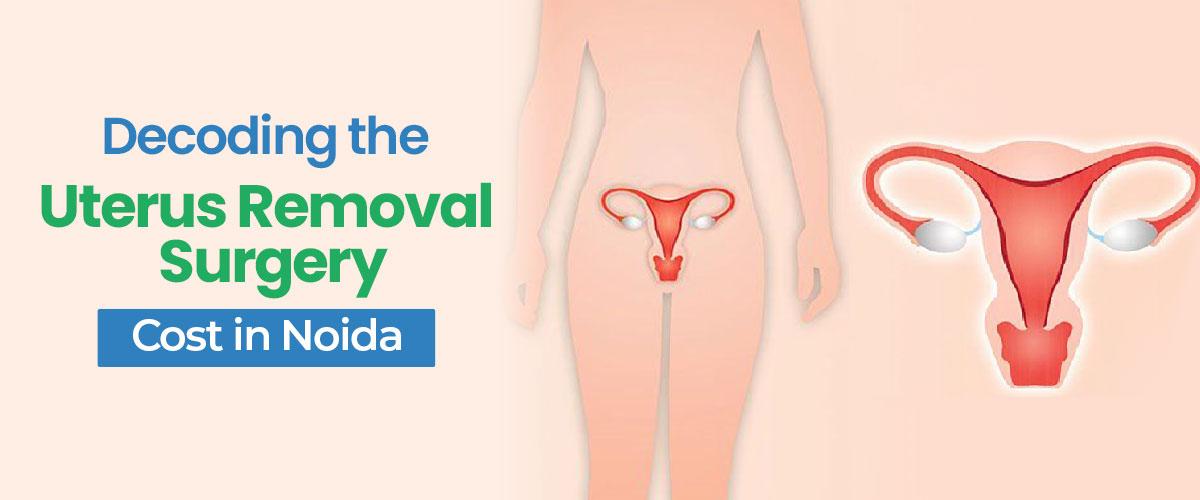
Are you facing persistent gynecological issues that are affecting your quality of life? Hysterectomy, a surgical procedure to remove the uterus, maybe the solution you need. When non-surgical treatments fail to provide relief from conditions like fibroids, endometriosis, or heavy menstrual bleeding, a hysterectomy can offer long-term relief and improved well-being. By consulting with a skilled gynecologist, you can explore your options, understand the benefits and risks, and make an informed decision about your health. Take the first step towards a healthier future!
Book Your Appointment One click at +91 9667064100
Table of Contents
India is a top destination for affordable and high-quality medical procedures, including hysterectomy. With state-of-the-art medical facilities and renowned gynecological surgeons, India offers cost-effective healthcare options that can transform your life. The cost of hysterectomy in India is significantly lower compared to other countries, making it an attractive choice for patients seeking this procedure. Whether you require a total abdominal hysterectomy, laparoscopic hysterectomy, or vaginal hysterectomy, you can access exceptional care and excellent outcomes without straining your finances.
Several factors influence the cost of hysterectomy surgery in Noida, including the type of procedure, the complexity of the case, hospital facilities, surgeon's fees, and post-operative care. Here is a rough estimate of the cost:
Discover affordable solutions for hysterectomy costs at Felix Hospital in Noida! We understand the importance of providing quality healthcare within your budget. Our team of experienced gynecologists and dedicated staff are committed to delivering exceptional care at an affordable cost.
| Starting Cost | ₹40,000 |
| Average Cost | ₹ 60,000-70,000 |
| Maximum Cost | ₹ 1,10,000 |
Discover affordable solutions for hysterectomy costs at Felix Hospital in Noida! We understand the importance of providing quality healthcare within your budget. Our team of experienced gynecologists and dedicated staff are committed to delivering exceptional care at an affordable cost.
| Hysterectomy Surgery Type | Cost |
| Laparoscopic Hysterectomy | 85,000 |
| Laparoscopic Assisted Vaginal Hysterectomy | 1,10,000 |
| Vaginal Hysterectomy | 1,10,000 |
1) Laparoscopic Uterus Removal Surgery: This minimally invasive procedure involves the use of small incisions and a laparoscope to remove the uterus. The surgeon inserts specialized surgical instruments and a camera through these small incisions, allowing for precise visualization and removal of the uterus. Laparoscopic hysterectomy surgery offers advantages such as reduced postoperative pain, smaller incisions, faster recovery time, and minimal scarring.
Laparoscopic Uterus Removal Surgery Cost: Starting from approximately INR 85,000.
2) Laparoscopic Assisted Vaginal Uterus Removal Surgery: This procedure combines laparoscopic and vaginal approaches to remove the uterus. The surgeon uses laparoscopic instruments to assist in the visualization and dissection of the uterus and then removes the uterus through the vagina. Laparoscopic-assisted vaginal hysterectomy surgery provides the benefits of both laparoscopic and vaginal approaches, resulting in reduced post-operative pain, quicker recovery, and minimal scarring.
Laparoscopic Assisted Vaginal Uterus Removal Surgery Cost: Starting from approximately INR 1,10,000
3) Vaginal Uterus Removal Surgery: This procedure involves the removal of the uterus through the vagina, without the need for external incisions. The surgeon detaches and removes the uterus through the vaginal opening, resulting in faster recovery, reduced post-operative pain, and minimal visible scarring.
Vaginal Uterus Removal Surgery Cost: Starting from approximately INR 1,10,000
Please note that the provided costs are approximate and can vary depending on various factors such as the specific hospital, surgeon's fees, location, and individual patient requirements. It is advisable to consult with a healthcare provider for a more accurate cost estimate based on your specific circumstances.
The cost of a hysterectomy can be influenced by several factors, including:
Type of Hysterectomy: Different types of hysterectomy, such as total abdominal hysterectomy, laparoscopic hysterectomy, or vaginal hysterectomy, have varying costs due to differences in surgical techniques, equipment, and post-operative care requirements.
Hospital Facilities: The choice of hospital can impact the cost, as hospitals with advanced infrastructure, technology, and amenities may charge higher fees.
Surgeon's Fees: The expertise and experience of the surgeon performing the hysterectomy can affect the cost. Highly skilled and renowned surgeons may charge higher fees.
Anesthesia and Medications: The cost of anesthesia during the surgery and any medications prescribed before, during, or after the procedure can contribute to the overall cost.
Diagnostic Tests and Imaging: Pre-operative diagnostic tests, such as blood tests, ultrasound, MRI, or CT scans, may be necessary to assess the condition and plan the surgery. These tests can add to the overall cost.
The complexity of the Case: The complexity of the patient's condition, such as the presence of additional complications or underlying health issues, can affect the cost. More complex cases may require specialized techniques or additional resources, leading to higher expenses.
Duration of Hospital Stay: The length of hospital stay following the hysterectomy can impact the cost. Longer hospital stays involve additional charges for room, board, nursing care, and other services.
Post-operative Care: The cost of follow-up visits, medications, and any required post-operative care, such as physiotherapy or rehabilitation, can contribute to the overall cost.
Looking for affordable uterus removal surgery? At Felix Hospital, we offer cost-effective options for this procedure. Our skilled team of gynecologists ensures safe and successful surgeries, providing optimal care at competitive prices.
For more information on the cost for uterus removal surgery and to schedule an appointment, call us today at +91 9667064100.
Insurance Coverage for Hysterectomy Surgery:
Insurance policies generally cover the cost of a hysterectomy when it is deemed medically necessary. This means that the procedure is required to treat a specific medical condition that is causing significant health issues or complications.
Conditions Requiring Hysterectomy Coverage: Several medical conditions may necessitate a hysterectomy. These include:
a. Uterine Fibroids: Noncancerous growths in the uterus that can cause symptoms like pelvic pain, heavy menstrual bleeding, and reproductive issues.
b. Endometriosis: A condition where the tissue lining the uterus grows outside of it, leading to chronic pain, fertility problems, and other symptoms.
c. Abnormal Uterine Bleeding: This includes heavy, prolonged, or irregular menstrual bleeding that can result in anemia and impact a person's quality of life.
d. Gynecological Cancers: Hysterectomy may be recommended as a treatment for gynecological cancers such as uterine, cervical, or ovarian cancer, depending on the stage and type of cancer.
Coverage Varies: The extent of coverage for a hysterectomy can vary depending on the specific insurance policy. It is essential to carefully review the policy terms and conditions, including any pre-authorization requirements, deductible amounts, co-pays, and coverage limitations.
Exclusions and Limitations: Some insurance policies may have exclusions or limitations regarding coverage for certain medical conditions or treatments. It is important to understand these exclusions and limitations to ensure proper financial planning and to explore alternative options if necessary.
Policy Review and Communication: It is advisable to review the insurance policy documents thoroughly and contact the insurance provider directly to clarify any doubts or queries regarding coverage for a hysterectomy. This will help in understanding the specific coverage details and avoid any surprises or unexpected expenses.
Prior Authorization and Documentation: In some cases, insurance providers may require prior authorization for a hysterectomy. This involves obtaining approval from the insurance company before the procedure is performed. It may also be necessary to provide documentation, such as medical records and reports, to support the medical necessity of the procedure.
Remember to consult with healthcare providers and insurance experts to navigate the insurance coverage process for a hysterectomy effectively. Felix Hospital specializes in advanced laparoscopic and robotic-assisted techniques, minimizing incisions and reducing recovery time. Our focus on patient comfort and successful outcomes sets us apart.
Contact us at +91 9667064100 to learn more about the cost for Uterus removal surgery and to book your appointment.
The specific type of hysterectomy performed depends on the underlying condition being treated. Here are the primary types:
Partial Hysterectomy (also known as a subtotal or supracervical hysterectomy): In this procedure, the surgeon removes the upper part of the uterus while leaving the cervix intact. The cervix is the lower, narrower portion of the uterus that connects to the vagina.
Total Hysterectomy: This type involves the complete removal of the entire uterus, including the cervix. The ovaries and fallopian tubes may or may not be removed along with the uterus.
Radical Hysterectomy: Typically performed to treat gynecological cancer, a radical hysterectomy involves the removal of the uterus, cervix, surrounding tissues on both sides of the cervix, and the upper portion of the vagina. This comprehensive approach aims to eliminate any potential cancerous cells in the affected area.
In some cases, additional procedures may be performed during a hysterectomy, such as the removal of the ovaries (oophorectomy) and fallopian tubes (salpingectomy). This decision is based on factors such as the underlying condition requiring the hysterectomy and the individual's risk of developing ovarian cancer.
Our dedicated team of experts provides thorough evaluations, personalized treatment plans, and attentive post-operative care. We understand cost is a concern, and we offer competitive pricing for this procedure.
To inquire about the cost for uterus removal surgery and to schedule your consultation, call us at +91 9667064100.
Consultation with Surgeon: Schedule a consultation with your surgeon's office and follow their guidance regarding preoperative preparations.
Anesthesia Information: Inform the anesthesiologist about any health problems, previous reactions to anesthesia, and all medications, vitamins, and supplements you are taking. Provide comprehensive information to help the anesthesiologist make decisions about the appropriate sedation or anesthesia during the surgery.
Discussion of Expectations: Have a detailed discussion with your surgeon about realistic expectations for the surgery, the most suitable hysterectomy procedure for your specific circumstances, and options for postoperative pain management.
Type of Hysterectomy: The choice of anesthetic and sedation depends on the type of hysterectomy being performed, your previous experiences with anesthesia, and the preferences of both you and the surgeon.
General Anesthesia: General anesthesia is commonly used for laparoscopic, abdominal, and vaginal hysterectomies. It involves rendering you unconscious and may require a breathing tube, ventilator, and inhalation anesthetic.
Neuraxial Anesthesia: For certain abdominal and vaginal hysterectomies, neuraxial anesthesia such as a spinal block or epidural may be an option. This regional anesthesia numbs the lower body and can be accompanied by sedation for patient comfort.
Benefits of Neuraxial Anesthesia: Neuraxial anesthesia allows for a faster recovery compared to general anesthesia. Some evidence suggests a potential reduction in chronic pain incidence with neuraxial anesthesia, although the influence of the anesthesia choice on outcomes is not yet fully understood.
Discuss these anesthesia options with your anesthesiologist before the surgery to make an informed decision based on your individual circumstances and preferences.
Preoperative Medications: Consult with your physician and anesthesiologist about the possibility of administering medications, such as acetaminophen, before or during the surgery to help manage postoperative pain.
Preoperative Counseling: Consider a pre-surgical psychological assessment as there can be a psychological component to pain. This assessment may be required by the insurance company or surgeon's office, or you can inquire about this option if you believe it would benefit you.
Extension of Epidural: If an epidural nerve block is used during surgery, it can be continued postoperatively for pain relief. The dosage can be adjusted through the catheter to provide effective pain management.
Postoperative Medications: Non-opioid options, like nonsteroidal drugs such as ibuprofen, and the steroid dexamethasone, should be prioritized for pain relief.
Postoperative Nerve Blocks: Various postoperative nerve blocks, including the erector spinae plane, quadratus lumborum, and transversus abdominis plane (TAP) blocks, are being studied for their efficacy. TAP blocks, in particular, may be beneficial for abdominal hysterectomies. These nerve blocks can be tried before resorting to opioids if other pain medications are not effective.
Opioids for Breakthrough Pain: Opioids should be used sparingly and considered when other pain relief options are not alleviating your pain. They may be necessary if certain health conditions or drug interactions prevent the use of other medications or methods of pain relief.
Specialized anesthesiologists who focus on pain management can collaborate with you before and after surgery to develop a personalized pain management plan based on your condition, medical history, and preferences. They will assess your pain level postoperatively and adjust the treatment accordingly to ensure optimal pain relief.
Chronic pain refers to pain that lasts for three months or longer, and the likelihood of experiencing chronic pain after a hysterectomy varies widely, ranging from 10% to 50%.
The risk of chronic pain is higher in cases of abdominal hysterectomy compared to vaginal hysterectomy. Research indicates that patients who undergo a vaginal hysterectomy are 50% less likely to experience chronic postoperative pain than those who undergo an abdominal hysterectomy, as stated in a study published in the May 2015 issue of Anesthesiology® involving 766 women.
Several factors have been identified that may increase the risk of chronic pain following a hysterectomy, including preoperative pelvic pain, preoperative fibromyalgia, acute postoperative pain, and psychological factors such as anxiety, depression, and pain catastrophizing.
It is advisable to consult with your surgeon or a pain management specialist before undergoing surgery to discuss strategies that can minimize the risk of developing chronic pain.
If you do experience chronic pain after surgery, it is important to know that treatment options are available. Seek consultation with a physician who specializes in managing chronic pain. These specialists have undergone four years of medical school and additional training in a specific field such as anesthesiology, physical medicine and rehabilitation, psychiatry, or neurology. They have also received further specialized training in chronic pain management.
When selecting a specialist, ensure they are certified in a pain medicine subspecialty by a member board of the American Board of Medical Specialties, such as the American Board of Anesthesiology.
A hysterectomy, like any surgery, carries potential risks and complications, including:
Infection at the incision site or within the pelvic region
Bleeding, which may require medical attention in excessive cases
Increased risk of blood clots in the legs or lungs
Slight risk of unintentional damage to nearby organs
Temporary urinary difficulties or discomfort
Possibility of vaginal prolapse after uterus removal
Changes in sexual function or desire
Induction of early menopause if ovaries are also removed
Complications are relatively rare, and it's important to discuss them with your surgeon before making a decision and receiving proper postoperative care.
Experienced surgeons specializing in hysterectomy
Comprehensive consultations to determine the best approach
Personalized treatment plans using advanced techniques
Minimally invasive surgery for faster recovery
Dedicated care during the recovery period
Ongoing post-operative support for a successful recovery
Competitive and transparent pricing
Experience high-quality care at an affordable cost
Contact Felix Hospital today for hysterectomy surgery and personalized patient care.
Discover the life-changing benefits of uterus removal surgery at Felix Hospital. Our skilled surgeons provide relief from pain, discomfort, and other symptoms associated with various uterine conditions. Experience improved physical activity and self-image. While immediate results are evident, it's important to note that swelling may take several months to subside and surgical scars to fade. Rest assured, the long-lasting outcome is worth it. For information regarding uterus removal surgery costs, please contact us at +91 9667064100.
Call Now at +91 9667064100 or Book an Online Appointment: https://www.felixhospital.com/book-doctor-appointment-online
Plastic surgery cost in Noida depends on the procedure type, surgeon expertise, hospital infrastructure, and post-surgery care.


Subscribe to our
© Copyright 2026. All Rights Reserved by Felix Healthcare Private Limited
Design and development by :


 +(91)9667064100
 Emergency : +(91)9667064100