 WhatsApp
 Emergency:
  WhatsApp








Subscribe to our
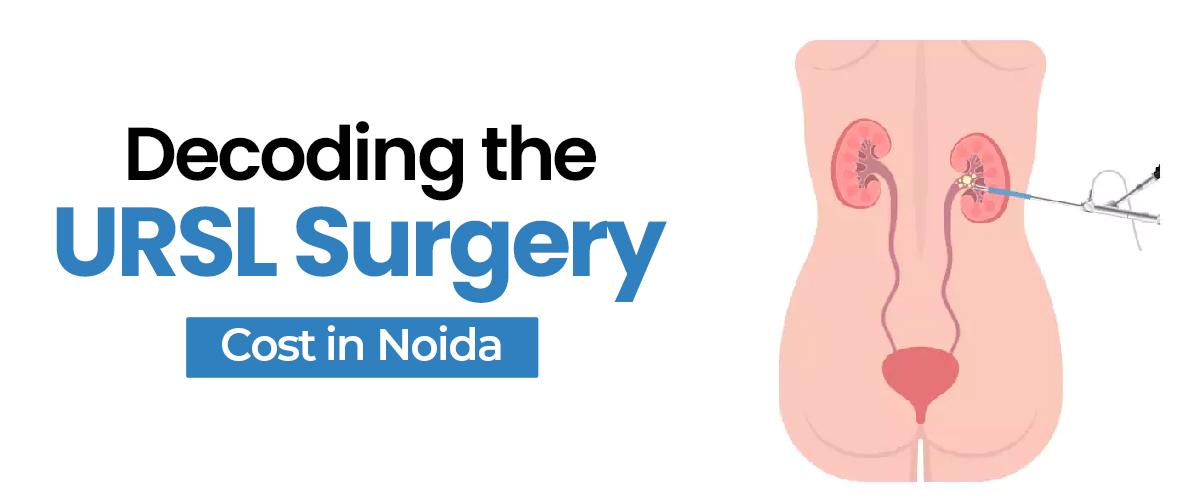
URSL, or Ureterorenoscopy and Laser Lithotripsy, is a medical procedure utilised for the treatment of kidney stones. This innovative method presents numerous benefits compared to conventional open surgeries or other invasive techniques. By employing URSL, urologists can effectively manage kidney stones without the need for external incisions, greatly reducing patient discomfort and promoting a speedy recovery. Consulting with a skilled Urologist can provide you with the opportunity to delve into various alternatives, comprehend the advantages and potential risks associated with the URSL kidney stone treatment cost, procedure, and ultimately arrive at an educated conclusion regarding your well-being. Initiate the journey towards improved health by taking that initial stride.
Felix Hospital is dedicated to ensuring that our patients receive honest and fair pricing for the surgical procedure. We strive to offer transparent and competitive prices for the URSL surgery that is less expensive than other health care’s estimated URSL surgery cost in Noida because we prioritize the financial well-being of our Patients.
Book Your Appointment One click at +91 9667064100
The Price of URSL surgery in Noida starts at ₹95000. Ordinarily, the cost of Ureteroscopy in Noida differs among several hospitals and centres based on numerous determinants. The mean value of URSL kidney stone treatment cost in noida stands at ₹117500, whereas the cost scope can extend to ₹1,40,000. The price of URSL surgery at small, large, and Super Specialty Hospitals in Noida might differ based on several factors such as the expense of consultation, diagnostic examinations, the category of accommodation, the nature of the procedure, and the prescribed medications. Prices mentioned below excludes medicine costs. URSL surgery involves the use of specialized medical instruments and equipment, the price of these supplies can affect the URSL surgery cost in Noida.
| Starting Cost | ₹95,000 |
| Average Cost | ₹1,17,500 |
| Maximum Cost | ₹1,40,000 |
URSL is a medical technique that entails scrutinising the urinary system using a ureteroscope (a diminutive, slender, unbending or pliable tube with a minuscule illumination and camera at the extremity). It is inserted into your bladder via the urethra, facilitating your surgeon in observing the internal structures of your ureter on a monitor. In the course of URSL surgery, the operating specialist has the ability to visually detect the stones and accurately aim at them using a laser to fragment them into tinier fragments. These diminutive fragments are then able to be naturally expelled from the body through urine or extracted additionally if required. The employment of lasers in this process reduces damage to bodily tissues.
Ureteroscopic lithotripsy (URSL) is a frequently employed technique for managing smaller to medium-sized kidney stones situated throughout the urinary system. To execute this procedure, a diminutive, telescope-like tool known as a ureteroscope is introduced into the urinary tract via the urethra and progresses up to the kidney region. Once the stone is located, it is disintegrated into numerous smaller fragments utilising laser technology. Subsequently, these fragments can be effortlessly expelled from the body through the urinary excretion.
A urologist has the ability to conduct ureteroscopy under various circumstances, including but not limited to:
Prior to surgery, it is important to avoid certain medications.
Ureteroscopy is a minimally-invasive procedure for removing stones, and it can be performed even if you are on active anti-coagulation. However, if possible, Discuss about the expenses of URSL surgery with your Surgery Scheduling Coordinators they will provide you brief knowledge about the overall Expense associated with this surgical procedure. Also, It is highly recommended to stop taking all blood thinners before the surgery. If you are uncertain about which medications to discontinue, please reach out to your surgeon's office for guidance.
Here is a list of medications that should be avoided at least 7-10 days before the surgery. These medications have the potential to affect platelet function or interfere with your body's ability to clot, which may result in excessive bleeding during or after the surgery. It is crucial not to discontinue any medication without obtaining approval from the prescribing doctor. The list includes Aspirin, Motrin, Ibuprofen, Advil, Alka Seltzer, Vitamin E, Ticlid, Coumadin, Lovenox, Celebrex, Voltaren, Vioxx, and Plavix.
Your Surgery Scheduling Coordinators will provide you with a comprehensive list of these medications and others. It is essential to follow their instructions. Additionally, there is no need for bowel preparation before undergoing ureteroscopy. Most patients are typically asked to refrain from consuming any food or liquids after midnight on the night prior to the surgery. It is also important that before going ahead with the Surgical Procedure, discuss with your Surgeon about overall expenses associated with the URSL surgery cost in Noida.
Once you are under anesthesia, the surgeon inserts a small illuminated tube (ureteroscope), through the tube that carries urine (urethra) and into the bladder, reaching the ureter where the stone is located. If the stone is small, it can be trapped and extracted whole using a device resembling a basket. However, if the stone is large or if the ureter is narrow, the stone needs to be broken into smaller pieces, typically done with the aid of a laser. Once the stone is shattered into tiny fragments, these pieces are usually removed from the ureter. In most cases, to ensure proper urine drainage from the kidney after the surgery, a flexible tube (ureteral stent) is left in place. Ureteroscopy can also be performed for stones located within the kidney. Similar to ureteral stones, kidney stones can be broken down and removed using baskets. Sometimes, a laser is used to fragment a kidney stone into extremely small pieces, resembling grains of sand, which are too tiny to be trapped using a basket. In such cases, the urologist often leaves a stent and allows these small pieces to pass naturally over time. Lastly, if the ureter is too narrow to accommodate the ureteroscope, the urologist typically inserts a stent that helps widen the ureter and reschedules the procedure for 2-3 weeks later. Ureteroscopy is generally performed as an outpatient procedure. However, some patients may need to stay overnight in the hospital if the procedure is particularly lengthy or challenging.
Just like any significant surgical procedure, there is a possibility of experiencing complications during ureteroscopy, although they are quite uncommon. This operation carries potential risks and complications, which may include but are not restricted to the following:
URSL surgery offers numerous advantages that have made it a popular option among patients. Some of these advantages are:-
There are multiple factors that can impact the URSL kidney stone treatment cost. URSL is a minimally invasive procedure that is used for the removal of kidney stones and the treatment of other urological conditions.The prices may vary depending on the geographic location, reputation, factors such as on going local market Competition, Cost of living and health care infrastructure and the quality of the facilities provided by the Health Care centres. It is crucial to communicate with medical professionals and insurance firms to achieve a thorough comprehension of the possible expenses linked to URSL surgery in a particular circumstance. Here listed some factors in detail, that can affect the surgical procedure:-
URSL is not a stand-alone operation; it necessitates thorough attention prior to, during, and following the surgery. When it comes to URSL surgery Felix hospital stands out as a top pick due to various reasons. Firstly, we have a team of highly skilled and experienced urologists who specialize in executing URSL procedures.Our medical facility provides a collaborative approach, where a group of medical experts work together to deliver complete care for individuals undergoing URSL and also We are dedicated to providing Patient centric cost of URSL surgery. This may encompass pre-surgical assessment, customised treatment strategies, diligent nursing assistance, techniques for mitigating pain, and post-surgical monitoring to guarantee the best possible recuperation. Choosing our hospital for your URSL operation means entrusting your health to a team of experts who are dedicated to providing exceptional care and achieving optimal results.
For consultation and to know more about the URSL surgery cost., please make an appointment at the website for service.
To know more about estimated Cost of rirs surgery, Book an Online Appointment: https://www.felixhospital.com/contact
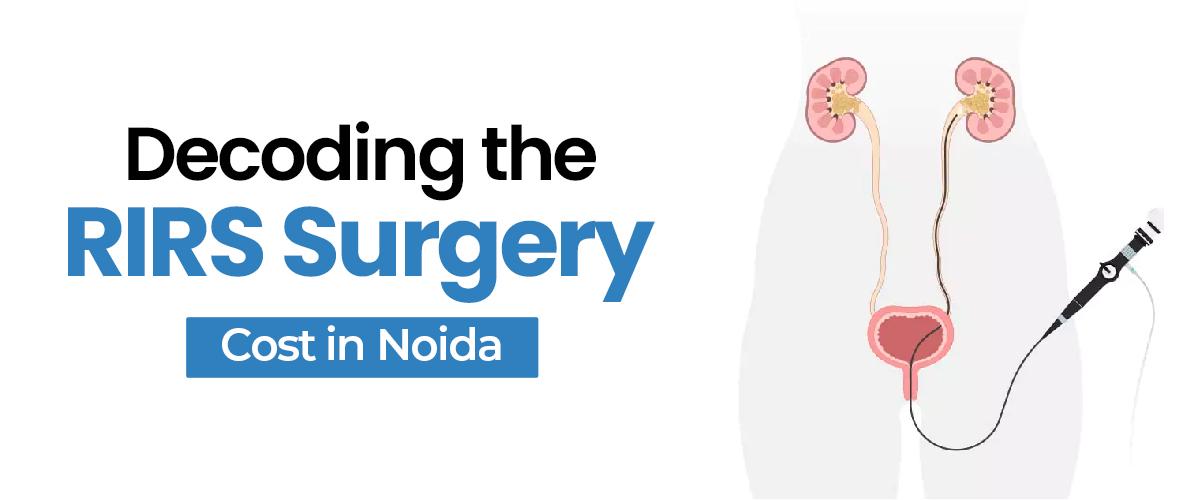
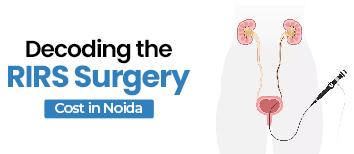
Retrograde Intrarenal Surgery (RIRS) is a minimally invasive surgical procedure used to treat certain kidney conditions. It involves accessing the kidney through the urinary tract using a flexible ureteroscope. The ureteroscope is inserted through the urethra and bladder, and then advanced into the kidney. RIRS is commonly used for the Removal of kidney stones, particularly those located within the renal pelvis or calyces. It can be used to treat other conditions such as strictures, tumors, or abnormal anatomy within the kidney. During the procedure, the surgeon may use laser energy to break down larger stones into smaller fragments, which are then removed or passed naturally. Alternatively, they may use specialized instruments to directly remove or extract the stones.
RIRS is considered a minimally invasive approach compared to traditional Open surgery. It offers several advantages, including shorter recovery time, reduced risk of complications, minimal scarring, and a shorter hospital stay. At Felix Hospital, we are committed to offering our Patients transparent and competitive RIRS surgery cost.
Book Your Appointment One click at +91 9667064100
During Retrograde Intrarenal Surgery, a minimally invasive procedure, a thin, flexible ureteroscope is inserted through the Urethra to reach the Kidney. The ureteroscope allows the surgeon to visualize the inside of the kidney and perform various interventions. Once the ureteroscope reaches the kidney, a laser fiber is passed through it. The laser is used to break down kidney stones or treat other conditions within the kidney, such as tumors or strictures. The fragmented stones or affected tissue are then removed or allowed to pass naturally through the urinary system.
RIRS is typically performed under general anesthesia and does not require any external incisions, It is considered a safe and effective procedure for treating kidney stones and certain kidney conditions, with a shorter recovery time compared to traditional Open Surgery. However, the specific details of the procedure may vary depending on the individual case and the Surgeon’s approach.
It can vary depending on various factors, such as location, healthcare provider, and insurance coverage. On average, RIRS kidney stone treatment cost can range from Rs.75, 000 to Rs. 1, 10,000. The cost of medications can vary widely depending on factors such as the specific medication, dosage, brand name, location, and insurance coverage. The precise cost may fall depending on variables like chosen surgical technique, the healthcare facility, and the expertise of the practitioners. As a result, the average RIRS surgery cost in noida is approximately Rs. 110,000.
| Starting Cost | ₹75,000 |
| Average Cost | ₹85,000 |
| Maximum Cost | ₹110,000 |
Medical Facility: The choice of the healthcare facility or clinic can impact the cost. Hospitals may charge differently than smaller clinics.
Practitioner's Experience: The experience and expertise of the healthcare professional performing the procedure can affect the cost. Highly skilled practitioners may charge more for their services.
Number of Sessions: Some individuals may require multiple sessions to keep under care of a Doctor. Each session adds to the overall cost.
Pre and Post-Treatment Care: Any necessary pre-treatment assessments or tests, as well as post-treatment care and follow-up visits, can contribute to the overall cost.
Tests and Imaging: Before the surgery, diagnostic tests such as imaging scans (CT scans, X - rays) are required to assess the condition and plan the procedure. These tests contribute to the overall RIRS Surgery costs.
Reducing medication costs can be achieved through several strategies. Here are some tips:
Generic Alternatives: Brand name medications tend to be more expensive than their generic counterparts, as they often involve research and development costs.
Dosage: Different dosages and strengths of the same medication may have different prices, higher dosages or strengths may be more expensive.
Insurance Coverage: The cost of medication can vary depending on your insurance coverage. Different insurance plans may have different formularies, which can affect the out-of-pocket cost for medications. It is mandatory to consult with your health care providers to get a comprehensive understanding of the estimated costs related to RIRS surgery.
Healthcare providers: The Cost of RIRS surgery can vary between different Hospitals. It’s worth comparing Prices at different locations to find the most affordable option.
Discounts: Some Hospitals may offer discounts that can help reduce the fees of RIRS surgery.
Geographical location: Medication prices can vary between countries or regions due to factors such as local regulations, import/export costs, and market competition.
Talk to your Doctor: Discuss your concerns about medication costs with your healthcare Provider. They may be able to suggest alternative medications or dosage adjustments that are more affordable.
It is important to consult with your healthcare provider before making any changes to your medication regimen. They can provide personalized advice based on your specific medical needs. RIRS surgery cost in Noida can differ depending on the specific Hospital or their medical facilities where the procedure is performed may have different pricing structures.
RIRS is a minimally invasive procedure used to treat kidney stones. While RIRS itself is a treatment method rather than a condition, below provides information on the symptoms and causes of kidney stones, which may lead to the need for RIRS. Symptoms of kidney stones can vary, but common signs include:
Severe pain: Intense pain in the back or lower abdomen is often experienced when a kidney stone moves through the urinary tract.
Urinary urgency and frequency: The need to urinate more or with a sense of urgency.
Foul-smelling urine: Discoloration or an unpleasant odor in the urine.
Dehydration: Insufficient fluid intake can lead to concentrated urine, increasing the risk of stone formation.
Diet: Consuming a diet high in sodium, oxalate, or animal protein can contribute to the development of kidney stones.
Certain Medical conditions: Conditions such as Urinary tract infections, gout, and certain metabolic disorders can increase the likelihood of kidney stone formation.
It is important to note that these symptoms and causes are general in nature. If you suspect you have kidney stones or are experiencing any related symptoms, it is recommended to consult with a healthcare professional for an accurate diagnosis and appropriate treatment options.
Kidney Stones: RIRS is primarily performed to remove kidney stones that are located inside the Kidney or in the upper part of the ureter; this can cause severe pain, obstruction of urine flow. The size, location, of the stone plays a role in determining the suitability of RIRS.
Ureteral Stones: Stones that become lodged in the ureter, the tube that carries urine from the kidney to the bladder Stone, can cause significant pain and obstruction. RIRS may be performed to remove these stones.
Ureteral Strictures: Narrowing or scarring of the ureter can cause urinary flow problems and may require RIRS to open up or remove the stricture.
Tumors: In some cases, RIRS may be used as part of the treatment for certain types of kidney or ureteral tumors. It can help visualize and biopsy the tumor or assist in the removal of tissue during surgery.
RIRS is a procedure that avoids the need for external incisions. It involves passing a thin, flexible ureteroscope through the urinary tract to reach the stone. This approach reduces the risks and estimated price of RIRS surgery as compared to Open Surgery and allows for faster recovery time. This has shown a high success rate in kidney stones, with a low risk of complications. It allows for precise visualization and fragmentation of stones using laser technology, ensuring effective stone removal. Some patients may prefer RIRS over other treatment options, such as shock wave lithotripsy due to personal preferences or medical conditions that make them unsuitable for other procedures.
It is generally considered safe, there are some potential risk factors associated with RIRS,post the surgery patient may feel lower abdominal pain and a bit of discomfort that usually subsides within 18 to 36 hours.
Bleeding: During the procedure, there is a risk of bleeding, particularly if the stone is large or located in a challenging area of the kidney. However, bleeding is usually manageable and rarely leads to serious complications.
Infection: Any invasive procedure carries a risk of infection. In the RIRS, there is a small chance of developing a urinary tract infection or a kidney infection. This risk can be minimized by following proper sterile techniques during the procedure.
Ureteral Injury: The insertion of instruments through the ureter to reach the kidney can potentially cause injury to the ureter. However, this is a rare occurrence and is usually managed during the procedure itself.
Perforation: There is a slight risk of perforation or puncture of the kidney or ureter during the insertion of instruments. However, this is uncommon and can often be repaired immediately.
Discomfort: After the surgery, some patients may experience mild to moderate discomfort, such as pain or a burning sensation during urination. This is usually temporary and can be managed with pain medications.
It is necessary to keep in mind that the Risks associated with RIRS are generally low, and most patients experience successful outcomes without complications after the Surgical procedure is done. Your urologist will assess your individual case and discuss the potential risks, benefits, and Cost of RIRS surgery with you before proceeding further.
It may not be possible to completely prevent the formation of kidney stones; there are measures you can take to reduce the risk of recurrent stones and the need for RIRS. Here are some preventive tips that one should follow:
Stay Hydrated: Drink an adequate amount of water throughout the day to maintain proper hydration. This dilutes urine and prevents the concentration of minerals that can lead to stone formation.
Eat balanced diet: Adopt a diet that is low in sodium, oxalate, and animal protein. Limit your intake of processed foods, and sugary drinks.
Maintain a healthy weight: Obesity and being overweight can increase the risk of kidney stone formation. Adopt a balanced diet and engage in regular physical activity to achieve and maintain a healthy weight.
Keep monitoring your urine pH: Depending on the type of kidney stones it is much needed to keep monitoring urine pH level.
Family History: If you have a family history of kidney stones or have undergone RIRS, it is important to follow your Doctor’s advice regarding medication, dietary changes, and regular follow-up appointments.
It is best to consult with a healthcare professional or contact a medical facility to get accurate RIRS kidney stone treatment cost in Noida and It’s important to seek medical advice for RIRS if you experience the following:
Kidney Stones symptoms: If you have symptoms such as severe pain in the back or side, blood in the urine, frequent urination, or difficulty urinating, it is important to note that it may indicate the presence of kidney stones and require evaluation.
Recurrent kidney stones: If you have a history of recurrent kidney stones, it is advisable to discuss with healthcare professionals, they can assess the need for RIRS or other treatment options to prevent future stone formation.
Complex kidney stones: RIRS is often recommended for larger or more complex kidney stones that can’t be effectively treated with other non-invasive methods. If you have been diagnosed with such stones, it is important to consult with a healthcare professional to determine the most appropriate treatment approach.
Persistent symptoms: If you have undergone RIRS and experience persistent symptoms such as pain, infection, or other complications, it is crucial to seek medical advice promptly. Your Doctor can evaluate the situation and provide appropriate management.
When a kidney stone is left untreated, it can lead to various complications and potentially worsen the symptoms. Here are some consequences in detail:
Pain and Discomfort: Kidney stones can cause intense pain as they move through the urinary tract. This pain is often described as sharp and severe, radiating from the back or side to the lower abdomen and groin. If left untreated, the stone may continue to cause pain and discomfort, making it difficult to carry out daily activities.
Urinary tract infection (UTIs): A kidney stone can create a blockage in the urinary tract, which can increase the risk of developing a UTI. Bacteria can accumulate behind the stone, leading to infection. UTIs can spread to the kidneys and potentially lead to more severe complications.
Kidney damage: Large or untreated kidney stones can potentially damage the kidneys over time. The constant presence of a stone can obstruct the flow of urine, causing pressure to build up in the kidneys. This increased pressure can impair kidney function and lead to long-term complications, such as chronic kidney disease or kidney failure.
Urinary retention: If a kidney stone becomes lodged in the urinary tract, it can obstruct the flow of urine. This obstruction can cause urinary retention, where urine is unable to pass through the urinary tract normally. Urinary retention can lead to severe pain, urinary frequency, urgency, and an inability to empty the bladder completely. If it’s left untreated, it can result in complications such as kidney damage, bladder damage, or urinary tract infections. Patient’s complex situation can affect the RIRS kidney stone treatment cost.
Recurrence: If the underlying causes of kidney stone formation are not addressed, there is a higher chance of developing new stones in the future. Untreated kidney stones do not resolve on their own, and the risk of recurrence remains. It is important to identify the underlying factors contributing to stone formation, such as dehydration, certain dietary habits, or metabolic disorders, and take appropriate measures to prevent future stone formation.
It is crucial to seek medical attention if you suspect you have a kidney stone. A healthcare professional can provide an accurate diagnosis, determine the size and location of the stone, and recommend appropriate treatment options to alleviate symptoms, prevent complications, reduce the risk of recurrence and to get the overall idea associated with the RIRS surgery expenses.
No cuts needed,
Simple, and quick procedure
Short hospital stay
Short recovery time
Less painful
Minimal bleeding without scars
High success rate
Suitable for children and adults both
Before undergoing Retrograde Intrarenal Surgery (RIRS), there are several pre-surgery steps that are typically follows:
Consultation: You should have an initial consultation with a urologist who can assess your medical history, perform a physical examination, and may order additional tests such as blood tests, urine tests, and imaging studies like CT Scan or Ultrasound to determine the size, location, and number of kidney stones. Before going with further surgical procedure it is highly advised to have a proper discussion about RIRS surgery cost in noida to Plan for the Overall Expenses related to the RIRS surgery.
Anesthesia discussion: You should have a discussion with the anesthesiologist to determine the most appropriate type of anesthesia for the procedure.
Exceptional Care Awaits at Felix Hospital, Call now - 9667064100 for more information.
Surgery can be a formidable aspect, and feeling anxious is absolutely normal. RIRS in Noida at Felix Hospital will be pocket friendly for you, all the procedure will be done under the proficient medical team because we prioritize your well-being throughout the entire process. Our dedication to transparency ensures that you receive a transparent and healthy environment for all the medical services associated with RIRS surgery cost, making high-quality healthcare within reach. The cost of RIRS is structured to accommodate your budget while delivering efficient results. Recognizing the individuality of each patient, our specialists customize treatment plans to address specific needs, ensuring the most effective and comfortable procedure possible.
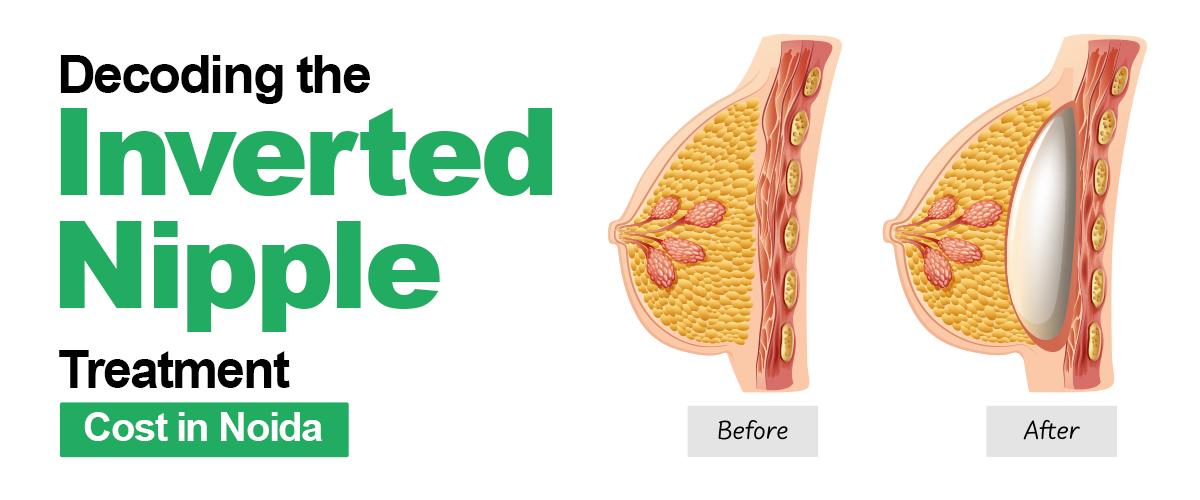
Are you living with the discomfort and self-consciousness caused by inverted nipples, a condition where the nipple is retracted inward instead of protruding outward? Inverted nipples can impact your self-esteem and overall well-being. Thankfully, there's a solution through inverted nipple correction surgery. The cost of inverted nipple surgery can vary based on several factors, including the specific surgical technique chosen, the healthcare facility you opt for, the surgeon's fees, and any additional diagnostic assessments or supplementary procedures required. Typically, the inverted nipple treatment price in Noida ranges from Rs. 35,000 to Rs. 55,000. At Noida Advanced Medical Center, we are committed to providing our patients with transparent and competitive pricing for inverted nipple correction.
For those considering other medical treatments, it's worth noting that Felix Hospital is recognized as the best plastic surgery hospital, known for its advanced medical care across a range of specialties.
Book your consultation with us today with a simple click or call us at +91 9667064100
Table of Contents
| Starting Cost | ₹35,000 |
| Average Cost | ₹45,000 |
| Maximum Cost | ₹55,000 |
The inverted nipple surgery cost in Noida can fluctuate significantly due to various influencing factors. Generally, non-surgical methods such as suction devices or minimally invasive correction techniques can range from INR 35,000 to INR 55,000 per procedure. The average cost of inverted nipple surgery, specifically addressing inverted nipples, typically falls within the INR 35,000 to INR 55,000 range, depending on factors like the chosen surgical approach, the healthcare facility, and the surgeon's expertise level. Consequently, the average cost of inverted nipple surgery in Noida is approximately ₹ 45,000. Regain your confidence and comfort with our specialized inverted nipple correction services.
Choice of Surgical Technique: The specific method used for inverted nipple correction can have a notable impact on the overall cost. Different techniques may come with varying price ranges, and some procedures may be more costly than others.
Healthcare Facility Selection: The inverted nipple surgery cost can vary based on the healthcare facility chosen. Hospitals or surgical centers equipped with advanced technology and amenities may charge higher fees compared to those with more basic resources.
Surgeon's Professional Fees: The fee charged by the plastic surgeon or specialist performing the inverted nipple correction is a significant component of the total inverted nipple treatment price. Experienced and reputable surgeons may command higher fees for their expertise.
Diagnostic Assessments: Additional diagnostic tests or assessments, such as imaging studies or nipple evaluation, may be required before the surgery. These tests can contribute to the overall cost of the procedure.
Anesthesia Type and Administration: If anesthesia is administered during the surgery, the type used and the method of administration can affect the surgical cost. General anesthesia is typically more expensive than local anesthesia.
Medications: The prescription of medications before, during, and after the surgery, including pain relievers, antibiotics, and anti-inflammatory drugs, can add to the total cost.
Post-operative Care: Expenses related to follow-up appointments, post-surgery tests, or any additional procedures required after the inverted nipple correction should be considered when estimating the total inverted nipple surgery cost.
Insurance Coverage: The extent of insurance coverage can influence the final cost of the procedure. Coverage may vary depending on the insurance policy and provider terms. Patients with health insurance may have some or all of their expenses covered, reducing their out-of-pocket costs.
It's important for individuals considering inverted nipple surgery to have a comprehensive discussion with their chosen surgeon or medical provider to gain a clear understanding of all the cost factors involved and to explore any available financial options or insurance coverage.
At Felix Hospital, we are dedicated to offering transparent and competitive pricing for inverted nipple surgery procedures. Typically, the inverted nipple surgery cost in Noida at our facility starts at INR 35,000 to INR 55,000, taking into consideration the following factors.
The cost of inverted nipple surgery can be influenced by various critical factors, encompassing the selected surgical technique, the healthcare facility where the procedure is performed, the surgeon's fees, and the patient's unique anatomical condition. Below, provided is an overview of the inverted nipple treatment price and the surgical methods available in Noida:
Suction Devices: Some cases of inverted nipples can be treated with suction devices, which are non-surgical tools designed to pull out the nipple. The cost of using suction devices for inverted nipple correction in Noida typically ranges from INR 35,000 to INR 55,000.
Minimally Invasive Techniques: Minimally invasive surgical methods, such as the release of nipple adhesions, are often employed for moderate cases of inverted nipples. The cost of these procedures in Noida generally falls within the range of INR 35,000 to INR 55,000.
Combined Procedures: In some instances, inverted nipple correction may be combined with other breast surgery procedures. The overall cost can vary depending on the complexity of the combined approach and the healthcare facility chosen.
Postoperative Care: Expenses associated with follow-up appointments, wound care, and any additional treatments or medications needed during the recovery period should also be factored into the overall cost estimate.
Felix Hospital is dedicated to providing top-tier medical services at competitive rates. Our inverted nipple surgery costs are in line with industry standards, ensuring accessibility for all patients. Our team of experienced medical professionals will collaborate closely with you to determine the most appropriate treatment plan, offering comprehensive care and support throughout the process to achieve the best possible outcomes for each patient. Accessing affordable inverted nipple treatment price has never been more attainable. Interested in learning more? Visit Felix Hospital to explore the finest treatment options at the most affordable prices.
Reducing the inverted nipple surgery cost in Noida can be achieved through various strategies and considerations. Here are some tips to help you manage and potentially lower the overall expenses:
Consult with Multiple Surgeons: Seek consultations with different plastic surgeons in Noida to get a range of quotes and opinions. This allows you to compare costs and choose a surgeon whose fees align with your budget.
Choose a Reputable but Affordable Surgeon: While it's essential to select a skilled and experienced surgeon, consider one who offers competitive pricing. A surgeon with a good reputation may still offer reasonable rates.
Explore Different Surgical Techniques: Inverted nipple correction can be performed using various techniques, some of which may be less expensive than others. Discuss with your surgeon the most appropriate and cost-effective method for your condition.
Healthcare Facility Selection: The choice of healthcare facility significantly impacts costs. Compare prices among different hospitals and surgical centers. Opt for a facility that offers quality care at a reasonable price.
Consider Non-Surgical Options: Depending on the severity of your condition, some cases of inverted nipples can be managed with non-surgical methods like suction devices, which tend to be more cost-effective than surgery.
Review Your Insurance Coverage: Check your health insurance policy to see if it covers any portion of the surgery. While elective cosmetic procedures are often not covered, there may be exceptions or partial coverage depending on the circumstances.
Flexible Spending Account (FSA) or Health Savings Account (HSA): If you have an FSA or HSA, you can use pre-tax dollars to pay for medical expenses, potentially reducing the overall cost.
Payment Plans: Inquire with the hospital or surgeon's office about payment plans or financing options. Some facilities offer flexible payment arrangements to help spread the cost over time.
Combine Procedures: If you are considering other cosmetic or breast-related surgeries in addition to inverted nipple correction, combining procedures can sometimes be more cost effective than having them separately.
Preoperative and Postoperative Care: Follow your surgeon's instructions carefully to minimize the risk of complications and the need for additional treatments or follow-up surgeries, which can add to the overall inverted nipple surgery cost.
Maintain Good Health: Staying in good overall health can contribute to smoother surgery and recovery, potentially reducing the need for extensive postoperative care.
Remember that while cost is a factor, the most crucial consideration should be your safety and the quality of care. Be sure to choose a qualified and experienced surgeon who can provide the best outcomes for your inverted nipple correction while also keeping your budget in mind.
Wondering about the inverted nipple treatment price? Felix Hospital in Noida offers competitive prices. Contact us at +91 9667064100 for details.
Inverted nipples are a common occurrence that some individuals experience. While it is typical for nipples to protrude outward, primarily for breastfeeding purposes, not everyone has nipples that conform to this expectation. It's important to note that even with inverted nipples, successful breastfeeding is still possible.
Inverted nipples are nipples that point inward or lie flat instead of protruding outward. They can be present in one or both breasts and are often a natural characteristic present from birth. However, if nipples change or become inverted later in life, it may indicate an underlying medical issue that requires further evaluation.
Several factors can contribute to inverted nipples, including:
Age: As individuals age, particularly in their mid-30s and beyond, changes in breast tissue can lead to the shortening of milk ducts, causing the nipples to retract inward. While age-related nipple inversion is a possibility, any significant changes in breast appearance should be examined by a healthcare professional to rule out other concerns, including breast cancer.
Injuries: Trauma to the breast or breast surgery can result in milk duct retraction, leading to nipple inversion in the affected breast.
Breastfeeding: While not common, some women may experience nipple inversion after discontinuing breastfeeding. Scar tissue or damage to the milk ducts during breastfeeding can contribute to this condition, although it does not occur in all cases.
Birth: Inverted nipples can also be congenital, meaning some individuals are born with them due to limited space for nipple development in the womb.
Mammary Duct Ectasia: In women typically in their mid-40s, the milk ducts responsible for carrying milk to the nipples can widen and become clogged, a condition known as mammary duct ectasia. Symptoms may include nipple tenderness, redness, colored discharge, and in some cases, surgical intervention may be required.
Mastitis: Mastitis, a bacterial infection often seen in breastfeeding mothers, can lead to nipple inversion if left untreated. Symptoms may include breast tenderness, bloody discharge, and a lump behind the nipple. Seeking prompt medical attention is crucial in such cases.
Areola Abscess: Infections beneath the areola, the darker area surrounding the nipple, can lead to abscess formation and nipple inversion. Smoking, nipple piercings, or underlying medical conditions like diabetes may contribute to this rare condition.
Breast Cancer: Nipple inversion can also be a symptom of breast cancer, especially as individuals age. Early detection is critical for effective treatment.
Explore affordable inverted nipple treatment prices at Felix Hospital in Noida. Call +91 9667064100 for details.
If you were born with inverted nipples, there is generally no need for concern. However, if you experience nipple inversion later in life, notice any associated pain or discomfort, or have other concerning symptoms, it is advisable to seek medical evaluation promptly. While it may not always indicate a serious issue, it is important not to take any risks when it comes to changes in breast health.
Yes, breastfeeding with inverted nipples is possible to some extent. If the nipple retraction is not severe, you can explore remedies and techniques to encourage the nipple to protrude. However, it's important to note that breastfeeding with inverted nipples can be challenging and may cause discomfort. Some women can still breastfeed successfully if the degree of nipple inversion is mild.
Inverted nipple treatment price in Noida made transparent. Find out about our rates at Felix Hospital. Call +91 9667064100 for inquiries.
Is it possible to correct inverted nipples without resorting to surgery? There are non-surgical remedies and techniques you can try to help alleviate nipple inversion. These methods include:
Hoffman Technique: This is a fundamental technique often recommended by healthcare professionals or lactation consultants to assist with nipple inversion. Here are the steps to follow:
Place both thumbs on either side of the nipple within the areola.
Gently press your thumbs downward and slowly pull them apart.
Repeat this process multiple times, working your way around the nipple.
If you have a retracted nipple on the other side, repeat the steps for that side as well.
This technique can help the nipples stand out if the inversion is mild.
Curious about inverted nipple treatment price? Check out Felix Hospital's pricing in Noida. Call +91 9667064100 to inquire.
Nipple Eversion Device: In this approach, your doctor may use a syringe or a suction cup device to help bring out the inverted nipple. Alternatively, you can use hard plastic breast shells within your bra. These shells apply gentle pressure around the nipples, encouraging them to protrude.
If these non-surgical methods prove ineffective, your doctor may discuss the option of surgery. However, surgical intervention is typically recommended for severe cases of inverted or retracted nipples and carries the potential risk of affecting the milk ducts. If you plan to breastfeed in the future, it's crucial to have a thorough discussion with your doctor about the advantages and disadvantages of surgery before making a decision.
Is nipple inversion always indicative of cancer? No, it is not. Inverted nipples are a common occurrence, and many women have retracted nipples that deviate from idealized expectations. Just like other aspects of the body, nipples can exhibit natural variations. If you notice nipple retraction occurring later in life and are concerned about inverted nipple surgery cost in Noida, consider reaching out to Felix Hospital at +91 9667064100 for information and guidance from medical professionals.
Book an Online Appointment: https://www.felixhospital.com/contact
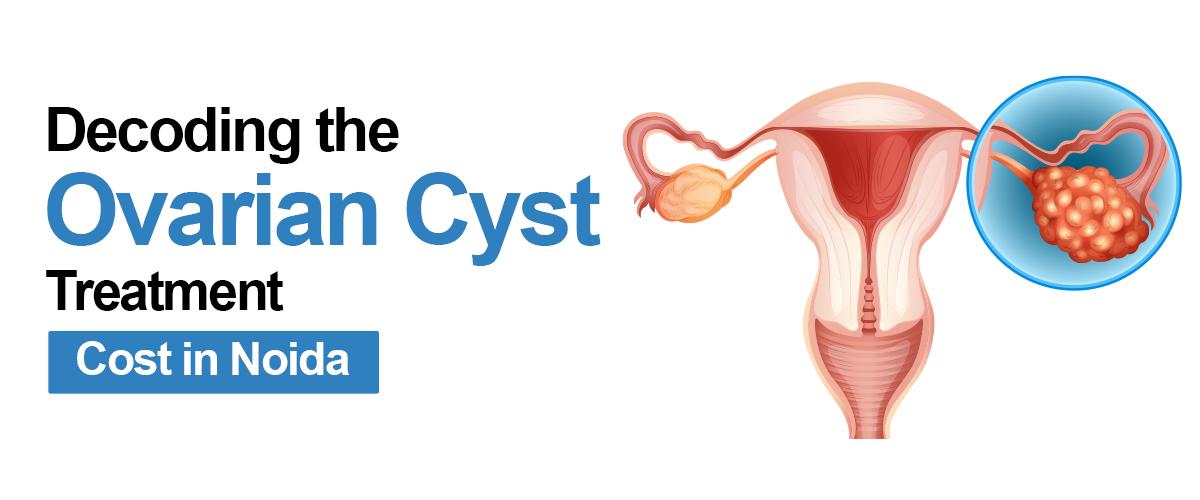
Ovarian cysts, fluid-filled sacs that can develop on or within the ovaries, can bring discomfort and anxiety. For those seeking relief from these cysts, ovarian cyst removal is a viable option. However, the cost of this procedure varies based on factors such as the chosen surgical technique, the healthcare facility, surgeon's fees, and any necessary additional tests or treatments. In Noida, the cost typically ranges from ₹40,000 to ₹70,000. At Noida Medical Center, we provide transparent and competitive pricing for ovarian cyst removal.
Book your consultation with us today with a simple click or call us at +91 9667064100
Table of Contents
| Starting Cost | ₹40,000 |
| Average Cost | ₹55,000 |
| Maximum Cost | ₹70,000 |
An ovarian cyst is a sac containing fluid or semisolid material that develops either on or within one or both of your ovaries. These ovaries, located in your pelvic region, play a crucial role in housing egg cells and producing hormones like estrogen and progesterone.
Ovarian cysts come in various types, with most being benign (non-cancerous) and typically painless. They often remain asymptomatic, going unnoticed until discovered by your healthcare provider during a routine pelvic examination or through imaging tests.
Looking for Ovarian Cyst Treatment in Noida? Explore Cost-Effective Solutions at Felix Hospital. Call +91 9667064100.
The majority of ovarian cysts fall into the category of functional cysts. These cysts develop in response to the natural changes that occur during your menstrual cycle. However, there are also less common types of ovarian cysts that form for reasons unrelated to your monthly cycle.
Functional cysts: Functional cysts are the most prevalent type of ovarian cyst and are not associated with any disease. They arise as a result of the ovulation process, which is the release of an egg from the ovary. These cysts can actually indicate that your ovaries are functioning normally. Functional cysts typically diminish over time, often within 60 days, without the need for specific treatment.
Follicular cysts: During your menstrual cycle, a small sac in the ovary known as a follicle is responsible for releasing an egg each month. However, when the follicle fails to release an egg, it can fill with fluid and enlarge, forming a follicular cyst.
Corpus luteum cysts: Following the release of an egg, the follicle transforms into a group of hormone-producing cells known as the corpus luteum. If fluid accumulates in the corpus luteum, it can lead to the formation of a cyst.
Other types of cysts: Not all ovarian cysts are linked to your menstrual cycle, and they don't necessarily indicate disease. However, your healthcare provider may want to keep an eye on them to ensure they do not lead to complications. These include Cystadenomas, Dermoid cysts (teratomas) and Endometriomas
Some smaller cysts manifest no symptoms, making them inconspicuous. In such cases, you might not even be aware of the cyst's presence. Larger cysts, however, may produce:
Pelvic discomfort or a dull ache in the lower back.
A sense of fullness or abdominal bloating, which may be more pronounced on one side of your abdomen.
Pain during sexual intercourse (dyspareunia).
Painful menstrual periods.
To ascertain the presence of an ovarian cyst, your healthcare provider will initially rule out pregnancy as a potential cause of your symptoms. Subsequently, they may employ the following diagnostic tests:
Pelvic exam: Your provider will conduct a pelvic examination to detect any lumps or changes within your pelvic region.
Ultrasound: This imaging procedure employs sound waves to generate images of your body's internal organs. It is adept at identifying ovarian cysts, including their location and whether they are predominantly fluid-filled or solid.
Laparoscopy: This surgical procedure is performed in an operating room. Your provider inserts a camera through a small abdominal incision, allowing them to visually inspect your reproductive organs and pelvic cavity. If a cyst is identified during this procedure, it can be surgically removed.
Find Affordable Ovarian Cyst Removal Surgery Cost at Felix Hospital in Noida. Contact us at +91 9667064100 for Inquiries.
The choice of treatment depends on various factors, including your age, symptoms, and the likely cause of the cyst.
Watchful waiting: Functional ovarian cysts often resolve without treatment. If your cyst is likely functional, your provider may recommend a wait-and-see approach.
Ovarian cyst medications: Hormone-containing medications, such as birth control pills, may be prescribed to inhibit ovulation and prevent future cyst formation.
Ovarian cyst surgery: The specific surgical approach depends on the cyst's size and appearance on ultrasound.
Laparoscopy: A minimally invasive procedure where a small camera is inserted through a tiny abdominal incision to view and remove the ovarian cyst.
Laparotomy: This procedure may be used for large cysts or when additional concerns are present.
The ovarian cyst removal cost in Noida can vary significantly due to several factors. On average, the procedure can range from ₹40,000 to ₹70,000. The precise cost, tailored to your specific case, may typically fall between ₹40,000 to ₹70,000, depending on variables like the chosen surgical technique, the healthcare facility, and the expertise of the surgeon. As a result, the average ovarian cyst removal cost in Noida is approximately ₹55,000.
Number and Size of Cysts: The quantity and size of ovarian cysts can impact the overall cost, as larger or multiple cysts may require more extensive procedures.
Surgical Technique: Different surgical techniques may be employed for cyst removal, and the cost can vary depending on the complexity and invasiveness of the chosen method.
Location of Cysts: The location of the cysts within the ovaries can influence the surgical approach, potentially affecting the cost.
Medical Facility: The choice of healthcare facility, whether a specialized hospital or a smaller clinic, can impact the cost.
Surgeon's Experience: The experience and expertise of the surgeon performing the procedure can affect the cost, with more experienced surgeons often charging higher fees.
Number of Surgical Sessions: Some individuals may require multiple surgical sessions for complete cyst removal, and each session contributes to the overall cost.
Pre and Post-Operative Care: Necessary pre-operative assessments, post-operative care, and follow-up visits can add to the overall cost.
Geographic Location: The ovarian cyst treatment cost procedures can vary by geographic location, with larger cities or regions having higher prices for medical services.
Additional Procedures: Additional diagnostic tests or treatments may be needed in conjunction with cyst removal, which can increase the overall cost.
Insurance Coverage: Ovarian cyst removal treatment cost for medical reasons may be partially covered by health insurance, but coverage can vary depending on the individual's insurance plan and the medical necessity of the procedure. Cosmetic cyst removal is typically not covered.
It's essential to consult with a healthcare provider to determine the precise Ovarian cyst removal surgery cost tailored to your specific case and discuss any potential insurance coverage.
The ovarian cyst treatment cost can vary significantly based on several important factors, including the specific surgical technique chosen, the healthcare facility where the procedure is performed, the fees charged by the surgeon, and the individual characteristics of the patient's case. Here, we provide an overview of the ovarian cyst removal cost and the different methods used for this procedure.
Laparoscopic Cystectomy: Laparoscopic surgery is a common choice for ovarian cyst removal. The cost of laparoscopic cystectomy typically falls within the range of ₹40,000 to ₹80,000.
Open Surgical Cystectomy: In some cases, open surgery may be required for complex cysts. The open surgical ovarian cyst Treatment cost can vary but generally ranges from ₹60,000 to ₹100,000.
Consultation and Evaluation: Before any ovarian cyst removal procedure, consultation and evaluation are usually necessary to determine the most suitable approach. The cost for this initial consultation typically ranges from ₹1,000 to ₹3,000.
Additional Procedures: Depending on the complexity of the case, additional procedures such as ovarian tissue preservation or fertility-sparing surgery may be required, incurring additional costs that vary case by case.
Facility and Surgeon Fees: The choice of healthcare facility and the expertise of the surgeon can influence the overall Ovarian cyst treatment cost. Specialized facilities and experienced surgeons may charge higher fees.
Anesthesia: Anesthesia is administered during the procedure for patient comfort. The cost of anesthesia can vary but is generally included in the overall procedure cost.
Hospital Stay: If an overnight hospital stay is required, it will add to the overall cost. The duration of the hospital stay and associated costs depend on the specific case.
Post-Surgery Care: Aftercare, follow-up visits, and any necessary medications or dressings may have additional costs, though these are typically minimal.
Keep in mind that the cost of removing ovarian cysts can vary based on your unique situation and the treatment plan recommended by your doctor. It's best to talk to a gynecologist or healthcare provider to get a personalized estimate for your ovarian cyst removal cost. They can also discuss any financing or payment options available to help make the procedure more affordable for you.
Reducing the overall cost of ovarian cyst surgery can be a priority for many individuals. Here are some tips to help minimize the expenses associated with this procedure:
Health Insurance: Review your health insurance coverage to understand what aspects of ovarian cyst surgery are covered. Ensure that you are aware of your deductibles, co-pays, and any out-of-pocket maximums. Choosing an in-network provider can often lower Ovarian cyst Treatment cost.
Consult Multiple Healthcare Providers: Seek opinions and quotes from multiple healthcare providers and surgeons. Different hospitals and clinics may offer varying prices for the same procedure.
Explore Outpatient Options: Whenever possible, opt for outpatient surgery rather than inpatient. Outpatient procedures tend to be less expensive due to shorter hospital stays.
Choose Laparoscopic Surgery: If your condition allows, opt for laparoscopic surgery. It is minimally invasive and generally results in shorter hospital stays and quicker recovery times compared to open surgery. Thus, can help you save on ovarian cyst removal cost.
Consider Fertility-Sparing Options: If fertility preservation is a concern, discuss fertility-sparing surgical options with your surgeon. These procedures can be less invasive and cost-effective.
Research Local and Regional Facilities: Research facilities in your local area and nearby regions. Prices can vary significantly depending on where you have the surgery. Sometimes traveling to a nearby city or region can lead to cost savings.
Negotiate Prices: Don't hesitate to negotiate with healthcare providers. They may be willing to work with you on pricing, especially if you can provide evidence of lower prices at other facilities.
Review Itemized Bills: After the surgery, carefully review your itemized bills to ensure accuracy and to identify any potential billing errors.
Consider Generic Medications: If post-surgery medications are required, ask your healthcare provider if there are generic alternatives that can lower the cost of prescription drugs.
Financial Assistance Programs: Inquire about financial assistance programs offered by hospitals or clinics. Some facilities have programs to help patients with financial need.
Taking hormone-containing medications, like birth control pills, can suppress ovulation and potentially reduce the recurrence of specific cysts, according to some studies.
Generally, ovarian cysts are typically benign, making prevention less of a concern. Instead, remain vigilant for any symptoms that may indicate a cyst and promptly inform your healthcare provider. Regular pelvic examinations are advisable to ensure early detection and appropriate treatment of any cysts that may arise.
Learn About Ovarian Cyst Treatment in Noida at Felix Hospital. Find Affordable Options. Contact us at +91 9667064100.
Symptoms and Growth: Monitor symptoms and cyst size; growing cysts causing discomfort need attention.
Menstrual Changes: Irregular or painful periods.
Abdominal Signs: Persistent pain, swelling, or difficulty urinating.
Sexual Intercourse: Pain during intercourse.
General Symptoms: Bloating, weight loss, feelings of illness.
Seek Immediate Help for Ovarian Torsion Symptoms
Acute Pain: Sudden severe abdominal pain with vomiting or fever.
Physical Signs: Light-headedness, rapid breathing, cold clammy skin.
Ovarian Cyst Treatment in Noida at Felix Hospital provides a comprehensive solution for those seeking relief from ovarian cyst-related concerns. Our team of experienced medical professionals, along with advanced technology and a patient-centric approach, ensures your well-being throughout the entire process. We are committed to transparency, offering clear and competitive Ovarian Cyst Removal Surgery Cost options to make quality healthcare accessible. Our specialists understand the uniqueness of each patient and tailor treatment plans accordingly, ensuring the most effective and comfortable procedure possible.
For more information about Ovarian Cyst Removal Surgery Cost, please contact us at +91 9667064100. Your well-being is our priority at Felix Hospital in Noida.
Book an Online Appointment: https://www.felixhospital.com/contact
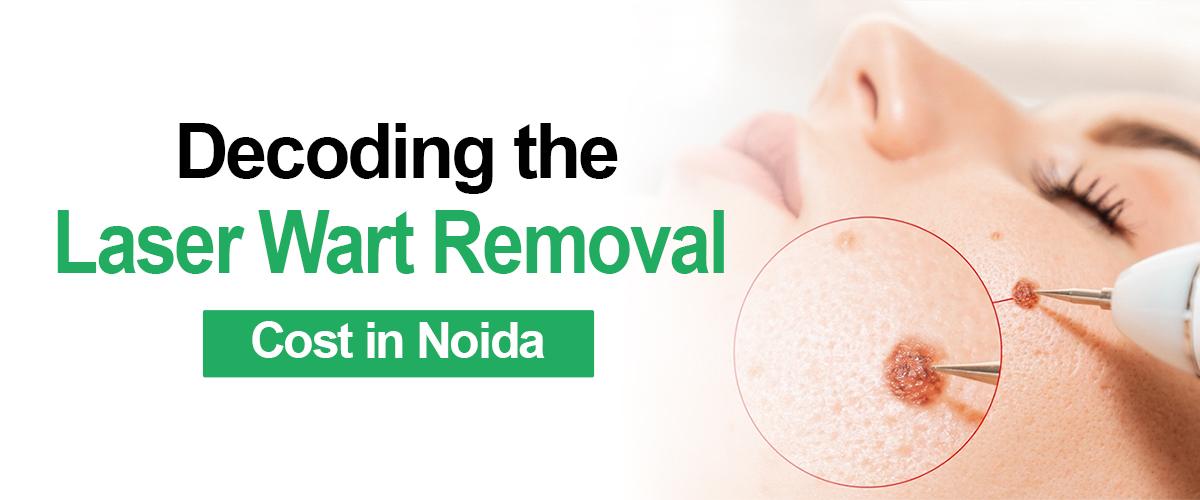
Are you troubled by unsightly warts on your skin? Warts can be irritating, and painful and often affect your confidence. Laser wart removal is a highly effective option to bid farewell to these pesky growths. However, the cost of laser wart removal can fluctuate based on various factors, including the specific procedure chosen, the medical facility you opt for, the professional fees, and any additional tests or treatments required. Typically, in Noida, the cost of laser wart /Massa removal falls within the range of ₹30,000 to ₹50,000. At Felix Hospital, we are committed to offering our patients transparent and competitive pricing for laser wart removal.
Book your consultation with us today with just a single click at +91 9667064100
Table of Contents
| Starting Cost | ₹30,000 |
| Average Cost | ₹40,000 |
| Maximum Cost | ₹50,000 |
The laser wart removal cost in Noida can vary significantly due to several factors. On average, a session of non-surgical laser wart removal or laser ablation can range from ₹30,000 to ₹50,000. The precise wart removal cost, tailored to your specific case, may typically fall between ₹30,000 to ₹50,000, depending on variables like the chosen removal technique, the healthcare facility, and the expertise of the practitioner. As a result, the average cost of laser wart removal in Noida is approximately ₹40,000.
The cost of laser wart removal can vary based on several factors, including:
The cost of laser wart removal can vary based on several significant factors, encompassing the specific removal technique chosen, the healthcare facility where the procedure is performed, the fees charged by the practitioner, and the individual characteristics of the patient's case. Here, we offer an overview of the laser wart removal cost in Noida and the different methods used for it.
It's important to note that the exact cost of laser wart removal will depend on your individual circumstances and the specifics of your treatment plan. Consultation with a dermatologist or healthcare provider is advisable to determine the most suitable approach for your wart removal Treatment and to receive a personalized cost estimate. Additionally, inquire about any available financing or payment options to make the procedure more accessible.
Common warts, as the name suggests, are ordinary skin growths that are typically small and have a grainy texture. They tend to appear most frequently on the fingers or hands. These warts are characterized by their rough surface and often contain a distinctive pattern of tiny black dots, which are actually small, clotted blood vessels.
The root cause of common warts is a viral infection, and they are commonly spread through direct physical contact. Once your skin comes into contact with the virus, it can take anywhere from two to six months for a common wart to develop.
Fortunately, common warts are generally considered harmless and tend to vanish on their own over time. However, many individuals opt to have them removed due to the inconvenience or embarrassment they may cause. Removal methods can vary, and it's advisable to consult with a healthcare provider or dermatologist to explore the best approach for your specific case.
Explore affordable Laser Wart removal Costs in Noida at Felix Hospital. Call us at +91 9667064100 to learn more.
Common warts are primarily caused by the human papillomavirus (HPV). This virus is widespread, with over 150 different types, but only a select few lead to the formation of warts on the hands. While some strains of HPV are transmitted through sexual contact, most varieties are spread through everyday skin-to-skin contact or by sharing personal items like towels or washcloths. The virus typically enters the body through small breaks in the skin, such as a hangnail or a minor scrape. Additionally, biting your nails can contribute to the spread of warts around your fingertips and the nail area.
It's worth noting that not everyone who encounters HPV will develop warts, as each individual's immune system responds differently to the virus.
Looking for effective Wart removal cost in Noida? Turn to Felix Hospital. Call us at +91 9667064100 to inquire.
Certain factors increase the likelihood of developing common warts, including:
To minimize your risk of developing common warts, consider the following precautions:
Felix Hospital offers transparent pricing for Wart removal cost in Noida. Get in touch at +91 9667064100 for more information.
It's advisable to consult a medical professional for common warts under the following circumstances:
Are warts concerning you? Discover top care and effective Wart removal cost in Noida and more. Learn about the cost at Felix Hospital by calling +91 9667064100.
Laser wart removal is generally considered safe and effective when performed by a trained and qualified healthcare provider. However, like any medical procedure, it does carry some inherent risks and potential side effects. It's essential to be aware of these risks and discuss them with your healthcare provider before undergoing laser wart removal. Here are some of the potential risks and considerations:
Eye Protection: Proper eye protection is essential during laser Wart /Massa removal to prevent damage to the eyes from the laser's intense light. Failure to use adequate eye protection can result in eye injuries.
Say Goodbye to warts forever with our effective Wart removal cost in Noida. Turn to Felix Hospital. Call us at +91 9667064100 to inquire.
Untreated warts can potentially cause a range of issues and complications, although not everyone with warts will experience these problems. The severity and impact of untreated warts can vary from person to person. Here are some potential complications and consequences of leaving warts untreated:
For budget-friendly Wart /Massa removal Cost in Noida, reach out to Felix Hospital at +91 9667064100.
It's essential to address warts, especially if they are causing discomfort or have the potential to spread to sensitive areas or other individuals. Various treatments, including over-the-counter remedies and medical procedures like cryotherapy or laser wart removal, are available to help effectively remove warts. The cost of laser wart removal and other treatments may vary, so consulting with a healthcare provider or dermatologist is advisable to explore suitable treatment options tailored to your needs.
Laser Wart /Massa removal in Noida at Felix Hospital provides a holistic solution for those looking to eliminate the inconvenience and cosmetic issues associated with warts. Backed by a proficient medical team, cutting-edge technology, and a patient-focused philosophy, we prioritize your well-being throughout the entire process.
Our dedication to transparency ensures that you receive transparent and competitive pricing options for laser wart removal, making high-quality healthcare within reach. The cost of laser wart removal is structured to accommodate your budget while delivering efficient results. Recognizing the individuality of each patient, our specialists customize treatment plans to address specific needs, ensuring the most effective and comfortable procedure possible. Your journey to wart-free skin is our priority.
Plastic surgery cost in Noida depends on the procedure type, surgeon expertise, hospital infrastructure, and post-surgery care.
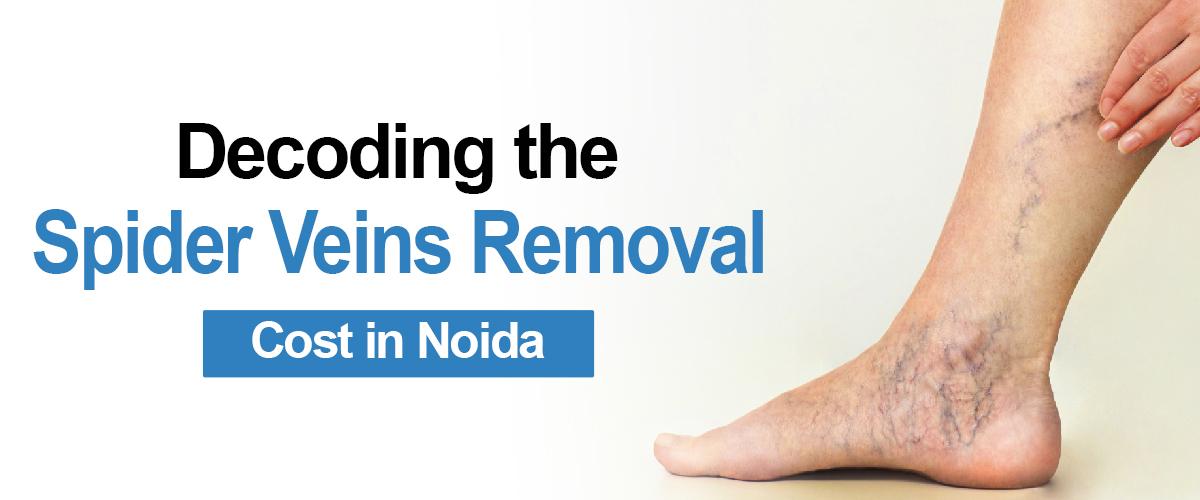
Do you have visible veins just beneath your skin, appearing as blue, purple, or red lines, webs, or branches? It could be damaged also referred to as Spider veins that can make your skin look unappealing. You can get rid of spider veins with the help of spider vein removal surgery. The cost of spider vein removal can vary depending on several factors, including the specific removal procedure, the chosen healthcare facility, the medical practitioner's fees, and any additional tests or procedures required. Typically, the cost of spider veins removal in Noida falls within the range of Rs. 40,000 to Rs. 60,000. At Felix Hospital, we are committed to providing our patients with transparent and competitive pricing for spider vein removal.
Book Your Appointment One click at +91 9667064100
Table of Contents
| Starting Cost | ₹40,000 |
| Average Cost | ₹45,000 |
| Maximum Cost | ₹60,000 |
The cost of spider veins removal in Noida can vary significantly due to several influencing factors. On average, non-surgical procedures such as laser therapy or sclerotherapy can range from INR 40,000 to INR 60,000 per session. The cost of spider vein removal, specifically addressing spider veins, may typically fall between INR 40,000 to INR 60,000, contingent on factors like the chosen removal technique, healthcare facility, and the practitioner's level of expertise. Consequently, the average cost of spider veins removal in Noida is approximately
₹ 50,000.
The cost of spider veins removal in Noida is subject to various factors that can influence the overall expense. These factors include:
At Felix Hospital, we are committed to providing competitive and transparent pricing for spider veins removal procedures. Typically, the cost of spider veins removal in Noida at Felix Hospital starts at INR 40,000 to INR 60,000, considering these factors.
The cost of spider vein removal can vary depending on several crucial factors, including the specific removal technique chosen, the healthcare facility where the procedure is conducted, the practitioner's fees, and the patient's unique medical condition. Below, we provide an overview of the spider vein treatment cost and removal methods in Noida:
Felix Hospital is committed to delivering high-quality healthcare services to patients at competitive rates. Our spider veins removal costs align with those of other healthcare facilities in the region. Our team of highly skilled medical professionals will work closely with you to determine the most suitable treatment approach, providing the necessary care and support throughout the procedure to ensure optimal outcomes for each patient. Accessing affordable spider veins removal costs has never been more accessible. Interested in learning more? Visit Felix Hospital to benefit from the best treatment options at the most affordable prices.
The cost is determined by various key factors:
If you're seeking ways to minimize the cost of spider vein removal, consider these useful tips:
Spider veins, also known as telangiectasias or thread veins, are tiny, visible blood vessels that often appear just beneath the surface of the skin. These veins can take on a web-like or branching pattern, resembling the legs of a spider, hence the name. Spider veins occur when the small blood vessels near the skin's surface dilate or become damaged, leading to their visibility.
Spider veins are a common condition, and while they may not pose significant health risks, they can be bothersome for some individuals. If you have questions or concerns about spider veins treatment cost and their removal, our medical experts at Felix Hospital are here to provide personalized guidance and information.
Remember that while these factors can increase the risk of spider veins, not everyone with these factors will develop them. Felix Hospital is committed to delivering high-quality healthcare services to patients at competitive rates. Our spider veins removal costs align with those of other healthcare facilities in the region.
Spider vein removal is a medical procedure designed to address spider veins, which are small, visible blood vessels just beneath the skin's surface. These veins often appear in patterns resembling spider webs or branches and can be a source of cosmetic concern or mild discomfort for some individuals.
While non-surgical approaches, such as lifestyle changes and topical treatments, may be considered, they may not always provide the desired results for spider vein removal. In such cases, medical intervention becomes necessary to effectively eliminate spider veins.
Various spider vein removal options exist, including minimally invasive procedures like sclerotherapy or laser therapy. The choice of procedure depends on the extent and appearance of the spider veins and individual health factors.
For detailed Spider Veins Removal cost estimates or further inquiries about spider vein removal, please contact Felix Hospital . We prioritize affordability without compromising on the quality of care and expertise provided during spider vein removal procedures.
It's important to adhere to post-operative instructions. This may include wearing compression stockings, avoiding prolonged sun exposure, and refraining from vigorous physical activities for a specified period. Most individuals can typically resume their daily routines shortly after the procedure.
If you have any questions or concerns about spider vein removal, we encourage you to consult with our experienced spider vein specialists at Felix Hospital. They can provide personalized guidance and offer transparent spider veins removal treatment cost estimates.
There are several different methods for spider vein removal, each with its own approach and advantages. The choice of procedure largely depends on the extent of the spider veins and individual patient considerations. Here are some common methods:
The choice and cost of spider veins removal in Noida depends on factors such as the method, size and location of the spider veins, patient preferences, and the recommendations of a qualified vein specialist. Patients should consult with their healthcare provider to determine the most suitable spider vein removal option for their specific condition.
Consultation with a specialist can help individuals understand the benefits of spider vein removal and determine the best spider vein removal cost for your condition.
We're here to help you make informed decisions about your spider veins removal procedure and ensure you receive the best care while optimizing your expenses.
Spider vein removal surgery at Felix Hospital offers a comprehensive solution for individuals seeking relief from the discomfort and aesthetic concerns associated with spider veins. With a team of experienced medical professionals, state-of-the-art technology, and a patient-centric approach, we prioritize your well-being throughout the entire journey.
Our commitment to transparency ensures that you receive clear and competitive pricing options for spider vein removal, making quality healthcare accessible. Spider vein removal cost is designed to suit your budget while delivering effective results. We understand that each patient is unique, and our specialists tailor treatment plans to individual needs, ensuring the most effective and comfortable procedure possible.
Book an Online Appointment: https://www.felixhospital.com/contact
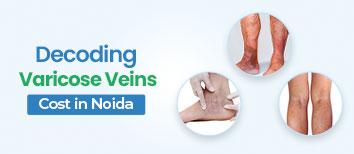
A complete guide to understanding varicose vein surgery expenses in Noida, including treatment types, hospital charges, and recovery costs.
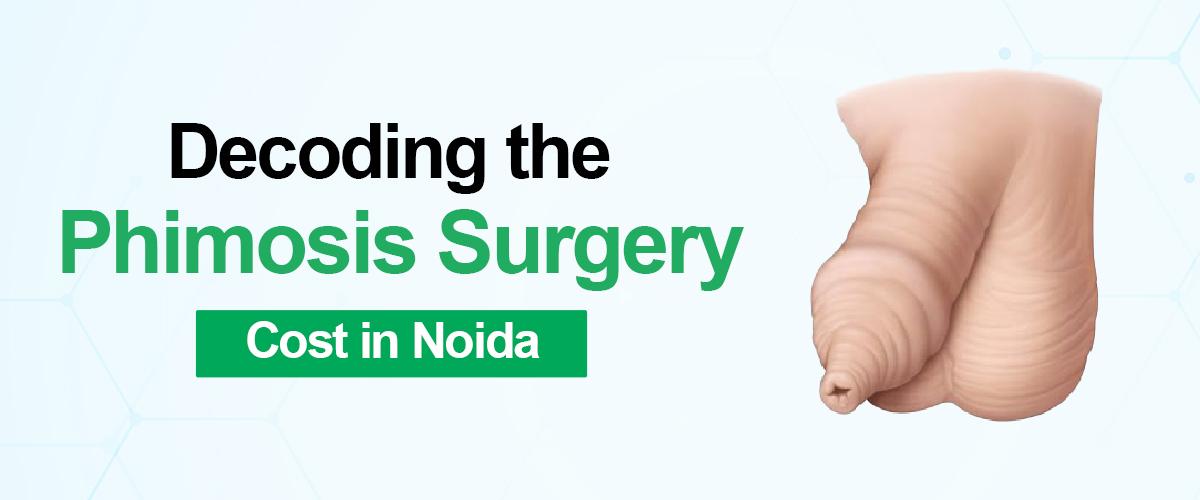
Are you grappling with the discomfort of phimosis? Finding the right treatment path is paramount. In Noida, Felix Hospital offers a multitude of options to consider, including effective surgical solutions to address phimosis.
Phimosis is a condition where the foreskin of the penis is too tight to be pulled back over the head, leading to discomfort, pain, and potential difficulties with urination. While conservative approaches may be suitable for some cases, surgery becomes necessary in situations where it offers the most effective solution to alleviate discomfort and enhance overall well-being.
At Felix Hospital in Noida, we understand the significance of providing comprehensive care for phimosis. Our experienced urologists in Noida and dedicated staff are committed to delivering exceptional care, and we recognize the importance of addressing phimosis effectively. Our surgical intervention, which includes circumcision, involves the partial or complete removal of the foreskin, resulting in improved hygiene and a reduced risk of complications.
Book Your Appointment One click at +91 9667064100
The cost of phimosis Treatment can vary depending on several factors, including the type of procedure and the complexity of your case. Here's an estimated breakdown of phimosis surgery costs at Felix Hospital:
| Starting Cost | ₹20,000 |
| Average Cost | ₹25,000 |
| Maximum Cost | ₹35,000 |
Our goal at Felix Hospital is to provide exceptional care while ensuring affordability. Our experienced urologists and dedicated staff are committed to delivering outstanding treatment that aligns with your budget. We understand that each patient's needs are unique and work closely with you to provide the best possible care.
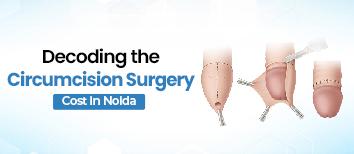
Circumcision, the surgical removal of the foreskin covering the tip of the penis, applies to individuals of various age groups, including teenagers, adults, the elderly, and newborn boys.
Both Mediclaim and health insurance policies provide coverage for circumcision surgery when it is medically necessary to address foreskin-related issues such as phimosis, paraphimosis, balanitis, and other medical conditions that can affect penile health. This coverage aims to aid in the treatment of existing conditions and the prevention of potential future penile problems. However, it's important to note that if circumcision is performed solely for aesthetic or religious reasons, not all insurance companies will include it in their policy coverage.
In cases where circumcision is medically necessary, the specific terms and conditions of insurance coverage, as well as the maximum claimable amount, may vary for each patient.
The cost for phimosis surgery can vary based on several factors, including the type of procedure, the complexity of the case, the geographical location of the medical facility, and whether or not you have insurance coverage. Here are some common components that may be included in the cost for phimosis surgery:
Phimosis is a condition that can affect both adults and children who haven't undergone circumcision. In individuals with phimosis, the foreskin cannot be easily pulled back or retracted, giving the appearance of rings around the tip of the penis.
Phimosis itself may not necessarily be problematic; it only becomes an issue when it leads to symptoms, particularly in severe phimosis where the opening is as small as a pinhole.
Physiologic phimosis is typically associated with childhood and often resolves as individuals age. On the other hand, pathologic phimosis is linked to a condition known as balanitis xerotica obliterans (BXO).
The foreskin, also referred to as the prepuce, is naturally tight in newborns. However, it typically becomes looser as a child grows, with significant changes occurring between the ages of 2 and 6. Phimosis can also develop after childhood.
We are here to assist you in achieving relief and enhanced comfort, all while considering the cost for phimosis surgery. For expert guidance and personalized care, please don't hesitate to contact us at 9667064100.
Phimosis is a common occurrence in newborns, but as they grow, the foreskin gradually becomes retractable. It is estimated that by the age of 16, only about 1% of individuals still experience phimosis.
Individuals with phimosis may experience the following symptoms:
When considering phimosis surgery cost in Noida, rest assured that Felix Hospital prioritizes affordability without compromising the quality of care. We offer a range of treatment options tailored to your needs, ensuring that you receive the most appropriate and effective solution for your phimosis-related concerns.
If an individual or child has pathologic phimosis, which is caused by an underlying condition, several factors may contribute to its development, including:
Understanding the symptoms and underlying causes of phimosis is crucial for proper diagnosis and management. If you or your child is experiencing symptoms of phimosis, it is advisable to seek medical attention for a thorough evaluation and appropriate treatment.
At Felix Hospital, we are here to help you achieve relief and improved comfort while keeping your concerns about phimosis surgery cost in mind. Contact us at 9667064100 for expert guidance and personalized care.
Diagnosing phimosis is typically straightforward and involves a physical examination by a healthcare provider. During this examination, the provider assesses the ability to retract the foreskin. Additionally, in some cases, tests may be ordered to determine the presence of infection, which can be identified through urine or penis discharge analysis.
The diagnosis of phimosis is a crucial first step in understanding the treatment options and associated costs that may follow.
Phimosis can be categorized into two main types: physiological (congenital) and pathological (secondary). The choice of treatment depends on the type and severity of phimosis.
Treatment Costs for Phimosis:
The cost of phimosis treatment at Felix Hospital in Noida is competitive, starting at approximately INR 20,000 for the surgery. We understand that each patient's needs are unique and work closely with you to provide the best possible care that aligns with your budget.
It's crucial to recognize that complications associated with phimosis or its treatment are not uniform. In general, steroid-related complications are not usually associated with the topical creams used for foreskin retraction. These issues are predominantly linked to long-term oral use of steroids.
On the other hand, circumcision, while once a common procedure performed on newborns, is not necessarily done right away anymore. This procedure carries certain risks, including bleeding, infection, and the possibility of having a foreskin that is either too long or too short.
Preventing physiological phimosis is challenging as it is a common condition present in nearly all newborns. However, maintaining good penile hygiene is essential. Parents or caregivers should receive guidance on proper cleaning techniques, and they should not be overly concerned if the foreskin is not retractable during the first few years of life. As children become capable of self-care, they should be taught how to clean their genitals effectively.
The prognosis for individuals with phimosis is generally favorable, especially when appropriate treatment is sought. This holds particularly true for cases where the condition is a result of balanitis xerotica obliterans (BXO), a condition that can cause complications and discomfort if left untreated.
Regardless of whether one has phimosis or not, maintaining penile health is crucial. This begins with early efforts to keep the genitals clean. Using gentle soap and warm water for daily cleaning, along with thorough drying, is advised. It is also important to ensure that hands are clean before touching the penis and that clean underwear is worn.
For individuals who are sexually active, the use of condoms and lubrication is recommended. This is particularly important for those with phimosis, as the friction during sex may lead to foreskin tearing.
If an individual experiences difficulty retracting the foreskin, discomfort, or pain, it is advisable to consult a healthcare provider promptly. Additionally, any issues related to urination or pain should be addressed with medical attention.
Phimosis is a condition that can affect individuals at different stages of life, and its treatment options vary based on the type and severity of phimosis. Understanding the diagnosis, treatment options, phimosis surgery cost, associated costs, insurance coverage, and complications is essential for individuals and parents caring for children with phimosis.
If you are looking for best hospital in Noida, Visit Felix Hospital or Call at: +(91)9667064100.
Are you dealing with the discomfort of balanitis? Finding the right treatment path is crucial. In Noida, Felix Hospital offers a range of options to consider, including effective surgical solutions to address balanitis.
Balanitis is a condition characterized by inflammation and irritation of the glans (head) of the penis, often accompanied by pain, itching, and redness. While conservative treatments may be suitable for some cases, surgery becomes necessary in situations where it provides the most effective solution to alleviate discomfort and improve overall well-being.
Book Your Appointment One click at +91 9667064100
At Felix Hospital in Noida, we understand the importance of providing comprehensive care for balanitis. Our experienced urologists and dedicated medical staff are committed to delivering exceptional care, and we recognize the significance of addressing balanitis effectively. Our surgical interventions, tailored to the individual, aim to alleviate symptoms and prevent recurrences.
When considering the cost of balanitis Treatment in Noida, rest assured that Felix Hospital prioritizes affordability without compromising the quality of care. We offer a range of treatment options tailored to your specific needs, ensuring you receive the most appropriate and effective solution for your balanitis-related concerns.
The cost of balanitis treatment at Felix Hospital in Noida is competitive, with prices starting at approximately INR 15,000 for the surgery. We understand that each patient's requirements are unique, and we work closely with you to provide the best possible care within your budget.
The cost for balanitis surgery can vary based on several factors, including the type of procedure and the complexity of your case. Here's an estimated breakdown of balanitis surgery costs at Felix Hospital:
| Starting Cost | ₹15,000 |
| Average Cost | ₹20,000 |
| Maximum Cost | ₹30,000 |
At Felix Hospital, we prioritize your comfort and well-being while considering the cost of balanitis treatment. Feel free to reach out to us at 9667064100 for expert guidance and personalized care.
Balanitis treatment, including surgical interventions, may be covered by Mediclaim and health insurance policies when it is medically necessary to address the condition, including Balanitis surgery cost. Insurance coverage is typically provided to aid in the treatment of existing medical conditions and the prevention of potential future complications.
However, it's important to note that the specific terms and conditions of insurance coverage, as well as the maximum claimable amount, may vary for each patient. Insurance companies may have different criteria for determining coverage, so it's advisable to check with your insurance provider to understand the extent of coverage for your balanitis treatment, including Balanitis surgery cost.
The cost for balanitis surgery can vary based on several factors, similar to those associated with phimosis surgery cost. Here's a breakdown of the key components that may be included in the cost for balanitis Surgery:
When it comes to balanitis treatment, including Balanitis surgery cost in Noida, Felix Hospital places your comfort and health at the forefront. For expert guidance and personalized care, don't hesitate to contact us at 9667064100. Your well-being is our priority.
Balanitis is a medical condition characterized by inflammation and irritation of the glans (head) of the penis. It primarily affects males who are uncircumcised, as the glans is covered by the foreskin in such individuals. Balanitis can result from various factors, including poor hygiene, infection (bacterial or fungal), allergic reactions to soaps or other products, or certain medical conditions like diabetes.
Balanitis can be categorized into three main types:
Understanding these components can help you get a clearer picture of what to expect in terms of balanitis Surgery costs. For personalized information about the cost of your specific treatment plan, please contact Felix Hospital at 9667064100.
Balanitis can arise from various underlying factors. The primary cause is often associated with:
Other potential causes of balanitis encompass:
Our goal is to help you achieve relief and improved comfort while considering the cost for balanitis Surgery. For expert guidance and personalized care, please don't hesitate to contact us at 9667064100.
Balanitis itself is not considered a sexually transmitted infection (STI). It cannot be transmitted to a sexual partner through sexual activity. However, it's important to note that the underlying cause of balanitis can sometimes be linked to an STI. Therefore, during diagnosis, a healthcare provider will typically assess for the presence of any STIs.
Risk Factors Several risk factors are associated with the development of balanitis, including:
Additionally, there might be an association between balanitis and penile cancer. Studies suggest that individuals with penile cancer had a higher incidence of balanitis and posthitis (foreskin inflammation) compared to those without cancer. Circumcision in early life seems to reduce the risk of both balanitis and penile cancer. Other potential risk factors for balanitis include urinary catheterization, obesity, residence in a nursing home, and exposure to irritants.
Your well-being matters to us at Felix Hospital, and we understand the importance of affordability in balanitis treatment, including Balanitis surgery cost in Noida. Reach out to our dedicated team at 9667064100 for expert guidance and tailored care designed to meet your specific needs.
The choice of treatment for balanitis depends on its underlying cause. It is crucial to consult a healthcare professional for an accurate diagnosis and appropriate treatment tailored to the specific condition. Once the root cause is addressed, balanitis typically resolves on its own. Treatment options for balanitis may include the following:
It's important to note that balanitis is not a sexually transmitted infection, and it cannot be transmitted to a partner. However, in cases where Candida is the suspected cause, it may be advisable for females to seek testing and, if necessary, receive treatment as a precautionary measure.
We are here to assist you in achieving relief and improved comfort while considering the cost for balanitis Surgery. For expert guidance and personalized care, please don't hesitate to contact us at 9667064100.
Balanitis is frequently diagnosed through a visual examination by a healthcare provider, where they observe the redness and inflammation of the glans (penile head).
During this examination, the healthcare provider will carefully assess and rule out the possibility of a sexually transmitted infection (STI) while attempting to identify the underlying cause.
As part of the diagnostic process, the healthcare provider may recommend specific tests, which could include:
In rare instances, a healthcare provider may opt for a biopsy, where they collect a sample of the inflamed skin. This sample is then sent to a laboratory for further testing and analysis.
At Felix Hospital, our goal is to offer exceptional care, including balanitis surgery cost considerations. Our experienced medical professionals and dedicated staff are committed to delivering outstanding treatment that aligns with your financial considerations.
The primary and most crucial step in preventing balanitis is maintaining good hygiene. This involves daily cleaning of the penis and ensuring that the area under the foreskin remains clean and dry.
For individuals who experience recurring balanitis, the following preventive measures may be considered:
If balanitis recurs frequently, it's advisable to consult a healthcare provider. They can provide guidance and evaluate whether circumcision may be a suitable option or if there are underlying factors contributing to the recurrence.
To prevent balanitis effectively, consider these hygiene tips:
Avoiding Irritants If irritants are suspected as a cause of balanitis, identifying and addressing them is essential. Potential irritants to be aware of include:
Taking steps to avoid or minimize contact with these irritants can contribute to balanitis prevention.
Balanitis, characterized by inflammation of the penile head, is often linked to inadequate hygiene in individuals with uncircumcised penises. Prevention measures include daily cleansing and avoiding harsh chemicals. For diagnosis and treatment, individuals can consult the experts at Felix Hospital, who will assess for underlying conditions and provide comprehensive care to alleviate balanitis. If you're concerned about balanitis surgery cost or other treatment options, reach out to us at 9667064100 for personalized guidance and treatment.
Book an Online Appointment: https://www.felixhospital.com/contact
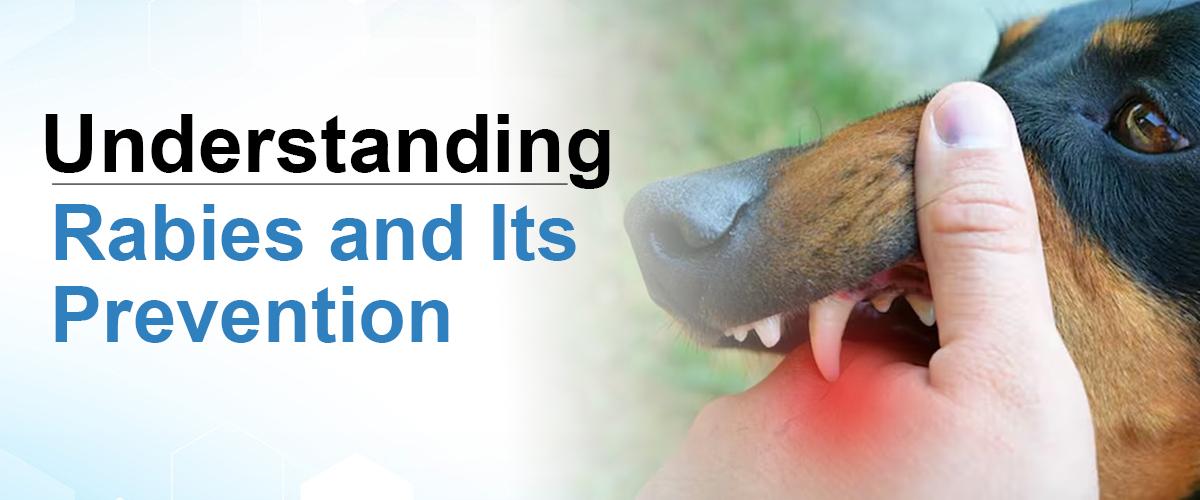
India bears a substantial burden of rabies cases, with 36% of global rabies deaths occurring in the country. Annually, rabies leads to 18,000-20,000 fatalities, and alarmingly, 30-60% of these cases affect children under 15 years of age, frequently going unobserved and unreported. In India, rabies symptoms in dogs is the primary cause, responsible for approximately 97% of human rabies cases, followed by cats (2%), jackals, mongooses, and other animals (1%). This disease is endemic across the nation, and raising awareness of rabies symptoms in dogs is crucial for public health.
Book Your Appointment One click at +91 9667064100
Rabies, primarily a disease affecting animals, is caused by the rabies virus. Humans can contract this virus through bites from infected animals. Notably, the virus resides in the saliva of these animals, facilitating transmission to humans during bites. Furthermore, there is a risk of infection through contact with infected saliva in the eyes, mouth, or open wounds, making awareness of rabies dog symptoms is essential.
Rabies is a disease that can be transmitted to humans primarily through the bites of dogs, monkeys, and cats. In most cases, this disease is contracted by humans through dog bites. Animals carrying the rabies virus are referred to as rabid animals. Recognizing rabies dog symptoms is crucial for preventing its spread.in humans due to dog bites. Animals spreading the Rabies virus are called Rabid animals.
No, rabies doesn't spread from one person to another. The virus mainly transmits through bites from infected animals. However, it can also be transmitted if an infected animal's saliva, comes into contact with a person's eyes, nose, mouth, or an open wound like a scratch or scrape.
Rabies symptoms in a dog can vary, but it's crucial for pet owners to be aware of the signs. Rabies symptoms in a dog typically progress through several stages.
It's essential for pet owners to recognize these Rabies symptoms in dogs. Rabies is nearly always fatal once clinical symptoms appear. If you suspect a dog has been exposed to rabies or is showing any of these Rabies symptoms in a dog, it is essential to contact a veterinarian immediately.
Rabies infection is primarily spread through the bite of an animal infected with rabies, and this is often accompanied by rabies in dog symptoms. In most cases, this disease occurs in humans due to dog bites or scratches (more than 90 percent of cases).
Symptoms of rabies disease often start to show after an animal bite, but they may not appear for several days to many years, and these symptoms can be seen as rabies symptoms in dog.
Immediate medical attention is essential if you've been bitten by any animal or have had contact with an animal suspected of carrying rabies. Together with your physician, you can assess the seriousness of the incident and determine if rabies prevention treatment is necessary. Even if you're uncertain about being bitten, seeking medical help is crucial.
When doctors are not sure if someone has been bitten by a rabid animal, they first rule out other possible causes. Medical tests may not confirm rabies early on. It could take time for antibodies to show up in lab tests. Doctors might try to find the virus in a person's saliva or skin, but this usually happens too late for effective treatment.
So, people often start preventive treatment right away, even before getting a confirmed diagnosis. If someone shows signs of viral encephalitis after an animal bite, doctors treat them as if they might have rabies.
If you've been bitten or scratched by an animal, especially a wild one or a pet that might have rabies, don't wait for symptoms. See your doctor right away. They'll check your wound and ask questions to decide if you need rabies treatment. They might also test you for signs of rabies.
Your doctor may ask:
How you got hurt.
What kind of animal bit or scratched you
If they can test or watch the animal.
If the animal might have rabies, it will be observed for signs or tested, but unfortunately, it has to be put to sleep (euthanized) for testing.
Saliva test: You spit into a tube, and it's sent to a lab to check for rabies signs.
Skin biopsy: A small piece of skin is taken from the back of your neck and sent to a lab for rabies signs.
Cerebrospinal fluid test (lumbar puncture): Fluid is taken from your lower back with a needle and checked for rabies in a lab.
Blood tests: Blood is drawn from your arm and sent to a lab to look for rabies signs.
MRI: You'll have pictures of your brain taken in a machine to help figure out what's causing your symptoms.
There is no cure for rabies once the infection takes hold, and it may include rabies symptoms in a dog. Although some have managed to survive, the disease usually results in death. If you think you have been exposed to rabies, you should get a series of rabies vaccines to prevent the disease from becoming fatal.
If you've been bitten or scratched by a wild animal, there are medications available to prevent rabies infection (post-exposure prophylaxis/PEP). Typically, these medications are a combination of:
Rabies vaccine: Your healthcare provider will administer four shots over a 14-day period. If you were already vaccinated before exposure, you'll only require two shots. The rabies vaccine instructs your body to combat the rabies virus before it reaches your brain.
Human rabies immune globulin (HRIG): Your provider will give you HRIG shots around the wound. HRIG provides you with antibodies (substances that combat infections) that work to neutralize the virus near the wound until your body can take over. If you've been vaccinated before the exposure, you won't need HRIG.
Rabies vaccines may cause mild side effects, including:
Discomfort, itching, or swelling at the injection site.
Nausea.
Headaches.
Muscle discomfort.
Dizziness.
If you experience severe side effects, reach out to your healthcare provider.
Your prompt response can make a significant difference. To schedule a consultation with a General Physician Hospital in Noida, call us now at +91 9667064100.
To raise any animal, the most important thing is its food and the environment given to it, so that your pet does not make anyone its victim. The first and most important thing after adopting any animal is vaccination, so that there is no serious problem if your pet bites accidentally or intentionally while playing with a member of the house or a person coming from outside. If the vaccination of the animal is done on time, then you can be almost safe from diseases like rabies.
Whenever a dog bites, that place should be thoroughly washed with detergent soap like Rin or Surf Excel soap. If the wound is very deep then first wash this area with soap and then apply Betadine ointment. Due to this, the effect of rabies virus decreases slightly. But it is necessary to clean it thoroughly.
Along with this, rabies vaccine, antibodies, and tetanus injection should be given in case of dog bite.
Rabies vaccine course typically consists of 4-5 doses, usually needed after a dog bite.
The first dose should be taken within 24 hours of the bite.
Subsequent doses are administered on the third day, seventh day, 14th day, and 28th day.
Immunoglobulin should be administered to the bitten area within 48 hours.
Timely injections are crucial to avoid potential complications.
Doctors say that after a dog bite, first aid should be taken immediately. If there is no wound on the bitten area, wash the area with warm water and soap. You can also apply antibacterial lotion as a precaution. If there is a wound after the bite, then after washing that area, apply some antiseptic and immediately go to the hospital for a rabies injection.
Keep in mind that after a dog bite, a bandage should not be tied to the wound. Avoid applying oil, turmeric, or any household item to the wound. After washing the wound, contact a doctor immediately. So that the doctor can treat it based on its severity.
Remember that ending the spread of rabies is a collaborative effort that requires the involvement of individuals, communities, governments, and organizations. By taking these steps and promoting rabies awareness, you can contribute to a safer and healthier environment for both humans and animals.
If you're more likely to get rabies, it's a good idea to get vaccinated before any potential exposure. Your local health authority will provide guidance on this, and it's called pre-exposure prophylaxis (PREP). This involves two shots. How often you'll need booster shots depends on how likely you are to be exposed.
You're usually at higher risk for rabies if you:
The rabies injection price can vary depending on where you receive treatment and your location, but it's a small cost compared to the potential consequences of not seeking immediate medical care. In private hospitals and clinics, you may have to pay anywhere between ₹350-₹400 for a single dose, so the cost of 5 doses will approximately be around ₹1,700-₹2,000. Remember, timely vaccination after exposure can prevent the onset of rabies symptoms and save lives, making it a small price to pay for your health and safety. If you have any concerns about the rabies injection price or where to get vaccinated, consult your local healthcare provider or clinic for guidance.
If you are looking for best hospital in Noida, Visit Felix Hospital or Call +(91)9667064100.
Rabies is a highly fatal disease, but prompt treatment can prevent it. If you've been bitten by an animal or suspect exposure to rabies, don't delay. Reach out to your healthcare provider immediately for assistance. Your quick action can make all the difference. To book a General Physician Doctor consultation, call right now at +91 9667064100.

Building healthy habits in the formative years of a child lays the foundation for the healthy living. By teaching them to enjoy healthy eating at a tender age helps for the overall development and growth for life.
Pile symptoms in females can bring about discomfort and concern. As a result of their severity, piles, or hemorrhoids, are diagnosed when they are symptomatic. There is a possibility of hemorrhoids in every individual, which highlights the importance of determining the severity of the condition. Many pregnant women, as well as those over the age of 40, suffer from piles.
Book Your Appointment One click at +91 9667064100.
Piles, or hemorrhoids, are engorged blood vessels situated in the lower segment of the rectum or anal area. When these vessels become stretched, they swell and trigger irritation. While piles can occasionally induce pain, the discomfort and swelling of regular anal tissues imply a heightened level of severity, hinting at an underlying issue that might have led to distress and inflammation. Pile symptoms in females can include discomfort, itching, bleeding, and a sense of fullness or pressure in the rectal area. For pregnant women, the changes in pelvic blood flow and pressure can potentially exacerbate these symptoms.
Types of Hemorrhoids Affecting Females: It's important to grasp that hemorrhoids, or piles, can manifest in two primary forms within the rectum or anal canal. The type of hemorrhoid occurrence is determined by the location of swelling:
External Hemorrhoids and Symptoms of Piles in Females: These hemorrhoids materialize outside the anus, impacting the veins situated there. This can lead to swelling, bleeding, cracking, and itching of the veins. Depending on the severity of the piles symptoms in females, blood accumulation within these external hemorrhoids can even lead to clotting. While not inherently dangerous, these external hemorrhoids can trigger intense pain, discomfort, and swelling.
Internal Hemorrhoids and Symptoms of Piles in Female: Internal hemorrhoids reside within the rectum and typically remain unseen and unfelt. However, they can induce significant discomfort. Although they are often painless, they can cause strain and irritation during bowel movements. Females may notice minor traces of blood in the toilet after passing stool. Recognizing and addressing symptoms of piles in females is crucial for proper management and relief.
Hemorrhoids, also known as piles, can be categorized into four distinct grades, each having different symptoms of piles in female
Grade 1 Hemorrhoids: In this type, hemorrhoids are situated inside the anal opening. They are typically small and cause minimal inflammation, often remaining painless. Piles symptoms in Females with this type may observe slight amounts of blood following a bowel movement.
Grade 2 Hemorrhoids: Here, the swelling is more pronounced than in Grade 1. The anal opening is affected as well. During bowel movements, the swelling might protrude outward, but it generally reverts to its original position afterward.
Grade 3 Hemorrhoids: This grade involves swelling outside the anal opening, leading to the detection of a lump. Prolapsed hemorrhoids require manual repositioning using fingertips to push them back into place.
Grade 4 Hemorrhoids: In this advanced stage, the swelling significantly bulges outward and can protrude from the rectum. Forced repositioning might not keep them in place. Bleeding may or may not accompany this condition, and pain can arise if clotting occurs or if the hemorrhoids become constricted by the anal opening.
Prolapse and Its Impact: There are instances in which internal and external hemorrhoids may prolapse, extending and bulging outside the anus or anal canal. This occurrence could lead to discomfort and bleeding, emphasizing the importance of recognizing and addressing piles symptoms in females promptly.
Around 40% of individuals with hemorrhoids experience painless and asymptomatic cases. However, the remaining 60% exhibit a range of early symptoms of piles in females, which include:
Inflammation, itching, and discomfort in the anal region.
Persistent lump-like swelling in the anal area.
Stool containing small traces of blood.
These initial symptoms of piles in females are relatively mild and can be managed effectively under the guidance of a medical professional. As the condition advances, the symptoms may intensify, encompassing:
Severe pain around the anal opening, making sitting uncomfortable.
Passage of bright red blood during bowel movements.
Itchiness around the anal opening and lower rectum.
Mucous discharge, possibly staining underwear.
Feeling the need to defecate even after using the toilet.
Though these symptoms of piles in females may be bothersome, they typically resolve within a few days.
Pregnancy and Increased Pressure: Piles in Women are most common during pregnancy, as the baby descends into the pelvic cavity around 36 weeks, it exerts pressure on the pelvic area. This pressure contributes to the enlargement of anal and rectal blood vessels, leading to pile formation. The condition tends to resolve post childbirth.
Constipation and Dietary Factors: Pregnant women are susceptible to constipation due to hormonal changes. Insufficient dietary fiber can exacerbate constipation, placing strain on the anal canal and potentially leading to piles.
Diarrhea and Irritation: This is another main cause of piles in females. Frequent or prolonged episodes of diarrhea can worsen the irritation and swelling of hemorrhoids, contributing to inflammation and discomfort.
Prolonged Sitting and Sedentary Lifestyle: Both men and women engaged in jobs requiring prolonged sitting can exert pressure on the hip area, causing the gluteal muscles to spread out. This stretching of the small veins around the anus and rectum can result in painful swelling and can cause piles in women.
Ageing and Heavy Lifting: hemorrhoids are more common in individuals over 50, but they can affect younger individuals as well. Engaging in heavy lifting, especially during intense workouts, can increase the risk of developing hemorrhoids.
Recognizing piles symptoms in females and understanding the causes of piles in females is essential for early intervention and effective management.
Elevate Your Well-Being with Piles Treatment for Women at Felix Hospital. Our dedicated experts and modern techniques ensure optimal results. Reach us at 9667064100 to secure your consultation appointment.
Piles in women can usually be diagnosed through a physical examination conducted by a doctor. The doctor will carefully examine the anus of the individual suspected to have piles. In addition, the doctor might inquire about the following:
Family history of piles
Presence of blood or mucus in the stools
Recent weight loss
Changes in bowel movements
Stool color For internal piles, a digital rectal examination (DRE) or a proctoscope may be used by the doctor. The proctoscope, equipped with a light, allows for close examination of the anal canal. If necessary, the doctor can collect a small tissue sample from inside the rectum for further analysis. In cases where signs and symptoms of piles suggest another digestive system condition or there are risk factors for colorectal cancer, a physician might recommend a colonoscopy.
Treating piles in women typically involves various approaches to alleviate discomfort and itching associated with the condition. While many cases of piles resolve on their own, these treatments can provide relief:
Lifestyle Adjustments: Doctors often recommend lifestyle changes as a starting point for managing piles. Since constipation and straining during bowel movements can contribute to piles, dietary modifications play a crucial role. Increasing fiber intake through fruits, vegetables, and bran-based cereals can regulate stools and prevent excessive straining. Adequate hydration and maintaining a healthy weight also contribute to preventing and managing piles.
Medications: Several medications can help manage piles symptoms:
Pain Relievers: Over-the-counter pain relievers like aspirin and ibuprofen can alleviate discomfort.
Stool Softeners: These medications make passing stools easier, reducing pain.
Corticosteroids: Creams or ointments containing corticosteroids can reduce inflammation, pain, and itching.
Surgical Interventions: For severe cases of piles in women, surgical options may be considered:
Banding: Elastic bands are placed around the base of the pile to cut off its blood supply, causing it to fall off.
Sclerotherapy: Injection of medicine into the hemorrhoid shrinks and eventually eliminates it.
Infrared Coagulation: Hemorrhoid tissue is burned using an infrared light device.
Hemorrhoidectomy: Complete removal of hemorrhoid tissue; the most effective option but with potential complications.
Hemorrhoid Stapling: Staples are used to block blood flow to the hemorrhoid tissue.
By exploring these treatments, women with piles can find relief and improve their quality of life. Consulting a medical professional for personalized guidance is essential for effective management.
This involves adopting practices that promote soft stools and minimize the risk of hemorrhoids. Here are some valuable tips to consider:
Fiber-Rich Diet: Consume foods high in fiber, such as fruits, green leafy vegetables, and whole grains. This dietary choice softens bowel movements, reducing the need for straining and lessening the pressure on the anal canal. This, in turn, lowers the risk of developing hemorrhoids.
Stay Physically Active: Engage in regular physical activity to alleviate pressure on veins. Avoid prolonged periods of sitting, as this can contribute to the development of piles. Staying active helps maintain healthy blood flow and supports overall well-being.
Adequate Hydration: Drinking an ample amount of fluids, including at least 8 glasses of water per day, aids in keeping stools soft and easily passable. Hydration is key to preventing constipation and promoting comfortable bowel movements.
Timely Bathroom Breaks: Listen to your body's cues and take bathroom breaks as needed. This practice allows you to release bowel movements without straining excessively, thus safeguarding the anal canal from unnecessary pressure.
Mindful Food Choices: Avoid consuming foods that are hard to digest, particularly during pregnancy. These foods can exert excessive pressure on the anus, potentially leading to hemorrhoids. Opt for easily digestible options to minimize strain.
Maintain a Healthy Weight: Strive to maintain a moderate body weight. Obesity can elevate the risk of developing hemorrhoids due to increased pressure on veins and blood vessels. A healthy weight supports your overall vascular health.
By incorporating these preventive measures, women can proactively reduce the likelihood of experiencing piles. Remember that a balanced lifestyle, combined with these practices, can go a long way in promoting optimal digestive and vascular health.
Hemorrhoids are a common concern, impacting a significant portion of the population, with a prevalence of 40 to 50%. Despite attempting home remedies and implementing lifestyle adjustments, the symptoms of piles in both females and males can escalate. If the condition persists beyond a week, seeking timely medical assistance becomes crucial.
If you are looking for best hospital in Noida, Visit Felix Hospital or Call +(91)9667064100.

Get fast and effective relief from piles with advanced surgical care at the best piles surgery hospital in Noida, offering expert doctors, modern techniques, and safe treatment options.


Subscribe to our
© Copyright 2026. All Rights Reserved by Felix Healthcare Private Limited
Design and development by :


 +(91)9667064100
 Emergency : +(91)9667064100