 WhatsApp
 Emergency:
  WhatsApp









Subscribe to our
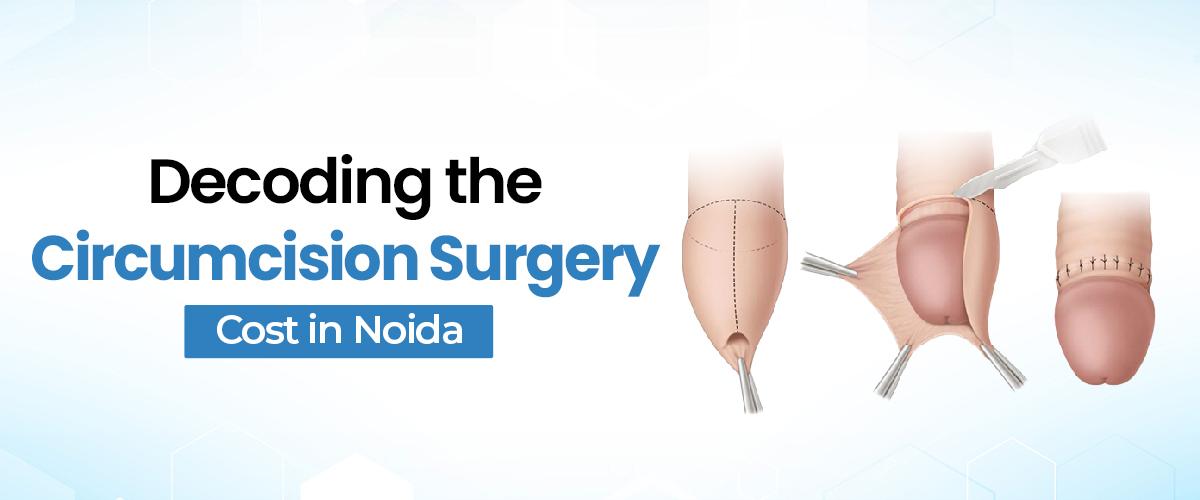
If you're seeking circumcision surgery, it's important to understand the associated costs and benefits. Circumcision involves surgically removing the prepuce (foreskin), either partially or entirely. Major motivations include religious, cultural, medical, and public health factors. While the procedure can be done at any age, its health benefits are best realized in the neonatal period, reducing risks and costs. The methods for performing circumcision exhibit significant diversity.
Book Your Appointment One click at +91 9667064100
Table of Contents
Worried about the circumcision surgery cost in Noida? Well, Felix Hospital in Noida has you covered. This renowned healthcare institution understands the importance of providing accessible and affordable medical services. If you're considering circumcision surgery, you'll find solace in knowing that Felix Hospital combines quality care with reasonable expenses. With a team of skilled surgeons and state-of-the-art facilities, your concerns about the circumcision surgery cost can take a back seat, allowing you to focus on your health and well-being.
The cost of circumcision treatment in Noida can vary based on factors like the surgical facility, surgeon's fees, anesthesia, and post-operative care. Here's an approximate breakdown:
| Starting Cost | ₹7,000 |
| Average Cost | ₹10,000 to 15,000 |
| Maximum Cost | ₹20,000 or more |
At Felix Hospital, we understand the importance of accessible healthcare without compromising quality. Our dedicated team of experienced medical professionals aims to provide top-notch care for circumcision surgery at a reasonable cost. Make an informed decision about your health while considering the financial aspects – experience excellent medical treatment within your means.
Each technique has unique benefits, and cost considerations should align with your preference for surgical approach and expected outcomes. Make an informed decision based on your individual needs and consult a medical professional for personalized guidance.
Felix Hospital in Noida offers budget-friendly circumcision surgery cost, ensuring expert care without financial stress. Seek top-quality treatment from skilled surgeons by calling +91 9667064100 to book an appointment today!
Circumcision, the surgical removal of the foreskin, is applicable to various age groups, including newborn boys, teenagers, adults, and the elderly. In terms of insurance coverage, both Mediclaim and health insurance plans typically cover circumcision when it address medical concerns like phimosis, paraphimosis, and balanitis. This coverage also extends to preventive measures against future penile issues.
However, if the circumcision is sought for aesthetic or religious reasons, inclusion in the insurance policy might not be uniform across all companies. When performed for medical reasons, the extent of coverage and the claimable amount can differ per patient. Some insurance plans may necessitate pre-authorization or specify certain settings for eligibility. To ensure clarity, it's crucial to thoroughly review the insurance policy's terms and conditions before making a decision.
Experience premium circumcision surgery care without cost worries at Felix Best Urology Hospital in Noida. Our expert surgeons provide high-quality treatment at an affordable circumcision surgery cost. Reach us at 9667064100 to secure your appointment.
Several factors can influence the cost of circumcision Treatment. These include:
It's essential to discuss these factors with your healthcare provider and hospital to understand the specific breakdown of costs for your circumcision surgery.
Circumcision is a surgical procedure that involves the removal of the foreskin, the skin that covers the tip of the penis. This practice is common in the United States, parts of Africa, and the Middle East, but less prevalent in Europe and certain countries, as recent estimates indicate.
While circumcision is often performed on newborns due to personal or religious reasons, it's also conducted on older children and adults for similar motives. Additionally, this procedure might be necessary to address various conditions in older individuals, including:
While there's generally no medical imperative for circumcision in healthy newborns, families may opt for this procedure for various personal or cultural considerations.
Circumcision is typically administered to newborns while they're still in the hospital. Different healthcare professionals, including pediatricians and obstetricians, are trained to perform this procedure. If you decide on circumcision for your newborn, you'll be required to provide consent by signing a form.
For older children and adults, the procedure is commonly conducted in a hospital or surgery center on an outpatient basis, allowing you to return home the same day. Proper consent is also mandatory in these cases.
Accessible circumcision surgery cost in Noida is a reality at Felix Hospital. Receive expert medical attention without the financial strain. Connect with us at +91 9667064100 and schedule your appointment for top-notch care.
Various medical practitioners, such as pediatricians, obstetricians, family medicine doctors, surgeons, and urologists, can perform circumcisions. Those performed for religious reasons may be conducted by individuals trained in the procedure.
During a newborn circumcision, your son will lie on his back with arms and legs secured. Anesthetic, administered through injection or cream, numbs the penis.
Several techniques exist for circumcision, with the choice depending on the physician's expertise and preference. The Gomco clamp, Plastibell device, and Mogen clamp are the three primary methods. Each method restricts blood circulation to the foreskin, preventing bleeding during the cutting process. The entire procedure typically lasts 15 to 30 minutes.
Following the circumcision, your baby might display fussiness. The doctor or nurse will guide you on alleviating any discomfort. Newborns usually recover within 7 to 10 days.
It's normal for the penis to exhibit slight redness or bruising for a few days after circumcision. Maintain hygiene by washing the penis and changing dressings during diaper changes. To facilitate healing, ensure the diaper is slightly loose around the penis tip.
If your child experiences the following, contact the doctor:
Your doctor will provide specific guidelines to care for your incision and manage pain. Return to work and daily activities when you're comfortable, but avoid strenuous exercises like jogging or weightlifting for the initial four weeks or until your doctor approves.
Walking is a recommended recovery exercise. Gradually increase your daily walking distance.
Typically, sexual activity should be avoided for about six weeks post-procedure. Follow your doctor's instructions regarding this.
Contact your doctor if you experience:
Felix Hospital in Noida provides circumcision surgery with excellent medical facilities and experienced surgeons, all at an affordable circumcision surgery cost in Noida. Call +91 9667064100 to schedule an appointment today!
Partial circumcision offers an alternative to complete circumcision for various reasons. Personal or aesthetic preferences might lead you to choose to retain a portion of your foreskin. You might also opt for partial circumcision if the idea of removing your entire foreskin feels uncomfortable, especially if you've had it for your entire life.
However, partial circumcision might not always be feasible. If your foreskin becomes adhered due to scar tissue formation, full removal may be necessary. This complication often arises from conditions like phimosis, balanitis, or infections beneath the foreskin.
Partial circumcision is sometimes employed to address phimosis in young boys or men, especially when other treatments like steroid creams have been ineffective. Phimosis occurs when the foreskin cannot be retracted from the penis head. This can cause tightness, akin to a ring preventing foreskin retraction. Another form, paraphimosis, occurs when the retracted foreskin becomes stuck and fails to cover the penis head.
Phimosis is common in boys with foreskins but usually becomes manageable after a few years. By the age of 7, 93% of boys can retract their foreskins.
With age, the inability to retract the foreskin can hinder urination and hygiene, leading to smegma accumulation. Smegma comprises dead skin cells and natural oils shed from the penile skin. This buildup can worsen phimosis, causing pain, irritation, and infection. It can also trigger balanitis, involving swelling of the penis glans.
Partial circumcision generally carries minimal risks. Sexual pleasure is unlikely to significantly change, although sensation might slightly diminish.
Potential complications of partial circumcision encompass:
Experience circumcision surgery at Felix Hospital, Noida, where quality meets affordability. Circumcision surgery costs can vary due to factors such as procedure type, facility, surgeon's expertise, and location. To make informed decisions about the financial aspect, understanding these variables is crucial. Felix Hospital provides modern facilities and guidance on circumcision options. For more details, contact us at 9667064100. By researching and consulting professionals, individuals can choose a circumcision approach that aligns with their preferences and budget.
Call Now at +91 9667064100 or email us at [email protected].
Book an Online Appointment: https://www.felixhospital.com/contact
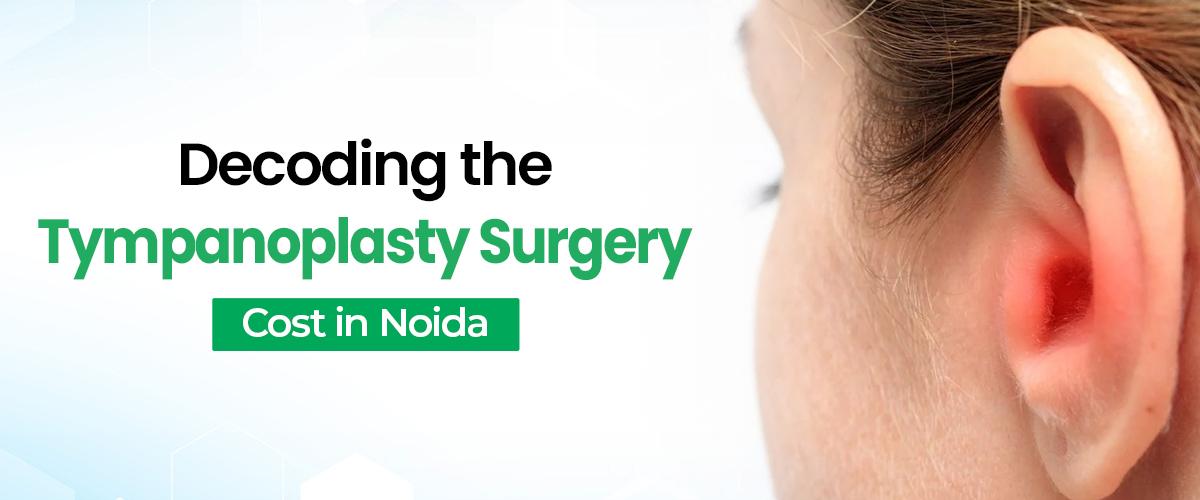
Are persistent ear-related issues affecting your daily life? Tympanoplasty, a surgical procedure to repair the eardrum, might be the solution you need. When non-surgical treatments don't provide relief from conditions like a perforated eardrum or hearing loss, tympanoplasty can restore your ear's function and improve your well-being. By consulting with an experienced ear specialist, you can explore your options, understand the procedure's benefits and risks, and make an informed decision about your health. Take the first step towards better ear health!
Book Your Appointment One click at +91 9667064100
Table of Contents
India is renowned for offering affordable and high-quality medical procedures, including tympanoplasty. With state-of-the-art medical facilities and skilled ear surgeons, Noida provides cost-effective healthcare options that can significantly impact your life. The Tympanoplasty surgery cost in Noida is considerably lower compared to other states in India, making it an attractive choice for patients seeking this procedure. Whether you need a myringoplasty, tympanomastoidectomy, or revision tympanoplasty, you can access excellent care and outcomes without straining your finances.
Several factors influence the tympanoplasty surgery cost in Noida: the type of procedure, case complexity, hospital amenities, surgeon's fees, and post-operative care. Here's an estimated breakdown:
| Starting Cost | ₹25,000 |
| Average Cost | ₹30,000 to 40,000 |
| Maximum Cost | ₹60,000 or more |
Discover Affordable Solutions at Felix Hospital in Noida! One of the Best ENT hospitals in Noida, We understand the importance of delivering quality healthcare within your budget. Our team of experienced ear specialists and dedicated staff are committed to providing exceptional care at an affordable cost for tympanoplasty surgery.
Tympanoplasty, a procedure aimed at improving hearing and preventing recurrent ear infections, involves repairing a perforated eardrum or reconstructing the middle ear's small bones. There are various types of tympanoplasty surgeries, each categorized based on the extent of damage and specific surgical goals. If you're considering this procedure, it's important to assess the cost for tympanoplasty surgery as part of your decision-making process.
The recommendation for a particular type of tympanoplasty surgery depends on factors like the patient's condition and the extent of damage. To understand the optimal approach and the associated tympanoplasty surgery cost, consulting with an ear, nose, and throat (ENT) specialist is crucial. This consultation will help determine the most suitable tympanoplasty type for your individual case.
Tympanoplasty's medical significance lies in its ability to address concerns such as eardrum perforation, which can result in permanent hearing loss. As a result, tympanoplasty is usually categorized as a medically essential procedure. In India, numerous insurance companies provide coverage for expenses related to eardrum surgery, considering the tympanoplasty surgery cost. This coverage often extends to various ENT surgeries, including tympanoplasty.
However, it's important to note that the extent of coverage may be subject to various policy limitations, which could encompass factors such as the duration of hospital stay, sub-limits on coverage amounts, age-related restrictions, co-payment requirements, availability of cashless facilities, and more. It's advisable to thoroughly review your insurance policy and consult with your insurance provider to gain a clear understanding of the specific terms and conditions that apply to tympanoplasty coverage.
The cost of Tympanoplasty treatment can differ based on several factors, including the specific type of surgery required, the patient's age, and any existing health conditions. The complexity of the procedure and the level of expertise needed by the surgical team can also contribute to cost discrepancies. Each patient's unique needs can further influence the overall price of the surgery.
Key factors that contribute to the cost variation include:
Understanding these various factors can help patients anticipate potential cost of tympanoplasty treatment and make informed decisions regarding their Tympanoplasty procedure.
Tympanoplasty is a surgical procedure aimed at mending the eardrum, a delicate tissue layer that responds to sound vibrations.
Before the surgery, a hearing test is conducted on the child. This establishes a baseline that can be compared with post-surgery hearing test results.
Optimal Tympanoplasty Solutions Await at Felix Hospital. Our expert medical team and cutting-edge resources ensure top-tier treatment. Reach us at 9667064100 to schedule your appointment and inquire about the cost for tympanoplasty surgery!
An Ear, Nose, and Throat (ENT) surgeon is responsible for performing the tympanoplasty. General anesthesia will be administered to ensure your child sleeps through the procedure. An anesthesiologist will vigilantly monitor your child's condition, ensuring their safety and comfort while under anesthesia.
During the tympanoplasty, the eardrum's perforation is repaired by applying a patch, known as a graft. This graft can be crafted from various materials, such as tissue extracted from around the ear (cartilage or fascia) or synthetic substances.
Ensuring Graft Placement: To secure the graft in place, the surgeon places packing material behind and on top of the eardrum. This packing material gradually dissolves over the course of several weeks, contributing to a successful recovery.
Tympanoplasty Duration: Typically, the surgical procedure lasts anywhere from 30 minutes to 2 hours.
After Tympanoplasty: The surgical team will provide you with post-operative care guidelines. Your child may need to:
Post-Surgery Experiences: During the initial week following the surgery, your child might experience:
The packing material placed in the ear generally dissolves over time. At the first follow-up appointment, which usually takes place 2-3 weeks after surgery, the surgeon might attempt to remove any remaining packing. Over a period of 2 to 3 months post-surgery, your child's hearing is expected to improve. A repeat hearing test is typically scheduled 8-12 weeks after the surgery.
Potential Risks and Parental Assistance: Although the risks are minimal, potential complications of tympanoplasty include:
Supporting Your Child's Recovery: To aid your child's recovery:
Elevate Your Tympanoplasty Experience at Felix Hospital. Leading experts and state-of-the-art amenities guarantee unmatched care. Contact 9667064100 to secure your spot for a consultation and gain insights into the cost of tympanoplasty treatment today!
In most cases, children can resume their regular activities a few days after the surgery.
When to Contact the Doctor: Reach out to your doctor if:
Understanding the factors that contribute to the cost of tympanoplasty treatment is essential for making informed decisions about healthcare choices. Tympanoplasty costs can vary based on the type of surgery, graft materials used, hospital facilities, and patient-specific considerations. If you're seeking quality medical care, Felix Hospital is an option worth considering. Their commitment to providing comprehensive healthcare services, including tympanoplasty surgery, is reflected in their reputation for excellence. For more information or to inquire about tympanoplasty surgery at Felix Hospital, you can reach out to them at 9667064100. Rest assured, a careful evaluation of all aspects involved will help you make a well-informed decision about your healthcare journey.
Call Now at +91 9667064100 or email us at [email protected].
Book an Online Appointment: https://www.felixhospital.com/contact
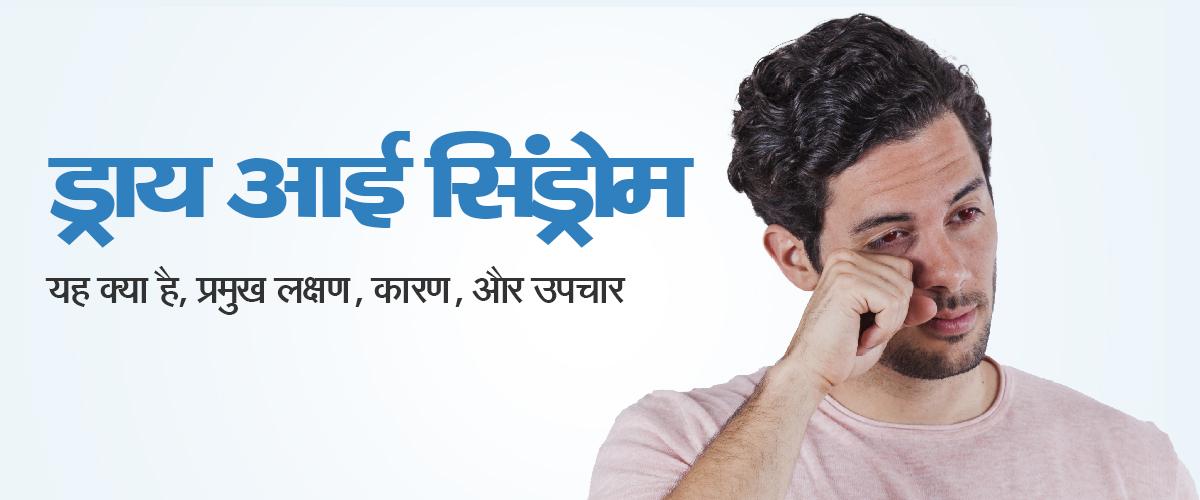
आपकी आँखों में एक पतली फ़िल्म होती है जिसे "टियर फ़िल्म" कहते हैं। यह फ़िल्म आपकी आँखों को नम रखने में मदद करती है और उन्हें सुरक्षा प्रदान करती है। जब टियर फ़िल्म में किसी तरह की गड़बड़ी हो जाती है, तो यह "ड्राय आईस" की समस्या को उत्पन्न कर सकती है, जिसमें आँखों में सूखापन की समस्या (dry eye problem in Hindi) होती है।
आजकल गैजेट्स का उपयोग बढ़ गया है, जिसके कारण "ड्राय आई सिंड्रोम" (symptoms of eye dryness in Hindi) की समस्या भी बढ़ रही है। यात्रा करते समय विमान में, एयर कंडीशन का उपयोग करते समय या टू-व्हीलर चलाते समय भी कुछ समय के लिए आपको ड्राय आईस की समस्या हो सकती है।
अगर यह समस्या लंबे समय तक बनी रहती है, तो ड्राई आई का उपचार करवाना आवश्यक हो सकता है। अगर ऐसा नहीं किया जाता, तो बैक्टीरिया का संक्रमण, आँखों की सतह पर सूजन, या कोर्निया जैसी जटिलताएँ हो सकती हैं।
एक्सपर्ट सुझाव के लिए कॉल करें +91 9667064100
ड्राय आई सिंड्रोम (symptoms of eye dryness in Hindi) एक आँखों से जुड़ी समस्या है, जिसका मतलब होता है कि आपकी आँखों को पर्याप्त स्निग्धता या चिकनाई नहीं मिल पाती। यह समस्या तब उत्पन्न होती है जब आपकी आँखों में आंसु की सही मात्रा नहीं बनती है, आंसु तेजी से सूख जाते हैं या उनकी गुणवत्ता अच्छी नहीं होती। यहाँ कुछ मुख्य कारण हैं: आपके आँसुओं की परत में गड़बड़ी आना, जिससे सूजन हो सकती है और आपकी आँखों की सतह पर नुकसान हो सकता है। आपके आँसुओं की परत को "टियर फिल्म" कहा जाता है, जो तरल पदार्थ से बनी होती है और आपकी आँख की सबसे ऊपरी परत को ढकती है। इसमें तीन परतें होती हैं: "फैटी ऑइल्स" (चिकनाई), "एक्वस फ्लूड" (तरल) और "म्युकस"। यह संयोजन आपकी आँख की सतह को चिकनी, मुलायम और स्पष्ट बनाए रखता है। ये परतें में से किसी में भी समस्या हो सकती है और इसके कारण आपको ड्राय आई सिंड्रोम हो सकता है। ड्राई आई का उपचार करवाना आवश्यक हो सकता है।
विशेषज्ञ नेत्र चिकित्सक की सलाह: अपने नजदीकी नेत्र चिकित्सक से परामर्श करें जो आपके स्थिति का मूल निदान करेंगे और आपको विशेष उपचार की सलाह देंगे। बुक करें: 9667064100
लक्षण आमतौर पर ड्राई आई की समस्या दोनों आंखों में दिखती है, और इसकी पहचान कुछ इस प्रकार की बातों से हो सकती है: सामान्य ड्राई आई के लक्षण:
गंभीर ड्राई आई के लक्षण: (Symptoms of severe dry eye in Hindi)
व्यक्तिगत आँखों की देखभाल की सलाह (eye care advice in Hindi): आपके नेत्र चिकित्सक आपको आपकी दिनचर्या में बदलाव और व्यक्तिगत आँखों की देखभाल की सलाह देंगे। बुक करें: 9667064100
ड्राय आई सिंड्रोम के पीछे कई कारण हो सकते हैं, जिनमें शामिल हो सकते हैं:
आंसुओं का पर्याप्त मात्रा में ना बन पाना ड्राय आई सिंड्रोम की समस्या तब होती है, जब आंखों में आंसु का पर्याप्त मात्रा में निर्माण नहीं हो पाता। आंखों में तरलता को चिकित्सकीय शब्दों में 'केरैटोकंजक्टिवाइटिस सिका' कहा जाता है। यह समस्या कई कारणों के कारण हो सकती है:
व्यक्तिगत आँखों की देखभाल की सलाह: आपके नेत्र चिकित्सक आपको आपकी दिनचर्या में बदलाव और व्यक्तिगत आँखों की देखभाल की सलाह देंगे। बुक करें: 9667064100
यदि आप नोएडा में सर्वश्रेष्ठ सुपर स्पेशलिटी अस्पताल की तलाश में हैं, तो सेक्टर 137 नोएडा में फेलिक्स अस्पताल पर जाएँ या +(91)9667064100 पर कॉल करें।
आर्टिफिशियल टियर्स का इस्तेमाल करें आंखों में सूखापन महसूस होने पर आर्टिफिशियल टियर्स का इस्तेमाल करें, जिससे आंखों में नमी और चिकनापन बना रहे।
इस प्रकार, फिलिक्स हॉस्पिटल आपके ड्राई आई का उपचार (Treatment for Dry Eye in Hindi)के लिए विशेषज्ञता, व्यक्तिगत देखभाल, और आधुनिक तकनीक का संयमी और प्रभावी संयोजन प्रदान करता है।

Eye flu, also known as conjunctivitis, is a common eye infection causing redness, irritation, and watering. Learn its causes, symptoms, and effective treatments.
Concerned about preserving your eyesight from glaucoma? Glaucoma surgery can be your shield against vision loss. When traditional treatments fall short, surgical intervention becomes a crucial step in safeguarding your eye health. By consulting with experienced ophthalmologists, you can explore options, assess benefits and risks, and make an informed choice. Embark on your journey toward a brighter vision!
Book Your Appointment One click at +91 9667064100
Table of Contents
Noida is renowned for offering world-class medical treatments at budget-friendly rates, including glaucoma surgery. Noida offers advanced medical facilities and skilled eye surgeons that can transform lives at a low cost. Glaucoma surgery cost in Noida are considerably lower than in other countries, making it an attractive destination for patients seeking effective eye care. Whether you need trabeculectomy, laser surgery, or tube shunt implantation, you can access exceptional care and outcomes without straining your finances.
Several factors influence glaucoma surgery costs, such as procedure type, case complexity, hospital facilities, surgeon fees, and post-operative care. Here's an estimated cost breakdown:
| Starting Cost | ₹25,000 |
| Average Cost | ₹30,000 to 50,000 |
| Maximum Cost | ₹50,000 or more |
Discover affordable cost for glaucoma surgery and care at Felix Hospital in Noida! We're committed to delivering top-tier eye care within your financial reach. Our team of skilled ophthalmologists and dedicated staff prioritize your eye health, ensuring exceptional care without straining your budget.
Various factors intricately influence the cost of a Glaucoma Eye Operation in Noida, creating a comprehensive impact on the overall expenses. These factors, interwoven with one another, collectively contribute to shaping the expense structure of the surgery. Listed below are the key elements that exert their influence on the pricing of glaucoma eye surgery:
Understanding these factors aids in appreciating the intricate nature of cost determination in glaucoma eye surgery, allowing patients to make informed decisions regarding their healthcare investment.
For accurate information about the cost for Glaucoma surgery at Felix Hospital, please contact them directly at +91 9667064100. They can provide you with personalized details based on your specific requirements.
Indeed, your health insurance might cover the cost of glaucoma surgery in Noida, subject to the terms and conditions of your policy. Many health insurance plans offer reimbursement for surgical procedures, including glaucoma surgery, based on specific conditions and limitations. There is a wide range of coverage provided by different insurance companies and policies.
Seeking precise details on the cost for Glaucoma surgery? Direct your inquiries to Felix Hospital via +91 9667064100, where their knowledgeable staff can offer insights into pricing variations and procedural particulars.
Glaucoma encompasses a group of eye conditions that gradually damage the optic nerve, ultimately leading to vision loss. It often develops due to increased intraocular pressure (IOP), where fluid builds up within the eye, exerting pressure on the optic nerve. If left untreated or inadequately managed, glaucoma can result in irreversible vision impairment.
Glaucoma's early warning signs are often subtle or even absent. Thus, regular eye examinations are crucial for timely diagnosis. Symptoms can encompass a range of discomforts, including eye pain, headaches, blurred vision, rainbow-colored halos, and even nausea.
Elevated eye pressure, stemming from blocked drainage canals, is the primary cause of glaucoma. This excess pressure leads to fluid buildup within the eye, resulting in nerve damage over time. Detecting and managing glaucoma early is paramount in preventing irreversible vision loss and preserving eye health.
Before undergoing glaucoma surgery in Noida, a series of essential lab tests are often conducted to evaluate your overall health and assess potential risks. These examinations enable the medical team to ensure your optimal health condition prior to surgery. The price of these lab tests varies depending on the chosen hospital or diagnostic center. Below are common lab tests typically performed before glaucoma surgery, along with estimated costs:
Here is an approximate pricing for various common laboratory tests:
It's important to note that these estimated price ranges may vary based on location and regional cost variations in Noida. For precise and up-to-date cost estimates, consulting the chosen surgeon or medical facility is recommended.
Glaucoma Management Approaches:
Glaucoma, characterized by optic nerve damage, can lead to irreversible vision loss or blindness if left untreated. Early detection and intervention are vital to prevent these irreversible consequences. If you experience symptoms like eye pain, severe headaches, or changes in vision, it's crucial to seek immediate medical attention from an eye care professional. Timely assessment and diagnosis can help determine the appropriate treatment strategy.
Medications for Glaucoma:
Prescription Eye Drops: A wide range of prescription eye drops are available to manage glaucoma effectively. These eye drops work by either reducing the production of aqueous humor (the fluid in the eye) or enhancing its drainage. By regulating intraocular pressure, these medications help slow down the progression of the disease.
Lifelong Treatment: Glaucoma is a chronic condition that requires ongoing management. Patients may need to use eye drops daily to maintain stable intraocular pressure and prevent further damage to the optic nerve.
Innovative Treatment: The recent introduction of the bimatoprost implant (Durysta®) offers an innovative approach to glaucoma management. This implant dissolves over several months, gradually releasing the medication. Inserted by an eye care specialist, this implant provides sustained pressure-lowering effects and reduces the need for frequent eye drop administration.
To inquire about the cost for Glaucoma surgery at Felix Hospital, reach out to their team at +91 9667064100. They'll be able to furnish you with comprehensive pricing and procedure details tailored to your needs.
Early Detection for Prevention: The most effective approach to prevent glaucoma-related vision loss is through early detection via regular eye examinations. Recommended frequency for glaucoma testing is as follows:
For comprehensive insights into the cost for Glaucoma surgery at Felix Hospital, I suggest contacting them directly via +91 9667064100. By doing so, you can acquire firsthand information that's specific to your situation and preferences.
Glaucoma surgery is vital to prevent vision loss by reducing eye pressure. Ignoring treatment can lead to permanent blindness, while surgery preserves vision and improves overall eye health. Understanding costs through conversations with Felix Hospital (reachable at 9667064100) and other doctors empowers informed choices for your well-being.
Call Now at +91 9667064100 or email us at [email protected].
Eye flu, also known as conjunctivitis, is a common eye infection causing redness, irritation, and watering. Learn its causes, symptoms, and effective treatments.
Cataract surgery is essential to restore clear vision and prevent permanent blindness. It removes the cloudy lens and replaces it with an artificial one, helping patients regain normal sight and quality of life.
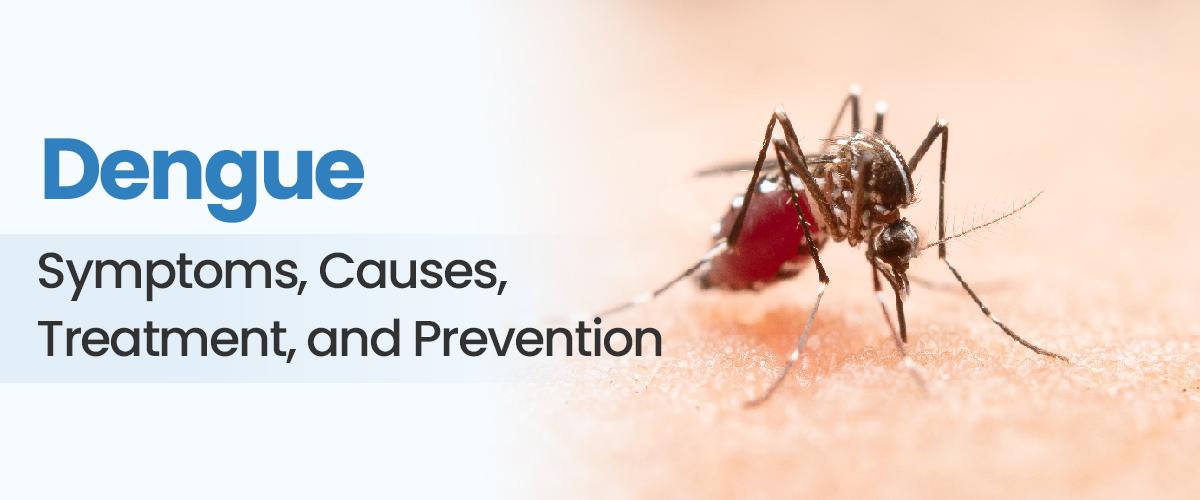
Dengue fever, a mosquito-borne illness, is widespread in tropical and subtropical regions across the globe. The less severe manifestation of dengue, characterized by elevated fever and flu-like symptoms, necessitates proper treatment of dengue fever in India. Meanwhile, its severe counterpart, referred to as dengue hemorrhagic fever, can lead to profound bleeding, abrupt blood pressure decline (shock), and even fatality.
Each year, millions of individuals contract dengue infections, emphasizing the importance of early and effective treatment of dengue fever in India. This prevalence is especially notable in Southeast Asia, the Western Pacific, Latin America, and Africa. Notably, the disease is progressively extending its reach to novel territories, including localized outbreaks in certain regions of Europe and the southern United States. It's vital to prioritize preventive measures and timely treatment of dengue fever in India to curtail its impact and enhance public health.
Book Your Appointment One click at +91 9667064100
Dengue infections may not always show symptoms, but when they do, they can be similar to other illnesses. These symptoms typically appear within four to 10 days after a mosquito bite. Dengue fever symptoms include:
High fever (104°F or 40°C)
Headache
Muscle, bone, or joint pain
Nausea and vomiting
Pain behind the eyes
Swollen glands
Rash
At times, dengue fever symptoms might be mild, resembling those of the flu or another viral infection. Younger children and individuals who haven't encountered the infection before typically experience milder cases compared to older children and adults.
However, the situation can turn severe. This includes dengue hemorrhagic fever, a rare complication characterized by high fever, damage to lymph and blood vessels, bleeding from the nose and gums, liver enlargement, and circulatory system failure. Symptoms might progress to extensive bleeding, shock, and even death, known as dengue shock syndrome (DSS).
People with weakened immune systems, along with those facing a second or subsequent dengue infection, are believed to face a higher risk of developing dengue hemorrhagic fever.
Severe dengue arises when blood vessels are damaged and leak, causing a drop in clot-forming platelets. This can result in shock, internal bleeding, organ failure, and even fatality.
Warning signs for severe dengue appear quickly, often after the fever subsides, and include:
Intense stomach pain
Persistent vomiting
Bleeding from gums or nose
Blood in urine, stools, or vomit
Skin bleeding resembling bruising
Difficulty or rapid breathing
Fatigue, irritability, or restlessness
Dengue Hemorrhagic Fever: A severe and often fatal condition occurring in individuals with dengue fever. Symptoms include abdominal pain, persistent vomiting, fluctuation in body temperature from fever to hypothermia, irritability, confusion, and bleeding manifestations. Early signs of shock may appear, such as weak pulse, restlessness, and cold, clammy skin.
What causes dengue fever that becomes hemorrhagic lies in abnormal blood clotting and plasma leakage. The latter is due to an increase in vascular permeability mediated by cytokines. Vascular permeability refers to blood vessels' ability to control the flow of molecules and immune cells of specific sizes, preventing larger molecules from escaping. During diseases like inflammation or allergies, molecules as large as 2,000 kDa can leak, leading to plasma leakage.
Dengue Hemorrhagic Fever often affects children and infants, typically resulting from secondary infection with a different dengue virus serotype than their initial infection. Pregnant women are also susceptible due to pregnancy-induced physiological changes.
Presence of hemorrhagic manifestation
Thrombocytopenia (platelet count <100,000 cells/mm3)
Increased body temperature or recent fever history (2–7 days)
Evidence of increased vascular permeability
Dengue Hemorrhagic Fever in Pregnancy: Pregnant women are more vulnerable to dengue's severe complications, especially in the third trimester. Increased vascular permeability during dengue hemorrhagic fever can lead to placental injury and viral transmission.
Dengue Shock Syndrome: A grave consequence of dengue infection, often fatal, occurring upon secondary infection with a different serotype. The exact cause is under study, but it involves abnormal immune responses and antibody-dependent enhancement, leading to severe infection, shock, and multiorgan failure.
Stay well-informed and prioritize your health. At Felix Hospital, we're committed to your well-being.
Doctors use blood tests to diagnose dengue infection by detecting the virus or antibodies against it. If you fall ill after being around people with dengue, especially if you've traveled, inform your doctor. This helps them consider dengue as the possible cause of your symptoms.
The diagnosis of dengue fever involves a combination of blood and imaging tests, as the body's immune response to the virus is intricate. Due to initial symptoms overlapping with other diseases, such as malaria, lab and radiology tests are essential. These may encompass:
Complete Blood Count (CBC) - To track platelet levels in later illness stages and detect reduced hematocrit, hemoglobin, and red blood cell count indicating anemia due to severe dengue-associated blood loss.
Dengue Serology Test (Dengue IgG & IgM) - Detects immune system-produced antibodies after virus exposure. Effective around 4 days post-exposure, useful for both primary and secondary infections.
Dengue Virus Antigen Detection (NS1) - Confirms Dengue viral infection, useful for early detection within 1-2 days post-infection.
In severe cases, in order to provide best treatment for dengue fever additional tests may be suggested to determine the extent of infection spread:
Liver Function Tests (LFT) - Reveals hepatic effects of Aedes mosquito virus, leading to elevated bilirubin, transaminases, and serum albumin anomalies that can result in liver failure.
Renal Function Test (RFT) - Monitors serum creatinine levels, helping diagnose potential renal issues like acute renal failure, hemolytic uremic syndrome, and more.
ECG - Checks heart's electrical rhythm; abnormalities occur due to electrolyte imbalances induced by dengue infection.
Ultrasound Abdomen (USG) - Identifies conditions like serositis, gallbladder edema, and ascites caused by dengue infection.
Chest X-ray - Detects pleural and pericardial effusion caused by dengue fever.
D-dimer Test - Measures blood clot dissolution, crucial as increased levels can result from dengue infection and cause pain, fever, breathing difficulties, and skin color changes.
2D Echocardiography (2D Echo) - Assesses heart muscle damage caused by severe dengue.
Fibrinogen Test - Monitors fibrinogen levels crucial for blood clotting; low levels can lead to excessive bleeding.
Fibrin Degradation Products Test - Detects substances left behind as clots dissolve, indicating fibrinolysis due to dengue hemorrhagic fever.
The above-mentioned tests can help diagnose the severity clearly and provide the best treatment for Dengue fever.
Transmission through Mosquito Bites: The virus spreads through bites from infected female mosquitoes, primarily Aedes aegypti. Other Aedes species can also transmit, but Aedes aegypti is the primary vector. After feeding on an infected person, the virus multiplies in the mosquito before reaching salivary glands. The time between ingesting the virus and transmission to a new host is the extrinsic incubation period (EIP). EIP is around 8–12 days at temperatures of 25–28°C. Various factors like temperature fluctuations, virus type, and initial viral concentration influence the transmission time. Once infected, mosquitoes can transmit the virus for life.
Human-to-Mosquito Transmission: Mosquitoes can contract DENV from viremic people, whether symptomatic, pre-symptomatic, or asymptomatic. Transmission can occur up to 2 days before symptoms appear and up to 2 days after fever subsides. The risk is higher with high viremia and rage, while DENV-specific antibodies decrease mosquito infection risk. Viremia lasts about 4–5 days but can extend up to 12 days.
Maternal Transmission: DENV transmission mainly occurs via mosquitoes, yet limited maternal information (pregnant mother to baby) has been observed. Vertical transmission rates appear low and relate to infection timing during pregnancy. Babies born to infected mothers might experience preterm birth, low birth weight, and fetal distress.
Other Transmission Modes: Rare cases involve transmission through blood products, organ donations, and transfusions. Transovarial transmission within mosquitoes has also been noted.
Addressing dengue involves symptom management. Treatment of dengue fever, for milder cases, comprises:
When focusing on the treatment of dengue fever at home, keep in mind the following:
Staying Hydrated: Ensuring adequate water intake to prevent dehydration is crucial during the home treatment of dengue fever.
Resting: Prioritize giving your body ample rest to facilitate a smoother recovery process.
Pain Relief: Utilize pain relievers such as Tylenol or paracetamol to alleviate discomfort and help lower fever levels when using it as a treatment of dengue fever at home.
Avoiding Specific Medications: Be cautious about using nonsteroidal anti-inflammatory drugs like aspirin or ibuprofen as treatment of dengue fever at home, as they can increase the risk of internal bleeding.
Remember, while treatment of dengue fever at home can help alleviate symptoms, it's essential to be aware that severe cases might require medical intervention. Always consult a healthcare professional for proper guidance and management, particularly if symptoms worsen or complications arise.
In more severe instances, a doctor might advise hospitalization and:
Administering IV fluids to replenish hydration.
Considering blood transfusion if necessary.
Platelet transfusion is typically considered when the platelet count falls below 20,000 to 30,000 cells per microliter. This helps prevent bleeding complications and supports the body's ability to form clots. For severe cases, hospitalization is often necessary. Untreated, severe cases can be fatal in 10–20% of instances. However, proper medical treatment of dengue fever in India reduces this rate significantly to just 1%.
It's worth noting that a vaccine called Dengvaxia is available as a medical treatment of dengue fever in India for individuals who have had dengue at least once and reside in areas where the disease is prevalent.
Certain factors significantly contribute to an individual's susceptibility to dengue and the transmission of the disease within communities. Here's an in-depth exploration:
Previous Infection: Individuals previously infected with DENV are at an elevated risk of developing severe dengue when exposed to the virus again.
Urbanization Impact: Urbanization, especially in an unplanned manner, plays a pivotal role in dengue transmission due to a multitude of social and environmental dynamics. These include population density, patterns of human mobility, access to reliable water sources, and water storage practices.
Community Dynamics: The risk of dengue within a community is closely tied to various factors, including the knowledge, attitudes, and practices of its population towards dengue. Additionally, the effective implementation of routine and sustainable vector control activities within the community is crucial in mitigating the disease's spread.
Climate Change and Vectors: Disease risks exhibit potential changes and shifts with the advent of climate change, particularly in tropical and subtropical regions. Vectors responsible for transmitting dengue, such as mosquitoes, might adapt to new environments and climate conditions, further influencing the transmission dynamics of the disease.
In summary, a comprehensive understanding of these multifaceted factors is essential for effectively managing and curbing the impact of dengue fever in India. By addressing these interconnected aspects, public health strategies can be refined to better control and prevent dengue outbreaks and improve the medical treatment of dengue fever in India.
While a dengue vaccine is recommended for kids and teens aged 9–16 who've previously experienced dengue fever and reside in endemic U.S. territories, it isn't advised for travelers to these regions. Mosquito bite prevention remains crucial. Follow these steps for effective protection:
Install screens on doors and windows, promptly repairing any damage. Keep unscreened openings closed.
Dress kids in long-sleeved shirts, long pants, shoes, and socks when outdoors. Utilize mosquito netting over beds at night.
Apply insect repellent correctly on children. Opt for DEET or oil of lemon eucalyptus formulas.
Minimize outdoor exposure during daytime hours, especially around dawn and dusk when mosquitoes are most active.
Eliminate mosquito breeding grounds. Remove standing water from containers, discarded tires, and change the water in birdbaths, dog bowls, and vases weekly. By adhering to these measures and avoiding regions with dengue fever outbreaks, the risk of contracting the disease remains low for international travelers.
The onset of dengue fever symptoms occurs within a range of 4 days to 2 weeks after a mosquito bite from an infected vector. These symptoms generally persist for a span of 2 to 7 days. Following the subsiding of the initial fever, certain symptoms can intensify, potentially leading to more severe complications.
These complications include increased bleeding tendencies, gastrointestinal issues such as nausea, vomiting, and intense abdominal pain, as well as respiratory difficulties like labored breathing. If Dengue Hemorrhagic Fever (DHF) is left untreated, it can lead to critical outcomes such as dehydration, significant bleeding, and a rapid decline in blood pressure, resulting in shock.
These severe symptoms necessitate immediate medical attention, highlighting the importance of seeking the best treatment for dengue fever to prevent life-threatening consequences. Notably, having experienced dengue once imparts immunity against that specific viral strain. However, it's crucial to acknowledge that immunity to one strain does not provide protection against the other three types of the virus, making continued preventive measures essential.
Remaining vigilant about dengue symptoms, seeking timely medical assistance, and adopting measures to prevent mosquito bites remain paramount for safeguarding health and minimizing the impact of dengue fever. It is recommended to stay informed about the medical treatment of dengue fever for the best possible outcomes.
Dengue fever is a significant health concern, particularly in tropical and subtropical regions. Its symptoms range from mild flu-like discomfort to severe complications like dengue hemorrhagic fever, which can be life-threatening if not treated promptly. Effective treatment of dengue fever involves recognizing the symptoms, seeking medical attention, and following recommended protocols. Felix Hospital, a trusted healthcare institution reachable at +91 9667064100, is committed to providing comprehensive care for dengue fever and other medical conditions.
Alongside medical intervention, prevention through mosquito bite avoidance, adequate hydration, and rest play a crucial role in minimizing the impact of dengue fever. By staying informed, taking preventive measures, and seeking medical assistance when needed, we can collectively contribute to managing and reducing the prevalence of dengue fever.
बार-बार बुखार और जोड़ों में दर्द होना केवल सामान्य वायरल लक्षण नहीं हो सकते। यह शरीर में किसी संक्रमण, ऑटोइम्यून बीमारी या सूजन से जुड़ी समस्या का संकेत भी हो सकता है

These viruses spread primarily through respiratory droplets released into the air when an infected person sneezes or coughs.
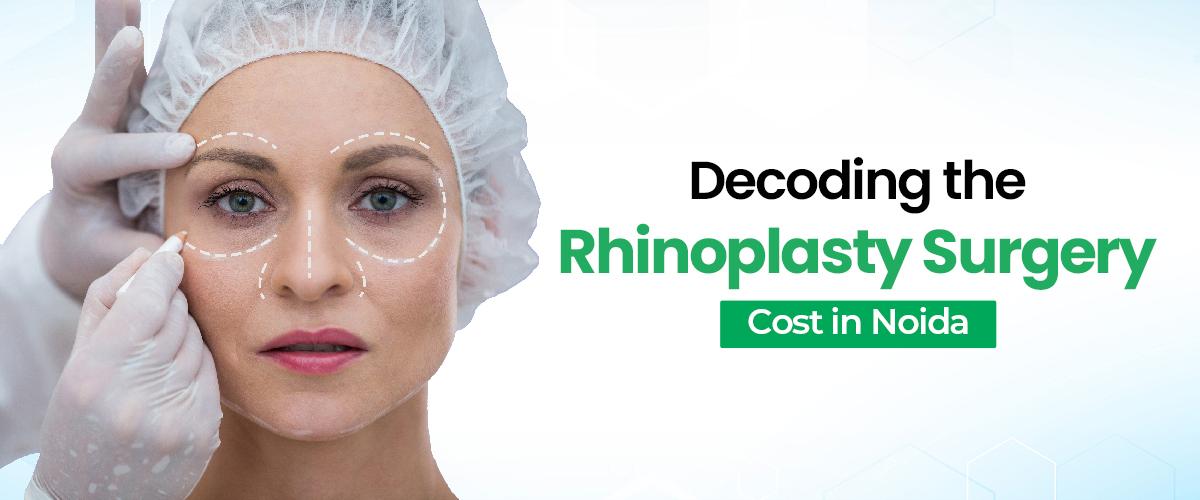
Are you considering rhinoplasty? Is the Nose Surgery cost in Noida concerning you? If you're seeking to enhance your appearance and achieve your desired nose shape, Felix Hospital offers a range of options at affordable prices. From minor adjustments to comprehensive rhinoplasty procedures, the goal is to improve your aesthetic appeal and boost your self-confidence. Collaborating with skilled plastic surgeons, you can explore treatment options, understand potential results, and make informed choices for your transformation.
Book Your Appointment One click at +91 9667064100
Get on a journey toward achieving your desired look. Felix Hospital boasts state-of-the-art medical facilities and experienced plastic surgeons, making it a preferred hub for rhinoplasty. The Nose Surgery cost in Noida is competitive, providing quality care that suits various budgets. Whether you're considering subtle changes or more extensive enhancements, Felix hospital Noida offers access to high-quality treatments and cost-effective pricing for rhinoplasty surgery cost in Noida, ultimately enhancing your appearance and self-esteem.
The Nose surgery cost in Noida can vary depending on factors like the specific procedure, complexity of the case, hospital amenities, surgeon's fees, and post-operative care. Here's an estimated breakdown:
| Starting Cost | ₹50,000 |
| Average Cost | ₹ 70,000 |
| Maximum Cost | ₹ 1,00,000 |
Seeking affordable rhinoplasty surgery cost in Noida? Consult the top specialists at Felix Hospital. We prioritize exceptional outcomes while ensuring cost-effectiveness. Our skilled plastic surgeons and dedicated staff are committed to delivering outstanding treatment tailored to your preferences. Begin your journey toward transformation with confidence, knowing you're receiving top-tier care designed to meet your needs.
Open Rhinoplasty Open rhinoplasty involves a small Z-shaped incision beneath the nose, providing better visibility for precise adjustments to the nose's shape and structure. This approach allows for accurate modifications and minimal scarring, with a recovery period that can lead to natural-looking results. Minimum Nose Surgery cost in Noida: Starts at approximately INR 70,000.
Closed Rhinoplasty In closed rhinoplasty, incisions are hidden inside the nose, making it suitable for minor imperfections or adjustments. While it offers less visibility of internal structures, it often results in reduced swelling and a faster recovery compared to open rhinoplasty. Minimum Nose Surgery cost in Noida: Starts at approximately INR 60,000.
Tip plasty focuses solely on reshaping the nasal tip, avoiding bone alteration. This minimally invasive procedure can enhance tip proportions, correct asymmetry, and refine the appearance of the nose's tip, with a shorter recovery period compared to comprehensive rhinoplasty. Minimum Nose Surgery cost in Noida: Starts at approximately INR 40,000.
Septorhinoplasty combines nasal reshaping with the correction of a deviated septum for improved breathing and aesthetics. By repositioning the septum, this procedure addresses functional and cosmetic concerns simultaneously, resulting in better nasal function and enhanced appearance. Minimum Nose Surgery cost in Noida: Starts at approximately INR 90,000.
Revision Rhinoplasty Revision rhinoplasty is performed to correct issues from previous nose surgery. It addresses cosmetic imperfections or functional problems that may have emerged after the initial procedure, ensuring a more satisfactory outcome and improved form and function. Minimum Nose Surgery cost in Noida: Starts at approximately INR 1,00,000.
Liquid Rhinoplasty: Liquid rhinoplasty utilizes dermal fillers to make subtle adjustments to the nose's appearance without surgical incisions. It's ideal for addressing minor indentations or asymmetries, offering a non-invasive alternative for achieving a balanced and harmonious nose shape. Minimum Nose Surgery cost in Noida: Starts at approximately INR 15,000 per syringe of filler.
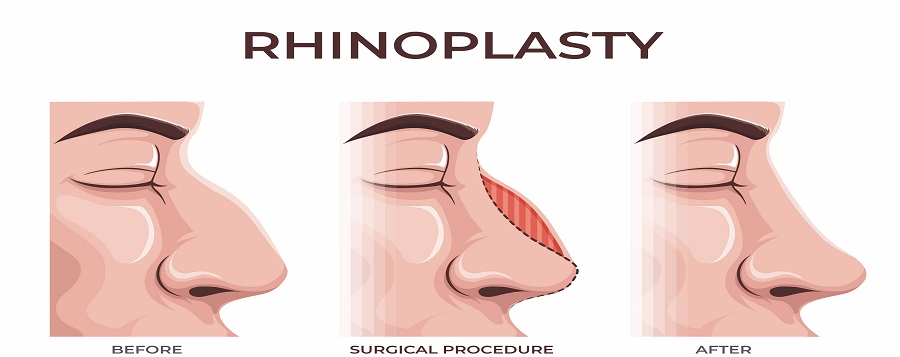
Since rhinoplasty is mainly performed for cosmetic reasons, the Nose Treatment cost is typically not included in standard health insurance coverage. However, if you are undergoing a rhino septoplasty (combined rhinoplasty and septoplasty), certain components of the procedure might qualify for insurance coverage.
For a clear understanding of your health insurance policy's specifics related to Nose Treatment cost, it is advisable to engage with your insurance provider. They can provide clarity on which aspects of your treatment may be eligible for coverage and the extent of coverage provided.
Rhinoplasty, a plastic surgery procedure known as a "nose job," is a transformative option that involves altering the shape and size of the nose. This versatile procedure serves both cosmetic and functional purposes, catering to individuals seeking aesthetic enhancements or improved nasal breathing.
Rhinoplasty appeals to various individuals for different reasons:
Addressing congenital abnormalities or birth defects.
Enhancing overall facial aesthetics.
Correcting a deviated septum to improve nasal airflow.
Restoring the nose's function after trauma, illness, cancer treatments, or burns.
Repairing facial fractures, such as a broken nose.
To be eligible for rhinoplasty, candidates should:
Have completed their growth phase and maintain good physical health.
Abstain from smoking.
Possess a realistic understanding of the procedure's scope and outcomes.
Choose the procedure based on personal desires, not external influences.
Rhinoplasty achieves remarkable changes, addressing a range of concerns:
Correcting nose shapes like bulbous, upturned, hooked, or droopy.
Resolving issues with wide, small, large, or upturned nostrils.
Smoothing out noticeable bumps or dips on the nasal bridge.
Adjusting nose size to enhance facial harmony.
Restoring clear nasal passages for improved breathing.
Rhinoplasty is a versatile procedure that empowers individuals to enhance both their appearance and nasal functionality, while considering the Nose Treatment cost, with the skilled expertise of plastic or facial plastic surgeons.
When it comes to rhinoplasty, there are two main methods?
Open Rhinoplasty: A comprehensive approach for significant nose reshaping. Surgeons create incisions to fully separate your nose's skin from bone and cartilage, allowing a clear view of its underlying structure.
Closed Rhinoplasty: A minor procedure for subtle nose reshaping. Incisions are made inside your nose to separate skin from bone and cartilage, enabling targeted reshaping.
Other types of rhinoplasty include:
Cosmetic Rhinoplasty: Enhancing your nose and facial appearance.
Nonsurgical Rhinoplasty (Filler Rhinoplasty): Temporary adjustments using dermal fillers to correct minor irregularities, lift droopy tips, or smoothen bumps.
Functional Rhinoplasty: Restoring both form and function, often after disease, cancer, or injuries, addressing breathing issues and congenital defects.
Secondary Rhinoplasty: Correcting problems that arise post-initial surgery, sometimes involving more complex issues.
How Rhinoplasty Differs from Septoplasty?
Rhinoplasty enhances appearance and structure.
Septoplasty addresses internal structural complications, specifically the nasal septum, which can impact breathing.
Both procedures can be done together for improved aesthetics and function.
Unveil budget-friendly Nose surgery cost in Noida with Felix Hospital. Dial 9667064100 to explore, ensuring quality care for your nasal transformation.
The Pre-Rhinoplasty Process:
Before your rhinoplasty, an initial consultation with your surgeon takes place. Discuss your desired results, and they'll evaluate your face, take photos, and discuss options, potential outcomes, and risks.
Remember to bring:
A list of current medications and supplements.
Photos showing your desired post-surgery nose appearance (if available).
How to Prepare for a Consultation:
Discuss your desired results and ask questions.
Provide information about your current medications.
Share photos of your preferred post-surgery nose appearance, if possible.
Rhinoplasty offers both aesthetic and functional benefits, making it a sought-after procedure with various options tailored to your needs.
Rhinoplasty is typically an outpatient surgery, meaning you'll return home the same day. A companion should drive you and stay with you overnight. Anesthesia options include general anesthesia (put to sleep) or local anesthesia (numbing your nose) with intravenous sedation (relaxing but not fully asleep). The procedure happens in a hospital or outpatient facility, taking into account the Nose Treatment cost.
During the procedure:
Incisions: Your surgeon makes incisions inside your nostrils (closed rhinoplasty) or across the base of your nose (open rhinoplasty).
Skin Adjustment: The skin over your nasal bones and cartilage is lifted.
Reshaping: Bone and cartilage are modified to reshape your nose or correct a deviated septum.
Skin Replacement: The skin is repositioned and secured with small stitches.
Surgery duration can range from one to three hours.
Following surgery, you may encounter:
Rhinoplasty, a popular procedure for aesthetic enhancement, can come with risks like infection, scarring, breathing problems, or uneven outcomes. It's crucial to consult a skilled surgeon to effectively address these potential concerns.
Plastic Splint: A small splint minimizes swelling and supports your nose's shape during healing, worn for one to two weeks.
Nose Packing: Cotton gauze may be placed inside your nose, removable within 24 to 48 hours as per your surgeon's guidance.
Swelling and Bruising: Bruising and swelling around your nose and eyes can last several weeks, with mild facial swelling possibly continuing for up to a year, especially in the morning.
Considering nose treatment costs? Consider Felix Hospital for Rhinoplasty surgery at affordable prices.
Swelling Stages After Rhinoplasty:
Initial Weeks: Swelling is pronounced for four to six weeks, making your nose look and feel larger than usual. Possible bruising or skin color changes occur.
Three Months: Swelling gradually decreases over one to three months, with about 90% gone by the three-month mark.
One Year: Minimal residual swelling can persist up to a year, and you'll see the full results once all swelling subsides.
Each individual heals uniquely. Swelling amount and timelines vary. Adhere to your post-surgery care plan and follow-up appointments for proper healing assurance.
After a rhinoplasty, your body's response can lead to asymmetrical healing, with swelling on one side of the nose while the other side remains unchanged. This temporary imbalance, although concerning, is a regular aspect of recovery and typically appears within the initial weeks after the surgery. Interested in exploring nose surgery cost in Noida? Visit Felix Hospital for information and guidance
Managing Pain After Rhinoplasty:
Expect mild to moderate pain or discomfort post rhinoplasty, as your surgeon may administer a lasting numbing agent during the procedure. Pain should diminish within days to a week after surgery. Over-the-counter pain relievers, as advised by your healthcare provider, can provide relief during this phase.
Reshaping and resizing your nose.
Enhancing facial aesthetics.
Addressing structural issues like a deviated septum.
Improving nasal breathing.
However, remember that like all surgeries, rhinoplasty carries risks, including:
Nasal septal perforation.
Infections.
Nosebleeds.
Healing complications and scarring.
Skin discoloration.
Unsatisfactory appearance.
Changes in sense of smell.
Pain.
Scarring.
Possible need for additional surgery.
Recovery Timeline:
Swelling persists for about four to six weeks post-surgery, gradually diminishing over three months.
Swelling might linger between three months to a year, as your nose continues healing.
Full results appear around one year when complete healing occurs, varying for each individual.
Discover the uniqueness of your healing journey, understanding that your dedication and commitment to your recovery plan, along with considerations like nose treatment cost, will ultimately yield the best possible outcome.
Explore the Special Benefits of Rhinoplasty at Felix Hospital, a Leading 200-Bed hospital in Noida, Highly Rated with 4.7 Stars:
Skilled Experts: Our experienced surgeons focus on delivering amazing results, making sure your rhinoplasty procedure showcases their expertise.
Whole-Person Care: We listen to your needs closely in our thorough chats, crafting the best plan for your rhinoplasty journey.
Personal Attention: Your treatment plan is carefully designed, using advanced methods to get results that match what you want.
Less Invasive: We use the latest gentle surgery techniques, caring for your comfort and a quick recovery, so you can get back to your routine fast.
Healing Support: Our care doesn't stop with surgery – we're here for you as you recover, making sure it's a smooth journey.
After Surgery Help: We're by your side, giving steady support after surgery, ensuring your recovery is not only successful but also comfy.
Clear Pricing: Our pricing is competitive and easy to understand, showing our dedication to great care that matches your budget.
Affordable Quality: Get top-notch care with affordable Rhinoplasty surgery cost that works for you because we believe everyone should have great healthcare.
Discover affordable nose surgery costs in Noida at Felix Hospital. Call 9667064100 to explore options and get quality care for your transformation.
Rhinoplasty emerges as a transformative procedure offering both cosmetic enhancements and functional improvements, addressing a variety of concerns from aesthetic refinement to breathing difficulties. At Felix Hospital, skilled professionals guide your journey towards a better you, providing comprehensive support and expert advice at +91 9667064100. While the cost of rhinoplasty varies depending on individual cases, the potential benefits in terms of self-confidence, improved appearance, and enhanced quality of life make it a worthwhile investment. Remember, each recovery is unique, and the journey may require patience, but the outcome is a more confident, comfortable, and better you, taking into account the Nose Treatment cost.
Call Now at +91 9667064100 or email us at [email protected].

Plastic surgery cost in Noida depends on the procedure type, surgeon expertise, hospital infrastructure, and post-surgery care.
ENT health is essential for proper breathing, hearing, speech, and balance. Early detection and expert care ensure a better quality of life and prevent chronic complications.
Learn about different types of nose surgery and advanced treatment options available in Noida for cosmetic and medical needs.

Huntington’s disease is a genetic brain disorder that causes movement, cognitive, and behavioral problems
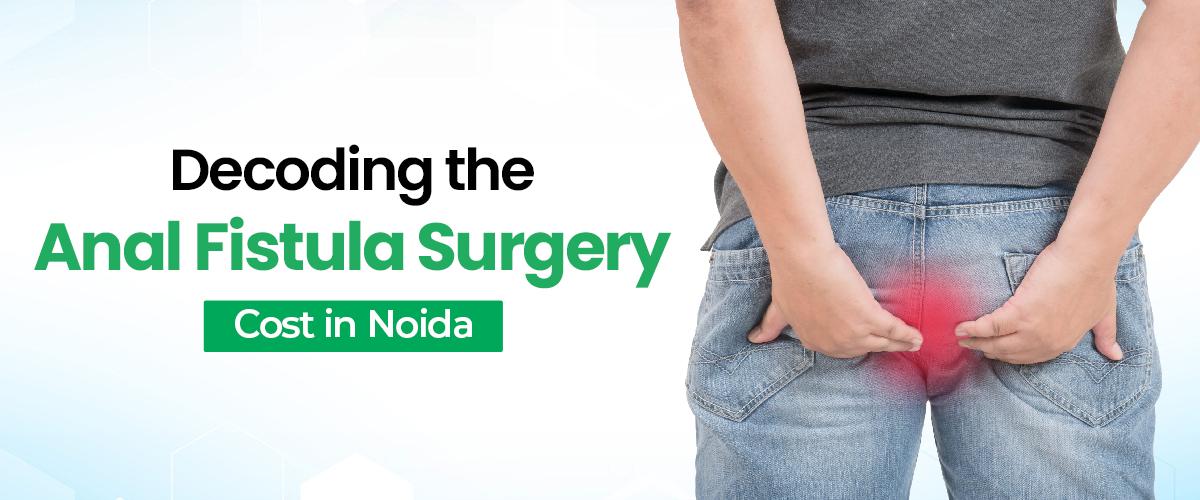
Are you dealing with the discomfort of anal fistulas? Then finding the right treatment path is essential. In Noida, you have a range of options to consider. From lifestyle changes to advanced surgical procedures, anal fistula surgery aims to alleviate discomfort and enhance well-being. Working with experienced proctologists, you can explore treatments, understand potential outcomes, and make informed decisions for your health.
Begin a journey towards relief and improved comfort. Noida boasts modern medical facilities and skilled proctologists, making it a favored destination for anal fistula surgery. The cost of fistula surgery in Noida is competitive, offering quality care that suits your budget. Whether you need minimally invasive procedures or comprehensive interventions, Noida provides access to quality treatments and affordable pricing for anal fistula surgery cost in Noida, significantly improving your comfort and quality of life.
The cost of fistula surgery can vary based on factors like the procedure, case complexity, hospital facilities, specialist fees, and post-operative care.
Book Your Appointment One click at +91 9667064100
Here's an estimated breakdown:
| Starting Cost | ₹ 35,000 |
| Average Cost | ₹ 42,500 |
| Maximum Cost | ₹ 50,000 |
Looking for affordable anal fistula surgery cost in Noida. Consult Felix Hospital's top specialists We prioritize exceptional care while ensuring affordability. Our experienced proctologists and dedicated staff are committed to delivering outstanding treatment that aligns with your budget. Begin your path to relief with confidence, knowing you're receiving top-notch care tailored to your needs.
Fistulotomy: The common method involves cutting the fistula to promote healing, with the lowest incontinence risk for simple cases. Approximate cost of Fistula surgery: INR 30,000 - 40,000.
Seton Techniques: For complex fistulas, a surgical thread is inserted to aid drainage, gradually leading to healing. Approximate fistula surgery cost for seton technique: INR 25,000 - 35,000.
Advancement Flap Procedure: A tissue flap from the rectum covers the fistula hole, with a lower success rate but less sphincter muscle risk. Approximate Fistula surgery cost for flap procedure: INR 40,000 - 50,000.
LIFT Procedure: Safely treats sphincter-involved fistulas by creating a flat seal, offering promising results. The Approximate cost for fistula surgery for LIFT procedure is: INR 35,000 - 45,000.
Endoscopic Ablation: Sealing the fistula using an endoscope and electrode, is effective and safe. The Approximate cost for Fistula surgery: INR 30,000 - 40,000.
Laser Surgery: Using a laser beam to seal the fistula, though effectiveness varies. The Approximate cost for Fistula Surgery: INR 25,000 - 35,000.
Fibrin Glue: Non-surgical option involving glue injection to encourage healing. Approximate cost: INR 20,000 - 30,000.
Bioprosthetic Plug: Blocking the fistula opening with a cone-shaped plug, is effective and safe. Approximate cost: INR 35,000 - 45,000.
Choose the appropriate anal fistula treatment cost in Noida based on your needs and consult with skilled professionals to make an informed decision for your well-being.
Choosing the right anal fistula treatment cost involves considering severity, medical guidance, and personal choices. Expert consultation will help determine the best approach, while cost of fistula surgery estimates vary by location and facility. For personalized anal fistula surgery cost details, contact Felix Hospital at 9667064100, and start your path to relief and well-being.
Your health insurance policy can alleviate the financial burden of treating an illness like a fistula. Covered cost of fistula surgery includes:
In-Patient Hospitalization: Expenses during hospital stays, including room rent, nursing care, ICU charges, doctor consultations, surgery, and ancillary supplies.
Pre-Hospitalization: Medical costs before admission, such as consultations, diagnostic tests, preventive measures, and medications.
Post-Hospitalization: Medical expenses after discharge, covering follow-up consultations, tests, and prescribed drugs.
Home Treatment: Some plans facilitate treatment at home, ensuring equal care whether in a medical facility or at home.
Cash Allowances: Exclusive daily cash allowance for incidental expenses during hospitalization, lightening the financial load.
Contact Felix Hospital at +91 9667064100 for tailored information on the cost for anal fistula surgery, taking the first step towards alleviating discomfort and improving your health.
An anal fistula is an unusual passage that develops between the skin surrounding the anus and the inner lining of the anal canal. This condition often arises due to infections or abscesses in the anal area.
There are different types of anal fistulas, distinguished by their specific paths and characteristics:
Intersphincteric Fistula: This type remains confined between the internal and external anal sphincter muscles. It tends to be relatively straightforward and may involve less complex treatment.
Transsphincteric Fistula: Extending through both the internal and external sphincters, this type can be more intricate. It may require extensive treatment strategy to ensure proper healing.
Suprasphincteric Fistula: This variant takes a route above the external sphincter, sometimes passing through the levator ani muscle. Treating this type may involve specialized approaches to address its unique path.
Extrasphincteric Fistula: Originating from the rectum, this type bypasses the sphincter muscles entirely and creates an external opening. Managing this type requires careful consideration of its distinct characteristics.
Identifying these signs and comprehending their root causes can facilitate prompt medical intervention and suitable management of anal fistulas. Searching for effective anal fistula treatment cost in Noida? Benefit from a 10% instant reduction in anal fistula surgery at Felix Hospital! Contact us at +91 9667064100.
Infection from Anal Glands: Most anal fistulas originate from infections in anal glands. The infection leads to an abscess that either self-drains or is surgically drained through the skin adjacent to the anus.
Formation of Tunnel: The abscess triggers the formation of a tunnel under the skin along the drainage path. This tunnel, known as a fistula, connects the anal gland or anal canal to an opening in the skin surrounding the anus.
Sphincter Muscle Involvement: The anal opening is encircled by rings of sphincter muscles that control stool release. Fistulas are categorized based on their interaction with these muscles, aiding surgeons in determining appropriate treatment options.
Physical Examination: A healthcare professional will conduct a thorough physical examination of the anal area to assess for signs of a fistula, such as external openings, inflammation, or discharge.
Medical History: Providing details about symptoms, previous infections, surgeries, and medical history helps in understanding the context and potential causes.
Imaging Tests: Techniques like ultrasound, MRI, or CT scans may be employed to visualize the fistula's path, location, and any complications.
Contrast Studies: A contrast dye may be introduced into the fistula tract to enhance its visibility during imaging procedures.
Proctoscopy/Colonoscopy: These procedures involve inserting a thin, flexible tube with a camera (endoscope) into the anus and rectum to examine the inner tissues and identify the fistula's characteristics.
Digital Rectal Examination: The healthcare provider may use a gloved finger to assess the rectum and anal canal for abnormalities.
Fistulogram: This X-ray procedure involves injecting contrast material into the fistula, enabling better visualization.
Laboratory Tests: Blood tests may be conducted to assess overall health and identify underlying conditions.
Prompt and accurate diagnosis aids in determining the appropriate treatment plan for anal fistulas. Learn about the specific cost for anal fistula surgery by connecting with Felix Hospital at +91 9667064100, setting the course for relief and a better quality of life.
History of Drained Anal Abscess: A prior experience of a drained anal abscess can elevate the risk of developing an anal fistula.
Inflammatory Bowel Conditions: Conditions like Crohn's disease or other inflammatory bowel diseases heighten susceptibility to anal fistulas.
Trauma to Anal Region: Traumatic incidents affecting the anal area can contribute to the formation of anal fistulas.
Infections in Anal Area: Infections occurring in the anal region can increase the likelihood of anal fistula development.
Previous Anal Cancer Treatment: Undergoing surgery or radiation for treating anal cancer may be associated with an increased risk of anal fistulas.
Age and Gender: While anal fistulas predominantly affect adults around 40 years old, they can also emerge in younger individuals, particularly if there is a history of Crohn's disease. The occurrence of anal fistulas is higher in males compared to females.
Understanding these risk factors aids in identifying individuals who may be more susceptible to anal fistulas and enables proactive measures for prevention and management. Need to know the precise cost for anal fistula surgery? Dial +91 9667064100 to connect with Felix Hospital and initiate your road to comfort and recovery.
Fasting and Hydration: Before undergoing anal fistula surgery with general anesthesia, you'll need to abstain from food and drink. Typically, fasting for six hours is required, with the exception of brief sips of water up to two hours before the procedure.
Health Check and Bowel Prep: Upon admission, medical professionals will monitor your vital signs, conduct tests like heart rate and blood pressure measurements, and may collect urine samples. In some cases, a bowel washout (enema) may be administered as part of the preparation process.
Preventive Measures: To minimize the risk of blood clots, you might be asked to wear compression stockings or receive anti-clotting medication intravenously. These precautions aim to ensure your well-being during and after the surgery.
Informed Consent: Your surgeon will provide a consent document outlining the procedure's potential outcomes, risks, benefits, and alternative options. Your informed consent is essential before the surgery proceeds.
Assessment: Fistula surgery typically takes around 30 minutes and varies based on the specific type of fistula. Your surgeon will carefully evaluate your condition to determine the optimal approach.
Digital Rectal Examination: A digital rectal exam is conducted to assess the fistula's size and location. Depending on the results, your surgeon will determine if fistulotomy is necessary.
Surgical Techniques: For superficial fistulas, surgeons may opt to let them heal naturally or use specific materials like sutures or setons to aid the healing process. In some cases, a bandage is applied, and innovative methods such as protein-based glue or plugs may be employed for closure.
Tailored Care: Your healthcare team will customize your treatment plan based on the extent and type of fistula, ensuring you receive the most appropriate care for your condition.
By understanding the preparatory steps and surgical process, you can approach anal fistula surgery with confidence, knowing you're well-informed and supported throughout the journey to recovery.
Day Surgery: Most patients undergo fistula surgery as a day procedure, returning home if no complications arise. For smaller and shallow fistulas, local anesthesia may suffice, while deeper cases require general anesthesia.
Consent and Assessment: Prior to surgery, necessary consent documents will be signed. An IV line will be inserted for medication and fluids, and a thorough assessment of vital signs will be conducted.
Anesthesia Consultation: You'll meet with an anesthesiologist to discuss allergies and anesthesia history, clarifying the type of anesthesia planned for your surgery.
Anesthesia Approach: Surgery involves either general anesthesia or monitored anesthesia care (MAC) for light sedation, administered through the IV line.
Surgical Positioning: Depending on the fistula's location, you'll be positioned supine, in the Kraske position, or lithotomy position with raised legs.
Fistulotomy Procedure: A skilled healthcare professional performs the fistulotomy by delicately opening the gap, preserving anal sphincters, and curating the wound's base. Marsupialization may be done to aid drainage and healing.
Post-Procedure: The wound is packed or coated with gauze, then wrapped for cleanliness. Recovery in a monitored setting follows, with pain management and comfort measures taken into account.
Recovery Room Monitoring: Post-surgery, you'll rest in a recovery room under supervision until fully awake. Nausea management and light sustenance may be provided.
Pain Management: Painkillers and antibiotics are prescribed, and wound care instructions are provided before discharge.
Home Care: You'll be sent home with essentials like pain relief, wound care items, and instructions. A responsible person is needed to accompany you home and assist post-surgery.
Recovery Duration: Depending on the procedure's extent, a week or more off work may be needed. Pain management and wound care continue during recovery.
Healing Period: Allow approximately six weeks for full wound recovery. Dressings may need daily changes at the hospital based on wound extent, with dressing duration discussed by your surgeon.
Dressing Assistance: Depending on wound healing progress, daily dressing changes may be required. For added protection, consider using a gauze pad in your underwear initially.
Temporary Effects: After anal fistula treatment, common side effects may include cramping, nausea, constipation, diarrhea, and localized pain. These discomforts tend to fade as your body heals.
Initial Rest: Take a few days to rest after surgery and let the anesthesia effects subside.
Gradual Activity: Gradually resume movement with assistance to prevent complications.
Pain Management: Use prescribed painkillers to alleviate post-anesthesia discomfort.
Ointment Application: If prescribed, apply topical ointment as directed for anal care.
Temporary Limitations: Avoid driving, alcohol, machinery use, and important decisions.
Balanced Diet: Opt for a fiber-rich, fluid-abundant, non-spicy diet to maintain soft stools.
Gentle Exercise: Engage in light, regular exercise to enhance both physical and emotional well-being.
Hygiene and Rest: Consistent showering, sleep, and relaxation support healing.
Follow-Up Care: Ensure to attend follow-up clinic visits for comprehensive recovery tracking.
With these mindful steps, your journey to recovery after fistula surgery is guided toward optimal healing and well-being.
Felix Hospital provides Fistula Treatment featuring Expert Surgeons, Advanced Facilities, Holistic Approach, Multi & Superspeciality Care, Accreditation for Safety & Quality, Skilled Medical Team, Positive Patient Feedback, Convenient Location, fistula treatment cost at effective prices, Complimentary Pick & Drop Service, and State-of-the-Art Amenities, alongside Acceptance of Private & Government Health Insurance.
At Felix Hospital, living with a fistula becomes a manageable condition, thanks to an array of contemporary surgical treatments. While fistula diagnosis, treatment, and recovery can be time-consuming and challenging, diverse treatment options ensure that people of all ages and varying severity levels can have their fistulas addressed effectively. Additionally, post-surgery, your healthcare provider's advice on diet, hygiene, and exercises becomes pivotal for prompt wound healing.

Understand the factors that influence gallbladder stone surgery cost in Noida, including hospital charges, surgeon expertise, type of procedure, and post-operative care expenses.

Appendix surgery, also known as appendectomy, is a common emergency procedure performed to treat appendicitis.
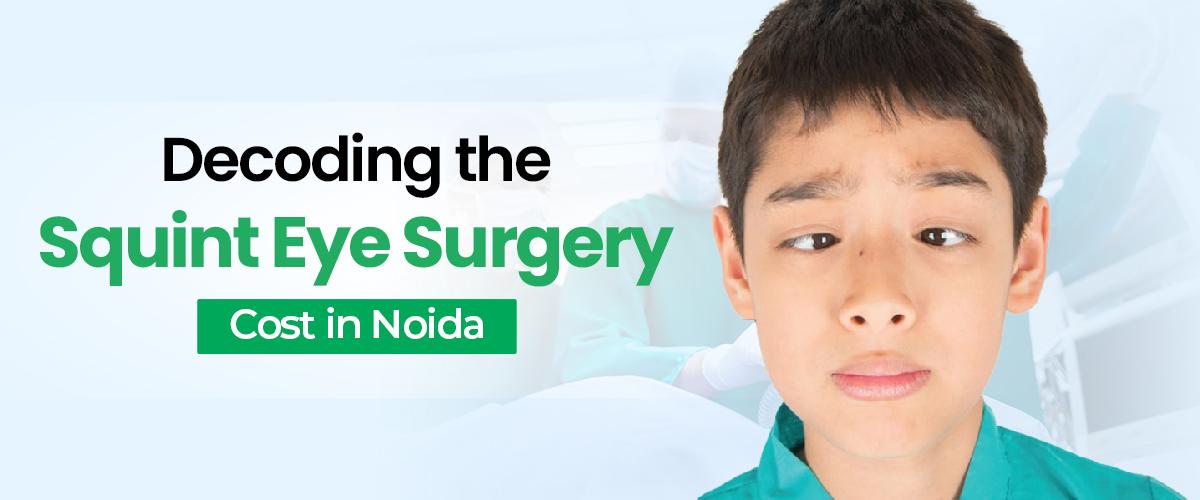
Are you grappling with persistent visual discomfort due to a squint eye condition? Squint eye surgery, or strabismus surgery, could hold the key to restoring your ocular alignment. When non-invasive interventions fall short in rectifying issues like crossed eyes or misalignment, squint eye surgery offers a potential solution for improved vision and enhanced eye coordination. By collaborating with an accomplished ophthalmologist, you can delve into the available options, grasp the potential benefits and risks, and make a well-informed choice about your visual health. Embark on the journey toward a clearer vision!
book an appointment with Best Eye Doctor In Noida. Call now at +91-9667064100.
Table of Contents
India shines as a sought-after hub for cost-effective and top-tier medical interventions, including squint eye surgery. With advanced medical infrastructure and renowned eye surgeons, India presents a compelling proposition for quality healthcare that can make a transformative impact. The squint eye surgery cost in Noida is significantly lower than global or Indian States alternatives, rendering it an appealing selection for those seeking the procedure. Whether your need entails correcting esotropia or exotropia, you can access exceptional treatment and favorable outcomes without straining your financial resources.
Several factors contribute to the squint eye surgery cost, encompassing the specific procedure, complexity of the case, hospital amenities, surgeon's fees, and post-operative care. Here's an approximate breakdown of the cost:
| Starting Cost | ₹ 20,000 |
| Average Cost | ₹ 30,000-40,000 |
| Maximum Cost | ₹ 50,000 or more |
Looking for budget-friendly solutions for squint eye surgery cost in Noida at Felix Hospital in your city? We recognize the significance of providing superior eye care within your financial means. Our team of highly skilled ophthalmologists and dedicated personnel are committed to delivering exceptional treatment at a cost you can manage.
Please note that the provided costs are approximate and can vary. For a more accurate cost estimate tailored to your situation, it is recommended to consult with an eye care specialist.
It's important to note that the cost of squint eye Treatment is influenced by a combination of these factors, and the precise amount may vary based on individual circumstances and treatment plans. Consulting with a qualified ophthalmologist and understanding these factors can provide a clearer picture of the potential cost of squint eye Treatment.
Squint, also known as strabismus, refers to a condition where a person's eyes do not align correctly and gaze in divergent directions. Although commonly observed in children, it can manifest at any age and is treatable through corrective lenses and other interventions.
Strabismus can present as either constant or intermittent misalignment of the eyes, often arising from a lack of coordination among the extraocular muscles responsible for eye and eyelid movement. Consequently, both eyes struggle to focus on the same point simultaneously.
This misalignment can also result from brain injuries or disorders that impede the eyes' collaborative function. Constant strabismus eliminates the possibility of binocular vision, leading to a loss of depth perception.
This condition is estimated to impact approximately 2-5% of the general population, making it a significant concern.
Strabismus presents in various forms, categorized by either its underlying cause or the specific direction in which the eye deviates.
Strabismus is classified based on the eye's positions as follows:
Recognizing strabismus early on is crucial for effective treatment. While there was a prior belief that strabismus could not be treated after a certain "critical period," recent understanding has debunked this notion.
While treatment during the initial six years of life is generally deemed most effective, strabismus surgery remains a viable option at any stage, offering hope for improved alignment and visual harmony.
Squint, or strabismus, is often noticeable in children from an early age, with one eye not aligning straight ahead. In milder cases, the squint may be less apparent.
During infancy and the newborn stage, occasional cross-eyed appearance, particularly when fatigued, is not necessarily indicative of a squint. Parents should consult a doctor to confirm. A child closing one eye or tilting their head while focusing could signal double vision and potentially point to a squint. Seeking medical advice is advisable in such cases. Strabismus typically emerges either at birth or manifests after the first three months of life.
If left untreated, squint can result in amblyopia, commonly referred to as "lazy eye," where the brain begins to disregard signals from one eye. The brain's mechanism of ignoring one eye is a protective measure against double vision. When impaired vision is present in the affected eye, a child may benefit from wearing an eye patch. This encourages the development of visual abilities. Occasionally, a squint successfully treated during childhood may reappear in adulthood.
This recurrence can lead to double vision in adulthood, as the brain has already been trained to process input from both eyes, precluding the option of ignoring one. Being vigilant about these signs and symptoms, seeking early medical intervention, and exploring appropriate treatments can significantly enhance visual health and overall well-being.
Strabismus, as evidenced by various sources, can stem from the following factors:
Strabismus stemming from refractive errors tends to become noticeable later in life, typically around the age of 2 years or older. Furthermore, conditions like hydrocephalus, characterized by an accumulation of cerebrospinal fluid around the brain, have also been associated with strabismus.
Certain viral infections, including measles, have the potential to trigger strabismus. Additionally, specific genetic conditions like Noonan syndrome can contribute to its occurrence.
Regular eye examinations during a child's developmental stages are essential. The American Optometric Association advises initiating eye tests at around 6 months of age, or even earlier if a constant eye turn is observed.
Upon detecting signs of strabismus, the child is typically referred to an ophthalmologist for further evaluation. The eye doctor may employ eye drops to dilate the pupils before conducting tests.
One of these diagnostic tests, the Hirschberg test or corneal reflex test, helps determine the presence of strabismus. By shining a light into the eyes and observing the reflection from the corneas, the doctor can identify deviations such as exotropia, hypertropia, esotropia, or hypotropia. It's worth noting that some individuals may exhibit multiple tropias simultaneously.
Effective treatment initiation is crucial to mitigate complications like amblyopia, or lazy eye. Timeliness significantly impacts treatment success, with younger patients generally responding more favorably.
However, while surgery can align the eyes physically, For complete vision restoration one might require a vision therapy program.
Vision therapy, encompassing eye exercises, is beneficial for those with intermittent strabismus. Although not a comprehensive treatment, it is particularly useful for specific cases. Ophthalmologists specialize in vision therapy and tailor approaches based on the strabismus type.
One common vision therapy exercise is the home-based pencil pushups (HBPP):
Performing this exercise for 15 minutes daily over six weeks found that it rivaled office-based orthoptic therapy in effectiveness.
The detailed management of strabismus involves accurate diagnosis, prompt treatment, and tailored interventions, ensuring optimal vision and well-being.
Choose Felix Hospital for Squint Eye Surgery:
Reach out to Felix Hospital today to explore squint eye surgery options and personalized patient care.
Discover your vision transformation with Squint Eye Surgery at Felix Hospital. Our skilled surgeons offer relief from discomfort and enhance visual alignment through squint eye surgery. Experience improved vision and self-confidence. While immediate results are apparent, it's important to acknowledge that swelling may subside and surgical effects may fade over several months. The enduring benefits are immeasurable. For details about squint eye surgery costs, please connect with us at +91 9667064100. The cost for squint eye surgery treatment at Felix Hospital is an investment in both vision and confidence, ensuring a brighter future ahead.
Book an Online Appointment: https://www.felixhospital.com/contact
Eye flu, also known as conjunctivitis, is a common eye infection causing redness, irritation, and watering. Learn its causes, symptoms, and effective treatments.
Cataract surgery is essential to restore clear vision and prevent permanent blindness. It removes the cloudy lens and replaces it with an artificial one, helping patients regain normal sight and quality of life.
ऑर्थोपेडिक्स एक विशेष क्षेत्र है जो मस्कुलोस्केलेटल सिस्टम के इलाज पर ध्यान केंद्रित करता है, जिसमें मांसपेशियाँ, हड्डियाँ, जोड़, लिगामेंट और टेंडन शामिल हैं। ऑर्थोपेडिस्ट एक मेडिकल स्पेशलिस्ट है जो सर्जिकल और नॉन-सर्जिकल दोनों तरीकों का उपयोग विभिन्न मस्कुलोस्केलेटल समस्याओं जैसे खेल की चोट, जोड़ों में दर्द और पीठ संबंधित समस्याओं का इलाज करने के लिए करता है। इस कंप्रीहेंसिव आर्टिकल में, हम ऑर्थोपेडिस्ट द्वारा इलाज की गई विभिन्न स्थितियों की खोज करेंगे, ऑर्थोपेडिक अपॉइंटमेंट के दौरान क्या उम्मीद करेंगे और एक प्रतिष्ठित ऑर्थोपेडिस्ट बनने के लिए आवश्यक योग्यताओं की खोज करेंगे।
आर्थोपेडिक्स, जिसे आर्थोपेडिक सर्जरी भी कहा जाता है, एक मेडिकल ब्रांच है जो स्केलेटल सिस्टम और इसके संबंधित भागों की पूरी देखभाल पर ध्यान केंद्रित करती है। इसमें हड्डियाँ, मांसपेशियाँ, जोड़, टेंडन, लिगामेंट और तंत्रिकाएँ शामिल हैं। आर्थोपेडिक्स के क्षेत्र में, आमतौर पर दो प्रकार के डॉक्टर होते हैं: सर्जिकल और नॉन-सर्जिकल। आर्थोपेडिक सर्जन, जैसा कि इन्हें भी कहा जाता है, सर्जिकल इंटरवेंशन करने में विशेषज्ञ होते हैं, जबकि नॉन-सर्जिकल आर्थोपेडिस्ट में फिजिएट्रिस्ट और फिजिकल मेडिसिन और रिहैबिलिटेशन के विशेषज्ञ शामिल होते हैं, जो नॉन-सर्जिकल उपचार विकल्पों पर ध्यान केंद्रित करते हैं।
व्यापक देखभाल प्रदान करने के लिए, आमतौर पर ऑर्थोपेडिस्ट एक बड़ी ऑर्थोपेडिक ट्रीटमेंट टीम के साथ सहयोग से काम करते हैं। इस टीम में फिजिशियन असिस्टेंट्स, नर्स प्रैक्टिशनर्स, व्यावसायिक और फिजिकल थेरपिस्ट्स, और एथलेटिक ट्रेनर्स शामिल हो सकते हैं। साथ ही, वे यह सुनिश्चित करने के लिए एक बहुविधात्मक दृष्टिकोण का उपयोग करते हैं कि प्रत्येक रोगी की विशिष्ट मस्कुलोस्केलेटल स्थिति, चोट या बीमारी के लिए उपयुक्त उपचार योजना तैयार की जा सके। खेल की चोटों, संयुक्त समस्याओं, पीठ दर्द या अन्य मस्कुलोस्केलेटल समस्याओं को दूर करते समय, ऑर्थोपेडिक विशेषज्ञ रोगियों के परिणामों और समग्र जीवन की समग्र गुणवत्ता को बढ़ावा देने के लिए समग्र उपचार पर ध्यान केंद्रित करने का प्रयास करते हैं।
फ़ेलिक्स हॉस्पिटल: अधिकृत ऑर्थोपेडिक सर्जरी उपचार के लिए अनुभवी डॉक्टरों के साथ। बुक करें: +91 9667064100
ऑर्थोपेडिस्ट विभिन्न मस्कुलोस्केलेटल (हड्डी और मांसपेशियों से संबंधित) समस्याओं के इलाज में विशेषज्ञ होते हैं। ये समस्याएँ जन्म से उत्पन्न हो सकती हैं या चोट या उम्र से संबंधित हो सकती हैं।
नीचे कुछ ऐसी सामान्य समस्याएं हैं जिनका आर्थोपेडिस्ट इलाज करते हैं:
सॉफ्ट टिश्यू (मांसपेशियों, टेंडन, बंधक) के चोट से होने वाले दर्द का इलाज
पीठ दर्द
गर्दन का दर्द
कंधे का दर्द और समस्याएं, जैसे कि बर्साइटिस
कार्पल टनल सिंड्रोम
अधिक प्रयोग और खेल के चोट, जैसे कि स्प्रेन, टेंडनाइटिस, मेनिस्कस टियर और एंटीरियर क्रूसिएट लिगामेंट (एसीएल) टियर
जन्मजात स्थितियाँ, जैसे कि क्लबफुट और स्कोलियोसिस
हड्डी कैंसर
इसके अलावा, ऑर्थोपेडिस्ट के पास सर्जिकल और नॉन-सर्जिकल दोनों हस्तक्षेपों में विशेषज्ञता होती है, और वे दर्द को कम करने, गतिशीलता को पुनर्स्थापित करने और अपने मरीजों की जीवन की समग्र गुणवत्ता को बढ़ाने का प्रयास करते हैं। चाहे वे एक साधारण चोट या एक जटिल जन्मजात स्थिति का इलाज कर रहे हों, आर्थोपेडिस्ट अपने विशेषज्ञता के साथ प्रत्येक व्यक्ति की विशेष मस्कुलोस्केलेटल विशेषज्ञ ऑर्थोपेडिक सर्जरी: पेशेवर टीम के साथ उच्च गुणवत्ता की देखभाल।
ऑर्थोपेडिक सर्जरी से पहले व्यक्ति को एक योग्य और मान्यता प्राप्त सर्जन का चयन करना एक महत्वपूर्ण निर्णय है, वह व्यक्ति जो किसी संगठन से जुड़ा हो। सुनिश्चित करें कि सर्जन:
मान्यता प्राप्त मेडिकल स्कूल का स्नातक है।
ऑर्थोपेडिक सर्जरी में एक रेजीडेंसी पूरी की है।
इंडियन ऑर्थोपेडिक एसोसिएशन (IOA) या इंडियन ऑर्थोपेडिक सोसायटी (IOS) से प्रमाणीकरण है।
प्रक्रिया को करने के लिए पर्याप्त अनुभव और पेशेवर प्रशिक्षण है।
केवल मान्यता प्राप्त मेडिकल संस्थानों में ही अभ्यस्त है।
चिकित्सा शिक्षा अनुशासन, रोगी सुरक्षा मानकों, और कठोर नैतिकता का पालन करता है।
एक ऑर्थोपेडिक सर्जन खोजने के लिए, व्यक्ति इंडियन ऑर्थोपेडिक एसोसिएशन (IOA) और इंडियन ऑर्थोपेडिक सोसायटी (IOS) की वेबसाइट का उपयोग कर सकता है।
प्रारंभिक अपॉइंटमेंट के दौरान, ऑर्थोपेडिस्ट व्यक्ति की स्थिति का निदान करने के लिए एक विस्तृत परीक्षण करेंगे, जिसमें शारीरिक मूल्यांकन और एक्स-रे शामिल हो सकते हैं।
कुछ मामलों में, डॉक्टर ऑफ़िस में परीक्षण कार्रवाई कर सकता है या निदान की पुष्टि के लिए अतिरिक्त परीक्षणों को आदेश दे सकता है। निदान प्रक्रिया में निम्नलिखित शामिल होगा:
व्यक्ति के लक्षणों के बारे में पूछताछ करना।
उनके मेडिकल रिकॉर्ड की समीक्षा करके उनके मेडिकल इतिहास और सामान्य स्वास्थ्य के बारे में अधिक जानकारी जुटाना।
एक जांच करता है।
अपॉइंटमेंट से पहले जितने भी एक्स-रे किये गए हो, उन्हें समीक्षा करना।
ऑर्थोपेडिस्ट अतिरिक्त निदान परीक्षणों को भी सूचित कर सकते हैं।, जैसे कि एमआरआई स्कैन, सीटी स्कैन, बोन स्कैन, अल्ट्रासाउंड, नस संचार अध्ययन, या रक्त परीक्षण। साथ ही, ऑर्थोपेडिस्ट विशेष युक्तियों के निदान और उपचार के लिए ऑफ़िस में कार्रवाई भी कर सकते हैं।
किसी व्यक्ति की नियुक्ति के दौरान, ऑर्थोपेडिस्ट अक्सर कार्यालय में एक्स-रे और अल्ट्रासाउंड स्कैन करते हैं, जिससे उन्हें कुछ विशिष्ट स्थितियों की जांच करने की अनुमति मिलती है। वे सूजन को कम करने के लिए कॉर्टिकोस्टेरॉयड इंजेक्शन जैसे इंजेक्शन भी प्रदान करते हैं। गंभीर चोटों के मामले में, जैसे हड्डियों के फ्रैक्चर या स्थानांतरित जोड़ों के, ऑर्थोपेडिस्ट हड्डियों या जोड़ों को केस्टिंग, प्लास्टरिंग या ब्रेसिंग जैसी तकनीकों का उपयोग करके ठीक करते हैं।
अस्थायी और स्थायी मांसपेशियों और हड्डियों से संबंधित दीर्घकालिक स्थितियों के इलाज के लिए, व्यक्ति के ऑर्थोपेडिस्ट एक या एक से अधिक निम्नलिखित इलाज की सिफारिश कर सकते हैं:
पुनर्वास और शारीरिक चिकित्सा
घरेलू व्यायाम कार्यक्रम
इंजेक्शन जैसे हायलूरोनिक एसिड या प्लेटलेट-रिच प्लाज्मा (पीआरपी) थेरेपी
दर्द को कम करने के लिए एक्यूपंक्चर का उपयोग
ब्रेस, क्रच्च, या वॉकर जैसे गतिविधियों के लिए सहायता उपकरण
अन्य इलाज विफल होने पर ऑपरेशन।
ऑर्थोपेडिक चिकित्सा विभिन्न उपविशेषताओं को सम्मिलित करती है, जिनमें ऑर्थोपेडिस्ट अक्सर किसी विशेष क्षेत्र में विशेषज्ञता विकसित करते हैं। कुछ महत्वपूर्ण ऑर्थोपेडिक उपविशेषताओं में निम्नलिखित शामिल हैं:
हाथ और ऊपरी अंग: हाथ, कलाई, बांह और कंधे से संबंधित स्थितियों का निदान और उपचार करने में विशेषज्ञता।
पेअर और जांघ या लोगों के पैरों की समस्याओं और बीमारियों का इलाज: पैर और टखने से संबंधित मुद्दों पर ध्यान केंद्रित करता है, जिसमें चोट, विकलांगता और प्लांटर फासाइटिस जैसी स्थितियां शामिल होती हैं।
ऑर्थोपेडिक ऑन्कोलॉजी: हड्डी के ट्यूमर और कैंसर के निदान और उपचार से जुड़ा विशेषज्ञता, मस्सों के संबंधित कैंसर रोगियों के लिए सम्पूर्ण देखभाल प्रदान करता है।
पीडियाट्रिक ऑर्थोपेडिक: बच्चों और जवानों की विशेष ऑर्थोपेडिक जरूरतों पर ध्यान केंद्रित करता है, विकास संबंधी स्थितियों और चोटों का समाधान करता है।
स्पोर्ट्स मेडिसिन: खेल से संबंधित चोटों का प्रबंधन करता है और खिलाड़ियों को उनके प्रदर्शन को बेहतर बनाने और शीघ्र स्वास्थ्यीकरण के लिए विशेष देखभाल प्रदान करता है।
रीढ़ की सर्जरी: रीढ़ की हड्डी में असामान्यताओं और स्थितियों पर ध्यान केंद्रित करता है और रीढ़ से सम्बंधित मुद्दों के लिए सर्जिकल हस्तक्षेप प्रदान करता है.
ट्रॉमा सर्जरी: दुर्घटनाओं गिरावट या आघातजनक घटनाओं के कारन होने वाली गंभीर ओर्थपेडीक चोटों का प्रबंधन करता है
अग्रणी स्वास्थ्य सेवाएं: फ़ेलिक्स हॉस्पिटल में उच्च गुणवत्ता की देखभाल का अनुभव करें।
जोइंट रिप्लेसमेंट सर्जरी: (Joint Replacement Surgery in hindi)
टोटल जोइंट रिप्लेसमेंट या आर्थ्रोप्लास्टी, जिसमें किसी टूटा फूटा जोइंट के घावदार सतहों को निकाल दिया जाता है और उसे प्रोस्थेसिस के साथ बदल दिया जाता है ताकि एक स्वाभाविक स्वस्थ जोइंट के कार्यों को पुनर्स्थापित किया जा सके। टोटल जोइंट रिप्लेसमेंट के बाद, एक घायल जोड़ों की टूटा फूटा सतहों को डिब्राईड करते हुए की व्यक्ति दैनिक गतिविधियों को तेजी से दोबारा शुरू कर सकते हैं.
आर्थ्रोस्कोपिक सर्जरी एक न्यूनतम आक्रमण प्रक्रिया है जो संयुक्त समस्याओं का निदान करने के लिए एक आर्थ्रोस्कोप का उपयोग करती है। आर्थ्रोस्कोप एक लंबा, पतला कैमरा है - लगभग एक बटनहोल का आकार - जिसे एक ऑर्थोपेडिक सर्जन व्यक्ति के संयुक्त में संभाल सकता है, ज्यादातर तो घुटने या कंधे में। कैमरा विडियो मॉनिटर से जुड़ता है जो उन्हें संयुक्त के अंदर को देखने में सहायता करता है। इसके बाद सर्जन विभिन्न छोटे और पतले साधनों का उपयोग करते हैं और छोटे इंसीजन बनाने और विभिन्न समस्याओं का समाधान करने के लिए फ्लूइड-आधारित उद्दीपन के साथ करते हैं। आर्थ्रोस्कोपिक सर्जरी संयुक्त चोट, एसीएल चोट और रोटेटर कफ चोट जैसी सामान्य संयुक्त चोट को मरम्मत करने के लिए सबसे आम तरीका है। आर्थ्रोस्कोपी के बाद चिकित्सा उपाय के अनुसार व्यक्ति को एक सप्ताह से कई महीने तक पूरी तरह से ठीक होने में लग सकता है।
फ्रैक्चर रिपेयर सर्जरी, गंभीर तोड़े हुए हड्डी की सामान्य शारीरिक संरचना को बहाल करने के लिए एक ऑर्थोपेडिक सर्जन द्वारा सिफारिश की जा सकती है। हड्डी को स्थिर करने के लिए वे अलग-अलग प्रकार के इंप्लांट का उपयोग कर सकते हैं। इनमें रॉड्स, प्लेट्स, स्क्रूज और तार हो सकते हैं। फ्रैक्चर रिपेयर सर्जरी के बाद, व्यक्ति को सामान्य मांसपेशियों की ताकत और घातक क्षेत्र में गति की कमी हो सकती है। हालांकि, डॉक्टर सामान्य मांसपेशियों की ताकत, वे समन्वित गतिविधि और लचीलापन पुनर्स्थापन के लिए विशिष्ट व्यायाम की सलाह देंगे।
ऑर्थोपेडिक सर्जन बोन ग्राफ़्टिंग का सर्जरी प्रक्रिया करते हैं जब व्यक्ति के शरीर में पर्याप्त मात्रा में नया हड्डी उत्पन्न नहीं कर सकता है। बोन ग्राफ़्टिंग सर्जरी में, ऑर्थोपेडिक सर्जन व्यक्ति के शरीर से या डोनर से हड्डियों की मरीज या क्षतिग्रस्त हड्डियों को मरम्मत और मजबूत करने के लिए हड्डियों का उपयोग करते हैं। जब प्राकृतिक हड्डी ग्राफ़्ट उपलब्ध नहीं होते हैं, तो सिंथेटिक बॉन ग्राफ्ट और जैविक कारकों के उपयोग पर भी विचार किया जा सकता है।
स्पाइनल फ्यूज़न सर्जरी में, डॉक्टर दो या दो से अधिक वर्टिब्रे को मिलाकर स्पाइन के समस्याओं को सुधारते हैं। यह प्रक्रिया वर्टिब्रे को एक, दृढ़ मस्से के रूप में बढ़ाने की अनुमति देती है। ऑर्थोपेडिक स्पाइन सर्जन आमतौर पर कुछ पीठ और गर्दन समस्याओं के लिए स्पाइनल फ्यूज़न कर सकते हैं, जिनमें स्कोलियोसिस और वर्टिब्रे या इंटरवर्टिब्रे डिस्क के चोट हो सकती हैं।
ऑर्थोपेडिक सर्जरी में विशेषज्ञ अनुभवी सर्जन
आधुनिक तकनीकों का उपयोग करके व्यक्तिगत उपचार योजनाएँ
त्वरित रिकवरी के लिए न्यूनतम आघात वाली सर्जरी
आरामदायक अवधि के दौरान समर्पित देखभाल
साफ़ और सस्ती स्वास्थ्य सेवा के लिए पारदर्शीमूल्यकरण
फ़ेलिक्स हॉस्पिटल में उच्च गुणवत्ता की देखभाल का अनुभव करें। परामर्श के लिए +91 9667064100 पर संपर्क करें या हमारी ऑर्थोपेडिक सेवाओं के बारे में अधिक जानने के लिए संपर्क करें।
ऑर्थोपेडिक्स एक विशेष चिकित्सा क्षेत्र है जो मस्तिष्क-संबंधी समस्याओं और बीमारियों का इलाज करने पर ध्यान केंद्रित करता है। कुछ समस्याएं जन्म में पाई जाती हैं, जबकि कुछ चोट या उम्र से संबंधित पहनावे के कारण हो सकती हैं। ऑर्थोपेडिस्ट अक्सर एक विस्तृत ऑर्थोपेडिक टीम का हिस्सा बनते हैं, जिसमें फिजिशियन असिस्टेंट्स, नर्स प्रैक्टिशनर्स, एथलेटिक ट्रेनर्स, और ऑक्यूपेशनल या फिजिकल थेरेपिस्ट्स शामिल होते हैं। साथ मिलकर, वे मस्तिष्क-संबंधी समस्याओं या चोटों वाले व्यक्तियों के लिए व्यापक निदान, उपचार, और पुनर्वास करते हैं। ऑर्थोपेडिक सर्जन अपने मेडिकल लाइसेंस प्राप्त करने के लिए तंत्रिका शिक्षा तक का व्यायाम करते हैं। उन्हें इसे बनाए रखने के लिए नियमित शिक्षा और पेशेवर विकास करने के लिए सतत प्रयास करना होता है।
प्रश्न: बिना शल्य चिकित्सा के उपचार क्या उपलब्ध हैं?
उत्तर: आपके स्थिति और समस्या के आधार पर, हम आपको फिजियोथेरेपी, मेडिकल मैनेजमेंट, या दवाइयों के साथ शारीरिक चिकित्सा आपूर्ति के विकल्प की सलाह दे सकते हैं।
प्रश्न: क्या मैं इस प्रक्रिया के लिए अच्छे उम्मीदवार हूँ?
उत्तर: हम एक विस्तृत परीक्षण के बाद आपकी स्थिति का मूल्यांकन करेंगे और आपको आवश्यक उपचार के बारे में जानकारी प्रदान करेंगे।
प्रश्न: शल्य विधियाँ चिकित्सक द्वारा कैसे उपयोग की जाएंगी?
उत्तर: शल्य चिकित्सा समस्या की प्रकृति और गंभीरता के आधार पर चयनित की जाती है। यह हड्डियों, जोड़ों, या अन्य संरचनाओं की समस्याओं के लिए किया जा सकता है।
प्रश्न: प्रक्रिया के जोखिम या संभावित समस्याएं क्या हैं?
उत्तर: आपके विशिष्ट मामले पर निर्भर करता है, लेकिन कुछ सामान्य जोखिम शामिल हो सकते हैं, जैसे कि संक्रमण, रक्तस्राव, या ऑपरेशन के बाद की चिकित्सा स्थितियाँ।
प्रश्न: प्रक्रिया के लाभ क्या हैं?
उत्तर: प्रक्रिया आपकी समस्या को सुधारने में मदद कर सकती है और आपकी जीवन गुणवत्ता को बढ़ा सकती है, जैसे कि दर्द की कमी, संचालन की सुविधा, और सामान्य कार्यों में सुधार।
प्रश्न: इस उपचार के लाभ की अवधि कितनी रहेगी?
उत्तर: यह आपकी समस्या के प्रकार और गंभीरता पर निर्भर करेगा। कुछ मामलों में, आपको तुरंत लाभ मिल सकता है, जबकि कुछ में देरी लग सकती है।
प्रश्न: इस प्रक्रिया की सफलता दर क्या है?
उत्तर: सफलता दर आपकी समस्या के प्रकार और उपचार के परिणामों पर निर्भर करती है, हालांकि आमतौर पर आर्थोपेडिक प्रक्रियाओं की सफलता दर अच्छी होती है।
प्रश्न: सर्वोत्तम परिणाम प्राप्त करने के लिए मुझे क्या करना होगा?
उत्तर: आपके चिकित्सक के दिए गए उपचार योजना का पूरा पालन करें, समस्या के उपचार में सहायक होने वाली सभी सलाहों का पालन करें, और स्वस्थ जीवनशैली अपनाएं।
प्रश्न: प्रक्रिया को कैसे और कहां किया जाएगा?
उत्तर: आपके चिकित्सक आपको प्रक्रिया के सभी विवरण और स्थल के बारे में जानकारी प्रदान करेंगे, जिसमें स्थान, समय, और सभी आवश्यक तैयारियाँ शामिल होंगी।
प्रश्न: यदि समस्याएं आती हैं, तो सर्जन उन्हें कैसे संभालेंगे?
उत्तर: आपके चिकित्सक समस्याओं का संभालने और उन्हें सुलझाने के लिए आपको जानकारी और मार्गदर्शन प्रदान करेंगे, और यदि आवश्यक हो, तो आपके उपचार की प्रक्रिया में बदलाव करेंगे।
यदि आप नोएडा में सर्वश्रेष्ठ अस्पताल की तलाश में हैं, तो फेलिक्स अस्पताल जाएँ या +(91)9667064100 पर कॉल करें।
बवासीर या पाइल्स (Piles) हिंदी में एक आम समस्या है, जिसमें निचले गुदा और आंत्र में सूजे हुए नसें बन जाती हैं। इन सूजनों से आसपास के कोशिकाओं में भी सूजन हो सकती है। यह सूजन विभिन्न आकार और स्थानों में हो सकती हैं। अधिकांश लोगों को बवासीर होती है, लेकिन यह लक्षण सभी के लिए एक जैसे नहीं होते। भारत में 50 वर्ष से अधिक उम्र के लोगों में कम से कम 50% लोगों को बवासीर (Hemorrhoids in hindi) के लक्षण प्रकट होते हैं।
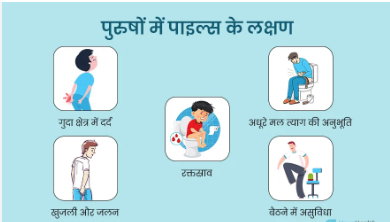
इस लेख में, हम बवासीर के विश्व में चलने वाले मुद्दे पर खुलकर बात करेंगे, जिसमें उनके कारण और उनमें विकास करने वाले कारकों को जांचेंगे। हम इसके निदान और ग्रेडिंग के बारे में भी चर्चा करेंगे ताकि हम इनकी गंभीरता को बेहतर से समझ सकें। इसके अलावा, हम इस समस्या का प्रभाव से संबंधित विभिन्न उपचार विकल्पों को विचार करेंगे और उनके शरीर पर क्या प्रभाव हो सकता है उसकी भी जांच करेंगे।
इस आम समस्या को समझने से लोग उचित चिकित्सा सहायता ले सकते हैं और बवासीर के साथ होने वाली असहजता और लक्षणों से राहत पा सकते हैं।
एक्सपर्ट सुझाव के लिए कॉल करें +91 9667064100.
बवासीर, जिसे हिंदी में पाइल्स भी कहा जाता है, निचले गुदा और आंत्र में सूजे हुए नसें होती हैं। ये सूजे हुए नसें गुदा क्षेत्र में ऊपरी अंशों में आंतों के भीतर विकसित होती हैं। इन नसों की सूजन के कारण आसपास की कोशिकाओं के बढ़ जाने से गुदा क्षेत्र में दर्द और असहजता हो सकती है। ये सूजन विभिन्न आकार और स्थानों में हो सकती हैं। बवासीर के दो प्रमुख प्रकार होते हैं: आंतरिक बवासीर और बाह्य बवासीर (External hemorrhoids in hindi)। आंतरिक बवासीर आंत्र के भीतर विकसित होते हैं और सामान्यतः बाहरी जाँच में नहीं दिखते हैं। हालांकि, कुछ मामलों में, आंतरिक बवासीर बाहर निकल जाते हैं, जिसे 'प्रोलैप्स्ड हेमरॉयड' कहते हैं।
गुदा क्षेत्र में दर्द और असहजता, सूजन, और विभिन्न आकार और स्थानों में हो सकती हैं। चिकित्सा विशेषज्ञ आंतरिक बवासीर को चार-स्तरीय स्केल पर ग्रेड करते हैं:
दूसरी ओर, बाह्य बवासीर गुदा के बाहर की किनारे पर छोटे गांठें बनाते हैं। ये गांठें बहुत खुजलाने वाली होती हैं और यदि उनमें खून का थक्का जम जाए तो दर्द हो सकता है। खून के थक्के जमने वाली बाह्य बवासीर को 'थ्रोम्बोस्ड बाह्य बवासीर' कहते हैं, जिसके लिए तुरंत चिकित्सा उपचार की जरूरत होती है। आंतरिक और बाह्य बवासीर के बीच अंतर को समझना, उनकी गंभीरता को ग्रेडिंग के माध्यम से समझना, उचित उपचार द्वारा निदान और प्रबंधन करने में महत्वपूर्ण होता है।
बवासीर के साथ होने वाली असहजता को पहचानने और उचित देखभाल करने से तकलीफ को कम करने में मदद मिल सकती है। समय रहते इलाज और लाइफस्टाइल बदलाव अक्सर दर्द से राहत प्रदान करते हैं और समस्या की आगे की प्रक्रिया को रोक सकते हैं।
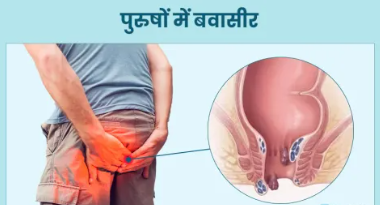
आंतरिक और बाह्य बवासीर (External Hemorrhoids) के बीच अंतर को समझना, उनकी गंभीरता को ग्रेडिंग के माध्यम से समझना, उचित उपचार द्वारा निदान और प्रबंधन करने में महत्वपूर्ण होता है। बवासीर के साथ होने वाली असहजता को पहचानने और उचित देखभाल करने से तकलीफ को कम करने में मदद मिल सकती है। समय रहते इलाज और लाइफस्टाइल बदलाव अक्सर दर्द से राहत प्रदान करते हैं और समस्या की आगे की प्रक्रिया को रोक सकते हैं।
बवासीर के लक्षण तीव्रता में भिन्न-भिन्न हो सकते हैं, और अधिकांश मामलों में ये गंभीर नहीं होते और अपने आप ठीक हो जाते हैं। हालांकि, बवासीर वाले व्यक्ति को विभिन्न परेशानियाँ हो सकती हैं, जैसे:
बवासीर के लक्षण की अधिकतर घटनाएं गंभीर समस्याओं में बदल नहीं जाती हैं, लेकिन अगर लक्षण बने रहते हैं या खून के बहुत निकलने या संक्रमण के संकेत होते हैं तो समय रहते चिकित्सा सलाह लेना महत्वपूर्ण है।
अधिकांश लोगों को बवासीर के लक्षण के बारे में कुछ पता नहीं होता है, लेकिन संभावित समस्याओं के बारे में जागरूकता रखने और उचित देखभाल करवाने से इस समस्या को ठीक से संभाला जा सकता है। समय रहते उपचार और लाइफस्टाइल बदलाव से आम तौर पर दर्द को कम किया जा सकता है और समस्या की आगे की प्रक्रिया को रोका जा सकता है।
बवासीर, या हेमरॉइड्स (Hemorrhoids), निचले गुदा (Lower anus) भाग और गुदा के चारों ओर बढ़े हुए दबाव के परिणामस्वरूप होते हैं। इस दबाव के तहत, इन क्षेत्रों में रक्त वाहिनियां खींच जाती हैं और सूजन आ सकती है या फूल सकती है, जिससे बवासीर का निर्माण होता है। इस बढ़े हुए दबाव का कारण बनने में कई कारक योगदान कर सकते हैं, जिनमें निम्नलिखित शामिल हैं:

वर्तमान माध्यमों का उपयोग करके अधिक राहत: पाइल्स के उपचार के लिए आपको नवीनतम तकनीकों का लाभ उठाएं। (अधिक जानकारी के लिए कॉल करें: +91 9667064100, फिलिक्स हॉस्पिटल).
निदान (डायग्नोसिस) बवासीर का निदान आम तौर पर एक डॉक्टर द्वारा एक विस्तृत शारीरिक परीक्षण के माध्यम से किया जाता है। इस परीक्षण के दौरान, डॉक्टर वे व्यक्ति की गुदा को ध्यान से जांचते हैं, जिसके संदेह में बवासीर का होने का संभावना होता है। इस निदान को सहायक बनाने के लिए, डॉक्टर एक सीरीज के प्रासंगिक प्रश्न पूछ सकते हैं, जिनमें निम्नलिखित शामिल हो सकते हैं:
वैकल्पिक रूप से, एक प्रोक्टोस्कोप, जिसमें एक रोशनी वाला खाली नलिका लगा होता है, गुदा नाल में नजदीकी जांच करने के लिए उपयोग किया जा सकता है। यदि आवश्यकता हो तो, डॉक्टर गुदा में से छोटे से ऊतक से नमूना लेने के लिए भी जा सकते हैं (बायोप्सी) जिसे आगे की विश्लेषण के लिए भेजा जा सकता है। कुछ मामलों में, चिकित्सक बवासीर के संकेत और लक्षणों से संबंधित व्यक्ति द्वारा प्रदर्शित लक्षणों के कारण एक कोलोनोस्कोपी की सिफारिश कर सकते हैं यदि उनमें किसी अन्य पाचनात्मक तंत्र रोग के संभावना है या यदि वे कोलोरेक्टल कैंसर के लिए किसी भी जोखिम का संकेत देते हैं।
कोलोनोस्कोपी एक विस्तृत प्रक्रिया है जो डॉक्टर को एक कैमरे वाले एक लचीले ट्यूब का उपयोग करके पूरे कोलन और गुदा की जांच करने की अनुमति देती है। सटीक निदान प्राप्त करना बवासीर वाले व्यक्तियों के लिए उचित उपचार और प्रबंधन रणनीतियों को तैयार करने के लिए महत्वपूर्ण है। समय पर पहचान करना और किसी भी संभावित जोखिम को समझना, लक्षणों को कम करने और संघर्ष को रोकने के लिए सर्वेक्षण करने के लिए स्वास्थ्य सेवा प्रदाताओं को सबसे अच्छे उपाय का निर्धारण कर सकता है।
उपचार बहुत से मामलों में, बवासीर, या हेमोरॉइड, खुद से ही ठीक हो जाते हैं और किसी विशेष उपचार की आवश्यकता नहीं होती। हालांकि, जिन लोगों को असुविधा और खुजली होती है, उन्हें विभिन्न उपचार मदद कर सकते हैं जिससे लक्षण कम हों और जीवन की गुणवत्ता में सुधार हो।
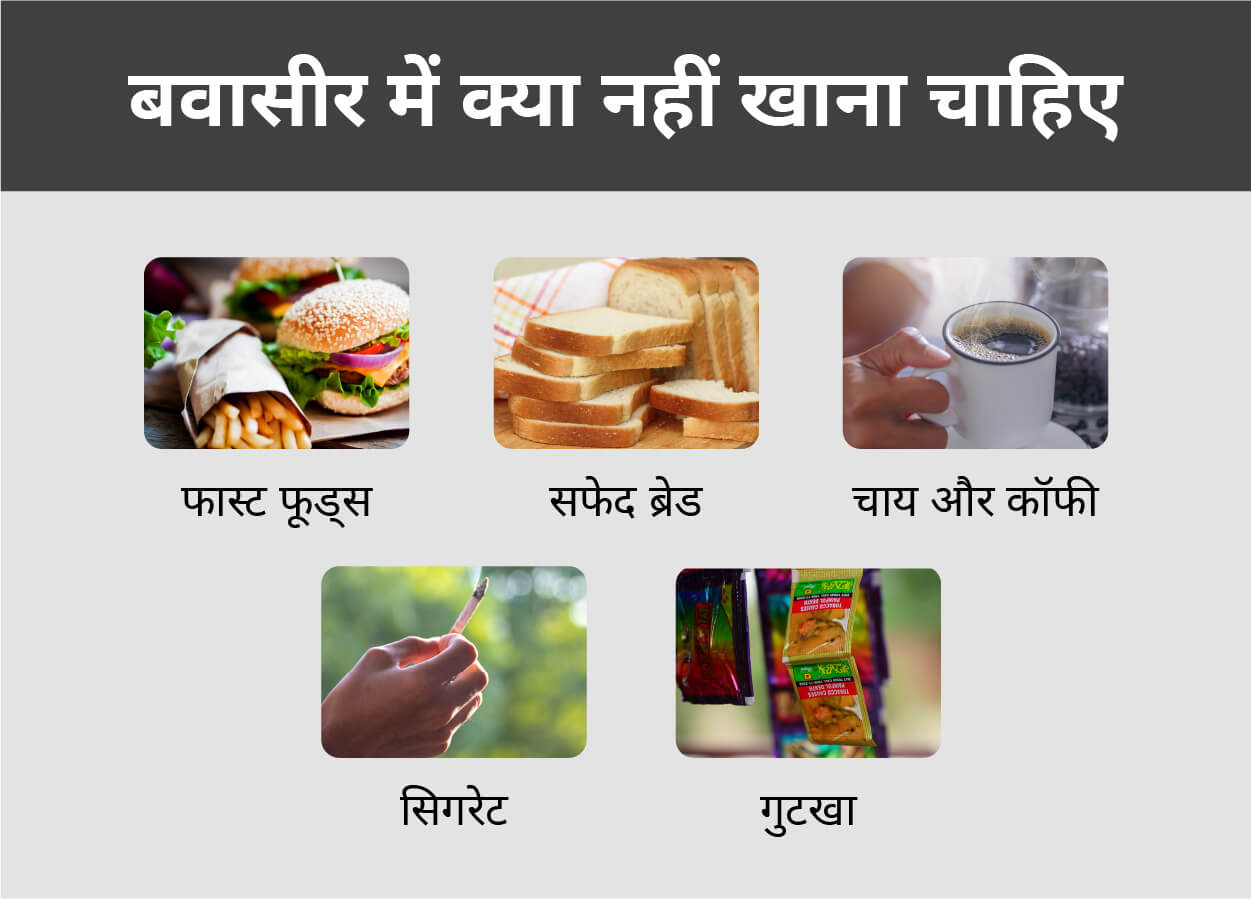
बवासीर को संभालने में जीवनशैली के बदलाव महत्वपूर्ण भूमिका निभाते हैं, खासकर यदि यह कब्ज के कारण मल त्याग के समय ताकत लगाने से होती है। एक डॉक्टर आहार में सुधार, जैसे अधिक फल, सब्जी, और ब्रान-आधारित नाश्ते को खाने की सलाह दे सकता है। इसके अलावा, पर्याप्त पानी पीने और एक स्वस्थ वजन बनाए रखने से बवासीर के दर्द और तीव्रता को कम किया जा सकता है। नियमित व्यायाम भी सलाह दी जाती है जिससे बवासीर से बचा जा सकता है और सामान्य पाचन स्वास्थ्य को बढ़ावा मिल सकता है।
दवाइयाँ बवासीर वाले व्यक्तियों को राहत प्रदान कर सकती हैं। एस्पिरिन और आईबुप्रोफेन जैसी बिना चिकित्सक की सलाह के मिलने वाली दर्दनिवारक दवाएं दर्द को कम करने में मदद कर सकती हैं। मल त्याग को आसान बनाने और बवासीर के कारण होने वाले दर्द को कम करने के लिए स्टूल सॉफ्टनर्स और लैक्सेटिव्स सलाह दिए जा सकते हैं। कॉर्टिकोस्टेरॉइड क्रीम और औषधि बवासीर के साथ जुड़े सूजन, दर्द, और खुजली को कम कर सकती हैं।
यदि किसी व्यक्ति को गंभीर रूप से बाहर आने वाली बवासीर या खूनी आंतरिक बवासीर हैं, तो शल्य चिकित्सा का विचार किया जा सकता है। बवासीर के लिए शल्यक्रिया उपाय में निम्नलिखित हो सकते हैं:
बैंडिंग: बवासीर के नीचे एक रबड़ बैंड लगाया जाता है जिससे इसके रक्त संचय को बंद कर दिया जाता है, जिससे यह एक सप्ताह में झड़ जाता है।
स्क्लेरो थेरेपी: बवासीर में दवाई इंजेक्शन दिया जाता है जिससे यह सूख जाता है और शुष्क हो जाता है। यह ग्रेड II और III बवासीर के लिए प्रभावी है और बैंडिंग का विकल्प है।
इंफ्रारेड कोअगुलेशन: सर्जन बवासीर ऊतक को जलाने के लिए इंफ्रारेड लाइट डिवाइस का उपयोग करते हैं।
बवासीरेक्टमी: यह सर्जरी बवासीर ऊतक के पूरे निकालने का प्रक्रिया है और यह बवासीर को पूरी तरह से हटाने के लिए सबसे प्रभावी विकल्प है। हालांकि, इसमें पाचन समस्याएं और दर्द के साथ कई समस्याएं भी हो सकती हैं।
बवासीर स्टेपलिंग: बैंडिंग के माध्यम से बवासीर ऊतक में रक्त संचय को बंद करने के लिए स्टेपल इस्तेमाल किए जाते हैं।
बवासीर वाले व्यक्तियों को उनकी स्थिति की गंभीरता के आधार पर सबसे उपयुक्त उपचार विकल्प जानने के लिए चिकित्सा सलाह लेनी चाहिए। सही प्रबंधन और देखभाल के साथ, व्यक्तियों को बवासीर से राहत मिल सकती है और उनके सामान्य कल्याण में सुधार हो सकता है।
बवासीर, या हैमोराइड्स, के विकास को रोकना संभव है विभिन्न लाइफस्टाइल परिवर्तनों और अभ्यासों के माध्यम से, जिनमें निम्नलिखित शामिल हैं:
स्वस्थ भोजन करना: फल, सब्जियां, और पूरे अनाजों जैसे फाइबर युक्त आहार का उचित मात्रा में सेवन करने से नियमित मल त्याग को बनाए रखने में मदद मिलती है और कब्ज से बचाव होता है। पानी पीकर शरीर को शुष्क और सहजी बनाए रखना भी महत्वपूर्ण है।
मल त्याग करते समय जोर न लगाना: मल त्याग करते समय जोर लगाना आंतरिक क्षेत्र पर दबाव बढ़ा सकता है और बवासीर के विकास में योगदान कर सकता है। जोर देने से बचने के लिए, लोगों को उच्च फाइबर आहार का पालन करना चाहिए जिससे मल त्याग सहज होता है।
भारी सामान उठाने से बचना: भारी सामान उठाने की गतिविधियों में नियमित रूप से शामिल होने से बवासीर का खतरा हो सकता है। भारी मेहनत करने की गतिविधियों को सीमित करने और उचित तरीके से सामान उठाने के अभ्यास से पेल्विक क्षेत्र और निचले आंत्र को दबाव से बचा जा सकता है।
मध्यम वजन बनाए रखना: ओवरवेट या मोटापा बवासीर के विकास में योगदान कर सकता है। संतुलित आहार और नियमित व्यायाम के माध्यम से स्वस्थ वजन बनाए रखने से इस खतरे को कम किया जा सकता है।
सक्रिय रहना: नियमित शारीरिक गतिविधि भोजन को पाचन प्रणाली से होकर गुजरने में मदद कर सकती है। व्यायाम करने से पाचन स्वास्थ्य को बनाए रखने में मदद होती है
यदि आप नोएडा में सर्वश्रेष्ठ अस्पताल की तलाश में हैं, तो फेलिक्स अस्पताल जाएँ या +(91)9667064100 पर कॉल करें।
पाइल्स, जिन्हें हेमरॉइड्स भी कहा जाता है, निचले गुदा और मलाशय में सूजे हुए नसों को संदर्भित करते हैं, जिससे गुदा क्षेत्र में गांठों का निर्माण हो सकता है। पाइल्स विभिन्न आकार और स्थानों में हो सकते हैं, और रोचक बात यह है कि पाइल्स वाले कई व्यक्ति इनके उपस्थिति के बारे में भी जागरूक नहीं होते। पाइल्स के विकास को बहुत ज्यादा प्रयास करने के दौरान होने वाले दबाव, दीर्घकालिक कब्ज (Constipation), और अत्यधिक परिश्रम से जोड़ा जा सकता है। हालांकि, कुछ पाइल्स आत्मतत्त्व से हल हो सकते हैं, दिखाई देने वाले और दर्दनाक पाइल्स को राहत के लिए सर्जिकल निकालने की आवश्यकता हो सकती है।
Dr. Ritesh Kumar Agrawal is an experienced Laparoscopic Surgeon with 11+ years of expertise in advanced minimally invasive procedures, delivering personalized care and effective surgical outcomes.

Get fast and effective relief from piles with advanced surgical care at the best piles surgery hospital in Noida, offering expert doctors, modern techniques, and safe treatment options.


Subscribe to our
© Copyright 2026. All Rights Reserved by Felix Healthcare Private Limited
Design and development by :


 +(91)9667064100
 Emergency : +(91)9667064100