 WhatsApp
 Emergency:
  WhatsApp


















Subscribe to our
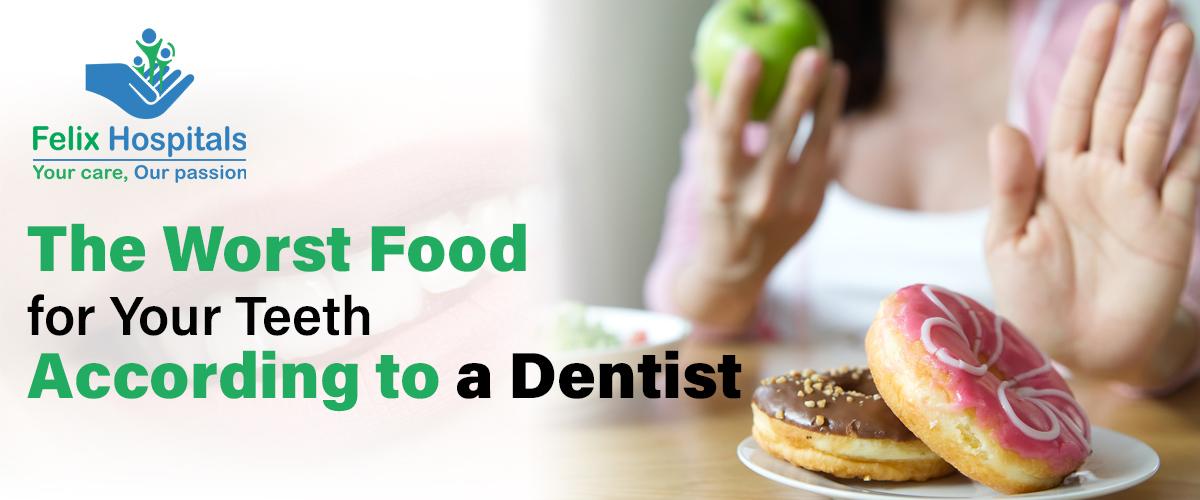
A healthy smile is a reflection of overall well-being, and what you eat plays a significant role in maintaining good dental health. The foods you consume can either strengthen your teeth or contribute to decay and other dental problems. Let’s explore foods that are good for teeth, those that are harmful, and tips for maintaining a tooth-friendly diet.
Felix Dental Hospital in Noida, where you can receive top-notch dental care to keep your smile bright and healthy. Call on +91 9667064100.
These are the best food for teeth. They help maintain good oral health.
1. Dairy Products
Dairy products like milk, cheese, and yogurt are excellent for dental health. They are rich in calcium and phosphates, which help strengthen tooth enamel. Cheese, in particular, stimulates saliva production, which helps wash away food particles and neutralizes acids.
2. Leafy Greens
Leafy greens such as spinach, kale, and Swiss chard are packed with vitamins and minerals that are beneficial for teeth. They are high in calcium, which strengthens enamel, and folic acid, which promotes healthy gums.
3. Crunchy Fruits and Vegetables
Apples, carrots, and celery are examples of crunchy fruits and vegetables that are good for your teeth. They require a lot of chewing, which stimulates saliva production and helps clean teeth surfaces. Additionally, they are high in fiber, which is good for overall health.
4. Nuts and Seeds
Nuts and seeds are rich in essential nutrients like calcium, magnesium, and phosphorus. Almonds, for example, are a great source of calcium, while sesame seeds help in reducing plaque buildup.
5. Fish
Fatty fish such as salmon, mackerel, and sardines are high in vitamin D and omega-3 fatty acids. Vitamin D helps the body absorb calcium, while omega-3 fatty acids reduce inflammation and support gum health.
6. Green and Black Tea
Tea contains polyphenols that help reduce the growth of bacteria and acids in your mouth. Green and black tea also contain fluoride, which is beneficial for teeth. However, it's important to avoid adding sugar to your tea to prevent tooth decay.
7. Berries
Berries, such as strawberries, blueberries, and raspberries, are packed with antioxidants and vitamins, particularly vitamin C. Vitamin C helps maintain healthy gums and can reduce inflammation. Additionally, the natural fibers in berries can aid in cleaning teeth while you chew.
8. Whole Grains
Whole grains like brown rice, quinoa, and whole-grain bread are good for oral health because they contain complex carbohydrates and are high in fiber. They help keep your blood sugar levels stable, which in turn can reduce the risk of gum disease.
9. Cranberries
Cranberries contain compounds that prevent bacteria from adhering to teeth and gums, reducing the risk of cavities. They are also high in vitamin C, which is beneficial for gum health. However, be mindful of added sugars in cranberry juices.
10. Coconut Oil
Coconut oil has antimicrobial properties and can be used for oil pulling, a practice that may help reduce bacteria in the mouth and improve overall oral hygiene. Its lauric acid content can also help fight oral infections.
11. Sweet Potatoes
Sweet potatoes are rich in vitamins A and C, which are essential for maintaining healthy gums. The beta-carotene in sweet potatoes can also promote the health of your mucous membranes, including those in your mouth.
Maintaining a diet that includes tooth-healthy foods and staying away from the worst food for toothache is essential for preventing dental problems. Here are some tips to ensure you're eating foods that support dental health:
Eat a Balanced Diet: Include a variety of foods from all food groups, focusing on those that are high in vitamins and minerals essential for teeth.
Limit Sugar Intake: Sugary foods and drinks are a major cause of tooth decay. Opt for natural sweeteners like fruits and avoid sugary snacks.
Stay Hydrated: Drinking water helps wash away food particles and bacteria, and it also helps maintain healthy saliva levels.
Certain foods can be harmful or can be considered as bad food for teeth and should be consumed in moderation or avoided altogether:
1. Sugary Snacks and Drinks
Candies, sodas, and sweetened beverages are among the worst culprits for tooth decay. The sugar in these foods feeds harmful bacteria in your mouth, leading to the production of acids that erode tooth enamel.
2. Sticky and Chewy Foods
Foods that stick to your teeth, such as caramel, dried fruits, and gummy candies, can be difficult to remove and provide a breeding ground for bacteria. They can also increase the risk of cavities.
3. Starchy Foods
Foods like bread, chips, and pasta can break down into sugars and get trapped in between your teeth, promoting bacterial growth and leading to decay.
4. Acidic Foods and Drinks
Citrus fruits, tomatoes, and vinegar-based foods, as well as drinks like coffee and wine, can erode enamel over time due to their high acidity. It's best to consume them in moderation and rinse your mouth with water afterward.
5. Alcohol
Alcoholic beverages can dry out your mouth, reducing saliva production and leading to tooth decay and gum disease. It's important to drink water alongside alcohol to stay hydrated.
6. Ice
While not a food per se, chewing on ice can damage your teeth. The hard texture can lead to chips or cracks, compromising tooth integrity.
7. Hard Candies
Like ice, hard candies can pose a risk of dental damage. Not only do they contain sugar, but their hard texture can break or chip teeth if bitten down on too forcefully.
8. Processed Foods
Many processed foods contain added sugars, acids, and other harmful ingredients. Foods like packaged snacks, cereals, and baked goods can be high in sugars that promote decay.
9. Sweetened Yogurt
While yogurt can be a healthy choice, many commercial varieties are laden with added sugars. Opt for plain yogurt and add fresh fruits for sweetness instead.
10. Energy and Sports Drinks
Often marketed as healthy, these drinks can be high in sugars and acids that damage teeth. Water is usually a better choice for hydration, especially during exercise.
11. Carbonated Drinks
Even diet sodas can be harmful to your teeth due to their acidic nature. Regular exposure to these drinks can erode enamel, leading to increased tooth sensitivity and decay.
At Felix Dental Hospital in Noida, we are dedicated to providing comprehensive dental care to help you maintain a healthy and beautiful smile. Our team of experienced dental professionals offers a wide range of services, from preventive care to advanced treatments, ensuring that all your dental needs are met.
1. Preventive Care
Regular check-ups and cleanings are essential for maintaining dental health. Our preventive care services include professional cleanings, fluoride treatments, and dental sealants to protect your teeth from decay.
2. Restorative Dentistry
If you have dental issues such as cavities, damaged teeth, or missing teeth, our restorative dentistry services can help. We offer fillings, crowns, bridges, and dental implants to restore the function and appearance of your teeth.
3. Cosmetic Dentistry
A beautiful smile can boost your confidence and overall well-being. Our cosmetic dentistry services include teeth whitening, veneers, and orthodontic treatments to enhance the appearance of your smile.
4. Pediatric Dentistry
We provide specialized dental care for children, ensuring that their dental development is on track and that they learn good oral hygiene habits from an early age.
5. Emergency Dental Care
Dental emergencies can happen at any time. Our team is available to provide prompt and effective care for dental emergencies, including toothaches, broken teeth, and other urgent dental issues.
Maintaining good dental health involves more than just brushing and flossing; it also requires a tooth-friendly diet. By incorporating foods that are good for your teeth and avoiding those that are harmful, you can keep your smile healthy and bright. If you're looking for expert dental care, Felix Dental Hospital in Noida is here to provide comprehensive and compassionate care for all your dental needs. Whether you need preventive care, restorative treatments, or cosmetic procedures, our experienced team is ready to help you achieve optimal dental health.
For more information on maintaining a tooth-healthy diet and to schedule an appointment, visit Best Dentists in Noida today. Your smile deserves the best care, and we're here to provide it.
Q.1. Which food is best for teeth?
Ans. Foods rich in calcium and phosphorus, like dairy products (milk, cheese, yogurt), leafy greens, nuts, and fish, are best for teeth. These nutrients help strengthen enamel and support overall dental health.
Q.2. How do I make my teeth stronger?
Ans. To make your teeth stronger, include plenty of calcium-rich foods in your diet, brush twice a day with fluoride toothpaste, floss daily, and avoid sugary and acidic foods and drinks that can weaken enamel.
Q.3. What are 10 things to keep your teeth healthy?
Ans. Here are 10 tips to keep your teeth healthy:
1. Brush twice daily with fluoride toothpaste.
2. Floss daily.
3. Eat a balanced diet rich in fruits and vegetables.
4. Limit sugary snacks and drinks.
5. Visit your dentist regularly.
6. Drink plenty of water.
7. Avoid tobacco products.
8. Use a mouthguard if you play sports.
9. Chew sugar-free gum to stimulate saliva.
10. Avoid excessive consumption of acidic foods and drinks.
Q.4. Is banana good for your teeth?
Ans. Yes, bananas are good for your teeth because they are rich in vitamins and minerals. However, they also contain natural sugars, so it's important to brush your teeth afterward to prevent tooth decay.
Q.5. What foods are the worst for your teeth?
Ans. Sugary foods and drinks, sticky candies, acidic foods and beverages (like soda and citrus fruits), and starchy snacks like chips and crackers are among the worst for your teeth because they can cause decay and erosion.
Q.6. Which food is best for strong teeth?
Ans. Dairy products, such as cheese, yogurt, and milk, are excellent for strong teeth because they are high in calcium and phosphorus, which are crucial for maintaining strong enamel.
Q.7. What damages your teeth the most?
Ans. Consuming sugary and acidic foods and drinks, poor oral hygiene, smoking, grinding your teeth, and not visiting the dentist regularly are some of the habits that can damage your teeth the most.
Q.8. How can I make my teeth good for the dentist?
Ans. To ensure your teeth are in good condition for the dentist, practice good oral hygiene by brushing and flossing daily, eat a balanced diet, avoid sugary and acidic foods, and visit the dentist regularly for check-ups and cleanings.
Q.9. What are healthy snacks for teeth?
Ans. Healthy snacks for teeth include raw vegetables like carrots and celery, fresh fruits like apples and strawberries, cheese, yogurt, nuts, and whole-grain crackers. These foods can help clean your teeth and provide essential nutrients for dental health.
Q.10. Which type of diet should be given to a dental problem patient?
Ans. A diet for a patient with dental problems should include soft foods that are easy to chew, such as yogurt, mashed potatoes, scrambled eggs, smoothies, and well-cooked vegetables. Avoid hard, crunchy, or sticky foods that can aggravate dental issues.

Nobody likes to know that they smell bad. And people generally do not tell you if you smell bad.

Chemotherapy is a critical treatment option for many cancer patients. It involves the use of powerful drugs to destroy cancer cells, which can help to control or even cure the disease. While it offers hope, it also comes with its own set of challenges, including financial considerations and potential side effects. Let’s explore the various aspects of chemotherapy, including the cost of chemotherapy, side effects, and how it works, with a special focus on the costs associated with treatment in India.
Felix Hospital is the best Cancer Hospital in Noida with highly experienced oncologists and cancer specialists. Book your appointment today by calling +91 9667064100.
Chemotherapy is a treatment that uses drugs to kill cancer cells. These drugs can be administered in several ways, including intravenous (IV) injection, oral pills, or injections. The choice of administration depends on the type and stage of cancer, as well as the patient’s overall health.
Chemotherapy works by targeting rapidly dividing cells, which include cancer cells. However, it can also affect healthy cells that divide quickly, such as those in the bone marrow, digestive tract, and hair follicles. This is why chemotherapy often leads to side effects like hair loss and digestive issues.

Chemotherapy side effects vary depending on the specific drugs used and the individual patient’s reaction. Common side effects include:
Other possible side effects include anemia, increased risk of infections, and neuropathy (nerve damage). It's important to discuss these potential side effects with your doctor to understand how they might affect you and what can be done to manage them.
Despite its side effects, has been a highly effective and reliable cancer treatment for many years. It can eliminate cancer from your body or improve your quality of life by alleviating symptoms. Additionally, chemotherapy can enhance the effectiveness of other treatments, such as surgery or radiation therapy.
The duration of chemotherapy treatment varies depending on the type of chemotherapy you receive. A single treatment session can range from a few minutes to several hours. In some cases, a continuous infusion is required, lasting several days. Continuous infusions may begin at the hospital or infusion center and continue at home.
Most patients undergo multiple rounds of chemotherapy. One round may consist of treatment for several days or weeks, followed by a rest period to allow the body to recover. This cycle of treatment and rest is often repeated. The frequency of treatments can vary, with some patients receiving chemotherapy daily, weekly, or monthly.
The goals of chemotherapy vary based on the type of cancer and its stage. Chemotherapy can be used alone or as part of a broader treatment plan that includes other therapies. Here are the primary goals of chemotherapy:
The goal is to eliminate all cancer cells and prevent the cancer from returning. This is known as curative chemotherapy.
Chemotherapy can be administered before surgery or radiation therapy to shrink tumors. This is referred to as neoadjuvant chemotherapy.
Post-surgery or radiation, chemotherapy can help destroy any remaining cancer cells. This is known as adjuvant chemotherapy.
When cancer is not curable, chemotherapy can still shrink tumors and slow their growth. This can extend survival, relieve symptoms, and improve quality of life. This approach is called palliative chemotherapy.
Chemotherapy is versatile and can treat various cancers, including recurrent and metastatic cancers. Recurrent cancer is cancer that returns after treatment, while metastatic cancer has spread to other parts of the body.
Many chemotherapy side effects subside after treatment ends. However, some effects may not appear until months or years later. These late effects can include:
Cancer rehabilitation can be beneficial in managing the long-term effects of cancer treatment.
Cancer can recur after chemotherapy or any other type of cancer treatment. Following the end of treatment, your healthcare team will likely schedule follow-up visits to monitor for any signs of the disease returning. Your oncologist may recommend additional cycles of chemotherapy if the cancer comes back.
Chemotherapy cost varies widely based on several factors, including the type of cancer, the specific drugs used, the number of treatment cycles, and the healthcare facility. On average, the cost of chemotherapy can range from a few thousand to several lakhs of rupees per cycle in India.
Factors influencing the cost of chemotherapy include:
For some types of cancer, oral chemotherapy can be an alternative to IV chemotherapy. The oral chemotherapy cost in India can also vary but tends to be less expensive than IV chemotherapy because it often doesn't require hospitalization or frequent visits to a healthcare facility. However, the oral chemotherapy cost in Noida still depends on the specific drugs prescribed and the duration of treatment.
Choosing the right healthcare facility is crucial for effective cancer treatment in Noida. Felix Hospital is renowned for its comprehensive cancer care services, making it one of the best choices for chemotherapy treatment. Here are some reasons to consider Felix Hospital:
Chemotherapy is a vital component of cancer treatment, offering hope to many patients. However, it comes with significant financial and physical challenges. Understanding the chemotherapy cost and potential chemotherapy side effects can help patients and their families prepare better for the journey ahead. For those considering treatment, Felix Hospital, guided by the Best Oncologist in Noida, stands out as a top choice due to its expert care, advanced facilities, and commitment to patient well-being. Whether it's IV chemotherapy or exploring the oral chemotherapy cost in Noida, Felix Hospital provides comprehensive support every step of the way.
Chemotherapy itself is not typically painful. However, some side effects of chemotherapy, such as mouth sores, nerve damage, or joint pain, can cause discomfort or pain.
The extent to which chemotherapy can extend life varies widely depending on the type and stage of cancer, as well as the individual’s overall health. For some cancers, chemo can significantly extend life expectancy; for others, the benefits may be more modest.
Many people continue to work and engage in daily activities during chemotherapy, though adjustments may be necessary based on the severity of side effects and the individual’s response to treatment.
The worst days often occur 2-3 days after a chemotherapy session when side effects like nausea, fatigue, and weakness typically peak. This varies depending on the chemotherapy regimen and individual patient response.
Signs that chemotherapy is working include a reduction in tumor size, decrease in cancer markers in blood tests, and improvement in symptoms. Your doctor will use scans and tests to monitor progress.
One of the most serious side effects of chemotherapy is myelosuppression, which is the decrease in bone marrow activity leading to reduced production of blood cells. This can result in anemia, increased risk of infection, and bleeding problems.
Recovery from chemotherapy varies; some people start to feel better within a few weeks after finishing treatment, while for others, full recovery might take several months. Long-term side effects may persist for years.
The total cost of chemotherapy can vary greatly depending on the type of cancer, duration of treatment, and location. In the United States, it can range from $10,000 to $200,000 for a full course. In India, costs are generally lower but can still be significant.
One session of chemotherapy in India typically costs between ₹5,000 and ₹1,00,000, depending on the type of chemotherapy drugs used and the hospital.
The cost per session of chemotherapy varies widely. In the US, it can range from $1,000 to $12,000 or more per session. In India, it typically ranges from ₹5,000 to ₹1,00,000 per session, depending on the drug and hospital.
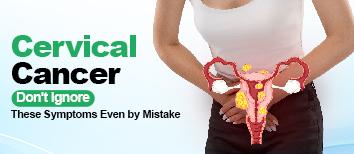
Recognize the early warning signs of cervical cancer. Learn about its symptoms, causes, and when to consult a gynecologist for timely diagnosis and treatment.

Explore essential information about breast cancer, including its symptoms, causes, types, and treatments, to stay informed and proactive about your health.
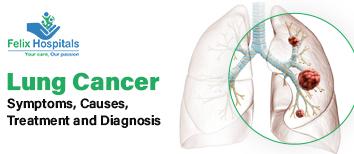
Lung cancer is a serious condition that starts in the lungs and can spread to other parts of the body.

ब्रेस्ट कैंसर (Breast Cancer) के मुख्य लक्षण, इसके कारण और प्रभावी उपचार। समय पर पहचान और सही इलाज से रोग की गंभीरता को कम किया जा सकता है।


Albendazole 400 mg Tablet is an antiparasitic medicine used to treat worm infestations and related infections.

Plastic surgery involves changing specific parts of your body to address medical concerns or improve how you look. Surgeons can work on areas like your face, neck, breasts, stomach, arms, and legs. There are two main types of plastic surgery: reconstructive and cosmetic. Reconstructive surgery focuses on fixing defects or injuries to restore function, while cosmetic surgery aims to enhance appearance for reasons unrelated to medical issues. Both types of surgery can have significant impacts on how you feel about yourself and how others perceive you. For any kind of plastic surgery just search for the Best Plastic Surgery Hospital Near me and take proper care.
Schedule a consultation with our Plastic Surgeon Team at Felix Hospital. Call us at +91 9667064100.
Plastic surgery is more than just cosmetic enhancements; it's a medical specialty aimed at reshaping and reconstructing body tissues to improve both appearance and function. The term "plastic" comes from the Greek word "plastikos," meaning to mold or shape. This field addresses various issues caused by illness, injury, or birth defects.
Skin: Treating conditions like skin cancer, scars, burns, birthmarks, and removing tattoos.
Maxillofacial: Maxillofacial surgery at felix hospital involves the facial skeleton to correct deformities or injuries. Expert care for complex facial conditions.
Congenital anomalies: Addressing birth defects such as deformed ears, cleft palate, and cleft lip.
In essence, the plastic surgery center in Noida aims to enhance not only how someone looks but also how their body functions, providing both aesthetic and functional improvements.
Plastic surgery is a broad field that includes both reconstructive and cosmetic procedures:
Reconstructive plastic surgery addresses abnormalities in body structures resulting from various factors such as injury, infection, developmental anomalies, congenital conditions present at birth, diseases, or tumors. These procedures are primarily aimed at restoring function, but they can also involve enhancing appearance, particularly when it affects functionality.
Conversely, cosmetic plastic surgery focuses on refining or reshaping normal body structures to enhance aesthetic appearance. It involves procedures to improve features that are already healthy, with the primary goal being to enhance the patient's appearance and self-confidence. Plastic surgery is performed very well in Noida, but remember that cosmetic surgery is about your beauty, so don't forget to choose a good surgeon for your cosmetic surgery in Noida.
The benefits of plastic surgery, whether for cosmetic or reconstructive purposes, can significantly impact a person's life in positive ways. Here are some advantages:
Better quality of life: Plastic surgery can enhance overall well-being by improving physical appearance and addressing functional issues, leading to a more fulfilling life.
Enhanced body image and self-esteem: Procedures can help individuals feel more confident and comfortable in their skin, positively impacting self-image and self-confidence.
Improved safety: Certain surgeries, such as eyelid surgery to remove excess skin, can enhance safety by improving vision.
More natural appearance: Skillfully performed procedures can achieve natural-looking results, enhancing facial harmony and body proportions.
Pain relief and increased independence: Reconstructive surgery can alleviate discomfort and improve independence by correcting defects that hinder movement or functionality, such as jaw surgery to aid in eating solid foods.
Recovery from plastic surgery varies depending on the procedure but typically involves rest, proper wound care, dietary modifications, and gradual return to normal activities. Specific recovery expectations include:
Following post-operative instructions closely to minimize complications.
Resting and avoiding strenuous activities.
Changing surgical dressings regularly and maintaining proper wound hygiene.
Adhering to dietary guidelines, such as consuming soft foods or staying hydrated.
Elevating the surgical site to reduce swelling.
Taking prescribed medications and managing side effects, such as constipation.
Gradually resuming daily activities based on individual recovery timelines.
Engaging in additional therapies, such as physical or occupational therapy, to facilitate recovery and regain function as needed.
While recovery times vary, some individuals may experience full benefits and pain relief within a few weeks, while others may require several months for complete healing, particularly for more complex procedures. Additional treatments like therapy may be necessary to optimize recovery and regain functionality fully.
The cost of plastic surgery in Noida is influenced by several factors, including the type of procedure, the surgeon's expertise, and the hospital's amenities. Generally, prices can range from Rs. 35,000 to approximately Rs. 5,00,000. It's crucial to consult with a qualified plastic surgeon to obtain an accurate cost estimate tailored to your specific needs. At Felix Hospital, you can access top-notch plastic surgery services and consult with experienced professionals to understand the most affordable options available in Noida.
Embark on your beauty journey with the best plastic surgeon in Noida at Felix Hospital. Contact us at [email protected] or call +91 9667064100.
Plastic surgery costs in Noida can vary based on several factors, including the type of procedure, surgeon's experience, hospital facilities, and location. Generally, prices range from Rs. 35,000 to Rs. 5,00,000 or more. Here's a breakdown of popular procedures at Felix Hospital:
Liposuction: Prices range from Rs. 50,000 to Rs. 2,50,000 or more, depending on the targeted area and fat removal amount.
Breast Augmentation: Costs vary from Rs. 1,50,000 to Rs. 3,50,000 or more, based on the implant type and surgeon's expertise.
Rhinoplasty (Nose Job): Typically priced between Rs. 1,00,000 to Rs. 2,50,000 or more, depending on the surgical complexity and surgeon's experience.
Facelift: Expect costs ranging from Rs. 1,50,000 to Rs. 4,50,000 or more, depending on the procedure's extent and surgeon's skill.
Hair Transplant: Prices can vary between Rs. 35,000 to Rs. 2,50,000 or more, based on the required grafts and surgeon's experience.
It's essential to consult a best plastic surgeon in noida for an accurate cost estimate tailored to your needs. Remember, while cost is a factor, prioritize choosing a skilled and experienced surgeon for safe and effective results. With proper research and consultation, you can find a suitable plastic surgeon within your budget at Felix Hospital.
In conclusion, plastic surgery encompasses a wide range of procedures aimed at both enhancing appearance and restoring function. Whether it's reconstructive surgery to address abnormalities or cosmetic surgery to refine aesthetic features, the benefits can be transformative, improving quality of life, self-esteem, and overall well-being. Recovery from plastic surgery involves following post-operative instructions carefully and may vary depending on the procedure's complexity. Consulting with an experienced plastic surgeon in Noida at Felix Hospital ensures safe and effective results tailored to your specific goals. With proper research and expert guidance, individuals can explore affordable plastic surgery options in Noida that meet their needs, leading to positive outcomes and increased satisfaction.
Q1. What is exactly done in plastic surgery?
Ans. Plastic surgery involves surgical procedures to repair, reconstruct, or improve physical features for medical or cosmetic reasons. This can include correcting congenital defects, injuries, and disfigurements, as well as enhancing aesthetic appearance.
Q2. Is plastic surgery good or bad?
Ans. Plastic surgery can be both good and bad, depending on the context. It can improve quality of life, boost self-esteem, and correct deformities. However, it carries risks such as complications from surgery, dissatisfaction with results, and psychological impacts.
Q3. What are the 5 plastic surgeries?
Ans. The five common types of plastic surgeries include:
Rhinoplasty (nose reshaping)
Breast augmentation or reduction
Liposuction (fat removal)
Facelift
Abdominoplasty (tummy tuck)
Q4. Is plastic surgery permanent?
Ans. Most plastic surgeries offer long-lasting or permanent results. However, factors like aging, lifestyle, and weight changes can affect the longevity of the results, and sometimes additional procedures may be needed over time.
Q5. Is cosmetic surgery safe?
Ans. Cosmetic surgery is generally safe when performed by a qualified and experienced surgeon in a reputable facility. However, as with any surgery, it carries risks including infection, scarring, and complications from anesthesia.
Q6. What is the difference between plastic surgery and reconstructive surgery?
Ans. Plastic surgery encompasses both cosmetic and reconstructive procedures. Cosmetic surgery focuses on enhancing appearance, while reconstructive surgery aims to restore function and appearance due to congenital defects, trauma, or medical conditions.
Q7. How permanent is cosmetic surgery?
Ans. The permanence of cosmetic surgery varies. Procedures like rhinoplasty and breast augmentation often provide long-lasting results, while others, such as facelifts and liposuction, may require maintenance or additional procedures over time to maintain results.
Q8. What are the side effects of plastic surgery?
Ans. Side effects of plastic surgery can include pain, swelling, bruising, scarring, infection, blood clots, and adverse reactions to anesthesia. Long-term side effects might include dissatisfaction with results and the need for revision surgeries.
Q9. How much does 1 plastic surgery cost in India?
Ans. The cost of plastic surgery in India varies widely depending on the type of procedure, the surgeon's experience, and the location. On average, procedures can range from INR 30,000 to INR 2,50,000 or more.

Plastic surgery cost in Noida depends on the procedure type, surgeon expertise, hospital infrastructure, and post-surgery care.

Tonsillectomy is when doctors surgically remove your tonsils. They do this to help with problems like trouble breathing during sleep or getting sick often. Although it's not done as much as before, tonsil removal is still pretty common. Recovering from a tonsillectomy usually takes about two weeks.
A tonsillectomy is when the doctor removes your tonsils through surgery. Tonsils are those small glands at the back of your throat. They help fight infections, but sometimes they can get infected themselves.
When your tonsils get infected, it's called tonsillitis, which can make your throat sore and your tonsils swell. If you get tonsillitis often, your doctor might recommend having your tonsils taken out. Other signs of tonsillitis include fever, difficulty swallowing, and swollen glands in your neck. Sometimes, the swelling goes away without treatment, but other times, you might need antibiotics or a tonsillectomy. A tonsillectomy can also help with breathing problems like loud snoring and sleep apnea.
Make an appointment today at Felix Hospital, a tonsil Surgery hospital Near me, by dialing +91 9667064100.
Tonsillitis and the need for tonsillectomies are more common among kids, but adults can also have issues with their tonsils that require surgery.
Just having one bout of tonsillitis isn't usually enough reason for a tonsillectomy. Generally, the surgery is considered for those who frequently get tonsillitis or strep throat. If you've had at least seven cases of tonsillitis or strep in the past year (or five cases or more over each of the last two years), it's worth discussing with your doctor whether a tonsillectomy could help.
Besides treating frequent infections, a tonsillectomy can also help with:
- Breathing problems caused by swollen tonsils
- Loud and frequent snoring
- Sleep apnea, where you stop breathing during sleep
- Tonsil bleeding
- Tonsil cancer
Before your tonsillectomy, you'll need to stop taking certain medications, like aspirin or ibuprofen, for about two weeks. These drugs can increase bleeding risks during and after surgery. You'll also have to avoid eating or drinking after midnight on the night before your surgery to prevent nausea from anesthesia.
Make sure to plan for your recovery at home. You'll need someone to drive you home and help you for the first couple of days after the surgery. Most people take about a week off from work or school to recover fully.
Before undergoing a tonsillectomy, it's important to be aware of potential risks associated with anesthesia and surgery. Anesthesia risks include reactions to medications and breathing difficulties. Surgery risks encompass bleeding, infection, and, in rare cases, postoperative bleeding that may manifest as vomiting blood. Some children may struggle to consume enough fluids following surgery, necessitating intravenous fluid replenishment. There's also a slight risk of uvula (soft palate) injury during the procedure.
Prior to the surgery, your child's surgeon may recommend blood tests and a thorough medical assessment. It's crucial to disclose all medications, including over-the-counter drugs, herbs, and vitamins. In the days leading up to the surgery, certain medications like aspirin and ibuprofen may need to be discontinued, as advised by the surgeon.
On the day of the surgery, your child will likely be instructed to refrain from eating or drinking for several hours beforehand. Medications prescribed by the surgeon can typically be administered with a small sip of water. Arrival time at the hospital will be communicated to you.
Following the procedure, most tonsillectomies are performed on an outpatient basis, with children returning home the same day. However, full recovery may take 1 to 2 weeks. During the initial week, it's important for your child to avoid contact with sick individuals to minimize infection risk. Additionally, strenuous activities, including sports, should be avoided for 2 weeks post-surgery to reduce the likelihood of bleeding.
For the Best tonsil surgery hospital in Noida, consider seeking treatment at Felix Hospital. Call now +91 9667064100.
Enlarged tonsils, often resulting from frequent infections or naturally occurring largeness, can lead to various issues. A tonsillectomy, or tonsil removal surgery, is often considered to address these problems:
- Difficulty in breathing
- Disturbed breathing patterns during sleep, known as obstructive sleep apnea
- Other diseases or conditions affecting the tonsils
Additionally, a tonsillectomy might be recommended for addressing rare diseases or conditions associated with the tonsils, including:
- Cancerous growth (malignancy) detected in one or both tonsils or suspected malignancy
- Repeated bleeding from blood vessels near the surface of the tonsils
- Persistent bad breath (halitosis) linked to debris trapped in the tonsil crevices
The Tonsillectomy Surgery Cost in Noida can vary based on several factors like the type of procedure needed, the experience of the surgeon, where the surgery is performed, and any additional services provided. Common tonsillectomy procedures include traditional tonsil removal, laser tonsillectomy, or coblation tonsillectomy. On average, the price for tonsillectomy surgery in India can range from INR 40,000 to INR 70,000 or more per person, depending on the complexity of the surgery and any specialized treatments required.
To get a better understanding of the cost and to receive personalized guidance, it's essential to discuss your specific needs and goals with Experienced ENT surgeons at Felix Hospital. They can provide you with an accurate estimate and help you navigate through the options available. Always remember to prioritize safety and quality when considering any surgical procedure.
Tonsillectomy, the surgical removal of tonsils, is a common procedure aimed at addressing various issues related to enlarged tonsils. It is typically recommended for individuals who frequently suffer from tonsillitis, experience breathing difficulties, snoring, sleep apnea, or have other medical conditions affecting the tonsils. The surgery carries some risks, including bleeding and infection, and requires careful preparation, including medication adjustments and fasting before the procedure. However, with proper post-operative care, including rest and avoiding strenuous activities, most individuals can expect a full recovery within 1 to 2 weeks. Overall, tonsillectomy can significantly improve quality of life for those experiencing chronic tonsil-related issues.
How painful is tonsil surgery?
Ans. Tonsil surgery can cause discomfort and soreness in the throat after the procedure, but pain levels vary from person to person. Some may experience mild discomfort, while others may have more significant pain that can last for several days.
Is tonsil surgery a major surgery?
Ans. Tonsil surgery, also known as tonsillectomy, is considered a major surgery because it involves the removal of tissue from the throat under general anesthesia. However, it is a commonly performed procedure and often done on an outpatient basis.
What age is best to get tonsils removed?
Ans. The optimal age for tonsil removal depends on individual circumstances and medical reasons. Generally, tonsillectomy is more common in children between the ages of 3 and 7, but it can be performed at any age if necessary.
Why don't doctors prefer tonsil surgery?
Ans. Doctors may avoid recommending tonsil surgery unless necessary due to potential risks and complications associated with the procedure, such as bleeding, infection, and adverse reactions to anesthesia. They may also consider alternative treatments before resorting to surgery.
Is tonsillectomy a serious surgery?
Ans. Tonsillectomy is considered a serious surgery because it involves the removal of tonsils, which are important for the immune system. While it is a common procedure, it carries risks like any surgical intervention and requires careful consideration and preparation.
What happens if tonsils are removed?
Ans. When tonsils are removed through tonsillectomy, individuals may experience improved breathing, reduced frequency of throat infections, and relief from symptoms like snoring and sleep apnea. However, there may be temporary discomfort and changes in taste or voice post-surgery.
How painful is tonsil removal?
Ans. Tonsil removal, or tonsillectomy, can cause throat pain and discomfort, especially in the first few days after the surgery. Pain levels can vary from mild to severe, but medications and home remedies can help manage discomfort during recovery.
Why did they stop doing tonsillectomy?
Ans. Tonsillectomy is still performed today, but its frequency has decreased due to advancements in medical treatment and a better understanding of when the procedure is necessary. Additionally, doctors may opt for alternative treatments or reserve tonsillectomy for cases where other interventions have failed.
ENT health is essential for proper breathing, hearing, speech, and balance. Early detection and expert care ensure a better quality of life and prevent chronic complications.

माइग्रेन एक गंभीर सिरदर्द है। जो आमतौर पर सिर के एक हिस्से में तीव्र दर्द के रूप में प्रकट होता है। इसे केवल सिरदर्द के रूप में देखना उचित नहीं होगा, क्योंकि इसके अन्य लक्षण भी हो सकते हैं जो व्यक्ति की जीवनशैली पर गहरा प्रभाव डालते हैं। इस ब्लॉग में हम माइग्रेन के लक्षण, कारण और निवारण के विभिन्न पहलुओं पर चर्चा करेंगे। तनाव और वर्क प्रेशर वाले लोगों में माइग्रेन की सबसे अधिक संभावना होती है। इसलिए न्यूरोलॉजिस्ट इस बीमारी के उपचार में मुख्य भूमिका निभाते हैं। वह माइग्रेन (Migraine) के स्वास्थ्य के विशेषज्ञ होते हैं और माइग्रेन के लक्षणों की पहचान, निदान और उपचार में माहिर होते हैं।
नोएडा के फेलिक्स हॉस्पिटल में एक्सपर्ट न्यूरोसर्जन मौजूद हैं। वह माइग्रेन पर आपके किसी भी सवाल का जवाब देने में सक्ष्म है। ज्यादा जानकारी के लिए हमें कॉल करें +91 9667064100 .
आज इस ब्लॉग में हम ये जानेंगे की माइग्रेन क्या होता है? (Migraine kya hota hai) माइग्रेन एक प्रकार का न्यूरोलॉजिकल विकार (neurological disorders) है जो गंभीर सिरदर्द का कारण बनता है। यह सिरदर्द आमतौर पर सिर के एक हिस्से में एक हिस्से में धड़कता हुआ, तीव्र दर्द होता है होता है, लेकिन यह दोनों तरफ भी हो सकता है। माइग्रेन केवल सिरदर्द (Headache) तक सीमित नहीं है, इसके साथ अन्य लक्षण भी हो सकते हैं जो इसे साधारण सिरदर्द से अलग बनाते हैं। माइग्रेन के हमले घंटों से लेकर दिनों तक रह सकते हैं और, ये लक्षण व्यक्ति की दैनिक गतिविधियों को गंभीर रूप से प्रभावित कर सकते हैं। माइग्रेन एक जटिल और कष्टदायक स्थिति है जो व्यक्ति के जीवन को प्रभावित कर सकती है।
माइग्रेन का मतलब जानने के बाद ही समझ आएगा की उसके लक्षण कारण और उपचार क्या है| माइग्रेन के प्रति सजग रहना और उचित चिकित्सा परामर्श लेना जरूरी है ताकि जीवन की गुणवत्ता में सुधार हो सके। नियमित जीवनशैली, स्वस्थ आहार, और तनाव प्रबंधन तकनीकों को अपनाकर माइग्रेन के हमलों को काफी हद तक नियंत्रित किया जा सकता है। यदि माइग्रेन के लक्षण गंभीर हों या बार-बार हो रहे हों, तो चिकित्सक से सलाह लेना अत्यंत महत्वपूर्ण है।
माइग्रेन का मतलब जानने के बाद ही समझ आएगा की उसके लक्षण क्या है| माइग्रेन एक प्रकार का सिरदर्द है जो तीव्र और दर्दनाक हो सकता है। यह सामान्य सिरदर्द से अलग होता है और इसके कई लक्षण हो सकते हैं। माइग्रेन के लक्षण हर व्यक्ति में अलग-अलग हो सकते हैं और हर बार एक ही प्रकार के लक्षण नहीं होते। इसलिए, माइग्रेन के लक्षणों की पहचान करके, सही उपचार और प्रबंधन से इसे नियंत्रित किया जा सकता है। यदि माइग्रेन के लक्षण गंभीर हों या बार-बार हो रहे हों, तो चिकित्सक से परामर्श लेना अत्यंत महत्वपूर्ण है। माइग्रेन के लक्षण व्यक्ति विशेष पर निर्भर करते हैं, लेकिन कुछ सामान्य लक्षण इस प्रकार हैं:-
तीव्र सिरदर्द :-(Intense headache)
माइग्रेन का सबसे प्रमुख लक्षण सिर के एक तरफ़ धड़कता हुआ तीव्र दर्द है। यह दर्द कई घंटों से लेकर कुछ दिनों तक रह सकता है और इसे साधारण सिरदर्द से अलग किया जा सकता है। दर्द आमतौर पर सिर के एक तरफ होता है, लेकिन यह दोनों तरफ भी हो सकता है।
मतली और उल्टी
माइग्रेन के दौरान कई लोगों को मतली और उल्टी की समस्या होती है। यह लक्षण बहुत सामान्य हैं और माइग्रेन के दर्द (Migraine pain) के साथ और भी कष्टकारी हो सकते हैं।
प्रकाश और आवाज के प्रति संवेदनशीलता
माइग्रेन के दौरान, रोगी को प्रकाश (फोटोफोबिया) और आवाज (फोनेफोबिया) से अत्यधिक संवेदनशीलता हो सकती है। तेज रोशनी और तेज आवाज माइग्रेन के दर्द को और बढ़ा सकती है।
दृष्टि संबंधी समस्याएं
कई लोग माइग्रेन के दौरान दृष्टि में गड़बड़ी का अनुभव करते हैं, जिसे 'ऑरा' कहा जाता है। ऑरा के लक्षणों में शामिल हैं:
धुंधली दृष्टि
चमकती हुई रोशनी
दृष्टि में अंधेरे धब्बे या चमकदार रेखाएँ
टनल विजन (दृष्टि का संकरा होना)
थकान और कमजोरी
माइग्रेन का दौरा थकान और कमजोरी का कारण बन सकता है, जिससे सामान्य गतिविधियों में कठिनाई होती है। माइग्रेन के बाद भी व्यक्ति को कमजोरी और थकान महसूस हो सकती है।
चक्कर आना
कुछ लोगों को माइग्रेन के दौरान चक्कर आने का अनुभव भी होता है। यह लक्षण माइग्रेन के दर्द को और अधिक कष्टदायक बना सकता है।
गंध के प्रति संवेदनशीलता
माइग्रेन के दौरान, कुछ लोगों को गंध के प्रति अत्यधिक संवेदनशीलता हो सकती है। सामान्य गंधें भी उन्हें परेशान कर सकती हैं और माइग्रेन के दर्द को बढ़ा सकती हैं।
मानसिक भ्रम और ध्यान में कमी
माइग्रेन के दौरान, कुछ लोगों को मानसिक भ्रम, ध्यान में कमी, और निर्णय लेने में कठिनाई हो सकती है। यह लक्षण माइग्रेन के दर्द के कारण होते हैं और इसके समाप्त होने पर धीरे-धीरे सामान्य हो जाते हैं।
गर्दन में दर्द और जकड़न
माइग्रेन के साथ-साथ गर्दन में दर्द (Neck pain) और जकड़न भी हो सकती है। यह लक्षण माइग्रेन के दर्द को और अधिक कष्टदायक बना सकता है।
हाथ-पैरों में झुनझुनी या सुन्नता
कभी-कभी माइग्रेन के दौरान हाथों और पैरों में झुनझुनी (Tingling in the legs) या सुन्नता का अनुभव हो सकता है। यह लक्षण आमतौर पर अस्थायी होते हैं और माइग्रेन के समाप्त होने पर ठीक हो जाते हैं।
भूख में बदलाव
माइग्रेन के दौरान या इसके पहले भूख में बदलाव आ सकता है। कुछ लोगों को बहुत ज्यादा भूख लग सकती है, जबकि कुछ की भूख बिल्कुल खत्म हो सकती है।
माइग्रेन के विभिन्न प्रकार होते हैं, जो इसके लक्षणों, कारणों और गंभीरता के आधार पर अलग-अलग हो सकते हैं। माइग्रेन के प्रकारों की जानकारी से हमें इसकी पहचान और उपचार में मदद मिलती है। हर व्यक्ति में माइग्रेन के लक्षण (migraine ke lakshan) और प्रकार अलग-अलग हो सकते हैं, इसलिए सही निदान और उपचार महत्वपूर्ण है। यदि आपको माइग्रेन के लक्षण महसूस हों, तो डॉक्टर से परामर्श करना महत्वपूर्ण है ताकि सही निदान और उपचार प्राप्त हो सके। माइग्रेन के विभिन्न प्रकारों की पहचान करके, आप अपने लिए सबसे उपयुक्त उपचार और निवारण उपाय अपना सकते हैं। माइग्रेन के प्रमुख प्रकार निम्नलिखित हैं:
बिना ऑरा के माइग्रेन (Migraine without Aura)
यह सबसे सामान्य प्रकार का माइग्रेन है। इसमें सिरदर्द के पहले कोई चेतावनी संकेत या ऑरा नहीं होते हैं। लक्षणों में शामिल हैं:
सिर के एक तरफ तेज, धड़कता हुआ दर्द
मतली और उल्टी
प्रकाश और आवाज के प्रति संवेदनशीलता
ऑरा के साथ माइग्रेन (Migraine with Aura)
इस प्रकार के माइग्रेन में सिरदर्द से पहले या दौरान चेतावनी संकेत होते हैं, जिन्हें ऑरा कहा जाता है। ऑरा में दृष्टि, संवेदन, और भाषण से संबंधित लक्षण शामिल हो सकते हैं। उदाहरण के लिए:
दृष्टि में धुंधलापन, चमकदार रेखाएँ या अंधेरे धब्बे
झुनझुनी या सुन्नता (आमतौर पर चेहरे, हाथ या पैर में)
बोलने में कठिनाई
क्रॉनिक माइग्रेन (Chronic Migraine)
जब किसी व्यक्ति को महीने में 15 या अधिक दिनों तक माइग्रेन के लक्षण होते हैं और इनमें से कम से कम 8 दिन माइग्रेन के होते हैं, तो इसे क्रॉनिक माइग्रेन कहा जाता है। यह अधिक गंभीर होता है और लंबे समय तक चल सकता है।
साइलेंट माइग्रेन (Silent Migraine / Acephalgic Migraine)
इस प्रकार के माइग्रेन में सभी लक्षण होते हैं, लेकिन सिरदर्द नहीं होता। इसमें ऑरा और अन्य माइग्रेन के लक्षण शामिल हो सकते हैं, जैसे:
मतली
प्रकाश और आवाज के प्रति संवेदनशीलता
दृष्टि में धुंधलापन
हेमीप्लेजिक माइग्रेन (Hemiplegic Migraine)
यह एक दुर्लभ और गंभीर प्रकार का माइग्रेन है, जिसमें अस्थायी रूप से शरीर के एक हिस्से में कमजोरी या लकवा जैसा महसूस हो सकता है। इसके लक्षण स्ट्रोक जैसे होते हैं, जैसे:
शरीर के एक तरफ कमजोरी या लकवा
दृष्टि में परिवर्तन
संतुलन की कमी
रेटिनल माइग्रेन (Retinal Migraine)
इस प्रकार के माइग्रेन में एक आंख में अस्थायी दृष्टि हानि होती है। यह लक्षण कुछ मिनटों से लेकर एक घंटे तक रह सकते हैं और इसके बाद सामान्य माइग्रेन सिरदर्द हो सकता है।
बेसिलर माइग्रेन (Basilar-Type Migraine)
यह माइग्रेन मस्तिष्क की बेसिलर आर्टरी से संबंधित होता है और इसमें मस्तिष्क के निचले हिस्से में रक्त प्रवाह की समस्या होती है। इसके लक्षणों में शामिल हो सकते हैं:
चक्कर आना
बोलने में कठिनाई
सुनने में कमी
दृष्टि में परिवर्तन
मेनस्ट्रुअल माइग्रेन (Menstrual Migraine)
यह माइग्रेन मासिक धर्म से संबंधित होता है और हार्मोनल परिवर्तन के कारण होता है। इसमें आमतौर पर ऑरा नहीं होता और यह मासिक धर्म के दौरान या उससे ठीक पहले होता है।
एब्डॉमिनल माइग्रेन (Abdominal Migraine)
यह मुख्यतः बच्चों में होता है और इसमें पेट में दर्द (Stomach ache), मतली और उल्टी जैसे लक्षण होते हैं। सिरदर्द नहीं होता या हल्का होता है।
स्टेटस माइग्रेनोसस (Status Migrainosus)
यह एक गंभीर प्रकार का माइग्रेन है, जिसमें माइग्रेन का दर्द 72 घंटों से अधिक समय तक रहता है। यह स्थिति बहुत कष्टदायक हो सकती है और इसमें चिकित्सकीय उपचार की आवश्यकता होती है।
फेलिक्स हॉस्पिटल माइग्रेन पर आपके किसी भी सवाल का जवाब देने में सक्ष्म है। ज्यादा जानकारी के लिए हमें कॉल करें +91 9667064100.
माइग्रेन क्यों होता है? माइग्रेन के सटीक कारण अब तक पूरी तरह से स्पष्ट नहीं हैं। माइग्रेन एक जटिल न्यूरोलॉजिकल स्थिति है, जिसके सटीक कारण पूरी तरह से स्पष्ट नहीं हैं। हालांकि, शोधकर्ताओं ने कुछ प्रमुख कारकों की पहचान की है जो माइग्रेन के हमलों को प्रेरित कर सकते हैं। ये कारक आनुवंशिक, पर्यावरणीय, और जीवनशैली से संबंधित हो सकते हैं। माइग्रेन का मतलब जानने के बाद ही समझ आएगा की उसके कारण क्या है। निम्नलिखित कारण और ट्रिगर माइग्रेन के हमलों के लिए जिम्मेदार हो सकते हैं, लेकिन कुछ सामान्य कारण और ट्रिगर हैं जो माइग्रेन के हमले को प्रेरित कर सकते हैं :
आनुवंशिक कारक
माइग्रेन का एक प्रमुख कारण आनुवंशिक होता है। यदि परिवार में किसी को माइग्रेन है, तो इसकी संभावना बढ़ जाती है कि आपको भी माइग्रेन हो सकता है। शोध से पता चला है कि माइग्रेन के मरीजों के परिवारों में माइग्रेन की घटना अधिक होती है, जिससे पता चलता है कि इसमें जेनेटिक तत्व शामिल हो सकते हैं।
न्यूरोवस्कुलर परिवर्तन
माइग्रेन के दौरान मस्तिष्क में रासायनिक और रक्त संचार संबंधी परिवर्तन होते हैं। वैज्ञानिक मानते हैं कि माइग्रेन के हमले के दौरान मस्तिष्क की रक्त वाहिकाएं संकुचित होती और जिससे न्यूरोट्रांसमीटर (जैसे सेरोटोनिन) का स्तर बदल जाता है। इन परिवर्तनों से माइग्रेन का दर्द शुरू हो सकता है।
हार्मोनल परिवर्तन
महिलाओं में हार्मोनल परिवर्तन माइग्रेन का एक सामान्य कारण होता है। मासिक धर्म, गर्भावस्था, और रजोनिवृत्ति के दौरान एस्ट्रोजन और प्रोजेस्टेरोन के स्तर में बदलाव माइग्रेन को ट्रिगर कर सकते हैं। कई महिलाएं मासिक धर्म के दौरान माइग्रेन का अनुभव करती हैं, जिसे "मेनस्ट्रुअल माइग्रेन"(menstrual migraine) कहा जाता है। माइग्रेन का मतलब जानने के बाद ही समझ आएगा की उसके कारण क्या है|
तनाव और चिंता
मानसिक तनाव और चिंता भी माइग्रेन का एक बड़ा कारण हो सकते हैं। जीवन में तनावपूर्ण घटनाएं, काम का दबाव, या व्यक्तिगत समस्याएँ माइग्रेन को ट्रिगर कर सकती हैं। तनाव से शरीर में कुछ रासायनिक परिवर्तन होते हैं जो माइग्रेन को प्रेरित कर सकते हैं।
आहार और पोषण
कुछ खाद्य पदार्थ और पेय माइग्रेन के ट्रिगर हो सकते हैं। जैसे:
चॉकलेट
चीज या पनीर
कैफीन युक्त पेय
शराब, विशेषकर रेड वाइन
प्रोसेस्ड फूड्स में मौजूद एडिटिव्स और प्रिज़र्वेटिव्स
इसके अलावा, भोजन छोड़ना या अनियमित भोजन की आदतें भी माइग्रेन का कारण बन सकती हैं।
नींद की अनियमितता
अधिक या कम सोना, नींद की कमी, या अनियमित नींद के पैटर्न माइग्रेन को प्रेरित कर सकते हैं। नियमित और पर्याप्त नींद माइग्रेन के हमलों को कम करने में सहायक हो सकती है।
पर्यावरणीय कारक
मौसम में बदलाव, तेज रोशनी, तेज आवाज, और तेज गंधें माइग्रेन को ट्रिगर कर सकती हैं। उच्च तापमान, नमी, और वायुमंडलीय दबाव में बदलाव भी माइग्रेन को प्रेरित कर सकते हैं।
शारीरिक तनाव
अत्यधिक शारीरिक गतिविधि या अचानक शारीरिक मेहनत माइग्रेन को ट्रिगर कर सकती है। व्यायाम या शारीरिक श्रम के दौरान शरीर में होने वाले परिवर्तन माइग्रेन का कारण बन सकते हैं।
दवाइया
कुछ दवाइयां, विशेष रूप से हॉर्मोनल दवाइयां, माइग्रेन के दौरे को प्रेरित कर सकती हैं। गर्भनिरोधक गोलियां और हार्मोन रिप्लेसमेंट थेरपी (HRT) माइग्रेन के हमलों को बढ़ा सकते हैं।
सेंसरियल या संवेदनात्मक ट्रिगर्स
कुछ संवेदनात्मक कारक, जैसे तेज रोशनी, जोरदार आवाजें, और कुछ गंधें भी माइग्रेन को प्रेरित कर सकती हैं। इसके अलावा, अत्यधिक कंप्यूटर स्क्रीन पर काम करना या टीवी देखना भी माइग्रेन का कारण बन सकता है।
माइग्रेन क्यों होता है? इसके सटीक कारण अब तक पूरी तरह से स्पष्ट नहीं हैं लेकिन इसको इलाज से कई हद तक ठीक कर सकते है | माइग्रेन का इलाज करना एक जटिल प्रक्रिया हो सकती है क्योंकि इसका कोई स्थायी इलाज नहीं है। हालांकि, विभिन्न उपचार विधियों और जीवनशैली में बदलाव के माध्यम से माइग्रेन के हमलों की आवृत्ति और तीव्रता को कम किया जा सकता है।
माइग्रेन के इलाज में दवाइयां, घरेलू उपाय, और जीवनशैली में बदलाव शामिल हैं। माइग्रेन का प्रबंधन एक समग्र दृष्टिकोण से किया जा सकता है, जिसमें दवाइयों, जीवनशैली में बदलाव, और घरेलू उपचार शामिल हैं। माइग्रेन का मतलब जानने के बाद ही समझ आएगा की उसके उपचार क्या है| प्रत्येक व्यक्ति की स्थिति अलग होती है, इसलिए उपचार योजना भी व्यक्तिगत होनी चाहिए। सही जानकारी, नियमित देखभाल, और चिकित्सकीय मार्गदर्शन के माध्यम से माइग्रेन के हमलों की तीव्रता और आवृत्ति को कम किया जा सकता है, जिससे जीवन की गुणवत्ता में सुधार हो सके। आइए इन उपचार विधियों के बारे में विस्तार से जानें:
डॉक्टर की सलाह पर दवाइयों का सेवन
जीवनशैली में बदलाव
नियमित दिनचर्या
नियमित और पर्याप्त नींद लें। प्रतिदिन एक ही समय पर सोने और जागने की कोशिश करें।
नियमित व्यायाम, जैसे योग, तैराकी या चलना, माइग्रेन की तीव्रता और आवृत्ति को कम कर सकते हैं।
संतुलित और नियमित भोजन करें। माइग्रेन ट्रिगर करने वाले खाद्य पदार्थों से बचें जैसे चॉकलेट, चीज़, कैफीन, और प्रोसेस्ड फूड्स।
पर्याप्त पानी पीना माइग्रेन के हमलों को रोकने में मदद कर सकता है।
तनाव को कम करने के लिए योग और ध्यान का अभ्यास करें।
ब्रीदिंग एक्सरसाइज यानी की गहरी सांस लेने की तकनीकें अपनाएं।
माइग्रेन के दौरान अंधेरे और शांत कमरे में आराम करने से लक्षण कम हो सकते हैं।
मसाज थेरेपी से गर्दन और कंधे के तनाव को कम करने में मदद मिल सकती है, जिससे माइग्रेन की आवृत्ति कम हो सकती है।
यदि माइग्रेन के हमले बहुत बार होते हैं या लक्षण गंभीर होते हैं, तो चिकित्सक से परामर्श करना आवश्यक है।
माइग्रेन के लिए आप को न्यूरोलॉजी के एक्सपर्ट डॉक्टर (Best Neurology Hospital in Noida) से सलाह ज़रूरी हो जाती है | ज्यादा जानकारी के लिए हमें कॉल करें +91 9667064100.
माइग्रेन एक गंभीर स्वास्थ्य समस्या है जो व्यक्ति के जीवन को प्रभावित कर सकती है। इसके लक्षणों, कारणों की माइग्रेन क्यों होता है? और निवारण के उपायों की समझ से इसे बेहतर ढंग से प्रबंधित किया जा सकता है। माइग्रेन के प्रति सजग रहना और उचित चिकित्सा परामर्श लेना जरूरी है ताकि जीवन की गुणवत्ता में सुधार हो सके। नियमित जीवनशैली, स्वस्थ आहार, और तनाव प्रबंधन तकनीकों को अपनाकर माइग्रेन के हमलों को काफी हद तक नियंत्रित किया जा सकता है।
अगर माइग्रेन के लक्षण गंभीर हों या बार-बार हो रहे हों, तो चिकित्सक से सलाह लेना अत्यंत महत्वपूर्ण है। माइग्रेन के कारण बहुआयामी होते हैं और यह व्यक्ति विशेष पर निर्भर करता है। माइग्रेन के विभिन्न ट्रिगर्स की पहचान करके और उनसे बचने का प्रयास करके माइग्रेन के हमलों की आवृत्ति और तीव्रता को कम किया जा सकता है।
यदि माइग्रेन के लक्षण गंभीर हों या बार-बार हो रहे हों, तो चिकित्सक से परामर्श लेना महत्वपूर्ण है ताकि उचित निदान और उपचार हो सके। माइग्रेन का प्रबंधन सही जानकारी और सावधानी से किया जा सकता है, जिससे जीवन की गुणवत्ता में सुधार हो सके। माइग्रेन एक जटिल स्थिति है, लेकिन सही जानकारी और उपचार से इसे नियंत्रित किया जा सकता है। माइग्रेन के कारणों, लक्षणों, और उपचार के तरीकों की समझ से आप अपने माइग्रेन को बेहतर तरीके से प्रबंधित कर सकते हैं। यदि आपको माइग्रेन के लक्षण महसूस होते हैं, तो चिकित्सक से परामर्श करना महत्वपूर्ण है ताकि सही निदान और उपचार प्राप्त हो सके।
प्रश्न1 : माइग्रेन क्या होता है? (migraine kya hota hai)
उत्तर: माइग्रेन एक प्रकार का न्यूरोलॉजिकल विकार है जिसमें सिर के एक हिस्से में तीव्र, धड़कता हुआ दर्द होता है। इसके साथ मतली, उल्टी, और प्रकाश एवं ध्वनि के प्रति संवेदनशीलता जैसे लक्षण भी हो सकते हैं।
प्रश्न 2: माइग्रेन के लक्षण क्या हैं ?
उत्तर: माइग्रेन के सामान्य लक्षणों में शामिल सिर के एक तरफ तेज, धड़कता हुआ दर्द, मतली और उल्टी, प्रकाश और आवाज के प्रति संवेदनशीलता, दृष्टि में धुंधलापन, चमकदार रेखाएं (ऑरा), थकान और कमजोरी शामिल है।
प्रश्न 3: माइग्रेन क्यों होता है ?
उत्तर: माइग्रेन के कारण पूरी तरह स्पष्ट नहीं हैं, लेकिन इसके संभावित कारणों में आनुवंशिक कारक, न्यूरोवस्कुलर परिवर्तन, हार्मोनल परिवर्तन, मानसिक तनाव और चिंता, विशेष खाद्य पदार्थ और पेय (जैसे चॉकलेट, चीज़, कैफीन), नींद की अनियमितता, पर्यावरणीय कारक (जैसे तेज रोशनी, तेज आवाज, मौसम परिवर्तन) शामिल है।
प्रश्न 4: माइग्रेन के प्रकार कौन-कौन से होते हैं ?
उत्तर: माइग्रेन के कई प्रकार होते हैं, जिनमें बिना ऑरा के माइग्रेन, ऑरा के साथ माइग्रेन, क्रॉनिक माइग्रेन, साइलेंट माइग्रेन (सिरदर्द के बिना), हेमीप्लेजिक माइग्रेन, रेटिनल माइग्रेन, बेसिलर माइग्रेन, मेनस्ट्रुअल माइग्रेन, एब्डॉमिनल माइग्रेन, स्टेटस माइग्रेनोसस शामिल है।
प्रश्न 5: माइग्रेन का इलाज कैसे किया जा सकता है ?
उत्तर: माइग्रेन का इलाज विभिन्न तरीकों से किया जा सकता है, जिनमें दवाइयां मसलन पेनकिलर्स, ट्रिप्टान्स, एंटी-नॉजिया मेडिसिन, और निवारक दवाइयां शामिल है। इसके अलावा जीवनशैली में बदलाव नियमित नींद, संतुलित आहार, नियमित व्यायाम, और तनाव आदि शामिल है।
प्रश्न 6: माइग्रेन और साधारण सिरदर्द में क्या अंतर है?
उत्तर: माइग्रेन और साधारण सिरदर्द के बीच प्रमुख अंतर यह है कि माइग्रेन में सिरदर्द के साथ अन्य लक्षण भी होते हैं जैसे मतली, उल्टी, और प्रकाश एवं ध्वनि के प्रति संवेदनशीलता। साधारण सिरदर्द में आमतौर पर केवल हल्का या मध्यम सिरदर्द होता है और अन्य लक्षण नहीं होते।
प्रश्न 7: माइग्रेन के लिए कौन-कौन से ट्रिगर होते हैं?
उत्तर: तनाव और चिंता, हार्मोनल परिवर्तन, नींद की कमी या अधिक नींद, विशेष खाद्य पदार्थ और पेय, तेज रोशनी, तेज आवाज, और तेज गंधें, मौसम में परिवर्तन आदि माइग्रेन को ट्रिगर करते हैं।
प्रश्न 8: क्या माइग्रेन का कोई स्थायी इलाज है?
उत्तर: वर्तमान में माइग्रेन का कोई स्थायी इलाज नहीं है, लेकिन इसके लक्षणों को नियंत्रित करने और हमलों की आवृत्ति को कम करने के लिए विभिन्न उपचार और जीवनशैली में बदलाव अपनाए जा सकते हैं।

Migraine relief includes advanced treatments and simple lifestyle changes to reduce pain and prevent attacks.

If you've got a cough that just won't quit or you're having trouble catching your breath, your usual doctor might recommend seeing a pulmonologist. These doctors specialize in figuring out and treating problems with your lungs. It's especially crucial if your issue might need ongoing care. For any kind of issues just search for a chest physician near me and take proper medicines and care.
Pulmonologists are expert medical professionals who specialize in diagnosing and treating issues affecting the respiratory system. They employ various diagnostic techniques and treatments to address a broad spectrum of respiratory illnesses, ranging from mild to severe. Knowing the role and qualifications of a pulmonologist can assist you in determining if pursuing this career is suitable for you. In this piece, we explore the responsibilities of pulmonologists, the conditions they handle, and the educational criteria necessary to become one.
At Felix Hospital, we're ready to assist you with the Best pulmonologist in noida. Book your appointment today by calling +91 9667064100.
A pulmonologist is a doctor who specializes in the respiratory system, which includes the lungs, airways, and respiratory muscles. A pulmonologist plays a crucial role in helping patients dealing with serious or chronic breathing difficulties. While primary care physicians can handle milder or short-term respiratory issues, such as those stemming from a cold or respiratory infection, a pulmonologist is necessary for diagnosing, treating, and managing more complex lung-related illnesses.
For individuals struggling with respiratory diseases, an accurate diagnosis is paramount. Pulmonologists utilize various diagnostic procedures like spirometry, blood tests, chest X-rays, CT scans, bronchoscopies, and sleep studies to identify chronic lung conditions. They may also request repeat tests to confirm results if needed.
Once a diagnosis is established, the pulmonologist devises a personalized treatment plan. If surgery is required, it will typically be performed by a cardiothoracic surgeon. In addition to surgical interventions, pulmonologists employ medications, therapies, and pulmonary rehabilitation to aid in the patient's recovery and overall wellness.
Given that lung diseases often necessitate long-term care, pulmonologists excel in collaborating with patients, their families, and other healthcare professionals. They adjust treatment plans to suit individual circumstances and coordinate care with various team members, such as respiratory therapists, asthma educators, pulmonary rehabilitation programs, and local support groups like the American Lung Association's Better Breathers Clubs. This collaborative approach ensures that patients and their loved ones understand the condition and the path toward better health.
If you're experiencing any breathing issues like coughing, wheezing, struggling to catch your breath, or chest pain, it's a good idea to see a chest physician. Likewise, if you've already been diagnosed with a long-term respiratory condition like asthma, COPD, or bronchiectasis, they can provide specialized care.
It's also important to see a chest physician if you've been exposed to things that could harm your lungs, like smoke, dust, or chemicals. They're the ones to turn to for managing sleep-related breathing problems such as snoring or sleep apnea. If you are suffering from these symptoms you are in noida so there are full facilities of Chest physicians in Noida. Physicians work to maintain, promote, and restore health by studying, diagnosing, and treating injuries and diseases.
We are not away from you, search the chest specialist near me and call - +91 9667064100.
In essence, pulmonologists are highly specialized doctors who focus on diagnosing and treating respiratory system issues, particularly those affecting the lungs. They play a critical role in addressing a wide range of respiratory conditions, from common ailments like asthma and bronchitis to more complex diseases like COPD and lung cancer.
When you're experiencing persistent breathing problems or have been diagnosed with a chronic lung condition, a pulmonologist can provide the specialized care you need. They use various diagnostic tools and treatments to help you manage your condition and improve your respiratory health.
Additionally, if you're facing issues like coughing, wheezing, or chest pain, or if you've been exposed to lung irritants, seeing a chest physician can be beneficial. They can assess your respiratory health and provide guidance on managing any related concerns, including sleep-related breathing disorders.
Overall, pulmonologists and chest physicians are essential in maintaining, promoting, and restoring respiratory health, employing a range of skills and expertise to ensure patients receive the best possible care.
1. What does a pulmonologist do?
Ans. A pulmonologist is a doctor who specializes in treating diseases and conditions of the respiratory system, including the lungs and airways. They diagnose and manage issues like asthma, COPD, lung infections, and lung cancer.
2. What is pulmonology disease?
Ans. Pulmonology is the study and treatment of diseases and conditions affecting the respiratory system, such as asthma, bronchitis, pneumonia, and lung cancer.
3. What is the difference between a chest doctor and a pulmonologist?
Ans. A chest doctor is a general term that can refer to any doctor who specializes in respiratory issues. A pulmonologist is a specific type of chest doctor who has completed additional training in pulmonary medicine and treats more complex respiratory conditions.
4. What are the 7 most common lung diseases?
Ans. The 7 most common lung diseases include:
5. What is the study of pulmonology?
Ans. Pulmonology is the branch of medicine that focuses on diseases and conditions of the respiratory system, including the lungs and airways.
6. Is Pulmonology a good career?
Ans. Yes, pulmonology can be a rewarding career for those interested in respiratory health. It offers opportunities to diagnose and treat a wide range of conditions, contribute to patient care, and make a significant impact on public health.
7. What is the aim of pulmonology?
Ans. The aim of pulmonology is to diagnose, treat, and manage diseases and conditions of the respiratory system to improve patients' respiratory health and quality of life.
8. What is the salary of a pulmonologist in India?
Ans. The salary of a pulmonologist in India can vary depending on factors like experience, location, and type of practice. On average, a pulmonologist in India can earn between INR 8-25 lakhs per annum.

Additionally, many COPD patients experience unintended weight loss and muscle wasting, a condition known as Pulmonary cachexia.
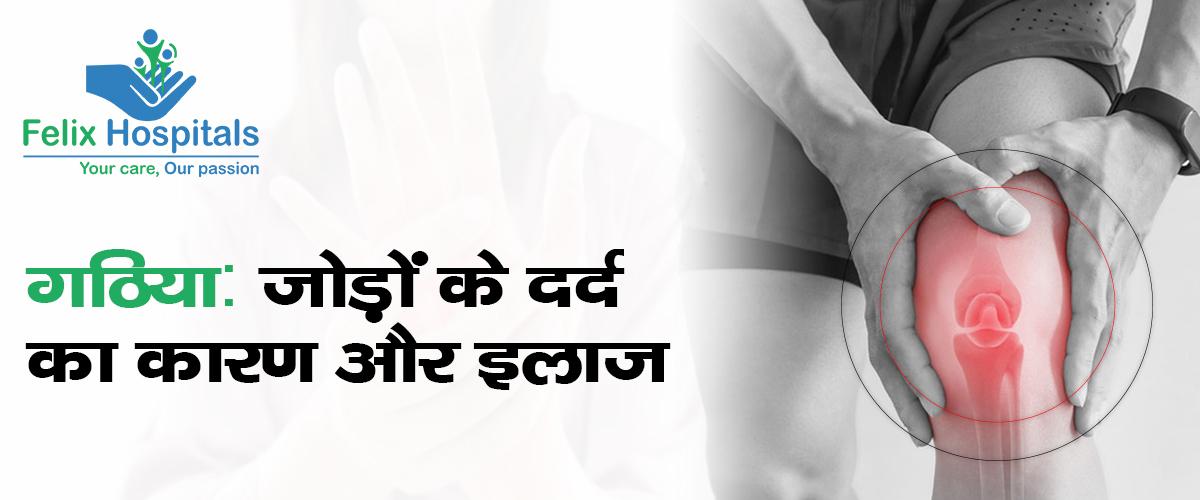
गठिया बाय (gathiya bai), जिसे अंग्रेजी में आर्थ्राइटिस कहा जाता है। एक सामान्य लेकिन गंभीर स्वास्थ्य समस्या है जिसके लिए आपको गठिया रोग अस्पताल में अपनी जाँच करवानी चाहिए। यह मुख्य रूप से जोड़ों में दर्द, सूजन और कठोरता का कारण बनती है। गठिया रोग कई प्रकार के होते हैं, जिनमें से सबसे आम ऑस्टियोआर्थ्राइटिस और रूमेटोइड आर्थ्राइटिस हैं। इस ब्लॉग में, हम गठिया रोग के विभिन्न प्रकारों, उनके कारणों, लक्षणों और उपचार के बताएंगे। बुजुर्गों में गठिया रोग की सबसे अधिक संभावना होती है। इसलिए रुमेटोलॉजिस्ट इस बीमारी के उपचार में मुख्य भूमिका निभाते हैं। वे बुजुर्गों के स्वास्थ्य और विकास के विशेषज्ञ होते हैं और गठिया रोग के लक्षणों(gathiya ke lakshan) की पहचान, निदान और उपचार में माहिर होते हैं।
फेलिक्स हॉस्पिटल में अनुभवी रुमेटोलॉजिस्ट मौजूद हैं। हम गठिया रोग पर आपके किसी भी सवाल का जवाब देने में सक्ष्म है। ज्यादा जानकारी के लिए हमें कॉल करें +91 9667064100
गठिया (आर्थ्राइटिस) एक सामान्य स्वास्थ्य समस्या है जिसमें जोड़ों में सूजन, दर्द, कठोरता और गतिशीलता में कमी होती है। यह एक विस्तृत समूह का रोग है जिसमें 100 से अधिक प्रकार शामिल हैं। यह रोग किसी भी उम्र में हो सकता है, लेकिन यह बुजुर्गों में अधिक आम है। गठिया रोग(gathiya rog) के सबसे आम प्रकारों में ऑस्टियोआर्थ्राइटिस, रूमेटोइड आर्थ्राइटिस, गाउट, और एंकिलोजिंग स्पॉन्डिलाइटिस शामिल हैं। गठिया रोग के कारण जटिल और बहुआयामी होते हैं। इसमें आनुवांशिक, पर्यावरणीय, जीवनशैली और हार्मोनल कारक शामिल हैं। गठिया रोग के जोखिम को कम करने के लिए स्वस्थ जीवनशैली अपनाना, संतुलित आहार, नियमित व्यायाम, और तनाव प्रबंधन महत्वपूर्ण हैं। यदि आप गठिया रोग के लक्षण महसूस करते हैं, तो समय पर चिकित्सकीय परामर्श लें और उचित उपचार प्राप्त करें।
सही जानकारी और सावधानी बरतने से गठिया बाय (Gathiya bai) के विकास को नियंत्रित किया जा सकता है और जीवन की गुणवत्ता को बेहतर बनाया जा सकता है।
ऑस्टियोआर्थ्राइटिस (OA) :
यह गठिया रोग (gathiya rog) का सबसे आम प्रकार है, जो मुख्य रूप से उम्र बढ़ने के साथ जोड़ों की उपास्थि (कार्टिलेज) के घिसने से होता है। यह जोड़ों के अत्यधिक उपयोग या चोट के परिणामस्वरूप भी हो सकता है। । सामान्यत: घुटनों, कूल्हों, हाथों, और रीढ़ की हड्डी में दर्द, जोड़ों में दर्द, सूजन और कठोरता इसके लक्षण हैं।
रूमेटोइड आर्थ्राइटिस (RA) :
यह जोड़ों में सूजन, दर्द, और लालिमा वाला एक ऑटोइम्यून रोग है, जिसमें शरीर की प्रतिरक्षा प्रणाली गलती से अपने ही जोड़ों के टिश्यू पर हमला करती है। यह अनुवांशिक और पर्यावरणीय कारकों के कारण हो सकता है। यह अक्सर हाथों, कलाई, और पैरों के छोटे जोड़ों को प्रभावित करता है।
गाउट (Gout) :
यह यूरिक एसिड के क्रिस्टल के जमाव के कारण होता है, जो जोड़ों में तीव्र दर्द और सूजन का कारण बनता है। यह अधिकतर पुरुषों में देखा जाता है और अक्सर पैर के अंगूठे में होता है। अचानक और जोड़ों में गंभीर दर्द, सूजन, और लालिमा इसके लक्षण हैं।
एंकिलोजिंग स्पॉन्डिलाइटिस (Ankylosing Spondylitis) :
यह एक प्रकार का आर्थ्राइटिस है जो मुख्य रूप से रीढ़ की हड्डी को प्रभावित करता है। यह ज्यादातर युवा पुरुषों को प्रभावित करता है और इसके पीछे भी ऑटोइम्यून तंत्र शामिल होता है। पीठ के निचले हिस्से में दर्द और कठोरता, जो आराम करने के बाद कम हो जाती है। इसके लक्षण हैं।
गठिया (आर्थ्राइटिस) एक ऐसी स्थिति है जिसमें जोड़ों में सूजन और दर्द होता है। इसके कई प्रकार हैं और हर प्रकार के लक्षण थोड़े अलग हो सकते हैं।
गठिया रोग के सबसे सामान्य और प्रमुख लक्षणों(gathiya ke lakshan) में से एक जोड़ों में दर्द है। यह दर्द हल्का या गंभीर हो सकता है और यह स्थायी या अस्थायी हो सकता है।
प्रभावित जोड़ों में सूजन हो सकती है। यह सूजन जोड़ों को बड़ा और गर्म बना सकती है।
खासकर सुबह के समय या एक प्रकार से लंबे समय तक बैठने के बाद जोड़ों में कठोरता महसूस हो सकती है।
सूजन वाले जोड़ों के आसपास की त्वचा लाल हो सकती है।
प्रभावित जोड़ों की गतिशीलता में कमी हो सकती है। जोड़ों का सामान्य रूप से हिलाना-डुलाना कठिन हो सकता है।
गठिया रोग (gathiya rog) से पीड़ित व्यक्ति को थकान महसूस हो सकती है। यह थकान किसी भी शारीरिक गतिविधि के बिना भी हो सकती है।
प्रभावित जोड़ों में हल्की-हल्की दरारें महसूस हो सकती हैं।
शारीरिक गतिविधि के बाद दर्द में वृद्धि होती है।
हड्डियों के किनारों पर अतिरिक्त हड्डी का विकास।
थकान, बुखार और वजन घटाना।
अचानक और तीव्र दर्द विशेषकर पैर के अंगूठे में।
प्रभावित जोड़ों में तीव्र लालिमा और सूजन।
तापमान में वृद्धि यानी प्रभावित क्षेत्र गर्म महसूस हो सकता है।
पीठ के निचले हिस्से में दर्द यानी कि यह दर्द आराम करने के बाद कम होता है।
रीढ़ की हड्डी में दर्द सुबह के समय या एक स्थान पर लंबे समय तक बैठने के बाद।
सिरदर्द और गर्दन का दर्द यानी खासकर अगर रीढ़ की हड्डी के ऊपरी हिस्से में सूजन हो।
पूरे शरीर में दर्द यानी की जोड़ों में दर्द और सूजन के साथ-साथ मांसपेशियों में दर्द।
विशेषकर चेहरे पर तितली के आकार का दाना।
गठिया (आर्थ्राइटिस) एक व्यापक स्वास्थ्य समस्या है जो जोड़ों में सूजन, दर्द, और कठोरता का कारण बनती है यह समस्या किसी भी उम्र में हो सकती है और इसके विभिन्न प्रकार हैं, जिनमें ऑस्टियोआर्थ्राइटिस, रूमेटोइड आर्थ्राइटिस, गाउट, और एंकिलोजिंग स्पॉन्डिलाइटिस शामिल हैं। गठिया के कारण जटिल और बहुआयामी होते हैं, जिनमें आनुवांशिक, पर्यावरणीय, और जीवनशैली संबंधी कारक शामिल हैं।
गठिया के कई प्रकारों में आनुवांशिक कारक महत्वपूर्ण भूमिका निभाते हैं। यदि आपके परिवार में किसी को गठिया रोग है, तो आपमें इसके विकसित होने की संभावना अधिक होती है।
रूमेटोइड आर्थ्राइटिस यह एक ऑटोइम्यून रोग है और इसके विकसित होने की संभावना उन लोगों में अधिक होती है जिनके परिवार में यह समस्या पहले से है।
गाउट में यूरिक एसिड के स्तर में आनुवांशिक अंतर गाउट के जोखिम को बढ़ा सकते हैं।
ह्यूमन ल्यूकोसाइट एंटीजन (एचएलए) में HLA-DRB1 जीन वेरिएंट रूमेटोइड आर्थ्राइटिस के जोखिम को बढ़ा सकता है।
COL2A1 यह जीन ऑस्टियोआर्थ्राइटिस से संबंधित हो सकता है। क्योंकि यह उपास्थि की संरचना को प्रभावित करता है।
गठिया बाय(gathiya bai) के कुछ प्रकार, जैसे रूमेटोइड आर्थ्राइटिस, प्रतिरक्षा प्रणाली की खराबी के कारण होते हैं। सामान्यतया, प्रतिरक्षा प्रणाली शरीर को हानिकारक जीवाणुओं और वायरस से बचाती है। लेकिन रूमेटोइड आर्थ्राइटिस में, यह प्रणाली गलती से अपने ही जोड़ों के ऊतकों पर हमला कर देती है, जिससे सूजन और दर्द होता है।
कुछ बैक्टीरियल और वायरल संक्रमण गठिया रोग के विकास को प्रेरित कर सकते हैं। यह रिएक्टिव आर्थ्राइटिस है। यह एक प्रकार का गठिया है जो यूरीनरी या आंतों के संक्रमण के बाद हो सकता है(gathiya kaise hota hai)।
लाइम रोगः यह बैक्टीरिया बोरलिया बर्गडोर्फेरी द्वारा फैलता है और इससे गठिया रोग(gathiya rog) हो सकता है।
जो लोग पुराने चोटों से पीड़ित हैं, वे ऑस्टियोआर्थ्राइटिस के विकास के लिए अधिक संवेदनशील होते हैं। चोटें उपास्थि को नुकसान पहुंचा सकती हैं। जिससे जोड़ों का सही से काम करना कठिन हो जाता है।
कुछ पेशे और गतिविधियां जोड़ों पर लगातार दबाव डालती हैं, जैसे खेल, वजन उठाना, और लगातार एक ही गतिविधि करना। यह जोड़ों की उपास्थि को घिसने का कारण बन सकता है, जिससे ऑस्टियोआर्थ्राइटिस विकसित हो सकता है(gathiya kaise hota hai)।
अत्यधिक वजन जोड़ों पर अतिरिक्त दबाव डालता है, विशेषकर घुटनों, कूल्हों और रीढ़ की हड्डी पर। यह उपास्थि के घिसने और ऑस्टियोआर्थ्राइटिस के जोखिम को बढ़ा सकता है।
अस्वास्थ्यकर आहार जिसमें प्रोसेस्ड फूड्स, अत्यधिक शुगर, और ट्रांस फैट शामिल हैं, सूजन को बढ़ा सकते हैं। सूजन गठिया के लक्षणों को बदतर बना सकती है।
धूम्रपान और अत्यधिक शराब का सेवन गठिया रोग(gathiya rog) के जोखिम को बढ़ा सकता है। धूम्रपान प्रतिरक्षा प्रणाली को कमजोर कर सकता है और रूमेटोइड आर्थ्राइटिस के विकास में योगदान कर सकता है।
गठिया का विकास हार्मोनल असंतुलन से भी प्रभावित हो सकता है। महिलाओं में रूमेटोइड आर्थ्राइटिस अधिक आम है, जो यह संकेत करता है कि हार्मोनल परिवर्तन, जैसे गर्भावस्था और रजोनिवृत्ति, गठिया रोग के विकास में भूमिका निभा सकते हैं।
पर्यावरणीय प्रदूषक और विषैले पदार्थ प्रतिरक्षा प्रणाली को प्रभावित कर सकते हैं और गठिया के जोखिम को बढ़ा सकते हैं। उदाहरण के लिए, सिगरेट के धुएं में मौजूद विषैले पदार्थ रूमेटोइड आर्थ्राइटिस के जोखिम को बढ़ा सकते हैं।
संक्रमण से होने वाले प्रदूषण भी गठिया के विकास में भूमिका निभा सकते हैं। संक्रमित पानी या भोजन से फैलने वाले बैक्टीरिया और वायरस गठिया बाय(gathiya bai) के विभिन्न प्रकारों का कारण बन सकते हैं।
गठिया रोग का खतरा उम्र के साथ बढ़ता है। ऑस्टियोआर्थ्राइटिस मुख्यतः वृद्धावस्था में होता है, क्योंकि उम्र के साथ उपास्थि की मोटाई कम होती है और जोड़ों में सामान्य क्षति बढ़ती है।
कुछ प्रकार के गठिया महिलाओं में अधिक आम होते हैं, जैसे रूमेटोइड आर्थ्राइटिस, जबकि गाउट पुरुषों में अधिक पाया जाता है। यह हार्मोनल और आनुवांशिक कारकों के कारण हो सकता है।
फेलिक्स हॉस्पिटल में अनुभवी ऑर्थोपेडिक्स और रुमेटोलॉजिस्ट उपलब्ध हैं। हम आपके गठिया से संबंधित सभी सवालों का जवाब देने में सक्षम हैं। अधिक जानकारी के लिए हमें +91 9667064100 पर कॉल करें।
गठिया रोग एक ऐसी स्थिति है जिसमें जोड़ों में सूजन और दर्द होता है। यह रोग किसी भी उम्र में हो सकता है और इससे जीवन की गुणवत्ता पर गंभीर प्रभाव पड़ सकता है।हालांकि गठिया रोग का कोई निश्चित इलाज(gathiya rog ka ilaj) नहीं है, परंतु इससे बचने और इसके लक्षणों को नियंत्रित करने के कई उपाय हैं मुख्य रूप से ज्यादा परेशानी घुटनो में गठिया हो जाए तो होने लगती है क्योकि शरीर का भार उठाना व शरीर को चलाना दोनों का काम घुटने ही करते है इसलिए यह जानना ज़रूरी है की हम कैसे घुटने में गठिया होने से बचाए |
गठिया से बचाव के लिए एंटी-इन्फ्लेमेटरी आहार को अपनाना महत्वपूर्ण है।
फ्रूट्स और वेजिटेबल्स: विभिन्न रंगों के फल और सब्जियों का सेवन करें, जैसे बेरीज़, साग, और गाजर।
ओमेगा-3 फैटी एसिड: यह सूजन को कम करने में मदद करता है। इसे मछली (जैसे सैल्मन, मैकेरल), अखरोट, और चिया बीज से प्राप्त किया जा सकता है।
विटामिन डी और कैल्शियम: हड्डियों की मजबूती के लिए महत्वपूर्ण हैं। डेयरी उत्पाद, सोया दूध, और गहरे हरे पत्तेदार सब्जियां अच्छे स्रोत हैं।
अदरक और हल्दी: इनमें एंटी-इन्फ्लेमेटरी गुण होते हैं जो गठिया रोग के लक्षणों(gathiya ke lakshan) को कम कर सकते हैं।
कुछ खाद्य पदार्थ सूजन को बढ़ा सकते हैं और गठिया के लक्षणों को बदतर बना सकते हैं। इनमें शामिल हैं:
प्रोसेस्ड फूड्स: इनमें ट्रांस फैट और उच्च फ्रक्टोज कॉर्न सिरप होता है, जो सूजन को बढ़ा सकते हैं।
अत्यधिक शुगर: चीनी का अधिक सेवन सूजन को बढ़ा सकता है।
रिफाइंड कार्बोहाइड्रेट्स: सफेद ब्रेड, पेस्ट्री, और अन्य रिफाइंड अनाज से बचें।
नियमित व्यायाम गठिया की बीमारी(gathiya bimari) से बचाव और इसके लक्षणों को नियंत्रित करने में महत्वपूर्ण भूमिका निभाता है। व्यायाम से जोड़ों की गतिशीलता और मांसपेशियों की मजबूती बनी रहती है।
एरोबिक व्यायाम: जैसे चलना, तैरना, और साइक्लिंग। ये हृदय स्वास्थ्य को भी बढ़ावा देते हैं।
मांसपेशियों को मजबूत करने वाले व्यायाम: जैसे वजन उठाना और योग। ये मांसपेशियों की ताकत बढ़ाते हैं और जोड़ों पर दबाव कम करते हैं।
फ्लेक्सिबिलिटी एक्सरसाइज: स्ट्रेचिंग और योग जोड़ों की गतिशीलता को बढ़ाते हैं।
योगा करना चाहिए
व्यायाम करते समय सही तकनीक और तरीकों का पालन करना आवश्यक है ताकि चोट से बचा जा सके। इसके लिए एक पेशेवर ट्रेनर की सलाह लेना ज़रूरी है साथ ही ये जानना ज़रूरी ही की गठिया के लिए योग कौन कौन से हो सकते है।
अत्यधिक वजन जोड़ों पर अतिरिक्त दबाव डालता है, जिससे गठिया रोग(gathiya rog) का खतरा बढ़ सकता है।
संतुलित आहार के लिए कैलोरी संतुलन और पोषक तत्वों की पर्याप्तता पर ध्यान दें।
नियमित व्यायाम शारीरिक गतिविधियां वजन नियंत्रण में सहायक होती है।
हाइड्रेशन: यानी पर्याप्त पानी पिएं, क्योंकि यह मेटाबोलिज्म को बढ़ावा देता है और भूख को नियंत्रित करता है।
तनाव गठिया के लक्षणों(gathiya ke lakshan) को बदतर बना सकता है। तनाव को प्रबंधित करने के लिए निम्न चीजों का ध्यान रखें।
मेडिटेशन: यह मन को शांत करता है और मानसिक स्वास्थ्य को बढ़ावा देता है।
योग: यह शारीरिक और मांसपेशिक लचीलापन बढ़ाता है।
अच्छी नींद: प्रतिदिन 7-8 घंटे की नींद लेने का प्रयास करें।
धूम्रपान और अत्यधिक शराब का सेवन गठिया रोग के विकास में योगदान कर सकते हैं। इन आदतों से बचकर आप अपने जोड़ों और समग्र स्वास्थ्य को बेहतर बना सकते हैं।
गठिया के शुरुआती लक्षणों को पहचानना और उचित समय पर इलाज(gathiya rog ka ilaaj) करना महत्वपूर्ण है। इसके लिए:
नियमित चिकित्सकीय जांच: नियमित रूप से डॉक्टर से मिलें और आवश्यक परीक्षण करवाएं।
स्वयं निगरानी: अपने शरीर के संकेतों पर ध्यान दें और किसी भी असामान्य लक्षण पर डॉक्टर से परामर्श करें।
असुविधाजनक जूते जोड़ों पर अतिरिक्त दबाव डाल सकते हैं। सही प्रकार के जूते पहनें जो आरामदायक और सपोर्टिव हों।
काम के दौरान सही मुद्रा बनाए रखें और एर्गोनॉमिक्स का ध्यान रखें। यह विशेष रूप से उन लोगों के लिए महत्वपूर्ण है जो लंबे समय तक बैठकर काम करते हैं।
जोड़ों को ठंडे और आर्द्र वातावरण से बचाने का प्रयास करें। ठंड में जोड़ों की सुरक्षा के लिए गर्म कपड़े पहनें और हाथों व पैरों को अच्छी तरह ढंकें।
गठिया रोग का कोई पूर्ण इलाज(gathiya rog ka ilaj) नहीं है, लेकिन इसके लक्षणों को नियंत्रित करने और जीवन की गुणवत्ता को बेहतर बनाने के लिए कई उपचार विकल्प हैं।
एनाल्जेसिक्स: दर्द निवारक दवाएं जैसे पेरासिटामोल।
एनएसएआईडीएस (NSAIDs): सूजन और दर्द को कम करने के लिए, जैसे इबुप्रोफेन।
कॉर्टिकोस्टेरॉइड्स: सूजन को कम करने के लिए।
डीएमएआरडीएस (DMARDs): रोग की प्रगति को धीमा करने के लिए, विशेषकर रूमेटोइड आर्थ्राइटिस में।
व्यायाम: नियमित व्यायाम जोड़ों की गति को बनाए रखने और मांसपेशियों को मजबूत करने में मदद करता है।
फिजिकल थेरेपी: विशेष तकनीकों और उपकरणों का उपयोग करके दर्द और सूजन को कम करना।
जॉइंट रिप्लेसमेंट: गंभीर मामलों में, हिप या घुटने की रिप्लेसमेंट सर्जरी की जा सकती है।
जॉइंट फ्यूजन: जोड़ों को स्थिर करने के लिए।
गठिया की बीमारी(gathiya bimari) को पूरी तरह से रोकना संभव नहीं हो सकता है, लेकिन कुछ उपाय इसके खतरे को कम कर सकते हैं और लक्षणों को नियंत्रित करने में मदद कर सकते हैं:
सक्रिय जीवनशैली: नियमित व्यायाम और सक्रिय रहना।
संतुलित आहार: स्वस्थ एवं संतुलित आहार जिसमें फलों, सब्जियों और सम्पूर्ण अनाज शामिल हों।
मॉडरेशन में कार्य: अत्यधिक श्रम से बचना और आराम करना।
नियमित चिकित्सकीय जांच: शुरुआती पहचान और उपचार के लिए नियमित जांच।
आप हमसे संपर्क करके गठिया संभंधित जानकारी प्राप्त कर सकते है | हमें कॉल करें +91 9667064100
गठिया रोग से बचाव के लिए स्वस्थ जीवनशैली, संतुलित आहार, नियमित व्यायाम और तनाव प्रबंधन जैसे उपाय बेहद महत्वपूर्ण हैं। गठिया के लक्षणों(gathiya ke lakshan) की पहचान कर समय पर चिकित्सकीय परामर्श लेना भी आवश्यक है। इन उपायों को अपनाकर आप गठिया के जोखिम को कम कर सकते हैं और एक स्वस्थ, सक्रिय जीवन जी सकते हैं। सही जानकारी और सही कदम उठाने से गठिया रोग से बचा जा सकता है और जीवन की गुणवत्ता को बेहतर बनाया जा सकता है। गठिया एक जटिल और बहु-आयामी समस्या है जो जीवन की गुणवत्ता को प्रभावित कर सकती है। सही जानकारी, उपचार और जीवनशैली में बदलाव के माध्यम से इसके लक्षणों को प्रभावी ढंग से नियंत्रित किया जा सकता है। यदि आपको या आपके किसी प्रियजन को गठिया की बीमारी(gathiya bimari) के लक्षण महसूस हो रहे हैं, तो तुरंत चिकित्सक से परामर्श लें और उचित उपचार प्राप्त करें। सही कदम और समय पर हस्तक्षेप से आप एक सक्रिय और दर्द रहित जीवन जी सकते हैं।
सवाल : गठिया क्या है ?
जवाब: गठिया एक ऐसी स्थिति है जिसमें जोड़ों में सूजन और दर्द होता है। यह एक सामान्य सा शब्द है जो 100 से अधिक विभिन्न प्रकार की जोड़ों की समस्याओं को संदर्भित करता है। इसके प्रमुख प्रकारों में ऑस्टियोआर्थ्राइटिस, रूमेटोइड आर्थ्राइटिस, गाउट और एंकिलोजिंग स्पॉन्डिलाइटिस शामिल हैं।
सवाल : गठिया के सामान्य लक्षण क्या हैं ?
जवाब: गठिया के सामान्य लक्षणों में जोड़ों में दर्द, सूजन, कठोरता, लालिमा, और गति की कमी शामिल हैं। सुबह के समय या एक लंबे समय तक बैठने के बाद जोड़ों में कठोरता महसूस होना भी एक आम लक्षण है।
सवाल : गठिया का मुख्य कारण क्या है ?
जवाब: गठिया के कई कारण हो सकते हैं, जिनमें आनुवांशिक कारक, प्रतिरक्षा प्रणाली की खराबी, शारीरिक चोटें, अत्यधिक वजन, संक्रमण और जीवनशैली संबंधी कारक शामिल हैं। हर प्रकार के गठिया का कारण अलग हो सकता है।
सवाल : गठिया का निदान कैसे किया जाता है ?
जवाब: गठिया का निदान चिकित्सकीय इतिहास, शारीरिक परीक्षण, रक्त परीक्षण, और इमेजिंग तकनीक जैसे एक्स-रे, एमआरआई, और अल्ट्रासाउंड के माध्यम से किया जाता है। डॉक्टर आपके लक्षणों और जोड़ों की स्थिति की जांच करके सही निदान करते हैं।
सवाल : गठिया का इलाज कैसे किया जाता है ?
जवाब: एनएसएआईडीएस (NSAIDs), कॉर्टिकोस्टेरॉइड्स, और डीएमएआरडीएस (DMARDs) जैसी दवाओं का उपयोग। नियमित व्यायाम, योग, और फिजिकल थेरेपी, स्वस्थ आहार, वजन प्रबंधन और तनाव प्रबंधन आदि द्वारा इलाज कैसे किया जा सकता है। गंभीर मामलों में जोड़ों की रिप्लेसमेंट सर्जरी से गठिया का इलाज होता है।
सवाल : क्या गठिया को रोका जा सकता है ?
जवाब: गठिया को पूरी तरह से रोकना संभव नहीं हो सकता है, लेकिन इसके जोखिम को कम करने के लिए कुछ उपाय किए जा सकते हैं, जैसे नियमित व्यायाम और सक्रिय रहना। स्वस्थ आहार जिसमें फलों, सब्जियों, और सम्पूर्ण अनाज शामिल किया हों। स्वस्थ वजन बनाए रखना जोड़ों पर अतिरिक्त दबाव को कम करता है। शुरुआती पहचान और उपचार के लिए नियमित जांच से इसे रोका जा सकता है।
सवाल: क्या गठिया केवल बुजुर्गों को प्रभावित करता है ?
जवाब: नहीं, गठिया किसी भी उम्र के लोगों को प्रभावित कर सकता है। हालांकि, ऑस्टियोआर्थ्राइटिस मुख्यतः वृद्धावस्था में होता है, लेकिन रूमेटोइड आर्थ्राइटिस और अन्य प्रकार के गठिया युवाओं और बच्चों में भी हो सकते हैं।
सवाल: गठिया से पीड़ित होने पर क्या खाना चाहिए?
जवाब: गठिया से पीड़ित लोगों को एंटी-इन्फ्लेमेटरी आहार अपनाना चाहिए, जिसमें ओमेगा-3 फैटी एसिड युक्त खाद्य पदार्थ, जैसे मछली, अलसी के बीज और अखरोट शामिल हों। ताजे फल, सब्जियां, सम्पूर्ण अनाज और स्वस्थ वसा का सेवन बढ़ाएं। प्रोसेस्ड फूड्स, अत्यधिक शुगर, और ट्रांस फैट से बचें।

Orthopedics is a specialized branch that takes care of your musculoskeletal problems related to joints, bones, muscles, spine, ligaments, and tissues.
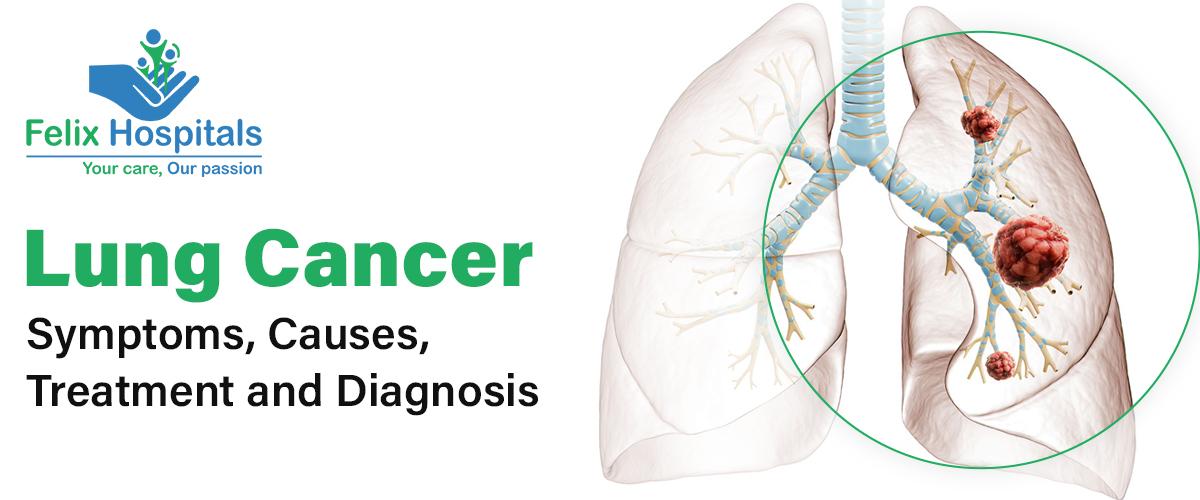
Lung cancer ranks as the third most prevalent cancer in the world. It develops when harmful cells in the lungs multiply uncontrollably. Treatment options encompass surgery, chemotherapy, immunotherapy, radiation therapy, and targeted medications. Screening is advisable for those at elevated risk. Progress in treatments has notably decreased the number of deaths caused by lung cancer in recent times. For those seeking top-notch care, the best cancer hospital in Noida offer advanced treatments and comprehensive care for lung cancer patients.
Lung Cancer Treatment By Stage with Felix Hospital. Reach out to us at [email protected] or call +91 9667064100.
Lung cancer is a condition where healthy cells in the lungs start to change in a harmful way. Instead of growing and dying as they should, these cells multiply rapidly, forming tumors. There are two main types of lung cancer: small-cell lung cancer (SCLC) and non-small cell lung cancer (NSCLC), which doctors distinguish based on how they look under a microscope. NSCLC is more common. While anyone can develop lung cancer, smoking and exposure to things like secondhand smoke or certain chemicals can raise the risk.
Non-Small Cell Lung Cancer (NSCLC) and Small Cell Lung Cancer (SCLC) are the two primary types of Lung Cancer.
Non-Small Cell Lung Cancer (NSCLC): NSCLC is characterized by the presence of larger cells when viewed under a microscope. It includes several subtypes:
Adenocarcinoma: This subtype often originates in the mucus-producing glands in the lungs.
Squamous Cell Carcinoma: Squamous cells are flat cells that line the airways in the lungs. This subtype of NSCLC typically starts in the bronchi.
Large Cell Carcinoma: Large cell carcinoma refers to tumors in the lung that lack the distinctive features of adenocarcinoma or squamous cell carcinoma.
Small Cell Lung Cancer (SCLC): This type accounts for around 13% of Lung Cancer cases. SCLC is characterized by small cells when observed under a microscope. It tends to grow and spread more quickly than NSCLC.
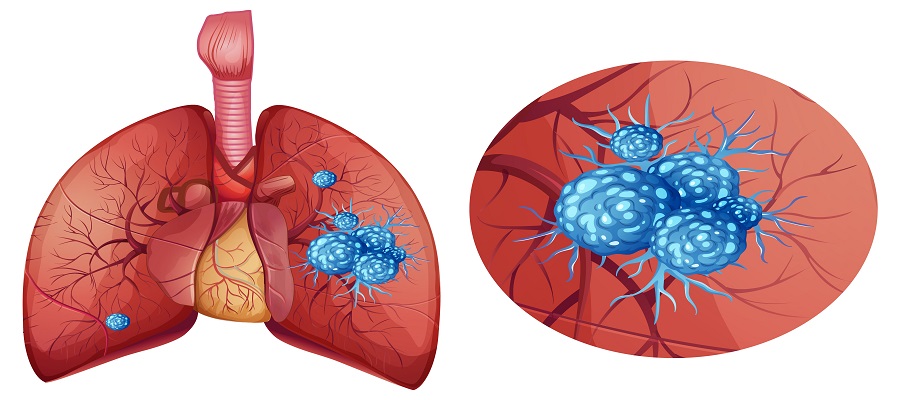
The stages of cancer describe how much it has spread in the body and how serious it is. This helps doctors and patients decide on the best treatment plan.
There are different ways to categorize the stages of cancer. One common method is:
Localized: Cancer is in one area and hasn't spread.
Regional: Cancer has spread to nearby tissues or lymph nodes.
Distant: Cancer has spread to other parts of the body.
Another method called TNM staging looks at the size of the tumor, whether it affects lymph nodes, and if it has spread elsewhere.
For Lung Cancer, there are specific stages for NSCLC and SCLC.
Occult: Cancer cells are present but don't show up on scans.
Stage 0: Abnormal cells are found only in the top layers of airway cells.
Stage 1: A tumor is in the lung but hasn't spread.
Stage 2: The tumor is larger and may have spread to nearby tissues or lymph nodes.
Stage 3: Cancer has spread to lymph nodes and other parts of the lung.
Stage 4: Cancer has spread to distant parts of the body.
Limited: Cancer is only on one side of the chest, possibly in nearby lymph nodes.
Extensive: Cancer has spread beyond one side of the chest, possibly to the other lung or other parts of the body.
Causes of Lung Cancer, when cells in your lungs start multiplying uncontrollably. Normally, cells have a limit to how much they can divide or they self-destruct when needed. But in cancer, these cells ignore those limits. They become abnormal and keep growing, causing problems for your healthy cells.
We're not entirely sure why this happens to some people and not others, but things like smoking tobacco can increase your chances of getting Lung Cancer by damaging your cells.
Symptoms of Lung Cancer often don't show in its early stages. Symptoms usually appear when the cancer has progressed. Symptoms related to the lungs and chest might include:
Persistent coughing.
Coughing up blood, even just a little.
Hoarseness.
Difficulty breathing.
Wheezing.
When Lung Cancer spreads to other areas, additional symptoms may arise, such as:
Headaches.
Unintentional weight loss.
Decreased appetite.
Swelling in the face or neck.
Lung Cancer Treatment aims to either remove the cancer, slow down its growth, or alleviate symptoms. The choice of treatment depends on various factors including the type of Lung Cancer, its location, and how far it has spread.
Surgery: If the cancer hasn't spread and is localized, surgery may be an option. This involves removing the tumor and surrounding healthy tissue. In some cases, part or all of the lung may need to be removed.
Radiofrequency ablation (RFA): This treatment is used for tumors on the outer edges of the lungs. It involves using high-energy radio waves to destroy cancer cells.
Radiation therapy: High-energy beams are directed at the cancer cells to kill them. It can be used alone or in combination with surgery. It's also used to relieve pain caused by tumors.
Chemotherapy: A combination of medications is used to stop cancer cells from growing. It can be given before or after surgery, or in combination with other treatments. Chemotherapy is usually administered intravenously (IV).
Targeted drug therapy: Some Lung Cancers have specific genetic mutations that make them susceptible to targeted drugs. These drugs aim to slow down or destroy cancer cells.
Immunotherapy: This treatment helps the immune system recognize and attack cancer cells. It's particularly effective against cancers that have found ways to hide from the immune system.
In addition to these treatments, palliative care is used to relieve symptoms such as pain and difficulty breathing. This may involve procedures to remove blockages in the airways or drain fluid from around the lungs.
Each treatment option comes with its own set of side effects. These can include nausea, vomiting, fatigue, and pain, among others. Your healthcare provider can provide guidance on what to expect and how to manage these side effects during your specific treatment.
To diagnose Lung Cancer, doctors use various methods:
Physical examination: Doctors check for any signs or symptoms of Lung Cancer during a physical exam.
Imaging: Tests like chest X-rays, CT scans, and MRI scans provide detailed images of the lungs, helping doctors detect any abnormalities.
Bronchoscopy: This procedure involves inserting a thin tube with a camera into the lungs to examine them internally.
Biopsy: Tissue samples are taken from the lungs and examined under a microscope to determine if cancer cells are present. This helps identify the specific type of Lung Cancer, such as NSCLC or SCLC.
Molecular testing: Genetic mutations or biomarkers in the cancer cells are identified through molecular testing. This information helps doctors choose the most effective treatment options tailored to the patient's specific condition.
The best way to lower your risk of Lung Cancer is to avoid smoking tobacco. It's also important to stay away from secondhand smoke, reduce exposure to air pollution, and avoid workplace hazards like chemicals and asbestos.
Getting early treatment if you have Lung Cancer can help prevent it from getting worse or spreading to other parts of your body.
There are two main approaches to Lung Cancer prevention:
Primary prevention: This focuses on preventing the disease from occurring in the first place by reducing risk factors and promoting healthy habits. This includes quitting smoking, creating smoke-free environments, implementing policies to control tobacco use, addressing workplace hazards, and reducing air pollution.
Secondary prevention: This involves screening methods to detect Lung Cancer early, before symptoms appear, especially in high-risk individuals. Early detection through screening can greatly improve treatment outcomes. The primary screening method for Lung Cancer is low-dose computed tomography (LDCT).
Lung Cancer Survival Rate By Age varies depending on factors such as the stage of cancer at diagnosis, the type of Lung Cancer, and the individual's overall health. Generally, the earlier the cancer is diagnosed and treated, the better the chances of survival.
For non-small cell Lung Cancer (NSCLC), the 5-year survival rate ranges from about 24% for distant (metastatic) stage to around 63% for localized stage.
For small cell Lung Cancer (SCLC), the 5-year survival rate is lower, with only about 7% for distant stage and around 31% for localized stage.
It's important to remember that survival rates are estimates based on large groups of people and may not accurately predict an individual's prognosis. Advances in treatments and personalized medicine continue to improve outcomes for people with Lung Cancer. Early detection through screening and prompt treatment can also significantly impact survival rates.
In India, treating Lung Cancer usually costs between Rs. 5,00,000 to Rs. 10,00,000 on average. This covers everything from initial assessments and fitness checks to advanced tests, surgeries, and hospital stays for both patients and their caregivers.
Felix Hospitals is the Best Lung Cancer Specialist Hospital in Noida. Book your consultation with us today or call us at +91 9667064100.
The recovery rate for Lung Cancer varies depending on several factors, including the stage of the cancer at diagnosis, the type of Lung Cancer, the individual's overall health, and the effectiveness of the treatment received.
For early-stage Lung Cancer that has not spread beyond the lungs, the chances of recovery are generally higher. In these cases, treatment options such as surgery, radiation therapy, or a combination of both may offer a good chance of long-term survival.
For advanced-stage Lung Cancer that has spread to other parts of the body, the chances of recovery are typically lower. However, advancements in treatment options such as chemotherapy, targeted therapy, and immunotherapy have improved outcomes for some patients with advanced Lung Cancer, potentially extending survival and improving quality of life.
It's important to note that Lung Cancer recovery rates are individual and can vary widely. Some people may achieve remission and live cancer-free for many years, while others may experience recurrence or complications despite treatment. Additionally, lifestyle factors such as smoking cessation, exercise, and nutrition can also play a role in recovery and overall health outcomes.
Lung Cancer is a significant health concern worldwide, ranking as the third most prevalent cancer. It develops when cells in the lungs multiply uncontrollably, forming tumors. Early detection through screening and prompt treatment are crucial for improving survival rates. Treatment options include surgery, chemotherapy, radiation therapy, targeted drug therapy, and immunotherapy. The prognosis varies based on factors such as cancer stage, type, and overall health. While survival rates have improved with advancements in treatment, recovery rates differ widely among individuals. Lifestyle choices, such as avoiding tobacco smoke and reducing exposure to environmental hazards, play a crucial role in preventing Lung Cancer. Overall, ongoing research, early detection, and access to effective treatments are essential for reducing the burden of Lung Cancer and improving outcomes for patients.
Q1. How long do Lung Cancer patients live?
Ans - Survival rates for Lung Cancer patients vary widely depending on factors such as the stage of cancer at diagnosis, the type of Lung Cancer, and the effectiveness of treatment. Some patients may survive for several years, especially if the cancer is detected early and responds well to treatment, while others may have shorter survival times, particularly if the cancer is diagnosed at a later stage or if treatment options are limited.
Q2. How does Lung Cancer affect life?
Ans - Lung Cancer can have a profound impact on a person's life, both physically and emotionally. Physically, it can cause symptoms such as persistent coughing, chest pain, difficulty breathing, fatigue, and weight loss. Emotionally, it can lead to anxiety, depression, fear, and uncertainty about the future. Treatment side effects can also affect quality of life, as they may cause discomfort, fatigue, and changes in appearance.
Q3. How to recover from Lung Cancer?
Ans - Recovery from Lung Cancer involves undergoing various treatments such as surgery, chemotherapy, radiation therapy, targeted therapy, and immunotherapy, depending on the individual's specific condition and the stage of the cancer. Additionally, supportive care measures, including nutritional support, pain management, and psychological counseling, can help patients cope with the physical and emotional challenges of treatment and facilitate their recovery process.
Q4. Can you survive Lung Cancer if caught early?
Ans - Yes, the chances of survival are generally higher if Lung Cancer is detected early. Early detection allows for prompt initiation of treatment when the cancer is still localized or has not spread extensively, increasing the likelihood of successful treatment outcomes and long-term survival.
Q5. Can a person survive Lung Cancer?
Ans - Yes, many people can survive Lung Cancer, especially if it is diagnosed and treated in its early stages. Advances in medical treatments, including surgery, chemotherapy, radiation therapy, targeted therapy, and immunotherapy, have improved survival rates and quality of life for Lung Cancer patients in recent years. However, prognosis varies depending on individual factors such as cancer stage, type, overall health, and response to treatment.
Q6. Is stage 4 cancer 100% death?
Ans - While stage 4 cancer is generally considered advanced and may be more difficult to treat, it is not always fatal. Some individuals with stage 4 cancer may respond well to treatment and achieve remission or stable disease, allowing them to live for an extended period with a good quality of life. However, the prognosis for stage 4 cancer can vary widely depending on factors such as cancer type, location, aggressiveness, and overall health status.
Q7. Can you live a normal life after Lung Cancer?
Ans - Many people are able to live normal lives after successfully completing treatment for Lung Cancer. While the experience may have lasting effects on physical health and emotional well-being, with proper medical care, support, and lifestyle adjustments, individuals can often resume their daily activities, work, and social interactions. Regular follow-up appointments with healthcare providers are important to monitor for any signs of cancer recurrence or long-term side effects of treatment.
Q8. Can Lung Cancer be treated successfully?
Ans - Yes, Lung Cancer can be treated successfully, particularly when diagnosed and treated in its early stages. Treatment options may include surgery, chemotherapy, radiation therapy, targeted therapy, and immunotherapy, either alone or in combination, depending on the specific characteristics of the cancer and the individual's overall health. Advances in medical research and personalized medicine continue to improve treatment outcomes and extend survival for many patients with Lung Cancer.

Cervical cancer is most common in women after breast cancer. Cervical cancer starts from the cervix, i.e., the cervix. The cervix is the lower part of the uterus that connects the vagina to the uterus.
Recognize the early warning signs of cervical cancer. Learn about its symptoms, causes, and when to consult a gynecologist for timely diagnosis and treatment.

Explore the cervical cancer vaccine cost in Noida, compare prices across hospitals, and understand how vaccination helps prevent HPV infection and cervical cancer.
Explore essential information about breast cancer, including its symptoms, causes, types, and treatments, to stay informed and proactive about your health.

Maintaining a healthy, balanced diet is essential for overall well-being and feeling your best. This involves eating a diverse range of foods in the right proportions and consuming the appropriate amount of food and drink to maintain a healthy weight. This advice is intended for the general population. If you have specific dietary needs or a medical condition, it's important to consult with your doctor or a registered dietitian for personalized guidance. If you want to find the Best Dietician for Weight Loss, it's important to first understand what a diet is and how it works. This knowledge will help you make informed decisions and ask the right questions during your consultations.
A good mix of different kinds of food gives your body everything it needs to stay healthy. This includes carbs, fats, vitamins, minerals, proteins, fiber, and water. Eating a variety of foods like this reduces the chance of getting sick and helps you feel better overall. most of your daily calories should come from:
Book your consultation with the best nutritionist in Noida today with a Simple click Here or call us at: +91 9667064100.
Making sure your diet gives your body the nutrients it needs is crucial for staying healthy and avoiding diseases. Without balanced nutrition, you become more vulnerable to illnesses, infections, fatigue, and poor performance. For children, not getting enough healthy foods can lead to growth and developmental issues, as well as problems with academic performance and frequent infections. It can also set the stage for unhealthy eating habits that persist into adulthood. Lack of exercise further increases the risk of obesity and metabolic syndrome-related diseases like type 2 diabetes and high blood pressure. Shockingly, the Center for Science in the Public Interest highlights that four of the top 10 leading causes of death in the United States are directly linked to diet, including heart disease, cancer, stroke, and type 2 diabetes. Therefore, it's crucial to learn more about healthy meal plans, especially for kids, to ensure lifelong well-being.
The Eatwell Guide gives us some simple tips for eating healthily:
It's important to mix up the types of food you eat to get a good balance of nutrients. Many people in the UK eat too many calories and unhealthy fats, sugars, and salts, while not getting enough fruits, veggies, oily fish, or fiber. And remember, the Eatwell Guide isn't for kids under 2 because they need different kinds of food to grow properly. But after they turn 2, they can start eating the same foods as the rest of the family, following the proportions suggested in the Eatwell Guide.
To steer clear of empty calories, it's wise to cut back on foods that don't offer much in the way of nutrition. These include:
It's important to watch your salt and sugar intake too. Too much salt can raise blood pressure and increase the risk of heart disease and stroke, while excessive sugar can lead to tooth decay and weight gain.
Alcoholic drinks can mess with your cholesterol, triglyceride, and insulin levels. They also up the odds of liver problems, high blood pressure, weight gain, and certain cancers. So, it's best to enjoy them in moderation.
Fruit and vegetables are excellent sources of vitamins, minerals, and fibre, and should make up just over a third of your daily food intake. It's recommended to eat at least five portions of a variety of fruits and vegetables every day. These can be fresh, frozen, canned, dried, or juiced. Research shows that people who consume at least five portions daily have a lower risk of heart disease, stroke, and some cancers. A portion includes 80g of fresh, canned, or frozen produce, 30g of dried fruit (ideally consumed with meals), or a 150ml glass of fruit juice or smoothie (limited to one portion per day due to sugar content).
Starchy Foods - Starchy foods should also constitute just over a third of your diet. Wholegrain or wholemeal options like brown rice, wholewheat pasta, and wholemeal bread are preferable because they contain more fibre, vitamins, and minerals than their white counterparts. Potatoes, especially with the skins on, are an excellent source of fiber and vitamins.
Milk And Dairy Foods - Milk and dairy products such as cheese and yoghurt are rich in protein and calcium, essential for bone health. Opt for lower-fat and lower-sugar versions, like semi-skimmed milk, low-fat cheese, and low-sugar yoghurt. Dairy alternatives, such as calcium-fortified soya drinks, should be unsweetened.
Protein Sources: Beans, Pulses, Fish, Eggs, And Meat - Protein is vital for growth and repair in the body, and it also provides various vitamins and minerals. Lean meats, skinless poultry, eggs, fish, beans, peas, lentils, and unsalted nuts are excellent protein sources. Aim to consume at least two portions of fish weekly, including one of oily fish, which is high in omega-3 fatty acids.
Oils And Spreads - While fats are essential in the diet, it's important to choose unsaturated oils and spreads over saturated fats to help lower cholesterol. All fats are high in energy and should be consumed in moderation.
Reducing Saturated Fat, Sugar, And Salt - Too much saturated fat can raise cholesterol levels, increasing the risk of heart disease. High sugar intake is linked to obesity and tooth decay, while excessive salt can elevate blood pressure, raising the risk of heart disease and stroke.
Reach out to Best Diet Specialist in Noida at +91 9667064100 or email us at [email protected].
Following a balanced diet is crucial for overall health and well-being. A balanced diet provides the body with the right mix of nutrients from fruits, vegetables, whole grains, lean proteins, dairy, and healthy fats, reducing the risk of chronic diseases like heart disease, cancer, diabetes, and obesity. The key is to eat a variety of nutrient-dense foods in the proper proportions while limiting highly processed items, sugary foods and drinks, solid fats, and excess salt. Fruits and vegetables should make up over a third of daily intake, along with whole grains and lean protein sources. Maintaining a balanced diet from an early age helps establish lifelong healthy eating habits. If you're looking for guidance, a diet clinic in Noida can help you make nutritious choices most of the time, meeting your body's needs, feeling your best, and lowering your risk of diet-related diseases. Investing in a balanced diet is an investment in your present and future health.
1. What is a balanced diet?
Ans. A balanced diet includes a variety of foods in the right proportions to provide the nutrients your body needs. This includes carbohydrates, proteins, fats, vitamins, minerals, fiber, and water.
2. Why is a balanced diet important?
Ans. A balanced diet is essential for maintaining good health, preventing diseases, and ensuring your body functions properly. It helps improve overall well-being, supports growth and development, and reduces the risk of chronic conditions.
3. What should I eat to maintain a balanced diet?
Ans. To maintain a balanced diet, you should include:
4. How many portions of fruits and vegetables should I eat daily?
Ans. It's recommended to eat at least five portions of a variety of fruits and vegetables every day. These can be fresh, frozen, canned, dried, or juiced.
5. What are the benefits of eating a balanced diet?
Ans. A balanced diet helps you maintain a healthy weight, boosts your immune system, improves energy levels, supports mental health, and reduces the risk of diseases like heart disease, cancer, and type 2 diabetes.
6. Can a balanced diet help with weight management?
Ans. Yes, a balanced diet can help with weight management by providing the right amount of nutrients and energy. It prevents overeating and helps maintain a healthy metabolism.
7. Are there foods I should avoid to maintain a balanced diet?
Ans. To maintain a balanced diet, avoid or limit highly processed foods, sugary snacks, sweetened beverages, red and processed meats, and foods high in saturated fats and salt.
8. How can I ensure I'm getting enough nutrients?
Ans. To ensure you're getting enough nutrients, eat a variety of foods from all food groups, focus on whole and minimally processed foods, and consider consulting a registered dietitian for personalized advice.

Balanced diet is key to good health. Learn its definition, importance, and how it helps in maintaining energy, immunity, and overall well-being.

Manage diabetes effectively with a well-planned Indian vegetarian diet chart. Explore healthy meal options and tips for blood sugar control.


Subscribe to our
© Copyright 2026. All Rights Reserved by Felix Healthcare Private Limited
Design and development by :


 +(91)9667064100
 Emergency : +(91)9667064100