 WhatsApp
 Emergency:
  WhatsApp








Subscribe to our
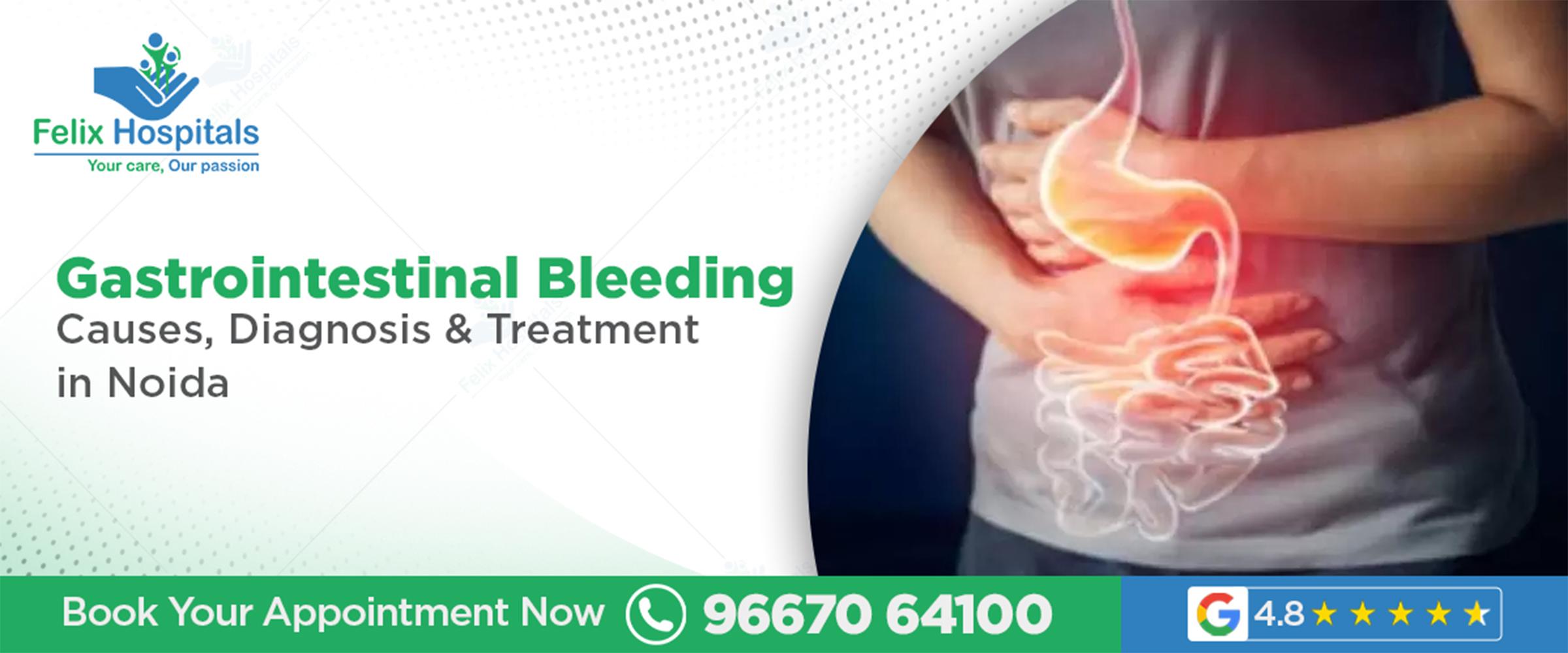
Gastrointestinal (GI) bleeding is one of the most serious digestive emergencies, and it requires immediate medical attention. It can appear suddenly with symptoms like vomiting blood or black stools, or it may develop slowly and cause fatigue, anemia, or weakness. Whether the bleeding originates in the esophagus, stomach, intestine, or colon, timely diagnosis and proper treatment are critical to prevent life-threatening complications.
This comprehensive guide explains the causes and symptoms of gastrointestinal bleeding, available tests, and the best options for gastrointestinal bleeding treatment in Noida.
“Experiencing vomiting blood, black stools, or dizziness? Don’t wait — call +91 9667064100 now to consult the best gastroenterologist in Noida immediately.”
GI bleeding refers to any bleeding in the digestive tract, ranging from the esophagus down to the rectum.
It is broadly classified into two types:
Occurs in:
Esophagus
Stomach
Duodenum
Common conditions requiring upper GI bleeding treatment include ulcers, varices, and severe acid reflux.
Occurs in:
Small intestine
Colon
Rectum
It is often caused by infections, diverticulosis, polyps, or inflammatory bowel disease.
Both conditions need rapid assessment by a GI bleeding specialist in Noida to identify the source and control the bleeding.
Understanding what triggers the bleeding helps in early detection and timely treatment. Below are the major causes affecting adults:
One of the most common causes. Ulcers may form due to:
H. pylori infection
Long-term painkiller use (NSAIDs)
Stress and alcohol
When ulcers erode blood vessels, GI bleeding occurs.
Inflammation of the stomach lining or esophagus can cause bleeding, especially if chronic.
Enlarged veins in the esophagus—usually seen in people with liver disease—can rupture suddenly and lead to heavy bleeding.
This is a medical emergency requiring immediate hospital care.
Common causes of lower GI bleeding
Symptoms include bright red blood on stools or tissue.
Polyps may bleed slowly over time. Some may be precancerous and need removal.
Crohn’s disease and ulcerative colitis cause inflammation, ulcers, and intestinal bleeding.
Small bulging pouches in the colon can rupture and lead to sudden lower GI bleeding.
Bacterial infections like E. coli or parasitic infestations may also cause bleeding.
The causes and symptoms of gastrointestinal bleeding may vary depending on where the bleeding originates.
Major Symptoms Include:
Vomiting blood (bright red or coffee-ground appearance)
Black, tarry stools (melena)
Fresh blood in stools
Dizziness or fainting
Palpitations
Shortness of breath
Fatigue or weakness
Abdominal pain
If any of these symptoms appear suddenly, you must seek emergency gastrointestinal bleeding care in Noida immediately.
Gastroenterologists use advanced diagnostic tools to pinpoint where the bleeding is occurring.
A thin tube with a camera is used to examine the:
Esophagus
Stomach
Duodenum
This is the gold standard for diagnosing and treating upper GI bleeding.
Used for:
Colon and rectum examination
Detecting polyps, infections, tumors, and bleeding points
Helpful when endoscopy doesn’t reveal the source.
This test identifies internal bleeding or vascular abnormalities.
To check:
Hemoglobin levels
Clotting ability
Infection markers
A swallowable camera capsule helps detect bleeding in the small intestine, where other tests cannot reach.
Treatment depends on:
Cause
Severity
Bleeding location
Here are the commonly used methods for gastrointestinal bleeding treatment in Noida:
Most bleeding issues can be treated immediately during endoscopy using:
Clips
Coagulation therapies
Injection therapy
Band ligation
This approach is fast, minimally invasive, and highly effective.
Depending on the cause, doctors may prescribe:
Proton pump inhibitors (PPIs)
Antibiotics (for H. pylori infection)
Anti-inflammatory medicines
Drugs to reduce portal hypertension (for varices)
Required in cases of severe blood loss to stabilize the patient.
Emergency procedures include:
Endoscopic band ligation
Sclerotherapy
Medications to reduce pressure in veins
Rarely required, but used when:
Endoscopy fails
Tumors or polyps need removal
Severe bowel injury is present
A GI bleeding hospital in Noida will have advanced surgical backup if needed.
GI bleeding can turn fatal if ignored.
You must visit a hospital immediately if you observe:
Vomiting blood
Black stools
Sudden weakness
Rapid heartbeat
Fainting
Hospitals equipped for emergency gastrointestinal bleeding care in Noida provide:
24×7 endoscopy
ICU support
Blood bank access
Specialist gastroenterologists
This ensures timely treatment and improved survival rates.
Felix Hospital, Noida, offers advanced gastroenterology care with modern endoscopy units, experienced specialists, and round-the-clock emergency support. Patients receive accurate diagnosis, immediate intervention, and comprehensive follow-up care under the supervision of the best gastroenterologist in Noida.
Sudden GI bleeding or severe abdominal discomfort? Get urgent care from top specialists at Felix Hospital. Call +91 9667064100 for emergency gastrointestinal bleeding treatment in Noida today.
GI bleeding should never be ignored. Early detection, accurate diagnosis, and timely treatment can prevent complications and save lives. With advanced facilities and expert gastroenterologists available locally, patients can access reliable and effective gastrointestinal bleeding treatment in Noida without delay.
Q. 1. What is the first sign of GI bleeding?
Ans. Black stools or vomiting blood are the most common early signs.
Q. 2. Is GI bleeding an emergency?
Ans. Yes—immediate medical attention is required.
Q. 3. Can ulcers cause heavy bleeding?
Ans. Yes, untreated stomach ulcers are a major cause of serious bleeding.
Q. 4. How is GI bleeding diagnosed?
Ans. Endoscopy or colonoscopy helps identify the exact source.
Q. 5. Which doctor should I consult?
Ans. A GI bleeding specialist in Noida or a gastroenterologist.
Understand the factors that influence gastric balloon surgery cost in Noida, including hospital facilities, doctor expertise, and post-procedure care.
Expert gastroenterology care for better digestive health, offering advanced diagnosis and treatment for GERD, IBS, ulcers, and liver disorders.
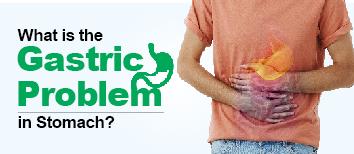
Gastric problems occur when excess acid or digestive disturbances affect the stomach lining, causing symptoms like bloating, acidity, and pain. Timely diagnosis ensures effective treatment.
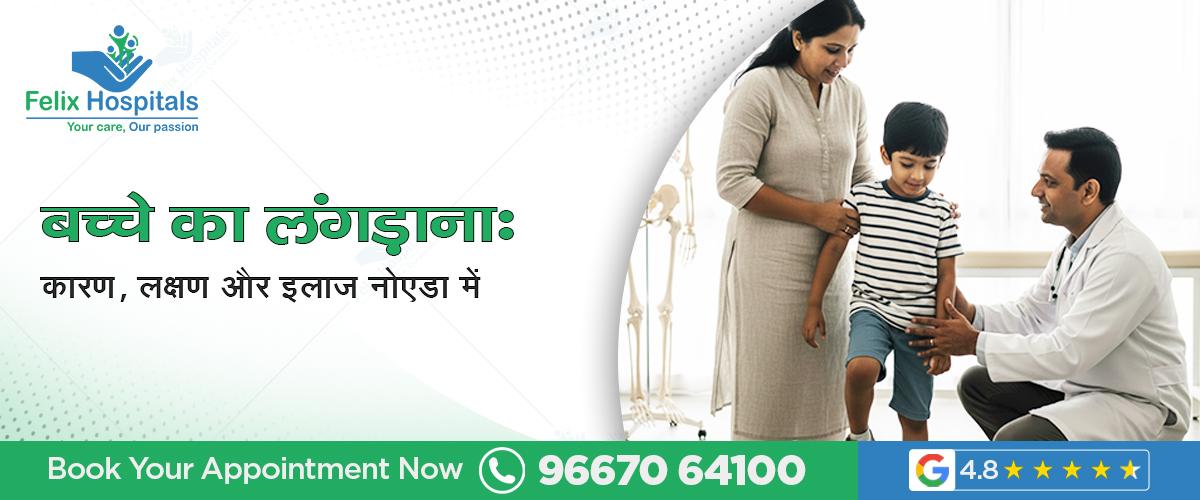
बच्चे का लंगड़ाना केवल चलने में परेशानी नहीं है। बल्कि यह किसी आधारभूत समस्या का संकेत भी होता है। यदि बच्चे का चलना असमान्य हो, एक पैर पर झुकाव या चोट के बाद दर्द दिखाई दे। तो इसे समय रहते जांचना आवश्यक है। doctor for child limping in Noida में उपलब्ध है। इलाज में देरी नहीं करनी चाहिए। तुरंत ही लक्षण दिखने पर इलाज कराना चाहिए।
अभी अपॉइंटमेंट शेड्यूल करें – कॉल करें: +91 9667064100
लंगड़ाना बच्चों में आम है। लेकिन इसे नजरअंदाज नहीं करना चाहिए। यह पैरों, घुटनों, कूल्हों या रीढ़ की हड्डी में चोट, संक्रमण, मांसपेशियों की कमजोरी या हड्डियों की असमान वृद्धि का संकेत होता है। यदि लंगड़ाना अचानक हुआ है। तो चोट या संक्रमण की संभावना अधिक होती है। धीरे-धीरे विकसित लंगड़ाना विकासात्मक समस्याओं, आर्थराइटिस (Arthritis) या हड्डियों की असमान वृद्धि का संकेत होता है।
बच्चों में लंगड़ाकर चलना कई कारणों से होता है। मामूली चोट से लेकर हड्डियों या मांसपेशियों की समस्या तक। कई बार यह संकेत किसी गहरी बीमारी या संक्रमण का भी होता है। इसलिए लक्षणों को पहचानना जरूरी है।
अगर बच्चा चलते समय एक पैर को घसीटता हुआ या हवा में रखता है, तो यह दर्द या कमजोरी का संकेत होता है। वह अक्सर दूसरे पैर पर अधिक भार डालकर चलने की कोशिश करता है, ताकि दर्द वाले पैर पर दबाव न पड़े। ऐसा तब होता है जब बच्चे को घुटने, टखने या पैर की उंगली में चोट, सूजन या फ्रैक्चर (Fracture) हो।
बच्चा चलने के दौरान शरीर का एक हिस्सा झुका हुआ रखता है या कदम समान दूरी पर नहीं रखता। कभी-कभी चलने की चाल खिंचती हुई या कूदती हुई लगती है। यदि झुकाव लगातार बना रहे, तो यह कूल्हे या रीढ़ की हड्डी से जुड़ी समस्या की ओर इशारा करता है। लम्बे समय तक ऐसी चाल रहने पर मांसपेशियों में असमानता या जोड़ का विकार विकसित होता है।
बच्चे के लंगड़ाने के साथ अगर किसी जोड़ पर सूजन, लालिमा या गर्मी महसूस हो, तो यह संक्रमण, मोच या चोट का परिणाम होता है। कभी-कभी बच्चे खुद दर्द के बारे में नहीं बताते, लेकिन आप देख सकते हैं कि वह खेलते या बैठते समय उस पैर को बार-बार पकड़ता या सहलाता है। दर्द लगातार रहने पर यह जॉइंट इंफेक्शन, आर्थराइटिस या बोन इन्फ्लेमेशन जैसे गंभीर कारणों का संकेत भी हो सकता है।
अगर पहले जो बच्चा हर समय दौड़ता-खेलता था, अब बैठे रहना या कम चलना पसंद करता है, तो यह चेतावनी का संकेत है। लंगड़ाने के साथ अक्सर बच्चा खेल के समय जल्दी थक जाता है या रुक जाता है क्योंकि उसे दर्द महसूस होता है। यह स्थिति मसल स्ट्रेन, जॉइंट इंफ्लेमेशन या हड्डी की ग्रोथ से जुड़ी समस्या देखने को मिलती है।
यदि बच्चे के दोनों पैरों की लंबाई थोड़ी अलग दिखाई दे, या एक पैर पतला और दूसरा सामान्य, तो यह ग्रोथ डिसऑर्डर या मसल असंतुलन का संकेत होता है। कुछ बच्चों में जन्मजात कारणों जैसे हिप डिस्प्लेसिया (Hip dysplasia) या क्लबफुट से भी यह असमानता होती है। इस स्थिति में बच्चे की चाल हमेशा असमान रहती है। समय पर इलाज न मिले तो रीढ़ और कूल्हे पर स्थायी असर पड़ता है।
चोट और दर्दः
गिरने, चोट या खेलकूद में मोच लगने से बच्चे का पैर लंगड़ाना शुरू होता है। घुटने, टखने या कूल्हे की चोटें मुख्य कारण हैं।
संक्रमणः
हड्डी या जोड़ में संक्रमण (ऑस्टियोमाइलाइटिस, सेप्टिक आर्थराइटिस) लंगड़ाने का कारण बनते हैं। दर्द, सूजन, लालिमा और बुखार इसके संकेत हैं।
विकासात्मक समस्याएंः
हिप का डेवलपमेंटल डिस्प्लासिया (डीडीएच), लेग-कैल्व-पर्थेस रोग या पैर की हड्डियों में असमान वृद्धि।
ये समस्या अक्सर 3–12 साल के बच्चों में देखी जाती हैं।
मांसपेशियों और स्नायु तंत्र की कमजोरीः
पॉलियो, मसल डिस्टॉफी या स्नायु रोग लंगड़ाने का कारण बनते हैं। बच्चों में संतुलन और दौड़ने की क्षमता प्रभावित होती है।
सूजन और जोड़ों की समस्याः
अज्ञात कारण से बच्चों को गठिया जैसी ऑटोइम्यून बीमारियां पैरों के जोड़ में सूजन और दर्द पैदा करती हैं। दर्द के कारण बच्चा लंगड़ाता है।
शारीरिक परीक्षणः
डॉक्टर बच्चे की चाल, पैर की लंबाई, घुटनों, कूल्हों और टखनों की गति जांचते हैं। दर्द के स्थान और चलने की शैली का मूल्यांकन करते हैं।
इमेजिंग और लैब जांचः
एक्सरे: हड्डियों की स्थिति देखने के लिए।
एमआरआई/अल्ट्रासाउंड: जोड़ और मांसपेशियों की सूजन या चोट का पता लगाने के लिए।
रक्त परीक्षण: संक्रमण या सूजन की जांच।
स्कूल और परिवार से फीडबैकः
शिक्षक या अभिभावक की जानकारी से बच्चे की गतिविधियों और खेल में प्रदर्शन का मूल्यांकन। परिवारिक इतिहास से किसी विकासात्मक या आनुवंशिक समस्या की जानकारी।
बच्चों में लंगड़ाने का इलाज उसके कारण, उम्र और लक्षणों की गंभीरता के अनुसार तय होता है। कुछ मामलों में हल्की देखभाल और दवा से सुधार होता है। जबकि जटिल स्थितियों में सर्जिकल हस्तक्षेप की आवश्यकता पड़ती है।
गैर-सर्जिकल उपायों का उद्देश्य बच्चे की चाल को सामान्य बनाना, दर्द और सूजन को कम करना और मांसपेशियों को मजबूत करना होता है।
अगर लंगड़ाने का कारण चोट, मोच या हल्की सूजन है, तो बच्चे को कुछ दिनों तक आराम देना और ज़्यादा दौड़ने-खेलने से रोकना जरूरी है। लगातार दबाव या ज़ोर लगाने से स्थिति बिगड़ सकती है, इसलिए डॉक्टर आमतौर पर स्पोर्ट्स, साइकिलिंग या झूला झूलने जैसी गतिविधियों को अस्थायी रूप से रोकने की सलाह देते हैं। दर्द कम होने के बाद बच्चे को धीरे-धीरे हल्की स्ट्रेचिंग या वॉक शुरू करानी चाहिए।
फिजियोथेरेपी लंगड़ाने के इलाज का एक अहम हिस्सा है। इसमें मांसपेशियों को मजबूत करने, जोड़ की लचीलापन बढ़ाने और चाल (Gait) को सुधारने के लिए विशेष व्यायाम कराए जाते हैं। थेरेपिस्ट बच्चे की उम्र और स्थिति के अनुसार बैलेंस ट्रेनिंग, स्ट्रेचिंग और कोऑर्डिनेशन एक्सरसाइज करवाते हैं। नियमित फिजियोथेरेपी से बच्चे की चाल स्थिर होती है और भविष्य में लंगड़ाने की पुनरावृत्ति की संभावना घटती है।
अगर सूजन या दर्द अधिक हो तो डॉक्टर पेन रिलीवर या एंटी-इंफ्लेमेटरी दवाएं लिखते हैं। अगर लंगड़ाने का कारण संक्रमण है, तो एंटीबायोटिक्स दी जाती हैं। गठिया या ऑटोइम्यून कारण होने पर स्टेरॉयड या इम्यूनोमॉड्यूलेटरी दवाएं दी जाती हैं। बच्चों में दवा की खुराक हमेशा डॉक्टर की सलाह और वजन के अनुसार ही दी जानी चाहिए।
कुछ बच्चों में लंगड़ाने का कारण पैर की लंबाई में अंतर या हड्डियों की हल्की असमानता होती है। ऐसे में डॉक्टर स्पेशल शूज़, इनसोल्स (Insoles), ऑर्थोटिक ब्रेस या सपोर्ट बेल्ट पहनने की सलाह देते हैं।
यह उपकरण बच्चे के वजन को बराबर बांटने में मदद करते हैं और चाल को संतुलित बनाते हैं। इससे मांसपेशियों और जोड़ों पर अनावश्यक दबाव नहीं पड़ता और बच्चे को चलने में आत्मविश्वास मिलता है।
जब लंगड़ाने का कारण हड्डियों की बनावट, विकास में गड़बड़ी (Developmental Disorder) या गंभीर संरचनात्मक असमानता हो, तब सर्जरी की आवश्यकता पड़ सकती है।
अगर बच्चे की हड्डियों की आकृति असमान है। पैर की लंबाई में महत्वपूर्ण अंतर है जो समय के साथ बढ़ रहा है। जन्मजात विकार जैसे हिप डिस्प्लेसिया, क्लबफुट या बोन ग्रोथ डिसऑर्डर हैं। या फिर बार-बार इलाज के बाद भी चाल असामान्य बनी रहती है।
बोन पोजिशनिंग सर्जरीः इसमें हड्डी को काटकर उसकी पोजिशन सही की जाती है ताकि चाल सामान्य हो सके।
जोड़ सुधार सर्जरीः कूल्हे या घुटने के जोड़ को संतुलित और सीधा करने के लिए की जाती है।
लिंब लेंथनिंग: अगर एक पैर छोटा है, तो हड्डी को धीरे-धीरे लंबा करने की प्रक्रिया अपनाई जाती है।
सॉफ्ट टिश्यू सर्जरी: इसमें मांसपेशियों या टेंडन को रिलीज़ कर सही एलाइनमेंट में लाया जाता है।
सर्जरी के बाद बच्चे को कुछ समय तक वॉकर, बेल्ट या सपोर्ट स्टिक की मदद से चलना सिखाया जाता है। फिजियोथेरेपी और रिहैबिलिटेशन एक्सरसाइज से मांसपेशियां दोबारा सक्रिय होती हैं। नियमित फॉलो-अप और एक्स-रे से यह देखा जाता है कि हड्डी सही स्थिति में है या नहीं। सही देखभाल से बच्चे सामान्य रूप से चलने, दौड़ने और खेलने में सक्षम हो जाते हैं।
बच्चे को दर्द के दौरान जोरदार गतिविधियों से रोकें।
फिजियोथेरेपिस्ट द्वारा बताई गई हल्की एक्सरसाइज रोज़ाना कराएं।
सही जूते और पैर के लिए सहारा देने वाले उपकरण का प्रयोग।
संतुलित आहार हड्डियों और मांसपेशियों को मजबूत करने के लिए कैल्शियम, विटामिन डी और प्रोटीन युक्त आहार।
सुरक्षित वातावरण: फिसलन या चोट से बचाव के लिए घर में साफ-सफाई।
बाल चिकित्सा हड्डी रोग विशेषज्ञ और फिजियोथेरेपी इकाई की उपलब्धता। एक्स-रे, एमआरआई और इमरजेंसी सपोर्ट जैसी सुविधाएं होती है। treatment for child limping in Noida में उपलब्ध है। विशेषज्ञ बच्चे की उम्र, विकास और स्वास्थ्य रिपोर्ट के अनुसार उपयुक्त इलाज निर्धारित करें।
बच्चे का लंगड़ाना केवल चलने की समस्या नहीं है, बल्कि यह किसी underlying समस्या का संकेत हो सकता है। समय पर जांच और इलाज जरूरी है। गैर-सर्जिकल उपाय, फिजियोथेरेपी और सही जीवनशैली से लंगड़ाना काफी हद तक सुधारा जाता है। गंभीर मामलों में सर्जिकल विकल्प उपलब्ध हैं। परिवार का सहयोग और सुरक्षित वातावरण बच्चे की रिकवरी में मदद करता है।
अभी अपॉइंटमेंट शेड्यूल करें – कॉल करें: +91 9667064100
प्रश्न 1: बच्चा कब लंगड़ाना शुरू करे तो डॉक्टर को दिखाना चाहिए?
उत्तर: यदि लंगड़ाना 1–2 सप्ताह से अधिक रहता है। दर्द या सूजन के साथ है। या बच्चे की गतिविधि प्रभावित हो रही है।
प्रश्न 2: क्या लंगड़ाना हमेशा सर्जरी की जरूरत बनाता है?
उत्तर: नहीं, अधिकांश मामलों में फिजियोथेरेपी, आराम और सहारा देने वाले उपकरण से सुधार आता है।
प्रश्न 3: क्या लंगड़ाना विकास में बाधा डाल सकता है?
उत्तर: अगर समय पर इलाज न हो तो हड्डियों, जोड़ और मांसपेशियों की असमान वृद्धि होती है।
प्रश्न 4: घर पर कौन-से उपाय मददगार हैं?
उत्तर: हल्की एक्सरसाइज, फिजियोथेरेपी, सही जूते, संतुलित आहार और सुरक्षित खेल वातावरण बनाना चाहिए।
प्रश्न 5: नोएडा में बच्चे के लंगड़ाने का इलाज कहां कराएं?
उत्तर: किसी अनुभवी बाल चिकित्सा आर्थोपेडिक और मल्टीस्पेशलिटी अस्पताल में इलाज कराएं। फेलिक्स अस्पताल में बीमारी का इलाज उपलब्ध है।
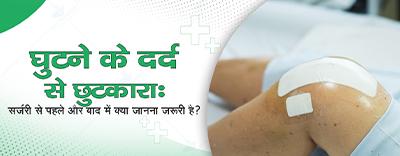
घुटनों का दर्द उम्र, चोट, या गठिया जैसी समस्याओं के कारण आम हो सकता है। जब दवाएं और फिजियोथेरेपी असर नहीं करतीं, तब घुटने की सर्जरी (जैसे कि घुटने का प्रतिस्थापन) जरूरी हो सकती है।
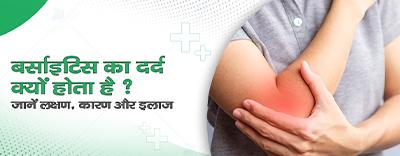
बर्साइटिस में जोड़ों के पास सूजन से दर्द होता है। जानें इसके लक्षण, कारण और इलाज।
नोएडा में आर्थोस्कोपिक घुटने की सर्जरी के बारे में जरूरी जानकारी जानें—लक्षण, प्रक्रिया, रिकवरी और सही अस्पताल चुनने के महत्वपूर्ण टिप्स।

Air pollution has been a major health issue, particularly in major cities such as Noida. This rising amount of pollution and poor quality of air may have a violent effect on the health of the lungs, resulting in chronic respiratory conditions and the worsening of the already existing lung conditions.
In such times, it is important to defend yourself and your family. Book pulmonologist appointment In Noida or seeking an online consultation for lung problems in Noida can provide essential guidance and treatment for those at risk. This blog will address the importance of taking care of your lungs in poor air quality, the precautions to observe, as well as special care of the vulnerable population, such as children and the elderly.
Protect your family from pollution—schedule an online consultation for lung problems in Noida now. Call +(91) 96670 64100
Air pollution consists of dangerous substances and gases such as particulate matter (PM2.5 and PM10), nitrogen dioxide, sulfur dioxide, and ozone that can even reach deep into the lungs. Long-term exposure leads to destruction of lung tissue, weakening of the immune system and infection. Individuals who have underlying lung suffering like asthma or COPD are particularly susceptible.
Air quality and lung health are directly correlated; poor air quality leads to worsening symptoms and increased hospital admissions. Health organizations and governments recommend that outdoor activities should be avoided in cases of high levels of pollution in order to limit exposure and damage to the lungs.
Protecting lungs on bad air quality days through reducing exposure to pollutants is one of the essential measures in respiratory health. These measures can help a great deal in alleviating damage:
Remain indoors when the pollution is high.
Use indoor air cleaners that have HEPA filters.
Close windows and doors to avoid entering the pollutants outside.
One should not smoke, or breathe second hand smoke as tobacco smoke worsens the damage to the lungs.
Keep the home clean to minimize dust, mold and pet danders.
Active measures for respiratory protection during pollution include wearing masks designed to filter airborne particles. The N95 mask or similar mask must go a long way in cutting down on the uptake of pollutants which are harmful in cases where outdoor activity cannot be avoided. Wearing masks in any crowded and busy area guard against the tracts of respiration against adverse gases and particulate matters.
Wearing the masks is an uncomfortable experience to children and older people, and over time, adapting to them and selecting comfortable, well-fitting options that are breathable can help increase compliance and protection.
One of the most effective preventive measures is to avoid exposure to outdoor air when the quality of the air is dangerous. This is more vital during rush hours or pollution times, which are usually mornings and evenings in the cities. Physical activities that require a lot of physical effort in the open air elevates the rate of respiration and thus, causes the intake of more pollutants- something to be avoided especially by people with respiratory complications.
Possess other forms of indoor exercises as a way of remaining active whilst safeguarding the health of lungs. It is necessary that communities should be reminded of the need to check the air quality indices (AQI) daily and organize their activities accordingly.
Children and air pollution risks are of particular concern due to their developing lungs and higher breathing rates relative to body size. Exposure may lead to lung dysfunction, more attacks of asthma, and frequent respiratory infections. Schools and caregivers in Noida need to make sure that they are reducing the exposure of children to the polluted air by limiting outdoor recess on bad days of AQI and using indoor cleaning the air techniques.
Parents can take into consideration the health of child lungs by consulting the pediatricians who are fully knowledgeable on the respiratory impact of pollutants and early intervention strategies.
Older adults often live with chronic respiratory or cardiovascular diseases, making elderly and air quality precautions essential to prevent exacerbations. Some recommendations are a reduced outdoor activity, air purifiers at home, strict compliance with prescribed inhalers or drugs, and periodic health check-ups with the pulmonologists. Stress-reducing breathing exercises are also important to help the elderly deal with lung capacity.
In the case of children diagnosed with asthma, prevention and control of childhood asthma in the context of poor air quality implies close monitoring and preventive measures that are provided by healthcare professionals to the child. Strict medical treatment through the use of inhalers, steroids, and rescue drugs should be observed. Children with asthma should also not play outdoors when the pollution is at its highest point and parents must make sure that the areas of the house they are at are not contaminated with irritants.
COPD patients are prone to greater dangers during episodes of air pollution. COPD and air pollution exposure leads to increased frequency of exacerbations, hospitalizations, and lung function decline. Patients are expected to be active towards adhering to COPD management plans, such as oxygen therapy and taking drug dosages, and seek lung specialists on the best way of care.
To minimize the respiratory damage in the event of pollution, the general lifestyle changes involve:
Maintaining fluidity to thin mucus.
Consumption of foodstuffs that contain antioxidants to oppose oxidative stress.
No exposure to tobacco.
Vaccinations such as influenza and pneumovaccination are to be maintained.
These assist general respiratory and immune systems of superior resistance to the harm of pollution.
Consultation should be immediate in case of persistent cough, wheezing, breathlessness, chest tightness or exacerbation of the chronic conditions during or after the spikes of pollution. Early use of online consultation for lung problems in Noida can provide timely advice and avoid severe complications.
Concerned about your lung health? Book an appointment with a pediatric specialist in Noida today at +91 9667064100
The risk of respiratory health due to poor air quality demands preventive actions and their interventions. Staying informed and cautious by adopting precautions for hazardous air quality protects your lungs from permanent damage. For personalized diagnosis, management, and treatment of respiratory concerns, book an appointment with a pediatric specialist in Noida or seek an online consultation for lung problems in Noida.
Q1: What should I do to protect my lungs when the air quality is bad?
A: Stay inside as much as possible, use air purifiers, and wear N95 masks when you go outside.
Q2: How does air pollution affect kids in different ways?
A: Children have developing lungs and breathe faster, which makes them more likely to be affected by pollution.
Q3: Can pollution make asthma worse?
A: Yes, pollution can cause asthma attacks, so it's important to take your medicine exactly as prescribed.
Q4: What are the first signs that pollution is hurting your lungs?
A: Some of the symptoms are a cough that won't go away, wheezing, trouble breathing, and chest pain.
Q5: Should older people stay inside when the air is dirty?
A: Yes, people with heart or lung problems should stay away from them as much as possible.
Legionnaires' disease is a serious lung infection caused by Legionella bacteria, often found in contaminated water systems. Symptoms include fever, cough, muscle aches, and shortness of breath.

Dr. Priyadarshi Jitender Kumar stands out as a leading expert in diagnosing and treating pulmonary embolism.
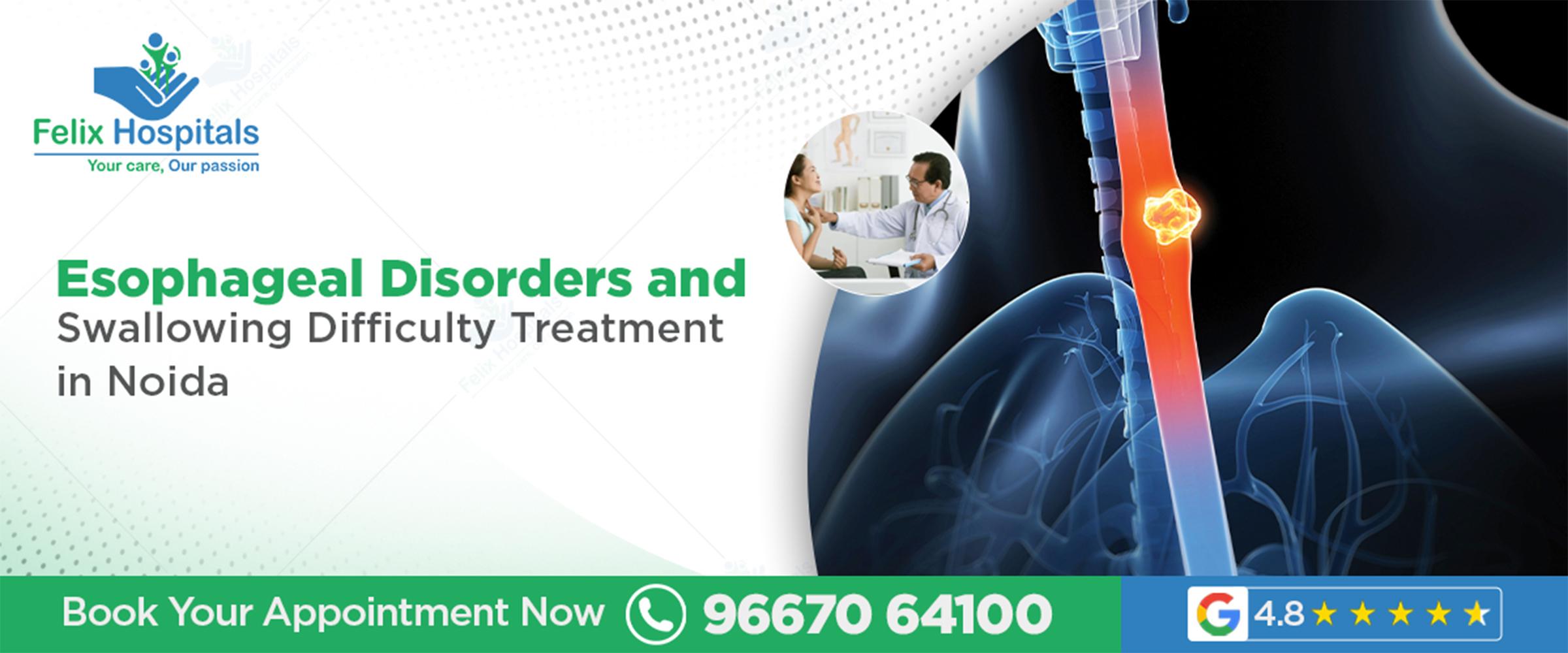
Esophageal disorders are conditions that affect the tube connecting your mouth to your stomach, often leading to pain, discomfort, or difficulty swallowing. Many people mistake swallowing issues for acidity or throat irritation, but persistent symptoms may indicate deeper problems within the esophagus. These conditions can affect everyday eating, hydration, and nutrition, making timely diagnosis essential.
Early detection helps prevent complications like weight loss, choking episodes, or chronic inflammation. Modern medical facilities now offer advanced evaluation methods, allowing patients to understand the nature of their swallowing difficulty clearly. People often search for Dysphagia treatment in Noida when symptoms worsen or interfere with their daily meals, making specialized care crucial.
Trouble swallowing or chest discomfort while eating? Get evaluated early — call +91 9667064100 for expert guidance.
The esophagus plays a vital role in transporting food from the mouth to the stomach through coordinated muscle contractions. When these muscles weaken, tighten abnormally, or become irritated, patients may experience discomfort, pain, or a sensation of food getting stuck. Some conditions are mild and temporary, while others require medical attention to avoid long-term damage. One of the major concerns associated with swallowing problems involves the Causes and symptoms of swallowing disorders, which may include infections, nerve issues, muscle disorders, or structural changes. Without prompt assessment, minor swallowing problems can progress to more serious complications.
Difficulty swallowing can develop due to a variety of structural or functional issues. For example, acid reflux can damage the lining of the esophagus, causing inflammation that narrows the passage. Neurological conditions such as stroke or Parkinson’s disease may affect coordination between the mouth and throat muscles, interfering with the swallowing reflex. Tumors or growths may also obstruct the esophageal pathway, making swallowing extremely challenging. Other patients may develop symptoms due to age-related changes or chronic infections. Understanding the Esophageal stricture treatment process becomes essential when persistent narrowing interferes with normal food movement.
Patients with swallowing disorders often describe a feeling of food sticking in the chest or throat, which gradually becomes more frequent. Pain while swallowing, regurgitation of food, unexplained coughing, or frequent throat clearing are also warning signs. Some people begin to avoid certain foods or start eating very slowly to limit discomfort. Over time, this leads to reduced nutrition and significant weight loss. Others may notice chest discomfort or burning sensations that accompany meals. Many of these concerns point toward the need for early Esophageal pain and discomfort treatment, which helps relieve irritation and restore normal function before complications arise.
Chronic acid reflux, also known as GERD, is a major contributor to esophageal disorders. Frequent exposure to stomach acid can weaken and inflame the lining of the esophagus, making it susceptible to scarring. This scar tissue sometimes leads to narrowing, making swallowing progressively more difficult. Patients often feel chest burning or a sour taste in their mouth after meals. If untreated, this inflammation may progress to Barrett’s esophagus, a condition requiring long-term monitoring. People experiencing persistent discomfort often seek advice from the Best gastroenterologist in Noida, especially when reflux symptoms don’t improve with lifestyle changes.
An esophageal stricture occurs when the esophagus becomes narrowed due to inflammation, scarring, or chronic irritation. This narrowing makes it harder for food and liquids to pass, causing discomfort or blockage. Many strictures result from long-standing reflux disease, but infections, medications, or injuries from swallowed objects may also contribute. Symptoms often begin subtly and worsen over time, making early evaluation essential. People facing recurrent difficulty swallowing benefit greatly from Esophageal stricture treatment, which focuses on widening the narrowed area and reducing further inflammation.
To identify the underlying cause, doctors often begin with a detailed medical history and physical examination. Endoscopy is one of the most informative diagnostic tools because it allows doctors to view the esophagus directly and identify inflammation, narrowing, or structural changes. Barium swallow tests also help evaluate the movement of food through the esophagus, highlighting areas of obstruction or poor muscle coordination. Manometry tests measure muscle strength and function to determine whether motility disorders are contributing to the symptoms. People searching for an Esophagus specialist doctor in Noida often undergo these tests to clarify what is causing their discomfort and swallowing difficulty.
Treatment varies depending on the cause of the swallowing difficulty. For reflux-related inflammation, acid-reducing medicines help heal the esophageal lining and prevent further irritation. Infections are treated with appropriate medications, while neurological causes require therapy focused on strengthening the swallowing reflex. For strictures, endoscopic procedures are commonly used to widen the narrowed area, improving food passage immediately. Patients dealing with motility disorders may need long-term management to support muscle coordination. Many hospitals offering Esophageal disease specialist hospital-level care use minimally invasive techniques to ensure quicker recovery and fewer complications.
Simple lifestyle changes can significantly reduce symptoms and prevent future esophageal issues. Patients are often advised to eat smaller meals, avoid lying down immediately after eating, and stay upright to prevent acid reflux. Soft foods may help ease discomfort during flare-ups. Reducing caffeine, alcohol, and spicy food intake is also beneficial. For those with reflux-induced symptoms, weight management and sleeping with the head elevated can offer relief. When combined with proper medical care, these modifications enhance the effectiveness of treatments such as Esophageal pain and discomfort treatment, helping patients regain confidence in their eating habits.
Ignoring swallowing problems can lead to severe complications, including dehydration, malnutrition, aspiration pneumonia, and esophageal tearing from repeated strain. Chronic inflammation increases the risk of ulcer formation and bleeding. In rare cases, long-term reflux may lead to Barrett’s esophagus, a condition requiring continuous monitoring for potential cancerous changes. Patients often delay seeking help until symptoms significantly worsen. Understanding the causes and symptoms of swallowing disorders is important because early treatment prevents escalation and restores comfortable eating and drinking routines.
Frequent choking, painful swallowing, or sudden weight loss? Get help now —call +91 9667064100 before symptoms worsen.
Felix Hospital offers advanced diagnostic technology, expert gastroenterologists, and comprehensive treatment approaches for swallowing disorders. From detailed evaluations to minimally invasive procedures, patients receive tailored care for their specific condition. The medical team focuses on restoring safe and comfortable swallowing while addressing the root cause of the problem. With compassionate guidance and modern facilities, Felix ensures a smoother recovery experience.
Esophageal disorders can severely affect your ability to eat, swallow, and maintain proper nutrition, but timely treatment can make a significant difference. Understanding the underlying causes, recognizing early symptoms, and seeking medical evaluation are essential for preventing complications. Modern facilities now provide effective Dysphagia treatment in Noida, helping patients regain normal swallowing function and improve their quality of life. Whether symptoms are mild or persistent, consulting a specialist ensures accurate diagnosis and proper management before the condition progresses.
Q. 1. Why am I suddenly having trouble swallowing?
Ans. This may be due to inflammation, infection, or narrowing inside the esophagus. Early testing helps identify the cause.
Q. 2. Is swallowing difficulty always serious?
Ans. Not always, but persistent symptoms can indicate a deeper issue that needs medical attention.
Q. 3. Can reflux alone cause swallowing problems?
Ans. Yes, long-term acid reflux can damage the esophagus and lead to scarring or narrowing.
Q. 4. How is a stricture treated?
Ans. Most strictures are treated with endoscopic dilation, which widens the narrowed area safely and effectively.
Q. 5. Should I see a doctor immediately?
Ans. Yes, especially if you have weight loss, choking episodes, or ongoing chest discomfort while swallowing.
Endoscopic Spine Surgery in Noida offers a revolutionary, minimally invasive solution for chronic back and spine-related pain
Breast cancer occurs when abnormal cells in the breast tissue begin to grow uncontrollably, forming a lump or mass that can spread if left untreated. It is one of the most common cancers affecting women, though men can also develop it in rare cases. Awareness and early detection play a crucial role in improving survival rates and treatment outcomes. Many individuals first seek medical advice when they start questioning what are the first signs of breast cancer?, as early symptoms are often subtle and painless.
Noticing unusual changes in your breast or a persistent lump? Call +91 9667064100 to consult experienced breast cancer specialists in Noida today.
Early breast cancer may present as a small, painless lump, changes in breast size or shape, nipple retraction, skin dimpling, or abnormal discharge. These changes may develop gradually, making them easy to overlook. Learning how to check for breast cancer at home? through regular self-examination allows individuals to become familiar with their normal breast texture and identify changes early.
Breast pain is commonly associated with hormonal fluctuations, menstrual cycles, or benign breast conditions. However, persistent or localized pain that does not resolve should be evaluated. Patients frequently ask is breast pain a sign of cancer?, and while pain alone is rarely the first symptom, medical assessment is important to rule out serious causes.
Any new lump, thickening, or unusual change in the breast should be examined by a medical professional without delay. Early consultation improves diagnostic accuracy and treatment planning. Knowing which doctor to consult for breast lump in Noida? helps patients reach the right specialist quickly, reducing anxiety and unnecessary delays.
Diagnosis typically involves a combination of physical examination, imaging tests, and tissue sampling. Mammography is a key screening and diagnostic tool that can detect abnormalities before symptoms appear. Many patients ask what is the cost of mammography in Noida?, which varies depending on the facility and technology used, but remains a critical step in early cancer detection.
Early-stage breast cancer is highly treatable and often requires less aggressive therapy. When detected early, treatment outcomes are significantly better, and survival rates are high. This leads many patients to ask is breast cancer curable if detected early?, and in many cases, timely diagnosis allows complete disease control and long-term survival.
Breast cancer treatment depends on the stage, tumor biology, and overall health of the patient. Common approaches include surgery, chemotherapy, radiation therapy, hormonal therapy, and targeted treatments. Comprehensive care at a breast cancer hospital in Noida ensures access to multidisciplinary expertise and personalized treatment planning.
Surgery remains a cornerstone of breast cancer treatment. Depending on tumor size and spread, procedures may involve removing only the tumor or the entire breast. Advances in surgical techniques have improved outcomes and recovery. Care guided by the best breast oncologists in Noida ensures that surgical decisions are both medically sound and patient-centered.
Modern surgical options focus on preserving breast appearance whenever possible. Oncoplastic surgery combines tumor removal with reconstructive techniques to maintain breast shape. Many patients ask what is oncoplastic surgery?, as it allows cancer treatment while addressing cosmetic concerns in a single procedure.
Not all patients require complete breast removal. In early-stage cases, lumpectomy followed by radiation can be equally effective. Many women want to know can breast cancer be treated without removing breast?, and advances in oncology now support breast-conserving approaches for suitable candidates.
Chemotherapy may be used before or after surgery to reduce recurrence risk or shrink tumors. Targeted therapies focus on specific cancer cell characteristics, improving effectiveness while reducing side effects. Treatment planning at the best cancer hospital in Noida ensures optimal therapy selection based on tumor biology.
Radiation therapy is often recommended after breast-conserving surgery to eliminate remaining cancer cells. It reduces the risk of recurrence and improves long-term outcomes. Modern radiation techniques are precise and well-tolerated, forming an essential part of comprehensive breast cancer care.
A breast cancer diagnosis affects emotional and mental wellbeing along with physical health. Counseling, support groups, and patient education are vital components of holistic care. Support from experienced oncology teams helps patients cope with anxiety, fear, and lifestyle changes during treatment.
Post-treatment care includes regular follow-ups, imaging, and physical examinations to monitor recovery and detect recurrence early. Survivorship programs focus on long-term health, emotional recovery, and quality of life. Continued care at a breast cancer hospital in Noida ensures ongoing support beyond treatment completion.
Maintaining a healthy lifestyle, performing regular self-exams, attending routine screenings, and understanding family history all contribute to early detection. Awareness and education remain the strongest tools in reducing breast cancer-related mortality.
Early action saves lives. If you have concerns about breast health, call +91 9667064100 now to book a specialist consultation in Noida.
Breast cancer is a serious condition, but early detection and modern treatment options have dramatically improved outcomes. Recognizing symptoms, seeking timely diagnosis, and accessing expert oncology care are essential steps toward recovery. With advanced diagnostics, personalized treatment, and compassionate support, patients can face breast cancer with confidence and hope. Choosing experienced Breast cancer specialists in Noida ensures comprehensive, safe, and effective care at every stage.
Q. 1. How often should breast self-exams be done?
Ans. Once a month is recommended to identify changes early.
Q. 2. Are all breast lumps cancerous?
Ans. No, many lumps are benign, but evaluation is necessary.
Q. 3. Can breast cancer recur after treatment?
Ans. Yes, which is why regular follow-ups are essential.
Q. 4. Does family history always mean higher risk?
Ans. Not always, but it may increase risk and requires closer screening.
Q. 5. Can men develop breast cancer?
Ans. Yes, although rare, men should seek evaluation for breast changes.

Our experienced breast cancer doctor in Noida use the latest technologies for diagnosis, surgery, chemotherapy, and radiation therapy.

Discover the unique challenges faced by young women diagnosed with breast cancer, including emotional, physical, and social struggles. Learn about support, resources, and strategies to navigate this difficult journey.

Explore essential information about breast cancer, including its symptoms, causes, types, and treatments, to stay informed and proactive about your health.
Digestive enzyme deficiency is a condition in which the body does not produce enough enzymes required to properly break down food into absorbable nutrients. Enzymes play a crucial role in digestion by helping the body process carbohydrates, proteins, and fats efficiently. When enzyme levels are low, digestion becomes incomplete, leading to discomfort, nutrient deficiencies, and long-term gastrointestinal issues. Understanding the causes of digestive enzyme deficiency is the first step toward timely diagnosis and effective management.
Experiencing ongoing bloating, indigestion, or unexplained weight loss? Call +91 9667064100 to book a gastro doctor consultation in Noida today.
Digestive enzyme deficiency occurs when the pancreas, stomach, or small intestine fails to release adequate enzymes needed for digestion. This condition disrupts nutrient absorption and often results in chronic digestive discomfort. Many patients seek help from a digestive health specialist in Noida after symptoms begin affecting daily life, energy levels, and overall wellbeing.
Several medical and lifestyle-related factors can reduce enzyme production. Chronic pancreatitis, gastrointestinal infections, aging, and prolonged alcohol consumption are known contributors. In many cases, underlying gastrointestinal enzyme problems may remain undiagnosed for years, worsening symptoms gradually without obvious warning signs.
The pancreas is the primary organ responsible for producing digestive enzymes such as amylase, lipase, and protease. Damage or dysfunction of this organ directly impacts digestion. Conditions requiring pancreatic enzyme insufficiency treatment often involve long-term management and close monitoring by a gastroenterologist.
Digestive enzyme deficiency can present with a wide range of symptoms, including bloating, gas, abdominal pain, and frequent diarrhea. Many patients also experience fatigue and unintended weight loss due to poor nutrient absorption. These symptoms often prompt individuals to search for a digestive enzyme disorder specialist in Noida for accurate diagnosis.
When enzymes are insufficient, food particles remain partially digested, preventing the body from absorbing essential vitamins and minerals. Over time, this can lead to deficiencies, weakened immunity, and muscle loss. Patients facing persistent digestive discomfort often consult a digestive enzyme specialist near me to restore digestive balance and nutritional health.
Diagnosis typically involves a combination of medical history review, stool tests, blood tests, and imaging studies. Stool analysis helps evaluate fat absorption, while blood tests assess pancreatic function. A timely gastro doctor consultation in Noida ensures that symptoms are correctly identified and not mistaken for other gastrointestinal disorders.
Treatment depends on the underlying cause and severity of the deficiency. In many cases, dietary changes and supplements help manage symptoms effectively. Patients diagnosed early often respond well to tailored plans supervised by a digestive health specialist in Noida, reducing long-term complications.
One of the most effective treatments involves supplementing missing enzymes through prescribed medications. These supplements help restore normal digestion and nutrient absorption. Many patients benefit significantly from enzyme replacement therapy in Noida, especially when pancreatic enzyme production is impaired.
Diet plays a vital role in managing digestive enzyme deficiency. Eating smaller, frequent meals and avoiding fatty or processed foods can ease digestive strain. Personalized nutrition plans are often developed alongside pancreatic enzyme insufficiency treatment to maximize digestive efficiency and comfort.
Long-term management focuses on symptom control, nutritional balance, and preventing complications. Regular follow-ups are essential to adjust dosages and dietary strategies. Patients with ongoing gastrointestinal enzyme problems require continuous care to maintain digestive stability and quality of life.
Persistent bloating, greasy stools, unexplained weight loss, or chronic abdominal pain should never be ignored. Early intervention reduces the risk of malnutrition and complications. Consulting a digestive enzyme disorder specialist in Noida at the right time ensures accurate diagnosis and effective treatment planning.
While not all causes are preventable, maintaining gut health through balanced nutrition, limiting alcohol intake, and managing chronic conditions can help. Regular health checkups and early evaluation of symptoms by a digestive enzyme specialist near me can prevent progression and improve outcomes.
Digestive enzyme deficiency often overlaps with other gastrointestinal disorders, making expert evaluation critical. A structured treatment approach guided by a gastro doctor consultation in Noida helps differentiate enzyme deficiency from conditions like IBS or food intolerance, ensuring targeted care.
Struggling with long-term digestive issues? Call +91 9667064100 now to speak with an experienced gastro specialist in Noida.
Digestive enzyme deficiency is a manageable condition when diagnosed early and treated appropriately. Understanding symptoms, addressing underlying causes, and following a structured treatment plan can significantly improve digestive comfort and nutrient absorption. If digestive symptoms persist, timely evaluation by a specialist is essential to restore digestive health and prevent long-term complications.
Q. 1. What are the early signs of digestive enzyme deficiency?
Ans. Common early signs include bloating, gas, abdominal discomfort, and changes in stool consistency.
Q. 2. Is digestive enzyme deficiency a permanent condition?
Ans. It depends on the cause; some cases are temporary, while others require long-term management.
Q. 3. Can enzyme supplements be taken without a prescription?
Ans. Self-medication is not recommended; proper diagnosis ensures the correct type and dosage.
Q. 4. How long does enzyme replacement therapy take to show results?
Ans. Many patients notice improvement within a few weeks when therapy is taken consistently.
Q. 5. When should I see a specialist for digestive issues?
Ans. If symptoms persist for more than a few weeks or worsen, consult a gastro specialist immediately.
Immune deficiency in children weakens their ability to fight infections. Early diagnosis and expert care in Noida ensure effective treatment and long-term health improvement.

Recognize the early warning signs of primary immunodeficiency disorders in children to ensure timely diagnosis, proper care, and better long-term health outcomes.
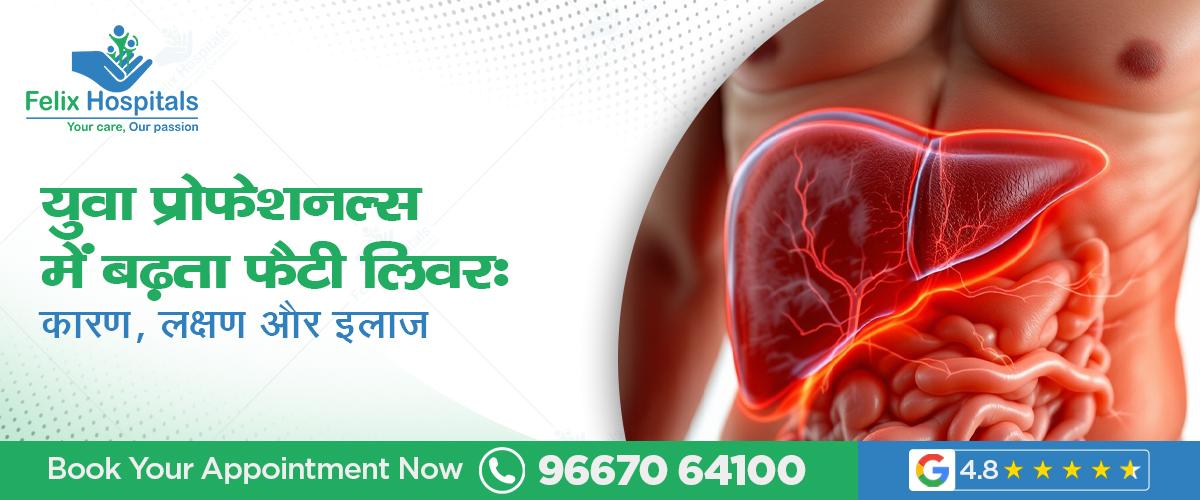
आज के समय में फैटी लिवर सिर्फ बुजुर्गों की बीमारी नहीं रहा है। यह तेजी से युवा प्रोफेशनल्स, खासकर 20–40 वर्ष की उम्र वाले लोगों में बढ़ा है। लंबे समय तक बैठकर काम करना, अनियमित खानपान, तनाव और जंक फूड की आदत इस बीमारी को और बढ़ी है। fatty liver treatment in noida नोएडा में अनुभवी गैस्ट्रोएंटरोलॉजिस्ट (gastroenterologists in Noida) द्वारा फैटी लिवर का आधुनिक इलाज उपलब्ध है।
युवा वर्ग में फैटी लिवर तेजी से बढ़ रहा है। दिनभर लैपटॉप या कंप्यूटर पर बैठकर काम करना, अनियमित खाने की आदतें, जंक और फ्राइड फूड का अधिक सेवन, मीठी चीचों और शुगरी ड्रिंक्स का बढ़ता उपयोग, तनाव व नींद की कमी, जिम या किसी भी शारीरिक गतिविधि का अभाव, ओवरटाइम और नाइट शिफ्ट की आदतें, साथ ही पैकेट वाले खाद्य पदार्थों का बढ़ता चलन। अन्य सभी कारण मिलकर युवाओं में लिवर में वसा जमा होने की समस्या को गंभीर रूप से बढ़ा रहे हैं।
फैटी लिवर वह स्थिति है जब लिवर में 5% से अधिक वसा जमा हो जाती है। यह दो प्रकार का होता है। नॉन-अल्कोहलिक फैटी लिवर डिजीज (NAFLD), जो शराब न पीने वालों में भी देखा जाता है और भारत के युवाओं में तेजी से बढ़ रहा है। दूसरा अल्कोहलिक फैटी लिवर। जिसमें अत्यधिक शराब सेवन से लिवर की कोशिकाओं को नुकसान पहुंचता है।
तला-भुना, पिज्जा-बर्गर, फ्राइड स्नैक्स
मीठे पेय (कोल्ड ड्रिंक्स, पेस्ट्री, चॉकलेट)
देर रात खाना
हाई कैलोरी और लो न्यूट्रीशन फूड
8–10 घंटे लगातार बैठना
रोजाना कदमों की संख्या 3000–4000 से कम
जिम/योग न करना
युवा आईटी/कॉर्पोरेट पेशेवरों में आम। यह सीधे फैटी लिवर से जुड़ा है।
कार्टिसोल हार्मोन बढ़ता है जो लिवर में फैट जमा होने की प्रक्रिया बढ़ाता है।
युवा पीढ़ी में शराब की आदत तेजी से बढ़ रही है। यह फैटी लिवर को कई गुना बढ़ा देता है।
कोल्ड ड्रिंक
चाय/कॉफी में ज्यादा शुगर
पैकेट जूस
एनर्जी ड्रिंक
मिल्कशेक
स्टेरॉयड
पेनकिलर
एंटीबायोटिक लंबे समय तक लेने पर लिवर में सूजन और फैट बढ़ सकता है।
कुछ लोग आनुवांशिक रूप से भी इस रोग के प्रति संवेदनशील होते हैं।
शुरुआती स्टेज में फैटी लिवर बिना लक्षण के बढ़ सकता है, लेकिन कुछ संकेतों पर ध्यान देना जरूरी है:
बिना कारण थकावट
पेट में हल्का भारीपन
भूख कम होना
खाना पचने में दिक्कत
कमर व पेट के आसपास तेजी से चर्बी बढ़ना
सुबह उठने पर मुंह कड़वा लगना
ज्यादा तला हुआ भोजन खाने के बाद असहजता
दाईं तरफ ऊपरी पेट में दर्द
पेट फूलना और गैस
शरीर में सुस्ती
उल्टी या जी मिचलाना
वजन बढ़ना या अचानक घटना
खून में लिवर एंजाइम (एएलटी, एएसटी) का बढ़ना
जॉन्डिस (उन्नत स्टेज में)
एलएफटी (लिवर फंक्शन टेस्ट): इससे लिवर एंजाइम, बिलीरुबिन और प्रोटीन का स्तर पता चलता है।
अल्ट्रासाउंडः फैटी लिवर का सबसे आसान और शुरुआती टेस्ट।
फाइब्रोस्कैनः लिवर की कठोरता और फैट की मात्रा बताता है।
एचबीए1सी
लिपिड प्रोफ़ाइल
वायरल हेपेटाइटिस टेस्ट (HBsAg, HCV)
एचबीए1सीएच
स्थिति के अनुसार दवाइयां:
फैटी लिवर के लिए कोई एक सार्वभौमिक दवा नहीं होती। मरीज की रिपोर्ट, लिवर एंजाइम्स, वजन, डायबिटीज/थायराइड आदि की स्थिति देखकर डॉक्टर मेडिसिन तय करते हैं।
एंटीऑक्सिडेंट दवाएं:
विटामिन ई, ओमेगा-3 फैटी एसिड और अन्य एंटीऑक्सिडेंट तत्व लिवर की सूजन और फैट को कम करने में मदद करते हैं।
हेपेटोप्रोटेक्टिव दवाएं:
ऐसी दवाएं जो लिवर सेल्स की सुरक्षा और पुनर्निर्माण में मदद करती हैं (जैसे सिलीमारिन, उर्सोडॉक्सिकोलिक एसिड – डॉक्टर की सलाह अनुसार)।
शराब और गलत दवा सेवन बंद करना:
शराब लिवर को सबसे तेज नुकसान पहुंचाती है। स्टेरॉयड, पेनकिलर या बिना चिकित्सक सलाह के दवाओं का नियमित उपयोग भी लिवर को क्षतिग्रस्त कर सकता है। इसे तुरंत रोकना जरूरी है।
को-मॉर्बिडिटी कंट्रोल:
डायबिटीज, हाई बीपी, हाई कोलेस्ट्रॉल को नियंत्रित करने के लिए भी दवाएं ज़रूरी हो सकती हैं क्योंकि ये सब फैटी लिवर को बढ़ाते हैं।
वजन नियंत्रित करनाः
सिर्फ 2–5 किलो वजन कम करने से फैटी लिवर में 20–30% तक सुधार देखा गया है। यदि बीएमआई अधिक है, तो कुल वजन का 7–10% कम करना सबसे प्रभावी उपाय होता है। Liver disease specialist in noida में उपलब्ध है।वजन घटाने से लिवर में सूजन, फैट प्रतिशत और एंजाइम लेवल तेजी से सामान्य होते हैं। क्रैश डाइटिंग नुकसानदायक है। धीरे-धीरे और स्थायी तरीके से वजन घटाना सबसे ज़रूरी है।
कम तेल और कम वसा: तलाभुना खाना, बटर, ज्यादा तेल, घी सीमित करें।
शुगर-फ्री डाइट: मिठाई, केक, चॉकलेट, कोल्ड ड्रिंक्स, पैकेट जूस, शेक, हाई शुगर फूड्स बंद करें।
अधिक फल-सब्जियां: फाइबर लिवर में फैट की मात्रा कम करता है।
साबुत अनाज: ब्राउन राइस, दलिया, ओट्स, मल्टीग्रेन रोटी—पाचन में हल्के और वजन नियंत्रित रखते हैं।
प्रोटीन युक्त भोजनः दाल, मूंग दाल, चना, राजमा। अंडा (उबला हुआ), पनीर दही, छाछ का सेवन करें।
स्वस्थ फैट शामिल करें: ओमेगा–3 युक्त फूड—अलसी, बादाम, अखरोट, फैटी फिश (नॉन–वेज में)।
फ्राइड फूड
जंक फूड
मैदा
मीठे पेय
फास्ट फूड और प्रोसेस्ड फूड
अधिक चाय–कॉफी
रोज 30–40 मिनट तेज चलना: यह सबसे आसान और सबसे प्रभावी तरीका है।
योग व प्राणायाम: भुजंगासन, कपालभाति, अनुलोम–विलोम लिवर की कार्यक्षमता सुधारते हैं।
साइक्लिंग / जॉगिंग: वसा जलाने में तेजी आती है।
वॉकिंग: भोजन के बाद 10–15 मिनट वॉक लिवर फैट घटाने में मदद करता है।
एचआईआईटी (डॉक्टर की सलाह अनुसार): हाई इंटेंसिटी वर्कआउट फैट को तेजी से कम करता है लेकिन हृदय/अन्य समस्याओं वाले मरीज डॉक्टर से पूछकर ही करें।
शराब लिवर की सबसे बड़ी दुश्मन है। थोड़ी मात्रा में भी लगातार सेवन लिवर को क्षतिग्रस्त करता है और फैटी लिवर को दूसरी स्टेज (एनएएसएच) तक पहुंचाता है। जंक फूड, तला-भुना, मिठाइयाँ, और हाई-फैट फूड लिवर में वसा जमा होने की गति को कई गुना बढ़ा देते हैं। शराब व जंक फूड से दूरी बनाने से 50% तक सुधार स्वाभाविक रूप से दिखाई देता है।
इलाज न करने पर फैटी लिवर आगे बढ़कर—
एनएएसएच (गैर-अल्कोहलिक स्टीटोहेपेटाइटिस)
लिवर फाइब्रोसिस
सिरोसिस
लिवर फेल्योर
अभी अपॉइंटमेंट शेड्यूल करें – कॉल करें: +91 9667064100
युवा प्रोफेशनल्स में फैटी लिवर (Fatty liver) तेजी से बढ़ रहा है। यह एक लाइफस्टाइल बीमारी है जिसे सही खानपान, नियमित व्यायाम और समय पर जांच से आसानी से नियंत्रित किया जा सकता है। लक्षण दिखने पर एलएफटी और अल्ट्रासाउंड कराना जरूरी है। समय पर डॉक्टर से परामर्श लेकर भविष्य की जटिलताओं से बचा जा सकता है।
प्रश्न 1: क्या फैटी लिवर युवाओं में भी हो सकता है?
उत्तर: हां, आज 20–40 वर्ष के युवाओं में यह सबसे तेजी से बढ़ता रोग है। इसलिए समय रहते जांच और इलाज जरूरी है।
प्रश्न 2: फैटी लिवर के शुरुआती लक्षण क्या हैं?
उत्तर: थकान, पेट भारीपन, गैस, भूख कम लगना, वजन बढ़ना आदि है। समय-समय जांच कराते रहनी चाहिए।
प्रश्न 3: क्या फैटी लिवर का इलाज संभव है?
उत्तर: हां, यदि समय पर डाइट, व्यायाम और दवाइयों के साथ उपचार शुरू किया जाए। बिना डॉक्टर की सलाह पर दवा नहीं लें।
प्रश्न 4: क्या अल्ट्रासाउंड से फैटी लिवर पता चलता है?
उत्तर: हां, यह शुरुआती और प्रभावी टेस्ट है। इसलिए डॉक्टर की सलाह पर जांच कराना चाहिए।
प्रश्न 5: क्या फैटी लिवर वापस ठीक हो सकता है?
उत्तर: हां, लाइफस्टाइल बदलाव और वजन कम करने से फैटी लिवर शुरुआती स्टेज में पूरी तरह ठीक हो जाता है। इसलिए वजन पर नियंत्रण होना चाहिए।

लिवर कैंसर के कारण, लक्षण और जोखिम कारकों के बारे में जानें। नोएडा में उपलब्ध आधुनिक इलाज, सर्जरी, कीमोथेरेपी और विशेषज्ञ डॉक्टरों की जानकारी।
शरीर में ये 7 लक्षण नजर आ रहे हैं तो इसे नजरअंदाज न करें। यह लिवर से जुड़ी गंभीर समस्या का संकेत हो सकते हैं। समय पर जांच और इलाज से बड़ी परेशानी से बचा जा सकता है।
दिल्ली NCR में हेपेटाइटिस-ए और ई के मामलों में तेजी से इजाफा देखा जा रहा है। समय पर पहचान और सही इलाज से इस बीमारी को गंभीर होने से रोका जा सकता है।
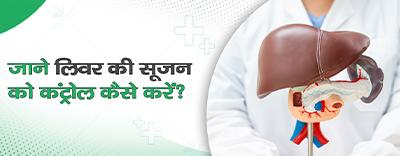
लिवर की सूजन (Hepatitis/Inflammation) एक गंभीर समस्या हो सकती है। सही खानपान, नियमित जांच और स्वस्थ जीवनशैली से इसे कंट्रोल किया जा सकता है।
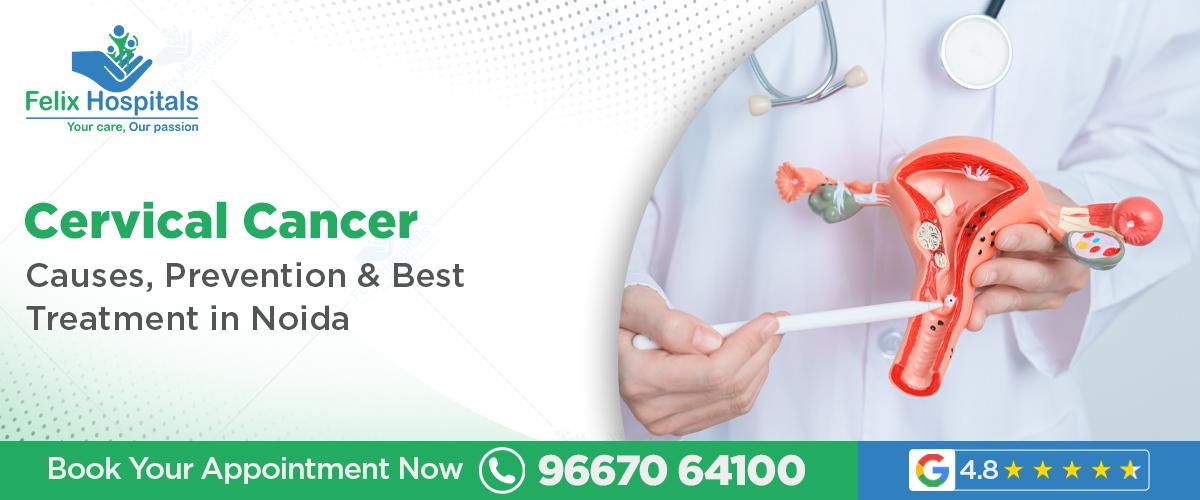
Cervical cancer is a slow-growing but potentially life-threatening condition that develops in the cells of the cervix, the lower part of the uterus that connects to the vagina. It is one of the most preventable cancers when detected early, yet many women in India are diagnosed at later stages due to lack of awareness and screening. Understanding what causes cervical cancer? is the first step toward early detection, prevention, and effective treatment.
If you are experiencing unusual gynecological symptoms or want preventive screening, call +91 9667064100 to consult a cervical cancer specialist in Noida.
The primary cause of cervical cancer is long-term infection with certain high-risk strains of the human papillomavirus. Many women ask how is cervical cancer caused by HPV?, and the answer lies in persistent viral infection that alters cervical cells over time, eventually leading to abnormal growth and malignancy if left untreated.
In its early stages, cervical cancer may not cause noticeable symptoms, which is why regular screening is essential. When symptoms do appear, they may include abnormal vaginal bleeding, pelvic pain, or discomfort during intercourse. Knowing what are the first signs of cervical cancer? can help women seek medical attention before the disease advances.
When diagnosed early, cervical cancer is one of the most treatable cancers. Many patients wonder is cervical cancer curable if detected early?, and medical evidence shows that early-stage cervical cancer has a very high success rate with appropriate treatment and follow-up care.
Cervical cancer is staged based on how deeply the cancer has invaded cervical tissue and whether it has spread to nearby organs. Patients often ask can cervical cancer be completely cured in stage 1?, and in most cases, stage one cervical cancer can be effectively treated with surgery or localized therapy, offering excellent long-term survival.
Diagnosis typically begins with screening tests such as Pap smears and HPV testing, followed by biopsy and imaging studies if abnormalities are detected. Accurate diagnosis and staging are critical for planning treatment at a specialized cervical cancer hospital in Noida, where advanced diagnostic facilities are available.
Treatment for cervical cancer varies depending on the stage, age, and overall health of the patient. Options may include surgery, radiation therapy, chemotherapy, or a combination of these. Comprehensive care for cervical cancer treatment in Noida focuses on eliminating cancer while preserving quality of life whenever possible.
Surgical treatment is commonly recommended for early-stage cervical cancer. Procedures may range from removal of abnormal tissue to hysterectomy in more advanced cases. Patients undergoing cervical cancer surgery Noida benefit from experienced surgical teams and modern operative techniques that reduce complications and recovery time.
For patients with locally advanced or recurrent disease, radiation therapy combined with chemotherapy is often recommended. These treatments help control cancer spread and relieve symptoms. Care under the best gynecologic oncologist in Noida ensures that therapy is tailored to each patient’s condition and tolerance.
The cost of treatment depends on cancer stage, treatment modality, and duration of care. Many families are concerned about what is the cost of cervical cancer treatment in Noida?, which can vary widely but is often more manageable when the disease is detected early, reducing the need for extensive therapy.
Prevention plays a crucial role in reducing cervical cancer cases. Vaccination against HPV, regular Pap smear screening, and safe sexual practices significantly lower risk. Public awareness about how to prevent cervical cancer in India? is essential to reduce late-stage diagnoses and improve women’s health outcomes.
HPV vaccination is recommended for young girls and women before exposure to the virus. Even sexually active women may benefit from vaccination after medical consultation. This preventive measure has shown significant success in reducing cervical cancer incidence globally.
Factors such as early sexual activity, multiple sexual partners, smoking, and weakened immunity increase cervical cancer risk. Addressing these risk factors through education and lifestyle changes can further reduce disease burden among women.
A cervical cancer diagnosis can be emotionally overwhelming. Anxiety, fear, and uncertainty are common during treatment. Psychological counseling, family support, and patient education are integral parts of care provided at a dedicated cervical cancer hospital in Noida.
In younger women diagnosed at an early stage, fertility-preserving treatment options may be possible. Discussing reproductive goals with the oncology team before starting treatment helps ensure informed decision-making.
After successful treatment, regular follow-up visits are essential to monitor recovery and detect recurrence early. Long-term care includes physical examinations, imaging when required, and emotional support to help patients return to normal life.
Cervical cancer is a highly preventable and treatable disease when detected early. Awareness of symptoms, understanding causes, regular screening, and timely treatment can significantly improve outcomes. With access to advanced medical care, experienced specialists, and comprehensive support services, women can receive effective cervical cancer treatment in Noida and regain control over their health and future.
Early action saves lives. For screening, diagnosis, or treatment guidance, call +91 9667064100 to book an appointment with a cervical cancer expert in Noida.
Q. 1. Can cervical cancer develop without symptoms?
Ans. Yes, early cervical cancer often has no symptoms, making routine screening essential.
Q. 2. Is HPV infection always cancerous?
Ans. No, most HPV infections clear on their own, but persistent high-risk strains can lead to cancer.
Q. 3. How often should women get a Pap smear?
Ans. Screening frequency depends on age and medical history and should be discussed with a doctor.
Q. 4. Can cervical cancer affect young women?
Ans. Yes, cervical cancer can occur in younger women, especially without regular screening.
Q. 5. Is follow-up necessary after successful treatment?
Ans. Yes, regular follow-up is crucial to detect recurrence early and maintain long-term health.
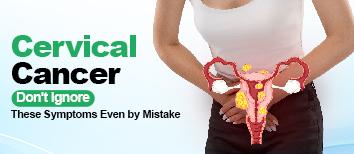
Recognize the early warning signs of cervical cancer. Learn about its symptoms, causes, and when to consult a gynecologist for timely diagnosis and treatment.
Discover the unique challenges faced by young women diagnosed with breast cancer, including emotional, physical, and social struggles. Learn about support, resources, and strategies to navigate this difficult journey.

Explore the cervical cancer vaccine cost in Noida, compare prices across hospitals, and understand how vaccination helps prevent HPV infection and cervical cancer.
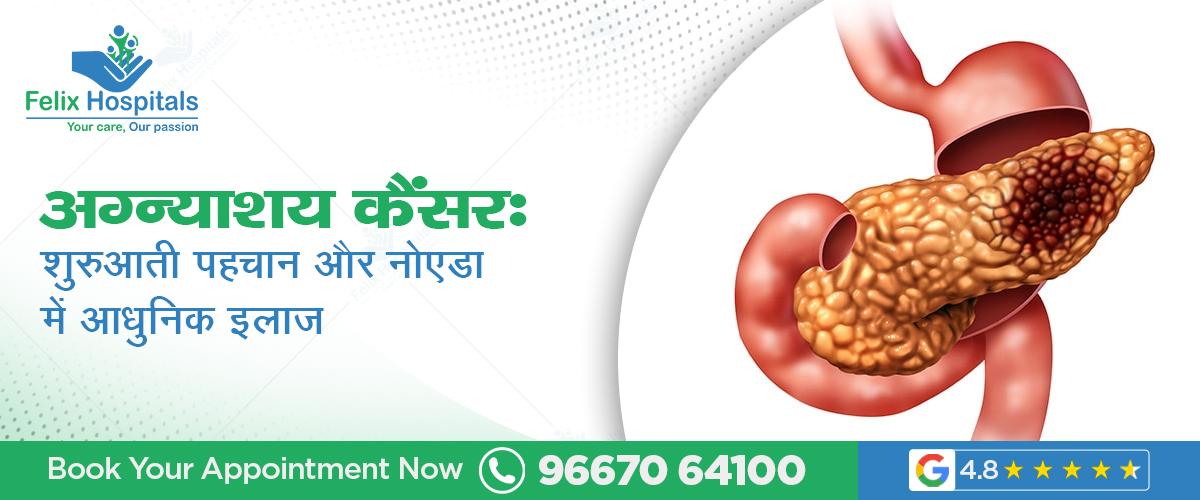
अग्न्याशय कैंसर (Pancreatic Cancer) तेजी से बढ़ते गंभीर कैंसरों में से एक है। यह कैंसर अग्न्याशय की कोशिकाओं में तब होता है। जब वह अनियंत्रित रूप से बढ़ने के साथ एक ट्यूमर बनाती हैं। कई बार शुरुआत में इसके लक्षण सामान्य पेट संबंधी परेशानियों जैसे दिखते हैं। इसलिए रोग अक्सर देर से पहचाना जाता है। अगर यदि समय रहते जांच कर ली जाए, तो इलाज की सफलता दर बढ़ जाती है। नोएडा में अब एडवांस्ड ऑन्कोलॉजी अस्पताल (Oncology Hospital in Noida), उच्च स्तरीय इमेजिंग सुविधाएं और अनुभवी ऑन्कोलॉजिस्ट उपलब्ध हैं। अग्न्याशय कैंसर का इलाज नोएडा में उपलब्ध है। जहां अंतरराष्ट्रीय गाइडलाइन के अनुसार इसका इलाज किया जा रहा है।
अभी अपॉइंटमेंट शेड्यूल करें – कॉल करें: +91 9667064100
अग्न्याशय एक महत्वपूर्ण ग्रंथि है जो पेट के पीछे स्थित होती है। पाचन के लिए आवश्यक एंजाइम तथा ब्लड शुगर को नियंत्रित करने वाला हार्मोन इंसुलिन बनाती है। जब अग्न्याशय की कोशिकाएं असामान्य रूप से तेजी से बढ़ती हैं और उन पर नियंत्रण नहीं रहता, तो वहां ट्यूमर बनता है। जिसे अग्न्याशय कैंसर कहते हैं। यह बीमारी शुरू में बिना लक्षण के बढ़ती है। इसलिए अक्सर देर से पता चलती है। अग्न्याशय कैंसर (Pancreatic cancer) दो मुख्य प्रकार का होता है। पहला एक्सोक्राइन कैंसर, जो सबसे अधिक पाया जाता है और इसमें प्रमुख रूप से अग्नाशय एडेनोकार्सिनोमा शामिल है। दूसरा एंडोक्राइन या न्यूरोएंडोक्राइन ट्यूमर, जो कम पाए जाते हैं। आमतौर पर अपेक्षाकृत कम खतरनाक माने जाते हैं।
ऑन्कोलॉजी गाइडलाइन के अनुसार यह कैंसर कई जोखिम कारणों से जुड़ा होता है:
धूम्रपान और तंबाकूः तंबाकू सेवन अग्न्याशय कैंसर का सबसे बड़ा कारण है।
आनुवंशिक / फैमिली हिस्ट्रीः यदि परिवार में दो या अधिक लोगों को यह कैंसर हुआ है तो जोखिम अधिक होता है।
डायबिटीज (खासकर नई शुरुआत वाली): अचानक बढ़ी शुगर भी शुरुआती संकेत हो सकती है।
मोटापा और हाई फैट डाइट: लंबे समय तक मोटापा अग्न्याशय का कैंसर के जोखिम को बढ़ाता है।
क्रॉनिक पैंक्रियाटाइटिसः लंबे समय तक अग्न्याशय में सूजन रहता है।
उच्च आयुः 60 वर्ष के बाद इसका खतरा बढ़ जाता है।
शुरुआती स्टेज में लक्षण बहुत सामान्य या अनदेखे होते हैं। लेकिन कुछ संकेत महत्वपूर्ण हैं:
लगातार पेट या पीठ में दर्द
भूख कम लगना और तेजी से वजन घटना
पीलिया (जॉन्डिस) यानी त्वचा व आंखें पीली पड़ना
हल्का (क्ले-कलर) मल और गहरा पेशाब
पाचन समस्या, एसिडिटी, गैस, अपच
मतली या उल्टी
ब्लड शुगर का अचानक बढ़ना (नई डायबिटीज)
थकान और कमजोरी
अग्न्याशय कैंसर की पुष्टि और स्टेजिंग के लिए निम्न जांच की जाती हैं:
ब्लड टेस्टः एलएफटी, सीबीसी, सीए 19-9 : CA 19-9 ट्यूमर मार्कर कई मरीजों में बढ़ा मिलता है।
अल्ट्रासाउंड / एंडोस्कोपिक अल्ट्रासाउंड: ट्यूमर को तकनीकी रूप से सबसे सटीक दर्शाता है।
सीटी स्कैन (कंट्रास्ट सीटी – अग्नाशय प्रोटोकॉल) ट्यूमर का आकार, लोकेशन और फैलाव पता चलता है।
MRI/MRCP: बाइल डक्ट और पैंक्रियास की हाई-रिजोल्यूशन इमेजिंग के लिए होता है।
पीईटी-सीटीः कैंसर शरीर के अन्य भागों में फैला है या नहीं, यह बताता है।
बायोप्सी (FNAC/EUS): कैंसर के प्रकार की अंतिम पुष्टि के लिए होता है।
सर्जरी अग्न्याशय कैंसर के शुरुआती स्टेज में सबसे प्रभावी उपचार माना जाता है, क्योंकि इस समय ट्यूमर सीमित होता है और शरीर के अन्य हिस्सों में फैला नहीं होता। अग्न्याशय के सिर में ट्यूमर होने पर Whipple Surgery की जाती है, जिसमें अग्न्याशय का प्रभावित हिस्सा, डुओडेनम, बाइल डक्ट और गॉल ब्लैडर (Gallbladder) को हटाया जाता है ताकि कैंसर पूरी तरह समाप्त किया जा सके। वहीं, जब ट्यूमर अग्न्याशय की बॉडी या टेल में हो, तो Distal Pancreatectomy प्रक्रिया अपनाई जाती है, जिसमें अक्सर स्प्लीन भी साथ में निकालना पड़ता है। इन सर्जरी का मुख्य उद्देश्य ट्यूमर को पूरी तरह हटाना और कैंसर के फैलने की संभावना को कम करना होता है। शुरुआती चरण में उपचार की सफलता दर अधिक होती है और सर्जरी के बाद मरीज के लंबे समय तक जीवित रहने की संभावना भी बढ़ जाती है।
कीमोथेरेपी अग्न्याशय कैंसर के इलाज का एक प्रमुख स्तंभ है। विशेष रूप से मध्यम और अग्रिम स्टेज के मरीजों में। इसे विभिन्न परिस्थितियों में दिया जाता है। सर्जरी से पहले (Neoadjuvant Therapy) ताकि ट्यूमर को छोटा किया जा सके। सर्जरी के बाद (Adjuvant Therapy) बची हुई कैंसर कोशिकाओं को नष्ट करने के लिए और मेटास्टेटिक यानी फैल चुके कैंसर में लक्षणों को कम करने के उद्देश्य से। आमतौर पर कीमोथेरेपी में Gemcitabine, FOLFIRINOX (जो बहुत प्रभावी लेकिन थोड़ी स्ट्रॉन्ग होती है), Cisplatin और 5-FU (5-Fluorouracil) जैसी दवाओं का उपयोग किया जाता है। इसके साथ सपोर्टिव थेरेपी भी दी जाती है, जिसमें उल्टी रोकने की दवाएं, इम्यून बूस्टर, दर्द निवारण और मरीज के ब्लड वाइटल्स तथा किडनी और लिवर फंक्शन की लगातार मॉनिटरिंग शामिल होती है, ताकि उपचार सुरक्षित और प्रभावी तरीके से किया जा सके।
टार्गेटेड थेरेपी (Targeted therapy) अग्न्याशय कैंसर का एक आधुनिक उपचार है, जो विशेष रूप से उन कैंसर कोशिकाओं के जननिक (Genetic) बदलावों को निशाना बनाती है, जो ट्यूमर की वृद्धि में मदद करते हैं। यह उपचार कैंसर कोशिकाओं में पाए जाने वाले प्रोटीन या म्यूटेशन को ब्लॉक करता है, जबकि सामान्य कोशिकाओं को कम नुकसान पहुंचाता है और ट्यूमर की वृद्धि को धीमा करता है। कुछ मामलों में PARP Inhibitors का उपयोग किया जाता है, जो BRCA1/BRCA2 जीन म्यूटेशन वाले मरीजों में बेहद प्रभावी साबित होते हैं। इसके अलावा, EGFR या VEGF Targeted Drugs भी दी जाती हैं, जो खून की नलियों की वृद्धि को रोककर ट्यूमर को कमजोर करती हैं और कैंसर की प्रगति को नियंत्रित करती हैं।
इम्यूनोथेरेपी अग्न्याशय कैंसर के इलाज में एक आधुनिक तरीका है। जो शरीर की प्रतिरक्षा प्रणाली को सक्रिय और मजबूत बनाती है। जिससे वह कैंसर कोशिकाओं को पहचानकर नष्ट कर सके। इसका मुख्य लाभ यह है कि यह सामान्य शरीर पर कम दुष्प्रभाव डालती है, लंबे समय तक परिणाम देती है और कुछ मरीजों में ट्यूमर की वृद्धि पूरी तरह रुक जाती है। इम्यूनोथेरेपी विशेष रूप से उन मरीजों में उपयोग होती है जिनमें Pancreatic Neuroendocrine Tumor (PNET) पाया गया हो या जब पारंपरिक कीमोथेरेपी प्रभावी न हो।
रेडिएशन थेरेपी में उच्च-ऊर्जा किरणों (High-energy X-ray या Proton therapy) का उपयोग करके कैंसर कोशिकाओं को नष्ट किया जाता है। इसे विभिन्न परिस्थितियों में अपनाया जाता है, जैसे सर्जरी से पहले ट्यूमर को छोटा करने के लिए, सर्जरी के बाद बची हुई कैंसर कोशिकाओं को खत्म करने के लिए, या जब सर्जरी संभव न हो तब दर्द और ब्लॉकेज कम करने के उद्देश्य से। रेडिएशन थेरेपी से ट्यूमर की वृद्धि धीमी होती है और मरीज को पेट दर्द, पीलिया और अन्य संबंधित लक्षणों में राहत मिलती है, जिससे जीवन की गुणवत्ता बेहतर होती है।
पेलिएटिव केयर अग्न्याशय कैंसर के अंतिम चरण में मरीज की जीवन-गुणवत्ता सुधारने के लिए दिया जाने वाला उपचार है। इसमें कई विकल्प शामिल होते हैं। जैसे Bile Duct Stent जो पीलिया और ब्लॉकेज को कम करने में मदद करता है; Pancreatic Enzyme Supplements, जो भोजन के पाचन को बेहतर बनाते हैं। Pain Management, जिसमें मॉर्फिन या अन्य पेन मैनेजमेंट तकनीकों का उपयोग करके दर्द कम किया जाता है; और Nutrition Support, जो मरीज की ताकत और ऊर्जा बनाए रखने में सहायक होता है। पेलिएटिव केयर का मुख्य उद्देश्य दर्द को कम करना, पाचन को सुधारना, जीवन की गुणवत्ता बढ़ाना और मरीज को अधिकतम आराम और राहत प्रदान करना होता है।
अपॉइंटमेंट के लिए कॉल करें: +91 9667064100
अचानक वजन घटना
नई डायबिटीज का प्रकट होना
लगातार पेट/पीठ दर्द
पीलिया
धूम्रपान करने वाले
फैमिली हिस्ट्री वाले
क्रॉनिक पैंक्रियाटाइटिस वाले
मोटापे और डायबिटीज़ वाले
धूम्रपान और तंबाकू छोड़ें
डायबिटीज नियंत्रण में रखें
कम फैट वाला संतुलित भोजन लें
वजन नियंत्रित रखें
शराब से दूरी
लंबे समय तक पेट दर्द या गैस को नजरअंदाज न करें
हर साल हेल्थ स्क्रीनिंग करवाएं
अपॉइंटमेंट शेड्यूल करें – कॉल करें: +91 9667064100
अग्न्याशय कैंसर एक गंभीर बीमारी है। लेकिन शुरुआती पहचान और सही समय पर उपचार से मरीज की जीवन प्रत्याशा में सुधार किया जा सकता है। नोएडा में आधुनिक डायग्नोस्टिक सुविधाएं, अनुभवी ऑन्कोलॉजिस्ट और एडवांस्ड कैंसर थेरेपी उपलब्ध हैं, जिससे इलाज और भी आसान व बेहतर हुआ है। इसलिए इलाज में देरी नहीं करनी चाहिए।
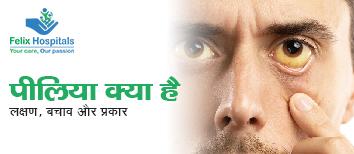
पीलिया एक ऐसी स्थिति है जिसमें शरीर और आंखों का रंग पीला पड़ जाता है। यह मुख्य रूप से लीवर की खराबी या रक्त में बिलीरुबिन के बढ़ने के कारण होता है।
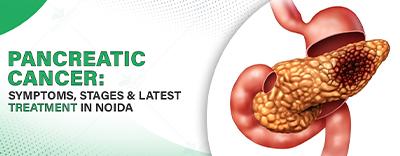
Pancreatic cancer is a serious condition with symptoms like abdominal pain, jaundice, and weight loss. This article covers its symptoms, stages, and the latest treatment options available in Noida
Tendonitis is a common orthopedic condition that occurs when a tendon becomes inflamed or irritated, often due to overuse, repetitive motion, or sudden injury. Since tendons connect muscles to bones, any inflammation in these structures can make routine activities painful and difficult. Many patients delay treatment because symptoms start mildly, but ignoring early signs can lead to chronic issues that require prolonged care. Understanding the symptoms, causes, and different therapy approaches helps individuals seek timely care, especially with advanced tendonitis treatment in Noida available today.
Experiencing tendon pain, swelling, or stiffness? Get evaluated early by the Best Doctors for Tendonitis Treatment in Noida Call +91 9667064100
Tendonitis develops when repetitive strain or sudden excessive force overloads a tendon, causing inflammation and discomfort, which is why recognizing tendonitis symptoms early is so important for preventing long-term damage. The condition can affect any tendon, but it most commonly occurs in the shoulders, elbows, knees, wrists, heels, and hips. While athletes frequently experience tendon irritation due to high-impact movements, office workers, laborers, and older adults are equally at risk. Early treatment prevents tendon breakdown, which can lead to more serious injuries.
The condition often stems from repetitive activities that put consistent pressure on tendons, and many patients develop tendon inflammation due to underlying causes of tendonitis such as poor posture, weak muscles, improper technique, or suddenly increasing workout intensity. Age-related changes also reduce tendon flexibility, making injuries more likely during daily tasks. Without rest and correction, small tears may worsen over time, increasing pain and reducing mobility.
Most people first notice mild aching, stiffness, or swelling around the affected joint, and these early types of tendonitis signs typically worsen when the tendon is used for continuous activity. Pain may feel sharp during movement and dull afterward, while swelling or warmth may develop in the area of irritation. If not treated promptly, movements such as lifting, gripping, climbing stairs, or walking can become difficult. In advanced cases, patients may even hear crackling or experience limited mobility.
Ignoring ongoing tendon pain can cause the condition to progress, and this is where many individuals end up developing chronic tendonitis treatment options as the situation becomes more complicated. Persistent pain usually indicates continuous tendon strain or microtears that have not healed. Chronic tendonitis requires a more structured medical approach, as rest alone is not enough to repair the damaged tissue. Seeking orthopedic care early avoids further degeneration and long-term joint stiffness.
Diagnosis starts with a detailed physical examination to check tenderness, swelling, and range of motion, and during evaluation, doctors also consider how to reduce tendonitis pain quickly with targeted strategies to provide immediate relief. Imaging studies like ultrasound or MRI may be recommended if the inflammation is severe or suspected to involve small tears. Identifying the exact tendon involved is crucial in planning the right therapy, as treatment differs depending on the location and level of damage.
Tendonitis can occur in various parts of the body, and some patients requiring Best Doctors For Tendonitis Treatment In Noida experience discomfort in areas such as the rotator cuff, Achilles tendon, patellar tendon, or elbow tendons. Each region has its own set of triggers and movement patterns that aggravate symptoms. Understanding which tendon is affected helps customize treatment and prevent repeated episodes.
Different regions of the body are more vulnerable depending on lifestyle patterns, and many people with shoulder or elbow pain find their problems linked to tendonitis symptoms that match running, gym use, sports activities, or repetitive work habits. Tennis elbow and golfer’s elbow usually affect those who frequently use their arms, while Achilles tendonitis affects runners or those wearing improper footwear. Patellar tendonitis, commonly called “jumper’s knee,” affects individuals who engage in jumping or climbing movements.
Treatment depends on the severity of the inflammation, and most people respond well when causes of tendonitis are identified and corrected early. Initial management involves rest, cold compresses, and anti-inflammatory medications. Physiotherapy plays an essential role in restoring strength, improving flexibility, and reducing strain on the affected tendon. Severe cases may require immobilization to limit overuse.
Many patients start feeling better within weeks, especially when early therapies target types of tendonitis that respond to guided exercise and controlled movement patterns. Shockwave therapy, ultrasound therapy, and soft tissue mobilization help accelerate healing. Strengthening exercises rebuild tendon durability, ensuring it can handle daily activities without recurring inflammation.
When conventional therapies are not enough, orthopedic specialists may recommend small procedures based on chronic tendonitis treatment options such as platelet-rich plasma (PRP) injections or corticosteroid injections. These treatments help reduce inflammation and encourage tissue repair. Surgery is rarely required but may be considered if the tendon is severely damaged or partially torn.
Once pain reduces, patients must continue exercises and lifestyle adjustments to prevent recurrence, especially when learning how to reduce tendonitis pain quickly through stretching, posture correction, and proper technique. Long-term tendon health requires consistency, as tendons heal slower than muscles. Orthopedic follow-up ensures that healing is progressing properly and helps prevent future flare-ups.
Increasing pain, swelling, or stiffness? Get expert evaluation before the tendon becomes damaged beyond repair. Call +91 9667064100
Tendonitis is a common yet often underestimated orthopedic condition, but timely diagnosis and proper treatment can prevent long-term limitations. Understanding early signs and seeking expert care ensures better recovery, particularly with advanced tendonitis treatment in Noida available for patients of all ages. Whether caused by overuse, repetitive movements, sports injuries, or age-related degeneration, tendonitis responds well when treated early under a skilled orthopedic specialist. Taking prompt action ensures faster healing and helps avoid chronic pain that interferes with daily life. With the support of the Best Doctors For Tendonitis Treatment In Noida, patients can regain mobility, comfort, and strength safely and effectively.
Q. 1. How do I know if my tendonitis needs medical attention?
Ans. If the pain persists for more than a few days, worsens with movement, or affects your ability to carry out daily activities, it’s best to get evaluated by an orthopaedic specialist.
Q. 2. Can tendonitis heal on its own without treatment?
Ans. Mild cases may improve with rest and home care, but chronic tendonitis often needs guided therapy or medical treatment to prevent long-term stiffness or weakness.
Q. 3. What is the fastest way to reduce tendonitis pain?
Ans. Using ice packs, resting the joint, and avoiding repetitive strain usually helps. If pain continues, a doctor can recommend safer and quicker relief options.
Q. 4. Is swelling normal in tendonitis?
Ans. Yes, mild swelling happens as the tendon gets inflamed. Excessive swelling, redness, or warmth should be checked by a doctor to rule out infection or tears.
Q. 5. Can physiotherapy help tendonitis?
Ans. Absolutely. Strengthening and stretching exercises guided by a physiotherapist can improve movement and speed up healing.

Understand menopause-related joint pain and find effective treatment options in Noida.


Subscribe to our
© Copyright 2026. All Rights Reserved by Felix Healthcare Private Limited
Design and development by :


 +(91)9667064100
 Emergency : +(91)9667064100