 Emergency:
  WhatsApp


Subscribe to our

Menopause is a landmark that every woman passes through — a natural progression that heralds the end of the menstrual cycle, typically between the ages of 45 to 55. Whereas most people equate it with hot flashes, mood swings, and sleep disorders, none realize that the joint pain during menopause is as common as some of the most unspoken of the conditions.
It can be as minor as morning stiffness or as severe as chronic pain that limits mobility and disrupts one's day. Reported as waking up feeling "older overnight," the pain is no natural sidekick to growing old — it is closely connected with the body's hormonal and metabolic phenomena.
Knowing what triggers menopausal joint pain, knowing the signs of warning, and knowing when to go to the doctor can make all the difference. If you are having the same issues, consulting the best orthopedic hospital in Noida can help establish the cause of the issue and fix the joint difficulties efficiently.
Call +91 9667064100 to schedule your consultation and begin your journey to pain-free mobility.
The root cause is one word — estrogen. This crucial hormone not only controls the cycle; it also safeguards the joints by minimizing inflammation as well as the degradation of cartilage. When the level of estrogen decreases during the onset of menopause, the joints no longer enjoy this protective cover, resulting in stiffness as well as pains.
This's the way that hormonal variations cause joint issues:
Less lubrication: Less estrogen produces drier joints, leading to irritation as well as pain.
Increased inflammation: Hormonal imbalance triggers inflammatory responses in the body.
Bone density loss: Estrogen helps maintain bone mass. Its decline accelerates osteoporosis and joint fragility.
This is why a woman who had always gone about freely and easily could suddenly develop knee pain, stiff shoulders, or stiffened joints after the menopause.
Menopausal joint pain generally develops slowly but can intensify with the course of time. Pay attention to the following signs:
Morning stiffness: Stiffness of the joint motions upon waking.
Worsening of joint swelling: Swelling or pain in hands, knees, or ankles.
Clicking sounds: Sounds of popping or grinding when the joints are moved.
Activity pain: Pain during walking, exercising, or weights lifting.
Fatigue: The pain along with the hormonal changes will lead to lethargy.
Less mobility: Less mobility, particularly in the shoulders as well as hips.
If you observe these signs continuing beyond a couple of weeks, then the best orthopedic surgeon in Noida should be consulted to eliminate the possibility of hidden arthritis or bone deterioration.
Estrogen plays a protective role in the musculoskeletal system. Collagen, a protein that supports the joint in keeping it flexible, is maintained through estrogen. When estrogen decreases:
Cartilage wears down faster, causing stiffness.
Synovial fluid that lubricates the joint decreases in quantity.
The muscle mass decreases, leading to less joint support.
The levels of calcium in the bones decrease, making the bones weak and painful.
The decrease in these protective functions frequently overlaps with other menopausal symptoms, allowing a combined effect on mobility and comfort during the day.
Though the primary cause is the hormonal decrease, it's certainly not exclusive. The issues mentioned below are potential triggers to joint pain during the menopause years:
Weight gain: Menopausal hormone changes slow the metabolism, causing weight gain that stresses hips and knees.
Lack of exercise: Sedentary behavior reduces joint lubrication and muscle strength.
Poor posture: Sitting too long or working at a desk puts stress on the spine and the joints.
Nutritional deficit: Weakened bone structure with decreased calcium, magnesium, or vitamin D.
Inadequate rest and stress: Stress hormone, the cortisol, raises inflammation, making the pain stronger.
Preexisting arthritis: osteoarthritis or rheumatic is aggravated by the menopausal hormonal changes.
Orthopedic surgeon can recommend:
Bodily check to examine swellings and movement.
Blood tests to determine inflammation or arthritis.
Examinations of hormone levels to determine menopausal related changes.
X- rays or MRI to identify cartilage or bone damage.
Warranted management is done through early diagnosis to prevent late joint deformity.
Fortunately, medical care, physiotherapy and change of diet can be utilized to manage joint pains during menopause.
Doctors can prescribe mild painkilling or non-steroidal anti-inflammatory medications to aid pain. In some instances, hormone replacement therapy (HRT) can be used to increase the amount of estrogen in order to alleviate joint rigidity and inflammation.
Individual physiotherapy sessions will strengthen muscle, correct posture and restore flexibility. Stress free exercises such as yoga, walking and swimming are the most appropriate exercises that can keep the joints in shape.
One of the key factors that determine the health of the joints is nutrition. Incorporate:
Omega-3 acids (fish, flax seed) to reduce inflammation.
Food rich in calcium such as milk, tofu and almonds to build stronger bones.
Vitamin D source includes sunshine and fortified food.
To prevent tissues, take vegetables and fruit that contain antioxidants.
Keep your weight healthy.
Do not overdrink or smoke.
Keep yourself moisturized throughout the day.
Sit with ergonomically suited furniture during working hours.
If the patient suffers from chronic or acute joint pain, then physicians can suggest minimally invasive procedures that will improve the movement as well as decrease the inflammation.
The following are some simple yet effective strategies to save your joints throughout the transition to menopause:
Daily exercise: Maintains the strength of the muscles. Keeps the joints limber.
Flex exercises: Help prevent stiffness and encourage circulation.
Hydration: Hydrates the cartilage and decreases friction.
Balanced diet: Strengthens the joints from within.
Routine visits to the doctor: Prevents worsening of the joint conditions.
Menopause is no pause, but a phase. Women can be as young and agile with due care during this phase.
Chronic pain may also affect both the bodily state as well as the psychological state of women. Persistent pain might induce lethargy, anxiety, or irritability. Free communication with the health practitioners, utilization of relaxation techniques, and enrollment in support groups can help women cope with this transition with greater confidence.
Simple mindfulness exercises, meditation, or even soothing yoga exercises not only help to reduce pain but also enhance mood alongside regulating the body's natural hormone levels.
Make calls to experienced orthopedic in +91 9667064100 to diagnose correctly, use the latest treatment methods, and have a long-term comfort solution.
Joint pain in menopausal women is as natural as most women will ever feel and it does not have to be a lifelong companion. The hormone fluctuations can induce stiffness and inflammation, yet with awareness, early prevention, and correct habits, it is entirely controllable.
From nutritional enhancements to frequent exercises to timely medical care, each bit adds up to making you comfortable and confident once again. Menopause is but one phase of life — not the end of your productive years. Pay heed to your body, be consistent with care, and get professional assistance early enough to maintain strong, flexible, and pain-free joints. For comprehensive support and expert guidance, consider consulting the best hospital in Noida for menopause and joint-related care.
Q.1. Is joint pain in menopausal women permanent?
Ans. No. With proper care, exercise, and management of hormone, most women considerably improve within months.
Q. 2. Which are the most affected joints during menopause?
Ans. The knees, hips, shoulders, and hands are frequently involved because they touch the ground and contain additional stress from movement.
Q. 3. How can I know if my joint pain is hormonal or because of arthritis?
Ans. If the pain began near menopause and involves stiffness across numerous joints, it's probable that it's hormone-related. The persistent pain or swelling in some of the joints may be arthritic.
Q. 4. What exercises would be most appropriate when dealing with menopausal joint pain?
Ans. Low impact exercises like walking, swimming or yoga increase flexibility, circulation and joint stability but are not overstretching.
Q. 5. Will Hormone replacement therapy (HRT) reduce the joint pain?
Ans. It is true that HRT can restore the levels of estrogen and reduce the inflammation, and it should be prescribed with considering a specialist due to potential side effects.
Q. 6. Does joint pain matter at all?
Ans. Yes. The Omega-3 rich foods, antioxidants, and vitamin D reduce inflammation and relax the joint tissue.
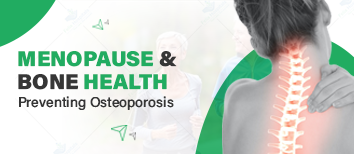
Learn how menopause impacts bone health and discover strategies to prevent osteoporosis, including lifestyle tips, diet, and treatments for stronger bones.


Subscribe to our
© Copyright 2026. All Rights Reserved by Felix Healthcare Private Limited
Design and development by :


 +(91)9667064100
 Emergency : +(91)9667064100