 WhatsApp
 Emergency:
  WhatsApp











Subscribe to our

Migraines are not merely headaches; they are complex neurological conditions that can cause intense and often debilitating pain. These episodes impact millions worldwide, disrupting daily life, work, relationships, and overall well-being. Recognizing the profound effects migraines have on individuals, advanced treatments grounded in the latest scientific advancements are now available. When paired with essential lifestyle modifications, these innovative therapies enable patients to manage and even prevent migraine episodes, empowering them to reclaim control over their health and quality of life. For comprehensive and compassionate care, consider a leading neurology hospital in Noida to ensure the best treatment for your loved ones.
Felix Hospitals is here for you with the best Neurologist support during your critical moments. Call us today at +91 9667064100.
Explore effective treatments and lifestyle habits for lasting relief, and discover the path to an incredible life.
Preventive Medications: Highlight options like beta-blockers, antidepressants, and anticonvulsants used for preventing migraines.
Abortive Medications: Explain newer medications that stop migraines as they begin, such as triptans and CGRP (calcitonin gene-related peptide) inhibitors.
Gepants and Ditans: New drugs like ubrogepant (Ubrelvy) and lasmiditan (Reyvow) target migraine receptors and may have fewer side effects than older medications.
Describe wearable devices, such as Cefaly, gamma Core, and Nerivio, that use electrical or magnetic pulses to disrupt pain signals, offering relief without medication.
Explain how these devices work, what their benefits are, and who might be a good candidate for neuromodulation therapy.
Botox isn’t just for cosmetic purposes; it has shown effectiveness in treating chronic migraines. Explain how it works by blocking pain pathways, the frequency of injections needed, and potential benefits and side effects.
Discuss CGRP inhibitors like Aimovig, Ajovy, and Emgality, which specifically target the protein associated with migraine pain pathways. These are administered monthly or quarterly, reducing the frequency and severity of migraines for many patients.
Acupuncture: A traditional Chinese therapy where needles are placed at specific points to relieve tension and pain.
Herbal and Nutritional Supplements: Mention supplements like magnesium, riboflavin (Vitamin B2), and feverfew, which may help prevent migraines.
Mind-Body Therapies: Techniques like biofeedback and cognitive behavioral therapy (CBT) can help manage stress and reduce migraine frequency.
Emphasize the importance of regular meals and hydration to avoid blood sugar fluctuations and dehydration, common migraine triggers.
Recommend a diet low in processed foods, artificial additives, and known triggers like caffeine and alcohol.
Describe how irregular sleep patterns can trigger migraines. Offer tips for improving sleep hygiene, such as maintaining a consistent sleep schedule, limiting screen time before bed, and creating a calming bedtime routine.
Exercise releases endorphins and reduces stress, both of which can help reduce migraine frequency. Recommend low-impact activities like walking, swimming, or yoga that don't strain the body but encourage relaxation and mental clarity.
Stress is a common trigger for migraines. Describe stress-relieving practices like deep breathing exercises, mindfulness, and yoga.
Encourage taking regular breaks during work or busy days to help reset and relax, potentially avoiding a migraine.
Encourage keeping a migraine diary to track triggers, symptoms, treatments, and lifestyle changes. Over time, this can reveal patterns and aid in avoiding or managing future migraines effectively.
Explain the importance of collaborating with a healthcare provider to create an individualized treatment plan, especially for those with chronic migraines. Emphasize regular check-ins and adjustments based on the patient’s response.
Discuss how a combination of medication, alternative therapies, and lifestyle adjustments offers the best chance for managing migraines. Highlight that finding the right balance takes time and may require trial and error.
Encourage readers to be proactive with their health, not just focusing on treating symptoms but actively preventing migraine attacks through healthy choices, consistent routines, and medical guidance.

Dr. Sumit Sharma: Dr. Sharma specializes in managing complex neurological conditions, including brain and spinal disorders, migraines, epilepsy, and cognitive decline.
Dr. Anumeha Mishra: Dr. Anumeha Mishra has over 15 years of experience and is known for treating a wide range of difficult illnesses, including multiple sclerosis, epilepsy, stroke, Parkinson's disease, and migraines. She is available at Felix Hospitals, Sector-137, Noida.

Seeking specialized care at a trusted migraine hospital ensures accurate diagnosis and tailored treatment. Trust Felix Hospitals for expert neurologist support. Call +91 9667064100.
Finding relief from migraines can be a transformative experience, improving both physical and mental well-being. With innovative treatments and lifestyle adjustments, it’s possible to manage and even reduce the frequency of migraine attacks significantly. By working closely with healthcare providers and being proactive about lifestyle choices, migraine sufferers can regain control and enjoy a better quality of life. Trust Felix Hospitals to support you on your journey to effective migraine relief, with our team ready to guide you every step of the way.
Q. 1. What’s the difference between a regular headache and a migraine?
Ans. Migraines are more than just headaches; they’re neurological events that can cause intense, pulsing pain, usually on one side of the head, along with symptoms like nausea, vomiting, and sensitivity to light or sound. Unlike common headaches, migraines can last from hours to days and may include visual disturbances or aura before the pain begins.
Q. 2. How do CGRP inhibitors work for migraine prevention?
Ans. CGRP inhibitors, like Aimovig, Ajovy, and Emgality, work by blocking the activity of calcitonin gene-related peptide, a protein that transmits pain signals in the brain. These medications, given as monthly or quarterly injections, help reduce the frequency and severity of migraines by targeting the specific pathway involved in migraine pain.
Q. 3. Are neuromodulation devices effective, and who should consider them?
Ans. Neuromodulation devices like Cefaly, gammaCore, and Nerivio use gentle electrical or magnetic pulses to disrupt pain signals. They can be effective for individuals who prefer non-medication options or those who have found limited relief with traditional medications. Your healthcare provider can help determine if you’re a good candidate for these devices.
Q. 4. Can lifestyle changes actually reduce the number of migraines I experience?
Ans. Yes, lifestyle modifications can play a significant role in managing migraines. Regular exercise, consistent sleep, balanced meals, and stress-reducing practices like mindfulness or yoga can all reduce migraine frequency. Keeping a migraine diary can also help identify specific triggers to avoid.
Q. 5. Why is Botox used for chronic migraines, and how does it work?
Ans. Botox is FDA-approved for chronic migraines and works by blocking pain-transmitting chemicals around nerve endings. Regular injections, typically every 12 weeks, can help prevent migraines before they start. Botox is especially beneficial for people who experience migraines 15 or more days a month.
Q. 6. Are there any supplements or alternative therapies that help prevent migraines?
Ans. Yes, some patients find relief with supplements like magnesium, riboflavin (Vitamin B2), and feverfew, which may help reduce migraine frequency. Acupuncture and mind-body therapies, such as biofeedback and cognitive behavioral therapy (CBT), can also aid in managing migraine symptoms by promoting relaxation and stress reduction.
Q. 7. What are "Gepants" and "Ditans," and how are they different from traditional migraine medications?
Ans. Gepants (like ubrogepant) and Ditans (like lasmiditan) are newer classes of migraine medications that work by targeting specific migraine receptors without the vasoconstrictive side effects seen with triptans. They’re particularly useful for patients who can’t tolerate triptans or have cardiovascular concerns.
8. How can I work with my healthcare provider to create a migraine management plan?
Ans. Collaborating with your doctor allows for a personalized approach to treatment. This may involve trying various medications, combining therapies, and making lifestyle adjustments to see what works best. Regular check-ins ensure that your plan evolves as your needs change and that you receive support in managing your migraines effectively.
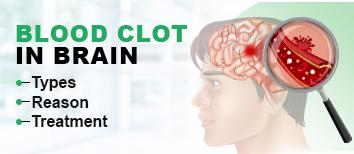
Blood clot in the brain is a serious condition causing sudden neurological symptoms and requires immediate medical treatment.
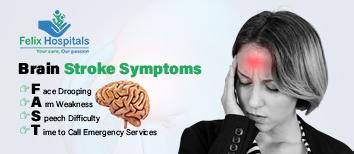
Recognizing the symptoms of a brain stroke is critical for getting prompt medical attention. The acronym F.A.S.T. is often used to remember the most common Brain stroke symptoms.

A concise guide explaining brain tumor surgery cost in Noida, including key factors, treatment options, and expert care.

Asthma inhalers are lifesaving devices, but like any medication, they must be used correctly and in the right amount. Many people rely on inhalers every day to manage breathing difficulties, but frequent or uncontrolled usage can slowly lead to harmful effects on the body. Understanding why excessive inhaler use is risky is important for long-term respiratory health and better asthma control.
Asthma is a chronic condition where the airways become inflamed and narrowed, making it difficult to breathe. Inhalers help open the airways quickly, but when people start depending on them too often, it usually means their asthma is not under control. Instead of masking symptoms with repeated puffs, proper treatment and timely evaluation by a pulmonologist ensure safer and more effective management.
Many patients mistakenly believe that an inhaler can be used repeatedly without harm. However, excessive asthma inhaler use often happens when underlying inflammation is not being treated. Quick-relief inhalers provide short-term comfort, but overusing them can result in serious side effects. In fact, doctors consider inhaler overuse a warning sign that asthma may be worsening.
People also tend to use inhalers frequently during cold weather, pollution spikes, or stressful periods. Instead of treating the main disease, inhaler misuse hides symptoms temporarily while the inflammation continues to grow inside the lungs. Over time, this can make asthma harder to control.
Using more inhaler doses than recommended can cause dangerous health issues. One of the major concerns is that patients may ignore the primary treatment plan and depend fully on inhalers. This leads to complications that affect the entire respiratory and cardiovascular system.
Frequent use of inhalers can lead to palpitations, restlessness, tremors, or high heart rate. These symptoms are often related to overusing asthma inhalers risks, especially those containing bronchodilators. If you experience these reactions frequently, it’s a sign that asthma may be poorly controlled and medical attention is required.
Inhalers are generally safe when used as prescribed. However, can asthma inhalers be harmful when used excessively? The answer is yes. Overuse can make asthma symptoms worse, increase the risk of severe attacks, and reduce the effectiveness of the inhaler over time.
Many patients don’t realize that overusing reliever inhalers can cause airway sensitivity. This means even small triggers like dust, smoke, or exercise can provoke stronger asthma symptoms. When this happens, the body becomes dependent on the inhaler, creating a cycle of repeated use.
Different inhalers have different medications, but excessive use can cause similar reactions. Common side effects of asthma inhalers include:
Increased heart rate
Shaking or tremors
Nervousness
Throat irritation
Chest discomfort
Some patients may also experience low potassium levels, especially with repeated doses in a short time. Using your inhaler too frequently is a sign that your asthma management plan needs adjustment.
Over time, long-term effects of inhaler overuse can impact both lung function and overall health. When people depend on quick-relief inhalers rather than controller medicines, the airway inflammation continues to worsen. This can lead to frequent asthma attacks, hospitalization, or even life-threatening breathing difficulties.
Long-term misuse also weakens the response of beta-agonist medications. This means the inhaler becomes less effective, requiring more puffs to achieve the same relief. Over time, this becomes dangerous and leads to poor asthma outcomes.
Improper inhaler use can harm both lungs and heart. Inhaler misuse consequences may include:
Severe asthma attacks
Decreased lung capacity
Increased respiratory infections
Higher hospitalization risk
Medication dependency
Also, incorrect technique—such as inhaling too fast, inhaling too shallow, or not shaking the inhaler—reduces the medicine reaching the lungs. Many patients benefit from technique guidance by a doctor or respiratory therapist.
Proper inhaler usage helps prevent complications. Practicing good asthma inhaler safety ensures medication works effectively without harmful side effects. Here are simple safety tips:
Do not exceed prescribed doses
Keep a symptom diary
Monitor triggers such as dust, smoke, or seasonal allergies
Use controller medications regularly if prescribed
Replace inhalers when expired or empty
If you rely on your inhaler multiple times daily, consult a pulmonologist for a revised treatment plan.
The lungs are sensitive organs, and frequent inhaler misuse can slowly damage them. Respiratory health and inhaler overuse are closely connected. When inhalers are used excessively, the airway muscles and linings become irritated. Over time, this can lead to chronic respiratory issues, making everyday breathing harder.
Many patients also have allergies or sinus issues that worsen asthma. Treating these conditions helps reduce inhaler dependency and improves long-term breathing comfort.
Felix Hospital, known for advanced respiratory care, provides expert pulmonologists who help patients restore balanced and safe inhaler use.
You should contact a doctor if you experience:
Using your inhaler more than twice per week
Requiring multiple puffs for relief
Worsening cough or tightness
Difficulty breathing even after inhaler use
Nighttime breathing problems
Ignoring these symptoms can lead to severe complications. A proper asthma management plan ensures safer and more effective breathing relief.
Felix Hospital also offers pulmonary function tests and customized asthma treatment plans to reduce inhaler dependence.
Inhalers are essential for asthma patients, but excessive use can be dangerous. Overuse signals poor asthma control and the need for timely medical evaluation and treatment by the Best Pulmonologist in Noida. With the right care, balanced medication, and proper safety practices, asthma can be effectively managed without over-reliance on inhalers. Always prioritize correct usage and regular checkups with a Best Pulmonologist in Noida to maintain long-term lung health.
Dr. Priyadarshi Jitendra Kumar is an experienced General Practitioner with 20+ years of expertise in diabetes, thyroid disorders, hypertension, and infectious diseases. Recognized as a Best Pulmonologist in Noida, he specializes in respiratory emergencies, sleep disorders, and advanced pulmonology care.
Smoking doesn’t just damage your lungs—it also harms your ears, nose, and throat. Learn how tobacco use increases the risk of ENT infections, hearing loss, sinus issues, and more.

Air pollution harms your lungs and heart, increasing the risk of breathing problems, heart disease, and stroke. Protecting yourself is essential.

Urological problems often start quietly but can turn serious if ignored. Many people delay seeking specialist help because they assume the symptoms will “settle on their own”. However, early diagnosis can prevent complications, especially when it comes to kidneys, bladder, urinary tract, and reproductive health. If you’re unsure when it’s time to seek medical assistance, understanding the signs can help you make the right decision. Visiting an urology doctor in Noida at the right time ensures timely treatment and safer outcomes.
Don't ignore Top 10 Signs That You Should See a Urologist in Noida – frequent urination or weak stream? Schedule with experts: +91 9667064100!
Constant discomfort around the lower abdomen, pelvic area, or either side of your back could indicate underlying issues such as infections or blockages. This type of pain is not normal and must be evaluated early. Consulting a specialist helps rule out severe problems and ensures you get accurate diagnosis under When to see a urologist in Noida.
If you find yourself rushing to the washroom more often than usual or experiencing sudden strong urges to urinate, it may be a sign of bladder or prostate issues. Such changes should not be ignored, as they can worsen if untreated. This concern commonly falls under Symptoms needing urologist Noida.
A burning or stinging sensation during urination is one of the earliest signs of infection in the urinary tract. Leaving it untreated can lead to kidney problems or recurring infections. It’s important to get evaluated early, especially when looking for Urologist consultation signs Noida.
Seeing blood in urine—whether bright red or tea-colored—is always a red flag. It may indicate stones, infections, or even serious conditions like tumors. Immediate examination by a specialist is essential, especially when discussing Urology problems treatment Noida.
Straining to pass urine or feeling like your bladder isn’t emptying fully can be linked to prostate enlargement or urinary tract blockage. These issues require timely medical attention. This symptom is commonly associated with Urinary problems in adults Noida.
Intense, sharp pain that comes in waves—often accompanied by nausea—is one of the strongest signs of kidney stones. Early diagnosis can prevent complications and reduce discomfort. This is closely related to Kidney stone symptoms Noida.
A slow or weak urine flow can signal prostate enlargement, urethral narrowing, or bladder dysfunction. This symptom may seem minor but often leads to bigger issues if ignored, especially when assessed under Blood in urine reason Noida.
If UTIs keep coming back despite medications, there may be an underlying structural or functional issue that needs attention. Repeated infections can affect kidney health if not investigated properly. Such cases are best evaluated by an urology doctor in Noida.
Accidental leakage, sudden loss of bladder control, or inability to hold urine can affect your confidence and daily routine. This problem can be treated effectively with early medical guidance from the best urology hospital in Noida.
Conditions such as testicular swelling, persistent pain, or difficulty conceiving may indicate an underlying urological concern. Early evaluation helps address the issue before it interrupts quality of life. A specialist’s opinion at the best urology hospital in Noida ensures the correct treatment path.
Kidney and urinary tract issues progress silently. Ignoring early signs can lead to complications like kidney damage, bladder disorders, repeated infections, and long-term discomfort. The earlier you consult a specialist, the easier it is to treat the problem without invasive procedures.
Urological health is essential for your overall well-being, and delaying symptoms can cause long-term damage. If you notice any of the signs listed above, it’s important to seek timely medical attention. No matter how minor your symptoms seem, early diagnosis helps ensure effective treatment and prevents complications. Always prioritise your health and consult a trusted urology doctor in Noida when symptoms persist or worsen.
Spot any of the Top 10 Signs That You Should See a Urologist in Noida like painful urination or blood in urine? Call +91 9667064100 now!
Q. 1. When should I see a urologist for urinary problems?
Ans. If you experience pain, burning, blood in urine, or frequent urination, it’s time to see a urologist.
Q. 2. Are kidney stones treatable without surgery?
Ans. Yes, small stones often pass naturally, but larger ones may require medical intervention.
Q. 3. Is blood in urine always serious?
Ans. Yes. Even a single episode should be evaluated immediately by a specialist.
Q. 4. Can women also visit a urologist?
Ans. Absolutely, Urologists treat both men and women for kidney, bladder, and urinary issues.
Q. 5. Does frequent urination mean infection?
Ans. It could indicate an infection, overactive bladder, or prostate issues. A urologist can diagnose the exact cause.

Urological health is vital for well-being, influenced by diet and exercise. Good nutrition and activity help prevent conditions like UTIs, kidney stones, and cancers.
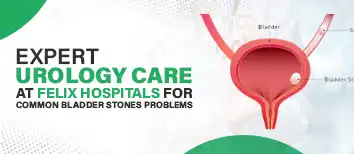
Expert urology care at Felix Hospital for bladder stones: causes, symptoms & treatments.

Experiencing tingling in your hands or feet? It could signal a nerve-related issue. Consult our expert neurologists at Felix Hospitals to find the cause and get the right treatment today.
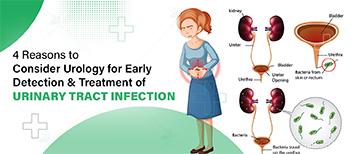
One of the best hospitals for urinary tract treatment in Noida offers comprehensive urology care, featuring expert urologists and advanced diagnostic and treatment facilities.
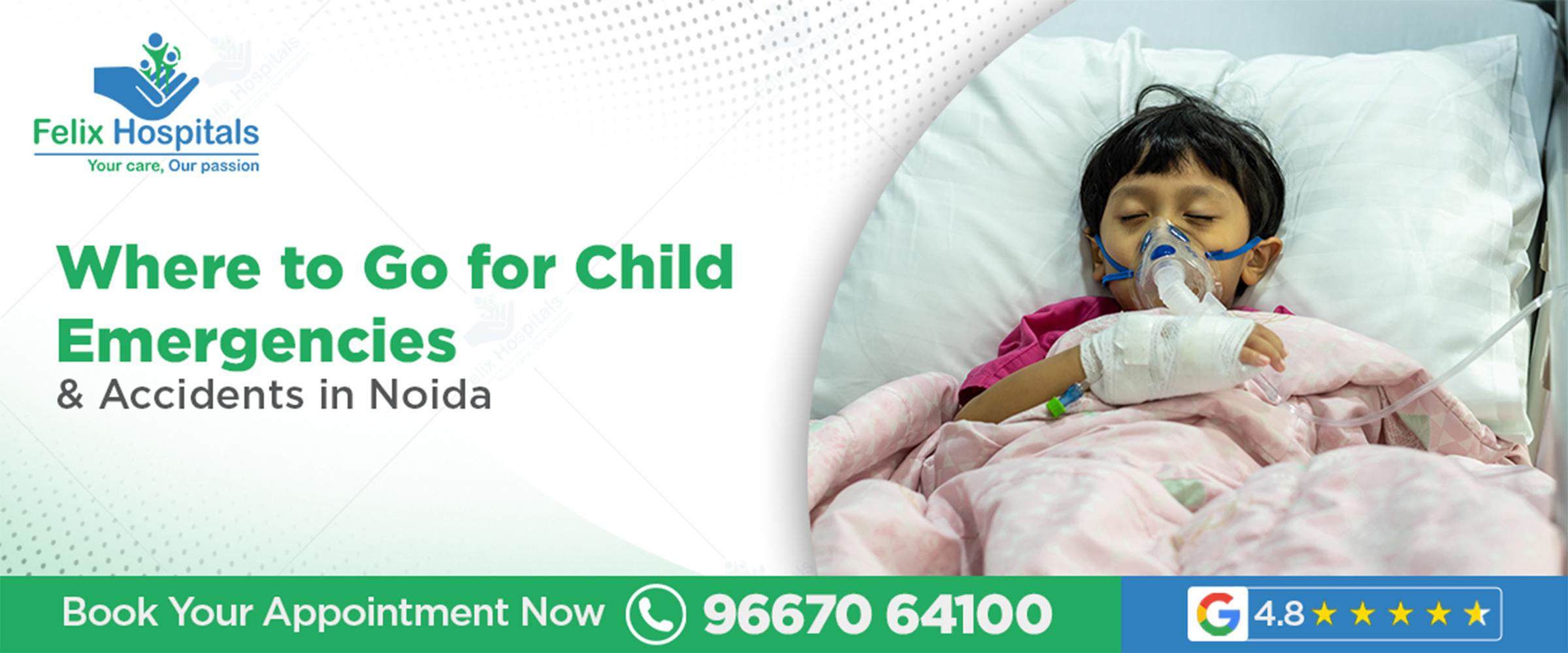
When a child is suddenly injured or falls seriously ill, every second matters. Parents often panic—not knowing where to rush, whom to call, or which hospital can provide the fastest help. In a growing city like Noida, timely access to emergency pediatric care is critical. Understanding the right steps and the right place to go can save a precious life. Whether it’s a fever that spikes overnight or a fall resulting in a fracture, knowing where to find pediatric emergency care Noida can make all the difference.
In child emergencies & accidents, trust Where to Go for Child Emergencies & Accidents in Noida – Felix Hospital's round-the-clock services. Call +91 9667064100 !
Children are not just “small adults.” They have unique medical needs—delicate airways, faster heart rates, and different responses to trauma. This is why pediatric emergencies require specialized doctors, equipment, and protocols. Even a simple breathing issue can escalate quickly in children. Parents often look for facilities offering where to go for child emergency in Noida because the right healthcare team ensures faster diagnosis, safer treatment, and immediate stabilization.
From everyday injuries to sudden medical conditions, emergencies can occur at any time. High fever, seizures, choking, accidental poisoning, severe vomiting, dehydration, asthma attacks, fractures, and deep cuts are among the most common reasons for emergency visits. Many families rely on hospitals that function as a child accident emergency Hospital Noida because such centers are equipped to manage trauma cases round-the-clock with pediatric-trained specialists.
Parents may hesitate, wondering if a situation truly needs emergency attention. Here are clear signs that your child needs urgent medical care:
Difficulty breathing or wheezing
Continuous vomiting or severe dehydration
High fever with seizures
Sudden unconsciousness
Heavy bleeding that doesn’t stop
Head injuries with drowsiness or confusion
Severe abdominal pain
Injuries from falls, sports, or road accidents
In such cases, choose a hospital known for the best pediatric emergency hospital Noida to ensure proper handling of the case without delays.
Emergencies don’t come with warnings. They can strike in the middle of the night, during school hours, or while playing outside. A hospital that offers 24x7 child emergency care Noida ensures that trained pediatricians, emergency nurses, and diagnostic facilities are always available. Parents can walk in anytime knowing their child will receive immediate attention, advanced monitoring, and accurate triage.
Newborns are extremely vulnerable. Even minor issues like breathing irregularities or fever can quickly escalate. A facility that offers neonatal care hospital Noida services ensures continuous support for premature babies, newborn complications, jaundice management, neonatal infections, and respiratory distress. Having an NICU available around-the-clock means newborns receive the highest level of specialized care without delay.
A well-equipped pediatric emergency unit is designed for children of all ages—from infants to teenagers. Modern departments typically include:
Child-friendly triage and waiting areas
Pediatric emergency physicians
Pediatric nurses trained in trauma & critical care
Immediate access to X-ray, ultrasound, and lab tests
Emergency medication & IV support
Resuscitation facilities
Orthopedic and surgical backup
This is why parents often search for the best paediatric hospital in Noida, ensuring that the hospital they choose is equipped to manage any type of emergency under one roof.
Delays in reaching the right medical facility can worsen a child’s condition. Whether it's a fracture, a fall, or a respiratory emergency, prompt intervention prevents complications. Hospitals offering child accident emergency clinic Noida services typically provide rapid assessments, fracture care, wound stitching, neurological evaluation, and monitoring—all crucial for accident-related injuries.
During emergencies, panic often affects decision-making. Many parents lose precious minutes searching for directions or asking neighbors for suggestions. This is why families must always know which centers offer where to go for child emergency in Noida services. Keeping the hospital’s address, phone number, and location saved helps parents act quickly when the situation is critical.
Child-specific emergency hospitals follow protocols designed to minimize stress and support faster recovery. They use smaller equipment, kid-safe medications, and age-appropriate treatment guidelines. Hospitals known for pediatric emergency care Noida prioritize comfort, safety, and emotional reassurance—helping children heal physically and mentally.
Children often require immediate coordination between pediatricians, surgeons, orthopedists, neurologists, and radiologists. Round-the-clock availability of specialists ensures comprehensive care. Many top hospitals recognized as the best pediatric emergency hospital Noida provide quick access to all critical departments under one roof, saving time and reducing risks.
A child’s accident can lead to fractures, bleeding, head injuries, or internal trauma. A proper emergency unit should offer:
On-spot stabilization
Pain management
Ortho consultations
Pediatric surgical care
Neurological monitoring
Imaging for fractures or internal injuries
Parents searching for child accident emergency clinic Noida should choose facilities capable of immediate trauma support and pediatric surgery.
Emergencies require instant tests—X-rays, CT scans, blood tests, ultrasound—to diagnose accurately. A center with 24x7 child emergency care Noida capabilities helps doctors identify the issue quickly and start treatment without delays.
For newborns, symptoms such as poor feeding, breathing difficulty, bluish skin, excessive sleepiness, or fever need immediate attention. Only hospitals with a neonatal care hospital Noida setup can provide advanced NICU support with ventilators, incubators, and neonatal monitoring systems.
A dedicated center ensures:
Faster triage
Child-friendly environment
Specialized doctors
Emergency medicine trained for children
Lower complications
Better outcomes
This is why parents often rely on the best pediatric hospital in Noida for urgent care needs.
For urgent child emergencies & accidents, head to Where to Go for Child Emergencies & Accidents in Noida – Felix Hospital. Dial +91 9667064100 immediately!
When your child is hurt, sick, or showing sudden symptoms, every second matters. Knowing where to go for child emergency in Noida can save precious time and ensure the right care is delivered without delay. Whether it’s an accident, infection, breathing difficulty, or unexpected health crisis, choosing a trusted pediatric emergency facility keeps your child safe, stable, and treated by specialists who understand young patients.
A well-equipped hospital with rapid response systems, child-friendly infrastructure, and trained pediatric emergency doctors in Noida provides not just medical support — but peace of mind for parents. In moments of panic, the right decision can change everything. Always rely on expert care, stay alert to warning signs, and act early to protect your child’s health and safety.
Q. 1. When should I rush my child to an emergency room?
Ans. Visit immediately if your child has severe breathing trouble, uncontrolled bleeding, seizures, head injury, or sudden unresponsiveness — these are red-flag signs requiring pediatric emergency care Noida.
Q. 2. What if my child has a minor fall but looks fine?
Ans. Even mild falls can cause internal injury. If your child vomits, becomes drowsy, or complains of a headache later, get them evaluated at a neonatal care hospital Noida or pediatric ER.
Q. 3. How fast can a pediatric emergency team attend to my child?
Ans. In a best paediatric hospital in Noida, the emergency response is immediate — triage within minutes and stabilization without delay.
Q. 4. Should I go to a regular clinic for sudden fever or rashes?
Ans. No, Sudden high fever, widespread rash, or allergic reactions need urgent attention at a child accident emergency clinic Noida.
Q. 5. Are 24×7 services available for late-night injuries?
Ans. Yes, A dedicated facility with 24x7 child emergency care Noida ensures your child receives expert help at any hour

10 Reasons why a child may not grow

Take special care of the health of your kids, especially young children, amidst the changing seasons.

Search the best hospital for your child in Noida the team of experienced pediatricians is dedicated to supporting parents and guiding children on their journey to a healthy life.

Erectile dysfunction (ED) is a common yet deeply distressing condition that affects a man’s confidence, intimate relationships, and overall emotional well-being. While oral medications, injections, and lifestyle changes help many patients, some men continue to struggle with persistent or severe ED. In such cases, penile implants for erectile dysfunction offer one of the most reliable and long-term solutions.
Understanding whether penile implants are permanent, how they work, and when they are recommended is essential before choosing surgery. If you are exploring advanced ED treatment, penile implant surgery in Noida at Felix Hospital provides safe techniques, expert care, and guidance from experienced specialists.
Facing long-term ED and want clarity on implant surgery? Speak to an expert urology doctor in Noida — call +91 9667064100 for immediate evaluation.
Penile implants are medical devices surgically inserted inside the penis to help men achieve an erection firm enough for sexual intercourse. They are typically recommended when all other ED treatment options fail or provide inconsistent results. Unlike pills or injections, implants allow men to regain control over their sexual function with predictable outcomes and spontaneous intimacy.
Penile implants are placed completely inside the body, providing a discreet and natural solution.
Men can choose between two major types, depending on comfort, ease of use, lifestyle, and medical suitability:
Most advanced and widely used model.
Mimics natural erections with excellent rigidity and natural flaccidity.
Controlled through a small pump placed inside the scrotum.
Provides the most natural feel during intimacy.
Can be inflated when needed and deflated afterward.
Consists of flexible rods inserted inside the penis.
Always firm but bendable; positioned manually during sexual activity.
Simple to use, low maintenance.
Ideal for men with limited hand function or certain medical conditions.
Choosing between an inflatable penile implant and a malleable penile implant depends on personal preference and medical assessment.
A common question among patients is: "Are penile implants permanent?"
The straightforward answer is yes, penile implants are considered a long-term, durable, and effective solution for erectile dysfunction. However, here’s what “permanent” really means:
Most penile implants last 10–15 years or longer, depending on the model, usage, and proper care.
Once placed, implants provide a stable, predictable erection every time—unlike medicines that may fail or lose effectiveness.
Penile implant surgery is generally irreversible. Once implanted, natural erections may not return even if the device is removed. Therefore, the decision must be taken after proper counseling with an expert urology doctor in Noida.
Although implants are long-lasting, mechanical failure or infection (rare) may require replacement.
Overall, for men with chronic and treatment-resistant ED, penile implants act as an erectile dysfunction permanent cure—providing sexual function for many years.
The penile implant effectiveness and satisfaction rates are among the highest in all ED treatments.
Why They Work So Well:
90–95% success rate reported worldwide.
Allows spontaneous sexual activity without planning.
Bypasses vascular and nerve-related ED causes.
High partner satisfaction.
Restores sexual confidence and emotional well-being.
Felix Hospital follows strict surgical protocols to ensure maximum safety and optimal outcomes for men undergoing penile implant surgery in Noida.
You may benefit from implant surgery if:
Oral ED medications don’t work
You have severe diabetes-related or nerve-related ED
Previous prostate surgery or pelvic trauma has affected erections
You want a long-term, reliable solution
You’re unable to tolerate ED medications
You prefer a solution that allows natural intimacy without timing pills
A detailed consultation with a urology Hospital in Noida ensures you receive the right evaluation, counseling, and treatment plan.
Penile implant surgery is a safe, standardized procedure performed by trained urologists.
You will receive general or spinal anesthesia for a painless experience.
A small incision is made either at the base of the penis or scrotum.
Cylinders or rods are inserted into the penile shaft.
For inflatable implants, the pump and reservoir are also placed internally.
The incision is carefully closed with dissolvable stitches.
Recovery Timeline:
Hospital stay: 1–2 days
Return to normal routine: 1–2 weeks
Resume sexual activity: After 4–6 weeks
Regular follow-ups ensure proper healing and long-term implant success.
Men choose penile implants because they offer:
Reliable erections every time
Natural appearance (especially with inflatable implants)
No dependence on medication
High satisfaction for both partners
Long-term restoration of sexual function and self-esteem
For men frustrated with failed ED treatments, implants can be life-changing.
While safe, penile implants—like all surgeries—carry certain risks:
Infection (rare but serious)
Mechanical issues requiring replacement
Temporary pain or swelling
Slight change in penile length perception
Felix Hospital takes strict preventive measures to minimize complications and ensure safe recovery.
To enhance the lifespan and performance of penile implants:
Maintain good hygiene
Follow medication and recovery guidelines
Avoid sexual activity until cleared
Attend scheduled follow-up visits
Manage chronic conditions like diabetes
A dedicated urology doctor in Noida can support long-term care and satisfaction after surgery.
Before choosing implant surgery, men often try:
PDE5 inhibitor medications (Viagra, Cialis)
Penile injections
Vacuum erection devices
Hormonal treatment
Lifestyle changes: stress control, quitting smoking, weight loss
Implants are typically recommended when these approaches fail or are unsuitable.
Penile implants offer one of the most dependable and long-lasting solutions for men struggling with moderate to severe erectile dysfunction. With high success rates, natural-looking results, and long-term durability, they serve as a near permanent cure for erectile dysfunction when other treatments fail. Understanding the types of penile implants, their advantages, and expected outcomes helps patients make confident decisions.
For men seeking expert evaluation and safe procedure options, penile implant surgery in Noida at Felix Hospital provides advanced care, modern technology, and skilled specialists.
Need clarity on ED surgery? Consult a leading urology doctor in Noida — call +91 9667064100 now.
Dr. Bhanwar Lal Barkesiya is an MCh Gold Medalist Urologist with 15+ years of experience in laser kidney stone surgery, TURP, PCNL, robotic urology, and complex urological care at Felix Hospitals, Noida.
Urological health is vital for well-being, influenced by diet and exercise. Good nutrition and activity help prevent conditions like UTIs, kidney stones, and cancers.
One of the best hospitals for urinary tract treatment in Noida offers comprehensive urology care, featuring expert urologists and advanced diagnostic and treatment facilities.
Our urology and oncology specialists bring extensive experience and expertise in treating various forms of urological cancer.

Hormones are the chemicals that regulate various bodily functions in both men and women.

Varicocele is one of the most overlooked yet highly treatable conditions affecting male reproductive health. It occurs when veins inside the scrotum become enlarged—similar to varicose veins in the legs—leading to discomfort, testicular changes, and fertility issues. Understanding what is varicocele and addressing it early can dramatically improve a man’s reproductive and hormonal well-being.
40% of infertile men have varicoceles – don't let vein dilation steal your fatherhood dreams! Schedule consultation: +91 9667064100
A varicocele develops when the valves inside the scrotal veins fail, causing blood to pool and the veins to stretch beyond normal size. This increases temperature around the testicles, affecting sperm health and testosterone balance. This anatomy explains why varicocele and male fertility are closely linked and why timely medical care is essential.
While the exact reason behind dilated scrotal veins is not always clear, several theories suggest anatomical and pressure-related factors. Poor valve function, increased abdominal pressure, and abnormal vein pathways contribute significantly. These underlying issues explain many varicocele causes seen in men of different age groups.
Varicocele symptoms often develop slowly and may be subtle at first. Many men experience a dragging feeling, heaviness in the scrotum, or visible enlarged veins. Discomfort worsens after long hours of standing or strenuous activity. Recognizing these varicocele symptoms early helps prevent progressive testicular damage.
High scrotal temperature, reduced blood flow, and oxidative stress can directly damage sperm quality. Men may experience reduced sperm count, poor motility, or abnormal sperm shape. This connection explains why doctors consistently highlight the impact of varicocele and low sperm count on a couple’s chances of natural conception.
Apart from fertility issues, a varicocele may cause aching pain that increases through the day. Some men notice swelling on one side of the scrotum, especially the left. These symptoms are strong indicators of varicocele pain and swelling that require medical evaluation before they begin affecting daily productivity.
Diagnosis usually starts with a physical examination, followed by an ultrasound to assess vein diameter and blood flow. A proper assessment helps determine severity and whether intervention is necessary. Modern diagnostic methods provide accurate insights into varicocele diagnosis and guide treatment plans that best suit the patient.
The testicles require a cooler environment to produce healthy sperm. When veins dilate, blood flow becomes sluggish, raising the temperature by 1–2°C—enough to impair sperm production. This is why many men with varicocele and male fertility problems show improvement after corrective treatment.
If you experience persistent discomfort, difficulty conceiving, or visible scrotal changes, consult a specialist immediately. A urologist can recommend the right course of action depending on the grade of the varicocele. Timely medical evaluation ensures access to the right Varicocele Treatment in Noida for long-term benefits.
Varicocele treatment depends on severity and symptoms. Some men need only monitoring, while others require minimally invasive surgery. Techniques include laparoscopic repair and microscopic varicocelectomy, which offer quick recovery and excellent long-term outcomes. These advancements form the core of modern varicocele treatment strategies.
This high-precision surgery involves identifying and sealing enlarged veins while preserving healthy ones. It significantly improves sperm parameters, reduces pain, and lowers recurrence rates. Such targeted techniques make it one of the most effective solutions for testicular vein enlargement in men struggling with fertility.
Beyond sperm production, varicoceles can affect testosterone levels, leading to fatigue, low libido, and mood changes. Treating the condition can restore hormonal balance and prevent testicular shrinkage. These long-term effects highlight why addressing varicocele and male fertility issues is crucial for overall male health.
Newer methods like embolization allow patients to resume activities within days. These techniques block faulty veins without open surgery. They offer a promising alternative for those requiring a modern, less invasive option for varicocele treatment tailored to their needs.
Ignoring persistent symptoms may worsen sperm quality and influence future fertility options. Early intervention improves conception chances naturally or through assisted reproductive techniques. Understanding how varicocele affects fertility empowers men to seek timely help.
Learn What is a Varicocele, and How Does It Affect Male Fertility? – dilated scrotal veins causing low sperm count! Call +91 9667064100 now!
A varicocele is a common but treatable condition that can significantly affect male fertility, testicular health, and hormonal balance. Recognizing symptoms early, understanding the impact on reproductive wellness, and choosing the right treatment helps restore normal function. Whether you’re planning a family or seeking relief from pain, consulting a specialist for Hydrocele Treatment in Noida or varicocele care ensures you receive the appropriate support.
Q. 1. Can a varicocele cause infertility?
Ans. Yes. A varicocele can reduce sperm count, motility, and quality, making conception difficult.
Q. 2. Is varicocele painful all the time?
Ans. Not always. Pain usually worsens after standing for long hours or heavy physical activity.
Q. 3. Can varicocele go away without treatment?
Ans. No. Varicoceles do not shrink on their own but can be managed without surgery if mild.
Q. 4. Does surgery improve sperm count?
Ans. Yes. Many men experience significant improvement in sperm parameters after treatment.
Q. 5. Is microscopic varicocelectomy safe?
Ans. It is considered one of the safest and most effective procedures with quick recovery.
Urological health is vital for well-being, influenced by diet and exercise. Good nutrition and activity help prevent conditions like UTIs, kidney stones, and cancers.
One of the best hospitals for urinary tract treatment in Noida offers comprehensive urology care, featuring expert urologists and advanced diagnostic and treatment facilities.
Our urology and oncology specialists bring extensive experience and expertise in treating various forms of urological cancer.
Hormones are the chemicals that regulate various bodily functions in both men and women.

Heart valve replacement is one of the most essential procedures that could be conducted in the management of serious heart conditions. If you're seeking expert treatment, knowing that you have access to the Best Cardiology Hospital in Noida and the Best Cardiologist in Noida can provide peace of mind. Heart valve replacement surgery is a big procedure in cardiac surgery that is used to correct defective heart valves in order to enhance proper blood circulation and heart performance. However, as with any major surgery, understanding the risks of heart valve surgery, recovery process, and success rates is key to making informed decisions about your healthcare.
This is a complete range of replacement of heart valves, which we will address in this detailed guide; its safety, potential risks, recovery, and how contemporary care can best manage contemporary care centers like Noida.
Thinking of heart valve replacement? Consult the best cardiologist in Noida today at +91 9667064100.
The heart of a human being has four kind of valves namely mitral, tricuspid, pulmonary, and aortic which control the blood flow but in only a single direction. Failure of these valves because of stenosis (narrowing) or regurgitation (leakage) compromises the circulation thus causing the failure of the heart or other severe problems.
The heart valve replacement procedure safety has improved tremendously over recent decades. The surgery is carried out by changing the non-functioning valve with a mechanical or biologic valve, in a bid to improve the normal functioning.
Despite advances, patients should understand the inherent risks of heart valve surgery:
Perioperative and postoperative bleeding.
Blood clots that lead to heart attack, stroke or lung-related complications.
Perioperative infection or valve infection.
Shortness of breath or breathing complications.
Heart abnormalities (irregular rhythms), and the use of pacemakers sometimes is required.
Valve failure or leakage
Response to anesthetic or drugs.
With vigilant monitoring and facility standards at a reputable heart valve replacement hospital, these risks are minimized, particularly in specialized centers in Noida.
What is the success of heart valve surgery? The survival rates are dependent on the type of valve and the condition of the patient:
The survival rate of aortic valve replacement is approximately 94 years.
Rates of survival of mitral valve replacement are approximately 64 per five-year period.
Replacement of the pulmonary valves is done with such high success rates of around 96%.
The success rates would be high depending on the proper examination of the patient, skills of the surgeon as well as the care after the surgery. Discuss your individual prognosis with your best cardiologist in Noida for personalized insight.
Conventional replacement of the heart valves uses open-heart surgery in which the chest is incised, and a cardiopulmonary bypass is used. Some of the improvements involve minimally invasive and robotic-assisted methods with smaller cuts, fewer traumas, shortened hospitalization, and faster healing.
Both methods have comparable safety but minimally invasive procedures suit selected patients, often at leading heart valve replacement hospitals in Noida well-versed in cutting-edge techniques.
The duration of the postoperative recovery is many weeks:
Cardiac function, pain control, and bleeding monitoring in the first series of ICU.
Slow-progress mobilization including prevention of such complications as blood clots or pneumonia.
Eating modifications to facilitate the recovery.
Frequent follow-ups through echocardiograms and clinical check-ups to reveal normal functioning of valves.
Following guidelines provided by your best cardiologist in Noida and adhering to rehabilitation programs ensures optimal healing and reduces arrhythmia risks.
Successful heart valve replacement procedure safety extends beyond the operating room:
Eat a healthy heart diet and exercise.
Regulate blood pressure, cholesterol, and diabetes.
Avoid smoking and alcoholism.
Consist with unnecessary anticoagulants or other drugs.
These tips on heart health make the valve both durable and generally cardiovascularly healthy.
Special facilities have multidisciplinary teams composed of cardiovascular surgeons, cardiologists, anesthesia team, and rehabilitation specialists, with the best new technology. These help minimize the rate of complication and facilitate individualized treatment planning, which enhances outcomes. The best cardiology hospital in Noida focuses on both surgical excellence and patient education.
Need advice on recovery after heart valve surgery? Call the cardiac care department at +91 9667064100
A serious step is one that involves heart valve replacement surgery, which makes it safe and life-saving when in the right hands. The best cardiology hospital in Noida and the best cardiologist in Noida employ modern techniques ensuring excellent heart valve surgery success rate and optimal heart valve replacement procedure safety.
Understanding the risks of heart valve surgery and preparing well for recovery after heart valve surgery with expert guidance maximizes your chances of a successful outcome. When you or your loved one requires to undergo heart valve surgery, then the specialists of Noida should be trusted to provide the best care that can be offered to your heart.
Q1: What is the success rate of pump replacement with the heart valves?
A: It has a survival rate of approximately 90-95 after five years of age depending on the valve and health condition.
Q2: What is the length of stay at the hospital after having heart valves surgery?
A: The average duration of stay is 5 to 7 days, and one more day with complications.
Q3: Do we have the least invasive heart valve replacement methods?
A: Yes, patients that have been chosen can receive less invasive surgery with quicker recovery.
Q4: What is the duration of full recovery of heart valve surgery?
A: In most cases several weeks/months depending on personal wellness.
Q5: What are the post-operative emergency care warning signs that I need to follow?
A: Such symptoms as aches in the chest, intense fever, swelling, or difficulty breathing must be addressed urgently.
हार्ट अटैक के मुख्य लक्षण, कारण और तुरंत किए जाने वाले उपचार के बारे में जानें। समय पर पहचान और सही इलाज से जीवन बचाया जा सकता है।

Arrhythmia is a condition where the heart beats irregularly—too fast, too slow, or with an uneven rhythm. It can feel like a fluttering, racing, or skipped heartbeat.

Seeing a child experience a febrile seizure can be frightening for any parent. Febrile seizures usually occur when a child's body temperature rises suddenly due to fever, most commonly between the ages of 6 months and 5 years. While most febrile seizures are harmless and resolve on their own, knowing what to do and what not to do can make a crucial difference.
For accurate diagnosis and expert guidance, consulting a Pediatric neurologist in Noida ensures that your child receives timely and specialized care. Early evaluation also helps rule out serious infections or neurological concerns.
In this blog, we break down the causes, symptoms, immediate steps, treatment options, and hospital care needed for febrile seizures—especially for parents seeking safe and reliable febrile seizure treatment in Noida.
Febrile seizures are convulsions triggered by fever. They occur due to a sudden spike in body temperature, usually from infections such as flu, throat infection, ear infection, or viral fever. These seizures occur in otherwise healthy children and are not related to epilepsy.
Last for less than 15 minutes
Do not repeat within 24 hours
Affect the whole body
Last longer than 15 minutes
Occur more than once in 24 hours
May affect one side of the body
If a child experiences repeated or prolonged seizures, immediate evaluation at the Best hospital for febrile seizures in children in Noida is essential.
Children develop febrile seizures mostly when fever rises rapidly. Common triggers include:
Viral infections (influenza, viral fever, roseola)
Ear infections
Throat and respiratory infections
Childhood vaccinations that may cause mild fever
Genetic susceptibility (family history)
A Pediatric neurologist in Noida can help determine the underlying cause through proper evaluation.
Identifying early signs helps parents act quickly during an episode. Symptoms include:
Sudden jerking movements or stiffening of body
Loss of consciousness
Eyes rolling upward
Foaming at the mouth (occasionally)
Brief breathing pauses
Confusion or drowsiness after the episode
The seizure usually lasts 30 seconds to 2 minutes, but even a few seconds can feel terrifying for parents.
Though panic is natural, staying calm helps you take the right steps.
Turn them gently to the left side to prevent choking.
Clear the surrounding area to avoid injury.
Especially around the neck, to help breathing.
Use your phone—duration helps doctors determine severity.
Light breathing irregularities are normal, but complete stoppage needs urgent medical attention.
Use a thermometer to track fever levels.
Paracetamol or ibuprofen may help—only after recovery and based on doctor’s advice.
These actions keep the child safe until the seizure ends, which it usually does within a few minutes.
What Parents SHOULD NOT Do During a Febrile Seizure
DO NOT put anything in the child’s mouth
They cannot swallow their tongue; objects may cause injury or choking.
DO NOT try to restrain the child
Holding them tightly may cause bone or muscle injury.
DO NOT attempt to feed water, medicines, or food
Risk of choking is extremely high.
DO NOT slap, shake, or sprinkle water
These actions do not stop seizures and only worsen panic.
DO NOT give a cold bath immediately
Sudden temperature changes can worsen shivering and distress.
Avoiding these mistakes is essential to ensuring safe first response for febrile seizures.
Seek medical care immediately if:
The seizure lasts more than 5 minutes
The child has difficulty breathing
The child has repeated seizures within 24 hours
The child is younger than 6 months
After the seizure, the child remains extremely drowsy or unresponsive
Fever is very high (above 103°F / 39.5°C)
Seizure occurs without fever
Signs of dehydration or infection appear
At this point, evaluation at the Best hospital for febrile seizures in children Noida is critical to rule out meningitis, brain infections, or underlying neurological issues.
A detailed check-up helps understand the cause of the seizure. Doctors may conduct:
Assessment of fever source and neurological signs.
To detect infection or inflammation.
Useful for diagnosing infections when source is unclear.
Performed only if meningitis is suspected.
Usually not required unless seizures are complex or frequent.
A Pediatric neurologist in Noida ensures correct testing and diagnosis.
Most febrile seizures stop on their own and do not require long-term medication. Treatment focuses on the cause of fever.
Paracetamol or ibuprofen as per pediatric dosage
Hydration
Treating the underlying infection
Midazolam (nasal spray)
Diazepam rectal gel
These are prescribed only for children with frequent or prolonged seizures.
Antibiotics or antivirals, depending on diagnosis.
In cases of:
First seizure
Prolonged seizure
Repeated episodes
High infection suspicion
Specialized pediatric care helps ensure the child stabilizes safely.
The good news: Most children recover completely and do not develop epilepsy.
Key points for parents to remember:
Febrile seizures do not cause brain damage
They do not affect learning or intelligence
Most children outgrow them by age 5
Recurrence may happen but is manageable
With proper instructions, parents can handle future episodes safely.
While seizures cannot always be prevented, parents can reduce triggers by:
Treating fever early
Keeping the child hydrated
Completing vaccinations on time
Managing infections promptly
Regular follow-ups with your pediatrician
For children with recurrent episodes, a Pediatric neurologist in Noida may offer precautionary measures.
A reputed pediatric facility ensures:
24×7 emergency pediatric support
Experienced child neurologists
Dedicated fever and infection management
Pediatric ICU availability
Accurate diagnosis and safe treatment plans
Parent counseling for home management
Choosing the Best hospital for febrile seizures in children Noida guarantees both safety and reassurance for worried parents.
Febrile seizures can be alarming, but with the right knowledge and timely hospital care, they are manageable and rarely harmful. Parents should focus on staying calm, ensuring safety during the episode, and knowing when to seek medical help.
If your child experiences a febrile seizure, or if you need expert guidance, consulting a Pediatric neurologist in Noida is the safest step. Specialized evaluation at trusted centers offering Febrile seizures treatment in Noida ensures your child receives immediate care, accurate diagnosis, and long-term reassurance.
Q. 1. Can febrile seizures cause brain damage?
Ans. No, Most febrile seizures are harmless and do not cause long-term brain problems.
Q. 2. Should I call an ambulance during a febrile seizure?
Ans. Yes, if the seizure lasts more than 5 minutes or the child is struggling to breathe.
Q. 3. Do febrile seizures mean my child has epilepsy?
Ans. No, Febrile seizures are not related to epilepsy and do not usually lead to it.
Q. 4. Can febrile seizures happen again?
Ans. Yes, especially if the child is very young or has high fevers. Recurrence is common but manageable.
Q. 5. When should I visit a hospital?
Ans. If the seizure is prolonged, repeats, occurs without fever, or the child is not recovering normally.
Pediatric rheumatology focuses on diagnosing and treating autoimmune and inflammatory disorders affecting children’s joints, muscles, and connective tissues.

During sleep, the body releases growth hormones, which are essential for a child's growth and development. Adequate sleep is vital for muscle development, tissue growth, and the overall physical health of a child.
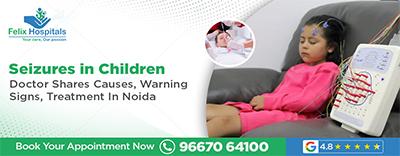
Know the causes, signs, and treatment options for seizures in children in Noida.
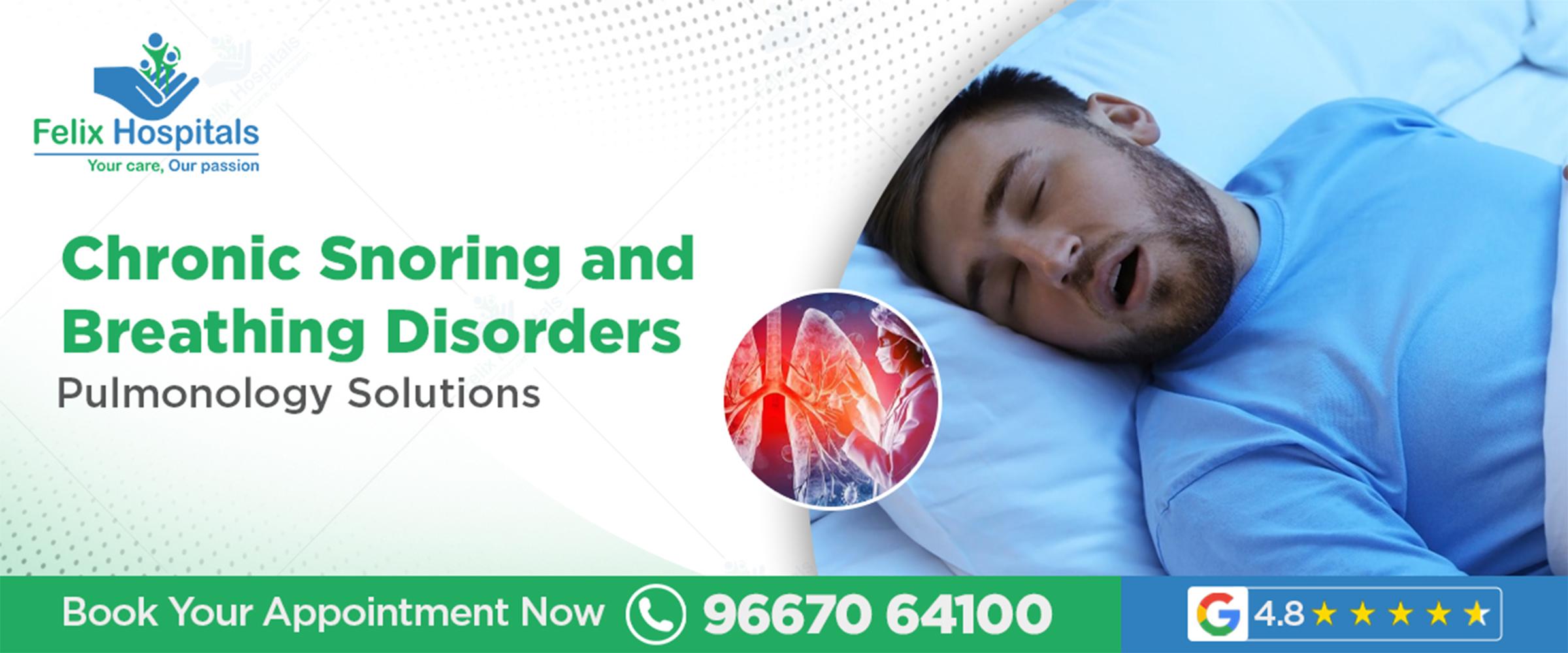
Chronic snoring and breathing disorders are not just annoying—they can significantly impact overall health and quality of life. If you are searching for solutions at the Best pulmonology hospital in Noida, understanding the causes, symptoms, and treatment options is essential. Early intervention can prevent serious complications such as sleep apnea, cardiovascular issues, and daytime fatigue.
For professional consultation with an expert pulmonologist in Noida, call +91 9667064100 for evaluation and personalized treatment plans.
Snoring occurs when airflow is partially blocked during sleep, causing vibration of the soft tissues in the throat. While occasional snoring is common, chronic snoring may indicate breathing disorders such as obstructive sleep apnea (OSA), which can significantly affect heart and lung health.
Consulting a pulmonologist in Noida ensures accurate diagnosis and treatment to prevent these complications.
Understanding the root cause helps determine the right intervention. Common causes include:
Repeated obstruction of the airway during sleep causes loud snoring, pauses in breathing, and oxygen desaturation.
Deviated septum, nasal polyps, or chronic sinus infections can restrict airflow and contribute to snoring.
Excess weight increases fatty tissue around the neck, narrowing the airway.
These relax throat muscles, increasing the likelihood of snoring and airway collapse.
Men and older adults are more prone to chronic snoring due to anatomical differences and muscle tone loss.
Sleeping on the back causes the tongue and soft palate to collapse backward, partially blocking the airway.
Recognizing symptoms early allows timely intervention. Common signs include:
If these symptoms persist, it is advisable to consult a pulmonology hospital in Noida for comprehensive evaluation.
Accurate diagnosis is essential for effective treatment. Pulmonologists use several diagnostic tools:
Measures oxygen levels, airflow, heart rate, and brain activity during sleep to detect sleep apnea.
Simpler alternative for monitoring breathing patterns at home under professional guidance.
Assessment of throat, nasal passages, and neck structure to identify potential obstructions.
Treatment depends on severity, underlying cause, and overall health:
For moderate to severe sleep apnea, CPAP keeps the airway open during sleep, improving oxygen flow and reducing snoring.
Custom-fitted devices reposition the jaw or tongue to prevent airway obstruction, ideal for mild to moderate snoring.
Uvulo palato pharyngo plasty (UPPP) to remove excess tissue in the throat
Tonsillectomy or adenoid removal if enlarged tonsils/adenoids contribute to obstruction
In addition to medical treatment, patients are advised to:
These measures enhance the effectiveness of treatment and reduce long-term risks.
Ignoring chronic snoring or untreated sleep apnea can lead to serious health issues:
Early intervention with heart and lung specialists or a pulmonology hospital in Noida significantly reduces these risks.
Specialized centers provide:
Choosing the Best pulmonology hospital in Noida guarantees a structured, patient-centric approach to snoring and breathing disorders.
Chronic snoring and breathing disorders are more than sleep nuisances—they can compromise heart and lung health, energy levels, and overall well-being. Seeking evaluation at a pulmonology hospital in Noida and consulting an experienced pulmonologist in Noida ensures timely diagnosis, effective treatment, and long-term health.
Do not ignore persistent snoring, daytime fatigue, or breathing interruptions during sleep. Early medical intervention improves quality of life, reduces health risks, and prevents serious complications.
For expert assessment and treatment options, call +91 9667064100 today.
Q. 1. Can chronic snoring cause heart problems?
Ans. Yes. Untreated snoring and sleep apnea increase risks of hypertension, heart disease, and stroke.
Q. 2. How is sleep apnea diagnosed in Noida?
Ans. Through sleep studies like polysomnography or home sleep apnea tests at a Best pulmonology hospital in Noida.
Q. 3. Are surgical treatments for snoring safe?
Ans. Yes, with proper assessment and performed at a specialized center, surgeries like UPPP or septoplasty are safe and effective.
Q. 4. Can lifestyle changes reduce snoring?
Ans. Yes, maintaining a healthy weight, avoiding alcohol before sleep, and sleeping on your side can significantly reduce snoring.
Q. 5. When should I consult a pulmonologist?
Ans. If you experience loud snoring, pauses in breathing, daytime fatigue, or morning headaches, consult a pulmonologist in Noida immediately.

Sleep disorders harm memory, focus, and brain health if untreated.

Lactose intolerance is a common digestive disorder that affects people of all ages, causing discomfort after consuming dairy products. If you are looking for the Best gastroenterologist in Noida, understanding the lactose intolerance causes and symptoms is essential to manage this condition effectively. Early consultation with a specialist ensures proper diagnosis, dietary guidance, and long-term relief.
For expert lactose intolerance treatment cost in Noida and consultation with the Best dietician in Noida for lactose intolerance, call +91 9667064100.
Lactose intolerance occurs when the body is unable to digest lactose, the sugar found in milk and dairy products, due to insufficient production of the enzyme lactase in the small intestine. Undigested lactose ferments in the colon, causing gas, bloating, diarrhea, and stomach cramps.
Understanding stomach bloating and lactose issues helps patients manage symptoms and avoid unnecessary discomfort. Early intervention allows individuals to maintain a healthy diet while preventing nutrient deficiencies.
Several factors contribute to lactose intolerance:
A natural decrease in lactase production as people age, leading to gradual lactose intolerance.
Occurs due to injury to the small intestine caused by infection, celiac disease, or inflammatory bowel conditions.
A rare inherited condition where infants are born without lactase.
Certain populations are more prone to lactose intolerance, including individuals of Asian, African, and Hispanic descent.
Conditions like Crohn’s disease or ulcerative colitis may damage the intestinal lining and reduce lactase production.
Symptoms vary in severity depending on the amount of lactose consumed. Common signs include:
Bloating and stomach cramps
Gas and flatulence
Diarrhea or loose stools
Nausea, sometimes vomiting
Rumbling or gurgling sounds in the stomach
Individuals experiencing these symptoms after consuming dairy should consult the Best gastroenterologist in Noida to confirm lactose intolerance and rule out other digestive conditions.
Accurate lactose intolerance diagnosis is essential for effective management:
Medical History and Symptom Assessment – Helps identify dairy-related triggers.
Hydrogen Breath Test – Measures hydrogen levels in the breath after lactose consumption.
Lactose Tolerance Test – Monitors blood glucose response to a lactose load.
Stool Acidity Test – Primarily used for infants and young children.
A confirmed diagnosis allows tailored dietary plans and lactose intolerance treatment cost in Noida to be planned effectively.
While lactose intolerance is not curable, symptoms can be managed effectively with diet and lifestyle adjustments.
Limit or avoid milk and high-lactose foods.
Introduce lactose-free dairy products or plant-based alternatives such as almond, soy, or oat milk.
Incorporate small amounts of dairy to build tolerance gradually if possible.
Lactase enzyme tablets or drops can help digest lactose when consuming dairy products.
Consulting the Best dietician in Noida for lactose intolerance ensures sufficient intake of calcium, vitamin D, and other essential nutrients.
Yogurt and kefir with live cultures may help improve digestion and tolerance.
Keeping a food diary helps track symptoms and identify triggers for better management.
A balanced diet can minimize discomfort while ensuring proper nutrition:
Include lactose-free milk or fortified plant-based milk.
Eat leafy greens, nuts, and seeds to meet calcium needs.
Consume fruits, vegetables, lean proteins, and whole grains for overall health.
Avoid processed foods with hidden lactose additives.
Following these recommendations under the guidance of the Best gastroenterologist in Noida and a skilled dietician ensures safe and effective symptom management.
Read labels for lactose content in processed foods.
Introduce new foods gradually to monitor tolerance levels.
Carry lactase enzyme supplements when eating out.
Maintain a symptom diary to share with your doctor or dietician.
Attend regular check-ups for nutritional evaluation and guidance.
Proper management allows patients to live comfortably, maintain nutritional balance, and enjoy a varied diet without discomfort.
Though lactose intolerance cannot be completely prevented, certain practices reduce symptom severity:
Avoid high-lactose foods that trigger symptoms.
Option for low-lactose or lactose-free alternatives.
Take lactase supplements as needed.
Ensure adequate calcium and vitamin D through other sources.
Maintain routine follow-up visits with the Best gastroenterologist in Noida.
Proactive care helps patients avoid chronic digestive distress and maintain optimal health.
Lactose intolerance is a manageable digestive disorder that can significantly impact quality of life if ignored. Understanding lactose intolerance causes and symptoms, consulting a Best gastroenterologist in Noida, and following a structured diet and lifestyle plan are crucial steps toward relief.
For professional care, personalized diet plans, and advanced lactose intolerance treatment cost in Noida, patients can rely on the Best Gastroenterology Hospital in Noida. Early consultation ensures effective management and helps patients enjoy a comfortable, symptom-free life.
Call +91 9667064100 to schedule an appointment with top specialists today.
Q. 1. What are the main symptoms of lactose intolerance?
Ans. Bloating, gas, diarrhea, stomach cramps, and nausea after consuming dairy products.
Q. 2. How is lactose intolerance diagnosed?
Ans. Through hydrogen breath tests, lactose tolerance tests, stool acidity tests, and symptom assessment.
Q. 3. Can lactose intolerance be cured?
Ans. No, but symptoms can be managed with diet, enzyme supplements, and professional guidance.
Q. 4. Are there dairy alternatives for patients?
Ans. Yes. Plant-based milk like soy, almond, oat, or lactose-free dairy products are recommended.
Q. 5. When should I see a gastroenterologist for lactose intolerance?
Ans. If you experience persistent digestive discomfort after consuming milk or dairy products, consult the Best gastroenterologist in Noida.

Additionally, many COPD patients experience unintended weight loss and muscle wasting, a condition known as Pulmonary cachexia.


Subscribe to our
© Copyright 2026. All Rights Reserved by Felix Healthcare Private Limited
Design and development by :


 +(91)9667064100
 Emergency : +(91)9667064100