 WhatsApp
 Emergency:
  WhatsApp

Subscribe to our
हमारा दिल शरीर का सबसे मेहनती और महत्वपूर्ण अंग है। जो शरीर में रक्त का संचार करता है। फिर भी अधिकतर लोग तब तक दिल की सेहत को लेकर गंभीर नहीं होते। बदलती जीवनशैली, तनाव, जंक फूड, धूम्रपान और नींद की कमी जैसे कारणों से हृदय रोगों का खतरा लगातार बढ़ रहा है।
दिल की नियमित जांच न केवल हार्ट अटैक जैसी गंभीर स्थितियों को रोकने में मदद करती है। बल्कि यह आपकी संपूर्ण सेहत का भी संकेत है। अगर आप नोएडा या आसपास रहते हैं और विश्वसनीय हृदय जांच व उपचार सुविधा की तलाश में हैं, तो नोएडा के सर्वश्रेष्ठ कार्डियोलॉजी हॉस्पिटल (Best cardiology hospital in Noida) का चयन करें। जहां अनुभवी कार्डियोलॉजिस्ट और आधुनिक तकनीक के जरिए मरीजों को बेहतर इलाज और देखभाल मिल सके।
अभी अपॉइंटमेंट शेड्यूल करें – कॉल करें: +91 9667064100
हृदय रोग दुनिया भर में मृत्यु का सबसे बड़ा कारण बन चुके हैं। भारत में हर चार में से एक व्यक्ति किसी न किसी प्रकार के हृदय रोग से प्रभावित है। दिल की जांच (Heart Screening) के जरिए शुरुआती स्तर पर बीमारी की पहचान की जाती है। नियमित जांच से पता चलता है कि हृदय कितनी कुशलता से काम कर रहा है। कहीं धमनियों में रुकावट या कोलेस्ट्रॉल का स्तर तो नहीं बढ़ रहा है। समय पर जांच से हार्ट अटैक, स्ट्रोक, ब्लड प्रेशर और कार्डियक फेल्योर जैसी स्थितियों से बच सकते हैं।
असंतुलित और तला-भुना भोजन
अत्यधिक तेल, मसाले और जंक फूड का सेवन शरीर में खराब कोलेस्ट्रॉल (एलडीएल) को बढ़ाता है। अच्छे कोलेस्ट्रॉल (एचडीएल) को कम करता है। इससे धमनियों में फैट जमा होता है। जो धीरे-धीरे रक्त प्रवाह को बाधित कर दिल का दौरा या स्ट्रोक का कारण बनता है।
धूम्रपान और अत्यधिक शराब सेवनः
सिगरेट का धुआं रक्त वाहिकाओं को सिकोड़ देता है। रक्त में ऑक्सीजन की मात्रा घटाता है। दूसरी ओर, अत्यधिक शराब से हाई ब्लड प्रेशर, एरिदमिया (अनियमित दिल की धड़कन) और हृदय की मांसपेशियों की कमजोरी जैसी स्थितियां उत्पन्न होती हैं।
उच्च रक्तचापः
हाई बीपी दिल पर अतिरिक्त दबाव डालता है। जिससे हृदय की मांसपेशियां मोटी और कमजोर होती हैं। लंबे समय तक यह स्थिति रहने पर हार्ट फेल्योर का खतरा कई गुना बढ़ता है।
अधिक कोलेस्ट्रॉलः
खून में कोलेस्ट्रॉल की अधिकता धमनियों की दीवारों पर परत बनाकर उन्हें संकुचित करती है। जिससे रक्त प्रवाह बाधित होता है। यह स्थिति कोरोनरी आर्टरी डिजीज (सीएडी) का मुख्य कारण मानी जाती है।
मोटापा और डायबिटीजः
अधिक वजन और रक्त में शुगर की अधिकता दिल की कार्यक्षमता पर सीधा असर डालती है। डायबिटीज से रक्त वाहिकाओं को नुकसान पहुंचता है। जिससे हृदय रोग और स्ट्रोक का खतरा कई गुना बढ़ता है।
तनाव और नींद की कमीः
लगातार तनाव से शरीर में कॉर्टिसोल और एड्रेनालिन जैसे हार्मोन बढ़ते हैं। जो ब्लड प्रेशर और हृदय गति को प्रभावित करते हैं। वहीं, नींद की कमी दिल को आराम और रिकवरी का पर्याप्त समय नहीं देती। जिससे हार्ट डिजीज (Heart disease) का रिस्क बढ़ता है।
शारीरिक निष्क्रियताः
नियमित व्यायाम न करने से शरीर में कैलोरी और फैट का जमाव बढ़ता है। जिससे वजन, ब्लड प्रेशर और कोलेस्ट्रॉल तीनों प्रभावित होते हैं। रोजाना 30 मिनट तेज चाल से चलना या हल्का व्यायाम दिल को स्वस्थ बनाए रखने में मदद करता है।
ईसीजीः
यह सबसे सामान्य और प्रारंभिक जांच है जो हृदय की विद्युत गतिविधि को रिकॉर्ड करती है। इससे धड़कन की अनियमितता, रुकावट या हृदय की मांसपेशियों में ऑक्सीजन की कमी जैसी स्थितियों का पता लगाता है। ईसीजी तुरंत और बिना दर्द के किया जाने वाला टेस्ट है, जो हार्ट अटैक की शुरुआती पहचान में बेहद उपयोगी है।
ईकोकार्डियोग्राफीः
यह जांच अल्ट्रासाउंड तकनीक पर आधारित होती है। इससे दिल की संरचना, वाल्व, पंपिंग क्षमता और रक्त प्रवाह की दिशा दिती है। ईको से यह पता चलता है कि हृदय की मांसपेशियाँ कितनी प्रभावी ढंग से काम कर रही हैं और वाल्व में कोई लीकेज या ब्लॉकेज तो नहीं। यह टेस्ट हृदय फेल्योर (Heart failure), वाल्व डिजीज और कार्डियोमायोपैथी के मूल्यांकन में महत्वपूर्ण है।
टीएमटीः
टीएमटी में मरीज को ट्रेडमिल पर चलाया या दौड़ाया जाता है, जबकि उसकी ईसीजी, ब्लड प्रेशर और हार्ट रेट को लगातार मॉनिटर किया जाता है। इस टेस्ट से यह देखा जाता है कि व्यायाम या तनाव के दौरान हृदय कैसे प्रतिक्रिया देता है। अगर दिल की धमनियों में ब्लॉकेज है, तो व्यायाम के दौरान हृदय को पर्याप्त ऑक्सीजन नहीं मिलती, जिससे असामान्य ईसीजी संकेत दिखाई देते हैं। यह टेस्ट कोरोनरी आर्टरी डिजीज (Coronary artery disease) का पता लगाने में अहम भूमिका निभाता है।
लिपिड प्रोफाइल टेस्टः
यह एक ब्लड टेस्ट है जो खून में वसा से संबंधित तत्वों का स्तर मापता है, जैसे टोटल कोलेस्ट्रॉल, एलडीएल (खराब कोलेस्ट्रॉल), एचडीएल (अच्छा कोलेस्ट्रॉल), ट्राइग्लिसराइड्स। इन तत्वों के असंतुलन से धमनियों में वसा जमा होती है, जो ब्लॉकेज और हार्ट अटैक का कारण (Cause of heart attack in hindi) बन सकती है। इसलिए, यह जांच हृदय स्वास्थ्य के आकलन में अत्यंत महत्वपूर्ण है।
हाई ब्लड प्रेशरः
दिल की धमनियों पर अतिरिक्त दबाव डालता है। जिससे हृदय की दीवारें कमजोर होती हैं।
ब्लड शुगरः
बढ़ने से रक्त वाहिकाओं की दीवारें क्षतिग्रस्त होती हैं, जिससे दिल के दौरे का खतरा कई गुना बढ़ जाता है। नियमित रूप से बीपी और शुगर लेवल की जांच हृदय की सुरक्षा का पहला कदम है।
सीटी कोरोनरी एंजियोग्राफी या एंजियोग्रामः
यह जांच हृदय की धमनियों में ब्लॉकेज या रक्त प्रवाह में रुकावट की पुष्टि करने के लिए की जाती है। सीटी एंजियोग्राफी में डाई डालकर सीटी स्कैन से दिल की धमनियों की 3 डी इमेज तैयार की जाती है। जबकि पारंपरिक एंजियोग्राम में एक कैथेटर के माध्यम से डाई डालकर एक्स-रे (X-ray) से ब्लॉकेज का सटीक स्थान देखा जाता है। यह जांच उपचार (जैसे एंजियोप्लास्टी या स्टेंटिंग) की आवश्यकता तय करने में महत्वपूर्ण होती है।
35 वर्ष के बाद शरीर की मेटाबॉलिक दर कम होने लगती है और ब्लड प्रेशर, कोलेस्ट्रॉल व शुगर जैसे पैरामीटर असंतुलित होते हैं। अगर आप ऑफिस या बिजनेस के दबाव में रहते हैं। नींद पूरी नहीं लेते या व्यायाम के लिए समय नहीं निकाल पाते, तो सालाना हार्ट चेकअप (Heart checkup) अनिवार्य है। नियमित जांच से शुरुआती असामान्य बदलावों का पता चल सकता है और गंभीर हृदय रोगों को रोका जाता है।
अगर आपके माता-पिता, भाई-बहन या दादा-दादी में किसी को हार्ट अटैक, ब्लॉकेज या हाई बीपी की समस्या रही है, तो आपको भी यह जोखिम आनुवांशिक रूप से मिल ता है। ऐसे व्यक्तियों को कम उम्र (30–35 वर्ष) से ही ईसीजी, ईको और लिपिड प्रोफाइल टेस्ट समय-समय पर करवाते रहना चाहिए। यह जांचें संभावित खतरों की पहले से पहचान करने में मदद करती हैं।
ये सभी हृदय की परेशानी के शुरुआती संकेत होते हैं। अक्सर लोग इन्हें सामान्य कमजोरी या गैस्ट्रिक समस्या समझकर नजरअंदाज कर देते हैं, जिससे जोखिम बढ़ता है। अगर आराम के समय या हल्की गतिविधि के बाद भी सीने में जकड़न या सांस लेने में तकलीफ हो, तो तुरंत ईसीजी या ईको टेस्ट करवाएं। देरी करना जानलेवा साबित होता है।
ये तीनों स्थितियां हृदय के लिए साइलेंट किलर मानी जाती हैं। हाई बीपी से हृदय पर दबाव बढ़ता है। डायबिटीज से रक्त वाहिकाएं क्षतिग्रस्त होती हैं। मोटापा से कोलेस्ट्रॉल जमा होकर धमनियां ब्लॉक होने लगती हैं। इन स्थितियों में नियमित कार्डियक प्रोफाइल टेस्ट और डॉक्टर की सलाह जरूरी है, ताकि नुकसान बढ़ने से पहले नियंत्रण पाया जा सके।
धूम्रपान से रक्त में ऑक्सीजन की मात्रा घटती है और धमनियां सख्त होती हैं। शराब और तले-भुने भोजन से ट्राइग्लिसराइड्स बढ़ते हैं, जिससे दिल की दीवारों पर फैट जमता है। यदि आप इन आदतों को छोड़ नहीं पा रहे हैं, तो कम से कम हर 6–12 महीने में हार्ट चेकअप जरूर कराएँ, ताकि किसी भी शुरुआती नुकसान की पहचान की जा सके।
संतुलित आहार अपनाएं:
तले-भुने, नमकीन और अधिक चीनी वाले भोजन से परहेज करें। अपने आहार में हरी सब्जियाँ, फल, साबुत अनाज, ओट्स, दालें, और फाइबर युक्त भोजन शामिल करें। नोएडा के सर्वश्रेष्ठ कार्डियोलॉजी डॉक्टर (Best cardiology doctor in Noida) उपलब्ध है। ऑलिव ऑयल, सरसों तेल या फ्लैक्स सीड्स ऑयल जैसे अच्छे वसा का सेवन करें। रेड मीट और प्रोसेस्ड फूड की मात्रा सीमित करें, क्योंकि इनमें सैचुरेटेड फैट और सोडियम की मात्रा अधिक होती है। भोजन में संतुलन बनाए रखें। ज्यादा खाना भी हानिकारक है और खाना छोड़ना भी।
नियमित व्यायाम करेंः
रोजाना कम से कम 30 मिनट तेज चाल से चलना, साइक्लिंग, जॉगिंग या हल्का कार्डियो एक्सरसाइज हृदय की मांसपेशियों को मजबूत बनाता है। यदि आप ऑफिस में अधिकतर समय बैठे रहते हैं, तो हर एक घंटे में 5-10 मिनट का मूवमेंट ब्रेक लें। सप्ताह में 5 दिन किसी न किसी रूप में शारीरिक गतिविधि जरूर करें। नियमित व्यायाम से ब्लड प्रेशर, वजन, शुगर और कोलेस्ट्रॉल सभी नियंत्रित रहते हैं।
तनाव कम करेंः
लगातार तनाव कॉर्टिसोल और एड्रेनालिन हार्मोन बढ़ाता है, जिससे ब्लड प्रेशर और हार्ट रेट असंतुलित होते हैं। रोजाना 10–15 मिनट योग, प्राणायाम या मेडिटेशन करें। नींद की कमी भी दिल पर बुरा असर डालती है। इसलिए हर दिन 7–8 घंटे की पूरी नींद लें। अपनी दिनचर्या में आराम और रिलैक्सेशन का समय जरूर शामिल करें।
धूम्रपान व शराब से दूरी बनाएंः
धूम्रपान से रक्त वाहिकाएं सिकुड़ती हैं। ऑक्सीजन की आपूर्ति कम होती है। जिससे दिल पर दबाव बढ़ता है। शराब से ट्राइग्लिसराइड्स और ब्लड प्रेशर दोनों बढ़ते हैं, जो हार्ट डिजीज की जड़ हैं। अगर आप इन आदतों से छुटकारा नहीं पा रहे हैं, तो धीरे-धीरे मात्रा घटाकर विशेषज्ञ की मदद लें। याद रखें हर सिगरेट दिल की उम्र कम करती है।
वजन और बीपी नियंत्रण में रखेंः
बढ़ा हुआ वजन दिल पर अतिरिक्त दबाव डालता है और कोलेस्ट्रॉल के स्तर को प्रभावित करता है। बीपी और ब्लड शुगर की नियमित मॉनिटरिंग करें और असंतुलन पाए जाने पर तुरंत डॉक्टर की सलाह लें। वजन नियंत्रित रखने के लिए हल्का भोजन, पर्याप्त पानी और नियमित नींद पर ध्यान दें। याद रखें, संतुलित शरीर ही स्वस्थ हृदय का आधार है।
नियमित जांच कराएंः
30 वर्ष कीआयु के बाद हर व्यक्ति को साल में कम से कम एक बार हार्ट स्क्रीनिंग करानी चाहिए। इसमें शामिल हो ईसीजी, ईकोकार्डियोग्राफी, लिपिड प्रोफाइल टेस्ट और ब्लड प्रेशर और शुगर लेवल टेस्ट शामिल है। नियमित जांच से छोटी समस्याओं को गंभीर होने से पहले ही नियंत्रित किया जा सकता है।
अभी अपॉइंटमेंट शेड्यूल करें – कॉल करें: +91 9667064100
दिल की बीमारी अचानक नहीं होती है। बल्कि यह धीरे-धीरे जीवनशैली और लापरवाही का परिणाम होती है। अगर आपको सीने में दर्द, थकान, चक्कर, सांस लेने में परेशानी, या धड़कन तेज लगने जैसे लक्षण महसूस हों, तो इन्हें नजरअंदाज नहीं करें। समय रहते जांच और सही इलाज से हार्ट अटैक (Heart attack), ब्लॉकेज या कार्डियक फेल्योर (Cardiac failure in hindi) जैसी गंभीर स्थितियों से बचा जा सकता है। याद रखें दिल की सेहत ही जीवन की सेहत है। इसलिए जांच कराना आपकी जिम्मेदारी भी है और सुरक्षा भी। इलाज में देरी नहीं करनी चाहिए।
प्रश्न 1: हार्ट चेकअप कब करवाना चाहिए?
उत्तर: अगर आपकी उम्र 30 वर्ष से अधिक है। परिवार में हृदय रोग का इतिहास है। ब्लड प्रेशर-शुगर जैसी बीमारियां हैं, तो साल में एक बार हार्ट चेकअप करवाना चाहिए।
प्रश्न 2: क्या ईसीजी से हर दिल की बीमारी पता चल जाती है?
उत्तर: नहीं, ईसीजी सिर्फ धड़कन और विद्युत गतिविधि दिखाता है। ब्लॉकेज या पंपिंग की स्थिति जानने के लिए ईको या टीएमटी जांच आवश्यक है।
प्रश्न 3: हार्ट चेकअप में कितना समय लगता है?
उत्तर: बेसिक टेस्ट जैसे ईसीजी, ब्लड टेस्ट और ईको कराने में लगभग 1 से 2 घंटे का समय लगता है। समय रहते जांच करानी चाहिए।
प्रश्न 4: क्या हर बार लक्षण होने पर ही टेस्ट करवाना जरूरी है?
उत्तर: नहीं, नियमित जांच रोग से पहले रोकथाम के लिए होती है। बिना लक्षण भी सालाना जांच जरूरी है। जिससे बीमारी समय पर पता चल सके।
प्रश्न 5: क्या हार्ट चेकअप महंगा होता है?
उत्तर: नहीं, बेसिक चेकअप पैकेज 1500–4000 के बीच में उपलब्ध हैं। बीमारी की स्थिति और जरूरी जांच के आधार पर खर्च तय होता है। समय पर जांच और इलाज करानी चाहिए।
हार्ट अटैक के मुख्य लक्षण, कारण और तुरंत किए जाने वाले उपचार के बारे में जानें। समय पर पहचान और सही इलाज से जीवन बचाया जा सकता है।
क्या आप जानते हैं कि दिल का दौरा अचानक नहीं आता, बल्कि इसके पीछे कई छिपे कारण होते हैं? हाई ब्लड प्रेशर, कोलेस्ट्रॉल, तनाव, धूम्रपान और गलत जीवनशैली हार्ट अटैक के बड़े कारण हैं।
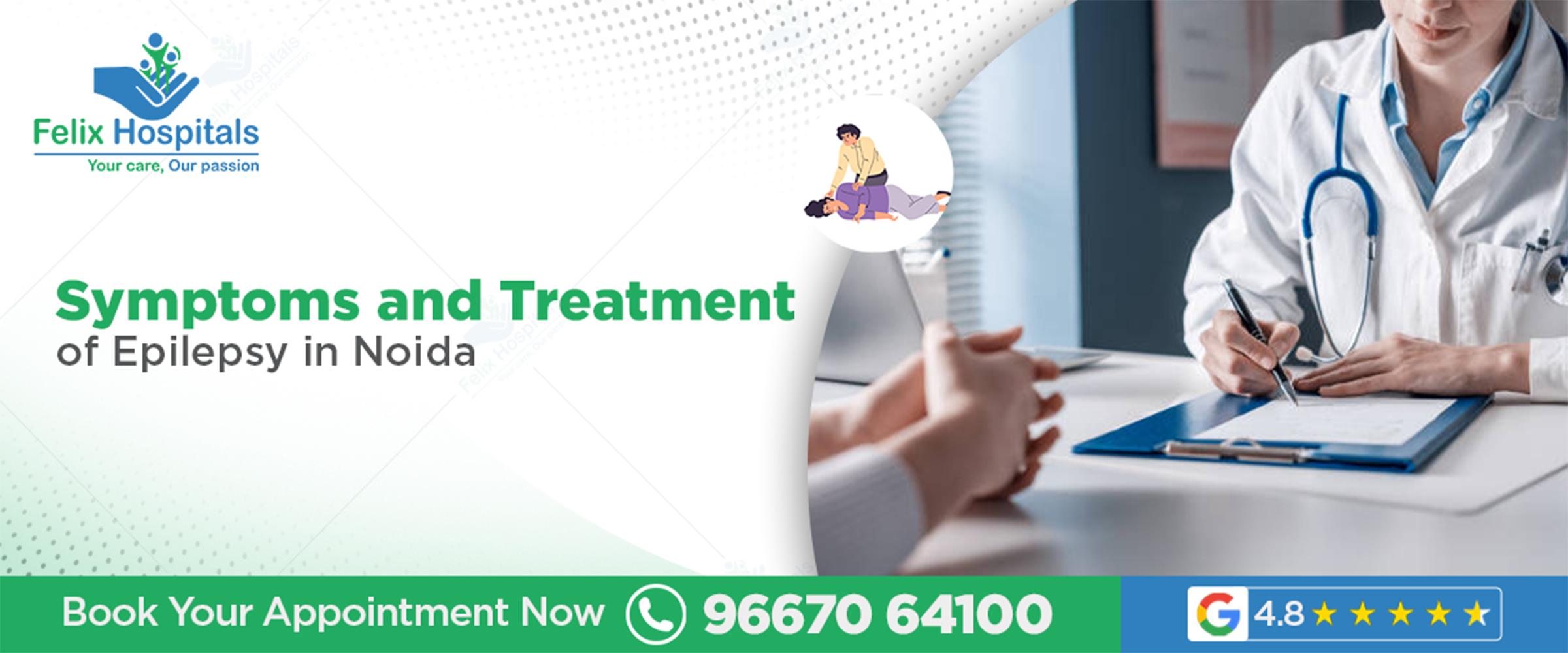
Epilepsy is one of the most widely recognised neurological conditions globally, yet it remains misunderstood by many. At its core, epilepsy is defined as a chronic neurological disorder marked by unprovoked and recurrent seizures, commonly described by patients as sudden episodes of abnormal movement, sensation, or behavior. These seizures occur due to unexpected bursts of electrical activity in the brain, which disrupt the normal communication pathways between brain cells.
Understanding what is epilepsy, the types of seizures and epilepsy, early warning signs, and the available treatment options for epilepsy is essential. If you or someone you love is showing symptoms, getting evaluated at a Neurology hospital in Noida can ensure timely diagnosis and effective management.
Epilepsy is not a single condition—it is an umbrella term that covers multiple seizure types and underlying causes. While some individuals may experience brief, momentary lapses in awareness, others may have full-body convulsions. The nature of each seizure depends on which part of the brain is involved.
The sudden electrical disturbances in the brain interrupt its normal functioning, creating temporary changes in behavior, sensation, or consciousness. Because epilepsy affects everyone differently, treatment and management approaches vary widely.
Understanding the types of seizures and epilepsy helps patients and families identify patterns and seek appropriate care.
No identifiable cause is found. These seizures often develop spontaneously.
A cause is suspected but cannot be conclusively identified.
Seizures result from a known cause, such as brain injury or infection.
Epilepsy can also be classified by the area of the brain involved:
These originate in a specific part of the brain.
Simple Partial Seizure: Awareness is preserved.
Complex Partial Seizure: Awareness is impaired; the patient may not remember the episode.
These affect both hemispheres of the brain.
Tonic-clonic seizures
Absence seizures
Atonic seizures
Tonic seizures
Clonic seizures
The epilepsy symptoms explained vary widely among patients. Common signs include:
Short spells of memory lapses or confusion
Inability to respond for a brief period
Sudden falls without reason
Convulsions without fever
Repetitive chewing or lip-smacking
Unusual, repetitive body movements
Sudden panic or fear attacks
Strange smells, tastes, or sensations
Gazing blankly for a few seconds
Recognising the signs of epilepsy in adults early can prevent dangerous injuries and improve treatment outcomes.
Epilepsy can begin at any age and has multiple triggers. Common causes include:
Genetic factors
Head injuries such as road accidents
Brain tumours or structural abnormalities
Stroke
Infections such as meningitis or encephalitis
Prenatal injuries due to poor maternal health
Developmental disorders like autism
Understanding the difference between a single seizure and epilepsy is important—epilepsy is diagnosed only when seizures recur without obvious triggers.
Proper diagnosis is crucial in determining how epilepsy should be treated. Patients are assessed through:
Doctors examine seizure patterns, behaviour changes and mental functioning to narrow down the epilepsy type.
The most widely used test to detect abnormal electrical activity.
Monitors the patient during a seizure to confirm diagnosis.
Used to rule out infections or metabolic causes.
MRI reveals structural brain problems.
CT scan identifies abnormalities like bleeding or tumors.
PET & SPECT scans locate seizure-origin areas.
Assess memory and cognitive abilities to identify affected brain areas.
A specialist at the best neuro hospital in Noida uses these assessments to determine the most effective treatment plan.
During a seizure:
Stay with the person
Note the seizure duration
Remove harmful objects
Support the head
Do not give water, food, or pills
Call for emergency help if:
Seizure lasts over 5 minutes
Multiple seizures occur
The person gets injured
They don’t regain consciousness
Epilepsy treatment aims to prevent seizures, improve quality of life, and reduce long-term complications. Effective treatment options for epilepsy include:
Medications are the first line of treatment. Many patients achieve complete seizure control with a single drug. Some may require combination therapy.
Side effects may include fatigue, dizziness, mood changes, or memory issues, but these often improve with dose adjustments.
When medication fails to provide adequate control, surgical procedures may be considered. These include:
Resection Surgery: Removes the brain region where seizures originate—commonly used for temporal lobe epilepsy.
Corpus Callosotomy: Cuts the connection between the two brain hemispheres to stop seizure spread.
Hemispherectomy: Removes or disconnects one brain hemisphere (used for severe childhood epilepsy).
Laser Interstitial Thermal Therapy (LITT): Minimally invasive surgery using laser to destroy seizure tissue.
Useful for children and sometimes adults:
Ketogenic diet
Modified Atkins Diet (MAD)
Low Glycemic Index Treatment (LGIT)
These help patients who cannot undergo surgery or do not respond well to medication:
Vagus Nerve Stimulation (VNS)
Responsive Neurostimulation (RNS)
Deep Brain Stimulation (DBS)
Methods like acupuncture or biofeedback may help some individuals but should always be used under medical guidance.
Managing epilepsy is a long-term process. Here are essential tips for living with epilepsy:
Take medications consistently
Attend regular check-ups
Maintain good sleep habits
Reduce alcohol and avoid drugs
Manage stress with yoga, meditation, or breathing exercises
Record seizure events in a diary
Avoid unsafe activities (swimming alone, heights, fire hazards)
Inform family and colleagues about first-aid steps
With proper treatment and follow-up, most people live completely normal, fulfilling lives.
Early recognition of symptoms, proper diagnosis, and timely treatment can significantly improve outcomes for people with epilepsy. Knowing what is epilepsy, identifying the epilepsy symptoms explained, and understanding when to see a doctor for epilepsy helps ensure safety and long-term health. If you notice recurrent seizure episodes or unusual neurological symptoms, consult a specialist at a trusted top Neurologist in Noida for accurate evaluation and personalised care. With the advanced treatment options available today, patients can lead safe, independent, and well-managed lives under expert supervision at the best neuro hospital in Noida.
Q. 1. How do I know if my symptoms mean epilepsy?
Ans. If you experience repeated unprovoked seizures or unusual blackout spells, you should get evaluated for epilepsy.
Q. 2. What is the difference between a single seizure and epilepsy?
Ans. A single seizure can happen once, but epilepsy involves recurrent seizures without a clear trigger.
Q. 3. When should I see a doctor for epilepsy?
Ans. Seek medical care immediately if you have repeated episodes of unexplained shaking, blackouts, or sudden behavioural changes.
Q. 4. Can epilepsy be treated permanently?
Ans. Many patients achieve complete seizure control with the right treatment, and some may eventually stop medications.
Q. 5. Can adults suddenly develop epilepsy?
Ans. Yes, adults can develop epilepsy due to head injuries, stroke, infections, or unknown causes.
Vertigo and epilepsy in children require quick diagnosis and care. Noida offers advanced tests and treatments to manage symptoms effectively.
Experiencing tingling in your hands or feet? It could signal a nerve-related issue. Consult our expert neurologists at Felix Hospitals to find the cause and get the right treatment today.
Advanced neurosurgery improves treatment for brain and spine disorders with better outcomes.
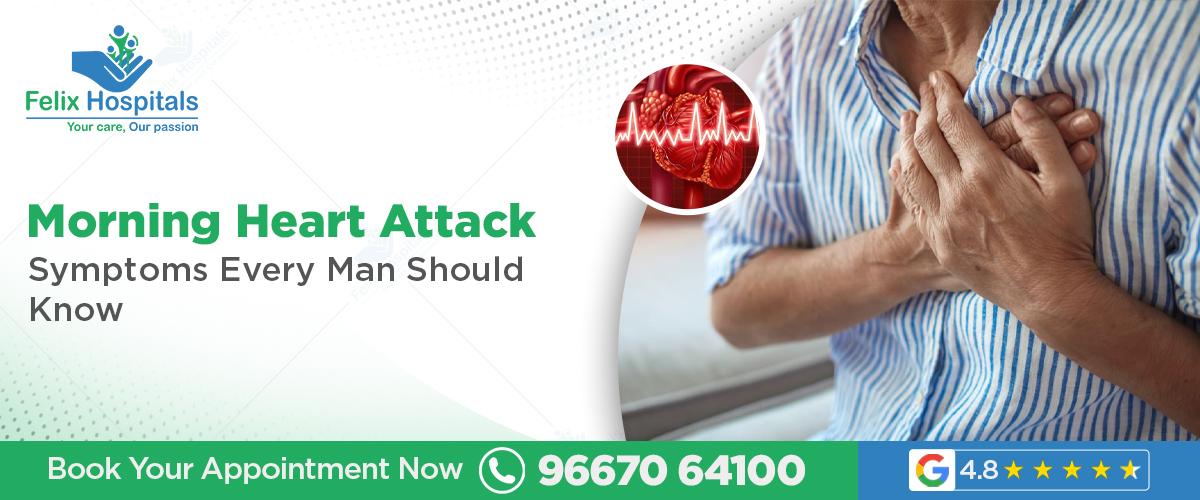
Heart disease is one of the most significant health issues, especially in the context of men, who may have special problems with the early symptoms. Among these, morning heart attack symptoms deserve special attention because research shows heart attacks occur most frequently during early morning hours. Being aware of these heart attack signs in men and understanding when to seek help is crucial for preserving heart health and saving lives.
If you are looking for a reliable cardiac consultation in Noida or quality heart disease treatment in Noida, this guide will equip you with essential knowledge about male heart attack symptoms, early heart attack warning signs in men, and the vital steps to take if trouble arises.
Early detection of heart attack risk saves lives—schedule your heart health checkup today by calling +91 9667064100.
Research indicates that most heart attacks occur during the hours of 4 a.m. and 10 a.m. and this is because the morning hours are very risky. There are a number of physiological changes to attribute to this timing:
Cortisol, which is the hormone associated with stress, is at its highest point when the body wakes up and it elevates blood pressure and heart rate.
The morning increases platelet activity which favors the clotting of blood, increasing the risk of clots.
Blood vessels are more likely to contract and blood pressure increases upon waking putting pressure on the heart.
This perfect storm of biological changes means morning signs of heart attack every man should know could be your lifesaver.
The symptom of the morning heart attack is most often the pain in the chest that can be likened to pressure, tightness, squeezing, or a heavy ache. In contrast to sharp pain, it may take several minutes or recur and disappear. The pain may be referred to shoulders, arms (normally left), neck, jaw or upper abdomen. When you experience chest pains particularly in the morning, then you should keep in mind that that is a direct red flag and should not be ignored.
Even without chest pains, breathlessness is an important cardiac attack symptom in men. The morning breathlessness is usually due to the low blood flow that is brought by the obstruction of arteries or the malfunction of heart muscles. It can deteriorate by doing little or during rest. This symptom is an indicator of heart stress and it needs to be assessed.
Most of the men have sudden cold sweats when they have a heart attack in the mornings. This symptom that is accompanied by nausea or dizziness is a sign of acute reaction of the body to the distress of the heart. This is in contrast to the usual perspiration that comes about as a result of heat or exertion, which is steamy.
Male heart attack symptoms often include overwhelming tiredness or weakness not relieved by rest or sleep. This may come in the form of hours or days before a real heart attack. The issue of morning fatigue along with the inability to carry out normal tasks should be considered a serious indicator of early heart attack in men.
An irregular heartbeat (pounding, racing, or rapid), or an irregular pulse on waking may be a sign of inadequate flow of blood in the heart, or arrhythmia caused by damage to the heart. In case of the occurrence of such palpitations in association with other symptoms, then medical consultation is very urgent.
Other Things Men Need to Pay attention to
Discomfort of a nausea or indigestion type that develops in the morning.
Excessive lightheadedness or dizziness due to getting out of bed.
Fear or imminent doom in the absence of a very clear cause.
Aching to the back, neck or jaw.
These classic symptoms are more likely to be found in men than in women but there are a typical presentations.

Recognizing when men should see a cardiologist for heart risk can prevent serious outcomes. Consultation should be taken immediately in case you experience:
Constant or repeated chest pain or pressure, particularly in the morning.
Dyspnea affecting the day-to-day activities.
Palpitations and light-headedness or fainting.
Sudden excessive fatigue or weakness.
A history of heart disease in the family along with any symptoms of warning.
Early diagnosis is done by diagnostic tests such as ECG, stress test, echocardiography, and blood tests to identify cardiac anomalies in advance before they can cause damage.
Seeking expert cardiac consultation in Noida can provide men with tailored heart health assessments, lifestyle advice, and early interventions. Cardiologists here are trained to identify heart attack risk in men, manage symptoms, and prescribe treatments ranging from medication to minimally invasive procedures.
Timely consultations to reliable heart care facilities can result in:
Early detection of arterial blockages or cardiac arrhythmia.
Individualized management strategies that deal with the preventable risk factors like hypertension, diabetes, or high cholesterol.
Access to the latest heart disease treatment in Noida, including advanced diagnostics and interventional cardiology.
The things that men can do to lower the chances of having a heart attack in the morning include:
Eating a heart-healthy diet that is full of fruits, vegetables, lean protein, and whole grains.
Exercise that enhances the work of the heart and lungs and decreases stress.
Tobacco avoidance and alcohol restriction.
Taking care of weight, high blood pressure, and sugar level.
Ways of reducing stress such as meditation and sleeping.
Frequent heart examinations particularly when you have predisposing factors.
Take control of your heart health with personalized treatments at Noida’s leading cardiac centers. Call +91 9667064100.
Awareness of morning heart attack symptoms and early heart attack warning signs in men is vital for life-saving early action. Men should not disregard the constant chest pain, breathlessness, tiredness, or heartbeat among others particularly in the morning. Timely cardiac consultation in Noida and prompt Best Cardiac Surgeons in Noida can dramatically improve survival and quality of life. Give yourself the power to learn and seek the assistance of the experts promptly to guard your heart and wellbeing.
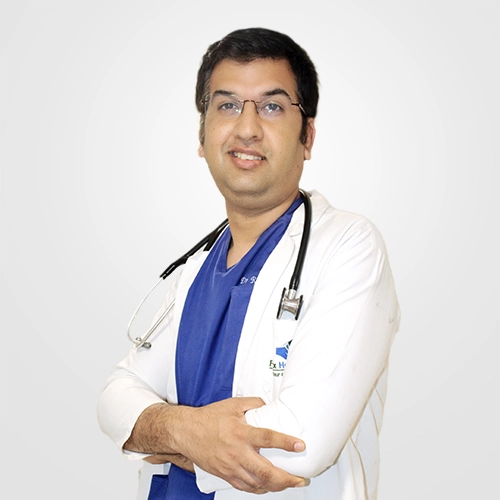
Dr. Rahul Arora is an experienced Interventional Cardiologist with 21+ years of expertise in advanced cardiac care, specializing in personalized, evidence-based treatment for heart diseases and improved patient outcomes.
Cold weather affects the body in several ways that can increase cardiovascular risks.
At Felix Hospital, our team of expert cardiologists is dedicated to providing the best care and personalized treatment plans. Dr. Rahul Arora is the best cardiologists in Noida
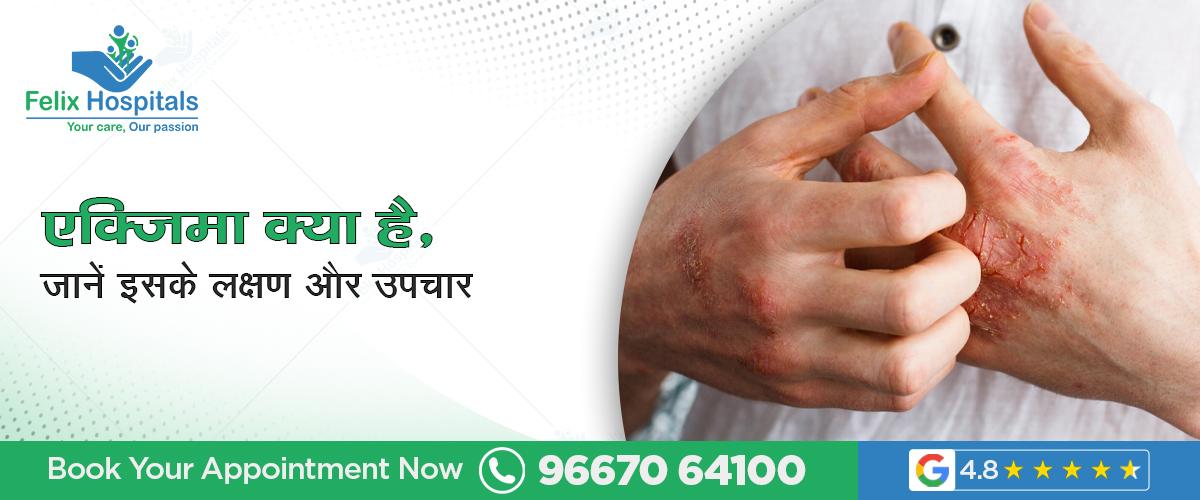
त्वचा हमारे शरीर की सुरक्षा कवच है, जो हमें बाहरी वातावरण, बैक्टीरिया, रसायनों और संक्रमण से बचाती है। लेकिन जब यही त्वचा लाल, खुजलीदार और रूखी हो जाती है, तो यह एक्जिमा (Eczema) नामक स्थिति का संकेत हो सकता है।
यह केवल एक सामान्य स्किन प्रॉब्लम नहीं, बल्कि एक दीर्घकालिक (chronic) त्वचा रोग है जो व्यक्ति के जीवन की गुणवत्ता को गंभीर रूप से प्रभावित कर सकता है। यदि आपको लगातार त्वचा में खुजली या जलन महसूस होती है, तो यह समय है कि आप नोएडा में एक्जिमा विशेषज्ञ डॉक्टर (Eczema specialist doctors in Noida) से परामर्श लें।
क्या आप या आपके किसी प्रियजन को एक्जिमा की समस्या है? अब घर बैठे विशेषज्ञ परामर्श प्राप्त करें। आज ही संपर्क करें +91 9667064100।
एक्जिमा एक प्रकार की सूजन संबंधी त्वचा बीमारी (Skin Disorder) है जिसमें त्वचा की ऊपरी परत प्रभावित होती है। इसमें त्वचा पर खुजली, लाल धब्बे, रूखापन और कभी-कभी फफोले दिखाई देते हैं। यह रोग किसी एक कारण से नहीं होता, बल्कि कई शारीरिक और पर्यावरणीय कारण मिलकर इसे उत्पन्न करते हैं।
एटोपिक डर्मेटाइटिस (Atopic Dermatitis): यह सबसे आम प्रकार है, जो बच्चों में अधिक देखा जाता है।
कॉन्टैक्ट डर्मेटाइटिस (Contact Dermatitis): किसी विशेष पदार्थ जैसे साबुन, परफ्यूम या धातु के संपर्क से होता है।
डायशाइड्रोटिक एक्जिमा (Dyshidrotic Eczema): हाथों और पैरों में छोटे-छोटे फफोले के रूप में दिखाई देता है।
सेबोरिक डर्मेटाइटिस (Seborrheic Dermatitis): सिर और चेहरे पर डैंड्रफ या स्कैल्प इर्रिटेशन के रूप में।
नम्यूलर एक्जिमा (Nummular Eczema): गोल या सिक्के जैसे धब्बे, जो खुजली और रूखापन पैदा करते हैं।
एक्जिमा के सटीक कारण व्यक्ति-व्यक्ति पर निर्भर करते हैं। यह कई आंतरिक और बाहरी कारकों का परिणाम होता है।
मुख्य कारणों में शामिल हैं:
जेनेटिक प्रवृत्ति: यदि परिवार में किसी को एलर्जी या अस्थमा रहा है तो एक्जिमा का खतरा अधिक होता है।
इम्यून सिस्टम की अधिक सक्रियता: शरीर की प्रतिरक्षा प्रणाली कभी-कभी सामान्य चीजों को भी खतरे के रूप में पहचानती है, जिससे त्वचा में सूजन हो जाती है।
पर्यावरणीय ट्रिगर्स: धूल, परागकण, साबुन, सुगंधित उत्पाद, या प्रदूषण एक्जिमा को बढ़ा सकते हैं।
तनाव (Stress): मानसिक तनाव भी त्वचा की प्रतिक्रिया को प्रभावित करता है और एक्जिमा के लक्षण बढ़ा सकता है।
हार्मोनल बदलाव: महिलाओं में प्रेग्नेंसी या मासिक चक्र के दौरान हार्मोनल परिवर्तन एक्जिमा के लक्षणों को बढ़ा सकते हैं।
एक्जिमा के लक्षण उसकी गंभीरता और प्रकार के अनुसार अलग-अलग हो सकते हैं।
त्वचा में लगातार खुजली और जलन
लालिमा या सूजन
रूखी, फटी हुई या छिलने वाली त्वचा
फफोले या तरल पदार्थ का रिसाव
त्वचा का मोटा या खुरदुरा होना (chronic eczema में)
इन लक्षणों की तीव्रता ठंड के मौसम, तनाव या किसी एलर्जिक रिएक्शन से बढ़ सकती है।
एक्जिमा का निदान त्वचा विशेषज्ञ द्वारा मरीज के लक्षणों, चिकित्सा इतिहास और त्वचा जांच के आधार पर किया जाता है। कई बार डॉक्टर एलर्जी टेस्ट (Allergy Test) या पैच टेस्ट करके यह पता लगाते हैं कि कौन-सा पदार्थ एक्जिमा को ट्रिगर कर रहा है। कुछ मामलों में, स्किन बायोप्सी भी की जाती है ताकि अन्य त्वचा रोगों को बाहर किया जा सके।
यदि आपको बार-बार त्वचा पर खुजली या सूजन दिखाई देती है, तो नोएडा में एक्जिमा का इलाज (Eczema treatment in Noida) कराने के लिए विशेषज्ञ से संपर्क करना समझदारी होगी।
एक्जिमा का इलाज व्यक्ति की स्थिति, उम्र और लक्षणों की गंभीरता पर निर्भर करता है। हालांकि, इसका स्थायी इलाज नहीं होता, लेकिन सही उपचार से इसे पूरी तरह नियंत्रित किया जा सकता है।
स्टेरॉइड क्रीम या ऑइंटमेंट: सूजन और खुजली को कम करते हैं।
एंटीहिस्टामिन दवाइयाँ: एलर्जी से होने वाली खुजली को कम करने में मदद करती हैं।
इम्यूनोमॉड्यूलेटरी दवाइयाँ: जब सामान्य दवाइयाँ असर नहीं करतीं तो इन्हें इस्तेमाल किया जाता है।
त्वचा को रोज़ाना मॉइस्चराइज़ करें।
गर्म पानी से न नहाएं; हल्के गुनगुने पानी का प्रयोग करें।
सुगंधित साबुन या केमिकल युक्त उत्पादों से बचें।
नहाने के तुरंत बाद त्वचा पर क्रीम लगाएँ।
कुछ गंभीर मामलों में डॉक्टर UV light therapy की सलाह देते हैं, जो त्वचा की सूजन को नियंत्रित करती है।
पर्याप्त नींद लें।
तनाव कम करने के लिए योग या मेडिटेशन करें।
संतुलित आहार लें और पानी अधिक पिएं।
त्वचा को हमेशा हाइड्रेटेड रखें।
एलर्जन (जैसे धूल, पराग, डिटर्जेंट) से दूरी बनाए रखें।
कॉटन के कपड़े पहनें; सिंथेटिक कपड़ों से बचें।
मौसम के अनुसार स्किन केयर रूटीन अपनाएँ।
किसी भी नई स्किन प्रोडक्ट को लगाने से पहले पैच टेस्ट करें।
आज ही संपर्क करें +91 9667064100 और अपने लिए व्यक्तिगत स्किन केयर प्लान बनवाएँ।
एक्जिमा केवल एक सामान्य स्किन प्रॉब्लम नहीं बल्कि शरीर की प्रतिरक्षा प्रणाली से जुड़ी एक जटिल स्थिति है, जो समय पर इलाज न मिलने पर गंभीर रूप ले सकती है। अच्छी बात यह है कि आज आधुनिक चिकित्सा पद्धतियों और उन्नत डर्मेटोलॉजी के कारण एक्जिमा को पूरी तरह नियंत्रित किया जा सकता है। ऐसे मामलों के लिए नोएडा में त्वचाविज्ञान अस्पताल (Dermatology hospital in Noida) मरीजों को विश्वस्तरीय सुविधाएं एवं विशेषज्ञ उपचार प्रदान करते हैं।
यदि आप लंबे समय से खुजली, लालिमा या त्वचा में सूजन जैसी समस्याओं से परेशान हैं, तो बिना देर किए किसी अनुभवी त्वचा विशेषज्ञ से संपर्क करें। सही निदान और व्यक्तिगत उपचार योजना से आप अपनी त्वचा को स्वस्थ, मुलायम और खुजली-मुक्त बना सकते हैं।
सवाल 1. क्या एक्जिमा और सोरायसिस एक ही बीमारी हैं?
जवाब: नहीं, दोनों में काफी फर्क है। एक्जिमा में खुजली और सूजन अधिक होती है जबकि सोरायसिस में त्वचा पर मोटे, सफेद छिलके जैसी परतें बनती हैं।
सवाल 2. क्या बार-बार हाथ धोने या सैनिटाइज़र इस्तेमाल करने से एक्जिमा बढ़ सकता है?
जवाब: हाँ, लगातार हैंडवॉश या सैनिटाइज़र का उपयोग त्वचा की नमी को कम करता है जिससे एक्जिमा के लक्षण और भी खराब हो सकते हैं। ऐसे में डॉक्टर आमतौर पर बिना अल्कोहल वाले माइल्ड हैंडवॉश और मॉइस्चराइज़र के इस्तेमाल की सलाह देते हैं।
सवाल 3. क्या एक्जिमा केवल सर्दियों में ही होता है या गर्मियों में भी बढ़ सकता है?
जवाब: यह एक गलत धारणा है कि एक्जिमा सिर्फ सर्दियों में होता है। गर्मियों में पसीना, धूल और प्रदूषण से त्वचा में जलन बढ़ जाती है, जिससे एक्जिमा के कारण और ट्रिगर दोनों सक्रिय हो सकते हैं। इसलिए मौसम चाहे कोई भी हो, त्वचा को हाइड्रेट रखना ज़रूरी है।
सवाल 4. क्या बच्चे के शरीर में एक्जिमा होने पर उसे स्कूल या अन्य बच्चों से अलग रखना चाहिए?
जवाब: नहीं, एक्जिमा संक्रामक नहीं होता, इसलिए बच्चे को अलग रखने की आवश्यकता नहीं है। बस यह ध्यान रखें कि बच्चा त्वचा को खुजलाए नहीं और उसे मॉइस्चराइज़र समय पर लगाया जाए। यदि लक्षण बढ़ें तो तुरंत नोएडा में एक्जिमा का इलाज करवाना उचित है।
सवाल 5. क्या एक्जिमा के मरीज मेकअप या स्किनकेयर प्रोडक्ट्स का इस्तेमाल कर सकते हैं?
जवाब: हाँ, लेकिन बहुत सावधानी से। सुगंध, पैराबेन, या अल्कोहल युक्त प्रोडक्ट्स एक्जिमा को बढ़ा सकते हैं। डर्मेटोलॉजिस्ट द्वारा सुझाए गए “हाइपोएलर्जेनिक” और “फ्रेगरेंस-फ्री” प्रोडक्ट्स का इस्तेमाल करना सुरक्षित होता है।
सवाल 6. क्या बार-बार तनाव या नींद की कमी एक्जिमा को गंभीर बना सकती है?
जवाब: बिलकुल। मानसिक तनाव शरीर में सूजन संबंधी हार्मोन (Cortisol) बढ़ा देता है, जिससे एक्जिमा के लक्षण तीव्र हो सकते हैं। नियमित नींद, ध्यान (Meditation) और योग एक्जिमा प्रबंधन का महत्वपूर्ण हिस्सा हैं।
त्वचा संक्रमण के कई कारण हो सकते हैं, जो सूक्ष्मजीवों के त्वचा में प्रवेश करने से उत्पन्न होते हैं। ये संक्रमण तब होते हैं जब त्वचा की बाहरी सुरक्षा परत (एपिडर्मिस) क्षतिग्रस्त हो जाती है और बैक्टीरिया, वायरस, फंगस या परजीवी वहां से शरीर के अंदर प्रवेश कर
होम्योपैथी एक्जिमा का इलाज जड़ से करने में मदद करती है। यह शरीर की प्राकृतिक हीलिंग क्षमता को बढ़ाकर लंबे समय तक आराम और रिलीफ प्रदान करती है।
त्वचा एलर्जी क्या है, इसके कारण, लक्षण और प्रभावी इलाज के बारे में जानें। समय पर उपचार त्वचा को सुरक्षित रखता है।
यदि आप किसी भी प्रकार के फंगल इन्फेक्शन का अनुभव कर रहे हैं, तो आपके लिए डॉ. कुसुम गुप्ता और डॉ. सौरभ भाटिया जैसे विशेषज्ञ डॉक्टरों से परामर्श लेना अत्यंत महत्वपूर्ण है।
As one of the frequently misunderstood neurological conditions, Chronic Fatigue Syndrome (CFS) demands careful clinical evaluation and long-term management. Many patients seek clarity at a trusted Neurology hospital in Noida, where specialists can identify the difference between fatigue and chronic fatigue syndrome and guide them with the right support.
Chronic Fatigue Syndrome (CFS) is a medical condition characterized by extreme weariness or fatigue that does not go away with rest and is not caused by a specific medical illness. CFS is also known as Myalgia Encephalomyelitis (ME) or Systemic Exertion Intolerance Disease (SEID).
Many other conditions can also cause fatigue, such as viral infections, psychological stress, hormonal imbalances, and poorly controlled diabetes, but what is chronic fatigue syndrome is now identified as a unique syndrome.
CFS cannot be diagnosed easily because there are no confirmatory tests available. The doctor will need to rule out other possible explanations for the weariness and diagnose CFS only by exclusion. It is now widely recognised as a medical disorder.
CFS can affect anybody, but it is most frequent in women in their 40s and 50s. Although there is no cure at this time, medications can help with symptoms.
Genetic predisposition
Allergies
Stress
Environmental factors
Postural Orthostatic Tachycardia Syndrome (POTS)
Understanding the causes of chronic fatigue syndrome is essential for proper management. Some people are predisposed to the illness from birth, and it is activated by a combination of events such as:
Some individuals develop CFS after viral infections such as Epstein–Barr virus, human herpesvirus 6, Ross River Virus (RRV), and rubella. A confirmed link is yet to be established.
People with CFS tend to have slightly weakened immunity, although it is unclear whether this predisposes them to the condition.
Hormones produced in the adrenal glands, hypothalamus, and pituitary glands may occasionally appear abnormal in patients with CFS.
Some people report symptoms beginning after an injury, surgery, or intense emotional stress.
Infections like Coxiella burnetii and Mycoplasma pneumonia have also been associated.
According to the CDC, CFS may represent the result of several distinct illnesses rather than one single cause.
The signs and symptoms of chronic fatigue syndrome vary in severity and presentation.
The most prominent symptom is severe fatigue that interferes with daily activities and lasts for at least six months, without relief from rest.
A significantly reduced ability to perform routine activities, particularly after mental or physical exertion (post-exertional malaise – PEM), is common. PEM can persist for hours or even days.
Unrefreshing sleep
Chronic insomnia
Muscle or joint pain
Sore throat
Swollen glands
Difficulty concentrating
Flu-like symptoms
Dizziness or sickness
Heart palpitations
Orthostatic intolerance
Symptoms may fluctuate, appear in cycles, or temporarily disappear (remission) and return later (relapse).
Patients often ask how is chronic fatigue syndrome diagnosed, and the answer is by detailed evaluation and exclusion.
A general practitioner evaluates medical history and performs a physical examination. Tests such as blood or urine evaluations rule out anaemia, thyroid disorders, liver or kidney dysfunction, and other illnesses.
According to NICE, CFS should be considered when:
Fatigue is unexplained
Daily function is reduced
Symptoms worsen after exertion
Other causes have been ruled out
Children or adolescents with suspected CFS should be referred to a pediatrician within six weeks.
There is no cure, but chronic fatigue syndrome treatment options aim to reduce symptoms and improve functioning.
Antidepressants: Helpful for depression, sleep, and pain.
Medications for orthostatic intolerance: Useful for dizziness or blood pressure regulation.
Pain medications: If OTC medicines fail, drugs used for fibromyalgia may help (pregabalin, duloxetine, amitriptyline, gabapentin).
Counselling: Helps patients cope better and manage stress or depression.
Sleep management: Improving sleep hygiene and addressing disorders such as sleep apnea.
Exercise therapy: Gentle, graded exercise to prevent deconditioning.
PEM causes symptoms to worsen after exertion. Activity management (“pacing”) helps prevent flare-ups by balancing activity and rest.
Avoiding caffeine, nicotine, alcohol, and irregular sleep patterns helps maintain stability.
While CFS itself has no direct surgical cure, certain associated conditions may require surgical care as part of wider chronic fatigue syndrome treatment options:
Surgery for sleep apnea (e.g., nasal or airway procedures) when breathing disturbances worsen fatigue
Pain-related surgeries for co-existing musculoskeletal or neurological conditions that aggravate CFS symptoms
Management of structural abnormalities identified during neurological evaluation
Specialists at Felix may recommend surgery only when medically justified.
Relapses may occur due to infections, overexertion, or unknown triggers. Doctors may recommend:
More rest periods
Relaxation and breathing techniques
Gradual return to routine activities
Chronic Fatigue Syndrome affects both physical and mental well-being, but with proper diagnosis and tailored management, patients can maintain a functional lifestyle. At a trusted best neuro hospital in Noida, individuals can access accurate assessments and comprehensive guidance. Understanding what is chronic fatigue syndrome, its symptoms, diagnostic approach, and treatments empowers patients to make informed decisions. If anyone experiences early signs, it is best to consult a neurologist in Noida promptly for appropriate care and effective managing chronic fatigue syndrome.
Q.1. How do I know if my tiredness is CFS or regular fatigue?
Ans. If exhaustion persists for months and worsens after activity, you should get evaluated for CFS.
Q.2. Can CFS improve with treatment?
Ans. Yes, symptoms can be managed effectively with the right combination of therapies and lifestyle changes.
Q.3. Is CFS a lifelong condition?
Ans. Not always—many people experience cycles of remission and improvement.
Q.4. When should I see a neurologist for fatigue?
Ans. If fatigue interferes with daily life and has no clear medical cause, a neurological evaluation is essential.
Q.4. Does CFS affect mental clarity?
Ans. Yes, many patients experience concentration problems, often called “brain fog.”
Experiencing tingling in your hands or feet? It could signal a nerve-related issue. Consult our expert neurologists at Felix Hospitals to find the cause and get the right treatment today.
Recognizing neurological warning signs early can be life-saving. Learn when symptoms like frequent headaches, dizziness, memory loss, or numbness mean it’s time to consult a neurologist.
Expert surgical care for common neurological disorders in Noida, ensuring safe and effective treatment.
आज की तेज रफ्तार जिंदगी में दिल की बीमारियां चुपचाप बढ़ती जा रही हैं। बदलती जीवनशैली, असंतुलित खान-पान और तनाव ने हृदय रोगों के मामलों में अभूतपूर्व वृद्धि कर दी है। कई बार हम थकान, सांस फूलना या सीने में हल्का दर्द जैसे लक्षणों को मामूली समझकर नजरअंदाज करते हैं। जबकि यही शुरुआती संकेत Treatment of heart disease उपलब्ध है। भारत में हर साल लाखों लोग हृदय रोगों के कारण प्रभावित होते हैं। अच्छी बात यह है कि यदि समय रहते जांच करा ली जाए और सही उपचार शुरू किया जाए, तो दिल की बीमारी को रोका और नियंत्रित किया जाता है।
अपॉइंटमेंट के लिए कॉल करें: +91 9667064100
दिल की बीमारी उन स्थितियों को कहा जाता है। जो हृदय की कार्यक्षमता को प्रभावित करती हैं। जैसे धमनियों का ब्लॉक होना, दिल का आकार बढ़ना, वाल्व की गड़बड़ी या हृदय की मांसपेशियों की कमजोरी होना। यह समस्याएं धीरे-धीरे विकसित होती हैं और यदि समय पर पहचान न हो, तो हार्ट अटैक या हार्ट फेल्योर (Heart failure) जैसी गंभीर स्थितियां पैदा करती हैं। हृदय शरीर के हर हिस्से तक रक्त और ऑक्सीजन पहुंचाने का काम करता है। इसलिए जब यह कमजोर होता है, तो पूरे शरीर की ऊर्जा, सांस और कार्यक्षमता प्रभावित होती है।
दिल की बीमारियां आज के समय में सबसे बड़ी स्वास्थ्य समस्याओं में से एक बन चुकी हैं। गलत जीवनशैली, असंतुलित खानपान और मानसिक तनाव इसके मुख्य कारण हैं।
उच्च रक्तचापः
लगातार बढ़ा हुआ ब्लड प्रेशर (हाई बीपी) दिल की मांसपेशियों पर अतिरिक्त दबाव डालता है। जब रक्तचाप लंबे समय तक ऊंचा रहता है, तो हृदय को रक्त पंप करने के लिए अधिक मेहनत करनी पड़ती है। इससे हृदय की दीवारें मोटी हो जाती हैं। समय के साथ कमजोर पड़ती हैं। यह स्थिति हृदयाघात (Heart attack), हृदय विफलता या स्ट्रोक का कारण बनती है। उच्च रक्तचाप को नियंत्रित करने के लिए नमक का सेवन कम करें, नियमित व्यायाम करें और तनाव को नियंत्रित रखें।
उच्च कोलेस्ट्रॉल:
खून में कोलेस्ट्रॉल का स्तर बढ़ने से धमनियों की दीवारों पर वसा (Fat) की परत जमने लगती है। इस वसा जमाव को प्लाक कहा जाता है, जो रक्त प्रवाह को बाधित करता है। धीरे-धीरे यह स्थिति हार्ट ब्लॉकेज का कारण बनती है, जिससे हार्ट अटैक का खतरा कई गुना बढ़ जाता है। कोलेस्ट्रॉल कम करने के लिए फास्ट फूड, तले हुए पदार्थ और ट्रांस फैट से परहेज करें।
मोटापा और असंतुलित आहार:
अत्यधिक तैलीय, मीठे और प्रोसेस्ड फूड्स का सेवन दिल पर अतिरिक्त भार डालता है। मोटापा से रक्तचाप, कोलेस्ट्रॉल और ब्लड शुगर तीनों बढ़ जाते हैं। यह ‘ट्रिपल रिस्क फैक्टर’ हृदय रोग के लिए बेहद खतरनाक है। वजन नियंत्रण में रखने के लिए नियमित शारीरिक गतिविधि, योग और हेल्दी डाइट अपनाना जरूरी है।
धूम्रपान और शराबः
निकोटीन और अल्कोहल दोनों ही हृदय की रक्त वाहिनियों को संकुचित करते हैं। इससे रक्त प्रवाह में बाधा आती है और हृदय को ऑक्सीजन की कमी होने लगती है। धूम्रपान से ‘बुरे कोलेस्ट्रॉल’ (एलडीएल) का स्तर बढ़ता है और ‘अच्छे कोलेस्ट्रॉल’ (एचडीएल) का स्तर घटता है। वहीं, अत्यधिक शराब पीने से रक्तचाप और ट्राइग्लिसराइड्स बढ़ जाते हैं।
तनाव और नींद की कमी:
मानसिक तनाव और अपर्याप्त नींद भी दिल के लिए उतने ही खतरनाक हैं जितना असंतुलित आहार। लगातार तनाव से कोर्टिसोल और एड्रेनालिन जैसे हार्मोन बढ़ जाते हैं, जिससे रक्तचाप और धड़कन असामान्य हो जाती है। नींद की कमी से ब्लड प्रेशर बढ़ता है और शरीर में सूजन का स्तर ऊंचा रहता है। रोजाना 7–8 घंटे की गुणवत्तापूर्ण नींद लेना और ध्यान जैसी तकनीकें अपनाना दिल के लिए लाभकारी है।
परिवार में हृदय रोग का इतिहासः
अगर परिवार में पहले किसी सदस्य को हृदय रोग रहा हो, तो इसका जोखिम आनुवंशिक रूप से दूसरों तक भी पहुंच सकता है। जेनेटिक कारणों से शरीर में कोलेस्ट्रॉल और ब्लड प्रेशर का नियंत्रण कठिन होता है। ऐसे लोगों को अपने जीवनशैली पर विशेष ध्यान देने की जरूरत होती है। नियमित स्वास्थ्य जांच, संतुलित आहार और व्यायाम अपनाना दिल की सुरक्षा के लिए अनिवार्य है।
हल्के परिश्रम में सांस फूलना
बार-बार थकान और कमजोरी महसूस होना
सीने में दर्द, दबाव या भारीपन
धड़कन तेज़ या अनियमित होना
पैरों या टखनों में सूजन
रात में बार-बार खांसी या सांस की तकलीफ
असंतुलित दिनचर्या और तनावपूर्ण जीवन दिल पर भारी पड़ता है। नीचे दिए गए सरल लेकिन प्रभावी उपायों को अपनाकर आप अपने हृदय को लंबे समय तक स्वस्थ रखते हैं।
संतुलित आहार अपनाएं:
स्वस्थ हृदय की बुनियाद एक संतुलित और पौष्टिक आहार है। अपने भोजन में ताजे फल, हरी पत्तेदार सब्जियां, साबुत अनाज, दालें और फाइबर युक्त पदार्थ शामिल करें। तले हुए, प्रोसेस्ड और ज्यादा नमक वाले भोजन से परहेज करें, क्योंकि ये ब्लड प्रेशर और कोलेस्ट्रॉल बढ़ाते हैं। सफेद आटे, चीनी और ट्रांस फैट से बनी चीजों को सीमित मात्रा में ही लें। ओमेगा-3 फैटी एसिड (जैसे अखरोट, अलसी, मछली) दिल के लिए बेहद फायदेमंद हैं। पानी पर्याप्त मात्रा में पिएं और मीठे पेय पदार्थों की जगह नारियल पानी, छाछ या नींबू पानी लें।
नियमित व्यायाम करें:
दिल को मजबूत रखने के लिए शरीर को सक्रिय रखना बेहद जरूरी है। रोजाना कम से कम 30 मिनट वॉक, योग या साइकिलिंग करें। तेज चलना, सीढ़ियाँ चढ़ना, डांस या हल्का व्यायाम भी हृदय की मांसपेशियों को मजबूत बनाता है। लंबे समय तक बैठकर काम करने से बचें, हर 1 घंटे में कुछ मिनट टहलें। सुबह की धूप में टहलना विटामिन डी का अच्छा स्रोत है, जो रक्तचाप को नियंत्रित रखने में मदद करता है। यदि संभव हो, तो सप्ताह में कम से कम 150 मिनट मध्यम शारीरिक गतिविधि जरूर करें।
धूम्रपान और शराब से दूरी बनाएंः
धूम्रपान और शराब दोनों ही हृदय के सबसे बड़े दुश्मन माने जाते हैं। सिगरेट में मौजूद निकोटीन और टार रक्त वाहिनियों को संकुचित कर देती है, जिससे रक्त प्रवाह बाधित होता है। शराब का अधिक सेवन ट्राइग्लिसराइड और ब्लड प्रेशर को बढ़ा देता है, जिससे दिल की धमनियों पर अतिरिक्त दबाव पड़ता है। यदि आप धूम्रपान छोड़ना चाहते हैं, तो डॉक्टर की मदद लें या निकोटीन रिप्लेसमेंट थेरेपी आजमाएं। पूरी तरह न सही, तो भी शराब का सेवन बहुत सीमित मात्रा में ही करें।
तनाव प्रबंधन करेंः
आज के युग में तनाव दिल की बीमारियों का ‘साइलेंट ट्रिगर’ बन चुका है। अत्यधिक तनाव से रक्तचाप, हृदयगति और हार्मोन असंतुलन बढ़ जाता है। ध्यान, प्राणायाम, गहरी सांस लेने की तकनीक और योग तनाव कम करने में मदद करते हैं। सुकून देने वाला संगीत सुनें, प्रकृति के बीच कुछ समय बिताएं या मनपसंद गतिविधियां करें। रात में कम से कम 7–8 घंटे की गुणवत्तापूर्ण नींद लेना भी हृदय के लिए आवश्यक है। काम और आराम के बीच संतुलन बनाए रखना मानसिक और शारीरिक स्वास्थ्य दोनों के लिए जरूरी है।
दिल की बीमारियां अक्सर बिना लक्षणों के विकसित होती हैं, इसलिए समय-समय पर जांच कराना बेहद जरूरी है हर 6 महीने में ब्लड प्रेशर, कोलेस्ट्रॉल और ब्लड शुगर की जांच जरूर कराएं। अगर परिवार में हृदय रोग का इतिहास है, तो डॉक्टर से परामर्श लेकर समय-समय परईसीजी, इको या टीएमटी टेस्ट करवाएं। वजन और बॉडी मास इंडेक्स (बीएमआई) पर नजर रखें। शुरुआती चरण में किसी भी असामान्यता का पता चलने पर समय रहते इलाज किया जा सकता है।
हृदय रोग कई बार "साइलेंट किलर" की तरह काम करते हैं। यानी जब तक बीमारी बढ़ नहीं जाती, तब तक लक्षण स्पष्ट नहीं होते। इसीलिए जांच जरूरी है। इन जांचों से डॉक्टर हृदय की मांसपेशियों, वाल्व और रक्त प्रवाह की स्थिति समझ पाते हैं और समय रहते उपचार शुरू किया जा सकता है।
इकोकार्डियोग्राफी
ईसीजी
ब्लड टेस्ट
इसमें हृदय रोगों के आधुनिक और प्रभावी इलाज की दिशा में सबसे बड़ा कदम है। Hospital for heart diseases in Noida उपलब्ध है। इसमें बिना बड़े ऑपरेशन के, केवल कैथेटर तकनीक से धमनियों के ब्लॉकेज को खोला जाता है।
धमनियों में जमा वसा को हटाकर रक्त प्रवाह को सामान्य किया जाता है।
ब्लॉकेज वाली धमनी में स्टेंट (एक छोटी धातु की जालीदार ट्यूब) लगाई जाती है ताकि रक्त प्रवाह निरंतर बना रहे। यह प्रक्रिया हृदयाघात के मरीजों के लिए जीवनरक्षक साबित होती है। नोएडा के प्रमुख अस्पतालों में 24×7 कैथ लैब की सुविधा उपलब्ध है, जिससे आपात स्थिति में तुरंत उपचार किया जा सके।
हर हृदय रोगी को ऑपरेशन की आवश्यकता नहीं होती। कई मामलों में दवा और जीवनशैली सुधार से भी उत्कृष्ट परिणाम मिलते हैं। डॉक्टर मरीज की स्थिति के अनुसार दवाइयां, डाइट प्लान और एक्सरसाइज रूटीन तय करते हैं। ब्लड प्रेशर, कोलेस्ट्रॉल और शुगर को नियंत्रित रखने के लिए नियमित जांच और दवा सेवन जरूरी होता है। लाइफस्टाइल मैनेजमेंट में स्वस्थ भोजन, योग, ध्यान, धूम्रपान से परहेज और नींद का सही समय शामिल है। इस विधि में हृदय पर बोझ कम करके शरीर को प्राकृतिक रूप से ठीक होने का अवसर दिया जाता है।
नोएडा के कार्डियक अस्पताल में गंभीर हृदय रोगों जैसे हार्ट फेल्योर और कार्डियोमायोपैथी के लिए भी उन्नत इलाज उपलब्ध है। हार्ट फेल्योर क्लीनिक्स में मरीजों को दवा, आहार और तरल पदार्थ नियंत्रण के साथ नियमित मॉनिटरिंग दी जाती है।
यानी हृदय की मांसपेशियों का कमजोर होना। इसका निदान ईकोकार्डियोग्राफी, MRI और ब्लड टेस्ट से किया जाता है। नोएडा के विशेषज्ञ डॉक्टर बायोटेक्नोलॉजी और कार्डियक रिहैबिलिटेशन के संयोजन से मरीजों को दीर्घकालिक राहत प्रदान कर रहे हैं। गंभीर मामलों में इंप्लांटेबल डिवाइस (पेसमेकर, आईसीडी, सीआरटी) या हृदय प्रत्यारोपण की व्यवस्था भी उपलब्ध है।
नोएडा के प्रमुख हृदय केंद्र अब आधुनिक मशीनों और तकनीकों से सुसज्जित हैं। इकोकार्डियोग्राफी, ईसीजी, टीएमटी, होल्टर मॉनिटरिंग, कार्डियक एमआरआई, सीटी एंजियोग्राफी जैसी जांचें उच्च सटीकता से की जाती हैं। इन जांचों के माध्यम से डॉक्टर शुरुआती चरण में ही रोग की पहचान कर लेते हैं। इससे इलाज की सफलता दर कई गुना बढ़ जाती है।
नोएडा में देश के कुछ बेहतरीन कार्डियोलॉजिस्ट (Best Cardiologist in Noida) कार्यरत हैं, जिनके पास दशकों का अनुभव और अंतरराष्ट्रीय प्रशिक्षण है। ये विशेषज्ञ जटिल मामलों में भी अत्यंत सफल परिणाम देते हैं। प्रत्येक मरीज के लिए पर्सनलाइज्ड ट्रीटमेंट प्लान तैयार किया जाता है ताकि इलाज का असर अधिक और जोखिम कम रहे। टीम में इंटरवेंशनल, नॉन-इंटरवेंशनल, कार्डियक सर्जन और रिहैबिलिटेशन एक्सपर्ट्स शामिल हैं।
अपॉइंटमेंट के लिए कॉल करें: +91 9667064100
दिल की बीमारी एक गंभीर लेकिन पूरी तरह प्रबंधनीय स्थिति है। समय पर जांच, सही इलाज और जीवनशैली में सुधार से इसे नियंत्रित किया जाता है। अगर आपको सांस फूलना, थकान या सीने में दर्द महसूस हो रहा है, तो इसे हल्के में न लें। इलाज में देरी से नुकसान होता है। जान भी जा सकती है।
प्रश्न 1: क्या सभी उम्र में दिल की बीमारी हो सकती है?
उत्तर: हां, असंतुलित जीवनशैली के कारण अब यह समस्या युवाओं में भी देखी जा रही है। इसलिए समय पर जांच कराते रहे।
प्रश्न 2: क्या दिल की बीमारी का इलाज संभव है?
उत्तर: शुरुआती अवस्था में दवा, व्यायाम और आहार सुधार से हृदय रोग को नियंत्रित किया जाता है। समय पर जांच कराकर इलाज कराएं।
प्रश्न 3: क्या जांच कराना महंगा होता है?
उत्तर: नहीं, बेसिक हृदय जांच (ईसीजी, ईको) किफायती दरों पर उपलब्ध है। यह भविष्य की बड़ी बीमारी से बचाती है।
प्रश्न 4: नोएडा में सबसे अच्छा कार्डियोलॉजिस्ट कहां है?
उत्तर: नोएडा के फेलिक्स हॉस्पिटल में अनुभवी हृदय विशेषज्ञ आधुनिक तकनीक से जांच और इलाज करते हैं।
नींद की कमी आपके दिल की सेहत पर गंभीर प्रभाव डाल सकती है? यह लेख बताएगा कि पर्याप्त नींद क्यों जरूरी है और नींद की कमी से हाई ब्लड प्रेशर, हार्ट अटैक और अन्य हृदय संबंधी बीमारियों का खतरा कैसे बढ़ जाता है।
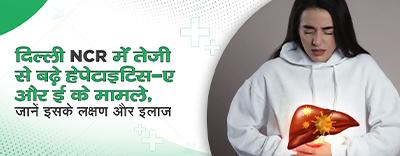
दिल्ली NCR में हेपेटाइटिस-ए और ई के मामलों में तेजी से इजाफा देखा जा रहा है। समय पर पहचान और सही इलाज से इस बीमारी को गंभीर होने से रोका जा सकता है।
Neurological disorders can significantly affect an individual’s daily life, as they arise from abnormalities in the brain, spinal cord or the peripheral nerves. When these vital structures are affected, a person may experience weakness, numbness, seizures, pain, or difficulty with movement, speech or coordination. To properly manage these conditions, it is crucial to understand what are neurological disorders, the types of neurological disorders, and how they are identified and treated. Individuals experiencing the early signs of neurological problems should seek assessment at a qualified top neuro hospital in Noida to prevent complications and ensure timely treatment.
Neurological disorders refer to diseases that affect any part of the nervous system. These may be due to genetic factors, infections, immune reactions, injuries, or degenerative changes. When the nervous system becomes compromised, the person may experience issues ranging from mild discomfort to severe disability. Understanding the causes of neurological disorders allows patients and caregivers to seek medical attention early and improve treatment outcomes.
Awareness of the types of neurological disorders helps patients recognize symptoms early and seek the right care.
Parkinson’s disease is a progressive condition caused by the deterioration of dopamine-producing neurons. This leads to slow movements, tremors, stiffness and balance difficulties. As the disease advances, daily tasks become increasingly challenging, and ongoing treatment is required to manage symptoms.
Alzheimer’s disease is the most common cause of dementia, leading to memory loss and declining cognitive function. Abnormal protein deposits disrupt communication between brain cells, causing behavioral changes and difficulties in performing everyday tasks.
MS is an autoimmune condition where the body attacks its own nerve coverings (myelin). This disrupts nerve signals and leads to weakness, vision issues, imbalance, or fatigue. MS usually follows a pattern of remission and relapse, making long-term monitoring essential.
A stroke occurs when blood flow to the brain is blocked or a blood vessel bursts. Lack of oxygen causes permanent damage to brain tissues, resulting in paralysis, speech problems, confusion or loss of balance. Immediate treatment is critical for a better outcome.
Epilepsy involves recurrent seizures caused by abnormal electrical activity in the brain. Symptoms depend on the type of seizure and may include shaking, staring spells or sudden loss of awareness. Timely treatment helps control seizures and improves quality of life.
Recognizing the symptoms of common neurological diseases can help with early diagnosis and management. These may include:
Recurrent headaches or migraines
Persistent numbness or tingling
Difficulty walking or balancing
Tremors or involuntary movements
Memory loss or confusion
Speech or swallowing problems
Seizures
Chronic back or neck pain
If these symptoms persist, it is advisable to seek a neurologist’s opinion.
The process of diagnosing neurological conditions involves a combination of:
Neurological examination – Assessing reflexes, strength, sensation and balance
Imaging tests – MRI and CT scans to view structural changes
EEG – detecting abnormal electrical activity for epilepsy
EMG/Nerve conduction studies – assessing nerve and muscle function
Lumbar puncture – examining spinal fluid for infections or autoimmune diseases
Accurate diagnosis allows neurologists to form a personalized plan based on the patient’s needs.
At a well-equipped Neurology hospital in Noida, treatment combines medicines, therapies and surgical interventions depending on the condition and severity.
Anticonvulsants for epilepsy
Dopamine-enhancing medicines for Parkinson’s disease
Immunomodulators and steroids for multiple sclerosis
Blood thinners after a stroke
These medicines help control symptoms, prevent disease progression and reduce complications.
Physiotherapy for mobility and balance
Occupational therapy to restore daily functioning
Speech therapy for communication and swallowing issues
Cognitive therapy for memory and behavioral changes
These therapies promote recovery and support long-term independence.
Certain neurological disorders require surgical intervention, especially when symptoms do not respond to medications.
DBS is commonly used for Parkinson’s disease, essential tremors and dystonia. Electrodes are implanted in specific brain regions to regulate abnormal signals and improve mobility.
Surgery is performed to remove benign or malignant brain tumours, relieve pressure, restore brain function and prevent further neurological decline.
For patients with brain aneurysms, surgical clipping or minimally invasive coiling is done to prevent bleeding and life-threatening complications.
Endovascular procedures can remove clots from blocked arteries, improving recovery chances when performed within the critical time window.
For spinal cord compression, slipped discs or nerve compression, surgical decompression may be required to relieve symptoms like pain and weakness.
These techniques improve outcomes significantly when performed by experienced neurosurgeons.
People should seek medical attention if they notice:
Sudden weakness on one side of the body
Persistent headaches
Repeated episodes of dizziness
Memory loss affecting daily life
Seizures or fainting spells
Difficulty speaking or understanding
Changes in behaviour or personality
Visiting a neurologist early ensures timely diagnosis and better treatment outcomes.
Understanding what neurological disorders are, their symptoms, and the available treatment approaches helps individuals take control of their health. Visiting a well-equipped Neuro hospital in Noida or consulting the Best Neurologist in Noida ensures timely diagnosis, advanced treatment options, and ongoing support for long-term management. Whether symptoms are mild or severe, early intervention can significantly improve recovery, mobility, and overall quality of life. Anyone noticing the early signs of neurological problems should not delay evaluation, as prompt care plays a vital role in maintaining neurological health.
Q. 1. When should I worry about persistent headaches?
Ans. If headaches last for weeks or affect daily activities, a neurological evaluation is recommended.
Q. 2. Can neurological disorders be cured permanently?
Ans. Some conditions can be cured, while others can be effectively managed with long-term treatment.
Q. 3. Are all seizures a sign of epilepsy?
Ans. No, seizures can also occur due to fever, infections or metabolic issues and need proper diagnosis.
Q. 4. Is surgery always required for neurological disorders?
Ans. No, surgery is suggested only when medicines and therapies are not sufficient.
Q. 5. How can I identify early signs of neurological problems in children or adults?
Ans. Look for changes in movement, speech, behaviour, memory or unexplained weakness.
Advanced neurosurgery improves treatment for brain and spine disorders with better outcomes.
Experiencing tingling in your hands or feet? It could signal a nerve-related issue. Consult our expert neurologists at Felix Hospitals to find the cause and get the right treatment today.
Neurological disorders impact the brain, spine, and nerves, causing symptoms like headaches, seizures, or memory loss. Discover causes, treatments, and expert advice for better neurological care and management.
Presbyopia, commonly referred to as age-related farsightedness, is a widespread vision problem that affects millions globally as they grow older. This condition makes it difficult to focus on nearby objects, impacting everyday activities such as reading, sewing, or using a smartphone. It arises due to natural eye aging and changes in the lens, resulting in diminished flexibility. Families and individuals seeking specialized care can rely on a presbyopia hospital in Noida, where experienced professionals offer advanced treatments aimed at maintaining eye health and improving quality of life.
In this detailed blog, readers will learn about presbyopia, related vision problems, its symptoms, underlying causes such as lens changes, and explore effective presbyopia treatment methods along with preventive strategies. Armed with this knowledge, patients can make informed decisions about when to consult an eye specialist in Noida for timely vision correction.
Call +91 96670 64100 now to start your journey toward better vision and eye comfort.
Presbyopia is a vision condition caused by the gradual loss of the eye lens’s ability to focus on nearby objects, leading to significant near vision difficulty. This condition usually emerges after age 40 and worsens progressively as the lens inside the eye stiffens and loses its elasticity. Unlike other typical refractive errors that depend on the shape of the eyeball, presbyopia results from natural lens changes due to aging.
In youth, the eye’s lens is flexible and can easily change shape to focus light on the retina clearly at various distances, a process called accommodation. With advancing age, the lens hardens and loses this ability to adjust, making close objects appear blurry. Activities that were once effortless, such as reading small print or threading a needle, become challenging.
The symptoms of presbyopia usually develop gradually and manifest as:
A need to hold reading materials at arm’s length or farther away to see clearly
Blurred vision while doing close-up activities like reading or writing
Eyestrain or fatigue after prolonged near-vision tasks
Frequent headaches linked to eye strain
A requirement for brighter light when reading
Difficulty in seeing and focusing in dim lighting conditions
Squinting to bring close objects into focus
If left uncorrected, these symptoms worsen, causing challenges in daily life. Early diagnosis at a presbyopia hospital in Noida can help manage these symptoms effectively, improving vision and comfort.
The primary cause of presbyopia is the gradual stiffening of the eye’s lens due to natural eye aging. Over time, the proteins in the lens change, resulting in thickening and reduced flexibility. This stiffening compromises the lens's ability to change shape and focus on nearby objects. Risk factors contributing to presbyopia include:
Age over 40 years, the most important factor
Pre-existing medical conditions like diabetes, which affect eye function
Previous eye surgeries or injuries
Genetics, which may predispose some individuals to earlier onset
Use of certain medications that can impact focusing ability
Understanding these causes is vital for recognizing early signs and seeking timely care.
By impairing near vision, presbyopia interferes with work, leisure, and self-care tasks, lowering quality of life. Uncorrected presbyopia causes persistent squinting and eye strain, which may lead to fatigue and headaches. Often, presbyopia coexists with other vision problems like nearsightedness (myopia) or farsightedness (hyperopia), complicating corrective measures.
Early treatment is essential to preserve eye health and functionality, helping prevent secondary complications like chronic headaches and eye discomfort.
While presbyopia cannot be reversed, various presbyopia treatment options help restore clear near vision:
These are the most common corrective tools, allowing refocusing of light on the retina during close tasks. Reading glasses are affordable and provide quick relief but must be updated regularly as the condition progresses.
Multifocal or monovision contact lenses offer a noticeable alternative to glasses by providing distinct vision zones for distance and near. These options suit active individuals desiring a glasses-free lifestyle.
Advanced methods designed to improve focusing ability include:
Monovision LASIK, which corrects one eye for distance vision and the other for near tasks
Conductive keratoplasty, which reshapes the cornea using radiofrequency energy
Lens replacement surgery, where the stiff lens is replaced with an artificial intraocular lens to restore accommodation
Surgical options require consultation with an experienced eye specialist in Noida to determine suitability and expectations.
Simple measures such as ensuring adequate lighting, taking breaks during near work, and using magnifying tools help reduce eye strain and ease symptoms.
Though presbyopia is a natural aging process, maintaining overall eye health slows symptom progression and enhances comfort:
Regular comprehensive eye examinations promote early detection and timely prescription updates
A balanced diet rich in antioxidants supports eye tissues
Using UV-protective sunglasses shields eyes from harmful rays
Managing systemic conditions like diabetes and hypertension reduces ocular damage
Avoidance of smoking and excessive alcohol consumption protects vision
Staying hydrated and performing basic eye exercises preserve eye function longer
Visiting a presbyopia hospital in Noida helps provide personalized preventive guidance.
If you experience difficulty focusing on nearby objects or increased eye strain, promptly scheduling a professional eye exam is vital. Early vision correction improves outcomes and prevents lifestyle disruption.
Call +91 96670 64100 for consultations with skilled professionals and comprehensive presbyopia treatment options.
In conclusion, presbyopia is an inevitable, natural part of aging characterized by the gradual loss of the eye’s ability to focus on nearby objects due to lens changes and eye aging. It manifests as near vision difficulty and other vision problems that can significantly affect daily activities such as reading and using smartphones. Fortunately, presbyopia treatment options such as reading glasses, contact lenses, and advanced surgical procedures greatly improve vision clarity and quality of life.
Families and individuals seeking expert care can rely on a presbyopia hospital in Noida, ensuring access to comprehensive diagnosis, personalized treatment plans, and ongoing support from experienced eye specialists in Noida. Early evaluation helps preserve eye health, prevent complications, and enables patients to maintain an active, fulfilling lifestyle.
Q.1. At what age does presbyopia usually start?
Ans. Typically around 40 years old.
Q.2. Can presbyopia be prevented?
Ans. It isn’t preventable but symptoms can be managed and progression slowed.
Q.3 Are reading glasses necessary?
Ans. Yes, they are the simplest correction method.
Q.4. Is presbyopia curable with surgery?
Ans. Surgery improves near vision but isn’t a cure and requires consultation.
Q.5. Does presbyopia affect other vision issues?
Ans. It can coexist with nearsightedness or farsightedness.
Eye flu, also known as conjunctivitis, is a common eye infection causing redness, irritation, and watering. Learn its causes, symptoms, and effective treatments.
The right ophthalmologist is a crucial step in your eye surgery journey
जो लोग लंबे समय से जोड़ों के दर्द, सूजन या अकड़न से परेशान हैं और दवा, फिजियोथैरेपी या अन्य उपायों से राहत नहीं मिल पा रही। उनके लिए जॉइंट रिप्लेसमेंट सर्जरी एक प्रभावी समाधान बनकर सामने आती है। यह सर्जरी सिर्फ बुजुर्गों के लिए नहीं, बल्कि युवा मरीजों के लिए भी उम्मीद की किरण है। खासकर तब, जब जोड़ों का दर्द चलने, उठने-बैठने या काम करने की क्षमता पर असर डालने लगे। Joint Replacement Surgery in Noida में उपलब्ध है। आइए जानें कि जॉइंट रिप्लेसमेंट सर्जरी से पहले क्या तैयारी करनी चाहिए। इसकी लागत कितनी होती है और नोएडा में बेहतरीन इलाज कहां मिलता है।
अभी अपॉइंटमेंट शेड्यूल करें – कॉल करें: +91 9667064100
जॉइंट रिप्लेसमेंट सर्जरी एक आर्थोपेडिक प्रक्रिया है। जिसमें खराब या घिसे हुए जोड़ों जैसे घुटना, हिप या कंधा को कृत्रिम इम्प्लांट से बदलाता है। इस सर्जरी का उद्देश्य दर्द को कम करना, जोड़ों की गतिशीलता वापस लाना और जीवन की गुणवत्ता में सुधार करना है। यह सर्जरी ऑस्टियोआर्थराइटिस या रुमेटॉइड आर्थराइटिस, हड्डी का फ्रैक्चर (Bone fracture) या चोट, जन्मजात विकार, अवस्कुलर नेक्रोसिस व जोड़ों में कैल्सिफिकेशन या विकृति के इलाज के लिए होती है।
डॉक्टर से विस्तृत परामर्श लें:
अपने आर्थोपेडिक सर्जन से सर्जरी के लाभ, संभावित जोखिम, इम्प्लांट के प्रकार और रिकवरी की प्रक्रिया के बारे में विस्तार से जानें।
मेडिकल हिस्ट्री बताएं:
अगर आपको ब्लड प्रेशर, डायबिटीज, हार्ट या लंग्स की समस्या है तो डॉक्टर को जरूर बताएं। सर्जरी से पहले इनका नियंत्रण जरूरी है।
दवाओं की जानकारी दें:
अगर आप ब्लड थिनर या स्टेरॉयड ले रहे हैं तो सर्जन को सूचित करें, क्योंकि सर्जरी से पहले इन्हें अस्थायी रूप से रोकने की सलाह दी जाती है।
सर्जरी से पूर्व मरीज की पूरी मेडिकल फिटनेस जांच की जाती है ताकि ऑपरेशन के दौरान किसी प्रकार की जटिलता न हो और रिकवरी प्रक्रिया सुचारु रूप से हो सके। इसके अंतर्गत निम्न प्रमुख जांचें शामिल हैं।
ब्लड टेस्ट:
इससे मरीज के हीमोग्लोबिन, ब्लड शुगर, किडनी और लिवर फंक्शन की जानकारी मिलती है इंफेक्शन, ब्लीडिंग टेंडेंसी या एनीमिया जैसी स्थितियों का पता लगाया जाता है।
यूरिन टेस्ट:
मूत्र में संक्रमण (यूटीआई) या किडनी से जुड़ी समस्या की पहचान की जाती है। ऑपरेशन के बाद संक्रमण की संभावना कम करने में यह टेस्ट मददगार होता है।
ईसीजीः
दिल की विद्युत गतिविधियों की जांच के लिए किया जाता है। इससे यह सुनिश्चित किया जाता है कि सर्जरी से पहले मरीज का हृदय पूरी तरह स्वस्थ है।
एक्स-रे:
फेफड़ों की स्थिति और छाती के अंदरूनी हिस्सों की स्थिति का पता लगाया जाता है। इससे सर्जरी के दौरान एनेस्थीसिया देने में मदद मिलती है।
एमआरआई या सीटी स्कैनः
यदि सर्जरी हड्डियों, जोड़ों, दिमाग या रीढ़ से संबंधित है तो एमआरआई या सीटी स्कैन जरूरी होता है। इससे डॉक्टर को सटीक लोकेशन और जटिलताओं की पूरी जानकारी मिलती है।
कार्डियोलॉजिस्ट या फिजिशियन से क्लीयरेंस:
सर्जरी से पहले विशेषज्ञ डॉक्टर (कार्डियोलॉजिस्ट/फिजिशियन) मरीज की सभी रिपोर्ट देखकर फिटनेस सर्टिफिकेट जारी करते हैं। यदि मरीज को पहले से कोई बीमारी (जैसे डायबिटीज, ब्लड प्रेशर या अस्थमा) है, तो उसे कंट्रोल में लाने के निर्देश दिए जाते हैं।
फेफड़ों और किडनी की अतिरिक्त जांच:
लंबे समय से बीमार मरीजों या बुजुर्गों के लिए फेफड़े और किडनी की जांच भी की जाती है। यह सुनिश्चित किया जाता है कि शरीर की ऑक्सीजन और विषाक्त पदार्थ निकालने की क्षमता सही ढंग से काम कर रही हो।
एलर्जी और दवा प्रतिक्रिया जांच:
यह जांच पता लगाती है कि मरीज को किसी दवा या एनेस्थीसिया से एलर्जी तो नहीं है। इससे ऑपरेशन के दौरान दवा से जुड़ी कोई प्रतिक्रिया होने का खतरा घटता है।
संपूर्ण स्वास्थ्य मूल्यांकन:
वजन, ब्लड प्रेशर, पल्स और तापमान की नियमित जांच की जाती है। ऑपरेशन से पहले डॉक्टर मरीज की मानसिक और शारीरिक स्थिति का भी आकलन करते हैं।
नोएडा में जॉइंट रिप्लेसमेंट कराने के लिए एक मान्यता प्राप्त, अनुभवी डॉक्टर और आधुनिक सुविधाओं वाले अस्पताल का चुनाव बेहद जरूरी है। Complete Guide for Preparing for Best hospital and surgeon उपलब्ध है।
हॉस्पिटल चुनते समय ध्यान दें:
एनएबीएच या आईएसओ प्रमाणित हॉस्पिटल
अनुभवी ऑर्थोपेडिक सर्जन
न्यूनतम इंफेक्शन रेट
अत्याधुनिक मॉड्यूलर ऑपरेशन थिएटर
पोस्ट-सर्जरी रिहैबिलिटेशन और फिजियोथेरेपी (Physiotherapy) यूनिट
लागत कई कारकों पर निर्भर करती हैः
| प्रकार | औसत लागत (रुपये में) | विवरण |
| घुटना रिप्लेसमेंस | 1.8–4.5 लाख | सिंगल नी रिप्लेसमेंट |
| हिप रिप्लेसमेंस | 2–6 लाख | यूनिलेटरल या बाइलेटरल |
| शोल्डर रिप्लेसमेंस | 2.5–5 लाख | टोटल/पार्शियल |
| सरकारी हॉस्पिटल | 1–2 लाख | सीमित सुविधा पर कम लागत |
| निजी हॉस्पिटल | 2.5 – 6 लाख | बेहतर इम्प्लांट और तकनीक |
आयुष्मान भारत, सीजीएचएस, ईसीएचएस और कई निजी बीमा पॉलिसियां जॉइंट रिप्लेसमेंट को कवर करती हैं। इससे मरीज का खर्च 60–90% तक कम हो सकता है।
सर्जरी से पहले और बाद में फिजियोथैरेपी बेहद जरूरी है। सर्जरी से पहले प्री-हैब एक्सरसाइज से मांसपेशियां मजबूत बनाएं। सर्जरी के बाद धीरे-धीरे मूवमेंट, बैलेंस और वॉकिंग ट्रेनिंग करें। मानसिक रूप से खुद को तैयार रखें कि शुरुआती दिनों में थोड़ी असुविधा होगी, लेकिन नियमित अभ्यास से जीवन सामान्य हो जाएगा।
छोटी-सी लापरवाही भी संक्रमण, सूजन या दोबारा दर्द जैसी समस्याएँ पैदा करती है। इसलिए मरीज को विशेष ध्यान देना चाहिए।
एक्सरसाइज रूटीन का पालन करें:
सर्जरी के बाद शरीर की गतिशीलता को वापस लाने के लिए फिजियोथैरेपी बहुत जरूरी है। एक्सरसाइज से मांसपेशियों में जकड़न नहीं होती और रक्त संचार सामान्य रहता है। डॉक्टर या फिजियोथैरेपिस्ट (Physiotherapist) की सलाह के बिना किसी नई एक्सरसाइज की शुरुआत न करें।
जमीन पर बैठने या ज्यादा झुकने से बचें:
विशेषकर जोड़ों या रीढ़ की सर्जरी के बाद, नीचे बैठना या आगे झुकना जोड़ों पर दबाव डालता है। इससे स्टिच खुलने, दर्द बढ़ने या अंदरूनी चोट के खतरे बढ़ जाते हैं। कुर्सी या ऊंचे स्थान पर बैठने की आदत डालें और झुकने वाले कार्यों से परहेज करें।
भारी वजन उठाने से परहेज़ करें:
सर्जरी के बाद कम से कम 2–3 महीने तक भारी वस्तुएं उठाना सख्त मना होता है। इससे सर्जरी वाले हिस्से पर दबाव पड़ सकता है और हीलिंग प्रक्रिया धीमी हो सकती है। रोजमर्रा के कार्यों में भी शरीर पर अतिरिक्त तनाव डालने से बचें।
ऑपरेशन साइट की सफाई और देखभाल:
ऑपरेशन वाले हिस्से को हमेशा साफ और सूखा रखें। पट्टियां (ड्रेसिंग) डॉक्टर की सलाह के अनुसार समय पर बदलें। किसी भी प्रकार की लाली, सूजन, मवाद या बदबू महसूस हो तो तुरंत डॉक्टर को सूचित करें। ये संक्रमण के संकेत होते हैं।
दवाओं का सेवन डॉक्टर की सलाह से करें:
एंटीबायोटिक और पेनकिलर केवल डॉक्टर द्वारा बताए गए समय और डोज़ में ही लें। बिना परामर्श के कोई दवा बदलना या छोड़ना सही नहीं है। पर्याप्त पानी पिएं ताकि दवाओं का असर बेहतर हो और शरीर में टॉक्सिन्स न जमा हों।
नियमित फॉलोअप विजिट करें:
हर 3 से 6 महीने में डॉक्टर से जांच करवाना जरूरी है, ताकि रिकवरी की प्रगति का मूल्यांकन हो सके। एक्स-रे, एमआरआई या ब्लड टेस्ट जैसी जांचें डॉक्टर की सलाह पर दोबारा कराई जा सकती हैं। अगर दर्द, सूजन या चलने-फिरने में परेशानी महसूस हो तो अगली विजिट से पहले ही डॉक्टर से संपर्क करें।
संतुलित आहार और पर्याप्त आराम:
प्रोटीन, विटामिन और मिनरल्स से भरपूर भोजन लें ताकि घाव जल्दी भरें। नींद पूरी करें और तनाव से दूर रहें। यह शरीर की रिकवरी प्रक्रिया को तेज करता है। धूम्रपान और शराब से पूरी तरह दूरी बनाएं, क्योंकि ये हीलिंग को धीमा करते हैं।
जॉइंट रिप्लेसमेंट सर्जरी आज एक सुरक्षित और असरदार प्रक्रिया है। जो लाखों लोगों के जीवन में नई गतिशीलता ला रही है। सही तैयारी, अनुभवी डॉक्टर, आधुनिक तकनीक और पोस्ट-सर्जरी फिजियोथैरेपी यही सफलता की कुंजी हैं। यदि आप नोएडा या आसपास रहते हैं, तो अनुभवी ऑर्थोपेडिक सर्जन (Best Orthopedics in Noida) से सलाह लेकर सर्जरी की प्लानिंग करें और दर्द-मुक्त जीवन की शुरुआत करें। इलाज में बिल्कुल भी देरी नहीं करनी चाहिए। ऐसा करना नुकसानदेह हो सकता है।
अभी अपॉइंटमेंट शेड्यूल करें – कॉल करें: +91 9667064100
प्रश्न.1: क्या जॉइंट रिप्लेसमेंट सर्जरी दर्दनाक होती है?
उत्तरः सर्जरी के दौरान एनेस्थीसिया दिया जाता है। जिससे कोई दर्द नहीं होता। बाद में दर्द दवाओं और फिजियोथैरेपी से नियंत्रित किया जा ता है।
प्रश्न 2: सर्जरी के बाद कितने दिन में चलना शुरू कर सकते हैं?
उत्तरः अधिकतर मरीज 2–3 दिन में वॉकर के सहारे चलने लगते हैं। 4–6 सप्ताह में सामान्य गतिविधियां कर सकते हैं।
प्रश्न 3: क्या सर्जरी का असर लंबे समय तक रहता है?
उत्तरः हां, आधुनिक इम्प्लांट 15–20 साल तक टिकते हैं। लेकिन इसे अच्छे अस्पताल के डॉक्टर की सलाह पर लगवाना चाहिए।
प्रश्न 4: क्या हिप और नी रिप्लेसमेंट एक साथ कर सकते हैं?
उत्तरः कुछ मामलों में संभव है। लेकिन डॉक्टर की सलाह पर निर्णय लिया जाता है। डॉक्टर की सलाह के बिना कोई भी इलाज नहीं कराना चाहिए।
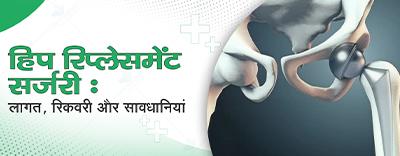
हिप रिप्लेसमेंट सर्जरी एक सुरक्षित और प्रभावी प्रक्रिया है जो गंभीर जोड़ दर्द से राहत दिलाकर चलने-फिरने की क्षमता को बेहतर बनाती है। इसमें हिप का क्षतिग्रस्त हिस्सा कृत्रिम जोड़ से बदला जाता है।
MRI (Magnetic Resonance Imaging) is an advanced diagnostic test used to detect problems related to the brain, spine, joints, and internal organs.
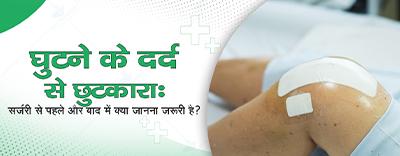
घुटनों का दर्द उम्र, चोट, या गठिया जैसी समस्याओं के कारण आम हो सकता है। जब दवाएं और फिजियोथेरेपी असर नहीं करतीं, तब घुटने की सर्जरी (जैसे कि घुटने का प्रतिस्थापन) जरूरी हो सकती है।
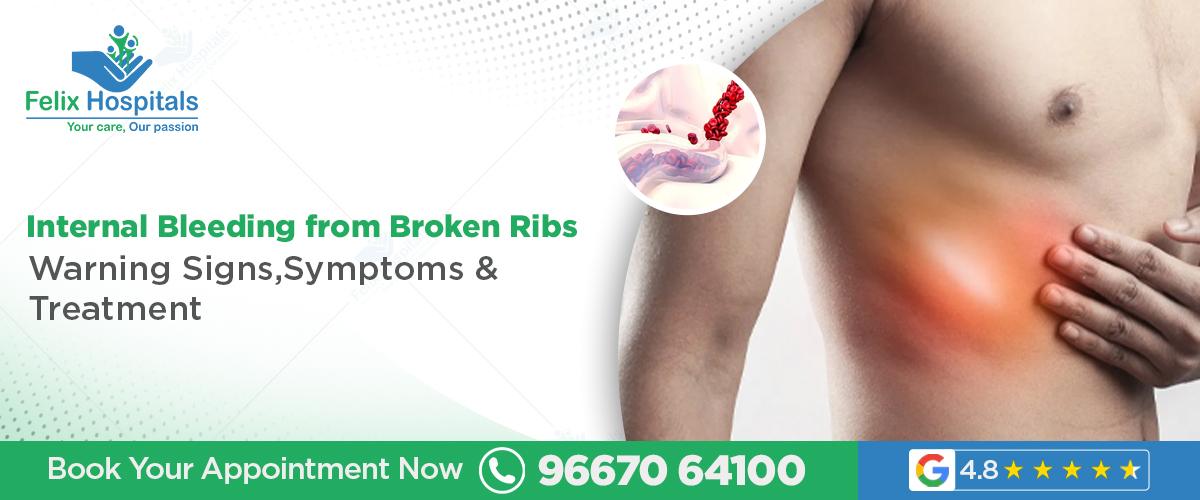
The most typical injuries of falls or accidents or direct traumas to the chest are broken or bruised ribs. Although the pain and discomfort caused by rib fractures may be very high, one of the complications that require to be taken into consideration but may also be quite dangerous is the internal bleeding due to broken ribs. This hemorrhage in the body may cause severe life-threatening diseases that demand immediate attention of a doctor. For those seeking prompt and expert management, locating the right hospital for broken ribs treatment and understanding the factors that influence broken ribs treatment cost is crucial. Consulting the best doctor for broken ribs treatment can ensure correct diagnosis, timely intervention, and a smooth recovery.
Get expert evaluation for broken ribs and related complications at the leading trauma and chest care centers in Noida. Contact +91 96670 64100 .
The ribs safeguard some of the most important organs in the chest such as the lungs, the heart, and great blood vessels. A rib that is displaced or fractured could destroy these underlying organs and blood vessels when broken. The acute, rough edges of fractured or torn ribs may cause a piercing or a tearing of the blood vessels and soft tissues, and cause internal hemorrhage.
Common causes include:
Vehicle crashes, falls, or attacks which have caused severe chest trauma.
Accidents to the chest, sports injuries or high-impact accidents.
With weaker bones, the older adults are even more susceptible to minor trauma effects.
Various fractures of the ribs or flail chest problems will predispose to bleeding.
Comorbidity such as clotting disorders or taking blood thinners that enhance bleeding.
Bruised or broken ribs result in a lot of pain especially when one is breathing deeply, coughing, laughing, or moving the torso. Common symptoms include:
Pain in ribs is sharp or stabbing and is localized to the injured ones.
Chest wall Tenderness, swelling, and occasional bruising.
Pain causes difficulty in deep breathing.
Having a cracking sound when injured.
Loss of mobility due to pains and discomfort.
Most patients who have broken ribs have healed their ribs in weeks, however, the complications such as broken ribs cause internal bleeding, which necessitates urgent medical attention.
Internal bleeding is not very pronounced at the start but may become very sudden. Indications of risk to watch out include:
Sharp chest or abdominal pain which becomes acute.
Breathing problems, dyspnea, or rapid breathing.
Lightheadedness, dizziness or fainting due to a loss of blood.
Lips and extremities turning bluish, which is a sign that they are poorly oxygenated.
Blood pressure and heart rate are low, signs of shock.
Presents blood or blood in sputum, which shows involvement of the lungs.
Anxiety, aching, or pain in the abdomen or chest.
Low blood circulation resulting in paleness or sweating.
The symptoms mentioned are indicative that internal bleeding might be taking place and hence emergency treatment is required in the hospital.
The diagnosis begins with a thorough clinical assessment by the medical practitioner. Physical examination to check bruising, tenderness and listen to the chest using a stethoscope; the doctor will examine the symptoms.
Additional research is:
Chest X-ray: To ensure the number and severity of rib fractures and check lung condition.
CT Scan: Gives in-depth pictures to identify any internal bleeding, injuries to organs or damage of blood vessels.
Ultrasound: to identify the presence of fluid that may suggest bleeding around the lungs or abdomen.
Blood Tests: To examine the level of hemoglobin, coagulation level, and blood loss in general.
Early detection is important to avoid life threatening consequences such as hemothorax or blood buildup in the chest cavity, and the destruction of the lung functions.
The treatment is determined by the severity of bleeding and injury:
Observation and Monitoring: Minor cases of bleeding can be treated through close observation and pain management.
Oxygen Therapy: To make sure that oxygen is delivered adequately in case the lungs are impaired.
Blood Transfusion: And in the case of heavy blood loss so as to stabilize the patient.
Chest Tube Insertion: To remove the blood build up in the chest cavity and avoid collapse of the lungs.
Surgical Intervention: It is necessary in cases of persistent bleeding, huge hematomas, or destruction of organs; it can include fixing or repairing broken ribs, or repairing broken vessels.
Pain Management: Proper analgesia allows the patient to deep breathe and avoid pulmonary infections.
Pulmonary Rehabilitation: Workouts to enhance breathing capacity in the recovery process.
Broken ribs and internal injuries require time to heal but on average six weeks or beyond. Post-discharge imaging and clinical evaluation are to be followed to guarantee that bleeding has stopped and the lung function is restored. Early intervention prevents such complications as pneumonia, chronic pain, respiratory failure.
The overall broken ribs treatment cost depends on:
The severity of injuries and the existence of complications, such as internal bleeding.
Requirement to be admitted, arranged, or hospitalized in need.
Stay and follow-up visits.
Diagnostic imaging and use of blood products.
Rehabilitation and pain management services.
Patients are advised to get detailed cost estimates from the hospital for broken ribs treatment facilities while prioritizing care quality and expertise.
Knowledge on thoracic injuries enhances outcome of patients by delivering:
Proper diagnosis with the help of modern imaging techniques.
Early diagnosis and treatment of intra-operative bleeding.
Expert surgical treatment in case of complicated fractures.
Personalized pain management strategies.
Extensive rehabilitation instructions.
Choosing the best doctor for broken ribs treatment ensures that risks are minimized and recovery is optimized.
Suspect internal bleeding from a rib injury? Seek immediate emergency care by calling + 91 96670 64100.
In summary broken ribs also have internal bleeding that is a serious complication and requires urgent medical treatment. Recognizing warning signs and seeking prompt treatment at a reputed hospital for broken ribs treatment can save lives. Knowledge of the cost of treatment and selection of the appropriate specialist enhances recovery.
Q.1. Do broken ribs result in internal bleeding?
Ans. Yes, sharp pieces of ribs may damage blood vessels, making one bleed internally.
Q.2. How do you know that broken ribs are bleeding?
Ans. Possible internal bleeding is represented by severe chest pain, difficulty breathing, dizziness, and coughing up blood.
Q.3. What are the treatment options of internal bleeding due to broken ribs?
Ans. The available treatment includes monitoring and oxygen therapy to surgery based on the severity of bleeding.
Q.4. What is the time of recovery of fractured ribs?
Ans. Typically 6 weeks, though complications may extend the recovery period.
Q.5. Suffices to diagnose internal bleeding: is the chest X-ray sufficient?
Ans. Chest X-ray detects fractures; CT scan is more sensitive to the detection of internal bleeding.
A pulmonologist plays a crucial role in helping patients dealing with serious or chronic breathing difficulties.
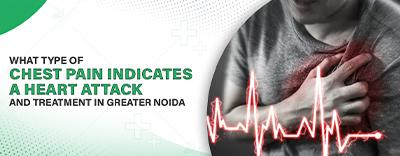
Recognize the types of chest pain that may signal a heart attack and learn about the best treatment options available in Noida for timely care and recovery.

Subscribe to our
© Copyright 2026. All Rights Reserved by Felix Healthcare Private Limited
Design and development by :


 +(91)9667064100
 Emergency : +(91)9667064100