 Emergency:
  WhatsApp

Subscribe to our
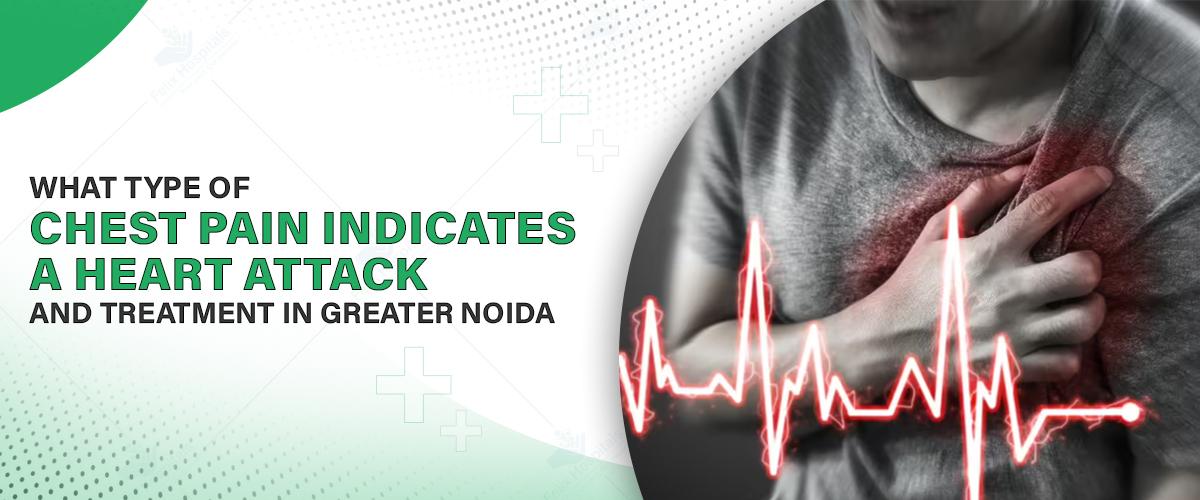
Chest pain is one of the most alarming symptoms an individual can experience. While not all chest pain arises from cardiac issues, certain types can signal the onset of a life-threatening heart attack. Recognizing the warning signs, understanding associated symptoms, and knowing when to seek immediate medical care are crucial for timely treatment and survival. For residents in Noida and nearby areas, access to advanced cardiac care and awareness about heart attack symptoms can truly save lives. This article will cover the major indications of heart attack related chest pain, supporting symptoms, heart attack causes, effective treatment options, and what steps to follow if you or a loved one faces such a situation in Noida.
Heart attacks require immediate attention. Call us now at +91 9667064100.
A heart attack, medically known as myocardial infarction, occurs when the blood supply to a part of the heart is blocked due to narrowed or clogged arteries. The result is a rapid onset of tissue damage that can be fatal if left untreated.
But not all chest pain is cardiac in nature. Pain from muscle strains, acid reflux, lung infections, or anxiety attacks can mimic heart attack symptoms. Differentiating a cardiac event from other causes is essential.
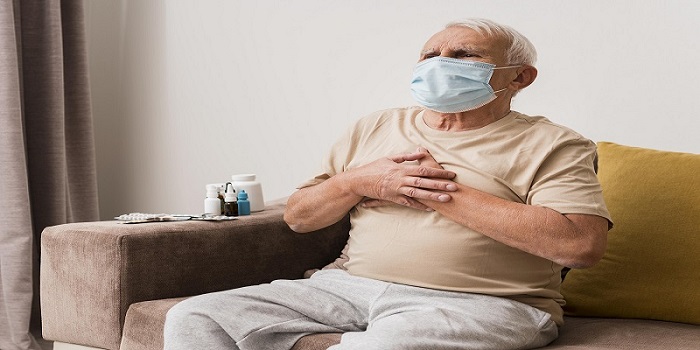
Location: Most heart attack-related chest pain is felt in the center or left side of the chest.
Quality: It often feels like uncomfortable pressure, squeezing, fullness, tightness, burning, ache, or heaviness—sometimes described as “an elephant sitting on my chest.
Duration: Pain usually lasts more than a few minutes or comes and goes.
Radiation: May radiate to the left or both arms, jaw, neck, back, or upper abdomen.
Associated signs: Shortness of breath, cold sweats, nausea, lightheadedness, or sudden dizziness.
1. Exertional Chest Pain
Pain during physical activity or stress, relieved with rest (stable angina)—can indicate chronic coronary blockage.
2. Persistent Pain at Rest
Sudden, severe pain at rest signals unstable angina or a heart attack—seek emergency help immediately.
3. Radiating Pain
Pain that moves to shoulder, arm, neck, jaw, or back is highly suggestive of a cardiac origin.
4. Pressure or Tightness
Continuous feeling of pressure, squeezing, or fullness points to reduced blood flow to your heart muscle (angina or heart attack).
Pain with fainting, cold sweat, or palpitations
Difficulty breathing accompanying chest pain
Unexplained fatigue, indigestion, or vomiting
Sudden anxiety, confusion, or paleness
If in doubt, always err on the side of caution and seek medical help.
It’s important to remember that not all chest discomfort signals a heart attack. Chest pain may also be caused by:
Acid reflux (GERD): Burning behind the breastbone with sour taste in mouth
Muscle strain: Sharp pain with movement or palpation
Pulmonary conditions: Like embolism, pneumonia, or pleurisy
Panic attacks: Chest pain with rapid heartbeat, anxiety, and shortness of breath
Only a trained healthcare provider can quickly differentiate and perform necessary tests, such as ECG, blood work, and imaging.
The main cause of a heart attack is coronary artery disease, which involves buildup of plaques (fat, cholesterol, and cellular debris) within the arteries. When a plaque ruptures, a blood clot forms and blocks blood flow to the heart muscle.
High blood pressure, high cholesterol
Diabetes and obesity
Smoking and physical inactivity
Family history of heart disease
Advanced age
Chronic stress
While chest pain is the hallmark sign, other symptoms frequently occur and should prompt urgent action:
Shortness of breath, even without chest pain
Sudden, overwhelming fatigue
Profuse sweating, cool or clammy skin
Palpitations or irregular heartbeat
Nausea and vomiting
Pain in the jaw, neck, arms, or upper belly
Dizziness or sudden fainting
Women and elderly individuals especially may experience atypical symptoms such as brief, sharp pains or silent heart attacks without classic chest pain.
Rapid recognition and intervention are keys to survival during a heart attack. Leading heart attack treatment hospital in Noida utilize state-of-the-art protocols for diagnosis and recovery:
Immediate assessment: Quick triage, ECG, cardiac enzyme markers, and vital sign monitoring
Medical stabilization: Oxygen therapy, pain control, anti-platelet drugs (aspirin), and nitroglycerin to relieve heart pressure
Advanced therapies: Blood-thinning medications, clot dissolvers (thrombolytics), and emergency angioplasty or stenting procedures to restore blood flow
Surgical intervention: In severe cases, bypass surgery may be recommended
Dizziness or sudden fainting: Medications for blood pressure, cholesterol, clot prevention, and rehabilitation to prevent recurrence and restore function
While Noida offers excellent heart attack treatment options, prevention is always better than cure. Adopt these habits to safeguard your heart:
Regular cardiovascular exercise: Walking, swimming, cycling
Balanced diet: Focus on whole grains, fruits, vegetables, lean proteins, and minimize processed foods and saturated fats
Stress management: Yoga, mindfulness, adequate sleep
Avoid smoking and excessive alcohol
Regular screening: BP, cholesterol, blood sugar
After emergency heart attack care, cardiac rehabilitation plays a vital role. It combines monitored exercise, nutrition counseling, stress management, and education to rebuild heart health and prevent future events. Support groups, patient education, and periodic follow-ups help you remain motivated for lifelong health.
If you're in doubt, seek prompt professional heart attack treatment in Noida to maximise your chances of survival and recovery. Schedule your appointment.
Not all chest pain means you’re having a heart attack, but certain types should always be treated as emergencies. Recognizing symptoms of cardiac chest pain—pressure, heaviness, radiating pain, shortness of breath—and responding quickly with professional treatment in Noida at the Best Cardiology Hospital in Noida can make all the difference. Understanding your risks and maintaining a heart-healthy lifestyle ensures a safer, healthier future for you and your loved ones.
Remember: Acting fast saves lives. Never hesitate to consult a medical professional if you sense the danger of heart-related chest pain—your vigilance could be lifesaving.
Find the links below:
Check the links below:
Q1: What type of chest pain is most likely to signal a heart attack?
Ans: Heart attack pain usually feels like pressure, tightness, or heaviness in the center or left side of the chest. It can last several minutes, may radiate to the arms, neck, jaw, or back, and often occurs with shortness of breath or sweating.
Q2: What should I do if I suspect a heart attack?
Ans: Call emergency services immediately. Don’t wait for symptoms to improve. Fast action, including heart attack treatment in Noida, is crucial for survival.
Q3: Are there other symptoms besides chest pain that may indicate a heart attack?
Ans: Yes. Warning signs include shortness of breath, nausea, lightheadedness, unexplained fatigue, cold sweats, and pain in areas like the neck, jaw, or arms.
Q4: Who is at higher risk for heart attacks?
Ans: Individuals with high blood pressure, high cholesterol, diabetes, obesity, family history of heart disease, smokers, and older adults are at increased risk for heart attacks.
Q5: How is a heart attack diagnosed in hospitals?
Ans: A heart attack treatment hospital in Noida typically uses ECG, blood tests for cardiac enzymes, and imaging studies like echocardiograms or angiography to confirm and assess the severity of a heart attack.
However, stress, sedentary lifestyle, chronic diseases such as diabetes and hypertension, and genetic factors place young individuals at risk of heart attack.
Best heart hospital in Noida for bypass surgery at affordable prices with expert cardiac surgeons, advanced facilities, and quality patient care for better recovery.
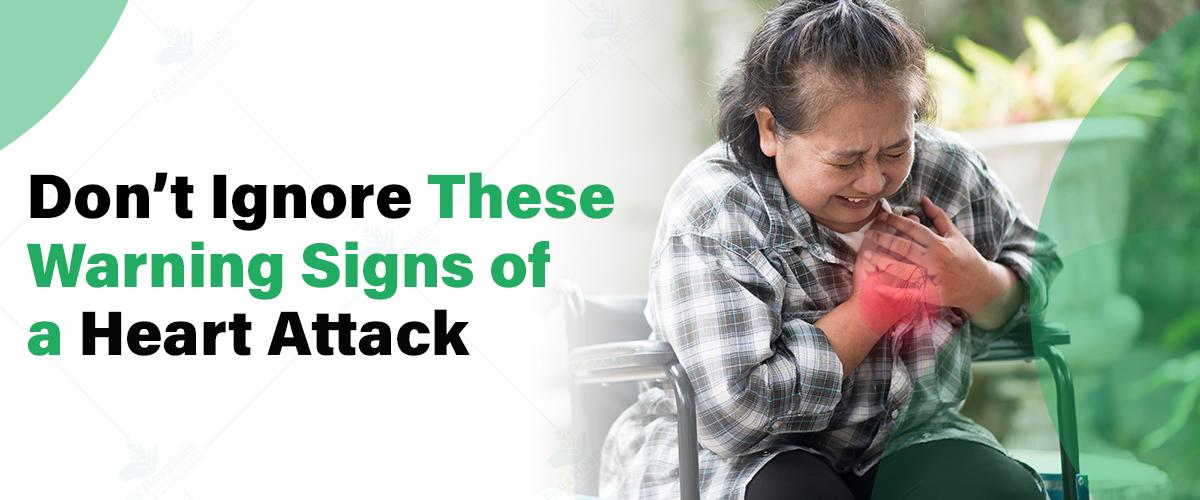
Heart attack signs early is crucial because timely intervention can significantly reduce the risk of severe complications and improve outcomes.
Subscribe to our
© Copyright 2026. All Rights Reserved by Felix Healthcare Private Limited
Design and development by :


 +(91)9667064100
 Emergency : +(91)9667064100