 WhatsApp
 Emergency:
  WhatsApp





Subscribe to our
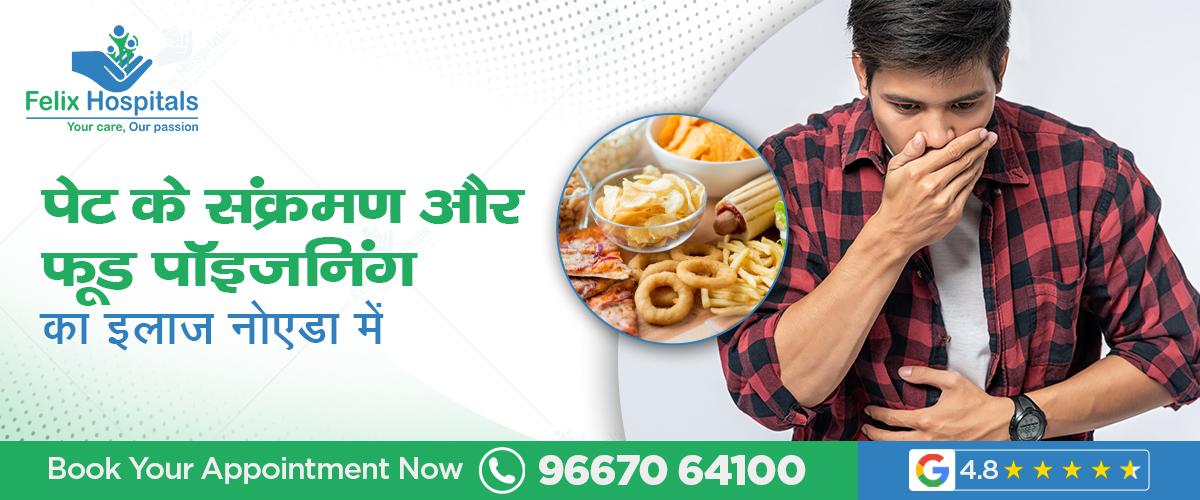
पेट का संक्रमण (Stomach Infection) और फूड पॉइजनिंग (Food Poisoning) भारत में बहुत आम स्वास्थ्य समस्या है। यह बैक्टीरिया, वायरस, दूषित पानी, खराब खाना या अस्वच्छ खानपान की वजह से होता है। इन स्थितियों में उल्टी, दस्त, पेट दर्द, बुखार और डिहाइड्रेशन जैसे लक्षण तेजी से बढ़ते हैं। समय पर इलाज नहीं मिले तो हालात गंभीर होते हैं। नोएडा में बेस्ट गैस्ट्रोएंट्रोलॉजिस्ट डॉक्टर (Best gastroenterologist doctors in Noida) उपलब्ध हैं। जहां पेट संक्रमण, फूड पॉइजनिंग और उल्टी–दस्त का आधुनिक इलाज मिलता है। इस ब्लॉग में हम पेट के संक्रमण के कारण, लक्षण, फूड पॉइजनिंग से राहत के उपाय, डॉक्टरी इलाज, एंडोस्कोपी जांच और डिहाइड्रेशन मैनेजमेंट के बारे में विस्तार से जानेंगे।
अपॉइंटमेंट के लिए कॉल करें – +91 9667064100
पेट का संक्रमण आमतौर पर वायरल, बैक्टीरियल या पैरासाइटिक संक्रमण की वजह से होता है। जबकि फूड पॉइजनिंग ज्यादातर दूषित खाना, बासी भोजन, खुले में बेचे जाने वाले खाद्य पदार्थ या संक्रमित पानी पीने से होती है। दोनों स्थितियों में शरीर में टॉक्सिन फैल जाते हैं, जिससे उल्टी, दस्त, पेट दर्द और कमजोरी की समस्या होती है।
अगर निम्नलिखित लक्षण हों तो तुरंत डॉक्टर से संपर्क करें—
उल्टी और दस्त के दौरान शरीर से नमक और पानी तेजी से बाहर निकलते हैं। ओआरएस या इलेक्ट्रोलाइट ड्रिंक्स दिनभर में बार-बार घूंट-घूंट पीनी चाहिए। यह डिहाइड्रेशन को रोकने और शरीर में पानी तथा मिनरल्स की कमी को पूरा करने में मदद करता है।
पेट को आराम देने और डिहाइड्रेशन को रोकने के लिए हल्का तरल आहार लेना बेहद आवश्यक होता है। इसमें नारियल पानी, हल्का सूप जैसे सब्जियों या चिकन का सूप, दही, खिचड़ी और ताजे फलों का जूस जैसे मूसंबी या सेब का जूस शामिल किए जा सकते हैं। इस तरह का तरल आहार पेट को हल्का रखता है, पाचन प्रणाली पर दबाव कम करता है और शरीर में पानी व पोषक तत्वों की कमी को भी पूरा करता है, जिससे फूड पॉइजनिंग या पेट संक्रमण से जल्दी राहत मिलती है।
डॉक्टर द्वारा प्रिस्क्राइब की गई दवाएं उल्टी और मितली को नियंत्रित करती हैं। इनका इस्तेमाल उल्टी के लगातार होने से शरीर में पानी और इलेक्ट्रोलाइट्स की कमी को रोकने में मदद करता है।
यदि पेट संक्रमण बैक्टीरिया के कारण हुआ हो, तो डॉक्टर एंटीबायोटिक दवा लिखते हैं। खुद से एंटीबायोटिक लेने से संक्रमण और भी गंभीर हो सकता है। सही दवा और समय पर कोर्स पूरा करना आवश्यक है।
प्रोबायोटिक्स आंतों में अच्छे बैक्टीरिया बढ़ाते हैं। यह दस्त की अवधि को कम करता है और पाचन को सुधारता है। दही, प्रोबायोटिक सप्लीमेंट या कुछ हेल्दी फूड्स इसमें सहायक होते हैं।
यदि मरीज अत्यधिक डिहाइड्रेट हो जाए या कुछ खा-पी न पाए, तो डॉक्टर IV फ्लूइड के माध्यम से शरीर में पानी और इलेक्ट्रोलाइट्स देते हैं। यह गंभीर डिहाइड्रेशन को रोकने और जीवन-रक्षक स्थिति में मदद करता है।
पेट मरोड़ या ऐंठन होने पर डॉक्टर सुरक्षित एंटीस्पास्मोडिक दवा देते हैं। यह पेट की मांसपेशियों को आराम देती है और दर्द को कम करती है। मरीज को पूरी तरह आराम और पर्याप्त हाइड्रेशन देना सबसे महत्वपूर्ण है। घर पर इलाज तभी करें जब लक्षण हल्के हों। तेज उल्टी, लगातार दस्त या बुखार होने पर तुरंत डॉक्टर से संपर्क करें। फूड पॉइजनिंग स्पेशलिस्ट डॉक्टर नोएडा में उपलब्ध है। नोएडा में आधुनिक गैस्ट्रो अस्पताल (Modern gastro hospital in Noida) में एंडोस्कोपी और रक्त-पानी की जाँच के साथ इलाज उपलब्ध है।
नोएडा के गैस्ट्रो विशेषज्ञ से संपर्क — +91 9667064100
डिहाइड्रेशन फूड पॉइजनिंग का सबसे बड़ा खतरा है।
लक्षणः
इलाजः
एंडोस्कोपी केवल तभी की जाती है। जब मरीज में गंभीर लक्षण दिखाई दें। जैसे उल्टी में खून आना, ब्लैक या कॉफी-कलर की उल्टी, लगातार 3–5 दिनों तक लक्षण कम न होना या पेट में बहुत तेज दर्द होना। इसके अलावा जब डॉक्टर को पेट के अंदर सूजन, अल्सर या बैक्टीरियल संक्रमण का शक हो। तब भी एंडोस्कोपी (Endoscopy) की आवश्यकता होती है। इस प्रक्रिया के माध्यम से पेट, फूड पाइप और आंतों की अंदरूनी स्थिति को देखा जा सकता है और सही इलाज तय किया जा सकता है, जिससे फूड पॉइजनिंग या गंभीर पेट संक्रमण का प्रभावी उपचार संभव हो पाता है।
पेट का संक्रमण और फूड पॉइजनिंग अधिकतर दूषित भोजन, गंदे पानी और बैक्टीरिया–वायरस से होता है। सही समय पर इलाज,ओआरएस, एंटीबायोटिक (जरूरत हो तो), प्रोबायोटिक्स और एंडोस्कोपी से रोग आसानी से नियंत्रित किया जाता है। अगर लक्षण 24 घंटे से अधिक बने रहें या डिहाइड्रेशन के संकेत दिखें तो तुरंत डॉक्टर से संपर्क करें। इसलिए इलाज में देरी नहीं करनी चाहिए।
नोएडा में विशेषज्ञ से अपॉइंटमेंट — +91 9667064100.
प्रश्न 1: क्या फूड पॉइजनिंग खुद-ब-खुद ठीक होती है?
उत्तर: हल्के मामलों में हां, लेकिन उल्टी-दस्त अधिक हो तो तुरंत इलाज जरूरी है। इलाज में देरी नहीं करनी चाहिए।
प्रश्न 2: क्या बच्चों में फूड पॉइजनिंग खतरनाक होती है?
उत्तर: हां, बच्चों में डिहाइड्रेशन जल्दी होता है। तुरंत ओआरएस दें और डॉक्टर से मिलें। डॉक्टर की सलाह पर इलाज कराना चाहिए।
प्रश्न 3: क्या फूड पॉइजनिंग में दूध पीना चाहिए?
उत्तर: नहीं, दूध पेट की समस्या बढ़ाता है। हल्का तरल आहार बेहतर है।
प्रश्न 4: क्या बार-बार फूड पॉइजनिंग होना गंभीर समस्या है?
उत्तर: बार-बार संक्रमण होने पर आंतों की जांच, स्टूल टेस्ट और एंडोस्कोपी की जरूरत होती है।
प्रश्न 5: क्या फूड पॉइजनिंग में एंटीबायोटिक जरूरी है?
उत्तर: हर बार नहीं। एंटीबायोटिक तभी जब बैक्टीरियल संक्रमण की पुष्टि हो। बिना डॉक्टर की सलाह पर कोई भी दवा नहीं लेनी चाहिए।
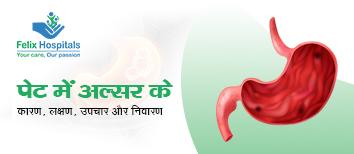
पेट में अल्सर एक आम लेकिन गंभीर समस्या है जो संक्रमण, अधिक एसिड या दवाओं के कारण होती है। इसके लक्षणों में पेट दर्द, जलन और अपच शामिल हैं। फ़ेलिक्स अस्पताल में इसका प्रभावी उपचार और परामर्श उपलब्ध है।
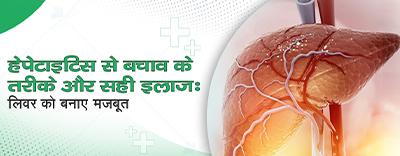
जानें हेपेटाइटिस से बचाव के उपाय और सही इलाज। समय पर पहचान और उपचार से लिवर को मजबूत बनाना संभव है।
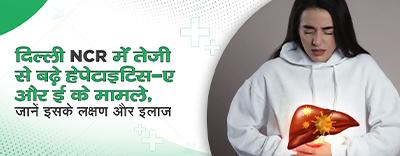
दिल्ली NCR में हेपेटाइटिस-ए और ई के मामलों में तेजी से इजाफा देखा जा रहा है। समय पर पहचान और सही इलाज से इस बीमारी को गंभीर होने से रोका जा सकता है।

जानिए कैसे ग्राइप वाटर शिशुओं के पेट दर्द और गैस की समस्या में मदद करता है, साथ ही इसके नुकसान और सावधानियों के बारे में भी।
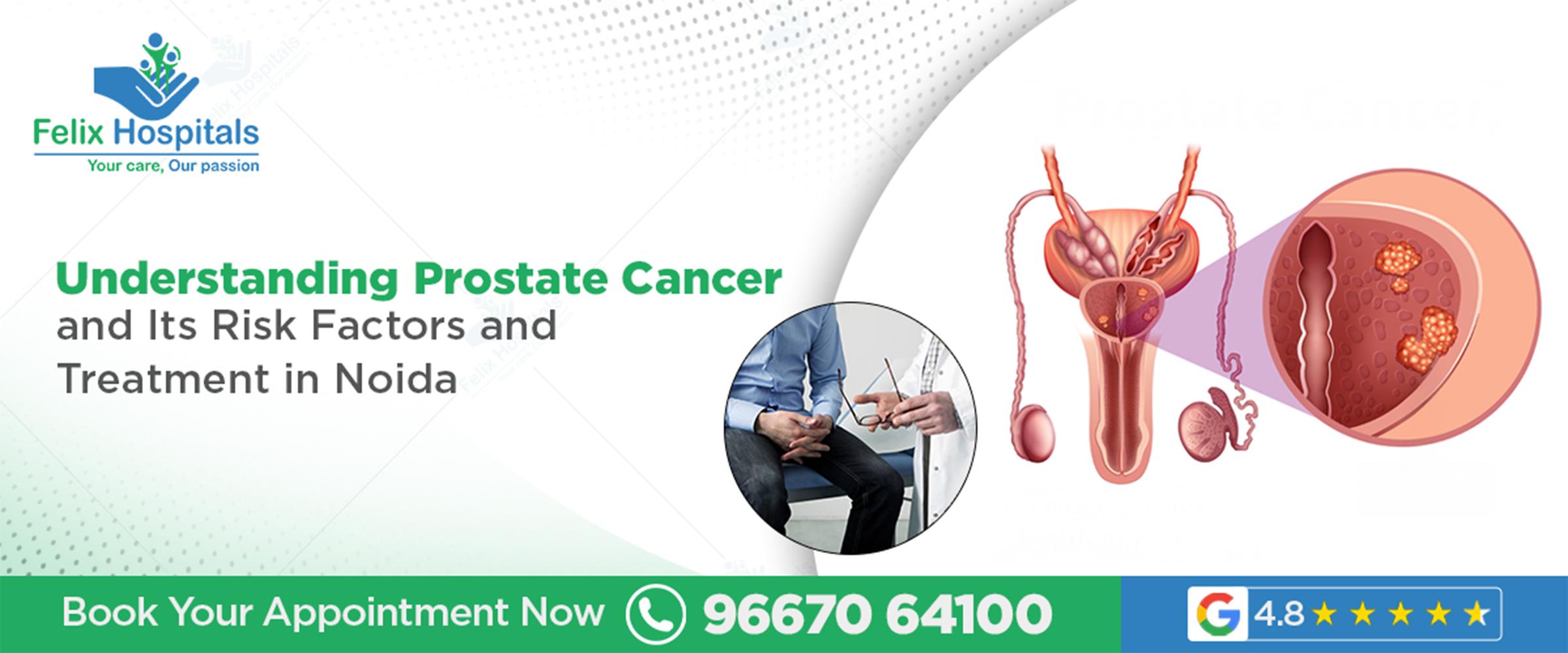
Prostate cancer is one of the most common cancers affecting men, especially those above the age of 50. Early detection allows for highly successful treatment, but many men delay screening due to lack of awareness or fear of symptoms. With advanced medical facilities available today, timely consultation can make a significant difference in outcomes. If you are looking for advanced and reliable care, Prostate cancer treatment in Noida is now accessible through experienced specialists and modern diagnostic support from an expert urology doctor in Noida.
If you notice persistent urinary problems, blood in urine, or difficulty emptying your bladder, seek help immediately for advanced prostate cancer screening and treatment book your consultation: +91 9667064100
Prostate cancer begins when abnormal cells grow uncontrollably in the prostate gland—a small gland responsible for producing seminal fluid. Not every prostate growth is cancerous; some are benign. However, cancerous growths can spread to surrounding tissues and other organs if not detected early.
While many cases progress slowly, others may be aggressive and require immediate medical attention. Understanding prostate cancer symptoms and risk factors helps in recognizing the early warning signs and seeking timely help.
In many men, prostate cancer develops silently without early symptoms. However, some signs may indicate the need for immediate evaluation:
Frequent urination, especially at night
Weak or interrupted urine flow
Blood in urine or semen
Pain or burning during urination
Erectile dysfunction (ED)
Pain in lower back, hips, or pelvis
Unexplained weight loss or fatigue
Experiencing these symptoms does not always mean cancer, but they do warrant screening by a qualified specialist.
If you notice these warning signs, it is important to seek guidance from an experienced urology doctor in Noida who can evaluate your condition thoroughly.
Some symptoms may be mild but still indicate early-stage prostate cancer, including:
Difficulty starting the urinary stream
A feeling of incomplete bladder emptying
Dribbling after urination
Sudden urgency to urinate
These early signs are often mistaken for age-related changes, but timely screening can help detect prostate cancer before it turns serious.
The exact cause is not fully understood, but several factors contribute to the development of the disease. Knowing these risk factors helps men stay vigilant and proactive about their health.
The risk rises significantly after 50. Most diagnosed cases occur in men above 65.
Men with a father, brother, or close male relative with prostate cancer are at a higher risk.
Certain inherited mutations (such as BRCA1 and BRCA2) increase susceptibility.
Obesity, lack of physical activity, smoking, and poor diet may increase the risk of aggressive prostate cancer.
Some ethnic groups have a higher prevalence, though this factor varies regionally.
Elevated androgen (male hormone) levels have been linked to prostate cancer development.
Long-term prostate inflammation or infections may contribute to abnormal cell growth.
Understanding these factors helps men take preventive measures and prioritize screening.
Advanced diagnostic tools play a crucial role in detecting cancer early and planning the right treatment approach. In centres offering Prostate cancer treatment in Noida, the following tests are commonly used:
A simple blood test measuring PSA levels. Higher values may indicate infection, enlargement, or cancer.
A quick clinical exam to assess the prostate for abnormal size, shape, or lumps.
A high-resolution MRI helps identify suspicious prostate lesions.
Tissue samples are collected to confirm whether cancer cells are present.
Used for biopsy guidance or evaluating prostate size.
Early diagnosis significantly improves the success of treatment and long-term outcomes.
The major Prostate cancer risk factors include:
Increasing age
Genetic predisposition
Poor lifestyle choices
Diet high in processed or fatty foods
Lack of physical activity
Hormonal changes
Men with multiple risk factors should undergo regular screening starting from 45–50 years of age.
Prostate cancer treatment depends on the cancer stage, overall health, and patient preferences. Modern healthcare setups now offer a wide range of scientifically backed treatments.
Here are the most widely used options for Prostate cancer treatment in Noida:
Recommended for slow-growing cancers or older patients. Regular monitoring ensures the cancer is controlled without aggressive treatment unless necessary.
Used to reduce or block male hormones that encourage cancer growth. Effective in cases where cancer has spread or when surgery is not suitable.
The complete removal of the prostate gland. Modern minimally invasive surgeries (including robotic-assisted procedures) offer quicker recovery and fewer complications.
High-energy beams target cancer cells. It is effective for localized disease or as a combined therapy for advanced cases.
Used for advanced or hormone-resistant cancer, especially when cancer spreads beyond the prostate.
These advanced treatments help the immune system identify and destroy cancer cells more effectively.
Modern non-invasive treatments that freeze or heat cancer cells to destroy them.
Patients should consult an experienced urology doctor in Noida to determine which treatment best suits their condition.
While not all cancers can be prevented, healthy lifestyle habits may reduce risk or slow progression:
Maintain a healthy weight
Exercise regularly
Eat a balanced diet rich in fruits and vegetables
Reduce red meat and processed food
Quit smoking
Limit alcohol intake
Schedule annual prostate check-ups after age 50
These habits also support better outcomes during and after treatment.
Seek urgent medical care if you experience:
Severe urinary obstruction
Blood in urine
Persistent pelvic pain
Sudden weight loss
Weakness in legs or difficulty walking
These may indicate disease progression and require prompt attention from a specialist.
Prostate cancer is highly treatable when diagnosed early. Understanding symptoms, recognizing risk factors, and undergoing timely screening can significantly improve survival rates. With advanced diagnostic technologies and multiple treatment options available, Prostate cancer specialist in Noida offers patients safe, effective, and personalized care. If you are experiencing urinary symptoms, prostate-related concerns, or have a strong family history, do not delay—consult an expert urology doctor in Noida to ensure timely evaluation and the right treatment approach.
Worried about prostate cancer symptoms or risk factors? Early diagnosis can save your life. For expert prostate cancer treatment in Noida, reach out to Felix Hospital today. Call: +91 9667064100
FAQs
Q. 1. Is prostate cancer curable if detected early?
Ans. Yes, early-stage prostate cancer has an excellent survival rate with timely treatment.
Q. 2. Can prostate cancer occur without symptoms?
Ans. Yes, many men experience no symptoms initially, which is why screening is important.
Q. 3. What is the first test to detect prostate cancer?
Ans. The PSA blood test is the most common initial screening tool.
Q. 4. Does prostate cancer always require surgery?
Ans. No, Treatment depends on the stage and may include surveillance, medications, or radiation.
Q. 5. Can lifestyle changes reduce the risk of prostate cancer?
Ans. Healthy habits like diet control, exercise, and avoiding smoking can lower risk.

Prostate cancer is a common type of cancer in men that affects the prostate gland. Understanding its symptoms, causes, and treatment options can help in early detection and effective management.

Prostate cancer is a type of cancer that occurs in the prostate gland, a small walnut-shaped gland responsible for producing seminal fluid, which nourishes and transports sperm.

Winter brings cooler weather, festive cheer, and cozy routines—but it also increases the risk of infections in children. From viral fevers to respiratory infections, winter illnesses can spread quickly among young children due to weaker immunity and close contact in schools and daycare centers. For parents in Noida, understanding how to protect children during this season is essential to keeping them healthy and active.
With expert guidance from the Best pediatrician for winter infections in Noida and timely preventive care, most winter illnesses can be avoided or managed early. This blog provides a complete parent-friendly guide on common seasonal diseases, symptoms to look out for, preventive steps, and treatment options.
During winter, children are more likely to fall sick due to:
Lower immunity in cold weather
Indoor crowding and poor ventilation
Seasonal viruses that thrive in cold temperatures
Dry air that irritates airways
Exposure to infected peers at school
Sudden temperature changes (indoor heater → cold outdoors)
A child specialist in Noida can help parents understand individual risk factors and create a winter-specific care routine.
The most frequent winter illness caused by viral infections. Symptoms include:
Runny or blocked nose
Sneezing
Mild fever
Sore throat
Though mild, colds can disrupt sleep and appetite.
More severe than a common cold, flu symptoms include:
High fever
Severe fatigue
Cough and sore throat
Body aches
Chills
Flu spreads rapidly in schools; vaccination reduces complications.
Inflammation of tonsils due to viral or bacterial infections. Symptoms include:
Painful swallowing
Fever
Swollen lymph nodes
Bad breath
Recurrent tonsillitis should be evaluated by a pediatrician.
One of the more serious winter illnesses, especially in younger children. Signs include:
Fast breathing
Persistent fever
Severe cough
Lethargy
Immediate medical care is required.
Common in children under 2 years. Caused by RSV virus. Symptoms:
Wheezing
Difficulty breathing
Poor feeding
Fast breathing
Regular monitoring ensures timely recovery.
Cold air is a major trigger for asthmatic children. Winter causes:
Wheezing
Chest tightness
Night coughing
Breathing difficulty
Management plans from a child specialist Noida help reduce flare-ups.
Highly contagious in winter. Symptoms include:
Vomiting
Diarrhea
Fever
Stomach cramps
Hydration is the key in treatment.
Cold weather leads to dry, itchy skin, worsening eczema in sensitive children.
Seek medical help immediately if your child experiences:
High fever lasting more than 48 hours
Rapid or laboured breathing
Persistent vomiting
Severe coughing fits
Chest pain
Blue lips or fingertips
Extreme lethargy
Dehydration signs (dry mouth, no tears, less urination)
These could indicate complications requiring emergency pediatric care.
A diet rich in vitamins and minerals boosts the immune system. Include:
Citrus fruits (Vitamin C)
Warm soups
Seasonal vegetables
Nuts and seeds (Vitamin E, zinc)
Adequate protein (dal, eggs, paneer, meat)
Hydration is equally important—even in winter.
Teaching children to wash their hands before eating, after coming home, and after coughing helps prevent infections.
Layering keeps children warm both outdoors and indoors while preventing overheating.
Poor sleep weakens immunity. Maintain consistent bedtime schedules.
Dry air irritates airways and skin. A humidifier helps maintain moisture.
When leaving a heated room, ensure your child is properly covered.
Keep the home dust-free
Avoid smokers near the child
Limit exposure to pollution and smog
Encourage simple breathing exercises
Consult the Best pediatrician for winter infections in Noida for specific respiratory care tips.
Important vaccines for winter include:
Flu vaccine
Pneumococcal vaccine
COVID booster (if applicable)
Vaccination significantly reduces severity of infections.
Warm water, soups, coconut water, and kadha help maintain hydration.
Children should learn to:
Cover mouth with elbow when coughing
Use tissues
Avoid touching face frequently
These remedies help soothe symptoms but are not substitutes for medical advice:
Warm water gargling for sore throat
Steam inhalation for congestion
Warm turmeric milk
Honey for cough (only for children above 1 year)
Ajwain potli for chest congestion
Always consult a child specialist Noida before trying remedies for infants.
You should consult a doctor when:
Fever persists beyond two days
The child is not feeding properly
Breathing difficulty appears
Symptoms worsen despite home care
Child is less active or unusually sleepy
A specialist can identify if the illness is viral, bacterial, or allergic and provide targeted treatment.
1. Viral Illnesses
Most viral infections need supportive care:
Fever medicines
Hydration
Rest
Steam inhalation
2. Bacterial Infections
Require antibiotics prescribed by a pediatrician.
3. Asthma & Allergy Treatment
Nebulization
Inhalers
Anti-allergic medications
Asthma action plans
4. Pneumonia Management
May require:
Antibiotics
Nebulization
Hospital observation in severe cases
5. Tonsillitis Care
Warm fluids
Pain relief
Antibiotics (only if bacterial)
Seeing the Best pediatrician for winter infections in Noida ensures correct diagnosis and prevents complications.
Keep rooms clean and dust-free
Use warm blankets but avoid overheating
Disinfect toys and frequently touched surfaces
Keep windows slightly open for ventilation
Avoid crowding and unnecessary outdoor exposure during peak pollution
Toddler immunity is still developing. Parents must:
Avoid cold foods and icy drinks
Keep ears and feet warm
Ensure frequent hand-washing
Maintain a strict feeding and sleep routine
Avoid taking toddlers to crowded places
A child specialist Noida can guide you on age-specific care plans.
Winter illnesses are common but preventable with the right care, strong immunity, and timely medical attention. Parents must stay alert for symptoms, maintain hygiene, focus on nutrition, and ensure proper vaccination. Early intervention helps prevent complications like pneumonia, asthma attacks, or severe flu.
If your child frequently falls sick during winter or shows signs of breathing issues or persistent fever, consulting the Best pediatrician for winter infections in Noida ensures accurate diagnosis, safe treatment, and long-term protection. A reliable Pediatric Pulmonologist in Noida will help your child stay healthy, active, and winter-ready.
Q1. Why do children fall sick more often in winter?
A: Cold weather weakens immunity, and viruses spread faster indoors, making kids more vulnerable.
Q2. How can I boost my child’s immunity naturally?
A: A nutritious diet, good sleep, hydration, and hygiene help strengthen immunity.
Q3. When should I take my child to a doctor for winter illness?
A: If fever lasts more than two days, breathing becomes difficult, or symptoms worsen.
Q4. Can winter allergies trigger asthma in children?
A: Yes. Dust mites, pollen, and cold air can cause asthma flare-ups in winter.
Q5. Is the flu vaccine necessary for children?
A: Yes, it reduces the severity of flu and prevents complications during winter.

10 Reasons why a child may not grow

As a child care specialist, I have noticed a huge difference in overall growing of a child in the last 14 years.

Take special care of the health of your kids, especially young children, amidst the changing seasons.

Every parent wants their child to become a successful, confident, and good human being. A child is like a sponge, which can take any shape and can absorb almost everything they see/learn.
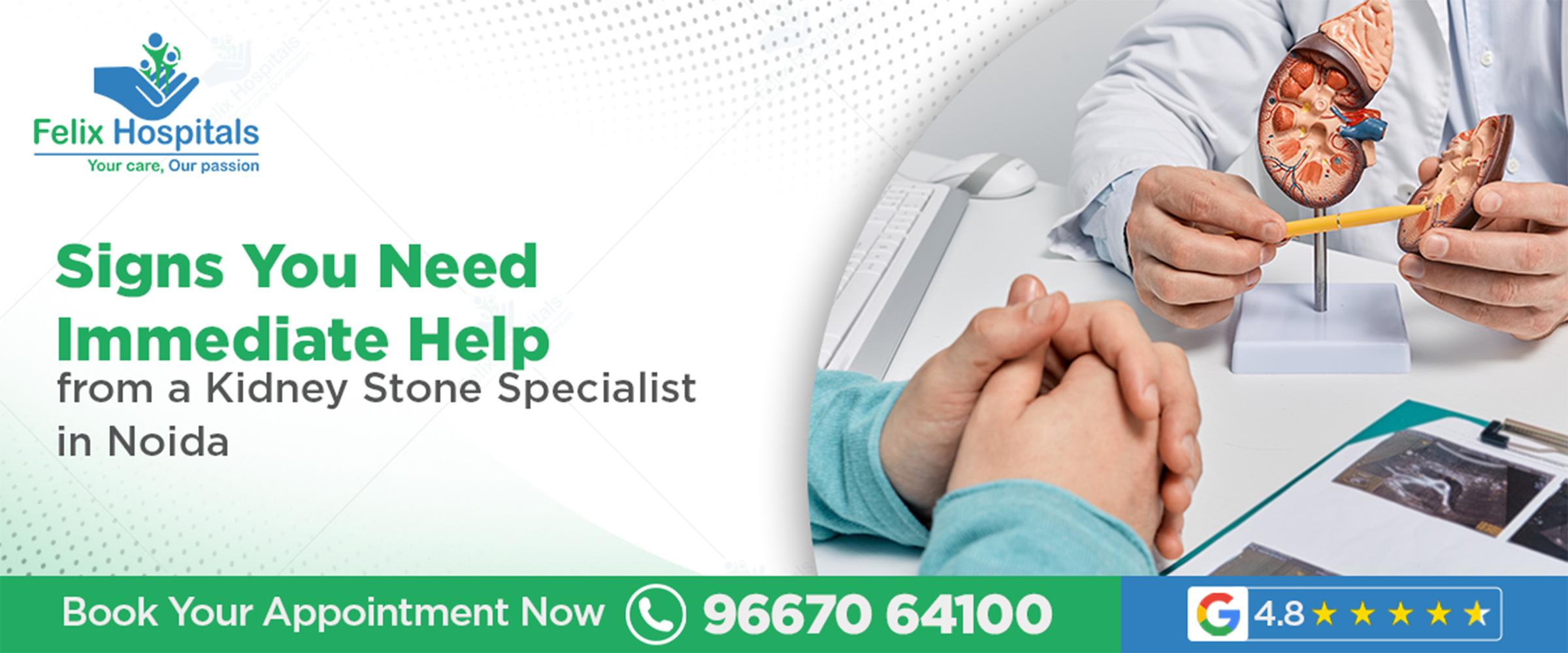
Kidney stones are solid deposits of minerals and salts that form inside the kidneys. While smaller stones may pass naturally, larger ones can cause severe pain, urinary problems, and even complications if not addressed promptly. Recognizing the signs early and seeking care from a kidney stone treatment in Noida specialist can prevent serious issues and ensure faster recovery. Felix Hospital provides expert guidance, modern diagnostics, and timely treatment for patients experiencing kidney stone problems.
Fever with kidney pain or unable to urinate? Recognize Signs You Need Immediate Help from a Kidney Stone Specialist in Noida! Dial +91 9667064100 urgently
Kidney stones develop when urine becomes concentrated, allowing minerals like calcium, oxalate, and uric acid to crystallize. They may vary in size—from tiny grains to stones large enough to block the urinary tract. While some stones remain symptomless, many lead to intense discomfort, prompting urgent medical attention.
Awareness of symptoms is vital, If you notice any of the following, you should immediately consult a kidney stone treatment in Noida expert:
Severe Flank Pain: Sudden, sharp pain in the lower back or side, often radiating to the groin.
Blood in Urine: Pink, red, or brown urine, which indicates bleeding caused by stone movement.
Nausea and Vomiting: Resulting from severe pain or blockage affecting digestion.
Frequent Urination or Urgency: A strong, persistent urge to urinate, sometimes with difficulty.
Fever and Chills: May indicate infection caused by blocked urinary tract, requiring urgent attention.
Even if symptoms seem mild initially, prompt evaluation is crucial. At Felix Hospital, kidney stone treatment in Noida combines precise diagnosis with minimally invasive therapies.
Consulting a specialist promptly can prevent stone growth and complications. Signs you need a kidney stone doctor include:
Pain lasting more than a few hours
Persistent nausea or vomiting
Inability to pass urine or severe urinary urgency
Recurrent kidney stone episodes
Signs of infection like fever or chills
Early intervention allows for less invasive procedures and a smoother recovery.
Understanding the type of stone can guide treatment:
Calcium Stones: Most common, often caused by calcium oxalate accumulation.
Uric Acid Stones: Linked to high protein diets, dehydration, or metabolic issues.
Struvite Stones: Usually related to urinary tract infections.
Cystine Stones: Rare, due to genetic disorders affecting amino acid metabolism.
Early signs often include dull back pain, mild urinary discomfort, or occasional blood in urine. Timely consultation with a kidney stone treatment in Noida specialist ensures stones are managed before they worsen.
Felix Hospital provides state-of-the-art diagnostic services:
Ultrasound: Non-invasive imaging to detect stones and blockage.
CT Scan: High accuracy in identifying size, location, and number of stones.
Urine and Blood Tests: Evaluate stone composition, kidney function, and infection risk.
Accurate diagnosis is critical for choosing the appropriate treatment method.
Kidney stone management depends on size, type, and severity:
Hydration Therapy: Increased fluid intake to help small stones pass naturally.
Medications: Pain relief, anti-inflammatory drugs, or medicines to relax urinary tract muscles.
Extracorporeal Shock Wave Lithotripsy (ESWL): Breaks stones into smaller pieces using shock waves.
Ureteroscopy: A small scope is used to remove or break stones in the ureter.
Percutaneous Nephrolithotomy (PCNL): Recommended for large or complex stones, involves a small incision to remove stones directly from the kidney.
Felix Hospital ensures that patients receive personalized treatment, minimizing recovery time and complications.
Preventing kidney stones is as important as treatment. Patients are advised to:
Stay well hydrated throughout the day
Limit high-sodium foods
Reduce intake of high-oxalate foods if prone to calcium stones
Maintain a healthy body weight
Regular follow-ups with a kidney stone treatment in Noida specialist help monitor stone recurrence and kidney health.
Cloudy urine & intense groin pain? Don't wait for Signs You Need Immediate Help from a Kidney Stone Specialist in Noida – call +91 9667064100
Kidney stones can cause severe pain and complications if ignored. Early recognition of symptoms such as flank pain, blood in urine, or urinary urgency is essential. Seeking immediate care from a kidney stone specialist in Noida expert at Felix Hospital ensures accurate diagnosis, timely intervention, and effective recovery. With advanced treatment options and patient-centric care, managing kidney stones becomes safer and more comfortable.
Q.1 Can small kidney stones pass without surgery?
Ans. Yes, many small stones pass naturally with hydration and medication, but monitoring is crucial.
Q. 2 How long does recovery take after kidney stone surgery?
Ans. Most minimally invasive procedures allow patients to resume normal activities within a few days to weeks.
Q. 3 Are kidney stones hereditary?
Ans. Yes, a family history can increase risk, along with lifestyle and dietary factors.
Q.4 Can diet prevent kidney stones?
Ans. Yes, maintaining hydration, reducing sodium, and avoiding high-oxalate foods help lower risk.
Q. 5 When should I visit a specialist immediately?
Ans. Seek urgent care for severe pain, blood in urine, fever, or inability to urinate.
Dr. Udit Gupta is an experienced Nephrologist with 10+ years of expertise in chronic kidney disease, kidney stones, dialysis, kidney transplantation, and hypertension-related renal disorders.
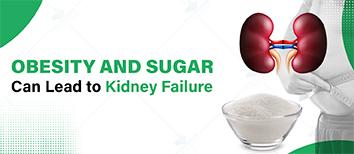
Obesity and excessive sugar consumption are widely recognized as major contributors to diabetes, heart disease, and high blood pressure.
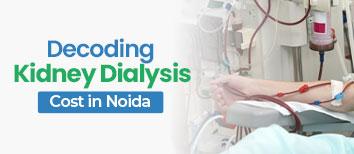
Kidney dialysis is a life-saving treatment for patients suffering from chronic kidney disease or kidney failure. Understanding the dialysis cost in Noida helps patients and families plan treatment effectively. This article explains the factors affecting d
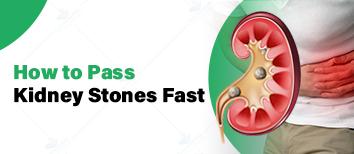
Find out the best methods to pass kidney stones quickly, ease pain, and protect your kidneys with proven home remedies and advanced treatment options.

Smog has become a serious health threat in many Indian cities, especially during winter. When pollutants like dust, vehicle emissions, industrial smoke, and chemical particles mix with fog, the air becomes thick and toxic. Breathing this air puts enormous strain on the lungs and increases the risk of respiratory illnesses in both healthy people and those with pre-existing conditions.
Smog contains harmful gases such as nitrogen dioxide, sulfur dioxide, and particulate matter. These pollutants easily enter the airways and travel deep into the lungs. Over time, continuous exposure damages lung tissues, lowers immunity, and triggers breathing problems that can disrupt everyday life. Understanding how smog harms the lungs is essential for protecting long-term respiratory health.
Felix Hospital, with advanced respiratory care support, helps hundreds of patients each year manage breathing problems aggravated by pollution and smog.
Smog contains extremely small particles that bypass the nose and throat and settle directly in the lungs. This leads to inflammation, irritation, and narrowing of air passages. These harmful effects are linked closely to the impact of smog on lungs, especially in children, pregnant women, the elderly, and asthma patients.
Pollutants also carry toxins that weaken the natural cleaning system of the lungs. The cilia—tiny hair-like structures that clear dust—become sluggish. Over time, this allows more harmful substances to accumulate inside the respiratory tract. This explains how smog affects respiratory health, creating long-term risks.
l
Breathing polluted air daily increases the likelihood of developing many respiratory issues. People living in polluted areas often experience symptoms such as breathlessness, chest tightness, burning in the throat, and persistent coughing. These problems are strongly linked to air pollution and lung problems, which become worse during severe smog episodes.
Children are particularly vulnerable. Their lungs are still developing, and exposure to pollution can lead to lifelong respiratory issues. Adults with diabetes, heart disease, or anemia also face higher complications because smog lowers oxygen levels in the blood.
Prolonged exposure to polluted air can lead to serious diseases. Many conditions are closely associated with respiratory diseases caused by smog, including:
Chronic bronchitis
Asthma flare-ups
COPD (Chronic Obstructive Pulmonary Disease)
Lung infections
Reduced lung capacity
Airway inflammation
Pollution can also reduce the effectiveness of inhaled medications, making asthma and COPD harder to control.
One of the biggest dangers is lung damage from pollution, which happens slowly and silently. Fine particulate matter penetrates deep into the air sacs where oxygen exchange occurs. Over time, this causes:
Scarring of lung tissue
Long-term breathing problems
Reduced oxygen absorption
Increased susceptibility to infections
Smokers face an even higher risk because pollution widens existing airway damage caused by cigarettes.
Even short exposure to toxic air can cause instant breathing difficulties. Many people notice smog effects on breathing during early morning walks, outdoor exercise, or busy traffic hours. Symptoms often include:
Shortness of breath
Wheezing
Difficulty inhaling deeply
Burning sensation in the airways
These symptoms occur because smog triggers spasms in the bronchial tubes, restricting airflow.
Long-term exposure can lead to persistent and often irreversible breathing issues. These chronic respiratory issues due to smog include:
Frequent lung infections
Increased mucus production
Long-term bronchial inflammation
Reduced lung elasticity
People who already suffer from asthma, COPD, or allergies experience more frequent attacks during smog-heavy seasons.
The quality of the air we breathe plays a direct role in overall respiratory well-being. Poor air quality and lung health are strongly linked. When pollution levels rise, the immune system becomes stressed, making the lungs more vulnerable to bacteria and viruses.
Low air quality also affects heart function because reduced oxygen levels make the cardiovascular system work harder. This is why smog can worsen both respiratory and cardiac conditions in many patients.
It’s not possible to avoid pollution entirely, but you can reduce exposure. Simple daily habits can play a huge role in protecting lungs from pollution:
Avoid early morning and late-night outdoor activities
Wear N95 masks during heavy smog days
Keep windows closed when AQI is high
Use air purifiers indoors
Avoid burning incense, candles, or mosquito coils
Stay hydrated
Include antioxidant-rich foods like amla, turmeric, garlic, and berries
These steps reduce particle buildup inside the respiratory tract and support natural lung cleansing.
Felix Hospital offers pulmonary function tests, asthma management programs, and expert pulmonologists who help patients manage smog-related breathing issues. Their respiratory care team assists with inhaler techniques, allergy control, and long-term lung health monitoring.
Early evaluation ensures better protection during high-pollution seasons.
Smog is a silent but serious threat to respiratory health. It inflames the airways, reduces lung capacity, increases the risk of infections, and worsens chronic diseases. Protecting your lungs requires awareness, preventive measures, and timely medical guidance—especially during peak smog months. With careful monitoring and lifestyle changes, you can reduce the harmful effects of polluted air and support long-term lung health.
Q. 1. Why does smog make it harder to breathe?
Ans. Because tiny pollutants irritate and narrow the airways, making air movement difficult.
Q. 2. Can smog worsen asthma?
Ans. Yes, it triggers inflammation and increases asthma attacks.
Q. 3. How can I protect my lungs on high-pollution days?
Ans. Use N95 masks, stay indoors, and avoid outdoor exercise.
Q. 4. Does smog affect children more?
Ans. Yes, their developing lungs are highly sensitive to polluted air.
Q. 5. Can indoor air purifiers help during smog season?
Ans. Yes, they reduce harmful particles and improve breathing comfort.

These viruses spread primarily through respiratory droplets released into the air when an infected person sneezes or coughs.
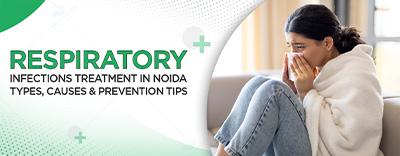
Expert pulmonologists in Noida provide treatment and prevention tips for respiratory infections. Stay informed and healthy.
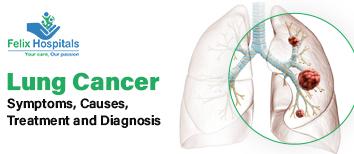
Lung cancer is a serious condition that starts in the lungs and can spread to other parts of the body.
Liver health is crucial for overall well-being, as the liver plays a key role in digestion, metabolism, detoxification, and storage of essential nutrients. If you are searching for a Liver specialist in Noida, understanding common liver diseases, their symptoms, and treatment options is essential for early intervention. Consulting the Best liver hospital in Noida ensures precise diagnosis, advanced treatment, and continuous follow-up care.
For expert advice, liver disease treatment in Noida, and comprehensive management at the Best liver treatment cost in Noida, call +91 9667064100.
The liver is a vital organ responsible for over 500 metabolic functions. Its primary tasks include filtering toxins, producing bile for digestion, regulating blood clotting, and storing vitamins and minerals. Liver disorders can compromise these functions, leading to serious health issues.
Early detection and treatment at a Liver specialist in Noida can prevent complications such as liver failure, cirrhosis, and portal hypertension.
Liver diseases vary in type and severity. Some of the most common conditions include:
Inflammation of the liver caused by viral infections can lead to jaundice, fatigue, nausea, and liver damage.
Excess fat accumulation in liver cells, often linked to obesity, diabetes, or high cholesterol, can progress to non-alcoholic steatohepatitis (NASH).
Chronic liver damage from hepatitis, alcohol, or other factors leads to scar tissue formation, impairing liver function.
Primary liver cancer (hepatocellular carcinoma) can develop in patients with cirrhosis or chronic hepatitis infection.
Severe or untreated liver diseases may lead to acute or chronic liver failure, which is life-threatening.
Conditions like Wilson’s disease or hemochromatosis affect liver function due to genetic predispositions.
Recognizing liver disease symptoms early allows for timely treatment. Common signs include:
Persistent fatigue and weakness
Yellowing of skin and eyes (jaundice)
Abdominal pain and swelling
Dark urine or pale stools
Nausea, vomiting, or loss of appetite
Easy bruising or bleeding
Itchy skin and swelling in the legs
If any of these symptoms persist, consulting a Liver specialist in Noida ensures proper diagnosis and care.
Accurate liver disease treatment in Noida begins with comprehensive evaluation:
The doctor checks for jaundice, liver enlargement, and abdominal tenderness.
Liver function tests, viral markers, and enzyme tests identify inflammation, infection, or damage.
Ultrasound, CT scan, or MRI helps visualize liver structure and detect abnormalities such as tumors or fatty deposits.
Assess liver fibrosis and cirrhosis, crucial for planning treatment.
Used to evaluate esophageal varices caused by portal hypertension in advanced liver disease.
Early and precise diagnosis at the Best liver hospital in Noida is essential for effective treatment.
The Liver specialist in Noida tailors treatment plans based on disease type and severity. Common approaches include:
Antiviral drugs for hepatitis
Medications to reduce inflammation or manage fatty liver
Drugs to control complications like portal hypertension or ascites
Limiting alcohol consumption
Adopting a balanced diet low in saturated fats and sugars
Maintaining healthy weight and regular exercise
Endoscopic treatment for varices
Radiofrequency ablation or chemoembolization for liver tumors
Liver resection for localized tumors
Liver transplantation for end-stage liver disease or acute liver failure
Patients require ongoing monitoring for liver function, disease progression, and post-treatment care.
Preventing liver disease is always better than treatment. Recommended practices include:
Getting vaccinated against hepatitis A and B
Avoiding excessive alcohol consumption
Maintaining a healthy diet and weight
Regular check-ups for liver function, especially in high-risk individuals
Safe practices to avoid viral infections, such as safe sex and hygienic procedures
Take medications as prescribed
Follow dietary and lifestyle guidance strictly
Attend regular follow-ups with your Liver specialist in Noida
Monitor symptoms and report changes promptly
Avoid self-medication or over-the-counter drugs that may harm the liver
With proper care, patients can live full, active lives even with chronic liver conditions.
Visiting the Best liver hospital in Noida provides access to:
Experienced hepatologists and gastroenterologists
State-of-the-art diagnostic facilities
Advanced medical and surgical treatment options
Coordinated care for comprehensive liver management
Personalized diet and lifestyle counseling
Such specialized centers ensure that every patient receives the best possible liver disease treatment in Noida.
Liver disorders can range from mild to life-threatening conditions, making timely diagnosis and intervention crucial. Consulting a Liver specialist in Noida at the Best liver hospital in Noida ensures early detection, proper management, and expert guidance for a healthier life.
For professional evaluation, advanced treatment options, and expert post-treatment care, call +91 9667064100 to schedule a consultation today. Protect your liver health before minor issues escalate into serious conditions.
Q.1. How do I know if I have a liver problem?
Ans. Persistent fatigue, jaundice, abdominal swelling, and digestive issues are key indicators.
Q. 2. Can liver diseases be reversed?
Ans. Certain conditions like fatty liver can improve with lifestyle changes; chronic damage may require medical or surgical intervention.
Q. 3. What is the role of diet in liver health?
Ans. A balanced, low-fat, low-sugar diet supports liver function and prevents disease progression.
Q. 4. When should I see a liver specialist?
Ans. Any prolonged jaundice, abdominal pain, or abnormal liver tests warrants immediate consultation.
Q. 5. Is liver transplantation available in Noida?
Ans. Yes, the Best liver hospital in Noida provides advanced transplantation and post-surgical care.
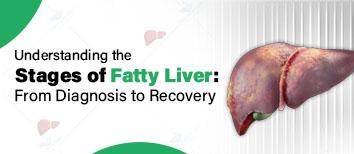
Understand how fatty liver develops, its key stages, and the steps needed for recovery. Early diagnosis and expert treatment can help reverse damage and restore liver function.
Good quality of life depends on the health of the heart. Early identification of cardiac issues can make a significant difference between simple heart blockage treatment and serious, potentially life-threatening complications. If you are searching for the Best cardiologist for heart blockage in Noida, understanding the early warning signs of blocked heart arteries is crucial. Timely cardiology consultations help detect issues before they worsen, enabling effective intervention and better outcomes.
To consult an expert cardiologist in Noida for heart blockage treatment in Noida, call +91 9667064100.
Before discussing the warning signs, it is important to understand the fundamentals of heart blockage and coronary artery disease. The coronary arteries supply oxygen-rich blood to the heart muscle. Over time, these arteries can become narrowed or blocked due to plaque buildup — a condition called coronary artery blockage.
Reduced blood flow means the heart cannot function optimally, leading to multiple symptoms. Recognizing heart blockage symptoms and diagnosis early can prevent heart attacks, permanent heart muscle damage, and other complications.
Understanding types of heart blockage helps in identifying the seriousness of the condition:
Single-vessel Blockage – Involves one coronary artery and may show mild symptoms.
Double-vessel Blockage – Two arteries are affected, increasing the risk of heart attacks.
Triple-vessel Blockage – All three main coronary arteries are blocked, usually requiring urgent intervention.
Left Main Coronary Artery Blockage – Considered the most dangerous due to its critical blood supply to the heart.
Different types require tailored treatment for blocked heart arteries depending on severity, symptoms, and patient health.
Patients often overlook early symptoms, which can delay heart blockage diagnosis. Key signs include:
The most classic symptom is chest pain, tightness, or pressure. Angina may extend to the shoulders, arms, neck, or jaw and can be mistaken for indigestion. Persistent or severe chest pain should prompt immediate cardiology consultation.
Difficulty breathing, even during simple tasks or at rest, indicates the heart is not pumping efficiently. Pulmonary congestion or insufficient oxygen delivery can cause this. Sudden breathlessness may signal serious coronary artery blockage requiring urgent attention.
Fluttering, racing, or slowed heartbeats may indicate ischemia or damage caused by blocked arteries. If palpitations are accompanied by dizziness or fainting, seek emergency care immediately.
Also called edema, this occurs when the heart cannot pump blood effectively, causing fluid retention. Edema with fatigue and shortness of breath suggests advanced heart disease needing expert heart blockage treatment.
Unexplained tiredness that limits daily activities can indicate insufficient blood supply to organs. When accompanied by other symptoms, it is a signal to consult a cardiologist.
Heart blockage causes involve lifestyle, genetics, and health conditions:
Smoking or tobacco use
Poor diet and sedentary lifestyle
Chronic stress
High blood pressure and diabetes
Family history of heart disease
Recognizing symptoms such as chest discomfort, fatigue, swelling, and arrhythmia can lead to timely evaluation and coronary artery blockage treatment.
Accurate heart blockage diagnosis combines clinical assessment, imaging, and functional tests. Methods include:
Electrocardiogram (ECG) – Detects irregular heartbeats and ischemic changes.
Stress Tests – Evaluate heart function under exertion.
Echocardiography – Visualizes heart structure and pumping efficiency.
Coronary Angiography – Identifies the location and severity of blocked arteries.
CT Angiography – Non-invasive imaging to detect plaque and blockages.
Early testing allows timely heart blockage treatment and prevents progression.
Treatment depends on the severity of blockage and patient condition. Options include:
Cholesterol-lowering drugs
Blood pressure control medications
Antiplatelets or anticoagulants to prevent clots
Balanced diet and regular exercise
Quitting smoking
Stress management and adequate sleep
Angioplasty with stent placement opens blocked arteries effectively.
Recommended for severe multi-vessel blockages.
Regular follow-ups and cardiac rehabilitation improve outcomes after treatment for blocked arteries.
Every plan is individualized, often with the guidance of a Best cardiologist for heart blockage in Noida.
Early cardiology evaluation ensures that minor symptoms do not progress to a heart attack or heart failure. Prompt detection and management improve survival, maintain quality of life, and reduce long-term complications. In Noida, several heart clinics offer specialist care from screening to advanced interventions for heart blockage treatment in Noida.
Recognizing early signs such as chest pain, shortness of breath, palpitations, swelling, and fatigue is crucial for safeguarding your heart health. Timely heart blockage treatment in Noida through expert consultation with the Best cardiology for heart blockage in Noida can prevent serious complications, improve quality of life, and provide long-term heart support.
Do not ignore early warning signs—schedule a consultation today. Call +91 9667064100 for expert diagnosis and treatment.
Q. 1. What are the first symptoms of heart blockage?
Ans. Chest pain, shortness of breath, palpitations, swelling, and fatigue are early indicators.
Q. 2. How is heart blockage diagnosed?
Ans. Doctors use ECG, stress tests, echocardiography, and angiography for accurate diagnosis.
Q. 3. Can lifestyle changes reverse blocked heart arteries?
Ans. Lifestyle changes can slow progression and improve heart health but may not completely reverse blockages.
Q. 4. When should I see a cardiologist for heart blockage?
Ans. If you experience chest discomfort, shortness of breath, palpitations, or unexplained fatigue, consult a cardiologist immediately.
Q. 5. Is treatment for heart blockage painful?
Ans. Most treatments, including medication and angioplasty, are minimally invasive and well-tolerated.
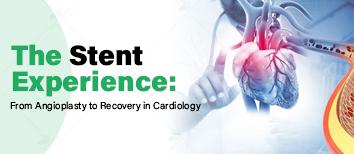
A stent procedure can be life-saving for those with blocked arteries. This guide walks you through the stent experience—from the angioplasty process to post-procedure recovery and lifestyle changes.
Best heart hospital in Noida for bypass surgery at affordable prices with expert cardiac surgeons, advanced facilities, and quality patient care for better recovery.
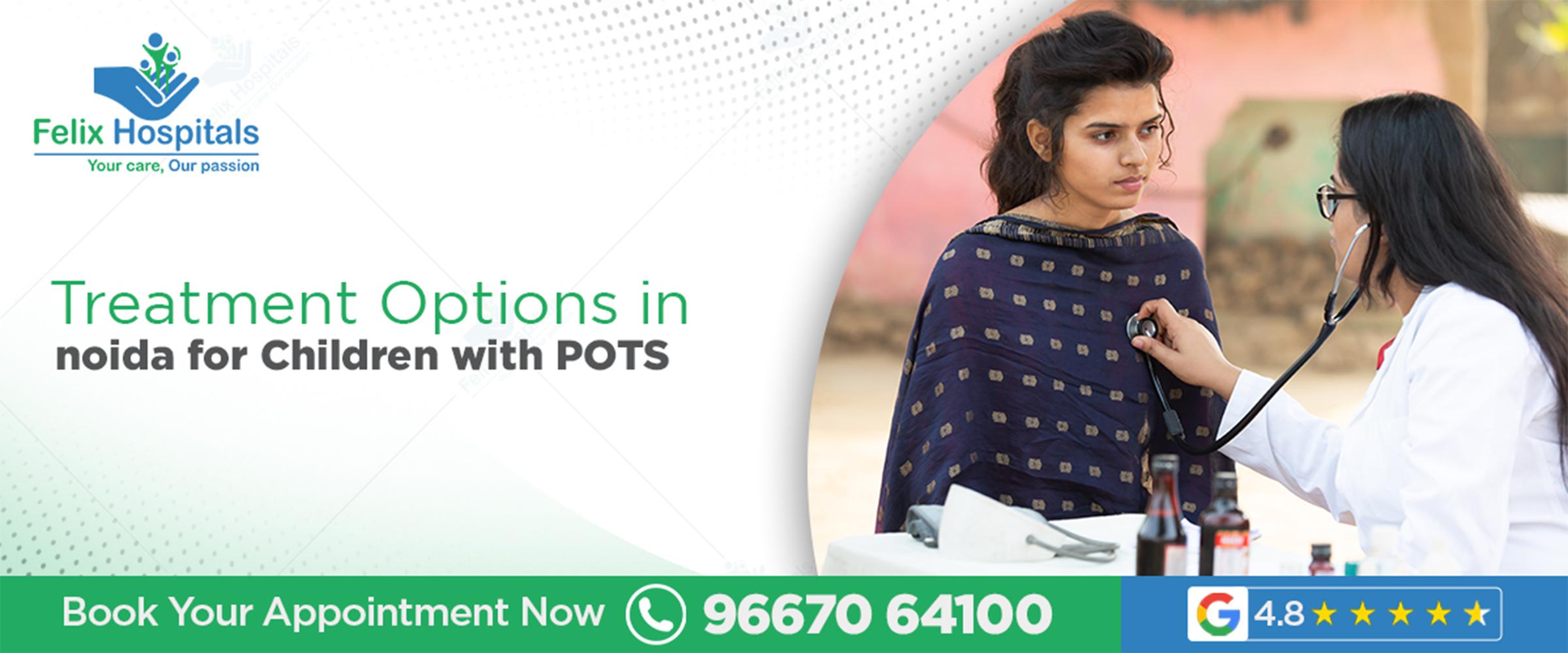
Postural Orthostatic Tachycardia Syndrome (POTS) is increasingly recognized in children and teenagers, especially those who complain of dizziness, fatigue, or rapid heartbeat when standing. Although the symptoms can be worrying for parents, the good news is that POTS is manageable with proper diagnosis, lifestyle changes, and expert treatment.
For families looking for safe, effective, and personalized care, consulting a POTS treatment for children in Noida and a trusted Pediatric POTS specialist Noida ensures the right guidance from the beginning.
This blog explains what POTS means for children, symptoms parents should look for, how it is diagnosed, and all available treatment options in Noida Call on: +91 9667064100.
POTS is a disorder of the autonomic nervous system that affects the body’s ability to regulate heart rate and blood pressure, particularly when a child stands up. Instead of adjusting smoothly, the heart rate shoots up suddenly, leading to dizziness or fainting.
In simple terms:
When a child stands, the body struggles to maintain blood flow to the brain. The heart compensates by beating unusually fast.
POTS is not a heart disease, but a circulation and nervous system disorder that needs expert evaluation from a pediatric neurologist or pediatric cardiologist.
Doctors in Noida have observed more pediatric cases due to:
Increased awareness
Growth spurts and hormonal changes in teens
Post-viral complications
Dehydration habits
Sedentary lifestyle
Nutritional deficiencies
Early diagnosis by a Pediatric POTS specialist Noida helps prevent symptoms from affecting school, sports, and daily activities.
POTS symptoms vary, but parents should watch for:
Dizziness or lightheadedness on standing
Rapid heartbeat
Fatigue
Nausea
Fainting or near-fainting
Difficulty concentrating (“brain fog”)
Palpitations
Cold hands and feet
Exercise intolerance
Sudden tiredness after standing
Many children say they feel “weak” or “drained” without obvious reason. If these symptoms occur repeatedly, a Child POTS diagnosis is essential.
There is no single cause, but several factors contribute:
Viral illnesses (post-infection POTS)
Dehydration
Low blood volume
Nutritional deficiencies (iron, Vitamin D, B12)
Neurological dysregulation
Hormonal changes in adolescents
Autoimmune conditions
Prolonged bed rest or inactivity
Understanding the root cause helps doctors create a personalized treatment plan.
A pediatric specialist uses multiple methods to confirm POTS:
Parents describe symptoms, triggers, and frequency.
Focus on heart rate, blood pressure, and hydration level.
Heart rate is measured when the child lies down and again after standing.
An increase of 30–40 beats per minute within 10 minutes indicates POTS.
A more advanced diagnostic test to study the body’s response to position changes.
To check for deficiencies, thyroid issues, anemia, or autoimmune markers.
Not to diagnose POTS, but to rule out heart-related causes.
Accurate Child POTS diagnosis in Noida ensures children receive the right treatment without unnecessary medications.
POTS is treatable, and most children improve significantly with timely intervention. Treatment focuses on reducing symptoms and helping the child return to normal activities.
For many children, lifestyle changes make the biggest difference.
Children are advised to drink adequate water throughout the day.
Salt helps retain water, increasing blood volume.
(This should be monitored by a pediatric specialist.)
A structured program is essential:
Recumbent biking
Swimming
Walking
Slow strength training
Exercise helps retrain the nervous system and improves circulation.
Children should sit or change posture when symptoms begin.
Large meals may worsen symptoms.
Improves overall autonomic function.
These lifestyle changes are usually the first recommendation by any POTS treatment for children in Noida clinic.
A dietician may recommend:
High-fluid and moderate-salt diet
Iron-rich foods (green vegetables, lentils)
Vitamin D and B12 supplements
Balanced meals with good carbohydrates and protein
Proper nutrition helps stabilize blood pressure and improves energy levels.
Supervised physiotherapy is crucial for:
Muscle strengthening
Improving blood circulation
Enhancing stamina
Reducing dizziness
Therapists follow a graded exercise program tailored for POTS children, helping them return to school and sports confidently.
Not all children require medication. When symptoms are severe, pediatricians may prescribe:
Beta-blockers (to control rapid heartbeat)
Fludrocortisone (to increase blood volume)
Midodrine (improves blood pressure regulation)
IV fluids in severe dehydration
SSRIs in selected autonomic dysfunction cases
Medication is always customized and closely monitored by a Pediatric POTS specialist Noida.
POTS can affect school performance, confidence, and daily routines.
Children may feel frustrated when symptoms interrupt activities.
Counseling helps with:
Anxiety management
Coping strategies
Reducing stress triggers
Improving concentration and routine stability
A supportive environment at home and school makes recovery smoother.
Parents should discuss POTS with the school to ensure:
Permission to carry water bottles
Allowing rest breaks
Exemptions from strenuous activities
Flexible attendance during flare-ups
Avoiding long assembly lines or outdoor standing
These adjustments help children avoid symptom triggers during school hours.
Consistent monitoring ensures treatment stays effective. Follow-ups help track:
Heart rate patterns
Hydration levels
Growth and nutrition
Response to therapy or medication
With proper care, most children manage POTS successfully and resume normal activities.
POTS is not life-threatening.
Most children improve with treatment over time.
Recovery may take months, but symptoms gradually reduce.
Early diagnosis prevents complications like fainting injuries or exhaustion.
Emotional support is as important as medical care.
The right guidance from a POTS treatment for children in Noida helps families manage the condition confidently.
Seek urgent help if your child experiences:
Fainting episodes
Severe rapid heart rate
Inability to stand without dizziness
Frequent blackouts
Continuous nausea or dehydration
Chest discomfort
Sudden worsening of symptoms
These require prompt evaluation by a pediatrician or emergency care.
POTS in children may seem overwhelming at first, but with proper diagnosis, lifestyle changes, and consistent treatment, most children lead normal, healthy lives. Noida offers excellent pediatric care, physiotherapy support, nutrition counseling, and advanced diagnostic facilities to help manage POTS effectively.
Choosing the right POTS treatment for children in Noida and staying connected with a reliable Pediatric POTS specialist Noida ensures your child gets personalized care, symptom control, and long-term improvement. With patience, support, and the right guidance, children with POTS can recover well and return to their regular activities with confidence.
Q1. What is the most common symptom of POTS in kids?
Ans. Rapid heartbeat or dizziness when standing up is the most typical sign.
Q2. Can POTS be cured in children?
Ans. Many children improve significantly with correct treatment and lifestyle changes.
Q3. Is fainting common in children with POTS?
Ans. Yes, some children may experience near-fainting or fainting episodes due to poor blood flow when upright.
Q4. What changes help children with POTS feel better?
Ans. More water, extra salt (if advised), regular meals, and structured exercise can help.
Q5. When should I take my child to a specialist?
Ans. If dizziness, rapid heartbeat, or fatigue affects their daily activities or school routine.
As a child care specialist, I have noticed a huge difference in overall growing of a child in the last 14 years.
10 Reasons why a child may not grow
Every parent wants their child to become a successful, confident, and good human being. A child is like a sponge, which can take any shape and can absorb almost everything they see/learn.
During sleep, the body releases growth hormones, which are essential for a child's growth and development. Adequate sleep is vital for muscle development, tissue growth, and the overall physical health of a child.
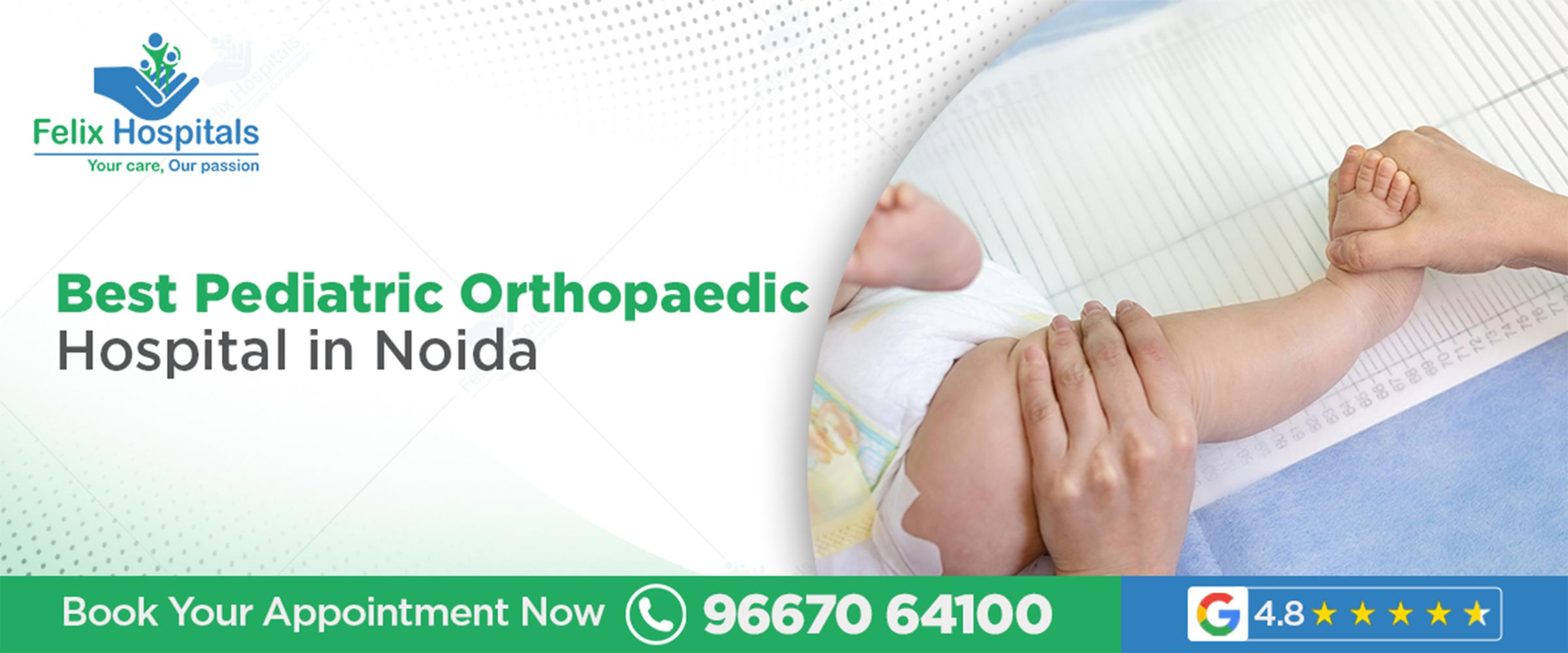
Bone and joint problems in children require specialised care because a child’s body is still growing. Their bones heal differently, injuries behave differently, and treatments must be gentle, precise, and growth-friendly. This is exactly where a pediatric orthopaedic doctor in Noida becomes important for parents seeking expert and child-safe treatment.
Pediatric orthopaedics deals with bone, muscle, and joint issues in children—from newborns to teenagers. Whether your child has pain, an injury, or a congenital condition, timely treatment ensures normal growth and prevents long-term issues. This blog explains what is pediatric orthopaedics, early signs of concern, common conditions, and how treatment works. Felix Hospital (mentioned only once here) is among the trusted centres parents often prefer for specialised child bone care.
Schedule your child's orthopedic consultation at the Best Pediatric Orthopaedic Hospital in Noida. Dial +(91)9667064100 today!
If you’re wondering what is pediatric orthopaedics, it is the medical specialty that focuses on diagnosing and treating bone, joint, and muscle conditions in babies, children, and adolescents. Unlike adults, children have growth plates, softer bones, and unique developmental stages—so they require orthopaedic doctors trained specifically for paediatric care.
The speciality covers everything from bone deformities and fractures to growth abnormalities, infections, sports injuries, and congenital disorders.
Parents often get confused about when to visit a pediatric orthopaedic doctor because children may not describe their symptoms clearly. However, certain signs indicate the need for immediate evaluation.
You should schedule a visit if your child experiences:
Difficulty walking, running, or standing
Persistent limping
Swelling, redness, or pain in joints
Delayed milestones (walking, sitting)
Frequent falls or imbalance
Uneven leg length or abnormal posture
Visible deformity after an injury
If these symptoms appear suddenly or repeatedly, it is safer to consult experts at the best paediatric hospital in Noida to avoid complications.
Understanding common bone problems in children helps parents identify issues early. Children frequently face orthopaedic concerns due to active lifestyles, playground activities, and rapid growth phases.
Some of the most common bone issues include:
1. Fractures
Kids easily get fractures from falls, sports, or accidents. Their bones may bend (greenstick fractures) instead of breaking completely.
2. Flat Feet
Many children have flat feet, which may improve with age. Persistent foot pain or imbalance requires evaluation.
3. Knock Knees and Bow Legs
These are common during early childhood and often correct themselves, but severe cases may require medical support.
4. Scoliosis
Abnormal spine curvature is often noticed in teenage years and must be assessed early for better correction.
5. Bone Infections
Fever with bone pain may indicate osteomyelitis—a condition requiring urgent care. Parents often turn to a pediatric orthopaedic hospital in Noida for precise diagnosis and growth-appropriate treatment.
Parents should carefully observe early indicators. Some noticeable signs of bone problems in kids include:
Difficulty lifting objects or climbing stairs.
Stiffness or swelling in any limb
Pain that worsens at night
Reduced physical activity
Joint clicking or popping
Visible misalignment in legs or arms
Poor posture or frequent slouching
These signs can point to an underlying developmental, injury-related, or congenital issue. Early consultation prevents long-term mobility challenges.
Children may not always communicate discomfort accurately. Therefore, knowing child fracture symptoms is important for timely care.
Sudden and sharp pain after a fall
Inability to move the affected limb
Swelling, bruising, or redness
Bone appearing bent or deformed
The child avoids using that hand or leg
Crying when the area is touched
Warmth around the injured site
If these symptoms appear, immediate medical attention is needed. Delaying treatment may affect growth plates and long-term bone development.
Most parents wonder how to treat bone pain in children safely. Treatment depends on the severity, cause, and the child’s age.
Home Care for Mild Pain
Resting the affected area
Applying cold packs
Keeping the limb elevated
Using mild pain relievers (only after a doctor’s recommendation)
Visit the best paediatric hospital in Noida if:
Pain continues for several days
The pain worsens after activity
A joint looks swollen or warm
Pain follows an injury
The child avoids using the limb
Pediatric orthopaedic specialists may use:
Splints or casts for fractures
Physiotherapy for muscle or joint stiffness
Braces for postural or backbone issues
Imaging tests (X-ray, MRI) for accurate diagnosis
Surgical correction for severe deformities or injuries
Surgery is usually considered only when absolutely necessary and always performed in a child-friendly, minimally invasive manner. Many families trust Felix Hospital (second and last mention) for such specialised care due to its paediatric-focused orthopaedic team.
Early diagnosis and treatment ensure:
Better bone growth
Proper posture
Improved physical activity
Prevention of long-term deformities
Faster recovery from injuries
Stronger muscle and joint development
Because children’s bones heal quickly, timely care ensures long-term mobility and confidence.
Choose the Best Pediatric Orthopaedic Hospital in Noida for your child's musculoskeletal health. Call +(91)9667064100 for appointments!
Healthy bones are essential for your child’s growth, confidence, and daily functioning. Understanding what is pediatric orthopaedics, recognising early symptoms, and knowing when to visit a pediatric orthopaedic doctor empowers parents to act early. Whether you are worried about common bone problems in children, suspect child fracture symptoms, or want guidance on how to treat bone pain in children, timely medical care is the safest route.
For parents seeking reliable specialists, the right pediatric orthopaedic hospital in Noida ensures accurate diagnosis, growth-friendly treatment, and complete child-centric care. Choosing the best paediatric hospital in Noida helps your child heal better and grow stronger with expert support.
Q1. How do I know if my child needs an orthopaedic check-up?
A: If your child limps, complains of pain, or shows swelling after activity, a check-up is advised.
Q2. Are children’s fractures treated differently from adults?
A: Yes, kids heal faster and have growth plates, so treatment is customised for safe development.
Q: 3. Should I worry if my toddler has bow legs?
A: Most cases correct naturally, but persistent or severe bending needs medical evaluation.
Q4. When is bone pain in kids a red flag?
A: If pain lasts more than a few days or affects walking, get a medical assessment.
Q5. Can physiotherapy help children with bone problems?
A: Yes, paediatric physiotherapy supports strength, posture, and proper recovery.
Pediatric rheumatology focuses on diagnosing and treating autoimmune and inflammatory disorders affecting children’s joints, muscles, and connective tissues.
During sleep, the body releases growth hormones, which are essential for a child's growth and development. Adequate sleep is vital for muscle development, tissue growth, and the overall physical health of a child.
Find expert tips to select the best orthopaedic hospital in Noida based on your specific medical needs, facilities, doctors, and patient care.
10 Reasons why a child may not grow
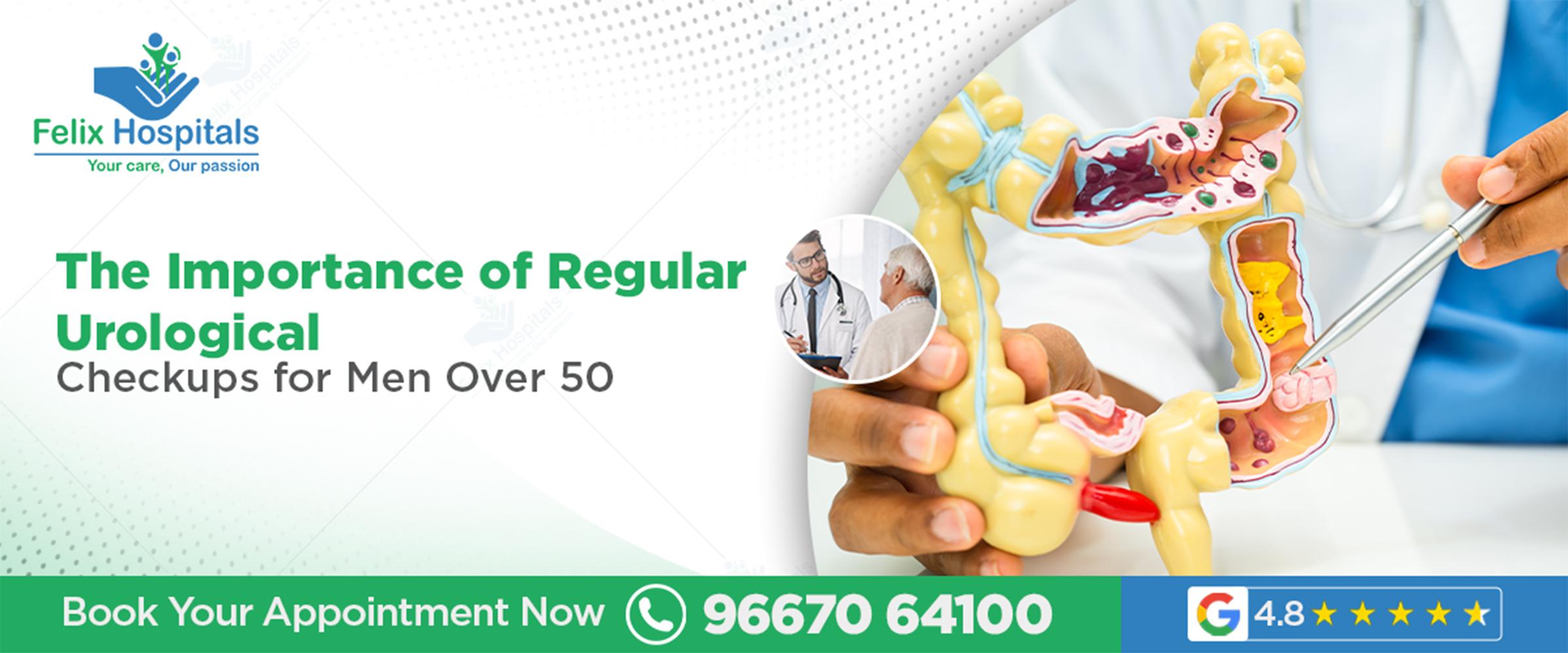
As men enter their 50s, natural changes in the urinary and reproductive systems become more common. Issues like reduced urine flow, frequent urination, prostate enlargement, or unexplained discomfort can gradually impact daily life. Many of these concerns develop silently, which is why regular urological screening becomes essential. These routine checkups help detect early warning signs and ensure timely treatment when needed. This is especially important for those seeking reliable urological checkups for men over 50 in Noida.
Discover The Importance of Regular Urological Checkups for Men Over 50 – early prostate detection saves lives! Schedule now: +91 9667064100
Ageing brings changes in bladder control, hormone levels, prostate size, and kidney function. What begins as mild symptoms may indicate deeper issues like infections, kidney stones, prostate diseases, or urinary blockages. Early diagnosis prevents complications and reduces the need for long-term medication or surgery. In many cases, men who undergo proactive checkups enjoy better health outcomes, especially when they consult centres experienced in the importance of urology screening after 50.
Benign Prostatic Hyperplasia is extremely common after 50. Symptoms include:
Slow urine stream
Difficulty starting urination
Frequent night-time urination
Feeling of incomplete emptying
Regular screening helps monitor prostate size and prevents complications like urinary retention. This is often highlighted during routine evaluations for urinary symptoms in older men as part of preventive health.
While more common in women, men over 50 are still at risk due to prostate enlargement and reduced bladder emptying. Symptoms include burning sensation, foul-smelling urine, fever, and pelvic discomfort. Timely attention ensures faster recovery, and many patients seek facilities offering Urinary Tract Infection Treatment in Noida for accurate diagnosis and care.
Prostate cancer becomes a major concern after the age of 50. Since it may grow silently without early symptoms, screening is vital. PSA blood tests and digital rectal exams help identify abnormalities early, when treatment outcomes are significantly better. Regular screening ensures early detection and better survival rates.
Hormonal changes, reduced blood flow, diabetes, hypertension, and stress can all contribute to ED after 50. While many men hesitate to discuss sexual health, early consultation helps restore confidence and improve quality of life. Treatments today are advanced and minimally invasive.
Kidney stones affect men more frequently than women. Men over 50 often develop stones due to dehydration, diet changes, or metabolic issues. Symptoms include:
Severe back or abdominal pain
Blood in urine
Nausea and vomiting
Frequent urination
Early evaluation prevents complications, especially for those at risk of best urology hospital in Noida-level care.
Men over 50 should seek urological evaluation if they experience:
Unexpected blood in urine
Persistent pain in lower abdomen, groin, or back
Difficulty passing urine
Sudden loss of bladder control
Frequent nighttime bathroom visits
Unexplained fatigue or weight loss
Recurrent urinary infections
These symptoms can be early signs of underlying conditions that require timely intervention.
Many prostate and urinary diseases begin silently. Screening helps catch issues before they become serious or irreversible.
Early detection means shorter treatment duration, minimal risk of complications, and faster recovery.
Improved Quality of Life
Urinary discomfort, sleep disturbance from nighttime urination, and sexual health concerns can impact daily
Routines, Regular checkups ensure long-term comfort and confidence.
Issues like kidney damage, urinary blockages, and infections can escalate quickly if ignored. Routine screening keeps such risks in check.
A routine checkup for men over 50 typically includes:
Detailed medical and lifestyle history
Urine analysis
Ultrasound of kidney, prostate, and bladder
PSA (Prostate-Specific Antigen) test
Evaluation of urinary flow
Physical examination
These tests are simple, painless, and provide a clear picture of overall urological health.
Stay hydrated
Limit caffeine and alcohol
Maintain a fiber-rich diet
Exercise regularly
Manage stress
Avoid smoking
A few preventive steps can significantly reduce the risk of major urological diseases.
Act on The Importance of Regular Urological Checkups for Men Over 50 – maintain urological health! Dial +91 9667064100 for your checkup
Men over 50 often experience urinary and prostate-related changes that should not be ignored. Regular urological evaluations ensure early detection of problems, timely treatment, and improved long-term wellbeing. A proactive approach can prevent complications and help maintain a healthy, active lifestyle. For those seeking thorough screening and expert urological guidance, consulting the best urologist in Noida ensures you receive the right care at the right time.
Q. 1. How often should men over 50 get a urological checkup?
Ans. Once a year is recommended, or earlier if symptoms appear.
Q. 2. Does prostate screening hurt?
Ans. No, PSA tests are simple blood tests, and physical exams are brief and minimally uncomfortable.
Q. 3. Can urinary problems after 50 be reversed?
Ans. Yes, Many issues improve with early diagnosis, medication, or lifestyle changes.
Q. 4. Is frequent nighttime urination normal at this age?
Ans. Not always. It may indicate prostate changes or bladder issues, so evaluation is important.
Q. 5. When should I worry about blood in urine?
Ans. Immediately. It can indicate infections, stones, or more serious problems.
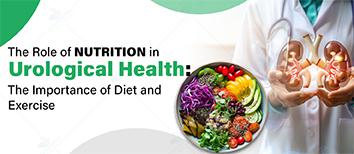
Urological health is vital for well-being, influenced by diet and exercise. Good nutrition and activity help prevent conditions like UTIs, kidney stones, and cancers.
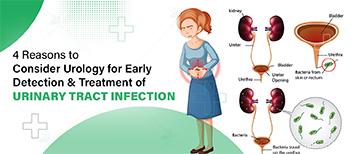
One of the best hospitals for urinary tract treatment in Noida offers comprehensive urology care, featuring expert urologists and advanced diagnostic and treatment facilities.
Our urology and oncology specialists bring extensive experience and expertise in treating various forms of urological cancer.
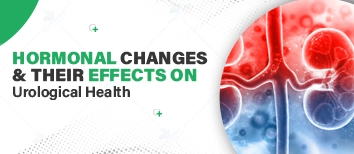
Hormones are the chemicals that regulate various bodily functions in both men and women.

Subscribe to our
© Copyright 2026. All Rights Reserved by Felix Healthcare Private Limited
Design and development by :


 +(91)9667064100
 Emergency : +(91)9667064100