 WhatsApp
 Emergency:
  WhatsApp



Subscribe to our
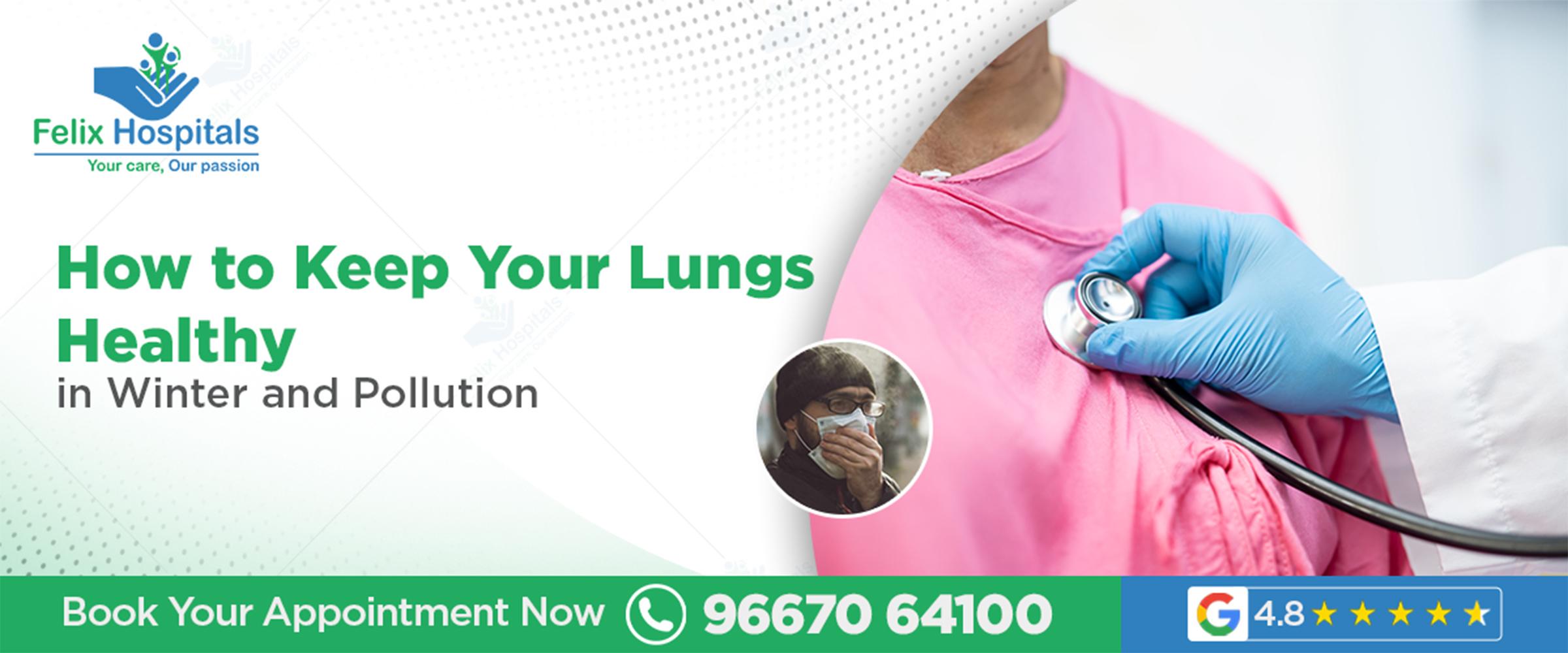
Winter and rising pollution levels pose serious risks to lung health, especially in cities like Noida. Cold air, smog, dust, and allergens can worsen breathing problems, trigger infections, and aggravate chronic lung diseases. Knowing how to keep your lungs healthy in winter is essential for preventing illness and maintaining good respiratory function.
This guide explains winter lung care tips, ways to protect lungs from pollution, early warning signs, and when to consult a specialist for expert respiratory care.
If you are facing breathing issues or need guidance on winter lung care, consult a pulmonologist in Noida for lung problems today. Call +91 9667064100
During winter, cold air causes airways to tighten, making breathing more difficult. At the same time, pollution levels rise due to temperature inversion, trapping harmful particles close to the ground.
Increased respiratory infections
Worsening asthma and COPD
Persistent cough and breathlessness
Reduced lung immunity
Understanding lung health tips for winter pollution helps reduce these risks effectively.
Winter months see a sharp rise in respiratory illnesses.
Common cold and flu
Bronchitis
Asthma flare-ups
Chronic obstructive pulmonary disease (COPD) exacerbations
Allergic rhinitis
Early care and prevention are key to avoiding complications.
Polluted air contains fine particles that enter deep into the lungs.
Avoid outdoor activity during peak pollution hours
Use a well-fitted mask when stepping outside
Keep windows closed during high AQI days
Use air purifiers indoors if possible
Avoid smoking and passive smoke exposure
Following these steps is one of the best ways to improve lung health in cold weather.
Simple habits can significantly improve lung health.
Cover your nose and mouth with a scarf in cold air
Stay hydrated to keep airways moist
Avoid sudden exposure to cold environments
Wash hands frequently to prevent infections
Maintain indoor humidity at safe levels
Consistency is essential for long-term protection.
Infections spread easily during colder months.
Annual flu vaccination
Pneumonia vaccination for high-risk individuals
Balanced nutrition to strengthen immunity
Adequate sleep and stress control
Avoiding crowded places during peak illness season
Knowing how to prevent lung infections in winter helps reduce hospital visits and complications.
Diet plays an important role in lung immunity.
Citrus fruits rich in vitamin C
Green leafy vegetables
Garlic and ginger
Nuts and seeds
Warm fluids like soups and herbal teas
Avoid excessive fried foods and cold beverages, which can irritate airways.
Physical activity keeps lungs strong, even in winter.
Exercise indoors during high pollution days
Warm up properly before activity
Practice breathing exercises and yoga
Avoid outdoor workouts early morning or late evening in winter
Regular movement supports lung capacity and circulation.
People with weak immunity or chronic conditions need extra care.
Do not ignore persistent cough or fever
Complete prescribed medications fully
Avoid self-medication for breathing problems
Seek early medical advice for worsening symptoms
Early treatment prevents infections from progressing.
Consult a specialist if you experience:
Persistent cough lasting more than 2 weeks
Shortness of breath at rest
Wheezing or chest tightness
Frequent respiratory infections
Blood in sputum
Sudden drop in exercise tolerance
Early consultation with a pulmonologist in Noida for lung problems can prevent serious complications.
A pulmonologist helps by:
Diagnosing underlying lung conditions
Managing asthma, COPD, and infections
Providing vaccination guidance
Advising pollution protection strategies
Monitoring lung function
Specialist care is essential during high-risk winter months.
Patients should look for:
Experienced pulmonology team
Advanced diagnostic facilities
Emergency respiratory support
Pulmonary rehabilitation services
Preventive care programs
Choosing among the best hospitals for respiratory care in Noida ensures comprehensive and timely treatment.
Winter-related lung issues can worsen quickly if ignored. Early diagnosis, proper medication, and preventive guidance from best pulmonologist doctors in Noida significantly reduce hospitalisations and long-term lung damage.
For expert evaluation and treatment at one of the best hospitals for respiratory care in Noida, book your consultation now. Call +91 9667064100
Winter and pollution create a challenging environment for lung health, especially for children, elderly individuals, and those with existing respiratory conditions. By following preventive measures, maintaining a healthy lifestyle, and seeking timely medical care, lung-related complications can be avoided. Understanding how to protect your lungs and when to consult a specialist is the key to staying healthy throughout the winter season.
Q1: Can pollution permanently damage lungs in winter?
A: Long-term exposure can worsen lung function if preventive measures are not taken.
Q2: Do masks really help protect lungs from pollution?
A: Yes, well-fitted masks reduce inhalation of harmful particles.
Q3: Is winter cough always due to infection?
A: No, cold air and pollution can also irritate airways.
Q4: Who is at highest risk of lung problems in winter?
A: Children, elderly individuals, smokers, and patients with asthma or COPD.
Q5: When should I see a pulmonologist in winter?
A: If breathing issues persist or worsen despite basic care.
At Felix Hospital, our team of expert cardiologists is dedicated to providing the best care and personalized treatment plans. Dr. Rahul Arora is the best cardiologists in Noida

Cold weather can cause dry, irritated eyes. Protect them with moisture, proper hydration, and wearing sunglasses or goggles to shield from wind and cold.

To maintain optimal eye health during winter, it's essential to implement protective measures.

Cold sores, also known as fever blisters, are small, fluid-filled blisters that typically appear on or around the lips.
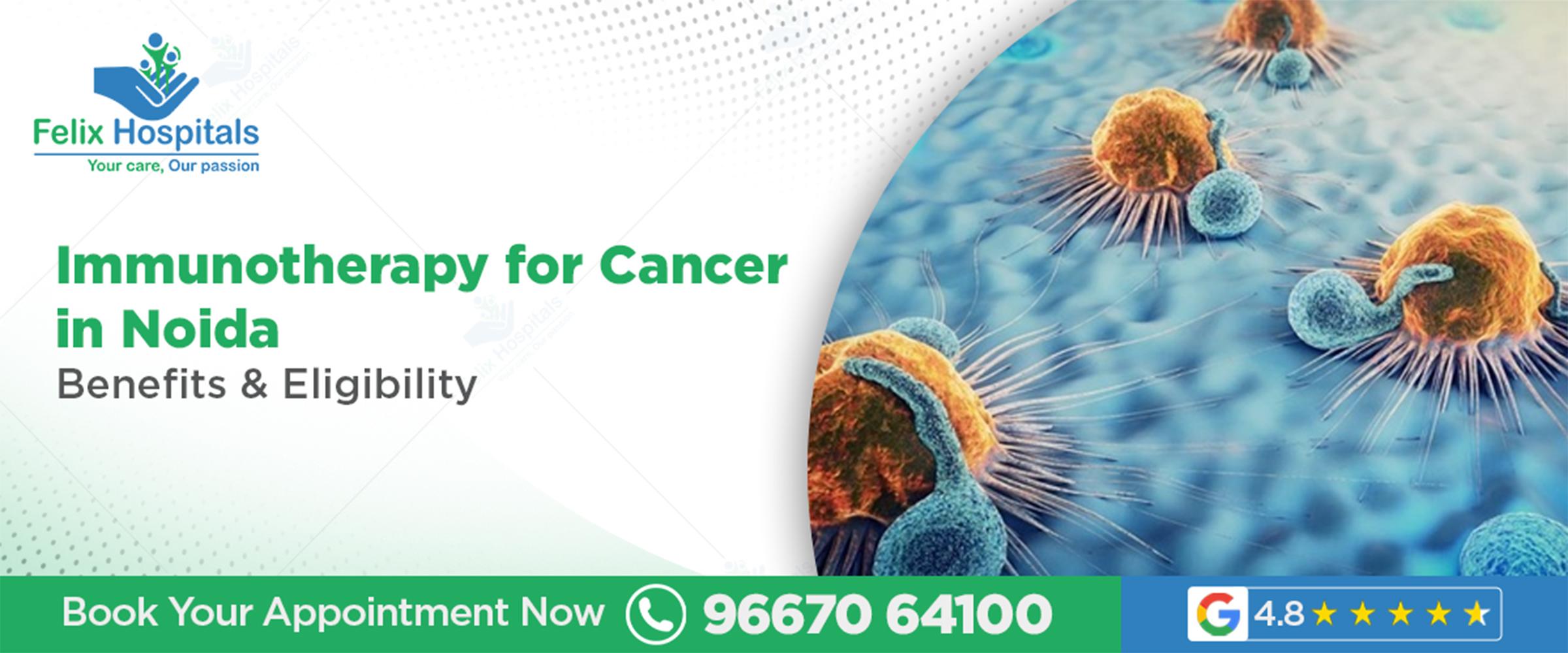
Cancer treatment has evolved significantly over the past decade, moving beyond conventional methods like surgery, chemotherapy, and radiation. One of the most promising advancements is immunotherapy, a treatment approach that helps the body’s own immune system identify and fight cancer cells more effectively. Today, cancer immunotherapy treatment in Noida is increasingly being used for various cancers, offering hope to patients who may not respond well to traditional therapies.
This blog explains immunotherapy in detail, including how it works, who can benefit from it, possible side effects, success rates in India, and cost considerations.
Call +91 9667064100 to consult an oncology expert and assess your eligibility for immunotherapy treatment.
Many patients ask, what is immunotherapy for cancer? Immunotherapy is a type of cancer treatment that strengthens or modifies the immune system so it can better detect and destroy cancer cells. Unlike chemotherapy, which directly attacks cancer cells, immunotherapy works by empowering the body’s natural defense mechanisms.
A common concern is, how does immunotherapy work for cancer treatment? Immunotherapy functions through different mechanisms depending on the type used. Some therapies boost immune activity, while others block signals that prevent immune cells from attacking cancer.
Common forms of immunotherapy include:
Immune checkpoint inhibitors
Monoclonal antibodies
Cancer vaccines
Adoptive cell therapies
These treatments are carefully selected and supervised by an immunotherapy specialist doctor in Noida based on cancer type, stage, and patient health.
Patients often wonder, is immunotherapy better than chemotherapy? The answer depends on the cancer type and individual case. Immunotherapy is not a replacement for chemotherapy in all situations, but it offers certain advantages.
Immunotherapy:
Targets cancer more specifically
Often causes fewer severe side effects
Can provide long-lasting responses in some cancers
However, chemotherapy may still be necessary, either alone or in combination with immunotherapy. Oncologists decide the best approach after detailed evaluation.
Understanding the benefits helps patients make informed decisions. The benefits of immunotherapy in cancer include:
Improved survival in certain advanced cancers
Reduced damage to healthy cells
Long-term immune memory against cancer
Better quality of life for many patients
Because of these advantages, immunotherapy for oncology Noida is increasingly recommended for cancers such as lung cancer, melanoma, kidney cancer, head and neck cancers, and some blood cancers.
A key question for patients is, who is eligible for immunotherapy in cancer? Not all patients are suitable candidates.
Eligibility depends on:
Type and stage of cancer
Molecular and genetic markers
Previous treatment response
Overall immune and organ function
Advanced diagnostic testing is often required to determine whether immunotherapy is likely to be effective. Treatment planning is typically done at a best immunotherapy hospital in Noida with access to comprehensive cancer diagnostics.
Patients also ask, what are the side effects of immunotherapy? While immunotherapy is generally better tolerated than chemotherapy, it can still cause side effects due to increased immune activity.
Common side effects include:
Fatigue
Skin rashes or itching
Fever or flu-like symptoms
In some cases, the immune system may attack healthy organs, leading to inflammation of the lungs, liver, intestines, or thyroid. Early detection and timely treatment help manage these effects effectively.
Many families want to know about the immunotherapy success rate in India 2025. Success rates vary depending on cancer type, stage, and patient-specific factors. In certain cancers, immunotherapy has shown:
Significant tumor shrinkage
Prolonged survival in advanced stages
Durable responses lasting several years
With improved diagnostics and experience, outcomes in India continue to improve, especially at specialized cancer centers offering immunotherapy under expert supervision.
One of the most practical concerns is the cost of immunotherapy in Noida. Immunotherapy is generally more expensive than chemotherapy due to advanced drugs and longer treatment duration.
Costs depend on:
Type of immunotherapy drug
Number of treatment cycles
Cancer complexity
Hospital infrastructure
While immunotherapy can be costly, some patients may be eligible for financial assistance programs or insurance coverage. Hospitals usually provide a clear estimate after clinical evaluation.
Receiving treatment at an experienced center ensures better safety and outcomes. A best immunotherapy hospital in Noida offers:
Multidisciplinary oncology teams
Advanced diagnostic testing
Personalized treatment planning
Close monitoring of side effects
Such facilities help ensure that immunotherapy is used appropriately and effectively for eligible patients.
Most patients undergoing immunotherapy continue normal daily activities with minimal disruption. Doctors may recommend:
Regular follow-ups and blood tests
Prompt reporting of new symptoms
Balanced nutrition and hydration
Avoiding self-medication
With proper guidance, many patients maintain a good quality of life throughout treatment.
Call +91 9667064100 to book an appointment with an immunotherapy specialist and explore advanced cancer treatment options in Noida
Immunotherapy has transformed cancer care by offering a targeted, immune-based approach to treatment. With growing expertise and access to advanced therapies, best medical oncology hospital in Noida is becoming a viable and effective option for many patients. Understanding its benefits, eligibility criteria, side effects, success rates, and costs helps patients and families make confident treatment decisions.
If immunotherapy has been suggested or you want to explore whether it is suitable for your condition, early consultation with an experienced oncology team is essential.
Q. 1. How long does immunotherapy treatment usually last?
Ans. Treatment duration varies and may continue for several months depending on response.
Q. 2. Can immunotherapy cure cancer completely?
Ans. In some cancers, long-term remission is possible, but results vary by case.
Q. 3. Is immunotherapy safe for elderly patients?
Ans. Yes, many elderly patients tolerate immunotherapy well under medical supervision.
Q. 4. Can immunotherapy be combined with chemotherapy or radiation?
Ans. Yes, combination therapy is common and often improves outcomes.
Q. 5. How soon can results be seen with immunotherapy?
Ans. Response times differ; some patients improve within weeks, while others take longer.

Immunotherapy is a groundbreaking cancer treatment that utilizes the body’s immune system to recognize and attack cancer cells.

Chemotherapy in Noida is a cancer treatment using anti-cancer drugs, given in cycles, with manageable side effects and cost varying by treatment plan.

Radiation therapy in Noida is a cancer treatment that uses high-energy rays to destroy cancer cells

Explore essential information about breast cancer, including its symptoms, causes, types, and treatments, to stay informed and proactive about your health.
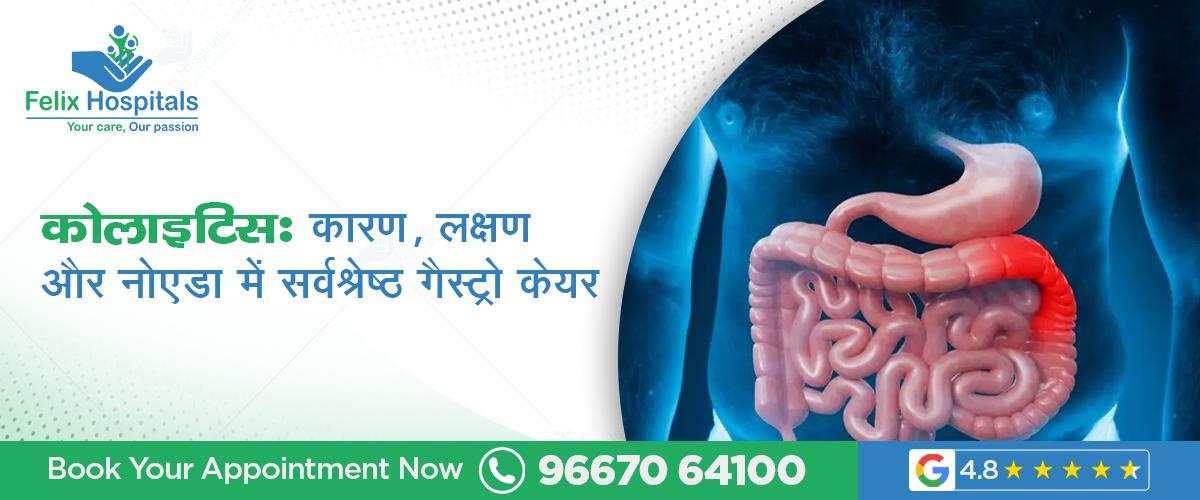
कोलाइटिस बड़ी आंत की अंदरूनी परत में सूजन की स्थिति है। जो संक्रमण, बैक्टीरिया, वायरस या ऑटोइम्यून प्रतिक्रिया के कारण होती है। इसके लक्षणों में पेट में ऐंठन, बार-बार दस्त, मल में खून या म्यूकस, पेट में भारीपन और कमजोरी शामिल हैं। कोलाइटिस अस्थायी या क्रॉनिक दोनों रूपों में होता है। समय पर निदान और सही उपचार से इसे प्रभावी ढंग से नियंत्रित किया जा सकता है। नोएडा में फेलिक्स अस्पताल अनुभवी गैस्ट्रोएंटेरोलॉजिस्ट (Experienced Gastroenterologist in Noida) और एंडोस्कोपी आधारित आधुनिक सुविधाओं के साथ मरीजों को सर्वश्रेष्ठ गैस्ट्रो केयर प्रदान करता है। नोएडा में सर्वश्रेष्ठ गैस्ट्रो केयर उपलब्ध है। संतुलित आहार, दवा और जीवनशैली सुधार से पुनः फ्लेयर-अप की संभावना कम होती है।
अधिक जानकारी के लिए हमसे संपर्क: +91 9667064100
कोलाइटिस एक ऐसी स्थिति है। जिसमें बड़ी आंत की अंदरूनी परत में सूजन होती है। यह सूजन संक्रमण, बैक्टीरिया, वायरस या ऑटोइम्यून प्रतिक्रिया के कारण होती है। कोलाइटिस अस्थायी या दीर्घकालिक दोनों रूपों में होता है। अस्थायी कोलाइटिस आमतौर पर संक्रमण या भोजन जनित कारणों से होता है। जबकि दीर्घकालिक कोलाइटिस एक क्रॉनिक स्थिति होती है। जैसे अल्सरेटिव कोलाइटिस या क्रोहन डिजीज (Crohn's disease), जो लंबे समय तक बनी रहती है और बार-बार दस्त या पेट दर्द जैसी समस्याएं पैदा करती है।
बड़ी आंत की सूजन यानी कोलाइटिस के कई प्रकार होते हैं। जो उनके कारण और लक्षणों के अनुसार अलग-अलग पहचाने जाते हैं। अल्सरेटिव कोलाइटिस में बड़ी आंत और रेक्टम की परत में अल्सर और सूजन विकसित होती है। जिसके कारण मरीज को बार-बार दस्त आते हैं। मल में खून दिखाई देता है। पेट में ऐंठन होती है और वजन घटता है। इंफेक्शियस कोलाइटिस बैक्टीरिया, वायरस या परजीवी संक्रमण के कारण होता है। इसमें अचानक दस्त (Diarrhea), बुखार, उल्टी और डिहाइड्रेशन जैसे लक्षण दिखाई देते हैं।
वहीं इस्केमिक कोलाइटिस तब होता है जब आंत तक पर्याप्त रक्त प्रवाह नहीं पहुंच पाता, जिससे अचानक पेट दर्द, मल में खून और बुखार जैसी समस्याएं होती हैं। माइक्रोस्कोपिक कोलाइटिस में सूजन सूक्ष्म स्तर पर होती है। इसे केवल बायोप्सी से पहचाना जाता है। इसके लक्षणों में पानी जैसे दस्त और हल्का पेट दर्द हैं। वहीं, ड्रग-इंड्यूस्ड कोलाइटिस दवाओं जैसे पेन किलर या एंटीबायोटिक्स के लगातार उपयोग से होता है। जिससे दस्त, पेट में ऐंठन और सूजन जैसी समस्याएं उत्पन्न होती हैं।
कोलाइटिस यानी बड़ी आंत की सूजन के कई मुख्य कारण होते हैं। सबसे आम कारण संक्रमण है। जो दूषित पानी या भोजन के माध्यम से शरीर में प्रवेश करता है। इसके अलावा कुछ लोगों में इम्यून असंतुलन की वजह से शरीर की अपनी इम्यून प्रणाली गलती से आंत की परत पर हमला करती है। लगातार कुछ दवाओं का सेवन, जैसे एस्पिरिन, इबुप्रोफेन और एंटीबायोटिक्स भी आंत में सूजन का कारण बन सकता है। खराब जीवनशैली और असंतुलित आहार, जैसे जंक फूड, शराब और धूम्रपान, आंत की परत को नुकसान पहुंचाते हैं और सूजन को बढ़ाते हैं। इसके अलावा आंत तक पर्याप्त रक्त प्रवाह की कमी भी सूजन का कारण बनती है। जो अक्सर बुजुर्गों या हार्ट डिजीज (heart disease) और ब्लड क्लॉट जैसी स्थितियों वाले लोगों में देखने को मिलती है। लंबे समय तक तनाव और मानसिक दबाव भी पाचन असंतुलन और आंत की सूजन को बढ़ावाते हैं।
पेट में दर्द और ऐंठन
बार-बार पतले या पानी जैसे दस्त
मल में खून या म्यूकस
थकान और कमजोरी
पेट में भारीपन और सूजन
भूख न लगना और वजन में कमी
बुखार (संक्रमण की स्थिति में)
कोलाइटिस का सही निदान करने के लिए डॉक्टर कई चरणों में जांच करते हैं। इसमें मरीज की मेडिकल हिस्ट्री, लैब टेस्ट और इमेजिंग स्टडीज शामिल होती हैं।
डॉक्टर सबसे पहले मरीज से लक्षणों के बारे में पूछते हैं, जैसे पेट दर्द या ऐंठन की जगह और तीव्रता। बार-बार दस्त या मल में खून। वजन घटना या भूख कम लगना। इसके अलावा परिवार में क्रॉनिक या ऑटोइम्यून बीमारियों का इतिहास भी जांचा जाता है।
सीबीसी (पूर्ण रक्त गणना) एनीमिया, संक्रमण और सूजन की स्थिति का पता लगाने के लिए होता है। सीआरपी (सी-रिएक्टिव प्रोटीन) शरीर में सूजन के स्तर को मापता है। ईएसआर (एरिथ्रोसाइट अवसादन दर) सूजन और इन्फेक्शन की गंभीरता का अनुमान लगाते हैं।
मल में बैक्टीरिया, वायरस या परजीवी की उपस्थिति की जांच होती है। मल में खून या म्यूकस की उपस्थिति से कोलाइटिस और संक्रमण के कारणों को अलग करने में मदद करता है।
कोलोनोस्कोपी (Colonoscopy) में एक लचीली ट्यूब के माध्यम से बड़ी आंत की अंदरूनी परत का डायरेक्ट अवलोकन सूजन, अल्सर, कटाव या घाव की गंभीरता का मूल्यांकन करते हैं। जरूरत पड़ने पर बायोप्सी होती है। इसनें आंत की ऊतक का नमूना लेकर सूक्ष्म स्तर पर संक्रमण, सूजन या अन्य असामान्यताओं की पहचान होती है।
आंत की मोटाई, सूजन और संभावित जटिलताओं (जैसे फिस्टुला, एब्सेस या छिद्र) का पता लगाने के लिए होता है। गंभीर मामलों में या जब कोलोनोस्कोपी पर्याप्त न हो, तब इस्तेमाल किया जाता है
कोलाइटिस का उपचार मरीज की स्थिति, सूजन की गंभीरता और कारण पर निर्भर करता है। इसका उद्देश्य सूजन को कम करना, लक्षणों को नियंत्रित करना और आंत की परत को स्वस्थ रखना है।
एंटीबायोटिक्स का उपयोग उन मामलों में किया जाता है जहाँ कोलाइटिस का कारण बैक्टीरिया या संक्रमण हो। ये दवाएं संक्रमण को नियंत्रित करने के साथ-साथ आंत की परत में सूजन को कम करने में मदद करती हैं। हालांकि, एंटीबायोटिक्स का सही प्रकार और अवधि हमेशा डॉक्टर की सलाह अनुसार ही निर्धारित किया जाना चाहिए, ताकि इलाज प्रभावी और सुरक्षित रहे।
एंटी-इंफ्लेमेटरी दवाएं जैसे मेसालामाइन और सल्फासालजीन, मुख्य रूप से क्रॉनिक या अल्सरेटिव कोलाइटिस के इलाज (Treatment of ulcerative colitis) में उपयोग की जाती हैं। ये दवाएं आंत की परत को सुरक्षा प्रदान करती हैं और सूजन को नियंत्रित करने में मदद करती हैं। आमतौर पर इन्हें मौखिक रूप से या जरूरत पड़ने पर रेक्टल रूप में लिया जाता है, ताकि पेट और बड़ी आंत पर सीधे असर डाल सके।
कॉर्टिकोस्टेरॉयड्स का उपयोग विशेष रूप से गंभीर फ्लेयर-अप की स्थिति में किया जाता है। ये दवाएं सूजन और दर्द को जल्दी कम करने में प्रभावी होती हैं, जिससे मरीज को तत्काल राहत मिलती है। हालांकि, लंबे समय तक इनका उपयोग साइड इफेक्ट्स का कारण बन सकता है, इसलिए इन्हें हमेशा डॉक्टर की निगरानी में ही लेना चाहिए।
इम्यूनोमॉड्युलेटर्स और बायोलॉजिक्स का उपयोग उन मामलों में किया जाता है जब मरीज को गंभीर या क्रॉनिक कोलाइटिस हो और पारंपरिक दवाएं पर्याप्त न हों। उदाहरण के लिए, अज़ैथियोप्रिन और इन्फ्लिक्सिमैब का इस्तेमाल किया जाता है। ये दवाएं शरीर की इम्यून प्रतिक्रिया को नियंत्रित करके आंत की सूजन को कम करती हैं और फ्लेयर-अप को रोकने में मदद करती हैं।
आहार और जीवनशैली में सुधार कोलाइटिस के उपचार में बेहद महत्वपूर्ण है। मरीज को हल्का और सुपाच्य भोजन जैसे दलिया, उबली सब्जियां और ताजे फल खाने की सलाह दी जाती है, ताकि पेट की परत को आराम मिले और सूजन कम हो। इसके अलावा, तले-भुने, मसालेदार और कैफीन युक्त भोजन से बचना चाहिए, क्योंकि ये आंत को उत्तेजित कर सकते हैं। पर्याप्त पानी पीना भी जरूरी है, जिससे दस्त और डिहाइड्रेशन का जोखिम कम हो। साथ ही, तनाव कम करने के लिए योग, ध्यान और पर्याप्त नींद लेना फायदेमंद है, क्योंकि मानसिक संतुलन आंत के स्वास्थ्य को सीधे प्रभावित करता है। इन उपायों का उद्देश्य है पेट की परत को आराम देना, सूजन को नियंत्रित करना और पुनः संक्रमण या फ्लेयर-अप की संभावना को घटाना।
साफ-सुथरा, ताजा भोजन और पानी
लंबे समय तक दवाओं का उपयोग न करें
प्रोबायोटिक्स का सेवन
नियमित व्यायाम और पर्याप्त नींद
बार-बार पाचन समस्या होने पर डॉक्टर से जांच
नोएडा में सर्वश्रेष्ठ गैस्ट्रो केयर की तलाश करने वाले मरीजों के लिए फेलिक्स अस्पताल एक भरोसेमंद और अनुभवी केंद्र साबित होता है। यहां अनुभवी गैस्ट्रोएंटेरोलॉजिस्ट उपलब्ध हैं, जो बड़ी आंत, पेट, लीवर, पित्ताशय और पूरे पाचन तंत्र से जुड़ी बीमारियों के निदान और उपचार में विशेषज्ञ हैं। फेलिक्स अस्पताल में मरीजों को एंडोस्कोपी (Endoscopy) आधारित जांच और उपचार की सुविधा मिलती है। गंभीर मामलों में डॉक्टर कोलोनोस्कोपी, बायोप्सी, ब्लीडिंग कंट्रोल और एडवांस अल्सर मैनेजमेंट जैसी सेवाएं प्रदान करते हैं। नोएडा का बेस्ट गैस्ट्रो हॉस्पिटल (Best Gastro Hospital in Noida), बेस्ट गैस्ट्रोएंटरोलॉजिस्ट नोएडा में उपलब्ध है। यदि गैस्ट्राइटिस या कोलाइटिस का कारण एच. पाइलोरी संक्रमण हो, तो इसका पूर्ण इलाज भी उपलब्ध है।
अधिक जानकारी के लिए हमसे संपर्क: +91 9667064100
कोलाइटिस एक गंभीर लेकिन नियंत्रित की जाने वाली बीमारी है, जो बड़ी आंत की अंदरूनी परत में सूजन के कारण होती है। यदि समय पर निदान और सही इलाज किया जाए तो इसके लक्षण प्रभावी ढंग से प्रबंधित किए जा सकते हैं। संतुलित आहार, जिसमें हल्का और सुपाच्य भोजन, पर्याप्त पानी और फाइबर शामिल हो, पेट की परत को आराम देता है और सूजन कम करता है। साथ ही तनाव नियंत्रण, योग और नियमित नींद आंत के स्वास्थ्य को बेहतर बनाते हैं। विशेषज्ञ गैस्ट्रोएंटेरोलॉजिस्ट की सलाह से दवाओं और जीवनशैली सुधार को मिलाकर कोलाइटिस को पूरी तरह नियंत्रित किया जा सकता है।
प्रश्न 1: कोलाइटिस क्या है?
उत्तर: कोलाइटिस बड़ी आंत की सूजन है। यह संक्रमण, ऑटोइम्यून प्रतिक्रिया, दवाओं या तनाव के कारण होता है। इसलिए इन चीजों का ध्यान रखना चाहिए।
प्रश्न 2: शुरुआती लक्षण कौन से हैं?
उत्तर: पेट दर्द, बार-बार दस्त, मल में खून, पेट में भारीपन, भूख कम लगना, बुखार (संक्रमण में) है। इसलिए लक्षण दिखने पर सावधान हो जाना चाहिए।
प्रश्न 3: कोलाइटिस सिर्फ बड़ी आंत में होता है?
उत्तर: आमतौर पर हां, लेकिन गंभीर/क्रॉनिक मामलों में पूरी पाचन प्रणाली प्रभावित होती है। इसलिए डॉक्टर की सलाह पर इलाज शुरू करना चाहिए।
प्रश्न 4: कोलाइटिस संक्रामक है?
उत्तर: सामान्य क्रॉनिक कोलाइटिस संक्रामक नहीं, लेकिन बैक्टीरियल/वायरल संक्रमण से होने वाला कोलाइटिस संक्रामक होता है।
प्रश्न 5: बायोलॉजिक्स या इम्यूनोमॉड्युलेटर्स का क्या रोल है?
उत्तर: ये दवाएं शरीर की इम्यून प्रतिक्रिया को नियंत्रित करके सूजन और फ्लेयर-अप को कम करती हैं। इसलिए डॉक्टर की सलाह पर ही दवा का सेवन करना चाहिए।

गैस्ट्राइटिस पेट की अंदरूनी परत में सूजन की समस्या है। जानें इसके कारण, लक्षण और नोएडा में आधुनिक इलाज के विकल्प।
दिल्ली NCR में हेपेटाइटिस-ए और ई के मामलों में तेजी से इजाफा देखा जा रहा है। समय पर पहचान और सही इलाज से इस बीमारी को गंभीर होने से रोका जा सकता है।
गर्भावस्था में पेट दर्द एक सामान्य समस्या है, लेकिन कभी-कभी यह गंभीर स्वास्थ्य संकेत भी हो सकता है। जानिए इसके कारण, लक्षण और सुरक्षित इलाज।

Winter may bring relief from extreme heat, but it also poses hidden risks to heart health. As temperatures drop, the body undergoes physiological changes that can strain the cardiovascular system, especially in people with existing heart conditions. Understanding heart health in winter is essential for preventing complications and staying safe during the colder months.
In cities like Noida, where winter temperatures can fluctuate significantly, heart-related emergencies tend to rise. This blog explains why cold weather affects the heart, who is most at risk, warning signs to watch for, and practical steps for winter heart protection.
Call +91 9667064100 to book a cardiology consultation if you experience any heart-related symptoms during winter
Many people underestimate the impact of cold on the cardiovascular system. One of the major cold weather heart risks is the narrowing of blood vessels. When exposed to cold, blood vessels constrict to preserve body heat, increasing blood pressure and forcing the heart to work harder.
Additionally, cold weather can:
Thicken the blood slightly, raising clot risk
Trigger stress hormones that strain the heart
These changes may lead to heart attacks, especially in vulnerable individuals.
Studies show that heart attack rates increase during winter months. The heart attack risk during winter rises due to a combination of environmental and lifestyle factors. Reduced physical activity, unhealthy dietary choices, and respiratory infections like flu further burden the heart.
Sudden exertion, such as early morning walks in cold air or lifting heavy objects, can act as triggers for cardiac events. People with undiagnosed heart disease may experience symptoms for the first time during winter.
While everyone should be cautious, certain groups are more prone to heart problems in cold weather, including:
Individuals with high blood pressure
Patients with diabetes or high cholesterol
Smokers
Elderly individuals
People with previous heart attacks or heart failure
These individuals should be especially vigilant during winter and maintain regular cardiology follow-ups.
Winter-related heart symptoms are sometimes mistaken for seasonal discomfort. However, recognizing early signs can be lifesaving. Seek immediate medical attention if you notice:
Chest pain or tightness
Shortness of breath
Unusual fatigue
Dizziness or fainting
Pain radiating to the arm, jaw, or back
Prompt evaluation is critical, as delayed care increases complications.
Effective protecting heart in winter strategies involve lifestyle adjustments and medical awareness.
Layered clothing helps maintain body temperature and prevents excessive strain on the heart caused by cold exposure.
Indoor exercises, stretching, and light workouts are safer alternatives to outdoor activities during cold mornings.
Winter cravings often lead to high-fat foods. A balanced diet with fruits, vegetables, whole grains, and low salt supports cardiovascular health.
Cold weather can elevate blood pressure. Regular monitoring is essential, especially for those with chronic conditions.
Regular check-ups play a vital role in winter heart attack prevention. A cardiologist can assess risk factors, adjust medications, and recommend tests if needed.
Heart evaluations may include:
Blood pressure and cholesterol assessment
ECG or echocardiography
Stress testing for high-risk individuals
Early intervention significantly reduces winter-related cardiac emergencies.
Respiratory infections are more common in winter and can indirectly affect the heart. Fever, dehydration, and inflammation increase cardiac workload. Flu and pneumonia can worsen existing heart disease and increase hospitalization risk.
Vaccinations, hydration, and timely treatment of infections help protect heart health during winter.
Shorter days, reduced sunlight, and lifestyle changes may contribute to stress and seasonal mood changes. Chronic stress raises blood pressure and heart rate, negatively impacting the heart.
Mindfulness practices, adequate sleep, and maintaining social connections can reduce winter stress and support overall cardiovascular wellness.
Do not wait for severe symptoms. Early consultation is recommended if you:
Have a history of heart disease
Notice worsening breathlessness or chest discomfort
Experience irregular heartbeat
Feel unusually fatigued during routine activities
Accessing heart disease treatment in Noida at the right time can prevent complications and improve outcomes.
Call +91 9667064100 to book a cardiologist appointment in Noida and ensure your heart is protected this winter.
Winter poses unique challenges to cardiovascular health, making awareness and prevention essential. Understanding heart health in winter, recognizing warning signs, and adopting protective measures can significantly reduce the risk of heart-related emergencies. With timely medical care, lifestyle modifications, regular monitoring, and guidance from the best heart doctor in Noida, it is possible to enjoy the winter season while keeping your heart safe.
If you or a loved one has risk factors for heart disease, proactive care during winter is not optional—it is essential.
Q. 1. Why does cold weather increase heart attack risk?
Ans. Cold causes blood vessel constriction, raising blood pressure and cardiac workload.
Q. 2. Should heart patients avoid morning walks in winter?
Ans. Early mornings are colder; indoor or late-morning activity is safer.
Q. 3. Can winter infections affect heart health?
Ans. Yes, infections can increase heart strain and worsen existing conditions.
Q. 4. Is blood pressure higher in winter?
Ans. Many people experience elevated blood pressure during cold months.
Q. 5. When should I see a cardiologist during winter?
Ans. If you have risk factors or new symptoms, early consultation is advised.
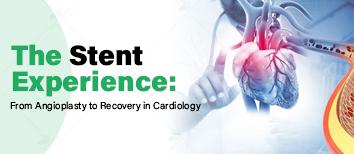
A stent procedure can be life-saving for those with blocked arteries. This guide walks you through the stent experience—from the angioplasty process to post-procedure recovery and lifestyle changes.

Heart attack signs early is crucial because timely intervention can significantly reduce the risk of severe complications and improve outcomes.
Soft tissue sarcomas are a rare group of cancers that develop in the connective tissues of the body, including muscles, fat, nerves, and blood vessels. Early recognition and timely treatment are critical to achieving the best outcomes. This guide provides an overview of the types of soft tissue sarcoma, early diagnosis strategies, and the treatment options available in Noida.
For specialized soft tissue cancer treatment in Noida, Call +91 9667064100 to schedule your appointment.
Soft tissue sarcomas can vary widely depending on the type of tissue they originate from. Knowing the type of sarcoma is essential for planning effective treatment. Common types of soft tissue sarcoma include:
Liposarcoma: Develops in fat cells, often in the thighs or abdomen.
Leiomyosarcoma: Arises from smooth muscles, commonly affecting the uterus, stomach, or blood vessels.
Rhabdomyosarcoma: Usually affects children, originating in skeletal muscles.
Synovial sarcoma: Often occurs near joints in arms or legs.
Fibrosarcoma and Malignant Fibrous Histiocytoma: Found in fibrous tissues and connective structures.
Each type requires a customized approach, and accurate identification by a specialized oncologist is crucial.
Early detection of sarcomas significantly improves the chances of successful treatment. Key strategies for early diagnosis of soft tissue sarcoma include:
Regular self-examination for unusual lumps or swelling
Imaging studies such as MRI or CT scans to detect abnormal growths
Biopsy procedures to confirm the presence of cancerous cells
Monitoring symptoms like persistent pain, fatigue, or unexplained weight loss
Consulting a qualified oncologist at the first sign of abnormal tissue growth ensures timely intervention and better prognosis.
Treatment for soft tissue sarcoma depends on the size, location, and type of the tumor, as well as the patient’s overall health. The best treatment options for soft tissue sarcoma in Noida include:
Surgery: Complete removal of the tumor while preserving surrounding tissues.
Radiation Therapy: Used before or after surgery to destroy remaining cancer cells.
Chemotherapy: Administered for aggressive or metastatic sarcomas to target cancer cells throughout the body.
Targeted Therapy: Newer drugs aimed at specific genetic mutations in tumor cells.
A multidisciplinary team approach at a reputed hospital ensures that patients receive personalized treatment plans.
Selecting the right healthcare facility is vital for effective management of sarcoma. Factors to consider when choosing a hospital include:
Availability of a dedicated oncology department
Access to advanced imaging and surgical facilities
Experienced oncologists and supportive care teams
Comprehensive post-treatment rehabilitation services
For patients seeking expert care, which hospital treatment soft tissue sarcoma in Noida should be a facility recognized for cancer care excellence. Felix Hospital, with its state-of-the-art oncology department, provides world-class treatment and compassionate care.
Early medical consultation can save lives. Knowing when to see a doctor for soft tissue cancer symptoms is essential. Common warning signs include:
A painless lump that grows over weeks or months
Persistent swelling or pain in muscles or joints
Limited movement or stiffness in affected areas
Unexplained fatigue or weight loss
Prompt evaluation by an oncologist can lead to early detection, improving the success rate of treatments.
Surgical removal combined with radiation therapy is often the cornerstone of effective sarcoma management. Sarcoma surgery and radiation therapy in Noida involve:
Preoperative imaging to map tumor boundaries
Minimally invasive or traditional surgery to excise the tumor
Postoperative radiation to prevent recurrence
Careful monitoring during recovery to minimize complications
Advanced hospitals in Noida offer modern techniques that reduce recovery time while maximizing treatment success.
Managing soft tissue sarcomas requires collaboration among surgeons, medical oncologists, radiologists, pathologists, and rehabilitation specialists. A best oncologist in Noida ensures that every patient receives an integrated care plan, from diagnosis to post-treatment follow-up.
Benefits of a multidisciplinary approach include:
Customized treatment plans tailored to tumor type and stage
Enhanced recovery through coordinated supportive care
Access to clinical trials and latest treatment modalities
Patients benefit from a holistic treatment experience under expert guidance.
After active treatment, ongoing care plays a crucial role in recovery. Supportive measures for soft tissue cancer treatment in Noida patients include:
Physiotherapy to regain mobility and strength
Nutritional guidance for optimal healing
Psychological counseling to cope with emotional stress
Regular follow-ups and imaging to detect any recurrence
Hospitals offering comprehensive rehabilitation ensure patients regain normal function and quality of life.
Take the first step towards expert care for soft tissue sarcoma. Call +91 9667064100 for a consultation with top oncologists in Noida.
Soft tissue sarcomas are complex cancers that demand timely diagnosis and expert care. Understanding the types of soft tissue sarcoma, recognizing early symptoms, and accessing the best cancer treatment in Noida can significantly improve outcomes. Hospitals with experienced oncologists and multidisciplinary teams provide the most effective care, combining advanced surgical techniques, radiation therapy, and supportive rehabilitation.
Q1: What are the early signs of soft tissue sarcoma?
Ans. Early signs include painless lumps, swelling, persistent muscle pain, and unexplained fatigue. Immediate medical consultation is recommended.
Q2: Can soft tissue sarcoma be completely cured?
Ans. Yes, especially when diagnosed early. Surgical removal combined with radiation or chemotherapy offers the best chance of complete cure.
Q3: How long is recovery after sarcoma surgery?
Ans. Recovery varies depending on tumor size and location but usually includes 4–12 weeks of rehabilitation and regular follow-ups.
Q4: Are there specialized hospitals in Noida for sarcoma treatment?
Ans. Yes, leading oncology hospitals in Noida provide dedicated sarcoma care with advanced imaging, surgical, and radiation facilities.
Q5: Is radiation therapy safe for soft tissue sarcoma?
Ans. Yes, modern radiation therapy is targeted, minimizing damage to surrounding healthy tissues while effectively destroying cancer cells.
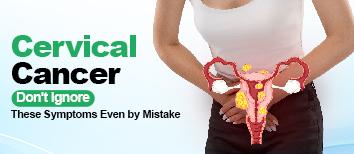
Recognize the early warning signs of cervical cancer. Learn about its symptoms, causes, and when to consult a gynecologist for timely diagnosis and treatment.
Explore essential information about breast cancer, including its symptoms, causes, types, and treatments, to stay informed and proactive about your health.
Immunotherapy is a groundbreaking cancer treatment that utilizes the body’s immune system to recognize and attack cancer cells.
गैस्ट्राइटिस एक सामान्य लेकिन कई बार गंभीर पेट संबंधी समस्या है। इसमें पेट की अंदरूनी परत में सूजन होती है। यह समस्या अचानक भी होती है और लंबे समय तक चलने वाली भी होती है। अगर समय पर इलाज नहीं किया जाए तो यह अल्सर, ब्लीडिंग और पाचन तंत्र की अन्य जटिलताओं में बदलता है। नोएडा में अनुभवी Gastroenterologist in Noida उपलब्ध हैं, जो गैस्ट्राइटिस की एंडोस्कोपी जांच और आधुनिक उपचार प्रदान करते हैं।
अभी अपॉइंटमेंट शेड्यूल करें — कॉल करें: +91 9667064100
गैस्ट्राइटिस वह स्थिति है। जिसमें पेट की अंदरूनी परत में सूजन, जलन या चोट होती है। यह कई कारणों से होता है। अधिक एसिडिटी, दवाओं का दुष्प्रभाव, संक्रमण, गलत खान-पान या बैक्टीरिया एच. पाइलोरी के कारण। यदि यह सूजन लंबे समय तक बनी रहे, तो इसे क्रॉनिक गैस्ट्राइटिस कहते है। यह अल्सर (Ulcer) तथा पाचन संबंधी जटिलताओं का कारण बनता है।
अचानक शुरू होने वाला पेट का दर्द, जलन, उल्टी या गैस की समस्या होती है।
पेट की परत लंबे समय तक क्षतिग्रस्त रहती है। एच. पाइलोरी संक्रमण और लंबे समय से दर्दनिवारक दवाएँ इसका प्रमुख कारण हैं।
पेट के ऊपरी हिस्से में जलन
लगातार पेट दर्द (stomach pain) या भारीपन
मिचली और उल्टी
भूख कम लगना
सीने में जलन
बदहजमी, गैस और डकारें
खट्टा या कड़वा पानी मुंह में आना
कभी-कभी उल्टी में खून (यदि अल्सर विकसित हो गया हो)
यह बैक्टीरिया पेट की परत को नुकसान पहुंचाता है, क्रॉनिक गैस्ट्राइटिस और अल्सर का मुख्य कारण होता है।
जैसे आइबुप्रोफेन, डाइक्लोफेनाक, एस्पिरिन लंबे समय तक लेने पर पेट की परत क्षतिग्रस्त होती है।
तेज मसालेदार भोजन, अनियमित खान-पान से पेट में सूजन होती है।
पेट में सूजन और अल्सर का बड़ा कारण होता है।
लंबे समय तक तनाव, वायरल या बैक्टीरियल संक्रमण होता है।
शरीर की रोग प्रतिरोधक प्रणाली खुद पेट की परत को नुकसान पहुंचाती है।
सीबीसीः ब्लड में संक्रमण या एनीमिया का पता लगाने के लिए होता है।
एलएफटीः लीवर (liver) संबंधी बदलाव जो पेट को प्रभावित करते हैं।
एच. पाइलोरी परीक्षणः श्वास परीक्षण / मल परीक्षण / बायोप्सी से पुष्टि होती है।
अल्ट्रासाउंड पेटः पेट के अंगों की स्थिति का आकलन करने के लिए होता है।
ऊपरी जीआई एंडोस्कोपीः गैस्ट्राइटिस, अल्सर और ब्लीडिंग का डायरेक्ट पता चलता है।
ऊपरी जीआई एंडोस्कोपी में एक पतली कैमरा ट्यूब अन्ननली और पेट में डाली जाती है। इसके जरिए डॉक्टर सीधे पेट और अन्ननली की परत की स्थिति देखते हैं। अल्सर, सूजन और कटाव की पहचान करते हैं। साथ ही एच. पाइलोरी संक्रमण (H. pylori infection) की बायोप्सी भी ली जाती है। जरूरत पड़ने पर तुरंत ब्लीडिंग कंट्रोल भी किया जा सकता है। नोएडा में आधुनिक एंडोस्कोपी सुविधाएं उपलब्ध हैं। जो सुरक्षित और प्रभावी तरीके से पेट की समस्याओं का निदान और इलाज सुनिश्चित करती हैं।
गैस्ट्राइटिस पेट की परत की सूजन है, जो हल्की या गंभीर हो सकती है। इसका इलाज समय पर शुरू किया जाए तो पेट की समस्याओं को नियंत्रित और पूरी तरह ठीक किया जा सकता है। गैस्ट्राइटिस के उपचार (Treatment of gastritis) में दवाओं का सेवन, संक्रमण का नियंत्रण, और जीवनशैली सुधार प्रमुख भूमिका निभाते हैं।
गैस्ट्राइटिस की दवा उपचार योजना अक्सर मरीज की स्थिति, एसिडिटी और संक्रमण के आधार पर तय की जाती है। प्रोटॉन पंप इन्हिबिटर (पीपीआई) उदाहरण के लिए पैंटोप्राजोल, ओमेप्राजोल देते हैं। इसका काम पेट में एसिडिटी कम करना और पेट की परत को ठीक होने में मदद करना है। खाने के 30–60 मिनट पहले या डॉक्टर की सलाह अनुसार लेना चाहिए। वहीं एंटासिड का काम तुरंत राहत देना, पेट की जलन और एसिडिटी को कम करना है। जब पेट में जलन या एसिडिटी महसूस हो तो दी जाती है।
यदि गैस्ट्राइटिस का कारण एच. पाइलोरी संक्रमण हो, तो डॉक्टर 10–14 दिन की ट्रिपल या क्वाड्रपल थेरेपी देते हैं। इस थेरेपी में आमतौर पर दो एंटीबायोटिक्स और एक प्रोटॉन पंप इन्हिबिटर (PPI) शामिल होता है, जो संक्रमण को पूरी तरह खत्म करने में मदद करता है। एच. पाइलोरी का पूर्ण इलाज करने से गैस्ट्राइटिस दोबारा होने की संभावना काफी कम हो जाती है और पेट की परत ठीक होने लगती है। प्रोबायोटिक्स पाचन को सुधारने और पेट में अच्छे बैक्टीरिया को संतुलित रखने में मदद करते हैं। ये विशेष रूप से एच. पाइलोरी संक्रमण के दौरान सहायक भूमिका निभाते हैं और पेट की स्वास्थ्यपूर्ण परत को बनाए रखने में मदद करते हैं। प्रोबायोटिक्स का सेवन दही, छाछ या प्रोबायोटिक सप्लीमेंट के रूप में किया जाता है।
यदि गैस्ट्राइटिस लंबे समय तक चलता है या बार-बार लौटता है, तो इसे क्रॉनिक गैस्ट्राइटिस कहा जाता है। इसका इलाज अधिक व्यवस्थित और निरंतर फॉलो-अप पर निर्भर करता है। क्रॉनिक गैस्ट्राइटिस के उपचार में मुख्य कदम इस प्रकार हैं:-
सबसे पहले, लंबी चलने वाली सूजन की पहचान की जाती है। मरीज में पेट में बार-बार दर्द, भारीपन, एसिडिटी या गैस की समस्या होती है। कभी-कभी बार-बार उल्टी और भूख कम लगना भी इसके लक्षण होते हैं।
एंडोस्कोपी आधारित जांच की जाती है। इसके जरिए डॉक्टर पेट और अन्ननली की परत का डायरेक्ट अवलोकन करते हैं और अल्सर, कटाव या सूजन जैसी किसी भी समस्या की पहचान करते हैं। जरूरत पड़ने पर बायोप्सी भी ली जाती है।
अगर गैस्ट्राइटिस का कारण एच. पाइलोरी संक्रमण है, तो इसका पूर्ण इलाज किया जाता है। संक्रमण के स्रोत को समाप्त करने से पुनः संक्रमण और अल्सर बनने की संभावना कम हो जाती है।
दर्द निवारक दवाओं जैसे एस्पिरिन, आइबुप्रोफेन का लगातार सेवन पेट की परत को नुकसान पहुंचा सकता है, इसलिए इन्हें बंद या कम करना और डॉक्टर की सलाह अनुसार वैकल्पिक दवा अपनाना जरूरी होता है।
शराब और धूम्रपान पूरी तरह बंद करना चाहिए, क्योंकि ये गैस्ट्राइटिस और अल्सर दोनों को बढ़ाते हैं। पेट की परत की मरम्मत और सूजन को कम करने के लिए इन्हें पूरी तरह रोकना आवश्यक है।
पाचन सुधारने वाली दवाएं भी दी जाती हैं, जो पेट की म्यूकस परत को सुरक्षा देती हैं और एसिडिटी, गैस तथा जलन को कम करने में मदद करती हैं।
अंत में नियमित फॉलो-अप बेहद जरूरी है। एंडोस्कोपी या डॉक्टर की सलाह अनुसार नियमित जांच से उपचार की प्रभावशीलता का आकलन किया जाता है। यदि लक्षण दोबारा आते हैं, तो दवा या जीवनशैली में सुधार किया जाता है, ताकि क्रॉनिक गैस्ट्राइटिस पूरी तरह नियंत्रित रहे।
दवाओं के साथ-साथ जीवनशैली में बदलाव गैस्ट्राइटिस के उपचार में बेहद जरूरी हैं। हल्का और सुपाच्य भोजन यानी दलिया, उबली सब्जियां, कम तला-भुना खाए। भोजन समय का नियमित पालन करें। अनियमित भोजन से पेट में एसिडिटी बढ़ती है। कैफीन और मसालेदार भोजन कम करें पर्याप्त पानी पिएं। इससे पाचन और एसिडिटी नियंत्रण में मदद करता है। तनाव कम करें। योग, ध्यान, और पर्याप्त नींद गैस्ट्राइटिस को नियंत्रित करने में मदद करती हैं।
हल्का, कम-मसाले वाला भोजन
खट्टा, तला-भुना बंद
धूम्रपान और शराब से परहेज
तनाव कम करना
दिन में 5–6 छोटे मील लेना
सोने से पहले भारी खाना न लें
नोएडा में सर्वश्रेष्ठ लिवर डॉक्टर (Best liver doctor in Noida) एंडोस्कोपी आधारित जांच और उन्नत उपचार उपलब्ध कराते हैं। गंभीर मामलों में डॉक्टर एंडोस्कोपी के माध्यम से पेट और अन्ननली की परत की स्थिति का गहराई से मूल्यांकन करते हैं। आवश्यकता पड़ने पर बायोप्सी लेकर सूजन या संक्रमण की पुष्टि की जाती है और तुरंत ब्लीडिंग को नियंत्रित किया जाता है। एडवांस अल्सर मैनेजमेंट के जरिए अल्सर को प्रभावी रूप से नियंत्रित किया जाता है। यदि समस्या का कारण H. pylori संक्रमण हो, तो उसका पूर्ण इलाज किया जाता है, जिससे गैस्ट्राइटिस और अल्सर की समस्या दोबारा नहीं होती। नोएडा में गैस्ट्रोलॉजी और लिवर से संबंधित विशेषज्ञ डॉक्टर आसानी से उपलब्ध हैं।
अभी अपॉइंटमेंट बुक करें – +91 9667064100
गैस्ट्राइटिस एक आम स्थिति है, लेकिन इसे नजरअंदाज करना खतरनाक हो सकता है। पेट दर्द, जलन, मिचली, एसिडिटी जैसे लक्षण दिखते ही नोएडा का सर्वश्रेष्ठ गैस्ट्रोएंटरोलॉजी अस्पताल (best gastroenterology hospital in Noida) में अनुभवी गैस्ट्रो विशेषज्ञ से जांच कराना जरूरी है। एंडोस्कोपी और समय पर दी जाने वाली दवाओं से गैस्ट्राइटिस को पूरी तरह नियंत्रित और ठीक किया जा सकता है। इसलिए लक्षण नजर आते ही देरी न करें और सही समय पर डॉक्टर से सलाह लेकर उपचार शुरू करें।
प्रश्न. 1: क्या गैस्ट्राइटिस पूरी तरह ठीक हो सकता है?
उत्तर: हां, सही दवा, एंडोस्कोपी जांच और डाइट से यह ठीक होता है। मगर डॉक्टर की सलाह पर जांच और उपचार कराना चाहिए।
प्रश्न 2: क्या गैस्ट्राइटिस में एंडोस्कोपी जरूरी है?
उत्तर: लगातार दर्द, ब्लीडिंग, उल्टी या क्रॉनिक समस्या में एंडोस्कोपी सबसे आवश्यक है। डॉक्टर जांच के आधार पर इसे करते हैं।
प्रश्न. 3: क्रॉनिक गैस्ट्राइटिस का मुख्य कारण क्या है?
उत्तर: एच. पाइलोरी बैक्टीरिया, दर्द निवारक दवा और अनियमित खान-पान मुख्य कारण हैं। इसलिए डॉक्टर की सलाह पर इलाज शुरू करना चाहिए।
प्रश्न. 4: गैस्ट्राइटिस में क्या खाना चाहिए?
उत्तर: हल्का भोजन, दलिया, खिचड़ी, नारियल पानी, केले और उबली सब्जियां। जीवनशैली में सुधार से बीमारी से निजात मिलता है।
प्रश्न. 5: क्या गैस्ट्राइटिस अल्सर में बदल सकता है?
उत्तर: हां, इलाज न मिलने पर यह गैस्ट्रिक अल्सर और ब्लीडिंग का कारण बनता है। अगर लक्षण गंभीर है तो डॉक्टर से मिलने में देरी नहीं करें।
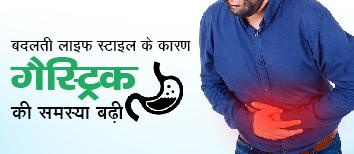
बदलती दिनचर्या, गलत खान-पान और तनाव के कारण आज गैस्ट्रिक की समस्या आम होती जा रही है। समय पर इलाज और संतुलित जीवनशैली से इस परेशानी से राहत मिल सकती है।
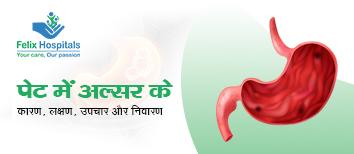
पेट में अल्सर एक आम लेकिन गंभीर समस्या है जो संक्रमण, अधिक एसिड या दवाओं के कारण होती है। इसके लक्षणों में पेट दर्द, जलन और अपच शामिल हैं। फ़ेलिक्स अस्पताल में इसका प्रभावी उपचार और परामर्श उपलब्ध है।
दिल्ली NCR में हेपेटाइटिस-ए और ई के मामलों में तेजी से इजाफा देखा जा रहा है। समय पर पहचान और सही इलाज से इस बीमारी को गंभीर होने से रोका जा सकता है।
गर्भावस्था में पेट दर्द एक सामान्य समस्या है, लेकिन कभी-कभी यह गंभीर स्वास्थ्य संकेत भी हो सकता है। जानिए इसके कारण, लक्षण और सुरक्षित इलाज।
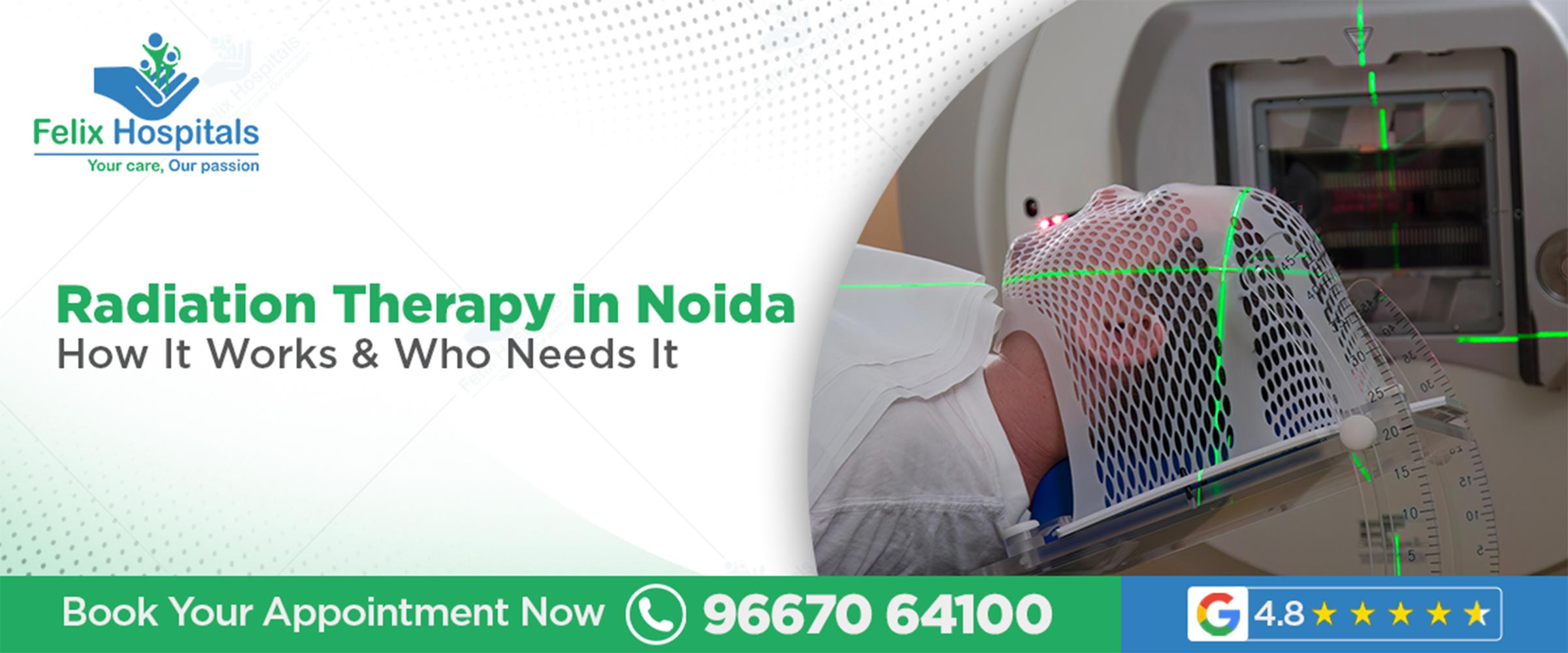
Radiation therapy is one of the most commonly used and effective treatments for cancer. It plays a crucial role either as a standalone therapy or in combination with surgery and chemotherapy. With advancements in medical technology, radiotherapy treatment in Noida has become more precise, safer, and better tolerated by patients. Understanding how radiation therapy works, who needs it, possible side effects, and cost considerations helps patients make informed decisions about their cancer care.
This guide explains radiation therapy in a simple, patient-focused manner to address common concerns and expectations.
Call +91 9667064100 to consult a radiation oncology expert and understand if radiation therapy is suitable for your condition.
Many patients ask, what is radiation therapy for cancer? Radiation therapy is a treatment that uses high-energy rays or particles to destroy cancer cells or stop their growth. Cancer cells divide faster than normal cells, making them more sensitive to radiation damage.
Radiation therapy can be used to:
Cure cancer in early stages
Shrink tumors before surgery
Destroy remaining cancer cells after surgery
Control cancer growth in advanced stages
Relieve pain or symptoms caused by tumors
Treatment plans are customized based on cancer type, stage, location, and overall health of the patient.
Patients often wonder, how does radiation therapy work for cancer treatment? Radiation damages the DNA inside cancer cells, preventing them from multiplying. Over time, these damaged cells die, and the body naturally removes them.
Modern techniques allow doctors to precisely target cancer cells while minimizing damage to surrounding healthy tissues. This precision has significantly reduced side effects and improved outcomes, especially when treatment is planned by experienced specialists at a best radiation therapy hospital in Noida.
A common concern is, who needs radiation therapy? Radiation therapy may be recommended for patients who:
Have early-stage cancer suitable for curative treatment
Require tumor shrinkage before surgery
Need post-surgical treatment to prevent recurrence
Cannot undergo surgery due to medical reasons
Require symptom relief in advanced cancer
Radiation therapy is commonly used in cancers of the breast, head and neck, lung, prostate, cervix, brain, and gastrointestinal tract. The decision is made after careful evaluation by a multidisciplinary oncology team.
Patients frequently ask, which doctor gives radiation therapy in Noida? Radiation therapy is planned and delivered by a radiation oncologist, a doctor specially trained in cancer treatment using radiation.
Radiation oncologists work closely with medical oncologists, surgeons, physicists, and radiotherapy technologists to ensure accurate planning, safe delivery, and effective monitoring throughout the treatment course.
Understanding the treatment process helps reduce anxiety and prepares patients mentally and physically.
The radiation oncologist reviews medical history, imaging, and biopsy reports to determine suitability.
Advanced imaging (CT/MRI) is used to map the tumor and design a precise radiation plan.
Radiation is usually delivered over multiple sessions called fractions. Each session lasts only a few minutes, though preparation may take longer.
Patients are monitored weekly for side effects and response to treatment.
One of the most common fears is, is radiation therapy painful? Radiation therapy itself is painless. Patients do not feel the radiation while it is being delivered.
However, side effects may develop gradually depending on the treatment area. These effects are usually temporary and manageable with proper medical support.
Side effects depend on the area being treated, radiation dose, and individual sensitivity.
Common Side Effects
Fatigue
Skin redness or irritation
Mild swelling in the treated area
For breast cancer patients, side effects may include:
Skin darkening or peeling
Breast tenderness or swelling
Temporary fatigue
Most side effects improve within weeks after treatment completion, and doctors provide supportive care to ease discomfort.
A frequently asked question is about radiation therapy cost in Noida. The cost varies depending on:
Type of radiation technology used
Number of sessions required
Cancer type and complexity
Hospital infrastructure
Costs may range from moderate to higher amounts for advanced techniques like IMRT or IGRT. Hospitals usually provide a treatment estimate after evaluation, helping families plan finances effectively.
Modern radiotherapy treatment in Noida includes advanced techniques that improve precision and reduce side effects, such as:
Intensity-Modulated Radiation Therapy (IMRT)
Image-Guided Radiation Therapy (IGRT)
Stereotactic Radiation Therapy
3D Conformal Radiation Therapy
These methods allow higher radiation doses to tumors while protecting nearby healthy organs.
Most patients continue daily activities during radiation therapy with minor adjustments. Doctors often advise:
Maintaining a balanced diet
Staying hydrated
Protecting treated skin from sun exposure
Getting adequate rest
Reporting side effects early
With proper guidance and follow-up, patients usually tolerate treatment well and complete therapy successfully.
Call +91 9667064100 to book an appointment at a leading cancer centre and discuss personalized radiation therapy options in Noida.
Radiation therapy is a safe, effective, and essential component of modern cancer treatment. With advanced technology and experienced specialists, radiation therapy in Noida offers patients targeted treatment with improved comfort and outcomes. Understanding how radiation works, who needs it, potential side effects, and cost considerations empowers patients to approach treatment with confidence.
If you or a loved one has been advised radiation therapy, early consultation with a radiation therapy doctor in Noida ensures timely planning and optimal care.
Q. 1. How many radiation sessions are usually required?
Ans. The number of sessions depends on cancer type and stage, typically ranging from 10 to 30 sessions.
Q. 2. Can radiation therapy be combined with chemotherapy?
Ans. Yes, in many cancers, radiation and chemotherapy are combined for better results.
Q. 3. Will radiation therapy make me radioactive?
Ans. No, external radiation therapy does not make patients radioactive.
Q. 4. Can elderly patients safely undergo radiation therapy?
Ans. Yes, treatment is planned carefully considering age and overall health.
Q. 5. How soon can I resume normal activities after radiation therapy?
Ans. Most patients resume normal activities gradually during or soon after treatment.
Recognize the early warning signs of cervical cancer. Learn about its symptoms, causes, and when to consult a gynecologist for timely diagnosis and treatment.
Explore essential information about breast cancer, including its symptoms, causes, types, and treatments, to stay informed and proactive about your health.
Immunotherapy is a groundbreaking cancer treatment that utilizes the body’s immune system to recognize and attack cancer cells.

Chemotherapy remains one of the most widely used and effective cancer treatments, either alone or in combination with surgery, radiation, or targeted therapy. For many patients and families, understanding how chemotherapy works, what to expect during treatment, possible side effects, and financial aspects is essential before starting therapy. With access to advanced facilities and experienced doctors, chemotherapy hospital in Noida has become more structured, patient-centric, and outcome-focused in recent years.
This guide explains the chemotherapy process, common side effects, treatment duration, and cost-related concerns to help patients make informed decisions.
Call +91 9667064100 to consult experienced oncology teams and understand whether chemotherapy is right for your condition.
Chemotherapy is a cancer treatment that uses powerful medicines to destroy cancer cells or stop their growth. These drugs circulate through the bloodstream, allowing them to target cancer cells that may have spread to different parts of the body.
Chemotherapy can be used for different purposes:
To cure cancer
To shrink tumors before surgery
To destroy remaining cancer cells after surgery
To control cancer growth
To relieve symptoms in advanced stages
Treatment is always tailored based on cancer type, stage, patient health, and treatment goals, usually under the guidance of experienced chemotherapy specialists in Noida.
Many patients feel anxious before starting chemotherapy because they are unsure about the process. Understanding the steps helps reduce fear and prepares patients mentally and physically.
Before chemotherapy begins, doctors perform blood tests, scans, and sometimes biopsies to determine the right drugs and dosage.
Oncologists decide the chemotherapy protocol, number of cycles, drug combination, and frequency.
Chemotherapy may be given:
Through a vein (IV)
As oral tablets or capsules
Through injections
Via ports or catheters for long-term treatment
Patients are closely monitored during and after each session for side effects or complications.
A common concern is, how long does a chemotherapy session take in Noida? The duration varies depending on:
Type of drugs used
Mode of administration
Patient’s response
Sessions may last from 30 minutes to several hours. Some treatments require day-care admission, while others may need short hospital stays. Doctors will explain the expected duration before treatment begins.
Many patients ask, is chemotherapy painful? Chemotherapy itself is not painful, as drugs are administered through IV lines or oral medications. However, some patients may experience discomfort from:
Needle insertion
Temporary burning sensation
Side effects occurring days after treatment
Modern supportive care has significantly reduced discomfort, nausea, and pain, making treatment more manageable.
Understanding what are the side effects of chemotherapy helps patients prepare better. Side effects depend on the drugs used, dosage, and individual tolerance.
Common side effects include:
Nausea and vomiting
Hair loss
Fatigue and weakness
Low immunity and infections
Mouth ulcers
Appetite changes
Temporary changes in blood counts
Not all patients experience the same effects, and many side effects are temporary and treatable. Leading cancer centers ensure continuous monitoring and supportive medications to reduce discomfort.
Patients often ask, how many cycles of chemotherapy are needed for breast cancer? The answer depends on:
Cancer stage
Tumor biology
Whether chemotherapy is given before or after surgery
Typically, breast cancer chemotherapy may involve 4 to 8 cycles, spread over several months. The exact plan is decided by the oncologist based on clinical guidelines and patient response.
One of the most searched questions is, what is the cost of chemotherapy in Noida 2025? Costs vary widely depending on several factors:
Drugs used (standard vs targeted)
Number of cycles
Hospital infrastructure
Supportive medications
On average, how much does one cycle of chemotherapy cost in Noida can range from a few thousand rupees to significantly higher amounts for advanced or targeted therapies. Doctors usually provide a cost estimate before treatment begins to help families plan financially.
Patients frequently ask, chemotherapy in Noida under Ayushman Bharat – is it free? Under government health schemes like Ayushman Bharat, eligible patients may receive chemotherapy coverage for specific cancers and treatment protocols.
Patient eligibility
Hospital empanelment
Approved treatment packages
Hospital financial counsellors usually help patients understand scheme benefits, documentation, and claim procedures.
Selecting the right hospital plays a crucial role in treatment outcomes. A best chemotherapy hospital in Noida typically offers:
Experienced oncology teams
Advanced infusion facilities
Day-care chemotherapy units
Infection-controlled environments
Supportive care services
Nutritional and psychological support
These factors ensure safe treatment delivery and better patient comfort during therapy.
Chemotherapy affects daily routines, but many patients continue normal activities with adjustments. Doctors usually advise:
Balanced nutrition
Adequate rest
Infection precautions
Staying hydrated
Reporting side effects early
With proper guidance and monitoring, patients can manage treatment more confidently.
Call +91 9667064100 to book an appointment with a cancer specialist and discuss personalized chemotherapy options in Noida.
Chemotherapy remains a cornerstone of cancer treatment and has evolved significantly in terms of safety, comfort, and effectiveness. Understanding the process, possible side effects, treatment duration, and financial aspects helps patients feel more prepared and less anxious. With access to advanced facilities and expert care, chemotherapy in Noida offers patients comprehensive, structured, and compassionate cancer treatment in Noida.
If you or a loved one is considering chemotherapy, timely consultation with an experienced oncology team can make a meaningful difference in treatment outcomes.
Q. 1. Can chemotherapy be done as day-care treatment?
Ans. Yes, many chemotherapy sessions are safely administered in day-care settings.
Q. 2. Will I lose all my hair during chemotherapy?
Ans. Hair loss depends on the drugs used; some cause partial or no hair loss.
Q. 3. Can I work during chemotherapy?
Ans. Many patients continue light work, depending on energy levels and side effects.
Q. 4. Does chemotherapy weaken immunity permanently?
Ans. Immunity usually recovers after treatment completion with proper care.
Q. 5. Can chemotherapy be combined with other treatments?
Ans. Yes, it is often combined with surgery, radiation, or targeted therapy for better outcomes.

Cervical cancer is most common in women after breast cancer. Cervical cancer starts from the cervix, i.e., the cervix. The cervix is the lower part of the uterus that connects the vagina to the uterus.
Recognize the early warning signs of cervical cancer. Learn about its symptoms, causes, and when to consult a gynecologist for timely diagnosis and treatment.
Explore essential information about breast cancer, including its symptoms, causes, types, and treatments, to stay informed and proactive about your health.
Immunotherapy is a groundbreaking cancer treatment that utilizes the body’s immune system to recognize and attack cancer cells.
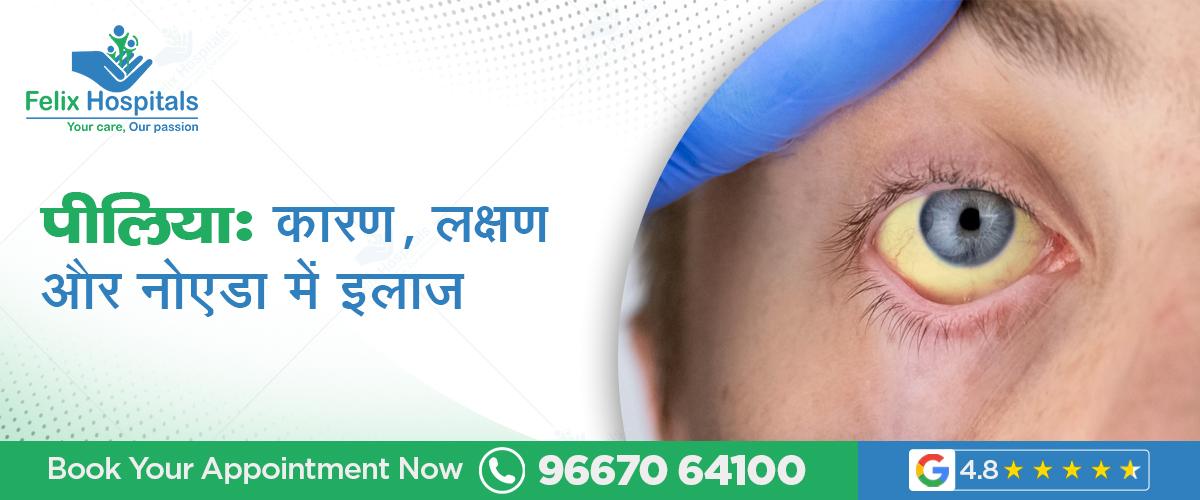
पीलिया (Jaundice) एक ऐसी स्थिति है। जिसमें शरीर में बिलीरुबिन नामक पीले पिगमेंट की मात्रा बढ़ती है और त्वचा, आंखों का सफेद हिस्सा तथा नाखून पीले दिखाई देते हैं। बिलीरुबिन लाल रक्त कोशिकाओं के टूटने पर बनता है। सामान्य स्थिति में लिवर इसे पित्त के साथ बाहर निकालता है। लेकिन जब लिवर, पित्त नलिकाओं या रक्त कोशिकाओं में समस्या होती है, तो बिलीरुबिन का स्तर बढ़कर पीलिया का कारण बनता है। नोएडा में पीलिया की जांच इसके कारण पर निर्भर करता है। संक्रमण में दवाओं से उपचार किया जाता है। पीलिया का इलाज नोएडा (Jaundice treatment in Noida) में उपलब्ध है।
अभी परामर्श के लिए कॉल करें – +91 9667064100
पीलिया एक ऐसी स्थिति है। जिसमें शरीर में बिलीरुबिन नामक पिगमेंट की मात्रा बढ़ती है। यह पदार्थ लाल रक्त कोशिकाओं के टूटने के बाद बनता है। सामान्यतः लिवर इसे प्रोसेस करके पित्त के माध्यम से बाहर निकालता है। लेकिन जब लिवर कमजोर हो, पित्त नली बंद हो या बिलीरुबिन अधिक मात्रा में बनने लगे तो यह खून में जमा होता है। जिससे त्वचा, आंखें और नाखून पीले दिखते हैं। यह स्वयं में एक बीमारी नहीं बल्कि लिवर, पित्त नली या रक्त संबंधी बीमारी का संकेत है।
हमारे शरीर में जब लाल रक्त कोशिकाएं टूटती हैं तो उनसे बिलीरुबिन नामक पदार्थ निकलता है। सामान्य स्थिति में लिवर इस बिलीरुबिन को रक्त से निकालकर पित्त में बदलता है। उसे पाचन तंत्र के माध्यम से शरीर से बाहर भेज देता है। पीलिया तब होता है जब लिवर बिलीरुबिन को ठीक से फिल्टर नहीं कर पाता। पित्त नलियों में रुकावट आती है या बिलीरुबिन का उत्पादन अत्यधिक मात्रा में होता है। इन स्थितियों में बिलीरुबिन रक्त में जमा होकर त्वचा, आंखों और नाखूनों को पीला कर देता है, जिसे पीलिया कहते है।
वयस्कों में पीलिया कई कारणों से होता है। लिवर संबंधी कारणों में हेपेटाइटिस ए, बी, सी, ई, फैटी लिवर (Fatty liver), अल्कोहॉलिक लिवर डिजीजी, सिरोसिस और ऑटोइम्यून हेपेटाइटिस शामिल हैं। पित्त नली की रुकावट भी पीलिया का बड़ा कारण है। जो पित्त की पथरी, पित्त नली में सूजन, पैंक्रियाटिक या बाइल डक्ट कैंसर, ट्यूमर या सिस्ट के कारण होती है। इसके अलावा रक्त संबंधी कारण जैसे हेमोलिटिक एनीमिया, जी6पीडी की कमी, सेप्सिस और आनुवंशिक आरबीसी विकार भी बिलीरुबिन का स्तर बढ़ाकर पीलिया उत्पन्न करते हैं। कुछ दवाएं भी पीलिया का कारण बनती हैं। जिनमें स्टेरॉयड, पेनिसिलिन, हाई डोज़ पैरासिटामोल और गर्भनिरोधक गोलियाँ प्रमुख हैं।
त्वचा और आंखों का पीला पड़ना
गहरे रंग का पेशाब
हल्का या फीका मल
थकान व कमजोरी
भूख में कमी
पेट में दर्द और भारीपन
उल्टी या मितली
त्वचा में खुजली
बिलीरुबिन टेस्ट
सीबीसी (पूर्ण रक्त गणना)
एलएफटी (लिवर फंक्शन टेस्ट)
हेपेटाइटिस प्रोफाइल
अल्ट्रासाउंड
सीटी स्कैन
एमआरआई /एमआरसीपी
एंडोस्कोपिक ईआरसीपी (रुकावट का इलाज भी साथ होता है)
लिवर बायोप्सी (Liver biopsy) (गंभीर मामलों में)
दवाइयों से पीलिया का इलाज तब किया जाता है। जब इसका कारण संक्रमण, लिवर में सूजन या खून से संबंधित समस्या हो। यदि पीलिया हेपेटाइटिस से जुड़ा है, तो उपचार उसके प्रकार पर निर्भर करता है। हेपेटाइटिस ए और ई में आराम, पर्याप्त पानी, और लिवर-फ्रेंडली डाइट सबसे महत्वपूर्ण होते हैं। जबकि हेपेटाइटिस बी और सी के मरीजों को विशेष एंटीवायरल दवाइयां दी जाती हैं। इस दौरान एलएफटी (LFT) की नियमित मॉनिटरिंग और डॉक्टर के साथ फॉलोअप आवश्यक होता है। यदि मरीज को पित्त नली की सूजन (कोलेंजाइटिस) या सेप्सिस जैसी गंभीर स्थिति है, तो तुरंत एंटीबायोटिक्स शुरू किए जाते हैं, खासकर तब जब हाई-ग्रेड बुखार, कंपकंपी, तेज पीलिया या इंफेक्शन के लक्षण दिखाई दें। कई मरीजों में बिलीरुबिन को नियंत्रित रखने और लिवर की कार्यक्षमता बढ़ाने के लिए लिवर-सपोर्टिव दवाएं, एंटीऑक्सिडेंट और विशेष सप्लीमेंट दिए जाते हैं। इसके अलावा मतली, पेट दर्द, गैस, भूख कम होना जैसे लक्षणों को नियंत्रित करने के लिए अलग-अलग दवाइयाँ उपयोग की जाती हैं, जिससे मरीज को तेजी से आराम मिल सके और लिवर पर अतिरिक्त दबाव न पड़े।
एंडोस्कोपिक इलाज ERCP (No-Cut Procedure) पित्त नली की रुकावट का सबसे आधुनिक और प्रभावी उपचार है। क्योंकि इसमें बिना चीरा लगाए सीधे नली का इलाज किया जाता है। ईआरसीपी द्वारा पित्त नली की पथरी को एंडोस्कोप की मदद से नली से बाहर निकाल दिया जाता है, जिससे मरीज को तुरंत दर्द और पीलिया से राहत मिलती है और आमतौर पर 24 घंटे के भीतर डिस्चार्ज भी किया जा सकता है। जिन मरीजों की पित्त नली ट्यूमर, सूजन या संकुचन के कारण बंद होती है। उनमें प्लास्टिक या मेटल स्टेंट लगाकर नली को खोला जाता है। जिससे पित्त का प्रवाह तुरंत सामान्य हो जाता है। यह प्रक्रिया बाइल डक्ट स्टोन, पैंक्रियास या बाइल डक्ट कैंसर, ट्यूमर के दबाव और बार-बार होने वाले पीलिया जैसे रोगों में आवश्यक और जीवनरक्षक साबित होती है। ईआरसीपी तेज, सुरक्षित और कम रिकवरी समय वाली तकनीक है, इसलिए पित्त नली की रुकावट वाले अधिकतर मरीजों में यही प्राथमिक विकल्प माना जाता है।
फैटी लिवर और शराब से होने वाला पीलिया धीरे-धीरे ठीक होने वाली स्थिति है। जिसमें लगातार देखभाल और जीवनशैली में बड़े बदलाव की आवश्यकता होती है। सबसे महत्वपूर्ण है लाइफस्टाइल सुधार नियमित वॉक, योगा और वजन को नियंत्रित रखना लिवर पर दबाव कम करता है। उसकी रिकवरी को तेज करता है। इसके साथ ही सही डाइट का पालन करना बेहद जरूरी है। जिसमें लो-फैट और लो-ऑयल भोजन, ताजे फल-सब्जियों का सेवन और सबसे महत्वपूर्ण शराब का पूरी तरह बंद करना शामिल है। शराब लिवर को और अधिक नुकसान पहुंचाती है। उपचार में लिवर की सूजन कम करने वाली दवाइयां, एंटीऑक्सिडेंट और विटामिन सप्लीमेंट दिए जाते हैं। जो लिवर की मरम्मत प्रक्रिया को तेज करते हैं और शरीर में ऊर्जा व पोषण की कमी को पूरा करते हैं। नियमित जांच और डॉक्टर की सलाह का पालन करने से मरीज धीरे-धीरे पूरी तरह स्वस्थ हो सकता है।
कैंसर या किसी गंभीर बीमारी के कारण होने वाला पीलिया उन्नत और विशेष उपचार की मांग करता है। ऐसे मामलों में सबसे पहले यह देखा जाता है कि ब्लॉकेज किस कारण और किस स्तर पर है। यदि पीलिया ट्यूमर, सिस्ट या कैंसर से उत्पन्न हुआ हो, तो सर्जरी द्वारा ट्यूमर को हटाते है। या ब्लॉकेज वाली जगह का ऑपरेशन करके पित्त का मार्ग साफ किया जाता है। जब सर्जरी संभव न हो या तुरंत राहत की आवश्यकता हो, तब पित्त नली को खुला रखने के लिए मेटल स्टेंट लगाते हैं। जो लंबे समय तक पित्त के प्रवाह को सामान्य बनाए रखता है। कैंसर के मामलों में कीमोथेरेपी या एब्लेशन जैसी उन्नत तकनीकें भी इस्तेमाल की जाती हैं। जिनसे कैंसर की ग्रोथ नियंत्रित होती है। दर्द तथा पीलिया दोनों में राहत मिलती है। सही समय पर इलाज शुरू करने से मरीज को बेहतर परिणाम और जीवन की गुणवत्ता में सुधार मिलता है।
नोएडा में पीलिया के विशेषज्ञ डॉक्टर उपलब्ध है। अभी परामर्श के लिए कॉल करें – +91 9667064100
लिवर फेलियर
संक्रमण
सेप्सिस
क्रोनिक हेपेटाइटिस
एनीमिया
पित्त नली की स्थायी रुकावट
स्वच्छ और ताजा खाना खाएं
दूषित पानी से बचें
शराब का सेवन कम करें
हेपेटाइटिस ए और बी का टीकाकरण
हाथ धोने की आदत
सुरक्षित यौन संबंध
दवाओं का सेवन डॉक्टर से पूछकर करें
वजन नियंत्रित रखें
पीलिया अपने आप में कोई बीमारी नहीं, बल्कि शरीर में किसी गंभीर समस्या का संकेत है। इसका कारण लिवर की कमजोरी, पित्त नली की रुकावट, संक्रमण, पथरी या कैंसर भी होता है। इसलिए पीलिया को हल्के में लेना खतरनाक होता है। समय पर जांच एलएफटी, बिलीरुबिन, अल्ट्रासाउंड, सीटी/एमआरसीपी और सही उपचार से मरीज पूरी तरह स्वस्थ होता है। नोएडा में दवाइयों, ईआरसीपी, स्टेंटिंग, सर्जरी और उन्नत कैंसर थेरेपी जैसी सभी सुविधाएं उपलब्ध हैं। लक्षण दिखाई देते ही डॉक्टर से संपर्क करना सबसे जरूरी है, क्योंकि जल्दी इलाज हमेशा बेहतर परिणाम देता है।
प्रश्न 1. क्या पीलिया खतरनाक हो सकता है?
उत्तरः हां, अगर समय पर इलाज न मिले तो यह लिवर फेलियर या सेप्सिस तक ले जाता है। इसलिम समय पर जांच और इलाज जरूरी है।
प्रश्न 2. क्या पीलिया पूरी तरह ठीक हो सकता है?
उत्तरः हां, यदि कारण समय पर पकड़ लिया जाए। इसलिए डॉक्टर की सलाह के अनुसार ही जांच के साथ इलाज कराकर दवाका सेवन करना चाहिए।
प्रश्न 3. क्या वयस्कों और बच्चों में पीलिया अलग होता है?
उत्तरः नवजात में पीलिया सामान्य है, लेकिन वयस्क में पीलिया हमेशा बीमारी का संकेत है। इसलिए जीवनशैली में बदलाव के साथ जांच जरूरी है।
प्रश्न 4. कौन सा परीक्षण पीलिया की पुष्टि करता है?
उत्तरः बिलीरुबिन टेस्ट और एलएफटी सबसे महत्वपूर्ण टेस्ट हैं। डॉक्टर की सलाह पर ही इस टेस्ट को कराते रहना चाहिए।
प्रश्न 5. क्या पीलिया की वजह से अस्पताल में भर्ती होना जरूरी है?
उत्तरः गंभीर बुखार, उल्टी, संक्रमण या ब्लॉकेज होने पर भर्ती जरूरी है। जिससे समय पर जांच और इलाज शुरू किया जा सके।

Discover 11 expert tips to prepare for labour and delivery.
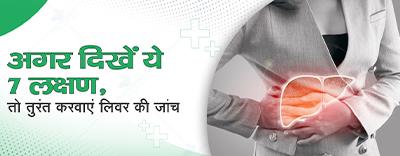
शरीर में ये 7 लक्षण नजर आ रहे हैं तो इसे नजरअंदाज न करें। यह लिवर से जुड़ी गंभीर समस्या का संकेत हो सकते हैं। समय पर जांच और इलाज से बड़ी परेशानी से बचा जा सकता है।
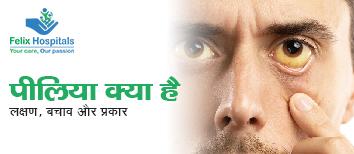
पीलिया एक ऐसी स्थिति है जिसमें शरीर और आंखों का रंग पीला पड़ जाता है। यह मुख्य रूप से लीवर की खराबी या रक्त में बिलीरुबिन के बढ़ने के कारण होता है।

लिवर की सूजन (हेपेटाइटिस) के मुख्य कारण, शुरुआती लक्षण, जांच और प्रभावी घरेलू-चिकित्सकीय उपचार
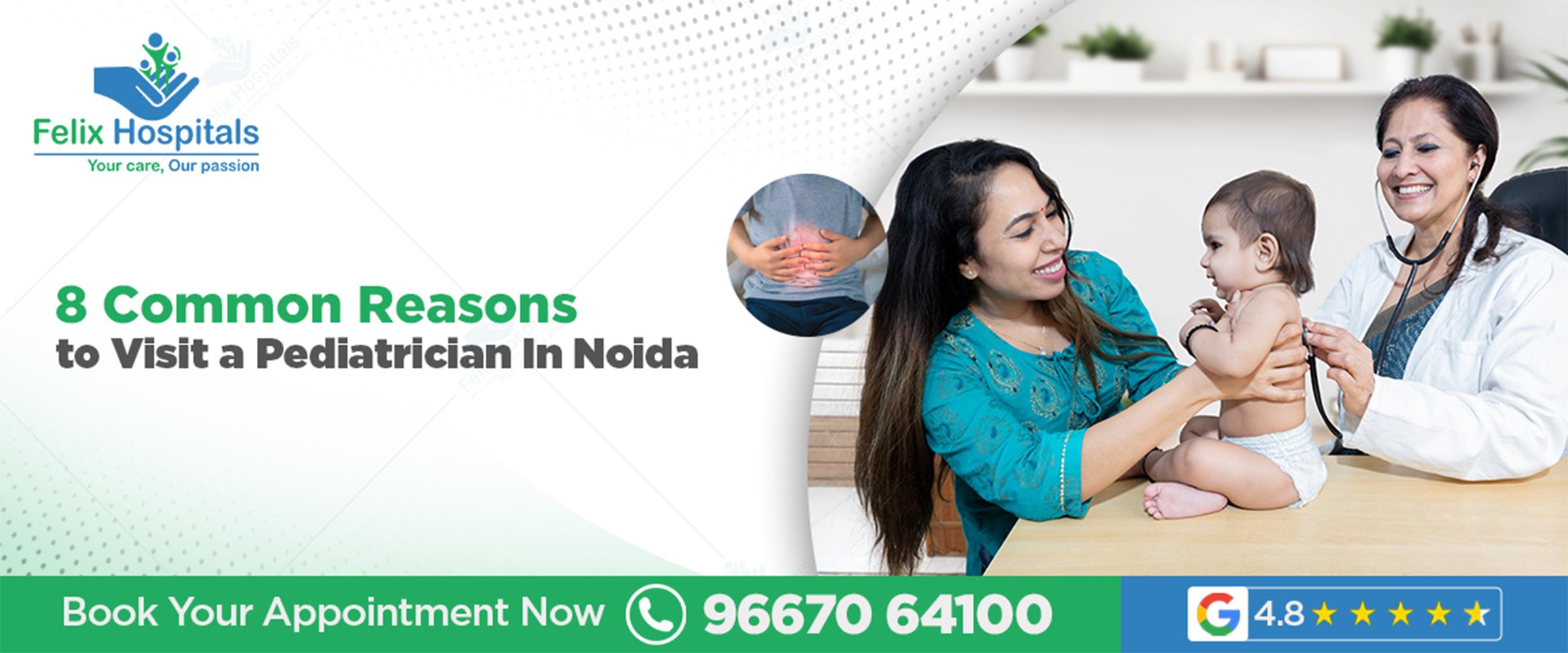
Children develop and grow rapidly, and even minor health issues can escalate if not addressed on time. Parents often wonder whether a symptom is normal or if it requires medical attention. Understanding when to seek professional care ensures better health outcomes and prevents complications. With rising infections, seasonal changes, and school exposure, children face a variety of health challenges that require timely care. This is why many parents choose to book pediatrician appointment in Noida whenever they notice unusual symptoms or behavior.
This blog highlights the eight most common reasons to visit a pediatrician in Noida, helping parents make informed decisions and prioritize their child’s well-being. Whether it’s fever, cough, rashes, or growth delays, early medical attention at a reliable child hospital in Noida plays a crucial role in ensuring a child’s long-term health.
Fever is one of the most important pediatric consultation reasons. While mild fever is often manageable at home, a temperature that is:
Above 102°F
Lasts more than 48–72 hours
Comes with vomiting, rashes, or lethargy requires immediate medical attention. Persistent fever may indicate infections like tonsillitis, pneumonia, dengue, flu, UTI, or typhoid. Infants, especially under six months, need urgent evaluation even for mild fever.
Seasonal infections are extremely common among children. However, certain symptoms signal the need for a pediatric visit:
Constant cough lasting over two weeks
Noisy or wheezy breathing
Difficulty breathing between words
Flaring nostrils or chest retractions
These may indicate asthma, bronchiolitis, bacterial infections, allergies, or pollution-induced respiratory issues. Delayed care can lead to complications, making timely diagnosis essential.
Stomach issues are also common pediatric health problems, especially during changing weather or after eating contaminated food.
However, if your child has:
Continuous vomiting
Frequent loose stools
Dry mouth
Sunken eyes
Reduced urination
Unusual lethargy
…it suggests dehydration. Immediate pediatric assessment helps prevent electrolyte imbalance and weakness.
Not all rashes are harmless. Some require urgent pediatric care, such as:
Rash with fever
Rapidly spreading red spots
Itchy, swollen patches
Allergic reactions to food, insect bites, or medication
Skin infections in children spread faster due to sensitive skin. A pediatrician ensures proper diagnosis and relief.
Parents often worry about eating habits and growth. A pediatrician visit is important if your child has:
Poor appetite for more than a week
Sudden weight loss
Slow or stunted growth
Delays in height or developmental milestones
These may indicate nutritional deficiencies, digestive issues, hormonal imbalance, or chronic infection. Regular growth tracking ensures healthy development.
Children commonly experience ENT-related infections. Warning signs include:
Persistent ear pain
Ear discharge
Difficulty swallowing
Frequent sore throat
Sudden hearing issues
Untreated infections can lead to hearing loss, sleep difficulties, and difficulty concentrating in school. Timely pediatric evaluation ensures proper treatment.
Parents should visit a pediatrician whenever they notice changes such as:
Hyperactivity or attention issues
Delayed speech
Learning difficulties
Sudden mood swings
Sleep disturbances
Early detection of developmental or behavioral concerns leads to better long-term outcomes. Pediatricians may recommend further assessment by child specialists or therapists if needed.
Regular vaccinations protect children from life-threatening diseases. Pediatricians ensure timely doses for:
Polio
MMR
Hepatitis
Pneumococcal
Rotavirus
Influenza
Chickenpox
Routine check-ups also help monitor growth, immunity, and early signs of illness. Regular visits build a complete health record, ensuring preventive care throughout childhood.
Understanding when to take your child to a pediatrician helps prevent complications and ensures faster recovery. Whether your child is experiencing fever, breathing problems, rashes, stomach issues, or developmental concerns, timely care makes all the difference. Parents should never ignore persistent symptoms or unusual behavior changes. When in doubt, it’s always safer to book pediatrician appointment in Noida and let a trained specialist evaluate the condition. Choosing a trusted child hospital in Noida ensures advanced pediatric care, accurate diagnosis, and expert support for your child’s health needs.
Q1. What symptoms tell me that I should take my child to a pediatrician immediately?
A: High fever, breathing difficulty, vomiting, rash with fever, or unusual sleepiness require urgent evaluation.
Q2. How do I know if my child’s cold or cough needs medical attention?
A: If the cough lasts more than two weeks, affects sleep, or comes with fast breathing or wheezing, visit a doctor.
Q3. When should I worry about my child’s eating habits or growth?
A: If your child shows poor appetite for more than a week, loses weight, or shows slow growth, a pediatric check-up is needed.
Q4. Are skin rashes always serious?
A: Not always, but rashes with fever, swelling, rapid spread, or itching need a pediatrician’s assessment.
Q5. How often should my child have routine pediatric visits?
A: At least once every 6–12 months, or more frequently for infants and children with medical conditions.
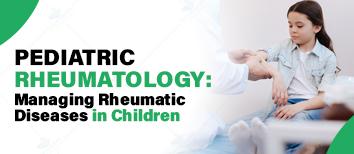
Pediatric rheumatology focuses on diagnosing and treating autoimmune and inflammatory disorders affecting children’s joints, muscles, and connective tissues.

During sleep, the body releases growth hormones, which are essential for a child's growth and development. Adequate sleep is vital for muscle development, tissue growth, and the overall physical health of a child.
Our team of pediatric professionals is committed to offering expert care and guidance on sleep-related issues. If you’re looking for a pediatric doctor near me, our experienced specialists are ready to assist.

Pediatric Intensive Care Unit (PICU): Expert care for critically ill or injured children requiring constant monitoring and advanced life support. Our specialized team ensures round-the-clock treatment in a safe, child-friendly environment.


Subscribe to our
© Copyright 2026. All Rights Reserved by Felix Healthcare Private Limited
Design and development by :


 +(91)9667064100
 Emergency : +(91)9667064100