 WhatsApp
 Emergency:
  WhatsApp




Subscribe to our
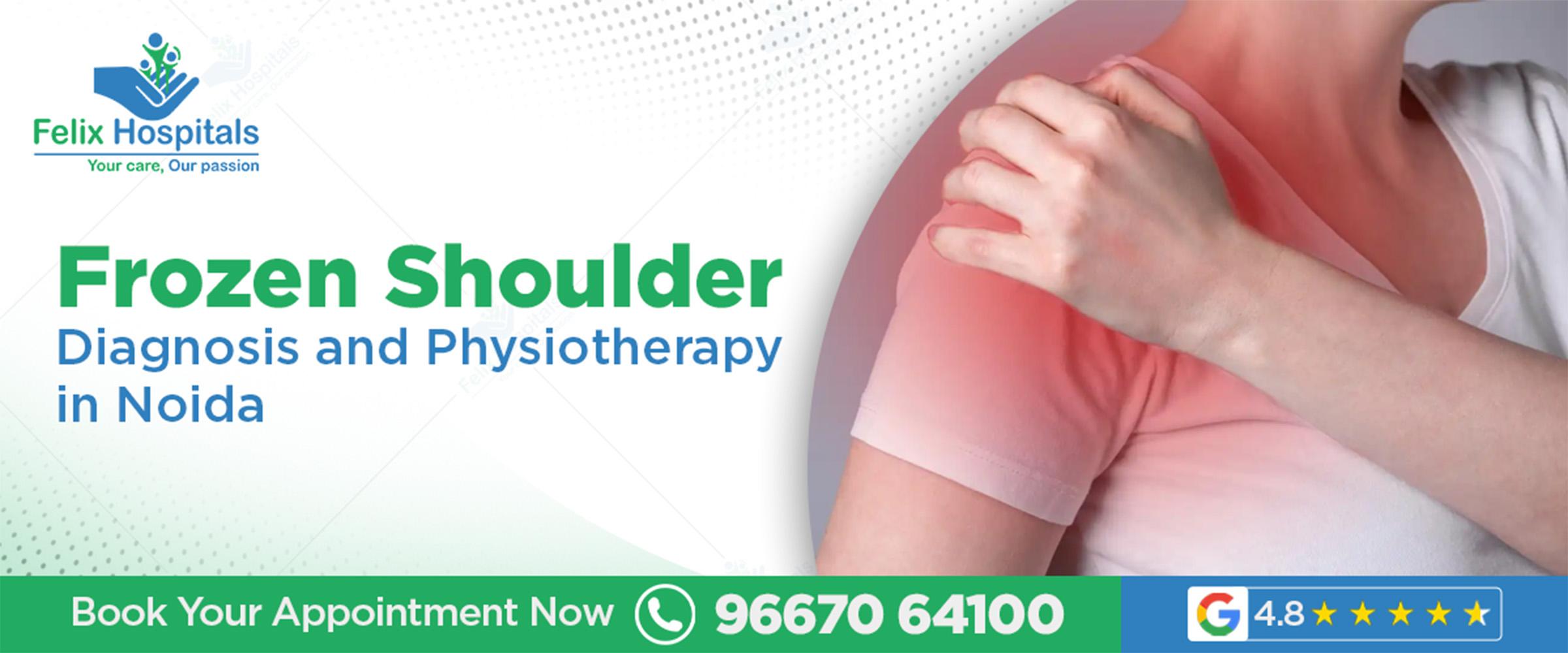
Frozen shoulder—also known as adhesive capsulitis—is a painful and limiting condition that affects your ability to move your arm freely. It typically begins with mild stiffness, which gradually progresses to significant restriction in shoulder movement. Many patients in Noida experience difficulty lifting objects, reaching overhead, or even performing simple daily tasks like dressing or combing their hair.
The good news is that physiotherapy is the most effective non-surgical treatment for frozen shoulder, helping restore mobility, reduce pain, and prevent long-term disability. Early diagnosis and a structured rehabilitation plan can dramatically speed up recovery.
This article explains everything you need to know about Frozen Shoulder Diagnosis and Physiotherapy in Noida, plus treatment stages, recovery timelines, and when to seek medical help.
Regain pain-free shoulder movement with expert physiotherapy. Call Felix Hospital at +91 9667064100
Frozen shoulder occurs when the soft tissues around the shoulder joint become inflamed and stiff. Over time, the capsule that surrounds the joint thickens and tightens, restricting arm movement. It usually develops slowly and progresses through three stages:
1. Freezing Stage:
Increasing pain and gradual loss of movement.
2. Frozen Stage:
Stiffness becomes severe, but pain may reduce.
3. Thawing Stage:
Mobility slowly starts to return.
The entire course may last 6 months to 2 years, depending on treatment.
While frozen shoulder can affect anyone, certain factors increase the risk:
Diabetes (highly associated)
Thyroid disorders
Prolonged immobilisation after injury or surgery
Age between 40 and 60
Shoulder injuries
Stroke or conditions leading to restricted movement
Autoimmune conditions
Addressing these underlying factors helps improve long-term outcomes.
Patients often report:
Gradual, persistent shoulder pain
Difficulty raising the arm
Pain while sleeping on the affected side
Stiffness that gets worse over time
Limited shoulder rotation
Difficulty performing overhead activities
If these symptoms appear, early evaluation helps prevent severe stiffness later.
A proper diagnosis is essential before starting treatment. Physiotherapists and orthopaedic specialists in Noida recommend a detailed evaluation, which typically includes:
A shoulder physiotherapist checks:
Range of motion
Pain intensity
Joint mobility
Muscle tightness
Functional limitations
Restricted movement in all directions is a key indicator of frozen shoulder.
Doctors assess health conditions such as diabetes, injury history, thyroid problems, or previous surgeries.
While frozen shoulder is mainly a clinical diagnosis, imaging may be used to rule out other causes:
X-ray: To check for arthritis or fractures.
MRI: To identify inflammation or rotator cuff tears.
Ultrasound: To assess soft tissues if necessary.
A clear diagnosis ensures that the physiotherapy plan is safe and effective.
Physiotherapy is the cornerstone of treatment and helps restore mobility at every stage. The approach depends on whether the shoulder is in the freezing, frozen, or thawing phase.
During the early stages, physiotherapy focuses on pain relief:
Heat therapy
Cold therapy
Ultrasound therapy
TENS (Transcutaneous Electrical Nerve Stimulation)
Gentle joint mobilisations
These reduce pain and prepare the shoulder for stretching.
Once pain reduces, your physiotherapist introduces exercises such as:
Pendulum swings
Towel stretch
Finger walk
Cross-body stretch
External rotation with a stick
Chest-opening mobility drills
These exercises gradually open the joint capsule and improve movement.
To prevent muscle weakness, targeted strengthening is added:
Resistance band exercises
Scapular stabilising drills
Rotator cuff strengthening
Shoulder blade squeezing
Posture correction exercises
Stronger muscles support the healing joint and prevent relapse.
Advanced physiotherapy techniques such as:
Grade 1–4 mobilisations
Capsular stretching
Myofascial release
Trigger point therapy
These help release tight tissues and expand the capsule in a controlled, safe manner.
A personalised home program is essential for long-term improvement. Consistent daily exercises speed up recovery and prevent stiffness from returning.
Recovery depends on the stage at which physiotherapy begins:
Early stage treatment: 2–3 months
Mid to advanced stage: 4–6 months
Severe stiffness: Up to 1 year
Patients with diabetes may take slightly longer to recover. The key is consistency and following your physiotherapist’s plan.
Although physiotherapy works in most cases, patients may need additional medical evaluation if they experience:
Severe, persistent pain
No improvement after 3–4 weeks
Sudden worsening of symptoms
Signs of rotator cuff tear
Night pain that does not reduce
In rare cases, injections or minimally invasive procedures may be recommended.
Felix Hospital provides specialised physiotherapy care for patients with frozen shoulder, ensuring accurate assessment, safe mobilisation techniques, and structured rehabilitation. Their physiotherapists design and personalised treatment plans that address pain, stiffness, and functional limitations. With advanced therapy modalities and patient-centric care, Felix Hospital supports faster and safer recovery for individuals experiencing shoulder immobility and chronic discomfort.
Start your frozen shoulder rehab today with personalised care. Call Felix Hospital at +91 9667064100
Frozen shoulders can significantly affect your daily life, but early diagnosis and consistent physiotherapy can make recovery much faster and smoother. With the right treatment approach—focused on controlled stretching, pain relief, and gradual strengthening—most patients regain near-normal movement without needing surgery. If shoulder stiffness is affecting your routine, seeking expert physiotherapists in Noida is the first step toward regaining comfort and mobility. With personalised treatment and a structured rehab plan, you can overcome frozen shoulders safely and effectively.
Q1: How long does frozen shoulder take to heal with physiotherapy?
A: Most patients improve steadily within 8–12 weeks with consistent therapy.
Q2: Can frozen shoulder heal without surgery?
A: Yes, physiotherapy is usually enough to restore mobility and reduce stiffness.
Q3: Is the physiotherapy painful?
A: Some stretching may feel uncomfortable but should not cause sharp pain.
Q4: Can diabetics recover from frozen shoulder?
A: Yes, but they may require slightly longer rehabilitation and closer monitoring.
Q5: When should I see a doctor instead of just a physiotherapist?
A: If pain worsens, movement suddenly decreases, or symptoms persist beyond a few weeks.

Frozen shoulder is a common condition in which the shoulder stiffens, reducing its mobility. It commonly affects people aged between 40 and 60 years, and it is more likely in women than in men.
Learn about the Frozen Embryo Transfer (FET) procedure, its advantages, and why it's becoming a preferred fertility option in Noida.

Frozen shoulder leads to pain and stiffness. Timely treatment in Noida improves shoulder movement.
Get expert diagnosis and advanced physiotherapy treatment for frozen shoulder in Noida to relieve pain, stiffness, and restore shoulder movement safely.
Gastric health issues are among the most common digestive concerns faced by adults in Noida. They encompass a range of conditions affecting the stomach, including indigestion, acid reflux, gastritis, ulcers, and bloating. Poor diet, stress, infections, and lifestyle habits can all contribute to these problems. Ignoring early symptoms can lead to complications such as stomach ulcers, gastrointestinal bleeding, and chronic discomfort. Seeking timely consultation with a Gastro Doctor in Noida can ensure accurate diagnosis and effective treatment.
If you are experiencing persistent stomach discomfort, bloating, or acidity, call +91 9667064100 to consult a specialist immediately.
The stomach plays a vital role in breaking down food and preparing it for absorption in the intestines. When its normal function is disrupted, patients may experience discomfort, pain, or digestive irregularities. Gastric problems can affect daily life, causing difficulty in eating, poor nutrition, and overall fatigue. Early attention to common gastric problems helps prevent long-term complications and ensures the digestive system remains healthy.
Several factors contribute to gastric problems. Understanding these causes helps in identifying the right treatment approach.
Overeating, irregular meal timings, consumption of spicy, oily, or processed foods, and excessive caffeine or alcohol intake can irritate the stomach lining. These lifestyle factors are among the leading causes of gastric issues in adults.
High stress levels and irregular sleep patterns can impact digestive function. Stress increases acid production, causing gastritis and discomfort, which often leads patients to seek the best treatment for gastric problems.
This bacterial infection is a common cause of gastritis and peptic ulcers. Untreated H. pylori can lead to chronic inflammation, pain, and even bleeding.
Long-term use of painkillers, steroids, or certain anti-inflammatory drugs may damage the stomach lining, increasing the risk of ulcers and irritation.
Conditions such as diabetes, liver disease, or kidney disorders can also contribute to gastric discomfort, requiring careful monitoring and management by a Gastro Doctor in Noida.
Recognizing early signs of gastric issues is key to preventing complications. Common symptoms include:
Burning sensation or pain in the upper abdomen
Bloating and fullness after small meals
Nausea and occasional vomiting
Loss of appetite
Belching and acid reflux
Unexplained weight loss in chronic cases
Persistent or severe symptoms warrant consultation at a Best Gastro Hospital in Noida for comprehensive evaluation.
Immediate consultation is advised if you experience:
Intense or worsening abdominal pain
Vomiting blood or black stools
Difficulty swallowing
Chronic nausea or loss of appetite
Sudden weight loss
Early medical attention helps prevent the development of ulcers, gastritis complications, or more serious gastrointestinal diseases.
Experiencing frequent bloating, heartburn, or stomach pain? Call +91 9667064100 now to schedule a consultation with an expert gastroenterologist in Noida.
A precise diagnosis ensures effective treatment. Doctors at leading gastro hospitals in Noida use several approaches:
Endoscopy: Visualizes the stomach lining to detect inflammation, ulcers, or infection.
Blood Tests: Assess H. pylori infection, liver function, and other markers.
Ultrasound: Identifies structural issues in the stomach or surrounding organs.
Stool Tests: Detect infections, bleeding, or digestive abnormalities.
These evaluations allow the best treatment for gastric problems to be tailored to each patient’s condition.
Treatment depends on the specific cause and severity of the gastric issue.
Eat smaller, frequent meals
Avoid spicy, oily, and processed foods
Limit caffeine and alcohol
Practice stress management and adequate sleep
Doctors may prescribe:
Antacids and acid reducers
H. pylori eradication therapy
Anti-inflammatory medications for ulcers
Digestive enzyme supplements
These medications help relieve symptoms and prevent further stomach damage.
For severe ulcers, bleeding, or structural problems, endoscopic procedures may be performed. These are minimally invasive and allow faster recovery.
Chronic gastric issues require ongoing monitoring and lifestyle adjustments. Regular check-ups with a Gastro Doctor in Noida ensure that the condition remains under control and complications are avoided.
Patients can take preventive steps to maintain healthy stomach function:
Stay hydrated and consume a balanced diet rich in fruits and vegetables
Avoid late-night meals and overeating
Limit alcohol, tobacco, and spicy foods
Manage stress with yoga, meditation, or relaxation techniques
Attend regular check-ups at a Best Gastro Hospital in Noida
These habits reduce the risk of ulcers, acid reflux, and chronic gastritis.
Felix Hospital offers expert gastroenterology care, advanced diagnostic facilities, and personalized treatment plans for gastric health issues. The hospital combines modern technology with a patient-centric approach, ensuring effective management of common gastric problems, chronic gastritis, ulcers, and digestive infections. With experienced specialists and 24×7 care, patients receive timely treatment and lasting relief.
Gastric health issues, if left untreated, can significantly impact daily life and lead to serious complications. Recognizing symptoms early, understanding the underlying causes, and seeking timely consultation with a Gastro Doctor in Noida are essential. Modern diagnostic techniques and personalized treatment plans offered at top gastro hospitals, including Felix Hospital, help patients regain digestive health and comfort.
Persistent stomach pain, bloating, or acidity? Don’t wait — call +91 9667064100
Q. 1. What are the most common gastric problems?
Ans. Indigestion, acid reflux, gastritis, and ulcers are the most common issues.
Q. 2. Can diet alone improve gastric problems?
Ans. Yes, dietary changes help, but persistent issues require medical evaluation.
Q. 3. How quickly do symptoms improve with treatment?
Ans. Mild gastric issues may improve within days, while chronic problems need weeks of treatment.
Q. 4. Do stress and lifestyle affect gastric health?
Ans. Absolutely. Stress, irregular meals, and poor habits can trigger or worsen symptoms.
Q. 5. When should I see a gastroenterologist?
Ans. If you experience severe pain, vomiting, bleeding, or chronic discomfort, consult a specialist immediately.
Looking for reliable treatment for diarrhea in Noida? Discover top-rated clinics and hospitals offering expert gastroenterology care, accurate diagnosis, and fast relief. Get treated by trusted specialists using modern techniques and patient-first approac
Wondering why you're suddenly facing diarrhea in Noida? Learn the key differences between food poisoning and infections, their symptoms, and how to manage them effectively.
Learn effective ways to prevent diarrhea during the monsoon season by following simple hygiene, dietary, and lifestyle practices to stay healthy.
Expert gastroenterology care for better digestive health, offering advanced diagnosis and treatment for GERD, IBS, ulcers, and liver disorders.

Brain tumours are abnormal growths of cells within the brain that can affect neurological function. While not all brain tumours are cancerous, their presence can lead to significant health complications if left undetected. Recognizing brain tumour symptoms early is essential for prompt evaluation and effective management. Adults in Noida who notice subtle neurological changes should consult a specialist to ensure early intervention.
If you are experiencing persistent headaches, vision changes, or unexplained neurological symptoms, call +91 9667064100 to book a neurologist appointment in Noida today.
Brain tumours can develop in various parts of the brain and may be primary (originating in the brain) or secondary (metastatic from other organs). They can grow slowly or rapidly, depending on the type. Common effects include pressure on surrounding brain tissue, disruption of normal brain activity, and impaired neurological function. Early diagnosis and treatment by a brain tumor specialist in Noida can prevent long-term complications and improve outcomes.
Several factors can contribute to the development of brain tumours:
A family history of brain tumours increases the likelihood of developing certain types of tumours. Individuals with genetic syndromes like Li-Fraumeni or Turcot syndrome are particularly at risk.
Exposure to radiation, certain chemicals, and prolonged occupational hazards may increase the risk of brain tumours.
Some brain tumours are more common in adults over 40, while certain types are more prevalent in males or females. Understanding these risks helps guide early screening by a brain tumor specialist in Noida.
Detecting brain tumours early significantly improves prognosis. The early signs of brain tumour often develop gradually and can be subtle:
Persistent or worsening headaches, often worse in the morning
Nausea and vomiting without an obvious cause
Seizures or convulsions
Vision problems, including blurred or double vision
Cognitive changes, such as memory loss or difficulty concentrating
Weakness or numbness on one side of the body
Speech difficulties or confusion
These symptoms are not always exclusive to brain tumours but should prompt evaluation by a qualified neurologist.
Immediate consultation with a neurologist is recommended if you experience:
Sudden, severe headaches or migraines
Unexplained seizures
Progressive weakness or coordination problems
Changes in vision, speech, or cognition
Persistent nausea, vomiting, or dizziness
Early medical attention allows for diagnostic imaging and intervention before tumours grow or complications arise. Patients can book a neurologist appointment in Noida to receive timely expert care.
Noticing persistent headaches, seizures, or neurological changes? Call +91 9667064100 immediately to consult a brain tumor specialist in Noida.
Accurate diagnosis is essential for proper treatment planning. Physicians typically employ several tools:
Doctors assess reflexes, muscle strength, coordination, and sensory responses to identify potential brain abnormalities.
MRI (Magnetic Resonance Imaging) and CT scans provide detailed images of brain structures and detect the presence, size, and location of tumours.
In cases where imaging suggests malignancy, a biopsy may be performed to confirm the tumour type and guide treatment decisions.
Blood tests may help evaluate overall health and identify potential secondary causes affecting brain function.
A thorough evaluation ensures that the brain tumor specialist in Noida can create a tailored treatment plan.
Treatment depends on the type, size, and location of the tumour, as well as the patient’s overall health:
Surgical removal is often the first option for accessible tumours. The goal is to remove as much of the tumour as safely possible while preserving neurological function.
High-energy radiation targets tumour cells, slowing growth or eliminating residual tumour tissue post-surgery.
Used for malignant tumours or in combination with surgery and radiation to control tumour growth.
Advanced therapies focus on specific tumour characteristics and the patient’s immune system for more precise treatment.
Post-treatment physiotherapy, speech therapy, and cognitive rehabilitation help patients regain functionality and improve quality of life.
While not all brain tumours can be prevented, certain measures support brain health:
Regular medical check-ups and neurological evaluations
Prompt attention to persistent neurological symptoms
Maintaining a balanced diet rich in antioxidants
Avoiding excessive exposure to environmental toxins and radiation
Managing chronic conditions like diabetes or hypertension
Routine monitoring by a brain tumor specialist in Noida can detect changes early and improve treatment success.
Felix Hospital offers a multidisciplinary approach to brain tumour management, combining neurologists, neurosurgeons, and rehabilitation specialists under one roof. The hospital provides advanced diagnostic facilities, personalized treatment plans, and continuous follow-up to optimize patient outcomes. With a patient-centric approach, Felix Hospital ensures timely intervention and comprehensive care for patients in Noida.
Early recognition of brain tumour symptoms and timely consultation with a neurologist are critical for effective treatment and improved recovery. Subtle signs like persistent headaches, seizures, cognitive changes, or weakness should never be ignored. Expert care from a brain tumor hospital in Noida ensures accurate diagnosis, advanced treatment options, and supportive rehabilitation, improving quality of life and long-term outcomes.
For expert evaluation and early intervention for brain tumors, call +91 9667064100 today to book a neurologist appointment at Felix Hospital in Noida.
FAQs
Q. 1. What are the early warning signs of a brain tumour?
Ans. Persistent headaches, seizures, vision problems, and cognitive changes are common early signs.
Q. 2. How soon should I see a neurologist if I notice symptoms?
Ans. Seek consultation immediately if symptoms are persistent, worsening, or sudden.
Q. 3. Can all brain tumours be treated successfully?
Ans. Treatment success depends on tumour type, location, and timely intervention by a specialist.
Q. 4. Are brain tumours always cancerous?
Ans. No, some tumours are benign, but all require evaluation to prevent complications.
Q. 5. What tests are necessary for diagnosis?
Ans. MRI, CT scans, neurological exams, and sometimes biopsy are standard for accurate diagnosis.
A concise guide explaining brain tumor surgery cost in Noida, including key factors, treatment options, and expert care.
Advanced neurosurgery improves treatment for brain and spine disorders with better outcomes.
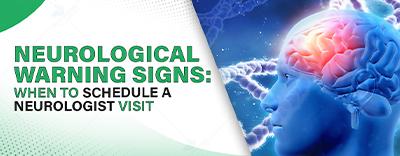
Recognizing neurological warning signs early can be life-saving. Learn when symptoms like frequent headaches, dizziness, memory loss, or numbness mean it’s time to consult a neurologist.
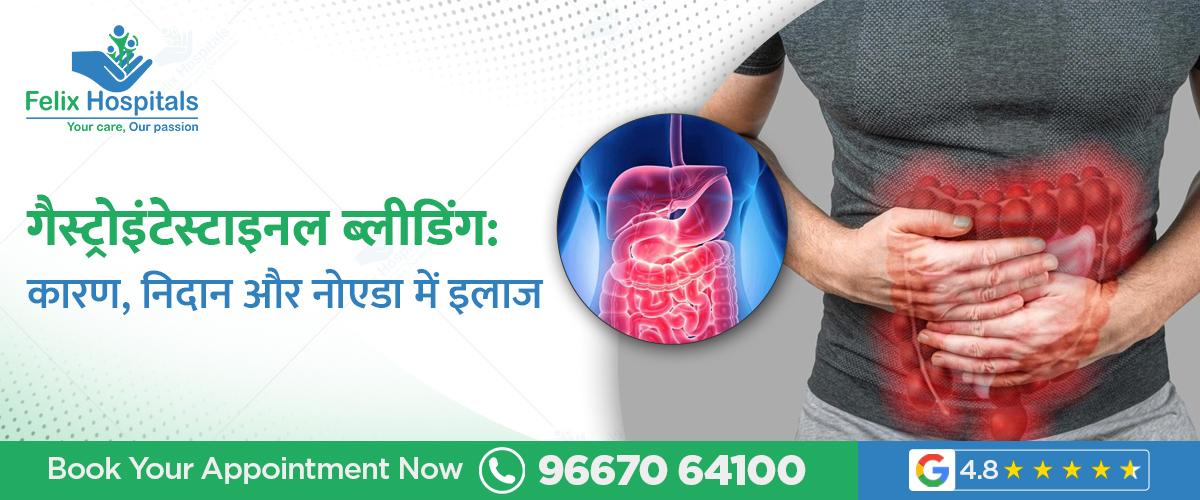
गैस्ट्रोइंटेस्टाइनल ब्लीडिंग (GI Bleeding) एक गंभीर मेडिकल स्थिति है। जिसमें पाचन तंत्र अन्ननली, पेट, छोटी आंत, बड़ी आंत या रेक्टम किसी भी हिस्से से खून निकलता है। यह हल्का भी होता है। अचानक भारी रक्तस्राव के रूप में भी होता है। इसलिए समय पर पहचान, सही निदान और उचित उपचार बहुत जरूरी है। नोएडा में बेस्ट गैस्ट्रोएंटेरोलॉजिस्ट डॉक्टर है। जो जीआई ब्लीडिंग की जांच और उपचार करते हैं।
जब पाचन तंत्र के किसी भी हिस्से से खून निकलकर उल्टी, मल या शरीर के अन्य लक्षणों के रूप में बाहर आता है, तो इसे गैस्ट्रोइंटेस्टाइनल ब्लीडिंग (Gastrointestinal bleeding) कहते है। यह दो प्रकार का होता है। ऊपरी जीआई रक्तस्राव और निचले जीआई रक्तस्राव। ऊपरी या निचले हिस्से में ब्लीडिंग कहाँ से हो रही है, यह सही निदान और उपचार के लिए बहुत जरूरी है।
यह अन्ननली, पेट और ड्युओडेनम (Duodenum) से होने वाली ब्लीडिंग है। लक्षणों में खून की उल्टी (ताजा या कॉफी-कलर) और काला, चिपचिपा मल शामिल हैं। यह गंभीर स्थिति है और तुरंत चिकित्सीय जांच व उपचार जरूरी है।
यह छोटी और बड़ी आंत, कोलन (Colon), रेक्टम या एनल कैनाल से होने वाली ब्लीडिंग है। लक्षणों में मल के साथ ताजा लाल खून, पेट में ऐंठन और अत्यधिक कमजोरी शामिल हैं। यह भी गंभीर स्थिति है और तुरंत चिकित्सीय जांच आवश्यक है।
उल्टी में खून आना
मल का काला या लाल होना
चक्कर आना, बेहोशी
तेज़ कमजोरी और थकान
पेट दर्द या जलन
तेज दिल धड़कना
पसीना आना
सांस लेने में तकलीफ
खून की कमी के लक्षण
गैस्ट्रिक या ड्यूओडेनल अल्सर
ईसोफैजियल वैरिक्स (लीवर सिरोसिस में)
गैस्ट्राइटिस या एसिडिटी (Acidity)
ईसोफैजाइटिस (अन्ननली की सूजन)
हीलिकोबैक्टर पाइलोरी इंफेक्शन
लंबे समय तक दर्द निवारक दवा का उपयोग
ट्यूमर या कैंसर
डायवर्टीकुलर बीमारी
कोलाइटिस / इंफ्लेमेट्री बाउल डिजीज
पाइल्स/एनल फिशर
कोलन कैंसर या पॉलीप्स
इस्केमिक कोलाइटिस
संक्रमण
लीवर सिरोसिस (liver cirrhosis) और पोर्टल हाइपरटेंशन
आंतों में ट्यूमर
बड़े अल्सर
अत्यधिक दर्द निवारक दवा या ब्लड थिनर का सेवन
आंतरिक चोट या ट्रॉमा
इसमें सीबीसी (CBC) से खून की कमी और संक्रमण का पता चलता है। एलएफटी (LFT) और केफटी (KFT) से लीवर और किडनी की स्थिति की जानकारी मिलती है। जमावट प्रोफ़ाइल से खून जमने की क्षमता जांची जाती है।
यह अल्सर, वैरिक्स, गैस्ट्राइटिस और ब्लीडिंग पॉइंट का पता लगाता है। आवश्यक होने पर तुरंत उपचार भी कर सकता है। जैसे बैंडिंग, क्लिपिंग या इंजेक्शन।
यह कोलन, रेक्टम (Rectum) और लोअर जीआई में ब्लीडिंग के स्रोत की पहचान करती है और पॉलीप हटाना या ब्लीडिंग रोकना भी संभव बनाती है।
यह आंतों में एक्टिव ब्लीडिंग का पता लगाती है और ट्यूमर, सूजन या इस्केमिक क्षेत्र की पहचान भी करती है।
यह लीवर सिरोसिस, पोर्टल हाइपरटेंशन और पैंक्रियाटिक (Pancreatic) समस्याओं की पहचान करता है।
इंफेक्शन, ब्लड ट्रेस, आईबीडी आदि की जांच के लिए होता है।
जीआई ब्लीडिंग गंभीर स्थिति है और इसका उपचार चरणबद्ध तरीके से किया जाता है।
मरीज को तुरंत अस्पताल में भर्ती किया जाता है। जहां रक्तचाप, नाड़ी और ऑक्सीजन स्तर की निरंतर निगरानी की जाती है। डिहाइड्रेशन और शॉक से बचाव के लिए आईवी फ्लूड दिया जाता है और आवश्यकता अनुसार ब्लड ट्रांसफ्यूजन से खून की कमी को पूरा किया जाता है।
प्रोटॉन पंप इन्हिबिटर (पीपीआई) अल्सर और पेट की एसिडिटी को कम करने के लिए दिए जाते हैं। ऑक्ट्रेओटाइड विशेष रूप से वैरिक्स ब्लीडिंग में इस्तेमाल होता है, एंटीबायोटिक्स संक्रमण से बचाव या उपचार के लिए दी जाती हैं, और हैमोस्टेटिक ड्रग्स रक्तस्राव रोकने के काम आती हैं।
बैंड लिगेशन वैरिक्स ब्लीडिंग के लिए किया जाता है। क्लिपिंग ब्लीडिंग पॉइंट पर क्लिप लगाकर खून रोकती है। इंजेक्शन थेरपी में विशेष दवाइयों का इंजेक्शन देकर रक्तस्राव रोका जाता है, और कोएग्युलेशन थेरपी इलेक्ट्रिकल या लेजर तकनीक से ब्लीडिंग को बंद करती है।
कोलोनोस्कोपी द्वारा पॉलीप हटाकर ब्लीडिंग के स्रोत का इलाज किया जाता है, ब्लीडिंग स्पॉट का कैटराइजेशन कर उसे जलाकर रोका जाता है, और एंटी-कोलाइटिस या आईबीडी थेरेपी (IBD therapy) से सूजन और रोग को नियंत्रित किया जाता है।
यह तब उपयोग किया जाता है जब एंडोस्कोपी से ब्लीडिंग कंट्रोल न हो, प्रक्रिया में ब्लीडिंग वाली रक्त वाहिनी को ब्लॉक कर रक्तस्राव रोका जाता है, और यह न्यूनतम इनवेसिव तकनीक जीवनरक्षक साबित होती है।
यह बड़े अल्सर, ट्यूमर, फटी नसों या नियंत्रण न होने वाली ब्लीडिंग में की जाती है, जब अन्य विकल्प विफल हों तो यह जीवनरक्षक उपाय साबित होती है और अक्सर एंडोस्कोपी और एम्बोलाइजेशन के बाद इसकी आवश्यकता पड़ती है। नोएडा में जीआई ब्लीडिंग स्पेशलिस्ट (GI bleeding specialist in Noida) उपलब्ध है।
अभी अपॉइंटमेंट बुक करें – कॉल करें: +91 9667064100
गैस्ट्रोइंटेस्टाइनल ब्लीडिंग एक गंभीर स्थिति है जो पाचन तंत्र के किसी भी हिस्से से हो सकती है। इसके कारण अल्सर से लेकर कैंसर और लीवर सिरोसिस तक हो सकते हैं। समय पर जांच, एंडोस्कोपी और उचित उपचार से जान बचाई जा सकती है। यदि उल्टी या मल में खून दिखे, तुरंत डॉक्टर से संपर्क करें। नोएडा में सर्वश्रेष्ठ गैस्ट्रोएंटरोलॉजी अस्पताल में अनुभवी विशेषज्ञों द्वारा आधुनिक जांच और प्रभावी इलाज उपलब्ध है।
प्रश्न 1: क्या जीआई ब्लीडिंग हमेशा गंभीर होती है?
उत्तर: हल्की ब्लीडिंग भी अंदर गंभीर समस्या का संकेत होती है। इसलिए डॉक्टर की सलाह पर जांच हमेशा जरूरी है।
प्रश्न 2: ऊपरी जीआई और निचले जीआई रक्तस्राव में क्या फर्क है?
उत्तर: ऊपरी जीआई अन्ननली, पेट, ड्यूओडेनम से। निचली जीआई बड़ी आंत, कोलन, रेक्टम से होती है।
प्रश्न 3: जीआई ब्लीडिंग का सबसे जरूरी टेस्ट कौन सा है?
उत्तर: ऊपरी जीआई में एंडोस्कोपी, निचली जीआई में कोलोनोस्कोपी सबसे जरूरी हैं।
प्रश्न 4: क्या जीआई ब्लीडिंग का इलाज दवाओं से हो सकता है?
उत्तर: हल्के मामलों में हां, लेकिन गंभीर ब्लीडिंग में एंडोस्कोपी/एंजियो/सर्जरी की जरूरत पड़ती है। डॉक्टर की सलाह पर इसे कराना चाहिए।
प्रश्न 5: क्या यह स्थिति जानलेवा हो सकती है?
उत्तर: हां, भारी रक्तस्राव में तुरंत अस्पताल पहुंचना जरूरी है। बिना इलाज के किसी प्रकार की दवाओं का सेवन नहीं करना चाहिए।
कोलाइटिस एक आंतों की सूजन की समस्या है, जिसमें पेट दर्द, दस्त और खून आना जैसे लक्षण दिखते हैं। समय पर गैस्ट्रो विशेषज्ञ से इलाज ज़रूरी है।
पेट में अल्सर एक आम लेकिन गंभीर समस्या है जो संक्रमण, अधिक एसिड या दवाओं के कारण होती है। इसके लक्षणों में पेट दर्द, जलन और अपच शामिल हैं। फ़ेलिक्स अस्पताल में इसका प्रभावी उपचार और परामर्श उपलब्ध है।
पेट में अल्सर एक आम लेकिन गंभीर समस्या है जो संक्रमण, अधिक एसिड या दवाओं के कारण होती है। इसके लक्षणों में पेट दर्द, जलन और अपच शामिल हैं। फ़ेलिक्स अस्पताल में इसका प्रभावी उपचार और परामर्श उपलब्ध है।
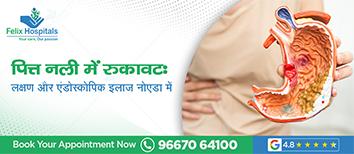
पित्त नली में रुकावट होने पर पीलिया, पेट दर्द और उल्टी जैसे लक्षण दिख सकते हैं। नोएडा में एंडोस्कोपिक इलाज सुरक्षित और प्रभावी विकल्प है।

Winter can be unforgiving for the skin. Cold temperatures, low humidity, and indoor heating strip moisture from the skin, leading to winter dry skin. This condition often results in tightness, flakiness, and discomfort. While some consider it a cosmetic issue, untreated dryness can cause cracks, irritation, and Skin infections, making timely care crucial for healthy skin.
Our skin’s outer layer contains oils and lipids that retain water and protect against environmental damage. During winter, these protective elements are reduced, making the skin prone to various dry skin causes such as exposure to cold wind, frequent hand washing, and use of harsh soaps. Understanding these factors is key to prevention.
Skin dehydration in winter is common even in people who think their skin is oily. Low humidity and indoor heating pull water from the skin surface, leaving it dull, rough, and sensitive. Without proper hydration, dryness can escalate into more serious dermatological problems.
Ignoring winter dryness may seem harmless but it carries risks. Early dry skin prevention is essential to maintain the skin barrier, prevent infections, and reduce discomfort. Implementing preventive measures ensures the skin remains healthy and resilient.
For personalized winter skin care and expert evaluation, consult a dermatologist today. Call +91 9667064100
Recognizing early symptoms can prevent complications. Risk factors for dry skin include age, medical conditions, and environmental exposure. Watch for:
Persistent itching or burning sensation
Rough, flaky patches
Redness or irritation
Tightness after washing
Cracks or bleeding in severe cases
Prompt attention reduces the risk of infections and flare-ups.
Low temperatures and dry air are key contributors. The causes of dry skin in winter include reduced oil production, cold winds, and overuse of hot showers. Heating systems indoors further accelerate moisture loss from the skin.
Even routine bathing habits can worsen dryness. Long exposure to hot water removes natural oils, compromising the skin barrier and increasing sensitivity. Awareness of these triggers is critical for winter skin care.
Dry skin is not just uncomfortable; it can lead to health problems. Persistent dryness weakens the protective barrier, making skin more susceptible to infections. Understanding risk factors for dry skin allows early intervention, particularly in sensitive populations.
Severe dryness may aggravate conditions like eczema, psoriasis, or dermatitis. It can also interfere with sleep due to itching, impacting overall well-being and quality of life.
Certain groups are more vulnerable to winter dryness. Knowledge of dry skin causes helps these populations take extra precautions.
Elderly individuals, whose skin naturally loses moisture
Children with sensitive skin
People with diabetes or thyroid disorders
Patients with eczema or psoriasis
Individuals frequently exposed to chemicals
Targeted prevention is crucial for these groups.
Maintaining consistent habits can reduce dryness. Follow these winter skincare tips to preserve hydration:
Use lukewarm water instead of hot for bathing
Apply moisturizer immediately after washing
Avoid harsh soaps or fragranced products
Wear gloves and protective clothing outdoors
Small daily adjustments can make a significant difference.
Proper application is essential for dry skin prevention. Creams or ointments are more effective than lotions in winter, as they form a barrier to lock in moisture.
Apply moisturizer multiple times a day, especially after washing hands
Use thicker formulations at night for maximum hydration
Focus on areas prone to dryness like elbows, knees, and hands
This approach strengthens the skin barrier and reduces irritation.
A structured winter skincare guide ensures long-term protection. A simple routine may include:
Gentle cleansing with mild soap-free cleansers
Daily moisturization to maintain hydration
Sun protection, as UV rays still affect the skin in winter
Limiting exposure to harsh chemicals or detergents
Consistency is key for achieving healthy, resilient skin.
Some individuals experience persistent dryness despite proper care. Professional dry skin treatment may be necessary when symptoms worsen or interfere with daily life.
Dermatologists can identify underlying causes such as allergic reactions, infections, or systemic issues. Treatment may include prescription creams, barrier repair therapies, or advanced hydration solutions to restore skin health.
Skin hydration starts from within. Drinking sufficient water and consuming a balanced diet supports recovery from skin dehydration winter.
Include healthy fats, vitamins A, C, and E, and antioxidants
Avoid excessive caffeine and alcohol, which worsen dehydration
Ensure protein intake to support skin repair
Good nutrition strengthens the skin’s natural defense and moisture retention.
Skin of children and older adults is more fragile and prone to dryness. Following gentle winter skincare tips helps protect vulnerable populations.
Limit bathing time and use lukewarm water
Apply moisturizers frequently to maintain hydration
Avoid harsh soaps or perfumes
These steps prevent cracking, irritation, and infections.
Seek medical consultation if dryness persists or worsens. Indications that professional dry skin treatment is necessary include:
Persistent cracks that bleed or are painful
Signs of infection such as redness or pus
Severe itching affecting sleep or daily activities
Worsening of pre-existing skin conditions
Timely intervention ensures quicker recovery and prevents long-term damage.
If dry skin is affecting your comfort this winter, book a consultation with a specialist now. Call +91 9667064100
Winter dryness is common but manageable with the right approach. Understanding winter dry skin, identifying risk factors, and following preventive measures keeps skin healthy and comfortable throughout the season.
Maintaining a consistent skincare routine, choosing the right moisturizers, protecting skin from environmental stress, and seeking medical care from the best dermatologist in Noida ensures safe and effective results. Early action reduces complications, prevents infections, and restores natural skin resilience for children, adults, and the elderly alike.
Healthy skin is achievable during winter with awareness, prevention, and professional guidance. A structured routine combined with proper hydration and nutrition supports long-term skin wellness. Patients in Noida can benefit from expert dermatology care for evaluation, advanced treatments, and tailored skincare plans.
Q.1 Can winter dry skin lead to infections?
Ans. Yes, cracked skin allows bacteria to enter, causing infections.
Q.2 Is dry skin only a cosmetic problem?
Ans. No, it can result in pain, inflammation, and flare-ups of skin conditions.
Q.3 Can dehydration worsen winter skin dryness?
Ans. Yes, low water intake contributes to further dryness.
Q.4 How quickly does skin improve with proper care?
Ans. Most patients see improvement within 1–2 weeks of consistent treatment.
Q.5 Are children and elderly more affected by winter dryness?
Ans. Yes, both have thinner, more sensitive skin requiring extra care.

If your answer is yes, then, here are 6 easy steps to keep your skin look young and glowing.
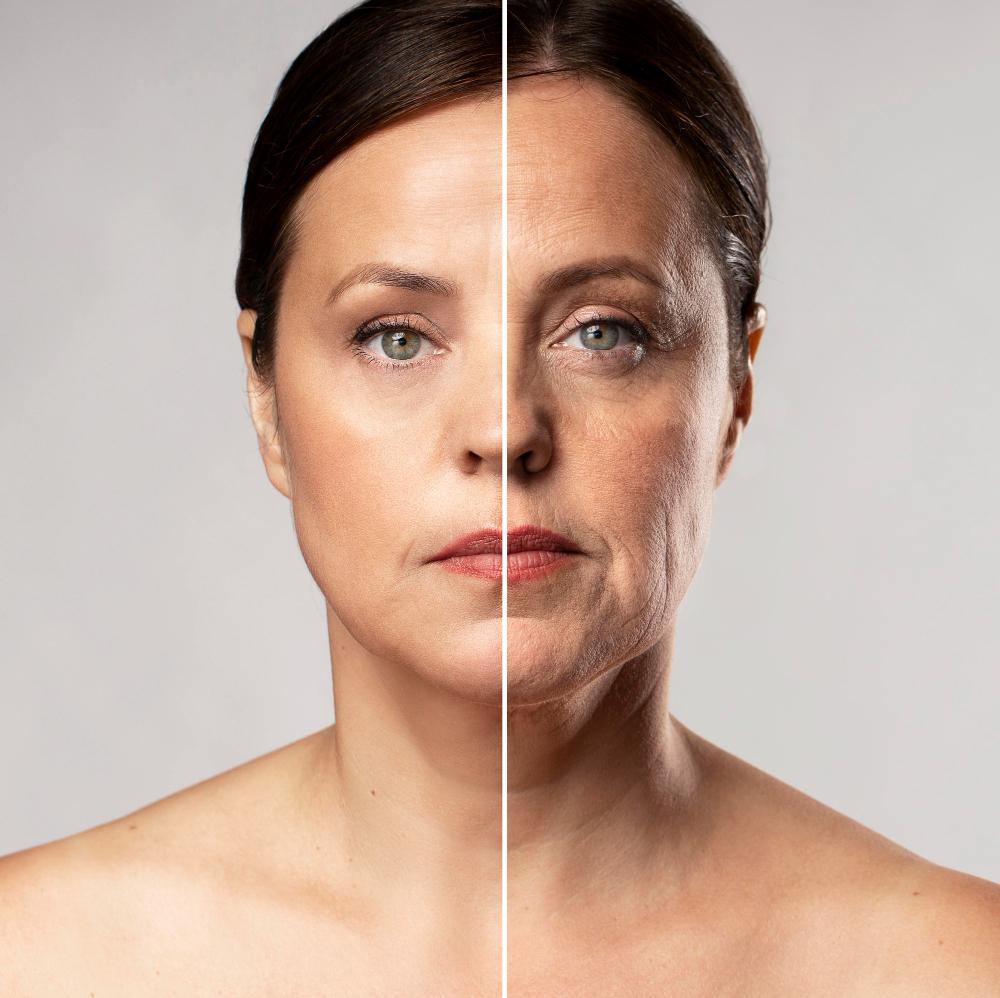
Certain skin disorders aren’t preventable, including genetic conditions and some skin problems due to other illnesses.
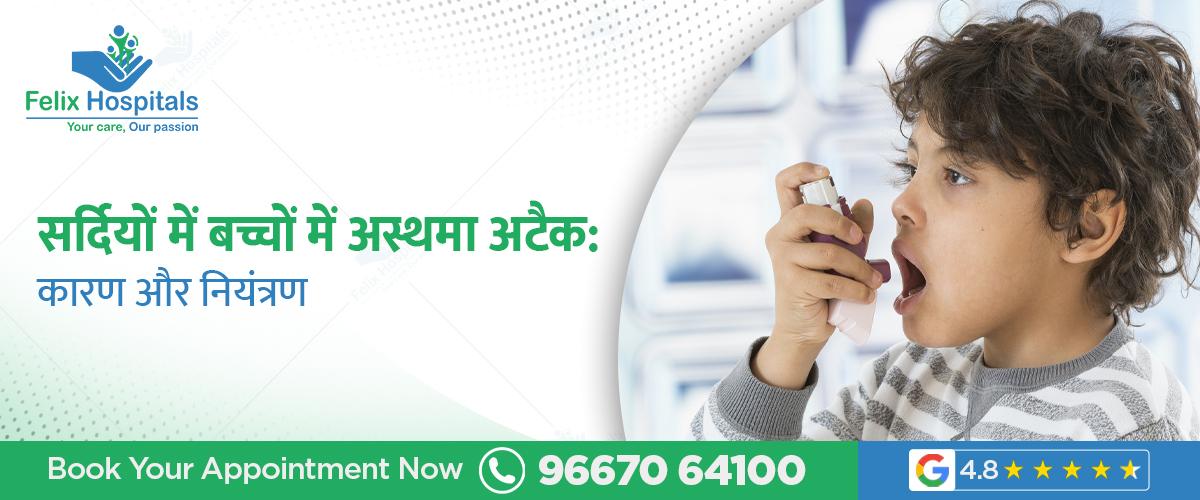
सर्दियों में बच्चों में अस्थमा अटैक आम है। यह समय पर सही पहचान और इलाज के बिना गंभीर समस्या बनता है। बच्चों में अस्थमा अटैक के कारण, लक्षण और नियंत्रण के उपाय जानना माता-पिता के लिए आवश्यक है। नोएडा में बाल रोग हृदय रोग विशेषज्ञ (Pediatric cardiologist in Noida) उपलब्ध है। नोएडा में बच्चों के अस्थमा और श्वसन स्वास्थ्य के लिए विशेषज्ञ डॉक्टर उपलब्ध हैं। समय पर इलाज से बच्चों को पूरी तरह स्वस्थ किया जाता है।
बच्चों की जांच या इलाज के लिए संपर्क करें: +91 9667064100
ठंडी हवा, कम ह्यूमिडिटी और सर्दियों में वायरल संक्रमण बच्चों में अस्थमा अटैक को बढ़ाते हैं। छोटे बच्चों और नवजात में फेफड़ों और इम्यूनिटी का कमजोर होना अटैक की गंभीरता बढ़ाता है। ठंडी हवा श्वसन मार्ग को सिकोड़ देती है। जिससे सांस लेने में कठिनाई होती है। लक्षण दिखने पर इलाज कराना चाहिए।
धूल, धुआं, पालतू जानवर, सर्दियों में हवा में एलर्जन अस्थमा अटैक को बढ़ाते हैं।
ठंडी हवा फेफड़ों की नलियों को सिकोड़ देती है, जिससे श्वसन कठिन होता है।
सर्दियों में वायरल संक्रमण, जैसे राइनोवायरस और इन्फ्लूएंजा, अस्थमा अटैक (Asthma attack) का कारण बनते हैं।
धुआं, कोहरा, इंडोर स्मोक और प्रदूषण अस्थमा को बढ़ाते हैं।
बार-बार बीमार होने वाले या जन्मजात रोग वाले बच्चे ज्यादा अस्थमा अटैक का शिकार होते हैं।
तेज या मुश्किल से सांस लेना
सीने में दबाव या दर्द
जोर से खांसी, खासकर रात और सुबह
सांस लेने में सीटी जैसी आवाज (Wheeze)
थकान, भूख में कमी या नींद में बदलाव
बच्चों में अस्थमा अटैक की समय पर पहचान बहुत जरूरी है, क्योंकि देर होने पर यह जानलेवा भी हो सकता है। अस्थमा अटैक के दौरान बच्चे के फेफड़ों की नलियां सिकुड़ जाती हैं।
सबसे पहले सांस की गति और स्थिति पर ध्यान दें। यदि बच्चा सामान्य से तेज सांस ले रहा हो, सांस लेते समय सीने में जोर लग रहा हो, सांस रुक-रुक कर आ रही हो या बच्चा बोलते समय हांफने लगे, तो यह अस्थमा अटैक का संकेत हो सकता है। नोएडा में सर्वश्रेष्ठ बाल चिकित्सालय (Best pediatric hospital in Noida) है। छोटे बच्चों में नाक के पंखों का फड़कना, पसलियों या गर्दन की मांसपेशियों का अंदर की ओर खिंचना भी गंभीर चेतावनी मानी जाती है। ऐसी स्थिति में तुरंत डॉक्टर से संपर्क करना चाहिए।
पल्स ऑक्सीमीटर की मदद से बच्चे के शरीर में ऑक्सीजन स्तर की जांच की जाती है। सामान्य स्थिति में ऑक्सीजन स्तर 95–100% रहता है, लेकिन यदि यह 94 % से नीचे गिर जाए तो यह दर्शाता है कि फेफड़ों को पर्याप्त ऑक्सीजन नहीं मिल रही है। यह अस्थमा अटैक की गंभीर अवस्था हो सकती है और इसमें तत्काल इलाज की आवश्यकता होती है।
शारीरिक जांच के दौरान डॉक्टर स्टेथोस्कोप से बच्चे के फेफड़ों की आवाज सुनते हैं। सांस लेते या छोड़ते समय सीटी जैसी आवाज अस्थमा की प्रमुख पहचान होती है। कुछ मामलों में फेफड़ों के किसी हिस्से में आवाज कम या बिल्कुल न सुनाई देना भी गंभीर अवरोध का संकेत हो सकता है। डॉक्टर बच्चे के सीने की गति, सांस की गहराई और थकान के लक्षणों का भी मूल्यांकन करते हैं।
अगर अस्थमा अटैक बार-बार हो रहा हो या बहुत गंभीर हो, तो एक्स-रे (X-ray) और फेफड़ों की अन्य जांच की सलाह दी जाती है। इससे यह पता लगाया जाता है कि कहीं फेफड़ों में संक्रमण (Lung infection), सूजन, हवा का फंसना या कोई अन्य जटिल समस्या तो नहीं है। यह जांच खासतौर पर तब जरूरी होती है जब बच्चा दवाओं से ठीक न हो रहा हो या रात में सांस की समस्या बढ़ जाती हो।
स्पाइरोमेट्री (Spirometry): फेफड़ों की कार्यक्षमता मापने के लिए होता है।
एलर्जी टेस्ट (Allergy test): एलर्जन पहचानने के लिए होता है।
ब्लड टेस्ट (Blood test): संक्रमण या इम्यूनिटी जांच के लिए होता है।
पल्स ऑक्सीमेट्री (Pulse oximetry): ऑक्सीजन संतुलन मॉनिटर करने के लिए होता है।
बच्चों में अस्थमा अटैक का इलाज उसकी गंभीरता पर निर्भर करता है। समय पर सही इलाज न मिलने पर सांस की समस्या बढ़ सकती है। नोएडा में सर्वश्रेष्ठ बाल रोग विशेषज्ञ (Best pediatricians in Noida) है। इसलिए अटैक के दौरान तुरंत राहत, लंबे समय का नियंत्रण और गंभीर स्थिति में अस्पताल उपचार तीनों बेहद जरूरी होते हैं।
अस्थमा अटैक शुरू होते ही सबसे पहले डॉक्टर द्वारा निर्धारित इंहेलर (ब्रॉन्कोडायलेटर) का उपयोग करना चाहिए। यह दवा फेफड़ों की संकरी नलियों को खोलने में मदद करती है और सांस लेने में तुरंत राहत देती है। इंहेलर हमेशा सही तकनीक और डॉक्टर के निर्देश अनुसार ही देना चाहिए, ताकि दवा सीधे फेफड़ों तक पहुंचे। अगर अटैक तेज हो और बच्चे को सांस लेने में ज्यादा परेशानी हो रही हो, तो ऑक्सीजन सपोर्ट की आवश्यकता पड़ सकती है। ऑक्सीजन की कमी होने पर शरीर के अंगों पर बुरा असर पड़ सकता है, इसलिए ऐसी स्थिति को नजरअंदाज नहीं करना चाहिए।
बार-बार होने वाले अस्थमा अटैक को रोकने के लिए दीर्घकालिक नियंत्रण बहुत जरूरी होता है। इसके लिए डॉक्टर की सलाह से इनहेलर और नेबुलाइजर का नियमित उपयोग कराया जाता है। जिससे फेफड़ों की सूजन कम होती है और सांस की नलियां खुली रहती हैं। कुछ बच्चों में सूजन को नियंत्रित करने के लिए स्टीरॉइड दवाएं दी जाती हैं। यह दवाएं डरने वाली नहीं होतीं है। अगर इन्हें सही मात्रा और डॉक्टर की निगरानी में दिया जाए। इनका उद्देश्य अटैक की आवृत्ति और गंभीरता को कम करना होता है। ट्रिगर नियंत्रण भी अस्थमा मैनेजमेंट का अहम हिस्सा है। धूल, धुआं, प्रदूषण, ठंडी हवा, पालतू जानवरों के बाल और एलर्जी पैदा करने वाली चीजों से बच्चे को दूर रखना चाहिए। घर को साफ, हवादार और धूम्रपान-मुक्त रखना जरूरी है।
अगर बच्चे को बार-बार उल्टी, बहुत तेज सांस, बोलने में कठिनाई या होंठ और नाखून नीले पड़ने जैसे लक्षण दिखें, तो यह गंभीर अस्थमा अटैक का संकेत है। ऐसी स्थिति में समय गंवाए बिना बच्चे को तुरंत अस्पताल ले जाना चाहिए। अस्पताल में बच्चे को इंट्रावेनस (आईवी) दवाएं, फ्लुइड, नेबुलाइजेशन और लगातार निगरानी दी जाती है। जरूरत पड़ने पर ऑक्सीजन (Oxygen) या अन्य एडवांस्ड सपोर्ट भी दिया जा सकता है। समय पर अस्पताल पहुंचने से गंभीर जटिलताओं और जान के खतरे को टाला जा सकता है।
हाथ और चेहरे की सफाई।
ठंडी हवा में बाहर कम समय बिताना।
धुआं, कोहरा और प्रदूषण से बचाव।
घर को हवादार और साफ रखें।
समय पर टीकाकरण (इन्फ्लूएंजा, डीपीटी आदि)।
स्वस्थ आहार: विटामिन सी, डी, जिंक युक्त।
जंक फूड, बहुत ठंडी या मीठी चीजें कम दें।
बच्चों में अस्थमा या सांस से जुड़ी समस्या के शुरुआती लक्षण दिखाई देने पर सबसे पहले पीडियाट्रिशियन से संपर्क करना चाहिए। क्योंकि वह हल्के अटैक और सामान्य जांच-इलाज में मार्गदर्शन करते हैं। यदि बच्चे को बार-बार अस्थमा अटैक आ रहा हो या समस्या गंभीर होती जा रही हो, तो पीडियाट्रिक पल्मोनोलॉजिस्ट (Pediatric pulmonologist in noida) से दिखाना जरूरी होता है, जो बच्चों के फेफड़ों और श्वसन रोगों के विशेषज्ञ होते हैं। वहीं, नवजात शिशु में अगर सांस लेने में गंभीर परेशानी हो, तो बिना देरी किए नियोनेटोलॉजिस्ट की सलाह लेना आवश्यक है।
नोएडा में बच्चों के अस्थमा विशेषज्ञ से अपॉइंटमेंट के लिए कॉल करें: +91 9667064100
सर्दियों में बच्चों में अस्थमा अटैक आम है। लेकिन समय पर पहचान और इलाज जरूरी है। माता-पिता को बच्चों की सांस, खांसी, नींद और भूख पर ध्यान देना चाहिए। विशेषज्ञ की सलाह और उचित इलाज से बच्चे पूरी तरह स्वस्थ हो सकते हैं। इलाज में देरी नहीं करनी चाहिए। ऐसा करने से जीवन खतरे में पड़ सकता है।
प्रश्न 1: क्या नवजात में अस्थमा हो सकता है?
उत्तर: हां, जन्मजात श्वसन समस्याओं और कमजोर इम्यूनिटी से होता है। इसलिए जांच के बाद इलाज कराना चाहिए।
प्रश्न 2: बच्चों में अस्थमा अटैक का इलाज संभव है?
उत्तर: हां, इंहेलर, दवा और ट्रिगर नियंत्रण से पूरी तरह नियंत्रित किया जाता है। डॉक्टर की सलाह पर दवा और इलाज कराना चाहिए।
प्रश्न 3: रात में अस्थमा अटैक क्यों बढ़ता है?
उत्तर: ठंडी हवा और रात में एलर्जी के कारण सांस लेने में कठिनाई और खांसी बढ़ती है। इसलिए ठंड से बचाव का उपाय करना चाहिए।
प्रश्न 4: क्या टीकाकरण से अस्थमा अटैक कम होता है?
उत्तर: हां, इन्फ्लूएंजा और डीपीटी टीके संक्रमण को रोककर अटैक कम करते हैं। इसलिए टीका लगवाना चाहिए।
प्रश्न 5: बच्चे के अटैक में क्या तुरंत करें?
उत्तर: डॉक्टर द्वारा निर्धारित इंहेलर, बच्चे को शांत रखें और तेज अटैक में तुरंत अस्पताल जाएं। इलाज में देरी नहीं करनी चाहिए।
खांसते समय सीने में दर्द कई कारणों से हो सकता है, जैसे संक्रमण, मांसपेशियों में खिंचाव या फेफड़ों की समस्या। नोएडा में इसके लिए विशेषज्ञ इलाज उपलब्ध है।
बच्चों में इम्यूनिटी कमजोर होने पर बार-बार बीमारियां, थकान और विकास में रुकावट जैसे लक्षण दिख सकते हैं। सही कारण पहचानकर समय पर इलाज से बच्चे को स्वस्थ रखा जा सकता है।
डॉक्टर बच्चे की सामान्य स्थिति और हृदय की धड़कन की जांच करते हैं। हृदय की ध्वनि सुनना यानी स्टेथोस्कोप से दिल की धड़कन और असामान्य आवाज़ (जैसे मर्मर) सुनना त्वचा, नाखूनों, और होंठों के रंग की जांच (नीलापन साइनोसिस का संकेत हो सकता है)।
खांसते समय सीने में दर्द कई कारणों से हो सकता है, जैसे संक्रमण, मांसपेशियों में खिंचाव या फेफड़ों की समस्या। नोएडा में इसके लिए विशेषज्ञ इलाज उपलब्ध है।
Abdominal pain and bloating are among the most common digestive complaints affecting people of all age groups. While occasional discomfort may be related to diet or stress, persistent symptoms often indicate underlying digestive or metabolic issues that require medical attention. Many patients suffer silently due to uncertainty about chronic abdominal pain causes, delaying diagnosis and appropriate care.
Experiencing ongoing abdominal discomfort or bloating? Call +91 9667064100 to consult a gastroenterology specialist in Noida for expert diagnosis.
Abdominal pain can originate from multiple organs including the stomach, intestines, liver, pancreas, or gallbladder. Bloating often occurs alongside pain due to gas accumulation, slowed digestion, or inflammation. Patients frequently ask why does bloating occur and how to treat it effectively, especially when symptoms interfere with daily life.
Irregular eating habits, food intolerances, infections, and stress are common contributors to abdominal discomfort. In many cases, symptoms overlap with functional gastrointestinal disorders, making expert diagnosis for stomach problems in Noida essential to identify the exact cause.
Pain lasting for weeks or recurring frequently should never be ignored. Persistent discomfort may be linked to ulcers, irritable bowel syndrome, inflammatory bowel disease, or gallbladder disorders. Understanding chronic abdominal pain causes allows doctors to narrow down investigations and avoid unnecessary treatments.
Bloating causes visible abdominal distension, heaviness, and discomfort after meals or even on an empty stomach. For many patients, this symptom is related to poor gut motility, bacterial imbalance, or food sensitivity, which explains why does bloating occur and how to treat it through targeted therapy rather than guesswork.
Gastritis, acid reflux, constipation, liver disease, and pancreatic disorders often present with pain and bloating. Accurate evaluation through abdominal pain diagnosis in Noida helps differentiate between mild digestive disturbances and serious underlying conditions.
Highly processed foods, irregular meal timing, excessive caffeine, and lack of physical activity worsen digestive symptoms. Identifying triggers during expert diagnosis for stomach problems in Noida helps patients make sustainable lifestyle adjustments that support long-term gut health.
Blood tests, stool analysis, ultrasound, endoscopy, and CT scans may be recommended based on symptoms. These investigations play a critical role in confirming abdominal pain diagnosis in Noida, ensuring treatment targets the root cause rather than just symptom relief.
Delayed diagnosis can allow minor digestive problems to progress into chronic disease. Consulting a gastroenterologist in Noida early helps prevent complications such as intestinal inflammation, nutritional deficiencies, or recurrent infections.
Functional conditions like IBS often cause pain and bloating without visible structural abnormalities. These cases benefit from structured evaluation at a gastro specialist hospital in Noida, where treatment focuses on symptom control, diet modification, and gut-brain balance.
Treatment depends entirely on the diagnosis and may include medications, probiotics, enzyme therapy, dietary changes, or stress management. Evidence-based care at the best gastro hospital in Noida ensures safe, effective, and individualized treatment plans.
Sudden severe pain, vomiting, blood in stools, fever, or unexplained weight loss require urgent evaluation. These warning signs may indicate serious conditions that demand immediate expert diagnosis for stomach problems in Noida.
Most patients experience significant improvement once the underlying cause is identified and treated correctly. Ongoing follow-up with a gastroenterologist in Noida helps prevent recurrence and supports sustained digestive wellness.
For accurate diagnosis and advanced treatment of abdominal pain and bloating, call +91 9667064100 to book a gastroenterology consultation in Noida.
Abdominal pain and bloating are not conditions to self-treat when symptoms persist or worsen. These signs often point to deeper digestive issues that require professional evaluation. With expert diagnosis, advanced testing, and personalized treatment, patients can regain comfort, confidence, and digestive health through gastroenterologist in Noida timely care.
Q. 1. How long is abdominal pain considered chronic?
Ans. Pain lasting more than three weeks or recurring frequently is considered chronic and needs evaluation.
Q. 2. Can bloating occur without eating heavy food?
Ans. Yes, bloating can occur due to gut motility issues, stress, or bacterial imbalance.
Q. 3. Are diagnostic tests always necessary for abdominal pain?
Ans. Tests are recommended when symptoms persist, worsen, or show warning signs.
Q. 4. Can stress cause abdominal pain and bloating?
Ans. Yes, stress directly affects gut function and can worsen digestive symptoms.
Q. 5. When should I consult a gastro specialist?
Ans. If symptoms last more than a few days, recur often, or interfere with daily life.
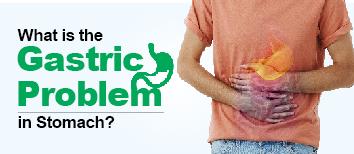
Gastric problems occur when excess acid or digestive disturbances affect the stomach lining, causing symptoms like bloating, acidity, and pain. Timely diagnosis ensures effective treatment.

COPD is becoming a significant health issue of the general population in India, and its rates of occurrence are on the alarming increase based on the direct association with the growing air pollution. Although COPD was once a disease that was mostly thought to affect male smokers, the current statistics have turned out to be alarming, as women including the non-smokers are being diagnosed more and more. This is being felt more keenly in urban centres, such as Noida, because of the pollution of the outdoors, the exposure of indoor air to smoke, and the long-term inhalation of fine particulate matter.
The timely diagnosis will help avoid the long-term damage and will help to increase quality of life. Book your pulmonology appointment at +91 9667064100 to receive the best COPD treatment in Noida.
Air pollution and COPD incidence India women emphasise the adverse effects of long-term exposure of lung tissue, airway constriction, and chronic inflammation due to polluted air. COPD is progressing slowly and involves chronic bronchitis and emphysema both of which decrease air circulation and oxygen mobility.
The nitrogen dioxide, sulphur dioxide, ozone, and PM2.5 pollutants spread deep into the lungs, speeding up lung aging and exposing even the non-smoking population to the disease.
Air pollution exposure chronic obstructive pulmonary disease female susceptibility is becoming a central concern as women spend more cumulative hours exposed to indoor and outdoor pollutants. Emissions in the air in the urban traffic, the dust of construction as well as the smokes of industry have rendered the quality breathable air a rarity.
The chronic lung damage, leading to the symptoms of COPD appearing sooner, is being caused by year-round pollution, not seasonal peaks, in such cities as Noida.
Air pollution COPD women vs men research shows that women's lungs are biologically more sensitive to airborne toxins. Women also usually possess smaller airways so that the identical level of pollution leads to greater damage on the concentration relative to men.
Hormonal causes can also play a role in inflammation whereby female lungs are more sensitive to pollutants in the case of long exposure.
Gender difference COPD risk air pollution studies indicate that women develop COPD at lower exposure thresholds than men. Although the males were historically at a higher risk, because of changing lifestyles and exposure to the environment, the gender gap has been bridged and in some instances overturned.
The non-smoking women who are exposed to polluted air now account to a considerable percentage of new Indian COPD cases.
PM2.5 COPD non-smokers women is one of the most alarming trends in respiratory medicine. The PM2.5 is very minute and it may evade the natural defences of the body thus getting stuck far to the deepest part of the lungs and blood.
Air pollution today is one of the biggest COPD initiators in women, regardless of whether they have a smoking history, and with long-term exposure, the body starts to encounter a gradual deterioration of lung function.Indoor air pollution remains a major but often ignored cause of COPD in Indian women. The use of biomass fuels, lack of good ventilation in the kitchen, use of incense smoke, and mosquito coils as well as indoor dust are major contributors to exposure.
They inhale such pollutants daily over years; women mostly homemakers and old ladies spend their years suffering chronic lung damage.
Air pollution COPD exacerbation gender differences show that women experience more frequent and severe COPD flare-ups during periods of high pollution. Such exacerbations frequently lead to dyspnea, chest discomfort, chronic cough, as well as enhanced hospitalisation.
Recurrent attacks hasten the disease and decrease the quality of life.
A lot of women ignore symptoms that appear at the onset thinking that they are just tired or that it is a seasonal cold. Warning signs include:
Persistent cough
Dyspnea when carrying out routine activities.
Chest heaviness
Numerous respiratory infections.
Wheezing
The neglected signs result in a delay in diagnosis and an exacerbation of the long-term outcome.
COPD among women is not taken seriously in respect of air pollution because of late diagnosis. Women do not seek timely care due to social conditioning, fear of not knowing or attributing their symptoms to aging or anemia. The damage to the lungs might be progressed by the time medical attention is sought.
COPD diagnosis involves:
Spirometry (pulmonary function).
Chest imaging
Oxygen saturation tests
History of exposure analysis.
As soon as COPD occurs, it is possible to identify it and ensure that the disease is managed when it is not severe.
Therapy is aimed at symptoms control and disease progression slowness:
Inhaled bronchodilators
Anti-inflammatory medications
Oxygen therapy (in very severe cases)
Environmental change and lifestyle change.
The prevention of exposure to pollutants is an important aspect of the treatment.
The prevention measures are:
Using air purifiers indoors
It should not expose itself to outdoor activity during the peak hours of pollution.
Wearing protective masks
Enhancing ventilation of the kitchen.
Lung health examinations every now and then.
Early intervention has a strong positive outcome in the long-term.
Special treatment ensures proper diagnosis, individual inhaler therapy, and long-term follow-ups. Follow-ups are also useful in avoiding exacerbation and preserving lung function.
In case the symptoms continue to occur or increase, there should be no delay in specialist examination.
Other than the physical symptoms, COPD has impacts on mental health, independence, and participation in social activities. Anxiety, a lack of mobility and dependence are usually observed in women when the disease remains untreated at an early stage. Comprehensive treatment addresses both physical and mental health.
If you or a loved one are experiencing breathlessness, chronic cough, or breathing problems caused by pollution, expert treatment is essential. Book an appointment with the Best Pulmonologist in Noida today +91 9667064100.
Air pollution is no longer a mere issue of the environment however a severe respiratory disease pandemic particularly to women. Rising air pollution COPD women vs men trends show that female lungs are bearing a disproportionate burden of chronic exposure to toxic air. Since smog outdoors is harmful, so are indoor biomass fuels, long-term inhalation of which is slowly destroying our lungs. Education, early detection, and timely treatment of pulmonology should be used to reduce this increasing menace and safeguard the respiratory health of women in cities such as Noida.
Dr. Priyadarshi Jitendra Kumar is an experienced General Practitioner with 20+ years of expertise in diabetes, thyroid disorders, hypertension, and infectious diseases. Recognized as a Best Pulmonologist in Noida, he specializes in respiratory emergencies, sleep disorders, and advanced pulmonology care.

These viruses spread primarily through respiratory droplets released into the air when an infected person sneezes or coughs.
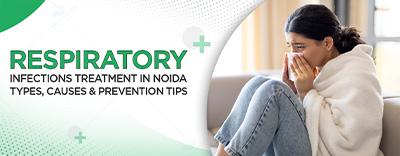
Expert pulmonologists in Noida provide treatment and prevention tips for respiratory infections. Stay informed and healthy.
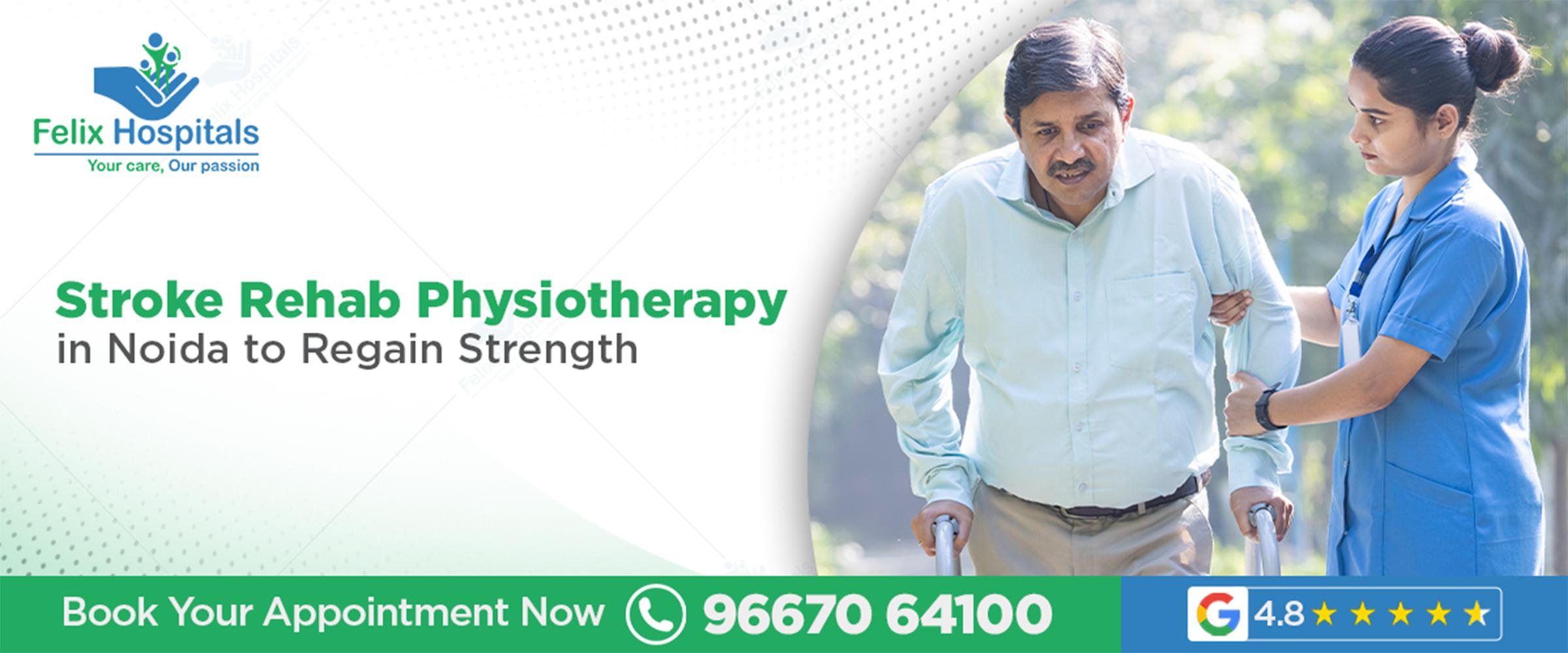
A stroke can drastically affect mobility, strength, and daily functioning. Recovery often requires a structured rehabilitation plan to regain independence and prevent long-term disability. Stroke rehabilitation physiotherapy plays a vital role in restoring motor skills, improving balance, and enhancing overall quality of life. Patients in Noida have access to specialized care through expert physiotherapy centres that provide personalized rehabilitation programs tailored to each patient’s needs.
If you or a loved one is recovering from a stroke, call +91 9667064100 today to consult a top physiotherapy hospital in Noida for expert guidance.
A stroke occurs when blood flow to the brain is interrupted, either due to a clot (ischemic stroke) or bleeding (hemorrhagic stroke). The affected brain region loses function, leading to symptoms such as weakness, numbness, difficulty speaking, or loss of coordination. Early intervention and stroke recovery physiotherapy are essential to minimize long-term complications and promote neural recovery.
Stroke survivors often face several physical and functional limitations:
Muscle weakness on one side of the body
Loss of coordination and balance
Difficulty walking or performing daily activities
Spasticity or stiffness in limbs
Fatigue and reduced endurance
Targeted neuro physiotherapy programs help address these challenges by retraining the nervous system and improving functional abilities.
Rehabilitation physiotherapy after stroke is crucial for:
Restoring mobility and strength
Preventing muscle contractures and joint stiffness
Reducing the risk of falls
Improving posture and balance
Enhancing cardiovascular fitness
Customized post-stroke physiotherapy ensures that exercises match the patient’s capability, promoting gradual but steady recovery.
A combination of exercises is recommended to address various deficits:
These help maintain joint flexibility and prevent stiffness.
Focused exercises improve muscle tone, especially on the affected side.
Patients practice standing, walking, and shifting weight to regain stability.
Specialized treadmill or overground walking sessions improve walking patterns.
Tasks like dressing, climbing stairs, and daily activities are incorporated into therapy to restore independence.
Neuro physiotherapy is designed to stimulate neural pathways and improve brain-muscle communication. Techniques often include:
Task-specific repetitive training
Constraint-induced movement therapy (CIMT)
Mirror therapy
Electrical stimulation for weak muscles
These interventions accelerate recovery and maximize functional outcomes for stroke patients in Noida undergoing stroke rehab exercises.
Timing plays a key role in recovery:
Early physiotherapy: Starts within days to weeks after the stroke, preventing complications and promoting faster recovery.
Late rehabilitation: Even months after a stroke, therapy improves mobility, balance, and independence but may require more intensive interventions.
Both approaches benefit significantly from professional supervision at a physiotherapy centre in Noida.
While professional guidance is essential, patients can continue recovery at home under physiotherapist supervision:
Simple stretching routines.
Assisted walking exercises
Arm and leg strengthening using resistance bands
Daily functional task practice
These exercises reinforce gains from clinical therapy and accelerate overall stroke rehabilitation physiotherapy progress.
Modern physiotherapy hospitals employ technology to enhance recovery:
Robotic-assisted gait training
Virtual reality exercises
Biofeedback for balance improvement
Electrical muscle stimulation
These tools complement traditional physiotherapy techniques, providing precise monitoring and measurable improvements for stroke recovery physiotherapy.
Regular assessment is vital to track progress:
Muscle strength and tone
Range of motion
Walking distance and balance
Daily living activities
Cognitive and speech abilities (if affected)
Adjustments to therapy plans based on these assessments ensure post-stroke physiotherapy remains effective and personalized.
Experiencing weakness or difficulty moving after a stroke? Call +91 9667064100 now to schedule expert stroke rehab physiotherapy at Felix Hospital in Noida.
Rehabilitation physiotherapy also helps prevent common post-stroke complications such as:
Contractures and joint deformities
Pressure sores from prolonged immobility
Muscle atrophy
Deep vein thrombosis (DVT)
Balance-related falls
Comprehensive programs at a physiotherapy hospital in Noida combine preventive strategies with active exercises to reduce these risks.
Long-term physiotherapy improves:
Muscle strength and flexibility
Walking ability and endurance
Hand-eye coordination and fine motor skills
Confidence in daily activities
Overall quality of life
Ongoing support from skilled physiotherapists ensures patients regain independence and maintain functional abilities.
Felix Hospital offers a dedicated neuro physiotherapy department equipped with advanced rehabilitation tools and experienced therapists. Patients benefit from personalized stroke rehab programs, continuous monitoring, and a multidisciplinary approach involving doctors, physiotherapists, and caregivers. With round-the-clock support and modern facilities, Felix Hospital is a leading physiotherapy centre in Noida.
Stroke recovery requires consistent effort, professional guidance, and a structured rehabilitation plan. Stroke rehabilitation physiotherapy enables patients to regain strength, improve mobility, and regain independence. Early and continuous intervention, guided by expert therapists, ensures the best outcomes. Patients in Noida can access comprehensive care and modern therapy techniques to enhance recovery and prevent complications.
For professional stroke rehab physiotherapy and expert consultation, call +91 9667064100 today and begin your journey to recovery at Felix Hospital in Noida.
Q1. How soon should physiotherapy begin after a stroke?
Ans: Ideally within days to weeks after the stroke, depending on medical stability.
Q2. Can stroke patients fully recover mobility?
Ans: Many patients regain significant function with consistent rehabilitation and guidance.
Q3. How often should stroke rehab sessions occur?
Ans: Most patients benefit from daily or 5–6 times per week sessions initially.
Q4. Are home exercises effective?
Ans: Yes, when supervised and combined with clinic-based therapy, they reinforce recovery.
Q5. Which doctor should I consult for stroke rehab?
Ans: A physiotherapist specializing in neuro physiotherapy or a physiotherapy hospital in Noida is recommended.

If you are having any physical pain in your body due to factors like illness, injury, sudden stroke or aging, a physiotherapist can help you to overcome the pain through various therapies like electrotherapy, heat and cold packs, exercise etc.
Annular tear treatment without surgery is possible through advanced physiotherapy in Noida, focusing on pain relief, spine stability, and faster recovery.
Expert stroke rehabilitation physiotherapy in Noida helps patients restore movement, balance, and independence through personalized therapy programs.
Cold Weather and Blood Pressure Cold temperatures cause blood vessels to constrict, which raises blood pressure—a major risk factor for heart attacks and strokes.
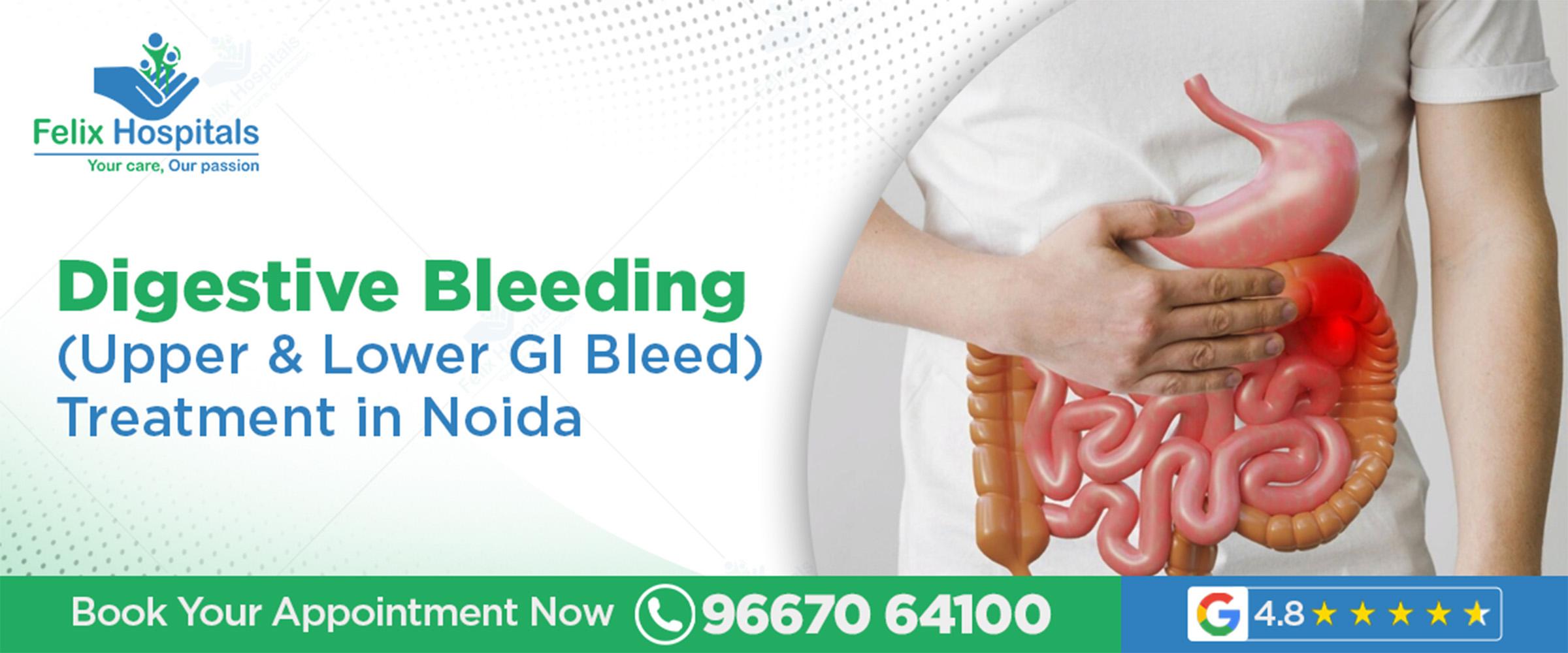
Digestive bleeding is a serious medical condition that can range from mild to life-threatening depending on its cause and severity. It refers to bleeding that occurs anywhere along the gastrointestinal tract, from the esophagus to the rectum. Causes of upper and lower GI bleeding vary widely and may include ulcers, infections, inflammation, tumors, or blood vessel abnormalities. Prompt diagnosis and timely medical intervention are critical to prevent complications such as severe anemia, shock, or organ damage.
Experiencing blood in stools or vomiting blood? Get expert care immediately. Call +91 9667064100
The digestive tract is broadly divided into upper and lower sections, and bleeding can occur in either region. Digestive bleeding diagnosis and management begins with identifying whether the source is upper GI (esophagus, stomach, duodenum) or lower GI (small intestine, colon, rectum), as symptoms and treatment approaches differ.
Upper GI bleeding may present with black, tarry stools or vomiting blood, while lower GI bleeding often causes fresh blood in stools. Accurate classification guides emergency care and long-term treatment.
Digestive bleeding is not a disease but a symptom of underlying conditions. Causes of upper and lower GI bleeding may differ based on age, lifestyle, and medical history.
Common causes include:
Peptic ulcers
Gastritis or esophagitis
Hemorrhoids or anal fissures
Polyps or colorectal cancer
Long-term use of painkillers or blood thinners
Identifying the root cause is essential for effective treatment.
Many people delay care because symptoms appear mild initially. Gastro emergency treatment Noida is required if warning signs suggest active or severe bleeding.
Red-flag symptoms include:
Dizziness or fainting
Rapid heartbeat
Pale skin or weakness
Persistent abdominal pain
Sudden drop in blood pressure
These symptoms indicate an emergency requiring immediate hospital care.
Accurate diagnosis is the foundation of effective care. Digestive bleeding diagnosis and management relies on advanced diagnostic tools to locate the source of bleeding and assess severity.
Common investigations include:
Endoscopy or colonoscopy
Blood tests to check hemoglobin levels
Imaging studies like CT scans
Stool tests
Early testing improves outcomes and reduces complications.
Severe cases require immediate stabilization before definitive treatment. Gastro emergency treatment Noida focuses on stopping bleeding and supporting vital functions.
Emergency care may involve:
IV fluids or blood transfusions
Medications to reduce stomach acid
Endoscopic procedures to control bleeding
Close monitoring in intensive care
Quick response can be life-saving.
Not all digestive bleeding requires surgery. Many cases respond well to medications and minimally invasive procedures. Best doctor for GI bleed treatment in Noida will tailor therapy based on the cause and severity.
Treatment may include:
Acid-suppressing drugs
Antibiotics for infections
Endoscopic clipping or cauterization
Management of underlying conditions
Individualized care ensures better recovery.
Endoscopy plays both a diagnostic and therapeutic role. GI bleeding specialist Noida often uses endoscopy to directly visualize and treat the bleeding source.
Through endoscopy, doctors can:
Seal bleeding vessels
Remove polyps
Inject medications
Prevent recurrence
This reduces the need for open surgery.
Surgery is reserved for cases where bleeding cannot be controlled by other methods. Digestive bleeding diagnosis and management helps determine when surgical intervention is necessary.
Surgery may be required if:
Bleeding is severe and persistent
Tumors or large ulcers are present
There is bowel perforation
Other treatments have failed
Timely surgery can prevent life-threatening complications.
Recovery depends on the cause and severity of bleeding. Best gastroenterologist in Noida ensures structured follow-up to prevent recurrence and manage long-term risks.
Post-treatment care includes:
Dietary modifications
Medication adherence
Regular monitoring
Lifestyle changes
Proper follow-up improves long-term digestive health.
While not all cases are preventable, risk can be reduced. Causes of upper and lower GI bleeding often relate to lifestyle and medication use.
Preventive measures include:
Avoiding excessive painkiller use
Limiting alcohol consumption
Managing chronic conditions
Seeking early medical advice for symptoms
Prevention plays a key role in long-term wellbeing.
Expert care significantly affects outcomes. Consulting a best doctor for GI bleed treatment in Noida ensures access to advanced diagnostics, emergency care, and specialized treatment.
A qualified specialist offers:
Accurate diagnosis
Rapid intervention
Multidisciplinary support
Personalized care plans
Experience matters in complex GI emergencies.
Digestive bleeding requires expertise beyond general medicine. A GI bleeding specialist Noida is trained to manage both routine and complex cases with precision.
Specialized care ensures:
Faster diagnosis
Lower complication rates
Better recovery outcomes
Reduced recurrence
Choosing the right care team saves lives.
For advanced diagnosis and safe treatment of digestive bleeding, book a consultation today. Call +91 9667064100
Digestive bleeding is a medical emergency that should never be ignored. Whether caused by ulcers, infections, or chronic conditions, timely diagnosis and expert treatment are essential to prevent serious complications. With advanced diagnostic tools, skilled specialists, and emergency care facilities, patients can receive effective treatment and long-term management for both upper and lower GI bleeding.
Seeking early care, following medical advice, and choosing experienced gastroenterology treatment in Noida ensures safety, faster recovery, and improved quality of life.
Q. 1. Is digestive bleeding always an emergency?
Ans. Not always, but severe or persistent bleeding requires urgent medical attention.
Q. 2. Can GI bleeding stop on its own?
Ans. Mild cases may resolve, but medical evaluation is essential to identify the cause.
Q. 3. How long does recovery take?
Ans. Recovery varies depending on cause, severity, and treatment method.
Q. 4. Can GI bleeding recur?
Ans. Yes, especially if underlying conditions are not treated properly.
Q. 5. Who should I consult for GI bleeding?
Ans. A gastroenterologist with experience in managing digestive bleeding.
Looking for reliable treatment for diarrhea in Noida? Discover top-rated clinics and hospitals offering expert gastroenterology care, accurate diagnosis, and fast relief. Get treated by trusted specialists using modern techniques and patient-first approac
Wondering why you're suddenly facing diarrhea in Noida? Learn the key differences between food poisoning and infections, their symptoms, and how to manage them effectively.
Learn effective ways to prevent diarrhea during the monsoon season by following simple hygiene, dietary, and lifestyle practices to stay healthy.
Expert gastroenterology care for better digestive health, offering advanced diagnosis and treatment for GERD, IBS, ulcers, and liver disorders.


Subscribe to our
© Copyright 2026. All Rights Reserved by Felix Healthcare Private Limited
Design and development by :


 +(91)9667064100
 Emergency : +(91)9667064100