 WhatsApp
 Emergency:
  WhatsApp


Subscribe to our

Prostate cancer is one of the most common cancers affecting men above 50. Early detection can make a significant difference in treatment outcomes and survival rates. Recognizing early warning signs of prostate cancer in men over 50 helps patients seek timely medical care and avoid complications. Urology Hospitals in Noida offer specialized urology services with advanced diagnostic facilities and expert consultations for comprehensive prostate health management.
Many men dismiss mild urinary changes or discomfort as normal aging, but these can be early indicators of prostate disease. Understanding warning signs and seeking hospital-based evaluation is essential for proactive healthcare.
Don’t wait to check your prostate health. Call +91 9667064100 to book a urologist appointment today.
Identifying early warning signs of prostate cancer in men over 50 ensures timely diagnosis. Common signs include:
Awareness of these symptoms prompts early consultation with a urologist, improving the chances of successful treatment.
Early detection significantly improves outcomes. Here’s how to how to detect prostate cancer early:
Routine screenings and professional evaluation are essential for men above 50 to catch cancer at its earliest stage.
Not all prostate issues indicate cancer, but recognizing symptoms of prostate problems in older men helps distinguish between benign and malignant conditions:
Identifying these symptoms early allows doctors to recommend appropriate tests and interventions.
Preventive measures can help reduce the risk of prostate cancer. Here are some prostate cancer prevention tips:
Adopting these measures alongside medical guidance promotes long-term prostate health.
Early consultation is key to preventing complications. Patients should know when to see a doctor for prostate issues:
Urologists at specialized hospitals in Noida provide thorough evaluation, early diagnosis, and tailored treatment plans for men with prostate concerns.
Specialized hospitals offer comprehensive care for prostate health:
Hospitals like Felix Hospital in Noida provide expert care to detect prostate cancer early and improve treatment outcomes.
Alongside professional care, certain lifestyle changes support prostate health:
Combining lifestyle adjustments with hospital care improves overall prostate health and reduces cancer risk.
Regular monitoring is crucial for early detection. Key steps for how to detect prostate cancer early include:
Early and consistent monitoring ensures timely intervention and better outcomes.
Prioritize your prostate health today. Call +91 9667064100 to consult a urologist
Prostate cancer is a serious health concern for men above 50, but early detection can save lives. Recognizing early warning signs of prostate cancer in men over 50, understanding symptoms of prostate problems in older men, and following prostate cancer prevention tips are essential steps in maintaining prostate health. Hospitals like Felix Hospital in Noida provide specialized urology care, advanced diagnostics, and expert treatment by the Best urologist in Noida for men with prostate concerns. Regular screenings, professional guidance, and lifestyle adjustments empower men to take control of their prostate health and detect potential issues before they become serious.
Q1: What are the early warning signs of prostate cancer in men over 50?
Ans. Difficulty urinating, weak urine flow, frequent nighttime urination, pain during urination, and blood in urine or semen are common signs.
Q2: How can prostate cancer be detected early?
Ans. Through PSA blood tests, digital rectal exams, imaging, and biopsy if necessary. Prompt reporting of urinary changes is crucial.
Q3: What are the common prostate problems in older men?
Ans. Enlarged prostate, urinary retention, pelvic discomfort, painful ejaculation, and blood in urine or semen are common issues.
Q4: How can men reduce the risk of prostate cancer?
Ans. Maintain a healthy diet, exercise regularly, limit alcohol and tobacco, maintain a healthy weight, and attend regular screenings.
Q5: When should I see a doctor for prostate issues?
Ans. Consult a urologist for persistent urinary difficulty, blood in urine, pelvic pain, family history of cancer, or abnormal screening results.
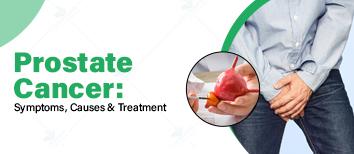
Prostate cancer is a common type of cancer in men that affects the prostate gland. Understanding its symptoms, causes, and treatment options can help in early detection and effective management.
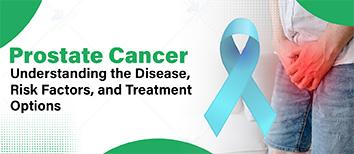
Prostate cancer is a type of cancer that occurs in the prostate gland, a small walnut-shaped gland responsible for producing seminal fluid, which nourishes and transports sperm.

One of our leading specialists is Dr. Bhanwar All Barkesiya, a highly skilled urologist with extensive experience in diagnosing and treating prostate conditions.
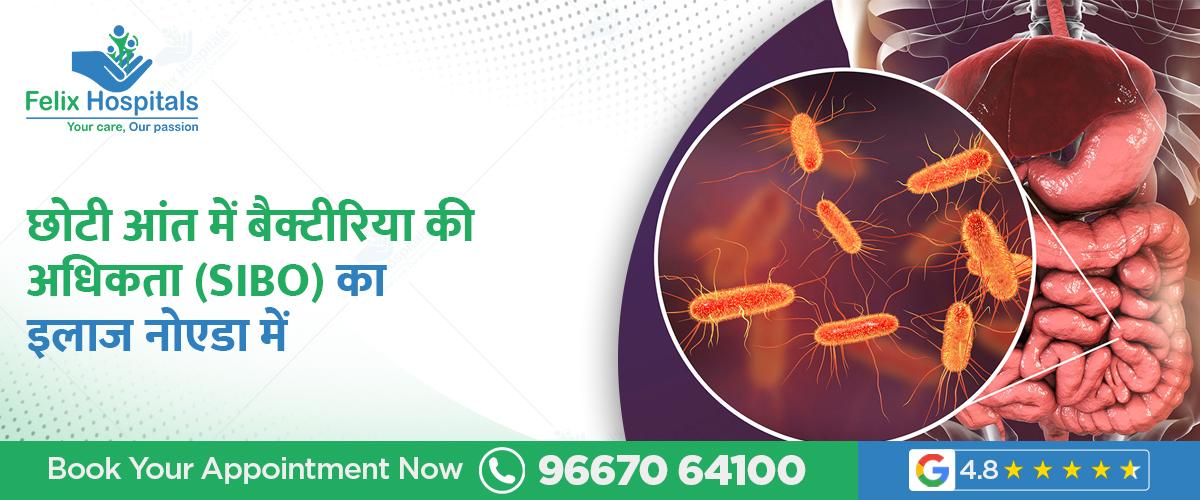
छोटी आंत हमारे पाचन तंत्र का वह महत्वपूर्ण भाग है। जहां भोजन के अंदर मौजूद पोषक तत्व अवशोषित होते हैं। सामान्य स्थिति में छोटी आंत में बैक्टीरिया की मात्रा बहुत कम रहती है। लेकिन जब किसी कारण से इनमें अचानक वृद्धि हो जाती है, तो इस स्थिति को छोटी आंत में बैक्टीरिया का अत्यधिक बढ़ना (एसआईबीओ) कहा जाता है। SIBO का इलाज नोएडा में उपलब्ध है। यदि आप नोएडा में एसआईबीओ के लक्षण महसूस कर रहे हैं, तो नोएडा में सर्वश्रेष्ठ गैस्ट्रोएंटेरोलॉजिस्ट से तुरंत जांच कराना जरूरी है।
अधिक जानकारी के लिए संपर्क करें: +91 9667064100
एसआईबीओ एक ऐसी स्थिति है जिसमें छोटी आंत में सामान्य से अधिक बैक्टीरिया बढ़ते हैं। यह बैक्टीरिया भोजन को समय से पहले तोड़ देते हैं। बड़ी मात्रा में गैस, अम्ल और विषाक्त पदार्थ बनते हैं। जिससे पाचन तंत्र असंतुलित होता है। यह समस्या अस्थायी भी होती है और क्रॉनिक भी। यदि समय पर इलाज न हो, तो एसआईबीओ कई गंभीर पाचन समस्याओं का कारण बन सकता है।
एसआईबीओ को तीन मुख्य प्रकारों में बांटा जाता है। हाइड्रोजन-डॉमिनेंट एसआईबीओ में बैक्टीरिया कार्बोहाइड्रेट को किण्वित करके हाइड्रोजन गैस बनाते हैं। जिससे दस्त, पेट दर्द, गैस और पेट फूलने जैसे लक्षण दिखते हैं। मीथेन-डॉमिनेंट एसआईबीओ (आईएमओ) में मीथेन गैस बनाने वाले बैक्टीरिया अधिक होते हैं। जिसके कारण सामान्यत कब्ज, पेट भारी लगना और गैस की समस्या अधिक होती है। तीसरा प्रकार हाइड्रोजन सल्फाइड एसआईबीओ है। जिसमें बैक्टीरिया हाइड्रोजन सल्फाइड गैस बनाते हैं। इसके कारण तेज बदबू वाली गैस, थकान, दस्त या कब्ज जैसे लक्षण देखे जाते हैं।
जब आंत की मांसपेशियां भोजन और गैस को आगे नहीं बढ़ा पातीं, तो छोटी आंत में बैक्टीरिया रुककर बढ़ते हैं। यह स्थिति गैस्ट्रोपेरेसिस, मधुमेह, स्क्लेरोडर्मा और आंतों की तंत्रिका क्षति जैसी स्थितियों में अधिक दिखाई देती है। कमजोर गतिशीलता छोटी आंत को “स्टॉल” कर देती है। जिससे एसआईबीए तेजी से विकसित होता है।
यदि अग्न्याशय पर्याप्त पाचन एंजाइम नहीं बनाता, तो भोजन पूरी तरह टूट नहीं पाता। अधपचा भोजन बैक्टीरिया के लिए ईंधन का काम करता है। जिससे वह तेजी से बढ़ते हैं। यह समस्या क्रॉनिक पैंक्रियाटाइटिस, पैंक्रियाटिक कैंसर, सिस्टिक फायब्रोसिस या पैंक्रियास की कमजोरी वाले मरीजों में अधिक आम है।
छोटी आंत की संरचना में बदलाव बैक्टीरिया के फंसने और बढ़ने के लिए अनुकूल वातावरण बना देते हैं। इनमें स्ट्रिक्चर, यानी आंत का सिकुड़ जाना शामिल है, जिससे भोजन आगे नहीं बढ़ पाता और वहीं रुककर बैक्टीरिया को बढ़ने का मौका मिलता है। फिस्टुला की स्थिति में आंत के दो हिस्से अनियंत्रित रूप से जुड़ जाते हैं, जिससे भोजन और बैक्टीरिया का सामान्य प्रवाह बाधित हो जाता है। वहीं ब्लाइंड लूप तब बनता है जब सर्जरी या जन्मजात कारणों से आंत का कोई हिस्सा ऐसी स्थिति में रह जाता है। जहां भोजन या तरल पदार्थ का निकास नहीं हो पाता और बैक्टीरिया उसी बंद हिस्से में जमा होकर तेजी से बढ़ते हैं।
दवाएं (जैसे ओमेप्राजोल, पैंटोप्राजोल) पेट के एसिड को बहुत कम करती हैं। सामान्य रूप से पेट का एसिड हानिकारक बैक्टीरिया को मारता है, लेकिन पीपीआई के लंबे उपयोग से बैक्टीरिया आसानी से छोटी आंत तक पहुंचते हैं।
अत्यधिक जंक फूड, मिठाइयाँ, शर्करा, डेयरी उत्पाद और प्रोसेस्ड फूड खाने से आंतों में क्रॉनिक इंफ्लेमेशन बढ़ता है। इससे पाचन धीमा होता है और बैक्टीरिया को भरपूर भोजन मिलता है।
फूड पॉइजनिंग के बाद अक्सर आंत की गति में शामिल तंत्रिकाएँ प्रभावित होती हैं। इससे आंत भोजन को सुचारु रूप से आगे नहीं बढ़ा पाती और छोटी आंत में बैक्टीरिया का जमाव बढ़ने लगता है।
गैस्ट्रिक बाईपास, सीजेरियन, एपेंडेक्टोमी, आंत की सर्जरी या ट्यूमर ऑपरेशन के बाद आंतों की संरचना और गतिशीलता बदल जाती है, जिससे एसआईबीओ का खतरा बढ़ता है। कुछ सर्जरी में आंत की लंबाई या रास्ता बदलने से बैक्टीरिया को अधिक समय तक रुकने का मौका मिलता है।
पेट फूलना और भारीपन
बार-बार गैस
दस्त या कब्ज
बदहजमी और भोजन के बाद असहजता
पेट में दर्द और ऐंठन
वजन घटाना
कमजोरी और थकान
भूख कम लगना या जल्दी भूख लगना
ब्रीथ टेस्टः एसआईबीओ का सबसे सटीक और प्राथमिक परीक्षण है। लैक्ट्युलोज या ग्लूकोज सॉल्यूशन पीने के बाद साँस में हाइड्रोजन और मीथेन की मात्रा मापी जाती है।
स्टूल टेस्टः गट माइक्रोबायोम और संक्रमण का पता चलता है।
ब्लड टेस्टः विटामिन B12, फोलेट, आयरन लेवल की कमी का पता लगाया जाता है।
एंडोस्कोपी / आंत की बायोप्सीः गंभीर मामलों में छोटी आंत की वास्तविक स्थिति देखने के लिए होता है।
सीटी स्कैन / एमआरआईः संरचनात्मक विकृतियों का पता लगाने के लिए होता है।
छोटी आंत में बैक्टीरिया की संख्या को नियंत्रित करने के लिए विशेष एंटीबायोटिक्स का उपयोग किया जाता है।
यह गैर-शोषणीय एंटीबायोटिक है, यानी यह रक्त में नहीं जाता और सीधे आंत में प्रभाव दिखाता है। हाइड्रोजन-डॉमिनेंट एसआईबीओ के लिए सबसे अधिक अनुशंसित है।
मीथेन-डॉमिनेंट एसआईबीओ (आईएमओ) में रिफैक्सिमिन के साथ या अकेले दिया जाता है, क्योंकि मीथेन बनाने वाले आर्किया इस दवा के प्रति अधिक संवेदनशील होते हैं। कई मामलों में दोनों दवाओं का कॉम्बिनेशन थेरेपी अधिक प्रभावी माना जाता है।
लो-फूडमैप डाइट में ऐसे खाद्य पदार्थों को सीमित किया जाता है। जिन्हें छोटी आंत के बैक्टीरिया आसानी से फर्मेंट करके गैस बनाते हैं। इसमें कम किए जाने वाले प्रमुख खाद्य पदार्थों में दालें, गेहूं और उसके उत्पाद, प्याज, लहसुन, डेयरी, मीठे पदार्थ, शहद, फ्रुक्टोज और कुछ फल शामिल हैं। इस डाइट का मुख्य उद्देश्य आंत में बैक्टीरिया को भोजन का स्रोत मिलने से रोकना और गैस, पेट फूलना, दर्द और दस्त जैसे लक्षणों को कम करना है। शोध और अनुभव के आधार पर यह डाइट एसआईबीओ तथा आईबीएस दोनों में अत्यधिक लाभदायक पाई गई है।
प्रोबायोटिक्स आंत में अच्छे बैक्टीरिया को बढ़ाते हैं और खराब बैक्टीरिया को नियंत्रित करते हैं। प्रीबायोटिक्स अच्छे बैक्टीरिया के लिए भोजन का काम करते हैं, लेकिन एसआईबीओ के तीव्र चरण में इन्हें सावधानी से उपयोग किया जाता है। यह आंत की लाइनिंग को मजबूत बनाकर सूजन को कम करते हैं और रिकवरी में मदद करते हैं।
यदि एसआईबीओ पैंक्रियाटिक कमजोरी या एंजाइम की कमी के कारण हो रहा हो, तो भोजन को सही से तोड़ने के लिए पैंक्रियाटिक एंजाइम सप्लीमेंट्स दिए जाते हैं। यह कार्बोहाइड्रेट, प्रोटीन और वसा को पचाने में मदद करते हैं, जिससे अधपचा भोजन छोटी आंत में जमा नहीं होता और बैक्टीरिया को बढ़ने का मौका नहीं मिलता।
प्रोकाइनेटिक्स छोटी आंत की गति को बढ़ाते हैं और भोजन को आगे बढ़ने में मदद करते हैं। ये दवाएं बैक्टीरिया को छोटी आंत में रुकने नहीं देतीं, जिससे एसआईबीओ दोबारा होने की संभावना भी कम होती है। आमतौर पर यह दवाएं रात में दी जाती हैं। ताकि “माइग्रेटिंग मोटर कॉम्प्लेक्स (एमएमसी)” सक्रिय होकर आंत को साफ रख सके।
एसआईबीओ के लक्षणों को सुधारने और इसके दोबारा होने से बचने में जीवनशैली का बहुत महत्वपूर्ण योगदान होता है। नियमित और समय पर भोजन करना आवश्यक है क्योंकि अनियमित भोजन से छोटी आंत में बैक्टीरिया बढ़ने का खतरा बढ़ता है। तनाव कम करना भी महत्वपूर्ण है। क्योंकि अधिक तनाव आंत की गति को धीमा कर देता है और बैक्टीरिया के बढ़ने का अवसर प्रदान करता है। पर्याप्त नींद हार्मोनल संतुलन बनाए रखकर आंत की गतिविधि में सुधार लाती है। जबकि नियमित व्यायाम पाचन तंत्र की गतिशीलताबढ़ाता है और भोजन को आंत में सही समय पर आगे बढ़ाता है। इसके अलावा पैकेज्ड और अत्यधिक चीनी वाले प्रोसेस्ड फूड से बचाव करना चाहिए, क्योंकि ये आंत में बैक्टीरिया के तेजी से बढ़ने को प्रोत्साहित करते हैं।
एसआईबी अक्सर किसी मूल कारण से विकसित होता है, इसलिए केवल एंटीबायोटिक ही पर्याप्त नहीं होते। यदि एसआईबीओ किसी खाद्य विषाक्तता, सर्जरी, बाइल एसिड समस्या, ब्लॉकेज, शुगर असहिष्णुता, या पैंक्रियास की कमजोरी से हुआ है, तो उसका उपचार तुरंत किया जाता है। मूल बीमारी का प्रबंधन करने से एसआईबीओ के बार-बार लौटने की संभावना कम हो जाती है।
स्वच्छ, ताजा और संतुलित भोजन
प्रोसेस्ड फूड और चीनी कम करें
लंबे समय तक एसिडिटी की दवा न लें
भोजन समय पर करें
पानी पर्याप्त मात्रा में पिएं
भोजन अच्छी तरह चबाकर खाएं
तनाव प्रबंधन – योग, ध्यान, प्राणायाम
यदि पाचन समस्या लंबी चले तो गैस्ट्रोएंटेरोलॉजिस्ट से संपर्क करें
नोएडा में अनुभवी गैस्ट्रोएंटेरोलॉजिस्ट उपलब्ध हैं, जिनके पास:
एसआईबीओ के हजारों क्लिनिकल केस
ब्रीथ टेस्ट सुविधा
आधुनिक एंडोस्कोपी यूनिट
डाइट थेरापी और पोषण विशेषज्ञ टीम
पेट, आंत, लीवर और पाचन रोगों में विशेषज्ञता
संपर्क करें: +91 9667064100 नोएडा में Best Gastroenterologist Doctor उपलब्ध।
एसआईबीओ एक आम लेकिन जटिल पाचन विकार है। यदि पेट फूलना, गैस, दस्त, कब्ज, या भोजन के बाद भारीपन जैसे लक्षण बार-बार हों, तो इसे हल्के में न लें। समय पर निदान, सही दवाओं, डाइट और विशेषज्ञ की सलाह से एसआईबीओ पूरी तरह नियंत्रित होता है।
प्रश्न 1: एसआईबीओ क्या है?
उत्तर: छोटी आंत में बैक्टीरिया का सामान्य से अधिक बढ़ना है। जिससे पाचन में समस्या होती है।
प्रश्न 2: एसआईबीओ के सबसे आम लक्षण क्या हैं?
उत्तर: पेट फूलना, गैस, दस्त/कब्ज, पेट दर्द, थकान, वजन घटता है।
प्रश्न 3: क्या एसआईबीओ खतरनाक है?
उत्तर: समय पर इलाज न होने पर पोषक तत्वों की कमी, वजन घटने और क्रॉनिक पाचन रोगों का खतरा बढ़ता है।
प्रश्न 4: एसआईबीओ का टेस्ट कैसे होता है?
उत्तर: हाइड्रोजन-मीथेन ब्रीथ टेस्ट एसआईबीओ का सबसे सटीक और सामान्य टेस्ट है।
प्रश्न 5: क्या एसआईबीओ ठीक होता है?
उत्तर: हां, दवाओं, डाइट और सही चिकित्सा से एसआईबीओ पूरी तरह ठीक या नियंत्रित किया जाता है।
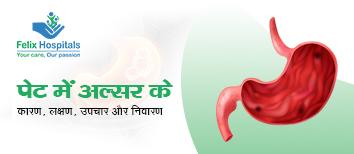
पेट में अल्सर एक आम लेकिन गंभीर समस्या है जो संक्रमण, अधिक एसिड या दवाओं के कारण होती है। इसके लक्षणों में पेट दर्द, जलन और अपच शामिल हैं। फ़ेलिक्स अस्पताल में इसका प्रभावी उपचार और परामर्श उपलब्ध है।
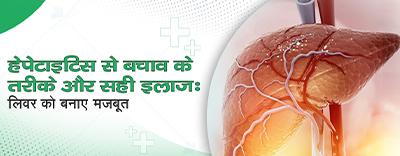
जानें हेपेटाइटिस से बचाव के उपाय और सही इलाज। समय पर पहचान और उपचार से लिवर को मजबूत बनाना संभव है।
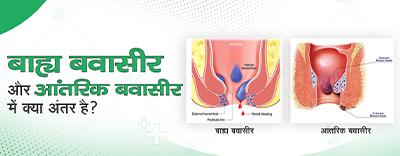
बवासीर दो प्रकार की होती है: बाह्य और आंतरिक। बाह्य बवासीर गुदा के बाहर होती है और इनमें सूजन, जलन और दर्द अधिक होता है। वहीं, आंतरिक बवासीर गुदा के अंदर होती है और अक्सर बिना दर्द के खून आ सकता है। सही पहचान और समय पर इलाज से राहत पाई जा सकती है।
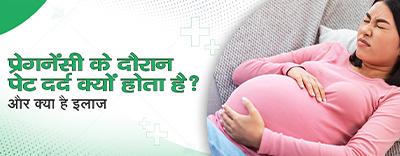
गर्भावस्था में पेट दर्द एक सामान्य समस्या है, लेकिन कभी-कभी यह गंभीर स्वास्थ्य संकेत भी हो सकता है। जानिए इसके कारण, लक्षण और सुरक्षित इलाज।
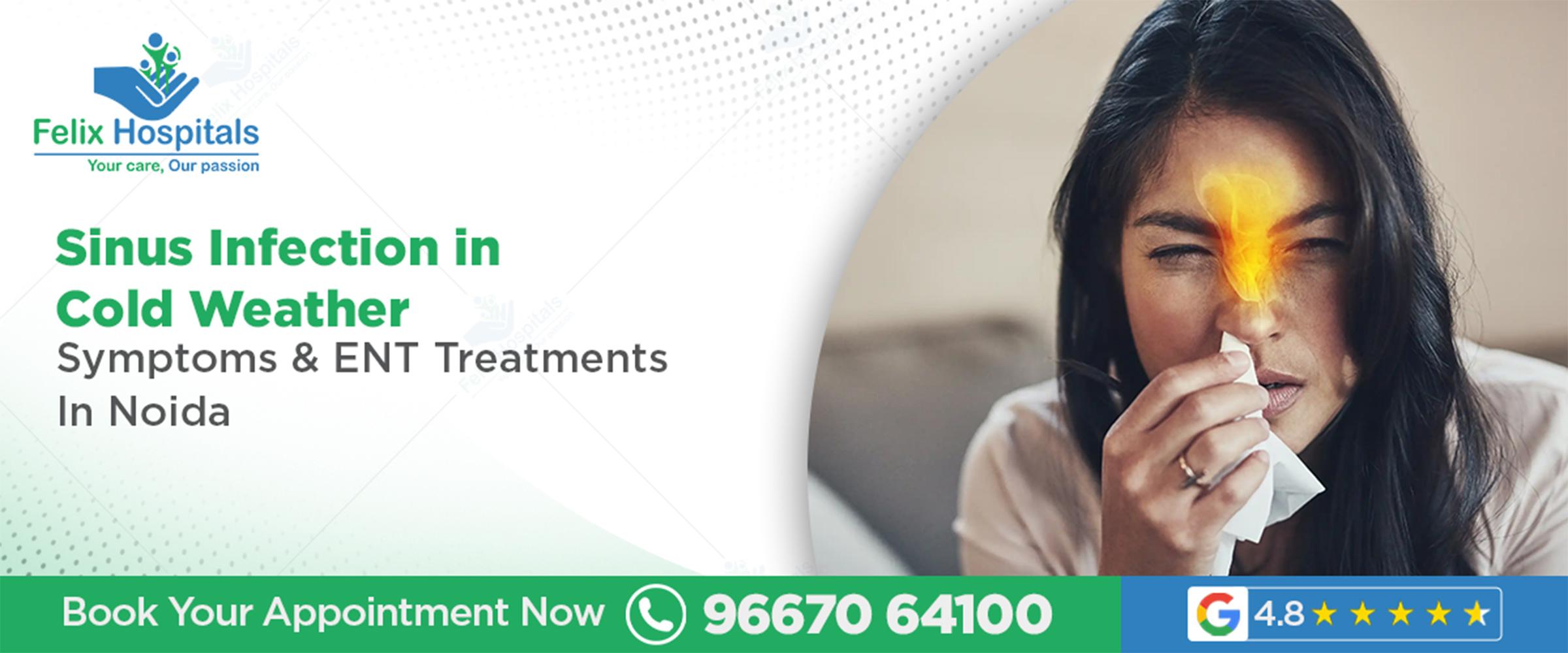
Cold weather often brings an increased risk of sinus infections in winter. The dry air, lower temperatures, and frequent viral illnesses create ideal conditions for sinus inflammation. Patients may experience nasal congestion, facial pain, and headaches, which can affect daily life and productivity. Understanding why sinus infections increase in winter, recognizing early symptoms, and seeking timely ENT Hospital in Noida can prevent complications and ensure effective treatment.
Sinus infections, also known as sinusitis, occur when the nasal passages and sinuses become inflamed due to bacterial, viral, or fungal causes. Left untreated, sinus infections can lead to chronic discomfort, recurrent infections, or complications involving the eyes and brain. Hospital-based ENT care provides precise diagnosis and treatment tailored to the severity and type of infection.
Don’t let sinus infections disrupt your winter. Call +91 9667064100 to book an ENT specialist appointment.
Cold weather, low humidity, and seasonal illnesses contribute to why sinus infections increase in winter:
Viral infections such as cold or flu weaken sinus defenses
Dry indoor heating dries nasal passages, making them more susceptible to bacteria
Temperature fluctuations can irritate sinus tissues
Weakened immunity due to less sunlight and vitamin D deficiency
Allergens like dust and mold exposure indoors
Understanding these factors helps patients take preventive measures and seek early intervention when needed.
Recognizing symptoms of sinus infection in cold weather is essential for timely care. Common signs include:
Nasal congestion and difficulty breathing through the nose
Facial pain or pressure, particularly around the cheeks and forehead
Thick, yellow or green nasal discharge
Headaches and sensitivity to light
Fatigue, fever, or sore throat in some cases
Early recognition allows patients to seek ENT consultation before the infection worsens or becomes chronic.
Timely consultation with a specialist ensures effective management. How to treat sinus infection in winter begins with early detection:
Persistent nasal congestion beyond 10 days
Fever, facial swelling, or worsening headache
Recurring sinus infections within a short time frame
Pain or pressure not relieved by over-the-counter medications
Symptoms affecting sleep, work, or daily activities
ENT specialists can perform diagnostic tests, such as nasal endoscopy or imaging, to confirm the type and severity of the infection.
Effective management depends on the infection type and severity. How to treat sinus infection in winter includes:
Medications: Antibiotics for bacterial infections, decongestants, antihistamines, or corticosteroids as needed
Nasal irrigation: Saline rinses to clear mucus and reduce bacterial load
Steam inhalation: Moisturizes nasal passages and relieves congestion
Pain relief: Analgesics for headaches and facial discomfort
Surgical intervention: For chronic or severe cases, endoscopic sinus surgery may be recommended
Professional ENT guidance ensures treatment is tailored, effective, and reduces recurrence risk.
Preventing sinus infections is possible with consistent care. Patients can follow these steps to reduce the risk of sinus infections in winter:
Stay hydrated to maintain moisture in nasal passages
Use a humidifier indoors to counter dry air
Practice hand hygiene to reduce viral exposure
Avoid allergens like dust and mold whenever possible
Maintain immunity through a balanced diet and adequate sleep
Preventive strategies reduce the frequency and severity of sinus infections.
Supporting medical treatment with home care enhances recovery. Effective home measures for sinus infection in cold weather include:
Warm compresses on the face to reduce pain and pressure
Gentle nasal irrigation with saline solution
Adequate rest to allow the body to heal
Avoiding smoking or exposure to irritants
Breathing steam from hot water or herbal inhalations
Combined with hospital treatment, these measures improve symptom relief and recovery speed.
Certain individuals are more prone to sinus infections. Recognizing why sinus infections increase in winter for high-risk patients allows preventive care:
History of allergies or asthma
Chronic respiratory conditions
Structural nasal issues, like deviated septum
Immunocompromised individuals
Frequent exposure to cold or dry environments
High-risk patients benefit from regular ENT check-ups and early intervention strategies.
Specialized hospitals offer comprehensive care for sinus infections, especially in winter. Key services include:
Advanced diagnostic tools, including CT scans and nasal endoscopy
Experienced ENT specialists for precise diagnosis and treatment
Tailored treatment plans combining medication, home care, and surgical options
Follow-up and preventive guidance for long-term sinus health
Hospitals like Felix Hospital in Noida provide patient-focused care to manage winter sinus infections effectively.
Ensure your sinus health this winter. Call +91 9667064100 to consult an ENT specialist today.
Sinus infections are common in cold weather, but understanding why sinus infections increase in winter, recognizing symptoms of sinus infection in cold weather, and following preventive measures ensures timely management. Hospitals like Felix Hospital in Noida provide expert ENT specialist are, including accurate diagnosis, treatment, and preventive guidance. With early intervention, home care, and professional support, patients can enjoy winter without discomfort from sinus infections.
Q1: Why are sinus infections more common in winter?
Ans. Cold temperatures, dry indoor air, viral infections, and weaker immunity make the sinuses more vulnerable.
Q2: What are the early symptoms of a sinus infection?
Ans. Nasal congestion, facial pressure, thick nasal discharge, headache, and fatigue are common early signs.
Q3: How can sinus infections be treated effectively in winter?
Ans. Treatment includes medications, nasal irrigation, steam inhalation, pain relief, and, in severe cases, surgical intervention.
Q4: When should I see an ENT specialist for a sinus infection?
Ans. Consult an ENT if symptoms persist beyond 10 days, worsen, or recur frequently despite home care.
Q5: Can sinus infections be prevented during winter?
Ans. Yes, staying hydrated, using humidifiers, maintaining hygiene, avoiding allergens, and boosting immunity help prevent infections.
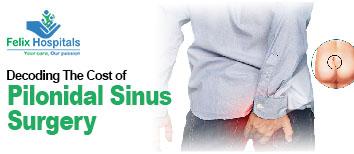
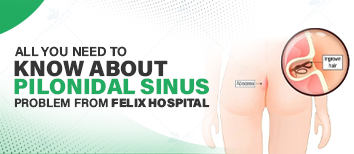
The sinus tract associated with Pilonidal Sinus usually extends in a downward direction between the buttocks.

आज कल पेट दर्द, पेट फूलना, दस्त और लगातार पाचन संबंधी समस्याएं आम हैं। यह साधारण कारणों से भी होती हैं। कभी-कभी गंभीर पाचन विकार का संकेत भी देती हैं। नोएडा में बेस्ट गैस्ट्रो हॉस्पिटल नोएडा उपलब्ध हैं। जहां सही निदान (Diagnosis) और आधुनिक उपचार से इन समस्याओं को प्रभावी रूप से नियंत्रित किया जा सकता है।
अभी अपॉइंटमेंट शेड्यूल करें – कॉल करें: +91 9667064100
पेट दर्द और ब्लोटिंग गैस्ट्रोइंटेस्टाइनल ट्रैक्ट की सामान्य गड़बड़ियों के कारण होते हैं। इसके मुख्य कारणों में आंतों में गैस बढ़ना, अपच, अत्यधिक मसालेदार या तेलयुक्त भोजन का सेवन, संक्रमण, आंतों में सूजन और पाचन तंत्र की गति का धीमा होना शामिल है। यदि यह लक्षण कई सप्ताह तक लगातार बने रहें, तो यह किसी गंभीर पाचन विकार का संकेत होता है।
यदि दस्त 4 सप्ताह से अधिक समय तक लगातार बना रहे या बीच-बीच में दोबारा होता रहे, तो इसे दीर्घकालिक दस्त कहा जाता है। यह आंतों में संक्रमण, सूजन, आईबीएस,आईबीडी, थायरॉइड असंतुलन या किसी गंभीर बीमारी का संकेत हो सकता है, इसलिए समय पर जांच कराना बेहद आवश्यक है।
दस्त को उसकी अवधि और कारणों के आधार पर तीन प्रकारों में बांटा जाता है। तीव्र दस्त आमतौर पर 1 से 7 दिन तक रहता है। इसका मुख्य कारण दूषित पानी या भोजन तथा वायरल संक्रमण होता है। यह सामान्यतः हल्का होता है और जल्दी ठीक हो जाता है। उप-तीव्र दस्त 2 से 4 सप्ताह तक बना रहता है। प्रायः परजीवी या बैक्टीरियल संक्रमण के कारण होता है। जिसकी गंभीरता मध्यम होती है। वहीं, दीर्घकालिक दस्त 4 सप्ताह से अधिक समय तक जारी रहता है। आईबीएस,आईबीडी, आंतों की सूजन या मालएब्जॉर्प्शन जैसी स्थितियों की ओर संकेत करता है, जो अधिक गंभीर होती है और तुरंत जांच की आवश्यकता होती है।
दस्त, पेट दर्द और पेट फूलने के पीछे कई पाचन संबंधी कारण होते हैं। इनमें सबसे आम कारण संक्रमण हैं। जिनमें वायरल (जैसे नोरोवायरस, रोटावायरस), बैक्टीरियल (जैसे ई.कोलाई, साल्मोनेला) और परजीवी संक्रमण (जैसे जिआर्डिया) शामिल हैं। इसके अलावा आईबीएस – इरिटेबल बाउल सिंड्रोम भी एक प्रमुख कारण है। जिसमें पेट दर्द, गैस, कब्ज या दस्त का बार-बार होना शामिल है और यह तनाव के बढ़ने पर अधिक गंभीर हो जाता है। वहीं आईबीडी - इन्फ्लेमेटरी बाउल डिजीज, जैसे अल्सरेटिव कोलाइटिस और क्रोहन डिजीज में खून वाला दस्त और वजन घटना जैसी गंभीर समस्याएं देखी जाती हैं।
लैक्टोज इनटॉलरेंस भी एक आम कारण है, जिसमें दूध या डेयरी लेने के बाद पेट फूलना, गैस और दस्त होने लगते हैं। इसी तरह सीलिएक डिजीज में शरीर गेहूं, ग्लूटेन को सहन नहीं कर पाता और आंतें पोषण अवशोषित नहीं कर पातीं। पैंक्रियाटिक इंफिशिएंसी के कारण पाचन एंजाइम कम बनते हैं जिससे भोजन सही से पच नहीं पाता। थायरॉइड असंतुलन, विशेषकर हाइपरथायरॉइडिज्म में तेज मेटाबॉलिज्म के कारण दस्त बढ़ जाते हैं। अंत में, लंबे समय तक दवाइयों का सेवन जैसे एंटीबायोटिक्स या मैग्नीशियम बेस्ड एंटासिड भी दस्त, गैस और पेट फूलने की समस्या का कारण बन सकते हैं।
खून वाला दस्त
तेज बुखार के साथ दस्त
लगातार पेट दर्द
शरीर में पानी की कमी (डिहाइड्रेशन)
पेशाब कम होना
वजन का तेजी से कम होना
दस्त 4 सप्ताह से अधिक चलना
गैस्ट्रोएंटेरोलॉजिस्ट दस्त, पेट दर्द और पेट फूलने के कारणों की पहचान करने के लिए कई तरह की विस्तृत जांचें करते हैं।
दस्त के कारणों की पहचान के लिए मल की जांच की जाती है। इसमें संक्रमण, कीड़े, परजीवी, बैक्टीरिया या म्यूकस की उपस्थिति का पता चलता है।
खून की जांच से शरीर में सूजन, संक्रमण, एनीमिया, थायरॉइड असंतुलन और इलेक्ट्रोलाइट गड़बड़ी का पता लगाया जाता है।
पेट के अंदरूनी अंगों—जैसे आंत, पैंक्रियास, गॉलब्लैडर—की संरचनात्मक समस्याओं को देखने के लिए किया जाता है।
ऊपरी और निचली आंत की वास्तविक स्थिति देखने के लिए कैमरे वाली ट्यूब से जांच की जाती है। अल्सर, सूजन और IBD का पता लगाने में उपयोगी है।
लैक्टोज इनटॉलरेंस, एसआईबीओ और कार्बोहाइड्रेट पाचन की गड़बड़ी का परीक्षण करने के लिए किया जाता है।
स्टूल में मौजूद सूजन मार्कर IBD (अल्सरेटिव कोलाइटिस/क्रोहन डिज़ीज़) की पहचान करता है।
पैंक्रियास द्वारा पर्याप्त पाचन एंजाइम बन रहे हैं या नहीं, यह जांचने के लिए किया जाता है।
हल्का और फाइबर युक्त भोजनः दलिया, खिचड़ी, उबली सब्ज़ियाँ, ओट्स और फलों से पाचन बेहतर होता है और दस्त में राहत मिलती है।
तला-भुना भोजन, पैक्ड फूड, सोडा से दूरीः ऐसे खाद्य पदार्थ आंतों में जलन, गैस और दस्त को बढ़ाते हैं।
दही, छाछ, नारियल पानीः इलेक्ट्रोलाइट्स और प्रीबायोटिक्स से शरीर की कमजोरी कम होती है और आंतों का माइक्रोफ्लोरा सुधरता है।
लो-एफओडीएमएपी डाइट (आईबीएस में उपयोगी): यह डाइट गैस, पेट फूलना, क्रैम्प और IBS से जुड़े दस्त में अत्यधिक लाभ देती है।
ओआरएस (निर्जलीकरण रोकने के लिए): पानी और नमक की कमी को तुरंत पूरा करता है।
एंटीस्पास्मोडिक्स: पेट में ऐंठन और मरोड़ कम करते हैं।
प्रोबायोटिक्स: आंतों के अच्छे बैक्टीरिया बढ़ाने के लिए डायरिया या एंटीबायोटिक सेवन के बाद आंतों का संतुलन बहाल करते हैं।
एंटीबायोटिक दवाओं: यदि बैक्टीरियल संक्रमण हो तो केवल संक्रमण की पुष्टि पर ही दी जाती हैं।
दस्त रोधी दवाएंः डॉक्टर गंभीर दस्त को कंट्रोल करने के लिए देते हैं। इन्हें स्वयं नहीं लेना चाहिए।
अग्नाशयी एंजाइमः पैंक्रियास की कमजोरी होने पर खुराक भोजन के साथ दी जाती है ताकि पाचन सुधरे।
स्टेरॉयड/इम्यूनोसप्रेसेंट्सः आईबीडी के गंभीर मामलों में अल्सरेटिव कोलाइटिस या क्रोहन डिज़ीज़ की सूजन नियंत्रित करने के लिए।
आईवी तरल पदार्थः तेज निर्जलीकरण होने पर शरीर में सीधे तरल पदार्थ दिए जाते हैं।
इलेक्ट्रोलाइट सुधारः लो सोडियम, पोटैशियम या बाइकार्बोनेट के स्तर को सुधारा जाता है।
तेज बुखार या गंभीर डिहाइड्रेशन का प्रबंधनः लगातार उल्टी, बुखार, पेशाब कम होना, कमजोरी जैसी स्थितियों में तुरंत उपचार। पेट दर्द विशेषज्ञ डॉक्टर इन नोएडा में उपलब्ध है। नोएडा में गैस्ट्रो विशेषज्ञ से अभी संपर्क करें – कॉल करें: +91 9667064100
यदि दस्त हो जाए तो:
ओआरएस का सेवन करें
पानी, नारियल पानी भरपूर मात्रा में लें
कैफीन, दूध, कोल्ड ड्रिंक्स से बचें
केले, खिचड़ी, दही, मूंग दाल जैसी BRAT डाइट लें
बिना डॉक्टर के एंटीबायोटिक न लें
पेट दर्द, गैस, फूलना और बार-बार दस्त को हल्के में नहीं लेना चाहिए। यदि लक्षण लगातार बने रहें या दस्त 2–4 सप्ताह से अधिक चलें, तो विशेषज्ञ जांच बेहद आवश्यक है। सही और समय पर उपचार से पाचन तंत्र की अधिकांश समस्याएं आसानी से नियंत्रित की जाती हैं।
प्रश्न 1: क्या बार-बार दस्त होना गंभीर बीमारी का संकेत है?
उत्तरः हां, यदि दस्त 4 सप्ताह से ज्यादा चले तो यह क्रॉनिक डिसऑर्डर का संकेत होता है, तो तुरंत जांच कराएं।
प्रश्न 2: क्या पेट फूलना आईबीएस का लक्षण है?
उत्तरः हां, आईबीएस में गैस, पेट में ऐंठन, कब्ज/दस्त आम हैं। इसलिए समय पर इलाज जरूरी है।
प्रश्न 3: क्या दूध पीते ही दस्त होना सामान्य है?
उत्तरः नहीं, यह लैक्टोज इनटॉलरेंस का संकेत होता है। डॉक्टर की सलाह पर सही डाइट प्लान बनाना चाहिए।
प्रश्न 4: क्या घर में ओआरएस पीना पर्याप्त है?
उत्तरः हल्के दस्त में पर्याप्त है, लेकिन निर्जलीकरण होने पर मेडिकल इलाज जरूरी है।
प्रश्न 5: कब डॉक्टर से तुरंत मिलना चाहिए?
उत्तरः खून वाला दस्त, तेज बुखार, लगातार पेट दर्द, पेशाब कम होना, कमजोरी या बेहोशी होती है।
पेट में अल्सर एक आम लेकिन गंभीर समस्या है जो संक्रमण, अधिक एसिड या दवाओं के कारण होती है। इसके लक्षणों में पेट दर्द, जलन और अपच शामिल हैं। फ़ेलिक्स अस्पताल में इसका प्रभावी उपचार और परामर्श उपलब्ध है।
जानें हेपेटाइटिस से बचाव के उपाय और सही इलाज। समय पर पहचान और उपचार से लिवर को मजबूत बनाना संभव है।
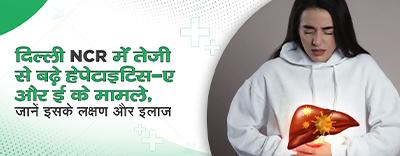
दिल्ली NCR में हेपेटाइटिस-ए और ई के मामलों में तेजी से इजाफा देखा जा रहा है। समय पर पहचान और सही इलाज से इस बीमारी को गंभीर होने से रोका जा सकता है।
गर्भावस्था में पेट दर्द एक सामान्य समस्या है, लेकिन कभी-कभी यह गंभीर स्वास्थ्य संकेत भी हो सकता है। जानिए इसके कारण, लक्षण और सुरक्षित इलाज।
Gender affirmation surgery is a deeply personal and life-changing medical decision for many transgender and gender-diverse individuals. It focuses on aligning a person’s physical characteristics with their affirmed gender identity. Gender Reassignment Surgery is not cosmetic in nature; it is a medically recognized treatment that can significantly improve mental health, confidence, and overall quality of life when performed with proper evaluation and care.
Modern healthcare now offers advanced, safe, and ethical surgical options supported by multidisciplinary teams. Individuals seeking gender-affirming care require accurate information, compassionate counseling, and access to experienced specialists to ensure safe outcomes and long-term wellbeing.
For confidential consultation and advanced gender affirmation care, speak with our specialists today. Call +91 9667064100
Gender-affirming procedures are typically offered to adults after comprehensive medical and psychological assessment. Gender affirmation surgery for adults is recommended only after a person has demonstrated persistent gender dysphoria and the capacity to provide informed consent.
Eligibility evaluation usually includes:
Psychological assessment and counseling
Physical health screening
Hormonal evaluation
Readiness assessment by specialists
This structured approach ensures patient safety and preparedness.
Hormonal treatment often plays a crucial role before surgical procedures. Hormone therapy and surgery work together to help develop secondary sex characteristics and prepare the body for surgical changes.
Hormone therapy may:
Promote breast development or facial hair growth
Redistribute body fat
Affect skin texture and muscle mass
Improve surgical outcomes
Medical supervision is essential throughout this process.
For individuals transitioning from male to female, specialized surgical techniques are used. The MTF surgery procedure focuses on creating female-aligned anatomical features while preserving function and sensation.
Common MTF procedures may include:
Vaginoplasty
Breast augmentation
Facial feminization surgery
Tracheal shave
Each procedure is tailored to individual goals and anatomy.
Transmasculine individuals may opt for surgeries that align their bodies with male characteristics. The FTM surgery procedure involves complex reconstructive techniques requiring high surgical expertise.
Common FTM procedures include:
Chest masculinization surgery
Phalloplasty or metoidioplasty
Hysterectomy
Scrotoplasty
Personalized planning ensures functional and aesthetic outcomes.
Many patients use the terms interchangeably, but Gender Confirmation Surgery refers broadly to procedures that affirm a person’s gender identity through surgical means. Each surgical plan is developed after detailed discussions with surgeons, endocrinologists, and mental health professionals.
Pre-operative preparation includes:
Medical optimization
Counseling sessions
Detailed surgical planning
Informed consent
This ensures realistic expectations and safety.
Modern medicine has significantly improved outcomes. Gender Confirmation Surgery today uses minimally invasive techniques, microsurgery, and advanced reconstruction methods to reduce complications and improve recovery.
Advanced techniques focus on:
Preserving nerve function
Reducing scarring
Improving aesthetic outcomes
Enhancing long-term satisfaction
These innovations have improved patient confidence and safety.
Healing takes time and varies by procedure. Recovery after gender affirmation surgery requires patience, follow-up care, and adherence to medical advice.
Recovery typically involves:
Hospital stay for monitoring
Wound care and hygiene
Gradual return to daily activities
Emotional support and counseling
Proper recovery planning reduces complications.
Like any major surgery, these procedures carry risks. Understanding risks and complications of gender affirmation surgery helps patients make informed decisions.
Potential risks may include:
Infection or bleeding
Delayed wound healing
Scarring
Need for revision surgery
Choosing experienced surgeons reduces these risks significantly.
Cost is an important factor for many patients. Gender confirmation surgery cost varies depending on the type of procedure, hospital facilities, and post-operative care requirements.
Cost factors include:
Number of procedures involved
Surgical complexity
Hospital stay duration
Follow-up and rehabilitation
Transparent counseling helps patients plan effectively.
Selecting the right medical center is crucial. A best plastic surgery hospital in Noida offers advanced infrastructure, ethical practices, and multidisciplinary support.
Such hospitals provide:
Experienced surgical teams
Comprehensive pre- and post-operative care
Privacy and confidentiality
Psychological support services
This environment ensures holistic care.
Expertise directly impacts outcomes. Consulting experienced plastic surgeons in Noida ensures precision, safety, and individualized surgical planning.
Qualified surgeons focus on:
Functional outcomes
Aesthetic balance
Patient safety
Long-term satisfaction
Surgeon experience is a critical success factor.
Gender affirmation is not just physical. Gender Reassignment Surgery often leads to significant emotional changes, making mental health support essential before and after surgery.
Ongoing counseling helps:
Manage expectations
Support emotional adjustment
Address anxiety or stress
Improve overall wellbeing
Holistic care improves long-term success.
Post-surgical care extends beyond initial recovery. Recovery after gender affirmation surgery includes long-term follow-ups to monitor healing, hormonal balance, and overall health.
Long-term care focuses on:
Monitoring surgical outcomes
Managing hormone therapy
Addressing late complications
Supporting mental health
Regular follow-ups ensure sustained wellbeing.
If you are considering gender affirmation surgery and want expert guidance, book a consultation now. Call +91 9667064100
Gender affirmation surgery is a medically supported, life-affirming process that requires careful planning, expert execution, and compassionate care. With advances in surgical techniques, patients now have access to safer procedures, improved outcomes, and comprehensive support systems.
Q.1 Is gender affirmation surgery medically necessary?
Ans. Yes, for many individuals it is a recognized treatment for gender dysphoria.
Q.2 How long does recovery usually take?
Ans. Initial recovery may take weeks, with full healing over several months.
Q.3 Is hormone therapy mandatory before surgery?
Ans. Often recommended, but requirements vary based on procedure and patient health.
Q.4 Are results permanent?
Ans. Yes, most surgical outcomes are permanent with proper care.
Q. 5 Is psychological counseling required?
Ans. Yes, it is an important part of safe and ethical care.
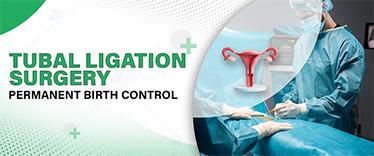
Explore the best tubal ligation surgery options in Noida for permanent and safe birth control. Get expert care from top gynecologists and hospitals near you.
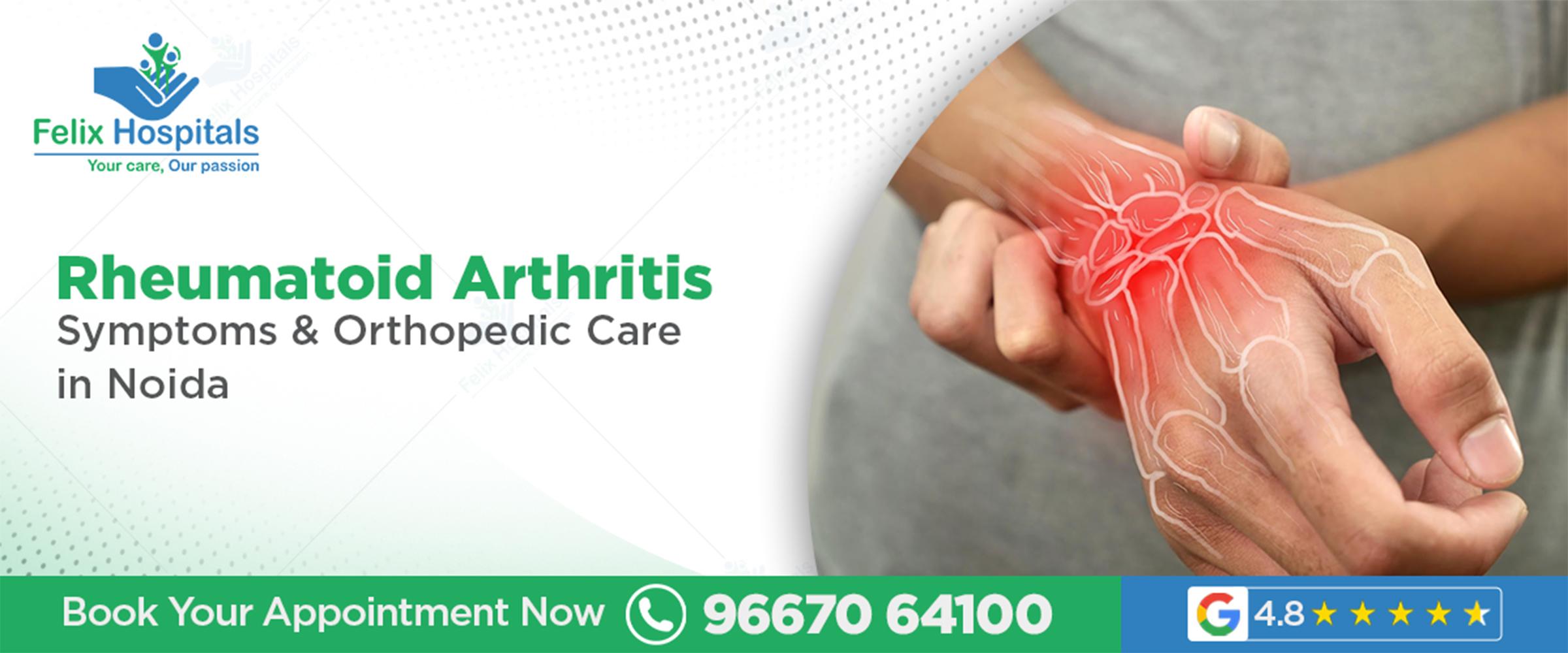
Rheumatoid arthritis is a chronic autoimmune condition that affects joints and overall mobility. Unlike age-related wear and tear, this disease causes persistent inflammation that can damage joints if left untreated. Many patients first notice joint stiffness and pain early morning reasons, which often improves slightly with movement but worsens again by the end of the day.
This condition occurs when the immune system mistakenly attacks the lining of joints, leading to swelling, pain, and gradual joint destruction. Understanding what are the early symptoms of rheumatoid arthritis in adults? helps patients seek medical care before permanent damage develops. Early diagnosis plays a critical role in preserving joint function and quality of life.
For accurate diagnosis and advanced orthopedic care for rheumatoid arthritis, consult a specialist today. Call +91 9667064100
Rheumatoid arthritis often begins subtly. Knowing what are the early symptoms of rheumatoid arthritis in adults? allows patients to act before the disease progresses. Early signs may appear weeks or months before diagnosis.
Common early symptoms include:
Morning stiffness lasting more than one hour
Swelling in small joints of hands and feet
Fatigue and low-grade fever
Symmetrical joint pain
Reduced grip strength
Early medical attention improves long-term outcomes.
One of the hallmark features of rheumatoid arthritis is prolonged stiffness after waking. Joint stiffness and pain early morning reasons are linked to inflammatory processes that worsen during rest periods. Unlike mechanical joint pain, stiffness in rheumatoid arthritis improves with movement rather than rest.
If morning stiffness lasts longer than 30–60 minutes consistently, it should never be ignored. This symptom strongly suggests inflammatory arthritis rather than age-related joint degeneration.
Accurate diagnosis requires a combination of clinical evaluation and tests. Many patients ask, how is rheumatoid arthritis diagnosed and treated in Noida? Diagnosis typically involves blood tests, imaging studies, and physical joint examination.
Doctors may recommend:
Rheumatoid factor (RF) and anti-CCP blood tests
ESR and CRP to assess inflammation
X-rays or MRI to evaluate joint damage
Ultrasound for early joint changes
Early diagnosis allows timely treatment and prevents disability.
Once diagnosed, a structured treatment plan is initiated. Patients often want to know how is rheumatoid arthritis diagnosed and treated in Noida? Treatment focuses on controlling inflammation, relieving pain, and preventing joint damage.
Treatment options may include:
Disease-modifying anti-rheumatic drugs (DMARDs)
Biologic therapies
Anti-inflammatory medications
Physical and occupational therapy
Treatment is personalized based on disease severity and patient health.
Delaying treatment can lead to irreversible joint damage. Seeking care at the best hospital for rheumatoid arthritis treatment near me ensures access to advanced diagnostics, multidisciplinary care, and long-term disease management.
Early orthopedic involvement helps maintain mobility, prevent deformities, and improve daily functioning through guided therapy and monitoring.
Specialized centers offer comprehensive care for complex joint conditions. Patients searching where to find advanced orthopedic care for rheumatoid arthritis in Noida benefit from integrated services including rheumatology, orthopedics, physiotherapy, and pain management.
Advanced orthopedic care focuses on:
Joint preservation strategies
Customized rehabilitation plans
Monitoring disease progression
Surgical planning when necessary
This approach improves long-term joint health.
In advanced stages, medical therapy alone may not suffice. Joint damage may cause severe pain or deformity. Consulting a rheumatoid arthritis doctor near me becomes essential to evaluate surgical options.
Surgical interventions may include:
Synovectomy to reduce inflammation
Tendon repair
Joint replacement in severe cases
Surgery aims to restore function and relieve pain.
Rehabilitation is a cornerstone of care. Under guidance from an orthopedic specialist near Noida, patients learn exercises that improve flexibility, strength, and joint stability.
Physiotherapy helps:
Reduce stiffness
Improve range of motion
Enhance muscle support around joints
Prevent long-term disability
Regular therapy significantly improves daily independence.
Medical care works best when combined with healthy lifestyle choices. Patients treated at a top orthopedic hospital in Noida for arthritis receive guidance on lifestyle adjustments that protect joints.
Helpful measures include:
Maintaining a healthy weight
Engaging in low-impact exercises
Using joint protection techniques
Managing stress and sleep quality
These changes slow disease progression.
Rheumatoid arthritis affects more than joints. Chronic pain and limited mobility can impact emotional well-being. Support from a best hospital for rheumatoid arthritis treatment near me ensures holistic care addressing both physical and mental health.
Counseling, support groups, and wellness programs help patients cope better with long-term illness.
Rheumatoid arthritis requires lifelong monitoring. Ongoing evaluation with a rheumatoid arthritis doctor near me helps adjust medications, track disease activity, and prevent complications.
Regular follow-ups allow early detection of flares and medication side effects, ensuring consistent disease control.
If joint pain or stiffness is affecting your daily life, book an orthopedic consultation now. Call +91 9667064100
Rheumatoid arthritis is a serious condition that demands early diagnosis and specialized care. Recognizing joint stiffness and pain early morning reasons and other early symptoms allows patients to seek timely treatment before joint damage becomes permanent.
With access to advanced diagnostics, personalized treatment plans, rehabilitation support, and long-term monitoring, patients can maintain mobility and quality of life. Orthopedic care in Noida offers comprehensive solutions for managing rheumatoid arthritis effectively and safely.
Q1: Can rheumatoid arthritis start suddenly?
A: It usually begins gradually but may worsen rapidly without treatment.
Q2: Is rheumatoid arthritis the same as age-related arthritis?
A: No, it is an autoimmune disease, not simple wear and tear.
Q3: Can rheumatoid arthritis be cured completely?
A: There is no cure, but treatment can control symptoms effectively.
Q4: Does rheumatoid arthritis affect only older adults?
A: No, it can affect adults of any age.
Q5: Can exercise worsen rheumatoid arthritis?
A: Proper exercises under guidance actually improve joint health.

Eating a balanced, nutrient-rich Arthritis diet plan can help manage inflammation and reduce symptoms of rheumatoid arthritis.
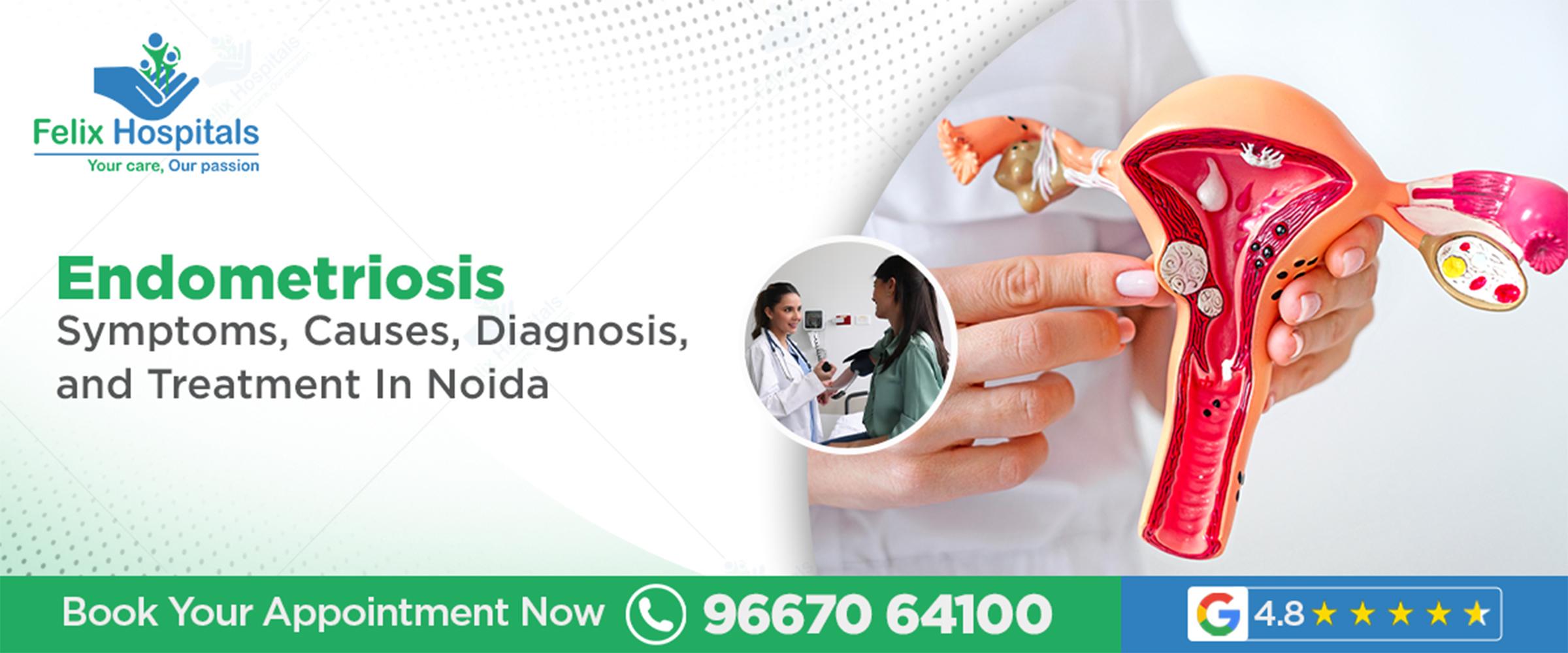
Chronic pelvic pain, painful periods, and unexplained fertility issues are often dismissed as “normal” aspects of womanhood. However, for many women, these symptoms point to a deeper medical condition that requires timely diagnosis and specialised care. Endometriosis is one such condition that significantly affects physical health, emotional well-being, and reproductive outcomes. In urban regions like Noida, increasing awareness and early medical intervention are essential to prevent long-term complications and improve quality of life.
Persistent menstrual pain or fertility concerns deserve medical attention. Call +91 9667064100 to consult a gynecologist in Noida today.
What is endometriosis refers to a chronic gynecological condition in which tissue similar to the lining of the uterus (endometrium) grows outside the uterus. These growths are commonly found on the ovaries, fallopian tubes, pelvic lining, and surrounding organs. Unlike normal uterine lining, this tissue has no way to exit the body during menstruation, leading to inflammation, scarring, and pain.
Endometriosis in women primarily affects those of reproductive age, though symptoms may begin in adolescence. The condition behaves unpredictably—some women experience severe symptoms, while others may remain asymptomatic for years. Hormonal fluctuations during the menstrual cycle cause the misplaced tissue to thicken and bleed, triggering pain and inflammation in surrounding structures.
Recognising early signs of endometriosis is crucial for prompt diagnosis. Symptoms often worsen over time and may initially be mistaken for routine menstrual discomfort.
Severe menstrual cramps not relieved by medication
Pelvic pain before or during periods
Pain during or after intercourse
Lower back or abdominal pain
Digestive discomfort during menstruation
Early identification helps prevent disease progression and fertility complications.
The exact cause remains unclear, but endometriosis risk factors are believed to involve genetic, hormonal, and immune system influences. Several theories explain its development, including retrograde menstruation, where menstrual blood flows backward into the pelvic cavity, and abnormal immune responses that fail to eliminate misplaced tissue.
Family history of endometriosis
Early onset of menstruation
Short menstrual cycles
High estrogen levels
Pelvic infections or surgeries
Understanding these factors aids in risk assessment and early screening.
Symptoms vary widely, making diagnosis challenging. Pain intensity does not always correlate with disease severity. Some women with extensive disease experience minimal discomfort, while others with mild endometriosis suffer severe pain.
Chronic pelvic pain
Heavy or irregular menstrual bleeding
Painful bowel movements or urination during periods
Fatigue and bloating
Difficulty conceiving
These symptoms often interfere with daily activities and emotional health.
Endometriosis infertility is a major concern for many women. The condition can distort pelvic anatomy, cause scarring of reproductive organs, and interfere with ovulation, fertilisation, or implantation. Inflammation caused by endometriosis may also negatively impact egg quality and sperm function.
While not all women with endometriosis face infertility, the condition is diagnosed in a significant percentage of women struggling to conceive.
Diagnosis involves a combination of clinical evaluation, imaging, and sometimes surgical confirmation. A gynecologist assesses symptoms, menstrual history, and performs pelvic examinations. Imaging tests such as ultrasound or MRI help identify cysts and deep lesions, though definitive diagnosis often requires laparoscopy.
Early diagnosis reduces disease progression and improves treatment outcomes.
Endometriosis treatment in Noida focuses on symptom control, disease suppression, and fertility preservation. Treatment plans are individualised based on symptom severity, age, reproductive goals, and disease extent.
Pain management with anti-inflammatory medications
Hormonal therapy to suppress estrogen
Lifestyle and dietary modifications
Surgical intervention for severe cases
Multidisciplinary care ensures both symptom relief and long-term health.
Surgery may be recommended when medical treatment fails or fertility is affected. Laparoscopic surgery allows precise removal of endometriotic lesions while preserving healthy tissue. Advanced surgical techniques available in Noida help minimise complications and improve recovery time.
Surgical treatment is often combined with postoperative hormonal therapy to reduce recurrence.
Lifestyle adjustments play a supportive role in managing endometriosis. Maintaining a balanced diet, regular physical activity, stress reduction, and adequate sleep can help reduce symptom severity. While lifestyle changes alone cannot cure the condition, they significantly enhance overall treatment effectiveness.
Consulting an experienced gynecologist in Noida is critical for accurate diagnosis and comprehensive care. Specialist guidance ensures timely intervention, proper monitoring, and emotional support throughout treatment.
Expert care can help manage symptoms and protect fertility. Call +91 9667064100 to book an appointment with a gynecologist in Noida.
Endometriosis is a complex condition that requires early recognition and specialised care. Ignoring symptoms can lead to chronic pain, emotional distress, and fertility challenges. With advanced diagnostic facilities and expert gynecology hospital available in Noida, women can receive timely, personalised treatment that improves both reproductive and overall health. Awareness, medical guidance, and consistent follow-up are the foundations of effective endometriosis management.
Q. 1. Is endometriosis a lifelong condition?
Ans. Endometriosis is chronic, but symptoms can be effectively managed with proper treatment.
Q. 2. Can endometriosis go away after pregnancy?
Ans. Symptoms may improve temporarily, but the condition can return.
Q. 3. Does endometriosis always cause infertility?
Ans. No, many women with endometriosis conceive naturally.
Q. 4. Is surgery the only option for treatment?
Ans. No, many cases are managed successfully with medication and hormonal therapy.
Q. 5. When should I see a doctor for suspected endometriosis?
Ans. If period pain interferes with daily life or fertility, evaluation is recommended.
Ureteropelvic Junction (UPJ) Obstruction is a medical condition where there is a blockage at the junction where the renal pelvis meets the ureter.
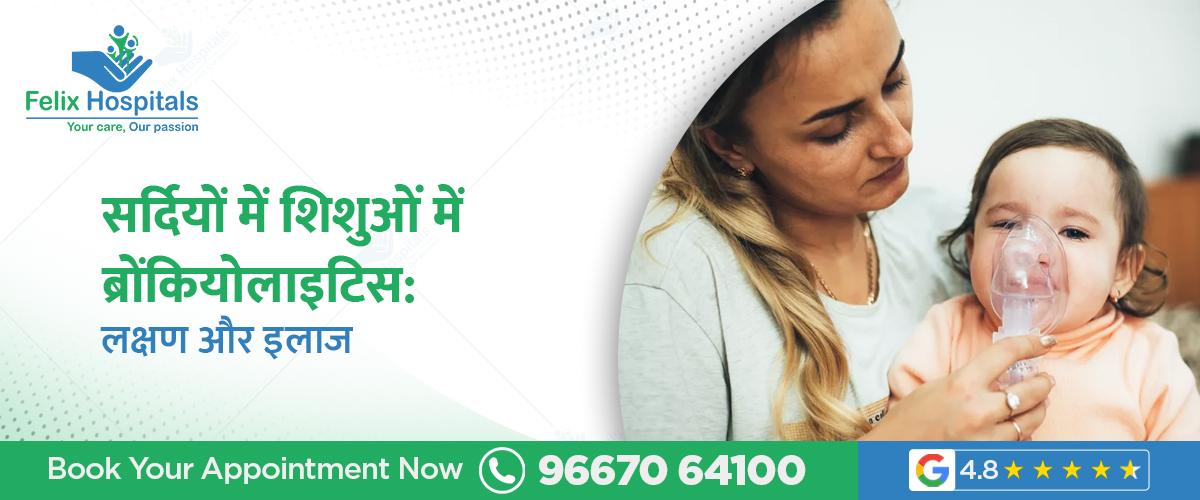
सर्दियों के मौसम में शिशुओं में सांस से जुड़ी बीमारियां तेजी से बढ़ जाती हैं। इन्हीं में से एक गंभीर लेकिन आम बीमारी है ब्रोंकियोलाइटिस। यह बीमारी खासकर 6 महीने से 2 साल तक के शिशुओं को ज्यादा प्रभावित करती है। समय पर पहचान और सही इलाज न मिलने पर यह सांस की गंभीर तकलीफ में बदल सकती है। नोएडा में बाल रोग पल्मोनोलॉजिस्ट उपलब्ध है। नोएडा में शिशुओं के श्वसन रोगों के लिए विशेषज्ञ डॉक्टर और पीडियाट्रिक अस्पताल उपलब्ध हैं। इसलिए लक्षण दिखते ही इलाज में देरी नहीं करनी चाहिए।
शिशु की जांच या इलाज के लिए संपर्क करें: +91 9667064100
ब्रोंकियोलाइटिस एक वायरल संक्रमण हैं। जिसमें शिशुओं के फेफड़ों की छोटी वायुनलिकाएं सूजती हैं। उनमें बलगम भर जाता है। इससे शिशु को सांस लेने में कठिनाई, घरघराहट और खांसी होती है। यह बीमारी आमतौर पर सर्दियों में अधिक देखी जाती है और नवजात व छोटे शिशु इसके प्रति ज्यादा संवेदनशील होते हैं। इसलिए लक्षण दिखने पर इलाज कराना चाहिए।
ठंडी हवा और कम नमी
बंद कमरों में रहना
वायरल संक्रमण का तेजी से फैलना
बड़े बच्चों या वयस्कों से वायरस का संपर्क
शुरुआत में यह सामान्य सर्दी जैसा लगता है, लेकिन 2–3 दिन में लक्षण बढ़ सकते हैं।
हल्की खांसी
नाक बहना या नाक बंद होना
छींक आना
दूध पीने में कमी
हल्का बुखार
शिशु का चिड़चिड़ा होना
तेज या कठिन सांस लेना
सांस लेते समय सीने का धंसना
घरघराहट (Wheezing)
होंठ या नाखून नीले पड़ना
बहुत ज्यादा सुस्ती
पल्स ऑक्सीमीटर में ऑक्सीजन 94% से कम
वायुनलिकाओं में सूजन
गाढ़ा बलगम
फेफड़ों में हवा का सही प्रवाह न होना
RSV या अन्य वायरस संक्रमण
पहले से मौजूद श्वसन समस्या
ब्रोंकियोलाइटिस शिशुओं में होने वाला एक सामान्य लेकिन कभी-कभी गंभीर श्वसन संक्रमण है। यह बीमारी खासतौर पर 2 साल से कम उम्र के बच्चों में देखी जाती है और सर्दियों में इसके मामले अधिक बढ़ जाते हैं। सही समय पर इलाज और देखभाल से अधिकांश शिशु पूरी तरह ठीक हो जाते हैं।
हल्के ब्रोंकियोलाइटिस में अस्पताल में भर्ती की आवश्यकता नहीं होती, लेकिन सतत घरेलू देखभाल बहुत जरूरी होती है।
शिशु का शरीर संक्रमण से लड़ रहा होता है, इसलिए उसे भरपूर आराम देना आवश्यक है। बच्चे को ज्यादा रोने या थकाने वाली गतिविधियों से बचाएं। पर्याप्त नींद श्वसन तंत्र को रिकवर करने में मदद करती है। शिशु को आरामदायक और गर्म वातावरण में रखें।
मां का दूध शिशु की इम्यूनिटी बढ़ाने में सबसे प्रभावी होता है। बार-बार थोड़ी मात्रा में दूध पिलाएं। मां के दूध से डिहाइड्रेशन नहीं होता। बड़े शिशुओं को गुनगुना पानी या ओआरएस (ORS) डॉक्टर की सलाह से दिया जा सकता है बहुत ठंडा दूध या तरल न दें, इससे खांसी और सांस की दिक्कत बढ़ सकती है।
ब्रोंकियोलाइटिस में नाक बंद होने से शिशु को सांस लेने और दूध पीने में परेशानी होती है। डॉक्टर की सलाह से सलाइन ड्रॉप्स डालें। सॉफ्ट बल्ब सिरिंज से धीरे-धीरे नाक साफ करें। दूध पिलाने से पहले नाक साफ करना ज्यादा लाभकारी होता है।
सूखी हवा शिशु की सांस की नलियों को और संकरा कर सकती है। कमरे में ह्यूमिडिफायर का उपयोग करें। हल्की भाप कमरे में रखी जा सकती है। शिशु को सीधे भाप न दें, जलने का खतरा रहता है।
अगर शिशु में सांस तेज चल रही हो, दूध पीने में दिक्कत हो या ऑक्सीजन लेवल कम हो, तो मेडिकल ट्रीटमेंट जरूरी हो जाता है।
पल्स ऑक्सीमीटर एक सरल और सुरक्षित उपकरण है, जिसकी मदद से शिशु के खून में ऑक्सीजन की मात्रा मापी जाती है। सामान्य स्थिति में शिशु का ऑक्सीजन स्तर 94 प्रतिशत या उससे अधिक होना चाहिए। यदि यह स्तर धीरे-धीरे कम होने लगे, तो इसे गंभीर संकेत माना जाता है और ऐसे में तुरंत चिकित्सकीय इलाज की आवश्यकता होती है। लगातार पल्स ऑक्सीमीटर से मॉनिटरिंग करने पर शिशु की स्थिति बिगड़ने से पहले ही समस्या की पहचान हो जाती है, जिससे समय रहते सही उपचार शुरू किया जा सकता है।
अगर शिशु को सांस लेने में कठिनाई हो या उसका ऑक्सीजन लेवल कम पाया जाए, तो डॉक्टर की निगरानी में नेजल कैनुला या ऑक्सीजन मास्क के माध्यम से ऑक्सीजन दी जाती है। नोएडा में सर्वश्रेष्ठ बाल चिकित्सालय उपलब्ध है। इससे फेफड़ों तक पर्याप्त मात्रा में ऑक्सीजन पहुंचती है, जिससे शरीर को जरूरी ऑक्सीजन मिलने लगती है और शिशु की सांस की गति धीरे-धीरे सामान्य होने लगती है। समय पर दिया गया ऑक्सीजन सपोर्ट शिशु की हालत को बिगड़ने से रोकने में महत्वपूर्ण भूमिका निभाता है।
नेब्युलाइजेशन एक ऐसी प्रक्रिया है, जिसमें दवा को भाप के रूप में बदलकर सीधे फेफड़ों तक पहुंचाया जाता है। इससे सांस की नलियों में आई सूजन कम होती है और शिशु को होने वाली घरघराहट (व्हीज़िंग) में राहत मिलती है। हालांकि, नेब्युलाइजेशन हर शिशु के लिए जरूरी नहीं होता। डॉक्टर बच्चे के लक्षणों और स्थिति को देखकर ही तय करते हैं कि नेब्युलाइजेशन की आवश्यकता है या नहीं और उसमें कौन-सी दवा दी जानी चाहिए।
कई बार बीमारी के दौरान शिशु ठीक से दूध नहीं पी पाता, जिससे शरीर में पानी की कमी यानी डिहाइड्रेशन का खतरा बढ़ जाता है। ऐसे मामलों में डॉक्टर की निगरानी में इंट्रावेनस (IV) फ्लुइड दिया जाता है, जिससे शरीर में पानी और आवश्यक इलेक्ट्रोलाइट्स का संतुलन बना रहता है। इससे शिशु को कमजोरी से बचाया जा सकता है और उसकी रिकवरी प्रक्रिया को बेहतर तरीके से सपोर्ट मिलता है।
सांस बहुत तेज या कठिन हो
होंठ या नाखून नीले पड़ने लगें
दूध बिल्कुल न पी रहा हो
बार-बार उल्टी हो रही हो
बच्चा बहुत सुस्त या बेहोश-सा लगे
सांस बहुत तेज चल रही हो
दूध पीना बंद कर दे
ऑक्सीजन स्तर कम हो
बार-बार उल्टी हो
नीले होंठ या बेहोशी
हां। यह बीमारी बहुत संक्रामक होती है और खांसी, छींक या संक्रमित हाथों से फैलती है। नोएडा में बाल पल्मोनोलॉजिस्ट उपलब्ध है। एक शिशु से दूसरे शिशु में तेजी से फैलती है।
हाथ धोने की आदत
बीमार व्यक्ति से दूरी
धूम्रपान और धुएं से बचाव
शिशु को भीड़भाड़ वाली जगह न ले जाएं
समय पर टीकाकरण
घर को हवादार रखें
अपॉइंटमेंट के लिए कॉल करें: +91 9667064100
सर्दियों में शिशुओं में ब्रोंकियोलाइटिस एक गंभीर लेकिन इलाज योग्य बीमारी है। समय पर पहचान, सही देखभाल और डॉक्टर की सलाह से शिशु पूरी तरह स्वस्थ होता है। सांस की परेशानी को कभी नजरअंदाज न करें नोएडा में शिशुओं के फेफड़ों के विशेषज्ञ से संपर्क कर समय रहते इलाज कराएं। इलाज में देरी से नुकसान होता है।
प्रश्न 1: क्या ब्रोंकियोलाइटिस नवजात में हो सकता है?
उत्तर: हां, खासकर 6 महीने से कम उम्र के शिशुओं में हो सकता है। इसलिए किसी भी प्रकार के लक्षण दिखने पर इलाज कराएं।
प्रश्न 2: क्या ब्रोंकियोलाइटिस जानलेवा है?
उत्तर: समय पर इलाज न हो तो गंभीर होता है। लेकिन सही इलाज से पूरी तरह ठीक हो जाता है। इलाज में देरी नहीं करनी चाहिए।
प्रश्न 3: क्या यह अस्थमा बन सकता है?
उत्तर: कुछ बच्चों में आगे चलकर सांस की समस्या हो सकती है। इसलिए फॉलो-अप जरूरी है। डॉक्टर की सलाह पर इलाज कराते रहें।
प्रश्न 4: क्या एंटीबायोटिक जरूरी है?
उत्तर: नहीं, क्योंकि यह वायरल संक्रमण है। इसलिए डॉक्टर की सलाह पर ही इलाज कराना चाहिए।
प्रश्न 5: ब्रोंकियोलाइटिस कितने दिन में ठीक होता है?
उत्तर: आमतौर पर 7–14 दिनों में ठीक होता है। मगर अगर समस्या गंभीर हो तो डॉक्टर से मिलना चाहिए।
हार्ट अटैक के दौरान समय पर और सही उपचार दिल के दौरे के गंभीर परिणामों को रोक सकता है। सर्दियों में दिल के दौरे के इलाज के लिए समय पर और उचित चिकित्सा सहायता अत्यधिक आवश्यक है।
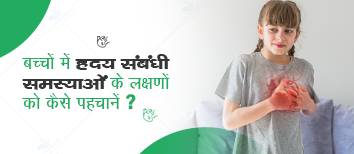
डॉक्टर बच्चे की सामान्य स्थिति और हृदय की धड़कन की जांच करते हैं। हृदय की ध्वनि सुनना यानी स्टेथोस्कोप से दिल की धड़कन और असामान्य आवाज़ (जैसे मर्मर) सुनना त्वचा, नाखूनों, और होंठों के रंग की जांच (नीलापन साइनोसिस का संकेत हो सकता है)।
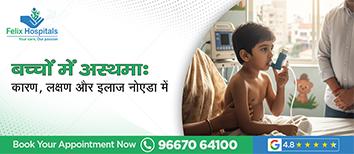
खांसते समय सीने में दर्द कई कारणों से हो सकता है, जैसे संक्रमण, मांसपेशियों में खिंचाव या फेफड़ों की समस्या। नोएडा में इसके लिए विशेषज्ञ इलाज उपलब्ध है।
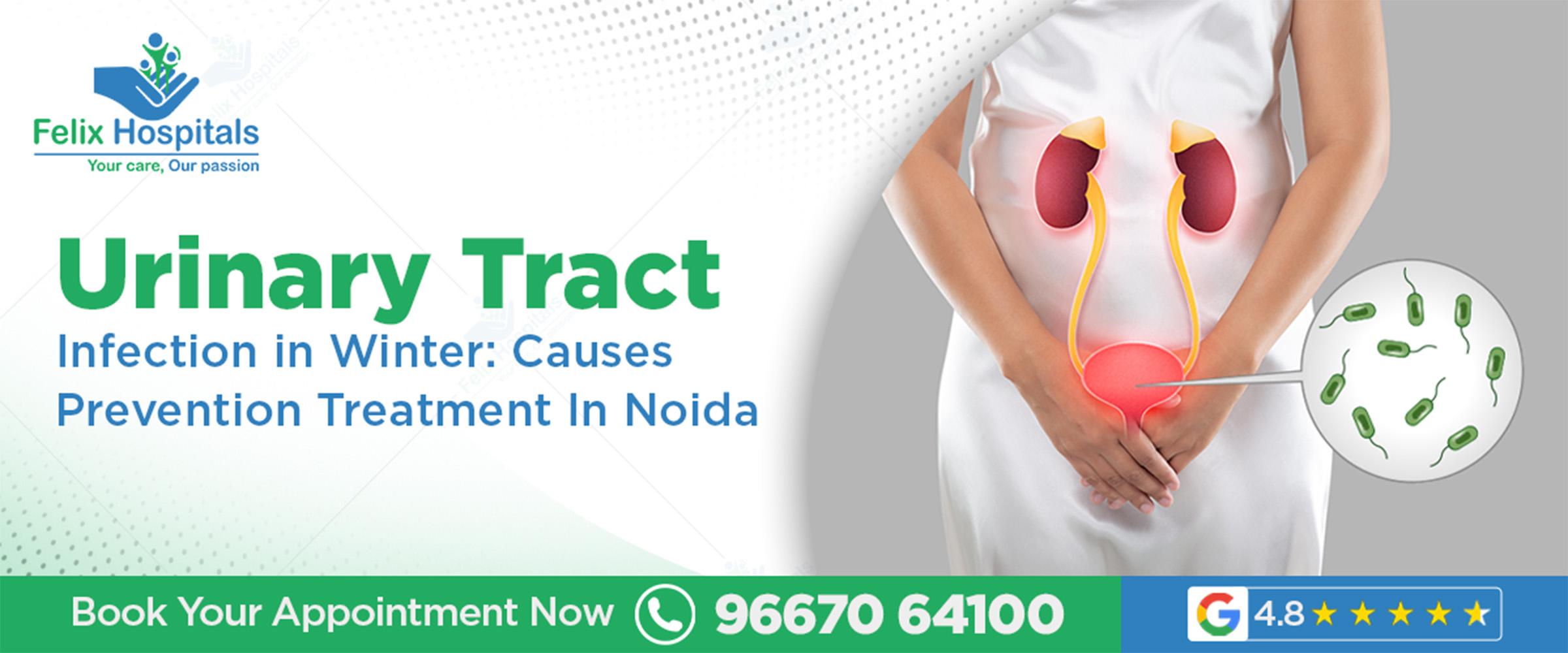
Winter often brings lower temperatures and longer periods of indoor activity, which can increase susceptibility to urinary tract infection in winter. UTIs occur when bacteria enter the urinary system, causing discomfort, pain, and potential complications if untreated. Seasonal changes, coupled with lifestyle factors, can make winter a high-risk period for urinary infections. Recognizing early signs, adopting preventive measures, and seeking hospital care in Noida can prevent serious complications and ensure effective management.
UTIs are not just minor infections—they can affect the kidneys, bladder, and urethra. Early detection and professional care are essential to prevent recurrent infections and maintain urinary health. Hospitals with expert urologists provide comprehensive evaluation, diagnosis, and treatment, ensuring patients receive personalized care during the colder months.
Protect your urinary health this winter. Call +91 9667064100 to book a urologist appointment
There are several reasons why UTIs increase in winter:
Reduced fluid intake: People tend to drink less water in cold weather, concentrating urine and promoting bacterial growth.
Lower temperatures: Cold conditions can weaken the immune response, making it easier for bacteria to multiply.
Clothing habits: Wearing tight or non-breathable clothing increases moisture and bacterial growth in the genital area.
Delayed urination: Staying indoors for long periods may lead to infrequent urination, allowing bacteria to thrive.
Seasonal infections: Cold and flu infections can indirectly contribute to urinary tract vulnerability.
Awareness of these factors allows patients to take preventive measures before symptoms appear.
Recognizing early signs of UTI in cold weather ensures timely intervention. Common symptoms include:
Frequent urge to urinate, even with little urine output
Pain or burning sensation during urination
Lower abdominal discomfort or pressure
Cloudy or strong-smelling urine
Mild fever or fatigue in some cases
Early detection prevents progression to more serious infections, such as kidney involvement.
Preventive measures are crucial during colder months. Here’s how to prevent urinary tract infection in winter:
Stay hydrated: Drink adequate water throughout the day to flush out bacteria.
Wear appropriate clothing: Option for breathable fabrics and avoid tight clothing that traps moisture.
Maintain hygiene: Clean the genital area regularly and wipe front to back after using the toilet.
Urinate regularly: Avoid holding urine for long periods to reduce bacterial growth.
Boost immunity: Eat a balanced diet rich in vitamins and antioxidants to strengthen natural defenses.
Consistent preventive practices can significantly reduce the risk of recurrent infections.
Understanding urinary infection in cold weather helps in prevention and treatment. Common causes include:
Bacterial entry through the urethra, often Escherichia coli
Weakened immunity due to cold and flu infections
Poor hydration leading to concentrated urine
Underlying medical conditions such as diabetes or kidney disorders
Lifestyle factors including improper clothing or hygiene habits
Identifying the root cause allows urologists to provide targeted interventions and minimize recurrence.
Consulting a professional is crucial when symptoms persist. You should seek a doctor for UTI if you experience:
Severe pain or burning during urination
Persistent fever, chills, or nausea
Blood in urine or cloudy, foul-smelling urine
Recurrent infections despite preventive measures
Pain radiating to the back or side, indicating kidney involvement
Early consultation with a urologist ensures timely diagnosis, reduces complications, and allows for proper treatment planning.
Medical care is essential for effective management. Urinary infection in cold weather is treated with:
Antibiotics: Tailored based on urine culture results to target specific bacteria
Pain relief: Analgesics to alleviate discomfort during urination
Increased fluid intake: Helps flush bacteria from the urinary tract
Probiotics: Support urinary and gut health to reduce recurrence
Hospital-based care: For severe or complicated infections, inpatient treatment may be necessary
Professional guidance ensures infections are treated completely and safely, reducing the risk of recurrence.
Specialized hospitals provide comprehensive care for UTIs, especially during winter. Key services include:
Advanced urine analysis and culture facilities
Expert urologists experienced in seasonal urinary infections
Personalized treatment plans combining medications and lifestyle guidance
Emergency care for complicated or recurrent infections
Hospitals like Felix Hospital in Noida offer round-the-clock support and specialized care for patients with winter urinary tract infections.
Long-term urinary tract health relies on consistent lifestyle habits. Patients should:
Maintain adequate daily hydration
Practice proper hygiene and clothing choices
Avoid prolonged urinary retention
Incorporate immunity-boosting foods like fruits, vegetables, and yogurt
Monitor for recurring symptoms and report changes promptly to a urologist
These measures complement medical treatment and help reduce infection recurrence.
Certain individuals are more susceptible to UTIs in winter. Preventive strategies include:
Women: Wipe front to back and avoid tight clothing
Diabetics: Monitor blood sugar to reduce infection risk
Elderly patients: Ensure adequate hydration and regular urination
Patients with kidney disorders: Follow urologist guidance and attend regular check-ups
Frequent travelers or office workers: Avoid holding urine for long durations
Tailored preventive practices minimize UTI risk for vulnerable populations.
Take control of your urinary health. Call +91 9667064100 to consult a top urologist today.
Urinary tract infections are more common in winter due to reduced hydration, lower immunity, and lifestyle factors. Recognizing why UTIs increase in winter, identifying early signs of UTI in cold weather, and following preventive practices are essential for maintaining urinary health. Hospitals like Felix Hospital in Noida provide expert urologist consultations, advanced diagnostics, and personalized treatment plans for patients with winter urinary infections. With timely intervention and lifestyle adjustments, patients can prevent complications and enjoy a healthy winter season.
Q1: Why are UTIs more common in winter?
Ans. Reduced fluid intake, cold temperatures, and weakened immunity increase susceptibility to urinary tract infections.
Q2: How can I prevent UTIs during cold months?
Ans. Stay hydrated, maintain hygiene, wear breathable clothing, urinate regularly, and follow a balanced diet.
Q3: What are the early signs of UTI in winter?
Ans. Frequent urge to urinate, burning sensation, lower abdominal pain, cloudy or strong-smelling urine, and mild fever.
Q4: When should I see a doctor for UTI?
Ans. Seek medical attention for persistent pain, blood in urine, recurrent infections, or fever with back pain.
Q5: Can UTIs recur in winter even with treatment?
Ans. Yes, recurrence is possible. Following preventive measures and consulting a urologist helps minimize repeated infections.
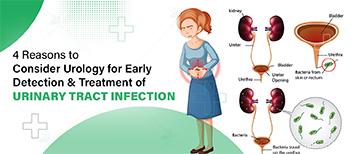
One of the best hospitals for urinary tract treatment in Noida offers comprehensive urology care, featuring expert urologists and advanced diagnostic and treatment facilities.
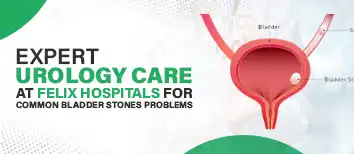
Expert urology care at Felix Hospital for bladder stones: causes, symptoms & treatments.
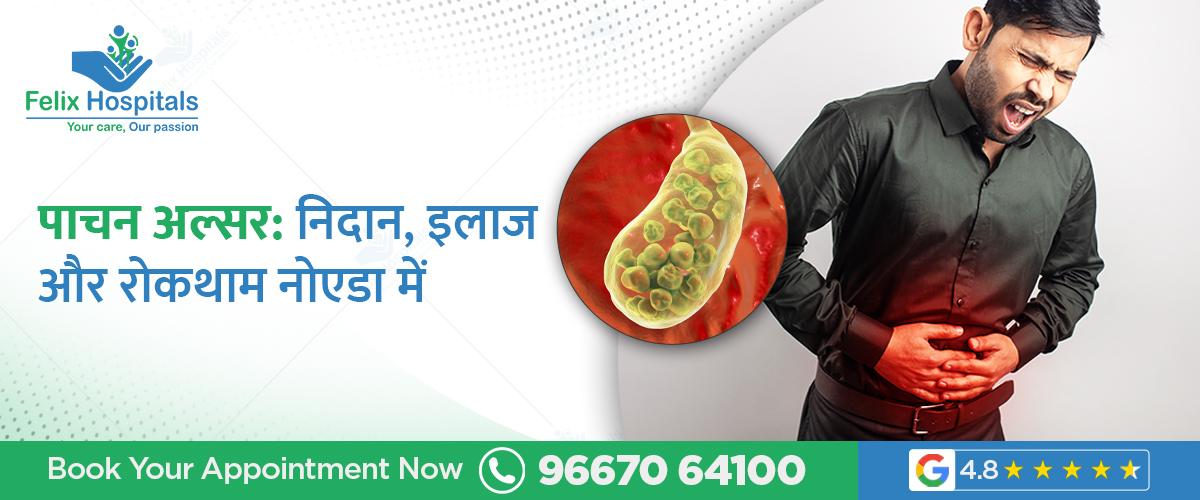
गॉलब्लैडर की सूजन जिसे कोलेसिस्टाइटिस (Cholecystitis) कहा जाता है। एक ऐसी स्थिति है जिसमें पित्ताशय की दीवार में जलन, सूजन या संक्रमण हो जाता है। यह समस्या अधिकतर पित्त की पथरी के कारण होती है। लेकिन कभी-कभी संक्रमण, ट्यूमर या पित्त नली में रुकावट से भी विकसित होती है। यह स्थिति अचानक या लंबे समय तक दोनों रूप में होती है। समय पर इलाज न मिलने पर जानलेवा जटिलताओं में बदलती है। बेस्ट हॉस्पिटल फॉर गॉलब्लैडर ट्रीटमेंट नोएडा में उपलब्ध है। नोएडा में गॉलब्लैडर रोगों का आधुनिक इलाज एंडोस्कोपिक, लेप्रोस्कोपिक और मिनिमल इनवेसिव तकनीकों से किया जाता है। जिनसे मरीज जल्दी रिकवर होते हैं।
गॉलब्लैडर एक छोटा थैलीनुमा अंग है। जो लिवर के नीचे स्थित रहता है। इसका कार्य लिवर द्वारा निर्मित पित्त को स्टोर करना और भोजन के पाचन में मदद करना है। यदि इस अंग में सूजन या पथरी बन जाए, तो पाचन तंत्र प्रभावित होता है और तेज दर्द, बुखार व उल्टी जैसे लक्षण दिखाई देते हैं।
गॉलब्लैडर की सूजन तब होती है। जब इसमें संक्रमण, पथरी का फंसना, सूजन या ब्लॉकेज के कारण पित्त का प्रवाह रुकता है। इसके परिणामस्वरूप गॉलब्लैडर की दीवार में तेज सूजन और दर्द उत्पन्न होता है। जिसे चिकित्सा की भाषा में कोलेसिस्टाइटिस कहा जाता है। कोलेसिस्टाइटिस मुख्यतः दो प्रकार का होता है। पहला एक्यूट कोलेसिस्टाइटिस (colecistitis) में अचानक तेज दर्द, बुखार और उल्टी जैसी गंभीर समस्याएं होती हैं। यह अक्सर पथरी के कारण होती है। दूसरा क्रॉनिक कोलेसिस्टाइटिस में लंबे समय तक बार-बार दर्द और सूजन की समस्या रहती है। धीरे-धीरे पित्ताशय कमजोर हो जाता है। यदि समय पर उचित इलाज न किया जाए तो संक्रमण तेजी से फैल सकता है और यह जीवन के लिए खतरनाक भी हो सकता है।
गॉलब्लैडर की पथरीः जब पथरी गॉलब्लैडर की नली में फंसती है, तो पित्त का प्रवाह रुकता है और सूजन शुरू होती है।
बैक्टीरियल संक्रमणः पित्त के रुकने पर बैक्टीरिया तेजी से बढ़ते हैं और गंभीर संक्रमण बनाते हैं।
पित्त नली में रुकावटः संकुचन या पथरी से दबाव बढ़ने पर गॉलब्लैडर सूज जाता है।
ट्यूमर या पॉलीप्सः पित्ताशय या पैंक्रियास का ट्यूमर गॉलब्लैडर के प्रवाह को रोक देता है।
कम रक्त प्रवाहः गंभीर बीमारियों में गॉलब्लैडर को पर्याप्त रक्त नहीं मिलता, जिससे सूजन होती है।
चोट या सर्जरी के बाद जटिलताः पेट की सर्जरी के बाद संक्रमण बढ़ने पर भी समस्या हो सकती है।
दाएं ऊपरी पेट में तेज या पकड़ने जैसा दर्द
दर्द का कंधे या पीठ तक फैलना
तेज बुखार और कंपकंपी
लगातार उल्टी, मितली
पेट में सूजन या भारीपन
भूख में कमी
पीलिया (यदि पित्त नली में भी रुकावट हो)
40 वर्ष से अधिक आयु
महिलाओं में अधिक संभावना
मोटापा या हाई-फैट डाइट
गर्भावस्था
डायबिटीज
पित्त की पथरी का इतिहास
तेजी से वजन घटना/बढ़ना
लिवर या पैंक्रियाज रोग
दाएं पेट में अचानक तेज दर्द
बुखार के साथ कंपकंपी
उल्टी रुक न रही हो
पीलिया दिखाई दे
दर्द 6 घंटे से अधिक बना रहे
पेट में सूजन महसूस हो
अल्ट्रासाउंडः गॉलब्लैडर की पथरी, सूजन व दीवार की मोटाई का पता चलता है।
एमआरसीपीः पित्त नली, गॉलब्लैडर और पथरी का 3डी व्यू देता है।
सीटी स्कैनः गंभीर सूजन, पस बनने या संक्रमण का पता चलता है।
लिवर फंक्शन टेस्ट (एलएफटी): एंजाइम और बिलीरुबिन बढ़ने से संक्रमण/रुकावट की पुष्टि होती है।
ईआरसीपी: यदि पथरी पित्त नली में फंसी हो, तो इसी प्रक्रिया में पथरी निकालकर उपचार भी किया जाता है।
नोएडा में गॉलब्लैडर की समस्याओं का इलाज अत्याधुनिक तकनीकों से किया जाता है। इन तकनीकों में एंडोस्कोपिक, लेजर और लेप्रोस्कोपिक प्रक्रियाएं शामिल हैं। जो सुरक्षित, कम दर्द वाली और शीघ्र रिकवरी वाली होती हैं। इलाज की योजना मरीज की स्थिति, पथरी की स्थिति और गॉलब्लैडर में सूजन की गंभीरता के अनुसार बनाई जाती है।
यदि गॉलब्लैडर में पथरी बार-बार दर्द और सूजन पैदा करती है या संक्रमण का खतरा रहता है, तो गॉलब्लैडर को हटाना सबसे सुरक्षित और प्रभावी विकल्प होता है। प्रक्रिया बिना बड़े चीरे के होती है, केवल 3–4 छोटे छेद से की जाती है। ऑपरेशन के बाद कम दर्द होता है। अधिकांश मरीज 24–48 घंटे में डिस्चार्ज हो जाते हैं। सामान्य जीवन और कामकाज में जल्दी रिकवरी होती है। सर्जरी से जुड़े जटिलताएं अपेक्षाकृत कम होती हैं। पुराने या गंभीर मरीजों के लिए भी सुरक्षित तकनीक। लेप्रोस्कोपिक सर्जरी में कैमरा और छोटे उपकरणों की मदद से गॉलब्लैडर को बाहर निकाल दिया जाता है। यह विधि पारंपरिक ओपन सर्जरी की तुलना में कम समय लेने वाली और कम जोखिम वाली होती है।
कभी-कभी पथरी गॉलब्लैडर से निकलकर पित्त नली में फंसती है। जिससे पीलिया, पेट दर्द और संक्रमण जैसी समस्याएं होती हैं। ऐसे मामलों में ईआरसीपी (एंडोस्कोपिक रेट्रोग्रेड कोलेंजियोपैंक्रेटोग्राफी) तकनीक का इस्तेमाल किया जाता है। प्रक्रिया बिना किसी चीरे के की जाती है। पीलिया और पेट दर्द तेजी से कम होते हैं। जरूरत पड़ने पर पित्त नली में स्टेंट लगाकर नली खोली जा सकती है। पथरी तुरंत निकाल दी जाती है और आगे के संक्रमण का खतरा कम होता है। बुजुर्ग और कमजोर मरीजों के लिए भी सुरक्षित। ईआरसीपी एक एंडोस्कोपिक प्रक्रिया है, जिसमें पेट और पित्त नली में छोटे उपकरण डालकर पथरी को हटाया जाता है।
गॉलब्लैडर में शुरुआती संक्रमण या हल्की सूजन के मामलों में एंटीबायोटिक दवाएं, दर्द निवारक और फ्लूइड थैरेपी दी जाती है। संक्रमण को नियंत्रित करने के लिए एंटीबायोटिक कोर्स 7–10 दिनों का होता है। पेट दर्द और ऐंठन के लिए हल्के दर्दनिवारक। शरीर में पानी और इलेक्ट्रोलाइट संतुलन बनाए रखने के लिए फ्लूइड थेरेपी। यह तरीका गंभीर स्थिति से पहले मरीज को स्थिर करने और जटिलताओं को रोकने में मदद करता है।
अगर गॉलब्लैडर में सूजन बहुत ज्यादा हो, संक्रमण फैल चुका हो, या गॉलब्लैडर फटने का खतरा हो, तो ओपन सर्जरी की जाती है। यह पारंपरिक सर्जिकल प्रक्रिया होती है। जटिल मामलों में ही इसका इस्तेमाल किया जाता है। विशेषज्ञ सर्जन द्वारा किया जाता है और मरीज की स्थिति के अनुसार ऑपरेशन की तैयारी होती है। ओपन सर्जरी में रिकवरी समय अधिक होता है, लेकिन यह गंभीर मामलों में जीवनरक्षक साबित होती है।
गॉलब्लैडर की समस्या को ठीक करने और दोबारा होने से बचाने के लिए जीवनशैली में सुधार अत्यंत जरूरी है।
कम वसा वाला भोजन: तली-भुनी, मसालेदार और भारी चीजों से बचें।
मोटापा नियंत्रित रखें: अतिरिक्त वजन पित्ताशय पर दबाव डाल सकता है।
नियमित व्यायाम: हल्की-फुल्की एक्सरसाइज, योग और प्राणायाम अपनाएं।
पर्याप्त पानी पिएं: पित्त का प्रवाह सुचारु रहता है और पथरी बनने का खतरा कम होता है।
पथरी का समय पर इलाज: बार-बार पथरी बनने की स्थिति में तुरंत उपचार लें।
शराब और धूम्रपान से दूरी: ये दोनों ही गॉलब्लैडर की सूजन और संक्रमण को बढ़ा सकते हैं।
संतुलित आहार: हरी सब्जियां, फल और फाइबर युक्त आहार शामिल करें।
तनाव कम करें: ध्यान, मेडिटेशन और पर्याप्त नींद को प्राथमिकता दें।
नोएडा में आधुनिक तकनीकें जैसे लेप्रोस्कोपिक सर्जरी, ईआरसीपी, एंडोस्कोपिक उपचार और एंटीबायोटिक मैनेजमेंट सुरक्षित, प्रभावी और कम दर्द वाली प्रक्रियाएं हैं। बेस्ट गैस्ट्रोएंट्रोलॉजिस्ट नोएडा उपलब्ध है। नोएडा में एंडोस्कोपिक ईआरसीपी, लेप्रोस्कोपिक सर्जरी और एडवांस स्टेंटिंग तकनीकें गॉलब्लैडर व पित्त नली की समस्याओं का सुरक्षित, आधुनिक और प्रभावी इलाज प्रदान करती हैं।
अभी गैस्ट्रोएंटेरोलॉजिस्ट से संपर्क करें – +91 9667064100
गॉलब्लैडर की सूजन (कोलेसिस्टाइटिस) एक गंभीर स्थिति है जो पथरी, संक्रमण या रुकावट के कारण होती है। तेज पेट दर्द, बुखार, उल्टी और पीलिया इसके मुख्य लक्षण हैं। समय पर इलाज न मिलने पर संक्रमण लिवर तक फैल सकता है और स्थिति जानलेवा बन सकती है। समय पर इलाज और जीवनशैली सुधार से गॉलब्लैडर की समस्या को नियंत्रित करना और जटिलताओं से बचना संभव है।
प्रश्न 1. क्या गॉलब्लैडर की सूजन बिना सर्जरी से ठीक होती है?
उत्तरः कुछ शुरुआती संक्रमण दवाओं से ठीक होते हैं। लेकिन पथरी वाली सूजन में अक्सर सर्जरी जरूरी होती है।
प्रश्न 2. क्या लेप्रोस्कोपिक सर्जरी सुरक्षित है?
उत्तरः हां, यह सबसे सुरक्षित और कम दर्द वाली प्रक्रिया है। जिसमें मरीज जल्द ठीक होता है।
प्रश्न 3. क्या गॉलब्लैडर हटने से पाचन पर असर पड़ता है?
उत्तरः नहीं, अधिकतर लोग सर्जरी के बाद सामान्य जीवन जीते हैं। हल्का डाइट कंट्रोल शुरुआती दिनों में जरूरी होता है।
प्रश्न 4. क्या गॉलब्लैडर स्टोन दोबारा बनते हैं?
उत्तरः गॉलब्लैडर हटाने के बाद स्टोन नहीं बनते। अगर पित्त नली में स्टोन बने तो नियमित फॉलोअप जरूरी होता है।
प्रश्न 5. क्या कोलेसिस्टाइटिस जानलेवा होता है?
उत्तरः हां, इलाज में देरी होने पर संक्रमण खतरनाक रूप लेता है। इसलिए लक्षण दिखते ही डॉक्टर की सलाह आवश्यक है।
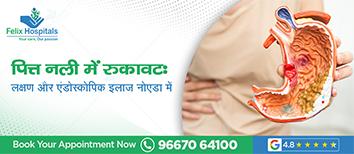
पित्त नली में रुकावट होने पर पीलिया, पेट दर्द और उल्टी जैसे लक्षण दिख सकते हैं। नोएडा में एंडोस्कोपिक इलाज सुरक्षित और प्रभावी विकल्प है।

पित्त की थैली में सूजन और इन्फेक्शन (कोलेसिस्टाइटिस) के लक्षण, कारण, जांच और इलाज की पूरी जानकारी। समय पर सही इलाज से जान बचाई जा सकती है।
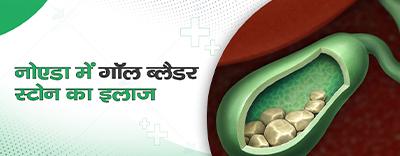
नोएडा में गॉल ब्लैडर स्टोन का सुरक्षित और आधुनिक इलाज, अनुभवी डॉक्टरों और बेहतरीन अस्पतालों के साथ उपलब्ध है।
गॉल ब्लैडर स्टोन का समय पर उपचार करवाना बहुत जरूरी होता है, अन्यथा यह संक्रमण और गंभीर स्वास्थ्य समस्याओं का कारण बन सकता है।


Subscribe to our
© Copyright 2026. All Rights Reserved by Felix Healthcare Private Limited
Design and development by :


 +(91)9667064100
 Emergency : +(91)9667064100