 WhatsApp
 Emergency:
  WhatsApp









Subscribe to our

Cold and flu are among the most common illnesses affecting people across all age groups, especially during seasonal changes and peak infection periods in urban areas like Noida. While often perceived as minor illnesses, untreated or poorly managed cold and flu can lead to prolonged weakness, secondary infections, and complications, particularly in children, elderly individuals, and those with chronic conditions. Understanding how to recover from cold flu properly is essential to restore strength, prevent recurrence, and protect overall immunity.
Recovery is not just about waiting for symptoms to disappear. It involves timely medical care, adequate rest, hydration, nutrition, and knowing when professional intervention is necessary. Consulting a doctor for cold flu near me ensures that symptoms are managed correctly and complications are avoided.
Get expert guidance from a certified general physician for flu near me in Noida. Call +91 9667064100 today.
The common cold and influenza are caused by different viruses, but their recovery process shares several similarities. The body requires time and supportive care to fight infection and repair itself. A structured cold and flu recovery guide helps individuals return to normal activities without risking relapse or prolonged fatigue.
In Noida, fluctuating weather conditions, pollution, and high population density often increase viral transmission, making recovery management even more important.
The first 24–48 hours after symptoms begin play a crucial role in determining how fast recovery will be. Ignoring early signs often delays healing.
Key early actions include:
Reducing physical exertion immediately
Avoiding crowded or polluted environments
Monitoring fever, sore throat, cough, and body aches
Seeking advice from a general physician for flu near me if symptoms intensify
Prompt attention supports faster healing and reduces viral spread to others.
Adequate rest allows the immune system to focus entirely on fighting infection. Many people underestimate rest and continue daily routines, which delays recovery. One of the best ways to recover from flu is allowing the body uninterrupted rest for several days.
Rest supports:
Faster immune response
Reduced inflammation
Lower risk of complications such as bronchitis or sinus infections
Sleep quality is as important as duration, especially during fever and fatigue phases.
Maintaining hydration is critical when recovering from viral infections. Fever, sweating, and reduced appetite often lead to dehydration, slowing the healing process.
Recommended fluids include:
Warm water or herbal teas
Electrolyte solutions
Clear soups and broths
Fresh coconut water
Proper hydration supports mucus clearance and improves overall flu treatment options effectiveness.
Food plays a vital role in rebuilding strength and immunity. Light, nutrient-rich meals are easier to digest and help the body recover faster.
Helpful dietary choices:
Fruits rich in vitamin C
Warm, freshly cooked meals
Easily digestible proteins like dal and curd
Avoiding oily, processed, and sugary foods
Following balanced nutrition is a key part of cold flu recovery tips recommended by physicians.
Symptom control improves comfort and prevents exhaustion. Medications should always be taken under medical guidance.
Common symptom management approaches include:
Paracetamol for fever and body aches
Steam inhalation for congestion
Saltwater gargles for sore throat
Prescribed cough suppressants or expectorants
Consulting a doctor for cold flu near me ensures correct medication usage and avoids overuse or interactions.
While mild cold may resolve on its own, flu symptoms can escalate quickly. Persistent fever, chest discomfort, or severe weakness require immediate medical attention. A trained general physician for flu near me can identify warning signs early and adjust treatment accordingly.
Medical evaluation is especially important for:
Elderly individuals
Children
Pregnant women
Patients with diabetes, asthma, or heart disease
Many people unknowingly delay recovery by making avoidable mistakes during illness.
Common errors include:
Returning to work too early
Skipping meals
Self-medicating without guidance
Ignoring worsening symptoms
Understanding how to recover from cold flu involves knowing what not to do as much as what to do.
In some cases, symptoms persist beyond 7–10 days. This may indicate secondary infections such as sinusitis, bronchitis, or pneumonia.
Warning signs include:
Fever lasting more than 3 days
Thick yellow or green mucus
Breathlessness or chest pain
Extreme fatigue
At this stage, reassessment by a doctor for cold flu near me becomes essential.
Strong immunity shortens illness duration and reduces severity. Stress, lack of sleep, and poor nutrition weaken immune defenses, making recovery slower.
To support immunity during recovery:
Maintain consistent sleep schedules
Reduce mental stress
Stay hydrated
Follow prescribed treatment
These practices form an effective cold and flu recovery guide for long-term health.
Even after symptoms improve, the body remains vulnerable. Sudden exposure to cold weather, pollution, or overexertion can trigger relapse.
Preventive steps include:
Gradual return to normal activity
Wearing masks in crowded areas
Continuing hydration and nutrition
Avoiding late nights
These measures support sustainable recovery and reduce reinfection risk.
Children, elderly individuals, and patients with chronic illness need extra care during recovery. Their immune systems may take longer to rebound.
Close monitoring and professional follow-up ensure safe recovery using appropriate flu treatment options and supportive care.
Air pollution and seasonal changes in Noida significantly impact respiratory health. Poor air quality can worsen cough and delay healing.
Patients recovering from flu should:
Avoid outdoor exposure during high AQI days
Use air purifiers indoors
Wear masks when stepping outside
These precautions improve recovery outcomes and respiratory comfort.
Post-viral fatigue is common and should not be ignored. Pushing the body too soon can prolong weakness.
Gradual activity, proper diet, and rest help restore energy naturally and safely, completing the best ways to recover from the flu process.
Experiencing persistent cold or flu symptoms? Consult a trusted doctor for the cold flu near me. Call +91 9667064100 for an appointment.
Recovering from cold and flu is not just about symptom relief but about allowing the body adequate time and support to heal completely. Structured care, proper hydration, balanced nutrition, sufficient rest, and timely medical consultation ensure faster and safer recovery. Understanding how to recover from cold flu helps prevent complications, relapses, and prolonged weakness. For residents of Noida, consulting the Best General Physicians in Noida for flu treatment near you ensures personalized care, accurate diagnosis, and complete recovery with long-term health protection.
Q.1 How long does it take to recover from cold and flu?
Ans. Most people recover within 5–10 days with proper care and rest.
Q.2 When should I see a doctor for cold or flu?
Ans. If fever lasts more than 3 days or symptoms worsen, medical consultation is necessary.
Q.3 Can flu cause long-term weakness?
Ans. Yes, post-viral fatigue is common but improves with rest and nutrition.
Q.4 Are antibiotics required for flu recovery?
Ans. No, antibiotics are only used if a bacterial infection is diagnosed.
Q.5 Is it safe to return to work immediately after flu?
Ans. Gradual return is advised to prevent relapse and fatigue.
Take special care of the health of your kids, especially young children, amidst the changing seasons.
The weather is changing once again. Where it remains cold at night, there is a feeling of heat due to the sun's rising during the day.
Explore the risks, symptoms, and best treatment options for flu during pregnancy in Noida to ensure a healthy pregnancy and safe recovery.
Felix Hospital in Noida is well known for its general practitioners who offer holistic treatment for different health issues, like the common cold and coughs.

Heart bypass surgery, medically known as Coronary Artery Bypass Grafting (CABG), is a life-saving procedure for individuals suffering from severe coronary artery disease. This surgery restores blood flow to the heart by bypassing blocked or narrowed coronary arteries, thereby reducing the risk of heart attacks and improving heart function. Choosing the right hospital and surgeon for this complex procedure is critical, as the quality of care can significantly impact recovery and long-term outcomes.
Noida has emerged as a hub for advanced cardiac care, offering state-of-the-art hospitals with experienced cardiac surgeons, cutting-edge technology, and comprehensive patient support systems. Understanding what constitutes the best heart bypass surgery hospital in Noida, the procedures involved, and recovery expectations helps patients make informed decisions about their heart health.
Book your heart bypass surgery consultation in Noida today by calling +91 9667064100. Consult with top cardiac surgeons and plan your CABG procedure with confidence.
Heart bypass surgery involves taking a healthy blood vessel from another part of the body, such as the chest, arm, or leg, and grafting it to bypass the blocked coronary artery. This allows blood to flow freely to the heart muscle, alleviating symptoms like chest pain and shortness of breath. CABG can be performed as open-heart surgery or using minimally invasive techniques, depending on the patient’s condition, age, and overall health. Open-heart surgery involves a larger incision and longer recovery, while minimally invasive methods reduce hospital stay and postoperative discomfort. Regardless of the technique, success depends on the expertise of the surgical team, quality of hospital infrastructure, and adherence to pre- and post-operative care guidelines.
Identifying the need for heart bypass surgery early can prevent severe cardiac events. Some of the common signs include:
Persistent chest pain or angina that worsens with activity or stress.
Shortness of breath during exercise or even at rest.
Fatigue and reduced exercise tolerance, indicating insufficient blood flow to the heart.
Heart rhythm abnormalities, such as palpitations or arrhythmias.
History of heart attacks or blocked coronary arteries detected through diagnostic tests.
Patients experiencing these symptoms should consult a cardiologist immediately, as timely evaluation can determine whether CABG is necessary and which hospital and surgeon are best suited for the procedure.
There are primarily two types of heart bypass surgery, and hospitals in Noida offer both options depending on patient suitability:
Traditional Open-Heart Bypass Surgery
Involves opening the chest to access the heart directly.
Suitable for patients with multiple blockages or complex heart conditions.
Requires use of a heart-lung machine to maintain circulation during surgery.
Minimally Invasive or Off-Pump CABG
Smaller incisions reduce recovery time and postoperative pain.
Sometimes performed without stopping the heart, known as off-pump CABG.
Ideal for patients with localized blockages or those needing faster recovery.
The choice of procedure depends on the patient’s condition, age, and overall health, and hospitals in Noida ensure a thorough pre-surgery assessment to determine the most appropriate technique.
Heart bypass surgery is a meticulous procedure performed under general anesthesia. Here’s a simplified overview of how the surgery works:
Step 1: Preoperative preparation includes blood tests, imaging, and reviewing the patient’s medical history.
Step 2: Anesthesia administration ensures the patient remains unconscious and pain-free throughout the procedure.
Step 3: Graft harvest involves taking a healthy blood vessel from the chest, arm, or leg.
Step 4: Bypassing the blocked arteries involves attaching one end of the graft to the aorta and the other end to the coronary artery beyond the blockage.
Step 5: Monitoring and closure ensures graft function and stabilizes heart activity before closing the chest incision.
Experienced hospitals in Noida follow strict protocols, using advanced imaging and monitoring equipment to ensure optimal surgical outcomes.
Recovery after CABG varies depending on the type of surgery and individual health. Typical recovery includes:
Hospital Stay: Usually 5–7 days, including ICU monitoring for the first 1–2 days.
Initial Rest: Patients are advised to avoid strenuous activity for several weeks.
Cardiac Rehabilitation: Structured exercise programs help restore strength, improve heart function, and reduce stress.
Medication Management: Blood thinners, beta-blockers, or cholesterol-lowering medications are prescribed to maintain heart health.
Lifestyle Adjustments: Diet modifications, quitting smoking, and controlling stress are critical for long-term recovery.
Top heart hospitals in Noida provide post-operative counseling and follow-up services, ensuring patients receive guidance at every stage of recovery.
While heart bypass surgery is highly effective, it carries some risks. Hospitals with experienced cardiac teams implement measures to minimize complications, but patients should be aware of potential risks, including:
Infections at the incision site or internally.
Bleeding or blood clots.
Arrhythmias or irregular heartbeats.
Stroke or kidney problems in rare cases.
Memory or cognitive changes temporarily after surgery.
Proper preoperative assessment, skilled surgeons, and modern hospital facilities in Noida significantly reduce the likelihood of complications, making these hospitals a reliable choice for CABG.
Selecting the best hospital for heart bypass surgery involves evaluating several factors:
Experienced Cardiac Surgeons: Look for surgeons with a strong track record in performing CABG successfully.
Advanced Infrastructure: Hospitals should have well-equipped cardiac labs, ICUs, and minimally invasive surgery capabilities.
Patient-Centric Care: Dedicated cardiac coordinators and post-surgery support services enhance the patient experience.
Accreditation and Recognition: Hospitals recognized by JCI or national health boards ensure international standards of care.
Patient Reviews and Testimonials: Real-life feedback can provide insights into the hospital’s quality of service and outcomes.
Noida offers multiple hospitals meeting these criteria, giving patients access to world-class cardiac care without having to travel abroad.
Opting for a top cardiac hospital in Noida ensures several benefits:
Timely intervention to prevent heart attacks and complications.
Expert surgical teams trained in advanced bypass techniques.
Comprehensive care including pre-surgery assessment, surgery, recovery, and rehabilitation.
Patient education and counseling for long-term heart health management.
Access to advanced technology such as robotic-assisted and minimally invasive CABG.
By selecting a reputed hospital, patients can feel confident about the success rate, safety, and quality of care throughout their CABG journey.
Preparation enhances surgical outcomes and reduces stress:
Maintain a complete medical history including previous heart conditions and surgeries.
List all current medications and supplements for review by your surgeon.
Follow dietary and lifestyle advice to optimize your health before surgery.
Arrange for post-surgery support at home for smooth recovery.
Discuss concerns with your cardiologist to understand risks, benefits, and expected recovery timelines.
Noida hospitals provide comprehensive guidance to ensure patients are fully prepared before undergoing CABG.
Don’t delay critical heart care. Call +91 9667064100 now to book a consultation and find the best hospital for heart bypass surgery in Noida. Early planning ensures safer and faster recovery.
Heart bypass surgery is a critical intervention for severe coronary artery disease, restoring blood flow to the heart and improving quality of life. Choosing the best hospital in Noida ensures access to expert cardiac surgeons, modern infrastructure, comprehensive care, and a structured recovery plan. With multiple reputed hospitals offering CABG, patients can receive timely and effective treatment without traveling abroad. By understanding the procedure, recognizing the signs that necessitate surgery, and selecting a trusted hospital, individuals can significantly enhance their chances of a successful outcome and long-term heart health. Prompt consultation, careful preparation, and adherence to medical guidance are key to ensuring safety, effectiveness, and a smooth recovery from heart bypass surgery.
Q. 1. How long does recovery take after heart bypass surgery?
Ans. Recovery typically ranges from 6 to 12 weeks, depending on the patient’s overall health and type of surgery performed.
Q. 2. What is the success rate of heart bypass surgery in Noida?
Ans. Hospitals with experienced surgeons report high success rates, often exceeding 95% for uncomplicated procedures.
Q. 3. Are there alternatives to heart bypass surgery?
Ans. Alternatives include angioplasty or stent placement, but CABG is preferred for multiple or complex blockages.
Q. 4. How do I choose the best hospital for CABG in Noida?
Ans. Consider surgeon experience, hospital infrastructure, patient reviews, accreditations, and comprehensive care services.
Q. 5. Is heart bypass surgery risky for older adults?
Ans. While age can increase risks, proper assessment and modern surgical techniques make CABG safe for many elderly patients under expert care.

Best heart hospital in Noida for bypass surgery at affordable prices with expert cardiac surgeons, advanced facilities, and quality patient care for better recovery.

Understanding the symptoms, and knowing the different types of heart diseases are crucial for effective prevention and management.

Winter is a season many people enjoy, but for some, it brings discomfort in the form of winter joint pain. Cold temperatures can aggravate joint stiffness, swelling, and soreness, especially in individuals with arthritis or previous joint injuries. Understanding the causes, early signs, and management of joint pain in cold weather is essential for maintaining mobility and quality of life.
In Noida, patients experiencing worsening joint pain during winter can access specialized orthopedic care, targeted treatment plans, and preventive advice to manage discomfort effectively.
Persistent joint stiffness or swelling this winter? Consult the best orthopedic specialist in Noida today. Call +91 9667064100 to schedule your appointment.
Winter joint pain refers to stiffness, aching, or swelling in the joints that tends to worsen during colder months. While occasional mild discomfort may be normal, persistent or severe pain should not be ignored.
Commonly affected joints include:
Knees
Shoulders
Fingers
Cold weather can lead to tightening of muscles and tendons around the joints, increasing discomfort.
Understanding the causes of joint pain helps in prevention and effective management. Cold weather can exacerbate existing conditions or trigger new discomfort due to several factors:
Reduced blood flow to the joints
Increased joint fluid viscosity
Muscle stiffness caused by lower temperatures
Seasonal flare-ups in arthritis
Identifying the root cause allows orthopedic specialists to recommend appropriate treatment in Noida.
One of the most common factors for cold weather joint pain causes is osteoarthritis. In colder months, cartilage may contract slightly, and joints may feel tighter. Other contributing causes include:
Previous joint injuries or surgeries
Rheumatoid arthritis flare-ups
Sedentary lifestyle during winter
Exposure to damp or humid environments
Proper diagnosis is essential to differentiate between seasonal discomfort and serious joint conditions.
Recognizing early signs of joint problems in winter allows timely intervention before symptoms worsen.
Watch for:
Persistent stiffness in the morning or after inactivity
Swelling or redness around joints
Difficulty performing daily activities
Pain that increases in cold or damp weather
Early consultation with a knee pain doctor or orthopedic specialist in Noida can prevent progression.
Managing how to relieve joint pain in winter requires a combination of lifestyle measures, exercises, and sometimes medication:
Stay warm using clothing, heating pads, or hot baths
Engage in low-impact exercises like walking or stretching
Maintain a healthy diet rich in calcium and vitamin D
Apply topical anti-inflammatory creams as advised by your doctor
Stay hydrated to maintain joint lubrication
These measures often reduce discomfort and improve mobility.
Persistent or severe joint discomfort warrants evaluation by a medical professional. Severe joint pain when to see doctor may include situations such as:
Swelling or redness around the joint
Sudden inability to move the joint
Pain unrelieved by rest or medication
Fever with joint pain, which may indicate infection
Early orthopedic consultation in Noida ensures accurate diagnosis and timely treatment.
Individuals with arthritis are particularly susceptible to winter joint pain. Osteoarthritis and rheumatoid arthritis can flare up during colder months due to:
Reduced synovial fluid lubrication
Muscle tightening
Barometric pressure changes
Orthopedic care can include medications, physical therapy, and lifestyle guidance to manage symptoms effectively.
Preventive measures reduce the risk of winter joint pain:
Warm up before exercise
Avoid prolonged exposure to cold
Maintain an active lifestyle
Use supportive footwear
Apply gentle stretching routines daily
These practices help protect joints and prevent discomfort.
Treatment depends on severity and underlying causes. Options include:
Medications: Pain relievers, anti-inflammatory drugs
Physical therapy: Targeted exercises to improve joint mobility
Supportive devices: Knee braces, compression sleeves
Injections: Corticosteroid or hyaluronic acid injections for severe arthritis
Consulting an orthopedic specialist ensures a personalized treatment plan for each patient.
Maintain regular physical activity even during winter
Follow prescribed medication and therapy plans
Use heating pads or warm compresses as needed
Avoid overexertion or high-impact activities on cold surfaces
Monitor joint health and report new symptoms promptly
These tips help reduce discomfort and improve joint function over time.
Get expert evaluation and treatment for winter joint pain and improve mobility. Call +91 9667064100 now.
Winter joint pain is a common but manageable condition when addressed promptly. Understanding the causes, recognizing early signs, and seeking timely medical attention can prevent worsening symptoms and maintain mobility. Patients in Noida experiencing persistent joint pain during winter should consult a knee pain doctor near me or an orthopedic specialist for proper diagnosis and treatment. With the right approach, winter discomfort can be minimized, allowing individuals to remain active and pain-free throughout the season.
Q.1 Can winter joint pain be prevented?
Ans. Yes, through regular exercise, staying warm, and using supportive devices.
Q.2 Is winter joint pain always due to arthritis?
Ans. No, it can also result from previous injuries, muscle stiffness, or reduced activity.
Q.3 What home remedies help with joint pain in cold weather?
Ans. Warm compresses, light exercise, and staying hydrated are effective home measures.
Q.4 When should I see a doctor for joint pain?
Ans. If pain is severe, persistent, or accompanied by swelling, redness, or fever.
Q.5 Which doctor treats winter joint pain in Noida?
Ans. An orthopedic specialist or knee pain doctor can provide diagnosis and treatment.
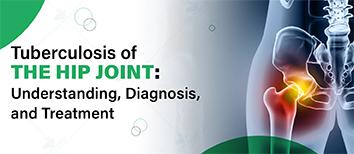
Tuberculosis (TB) is primarily known as a respiratory infection caused by Mycobacterium tuberculosis, but it can affect various body parts, including bones and joints.

Eye health is often taken for granted until discomfort begins to interfere with daily life. Mild redness, dryness, or a small yellowish patch on the eye may not seem serious initially, but these can indicate underlying surface eye conditions that require attention. One such commonly overlooked condition is pinguecula. With increasing exposure to pollution, UV rays, and prolonged screen use in urban areas like Noida, eye surface disorders are becoming more frequent. Early awareness and timely medical care play a crucial role in preventing discomfort and long-term irritation.
Persistent eye irritation should never be ignored. Early consultation can prevent long-term discomfort. Call +91 9667064100 to book an eye specialist appointment in Noida.
What is pinguecula refers to a non-cancerous, yellowish or whitish growth that develops on the conjunctiva, the transparent tissue covering the white part of the eye. It typically appears near the cornea, most often on the side closer to the nose. Pinguecula forms due to gradual degeneration of conjunctival tissue and is more common in adults, especially those exposed to sunlight and dry environmental conditions for extended periods.
Pinguecula symptoms and causes can vary from person to person. Some individuals may remain asymptomatic, while others experience persistent irritation that affects daily comfort.
Dry or gritty sensation in the eyes
Mild redness or inflammation
Burning or itching sensation
Sensitivity to wind and sunlight
Occasional foreign body sensation
These symptoms may worsen during outdoor exposure or prolonged screen use.
What causes pinguecula is primarily long-term exposure to ultraviolet (UV) radiation. UV rays lead to damage and degeneration of conjunctival tissue over time. Environmental irritants such as dust, wind, smoke, and pollution further aggravate the condition. In cities like Noida, increased pollution levels and outdoor occupational exposure significantly contribute to its development.
Pinguecula risk factors include a combination of environmental exposure, age-related changes, and lifestyle habits. While anyone can develop this condition, certain individuals are at a higher risk.
Major risk factors include:
Prolonged exposure to sunlight
Outdoor occupations
Living in dry or dusty environments
Increasing age
Chronic eye irritation or dryness
Understanding these risk factors helps in early prevention and management.
How to prevent pinguecula focuses on reducing exposure to environmental irritants and protecting the eyes from UV radiation. Preventive eye care is especially important for individuals who spend long hours outdoors or in polluted surroundings.
Preventive measures include:
Wearing UV-protective sunglasses
Using protective eyewear in dusty conditions
Avoiding excessive eye rubbing
Keeping eyes adequately lubricated
Taking regular breaks during screen use
These measures help protect conjunctival tissue from degeneration.
Pinguecula prevention tips emphasise consistent eye care practices. Hydrating the eyes using artificial tears and maintaining overall eye hygiene reduces dryness and irritation. Regular eye examinations are equally important, as they help detect early changes before symptoms worsen.
Preventive care is often the most effective way to avoid progression and recurrence.
Diagnosis of pinguecula is typically straightforward. An ophthalmologist conducts a detailed eye examination using a slit-lamp microscope to assess the size, location, and surface characteristics of the growth. Additional tests are rarely required unless there is suspicion of inflammation or other conjunctival conditions. Early diagnosis ensures timely management and prevents unnecessary discomfort.
How to treat pinguecula depends on the severity of symptoms and the level of discomfort experienced by the patient. In most cases, conservative management is sufficient.
Treatment options include:
Lubricating eye drops to relieve dryness
Anti-inflammatory eye drops for redness and irritation
Avoidance of environmental triggers
Regular monitoring by an eye specialist
Surgical removal is rarely required and reserved for severe or persistent cases.
Pinguecula treatment in Noida is supported by modern ophthalmology facilities and experienced specialists. Treatment plans are customised based on symptom severity, lifestyle, and occupational exposure. Patients receive comprehensive care focusing on symptom relief, prevention of recurrence, and long-term eye health.
Delaying treatment can lead to chronic inflammation and increased discomfort. Early intervention helps control symptoms, prevents progression, and improves overall quality of life. Individuals experiencing persistent eye irritation should seek medical advice rather than self-medicating, as improper treatment may worsen symptoms.
Maintaining eye health involves simple yet consistent lifestyle changes. Staying hydrated, avoiding excessive exposure to harsh environments, and following prescribed eye care routines play a crucial role in managing pinguecula. Education and awareness are key components of preventive eye health.
Consulting an experienced eye specialist for pinguecula in Noida ensures accurate diagnosis and appropriate treatment. Specialist care allows for differentiation between pinguecula and other eye surface disorders and ensures safe, evidence-based management tailored to individual needs.
Expert evaluation and personalised care can make a lasting difference. Call +91 9667064100 to schedule a consultation with an eye specialist in Noida.
Pinguecula is a common eye condition caused by long-term exposure to sunlight, pollution, and environmental irritants. While it is not typically dangerous, ignoring symptoms can lead to persistent discomfort and chronic irritation. Early diagnosis, preventive care, and appropriate treatment help manage symptoms effectively and protect long-term eye health. With access to experienced eye specialists and advanced ophthalmology care in Noida, patients can receive comprehensive management and maintain clear, comfortable vision.
Q.1. Is pinguecula harmful to the eyes?
Ans. Pinguecula is usually benign but can cause irritation if untreated.
Q. 2. Can pinguecula turn into cancer?
Ans. No, pinguecula is non-cancerous and does not turn malignant.
Q. 3. Does pinguecula affect eyesight?
Ans. It generally does not affect vision unless severe inflammation occurs.
Q. 4. Can pinguecula be cured permanently?
Ans. Symptoms can be managed effectively, though the growth may remain stable.
Q. 5. When should I see a doctor for pinguecula?
Ans. If redness, irritation, or discomfort persists, medical evaluation is recommended.
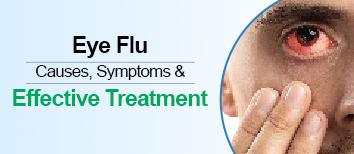
Eye flu, also known as conjunctivitis, is a common eye infection causing redness, irritation, and watering. Learn its causes, symptoms, and effective treatments.
सर्दियों का मौसम जहां एक ओर राहत देता है। वहीं दूसरी ओर हृदय रोगियों और हाई ब्लड प्रेशर (Hypertension) से पीड़ित लोगों के लिए यह जोखिम भरा भी होता है। ठंड के मौसम में अचानक बीपी बढ़ना हार्ट अटैक और स्ट्रोक का खतरा बढ़ाता है। नोएडा में सर्वश्रेष्ठ जनरल फिजिशियन अस्पताल उपलब्ध है। कई लोग इसे सामान्य मौसमी असर समझकर नजरअंदाज करते हैं। जबकि यह गंभीर समस्या का संकेत हो सकता है।
अभी अपॉइंटमेंट शेड्यूल करें – कॉल करें: +91 9667064100
ठंड में शरीर की रक्त वाहिकाएं (Blood Vessels) सिकुड़ती हैं। जिसे वेसोकंस्ट्रिक्शन कहा जाता है। इससे रक्त को पंप करने में दिल को ज्यादा ताकत लगानी पड़ती है और ब्लड प्रेशर बढ़ जाता है। इसके अलावा सर्दियों में शारीरिक गतिविधि कम होती है। नमक और वसायुक्त भोजन का सेवन बढ़ जाता है, जिससे बीपी असंतुलित हो जाता है।
ठंड के कारण धमनियां संकरी होती हैं। जिससे रक्त प्रवाह में रुकावट आती है और बीपी बढ़ता है।
सर्दियों में लोग कम टहलते हैं, एक्सरसाइज कम करते हैं। जिससे वजन और कोलेस्ट्रॉल बढ़ता है और बीपी कंट्रोल से बाहर हो सकता है।
सर्दियों में अचार, नमकीन, घी, मक्खन और तले हुए पदार्थ ज्यादा खाए जाते हैं, जो हाई बीपी का कारण बनते हैं।
ठंड में प्यास कम लगती है, जिससे शरीर में डिहाइड्रेशन होता है और रक्त गाढ़ा होकर प्रेशर बढ़ाता है।
ठंड में हार्मोनल बदलाव और तनाव से भी बीपी बढ़ सकता है।
सर्दियों में शराब का सेवन बढ़ जाता है, जो रक्तचाप को अस्थायी रूप से तेज़ी से बढ़ाता है।
सिरदर्द या भारीपन
चक्कर आना
सीने में जकड़न या दर्द
आंखों के आगे अंधेरा छाना
दिल की धड़कन तेज होना
थकान और बेचैनी
ठंड के मौसम में ब्लड प्रेशर को नियंत्रित रखना बेहद जरूरी है। क्योंकि इस समय रक्त नलिकाएं सिकुड़ जाती हैं और दिल पर दबाव बढ़ता है। सही जीवनशैली, संतुलित आहार और नियमित जांच से बीपी को संतुलन में रखा जा सकता है।
सर्दियों में आलस्य बढ़ जाता है और शारीरिक गतिविधि कम होती है। जिससे वजन और कोलेस्ट्रॉल बढ़ने का खतरा रहता है। रोजाना सुबह या शाम हल्की वॉक, प्राणायाम, सूर्य नमस्कार और स्ट्रेचिंग करने से रक्त संचार बेहतर होता है और ब्लड प्रेशर संतुलित रहता है।
ठंड में धमनियां सिकुड़ती हैं। जिससे बीपी अचानक बढ़ता है। इसलिए गर्म कपड़े पहनें, सिर, कान और पैरों को ढककर रखें। बहुत ठंडे पानी से नहाने से बचें और गुनगुने पानी का उपयोग करें।
कम नींद और मानसिक तनाव से हार्मोन असंतुलित होते हैं। जिससे बीपी बढ़ता है। रोजाना 7–8 घंटे की गहरी नींद लें। ध्यान, मेडिटेशन और गहरी सांस लेने के अभ्यास से तनाव कम करें।
अधिक नमक शरीर में पानी रोकता है। जिससे रक्तचाप बढ़ जाता है। अचार, पापड़, नमकीन, पैकेट फूड और फास्ट फूड से परहेज करें। भोजन में सेंधा नमक या कम सोडियम नमक सीमित मात्रा में लें।
पालक, गाजर, टमाटर, ब्रोकली, सेब, अमरूद, अनार जैसे फल-सब्जियां पोटैशियम से भरपूर होते हैं, जो बीपी को नियंत्रित करते हैं। ओट्स, ब्राउन राइस, दलिया जैसे साबुत अनाज और मछली, अलसी, अखरोट में मौजूद ओमेगा-3 फैटी एसिड धमनियों की सूजन कम कर बीपी संतुलित रखते हैं।
अधिक कैफीन और अल्कोहल से दिल की धड़कन तेज होती है और ब्लड प्रेशर बढ़ सकता है। दिन में 1–2 कप से ज्यादा चाय-कॉफी न लें और शराब से यथासंभव परहेज करें।
सर्दियों में प्यास कम लगती है, लेकिन शरीर को उतना ही पानी चाहिए। कम पानी पीने से खून गाढ़ा हो जाता है और बीपी बढ़ सकता है। दिनभर में 2–3 लीटर गुनगुना पानी पीने की आदत डालें।
सप्ताह में कम से कम दो बार बीपी मापें
घर पर डिजिटल बीपी मशीन से सुबह और शाम बीपी की जांच करें। रीडिंग लिखकर रखें ताकि किसी भी बदलाव को समय पर पहचाना जा सके।
दवाएं नियमित और डॉक्टर की सलाह से लेंः
बीपी की दवाएं बिना छोड़े और तय समय पर लें। सर्दियों में खुद से दवा की मात्रा कम या ज्यादा न करें। किसी भी साइड इफेक्ट, चक्कर, सीने में दर्द या अत्यधिक थकान होने पर तुरंत डॉक्टर से संपर्क करें।
जब ब्लड प्रेशर अचानक बढ़ जाए और सिरदर्द, चक्कर, घबराहट या सीने में जकड़न महसूस हो, तो घबराने के बजाय शांत रहना और सही कदम उठाना बहुत जरूरी होता है। नीचे दिए गए उपाय अस्थायी रूप से बीपी को कम करने में मदद कर सकते हैं, लेकिन ये डॉक्टर के इलाज का विकल्प नहीं हैं।
आराम से कुर्सी पर बैठ जाएं, आंखें बंद करें और 4 सेकंड में गहरी सांस लें, 2 सेकंड रोकें और 6 सेकंड में धीरे-धीरे छोड़ें। ऐसा 10–15 मिनट तक करने से नर्वस सिस्टम शांत होता है। हार्ट रेट सामान्य होती है और ब्लड प्रेशर धीरे-धीरे कम होने लगता है।
गुनगुने पानी में बाएं हाथ की हथेली 5–10 मिनट तक रखें या गर्म पानी की बोतल से हल्की सेक करें। इससे नसों में फैलाव होता है। जिससे रक्त प्रवाह बेहतर होता है और बीपी में कमी आती है।
अगर बीपी अचानक बढ़ा है तो उस दिन नमक, अचार, नमकीन, पापड़ और पैकेट फूड बिल्कुल न लें। नमक शरीर में पानी रोकता है। जिससे दबाव और बढ़ जाता है। हल्का, बिना नमक का भोजन करें और पोटैशियम युक्त फल जैसे केला, संतरा या नारियल पानी ले सकते हैं (यदि डॉक्टर ने मना न किया हो)।
जिन मरीजों को पहले से हाई बीपी की समस्या है। उन्हें डॉक्टर कभी-कभी “SOS दवा” देते हैं, जैसे कैप्टोप्रिल या निफेडिपिन (डॉक्टर की सलाह से)। अचानक बीपी बढ़ने पर वही दवा निर्धारित मात्रा में लें। बिना परामर्श के किसी की भी दवा खुद से न लें।
सीधी जगह पर लेटकर सिर को थोड़ा ऊंचा रखें। टाइट कपड़े ढीले कर दें। मोबाइल, टीवी और तेज आवाज से दूर रहें ताकि मानसिक उत्तेजना कम हो और बीपी धीरे-धीरे सामान्य स्तर पर आए।
थोड़ा गुनगुना पानी, कैमोमाइल या तुलसी की हल्की चाय पीने से शरीर रिलैक्स होता है और तनाव कम होता है, जिससे बीपी घटने में मदद मिलती है।
यदि ब्लड प्रेशर 180/120 mmHg से ऊपर चला जाए, साथ में सीने में तेज दर्द, सांस फूलना, बोलने में दिक्कत, हाथ-पैर सुन्न होना या तेज सिरदर्द हो, तो यह हाइपरटेंसिव इमरजेंसी हो सकती है। ऐसी स्थिति में घर पर इंतजार न करें, तुरंत नजदीकी अस्पताल या इमरजेंसी सेवा में जाएं।
सर्दियों में ब्लड प्रेशर बढ़ना एक आम लेकिन गंभीर समस्या है। ठंड के कारण रक्त नलिकाएं सिकुड़ जाती हैं, जिससे दिल को ज्यादा जोर लगाना पड़ता है और बीपी बढ़ जाता है। नोएडा में सर्वश्रेष्ठ जनरल फिजिशियन उपलब्ध है। इसका इलाज दवाओं, जीवनशैली सुधार और नियमित निगरानी के माध्यम से किया जाता है।
डॉक्टर मरीज की उम्र, बीपी के स्तर और अन्य बीमारियों को देखते हुए दवाएं देते हैं:
एसीई इनहिबिटर्स / एआरबी
जैसे – रामिप्रिल, एनालाप्रिल, लोसार्टन, टेल्मिसार्टन ये दवाएं धमनियों को रिलैक्स करती हैं और ब्लड प्रेशर कम करती हैं।
कैल्शियम चैनल ब्लॉकर्सः
जैसे – एम्लोडिपिन ये रक्त नलिकाओं को फैलाकर बीपी नियंत्रित करते हैं।
बीटा ब्लॉकर्सः
जैसे – मेटोप्रोलोल, बिसोप्रोलोल दिल की धड़कन को नियंत्रित कर ब्लड प्रेशर को संतुलित रखते हैं।
डाइयूरेटिक्स (पानी निकालने वाली दवाएं):
जैसे हाइड्रोक्लोरोथियाजाइड शरीर से अतिरिक्त नमक और पानी बाहर निकालकर बीपी कम करती हैं। सर्दियों में कई बार दवा की डोज एडजस्ट करनी पड़ती है, लेकिन यह केवल डॉक्टर की सलाह से ही की जानी चाहिए।
शरीर को गर्म रखेंः
ठंड से बचाव करें, ऊनी कपड़े पहनें, खासकर सुबह और रात में।
नियमित व्यायामः
रोज 30 मिनट वॉक, योग और प्राणायाम करें।
तनाव कम करेंः
ध्यान, गहरी सांस और पर्याप्त नींद लें।
नमक और फैट कम करें
अचार, नमकीन, तला-भुना और पैकेट फूड से बचें।
पर्याप्त पानी पिएंः
सर्दियों में भी 2–3 लीटर गुनगुना पानी जरूरी है।
यदि बीपी बहुत ज्यादा बढ़ जाए (180/120 mmHg से ऊपर):
तुरंत आराम की स्थिति में बैठाएं
गहरी सांस दिलवाएं
डॉक्टर द्वारा दी गई SOS दवा दें
तुरंत नजदीकी अस्पताल या इमरजेंसी में ले जाएं
हफ्ते में 2–3 बार बीपी मापें
दवाएं समय पर लें
3–6 महीने में कार्डियोलॉजिस्ट से चेकअप कराएं
ब्लड प्रेशर बढ़ना कई बार बिना लक्षणों के भी खतरनाक हो सकता है। इसलिए कुछ स्थितियों में देरी करना जोखिम भरा होता है। नीचे बताए गए लक्षण या परिस्थितियां दिखें तो तुरंत डॉक्टर से संपर्क करना चाहिए –
यदि लगातार रीडिंग 160/100 mmHg से ऊपर आ रही हो, या अचानक बीपी 180/120 mmHg से ज्यादा पहुंच जाए, तो इसे आपात स्थिति माना जाता है और तुरंत अस्पताल जाना चाहिए।
सीने में जकड़न, जलन या दर्द दिल का दौरा पड़ने का संकेत हो सकता है, जो हाई बीपी से जुड़ा होता है। ऐसी स्थिति में तुरंत कार्डियोलॉजिस्ट को दिखाएं।
अचानक सांस लेने में तकलीफ, दिल की धड़कन तेज होना या घबराहट बढ़ना गंभीर समस्या का संकेत हो सकता है।
बहुत तेज सिरदर्द, उलझन, चक्कर आना या आंखों के आगे अंधेरा छाना, ब्रेन स्ट्रोक या हाई बीपी क्राइसिस के लक्षण हो सकते हैं।
मुंह टेढ़ा होना, बोलने में लड़खड़ाहट, हाथ-पैर में कमजोरी या सुन्नपन स्ट्रोक के शुरुआती संकेत हो सकते हैं।
यदि नियमित दवा लेने के बाद भी बीपी बार-बार बढ़ रहा है या सामान्य स्तर पर नहीं आ रहा है, तो दवा बदलने या जांच कराने की जरूरत होती है।
गर्भवती महिलाओं, डायबिटीज, किडनी रोग या हृदय रोग से पीड़ित लोगों में बीपी बढ़ना ज्यादा खतरनाक होता है, ऐसे में तुरंत डॉक्टर की सलाह लेनी चाहिए।
परामर्श के हेतु कॉल करें: +91 9667064100
ठंड के मौसम में ब्लड प्रेशर बढ़ना एक आम लेकिन गंभीर समस्या है। सही खानपान, नियमित दवा, व्यायाम और तनाव नियंत्रण से इसे आसानी से नियंत्रित किया जा सकता है। यदि सिरदर्द, चक्कर या सीने में दर्द जैसे लक्षण दिखें तो देरी न करें और तुरंत कार्डियोलॉजिस्ट से संपर्क करें। इलाज में देरी नहीं करनी चाहिए। ऐसा करने से नुकसान हो सकता है। इसलिए डॉक्टर की सलाह पर दवा और इलाज कराना चाहिए।
प्रश्न 1: क्या ठंड में हर व्यक्ति का बीपी बढ़ता है?
उत्तर: नहीं, लेकिन हाई बीपी के मरीजों में जोखिम ज्यादा होता है। इसलिए सावधानी जरूरी होती है।
प्रश्न 2: क्या सर्दियों में दवा की मात्रा बदलनी पड़ती है?
उत्तर: कुछ मामलों में डॉक्टर दवा की डोज समायोजित करते हैं, स्वयं बदलाव न करें। डॉक्टर की सलाह पर दवा लेनी चाहिए।
प्रश्न 3: क्या सिर्फ बुजुर्गों को खतरा होता है?
उत्तर: नहीं, युवा भी प्रभावित हो सकते हैं, खासकर जिनकी जीवनशैली असंतुलित है। इसलिए जीवनशैली में सुधार जरूरी है।
प्रश्न 4: क्या योग से बीपी कंट्रोल हो सकता है?
उत्तर: हां, प्राणायाम और ध्यान बीपी को संतुलित रखने में मदद करते हैं। इसलिए व्यायाम का ध्यान रखना चाहिए।
प्रश्न 5: कब तुरंत डॉक्टर को दिखाना चाहिए?
उत्तर: जब बीपी 180/120 mmHg से ऊपर हो या सीने में दर्द, चक्कर और सांस फूलने लगे तो डॉक्टर को दिखाने में देरी नहीं करनी चाहिए।
ठंडे मौसम में शरीर को गर्म रखने के लिए रक्तचाप स्वाभाविक रूप से बढ़ जाता है। उच्च रक्तचाप हार्ट अटैक का प्रमुख जोखिम कारक होता है
सर्दियों के मौसम में हृदय रोग से जुड़े किसी भी लक्षण को हल्के में न लें और फेलिक्स हॉस्पिटल के अनुभवी हृदय रोग विशेषज्ञों से परामर्श लें।

सर्दियों के मौसम में ठंडी हवा, धूल, धुआं और वायरल इंफेक्शन बच्चों में अस्थमा अटैक का खतरा बढ़ा देते हैं। ठंड के कारण सांस की नलियां सिकुड़ जाती हैं, जिससे खांसी, सीटी जैसी आवाज, सांस फूलना और सीने में जकड़न की समस्या हो सकती है।

सर्दियों के मौसम में बच्चों को सर्दी-खांसी होना आम है। जानें इसके मुख्य कारण, लक्षण और सुरक्षित इलाज के तरीके।
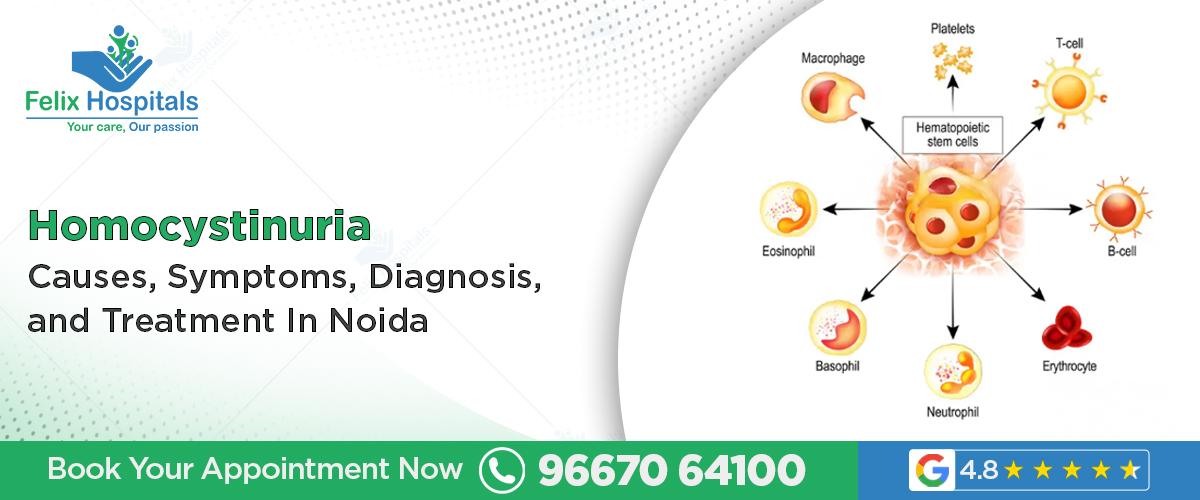
Rare metabolic disorders in children often remain undiagnosed until serious complications arise. One such inherited condition is homocystinuria, a genetic disorder that affects the body’s ability to process certain amino acids. If left untreated, it can lead to developmental delays, vision problems, skeletal abnormalities, and life-threatening blood clots. Early detection and specialized pediatric care play a critical role in preventing long-term complications. With increasing awareness and improved diagnostic facilities in Noida, timely management of homocystinuria is now possible, offering children a better quality of life.
If your child shows signs of delayed development or metabolic concerns, timely evaluation is crucial.Call +91 9667064100 to consult a pediatric specialist in Noida today.
What is homocystinuria refers to a rare inherited metabolic disorder in which the body cannot properly break down the amino acid methionine. This leads to an abnormal buildup of homocysteine in the blood and urine. The condition is usually caused by enzyme deficiencies that interfere with normal metabolism. Homocystinuria is typically present from birth, though symptoms may appear gradually during infancy or early childhood.
What causes homocystinuria is primarily a genetic mutation inherited in an autosomal recessive manner, meaning both parents carry the faulty gene. The most common cause is a deficiency of the enzyme cystathionine beta-synthase (CBS). This enzyme plays a vital role in processing methionine. When it does not function correctly, toxic levels of homocysteine accumulate, leading to damage across multiple organ systems.
What are the symptoms of homocystinuria can vary significantly from one child to another. Some children show early signs in infancy, while others may remain undiagnosed until later childhood. The symptoms often affect multiple body systems.
Common symptoms include:
Delayed growth and developmental milestones
Intellectual or learning difficulties
Eye problems such as lens dislocation
Tall, thin body structure with long limbs
Skeletal abnormalities like scoliosis
Increased risk of blood clots
Early recognition of these signs is crucial for prompt intervention.
Homocystinuria can significantly affect physical, neurological, and cognitive development. High homocysteine levels may interfere with brain development, leading to learning difficulties and behavioural challenges. Skeletal involvement can result in posture abnormalities, while eye complications may impair vision. With early pediatric supervision and metabolic control, many of these effects can be minimised or prevented.
How is homocystinuria diagnosed involves a combination of newborn screening, laboratory tests, and genetic evaluation. In many cases, the condition is detected through newborn metabolic screening programs. Blood and urine tests are used to measure elevated homocysteine and methionine levels. Genetic testing helps confirm the diagnosis and identify the specific enzyme deficiency. Early diagnosis allows doctors to initiate treatment before irreversible damage occurs.
Treatment of homocystinuria focuses on reducing homocysteine levels and preventing complications. This typically involves a lifelong management plan under pediatric supervision. Treatment may include:
Special low-methionine diet
Vitamin supplementation such as vitamin B6, B12, and folic acid
Betaine therapy to help metabolise homocysteine
Regular monitoring of blood levels
Early and consistent treatment significantly improves outcomes.
Dietary management is a cornerstone of homocystinuria treatment. Children are placed on a controlled protein diet to limit methionine intake while ensuring proper nutrition for growth and development. A trained pediatric dietitian closely monitors dietary needs to prevent nutritional deficiencies. Proper dietary adherence helps reduce complications and supports healthy development.
If not managed properly, homocystinuria can lead to serious complications. These may include intellectual disability, vision loss, osteoporosis, and life-threatening blood clots affecting the brain, lungs, or heart. Early diagnosis and regular follow-up care significantly reduce these risks and allow children to lead healthier lives.
Homocystinuria treatment hospital in Noida provides access to advanced pediatric metabolic care, specialised diagnostic facilities, and multidisciplinary medical teams. Pediatricians, genetic specialists, dietitians, and ophthalmologists work together to ensure comprehensive care. With structured treatment protocols and regular monitoring, children in Noida can receive effective long-term management close to home.
Consulting an experienced homocystinuria specialist doctor in Noida is essential for accurate diagnosis and personalised treatment planning. Specialists are trained to manage rare metabolic disorders and coordinate multidisciplinary care. Their expertise ensures early intervention, continuous monitoring, and timely adjustment of treatment plans as the child grows.
Don’t delay evaluation for rare metabolic disorders in children. Call +91 9667064100 to book a pediatric consultation for homocystinuria management in Noida.
Homocystinuria is a rare but serious pediatric metabolic disorder that requires early detection and lifelong care. While the condition cannot be cured, timely diagnosis, dietary management, and medical treatment can prevent severe complications and support normal growth and development. With access to specialized pediatric care and advanced treatment facilities in Noida, children with homocystinuria can achieve better health outcomes and improved quality of life. Awareness among parents and early medical consultation remain the key to successful management.
Q. 1. Is homocystinuria a lifelong condition?
Ans. Yes, it is a genetic disorder that requires lifelong management and monitoring.
Q. 2. Can homocystinuria be cured?
Ans. There is no cure, but early treatment can effectively control symptoms and prevent complications.
Q. 3. Is homocystinuria detected at birth?
Ans. In many cases, newborn screening helps detect it early, but some children are diagnosed later.
Q. 4. Can children with homocystinuria live normal lives?
Ans. With early diagnosis and proper treatment, many children lead healthy and productive lives.
Q. 5. Does homocystinuria affect intelligence?
Ans. Untreated cases may affect cognitive development, but early treatment reduces this risk.

Search the best hospital for your child in Noida the team of experienced pediatricians is dedicated to supporting parents and guiding children on their journey to a healthy life.
Pediatric rheumatology focuses on diagnosing and treating autoimmune and inflammatory disorders affecting children’s joints, muscles, and connective tissues.
Find tips and key factors to choose the best pediatrician in Noida for your child’s health and well-being.

सर्दियों का मौसम अस्थमा के मरीजों के लिए सबसे चुनौतीपूर्ण है। ठंडी हवा, बढ़ता प्रदूषण, धुंध और वायरल संक्रमण मिलकर अस्थमा के लक्षणों को कई गुना बढ़ाते हैं। खासकर बच्चों, बुजुर्गों और पहले से अस्थमा से पीड़ित लोगों को इस मौसम में ज्यादा सावधानी की जरूरत होती है। नोएडा में अस्थमा स्पेशलिस्ट डॉक्टर उपलब्ध है। नोएडा में सर्दियों के दौरान एयर क्वालिटी इंडेक्स (एक्यूआई) खराब होने से अस्थमा अटैक का खतरा बढ़ता है। सही जानकारी, समय पर इलाज और सावधानी से अस्थमा को नियंत्रित किया जाता है।
अभी अपॉइंटमेंट शेड्यूल करें – कॉल करें: +91 9667064100
सर्दियों में हवा ठंडी और शुष्क (ड्राई एयर) होती है। जो सांस की नलियों को सिकोड़ती है। इससे अस्थमा के मरीजों को सांस लेने में ज्यादा परेशानी होती है। इस मौसम में प्रदूषण और स्मॉग का स्तर भी बढ़ता है। जिससे फेफड़ों पर अतिरिक्त दबाव पड़ता है। साथ ही सर्दी-जुकाम और फ्लू जैसे वायरल संक्रमण अधिक फैलते हैं। जो अस्थमा के लक्षणों को और गंभीर बनाते हैं। धूप कम मिलने के कारण शरीर की इम्यूनिटी भी कमजोर होती है। यह सभी कारण मिलकर सर्दियों में अस्थमा की समस्या को बढ़ाते हैं।
ठंड में अस्थमा के मरीजों को ज्यादा दिक्कत इसलिए होती है। क्योंकि ठंड के मौसम में शरीर का प्राकृतिक रिफ्लेक्स सांस की नलियों को संकुचित करता है। ताकि शरीर की गर्मी बनी रहे। अस्थमा के मरीजों में यह संकुचन सामान्य लोगों की तुलना में अधिक होता है। जिसके कारण सांस फूलती है। छाती में जकड़न बढ़ती है और बार-बार खांसी आती है। इसके साथ-साथ सर्दियों में लोग अधिक समय घर के अंदर बिताते हैं। जहां मौजूद धूल, फफूंदी और इनडोर पॉल्यूशन अस्थमा को ट्रिगर करते हैं। जिससे परेशानी और बढ़ती है। हां, ठंडी हवा अस्थमा को बढ़ाती है और यह अस्थमा के सबसे बड़े ट्रिगर्स में से एक मानी जाती है। जब ठंडी हवा सीधे फेफड़ों में जाती है, तो एयरवे में सूजन बढ़ने लगती है, म्यूकस ज्यादा बनने लगता है और सांस की नलियाँ सिकुड़ जाती हैं। इन कारणों से सांस लेने में दिक्कत होती है और खासतौर पर सुबह और शाम की ठंडी हवा में बाहर निकलते समय अस्थमा अटैक (Asthma attack) का खतरा अधिक रहता है।
बार-बार सूखी खांसी, खासकर रात में
सांस लेते समय सीटी जैसी आवाज
छाती में भारीपन या जकड़न
ठंडी हवा में सांस फूलना
हल्का काम करने पर भी थकान
रात में अचानक अस्थमा अटैक आना
सर्दियों में अस्थमा अटैक आने का खतरा इसलिए बढ़ जाता है क्योंकि इस मौसम में कई ऐसे कारक एक साथ सक्रिय हो जाते हैं जो सांस की नलियों को प्रभावित करते हैं। ठंडी और शुष्क हवा सीधे फेफड़ों में जाकर एयरवे को संकुचित कर देती है, जिससे सांस लेना मुश्किल हो जाता है। इसके अलावा सर्दियों में स्मॉग और प्रदूषण का स्तर काफी बढ़ जाता है, जो फेफड़ों में जलन और सूजन पैदा करता है।
इस मौसम में सर्दी-जुकाम, फ्लू और अन्य वायरल संक्रमण भी तेजी से फैलते हैं, जो अस्थमा के मरीजों में अटैक को ट्रिगर कर सकते हैं। कई बार मरीज राहत मिलने पर इनहेलर का नियमित इस्तेमाल नहीं करते, जिससे अचानक अटैक का खतरा बढ़ जाता है। साथ ही धूप कम मिलने और ठंड के कारण शरीर की इम्यूनिटी कमजोर हो जाती है, जिससे शरीर संक्रमण और एलर्जी से ठीक से लड़ नहीं पाता।
इन सभी कारणों के चलते एयरवे अचानक सिकुड़ जाती है, म्यूकस बढ़ जाता है और सांस रुक-रुक कर आने लगती है। ऐसी स्थिति में अस्थमा अटैक आ सकता है, जो समय पर इलाज न मिलने पर गंभीर और कई बार जानलेवा भी हो सकता है। इसलिए सर्दियों में अस्थमा के मरीजों को विशेष सावधानी बरतना और डॉक्टर की सलाह का पालन करना बेहद जरूरी होता है।
ठंड के मौसम में अस्थमा से बचाव के लिए विशेष सतर्कता बरतना बेहद जरूरी होता है। क्योंकि इस समय ठंडी हवा, प्रदूषण और संक्रमण अस्थमा को आसानी से ट्रिगर करते हैं। सही सावधानियां अपनाकर अस्थमा अटैक के खतरे को काफी हद तक कम किया जा सकता है।
सबसे पहले ठंडी और शुष्क हवा से खुद को बचाएं। बाहर निकलते समय मुंह और नाक को मफलर या मास्क से अच्छी तरह ढकें, ताकि ठंडी हवा सीधे फेफड़ों में न जाए। सुबह और शाम के समय प्रदूषण और स्मॉग अधिक होता है, इसलिए सैर या व्यायाम तभी करें जब हवा साफ हो और प्रदूषण का स्तर कम हो।
अस्थमा के मरीजों को अपना इनहेलर हमेशा साथ रखना चाहिए, ताकि जरूरत पड़ने पर तुरंत इस्तेमाल किया जा सके। सर्दियों में वायरल इंफेक्शन जैसे सर्दी-जुकाम और फ्लू जल्दी फैलते हैं, इसलिए भीड़-भाड़ से बचें, हाथों की साफ-सफाई रखें और संक्रमण के शुरुआती लक्षण दिखते ही सतर्क हो जाएं।
इसके अलावा डॉक्टर द्वारा दी गई दवाओं को नियमित रूप से लेना बहुत जरूरी है, भले ही लक्षण कम क्यों न हों। दवाएं अचानक बंद करना या अनियमित लेना अस्थमा अटैक का कारण बन सकता है। घर के अंदर साफ-सफाई रखें, धूल और फफूंदी से बचें और पर्याप्त धूप व पोषण लेकर इम्यूनिटी मजबूत करें। इन उपायों को अपनाकर ठंड के मौसम में अस्थमा को काफी हद तक नियंत्रित रखा जा सकता है।
धूम्रपान और धुएं से पूरी तरह दूरी रखें
घर को साफ-सुथरा और हवादार रखें
अगरबत्ती, मच्छर कॉइल का सीमित उपयोग करें
गुनगुना पानी पिएं
अचानक ठंडी चीजें खाने-पीने से बचें
समय-समय पर डॉक्टर से फॉलो-अप कराएं
बिल्कुल सही, सर्दियों में प्रदूषण अस्थमा के मरीजों के लिए सबसे खतरनाक कारकों में से एक बन जाता है। खासकर नोएडा जैसे शहरी और औद्योगिक इलाकों में ठंड के मौसम में हवा में प्रदूषक कण लंबे समय तक बने रहते हैं। इस दौरान पीएम 2.5 और PM10 जैसे सूक्ष्म कणों का स्तर काफी बढ़ जाता है, जो सांस के साथ सीधे फेफड़ों तक पहुंच जाते हैं।
सर्दियों में हवा की गति कम होने और तापमान गिरने के कारण स्मॉग की परत बन जाती है। बच्चों के अस्थमा का इलाज नोएडा में व सर्दियों में अस्थमा अटैक का इलाज नोएडा (Treatment for asthma attack in Noida) में उपलब्ध है। यह स्मॉग फेफड़ों में सूजन को बढ़ाता है और एयरवे को ज्यादा संवेदनशील बना देता है। इसके परिणामस्वरूप सांस की नलियों को नुकसान पहुंचता है, म्यूकस बढ़ने लगता है और सांस लेना कठिन हो जाता है।
प्रदूषण के लगातार संपर्क में रहने से अस्थमा के मरीजों में दौरे ज्यादा बार आने लगते हैं और उनकी गंभीरता भी बढ़ जाती है। कई बार हल्की सी ठंडी हवा या मामूली मेहनत भी अस्थमा अटैक को ट्रिगर कर सकती है। बच्चों, बुजुर्गों और पहले से सांस की बीमारी से ग्रसित लोगों पर इसका असर और भी ज्यादा होता है। इसलिए सर्दियों में अस्थमा के मरीजों को प्रदूषण से बचाव के लिए विशेष सावधानी बरतनी चाहिए, जैसे मास्क का उपयोग करना, घर के अंदर साफ हवा बनाए रखना और डॉक्टर की सलाह के अनुसार इलाज जारी रखना।
सर्दियों में अस्थमा की समस्या ठंडी हवा, प्रदूषण और संक्रमण के कारण कई गुना बढ़ती है। सही सावधानी, नियमित दवा, इनहेलर का सही उपयोग और समय पर डॉक्टर से संपर्क करके अस्थमा को नियंत्रित किया जाता है। लापरवाही करना खतरनाक साबित होता है। इसलिए सर्दियों में अस्थमा के लक्षणों को बिल्कुल नजरअंदाज नहीं करें।
अभी अपॉइंटमेंट शेड्यूल करें – कॉल करें: +91 9667064100
प्रश्न 1: क्या सर्दियों में अस्थमा पूरी तरह ठीक होता है?
उत्तर: अस्थमा पूरी तरह खत्म नहीं होता, लेकिन सही इलाज और सावधानी से इसे कंट्रोल किया जाता है।
प्रश्न 2: क्या ठंडी हवा से अस्थमा अटैक आ सकता है?
उत्तर: हां, ठंडी हवा अस्थमा अटैक का बड़ा कारण है। इसलिए सर्दी से बचाव जरूरी है।
प्रश्न 3: सर्दियों में इनहेलर कितनी बार इस्तेमाल करना चाहिए?
उत्तर: केवल डॉक्टर की सलाह के अनुसार ही इनहेलर का उपयोग करें। बिना डॉक्टर की सलाह के कोई दवा नहीं लेनी चाहिए।
प्रश्न 4: क्या प्रदूषण मास्क पहनने से फायदा होता है?
उत्तर: हां एन 95 मास्क प्रदूषण से बचाव में मदद करता है। इसलिए घर से बाहर निकलते समय मास्क पहनना जरूरी है।
प्रश्न 5: सर्दियों में अस्थमा के मरीज को कब डॉक्टर दिखाना चाहिए?
उत्तर: जब खांसी, सांस फूलना या अटैक बार-बार हो, तुरंत डॉक्टर से संपर्क करें। इलाज में देरी से नुकसान हो सकता है।
ठंडे मौसम में शरीर को गर्म रखने के लिए रक्तचाप स्वाभाविक रूप से बढ़ जाता है। उच्च रक्तचाप हार्ट अटैक का प्रमुख जोखिम कारक होता है
सर्दियों के मौसम में हृदय रोग से जुड़े किसी भी लक्षण को हल्के में न लें और फेलिक्स हॉस्पिटल के अनुभवी हृदय रोग विशेषज्ञों से परामर्श लें।
सर्दियों के मौसम में ठंडी हवा, धूल, धुआं और वायरल इंफेक्शन बच्चों में अस्थमा अटैक का खतरा बढ़ा देते हैं। ठंड के कारण सांस की नलियां सिकुड़ जाती हैं, जिससे खांसी, सीटी जैसी आवाज, सांस फूलना और सीने में जकड़न की समस्या हो सकती है।
सर्दियों के मौसम में बच्चों को सर्दी-खांसी होना आम है। जानें इसके मुख्य कारण, लक्षण और सुरक्षित इलाज के तरीके।
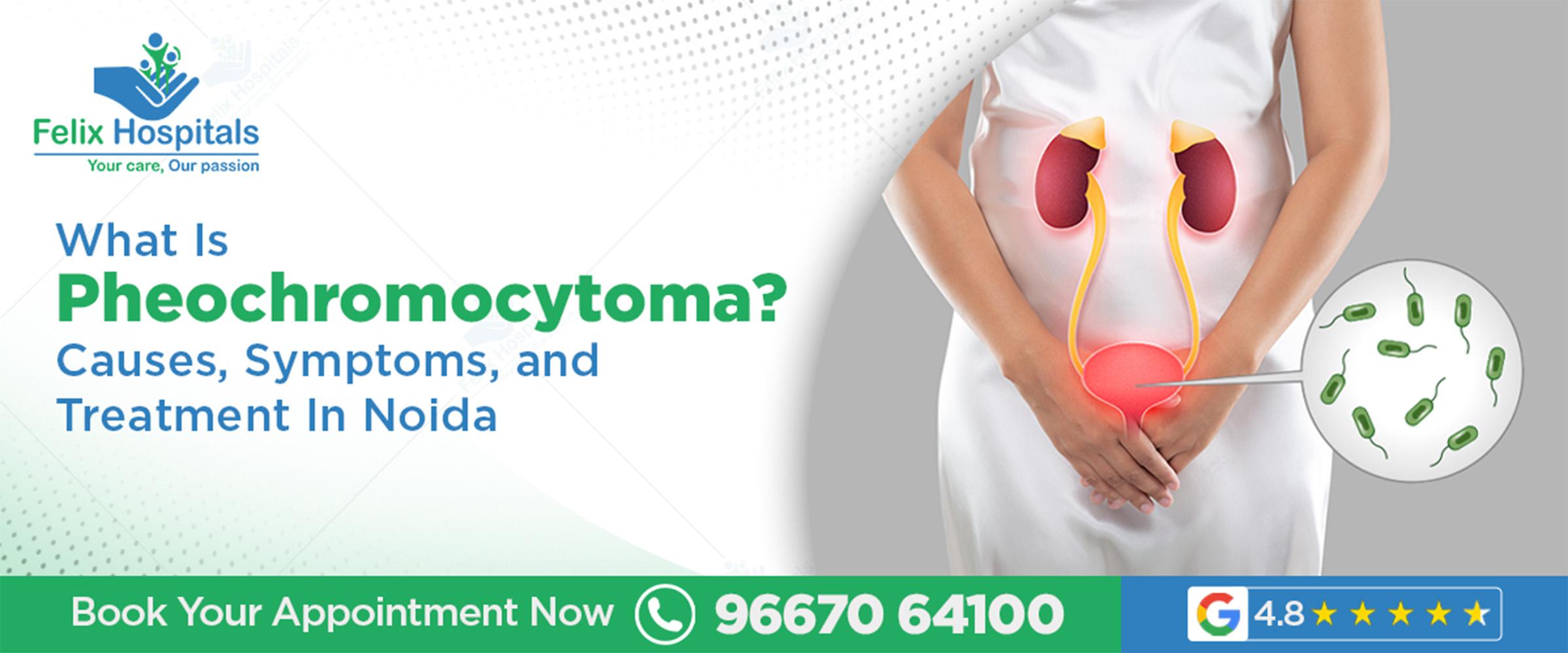
Pheochromocytoma is a rare type of tumor that arises from the adrenal glands, which are located above the kidneys and produce essential hormones like adrenaline and noradrenaline. These tumors can lead to the overproduction of these hormones, causing severe health complications if left untreated. Many residents of Noida ask: “What is pheochromocytoma?” Understanding its causes, symptoms, and treatment options is vital to managing this condition effectively.
Early detection is critical. Consulting an experienced endocrinologist in Noida ensures proper diagnosis, timely intervention, and personalized treatment plans. Pheochromocytoma can occur in both adults and children, though the presentation may vary depending on age and underlying health conditions.
Get advanced pheochromocytoma treatment in Noida with specialized surgical and follow-up care. Call +91 9667064100 now.
Pheochromocytoma is a rare tumor of the adrenal glands that produces excess catecholamines, including adrenaline and noradrenaline. These hormones regulate blood pressure, heart rate, and stress responses. Overproduction can cause life-threatening episodes of high blood pressure and cardiovascular complications.
For residents seeking pheochromocytoma treatment in Noida, early consultation with an endocrinologist can help manage hormone levels, prevent complications, and determine whether surgical intervention is necessary.
In adults, pheochromocytoma commonly presents between the ages of 30 and 50. Pheochromocytoma in adults may cause episodic or sustained hypertension, palpitations, sweating, and severe headaches. Patients often report anxiety or feelings of impending doom during hormone surges.
Identifying these symptoms early and consulting an endocrinologist in Noida is crucial for effective management and prevention of cardiovascular complications such as arrhythmias, heart attack, or stroke.
Though rare, pheochromocytoma in children can occur and may present differently than in adults. Children may experience:
Persistent high blood pressure.
Rapid heart rate and palpitations.
Unexplained sweating and flushing episodes.
Growth abnormalities or delayed development in rare cases.
Early detection is critical in children, as untreated tumors can lead to severe complications. Families in Noida should consult a pheochromocytoma treatment in Noida center for evaluation and management.
Adrenal gland tumor symptoms are often intermittent and can mimic other conditions, making diagnosis challenging.
Common symptoms include:
Severe, episodic headaches.
Palpitations and rapid heartbeat.
Excessive sweating and anxiety episodes.
Flushing or pallor of the skin.
High blood pressure that is difficult to control.
Recognizing these signs and seeking care at a specialized endocrinologist in Noida is essential to prevent long-term cardiovascular damage.
Understanding what causes pheochromocytoma helps in assessing risk and guiding treatment. While most cases are sporadic, some are linked to genetic syndromes, including:
Multiple Endocrine Neoplasia type 2 (MEN2)
Von Hippel-Lindau syndrome
Neurofibromatosis type 1
Environmental factors or previous adrenal gland conditions are less common causes. Knowing your family history and consulting an endocrinology hospital in Noida can aid in early detection and preventive care.
Certain factors increase the likelihood of developing pheochromocytoma:
Genetic predisposition or family history of endocrine tumors.
Age between 30–50 years for adults, though children can also be affected.
Pre-existing adrenal or hormonal disorders.
Previous exposure to radiation or rare congenital syndromes.
Individuals with these risk factors should consider periodic evaluation at a pheochromocytoma treatment in Noida center to detect tumors early.
Symptoms often appear episodically and may be mistaken for anxiety or heart disease. Key signs include:
Sudden spikes in blood pressure.
Headaches that may be severe and throbbing.
Rapid heartbeat (palpitations) and chest discomfort.
Excessive sweating during episodes.
Nausea, vomiting, and pallor.
If left untreated, these symptoms can escalate into pheochromocytoma complications such as heart attack, stroke, or organ damage, emphasizing the need for early consultation with an endocrinologist in Noida.
Without timely treatment, pheochromocytoma can cause serious health problems:
Cardiovascular complications: Arrhythmias, heart failure, or myocardial infarction.
Neurological effects: Stroke or transient ischemic attacks due to elevated blood pressure.
Metabolic disturbances: Hyperglycemia or insulin resistance.
Kidney damage: Chronic hypertension can impair kidney function.
Early diagnosis and intervention at a pheochromocytoma treatment in Noida facility reduce the risk of these complications.
Pheochromocytoma diagnosis and treatment involve a combination of imaging, lab tests, and surgical management:
Blood and urine tests: Measure catecholamines and their metabolites.
Imaging: MRI, CT scans, or MIBG scans to locate tumors.
Pre-surgical preparation: Blood pressure control with alpha and beta-blockers.
Surgical removal: Laparoscopic or open adrenalectomy is the definitive treatment.
Follow-up care: Regular monitoring of hormone levels and blood pressure to prevent recurrence.
For residents of Noida, consulting a specialized pheochromocytoma treatment in Noida center ensures access to advanced diagnostics and expert surgical care.
Treatment strategies differ slightly for adults and children:
Adults: Often require surgical removal after stabilizing blood pressure. Post-operative follow-up ensures hormone levels normalize.
Children: Require careful pre-surgical evaluation and genetic testing. Surgery is followed by long-term monitoring to detect potential recurrence or complications.
An experienced endocrinologist in Noida can guide both adult and pediatric patients through safe and effective treatment.
Managing pheochromocytoma extends beyond surgery. Patients are advised to:
Monitor blood pressure regularly.
Maintain a healthy diet and exercise routine.
Avoid stimulants that can trigger hormone surges.
Attend regular follow-ups with an endocrinologist in Noida to monitor for recurrence.
Long-term vigilance helps prevent recurrence and reduces cardiovascular risks.
Don’t wait—consult an expert endocrinologist in Noida for pheochromocytoma evaluation today. Call +91 9667064100.
Pheochromocytoma is a rare but potentially life-threatening adrenal gland tumor. Understanding what is pheochromocytoma, recognizing symptoms, knowing pheochromocytoma risk factors, and seeking timely evaluation can prevent serious complications. Both adults and children may be affected, requiring specialized care. Consulting an experienced endocrinologist in Noida and accessing advanced pheochromocytoma treatment in Noida ensures accurate diagnosis, safe surgical management, and comprehensive follow-up for optimal recovery and long-term health.
Q.1 What is pheochromocytoma?
Ans. A rare adrenal gland tumor that produces excess adrenaline and noradrenaline.
Q.2 Can children develop pheochromocytoma?
Ans. Yes, though it is rare. Symptoms include high blood pressure, palpitations, and sweating.
Q.3 What causes pheochromocytoma?
Ans. Mostly genetic factors; some cases are linked to syndromes like MEN2 or Von Hippel-Lindau.
Q.4 What are the common symptoms?
Ans. High blood pressure, headaches, palpitations, sweating, and anxiety episodes.
Q.5 How is pheochromocytoma treated?
Ans. Surgical removal of the tumor, along with pre-operative blood pressure control and post-operative monitoring.
Diabetes is a condition in which your body part pancreases cannot make enough insulin which results in an increase in your glucose level/blood sugar level.
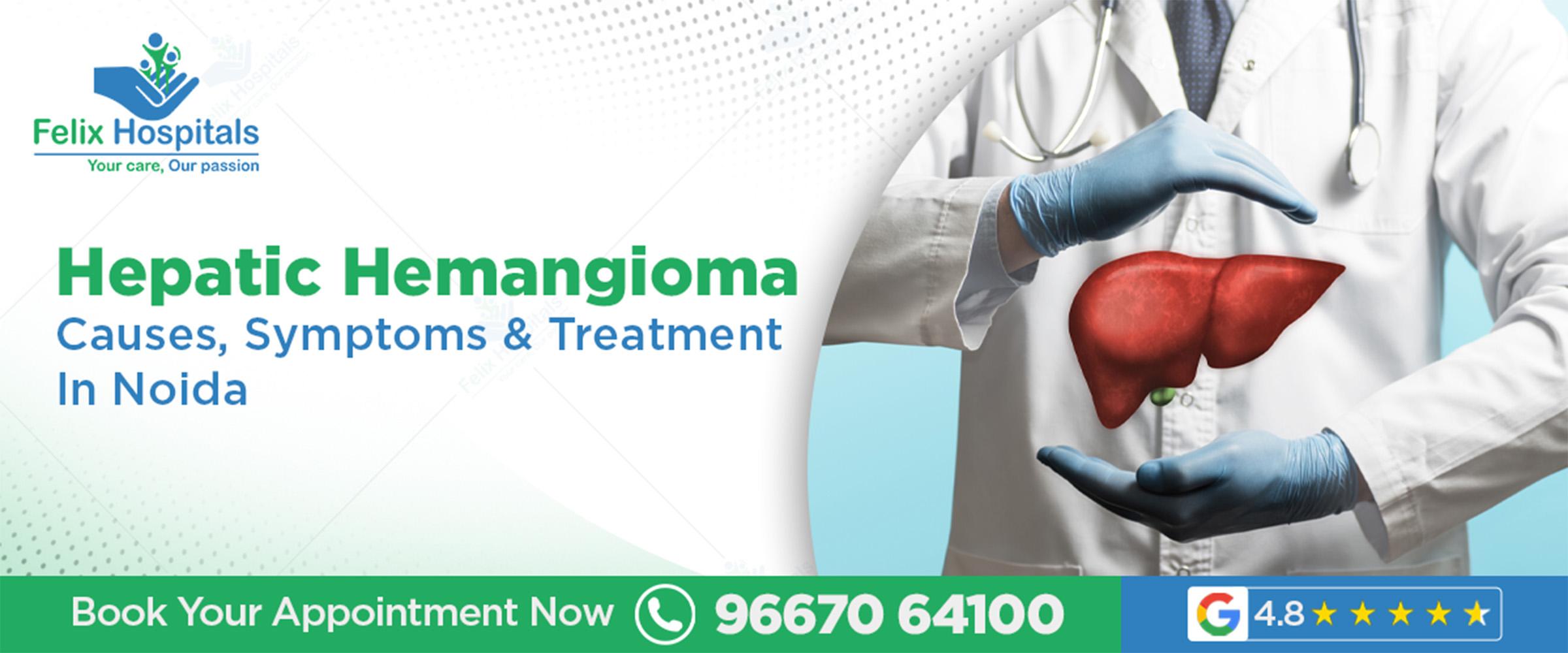
A hepatic hemangioma is the most common benign liver tumor, typically discovered incidentally during imaging tests for other conditions. These tumors are formed from a cluster of blood vessels in the liver and are usually non-cancerous. Most people with hepatic hemangiomas remain asymptomatic throughout their lives, but larger tumors can cause discomfort, pain, or complications that require medical attention.
Early consultation with a liver tumor doctor in Noida ensures proper assessment, monitoring, and intervention if necessary. With modern imaging and surgical techniques, hepatic hemangioma management is safe, effective, and associated with excellent recovery rates.
Access expert hepatic hemangioma surgery in Noida with modern facilities and safe care. Call +91 9667064100 now.
A hepatic hemangioma is a mass in the liver made of tangled blood vessels. Unlike malignant tumors, it does not spread to other organs or develop into cancer. These tumors vary in size, from a few millimeters to several centimeters, and their growth is typically slow.
Most small hemangiomas do not require treatment and are only monitored through periodic imaging studies. However, larger hemangiomas or those causing symptoms require careful evaluation and sometimes surgical intervention. Residents in Noida seeking evaluation for hepatic hemangioma surgery in Noida can benefit from specialized liver care centers that provide advanced imaging, diagnostics, and surgical expertise.
As a benign liver tumor hemangioma, this condition usually poses minimal risk to overall health. Most patients are unaware of its presence until discovered during routine imaging. However, complications can arise if the tumor grows large enough to compress surrounding structures or if it ruptures.
Even though benign, a large hemangioma may cause abdominal discomfort, fullness, or bloating. Consulting a liver tumor doctor in Noida ensures a personalized approach to monitoring and managing the tumor safely, avoiding unnecessary interventions while preventing potential complications.
The exact what causes hepatic hemangioma is not fully understood, but several factors may contribute:
Congenital vascular malformations: Many hemangiomas are present from birth, though they may remain undetected for years.
Hormonal influences: Estrogen can stimulate growth, making women more prone to developing larger hemangiomas.
Genetic predisposition: Rare familial cases suggest a possible hereditary link.
Knowing these factors helps liver tumor doctors in Noida determine the risk, guide monitoring strategies, and plan interventions if needed.
Most hepatic hemangiomas are asymptomatic, but hepatic hemangioma symptoms can develop when the tumor is large or presses on nearby structures. Symptoms may include:
Pain or discomfort in the upper right abdomen.
Feeling of fullness after small meals.
Nausea or mild digestive disturbances.
Rarely, jaundice if the hemangioma compresses bile ducts.
Fatigue or general malaise in cases of very large tumors.
Noticing these symptoms should prompt residents to consult a liver tumor doctor in Noida to rule out other liver conditions and assess the need for intervention.
Accurate hepatic hemangioma diagnosis requires a combination of imaging tests and laboratory evaluations:
Ultrasound: Often the first step in detecting liver masses.
CT Scan: Helps determine size, location, and vascularity of the tumor.
MRI: Provides detailed imaging to distinguish hemangiomas from malignant liver lesions.
Blood Tests: Assess liver function and rule out other hepatic disorders.
Follow-up Imaging: Monitoring hemangiomas over time is essential for safe management.
Residents of Noida seeking diagnosis should consult a hepatic hemangioma surgery in Noida center to ensure expert assessment and accurate interpretation of imaging results.
Treatment is generally unnecessary for small, asymptomatic tumors. When to treat hepatic hemangioma depends on factors such as:
Tumor size exceeding 5–10 centimeters.
Rapid growth observed in follow-up imaging.
Presence of symptoms like abdominal pain, bloating, or nausea.
Rare complications such as rupture or bleeding.
Early consultation ensures appropriate decision-making. Residents of Noida can rely on specialized hepatic hemangioma surgery in Noida centers for timely intervention and monitoring.
The treatment approach depends on tumor size, symptoms, and patient health:
Small, asymptomatic hemangiomas are typically observed with periodic imaging. This approach avoids unnecessary surgery while ensuring any growth is detected early.
Indicated for large or symptomatic hemangiomas. Procedures include:
Enucleation: Tumor removal while preserving surrounding liver tissue.
Partial Hepatectomy: Removing a liver segment if the hemangioma is extensive.
In select cases, laparoscopic surgery or embolization can manage the hemangioma while reducing recovery time.
Consulting a liver tumor doctor in Noida ensures the treatment plan is tailored to the patient’s unique condition, maximizing safety and effectiveness.
Though hepatic hemangiomas are benign, untreated or large tumors may lead to:
Spontaneous rupture and internal bleeding, which is rare but serious.
Compression of bile ducts, leading to jaundice.
Pressure on blood vessels, causing portal hypertension or other vascular issues.
Rare coagulopathy or clotting problems.
Timely assessment at a hepatic hemangioma surgery in Noida center helps mitigate these risks, ensuring patient safety and long-term liver health.
Before surgery, patients undergo thorough pre-operative evaluations:
Comprehensive blood tests to assess liver function and overall health.
Imaging studies to precisely map the tumor.
Consultation regarding medications, lifestyle adjustments, and anesthesia.
Planning for post-operative care, including diet, activity limitations, and follow-up schedules.
Proper pre-surgical preparation at a hepatic hemangioma surgery in Noida hospital improves outcomes and reduces complications.
Recovery after treatment involves:
Regular follow-up imaging to ensure complete removal and monitor for recurrence.
Liver function tests to assess post-surgical recovery.
Gradual return to normal activities, guided by medical professionals.
Nutritional counseling to support liver health and overall well-being.
A liver tumor doctor in Noida coordinates post-treatment care to ensure smooth recovery and minimize complications.
Even after successful treatment, maintaining liver health is crucial:
Monitor blood pressure and overall wellness.
Avoid alcohol and liver-damaging substances.
Maintain a healthy diet rich in antioxidants and nutrients.
Attend regular check-ups for liver function monitoring.
Long-term care and vigilance help prevent recurrence and ensure optimal liver function.
Selecting a qualified liver tumor doctor in Noida is essential for accurate diagnosis and effective management:
Experienced in both small and complex hemangiomas.
Affiliated with hospitals offering advanced surgical, imaging, and ICU facilities.
Provides comprehensive care from pre-operative preparation to post-operative rehabilitation.
Communicates clearly about treatment options, risks, and expected outcomes.
Access to a skilled specialist ensures safe treatment, reduces anxiety, and improves recovery quality.
Consult a trusted liver tumor doctor in Noida today for evaluation and treatment guidance. Call +91 9667064100.
Hepatic hemangioma is a benign liver tumor that is often asymptomatic but can cause complications in some cases. Understanding what is hepatic hemangioma, recognizing adrenal gland tumor symptoms, and knowing when to treat hepatic hemangioma is crucial for Noida residents. Consultation with a liver tumor doctor in Noida and access to specialized hepatic hemangioma surgery Hospital in Noida ensures accurate diagnosis, effective treatment, and long-term monitoring. Timely intervention and regular follow-up allow patients to maintain liver health, prevent complications, and achieve optimal recovery.
Q.1 What is hepatic hemangioma?
Ans. A benign liver tumor formed by a cluster of blood vessels, usually non-cancerous.
Q.2 What causes hepatic hemangioma?
Ans. Primarily congenital vascular malformations, hormonal influences, or rare genetic factors.
Q.3 When should I treat a hepatic hemangioma?
Ans. Treatment is considered for large, symptomatic, or complicated tumors.
Q.4 How is hepatic hemangioma diagnosed?
Ans. Through imaging tests such as ultrasound, CT scan, MRI, and blood tests.
Q.5 Can hepatic hemangioma be treated without surgery?
Ans. Yes, small and asymptomatic hemangiomas are monitored regularly, while surgery is reserved for problematic cases.
Understand how fatty liver develops, its key stages, and the steps needed for recovery. Early diagnosis and expert treatment can help reverse damage and restore liver function.

Expert liver treatment in Noida with advanced care and specialist doctors.
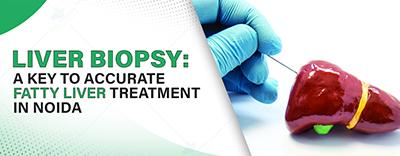
Liver biopsy is a crucial diagnostic tool for accurately detecting the stage and severity of fatty liver disease. It helps specialists in Noida tailor the most effective treatment plans, ensuring better liver health and long-term recovery.
Spine disorders are among the most common causes of chronic pain and reduced mobility in adults today. Conditions affecting the cervical, thoracic, or lumbar spine can significantly impact daily life, work productivity, and overall quality of living. Patients searching for what are the advanced treatment options for spine disorders in Noida often seek solutions that relieve pain while preserving long-term spine function.
The spine is a complex structure of bones, discs, nerves, and muscles. Any disruption can lead to symptoms ranging from mild discomfort to severe neurological issues. Early evaluation and specialized orthopedic care are essential to prevent progression and permanent damage.
For expert diagnosis and advanced spine treatment options, consult a specialist today. Call +91 9667064100
Spine problems may develop due to age, poor posture, injury, or degenerative changes. Consulting the best doctors for spine disorders in Noida ensures accurate diagnosis and appropriate treatment planning.
Common spine disorders include:
Slip disc (herniated disc)
Cervical or lumbar spondylosis
Spinal stenosis
Sciatica
Degenerative disc disease
Spinal deformities
Each condition requires a tailored treatment approach.
Spine disorders often start with subtle symptoms that worsen over time. Many patients ask how to treat chronic back pain in Noida when pain becomes persistent or disabling.
Warning signs include:
Chronic back or neck pain
Pain radiating to arms or legs
Numbness or tingling
Muscle weakness
Difficulty walking or standing
Ignoring these signs can lead to nerve damage.
Accurate diagnosis is the foundation of effective care. Patients considering where to get spine surgery in Noida usually undergo detailed clinical and imaging evaluations before any intervention.
X-rays for structural assessment
MRI scans for disc and nerve evaluation
CT scans for bone detail
Nerve conduction studies
These investigations guide treatment decisions.
Not all spine disorders require surgery. Advanced non-operative care is often part of what are the advanced treatment options for spine disorders in Noida for early or moderate conditions.
Medication for pain and inflammation
Physiotherapy and posture correction
Spinal injections
Lifestyle modification programs
Early conservative treatment often prevents surgery.
Rehabilitation plays a vital role in recovery and pain control. Under the guidance of the best doctors for spine disorders in Noida, patients receive personalized therapy plans.
Improve spinal flexibility
Strengthen core muscles
Reduce nerve compression
Prevent recurrence of pain
Consistent therapy improves long-term outcomes.
Technological advancements have transformed spine care. Patients often search which hospital offers minimally invasive spine surgery in Noida to benefit from safer and faster procedures.
Minimally invasive techniques offer:
Smaller incisions
Less blood loss
Reduced hospital stay
Faster recovery
These procedures minimize tissue damage while delivering effective results.
Surgery is considered when conservative treatments fail or neurological deficits appear. Patients planning procedures often ask where to get spine surgery in Noida with experienced surgeons and advanced facilities.
Severe disc herniation
Progressive nerve weakness
Spinal instability
Chronic pain affecting daily life
Timely surgery prevents long-term complications.
Understanding expenses is an important part of decision-making. Patients frequently inquire about the cost of spine surgery in Noida before proceeding with treatment.
Type of spine condition
Surgical complexity
Implant requirements
Hospital infrastructure
Transparent counseling helps patients plan confidently.
Spine treatment requires a multidisciplinary approach. Selecting the best orthopedics hospital in Noida ensures access to skilled surgeons, modern technology, and comprehensive rehabilitation.
A well-equipped hospital offers:
Advanced imaging facilities
Dedicated spine units
Trained surgical teams
Post-operative rehabilitation support
This improves safety and success rates.
Expert consultation is critical for accurate treatment planning. Patients seeking to consult spine specialist in Noida benefit from individualized care and evidence-based decisions.
Spine specialists focus on:
Preserving spinal function
Minimizing surgical risks
Long-term pain management
Patient education and follow-up
Specialist care ensures better recovery.
Early consultation prevents disease progression. Patients are encouraged to book spine doctor appointment in Noida when symptoms persist beyond a few weeks.
Timely evaluation helps:
Avoid nerve damage
Reduce treatment duration
Improve recovery outcomes
Lower overall healthcare costs
Early care is always beneficial.
Recovery depends on the type of treatment received. Patients treated under what are the advanced treatment options for spine disorders in Noida receive structured post-treatment guidance.
Physiotherapy programs
Activity modification
Pain management plans
Regular follow-up visits
Adherence to advice speeds recovery.
If back or neck pain is affecting your daily life, book a spine consultation now. Call +91 9667064100
Spine disorders can significantly affect mobility and quality of life if not treated appropriately. With access to advanced diagnostics, non-surgical therapies, and modern surgical techniques, patients can achieve lasting relief. Seeking care from the best doctors for spine disorders in Noida ensures accurate diagnosis and personalized treatment planning.
Early intervention, expert guidance, and comprehensive rehabilitation are the pillars of successful spine care. Patients in Noida now have access to world-class orthopedic services that focus on safety, precision, and long-term spine health.
Q1 :Can spine disorders be treated without surgery?
A: Yes, many cases improve with medication and physiotherapy.
Q2: Is minimally invasive spine surgery safe?
A: Yes, it offers high precision with faster recovery when indicated.
Q3: How long does spine surgery recovery take?
A: Recovery varies but usually improves over weeks to months.
Q4: Can spine disorders return after treatment?
A: Recurrence is possible without lifestyle and posture correction.
Q5: When should I consult a spine specialist?
A: If pain persists beyond two weeks or worsens, seek care.
Tuberculosis (TB) is primarily known as a respiratory infection caused by Mycobacterium tuberculosis, but it can affect various body parts, including bones and joints.

Learn the causes, symptoms, and treatments of hip osteoarthritis for better joint health.


Subscribe to our
© Copyright 2026. All Rights Reserved by Felix Healthcare Private Limited
Design and development by :


 +(91)9667064100
 Emergency : +(91)9667064100