Your Health, Our Priority

Request Call Back

Request an Appointment

CAPTCHA
Solve this simple math problem and enter the result. E.g. for 1+3, enter 4.
* By clicking on the above button you agree to receive updates on WhatsApp

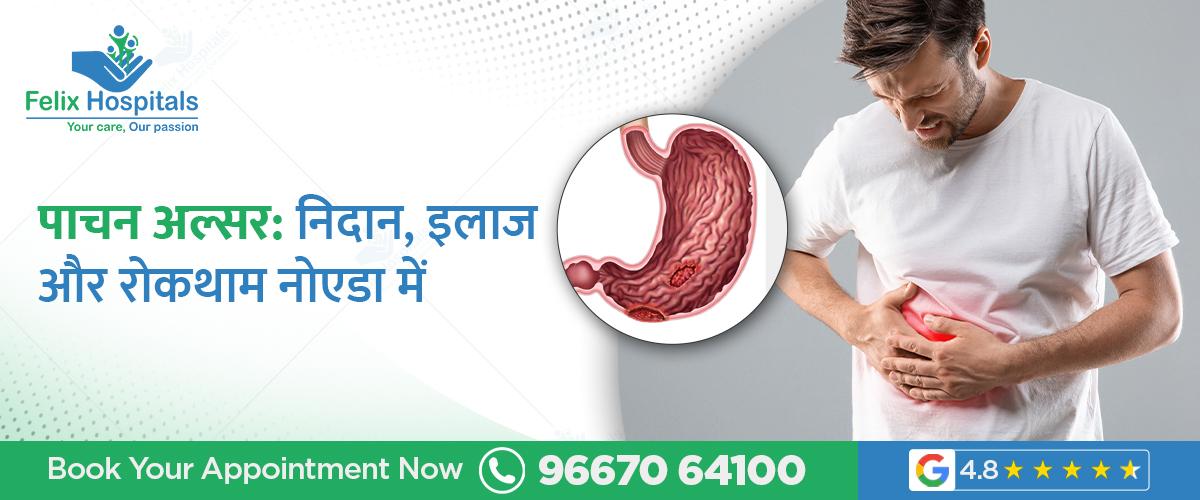
पाचन अल्सर: निदान, इलाज और रोकथाम-नोएडा में

पाचन अल्सर यानी पेप्टिक अल्सर पाचन तंत्र में बनने वाले खुले घाव होते हैं। जो मुख्यत: पेट (गैस्ट्रिक अल्सर) या छोटी आंत के पहले हिस्से ड्यूओडेनम (ड्यूओडेनल अल्सर) में विकसित होते हैं। यह समस्या अक्सर हेलिकोबैक्टर पाइलोरी संक्रमण, अधिक एसिडिटी, खराब खान-पान और दर्द निवारक दवाओं के लम्बे उपयोग से होती है। नोएडा में गैस्ट्रोएंट्रोलॉजिस्ट डॉक्टर उपलब्ध है। नोएडा में आज आधुनिक गैस्ट्रोएंटेरोलॉजी सुविधाएँ उपलब्ध हैं। जहां विशेषज्ञ डॉक्टर एंडोस्कोपी, बैक्टीरियल टेस्ट और उन्नत उपचार के माध्यम से इस बीमारी को पूरी तरह नियंत्रित कर सकते हैं।


अभी परामर्श के लिए कॉल करें – +91 9667064100


पाचन अल्सर क्या है? (What is Digestive/Peptic Ulcer)

पाचन अल्सर पाचन तंत्र की अंदरूनी परत पर बने खुले घाव होते हैं। यह शरीर में तब विकसित होते हैं जब पेट का एसिड और पाचक रस, आंत या पेट की दीवार को क्षतिग्रस्त करते हैं। पाचन अल्सर मुख्य रूप से दो प्रकार के होते हैं। गैस्ट्रिक अल्सर और ड्यूओडेनल अल्सर। दोनों ही पेट की भीतरी सतह या छोटी आंत की अंदरूनी लाइनिंग पर घाव बनने से विकसित होते हैं, लेकिन इनके लक्षण, दर्द का समय और कारण कुछ अलग होते हैं।


पाचन अल्सर के प्रकार (Types of peptic ulcers)


गैस्ट्रिक अल्सरः

गैस्ट्रिक अल्सर पेट की अंदरूनी सतह पर होने वाले घाव होते हैं। जब पेट के तेज अम्ल और पाचन रस पेट की श्लेष्मिक झिल्ली को क्षति पहुंचाते हैं। तब यह अल्सर धीरे-धीरे बनता है। अक्सर यह एच. pylori संक्रमण, अत्यधिक दर्द निवारक दवाओं का सेवन, तनाव, मसालेदार भोजन या धूम्रपान/शराब के अत्यधिक उपयोग से संबंधित होता है।आमतौर पर भोजन करने के थोड़ी देर बाद दर्द शुरू होता है, क्योंकि खाना पेट में एसिड का स्राव बढ़ा देता है। इसके साथ सीने या पेट में जलन, भारीपन, मतली, गैस और डकारें बनी रहना जैसे लक्षण दिखाई देते हैं।


ड्यूओडेनल अल्सरः

ड्यूओडेनल अल्सर छोटी आंत के पहले हिस्से, जिसे ड्यूओडेनम कहा जाता है। यह गैस्ट्रिक अल्सर की तुलना में अधिक सामान्य है। एच. pylori संक्रमण और एसिड का ज्यादा उत्पादन इसके प्रमुख कारण हैं। यह प्रकार अक्सर लंबे समय तक चलने वाली एसिडिटी और खाली पेट एसिड के सीधे संपर्क के कारण विकसित होता है। खाली पेट या लंबे गैप के बाद पेट में तेज दर्द होता। यह दर्द आमतौर पर रात के समय बढ़ता है और मरीज को नींद से जगा देता है।


पाचन अल्सर के मुख्य कारण (Causes of Digestive Ulcer)


  • एच. पाइलोरी संक्रमणः यह बैक्टीरिया पेट की सुरक्षात्मक परत को नुकसान पहुंचाकर अल्सर बनाता है।

  • दर्द निवारक दवाओं का लंबे समय तक उपयोग उदाहरण एस्पिरिन, आइबुप्रोफेन, नेप्रोक्सन ये दवाएं पेट की परत को कमजोर बनाती हैं।

  • अत्यधिक एसिड का उत्पादनः तेज मिर्च-मसाले, अनियमित भोजन और तनाव ज़्यादा एसिड पैदा कर सकते हैं।

  • धूम्रपान और शराबः ये दोनों पेट की परत को नष्ट करते हैं और अल्सर को बढ़ाते हैं।

  • तनावपूर्ण जीवनशैलीः हालांकि तनाव अल्सर का सीधा कारण नहीं, पर यह लक्षणों को खराब करता है।


पाचन अल्सर के लक्षण (Symptoms of Digestive Ulcer)


  1. पेट में जलन व दर्द

  2. भूख कम लगना

  3. अपच

  4. मतली, उल्टी

  5. काला या तारकोल जैसा मल

  6. वजन कम होना

  7. खाना खाने के बाद भारीपन

  8. सीने में जलन


अल्सर की जांच और निदान (Diagnosis of Peptic Ulcer)

पाचन अल्सर के सही निदान के लिए आधुनिक तकनीकें और सटीक लैब टेस्ट आवश्यक हैं। नोएडा में उपलब्ध एडवांस गैस्ट्रोइंटेस्टाइनल डायग्नोस्टिक सुविधाओं की मदद से अल्सर का प्रकार, गंभीरता और कारण स्पष्ट रूप से पता लगाया जा सकता है।


एंडोस्कोपीः

एंडोस्कोपी पाचन अल्सर की पुष्टि के लिए सबसे सटीक और विश्वसनीय जांच मानी जाती है। इस प्रक्रिया में मुंह के माध्यम से एक पतली, लचीली और कैमरा-युक्त ट्यूब (एंडोस्कोप) पेट और ड्यूओडेनम के अंदर तक पहुंचाई जाती है। एंडोस्कोप भोजन नली से होकर पेट और फिर छोटी आंत के पहले हिस्से तक जाता है, जिससे डॉक्टर पूरे क्षेत्र को लाइव देखकर अल्सर की सटीक जानकारी प्राप्त कर सकते हैं।


एच. पाइलोरी टेस्टः

टेस्ट यह पता लगाने के लिए किया जाता है कि पाचन अल्सर का कारण हैलीकॉप्टर पायलॉरी नामक बैक्टीरिया है या नहीं। यह बैक्टीरिया पेट की भीतरी परत में सूजन पैदा करता है और गैस्ट्रिक व ड्यूओडेनल दोनों प्रकार के अल्सर का प्रमुख कारण माना जाता है। इसकी पहचान के लिए कई विश्वसनीय टेस्ट उपलब्ध हैं। सबसे पहले यूरिया सांस परीक्षण (UBT) किया जाता है। जिसमें मरीज को विशेष यूरिया युक्त दवा दी जाती है। इसके बाद सांस में निकलने वाली गैसों का विश्लेषण करके एच. पाइलोरी की मौजूदगी का पता लगाया जाता है। यह टेस्ट अत्यंत सटीक, सुरक्षित और पूरी तरह गैर-इनवेसिव होता है, इसलिए अधिकतर मामलों में इसे प्राथमिक जांच के रूप में उपयोग किया जाता है।


रक्त जांचः

पाचन अल्सर के प्रभाव और संभावित जटिलताओं को समझने में रक्त जांच महत्वपूर्ण भूमिका निभाती हैं। इनमें सबसे पहले सीबीसी (पूर्ण रक्त गणना) शामिल है, जिसके माध्यम से एनीमिया (Anemia) का पता लगाया जाता है। अल्सर के कारण धीरे-धीरे होने वाला आंतरिक रक्तस्राव हीमोग्लोबिन के स्तर को कम कर सकता है, इसलिए यह जांच उपचार की दिशा तय करने में बेहद सहायक है। इसके साथ ही सीआरपी और ईएसआर जैसे इन्फेक्शन मार्कर शरीर में सूजन या संक्रमण के स्तर का मूल्यांकन करते हैं। यदि अल्सर गहरा हो रहा हो या संक्रमण बढ़ रहा हो, तो इन मार्करों के बढ़े हुए स्तर तुरंत संकेत दे देते हैं।


एंडोस्कोपी द्वारा अल्सर जांच (Ulcer Detection via Endoscopy)

एंडोस्कोपी पाचन तंत्र में अल्सर की पहचान करने की सबसे सुरक्षित और सटीक तकनीक मानी जाती है। जांच के दौरान मरीज को हल्की दवा देकर रिलैक्स किया जाता है। जिससे प्रक्रिया बिना किसी दर्द या असुविधा के पूरी हो सके। इसके बाद मुंह के रास्ते एक पतली कैमरा-युक्त ट्यूब धीरे-धीरे भोजन नली से होते हुए पेट और ड्यूओडेनम तक पहुंचाई जाती है। कैमरा अंदरूनी सतह की स्पष्ट तस्वीरें दिखाता है। जिनसे डॉक्टर अल्सर का स्थान, आकार और उसकी गंभीरता का सही आकलन कर पाते हैं। जरूरत पड़ने पर इसी दौरान प्रभावित क्षेत्र से एक छोटा-सा सैंपल लेकर बायोप्सी भी की जाती है। जिससे किसी संक्रमण या कैंसर जैसी गंभीर स्थिति की पुष्टि हो सके। एंडोस्कोपी के माध्यम से यह भी साफ हो जाता है कि अल्सर खतरनाक अवस्था में है या नहीं, जिससे आगे का उपचार अधिक प्रभावी तरीके से योजना बनाकर किया जा सकता है।


पाचन अल्सर का इलाज (Treatment of Digestive Ulcer)

अल्सर का उपचार उसके कारण, गंभीरता और मरीज की स्थिति के अनुसार तय किया जाता है। उपचार मुख्य रूप से दवाओं, आहार-सुधार, और आवश्यकता पड़ने पर सर्जरी के माध्यम से किया जाता है।


दवाइयों द्वारा उपचारः

अधिकांश मरीजों में पाचन अल्सर का उपचार दवाइयों के माध्यम से ही सफलतापूर्वक हो जाता है। अगर अल्सर का कारण H. pylori बैक्टीरिया पाया जाता है, तो डॉक्टर आमतौर पर 2–3 एंटीबायोटिक्स का संयोजन देते हैं। इसमें आमतौर पर Amoxicillin, Clarithromycin और Metronidazole जैसी दवाएँ शामिल होती हैं। इन दवाओं का कोर्स लगभग 10 से 14 दिनों तक लगातार चलाया जाता है, ताकि बैक्टीरिया पूरी तरह नष्ट हो जाए और अल्सर दोबारा न होने पाए। इस उपचार का मुख्य उद्देश्य पेट की परत में मौजूद संक्रमण को जड़ से खत्म करना और अल्सर को तेजी से भरने में मदद करना होता है।


पेट की एसिडिटी कम करने वाली दवाएंः

पाचन अल्सर के उपचार में पेट में बनने वाले एसिड को नियंत्रित करना बहुत महत्वपूर्ण है, क्योंकि अत्यधिक एसिड अल्सर की परत को और नुकसान पहुंचा सकता है और दर्द बढ़ा सकता है। इस उद्देश्य के लिए डॉक्टर Proton Pump Inhibitors (PPIs) और H2 Blockers जैसी दवाइयां देते हैं। PPIs में आमतौर पर Omeprazole और Pantoprazole शामिल होती हैं, जबकि H2 Blockers में Ranitidine और Famotidine उपयोग में आती हैं। ये दवाएं पेट की दीवार पर बनने वाले घाव को भरने में मदद करती हैं, दर्द और जलन को कम करती हैं और अल्सर के ठीक होने की प्रक्रिया को तेज करती हैं। इनका नियमित सेवन और डॉक्टर द्वारा सुझाए गए कोर्स का पालन करना अल्सर के स्थायी इलाज और दोबारा होने से बचाव में सहायक होता है।


एंटासिड्स और म्यूकोसल प्रोटेक्टिव एजेंट्सः

पाचन अल्सर के उपचार में एंटासिड्स और म्यूकोसल प्रोटेक्टिव एजेंट्स महत्वपूर्ण भूमिका निभाते हैं। ये दवाएं पेट में बनने वाली अत्यधिक एसिडिटी, जलन और खट्टी डकार जैसी समस्याओं को तुरंत कम करती हैं। इसके अलावा, ये पेट की अंदरूनी परत पर एक सुरक्षात्मक परत बनाती हैं, जिससे अल्सर के घाव तेजी से भरने में मदद मिलती है और पेट की दीवार सुरक्षित रहती है। आमतौर पर उपयोग किए जाने वाले एजेंटों में सुक्राल्फेट और बिस्मथ सबसैलिसिलेट शामिल हैं, जो अल्सर के ठीक होने की प्रक्रिया को तेज करने और दोबारा होने से रोकने में सहायक होते हैं।


आहार और जीवनशैली में सुधारः

पाचन अल्सर को ठीक करने और इसके दोबारा होने से बचाने के लिए आहार और जीवनशैली में सुधार अत्यंत महत्वपूर्ण है। मरीजों को सलाह दी जाती है कि वह मसालेदार, तला-भुना और अत्यधिक खट्टा भोजन कम करें। क्योंकि ये पेट की परत पर तनाव डालकर अल्सर को बढ़ा सकते हैं। इसके साथ ही चाय, कॉफी और अन्य कैफीनयुक्त पेय का सेवन सीमित करना चाहिए। शराब और धूम्रपान पूरी तरह बंद करना भी आवश्यक है, क्योंकि ये दोनों ही अल्सर को गंभीर बना सकते हैं। दिन में 4–5 बार हल्का और संतुलित भोजन करना चाहिए और खाली पेट लंबे समय तक न रहें। देर रात भारी भोजन से बचें ताकि पेट की एसिडिटी नियंत्रित रहे और अल्सर जल्दी ठीक हो। तनाव को कम करने के लिए योग, प्राणायाम और ध्यान जैसी गतिविधियां अपनाना उपयोगी होता है। साथ ही, पर्याप्त नींद और पर्याप्त मात्रा में पानी पीना भी पेट और संपूर्ण पाचन तंत्र की सेहत बनाए रखने में मदद करता है। इस तरह का संतुलित जीवनशैली और आहार अल्सर के उपचार को तेज करता है और दोबारा होने की संभावना को कम करता है।


गंभीर मामलों में सर्जरीः

पाचन अल्सर के अधिकांश मामलों में दवाइयां और जीवनशैली में सुधार ही पर्याप्त होते हैं। लेकिन कुछ गंभीर और जटिल स्थितियों में सर्जरी आवश्यक हो जाती है। ऐसी स्थिति तब आती है जब अल्सर में छेद बनता है। लगातार खून बहना शुरू हो जाता है और दवाइयों से नियंत्रण नहीं होता या अल्सर के कारण भोजन नली या ड्यूओडेनम में संकुचन आता है। इसके अलावा अगर किसी गंभीर जटिलता या कैंसर जैसी स्थिति का संदेह हो, तो भी सर्जरी की सलाह दी जाती है। सर्जरी का प्रकार मरीज की स्थिति, अल्सर की गंभीरता और स्वास्थ्य स्थिति के अनुसार तय किया जाता है। इसे विशेषज्ञ गैस्ट्रो-सर्जन द्वारा ही सुरक्षित तरीके से किया जाता है। सर्जरी का उद्देश्य अल्सर के कारण होने वाली खतरनाक जटिलताओं को रोकना और पाचन तंत्र की सामान्य कार्यप्रणाली को बहाल करना होता है।


पाचन अल्सर से बचाव (Prevention of Digestive Ulcer)


  • साफ पानी और स्वच्छ भोजन

  • एच. पाइलोरी संक्रमण से बचाव

  • दर्द निवारक दवाओं का सावधानी से उपयोग

  • नियमित भोजन

  • धूम्रपान और शराब से दूरी

  • तनाव प्रबंधन

  • संतुलित आहार और प्रोबायोटिक्स का सेवन

  • नियमित स्वास्थ्य जांच


नोएडा में पाचन अल्सर के लिए बेहतरीन गैस्ट्रोएंटेरोलॉजी उपचार

नोएडा में कई आधुनिक अस्पताल उपलब्ध हैं। जहां विशेषज्ञ डॉक्टर एंडोस्कोपी, डायग्नोसिस और उन्नत उपचार प्रदान करते हैं। बेस्ट हॉस्पिटल फॉर अल्सर ट्रीटमेंट नोएडा उपलब्ध है। यदि आप पेट दर्द, जलन, उल्टी, या किसी भी प्रकार के अल्सर के लक्षण महसूस कर रहे हैं, तो तुरंत गैस्ट्रोएंटेरोलॉजिस्ट से मिलें।


अभी परामर्श के लिए कॉल करें – +91 9667064100


निष्कर्ष (Conclusion)

पाचन अल्सर एक आम लेकिन गंभीर बीमारी है। जिसे समय रहते पहचान और इलाज करके पूरी तरह नियंत्रित किया जा सकता है। सही निदान (विशेषकर एंडोस्कोपी), दवाइयों का समुचित इस्तेमाल और जीवनशैली में सुधार से अल्सर को तेजी से ठीक किया जाता है। यदि आपको लगातार पेट में दर्द, जलन, काला मल, या खून की उल्टी के लक्षण दिखाई दें। तो तुरंत डॉक्टर से संपर्क करें।


अक्सर पूछे जाने वाले प्रश्न (Frequently Asked Questions – FAQs)


प्रश्न 1. पाचन अल्सर क्या होता है?
उत्तरः पाचन अल्सर पेट या छोटी आंत की अंदरूनी परत पर बनने वाला खुला घाव होता है। यह आमतौर पर गैस्ट्रिक अल्सर और ड्यूओडेनल अल्सर के रूप में पाया जाता है।


प्रश्न 2. क्या पाचन अल्सर हमेशा एच. पाइलोरी संक्रमण से होता है?
उत्तरः नहीं। एच. पाइलोरी एक प्रमुख कारण है। लेकिन दर्द निवारक दवा (जैसे एस्पिरिन, इबुप्रोफेन) का ज्यादा उपयोग, धूम्रपान, तनाव और खराब आहार भी अल्सर का कारण बन सकते हैं।


प्रश्न 3. क्या अल्सर की पुष्टि एंडोस्कोपी से होती है?
उत्तरः हां। एंडोस्कोपी अल्सर की सबसे सटीक जांच होती है। इससे अल्सर का आकार, गहराई और स्थान आसानी से दिखता है।


प्रश्न 4. क्या अल्सर पूरी तरह ठीक हो सकता है?
उत्तरः हां, यदि समय पर सही इलाज किया जाए। एंटीबायोटिक्स, पीपीआई और जीवनशैली में बदलाव से अधिकांश अल्सर ठीक हो जाते हैं। गंभीर मामलों में सर्जरी की आवश्यकता होती है।


प्रश्न 5. क्या पाचन अल्सर के लिए एंडोस्कोपी दर्दनाक होती है?
उत्तरः नहीं। यह प्रक्रिया हल्की दवा में की जाती है। जिससे मरीज को कोई दर्द महसूस नहीं होता है। प्रक्रिया 5–10 मिनट की होती है।

Your Health, Our Priority

Request Call Back

Request an Appointment

CAPTCHA
Solve this simple math problem and enter the result. E.g. for 1+3, enter 4.
* By clicking on the above button you agree to receive updates on WhatsApp

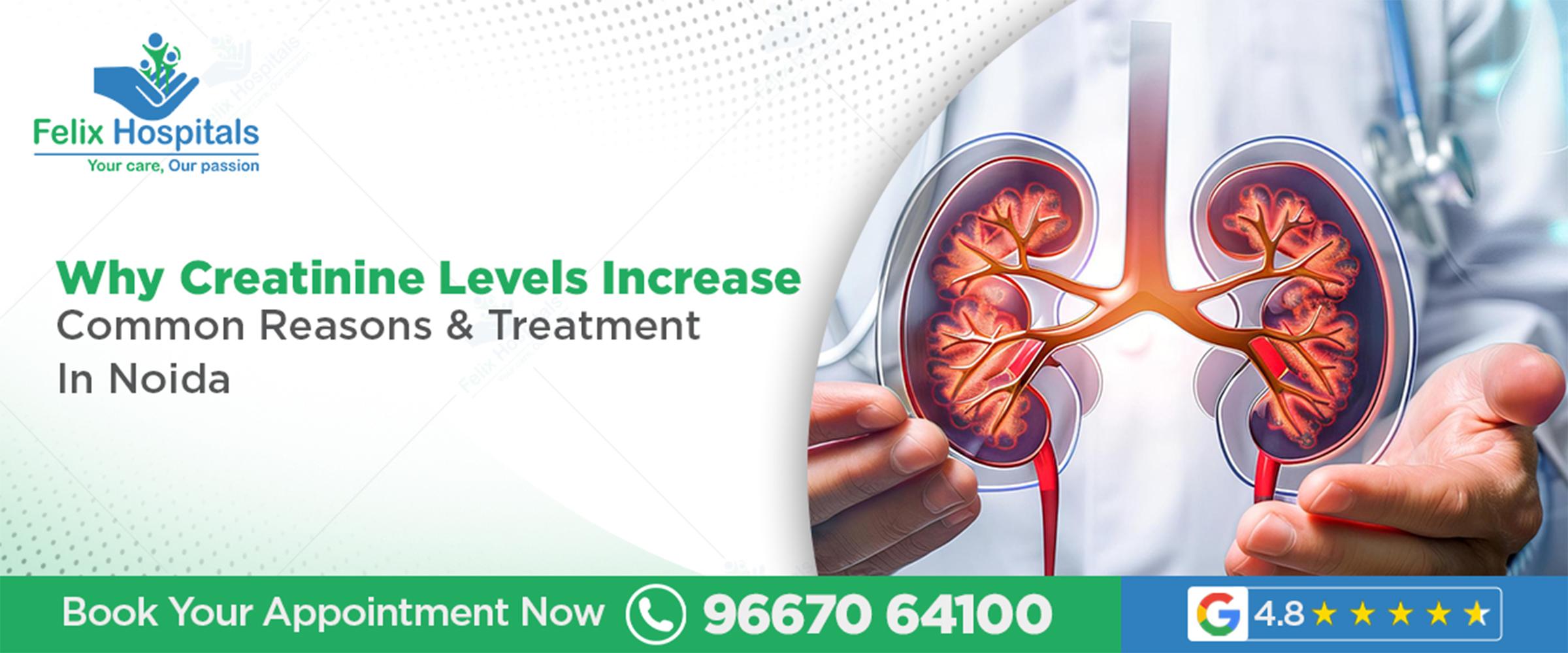
Why Creatinine Levels Increase: Common Reasons & Treatment In Noida

Kidneys play a vital role in filtering waste products from the blood, maintaining electrolyte balance, and supporting overall health. Creatinine levels in the blood are a key marker for kidney function. Elevated creatinine often signals impaired kidney function, dehydration, or other underlying conditions. Understanding why creatinine levels increase in blood, recognizing warning signs, and seeking professional care in Noida is crucial for preventing serious complications.


Take control of your kidney health. Call +91 9667064100 to schedule a nephrologist appointment 


What is Creatinine and Why It Matters

Creatinine is a waste product produced by muscles during normal metabolism. The kidneys filter creatinine from the bloodstream and excrete it through urine. When kidney function declines, creatinine levels in the blood rise, serving as an early indicator of potential kidney issues. Monitoring these levels regularly helps detect kidney problems before they progress, allowing timely intervention.


Common Reasons for High Creatinine

Elevated creatinine can result from various factors. Understanding common reasons for high creatinine is essential for accurate diagnosis and treatment:


  • Kidney disease: Conditions like chronic kidney disease (CKD) reduce filtration efficiency.

  • Dehydration: Insufficient fluid intake concentrates creatinine in the blood.

  • Medications: Drugs such as NSAIDs, certain antibiotics, and chemotherapy agents can increase creatinine temporarily.

  • High-protein diet: Excessive protein consumption raises creatinine production in muscles.

  • Muscle injury or intense exercise: Muscle breakdown releases creatinine into the bloodstream.

Identifying the root cause helps nephrologists tailor an effective treatment plan and prevent further kidney damage.


Symptoms of High Creatinine

Early stages of elevated creatinine may not produce noticeable symptoms. However, persistent high levels can manifest as symptoms of high creatinine:
 

  • Fatigue and generalized weakness

  • Swelling in legs, ankles, or around the eyes (edema)

  • Shortness of breath due to fluid retention

  • Nausea, vomiting, or loss of appetite

  • Changes in urination frequency, color, or volume

Recognizing these symptoms and consulting a specialist promptly is essential for preventing progression to severe kidney disease.


How High Creatinine Affects Overall Health

Elevated creatinine is not just a lab value—it affects multiple systems in the body. Persistent high creatinine can lead to:


  • Cardiovascular stress: High creatinine is associated with hypertension and heart complications.

  • Electrolyte imbalance: Kidney dysfunction can disrupt sodium, potassium, and calcium levels.

  • Fatigue and reduced energy: Waste buildup affects muscle and neurological function.

  • Increased risk of chronic kidney disease progression: Untreated high creatinine accelerates renal damage.

Understanding these risks emphasizes the importance of timely evaluation and treatment by a kidney specialist near me.


Diagnosing Elevated Creatinine Levels

Proper diagnosis is the first step in managing creatinine levels treatment and prevention:
 

  • Blood tests: Serum creatinine and estimated glomerular filtration rate (eGFR) measure kidney function.

  • Urine tests: Detect protein, blood, or creatinine clearance abnormalities.

  • Imaging studies: Ultrasound, CT scan, or MRI can reveal structural kidney issues.

  • Medical history evaluation: Includes medications, diet, hydration status, and family history.

These evaluations allow nephrologists to determine the underlying cause and plan a personalized treatment strategy.


How to Lower Creatinine Naturally

Alongside medical management, lifestyle interventions help reduce creatinine levels naturally:
 

  • Adequate hydration: Drinking sufficient water helps flush out creatinine and support kidney function.

  • Balanced diet: Limit excessive protein, salt, and processed foods. Focus on fruits, vegetables, and whole grains.

  • Avoid nephrotoxic substances: Reduce or avoid NSAIDs, certain antibiotics, and unprescribed supplements.

  • Moderate exercise: Maintain fitness without overexerting muscles.

  • Lifestyle adjustments: Avoid smoking, limit alcohol, and manage stress for overall kidney health.

These measures complement medical treatment and support long-term kidney health.


Medical Treatment for High Creatinine

When creatinine levels remain elevated, professional intervention is essential. Creatinine levels treatment and prevention may involve:


  • Medication adjustments: Stop or replace drugs that impair kidney function.

  • Treatment of underlying conditions: Manage diabetes, hypertension, and urinary tract obstructions to protect kidneys.

  • Dialysis: Required in severe cases with significant kidney impairment.

  • Surgical interventions: For structural abnormalities or obstruction-related kidney damage.

  • Regular follow-up: Monitor lab results and adjust treatment as needed.

Early consultation with a nephrologist appointment near me ensures effective treatment and reduces risk of complications.


Preventive Measures to Maintain Kidney Health

Preventing high creatinine is easier than treating advanced kidney issues. Key preventive steps include:
 

  • Routine check-ups: Annual kidney function tests to detect abnormalities early.

  • Hydration: Maintain consistent fluid intake throughout the day.

  • Healthy diet: Focus on natural foods, moderate protein, and low sodium intake.

  • Regular exercise: Gentle, consistent physical activity supports overall kidney and heart health.

  • Avoid harmful medications and substances: Limit alcohol, avoid smoking, and use medications under supervision.

Proactive care helps maintain stable creatinine levels in the blood and reduces the risk of chronic kidney disease.


Role of Hospitals and Specialists in Noida

Visiting a specialized hospital in Noida ensures expert management of elevated creatinine. Hospitals provide:
 

  • Advanced lab facilities and imaging for accurate diagnosis

  • Experienced nephrologists and multidisciplinary care teams

  • Personalized treatment plans tailored to each patient’s medical history

  • Post-treatment monitoring and guidance on lifestyle changes

Felix Hospital offers world-class nephrology services, ensuring comprehensive care for patients with high creatinine levels, from diagnosis to long-term management.


Monitoring Creatinine for Long-Term Health

Patients with high creatinine should undergo regular monitoring to prevent deterioration. Important steps include:
 

  • Routine blood tests including serum creatinine and eGFR

  • Tracking dietary intake, hydration, and lifestyle changes

  • Regular consultation with a kidney specialist near me

  • Early intervention if symptoms such as swelling, fatigue, or urination changes appear

Consistent monitoring ensures early detection of kidney complications and supports long-term wellness.


Lifestyle Recommendations Post-Treatment

After medical intervention, lifestyle adjustments play a critical role in maintaining healthy creatinine levels:
 

  • Continue a balanced, kidney-friendly diet

  • Maintain adequate hydration daily

  • Avoid strenuous exercise that can stress muscles and elevate creatinine

  • Follow up regularly with nephrologists for ongoing evaluation

  • Educate family members about kidney health for long-term prevention

These strategies help patients maintain kidney function and improve quality of life after treatment.
 

Don’t wait to protect your kidneys. Call at +91 9667064100 to consult a top nephrologist today


Conclusion

High creatinine is a warning signal of potential kidney issues that should not be ignored. Understanding why creatinine levels increase in blood, recognizing symptoms of high creatinine, and seeking expert care from nephrologists ensures timely intervention. Combining medical treatment with lifestyle changes to lower creatinine naturally supports long-term kidney health. Hospitals like Felix Hospital provide advanced nephrologist care in Noida, including diagnosis, treatment, and post-treatment guidance for patients of all ages. Timely action can prevent complications and preserve kidney function for years to come.


FAQs


Q1: What are the common causes of high creatinine levels?

Ans. Common causes include kidney disease, dehydration, medications, high-protein diets, and muscle injury.


Q2: Can creatinine levels be reduced naturally?

Ans. Yes, through hydration, diet modifications, moderate exercise, and avoiding nephrotoxic substances.


Q3: How often should I get my creatinine checked?

Ans. Routine testing is recommended every 6–12 months for healthy individuals and more frequently for those with kidney conditions.


Q4: Are there medications that specifically lower creatinine?

Ans. No direct medications exist; treatment focuses on managing underlying conditions and protecting kidney function.


Q5: When should I see a nephrologist?

Ans. Consult a nephrologist if creatinine levels remain high, symptoms like swelling or fatigue appear, or if you have chronic kidney-affecting conditions.

Your Health, Our Priority

Request Call Back

Request an Appointment

CAPTCHA
Solve this simple math problem and enter the result. E.g. for 1+3, enter 4.
* By clicking on the above button you agree to receive updates on WhatsApp

Balloon Septostomy in India: The Life-Saving Heart Procedure Parents Should Know

India has become a leading destination for Balloon Septostomy, especially for newborns and infants with complex congenital heart defects requiring urgent intervention. With advanced pediatric cardiac units, experienced pediatric cardiologists, and cost-effective care, India offers safe and timely balloon septostomy procedures aligned with global standards.


Balloon septostomy is often a life-saving, minimally invasive cardiac procedure performed soon after birth to improve oxygenation and stabilize babies before definitive heart surgery.


Schedule Mitral Valve Replacement Treatment in India at Felix Hospital, Noida India Call Us:  +919560795791 And WhatsApp  +919560795791 us now. Our team will help you book the best treatment and arrange your medical visa hassle-free.

What is Balloon Septostomy


Balloon Septostomy, also known as Balloon Atrial Septostomy, is a catheter-based procedure performed to enlarge an existing opening between the heart’s upper chambers (atria). The procedure improves blood mixing between oxygen-rich and oxygen-poor blood, thereby increasing oxygen delivery to the body.


This procedure is most commonly performed in newborns diagnosed with certain congenital heart defects where normal blood circulation is severely restricted. Balloon septostomy does not cure the defect but serves as a critical stabilizing measure until corrective surgery can be performed.


Causes of Balloon Septostomy Requirement

The causes of balloon septostomy are linked to congenital heart defects that limit oxygenated blood flow to the body.


Common conditions requiring balloon septostomy include:

  • Transposition of the Great Arteries (TGA)
  • Hypoplastic Left Heart Syndrome
  • Tricuspid Atresia
  • Pulmonary Atresia
  • Total Anomalous Pulmonary Venous Return (TAPVR)
  • Other complex cyanotic heart defects

In these conditions, inadequate blood mixing leads to dangerously low oxygen levels, making balloon septostomy an emergency or urgent intervention.


Treatment of Balloon Septostomy


The treatment of balloon septostomy involves a minimally invasive catheter-based approach performed in a cardiac catheterization laboratory.


Key aspects of treatment include:


  • Performed shortly after diagnosis, often in the neonatal period

  • Conducted by experienced pediatric cardiologists

  • Uses imaging guidance such as echocardiography and fluoroscopy

  • Requires careful monitoring before, during, and after the procedure


Indian hospitals offering balloon septostomy are equipped with advanced pediatric cardiac cath labs and neonatal intensive care units (NICUs) for comprehensive care.

Balloon Septostomy Procedure

The balloon septostomy procedure is carefully planned and executed to ensure safety and effectiveness.


Step-by-step procedure:


The baby is given sedation or general anesthesia

  • A catheter with a deflated balloon is inserted through a vein (usually in the groin or umbilical vein)
  • The catheter is guided into the heart and across the atrial septum
  • The balloon is inflated and quickly pulled back to enlarge the opening
  • Oxygen levels are monitored to assess improvement

The procedure usually takes 30–60 minutes, and immediate improvement in oxygen saturation is often observed.


Risks of Balloon Septostomy

Like any cardiac procedure, there are risks of balloon septostomy, although serious complications are uncommon when performed at experienced centers.


Potential risks include:
 

  • Bleeding at the catheter insertion site

  • Heart rhythm disturbances
  • Injury to heart structures
  • Infection
  • Blood clots
  • Rare risk of stroke or cardiac perforation

Indian pediatric cardiac centers follow strict safety protocols to minimize risks and manage complications promptly.
 

Benefits of Balloon Septostomy

The benefits of balloon septostomy are significant, particularly in critically ill new-borns.


Key benefits include:
 

  • Immediate improvement in oxygen levels
  • Stabilization of the baby’s condition
  • Minimally invasive, no open surgery required
  • Short recovery time
  • Allows safe time for planning definitive corrective surgery

For international patients, balloon septostomy in India provides access to timely intervention that can be life-saving.

Recovery After Balloon Septostomy

Recovery after balloon septostomy is usually rapid but requires close monitoring.


Post-procedure care includes:
 

  • Observation in NICU or pediatric ICU
  • Monitoring oxygen levels and heart function
  • Medications as required
  • Planning for definitive heart surgery


Most babies stabilize within hours to days, depending on the underlying heart condition.

Balloon Septostomy Cost in India


The balloon septostomy cost in India is considerably lower than in many developed countries, without compromising quality or safety.


Factors affecting cost include:
 

  • Complexity of the heart condition

  • Duration of NICU stay
  • Hospital infrastructure and city
  • Additional investigations and medications

On average, balloon septostomy in India can cost 50–70% less than in the US or Europe, making it accessible for international families seeking urgent pediatric cardiac care.


Success Rate of Balloon Septostomy in India

The success rate of balloon septostomy in India is high when performed in experienced pediatric cardiac centers.
 

  • Most babies show immediate improvement in oxygen saturation

  • Procedural success rates exceed 90% in specialized centers
  • Outcomes depend on the underlying heart defect and overall health


Indian hospitals report outcomes comparable to top global pediatric cardiac institutions.

Why Choose India for Balloon Septostomy?

India is a preferred destination for balloon septostomy due to several key advantages:
 

  • Highly experienced pediatric cardiologists
  • Advanced neonatal and pediatric cardiac ICUs
  • Internationally trained medical teams
  • Affordable treatment costs
  • Short waiting times for urgent procedures
  • Dedicated international patient services

Hospitals assist families with medical visas, accommodation, interpreter services, and follow-up coordination.


Long-Term Outlook After Balloon Septostomy

Balloon septostomy is typically a temporary but critical step in managing complex congenital heart disease. Long-term outcomes depend on the definitive corrective surgery performed later.


With timely septostomy and appropriate follow-up surgery, many children go on to lead healthy lives with good cardiac function.
 

Conclusion

Balloon Septostomy in India offers international patients access to timely, life-saving pediatric cardiac care delivered by experienced specialists using advanced technology. The procedure plays a vital role in stabilizing newborns with complex heart defects and preparing them for definitive treatment.


India’s combination of medical expertise, affordability, and comprehensive international patient support makes it a trusted choice for balloon septostomy.


FAQs


1. Is balloon septostomy in India safe for international newborn patients?

Yes, leading Indian pediatric cardiac centers follow global safety protocols with advanced NICU support.
 

2. How soon does a baby need balloon septostomy after diagnosis?

In most cases, the procedure is performed urgently within hours or days to stabilize oxygen levels.
 

3. How long do international families need to stay in India after balloon septostomy?

The stay usually ranges from 1–2 weeks, depending on recovery and planning for further treatment.
 

4. Does balloon septostomy permanently correct the heart defect?

No, it is a temporary stabilizing procedure that prepares the baby for definitive corrective surgery.
 

5. Can follow-up care be coordinated after returning to the home country?

Yes, Indian hospitals assist with medical reports and teleconsultations for ongoing care coordination.

Your Health, Our Priority

Request Call Back

Request an Appointment

CAPTCHA
Solve this simple math problem and enter the result. E.g. for 1+3, enter 4.
* By clicking on the above button you agree to receive updates on WhatsApp

Indigestion and Acidity Relief by Gastro Specialists in Noida

Indigestion and acidity are among the most common digestive complaints affecting people of all ages. From occasional discomfort after meals to persistent burning sensations in the chest or upper abdomen, these symptoms can significantly interfere with daily life. Many people search for the causes and symptoms of indigestion and acidity to understand why these problems keep recurring despite lifestyle changes.


If indigestion or acidity is affecting your daily comfort, call +91 9667064100 to consult experienced gastro specialists in Noida.


Understanding Indigestion and Acidity

Indigestion refers to discomfort or pain in the upper abdomen, while acidity occurs when excess stomach acid irritates the stomach lining or flows back into the food pipe. People often look for acidity treatment near me when home remedies and over-the-counter medications fail to provide lasting relief.


Why Indigestion and Acidity Occur Frequently

Irregular eating habits, spicy or oily foods, stress, smoking, excessive caffeine intake, and poor digestion are common triggers. Consulting the best gastroenterologist in Noida helps identify whether symptoms are functional or related to an underlying medical condition.


Common Symptoms You Should Not Ignore

Symptoms may include bloating, nausea, burning sensation in the chest, early fullness during meals, and sour taste in the mouth. Persistent discomfort may indicate gastric reflux or ulcers, making gastric problem treatment in Noida essential for accurate diagnosis and relief.


Difference Between Acidity and Acid Reflux

While acidity refers to excess acid production, acid reflux occurs when stomach acid flows backward into the esophagus. Many patients seek gastric reflux and heartburn treatment when symptoms such as chest burning and regurgitation become frequent.


Lifestyle Factors That Worsen Digestive Symptoms

Late-night meals, lying down immediately after eating, lack of physical activity, and stress can worsen indigestion and acidity. Medical evaluation ensures that symptoms are not masking serious digestive disorders requiring specialized care.


When Indigestion Becomes a Medical Concern

Occasional indigestion is common, but recurring or severe symptoms may signal gastritis, GERD, peptic ulcers, or infections. People often search for endoscopy for indigestion diagnosis when symptoms persist despite dietary modifications.


Diagnostic Evaluation for Indigestion and Acidity

Doctors may recommend blood tests, ultrasound, stool analysis, or endoscopy to identify the exact cause of symptoms. Diagnostic clarity is crucial for planning effective gastric problem treatment in Noida.


Role of Endoscopy in Diagnosis

Endoscopy allows direct visualization of the stomach and esophagus, helping detect inflammation, ulcers, or reflux damage. It is a safe and effective test for patients with chronic symptoms needing endoscopy for indigestion diagnosis.


Medical Treatment Options Available

Treatment may include antacids, acid blockers, proton pump inhibitors, prokinetic agents, and antibiotics if infection is present. A tailored approach by the best gastroenterologist in Noida ensures symptom control and long-term relief.


Dietary Management for Long-Term Relief

Diet plays a vital role in managing indigestion and acidity. Avoiding trigger foods, eating smaller meals, and maintaining hydration can significantly reduce symptoms related to causes and symptoms of indigestion and acidity.


Managing Stress and Digestive Health

Stress directly impacts digestive function by increasing acid production and slowing digestion. Stress management techniques complement medical therapy and enhance outcomes of gastric reflux and heartburn treatment.


Cost of Indigestion and Acidity Treatment

Treatment costs vary depending on diagnostic tests, medications, and treatment duration. Many patients inquire about affordable indigestion treatment cost in Noida, which depends on the severity of symptoms and individualized care plans.


Importance of Early Treatment

Ignoring chronic acidity can lead to complications such as esophagitis, ulcers, and Barrett’s esophagus. Seeking acidity treatment near me at the right time helps prevent long-term digestive damage.


Role of Preventive Care

Preventive gastro care includes regular meals, balanced diet, timely treatment of infections, and avoiding unnecessary painkillers. These steps support sustained relief and reduce dependency on long-term medications.


For persistent acidity or digestive discomfort, call +91 9667064100 to book a consultation with gastro specialists in Noida.


Conclusion

Indigestion and acidity may seem minor, but when persistent, they can significantly affect quality of life and digestive health. Identifying triggers, undergoing proper diagnosis, and receiving expert-guided treatment are key to long-term relief. With specialized gastroenterology care available, patients can confidently access effective gastric problem treatment in Noida and restore digestive comfort safely and efficiently.


FAQs


Q. 1. Is indigestion always related to acidity?

Ans. No, indigestion can also occur due to slow digestion, stress, or food intolerance.


Q. 2. How long should acidity symptoms last before seeing a doctor?

Ans. If symptoms persist beyond two weeks or worsen, medical evaluation is advised.


Q. 3. Is endoscopy painful?

Ans. No, endoscopy is generally safe and performed under mild sedation for comfort.


Q. 4. Can acidity be cured permanently?

Ans. Yes, with proper diagnosis, lifestyle changes, and treatment, long-term relief is possible.


Q. 5. Are acidity medications safe for long-term use?

Ans. Long-term use should be monitored by a gastroenterologist to avoid side effects.

Your Health, Our Priority

Request Call Back

Request an Appointment

CAPTCHA
Solve this simple math problem and enter the result. E.g. for 1+3, enter 4.
* By clicking on the above button you agree to receive updates on WhatsApp

Mitral Valve Replacement Treatment in India: Advanced Surgery with High Success Rates

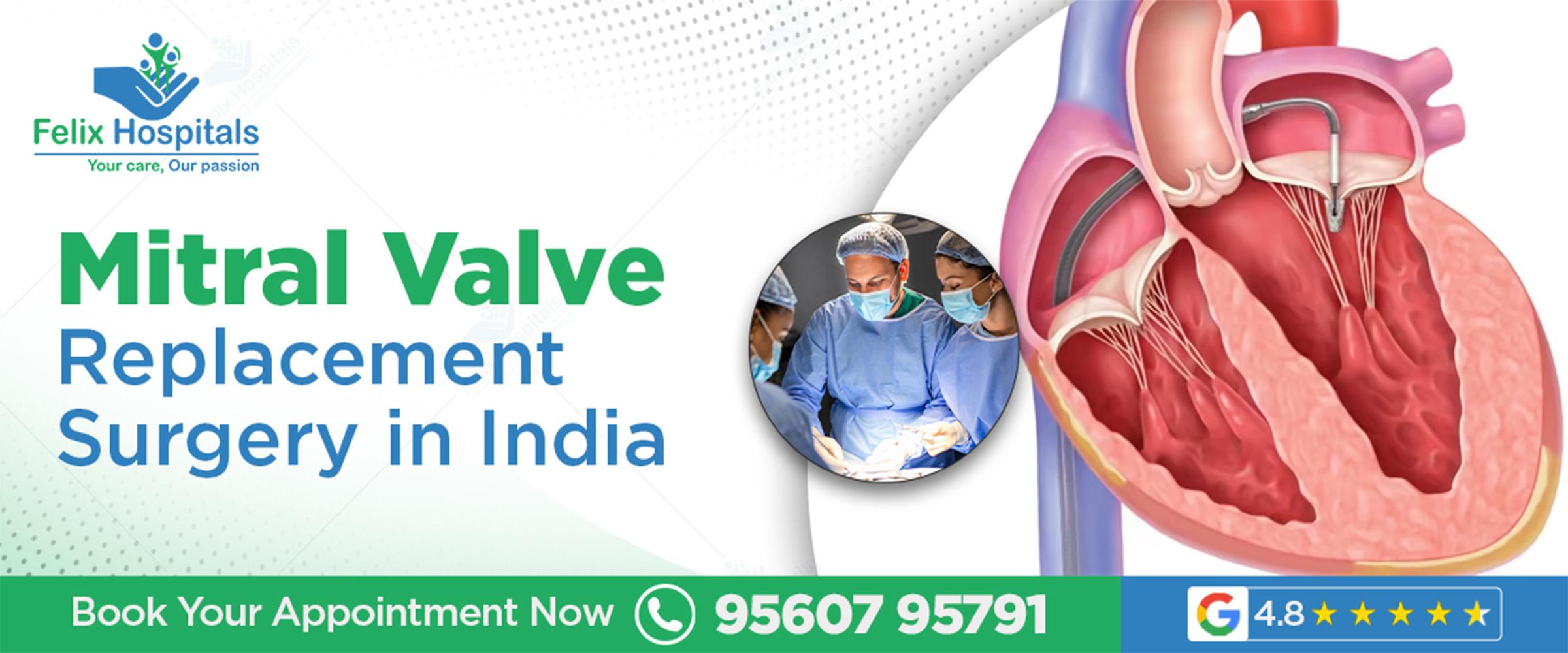
Mitral Valve Replacement Surgery is a specialised cardiac procedure performed to treat severe mitral valve disease when repair is not possible or no longer effective. The mitral valve regulates blood flow between the left atrium and left ventricle of the heart. When this valve becomes narrowed (stenosis) or fails to close properly (regurgitation), it disrupts normal blood circulation and places excessive strain on the heart.


Globally, mitral valve disease is a significant cause of heart failure and reduced quality of life. Mitral Valve Replacement Surgery restores efficient blood flow by replacing the damaged valve with a mechanical or biological prosthetic valve. Advances in cardiac imaging, minimally invasive techniques, and post-operative care have made this surgery safer and more predictable than ever before.


India has emerged as a preferred destination for Mitral Valve Replacement Surgery due to internationally trained cardiac surgeons, modern heart institutes, and outcomes comparable to leading global centres—combined with significantly lower treatment costs for international patients.


Schedule Mitral Valve Replacement Treatment in India at Felix Hospital, Noida India Call Us:  +919560795791 And WhatsApp  +919560795791 us now. Our team will help you book the best treatment and arrange your medical visa hassle-free.


Signs and Symptoms of a Heart Valve Replacement


Patients who require mitral valve replacement often experience progressive symptoms that worsen over time. Early identification is critical to prevent irreversible heart damage. Common signs and symptoms of a heart valve replacement indication include:
 

  • Persistent shortness of breath, especially during physical activity or while lying down

  • Fatigue and reduced exercise tolerance
  • Irregular heartbeat or palpitations
  • Swelling in the ankles, feet, or abdomen due to fluid retention
  • Chest discomfort or pressure
  • Frequent respiratory infections
  • Dizziness or fainting episodes in advanced cases


When symptoms begin to interfere with daily activities or imaging shows significant valve dysfunction, cardiac specialists may recommend Mitral Valve Replacement Surgery as the most effective long-term solution.

Types of Heart Valve Replacement Surgery


There are different types of heart valve replacement surgery, and the choice depends on age, lifestyle, medical condition, and long-term treatment goals. The primary types include:


Mechanical Valve Replacement


Mechanical valves are made from durable materials such as carbon and metal. They are highly long-lasting and often preferred for younger patients. However, lifelong blood-thinning medication is required to prevent clot formation.


Biological (Tissue) Valve Replacement


Biological valves are made from animal or human tissue. These valves closely mimic natural valve function and typically do not require lifelong anticoagulation therapy. However, they may need replacement after 10–20 years.


Minimally Invasive Mitral Valve Replacement


In selected patients, minimally invasive techniques using smaller incisions may be used. This approach can reduce hospital stay, pain, and recovery time while achieving excellent surgical outcomes.
Indian cardiac centres offer all types of heart valve replacement surgery, following international selection guidelines to ensure optimal patient outcomes.


Procedure of a Heart Valve Replacement Surgery

The procedure of a heart valve replacement surgery is performed under general anaesthesia in a specialised cardiac operating theatre. Before surgery, detailed imaging such as echocardiography, CT scans, and coronary angiography is used to plan the operation.


During Mitral Valve Replacement Surgery, the surgeon accesses the heart either through a traditional sternotomy or minimally invasive approach. The heart is temporarily supported by a heart-lung machine while the damaged mitral valve is removed and replaced with a prosthetic valve.


Advanced surgical techniques allow precise placement of the valve to ensure proper alignment and function. Once the new valve is secured, the heart is restarted, and normal circulation is restored. The procedure typically takes several hours, depending on complexity and whether additional cardiac procedures are required.


Patients are closely monitored in the intensive care unit following surgery to ensure stable heart function and smooth recovery.

Benefits of Heart Valve Replacement

Mitral Valve Replacement Surgery offers significant long-term benefits, particularly for patients with advanced valve disease. Key benefits of heart valve replacement include:

  • Improved blood flow and heart efficiency
  • Relief from breathlessness and fatigue
  • Enhanced exercise capacity and daily functioning
  • Reduced risk of heart failure and stroke
  • Improved life expectancy and quality of life

For international patients, undergoing surgery at an experienced cardiac centre ensures not only technical success but also structured rehabilitation and long-term follow-up planning.

Recovery After Mitral Valve Replacement Surgery

Recovery after Mitral Valve Replacement Surgery is a gradual and closely supervised process. Patients typically spend a few days in the intensive care unit, followed by transfer to a regular hospital room. Hospital stay usually ranges from 7 to 10 days, depending on individual recovery.

During recovery, patients are guided on breathing exercises, early mobilisation, wound care, and medication management. Cardiac rehabilitation plays a crucial role in restoring physical strength and confidence.
Most patients can resume routine daily activities within 6–8 weeks, while full recovery may take up to three months. International patients are advised to remain in India for an adequate follow-up period before returning home.

Cost of Mitral Valve Replacement Surgery in India


The cost of Mitral Valve Replacement Surgery in India is one of the main reasons international patients choose the country for treatment. Compared to the US, UK, or Europe, the cost is significantly lower while maintaining high clinical standards.
The total cost depends on several factors, including:

  • Type of valve used (mechanical or biological) 

  • Surgical technique (open or minimally invasive)

  • Hospital infrastructure and ICU care

  • Length of hospital stay
  • Post-operative rehabilitation and medications


Despite these variables, India offers excellent value for money, transparent pricing, and comprehensive international patient services, making it a trusted destination for heart valve surgery.

Why International Patients Choose India for Mitral Valve Replacement


India’s cardiac care ecosystem aligns closely with global expectations for safety, quality, and outcomes. International patients benefit from:
 

  • Internationally trained cardiac surgeons
  • Advanced cardiac imaging and surgical technology
  • Multidisciplinary heart teams
  • English-speaking medical staff
  • Dedicated international patient coordinators
  • Shorter waiting times for surgery


These factors ensure a smooth treatment journey—from initial consultation to surgery, recovery, and follow-up.

Long-Term Outcomes and Life After Surgery


Life after Mitral Valve Replacement Surgery is often significantly improved. Patients experience better energy levels, reduced symptoms, and enhanced participation in daily activities. Long-term success depends on regular follow-up, medication adherence, and lifestyle modifications such as heart-healthy diet and physical activity.


Mechanical valve recipients require lifelong anticoagulation monitoring, while biological valve patients may require future valve evaluation. With proper care, most patients lead active and fulfilling lives after surgery.
 

Conclusion


Mitral Valve Replacement Surgery is a proven and life-saving procedure for patients with severe mitral valve disease. With advanced surgical expertise, comprehensive cardiac care, and internationally aligned treatment protocols, India has become a trusted destination for patients seeking safe, effective, and affordable heart valve replacement.
For international patients, choosing the right centre ensures not only successful surgery but also long-term heart health, structured recovery, and continued medical support beyond borders.

FAQs


1.Is Mitral Valve Replacement Surgery in India safe for international patients?

Yes, leading heart centres in India follow internationally accepted cardiac protocols with experienced surgeons and advanced infrastructure.


2.How long will I need to stay in India for Mitral Valve Replacement Surgery?

Most international patients plan a stay of approximately 3–4 weeks, including surgery, recovery, and initial follow-up.


3.Will I need long-term medication after mitral valve replacement?

Medication needs depend on the type of valve used, with mechanical valves requiring lifelong blood-thinning therapy.


4.Can follow-up care be managed after I return to my home country?

Yes, follow-up care can be coordinated through teleconsultations and shared care with your local cardiologist.


5.How soon can I resume normal activities after surgery?

Most patients gradually return to daily activities within 6–8 weeks under medical guidance.


Your Health, Our Priority

Request Call Back

Request an Appointment

CAPTCHA
Solve this simple math problem and enter the result. E.g. for 1+3, enter 4.
* By clicking on the above button you agree to receive updates on WhatsApp

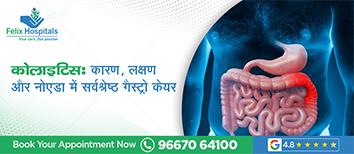
Colitis: Causes, Symptoms & Best Gastro Care in Noida

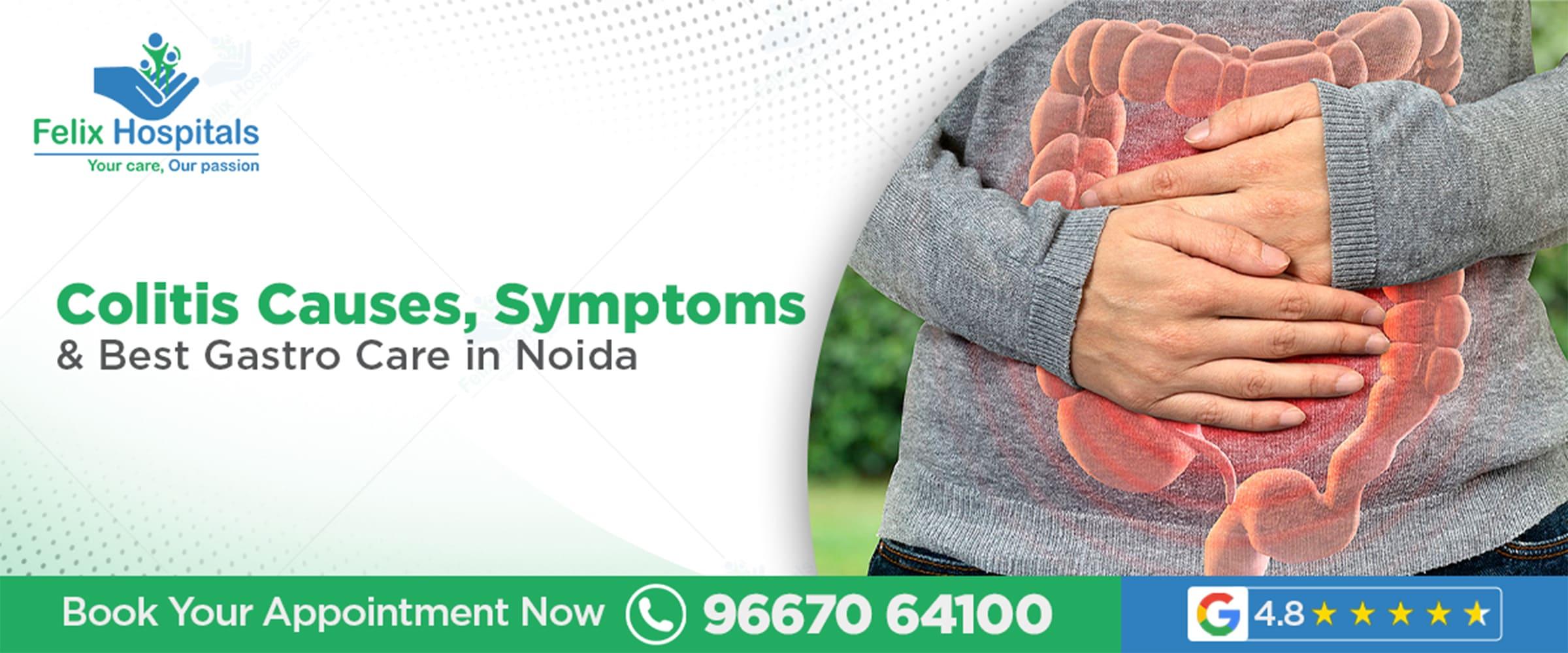
Colitis is a condition marked by inflammation of the inner lining of the colon, also known as the large intestine. This inflammation disrupts normal bowel function and can significantly affect digestion and overall quality of life. Colitis may develop suddenly or progress gradually, depending on the underlying trigger. Understanding colitis causes is essential for early diagnosis and effective management, as untreated inflammation can lead to complications such as dehydration, anemia, and intestinal damage.


Persistent diarrhea, abdominal pain, or blood in stools? Call +91 9667064100 to consult a gastroenterologist in Noida today.


What Is Colitis?

Colitis refers to inflammation of the colon that interferes with water absorption and waste movement through the digestive tract. The condition may be temporary or chronic and varies widely in severity. Many patients initially ignore symptoms, but ongoing inflammation often requires evaluation by a gastroenterologist in Noida to identify the exact type and cause.


Common Causes of Colitis

Colitis can result from infections, autoimmune disorders, reduced blood flow to the colon, or prolonged medication use. Inflammatory bowel diseases such as ulcerative colitis are also common causes. For many patients, identifying what causes colitis and how to treat it in Noida requires a combination of clinical assessment and diagnostic testing.


Types of Colitis

There are several forms of colitis, including infectious colitis, ischemic colitis, microscopic colitis, and inflammatory bowel disease–related colitis. Each type affects the colon differently and requires a tailored treatment plan. Accurate classification is critical for effective intestinal inflammation treatment and symptom control.


Symptoms That Should Not Be Ignored

Symptoms vary depending on severity and cause but commonly include persistent diarrhea, abdominal cramps, bloating, urgency to pass stools, and fatigue. Some patients may also notice blood or mucus in stool. Recognizing colitis symptoms early allows timely medical care and reduces the risk of long-term complications.


How Colitis Is Diagnosed

Diagnosis typically involves a detailed medical history, blood tests, stool examinations, and imaging studies. In many cases, colonoscopy is performed to directly visualize inflammation and obtain biopsies. Prompt diagnosis helps initiate appropriate colitis treatment in Noida before symptoms worsen.


Medical Management of Colitis

Treatment focuses on reducing inflammation, controlling symptoms, and addressing the underlying cause. Medications may include anti-inflammatory drugs, antibiotics, or immune-modulating therapies depending on the type of colitis. Patients benefit most when care is guided by the best doctor for colitis treatment in Noida, ensuring personalized therapy.


Dietary Role in Colitis Management

Diet plays a supportive role in managing colitis. Certain foods can irritate the colon during flare-ups, while others help maintain gut health. Tailored dietary guidance often complements medical therapy and enhances recovery during intestinal inflammation treatment.


Managing Chronic and Recurrent Colitis

Some forms of colitis are chronic and require long-term management to prevent flare-ups. Regular monitoring, medication adjustments, and lifestyle changes are essential for maintaining remission. Ongoing care under a colitis specialist in Noida helps patients manage symptoms effectively and maintain daily function.


Complications of Untreated Colitis

If left untreated, colitis can lead to complications such as severe dehydration, bowel perforation, toxic megacolon, or increased cancer risk in long-standing cases. Early intervention at a best gastrology hospital in Noida significantly reduces the likelihood of such outcomes.


When Hospital Care Is Required

Severe symptoms such as high fever, continuous bleeding, or intense abdominal pain may require hospitalization. In such cases, intravenous medications, fluids, and close monitoring are necessary. Access to best gastro care in Noida ensures timely escalation of treatment when required.


Importance of Specialist Follow-Up

Colitis often requires ongoing follow-up even after symptoms improve. Regular evaluations help monitor disease activity, adjust medications, and prevent complications. Continuous care with a gastroenterologist in Noida plays a vital role in long-term disease control.


Lifestyle Measures to Support Recovery

Stress management, regular exercise, adequate hydration, and avoiding known dietary triggers can help reduce symptom frequency. These measures work alongside medical therapy to support overall digestive health and improve outcomes during colitis treatment in Noida.


Experiencing worsening colitis symptoms or frequent flare-ups? Call +91 9667064100 now to get expert gastro care in Noida.


Conclusion

Colitis is a manageable condition when diagnosed early and treated appropriately. Understanding its causes, recognizing symptoms, and seeking timely medical care are crucial steps toward recovery. With accurate diagnosis, tailored treatment, and expert gastroenterology support, patients can achieve symptom relief and maintain a good quality of life. Access to specialized care in Noida ensures safe, effective, and comprehensive colitis management.


FAQs


Q1. Is colitis a lifelong condition?
A: Some types are temporary, while others may require long-term management depending on the cause.


Q2. Can colitis be cured completely?
A: Many cases can be controlled effectively, though chronic forms focus on long-term symptom management.


Q3. Does colitis always cause blood in stools?
A: No, blood may be present in some types, but not all patients experience this symptom.


Q4. Can stress worsen colitis symptoms?
A: Yes, stress can trigger flare-ups in certain forms of colitis.


Q5. When should I seek urgent medical help?
A: Seek immediate care if you experience severe pain, continuous bleeding, fever, or dehydration symptoms.

Your Health, Our Priority

Request Call Back

Request an Appointment

CAPTCHA
Solve this simple math problem and enter the result. E.g. for 1+3, enter 4.
* By clicking on the above button you agree to receive updates on WhatsApp

Bile Duct Obstruction: Symptoms & Endoscopic Treatment in Noida

Bile duct obstruction is a serious digestive condition that occurs when the normal flow of bile from the liver to the intestine is blocked. This disruption affects digestion, liver function, and overall metabolic balance. Many patients first notice bile duct blockage symptoms such as jaundice, abdominal pain, or digestive discomfort, which should never be ignored.


If you or a loved one is experiencing symptoms related to bile duct obstruction, call +91 9667064100 to consult a gastroenterology specialist in Noida.


Understanding the Role of the Bile Duct

The bile duct is a vital channel that transports bile produced by the liver to the small intestine, where it helps digest fats. When this flow is interrupted, toxins and bile acids build up in the bloodstream, leading patients to seek care at a bile duct treatment hospital Noida for proper evaluation and management.


What Causes Bile Duct Obstruction

Obstruction can develop due to gallstones, inflammation, strictures, tumors, or post-surgical scarring. One of the most common reasons is gallstone-related bile duct blockage, where stones migrate from the gallbladder and lodge in the bile duct.


Early Symptoms That Require Attention

Patients may experience yellowing of the skin and eyes, pale stools, dark urine, itching, nausea, or upper abdominal pain. These warning signs are classic bile duct blockage symptoms and indicate that medical assessment is urgently required.


How Bile Duct Obstruction Affects Digestion

Blocked bile flow prevents proper fat digestion and absorption of fat-soluble vitamins. Over time, this can lead to nutritional deficiencies and chronic digestive problems, prompting patients to explore symptoms of bile duct obstruction and treatment options with a gastro specialist.


When Symptoms Become Severe

If left untreated, bile duct obstruction can result in infections such as cholangitis or liver damage. Fever with chills and worsening pain are red flags that indicate complications related to bile duct blockage symptoms.


Diagnostic Evaluation for Bile Duct Obstruction

Doctors rely on blood tests, ultrasound, MRI, or CT scans to identify obstruction location and severity. In many cases, imaging findings guide further intervention through advanced ERCP procedure in Noida for both diagnosis and treatment.


Role of Endoscopic Procedures

Endoscopic techniques allow doctors to access the bile duct without open surgery. These minimally invasive approaches are especially effective for bile duct narrowing treatment with endoscopy, reducing recovery time and hospital stay.


What Is ERCP and How It Helps

ERCP (Endoscopic Retrograde Cholangiopancreatography) combines endoscopy and imaging to remove stones, place stents, or widen narrowed ducts. Many patients prefer advanced ERCP procedure in Noida due to its high success rate and reduced surgical risk.


Treatment of Gallstone-Related Blockages

When gallstones cause obstruction, endoscopic stone removal is often the first line of treatment. This approach effectively resolves gallstone-related bile duct blockage while preserving surrounding organs and minimizing discomfort.


Managing Bile Duct Strictures

Strictures or narrowing of the bile duct may result from inflammation or previous surgeries. Endoscopic balloon dilation and stenting offer effective bile duct narrowing treatment with endoscopy without the need for major surgical intervention.


Infection Management in Obstruction Cases

Blocked bile ducts increase the risk of bacterial infection. Antibiotics combined with drainage procedures are essential components of managing symptoms of bile duct obstruction and treatment options safely and effectively.


Recovery After Endoscopic Treatment

Most patients recover quickly after endoscopic procedures, resuming normal activities within days. Follow-up care at a bile duct treatment hospital Noida ensures monitoring of liver function and prevention of recurrence.


Importance of Timely Specialist Consultation

Delaying treatment increases the risk of severe complications such as liver failure or sepsis. Early consultation with the best gastroenterologist in Noida allows accurate diagnosis and prompt intervention.


Long-Term Outlook and Prevention

With appropriate treatment, most patients recover fully from bile duct obstruction. Preventive strategies include managing gallstones early and routine follow-ups for those with prior biliary disease or surgery.


For expert evaluation and endoscopic management of bile duct obstruction, call +91 9667064100 to book a gastroenterology consultation in Noida.


Conclusion

Bile duct obstruction is a potentially serious condition that requires timely diagnosis and expert care. Advances in endoscopic techniques now allow effective, minimally invasive treatment with excellent outcomes. Recognizing early symptoms, understanding treatment options, and seeking specialized care from the best gastroenterologist in Noida ensure safe recovery and long-term digestive health.


FAQs


Q. 1. Is bile duct obstruction an emergency?

Ans. Yes, severe pain, fever, or jaundice requires immediate medical attention.


Q. 2. Can bile duct blockage be treated without surgery?

Ans. Yes, most cases are managed successfully with endoscopic procedures.


Q. 3. Is ERCP safe for elderly patients?

Ans. Yes, ERCP is commonly performed safely under expert supervision.


Q. 4. How long does recovery take after ERCP?

Ans. Most patients recover within a few days.


Q. 5. Can bile duct obstruction recur?

Ans. Recurrence is possible, which is why follow-up care is important.
 

Your Health, Our Priority

Request Call Back

Request an Appointment

CAPTCHA
Solve this simple math problem and enter the result. E.g. for 1+3, enter 4.
* By clicking on the above button you agree to receive updates on WhatsApp
अपच और एसिडिटी का इलाज – नोएडा के विशेषज्ञ गैस्ट्रोएंटेरोलॉजिस्ट से

अपच (Indigestion) और एसिडिटी आज की सबसे सामान्य पाचन समस्या हैं। तेज जलन, पेट में भारीपन, गैस, खट्टी डकारें और सीने में दर्द जैसे लक्षण जीवनशैली व खान-पान की गड़बड़ियों के कारण बढ़ते जा रहे हैं। नोएडा में आधुनिक एंडोस्कोपी, गैस्ट्रिक रोगों की जांच और विशेषज्ञ डॉक्टरों की सुविधा उपलब्ध है। जिससे इन समस्याओं का सटीक इलाज संभव है। नोएडा में एसिडिटी स्पेशलिस्ट डॉक्टर उपलब्ध है। लक्षणों को हल्के में न लें—समय पर उपचार पाचन तंत्र को सुरक्षित रखता है।


अभी परामर्श के लिए कॉल करें – +91 9667064100


अपच क्या है? (What is Indigestion)

अपच वह स्थिति है जब भोजन पेट में सही से नहीं पचता है। इससे भारीपन, गैस, पेट फूलना, डकारें और पेट दर्द जैसे लक्षण होते हैं। गलत खान-पान, तनाव, अनियमित दिनचर्या और पाचन तंत्र की कमजोरी इसके मुख्य कारण हैं।


एसिडिटी क्या है? (What is Acidity / GERD / Acid Reflux)

एसिडिटी तब होती है। जब पेट का एसिड भोजन नली में वापस चढ़ता है। इससे सीने में जलन, खट्टी डकारें, मुंह में कड़वाहट और गले में जलन बढ़ती है। इसे एसिड रिफ्लक्स या जीईआरडी (GERD) कहते हैं।


अपच और एसिडिटी क्यों होती है? (Why do indigestion and acidity occur?)


गलत खान-पानः


  • तली-भुनी, मसालेदार चीजें

  • देर रात खाना

  • ओवरईटिंग

  • जंक फूड, सोडा, पैकेट फूड


जीवनशैली कारणः


  • तनाव व चिंता

  • कम पानी

  • अनियमित भोजन


पेट व आंतों की समस्याएंः


  • गैस्ट्राइटिस

  • एच. पाइलोरी संक्रमण

  • पेट का अल्सर

  • आईबीएस (संवेदनशील आंत की बीमारी)


दवाइयों का असरः


  • दर्द निवारक का सेवन

  • एसिडिटी की दवाओं का अधिक उपयोग

  • एंटीबायोटिक्स


अन्य कारणः


  • मोटापा

  • धूम्रपान

  • शराब

  • उम्र बढ़ना


लक्षण (Symptoms)


  • सीने में जलन

  • खट्टी डकारें

  • पेट फूलना

  • गैस

  • पेट के ऊपरी हिस्से में दर्द

  • भोजन के बाद भारीपन

  • कड़वाहट या एसिड मुंह में आना

  • गले में जलन

  • उल्टी जैसा महसूस होना


लंबे समय तक रहने पर:


  • भूख कम लगना

  • वजन घटना

  • कमजोरी

  • सांस में बदबू

  • लगातार खांसी (रिफ्लक्स से)


अपच और एसिडिटी से होने वाली समस्याएंः


  1. क्रोनिक गैस्ट्राइटिस

  2. पेट या डुओडेनम में अल्सर

  3. जीईआरडी

  4. म्यूकस लाइनिंग का नुकसान

  5. पोषण की कमी

  6. गले और दांतों पर असर


जोखिम कारक (Risk Factors)


  • 30 वर्ष से अधिक उम्र

  • अधिक मसालेदार और तैलीय भोजन

  • तनाव व अधिक स्क्रीन टाइम

  • धूम्रपान / शराब

  • मोटापा

  • रात में देर से सोना

  • लंबे समय तक दवाइयों का उपयोग


कब डॉक्टर से मिलें? (When to See a Doctor)


यदि यब लक्षण बार-बार हों:


  • रोजाना सीने में जलन

  • लगातार खट्टी डकारें

  • पेट में तेज दर्द

  • उल्टी में खून

  • वजन तेजी से घटना

  • खाना निगलने में दिक्कत

  • बार-बार गैस्ट्रिक समस्या


जांच की प्रक्रिया (Diagnosis)


  • जीआई ब्लीडिंग या पाचन समस्या का सही इलाज केवल सटीक जांच के बाद ही संभव है।


एंडोस्कोपीः


  • पेट, भोजन नली और आंत की स्थिति की जांच होती है। अल्सर, रिफ्लक्स, सूजन और ब्लीडिंग पॉइंट की पुष्टि के लिए होती है। एंडोस्कोपी के दौरान आवश्यक होने पर तुरंत उपचार (जैसे बैंडिंग, क्लिपिंग) भी किया जा सकता है।


एच. पाइलोरी टेस्टः


  • बैक्टीरिया संक्रमण की जांच के लिए होता है। यह बैक्टीरिया अक्सर अल्सर और गैस्ट्रिक समस्याओं का कारण बनता है। टेस्ट से संक्रमण का पता लगाकर उचित एंटीबायोटिक थेरेपी दी जाती है।


अल्ट्रासाउंड / सीटी स्कैनः


  • पेट, लीवर, पैंक्रियास और अन्य अंगों की संरचना की जांच होती है। पेट में दर्द, पथरी या पैनक्रियाटिक समस्याओं के कारण पता लगता है। सीटी एंजियोग्राफी से ब्लीडिंग की स्थिति और रक्त वाहिनियों की जानकारी भी मिलती है।


ब्लड टेस्ट:


  • इसमें सीबीसी से खून की कमी और संक्रमण का पता चलता है। एलएफटी और केएफटी से लीवर और किडनी की स्थिति का मूल्यांकन होता है, साथ ही विटामिन और मिनरल स्तर की जांच करके संक्रमण, सूजन और अन्य पाचन संबंधित समस्याओं का आकलन किया जाता है।


एसिडिटी मॉनिटरिंग टेस्टः


  • पेट और भोजन नली में लगातार एसिडिटी और रिफ्लक्स की जांच के लिए होता है। यह टेस्ट जीईआरडी या एसिड रिफ्लक्स की गंभीरता को मापने में मदद करता है।


नोएडा में अपच और एसिडिटी का उपचार (Treatment Options)

अपच और एसिडिटी का इलाज बहुआयामी दृष्टिकोण से किया जाता है, जिसमें दवाइयां, प्रोबायोटिक्स, सप्लीमेंट और जीवनशैली में सुधार शामिल हैं। नीचे विस्तृत प्वाइंटर में जानकारी दी गई है:


दवाइयों द्वारा उपचारः


  • एंटासिड: तुरंत राहत देने के लिए। पेट में मौजूद अतिरिक्त एसिड को न्यूट्रल करता है।

  • पीपीआई (प्रोटॉन पंप अवरोधक): पेट की एसिडिटी को लंबे समय तक कम करते हैं और अल्सर या गैस्ट्रिक इंफ्लेमेशन में मदद करते हैं।

  • एच 2 ब्लॉकर्स: एसिड उत्पादन को नियंत्रित करने के लिए, विशेष रूप से रिफ्लक्स और हार्टबर्न में प्रभावी होती है

  • गट मोटिलिटी सुधारने वाली दवाएं: भोजन को जल्दी पचाने और पेट में भारीपन कम करने में मदद करती है।

  • एंटीबायोटिक (एच. पाइलोरी संक्रमण के लिए): अल्सर और गैस्ट्रिक इंफेक्शन को ठीक करने के लिए होती है।


प्रोबायोटिक्सः

आंतों में अच्छे बैक्टीरिया को बढ़ाते हैं। गैस, अपच और कब्ज (Constipation) जैसी समस्याओं में राहत देते हैं। दही, छाछ, किमची, सौकरक्रॉट जैसे प्राकृतिक स्रोतों से या कैप्सूल के रूप में अच्चे होते हैं। लंबे समय तक एंटीबायोटिक लेने से बिगड़ी गट फ्लोरा को पुनर्स्थापित करते हैं।


विटामिन और मिनरल सप्लीमेंट्स-

यदि कमजोरी, थकान, विटामिन बी12 या आयरन की कमी हो। विटामिन डी, मैग्नीशियम और जिंक भी पाचन और मेटाबॉलिज्म सुधारने में मदद करते हैं। सप्लीमेंट डॉक्टर की सलाह के अनुसार ही लेना चाहिए।


डाइट मैनेजमेंटः


एसिडिटी कम करने वाले खाद्य पदार्थ:


  • नारियल पानी: पेट को ठंडक और हाइड्रेशन में मदद करता है

  • ओट्स और दलिया: हल्का और आसानी से पचने वाला भोजन होता है।

  • केला: पेट की अम्लता को कम करता है।

  • ठंडा दूध: एसिडिटी में राहत देता है

  • सूप: हल्का और पोषक होता है।

  • खीरा: प्राकृतिक ठंडक देता है।

  • दही और पपीता: पाचन सुधारने और एंजाइम सपोर्ट।


बचाव और लाइफस्टाइल सुधार:


  • मसालेदार, तैलीय और जंक फूड से परहेज करें।

  • तला-भुना भोजन कम करन चाहिए।

  • सोडा, कोल्ड ड्रिंक और अत्यधिक कैफीन से दूरी बनानी चाहिए।

  • दिन में 4–5 हल्के और छोटे भोजन लेना चाहिए।

  • भोजन के तुरंत बाद लेटना न करें, हल्की वॉक या आराम करें।

  • पर्याप्त पानी पिएं और तनाव कम करें।


जीवनशैली में सुधार (Lifestyle & Prevention)


  • खाना धीरे-धीरे चबाकर खाएं

  • भोजन के तुरंत बाद न लेटें

  • रात का खाना हल्का व सोने से 2–3 घंटे पहले

  • वॉक करें

  • स्ट्रेस कम करें

  • धूम्रपान और शराब से दूरी

  • पर्याप्त पानी पिएं


गंभीर मामलों में उपचार (Advanced Treatment)


एंडोस्कोपी द्वारा इलाजः

एंडोस्कोपी के माध्यम से पेट और अन्ननली की स्थिति का निरीक्षण करता है। अल्सर, गैस्ट्राइटिस या रिफ्लक्स से संबंधित घाव और ब्लीडिंग पॉइंट की पहचान करता है।  एंडोस्कोपी के दौरान स्ट्रिक्चर डिलेशन या ब्लीडिंग रोकने वाली तकनीक अपनाई जा सकती है।


रिफ्लक्स कंट्रोल प्रक्रियाएंः

विशेष तकनीकें जैसे एंडोस्कोपिक फंडोप्लीकेशन होती है। यह पेट के ऊपरी हिस्से और अन्ननली के बीच वाल्व को सुदृढ़ बनाकर एसिड रिफ्लक्स को रोकती हैं। लगातार जीईआरडी और हार्टबर्न में प्रभावी होती है।


अल्सर या गैस्ट्राइटिस के लिए विशेष दवाइयांः

उच्च-शक्ति प्रोटॉन पंप इन्हिबिटर (पीपीईई) या H2 ब्लॉकर होती है। जरूरत पड़ने पर सर्जिकल या एंडोस्कोपिक उपचार के साथ दवाइयां देते हैं । संक्रमण (एच. पाइलोरी) होने पर एंटीबायोटिक कोर्स होता है।


लगातार जीईआरडी में सर्जिकल विकल्पः

जब दवाइयां और एंडोस्कोपी पर्याप्त प्रभावी न हों।निसेन फंडोप्लीकेशन जैसी सर्जरी, पेट के ऊपरी हिस्से को अन्ननली के चारों ओर लपेटकर रिफ्लक्स कम करती है। गंभीर मामलों में जीवन गुणवत्ता और भोजन पचाने की क्षमता सुधारने में मदद करती है।  नोएडा में उन्नत एंडोस्कोपी और गैस्ट्रो विशेषज्ञ उपलब्ध हैं जो जटिल मामलों का इलाज करते हैं। बेस्ट गैस्ट्रोएंटेरोलॉजिस्ट डॉक्टर नोएडा में उपलब्ध है। नोएडा के गैस्ट्रो विशेषज्ञ से परामर्श – +91 9667064100


निष्कर्ष (Conclusion)

अपच और एसिडिटी आम समस्या है, लेकिन समय पर जांच और उपचार से आसानी से नियंत्रित की जाती है। लंबे समय तक गैस, पेट दर्द, जलन या खट्टी डकारें चलें, तो विशेषज्ञ से मिलना जरूरी है। सही डाइट, लाइफस्टाइल और दवाएं पाचन तंत्र को मजबूत बनाती हैं। डॉक्टर की सलाह के बिना दवा नहीं लेनी चाहिए।


अक्सर पूछे जाने वाले प्रश्न (FAQs)


प्रश्न 1: अपच का मुख्य कारण क्या है?
उत्तर: गलत खान-पान, तनाव, अनियमित भोजन, गैस्ट्राइटिस और एच. पाइलोरी संक्रमण मुख्य कारण होता  हैं।


प्रश्न 2: एसिडिटी बार-बार क्यों होती है?
उत्तर: पेट का एसिड ऊपर चढ़ने से, खराब डाइट, देर रात खाना, अधिक मसालेदार भोजन और कमजोरी के कारण होता है।


प्रश्न 3: क्या एंडोस्कोपी जरूरी है?
उत्तर: लंबे समय से पेट दर्द, रिफ्लक्स, खट्टी डकारें या अल्सर के लक्षण हों तो डॉक्टर की सलाह पर एंडोस्कोपी बेहद जरूरी है।


प्रश्न 4: घरेलू उपाय क्या हैं?
उत्तर: नारियल पानी, केला, दही, पपीता, गुनगुना पानी, हल्का भोजन, और रात को जल्दी खाना राहत देते हैं। जीवनशैली में सुधार भी जरूरी होता है।


प्रश्न 5: क्या एसिडिटी से नुकसान हो सकता है?
उत्तर: हां, लंबे समय तक रहने पर अल्सर,जीईआरडी, दांतों की सड़न और गले में नुकसान होता है। इसलिए लक्षण दिखने पर जांच और इलाज कराएं। 

Your Health, Our Priority

Request Call Back

Request an Appointment

CAPTCHA
Solve this simple math problem and enter the result. E.g. for 1+3, enter 4.
* By clicking on the above button you agree to receive updates on WhatsApp

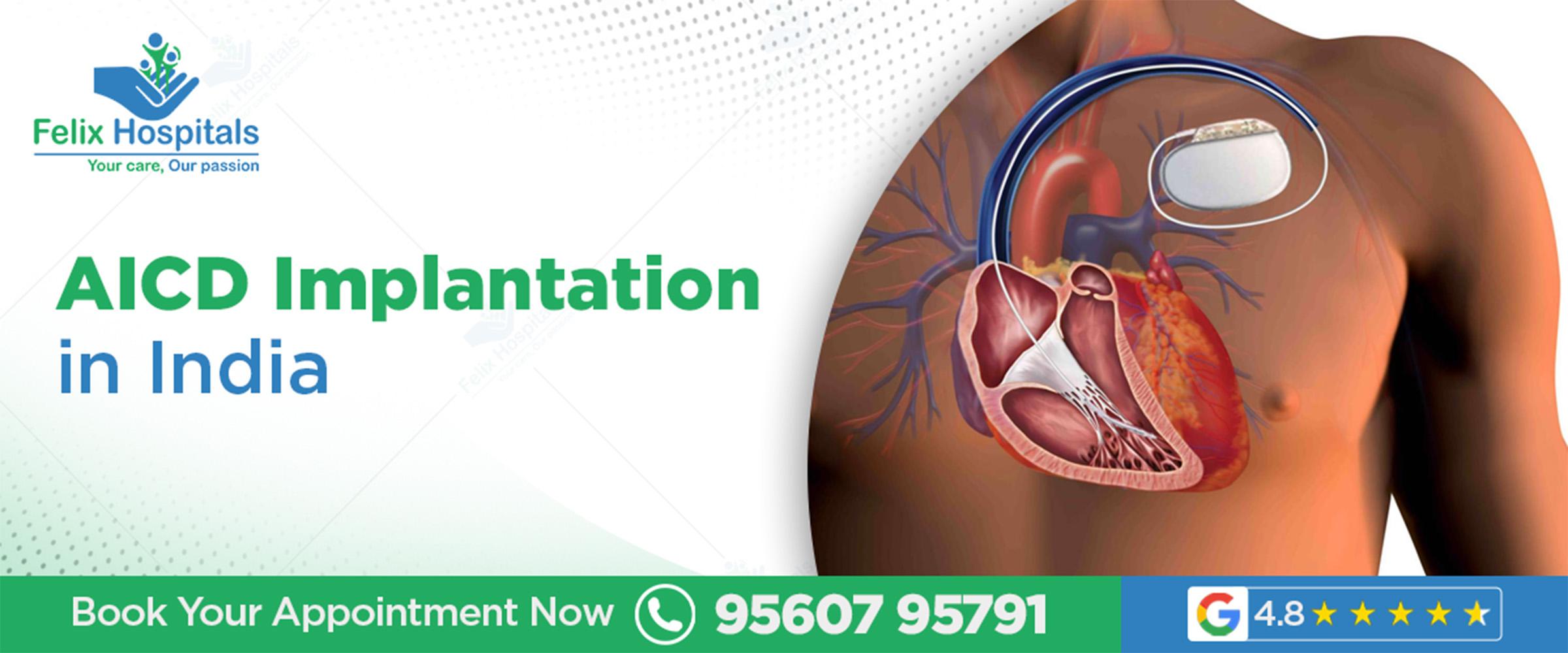
Advanced AICD Implant Surgery in India: Treatment, Benefits and Success Rate

Sudden cardiac arrhythmias can be life-threatening when they occur without warning. For patients at high risk of dangerous heart rhythm disturbances, timely intervention can mean the difference between life and death. AICD Implantation in India has emerged as a trusted option for international patients seeking advanced cardiac care, experienced specialists, and globally aligned treatment protocols at accessible costs.

India’s leading cardiac centres combine cutting-edge technology with internationally trained cardiologists, offering comprehensive care for patients requiring life-saving implantable devices. From diagnosis to long-term follow-up, international patients receive structured, transparent, and coordinated care throughout their treatment journey.
 

Schedule AICD Surgery at Felix Hospital, Noida India Call Us:  +919560795791 And WhatsApp  +919560795791 us now. Our team will help you book the best treatment and arrange your medical visa hassle-free.

 

What Is an Automatic Implantable Cardioverter Defibrillator?

Understanding the Function of Automatic Implantable Cardioverter Defibrillator is essential for patients considering this treatment. An AICD is a small electronic device implanted under the skin, usually near the collarbone, that continuously monitors the heart’s rhythm.


When the device detects a dangerously fast or irregular heartbeat, it delivers a controlled electrical shock to restore a normal rhythm. Unlike a pacemaker, which primarily regulates slow heartbeats, an AICD is designed to prevent sudden cardiac arrest caused by ventricular arrhythmias.

Key Functions of an AICD:
 

  • Continuous heart rhythm monitoring

  • Automatic detection of life-threatening arrhythmias

  • Delivery of corrective electrical therapy when required

  • Storage of heart rhythm data for clinical review


Who Needs an AICD Implant?

Patients may be advised to undergo AICD implantation if they:
 

  • Have survived sudden cardiac arrest.

  • Suffer from recurrent ventricular tachycardia or fibrillation.

  • Have weakened heart muscles due to cardiomyopathy.

  • Are at high risk due to inherited or structural heart conditions.

  • Early evaluation and timely implantation significantly improve survival rates and long-term outcomes.
     

Automatic Implantable Cardioverter Defibrillator Implantation Procedure

The Automatic Implantable Cardioverter Defibrillator Implantation Procedure is a minimally invasive cardiac intervention performed under local anesthesia with sedation or general anesthesia, depending on patient condition.
 

Step-by-Step Procedure:

  • Pre-procedure assessment: Cardiac imaging, ECG, blood tests, and risk evaluation

  • Device placement: A small incision is made below the collarbone

  • Lead insertion: Thin wires are guided through veins into the heart chambers

  • Device connection: The AICD generator is connected to the leads

  • Testing: The device is tested to ensure accurate rhythm detection

  • Closure: The incision is closed and dressed

The procedure typically takes 1–2 hours, and most patients are mobilized within 24 hours.

Benefits of Automatic Implantable Cardioverter Defibrillator

The Benefits of Automatic Implantable Cardioverter Defibrillator extend beyond immediate rhythm correction, offering long-term protection and peace of mind for patients and families.
Key Benefits:
 

  • Reduces the risk of sudden cardiac death

  • Provides immediate response to dangerous arrhythmias

  • Allows patients to lead active, monitored lives

  • Improves long-term survival rates

  • Enables remote monitoring and follow-up

For international patients, these benefits are further enhanced by India’s integrated cardiac rehabilitation and follow-up programs.

Automatic Implantable Cardioverter Defibrillator Risks and Complications
 

Like any medical procedure, AICD implantation carries potential risks. Understanding Automatic Implantable Cardioverter Defibrillator Risks and Complications helps patients make informed decisions.
Possible Risks Include:
 

  • Infection at the implant site

  • Bleeding or bruising

  • Lead displacement

  • Inappropriate shocks

  • Rare device malfunction


Leading hospitals in India minimize these risks through strict infection-control protocols, advanced imaging guidance, and experienced electrophysiology teams.

Recovery After AICD Implantation

Recovery is generally smooth, with most patients discharged within 2–3 days. Initial precautions include:

  • Avoiding heavy lifting for a few weeks
  • Keeping the incision clean and dry
  • Attending scheduled device checks

Patients are usually able to return to normal daily activities within a short period, following their doctor’s guidance.

Cost of AICD Implantation in India

The Cost of AICD Implantation in India is one of the key reasons international patients choose the country for treatment. While costs vary based on device type and hospital infrastructure, India offers significant savings compared to many Western nations.

Factors Affecting Cost:

  • Type of AICD device (single, dual, or CRT-D)

  • Hospital facilities and location Surgeon and cardiology team expertise

  • Length of hospital stay
     

Despite the affordability, quality standards remain on par with international healthcare benchmarks.
 

Why International Patients Choose India for AICD Implantation


India has become a preferred destination for advanced cardiac device implantation due to several compelling factors:
Key Advantages:
 

  • Internationally trained cardiologists and electrophysiologists
  • State-of-the-art catheterization labs and cardiac ICUs
  • Use of globally approved AICD devices
  • Short waiting times for surgery
  • Comprehensive international patient services

Dedicated care coordinators assist with visas, accommodation, language support, and post-treatment planning.

Life After AICD Implantation

Patients with an AICD can lead fulfilling, active lives with certain precautions. Regular follow-ups, lifestyle modifications, and adherence to medical advice ensure optimal device performance.
Modern AICDs allow remote monitoring, enabling international patients to stay connected with their treating doctors even after returning home.

Long-Term Monitoring and Follow-Up
Routine device checks are essential to:

  • Monitor battery life

  • Review stored heart rhythm data

  • Adjust device settings if needed
     

Conclusion


AICD implantation is a life-saving intervention for patients at high risk of sudden cardiac arrhythmias. With advanced infrastructure, experienced specialists, and globally aligned protocols, India offers a safe, effective, and patient-focused destination for this critical cardiac procedure.


International patients benefit not only from clinical excellence but also from coordinated care pathways that support recovery, rehabilitation, and long-term heart health. Choosing AICD implantation in India ensures access to timely, reliable, and compassionate cardiac care.

FAQs


1.Is AICD implantation in India safe for international patients?

Yes, leading Indian hospitals follow international electrophysiology standards with experienced cardiac specialists.


2.How long do international patients need to stay in India for AICD implantation?

Most patients require a stay of 7–10 days, including implantation, monitoring, and initial follow-up.


3.Can AICD follow-up be managed after returning to my home country?

Yes, follow-ups can be coordinated through teleconsultations and routine device checks with local cardiologists.


4.Will an AICD affect daily activities or travel?

After recovery, most patients can resume normal activities and travel safely with minimal lifestyle adjustments.


5.How long does an AICD device last after implantation?

Depending on usage and device type, AICD batteries typically last 5–10 years before replacement.
 

Your Health, Our Priority

Request Call Back

Request an Appointment

CAPTCHA
Solve this simple math problem and enter the result. E.g. for 1+3, enter 4.
* By clicking on the above button you agree to receive updates on WhatsApp

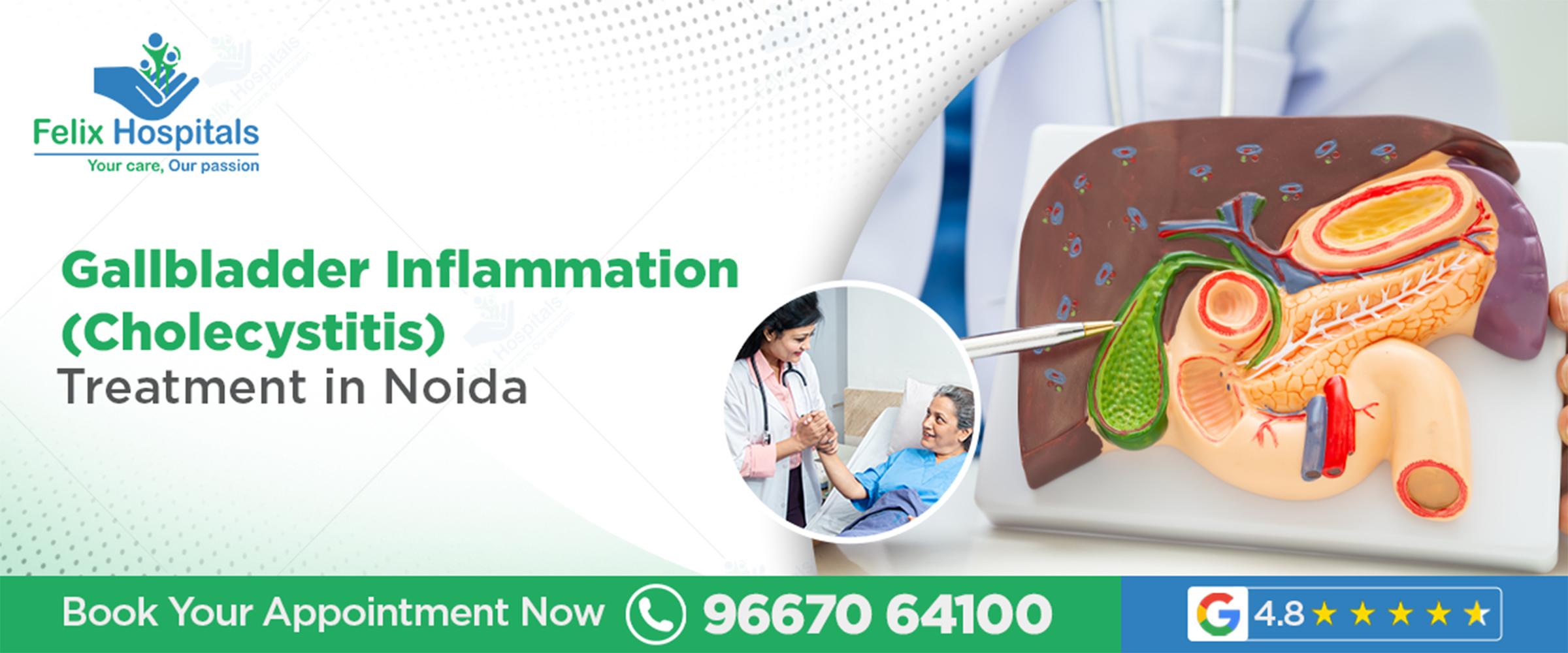
Gallbladder Inflammation (Cholecystitis) Treatment in Noida

Gallbladder inflammation, medically known as cholecystitis, is a condition that occurs when the gallbladder becomes irritated, swollen, or infected. The gallbladder plays an essential role in digestion by storing bile, which helps break down fats. When bile flow is blocked or infection develops, inflammation can occur, leading to severe abdominal pain and digestive distress. Understanding acute and chronic cholecystitis treatment options is crucial for preventing complications and ensuring timely recovery.


Experiencing severe right-sided abdominal pain, nausea, or fever? Call +91 9667064100 to consult a gastro specialist in Noida immediately.


What Is Cholecystitis?

Cholecystitis develops when bile cannot drain properly from the gallbladder, most commonly due to gallstones blocking the bile duct. This blockage causes bile buildup, irritation, and sometimes infection. Accurate gallbladder infection diagnosis helps determine whether the condition is acute, chronic, or associated with other biliary disorders, guiding the treatment approach.


Acute vs Chronic Gallbladder Inflammation

Acute cholecystitis presents suddenly with intense pain and fever, while chronic cholecystitis develops gradually due to repeated gallbladder irritation. Long-standing inflammation can thicken the gallbladder walls and impair function. Patients dealing with recurrent symptoms often require specialized bile duct and gallbladder disorder care to prevent long-term damage.


Common Causes of Gallbladder Inflammation

Gallstones are the leading cause of cholecystitis, but infections, bile duct blockages, and trauma can also trigger inflammation. In some cases, poor gallbladder emptying increases pressure inside the organ, resulting in pain and swelling. Identifying the exact cause helps guide effective gallbladder pain and swelling treatment and reduces the risk of recurrence.


Symptoms You Should Not Ignore

Symptoms of cholecystitis often include sharp pain in the upper right abdomen, pain radiating to the shoulder, nausea, vomiting, fever, and bloating. Pain typically worsens after eating fatty meals. Persistent discomfort is a key reason patients seek cholecystitis treatment in Noida before complications develop.


How Cholecystitis Is Diagnosed

Diagnosis involves a detailed medical history, physical examination, blood tests, and imaging studies such as ultrasound or CT scan. Imaging helps confirm inflammation, gallstones, or bile duct obstruction. A timely evaluation by the best gastroenterologist in Noida ensures accurate diagnosis and faster treatment initiation.


Initial Medical Management


In mild cases, treatment may begin with hospital observation, intravenous fluids, pain control, and antibiotics. Dietary restrictions are often advised to reduce gallbladder stimulation. Early-stage inflammation managed under a gallbladder specialist doctor in Noida may resolve without immediate surgery in selected patients.


Role of Antibiotics and Pain Control

Antibiotics are used when infection is suspected, while pain medications help manage acute discomfort. Careful monitoring is required to ensure symptoms improve and complications do not develop. Patients under acute and chronic cholecystitis treatment plans are closely observed for signs of worsening inflammation.


When Surgery Becomes Necessary

Surgery is recommended when gallbladder inflammation is severe, recurrent, or associated with complications. Removing the gallbladder eliminates the source of inflammation and prevents future attacks. Many patients opt for gallbladder surgery in Noida, which is commonly performed using minimally invasive techniques.


Laparoscopic Gallbladder Surgery

Laparoscopic surgery involves small incisions, reduced pain, and faster recovery compared to open surgery. Most patients are discharged within a short hospital stay. Those requiring advanced gallbladder pain and swelling treatment often benefit significantly from minimally invasive surgical care.


Recovery After Gallbladder Surgery

Post-surgery recovery typically includes gradual dietary progression and light activity. Most individuals return to normal routines within a few weeks. Follow-up care under a gallbladder specialist doctor in Noida ensures proper healing and helps manage digestive adjustments after gallbladder removal.


Potential Complications if Left Untreated

Untreated cholecystitis can lead to serious complications such as gallbladder rupture, abscess formation, or infection spreading to the bloodstream. Chronic inflammation can also cause scarring and reduced gallbladder function. Prompt bile duct and gallbladder disorder care significantly lowers these risks.


Lifestyle and Dietary Adjustments

Patients are advised to limit fatty foods, maintain a healthy weight, and follow a balanced diet to reduce gallbladder strain. These changes support long-term digestive health and complement medical or surgical cholecystitis treatment in Noida.


Importance of Specialist Care

Gallbladder inflammation can mimic other abdominal conditions, making expert evaluation critical. A structured approach led by the best gastroenterologist in Noida ensures correct diagnosis, timely treatment, and prevention of repeat episodes.


Recurring gallbladder pain or confirmed inflammation? Call +91 9667064100 now to discuss safe and effective treatment options in Noida.


Conclusion

Gallbladder inflammation is a painful but treatable condition when addressed early. Recognizing symptoms, understanding treatment options, and seeking timely medical care are essential to avoid complications. With accurate diagnosis, medical management, and surgical options when needed, patients can recover safely and return to normal life. Consulting the best gastroenterology in Noida ensures comprehensive and effective care.


FAQs


Q. 1. Is gallbladder inflammation always caused by gallstones?

Ans. No, while gallstones are common, infections and bile duct blockages can also cause inflammation.


Q. 2. Can cholecystitis be treated without surgery?

Ans. Mild cases may respond to medication, but recurrent or severe cases usually require surgery.


Q. 3. How long does recovery take after gallbladder surgery?

Ans. Most patients resume normal activities within 1–3 weeks, depending on overall health.


Q. 4. Can I live normally without a gallbladder?

Ans. Yes, most people digest food normally after surgery with minor dietary adjustments.


Q. 5. When should I seek emergency care?

Ans. Seek urgent help if pain is severe, persistent, or accompanied by fever or vomiting.

Subscribe to