 WhatsApp
 Emergency:
  WhatsApp
















Subscribe to our

Digestive health plays a crucial role in overall well-being, yet many people delay consulting a specialist until symptoms become severe. From persistent acidity and abdominal pain to liver disorders and chronic bowel issues, gastrointestinal problems require expert evaluation and targeted treatment. Knowing how to find the best gastroenterologist near you can make a significant difference in accurate diagnosis, effective treatment, and long-term digestive health.
In a fast-growing medical hub like Noida, patients have access to multiple specialists, but choosing the right doctor requires careful consideration of experience, expertise, and care approach.
Get accurate diagnosis and treatment from a trusted gastro doctor near me Noida. Call +91 9667064100 now.
Gastrointestinal disorders are often complex and interconnected. Symptoms may appear mild initially but can indicate underlying conditions such as ulcers, IBS, fatty liver disease, or inflammatory bowel disorders. Selecting the right specialist ensures early intervention and prevents complications.
Understanding what to look for in a gastroenterologist helps patients avoid trial-and-error treatments and unnecessary investigations while receiving focused, evidence-based care.
A gastroenterologist is a specialist trained to diagnose and treat disorders of the digestive system, including the esophagus, stomach, intestines, liver, pancreas, and gallbladder. Their expertise extends beyond basic consultation to advanced diagnostic procedures such as endoscopy, colonoscopy, and liver function evaluation.
When patients ask which gastroenterologist is best for digestive problems, the answer depends on the doctor’s training, clinical exposure, and ability to manage both common and complex GI conditions.
Before choosing a specialist, it is important to understand your symptoms and concerns. Some patients require routine consultation for acidity or constipation, while others need long-term management for chronic liver disease or inflammatory bowel disorders.
Knowing how to select a gastroenterologist near me starts with identifying whether you need:
Preventive screening
Diagnosis of persistent symptoms
Long-term disease management
Advanced endoscopic procedures
This clarity helps narrow down the right specialist in Noida.
One of the most important steps in how to find the best gastroenterologist is verifying medical qualifications. A qualified gastroenterologist should have:
An MBBS degree
A postgraduate degree in Internal Medicine
Super-specialization (DM/DNB) in Gastroenterology
Specialization ensures in-depth knowledge of digestive disorders and updated treatment protocols.
Experience matters significantly in gastroenterology, especially when dealing with complex or chronic conditions. A doctor with extensive hands-on experience is better equipped to interpret symptoms, imaging, and test results accurately.
When deciding which gastroenterologist is best for digestive problems, consider:
Years of clinical practice
Volume of patients treated
Experience with similar conditions
Experienced specialists in Noida often deliver more confident diagnoses and efficient treatment plans.
The quality of the medical facility plays a vital role in diagnosis and treatment outcomes. Advanced diagnostic tools and well-equipped endoscopy units improve accuracy and patient safety.
While following tips to choose a gastroenterologist doctor, patients should check whether the hospital offers:
Modern endoscopy and colonoscopy units
Liver care and diagnostic imaging
Emergency GI services
Multidisciplinary support
This is especially important when searching for a gastro doctor near me Noida for comprehensive care.
A skilled gastroenterologist should have access to accurate diagnostic tools and know when to use them appropriately. Over-testing can be as harmful as under-testing.
A reliable approach to what to look for in a gastroenterologist includes:
Judicious use of investigations
Clear explanation of test results
Avoidance of unnecessary procedures
This reflects clinical maturity and patient-focused care.
Digestive issues can be sensitive and uncomfortable to discuss. A good gastroenterologist ensures a respectful, non-judgmental environment.
While considering how to select a gastroenterologist near me, observe whether the doctor:
Listens attentively
Explains conditions in simple language
Encourages questions
Involves patients in decision-making
Strong communication improves compliance and treatment success.
Different doctors may follow different treatment philosophies. Some focus heavily on medication, while others emphasize lifestyle, diet, and preventive care.
Understanding tips to choose a gastroenterologist doctor includes evaluating whether the specialist:
Promotes long-term digestive health
Provides dietary and lifestyle guidance
Uses medications responsibly
Plans follow-ups appropriately
Balanced treatment leads to better long-term outcomes.
Digestive issues may require repeated follow-ups or urgent consultations. Accessibility is a practical but critical factor.
When looking for the best gastroenterologist doctor in Noida, consider:
OPD availability
Emergency consultation support
Ease of appointment booking
Follow-up continuity
This ensures uninterrupted care during flare-ups or complications.
Patient reviews and referrals provide insights into real-world experiences. While no doctor will have universal praise, consistent feedback patterns are useful.
In the process of how to find the best gastroenterologist, consider:
Word-of-mouth recommendations
Online patient feedback
Referrals from family physicians
Reputation often reflects reliability and trustworthiness.
Digestive care can involve multiple tests and procedures. Ethical practice includes transparency about costs and necessity.
When evaluating what to look for in a gastroenterologist, ensure the doctor:
Explains the need for investigations
Avoids unnecessary procedures
Provides clear billing information
This protects patients from financial stress and overtreatment.
Patients with IBS, GERD, liver disease, or inflammatory bowel disease need long-term care. Consistency and trust are key.
Choosing which gastroenterologist is best for digestive problems becomes especially important when ongoing management, lifestyle modification, and monitoring are required.
Noida has emerged as a major healthcare destination with advanced gastroenterology services. Patients searching for a liver doctor near me Noida benefit from access to modern hospitals, experienced specialists, and comprehensive diagnostic facilities.
Selecting the right doctor ensures not just treatment, but preventive care and long-term digestive wellness.
Looking for expert digestive care? Consult the best gastroenterologist doctor in Noida today. Call +91 9667064100 to book an appointment.
Choosing the right gastroenterologist is a critical step toward maintaining digestive health and preventing serious complications. Understanding how to find the best gastroenterologist, knowing what to look for in a gastroenterologist, and following practical tips to choose a gastroenterologist doctor empower patients to make informed decisions. For residents of Noida, consulting the best gastroenterology hospital in Noida ensures accurate diagnosis, ethical treatment, and personalized care that supports long-term well-being.
Q. 1 When should I see a gastroenterologist?
Ans. If digestive symptoms persist beyond two weeks or recur frequently.
Q. 2 Do I need a referral to consult a gastroenterologist?
Ans. Usually no, but referrals can help with faster evaluation.
Q. 3 What conditions do gastroenterologists treat?
Ans. They manage acidity, IBS, liver disease, ulcers, and bowel disorders.
Q. 4 Are endoscopy and colonoscopy safe procedures?
Ans. Yes, when performed by experienced specialists in equipped centers.
Q. 5 How often should I follow up with a gastroenterologist?
Ans. Follow-up depends on diagnosis and treatment plan.
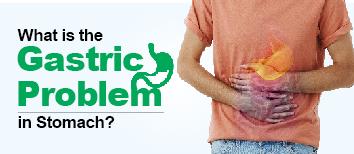
Gastric problems occur when excess acid or digestive disturbances affect the stomach lining, causing symptoms like bloating, acidity, and pain. Timely diagnosis ensures effective treatment.

Understand the key differences between stomach flu and food poisoning. Learn about their causes, symptoms, and when it's time to seek medical help for safe and effective treatment.

सर्दियों का मौसम आते ही सर्दी-खांसी, वायरल फीवर, गले में खराश और सांस से जुड़ी बीमारियों का खतरा बढ़ जाता है। इसका मुख्य कारण है इस मौसम में इम्यूनिटी का कमजोर होना। कमजोर प्रतिरक्षा प्रणाली (Weak Immune System) के कारण बच्चे, बुजुर्ग और पहले से बीमार लोग जल्दी संक्रमण की चपेट में आ जाते हैं। नोएडा में इम्यूनिटी बढ़ाने वाले डॉक्टर उपलब्ध है। नोएडा में इम्यूनिटी से जुड़ी समस्याओं के लिए अनुभवी चिकित्सक और हेल्थ अस्पताल उपलब्ध हैं। लक्षण बढ़ने से पहले ही सावधानी और बचाव बेहद जरूरी है।
स्वास्थ्य परामर्श के लिए संपर्क करें: +91 9667064100
सर्दियों में तापमान गिरने के कारण शरीर की रोग प्रतिरोधक क्षमता प्रभावित होती है। ठंडी हवा, धूप की कमी और शारीरिक गतिविधि कम होने से इम्यून सिस्टम सुस्त पड़ता है। इस दौरान वायरस और बैक्टीरिया अधिक सक्रिय हो जाते हैं, जिससे संक्रमण जल्दी फैलता है।
सर्दियों में कुछ खास खाद्य पदार्थ इम्यूनिटी को प्राकृतिक रूप से मजबूत बनाते हैं:
डॉक्टर की सलाह से ये सप्लीमेंट्स इम्यूनिटी मजबूत कर सकते हैं:
इम्यूनिटी काढ़ा:
इन सभी को पानी में उबालकर दिन में 1 बार पिएं।
हल्दी वाला दूध: रात में सोने से पहले हल्दी मिला गुनगुना दूध इम्यूनिटी बढ़ाने में बेहद असरदार है।
नोटः नियमित व्यायाम से शरीर में ब्लड सर्कुलेशन बेहतर होता है। नोएडा में सर्वश्रेष्ठ जनरल फिजिशियन अस्पताल उपलब्ध है। यह इम्यून सिस्टम मजबूत बनता है।
अपॉइंटमेंट के लिए कॉल करें: +91 9667064100
सर्दियों में मजबूत इम्यूनिटी ही बीमारियों से बचाव का सबसे बड़ा हथियार है। सही खान-पान, अच्छी दिनचर्या और समय-समय पर डॉक्टर की सलाह लेकर आप खुद को और अपने परिवार को स्वस्थ रख सकते हैं। अगर बार-बार बीमार पड़ रहे हैं या कमजोरी महसूस हो रही है, तो नोएडा में उपलब्ध अनुभवी चिकित्सक से संपर्क कर समय रहते जांच और सलाह लें। बिना डॉक्टर की सलाह के कोई दवा नहीं ले।
प्रश्न 1: क्या सर्दियों में बच्चे और बुजुर्गों की इम्यूनिटी ज्यादा कमजोर होती है?
उत्तर: हां, बच्चों और बुजुर्गों की प्रतिरक्षा क्षमता कम होने के कारण उन्हें ज्यादा सावधानी की जरूरत होती है।
प्रश्न 2: क्या सिर्फ खान-पान से इम्यूनिटी बढ़ सकती है?
उत्तर: खान-पान के साथ-साथ नींद, व्यायाम और तनाव कम करना भी जरूरी है। इसलिए नींद का ध्यान रखें।
प्रश्न 3: क्या इम्यूनिटी बूस्टर ड्रिंक रोज पी सकते हैं?
उत्तर: हां, लेकिन सीमित मात्रा में और नियमित रूप से। ज्यादा सेवन नुकसानदेह होता है।
प्रश्न 4: क्या विटामिन डी की कमी सर्दियों में आम है?
उत्तर: हां, धूप कम मिलने के कारण इसकी कमी हो सकती है। इसलिए सर्दी के दिन में धूप का ध्यान रखना चाहिए।
प्रश्न 5: कब डॉक्टर से संपर्क करना चाहिए?
उत्तर: जब बार-बार संक्रमण हो, कमजोरी बनी रहे या बुखार जल्दी-जल्दी आए तो डॉक्टर की सलाह लेने में देरी नहीं करें।

ठंडे मौसम में शरीर को गर्म रखने के लिए रक्तचाप स्वाभाविक रूप से बढ़ जाता है। उच्च रक्तचाप हार्ट अटैक का प्रमुख जोखिम कारक होता है
सर्दियों के मौसम में हृदय रोग से जुड़े किसी भी लक्षण को हल्के में न लें और फेलिक्स हॉस्पिटल के अनुभवी हृदय रोग विशेषज्ञों से परामर्श लें।

आंखों की सेहत के लिए विटामिन ए, विटामिन सी, विटामिन ई और ओमेगा-3 फैटी एसिड जरूरी होते हैं। सर्दियों में हरी सब्जियाँ, गाजर, संतरा, और नट्स जैसे खाद्य पदार्थों का सेवन करना आंखों के स्वास्थ्य के लिए फायदेमंद है। ये पोषक तत्व आंखों की मांसपेशियों को मजबूत क

सर्दियों के मौसम में ठंडी हवा, धूल, धुआं और वायरल इंफेक्शन बच्चों में अस्थमा अटैक का खतरा बढ़ा देते हैं। ठंड के कारण सांस की नलियां सिकुड़ जाती हैं, जिससे खांसी, सीटी जैसी आवाज, सांस फूलना और सीने में जकड़न की समस्या हो सकती है।
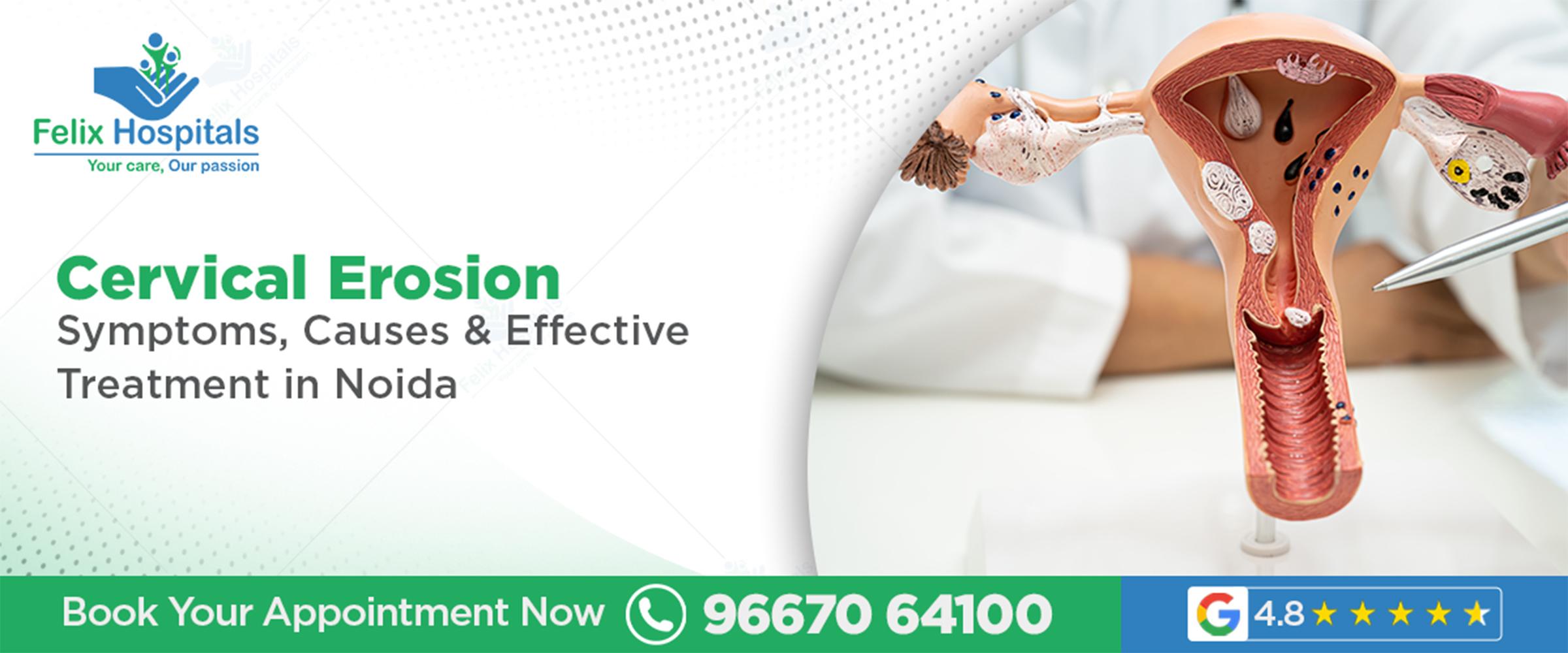
Cervical erosion is a common gynecological condition affecting many women, often going unnoticed until symptoms appear. Understanding what is cervical erosion is important for early detection and effective management. Cervical erosion occurs when the cells from the inner lining of the cervical canal spread to the outer surface of the cervix, creating a reddish and inflamed appearance. While this condition is usually benign, it can sometimes cause discomfort, abnormal discharge, or other symptoms that prompt women to seek consultation with a cervical erosion specialist in Noida or a clinic providing cervical erosion treatment in Noida.
If you experience cervical erosion symptoms such as unusual discharge or post-coital bleeding, call +91 9667064100 today to schedule an appointment with a cervical erosion specialist in Noida.
To comprehend what is cervical erosion, it is important to know the anatomy of the cervix. The cervix is the lower part of the uterus that opens into the vagina, and it is lined with two types of cells: squamous cells on the outer surface and glandular cells in the canal. Cervical erosion occurs when these glandular cells extend to the outer cervix, making it appear red and inflamed. Hormonal changes, infections, or prolonged irritation can contribute to this condition.
Often caused by hormonal changes
May occur during pregnancy or with contraceptive use
Typically benign but requires monitoring
Consulting a cervical erosion specialist in Noida ensures proper evaluation and appropriate management to prevent complications.
Recognizing cervical erosion symptoms is crucial for early diagnosis. Many women may not notice any signs, especially in mild cases. However, some common symptoms include abnormal vaginal discharge, mild bleeding after intercourse, or occasional pelvic discomfort. Some women also report spotting between periods or an increase in vaginal mucus.
Signs of cervical erosion in women may vary, but common indicators include:
Persistent vaginal discharge
Post-coital bleeding (bleeding after sex)
Pelvic pain or discomfort
Spotting between menstrual cycles
Women experiencing these symptoms should consult a cervical erosion specialist in Noida for examination and accurate diagnosis.
Many patients ask, is cervical erosion serious? In most cases, cervical erosion is benign and does not pose significant health risks. However, untreated or persistent cervical erosion may lead to chronic irritation, increase susceptibility to infections, or complicate pregnancy in rare instances. Regular monitoring and treatment, when necessary, are important to prevent potential complications.
Usually benign and treatable
Can cause recurrent infections if untreated
Requires medical assessment for persistent symptoms
A cervical erosion specialist in Noida can assess the severity of the condition and recommend appropriate treatment options to ensure safe recovery.
Understanding the causes of cervical erosion helps in preventing recurrence. Common factors include:
Hormonal changes during pregnancy or with oral contraceptive use
Chronic inflammation due to infections
Irritation from medical devices such as intrauterine devices (IUDs)
Physical trauma during sexual activity or childbirth
These causes can lead to the outward spread of glandular cells, resulting in the characteristic reddish appearance of the cervix.
Consulting a cervical erosion specialist in Noida can help identify specific causes and provide guidance on prevention and treatment.
Knowing how is cervical erosion treated is essential for women experiencing symptoms. Mild cases often require no active treatment and may resolve with lifestyle adjustments and infection control. Moderate to severe cases can be treated with:
Cryotherapy (freezing abnormal cells)
Electrocauterization (burning abnormal tissue)
Laser therapy to remove affected cells
Medications to manage infections or inflammation
Mild cases may not require intervention
Procedure selection depends on severity and symptoms
Regular follow-up is crucial to prevent recurrence
A cervical erosion specialist in Noida can recommend the best treatment based on the patient’s condition, ensuring effective and safe recovery.
Many women worry, can cervical erosion cause infertility? In most cases, cervical erosion does not affect fertility. However, untreated infections or chronic irritation associated with cervical erosion may affect cervical function or reproductive health. Early diagnosis and treatment significantly reduce any potential risk to fertility.
Patients planning pregnancy should consult a cervical erosion specialist in Noida to ensure cervical health before conception.
Persistent or unusual vaginal discharge can indicate cervical erosion or other gynecological issues. When should I see a doctor for cervical discharge? If discharge is accompanied by an unusual color, foul odor, bleeding, or pelvic pain, timely consultation is necessary. Early evaluation by a cervical erosion specialist in Noida ensures accurate diagnosis and prevents complications.
Persistent or unusual discharge
Post-coital bleeding
Pain or discomfort in the pelvic area
Visiting a cervical erosion treatment in Noida center allows for proper examination, diagnostic tests, and treatment.
Diagnosis typically involves a combination of visual inspection using a speculum, Pap smear, colposcopy, or biopsy if necessary. These tests help confirm the presence of abnormal cells, rule out infections, and exclude other gynecological conditions.
Pap smear for cellular analysis
Colposcopy for detailed cervix visualization
Biopsy for suspicious lesions
A cervical erosion specialist in Noida will recommend the most appropriate diagnostic approach for accurate results and treatment planning.
Prevention plays a key role in managing cervical erosion. Maintaining good hygiene, regular gynecological check-ups, managing infections promptly, and avoiding prolonged use of irritants can reduce the risk. Hormonal balance through proper medical guidance may also help prevent recurrent cases.
Consulting a cervical erosion treatment in Noida clinic ensures preventive strategies are implemented effectively for long-term cervical health.
In addition to medical procedures, lifestyle adjustments can improve outcomes. Women are encouraged to:
Practice safe sexual hygiene
Use barrier contraceptives if prone to irritation
Avoid unnecessary trauma to the cervix
Maintain a balanced diet and healthy lifestyle
A cervical erosion specialist in Noida can guide women on practical measures to support recovery and prevent recurrence.
Recovery from treatment depends on the method used. Procedures like cryotherapy or electrocauterization usually require a short recovery period, during which patients should avoid sexual activity, tampon use, or strenuous exercise. Regular follow-up appointments ensure the cervix heals properly and symptoms do not recur.
Avoid sexual activity during recovery
Schedule follow-up appointments
Monitor for signs of infection or persistent symptoms
A cervical erosion specialist in Noida will provide a personalized recovery plan and monitor progress closely.
Cervical erosion, while usually benign, can cause anxiety and stress due to symptoms like abnormal discharge or fear of infertility. Counseling and patient education from a cervical erosion specialist in Noida help women understand their condition, reduce stress, and improve adherence to treatment plans.
Receive comprehensive care at a cervical erosion treatment in Noida center for diagnosis, treatment, and follow-up to maintain optimal cervical health.
Cervical erosion is a common gynecological condition that can be managed effectively with timely diagnosis, proper treatment, and lifestyle adjustments. Recognizing cervical erosion symptoms, understanding what is cervical erosion, and consulting a cervical erosion specialist in Noida or a clinic offering cervical erosion treatment in Noida are essential steps toward maintaining cervical health. Early intervention prevents complications, reduces discomfort, and ensures reproductive well-being.
Q.1 What is cervical erosion, and how does it affect me?
Ans. Cervical erosion is when inner cervical cells spread to the outer cervix, sometimes causing discharge or bleeding.
Q. 2 What are the common symptoms of cervical erosion?
Ans. Symptoms include abnormal discharge, post-coital bleeding, and mild pelvic discomfort.
Q.3 Is cervical erosion serious or life-threatening?
Ans. Most cases are benign, but untreated erosion may cause infections or discomfort.
Q.4 Can cervical erosion affect fertility?
Ans. In general, it does not cause infertility, though chronic irritation may pose minor risks.
Q. 5 When should I consult a doctor for cervical discharge?
Ans. See a doctor if discharge is unusual, persistent, or accompanied by pain or bleeding.

Cervical cancer is most common in women after breast cancer. Cervical cancer starts from the cervix, i.e., the cervix. The cervix is the lower part of the uterus that connects the vagina to the uterus.
Recognize the early warning signs of cervical cancer. Learn about its symptoms, causes, and when to consult a gynecologist for timely diagnosis and treatment.

Explore the cervical cancer vaccine cost in Noida, compare prices across hospitals, and understand how vaccination helps prevent HPV infection and cervical cancer.
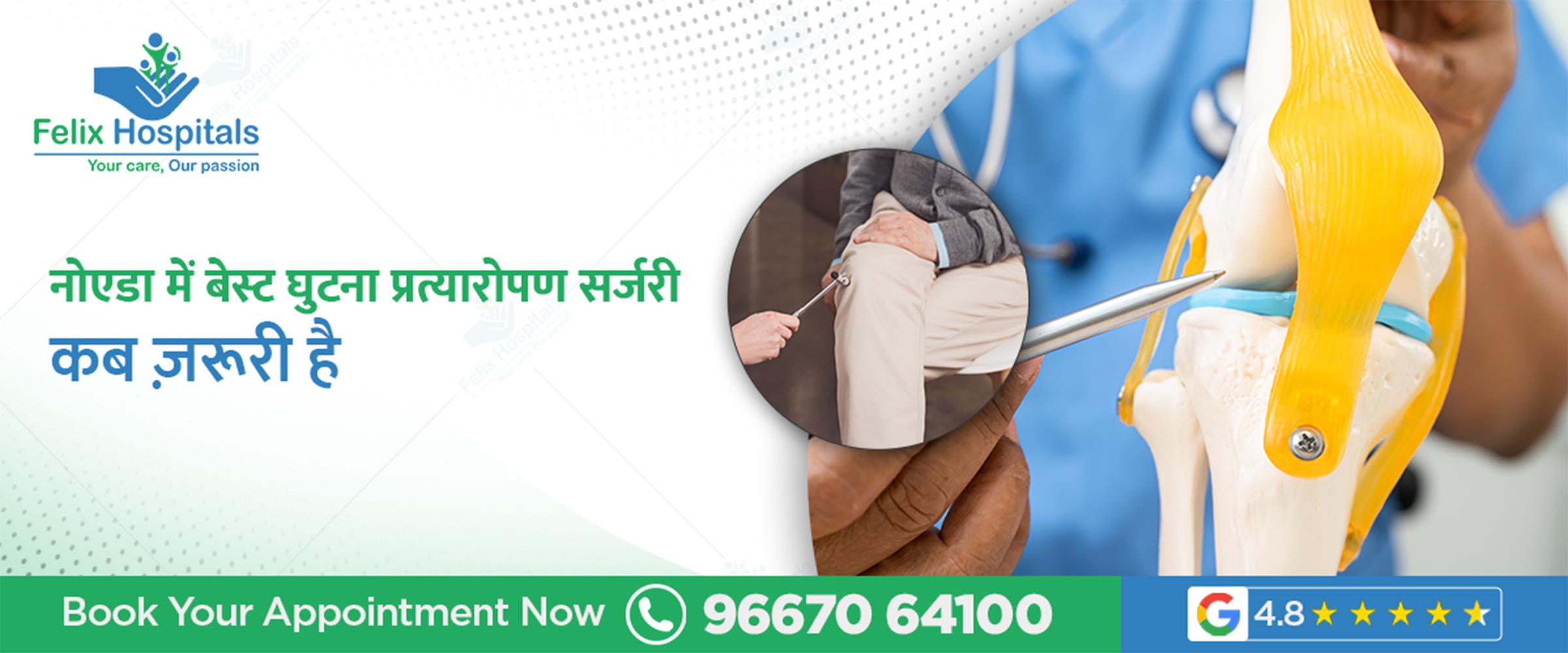
तेज रफ्तार जीवनशैली, बढ़ती उम्र, मोटापा और आर्थराइटिस जैसी समस्याएं आज हर उम्र के लोगों को प्रभावित कर रही हैं। जब दर्द इतना बढ़ता है कि चलना-फिरना या दैनिक काम करना भी मुश्किल हो जाए, तो घुटना रिप्लेसमेंट सर्जरी स्थायी राहत का सबसे प्रभावी उपाय बन जाता है। नोएडा में सर्वश्रेष्ठ आर्थोपेडिक अस्पताल उपलब्ध है। यह ब्लॉग जानेंगे घुटने की सर्जरी क्या होती है, इसके प्रकार, इलाज के आधुनिक विकल्प और सर्जरी से पहले व बाद की तैयारी के बारे में विस्तार से।
घुटना रिप्लेसमेंट सर्जरी, जिसे नी आर्थ्रोप्लास्टीभी कहा जाता है। एक चिकित्सीय प्रक्रिया है जिसमें क्षतिग्रस्त घुटने के जोड़ को कृत्रिम इम्प्लांट से बदल जाता है। यह इम्प्लांट धातु, सिरेमिक या उच्च गुणवत्ता वाले मेडिकल-ग्रेड प्लास्टिक से बना होता है। जो घुटने की प्राकृतिक गति को पुनर्स्थापित करता है और दर्द को कम करता है।
नी रिप्लेसमेंट तब किया जाता है जब ऑस्टियोआर्थराइटिस या रूमेटॉइड आर्थराइटिस (Rheumatoid Arthritis) से कार्टिलेज पूरी तरह घिस जाए। दर्द लगातार बना रहे और दवा या फिजियोथेरेपी से राहत न मिले। सीढ़ियां चढ़ना, चलना या बैठना असहनीय हो जाए। एक्स-रे या एमआरआई में जोड़ों में हड्डियों की रगड़ या विकृति दिखे। जब जोड़ का दर्द जीवन की गुणवत्ता को प्रभावित करने लगे। तबसर्जरी ही एक स्थायी समाधान बन जाती है।
घुटने की क्षति और मरीज की जरूरत के अनुसार डॉक्टर सर्जरी का प्रकार तय करते हैं:
इस प्रक्रिया में घुटने के दोनों सिरों फीमर (जांघ की हड्डी) और टिबिया (पिंडली की हड्डी) — की सतह को हटाकर कृत्रिम इम्प्लांट से बदल दिया जाता है यह तब किया जाता है जब घुटने की पूरी सतह घिस चुकी हो।
यदि घुटने का केवल एक भाग (भीतरूनी या बाहरी) खराब हुआ है, तो केवल वही हिस्सा बदला जाता है इससे कम चीरा, कम ब्लड लॉस और तेज रिकवरी होती है।
यह सर्जरी तब की जाती है जब पहले किए गए इम्प्लांट में ढीलापन या संक्रमण आ जाए। इसमें पुराने इम्प्लांट को निकालकर नया लगाया जाता है।
यह मिनिमली इनवेसिव तकनीक है जिसमें कैमरा और छोटे उपकरणों से लिगामेंट इंजरी, मिनिस्कस टियर या कार्टिलेज रिपेयर किया जाता है।
यदि केवल कार्टिलेज घिसी है, तो माइक्रोफ्रैक्चर, ACI (ऑटोलॉगस चोंड्रोसाइट इम्प्लांटेशन) या OATS जैसी आधुनिक तकनीकों से कार्टिलेज को पुनर्जीवित किया जाता है।
ब्लड टेस्ट, एक्स-रे, ईसीजी, एमआरआई: शरीर की फिटनेस और घुटने की स्थिति की जांच कराने से सही स्थिति का पता चलता है। ।
ब्लड शुगर और बीपी नियंत्रण: ताकि संक्रमण और जटिलता से बचा जा सके।
फिजियोथेरेपी: सर्जरी से पहले एक्सरसाइज से मांसपेशियों को मजबूत करें।
मानसिक तैयारी: डॉक्टर से स्पष्ट जानकारी लें और चिंता दूर करें।
हॉस्पिटल और सर्जन का चयन: अनुभवी ऑर्थोपेडिक सर्जन और एनएबीएच-अनुमोदित हॉस्पिटल चुनें।
प्रत्यारोपण सर्जरी में क्षतिग्रस्त जोड़ को हटाकर कृत्रिम जोड़ लगाया जाता है।
मरीज को सर्जरी से पहले स्पाइनल या जनरल एनेस्थीसिया दिया जाता है ताकि ऑपरेशन के दौरान कोई दर्द या असुविधा महसूस न हो। एनेस्थीसिया का चुनाव मरीज की उम्र, स्वास्थ्य स्थिति और डॉक्टर की सलाह पर निर्भर करता है।
सर्जन घुटने के सामने लगभग 4 से 6 इंच का छोटा चीरा लगाते हैं। इससे जोड़ तक पहुंच बनाकर अंदरूनी क्षति का निरीक्षण किया जाता है।
घुटने के क्षतिग्रस्त कार्टिलेज और हड्डी को सावधानीपूर्वक हटाया जाता है। हटाए गए हिस्से की जगह विशेष कृत्रिम इम्प्लांट फिट किया जाता है, जो धातु या उच्च गुणवत्ता वाले पॉलिमर से बना होता है।
इम्प्लांट लगाने के बाद सर्जन घुटने को मोड़कर और सीधा कर उसकी स्थिरता और मूवमेंट जांचते हैं। सब कुछ सही होने पर जोड़ को सही एलाइनमेंट में फिक्स कर दिया जाता है।
जांच के बाद घाव को टांकों या स्टेपल्स से बंद कर दिया जाता है और स्टरलाइज्ड ड्रेसिंग की जाती है। सर्जरी स्थल पर सूजन कम करने के लिए ड्रेन ट्यूब भी लगाई जाती है।
पूरी प्रक्रिया में आमतौर पर 60 से 90 मिनट का समय लगता है। मरीज को एनेस्थीसिया से पूरी तरह जागने में 1–2 घंटे और लग सकते हैं।
सर्जरी के बाद का समय रिकवरी के लिए अत्यंत महत्वपूर्ण होता है। नोएडा में सर्वश्रेष्ठ ऑर्थोपेडिक्स नोएडा में उपलब्ध है। इस दौरान सही देखभाल और फिजियोथैरेपी से मरीज जल्दी सामान्य जीवन में लौटता है।
हॉस्पिटल में भर्ती रहना:
सर्जरी के बाद मरीज को सामान्यतः 3 से 5 दिन तक अस्पताल में रखा जाता है। डॉक्टर घाव की स्थिति, दर्द का स्तर और ब्लड सर्कुलेशन की निगरानी करते हैं।
दवाओं का सेवन:
डॉक्टर द्वारा बताई गई एंटीबायोटिक और ब्लड थिनर दवाएं नियमित रूप से लें। इससे संक्रमण और ब्लड क्लॉट (रक्त के थक्के) बनने का खतरा कम होता है।
ऑपरेशन साइट की सफाई:
सर्जरी स्थल को हमेशा साफ और सूखा रखें। पट्टियां (ड्रेसिंग) डॉक्टर की सलाह के अनुसार समय पर बदलें। लालिमा, मवाद या दुर्गंध दिखे तो तुरंत अस्पताल से संपर्क करें।
चलने-फिरने की शुरुआत:
पहले सप्ताह मरीज को वॉकर या स्टिक का सहारा लेकर चलना शुरू कराया जाता है। धीरे-धीरे वजन डालने की अनुमति दी जाती है ताकि जोड़ पर अतिरिक्त दबाव न पड़े।
फिजियोथैरेपी और एक्सरसाइज:
फिजियोथैरेपिस्ट द्वारा बताई गई एक्सरसाइज रूटीन को नियमित रूप से करें। यह जोड़ों की गतिशीलता और लचीलेपन को बहाल करने में मदद करता है।
रिकवरी का समय:
लगभग 4 से 6 हफ्ते में अधिकांश मरीज बिना सहारे चलने लगते हैं। सामान्य गतिविधियाँ जैसे सीढ़ियाँ चढ़ना या गाड़ी चलाना शुरू करने से पहले डॉक्टर की अनुमति जरूरी है।
फॉलोअप विजिट:
हर कुछ सप्ताह या महीने में डॉक्टर से फॉलोअप जांच कराना जरूरी है। एक्स-रे के जरिए इम्प्लांट की स्थिति और जोड़ की रिकवरी की निगरानी की जाती है।
पहला सप्ताह: हल्की हरकत, पैर सीधा उठाना, पंजों को हिलाना चाहिए।
2–6 सप्ताह: वॉकर से चलना, धीरे-धीरे वजन डालना, मांसपेशी सुदृढ़ीकरण होती है।
6–8 सप्ताह: बिना सहारे चलना, बैलेंस और लचीलापन अभ्यास करना चाहिए।
3 माह बाद: योग, साइकलिंग, स्विमिंग जैसे कम-इंपैक्ट व्यायाम शुरू किए जा सकते हैं।
फिजियोथेरेपीः यह घुटने की रिकवरी की रीढ़ होती है। इसलिए इसे कभी न छोड़ें।
सर्जरी का प्रकार | औसत लागत (रुपये में) |
टोटल नी रिप्लेसमेंट | 1.8 – 4.5 लाख रुपये |
यूनिकॉम्पार्टमेंटल नी रिप्लेसमेंट | 1.5 –3 लाख रुपये |
रिवीजन सर्जरी | 3 – 6 लाख रुपये |
आर्थ्रोस्कोपी | 80,000 – 1.5 लाख रुपये |
आयुष्मान भारत, सीजीएचएस, ईसीएचएस और कई निजी बीमा योजनाएं घुटना रिप्लेसमेंट कवर करती हैं।
वजन नियंत्रित रखें।क्योंकि वजन बढ़ने से घुटने पर अतिरिक्त दबाव पड़ता है।
संतुलित आहार लें। दूध, हरी सब्जियां, तिल, सोया और विटामिन डी युक्त भोजन शामिल करें।
सीढ़ियों और झुकने से बचें। जितना हो सके लिफ्ट या रैम्प का उपयोग करें।
घुटनों को ठंड और चोट से बचाएं।
योग और स्विमिंग को दिनचर्या में शामिल करें।
घुटना रिप्लेसमेंट अस्पताल नोएडा में उपलब्ध है। अभी अपॉइंटमेंट शेड्यूल करें – कॉल करें: +91 9667064100
घुटना रिप्लेसमेंट सर्जरी (Knee replacement surgery) अब आधुनिक तकनीक और अनुभवी विशेषज्ञों की वजह से सुरक्षित, प्रभावी और दर्द-मुक्त प्रक्रिया बन चुकी है। यह न केवल चलने-फिरने की क्षमता लौटाती है बल्कि व्यक्ति के आत्मविश्वास और जीवन की गुणवत्ता में भी बड़ा सुधार करती है। अगर आप या आपके परिवार में कोई घुटने के पुराने दर्द से परेशान है, तो आज ही विशेषज्ञ ऑर्थोपेडिक सर्जन से परामर्श लें। इलाज में देरी बिल्कुल भी नहीं करनी चाहिए।
प्रश्न 1: क्या घुटना रिप्लेसमेंट दर्दनाक होता है?
उत्तरः सर्जरी एनेस्थीसिया में की जाती है। इसलिए दर्द नहीं होता है। बाद का दर्द दवाओं और फिजियोथेरेपी से नियंत्रित किया जाता है।
प्रश्न 2: सर्जरी के बाद कब चल सकते हैं?
उत्तरः अधिकांश मरीज 1–2 दिन में वॉकर के सहारे चलने लगते हैं और 4–6 हफ्तों में बिना सहारे के चलना चाहिए।
प्रश्न.3: सर्जरी का असर कितने साल रहता है?
उत्तरः आधुनिक इम्प्लांट 15–20 साल तक टिकते हैं, कुछ मामलों में इससे भी अधिक।
प्रश्न 4: क्या बुजुर्गों के लिए यह सुरक्षित है?
उत्तरः हां, अगर स्वास्थ्य सामान्य हो तो 75–80 वर्ष तक के मरीज भी सुरक्षित रूप से सर्जरी करा सकते हैं।
प्रश्न 5: क्या बीमा से खर्च कवर होता है?
उत्तरः जी हां, अधिकांश हेल्थ इंश्योरेंस और सरकारी योजनाएं सर्जरी को कवर करती हैं। मगर इलाज से पहले कंपनी से बात करनी चाहिए।
Dr. Binay Kumar Sahu is an experienced Orthopedic and Traumatology specialist with 11+ years of clinical practice. He has extensive expertise in complex trauma, arthroscopy, arthroplasty, musculoskeletal tumors, and hand surgery. Recognized among the Best Orthopedics in Noida, he provides comprehensive and advanced orthopedic care.

घुटनों का दर्द उम्र, चोट, या गठिया जैसी समस्याओं के कारण आम हो सकता है। जब दवाएं और फिजियोथेरेपी असर नहीं करतीं, तब घुटने की सर्जरी (जैसे कि घुटने का प्रतिस्थापन) जरूरी हो सकती है।

घुटने में दर्द के कारण, लक्षण और नोएडा में सबसे अच्छा इलाज जानें। ऑर्थोपेडिक डॉक्टर की सलाह, फिजियोथेरेपी और सर्जरी विकल्प।
नोएडा में आर्थोस्कोपिक घुटने की सर्जरी के बारे में जरूरी जानकारी जानें—लक्षण, प्रक्रिया, रिकवरी और सही अस्पताल चुनने के महत्वपूर्ण टिप्स।
कई गंभीर बीमारियां ऐसी होती हैं। जो शुरुआत में कोई दर्द, तकलीफ या स्पष्ट लक्षण नहीं देतीं, लेकिन अंदर ही अंदर शरीर के महत्वपूर्ण अंगों को नुकसान पहुंचाती रहती हैं। इन्हें ही मेडिकल भाषा में “साइलेंट डिजीज” या “साइलेंट किलर” कहा जाता है इन बीमारियों की सबसे बड़ी समस्या यह है कि जब तक लक्षण सामने आते हैं। जनरल फिजिशियन नोएडा में उपलब्ध है। तब तक बीमारी एडवांस स्टेज में पहुंच चुकी होती है। यही कारण है कि नियमित जांच जीवन रक्षक साबित होती है।
ज्यादा जानकारी के लिए कॉल करें: +91 9667064100
साइलेंट डिजीज वेह बीमारियां हैं, जो लंबे समय तक बिना किसी स्पष्ट लक्षण या दर्द के शरीर में मौजूद रहती हैं। धीरे-धीरे अंगों को नुकसान पहुंचाती हैं। मरीज खुद को सामान्य महसूस करता है, रोजमर्रा का काम करता रहता है, लेकिन बीमारी अंदर ही अंदर बढ़ती रहती है।
समय पर पहचान नहीं हो पाती
इलाज में देरी हो जाती है
अंग स्थायी रूप से डैमेज हो सकते हैं
अचानक हार्ट अटैक, स्ट्रोक या किडनी फेलियर का खतरा
हार्ट की नसों में ब्लॉकेज धीरे-धीरे बढ़ता है। लेकिन सीने में दर्द नहीं, सांस की दिक्कत नहीं। ईसीजी कई बार नॉर्मल रहता है। कई मरीजों को पहला लक्षण सीधा हार्ट अटैक के रूप में मिलता है। इसलिए सावधानी जरूरी होती है।
डायबिटीज सालों तक बिना लक्षण रह सकती है। संभावित संकेत हैं। बार-बार थकान, वजन बढ़ना, बार-बार पेशाब (अक्सर नजरअंदाज)। यह बीमारी किडनी, आंख, दिल और नसों को चुपचाप नुकसान पहुंचाती है।
हाई ब्लड प्रेशर साइलेंट किलरज है। हाई बीपी को सबसे खतरनाक साइलेंट बीमारी माना जाता है। न दर्द, न चक्कर, न चेतावनी लेकिन यह हार्ट अटैक, स्ट्रोक और किडनी फेलियर (Kidney failure) का प्रमुख कारण है।
क्रॉनिक किडनी डिजीज (सीकेडी) शुरुआती स्टेज में पूरी तरह साइलेंट रहती है। शुरुआती संकेत हैं हल्की थकान, पेशाब में झाग, हल्की सूजन। अधिकतर मरीजों को पता तब चलता है जब डायलिसिस की जरूरत पड़ जाती है।
फैटी लिवर डिजीज में लिवर में फैट जमा होता रहता है। लेकिन दर्द नहीं, पीलिया नहीं होता। अगर अनदेखा किया जाए तो यह लिवर सिरोसिस और लिवर फेलियर तक पहुंच सकता है।
थायरॉइड डिसऑर्डर में थायरॉइड हार्मोन असंतुलन के लक्षण बहुत हल्के होते हैं। वजन बढ़ना या घटना, चिड़चिड़ापन, थकान। महिलाएं इससे अधिक प्रभावित होती हैं।
ऑस्टियोपोरोसिस (हड्डियों की साइलेंट बीमारी) में हड्डियां धीरे-धीरे कमजोर होती जाती हैं। कोई दर्द, कोई चेतावनी नहीं होती, और पहला लक्षण अक्सर फ्रैक्चर होता है।
साइलेंट स्ट्रोक में मस्तिष्क में छोटे-छोटे स्ट्रोक बिना किसी लक्षण के हो सकते हैं। नुकसान में शामिल हैं— याददाश्त कमजोर होना और भविष्य में बड़ा स्ट्रोक का खतरा है।
बिना लक्षण वाली बीमारियों की पहचान कैसे करें?
सालाना हेल्थ चेक-अप
ब्लड शुगर
ब्लड प्रेशर
लिपिड प्रोफाइल
किडनी फंक्शन टेस्ट
लिवर फंक्शन टेस्ट
ईसीजी / ईको (डॉक्टर की सलाह पर)
साइलेंट बीमारियां अक्सर बिना लक्षण के शरीर में धीरे-धीरे नुकसान पहुंचाती हैं। डायबिटीज डॉक्टर नोएडा में उपलब्ध है। इसलिए इनसे बचाव के लिए सतर्क रहना बेहद जरूरी है।
साल में कम से कम एक बार सामान्य स्वास्थ्य जांच और हार्ट‑थायरॉइड‑ब्लड शुगर जैसे परीक्षण कराएं।
फल, सब्जियां, दालें, साबुत अनाज और प्रोटीन युक्त भोजन शामिल करें। जंक फूड, तली‑भुनी चीज़ों और अत्यधिक मीठा खाने से बचें।
हाई ब्लड प्रेशर और डायबिटीज से बचने के लिए रोज़ाना नमक और शुगर की मात्रा नियंत्रित रखें।
हल्की से मध्यम शारीरिक गतिविधि हृदय, मोटापा और मानसिक स्वास्थ्य के लिए लाभकारी है।
यह आदतें हृदय, किडनी और लिवर के लिए अत्यंत हानिकारक हैं।
योग, मेडिटेशन या पसंदीदा हॉबी के माध्यम से मानसिक तनाव कम करें।
साइलेंट बीमारियां शोर नहीं करतीं, लेकिन नुकसान गहरा करती हैं। अगर बीमारी का पता समय पर चल जाए, तो हार्ट अटैक (Heart attack) रोका जा सकता है, किडनी बचाई जा सकती है और स्ट्रोक से बचाव संभव है। स्वस्थ दिखना ही स्वस्थ होना नहीं है। आज जांच कराइए जिससे कल पछताना न पड़े। इन आदतों को अपनी जीवनशैली में शामिल करके आप साइलेंट बीमारियों का खतरा काफी हद तक कम कर सकते हैं और लंबे समय तक स्वस्थ रह सकते हैं।
प्रश्न 1. सबसे खतरनाक साइलेंट बीमारी कौन सी है?
उत्तर: हाई ब्लड प्रेशर और डायबिटीज सबसे खतरनाक साइलेंट किलर होता है। इसलिए समय पर जांच होती है।
प्रश्न 2. क्या हार्ट अटैक बिना लक्षण आ सकता है?
उत्तर: हां, इसे साइलेंट हार्ट अटैक कहते हैं। इसलिए जीवनशैली में सुधार जरूरी है।
प्रश्न 3. क्या सीकेडी बिना दर्द होती है?
उत्तर: शुरुआती स्टेज में बिल्कुल बिना दर्द के होती है। इसलिए लक्षण दिखने पर तुरंत जांच कराना चाहिए।
प्रश्न 4. साइलेंट बीमारियों से कैसे बचें?
उत्तर: नियमित जांच और स्वस्थ जीवनशैली ही सबसे बड़ा बचाव है। इसलिए समय रहते जांच कराना चाहिए।
ठंडे मौसम में शरीर को गर्म रखने के लिए रक्तचाप स्वाभाविक रूप से बढ़ जाता है। उच्च रक्तचाप हार्ट अटैक का प्रमुख जोखिम कारक होता है
सर्दियों के मौसम में हृदय रोग से जुड़े किसी भी लक्षण को हल्के में न लें और फेलिक्स हॉस्पिटल के अनुभवी हृदय रोग विशेषज्ञों से परामर्श लें।
सर्दियों के मौसम में ठंडी हवा, धूल, धुआं और वायरल इंफेक्शन बच्चों में अस्थमा अटैक का खतरा बढ़ा देते हैं। ठंड के कारण सांस की नलियां सिकुड़ जाती हैं, जिससे खांसी, सीटी जैसी आवाज, सांस फूलना और सीने में जकड़न की समस्या हो सकती है।

सर्दियों के मौसम में बच्चों को सर्दी-खांसी होना आम है। जानें इसके मुख्य कारण, लक्षण और सुरक्षित इलाज के तरीके।
Anaemia is one of the most commonly ignored health conditions in adults, yet it silently affects daily energy levels, work productivity, and long-term organ health. Many adults continue with fatigue, weakness, or breathlessness without realizing that their blood may not be carrying enough oxygen to meet the body’s needs. What Is Anaemia in Adults? Anaemia occurs when the number of healthy red blood cells or hemoglobin levels fall below normal, reducing oxygen delivery to tissues. In adults, this condition often develops gradually, making the symptoms easy to overlook until they start interfering with everyday life.
Get accurate diagnosis and personalized anaemia treatment—book your consultation now at +91 9667064100.
To understand why anaemia develops, it is important to look beyond low hemoglobin numbers and identify the underlying cause. What Are the Main Causes of Anaemia in Adults? The condition can result from blood loss, poor absorption of nutrients, chronic illnesses, or problems in red blood cell production. In adults, especially those with busy lifestyles or underlying medical issues, anaemia is often a sign that something else in the body is not functioning optimally rather than a standalone disease.
Long-standing nutritional deficiencies
Chronic kidney or liver disease
Hormonal imbalances
Bone marrow disorders
Not all anaemia is the same, and treatment depends heavily on the type diagnosed. Types of Anaemia in Adults range from mild nutritional deficiencies to complex genetic or autoimmune disorders. Iron-deficiency anaemia remains the most common, but adults may also develop vitamin B12 deficiency anaemia, folate deficiency anaemia, hemolytic anaemia, or anaemia related to chronic diseases such as diabetes, cancer, or kidney disorders.
Each type affects the body differently, which is why self-medication without proper testing can delay recovery and worsen symptoms over time.
One of the biggest challenges with anaemia is that symptoms often start subtly. What Are the Common Symptoms of Anaemia in Adults? Early signs may feel like general tiredness or stress-related exhaustion, causing many working professionals to ignore them. As the condition progresses, symptoms become more noticeable and begin affecting daily activities and physical endurance.
Persistent fatigue and weakness
Shortness of breath on mild exertion
Pale skin or yellowish complexion
Dizziness or frequent headaches
Cold hands and feet
Difficulty concentrating
Modern lifestyles play a major role in the rising incidence of anaemia. Irregular meals, excessive tea or coffee intake, stress, and poor sleep patterns contribute to nutritional deficiencies. How Is Anaemia Diagnosed? Doctors emphasize early testing because many adults are anaemic without obvious symptoms. Routine blood tests often reveal low hemoglobin levels before serious complications develop, making timely diagnosis essential.
Ignoring mild anaemia can lead to worsening heart strain, reduced immunity, and complications during surgeries or chronic illness management.
Accurate diagnosis requires more than just a hemoglobin check. How Is Anaemia Diagnosed? Doctors usually recommend a complete blood count (CBC), iron studies, vitamin B12 and folate levels, and sometimes kidney and liver function tests. In cases where blood loss is suspected, additional investigations such as stool tests, endoscopy, or imaging may be required to identify the source.
Early diagnosis helps doctors tailor treatment precisely instead of relying on trial-and-error supplements.
Treating anaemia effectively means addressing the underlying reason behind low hemoglobin levels. What Are the Best Treatment Options for Anaemia? Treatment may involve dietary changes, oral supplements, injections, medications, or management of chronic conditions causing blood loss or poor absorption. In severe cases, blood transfusions may be required to stabilize the patient.
Severity of anaemia
Age and lifestyle
Presence of chronic disease
Nutritional status
Diet plays a crucial role in preventing and managing anaemia. Can Anaemia Be Prevented? A balanced diet rich in iron, vitamin B12, folate, and protein supports healthy red blood cell production. Adults who follow restrictive diets or have digestive disorders may require medical guidance to ensure proper nutrient absorption.
Green leafy vegetables
Lean meats and eggs
Pulses and legumes
Nuts and seeds
Fortified cereals
While mild anaemia can often be managed with outpatient care, severe cases need urgent attention. When Should You See a Doctor for Anaemia? If symptoms such as chest pain, severe breathlessness, fainting, or rapid heartbeat occur, immediate medical evaluation is necessary. Anaemia can worsen existing heart conditions and increase surgical risks if left untreated.
Adults with chronic illnesses should never ignore falling hemoglobin levels.
The anaemia treatment cost in Noida varies depending on the cause, severity, and type of treatment required. Simple nutritional deficiency cases may require affordable supplements, while complex conditions involving chronic disease management or hospital-based treatment may cost more. Early diagnosis significantly reduces long-term treatment expenses and prevents complications.
Consulting an experienced anaemia specialist doctor in Noida ensures accurate diagnosis and targeted treatment. Many adults take over-the-counter iron supplements without knowing the exact cause, which may delay proper care. Specialist evaluation helps rule out serious underlying conditions such as gastrointestinal bleeding or bone marrow disorders.
Worried about low hemoglobin or ongoing fatigue? Consult an experienced anaemia doctor in Noida by calling +91 9667064100 today.
Anaemia in adults is not just about feeling tired—it is a medical condition that reflects deeper health imbalances. Early recognition, proper testing, and cause-specific treatment by the Best General Physicians in Noida can restore energy levels, improve work performance, and prevent serious complications. If symptoms persist or worsen, timely consultation with a specialist is essential for safe and effective recovery.
Q.1 Can anaemia cause long-term weakness if untreated?
Ans. Yes, untreated anaemia can lead to chronic fatigue, heart strain, reduced immunity, and long-term organ stress.
Q. 2 Is anaemia common in working adults with desk jobs?
Ans. Yes, poor diet, stress, irregular meals, and low physical activity make anaemia common in working professionals.
Q. 3 How long does anaemia treatment usually take to show results?
Ans. Most patients start feeling better within 3–4 weeks, but full recovery may take 2–3 months depending on the cause.
Q.4 Can anaemia return after treatment is completed?
Ans. Yes, anaemia can recur if the underlying cause such as nutritional deficiency or blood loss is not corrected.
Q.5 Should adults get routine blood tests to detect anaemia early?
Ans. Yes, regular blood tests help detect anaemia early before symptoms become severe or complications develop.

Chronic Fatigue Syndrome causes persistent tiredness and reduced daily activity.

Quick tips and foods to boost hemoglobin levels naturally.

Asthma is a chronic respiratory condition that often worsens during colder months due to environmental and lifestyle changes. Many patients who remain stable during summer and monsoon suddenly experience breathing difficulty, chest tightness, and frequent inhaler use once winter begins. What Causes Asthma Flare-Ups During Winter? Winter air is cold, dry, and often polluted, which irritates sensitive airways and increases inflammation. Additionally, people spend more time indoors with limited ventilation, increasing exposure to dust, smoke, and indoor allergens. These combined factors make winter one of the most challenging seasons for asthma control, especially in urban areas like Noida.
Struggling with asthma flare-ups this winter? Consult an experienced lung specialist in Noida call +91 9667064100 today.
Cold air has a direct physiological impact on the lungs, especially in people with asthma. Why Does Cold Air Trigger Asthma Symptoms? When cold air is inhaled, it causes the airway lining to dry out and constrict, triggering bronchospasm. This narrowing of airways reduces airflow and makes breathing difficult. Even brief exposure, such as stepping outside early in the morning or riding a two-wheeler without face protection, can trigger symptoms. Over time, repeated cold exposure increases airway sensitivity and leads to more frequent flare-ups during winter.
Asthma symptoms in winter are often more persistent and severe than in other seasons. What Are the Common Symptoms of Winter Asthma? Patients frequently report increased coughing at night, wheezing, chest tightness, and shortness of breath even during mild physical activity. Many mistake these symptoms for seasonal cough or cold, which delays proper asthma treatment. Ignoring these warning signs can allow inflammation to build up, leading to sudden and severe asthma attacks.
Persistent dry or productive cough
Wheezing while breathing
Chest heaviness in cold air
Breathlessness during routine activities
Asthma does not change in nature during winter, but the risks associated with it increase significantly. Is Asthma More Dangerous in Cold Weather? Yes, because cold temperatures, pollution, and infections collectively worsen airway inflammation. Winter flare-ups are more likely to lead to emergency room visits, nebulization, or hospital admission if not managed properly. Patients with uncontrolled asthma are at higher risk of oxygen deprivation, severe bronchospasm, and complications during cold months.
Not every asthma patient experiences severe winter symptoms, but some groups are more vulnerable. Who Is at Higher Risk of Asthma Attacks in Winter? Children, elderly individuals, smokers, and people with long-standing asthma are more prone to winter flare-ups. Patients with sinus infections, allergic rhinitis, or chronic bronchitis also face increased risk. Office-goers exposed to pollution during daily commuting often report worsening symptoms during winter mornings and evenings.
Respiratory infections are a major trigger for asthma flare-ups during winter. How Can Winter Infections Worsen Asthma? Viral infections such as cold and flu inflame the airways, increase mucus production, and reduce lung function. In asthma patients, this inflammation can quickly escalate into severe breathing difficulty. Even after the infection subsides, asthma symptoms may persist for weeks, requiring intensified treatment and monitoring.
Effective asthma management in winter requires proactive treatment planning. What Are the Best Treatment Options for Winter Asthma? Doctors often adjust inhaler doses, add long-acting bronchodilators, or increase inhaled corticosteroids to control inflammation. In moderate to severe cases, nebulization therapy or short-term oral medications may be required. Treatment is individualized based on symptom frequency, lung function, and previous flare-up history.
Daily preventive inhalers
Rescue inhalers for sudden attacks
Nebulization during severe episodes
Treatment of associated allergies or infections
Preventive care plays a crucial role in reducing asthma complications. How Can Asthma Patients Prevent Winter Flare-Ups? Simple measures such as covering the nose and mouth with a scarf, avoiding cold air exposure, and maintaining indoor cleanliness can significantly reduce triggers. Adhering strictly to prescribed medications and not skipping preventive inhalers during symptom-free days is essential for long-term control.
Ignoring worsening asthma symptoms during winter can be dangerous. When Should You See a Doctor for Asthma in Winter? If symptoms interfere with sleep, require frequent rescue inhaler use, or limit daily activities, immediate medical consultation is necessary. Delayed treatment increases the risk of emergency attacks and hospitalization. Early intervention helps stabilize symptoms and prevents complications.
Indoor air quality often worsens during winter due to heating systems and reduced ventilation. Can Indoor Heating and Pollution Trigger Asthma? Yes, heaters can dry indoor air and circulate dust, smoke, and allergens, irritating sensitive airways. Urban pollution trapped indoors further aggravates symptoms. Maintaining ventilation, regular cleaning, and using air purifiers can help reduce indoor asthma triggers.
Long-term asthma control requires expert evaluation and monitoring. Consulting a lung specialist doctor in Noida helps identify triggers, assess lung function, and adjust treatment according to seasonal changes. Specialist care reduces emergency visits and improves overall quality of life for asthma patients.
Patients with frequent winter flare-ups benefit from expert supervision. A chest specialist in Noida for asthma manages complex cases involving infections, allergies, and chronic airway inflammation. Proper specialist care focuses on preventing lung damage and ensuring sustained symptom control.
For advanced management and emergency situations, a dedicated asthma hospital in Noida provides comprehensive care, including diagnostics, nebulization, and intensive monitoring. Hospital-based treatment ensures prompt management of severe attacks and reduces long-term complications.
Many patients delay care due to cost concerns. Knowing the asthma consultation cost in Noida helps plan timely treatment. Early consultation is usually more affordable than emergency hospital admissions, making proactive care both medically and financially beneficial.
Don’t ignore breathing difficulties in cold weather. Book your asthma consultation now at +91 9667064100.
Asthma flare-ups during winter are common but manageable with proper awareness, prevention, and timely medical care. Recognizing triggers, following treatment plans, and consulting specialists early can prevent severe attacks and hospitalizations. With the right approach, asthma patients can maintain good respiratory health even during colder months.
Q.1 Can winter asthma flare-ups be controlled effectively?
Ans. Yes, with preventive inhalers, trigger avoidance, and regular medical follow-up.
Q. 2 Does cold air permanently damage asthma lungs?
Ans. No, but repeated exposure without protection can worsen airway sensitivity.
Q. 3 Is it safe to step outside in winter with asthma?
Ans. Yes, if proper precautions like covering the face and using medication are followed.
Q. 4 Can asthma worsen even if I don’t have a cold?
Ans. Yes, cold air and pollution alone can trigger asthma symptoms.
Q. 5 Should asthma patients visit a doctor before winter starts?
Ans. Yes, pre-winter consultation helps adjust treatment and prevent flare-ups.

Dr. Priyadarshi Jitender Kumar stands out as a leading expert in diagnosing and treating pulmonary embolism.

Winter can trigger asthma attacks, but timely treatment in Noida helps prevent breathing problems.

Vitamin D is a vital nutrient that plays a key role in bone health, immune function, and overall well-being. Unfortunately, vitamin D deficiency is increasingly common in modern lifestyles due to limited sun exposure, dietary gaps, and certain health conditions. Recognizing vitamin D deficiency symptoms early can help prevent long-term complications such as bone weakness, fatigue, and increased risk of chronic diseases. Patients in Noida can consult a Vitamin D specialist doctor Noida or an Endocrinologist Noida for accurate diagnosis, testing, and personalized treatment plans.
If you suspect vitamin D deficiency symptoms, call +91 9667064100 today to schedule an appointment with a Vitamin D specialist doctor Noida.
Identifying vitamin D deficiency symptoms is the first step toward timely intervention. Common signs include chronic fatigue, muscle weakness, bone pain, mood changes, and frequent infections. In severe cases, patients may experience delayed healing of wounds or fractures.
Persistent tiredness and lethargy
Muscle cramps or weakness
Frequent colds or infections
Consulting a Vitamin D specialist doctor Noida ensures these symptoms are evaluated properly and underlying causes are addressed effectively.
Understanding the causes of vitamin D deficiency helps in both prevention and treatment. Limited sun exposure is the most common cause, as the skin synthesizes vitamin D when exposed to sunlight. Dietary insufficiency, malabsorption disorders, obesity, and certain medications can also reduce vitamin D levels in the body.
Lack of outdoor activity
Poor dietary intake of vitamin D-rich foods
Digestive conditions affecting absorption
For patients showing signs of deficiency, an Endocrinologist Noida can recommend tests and provide guidance on corrective measures.
Vitamin D deficiency affects multiple body systems. One of the most significant concerns is weakened bone health, which can lead to osteoporosis and an increased risk of fractures. Deficiency may also contribute to impaired immunity, cardiovascular issues, and mood disorders.
Patients experiencing any of these issues should consult a Vitamin D specialist doctor Noida. Early detection and management are essential to prevent complications and maintain long-term health.
Addressing Vitamin D deficiency treatment involves a combination of supplementation, dietary adjustments, and lifestyle changes. High-dose vitamin D may be prescribed initially to restore normal levels, followed by maintenance doses. The exact dosage and duration are determined based on the patient’s age, health condition, and blood test results.
Oral vitamin D tablets or capsules
Vitamin D injections for severe cases
Monitoring blood levels regularly
An Endocrinologist Noida or Best General Physicians in Noida can provide an individualized treatment plan, ensuring optimal recovery and long-term maintenance.
For many patients, Vitamin D supplements for deficiency are the most effective way to restore healthy levels. Supplements may come in the form of vitamin D2 or D3, with D3 generally preferred due to better absorption. Regular supplementation under medical supervision ensures patients achieve and maintain adequate levels.
Patients in Noida seeking guidance can consult a Vitamin D specialist doctor Noida or a Best General Physician Hospital in Noida for appropriate supplement selection and dosage.
In addition to supplements, there are natural ways to boost vitamin D. Moderate exposure to sunlight, including 15–30 minutes of sun on arms and face a few times a week, is highly effective. Foods rich in vitamin D, such as fatty fish, fortified dairy products, and egg yolks, also contribute to maintaining adequate levels.
Morning sunlight exposure for 15–30 minutes
Include vitamin D-rich foods in daily meals
Encourage outdoor activities regularly
Patients should discuss their lifestyle and dietary habits with a Vitamin D specialist doctor Noida or Endocrinologist Noida to ensure natural methods complement their treatment plan.
One of the most critical impacts of Vitamin D deficiency and bone health is impaired calcium absorption, leading to brittle bones and an increased risk of fractures. Children may experience rickets, while adults can develop osteomalacia or osteoporosis.
Bone pain or tenderness
Increased susceptibility to fractures
Poor dental health linked to weak bones
A Vitamin D specialist doctor Noida can assess bone density and recommend targeted interventions to protect skeletal health.
Proper diagnosis is essential for managing vitamin D deficiency effectively. Blood tests measuring serum 25-hydroxy vitamin D levels are the standard method for determining deficiency. Patients may also undergo additional tests to evaluate calcium, phosphate, and parathyroid hormone levels, which play roles in bone and mineral metabolism.
Consulting a Best General Physician Hospital in Noida ensures accurate testing and interpretation of results. Follow-up assessments are necessary to monitor treatment effectiveness and adjust doses if required.
Maintaining adequate vitamin D levels requires a combination of supplementation, diet, and lifestyle adjustments. Incorporating outdoor exercise, regular sun exposure, and a balanced diet rich in vitamin D and calcium can prevent future deficiency. Patients should avoid prolonged indoor confinement and consider their clothing and sunscreen use in consultation with their doctor.
A Best General Physicians in Noida or Endocrinologist Noida can provide practical recommendations tailored to individual lifestyles and health conditions.
Certain populations are at higher risk of vitamin D deficiency, including the elderly, pregnant women, people with darker skin, and those with chronic illnesses. These groups require closer monitoring and may need higher doses of supplements or more frequent sun exposure to maintain adequate levels.
Elderly individuals often need vitamin D supplementation
Pregnant women require higher intake for maternal and fetal health
People with limited sun exposure should have routine screenings
A Vitamin D specialist doctor Noida can create a personalized plan to address these unique needs.
Ensuring sufficient vitamin D levels offers multiple health benefits. It strengthens bones, supports immune function, improves muscle strength, and may reduce the risk of certain chronic diseases. Patients who proactively manage their vitamin D levels experience improved overall well-being and quality of life.
Consulting a Vitamin D specialist doctor Noida ensures patients receive evidence-based recommendations and ongoing monitoring for sustained health benefits.
Get expert guidance from Best General Physician Hospital in Noida to receive personalized treatment, vitamin D supplementation, and lifestyle recommendations tailored to your health needs. Call +91 9667064100 today to schedule an appointment with a Vitamin D specialist doctor Noida.
Vitamin D plays an essential role in maintaining bone health, immunity, and overall wellness. Recognizing vitamin D deficiency symptoms, understanding the causes of vitamin D deficiency, and seeking timely Vitamin D deficiency treatment can prevent long-term complications. Natural strategies like moderate sun exposure and dietary adjustments complement supplementation for optimal outcomes.
Patients in Noida are encouraged to consult a Vitamin D specialist doctor Noida, Endocrinologist Noida, or visit a Best General Physician Hospital in Noida to assess their vitamin D levels, receive personalized treatment, and maintain lifelong health. Early detection, routine monitoring, and lifestyle modifications are key to preventing deficiency and improving quality of life.
Q.1 What are the common symptoms of vitamin D deficiency?
Ans. Fatigue, muscle weakness, bone pain, and frequent infections are typical symptoms.
Q. 2 How is vitamin D deficiency diagnosed?
Ans. Blood tests measuring serum 25-hydroxy vitamin D levels confirm deficiency.
Q.3 Can I increase vitamin D naturally?
Ans. Yes, through sun exposure, vitamin D-rich foods, and moderate outdoor activity.
Q. 4 What treatments are available for vitamin D deficiency?
Ans. Vitamin D supplements, dietary changes, and lifestyle modifications under medical guidance.
Q. 5 Why should I consult a Vitamin D specialist doctor in Noida?
Ans. They provide accurate diagnosis, personalized treatment plans, and ongoing monitoring for safe and effective recovery.

Explore 25 fruits and vegetables that are excellent sources of Vitamin D. Including these nutrient-rich foods in your diet can support strong bones, boost immunity, and enhance overall well-being naturally.

Vitamin D helps babies grow stronger with healthy bones, immunity, and development.

Pregnancy is a delicate journey that requires extra care, and winter adds unique challenges to protecting both mother and baby. Following winter pregnancy safety tips helps prevent cold-related complications, seasonal infections, and nutritional deficiencies that are more common during colder months. Regular visits to a gynaecologist in Noida ensure that your pregnancy is monitored closely and that you receive personalised, season-specific guidance to keep both you and your baby healthy throughout winter. Maternal health in winter requires extra care, warmth, and regular check-ups to ensure a safe and healthy pregnancy.
To get personalized winter care management and observation, contact +91 9667064100 and make a visit to a gynaecologist in Noida to get winter pregnancy care.
Cold weather impacts circulation, immunity, and overall comfort, making winter pregnancy precautions essential.
Reduced blood circulation
Lower immunity levels
Raised exposure to respiratory infection.
Stiffness of the muscle and pain in the joints.
Dry skin and dehydration
Reduced vitamin D exposure
Close supervision is necessary among women who are anaemic, diabetes or hypertension.
Do not be outside in the cold for long periods.
Wear layered warm clothing
Protect hands and feet
Stay indoors when it is incredibly cold.
With expert guidance from a maternity hospital in Noida on managing winter pregnancy safely, better health outcomes are assured for both mother and baby.
Pregnancy in winter care focuses on preventive health and continuous monitoring.
Regular prenatal checkups
Iron and vitamin supplementation.
Infection prevention
Temperature regulation
Adequate rest and hydration
Blood pressure checks
Healthy weight tracking
Fetal movement awareness
Timely vaccinations
Following cold weather pregnancy safety practices reduces winter risks.
Wear loose layered clothing.
Use insulated footwear
Maintain indoor temperature.
Use humidifiers if needed
Activity modifications:
Limit outdoor exposure
Practice indoor exercises
Avoid slippery surfaces
Do moderate daily exercise.
Understanding the effects of cold weather on pregnancy helps prevent complications.
Raised blood pressure
Muscle cramps and joint pain
Reduced circulation
Increased fatigue
Reduction in physical activity.
Important actions:
Monitor blood pressure
Stay warm and active indoors
Several common winter problems during pregnancy require attention.
Dry, itchy skin
Chapped lips and hands
Nasal dryness
Constipation
Leg swelling
Seasonal flu and colds
Fatigue and body aches
Moisturize skin regularly
Maintain hygiene
Drink warm fluids
Avoid crowded places
Winter infections during pregnancy can affect maternal and foetal health.
Flu
Common cold
Respiratory infections
Frequent handwashing
Mask use in crowds
Vaccinations as advised
Adequate sleep
Clean living environment
Respiratory infections in pregnancy should never be ignored, as early care helps protect both mother and baby. An early diagnosis and treatment of winter pregnancy care is received in a maternity hospital in Noida.
Winter allergies during pregnancy can cause discomfort.
Nasal congestion
Sneezing
Itchy eyes
Cough
Avoid dust and mold
Use air purifiers
Maintain clean bedding
Saline nasal rinses
Doctor-approved medications
Use no medication without consulting a gynaecologist in Noida on the care of pregnancy during winter.
Proper nutrition supports pregnancy in winter care.
Vitamin D-rich foods
Immunity boosting foods in pregnancy like seasonal fruits, leafy greens,
Protein sources
Fiber-rich foods
Iron-rich vegetables
Warm fluids and soups
Regular water intake
Avoid excessive caffeine
Winter immunity boost for pregnant women can be supported through proper nutrition, adequate rest, and doctor guidance.
Area Action Why It Matters
Clothing Warm clothing Hypothermia prevention.
Activity Indoor activity Enhances the circulation.
Nutrition Balanced diet Enhances immunity.
Hydration Prevents dehydration Warm fluids.
Hygiene just in handwashing Lowers infections.
Rest Good sleep John maintains health.
Winter care in pregnancy that is via fever needs instant attention.
Monitor temperature
Stay hydrated
Rest adequately
Take medication that has been prescribed by doctors.
Acute persistence of fever should be followed by medical assistance.
Safe exercise supports cold weather pregnancy safety.
Prenatal yoga
Indoor walking
Stretching
Swimming in heated pools
Avoid outdoor cold exposure
Wear comfortable clothing
Balance activity with rest
Winter and Emotional Well-being.
Emotions may be influenced by winter.
Low mood
Anxiety
Reduced sunlight exposure
Indoor social interaction
Light exposure
Relaxation activities
Professional counselling as required.
Mental well-being could be supported by a gynaecologist in Noida to handle pregnancy in winter.
Winter pregnancy safety tips include delivery planning.
Delivery preparations:
Early hospital planning
Emergency contacts ready
Safe transportation
Packed hospital bag
In winter, there is a maternity hospital in Noida where pregnant women will be taken care of and the newborn kept warm.
Get safe pregnancy through expert care in a maternity hospital at Noida in winter care of pregnancy. Call +91 9667064100 today.
Following winter pregnancy precautions, understanding effects of cold weather on pregnancy, preventing winter infections during pregnancy, managing winter allergies during pregnancy, and addressing fever in pregnancy winter care ensures a safe winter pregnancy.
Gynaecologist assistance in Noida winter pregnancy care and maternity hospital Noida winter pregnancy care assists in making winter pregnancy care comfortable, safe and healthy.
Dr. Charu Yadav is an obstetrician and gynecologist with 12+ years of experience, specializing in high-risk and twin pregnancies, ectopic pregnancy, and menstrual disorders. Trained in laparoscopic surgery, she provides care for pregnancy, infertility, menopause, and gynae procedures. She is also recognized among the Best Gynecologists in Noida for her patient-focused treatment.

Winter pregnancy needs extra care to stay warm, healthy, and protect both mother and baby.

Knee pain while walking is one of the most common orthopedic complaints affecting people across all age groups. From mild discomfort during long walks to sharp pain while climbing stairs, knee pain can significantly limit mobility and quality of life. In a growing urban population like Noida, sedentary lifestyles, obesity, sports injuries, and age-related joint degeneration are leading contributors to knee-related problems. Understanding the underlying cause is the first step toward effective treatment and long-term joint health.
Persistent knee pain needs expert evaluation before it worsens. Call +91 9667064100 to consult an orthopedic specialist in Noida.
The knee is a complex joint made up of bones, cartilage, ligaments, tendons, and muscles that work together to support body weight and movement. Pain can originate from any of these structures. Pain in the knee joint while walking often indicates mechanical stress, inflammation, or structural damage that worsens with movement and load-bearing.
Ignoring knee pain can lead to progressive joint damage, chronic disability, and reduced independence.
One of the most common chronic knee pain causes, osteoarthritis results from gradual cartilage wear. As cartilage thins, bones rub against each other, causing pain, stiffness, and swelling—especially during walking or standing.
Meniscal tears often occur due to twisting movements or sudden stops. They commonly cause sharp knee pain when walking, particularly on uneven surfaces or when changing direction.
Injuries to the ACL, MCL, or PCL can cause instability and pain. These injuries are common in sports and accidents and often make walking difficult.
This condition causes pain around the kneecap and is frequently seen in young adults and athletes. Knee pain when bending and walking is a classic symptom.
Inflammation of knee tendons, such as patellar tendinitis, leads to pain during movement and after prolonged activity.
Pain that worsens while climbing stairs usually indicates patellofemoral joint issues or cartilage damage. Stair climbing places additional stress on the knee joint, revealing problems that may not be obvious during flat walking.
Cartilage degeneration
Weak thigh muscles
Malalignment of the kneecap
Experiencing knee pain while walking long distances often points toward overuse injuries, early arthritis, or muscle imbalance. Prolonged activity increases joint load, leading to inflammation and fatigue-related pain.
Obesity
Poor footwear
Flat feet or abnormal gait
Lack of muscle conditioning
Sudden or sharp knee pain when walking is usually associated with acute injury or mechanical obstruction within the joint.
Meniscal tear
Loose cartilage fragments
Ligament strain
Stress fractures
Sharp pain should never be ignored, especially if it affects balance or weight-bearing ability.
Pain that occurs both during movement and at rest may indicate inflammation or advanced joint disease. Knee pain at night and when walking is commonly seen in:
Advanced osteoarthritis
Rheumatoid arthritis
Infections or inflammatory joint disorders
Night pain is considered a red flag and requires prompt orthopedic evaluation.
Pain during bending suggests involvement of the kneecap or cartilage surfaces. Squatting, sitting, or rising from a chair may worsen discomfort. This pattern is common in:
Patellar tracking disorders
Chondromalacia patella
Early degenerative changes
Accurate diagnosis is essential for effective treatment. An orthopedic evaluation typically includes:
Assessment of gait, range of motion, joint stability, swelling, and tenderness.
X-rays to detect arthritis or bone issues
MRI for ligament, meniscus, and cartilage injuries
CT scans in complex cases
Used when inflammatory or infectious causes are suspected.
Early diagnosis prevents progression and helps preserve joint function.
Seek immediate medical attention if:
Pain persists beyond a few days
Swelling or stiffness increases
Knee locks or gives way
Walking becomes difficult
Pain interferes with sleep
Consulting the Best orthopedic surgeon in Noida ensures accurate diagnosis and timely management.
Treatment depends on the cause, severity, and patient lifestyle.
Non-Surgical Treatments
Pain-relieving and anti-inflammatory medications
Physiotherapy for strength and flexibility
Weight management
Knee braces or supports
Lifestyle modifications
Surgery may be recommended for severe damage or failed conservative care. Options include:
Arthroscopic surgery
Ligament reconstruction
Partial or total knee replacement
Advanced orthopedic care available at the Best orthopedic hospital in Noida ensures safer procedures and faster recovery.
Preventive measures include:
Maintaining a healthy weight
Regular strengthening exercises
Using supportive footwear
Avoiding sudden overuse
Correcting posture and walking patterns
Early lifestyle changes significantly reduce long-term joint damage.
Accurate diagnosis leads to faster recovery and better outcomes. Call +91 9667064100 to book an appointment at a leading orthopedic hospital in Noida.
Knee pain when walking is not just an inconvenience—it is often a sign of underlying joint problems that need attention. Whether it’s mild discomfort during long walks or sharp pain while climbing stairs, timely diagnosis and proper treatment are crucial. With expert orthopedic Hospital available in Noida, patients can regain mobility, reduce pain, and prevent long-term complications. Early intervention remains the key to preserving knee health and maintaining an active lifestyle.
Q. 1. Is knee pain while walking always serious?
Ans. Not always, but persistent pain should be evaluated to rule out underlying conditions.
Q. 2. Can walking worsen knee arthritis?
Ans. Low-impact walking is beneficial, but excessive or improper walking may worsen symptoms.
Q. 3. Why does my knee hurt more after rest?
Ans. Stiffness after inactivity is common in arthritis and inflammatory conditions.
Q. 4. Can physiotherapy help knee pain?
Ans. Yes, physiotherapy strengthens muscles and improves joint stability.
Q. 5. When is surgery necessary for knee pain?
Ans. Surgery is considered when conservative treatments fail or joint damage is severe.

Knee replacement surgery can be a life-changing solution for women experiencing severe knee pain due to conditions like osteoarthritis.


Subscribe to our
© Copyright 2026. All Rights Reserved by Felix Healthcare Private Limited
Design and development by :


 +(91)9667064100
 Emergency : +(91)9667064100