 WhatsApp
 Emergency:
  WhatsApp




Subscribe to our
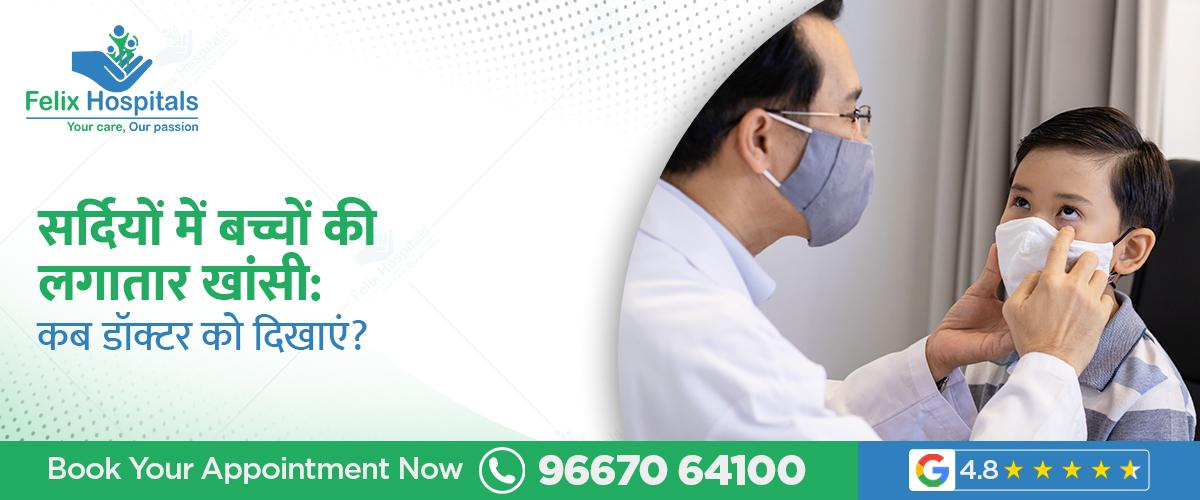
सर्दियों में बच्चों को सर्दी-खांसी होना आम है, लेकिन कभी-कभी यह एक गंभीर समस्या का रूप भी ले सकती है। समय पर पहचान और सही इलाज से बच्चे पूरी तरह स्वस्थ हो सकते हैं। बच्चों की सर्दी-खांसी के प्रभावी इलाज के लिए नोएडा में सर्वश्रेष्ठ बाल चिकित्सालय (Best pediatric hospital in Noida) में अनुभवी डॉक्टर उपलब्ध हैं। यहाँ बच्चों के श्वसन स्वास्थ्य से जुड़ी सभी समस्याओं का आधुनिक और सुरक्षित उपचार किया जाता है। इसलिए इलाज में देरी नहीं करनी चाहिए, क्योंकि देर करने से बीमारी बढ़ सकती है और बच्चे के स्वास्थ्य को नुकसान हो सकता है।
बच्चों की जांच या इलाज के लिए संपर्क करें: +91 9667064100
सर्दियों में ठंडी हवा, कम ह्यूमिडिटी और वायरल संक्रमण बच्चों में नाक बंद होना, छींक, खांसी और गले की जलन जैसी समस्याएं पैदा करते हैं। छोटे बच्चों और नवजात शिशुओं में इम्यूनिटी कमजोर होने के कारण यह जल्दी फैलता है और बार-बार होने पर श्वसन प्रणाली को प्रभावित करता है। इसलिए बच्चों को सर्दी खांसी की समस्या ज्यादा होती है।
राइनोवायरस, रेस्पिरेटरी सिंशिशियल वायरस (आरएसवी) और इन्फ्लूएंजा वायरस सर्दियों में आम होते हैं। खांसी, जुकाम, छींक और बुखार पैदा करते हैं। अधिकांश मामलों में हल्का संक्रमण होता है और 7–10 दिन में ठीक हो जाता है।
कभी-कभी सर्दी-खांसी वायरल संक्रमण के बाद बैक्टीरिया से जटिल होती है। स्टेफिलोकोकस या स्ट्रेप्टोकोकस बैक्टीरिया संक्रमण को बढ़ा सकते हैं। डॉक्टर की सलाह के बिना एंटीबायोटिक न दें।
ठंडी हवा में लंबा समय, धूल, प्रदूषण और घर में धुआं (सिगरेट, अगरबत्ती, रसोई धुआं) बच्चों की खांसी बढ़ा सकते हैं।
सर्दियों में धूल, धुआं और ठंडी हवा एलर्जी को बढ़ाती है। अस्थमा वाले बच्चों में रात को खांसी ज्यादा हो सकती है और सांस की तकलीफ बढ़ सकती है।
जन्मजात रोग, पोषण की कमी या बार-बार बीमार होने से प्रतिरक्षा कमजोर होती है। कमजोर इम्यूनिटी वाले बच्चे बार-बार सर्दी और खांसी से प्रभावित होते हैं।
नाक बहना या जकड़ना
बार-बार छींक
खांसी, कभी-कभी बलगम या रात में ज्यादा खांसी
हल्का बुखार या ठंड लगना
थकान, भूख में कमी
नवजात में नींद अधिक आना या दूध पीने में कमी
सांस की गति और स्थिति: तेज या कठिन सांस लेने पर डॉक्टर से मिलें।
शारीरिक जांच: स्टेथोस्कोप से फेफड़ों की आवाज सुनना चाहिए।
पल्स ऑक्सीमीटर: ऑक्सीजन स्तर चेक करना चाहिए।
ब्लड टेस्ट: संक्रमण का प्रकार जानने के लिए ब्लड टेस्ट कराना चाहिए।
एक्स-रे: गंभीर या लगातार खांसी में फेफड़ों की स्थिति जांचने के लिए।
थूक व रक्त जांच: संक्रमण का कारण जानने के लिए होती है।
चेस्ट एक्स-रे: अगर खांसी गंभीर या लंबे समय तक बनी रहे तो जांच करानी चाहिए।
पल्स ऑक्सीमेट्री: ऑक्सीजन संतुलन मॉनिटर करने के लिए करानी चाहिए।
संक्रमण से लड़ने में बच्चे के शरीर को ऊर्जा की जरूरत होती है। इसलिए पर्याप्त आराम बहुत जरूरी है। बच्चे को खेलने या थकाने वाली गतिविधियों से रोकें। नींद शरीर की मरम्मत और इम्यूनिटी बढ़ाने में मदद करती है। हल्का गुनगुना पानी, सूप, नारियल पानी, फलों का रस या हल्का दूध दें। यह शरीर को हाइड्रेटेड रखता है और बलगम को पतला करने में मदद करता है। बच्चों को बर्फीली चीजें या बहुत ठंडी ड्रिंक्स न दें, इससे गले की जलन बढ़ सकती है। अगर बच्चा दूध पीता है, तो इसे गुनगुना ही दें। छोटे-छोटे गिलास या सिप्स में तरल पदार्थ दें ताकि बच्चे को निगलने में आसानी हो।
हल्का बुखार सामान्य है। डॉक्टर की सलाह अनुसार पैरासिटामोल या आइबुप्रोफेन दी जा सकती है। बुखार बहुत तेज हो या लगातार बढ़ता हो तो तुरंत चिकित्सक से संपर्क करें। गले की जलन और जलन को कम करने के लिए डॉक्टर की सलाह से खांसी की सिरप दी जा सकती है। बलगम पतला करने वाली दवा या भाप (स्टीम इनहेलेशन) मददगार होती है। गुनगुने पानी में भाप लेने से गले की सूजन कम होती है और सांस लेने में राहत मिलती है। इसे बच्चों पर हमेशा सावधानी से लागू करें ताकि जलने का खतरा न हो।
केवल डॉक्टर की सलाह अनुसार ही बैक्टीरियल संक्रमण में एंटीबायोटिक दवा दें। कोर्स पूरा करना बहुत जरूरी है, बीच में दवा बंद करने से संक्रमण फिर से हो सकता है। अगर बच्चे की सांस तेज हो, होंठ या नाखून नीले पड़ रहे हों, या पल्स ऑक्सीमीटर 94% से कम दिखा रहा हो, तो ऑक्सीजन सपोर्ट आवश्यक है। बार-बार उल्टी, डिहाइड्रेशन या सांस की गंभीर तकलीफ होने पर बच्चे को अस्पताल में भर्ती करना पड़ सकता है। अस्पताल में इंट्रावेनस (IV) फ्लुइड, दवा और निरंतर निगरानी उपलब्ध होती है।
घर में धूम्रपान न हो। अगरबत्ती, मच्छर कॉइल या किचन का धुआं बच्चों से दूर रखें। ठंडी हवा में बच्चे को लंबा समय बाहर न रखें। फल, हरी सब्जियां, दाल, अंडा, दूध और सूखे मेवे शामिल करें। विटामिन सी, डी और जिंक से भरपूर आहार प्रतिरक्षा बढ़ाता है। जंक फूड, ठंडी और अधिक मीठी चीजें कम दें।
बच्चे को रोज 8–10 घंटे की नींद दें। हल्की गतिविधि जैसे दौड़ना, योग या खेलकूद फेफड़ों की क्षमता बढ़ाने में मदद करती है। इन्फ्लुएंजा, डीपीटी और अन्य बच्चों के टीके समय पर लगवाएं। टीकाकरण से बार-बार होने वाले वायरल संक्रमण और खांसी से बचाव होता है।
घर को हवादार रखें और रोजाना खिड़कियां खोलें। नोएडा में बच्चों का अस्पताल सर्दी-खांसी इलाज उपलब्ध है। बिस्तर, कपड़े, खिलौने और पर्दों की सफाई नियमित करें।
हाथ धोने की आदत डालें और सैनिटाइज़र का उपयोग। व्यक्तिगत स्वच्छता और कपड़े/खिलौने साफ रखें। प्रदूषण और धुएं से बचाव। बच्चों को भीड़भाड़ वाले स्थानों पर कम ले जाएं। समय पर टीकाकरण और पोषण पर ध्यान।
सर्दियों में बच्चों में सर्दी-खांसी के शुरुआती लक्षण दिखाई देने पर सबसे पहले पीडियाट्रिशियन से संपर्क करना चाहिए। यदि खांसी बार-बार हो रही है या गंभीर हो गई है, तो नोएडा में बाल पल्मोनोलॉजिस्ट (Pediatric pulmonologist in Noida) बच्चों के फेफड़ों और श्वसन तंत्र की विशेष देखभाल करते हैं। ये विशेषज्ञ सांस से जुड़ी जटिल समस्याओं का सटीक निदान और उपचार करते हैं। नवजात शिशु में यदि सांस लेने में गंभीर परेशानी हो, तो तुरंत नियोनेटोलॉजिस्ट की सलाह लेना आवश्यक होता है।
नोएडा में बच्चों के फेफड़ों के विशेषज्ञ डॉक्टर से अपॉइंटमेंट के लिए कॉल करें: +91 9667064100
सर्दियों में बच्चों में सर्दी-खांसी आम है, लेकिन बार-बार या गंभीर खांसी फेफड़ों की कार्यक्षमता को प्रभावित कर सकती है। माता-पिता को बच्चों की खांसी, बुखार, सांस लेने में परेशानी और भूख में कमी जैसे लक्षणों पर विशेष ध्यान देना चाहिए। समय पर नोएडा के सबसे अच्छे बाल रोग विशेषज्ञ से सलाह (Consult with the best pediatrician in Noida) और सही इलाज मिलने पर बच्चे पूरी तरह स्वस्थ हो सकते हैं। इलाज में देरी नहीं करनी चाहिए, क्योंकि देर करने से नुकसान हो सकता है और बीमारी गंभीर रूप ले सकती है।
प्रश्न 1: क्या बच्चों में सर्दी-खांसी जन्म से हो सकती है?
उत्तर: हां, नवजात में कमजोर इम्यूनिटी और जन्मजात श्वसन समस्याओं से होती है।
प्रश्न 2: बच्चों में सर्दी-खांसी का इलाज संभव है?
उत्तर: हां, हल्की खांसी में दवा और आराम, गंभीर मामलों में अस्पताल में उपचार से पूरी तरह ठीक किया जा सकता है।
प्रश्न 3: बच्चों में सर्दी-खांसी के शुरुआती लक्षण क्या हैं?
उत्तर: नाक बहना, छींक, खांसी, हल्का बुखार, थकान और भूख में कमी इसके लक्षण है।
प्रश्न 4: बच्चों को रात में खांसी ज्यादा क्यों होती है?
उत्तर: सर्दियों में ठंडी हवा और एलर्जी की वजह से रात में गले में जलन और बलगम बढ़ता है।
प्रश्न 5: टीकाकरण से सर्दी-खांसी से बचाव संभव है?
उत्तर: हां, इन्फ्लुएंजा और डीपीटी टीके संक्रमण से बचाव करते हैं। इसलिए बच्चों को समय रहते टीका लगवाना चाहिए।

हार्ट अटैक के दौरान समय पर और सही उपचार दिल के दौरे के गंभीर परिणामों को रोक सकता है। सर्दियों में दिल के दौरे के इलाज के लिए समय पर और उचित चिकित्सा सहायता अत्यधिक आवश्यक है।

डॉक्टर बच्चे की सामान्य स्थिति और हृदय की धड़कन की जांच करते हैं। हृदय की ध्वनि सुनना यानी स्टेथोस्कोप से दिल की धड़कन और असामान्य आवाज़ (जैसे मर्मर) सुनना त्वचा, नाखूनों, और होंठों के रंग की जांच (नीलापन साइनोसिस का संकेत हो सकता है)।
खांसते समय सीने में दर्द कई कारणों से हो सकता है, जैसे संक्रमण, मांसपेशियों में खिंचाव या फेफड़ों की समस्या। नोएडा में इसके लिए विशेषज्ञ इलाज उपलब्ध है।
Diarrhea is often dismissed as a minor digestive issue, but when it is frequent, prolonged, or accompanied by dehydration, it can become serious. Understanding the difference between acute and chronic diarrhea is crucial for timely treatment and preventing complications. With expert evaluation and structured care, most cases can be effectively managed by a qualified diarrhea doctor in Noida.
This guide explains symptoms, causes, diagnosis, and treatment options, helping patients and families seek the right gastro care for diarrhea and dehydration.
If you are experiencing persistent symptoms and need expert gastro care for diarrhea and dehydration, consult a specialist today. Call +91 9667064100
Diarrhea refers to passing loose or watery stools more than three times a day. The duration and underlying cause determine whether it is acute or chronic.
Lasts less than 2 weeks
Commonly caused by infections, food poisoning, or contaminated water
Often resolves with hydration and short-term treatment
Persists for more than 4 weeks
Usually linked to underlying digestive disorders
Requires detailed evaluation and long-term management
Understanding acute vs chronic diarrhea symptoms and treatment helps prevent delays in care.
Symptoms may vary depending on the cause and duration.
Common symptoms include:
Frequent loose stools
Abdominal cramps
Bloating
Nausea or vomiting
Blood or mucus in stool
Fatigue and weakness
Warning signs such as weight loss, anemia, or dehydration require immediate evaluation by a diarrhea specialist in Noida.
Identifying long-term diarrhea causes is essential for effective treatment.
Common causes of chronic diarrhea include:
Irritable Bowel Syndrome (IBS)
Inflammatory Bowel Disease (Crohn’s disease, ulcerative colitis)
Lactose or gluten intolerance
Chronic infections
Malabsorption syndromes
Hormonal disorders
Medication side effects
Each cause requires a specific diagnostic and treatment approach.
Understanding the causes of chronic diarrhea and diagnosis involves a structured medical evaluation.
Diagnostic tests may include:
Stool examination
Blood tests
Endoscopy or colonoscopy
Imaging studies
Food intolerance testing
Accurate diagnosis ensures targeted digestive disorder treatment in Noida, reducing unnecessary medication use and long-term complications.
Most acute cases improve within a few days, but medical attention is required when:
Diarrhea lasts more than 3 days
There is high fever
Severe dehydration develops
Blood is present in stools
Diarrhea occurs in children or elderly patients
Early medical care prevents dehydration and electrolyte imbalance.
Dehydration is one of the most dangerous complications of diarrhea.
Signs of dehydration include:
Dry mouth
Reduced urination
Rapid heartbeat
Sunken eyes (especially in children)
Gastro care for diarrhea and dehydration focuses on:
Oral or IV fluid replacement
Electrolyte correction
Nutritional support
Monitoring vital parameters
Prompt hydration therapy significantly reduces hospitalization risk.
Treatment depends on cause, severity, and patient health.
Fluid and electrolyte replacement
Anti-diarrheal medications (when appropriate)
Antibiotics only if bacterial infection is confirmed
Dietary modification
Treating the underlying condition
Long-term dietary planning
Probiotics in selected cases
Immune-modulating or anti-inflammatory medicines
Regular follow-up with a gastro specialist for diarrhea
Personalized treatment ensures symptom control and improves quality of life.
Diet plays a vital role in recovery.
Recommended practices:
Small, frequent meals
Avoid spicy and oily foods
Limit dairy if lactose intolerance is suspected
Maintain adequate hydration
Avoid self-medication
Dietary counselling is an important part of digestive disorder treatment in Noida.
You should consult a diarrhea doctor in Noida if:
Diarrhea is persistent or recurrent
Symptoms disrupt daily activities
There is unexplained weight loss
Home remedies fail
Dehydration signs appear
Early specialist care prevents complications and long-term bowel damage.
Managing chronic digestive issues requires:
Accurate diagnosis
Advanced diagnostic tools
Individualized treatment plans
Continuous monitoring
A qualified diarrhea specialist Noida ensures comprehensive care rather than symptom suppression alone.
A reliable center for diarrhea treatment should offer:
Experienced gastroenterologists
Advanced diagnostic facilities
Emergency dehydration management
Nutritional and dietary support
Patient education and follow-up care
Choosing the right hospital ensures safe and effective management of both acute and chronic diarrhea.
For accurate diagnosis and personalized treatment from a trusted diarrhea specialist in Noida, book your consultation now. Call +91 9667064100
Diarrhea may seem simple, but persistent or severe symptoms can signal serious digestive disorders. Understanding the difference between acute and chronic diarrhea, identifying early warning signs, and seeking timely expert care are key to recovery. With structured evaluation and personalized treatment, patients can regain digestive health and prevent complications. Expert gastroenterologist in Noida ensures accurate diagnosis, effective treatment, and long-term relief.
Q.1 When is diarrhea considered chronic?
Ans. Diarrhea lasting more than four weeks is considered chronic and needs medical evaluation.
Q.2 Can long-term diarrhea cause weakness?
Ans. Yes, chronic diarrhea can lead to dehydration, nutritional deficiencies, and fatigue.
Q.3 Is diarrhea always caused by infection?
Ans. No, many chronic cases are linked to digestive or inflammatory conditions.
Q.4 Can children and elderly patients dehydrate faster?
Ans. Yes, they are at higher risk and need early medical attention.
Q. 5 Does chronic diarrhea require lifelong treatment?
Ans. Not always; proper diagnosis often leads to effective long-term control.
Looking for reliable treatment for diarrhea in Noida? Discover top-rated clinics and hospitals offering expert gastroenterology care, accurate diagnosis, and fast relief. Get treated by trusted specialists using modern techniques and patient-first approac
Wondering why you're suddenly facing diarrhea in Noida? Learn the key differences between food poisoning and infections, their symptoms, and how to manage them effectively.
Learn effective ways to prevent diarrhea during the monsoon season by following simple hygiene, dietary, and lifestyle practices to stay healthy.
Expert gastroenterology care for better digestive health, offering advanced diagnosis and treatment for GERD, IBS, ulcers, and liver disorders.
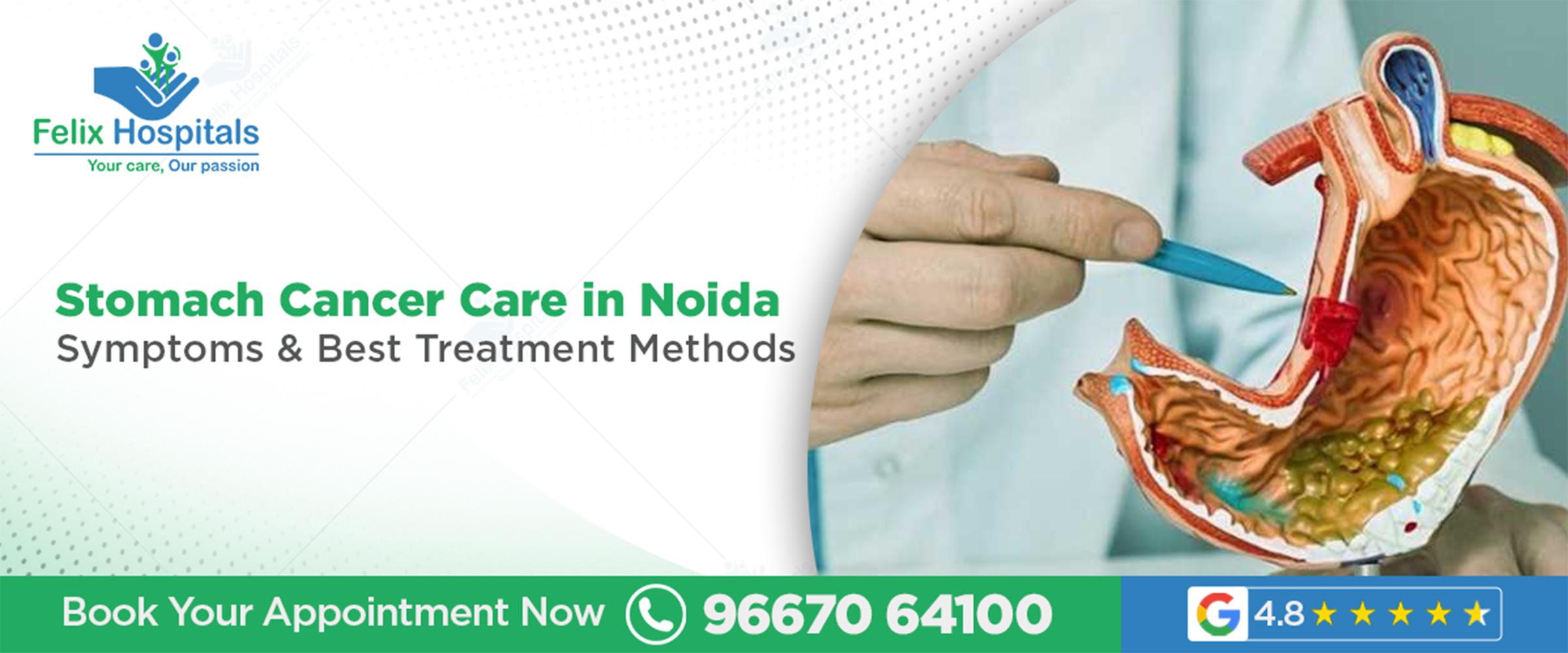
Stomach cancer, also known as gastric cancer, develops when abnormal cells form in the lining of the stomach and begin to grow uncontrollably. It often progresses slowly and may not show clear symptoms in the early stages, which makes timely diagnosis challenging. Many patients search for what are the early symptoms of stomach cancer?, as recognizing warning signs early can significantly improve treatment success and survival outcomes.
If you are experiencing persistent digestive discomfort or unexplained weight loss, call +91 9667064100 to consult stomach cancer specialists in Noida.
Stomach cancer can develop in different parts of the stomach and may spread to nearby lymph nodes or other organs if left untreated. It is more commonly seen in older adults but can occur at any age. Receiving care at a best stomach cancer hospital in Noida ensures access to advanced diagnostics, experienced oncology teams, and comprehensive treatment planning.
In the initial stages, symptoms are often mild and mistaken for common digestive issues. These may include indigestion, bloating, nausea, or loss of appetite. Patients frequently wonder is stomach cancer curable if detected early?, and when identified at an early stage, treatment outcomes are significantly better.
As stomach cancer progresses, symptoms may worsen and include persistent abdominal pain, vomiting, difficulty swallowing, fatigue, and unexplained weight loss. Consulting a stomach cancer specialist in Noida at the earliest sign of persistent symptoms allows timely evaluation and intervention.
Several factors increase the risk of developing stomach cancer, including Helicobacter pylori infection, smoking, high-salt diets, family history, and chronic gastritis. Identifying these risks helps doctors recommend early screening and preventive strategies under specialized care.
Early diagnosis plays a crucial role in improving survival rates and reducing treatment complexity. Many patients ask how is stomach cancer diagnosed in early stage?, and diagnosis often involves endoscopy, biopsy, imaging studies, and laboratory tests to confirm the disease and assess its extent.
Doctors use endoscopy to directly examine the stomach lining and collect tissue samples for biopsy. Imaging tests such as CT scans and PET scans help determine whether the cancer has spread. Accurate diagnosis is essential for planning effective gastric cancer treatment in Noida.
Staging describes how deeply the cancer has invaded the stomach wall and whether it has spread to lymph nodes or distant organs. Early-stage cancer is confined to the stomach, while advanced stages involve surrounding structures. Many families want to know what is the survival rate of stomach cancer in India? which depends largely on stage at diagnosis and response to treatment.
Treatment is individualized based on cancer stage, patient health, and tumor characteristics. Options may include surgery, chemotherapy, radiation therapy, targeted therapy, or a combination of these. Multidisciplinary care ensures optimal outcomes at a best stomach cancer hospital in Noida.
Surgery is often the main treatment for localized stomach cancer and involves removing part or all of the stomach along with nearby lymph nodes. Patients commonly ask how much does stomach cancer surgery cost in Noida?, and costs vary depending on the complexity of surgery and hospital facilities.
Chemotherapy may be given before or after surgery to reduce tumor size or destroy remaining cancer cells. Radiation therapy may be used in selected cases to control local disease. These treatments are often combined to enhance the effectiveness of stomach tumor treatment in Noida.
Targeted therapies focus on specific molecular changes in cancer cells and may be recommended for advanced stomach cancer. These therapies help slow disease progression and improve quality of life when conventional treatments alone are not sufficient.
Treatment costs depend on stage, duration of therapy, hospital infrastructure, and supportive care needs. Many patients want clarity on what is the cost of stomach cancer treatment in Noida?, and personalized treatment plans help balance effectiveness with affordability.
Stomach cancer treatment may cause side effects such as fatigue, nausea, appetite changes, and nutritional deficiencies. Supportive care, diet planning, and symptom management are integral parts of recovery under the supervision of a stomach cancer specialist in Noida.
A cancer diagnosis can be emotionally overwhelming for patients and families. Psychological counseling, patient education, and strong family support play a vital role in helping individuals cope during treatment and recovery.
Regular follow-up is essential to monitor treatment response, manage complications, and detect recurrence early. Follow-up care includes clinical evaluations, imaging tests, and nutritional monitoring as part of ongoing gastric cancer treatment in Noida.
If you have persistent stomach symptoms or concerns about stomach cancer, call +91 9667064100 to book a consultation with experienced specialists in Noida.
Stomach cancer is a serious condition, but early diagnosis and timely treatment can significantly improve outcomes. Awareness of symptoms, prompt medical evaluation, and access to advanced treatment options are key to successful management. With experienced specialists and comprehensive care facilities available, patients can receive effective stomach cancer treatment in Noida and move forward with confidence and informed decision-making.
Q. 1. Can stomach cancer be detected early?
Ans. Yes, early detection is possible through endoscopy, especially in patients with persistent symptoms or risk factors.
Q. 2. Is stomach cancer always aggressive?
Ans. Not always. Some stomach cancers grow slowly and respond well to early treatment.
Q. 3. Does stomach cancer require complete stomach removal?
Ans. Not in all cases. The extent of surgery depends on cancer location and stage.
Q. 4. Can lifestyle changes help after treatment?
Ans. Yes, a balanced diet, avoiding smoking, and regular follow-ups support recovery.
Q. 5. Is lifelong follow-up necessary after stomach cancer treatment?
Ans. Yes, regular monitoring helps detect recurrence early and manage long-term health.
Gastric problems occur when excess acid or digestive disturbances affect the stomach lining, causing symptoms like bloating, acidity, and pain. Timely diagnosis ensures effective treatment.

Recent studies have explored a possible link between frequent mouthwash use and cancer risk.

Recognize the early warning signs of cervical cancer. Learn about its symptoms, causes, and when to consult a gynecologist for timely diagnosis and treatment.
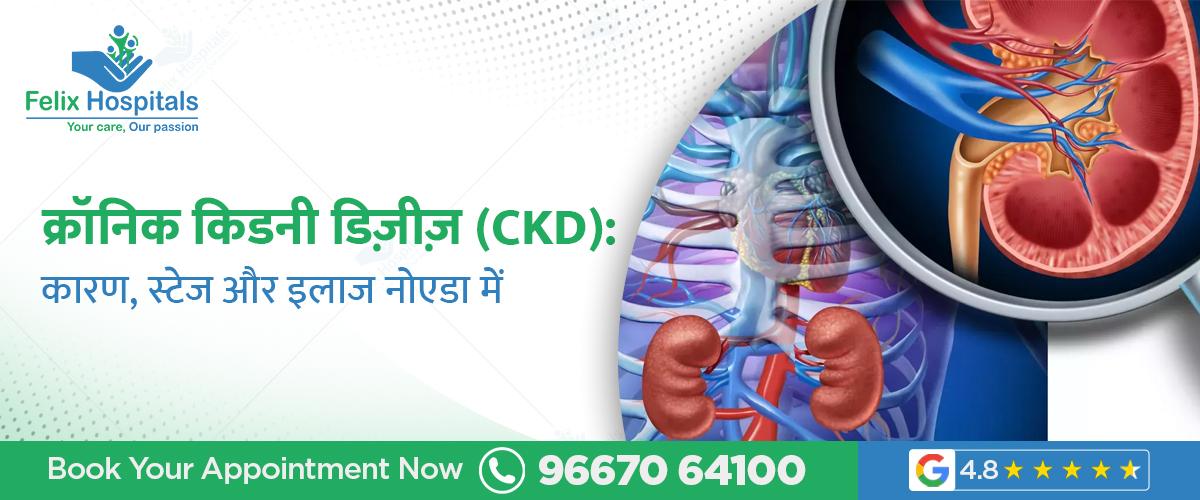
क्रॉनिक किडनी डिजीज (Chronic Kidney Disease – CKD) एक दीर्घकालिक और प्रगतिशील बीमारी है, जिसमें किडनी धीरे-धीरे अपनी फिल्टरिंग क्षमता खो देती है। यह बीमारी अचानक नहीं होती, बल्कि सालों में धीरे-धीरे विकसित होती है, इसलिए अधिकांश मरीज शुरुआती अवस्था में इसे पहचान नहीं पाते। नोएडा में किडनी रोग विशेषज्ञ (Kidney specialist in Noida) उपलब्ध है। नोएडा में सीकेडी की समय पर जांच और इलाज से किडनी फेलियर को काफी हद तक रोका जा सकता है।
अधिक जानकारी या अपॉइंटमेंट के लिए कॉल करें: +91 9667064100
क्रॉनिक किडनी डिजीज (Chronic kidney disease) वह स्थिति है। जिसमें 3 महीने या उससे अधिक समय तक किडनी डैमेज बना रहता है। या जीएफआर 60 से कम होता है। जिससे किडनी की कार्यक्षमता धीरे-धीरे और स्थायी रूप से घटती है। यह स्थिति पूरी तरह रिवर्स नहीं होती, लेकिन सही समय पर इलाज, नियमित जांच और जीवनशैली में सुधार से इसकी प्रगति को काफी हद तक धीमा किया जा सकता है। इसी कारण नेफ्रोलॉजी में कहा जाता है कि किडनी को बचाने के लिए शुरुआती पहचान ही सबसे जरूरी है।
डायबिटीज में लंबे समय तक बढ़ा हुआ ब्लड शुगर किडनी की सूक्ष्म फिल्टरिंग यूनिट (ग्लोमेरुली) को धीरे-धीरे नुकसान पहुंचाता है। जिसके कारण सबसे पहले यूरिन में प्रोटीन आना शुरू होता है। समय के साथ जीएफआर लगातार घटता चला जाता है। यही वजह है कि डायबिटीज को क्रॉनिक किडनी डिजीज का लगभग 40–45% सबसे बड़ा कारण माना जाता है।
लगातार उच्च रक्तचाप किडनी की रक्त वाहिकाओं को धीरे-धीरे सख्त और संकुचित करता है। जिससे किडनी की फिल्टरिंग क्षमता कम होती है। परिणामस्वरूप अनियंत्रित ब्लड प्रेशर क्रॉनिक किडनी डिजीज (सीकेडी) और किडनी फेलियर दोनों का एक बड़ा कारण बन जाता है।
बार-बार होने वाले यूटीआई या पायलोनेफ्राइटिस किडनी के टिश्यू को धीरे-धीरे स्थायी नुकसान पहुंचाते हैं, जिससे समय के साथ किडनी की कार्यक्षमता प्रभावित होती है। खासकर महिलाओं व बच्चों में इसका जोखिम अधिक पाया जाता है।
लंबे समय तक पेनकिल, कुछ विशेष एंटीबायोटिक्स तथा बिना चिकित्सकीय निगरानी के ली जाने वाली आयुर्वेदिक या हर्बल दवाओं का सेवन किडनी पर अतिरिक्त दबाव डालता है। जिसके परिणामस्वरूप ड्रग-इंड्यूस्ड क्रोनिक किडनी डिजीज (Drug-induced chronic kidney disease) विकसित हो सकती है।
लंबे समय तक यूरिन का फ्लो बाधित रहने से किडनी पर लगातार दबाव बढ़ाता है। जिससे उसकी संरचना और कार्यक्षमता प्रभावित होती है और धीरे-धीरे किडनी खराब होने लगती है।
यदि परिवार में पहले से क्रॉनिक किडनी डिजीज (सीकेडी), पॉलीसिस्टिक किडनी डिज़ीज़ या किडनी फेलियर (Kidney failure) का इतिहास रहा हो, तो जेनेटिक कारणों से व्यक्ति में किडनी रोग होने का जोखिम कई गुना बढ़ता है।
सीकेडी की सबसे खतरनाक बात यह है कि शुरुआत में कोई स्पष्ट लक्षण नहीं होते है। जब लक्षण दिखते हैं, तब तक किडनी काफी हद तक डैमेज हो चुकी होती है।
बिना कारण थकान
ध्यान केंद्रित करने में कठिनाई
हल्की सूजन (पैर, आंखों के नीचे)
रात में बार-बार पेशाब
पेशाब में झाग
भूख कम लगना
सीकेडी को जीएफआर (ग्लोमेरुलर फिल्ट्रेशन रेट) के आधार पर 5 स्टेज में बांटा गया है:
इसमें किडनी डैमेज मौजूद होता है। लेकिन किडनी का फंक्शन लगभग सामान्य रहता है। इस अवस्था में आमतौर पर कोई स्पष्ट लक्षण नहीं होते, इसलिए यह स्थिति केवल मेडिकल जांच के माध्यम से ही पता चलती है।
इसमें किडनी की कार्यक्षमता में हल्की गिरावट आ जाती है। लेकिन इस अवस्था में सही जीवनशैली बदलाव, डाइट कंट्रोल और नियमित निगरानी से बीमारी को प्रभावी रूप से नियंत्रित किया जा सकता है।
इसमें किडनी को मध्यम स्तर का नुकसान हो चुका होता है, जिसके कारण शरीर में एनीमिया, लगातार थकान और पैरों या चेहरे में सूजन जैसे लक्षण धीरे-धीरे दिखाई देने लगते हैं।
इसमें किडनी को गंभीर स्तर का डैमेज हो चुका होता है। इस चरण में किडनी की कार्यक्षमता काफी कम होती है। मरीज के लिए डायलिसिस की योजना बनाना तथा आगे के उपचार की तैयारी करना आवश्यक हो जाता है।
इसे किडनी फेलियर की अवस्था माना जाता है। जिसमें किडनी लगभग काम करना बंद कर देती है और मरीज की जान बचाने के लिए डायलिसिस या किडनी ट्रांसप्लांट (Kidney transplant) जैसे उपचार अनिवार्य हो जाते हैं।+
पेशाब बहुत कम या बंद
शरीर में अत्यधिक पानी भरना
सांस लेने में दिक्कत
सीने में दर्द
उल्टी, मतली
पोटैशियम बढ़ने से दिल की धड़कन रुकने का खतरा
सीकेडी का इलाज स्टेज-आधारित होता है:
शुरुआती स्टेज (1–3)
शुरुआती स्टेज (1–3) में उपचार का मुख्य उद्देश्य ब्लड प्रेशर और ब्लड शुगर को सख्ती से नियंत्रित करना है। नोएडा में सर्वश्रेष्ठ नेफ्रोलॉजी अस्पताल (Best Nephrology Hospitals in Noida) उपलब्ध है। किडनी पर सुरक्षित असर करने वाली किडनी-सेफ दवाइयों का उपयोग करना और रोग की प्रगति को धीमा करने के लिए डाइट में आवश्यक संशोधन करना होता है।
एडवांस स्टेज (4)
एडवांस स्टेज (4) में किडनी को गंभीर नुकसान हो चुका होता है, इसलिए इस चरण में नियमित नेफ्रोलॉजिस्ट के फॉलो-अप, डायलिसिस की तैयारी और भविष्य में उपचार के लिए वैस्कुलर एक्सेस की प्लानिंग अत्यंत महत्वपूर्ण हो जाती है।
स्टेज 5
इसमें किडनी लगभग पूरी तरह से काम करना बंद कर देती है, इसलिए इस चरण में मरीज के लिए हेमोडायलिसिस या पेरिटोनियल डायलिसिस जैसी नियमित जीवनरक्षक प्रक्रियाओं की आवश्यकता होती है, और स्थायी समाधान के लिए किडनी ट्रांसप्लांट अनिवार्य हो जाता है।
रोज 2–3 लीटर पानी
नमक और शुगर सीमित
नियमित केएफटी जांच कराएं
धूम्रपान से दूरी
बिना डॉक्टर सलाह दवा न लें
साल में कम से कम एक बार किडनी जांच
फेलिक्स हॉस्पिटल नोएडा में सीकेडी के मरीजों के लिए एडवांस जांच, 24×7 डायलिसिस सुविधा, अनुभवी नेफ्रोलॉजिस्ट (Best Nephrologists In Noida), साथ ही किडनी बायोप्सी और ट्रांसप्लांट गाइडेंस जैसी संपूर्ण नेफ्रोलॉजी सेवाएं उपलब्ध हैं, जो मरीजों को हर स्तर पर विशेषज्ञ देखभाल सुनिश्चित करती हैं।
अपॉइंटमेंट के लिए संपर्क करें: +91 9667064100
क्रॉनिक किडनी डिज़ीज़ एक धीमी लेकिन खतरनाक बीमारी है। समय पर जांच, सही इलाज और जीवनशैली सुधार से किडनी फेलियर को टाला जा सकता है। किडनी बचाना है, तो आज ही जांच कराइए। इलाज में देरी नहीं करनी चाहिए। ऐसा करने से नुकसान हो सकता है।
प्रश्न 1. क्या सीकेडी पूरी तरह ठीक हो सकती है?
उत्तर: समय पर पहचान, दवाओं का सही उपयोग, जीवनशैली में सुधार और नियमित फॉलो-अप के जरिए इसके प्रगति को धीमा किया जा सकता है।
प्रश्न 2. सीकेडी का सबसे बड़ा कारण क्या है?
उत्तर: सीकेडी के सबसे आम और प्रमुख कारण डायबिटीज हैं। लंबे समय तक उच्च ब्लड शुगर किडनी की सूक्ष्म रक्त वाहिकाओं को नुकसान पहुंचाता है।
प्रश्न 3. सीकेडी में डायलिसिस कब जरूरी होती है?
उत्तर: डायलिसिस की आवश्यकता तब होती है जब किडनी की कार्यक्षमता बहुत कम हो जाए, आमतौर पर स्टेज 4–5 (जीएफआर 30) में।
प्रश्न 4. क्या सीकेडी बिना लक्षण के हो सकती है?
उत्तर: हां, सीकेडी अक्सर शुरुआती स्टेज में बिना किसी स्पष्ट लक्षण के रहती है। मरीज सामान्य महसूस करते हैं। लेकिन किडनी धीरे-धीरे डैमेज हो रही होती है।
प्रश्न 5. सीकेडी से बचाव कैसे करें?
उत्तर: डायबिटीज और हाई BP को नियमित मॉनिटर करें। नमक, प्रोसेस्ड फूड और अत्यधिक प्रोटीन से परहेज करें। ताजे फल, सब्जियां और नियंत्रित प्रोटीन लें।

फेलिक्स हॉस्पिटल में,यूरोलॉजिस्ट डॉ. भंवर लाल बरकेसिया पेशेंट की आवश्यकताओं के अनुसार सही उपचार प्रदान करने के लिए प्रतिबद्ध हैं।
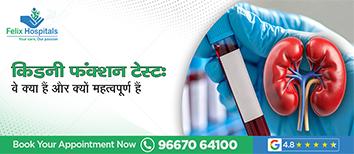
किडनी फंक्शन टेस्ट क्या हैं, ये कैसे किए जाते हैं और गुर्दे की बीमारियों का जल्दी पता लगाने में क्यों जरूरी हैं। जानें पूरी जानकारी।
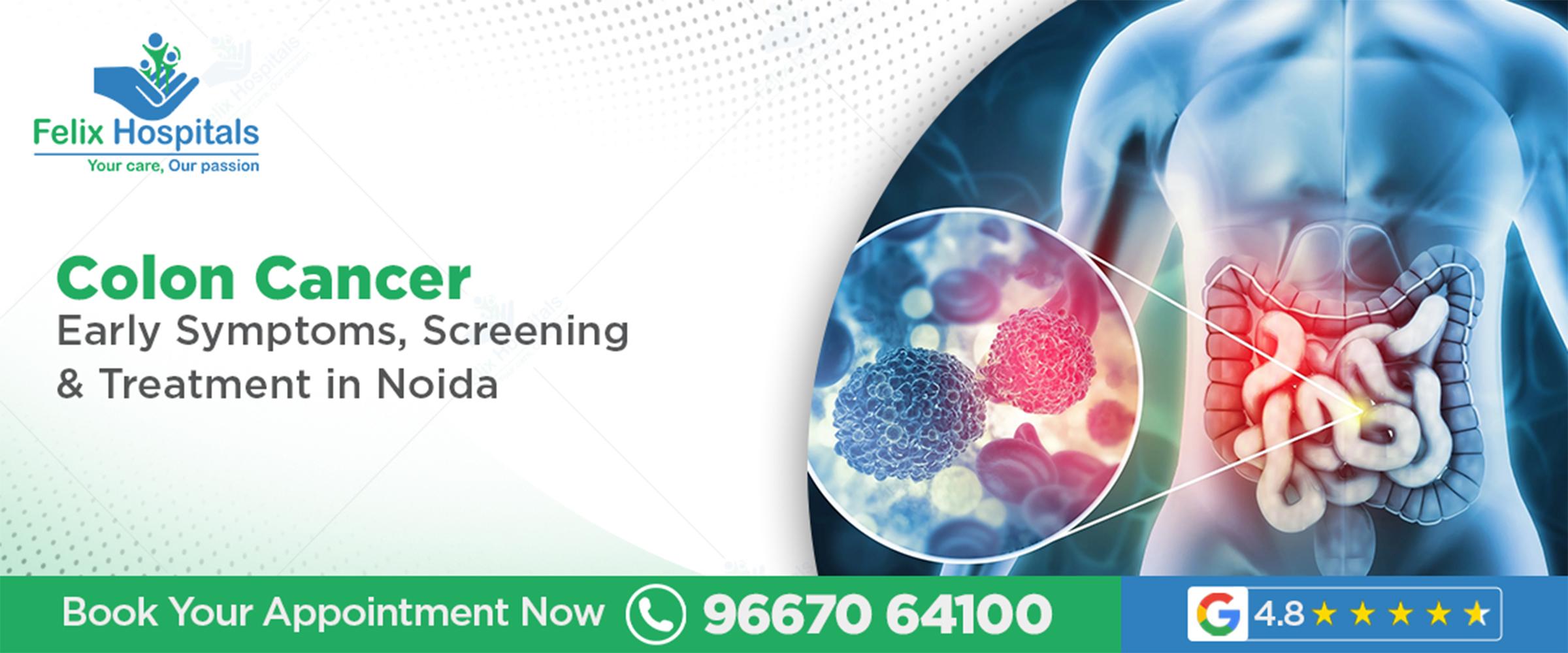
Colon cancer is a serious condition that develops in the large intestine and often progresses silently in its early stages. It affects both men and women and is increasingly being diagnosed at younger ages due to lifestyle changes and dietary habits. Many patients and families search for what are the first signs of colon cancer?, as early identification plays a critical role in successful treatment and long-term survival.
If you are experiencing bowel changes or digestive symptoms, call +91 9667064100 to consult colon cancer specialists in Noida today.
Colon cancer begins when abnormal cells grow uncontrollably in the lining of the colon. Over time, these cells can form tumors and spread to nearby lymph nodes or distant organs. Seeking care at a best colorectal cancer hospital in Noida ensures access to advanced diagnostic tools and comprehensive cancer care.
In the early stages, colon cancer symptoms may be mild or mistaken for common digestive issues. People often ask is constipation a sign of colon cancer?, and while constipation alone is not always cancer, persistent changes in bowel habits should always be evaluated by a doctor.
Symptoms may include abdominal discomfort, unexplained weight loss, fatigue, and changes in stool consistency. One alarming sign is bleeding during bowel movements, leading many to ask is blood in stool always colon cancer?, which highlights the need for proper medical assessment rather than self-diagnosis.
Several factors increase the risk of colon cancer, including age, family history, obesity, smoking, alcohol consumption, and low-fiber diets. Understanding individual risk helps doctors recommend appropriate screening at the best colon cancer doctors in Noida.
Screening helps detect colon cancer before symptoms appear. Many people want to know at what age should I get colon cancer screening in India?, and screening is generally advised from middle age or earlier if risk factors are present.
Screening methods include stool tests, colonoscopy, and imaging studies. Colonoscopy remains the gold standard because it allows direct visualization and removal of precancerous growths. Early screening significantly improves outcomes at a best colorectal cancer hospital in Noida.
If screening results are abnormal, further tests are needed. Patients often ask how is colon cancer diagnosed in early stage?, and diagnosis usually involves colonoscopy with biopsy followed by imaging to determine disease extent.
Staging describes how far cancer has spread and guides treatment decisions. Early-stage cancer is limited to the colon wall, while advanced stages involve lymph nodes or distant organs. Accurate staging supports effective colon cancer treatment in Noida.
Treatment depends on cancer stage, location, and patient health. Options may include surgery, chemotherapy, targeted therapy, or radiation. A multidisciplinary team approach ensures the best outcomes at a best colorectal cancer hospital in Noida.
Surgery is often the primary treatment for localized colon cancer and involves removing the affected section of the colon. Many patients worry is colon cancer surgery painful?, but advances in surgical techniques have made recovery safer and more comfortable.
Chemotherapy may be recommended after surgery or for advanced disease to destroy remaining cancer cells. Targeted therapies work on specific cancer pathways and are increasingly used as part of modern colon cancer treatment in Noida.
When detected early, colon cancer has high survival rates. Many families ask can colon cancer be cured if detected early?, and early-stage disease is often curable with timely surgery and follow-up care.
Treatment may cause fatigue, digestive issues, or emotional stress. Supportive care, nutrition planning, and rehabilitation play a key role in recovery under the guidance of best colon cancer doctors in Noida.
A cancer diagnosis affects mental health as much as physical health. Counseling, family support, and patient education help individuals cope during and after treatment at a best colorectal cancer hospital in Noida.
Regular follow-up is essential to detect recurrence early. Surveillance includes clinical evaluations, imaging, and colonoscopy as advised by specialists providing colon cancer treatment in Noida.
If you notice persistent bowel changes, blood in stool, or unexplained abdominal symptoms, call +91 9667064100 to book an urgent consultation with colon cancer specialists in Noida.
Colon cancer is a highly treatable disease when detected early through awareness and screening. Recognizing warning signs, undergoing timely diagnostic tests, and accessing expert medical care significantly improve outcomes. With advanced facilities and experienced specialists available, patients can receive comprehensive colon cancer specialists in Noida and move forward with confidence.
Q. 1. Can colon cancer occur without symptoms?
Ans. Yes, early colon cancer may not cause noticeable symptoms, which is why screening is important.
Q. 2. Is colon cancer common in younger adults?
Ans. Yes, cases are increasing among younger individuals due to lifestyle factors.
Q. 3. How long does recovery take after colon cancer surgery?
Ans. Recovery varies, but many patients resume normal activities within a few weeks.
Q. 4. Can diet help prevent colon cancer recurrence?
Ans. A high-fiber diet, regular exercise, and avoiding smoking support long-term health.
Q. 5. Is lifelong follow-up required after treatment?
Ans. Yes, regular monitoring helps detect recurrence early and ensures long-term well-being.

Exercise may help colon cancer patients as much as some drugs by improving survival and reducing recurrence.

Colon cancer often develops silently, but certain symptoms can serve as early warning signs.

Immunotherapy is a groundbreaking cancer treatment that utilizes the body’s immune system to recognize and attack cancer cells.

Cervical cancer is most common in women after breast cancer. Cervical cancer starts from the cervix, i.e., the cervix. The cervix is the lower part of the uterus that connects the vagina to the uterus.
सर्दियों में बच्चों में एलर्जी एक आम लेकिन नजरअंदाज की जाने वाली समस्या है। ठंडी हवा, धूल-धुआं, कम नमी और कमजोर इम्यूनिटी के कारण बच्चों में एलर्जी के लक्षण तेजी से बढ़ते हैं। अगर समय पर इलाज न किया जाए, तो एलर्जी अस्थमा, ब्रोंकाइटिस या त्वचा संक्रमण जैसी गंभीर समस्या का रूप लेती है। बच्चों की एलर्जी का इलाज नोएडा में उपलब्ध है। नोएडा में बच्चों की एलर्जी और श्वसन रोगों के इलाज के लिए अनुभवी चाइल्ड स्पेशलिस्ट (Best Pediatricians in noida) उपलब्ध हैं।
बच्चों की जांच या इलाज के लिए संपर्क करें: +91 9667064100
सर्दियों की एलर्जी (Sardiyon ki Allergy in hindi) वह स्थिति है। जिसमें बच्चे का शरीर ठंडी हवा, धूल, धुआं, फंगल स्पोर या अन्य एलर्जन के संपर्क में आकर असामान्य प्रतिक्रिया देता है। यह एलर्जी नाक (Allergic nose), गला, फेफड़े और त्वचा को प्रभावित करती है।
सर्दियों के मौसम में हवा में नमी कम होती है। जिससे त्वचा और श्वसन तंत्र अधिक संवेदनशील होते हैं। इस दौरान धूल और प्रदूषण का स्तर भी बढ़ता है। ठंड के कारण बच्चे घर के अंदर अधिक समय बिताते हैं। जिससे वह बंद वातावरण में मौजूद एलर्जन के लगातार संपर्क में रहते हैं। साथ ही सर्दियों में इम्यूनिटी भी अपेक्षाकृत कमजोर होती है। इन सभी कारणों से एलर्जन आसानी से शरीर में प्रवेश कर एलर्जी को ट्रिगर करते हैं।
बार-बार छींक आना
नाक बहना या बंद रहना
आंखों में खुजली और पानी
सूखी या बलगम वाली खांसी
गले में खराश या जलन
त्वचा पर लाल चकत्ते या खुजली
थकान और चिड़चिड़ापन
सर्दियों के मौसम में बच्चों में एलर्जी की समस्या तेजी से बढ़ जाती है। बदलता मौसम, प्रदूषण और कमजोर इम्यूनिटी इसके प्रमुख कारण माने जाते हैं।
सर्दियों में कोहरा और स्मॉग बढ़ने से हवा में धूल, धुएं और हानिकारक कणों की मात्रा अधिक होती है। यह कण सांस के जरिए शरीर में प्रवेश कर बच्चों की नाक, गले और फेफड़ों को प्रभावित करते हैं। इससे बार-बार छींक आना, नाक बहना, खांसी और सांस लेने में परेशानी जैसी एलर्जी की शिकायतें सामने आती हैं।
सर्दियों में हवा में नमी कम होती है। जिससे श्वसन नलियां सूखकर अधिक संवेदनशील होती हैं। ठंडी और सूखी हवा सीधे सांस के रास्ते में जाकर जलन पैदा करती है। जिससे अस्थमा (asthma), ब्रोंकाइटिस और एलर्जिक राइनाइटिस जैसी समस्याएं बढ़ती हैं।
ठंड के कारण बच्चे अधिकतर समय घर के अंदर बिताते हैं। इस दौरान रजाई, कंबल, कालीन, पर्दों में जमी धूल, डस्ट माइट्स और पालतू जानवरों के बाल एलर्जी का बड़ा कारण बनते हैं। लंबे समय तक इन एलर्जन के संपर्क में रहने से बच्चों में छींक, आंखों में जलन और त्वचा पर रैश जैसी समस्याएं होती हैं।
सर्दियों में बंद कमरों और नमी वाली जगहों पर फंगस आसानी से पनपता है। बाथरूम, किचन और दीवारों की सीलन में मौजूद फंगल स्पोर्स सांस के जरिए शरीर में जाकर एलर्जी को बढ़ाते हैं। इससे लगातार खांसी, सांस फूलना और छाती में जकड़न की शिकायत होती है।
कम पोषण, विटामिन की कमी या बार-बार बीमार रहने वाले बच्चों की रोग प्रतिरोधक क्षमता (Children's immunity) कमजोर हो जाती है। कमजोर इम्यूनिटी के कारण शरीर एलर्जन से ठीक से लड़ नहीं पाता है। जिससे एलर्जी जल्दी और बार-बार होती है।
दूध पीने में कमी
बार-बार रोना
नींद में खलल
सांस तेज चलना
त्वचा पर रैश या खुजली
बार-बार नाक बंद होना
बच्चों में एलर्जी की सही और समय पर पहचान बहुत जरूरी होती है। जिससे बीमारी को गंभीर होने से रोका जा सके। बच्चों में एलर्जी के लिए विशेषज्ञ डॉक्टर (Specialist doctors for allergies in children) उपलब्ध है। एलर्जी के लक्षण कई बार सामान्य सर्दी-खांसी जैसे दिखते हैं, इसलिए डॉक्टर विभिन्न तरीकों से जांच कर इसकी पुष्टि करते हैं।
सबसे पहले डॉक्टर बच्चे की संपूर्ण शारीरिक जांच करते हैं। स्टेथोस्कोप की मदद से फेफड़ों की आवाज सुनी जाती है। जिससे घरघराहट, सीटी जैसी आवाज या सांस लेने में रुकावट का पता चलता है। यह जांच एलर्जी, अस्थमा या फेफड़ों से जुड़ी समस्या की पहचान में अहम भूमिका निभाती है। इसके साथ ही नाक, गला और त्वचा की भी जांच की जाती है।
डॉक्टर बच्चे और परिवार की मेडिकल हिस्ट्री को विस्तार से समझते हैं। यदि परिवार में किसी को एलर्जी, अस्थमा, एक्जिमा या बार-बार सांस की समस्या रही हो, तो बच्चे में भी एलर्जी होने की संभावना बढ़ती है। साथ ही यह भी पूछा जाता है कि बच्चे को किन परिस्थितियों में लक्षण बढ़ते हैं। जैसे धूल, ठंड, पालतू जानवर या मौसम बदलने पर।
पल्स ऑक्सीमीटर एक सरल और दर्द-रहित जांच है। जिससे बच्चे के शरीर में ऑक्सीजन का स्तर मापा जाता है। सामान्य रूप से ऑक्सीजन लेवल 95 से 100 प्रतिशत के बीच होना चाहिए। यदि एलर्जी या अस्थमा के कारण सांस लेने में दिक्कत हो रही हो, तो ऑक्सीजन लेवल गिर सकता है, जो स्थिति की गंभीरता को दर्शाता है।
यदि बच्चे को बार-बार खांसी, लगातार छींक, नाक बहना, सांस फूलना या रात में खांसी की समस्या रहती है, तो यह एलर्जी के संकेत हो सकते हैं। ऐसे लक्षण लंबे समय तक बने रहने पर डॉक्टर से परामर्श लेना जरूरी होता है।
कुछ मामलों में डॉक्टर एलर्जी टेस्ट, ब्लड टेस्ट या चेस्ट एक्स-रे जैसी जांच भी सलाह देते हैं। जिससे एलर्जी के कारण और स्तर को स्पष्ट रूप से समझा जा सके।
बच्चों में एलर्जी की सही पहचान और इलाज के लिए समय पर जांच और परीक्षण बेहद जरूरी होते हैं। कई बार एलर्जी के लक्षण सामान्य सर्दी-खांसी जैसे दिखते हैं।
आईजीई (इम्युनोग्लोबुलिन-आई) ब्लड टेस्ट एलर्जी की पुष्टि के लिए किया जाता है। यदि बच्चे के शरीर में IgE का स्तर सामान्य से अधिक पाया जाता है, तो यह एलर्जी की ओर संकेत करता है। इस टेस्ट से यह भी समझने में मदद मिलती है कि शरीर किसी एलर्जन के प्रति अत्यधिक प्रतिक्रिया कर रहा है या नहीं।
इस टेस्ट के जरिए यह पता लगाया जाता है कि बच्चे को किस-किस चीज से एलर्जी है। त्वचा पर हल्की सुई या ड्रॉप के माध्यम से अलग-अलग एलर्जन लगाते हैं। उनकी प्रतिक्रिया देखी जाती है। इससे धूल, परागकण, फंगल स्पोर्स, पालतू जानवरों के बाल या खाने से जुड़ी एलर्जी की पहचान की जा सकती है। यह जांच आमतौर पर सुरक्षित और कम समय में पूरी हो जाती है।
यदि बच्चे को लंबे समय से खांसी, सांस फूलने या सीने में जकड़न की समस्या हो, तो डॉक्टर चेस्ट एक्स-रे की सलाह देते हैं। इससे फेफड़ों में किसी संक्रमण, सूजन या गंभीर श्वसन समस्या का पता लगाया जाता है। यह जांच एलर्जी और अन्य फेफड़ों की बीमारियों के बीच अंतर करने में सहायक होती है।
स्पाइरोमेट्री आमतौर पर बड़े बच्चों में की जाती है, जो सही तरीके से सांस लेने-छोड़ने के निर्देशों का पालन कर सकते हैं। इस टेस्ट से फेफड़ों की कार्यक्षमता, सांस की गति और हवा की मात्रा को मापा जाता है। यह विशेष रूप से अस्थमा या एलर्जी से जुड़ी सांस की समस्याओं की पहचान में उपयोगी है।
बच्चों में एलर्जी का इलाज समय पर और सही तरीके से किया जाए, तो बीमारी को गंभीर होने से रोका जाता है। बच्चों में एलर्जी के लिए सर्वश्रेष्ठ अस्पताल, नोएडा में सर्वश्रेष्ठ बाल चिकित्सालय (best pediatric hospital in Noida) उपलब्ध है। इलाज में दवाइयों के साथ-साथ घरेलू देखभाल और सतर्कता भी बेहद जरूरी होती है।
डॉक्टर बच्चे की उम्र, वजन और लक्षणों के आधार पर दवाइयां देते हैं।
यह दवाएं छींक, नाक बहना, आंखों में जलन और खुजली जैसे लक्षणों को कम करने में मदद करती हैं।
एलर्जिक राइनाइटिस में नेज़ल स्प्रे सूजन को कम करता है और नाक से सांस लेने में राहत देता है। इसका उपयोग केवल डॉक्टर की सलाह से ही करना चाहिए।
जिन बच्चों को सांस फूलने, घरघराहट या अस्थमा की शिकायत हो, उन्हें इनहेलर दिया जाता है। इनहेलर फेफड़ों तक सीधे दवा पहुंचाकर तेजी से असर करता है, लेकिन इसे सही तकनीक और डॉक्टर की निगरानी में ही इस्तेमाल करना चाहिए।
दवाइयों के साथ-साथ घर पर की गई सही देखभाल से भी बच्चे को जल्दी राहत मिलती है। बच्चे को गुनगुना पानी पिलाएं, इससे गला साफ रहता है और खांसी कम होती है। भाप दिलाने से नाक और श्वसन नलियों में जमी बलगम ढीली होती है और सांस लेने में आसानी मिलती है। बच्चे को ठंडी चीजों, जैसे आइसक्रीम, ठंडा पानी और खुले में ठंडी हवा से बचाएं। घर को साफ रखें, धूल-मिट्टी और धुएं से बच्चे को दूर रखें।
कुछ लक्षण बच्चों में एलर्जी के गंभीर होने का संकेत देते हैं, जिन्हें नजरअंदाज करना खतरनाक हो सकता है। यदि बच्चे को सांस ज्यादा फूलने लगे, ऑक्सीजन लेवल (SpO₂) 94 प्रतिशत से नीचे चला जाए या बार-बार खांसी के साथ तेज घरघराहट और सीने में जकड़न महसूस हो, तो यह स्थिति गंभीर मानी जाती है। ऐसे में बिना देरी किए बच्चे को तुरंत नजदीकी अस्पताल (Nearest hospital in noida) या डॉक्टर के पास ले जाना जरूरी है, ताकि समय रहते सही इलाज मिल सके और किसी भी तरह के जानलेवा खतरे से बचा जा सके।
घर साफ और हवादार रखें
धूल-धुआं और धूम्रपान से दूर रखें
रोज हाथ धोने की आदत
गर्म कपड़े पहनाएं
संतुलित आहार और विटामिन डी (vitamin D)
समय पर टीकाकरण
एलर्जी 7–10 दिन में ठीक न हो
सांस लेने में तकलीफ
रात में खांसी या घरघराहट
नवजात या छोटे बच्चे में लक्षण
नोएडा में बच्चों के एलर्जी विशेषज्ञ से अपॉइंटमेंट: +91 9667064100
सर्दियों में बच्चों की एलर्जी आम है, लेकिन समय पर पहचान और इलाज न होने पर यह गंभीर रूप लेती है। माता-पिता को बच्चों के लक्षणों पर ध्यान देना चाहिए। सही इलाज, सावधानी और डॉक्टर की सलाह से बच्चे पूरी तरह स्वस्थ रह सकते हैं। इलाज में देरी करनी चाहिए। ऐसा करने से नुकसान हो सकता है। डॉक्टर की सलाह पर इलाज कराना चाहिए। बिना डॉक्टर की कोई दवा नहीं लेनी चाहिए।
प्रश्न 1: क्या सर्दियों की एलर्जी ठीक हो सकती है?
उत्तर: हां, सही इलाज और परहेज से पूरी तरह नियंत्रित की जा सकती है। मगर इलाज में देरी नहीं करनी चाहिए।
प्रश्न 2: क्या एलर्जी और सर्दी-जुकाम एक जैसी होती है?
उत्तर: नहीं, एलर्जी बार-बार होती है और बिना बुखार के भी रहती है। दोनों के लक्षण अलग-अलग हो सकते हैं।
प्रश्न 3: क्या एलर्जी से अस्थमा हो सकता है?
उत्तर: हां, लंबे समय तक एलर्जी अस्थमा का कारण बन सकती है। इसलिए अगर लक्षण गंभीर हो तो इलाज में देरी नहीं करनी चाहिए।
प्रश्न 4: क्या छोटे बच्चों में एलर्जी खतरनाक है?
उत्तर: अगर सांस प्रभावित हो रही हो, तो यह गंभीर होती है। बच्चों के इलाज में सावधानी बरतनी चाहिए। इलाज में देरी से नुकसान होता है।
प्रश्न 5: क्या टीकाकरण एलर्जी से बचाता है?
उत्तर: कुछ संक्रमण-जनित एलर्जी से बचाव में मदद करता है। डॉक्टर की सलाह पर जांच के बाद इलाज कराना चाहिए।
खांसते समय सीने में दर्द कई कारणों से हो सकता है, जैसे संक्रमण, मांसपेशियों में खिंचाव या फेफड़ों की समस्या। नोएडा में इसके लिए विशेषज्ञ इलाज उपलब्ध है।

बच्चों में इम्यूनिटी कमजोर होने पर बार-बार बीमारियां, थकान और विकास में रुकावट जैसे लक्षण दिख सकते हैं। सही कारण पहचानकर समय पर इलाज से बच्चे को स्वस्थ रखा जा सकता है।
डॉक्टर बच्चे की सामान्य स्थिति और हृदय की धड़कन की जांच करते हैं। हृदय की ध्वनि सुनना यानी स्टेथोस्कोप से दिल की धड़कन और असामान्य आवाज़ (जैसे मर्मर) सुनना त्वचा, नाखूनों, और होंठों के रंग की जांच (नीलापन साइनोसिस का संकेत हो सकता है)।
खांसते समय सीने में दर्द कई कारणों से हो सकता है, जैसे संक्रमण, मांसपेशियों में खिंचाव या फेफड़ों की समस्या। नोएडा में इसके लिए विशेषज्ञ इलाज उपलब्ध है।
Prostate cancer is one of the most commonly diagnosed cancers among men, especially above the age of 50. It develops in the prostate gland, a small walnut-shaped organ that plays a key role in male reproductive health. While many prostate cancers grow slowly, some can be aggressive and life-threatening if not detected early. Men and families often search for answers to what are the first signs of prostate cancer?, as early recognition can significantly improve outcomes and quality of life.
If you are experiencing urinary changes or need expert cancer evaluation, call +91 9667064100 to consult a prostate cancer specialist in Noida.
Prostate cancer begins when abnormal cells in the prostate gland start multiplying uncontrollably. In early stages, the disease may remain confined to the prostate, making treatment more effective. Choosing a well-equipped prostate cancer hospital in Noida allows patients to access timely diagnosis, advanced imaging, and multidisciplinary cancer care under one roof.
In its initial stages, prostate cancer may cause no symptoms at all. As the disease progresses, subtle urinary changes may appear. Many men ask is frequent urination at night a sign of prostate cancer?, and while this symptom can be related to benign prostate enlargement, it should never be ignored without medical evaluation.
Symptoms may include weak urine flow, difficulty starting or stopping urination, blood in urine or semen, and discomfort in the pelvic area. These signs are often mistaken for age-related changes. Consulting a prostate cancer specialist in Noida helps differentiate cancer from non-cancerous prostate conditions.
Early detection plays a critical role in improving survival and reducing complications. Many patients want to know is prostate cancer curable if detected early?, and when diagnosed at an early stage, prostate cancer has very high cure rates with appropriate treatment.
Doctors use a combination of physical examination, blood tests, and imaging to diagnose prostate cancer. One of the most common questions is what is the PSA test for prostate cancer?, which refers to a blood test that measures prostate-specific antigen levels to identify possible abnormalities.
If screening tests suggest cancer, further evaluation such as biopsy and imaging studies is required. Patients often ask how is prostate cancer diagnosed?, and the final diagnosis is confirmed by examining prostate tissue samples under a microscope.
Staging determines how far the cancer has spread beyond the prostate gland. Early stages are localized, while advanced stages may involve lymph nodes or bones. Many families want to understand what is the survival rate of prostate cancer in India?, which depends largely on the stage at diagnosis and access to timely treatment.
Treatment is highly individualized and depends on age, cancer stage, overall health, and patient preference. Management options may include active surveillance, surgery, radiation therapy, hormone therapy, or chemotherapy. Expert planning at a prostate cancer hospital in Noida ensures the most effective and least invasive approach possible.
Surgery aims to remove the prostate gland and surrounding tissues affected by cancer. This approach is often recommended for localized disease. Many patients and families ask what is the cost of prostate cancer treatment in Noida?, and surgical costs vary depending on technique, hospital facilities, and post-operative care.
Radiation therapy uses high-energy beams to destroy cancer cells, while hormone therapy reduces testosterone levels that fuel cancer growth. These treatments may be used alone or in combination, particularly in advanced cases, under the guidance of a best urologist in Noida.
Prostate cancer often grows slowly, allowing many men to live long, healthy lives after diagnosis. Patients frequently ask how long can you live with prostate cancer?, and with early detection and modern treatments, life expectancy can be close to normal in many cases.
Treatment may cause side effects such as urinary incontinence, erectile dysfunction, fatigue, or bowel changes. Supportive care, rehabilitation, and counseling are essential parts of recovery managed by an experienced prostate cancer specialist in Noida.
A cancer diagnosis can affect mental health, relationships, and self-confidence. Emotional support, counseling, and family involvement are vital components of holistic care provided at a comprehensive prostate cancer hospital in Noida.
Regular follow-up is necessary even after successful treatment. Monitoring PSA levels and routine evaluations help detect recurrence early and ensure long-term disease control with the help of a best urologist in Noida.
If you have urinary symptoms, rising PSA levels, or concerns about prostate health, call +91 9667064100 to book a consultation with a prostate cancer specialist in Noida today.
Prostate cancer is a highly manageable disease when diagnosed early and treated appropriately. Awareness of symptoms, regular screening, and timely medical care are key to successful outcomes. With advanced diagnostic tools, expert specialists, and personalized treatment strategies, patients can receive comprehensive prostate cancer specialist in Noida and move forward with confidence and clarity.
Q. 1. Can prostate cancer exist without symptoms?
Ans. Yes, early-stage prostate cancer often causes no symptoms and is detected through screening tests.
Q. 2. Is PSA testing necessary for all men?
Ans. PSA testing is recommended for men above a certain age or those with risk factors, after discussing benefits and risks with a doctor.
Q. 3. Does prostate cancer always require surgery?
Ans. No, some cases are managed with surveillance or non-surgical treatments depending on cancer behavior.
Q. 4. Can prostate cancer return after treatment?
Ans. Yes, which is why regular follow-up and monitoring are essential.
Q. 5. Can lifestyle changes help after treatment?
Ans. Healthy diet, physical activity, and stress management support recovery and overall well-being.
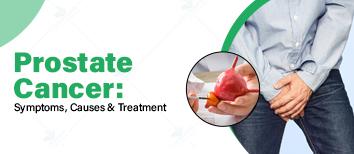
Prostate cancer is a common type of cancer in men that affects the prostate gland. Understanding its symptoms, causes, and treatment options can help in early detection and effective management.

One of our leading specialists is Dr. Bhanwar All Barkesiya, a highly skilled urologist with extensive experience in diagnosing and treating prostate conditions.
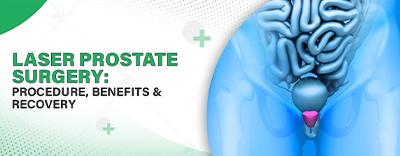
Laser prostate surgery is a minimally invasive procedure used to treat prostate enlargement (BPH). It involves using laser energy to remove or shrink excess prostate tissue, relieving urinary symptoms with faster recovery and fewer complications.
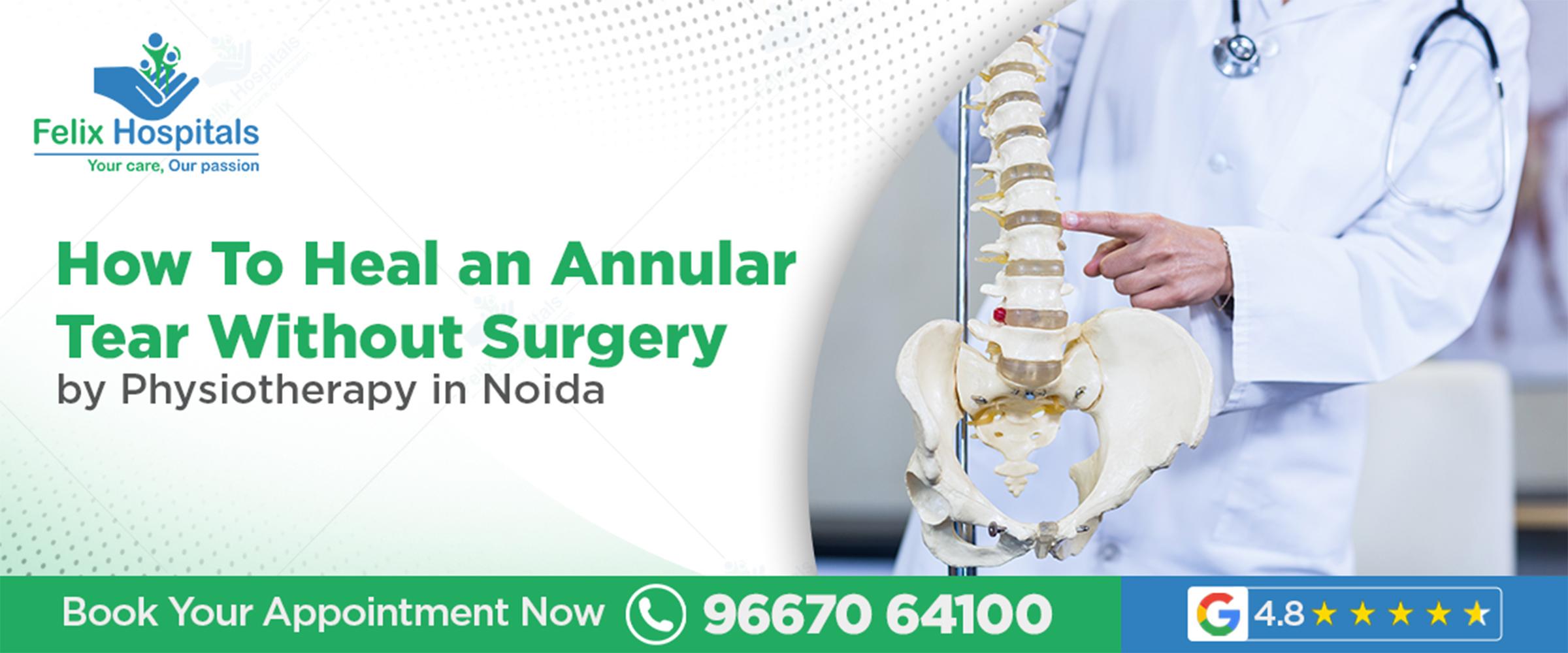
An annular tear is one of the most common yet misunderstood causes of lower back pain. It occurs when the outer layer of the spinal disc (the annulus fibrosus) develops a crack or tear due to injury, degeneration, or repeated strain. While the pain can be intense and worrying, the good news is that most people recover without surgery—especially with early diagnosis and the right physiotherapy plan. Today, Physiotherapy for annular tear treatment hospital in Noida has become a trusted, effective, and safe alternative to invasive procedures.
This comprehensive guide explains the causes, symptoms, diagnosis, and most importantly, how physiotherapy helps heal an annular tear without surgery in Noida.
Struggling with back pain or annular tear? Get expert physiotherapy guidance today. Call Felix Hospital at +91 9667064100
A spinal disc is made up of two parts:
Nucleus pulposus: The soft, gel-like centre
Annulus fibrosus: The tough outer ring that holds the nucleus in place
When this outer ring develops a crack, it results in an annular tear. If untreated, it can progress into a bulging disc or even a herniated disc.
Sudden lifting or twisting injuries
Poor posture over long periods
Degenerative disc disease
Age-related wear and tear
Trauma from falls or sports
Obesity or a sedentary lifestyle
Symptoms depend on how deep or large the tear is. Typical signs include:
Sharp or burning low back pain
Pain that worsens with bending, lifting, or sitting
Localised swelling or stiffness
Muscle spasms
Pain radiating to legs if the tear irritates nearby nerves
If inflammation spreads, patients may also experience tingling, weakness, or numbness—commonly associated with early disc bulge or nerve irritation.
Most annular tears heal naturally because the body repairs the damaged fibres over time. Surgery is reserved only for severe cases involving neurological deficits or when pain persists for many months.
In Noida, patients increasingly prefer Non-surgical annular tear treatment because:
Physiotherapy works effectively
Restoring mobility reduces pressure on the disc
Pain and inflammation reduce without medication overuse
Patients avoid long recovery times and surgical risks
Physiotherapy is considered the most reliable, scientifically proven method for treating an annular tear without surgery. A qualified physiotherapy centre in Noida assesses spinal alignment, muscle balance, inflammation levels, and mobility before creating a personalised treatment plan.
Here’s how physiotherapy helps:
Treatment begins with reducing acute pain through:
Cryotherapy (ice therapy)
TENS (Transcutaneous Electrical Nerve Stimulation)
Ultrasound therapy
Interferential therapy
Short-wave diathermy
These modalities decrease inflammation around the torn disc and help patients move comfortably.
Weak spinal muscles add pressure to the discs. Physiotherapists use strengthening exercises to support healing:
Core stabilisation
Back extensors strengthening
Gluteal and hip muscle strengthening
Pelvic floor activation
A strong core prevents repeated stress on the annulus fibrosus, which helps avoid further tears.
Long hours of sitting or poor posture are major contributors to Annular tear back pain in Noida, especially among working professionals.
Physiotherapists correct spinal posture and teach ergonomic changes such as:
Proper laptop/desk height
Lumbar support techniques
Safe bending and lifting methods
This reduces pressure on the torn disc during daily activities.
Manual therapy, traction, and mobilisation help reduce disc pressure, allowing the annular tissue to heal naturally.
Techniques include:
Spinal traction
Manual mobilisation
Soft tissue release
Myofascial therapy
These treatments reduce nerve irritation and promote faster healing.
Movement is essential for disc nutrition. Therapists introduce gentle mobility exercises such as:
Pelvic tilts
Cat-camel stretch
Lumbar rotations
McKenzie extension exercises
These exercises restore flexibility and relieve stiffness around the spine.
One of the biggest risks of an untreated annular tear is progression into a disc bulge or herniated disc. Physiotherapy stabilises weak muscles and corrects posture, reducing this risk significantly.
A typical recovery timeline looks like this:
Pain modalities
Rest + activity modification
Gentle mobility work
Core muscle training
Flexibility exercises
Ergonomics
Movement retraining
Stability exercises
Return to normal activities
Strength and mobility restored
Prevention plan to avoid recurrence
Some patients recover in 4–6 weeks, while others with severe tears may require up to 3 months.
Healing improves dramatically when patients follow simple lifestyle adjustments:
Avoid heavy lifting in early stages
Use a firm mattress
Maintain healthy body weight
Take short breaks from sitting
Avoid sudden twisting movements
Follow home exercises consistently
While physiotherapy handles most cases, urgent care is needed if you experience:
Severe leg weakness
Loss of bladder/bowel control
Progressive numbness
Persistent pain for 3+ months
These symptoms may indicate nerve compression requiring advanced care.
Felix Hospital offers specialised physiotherapy rehabilitation for Annular tear physiotherapy in Noida, supported by trained physiotherapists, advanced modalities, spine-focused exercise programs, and personalised injury-specific care. The physiotherapy department provides targeted treatment plans for disc annular tears, back pain, and postural issues with expert supervision at every step.
Heal faster with specialised spine physiotherapy in Noida.Book your consultation now — Call Felix Hospital at +91 9667064100
Healing an annular tear without surgery is possible with timely care guided by the best Physiotherapists in Noida. Targeted exercises, posture correction, and pain-relief techniques help reduce discomfort, improve mobility, and support natural spine healing. Consistent physiotherapy ensures safer recovery and long-term back health without the need for surgery.
Q1: Is surgery required for an annular tear?
A: Most annular tears heal naturally with proper physiotherapy and rest.
Q2: How long does annular tear recovery take?
A: Recovery usually takes 4–12 weeks depending on tear severity and treatment consistency.
Q3: Can physiotherapy cure back disc tears in Noida?
A: Yes, structured physiotherapy is the first-line treatment for disc and annular tears.
Q4: Is annular tear pain permanent?
A: No, with correct exercises and posture care, most patients resume normal activities pain-free.
Q5: Can an annular tear turn into a herniated disc?
A: Yes, but physiotherapy greatly reduces this risk by stabilising the spine.

If you are having any physical pain in your body due to factors like illness, injury, sudden stroke or aging, a physiotherapist can help you to overcome the pain through various therapies like electrotherapy, heat and cold packs, exercise etc.

Get personalized care from experienced physiotherapists in the comfort of your home, tailored to meet your specific needs for faster recovery.

Are you struggling with constant back pain that affects your daily life? Back pain can result from poor posture, long sitting hours, slip disc, muscle strain, or spinal problems.

Adopting a heart-healthy lifestyle and implementing expert-backed strategies can help clear arteries and improve cardiovascular health.
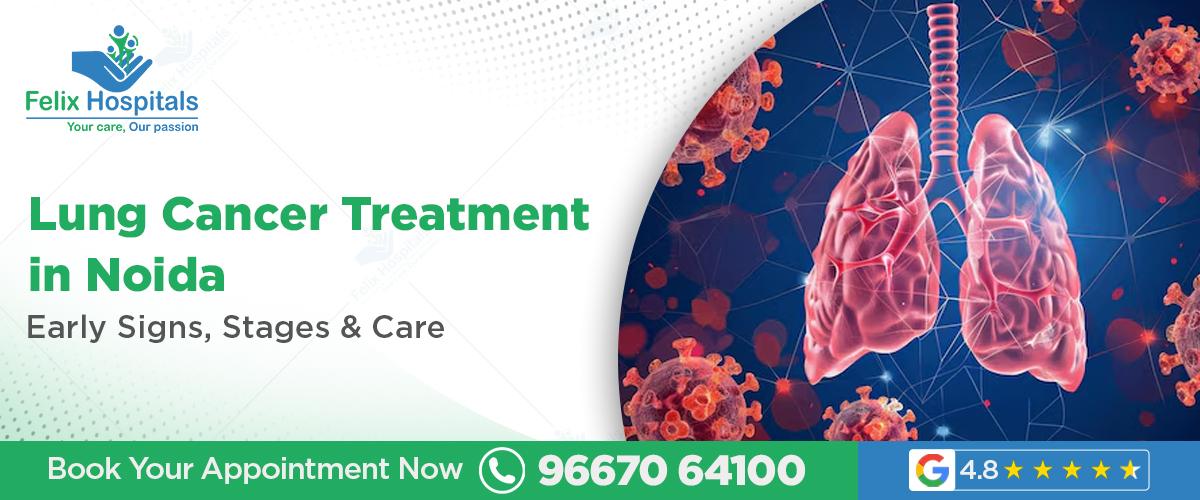
Lung cancer develops when abnormal cells grow uncontrollably in the lungs, interfering with breathing and oxygen supply to the body. It is one of the most serious cancers because symptoms often appear late, delaying diagnosis. Early awareness plays a critical role in improving survival and treatment success. Many patients first begin to worry when they ask what are the early signs of lung cancer?, as the disease may initially mimic common respiratory conditions.
Ongoing cough, chest discomfort, or unexplained fatigue? Call +91 9667064100 to consult a lung cancer specialist in Noida today.
In its initial stages, lung cancer may cause vague symptoms such as mild breathlessness, low energy, or chest tightness. Some patients experience recurrent chest infections that do not resolve completely. Understanding what are the early signs of lung cancer? helps individuals seek timely medical evaluation before the disease progresses to advanced stages.
A cough that lasts for weeks or keeps returning should not be ignored, especially in smokers or individuals exposed to pollution. While coughs are commonly linked to infections, a non-resolving cough may indicate a serious condition. Many people ask is persistent cough a sign of lung cancer?, and although not every cough is cancer-related, prolonged symptoms warrant proper investigation.
As lung cancer grows, symptoms may include chest pain, coughing up blood, hoarseness, wheezing, or unexplained weight loss. These signs suggest that the tumor may be affecting nearby tissues. Seeking timely evaluation from a lung cancer Hospital in Noida ensures that symptoms are accurately diagnosed and managed early.
Diagnosis involves a combination of medical history, imaging studies, and tissue sampling. Chest X-rays and CT scans are commonly used to identify suspicious lung lesions. Patients often ask how is lung cancer diagnosed in early stage?, which may involve advanced imaging, biopsy procedures, and molecular testing to confirm cancer type and stage.
Staging determines how far cancer has spread and guides treatment decisions. Lung cancer is generally classified from stage one to stage four based on tumor size and spread. Many patients want clarity on what are the 4 stages of lung cancer?, as early stages are localized, while later stages involve lymph nodes or distant organs.
Early detection dramatically improves treatment outcomes and survival rates. When lung cancer is identified before it spreads, curative treatment is often possible. This leads many patients to ask is lung cancer curable if detected early?, and in many cases, early-stage lung cancer can be effectively treated with surgery or localized therapies.
Lung cancer treatment depends on the type of cancer, stage, and overall patient health. Common options include surgery, chemotherapy, radiation therapy, targeted therapy, and immunotherapy. Comprehensive care at the best lung cancer hospital in Noida ensures access to advanced diagnostics and coordinated treatment planning.
Surgery is often recommended for early-stage lung cancer when the tumor can be completely removed. Surgical techniques aim to preserve as much lung function as possible. Patients eligible for lung cancer surgery in Noida often achieve better long-term outcomes when surgery is combined with appropriate follow-up treatment.
Chemotherapy may be used before surgery to shrink tumors or after surgery to reduce recurrence risk. Targeted therapies and immunotherapy focus on specific cancer cell characteristics, improving effectiveness with fewer side effects. Treatment delivered at the best cancer hospital in Noida ensures access to the latest oncology advancements.
Radiation therapy plays a vital role when surgery is not suitable or as part of combination treatment. Modern radiation techniques allow precise targeting of cancer cells while protecting healthy tissue. Radiation is commonly used to control symptoms and improve survival in selected cases.
The cost of lung cancer treatment varies based on cancer stage, treatment type, and duration. Many patients are concerned about what is the cost of lung cancer treatment in Noida?, which depends on hospital infrastructure, therapy approach, and supportive care requirements. Early diagnosis often helps reduce overall treatment costs.
A lung cancer diagnosis affects both physical and emotional health. Patients may experience anxiety, fear, and uncertainty during treatment. Psychological counseling, nutritional support, and rehabilitation are essential components of care. Guidance from the best oncologist in Noida helps patients and families navigate the treatment journey with confidence.
After treatment, regular follow-up visits are essential to monitor recovery and detect recurrence early. Imaging studies and physical examinations form part of long-term care. Continued monitoring at a best lung cancer hospital in Noida ensures sustained support even after active treatment ends.
Smoking remains the leading risk factor for lung cancer, but non-smokers can also be affected due to pollution, occupational exposure, or genetic factors. Avoiding tobacco, improving air quality, and regular screening for high-risk individuals can significantly reduce disease burden.
Early diagnosis saves lives. If you are experiencing warning symptoms, call +91 9667064100 now to book a lung cancer consultation in Noida.
Lung cancer is a serious condition, but early detection and modern treatment options have significantly improved outcomes. Recognizing early symptoms, understanding staging, and seeking timely medical care are critical steps toward recovery. With expert oncology support, advanced treatment technologies, and comprehensive follow-up care, patients can receive effective lung cancer treatment in Noida and improve both survival and quality of life.
Q. 1. Can lung cancer occur without smoking?
Ans. Yes, non-smokers can develop lung cancer due to pollution, genetics, or occupational exposure.
Q. 2. Is lung cancer screening available?
Ans. High-risk individuals may benefit from low-dose CT screening after medical advice.
Q. 3. Does lung cancer always show symptoms early?
Ans. No, early lung cancer may be symptomless, making screening important.
Q. 4. How long does lung cancer treatment usually last?
Ans. Treatment duration varies based on stage and therapy, often lasting several months.
Q. 5. Can lung cancer return after treatment?
Ans. Yes, recurrence is possible, which is why regular follow-ups are essential.
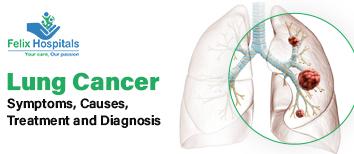
Lung cancer is a serious condition that starts in the lungs and can spread to other parts of the body.
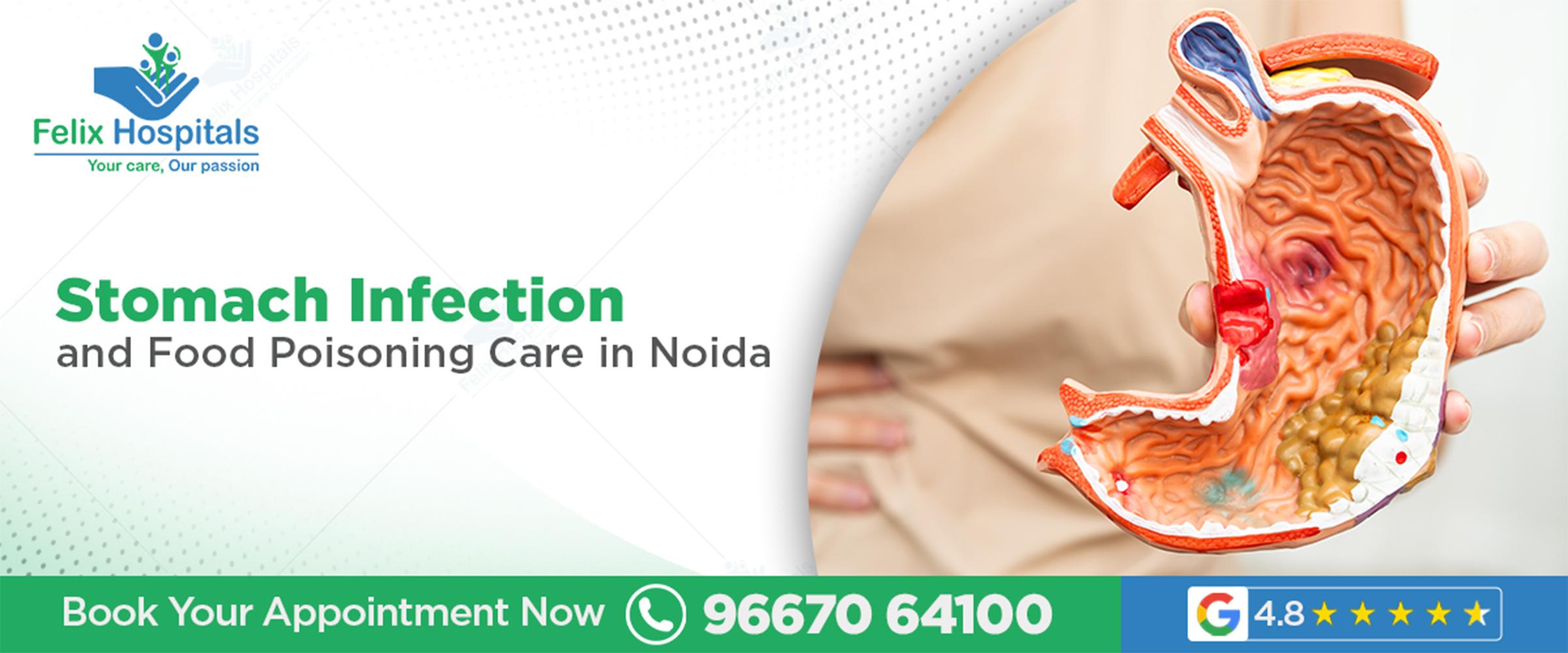
Stomach infections and food poisoning are among the most common gastrointestinal problems affecting people of all age groups. While many cases are mild and resolve on their own, some infections can become severe, leading to dehydration, electrolyte imbalance, and serious complications if not treated on time. In urban settings like Noida, frequent eating out, contaminated water, and seasonal infections increase the risk of stomach-related illnesses.
Understanding the causes, recognizing early symptoms, and seeking timely medical care play a crucial role in recovery. Access to expert care from a food poisoning hospital in Noida ensures accurate diagnosis, proper treatment, and prevention of complications.
For urgent stomach infection and food poisoning care in Noida, call +91 9667064100.
A stomach infection, often referred to as gastroenteritis or stomach flu, is an inflammation of the stomach and intestines caused by viruses, bacteria, or parasites. Food poisoning occurs when contaminated food or water introduces harmful organisms or toxins into the digestive system.
Both conditions can present with similar symptoms, but the severity and duration vary depending on the cause, immune status, and speed of treatment.
Understanding the causes and symptoms of stomach infection helps in early identification and management.
Common causes include:
Viral infections such as norovirus or rotavirus
Bacterial infections like E. coli, Salmonella, or Shigella
Parasitic infections from contaminated water
Poor hand hygiene and unsafe food handling
Typical symptoms include abdominal cramps, nausea, vomiting, diarrhea, fever, bloating, and fatigue. In some cases, blood or mucus in stools may indicate a more serious infection requiring immediate attention.
Food poisoning usually develops within a few hours to a couple of days after consuming contaminated food. The toxins or bacteria irritate the stomach lining and intestines, leading to sudden symptoms such as severe vomiting, watery diarrhea, stomach pain, and weakness.
If left untreated, food poisoning can rapidly lead to fluid loss, making vomiting and diarrhea treatment Noida a critical component of care, especially for children and elderly patients.
Occasional stomach discomfort is common, but persistent or worsening symptoms require evaluation. Proper stomach pain and nausea relief depends on identifying the underlying cause.
You should seek medical care if:
Symptoms last more than 24–48 hours
There is high fever or severe abdominal pain
Vomiting prevents fluid intake
Diarrhea is continuous or bloody
Early intervention helps prevent complications and speeds up recovery.
One of the most dangerous complications is dehydration. Continuous vomiting and diarrhea cause rapid loss of fluids and electrolytes. Dehydration treatment after food poisoning is essential to prevent dizziness, low blood pressure, kidney strain, and confusion.
Signs of dehydration include:
Dry mouth and tongue
Reduced urination
Extreme weakness or lethargy
Sunken eyes
In moderate to severe cases, intravenous fluids may be required under medical supervision.
Diagnosis depends on symptom severity and duration. Doctors may recommend:
Stool examination to identify infection type
Blood tests to assess dehydration or infection markers
Physical examination to check abdominal tenderness
Accurate diagnosis allows targeted treatment rather than unnecessary medication use.
Treatment focuses on symptom control, hydration, and addressing the cause:
Oral rehydration solutions to restore fluids
Medications for nausea, vomiting, and stomach cramps
Antibiotics only when bacterial infection is confirmed
Probiotics to restore gut health
Severe cases may require hospitalization, especially when oral intake is not possible.
Following the right diet and care after stomach infection is crucial for complete recovery. The digestive system remains sensitive even after symptoms subside.
Recommended dietary practices include:
Starting with bland foods like rice, bananas, toast, and curd
Avoiding oily, spicy, or fried foods
Drinking plenty of fluids
Eating small, frequent meals
Gradual reintroduction of a normal diet helps restore digestive strength without triggering relapse.
Preventive measures reduce recurrence and protect family members:
Wash hands thoroughly before meals
Drink clean, filtered, or boiled water
Avoid stale or undercooked food
Maintain proper food storage
Ensure kitchen hygiene
Prevention is especially important during monsoon and summer seasons when infections are more common.
Timely consultation with a stomach infection specialist doctor in Noida ensures accurate treatment and prevents complications. Specialist-led care is particularly important for patients with chronic illnesses, weak immunity, or recurrent stomach infections.
Access to experienced doctors and diagnostic facilities helps manage both simple and severe cases effectively.
To consult the best gastroenterologist in Noida for stomach infection or food poisoning, call +91 9667064100.
Stomach infections and food poisoning may seem minor initially, but they can escalate quickly if ignored. Recognizing symptoms early, maintaining hydration, following proper dietary care, and seeking timely medical attention are essential for a safe and speedy recovery. With expert care available at a trusted food poisoning hospital in Noida, patients can recover comfortably and avoid long-term digestive complications.
Do not ignore persistent vomiting, diarrhea, or stomach pain—early treatment makes all the difference.
Q. 1. How long does a stomach infection usually last?
Ans. Most mild infections resolve within 2–3 days, but severe cases may last longer.
Q. 2. Can food poisoning be treated at home?
Ans. Mild cases can, but persistent symptoms require medical care.
Q. 3. Is stomach flu contagious?
Ans. Yes, viral stomach infections can spread through close contact.
Q. 4. When should I go to the hospital for food poisoning?
Ans. If dehydration, high fever, or severe pain occurs, seek care immediately.
Q. 5. Can children and elderly patients get dehydrated faster?
Ans. Yes, they are at higher risk and need prompt treatment.
Gastric problems occur when excess acid or digestive disturbances affect the stomach lining, causing symptoms like bloating, acidity, and pain. Timely diagnosis ensures effective treatment.

Understand the key differences between stomach flu and food poisoning. Learn about their causes, symptoms, and when it's time to seek medical help for safe and effective treatment.


Subscribe to our
© Copyright 2026. All Rights Reserved by Felix Healthcare Private Limited
Design and development by :


 +(91)9667064100
 Emergency : +(91)9667064100