 Emergency:
  WhatsApp

Subscribe to our
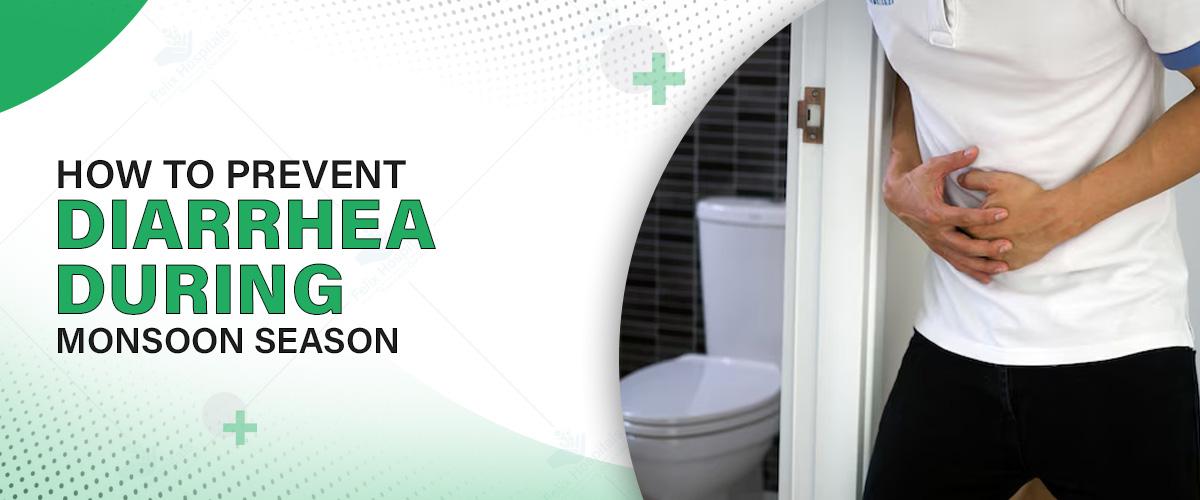
The monsoon season rejuvenates our environment, transforming dusty roads into green tracks and providing a much-needed respite from the sweltering summer heat. But with the beauty of rain comes an increase in disease—in particular, waterborne diseases such as diarrhea. Kids are particularly prone at this time of year, as dirty water, faulty sanitation, and weakened immunity can soon convert a trifling upset stomach into a serious disease.
Preventing monsoon diarrhea is not a complicated proposition—simple hygiene, nutritional prudence, and prompt medical care. When families want reliable treatment during flu season, selecting the best pediatric hospital in Greater Noida that offers specialty pediatric diagnostics and treatment facilities is important.
This step-by-step guide will take you through everything you should know to protect your children from diarrhea—from learning what diarrhea is, how to prevent it, and when you should go for treatment, to treating at home and understanding the cost factor of treatment.
If your child is experiencing symptoms such as excessive fatigue, loose stools, dry mouth, or decreased urination, don't delay. Contact us now at +91 9667064100.
Diarrhea is defined by the presence of loose, watery stools or frequent bowel movements—three or more times daily. Although it is perhaps a slight nuisance, in children, it can quickly progress to dehydration, electrolyte imbalance, and even hospitalization in severe instances.
The most common causes are:
Viruses – like rotavirus or norovirus, which are particularly prevalent in children.
Bacteria – such as E. coli, Shigella, or Salmonella, which tend to be spread via contaminated food and water.
Parasites – such as Giardia lamblia, which infects the intestines and is commonly transmitted through dirty water supply.
During monsoon, these organisms thrive due to waterlogging, inadequate drainage systems, and contamination of drinking water sources. Kids are more prone as their immune system is still under development and they place hands or objects in their mouths more often.
The good news? Diarrhea is largely preventable. Below are some of the most effective and practical steps to avoid this illness during the rainy season.
Boil drinking water for at least 1–2 minutes and store it in clean, covered containers.
Install a reliable purifier (RO + UV) at home and get it serviced before monsoon.
Carry a portable water filter when travelling.
Avoid consuming street beverages, including juices, sugarcane juice, and cold drinks with ice made from unfiltered water.
Eat freshly prepared, home-cooked food—avoid leftovers when possible.
Say no to street-side food stalls during the rainy season, especially those selling items like chaats, pakoras, or fruit salads.
Wash raw produce thoroughly with purified water before consumption.
Use separate cutting boards for raw and cooked items to avoid cross-contamination.
Steer clear of dairy products if not kept refrigerated, since spoilage is prevalent in warm weather.
Make sure repeated handwashing with soap and water—particularly before meals, upon leaving the bathroom, or engaging in outdoor play.
If soap is not present, use alcohol-based hand antiseptics (60% or higher).
Trim nails and discourage nail sucking among children.
Teach children not to touch faces, particularly following contact with moist surfaces.
A robust immune system is your child's key protection. Ensure to:
Include probiotic foods such as curd, kefir, and self-cooked fermented foods.
Include zinc foods such as pumpkin seeds, chickpeas, and eggs.
Include fruits in season in peeled and washed form—such as bananas, apples, and papayas.
Provide soups, herbal teas, and warm liquids for aiding digestion.
Get advice from the best pediatric surgeon in Greater Noida on this immunity-booster supplement like multivitamins, iron, or vitamin D.
Sanitize storage tanks, bottles, and jugs on a weekly basis.
Disinfect water containers with a solution of water and vinegar or mild bleach.
Do not collect rainwater unless you are equipped with a filtered system.
Do not allow rainwater to stagnate in your neighborhood or yard.
Cover and scrub toilets, bathrooms, and drains regularly.
Employ disinfectant sprays in wet places to prevent fungal and bacterial growth.
Educate children to use the toilet hygienically and eliminate tissues correctly.
Parents seeking to determine appropriate monsoon diets or supplements may also seek advice from the best pediatrician nearby for a customized health plan based on their child's requirements.
Although most diarrhea is self-limiting, do not dismiss some red flag warning signs for seeking medical care:
Dry mouth, dry lips, or no tears when crying
Fever over 102°F, particularly with chills and vomiting
Blood or mucus in the stool
Persistent vomiting or inability to hold fluids down
Symptoms of severe exhaustion or unresponsiveness
No voiding for the last 6–8 hours
A trained pediatric team is able to diagnose the severity by physical examination and lab tests, i.e., stool exam, blood test, dehydration checkup. Early treatment with IV fluids, probiotics, or antibiotics (in case of bacteria) will help in a smooth recovery.
If symptoms are not severe, adopt these home management steps:
Combine 6 level teaspoons of sugar and ½ teaspoon of salt in 1 liter of clean drinking water. Give your child small sips at intervals of every few minutes.
Plain rice
Mashed bananas
Boiled potatoes
Moong dal soup
Plain toast or khichdi
Do not give raw fruits, dairy products (except yogurt), fried foods, or spicy foods.
Curd, probiotic sachets or drinks aid the replenishment of destroyed gut flora during illness.
Observe frequency of stools and urine. Use a simple chart to track progress.
Immediate washing of dirty clothes is essential. Add disinfectant in washing and change sheets daily to avoid reinfection.
The child can feel irritable or weak after diarrhea. Keep them warm, rested, and comforted.
Schedule an appointment today with the leading pediatric hospital in Greater Noida to ensure your child receives expert treatment and a swift recovery.
Monsoon season is a happy time, but only if treated with care. Diarrhea can be harmless looking at first, but in children, it can run out of control rapidly. With adequate prevention, hygienic practices, and access to reliable medical practitioners, it can be treated well.
If medical intervention is required, be sure to ask about the cost of diarrhea in Noida to get full transparency before treatment begins. Remember, investing in health now saves much more in the long run.
Let’s keep the rains joyful and the children healthy. Be proactive, stay informed, and place your trust in pediatric care that caters to your family's needs.
Q1. Can monsoon diarrhea be viral or bacterial?
Ans: Yes, both occur frequently. Viral diarrhea occurs more often and is self-limiting, whereas bacterial forms (such as E. coli or Salmonella) may necessitate antibiotics.
Q2. Why does my child's diarrhea recur despite recovery?
Ans: Reinfection might occur from contaminated food or water, poor hygiene, or unsuccessful treatment. A pediatric specialist should be consulted for repeated cases.
Q3. Will consuming ORS every day prevent diarrhea?
Ans: No. ORS is a remedy, not prevention. It should be used only in periods of illness or recovery.
Q4. How much does it cost to treat diarrhea in Greater Noida on average?
Ans: Fees can differ depending on the severity—outpatient consultation, tests, medication, or hospital stay. Most hospitals will give an estimate beforehand.
Looking for reliable treatment for diarrhea in Noida? Discover top-rated clinics and hospitals offering expert gastroenterology care, accurate diagnosis, and fast relief. Get treated by trusted specialists using modern techniques and patient-first approac
Wondering why you're suddenly facing diarrhea in Noida? Learn the key differences between food poisoning and infections, their symptoms, and how to manage them effectively.
Learn effective ways to prevent diarrhea during the monsoon season by following simple hygiene, dietary, and lifestyle practices to stay healthy.

Keep your eyes healthy and safe from infections and discomfort with these expert recommendations.


Subscribe to our
© Copyright 2026. All Rights Reserved by Felix Healthcare Private Limited
Design and development by :


 +(91)9667064100
 Emergency : +(91)9667064100