 WhatsApp
 Emergency:
  WhatsApp













Subscribe to our


Sexually transmitted infection is one of the significant public health problems. And the bigger problem is people hide sexual dysfunction instead of discussing it.

The weather is changing once again. Where it remains cold at night, there is a feeling of heat due to the sun's rising during the day.


As a child care specialist, I have noticed a huge difference in overall growing of a child in the last 14 years.

Mothers think a lot, when it comes to giving right nutrition to her baby. And she also has many questions like

10 Reasons why a child may not grow

Take special care of the health of your kids, especially young children, amidst the changing seasons.

As parents, we all want our children to build healthy habits that last a lifetime. One crucial habit is good dental hygiene. Teaching kids to brush their teeth early on can lead to better oral health and confidence.
Getting kids to brush their teeth regularly can be tough. They may find it boring, struggle with the skill, or just dislike anything dental. But with some creativity and the right approach, you can help them understand and value good oral care. In this blog, we’ll discuss 8 effective ways to teach your kids the importance of brushing their teeth. For expert guidance and support, the best dentists in Noida can provide valuable advice.
Start your child's path to great oral health! Dial +91 9667064100 to book the appointment and celebrate their bright, healthy smile.
One of the most powerful ways to teach your children about the importance of dental hygiene is to model the behavior yourself. Make a point of brushing your own teeth in front of your kids, narrating the steps and emphasizing why it's so important.
Children are naturally inclined to imitate the actions of their parents and other trusted adults. By consistently demonstrating proper tooth brushing techniques, you'll reinforce the message that this is a vital daily habit.
Brushing teeth is not typically the most thrilling activity for young children. To combat this, try to make the experience as fun and engaging as possible. Here are some ideas:
The goal is to transform tooth brushing from a mundane task into a fun and positive experience.
Children are naturally curious, so take a moment to explain why brushing their teeth matters. Use simple, age-appropriate language to talk about how teeth help with eating, speaking, and overall health. Discuss the negative effects of poor dental hygiene, such as cavities, gum disease, and bad breath, but also emphasize the benefits of good oral care. A bright, healthy smile and avoiding painful dental procedures are great incentives.
When kids understand the reasons behind brushing, they'll be more motivated to make it a regular habit.
Take the discussion about dental health a step further by incorporating educational elements into your tooth brushing routine. This could include:
By making oral health a topic of ongoing exploration and learning, you'll help your kids develop a deeper appreciation for the importance of dental care.
Positive reinforcement is highly effective in developing habits, including tooth brushing. When your child brushes their teeth independently or shows improved technique, be sure to offer praise and rewards.
Consider using stickers, small treats, or planning a special activity together. The goal is to link good dental hygiene with positive outcomes, encouraging your child to keep up these habits.
Consistency is crucial when it comes to establishing any new habit, including tooth brushing. Set a designated time(s) each day when your child will brush their teeth, and stick to that routine religiously.
Whether it's first thing in the morning, right after meals, or before bedtime, having a consistent schedule will help cement tooth brushing as an integral part of your child's daily life. You can also tie it to other routines, like getting dressed or taking a bath, to further reinforce the habit.
Rather than simply dictating the tooth brushing process, engage your child as an active participant. Allow them to:
By giving your child a sense of ownership over the tooth brushing experience, you'll foster a greater sense of responsibility and investment in the habit.
As your child improves their tooth brushing skills and habits, celebrate their achievements. Consider:
Recognizing and rewarding their efforts will keep them motivated and excited about maintaining good oral health.
Dr. Aditi Narad, BDS, MDS in Conservative Dentistry & Endodontics, has over 10 years of experience specializing in pediatric dental care. She excels in treating children's dental issues, including endodontic treatments, restorative procedures, and aesthetic treatments.
Dr. Shinja Dixit, MDS, BDS, is an oral and maxillofacial surgeon with over 9 years of experience. She specializes in complex extractions, impactions, and dental implants, providing expert care for pediatric dental health issues. Dr. Dixit excels in diagnosing and treating conditions requiring maxillofacial surgery and stays updated with the latest advancements in her field.
Instilling the importance of tooth brushing in your children is a crucial part of setting them up for a lifetime of good oral hygiene and overall well-being. By employing strategies like modeling the behavior, making it fun, emphasizing the "why," and providing positive reinforcement, you can transform this essential daily task into a habit your kids will embrace. Remember, developing strong dental habits takes time and consistency. Be patient, stay encouraging, and celebrate every step of progress along the way. For professional guidance and care, consider visiting the best dental hospital in Noida. With your support and their expert help, your children will grow to understand and appreciate the value of brushing their teeth—a gift that will serve them well throughout their lives.
Celebrate your child's dental wins with a fun checkup! Call +91 9667064100 to book their appointment today!
Felix Hospital — trusted kids hospital in Noida, delivering specialized pediatric care for newborns, infants, and children with compassion and excellence.
1) How to keep children's teeth healthy?
Ans. Ensure children brush twice daily with fluoride toothpaste and floss regularly. Limit sugary snacks and drinks, and encourage a balanced diet rich in fruits, vegetables, and whole grains. Regular dental check-ups and cleanings also play a crucial role in maintaining healthy teeth.
2) What causes weak teeth in kids?
Ans. Weak teeth in kids can be caused by poor dental hygiene, excessive consumption of sugary foods and drinks, or inadequate fluoride intake. Genetic factors, enamel defects, and certain medical conditions can also contribute to weaker teeth.
3) How to repair teeth enamel?
Ans. Teeth enamel can be repaired by using fluoride treatments, which help to remineralize and strengthen enamel. Consuming foods rich in calcium and phosphates, and avoiding acidic or sugary foods, also aids in enamel repair. Regular dental check-ups are essential for ongoing care.
4) Does milk strengthen teeth?
Ans. Yes, milk can help strengthen teeth due to its high calcium and phosphorus content, which are crucial for building and maintaining strong enamel. Milk also provides vitamin D, which aids in calcium absorption, contributing to overall dental health.
5) Which foods should kids avoid to maintain good oral health?
Ans. Kids should avoid sugary snacks and beverages, such as candies, sodas, and cookies, as these can lead to cavities and tooth decay. Sticky foods like gummy candies and dried fruits can also cling to teeth and promote plaque buildup. Opt for healthier snacks like fruits, vegetables, and whole grains instead.
6) What is the best vitamin for teeth?
Ans. Vitamin D is one of the best vitamins for teeth as it helps with calcium absorption, which is essential for strong teeth and bones. Vitamin C is also important for gum health and preventing gum disease.
7) How to make teeth strong naturally?
Ans. To naturally strengthen teeth, maintain a diet rich in calcium, phosphorus, and vitamins A, C, and D. Practice good oral hygiene by brushing and flossing regularly, and avoid sugary and acidic foods. Drinking plenty of water and chewing sugar-free gum can also support dental health.

Nobody likes to know that they smell bad. And people generally do not tell you if you smell bad.


Are you struggling with constant back pain that affects your daily life? Back pain can result from poor posture, long sitting hours, slip disc, muscle strain, or spinal problems.

Your spine is the backbone of your health—literally. It supports your entire body, facilitates movement, and protects the central nervous system. Yet, many people inadvertently weaken their spinal cord through daily habits and mistakes. Over time, these actions can lead to pain, poor mobility, and even severe spinal problems. If neglected, spinal issues may require advanced medical intervention, which is why consulting experts at a neuro hospital in Noida can be crucial for timely diagnosis and effective treatment.
Say Goodbye to Spine Issues! Call us now to learn more at +91 9667064100!
A spinal cord injury (SCI) refers to damage to the spinal cord resulting from trauma, disease, or degenerative conditions. The spinal cord is a critical part of the central nervous system, transmitting signals between the brain and the rest of the body. An injury to the spinal cord can disrupt this communication, leading to varying degrees of sensory, motor, and autonomic function loss.
Slouching or hunching over while sitting can misalign the spine, placing undue stress on spinal discs, muscles, and ligaments. This posture compresses the lower back and shoulders, leading to chronic discomfort and, eventually, spinal problems like herniated discs.
Research shows that prolonged sitting, especially in non-ergonomic settings, can lead to a 40% increase in spinal issues over time. Modern sedentary lifestyles exacerbate the problem, making poor sitting posture a leading contributor to back pain.
Here are some Spine-Health Tips on Good Posture:
Maintain an upright posture with your back straight and shoulders relaxed.
Use ergonomic chairs with lumbar support.
Take breaks every 30 minutes to stand, stretch, or walk.
The way you sleep significantly impacts spinal health. Sleeping on your stomach or using improper pillows can strain your neck and spine, leading to chronic back pain and stiffness. Improper alignment during sleep disrupts the natural curve of the spine, causing discomfort over time.
Spine-Health Tips on Correct Sleeping Position:
Sleep on your back or side with a supportive pillow.
Invest in a high-quality mattress that supports spinal alignment.
Avoid over-stuffing pillows that raise your head too high.
Many people lift heavy objects by bending from the waist instead of using their knees. This puts excessive pressure on the lower back, increasing the risk of muscle strain, herniated discs, or long-term spinal degeneration.
Spine-Health Tips on Lifting Heavy Objects Properly:
Always bend at the knees and keep the object close to your body while lifting.
Use your legs, not your back, to lift heavy items.
Avoid twisting your torso while carrying heavy loads.
A sedentary lifestyle weakens the muscles that support the spine, leaving it vulnerable to injuries and misalignment. Without regular stretching and strengthening exercises, the spine lacks the support it needs to function optimally.
Spine-Health Tips on Regular Exercises and Movement:
Incorporate daily exercises that strengthen the core and improve flexibility.
Practice yoga or Pilates to enhance spinal health.
Take frequent breaks to move and stretch, especially if you have a desk job.
Wearing high heels or shoes without proper arch support disrupts the alignment of your feet, which directly impacts the spine. Poor footwear leads to an uneven distribution of weight, causing strain on the lower back.
Spine-Health Tips Related to Good Footwear for Better Spine Health:
Opt for shoes with proper arch support.
Limit wearing high heels to short durations.
Use orthopedic insoles if you have flat feet or specific foot issues.
Constantly looking down at your phone or hunching over a computer creates “tech neck,” a condition caused by a forward head posture. This increases stress on the cervical spine, leading to neck and upper back pain.
Spine-Health Tips on Screen Timing:
Set up an ergonomic workstation with your screen at eye level.
Take screen breaks every 20–30 minutes.
Practice neck stretches to counteract the effects of poor posture.
Emotional stress often manifests physically, particularly in the neck and back. Chronic stress causes muscle tension, which can result in long-term pain and spinal issues.
Spine-Health Tips on Stress and Tension:
Incorporate mindfulness practices such as meditation, yoga, or deep breathing exercises into your daily routine.
Take regular breaks to relax and unwind.
Seek professional help if stress becomes unmanageable.
Smoking reduces blood flow to the spinal discs, accelerating degeneration and weakening the spine. Poor nutrition, including a lack of calcium and vitamin D, further compromises bone strength and spinal health.
Spine-Health Tips on Good Food and Nutrition:
Quit smoking to improve circulation and overall health.
Eat a balanced diet rich in calcium, vitamin D, and antioxidants.
Include leafy greens, dairy products, fish, nuts, and seeds in your diet.
Modern spine care uses cutting-edge medical technology to ensure precision and faster recovery, including:
These technologies reduce pain, scarring, hospital stay, and recovery time.
Keep your house clean. Avoid furniture or fixture which may lead to hazardous falls, especially for children and elderly people (e.g., a slippery mat. A child may fall while running, or an elderly may fall while walking)
Do not walk or run on a wet floor or when cleaning. Having a wet floor may lead to fatal accidents.
Maintain an ergonomic level when using gadgets like Television, computers, laptop, or mobile phones.
Do not move the position of a person who has fallen and suspects that it leads to a spinal cord injury. Moving someone may further aggravate their damage. Seek medical help
Always wear a seat belt while driving and a helmet while riding a bike. Safety should be your priority over style.
Never drive when you are drunk, even if you feel you can drive without any problem.
Do not use a mobile phone while you are on the road.
Never push anyone into the water. This could lead to severe injuries.
Do not dive into the swimming pool with less water. It should have at least 10-12 feet deep water.
Keep the surrounding area clean. There are chances that you may slip while walking
Always keep a close eye on small children playing in the garden. They always like to jump, climb, run. A fall can lead to serious spinal cord injuries.
Always check the swings, slides, and other equipment for sharp edges and safety before the child uses it.
Prioritize Your Spinal Health Today! Book an appointment now by Clicking Here!

Dr. Anumeha Mishra has over 15 years of experience and is known for treating a wide range of difficult illnesses, including multiple sclerosis, epilepsy, stroke, Parkinson's disease , Spinal Injuries , and migraines. She is available at Felix Hospitals, Sector-137, Noida
Everyday mistakes, from poor posture to unhealthy lifestyle choices, can have a significant impact on spinal health. By making small adjustments, such as sitting upright, exercising regularly, and wearing supportive footwear, you can protect your spine and avoid long-term problems.
A healthy spine is the foundation of overall well-being. Take proactive steps today to safeguard your spinal health and consult a spine specialist or physical therapist to assess your current condition and receive tailored advice.
Q. 1. What are the early signs of spinal issues to watch out for?
Ans. Early signs include persistent back pain, stiffness, limited mobility, tingling or numbness in the arms or legs, and poor posture. If you experience these symptoms, consult a specialist.
Q. 2. Can poor posture cause long-term spinal damage?
Ans. Yes, consistently poor posture places stress on the spine, leading to conditions such as herniated discs, chronic back pain, and misalignment over time.
Q. 3. How often should I take breaks if I sit for long hours at work?
Ans. Ideally, take a break every 30 minutes to stand, stretch, or walk. This reduces the strain on your spine and promotes blood circulation.
Q. 4. What exercises are best for strengthening the spine?
Ans. Core-strengthening exercises, yoga, Pilates, and back extensions are excellent for spinal health. However, always consult a professional before starting a new exercise regimen.
Q. 5. Can improper footwear cause back pain?
Ans. Yes, wearing shoes without proper arch support or high heels can alter your posture and put undue pressure on your lower back, causing pain and discomfort.
Q. 6. Is sleeping on my stomach bad for my spine?
Ans. Sleeping on your stomach can misalign your neck and spine, leading to strain and stiffness. Sleeping on your back or side with a supportive pillow is recommended.
Q. 7. How does stress affect spinal health?
Ans. Stress causes muscle tension, particularly in the neck and upper back, which can lead to chronic pain and discomfort in the spine.
Q. 8. Are ergonomic chairs and desks worth the investment?
Ans. Yes, ergonomic furniture supports proper posture and reduces strain on your spine, especially for those who sit for extended periods. This can significantly prevent long-term spinal issues.
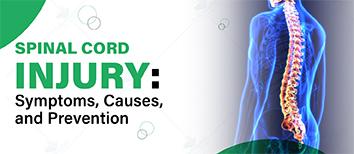
A spinal cord injury occurs when there is damage to the spinal cord, often resulting from trauma, disease, or degenerative conditions.
Are you struggling with constant back pain that affects your daily life? Back pain can result from poor posture, long sitting hours, slip disc, muscle strain, or spinal problems.

Orthopedics is a specialized branch that takes care of your musculoskeletal problems related to joints, bones, muscles, spine, ligaments, and tissues.


Learn 10 simple and effective remedies to relieve post-C-section back pain. Improve posture, reduce discomfort, and speed up recovery with safe, doctor-recommended methods.

Balanced diet is key to good health. Learn its definition, importance, and how it helps in maintaining energy, immunity, and overall well-being.

Diabetes is a chronic disease that affects millions worldwide, characterized by the body's inability to properly use or produce insulin. This essential hormone regulates blood glucose levels, and when it becomes compromised, it leads to hyperglycemia and potential damage to multiple organ systems, including nerves and blood vessels. For maintaining normal blood sugar levels, consider seeking care at a specialized diabetes hospital.
India is often referred to as the ‘Diabetes Capital of the World’, accounting for 17% of the total number of diabetes patients globally.
Learn more about our Diabetology services, please contact us at +91 9667064100.
Table of Contents
Diabetes manifests in several forms, each with its own unique characteristics and impacts on health. The three main types of diabetes include:
Formerly known as insulin-dependent or juvenile diabetes, type 1 diabetes is an autoimmune condition marked by insufficient insulin production. In this form, the body's immune system mistakenly attacks and destroys the insulin-producing beta cells in the pancreas. As a result, little or no insulin is produced, necessitating daily insulin administration for survival. Type 1 diabetes primarily affects younger populations, typically developing in childhood or adolescence, though it can occur at any age.
Type 2 diabetes is the most common form, accounting for over 95% of all diabetes cases globally. It develops when the body becomes resistant to insulin or does not produce enough insulin to maintain normal blood sugar levels. This form of diabetes is often associated with lifestyle factors such as obesity, lack of physical activity, and poor diet. Genetics also play a role, with certain ethnic groups showing a higher predisposition to developing type 2 diabetes. Unlike type 1 diabetes, type 2 diabetes is largely preventable through lifestyle modifications and is often manageable through a combination of diet, exercise, and medication.
This type occurs during pregnancy and is characterized by elevated blood sugar levels in women who did not previously have diabetes. Hormonal changes during pregnancy can affect insulin sensitivity, leading to increased blood glucose levels. While gestational diabetes usually resolves after childbirth, both the mother and child are at higher risk of developing type 2 diabetes later in life. Close monitoring and management during pregnancy are crucial to ensure the health of both the mother and the developing fetus.
1. Genetics: Family history and specific genetic markers.
2. Insulin Resistance: Cells become less responsive to insulin.
3. Autoimmune Response: Immune system attacks insulin-producing cells.
4. Obesity: Significant risk factor for type 2 and gestational diabetes.
5. Physical Inactivity: Sedentary lifestyle increases risk.
6. Age: Risk increases with age, especially after 45.
7. Ethnicity: Higher risk in certain ethnic groups (e.g., African Americans, Hispanics/Latinos, American Indians).
8. Hormonal Changes: Pregnancy-related hormonal changes can cause gestational diabetes.
9. Environmental Triggers: Certain viruses may trigger type 1 diabetes.
The symptoms of diabetes can vary in severity and onset:
Increased Thirst and Urination (Polydipsia and Polyuria): As excess glucose builds up in the bloodstream, the kidneys work harder to filter and absorb it. When the kidneys can't keep up, the excess glucose is excreted into the urine, dragging along fluids from tissues. This leads to more frequent urination, which in turn can cause dehydration. As you drink more fluids to quench your thirst, you'll urinate even more.
Blurred Vision: High blood sugar levels can cause the lens in the eye to swell, changing its shape and affecting its ability to focus, resulting in blurred vision. If left untreated, diabetes can lead to more severe eye problems, including diabetic retinopathy.
Fatigue: When your body can't efficiently use glucose for energy, you may feel unusually tired and lethargic, even after adequate rest. This fatigue can be particularly pronounced in individuals with undiagnosed or poorly managed diabetes.
Unexplained Weight Loss: Despite normal or increased food intake, individuals with uncontrolled diabetes, especially type 1, may experience rapid weight loss. This occurs because when there isn't enough insulin to help the body use glucose, the body starts burning fat and muscle for energy instead.
Slow-Healing Wounds: High blood sugar levels can affect blood circulation and damage the body's nerves, making it harder for wounds to heal. This is particularly problematic in the extremities, such as the feet.
Increased Hunger (Polyphagia): As the body's cells are starved for energy (due to the inability to use glucose effectively), you may feel constantly hungry.
Numbness or Tingling in Hands or Feet: This symptom, also known as diabetic neuropathy, occurs when high blood sugar levels damage nerve fibers, particularly in the extremities.
Untreated or poorly managed diabetes can lead to serious complications, including:
Cardiovascular Disease: Diabetes significantly increases the risk of various cardiovascular problems, including coronary artery disease with chest pain (angina), heart attack, stroke, and narrowing of arteries (atherosclerosis). The risk is so high that heart disease and stroke are the leading causes of death among people with diabetes.
Kidney Disease (Nephropathy): Diabetes is a leading cause of chronic kidney disease and end-stage renal disease, requiring dialysis or kidney transplantation. The kidneys contain millions of tiny blood vessel clusters that filter waste from the blood. Diabetes can damage this delicate filtering system.
Eye Problems (Retinopathy): Diabetes can damage the blood vessels of the retina, potentially leading to blindness. Diabetes also increases the risk of other serious vision conditions, such as cataracts and glaucoma.
Nerve Damage (Neuropathy): Excess sugar can injure the walls of the tiny blood vessels that nourish your nerves, especially in the legs. This can cause tingling, numbness, burning or pain that usually begins at the tips of the toes or fingers and gradually spreads upward. Poorly controlled blood sugar can eventually cause you to lose all sense of feeling in the affected limbs.
Foot Problems: Nerve damage in the feet or poor blood flow to the feet increases the risk of various foot complications. Left untreated, cuts and blisters can develop serious infections, which may heal poorly. These infections may ultimately require toe, foot or leg amputation.
Skin Conditions: Diabetes may leave you more susceptible to skin problems, including bacterial and fungal infections.
Hearing Impairment: Hearing problems are more common in people with diabetes.
Alzheimer's Disease: Type 2 diabetes may increase the risk of Alzheimer's disease. The poorer your blood sugar control, the greater the risk appears to be.
Depression: Depression symptoms are common in people with type 1 and type 2 diabetes. Depression can affect diabetes management.
Preventing diabetes and its complications is crucial. Lifestyle changes are the cornerstone of prevention:
Healthy Weight: Maintaining a healthy body weight is one of the most effective ways to reduce the risk of developing type 2 diabetes. Even a modest weight loss of 5-7% of body weight can significantly lower the risk. Patients should follow a balanced diet and maintain a sugar patient diet chart to manage their blood sugar levels effectively.
Physical Activity: Engaging in at least 150 minutes of moderate-intensity aerobic activity or 75 minutes of vigorous-intensity aerobic activity per week helps control blood sugar levels, improves cardiovascular health, and aids in weight management. This can include activities like brisk walking, cycling, swimming, or dancing.
Healthy Diet: A balanced diet low in sugar and saturated fats, and rich in fruits, vegetables, whole grains, and lean proteins supports blood sugar control. The Mediterranean diet and the DASH (Dietary Approaches to Stop Hypertension) diet have shown particular benefits for diabetes prevention and management.
Avoiding Tobacco: Smoking increases the risk of diabetes and diabetes-related complications. Quitting smoking can lower these risks substantially.
Limiting Alcohol Consumption: Excessive alcohol intake can contribute to weight gain and increase diabetes risk. If you choose to drink, do so in moderation.
Regular Health Check-ups: Regular screenings can help detect prediabetes or diabetes early, allowing for prompt intervention.
Stress Management: Chronic stress can affect blood sugar levels. Techniques such as meditation, yoga, or deep breathing exercises can help manage stress effectively.
Early diagnosis is essential for effective management. Diagnostic tests such as blood glucose testing are simple and inexpensive:
Type 1 Diabetes: Requires lifelong insulin therapy.
Type 2 Diabetes: Managed through lifestyle changes, oral medications, and sometimes insulin therapy.
Medications: Examples include metformin, sulfonylureas, and SGLT-2 inhibitors, which help regulate blood sugar levels.
Medical Care: Regular foot exams, kidney screenings, and eye exams are crucial for preventing complications.
While diabetes is a chronic condition, many people with diabetes lead full, active lives. Successful management requires:
Education: Understanding the condition, its management, and potential complications.
Self-Management: Taking an active role in monitoring blood sugar, administering medications, and making lifestyle choices.
Support: Engaging with healthcare providers, support groups, and loved ones for emotional and practical support.
Technology: Utilizing diabetes management tools like continuous glucose monitors and insulin pumps when appropriate.
Dr. Vimal Gupta is a seasoned general physician with over 15 years of experience. He specializes in managing conditions such as Diabetes, Obesity, Calcium, and Electrolyte-Imbalance Disorders. Dr. Gupta is dedicated to providing comprehensive care, focusing on preventive measures and personalized treatment plans to improve the health and well-being of his patients.
Contact us today to schedule an appointment or learn more about our extensive range of services at +91 9667064100.
Diabetes is a lifelong condition that needs proper care and monitoring. Consulting the Best Diabetes Doctor in Noida can help you manage blood sugar levels, prevent complications, and live a healthy life with the right treatment and guidance in Noida
Q1. How does diabetes affect life?
Ans. Diabetes can have a significant impact on daily life. It requires careful management of blood sugar levels, which can affect energy levels, mood, and overall well-being. Uncontrolled diabetes can lead to serious health complications such as heart disease, kidney damage, vision loss, and nerve damage.
Q2. What is the main reason for diabetes?
Ans. The main reasons for diabetes include:
- Type 1 diabetes: Autoimmune destruction of insulin-producing cells in the pancreas.
- Type 2 diabetes: Insulin resistance, where the body's cells do not respond effectively to insulin, and the pancreas cannot produce enough insulin to overcome this resistance.
- Gestational diabetes: Hormonal changes during pregnancy that can lead to insulin resistance.
Q3. How to reduce blood sugar levels?
Ans. Blood sugar levels can be managed through:
- Medication: Insulin and other medications prescribed by a healthcare provider.
- Diet: A healthy diet low in sugars and refined carbohydrates.
- Exercise: Regular physical activity helps lower blood sugar levels.
- Monitoring: Regularly checking blood sugar levels to track progress and make adjustments.
Q4. What are the first signs of being diabetic?
Ans. Early signs of diabetes can include:
- Feeling very thirsty
- Urinating more often than usual, especially at night
- Feeling very tired
- Unexplained weight loss
- Blurred vision
- Slow-healing wounds or frequent infections
Q5. Can diabetes be cured?
Ans. There is currently no cure for diabetes. Type 1 diabetes requires lifelong insulin therapy. Type 2 diabetes can sometimes be managed with lifestyle changes, but often requires medication to control blood sugar levels.
6. What is end-stage diabetes?
Ans. End-stage diabetes refers to the most severe complications of diabetes, including widespread damage to organs such as the kidneys, heart, eyes, and nerves. This stage is characterized by significant health problems and the need for extensive medical care.
7. What organs are affected by diabetes?
Ans. Diabetes can affect several organs, including:
Heart: Increases the risk of heart disease and stroke.
Kidneys: Can lead to diabetic nephropathy (kidney damage).
Eyes: Can cause diabetic retinopathy (damage to the retina).
Nerves: Can cause diabetic neuropathy (nerve damage), which can lead to pain, numbness, or problems with digestion or urination.

Manage diabetes effectively with a well-planned Indian vegetarian diet chart. Explore healthy meal options and tips for blood sugar control.



If you are having any physical pain in your body due to factors like illness, injury, sudden stroke or aging, a physiotherapist can help you to overcome the pain through various therapies like electrotherapy, heat and cold packs, exercise etc.

If you are having any physical pain in your body due to factors like illness, injury, sudden stroke or aging, a physiotherapist can help you overcome the pain through various therapies like electrotherapy, heat and cold packs, exercise, and manual therapy. Choosing the Best Physiotherapy Hospital in Noida ensures that you receive advanced treatment, proper diagnosis, and personalized rehabilitation programs for faster and safer recovery.
An expert physiotherapist is well trained to understand not only the patient’s physical condition but also their mental well-being.
You can find many physiotherapists nearby through online and offline sources, but selecting the right specialist is very important. Because one wrong move or therapy can be more harmful than not getting treated at all.
Don’t let pain control your life—book your appointment today at +91 9667064100.
1. Go to a professional and well known physiotherapy hospital - It is important that you find a physiotherapist who is well known in the fraternity You can also choose a Physiotherapy Hospital, where, you can get all the consultants under one roof.
2. Check with your physiotherapy hospital regarding availability of all the advanced and required instruments for therapy. And also check, if their panel has more good physiotherapist if the one who is treating you is unavailable.
A friend, doctors, and the rush at the hospital can help you to identify the best physiotherapist near you. The reputation of the hospital or clinic should also be checked.
3. A physiotherapist should be friendly and encouraging. A little encouragement from experienced physiotherapist can do wonders in your treatment. It not only improves your health physically but also mentally.
4. Do not get confused just by seeing the advertisement of physiotherapy as the field is full of quacks. To get a genuine physiotherapist always visit a registered physiotherapist.
5. You should carefully choose physiotherapy clinics which can give time to its patients and understand their needs and not rush for treatments.
6. You should also check the cleanliness of the clinic where the physiotherapist is practicing. The place should be hygienic with proper privacy to its patients. The physiotherapist should be well trained by the health authorities.
If you have any queries or issues related to your physical pain like arthritis, frozen shoulder, golfer elbow, neck pain, back pain etc. You can visit our hospital and meet the best physiotherapist in noida panel near you.

Frozen shoulder is a common condition in which the shoulder stiffens, reducing its mobility. It commonly affects people aged between 40 and 60 years, and it is more likely in women than in men.

Get personalized care from experienced physiotherapists in the comfort of your home, tailored to meet your specific needs for faster recovery.

Physicians often recommend colonoscopy for fistula patients to identify underlying conditions like Crohn’s disease, detect infections, or rule out colorectal cancer.

Felix Hospital in Noida is well known for its general practitioners who offer holistic treatment for different health issues, like the common cold and coughs.


Subscribe to our
© Copyright 2026. All Rights Reserved by Felix Healthcare Private Limited
Design and development by :


 +(91)9667064100
 Emergency : +(91)9667064100