 WhatsApp
 Emergency:
  WhatsApp










Subscribe to our
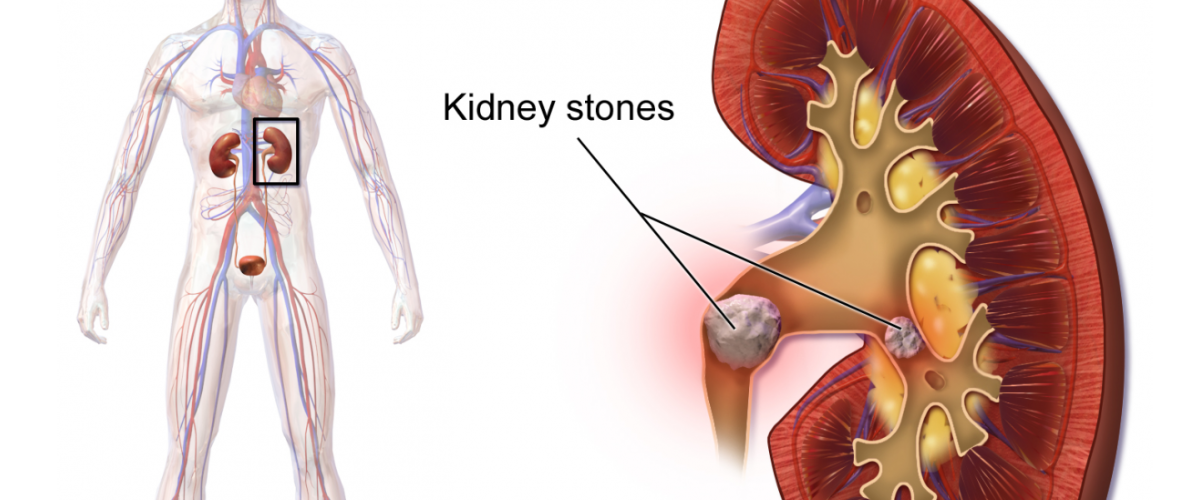
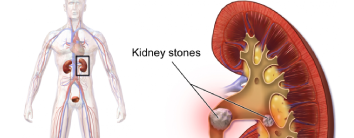
Kidney Stones are hard deposits composed of waste materials like uric acid or minerals like calcium. They start out small but gradually enlarge as time goes on because more minerals adhere to the inner lining of the kidneys for an extended period of time. While small kidney stones may dissolve on their own through urine without medical intervention, larger stones are typically uncomfortable and can become lodged in the urinary tract, necessitating immediate surgical removal.
At Felix Hospital, Noida, we provide the most advanced kidney stone removal treatments, combining technology, expertise, and compassionate care to help you recover quickly and pain-free.
Book Your Appointment One click at +91 9667064100
Kidney Stones are formed when stone forming substances are excreted in the urine. So any change in composition of urine contributes to the formation of kidney stones. Below are some common factors causing such a situation:
It is the most often used kidney stone treatment, and it is most effective for people with tiny to medium-sized stones. For those with bigger stones, this treatment might not be sufficient. The kidney stone is targeted with ultrasound shock waves during this surgical technique, which causes the stone to break up into little pieces that can be easily passed through the urine.
With a robust team of trusted doctors and health professionals, Felix Hospital is one of the very Best Hospital in Noida.
A narrow, flexible scope is used by the surgeon in this surgical operation to locate and remove stones. A small telescope called a ureteroscope is inserted via the urethra and bladder and then advanced up the ureter to the site of the stone. If the stone is small, the ureter can be easily cleaned of it. Otherwise, a laser would be needed to cut the stone into pieces. These fragments are taken out after the stone has been split into tiny pieces. Large stone patients should not have this surgery.
This method is used to treat kidney stones in individuals who have large or unusually shaped stones, particularly in those who cannot be treated with the first two procedures. Patients with stones larger than 2 cm in diameter are the only ones who can benefit from this surgical technique. A tiny incision in the back is used to access the kidney. A nephroscope and other small devices are passed through the body hole once the surgeon has reached the kidney. Following the employment of high-frequency sound waves to break up the stone, a suction machine is utilised to remove the dust.
Open surgery is a rather uncommon approach for kidney stone treatment today. Only when kidney stones are impinging on the urine flow and causing severe discomfort and bleeding may a doctor recommend open surgery. Large stones or those that cannot be removed or crushed with conventional therapies should be treated surgically. The ureter's aperture where a stent was inserted to aid in urine drainage will be used to remove the stone.
Felix Hospital is a leading urology and kidney care center in Noida offering complete diagnosis and management of kidney stones. Our team of experienced urologists and surgeons specializes in minimally invasive and laser-assisted procedures to ensure faster recovery and minimal discomfort.
We are equipped with modern diagnostic facilities like ultrasound, CT scan, and uroflowmetry, enabling accurate detection and personalized treatment for each patient.
Key Highlights
Felix Hospital stands out as the best kidney stone removal hospital in Noida because of its cutting-edge technology and experienced surgical team. Whether you require laser, laparoscopic, or non-invasive treatment, we ensure safe, effective, and personalized care.
Felix Hospital is one of the Best Kidney Hospital in Noida, which promises easy solution of your every complex problem with painless advance treatment and that too with 100% Success rate. Call Now at +91 9667064100.
Obesity and excessive sugar consumption are widely recognized as major contributors to diabetes, heart disease, and high blood pressure.
Kidney dialysis is a life-saving treatment for patients suffering from chronic kidney disease or kidney failure. Understanding the dialysis cost in Noida helps patients and families plan treatment effectively. This article explains the factors affecting d

Felix Hospital is the Best Heart Hospital in Noida for taking care of your heart.
Air pollution has become a sustainable development goal (SDG) for most countries around the globe. It has become a raging problem. Increasing pollution day by day from industrial waste, vehicles, households, etc., is impacting your heart health.
The heart diseases like heart attack, heart failure, and other coronary heart diseases are on the rise.
According to statistics, 25% of all cardiovascular deaths are caused by air pollution – WHO
Cardiovascular diseases have increased from 0.5% to 1.5%, for every 5–6 μg/m3 increase in PM2.5 – NCBI
Poor air quality is directly proportional to the rising number of heart-related issues. When you breathe this bad air, you inhale many harmful chemicals, gases, allergens, dust, pollens, etc., which impact your lungs and further your bloodstream.
And breathing such bad air, you are at higher risk of heart problems. The pollutants in the air can destroy your cells and can even affect endothelial cells. This triggers artery diseases and other issues like hypertension, diabetes, etc. And further leading to heart problems.
The air pollution level in developing countries like India is almost 10 times higher than in any developed country.
Book Your Appointment One click at +91 9667064100
Table of Contents
Consult a top cardiologist in Noida if you face any of the following symptoms:
Pain in Chest
Heaviness in the chest
Palpitation
Difficulty in breathing
Any discomfort related to your heart
Prevention is always better than cure, especially when it comes to your heart.
Look out for these heart issues that are caused by air pollution.
Heart Failure
Blood clot formation in blood vessels leads to a heart condition
Arrhythmias (irregular heartbeat)
Felix hospital has the best heart specialist and surgeons in Noida available 24*7 to take care of any problems related to your heart.
There is no way you can avoid breathing. But, you can do a few things to manage your heart health.
Here are a few lifestyle changes suggested by the best cardiologist in Noida that can be adopted to maintain your heart health.
Follow healthy habits from your side to reduce air pollution, like walking to the nearby shop instead of going by car. Walking a few steps a day is also good for your heart health. Avoid burning woods for bonfires etc., whenever you can. Your small contribution will make a big difference in society.
Include all types of vegetables (especially green leafy vegetables), fruits, pulses, nuts, dry fruits, dairy products, etc. The balanced Diet contains many nutrients and other vitamins that will boost your immunity and strengthen your body. This will further help your body to fight against the damage caused by air pollution.
Do light exercise like walking and cycling daily to stay physically active. It will help improve your blood circulation and heart health.
However, you should stay indoors if you live in polluted areas where air quality is terrible. Doing exercise in a contaminated area will harm more than do good.
Take preventive health check-ups plan that includes heart health. Regular check-ups once a year can help identify any heart problems early and can be managed accordingly.
Felix hospital is the best cardiology hospital near you in Noida, offering several heart check-up packages.
Smoking and drinking can create many health issues like respiratory, liver, etc., further impacting your heart health.
If you are stressed, it will directly impact your heart, like irregular heartbeats, heart attacks, etc.
You should always take medical help if you have any issues related to your heart. Call +919667064100 to make an appointment with a Heart Specialist In Noida at Felix hospital.

The weather is changing once again. Where it remains cold at night, there is a feeling of heat due to the sun's rising during the day.


Are you struggling with constant back pain that affects your daily life? Back pain can result from poor posture, long sitting hours, slip disc, muscle strain, or spinal problems.


Neglected tropical diseases (NTD) will be eradicated from the root only through awareness. But this is possible only when people are aware of the illnesses and get treatment by reaching the hospital on time.

Sexually transmitted infection is one of the significant public health problems. And the bigger problem is people hide sexual dysfunction instead of discussing it.


Mothers think a lot, when it comes to giving right nutrition to her baby. And she also has many questions like

Every parent wants their child to become a successful, confident, and good human being. A child is like a sponge, which can take any shape and can absorb almost everything they see/learn.

As a child care specialist, I have noticed a huge difference in overall growing of a child in the last 14 years.

10 Reasons why a child may not grow

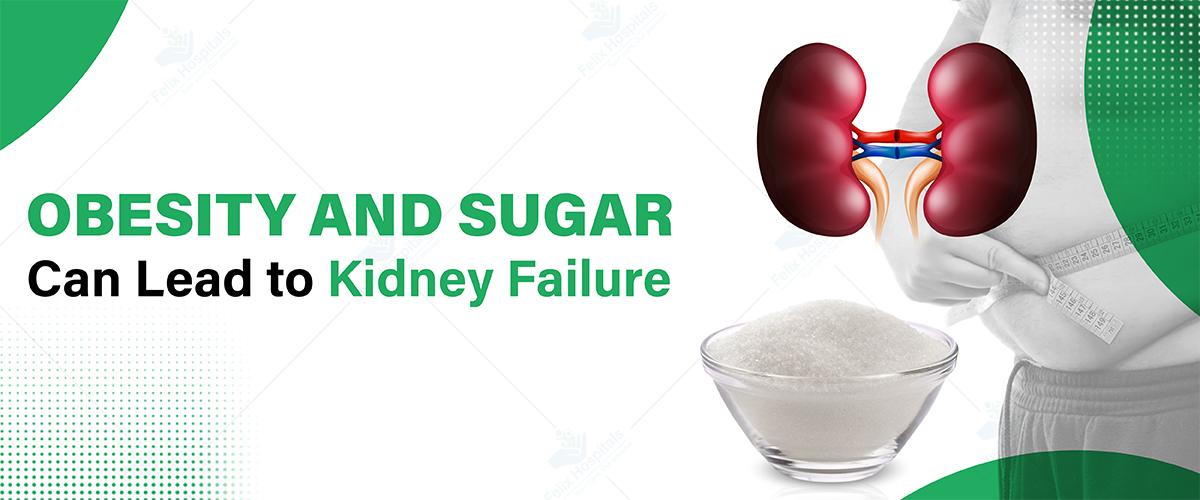
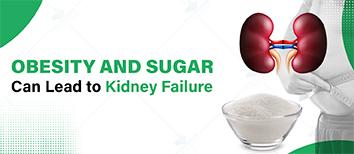
Obesity and excessive sugar consumption are widely recognized as major contributors to diabetes, heart disease, and high blood pressure. However, one often overlooked consequence of these lifestyle factors is kidney failure. As kidney disease becomes increasingly prevalent, particularly among individuals struggling with obesity or high sugar intake, it is vital to raise awareness about its impact and the importance of early intervention. At the Best Kidney Failure Treatment in Noida, we are dedicated to providing advanced care for patients affected by this growing health concern.
For expert guidance and treatment, call us at +91 9667064100 to schedule an appointment.
Yes, obesity and excessive sugar consumption are significant risk factors for kidney failure. These conditions contribute to kidney damage in various ways, often leading to a gradual decline in kidney function. Obesity, when combined with a high-sugar diet, can trigger metabolic disturbances that directly impact kidney health. Understanding this connection is essential for early intervention and prevention.
Obesity, defined as having excessive body fat and typically measured by a Body Mass Index (BMI) of 30 or higher, places a strain on multiple organs, including the kidneys. Here are the key ways it affects kidney health:
Increased Blood Pressure: Obesity often causes high blood pressure, which is a leading risk factor for obesity and kidney disease. Elevated pressure in the blood vessels weakens kidney tissues over time.
Chronic Inflammation: Excess fat triggers systemic inflammation, which can damage kidney tissues and accelerate the progression of kidney disease.
Diabetes Risk: Obesity is strongly associated with Type 2 diabetes, a leading cause of kidney disease. Persistent high blood sugar levels damage the delicate blood vessels in the kidneys, impairing their filtration capabilities.
Excessive sugar consumption, especially from sugary beverages and processed foods, is another major contributor to kidney failure. It affects kidney health in the following ways:
Elevated Blood Sugar Levels: High sugar intake leads to prolonged periods of elevated blood sugar, increasing the risk of diabetes and subsequent kidney damage.
Obesity and Insulin Resistance: Sugar contributes to weight gain and insulin resistance, both of which are significant risk factors for obesity and kidney disease.
Direct Kidney Damage: High-sugar diets promote the formation of harmful substances like advanced glycation end products (AGEs), causing oxidative stress and inflammation in kidney tissues.
The interplay between obesity and excessive sugar intake creates a toxic environment for kidney health:
Metabolic Syndrome: Obesity and high sugar consumption exacerbate insulin resistance, leading to metabolic syndrome. This condition—a combination of high blood pressure, high blood sugar, and abnormal cholesterol levels—places additional strain on the kidneys.
Diabetic Kidney Disease (DKD): Chronic diabetes caused by obesity and sugar intake damages the kidney’s filtering units, potentially leading to end-stage renal disease (ESRD).
Lifestyle Habits: A sedentary lifestyle and reliance on processed foods rich in sugar and unhealthy fats further contribute to kidney dysfunction.
Early detection is key to preventing severe kidney damage. Look out for these symptoms:
Swelling in Extremities: Fluid retention in the legs and ankles may indicate inefficient kidney function.
Changes in Urination: Alterations in urine frequency, color, or odor could signal kidney issues.
Fatigue and Weakness: Toxin build-up from impaired kidney function often causes persistent tiredness.
Routine health check-ups and blood tests can help identify kidney problems at an early stage.
You can take proactive steps to reduce your risk of kidney disease by addressing obesity and sugar consumption:
Limit Sugar Intake: Avoid sugary drinks, candies, and processed foods.
Follow a Kidney-Friendly Diet: Incorporate whole grains, fresh vegetables, fruits, lean proteins, and foods low in sodium.
Maintain a Healthy BMI: Engage in regular physical activities like walking, swimming, or cycling.
Practice Portion Control: Balanced meals and mindful eating can prevent overeating.
Stay Hydrated: Drink adequate water to support kidney function.
Avoid Smoking and Limit Alcohol: These habits can exacerbate kidney stress.
If kidney health is compromised, there are several medical and lifestyle interventions to consider:
Medication: Managing high blood pressure and diabetes can slow the progression of obesity and kidney disease.
Advanced Treatments: Dialysis or kidney transplantation may be necessary for patients with severe kidney damage.
Nephrologists: Kidney specialists play a vital role in diagnosing and treating kidney disease.
Dieticians: Customized dietary plans can help manage weight and support kidney health.
Obesity and excessive sugar intake are significant contributors to kidney failure. By adopting a healthier lifestyle, including a balanced diet and regular exercise, you can reduce your risk of obesity and kidney disease. Early detection and medical intervention are crucial for managing kidney health. At Felix Hospital, we are committed to providing top-quality care for patients with kidney-related conditions. Take charge of your health today for a better tomorrow.
Q1. Can obesity cause kidney failure?
Ans. Yes, obesity increases the risk of kidney disease by raising blood pressure, causing inflammation, and contributing to diabetes.
Q2. How does sugar affect kidney function?
Ans. Excessive sugar consumption leads to obesity, diabetes, and high blood pressure, all of which damage kidney function over time.
Q3. What are the early signs of kidney failure?
Ans. Early signs include fatigue, swelling, changes in urine output, and difficulty breathing.
Q4. Can weight loss reverse kidney disease?
Ans. While weight loss can’t reverse kidney disease, it can slow its progression by managing underlying conditions like high blood pressure and diabetes.
Q5. What is the best diet for kidney disease prevention?
Ans. A balanced diet low in salt, sugar, and unhealthy fats, combined with regular exercise, can help prevent obesity and kidney disease.
Q6. Can kidney failure be cured?
Ans. Kidney failure is typically not curable, but treatments like dialysis and kidney transplants can manage the condition effectively.
Q7. When should I see a nephrologist?
Ans. If you have risk factors like obesity, diabetes, or high blood pressure, regular check-ups with a nephrologist are essential for early detection and management of kidney problems.
Kidney dialysis is a life-saving treatment for patients suffering from chronic kidney disease or kidney failure. Understanding the dialysis cost in Noida helps patients and families plan treatment effectively. This article explains the factors affecting d
Sugar is an omnipresent part of our modern diet. It is found in everything from beverages and desserts to sauces and snacks. While it adds sweetness and flavor, excessive consumption of sugar can have detrimental effects on health.

Acute Kidney Injury: Causes, Symptoms, and Treatment explores the sudden deterioration of kidney function, which disrupts the body’s ability to filter waste and regulate fluids.


Sexually transmitted infection is one of the significant public health problems. And the bigger problem is people hide sexual dysfunction instead of discussing it.

Cervical cancer is most common in women after breast cancer. Cervical cancer starts from the cervix, i.e., the cervix. The cervix is the lower part of the uterus that connects the vagina to the uterus. Uterine cancer is also called cancer of the uterus.
Uterine cancer can be of two types. First endometrial cancer (common) and uterine sarcoma (rare). Endometrial cancer. Timely treatment of the disease is possible.
Gynecologist of Felix Hospital said that about 1 lakh 20 thousand new cases of cervical cancer are reported in India every year. It is the third leading cause of cancer deaths in India. If detected early, cervical cancer can be treated. Screening through Pap smear test and Human Papilloma Virus (HPV) vaccination helps prevent the increasing cases of cervical cancer.
Routine testing through HPV testing can detect changes in precancerous cells and treat them before it develops into cervical cancer. The HPV vaccine covers ages 10-26 and can be given to women up to 46. Some patients with cervical cancer worry about the survival of fertility, and this concern is incredibly high in patients who are childless and of reproductive age.
Can HPV Vaccination Stop Rising Cases of Cervical Cancer? Get expert advice from the best gynecologist in Noida and book your appointment today at +91 9667064100.
Some of the reasons for cancer include:
Early marriage
Multiple times sex
Smoking
Excessive use of family planning pills
Some of the symptoms to identify Uterine cancer are:
Frequent urination.
Smelly liquid coming from the vagina
Pain in the lower abdomen or cramps in the pelvis
Bleeding on days other than periods
Feeling a lot of pain while having physical relations
Thin white or clear vaginal discharge in postmenopausal women
Vaginal bleeding between periods in premenopausal women
Very prolonged, heavy, or frequent vaginal bleeding in women over 40
If you notice any symptoms, always get them checked by a specialist. A preventive checkup is better than cure.
Consult at Felix Hospital for pregnancy, childbirth, adolescent menstrual disorders, infertility, menopause & related complaints, gyne-related laparoscopy and hysteroscopies, and connect with a trusted lady gynecologist near me for expert cancer care and guidance.

Recognize the early warning signs of cervical cancer. Learn about its symptoms, causes, and when to consult a gynecologist for timely diagnosis and treatment.
Lung cancer is a serious condition that starts in the lungs and can spread to other parts of the body.

Explore essential information about breast cancer, including its symptoms, causes, types, and treatments, to stay informed and proactive about your health.

Immunotherapy is a groundbreaking cancer treatment that utilizes the body’s immune system to recognize and attack cancer cells.


Subscribe to our
© Copyright 2026. All Rights Reserved by Felix Healthcare Private Limited
Design and development by :


 +(91)9667064100
 Emergency : +(91)9667064100