 WhatsApp
 Emergency:
  WhatsApp













Subscribe to our

Aging brings about various physical, metabolic, and lifestyle changes that can impact nutritional needs and overall health. With the right dietary choices, older adults can support their health, maintain vitality, and manage age-related conditions effectively. In this guide on Dietary Needs for the Elderly, let’s explore essential dietary considerations, the importance of specific nutrients, and practical meal ideas to promote well-being in the later years of life. For those seeking specialized dietary guidance, Diet Hospital in Noida can provide tailored support to ensure older adults meet their unique nutritional needs.
Take Charge of Your Nutrition at Felix Hospitals. Embrace balanced nutrition for a happier, healthier tomorrow! Call us today at +91 9667064100.
As we age, our body’s physiology changes. The metabolism slows down, muscle mass may decrease, and the body’s ability to absorb and utilize nutrients can become less efficient. Proper nutrition helps mitigate these changes, supports cognitive health, maintains muscle strength, boosts immunity, and reduces the risk of chronic illnesses such as diabetes, cardiovascular disease, and osteoporosis.
1. Decreased Appetite: Aging can result in a reduced sense of taste and smell, as well as changes in hormones that affect hunger.
2. Dental Health Issues: Missing teeth, gum issues, or dentures may make certain foods difficult to chew.
3. Digestive Changes: Many older adults experience slower digestion and may struggle with constipation.
4. Chronic Conditions: Conditions such as diabetes, hypertension, and high cholesterol are more common with age and can affect dietary choices.
1. Focus on Nutrient-Dense Foods: Prioritize foods that are high in vitamins, minerals, and protein but low in added sugars and empty calories.
2. Stay Hydrated: Dehydration is common among older adults, partly due to a reduced sensation of thirst.
3. Limit Sodium Intake: Excessive salt can raise blood pressure, a common concern in aging.
4. Include Probiotics: Gut health often declines with age, and probiotics can help support digestion and immunity.
5. Balance Carbohydrates with Protein and Fat: This can help regulate blood sugar levels, especially important for those managing diabetes.
Consulting with our experienced dietitians, Dt. Nida Zafar, Dr. Shivani Ahlawat and Dt. Pooja Yadav can be highly beneficial for aging nutrition for Senior adults, especially those seeking personalized dietary plans or managing chronic health conditions. Our team provides tailored guidance to address individual nutritional requirements, helping improve quality of life and overall health. Additionally, community meal services and grocery delivery options can support consistent access to nutritious foods, ensuring that dietary needs are met even when cooking or shopping becomes challenging.
Schedule Your Dietary Consultation Today! Contact us today by Clicking Here to explore how a tailored nutrition plan can support your well-being in your golden years.
A well-rounded, nutrient-dense diet is a cornerstone for enhancing the quality of life in aging adults. As the body undergoes natural changes over the years, focusing on essential nutrients such as protein, calcium, fiber, and vitamins becomes crucial in supporting physical strength, mental clarity, and immune function. Healthy eating, paired with a balanced lifestyle, helps combat the risk of chronic illnesses, maintain muscle mass, and promote bone health, all of which contribute to greater independence and vitality. By making informed food choices and addressing individual Dietary Needs for the Elderly, aging adults can significantly improve their energy levels, resilience, and overall well-being, ensuring a more active and fulfilling life.
1. How much protein should aging adults consume?
Ans: About 1.0-1.2 grams per kilogram of body weight is ideal, focusing on lean and varied protein sources.
2. What’s the best diet for bone health?
Ans: A diet rich in calcium, vitamin D, and protein is beneficial, along with weight-bearing exercise.
3. How can older adults improve digestion?
Ans: Increase fiber, stay hydrated, and consider probiotics. Avoid excessive processed foods.
4. Should aging adults take supplements?
Ans: Some may benefit from vitamin D, B12, or calcium supplements; consult with a healthcare provider.
5. Is it necessary to follow a low-sodium diet?
Ans: Limiting sodium is generally advisable to manage blood pressure and reduce heart disease risk.
6. What are the best snacks for aging adults?
Ans: Try nutrient-dense options like Greek yogurt, nuts, fruits, and whole-grain crackers.
7. How much water should older adults drink daily?
Ans: About 8 glasses per day, though needs may vary based on activity and health status.
8. Why do older adults need more vitamin D?
Ans: Older adults need more vitamin D because it plays a crucial role in Nutrition for Seniors, particularly in aiding calcium absorption and promoting bone health. As people age, their skin becomes less efficient at synthesizing vitamin D from sunlight, which can lead to deficiencies.
9. What are easy ways to increase calorie intake if appetite is low?
Ans: Include healthy fats, such as nuts, olive oil, or avocados, and try small, frequent meals.

To lose weight effectively, start by creating a calorie deficit—consuming fewer calories than you burn. A safe, steady weight loss usually requires a daily deficit of 500–1000 calories, helping you lose about 0.5 to 1 kilogram per week.

Manage diabetes effectively with a well-planned Indian vegetarian diet chart. Explore healthy meal options and tips for blood sugar control.

Do you find yourself constantly tired, breathless, or unable to cope with sudden physical activity?

श्वसन तंत्र को प्रभावित करने वाले वायरसों में ह्मून मेटान्यूमोवायरस (एचएमपीवी ) और फ्लू दो प्रमुख नाम हैं। ये दोनों ही स्वास्थ्य पर व्यापक प्रभाव डाल सकते हैं। एचएमपीवी और फ्लू दोनों ही श्वसन तंत्र से संबंधित गंभीर संक्रमण हो सकते हैं। इनसे बचने के लिए स्वच्छता, जागरूकता और सही समय पर उपचार बेहद महत्वपूर्ण है। आइए इन दोनों के बारे में अधिक जानें।
ज्यादा जानकारी के लिए हमें कॉल करें +91 9667064100.
एचएमपीवी एक प्रकार का श्वसन वायरस है जो बच्चों, वयस्कों और बुजुर्गों में श्वसन तंत्र संक्रमण का कारण बनता है। इसे पहली बार 2001 में वैज्ञानिकों ने पहचाना। यह वायरस पैरामाइक्सोविरिडे ( परिवार से संबंधित है, जो सामान्य सर्दी, इन्फ्लुएंजा, और श्वसन संबंधी अन्य संक्रमणों का कारण बनते हैं।
1. संक्रमित व्यक्ति के संपर्क से:
जब संक्रमित व्यक्ति खांसता या छींकता है, तो वायरस युक्त बूंदें हवा में फैल जाती हैं।
2. संक्रमित सतहों का स्पर्श:
यदि कोई व्यक्ति वायरस-युक्त सतहों (जैसे दरवाजे के हैंडल, खिलौने) को छूने के बाद अपनी आंख, नाक, या मुंह छूता है।
3. करीबी संपर्क:
जैसे संक्रमित व्यक्ति के साथ हाथ मिलाना या गले मिलना।
एचएमपीवी किसी भी आयु वर्ग के लोगों को प्रभावित कर सकता है, लेकिन निम्नलिखित समूह विशेष रूप से अधिक जोखिम में होते हैं:
1. बच्चे: विशेषकर 5 वर्ष से कम आयु के।
2. बुजुर्ग: जिनकी आयु 65 वर्ष से अधिक है।
3. कमजोर प्रतिरक्षा वाले लोग: जैसे कैंसर, एचआईवी, या प्रतिरक्षा दबाने वाली दवाएं लेने वाले।
4. पुरानी बीमारियों से पीड़ित व्यक्ति: जैसे अस्थमा, सीओपीडी, या हृदय रोग।
एचएमपीवी के लक्षण हल्के से लेकर गंभीर तक हो सकते हैं। ये आमतौर पर संक्रमण के 3-6 दिनों के भीतर प्रकट होते हैं।
1. हल्के लक्षण:
2. गंभीर लक्षण:
फ्लू, जिसे इन्फ्लुएंजा भी कहा जाता है, एक संक्रामक श्वसन रोग है जो इन्फ्लुएंजा वायरस के कारण होता है। यह वायरस मुख्य रूप से नाक, गले और फेफड़ों को प्रभावित करता है। फ्लू सर्दी की तुलना में अधिक गंभीर लक्षण पैदा कर सकता है और यदि समय पर इलाज न हो, तो यह गंभीर जटिलताओं का कारण बन सकता है, जैसे निमोनिया।
फ्लू वायरस मुख्यतः निम्नलिखित माध्यमों से फैलता है:
1. ड्रॉपलेट्स (बूंदों) के माध्यम से:
जब संक्रमित व्यक्ति खांसता, छींकता, या बोलता है, तो वायरस युक्त बूंदें हवा में फैल जाती हैं।
2. संक्रमित सतहों का स्पर्श:
यदि कोई व्यक्ति वायरस से दूषित सतह (जैसे दरवाजे का हैंडल, मोबाइल फोन) को छूने के बाद अपनी आंख, नाक, या मुंह को छूता है।
3. सीधे संपर्क से:
जैसे संक्रमित व्यक्ति से हाथ मिलाना या गले मिलना।
फ्लू के लक्षण आमतौर पर संक्रमण के 1-4 दिनों के भीतर विकसित होते हैं।
1. सामान्य लक्षण:
2. गंभीर लक्षण (डॉक्टर से तुरंत संपर्क करें):
| पैरामीटर | एचएमपीवी (HMPV) | फ्लू (Flu) |
| वायरस का प्रकार | पैरामाइक्सोविरिडे परिवार से संबंधित | ऑर्थोमाइक्सोविरिडे परिवार से संबंधित |
| रोकथाम और टीकाकरण | एचएमपीवी के लिए कोई विशेष टीका उपलब्ध नहीं है। | फ्लू के लिए वार्षिक टीका उपलब्ध है। |
| महामारी का खतरा | एचएमपीवी संक्रमण का कारण बनता है। | फ्लू महामारी फैला सकता है जब वो तेज़ी से फैलता है। |
| प्रमुख लक्षण | सांस लेने में कठिनाई, नाक बहना | बुखार, मांसपेशियों में दर्द, और थकावट। |
एचएमपीवी (HMPV)
परीक्षण प्रकार:
आरटी-पीसीआर परीक्षण एचएमपीवी के जीनोमिक मटेरियल की पहचान के लिए सबसे सटीक है। वायरल कल्चर प्रयोगशाला में वायरस को विकसित कर उसकी पहचान की जाती है। एंटीजन डिटेक्शन टेस्ट वायरस के प्रोटीन की उपस्थिति की जांच करता है, लेकिन यह कम सटीक हो सकता है। इसमें नाक या गले से स्वैब या ब्रोन्कियल लैवेज और बलगम का नमूना गंभीर मामलों में लिया जाता है।
फ्लू (Influenza)
रैपिड इन्फ्लुएंजा डायग्नोस्टिक टेस्ट यह सटीक परीक्षण है। आरटी-पीसीआर फ्लू वायरस के प्रकार (ए, बी) और सबटाइप (एच1एन1, एच3एनएन2) की पहचान करता है। वायरल कल्चर यह निदान की पुष्टि के लिए किया जा सकता है। इसमें नाक या गले का स्वैब लिया जाता है।
एचएमपीवी (HMPV)
विशिष्ट एंटीवायरल दवा नहीं है। लक्षण-नियंत्रण उपचार के लिए बुखार और दर्द के लिए पेरासिटामोल या इबुप्रोफेन दी जाती है। नाक की जकड़न के लिए सलाइन नेज़ल स्प्रे दिया जाता है। सांस लेने में कठिनाई होने पर ऑक्सीजन थेरेपी या नेब्युलाइजर। गंभीर मामलों में अस्पताल में भर्ती और वेंटिलेटरी सपोर्ट की आवश्यकता हो सकती है।
फ्लू (Influenza)
एंटीवायरल दवाएं जैसे ओसेल्टामिविर, ज़ानामिविर, पेरामिविर, बालोक्साविर दवाएं वायरस के प्रसार को कम करती हैं, लेकिन इन्हें संक्रमण के शुरुआती 48 घंटों में लिया जाना चाहिए। लक्षण-नियंत्रण उपचार के तहत बुखार और दर्द के लिए पेरासिटामोल, बलगम और खांसी के लिए कफ सप्रेसेंट और हाइड्रेशन बनाए रखने के लिए तरल पदार्थ दिया जाता है।
रोकथाम के उपाय (Preventive measures)
एचएमपीवी संक्रमण और फ्लू से फेफड़ों पर होने वाले प्रभाव को समझने और सही इलाज पाने के लिए फेलिक्स हॉस्पिटल्स के विशेषज्ञ हमेशा तत्पर हैं। श्वसन तंत्र की समस्याओं जैसे सांस फूलना, निमोनिया, और ब्रोन्काइटिस के निदान और उपचार के लिए हमारे अनुभवी पल्मोनोलॉजिस्ट डॉ. प्रियदर्शी जितेंद्र कुमार के नेतृत्व में हमारी कुशल टीम उपलब्ध है।
साथ ही, हमारी जनरल फिजिशियन विशेषज्ञों की टीम में शामिल हैं: डॉ. अंशुमाला सिन्हा, डॉ. सोनाक्षी सक्सेना, डॉ. अपूर्वा शेट्टी, डॉ. नीलाभ प्रताप, डॉ. प्रियंका सिंह, डॉ. रवि शर्मा, डॉ. केशव कुमार गर्ग है। फेलिक्स हॉस्पिटल्स में विशेषज्ञता और समर्पण का भरोसा करें, जहां आपकी सेहत हमारी प्राथमिकता है।
डॉक्टर की सलाह के लिए आज ही फोन करें +91 9667064100.
एमएमपीवी और फ्लू जैसे श्वसन संक्रमणों के प्रति जागरूकता बेहद महत्वपूर्ण है क्योंकि ये बीमारियां हल्के लक्षणों से लेकर गंभीर जटिलताओं तक का कारण बन सकती हैं। इनके प्रसार को रोकने और गंभीर परिणामों से बचने के लिए सही जानकारी, समय पर पहचान, और उचित इलाज अत्यावश्यक हैं। साथ ही एचएमपीवी और फ्लू से जुड़े किसी भी संदेह या गंभीर स्थिति में सही विशेषज्ञ से संपर्क करना आवश्यक है।
प्रश्न 1: एचएमपीवी और फ्लू कैसे फैलते हैं ?
उत्तर: दोनों वायरस वायरल ड्रॉपलेट्स के जरिए फैलते हैं, जो खांसने, छींकने या संक्रमित सतहों से संपर्क में आने पर हवा में फैलते हैं।
प्रश्न 2: क्या फ्लू का टीका एचएमपीवी से बचाव करता है ?
उत्तर: नहीं, फ्लू का टीका फ्लू के विभिन्न वायरस के खिलाफ सुरक्षा प्रदान करता है, लेकिन यह एचएमपीवी के खिलाफ प्रभावी नहीं है। एचएमपीवी के लिए कोई विशिष्ट टीका नहीं है।
प्रश्न 3: अगर लक्षण गंभीर हो जाएं, तो मुझे क्या करना चाहिए ?
उत्तर: अगर सांस लेने में कठिनाई हो, बुखार बढ़ जाए या सीने में दर्द महसूस हो तो तुरंत डॉक्टर से संपर्क करें। खासकर यदि आप बुजुर्ग हैं या आपकी प्रतिरक्षा प्रणाली कमजोर है।
प्रश्न 4: क्या मैं फ्लू या एचएमपीवी से संक्रमित होने के बाद काम पर जा सकता हूं ?
उत्तर: जब तक आपके लक्षण पूरी तरह से ठीक नहीं हो जाते तब तक घर पर रहना बेहतर है ताकि आप दूसरों को संक्रमित न करें। फ्लू और एचएमपीवी दोनों वायरस सार्वजनिक स्थानों पर फैल सकते हैं।
प्रश्न 5: क्या एचएमपीवी और फ्लू बच्चों और बुजुर्गों के लिए खतरनाक हैं ?
उत्तर: बच्चे और बुजुर्ग दोनों ही एचएमपीवी और फ्लू से अधिक प्रभावित होते हैं। इन दोनों समूहों में श्वसन समस्याएं जल्दी गंभीर हो सकती हैं, जैसे निमोनिया, श्वसन में कठिनाई और अन्य जटिलताएं।

Felix Hospital in Noida is well known for its general practitioners who offer holistic treatment for different health issues, like the common cold and coughs.
Felix Hospital in Noida is esteemed as a leading institution for general medicine, particularly renowned for its excellence in treating cold and cough

श्वसन तंत्र की समस्याओं जैसे सांस फूलना, निमोनिया और ब्रोन्काइटिस के निदान और उपचार के लिए डॉ. प्रियदर्शी जितेंद्र कुमार, जो सबसे अनुभवी पल्मोनोलॉजिस्ट हैं, का नेतृत्व करते हुए हमारी कुशल टीम आपकी सेवा में है।


As parents, we often strive to ensure our children are happy, healthy, and thriving both emotionally and physically.

It all starts when you get to know that you are pregnant, you will be taking care of the little one. This news for first time parents brings lot of responsibility and excitement.

Cognitive Behavioral Therapy (CBT) is a widely recognized and effective form of psychotherapy that focuses on changing negative thought patterns and behaviors that contribute to emotional distress.

Pneumonia is a serious lung infection that requires timely diagnosis and appropriate treatment to prevent complications. In Noida, understanding the cost associated with pneumonia treatment, as well as insurance options, can help patients and their families make informed choices. This blog will explore the factors that influence pneumonia treatment costs, ways to reduce expenses, and why Felix Hospital is a trusted choice for pulmonology care in Noida.
Call +91 9667064100 now for a quick cost estimate on Pneumonia Treatment.
Pneumonia is an infection of the lungs caused by bacteria, viruses, or fungi. It leads to inflammation in the air sacs (alveoli), which can fill with fluid or pus, causing symptoms such as cough, fever, chills, and difficulty breathing. Pneumonia can range from mild to severe, and certain groups, including young children, older adults, and people with weakened immune systems, are at higher risk of serious illness.
For those facing related respiratory issues such as sinusitis, it’s essential to seek specialized care. Felix Hospital is home to the Best Doctor for Sinusitis in Noida, who is highly skilled in diagnosing and managing sinus-related conditions. With expertise in treating infections and inflammation in the nasal passages, the doctor provides relief for patients suffering from sinusitis and helps prevent further respiratory complications.
Symptoms: Persistent cough, fever, shortness of breath, chest pain, fatigue, and confusion (especially in older adults).
Types: Bacterial pneumonia, viral pneumonia, fungal pneumonia, and aspiration pneumonia.
Diagnosis and Tests: Chest X-rays, blood tests, and sputum cultures are commonly used to diagnose pneumonia. In severe cases, additional imaging tests or a bronchoscopy may be necessary.
In Noida, the cost of treating pneumonia varies widely based on the severity of the condition, the type of healthcare facility, and the specific treatment plan required.
| Maximum Cost | 1,00,000 |
| Minimum Cost | 15,000 |
| Average Cost | 50,000 |
Several factors can influence the overall cost of pneumonia treatment in Noida:
Severity of Illness: Severe cases requiring intensive care and advanced treatments can significantly increase costs.
Type of Facility: Costs vary between government hospitals, private hospitals, and specialized facilities.
Duration of Hospitalization: Longer stays mean higher costs for room charges, nursing, and other hospital services.
Treatment Approach: Medication type (e.g., oral antibiotics vs. IV antibiotics), oxygen therapy, and other treatments contribute to the overall expenses.
Insurance Coverage: The extent of insurance coverage can impact out-of-pocket costs, especially if the plan covers all aspects of pneumonia treatment.
Managing healthcare costs is essential, especially for conditions like pneumonia, which may require extended care. Here are some strategies to reduce expenses:
Early Diagnosis: Early diagnosis and treatment can prevent severe complications and reduce the need for hospitalization.
Utilize Insurance: Review your health insurance policy to understand coverage for pneumonia-related expenses, including consultations, diagnostics, and medications.
Opt for Preventive Care: Vaccinations against pneumococcal bacteria and flu can reduce the risk of pneumonia.
Choose the Right Hospital: Hospitals like Felix offer affordable, quality care with various financing options for patients.
Seek Outpatient Treatment: If the case is mild, ask your doctor if it’s possible to manage the condition on an outpatient basis to reduce costs.
Felix Hospital in Noida is known for its expert pulmonology team, advanced diagnostic tools, and patient-centric approach to care. Patients can expect comprehensive services, from diagnosis to advanced treatments, ensuring their health is managed efficiently.
Experienced Specialists: Our pulmonology department is led by skilled professionals dedicated to providing top-notch care.
State-of-the-Art Facilities: Felix Hospital is equipped with advanced diagnostic and therapeutic tools, ensuring patients receive the highest quality care.
Affordable Treatment Plans: Our commitment to making healthcare accessible means we offer competitive treatment packages, flexible payment plans, and insurance assistance.
Dr. Priyadarshi Jitendra Kumar is one of the leading pulmonologists at Felix Hospital, the best chest care hospital in Noida, with extensive experience in treating respiratory conditions, including pneumonia. Dr. Kumar’s expertise, combined with a compassionate approach, ensures that patients receive the best possible care
For further queries, simply click here or call +91 9667064100.
Pneumonia can be a challenging illness, but with the right care and understanding of treatment costs, patients in Noida can find effective, affordable solutions. Felix Hospital stands out as a trusted choice for pulmonary care, providing quality services tailored to each patient's needs. By following preventive measures, understanding insurance options, and consulting with top pulmonologists, patients can manage pneumonia effectively and avoid unnecessary costs.
1. What are the main symptoms of pneumonia?
ANS: Pneumonia symptoms include a persistent cough, fever, chills, chest pain, and shortness of breath.
2. How is pneumonia diagnosed?
ANS: Doctors use diagnostic tools like chest X-rays, blood tests, and sputum cultures to diagnose pneumonia.
3. Can pneumonia be prevented?
ANS: Yes, getting vaccinated, practicing good hygiene, and avoiding smoking can reduce the risk of pneumonia.
4. Does health insurance cover pneumonia treatment?
ANS: Many health insurance plans cover pneumonia treatment costs, but the extent varies. Check with your provider for specific coverage details.
5. Why choose Felix Hospital for pneumonia treatment in Noida?
ANS: Felix Hospital offers expert pulmonology care, advanced facilities, and affordable treatment options, making it a top choice for respiratory care in Noida.
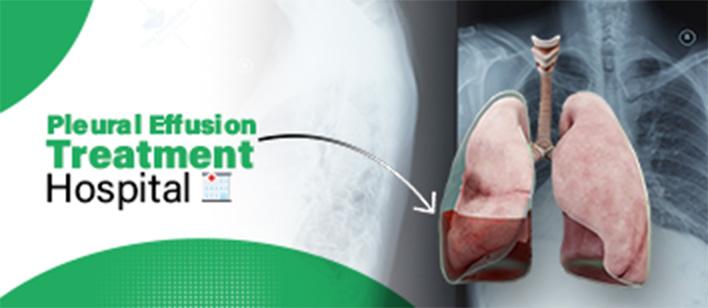
Pneumonia is a severe respiratory infection that affects millions of people worldwide each year.
Consult the best general physician for dengue fever at Felix Hospital. Their expertise in diagnosing and managing dengue virus infections can lead to timely and effective treatment.

Atopic dermatitis eczema is a chronic inflammatory skin disease that results in itchy, red, and scaly patches on the skin


Explore 11 thyroid-friendly foods that support hormone balance, boost energy, and improve overall thyroid health naturally.

Sleep is crucial for overall health, yet many people sacrifice it due to busy schedules, stress, or poor habits. While it may seem like a minor inconvenience, losing sleep regularly can have profound effects on both the mind and body. At Felix Hospitals, we emphasize the importance of adequate sleep in maintaining overall well-being. Let’s explore ten significant consequences of sleep deprivation and how it impacts your body’s functioning. Understanding these effects can motivate you to prioritize better sleep and make healthier lifestyle choices for long-term wellness at the best hospital for sleep loss treatment.
Trust Felix Hospitals for the best General Physician, specialized medical services, and the best support during these moments by Clicking Here.
When you don’t get enough sleep, your brain doesn’t get the necessary rest it needs to function properly. Sleep is essential for memory consolidation, learning, and decision-making. Without enough sleep, you may find it harder to concentrate, solve problems, or think clearly. Studies show that cognitive performance declines significantly after just one night of insufficient sleep, impacting productivity and mental clarity the next day.
The Science Behind It:
Sleep is essential for memory and cognitive processing.
Lack of sleep can impair attention, reaction time, and problem-solving skills.
Chronic sleep deprivation can increase the risk of neurodegenerative diseases like Alzheimer’s.
Your body repairs and strengthens its immune system while you sleep. Sleep deprivation weakens the immune system, making you more susceptible to infections like the common cold or flu. Chronic lack of sleep can also delay recovery after illness or surgery.
The Science Behind It:
Immune cells that fight off infections are more active during sleep.
Lack of sleep can reduce the effectiveness of vaccines and the body’s ability to defend against harmful pathogens.
Several studies have shown a strong connection between sleep deprivation and an increased risk of heart disease. When you don’t sleep enough, it can elevate your blood pressure, inflammation, and stress hormone levels, all of which can contribute to heart disease.
The Science Behind It:
Sleep is essential for cardiovascular health, as it helps regulate blood pressure and heart rate.
Lack of sleep may lead to atherosclerosis (hardening of the arteries) and other heart-related conditions.
Not getting enough sleep can affect your body's hormones, including those that regulate hunger and appetite. Sleep deprivation increases levels of ghrelin, the hunger hormone, and decreases leptin, which signals fullness. This imbalance leads to overeating and cravings for unhealthy, high-calorie foods, contributing to weight gain.
The Science Behind It:
Sleep affects the hormones that control hunger and appetite.
Chronic sleep deprivation may contribute to metabolic syndrome and obesity.
Lack of sleep can negatively impact your body's ability to regulate blood sugar levels, leading to an increased risk of developing type 2 diabetes. Sleep deprivation interferes with insulin sensitivity, which can cause higher blood sugar levels and insulin resistance over time.
The Science Behind It:
Sleep helps maintain normal blood sugar levels by regulating insulin sensitivity.
Sleep deprivation can lead to increased glucose production and higher insulin resistance.
Sleep deprivation has a significant effect on mood and mental health. When you’re sleep-deprived, you may experience irritability, increased stress, anxiety, and even depression. Chronic lack of sleep can exacerbate symptoms of mental health conditions and reduce emotional resilience.
The Science Behind It:
Lack of sleep disrupts the balance of chemicals in the brain, including serotonin and dopamine.
Chronic sleep deprivation is linked to a higher risk of developing depression and anxiety disorders.
Getting a good night’s sleep allows your skin to repair and regenerate. Sleep deprivation accelerates the aging process by reducing collagen production, leading to wrinkles, fine lines, and dull, tired skin. It can also increase inflammation and make existing skin conditions like acne or eczema worse.
The Science Behind It:
Sleep plays a critical role in collagen synthesis, which helps skin maintain its elasticity.
Inadequate sleep can worsen inflammation, leading to breakouts and other skin issues.
Sleep is crucial for muscle recovery and physical performance. Athletes who don’t get enough sleep experience slower reaction times, reduced endurance, and higher chances of injury. Sleep deprivation affects the body’s ability to recover from exercise, making it harder to achieve peak performance.
The Science Behind It:
Sleep helps muscles recover and rebuild after physical exertion.
Chronic lack of sleep affects coordination, focus, and strength, all key components of athletic performance.
Sleep regulates the secretion of various hormones, including those responsible for growth, stress, and metabolism. Inadequate sleep can lead to imbalances in hormones like cortisol, growth hormone, and testosterone, potentially affecting everything from physical appearance to stress levels and reproductive health.
The Science Behind It:
Sleep is essential for the regulation of hormone production.
Lack of sleep can lead to higher cortisol (stress hormone) levels and reduced growth hormone and testosterone production.
Research has shown that chronic sleep deprivation can shorten your lifespan. People who consistently get less than 6 hours of sleep per night are at a higher risk of dying prematurely due to the accumulation of health issues such as cardiovascular disease, diabetes, and immune dysfunction.
The Science Behind It:
Studies link short sleep duration with increased mortality risks.
Sleep is vital for repairing and regenerating cells and tissues, essential for long-term health.
While sleep deprivation may have numerous negative effects, the good news is that improving your sleep hygiene can help counter these risks. Here are some practical tips:
Stick to a Sleep Schedule: Try to go to bed and wake up at the same time every day to regulate your body’s internal clock.
Create a Restful Environment: Keep your bedroom dark, quiet, and cool to promote better sleep.
Limit Screen Time Before Bed: The blue light from phones and computers interferes with the production of melatonin, the sleep hormone.
Exercise Regularly: Physical activity helps you fall asleep faster and enjoy deeper sleep.
Avoid Caffeine and Heavy Meals: Avoid consuming caffeine or heavy meals late in the day, as these can disrupt sleep patterns.
Relaxation Techniques: Practice deep breathing, meditation, or a warm bath before bedtime to unwind.
At Felix Hospitals, We have the Best General surgeons for better and perfect Sleep. Meet with Doctors:
Dr. Anshumala Sinha : Experienced in treating various sleep disorders, Dr. Sinha focuses on providing comprehensive care for patients with insomnia, sleep apnea, and restless leg syndrome.
Dr. Sonakshi Saxena : Specializes in diagnosing and managing chronic sleep issues, helping patients with long-term conditions such as narcolepsy and parasomnias.
Dr. Priyanka Singh : Expert in sleep medicine, Dr. Singh works with patients to treat conditions like sleep deprivation, insomnia, and circadian rhythm disorders through personalized treatment plans.
Dr. Neelabh Pratap : With a focus on managing complex sleep disorders, Dr. Pratap uses cutting-edge technology to diagnose and treat sleep apnea, snoring, and other related issues.
Dr. Ravi Sharma : Known for his expertise in treating both physical and psychological causes of sleep disturbances, Dr. Sharma helps patients improve their sleep quality through holistic approaches.
Dr. Keshav Kumar Garg : A specialist in sleep disorders, Dr. Garg offers treatment for conditions such as sleep apnea, insomnia, and chronic fatigue, ensuring a tailored approach for every patient.
Dr. Apoorva Shetty : With a focus on pediatric and adult sleep disorders, Dr. Shetty provides expert care for conditions such as childhood sleep problems, anxiety-related sleep disturbances, and more.
Contact us at Felix Hospitals for more information by calling +91 9667064100 and get the perfect Treatment.
Losing sleep affects both your body and mind, leading to long-term health issues if ignored. Prioritizing rest is essential for overall well-being. For ongoing sleep problems or fatigue, consult the Best General Physician Hospital in Noida to identify causes and get the right treatment.
Q-How much sleep do I need for optimal health?
ANS: Adults generally need 7-9 hours of sleep each night for optimal physical and mental health.
Q-What are the immediate effects of sleep deprivation?
ANS: Sleep deprivation can cause fatigue, difficulty concentrating, irritability, and impaired cognitive function.
Q-Can sleep deprivation affect my mental health?
ANS: Yes, consistent lack of sleep is linked to mood disorders, anxiety, and depression.
Q-How does sleep affect my immune system?
ANS: Insufficient sleep weakens the immune system, making you more susceptible to illnesses.
Q-What are the long-term risks of chronic sleep deprivation?
ANS: Long-term sleep deprivation can increase the risk of heart disease, diabetes, obesity, and reduced life expectancy.
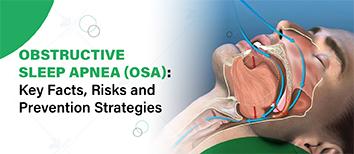
Obstructive Sleep Apnea occurs when the muscles in the throat relax excessively during sleep, causing the airway to become partially or fully blocked.

During sleep, the body releases growth hormones, which are essential for a child's growth and development. Adequate sleep is vital for muscle development, tissue growth, and the overall physical health of a child.
Pneumonia is a severe respiratory infection that affects millions of people worldwide each year.

Cataract surgery is one of the most common and successful procedures performed worldwide, with millions benefiting from it every year. At Felix Hospitals, we prioritize helping our patients achieve clearer, more vibrant vision through state-of-the-art cataract treatment. As one of the best cataract hospitals in Noida, we offer modern techniques and skilled surgeons, ensuring cataract surgery is a routine and highly effective procedure. This treatment improves the quality of life for people with cloudy vision due to cataracts. This blog aims to explore the success rates of cataract surgery and what to expect from the treatment.
Trust Felix Hospitals for the best Ophthalmologist, specialized medical services, and compassionate support during your critical moments by Clicking Here.
A cataract is a clouding of the natural lens in your eye that affects your vision. Over time, the clouding worsens, causing blurred or dimmed vision. Cataracts can develop in one or both eyes, and they are most common in older adults. However, they can also occur due to other factors such as injury, genetics, or certain medical conditions.
Cataracts can be categorized into different types based on their location or cause:
Nuclear Cataracts: The most common form, causing clouding in the center of the lens.
Cortical Cataracts: These affect the edges of the lens and can cause streaks of light.
Posterior Subcapsular Cataracts: This form forms at the back of the lens and can interfere with reading vision.
The symptoms of cataracts can develop slowly and may not be immediately noticeable. Common signs include:
Blurry or cloudy vision
Sensitivity to light and glare
Difficulty seeing at night
Double vision in one eye
Fading or yellowing of colors
Cataracts are primarily caused by the aging process, but other factors may contribute:
Aging: The most common cause, with the lens proteins breaking down over time.
Genetics: Family history may increase the likelihood of developing cataracts.
Health Conditions: Diabetes, high blood pressure, and obesity can contribute to cataracts.
Injury or Trauma: A direct injury to the eye can lead to cataract formation.
Medications: Prolonged use of corticosteroids and other medications can increase the risk.
Several factors may increase the risk of developing cataracts:
Age
Family history
Prolonged exposure to sunlight (UV radiation)
Smoking
Poor diet lacking in antioxidants
Certain medical conditions like diabetes
Long-term use of medications such as steroids
To diagnose cataracts, your eye doctor will typically perform a comprehensive eye exam, which includes:
Visual Acuity Test: Measures how well you can see at various distances.
Slit-lamp Examination: A microscope that helps your doctor examine the eye’s structure.
Retinal Examination: Allows the doctor to look at the back of the eye.
Tonometry: Measures eye pressure to rule out glaucoma.
The most effective treatment for cataracts is surgery. During cataract surgery, the cloudy lens is removed and replaced with an artificial intraocular lens (IOL). Modern cataract surgery is minimally invasive, performed through small incisions, and has a fast recovery time.
Cataract surgery boasts high success rates globally, with most patients experiencing significant improvements in vision. On average, success rates for cataract surgery are around 98%, with the vast majority of people regaining near-perfect vision after the procedure. Complications are rare, but they can include infection or lens dislocation, both of which are treatable.
Success rates are affected by the patient's overall health, the presence of other eye conditions, and the surgeon’s skill level.
At Felix Hospitals, we pride ourselves on providing excellent eye care. Our experienced ophthalmologists and cutting-edge technology ensure that patients experience a high success rate for cataract surgeries. With a track record of over 98% success in cataract procedures, Felix Hospitals is a trusted destination for cataract surgery. Our approach combines skillful surgeons, advanced technology, and comprehensive patient care to help you regain clear vision.
Dr. Deepanjali Arya – A renowned ophthalmologist at Felix Hospital, Dr. Arya specializes in cataract surgery and comprehensive eye care. Known for her expertise and dedication to patient wellness, she uses her advanced skills to diagnose and treat a range of eye conditions, ensuring excellent outcomes and clear vision for her patients.
Dr. Mohmad Uzair Zakai – An esteemed specialist at Felix Hospital, Dr. Zakai is highly skilled in advanced eye care and treatment of complex ophthalmic conditions. His commitment to precision and patient care makes him a trusted choice for those seeking top-quality eye health solutions.
You should consult a doctor if you experience any of the following symptoms:
Blurry vision or double vision that affects your daily life
Difficulty seeing in low-light conditions or at night
Persistent eye discomfort or glare sensitivity
Decreased ability to read or perform detailed tasks
Cataracts develop slowly, but if you notice any of these symptoms, an eye exam is essential for determining whether surgery is required.
Cataract surgery is a safe and effective procedure with high success rates, offering a significant improvement in the quality of life. Whether you're experiencing difficulty seeing due to cataracts or have been diagnosed with the condition, seeking timely medical attention can help restore your vision. At Felix Hospitals, we are committed to providing the highest standard of care for all our patients, ensuring you regain crystal-clear vision. Don't let cataracts affect your lifestyle – consult with one of our expert ophthalmologists today!
Trust Felix Hospitals for the best Ophthalmologist, specialized medical services, and compassionate support during your critical moments by Clicking Here.
Q- How long does cataract surgery take?
ANS: Cataract surgery usually takes 15-30 minutes and is performed on an outpatient basis.
Q- Is cataract surgery painful?
ANS: The procedure is generally painless due to local anesthesia. Some patients may experience mild discomfort during recovery.
Q- How soon can I resume normal activities after cataract surgery?
ANS: Most patients can return to normal activities within a few days, but heavy lifting and strenuous activities should be avoided for a few weeks.
Q- Will I need glasses after cataract surgery?
ANS: Many patients experience improved vision without glasses, but some may still need reading glasses, depending on the type of lens used.
Q- Are there any risks associated with cataract surgery?
ANS: Although complications are rare, some risks include infection, bleeding, or retinal detachment. Your surgeon will discuss these risks with you before surgery.

Cataract surgery is essential to restore clear vision and prevent permanent blindness. It removes the cloudy lens and replaces it with an artificial one, helping patients regain normal sight and quality of life.

As cataracts progress, they scatter and block light, leading to vision issues.
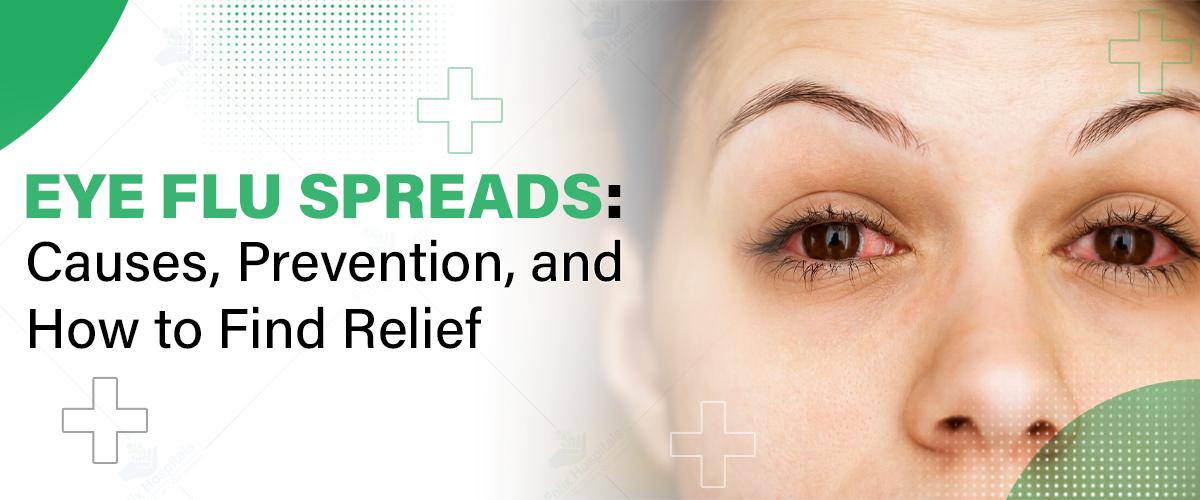
The spread of eye flu, or conjunctivitis, is becoming more common, affecting individuals of all ages with symptoms that can be uncomfortable and highly contagious. Understanding the causes, prevention methods, and treatments is essential for managing this condition effectively. This guide covers everything you need to know about eye flu, from symptoms to preventive steps. If you’re looking for top-notch care, consult the best eye specialist in Noida to get expert guidance and tailored treatment plans.
book an appointment with Best Eye Doctor In Noida. Call now at +91-9667064100.
Eye flu, commonly known as conjunctivitis, is an infection or inflammation of the conjunctiva—the thin, clear tissue covering the white part of the eye and lining the inside of the eyelid. Eye flu can occur in viral, bacterial, or allergic forms, making it one of the most common eye infections. While eye flu typically resolves on its own within a few days to a week, it can cause significant discomfort and is easily spread through direct or indirect contact.
Viral Infections: Viral conjunctivitis often due to adenoviruses, is highly contagious and typically spreads through contact with respiratory droplets or contaminated surfaces.
Bacterial Infections: Bacterial conjunctivitis is caused by bacteria like Staphylococcus aureus and Streptococcus pneumoniae. It often occurs through direct contact with infected surfaces or individuals.
Allergies: Allergic conjunctivitis is triggered by allergens such as pollen, dust, or animal dander. Although it’s not contagious, it can lead to similar symptoms of redness, itching, and watering.
Environmental Irritants: Exposure to pollutants, smoke, or chlorine can cause eye irritation, increasing the risk of conjunctivitis.
Poor Hygiene: Touching your eyes with unwashed hands or using contaminated towels can facilitate the spread of eye flu.
Redness and Inflammation: Eye redness is often the first symptom, along with swelling of the eyelids.
Itching and Irritation: Patients may experience an intense urge to rub their eyes due to irritation or itching.
Watery or Thick Discharge: Viral conjunctivitis often leads to watery discharge, while bacterial forms cause thicker, yellowish-green discharge.
Sensitivity to Light: Increased sensitivity to light or photophobia can be common, especially in viral cases.
Blurred Vision: Vision may temporarily become blurred due to discharge or swelling, though it typically returns to normal after the infection subsides.
To diagnose eye flu, an eye specialist will conduct a thorough examination and may ask about recent exposure to infected individuals or allergens. In cases of severe discharge or recurring infections, a swab test may be conducted to determine the cause, allowing the doctor to choose the appropriate treatment.
Antiviral or Antibiotic Drops: For bacterial conjunctivitis, antibiotic eye drops or ointments can help reduce infection. Viral conjunctivitis, however, usually clears up on its own but may benefit from antiviral medications if caused by certain viruses.
Artificial Tears and Cold Compresses: Lubricating eye drops (artificial tears) can help soothe irritation, while cold compresses reduce inflammation and discomfort.
Antihistamines for Allergies: For allergic conjunctivitis, antihistamine eye drops or oral medications can relieve symptoms by countering the allergic reaction.
Avoid Rubbing the Eyes: Rubbing can worsen symptoms and spread the infection, so patients are advised to keep their hands away from their eyes.
Follow Hygiene Practices: Regularly washing hands and avoiding shared towels, pillowcases, or makeup can prevent further infection and spread.
Maintain Hand Hygiene: Regular handwashing with soap can prevent the transfer of infection from contaminated surfaces to the eyes.
Avoid Sharing Personal Items: Avoid sharing towels, cosmetics, or eye-care products, as these items can carry the infection.
Use Clean Towels and Pillowcases: Change and wash towels, bed linens, and pillowcases regularly, especially if someone in the household is infected.
Wear Protective Eyewear: If you are frequently exposed to irritants, wearing protective eyewear can help shield your eyes from dust, smoke, or chemicals.
Practice Caution in Public Spaces: Eye flu spreads easily in crowded spaces, so avoid touching your face, particularly your eyes, after being in public areas.
If you suspect an eye flu infection or need preventive advice, consulting a specialist can ensure that you receive the best care and treatment. In Noida, experienced eye doctors provide a range of services, from comprehensive eye exams to specialized care for conjunctivitis. Dr. Deepanjali Arya and Dr. Mohmad Uzair Zakai are some of Noida’s top eye specialists known for their compassionate care and expertise in managing eye flu and other infections.
Contact us now by Clicking Here to learn more about preventive measures and tailored treatments for eye flu!
Eye flu is a common yet highly contagious condition that can cause discomfort and disrupt daily life. By understanding the causes, symptoms, and preventive measures, you can manage eye flu effectively and protect those around you. Practicing good hygiene, avoiding touching your face, and consulting a specialist at the best hospital for eye health can aid in a quicker recovery and reduce the chances of spreading the infection.
Q- Can viral and bacterial eye flu be distinguished by symptoms alone?
ANS: Not easily. Both types can cause redness and discharge, but viral eye flu usually involves watery discharge, while bacterial may lead to thicker, yellowish-green discharge. A specialist can confirm the type through examination and testing.
Q- How long should I isolate if I have eye flu?
ANS: Isolation is recommended for at least 3–5 days from the start of symptoms or until discharge and redness subside. This reduces the risk of spreading the infection to family members and colleagues.
Q- What precautions should family members take if someone has eye flu?
ANS: Family members should avoid touching the infected person’s face, wash hands frequently, avoid sharing items like towels or pillows, and clean surfaces in shared areas regularly.
Q- Can eye flu recur, and if so, what increases the risk?
ANS: Yes, recurrence is possible, especially if you frequently touch your eyes or are exposed to irritants, allergens, or contaminated surfaces. Allergies and weak immunity can also contribute to repeated infections.
Q- Are there any specific foods or supplements that can help speed up recovery from eye flu?
ANS: Nutrients like Vitamin A, Vitamin C, and zinc can support eye health and immunity. Foods rich in these nutrients, such as carrots, leafy greens, citrus fruits, and nuts, may assist in a quicker recovery.
Q- Can wear glasses instead of contacts help during eye flu recovery?
ANS: Yes, switching to glasses can reduce irritation, protect against airborne particles, and help prevent re-infection. Clean your glasses daily to avoid contamination.
Q- Why does eye flu seem to affect one eye first and then the other?
ANS: The infection often starts in one eye and spreads to the other through direct contact. To reduce this risk, avoid touching both eyes and wash hands thoroughly after any contact with the infected eye.
Q- Is it normal to experience light sensitivity during eye flu, and how can I manage it?
ANS: Yes, light sensitivity is common, especially in viral cases. Wearing sunglasses and limiting screen time can help reduce discomfort. If sensitivity persists beyond a few days, consult an eye specialist.
Dry eyes, or Dry Eye Syndrome (DES), is a common condition that affects the tear production and quality in your eyes.
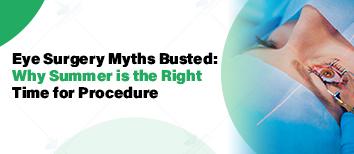
The right ophthalmologist is a crucial step in your eye surgery journey

Heart failure can often be misinterpreted, especially in women, where symptoms may present subtly. Women may experience different or milder signs than men, which can lead to delays in diagnosis and treatment. Knowing the early, “silent” signs of heart failure in women can make all the difference in managing the condition before it worsens. By staying vigilant and understanding these symptoms, women can seek timely care from the best hospital for heart health and improve their outcomes. Here, we’ll explore heart failure symptoms, highlight four silent signs that women should be aware of, and discuss causes, treatment options, and the importance of seeking the best medical care.
For the best treatment of heart in your nearby area. Book your appointment by clicking here.
Heart failure occurs when the heart cannot pump enough blood to meet the body’s needs, leading to fatigue, weakness, and fluid buildup. Common heart failure symptoms include shortness of breath, persistent fatigue, swelling in the legs, ankles, and abdomen, rapid or irregular heartbeat, and decreased exercise tolerance.
These symptoms might be recognizable in men but can often present differently in women. Women may also experience symptoms that are more difficult to link directly to heart problems, leading to an underestimation of the seriousness of their condition. Hence, identifying these subtle signs is crucial for early intervention.
1-Unexplained Fatigue or Weakness
Fatigue is a common symptom of various conditions, but when linked to heart failure, it can feel particularly overwhelming. Women may find themselves feeling tired after simple tasks like walking a short distance or even climbing a few stairs. This fatigue can be a result of the heart’s reduced capacity to pump blood effectively, leading to poor circulation and insufficient oxygen supply to tissues. Often dismissed as a side effect of a busy life, fatigue should be checked if it’s persistent and affects day-to-day activities.
2- Swelling and Fluid Retention (Edema)
Swelling, particularly in the ankles, feet, and legs, is a silent sign of heart failure in women. This swelling occurs because the heart’s weakened ability to pump blood causes fluids to pool in the lower extremities. Women may notice their shoes feeling tight or indentations left on their skin after removing socks. In some cases, fluid retention may also occur in the abdomen, leading to discomfort and a feeling of bloating. Unexplained weight gain due to fluid buildup should not be overlooked, as it can indicate worsening heart failure.
3-Shortness of Breath or Difficulty Breathing (Especially at Night)
Shortness of breath is a classic symptom of heart failure, but for women, it may occur more subtly and be confused with other conditions like anxiety or respiratory issues. Many women with heart failure experience dyspnea (difficulty breathing) during activities that didn’t previously affect them or while lying flat in bed. In severe cases, they may wake up feeling breathless and needing to sit upright to breathe comfortably. This symptom, often linked to fluid buildup in the lungs, is a key indicator of heart failure progression.
4-Persistent Cough or Wheezing
A persistent cough, especially if it worsens at night or is accompanied by a white or pinkish frothy mucus, could signal fluid accumulation in the lungs due to heart failure. While coughs are often associated with colds or allergies, a cough linked to heart failure may be continuous and does not improve with typical cough medications. Women experiencing this symptom along with other heart failure signs should seek medical attention promptly to avoid further complications.
Understanding the causes of heart failure can help with preventive measures. Heart failure doesn’t occur in isolation and is often the result of other health conditions that gradually weaken the heart’s ability to function.
Coronary Artery Disease (CAD): CAD is one of the leading causes of heart failure. Plaque buildup in the arteries limits blood flow to the heart, which can weaken the heart muscle over time.
Hypertension (High Blood Pressure): High blood pressure forces the heart to work harder to pump blood, leading to enlargement and, eventually, weakening of the heart muscle.
Diabetes: Diabetes is associated with an increased risk of developing heart failure, as high blood sugar levels can damage the blood vessels and nerves that control the heart.
Cardiomyopathy: This is a disease of the heart muscle that can be genetic or develop over time due to other conditions, infections, or substance abuse. Cardiomyopathy reduces the heart's efficiency, potentially leading to heart failure.
Valvular Heart Disease: Damaged heart valves force the heart to work harder to pump blood, which can result in heart failure if left untreated.
Arrhythmias: Irregular heartbeats, especially if persistent, can weaken the heart over time, resulting in heart failure.
Heart failure treatment focuses on managing symptoms, slowing disease progression, and improving quality of life. Working with the best heart doctor in Noida can ensure a personalized approach to treatment that considers the unique needs of each patient.
Medications: Heart failure medications include ACE inhibitors, beta-blockers, diuretics, and angiotensin II receptor blockers (ARBs). These medications work to relax blood vessels, lower blood pressure, and reduce fluid buildup.
Lifestyle Changes: Diet, exercise, and stress management play vital roles in managing heart failure. A heart-healthy diet low in salt, regular moderate exercise, quitting smoking, and limiting alcohol can contribute to improved heart function.
Implanted Devices: Pacemakers or implantable cardioverter-defibrillators (ICDs) may be recommended to manage heart rhythms and support heart function. These devices help regulate the heartbeat, prevent dangerous arrhythmias, and assist with blood circulation.
Surgical Options: In severe cases, procedures like coronary artery bypass surgery, heart valve repair, or even heart transplantation may be necessary.
For expert care in managing heart attacks and heart failure, consult the best heart doctor in Noida at Felix Hospital. Our specialists provide advanced diagnostics, personalized treatment, and preventive strategies for optimal heart health.
Dr. Rahul Arora: An Interventional Cardiologist with over 21 years of experience, specializing in complex cardiac treatments.
Dr. Virendra Singh: With 25+ years in Cardiology, Dr. Singh is known for his comprehensive expertise in managing heart disease.
For personalized care and guidance, consult the internal medicine specialists at Felix Hospital. Call us now at +91 9667064100.
Heart failure in women often manifests with subtle symptoms, making it easy to overlook critical warning signs. Recognizing these silent indicators—unexplained fatigue, edema, shortness of breath, and persistent cough—can empower women to seek prompt medical attention. Early diagnosis and effective treatment can prevent complications, improve quality of life, and reduce the risk of hospitalization. If you or a loved one experiences these signs, consult a healthcare provider immediately. Prioritizing heart health and working with trusted professionals will go a long way in managing heart failure and supporting a healthier life.
Q- Can fatigue alone indicate heart failure, or does it need to be combined with other symptoms?
ANS: Fatigue is a common symptom, but if it’s persistent, unusual for your activity level, and accompanied by other signs like shortness of breath or swelling, it may indicate heart failure and should be evaluated by a healthcare provider.
Q- How can I differentiate between respiratory issues and heart-related shortness of breath?
ANS: Shortness of breath related to heart failure often occurs during physical activities or when lying down. If you experience it frequently at night or with mild exertion, it’s essential to get a heart evaluation.
Q- What type of diet supports heart failure treatment and recovery?
ANS: A heart-healthy diet low in sodium, saturated fats, and processed sugars is beneficial. Include fruits, vegetables, whole grains, lean proteins, and heart-healthy fats like omega-3s in your diet. Consulting a dietitian can provide a tailored diet plan.
Q- Are women more prone to silent symptoms of heart failure than men?
ANS: Yes, women often experience heart failure symptoms more subtly than men, making conditions like fatigue and shortness of breath easier to overlook as part of everyday life.
Q- How soon can treatment improve heart failure symptoms in women?
ANS: Improvement can vary based on the severity of the condition, treatment adherence, and lifestyle changes. Some people experience relief within a few weeks, while others may take longer. Regular monitoring and follow-ups help gauge progress.
Q- Can pregnancy-related heart issues lead to heart failure?
ANS: Pregnancy increases the heart’s workload, which can lead to heart failure in women with pre-existing heart conditions or at high risk. Symptoms like fatigue and swelling during pregnancy should be monitored closely.
Q- What should I do if I experience sudden worsening of heart failure symptoms?
ANS: Seek immediate medical attention if symptoms worsen suddenly, such as experiencing severe shortness of breath, chest pain, fainting, or rapid weight gain due to fluid retention. These may indicate a need for urgent care.
Q- Are heart failure symptoms reversible with treatment?
ANS: While heart failure is a chronic condition, symptoms can be managed, and some improvement is possible with proper treatment and lifestyle changes. Consistent medical follow-up is essential for effective management.

हार्ट अटैक के मुख्य लक्षण, कारण और तुरंत किए जाने वाले उपचार के बारे में जानें। समय पर पहचान और सही इलाज से जीवन बचाया जा सकता है।

Heart attack signs early is crucial because timely intervention can significantly reduce the risk of severe complications and improve outcomes.

Dengue fever is a mosquito-borne illness that can lead to severe symptoms, including a dangerous drop in platelet count. Platelets play a crucial role in blood clotting and healing, and when they decrease, it becomes essential to monitor and manage them closely. In this guide, we will explore ten natural and effective ways to boost platelet count during dengue fever. These methods are safe and can be beneficial alongside medical treatments. By understanding and implementing these practices, you can help support a loved one’s recovery from dengue. For comprehensive care, visit the best hospital for dengue fever treatment, where specialized care and monitoring ensure optimal recovery.
Consult the top internal medicine specialists at Felix Hospital for the best care and guidance. Call us now at +91 9667064100.
Dengue fever is a viral infection transmitted through Aedes mosquito bites. The virus causes symptoms like high fever, severe joint and muscle pain, headache, and in severe cases, bleeding and a drastic reduction in platelet count. Low platelet levels can be particularly dangerous, as platelets are essential for blood clotting. Dengue is most common in tropical and subtropical regions, and without timely medical intervention, it can lead to critical complications.
Benefits: Papaya leaf extract is renowned for its ability to increase platelet count. Compounds like papain and chymopapain found in papaya leaves aid the immune system, which is crucial for dengue recovery. These enzymes also have antioxidant properties, helping to reduce inflammation and improve platelet regeneration.
Preparation: To prepare, wash a few fresh papaya leaves, grind them to extract juice, and strain them. It’s typically recommended to consume 1-2 tablespoons of this juice once or twice daily, but always consult a doctor to determine the appropriate dosage.
Usage Tips: Avoid adding sugar or artificial flavorings. If the taste is too strong, dilute it slightly with water. This potent remedy has shown significant effectiveness in many dengue cases, but it’s essential to follow medical advice for proper usage.
Benefits: Pomegranate is a great source of iron, vitamins, and antioxidants that support blood health. Its high iron content helps prevent anemia, which is common when platelets drop and provides energy during dengue recovery.
Preparation: Pomegranate seeds can be eaten directly or blended into juice. Regular consumption, around 1-2 servings daily, can be beneficial for boosting platelet levels.
Usage Tips: Choose fresh pomegranate over store-bought juice, which often contains added sugars and preservatives. Fresh juice also provides the most nutrients and immune-boosting benefits. It can be blended with other fruits for a nutrient-rich, energizing drink.
Benefits: Dark leafy greens like spinach are packed with Vitamin K, essential for blood clotting and platelet formation. Leafy greens are also rich in minerals and antioxidants that support immune health.
Preparation: Incorporate spinach into your diet as a salad, smoothie, or cooked dish. Adding a handful of spinach or similar greens every day is beneficial for maintaining a healthy platelet count.
Usage Tips: Pair spinach with Vitamin C-rich foods (like citrus fruits) to enhance nutrient absorption. Avoid overcooking as high temperatures can reduce nutrient content. Other leafy greens like kale, collards, and Swiss chard are also good options.
Benefits: Pumpkin contains high levels of Vitamin A, which promotes cell growth and regeneration, aiding platelet production. Its antioxidant properties also support the immune system, which is crucial during dengue recovery.
Preparation: Pumpkins can be consumed in various forms, such as soups, purees, or roasted dishes. You can also add it to smoothies for a nutrient boost.
Usage Tips: Avoid frying pumpkin; instead, bake or steam it to preserve its nutritional benefits. Consuming pumpkin as a warm soup can be particularly soothing and beneficial for digestion and immune health.
Benefits: Hydration is vital during dengue recovery, and coconut water is an excellent natural source of hydration with essential electrolytes like potassium and magnesium. These electrolytes help prevent dehydration and support overall healing.
Preparation: Drink fresh coconut water 1-2 times daily. It can be consumed in the morning or as a refreshing midday drink.
Usage Tips: Fresh coconut water is preferable over packaged versions, which may contain added sugars and preservatives. Regular consumption can support hydration and energy levels, helping in faster recovery.
Benefits: Amla, or Indian gooseberry, is rich in Vitamin C, which strengthens the immune system and helps stimulate platelet production. Its antioxidant properties aid in cell repair, which is crucial for recovery during dengue fever.
Preparation: Amla can be eaten fresh, in juice form, or as dried powder. Consuming 1-2 fresh amlas daily or a small glass of amla juice is beneficial for platelet support.
Usage Tips: Amla has a sour taste; you may dilute it with water or mix it with honey to make it more palatable. Avoid adding artificial sweeteners, as they may reduce its immune-boosting effects.
Benefits: Beetroot is an excellent source of natural iron and antioxidants, which can help increase platelet levels and boost energy. It supports blood cell production, combating fatigue, and helps with dengue recovery.
Preparation: Beetroot can be consumed raw in salads, as a juice, or in soups. Drinking beetroot juice once a day is highly beneficial for maintaining healthy platelet counts.
Usage Tips: Combine beetroot with carrots or other nutrient-rich vegetables to maximize benefits. Freshly made juice is preferable, as it preserves all the nutrients essential for healing and immune support.
Benefits: Wheatgrass is high in chlorophyll, which has been linked to improved blood health and platelet count. Its high nutrient content, including vitamins, minerals, and amino acids, helps strengthen immunity.
Preparation: Start with a small amount of wheatgrass juice (around 30 ml) and gradually increase the intake. Wheatgrass powder can also be used in smoothies or juices if fresh wheatgrass isn’t available.
Usage Tips: Wheatgrass has a strong taste; mixing it with other juices like orange or apple juice can improve its flavor. Avoid consuming too much at once, as wheatgrass is potent and may cause nausea if taken in large amounts.
Benefits: Known for its anti-inflammatory and healing properties, aloe vera supports platelet production and boosts immunity. It helps the body fight infections, promoting overall recovery during dengue fever.
Preparation: Extract fresh aloe vera gel from the leaf, blend it with water, and drink a small amount daily (1-2 tablespoons).
Usage Tips: Aloe vera should be used in moderation, as excessive amounts can have laxative effects. It’s best to consult with a healthcare provider before starting aloe vera, especially if you are on any medication.
Benefits: Proteins are crucial for cell repair and immune function. Foods high in protein, like lean meats, beans, and lentils, help maintain energy and support platelet production during recovery.
Preparation: Incorporate protein-rich foods such as eggs, poultry, tofu, lentils, beans, and dairy into your daily diet.
Usage Tips: Aim to have protein at every meal to ensure the body has a steady supply for tissue repair and immune support. Avoid fried or heavily processed protein sources, which can be difficult to digest.
Recognizing the symptoms of dengue fever is crucial for early intervention. Common symptoms include:
High fever
Severe headache
Pain behind the eyes
Nausea and vomiting
Severe joint and muscle pain
Skin rash
Mild bleeding, such as nosebleeds or gum bleeding
Promptly seeking medical care if you experience these symptoms can make a significant difference in managing dengue effectively.
At Felix Hospital, we have a team of highly skilled internal medicine specialists, including Dr. Anshumala Sinha, Dr. Sonakshi Saxena, and Dr. Priyanka Singh, who are experienced in managing dengue fever and its complications. Our experts focus on providing personalized care to closely monitor and manage platelet counts, utilize advanced treatment options, and offer dedicated support throughout the recovery process.
Schedule a consultation with the best internal medicine specialist at Felix Hospital by Clicking Here.
Dengue fever can be challenging to manage, especially when platelet counts fall dangerously low. Fortunately, natural remedies and dietary choices can provide additional support in boosting platelets alongside medical treatments. Incorporating these foods and supplements into your diet and staying hydrated can promote a faster and safer recovery. Remember, it is essential to consult a healthcare provider before starting any new treatment, especially during dengue, to ensure safe and effective care.
ANS: Papaya leaf juice has shown potential benefits in boosting platelet count, but it’s crucial to consume it under medical guidance to ensure safe dosing and avoid side effects. It is generally recommended to take 1-2 tablespoons of the juice once or twice daily, but a healthcare provider can advise on the best approach based on individual health needs.
ANS: Pomegranate is rich in iron and antioxidants, which support blood health and energy. Eating a serving of pomegranate seeds or drinking a fresh glass of pomegranate juice once or twice daily can help maintain platelet count and combat fatigue, especially when platelet levels are low during dengue recovery.
ANS: Aloe vera has immune-boosting and anti-inflammatory properties that support healing, but it should be taken in moderation, about 1-2 tablespoons daily. Excessive aloe vera can act as a laxative, so it’s best to consult a doctor to ensure it’s safe, especially when other medications are involved.
ANS: While coconut water doesn’t directly increase platelet count, it’s highly effective in maintaining hydration, essential for dengue patients due to fluid loss from fever. Coconut water’s natural electrolytes help prevent dehydration, supporting the body’s healing process.
ANS: Wheatgrass juice is nutrient-dense and supports blood health, but it’s potent and may cause nausea if consumed in excess. Starting with 30 ml and gradually increasing intake can help the body adjust. Mixing wheatgrass with other juices may improve taste, but be cautious with the quantity to avoid digestive issues.
ANS: Proteins aid in cell repair and immune function, which are essential for recovery. Lean meats, eggs, dairy, lentils, and beans provide high-quality protein without overloading the digestive system, making them ideal for dengue patients. Including these foods in each meal can help sustain energy and support recovery.
ANS: Dietary changes may support platelet levels within a few days to a week, but they work best when combined with medical treatment. Continuing nutrient-rich foods like leafy greens, fruits, and proteins even after recovery can help maintain platelet health and prevent relapses, reinforcing the immune system.
Consult the best general physician for dengue fever at Felix Hospital. Their expertise in diagnosing and managing dengue virus infections can lead to timely and effective treatment.
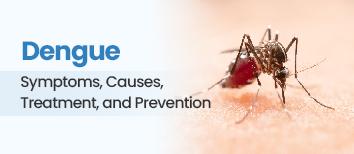
Dengue is a mosquito-borne viral disease causing high fever, body pain, and rashes. It spreads through Aedes mosquitoes. Early treatment and mosquito control help prevent complications.


Subscribe to our
© Copyright 2026. All Rights Reserved by Felix Healthcare Private Limited
Design and development by :


 +(91)9667064100
 Emergency : +(91)9667064100