 WhatsApp
 Emergency:
  WhatsApp



















Subscribe to our
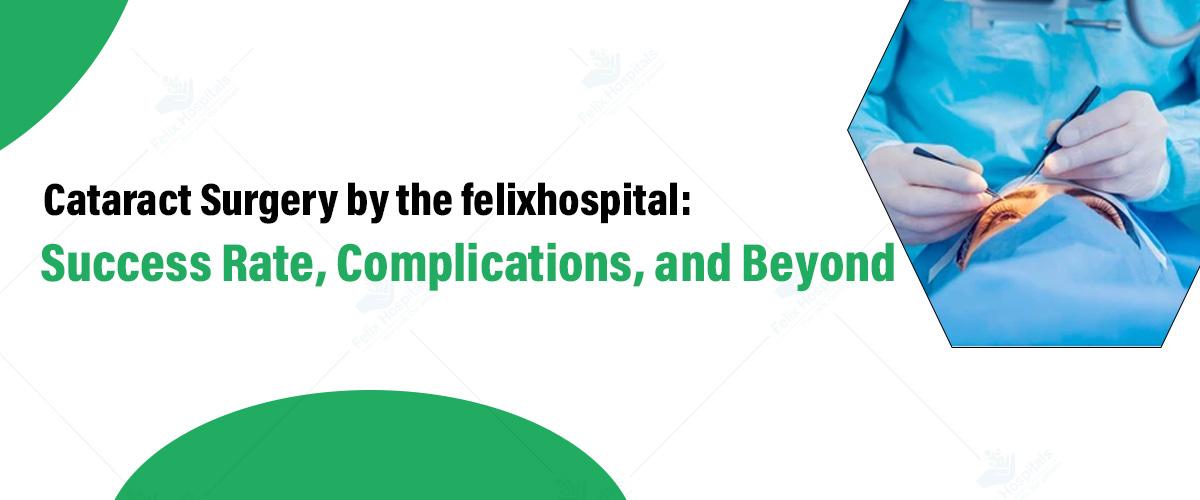
Cataracts are one of the leading causes of vision impairment and blindness worldwide. This eye condition, characterized by the clouding of the eye's natural lens, can significantly affect a person’s ability to see clearly. For many, cataract surgery is the only effective treatment to restore vision and improve quality of life.
Choosing the best cataract surgery hospital is essential for ensuring a successful outcome. Felix Hospital is recognized as a leading provider of advanced cataract treatment. With state-of-the-art technology, experienced ophthalmologists, and personalized care, Felix Hospital provides comprehensive services that prioritize your eye health.
Take the first step towards a clearer vision by booking your appointment by clicking here.
A cataract occurs when the natural lens of the eye becomes cloudy, impairing vision. This can happen due to aging, injury, or other factors. Symptoms include blurry vision, difficulty seeing at night, glare, and fading colors. Cataracts can make everyday activities like reading, driving, or watching TV challenging, but surgery offers a solution.
Felix Hospital offers various advanced cataract surgery options tailored to individual patient needs:
Felix Hospital boasts a high success rate for cataract surgeries, thanks to its use of advanced techniques and expert surgeons. The success of cataract surgery is often measured by improvements in vision and patient satisfaction. Most patients experience dramatic improvements in their ability to see clearly, with many reporting near-perfect vision.
While cataract surgery is generally safe, like any surgery, it carries some risks. These include infection, bleeding, swelling, and retinal detachment. However, Felix Hospital takes comprehensive measures to minimize these risks:
Felix Hospital’s commitment to patient safety and precision makes it a trusted choice for cataract surgery.
Post-operative care is crucial for long-term eye health. At Felix Hospital, the team ensures comprehensive follow-up care for all cataract surgery patients:
When considering cataract surgery, the cataract surgery cost in Noida is a crucial factor for many patients. Felix Hospital provides transparent pricing and several options to make treatment affordable:
Delaying cataract surgery can lead to further complications, including permanent vision loss. Early intervention ensures better outcomes and allows patients to maintain their independence and quality of life. Felix Hospital is committed to early diagnosis and timely treatment, ensuring patients do not miss out on the benefits of advanced cataract treatment.
Felix Hospital is proud to be recognized for its excellence in cataract care. The hospital boasts an advanced medical infrastructure and cutting-edge facilities, providing a full range of ophthalmological services. Here’s why Felix Hospital is the best cataract surgery hospital for your treatment:
Felix Hospital is proud to have some of the best doctors for cataract operations:
Book your cataract surgery consultation today with Felix Hospital! Call us Today at +91 9667064100.
Felix Hospital is committed to providing top-quality cataract treatment, offering the latest advancements in technology, expert surgeons, and compassionate care throughout the process. Whether you're dealing with age-related cataracts or those caused by other factors, Felix Hospital ensures a smooth and successful surgical journey from diagnosis to recovery. The hospital’s focus on personalized care, cutting-edge technology, and a team of experienced ophthalmologists help guarantee the best possible outcomes for patients.
1. What makes Felix Hospital stand out for cataract surgery in Noida?
ANS: Felix Hospital offers advanced cataract treatments using cutting-edge technologies like laser-assisted cataract surgery and phacoemulsification. Their team of expert ophthalmologists, personalized care, and high success rate make it one of the best choices for cataract surgery in Noida. Additionally, the hospital’s focus on post-surgical care ensures a smooth recovery and long-term eye health.
2. What is the success rate of cataract surgery at Felix Hospital?
ANS: Felix Hospital boasts a success rate of over 98% for cataract surgeries. This high success rate is attributed to the use of advanced techniques, such as laser-assisted surgery, and the expertise of the hospital’s experienced ophthalmologists. Many patients report significant improvements in vision post-surgery, with some achieving near-perfect vision.
3. How long does cataract surgery take at Felix Hospital?
ANS: The entire cataract surgery process typically takes about 15 to 30 minutes, depending on the type of procedure being performed (phacoemulsification or laser-assisted surgery). However, the patient will need to arrive at the hospital about an hour before the surgery for preparation and anesthesia. Recovery after surgery may take a few hours, with most patients going home the same day.
4. What type of anesthesia is used during cataract surgery at Felix Hospital?
ANS: Local anesthesia is administered to numb the area around the eye, ensuring that the patient feels no pain during the procedure. In some cases, mild sedation may also be given to help the patient relax. This combination ensures that the surgery is pain-free and minimally uncomfortable.
5. Are there any specific post-surgery instructions I need to follow after cataract surgery at Felix Hospital?
ANS: Yes, Felix Hospital provides detailed post-operative care instructions to ensure optimal healing. These include:
6. Can I return to work immediately after cataract surgery at Felix Hospital?
ANS: Most patients can resume light work within a few days of cataract surgery. However, it’s important to avoid activities that require strenuous eye movement, like heavy lifting or using a computer for extended periods, for at least a week. The exact timeline for returning to work depends on the patient’s recovery and the type of work they do.
7. What should I do if I experience complications after cataract surgery at Felix Hospital?
ANS: While complications are rare, if you experience any of the following symptoms, you should seek medical attention immediately:
Felix Hospital’s ophthalmology team provides 24/7 support for any post-surgical concerns and will guide you through any necessary steps.

Cataract surgery is essential to restore clear vision and prevent permanent blindness. It removes the cloudy lens and replaces it with an artificial one, helping patients regain normal sight and quality of life.

Maintaining good oral health is essential not just for a beautiful smile but also for overall well-being. Your teeth are crucial in aiding digestion, boosting confidence, and supporting the health of your mouth, gums, and jawbone. However, there are times when despite your best efforts, tooth extraction becomes necessary. If you're looking for the best dental hospital in Noida, you should know that professional dental care is vital in determining when and why tooth extraction is needed.
Tooth extraction is a dental procedure where a tooth is removed from its socket in the bone. While it’s often considered a last resort, there are several situations where it becomes necessary to prevent further complications and to preserve your overall oral health. In this blog, we’ll discuss when tooth extraction is necessary, common reasons for tooth extraction, and the reason for wisdom tooth extraction.
Don't wait for the pain to worsen! Let us help you maintain your oral health with professional care. Call us today at +91 9667064100.
Tooth extraction is the removal of a tooth from its socket in the bone. It is typically performed by a dentist or an oral surgeon, especially when the tooth is no longer salvageable or poses a threat to your health. The procedure can either be simple or surgical, depending on the tooth's condition and its location in your mouth.
Tooth extraction is needed for a variety of reasons, ranging from severe decay to crowding. Some of the most common causes include:
Simple vs. Surgical Tooth Extraction
Several signs indicate that a tooth extraction might be necessary. Below are the most common:
Severe Tooth Decay
When a cavity has become so extensive that it cannot be repaired with a filling, crown, or other restorative treatments, tooth extraction may be required. The decay may have reached the pulp, causing pain and infection.
Advanced Gum Disease
Gum disease is a common cause of tooth loss. In its advanced stages, gum disease leads to bone loss, causing the tooth to loosen. If left untreated, it may eventually lead to tooth extraction.
Impacted Teeth
Impacted teeth, particularly wisdom teeth, occur when there is not enough space in the mouth for the tooth to emerge properly. These teeth can cause pain, swelling, infection, or damage to adjacent teeth. The reason for wisdom tooth extraction is often due to their inability to erupt correctly, which can cause overcrowding and significant oral health issues.
Tooth Infection
An infection that reaches the root of the tooth might be treatable with a root canal. However, if the infection is too severe or the tooth is beyond saving, extraction may be the best option to prevent the infection from spreading.
Overcrowding
When you have too many teeth in your mouth, some may need to be extracted to create space for orthodontic treatment. This is particularly common before getting braces.
Fractured Teeth
When a tooth is cracked or fractured beyond repair, it may need to be removed. This is especially true when the crack goes below the gum line or affects the root of the tooth.
Recognizing the signs early can prevent complications in the future. If you experience any of the following, it might be time to see a dentist for an evaluation:
If you notice any of these signs, don’t hesitate to schedule an appointment with a professional at a trusted dental hospital.
The Extraction Process
The process of tooth extraction varies based on the complexity of the situation. In a simple extraction, your dentist will numb the area with local anesthesia, and the tooth will be loosened using specialized instruments. In more complex cases, such as wisdom tooth extractions or if the tooth is impacted, surgical methods may be required.
Anesthesia Options
Post-Procedure Care
Post-extraction care is critical to ensure proper healing. Your dentist will provide specific instructions, but general care typically includes:
Potential Complications
Delaying tooth extraction can lead to several risks:
By seeking treatment early, you can avoid these complications.
While tooth extraction may seem like the only option, alternatives are depending on the condition of your tooth. Dentists may recommend:
However, sometimes extraction is the only viable option if the damage is too severe.
Proper aftercare is crucial for recovery following a tooth extraction. Here are some tips:
If any complications arise, such as excessive bleeding or signs of infection, contact your dentist immediately.
At Felix Hospital, we are proud to have some of the Top dentist in Noida to help with your tooth extraction needs. Our team includes:
Each of these professionals brings a wealth of experience and expertise to ensure that your procedure is as smooth and comfortable as possible.
Experiencing tooth pain or discomfort? Book an appointment at Felix Hospital, where your dental health is in expert hands.
Tooth extraction might seem like a drastic measure, but sometimes it's necessary to protect your overall health. If you experience signs such as pain, swelling, or noticeable damage, it's crucial to consult with a dentist as soon as possible. Early intervention can help prevent complications and ensure that you maintain optimal oral health. If you're experiencing any of the signs mentioned, don't hesitate to schedule a consultation with one of our skilled dentists at Felix Hospital, where you can receive compassionate and expert care tailored to your needs.
Q. 1. Is it always necessary to extract a tooth that is severely decayed?
Ans: No, tooth extraction is not always necessary for severely decayed teeth. If the decay hasn’t reached the tooth root, treatments such as root canals, fillings, or crowns may be viable alternatives. However, if the tooth structure is beyond repair, extraction becomes the best option to prevent further issues.
Q. 2. What is the reason for wisdom tooth extraction, and why is it so common?
Ans: Wisdom tooth extraction is often required because these teeth can become impacted, meaning they do not fully emerge from the gum line. This can cause pain, infection, and damage to surrounding teeth. As the mouth is typically too small to accommodate these extra teeth, extraction helps prevent these issues.
Q. 3. How long does it take to recover after a tooth extraction?
Ans: Recovery time can vary depending on the complexity of the extraction. For a simple extraction, you can expect to heal within 1-2 weeks. However, more complex extractions, such as those involving impacted teeth, may take longer, requiring up to 6 weeks for full recovery.
Q.4. Can I eat normally right after a tooth extraction?
Ans: After tooth extraction, it's best to stick to a soft-food diet for the first few days to avoid irritating the wound. Hard, crunchy, or sticky foods should be avoided, and it's important to not chew directly on the extraction site to aid healing.
Q.5. What should I do if I experience excessive bleeding after a tooth extraction?
Ans: If you experience excessive bleeding after the extraction, bite down gently on a gauze pad for 30-45 minutes to help stop the bleeding. If the bleeding persists, contact your dentist immediately, as this could indicate a complication that needs attention.
Q.6. What are the signs that an infection has developed after a tooth extraction?
Ans: Signs of infection after a tooth extraction include increased pain, swelling, warmth around the extraction site, fever, and a bad taste or smell in the mouth. If you experience any of these symptoms, contact your dentist as soon as possible for proper treatment.
Q.7. Is there an age limit for tooth extraction?
Ans: Tooth extraction can be performed at any age, provided the person is in good overall health. Older adults may require special considerations due to conditions like osteoporosis or other medical issues, but tooth extraction can still be a safe procedure when managed properly.

Tooth sensitivity causes sharp pain with hot, cold, or sweet foods, disrupting daily life. Visit our Noida dental hospital for personalized care and relief.

When it comes to maintaining good oral health, preventing cavities should be at the forefront of your dental care routine. C

Ascites, a condition associated with fluid accumulation in the cavity of the abdomen usually requires a multidisciplinary approach. But what if we told you that you could easily manage ascites-related symptoms by making simple dietary changes such as consuming low- sodium and high-protein diets. In fact you may maintain your overall health and well being by including or avoiding certain foods to your diet.
Here's an in-depth guide on the best foods for ascites and liver disease and when to seek medical help. At Felix Hospital, the leading gastroenterology hospital in Noida we have a renowned and experienced team of liver doctors.
So, if you've been struggling to get a personalized diet for ascites patients, don’t panic!
Contact us at +91 9667064100 and book an appointment with our specialists today!
Ascites can be associated with diseases like cirrhosis — a dangerous liver disease, cancer, heart disease and even kidney problems. A patient suffering from a minor ascites will normally suffer no symptoms because of lesser accumulation of fluid in the abdomen. But as the degree of fluid retention continues to increase, so does the size of the patient's belly.
Nevertheless, some of the general symptoms that a patient might have when suffering from ascites include the following:
Shortness of breath
Nausea
Indigestion
Swelling in your legs and ankles
Lack of appetite
Vomiting
Heartburn Jaundice
Ascites often occur as a sign of liver failure, so if you experience any of these above-mentioned symptoms, it would be best to visit or consult a doctor.
Ascites cannot be cured. However, with the treatment based on what caused your ascites, it can be managed and controlled. Generally, the goal is to reduce the fluid in your belly.
Dietary habits affect the fluid retention in the abdomen of individuals with ascites. High-sodium diets and low-protein diets worsen the condition.
Therefore, the diet plan for ascites patients should focus on minimizing fluid retention and support liver function while providing adequate nutrition; often, this would imply balancing nutrient intake with certain restrictions.
Ascites patients require a diet plan that supports liver function, prevents fluid retention, and provides essential nutrients. An ideal diet for the ascites patient includes the following:
Fresh fruits, like bananas, oranges, and vegetables like sweet potatoes, kale and spinach, etc help in balancing sodium levels; antioxidant-rich fruits such as berries, citrus fruits, and melons protect liver cells. Citrus fruits like mandarins and oranges and pineapples are natural diuretics and will help to remove the excess fluid from your abdomen. Similarly, mangoes are known to help relieve symptoms of ascites.
Lean meats, like chicken, turkey, fish like salmon, lentils, beans, tofu, etc., can be included in the diet in boiled or grilled form.
Whole grains, such as, whole wheat flour, whole oats, etc., that are a rich source of fibre are healthy and best foods for ascites and liver patients. Oats are good diuretics as well. Besides, whole grain cereals, porridge, brown rice, rice flakes, puffed rice, whole grain bread, quinoa, etc., can also be consumed.
Replace carbonated beverages or canned juices with healthier alternatives like infused water, green teas, or freshly squeezed juices without added sugar. Drinks with added sugar should be avoided as it is harmful and can contribute to health problems, including weight gain and heart disease. You can also consume coconut water as it is rich in potassium and keeps the body hydrated.
Low sodium diet for ascites patients is imperative. One can add flavors using fresh herbs and spices instead of salt.
Potassium and magnesium-rich foods such as dark leafy vegetables, avocados, mushrooms, beets, and bananas are a good choice as these reduce water retention and lower blood pressure.
Consume melons as it helps to fight ascites. Besides melons also aid digestion and help in restoring body fluids.
Pulses are a good source of nutrition. Ascites patients should consume split with skin removed pulses like green moong, yellow moong, Pigeon peas, etc.
Maintaining a healthy diet is essential for individuals with ascites and liver disease. Proper guidance from a dietitian can help create a personalized meal plan. To ensure the best outcomes, explore nutrition diet services for expert advice and tailored care.
Foods To Avoid With Ascites:
Reduce or cut down on salt intake.
Smoking as well as alcohol should be completely avoided.
Avoid starchy foods like rice, potato, corn, etc.
Avoid processed food, fast food, and packaged soups as they contain high amounts of preservatives and sodium.
It’s advisable to cut down on milk and its derivatives as it may become difficult for the body to digest.
White refined flour, white bread, corn flour, white rice, etc., should be avoided.
Whole pulses, soya products, kidney beans, black lentils, chickpeas should also be avoided.
However, it is always better to consult your doctor before making any drastic changes to your diet.
Other than the low sodium diet for ascites, your doctor might put you on diuretics, also known as water pills, which help drain excess fluids and salts from your system.
The procedure is generally recommended to ascites patients if treatments like water pills, or switching to low sodium and high protein diet doesn’t help. This is an image-guided procedure wherein the doctor drains fluid inside your abdomen through a hollow tube to reduce swelling around your abdomen. Paracentesis improves ascites in 90 percent of people, but the fluid can come back.
If the above-mentioned non-surgical treatments and diet modifications are not effective, then you will have to undergo one of the procedures listed below:
TIPS procedure is recommended only if patients have advanced liver disease. It is performed to treat some of the complications of liver condition, including ascites. During this image-guided, minimally invasive surgery, the doctor will insert a wire mesh tube known as a stent into one of your liver veins. The procedure typically uses x-ray and ultrasound guidance. A balloon is inflated inside the stent to open it up. The stent allows your blood to flow more easily through your liver and other organs in your belly.
TIPS is performed to reduce the risk of internal bleeding from the stomach and esophagus in patients with cirrhosis besides reducing the accumulation of fluid in the abdomen or lungs. This procedure is usually completed in an hour or two but may sometimes take up to several hours depending on the complexity of the condition.
Unlike traditional bypass surgery, the TIPS procedure being less invasive carries fewer risks. The procedure can sometimes affect the heart and lungs as the sudden increase in blood flow may put excess stress on these vital organs. Therefore, it’s advisable to consult an experienced and skilled surgeon only.
While a TIPS procedure can help reduce the risk of further complications, it cannot correct existing liver damage.
You may need a transplant if the liver is severely damaged due to cirrhosis or liver cancer. During the transplant surgery, the damaged liver is replaced by a healthy liver of a deceased donor or a part of a healthy liver donated by a living donor.
Ascites management and treatment through diet require careful monitoring and specific restrictions. With an emphasis on a low-sodium diet for ascites, including the best foods for ascites and liver disease, and consulting our qualified liver doctor and the best gastroenterologist doctor in Noida, you can live a quality life that supports your liver and digestive health.
Start with small changes, stay consistent, and seek professional help to manage ascites effectively and maintain overall wellness. Don’t waste any more time—reach out to our expert for the best ascites and liver disease diet tailored to your unique needs.

Jaundice Diet: Learn which foods support liver health and which to avoid for faster recovery.
Penile cancer is a rare but serious condition that can significantly affect a man's health and quality of life. It involves the growth of cancerous cells in the tissues of the penis, often starting in the skin or the lining of the penis. While it is uncommon, understanding penile cancer and being aware of its symptoms can be life-saving. Early detection plays a crucial role in improving treatment outcomes, and men need to be proactive about their health.
Being aware of the key symptoms associated with penile cancer can help individuals seek timely medical care, potentially improving their chances for effective treatment. By staying informed and vigilant, men can take control of their health and reduce the risks associated with this condition. If you're concerned about penile cancer, it's important to consult with the best penile cancer treatment hospital for expert advice and care.
Penile cancer refers to the development of malignant (cancerous) cells in the tissues of the penis. This form of cancer most often affects the skin of the penis, particularly the glans (tip), the shaft, or the foreskin. It is a rare form of cancer, but it is still important to recognize the symptoms early, as early-stage penile cancer has a higher chance of successful treatment.
There are various types of penile cancer, with squamous cell carcinoma being the most common. Other rarer types include melanoma, basal cell carcinoma, and sarcoma. Squamous cell carcinoma starts in the flat cells of the skin and can spread to other parts of the body if left untreated.
HPV infection: Human papillomavirus (HPV), particularly high-risk strains, is a significant cause of penile cancer.
Smoking: Tobacco use is another major risk factor, as it increases the likelihood of developing various cancers, including penile cancer.
Poor hygiene: Not maintaining proper hygiene, especially in uncircumcised men, can lead to chronic inflammation and an increased risk of cancer.
Weakened immune system: Conditions like HIV or other immunodeficiencies can increase the likelihood of developing penile cancer.
Penile cancer often begins with subtle signs that may be mistaken for other, less serious conditions. However, recognizing these early symptoms is vital for early diagnosis and treatment. The following are key symptoms of penile cancer that every man should be aware of:
Abnormal Growth or Lump: One of the earliest signs of penile cancer is the appearance of a lump or growth on the penis. This growth may be either painful or painless. It can develop on the glans, shaft, or foreskin. It may be hard to differentiate between a benign lump and a cancerous one, which is why seeing a doctor is important if any abnormality is noticed.
Changes in the Skin: The skin of the penis may change color, texture, or thickness. The area may become darker, develop a rash, or appear lumpy. There could also be the formation of wart-like lesions. If these changes are persistent, they should not be ignored.
Sores or Ulcers: Non-healing sores or ulcers on the penis are another significant symptom of penile cancer. These sores may initially appear as minor cuts or abrasions but fail to heal over time. They might bleed or become painful as they progress.
Unusual Bleeding or Discharge: Any unexplained bleeding or discharge from the penis should be taken seriously. This can occur with penile cancer as a result of ulceration or growth in the tissues. The discharge may be foul-smelling, and it is often accompanied by other symptoms like swelling or pain.
Pain or Discomfort: As the tumor grows, it may cause pain or discomfort, particularly during erections. Pain in the genital area, whether during urination or sexual activity, may indicate that something is wrong and should not be overlooked.
Swelling or Enlarged Lymph Nodes: In some cases, penile cancer may spread to the lymph nodes in the groin area. This may cause painful swelling, and the swollen lymph nodes may be noticeable on physical examination.
Understanding these symptoms and noticing them early can significantly improve the chances of detecting penile cancer at an early, more treatable stage.
If you notice any of the symptoms mentioned above, it's important not to delay seeking medical help. Many of these symptoms can be caused by conditions other than cancer, but they should still be evaluated by a doctor to rule out penile cancer or other serious issues.
Delaying medical consultation can lead to the cancer advancing to a later stage, making it more difficult to treat. If penile cancer is suspected, your doctor will likely refer you to a urologist, who specializes in the diagnosis and treatment of conditions related to the male urinary and reproductive systems. Visiting the Best Doctors For Penile Cancer Treatment ensures you receive the best care possible. Early diagnosis and treatment can help preserve the health of the penis and increase the chances of a full recovery.
The diagnosis of penile cancer typically involves a combination of physical examinations and diagnostic tests. The doctor will begin by performing a thorough physical examination of the penis and groin area, looking for signs of lumps, sores, or changes in the skin.
If any abnormality is found, the doctor will likely recommend a biopsy to obtain a sample of the tissue for further analysis. A biopsy is the definitive way to confirm whether the growth is cancerous. Additional imaging tests such as an ultrasound, MRI, or CT scan may also be used to check if the cancer has spread to other areas of the body, such as the lymph nodes.
Early detection through these diagnostic methods is crucial for successful treatment and improving the patient’s prognosis.
The treatment for penile cancer depends on the stage of cancer, the overall health of the patient, and the location of the tumor. Treatment options typically include:
Surgery: Penile cancer surgery is often the primary treatment for penile cancer, especially in the early stages. The type of surgery performed depends on the size and location of the tumor. In some cases, a partial penectomy (removal of part of the penis) may be necessary, while in others, a total penectomy (complete removal of the penis) may be required. For localized tumors, Mohs surgery (a precise surgical method) may also be used.
Radiation Therapy: Radiation therapy is often used in conjunction with Penile cancer surgery or as a treatment for patients who cannot undergo surgery. It uses high-energy beams to target cancer cells and shrink tumors.
Chemotherapy: Chemotherapy may be used in cases where the cancer has spread to other parts of the body. It involves the use of drugs to destroy cancer cells throughout the body.
A multidisciplinary approach, involving a team of specialists, may be necessary for more advanced cases of penile cancer. This approach ensures the best treatment options are considered based on the individual’s needs.
While penile cancer cannot always be prevented, there are steps men can take to reduce their risk:
Good Hygiene: Proper hygiene, particularly for uncircumcised men, can reduce the risk of infections and chronic inflammation, both of which can contribute to cancer development.
HPV Vaccination: The human papillomavirus (HPV) vaccine can reduce the risk of HPV infection, a major cause of penile cancer.
Avoiding Smoking: Smoking is a major risk factor for penile cancer, and quitting can significantly reduce the risk.
Regular Check-Ups: Routine visits to a urologist can help detect any abnormalities early, ensuring prompt treatment if necessary.
Penile cancer is a rare but serious disease that requires awareness and early detection for the best chance of successful treatment. By recognizing the symptoms early, seeking medical help, and following preventive measures, men can reduce their risk and improve their health outcomes.
If you notice any abnormal changes in your genital area, it is important to consult a healthcare professional as soon as possible. Early diagnosis can make a significant difference in your treatment plan and overall prognosis. If you are looking for the best penile cancer surgery cost in Noida, consult with a specialist for further guidance and evaluation to receive the best care possible.
Q- What role does the HPV vaccine play in preventing penile cancer?
ANS: The HPV vaccine, particularly the quadrivalent and nonavalent vaccines, helps protect against certain strains of the human papillomavirus that are linked to an increased risk of penile cancer. Vaccinating during adolescence or early adulthood can significantly reduce the risk of developing HPV-related penile cancer later in life.
Q- Can circumcision reduce the risk of penile cancer?
ANS: Yes, circumcision, particularly when performed in infancy, has been shown to lower the risk of penile cancer. This is because circumcision reduces the likelihood of developing conditions like chronic inflammation and infection, both of which can increase the risk of cancer in the penis.
Q- Is penile cancer hereditary?
ANS: While penile cancer is not typically hereditary, having a family history of certain cancers, such as cervical or oral cancers linked to HPV, may slightly increase the risk. Genetic factors can influence an individual's susceptibility to certain cancer-causing viruses, including HPV.
Q- How does smoking contribute to the development of penile cancer?
ANS: Smoking weakens the immune system and causes chronic inflammation, which can lead to changes in the tissues of the penis, making them more susceptible to cancer. The chemicals in tobacco also directly damage cells, increasing the risk of developing penile cancer.
Q- What are the survival rates for penile cancer?
ANS: The survival rate for penile cancer largely depends on the stage at diagnosis. Early-stage penile cancer has a high cure rate, with a 5-year survival rate of about 85-90%. However, for more advanced cases where the cancer has spread to other organs, the survival rate drops significantly.
Q- Can penile cancer spread to other parts of the body?
ANS: Yes, penile cancer can spread (metastasize) to other areas, particularly the lymph nodes in the groin, as well as the lungs, liver, or bones. The likelihood of metastasis depends on the stage of cancer at the time of diagnosis.
Q- Are there any non-invasive treatments available for penile cancer?
ANS: In the early stages of penile cancer, treatments such as topical chemotherapy or laser therapy may be considered. These less invasive options may help destroy cancerous cells while preserving the penis, though they are typically used for localized and early-stage cancers.
Q- What is the role of a biopsy in diagnosing penile cancer?
ANS: A biopsy is the definitive method for diagnosing penile cancer. A small sample of tissue is taken from the affected area of the penis and examined under a microscope to determine whether cancer cells are present. This procedure helps in confirming the diagnosis and determining the exact type of cancer.
Q- Can penile cancer affect sexual function?
ANS: Depending on the treatment method, particularly surgical interventions like partial or total penectomy, penile cancer can impact sexual function. However, there are reconstructive surgeries and counseling options available to help men regain sexual health and function after treatment.
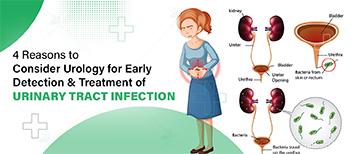
One of the best hospitals for urinary tract treatment in Noida offers comprehensive urology care, featuring expert urologists and advanced diagnostic and treatment facilities.
Our urology and oncology specialists bring extensive experience and expertise in treating various forms of urological cancer.

Urological health is vital for well-being, influenced by diet and exercise. Good nutrition and activity help prevent conditions like UTIs, kidney stones, and cancers.

Bursitis is a painful condition that occurs when the small, fluid-filled sacs known as bursae become inflamed. Bursae are found throughout the body, typically near joints, and act as cushions to reduce friction between bones, tendons, and muscles. While bursitis can develop in any part of the body, it most commonly affects the shoulders, elbows, hips, and knees. For individuals experiencing persistent joint discomfort or pain, seeking care at the best orthopedic hospital in Noida is essential for accurate diagnosis and comprehensive treatment.
Contact Felix Hospital today at +91 9667064100 to schedule your consultation with an orthopedic specialist and take the first step toward healing.
Bursitis is the inflammation of one or more bursae, which are small, fluid-filled sacs that serve as cushions for muscles, tendons, and bones. They help reduce friction and facilitate smooth joint movement. When these sacs become irritated or inflamed, it can lead to swelling, pain, and limited mobility, often affecting daily activities. Bursitis is typically caused by repetitive movements or prolonged pressure on a specific area of the body.
The condition can be acute, where symptoms come on suddenly and improve with rest, or chronic, where inflammation persists over time, causing ongoing discomfort. Common types of bursitis include:
Bursitis is primarily caused by irritation or inflammation of the bursae, which results in discomfort and swelling. The most common causes include:
1. Repetitive Motion or Overuse
Repeated movements, especially those that involve excessive pressure on a particular joint, can irritate the bursae. Jobs or sports that require repetitive actions such as throwing, lifting, or kneeling increase the risk of bursitis.
2. Trauma or Injury
Direct trauma or injury to the joint, such as a fall or blow, can cause bursitis. This is particularly common in contact sports or occupations where there’s frequent physical impact.
3. Aging
As we age, the wear and tear on the body can lead to weaker muscles and tendons, making the bursae more prone to inflammation.
4. Infection
Although rare, bursitis can be caused by an infection, especially if the bursae are punctured. This is known as septic bursitis and requires immediate medical attention to prevent the spread of infection.
5. Medical Conditions
Certain conditions such as rheumatoid arthritis, gout, diabetes, and kidney disease can increase the likelihood of developing bursitis due to systemic inflammation or joint stress.
The symptoms of bursitis vary depending on the affected area, but common signs include:
1. Pain
The primary symptom of bursitis is pain, which may be sharp, aching, or throbbing. The pain is usually worse with movement or pressure applied to the affected area.
2. Swelling
Inflammation of the bursae can lead to noticeable swelling over the affected joint. This swelling can cause the joint to feel warm and tender to the touch.
3. Limited Range of Motion
As the bursae become inflamed, the joint may lose its normal range of motion. Moving the joint can be difficult and painful.
4. Redness
In some cases, the skin around the inflamed area may appear red due to increased blood flow caused by the inflammation.
5. Tenderness
The area over the affected bursa becomes tender, especially when pressure is applied. This tenderness can be painful even when the joint is not in motion.
A proper diagnosis of bursitis is crucial for determining the appropriate treatment and managing the condition effectively. The diagnostic process usually includes:
1. Medical History
Your doctor will ask about your symptoms, any recent injuries, and any activities that might contribute to the condition. This helps to understand the potential cause of bursitis.
2. Physical Examination
A thorough physical examination is essential for identifying the swollen areas, tenderness, and restricted range of motion. The doctor will palpate the affected area to check for signs of inflammation.
3. Imaging Tests
In some cases, imaging tests such as X-rays, ultrasound, or MRI may be used to rule out other conditions and confirm the diagnosis. These tests help determine the extent of inflammation and whether there are any underlying issues, such as bone spurs, that might be contributing to the bursitis.
4. Aspiration
If the bursa is particularly swollen, your doctor may use a needle to remove a small sample of fluid from the bursa (aspiration). This sample is then tested to check for infection or signs of other underlying conditions like gout.
Treatment for bursitis depends on the severity and cause of the condition. In most cases, nonsurgical treatments are effective in reducing inflammation and alleviating pain. The following treatment options are commonly used:
1. Rest and Ice Therapy
Resting the affected joint is essential to allow the inflammation to subside. Applying ice packs to the affected area can help reduce swelling and numb the pain.
2. Medications
Over-the-counter pain relievers such as ibuprofen or naproxen can help reduce inflammation and manage pain. In severe cases, your doctor may prescribe stronger medications, including corticosteroid injections to reduce inflammation.
3. Physical Therapy
Once the pain is under control, physical therapy exercises can help restore strength and flexibility to the joint. These exercises are aimed at improving joint function and preventing future flare-ups.
4. Surgery
If conservative treatments fail and the bursitis is chronic or severely disabling, surgery may be necessary to remove the bursa. However, this is rare and is typically considered only after other treatments have not provided relief.
While bursitis cannot always be prevented, several measures can be taken to reduce the risk:
1. Warm-Up and Stretch
Before engaging in physical activities, make sure to warm up properly and stretch your muscles. This helps reduce strain on the joints and bursae.
2. Take Breaks
If your job or activities require repetitive motions, take regular breaks to give your joints a rest.
3. Maintain Proper Posture
Ensure that you maintain proper posture during work, exercise, and everyday activities to avoid putting unnecessary pressure on your joints.
4. Use Protective Gear
When engaging in physical activities or sports, use protective gear such as knee pads or elbow pads to reduce the risk of injury and subsequent bursitis.
Here are some of the top doctors who specialize in treating joint conditions like bursitis:
Get the care you deserve from the best hospital for orthopedic treatment in Noida by Clicking Here.
Bursitis is a painful condition that can significantly impact daily life if left untreated. Understanding the causes, symptoms, and treatment options for bursitis is key to managing the condition effectively. Seeking professional care at a reputable facility, such as Felix Hospital, can help you receive a tailored treatment plan that addresses your specific needs and ensures optimal recovery. Whether you're dealing with acute pain or chronic discomfort, early intervention can prevent long-term complications and help restore joint health.
1. Can bursitis go away on its own without treatment?
Ans: In mild cases, bursitis may improve with rest and self-care measures. However, more severe or chronic cases typically require medical treatment for full recovery.
2. Is bursitis a sign of a more serious condition?
Ans: While bursitis itself is not usually a sign of a serious condition, chronic inflammation may indicate underlying issues such as rheumatoid arthritis or gout.
3. How long does it take to recover from bursitis?
Ans: Recovery time can vary depending on the severity of the condition. Mild cases may improve within a few weeks, while more severe cases may take several months to fully heal.
4. Can bursitis recur after treatment?
Ans: Yes, bursitis can recur if proper preventive measures are not followed, especially if repetitive motions or pressure are placed on the affected joint.
5. What happens if bursitis is left untreated?
Ans: Untreated bursitis can lead to chronic pain, limited mobility, and permanent damage to the affected joint. In some cases, it may require surgery to remove the inflamed bursa.
6. Can bursitis be caused by an infection?
Ans: Yes, although rare, bursitis can be caused by an infection (known as septic bursitis). This occurs when bacteria infect the bursa, leading to increased pain, swelling, and redness. If you experience signs of infection, such as fever or severe pain, seek medical attention immediately.
7. Can physical therapy help in treating bursitis?
Ans: Yes, physical therapy can be an effective treatment for bursitis. A physical therapist can guide you through exercises that help improve joint mobility, strengthen surrounding muscles, and reduce inflammation, all of which can speed up recovery and prevent future flare-ups.

Bone fractures are common injuries from accidents or falls. While many heal well, complications can arise, affecting recovery. Learn more about these issues and treatments.
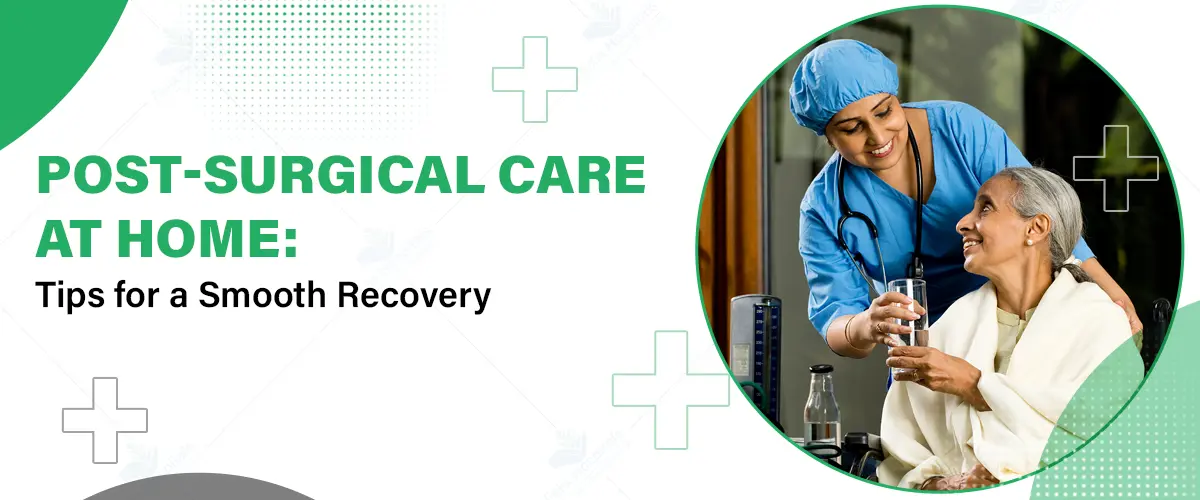
Recovering from surgery can be challenging, and the period after discharge is crucial to a successful recovery. Once a patient is home, they often face both physical and emotional adjustments. Knowing how to manage post-surgical care at home can make the transition smoother, reduce complications, and speed up healing. If you're looking for professional assistance, home care services in Noida can provide expert support during this critical phase. In this guide, we’ll cover essential post-surgery home care tips to help patients heal safely and effectively, ensuring a smooth recovery journey.
Trust Felix Hospitals for the best Post-Surgical Care at Home just Call us at +91 9667064100 for more information.
The role of post-surgical care doesn’t end after leaving the hospital. Proper at-home care is vital for several reasons:
Setting up a recovery-friendly home environment before discharge is one of the first steps to ensure a smooth transition.
Pain management is a crucial aspect of post-surgical care. Follow the medication instructions given by healthcare providers closely.
Proper wound care is essential for preventing infections and promoting faster healing.
A nutritious diet is crucial for post-surgical recovery, as it provides the body with the essential energy and nutrients needed to heal effectively. For optimal recovery, consider seeking support through professional Nutrition Diet Services. These services can help you create a personalized diet plan that promotes healing, boosts your immune system, and ensures better overall health.
Gentle movement can enhance blood flow, reduce stiffness, and prevent blood clots.
Recovery isn’t just physical; surgery can be mentally and emotionally taxing.
Regular follow-up appointments are crucial to monitoring recovery progress and addressing any concerns.
While minor issues can often be managed at home, it’s important to recognize when to seek help.
Post-surgical care at home plays a key role in a smooth and successful recovery. By following the right steps—such as managing pain, taking care of wounds, maintaining a nutritious diet, and staying physically active—patients can minimize complications and return to daily life more quickly. With expert guidance and support from healthcare providers like Felix Hospital, you can navigate your recovery confidently, ensuring you’re fully supported every step of the way.
1. How long does post-surgical recovery take at home?
Ans: Recovery times vary based on the type of surgery and individual factors, but most patients start feeling better within a few weeks to a few months.
2. What are the signs of an infection in a surgical wound?
Ans: Symptoms include redness, warmth, swelling, or discharge around the wound, along with fever or chills. Contact your healthcare provider if you notice these signs.
3. How often should I take my prescribed pain medication?
Ans: Follow your doctor’s instructions precisely. Taking pain medication as prescribed can help manage discomfort without causing dependency.
4. Can I resume physical activities immediately after surgery?
Ans: Light activity may be encouraged, but strenuous exercise should be avoided until cleared by your doctor.
5. Why is nutrition important for post-surgical recovery?
Ans: A nutritious diet supports the body’s healing process, boosts energy levels, and helps prevent complications like constipation.

Get personalized care from experienced physiotherapists in the comfort of your home, tailored to meet your specific needs for faster recovery.
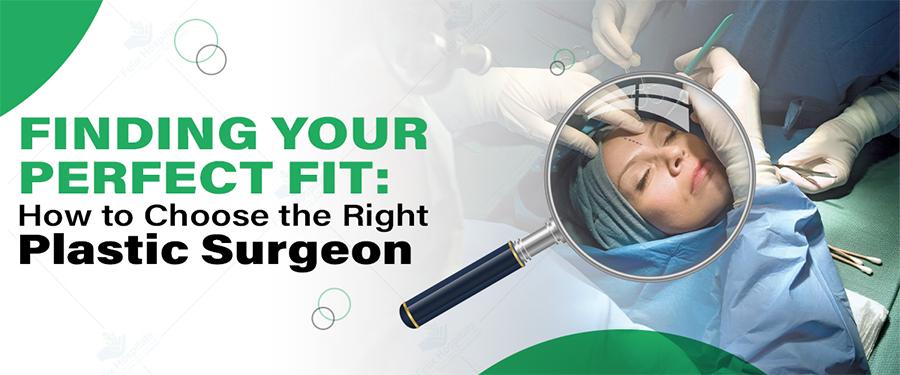
Choosing the right plastic surgeon is one of the most important steps in a patient’s journey toward enhancing their appearance and confidence. At Felix Hospitals, we understand that everyone has unique needs and expectations when considering a cosmetic or reconstructive procedure. With many surgeons and specialties to choose from, finding the perfect fit can feel overwhelming. Our commitment is to empower patients by providing insights into what to look for in a qualified surgeon, ensuring both safety and satisfaction. In this guide, we’ll explore essential factors to consider when selecting a plastic surgeon who aligns with your goals and values, so you can move forward with confidence and peace of mind.
Trust Felix Hospitals for the best Plastic Surgeon, specialized medical services, and compassionate support during your critical moments by Calling +91 9667064100.
Plastic surgery is a transformative field of medicine that not only enhances physical appearance but also improves quality of life. At Felix Hospitals, we understand that the decision to undergo plastic surgery is deeply personal, often involving careful thought and consultation. With advances in techniques and technology, plastic surgery now offers a wide range of solutions—from reconstructive procedures that restore function and aesthetics after trauma to cosmetic enhancements that boost confidence and self-esteem.
The distance between your location and the hospital can impact the timeliness of care. Look for hospitals that are easily accessible from your home or workplace. Consider factors such as traffic patterns, road conditions, and available transportation options.
One of the primary factors is ensuring the surgeon has board certification, specifically with a recognized board such as the American Board of Plastic Surgery (or equivalent in your region). Certification ensures that the surgeon has completed rigorous training, adheres to high standards, and is committed to ongoing education.
Discuss why it’s essential to choose a plastic surgeon with experience in the specific procedure a patient is considering. A surgeon who specializes in facial surgeries may not have the same expertise in body contouring. By choosing someone with a targeted practice area, patients increase their chances of satisfactory results.
Explain the value of reading reviews and testimonials. Honest feedback from past patients can provide insight into the surgeon’s professionalism, bedside manner, and results. Mention that reputable surgeons are transparent about patient feedback and are likely to provide patient references if requested.
Discuss the importance of reviewing before-and-after photos of past patients. High-quality images give prospective patients a realistic expectation of potential outcomes and show the surgeon’s skill in achieving balanced, aesthetically pleasing results.
Stress the significance of communication. A good surgeon takes the time to listen to patient goals, answer questions, and explain the procedure in detail. This transparency helps build trust and ensures that the patient feels comfortable and confident.
Describe why it’s essential that surgeries are performed in accredited facilities with proper safety protocols. Accredited facilities meet stringent standards for safety and hygiene, providing a secure environment for surgery.
Highlight the importance of a tailored approach. A good plastic surgeon doesn’t offer a one-size-fits-all solution but rather assesses each patient’s unique needs and goals to create a customized plan that aligns with realistic expectations.
Explain that a reputable surgeon’s care extends beyond the operating room. Look for a surgeon who offers thorough post-operative care and follow-up appointments to monitor recovery and address any concerns.
While cost should never be the sole deciding factor, discuss why transparency about pricing and financing options is important. A reputable surgeon provides clear information on the costs involved and avoids hidden fees, helping patients plan their procedures without surprises.
Explain why patients should research their specific procedure to set realistic expectations. Include the importance of discussing details with the surgeon, reviewing possible outcomes, and being fully informed.
Quit Smoking and Alcohol: Emphasize quitting smoking at least six weeks prior, as nicotine can impair healing. Limit alcohol, which can also affect recovery.
Healthy Diet: Recommend a balanced diet rich in vitamins and minerals to support healing. Suggest consulting a nutritionist if needed.
Exercise: Encourage maintaining a moderate exercise routine to enhance stamina and aid recovery but advise against overexertion.
Cover common instructions from surgeons, like avoiding blood-thinning medications, adjusting any current medications, and fasting before surgery. Explain the importance of adhering to these for safety and optimal outcomes.
Arrange Transportation: Note that patients need someone to drive them home after surgery.
Plan for Assistance: Suggest arranging for help at home, especially for procedures that limit mobility.
Prepare the Recovery Space: Describe setting up a comfortable recovery area with essentials like medications, pillows, and ice packs.
Set Realistic Expectations: Encourage open conversations with the surgeon to align expectations.
Manage Anxiety: Suggest techniques such as deep breathing exercises, meditation, and mental visualization.
List essentials to bring on surgery day: personal ID, medical information, loose clothing, any necessary documents, and comfort items like lip balm or a water bottle.
Discuss the importance of follow-up appointments for monitoring progress. Mention that staying in touch with the surgeon ensures proper healing and addresses any concerns promptly.
When choosing the best Plastic Surgery Hospital, it’s crucial to prioritize several factors. First, ensure that the hospital employs board-certified surgeons, as this guarantees that the professionals performing the procedures have undergone rigorous training and possess the necessary skills. The quality of the facilities also plays a vital role; a top hospital should be equipped with state-of-the-art technology and modern surgical tools to ensure both precision and safety. Reputation matters, too—read patient reviews, check before-and-after photos, and seek personal testimonials to gauge the hospital’s track record in providing satisfactory results. Additionally, a good hospital should offer comprehensive pre and post-surgery care, ensuring that you receive the proper consultation, support, and recovery guidance. Lastly, accreditation from recognized bodies like the Joint Commission International (JCI) or NABH is essential, as it confirms the hospital’s commitment to maintaining the highest safety and care standards. These factors combined will help ensure that you choose a hospital that provides both excellent results and a safe, comfortable experience.
If you're considering plastic surgery, it’s crucial to choose a surgeon with the right qualifications and experience. At Felix Hospitals, Dr. Pragya Priya and Dr. Vishvendu Gaur are both experts in the field of plastic and cosmetic surgery.
Dr. Pragya Priya holds an MBBS from Patna Medical College and has undergone extensive training in general surgery and plastic surgery, bringing over seven years of expertise to her practice. Her areas of specialization include breast reconstruction, liposuction, and facial rejuvenation procedures, ensuring that patients receive personalized, high-quality care. Dr. Priya’s commitment to patient satisfaction, combined with her attention to detail, makes her a trusted choice for both aesthetic and reconstructive surgeries. Her memberships with prestigious organizations like the Indian Association of Aesthetic Plastic Surgeons (IAAPS) and the Association of Plastic Surgeons of India (APSI) further reflect her dedication to the field.
Alongside her, Dr. Vishvendu Gaur also brings extensive expertise to the table, with years of specialized experience in plastic and reconstructive surgery. Known for his meticulous approach, Dr. Gaur specializes in advanced procedures such as microvascular surgery, skin grafting, and complex reconstruction after trauma or cancer treatment. His attention to detail and comprehensive care plan ensures the best outcomes for his patients.
In conclusion, choosing the right plastic surgeon and hospital is crucial for achieving the desired results while ensuring safety and satisfaction. By focusing on factors like certification, experience, and comprehensive care, you can make an informed decision that will lead to positive outcomes. Trust Felix Hospitals to guide you through your journey with expertise, support, and a personalized approach to plastic surgery.
1. How do I know if a plastic surgeon is qualified?
Ans. Ensure the surgeon is board-certified in plastic surgery and has relevant experience in the procedure you're considering.
2. What should I ask during a consultation?
Ans. Ask about the surgeon's experience, specialization, and approach to your procedure, as well as their success rates and before-and-after photos.
3. Is it important to check patient reviews?
Ans. Yes, reviews can provide valuable insights into the surgeon's reputation, bedside manner, and the results other patients have experienced.
4. How can I assess the surgeon’s experience?
Ans. Look for a surgeon with specific experience in the procedure you’re interested in, as expertise in the area increases the chances of successful outcomes.
5. What should I look for in a hospital when choosing a plastic surgeon?
Ans. Ensure the hospital has accredited facilities, state-of-the-art equipment, and a strong reputation for safety and patient care.
6. Are there risks involved with plastic surgery?
Ans. All surgeries carry risks, including complications from anesthesia, infection, or unsatisfactory results, which is why selecting a skilled surgeon is crucial.
7. How do I prepare for a consultation with a plastic surgeon?
Ans. Bring any medical records, be ready to discuss your goals, and ask any questions about the procedure, recovery, and costs involved.

Plastic surgery cost in Noida depends on the procedure type, surgeon expertise, hospital infrastructure, and post-surgery care.

Your heart is the engine that powers your body, tirelessly pumping blood and supplying oxygen and nutrients to sustain life. Prioritizing heart health at every stage of life is crucial for preventing diseases and enhancing overall well-being. By focusing on proactive care and informed choices, you can enjoy a healthier future. This guide offers actionable strategies tailored to different age groups, helping you maintain a strong, healthy heart. If you're seeking top-notch cardiac care, the best Heart Hospital in Noida provides expert services and comprehensive treatment to ensure your heart remains in optimal condition.
Make your heart healthy with Felix Hospitals book your appointment by calling +91 9667064100.
Heart disease is one of the leading causes of death worldwide. However, the good news is that most heart conditions can be prevented or managed through a combination of healthy lifestyle choices, regular medical checkups, and early intervention. A proactive approach to heart health services not only extends life expectancy but also improves the quality of life.
Although heart disease is rare during childhood, the foundation for lifelong heart health services is laid in these formative years. Children who develop healthy habits early are more likely to maintain them into adulthood.
Encourage Physical Activity:
Aim for at least 60 minutes of moderate to vigorous activity daily. Activities like cycling, swimming, and sports improve cardiovascular fitness.
Promote a Balanced Diet:
Include fruits, vegetables, whole grains, lean proteins, and low-fat dairy products.
Limit sugar, salt, and saturated fats to reduce the risk of developing obesity and high blood pressure.
Regular Checkups:
Periodic health screenings help monitor weight, blood pressure, and cholesterol levels.
Screen for Congenital Heart Issues:
Consult a pediatrician if there’s a family history of heart conditions.
In your 20s and 30s, life often gets busier with academic, career, or family responsibilities. However, neglecting heart health services at this stage can have long-term consequences.
Maintain a Healthy Weight:
Obesity increases the risk of hypertension and Type 2 diabetes, both of which are significant risk factors for heart disease.
Adopt Stress-Management Techniques:
Practice mindfulness, yoga, or meditation to counteract stress, a silent contributor to heart problems.
Quit Smoking:
Smoking damages blood vessels, raises blood pressure, and significantly increases the risk of heart attack.
Regular Health Screenings:
Get your blood pressure, cholesterol, and blood sugar levels checked every 4–6 years or as recommended by your doctor.
During middle age, the risk of heart disease begins to rise. Lifestyle changes, stress, and genetic predispositions make this stage a critical time for focusing on heart health.
Monitor Cholesterol Levels:
High cholesterol can lead to plaque buildup in the arteries, increasing the risk of heart attacks. Incorporate heart-friendly foods like nuts, fish, and oats into your diet.
Control Blood Pressure:
Limit sodium intake and consume potassium-rich foods like bananas and sweet potatoes to manage blood pressure naturally.
Stay Active:
Engage in at least 150 minutes of moderate-intensity exercise or 75 minutes of vigorous exercise weekly. Brisk walking, jogging, and resistance training are excellent options.
Avoid Excessive Alcohol:
Moderation is key. Excessive alcohol intake can lead to high blood pressure, obesity, and other heart-related issues.
As you age, your heart and blood vessels change, increasing the risk of cardiovascular diseases. However, proactive measures can help you maintain heart health even in your golden years.
Stay Active Safely:
Low-impact exercises such as walking, swimming, or yoga help improve circulation without putting undue strain on the heart.
Eat a Heart-Healthy Diet:
Follow a Mediterranean-style diet rich in olive oil, whole grains, fish, and vegetables to protect against atherosclerosis and other heart conditions.
Stay Hydrated:
Proper hydration supports overall cardiovascular health.
Monitor Symptoms:
Be alert for signs like chest pain, shortness of breath, or dizziness, and consult a healthcare provider promptly.
Take Medications as Prescribed:
If you’ve been diagnosed with a heart condition, follow your doctor’s recommendations carefully.
Regardless of age, certain habits are universally beneficial for maintaining heart health.
Balanced Nutrition:
Focus on consuming a diet rich in whole foods, healthy fats, lean proteins, and fiber. Avoid processed foods high in trans fats and sugar.
Regular Physical Activity:
Movement is essential for keeping the heart and circulatory system in top shape.
Adequate Sleep:
Adults should aim for 7–9 hours of quality sleep each night, as poor sleep is linked to heart disease.
Stay Socially Connected:
Loneliness and isolation can increase stress and blood pressure. Maintain relationships and engage in community activities.
Avoid Prolonged Sitting:
Take breaks to stand, stretch, and walk, especially if your work involves long hours of sitting.
Coronary Artery Disease (CAD)
Caused by plaque buildup in the arteries. Prevent it by managing cholesterol and blood pressure.
Heart Failure
Often a result of untreated hypertension or diabetes. Early detection and lifestyle changes are critical.
Arrhythmia
Abnormal heart rhythms can be managed with medications and lifestyle modifications.
Stroke
A related condition often caused by untreated hypertension and atherosclerosis. Regular checkups and a healthy lifestyle reduce risks.
Routine medical checkups are vital for detecting heart problems early. Your doctor may recommend:
Blood Pressure Monitoring: High blood pressure often has no symptoms.
Cholesterol Tests: Helps assess the risk of CAD.
Electrocardiograms (ECGs): Detect irregular heart rhythms.
Stress Tests: Evaluate heart function during physical activity.
Fruits and Vegetables: Leafy greens, berries, and citrus fruits.
Whole Grains: Brown rice, oats, and quinoa.
Healthy Fats: Avocados, olive oil, and fatty fish like salmon.
Nuts and Seeds: Almonds, walnuts, chia seeds, and flaxseeds.
Legumes: Lentils, chickpeas, and beans.
At Felix Hospitals, we prioritize your well-being, ensuring a patient-first approach in every consultation and procedure.
Dr. Rahul Arora—Renowned for his expertise in interventional cardiology, Dr. Arora is now available at Felix Hospital's new facility in Noida Sector 83. Focusing on minimally invasive procedures and preventive care, he is committed to helping patients lead healthier lives.
Dr. Virendra Singh – Specializing in advanced cardiac care, Dr. Singh is now serving patients at Felix Hospital's Greater Noida Gamma 1 facility. His extensive experience in treating heart diseases makes him a trusted name in the field.
Take the first step toward better heart health by scheduling a consultation by Clicking Here with Felix Hospitals.
Heart health is a lifelong journey that demands proactive care, personalized strategies, and consistent medical attention. Regardless of your age, embracing heart-healthy habits can greatly lower your risk of heart disease while improving your overall quality of life. Begin with small, manageable changes today—your heart will thank you for years to come. To learn more about the Best Heart treatment cost in Noida, call us and take the first step toward a healthier heart.
Q- What daily habit has the most significant impact on heart health?
ANS: Each day, engaging in at least 30 minutes of moderate physical activity, such as brisk walking or cycling, strengthens the heart and improves circulation.
Q- How can stress management directly protect heart health?
ANS: Techniques like guided meditation and deep-breathing exercises reduce stress hormones, which can otherwise increase heart rate and blood pressure.
Q- If my family has a history of heart disease, am I at high risk?
ANS: While genetics can elevate your risk, controlling factors like diet, exercise, and regular screenings can significantly offset hereditary predispositions.
Q- What types of exercise are safest for seniors with heart conditions?
ANS: Low-impact activities such as water aerobics or tai chi help enhance cardiovascular health while minimizing strain on joints and muscles.
Q- How does a plant-based diet benefit the heart specifically?
ANS: Foods like lentils, spinach, and walnuts are high in fiber and unsaturated fats, which help reduce bad cholesterol and inflammation associated with heart disease.
Q- How often should cholesterol and blood pressure be checked for someone over 40?
ANS: Cholesterol should be tested every 2–4 years and blood pressure at least annually or more frequently if levels are borderline or high.
Q- What are the less obvious signs of a heart attack?
ANS: Beyond chest pain, symptoms like extreme fatigue, upper back discomfort, cold sweats, or lightheadedness could indicate a heart attack and require immediate medical attention.

At Felix Hospital, recognized as the best cardiology hospital in Noida, we understand the importance of heart health and offer comprehensive care to keep your cardiovascular system functioning at its best.

Prostate cancer is a significant health concern for men, particularly as they age. Understanding the early warning signs and symptoms can be crucial for timely diagnosis and treatment. For men seeking guidance, knowing the best oncology hospital in Noida is essential. Early detection can make a substantial difference in outcomes, emphasizing the importance of regular check-ups and awareness of the disease's symptoms. This blog aims to illuminate the key signs of prostate cancer that every man should know, alongside insights into diagnosis and treatment options.
Schedule a consultation at the best hospital for prostate cancer treatment in Noida today! Call Now at +91 9667064100.
Prostate cancer occurs when the cells in the prostate gland begin to grow uncontrollably. The prostate is a small walnut-shaped gland located below the bladder, responsible for producing seminal fluid, which nourishes and transports sperm. While some forms of prostate cancer grow slowly and may not cause significant health issues, others can be aggressive and spread quickly.
Risk factors for prostate cancer include age (most commonly diagnosed in men over 50), family history, race (more prevalent in African American men), and certain genetic mutations. Understanding these factors and recognizing symptoms can empower men to take proactive steps in managing their health.
Recognizing the symptoms of prostate cancer early can be vital for effective treatment. Here are five key symptoms every man should be aware of:
One of the earliest signs of prostate cancer may involve changes in urinary habits. Men may notice:
Increased Frequency: Needing to urinate more often, especially at night (nocturia).
Urgency: A sudden and strong need to urinate that may be difficult to control.
Weak Stream: A decrease in the strength or flow of urine.
Painful Urination: Discomfort or a burning sensation while urinating.
These urinary symptoms can stem from prostate enlargement or irritation and should be discussed with a healthcare provider.
The presence of blood in the urine (hematuria) or semen (hematospermia) can be alarming and is a symptom that should never be ignored. While there are several possible causes for blood in these fluids, it can indicate an underlying issue, including prostate cancer.
Men should seek medical advice promptly if they notice any discoloration in their urine or semen, as this could signify not only prostate cancer but other serious conditions that require immediate attention.
Pain that persists in the lower back, hips, or pelvic region may signal that prostate cancer has spread beyond the prostate gland. This type of pain is often associated with advanced prostate cancer, where the cancerous cells have invaded nearby tissues or bones.
Bone Pain: Pain that is sharp, persistent, or worsens over time should be evaluated by a healthcare professional.
Referred Pain: Sometimes, the pain felt in one area can be due to issues originating in the prostate.
If a man experiences unexplained pain in these areas, especially when combined with other symptoms, he should seek a comprehensive evaluation.
Erectile dysfunction (ED) can be an early symptom of prostate cancer. While many factors can contribute to ED, including psychological stress and other medical conditions, the development of erectile problems can sometimes correlate with prostate issues.
Changes in Sexual Function: If a man notices difficulty achieving or maintaining an erection, it is essential to discuss this with a healthcare provider.
Prostate cancer treatments, such as surgery or radiation, can also affect erectile function, so early intervention can be critical.
Sudden, unexplained weight loss can be a concerning symptom, particularly in the context of prostate cancer. While weight loss can occur due to various reasons, cancer-related weight loss is often a result of the body’s increased energy expenditure as it fights the disease.
Cachexia: Some men may experience a condition known as cachexia, characterized by significant weight loss, muscle wasting, and loss of appetite. This symptom may indicate that cancer is advancing and warrants immediate medical attention.
If a man notices sudden weight loss without making changes to his diet or exercise routine, he should consult a healthcare professional to rule out any underlying health issues.
If prostate cancer is suspected based on symptoms, a series of diagnostic tests will likely follow. The process typically includes:
Digital Rectal Exam (DRE): The physician will examine the prostate for abnormalities through the rectal wall.
Prostate-Specific Antigen (PSA) Test: A blood test measures the level of PSA, a substance produced by the prostate. Elevated levels can indicate prostate cancer or other prostate conditions.
Biopsy: If results from the DRE and PSA test suggest cancer, a biopsy may be performed to confirm the diagnosis. This involves taking a small sample of prostate tissue for examination under a microscope.
Imaging Tests: Additional imaging, such as ultrasound, MRI, or CT scans, may be conducted to determine if the cancer has spread.
The treatment for prostate cancer varies based on the stage of the disease, overall health, and patient preferences. Options include:
Active Surveillance: For slow-growing cancers, doctors may recommend monitoring the cancer without immediate treatment.
Surgery: A common treatment for localized prostate cancer is a prostatectomy, where the prostate gland is removed.
Radiation Therapy: High-energy rays target and kill cancer cells. This can be done externally or internally (brachytherapy).
Hormonal Therapy: This treatment reduces testosterone levels to slow the growth of cancer cells.
Chemotherapy: Typically used for advanced prostate cancer, chemotherapy involves medications that kill cancer cells.
For personalized treatment plans, it's vital to consult the best oncologist at a prostate cancer hospital in Noida.
Our dedicated team of specialists is here to provide you with the highest standard of care. Click Here to contact us at Felix Hospital today.
Understanding the symptoms of prostate cancer is essential for early detection and treatment. Men should not ignore warning signs and should seek medical advice if they experience any concerning symptoms. The best hospital for prostate cancer treatment in Noida, such as Felix Hospital, offers advanced diagnostic and treatment options, led by skilled oncologists. Awareness and proactive healthcare are vital components of managing prostate health.
Experience safe, advanced, and result-oriented Erectile Dysfunction treatment in Noida with expert urologist in noida at Felix Hospital.
1. What are the common symptoms of prostate cancer?
Ans. Common symptoms include changes in urination, blood in urine or semen, pain in the lower back or pelvis, erectile dysfunction, and unexplained weight loss.
2. At what age should men start screening for prostate cancer?
Ans. Most guidelines recommend that men begin discussions about prostate cancer screening at age 50, or earlier for those at higher risk.
3. Is prostate cancer a common disease?
Ans. Yes, prostate cancer is one of the most common cancers affecting men worldwide, particularly those over 50.
4. Can lifestyle changes reduce the risk of prostate cancer?
Ans. Yes, maintaining a healthy diet, exercising regularly, and avoiding smoking may help lower the risk of developing prostate cancer.
5. How is prostate cancer diagnosed?
Ans. Diagnosis typically involves a digital rectal exam, PSA blood test, and possibly a biopsy to confirm the presence of cancer.
6. What are the treatment options for prostate cancer?
Ans. Treatment may include active surveillance, surgery, radiation therapy, hormonal therapy, or chemotherapy, depending on the cancer stage and patient health.
7. Is it possible to live a normal life after prostate cancer treatment?
Ans. Many men can live healthy lives after treatment, although some may experience side effects such as changes in urinary or sexual function.
8. When should I seek medical attention for prostate cancer symptoms?
Ans. Seek medical advice if you experience any concerning symptoms, particularly changes in urination, pain, or unexplained weight loss. Early intervention is crucial for the best outcomes.

Prostate cancer is a common type of cancer in men that affects the prostate gland. Understanding its symptoms, causes, and treatment options can help in early detection and effective management.

Prostate cancer is a type of cancer that occurs in the prostate gland, a small walnut-shaped gland responsible for producing seminal fluid, which nourishes and transports sperm.

Atezolizumab Injection is an immunotherapy drug used in treating various cancers. Learn about its price, side effects, dosage, and benefits in advanced cancer care.
Urological cancers, which include cancers of the bladder, kidneys, prostate, and testicles, pose significant health risks if not diagnosed and treated promptly. These cancers often have silent symptoms in their early stages, which can lead to delays in diagnosis. However, with the right medical approach, patients can have a strong fighting chance against these cancers.
At Felix Hospital, we’re committed to providing comprehensive, patient-focused treatment and utilizing advanced technology and expertise to offer hope to those facing urological cancers. This blog will dive into the types of urological cancers, early signs and symptoms, diagnostic procedures, treatment options, and why Felix Hospital is a trusted name in urological cancer treatment.
Understanding the different types of urological cancers is key to recognizing symptoms early and seeking prompt medical attention. The main types include:
Bladder Cancer: This cancer often begins in the cells lining the bladder and can progress to affect surrounding tissues and organs. Symptoms commonly include blood in the urine, frequent urination, and pain during urination.
Kidney Cancer: Primarily originating in the kidneys, this cancer often goes unnoticed in its early stages. Symptoms may include blood in the urine, a persistent lump or pain on the side, and fatigue.
Prostate Cancer: Prostate cancer affects the prostate gland in men and is one of the most common cancers in men. Symptoms are often silent initially but may later include difficulty urinating, pelvic discomfort, and in advanced stages, pain in bones.
Testicular Cancer: Primarily affecting young and middle-aged men, testicular cancer is marked by a lump or swelling in the testicle, which may or may not be painful.
Penile Cancer: A rare form of cancer that affects the skin and tissues of the penis. Symptoms include lumps, sores, and unusual discharge.
Each type of urological cancer has its symptoms, and early detection is essential. Common warning signs to be aware of include:
Blood in urine or semen
Pain or burning during urination
Persistent lower back or pelvic pain
Swelling or lumps in the testicular or pelvic region
Unexplained fatigue or weight loss
Risk factors vary by type but commonly include age, family history, exposure to certain chemicals, and lifestyle choices such as smoking or a high-fat diet. Early recognition of symptoms and risk factors can significantly impact the success of treatment, making regular screenings and consultations essential for those at risk.
Effective diagnosis is a critical step in the fight against urological cancer. At Felix Hospital, we offer a comprehensive array of diagnostic tools:
Imaging Tests: These may include ultrasounds, CT scans, and MRIs to obtain clear images of the affected areas and identify tumors or abnormal growths.
Biopsies: A tissue sample is taken from the affected area to examine for cancer cells. Felix Hospital’s pathology team provides precise analyses, crucial for determining treatment options.
Blood and Urine Tests: Blood and urine tests can reveal markers that may indicate cancer, providing additional clues for diagnosis.
Cystoscopy and Ureteroscopy: These procedures use a thin, lighted tube inserted through the urethra to look directly at the bladder and urethra or ureters and kidneys.
Prostate-Specific Antigen (PSA) Test: A common test for prostate cancer, the PSA test measures the level of PSA in the blood to detect abnormalities in the prostate gland.
Felix Hospital is equipped with a range of advanced treatment options for urological cancers, tailored to the specific needs of each patient.
Surgery: Surgical removal of tumors or affected organs is often the most effective approach for localized cancers. Our skilled surgical team performs minimally invasive surgeries whenever possible, reducing recovery time and improving outcomes.
Radiation Therapy: Radiation is used to target and kill cancer cells, often combined with surgery or chemotherapy for a more comprehensive approach.
Chemotherapy: Chemotherapy is used to eliminate cancer cells and shrink tumors, often in combination with surgery or radiation. It’s particularly effective for cancers that have spread to other areas of the body.
Immunotherapy: This approach uses the body’s immune system to fight cancer cells, proving especially effective for kidney and bladder cancers.
Targeted Therapy: Targeted therapies focus on specific molecules that aid in cancer cell growth, effectively stopping the spread of the disease without harming healthy cells.
Hormone Therapy: For prostate cancer, hormone therapy helps reduce hormone levels that fuel cancer growth, helping to slow or stop cancer progression.
Choosing the right healthcare facility is essential in receiving top-quality cancer care. Felix Hospital is known for its comprehensive approach to urological cancer treatment, blending cutting-edge technology with compassionate care. Here’s why patients trust us:
Advanced Technology: Felix Hospital employs state-of-the-art diagnostic and treatment tools to ensure precision and efficacy in every stage of care, from diagnosis to post-treatment support.
Personalized Care Plans: We understand that every patient is unique, which is why we develop individualized treatment plans based on specific conditions, risk factors, and patient preferences.
Holistic Support: Beyond medical treatment, we provide counseling, nutritional guidance, and other supportive services to ensure that patients have a robust support system throughout their journey.
Accessible and Affordable Care: Felix Hospital strives to make healthcare accessible by offering transparent pricing, financial assistance, and insurance support.
Experienced Team of Specialists: Our urology and oncology specialists bring extensive experience and expertise in treating various forms of urological cancer.
After treatment, patients often require ongoing care and rehabilitation to regain their strength and health. Felix Hospital provides post-treatment support that includes:
Follow-Up Appointments: Regular follow-ups are crucial for monitoring recovery and addressing any side effects or recurrence concerns.
Rehabilitation Programs: We offer physical therapy and other rehabilitative services to help patients regain mobility and physical well-being.
Counseling and Mental Health Support: Coping with cancer can be challenging, and Felix Hospital provides counseling services to support the mental health and emotional needs of our patients.
Trust Felix Hospitals for the best Urological Treatment, specialized medical services, and compassionate support during your critical moments by Clicking Here.
Urological cancer can be a daunting diagnosis, but with early detection and a comprehensive treatment approach, patients have a strong chance of recovery. Felix Hospital’s commitment to providing patient-centered care, advanced medical technology, and a team of highly skilled specialists makes us a leader in urological cancer treatment. We strive to empower our patients with the knowledge, support, and treatment they need to face cancer confidently. At Felix Hospital, we believe in giving our patients hope and a path to recovery, making each step of their journey a little easier.
Felix Hospital stands as the Best Urology Hospital in Noida, offering advanced treatments, urology doctors in Noida, and world-class care for all urinary and kidney-related conditions.
Q- What are the early signs of urological cancer?
ANS: Symptoms vary by type but often include blood in urine, pain during urination, lumps, or persistent pain in the lower back or pelvis.
Q- How is urological cancer diagnosed?
ANS: Diagnostic tools include imaging tests, biopsies, blood tests, and urine tests to confirm the presence and stage of cancer.
Q- What are the treatment options for urological cancer?
ANS: Treatment options include surgery, radiation therapy, chemotherapy, immunotherapy, and targeted therapy, depending on the cancer type and stage.
Q- Why should I choose Felix Hospital for urological cancer treatment?
ANS: Felix Hospital offers a team of experienced specialists, advanced diagnostic tools, personalized care plans, and a holistic support system for cancer patients.
Q- Does Felix Hospital provide post-treatment support?
ANS: Yes, Felix Hospital offers follow-up care, rehabilitation programs, and mental health support to aid in recovery and improve the quality of life.
Urological health is vital for well-being, influenced by diet and exercise. Good nutrition and activity help prevent conditions like UTIs, kidney stones, and cancers.
One of the best hospitals for urinary tract treatment in Noida offers comprehensive urology care, featuring expert urologists and advanced diagnostic and treatment facilities.


Subscribe to our
© Copyright 2026. All Rights Reserved by Felix Healthcare Private Limited
Design and development by :


 +(91)9667064100
 Emergency : +(91)9667064100