 WhatsApp
 Emergency:
  WhatsApp


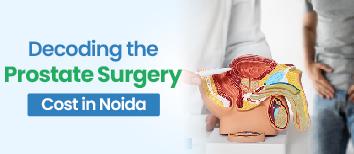
Felix Hospital provides comprehensive and advanced Prostate Surgery in Noida, ensuring safe procedures and faster patient recovery.








Subscribe to our
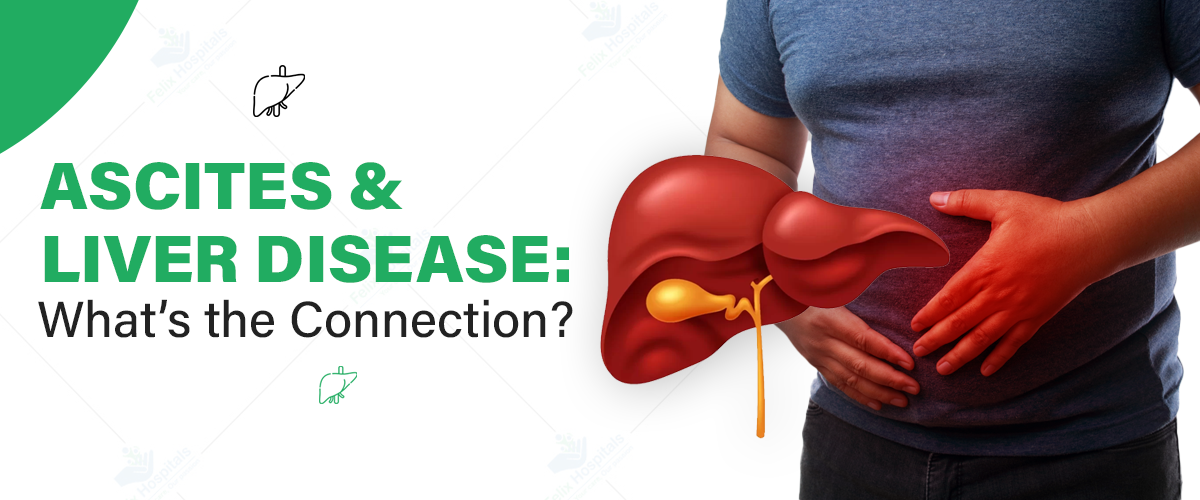
Ascites, a condition marked by the accumulation of fluid in the abdominal cavity, is one of the most common Liver Disease complications associated with liver disease. It is particularly prevalent in individuals suffering from liver cirrhosis, a severe form of liver disease. This blog aims to explore the intricate connection between ascites and liver disease, particularly liver cirrhosis, and highlight the role of early detection, treatment, and prevention strategies in managing these conditions.
Prevent complications like ascites by taking charge of your liver health. Book a consultation by Calling +91 9667064100.
Ascites are defined as the abnormal buildup of fluid in the abdominal cavity, often leading to visible bloating and discomfort. Common symptoms of ascites include abdominal distension, weight gain, shortness of breath, and a feeling of fullness. It can also lead to abdominal pain and difficulty in moving due to the pressure exerted on the diaphragm.
Diagnosis of ascites typically involves a combination of physical exams and imaging tests. Physicians often detect ascites through physical examination, where the doctor may notice a swollen abdomen. Ultrasound imaging is commonly used to confirm the presence of fluid in the abdominal cavity, while paracentesis, a procedure in which fluid is removed from the abdomen for testing, helps in determining the underlying cause of ascites.
Liver disease refers to any condition that affects the functioning of the liver, which is responsible for detoxifying the body, producing vital proteins like albumin, and maintaining fluid balance. Liver disease can take various forms, including liver cirrhosis, hepatitis, and non-alcoholic fatty liver disease (NAFLD).
In its early stages, liver disease may present few noticeable symptoms, but as the condition progresses, patients may experience symptoms such as jaundice (yellowing of the skin and eyes), fatigue, abdominal pain, and swelling. Liver cirrhosis, which is a result of long-term liver damage, can lead to severe liver disease complications, including ascites.
The liver plays a critical role in maintaining fluid balance within the body. It produces proteins such as albumin, which help retain fluid in the bloodstream by pulling water into the blood vessels. When liver function is compromised due to disease, the production of albumin decreases, leading to fluid leakage into surrounding tissues and cavities, including the abdomen, which results in ascites.
Furthermore, the liver regulates blood circulation, particularly in the portal vein, which brings blood to the liver from the intestines. When liver disease leads to cirrhosis, portal hypertension occurs, raising pressure within the portal vein and causing fluid to leak into the abdominal cavity, contributing to ascites development.
The connection between liver disease and ascites primarily stems from the pathophysiology of cirrhosis. As liver tissue becomes scarred, blood flow through the liver is obstructed, which results in increased pressure in the portal vein (portal hypertension). This pressure forces fluid into the abdominal cavity, leading to the development of ascites.
Liver cirrhosis and ascites are often linked because cirrhosis is the most common cause of ascites. As liver function deteriorates, the body’s ability to process and manage fluids becomes impaired, exacerbating the fluid buildup in the abdomen. This fluid accumulation can eventually lead to further Liver Disease complications such as infections (spontaneous bacterial peritonitis) and kidney failure.
Several factors increase the risk of developing ascites in people with liver disease. These include:
Chronic alcohol consumption: One of the leading causes of liver cirrhosis, which significantly raises the risk of ascites.
Viral infections: Hepatitis B and C are major contributors to cirrhosis and ascites.
Non-alcoholic fatty liver disease (NAFLD): Linked to obesity, diabetes, and poor lifestyle choices, NAFLD is a growing risk factor for liver cirrhosis and ascites.
Genetic factors: Certain inherited conditions can increase the likelihood of developing liver disease and ascites.
Autoimmune liver disease: Conditions where the immune system attacks the liver may lead to cirrhosis and ascites.
Metabolic disorders: Some metabolic conditions also raise the risk of liver disease and ascites.
To accurately diagnose ascites, a combination of the following methods is used:
Medical history and symptoms: A comprehensive review of the patient's health and symptoms.
Physical exams: The doctor may check for signs of fluid buildup in the abdomen.
Imaging techniques: Ultrasound is commonly used to confirm the presence of ascites. CT scans or MRIs may also be performed to assess liver damage, cirrhosis, and portal hypertension.
Paracentesis: A procedure where fluid is removed from the abdomen to identify the cause of ascites and rule out other conditions like infections or cancer.
Blood tests: These evaluate liver function by measuring liver enzymes, bilirubin, and albumin levels.
Treatment focuses on managing liver disease and relieving ascites symptoms:
Diuretics: Medications to help the body remove excess fluid.
Salt and fluid restriction: Diet changes to prevent fluid buildup.
Paracentesis: In severe cases, fluid may be removed from the abdomen to reduce pressure.
Liver transplantation: In advanced cases of liver cirrhosis, a liver transplant may be considered to restore liver function.
Managing liver complications, such as portal hypertension, is crucial to prevent ascites from returning. For the best outcomes, it is crucial to seek treatment at the best gastroenterology hospital with expertise in managing ascites and liver diseases.
Preventing ascites involves addressing the underlying causes of liver disease:
Lifestyle changes: Avoid alcohol, maintain a healthy weight, and manage blood sugar levels to reduce the risk of liver disease and ascites.
Early diagnosis and treatment of viral hepatitis: Prevents the progression to cirrhosis and ascites.
Regular monitoring: Individuals at risk, especially those with a family history or conditions like NAFLD, should have regular medical check-ups.
If you or a loved one is experiencing symptoms of liver disease or ascites, don’t wait. Contact us now by Clicking Here.
The connection between ascites and liver disease, particularly liver cirrhosis, highlights the importance of understanding liver function and the Liver Disease complications associated with liver disease. Ascites, while a common manifestation of cirrhosis, can be managed effectively with early diagnosis, proper treatment, and lifestyle adjustments.
It is crucial to seek medical advice if you experience symptoms of liver disease or ascites to prevent further complications. Through comprehensive care and timely intervention, individuals living with liver disease can improve their quality of life and reduce the risk of severe complications such as ascites.
1. What causes ascites in liver disease?
Ans. Ascites in liver disease are mainly caused by cirrhosis, which obstructs blood flow through the liver and increases pressure in the portal vein (portal hypertension). This causes fluid to leak into the abdomen.
2. Can ascites be cured?
Ans. While ascites itself may not have a cure, it can be effectively managed through treatments like diuretics, paracentesis, and addressing the underlying liver disease. Liver transplantation may be necessary in advanced cases.
3. How do I know if I have ascites?
Ans. Common symptoms of ascites include abdominal swelling, weight gain, shortness of breath, a feeling of fullness, and abdominal pain. A doctor will diagnose ascites using physical exams, imaging tests like ultrasound, and procedures like paracentesis.
4. What are the risk factors for ascites in liver disease?
Ans. Risk factors include chronic alcohol consumption, viral infections like hepatitis B and C, non-alcoholic fatty liver disease (NAFLD), genetic factors, autoimmune liver diseases, and certain metabolic disorders.
5. Is liver transplantation necessary for ascites?
Ans. Liver transplantation is considered when liver cirrhosis has reached an advanced stage and other treatments are no longer effective. It can restore liver function and prevent complications like ascites from worsening.
6. Can ascites be prevented?
Ans. Preventing ascites involves addressing the causes of liver disease. Lifestyle changes such as avoiding alcohol, maintaining a healthy weight, managing blood sugar, and early treatment for viral hepatitis can significantly reduce the risk.
7. How are ascites treated?
Ans. Ascites are treated through medications like diuretics to remove excess fluid, dietary changes to limit salt and fluid intake, and in severe cases, paracentesis to remove the fluid. Managing the underlying liver disease is crucial to prevent recurrence.

Learn the essential diet tips for ascites management. Discover foods to include and avoid to maintain liver health, reduce fluid buildup, and improve overall wellness.
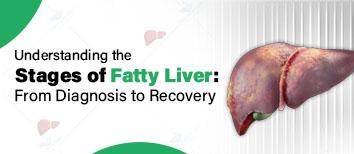
Understand how fatty liver develops, its key stages, and the steps needed for recovery. Early diagnosis and expert treatment can help reverse damage and restore liver function.
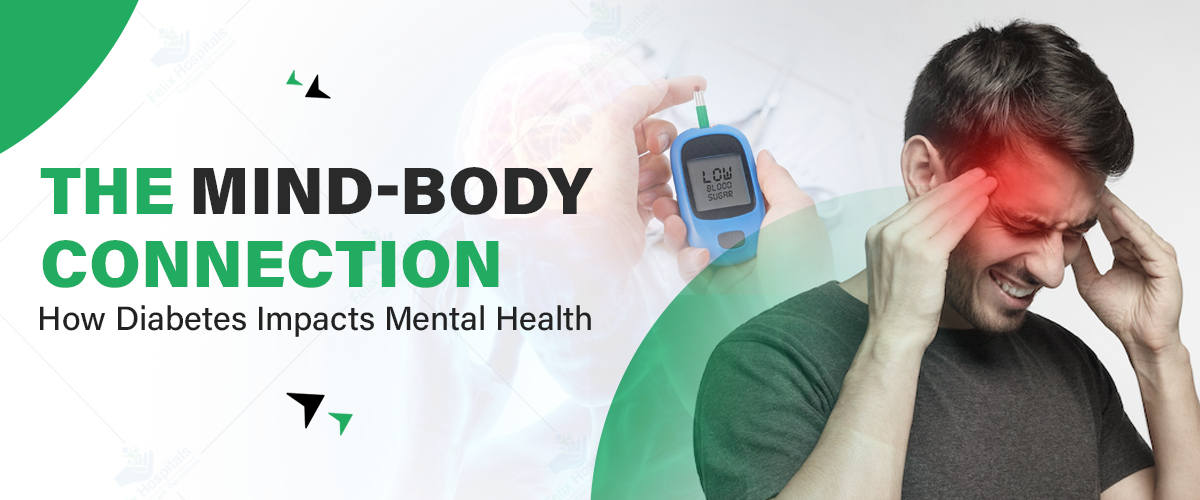
Diabetes is a condition in which your body part pancreases cannot make enough insulin which results in an increase in your glucose level/blood sugar level.

Manage diabetes effectively with a well-planned Indian vegetarian diet chart. Explore healthy meal options and tips for blood sugar control.
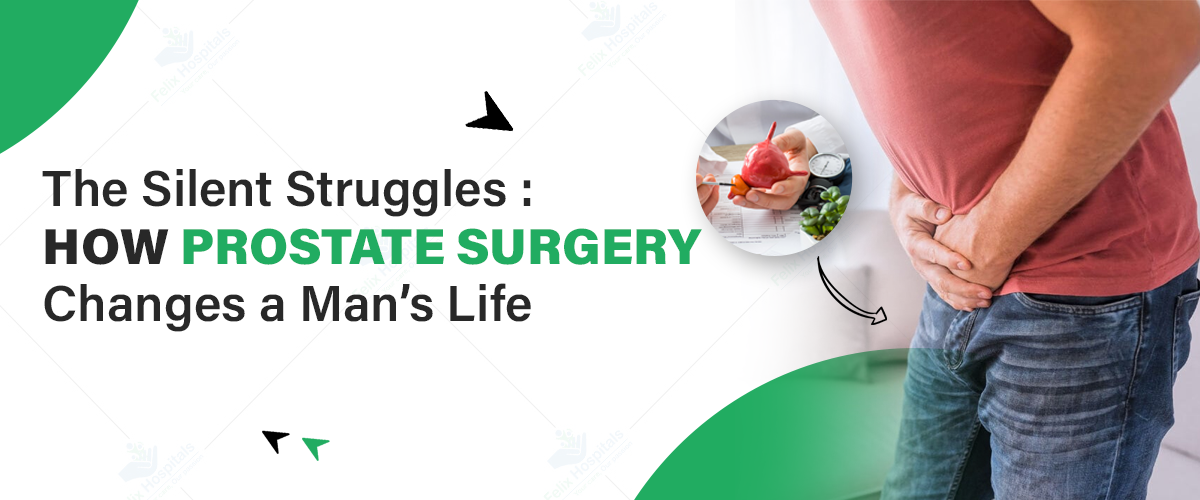
Prostate health is a critical aspect of a man’s overall well-being, and prostate surgery can play a vital role in addressing serious health concerns. Prostate surgery, often a life-saving procedure, can be necessary due to conditions such as prostate cancer or benign prostatic hyperplasia (BPH). While the physical benefits of surgery are often emphasized, the emotional, psychological, and lifestyle changes that occur post-surgery are frequently overlooked.
Many men face silent struggles after prostate surgery, navigating through changes that affect their daily lives, relationships, and sense of self. This blog aims to raise awareness about these challenges, shedding light on the complex nature of recovery. By understanding these issues, we hope to provide support and encourage men to seek the necessary help, whether physical or emotional, to ensure a smoother recovery at the Best prostate surgery hospital in Noida.
If you or someone you know is navigating life after prostate surgery, reach out to a healthcare professional for support and guidance. Call us now at +91 9667064100.
Prostate surgery refers to procedures performed to treat prostate-related issues, particularly prostate cancer and BPH. The two most common types of prostate surgery are:
Prostatectomy: This is the removal of part or all of the prostate gland. A prostatectomy may be required for prostate cancer, where the prostate is surgically removed to eliminate the cancerous tissue.
Minimally Invasive Surgery: In cases where surgery is required for benign prostate enlargement, minimally invasive procedures like transurethral resection of the prostate (TURP) are performed to remove part of the prostate gland.
Prostate Cancer: The most common reason for prostate surgery is the presence of cancerous cells in the prostate. Prostate cancer can grow slowly, but in some cases, it requires prompt surgical intervention to prevent it from spreading to other parts of the body.
Benign Prostatic Hyperplasia (BPH): BPH is an enlargement of the prostate that affects many older men. It can lead to urinary problems, including difficulty urinating or frequent urination. Surgery may be necessary when medications or lifestyle changes do not improve symptoms.
Prostate surgery typically requires general anesthesia. The length of the procedure varies based on the type of surgery being performed, but most prostate surgeries last between 1-4 hours. Recovery time can vary widely, with patients often needing several weeks to recover fully. After the surgery, patients are typically monitored for several days before being discharged, and follow-up visits are essential to ensure proper healing.
The recovery process after prostate surgery can be challenging, with several physical changes that can affect a man’s daily life.
One of the most common physical changes after prostate surgery is the impact on urinary function. Many men experience:
Urinary Incontinence: This condition refers to the inability to control urination, leading to leaks. It can be a temporary or long-term side effect, depending on the extent of the surgery and the individual’s healing process.
Changes in Urinary Frequency and Urgency: After surgery, men may feel the need to urinate more frequently or experience a sudden urge to urinate, even if their bladder is not full.
Post-surgery, many men face sexual health challenges, such as:
Erectile Dysfunction (ED): This is one of the most significant concerns for men undergoing prostate surgery. Nerve damage during the procedure can lead to difficulty achieving or maintaining an erection.
Changes in Libido: Hormonal changes and physical discomfort may cause a decrease in sexual desire or libido after surgery.
Physical therapy and pelvic floor exercises can be essential in helping men recover after prostate surgery. Pelvic floor exercises, such as Kegels, can help strengthen the muscles responsible for bladder control and improve erectile function over time.
Men need to continue managing their health through regular follow-ups with their healthcare providers. Long-term strategies include:
Diet and Exercise: Maintaining a healthy lifestyle can support overall physical recovery and address changes in urinary and sexual function.
Medication: Some men may need medication to manage symptoms like incontinence or erectile dysfunction.
The emotional and psychological impact of prostate surgery can be profound and often goes unspoken. Men may experience:
After surgery, many men face significant emotional challenges. There is often a sense of loss—whether it’s the loss of sexual function or the fear of cancer recurrence. Anxiety about the outcome of surgery or the possibility of needing further treatment can also weigh heavily on their minds.
The changes in sexual health and physical function after surgery can lead to body image issues. Men may struggle with feelings of inadequacy or loss of masculinity. This can have a profound impact on self-esteem and confidence, making it harder for them to embrace their post-surgery life.
The physical recovery process is often accompanied by emotional struggles. Men may feel isolated or unable to discuss their concerns with others, which can lead to feelings of depression. Men must seek mental health support during this time.
Mental health support, including counseling or support groups, can provide men with a safe space to express their feelings and concerns. Therapy can also help men adjust to their new life after surgery, offering strategies for coping with anxiety, depression, and body image issues.
Prostate surgery can cause shifts in intimacy and sexual relationships. The inability to engage in sexual activity or changes in sexual function can create feelings of frustration or inadequacy. Partners may also struggle with how to navigate these changes in their relationship.
Communication becomes even more critical after prostate surgery. Men need to have open and honest discussions with their partners about their feelings and the changes they’re going through. Family support can play a crucial role in the recovery process.
Couples can work together to navigate these challenges by being patient, supportive, and understanding. Exploring new forms of intimacy or adjusting expectations can help maintain a strong emotional connection.
Clear communication with loved ones about the surgery’s impact can help them understand the physical and emotional changes. Support from partners can make a significant difference in the recovery process.
After prostate surgery, men may need to adjust their daily routines. Incorporating exercise, maintaining a healthy diet, and managing stress become crucial for overall well-being. Regular physical activity can also help reduce the risks of complications like incontinence and erectile dysfunction.
Returning to work after surgery can be challenging. Some men may need to take time off for recovery, while others may struggle with low energy levels or the emotional aspects of adjusting to life post-surgery. Balancing work with rest and recovery is important for overall health.
Ongoing medical care and regular check-ups are essential to monitor recovery, manage symptoms, and detect any potential complications early. Men should follow up with their urologist or healthcare provider to ensure they are healing well and staying on track with their recovery.
At Felix Hospitals, we are proud to have Dr. Bhanwar Lal Barkesiya, the Best Doctor for prostate surgery. With years of experience and a compassionate approach, Dr. Barkesiya provides personalized care to ensure the best outcomes for his patients.
Dr. Barkesiya understands that every patient is unique. His treatment plans address individual needs, ensuring a smooth recovery process. Whether you are undergoing prostatectomy or minimally invasive surgery, Dr. Barkesiya's expertise ensures minimal risks and faster recovery.
Seek help to manage both the physical and emotional changes, ensuring a healthier and more fulfilling life after surgery just Click Here.
Prostate surgery can change a man’s life in many ways, from physical changes to emotional and lifestyle adjustments. However, with the right support, men can overcome the challenges that come with these changes. Seeking help, whether physical or emotional, is crucial for a successful recovery. By raising awareness of the silent struggles many men face post-surgery, we can create a supportive environment for those undergoing prostate surgery.
1. What are the most common side effects after prostate surgery?
ANS: Common side effects after prostate surgery include urinary incontinence, erectile dysfunction, changes in urinary frequency and urgency, and a reduced libido. These side effects vary from person to person and depend on the type of surgery performed.
2. How long does it take to recover after prostate surgery?
ANS: Recovery time varies depending on the type of surgery and individual health factors. While some men may return to their daily routines within a few weeks, full recovery can take several months. Follow-up appointments are crucial to track progress and address any complications.
3. How can I manage urinary incontinence after prostate surgery?
ANS: Urinary incontinence can often be managed through pelvic floor exercises (like Kegels), lifestyle changes, medications, and sometimes, medical devices. A rehabilitation program guided by a healthcare professional can significantly help improve bladder control.
4. Will prostate surgery affect my ability to maintain an erection?
ANS: Many men experience erectile dysfunction (ED) after prostate surgery due to nerve damage. While this can be temporary, some may require medications, therapy, or other treatments to regain erectile function. Consult your urologist for personalized treatment options.
5. How can I cope with the emotional challenges after prostate surgery?
ANS: It’s common to feel anxiety, depression, or a loss of self-esteem after prostate surgery. Joining support groups, talking to a counselor, and openly communicating with loved ones can help manage these emotions. Seeking professional mental health support is essential for adjusting to post-surgery life.
6. How soon can I return to normal physical activities after prostate surgery?
ANS: The timeline for resuming physical activities depends on the surgery type and individual recovery. Typically, light activities like walking can be resumed within a few weeks, but more strenuous exercises and sports may require several months. Always follow the advice of your healthcare provider regarding activity levels.
7. Is prostate surgery effective for treating benign prostatic hyperplasia (BPH)?
ANS: Yes, prostate surgery, such as transurethral resection of the prostate (TURP), is an effective treatment for BPH, especially in cases where medications have not been successful. The surgery helps relieve urinary symptoms by removing part of the prostate gland, improving urine flow, and reducing discomfort.
Prostate cancer is a common type of cancer in men that affects the prostate gland. Understanding its symptoms, causes, and treatment options can help in early detection and effective management.
Prostate cancer is a type of cancer that occurs in the prostate gland, a small walnut-shaped gland responsible for producing seminal fluid, which nourishes and transports sperm.
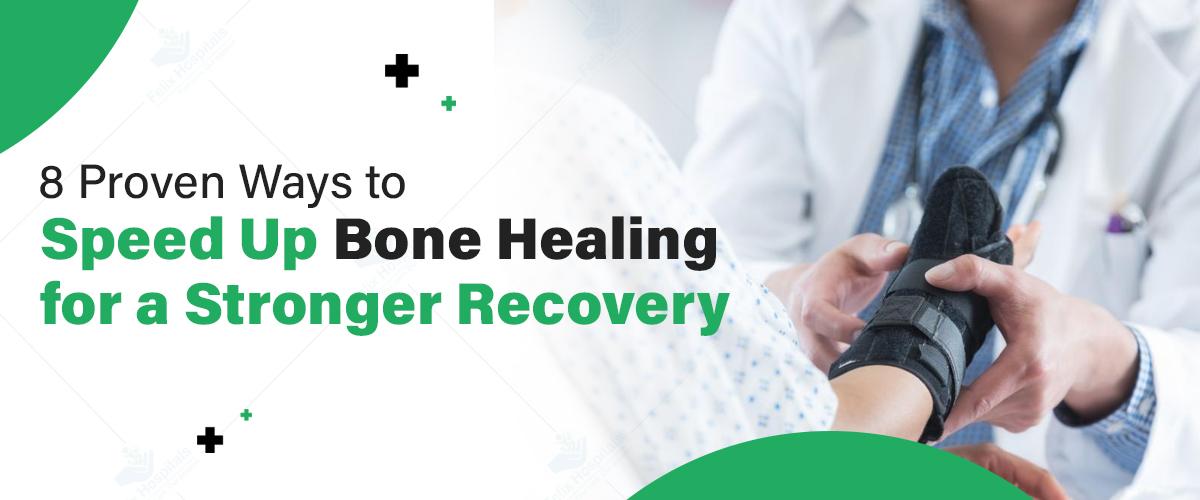
Bone fractures are a common occurrence, ranging from simple hairline cracks to more complex breaks that can require surgical intervention. When a bone is fractured, the body embarks on a multi-phase healing process to restore strength and function. Effective healing is crucial for optimal recovery, mobility, and overall quality of life. Understanding how to accelerate the healing process can make a significant difference in recovery time and minimize the risk of complications. By optimizing these factors, you can ensure that your body is in the best possible condition to repair the bone and restore normal function.
Consulting with a healthcare provider at Felix Hospital makes your perfect recovery plan by calling +91 9667064100.
Bone healing is a complex, multi-phase process that involves several key stages:
This is the immediate response to a fracture. Within hours of the injury, blood vessels around the broken bone constrict to limit bleeding. A blood clot forms at the fracture site, which helps stabilize the bone. Inflammatory cells work to clean the wound by removing dead tissue and bacteria, setting the stage for new tissue to grow.
After the inflammatory phase, the body begins to form a soft callus made of cartilage and collagen. This provides initial stability. Over the next few weeks, the soft callus hardens into a hard callus made of bone tissue. The bone starts to heal at a structural level, though it is still relatively weak.
During the final phase, the bone undergoes significant remodeling. The hard callus is gradually replaced with new bone tissue, and the bone regains its normal strength and shape. The remodeling phase can last months to years, depending on the fracture's severity.
The healing process for most fractures typically takes between 6 to 8 weeks, though it can vary based on several factors:
Age: Younger people generally heal faster than older individuals.
Type of Fracture: Simple fractures usually heal faster than complex or displaced fractures.
Health Conditions: Pre-existing conditions like osteoporosis, diabetes, or smoking can slow the healing process.
Nutrition plays a crucial role in the healing process. Providing your body with the right nutrients supports bone regeneration, tissue repair, and overall recovery.
Calcium is a key component of bone tissue, and its availability is essential for the formation of strong, healthy bones. Vitamin D helps the body absorb calcium efficiently. A deficiency in either of these nutrients can impair the healing process. Ensure that you consume adequate amounts of calcium and vitamin D through foods like dairy products, leafy greens, and fortified cereals. Proper nutrition for bone healing is essential for a quick and effective recovery.
Protein is necessary for tissue repair, as it helps in collagen production, which is the building block of bone. Magnesium and zinc also play important roles in bone health and tissue regeneration. Consuming a balanced diet rich in these nutrients can significantly accelerate bone healing.
Dairy Products: Milk, yogurt, and cheese provide calcium and vitamin D.
Leafy Greens: Spinach, kale, and broccoli are excellent sources of calcium.
Nuts and Seeds: Almonds, sunflower seeds, and chia seeds are rich in magnesium.
Lean Meats: Chicken, turkey, and fish provide the protein necessary for tissue repair.
While a balanced diet is the best source of nutrition, supplements can be useful if you're not getting enough from food.
If dietary intake of calcium and vitamin D is insufficient, supplements can help maintain bone health and facilitate faster healing. Be sure to consult a healthcare provider before adding supplements to your routine.
Collagen: Collagen supplements can improve the elasticity and strength of bones, aiding in quicker healing.
Glucosamine: Known for its joint-supporting properties, glucosamine may also support bone repair.
Omega-3 Fatty Acids: Omega-3s can reduce inflammation and promote better circulation, helping the bone healing process.
Once the bone is stable enough and the doctor allows, early, controlled movement is essential for speeding up recovery.
Movement encourages blood flow to the injured area, supplying the necessary oxygen and nutrients to the healing bone. It also stimulates bone remodeling and strengthens the surrounding muscles, which helps with stability and mobility.
A physical therapist can guide you through exercises that improve flexibility, strength, and joint function while preventing stiffness or muscle atrophy. A tailored rehabilitation plan can significantly shorten the recovery time.
Weight-bearing exercises: Walking or light jogging (only when approved by your doctor) can help stimulate bone repair.
Range-of-motion exercises: These exercises can help keep the joints flexible and prevent stiffness.
Strengthening exercises: Once the bone is stable, strengthening exercises can help improve muscle strength and support the healing bone.
Adequate rest is vital for the healing process. Overexerting the injured area before it is fully healed can lead to complications or delayed recovery. It's important to follow the doctor's advice and avoid activities that could stress the bone.
Casts, splints, or braces help immobilize the broken bone, preventing further injury while providing a stable environment for the bone to heal. These devices keep the bone in proper alignment, which is crucial for optimal healing.
To avoid re-injury, weight-bearing activities should be limited during the early stages of healing. Following your doctor's instructions regarding when it is safe to put weight on the affected area is essential.
Improved blood circulation promotes the delivery of nutrients and oxygen necessary for tissue repair. Blood flow also helps remove waste products from the healing site, allowing for faster recovery.
Light Movement: Gentle movement or walking can improve circulation without putting too much strain on the bone.
Elevation: Keeping the injured limb elevated above heart level can also aid in circulation, especially in the early stages.
Both smoking and alcohol can reduce blood flow and hinder bone healing. Smoking damages blood vessels and decreases the supply of oxygen and nutrients to the healing bone, while alcohol can interfere with bone regeneration.
Managing pain effectively is essential for allowing your body to rest and heal. Constant pain can impede your ability to move and engage in healing activities such as physical therapy.
Over-the-counter medications like ibuprofen or acetaminophen can help reduce pain and inflammation, making the healing process more comfortable. Always consult with your healthcare provider about the best options for pain relief.
If pain persists or worsens despite taking pain relievers, or if there are signs of complications (such as infection), seek medical advice immediately. For severe fractures or complications, consider consulting the best orthopedic hospital in Noida for further evaluation.
Sleep is crucial for overall recovery. During deep sleep, the body repairs itself, including bones and tissues. Insufficient sleep can lead to slower recovery and increased risk of complications.
Chronic sleep deprivation can disrupt the production of growth hormones that are essential for healing. It also leads to higher levels of inflammation, which can hinder the healing process.
Maintain a consistent sleep schedule.
Create a comfortable sleep environment, avoiding distractions like loud noises or excessive light.
Practice relaxation techniques such as meditation or deep breathing before bed.
Smoking restricts blood flow, impairs bone growth, and increases the risk of complications. It delays healing by reducing the amount of oxygen and nutrients that reach the bone.
Excessive alcohol consumption can impede bone healing by weakening bone tissue and interfering with calcium absorption.
While most broken bones heal with proper care, there are instances when healing might not progress as expected. Be aware of the following signs:
Persistent pain or misalignment.
Swelling, warmth, or redness around the fracture site.
Signs of infection, such as fever or pus.
Inability to move the limb or severe pain even after immobilization.
If any of these signs occur, seek medical attention promptly. Surgical intervention may be required if the bone fails to heal properly or if it is misaligned.
Follow-up care, including imaging such as X-rays or MRIs, is essential to monitor healing progress.
For optimal care and recovery from broken bones, including fractures, consider consulting with these top orthopedic experts:
Dr. Piyush Kumar Singh: Specialist in treating complex fractures and orthopedic trauma.
Dr. Keshav Goel: A highly experienced orthopedic surgeon with expertise in foot and ankle surgeries.
Dr. Binay Kumar Sahu: Focuses on sports injuries and orthopedic rehabilitation for accelerated healing.
Dr. Varun Aggarwal: Expert in minimally invasive fracture treatments, including for foot fractures, based at Felix Hospital, Gamma 1, Greater Noida.
These specialists can guide you in the best strategies to ensure your bones heal as quickly and efficiently as possible.
You can ensure faster and more effective recovery from your injury. Schedule your appointment by Clicking Here.
Healing broken bones takes time, but with the right approach, you can significantly accelerate the process. Nutrition, supplements, physical therapy, adequate rest, and proper pain management all play a crucial role in restoring the bone to its full function. Avoiding smoking and alcohol, getting sufficient sleep, and maintaining good blood circulation further enhance the healing process.
1. How long does it typically take for a broken bone to heal?
Bone fractures usually take 6 to 8 weeks to heal, but the time can vary based on fracture type, severity, age, and overall health. More complex fractures or fractures in individuals with conditions like osteoporosis may take longer.
2. Can broken bones heal faster with exercise?
Gentle, controlled exercises and physical therapy (once approved by your doctor) can improve blood flow, aiding the healing process. However, it's important not to overexert yourself or start therapy too soon.
3. What role does vitamin D play in bone healing?
Vitamin D is essential for calcium absorption, which is crucial for bone healing. Ensure adequate sun exposure including vitamin D-rich foods in your diet, or take supplements as recommended by your doctor.
4. Is there a specific diet I should follow to speed up bone recovery?
Focus on a diet rich in calcium, vitamin D, protein, magnesium, and zinc. Foods like dairy, leafy greens, lean meats, and nuts can support bone healing.
5. Can I return to normal activities immediately after my bone heals?
No, returning to activities too soon can cause re-injury. Gradually resume activities as per your doctor’s advice to avoid complications.
6. How can I tell if my broken bone isn’t healing properly?
Signs like persistent pain, misalignment, swelling, or signs of infection (fever, redness, pus) may indicate improper healing. Consult your doctor if you're concerned.
7. Does smoking slow down the healing process?
Yes, smoking reduces blood flow and oxygen to the bone, delaying healing. It’s recommended to quit smoking during recovery to improve healing outcomes.
8. Should I be taking calcium supplements while recovering from a bone fracture?
Consult your doctor before taking calcium supplements. A balanced diet may provide enough calcium, but supplements might be necessary if dietary intake is insufficient.
Learn how menopause impacts bone health and discover strategies to prevent osteoporosis, including lifestyle tips, diet, and treatments for stronger bones.

Bone fractures are common injuries from accidents or falls. While many heal well, complications can arise, affecting recovery. Learn more about these issues and treatments.
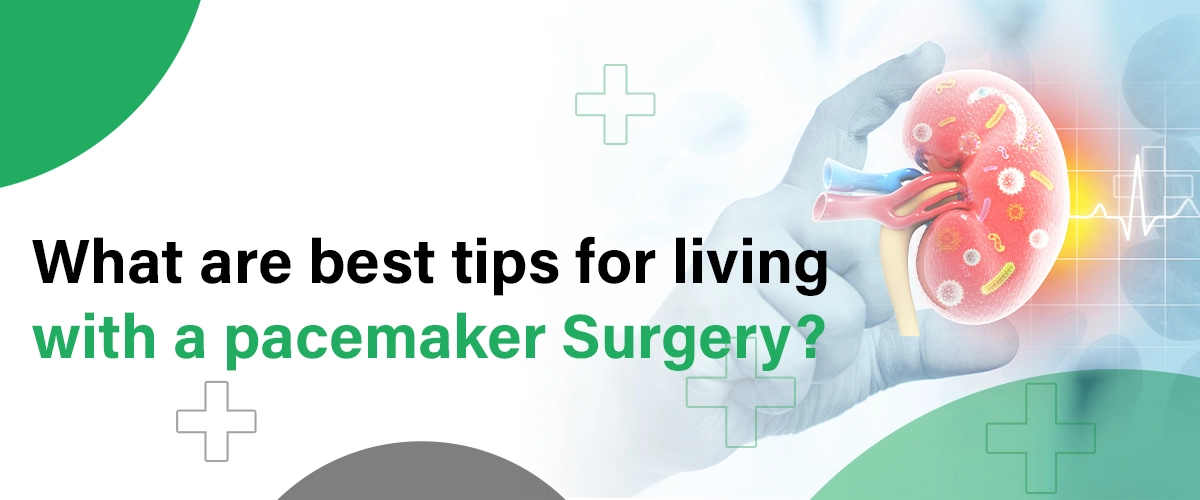
A pacemaker surgery can be a life-changing procedure for those dealing with heart rhythm problems. If you're considering or have already undergone a pacemaker implant, it's essential to know how to live well with this device and lead a healthy life. For those seeking the best hospital for pacemaker surgery, Felix Hospital in Noida offers expert care and advanced technology for heart health. With a team of experienced cardiologists and cutting-edge diagnostic tools, you can be assured of comprehensive care throughout your journey.
If you or a loved one needs pacemaker surgery, don't hesitate to contact Felix Hospital. Call us now at +91 9667064100.
A pacemaker surgery involves implanting a small device under the skin of the chest to regulate your heart's rhythm. This device helps maintain a steady heart rate, especially for those whose hearts beat too slowly or erratically. The pacemaker sends electrical impulses to the heart when necessary, helping it beat at a normal pace.
Typically, pacemaker surgery is performed under local anesthesia, with the patient remaining awake during the procedure. It usually takes about 1-2 hours, and after the surgery, patients may need to stay in the hospital for a short period for monitoring.
Pacemaker surgery is often recommended for individuals who have the following conditions:
Bradycardia: A condition where the heart beats too slowly (less than 60 beats per minute).
Heart Block: When electrical signals in the heart are delayed or blocked.
Arrhythmias: Irregular heartbeats, especially those that affect the heart's ability to pump blood effectively.
Congenital Heart Defects: Some people may need a pacemaker from birth if they have certain heart conditions.
Heart Failure: Severe heart failure cases may require a pacemaker to help regulate heart function.
If you're facing any of these conditions, it may be time to Consult with a cardiologist to determine whether pacemaker surgery is right for you.
Living with a pacemaker involves taking extra precautions to ensure the device functions properly and that you maintain overall heart health. Here are some top tips for living with a pacemaker:
One of the most important tips is to follow your cardiologist’s recommendations carefully. After your pacemaker surgery, you'll receive specific instructions about activities, medications, and follow-up appointments. Adhering to these guidelines can help ensure your pacemaker operates effectively.
After your surgery, you should avoid heavy lifting and intense physical activity for a few weeks. Allow your body to heal properly, and consult with your doctor before resuming activities such as heavy exercise, swimming, or lifting objects that weigh more than 10-15 pounds.
It's essential to wear a medical alert bracelet or necklace that informs others of your pacemaker. This information can be crucial in emergencies, especially if you're unconscious or unable to communicate with paramedics or medical personnel.
Many pacemaker devices have built-in monitoring systems that track your heart rate. Regular check-ups with your doctor are necessary to ensure the device is working correctly and that no adjustments are needed. Some devices allow you to remotely transmit data, so your cardiologist can monitor your heart's activity.
After surgery, you may have a small incision site where the pacemaker was implanted. It's essential to keep this area clean and dry to avoid infection. Your doctor will give you specific instructions on how to care for the site in the weeks following surgery.
While pacemakers are generally very reliable, certain electromagnetic fields can interfere with their functioning. Avoid proximity to strong magnets, such as those used in MRI machines or large speakers, unless advised by your doctor. You may need to inform any healthcare provider that you have a pacemaker before undergoing specific tests or procedures.
Pacemaker devices need regular check-ups to ensure they're working correctly. Your cardiologist will schedule periodic follow-ups to check the settings and functionality of the pacemaker. These appointments are crucial for maintaining optimal heart health and ensuring that your pacemaker remains in proper working condition.
Living with a pacemaker requires a commitment to maintaining a healthy lifestyle. Eating a balanced diet, exercising regularly, quitting smoking, and managing stress are vital components of heart health. Additionally, taking any prescribed medications as directed can help control blood pressure, cholesterol, and other factors that affect heart health.
While pacemaker surgery is generally safe, complications such as infection, pacemaker malfunction, or blood clots may occur. If you experience any unusual symptoms such as dizziness, fainting, chest pain, or swelling near the implant site, contact your healthcare provider immediately.
If you experience sudden shortness of breath, chest pain, lightheadedness, or an unusual heartbeat, don't hesitate to reach out to your cardiologist. These could be signs of a problem with your pacemaker, and timely medical intervention is critical.
When seeking expert care for Pacemaker surgery and post-surgery management, Felix Hospital in Noida is a trusted healthcare provider. The hospital houses some of the top cardiologists for heart attack and heart failure treatment, ensuring patients receive the highest quality care.
Dr. Rahul Arora: An Interventional Cardiologist with over 21 years of experience, Dr. Arora specializes in complex cardiac treatments and provides expert care for pacemaker placements.
Dr. Virender Singh: With more than 25 years of experience in Cardiology, Dr. Singh is known for his comprehensive expertise in managing heart disease. He is dedicated to providing the best care for patients with pacemakers.
If you're considering pacemaker surgery or need advice on living with a pacemaker, these specialists are here to provide personalized care tailored to your needs.
Schedule a consultation today by Clicking Here for expert treatment and heart health management.
Living with a pacemaker can significantly improve your quality of life by regulating your heart's rhythm and preventing complications from heart disease. However, it's essential to take proactive steps to manage your heart health post-surgery, including regular check-ups, following your doctor's advice, and maintaining a healthy lifestyle. Felix Hospital in Noida offers state-of-the-art pacemaker surgery and heart health care, with a team of experienced cardiologists dedicated to providing exceptional care tailored to your needs. If you want to know about the Cost of pacemaker surgery in Noida so Click Here for more information.
Q- How long does it take to recover after pacemaker surgery?
ANS: Recovery time varies, but most patients can resume light activities within 1-2 weeks and return to normal activities within a few months.
Q- Can I exercise with a pacemaker?
ANS: Yes, but you should avoid intense physical activities for several weeks after surgery. Consult with your cardiologist to determine which exercises are safe for you.
Q- Will my pacemaker run out of battery?
ANS: Yes, pacemakers have a battery life of 5-15 years, depending on the type and usage. Your doctor will monitor the battery and replace the device when necessary.
Q- Can I fly with a pacemaker?
ANS: Yes, you can travel by air with a pacemaker. However, notify airport security about your device to avoid any complications with metal detectors.
Q- How often should I visit my cardiologist after pacemaker surgery?
ANS: Regular follow-ups are necessary, typically every 6-12 months, to ensure that the pacemaker is functioning correctly.
Q- Can a pacemaker be removed if necessary?
ANS: While pacemakers are designed for long-term use, they can be removed or replaced if needed. Discuss options with your cardiologist if you're experiencing issues with the device.
Q- Will I need to avoid certain medications with a pacemaker?
ANS: Certain medications, especially those that affect heart rhythm, may need to be adjusted. Always inform your healthcare providers about your pacemaker before starting new medications.
Q- Can I resume driving after pacemaker surgery?
ANS: You should avoid driving for at least 1-2 weeks after surgery, or longer if advised by your doctor. Ensure you’re fully recovered and cleared by your cardiologist before getting back on the road.

A pacemaker is a small electronic device implanted under the skin near the heart to regulate the heart’s rhythm.

Perimenopause and menopause are natural stages in a woman’s life, marking significant hormonal changes that impact various aspects of health. Understanding these differences is crucial for managing health effectively during these phases. Whether you're navigating perimenopause or experiencing menopause, it is essential to have the support of medical professionals, such as the best gynecologist hospital in Noida, to guide you through this journey.
Contact us at +91 9667064100 for a consultation with one of our specialists and take control of your health journey today.
Definition of Perimenopause:
Perimenopause refers to the transitional phase before menopause when a woman’s body begins to undergo hormonal changes. It marks the time when the ovaries gradually produce less estrogen, leading to irregular menstrual cycles and various symptoms.
Age Range:
Perimenopause usually begins in a woman’s 40s, but it can start earlier or later depending on genetics and other factors.
Hormonal Changes:
During perimenopause, estrogen and progesterone levels fluctuate, causing changes in the menstrual cycle and triggering symptoms like hot flashes, mood swings, and sleep disturbances.
Duration:
Perimenopause typically lasts 4-8 years. However, the duration varies among individuals.
Symptoms:
Definition of Menopause:
Menopause marks the point when a woman’s menstrual periods stop entirely, signaling the end of her reproductive years. It is diagnosed when a woman has not had a period for 12 consecutive months.
Age Range:
Menopause typically occurs around age 50, though it can occur earlier or later.
Hormonal Changes:
During menopause, the ovaries stop producing eggs, and estrogen and progesterone levels decline significantly, leading to the cessation of menstruation.
Symptoms:
| Aspect | Perimenopause | Menopause |
|---|---|---|
| Hormonal Changes | Fluctuating hormone levels | Stable but low hormone levels |
| Menstrual Cycle | Irregular periods | No periods for 12 months |
| Symptoms | Hot flashes, mood swings, sleep issues | Hot flashes, vaginal dryness, mood changes |
| Duration | Lasts 4-8 years | Permanent stage (no more menstruation) |
Both perimenopause and menopause bring increased risks for several health conditions:
Consulting healthcare professionals during perimenopause and menopause can help manage symptoms and ensure overall health during these life stages.
It is important to consult a doctor if you experience:
Regular check-ups during perimenopause and menopause help ensure that symptoms are managed effectively, and underlying health conditions are addressed.
At Felix Hospitals, we have a team of expert gynecologists who specialize in treating perimenopause and menopause. They provide personalized care to manage symptoms and promote overall well-being. Our doctors include:
Visit Felix Hospitals to consult our experienced gynecologists and receive personalized care to manage your symptoms. Book your appointment now!
Understanding the key differences between perimenopause and menopause can empower women to make informed decisions about managing their health during these stages. Each woman’s experience is unique, so it is essential to seek expert advice and support to ensure optimal health during perimenopause and menopause. Stay informed and consult the best gynecologists for personalized care and guidance.
1. How to distinguish perimenopause from menopause?
Ans. Perimenopause has fluctuating hormones and irregular periods, while menopause is diagnosed after 12 months without a period and steady hormone decline.
2. Can menopause happen before 50?
Ans. Yes, premature menopause can occur before 40 due to genetics, medical conditions, or treatments like chemotherapy.
3. What is HRT and is it safe?
Ans. HRT supplements estrogen and/or progesterone to manage symptoms but should be discussed with a doctor for risks and benefits.
4. How long does menopause last?
Ans. Menopause is permanent, but symptoms can last for several years, often decreasing in intensity over time.
5. How to manage hot flashes?
Ans. Stay hydrated, dress in layers, and use relaxation techniques. Severe cases may require medication.
6. Diet tips for perimenopause/menopause?
Ans. Eat calcium-rich foods, vitamin D, and antioxidants while avoiding alcohol and caffeine.
7. Can I get pregnant during perimenopause?
Ans. Yes, fertility declines but contraception should still be used until 12 months without a period.
8. How does menopause affect mental health?
Ans. Hormonal changes can cause mood swings, anxiety, and depression; professional support and stress-reducing activities help.
9. When should I see a doctor?
Ans. Consult if symptoms interfere with daily life, like severe hot flashes, mood swings, or signs of osteoporosis or cardiovascular issues.
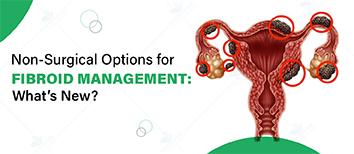
Explore the latest non-surgical treatments for fibroid management. Learn about advanced options to relieve symptoms and improve your quality of life.

Uterine fibroids are common non-cancerous growths affecting women of childbearing age, yet they are often misunderstood. Many women live with symptoms like heavy menstrual bleeding, pelvic pain, or fertility challenges due to fibroids, unaware of their treatment options. If you're looking for the best gynecologist hospital in Noida, Felix Hospital offers advanced care for fibroid diagnosis and treatment, ensuring optimal health outcomes.
For consultations with a Gynecologist at Felix Hospitals, call us at +91 9667064100.
Fibroids, also known as uterine leiomyomas, are benign tumors that develop from the muscular tissue of the uterus. While the exact cause remains unknown, factors like genetics, hormonal changes, and lifestyle may contribute to their growth. Fibroids vary in size and location, and while some women experience no symptoms, others may face significant discomfort and health concerns.
Fibroids are classified based on their location in the uterus:
Intramural Fibroids grow within the uterine wall.
Subserosal Fibroids develop on the outer surface of the uterus.
Submucosal Fibroids protrude into the uterine cavity.
Pedunculated Fibroids are attached to the uterus by a stalk.
Myth: All fibroids cause symptoms.
Fact: Not all fibroids lead to noticeable symptoms. Many fibroids remain asymptomatic and are often discovered incidentally during routine pelvic exams or imaging tests. However, large or poorly located fibroids can cause severe symptoms, including heavy menstrual bleeding, pain, or fertility challenges.
Myth: Fibroids always require surgery.
Fact: Surgery is not the only option for managing fibroids. At Felix Hospital, we provide a variety of non-invasive and minimally invasive alternatives, such as hormonal therapy, uterine artery embolization (UAE), and advanced techniques like MRgFUS (Magnetic Resonance-guided Focused Ultrasound). These methods effectively address fibroids without surgery, reducing risks and recovery time.
Myth: Fibroids turn into cancer.
Fact: Fibroids are almost always benign and do not increase the risk of uterine cancer. In extremely rare cases (less than 1%), fibroids may develop into a cancerous condition called leiomyosarcoma, but this is not the norm. Regular monitoring can help identify and manage any unusual changes.
Myth: Fibroids prevent pregnancy.
Fact: Many women with fibroids conceive and have healthy pregnancies. While certain fibroids, especially submucosal ones, may interfere with conception or cause pregnancy complications, proper evaluation and treatment can often resolve these issues. At Felix Hospital, our expert gynecologists provide personalized care to support women with fibroids in their journey toward parenthood.
Myth: Fibroids only affect older women.
Fact: Although fibroids are most common in women aged 30–50, they can develop at any age after puberty. Some young women in their 20s also experience fibroids, highlighting the importance of awareness and early diagnosis regardless of age.
Myth: Diet does not affect fibroids.
Fact: While diet cannot cure fibroids, certain foods may help manage their growth and symptoms. A diet rich in fruits, vegetables, whole grains, and lean proteins is beneficial, while red meat, alcohol, and processed foods should be limited. Proper nutrition can also improve overall reproductive health.
Myth: Fibroids always recur after treatment.
Fact: While recurrence is possible, advanced treatments like those offered at Felix Hospital significantly reduce the likelihood of fibroids returning. Techniques like UAE and MRgFUS target the fibroid tissue effectively, ensuring long-lasting relief.
Felix Hospital is widely recognized as the Best Hospital for Fibroid Removal Surgery, offering top-notch care and state-of-the-art facilities. Our team of highly skilled gynecologists includes:
Dr. Charu Yadav: Known for her compassionate approach and expertise in minimally invasive fibroid treatments.
Dr. Sangeeta Sharma: A leading specialist in fibroid care, with a focus on innovative and patient-centric treatment methods.
Dr. Sonia Kuruvilla: Renowned for her precision in diagnosing and managing fibroids, ensuring optimal outcomes for every patient.
Dr. Pragati Jain: With vast experience in treating fibroids, Dr. Jain is dedicated to providing personalized care and the latest treatments for her patients.
Dr. Archana Rathi: With 12 years of experience, Dr. Rathi is committed to offering comprehensive, effective fibroid treatment plans and delivering compassionate care.
Dr. Swati Thakur: With 7 years of experience, Dr. Thakur specializes in holistic approaches to fibroid management, ensuring the best care for every patient.
Whether you require surgical intervention or non-surgical management for fibroids, debunking the myths about fibroids is essential. Our experts at Felix Hospital will guide you toward the best treatment plan, tailored to your specific needs, ensuring effective care and the best possible outcomes.
Schedule your appointment today at Felix Hospitals by Clicking Here.
Fibroids are a common yet often misunderstood condition that can significantly impact a woman’s quality of life. By debunking myths about fibroids and providing accurate information, Felix Hospital empowers women to make informed decisions about their health. With a comprehensive range of treatments, from non-invasive methods to advanced surgical options, we ensure every woman receives the best care possible.
1. Can fibroids grow back after treatment?
Ans. Recurrence is possible but depends on the type of treatment. Advanced techniques at Felix Hospital significantly reduce recurrence rates.
2. Are fibroids hereditary?
Ans. Yes, a family history of fibroids may increase your likelihood of developing them.
3. Can fibroids affect periods?
Ans. Yes, fibroids can cause heavy, prolonged, or irregular periods, depending on their size and location.
4. Do fibroids shrink naturally?
Ans. Small fibroids may shrink after menopause due to decreased hormone levels.
5. Can fibroids cause complications during pregnancy?
Ans. Yes, fibroids can sometimes lead to complications like miscarriage, preterm labor, or abnormal positioning of the baby.
6. Is fibroid removal painful?
Ans. At Felix Hospital, we ensure patient comfort through advanced surgical techniques and effective pain management strategies, helping to address the myths about fibroids and provide accurate information on treatment options for optimal care.
7. What is the recovery time after fibroid surgery?
Ans. Recovery time varies, but minimally invasive techniques offer shorter recovery periods, typically 1–2 weeks.
8. How are fibroids diagnosed?
Ans. Fibroids are commonly diagnosed using ultrasound or MRI, which provide detailed images of the uterus.
9. What happens if fibroids are left untreated?
Ans. Untreated fibroids may grow larger, causing increased symptoms and potential complications like infertility or severe anemia.
Dr. Charu Yadav is an obstetrician and gynecologist with 12+ years of experience, specializing in high-risk and twin pregnancies, ectopic pregnancy, and menstrual disorders. Trained in laparoscopic surgery, she provides care for pregnancy, infertility, menopause, and gynae procedures. She is also recognized among the Best Gynecologists in Noida for her patient-focused treatment.

Every November, the world comes together to observe World COPD Day, an annual event aimed at raising awareness about Chronic Obstructive Pulmonary Disease (COPD). This year’s theme, “Breathing is Life,” reminds us of the critical importance of healthy lungs and proper airflow for life itself. COPD is one of the leading causes of death worldwide, affecting millions of people globally and in India. With growing pollution levels and smoking habits, the prevalence of COPD is expected to rise, making awareness and prevention more crucial than ever. If you're seeking the best hospital for Chronic Obstructive Pulmonary Disease, also seeing the support and care, including early diagnosis and management, ensuring better outcomes for COPD patients.
Take Charge of Your Lung Health Today: If you experience symptoms of COPD or are at risk, don’t wait. Call us Today at +91 9667064100.
Chronic Obstructive Pulmonary Disease (COPD) is a group of progressive lung diseases that cause breathing difficulties. The most common types of COPD are Chronic Bronchitis and Emphysema. Chronic Bronchitis involves inflammation and narrowing of the airways, while Emphysema damages the air sacs (alveoli) in the lungs, leading to reduced oxygen intake.
COPD causes airflow limitation, making it increasingly difficult for individuals to breathe as the condition progresses. This leads to decreased oxygen levels in the blood, which can affect the functioning of various organs. For those struggling with COPD, finding the best hospital for Chronic Obstructive Pulmonary Disease can provide essential treatments and personalized care.
The symptoms of COPD may not always be apparent in the early stages, but as the disease progresses, they become more pronounced. Common symptoms include:
Shortness of breath (dyspnea): Difficulty in breathing, especially during physical activity.
Chronic cough: Often accompanied by mucus production.
Frequent respiratory infections: COPD patients are prone to lung infections that worsen symptoms.
Wheezing and chest tightness: Common signs that the airways are narrowed.
Fatigue and reduced exercise tolerance: Limited ability to perform day-to-day activities.
While smoking is the leading cause of COPD, other risk factors also play a role:
Smoking: The most significant factor contributing to COPD, causes inflammation and damage to the lungs over time.
Air Pollution: Exposure to both outdoor and indoor pollutants, such as vehicle emissions and household chemicals, can significantly affect lung health.
Occupational Hazards: Dust, chemicals, and fumes in certain work environments can cause long-term lung damage.
Genetics: A rare condition known as Alpha-1 antitrypsin deficiency increases the risk of COPD, even without smoking.
Respiratory Infections: Severe or recurrent respiratory infections during childhood can increase the risk of developing COPD later in life.
Secondhand Smoke & Environmental Pollution: Even non-smokers can be affected by exposure to secondhand smoke and environmental pollutants.
Seeking help from the best hospital for Chronic Obstructive Pulmonary Disease ensures proper screening and personalized prevention strategies.
While there is no cure for COPD, several treatments can help manage symptoms and improve quality of life:
Medications: Bronchodilators and steroids are commonly prescribed to open airways and reduce inflammation.
Oxygen Therapy: For patients with severely reduced lung function, oxygen therapy helps ensure adequate oxygen levels in the blood.
Pulmonary Rehabilitation: Includes breathing exercises, education, and physical activity to improve lung function and overall health.
Surgical Options: In advanced stages, options like lung volume reduction surgery or even lung transplantation may be considered for eligible patients.
Prevention is key to avoiding or managing COPD. Some essential steps include:
Quit Smoking: The most important step in preventing COPD. For those who smoke, quitting can significantly reduce the risk of developing COPD.
Avoid Exposure to Harmful Chemicals: Wear protective gear when working in dusty or chemical-rich environments.
Reduce Air Pollution: Advocate for cleaner air policies, use air purifiers indoors and avoid highly polluted areas.
Regular Exercise: Staying active helps maintain lung function and strength.
Healthy Diet: Eating foods rich in antioxidants and anti-inflammatory properties supports overall lung health.
Vaccinations: Regular flu shots and pneumonia vaccines are crucial in reducing the risk of respiratory infections.
Being proactive about lung health can prevent COPD from developing or worsening, and seeking care at the best hospital for Chronic Obstructive Pulmonary Disease, ensures the most effective prevention and management strategies.
Managing daily life with COPD can be challenging, but with the right strategies, individuals can lead fulfilling lives. Some helpful tips include:
Managing Shortness of Breath: Practice breathing exercises, such as pursed-lip breathing, to ease shortness of breath.
Mental Health: Anxiety and depression are common among COPD patients. Psychological support and counseling can help manage these issues.
Lifestyle Modifications: Take breaks during physical activities, use supplemental oxygen as prescribed, and adjust your environment to reduce exposure to irritants.
World COPD Day plays a vital role in spreading awareness about the disease, its symptoms, and prevention. The key message of this year’s theme, "Breathing is Life," encourages everyone to be proactive in protecting their lungs. Knowing the symptoms and seeking medical attention early can significantly improve outcomes. Communities, healthcare providers, and organizations must work together to educate the public and support individuals living with COPD.
Dr. Priyadarshi Jitender Kumar
Dr. Priyadarshi Jitender Kumar, the Best Chronic Obstructive Pulmonary Disease Doctor in Noida (COPD), brings over two decades of experience in diagnosing and managing pulmonary conditions. His expertise in COPD treatment, combined with a personalized approach, has made Dr. Kumar one of the most trusted names in the field, helping patients lead healthier and more comfortable lives.
Schedule a consultation at Felix Hospital by Clicking Here with our COPD specialists and take the first step towards better lung health.
"Breathing is Life" serves as a reminder to cherish every breath and take proactive steps toward protecting lung health. Avoid smoking, reduce exposure to harmful pollutants, and seek medical advice if you experience symptoms of COPD. Early diagnosis and treatment can improve the quality of life for COPD patients, and Felix Hospital, with its dedicated pulmonology team, offers comprehensive care to those affected by COPD. If you're concerned about the Cost of COPD treatment in Noida, our team provides affordable and high-quality care tailored to your needs. Get checked today and protect your lungs for a healthier tomorrow.
1-What lifestyle changes can help manage COPD symptoms effectively?
ANS: Managing COPD symptoms often requires a combination of medication, exercise, and lifestyle adjustments. Regular breathing exercises, quitting smoking, maintaining a healthy diet, and avoiding pollutants can significantly improve lung function and quality of life.
2-Is COPD genetic, and can someone without a smoking history develop it?
ANS: While smoking is the leading cause of COPD, genetics also play a role. Conditions like Alpha-1 antitrypsin deficiency can increase the risk of developing COPD, even in non-smokers.
3-How can COPD patients prevent frequent respiratory infections?
ANS: COPD patients should get annual flu shots and pneumonia vaccines, avoid crowded places during flu season, practice good hand hygiene, and avoid exposure to respiratory irritants to minimize the risk of infections.
4-What are the early warning signs of COPD that people should watch for?
ANS: Early signs include a chronic cough (often with mucus), shortness of breath (especially during physical activities), frequent respiratory infections, and wheezing. Recognizing these symptoms early can lead to timely intervention.
5-How does air pollution impact COPD and lung health?
ANS: Air pollution, both indoor and outdoor, aggravates COPD symptoms by causing inflammation in the lungs. Long-term exposure to pollutants like vehicle emissions and industrial fumes can speed up the progression of the disease.
6- Can COPD patients lead a normal life, and what support systems are available?
ANS: With proper treatment and management, including medications, pulmonary rehabilitation, and lifestyle modifications, COPD patients can lead fulfilling lives. Support from family, healthcare providers, and mental health professionals is essential in coping with the emotional impact of COPD.
7-How is COPD diagnosed, and what tests are involved?
ANS: COPD is diagnosed using a combination of physical exams, lung function tests (spirometry), chest X-rays, and blood tests. Early diagnosis through these tests can help in better management and improved outcomes for patients.

Additionally, many COPD patients experience unintended weight loss and muscle wasting, a condition known as Pulmonary cachexia.

A COPD friendly diet is important for several reasons as discussed before. It can assist in relieving symptoms, controlling life threats and managing overweight.

A pulmonologist plays a crucial role in helping patients dealing with serious or chronic breathing difficulties.
Alport syndrome is a rare genetic disorder that affects the kidneys, eyes, and ears, leading to progressive kidney disease and a range of other complications.
Kidney dialysis is a life-saving treatment for patients suffering from chronic kidney disease or kidney failure. Understanding the dialysis cost in Noida helps patients and families plan treatment effectively. This article explains the factors affecting d
Acute Kidney Injury: Causes, Symptoms, and Treatment explores the sudden deterioration of kidney function, which disrupts the body’s ability to filter waste and regulate fluids.
Polycystic Kidney Disease (PKD) is a genetic disorder characterized by the growth of fluid-filled cysts in the kidneys, often leading to kidney failure.
Overactive Bladder (OAB) is a condition characterized by a frequent and urgent need to urinate, often accompanied by involuntary leakage of urine. It can significantly impact an individual's daily life, causing discomfort and anxiety. Many people suffering from OAB may find it difficult to participate in social activities or enjoy a restful night due to the frequent need to visit the bathroom. Urologists play an essential role in diagnosing and providing effective treatments for OAB, offering specialized care tailored to the patient’s health needs. Seeking help at the best hospital for Overactive Bladder diagnosis and treatment can ensure access to expert care.
Concerned about an Overactive Bladder and how it may be linked to your chronic conditions? Contact us today by calling +91 9667064100.
Overactive Bladder (OAB) is a condition that involves an urgent and frequent need to urinate. In severe cases, this urgency may lead to incontinence, where a person may leak urine involuntarily. The key symptoms of OAB include:
Frequent urination: Needing to urinate more than eight times in a 24-hour period.
Urgency: A sudden and compelling urge to urinate, often leading to anxiety.
Nocturia: Waking up multiple times during the night to urinate.
Urge incontinence: Loss of urine that occurs before reaching the bathroom.
These symptoms can severely impact the quality of life, causing emotional distress, social embarrassment, and disrupting sleep. Understanding and managing these symptoms are key to improving the patient's well-being.
Chronic conditions often alter the body’s systems in ways that can negatively impact bladder function, leading to Overactive Bladder symptoms. These conditions may affect the nerves, muscles, or organs involved in urinary control. Chronic diseases can increase the risk of developing OAB due to their impact on the body’s ability to regulate bladder contractions, fluid balance, and nerve signals to the bladder.
Diabetes: High blood sugar levels can damage the nerves that control bladder function, leading to bladder overactivity and difficulty emptying the bladder.
Obesity: Excess weight can put pressure on the bladder, leading to increased urgency and frequency of urination.
Hypertension: High blood pressure and certain medications used to treat it can irritate the bladder and lead to OAB symptoms.
Parkinson’s Disease & Multiple Sclerosis: These neurological conditions disrupt nerve signals to the bladder, causing urgency and incontinence.
Chronic Urinary Tract Infections (UTIs): Recurrent UTIs can inflame the bladder, leading to frequent urination and urgency.
Chronic Constipation: Long-term constipation can exert pressure on the bladder, causing irritation and overactivity.
In many chronic conditions, nerve damage, inflammation, and hormonal imbalances contribute to Overactive Bladder symptoms. For instance, diabetic neuropathy can damage the nerves that control bladder contractions, leading to overactivity. Similarly, neurological diseases like Parkinson’s and Multiple Sclerosis can disrupt the signals from the brain to the bladder, causing uncontrolled urgency.
Chronic inflammation in the bladder, often seen in UTIs or bladder conditions, can also heighten sensitivity, causing the bladder to contract excessively. Hormonal changes in conditions like menopause can further disrupt bladder control, contributing to symptoms of OAB.
Diagnosing Overactive Bladder symptoms requires a comprehensive approach. Urologists take a detailed medical history to identify chronic conditions that may contribute to OAB. The following diagnostic tools are commonly used:
Physical Examination: A thorough examination to rule out other conditions.
Urodynamic Testing: Measures how well the bladder and urethra store and release urine.
Bladder Diaries: Tracking urination patterns and symptoms.
Cystoscopy: A procedure where a small camera is used to look inside the bladder to check for abnormalities.
Imaging Techniques & Blood Tests: Help rule out infections or other causes of OAB symptoms.
Treatment for OAB varies depending on the underlying chronic condition. The most common treatment options include:
Medications: Anticholinergics, beta-3 agonists, and other drugs can relax the bladder and reduce urgency and frequency.
Behavioral Therapy: Bladder training, pelvic floor exercises, and fluid management strategies can help reduce symptoms.
Lifestyle Modifications: Diet adjustments, weight loss, and regular exercise can significantly improve bladder control.
Neuromodulation Therapy: Techniques like sacral nerve stimulation (SNS) can be effective in managing severe cases of OAB.
Surgical Options: For those with severe OAB resistant to other treatments, surgery may be considered to address bladder dysfunction.
Urologists will create a personalized treatment plan based on the patient’s health condition and OAB severity.
To manage OAB effectively, it’s important to address the underlying chronic conditions. Collaborative care involving urologists, endocrinologists, neurologists, and dietitians can lead to a more comprehensive and successful treatment plan. Managing conditions like diabetes, obesity, and high blood pressure can help reduce OAB symptoms. A holistic approach involves improving overall health through lifestyle changes, medication, and therapy, ensuring better bladder function and improved quality of life.
For individuals managing OAB and chronic conditions, the following tips can help:
Keep a Bladder Diary: Track urination patterns, fluid intake, and symptoms.
Follow a Healthy Diet: Limit caffeine, alcohol, and spicy foods that can irritate the bladder.
Practice Pelvic Floor Exercises: Strengthening the pelvic muscles can improve bladder control.
Stay Active: Regular exercise can help manage weight and improve bladder function.
Seek Support: Support groups and counseling can provide emotional relief and advice for coping with OAB.
Dr. Bhanwar Lal Barkesia, a highly experienced urologist at Felix Hospital, specializes in diagnosing and treating Overactive Bladder (OAB). With his expertise, patients can receive personalized care tailored to their specific needs. Whether you have diabetes, obesity, or another chronic condition, Dr. Barkesia provides the best treatments to manage OAB effectively, improving your quality of life.
Take Control of Your Bladder Health Today, Get started on the path to better bladder health now! Click Here for more information.
Chronic conditions play a significant role in the development and exacerbation of Overactive Bladder symptoms. By working closely with a urologist, patients can receive a comprehensive diagnosis and treatment plan that addresses both OAB and any underlying chronic conditions. For those experiencing OAB, it is essential to consult a urologist for a tailored approach that may include medications, lifestyle changes, and even surgery. If you are concerned about the cost of Overactive Bladder surgery, consult Felix Hospitals for an accurate estimate and personalized care. Seeking expert help early can lead to better outcomes and a more comfortable life.
1- How can diabetes contribute to Overactive Bladder (OAB)?
ANS: Diabetes can lead to nerve damage, especially in the bladder, which may cause the bladder to contract uncontrollably. This nerve damage impairs the bladder's ability to hold urine, leading to increased urgency and frequency of urination, which are hallmark symptoms of OAB.
2-Can obesity really worsen Overactive Bladder symptoms?
ANS: Yes, excess weight puts additional pressure on the bladder, which can irritate it and cause more frequent urges to urinate. Obesity can also contribute to other conditions like diabetes and hypertension, further complicating the management of OAB.
3-What role does Parkinson’s Disease play in Overactive Bladder symptoms?
ANS: Parkinson's Disease affects the nervous system, impairing communication between the brain and bladder. This disruption can lead to urinary urgency, frequency, and incontinence, as the brain is unable to effectively control bladder function.
4-How do urologists diagnose OAB in patients with multiple chronic conditions?
ANS: Urologists perform a thorough medical history review, physical examination, and specialized tests such as urodynamic testing, bladder diaries, and cystoscopy to assess bladder function. These tests help identify whether OAB is linked to a chronic condition or other underlying factors.
5-What treatments are available for OAB caused by hypertension?
ANS: OAB symptoms in hypertensive patients may be worsened by medications for high blood pressure, which can irritate the bladder. Treatment options include adjusting medications, behavioral therapies, lifestyle changes, and, in some cases, neuromodulation therapy or surgery to manage bladder dysfunction.
6-Are there any lifestyle changes I can make to reduce OAB symptoms caused by chronic conditions?
ANS: Yes! Adopting a healthier lifestyle can significantly improve bladder function. Some helpful changes include reducing caffeine and alcohol intake, practicing pelvic floor exercises, losing weight if necessary, and staying hydrated. Regular physical activity can also improve bladder control.
7-What are the potential surgical options for treating severe OAB when chronic conditions are present?
ANS: In cases where other treatments have failed, surgical options like sacral nerve stimulation (SNS), bladder augmentation, or even bladder removal may be considered. These options are usually explored when the OAB symptoms severely impact the patient's quality of life and are resistant to medications and behavioral treatments.

Understand the factors that influence gallbladder stone surgery cost in Noida, including hospital charges, surgeon expertise, type of procedure, and post-operative care expenses.

This article explores the risks associated with gallbladder stones, including symptoms, complications like infection or blockage, and when to seek medical help.


Subscribe to our
© Copyright 2026. All Rights Reserved by Felix Healthcare Private Limited
Design and development by :


 +(91)9667064100
 Emergency : +(91)9667064100