 WhatsApp
 Emergency:
  WhatsApp









Subscribe to our

Your heart is the engine that powers your body, and taking care of it is vital for a long and healthy life. Despite the growing prevalence of heart-related conditions, maintaining heart health doesn’t have to be an overwhelming task. By making small yet impactful changes, you can significantly improve your cardiovascular well-being. If you’re searching for guidance, the best heart health hospital in Noida can offer personalized solutions to keep your heart in its best shape. Let’s explore five simple life hacks that can make a big difference to your heart health without requiring drastic lifestyle overhauls.
Contact Felix Hospitals for personalized heart health solutions and ensure your heart stays healthy and strong. Call us at +91 9667064100.
Maintaining a healthy heart is not just about making drastic lifestyle overhauls; sometimes, it’s the little things that make the biggest difference. Here are small Life hacks to improve your heart health:
Breakfast is often called the most important meal of the day, and it’s especially true when it comes to heart health. Incorporating oatmeal, berries, and nuts into your morning routine can work wonders for your cardiovascular system. Oatmeal is rich in soluble fiber, which helps lower bad cholesterol levels. Berries, packed with antioxidants, combat oxidative stress and inflammation. Nuts, such as almonds and walnuts, provide heart-healthy fats and essential nutrients like magnesium.
Tip: Prepare your breakfast the night before. Overnight oats with fresh fruits and nuts can save you time and ensure you never skip this essential meal.
Physical activity is a cornerstone of heart health. A sedentary lifestyle not only weakens your heart muscles but also increases the risk of cardiovascular diseases. Regular movement, even in small amounts, can boost circulation, lower blood pressure, and improve overall heart function.
Incorporate simple activities into your day:
Tip: Set a reminder to stand or move every hour. These short bursts of activity can prevent prolonged sitting, which is harmful to your heart.
Tip: Carry a reusable water bottle with you throughout the day to track your water intake and stay consistent.
Stress is often an overlooked contributor to heart disease. Chronic stress can lead to high blood pressure, irregular heart rhythms, and unhealthy coping mechanisms like overeating or smoking. Learning to manage stress effectively can have profound benefits for your heart health.
Adopt simple stress-relieving techniques such as:
Tip: Dedicate at least 10 minutes daily to a relaxation practice. This small habit can reduce stress and enhance your overall well-being.
Snacking doesn’t have to be unhealthy. By choosing heart-friendly snacks, you can fuel your body with nutrients that support cardiovascular health. Swap processed and high-sodium snacks for options like:
Tip: Keep healthy snacks readily available at home or work to curb cravings and avoid reaching for junk food.
At Felix Hospitals, we’re dedicated to providing top-notch care for your heart. Our team of expert cardiologists in Noida is here to guide you in maintaining and improving your cardiovascular health. Meet our specialists:
Take charge of your heart health with expert guidance. Schedule an appointment by Clicking Here.
Improving your heart health doesn’t require drastic measures. By incorporating these five small life hacks into your daily routine, you can take significant steps towards a healthier heart. Remember, consistency is key, and the results are worth the effort. For personalized advice and expert care, visit the best heart health hospital in Noida — Felix Hospitals, where your heart health is our priority. Take the first step towards a healthier tomorrow today!
Q- What are the early signs of heart disease that I should watch out for?
ANS: Symptoms like chest pain, shortness of breath, fatigue, or palpitations could indicate heart issues. Consult a cardiologist if you experience these frequently.
Q-How often should I get a heart health check-up?
ANS: It depends on your age, lifestyle, and medical history. Generally, adults should have a heart health screening annually or as recommended by their doctor.
Q- Can stress really affect my heart health?
ANS: Yes, chronic stress can lead to high blood pressure, irregular heart rhythms, and other cardiovascular problems. Managing stress is crucial for maintaining a healthy heart.
Q- Are there specific foods I should avoid for better heart health?
ANS: Yes, limit saturated fats, trans fats, high-sodium foods, and sugary snacks to reduce the risk of heart disease. Opt for heart-healthy alternatives like fruits, vegetables, and whole grains.
Q- What lifestyle changes can reduce my risk of a heart attack?
ANS: Incorporate regular exercise, maintain a balanced diet, quit smoking, manage stress, and stay hydrated to lower your heart attack risk.
Q- Is it safe to exercise if I have a heart condition?
ANS: In most cases, yes. However, consult your cardiologist to create a tailored exercise plan suitable for your condition.
Q- How can I monitor my heart health at home?
ANS: Keep track of your blood pressure, heart rate, and cholesterol levels. Devices like smartwatches and portable monitors can also help. Regular check-ups are essential for detailed insights.
Q- Why choose Felix Hospitals for heart care?
ANS: Felix Hospitals combines expert cardiologists, state-of-the-art technology, and personalized treatment plans to provide comprehensive heart care tailored to your needs.
Best heart hospital in Noida for bypass surgery at affordable prices with expert cardiac surgeons, advanced facilities, and quality patient care for better recovery.
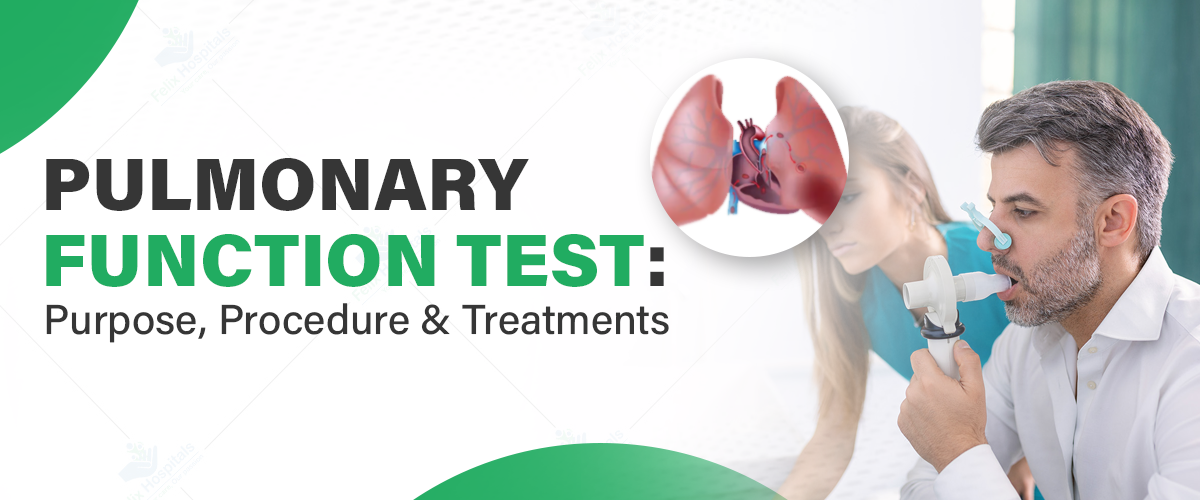
Lung health is crucial for overall well-being, as the respiratory system plays a key role in delivering oxygen to the body while removing carbon dioxide. In today’s world, respiratory conditions are increasingly common, impacting millions of lives globally. Conditions like asthma, chronic obstructive pulmonary disease (COPD), and pulmonary fibrosis can severely affect lung function and quality of life. In this blog, we will explore what PFTs are, their purpose, the types of tests involved, and how they help in diagnosing and managing lung diseases. Whether you’re dealing with breathing difficulties or just want to assess your lung health, it’s important to consult a medical facility known for its advanced respiratory care. Felix Hospitals is considered the best hospital for Pulmonary Function Tests, offering cutting-edge technology and expert pulmonologists for accurate assessments.
If you’re experiencing symptoms like shortness of breath or persistent cough, don’t delay your lung health evaluation. Call us now at +91 9667064100.
A Pulmonary Function Test (PFT) is a series of diagnostic tests that measure how well your lungs are functioning. PFTs are primarily used to evaluate lung volume, capacity, rates of flow, and gas exchange, all of which are essential indicators of lung health.
PFTs involve a variety of measurements that provide insights into the condition of your lungs. They assess how effectively air is moving in and out of the lungs, how well the lungs absorb oxygen, and how efficiently they remove carbon dioxide. These tests help doctors identify issues with airflow, lung volume, and gas exchange, which are often linked to chronic respiratory conditions.
PFTs play a vital role in diagnosing a range of lung diseases. By analyzing the results, doctors can pinpoint whether a person is suffering from restrictive or obstructive lung disease. For instance, obstructive lung diseases like asthma and COPD are characterized by narrowed airways, while restrictive diseases like pulmonary fibrosis are associated with reduced lung capacity. PFTs also help monitor disease progression, the effectiveness of treatments, and the need for intervention.
Spirometry: Measures airflow during breathing.
Lung Volume Tests: Assess lung capacity and the amount of air remaining in the lungs.
Diffusion Capacity Test: Evaluates the transfer of gases between the lungs and blood.
PFTs are used for several purposes, primarily to diagnose and manage lung diseases effectively.
Diagnosis of Respiratory Conditions: PFTs are instrumental in diagnosing conditions like:
Asthma: A condition that causes the airways to become inflamed and narrowed, making it difficult to breathe.
COPD: A group of lung diseases that block airflow and make breathing difficult.
Pulmonary Fibrosis: A condition where lung tissue becomes scarred, leading to reduced lung function.
Assessing the Severity of Lung Diseases: Once diagnosed, PFTs help measure the severity of the condition by quantifying lung function. This helps in assessing how well the lungs are performing and guides treatment decisions.
Monitoring Lung Function in Patients Undergoing Treatment: Patients with chronic lung conditions are often monitored with regular PFTs to track their lung function and assess the effectiveness of prescribed treatments.
Evaluating Lung Function Before Surgery: PFTs are also used as a pre-surgical evaluation tool to ensure that patients are fit for surgery, especially those undergoing procedures that may impact the lungs.
There are several types of PFTs, each designed to measure different aspects of lung function.
Spirometry: Spirometry is the most common PFT and measures the amount and speed of air you can inhale and exhale. It helps assess conditions like asthma and COPD by measuring.
Forced Vital Capacity (FVC): The maximum amount of air you can exhale after taking a deep breath.
Forced Expiratory Volume (FEV1): The amount of air you can exhale in one second.
Lung Volume Tests: Lung volume tests determine the total volume of air your lungs can hold, which is crucial in diagnosing restrictive lung diseases. These tests can identify if air is trapped in the lungs, a common symptom of diseases like COPD.
Diffusion Capacity Test: This test measures how effectively oxygen moves from your lungs into your bloodstream. It is often used to diagnose conditions that affect the lungs' ability to transfer gases, such as pulmonary fibrosis.
Peak Flow Monitoring: A peak flow meter measures the maximum speed of exhalation. It is often used by asthma patients to monitor their condition at home and ensure their airways remain clear.
Body Plethysmography: This test measures lung volume and airway resistance by having patients breathe into a machine while sitting in an airtight booth. It helps diagnose diseases that affect lung capacity and airflow.
Preparation Before the Test: Before undergoing a PFT, patients should avoid certain activities that might interfere with the results. These include: Avoiding heavy meals before the test.
Not smoking for several hours before the test.
Avoiding certain medications (like bronchodilators) that could alter the test outcomes.
Step-by-Step Explanation of PFT Procedure:
Spirometry: Patients breathe into a mouthpiece connected to a spirometer. The test measures the volume and speed of exhalation.
Lung Volume Tests: Patients may be asked to inhale a special gas or sit in a body plethysmograph to measure lung volumes.
Diffusion Capacity Test: A gas mixture is inhaled, and the amount of gas absorbed into the bloodstream is measured.
What Patients Can Expect: PFTs typically last around 30 minutes to an hour. While the tests may require active participation (such as breathing rapidly or holding your breath), they are generally painless. The results provide valuable data that your doctor will use to assess lung function.
Treatment varies depending on the condition diagnosed through PFTs. Some of the options include:
Medications: Inhalers, steroids, and bronchodilators are commonly prescribed for asthma, COPD, and other conditions.
Pulmonary Rehabilitation: A combination of exercise, education, and support to help patients manage chronic lung conditions.
Lifestyle Changes: Quitting smoking, avoiding pollutants, and maintaining a healthy weight can improve lung function.
Surgical Options: In severe cases, lung transplants or surgeries may be recommended to improve lung function.
At Felix Hospitals, we pride ourselves on providing top-quality respiratory care, led by some of the most skilled pulmonologists in the region.
Dr. Priyadarshi Jitendra Kumar, one of the best pulmonologists in Noida, brings years of experience and expertise to the management of respiratory diseases. His dedication to patient care and his ability to provide personalized treatment plans make him a trusted name in the field of pulmonary medicine.
Book your Appointment for a Pulmonary Function Test now with our Expert pulmonologists and receive the best care.
Pulmonary Function Tests (PFTs) are vital for assessing lung health and diagnosing respiratory conditions. If you are experiencing symptoms like persistent cough, shortness of breath, or wheezing, it’s important to consult a healthcare provider for a PFT. Early detection of lung diseases can lead to better treatment outcomes and improved quality of life.
At Felix Hospitals, we provide comprehensive pulmonary function testing, offering accurate results and expert care. If you suspect a lung issue or simply want to monitor your lung health, don’t hesitate to schedule a PFT. The cost for pulmonary function tests may vary, but the insights gained are invaluable for managing and improving your respiratory health. Consult with the best pulmonologist in Noida today for more information and to schedule your test.
Q- What is the cost of a Pulmonary Function Test (PFT)?
ANS: The cost for pulmonary function tests can vary depending on the type of test and the healthcare facility. At Felix Hospitals, we provide affordable and high-quality PFT services. Contact our clinic for detailed pricing information.
Q- Is a Pulmonary Function Test painful?
ANS: No, a Pulmonary Function Test is non-invasive and generally painless. You may be asked to breathe into a mouthpiece or undergo some breathing maneuvers, but the test itself is comfortable.
Q- How long does a Pulmonary Function Test take?
ANS: A Pulmonary Function Test typically takes between 30 minutes to an hour. The exact duration may depend on the types of tests being conducted.
Q- What should I avoid before a Pulmonary Function Test?
ANS: Before a PFT, avoid heavy meals, smoking, or using medications that might affect lung function, such as bronchodilators, unless directed by your doctor. It's best to follow the specific instructions given by the healthcare provider performing the test.
Q- What happens if my Pulmonary Function Test results are abnormal?
ANS: Abnormal results could indicate the presence of lung disease or other respiratory conditions. Based on these findings, your doctor will recommend further tests or treatments, including medication, lifestyle changes, or pulmonary rehabilitation.
Q-Can I take a Pulmonary Function Test if I have a cold or respiratory infection?
ANS: It's generally recommended to avoid taking a PFT if you have an active respiratory infection, as it can affect your results. Consult with your doctor to determine the best time for the test.
Q- How often should I get a Pulmonary Function Test?
ANS: The frequency of PFTs depends on your health condition. For those with chronic respiratory conditions like asthma or COPD, regular tests may be necessary. However, if you are at risk or experiencing symptoms, it’s important to discuss the need for a test with your doctor.
For individuals seeking specialized care, a Pulmonary Edema Hospital in Noida offers advanced treatment options and expert management of this condition, ensuring comprehensive care for patients in need.
Pulmonary embolism (PE) is a serious medical condition that occurs when a blood clot blocks one or more arteries in the lungs.
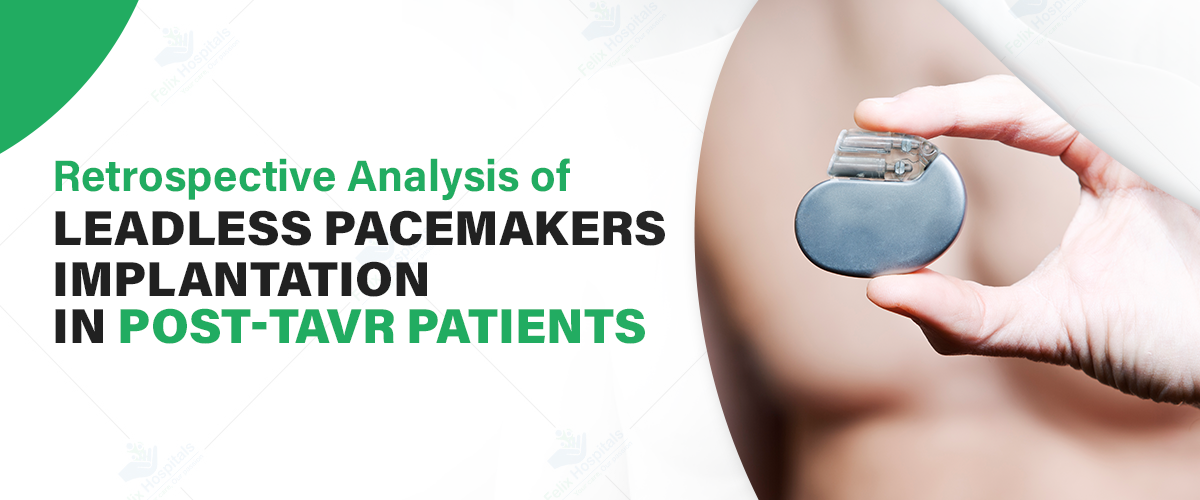
Transcatheter Aortic Valve Replacement (TAVR) has emerged as a groundbreaking, minimally invasive procedure for patients suffering from severe aortic stenosis, particularly those who are at high risk for traditional open-heart surgery. TAVR offers a less traumatic option for valve replacement, improving outcomes and quality of life for many patients. However, despite the success of this procedure, there is an increased risk of conduction abnormalities post-TAVR, particularly in the form of heart block or bundle branch block. These conduction issues often necessitate pacemaker implantation to maintain proper heart rhythm. If you're looking for the best hospital for Leadless Pacemaker Implantation, hospitals with specialized cardiology departments and expertise in minimally invasive procedures should be considered.
Contact us at +91 9667064100 to understand the Leadless Pacemakers Implantation Surgery Cost and how we can assist in your recovery.
Leadless pacemakers represent a significant innovation in cardiac care. Traditional pacemakers are characterized by a pulse generator that is implanted under the skin, and connected by wires (leads) to the heart. These leads help transmit electrical signals to regulate heart rhythms. In contrast, leadless pacemakers are self-contained units that are implanted directly into the heart, usually via a catheter inserted through the femoral vein. The device itself is about the size of a large pill and is placed in the right ventricle of the heart, where it monitors and regulates the heart's electrical activity.
Size and Design: Leadless pacemakers are smaller and lack the external leads that are typical of traditional pacemakers.
Implantation: Leadless pacemakers are delivered via a catheter through a minimally invasive procedure, while traditional pacemakers require a surgical pocket under the skin.
Durability: Leadless pacemakers have a lower risk of infection, lead dislodgment, and device erosion compared to traditional pacemakers.
Benefits: The primary benefit of leadless pacemakers is their reduced risk of complications, such as infections and lead dislodgment. Additionally, these pacemakers avoid the issue of lead erosion, a problem associated with traditional devices. Leadless pacemakers also offer improved aesthetic outcomes since they do not require a visible pocket incision.
Suitability: Leadless pacemakers are particularly suitable for patients who require pacemaker therapy but are at higher risk for infection or complications from traditional pacemakers. Post-TAVR patients, who often experience conduction disturbances, are ideal candidates for this technology due to the minimal invasiveness of the procedure.
Following TAVR, a significant proportion of patients experience conduction disturbances, such as atrioventricular (AV) block or bundle branch block, due to the manipulation of the heart during valve replacement. These disturbances can result in the heart’s inability to coordinate its electrical impulses properly, leading to bradycardia (slow heart rate) and other rhythm disturbances.
The Role of Pacemakers: Pacemakers are implanted in post-TAVR patients to stabilize heart rhythm and ensure proper electrical conduction. In patients who experience persistent conduction issues, pacemaker implantation becomes critical for survival and optimal cardiac function.
Challenges with Traditional Pacemakers: While traditional pacemakers can address these issues effectively, they are not without complications. The presence of leads can result in infections, lead dislodgment, or even erosion of the leads over time. Furthermore, some post-TAVR patients may be older or have fragile health, making the traditional implantation procedure more challenging. This is where leadless pacemakers offer an alternative.
Success Rates: The success rate of leadless pacemaker implantation in post-TAVR patients was found to be high, with the majority of patients experiencing successful implantation without major complications. The procedure's minimally invasive nature made it well-suited for patients who had already undergone a complex procedure like TAVR.
Complications: While the overall complication rate was low, some patients did experience minor issues such as device dislodgment or slight infections. However, these complications were less frequent than those seen with traditional pacemaker implantation, which can involve more invasive surgery and lead-related risks.
Comparison with Traditional Pacemaker Outcomes: When compared to traditional pacemaker implantation, the leadless pacemaker showed fewer complications and shorter recovery times. The outcomes in terms of pacing efficiency and patient satisfaction were also better, as the minimally invasive nature of the procedure contributed to faster post-implantation recovery.
Reduced Risk of Infection: As there are no leads and no surgical pocket, the risk of infection is significantly reduced.
Minimally Invasive: The procedure requires only a small incision, offering quicker recovery times.
Fewer Complications: Issues like lead dislodgment or erosion are not present in leadless pacemakers, contributing to improved long-term outcomes.
Eligibility: Not all patients are suitable candidates for leadless pacemakers, particularly those with specific anatomical or medical conditions.
Higher Costs: Leadless pacemakers are more expensive than traditional pacemakers, which may be a consideration for some patients.
Limited Long-Term Data: While the initial results are promising, more research is needed to understand the long-term efficacy and potential complications of leadless pacemakers.
For cardiologists and healthcare providers managing post-TAVR patients, leadless pacemakers offer a compelling alternative to traditional pacemakers. They are particularly recommended for patients who have experienced conduction disturbances after TAVR and are at high risk of complications with traditional devices.
Patient Selection: Leadless pacemakers are best suited for patients with high surgical risk or those who would benefit from a minimally invasive procedure.
Monitoring and Follow-Up: Patients who receive leadless pacemakers should be carefully monitored for potential complications, although the risk is lower compared to traditional pacemakers.
Clinical Decision-Making: Cardiologists should assess individual patient factors to determine whether leadless pacemakers are the most appropriate option.
The future of leadless pacemaker technology is bright, with ongoing research focused on improving device performance and expanding its use. Advances in telemedicine and remote patient monitoring are set to revolutionize the way pacemaker patients are managed, providing better outcomes and convenience for both patients and healthcare providers.
Additionally, future innovations may help overcome the current limitations, including improving cost-effectiveness and expanding eligibility for this technology. As clinical data continues to accumulate, the role of leadless pacemakers in post-TAVR patients will likely become more defined.
Felix Hospital is home to some who’s the Best Doctors for Leadless Pacemaker Surgery. If you are seeking expertise in leadless pacemaker implantation, we recommend consulting with:
Dr. Rahul Arora: A highly skilled cardiologist specializing in advanced pacemaker technologies.
Dr. Virendra Singh: An expert in managing complex post-TAVR patients and pacemaker implantation.
Don't wait to manage heart rhythm issues after TAVR and take the first step toward a healthier future. Book your appointment today by Clicking Here.
In conclusion, leadless pacemakers represent an innovative and highly effective solution for managing post-TAVR patients with conduction abnormalities. These devices provide significant benefits over traditional pacemakers, including reduced infection risks, faster recovery, and fewer complications. However, challenges such as eligibility and cost remain, and further research is essential to optimize outcomes.
For those considering pacemaker implantation after TAVR, it's essential to consult with experienced specialists to understand the Leadless Pacemakers Implantation Surgery Cost and make informed decisions based on individual health factors. With continued advancements in pacemaker technology, the future looks promising for improving patient care and outcomes.
Q- What are the specific advantages of leadless pacemakers over traditional pacemakers for post-TAVR patients?
ANS: Leadless pacemakers offer several benefits, including a reduced risk of infection due to the absence of leads and a surgical pocket. They are also less likely to experience complications like lead dislodgment or erosion. Additionally, leadless pacemakers are ideal for patients with fragile health or those who are at high risk for infections, making them a safer alternative for post-TAVR patients.
Q- Are there any patients who are not suitable candidates for leadless pacemaker implantation?
ANS: Yes, some patients may not be suitable candidates for leadless pacemakers, especially those with certain anatomical conditions, such as enlarged right ventricles, or those with existing heart complications that require a different type of pacemaker. Your cardiologist will evaluate your health and medical history to determine if this treatment option is right for you.
Q- How long does it take to recover from leadless pacemaker implantation in post-TAVR patients?
ANS: The recovery time for leadless pacemaker implantation is typically much shorter than for traditional pacemakers, often requiring only a few days of monitoring in the hospital. Most patients can resume normal activities within 1 to 2 weeks, depending on their overall health and recovery progress.
Q- What is the long-term outlook for post-TAVR patients with a leadless pacemaker?
ANS: The long-term outlook for post-TAVR patients with leadless pacemakers is generally positive. These devices have shown durability and fewer complications compared to traditional pacemakers. However, long-term data is still being collected to assess the full range of outcomes, and ongoing monitoring is essential for ensuring the pacemaker’s functionality.
Q- What are the most common complications of leadless pacemaker implantation?
ANS: While the complication rate is low, some potential issues include device dislodgment, infection, or malfunction of the pacemaker. However, these complications are less frequent compared to traditional pacemaker implantation. Post-procedure monitoring is crucial to ensure proper device function and address any complications early.
Q- How does the cost of leadless pacemaker implantation compare to traditional pacemaker surgery?
ANS: Leadless pacemaker implantation typically comes at a higher cost than traditional pacemaker procedures, primarily due to the advanced technology involved. However, the reduced risk of complications and shorter recovery time can make it a more cost-effective option in the long term. It's important to discuss the full cost and insurance coverage options with your healthcare provider.
Q- Can leadless pacemakers be used in patients who have previously undergone a traditional pacemaker implantation?
ANS: In some cases, patients who have had traditional pacemaker implantation may be candidates for leadless pacemaker conversion if they experience complications like lead issues. However, each case needs to be evaluated on an individual basis, considering the patient’s overall health and the specific complications they face.
Q- What are the future developments in leadless pacemaker technology?
ANS: Future advancements in leadless pacemaker technology are expected to focus on improving device performance, increasing patient eligibility, and reducing the costs associated with implantation. Additionally, telemedicine integration and remote monitoring are likely to enhance patient care by allowing healthcare providers to track pacemaker performance in real-time, offering more personalized treatment options.

The cost of pacemaker surgery varies, generally ranging between $10,000 to $50,000, depending on factors like pacemaker type, hospital choice, and the complexity of the procedure.
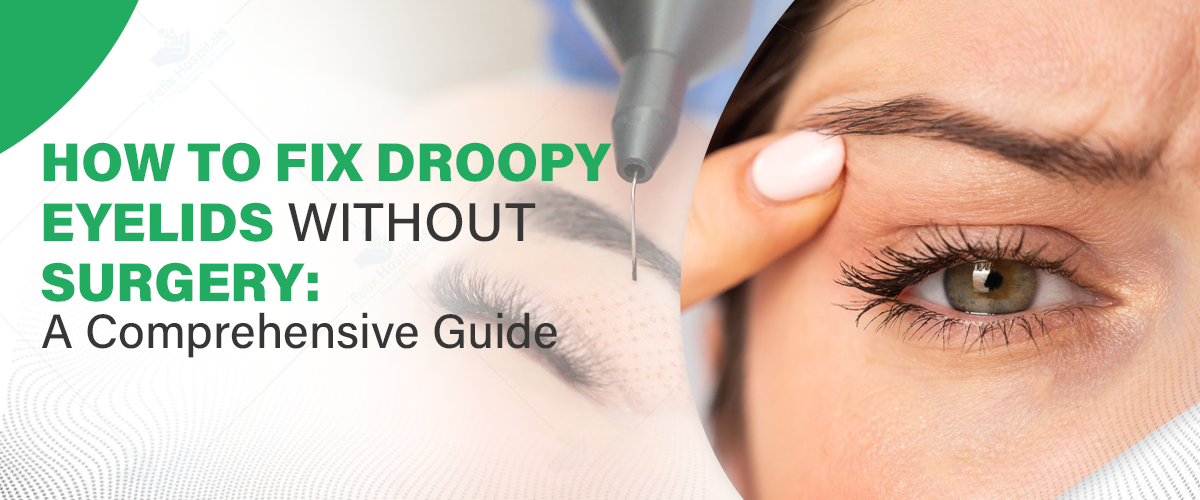
Droopy eyelids, also known as ptosis, are a common concern that many individuals experience as they age. The condition not only affects one’s appearance but can also impact vision, making it harder to see from the upper field of vision. While some people opt for surgery to fix this condition, others prefer non-invasive methods to rejuvenate the eye area and regain their youthful appearance. For those seeking expert guidance and personalized care, the best plastic surgery hospitals offer a wide range of treatments tailored to individual needs. At these hospitals, patients can explore non-invasive procedures, ensuring a holistic approach to eyelid rejuvenation.
Let us help you regain a refreshed and youthful appearance without surgery. Contact us today at +91 9667064100.
Droopy eyelids, also known as ptosis, refer to a condition where the upper eyelid droops or sags lower than normal. This can occur in one or both eyes and can be mild or more severe. Droopy eyelids may cover part or all of the eye, which can obstruct vision in some cases. The condition can be caused by various factors, such as aging, genetic predisposition, muscle weakness, or certain health conditions.
Before delving into non-surgical treatments, it's important to understand what causes droopy eyelids. Drooping can occur for several reasons, and knowing the root cause will help in choosing the most suitable treatment.
Aging
As we age, the skin loses its elasticity and the muscles around the eyelids weaken. This natural process results in sagging skin, making the eyelids appear droopy. Collagen and elastin production slows down, and over time, the skin may start to sag significantly.
Genetics
Genetic factors play a big role in the development of droopy eyelids. If your parents or grandparents had sagging eyelids, you may be more likely to develop them as well. Some individuals may experience ptosis as early as their 30s, while others may not see it until their 50s or later.
Health Conditions
Certain health conditions, such as ptosis (a condition where the eyelid droops due to weakened eyelid muscles) or thyroid issues, can contribute to the development of droopy eyelids. Ptosis can occur at any age and is often due to nerve or muscle problems that affect eyelid function.
Lifestyle Factors
Lifestyle factors such as poor sleep, excessive screen time, and stress can all contribute to the appearance of droopy eyelids. Chronic lack of sleep can weaken the skin and muscles around the eyes, exacerbating the sagging of eyelids.
While Upper vs. Lower Eyelid Surgery is a popular solution for droopy eyelids, non-surgical methods are also effective for many individuals who wish to avoid the risks and downtime associated with surgery. Here are some popular options to consider:
One of the most common and well-known non-surgical treatments for droopy eyelids is Botox. Botox works by temporarily paralyzing the muscles around the eyelids, which can lift the brow and smooth the skin.
How It Works
When injected into the muscles near the brow and eyelid area, Botox temporarily tightens the skin and provides a subtle lift, addressing mild to moderate sagging.
Duration
Botox results typically last for about 3-6 months, after which the procedure can be repeated to maintain the effects. It is a quick and minimally invasive treatment that can be done in a matter of minutes with no recovery time.
Eyelid taping is a simple and cost-effective method for temporarily lifting droopy eyelids. This technique involves applying special adhesive tape to the eyelids to hold them in a more lifted position.
How It Works
The tape is applied carefully to the eyelids to create an immediate lift. This solution is particularly useful for special occasions or when you need a temporary fix.
Pros and Cons
The biggest advantage of eyelid taping is that it is inexpensive and non-invasive. However, it is only a temporary solution, and the tape may be visible, especially if not applied correctly.
Thread lifting, also known as a "mini facelift," is a non-surgical procedure that uses special threads to subtly lift and tighten the skin around the eyes.
How It Works
The procedure involves inserting dissolvable threads beneath the skin, which stimulate collagen production and provide a lifting effect. This results in a firmer, more youthful appearance.
Duration
The results of a thread lift can last anywhere from 6 months to a year, depending on the individual. The procedure involves minimal downtime and can be done with local anesthesia.
Suitability
Thread lifting is best for those with mild to moderate eyelid sagging and is not suitable for more severe cases.
Ultherapy is a non-invasive treatment that uses ultrasound energy to stimulate collagen production and tighten the skin.
How It Works
Ultherapy works by delivering focused ultrasound energy deep beneath the skin, which encourages the skin’s natural regenerative process. This results in tighter, firmer skin around the eyes, reducing the appearance of droopy eyelids.
Advantages
Unlike surgery, Ultherapy requires no downtime and involves no incisions or needles. Results can be seen gradually, with the full effects becoming visible in 2-3 months.
For those looking for a more affordable option, topical creams, and serums can help tighten the skin around the eyes and reduce the appearance of droopy eyelids.
How It Works
Many creams contain ingredients such as caffeine, peptides, and hyaluronic acid, which can help firm the skin and reduce puffiness. These ingredients help to boost skin elasticity and tone over time.
Results
While results from topical treatments are often more subtle than other methods, they can be effective when used consistently. Some products may take weeks or months to show noticeable improvements.
Facial exercises are another natural way to address droopy eyelids. These exercises aim to strengthen the muscles around the eyes and improve skin tone.
How It Works
Simple exercises, such as gently lifting the brows with your fingers and holding them in place for a few seconds, can help tone the muscles. Massaging the eyelid area can also stimulate blood flow and promote collagen production.
Regular Practice
For the best results, facial exercises should be performed regularly. While they may not provide the same dramatic effects as other treatments, they can contribute to a more youthful appearance over time.
While non-surgical treatments can help address droopy eyelids, making certain lifestyle changes can prevent or slow down the progression of the condition.
Excessive sun exposure can accelerate the aging process, causing the skin around the eyes to lose elasticity. Wearing sunscreen and sunglasses can protect delicate skin and reduce the risk of further sagging.
Adequate sleep is essential for maintaining skin elasticity. Lack of sleep can cause the skin to become dull and saggy, including around the eyes. Aim for 7-9 hours of quality sleep each night.
Chronic stress can take a toll on your skin, causing it to age prematurely. Incorporating relaxation techniques such as meditation or yoga into your routine can help reduce stress and promote healthier skin.
A diet rich in antioxidants, vitamins, and minerals supports healthy skin. Foods like berries, leafy greens, and nuts can help nourish the skin and protect it from signs of aging.
For those seeking expert guidance and treatment, Dr. Pragya Priya and Dr. Vishvendu Gaur at Felix Hospital, Noida, Sector 137, are leading plastic surgeons specializing in eyelid surgeries and non-surgical solutions for droopy eyelids. With years of experience and a strong track record in cosmetic surgery, they offer personalized consultations to assess individual needs and preferences, ensuring the most effective approach to restoring youthful, refreshed eyes.
Ready to lift your confidence? Our expert team is here to guide you through the best non-surgical options that suit your needs. Click Here for more information.
Droopy eyelids can be a source of frustration, but with the right approach, they can be addressed without the need for surgery. From Botox injections to thread lifts and facial exercises, there are numerous non-invasive treatments available that can provide noticeable improvements. By understanding the causes of droopy eyelids and exploring the different non-surgical solutions, you can make an informed decision about how to rejuvenate the delicate skin around your eyes. If you are unsure about which treatment is right for you, consult a professional plastic surgeon.
1. What causes droopy eyelids?
Ans. Droopy eyelids, or ptosis, can be caused by aging, genetics, muscle weakness, or certain health conditions like thyroid disorders. Lifestyle factors, such as stress and lack of sleep, may also contribute to the condition.
2. Can Botox fix droopy eyelids?
Ans. Yes, Botox can temporarily lift the brow and smooth the skin around the eyelids. It works by relaxing the muscles, giving the eyelids a more youthful and lifted appearance. The results usually last 3-6 months.
3. How long do the results of non-surgical treatments for droopy eyelids last?
Ans. The results of non-surgical treatments, such as Botox or thread lifting, can last anywhere from a few months to a year. The longevity of results depends on the treatment used and individual factors like age and skin condition.
4. Are there any risks associated with non-surgical treatments for droopy eyelids?
Ans. Non-surgical treatments like Botox and thread lifts are generally safe when performed by a trained professional. However, there may be some temporary side effects, including bruising, swelling, or mild discomfort. Serious complications are rare.
5. How does thread lifting help with droopy eyelids?
Ans. Thread lifting uses dissolvable threads to lift the skin around the eyelids. These threads stimulate collagen production, which tightens and firms the skin, providing a non-invasive lift for mild to moderate drooping.
6. Is eyelid taping a permanent solution?
Ans. No, eyelid taping is a temporary fix that helps lift the eyelids for special occasions. It’s inexpensive and non-invasive but does not offer permanent results. The tape needs to be applied each time for it to work.
7. What is Ultherapy, and how does it work for droopy eyelids?
Ans. Ultherapy is a non-invasive treatment that uses ultrasound energy to stimulate collagen production deep beneath the skin, tightening and lifting the skin around the eyes. It’s a great option for those looking for long-lasting results without surgery.
8. Are there any creams that can help with droopy eyelids?
Ans. Yes, creams with ingredients like caffeine, peptides, and hyaluronic acid can help firm up the skin around the eyes, reduce puffiness, and improve elasticity. Results take time, so consistency is key for noticeable improvement.
9. What lifestyle changes can help prevent droopy eyelids?
Ans. To prevent or slow down the progression of droopy eyelids, protect your eyes from the sun with sunscreen and sunglasses, ensure you're getting enough sleep, reduce stress, and maintain a diet rich in antioxidants and vitamins.

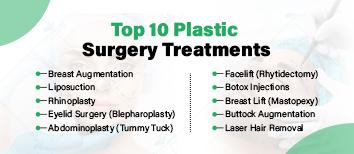
Plastic surgery cost in Noida depends on the procedure type, surgeon expertise, hospital infrastructure, and post-surgery care.
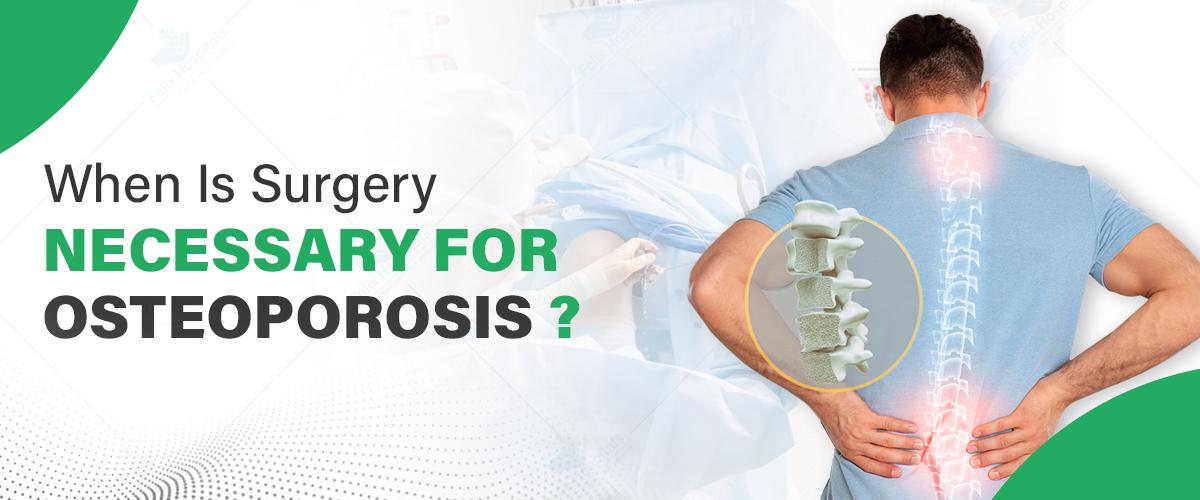
Osteoporosis is a condition that weakens the bones, making them fragile and more susceptible to fractures. It occurs when the body loses too much bone, makes too little bone, or both. The result is bones that become thin, brittle, and at high risk of breaking. While osteoporosis can often be managed with medication and lifestyle changes, there are cases where osteoporosis surgery may become necessary. Early diagnosis and proactive management are crucial, and in some severe cases, surgery can significantly improve a patient's quality of life. For individuals facing advanced osteoporosis, consulting a Rheumatology Hospital in Noida is an essential step to understand when surgery is necessary and what options are available.
Consult with the best Rheumatologist at Felix Hospitals by booking your consultation by calling +91 9667064100.
Osteoporosis typically develops gradually over time and often goes unnoticed until a fracture occurs. As the bones become less dense and weaker, the risk of fractures increases. Common areas affected by osteoporosis include the spine, hips, and wrists, where fractures can lead to significant pain, mobility issues, and other complications.
Spine: Vertebral fractures due to osteoporosis can cause the spine to collapse, resulting in a condition known as compression fractures. These fractures often lead to a loss of height and a hunched posture.
Hip: Hip fractures are another common result of osteoporosis. These fractures usually require immediate medical attention and often result in long recovery times.
Wrist: While wrist fractures may not always be as severe, they can still cause significant pain and may limit a person's ability to perform daily tasks.
Seeking timely diagnosis and treatment from the best hospital for osteoporosis treatment can help prevent severe complications and improve bone health.
In many cases, osteoporosis can be managed effectively without surgery through the following non-surgical treatments:
Medications: Drugs such as bisphosphonates, hormone replacement therapy, and denosumab help slow down bone loss, increase bone mass, and reduce the risk of fractures.
Lifestyle Changes: A well-balanced diet rich in calcium and vitamin D, along with weight-bearing exercise, can help strengthen bones. Additionally, quitting smoking and reducing alcohol intake can improve bone health.
Physical Therapy and Assistive Devices: Physical therapy can improve balance and strength, reducing the risk of falls. Assistive devices such as canes and walkers can help support mobility and prevent fractures.
While these treatments are effective for many individuals, there are times when they may not be enough, especially in more severe cases of osteoporosis.
While surgery is not always necessary for osteoporosis, there are certain situations when it becomes the best option to improve mobility and quality of life:
Fractures in the spine, hip, or wrist can sometimes fail to heal properly with non-surgical treatments. In such cases, osteoporosis surgery may be required. For example, hip fractures that do not heal or cause complications often require surgical intervention, such as hip replacement surgery. Spine fractures that cause significant pain or spinal deformities may need spinal surgeries like vertebroplasty or kyphoplasty.
In some individuals with osteoporosis, the spine may begin to collapse or curve abnormally, causing conditions like kyphosis (a hunchback posture). When the deformities are severe enough to impact daily activities or cause constant pain, surgery may be necessary to realign the spine and relieve pressure on nerves.
Osteoporosis-related fractures or deformities can lead to chronic, debilitating pain that is difficult to manage with medications or physical therapy. When pain becomes persistent and significantly affects quality of life, surgical intervention may be the most effective solution.
If medications, physical therapy, and lifestyle changes do not prevent further bone loss or fractures, surgery might be considered. This is particularly true in cases where fractures occur repeatedly or there are significant deformities.
Several surgical options are available for individuals with severe osteoporosis. The choice of surgery depends on the type and location of the fracture or deformity:
Spinal Surgery: In cases of vertebral fractures, vertebroplasty or kyphoplasty may be performed to stabilize the bones and alleviate pain. These minimally invasive procedures involve injecting a cement-like substance into the fractured vertebra to restore its shape.
Hip Replacement Surgery: For hip fractures that do not heal with conservative treatments, hip replacement surgery may be required. This procedure involves removing the damaged bone and replacing it with a prosthetic implant.
Joint Replacement Surgery: In cases of severe arthritis caused by osteoporosis, joint replacement surgery may be necessary to replace the damaged joint with an artificial one. This is commonly done in the knee, hip, or shoulder joints.
Bone Grafting: In rare cases, bone grafting may be used when bones are severely weakened by osteoporosis. This involves transplanting healthy bone tissue to the affected area to promote healing and bone growth.
Like any surgical procedure, osteoporosis surgery carries both benefits and risks:
Pain Relief: Surgery can provide significant relief from the chronic pain associated with fractures and deformities.
Improved Mobility: By stabilizing fractures and correcting deformities, surgery can help improve a patient's ability to move and perform daily activities.
Prevention of Future Fractures: Surgical interventions, especially spinal and joint surgeries, can help reduce the risk of further fractures.
Surgical Complications: As with any surgery, there are risks of infection, bleeding, and anesthesia complications.
Recovery Time: Recovery from osteoporosis-related surgeries can be prolonged, particularly in elderly patients, who may need rehabilitation and physical therapy.
Osteoporosis is a condition that weakens bones, making them more fragile and susceptible to fractures. It is crucial to seek timely medical advice and care to manage this condition effectively. For individuals struggling with osteoporosis, Dr. Kiran Seth, one of the best rheumatologists at Felix Hospitals, offers expert care and treatment options tailored to the needs of each patient. With extensive experience and a compassionate approach, Dr. Seth is dedicated to helping patients manage osteoporosis and improve their overall bone health.
Consult with an orthopedic specialist for personalized advice and treatment options by Clicking Here.
Surgery for osteoporosis is typically considered a last resort when non-surgical treatments have failed to manage the condition. Early intervention, regular check-ups, and proactive management are key to preventing the need for surgery. However, when surgery is necessary, it can provide significant pain relief, improve mobility, and prevent future fractures. By taking a comprehensive approach to osteoporosis management, individuals can greatly reduce the impact of this condition and maintain a higher quality of life.
1. How do I know if my osteoporosis requires surgery?
If fractures don’t heal with treatments or if you experience chronic pain and deformities, surgery may be needed. Consult a specialist for an evaluation.
2. What are the signs that I need surgery for a spinal fracture due to osteoporosis?
Persistent back pain, loss of height, or a hunched posture may indicate the need for surgery if conservative treatments don’t work.
3. Can osteoporosis surgery prevent future fractures?
Surgery can stabilize bones and reduce the risk of future fractures, especially after non-surgical treatments fail.
4. How long does the recovery process take after osteoporosis surgery?
Recovery time varies by surgery type, but it can take several weeks or longer, especially for elderly patients requiring rehabilitation.
5. Is osteoporosis surgery safe for elderly patients?
While generally safe, elderly patients face higher risks due to slower healing and other health factors, requiring careful monitoring.
6. What are the risks associated with osteoporosis surgery?
Risks include infection, bleeding, anesthesia complications, and slower recovery, particularly in older patients.
7. How can I manage osteoporosis without surgery if I have chronic pain?
Medications, physical therapy, dietary changes, and assistive devices can help manage chronic pain before considering surgery.
Gout is a form of arthritis caused by the buildup of uric acid crystals in the joints, leading to sudden and severe pain

Lupus is an autoimmune disorder that often affects women more than men. Recognizing its early signs—such as joint pain, fatigue, and skin rashes—can help in timely diagnosis and treatment, improving long-term health outcomes.
Learn how menopause impacts bone health and discover strategies to prevent osteoporosis, including lifestyle tips, diet, and treatments for stronger bones.

Alopecia, or hair loss, is a common concern that affects both men and women worldwide. In fact a lot of people start losing hair at an early age, which can be quite distressing and frustrating. Although there are a number of causes for alopecia, including lifestyle and health issues, the demand for alopecia treatments in India, particularly Noida, has significantly increased.
At Felix Hospital, the best hair loss treatment hospital in Noida, we offer the most advanced, personalized and reliable solutions to address your hair loss concerns.
While many patients express concerns about the costs and success rates of a hair transplant treatment, let's dive deeper into the factors that influence the cost of hair loss treatments in Noida as well as the types of hair loss treatments available at our multispeciality hospital.
So, if you’re struggling with hair loss woes, don’t wait! Call us at +91 9667064100 to book your consultation today!
Hair loss, as mentioned, can result from various factors. These include:
Genetics: Androgenetic alopecia or male/female pattern baldness that causes hair thinning and receding hairlines in men is the most common cause of hair loss concern.
Nutritional deficiency: A diet which lacks the key vitamins and minerals, such as iron, zinc, and vitamin D, etc., might impair hair growth and cause hair loss.
Stress: Stress and trauma often causes a kind of hair fall condition calledTelogen Effluvium, which usually results in thinning hair. Besides, significant stress can also interfere with the hair growth cycle, hence causing hair to fall out.
Hormonal imbalance and side effects of drugs: Some medical conditions that cause hormonal imbalance, such as thyroid disorder, polycystic ovary syndrome (PCOS), may lead to hair disorders. Besides, some drugs also cause hair loss as one of their side effects. These include chemotherapy drugs and antidepressants.
Regardless of the cause, hair loss can have a significant impact on an individual’s self-esteem and confidence, often prompting them to seek professional help and explore treatment options.
Androgenetic Alopecia is a condition commonly known as male or female pattern baldness.
Alopecia Areata is a condition in which an individual suffers a sudden hair loss in patches due to an autoimmune response.
Telogen Effluvium is a temporary shedding of hair follicles triggered by stress, sickness or medication.
Traction Alopecia is a hair loss caused by excessive pulling or styling.
Cicatricial Alopecia is a permanent hair loss resulting from scarring due to inflammation or any kind of injury.
With advanced techniques and technology, many hair loss treatments, ranging from non-invasive therapies to surgical interventions are available these days. Here’s a table that gives a general estimate of the costs. However, actual expenses depend upon the complexity of the procedure, expertise of the clinic, number of sessions required, extent of hair loss and other factors.
| Treatment | Minimum Cost | Average Cost | Maximum Cost | Treatment Details |
| Platelet-Rich Plasma Therapy (PRP) | ₹6,000 per session | ₹15,000 per session | ₹30,000 per session | Boosts and maintains hair growth. The procedure involves extracting a small amount of blood, isolating platelets, and injecting them into the scalp. |
| Transient Receptor Potential (TRP) | ₹8,000 per session | ₹25,000 per session | ₹75,000 per session | The treatment targets Transient Receptor Potential (TRP) channels to stimulate hair follicle activity and enhance hair growth through compounds, light therapies, or topical solutions. |
This cutting edge medical therapy often helps to boost, promote and maintain growth of
the hair. The treatment process involves several steps.
Blood Collection: This first step involves extracting a small amount of the
patient’s own blood, typically from the arm. The process is quick and painless.
Centrifugation: During this process, the blood is placed in a machine (centrifuge)
which separates the blood into its various components. The goal is to isolate
platelets, essential for healing and regrowth of hair.
Platelet Concentration: The plasma, now rich in platelets, is separated and
prepared for injection.
Injection: During this final step, these platelets will be injected into the patient’s
scalp to improve hair growth.
Benefits of PRP Therapy: As mentioned, the PRP hair loss treatment offers numerous
benefits over other hair loss treatments and therapies available. The minimally invasive
therapy offers accelerated healing, and patients generally experience reduced pain and
inflammation. So if you are considering PRP hair loss treatment, make sure to seek an
appointment with the best dermatologist in Noida.
Extent of Hair Loss/Hair Thinning: The length of the treatment depends on the extent of hair loss. For instance, advanced-stage hair loss will require more grafts in a transplant, which means more sessions and higher price.
Dermatologist’s Experience & Expertise: More experienced trichologists or surgeons may charge more for hair transplant surgery. But then, the success rate of the procedure is higher if the surgeon is skilled and experienced. At Felix Hospital, we have the most experienced and the best dermatologist in Noida.
Sessions Required: The majority of hair loss therapies, including PRP and laser therapy, typically require several sessions, and hence the total cost shoots up accordingly.
Type of Procedure: Non-surgical treatments, such as medications or PRP may cost less than any surgical and minimally invasive options. So discuss both surgical as well as non-surgical options with your doctor.
Package Deals: Some clinics and hospitals offer package deals that include consultation, follow-up appointments, and complementary treatments, which can affect the overall pricing.
To save some cost you can combine hair loss treatments like PRP and Low-Level Laser Therapy (LLLT).
Always watch out for special promotions or introductory offers from clinics that provide hair loss treatments.
While hair transplants can be effective, they are costly. On the other hand, non-surgical treatments like PRP therapy and topical solutions can be more affordable alternatives.
Consultation with a dermatologist hair loss specialist as soon as you notice early signs of hair thinning or hair loss can help prevent the need for expensive treatments later.
Some hospitals offer payment plans that enable patients to pay over time.
Skilled Dermatologists: To ensure successful outcomes, we have a team of best dermatologists in Noida.
Modern Facility and Technology: We are well equipped with state-of-the-art technology. Our support staff is trained to follow stringent hygiene protocols.
Post-Treatment Support: Felix Hospital is committed to support its patients with post-treatment care and follow-up visits.
World-Class Infrastructure: We cater to the needs of international patients and offer comfortable accommodation options and travel assistance to individuals seeking hair loss procedures at our multispecialty hospital.
Cost Effective Treatments: To make hair loss treatment affordable and financially viable, we offer options customized to the needs of our patients.
At Felix Hospital, Noida, we have a team of renowned and certified specialists who provide the best treatments for hair loss/hair fall concerns. Our expert team includes:
Dr Tarun Gupta: With more than 17 years of experience, Dr Gupta provides comprehensive support to individuals dealing with skin and hair related problems.
Dr Kusum Gupta: A gold medalist and university topper, Dr Gupta is an expert in the evaluation and treatment of diseases related to skin and hair.
Dr Sheetal Yadav: Dr Yadav deals with a variety of treatments for skin, nails and hair disorders.
So, if you’re experiencing early signs of hair loss and considering treatment in Noida, book an appointment with our experienced team of dermatologists to determine the best course of action.
Hair loss can be a challenging experience, but with a wide range of treatments available today, it can be addressed effectively. Consulting a certified dermatologist or trichologist and adopting a tailored treatment plan can restore not only your hair but also your confidence and self esteem.
To book a consultation, contact us!
Q-Who is a suitable candidate for PRP therapy?
ANS: You’re a good candidate for PRP therapy, only if you
Are in the early stages of hair loss
Have areas on your scalp where functioning hair follicles can still be observed
Are not suffering from liver disorders, or diabetes
Q- Is a PRP procedure painful?
ANS: Before the PRP procedure begins, the doctor will apply a numbing cream on the surface of the scalp to reduce the sensation felt during the treatment. The pain associated with PRP hair treatment is often mild.
Q- How much does hair loss therapy cost?
ANS: A couple of factors determine the hair loss treatment cost, including the kind of treatment you decide to undergo, the extent of hair thinning and your overall hair health. This will dictate how many sessions are required to receive the desired results.
Q- What are the side-effects of the TRP therapy?
ANS: The side effects of the Transient Receptor Potential (TRP) therapy will depend on the kind of approach used, such as the pharmacological agents used. That said, side effects of the therapy are mild and occur if not administered correctly.
Q- Is hair loss treatment cost covered by insurance?
ANS: Hair loss treatments come under cosmetics procedures and therefore, are not covered by insurance. Still, it’s advisable to check with your health insurance provider.
Q- What is the consultation cost in Noida for a hair loss treatment procedure?
ANS: Dermatologist consultations usually range between ₹ 500 - ₹ 2,000 per visit. However, some hospitals offer free consultations if you proceed with their treatment plan.

Discover causes, treatments, and prevention tips for hair loss. Learn about different types and effective solutions to restore healthy hair
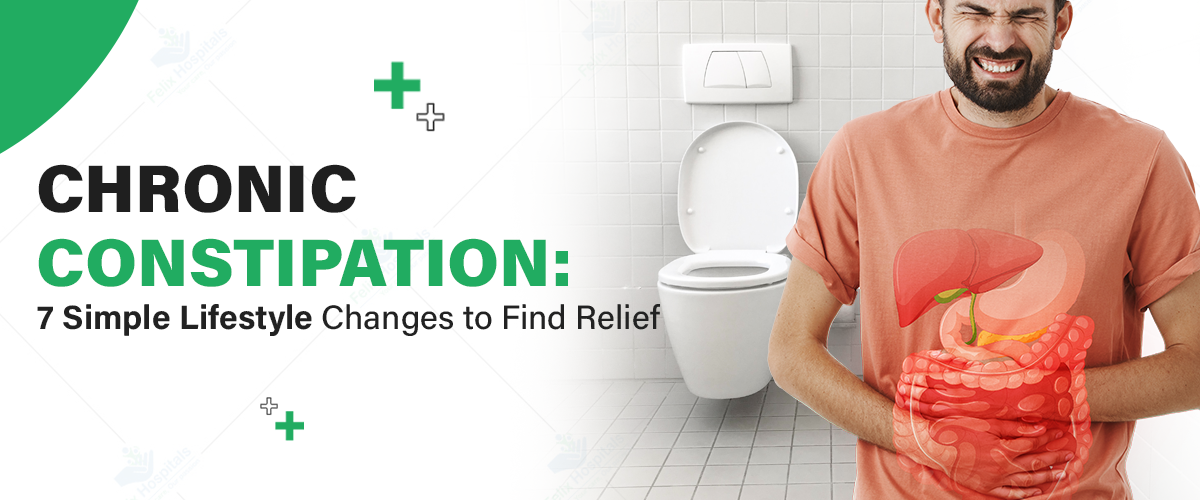
Chronic constipation is a common condition that can significantly impact daily life. People suffering from this issue often experience discomfort, bloating, and frustration, leading to reduced quality of life. While the causes of chronic constipation can vary, lifestyle changes play a vital role in managing and alleviating symptoms. These changes can help regulate bowel movements and improve digestion, making daily life more comfortable. For individuals dealing with persistent constipation, seeking the expertise of the best gastro hospital or a specialized constipation hospital is essential to ensure a tailored treatment approach.
If you find that your symptoms persist despite lifestyle changes, don't hesitate to consult a healthcare provider. Contact us now at +91 9667064100.
Chronic constipation refers to infrequent, difficult, or painful bowel movements that persist for an extended period. It can be caused by various factors, including poor diet, dehydration, lack of exercise, and certain medical conditions. Some common symptoms of chronic constipation include:
Infrequent bowel movements (less than three times a week)
Straining during bowel movements
Abdominal discomfort and bloating
A feeling of incomplete evacuation
Addressing chronic constipation requires not only managing symptoms but also addressing underlying health conditions. A consultation with a constipation hospital or gastroenterologist can help determine the root causes and guide you toward appropriate treatment.
One effective approach to relieving constipation is incorporating specific dietary changes for constipation. These changes can promote better digestion, regulate bowel movements, and provide long-term relief. Here are some key dietary modifications to consider:
One of the most effective ways to combat constipation is to stay hydrated. Dehydration can cause stools to become dry and hard, making them difficult to pass. Drinking an adequate amount of water softens the stools and helps the digestive system function more smoothly.
Tips for increasing water intake:
Start your day with a glass of water.
Carry a water bottle with you throughout the day.
Infuse your water with fruits or herbs to make it more enjoyable.
Aim to drink at least 8-10 glasses of water a day to maintain optimal hydration.
Fiber is crucial for promoting regular bowel movements. It adds bulk to stools, which helps them move through the intestines more easily. Including fiber-rich foods like fruits, vegetables, whole grains, and legumes can significantly improve digestion and prevent constipation.
Examples of fiber-rich foods:
Apples, berries, and pears
Leafy greens like spinach and kale
Oats, quinoa, and brown rice
Lentils, chickpeas, and beans
Practical tips for adding fiber to your diet:
Add fruits or vegetables to every meal.
Snack on nuts or seeds.
Choose whole grains over refined grains.
Gradually increase your fiber intake to allow your digestive system to adjust.
Physical activity is a key factor in maintaining good digestive health. Exercise stimulates bowel function by encouraging the muscles in the intestines to contract, helping to move stool along more efficiently. Regular exercise also improves overall circulation and digestive function.
Types of exercises that promote digestion:
Walking: A simple, low-impact exercise that helps move food through the digestive tract.
Yoga: Poses like twists and forward bends can relieve constipation.
Swimming: A full-body workout that promotes relaxation and circulation.
How much exercise is needed? Aim for at least 30 minutes of moderate exercise most days of the week to support gut health.
One often overlooked factor in managing constipation is establishing a consistent bathroom routine. Setting aside time each day for bathroom breaks can help train your body to develop a regular bowel movement schedule.
Tips:
Try to go to the bathroom at the same time every day, especially after meals.
Don't ignore the urge to go. Delaying bowel movements can lead to constipation.
A consistent routine helps your body recognize the signals for a bowel movement, improving overall bowel health.
Stress can negatively impact digestion, leading to issues like constipation. When you're stressed, the body's "fight or flight" response can slow down the digestive process, causing constipation. Managing stress is essential for maintaining good gut health.
Stress-relief techniques:
Meditation: Mindful breathing exercises can reduce stress and promote relaxation.
Deep breathing: Practice deep breathing throughout the day to stay calm.
Mindfulness: Being present in the moment can help reduce anxiety and tension.
Incorporating stress management practices into your daily routine can improve both your mental and physical well-being.
Probiotics are beneficial bacteria that can support gut health and alleviate constipation. They help balance the microbiome in your digestive system, which can improve bowel regularity. You can incorporate probiotics for digestion into your diet through foods like yogurt, kefir, and fermented products, which support overall digestive well-being.
When to consider probiotic supplements:
If you have difficulty obtaining enough probiotics from food sources.
After taking antibiotics, which can disrupt gut bacteria.
Consult a healthcare provider before taking probiotic supplements to determine the best option for your specific needs.
While laxatives may provide temporary chronic constipation relief, overuse can lead to dependency, making it harder for your body to have a bowel movement without them. Prolonged laxative use can worsen constipation over time and may damage the digestive system.
Natural alternatives to laxatives:
Increase fiber and water intake.
Try natural stool softeners like prunes or flaxseeds.
Consider herbal teas like peppermint or ginger to soothe the digestive system.
If laxatives are necessary, consult a healthcare provider for safe, short-term options.
Chronic constipation can be disruptive, but incorporating simple lifestyle changes can make a significant difference. Staying hydrated, eating fiber-rich foods, exercising regularly, establishing a bathroom routine, managing stress, and considering probiotics can all help alleviate symptoms. Additionally, natural remedies for chronic constipation, such as prune juice, flaxseeds, warm water with lemon, herbal teas, and aloe Vera, can provide relief for many individuals. However, if your constipation persists or worsens, it’s essential to consult a healthcare professional for a proper diagnosis and treatment plan. Taking proactive steps with expert guidance can help you manage chronic constipation effectively and improve your overall digestive health.
1. Does drinking coffee help relieve constipation?
Ans. Yes, coffee stimulates the muscles in the digestive tract, especially caffeinated coffee. However, excessive caffeine can dehydrate, so balance is key.
2. How do hormonal changes during menstruation affect constipation?
Ans. Hormonal shifts, like increased progesterone, can slow gut motility, leading to constipation during or before periods.
3. Why do some people get constipated after surgery?
Ans. Anesthesia, reduced mobility, and pain medications like opioids can slow bowel activity post-surgery.
4. Can pelvic floor dysfunction cause chronic constipation?
Ans. Yes, if pelvic muscles don’t relax properly during bowel movements, it can make passing stools difficult.
5. How does a low-carb or keto diet contribute to constipation?
Ans. These diets often lack sufficient fiber from whole grains and fruits, leading to harder, less frequent stools.
6. Can thyroid problems lead to constipation?
Ans. Hypothyroidism slows metabolism, including bowel motility, which can cause chronic constipation.
7. Why is constipation common during travel?
Ans. Changes in routine, diet, hydration, and less access to regular bathroom breaks can disrupt normal bowel habits.

Your gut and brain share a strong link that impacts your mood, stress levels, and overall health. Learn how maintaining gut health can improve your mental well-being.

Joint pain is a common issue that affects people of all ages. Among the most prevalent causes of joint pain are bursitis and arthritis, two conditions that share some similarities but differ significantly in their causes, symptoms, and treatment methods. While they both cause pain and inflammation, understanding the differences between bursitis vs. arthritis is crucial for proper diagnosis and treatment. This blog explores the key differences between bursitis vs. arthritis, delving into their definitions, symptoms, treatment options, and risk factors. If you're seeking expert care, visit the best orthopedic hospital in Noida, where specialized treatments for joint conditions are provided with cutting-edge technology and compassionate care.
To schedule a consultation with one of our orthopedic specialists at Felix Hospital, contact us at +91 9667064100 and take the first step towards joint health.
Bursitis is the inflammation of the bursae—small, fluid-filled sacs that cushion the joints. These bursae act as a cushion to reduce friction between bones, tendons, and muscles around the joints. Bursitis typically results from repetitive motion, prolonged pressure, or injury to the affected area.
Bursae are essential for protecting and lubricating the joints and reducing friction during movement. There are over 150 bursae in the human body, with the largest located in areas such as the shoulders, elbows, hips, and knees.
Arthritis is a general term used to describe inflammation of the joints. It encompasses over 100 different types, with the most common being osteoarthritis (OA) and rheumatoid arthritis (RA). Unlike bursitis, which affects the bursae, arthritis primarily targets the joints themselves, causing damage over time.
Joints are the areas where two or more bones meet, allowing for movement and flexibility. In arthritis, inflammation occurs within the joint itself, affecting the cartilage, synovium, and other structures, leading to pain, stiffness, and decreased function.
| Feature | Bursitis | Arthritis |
|---|---|---|
| Causes | Inflammation of the bursae due to repetitive motion, injury, or infection. | Inflammation of the joints due to wear and tear, autoimmune diseases, or infection. |
| Affected Areas | Affects bursae (fluid-filled sacs) near joints. | Affects the joints themselves, causing cartilage and bone damage. |
| Symptoms | Localized pain, swelling, tenderness, and limited range of motion. | Chronic pain, joint stiffness, swelling, deformity (in severe cases), and systemic symptoms. |
| Treatment Options | Rest, ice therapy, anti-inflammatory medications, physical therapy, and sometimes aspiration or surgery. | Pain management, anti-inflammatory drugs, joint injections, physical therapy, and joint replacement surgery in severe cases. |
| Duration of symptoms | Can be acute or chronic, and often resolves with rest and treatment. | A chronic condition requiring long-term management, leading to joint damage if untreated. |
| Risk Factors | Repetitive use, trauma, poor posture, aging. | Genetics, age, autoimmune conditions, obesity, lifestyle. |
Despite their differences, both bursitis and arthritis share some similarities:
Pain and Swelling: Both conditions cause joint pain and swelling, though the severity can vary.
Reduced Mobility: Both bursitis and arthritis can restrict movement, affecting daily activities.
Common Risk Factors: Aging, overuse, and injury are risk factors for both conditions, although arthritis may also be influenced by genetic and autoimmune factors.
For both bursitis and arthritis, early diagnosis and treatment are crucial at the leading arthritis hospital in Noida. Common treatment options include:
Medication: Both conditions can benefit from anti-inflammatory medications, such as ibuprofen, to reduce pain and swelling.
Lifestyle Changes: Managing weight, modifying activities, and engaging in joint-friendly exercises can help manage both conditions.
Physical Therapy: Both bursitis and arthritis can benefit from physical therapy to improve mobility, strengthen muscles around the affected joint, and reduce pain.
Specialized Treatments:
Corticosteroid Injections: For arthritis, corticosteroids may be injected into the joint to reduce inflammation. For bursitis, steroids can help reduce bursae inflammation.
Aspiration: In severe cases of bursitis, fluid may be aspirated (removed) from the bursa to alleviate pressure.
Surgery: In advanced arthritis, joint replacement surgery may be required. For bursitis, surgery may be needed if conservative treatments fail.
Corticosteroid Injections: For arthritis, corticosteroids may be injected into the joint to reduce inflammation. For bursitis, steroids can help reduce bursae inflammation.
Aspiration: In severe cases of bursitis, fluid may be aspirated (removed) from the bursa to alleviate pressure.
Surgery: In advanced arthritis, joint replacement surgery may be required. For bursitis, surgery may be needed if conservative treatments fail.
Preventing bursitis and arthritis involves protecting your joints and maintaining overall health:
Proper Ergonomics and Posture: Use ergonomic equipment and maintain good posture to avoid joint strain.
Exercise and Strength Training: Regular exercise and strength training help keep joints flexible and strong, reducing the risk of both conditions.
Weight Management: Maintaining a healthy weight reduces strain on weight-bearing joints, lowering the risk of arthritis and bursitis.
Felix Hospital offers expert care for both bursitis and arthritis, with a team of highly skilled orthopedic specialists:
Dr. Piyush Kumar Singh: Renowned for his extensive experience in treating musculoskeletal disorders, including bursitis.
Dr. Keshav Goel: Specializes in managing joint and bone-related conditions, including bursitis and arthritis.
Dr. Binay Kumar Sahu: An expert in diagnosing and treating orthopedic conditions, including bursitis.
Dr. Varun Aggarwal: Known for providing effective solutions for pain relief and improved mobility.
For more information, Click Here to book your appointment with the best orthopedic specialists in Noida.
While bursitis and arthritis share some symptoms, understanding their differences is crucial for receiving the correct treatment. If you experience joint pain, swelling, or stiffness, seeking medical attention early can help prevent further complications. Whether dealing with bursitis vs. arthritis, timely diagnosis and a tailored treatment plan are key to managing these conditions effectively.
1. What’s the primary difference between bursitis and arthritis in terms of the affected areas?
Ans. Bursitis primarily affects the bursae, which are fluid-filled sacs that cushion the joints, whereas arthritis affects the joints themselves, including the cartilage, synovium, and bones. While both conditions cause inflammation, bursitis impacts the soft tissue surrounding joints, while arthritis causes damage directly to the joint structures.
2. Can I have both bursitis and arthritis in the same joint?
Ans. Yes, it is possible to have both bursitis vs. arthritis in the same joint. This often occurs when the inflammation in the joint (from arthritis) causes increased friction and pressure on the bursae, leading to bursitis. Both conditions can coexist, making diagnosis and treatment more complex.
3. Are there any lifestyle factors that could make me more prone to developing both bursitis and arthritis?
Ans. Yes, certain lifestyle factors can increase the risk of both bursitis and arthritis. Overuse or repetitive movements, especially in sports or jobs that involve frequent lifting or bending, can lead to bursitis. On the other hand, factors like obesity, poor posture, and a lack of exercise can increase the risk of arthritis, particularly osteoarthritis. Maintaining a healthy weight and posture can help reduce the risk of both conditions.
4. Is it possible for bursitis to resolve on its own without medical treatment?
Ans. Yes, in many cases, bursitis can resolve with rest, ice therapy, and over-the-counter anti-inflammatory medications. However, if symptoms persist or worsen, it’s essential to consult a healthcare provider for proper diagnosis and treatment. In some cases, more advanced treatments such as physical therapy, corticosteroid injections, or even surgery may be required if conservative measures fail.
5. Can arthritis lead to bursitis over time?
Ans. Yes, chronic arthritis, particularly osteoarthritis, can lead to bursitis over time. As arthritis causes wear and tear on the joint, the increased friction can cause inflammation of the surrounding bursae. This is especially true in weight-bearing joints like the hips and knees.
6. How long does it typically take to recover from bursitis or arthritis with treatment?
Ans. Recovery time varies depending on the severity and type of condition. Bursitis may improve within a few weeks with conservative treatment, including rest and anti-inflammatory medications. Arthritis, being a chronic condition, requires long-term management, and recovery involves pain management and preserving joint function. In some cases, arthritis may progressively worsen, requiring ongoing treatment or even surgery in advanced stages.
7. What role does physical therapy play in managing both bursitis vs. arthritis?
Ans. Physical therapy is a vital part of managing both conditions. For bursitis, physical therapy helps improve joint mobility, reduce pain, and prevent further injury by strengthening the muscles around the affected joint. In arthritis, physical therapy aids in managing stiffness, improving range of motion, and strengthening muscles to reduce stress on the joints.

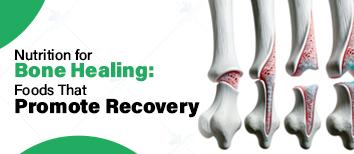
Bone fractures are common injuries from accidents or falls. While many heal well, complications can arise, affecting recovery. Learn more about these issues and treatments.
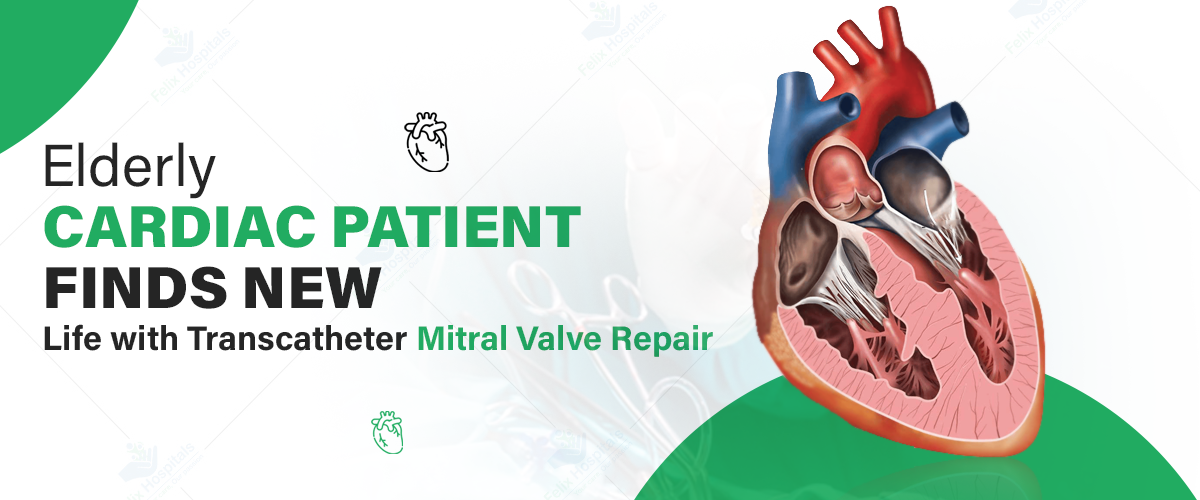
Mitral valve disease is a debilitating condition that affects the heart’s ability to regulate blood flow efficiently between the left atrium and the left ventricle. In elderly patients, this condition can lead to severe complications, such as heart failure, reduced mobility, and a diminished quality of life. Traditional open-heart surgeries, while effective, often pose significant risks for older individuals due to their frailty and co-existing medical conditions.
Enter Transcatheter Mitral Valve Repair (TMVR), a revolutionary procedure offering a safer alternative for high-risk patients. This minimally invasive technique has transformed cardiac care, providing effective treatment with fewer complications. For patients seeking such advanced care, the best cardiology hospital in Noida stands out for its expertise and cutting-edge facilities.
If you or a loved one is struggling with mitral valve disease, don't wait any longer. Contact us today at +91 9667064100.
The mitral valve is a crucial part of the heart that ensures unidirectional blood flow from the left atrium to the left ventricle. When this valve is damaged or becomes dysfunctional, it can lead to conditions like mitral regurgitation, where blood flows backward into the atrium, placing additional strain on the heart.
For older adults, mitral valve disease can exacerbate existing health issues, such as hypertension and diabetes. If left untreated, it may lead to heart failure. These symptoms often restrict daily activities, making it challenging for elderly patients to maintain independence.
Open-heart surgery, while effective for treating mitral valve disease, involves longer recovery periods and higher risks for elderly patients. Frailty, co-morbidities, and the need for general anesthesia often make many patients ineligible for these procedures.
TMVR is a minimally invasive procedure designed to repair a malfunctioning mitral valve without the need for open-heart surgery. During TMVR, a catheter is inserted through a vein in the leg and guided to the heart, where specialized tools are used to repair the valve.
This innovative approach has redefined cardiac care, especially for elderly patients, enabling them to regain their quality of life with minimal disruption.
Before the TMVR procedure, patients undergo detailed imaging studies to assess the severity of their condition and plan the intervention. These tests help the medical team identify the most suitable approach for the repair.
The TMVR procedure involves inserting a catheter through a vein in the leg and guiding it to the heart. Using state-of-the-art imaging technology, the cardiologists repair the mitral valve without the need for open surgery. The procedure is completed within a few hours under anesthesia.
TMVR has proven transformative for elderly patients, offering them a second chance at an active and fulfilling life.
Patients often report improved overall health, allowing them to participate in daily activities and enjoy time with loved ones, free from the limitations of their previous condition.
Felix Hospital offers expert care for Transcatheter Mitral Valve Repair (TMVR) through the best cardiologists in Noida at Felix Hospitals:
These specialists are committed to offering the best heart care and optimal outcomes for patients with mitral valve disorders.
Reach out now to book your appointment and learn how this revolutionary treatment can transform your heart health.
The journey of patients undergoing Transcatheter Mitral Valve Repair highlights the procedure's transformative potential. TMVR offers elderly patients struggling with mitral valve disease a pathway to restored health and independence.
The expertise of skilled cardiologists, combined with advanced medical infrastructure, makes the best cardiology hospital in Noida a leader in innovative cardiac care. While the cost of TMVR treatment may vary, the procedure's benefits far outweigh the investment, offering patients renewed hope and vitality.
1-Who is eligible for TMVR?
ANS: TMVR is particularly beneficial for high-risk patients, including the elderly or those with co-existing health conditions who may not be suitable candidates for traditional open-heart surgery. A thorough evaluation by a cardiologist is required to determine eligibility.
2-What are the advantages of TMVR over traditional open-heart surgery?
ANS: TMVR is minimally invasive, meaning it involves smaller incisions, reduced risks of complications, and a faster recovery time compared to traditional open-heart surgery. It’s an ideal option for patients who are not fit for more invasive procedures.
3-How long does the TMVR procedure take?
ANS: The TMVR procedure typically takes a few hours to complete, depending on the complexity of the case. Patients are usually under anesthesia, ensuring they are comfortable throughout the procedure.
4-What is the recovery time after TMVR?
ANS: Most patients experience immediate symptom relief, such as reduced breathlessness and fatigue, and can be discharged within 48 hours. Full recovery generally takes a few weeks, during which patients gradually resume their normal activities.
5-Are there any risks associated with TMVR?
ANS: While TMVR is a minimally invasive procedure with a lower risk profile than traditional surgery, like any medical procedure, it does carry some risks, such as infection, bleeding, or complications with the heart’s rhythm. However, these risks are relatively rare, and the procedure’s benefits typically outweigh them.
6-Will I need follow-up care after TMVR?
ANS: Yes, patients typically need regular follow-up visits to monitor heart health and ensure the mitral valve is functioning correctly. The frequency of follow-up visits will depend on individual recovery and the cardiologist’s recommendations.
7-How does Transcatheter Mitral Valve Repair (TMVR) work?
ANS: TMVR involves inserting a catheter through a vein in the leg, which is guided to the heart. Specialized tools are used to repair the mitral valve without the need for open-heart surgery. The procedure is minimally invasive, offering quicker recovery and fewer risks.
For those, who seeking the best hospital for valvular heart disease, choosing a facility with advanced medical technology and experienced cardiologists is crucial.

Heart attack signs early is crucial because timely intervention can significantly reduce the risk of severe complications and improve outcomes.
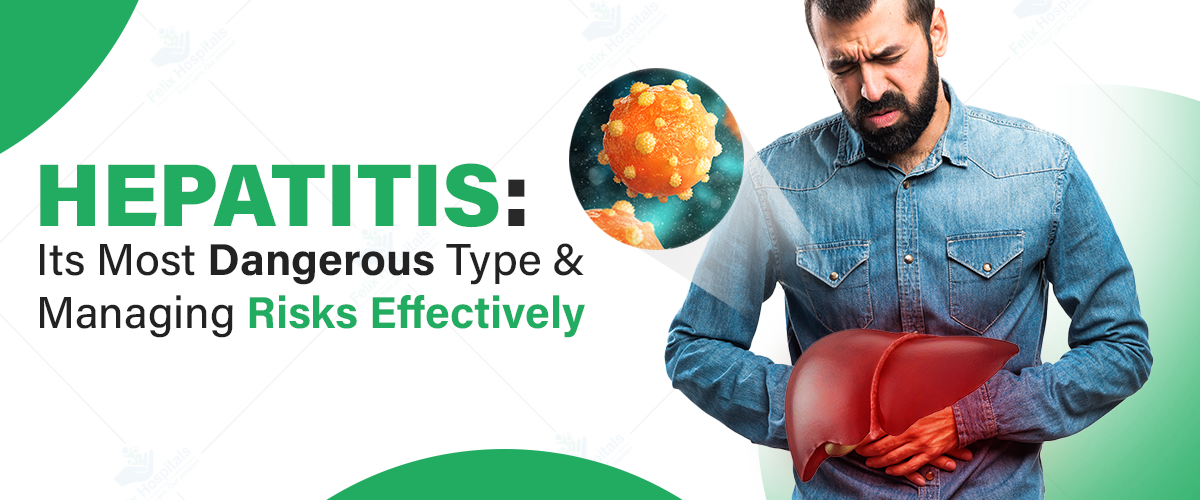
Hepatitis, a viral infection primarily affecting the liver, remains a significant global health concern. The liver plays a vital role in detoxifying the body, producing bile, and managing nutrients. When hepatitis viruses attack, the liver's functions can be severely impaired, leading to long-term health issues. There are five main types of hepatitis: Hepatitis A, B, C, D, and E. Each type varies in its mode of transmission, severity, and health outcomes. Understanding the risks associated with each type is essential to determine the most dangerous type of hepatitis and its potential impact on health. If you're seeking expert care for hepatitis, consider consulting the specialists at the best gastro hospital for comprehensive treatment and management.
Early detection and prevention are key. Call +91 9667064100 to learn more and schedule your visit today!
Hepatitis is an inflammation of the liver, often caused by viral infections. Other causes can include excessive alcohol consumption, certain medications, and autoimmune diseases. Viral hepatitis is the most common and widely studied form.
How Hepatitis Affects the Liver
Hepatitis viruses attack liver cells, leading to inflammation and damage. This can result in symptoms such as:
Fatigue
Jaundice (yellowing of the skin and eyes)
Loss of appetite
Dark urine
Abdominal pain
General Transmission Routes
Hepatitis spreads through various routes:
Hepatitis A and E: Contaminated food and water.
Hepatitis B, C, and D: Blood, bodily fluids, and sexual contact.
Mode of Transmission: Spread via the fecal-oral route, often through contaminated food or water.
Infection Characteristics: Short-term infection that does not become chronic.
Symptoms and Risks: Common symptoms include fever, nausea, and jaundice. While generally mild, severe cases can occur in older adults.
Mode of Transmission: Spread through blood, sexual contact, and from mother to child during childbirth.
Infection Characteristics: Can be acute or chronic. Chronic infections increase the risk of liver cirrhosis and liver cancer.
Long-Term Risks: Chronic HBV is a leading cause of liver failure and hepatocellular carcinoma, making it a significant global health concern.
Mode of Transmission: Primarily spread through blood, such as sharing needles or unsterilized medical equipment.
Infection Characteristics: Often asymptomatic initially, leading to chronic liver damage over time.
Long-Term Risks: A major cause of cirrhosis and liver cancer, particularly because it often goes undetected until significant damage has occurred.
Mode of Transmission: Occurs only in individuals already infected with Hepatitis B, as HDV relies on HBV to replicate.
Infection Characteristics: Co-infection with HBV can lead to more severe liver complications.
Risks: Increases the likelihood of cirrhosis and liver failure.
Mode of Transmission: Spread through contaminated water and food.
Infection Characteristics: Mostly acute and self-limiting. However, it can be severe in pregnant women, leading to liver failure and high mortality rates.
When assessing the most dangerous types of hepatitis, Hepatitis B and C stand out due to their chronic nature and long-term health risks.
Chronic Nature: Chronic HBV infection can lead to cirrhosis, liver failure, and liver cancer.
Mortality Rate: A significant cause of liver-related deaths worldwide.
Global Impact: Approximately 296 million people live with chronic HBV infection, with nearly 820,000 deaths annually.
Silent Progression: Often asymptomatic until advanced stages, making early detection challenging.
Long-Term Risks: A leading cause of chronic liver disease, cirrhosis, and liver cancer.
Global Impact: An estimated 58 million people live with chronic HCV infection, with 290,000 deaths annually.
While Hepatitis A and E can cause severe acute symptoms, they rarely lead to chronic conditions. Their impact is less severe compared to the chronic nature of Hepatitis B and C.
Hepatitis D is considered more dangerous than B when co-infection occurs, as it accelerates liver damage and increases the risk of severe complications.
Early detection of hepatitis is crucial to prevent severe liver damage. Regular screening is particularly important for high-risk groups, such as:
Healthcare workers
Intravenous drug users
Individuals with unprotected sexual practices
Timely treatment reduces the risk of cirrhosis and liver cancer.
Allows for lifestyle adjustments to minimize liver stress.
Increases the effectiveness of antiviral therapies.
Antiviral Medications: Help suppress the virus and reduce liver inflammation.
Monitoring: Regular liver function tests to assess progression.
Advanced Cases: Liver transplantation may be required for severe liver damage.
Direct-acting antivirals (DAAs): Highly effective in achieving a cure.
Chronic Management: Lifestyle changes to support liver health.
Avoid alcohol and hepatotoxic medications.
Maintain a balanced diet rich in antioxidants and low in processed foods.
Vaccines are available and highly effective. Vaccination programs have significantly reduced the incidence of these infections when administered under a doctor's prescription.
While no vaccine is available, advancements in antiviral treatments have improved outcomes.
Practice safe sex and avoid sharing needles.
Maintain proper hygiene and consume clean food and water.
Their combined expertise ensures world-class care for patients battling hepatitis.
Schedule a consultation with the best gastroenterologists for expert advice on hepatitis management and liver care. Book your appointment now!
Hepatitis remains a critical global health issue, with Hepatitis B and C posing the highest risks due to their chronic nature and potential for severe liver damage, including cirrhosis and cancer. By understanding the hepatitis risks, the role of vaccination, and the importance of early detection and treatment, individuals can take proactive steps to safeguard their liver health. Prevention through safe practices, lifestyle modifications, and timely medical care can significantly reduce the burden of this disease and save countless lives.
1. What are the early signs of Hepatitis B and C that one should watch out for?
Ans. Hepatitis B and C often start with mild symptoms such as fatigue, jaundice, dark urine, or abdominal discomfort. However, these types can remain asymptomatic for a long time, making early screening vital.
2. Can Hepatitis D be prevented if I am already vaccinated for Hepatitis B?
Ans. Yes, Hepatitis D cannot infect individuals who are immune to Hepatitis B. Vaccination against HBV is an effective way to prevent HDV co-infection.
3. How does chronic Hepatitis C damage the liver without showing symptoms?
Ans. Chronic Hepatitis C progresses silently by causing low-grade inflammation, which leads to fibrosis, cirrhosis, or even liver cancer over time, often without noticeable symptoms.
4. Why is Hepatitis E more dangerous during pregnancy?
Ans. Hepatitis E infections during pregnancy, especially in the third trimester, can lead to fulminant liver failure, high mortality rates, and severe complications for both mother and fetus.
5. Are there any dietary restrictions for individuals living with chronic hepatitis?
Ans. Yes, it’s recommended to avoid alcohol, high-fat diets, and processed foods. A balanced diet with antioxidants, lean proteins, and whole grains supports liver health.
6. What makes direct-acting antivirals (DAAs) a game-changer in Hepatitis C treatment?
Ans. DAAs specifically target and block the virus's replication process, achieving high cure rates with fewer side effects compared to older treatments like interferon.
7. How often should high-risk individuals get screened for hepatitis?
Ans. High-risk groups, such as healthcare workers, IV drug users, and those with multiple sexual partners, should undergo annual screenings or as advised by a healthcare provider.

Learn the essential diet tips for ascites management. Discover foods to include and avoid to maintain liver health, reduce fluid buildup, and improve overall wellness.


Subscribe to our
© Copyright 2026. All Rights Reserved by Felix Healthcare Private Limited
Design and development by :


 +(91)9667064100
 Emergency : +(91)9667064100