 Emergency:
  WhatsApp



Subscribe to our
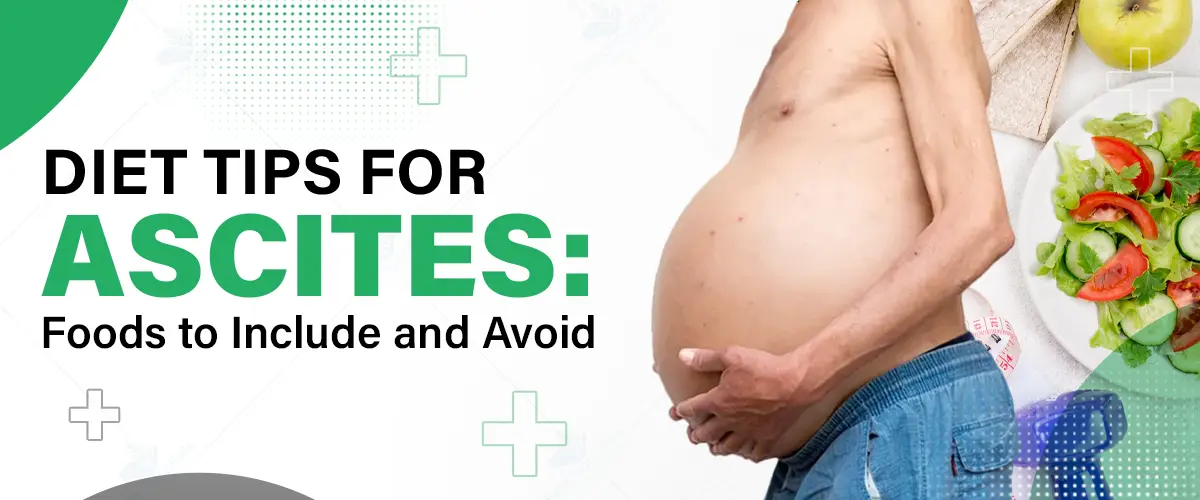
Ascites, a condition associated with fluid accumulation in the cavity of the abdomen usually requires a multidisciplinary approach. But what if we told you that you could easily manage ascites-related symptoms by making simple dietary changes such as consuming low- sodium and high-protein diets. In fact you may maintain your overall health and well being by including or avoiding certain foods to your diet.
Here's an in-depth guide on the best foods for ascites and liver disease and when to seek medical help. At Felix Hospital, the leading gastroenterology hospital in Noida we have a renowned and experienced team of liver doctors.
So, if you've been struggling to get a personalized diet for ascites patients, don’t panic!
Contact us at +91 9667064100 and book an appointment with our specialists today!
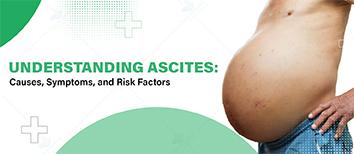
Ascites can be associated with diseases like cirrhosis — a dangerous liver disease, cancer, heart disease and even kidney problems. A patient suffering from a minor ascites will normally suffer no symptoms because of lesser accumulation of fluid in the abdomen. But as the degree of fluid retention continues to increase, so does the size of the patient's belly.
Nevertheless, some of the general symptoms that a patient might have when suffering from ascites include the following:
Shortness of breath
Nausea
Indigestion
Swelling in your legs and ankles
Lack of appetite
Vomiting
Heartburn Jaundice
Ascites often occur as a sign of liver failure, so if you experience any of these above-mentioned symptoms, it would be best to visit or consult a doctor.
Ascites cannot be cured. However, with the treatment based on what caused your ascites, it can be managed and controlled. Generally, the goal is to reduce the fluid in your belly.
Dietary habits affect the fluid retention in the abdomen of individuals with ascites. High-sodium diets and low-protein diets worsen the condition.
Therefore, the diet plan for ascites patients should focus on minimizing fluid retention and support liver function while providing adequate nutrition; often, this would imply balancing nutrient intake with certain restrictions.
Ascites patients require a diet plan that supports liver function, prevents fluid retention, and provides essential nutrients. An ideal diet for the ascites patient includes the following:
Fresh fruits, like bananas, oranges, and vegetables like sweet potatoes, kale and spinach, etc help in balancing sodium levels; antioxidant-rich fruits such as berries, citrus fruits, and melons protect liver cells. Citrus fruits like mandarins and oranges and pineapples are natural diuretics and will help to remove the excess fluid from your abdomen. Similarly, mangoes are known to help relieve symptoms of ascites.
Lean meats, like chicken, turkey, fish like salmon, lentils, beans, tofu, etc., can be included in the diet in boiled or grilled form.
Whole grains, such as, whole wheat flour, whole oats, etc., that are a rich source of fibre are healthy and best foods for ascites and liver patients. Oats are good diuretics as well. Besides, whole grain cereals, porridge, brown rice, rice flakes, puffed rice, whole grain bread, quinoa, etc., can also be consumed.
Replace carbonated beverages or canned juices with healthier alternatives like infused water, green teas, or freshly squeezed juices without added sugar. Drinks with added sugar should be avoided as it is harmful and can contribute to health problems, including weight gain and heart disease. You can also consume coconut water as it is rich in potassium and keeps the body hydrated.
Low sodium diet for ascites patients is imperative. One can add flavors using fresh herbs and spices instead of salt.
Potassium and magnesium-rich foods such as dark leafy vegetables, avocados, mushrooms, beets, and bananas are a good choice as these reduce water retention and lower blood pressure.
Consume melons as it helps to fight ascites. Besides melons also aid digestion and help in restoring body fluids.
Pulses are a good source of nutrition. Ascites patients should consume split with skin removed pulses like green moong, yellow moong, Pigeon peas, etc.
Maintaining a healthy diet is essential for individuals with ascites and liver disease. Proper guidance from a dietitian can help create a personalized meal plan. To ensure the best outcomes, explore nutrition diet services for expert advice and tailored care.
Foods To Avoid With Ascites:
Reduce or cut down on salt intake.
Smoking as well as alcohol should be completely avoided.
Avoid starchy foods like rice, potato, corn, etc.
Avoid processed food, fast food, and packaged soups as they contain high amounts of preservatives and sodium.
It’s advisable to cut down on milk and its derivatives as it may become difficult for the body to digest.
White refined flour, white bread, corn flour, white rice, etc., should be avoided.
Whole pulses, soya products, kidney beans, black lentils, chickpeas should also be avoided.
However, it is always better to consult your doctor before making any drastic changes to your diet.
Other than the low sodium diet for ascites, your doctor might put you on diuretics, also known as water pills, which help drain excess fluids and salts from your system.
The procedure is generally recommended to ascites patients if treatments like water pills, or switching to low sodium and high protein diet doesn’t help. This is an image-guided procedure wherein the doctor drains fluid inside your abdomen through a hollow tube to reduce swelling around your abdomen. Paracentesis improves ascites in 90 percent of people, but the fluid can come back.
If the above-mentioned non-surgical treatments and diet modifications are not effective, then you will have to undergo one of the procedures listed below:
TIPS procedure is recommended only if patients have advanced liver disease. It is performed to treat some of the complications of liver condition, including ascites. During this image-guided, minimally invasive surgery, the doctor will insert a wire mesh tube known as a stent into one of your liver veins. The procedure typically uses x-ray and ultrasound guidance. A balloon is inflated inside the stent to open it up. The stent allows your blood to flow more easily through your liver and other organs in your belly.
TIPS is performed to reduce the risk of internal bleeding from the stomach and esophagus in patients with cirrhosis besides reducing the accumulation of fluid in the abdomen or lungs. This procedure is usually completed in an hour or two but may sometimes take up to several hours depending on the complexity of the condition.
Unlike traditional bypass surgery, the TIPS procedure being less invasive carries fewer risks. The procedure can sometimes affect the heart and lungs as the sudden increase in blood flow may put excess stress on these vital organs. Therefore, it’s advisable to consult an experienced and skilled surgeon only.
While a TIPS procedure can help reduce the risk of further complications, it cannot correct existing liver damage.
You may need a transplant if the liver is severely damaged due to cirrhosis or liver cancer. During the transplant surgery, the damaged liver is replaced by a healthy liver of a deceased donor or a part of a healthy liver donated by a living donor.
Ascites management and treatment through diet require careful monitoring and specific restrictions. With an emphasis on a low-sodium diet for ascites, including the best foods for ascites and liver disease, and consulting our qualified liver doctor and the best gastroenterologist doctor in Noida, you can live a quality life that supports your liver and digestive health.
Start with small changes, stay consistent, and seek professional help to manage ascites effectively and maintain overall wellness. Don’t waste any more time—reach out to our expert for the best ascites and liver disease diet tailored to your unique needs.
Ans: As mentioned, the most common cause of ascites is liver damage. If not managed or treated, it can lead to serious complications that are usually life-threatening.
Ans: There is no actual cure for ascites. However, timely treatment and dietary modification can bring relief, prevent further complications, and make a patient feel better. What matters most is to stick with your doctor's instructions as a precaution to prevent more damage to your liver.
Ans: If you experience any of the symptoms listed above, contact your primary physician immediately. He will examine you and may refer you to a hepatologist (liver specialist).
Ans: Many people believe that the only way to get liver cirrhosis is by consuming a lot of alcohol. But there are many other ways the liver can be damaged and lead to cirrhosis. Depending on the cause, cirrhosis may take months or years to develop.
Ans: The life expectancy of a person with ascites usually depends on the intensity of the symptoms and underlying cause.
Ans: The intake of water is rarely restricted to less than 1 liter per day for people with ascites.
Jaundice Diet: Learn which foods support liver health and which to avoid for faster recovery.


Subscribe to our
© Copyright 2026. All Rights Reserved by Felix Healthcare Private Limited
Design and development by :


 +(91)9667064100
 Emergency : +(91)9667064100